
The medium-length shag haircut has returned as one of the most versatile and flattering hairstyles of the decade. This iconic cut combines effortless texture with face-framing layers that work beautifully across all hair types and face shapes.
Whether you have fine hair seeking volume or thick hair needing movement, the shag haircut offers endless possibilities. The beauty lies in its adaptability.
Our comprehensive guide showcases 40 stunning variations. Each style includes detailed maintenance advice and styling tips to help you achieve salon-quality results at home.
Table of Contents
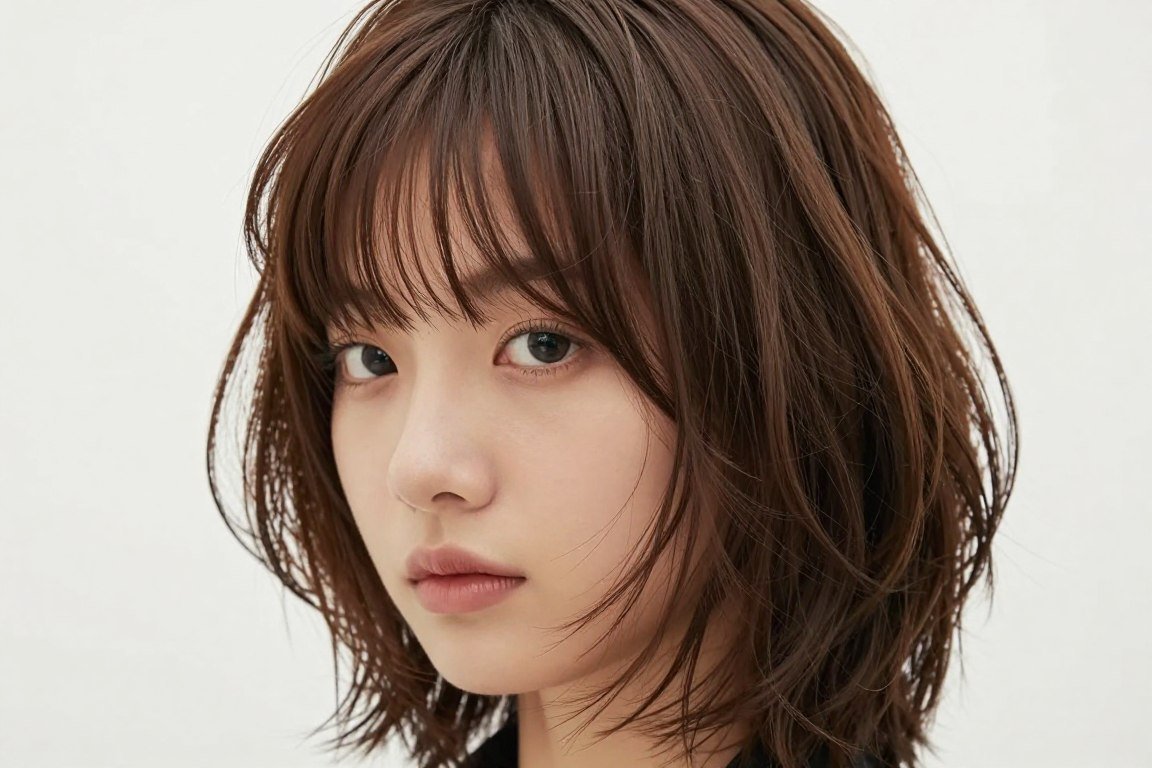
Classic Shoulder-Length Shag with Curtain Bangs
The shoulder-length shag with curtain bangs represents timeless elegance. This style features graduated layers that create natural movement and volume throughout.
Curtain bangs frame the face beautifully while maintaining versatility. They work exceptionally well for oval and heart-shaped faces.
The layered cut starts at chin level and cascades down. This creates dimension that flatters multiple face shapes while adding texture to any hair type.
Styling Tips for Shoulder-Length Shag
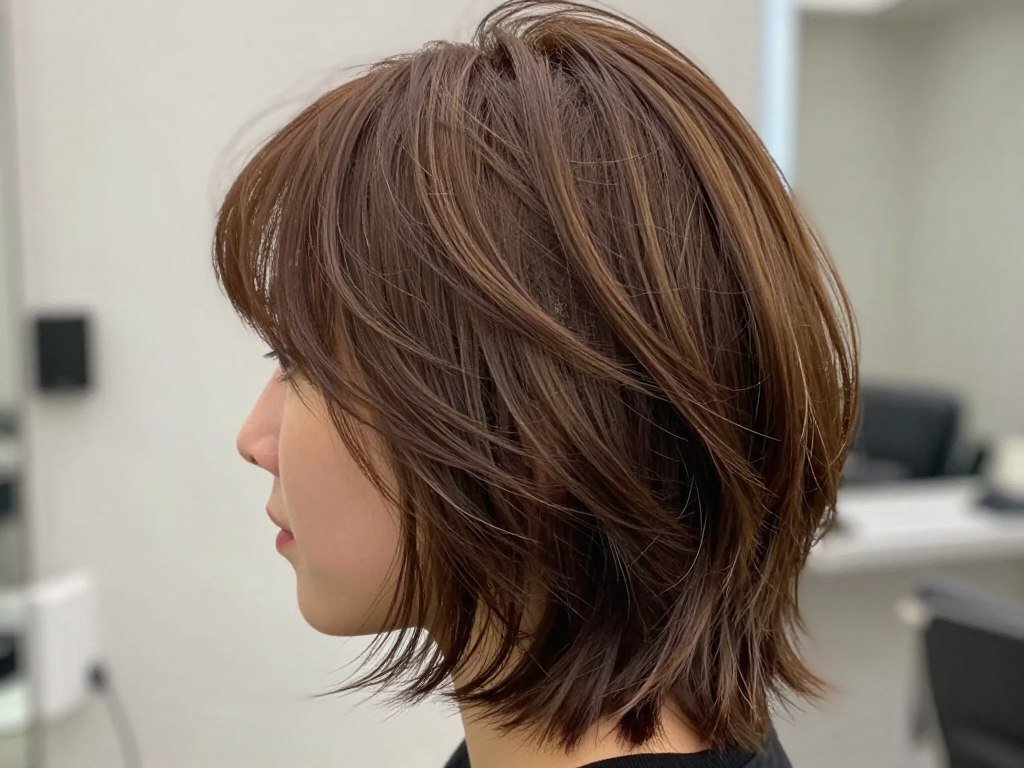
Begin with damp hair and apply volumizing mousse to the roots. This creates lift that lasts throughout the day.
Blow-dry using a round brush to enhance the natural texture. Focus on directing the curtain bangs away from your face for that signature swooped look.
Finish with texturizing spray for piece-y definition. This enhances the shaggy layers while maintaining a lived-in appearance.
Best Hair Types
This versatile cut adapts to various hair textures with proper styling techniques.
- Fine to medium hair density
- Straight to wavy hair texture
- Normal to thick hair volume
- Low to medium maintenance commitment
Maintenance Requirements
Keep your shoulder-length shag looking fresh with these essential care practices.
- Trim every 6-8 weeks to maintain shape
- Deep condition weekly for healthy layers
- Use heat protectant before styling
- Refresh bangs between cuts as needed
Textured Wavy Shag with Wispy Bangs
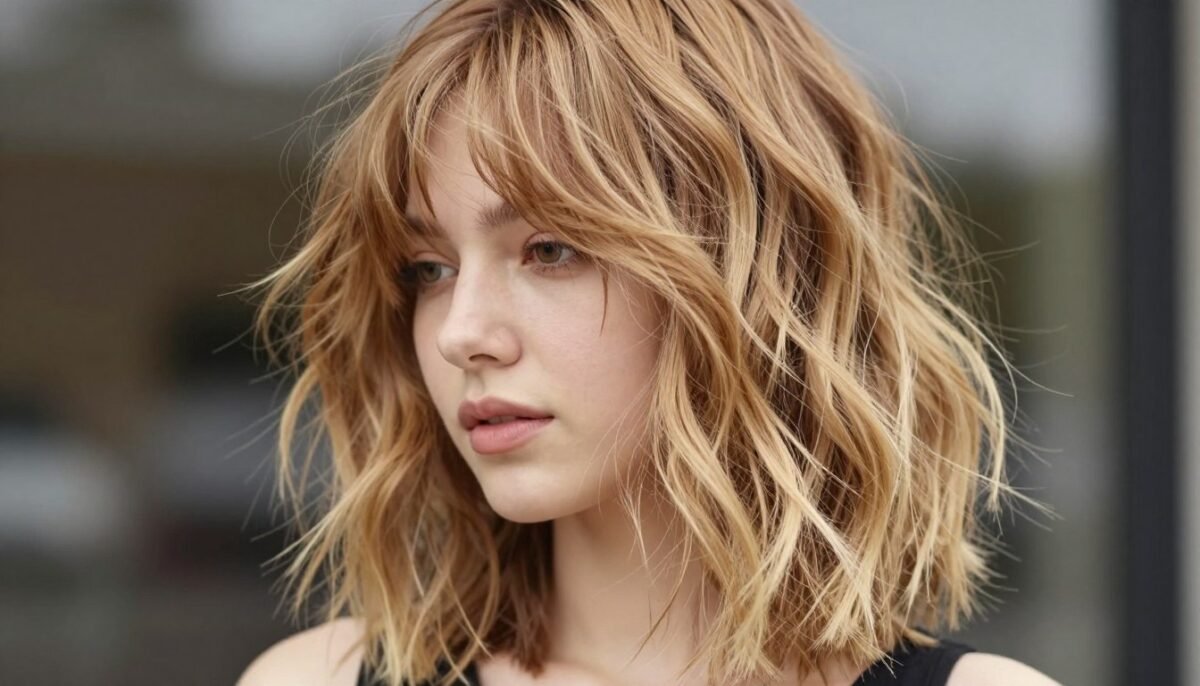
The textured wavy shag embraces natural hair movement. This style celebrates organic waves while incorporating strategic layers for enhanced dimension.
Wispy bangs add softness without overwhelming the face. They create a romantic, effortless aesthetic that suits most face shapes.
This variation works particularly well for those with natural texture. The cut enhances existing wave patterns rather than fighting against them.
Creating the Perfect Wavy Shag Texture
Air-drying works beautifully for this style. Apply curl-enhancing cream to damp hair and scrunch gently to encourage wave formation.
For those preferring heat styling, use a diffuser attachment on low heat. This preserves natural texture while reducing frizz and adding definition.
A sea salt spray adds the perfect beachy texture. Spritz throughout mid-lengths and ends for enhanced piece-y separation.
Face-Framing Layer Techniques
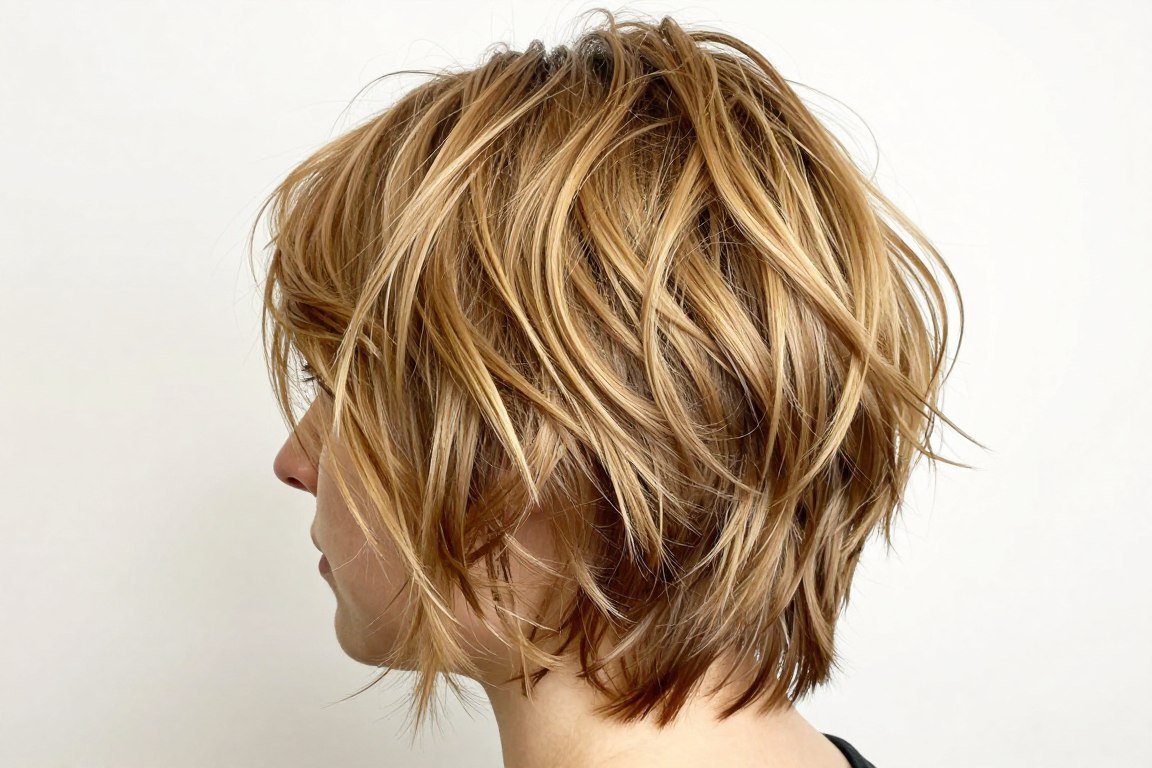
The face-framing layers start at cheekbone level. This creates flattering contours that enhance your natural bone structure.
Shorter layers around the face add movement without sacrificing length. They create a balanced silhouette that works across various face shapes.
- Cheekbone-length layers open up the face
- Chin-length pieces provide soft framing
- Graduated lengths create seamless blending
- Textured ends prevent heaviness
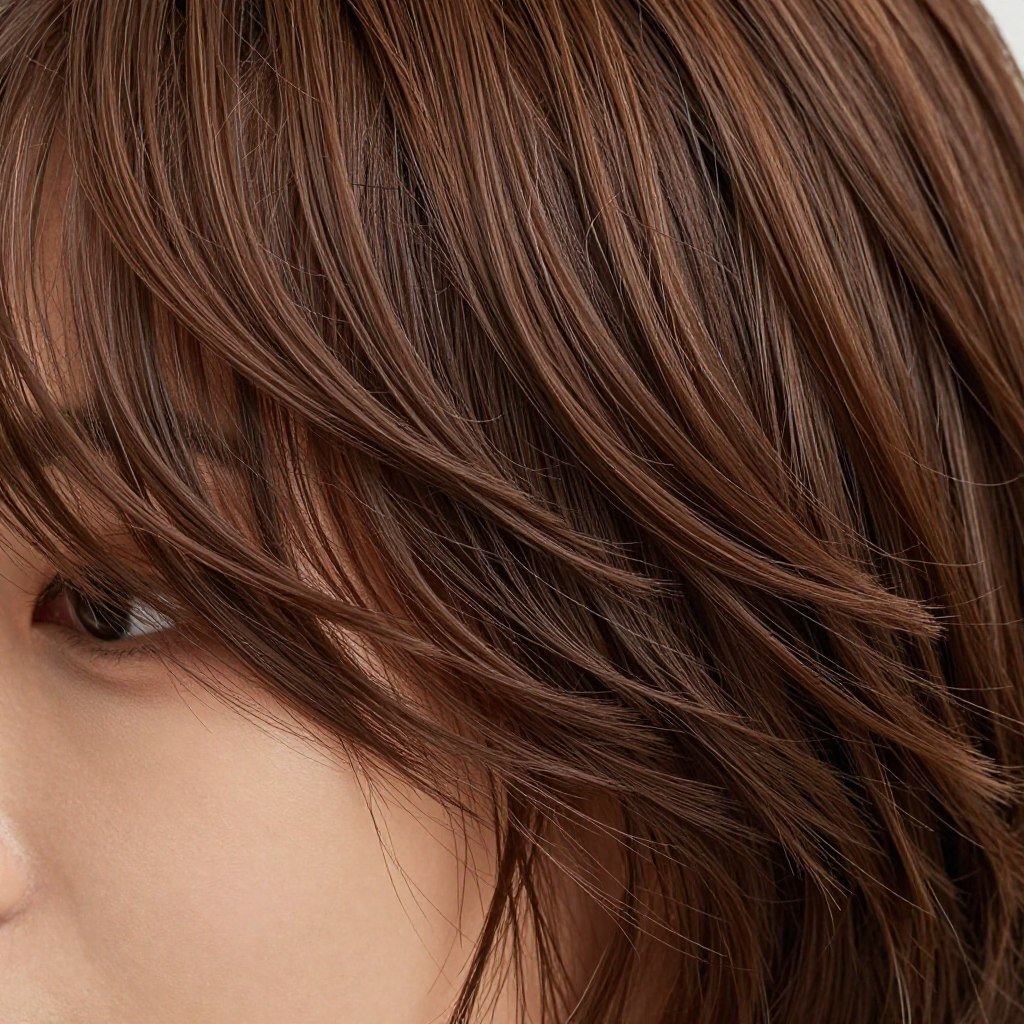
Choppy Layered Shag for Fine Hair
Fine hair transforms with a choppy layered shag. This cutting technique creates the illusion of thickness through strategic layer placement and texturizing.
The choppy layers add movement that fine hair often lacks. Each layer is cut with slight variation to prevent a uniform, flat appearance.
This style requires minimal styling effort. The cut itself does most of the work in creating volume and dimension.
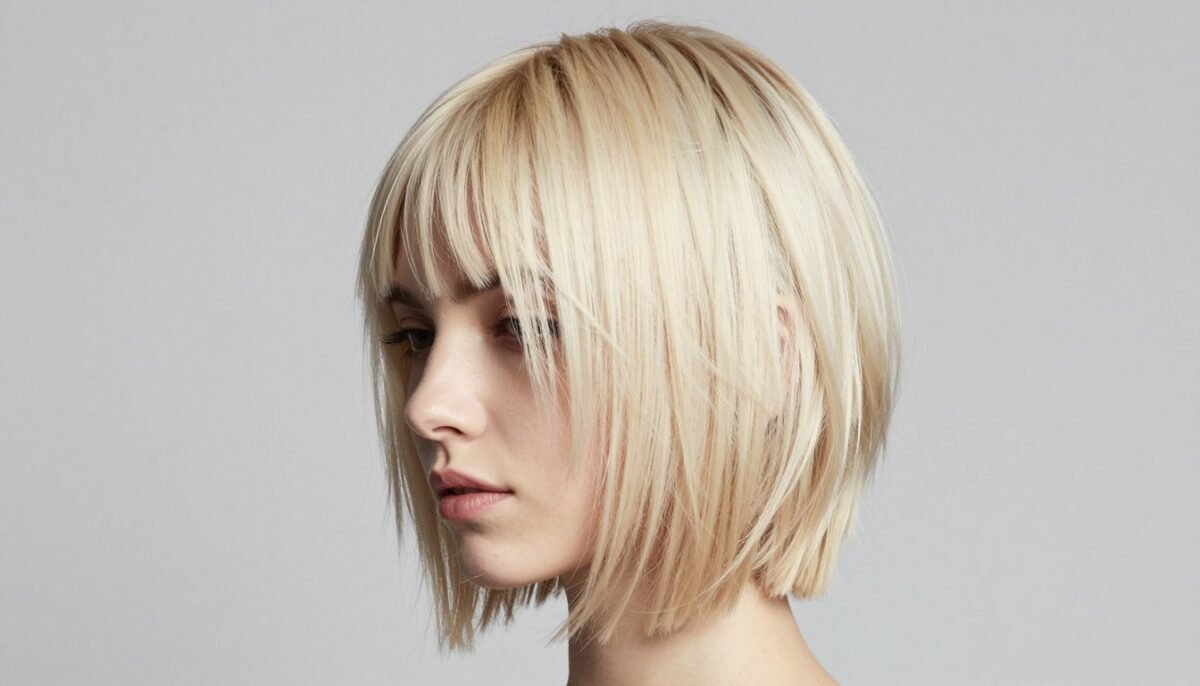
Volumizing Techniques for Fine Hair
Root-lifting products are essential for fine hair success. Apply volumizing powder directly to the roots before blow-drying.
Blow-dry hair upside down to maximize volume at the crown. This creates lift that lasts throughout the day without feeling stiff or unnatural.
Backcombing at the crown adds extra height. Use a fine-tooth comb and gentle teasing motions for natural-looking volume.
Styling Products for Fine Hair
The right products make all the difference for fine hair success.
- Volumizing mousse for root lift
- Dry shampoo for texture and grip
- Lightweight finishing spray
- Texturizing powder for piece-y separation
- Heat protectant that won’t weigh down
Common Fine Hair Mistakes
Avoid these pitfalls to maintain beautiful, voluminous fine hair.
- Over-conditioning which causes flatness
- Heavy oils that weigh hair down
- Skipping regular trims
- Using too much product
- Hot tools on high heat settings
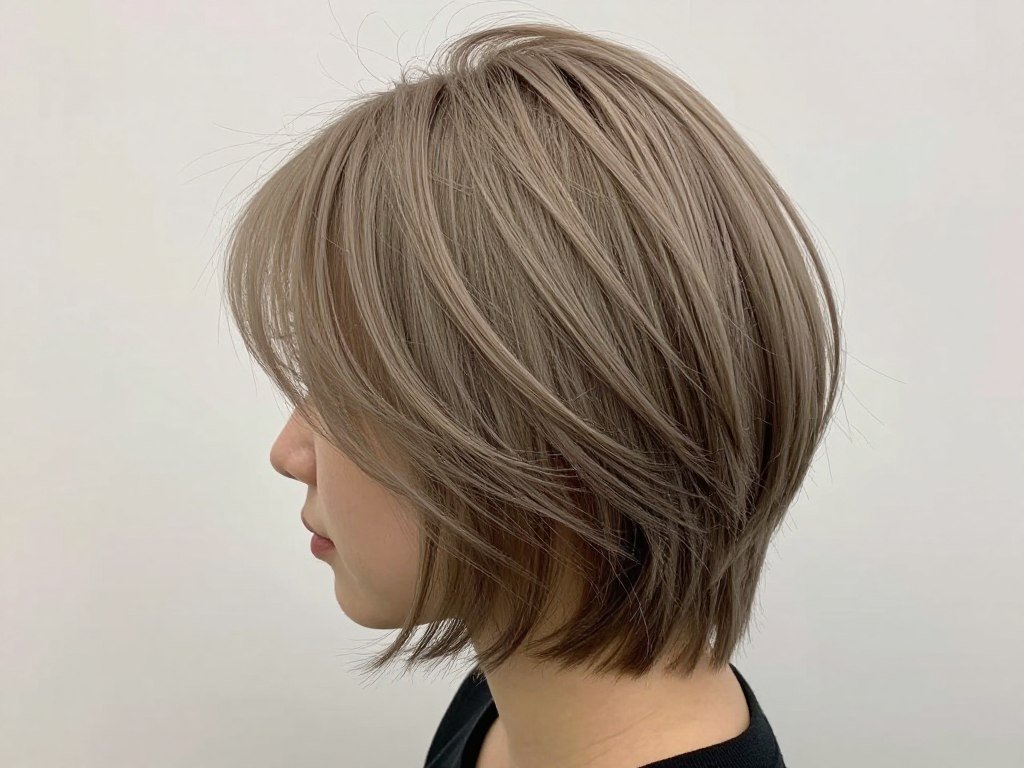
Modern Shag with Full Bangs
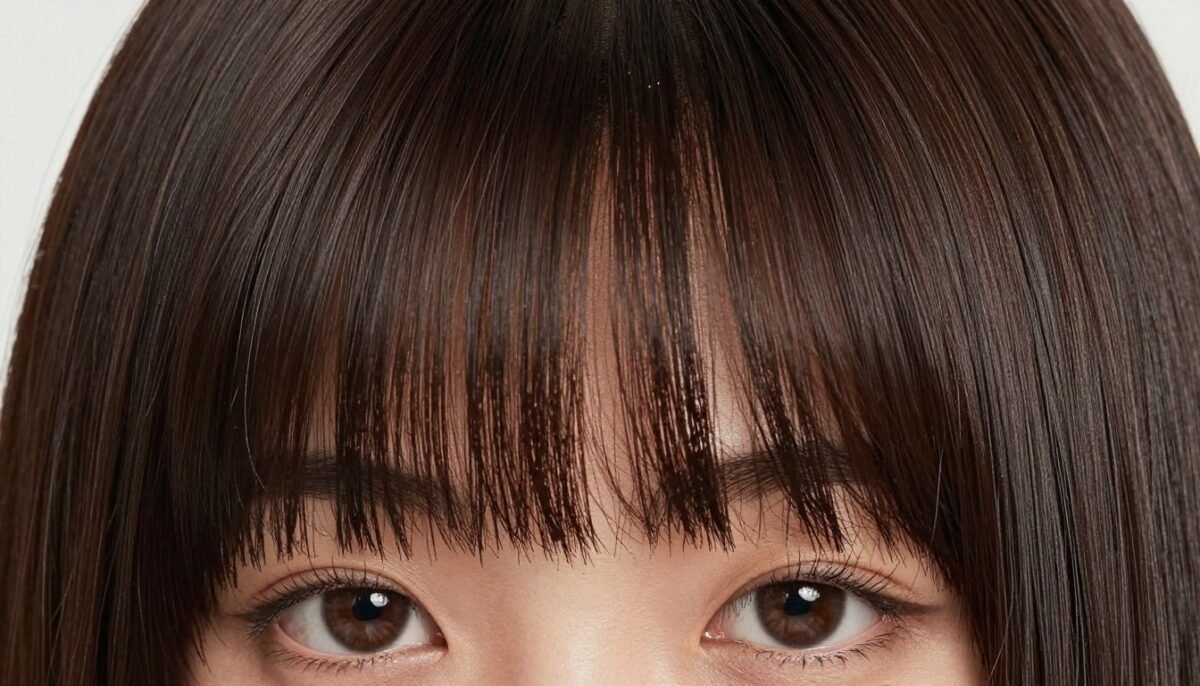
The modern shag with full bangs brings bold drama to the classic cut. Full bangs create a striking focal point that draws attention to the eyes.
This contemporary take balances heavy bangs with lighter, textured layers. The contrast creates visual interest and dimension throughout the style.
Full bangs work especially well for those with longer face shapes. They shorten the appearance of the face while adding youthful energy to the overall look.
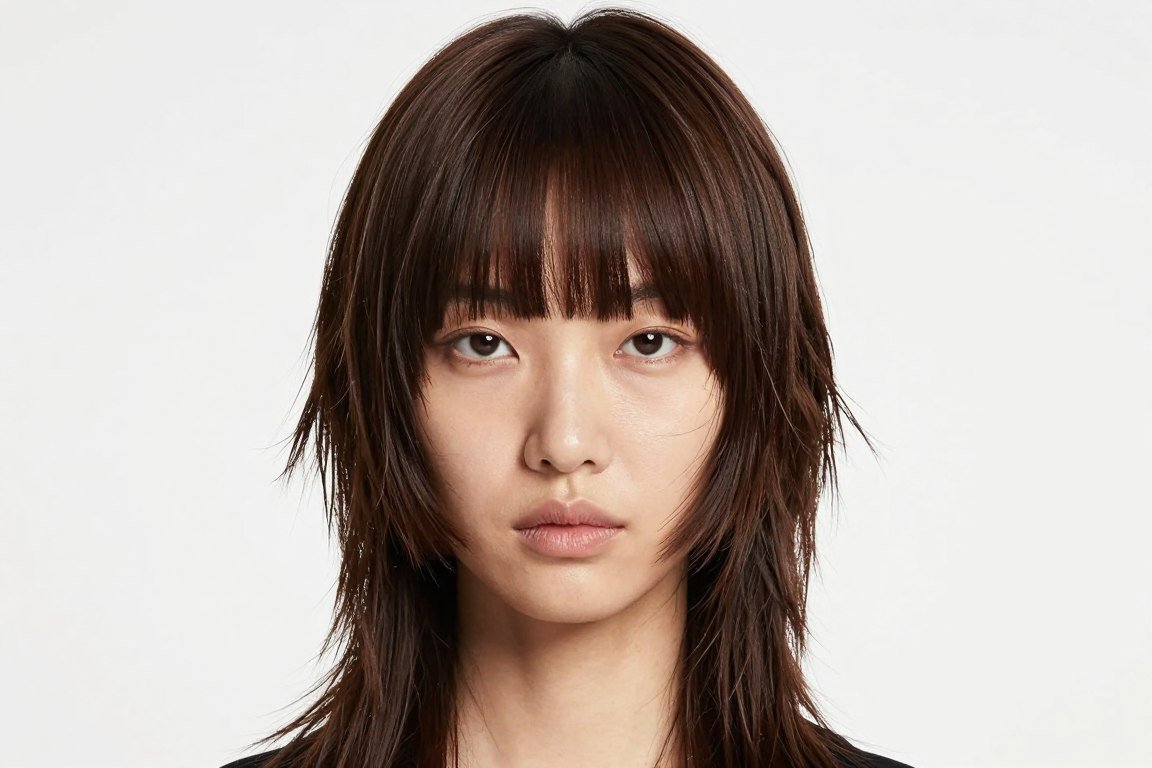
Bang Maintenance and Styling
Full bangs require regular trimming to maintain the perfect length. Visit your stylist every three to four weeks for bang maintenance between full cuts.
Style bangs separately from the rest of your hair. Use a small round brush and direct heat downward to create smooth texture and eliminate cowlicks.
A flat iron provides sleek finish for full bangs. Run it through once on low heat to smooth any remaining frizz or flyaways.
Shaggy Layers Behind Full Bangs
The layers behind full bangs start at ear level. This creates balanced proportions that prevent top-heaviness from the solid bang line.
Razored layers add texture that contrasts beautifully with blunt bangs. The mix of techniques creates dimensional interest throughout the cut.
- Ear-level layers frame the face naturally
- Shoulder-length ends maintain medium classification
- Razored texture prevents bulk
- Graduated lengths create movement
Long Shaggy Bob with Face-Framing Layers
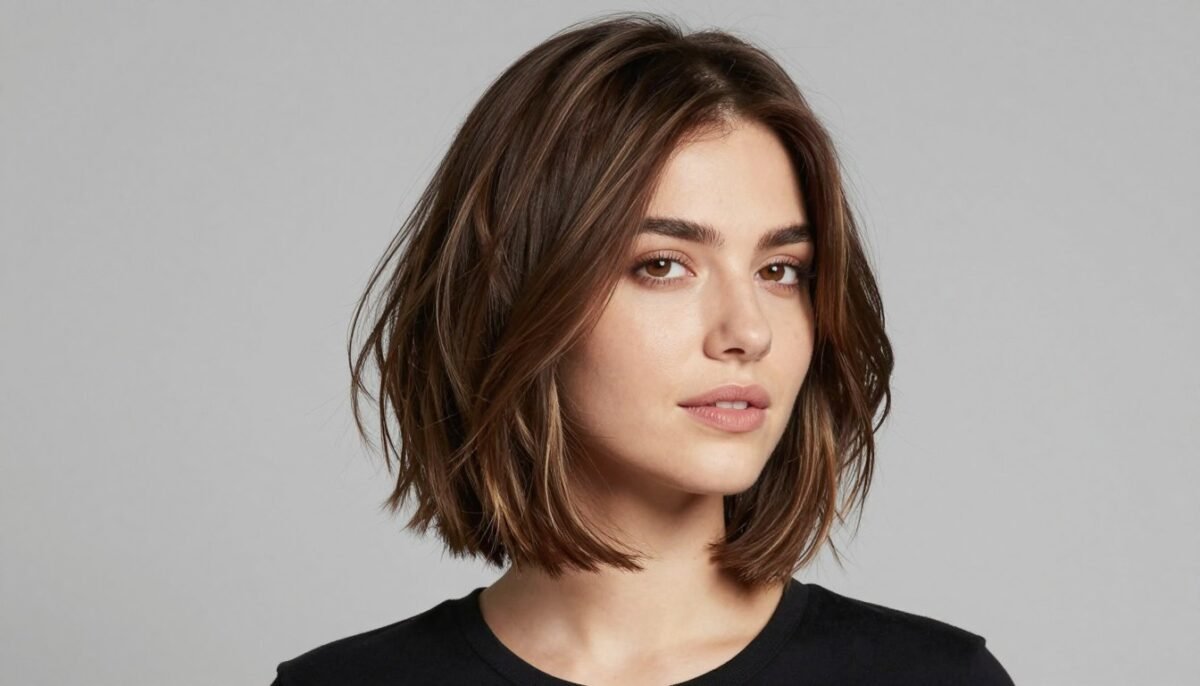
The long shaggy bob bridges the gap between bob and medium-length styles. This versatile cut sits just above or at the shoulders with abundant texture.
Face-framing layers begin at the jawline and gradually lengthen. This creates a flattering V-shape that elongates the neck and highlights the collarbone.
This style suits all hair types with proper customization. Your stylist can adjust layer density based on your natural hair texture and desired maintenance level.
Versatile Styling Options
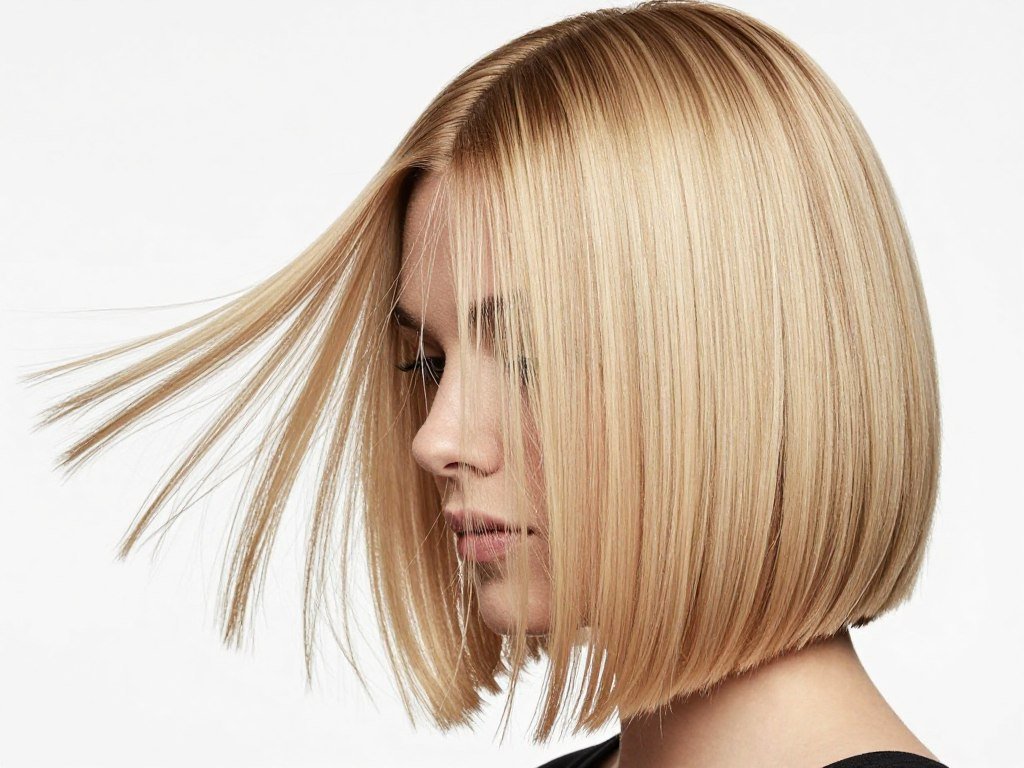
The long shaggy bob offers remarkable styling versatility. Wear it straight for polished sophistication or add waves for casual elegance.
A half-up style showcases the layers beautifully. Pull the top section back to reveal the face-framing pieces while maintaining volume at the crown.
Tucking one side behind the ear creates asymmetrical interest. This simple styling trick transforms the look from casual to chic in seconds.
Styling for Straight Hair
Enhance your straight hair texture with these targeted techniques.
- Apply smoothing serum to damp hair
- Blow-dry with paddle brush for sleekness
- Flat iron face-framing pieces for definition
- Finish with shine spray for glossy finish
- Use minimal product to avoid weighing down
Styling for Wavy Hair
Embrace and enhance your natural wave pattern effectively.
- Scrunch curl cream into damp hair
- Air-dry or diffuse on low heat
- Define individual waves with small curling iron
- Apply texturizing spray for separation
- Refresh with dry shampoo between washes

Feathered Shag with Curtain Bangs
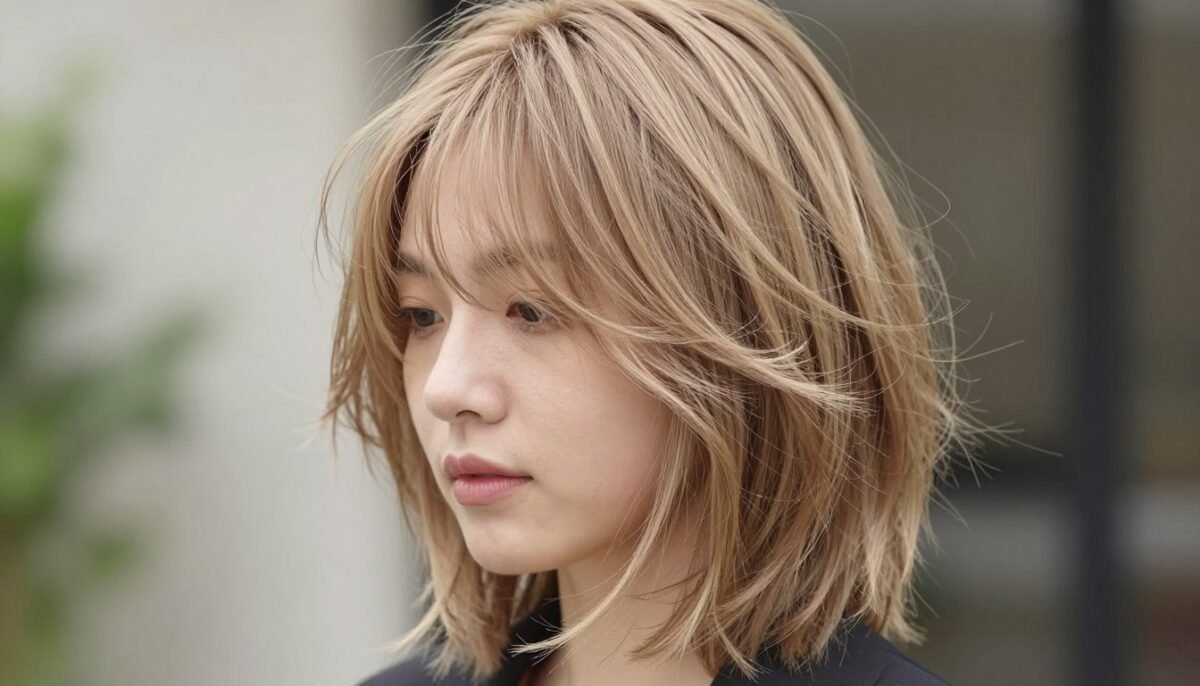
Feathered layers define this romantic shag variation. The delicate, wispy texture creates movement that catches light beautifully throughout the day.
Curtain bangs complement the feathered layers perfectly. They part naturally in the center while swooping gracefully to frame each side of the face.
This style gained popularity in the seventies and has returned stronger than ever. Modern techniques create updated versions that feel fresh and contemporary.
Achieving the Feathered Effect
Feathering requires precise cutting technique. Your stylist uses razor or point-cutting methods to create soft, tapered ends that move freely.
The feathered texture works best on fine to medium hair. Thick hair may require additional thinning to achieve the signature lightweight movement.
Regular trims maintain the feathered effect. Schedule appointments every six to eight weeks to prevent the layers from growing out and losing definition.

Curtain Bang Styling Techniques
Curtain bangs require minimal styling effort once properly cut. The natural part allows them to fall beautifully with simple blow-drying.
Use a small round brush to add gentle curve. Roll the brush away from your face as you dry to create the signature swooped shape.
- Blow-dry bangs first while hair is dampest
- Direct airflow downward to reduce frizz
- Create subtle bend with round brush
- Finish with light-hold spray
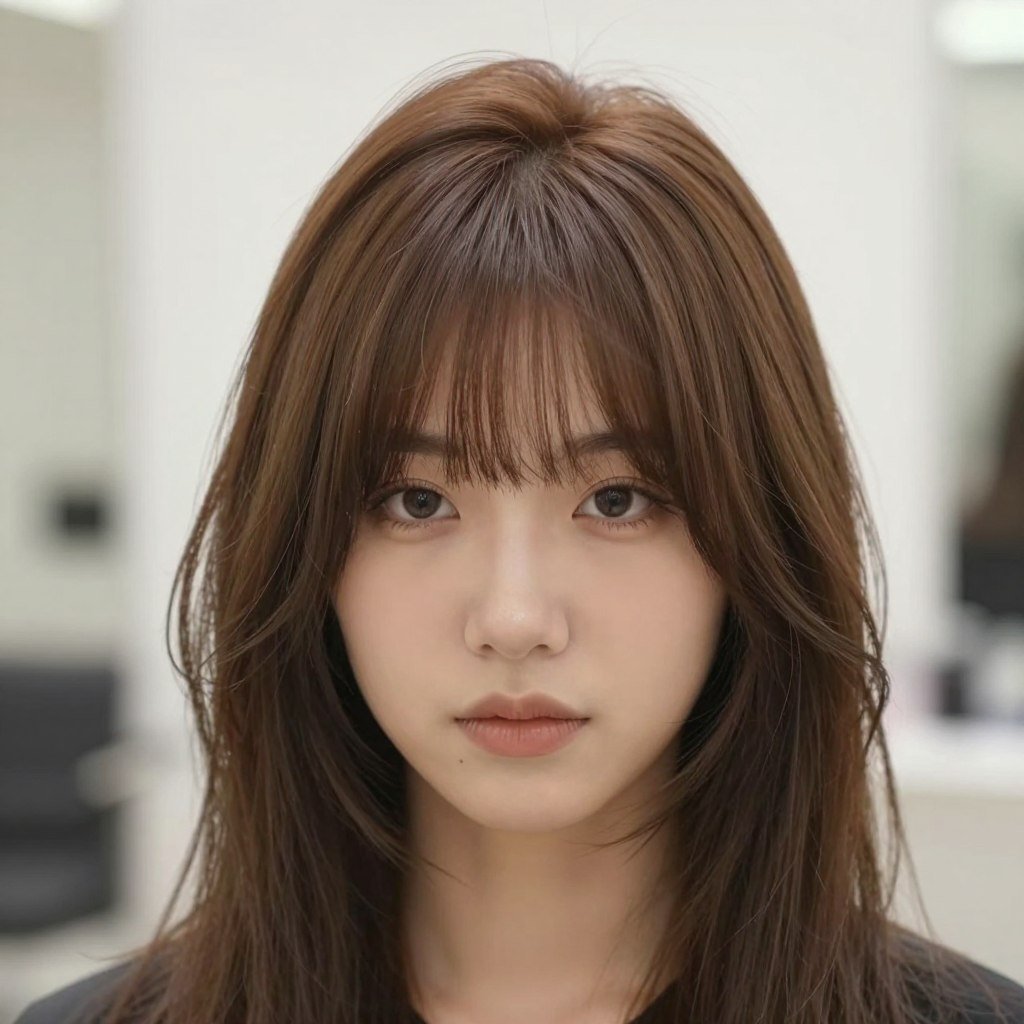
Razored Shag for Thick Hair
Thick hair benefits tremendously from razored shag cutting techniques. The razor removes bulk while creating texture that allows natural movement.
Razored layers prevent the bottom-heavy appearance thick hair often creates. Strategic thinning throughout maintains length while reducing weight and volume.
This technique works particularly well for those struggling with unmanageable thickness. The result is lighter, more controllable hair that still maintains beautiful fullness.

Managing Thick Hair with Shag Cuts
The key to successful thick hair shags lies in proper layer distribution. Your stylist should create multiple shorter layers throughout rather than just at the ends.
Interior layers remove weight without affecting the overall silhouette. This internal texturizing creates movement while maintaining the desired length and shape.
Regular maintenance proves crucial for thick hair shags. Schedule trims every six weeks to prevent the cut from becoming heavy and losing its shaggy texture.
Benefits of Razored Technique
Razor cutting offers unique advantages for thick hair management.
- Removes bulk without losing length
- Creates soft, blended layers
- Reduces styling time significantly
- Enhances natural movement and flow
- Prevents triangle-shaped silhouette
Thick Hair Styling Tips
Maximize your razored shag’s potential with proper styling.
- Use smoothing products to control frizz
- Blow-dry in sections for better control
- Consider Brazilian blowout for manageability
- Apply oil to ends to prevent dryness
- Embrace natural texture when possible
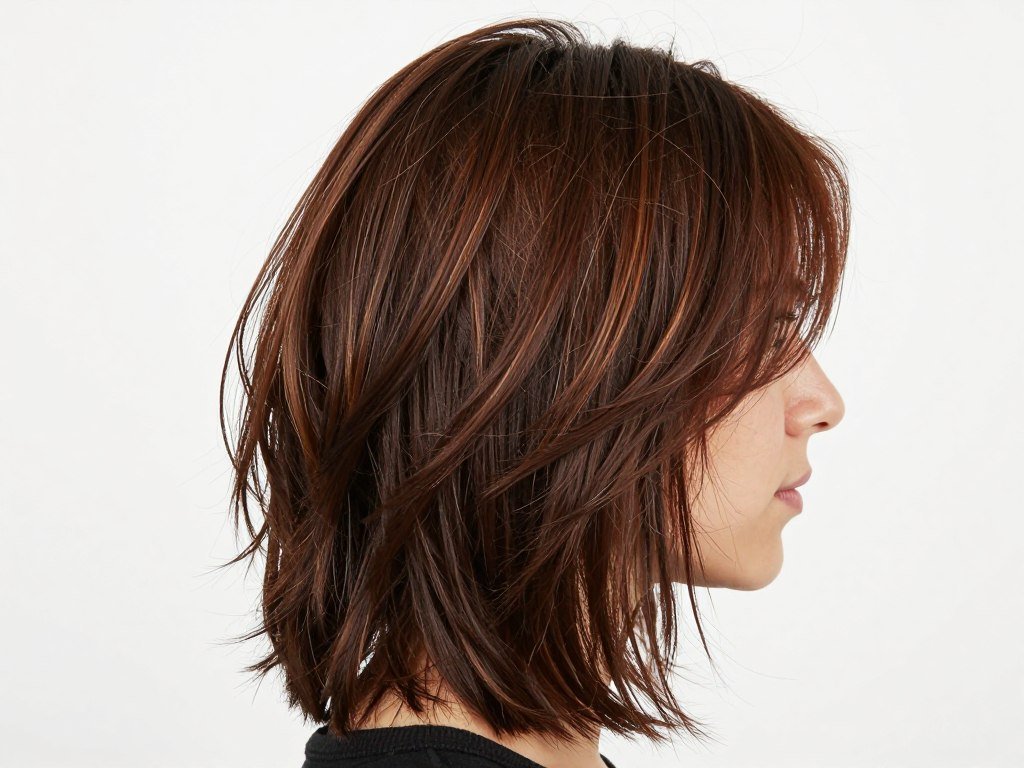
Wavy Shag with Blonde Highlights
Blonde highlights elevate the wavy shag to new dimensions. The color variation enhances the natural movement created by layers and waves.
Highlights strategically placed throughout create depth and dimension. Face-framing highlights brighten the complexion while adding visual interest to the overall style.
This combination works beautifully for those seeking low-maintenance color. The shaggy texture disguises grow-out while the waves add natural blending between tones.

Highlight Placement for Shag Cuts
Face-framing highlights should start at the cheekbones. This placement draws attention to your eyes while creating a brightening halo effect around the face.
Throughout the layers, highlights follow the natural fall of hair. This technique ensures color looks dimensional from every angle rather than stripey or flat.
Balayage technique works particularly well with shag cuts. The hand-painted application creates natural-looking variation that complements the textured layers beautifully.
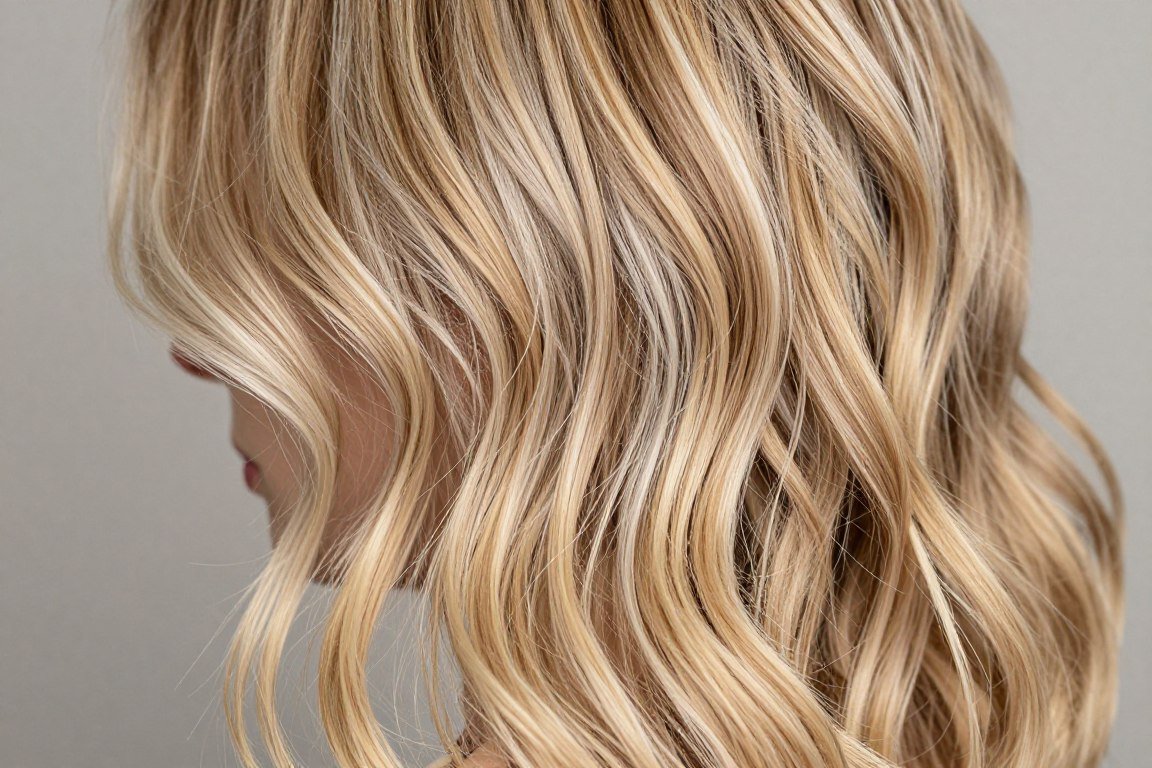
Color Maintenance for Highlighted Shags
Purple shampoo maintains blonde brightness between salon visits. Use once or twice weekly to neutralize brassy tones that naturally develop.
Deep conditioning treatments preserve hair health. Highlights require extra moisture to prevent dryness and maintain shine.
- Tone highlights every 4-6 weeks
- Use color-safe shampoo and conditioner
- Apply weekly hair masks for moisture
- Protect from sun exposure to prevent fading
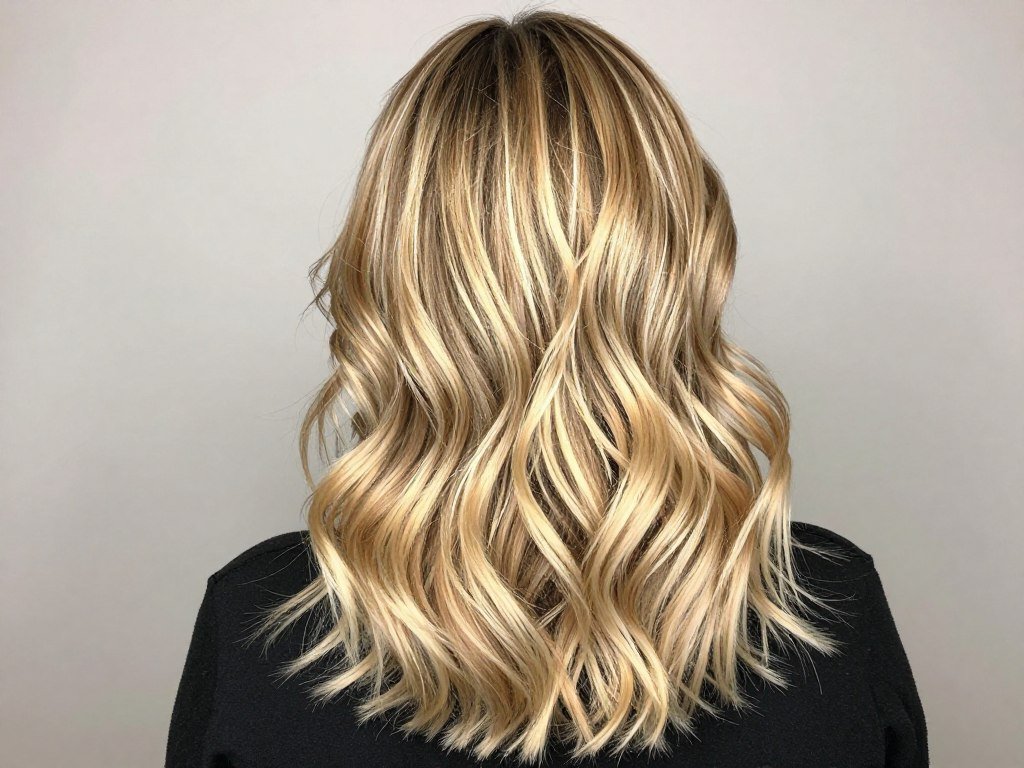
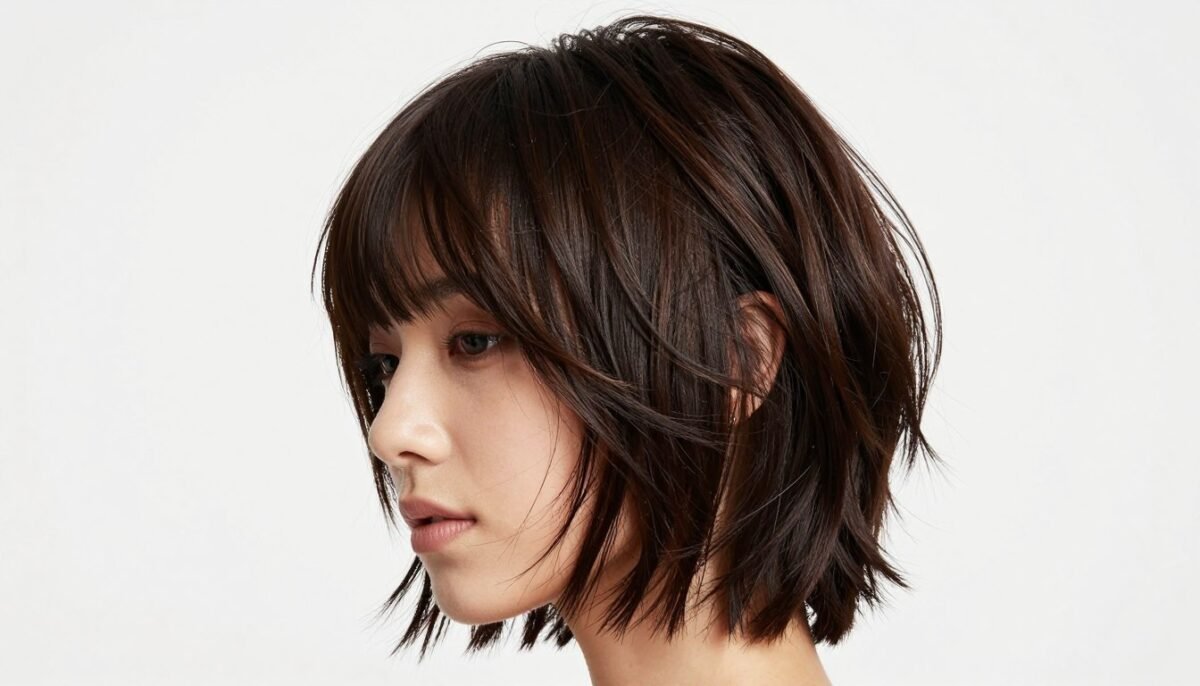
Textured Shag for Dark Hair
Dark hair showcases shag texture with stunning clarity. The layers create visible dimension that catches light beautifully against rich, dark tones.
Textured layers prevent dark hair from appearing flat or one-dimensional. Each layer reflects light differently, creating natural depth without color variation.
This style particularly suits those who prefer minimal color maintenance. The shag cut provides all the dimension needed through strategic layering alone.
Enhancing Dark Hair Texture
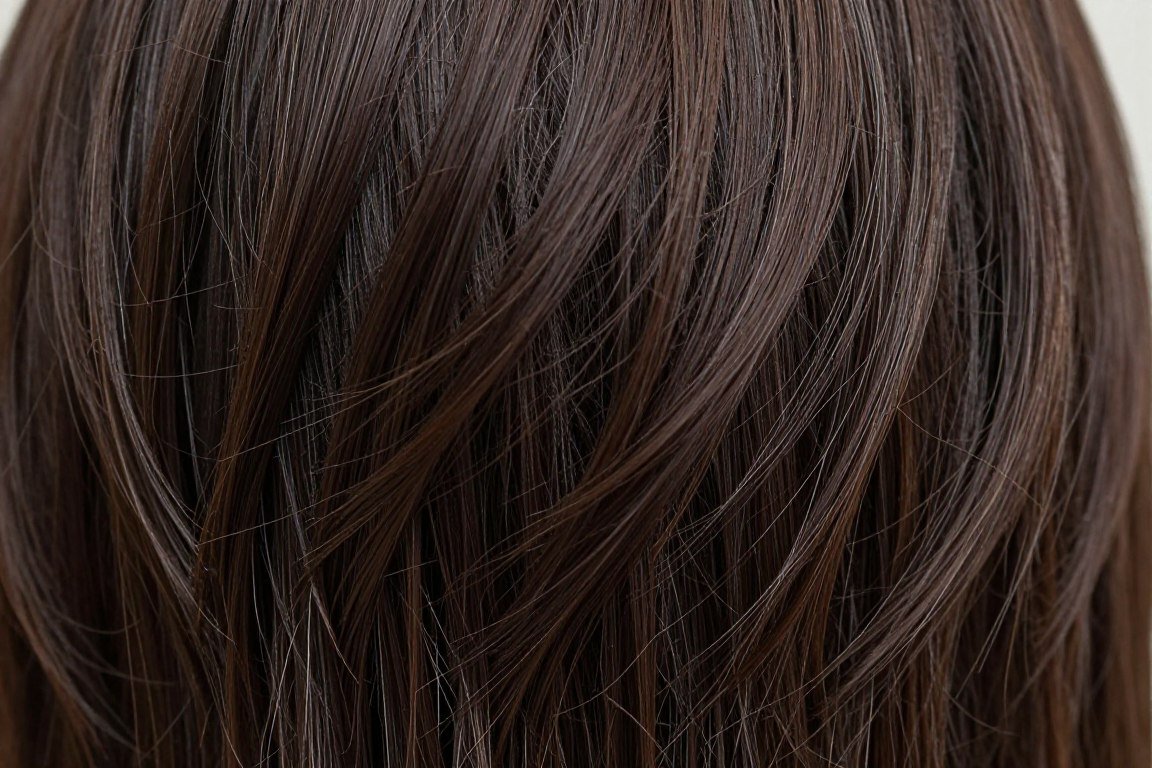
Shine products work wonders on dark hair shags. Apply lightweight oil or shine serum to enhance the natural luster dark hair possesses.
The right lighting reveals dark hair’s beautiful dimension. Natural sunlight showcases the layers and texture that artificial light sometimes misses.
Consider subtle lowlights for added depth. A few shades darker than your base color creates shadow and dimension that emphasizes the shag’s layers.
Styling Products for Dark Hair
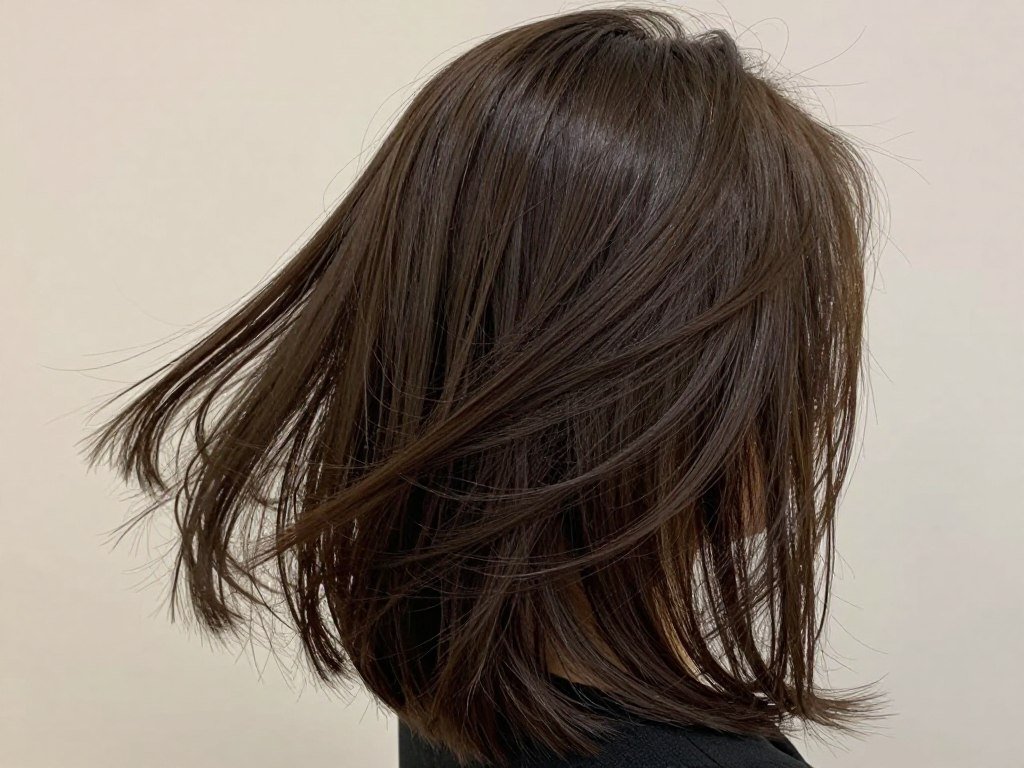
Dark hair benefits from specific product types that enhance rather than weigh down the shaggy texture.
- Lightweight shine serum for glossy finish
- Texturizing paste for piece-y definition
- Volumizing spray at roots for lift
- Heat protectant to prevent color fading
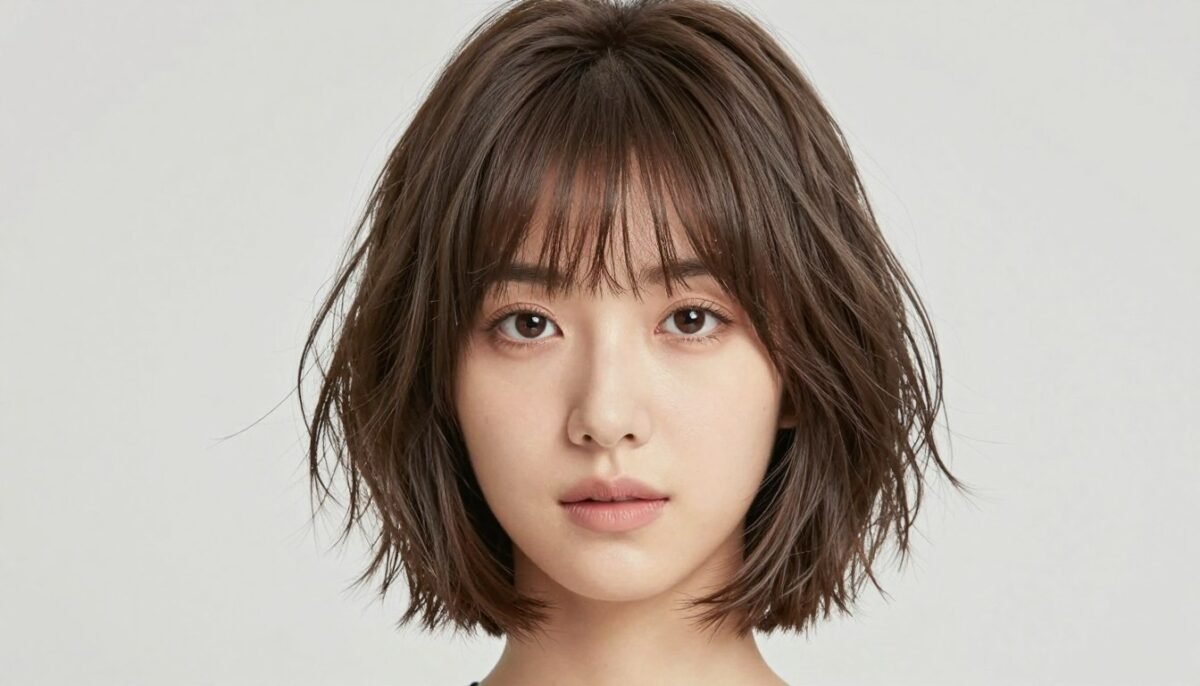
Shaggy Bob with Wispy Bangs
The shaggy bob combines classic bob structure with modern texture. Wispy bangs add softness that prevents the style from feeling too structured or severe.
This length hits between chin and shoulders with abundant layers throughout. The shaggy texture creates movement that standard bobs often lack.
Wispy bangs offer versatility that full bangs cannot. Style them across the forehead, sweep them to the side, or tuck them behind ears for different looks.
Wispy Bang Creation and Care
Wispy bangs require precise thinning technique. Your stylist creates them by point-cutting into the hair to remove density while maintaining length.
These bangs need less frequent trimming than full bangs. Their wispy nature allows them to grow out gracefully without looking unkempt.
Style wispy bangs with fingers rather than brushes. This maintains their piece-y, separated texture instead of brushing them into a solid curtain.
Wispy Bang Benefits
Discover why wispy bangs work so well with shaggy bobs.
- Soften facial features naturally
- Require minimal daily styling
- Grow out gracefully between cuts
- Work with multiple styling variations
- Suit most face shapes effectively
Shaggy Bob Styling
Master these techniques for perfect shaggy bob styling.
- Rough-dry with fingers for natural texture
- Use small round brush on bangs only
- Apply texturizing spray throughout
- Curl random pieces with small iron
- Finish with light-hold hairspray

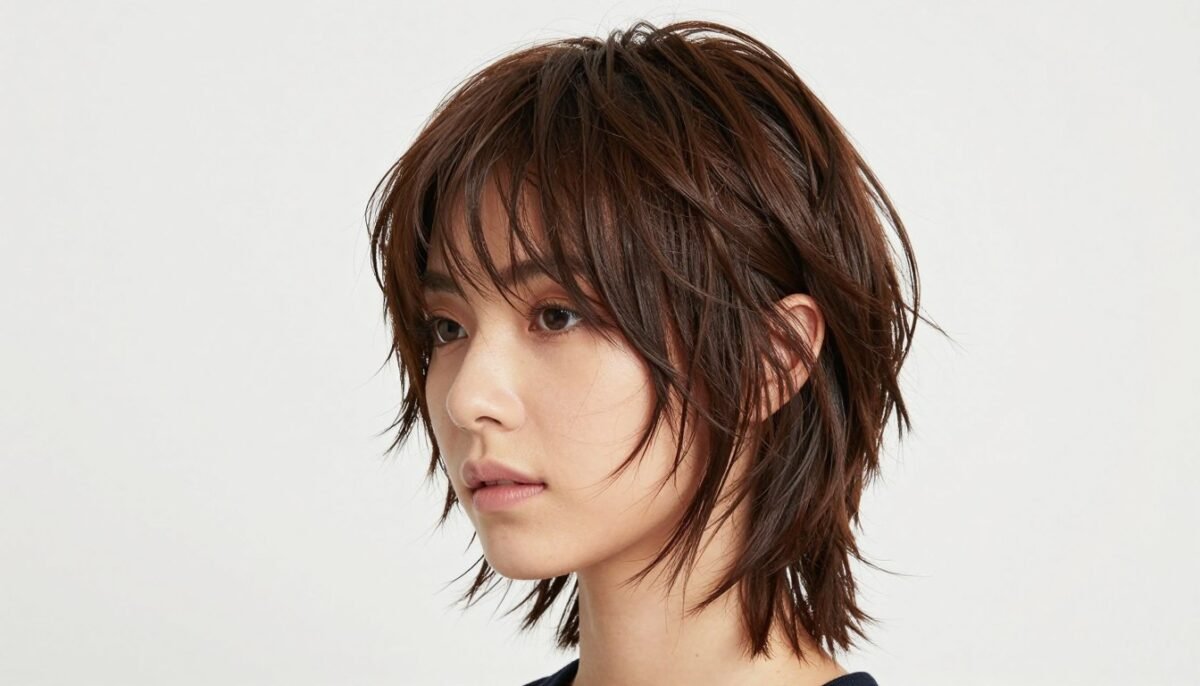
Medium Shaggy Cut with Choppy Layers
Choppy layers create bold texture in this medium shaggy variation. The intentionally uneven cutting creates edge and modernity that smooth layers cannot achieve.
This cut works beautifully for those seeking low-maintenance style. The choppy texture means hair looks intentionally messy rather than unkempt when air-dried.
Medium length provides versatility for various styling options. Wear it down for casual looks or pull it up for polished occasions without losing the shaggy character.
Choppy Layer Benefits and Styling
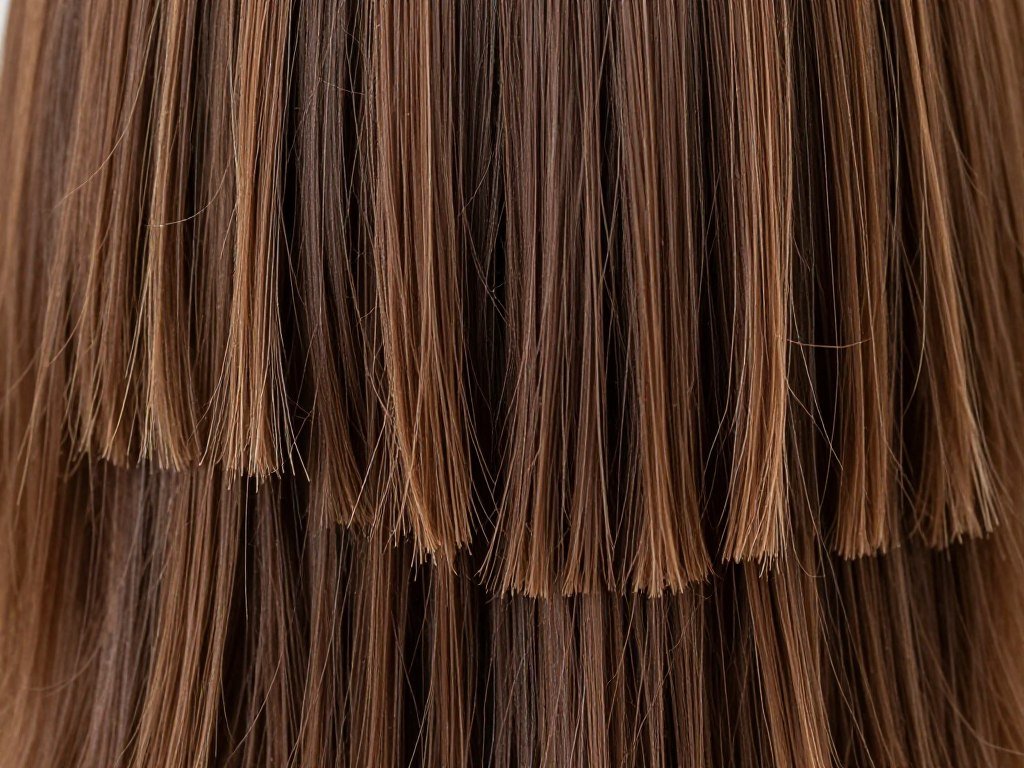
Choppy layers add instant edge to any hairstyle. The varying lengths create dimension that catches eye and holds attention.
This cutting technique removes weight strategically. Hair moves more freely while maintaining fullness where you want it most.
Styling choppy layers requires minimal effort. Simply scrunch damp hair with texturizing product and air-dry for effortless texture.
Creating Piece-y Separation
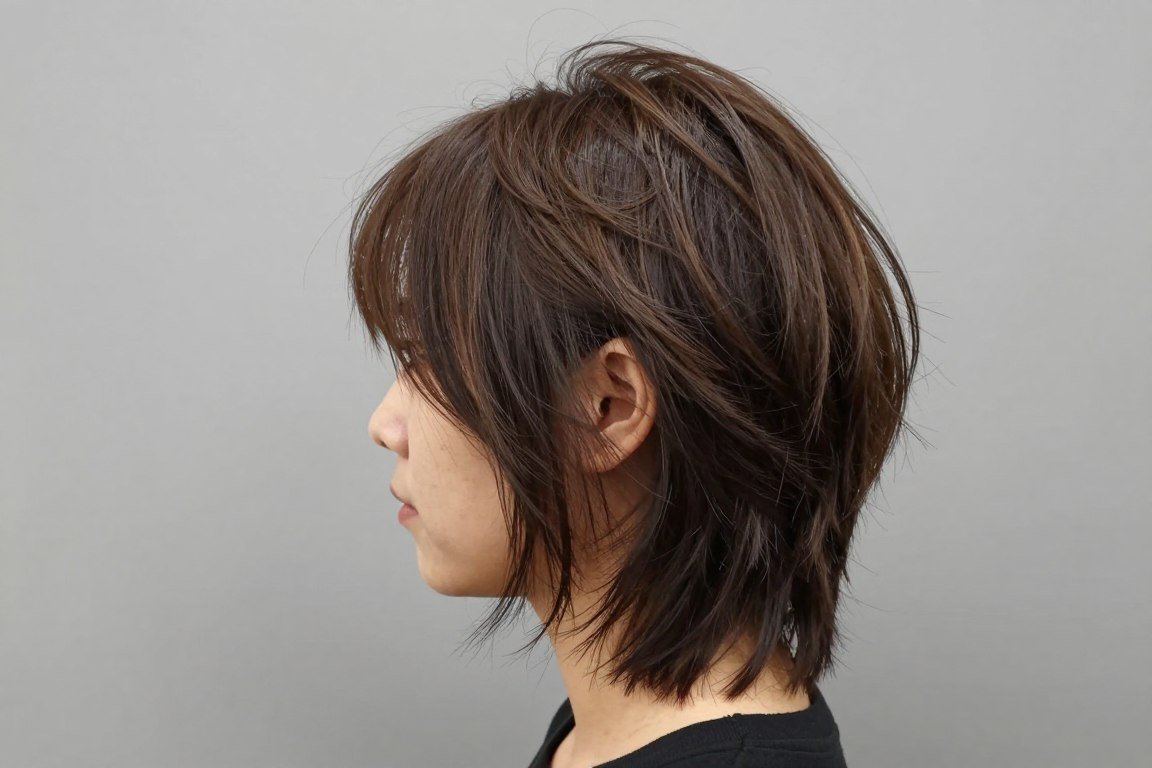
Piece-y separation defines the choppy layer look. Achieve this texture with the right products and techniques.
- Apply texturizing cream to damp hair
- Separate hair into small sections while drying
- Twist individual pieces for definition
- Finish with dry texture spray
Wavy Shag Embracing Natural Texture
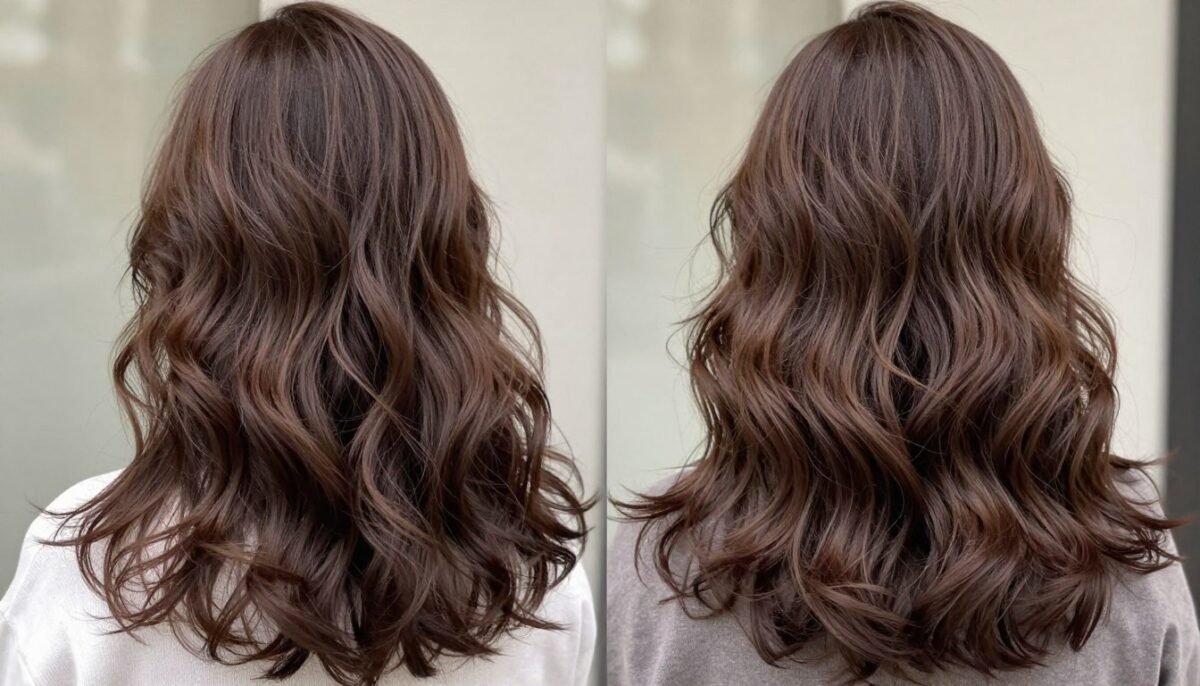
Natural texture shines in this wavy shag variation. The cut enhances existing wave patterns rather than requiring heat styling to create them.
Layers follow the natural wave direction, creating harmony between cut and texture. This results in effortless styling that works with your hair’s natural tendencies.
This approach suits those seeking to minimize heat damage. The cut does the heavy lifting, allowing you to air-dry while maintaining beautiful shape and movement.
Working With Your Natural Texture
Understanding your wave pattern proves crucial for success. Identify whether your waves are loose, medium, or tight to communicate effectively with your stylist.
The cut should enhance your natural pattern’s strengths. Layers placed at strategic points encourage waves to form beautifully without fighting against natural growth patterns.
Product selection matters tremendously for natural texture. Choose formulas designed for your specific wave type to maximize definition and minimize frizz.
Products for Wavy Hair
Essential products for enhancing natural wave texture effectively.
- Curl-defining cream for wave formation
- Leave-in conditioner for moisture
- Sea salt spray for beachy texture
- Anti-frizz serum for smoothness
- Diffuser attachment for gentle drying
Natural Texture Care
Maintain healthy, beautiful waves with proper care techniques.
- Wash hair 2-3 times weekly maximum
- Use microfiber towel to reduce frizz
- Apply products to soaking wet hair
- Scrunch rather than comb when wet
- Refresh between washes with water spray

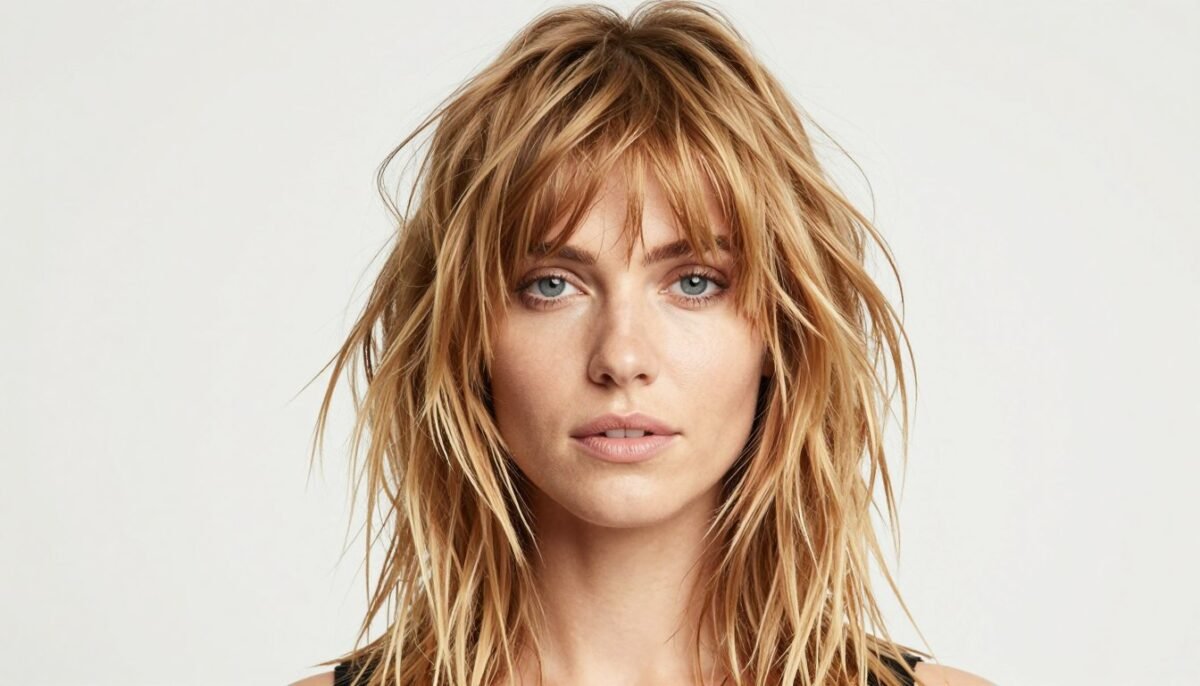
Shoulder-Length Shag with Long Bangs
Long bangs create versatility in this shoulder-length shag. The extended bang length allows multiple styling options from tucked behind ears to swept across the forehead.
This variation suits those uncertain about committing to shorter bangs. Long bangs provide the face-framing effect without dramatic change or high maintenance.
The shoulder-length base offers practical wearability. Long enough to tie back when needed yet short enough to feel fresh and modern.
Long Bang Styling Versatility
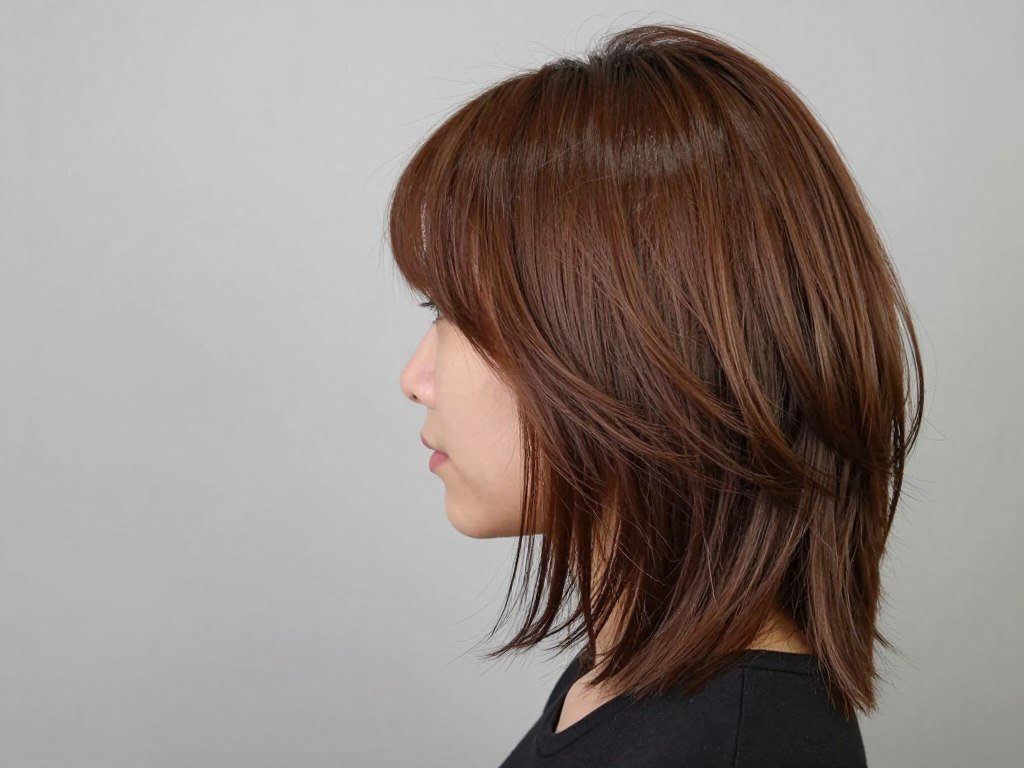
Long bangs adapt to various styling preferences. Wear them straight down for bohemian vibes or swept to the side for classic elegance.
Blending long bangs into the rest of the cut creates seamless flow. The transition should feel natural rather than distinctly separated from surrounding layers.
These bangs work particularly well for those with cowlicks or natural parts. Their length provides enough weight to overcome growth pattern challenges.
Face Shape Considerations
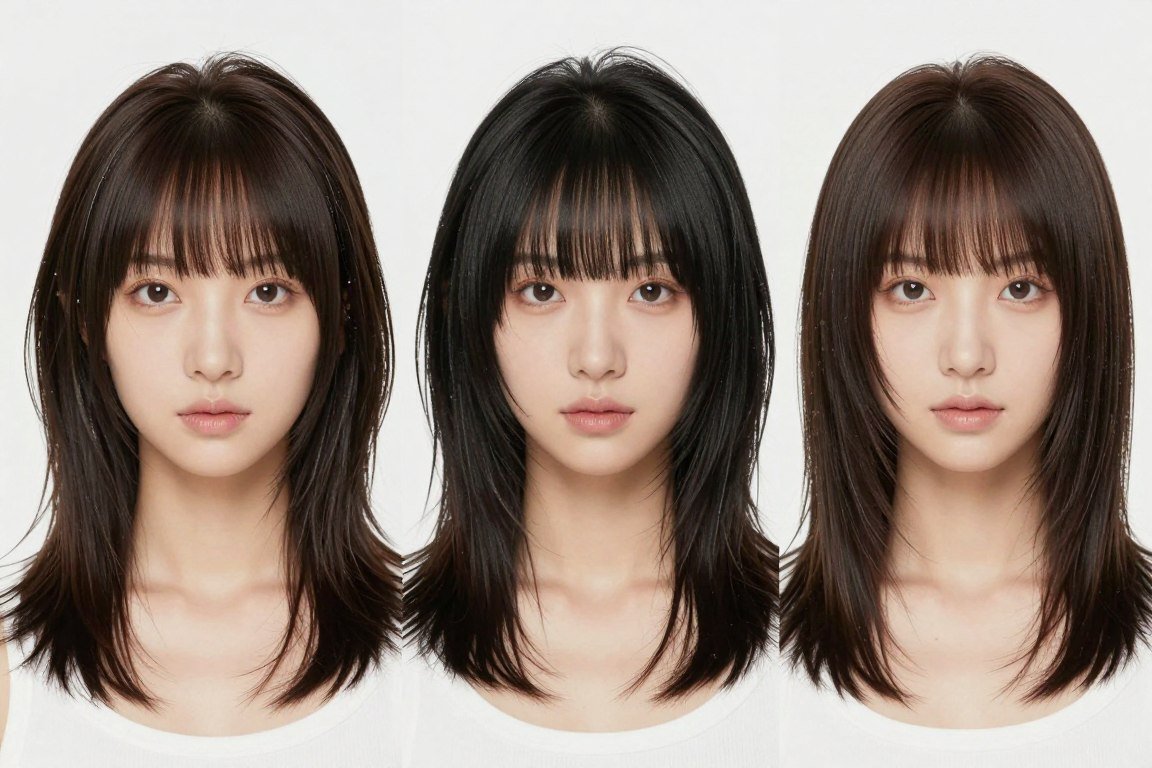
Different face shapes benefit from customized long bang styling. Understanding your face shape helps optimize the flattering potential.
- Round faces: Side-swept long bangs elongate
- Oval faces: Any long bang style flatters naturally
- Square faces: Soft, wispy long bangs soften angles
- Heart faces: Long side bangs balance wider foreheads
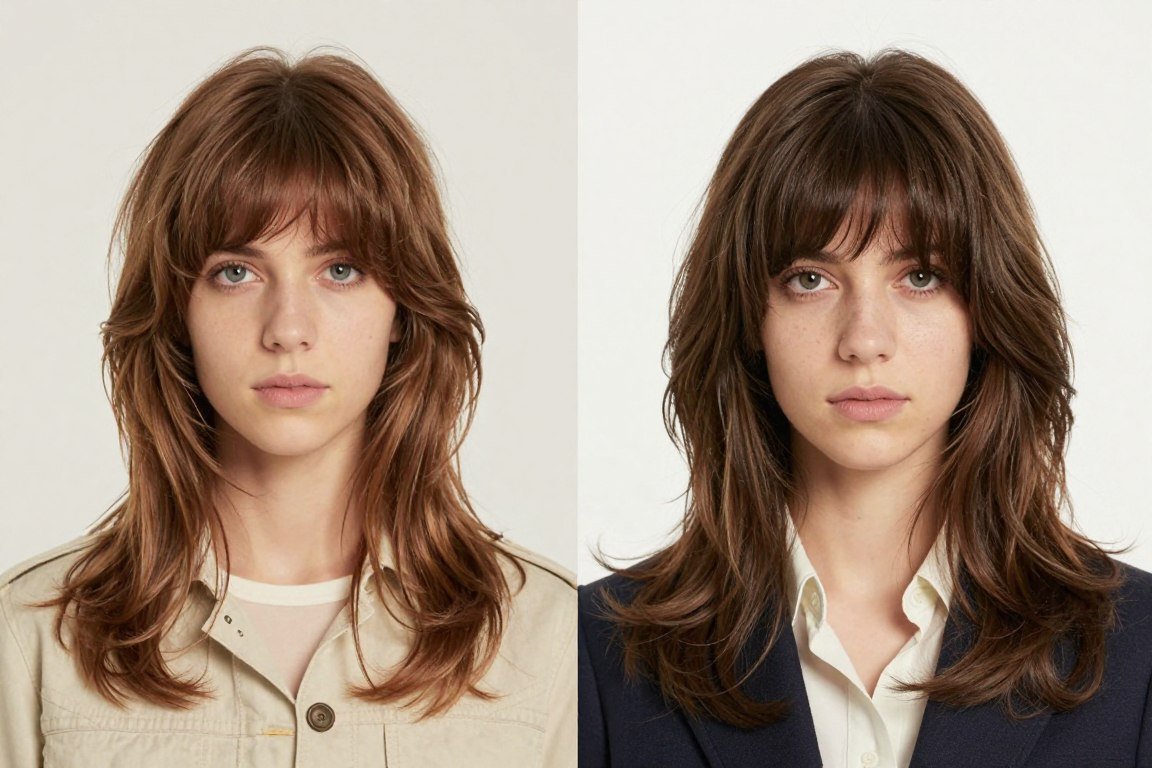
Modern Take on Classic Shag with Curtain Bangs
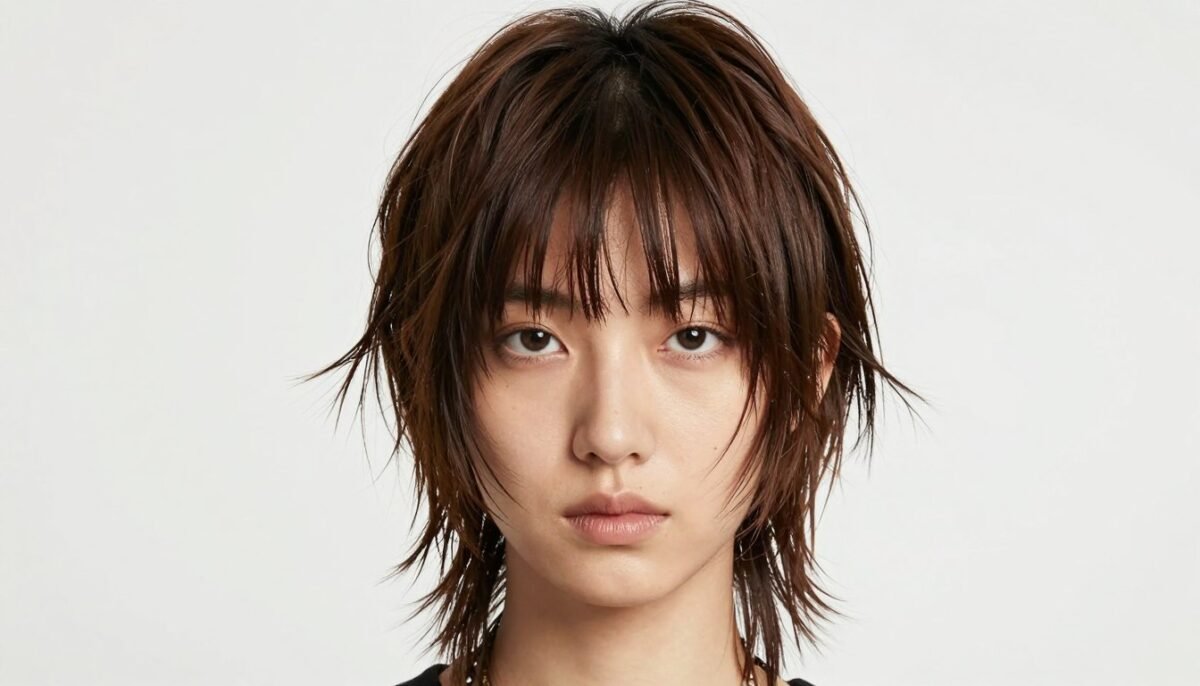
This modern shag reinterprets the classic seventies style for contemporary tastes. Updated cutting techniques create wearable texture that suits modern lifestyles.
Curtain bangs provide the vintage connection while feeling fresh and current. They frame the face beautifully without overwhelming delicate features.
The modern approach focuses on wearability and ease. This cut looks intentional when styled but never appears messy or unkempt when left natural.
Classic Shag Elements Reimagined
The original shag featured heavy layering throughout. Modern versions maintain that layering while adjusting placement for current preferences.
Seventies shags often included short crown layers that created volume. Today’s interpretations soften those layers while maintaining lift and movement.
Face-framing remains crucial in both classic and modern versions. The difference lies in the blending technique and overall layer weight distribution.
Modernizing Classic Techniques
Modern cutting tools allow precision that vintage shears could not achieve. This creates smoother blending and more customizable texture.
- Razors create softer, more blended layers
- Point-cutting adds texture without bulk removal
- Slide-cutting creates seamless transitions
- Thinning shears refine density strategically

Shag with Wispy Layers for Thin Hair
Thin hair transforms with properly executed wispy shag layers. The delicate texture creates the illusion of fullness while maintaining natural movement.
Wispy layers prevent thin hair from looking stringy or flat. Each carefully placed layer adds dimension that thin hair desperately needs for visual fullness.
This style requires expert cutting to avoid over-thinning. A skilled stylist removes just enough weight to create texture without making thin hair appear thinner.

Maximizing Thin Hair Volume
Strategic layer placement creates crucial volume for thin hair. Layers should start higher on the head to build fullness where thin hair typically falls flat.
Wispy ends prevent the blunt appearance that emphasizes thinness. Textured, tapered ends create the illusion of more hair than actually exists.
Color can enhance the fullness illusion dramatically. Highlights and lowlights add dimensional depth that makes thin hair appear thicker and more substantial.
Thin Hair Volumizing Tips
Essential techniques for maximizing thin hair volume and fullness.
- Blow-dry upside down for root lift
- Use volumizing powder at the crown
- Backcomb gently for added height
- Curl with small-barrel iron for body
- Finish with volumizing spray throughout
Products for Thin Hair
Best product choices to enhance thin hair without weighing down.
- Lightweight volumizing mousse
- Dry shampoo for texture and grip
- Thickening spray before styling
- Root-lifting powder for targeted volume
- Flexible-hold hairspray to maintain lift
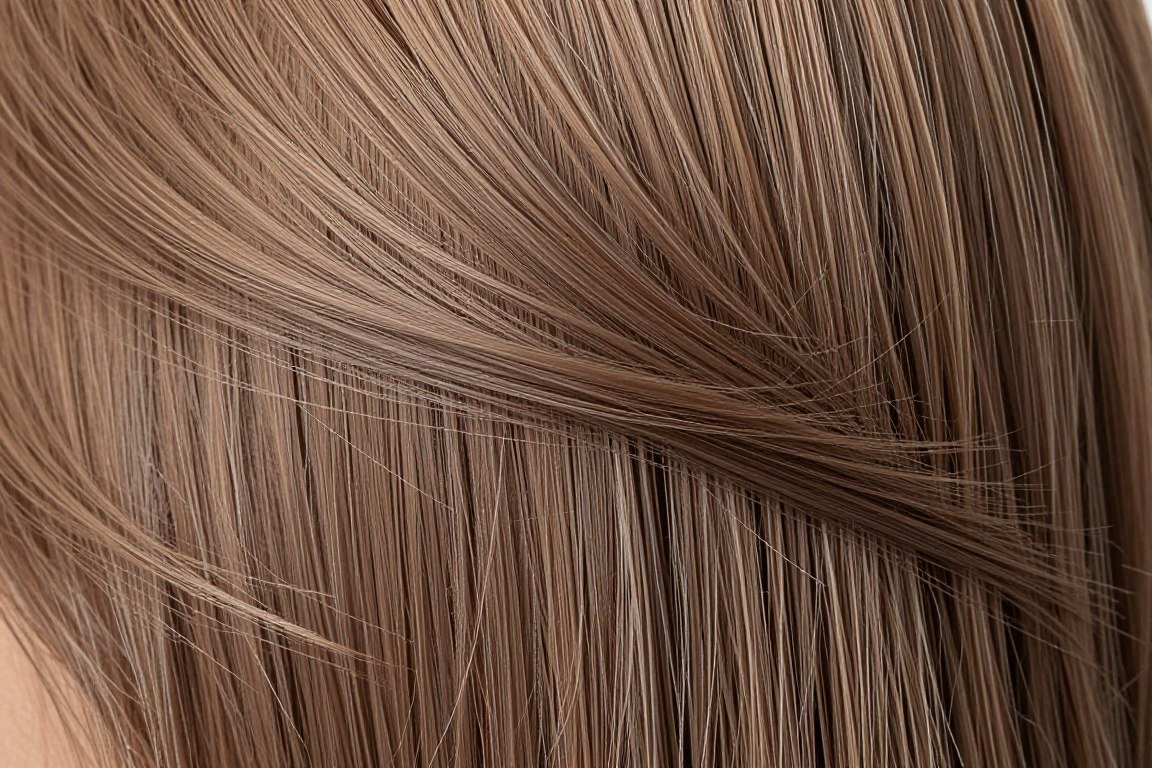
Heavily Textured Medium Shag
Heavy texturizing creates bold statement in this medium shag variation. Abundant layers and piece-y separation deliver maximum movement and dimension.
This style suits those who embrace high-texture aesthetics. The intentionally messy appearance requires minimal styling while maintaining fashionable edge.
Texturizing throughout removes weight and creates airy lightness. Even thick hair feels manageable and moves freely with this degree of texture.
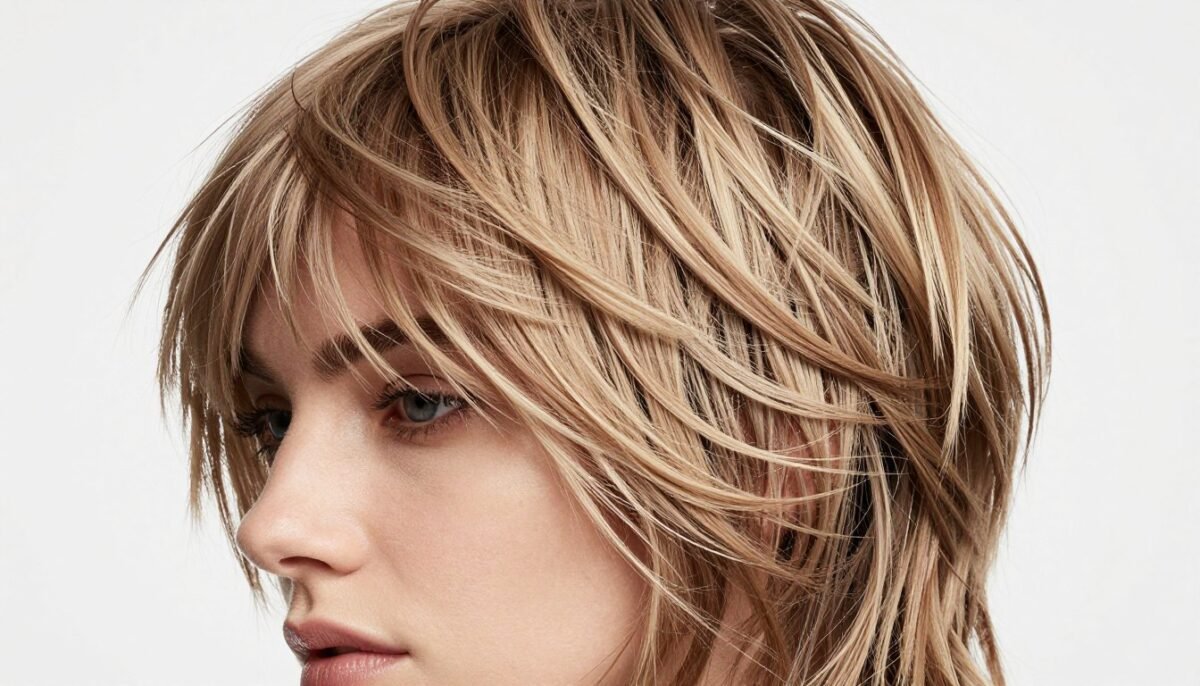
Creating Maximum Texture
Multiple cutting techniques combine to create heavy texture. Razoring, point-cutting, and slide-cutting work together for dimensional results.
Your stylist should thin interior sections significantly. This internal texturizing creates movement without affecting the external silhouette or length.
Maintenance proves surprisingly easy with heavily textured cuts. The abundance of texture means hair looks intentionally styled even when simply air-dried.

Styling Heavily Textured Hair
Less is more when styling heavily textured shags. Over-styling can actually diminish the natural texture created by the cut.
- Apply product to damp hair generously
- Scrunch and twist sections randomly
- Air-dry or diffuse on low heat
- Separate pieces with fingers when dry
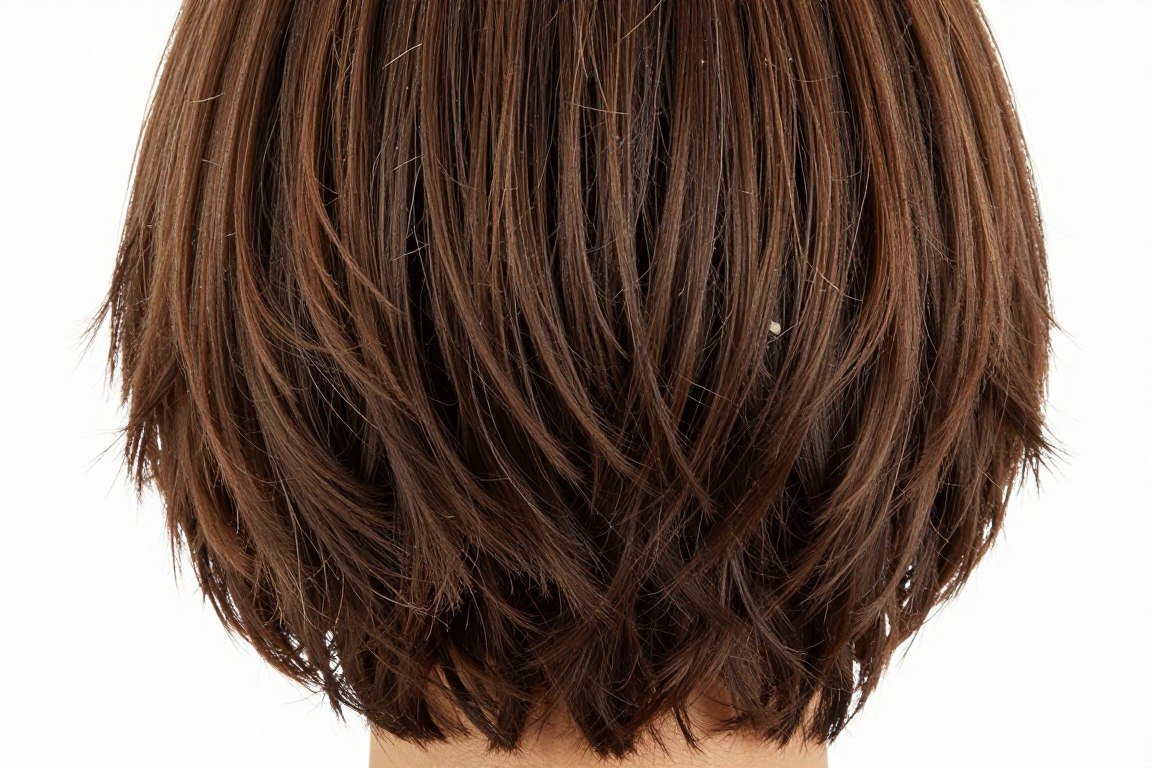
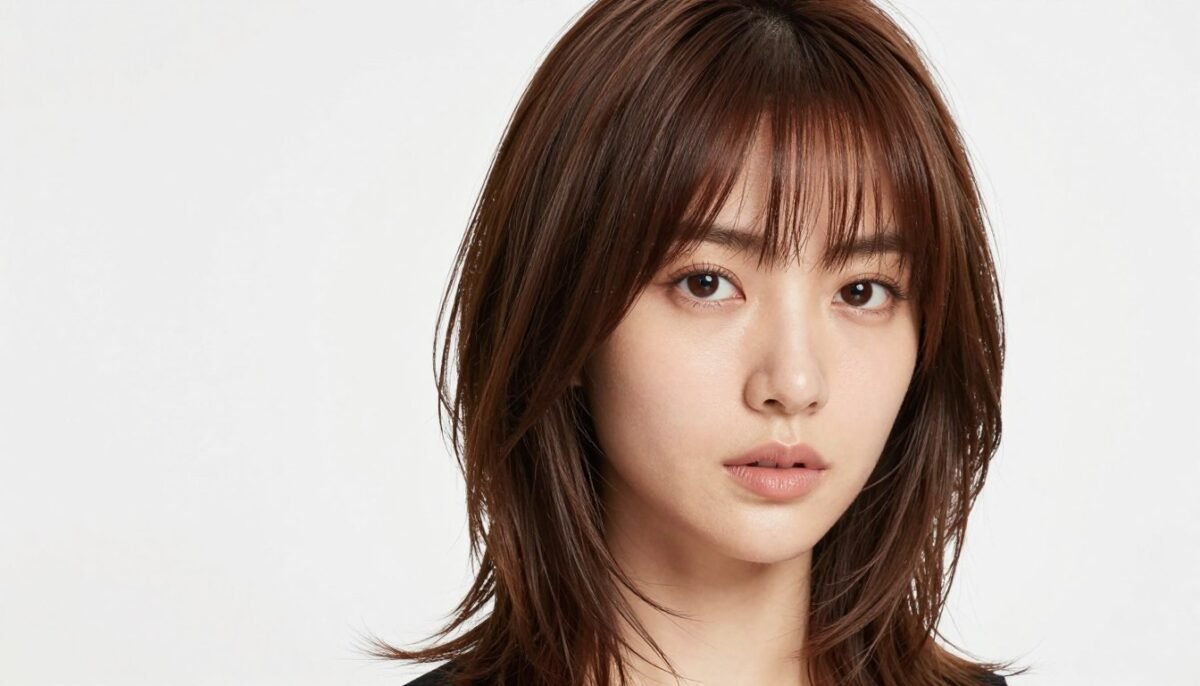
Face-Framing Shag for All Face Shapes
Face-framing layers adapt to flatter every face shape beautifully. Strategic placement creates customized contouring that enhances your natural features.
The key lies in adjusting where face-framing layers begin. Different starting points create dramatically different effects on overall appearance.
This versatile approach means nearly anyone can wear a shag successfully. Your stylist customizes the face-framing elements to your specific facial structure.
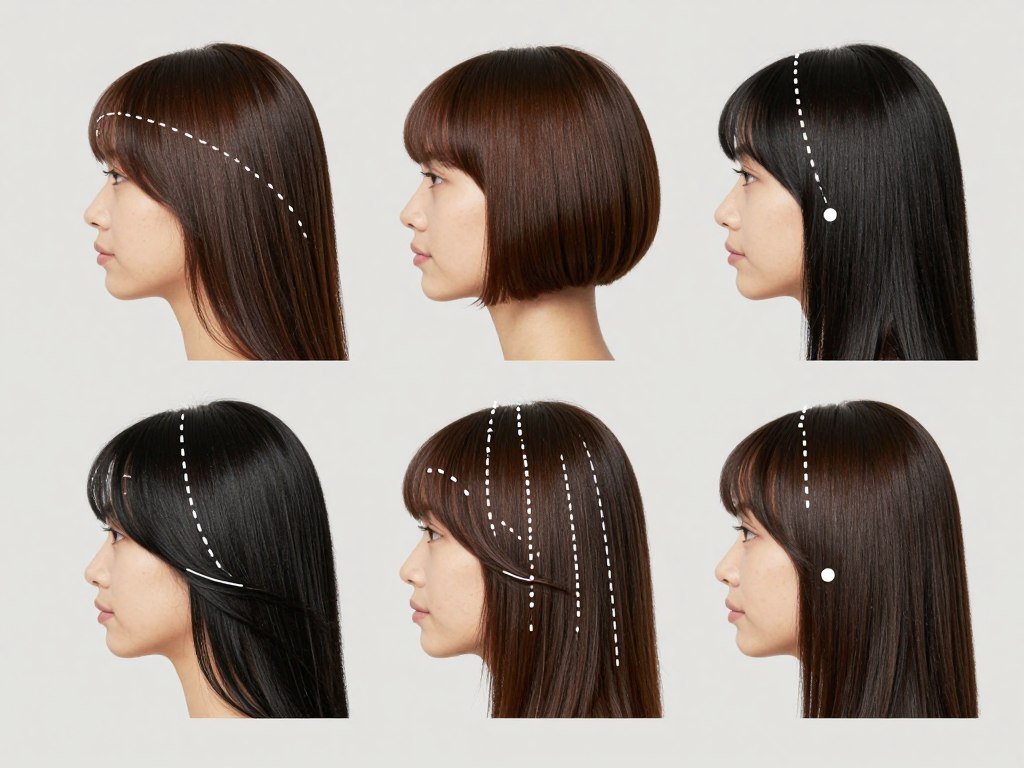
Face Shape Customization Guide
Round faces benefit from longer face-framing layers that start below the chin. This creates vertical lines that elongate and slim the appearance.
Square faces need softness around the jawline. Face-framing layers beginning at the cheekbones soften angular features while maintaining structure.
Oval faces enjoy the most versatility. Nearly any face-framing layer placement flatters this balanced face shape effectively.
Round Face Tips
- Layers start at chin or below
- Create vertical elongation
- Avoid volume at sides
- Side parts work better than center
Square Face Tips
- Soft layers around jawline
- Start layers at cheekbones
- Add wispy texture throughout
- Avoid blunt lines
Heart Face Tips
- Add width at jawline level
- Soften temple area
- Balance wider forehead
- Chin-length layers work well
Layer Starting Point Impact
Where face-framing layers begin dramatically affects the overall appearance. Understanding this impact helps communicate effectively with your stylist.
- Temple-level layers create maximum face-framing
- Cheekbone layers balance most face shapes
- Chin-level layers elongate and slim
- Below-chin layers work for round faces
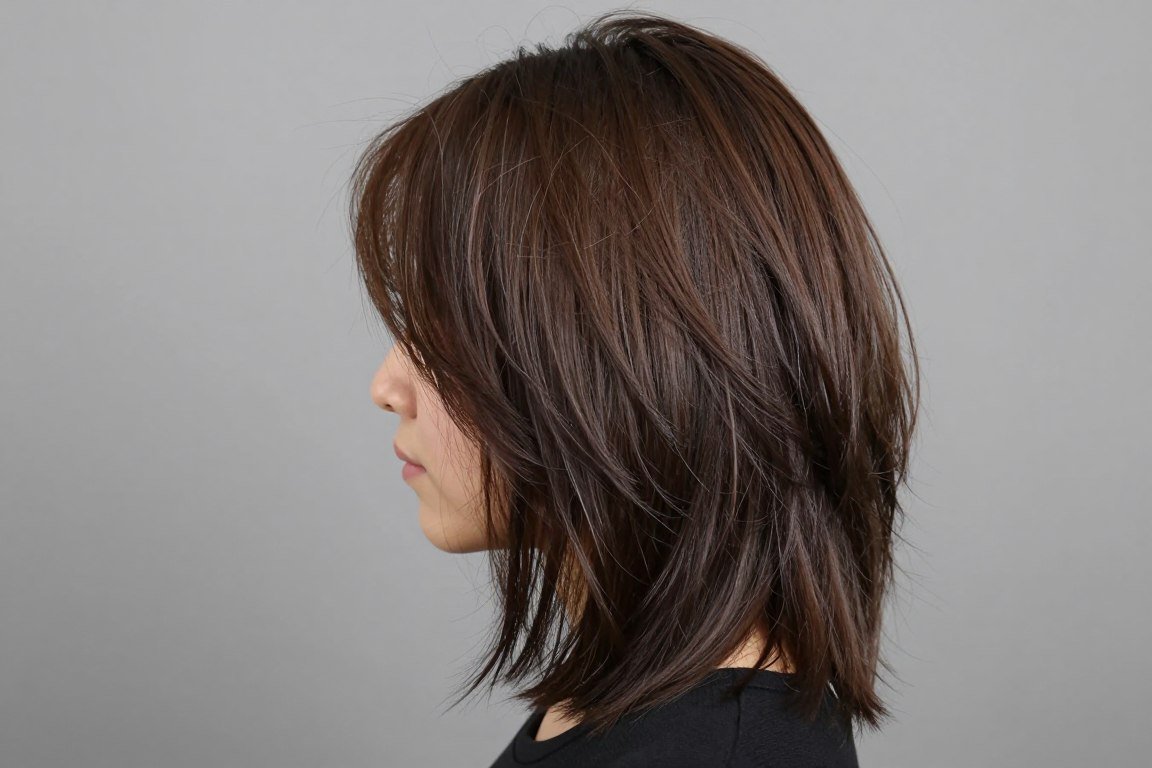
Classic Layered Shag for Medium Hair
The classic layered shag remains timelessly popular for medium-length hair. Abundant layers create movement and dimension that never goes out of style.
This versatile cut works across hair types with proper customization. Your stylist adjusts layer density and placement based on your natural hair texture and thickness.
Medium length provides the perfect canvas for layered shags. Enough length exists to showcase layer graduation while maintaining practical wearability.

Layer Distribution Principles
Proper layer distribution creates the signature shag silhouette. Layers should graduate smoothly from shortest at the crown to longest at the perimeter.
The transition between layers should feel seamless rather than choppy or disconnected. Each layer blends naturally into the next for cohesive movement.
Crown layers create volume and lift. These shorter pieces form the foundation that supports the overall shag structure and shape.
Customizing Layer Density
Layer density should match your hair type and desired maintenance level. More layers create more movement but require more styling effort.
- Fine hair: Moderate layers prevent thinning appearance
- Medium hair: Maximum layer density for movement
- Thick hair: Heavy layering removes weight effectively
- Curly hair: Careful layering prevents pyramid shape
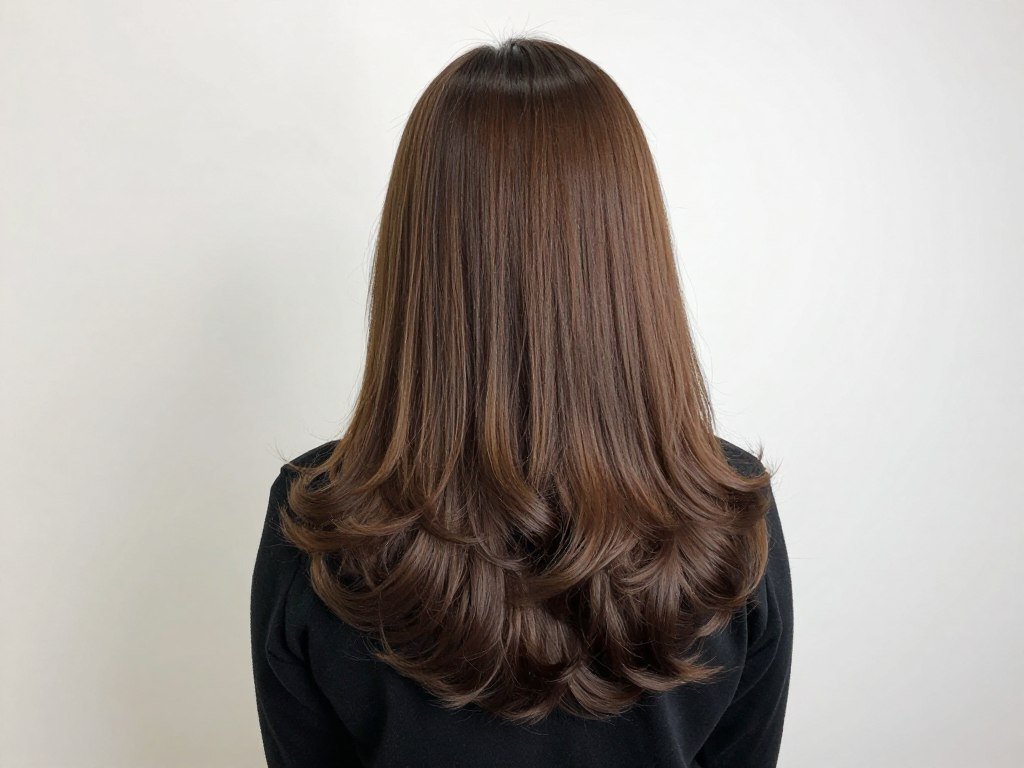
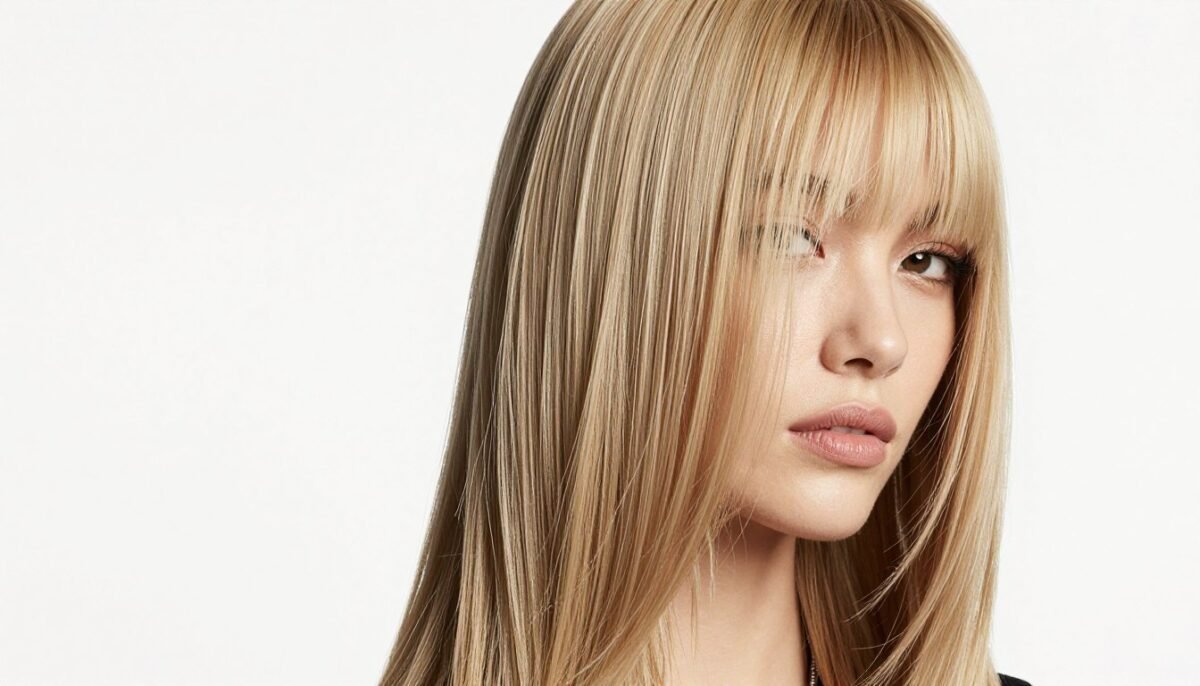
Medium Shag Adapted for Straight Hair
Straight hair showcases shag layers with crisp clarity. The clean lines of straight texture highlight each individual layer beautifully.
This adaptation focuses on creating texture that straight hair naturally lacks. Strategic cutting techniques add movement despite the absence of natural wave or curl.
Styling straight hair shags requires different techniques than wavy versions. The goal is creating texture and dimension that doesn’t exist naturally.
Creating Texture in Straight Hair
Texturizing products become essential for straight hair shags. They create the piece-y separation and grit that wavy hair possesses naturally.
Heat styling adds crucial movement to straight shag haircuts. Curl random sections with varying iron sizes for organic-looking texture variation.
The cut itself must work harder on straight hair. Your stylist should use multiple texturizing techniques to build in maximum natural movement.
Straight Hair Styling Steps
Follow these steps for perfect straight hair shag styling results.
- Apply volumizing mousse to damp roots
- Blow-dry with round brush for body
- Curl random sections with small iron
- Apply texturizing paste to ends
- Separate pieces with fingers thoroughly
- Finish with flexible-hold spray
Best Products for Straight Hair
Essential products that create texture in naturally straight hair.
- Sea salt spray for gritty texture
- Texturizing paste for separation
- Volumizing mousse for root lift
- Dry shampoo for added grip
- Flexible hairspray for hold

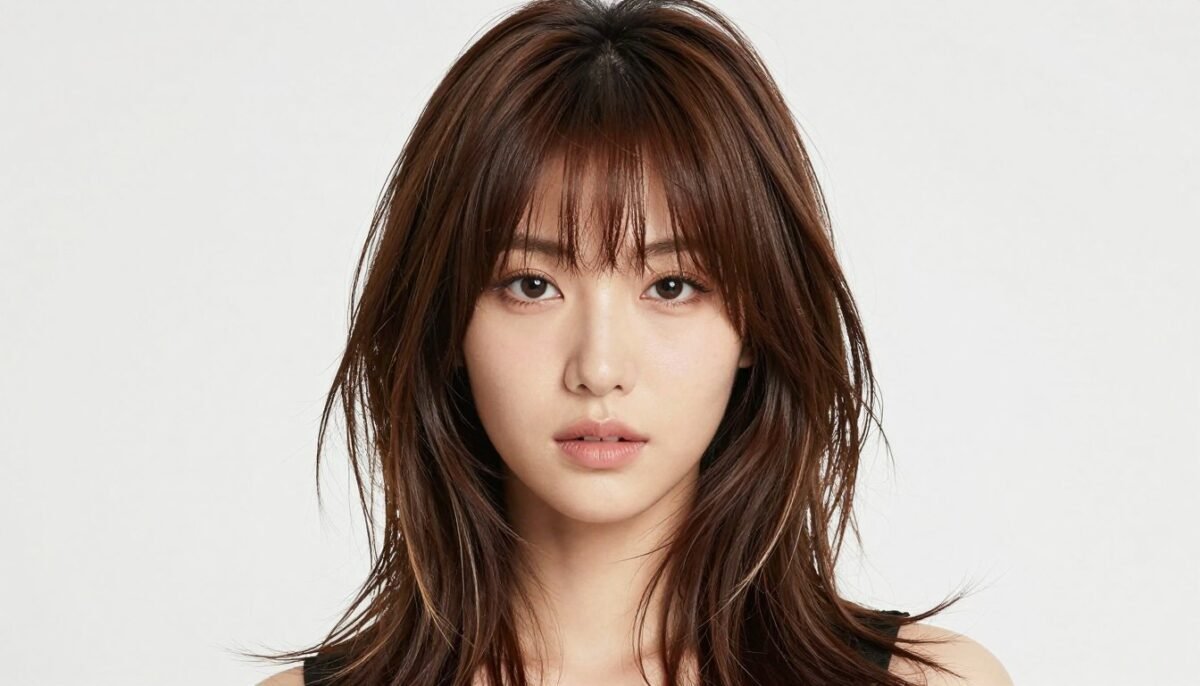
Long Shaggy Layers at Medium Length
Long shaggy layers maintain length while adding essential movement. This approach suits those hesitant to sacrifice length for style.
The layers remain relatively long compared to traditional shags. They create subtle movement rather than dramatic texture, offering understated elegance.
This conservative approach works well for shag beginners. It provides texture and dimension without the commitment of shorter, more dramatic layering.
Benefits of Longer Shag Layers
Longer layers offer versatility that shorter layers cannot provide. Hair can still be pulled into ponytails or updos without short pieces falling out.
This approach requires less frequent maintenance. Longer layers grow out gracefully, extending time between necessary cuts.
The subtlety appeals to professional environments. Long shaggy layers provide style without appearing too edgy or unconventional for conservative settings.
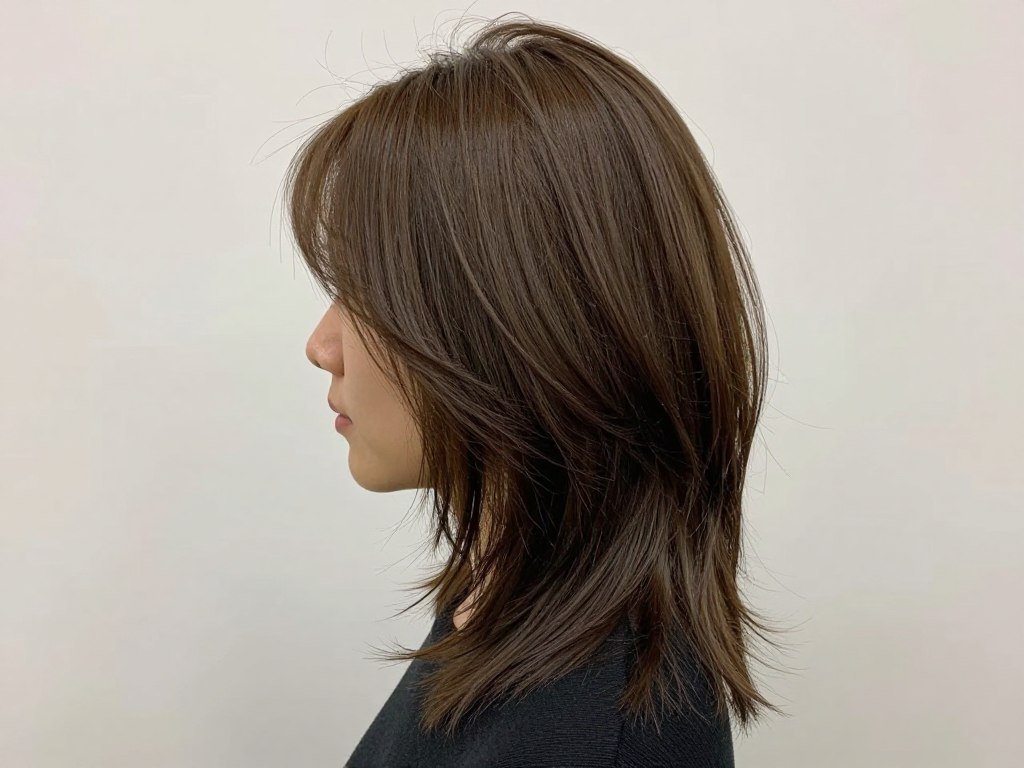
Transitioning to Shag from Long Hair
Long shaggy layers provide the perfect transition step. They introduce shag characteristics without dramatic length removal.
- Start with face-framing layers only
- Gradually add interior layering over multiple cuts
- Maintain maximum length during transition
- Assess comfort level before adding shorter layers
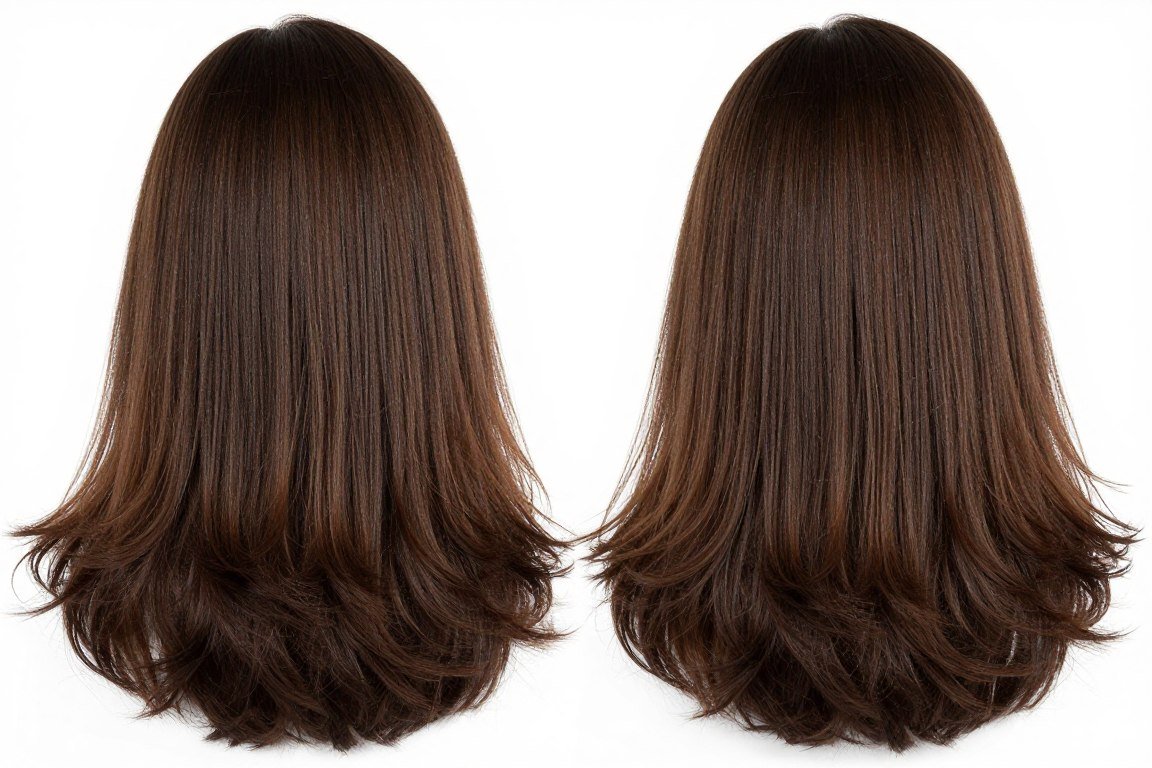
Tousled Wave Medium Shag
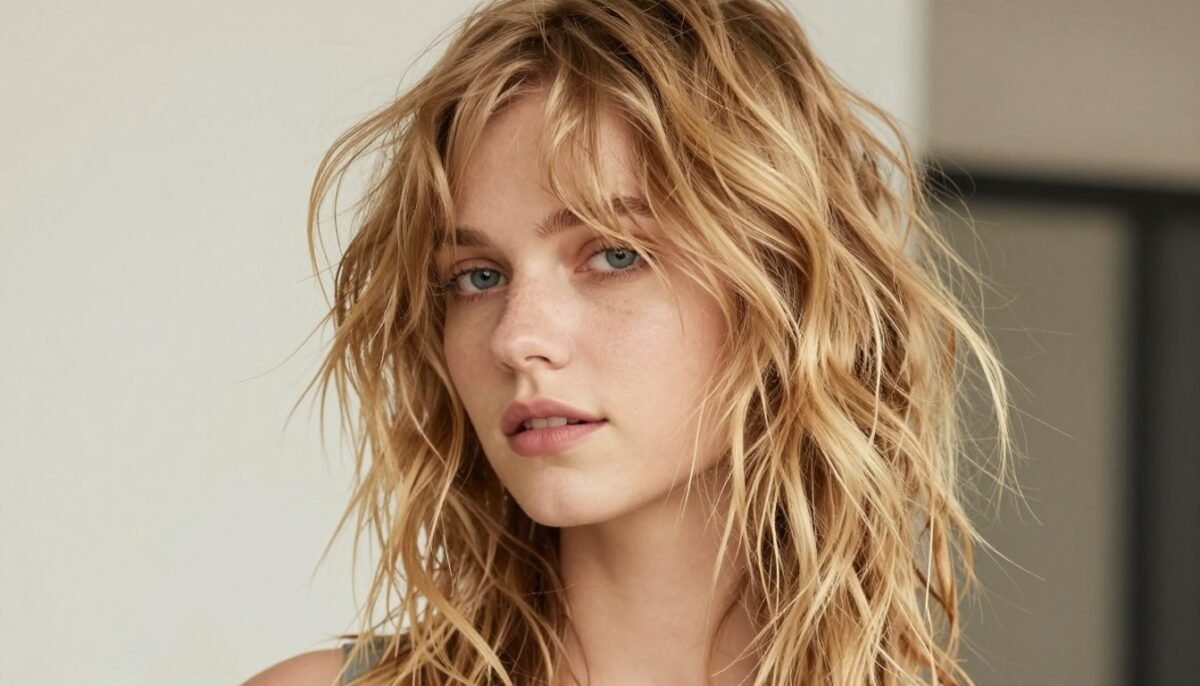
Tousled waves create effortlessly chic texture in this medium shag. The intentionally undone appearance exudes relaxed confidence and modern style.
This look embraces imperfection as part of its charm. Perfectly imperfect waves create lived-in texture that appears natural rather than overly styled.
The tousled aesthetic works particularly well for casual lifestyles. It requires minimal daily styling while maintaining fashionable appeal throughout the day.
Achieving the Tousled Look
Creating tousled waves requires the right balance of product and technique. Too much styling destroys the effortless appearance you’re trying to achieve.
Sea salt spray provides perfect tousled texture. Spray generously on damp hair, scrunch randomly, and allow to air-dry naturally.
For enhanced waves, braid damp hair before bed. Release braids in the morning and separate waves with fingers for natural tousled texture.

Maintaining the Effortless Aesthetic
The key to tousled waves is avoiding over-styling. Embrace natural texture rather than fighting against it.
- Scrunch rather than comb for wave definition
- Use fingers instead of brushes for separation
- Avoid excessive product application
- Refresh with water spray between washes
Medium Shag with Multi-Dimensional Hair Color
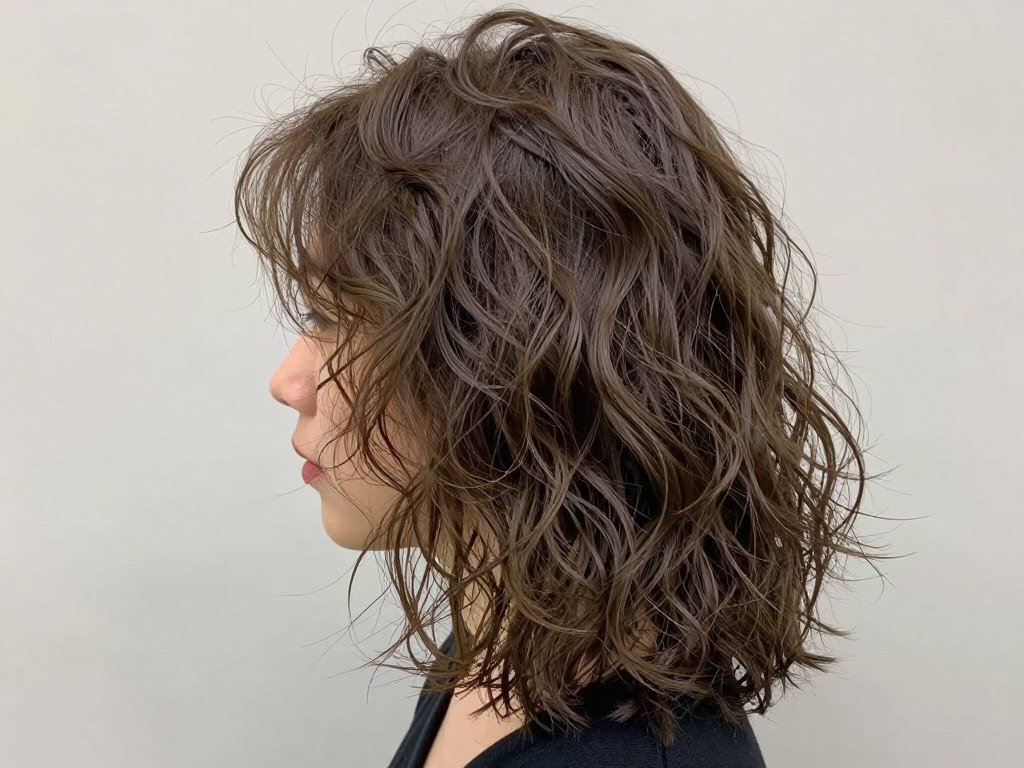
Multi-dimensional color elevates medium shags to new heights. Strategic color placement enhances layer structure while adding visual depth throughout.
The movement created by shag layers showcases color dimension beautifully. Each layer catches light differently, creating natural-looking variation and depth.
Color techniques like balayage or highlights work synergistically with shag cuts. The dimensional placement follows layer structure for cohesive, natural results.
Color Placement for Shag Enhancement
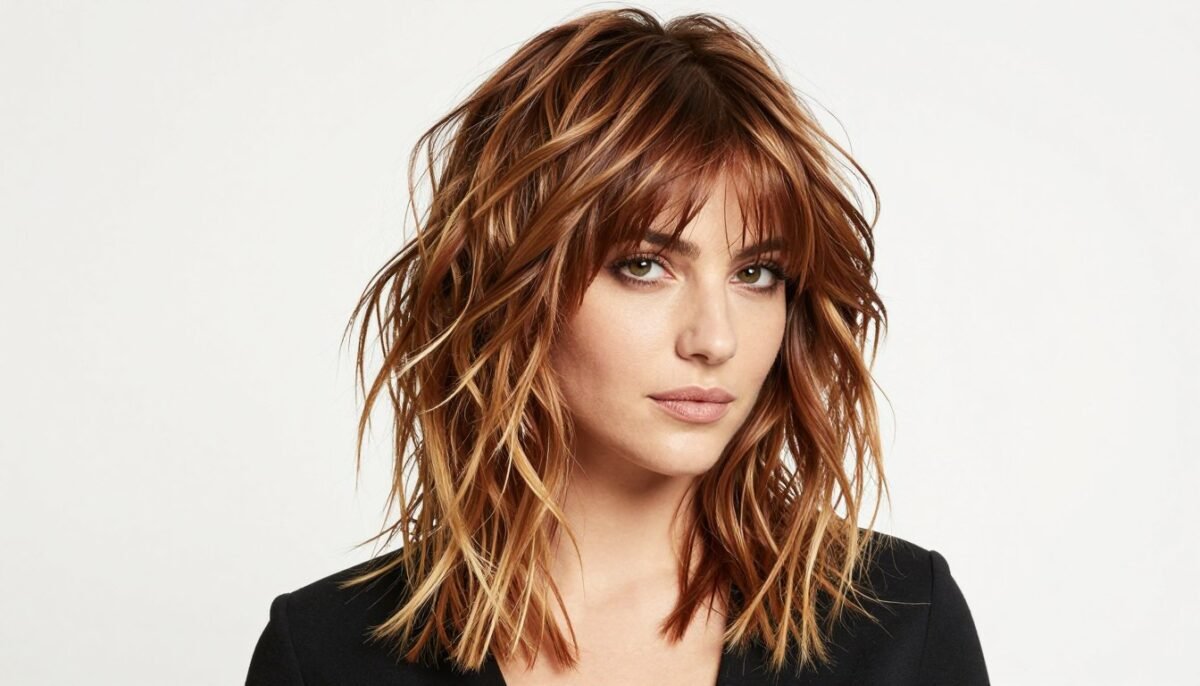
Face-framing highlights brighten the complexion immediately. Place lighter pieces around the face to create a halo effect that draws attention to features.
Throughout the layers, color should follow natural hair fall. This technique ensures color looks dimensional from every angle rather than flat or stripey.
Darker lowlights add crucial depth between highlights. The contrast creates the dimension that makes shag layers truly pop and stand out.
Color Techniques for Shags
Best coloring methods that complement shag layer structure.
- Balayage for natural-looking dimension
- Highlights following layer placement
- Lowlights creating shadow depth
- Face-framing brightening pieces
- Ombre for gradual color transition
Color Maintenance Tips
Keep your dimensional color looking fresh and vibrant.
- Use color-safe shampoo and conditioner
- Apply purple shampoo for blonde tones
- Deep condition weekly for color health
- Refresh toner every 6-8 weeks
- Protect from sun exposure and chlorine
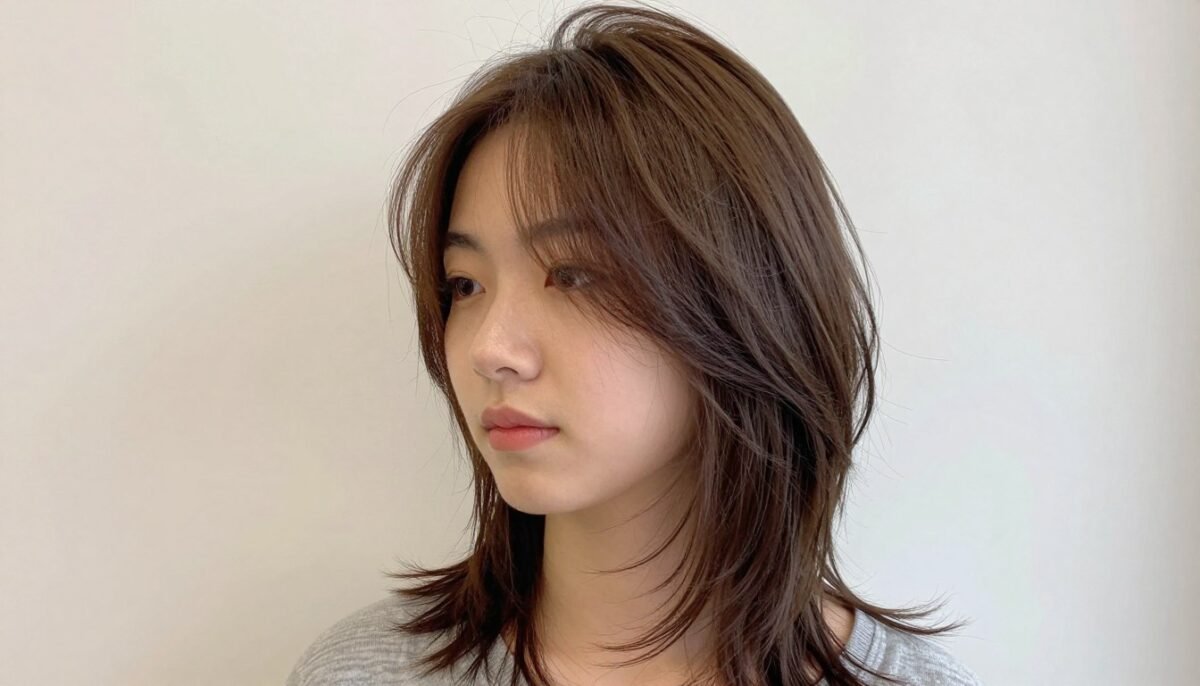
Easy-Style Medium Shag for Busy Lifestyles
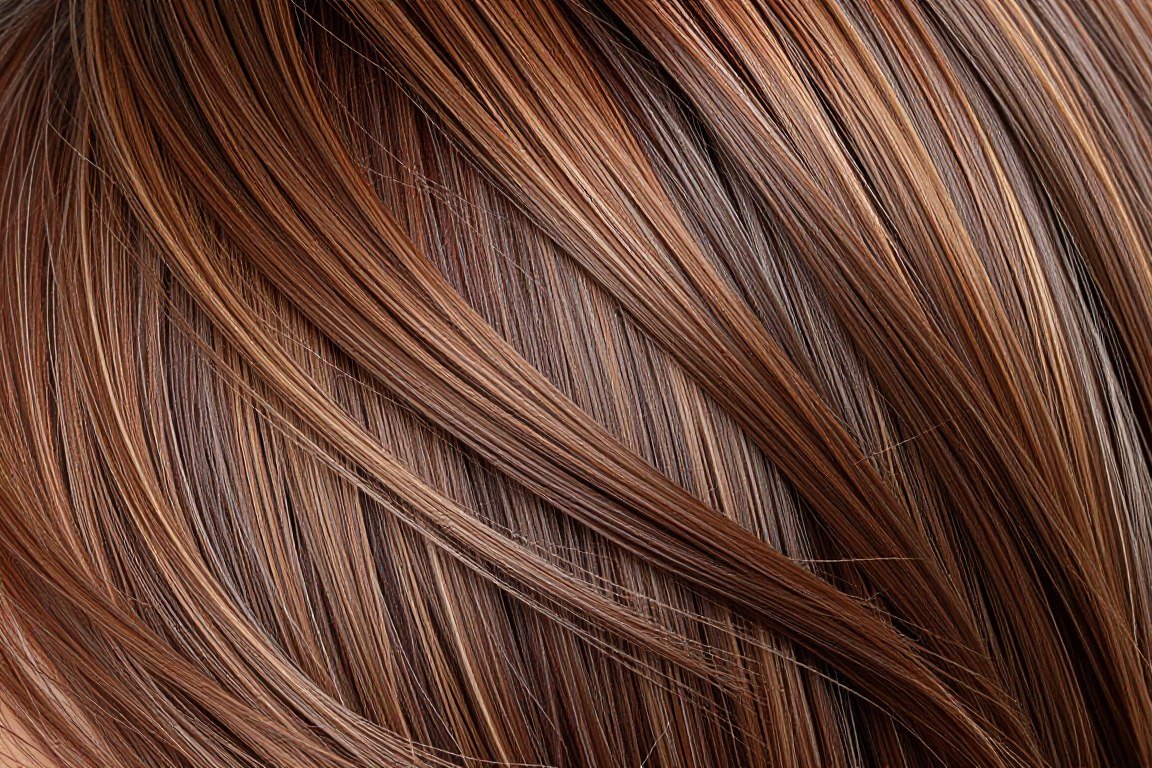
This low-maintenance shag suits busy lifestyles perfectly. The cut does most of the work, requiring minimal daily styling effort for polished results.
Air-drying produces beautiful results with this easy style variation. The strategic layer placement creates natural movement without heat styling requirements.
Busy individuals appreciate the wash-and-go potential. Simple product application and natural drying deliver stylish results in minimal time.
Simplifying Your Styling Routine
The right cut eliminates most styling effort. Communicate your lifestyle and time constraints clearly to your stylist for customized layer placement.
Quality products reduce styling time significantly. Invest in multi-purpose formulas that provide multiple benefits in single applications.
Nighttime preparation minimizes morning effort. Apply leave-in products before bed and wake to styled hair requiring minimal touch-ups.
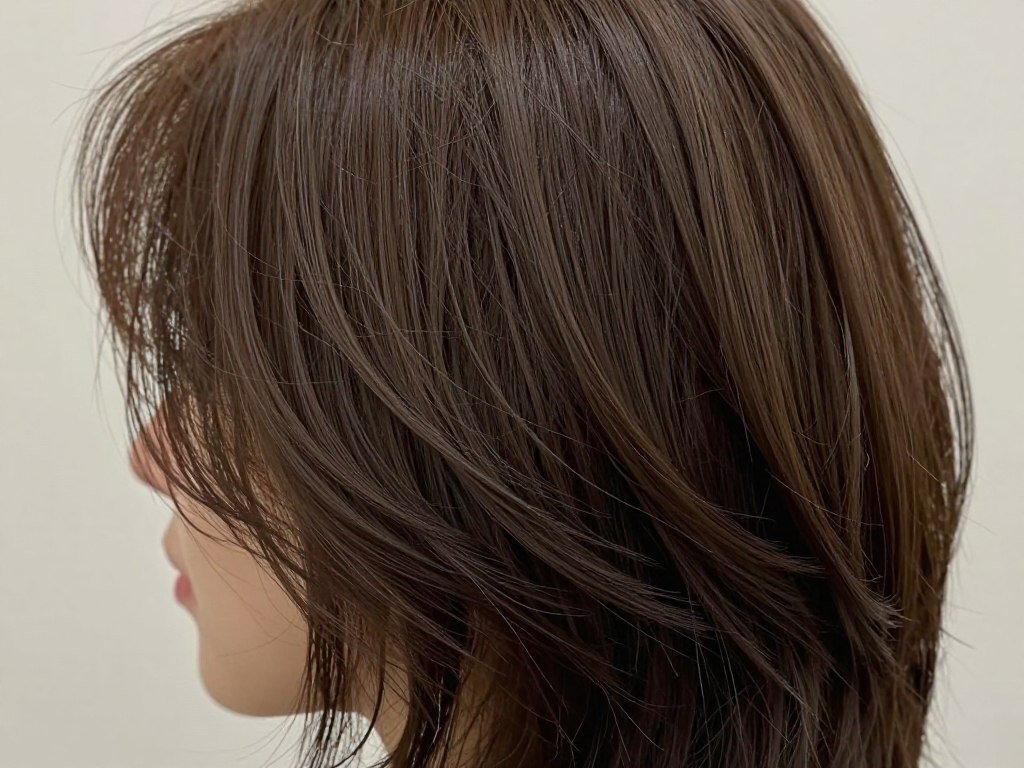
Five-Minute Styling Routine
Even the busiest schedules can accommodate this quick styling routine for polished results.
- Apply leave-in conditioner to damp hair
- Scrunch texturizing cream throughout
- Air-dry or diffuse for 3 minutes
- Separate pieces with fingers when dry
- Apply dry texture spray at roots
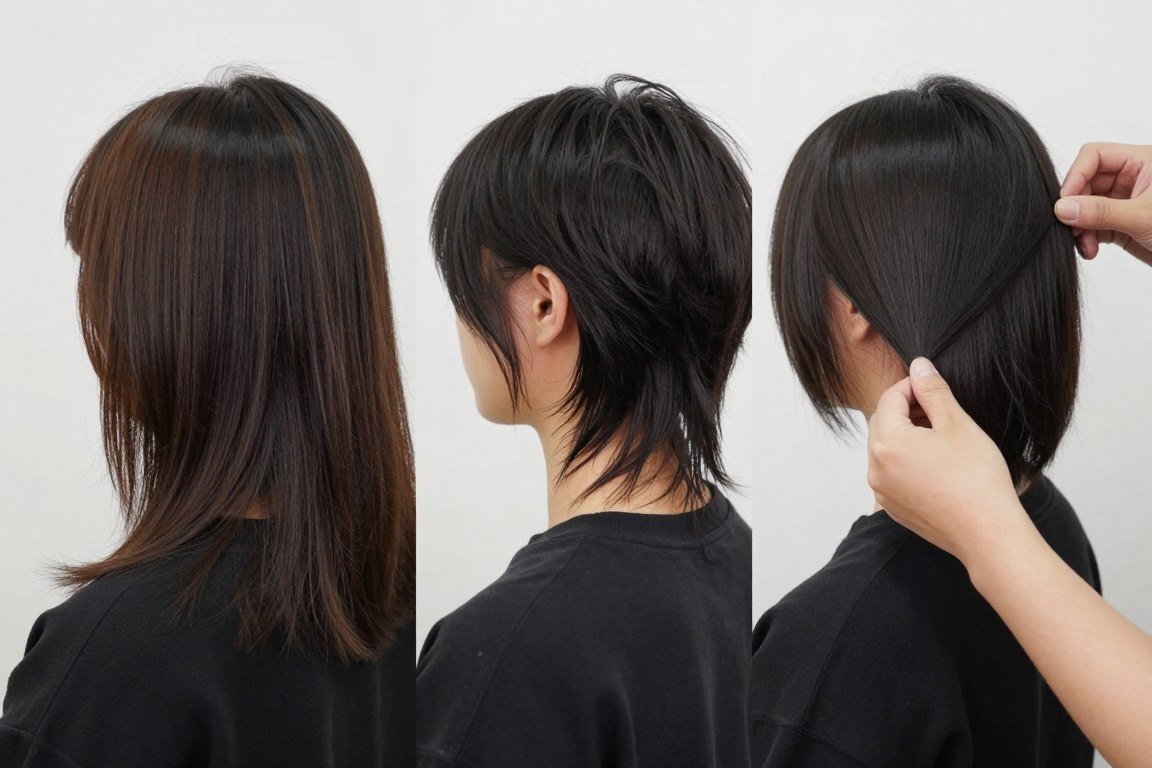
Asymmetrical Medium-Length Shag
Asymmetrical elements add contemporary edge to the medium shag. Intentional unevenness creates visual interest that symmetric cuts cannot achieve.
This modern take features longer layers on one side than the other. The imbalance creates dynamic movement and fashion-forward appeal.
Asymmetry suits those seeking unique, personalized style. No two asymmetrical shags look identical, ensuring your cut remains distinctively yours.
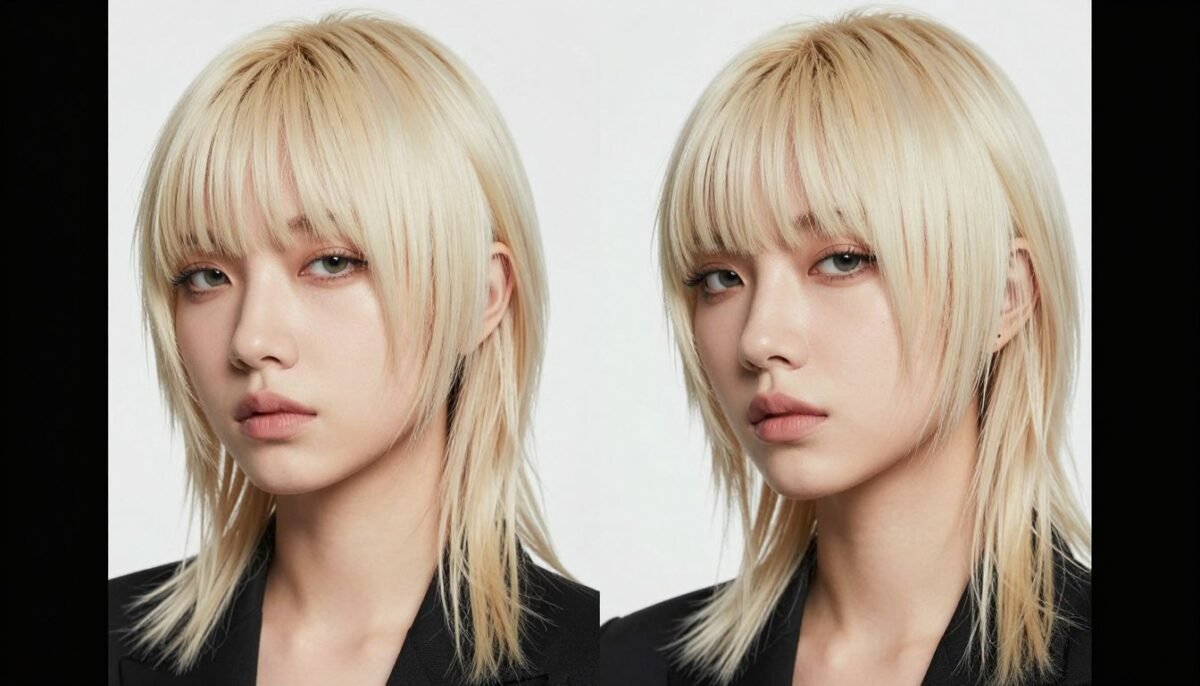
Creating Asymmetrical Balance
Despite appearing unbalanced, asymmetrical cuts require careful planning. The unevenness must look intentional rather than accidental or poorly executed.
One side typically features chin-length layers while the other extends to shoulders. This creates dramatic difference without appearing costume-like or extreme.
Face shape considerations remain important with asymmetry. Your stylist should place the longer side strategically to flatter your specific facial structure.
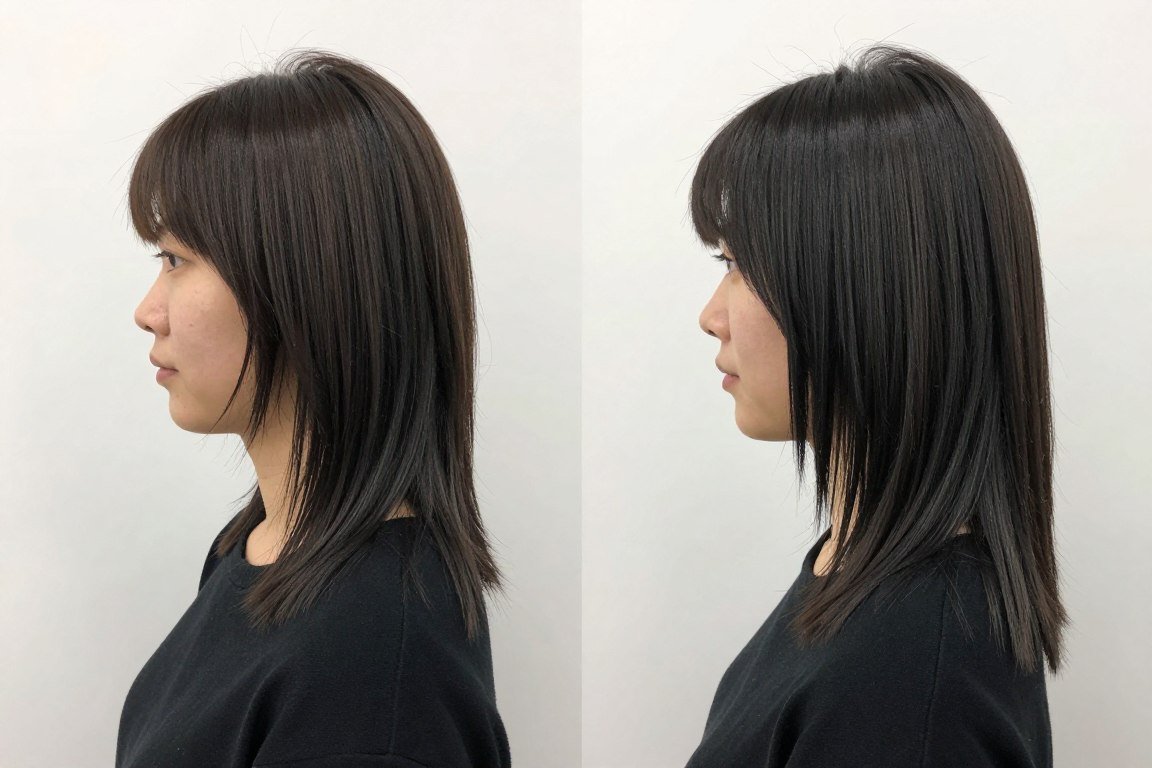
Styling Asymmetrical Shags
Asymmetrical cuts demand specific styling approaches to enhance rather than hide the intentional imbalance.
- Side-part emphasizes length difference dramatically
- Tuck shorter side behind ear for maximum contrast
- Style longer side with waves for added interest
- Keep shorter side sleeker for balanced contrast
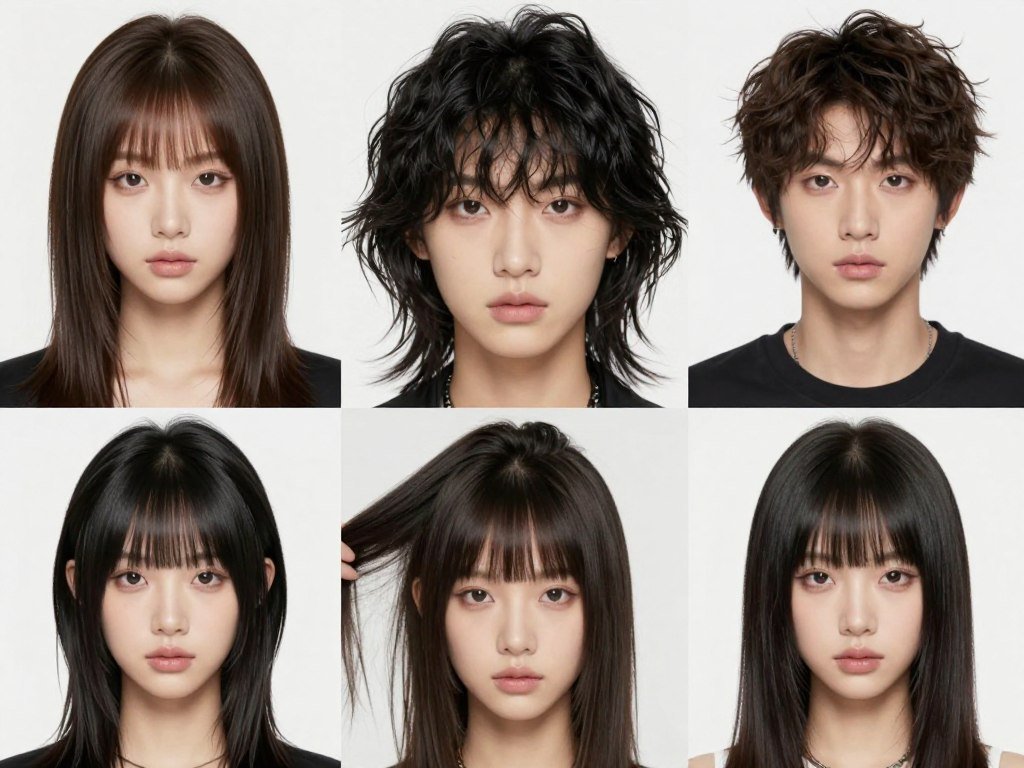
Medium Shag Adapted for Curly Hair
Curly hair requires specialized shag adaptation. Proper cutting techniques enhance natural curl patterns while preventing the dreaded pyramid shape.
Dry-cutting proves essential for curly shag success. Your stylist should cut curls in their natural dry state to accurately assess how layers will fall.
Layer placement differs significantly for curly versus straight hair. Curls shrink when dry, so layers must be cut longer to achieve the desired finished length.
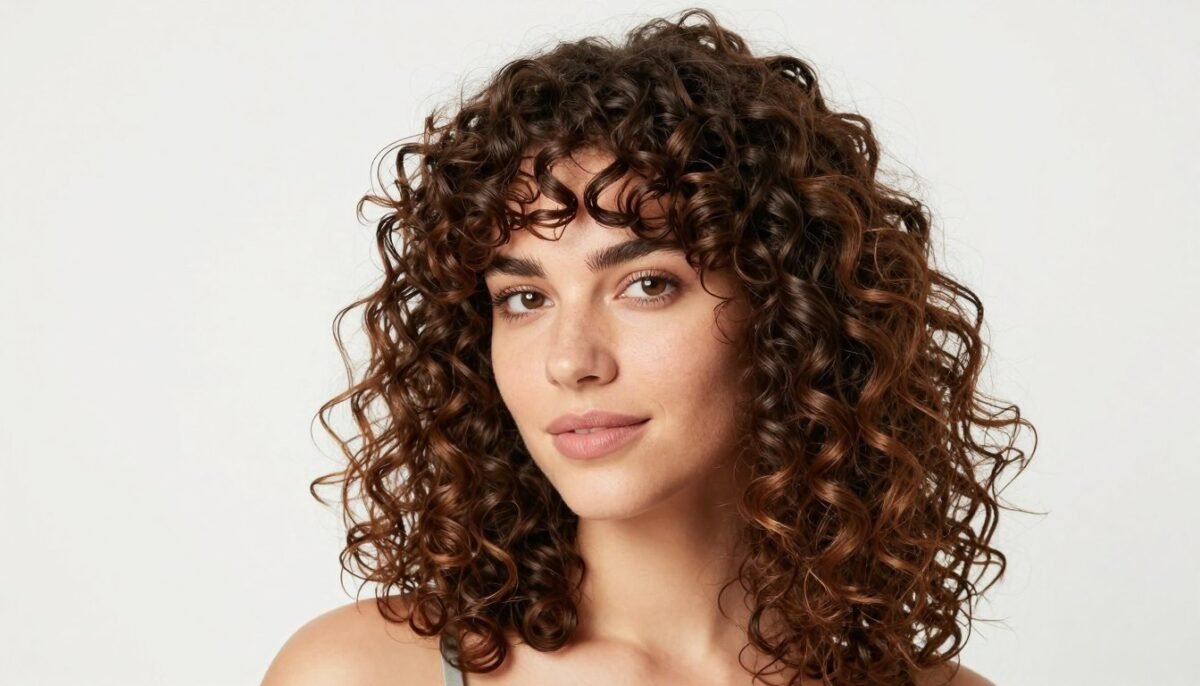
Curly Hair Shag Principles
Each curl type requires customized approach. Loose waves need different consideration than tight ringlets for optimal shag results.
Removing too much weight creates uncontrollable frizz in curly hair. Conservative layering maintains curl definition while adding necessary movement.
Face-framing layers should follow curl pattern direction. Working with natural curl formation prevents awkward pieces that stick out unnaturally.
Curly Hair Cutting Rules
Essential principles for successful curly hair shag cuts.
- Always cut curls completely dry
- Cut each curl individually for precision
- Remove minimal weight to maintain definition
- Follow natural curl pattern direction
- Account for curl shrinkage when cutting
Curly Shag Styling
Best practices for styling curly hair shags beautifully.
- Apply products to soaking wet hair
- Use wide-tooth comb or fingers only
- Scrunch to encourage curl formation
- Diffuse on low heat or air-dry
- Never brush curls when dry
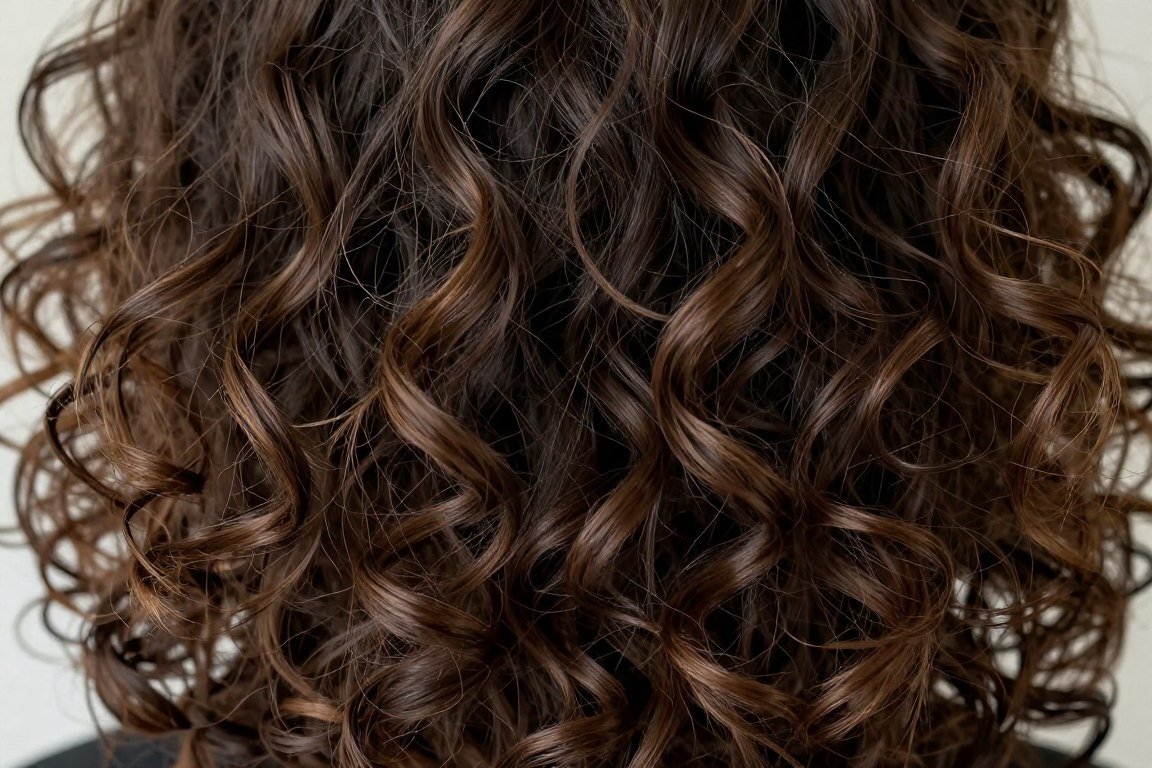
Retro Seventies-Inspired Medium Shag
This vintage-inspired shag channels authentic seventies energy. Heavy layering throughout creates the iconic silhouette that defined the decade’s signature style.
Crown layers create dramatic volume reminiscent of the era. Shorter pieces at the top build height that seventies shags famously featured.
Modern adaptations soften the vintage elements slightly. Today’s versions maintain the spirit while adjusting proportions for contemporary wearability.
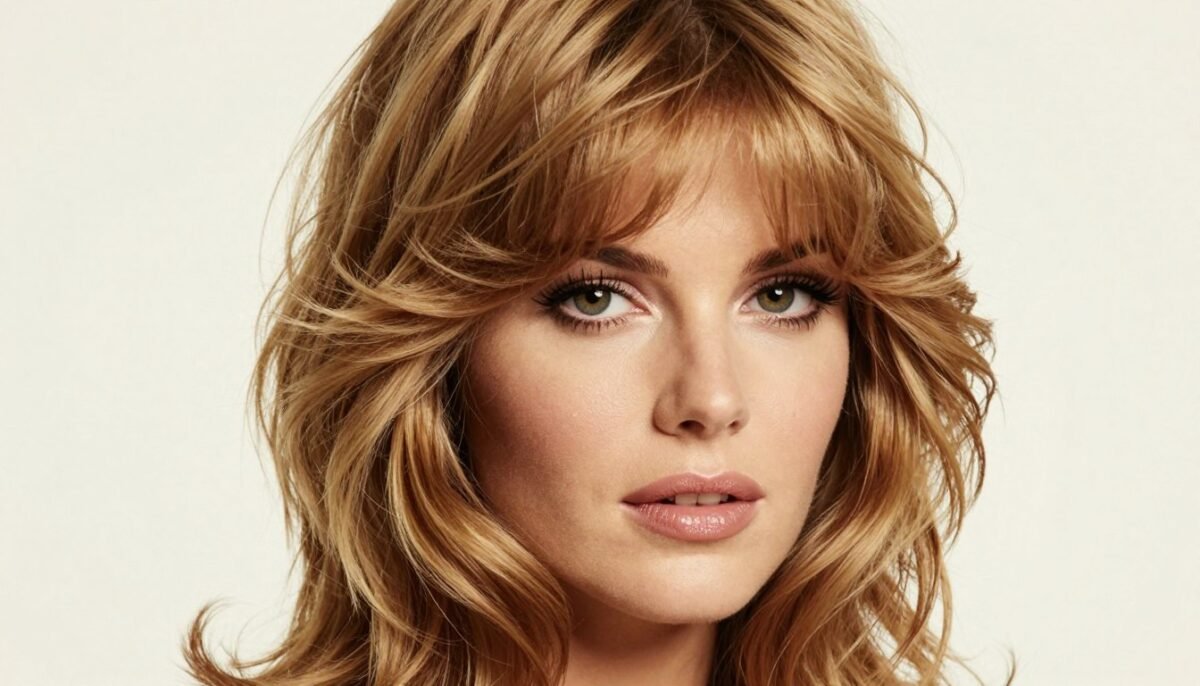
Authentic Seventies Shag Elements
The original seventies shag featured extremely short crown layers. These created the signature volume and lift that defined the iconic style.
Feathering technique was essential to vintage shags. Razoring created soft, wispy ends that moved freely with natural body motion.
Face-framing layers started very short, often at temple level. This created maximum face-framing effect that opened up facial features dramatically.
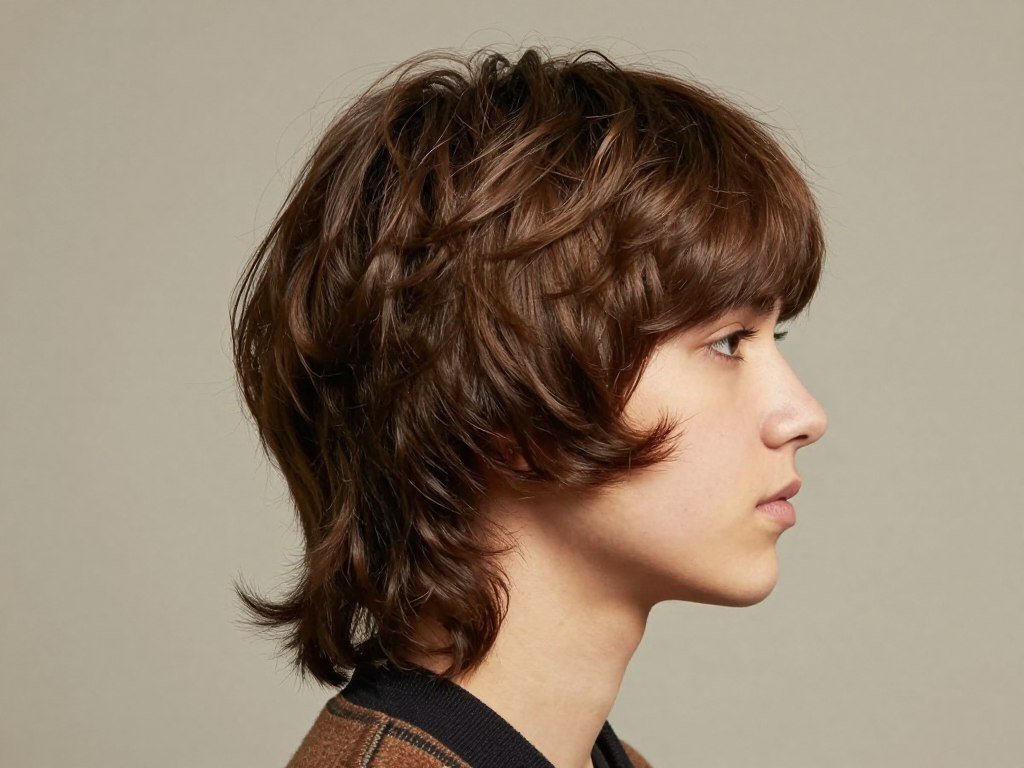
Modernizing the Seventies Shag
Contemporary versions maintain vintage spirit while updating proportions for current tastes and lifestyles.
- Slightly longer crown layers for easier styling
- Less dramatic feathering for modern appeal
- Updated color techniques for dimensional depth
- Adjustable styling for versatility
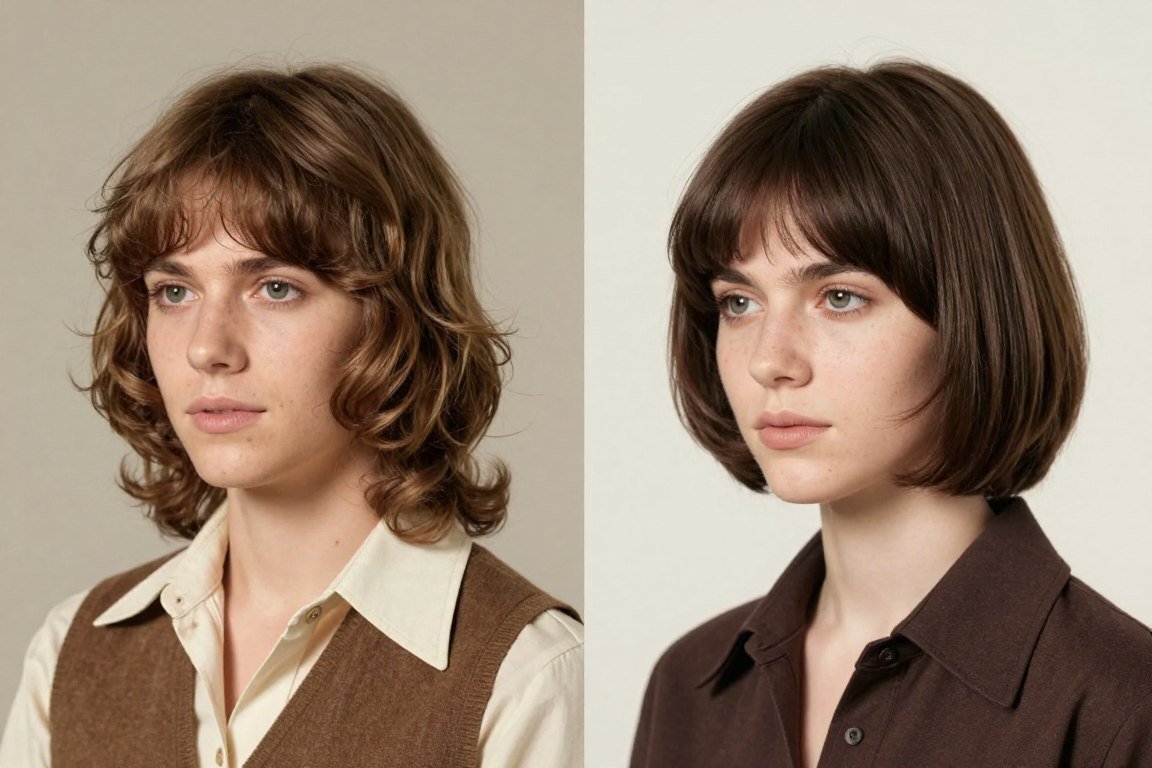
Medium Shag with Bang Variations
Bang variations transform the medium shag’s overall appearance dramatically. Different bang styles create distinctly different aesthetics from the same base cut.
Curtain bangs offer classic versatility that suits most face shapes. Side-swept bangs create asymmetrical interest and soften angular features beautifully.
Choosing the right bang style depends on face shape and personal preference. Understanding options helps you select the most flattering variation for your features.
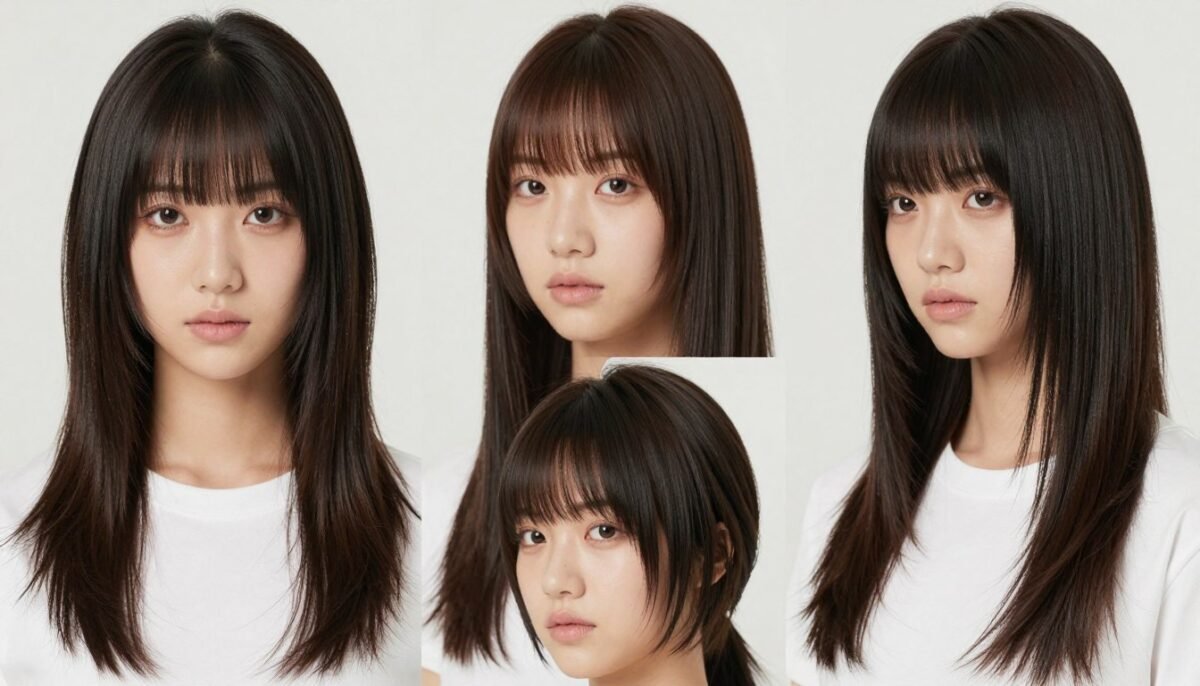
Bang Style Selection Guide
Curtain bangs work universally across face shapes. Their center-parted nature frames the face symmetrically while maintaining soft, flattering lines.
Side-swept bangs elongate round faces effectively. The diagonal line creates vertical emphasis that slims and lengthens overall appearance.
Wispy bangs suit those wanting minimal commitment. Their light, airy texture provides bang benefits without the weight or maintenance of fuller styles.
Curtain Bangs
- Center-parted styling
- Frames face symmetrically
- Works with all face shapes
- Easy to grow out gracefully
Side-Swept Bangs
- Creates asymmetrical interest
- Elongates round faces
- Softens angular features
- Versatile styling options
Wispy Bangs
- Minimal maintenance required
- Light, airy texture
- Soften without weight
- Perfect for beginners
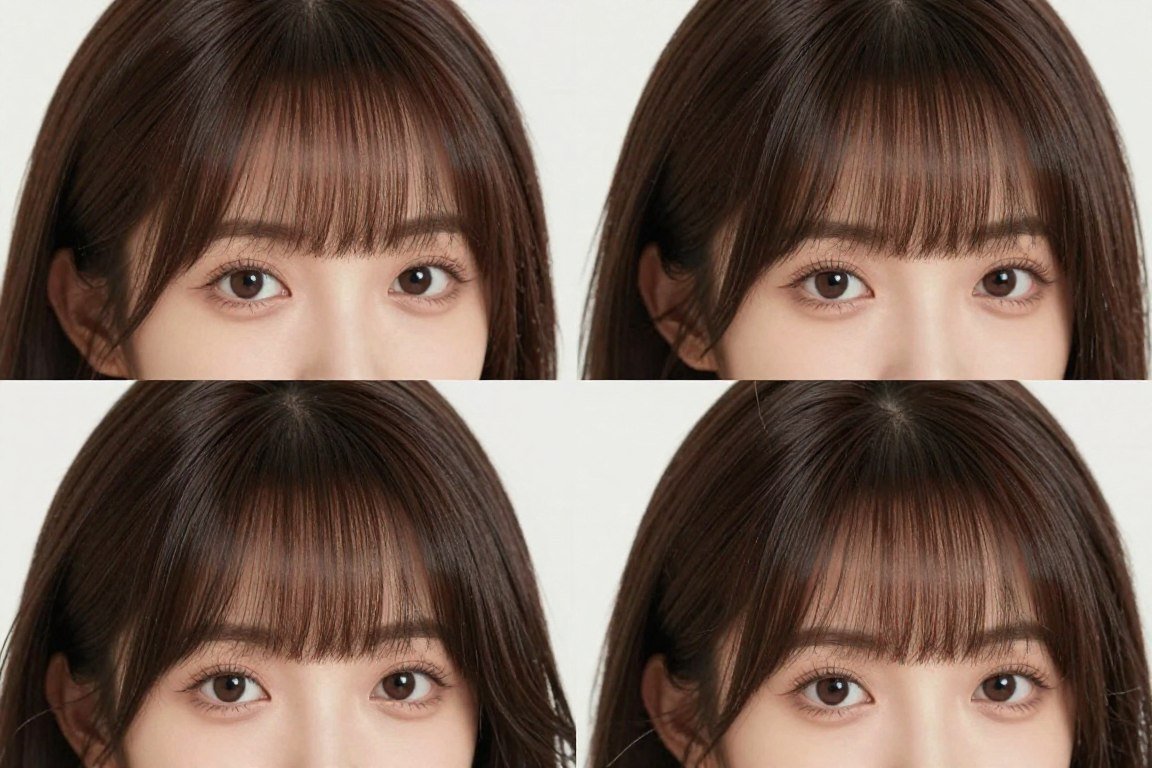
Medium Shag with Balayage Color
Balayage coloring complements shag layering perfectly. The hand-painted technique creates natural-looking dimension that enhances layer structure beautifully.
Color placement follows the natural hair fall in balayage. This ensures dimensional color from every viewing angle rather than stripey or flat appearance.
The combination of shag layers and balayage creates maximum movement. Both elements work synergistically to produce incredible dimension and visual interest.
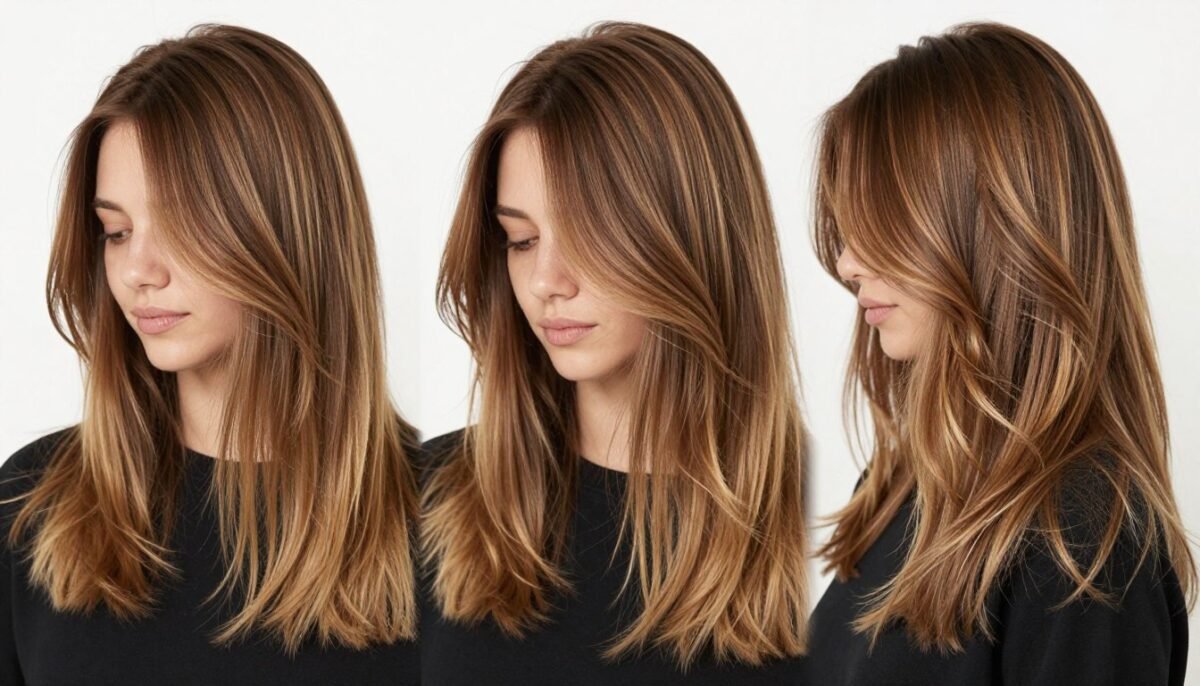
Balayage Placement for Shags
Face-framing balayage should start at the cheekbones. This brightening placement draws attention to eyes while creating flattering illumination.
Throughout the layers, balayage follows each piece’s natural movement. Color is painted onto hair as it would naturally be lightened by sun exposure.
Concentration of lightness increases toward the ends. This creates natural sun-kissed effect that appears to have developed organically over time.
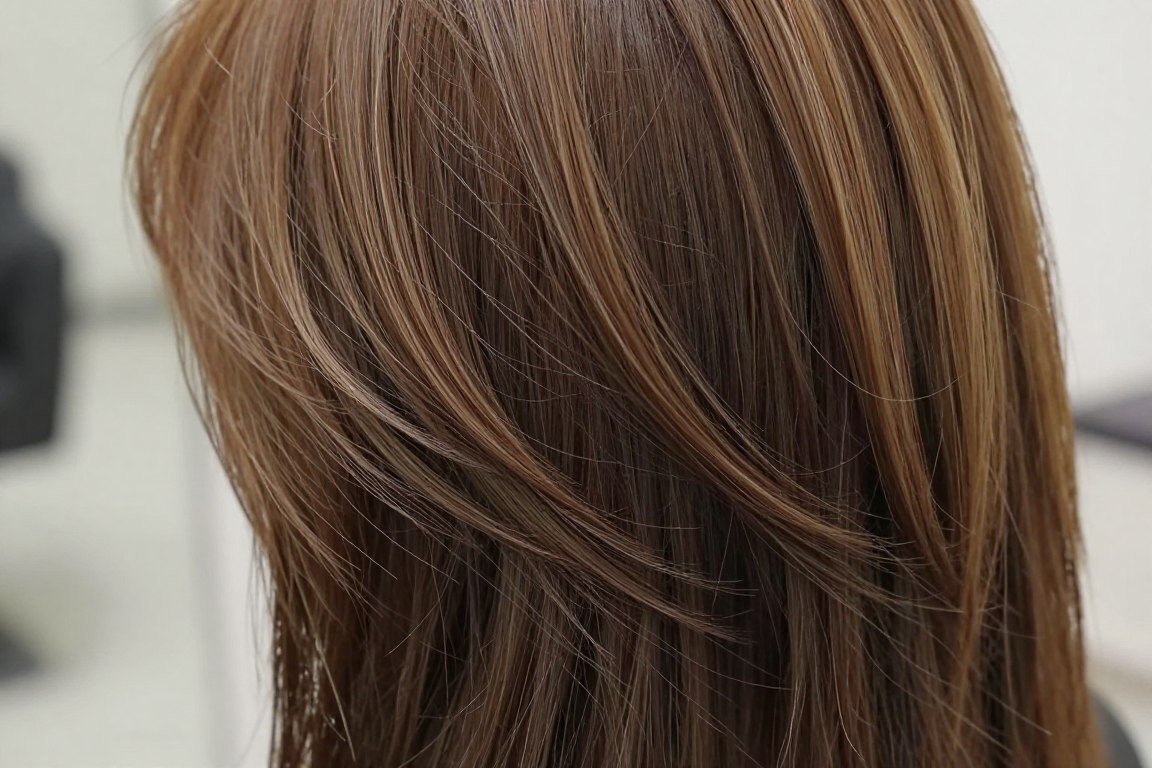
Maintaining Balayage Color
Balayage requires less frequent touch-ups than traditional highlights. The natural placement grows out gracefully without harsh regrowth lines.
- Refresh color every 3-4 months typically
- Use purple shampoo for blonde tones weekly
- Deep condition regularly for color health
- Protect from chlorine and excessive sun exposure
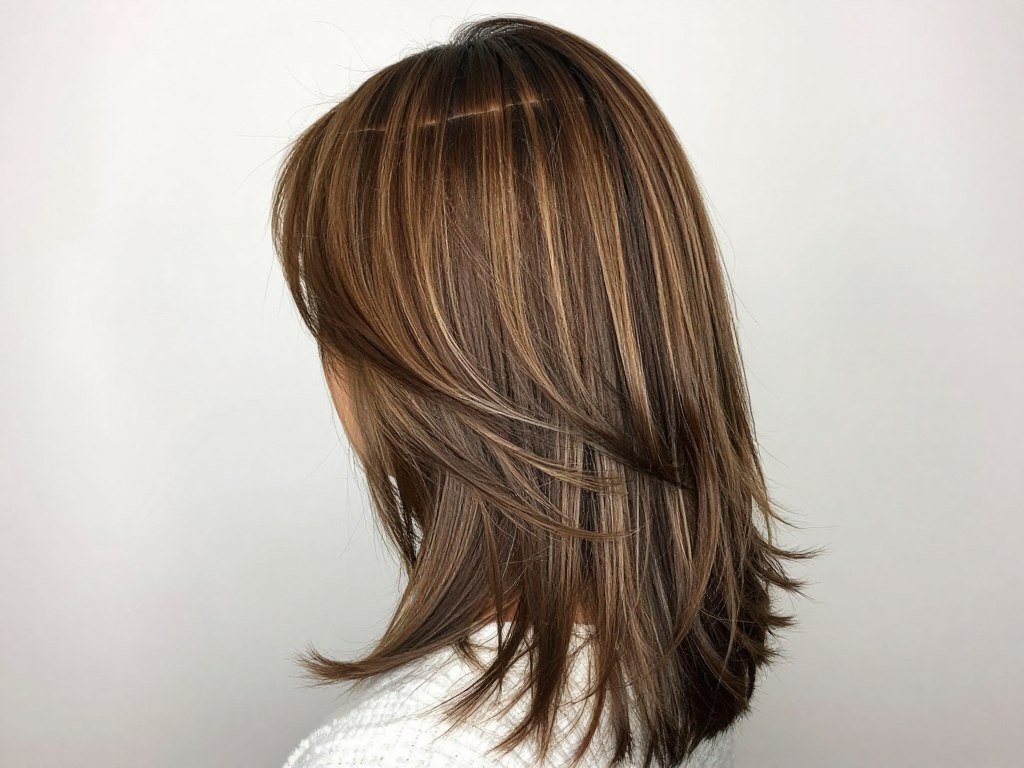
Piece-y Textured Medium Shag
Piece-y texture defines this contemporary shag variation. Intentional separation between individual pieces creates modern, editorial-quality styling.
The textured layers require specific cutting techniques. Point-cutting and slide-cutting create the tapered ends necessary for piece-y separation.
This style suits those comfortable with higher-maintenance looks. Achieving perfect piece-y texture requires daily product application and styling attention.
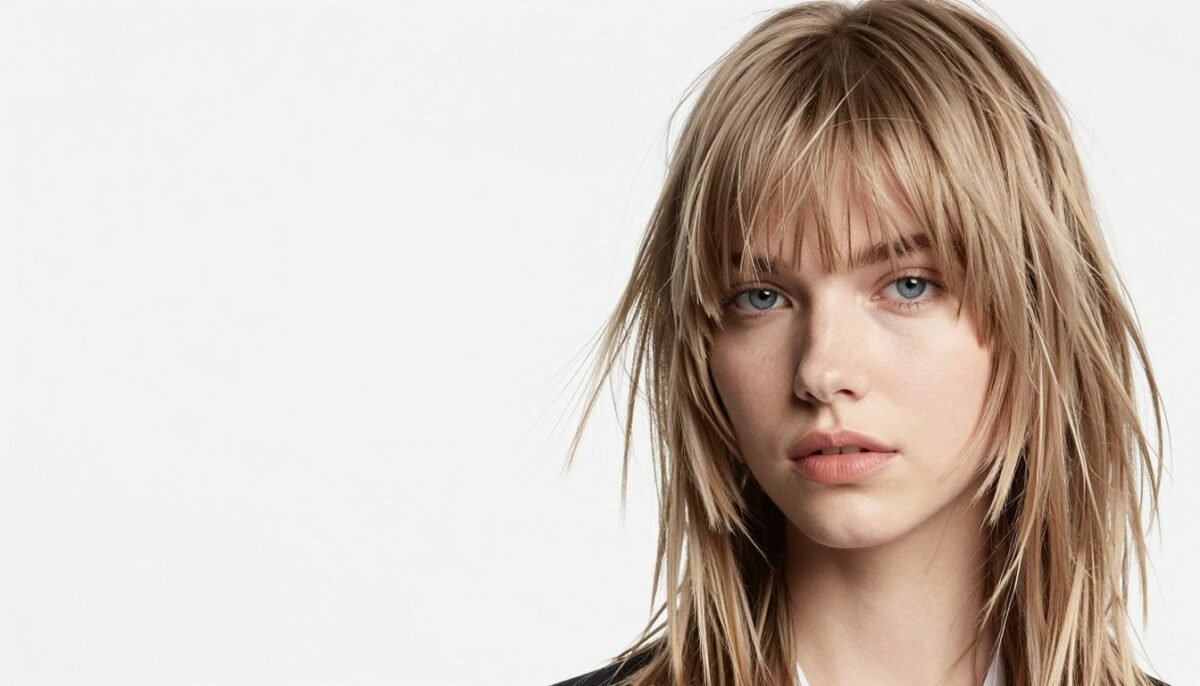
Creating Piece-y Separation
Texturizing paste proves essential for piece-y shags. Apply small amounts to individual sections and twist to create defined separation.
Less product distributed more precisely works better than excessive application. Focus on mid-lengths and ends where separation shows most dramatically.
Finger-styling maintains the piece-y aesthetic. Avoid brushes or combs once product is applied to preserve intentional separation and texture.
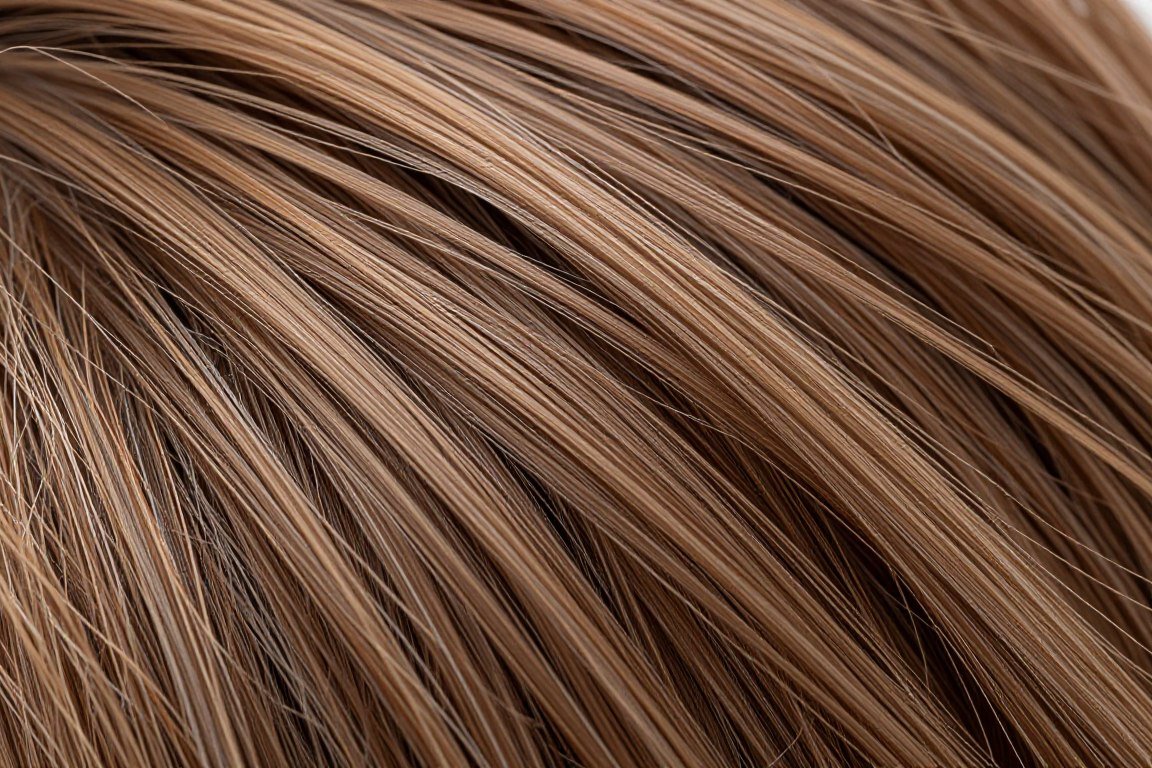
Products for Piece-y Texture
The right product selection makes or breaks piece-y shag styling. Choose formulas that provide separation without stiffness.
- Texturizing paste for moldable definition
- Pomade for piece-y shine and separation
- Dry texture spray for added grit
- Lightweight wax for flexible hold

Medium Shag with Voluminous Crown
Crown volume creates dramatic impact in this shag variation. Strategic layering at the crown builds height that flatters and elongates.
Shorter crown layers form the foundation for volume. These pieces lift away from the scalp naturally, creating built-in body without styling effort.
This style particularly flatters those with fine hair. The crown volume creates fullness illusion that fine hair typically struggles to achieve.
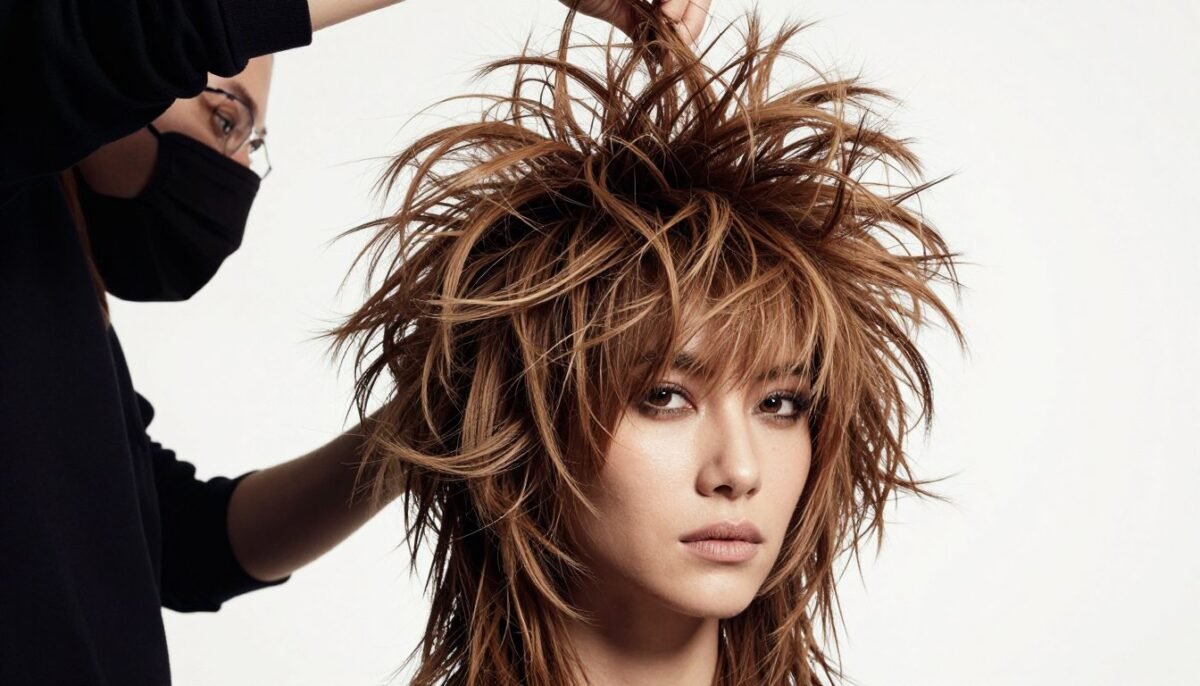
Building Crown Volume
Crown layers should start approximately two to three inches from the scalp. This length creates optimal lift without becoming too short or unmanageable.
Graduation from crown to perimeter should feel seamless. Each layer blends naturally into the next for cohesive overall silhouette.
Styling products amplify the natural volume created by layering. Volumizing powder at roots and mousse throughout enhance the built-in lift dramatically.
Volume-Building Techniques
Master these methods for maximum crown volume achievement.
- Blow-dry crown area upside down first
- Apply volumizing powder directly to roots
- Backcomb gently at crown for added height
- Use velcro rollers on crown while cooling
- Finish with volumizing spray throughout
Volume Maintenance Tips
Keep your crown volume looking fresh throughout the day.
- Refresh with dry shampoo at roots
- Avoid touching or smoothing crown area
- Sleep with hair in loose high ponytail
- Reapply volumizing powder as needed
- Use lightweight products to avoid weighing down
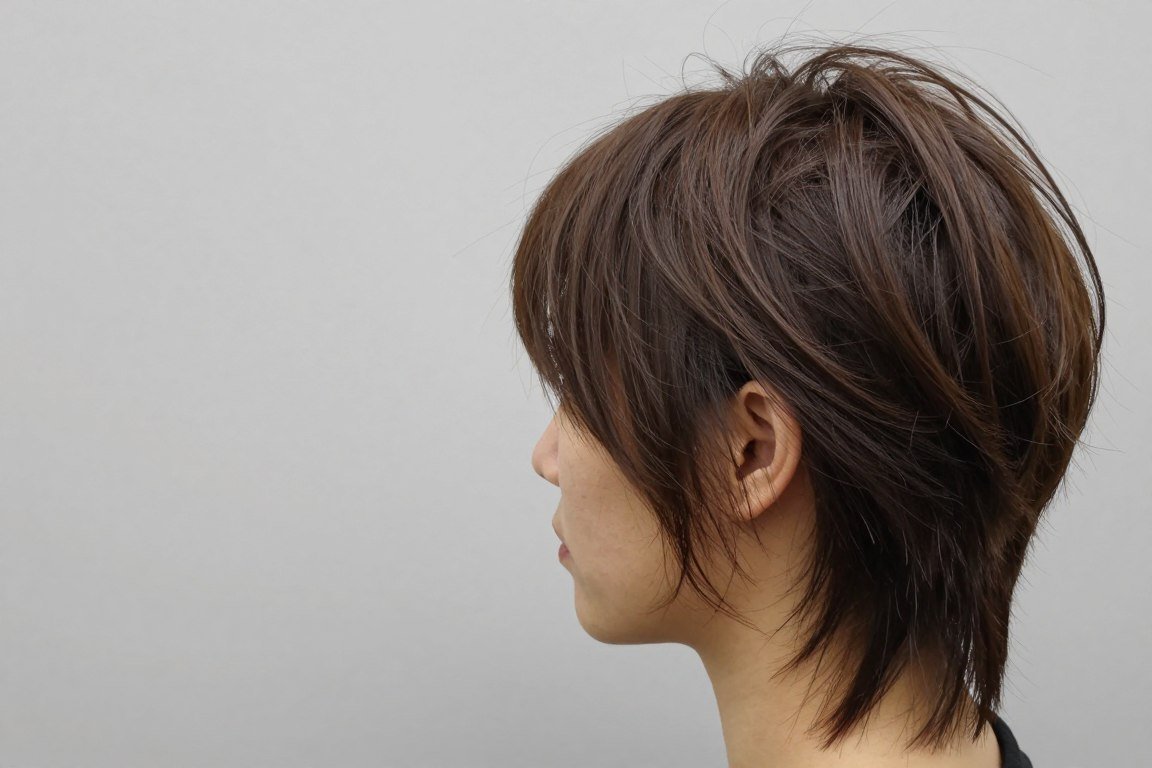
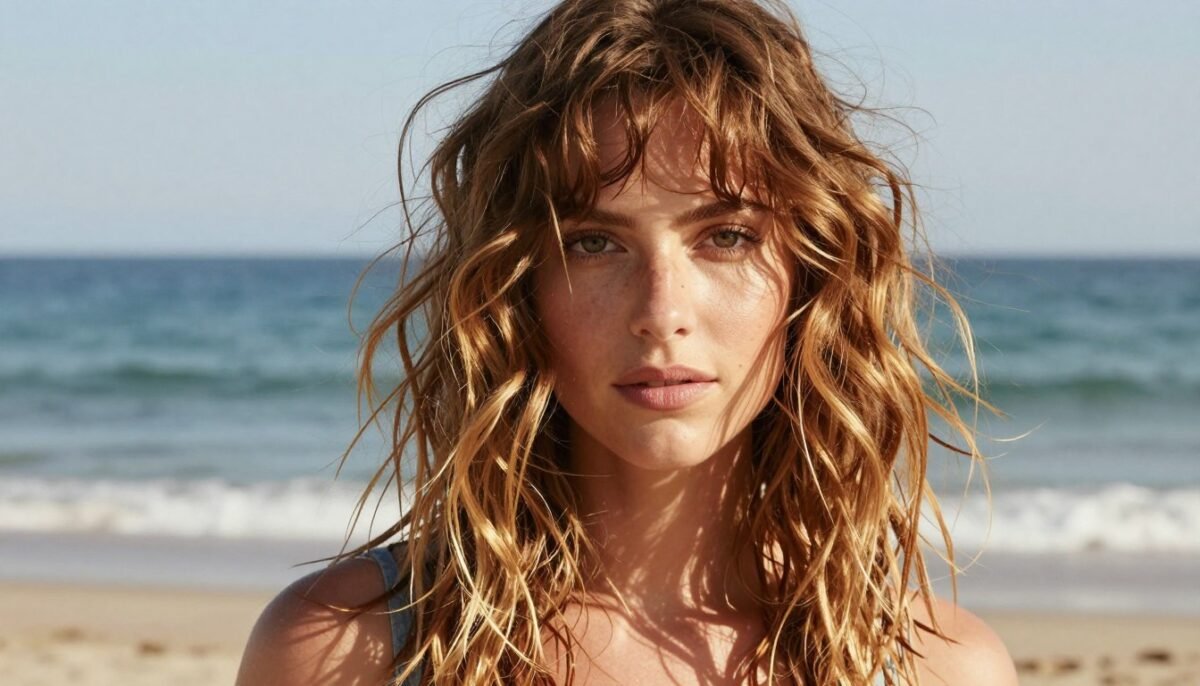
Beachy Wave Medium Shag
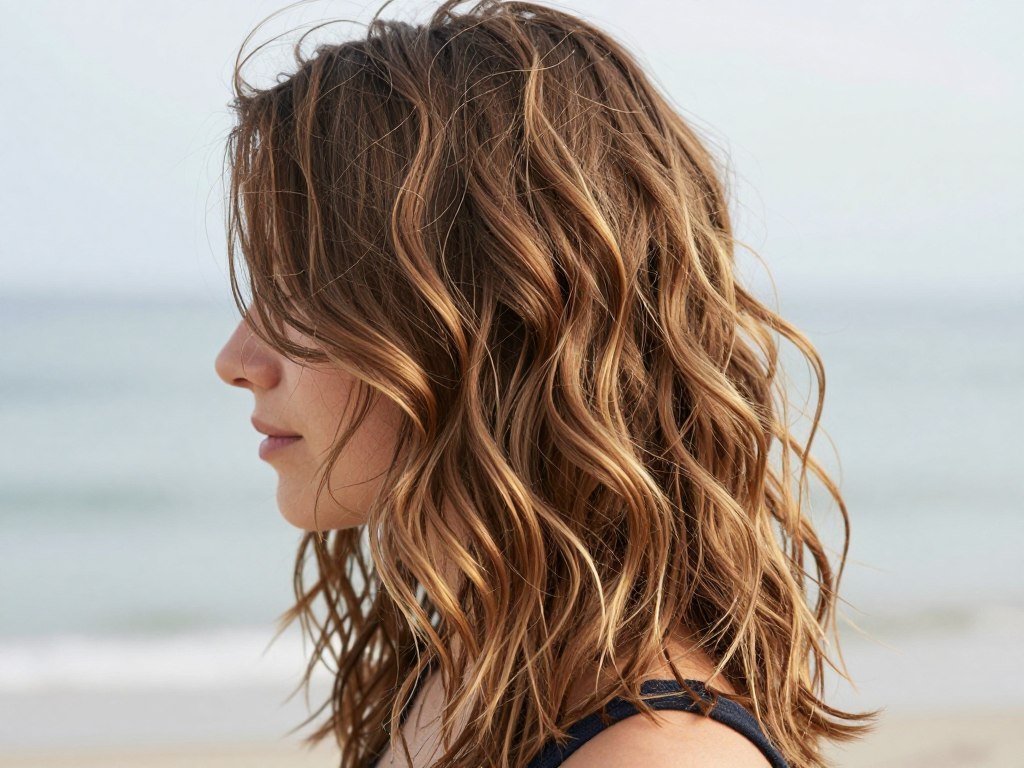
Beachy waves create relaxed, vacation-ready appeal in this medium shag. The effortless texture evokes sun, sand, and carefree summer styling.
This aesthetic embraces natural imperfection. Slightly messy, undone waves create the lived-in texture that defines beachy styling perfectly.
The look requires minimal effort to maintain. Sea salt spray and air-drying produce beautiful results without complicated styling routines.
Achieving Beachy Wave Texture
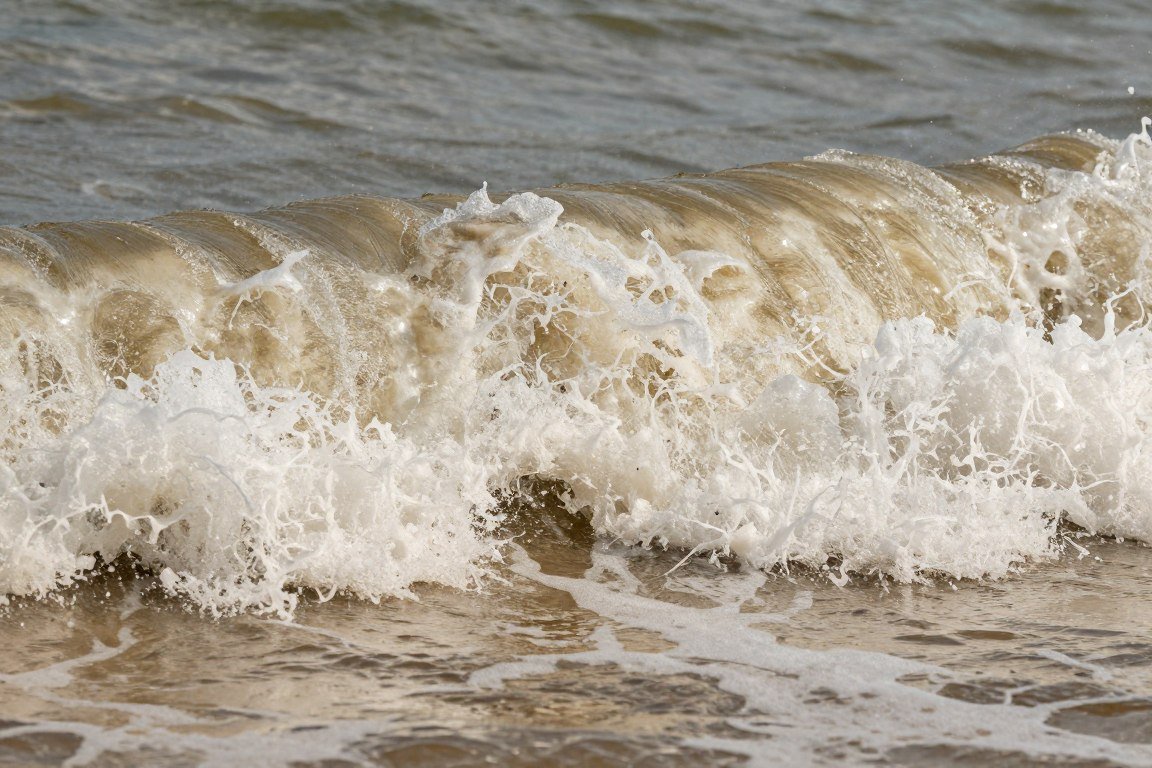
Sea salt spray is the hero product for beachy waves. Spray generously on damp hair and scrunch to encourage natural wave formation.
Air-drying works best for authentic beachy texture. The natural drying process creates organic waves that heat styling cannot replicate.
For enhanced definition, braid damp hair loosely. Release when mostly dry and separate waves with fingers for perfect beachy texture.
Beachy Hair Product Essentials
Create perfect beachy waves with these must-have products and application techniques.
- Sea salt spray for gritty beach texture
- Texturizing spray for enhanced definition
- Leave-in conditioner to prevent dryness
- Light oil for sun-kissed shine finish
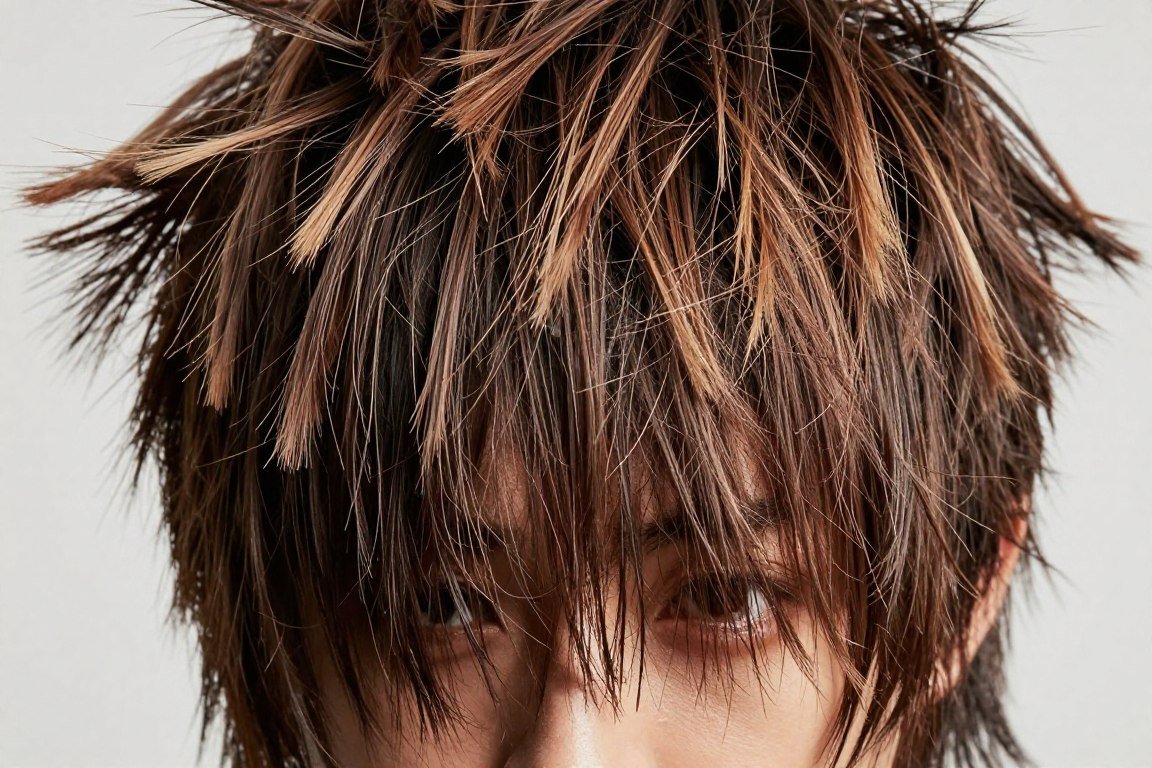
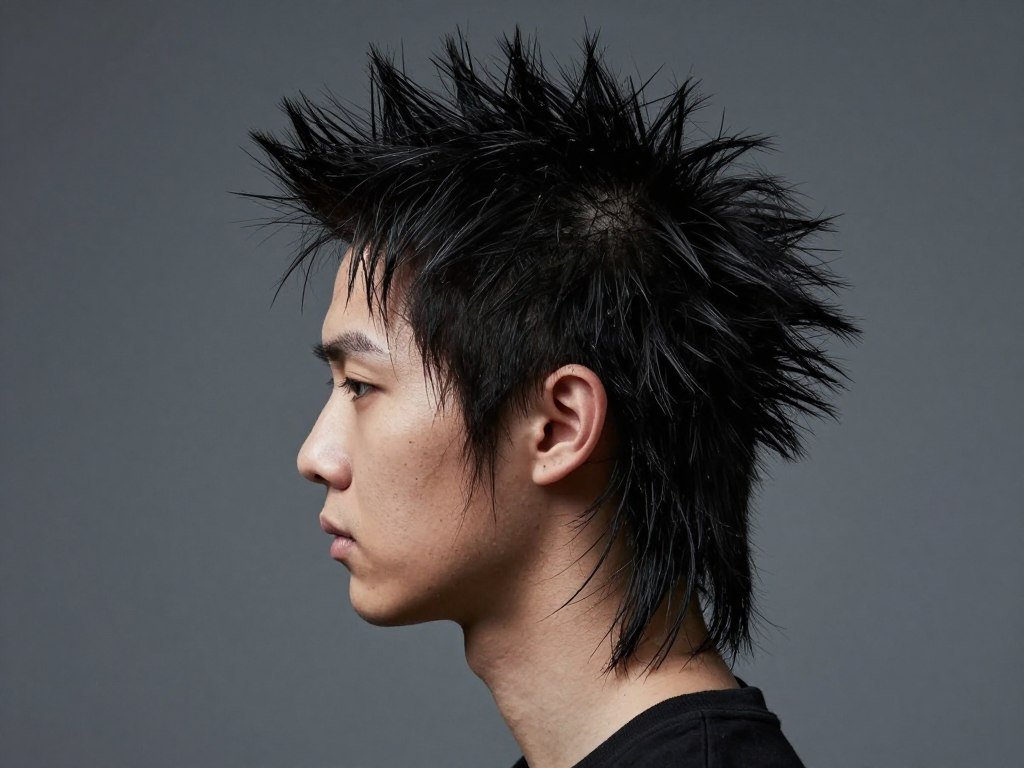
Edgy Punk-Inspired Medium Shag
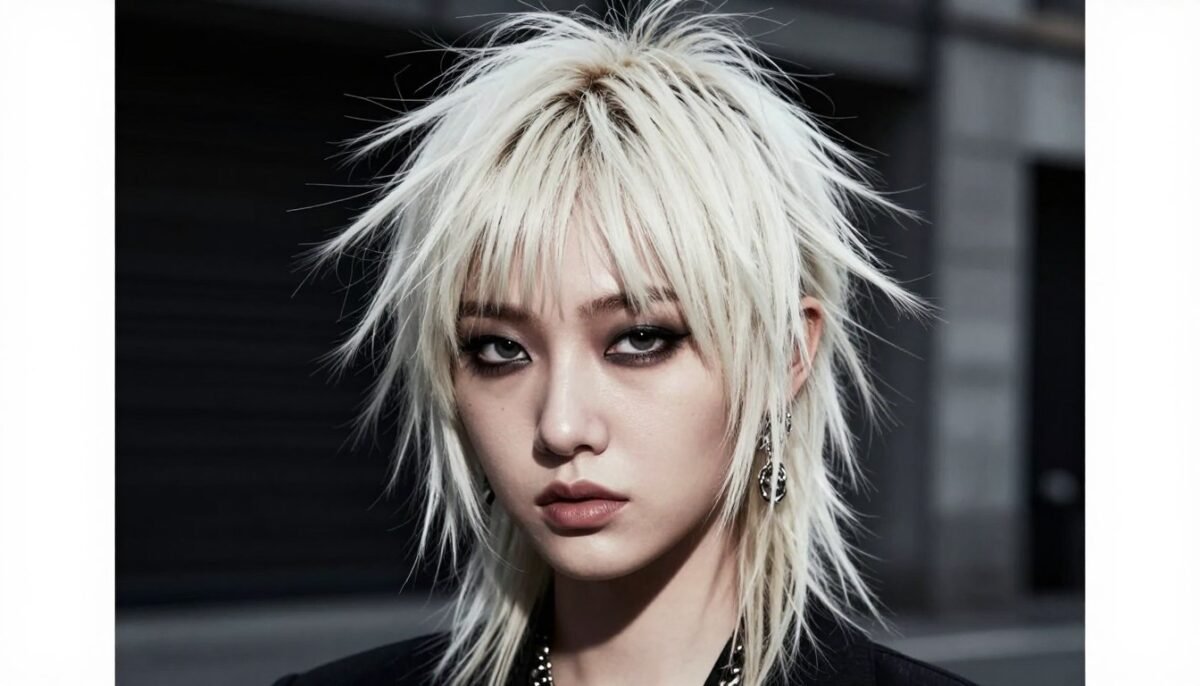
Punk influences create bold edge in this unconventional shag interpretation. Dramatic choppy layers and intentional asymmetry challenge traditional beauty standards.
This rebellious variation suits those seeking distinctive, attention-grabbing style. The aggressive layering makes a statement that subtle shags cannot achieve.
Color often enhances the punk aesthetic. Unconventional tones like platinum, dark roots, or fashion colors amplify the edgy attitude dramatically.
Punk Shag Characteristics
Extreme texture defines punk-inspired shags. Razoring creates aggressive, choppy ends that appear intentionally rough and unfinished.
Asymmetry appears throughout rather than just in overall length. Random short pieces interrupt longer sections for chaotic visual interest.
Styling embraces messiness rather than polish. The more undone and rebellious the texture, the more authentic the punk aesthetic becomes.
Creating the Punk Aesthetic
Achieving authentic punk styling requires embracing unconventional techniques and products.
- Strong-hold gel for piece-y spikes
- Texturizing paste for messy definition
- Hairspray for maintaining edgy shapes
- Bold color for enhanced punk attitude
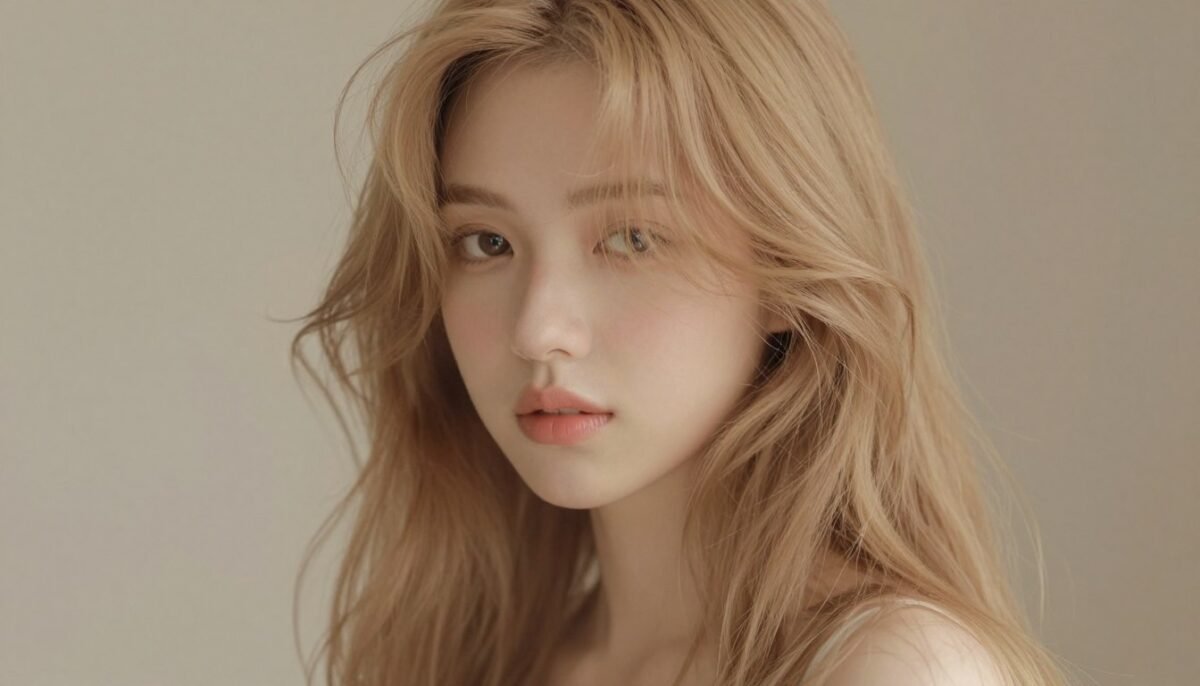
Romantic Soft-Layered Medium Shag
Soft romantic layering creates feminine elegance in this delicate shag variation. Gentle texture and flowing movement define this graceful interpretation.
This style suits those preferring subtle rather than dramatic texture. Soft layers create movement without appearing choppy or aggressive.
Feminine styling enhances the romantic aesthetic. Gentle waves, soft colors, and delicate texture create overall softness and approachability.
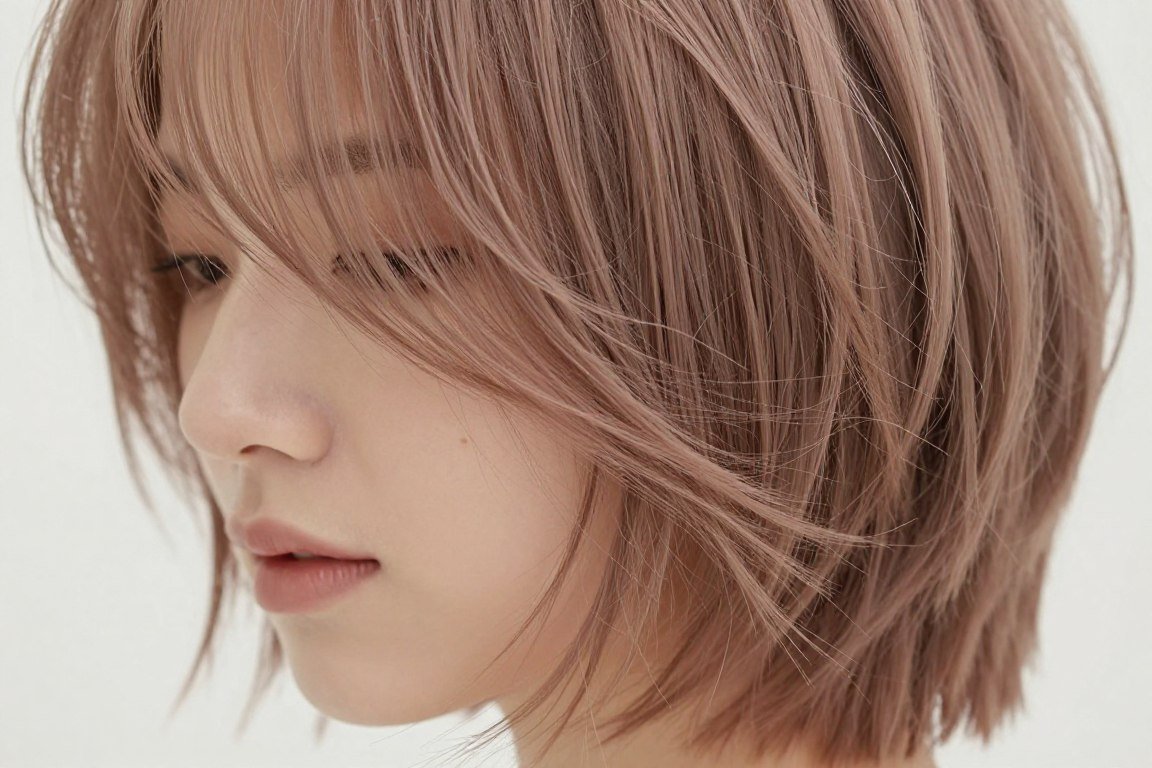
Creating Soft Romantic Texture
Blending proves crucial for soft romantic shags. Seamless layer transitions create flowing movement without harsh lines or choppy separation.
Point-cutting technique creates the softest possible layer ends. This method produces delicate, feathered texture that appears naturally soft and feminine.
Styling focuses on enhancing rather than creating texture. Work with natural hair tendencies instead of forcing aggressive styling that contradicts the soft aesthetic.
Romantic Styling Techniques
Enhance the feminine, romantic quality through gentle styling methods and products.
- Large-barrel curling iron for soft waves
- Light mousse for gentle volume
- Shine serum for glossy romantic finish
- Minimal product for natural movement
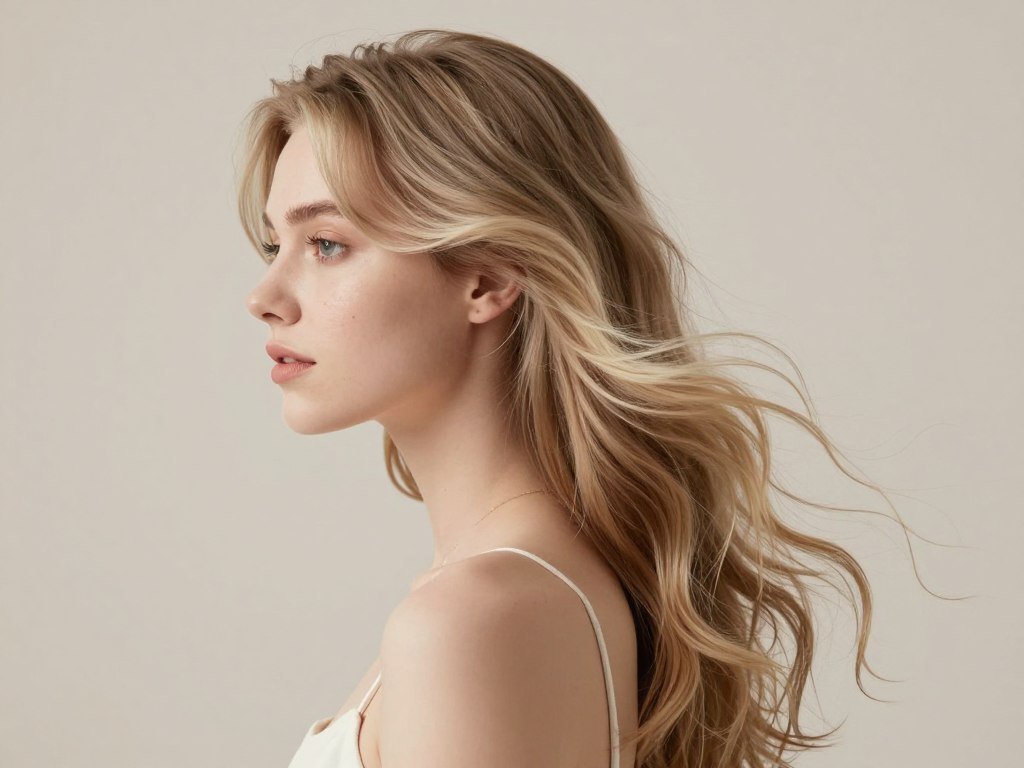
Versatile Layered Cut for Multiple Styling Options
This highly versatile layered shag adapts to countless styling variations. The strategic layer placement allows transformation from casual to elegant effortlessly.
Wear it straight for polished sophistication or wavy for relaxed casual appeal. The same cut provides multiple aesthetic options depending on styling approach.
This versatility suits those with varied lifestyle demands. Professional settings and casual weekends require different looks that this adaptable cut provides.
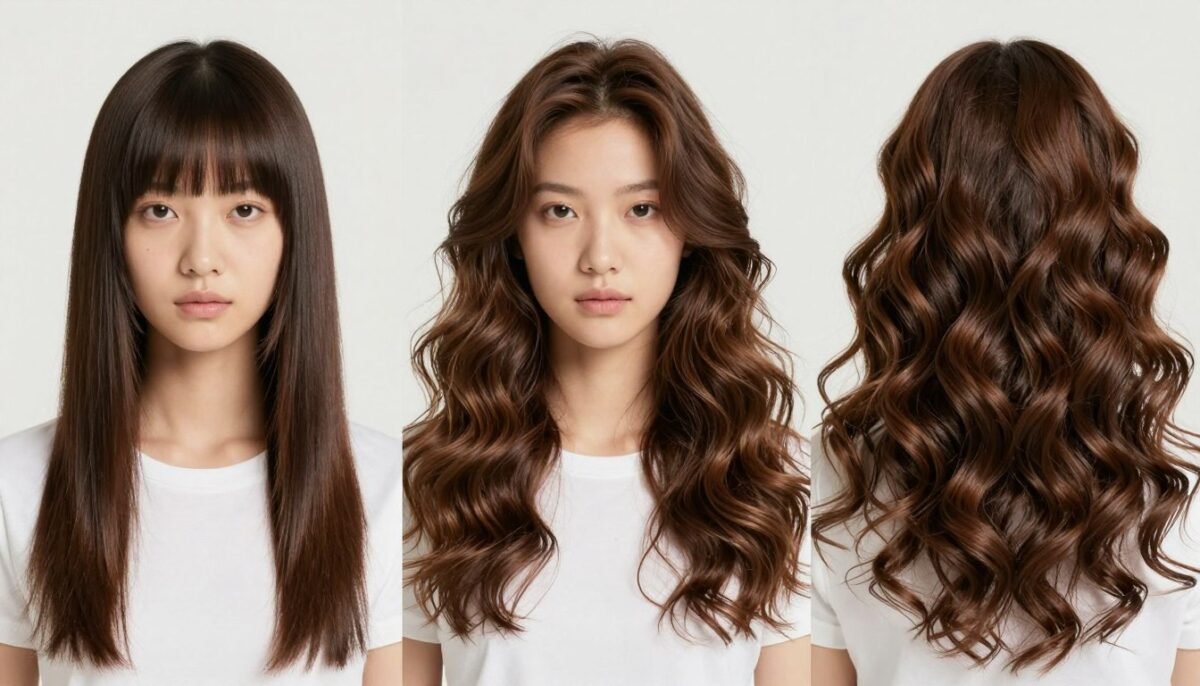
Maximizing Styling Versatility
The key to versatility lies in balanced layer distribution. Layers should enhance multiple styling techniques rather than limiting options.
Medium density layering works best for versatility. Too many layers limit styling options while too few reduce the shag character entirely.
Communication with your stylist proves essential. Explain your lifestyle variety and desired styling options for customized layer placement.
Straight Styling Method
Achieve sleek sophistication with these straightening techniques.
- Apply smoothing serum to damp hair
- Blow-dry with paddle brush pulling straight
- Flat iron in small sections for sleekness
- Apply shine serum to finished style
- Set with light-hold spray
Wavy Styling Method
Create relaxed waves with simple techniques.
- Apply curl cream to damp hair
- Scrunch thoroughly to encourage waves
- Air-dry or diffuse on low heat
- Define individual waves with small iron
- Finish with texturizing spray
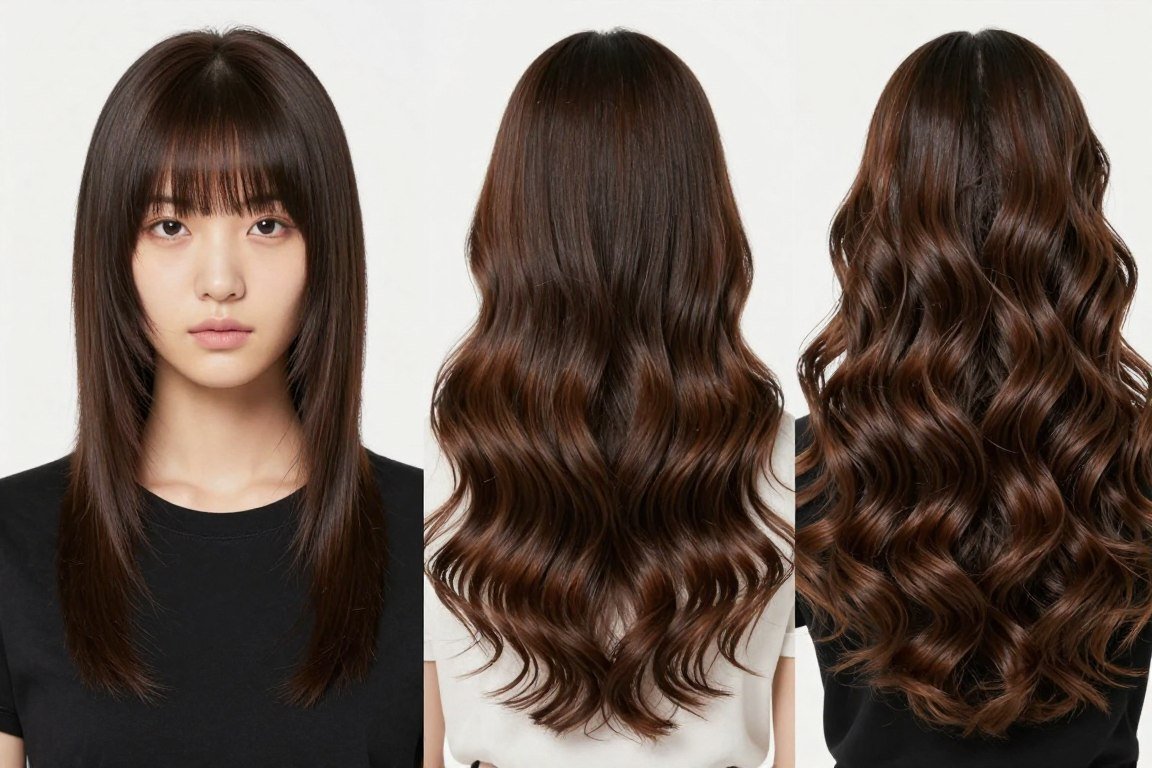
Choosing Your Perfect Medium-Length Shag
The medium-length shag offers remarkable versatility across styles, textures, and preferences. From classic interpretations to contemporary variations, options exist for every individual.
Consider your hair type, face shape, and lifestyle when selecting your ideal variation. These factors determine which shag style will work best for your unique situation.
Consultation with an experienced stylist proves invaluable. Professional expertise ensures your chosen style flatters your features while remaining practically maintainable.
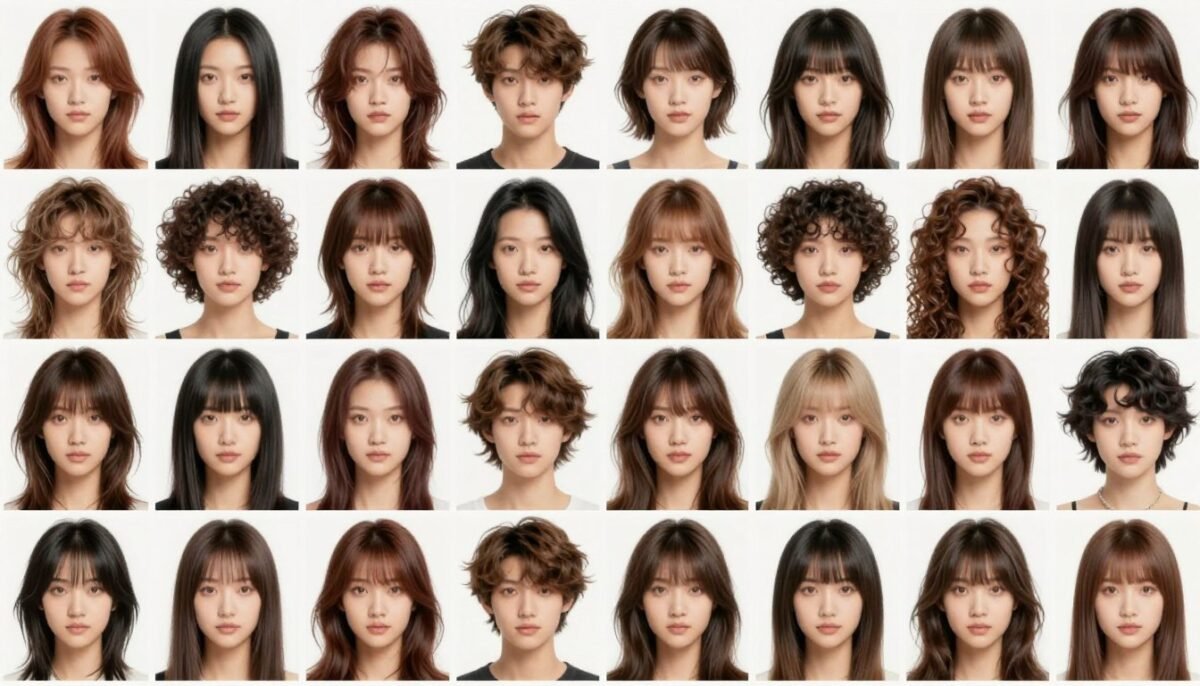
Making Your Shag Decision
Start by identifying your primary hair concerns. Whether addressing volume, texture, or manageability, different shag variations solve different challenges.
Assess your daily styling time realistically. Some variations require minimal effort while others demand dedicated styling attention for optimal results.
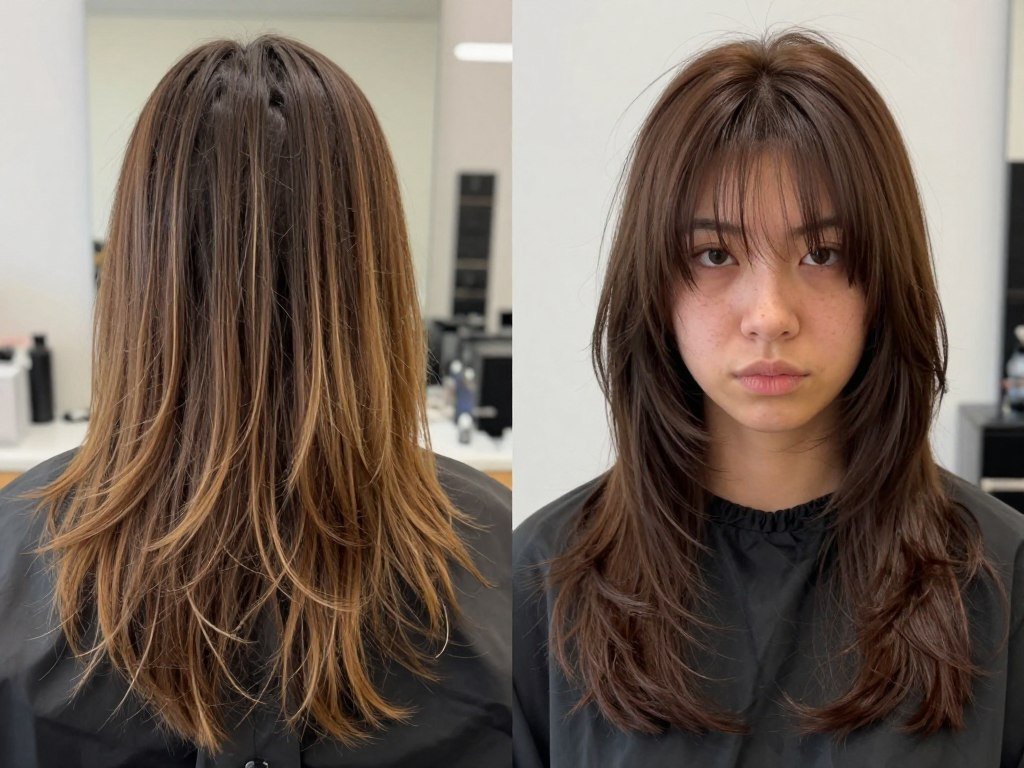
Bring visual references to your consultation. Photos communicate your vision more effectively than verbal descriptions alone.
Essential Questions for Your Stylist
Maximize your consultation value by asking these crucial questions before committing to your shag.
- Which shag variation best suits my hair texture?
- How will this style flatter my specific face shape?
- What daily styling commitment does this require?
- How frequently will I need maintenance trims?
- Which products do you recommend for my chosen style?
- Can you demonstrate the basic styling technique?
The medium-length shag remains an enduring style for good reason. Its adaptability, flattering nature, and timeless appeal ensure continued popularity across generations.
Whether you choose classic layers, contemporary texture, or bold asymmetry, the shag haircut offers transformation potential. Embrace the versatility and discover your perfect variation today.