
Finding the right short hairstyle can completely transform your appearance. The perfect cut enhances your best features while fitting seamlessly into your lifestyle. Whether you want something low maintenance or eye-catching, short hair offers incredible versatility.
Short hairstyles for men have evolved beyond basic buzz cuts. Modern barbering techniques create dimension and texture that work with your natural hair type. From professional office looks to edgy street style, there’s a short cut that matches your personality.
This guide covers 40 short hairstyles that are trending right now. You’ll discover cuts for every face shape, hair type, and personal style. Each option includes styling tips and maintenance advice to help you make the right choice.
Table of Contents
Classic Buzz Cut Styles
The buzz cut remains one of the most popular short hairstyles for men. This low-maintenance option works for virtually every face shape and hair type. It’s clean, masculine, and requires minimal styling effort each morning.
Traditional Buzz Cut
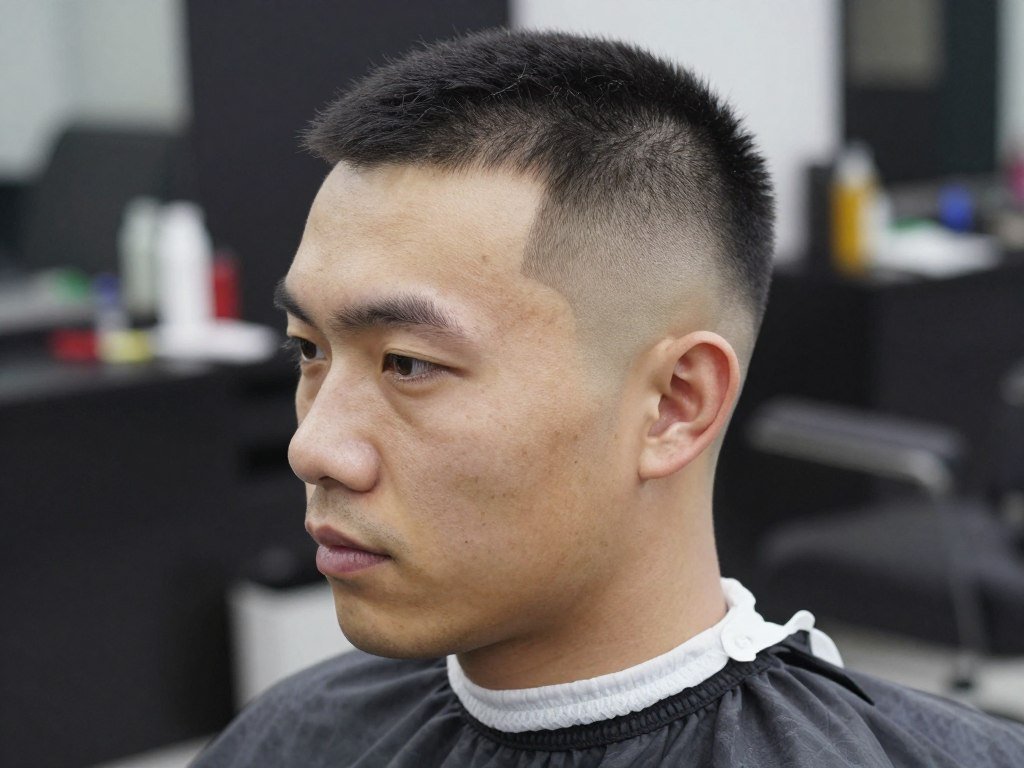
The traditional buzz cut features uniform length all over your head. Barbers typically use clipper guards ranging from one to four. This creates a clean, no-fuss look that’s perfect for active lifestyles.
This style works exceptionally well if you’ve got a well-shaped head. It draws attention to your facial features rather than your hair. The buzz cut also helps if you’re dealing with thinning hair or a receding hairline.
Maintenance takes just minutes. Run clippers over your head every two weeks to maintain the length. You won’t need any styling products or tools. Just wake up and go.
Induction Cut

The induction cut takes the buzz cut to its shortest form. Barbers use the shortest clipper guard or go without one entirely. This military-inspired style leaves hair about one-eighth inch long.
This ultra-short option keeps you cool in hot weather. It’s ideal if you want the absolute minimum maintenance. The induction cut works well for men with strong facial features and good head shape.
You’ll need touch-ups more frequently than longer buzz cuts. Plan on clipper maintenance every week to ten days. The upside is that each session takes less than five minutes.
Burr Cut

The burr cut sits between the induction cut and longer buzz styles. Barbers leave about one-quarter inch of hair. This length provides more texture while staying incredibly low maintenance.
The burr cut offers a middle ground for guys who want short hair but not completely shaved. It shows more of your natural hair texture and color. This style still keeps you cool while offering slightly more styling potential.
Styling takes seconds with this cut. A small amount of matte paste adds texture if desired. Most men skip products entirely and embrace the natural look.
Brush Cut
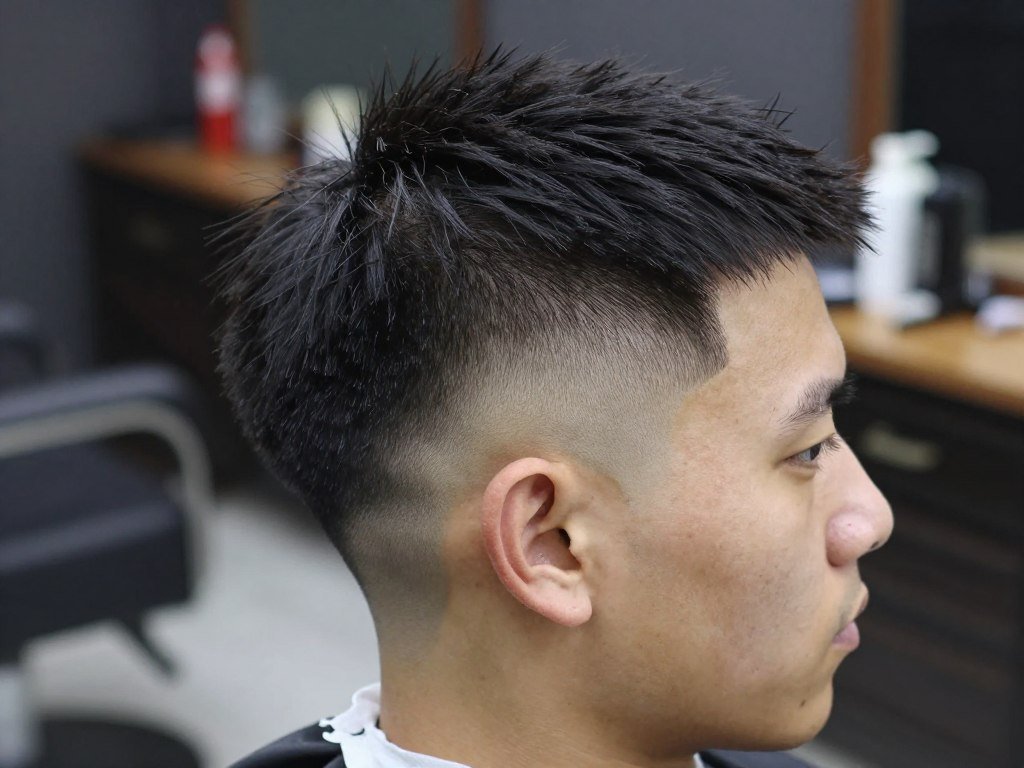
The brush cut features longer hair on top that stands upright. The hair top measures about half an inch while the sides stay shorter. This creates a subtle contrast that adds dimension.
This variation works great for men with straight hair. The upright hair creates a textured, masculine appearance. It’s slightly more polished than a uniform buzz while staying simple to maintain.
Run your fingers through it after showering and you’re done. Some guys use a small amount of sea salt spray for extra texture. The brush cut strikes a perfect balance between style and convenience.
Crew Cut Variations
The crew cut stands as a timeless classic among short haircuts. This versatile style works in professional settings while maintaining a modern edge. It offers more length on top than a buzz cut with tapered sides.
Classic Crew Cut
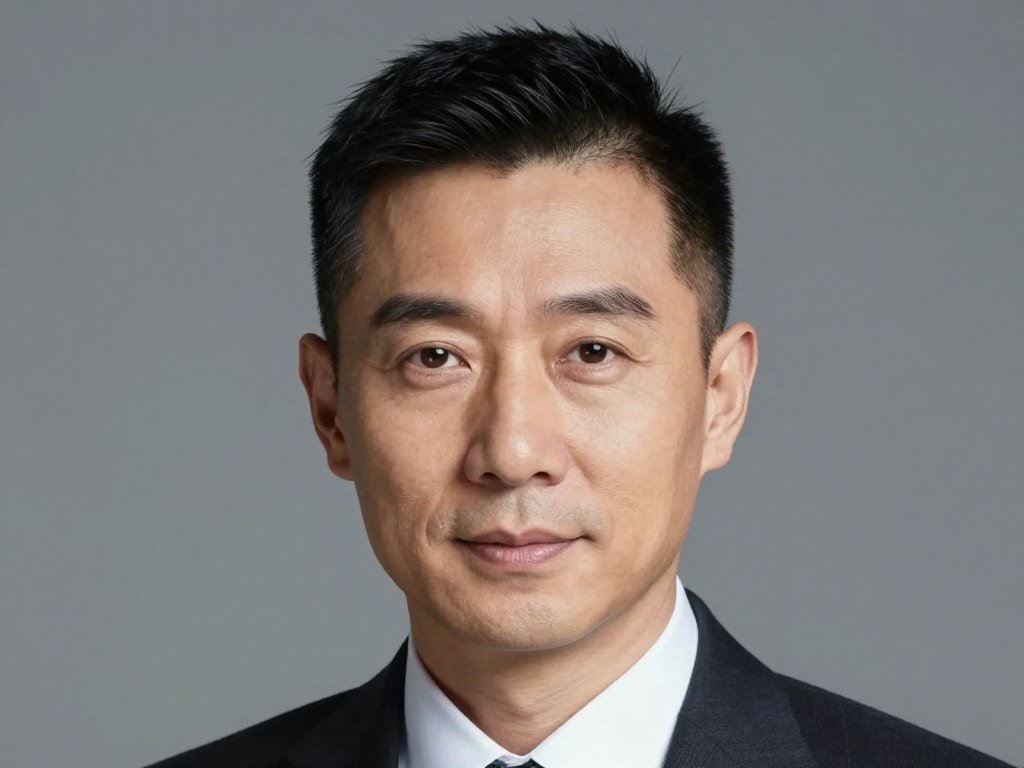
The classic crew cut features hair about one inch long on top. The sides gradually taper shorter as they move down. Your barber creates a smooth transition from the longer top to the shorter sides and back.
This style suits nearly every face shape. The longer top provides styling versatility while the tapered sides keep things neat. It’s professional enough for corporate environments yet casual enough for weekends.
Styling requires minimal effort. Apply a small amount of pomade or cream to damp hair. Push it forward and slightly to the side. The entire process takes under a minute.
Ivy League Cut

The Ivy League cut extends the crew cut concept with extra length on top. This allows for a proper side part. The hair measures one to two inches on top while the sides stay neat and tapered.
This sophisticated variation originated in elite universities. It projects professionalism and attention to detail. The Ivy League works particularly well if you’ve got straight or wavy hair.
Create a clean side part with a comb. Apply styling cream for hold without shine. The style stays put all day with minimal touch-ups. Ask your barber to keep enough length for versatile styling options.
Continental Cut
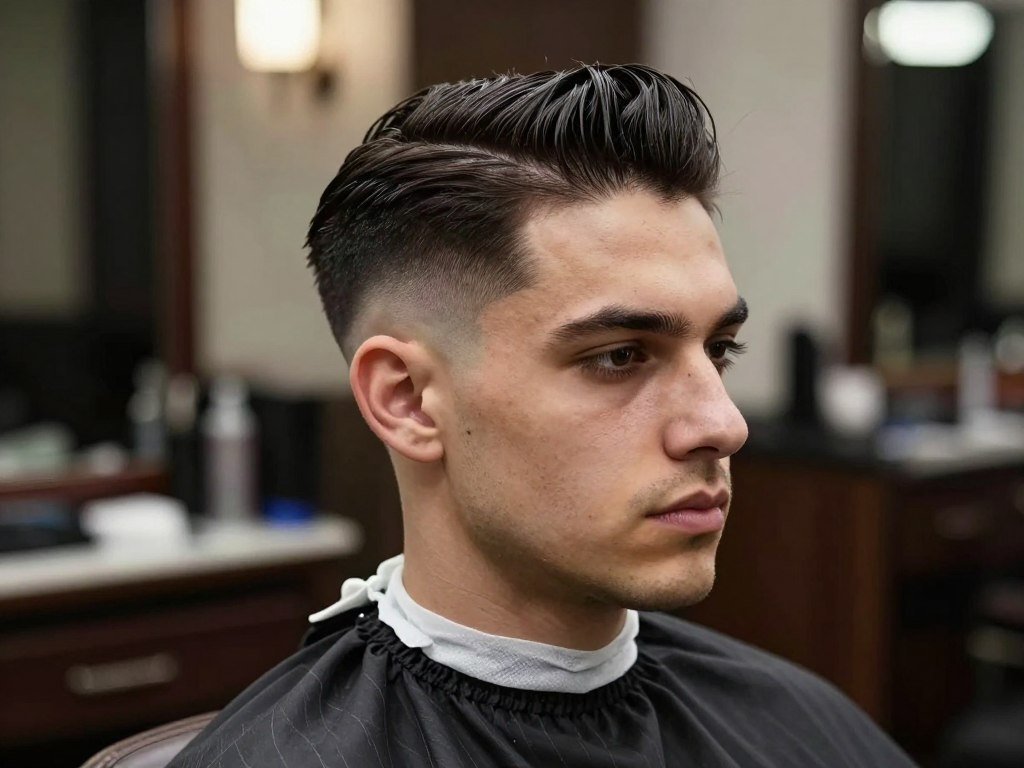
The continental cut takes inspiration from European styling. It features slightly longer hair on top swept back. The sides maintain that classic crew cut taper while the top offers more dramatic styling potential.
This style adds a touch of sophistication to the traditional crew cut. It works well for men who want something slightly more distinctive. The continental cut transitions easily from office to evening events.
Blow-dry the hair top back while it’s still damp. Use a medium-hold pomade to keep everything in place. The swept-back look creates height and showcases confidence.
Fade Hairstyles
Fade hairstyles have dominated men’s grooming for good reason. The gradual transition from longer hair to shorter creates a polished, modern appearance. Fades work with virtually any style on top and suit all face shapes.
Low Fade
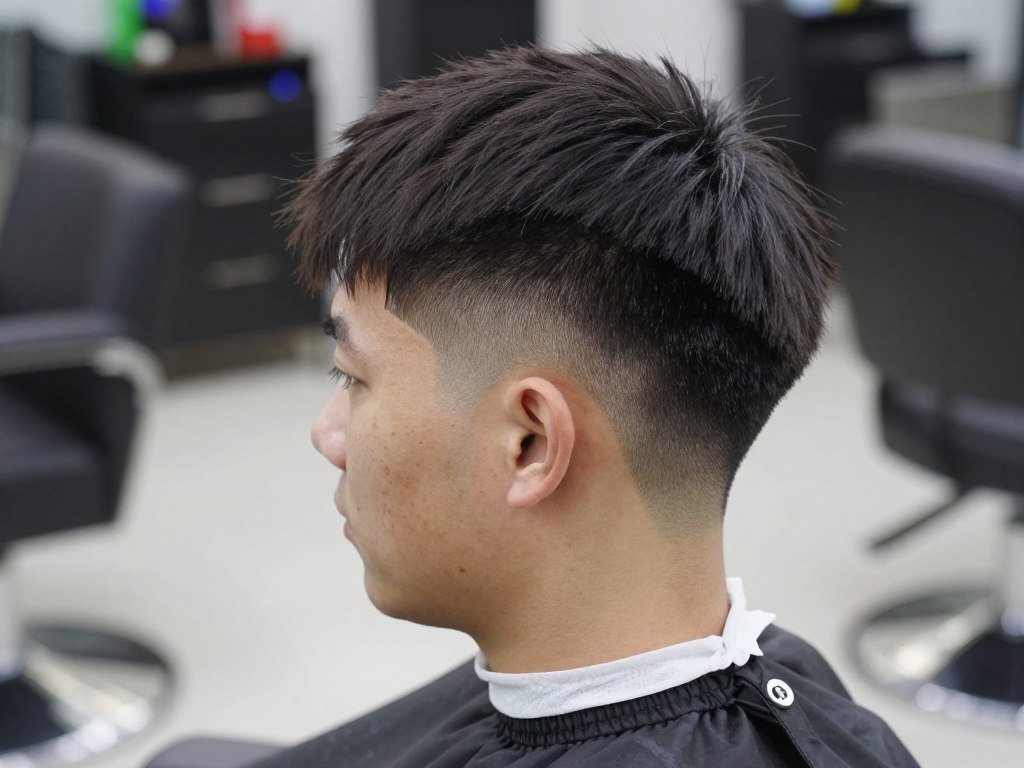
The low fade starts the taper just above your ears. It creates a subtle transition that looks professional and clean. This conservative fade option works perfectly in traditional workplace environments.
The low fade suits men who want modern styling without going too bold. It provides that fresh barbershop look while remaining understated. This fade works well with business attire and formal occasions.
Maintain the fade with barber visits every two to three weeks. The longer hair on top can be styled multiple ways. Use matte paste for texture or pomade for a sleeker finish.
Mid Fade
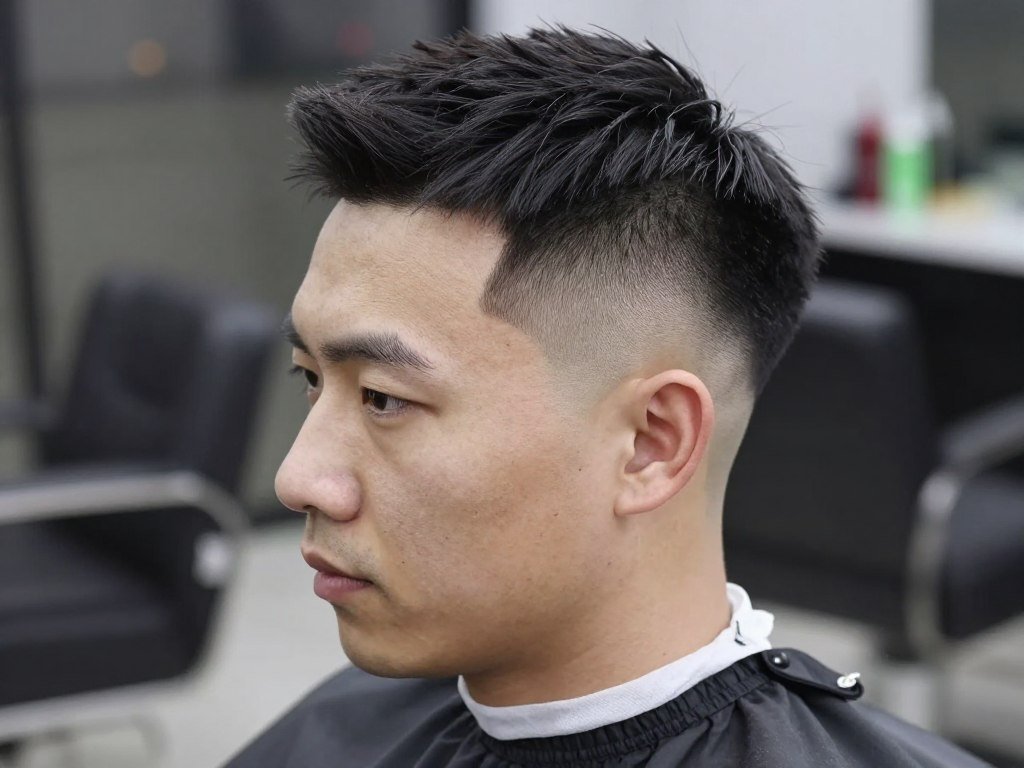
The mid fade begins the taper around your temple area. This creates more contrast than a low fade while staying versatile. It’s the most popular fade option for good reason.
This balanced approach works for nearly every setting. The mid fade looks sharp without being too aggressive. It complements various top styles from textured crops to longer swept looks.
Ask your barber to blend the fade smoothly. The transition should be gradual without visible lines. This fade requires regular maintenance every two weeks to keep the blend looking fresh.
High Fade
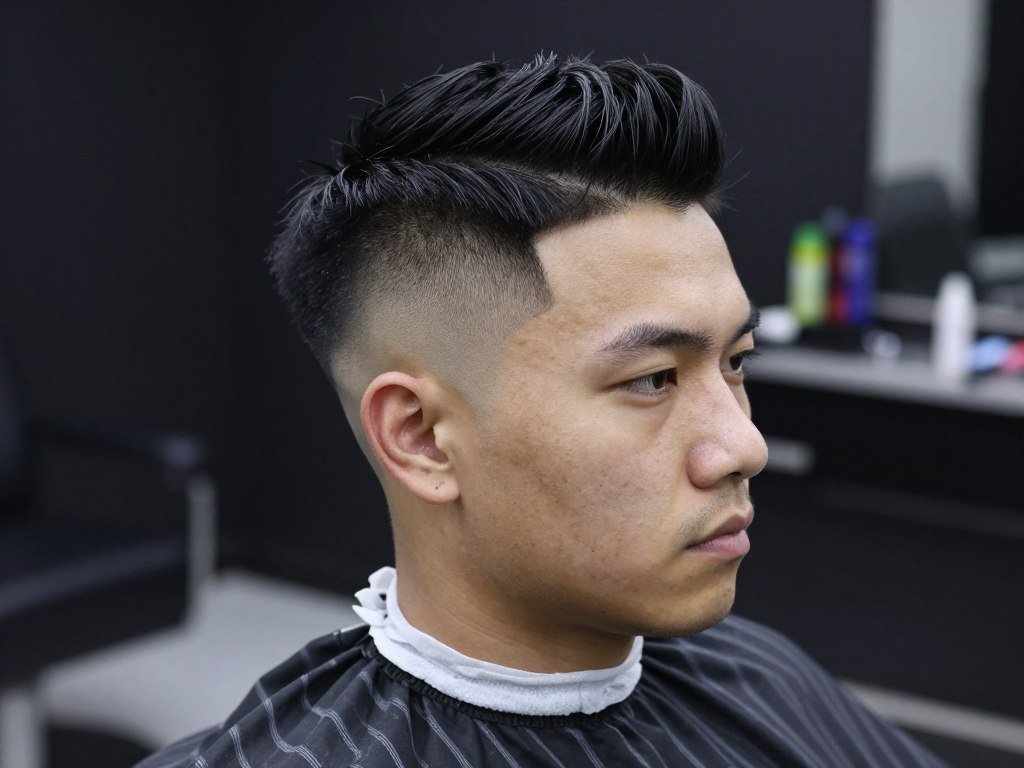
The high fade starts the taper well above your temples. This creates maximum contrast between the sides and top. It’s a bold choice that makes a strong style statement.
The high fade works great if you want to draw attention to your hair top. It creates the illusion of more height and volume. This style suits creative industries and casual environments.
The dramatic contrast requires frequent maintenance. Plan on barber visits every ten days to two weeks. The high fade pairs exceptionally well with textured, voluminous top styles.
Taper Fade

The taper fade combines traditional tapering with modern fade techniques. It features a gradual reduction in length that’s longer than a standard fade. This creates a more natural finish.
The taper fade offers the best of both worlds. It’s modern enough to look current but conservative enough for any environment. This versatility makes it incredibly popular across all age groups.
The longer taper means less frequent barber visits. Every three weeks typically works well. Style the top however you prefer since the taper fade complements any look.
Skin Fade
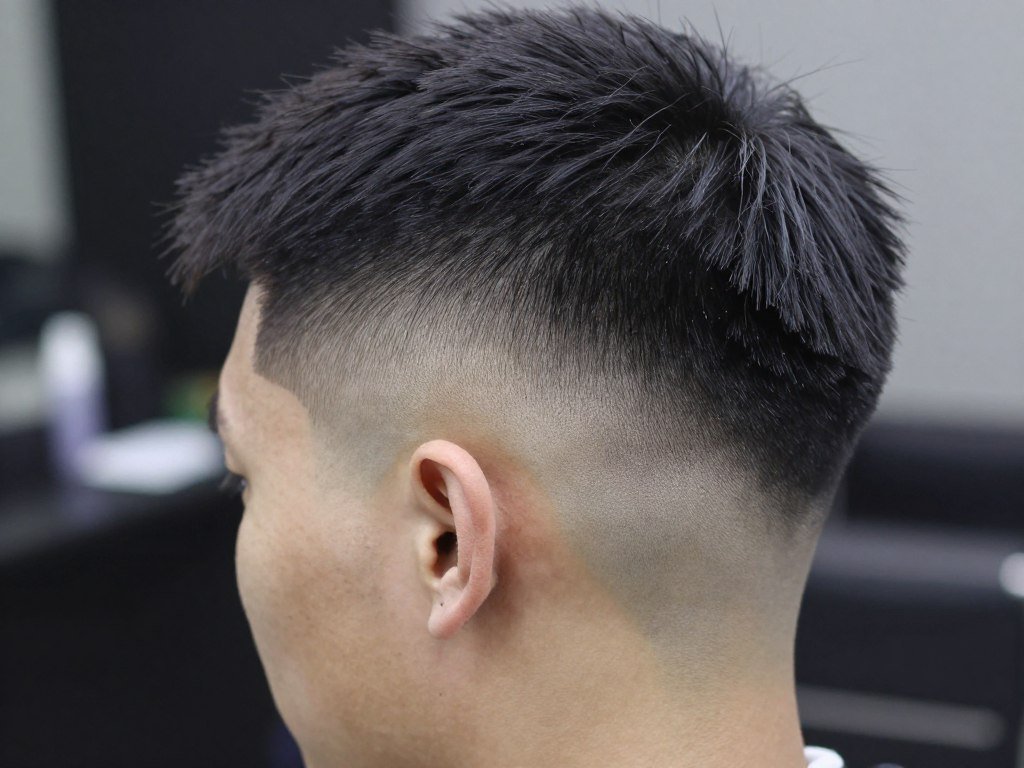
The skin fade takes the sides down to bare skin. This creates the most dramatic contrast possible. The hair gradually transitions from length on top to nothing on the sides and back.
This bold style makes a strong impression. The skin fade showcases your barber’s technical skill. It works best for men comfortable with an edgy, attention-getting look.
Expect to visit the barber chair every week to ten days. The skin fade loses its crisp appearance quickly as hair grows. Use styling products on top to complement the clean sides.
Drop Fade
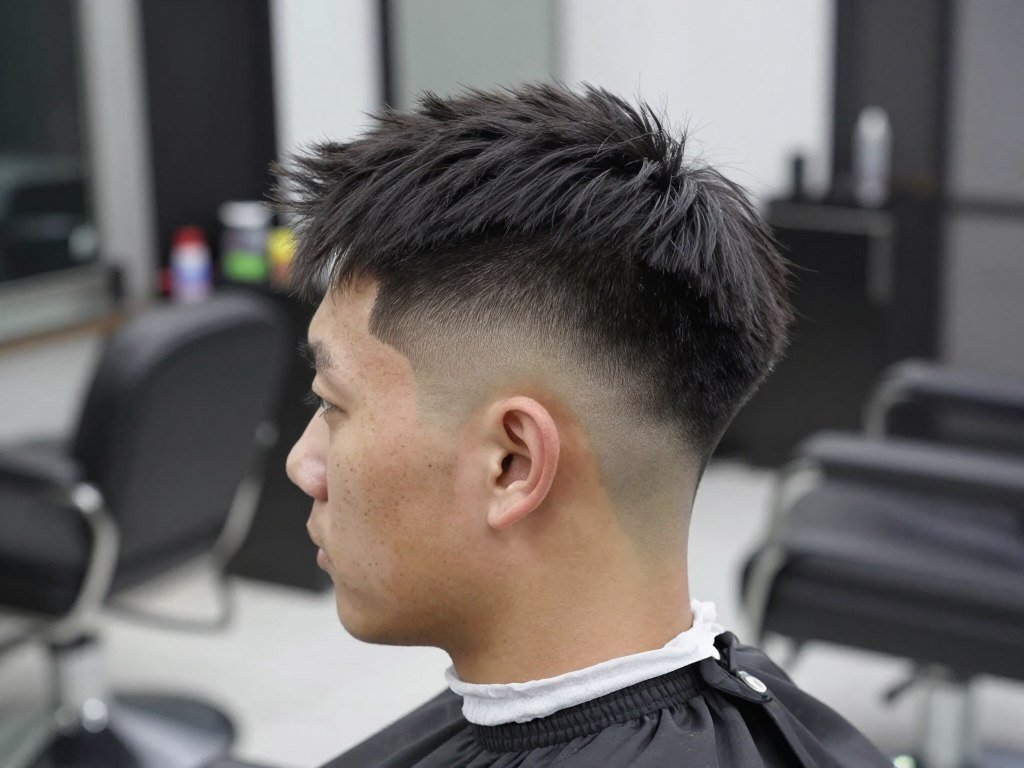
The drop fade follows the natural curve behind your ear. Instead of continuing straight around, it drops down. This creates a distinctive arc shape that adds visual interest.
The drop fade offers something different from standard fades. It draws attention with its unique shape while maintaining professionalism. This style particularly suits men with longer hair on top.
Point out the drop fade specifically when talking to your barber. Not all stylists are familiar with this variation. The curved line requires precision and skill to execute properly.
Bald Fade
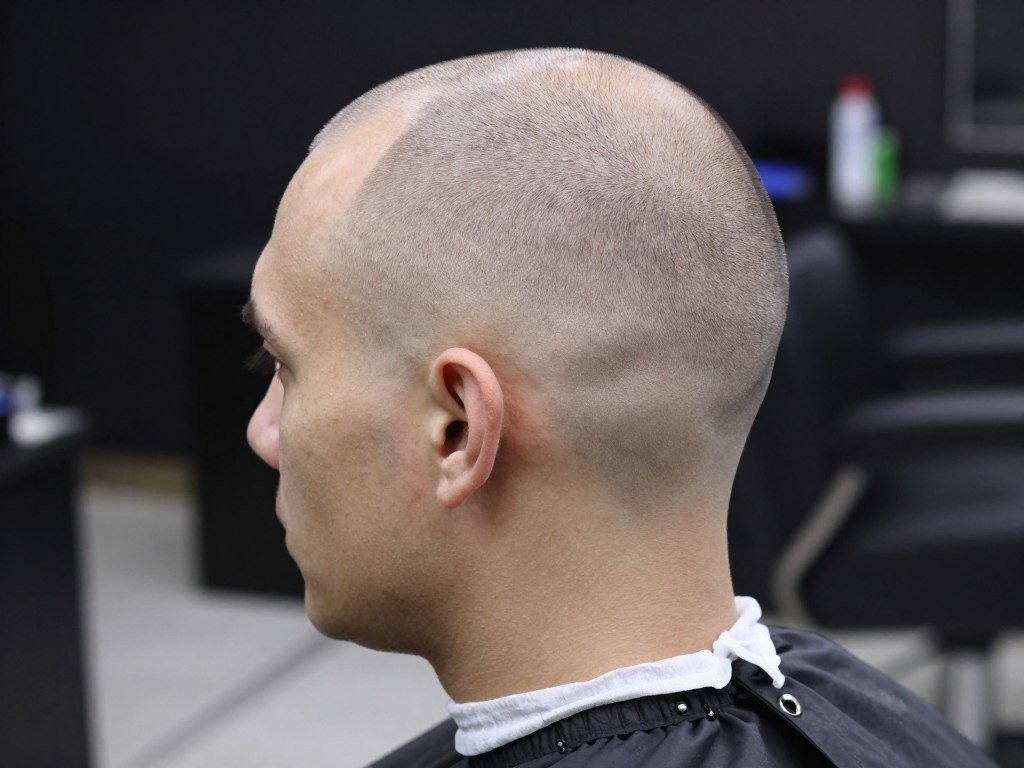
The bald fade creates an ultra-clean look by fading to complete skin. It’s similar to a skin fade but often features a sharper transition. The line between hair and skin appears more defined.
This style projects confidence and style awareness. The bald fade requires an expert barber who can create smooth transitions. It pairs well with bold styles on top like pompadours or textured quiffs.
Maintenance is demanding with this style. Weekly visits keep the fade looking sharp. The dramatic effect makes the effort worthwhile for men who want maximum impact.
Textured Short Hairstyles
Textured short hairstyles add dimension and movement to your look. These styles work with your natural hair texture rather than against it. They create a modern, effortless appearance that’s currently very popular.
Textured Crop
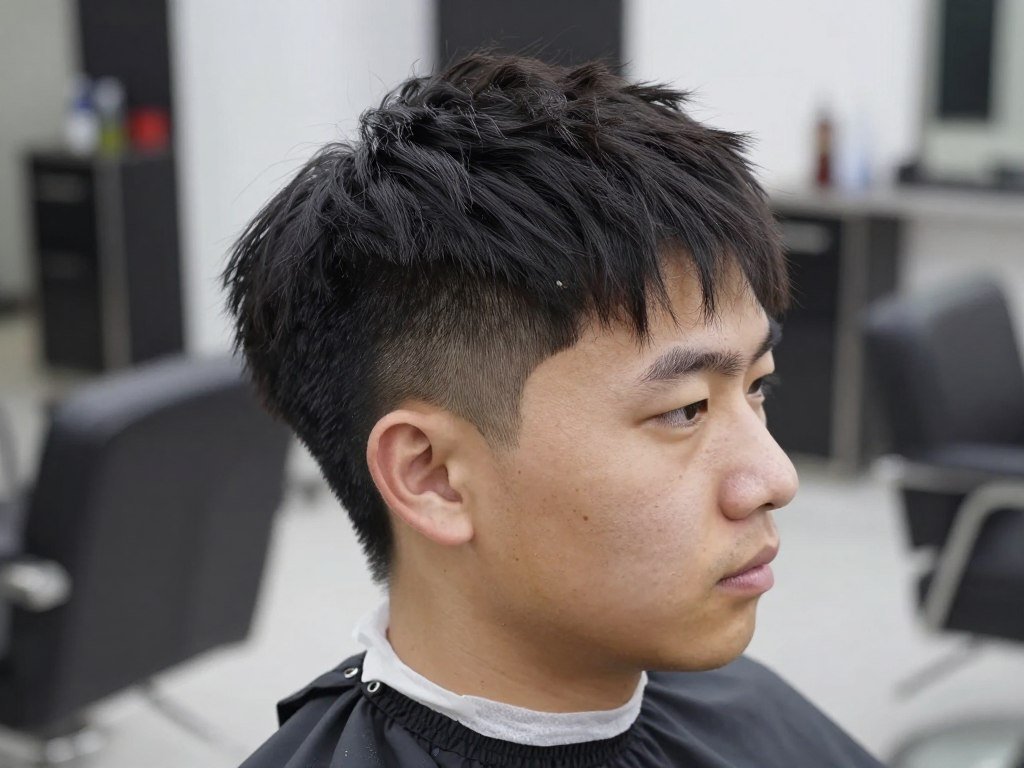
The textured crop features choppy, disconnected layers on top. The fringe falls forward naturally with visible texture. The sides stay short while the top maintains enough length for movement.
This style works exceptionally well for men with straight or wavy hair. The texture creates visual interest without requiring complicated styling. It’s a younger, more relaxed take on classic short cuts.
Apply sea salt spray to damp hair for natural texture. Scrunch with your fingers while air drying. The messy, lived-in look is actually the goal. Ask your barber for point-cutting techniques to create the texture.
French Crop
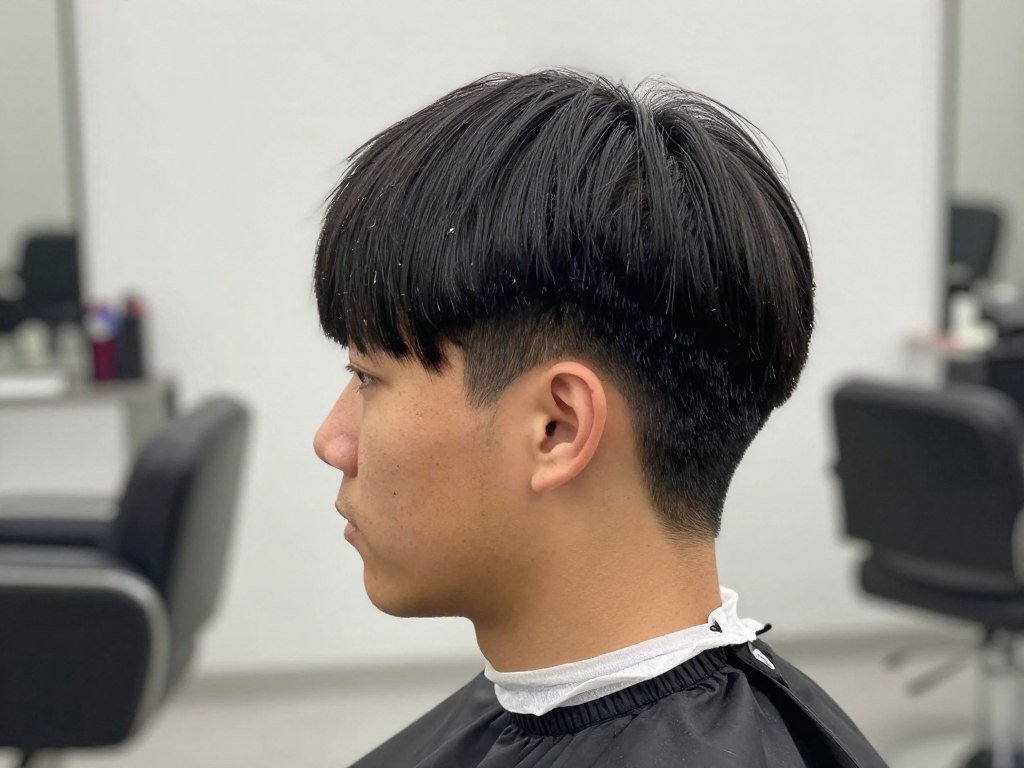
The French crop features a distinctive blunt fringe. The hair top has a horizontal line across the forehead. This creates a bold, fashion-forward statement that’s gained huge popularity.
The blunt fringe distinguishes this from other crops. It frames your face and draws attention to your eyes. The French crop works well with taper fade sides for a modern contrast.
Style by pushing the fringe forward after washing. Use a light styling cream to add definition without weight. The blunt fringe requires regular trims every three weeks to maintain the shape.
Textured Fringe
The textured fringe adds movement to hair falling across your forehead. Unlike the blunt fringe, this style features separation and dimension. Individual pieces catch light differently for added visual interest.
This softer approach to the fringe look suits more face shapes. It’s less dramatic than a blunt cut but still distinctive. The textured fringe works well for professional environments that allow creative expression.
Use a texturizing product to separate strands. Work it through with your fingers rather than a comb. The slightly messy appearance should look intentional rather than unkempt.
Pompadour and Quiff Styles
Pompadours and quiffs bring classic elegance into the modern era. These voluminous styles create height and drama. They work particularly well if you’ve got thicker hair that can support the volume.
Modern Pompadour

The modern pompadour sweeps hair back with significant volume. The front rises high before flowing back. The sides typically feature a fade taper for contemporary contrast.
This dramatic style makes a bold statement. It works well for special occasions or creative professional environments. The pompadour requires hair at least two to three inches on top.
Blow-dry your hair back while applying heat protectant. Use strong-hold pomade to maintain the volume throughout the day. The styling process takes practice but creates impressive results.
Disconnected Pompadour
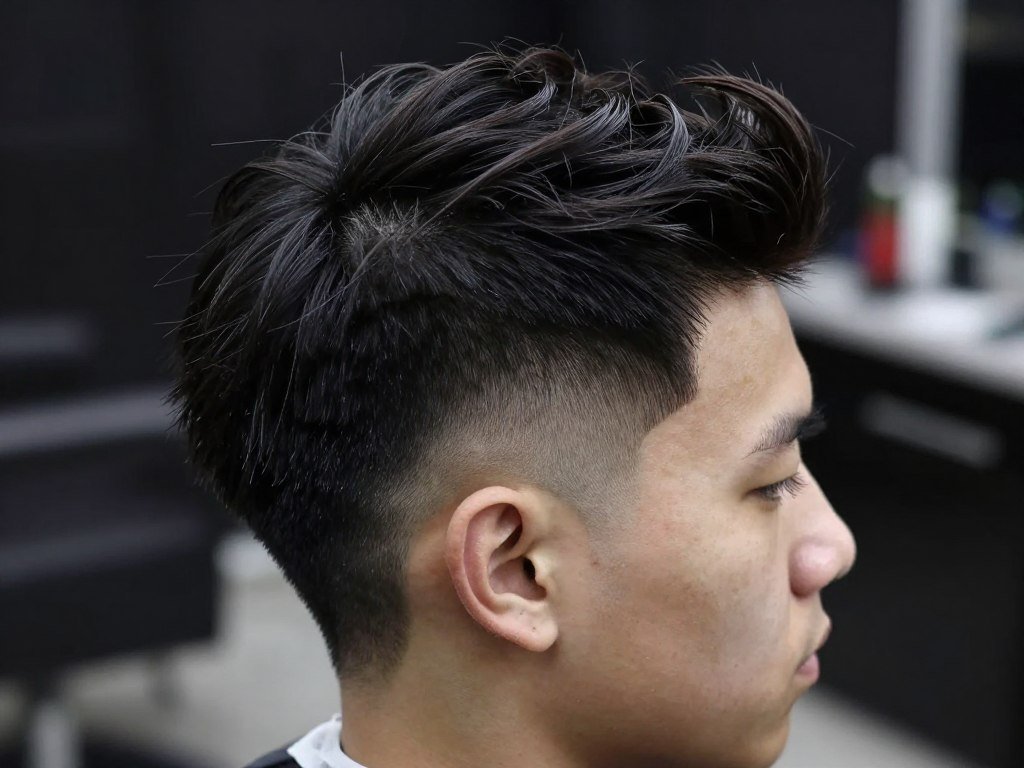
The disconnected pompadour features an abrupt transition from long to short. There’s no gradual blend between the top and sides. This creates maximum contrast and a cutting-edge appearance.
The sharp disconnect adds edge to the classic pompadour. It’s perfect for men who want to make a style statement. This variation works particularly well with a skin fade on the sides.
The disconnect requires precise barbering skills. Find a barber experienced with this style. Maintenance involves keeping the top length while refreshing the sides every two weeks.
Short Quiff
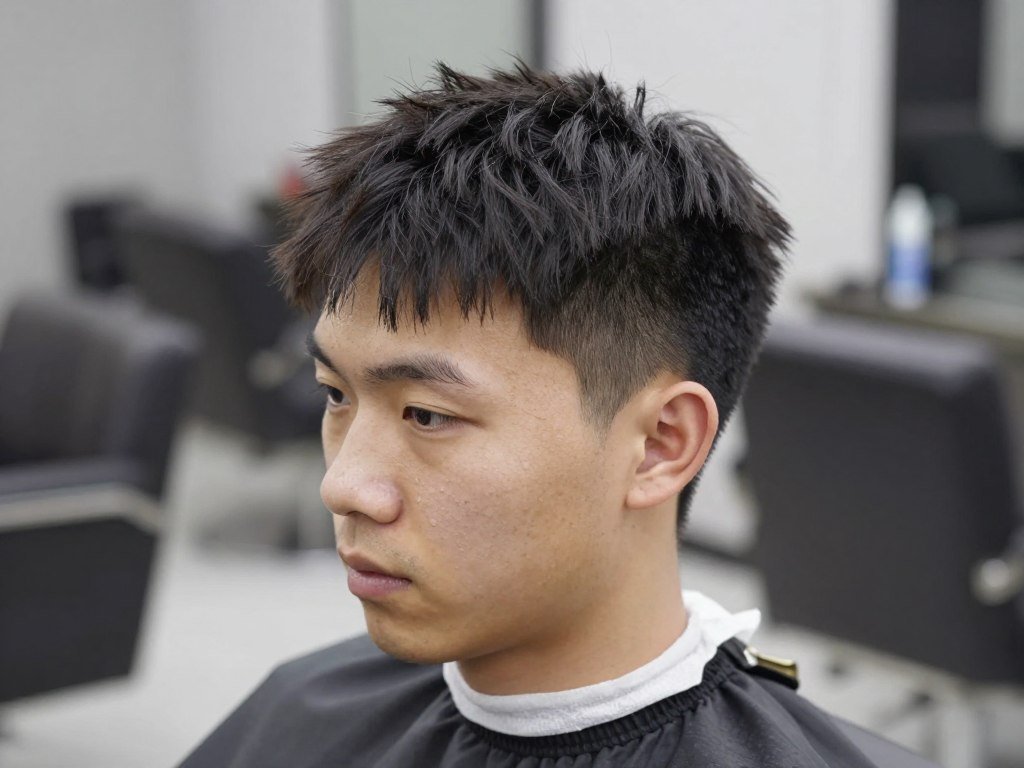
The short quiff provides volume without the drama of a full pompadour. Hair lifts at the front and sweeps slightly forward. It’s a more versatile, everyday-friendly option.
This style strikes a balance between neat and stylish. It works in professional settings while still showing personality. The short quiff suits most face shapes and hair types.
Apply styling cream to damp hair. Use a blow dryer to create lift at the front. Finish with a small amount of pomade for hold. The entire process takes about three minutes.
Textured Quiff

The textured quiff adds dimension through separated strands. Instead of smooth styling, individual pieces create visual interest. This relaxed approach feels more current than traditional pompadours.
The texture makes this style more forgiving. It doesn’t require perfect styling to look good. The messy-on-purpose aesthetic appeals to younger guys and creative professionals.
Use sea salt spray for natural texture. Scrunch hair while blow-drying to create separation. A small amount of matte paste adds definition. The casual appearance actually requires minimal effort.
Side Part Hairstyles
The side part represents timeless sophistication. This classic style has evolved with modern barbering techniques. It projects professionalism and attention to grooming detail.
Classic Side Part
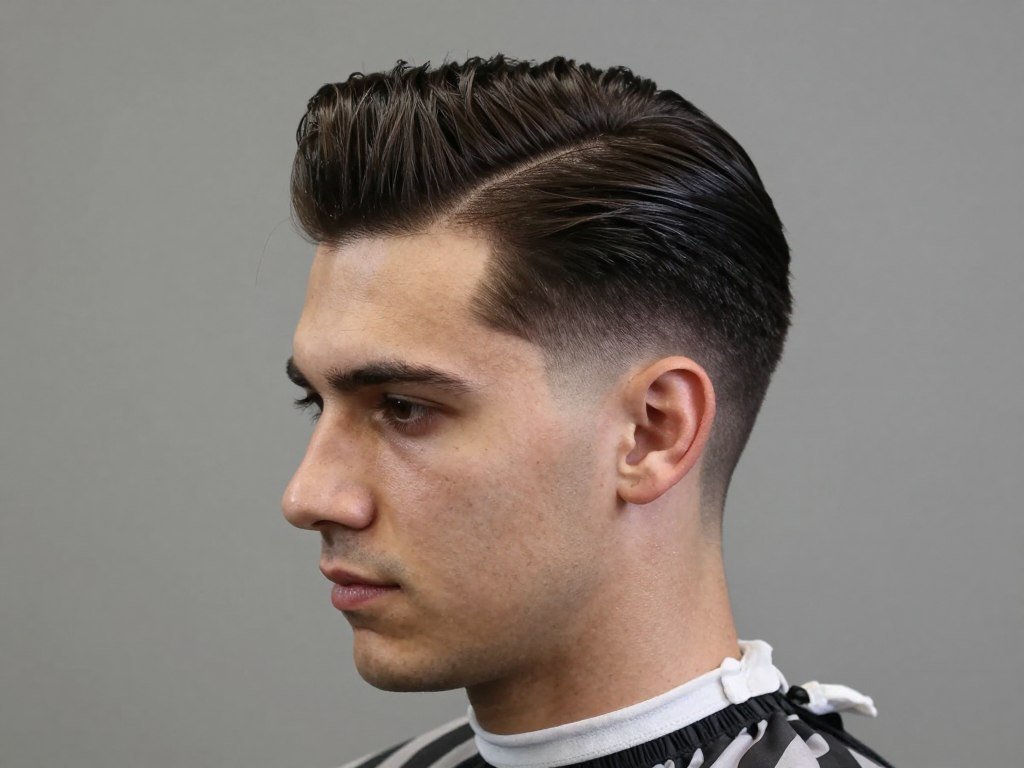
The classic side part features a clean, defined line. Hair sweeps to one side with precision. The sides stay neat with a traditional taper. This timeless look works in any professional setting.
This style never goes out of fashion. It conveys reliability and professionalism. The classic side part works best with straight or slightly wavy hair that holds shape well.
Create the part with a comb on damp hair. Apply pomade for shine and hold. Comb everything into place for a polished finish. The look should appear deliberately groomed.
Modern Side Part
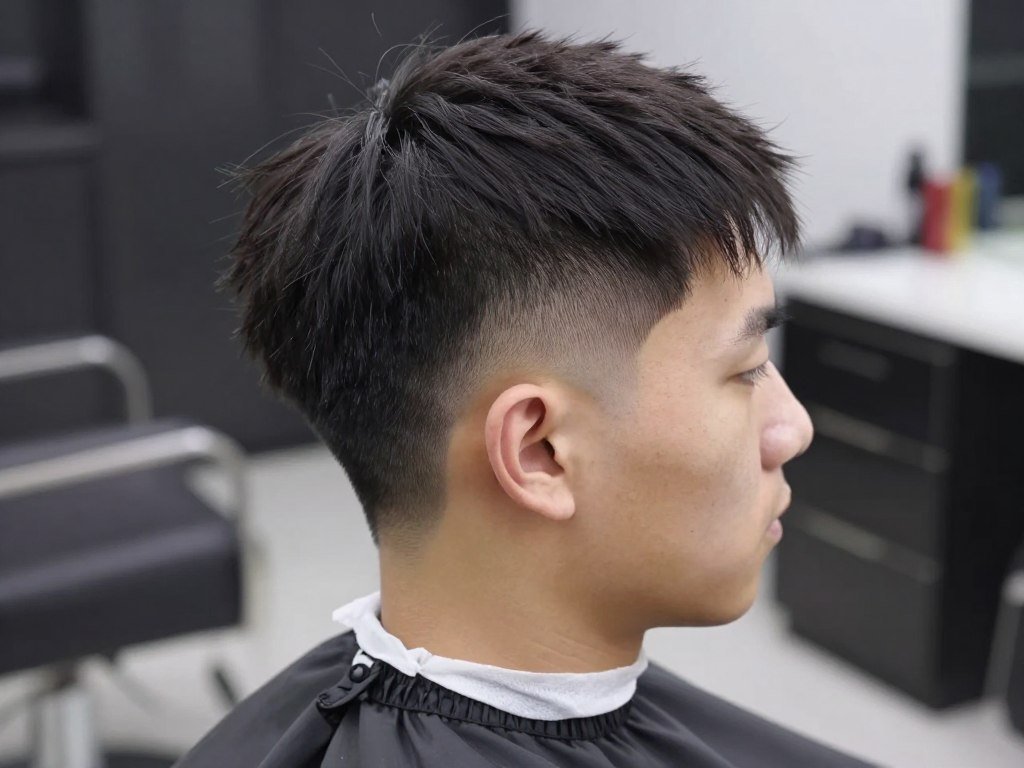
The modern side part takes a softer approach. The part line is less severe. The sides typically feature a fade taper for contemporary styling. Overall, it feels more relaxed than the classic version.
This updated take maintains sophistication while feeling current. It works in professional settings without looking dated. The modern side part suits a wider range of personal styles.
Use matte styling products instead of shiny pomade. The part can be created with your fingers rather than a comb. This creates a more natural, less formal appearance.
Hard Part
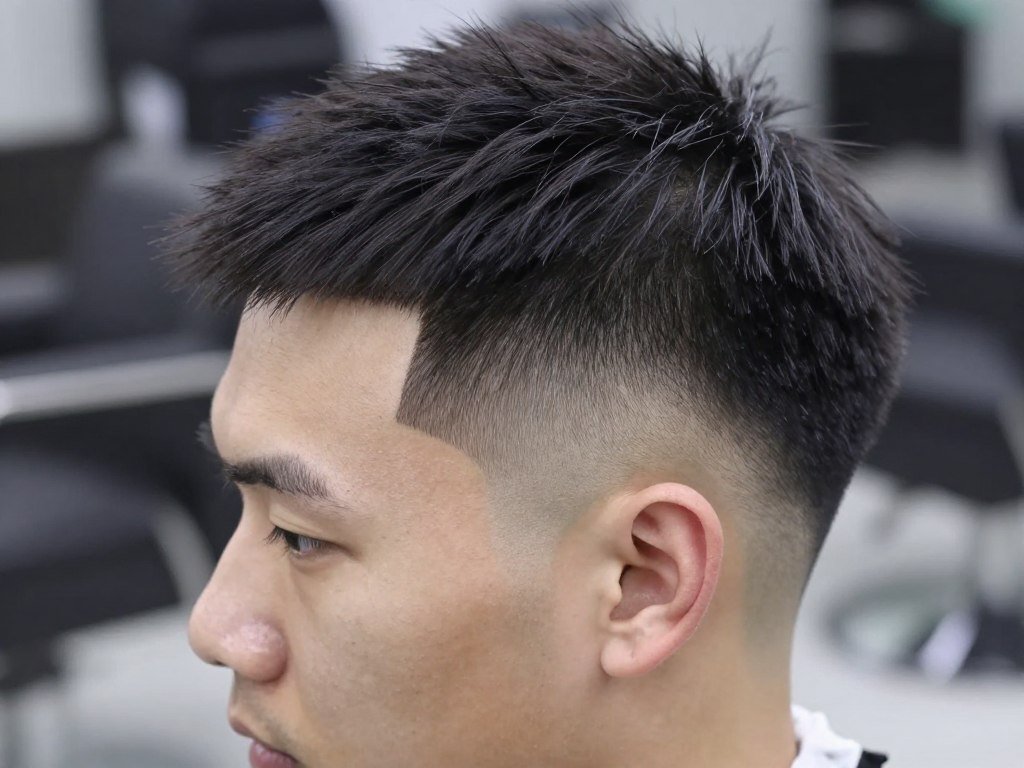
The hard part features a shaved line that creates the part. Your barber uses clippers or a razor to etch a distinct line. This creates a bold, eye-catching detail.
The hard part adds edge to traditional side part styling. It’s become hugely popular in modern barbering. This detail works well with fades and undercuts for maximum impact.
The shaved line requires regular maintenance. Visit your barber every two weeks to keep it defined. The hard part works with various styling approaches on top.
Military-Inspired Cuts
Military haircuts prioritize practicality and neatness. These styles have influenced civilian grooming for decades. They offer extremely low maintenance while projecting discipline and masculinity.
High and Tight
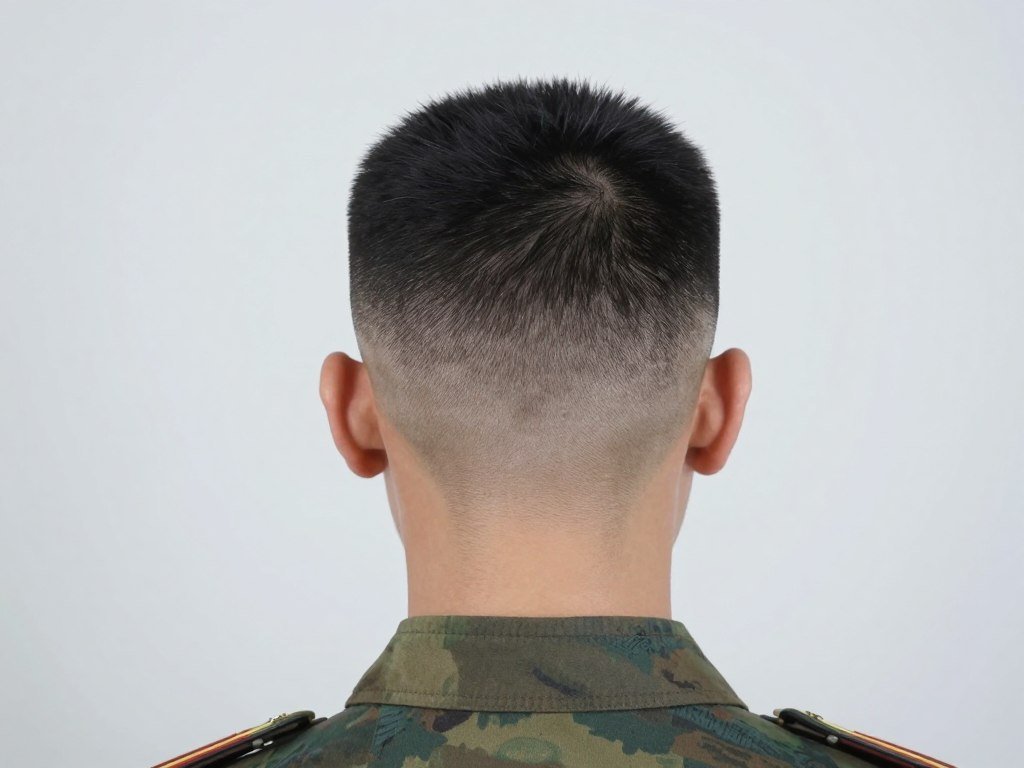
The high and tight features very short sides and back. The top maintains slightly more length but stays minimal. This creates a distinctive military appearance that’s incredibly practical.
This cut works great if you want zero-fuss maintenance. It keeps you cool in hot weather. The high and tight projects confidence and no-nonsense attitude.
Ask your barber to take the sides very short using clippers. The top should be just long enough to add texture. Maintenance requires touch-ups every two to three weeks.
Regulation Cut
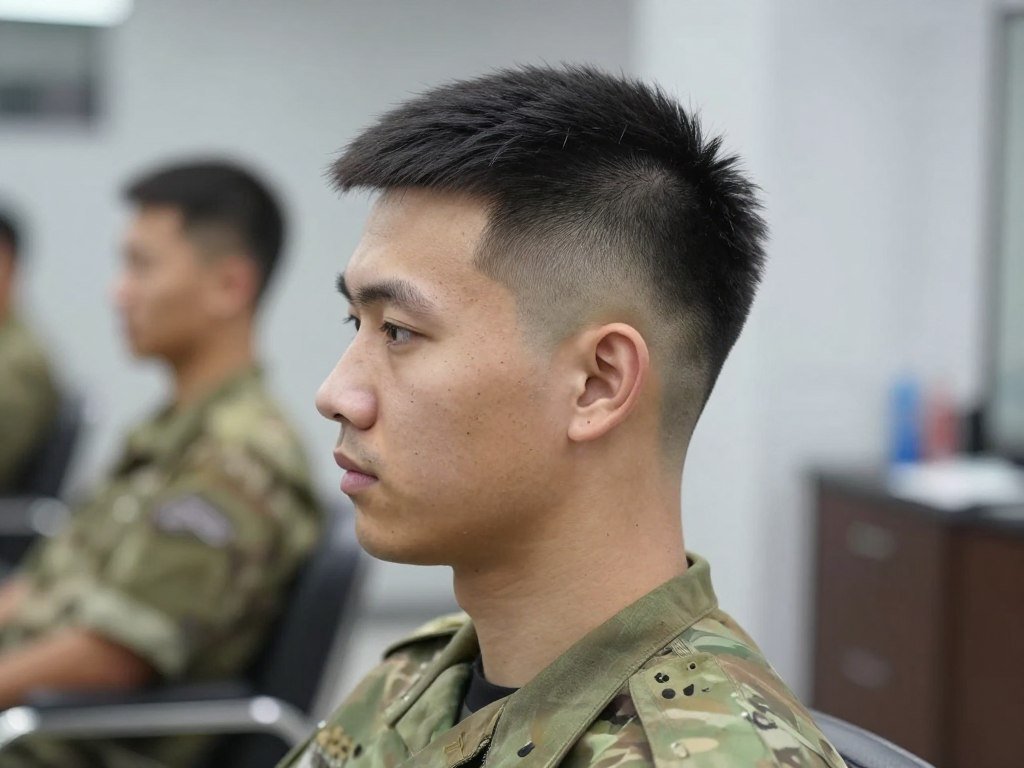
The regulation cut follows military grooming standards. It features uniform short length that meets official requirements. The cut tapers neatly at the sides and back.
This practical style eliminates grooming concerns. It’s perfect for active men who prioritize functionality. The regulation cut projects discipline and professionalism.
The cut top stays short enough to stand upright. No styling products are needed. Simply run clippers over your head every few weeks to maintain compliance.
Flat Top
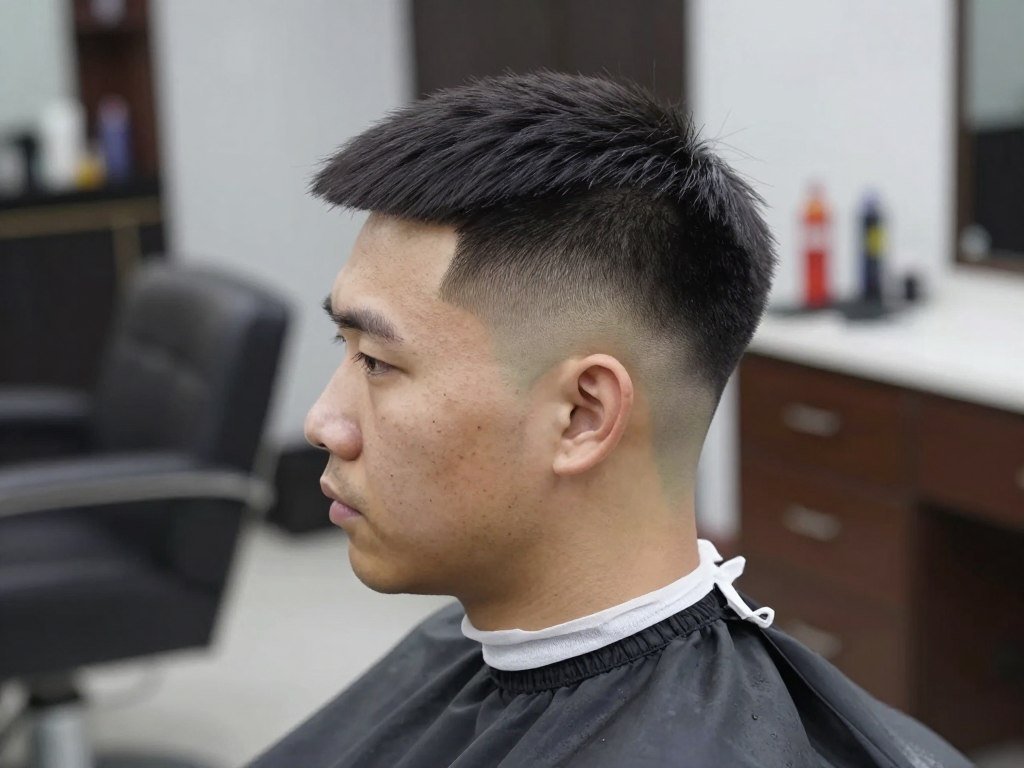
The flat top creates a level surface across the top of your head. Hair stands upright and is cut uniformly flat. The sides fade down for contrast. This iconic style requires specific cutting technique.
The flat top makes a bold statement. It requires thick, coarse hair that stands upright naturally. This style works best for men with strong facial features and confidence to carry it.
Find a barber experienced with flat tops. The cutting technique requires special training. Use strong-hold gel or pomade to keep hair standing straight. Regular trims every three weeks maintain the flat surface.
Undercut Variations
The undercut creates dramatic contrast between long top and short sides. There’s typically no gradual blend. This bold style has dominated men’s fashion for several years and continues evolving.
Classic Undercut

The classic undercut features longer hair on top with shaved or very short sides. There’s a clear line where the lengths change. The top can be styled in various ways depending on your preference.
This versatile style offers styling flexibility. Sweep the top back for sophistication or forward for edge. The undercut suits men with thick hair that provides volume on top.
Maintain the sides with regular barber visits every two to three weeks. The top length depends on your preferred styling. Use pomade or wax to shape the longer hair as desired.
Disconnected Undercut
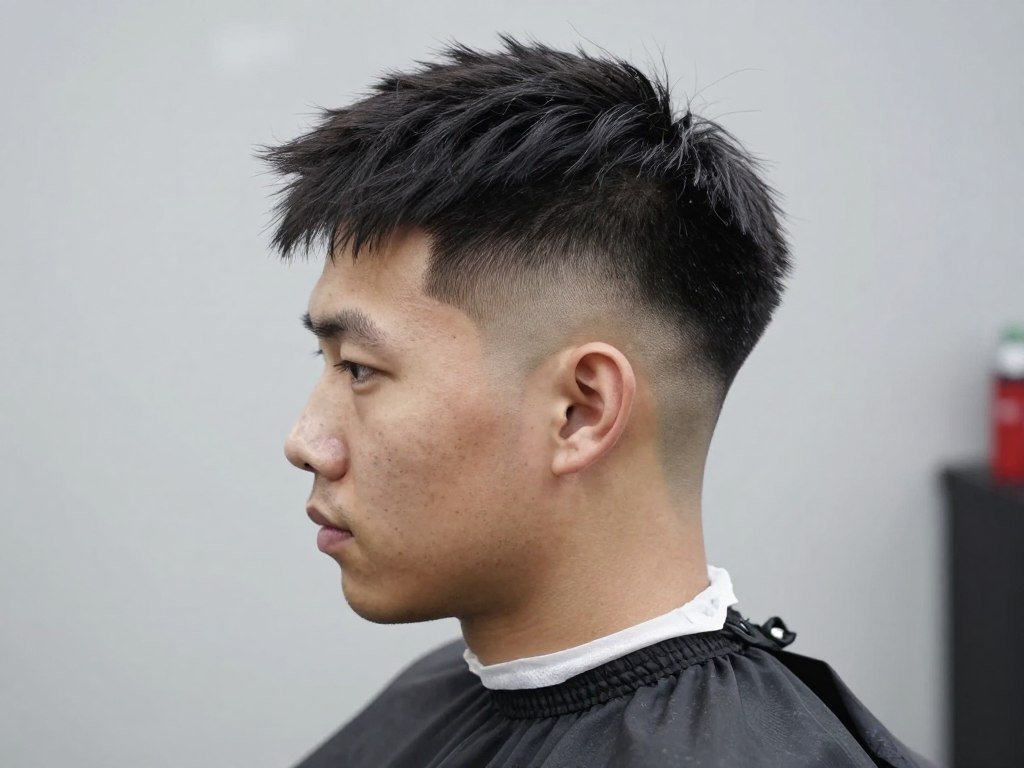
The disconnected undercut emphasizes the contrast. There’s an even more abrupt change from long to short. This creates maximum visual impact and contemporary edge.
The dramatic disconnect makes a strong style statement. It works well for creative professionals and younger men. This cut requires confidence to pull off effectively.
The sharp line needs frequent maintenance. Ask your barber to keep the disconnect clean and defined. Style the top with strong-hold products to complement the bold sides.
Slicked Back Undercut

The slicked back undercut combines classic elegance with modern cutting. The longer top is slicked straight back. This creates a sophisticated, polished appearance.
This style projects confidence and style awareness. It works particularly well for formal occasions or upscale environments. The slicked back look requires enough length on top to sweep back smoothly.
Apply strong-hold pomade to damp hair. Comb everything straight back from your forehead. The high shine finish enhances the polished aesthetic. Reapply during the day if needed.
Textured Undercut
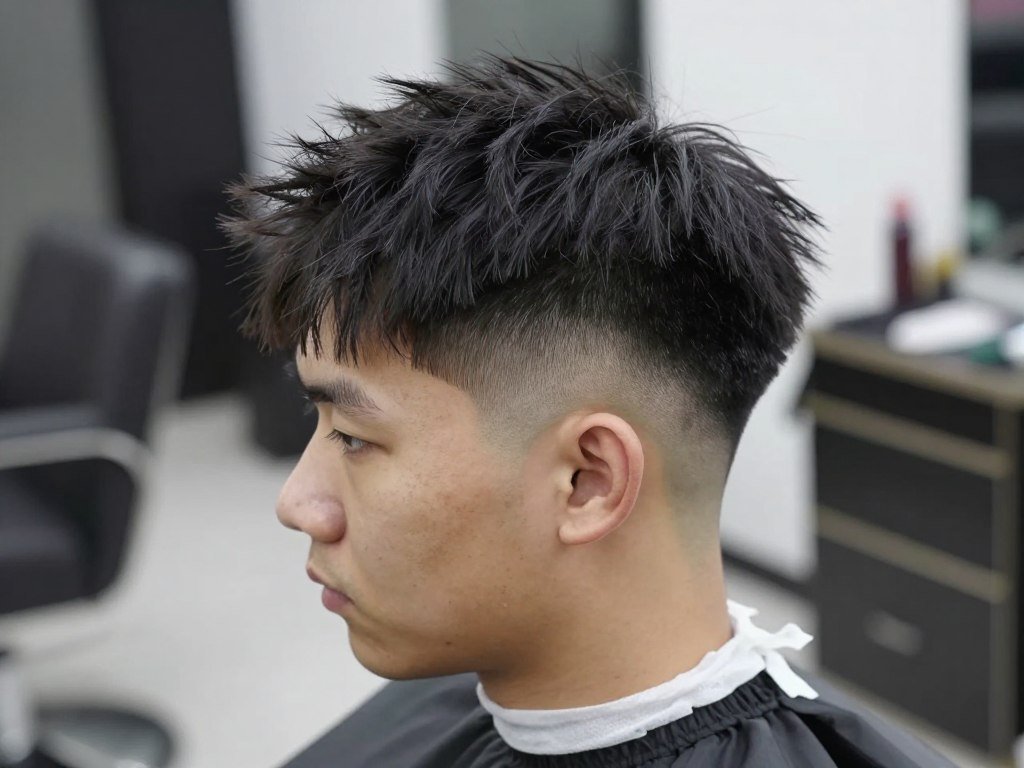
The textured undercut takes a more relaxed approach. The top features separated, messy styling rather than smooth looks. This creates a younger, more casual vibe.
The textured approach feels more current than slicked styles. It’s easier to style and more forgiving. This works well for everyday casual settings and creative work environments.
Use sea salt spray to create natural texture. Scrunch and separate pieces with your fingers. The slightly messy look should appear intentional. Let it air dry for the most natural finish.
Styles for Curly and Wavy Hair
Curly and wavy hair offers unique opportunities for short styling. Working with your natural texture creates better results than fighting against it. These styles embrace your hair’s natural movement and body.
Curly Crop
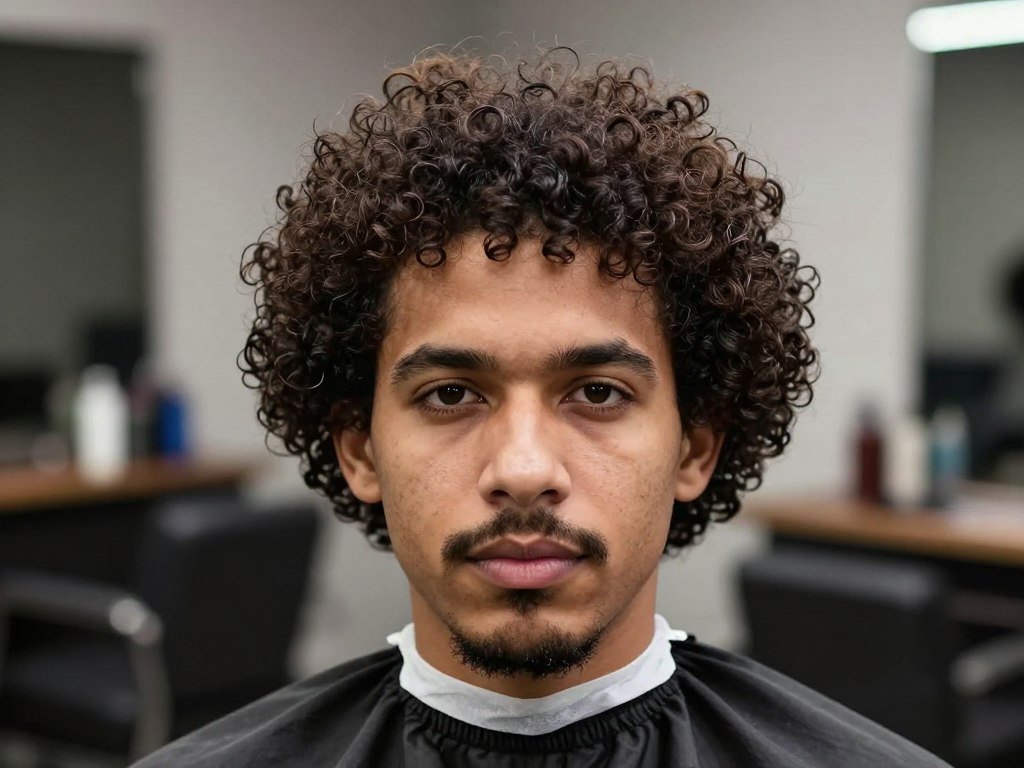
The curly crop keeps length short while showcasing your natural curl pattern. The sides stay tight while the top maintains enough length for curls to form. This style celebrates natural texture.
This cut works exceptionally well if you’ve got tighter curl patterns. It eliminates frizz issues that come with longer lengths. The curly crop looks neat while feeling natural.
Use curl-defining cream on damp hair. Let it air dry or use a diffuser on low heat. Avoid brushing once dry to prevent frizz. Your natural curl pattern provides all the styling needed.
Short Wavy Style

Short wavy hair creates natural movement and dimension. Keep the length at one to two inches on top. The waves provide built-in texture without requiring special techniques.
Wavy hair offers the best of both worlds. It’s easier to manage than curls but more interesting than straight hair. The natural wave pattern works well with most short cuts.
Apply sea salt spray to enhance your natural waves. Scrunch gently while drying. Your waves will create texture automatically. This natural approach requires minimal product and effort.
Curly Fade
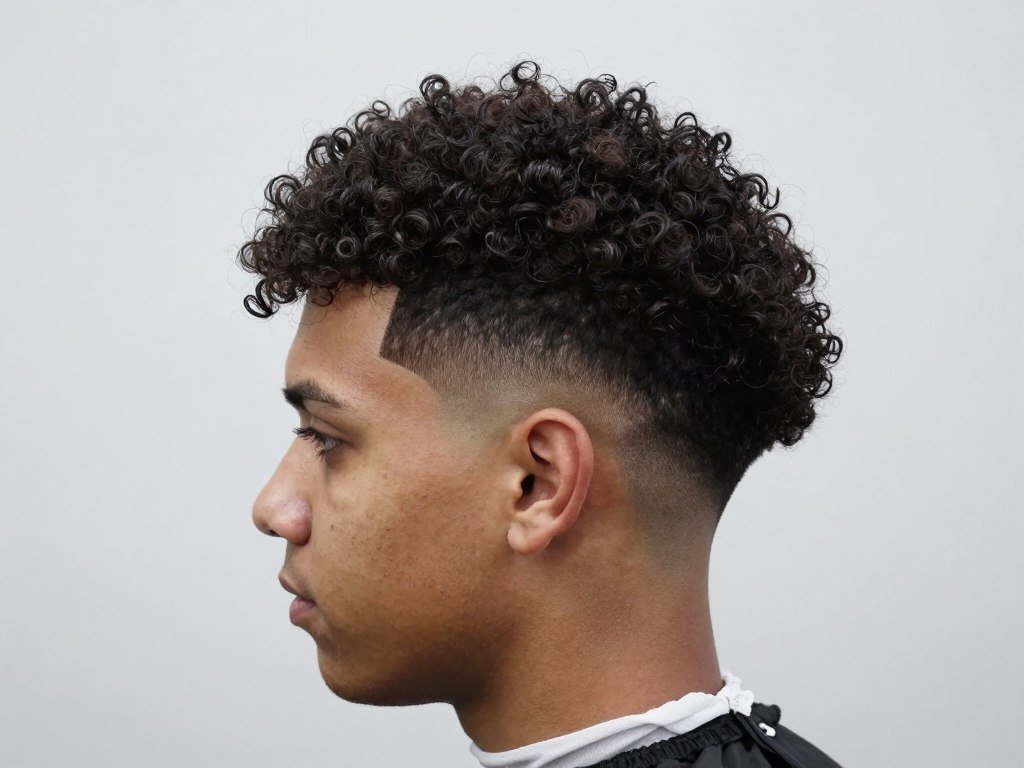
The curly fade combines natural curls with tapered sides. This creates striking contrast between textured top and clean sides. It’s become one of the most popular styles for men with curly hair.
The fade allows your curls to take center stage. The clean sides prevent the overall look from becoming overwhelming. This style works for professional and casual settings alike.
Keep curls moisturized with leave-in conditioner. Define them with curl cream. The fade requires regular barber visits every two weeks. The curls themselves need minimal manipulation once products are applied.
Messy Waves

Messy waves embrace a deliberately undone aesthetic. The style looks effortless and relaxed. It works particularly well for men with natural wave patterns who want a casual appearance.
This low-maintenance approach suits active lifestyles. It’s perfect for weekends and casual work environments. The messy look should appear natural rather than unkempt.
Use sea salt spray as your primary product. Scrunch hair while it dries. Avoid combing or brushing to maintain the natural texture. The slightly messy result is exactly what you’re after.
Caesar Cut Variations
The Caesar cut features short, horizontally straight fringe. This Roman-inspired style has seen renewed popularity. It’s particularly effective for men with receding hairlines or thinning hair.
Classic Caesar
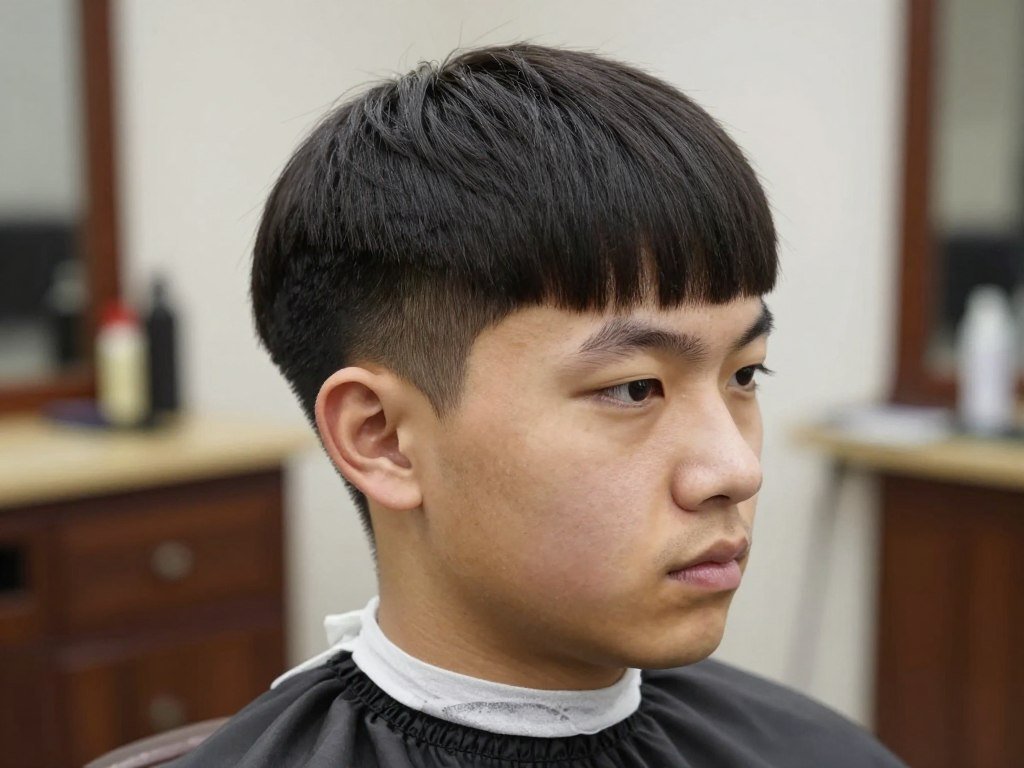
The classic Caesar maintains uniform short length all over. The defining feature is the short, blunt fringe that comes straight forward. This creates a distinctive silhouette that’s instantly recognizable.
This style minimizes the appearance of hair loss. The forward fringe covers the hairline effectively. It’s a smart choice for men dealing with early recession.
Style by brushing everything forward after washing. Use a small amount of matte paste for definition. The Caesar requires regular trims every three weeks to maintain the blunt fringe shape.
French Caesar

The French Caesar adds modern touches to the classic cut. The sides feature a taper or fade. The fringe shows more texture and dimension. This creates a more contemporary appearance.
This updated version feels more current than the traditional Caesar. It works well for younger men who want the Caesar’s benefits with modern styling. The contrast between sides and top adds visual interest.
Ask your barber for texture through the fringe using point cutting. Style with texturizing product rather than smooth pomade. The slightly messy fringe looks more natural and modern.
Dark Caesar
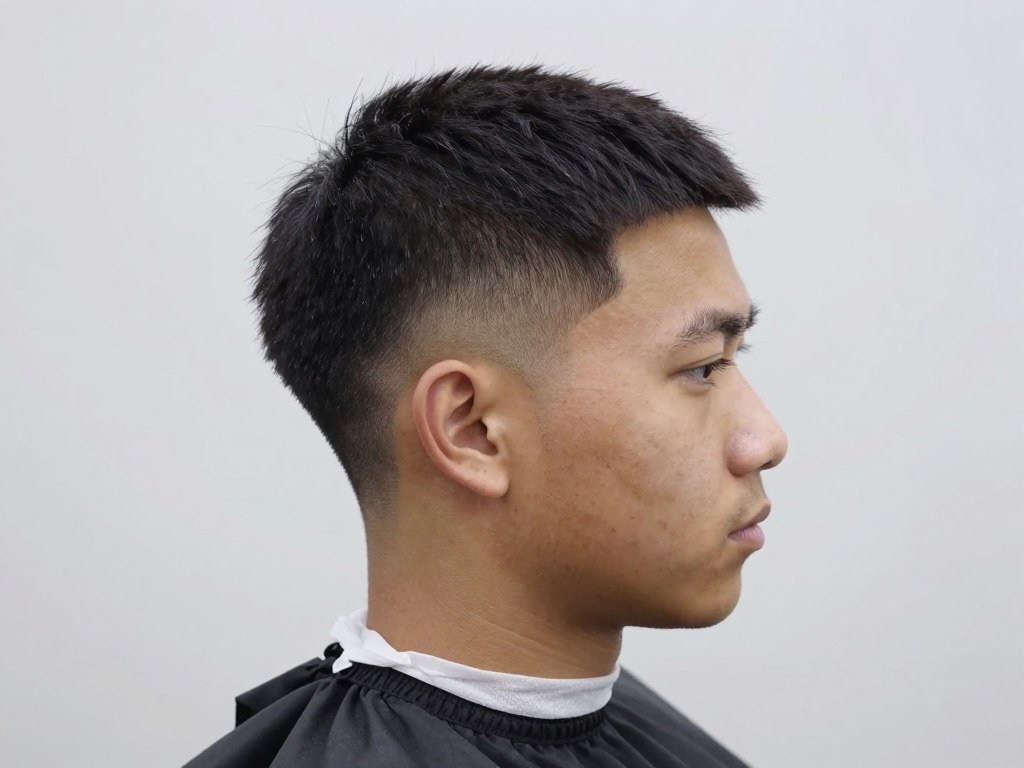
The dark Caesar keeps everything very short. Originally popular in African American communities, it’s now worn by men of all backgrounds. The length stays minimal while maintaining the Caesar’s forward fringe.
This ultra-short version offers maximum convenience. It works exceptionally well with tightly curled hair textures. The dark Caesar looks neat and requires almost no styling.
Maintain with clippers every two weeks. Brush forward gently to create the subtle fringe. No products are typically needed. The natural texture provides all the interest.
Ivy League and Princeton Cuts
These collegiate-inspired cuts project intelligence and sophistication. They’re longer than crew cuts but shorter than traditional side parts. These styles work perfectly in professional and academic environments.
Traditional Ivy League

The traditional Ivy League features a clean side part. The length on top measures one to two inches. The sides taper neatly. This creates a polished, professional appearance that’s stood the test of time.
This style conveys competence and attention to detail. It works in conservative professional environments like law or finance. The Ivy League projects maturity and seriousness.
Create a defined part with a comb. Use styling cream for hold without excessive shine. The look should appear groomed but not overly styled. Maintenance requires barber visits every three to four weeks.
Princeton Cut
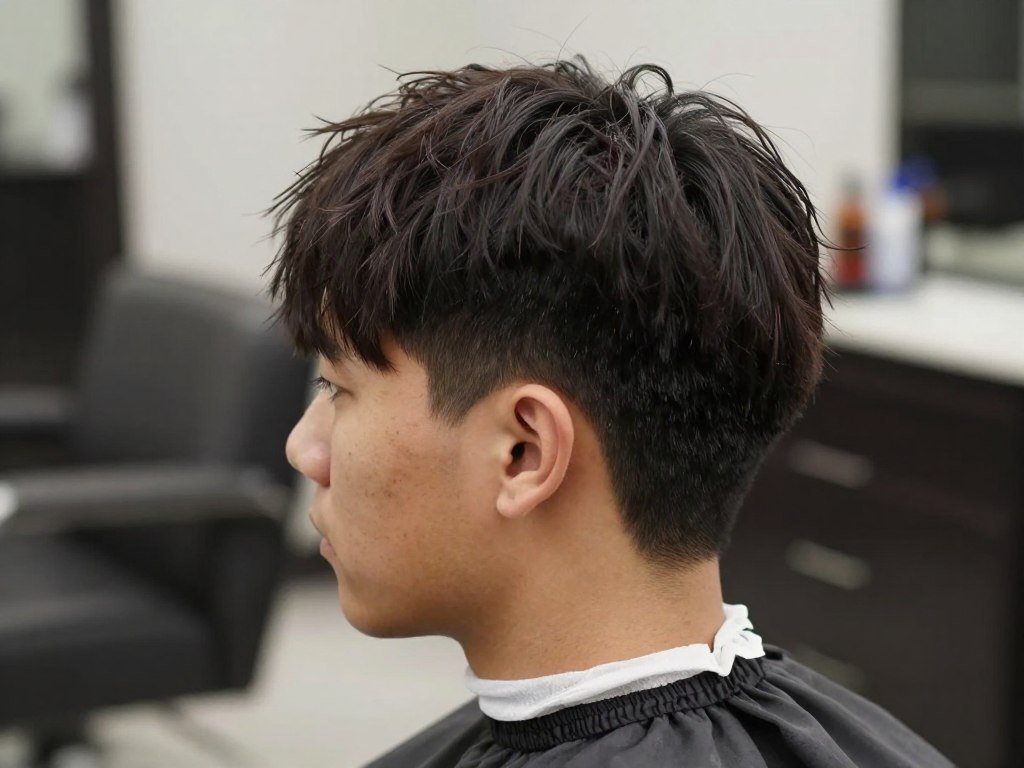
The Princeton cut is essentially a longer Ivy League. The top measures two to three inches. This provides more styling versatility while maintaining the sophisticated aesthetic. The slightly longer top allows for different looks.
The extra length lets you style it multiple ways. Sweep it back for formal occasions or to the side for everyday wear. The Princeton suits men who want options without committing to longer hair.
The longer length requires more attention to styling. Use a blow dryer to add volume and direction. Apply pomade or cream depending on your desired finish. Plan on more frequent trims to prevent the length from becoming unruly.
Specialty and Unique Short Cuts
Some short hairstyles stand out for their distinctive characteristics. These specialty cuts make bold statements. They’re perfect if you want something that turns heads and starts conversations.
Faux Hawk
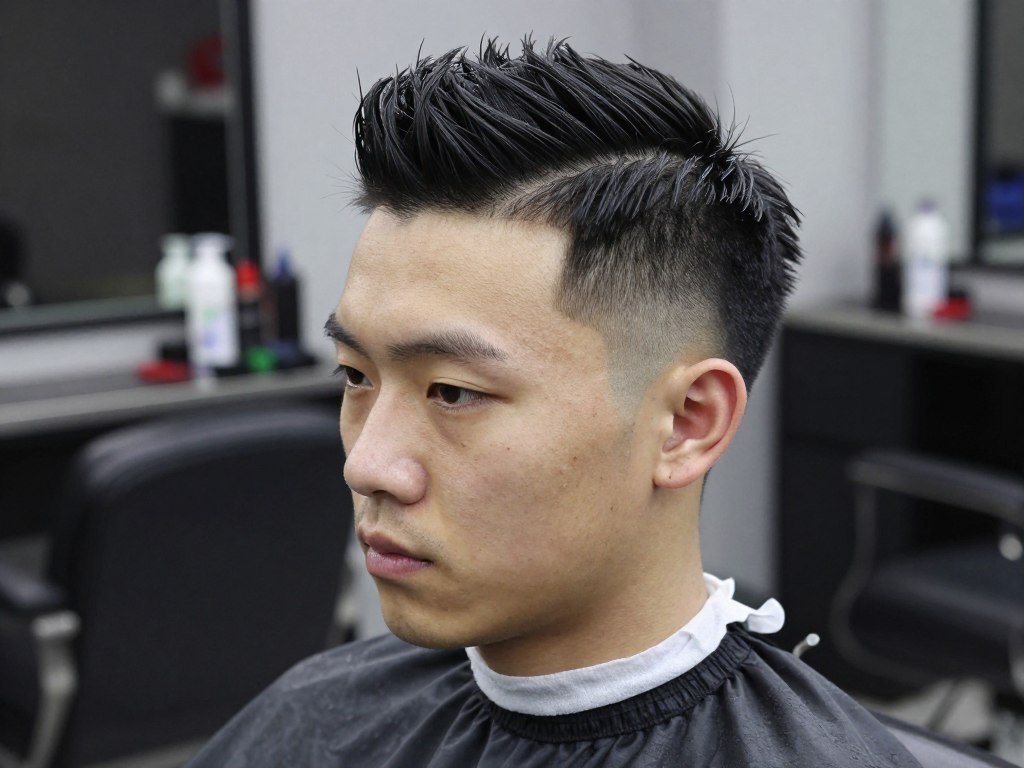
The faux hawk creates the mohawk look without shaving sides completely. Hair in the center stands taller. The sides stay short but not bare. This creates an edgy look that’s more versatile than a true mohawk.
The faux hawk works in creative industries where individual expression is valued. It’s bold enough to stand out but professional enough for many work environments. This style requires confidence to pull off.
Style by applying strong-hold gel or pomade to the center section. Push hair upward and toward the center. The sides should stay flat. This look requires daily styling but makes a memorable impression.
Spiky Hair
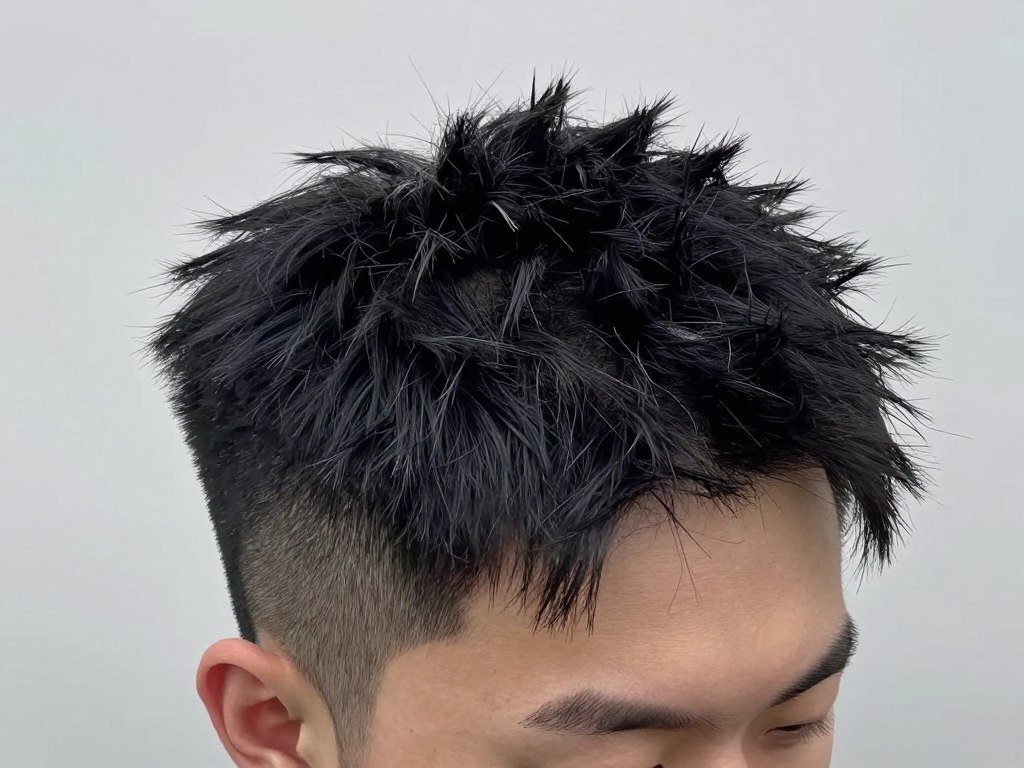
Spiky hair creates texture through upward-styled points. Hair stands up throughout the top in various directions. This creates a youthful, energetic appearance. Spikes work best on hair one to two inches long.
This playful style suits younger men and casual environments. It shows personality and energy. Spiky hair works particularly well with straight or slightly wavy hair that holds shape.
Apply strong-hold gel to damp hair. Use your fingers to pull small sections upward. Create random spikes throughout for a natural look. The style needs to be created fresh each day after washing.
Butch Cut
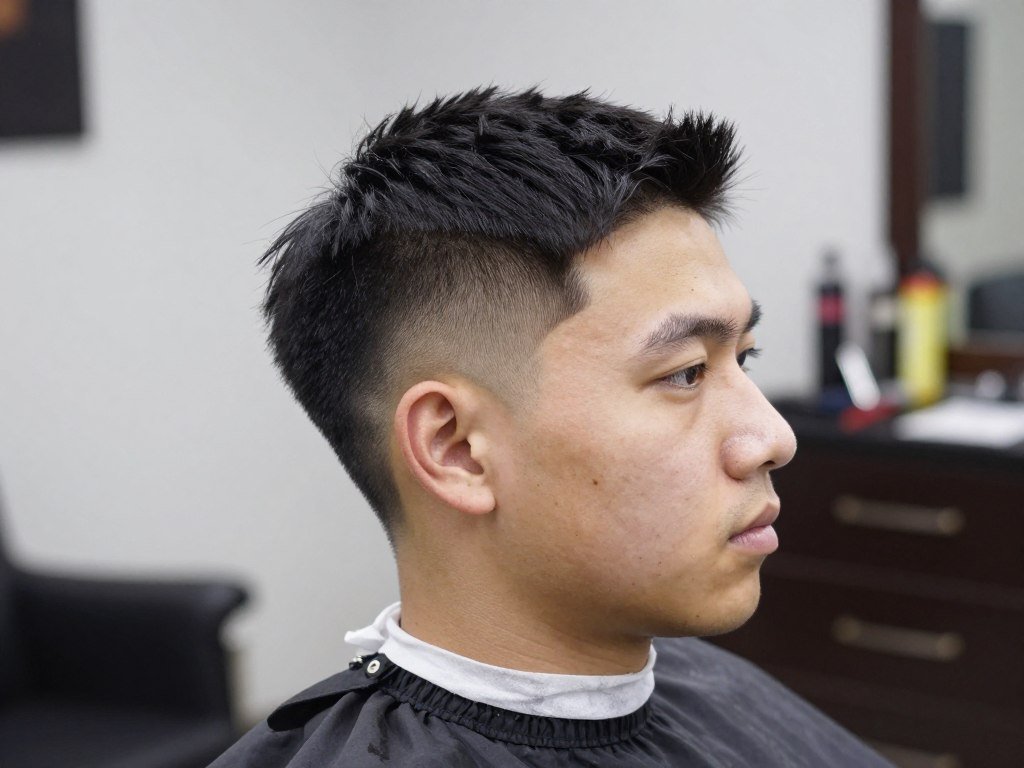
The butch cut sits between a buzz cut and crew cut. Hair measures about a quarter inch all over. This creates a neat, masculine appearance that’s incredibly low maintenance.
The butch cut eliminates virtually all styling concerns. It works for men with any face shape or hair type. This practical option keeps you cool while looking put-together.
Run clippers with the appropriate guard over your entire head. The butch cut requires touch-ups every two to three weeks. No styling products are needed. Simply shower and go.
Angular Fringe
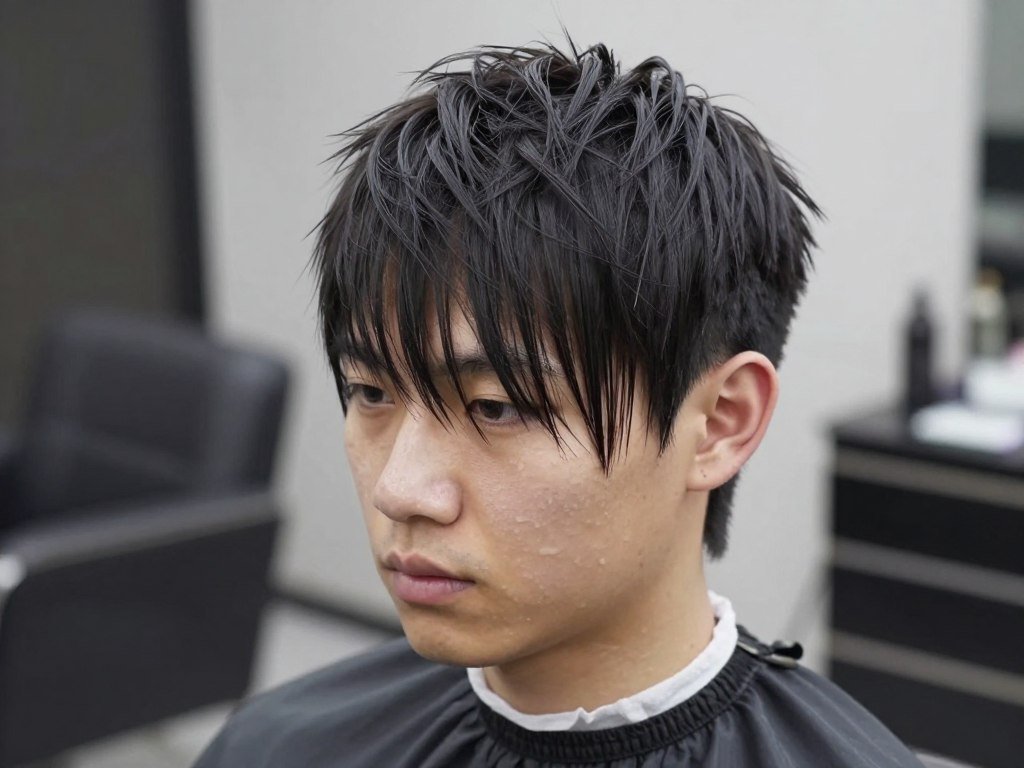
The angular fringe features a diagonal line across the forehead. Unlike horizontal fringes, this cut at an angle. This creates an asymmetric, fashion-forward appearance.
The angular fringe makes a artistic statement. It works well for creative professionals and fashion-conscious men. This style shows you pay attention to current trends.
The angle must be cut precisely by a skilled barber. Style by brushing the fringe into place across your forehead. Use light styling product to maintain the angle. The dramatic line requires regular trims every three weeks.
Essential Styling Products for Short Hair
The right products make styling short hair significantly easier. Different styles require specific product types. Understanding what each product does helps you achieve your desired look.

Pomade
Pomade provides strong hold with shine. It works best for slicked-back styles and polished looks. Water-based pomades wash out easily while oil-based versions offer stronger hold.
Use pomade when you want a classic, groomed appearance. It works particularly well for side parts and pompadours. Start with a small amount and add more as needed.
Matte Paste
Matte paste offers hold without shine. It creates a natural, modern finish. This product works great for textured styles and messy looks.
Apply matte paste to dry or slightly damp hair. It provides flexible hold that you can restyle throughout the day. The natural finish suits contemporary styling approaches.
Sea Salt Spray
Sea salt spray adds texture and volume without weight. It creates that beachy, windswept look. This product works exceptionally well on wavy hair.
Spray sea salt spray on damp hair then scrunch with your fingers. Let it air dry or use a diffuser. The salt creates separation and natural-looking texture.
Sea salt spray enhances your hair’s natural texture rather than forcing it into a specific style. It’s perfect for casual, effortless looks. Use it when you want that “just came from the beach” appearance.
Styling Cream
Styling cream provides light to medium hold with a natural finish. It adds definition without making hair stiff or crunchy.
This versatile product works well for most short hairstyles. It’s particularly good for fine hair that needs volume without weight. Apply to damp hair and style as desired.
Hair Wax
Wax offers strong, pliable hold. It works great for creating definition and separation. Wax lets you rework your style throughout the day.
Use wax for textured crops and spiky styles. Warm it between your palms before applying. A little goes a long way with most wax products.
Hair Gel
Gel provides maximum hold with high shine. It’s best for styles that need to stay put all day. Modern gels offer flexible hold without flaking.
Apply gel to wet hair for sleek styles or dry hair for textured looks. It works particularly well for spikes and structured styles. Choose alcohol-free formulas to prevent drying.
Product Application Tips: Start with less product than you think you need. You can always add more. Apply products to damp hair for easier distribution. Work products through evenly from roots to ends. Different hair types absorb products differently, so adjust amounts accordingly.
Choosing Styles for Your Face Shape
Your face shape plays a crucial role in determining which short hairstyles suit you best. Understanding your face shape helps eliminate options that won’t work. This knowledge makes choosing the right cut much easier.
Oval Face Shapes
Oval face shapes work with virtually every short hairstyle. Your balanced proportions mean you can experiment freely. This face shape is considered the most versatile for men’s hairstyles.
If you’ve got an oval face, focus on personal style preferences rather than limitations. Try different looks to find what matches your personality. The buzz cut, pompadour, and everything in between will work.
Consider your hair type and lifestyle when choosing. With an oval face, these factors matter more than whether a style “fits” your face shape. You have the freedom to choose based purely on preference.
Square Face Shapes
Square face shapes feature strong jawlines and angular features. Hairstyles that add softness work best. Avoid styles that emphasize the angular nature of your face.
Textured crops and side-swept styles complement square faces well. The movement and texture soften your strong features. Longer fringes also help balance angular jaws.
Avoid super tight buzz cuts that emphasize facial angles. Styles with some length and texture create better balance. The goal is complementing your strong features rather than competing with them.
Round Face Shapes
Round face shapes benefit from styles that add height. Vertical elements create the illusion of length. This helps balance the width of your face.
Pompadours, quiffs, and styles with volume on top work excellently. The height makes your face appear longer and more angular. Side parts with height also create good balance.
Avoid flat styles that emphasize roundness. Keep sides shorter to prevent adding width. Focus on creating vertical lines and height to complement your natural face shape.
Heart-Shaped Faces
Heart-shaped faces feature wider foreheads and narrow chins. Styles that add width at the jawline create balance. Side-swept looks work particularly well.
Textured fringes help minimize wide foreheads. Styles with volume on the sides balance the narrow chin. The French crop works especially well for heart-shaped faces.
Avoid tall styles that emphasize forehead width. Keep things balanced by adding interest around your jawline. The goal is creating proportion between your forehead and chin.
Oblong Face Shapes
Oblong faces appear longer than they are wide. Hairstyles that add width help create balance. Avoid styles that add too much height.
Horizontal fringes work excellently for oblong faces. The Caesar cut and similar styles with forward-facing hair create good proportion. Slight width at the sides also helps.
Skip pompadours and very high quiffs. These add unwanted length to already elongated faces. Focus on horizontal elements and moderate height to complement your face shape.
Working With Different Hair Types
Your hair type significantly impacts which styles work best. Texture, thickness, and growth patterns all matter. Understanding your hair helps you choose realistic, manageable styles.
Fine Hair
Fine hair lacks volume and can appear thin. Short cuts actually work better than longer lengths. Shorter hair appears fuller because it doesn’t weigh itself down.
Textured crops and styles with movement suit fine hair perfectly. These create the illusion of thickness. Avoid slicked-back looks that reveal scalp.
Use volumizing products designed for fine hair. Sea salt spray adds body without weight. Matte products work better than heavy pomades. Ask your barber for techniques that create texture through the cut itself.
Thick Hair
Thick hair offers the most styling options. It holds shape well and provides natural volume. The challenge is managing bulk and preventing triangle shapes.
Fades and tapers help remove weight from sides. This prevents the dreaded poof. Textured styles use thickness as an advantage. Pompadours and quiffs showcase thick hair beautifully.
Regular maintenance keeps thick hair manageable. Ask your barber to thin out heavy sections. Strong-hold products control thick hair effectively. Embrace your hair’s natural body rather than fighting it.
Curly Hair
Curly hair requires special consideration. It behaves differently than straight hair. Working with your natural curl pattern produces the best results.
Keep curls moisturized to prevent frizz. Curly fades showcase texture while staying manageable. Avoid styles that require straightening your natural texture.
Use products designed specifically for curly hair. Curl creams and leave-in conditioners maintain definition. Let curls air dry when possible. The natural texture provides built-in style.
Straight Hair
Straight hair offers versatility and easy styling. It shows cut precision clearly. Most short styles work well with straight hair.
The challenge is creating texture and movement. Straight hair can appear flat without proper cutting techniques. Ask your barber for point cutting and texturizing.
Sea salt spray adds texture to straight hair effectively. Matte paste creates definition and separation. Blow-drying in different directions adds movement. Straight hair accepts products readily and holds styles well.
Wavy Hair
Wavy hair sits between straight and curly. It offers natural texture and movement. This hair type works wonderfully with most short styles.
Embrace your natural wave pattern rather than straightening it. Waves add character and dimension automatically. Textured styles showcase wavy hair perfectly.
Use products that enhance rather than flatten waves. Sea salt spray emphasizes natural texture. Avoid heavy products that weigh waves down. Your natural pattern provides all the interest needed.
Maintenance and Grooming Tips
Keeping your short hairstyle looking fresh requires consistent maintenance. Different styles demand different upkeep levels. Understanding maintenance requirements helps you choose sustainable options.
Barber Visit Frequency
Most short hairstyles need professional maintenance every two to four weeks. Fades require the most frequent attention. Buzz cuts and crew cuts can go slightly longer between visits.
Establish a regular schedule with your barber. Consistent timing keeps your style looking intentional rather than overgrown. Don’t wait until your cut looks bad before booking.
Build relationship with a barber who understands your preferences. Consistent visits to the same professional ensure reliable results. They’ll learn your hair’s quirks and what works best.
Home Maintenance
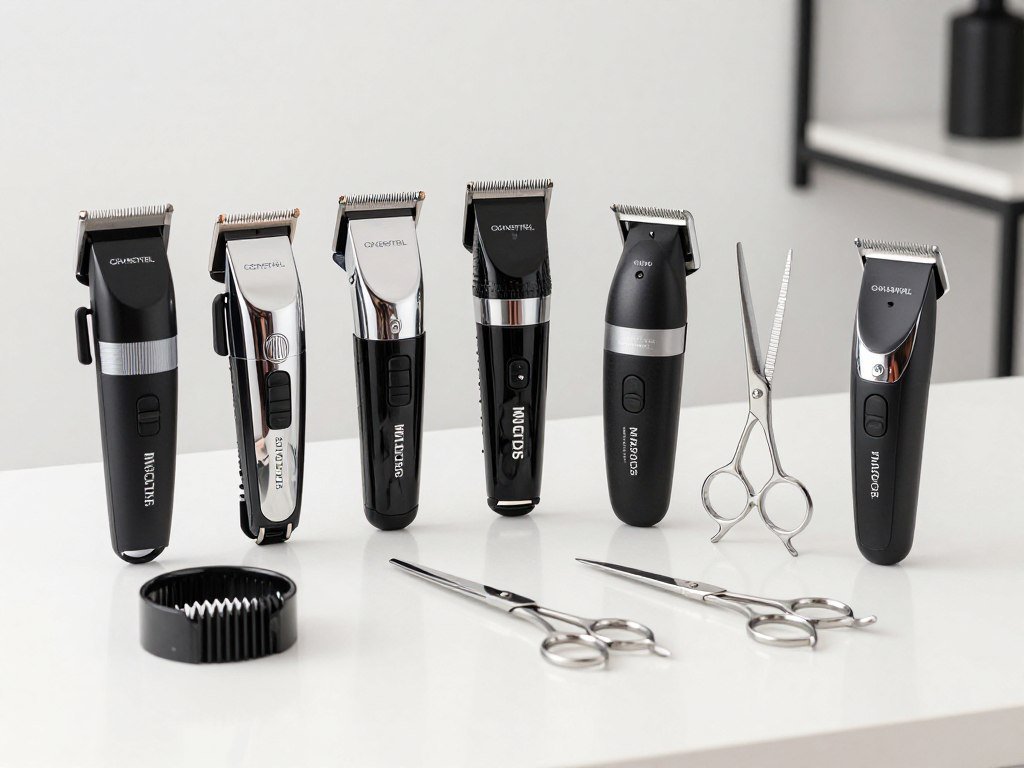
Keep clippers at home for minor touch-ups. You can maintain necklines and clean up edges between visits. This extends the fresh-cut appearance.
Learn basic maintenance techniques from your barber. They can show you how to handle simple touch-ups safely. Proper home maintenance saves money and keeps you looking sharp.
Don’t attempt complex cutting at home. Leave fades, blending, and length adjustments to professionals. Home maintenance should only address minor details.
Daily Hair Care
Short hair still needs proper care. Shampoo every other day rather than daily. This prevents stripping natural oils that keep hair healthy.
Use conditioner even on short hair. It maintains moisture and makes styling easier. Quality hair products make a noticeable difference in appearance and manageability.
Protect hair from heat damage when blow-drying. Use heat protectant spray and moderate temperatures. Healthy hair looks better and styles more easily than damaged hair.
Product Application
Start with less product than you think you need. You can always add more. Excess product makes hair look greasy and unnatural.
Apply products to slightly damp hair for best distribution. Work them through evenly from roots to tips. Different sections may need different amounts depending on thickness.
Wash hands thoroughly after applying styling products. Product buildup on your hands can transfer to your face. This may cause breakouts or irritation.
Seasonal Adjustments: Your hair care routine may need tweaking with seasons. Summer humidity requires different products than winter dryness. Adjust your approach based on weather conditions. Your barber can recommend seasonal modifications to keep your style looking great year-round.
Basic Styling Techniques
Mastering a few simple techniques dramatically improves your styling results. These skills help you recreate barbershop looks at home. Practice makes perfect with hair styling.
Blow-Drying Basics
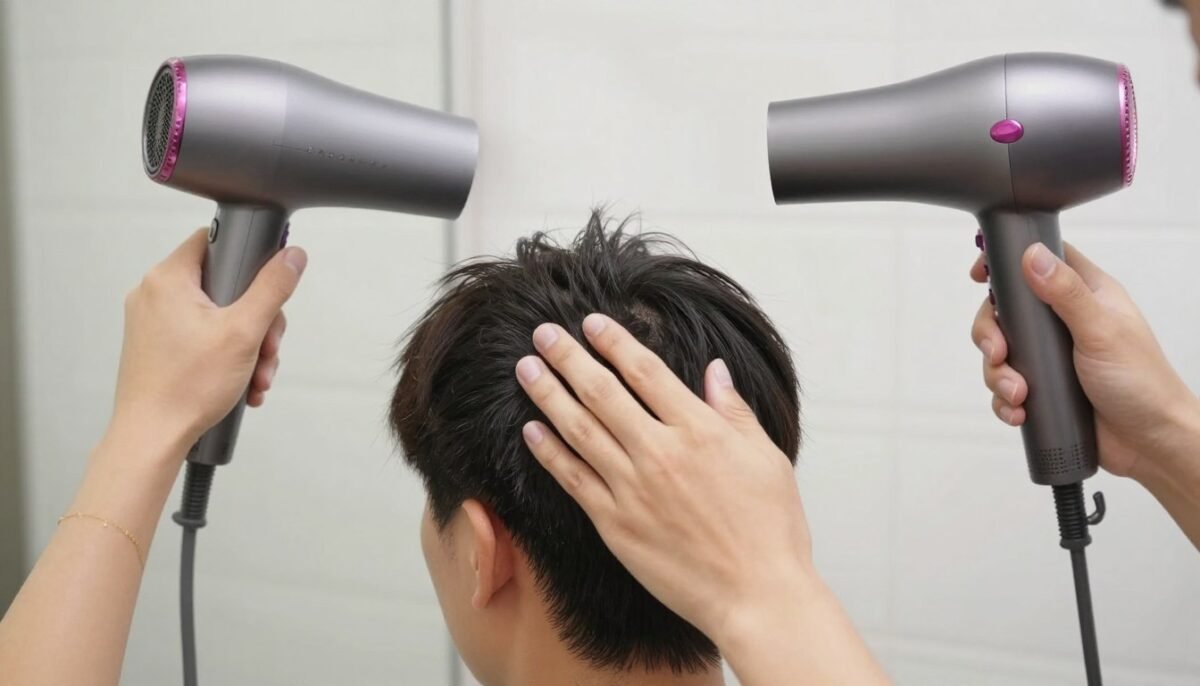
Blow-drying adds volume and directs hair growth. Point the dryer downward along the hair shaft. This smooths the cuticle and reduces frizz.
Use your free hand to direct hair as you dry. Push against natural growth patterns to create volume. The warm air sets hair in the direction you want.
Finish with cool air to set the style. This helps everything stay in place longer. A good blow-dry creates the foundation for successful styling.
Creating Texture
Texture makes short hair more interesting. Work product through hair with your fingers rather than a comb. This creates natural-looking separation.
Pinch small sections between your fingers and pull upward. This creates piece-y definition. The slightly messy result appears intentional and modern.
Don’t overwork hair once products are applied. Too much manipulation makes everything clump together. Style it, then leave it alone.
Slicking Hair Back
For slicked-back styles, apply product to damp hair. Use a comb to direct everything straight back. The moisture helps distribute product evenly.
Start at the front hairline and comb back to the crown. Use firm, smooth strokes. Repeat until everything lies flat and smooth.
Use enough product to control flyaways without appearing greasy. The finish should look polished but not wet. Strong-hold pomade works best for this technique.
Creating a Side Part
Find your natural part line by pushing hair forward then back. The part will form naturally. Use a comb to define this line clearly.
Work product through hair before creating the part. This makes it easier to control. Comb hair to either side of the part line.
Use the comb’s tail to sharpen the part line if desired. Keep hair flat on both sides of the part. The result should look deliberate and neat.
Styling Do’s
- Use heat protectant before blow-drying
- Start with damp hair for best product distribution
- Work products through evenly
- Let hair air dry when possible
- Style in the direction hair wants to grow
- Use quality styling tools
Styling Don’ts
- Apply products to completely dry hair
- Use too much product at once
- Comb through styled hair repeatedly
- Use maximum heat settings
- Force hair against natural growth patterns
- Style hair while still soaking wet
Common Short Hairstyle Mistakes to Avoid
Even simple styles can go wrong without proper knowledge. Understanding common mistakes helps you avoid them. Learn from others’ errors rather than making them yourself.
Choosing Styles That Don’t Suit Your Face
The most common mistake is ignoring face shape compatibility. A style might look great on someone else but wrong on you. Your unique features determine what works best.
Research styles that complement your specific face shape. Don’t blindly copy celebrity looks. Consider how different proportions will interact with your features.
Ask your barber for honest feedback about style choices. Experienced professionals can spot incompatible combinations. Trust their expertise about what will actually work for you.
Neglecting Regular Maintenance
Short styles lose shape quickly without maintenance. Waiting too long between cuts ruins the intended look. An overgrown short style looks unkempt rather than intentionally longer.
Schedule your next appointment before leaving the barber chair. This ensures consistent timing. Set phone reminders if you tend to forget.
Budget properly for regular barber visits. Short styles require more frequent professional attention. Factor this cost into your grooming budget from the start.
Using Wrong Products
Different styles need different products. Heavy pomade overwhelms textured styles. Weak gel fails to control thick hair. Matching products to your needs is crucial.
Consult your barber about appropriate products. They see what works daily and can make informed recommendations. Don’t just grab whatever’s cheapest or most convenient.
Read product descriptions and understand their purposes. Matte paste and pomade serve different functions. Using the wrong one sabotages your styling efforts.
Over-Styling
More product and manipulation doesn’t mean better results. Over-styled hair looks unnatural and stiff. Modern aesthetics favor more relaxed, natural appearances.
Learn when to stop touching your hair. Once styled, leave it alone. Constant fussing makes everything worse.
Use minimum effective product amounts. Start small and add more only if needed. Less often looks more contemporary than heavily styled hair.
Warning Signs Your Style Isn’t Working: Your hair won’t hold the style despite product use. You constantly adjust it throughout the day. People keep asking if you just woke up. Your barber struggles to create the look you’ve shown them. These signs indicate it’s time to reconsider your style choice or technique.
Ignoring Hair Texture
Fighting your natural hair texture creates frustration. Curly hair won’t easily slick back. Fine hair won’t create volume like thick hair. Work with what you have.
Choose styles designed for your hair type. This makes daily styling dramatically easier. You’ll spend less time and achieve better results.
Embrace your natural texture rather than fighting it constantly. Modern styles celebrate different hair types. There are options specifically designed for your texture.
Seasonal Styling Considerations
Different seasons affect how your hair behaves. Temperature and humidity impact styling success. Adjusting your approach throughout the year maintains consistent results.
Summer Styling
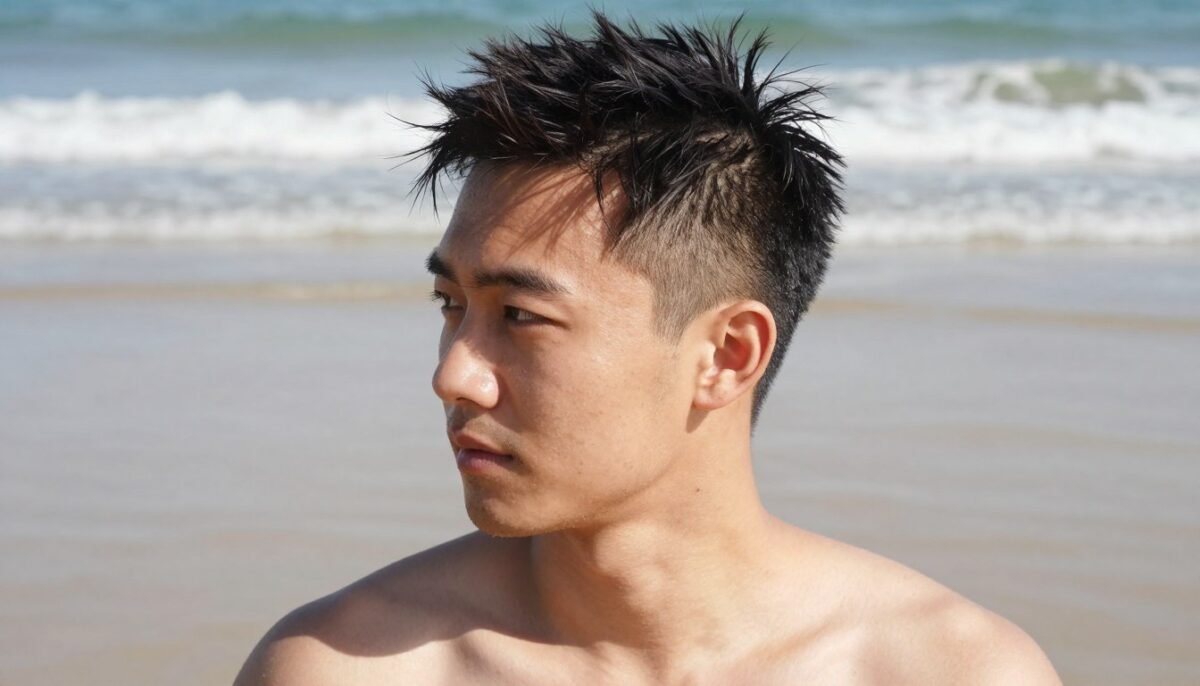
Hot weather and humidity challenge most hairstyles. Products break down faster in heat. Sweat and sun exposure affect both hair and styling products.
Choose lighter products for summer months. Heavy pomades become uncomfortably greasy. Sea salt spray works exceptionally well in humid conditions.
Consider going slightly shorter during summer. This keeps you cooler and reduces styling requirements. A buzz cut or tight fade makes perfect sense for hot months.
Winter Styling
Cold weather and indoor heating create dryness. Static electricity becomes problematic. Hats flatten styles and create hat hair issues.
Use more moisturizing products in winter. Hair needs extra hydration when air is dry. Leave-in conditioners prevent static and frizz.
Slightly longer styles work better under hats. Ultra-short cuts don’t have hat hair problems. Consider seasonal length adjustments based on your hat-wearing habits.
Transition Seasons
Spring and fall bring unpredictable weather. Temperature swings affect how products perform. Flexibility becomes important during transition months.
Keep both summer and winter products available. You might need different options day-to-day. The versatility helps you adapt to changing conditions.
These seasons are perfect for trying new styles. The moderate weather makes experimentation easier. Test different looks before committing for summer or winter.
Professional Versus Casual Styling
Some short hairstyles work better in professional environments. Others suit casual settings perfectly. Understanding appropriate contexts helps you choose wisely.
Corporate-Appropriate Styles
Conservative industries expect neat, traditional grooming. Side parts, Ivy League cuts, and classic crew cuts work universally. These styles project professionalism and reliability.
Avoid extreme fades and bold colors in formal settings. Keep styling subtle and polished. The goal is looking well-groomed without drawing excessive attention.
Ask about grooming policies before starting new jobs. Some industries have specific requirements. Following guidelines shows respect for workplace culture.
Creative Industry Styles
Creative fields often welcome expressive styling. Undercuts, textured crops, and bold fades fit perfectly. These environments value individual expression.
Even creative workplaces have limits. Ensure your style still looks intentional and maintained. The difference between creative and sloppy is attention to detail.
Use your hairstyle to reflect your personal brand. Creative professionals can showcase personality through grooming. Your style becomes part of your professional identity.
Versatile Options
Some styles work in any environment. Classic crew cuts with modern tweaks bridge professional and casual. Well-executed fades look appropriate almost everywhere.
Focus on quality execution rather than extreme styling. A well-maintained moderate fade works at both weddings and weekend barbecues. Versatility comes from balanced choices.
The modern taper fade represents perfect versatility. It’s professional enough for offices yet stylish enough for social settings. This middle ground serves most men well.
Age-Appropriate Short Hairstyles
Different ages suit different styles naturally. What works for a college student might look off on a mature professional. Age-appropriate choices help you look your best.
Styles for Younger Men (18-30)
Younger men can experiment more freely. Trendy cuts like textured crops and high fades work perfectly. This age allows for bolder choices and fashion-forward looks.
Take advantage of this flexibility while you can. Try different styles to discover your preferences. Mistakes are easier to recover from when you’re younger.
Don’t feel pressured to choose overly mature styles yet. Embrace youthful energy in your grooming. Save the conservative looks for when they’re actually necessary.
Styles for Middle-Aged Men (30-50)
This age balances professionalism with personality. Classic cuts with modern twists work excellently. Focus on styles that project confidence and established identity.
Consider your professional position when choosing styles. Senior roles often benefit from more polished looks. Your hairstyle should match your career stage.
This age handles most short styles well. Avoid extremes that seem like attempts to look younger. Confidence in age-appropriate choices looks better than trying too hard.
Styles for Mature Men (50+)
Mature men look best in refined, classic styles. Short cuts work particularly well as hair thins. Buzz cuts and crew cuts project strength at any age.
Embrace gray hair rather than fighting it. Salt-and-pepper looks distinguished and masculine. Modern barbering techniques make gray hair look intentional and stylish.
Avoid styles that seem like obvious attempts to appear younger. Dignity comes from age-appropriate confidence. Well-maintained classic styles project maturity positively.
Finding Your Perfect Short Hairstyle
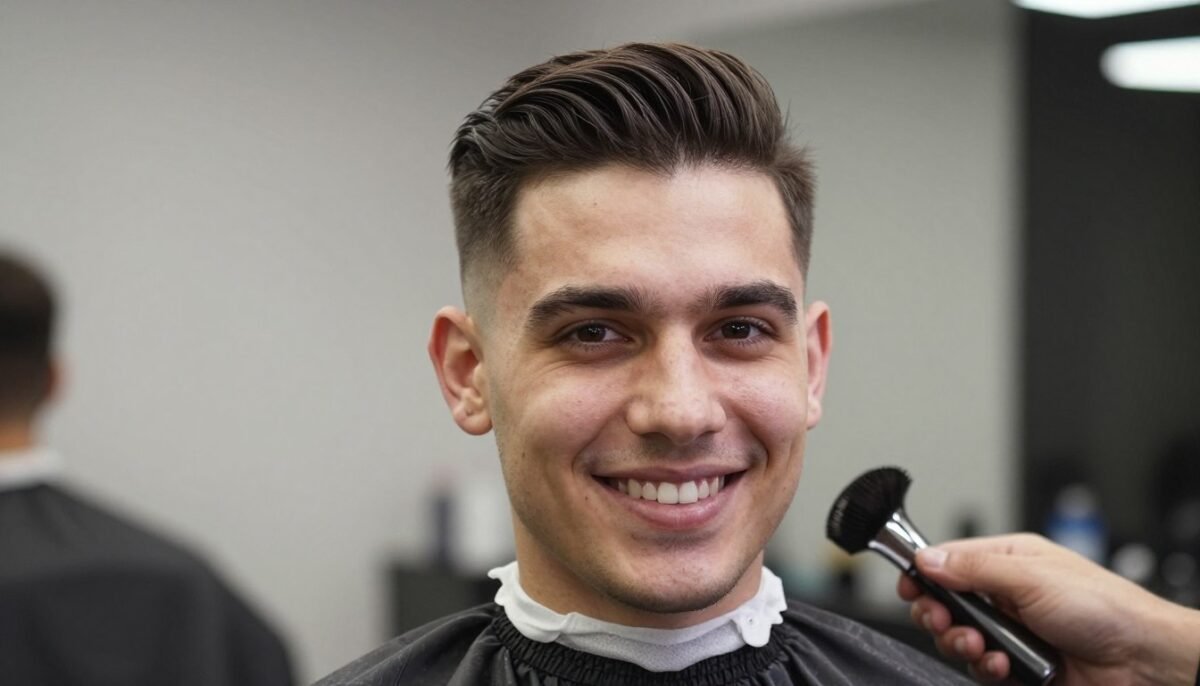
Short hairstyles offer incredible versatility for modern men. From classic buzz cuts to contemporary textured crops, there’s a style that perfectly matches your personality and lifestyle. The key is understanding what works for your unique combination of face shape, hair type, and daily routine.
The 40 styles covered in this guide provide options for every preference and situation. Whether you need something professional for the office or bold for creative expression, you now have the knowledge to make informed choices. Remember that the best hairstyle is one you can maintain consistently and wear with confidence.
Take time to consider your specific needs before making drastic changes. Consult with experienced barbers who can offer personalized advice. With the right cut and proper maintenance, your short hairstyle will enhance your appearance and simplify your daily routine. The perfect look is out there waiting for you to discover it.