
Your book collection tells a story, but jumbled shelves can turn beloved volumes into visual chaos. Whether you have hundreds of books or thousands, transforming your bookshelves from cluttered storage into stunning displays is entirely achievable.
Most people struggle with bookshelf styling because they focus solely on fitting books into available space. The secret lies in treating your shelves as dynamic design elements that balance function with aesthetics.
What You’ll Discover: This comprehensive guide presents 15 practical bookshelf styling ideas specifically designed for large book collections. Each approach offers concrete techniques you can implement immediately, regardless of your current shelf situation or design experience.
Table of Contents
Color-Coordinated Rainbow Arrangement
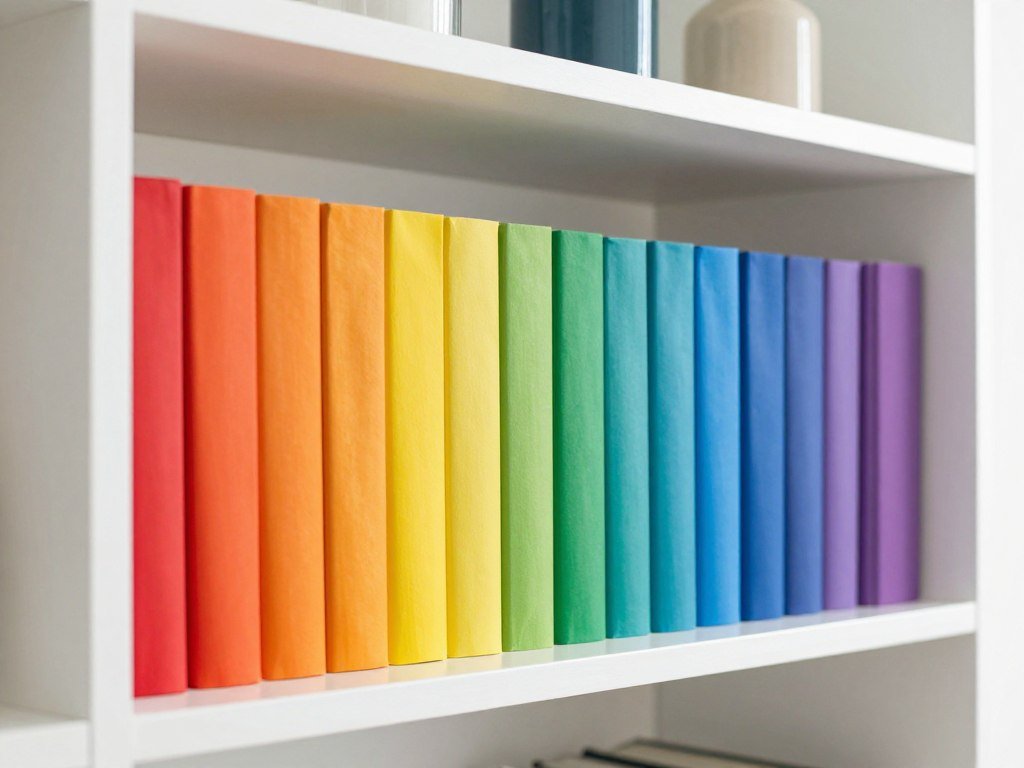
Organizing books by color creates instant visual impact and transforms your bookshelf into living art. This approach works exceptionally well for large collections because the color palette naturally guides the eye across your shelves.
Start by sorting your entire collection into color groups. Create a spectrum that flows naturally from warm tones like reds and oranges through cooler blues and greens. White and cream books make excellent palette cleansers between vibrant sections.
Implementation Steps
- Remove all books from shelves and sort by dominant spine color
- Arrange color groups in rainbow order or custom palette
- Place larger books at bottom shelves for visual weight
- Use color transitions to create focal points
- Maintain some flexibility for frequently accessed books
Design Considerations
- Works best with shelves visible from single vantage point
- Creates cohesive look in open-concept spaces
- Particularly effective with neutral wall colors
- May require periodic adjustments as collection grows
- Balance color distribution across all shelves
This styling method transforms functional storage into a statement piece. The visual coherence created by color coordination makes even overflowing shelves feel intentional rather than chaotic.
Vertical and Horizontal Stacking Combination

Breaking the monotony of exclusively vertical books adds dimension and creates opportunities for layered styling. Strategic horizontal stacking provides surfaces for decorative items while maintaining ample book storage.
The key lies in creating intentional groupings rather than random placement. Stack books horizontally in groups of three to five, varying the stack heights across different shelves. This approach works particularly well for coffee table books, oversized art books, or volumes you reference frequently.
Optimal Stacking Patterns
Place horizontal stacks at varying intervals to create visual rhythm. Position them at shelf ends, in the middle of vertical rows, or use them to anchor decorative objects. Larger books work best for horizontal stacking since their size naturally creates presence.

- Create base layers with largest horizontal books
- Limit stacks to 3-5 books for stability
- Use horizontal books to break up long vertical rows
- Position decorative objects atop horizontal stacks
- Vary stack heights across different shelves
- Reserve eye-level shelves for most attractive stacks
This mixed approach accommodates more books than purely horizontal arrangements while offering significantly more styling flexibility than standard vertical-only placement. The varied orientations give your eye multiple places to rest, preventing visual fatigue.
Curated Collections by Genre
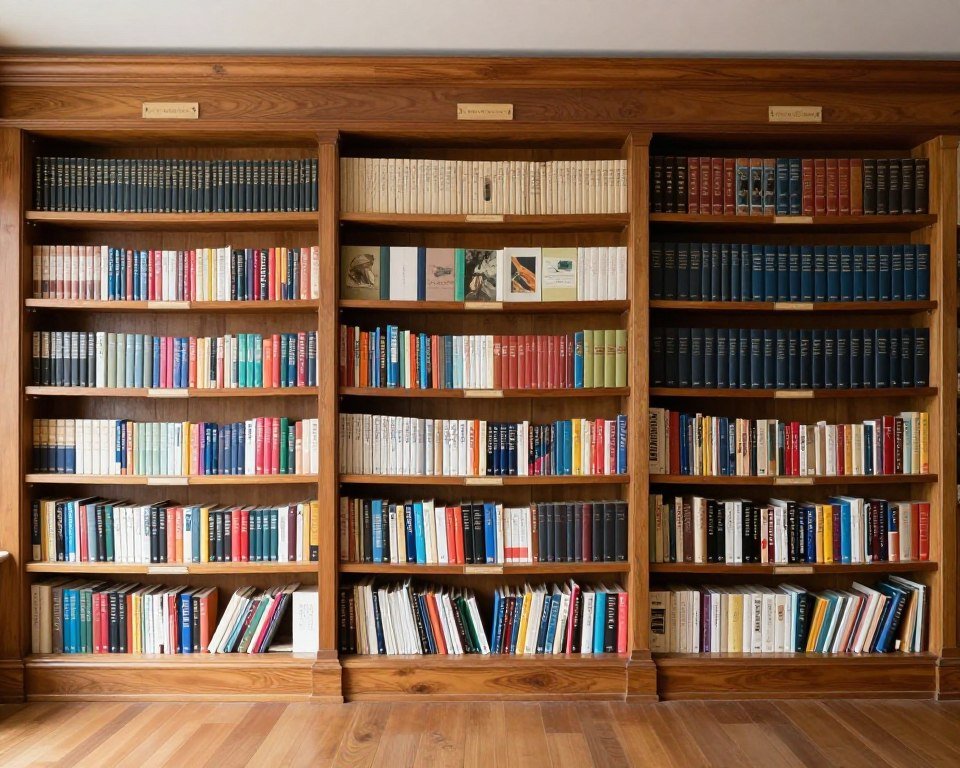
Organizing your collection by subject matter or genre creates an intuitive system that serves both aesthetic and functional purposes. This method proves especially valuable for extensive collections where finding specific titles matters.
Dedicate entire shelves or sections to specific genres such as fiction, biography, art, history, or professional references. Within each category, you can further organize by author, publication date, or size. This creates distinct visual zones that add structure to your overall bookshelf design.
Pro Styling Tip: Use subtle visual markers like small vintage label holders or varying background colors to distinguish between genre sections. This enhances both functionality and visual appeal without overwhelming the design.
Genre Organization Strategies
Consider your reading habits and home layout when determining genre placement. Position frequently accessed categories at eye level and within easy reach. Reserve top shelves for reference materials or decorative book collections you admire visually but access less often.
- Group similar subjects together for cohesive appearance
- Place oversized art books on lower shelves with more clearance
- Position fiction collections where you typically read
- Use bookends to define clear category boundaries
- Integrate decorative objects related to each genre theme
Size-Graduated Arrangement
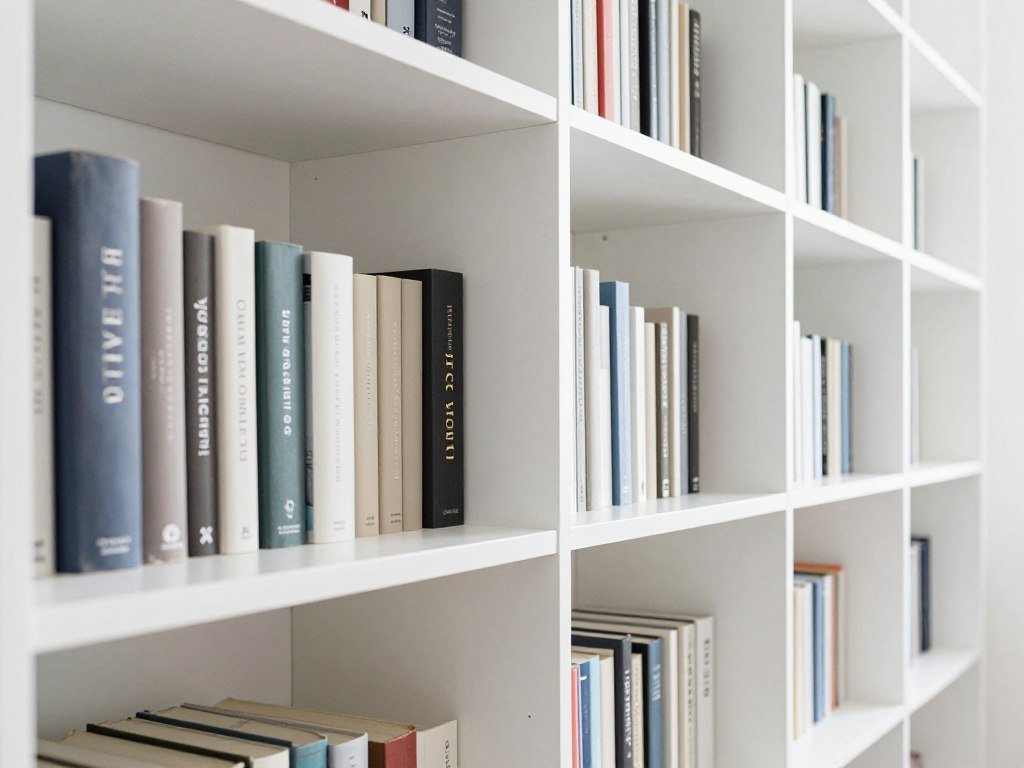
Arranging books by size creates a pleasing visual flow that brings order to diverse collections. This approach works particularly well when you have many different book formats, from large coffee table volumes to small vintage paperbacks.
The graduated approach places larger books at one end of each shelf, progressively moving to smaller volumes. This creates a stepped or diagonal visual line that guides the eye naturally. You can graduate from large to small left to right, or reverse the direction based on your room layout and furniture placement.
Scale and Proportion Techniques
Large books naturally carry more visual weight and should anchor your arrangement. Position oversized volumes at shelf ends or use them to create foundations for mixed-height displays. Smaller books can fill gaps and create transitions between different sections.
Vertical Graduation
Place tallest books on lower shelves and progressively shorter volumes as you move up. This mimics natural visual weight distribution and creates stability. The arrangement feels grounded and intentional.
Horizontal Graduation
Arrange books from large to small across each individual shelf. This creates rhythmic patterns that repeat across multiple shelves, establishing visual consistency throughout your entire bookcase.
Negative Space and Breathing Room
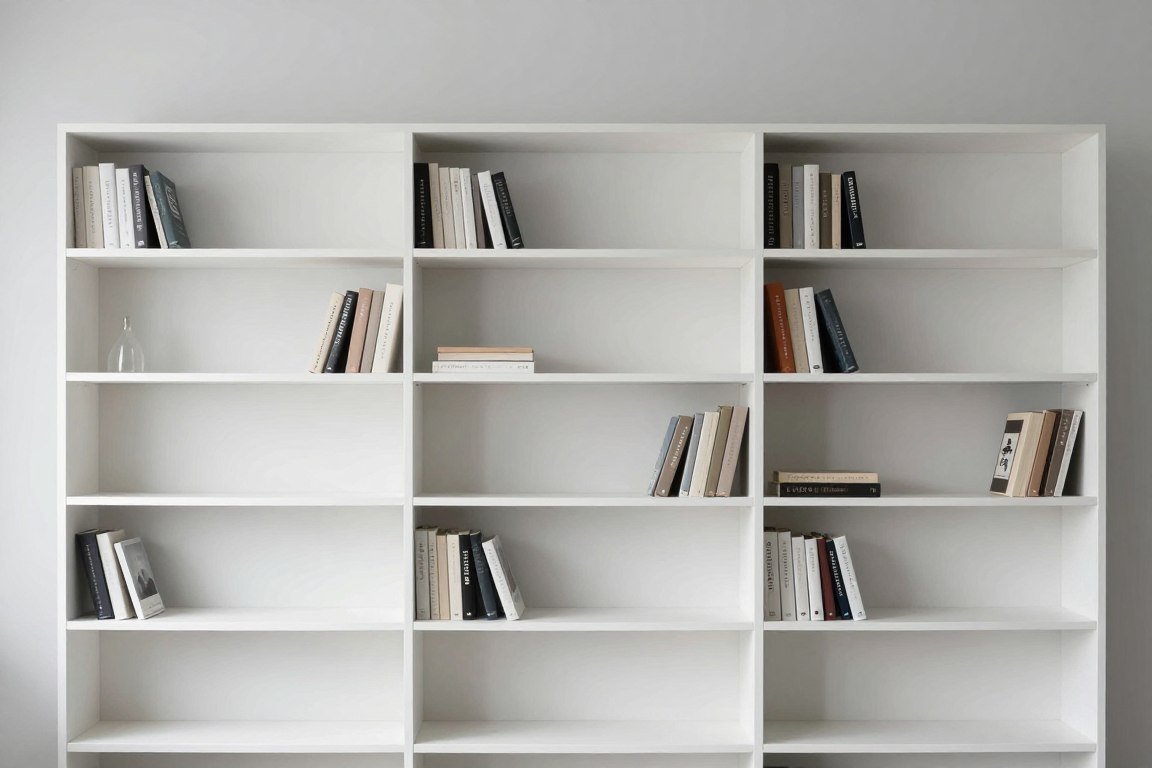
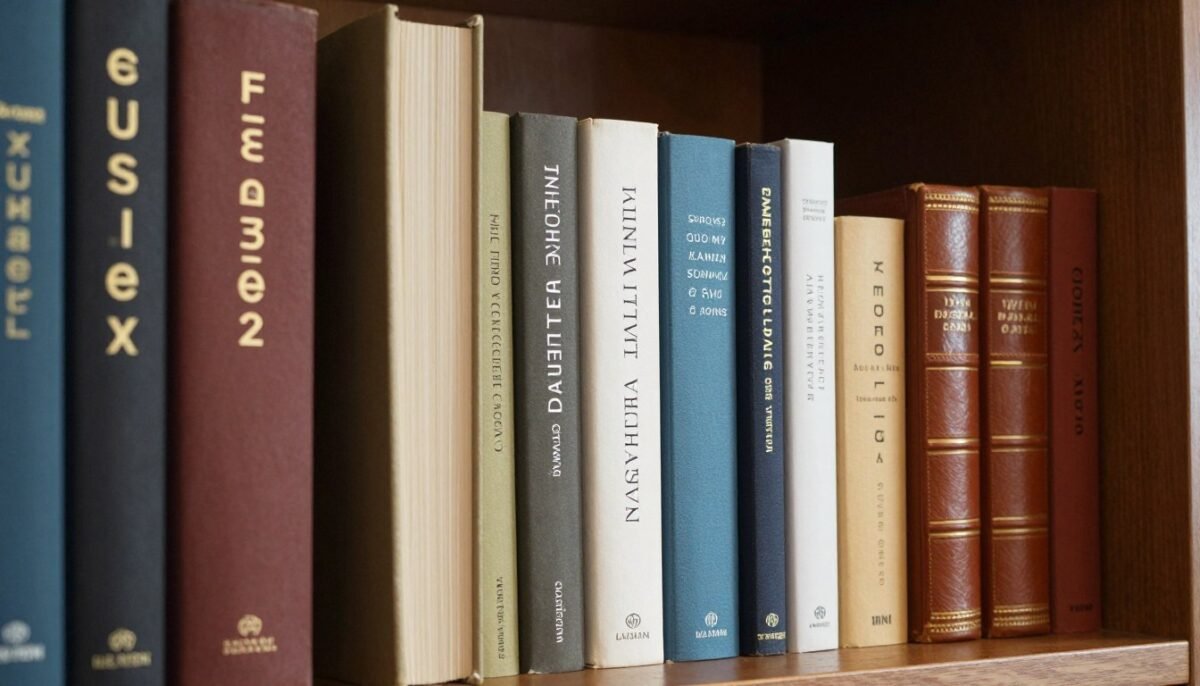
Embracing empty space might seem counterintuitive when you have lots of books, but strategic negative space prevents shelves from feeling overwhelming. This approach creates visual pauses that allow individual books and objects to breathe.
Rather than filling every inch of shelf space, leave deliberate gaps between book groupings. These empty areas provide rest points for the eye and create opportunities to showcase special volumes or decorative pieces. The contrast between filled and empty areas adds sophistication to your overall design.
Implementing Strategic Spacing
- Leave at least 2-3 inches between major book groupings
- Create larger empty zones at natural focal points
- Use negative space to frame special editions or art books
- Balance filled shelves with partially empty ones
- Allow decorative objects room to stand out
- Prevent visual clutter by limiting items per shelf
This breathing room approach works especially well in modern or minimalist spaces where clean lines and uncluttered surfaces align with overall design aesthetics. Even with extensive book collections, you can rotate displayed volumes seasonally while storing others elsewhere.
Focal Point Feature Shelves
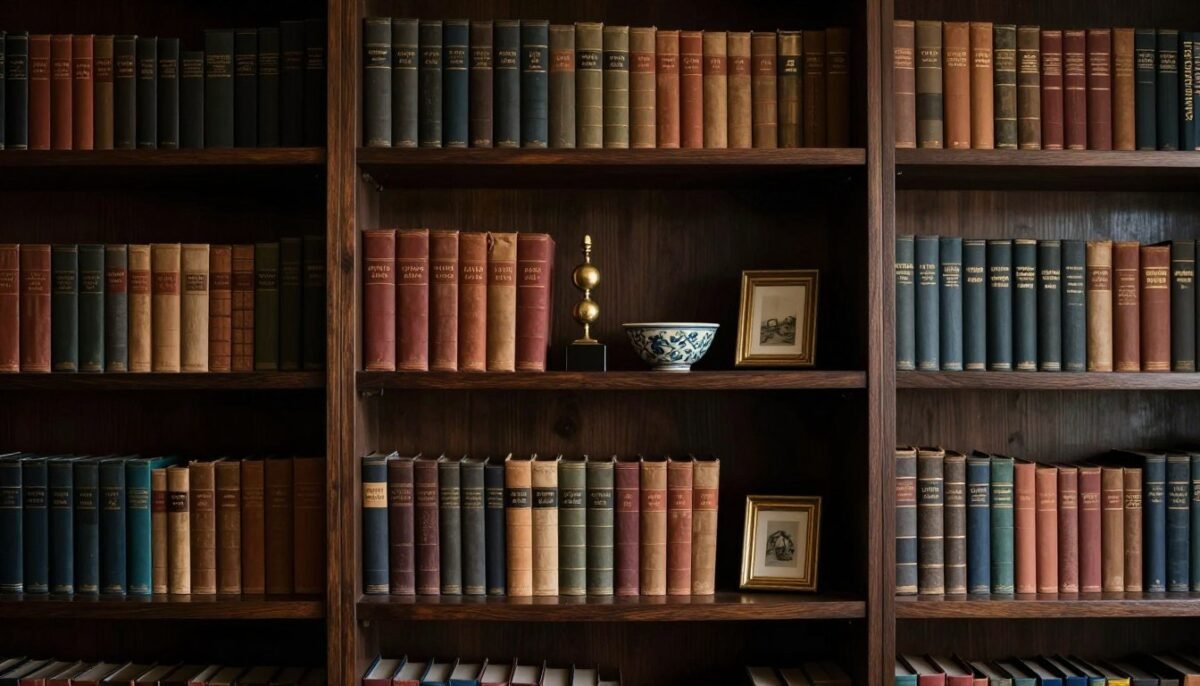
Designating one or two shelves as focal points creates intentional visual hierarchy within your bookcase. These feature areas showcase your most beautiful books, cherished collections, or meaningful decorative objects while surrounding shelves handle practical storage.
Select shelves at eye level or in naturally prominent positions for focal point treatment. Style these shelves with extra care, using the most visually appealing books, interesting objects, and thoughtful spacing. The surrounding shelves can be more densely packed, making your feature shelf stand out even more dramatically.
Creating Effective Focal Points
Your focal point shelf should tell a story or showcase a cohesive theme. This might include first editions of favorite authors, a collection of vintage books with beautiful spines, or books paired with related art objects and photographs.
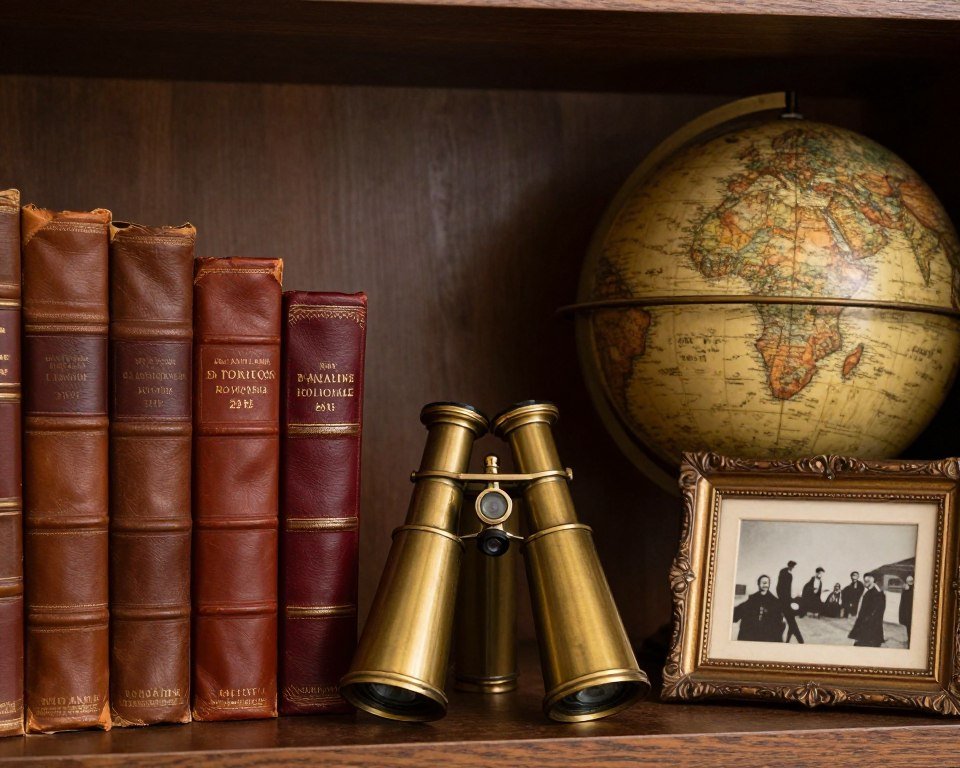
Design Strategy: The 60-30-10 rule works beautifully for focal point shelves. Allocate 60% of space to books, 30% to decorative objects, and 10% to negative space. This creates balanced, visually interesting arrangements.
Layered Depth Styling
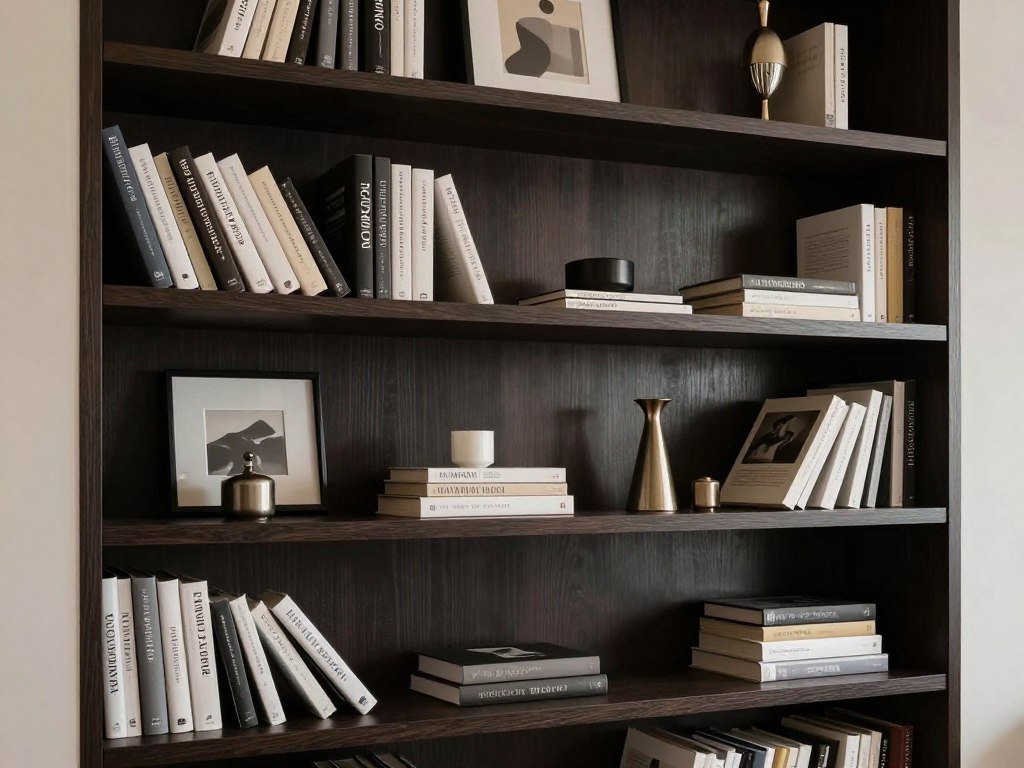
Adding depth to your shelves creates a collected, layered look that suggests years of thoughtful curation. Rather than aligning everything flush with the shelf edge, vary the placement depth of books and objects to build visual dimension.
Push some books toward the back wall while pulling others forward. Lean artwork or decorative plates against the back of shelves behind shorter items. Place small objects in front of book spines to create multiple visual planes. This layering technique adds complexity and interest to even simple shelf arrangements.
Depth Variation Techniques
- Push larger books to back wall for solid backdrop
- Pull decorative volumes slightly forward for emphasis
- Lean framed art behind books on lower shelves
- Layer small objects in front of book rows
- Create shadow lines by varying placement depth
- Use depth to hide less attractive book spines
This approach particularly benefits deep shelves where single-row book placement leaves awkward empty space behind. The layered look fills visual depth without requiring more items, simply through strategic placement of what you already own.
Symmetrical Balanced Design
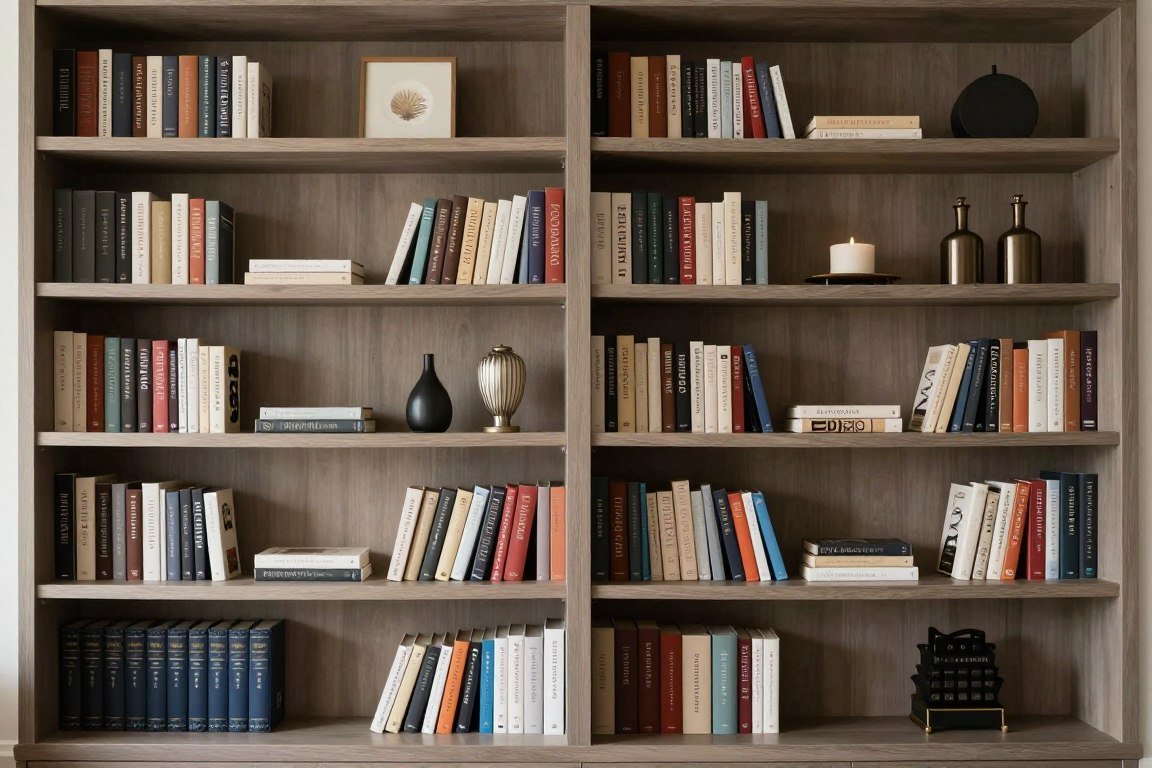
Symmetrical arrangements create calm, orderly spaces that appeal to traditional design sensibilities. This approach works beautifully in formal rooms or when your bookshelf serves as a room centerpiece.
Create mirror images on either side of a central point. Match book heights, colors, and spacing on left and right sides. Position identical or similar decorative objects in corresponding locations. This symmetry creates visual harmony and makes large book collections feel organized and intentional.
Achieving Balance
Perfect symmetry requires careful planning and similar quantities of comparable books. However, you can achieve balanced arrangements without exact matching by creating visual weight equivalence. A tall decorative object on one side can balance a stack of horizontal books on the other if their visual mass feels similar.
Formal Symmetry
This strict approach mirrors everything exactly. Use identical bookends, matching decorative pieces, and similar book groupings on each side. Perfect for traditional interiors and formal living spaces.
Casual Balance
This relaxed version balances visual weight rather than creating exact mirrors. Different items can balance each other if they share similar size, color, or visual presence. Works well in casual, lived-in spaces.
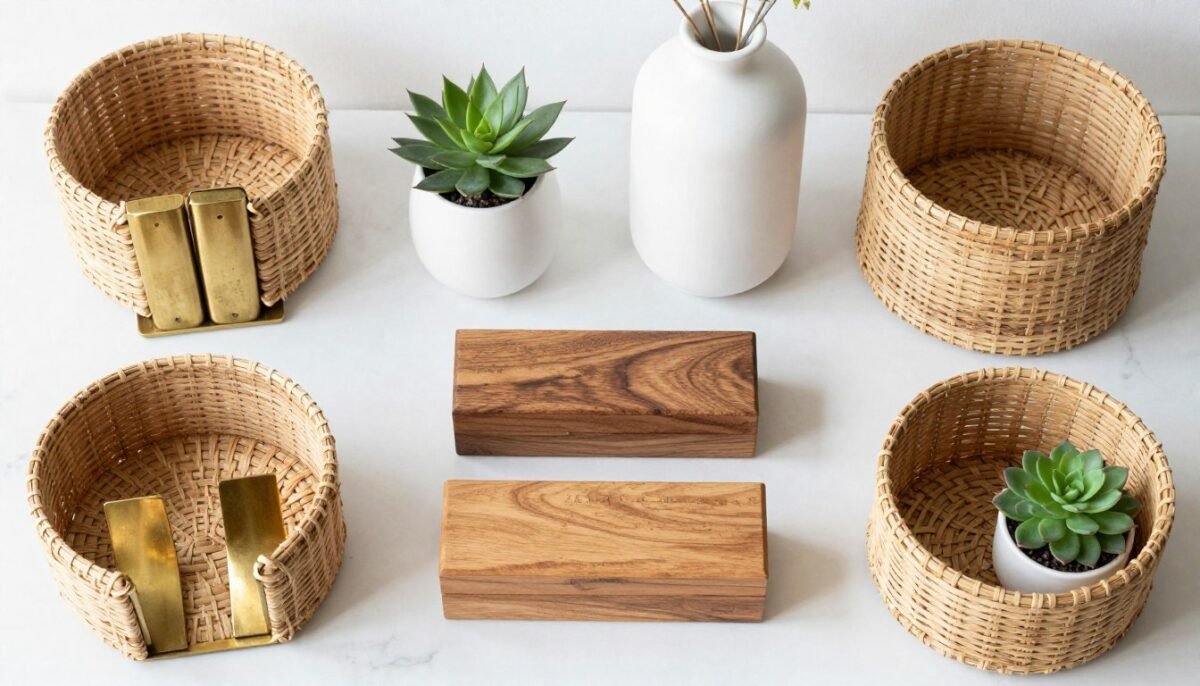
Essential Tools for Styled Shelves
Elevate your bookshelf styling with carefully selected accessories that blend function and beauty. From versatile storage boxes that hide clutter to statement bookends that anchor your arrangements, the right tools transform ordinary shelves into extraordinary displays.
These curated pieces work seamlessly with any of the 15 styling ideas in this guide, helping you achieve professional-looking results regardless of your collection size or shelf configuration.
Mixed Media Integration
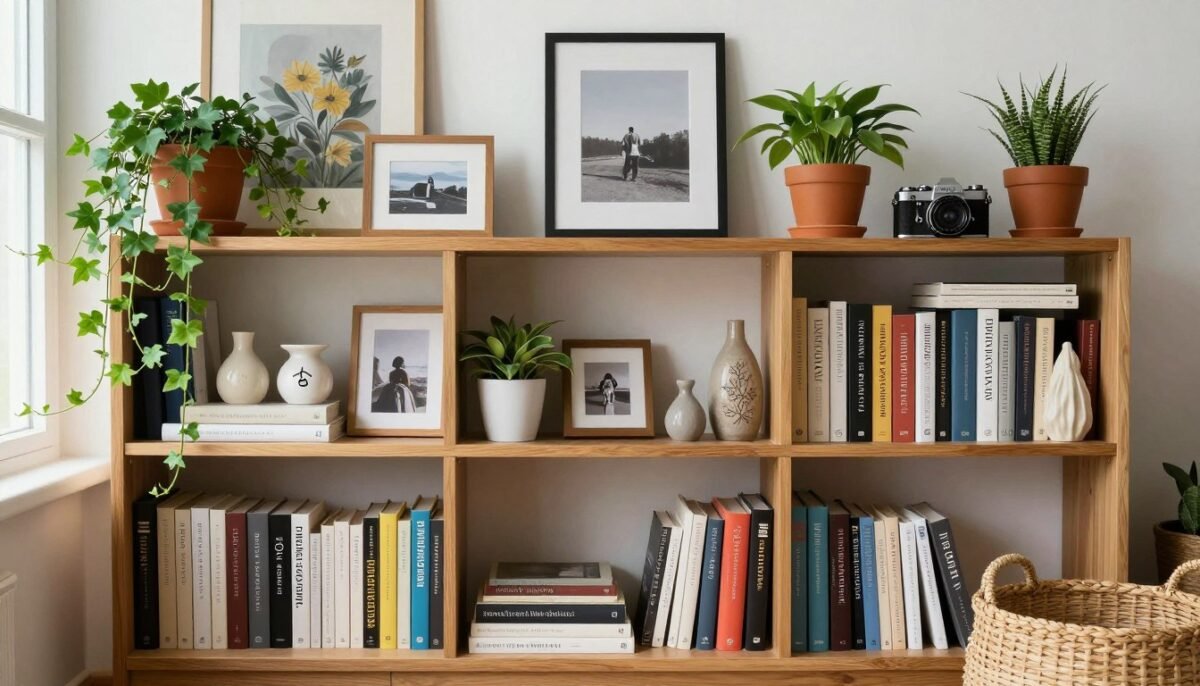
Integrating art, photographs, plants, and decorative objects throughout your book collection prevents monotony and adds personality. This mixed approach transforms bookshelves into personal galleries that reflect your interests and experiences.
Distribute decorative items strategically rather than clustering them all in one area. Place framed photographs between book groupings, position small plants atop horizontal book stacks, and incorporate meaningful objects that complement your books thematically or aesthetically.
Object Selection and Placement
Choose items that vary in height, shape, and texture to create visual interest. Pair organic elements like plants with geometric objects. Mix matte and glossy finishes. Combine vintage pieces with contemporary art. This variety prevents your shelves from feeling one-dimensional.
- Limit decorative objects to 30-40% of total shelf space
- Vary object heights to create dynamic visual rhythm
- Group items in odd numbers for natural appeal
- Choose pieces that complement your color palette
- Rotate seasonal items to keep displays fresh
- Include living elements like small plants or succulents
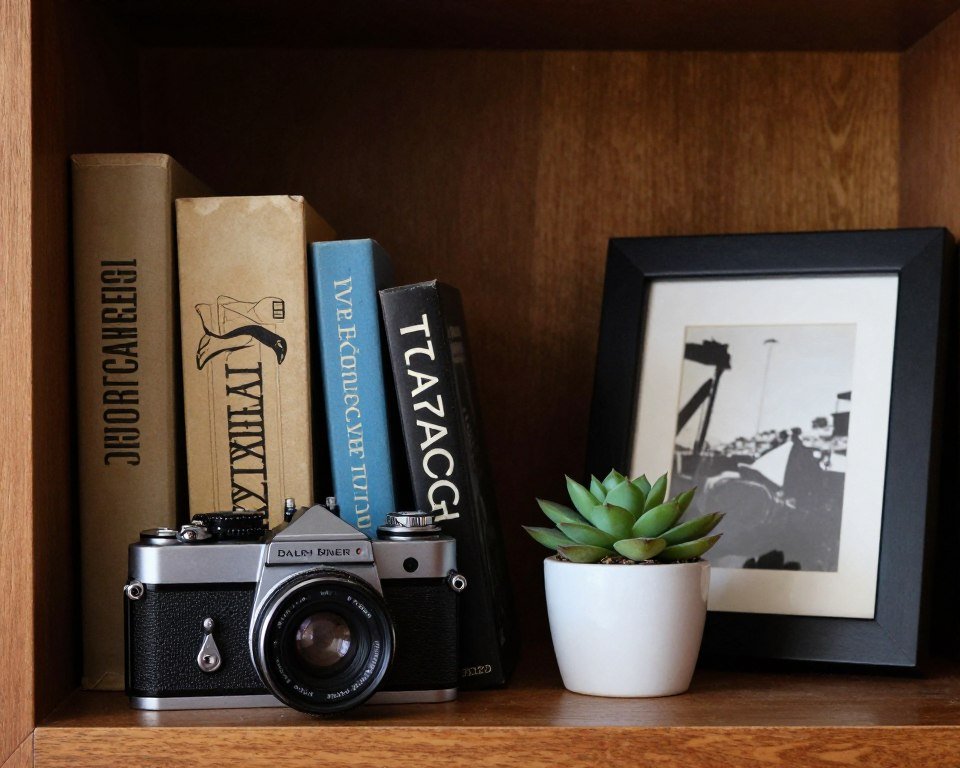
Themed Color Blocking
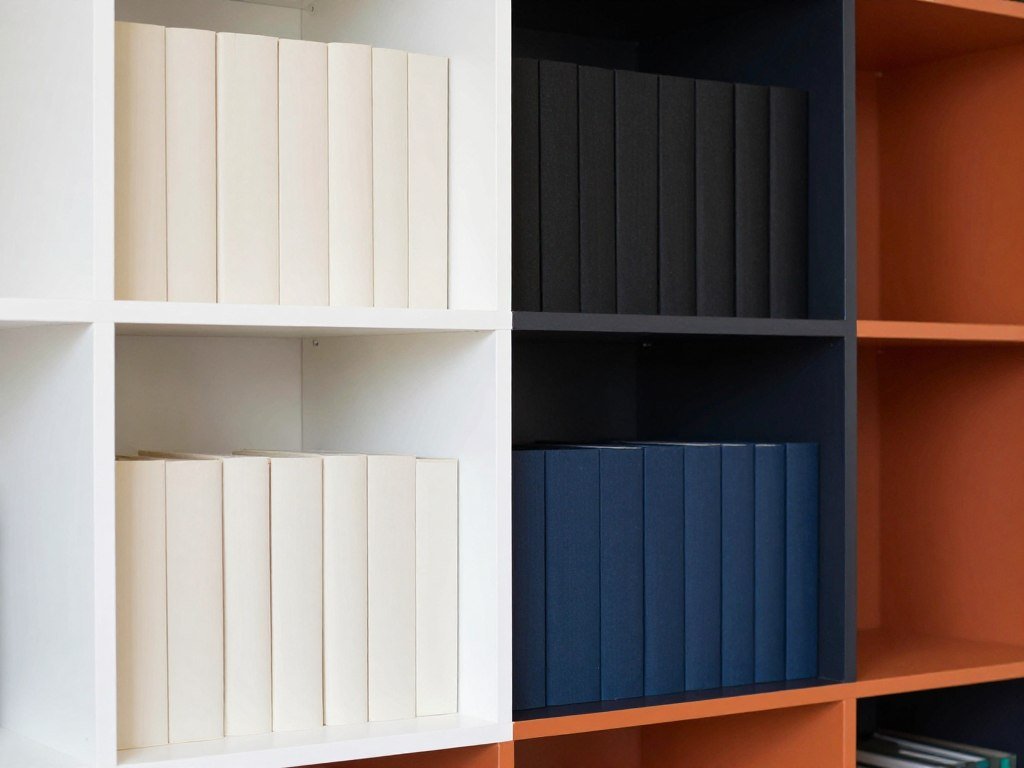
Color blocking takes the rainbow approach further by creating distinct, bold sections of single colors. Rather than gradual transitions, you establish clear zones of specific hues that make powerful visual statements.
This technique works exceptionally well when you want your bookshelf to function as room art. Select 3-5 dominant colors that complement your room palette and dedicate entire shelves or vertical sections to each color family. The strong color definition creates graphic impact.
Strategic Color Selection
Choose your color blocks based on your existing book collection and room design. If your space features neutral walls, bold color blocks add energy. In rooms with patterned wallpaper or busy decor, stick to more subdued color blocking using whites, grays, and natural tones.
Color Psychology: Blues and greens create calm, focused energy ideal for home offices. Warm oranges and reds add vibrant energy to living spaces. Neutrals with pops of metallics bring sophisticated elegance to formal rooms.
Bold Contrast
Create drama by alternating dark and light color blocks. Black books next to all-white volumes create striking visual impact perfect for modern spaces.
Monochromatic Zones
Dedicate sections to variations of single colors. Different shades of blue or multiple green tones create cohesive, sophisticated looks.
Complementary Pairs
Position complementary colors adjacent to each other. Orange next to blue or purple beside yellow creates vibrant, energetic arrangements.
Library-Style Categorization
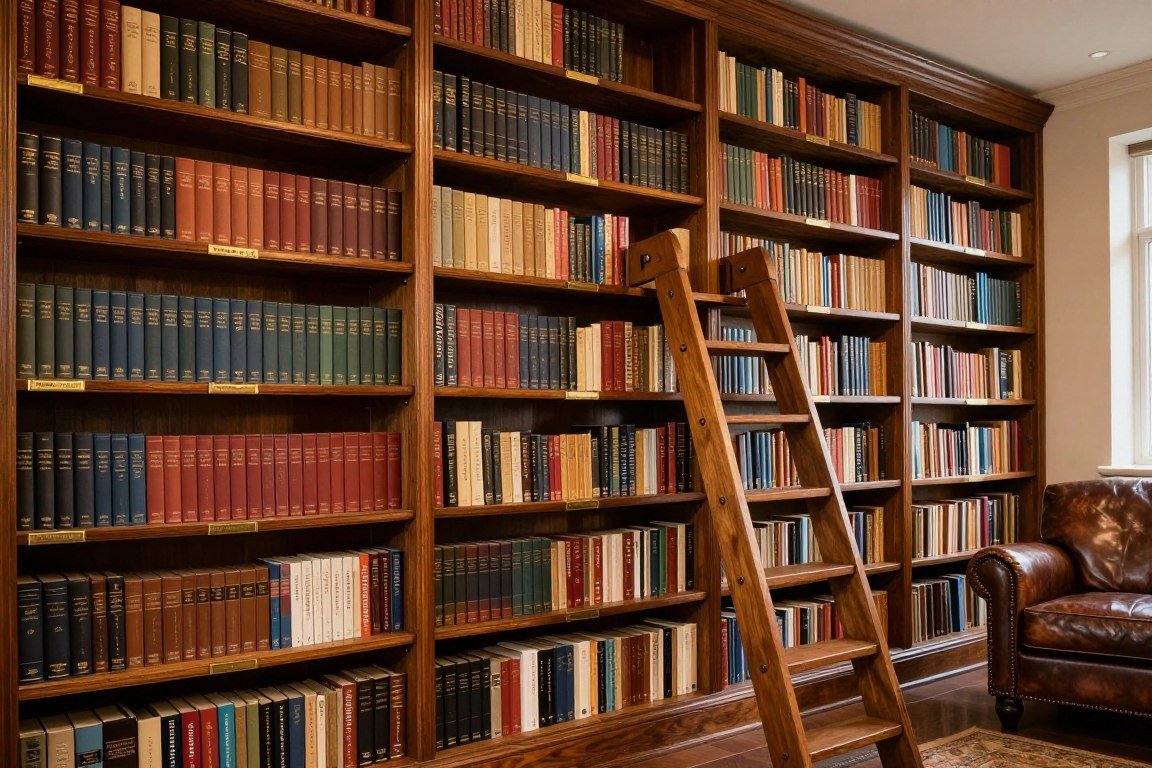
Adopting library organization systems brings professional polish to large home collections. This method proves particularly practical for serious readers who regularly reference their books and value easy retrieval as much as aesthetic appeal.
Implement simplified versions of library systems like Dewey Decimal or organize alphabetically by author within genre categories. Add small labels or subtle markers to identify sections. This creates an organized, scholarly atmosphere while keeping your collection highly functional.
System Implementation
- Divide collection into major categories (Fiction, Non-Fiction, Reference)
- Alphabetize within each category by author surname
- Use small brass or leather label holders for sections
- Create a simple cataloging system for tracking books
- Maintain consistent spacing for uniformity
- Reserve specific shelves for new acquisitions
This organized approach doesn’t sacrifice style. Incorporate beautiful bookends, maintain color coordination within sections, and integrate tasteful decorative objects that complement the scholarly aesthetic. The system becomes part of the design rather than working against it.
Vertical Zones with Height Variation
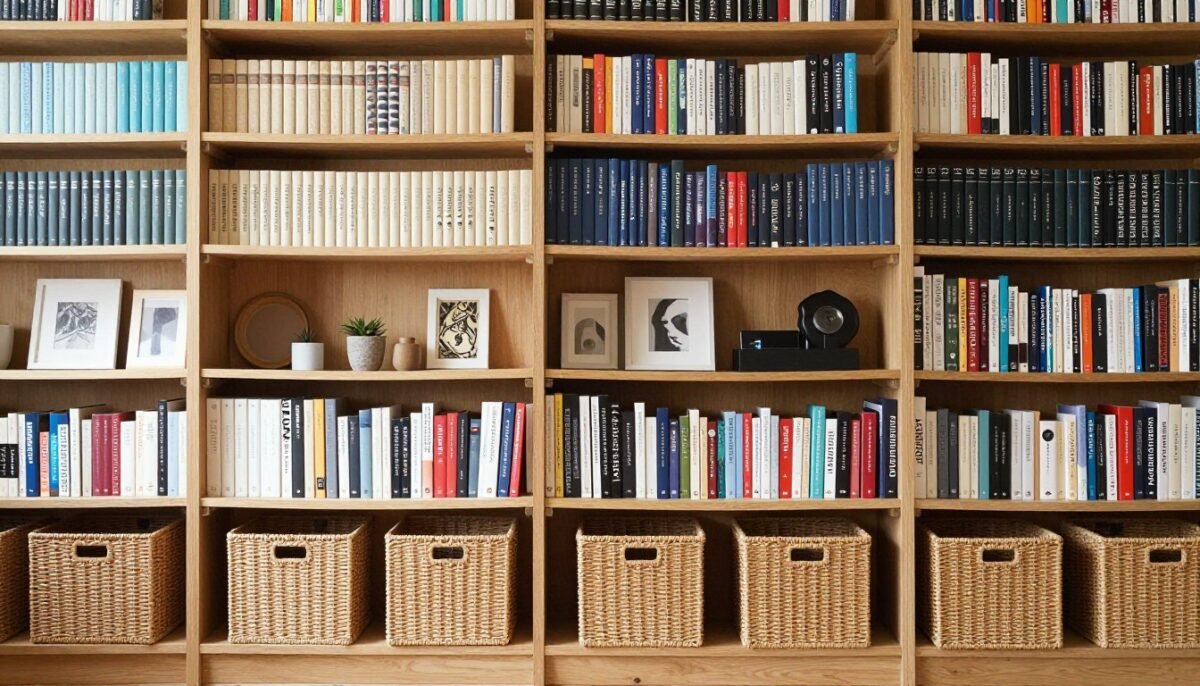
Treating tall bookcases as three distinct vertical zones creates practical organization while adding visual structure. This approach recognizes that different shelf heights serve different purposes based on accessibility and sight lines.
The bottom third handles heavy, oversized books and practical storage. The middle zone at eye level receives the most styling attention with carefully curated displays. The top section accommodates complete series, matching sets, or decorative collections viewed from below.
Zone-Specific Styling
Bottom Zone (Floor to 3 feet)
This area handles weight and storage. Place large art books, reference volumes, and storage boxes here. The lower position supports heavier items and keeps frequently used resources accessible without reaching.
Middle Zone (3-6 feet)
Your prime styling real estate demands the most attention. Create focal points, integrate decorative objects, and showcase your most beautiful books. This eye-level area receives the most viewer attention.
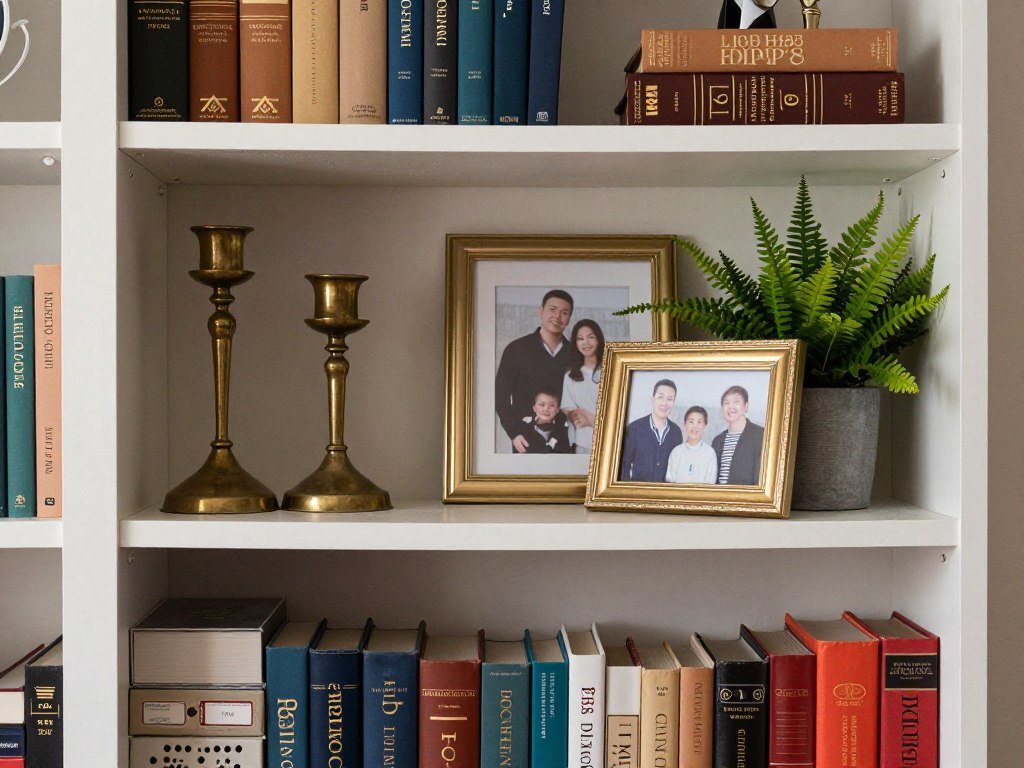
Top Zone (Above 6 feet)
Upper shelves work beautifully for complete book series, matching vintage collections, or decorative objects appreciated from below. Since these items are harder to access, reserve this area for books you reference less frequently but want displayed.
Textural Contrast Mixing
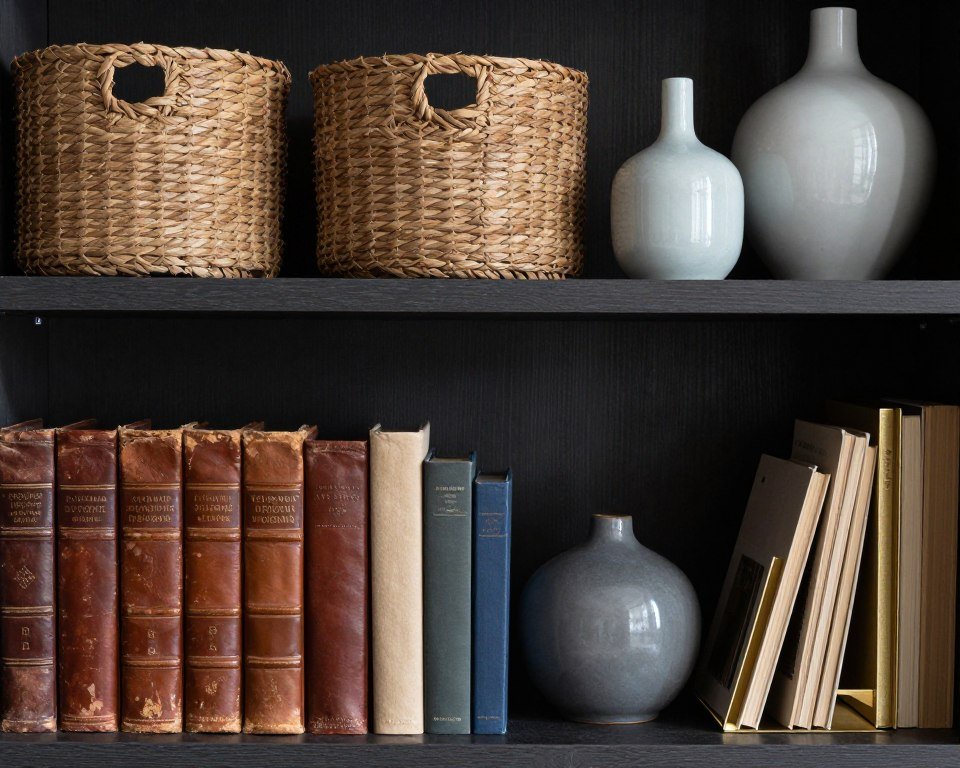
Incorporating diverse textures adds tactile richness that elevates bookshelf styling beyond simple color coordination. The interplay between smooth, rough, glossy, and matte surfaces creates depth and sensory interest.
Mix leather-bound vintage volumes with smooth modern hardcovers. Pair glossy ceramic objects with rough woven baskets. Incorporate metallic bookends alongside matte painted decorative pieces. This textural variety creates sophisticated, collected-over-time aesthetics.
Texture Selection Strategy
- Include at least three different texture types per shelf
- Balance rough organic textures with smooth manufactured ones
- Use metallic accents sparingly for sophisticated highlights
- Incorporate natural materials like wood, stone, or ceramic
- Mix book bindings (leather, cloth, paper) intentionally
- Add textile elements through small woven baskets or fabric-covered boxes
Texture becomes particularly important in monochromatic or neutral color schemes where visual interest must come from surface variation rather than color contrast. Even an all-white bookshelf feels rich and dynamic when different textures catch light in varied ways.
Seasonal Rotation Displays
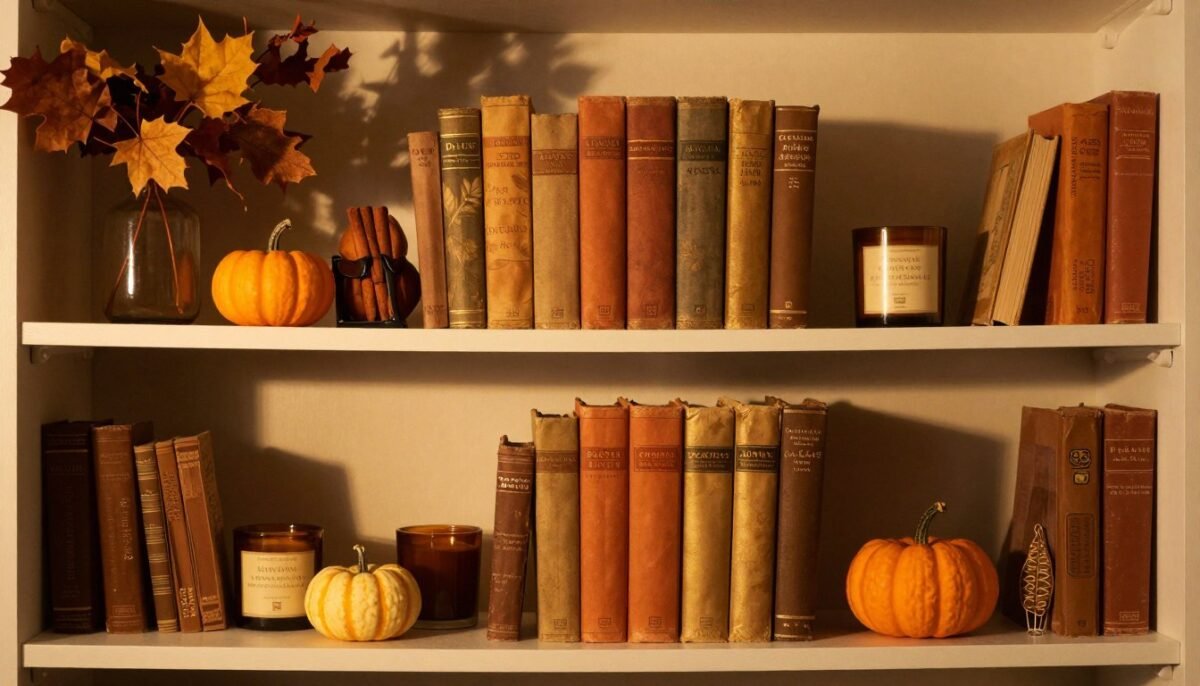
Refreshing your bookshelf styling seasonally keeps your space feeling current and allows you to highlight different portions of your collection throughout the year. This rotating approach prevents design fatigue and lets you celebrate seasonal aesthetics.
During autumn, bring forward books with warm-toned spines and add small pumpkins or fall foliage. Winter styling might emphasize whites and silvers with evergreen touches. Spring calls for fresh greens and floral accents, while summer suggests bright, cheerful colors and beach-themed objects.
Seasonal Styling Framework
Rather than completely reorganizing your entire bookshelf each season, focus on adjusting 20-30% of your display. Swap out decorative objects, bring different colored books to the front, and add seasonal natural elements. This keeps styling fresh without requiring major overhauls.
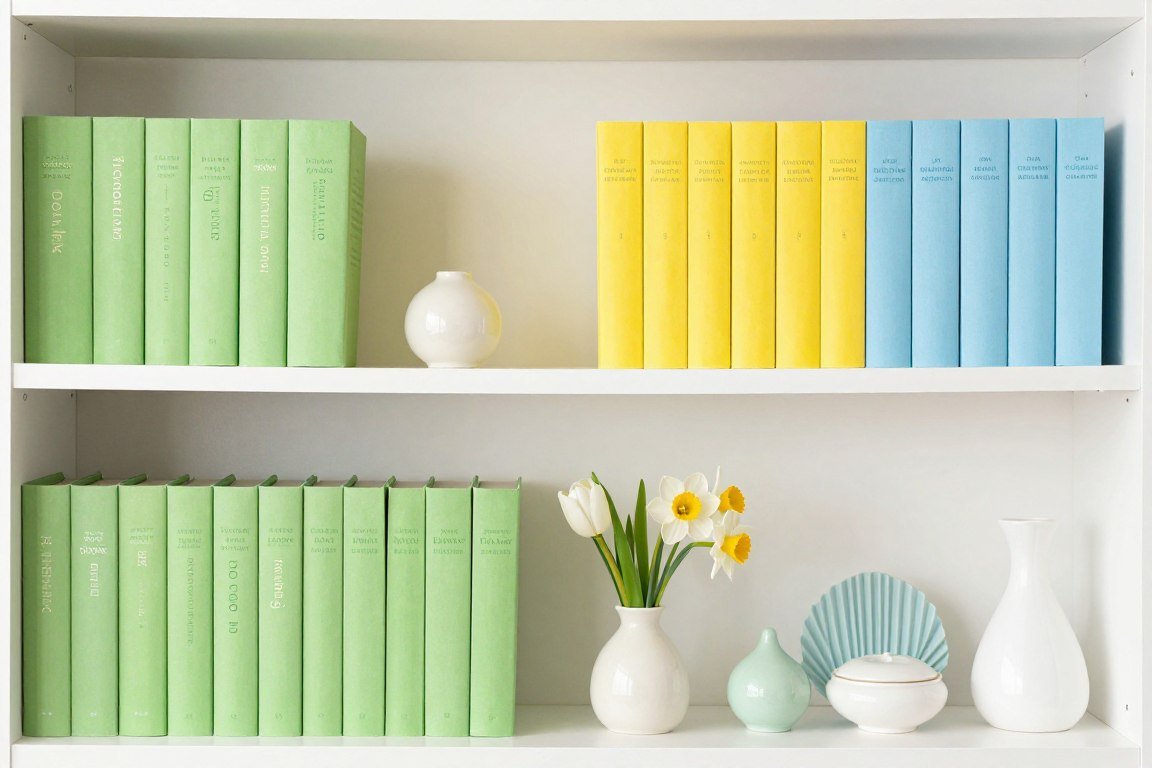
Spring
Light colors, fresh flowers, pastel accents, botanical themes, airy arrangements with more negative space.
Summer
Bright cheerful tones, beach elements, travel books forward, tropical plants, vibrant energy.
Autumn
Warm oranges and browns, harvest elements, cozy textures, candles, rich layered looks.
Winter
Cool whites and silvers, evergreen touches, metallic accents, intimate lighting, sophisticated minimalism.
Personal Story Displays
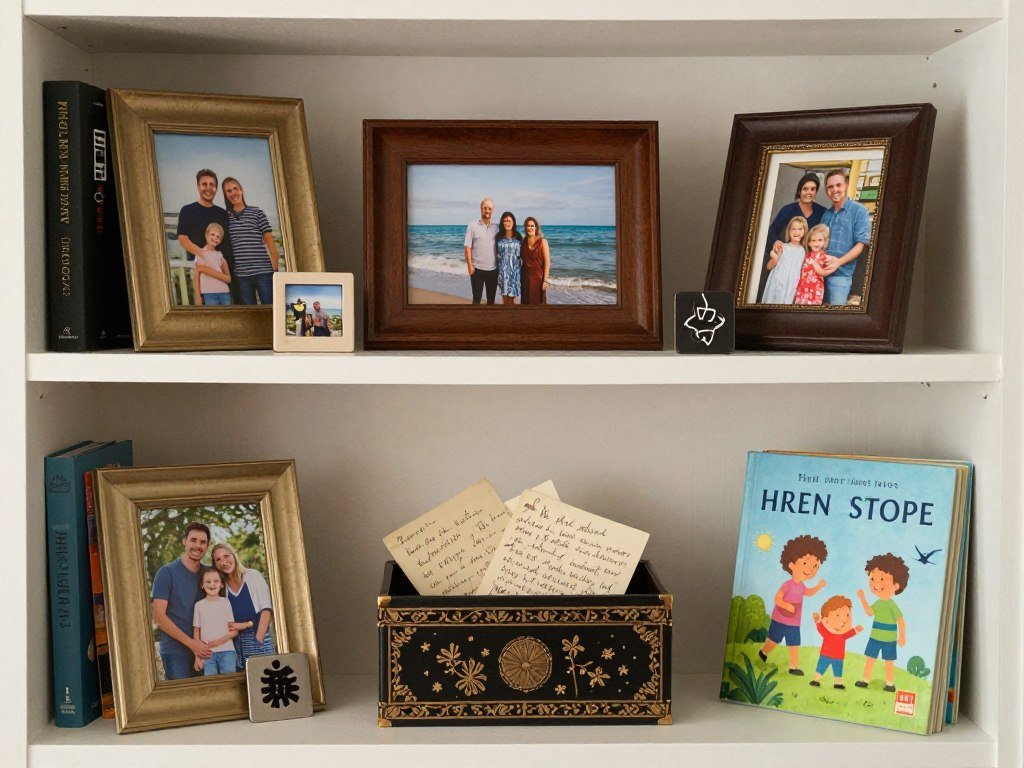
Your bookshelf can tell your personal story by integrating meaningful objects, photographs, and memorabilia alongside books. This approach creates deeply personal spaces that reflect your experiences, relationships, and passions rather than following design rules rigidly.
Incorporate family photographs in beautiful frames, display souvenirs from meaningful travels, showcase handmade objects from loved ones, or feature collections that represent your hobbies. These personal touches make your bookshelf uniquely yours while creating conversation starting points.
Meaningful Integration
Balance personal items with books thoughtfully to prevent shelves from becoming cluttered catch-alls. Curate displayed personal objects carefully, choosing pieces that hold genuine meaning and aesthetic appeal. Rotate items periodically to keep displays fresh and relevant to your current life chapter.
- Display photographs in cohesive frames for visual unity
- Group related personal items to tell mini-stories
- Integrate books that connect to displayed objects thematically
- Use personal items as focal points on featured shelves
- Maintain some restraint to prevent visual overwhelm
- Create small vignettes that have narrative coherence
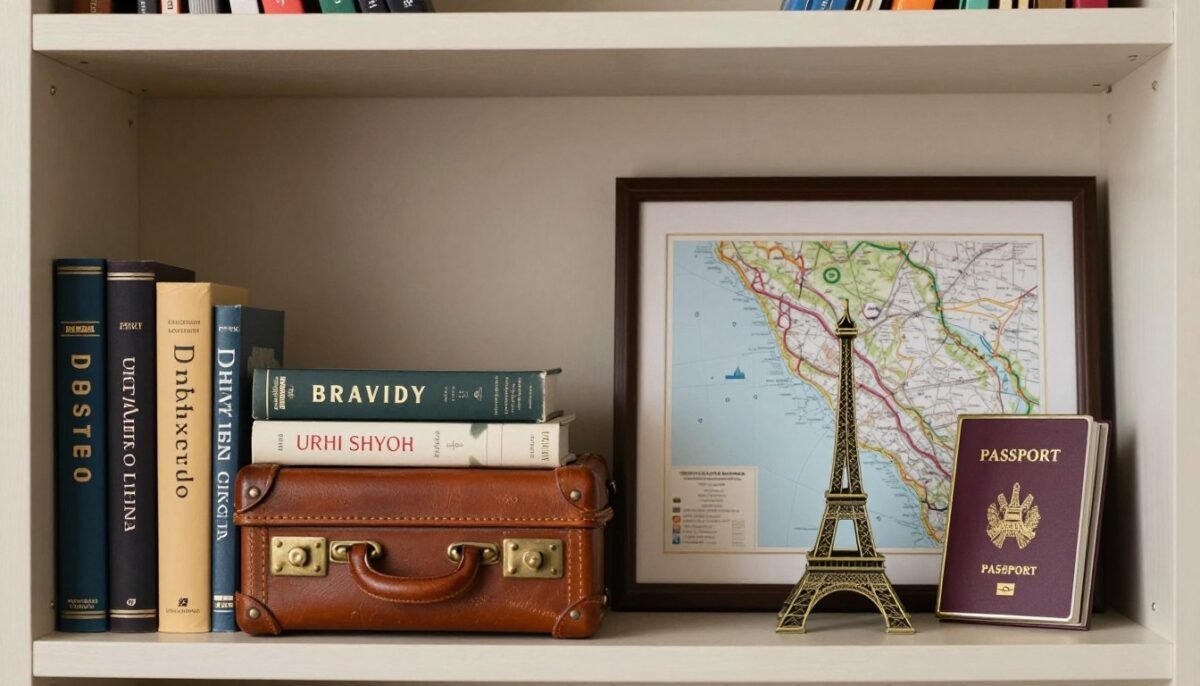
This storytelling approach works particularly well in living rooms and family spaces where your bookshelf serves as both storage and personal expression. The blend of books and meaningful objects creates warmth and authenticity that purely decorative approaches often lack.
Creating Your Perfect Bookshelf Style
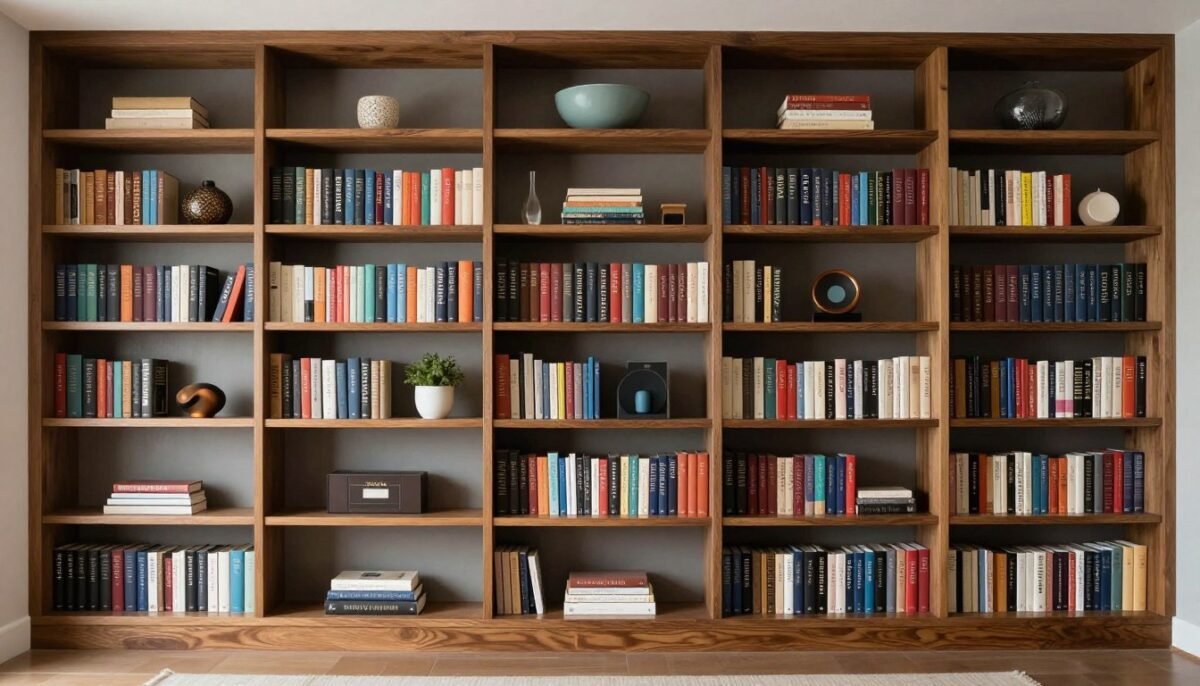
Transforming your book collection from cluttered storage into beautiful displays requires patience and experimentation. The fifteen ideas presented here offer diverse approaches that accommodate different aesthetics, space constraints, and collection sizes.
Start with the method that resonates most strongly with your personal style and practical needs. You might combine several approaches, using color coordination on some shelves while implementing genre organization on others. The beauty of bookshelf styling lies in its flexibility and personal expression.
Remember that your bookshelf styling can evolve as your collection grows and your tastes change. What works today might shift tomorrow, and that evolution reflects your living, growing space. The goal isn’t perfection but creating arrangements that bring you joy while showcasing your beloved books.
Next Steps: Choose one section of your bookshelf to restyle this week using techniques from this guide. Photograph the before and after to track your progress. Small changes create momentum for larger transformations.
Your books deserve to be displayed as beautifully as they’re written. Whether you prefer the bold graphic impact of color blocking, the organic warmth of personal story displays, or the sophisticated order of library-style organization, these styling ideas provide frameworks for creating bookshelves that enhance your home and celebrate your collection.