
Creating the perfect craft room transforms your creative hobby into an organized and inspiring experience. Whether you have a spare room or a small closet to work with, the right design ideas can help maximize your space. A well-planned art studio provides plenty storage for supplies while keeping your workspace functional and beautiful.
This guide shares twenty practical craft room ideas to help you build the creative space you’ve always wanted. From clever storage solutions to design inspiration, these tips work for any budget and room size.
Table of Contents
Planning Your Perfect Creative Workspace
Before diving into specific craft room ideas, consider your crafting needs and available space. The best art studio hobby room ideas start with understanding how you’ll use the room. Think about the types of projects you create most often and the supplies you need within reach.
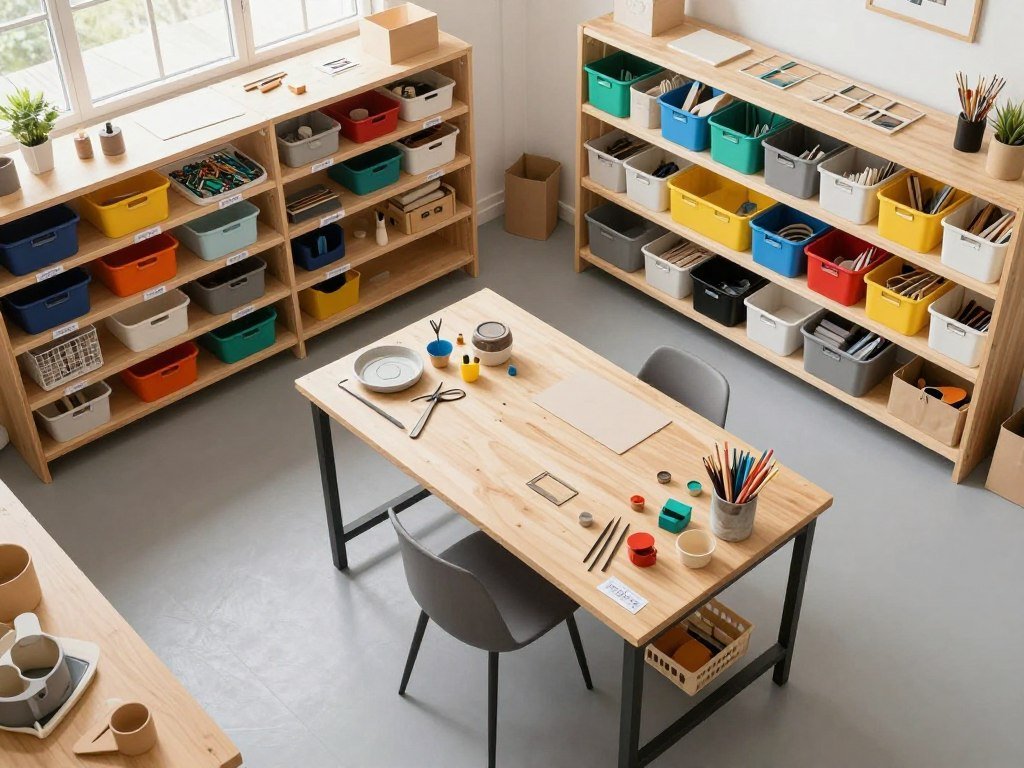
Natural light makes a huge difference in any crafting space. Position your main workspace near windows when possible. Good lighting helps with detailed work and creates a more pleasant environment for spending hours on creative projects.
Maximize Storage with Wall-Mounted Solutions
Wall space offers incredible storage potential in any craft room. Floating shelves provide easy access to frequently used supplies while keeping your work table clear. Install shelves at different heights to accommodate various sized items from small paint bottles to larger craft books.
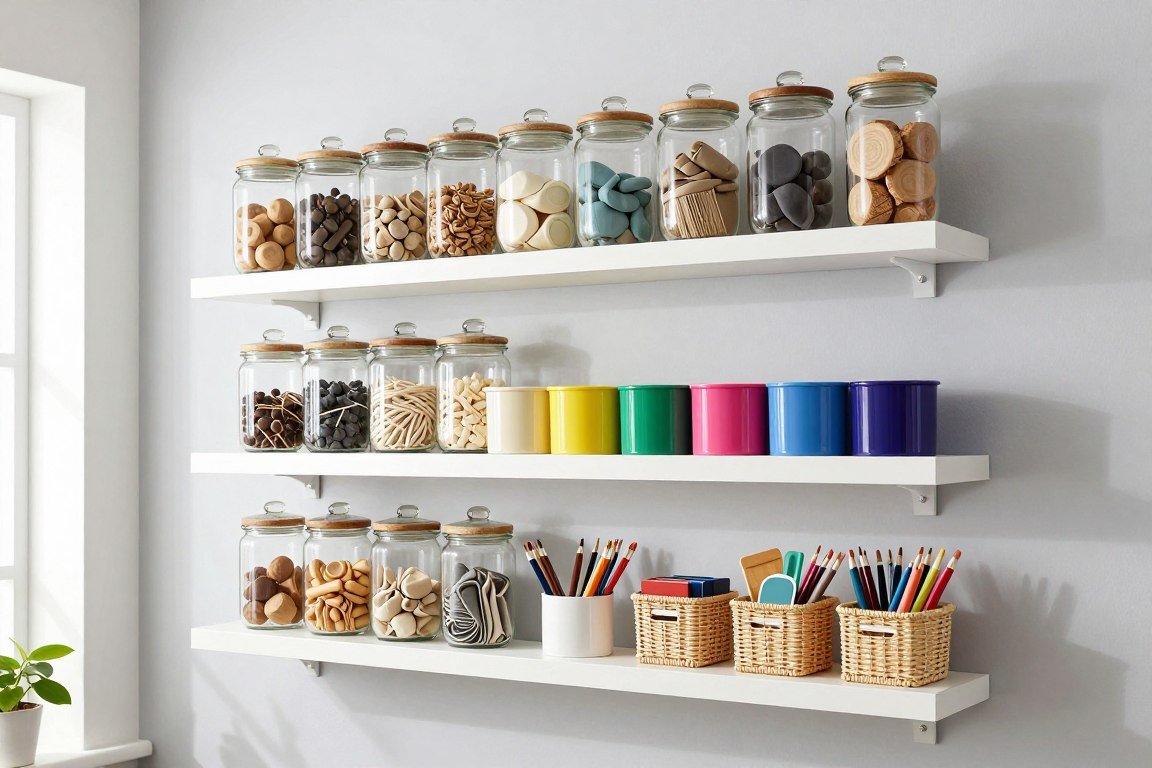
Pegboards create flexible storage that adapts as your needs change. Add hooks to hang scissors, rulers, and other tools. Paint your pegboard in a fun color to make it a design feature rather than just functional storage.
Consider built-in storage cabinets that reach from floor to ceiling. White cabinets create a clean look and reflect light to make smaller spaces feel larger. The vertical storage maximizes every inch of available wall space.
Create Zones for Different Crafting Activities
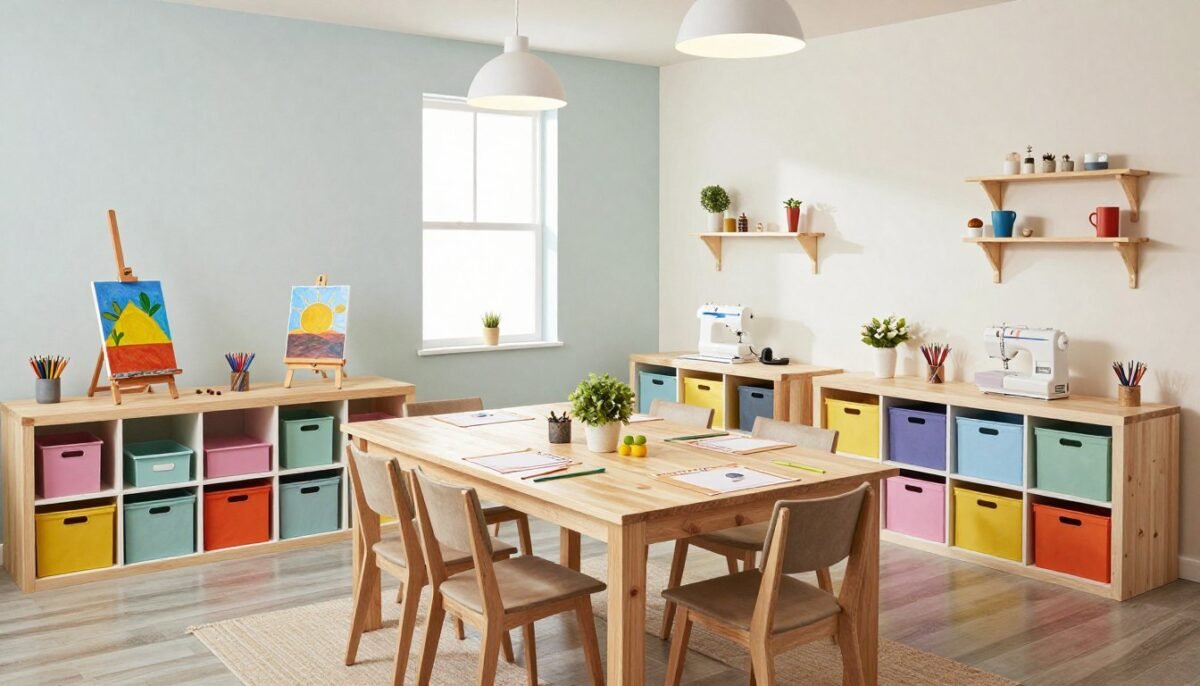
Dividing your craft space into specific zones improves organization and workflow. Set up one area for painting with an easel and paint storage nearby. Create another zone for sewing or other crafts with supplies organized by project type.
A dedicated cutting and assembly table in the center provides workspace for larger projects. Keep frequently used tools in this central location. Store less common supplies in cabinets or bins around the room perimeter.
Label each zone clearly so you always know where items belong. This system makes cleanup faster and keeps clutter under control even during busy crafting sessions.
Smart Storage Bins and Container Systems
Clear storage bins let you see contents at a glance without opening every container. Stack them on shelving units or inside cabinets to make the most of vertical space. Choose bins in similar sizes so they stack neatly and look organized.
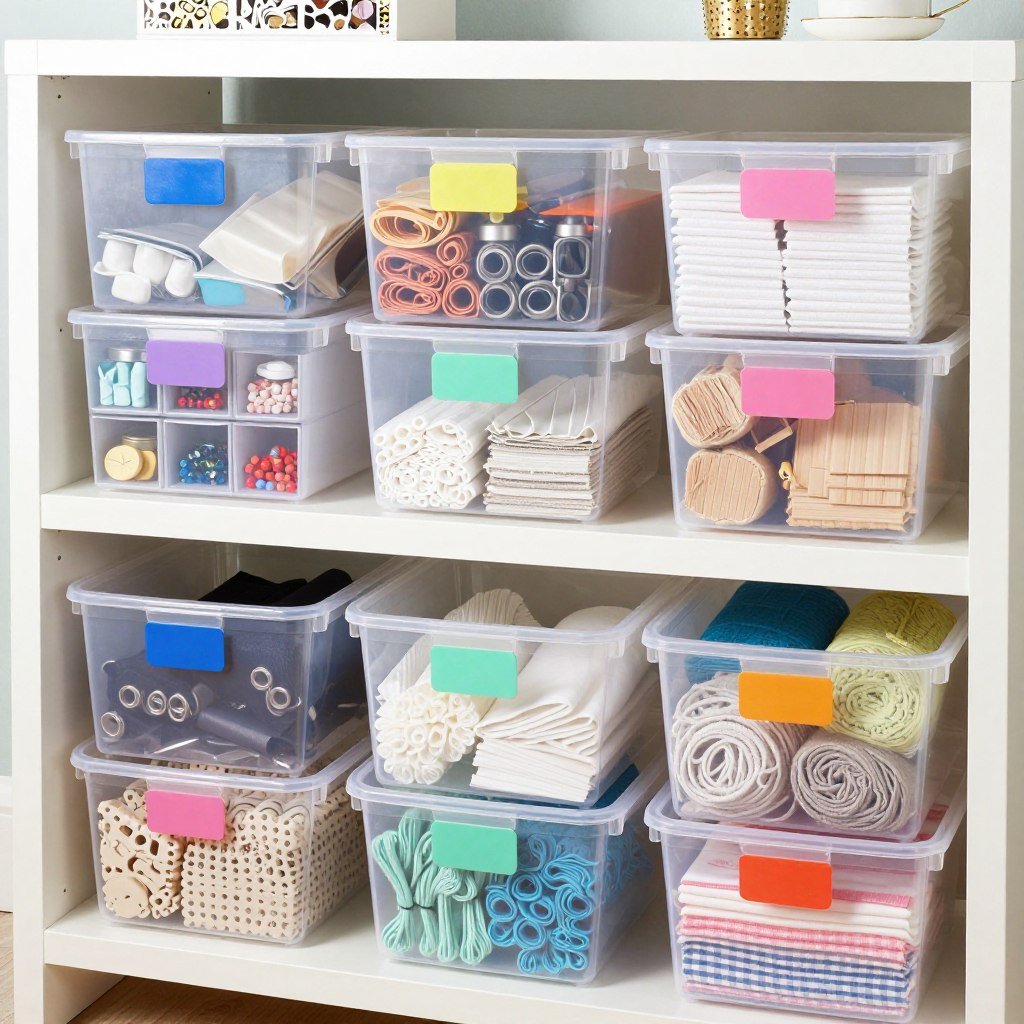
Small drawers work perfectly for tiny items like beads, buttons, and small craft embellishments. A drawer system keeps these pieces sorted and prevents the frustration of digging through mixed containers. Label each drawer with its contents or use photo labels.
Baskets add warmth and texture while hiding bulkier items. Use them for yarn, fabric scraps, or works in progress. Woven baskets on open shelves combine function with decorative appeal in your craft room design.
Maximize Closet Space for Craft Storage
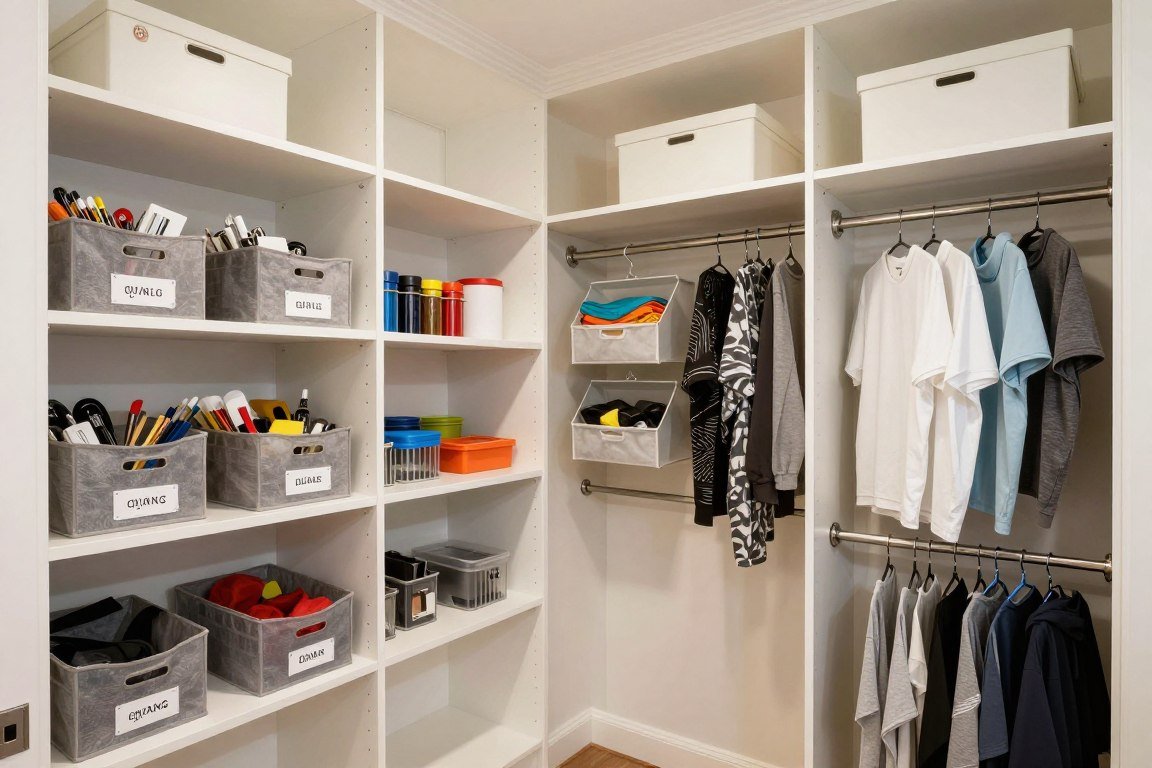
A walk-in closet can become excellent craft storage with the right organization system. Install shelving from floor to ceiling to maximize vertical storage. Use the hanging rod for storing ribbon spools or hanging project bags.
Even a standard closet offers plenty storage when organized thoughtfully. Add shelf dividers to keep stacks of paper or fabric from toppling. Install hooks on the inside of closet doors for hanging scissors, measuring tapes, or small tool organizers.
Keep your most-used supplies at eye level in closet storage. Place seasonal or rarely used items on higher shelves. This arrangement makes daily crafting more efficient.
The Perfect Craft Table Workspace
Your craft table serves as the heart of your creative space. Choose a table height that feels comfortable for extended working sessions. Standard desk height works for most crafts, but consider counter height for tasks requiring more leverage.
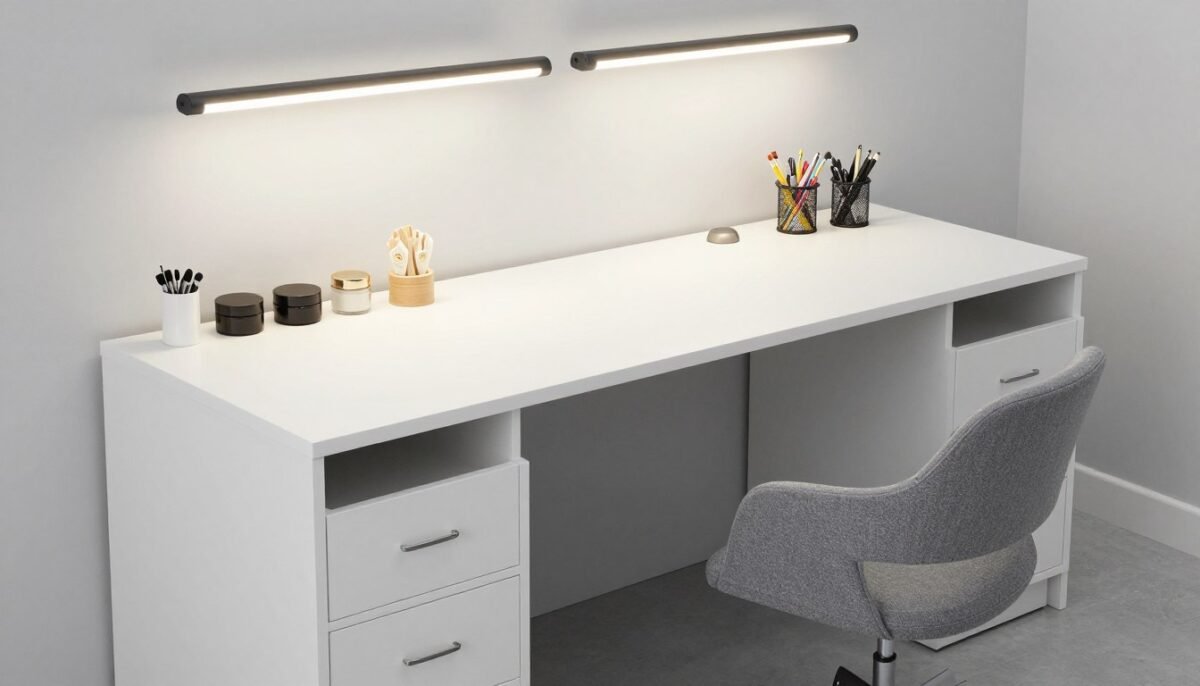
A table with built-in storage provides convenient places to keep current projects and frequently used tools. Look for tables with drawers or shelves underneath. This design keeps your workspace organized while maintaining easy access to essentials.
Consider a cutting mat as your table surface for crafts involving frequent cutting. The self-healing mat protects your table and provides measurement guides. Choose a neutral color that won’t distract from your projects.
Lighting Solutions for Detailed Work
Proper lighting prevents eye strain and helps you see true colors in your crafting materials. Layer different types of lighting for the best results. Overhead lights provide general illumination while task lights focus on your workspace.
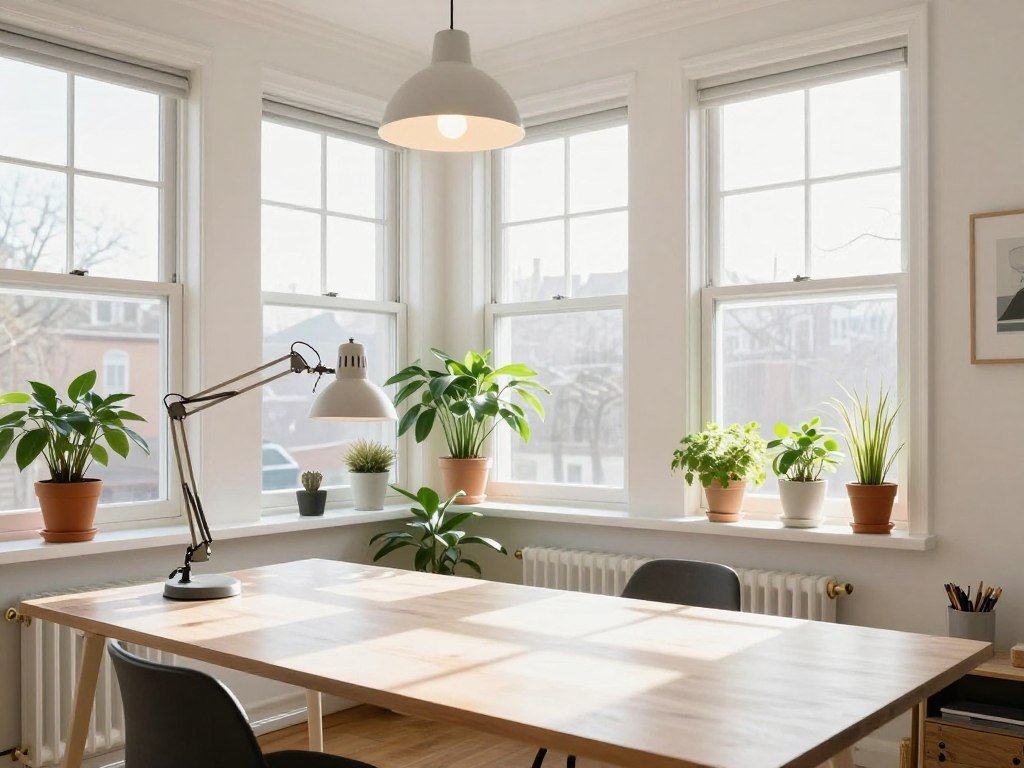
Natural light from windows offers the best color accuracy for painting and color-matching tasks. Position your main work table to take advantage of window light during daytime hours. Add sheer curtains to diffuse harsh direct sunlight when needed.
LED task lighting gives you control over your workspace illumination. Choose adjustable lamps that you can position exactly where needed. Daylight-balanced bulbs help maintain color accuracy even when working at night.
Color-Coded Organization Systems
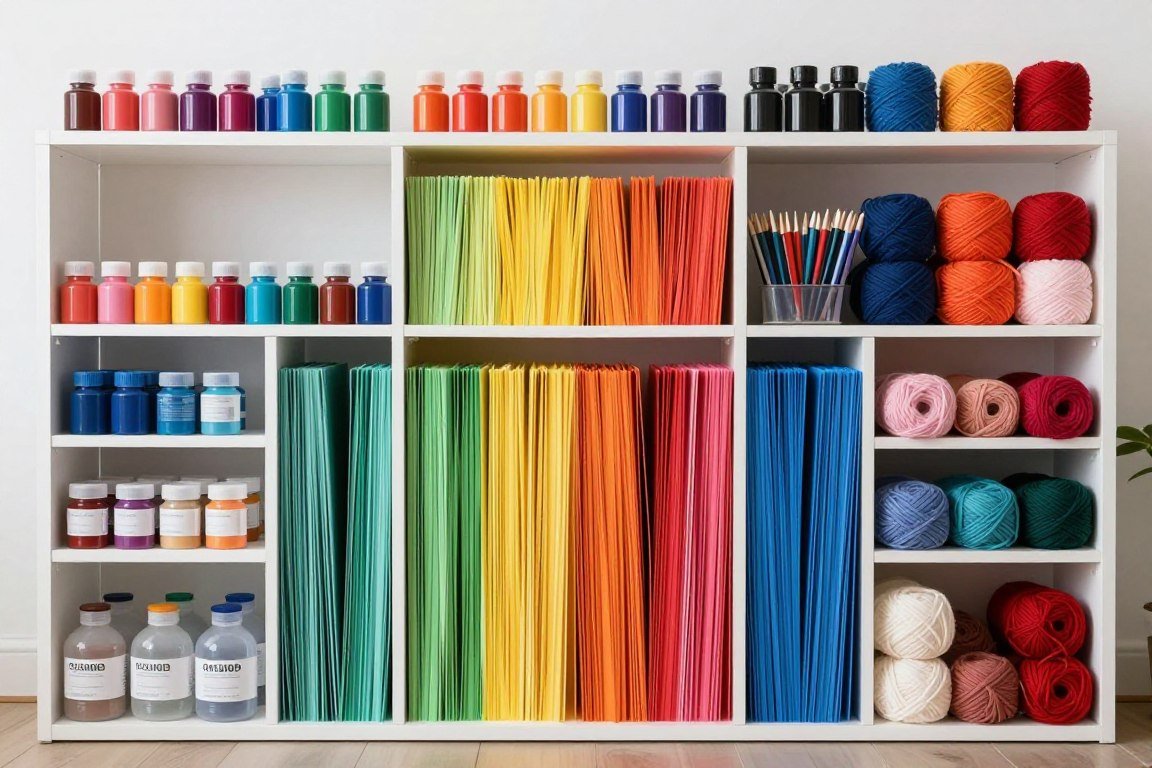
Organizing supplies by color creates a visually pleasing display that also improves functionality. Arrange paint, paper, or fabric by color family on open shelves. This system helps you quickly find the exact shade you need for projects.
Use color-coded bins or labels to categorize different types of supplies. Assign each craft category a specific color for its storage containers. This visual system makes it easy to return items to their proper place.
A rainbow organization scheme works beautifully for displaying supplies while keeping them accessible. The colorful arrangement adds personality to your craft space and turns your supplies into decorative elements.
Multi-Functional Furniture for Small Spaces
Small craft rooms benefit from furniture that serves multiple purposes. A fold-down table attached to the wall provides workspace when needed and folds away to free up floor space. This solution works perfectly in a spare room that serves multiple functions.
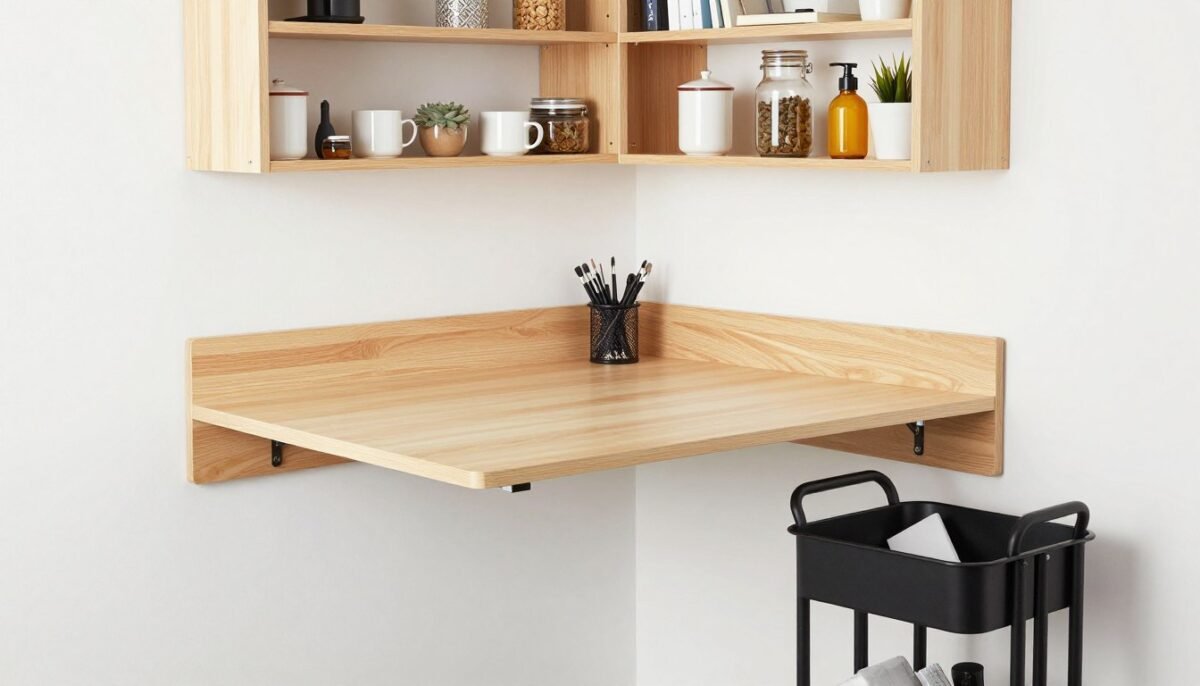
Rolling storage carts move where you need them and tuck away when not in use. Fill them with current project supplies or frequently used tools. The mobility lets you work in different areas of your home while keeping supplies organized.
Ottoman storage provides seating while hiding supplies inside. Choose a style that complements your craft room design. These pieces work especially well in shared spaces that need to maintain a finished look.
Creative Wall Displays and Inspiration Boards
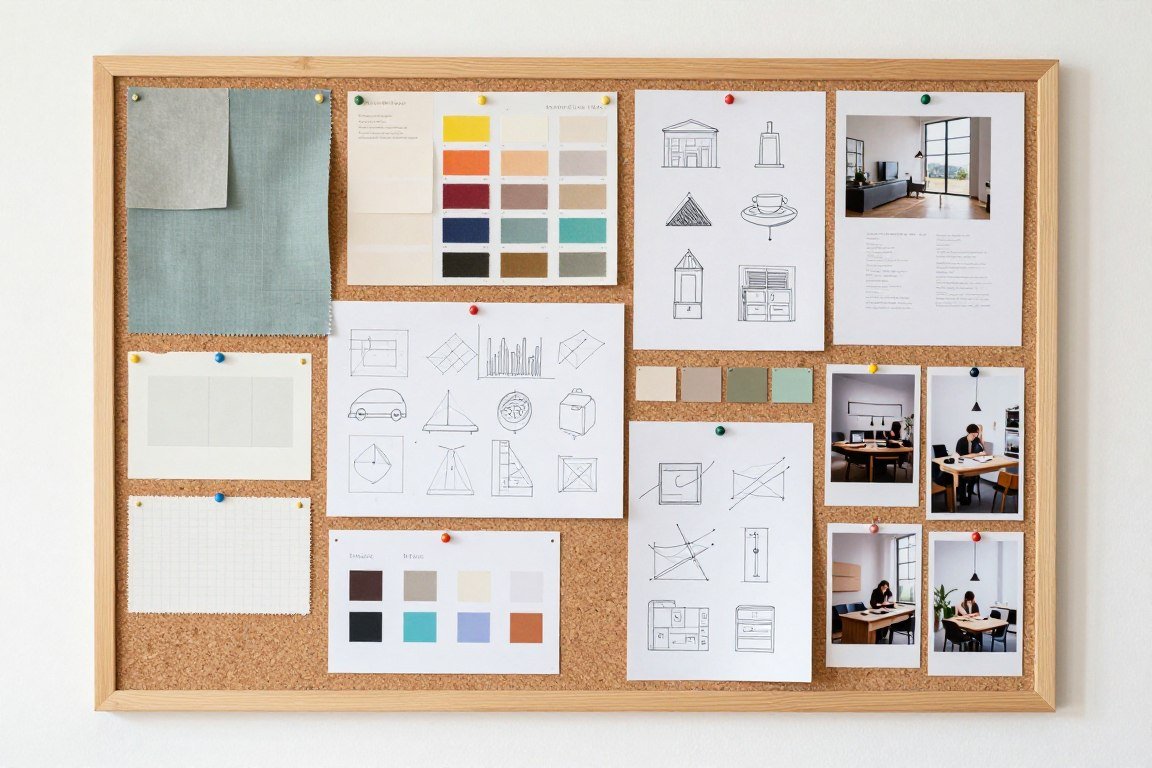
Dedicate wall space to displaying finished projects and inspiration. A gallery wall of your completed works motivates creativity and personalizes your craft room. Change the display regularly to keep your space feeling fresh.
Cork boards or fabric-covered bulletin boards create flexible inspiration areas. Pin up color swatches, project ideas, or technique tutorials you want to try. This visible reference keeps creative ideas at the forefront of your mind.
Grid systems on walls let you clip papers, photos, or current project plans. The organized display keeps important information visible without creating visual clutter. Paint the wall behind in a complementary color to make the display pop.
Vertical Storage for Paper and Fabric
Store paper vertically in file holders or magazine racks to prevent bending and make it easy to see your full collection. Sort by color, size, or type depending on your needs. This method takes up less space than horizontal storage.
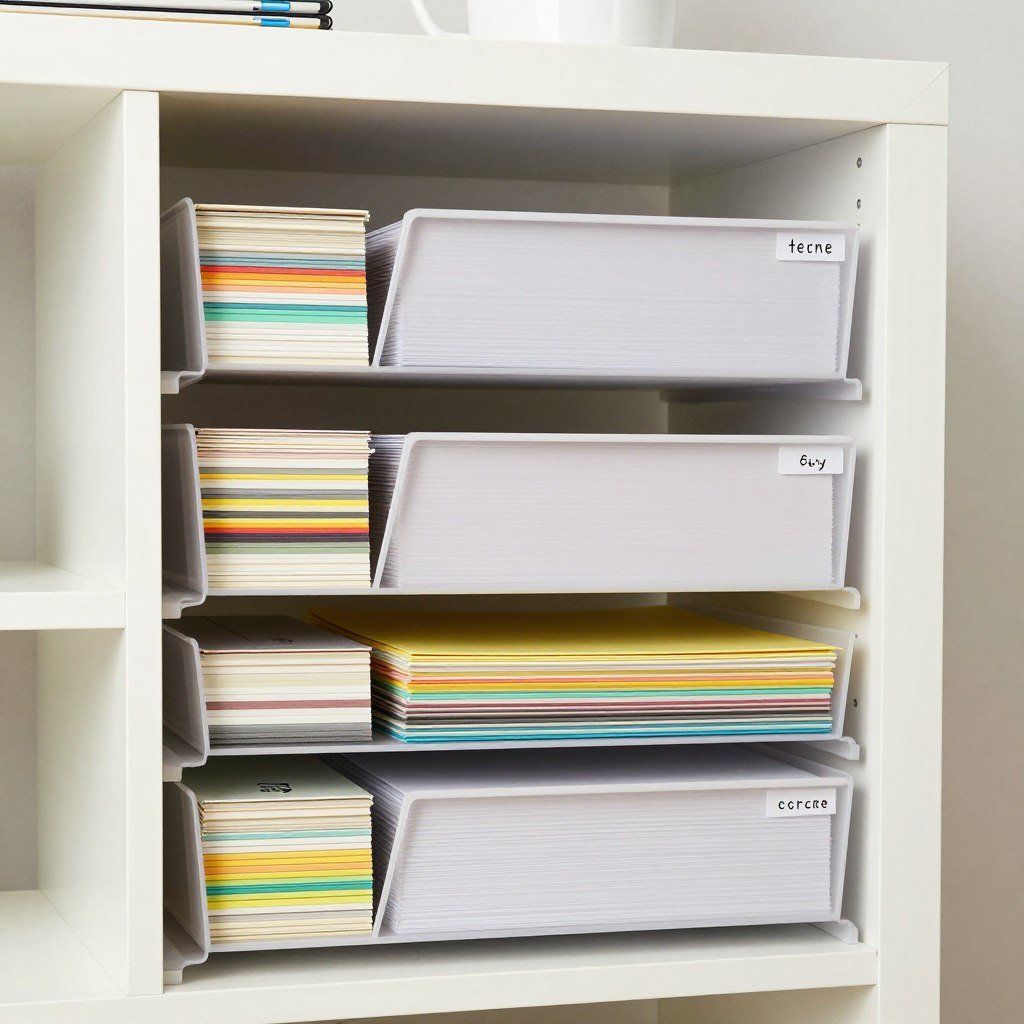
Fabric storage presents similar challenges that vertical solutions solve beautifully. Roll fabric onto comic book boards and store upright in bins or drawers. You can see your entire fabric collection at once and pull out exactly what you need.
Wrapping paper and vinyl rolls store efficiently on wall-mounted dispensers. These keep materials from getting crushed while making them easily accessible. Mount the dispenser at a comfortable height for pulling and cutting.
Incorporate Home Office Elements
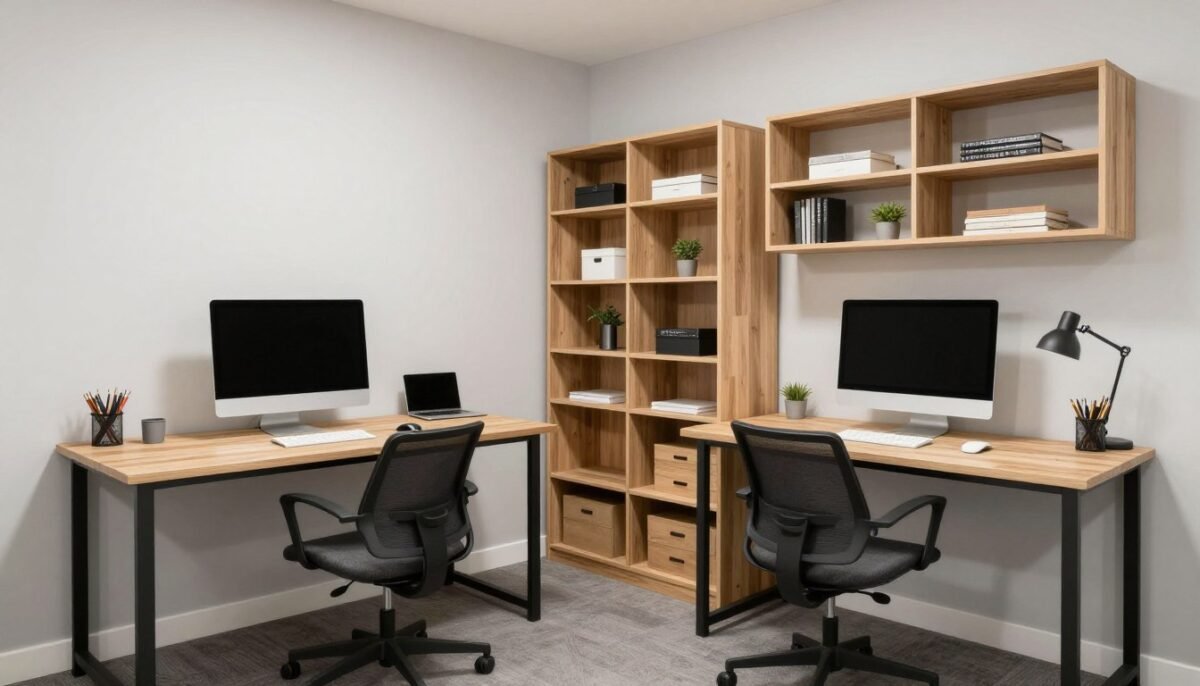
Many craft rooms double as a home office for practical reasons. Create distinct zones for each function while sharing storage solutions. A desk area for computer work can coexist with a craft table when thoughtfully arranged.
File cabinets designed for office use work equally well for organizing craft patterns, instruction books, and project plans. Label drawers clearly to separate office documents from crafting materials. The organizational systems complement each other naturally.
Consider a shared color scheme that works for both office and craft functions. Neutral walls with colorful accents give you flexibility in decorating while maintaining a cohesive look throughout the room.
Repurpose Laundry Room Storage Ideas
Laundry room organization solutions translate beautifully to craft spaces. Wall-mounted drying racks hold works in progress or freshly painted items. The folding design keeps them out of the way when not needed.
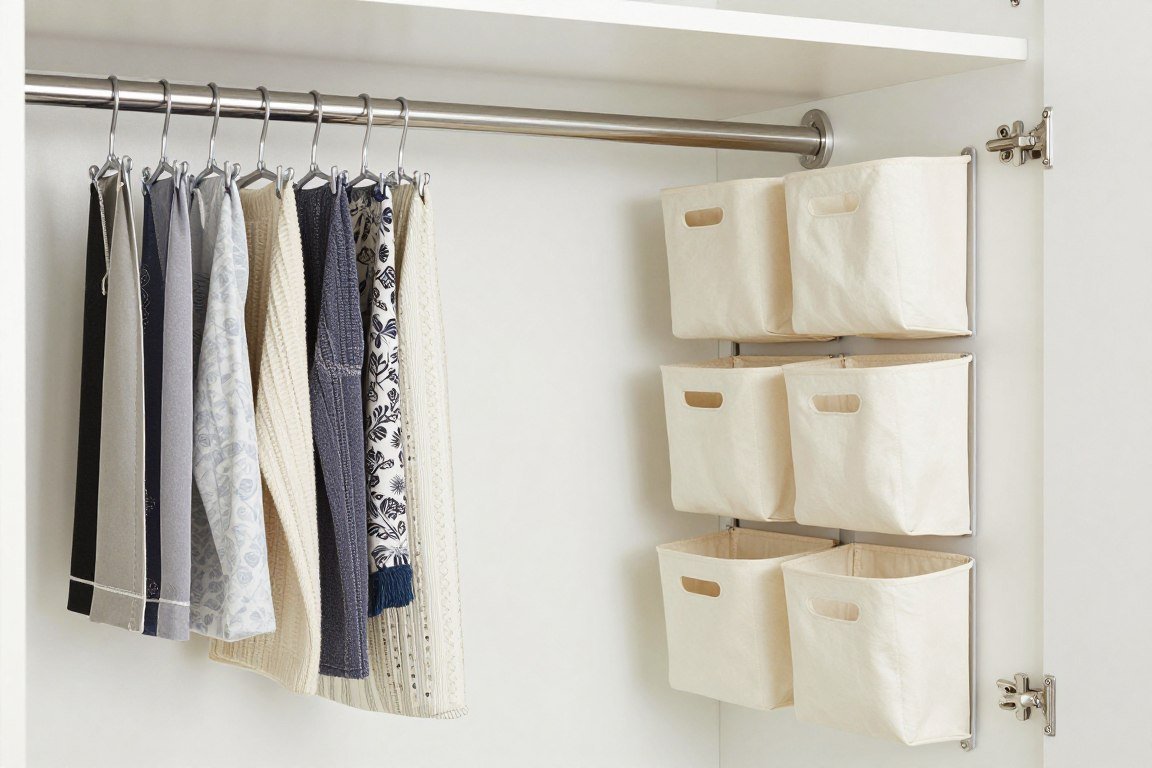
Install a rod similar to a laundry hanging rod for storing ribbon spools or hanging bags of supplies. The simple addition keeps materials organized and visible. Mount it at a height that makes threading ribbon easy.
Sorting bins commonly used in laundry rooms organize craft supplies by project or material type. Stack them or place them on shelving units. The sturdy construction handles the weight of craft supplies well.
Glass Jar Display Storage
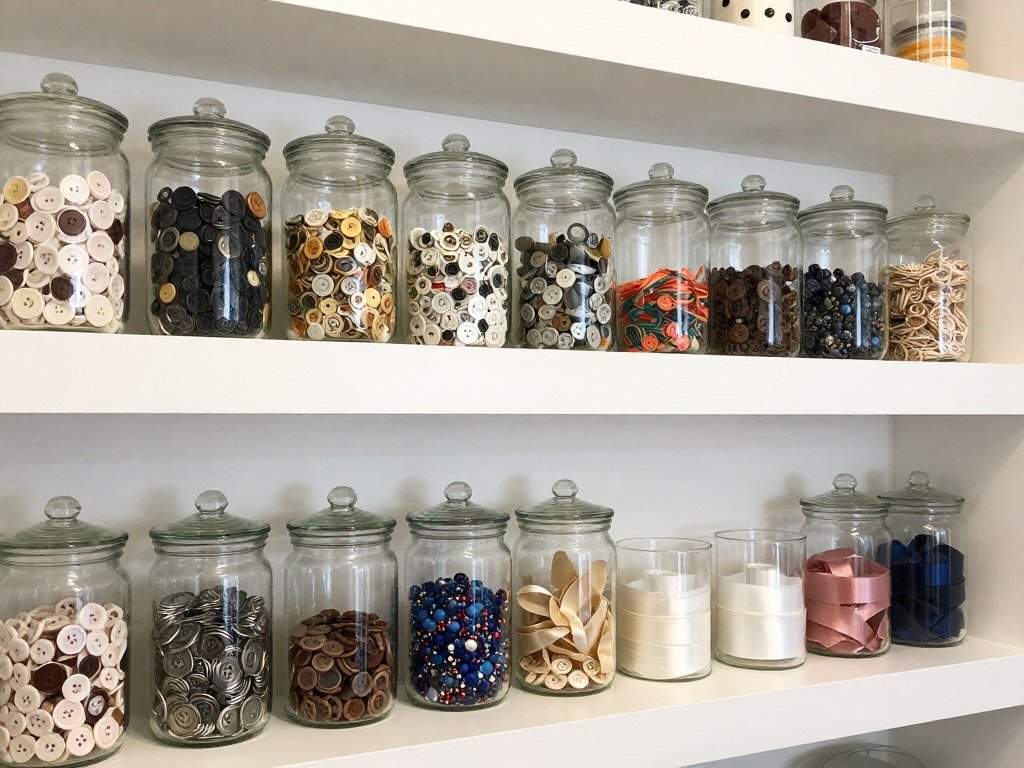
Glass jars turn craft supplies into decorative displays while keeping them organized and accessible. Fill jars with buttons, beads, or small embellishments. Group similar items together and arrange jars by color or size on open shelves.
Mason jars work perfectly for this purpose and come in various sizes to accommodate different supplies. Add chalkboard labels for easy identification. The clear glass lets you see exactly what you have at a glance.
Create a unified look by choosing jars in matching styles even if sizes vary. This cohesive approach makes your storage look intentional rather than random. The display becomes a design element in your craft room.
Designated Painting and Art Supply Area
Set up a specific corner for paint and art supplies to keep messy materials contained. Use an easel or dedicated table covered with protective material. Store paint within easy reach using tiered organizers or lazy susans.
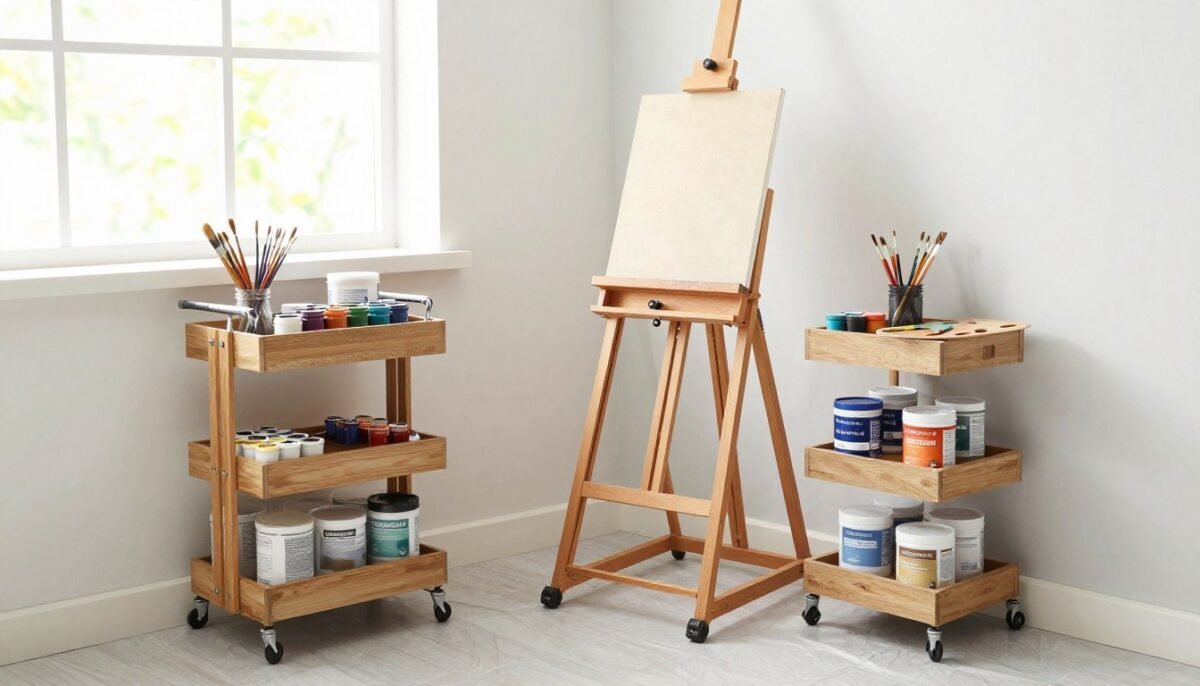
Brush storage keeps tools in good condition while making them easy to find. Store brushes upright in jars or cups sorted by size or type. This method protects brush bristles and creates an attractive display.
Keep a supply of paper towels, water containers, and cleaning supplies in the painting area. Having everything in one place makes setup and cleanup more efficient. Include adequate ventilation if working with materials that produce fumes.
Rolling Cart Portable Crafting Solutions
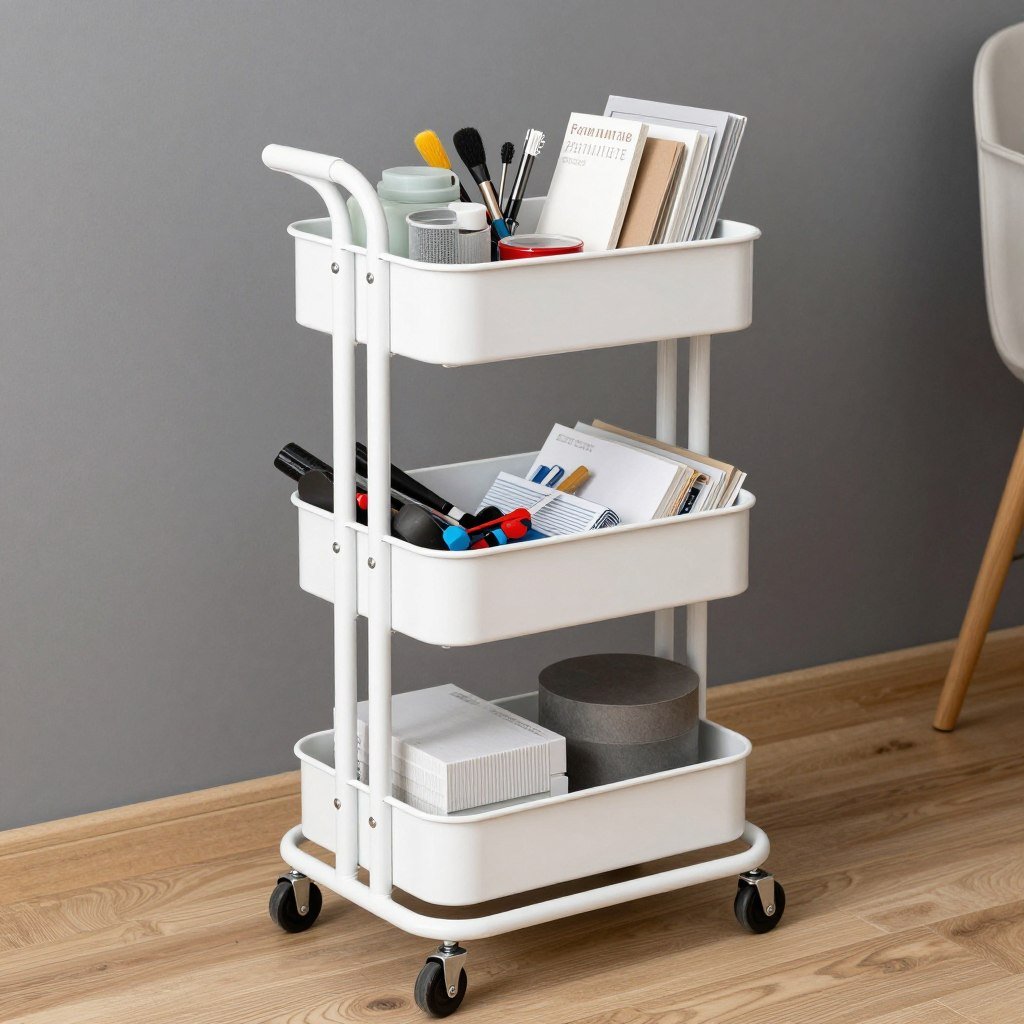
A rolling cart creates a portable crafting station that moves throughout your home. Fill it with current project supplies or frequently used tools. The mobility gives you flexibility to craft wherever you feel most comfortable.
Use different tiers of the cart for different supply categories. Keep tools on top, materials in the middle, and finished pieces on the bottom. This organization keeps everything you need for a project in one convenient location.
Choose a cart with locking wheels so it stays stable during use. Look for models with handles at convenient heights for easy maneuvering. The cart should fit through doorways if you plan to move it between rooms.
Utilize Under-Table Storage Space
The space under your craft table offers valuable storage real estate. Add rolling drawers or bins that slide out for easy access. This location works perfectly for storing larger items or bulk supplies.
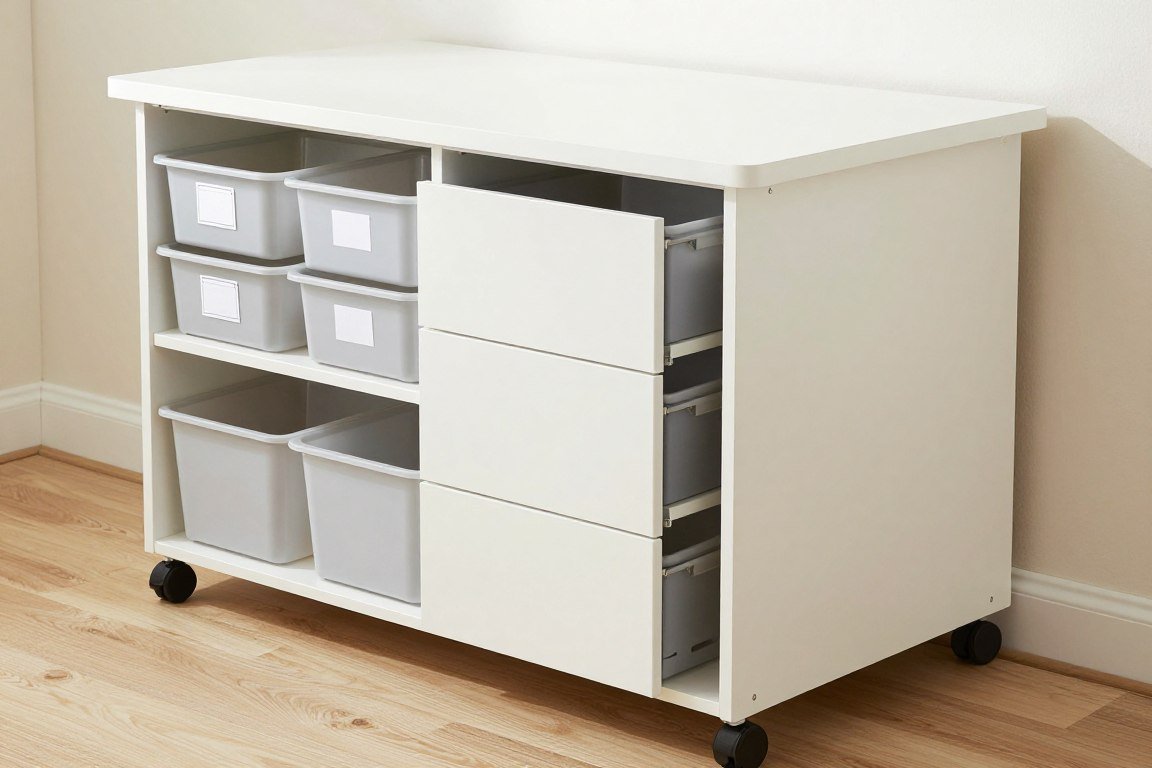
Install shelving brackets under your table to create simple shelves for storage bins or baskets. Keep the most frequently used items toward the front for easy access. Stack containers efficiently to maximize the available height.
A table skirt hides less attractive storage while keeping supplies dust-free. Choose a washable fabric in a color that complements your room design. The skirt creates a finished look while maintaining function.
Pegboard Wall Organization Systems
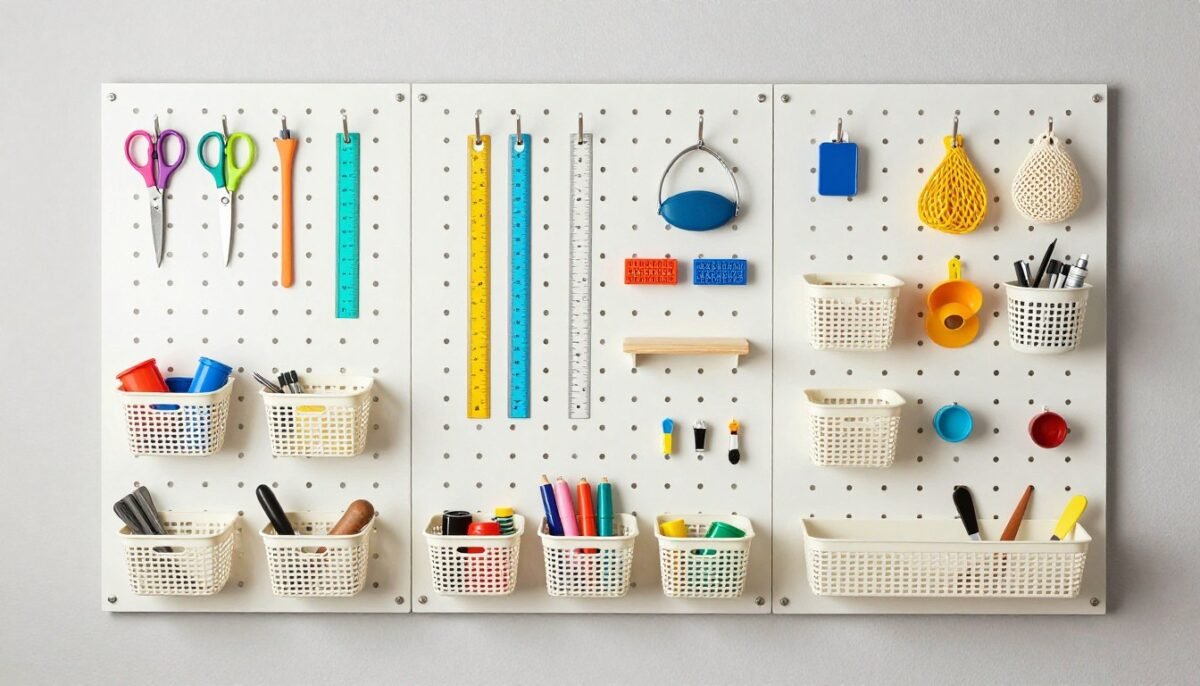
A pegboard wall creates infinitely customizable storage that grows with your needs. Add hooks, baskets, and shelves exactly where you want them. Rearrange the configuration as your crafting interests and supplies change over time.
Paint your pegboard to match your craft room color scheme or create a bold accent wall. White pegboards provide a clean backdrop that makes colorful supplies pop. Bright colors add personality and make the storage system a design feature.
Outline tools on the pegboard with paint or marker so you always know where items belong. This visual system makes cleanup easier and helps you notice when tools are missing. The outlined shapes also create interesting visual patterns.
Create Ribbon and Trim Organization
Ribbon storage challenges many crafters because spools tangle easily and take up surprising amounts of space. Thread ribbon onto a dowel rod mounted on the wall for easy access and attractive display. Cut pieces without removing the spool from the rod.
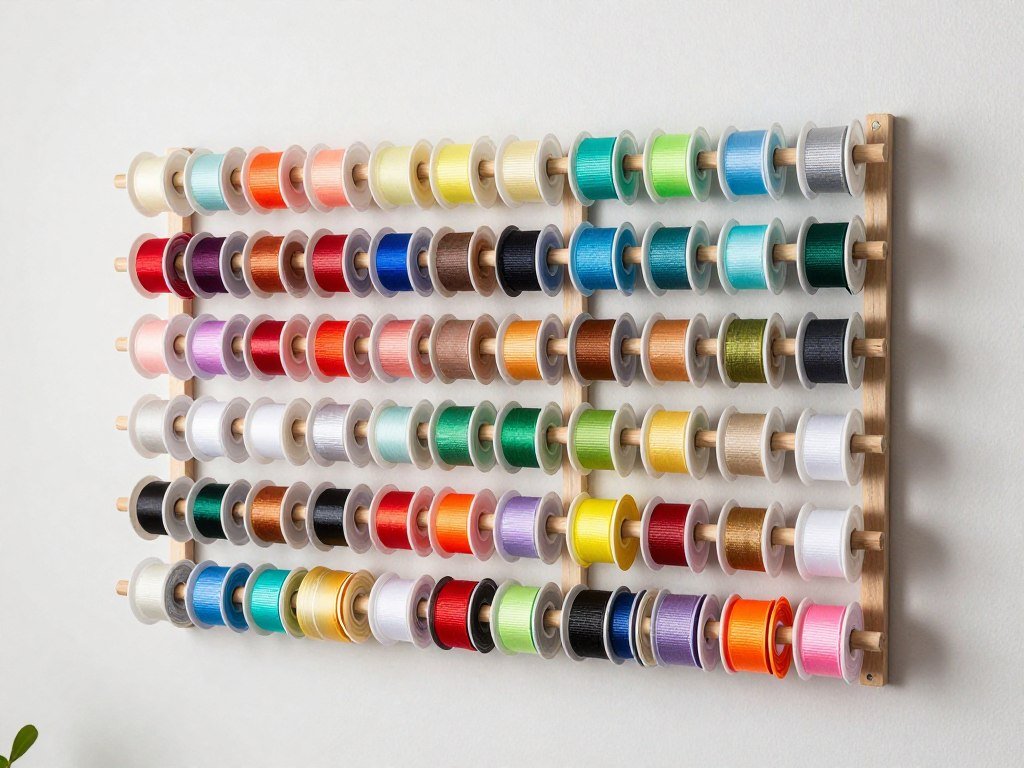
Clear plastic boxes with dividers keep ribbon spools separated and visible. Stack boxes on shelves or in cabinets. Label each box by color family or ribbon width for quick location of the perfect ribbon for your project.
A hanging closet organizer repurposed for ribbon storage keeps spools sorted and accessible. Hang it on a wall or inside a closet door. The clear pockets let you see your collection while protecting ribbons from dust.
Smart Solutions for Small Craft Supplies
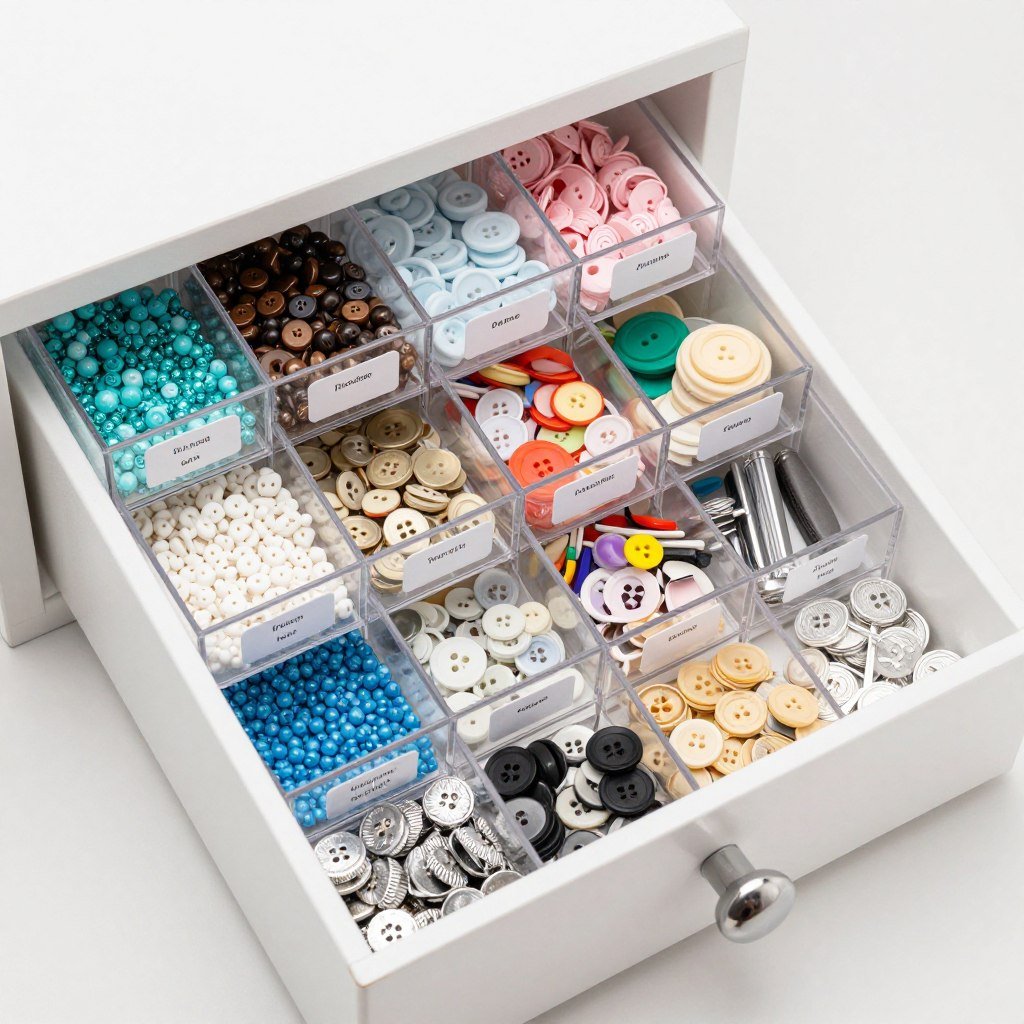
Small items like beads, sequins, and findings require specialized storage to prevent mixing and loss. Tackle box organizers with adjustable dividers work perfectly for these tiny supplies. The clear lids let you see contents without opening multiple boxes.
Magnetic strips on walls hold metal tools like scissors, tweezers, and craft knives. This storage keeps sharp objects safely out of reach yet easily accessible when needed. The vertical storage saves drawer and counter space.
Small drawer units designed for hardware storage organize tiny craft supplies beautifully. The shallow drawers prevent items from getting lost at the bottom of deep containers. Label each drawer clearly for efficient organization.
Incorporate Comfortable Seating
Comfortable seating makes long crafting sessions more enjoyable. Choose a chair with good back support and adjustable height. Your feet should rest flat on the floor when seated at your craft table for proper ergonomics.

Consider adding a small sofa or comfortable reading chair if space allows. This provides a spot for planning projects, reviewing craft books, or taking breaks. The additional seating makes your craft room a more inviting place to spend time.
Cushions in coordinating colors add comfort to basic seating while tying into your room design. Choose washable fabrics that can handle occasional spills or stains from craft materials. Comfort encourages you to spend more time in your creative space.
Final Touches and Personalization
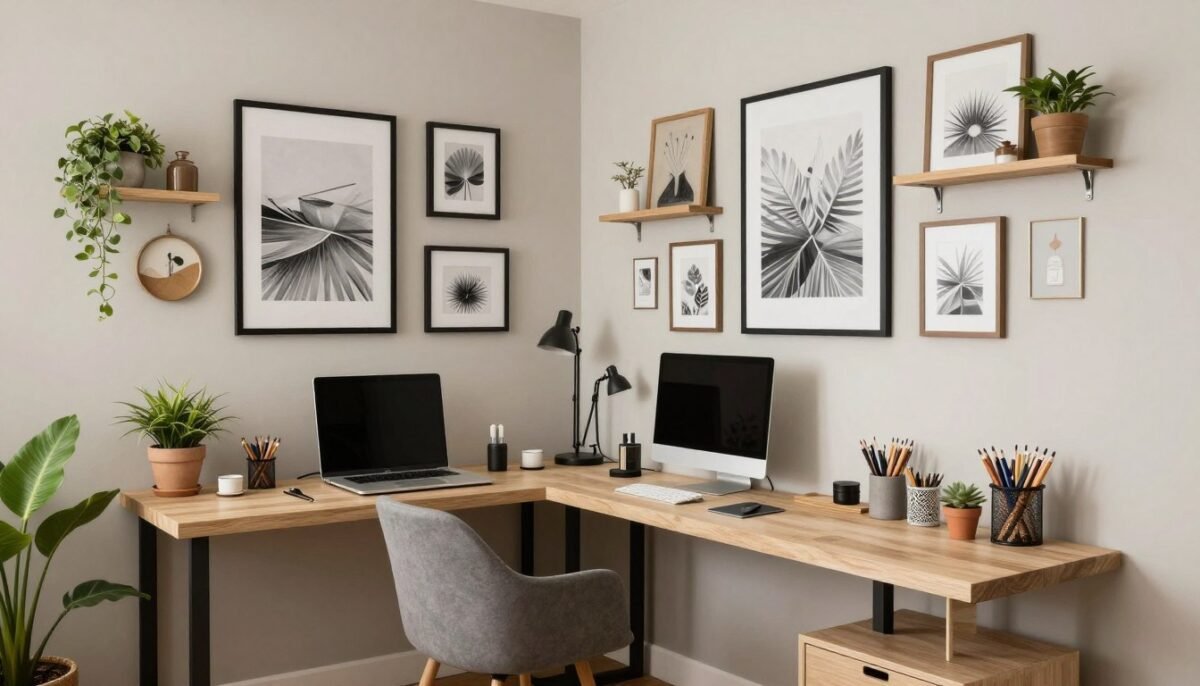
Add personal touches that make your craft room feel like your own creative sanctuary. Display finished projects you’re proud of on walls or shelves. These reminders of past successes inspire future creativity and personalize your space.
Include plants to bring life and color to your craft room. Choose low-maintenance varieties if you forget to water regularly. Plants improve air quality and create a more pleasant environment for creative work.
Decorative elements like artwork, photos, or meaningful objects make the space feel complete. Balance decorative items with functional storage to maintain organization while creating an inspiring atmosphere. Your craft room should reflect your personality and creative spirit.
Conclusion: Building Your Dream Craft Space
Creating the perfect art studio hobby room combines practical organization with inspiring design. These twenty ideas provide a foundation for building a craft space that works for your specific needs and creative pursuits. Remember that the best craft room evolves as your interests and skills develop.
Start with the basics of good storage and adequate workspace. Add personal touches and organizational systems that match your crafting style. The investment in creating an organized craft room pays dividends in increased creativity and enjoyment of your hobby.
Whether you’re working with a spare room, closet, or corner of another space, thoughtful planning creates a functional craft area. Use these art studio hobby room ideas as inspiration to design the creative workspace you’ve always wanted.