
Imagine curling up under a soft, handmade blanket that you created yourself in just one afternoon. An afghan free pattern designed for speed doesn’t mean sacrificing comfort or style. This quick project delivers maximum coziness with minimal time investment.
Whether you’re new to crochet or simply short on time, this three-hour afghan brings instant gratification. The pattern uses basic stitches that work up fast. You’ll create something beautiful without spending weeks on a single project.
Perfect for last-minute gifts or personal comfort projects, this blanket crochet design has become a favorite among crafters everywhere. Let’s dive into everything you need to know to complete your own quick cozy throw.
Table of Contents
What Is an Afghan Blanket
An afghan is a cozy blanket typically made through crochet or knit techniques. These versatile throws originated in Afghanistan, hence the name. Crafters love them for their warmth and decorative appeal.
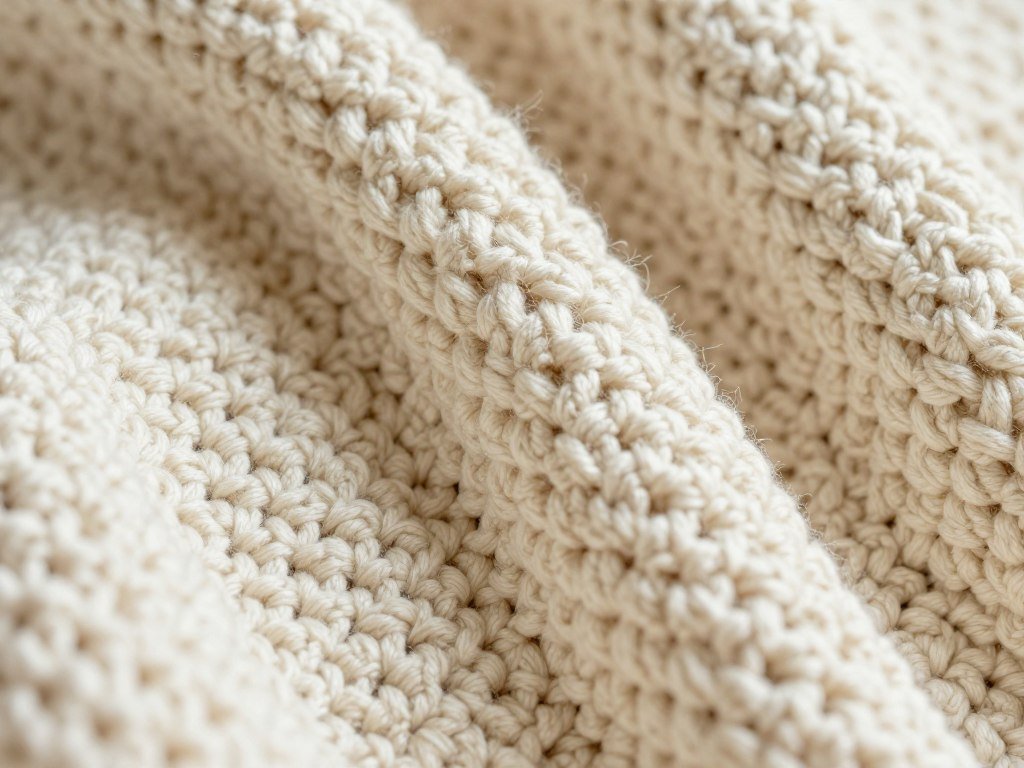
Traditional afghans feature intricate patterns and multiple colors. However, modern versions embrace simplicity. Quick afghan patterns focus on larger stitches and chunky yarn to reduce completion time significantly.
The beauty of an afghan lies in its versatility. Use it as a lap blanket while reading. Drape it over furniture as decor. Gift it to someone special. Each afghan carries the warmth of handmade care.
Why This 3-Hour Pattern Is Perfect for Beginners
Most afghan patterns intimidate beginners with complex instructions spanning dozens of pages. This pattern takes a different approach. Simple stitches repeat throughout, creating muscle memory quickly.
Time constraints often prevent people from starting crochet projects. A three-hour commitment feels manageable. You can start after breakfast and finish before dinner. This achievable timeline motivates completion rather than discouragement.
Key Beginner Benefits: This afghan free pattern uses only basic stitches you can learn in minutes. No complicated pattern reading required. The chunky yarn forgives minor mistakes, making them virtually invisible in the finished piece.
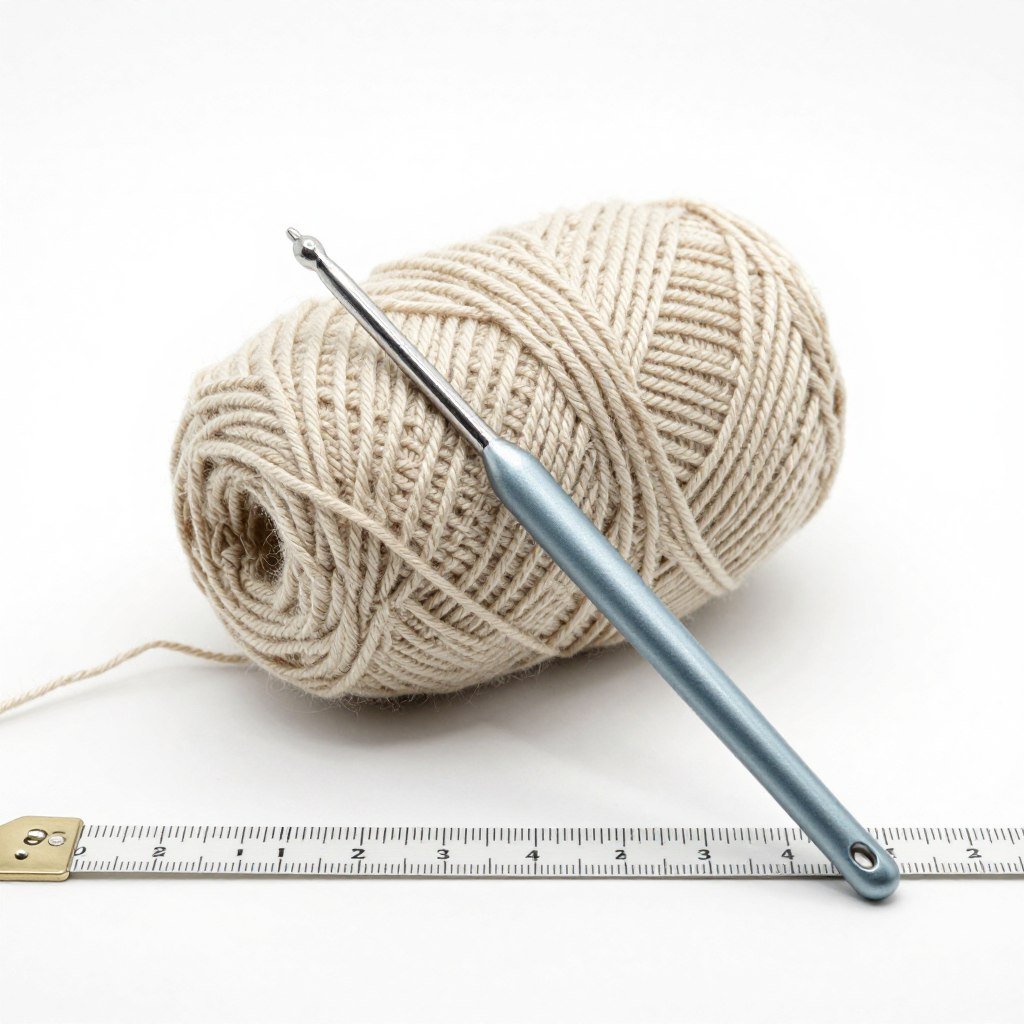
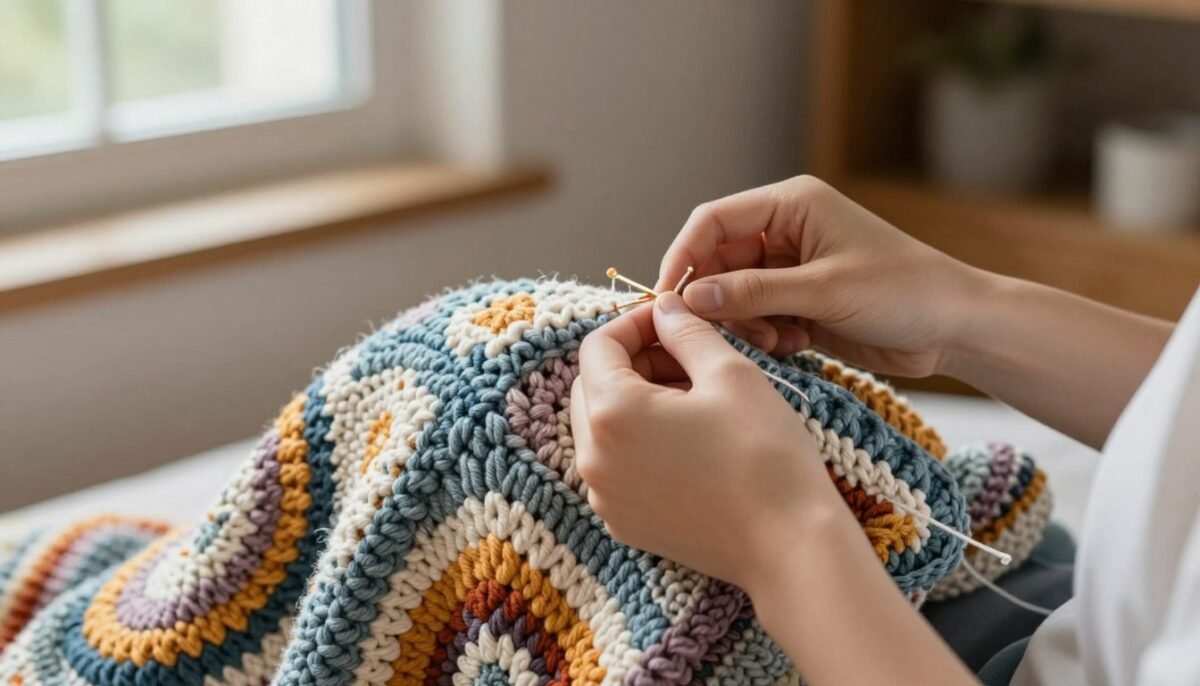
The repetitive nature builds confidence. After the first few rows, your hands know exactly what to do. This rhythm makes crochet meditative and enjoyable rather than stressful.
Speed comes from smart pattern design, not rushed work. Large stitches cover more ground with each movement. Chunky yarn creates substantial fabric quickly. Before you know it, you’re holding a completed blanket.
Materials Needed for Your Quick Afghan
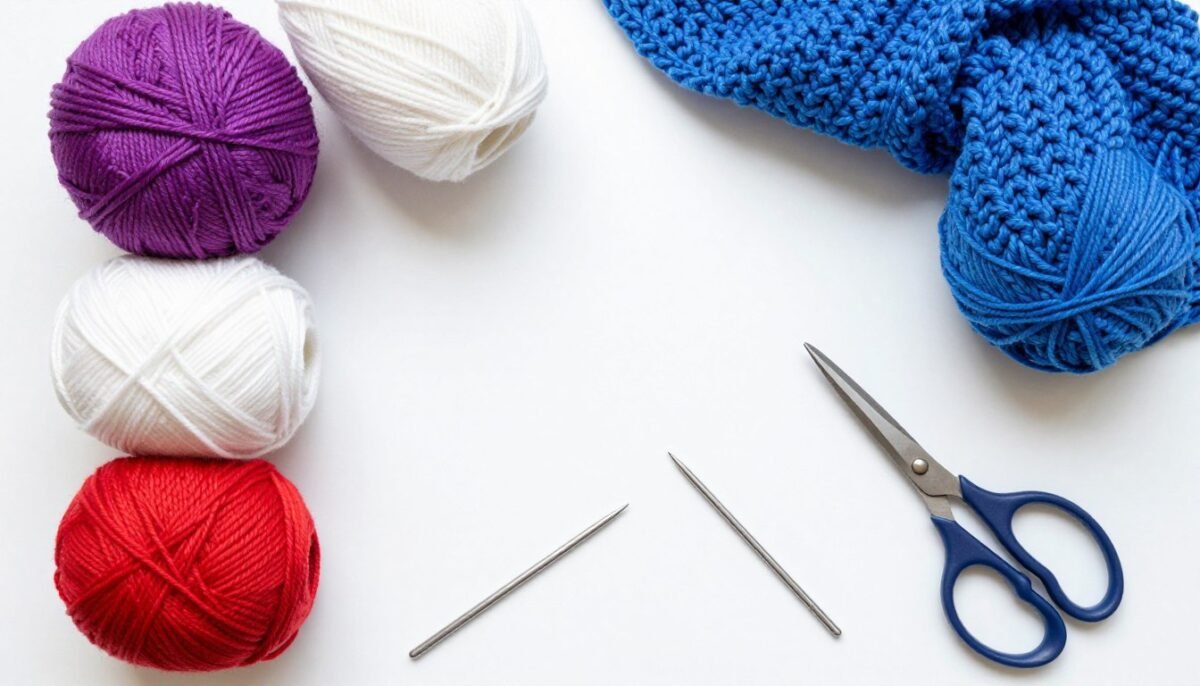
Gathering the right supplies ensures smooth project flow. This afghan requires minimal materials, keeping costs low. Most craft stores stock everything you need in one visit.
Yarn Selection
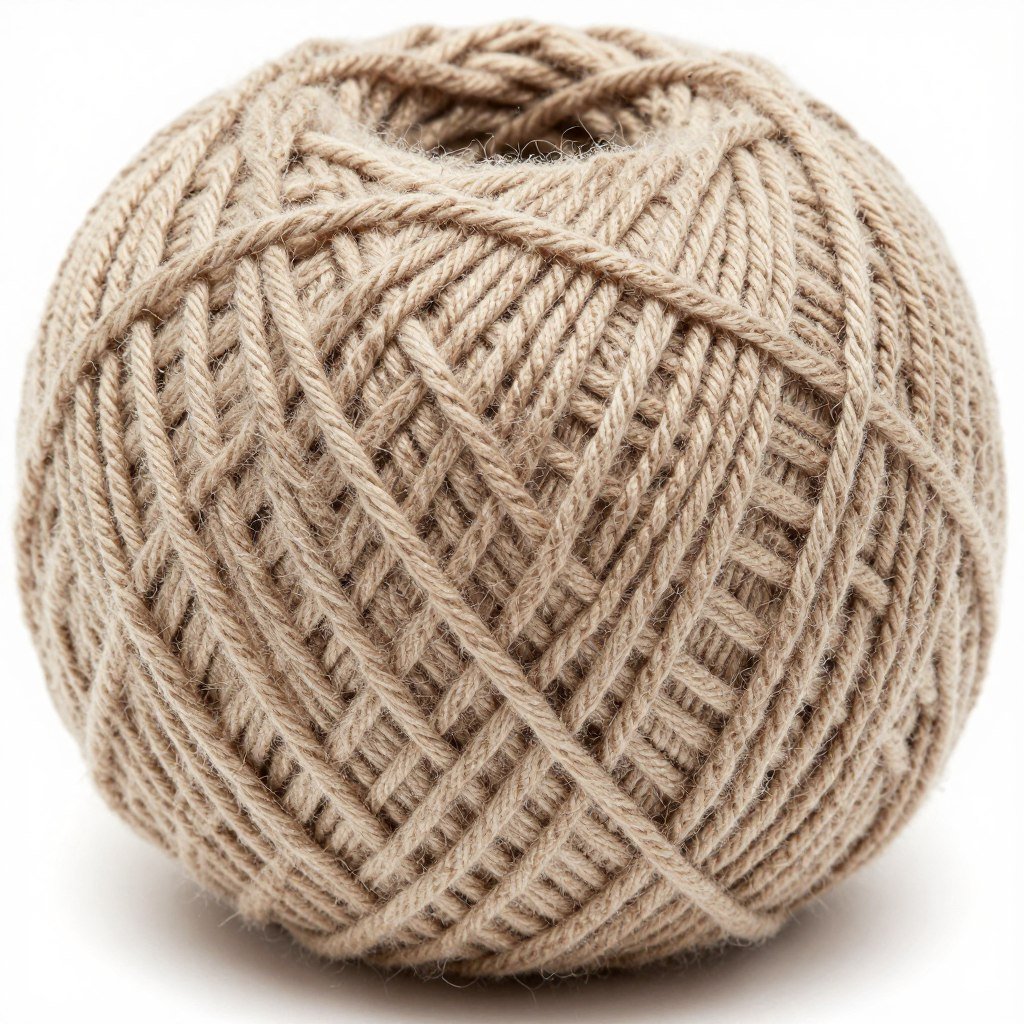
Choose super bulky weight yarn for maximum speed. Bernat crochet yarn in the Blanket line works beautifully for this pattern. You’ll need approximately 800 to 1000 yards total, depending on your desired blanket size.
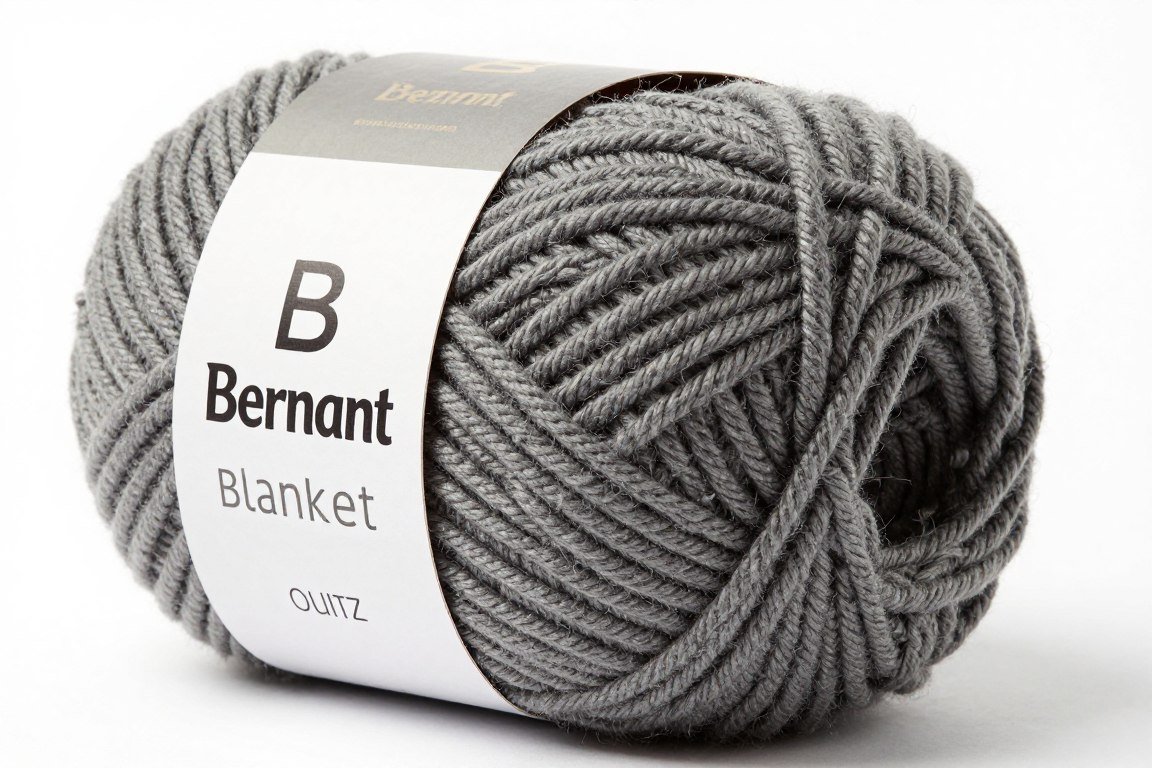
Bernat Blanket Yarn
Ultra-soft chenille texture works up quickly. Available in dozens of colors to match any decor. Machine washable for easy care.
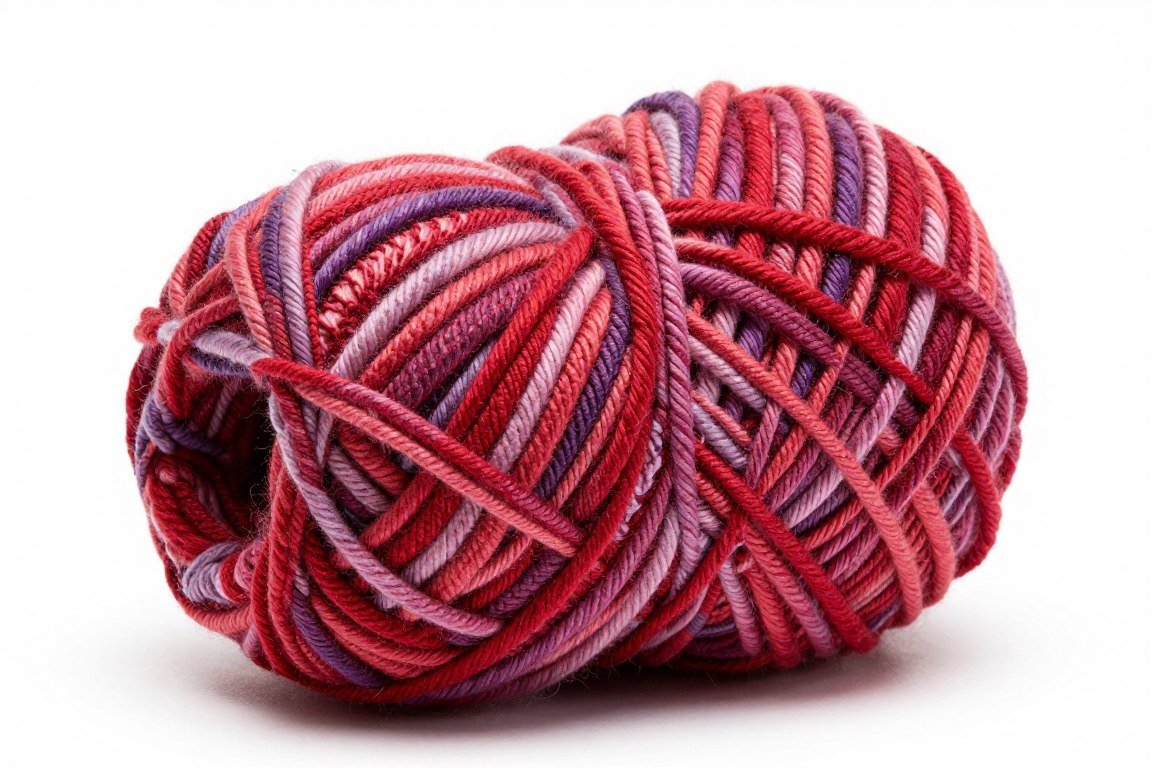
Red Heart Super Saver
Budget-friendly option that’s durable and widely available. Holds up well to frequent washing. Perfect for throw blankets.
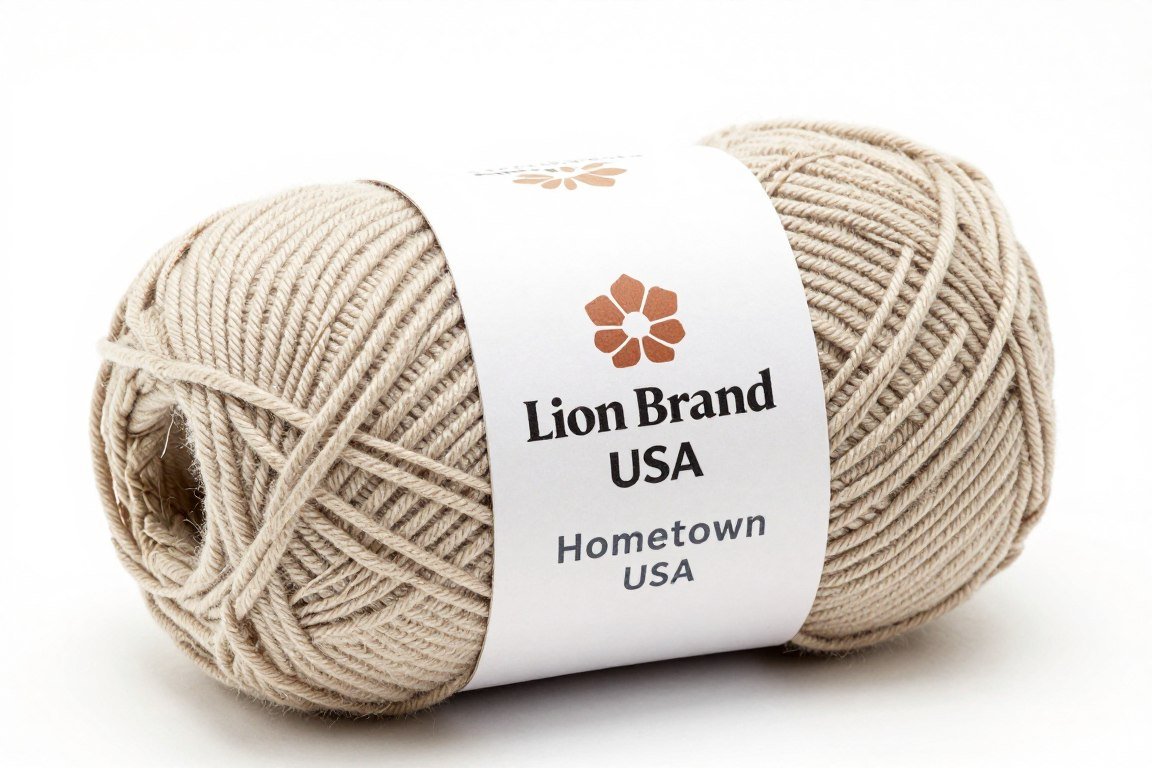
Lion Brand Hometown USA
Acrylic blend offers warmth without weight. Great stitch definition for beginners. Extensive color range for creative projects.
Essential Tools
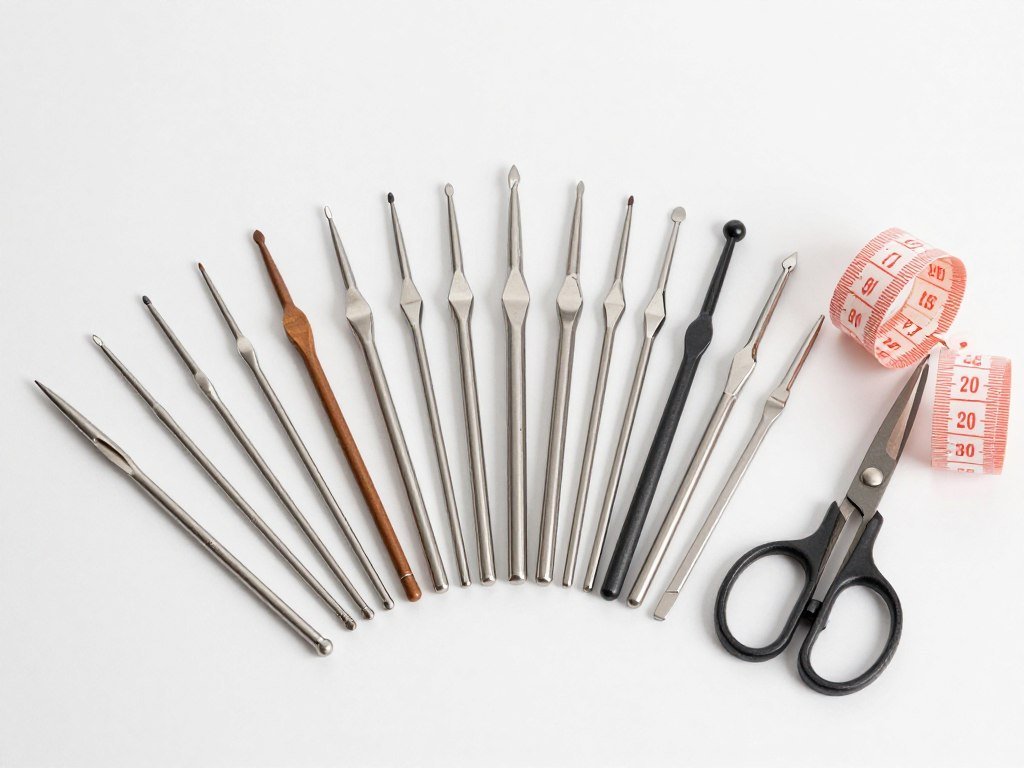
A size P-15 (10mm) or Q-19 (15mm) crochet hook handles chunky yarn best. Larger hooks create looser, drapier fabric. Smaller hooks produce denser, warmer afghans. Choose based on your preference.
- Large crochet hook (size P-15 or Q-19)
- Yarn needle for weaving in ends
- Scissors for cutting yarn
- Measuring tape to check dimensions
- Stitch markers (optional but helpful)
Additional Supplies
Keep these items handy during your project. A comfortable chair with good lighting prevents eye strain. A project bag keeps your work clean between sessions if you need breaks.
Step-by-Step Afghan Free Pattern Instructions
This pattern uses simple double crochet stitches throughout. Even absolute beginners can master this stitch in minutes. The repetition creates a meditative rhythm as you work.
Foundation Chain
Start by creating a foundation chain. For a standard throw blanket measuring approximately 40 by 50 inches, chain 60 stitches. Adjust this number for wider or narrower blankets as desired.
Pro Tip: Keep your foundation chain loose. Tight chains make it difficult to work the first row. Your chain should have some stretch and flexibility for easier stitching.

Row 1: Establishing the Pattern
Double crochet in the fourth chain from your hook. This counts as your first stitch. Continue double crocheting in each chain across the row. Chain three at the end, then turn your work.

Rows 2 Through Completion
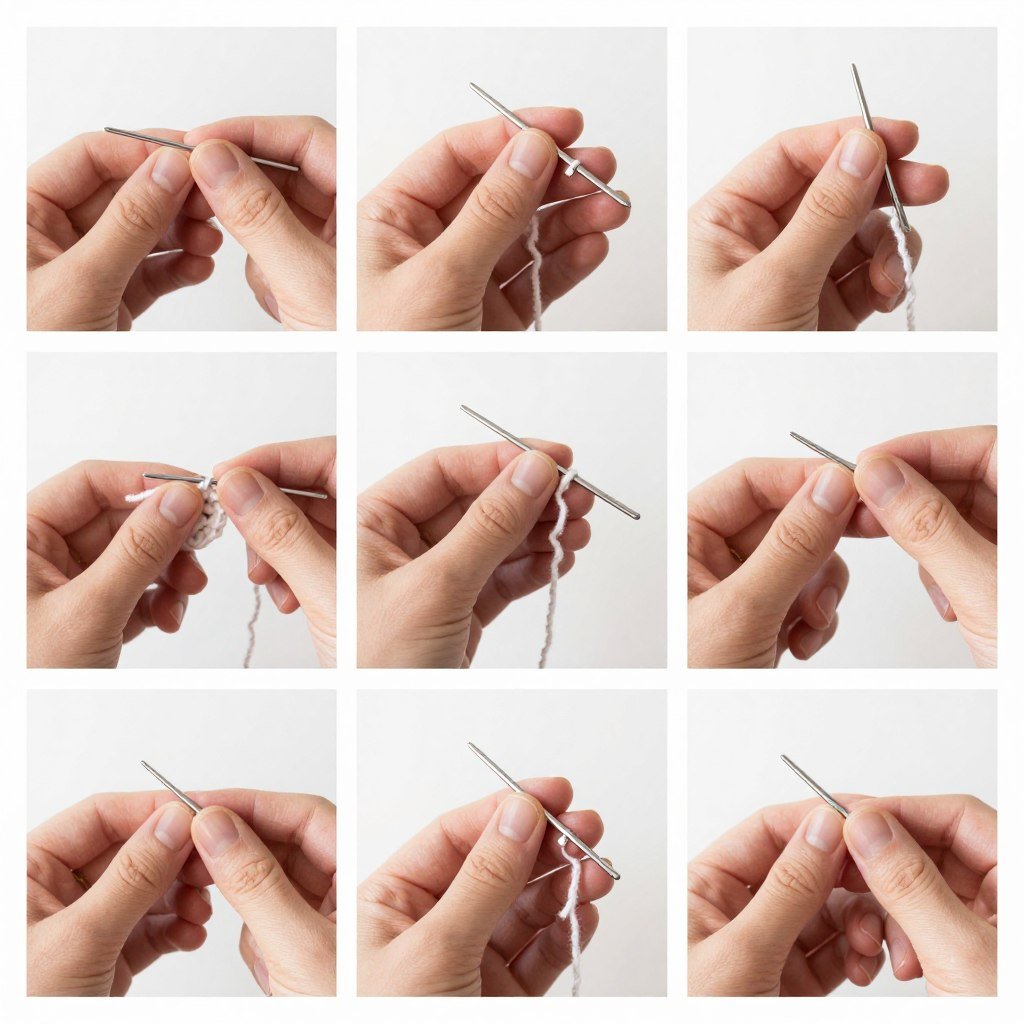
Every subsequent row follows the same simple pattern. Double crochet in each stitch across. Chain three at the end, turn, and repeat. This consistent rhythm allows you to work quickly without constantly checking instructions.
- Insert hook into the next stitch from the previous row
- Yarn over and pull through the stitch (two loops on hook)
- Yarn over again and pull through both loops
- Repeat across the entire row
- Chain three, turn your work
- Continue until blanket reaches desired length
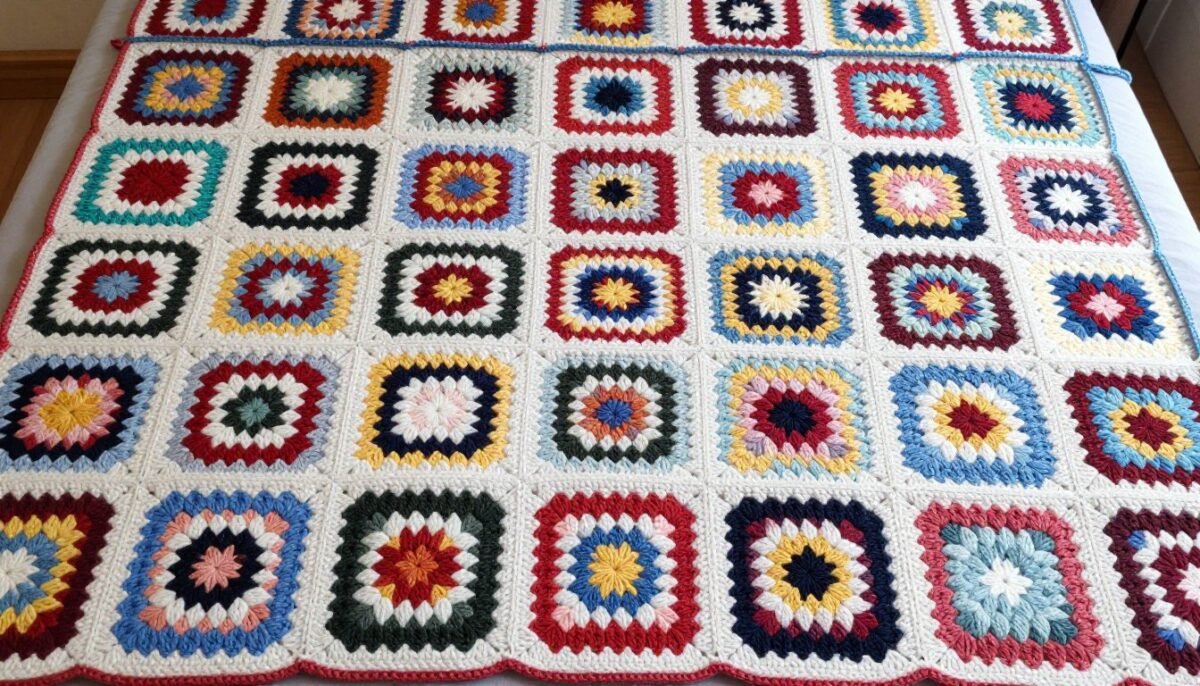
Finishing Your Afghan
Once your blanket reaches the desired length (approximately 50 inches for a throw), fasten off your yarn. Cut the yarn leaving a 6-inch tail. Pull the tail through the final loop to secure it.
Use your yarn needle to weave in all loose ends. Thread the needle with each yarn tail and weave it through several stitches on the wrong side of the fabric. This keeps ends secure and invisible.

Creative Pattern Variations and Customization
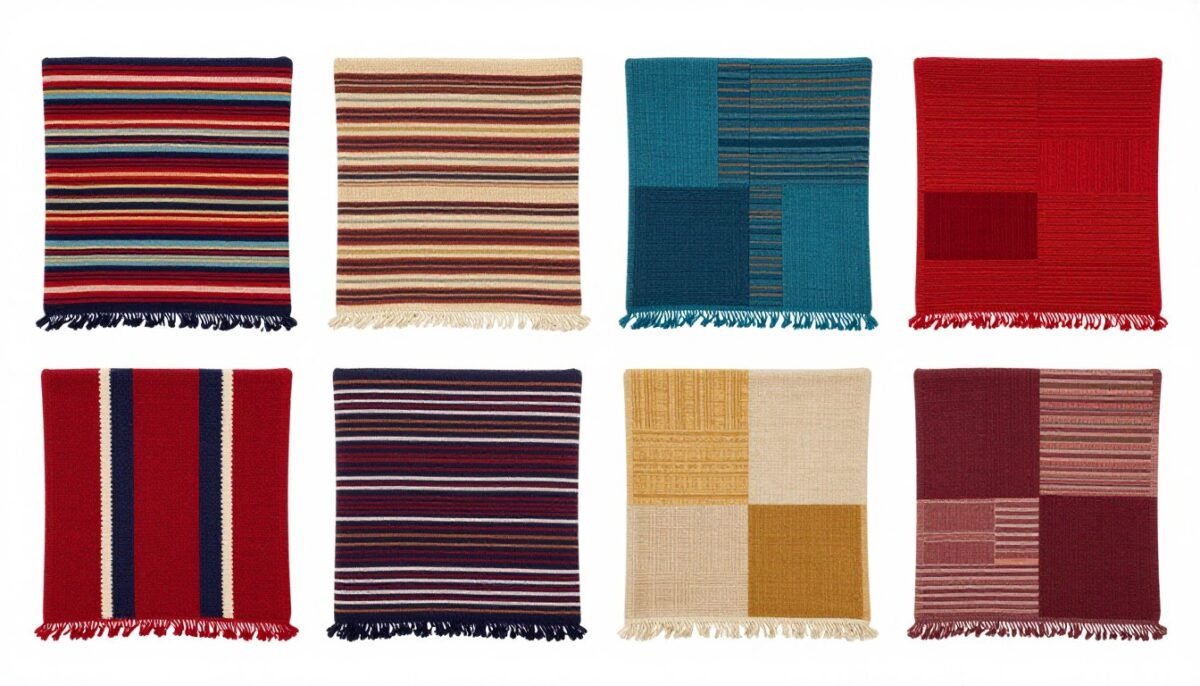
The basic pattern serves as a blank canvas for creativity. Simple modifications create entirely different looks. Experiment with these variations to make your afghan uniquely yours.
Color Stripe Patterns
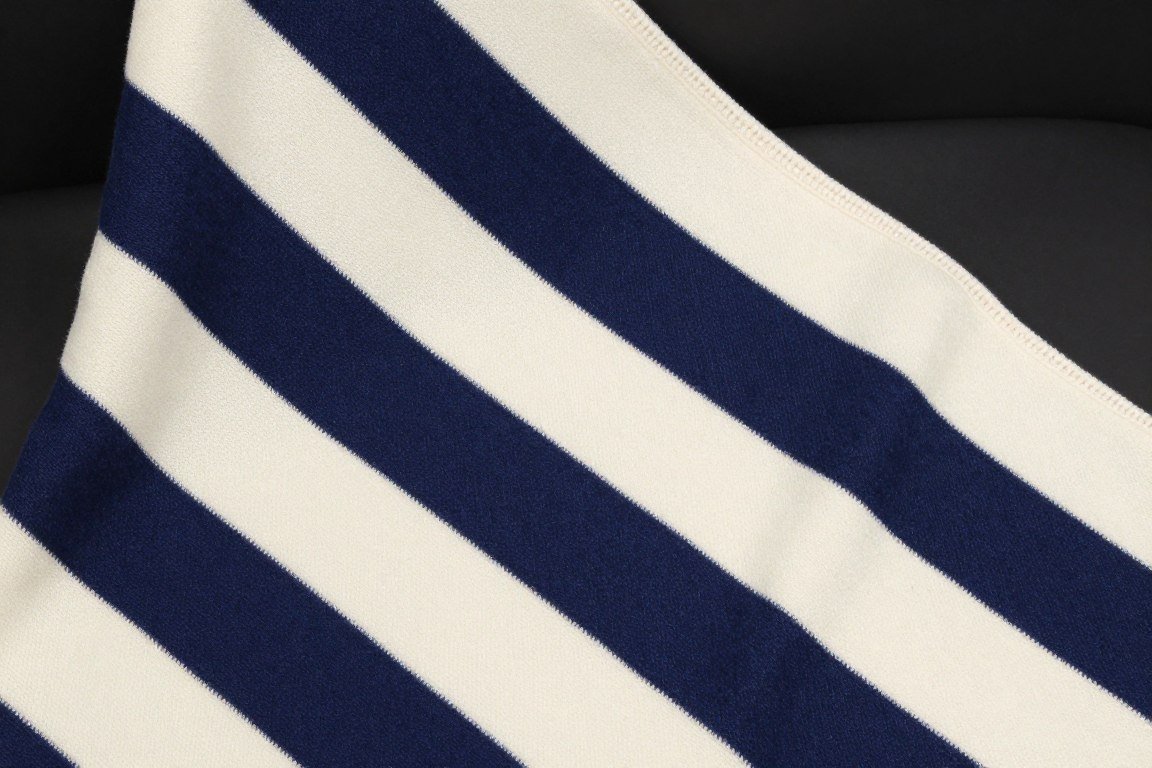
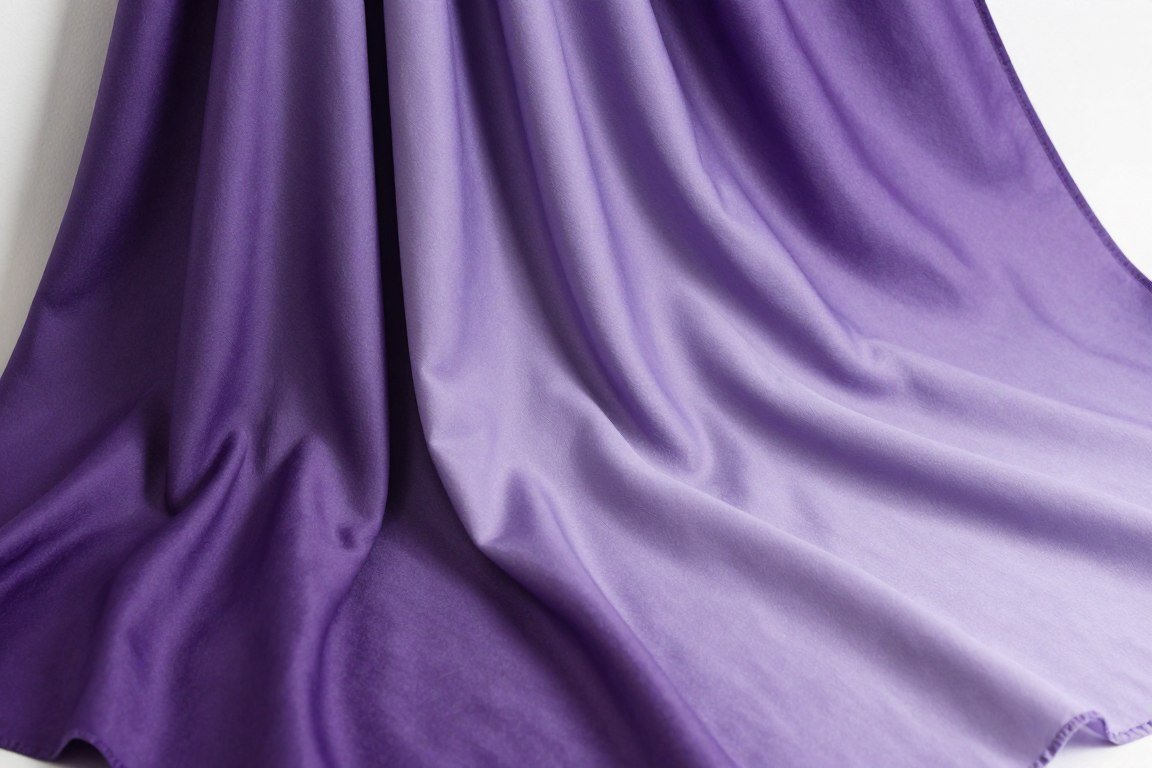
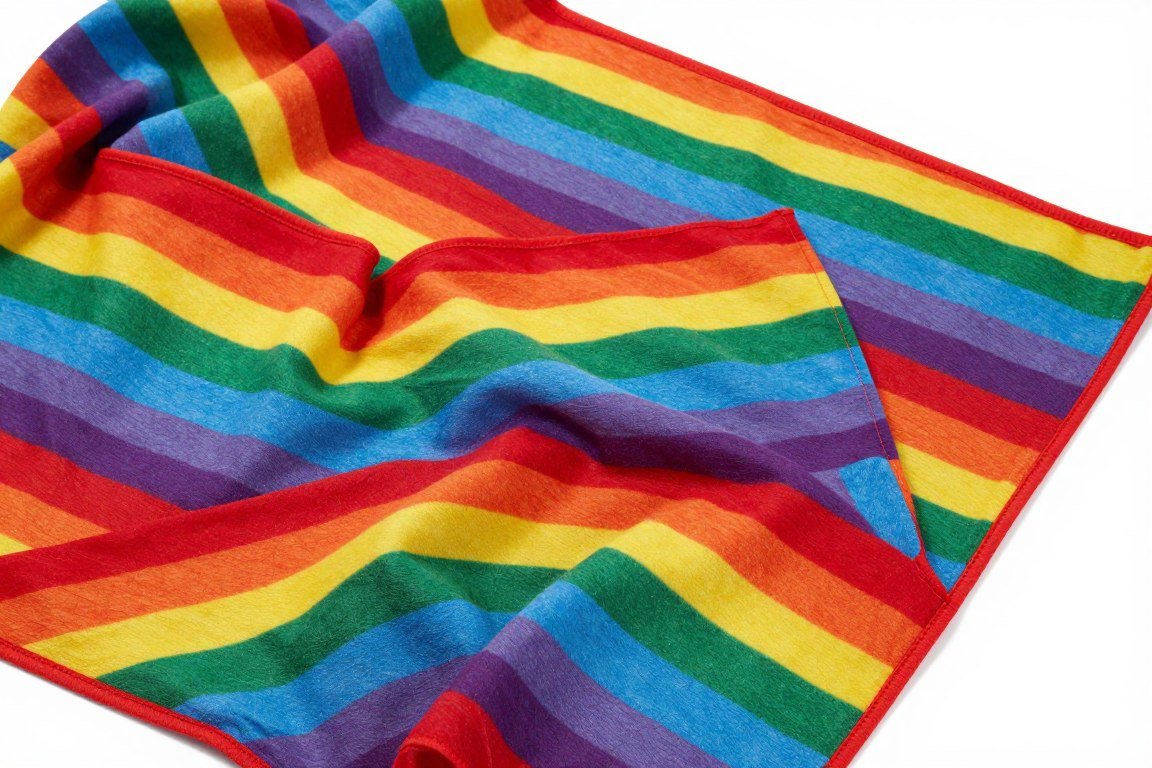
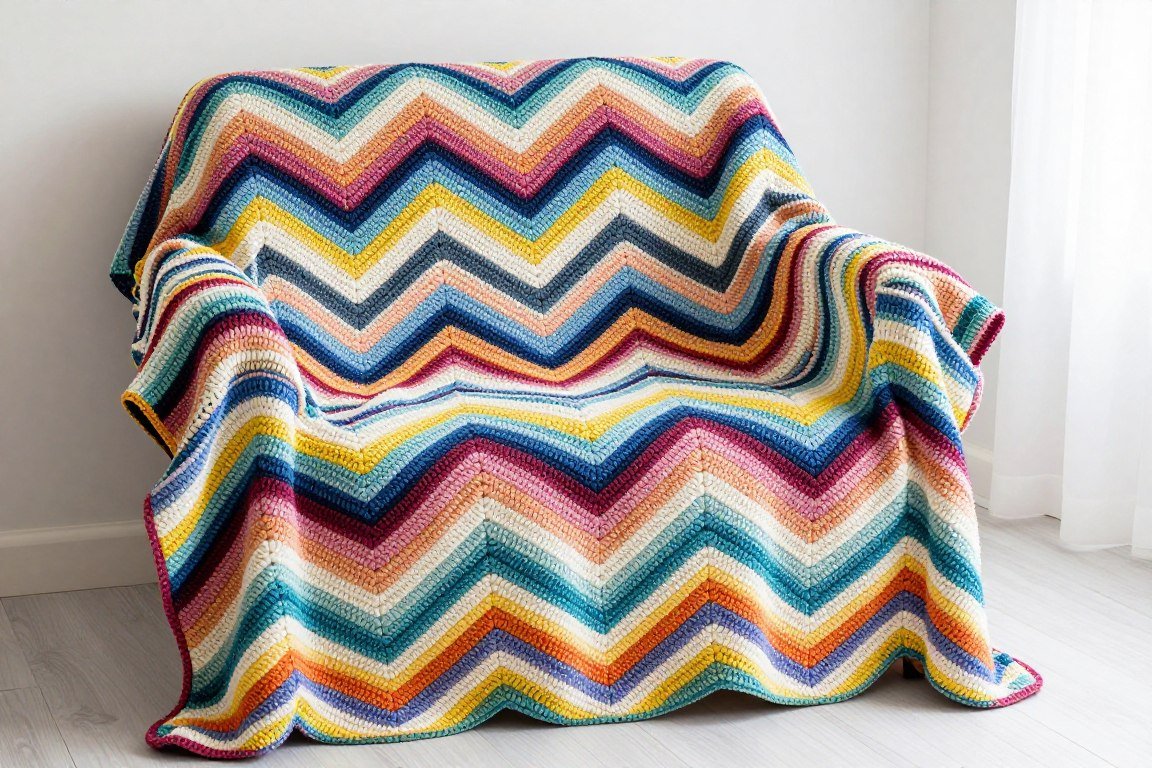
Add visual interest by changing colors every few rows. Stripe patterns create dynamic visual movement. Alternate between two colors for classic stripes, or use multiple shades for an ombre effect.
Texture Variations
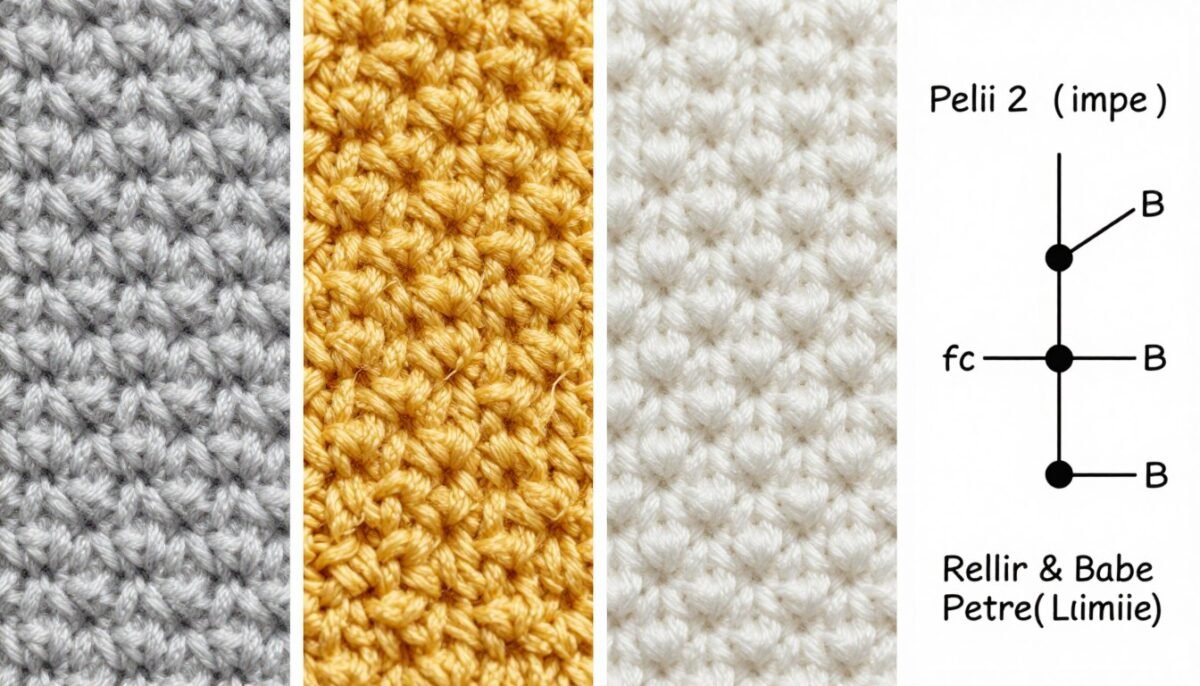
Switch to different stitch patterns for textural interest. Half double crochet creates a denser, warmer fabric. Single crochet makes an even tighter weave. Mix stitches within the same blanket for unique texture zones.
Size Adjustments
Scale the pattern up or down easily. For a baby blanket, start with 40 chains and work fewer rows. For a full-size bed afghan, increase to 100 chains or more. The pattern adapts to any dimension.
| Blanket Type | Starting Chains | Approximate Rows | Finished Size |
| Baby Blanket | 40 | 45 | 30 x 35 inches |
| Lapghan | 50 | 50 | 35 x 40 inches |
| Throw Blanket | 60 | 60 | 40 x 50 inches |
| Twin Bed | 80 | 100 | 55 x 75 inches |
Expert Tips and Tricks for Faster Completion
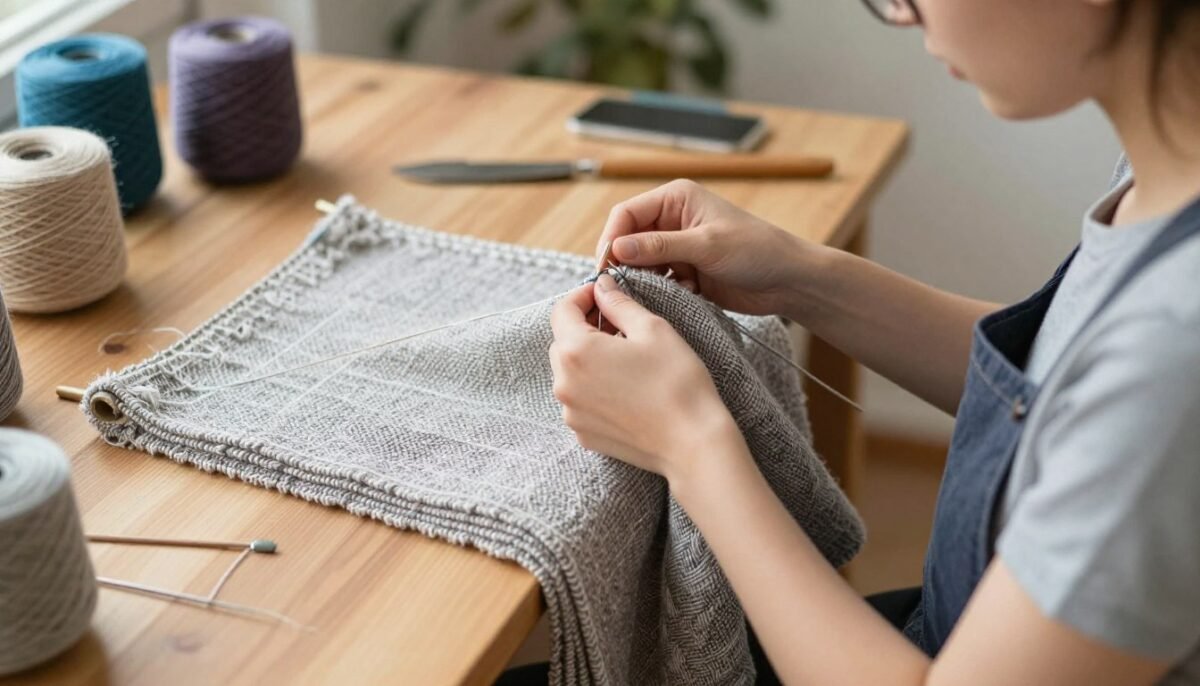
Working efficiently doesn’t mean rushing. These professional tips help you maintain speed while ensuring quality results. Small technique adjustments make significant time differences.
Maintaining Consistent Tension
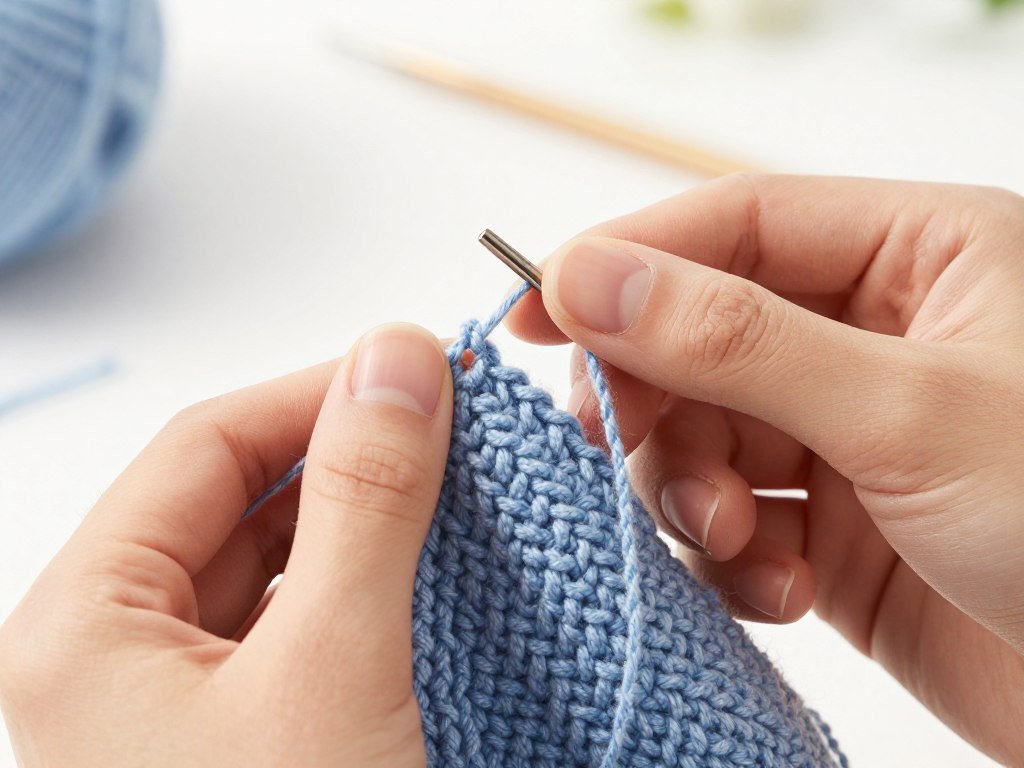
Consistent yarn tension creates even stitches throughout your blanket. Too tight and your fabric becomes stiff. Too loose and holes appear between stitches. Find your comfortable middle ground.
Hold your yarn in a way that feels natural. Some people wrap it around their pinky finger. Others thread it between multiple fingers. The method matters less than consistency.
Check your work every few rows. If stitches look uneven, adjust your tension slightly. After the first few rows, muscle memory takes over and tension becomes automatic.
Avoiding Common Beginner Mistakes
New crocheters often skip stitches accidentally or add extra ones. Count your stitches at the end of each row initially. This prevents gradual narrowing or widening of your blanket.
Watch Out: The turning chain at the beginning of each row counts as a stitch. Forgetting to work into it creates one fewer stitch per row, causing your blanket to narrow progressively.
Do These Things
- Count stitches in your first five rows
- Use stitch markers on the first and last stitch
- Work in good lighting to see stitches clearly
- Take short breaks to prevent hand fatigue
- Keep yarn tension consistent throughout
Avoid These Mistakes
- Skipping the turning chain stitch
- Pulling stitches too tight from tension
- Working in dim lighting conditions
- Rushing through rows carelessly
- Forgetting to count stitches regularly
Speed Techniques for Experienced Crocheters
Once comfortable with the basic stitch, try the standing double crochet method. This technique eliminates the chain-three at the beginning of rows, saving time and creating neater edges.
Work during dedicated time blocks. Three uninterrupted hours produces better results than six hours with constant interruptions. Your rhythm and tension remain more consistent with focused sessions.
Common Issues and Quick Fixes
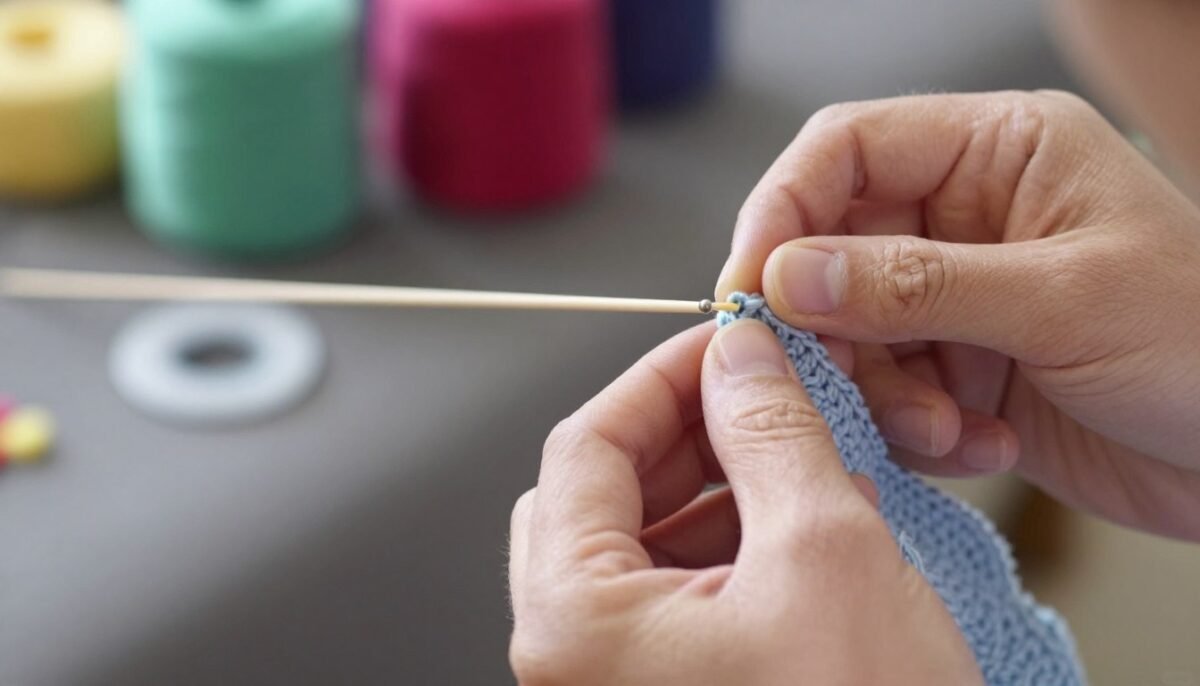
Even experienced crocheters encounter occasional problems. Knowing how to fix mistakes quickly keeps your project moving forward. Most issues have simple solutions that don’t require unraveling extensive work.
Fixing Missed Stitches
Discovered a skipped stitch several rows back? Don’t panic. Use your crochet hook to carefully pull loops through until you reach the mistake. Add the missing stitch, then work your way back up through the layers.
Dealing with Uneven Edges
Wavy or tight edges usually result from inconsistent tension on turning chains. Practice making your chain-three the same height as your double crochet stitches. This creates straight, professional-looking edges.
Why does my blanket get wider as I work?
You’re likely adding extra stitches by accidentally working into the base of the turning chain. Mark your first and last stitches with stitch markers to prevent this common issue.
How do I prevent yarn splitting while crocheting?
Insert your hook completely through the stitch, not between yarn strands. With chunky yarn, this becomes easier as individual plies are more visible and accessible.
What if I run out of yarn mid-project?
Join new yarn at the beginning of a row rather than mid-row for invisible joins. Leave 6-inch tails on both the old and new yarn to weave in later.
Care Instructions for Your Finished Blanket
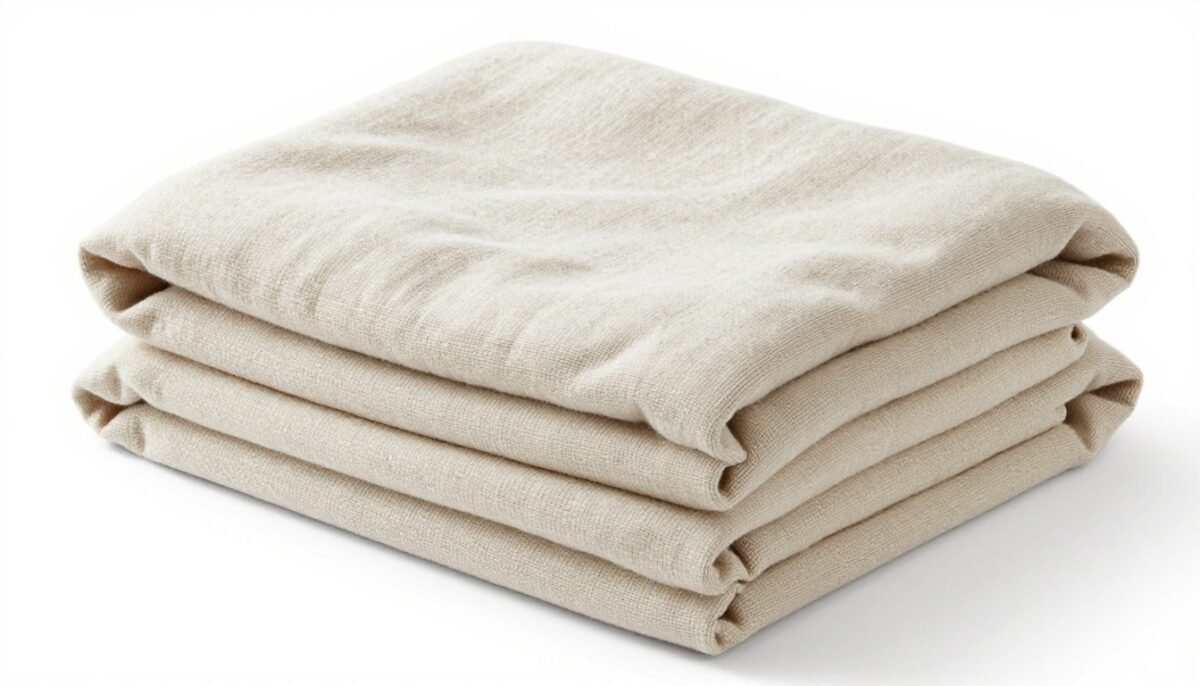
Proper care keeps your handmade afghan looking beautiful for years. Most acrylic yarns withstand machine washing, making maintenance easy. Always check your specific yarn label for manufacturer recommendations.
Washing Your Afghan
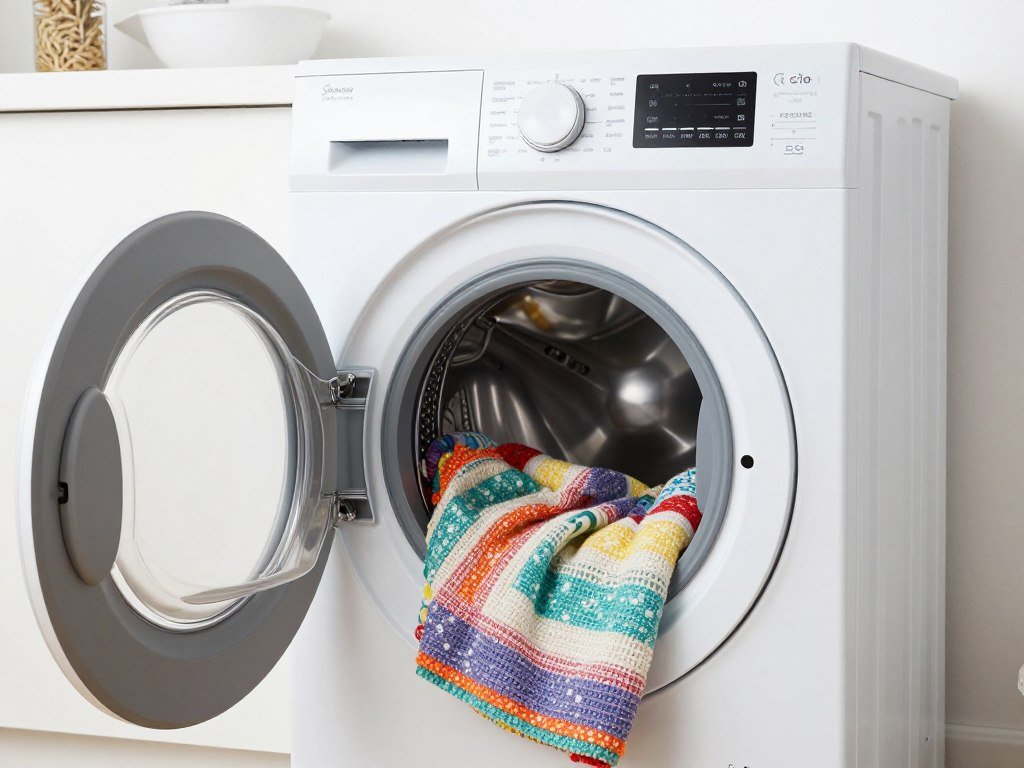
Machine wash your blanket on a gentle cycle with cool or warm water. Hot water may cause acrylic yarn to lose its soft texture. Use a mild detergent without bleach or harsh chemicals.
- Wash on gentle or delicate cycle
- Use cool to warm water temperature
- Add mild liquid detergent
- Avoid fabric softener with acrylic yarn
- Wash with similar colors initially
Drying and Storage
Tumble dry on low heat or lay flat to air dry. High heat can damage acrylic fibers permanently. Remove promptly from the dryer to prevent wrinkles and creasing.
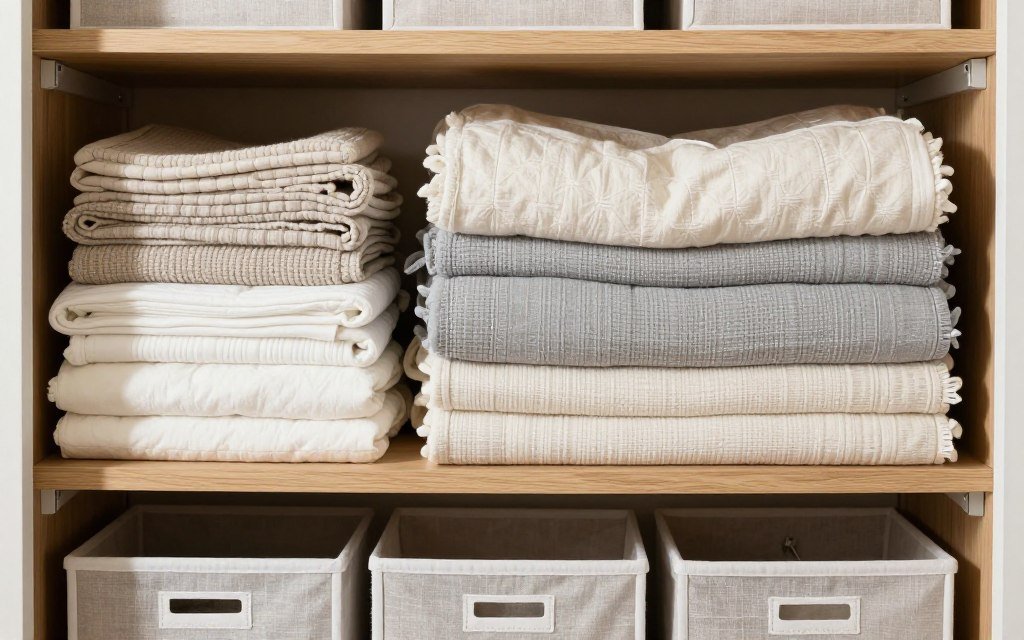
Store your afghan folded in a clean, dry location. Cedar chips or lavender sachets deter moths, though acrylic yarn doesn’t attract insects like wool does. Avoid plastic bags for long-term storage as they trap moisture.
Removing Pilling
Acrylic yarn may develop small pills with repeated use. Remove them gently with a fabric shaver or sweater stone. Never pull pills off forcefully as this damages the fabric structure.
Styling Your Afghan in Your Home
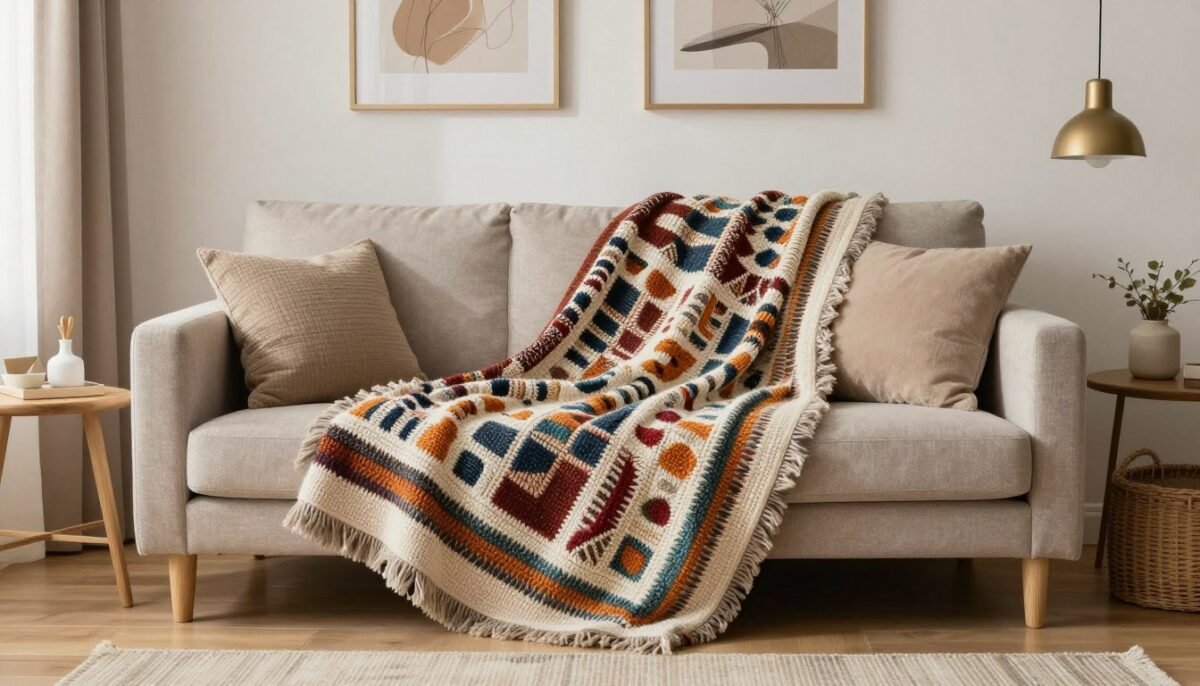
Your finished blanket deserves prominent display. These styling ideas showcase your handmade creation while adding warmth and texture to your living spaces.
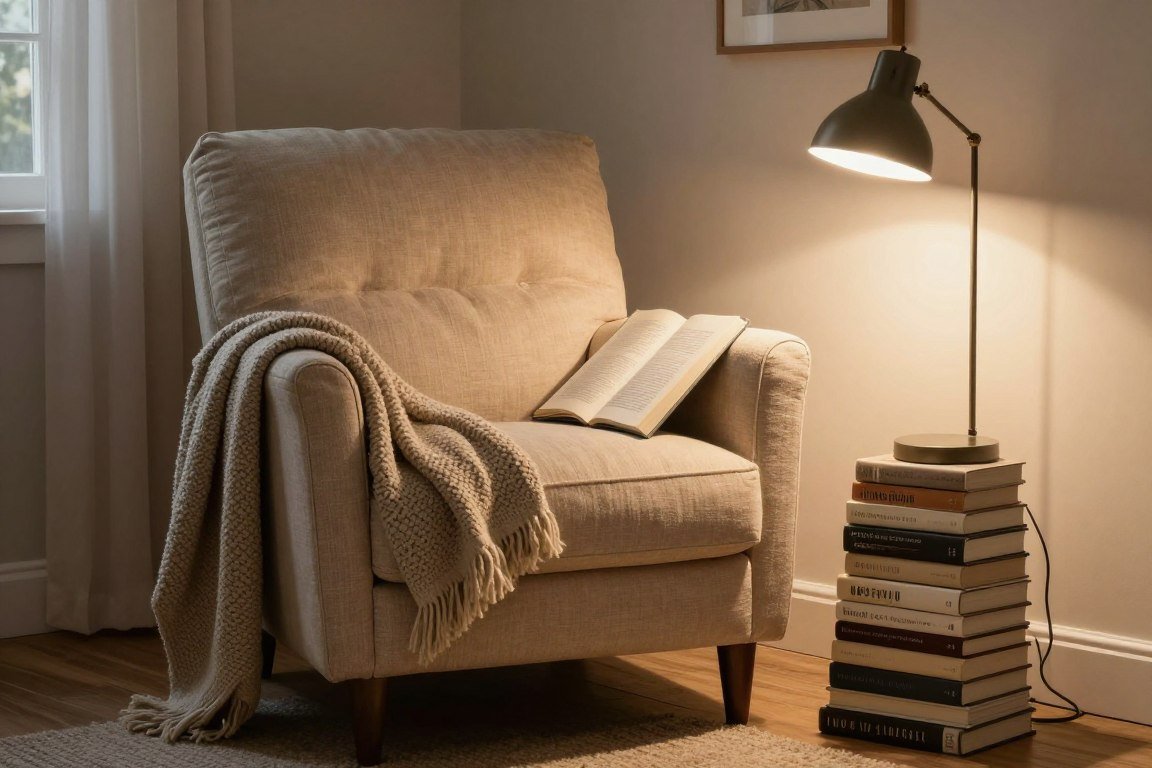
Reading Nook Essential
Drape your throw over your favorite reading chair. The easy access encourages daily use. Chunky texture adds visual interest to simple furniture pieces.
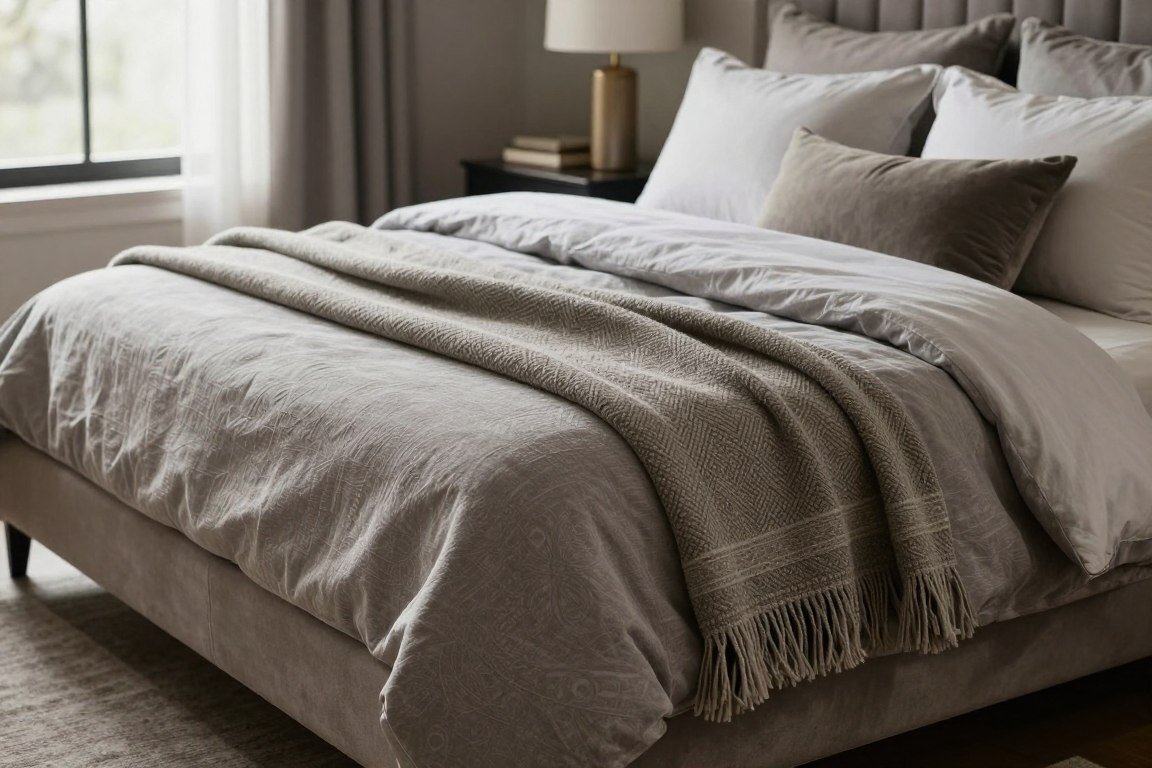
Bedroom Accent
Fold your blanket at the foot of the bed for layered texture. This placement offers easy access for chilly nights while serving as a decorative element during the day.
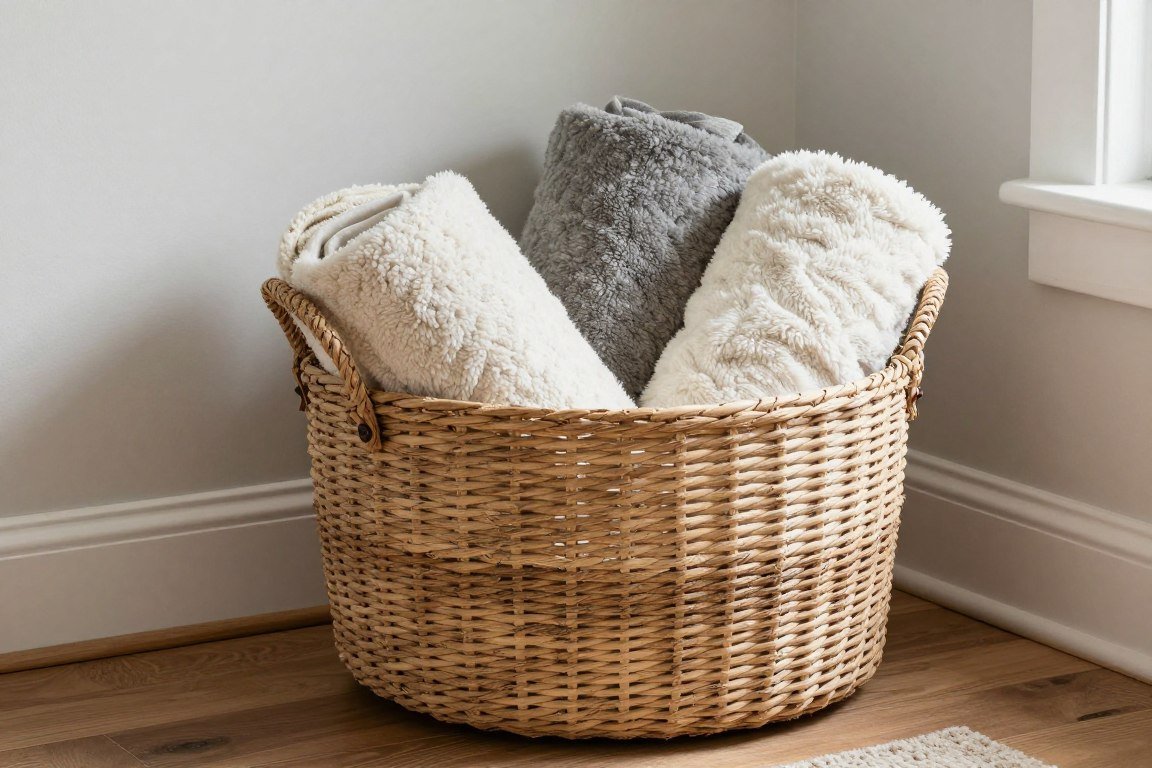
Basket Display
Roll or fold afghans in a large decorative basket. This creates accessible storage for multiple blankets while adding texture and warmth to your space.
Creating Afghans as Thoughtful Gifts

Handmade afghans make cherished gifts for any occasion. The personal touch of a handcrafted item carries emotional value beyond store-bought presents. Recipients appreciate the time and care invested in creating something special just for them.
Choosing Colors for Recipients
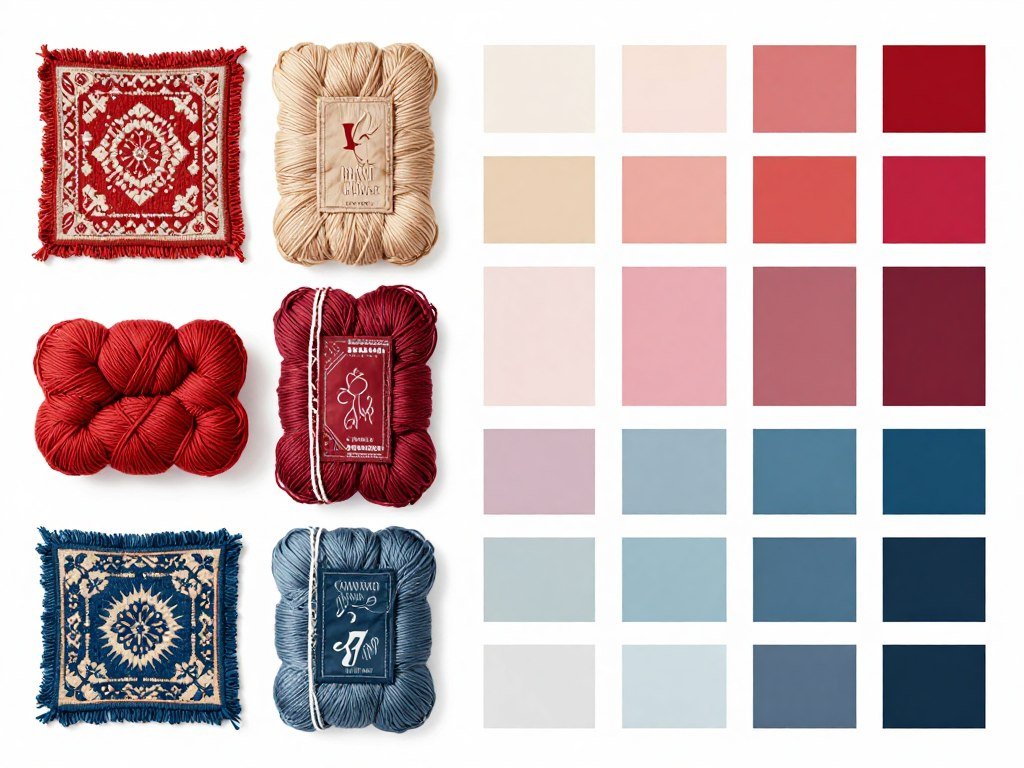
Consider the recipient’s home decor when selecting yarn colors. Neutral tones work universally, fitting any style. Bold colors suit recipients who embrace vibrant aesthetics.
For baby blankets, soft pastels remain timeless choices. Pink and blue follow traditional preferences, while mint green, sunny yellow, or creamy white offer gender-neutral options.
Wedding gifts benefit from sophisticated color combinations. Ivory and gray create elegant modern style. Navy and white suit coastal or nautical themes. Match the couple’s known preferences when possible.
Personalization Ideas
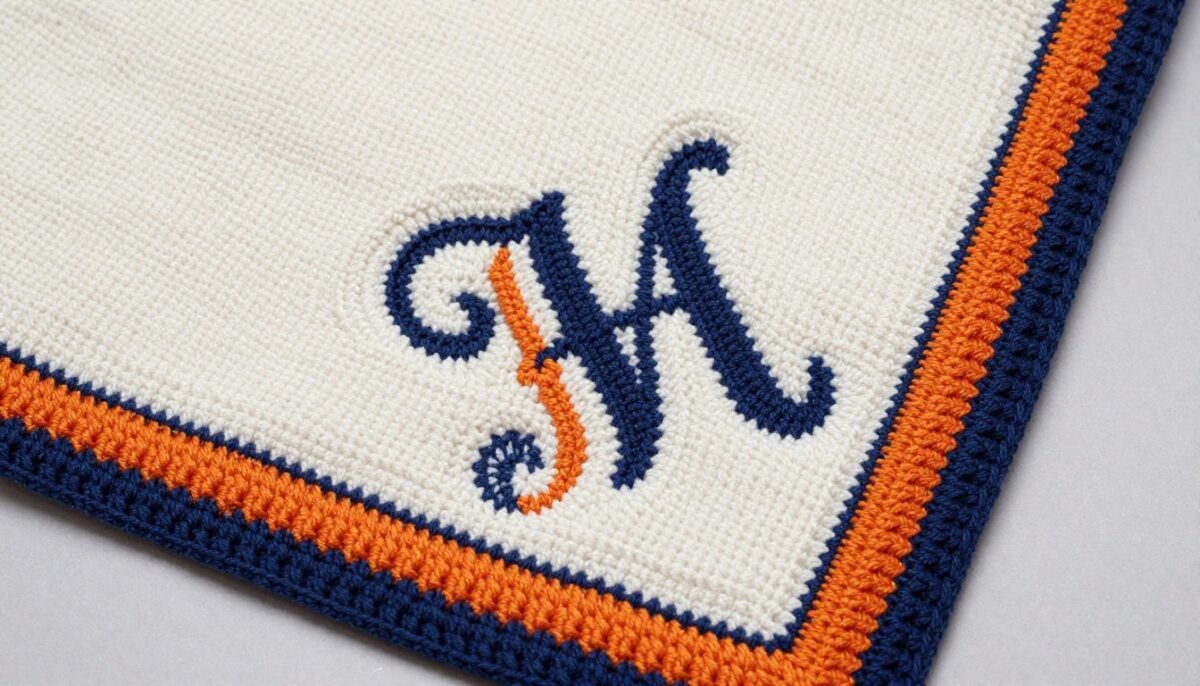
Add special touches to gift afghans. Work the recipient’s initials into a corner using surface crochet. Choose yarn in their favorite color or their school or team colors.
Packaging Your Gift
Presentation matters with handmade gifts. Fold the afghan neatly and tie it with a wide ribbon. Include a care instruction card explaining washing guidelines. Add a personal note describing the time and love invested in creating their unique blanket.
Next Steps After Mastering This Pattern
Completing this three-hour afghan builds confidence and fundamental skills. These abilities form the foundation for more complex projects. Consider these next steps in your crochet journey.
Exploring New Stitch Patterns
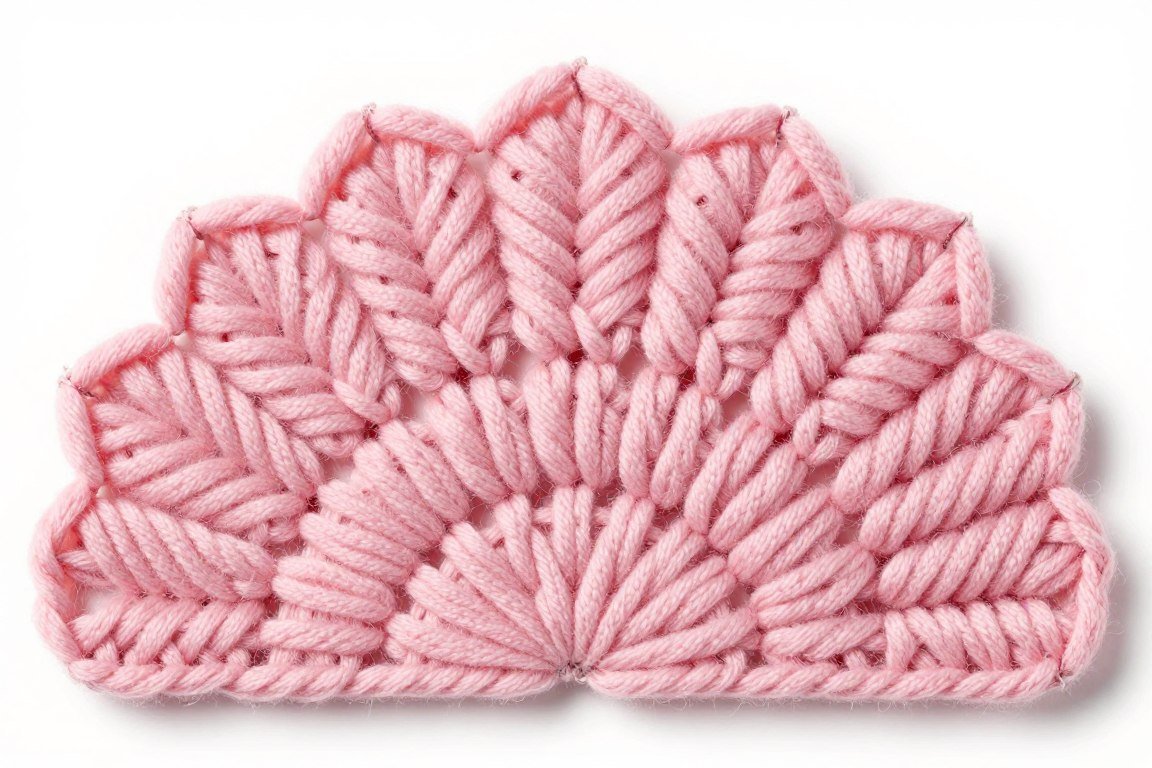
Branch out into textured stitches like the moss stitch, shell stitch, or ripple pattern. These techniques create visual interest while using familiar basic stitches as building blocks.
Trying Advanced Techniques
Challenge yourself with color work techniques like tapestry crochet or intarsia. Learn to read written patterns and charts. Each new skill expands your creative possibilities exponentially.
Join online crochet communities for support and inspiration. Share your finished projects. Ask questions about new techniques. Fellow crafters offer encouragement and helpful advice freely.
Start Your Quick Afghan Today
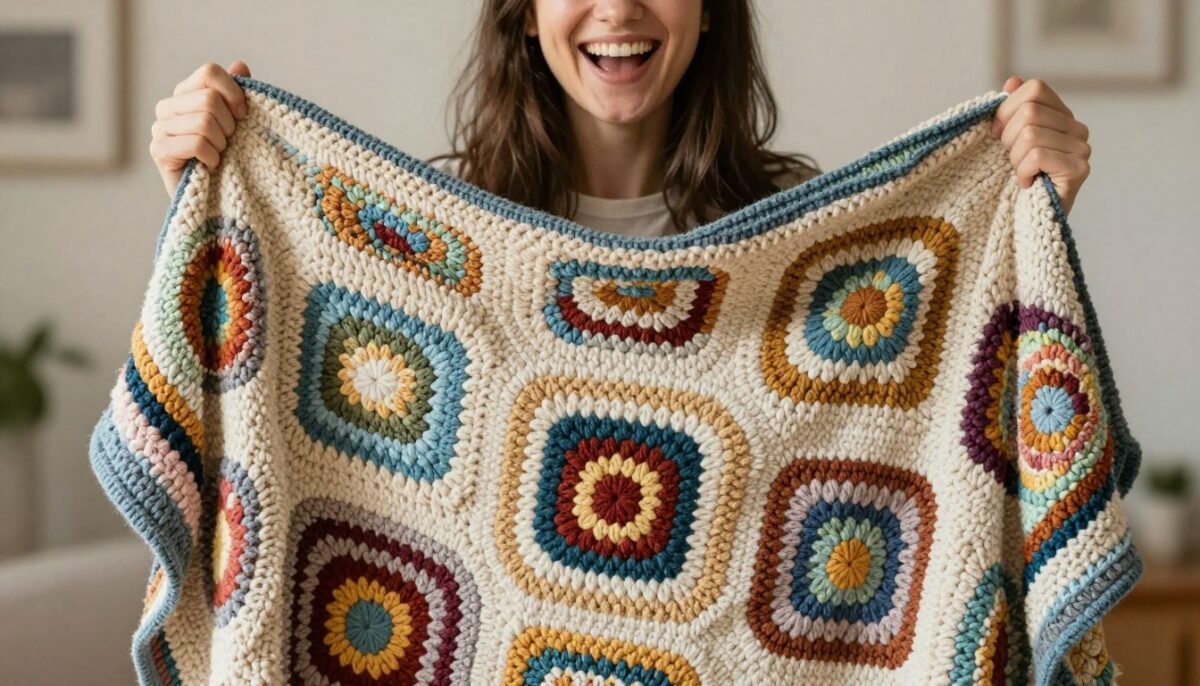
You now have everything needed to create a beautiful afghan in just three hours. This beginner-friendly pattern proves that impressive results don’t require weeks of work. The simple repetitive stitches build confidence while producing a cozy, functional blanket.
Gather your materials and carve out an afternoon for this satisfying project. Whether you’re making it for yourself or as a gift, the process brings creative joy. Each stitch connects you to a long tradition of fiber arts and handmade warmth.
Remember that your first afghan might take slightly longer than three hours as you learn the rhythm. That’s perfectly normal. By your second or third blanket, you’ll work faster and more confidently. The skills you develop with this pattern open doors to countless future projects.
Don’t let perfectionism stop you from starting. Handmade items carry charm precisely because they show the maker’s hand. Small irregularities add character and prove authenticity. Focus on the meditative process and the warm blanket you’ll soon enjoy.
Happy crocheting! May your hook fly swiftly and your stitches stay even. Before you know it, you’ll be wrapping yourself in your very own handmade afghan, proud of what you created in just one afternoon.