
The pothos plant stands as one of the easiest houseplants to grow and maintain. Its stunning foliage and remarkable adaptability make it a favorite among plant enthusiasts worldwide. Golden pothos, scientifically known as Epipremnum aureum, transforms any room into a green oasis with minimal effort.
This versatile houseplant offers endless possibilities for creative display and growth. Whether you’re a beginner or an experienced plant parent, pothos adapts to your lifestyle. The plant thrives in various light conditions and forgives occasional watering mistakes.
These 15 creative methods will help you maximize your pothos growing success. Each technique brings unique benefits to your indoor gardening journey. Let’s explore how to make your pothos plants flourish in unexpected and beautiful ways.
Table of Contents
1. Master Water Propagation for Endless Plants
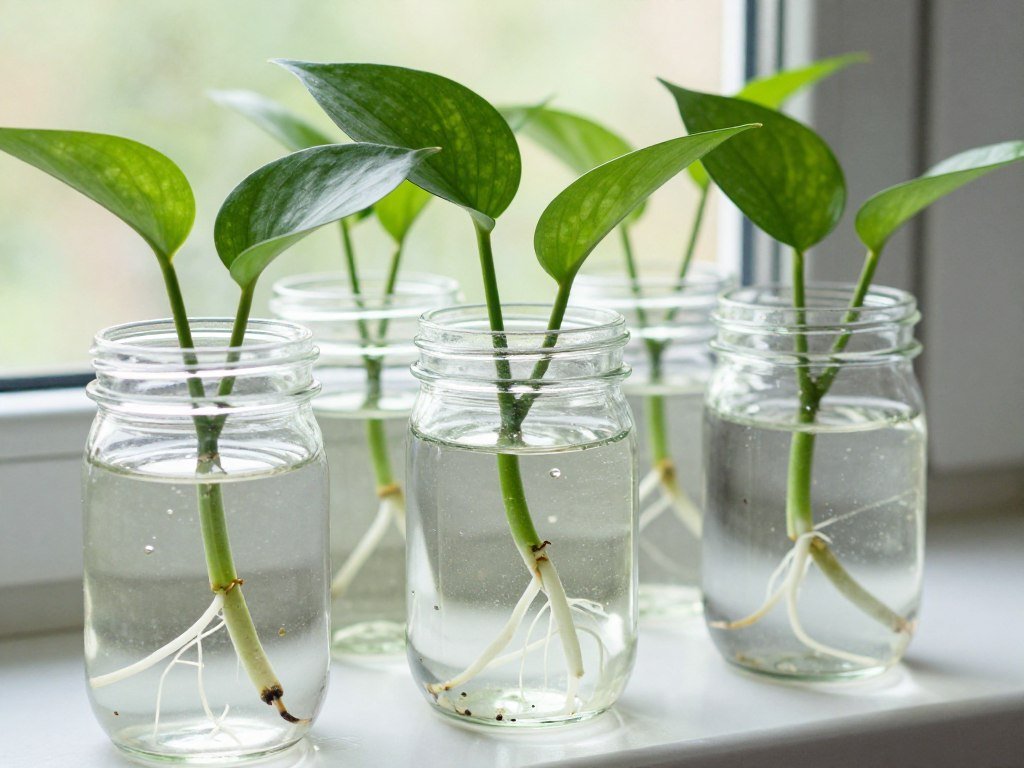
Water propagation represents one of the easiest methods to multiply your pothos collection. This technique requires only a sharp pair of scissors and a glass container. Cut a stem just below a node, where leaves attach to the vine.
Place your cutting in clean water and position it in indirect light. Roots typically appear within two weeks under proper conditions. Change the water every few days to prevent bacterial growth and ensure healthy root development.
The nodes contain special cells that generate new roots quickly. This natural ability makes pothos one of the most reliable plants for propagation. Watch as tiny white roots emerge and grow stronger each day.
Once roots reach two to three inches long, transplant into soil. This method costs nothing and produces identical plants to the parent. Create an entire pothos collection from a single plant using this simple technique.
2. Train Pothos to Climb Moss Poles
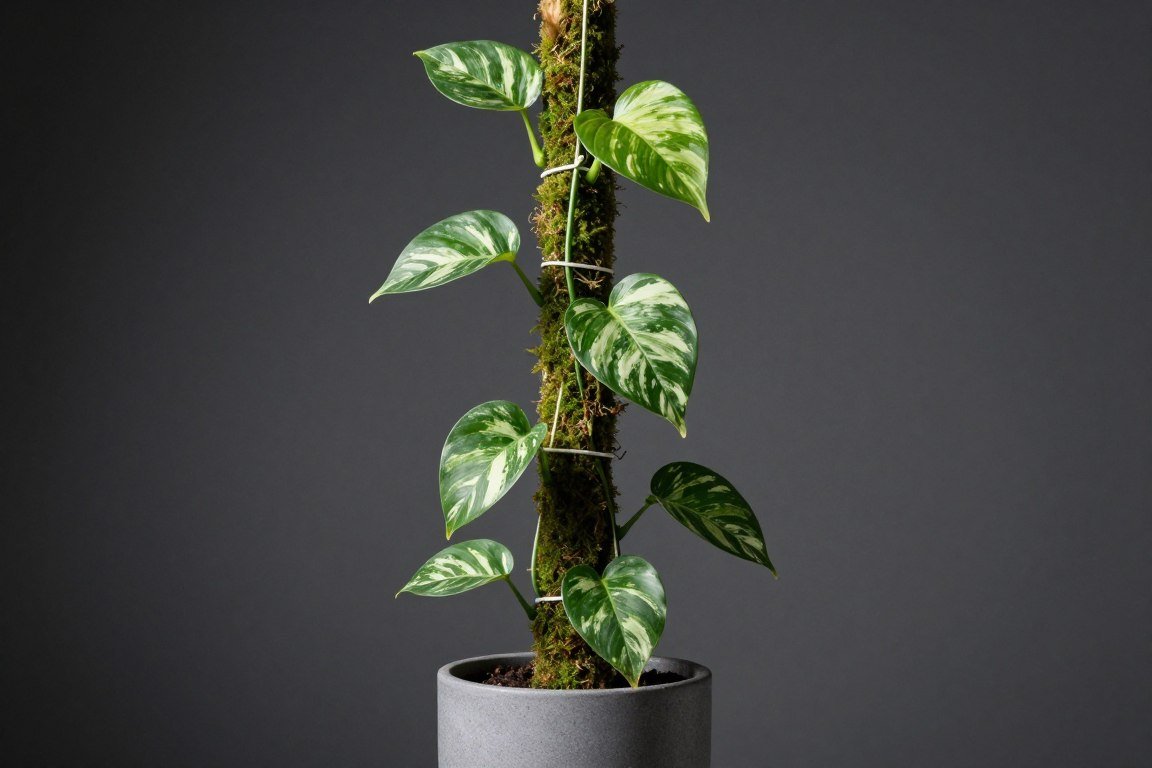
Moss poles unlock the full potential of your pothos plant growth. In nature, pothos vines climb trees to reach sunlight in tropical forests. Replicating this natural behavior indoors produces larger, more dramatic foliage.
Insert a moss pole into the center of your pot during repotting time. Gently secure the vines to the pole using soft plant ties or clips. The aerial roots will naturally attach to the moist moss surface over time.
Plants grown vertically develop bigger leaves with more pronounced variegation. The climbing action triggers the plant’s mature growth phase. You’ll notice leaves becoming more substantial as they ascend the pole.
Keep the moss pole lightly misted to encourage aerial root attachment. This extra humidity also benefits overall plant health. Your pothos will thank you with vigorous new growth and impressive size.
3. Create Stunning Hanging Basket Displays
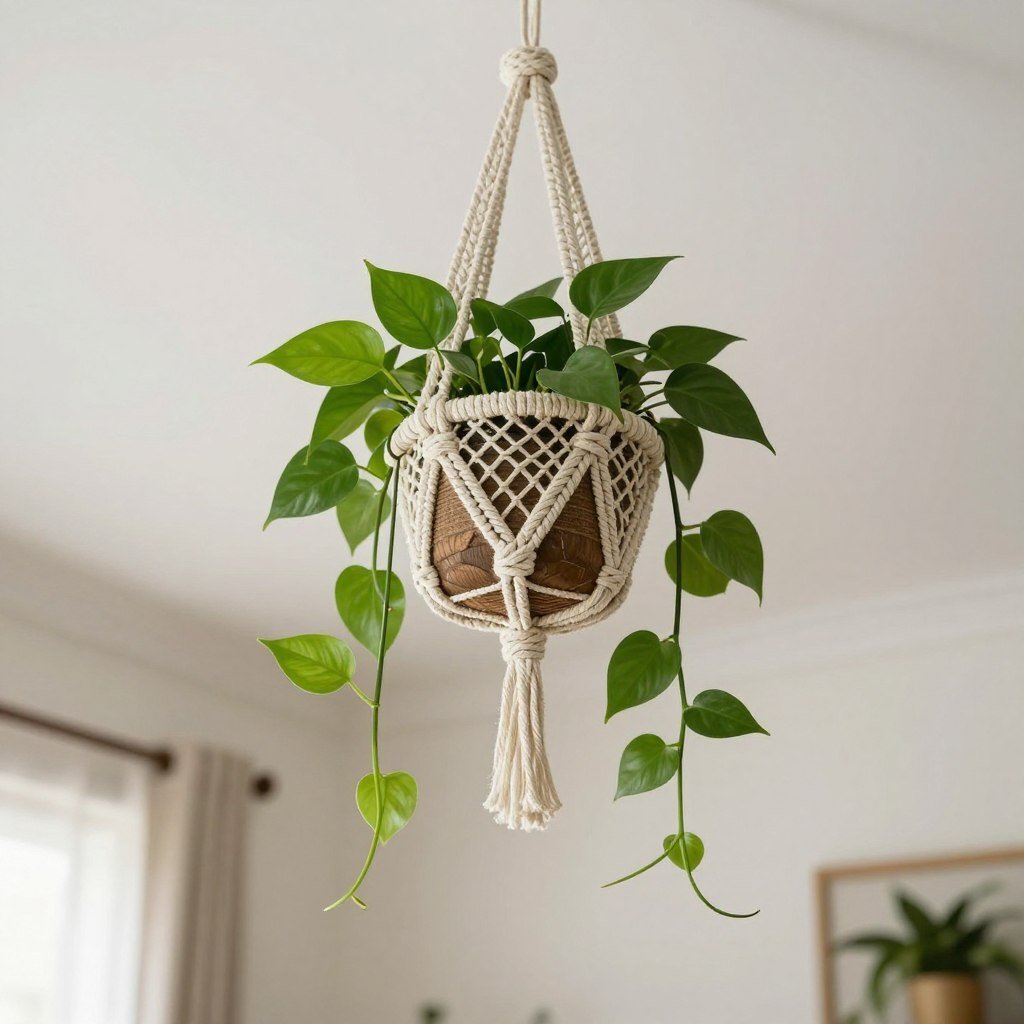
Hanging baskets showcase the natural trailing beauty of pothos vines. These displays make perfect use of vertical space in any room. The cascading foliage creates a living curtain of greenery that softens hard architectural lines.
Choose a pot with excellent drainage holes at the bottom. Fill it with well-draining potting mix specifically formulated for houseplants. Position your hanging basket where vines can grow freely without obstruction.
Pothos in hanging arrangements needs less frequent watering than floor plants. The elevated position allows better air circulation around the pot. Check soil moisture regularly by feeling the top two inches before watering.
Rotate your hanging basket monthly to ensure even growth on all sides. This simple practice prevents lopsided development. The vines will eventually create a full, lush appearance that becomes a stunning focal point.
4. Style Shelves with Trailing Vines
Bookshelves and floating shelves gain instant character with pothos plants. The trailing vines soften shelf edges and add living texture to your displays. This approach combines functionality with natural beauty in unexpected ways.
Place small pots on upper shelves to allow maximum vine length. The green foliage weaves between books and decorative objects naturally. Adjust vine direction by gently guiding stems where you want them to grow.
Pothos tolerates the lower light conditions often found on shelves. The plant adapts to various room locations without complaint. Even shelves far from windows can support healthy pothos growth with occasional rotation.
Trim vines periodically to maintain your desired length and fullness. Use the cuttings for propagation to expand your collection. This practical styling method brings life to otherwise static shelf arrangements.
5. Craft Beautiful Kokedama Moss Balls
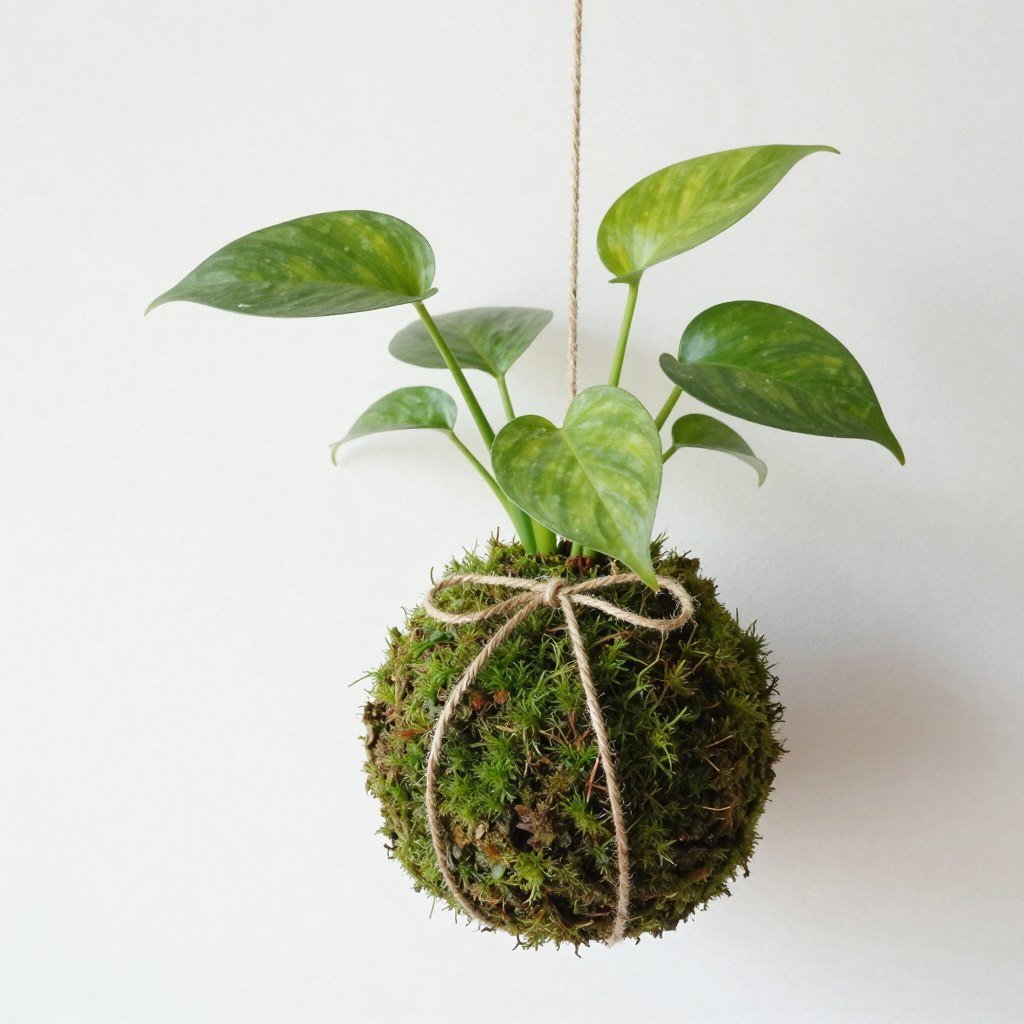
Kokedama transforms your pothos into living art using Japanese techniques. This method wraps the root ball in soil and moss to create a sculptural sphere. The result combines ancient tradition with modern indoor gardening.
Mix potting soil with peat moss to create a moldable growing medium. Form the mixture around your pothos roots in a ball shape. Wrap the entire sphere with sheet moss and secure it with cotton string.
Water your kokedama by soaking the entire moss ball in a basin. Allow excess water to drain completely before hanging or displaying. This unique presentation method requires slightly different watering attention than traditional pots.
Hang kokedama from ceiling hooks or display them on decorative plates. The exposed moss ball adds textural interest to your space. This creative approach turns a simple pothos into a conversation-starting centerpiece.
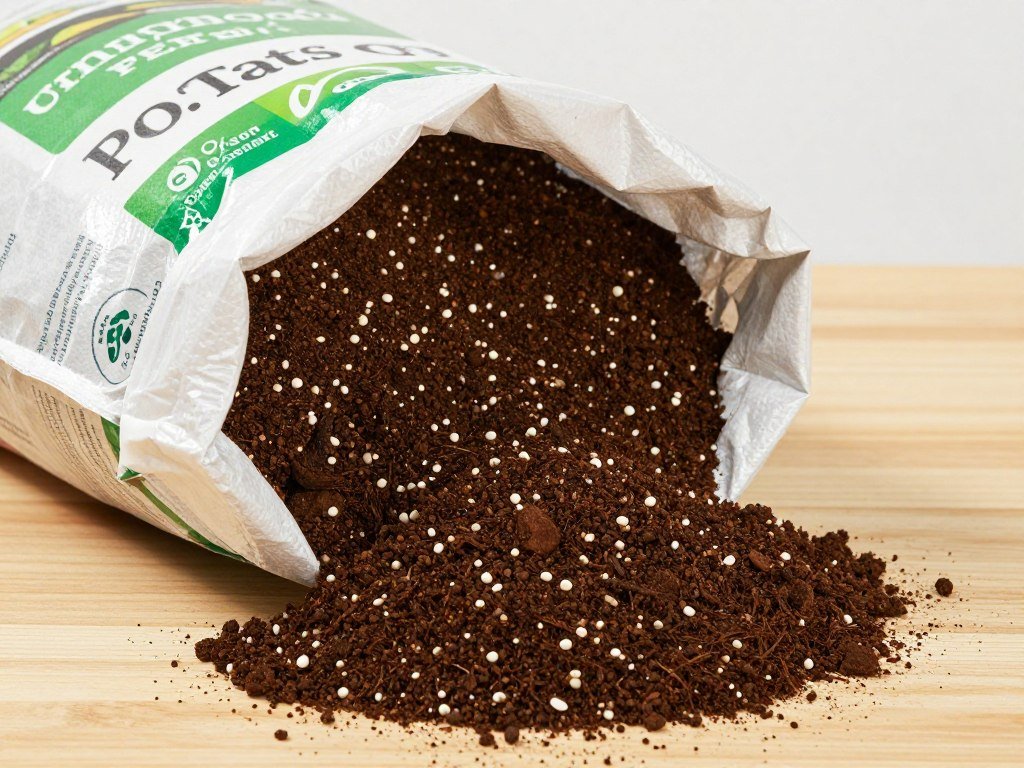
Premium Potting Mix
Well-draining soil blend specifically formulated for houseplants. Contains perlite and organic matter to prevent root rot while providing essential nutrients for healthy pothos growth.

Moss Pole Support
Sturdy moss pole made from natural coir fiber. Provides the perfect climbing surface for pothos vines while adding humidity around the plant. Easy to install in any pot size.
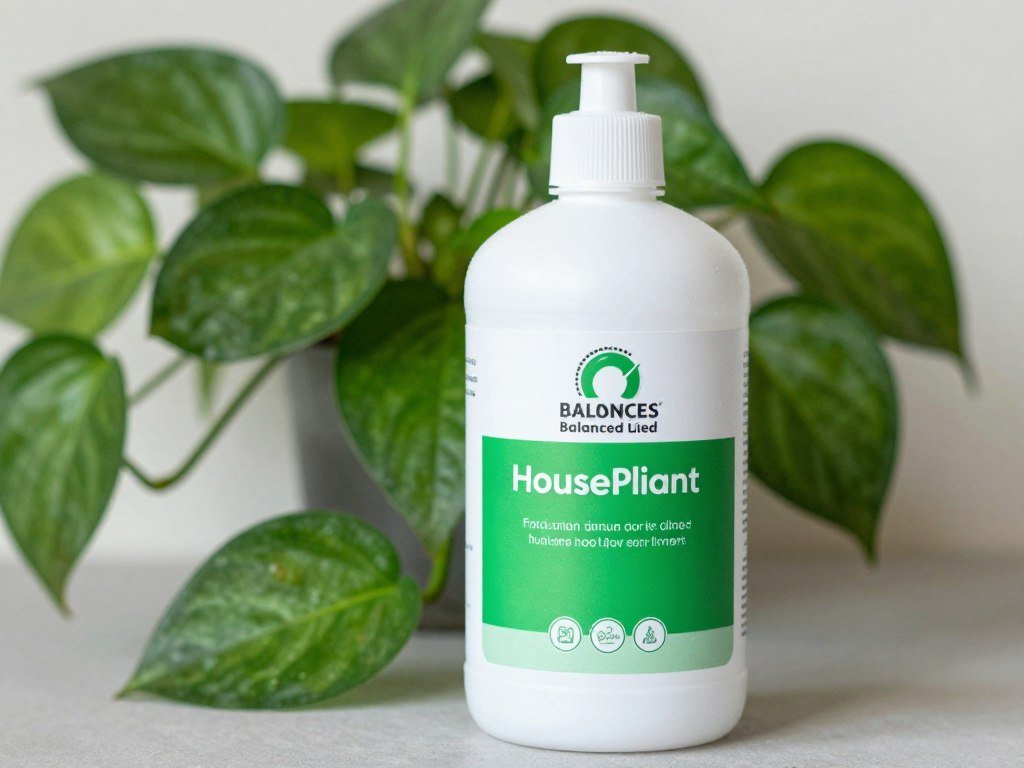
Balanced Fertilizer
Complete liquid fertilizer with balanced nutrients for lush foliage. Specially formulated for pothos and other houseplants. Promotes vibrant leaf color and steady growth during spring and summer.
6. Design Miniature Pothos Terrariums
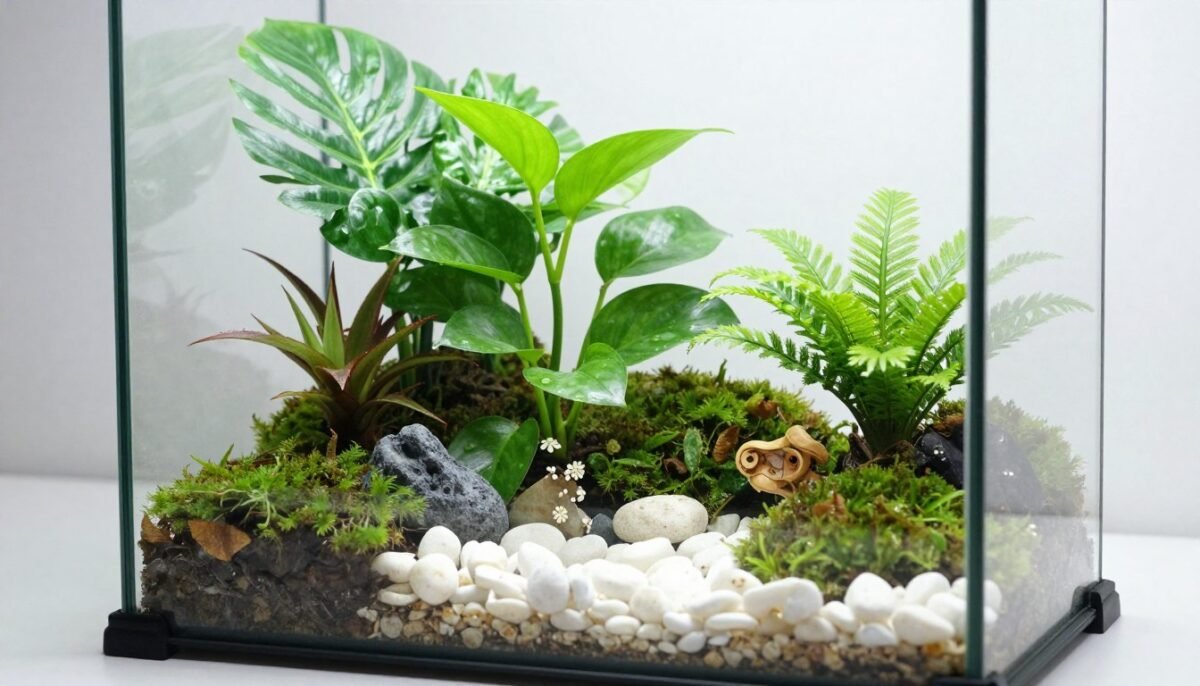
Terrariums provide the perfect high-humidity environment that pothos loves. These self-contained ecosystems require minimal maintenance once established. Glass containers showcase your plant while creating optimal growing conditions.
Layer the bottom of your terrarium with pebbles for drainage. Add activated charcoal to prevent odors and bacterial growth. Top with a quality potting mix before planting your small pothos cutting.
Choose compact pothos varieties like N’Joy or Marble Queen for terrariums. These slower-growing types won’t quickly outgrow the confined space. The enclosed environment maintains consistent moisture levels naturally.
Open the terrarium occasionally to prevent excess condensation buildup. This ventilation prevents mold while maintaining humidity. Your miniature pothos garden creates a fascinating living display on desks or tables.
7. Thrive in High-Humidity Bathrooms
Bathrooms offer ideal conditions for pothos plant care with natural humidity from showers. The moist environment mimics the tropical origins of these plants. Even bathrooms with limited natural light can support healthy pothos growth.
Position your pothos on shelves or windowsills where it receives indirect light. The steam from hot showers provides supplemental humidity that benefits leaf development. This natural moisture reduces the need for additional misting.
Make sure your bathroom has adequate ventilation to prevent mold issues. While pothos loves humidity, stagnant air can cause problems. A small fan or open window provides necessary air circulation.
The bathroom location works especially well for golden pothos and other variegated varieties. These plants appreciate the consistent moisture in the air. Watch your pothos develop glossy, vibrant foliage in this spa-like setting.
8. Shape Creative Pothos Topiaries
Wire forms and frames transform pothos into living sculptures. This artistic technique creates unique focal points in your home. Train vines around geometric shapes or whimsical designs for personalized plant art.
Insert a wire frame into your pothos pot and weave vines through the structure. Secure stems with small clips or ties as needed. The flexible vines easily conform to circles, hearts, or custom shapes.
Regular pruning maintains the topiary shape and encourages fuller growth. Trim wayward vines to keep the form defined and tidy. New growth quickly fills in sparse areas when you pinch back the tips.
Topiary projects work best with vigorous golden pothos varieties. These plants produce abundant foliage to cover frames completely. The finished topiaries make impressive gifts for fellow plant enthusiasts.
9. Combine with Companion Plants
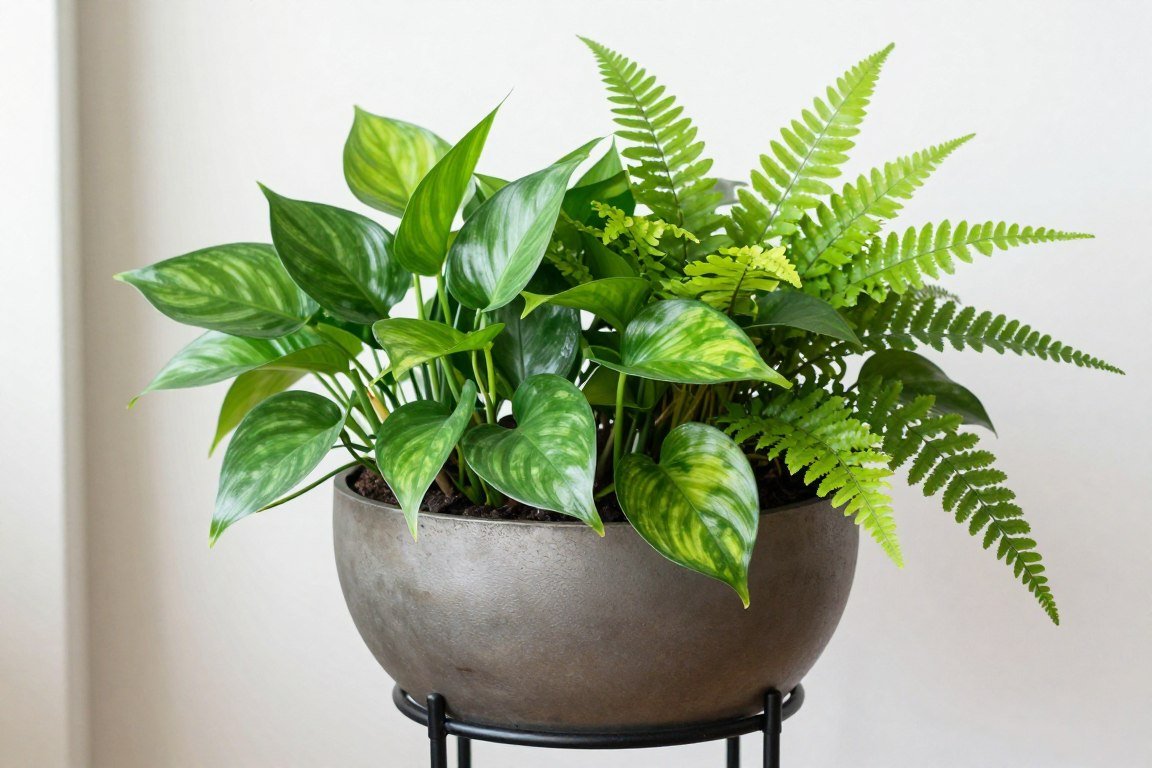
Companion planting creates diverse, interesting container arrangements. Pothos pairs beautifully with plants sharing similar care requirements. These combinations add depth and visual interest to your indoor garden.
Combine pothos with prayer plants, ferns, or philodendrons for contrasting textures. All these houseplants enjoy similar light and moisture conditions. The different leaf shapes and colors create dynamic visual compositions.
Use a large pot to accommodate multiple root systems comfortably. Ensure all companion plants have matching water and fertilizer needs. This prevents one plant from suffering while another thrives.
The trailing pothos vines soften the edges while upright companions add height. This layered approach maximizes visual impact in a single container. Mixed plantings also efficiently use space in smaller homes.
10. Train on Decorative Trellises
Wall-mounted trellises turn pothos into living wallpaper. This vertical growing method maximizes small spaces while creating dramatic impact. The green wall effect brings nature indoors in an architectural way.
Install a trellis securely on a wall that receives indirect light. Plant your pothos at the base or mount a pot directly on the trellis. Gently weave vines through the trellis openings as they grow longer.
Wooden, metal, or bamboo trellises each create different aesthetic effects. Choose a style that complements your interior design preferences. The trellis becomes hidden over time as foliage fills in completely.
This method requires occasional vine guidance and tucking. Direct new growth along the trellis pattern you desire. The result creates a stunning botanical feature wall that purifies air naturally.
11. Adapt to Low Light Conditions
Pothos tolerates low light better than most houseplants. This adaptability makes it perfect for offices, hallways, and dim corners. While growth slows in reduced light, the plant remains healthy and attractive.
Solid green varieties handle low light conditions most successfully. Golden pothos maintains its color better than heavily variegated types in shade. The plant may lose some variegation but stays vibrant and alive.
Rotate your pot weekly in low light areas to encourage even growth. All sides of the plant receive equal light exposure over time. This prevents the vines from leaning heavily toward the nearest light source.
Reduce watering frequency for pothos in low light environments. Plants photosynthesize less in shade and use water more slowly. Check soil moisture carefully before watering to prevent root rot issues.
12. Summer Outdoors for Vigorous Growth
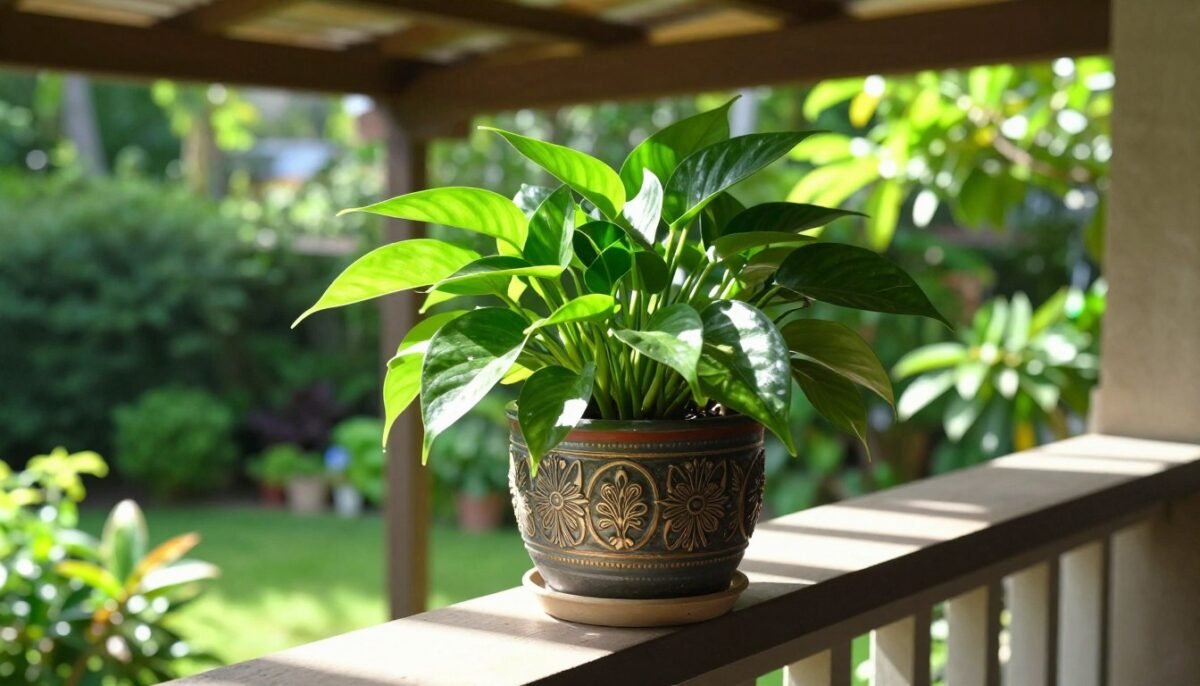
Moving pothos outdoors during spring and summer months accelerates growth dramatically. The increased light and fresh air stimulate vigorous vine production. Your plant returns indoors fuller and healthier in fall.
Place outdoor pothos in shaded locations away from direct sunlight. Morning sun with afternoon shade provides ideal conditions. Harsh midday rays can scorch leaves accustomed to indoor lighting.
Outdoor plants need more frequent watering due to increased evaporation. Check soil moisture daily during hot summer weather. Wind and heat dry out pots faster than controlled indoor environments.
Bring your pothos back indoors before nighttime temperatures drop below 50°F. Inspect plants carefully for pests before moving inside. This seasonal vacation results in impressive new growth and rejuvenated appearance.
13. Create a Propagation Station Display
Propagation stations transform plant maintenance into decorative art. Arrange multiple cuttings in attractive glass vessels for a functional display. This approach combines plant propagation with interior design seamlessly.
Collect vintage bottles, test tubes, or matching jars for visual cohesion. Fill each container with clean water and add one or two cuttings. Group vessels together on a tray or shelf for maximum impact.
Change water in your propagation station weekly to maintain clarity. Clean vessels prevent algae growth that clouds water and harms roots. Fresh water provides oxygen that developing roots need to thrive.
Label cuttings with dates or variety names using small tags. This organization helps track rooting progress and identify different types. The living display becomes a conversation piece while producing new plants continuously.
14. Grow Permanently in Water
Pothos thrives indefinitely in water without soil. This hydroponic method eliminates mess and simplifies care routines. The transparent vessels showcase beautiful root systems as living art.
Transfer soil-grown pothos to water by washing all soil from roots completely. Place in a clean vase or jar filled with room temperature water. Add a few drops of liquid fertilizer monthly to provide essential nutrients.
Water-grown pothos develops different root structures than soil-based plants. These roots appear thicker and more robust in appearance. The adaptation allows plants to extract oxygen directly from water.
Change water every two weeks to prevent bacterial buildup and odors. Top off with fresh water between complete changes as levels drop. This low-maintenance method suits busy lifestyles while producing healthy growth.
15. Maximize Air Purification Benefits
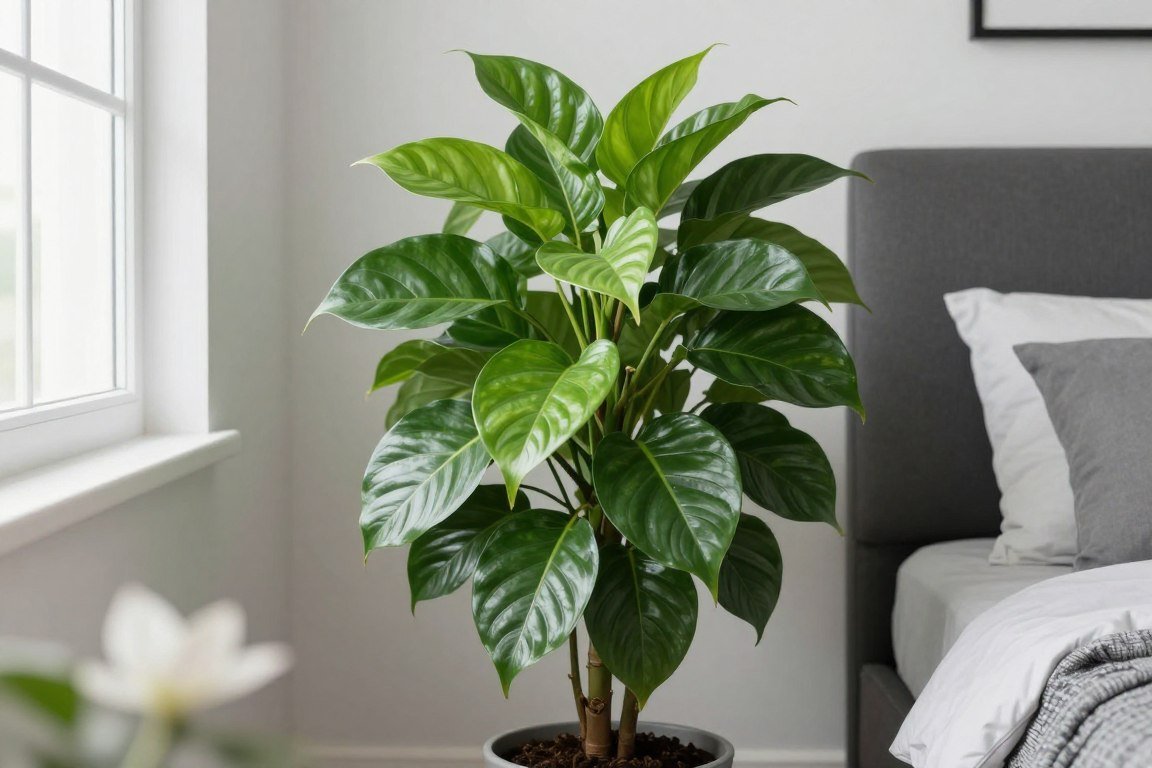
Pothos plants actively remove toxins from indoor air naturally. Research shows they filter formaldehyde, benzene, and carbon monoxide effectively. Larger plants with more leaf surface area provide greater air purification benefits.
Place multiple pothos plants throughout your home for maximum air quality improvement. Bedrooms, living rooms, and home offices all benefit from these natural air filters. The plants work continuously without filters or electricity.
Maintain healthy foliage through proper plant care to optimize purification capabilities. Clean leaves monthly by wiping with a damp cloth. Dust blocks pores and reduces the plant’s ability to process air efficiently.
Combine pothos with other air-purifying houseplants for synergistic effects. Snake plants, spider plants, and peace lilies complement pothos perfectly. Together, they create a comprehensive natural air filtration system for healthier indoor environments.
Common Pothos Problems and Solutions
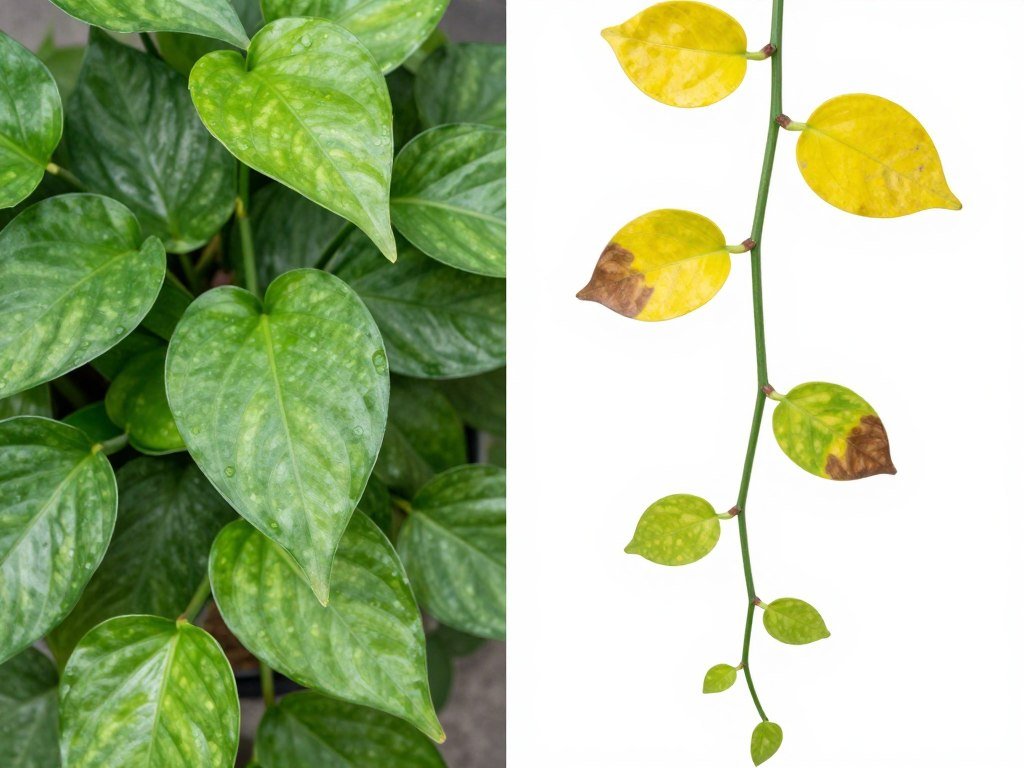
Even the easiest plants encounter occasional challenges. Understanding common pothos problems helps you respond quickly and effectively. Most issues resolve easily with simple care adjustments.
Yellow Leaves
Yellowing leaves typically indicate overwatering or poor drainage. Check if your pot has adequate drainage holes at the bottom. Allow soil to dry between waterings to prevent root rot development.
Older leaves naturally yellow and drop as plants age. This normal process shouldn’t cause concern if new growth appears healthy. Remove yellow leaves to maintain appearance and redirect energy to new foliage.
Brown Leaf Tips
Brown, crispy leaf edges signal low humidity or inconsistent watering. Increase humidity around your plant through regular misting. Consider using a pebble tray filled with water beneath the pot.
Fluoride in tap water also causes brown tips in sensitive plants. Switch to filtered or distilled water if this persists. The improvement becomes visible in new growth within weeks.
Root Rot
Root rot develops when soil stays too wet for extended periods. Affected roots appear black, mushy, and emit foul odors. Remove the plant from its pot immediately to assess damage.
Trim away all rotted roots with sterilized scissors. Repot in fresh, well-draining potting mix in a clean container. Adjust your watering schedule to allow soil to dry more thoroughly between waterings.
Leggy Growth
Long spaces between leaves indicate insufficient light exposure. Move your pothos closer to a window with indirect light. The plant stretches toward light sources when current levels prove inadequate.
Prune leggy vines back to encourage bushier growth patterns. Cut just above a leaf node to stimulate branching. The plant responds by producing multiple new shoots from the pruning point.
Pest Infestations
Spider mites, mealybugs, and scale occasionally affect pothos plants. Inspect leaf undersides regularly for early pest detection. Treat infestations immediately with insecticidal soap or neem oil spray.
Isolate affected plants to prevent pest spread to other houseplants. Repeat treatments weekly until pests disappear completely. Maintaining plant health through proper care prevents most pest problems naturally.
Loss of Variegation
Variegated varieties like Marble Queen may revert to solid green in low light. This adaptation helps plants photosynthesize more efficiently in shade. Move variegated pothos to brighter indirect light to maintain patterns.
Prune out solid green vines to prevent them from overtaking variegated growth. These plain sections grow more vigorously and can dominate the plant. Regular trimming maintains the desired variegation levels.
No New Growth
Growth naturally slows during winter months when daylight decreases. This dormancy period is normal and requires patience. Resume regular fertilizing in spring when growth resumes naturally.
Root-bound plants also stop producing new growth until repotted. Check if roots circle the pot bottom or emerge from drainage holes. Transplant to a pot one size larger with fresh potting soil to stimulate growth.
Start Your Pothos Growing Journey Today
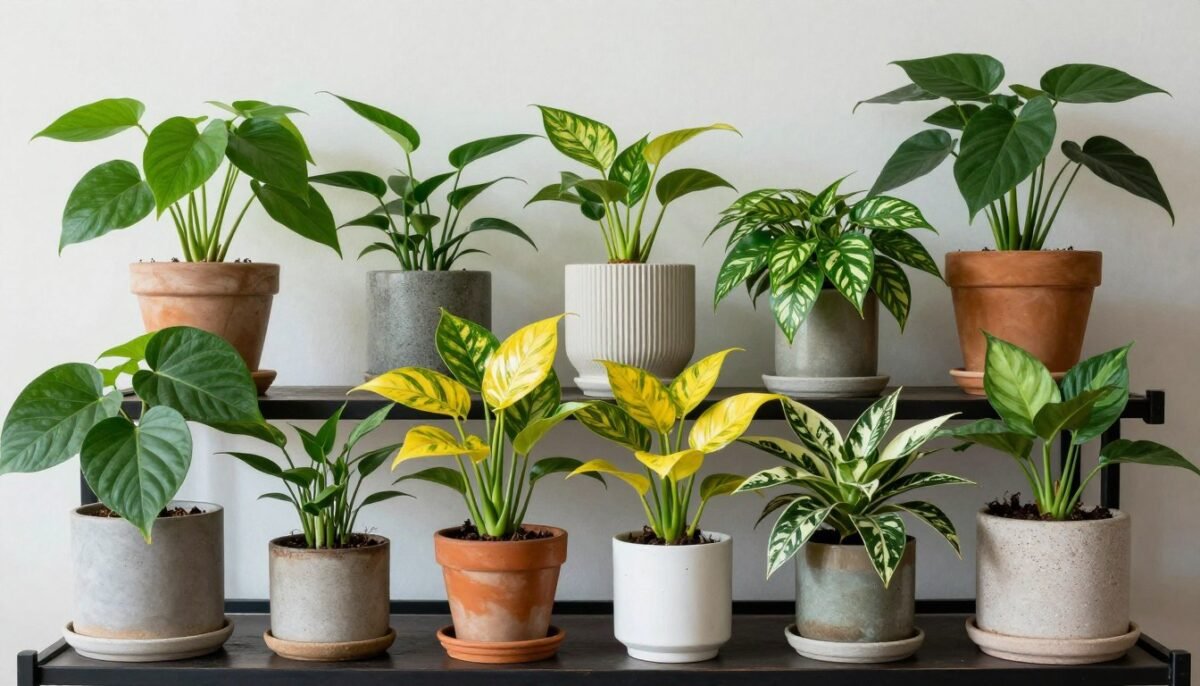
These 15 creative ways to grow pothos offer endless possibilities for your home greenery. Each method brings unique benefits while celebrating the versatility of this remarkable houseplant. The techniques range from beginner-friendly to more advanced projects for experienced gardeners.
Start with one or two methods that match your current skill level and available space. Experiment with different growing styles to discover what works best in your home. The forgiving nature of pothos makes it perfect for trying new approaches without worry.
Remember that successful plant care comes from observation and adjustment over time. Watch how your pothos responds to different conditions and modify your care accordingly. Each plant develops its own personality and preferences as it grows.
The joy of growing pothos extends beyond their beauty and air purification qualities. These plants connect us to nature while teaching patience and nurturing skills. Your pothos collection will grow alongside your confidence and expertise.
Whether you choose water propagation, creative displays, or traditional pots, pothos rewards your efforts generously. The plant’s resilience and beauty make it an ideal companion for any indoor space. Transform your home into a green sanctuary one pothos plant at a time.