
Planning a carnival event doesn’t have to drain your wallet or stress you out. Whether you’re organizing a birthday party, school fundraiser, or backyard summer bash, homemade carnival games deliver excitement without the hefty price tag. These DIY games capture that classic carnival atmosphere while staying simple enough for anyone to create.
The best part about making your own carnival games? You probably have most supplies at home already. From simple toss games to creative challenges, these ideas work for kids of all ages and adults too. Each game takes minimal time to set up and provides hours of entertainment.
This complete list of homemade carnival games includes everything you need to create an unforgettable event. You’ll find detailed instructions, supply lists, and helpful tips that make setup a breeze. Ready to bring carnival fun to your next gathering?
Table of Contents
Classic Ring Toss Game
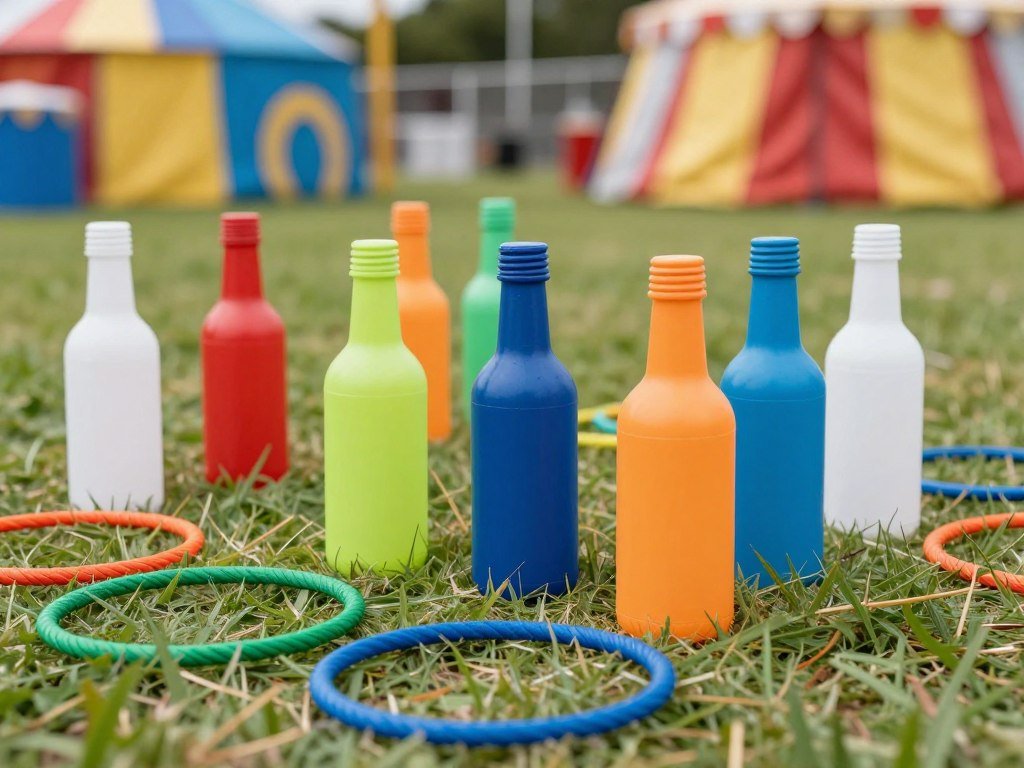
The ring toss stands as one of the most iconic carnival games you can make at home. This timeless favorite works perfectly for players of all ages. Kids love the challenge while adults appreciate the nostalgic fun.
Materials You’ll Need
- Six to ten plastic bottles or wooden dowels
- Rope or pool noodles for rings
- Paint and decorations
- Sturdy base board or weighted bottles
- Tape to secure bottles
How to Make It
Start by collecting bottles of similar height. Glass bottles work great but plastic ones are safer for kids. Paint each bottle in bright carnival colors and let them dry completely. Red, yellow, and blue create that classic carnival atmosphere.
For the rings, cut pool noodles into sections and connect the ends with duct tape. Alternatively, create rope rings by forming circles and wrapping the connection point with colorful tape. Make your rings slightly larger than the bottle openings for achievable success.
Arrange bottles in rows on a flat surface. Space them about six inches apart. You can create different point values by varying bottle heights or colors. Taller bottles or those farther back could be worth more points.
Game Rules
Players stand behind a designated line about five feet away. Each player gets three to five rings per turn. They toss rings attempting to land them around bottle necks. Award points based on successful tosses and total the score after all rings are thrown.
For younger kids, move the toss line closer. This simple adjustment keeps the game fun rather than frustrating. Older children and adults can stand farther back for more challenge.
Duck Pond Fishing Game
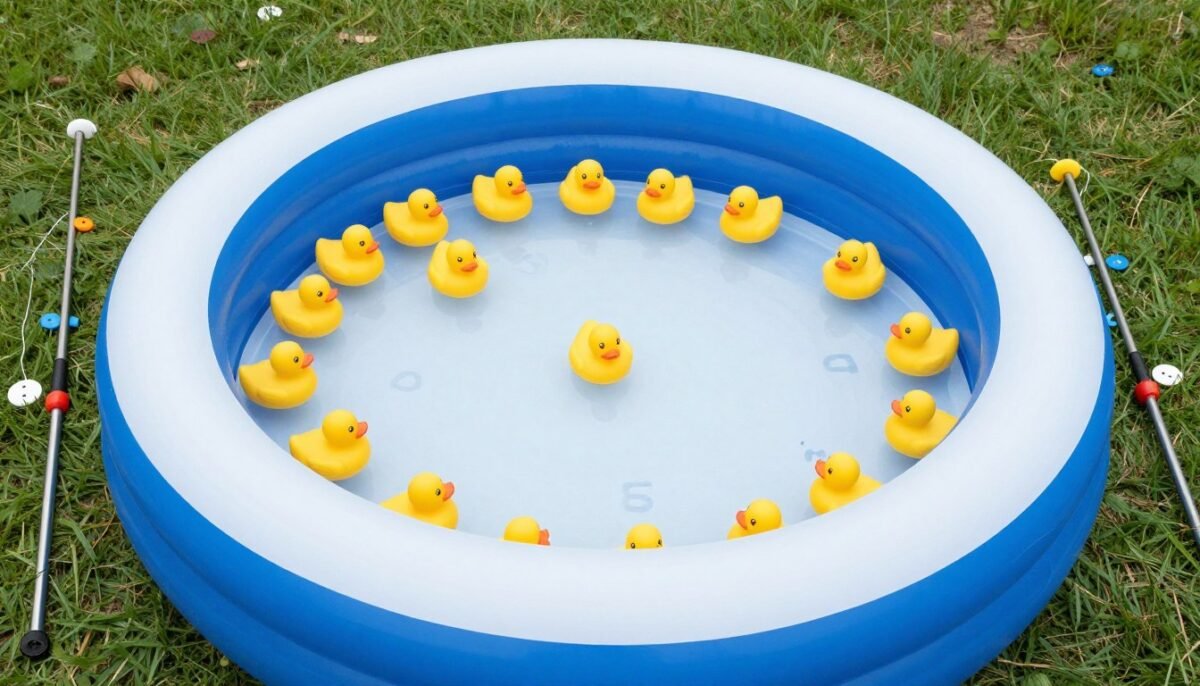
The duck pond brings classic carnival charm to any event. This water-based game stays cool during summer parties while providing endless entertainment. Kids get excited about fishing for prizes.
Setup Instructions
Fill a kiddie pool or large plastic tub with water. Drop in rubber ducks that you’ve numbered on the bottom with permanent marker. Create simple fishing poles using wooden dowels, string, and magnets or small hooks.
Attach magnets to both the ducks and fishing line ends. This setup lets even small kids successfully “catch” ducks. For older children, use cups attached to poles instead for a different challenge.
Making It Special
Write numbers or symbols under each duck corresponding to different prize levels. Some ducks could be “instant winners” while others accumulate points. This variety keeps every turn exciting.
Add food coloring to the water for visual appeal. Blue creates an ocean effect while green suggests a pond setting. Floating decorations like lily pads or toy fish enhance the theme.
Players take turns fishing for one duck per turn. They check the bottom for their prize number. The anticipation builds as each duck gets lifted from the water.
Balloon Dart Throw
Nothing says carnival excitement like popping balloons. This classic game creates moments of suspense and celebration. The satisfying pop when darts hit their target keeps players coming back for more tries.
Safe Setup Method
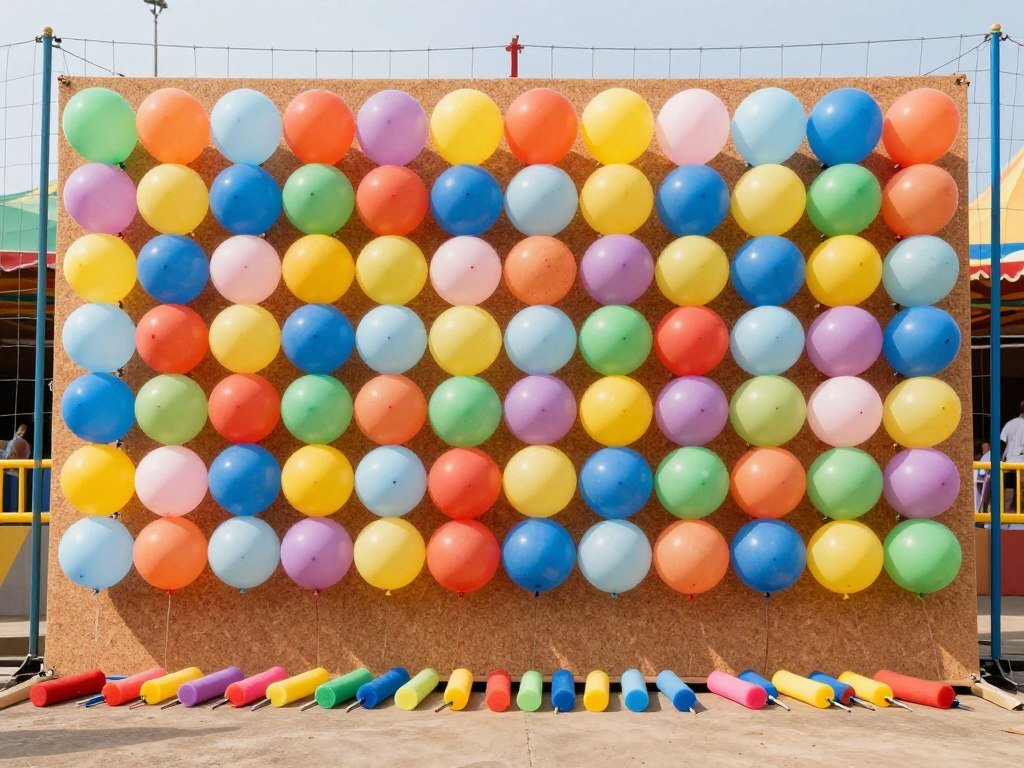
Mount a large cork board or foam board as your backing. Inflate balloons to medium size and pin them tightly together covering the board surface. Use bright colors mixed together for visual excitement.
Instead of sharp darts, use foam-tipped darts or even sticky balls for safety. These alternatives still pop balloons while reducing injury risk. Position the board at appropriate height for your youngest players.
Prize Integration
Before inflating balloons, insert small paper prizes inside some balloons. These could indicate point values or specific prizes. Not every balloon needs a prize inside to maintain excitement and manage costs.
Players stand behind a marked line about six to eight feet from the board. They get three darts per turn. Each popped balloon reveals whether they’ve won anything special.
For variation, assign different point values to different balloon colors. Red balloons might be worth ten points while blue ones are twenty. This adds strategy to simple balloon popping.
Essential Carnival Supplies Bundle
Getting your materials together? We’ve tested dozens of options and these supplies consistently deliver the best results for multiple games.
- Multi-pack of durable plastic bottles perfect for toss games
- Colorful rope in carnival colors for ring making
- Bulk balloon packs in assorted vibrant colors
- Safe foam-tipped darts designed for kids
- Weather-resistant paint that won’t chip
Bean Bag Toss Variations
Bean bag toss games offer incredible versatility for carnival events. These simple games adapt to any theme while providing appropriate challenge levels for different ages. The soft bags make them safe for indoor or outdoor use.
Traditional Cornhole Style
Build or decorate a wooden board with holes cut at different positions. Prop the board at an angle using hinges and support legs. Paint the board in bright carnival colors or customize it to match your party theme.
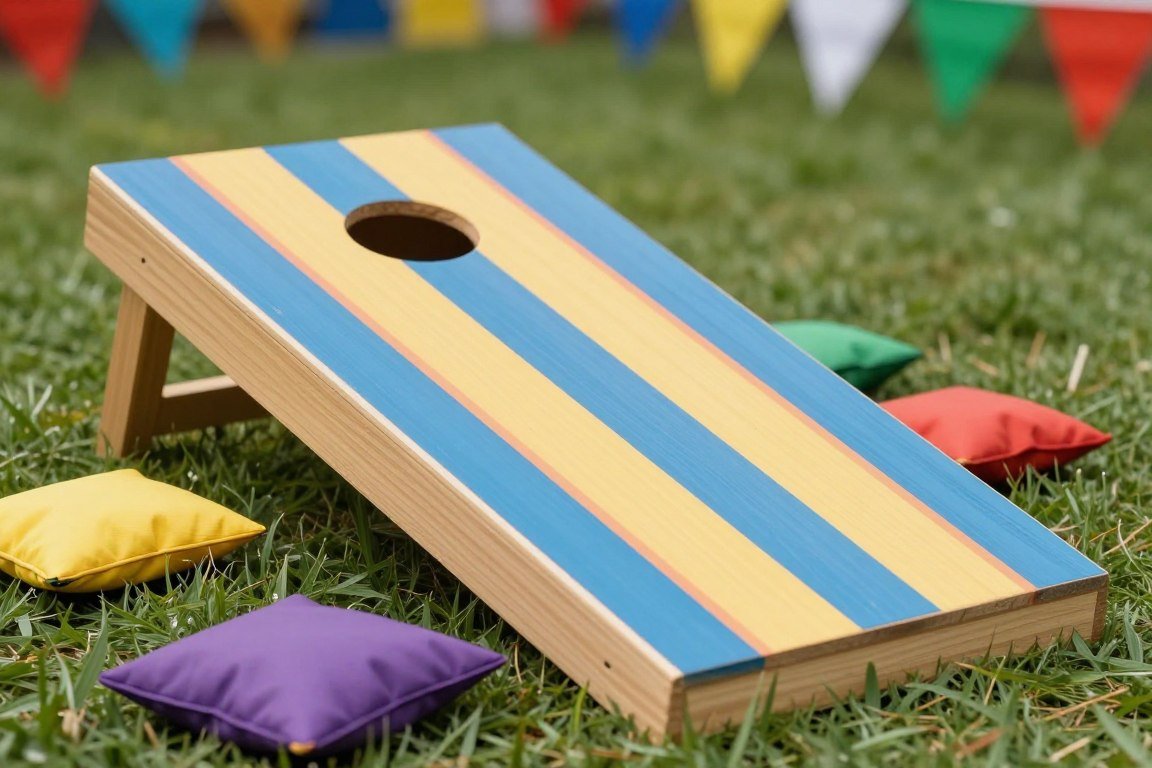
Players toss bean bags trying to land them through holes of varying sizes. Smaller holes score more points. The angled board adds difficulty as bags can slide off. This classic setup works great for all ages with adjusted toss distances.
Bucket Toss Variation
Arrange buckets or bins at different distances from the toss line. Assign point values based on distance and bucket size. Farther buckets or smaller openings earn higher points.
Paint numbers directly on buckets or attach decorative labels. You can create themed versions like a monster mouth using a decorated box. Kids aim to “feed” the monster by tossing bags into its mouth opening.
Target Board Design
Create a large target board using cardboard or wood. Cut different sized holes and paint rings around them. This combines traditional bean bag toss with target shooting excitement.
Make bean bags easily using fabric scraps and dried beans or rice. Sew simple squares and fill them to create tossable bags. Different colored bags can represent different teams or players during competition.
These games work wonderfully because materials are inexpensive and setup takes minimal time. Kids can even help make the bean bags as a pre-party activity.
Water Bottle Bowling
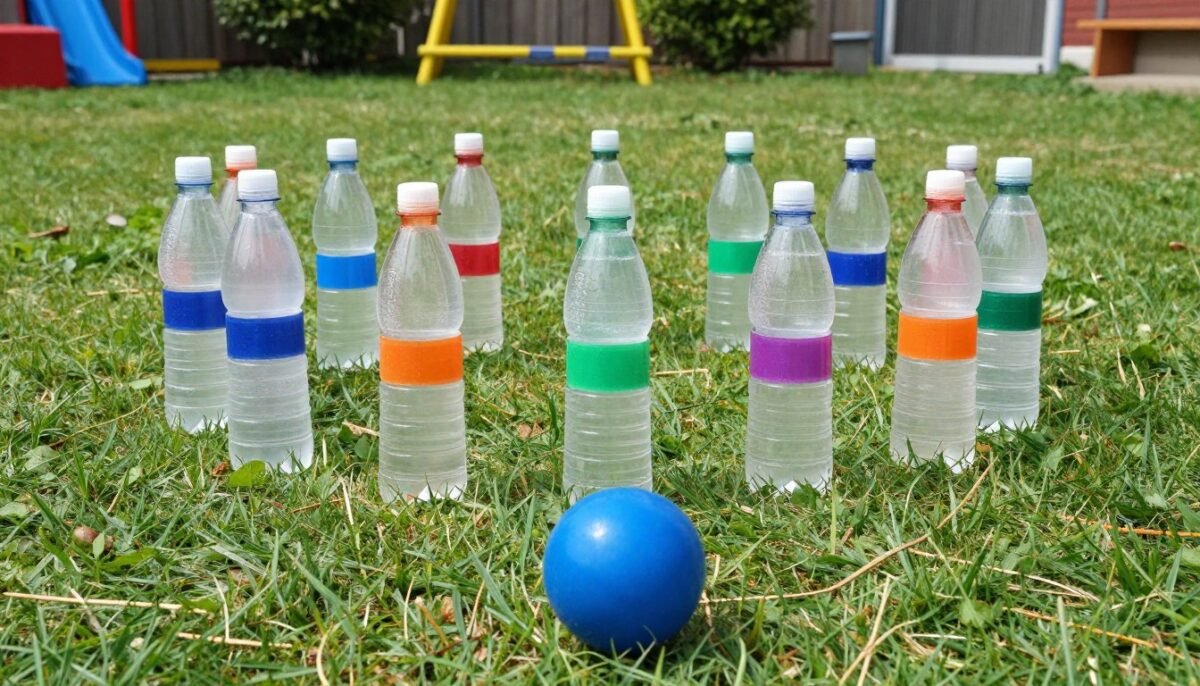
Transform ordinary plastic bottles into bowling pins for classic alley fun. This game brings bowling excitement to your carnival without expensive equipment. The familiar format makes rules easy for everyone to understand.
Assembly Instructions
Collect ten plastic bottles of the same size. Two-liter soda bottles work perfectly. Fill each bottle with a small amount of water or sand to prevent them from blowing over while keeping them easy to knock down.
Decorate bottles with colorful tape in spiral patterns or stripes. This decoration serves dual purposes by making pins visually appealing and adding grip texture. Number your pins one through ten if you want traditional scoring.
Set up pins in the traditional triangle formation. For a flat surface, use tape to mark exact positions. This helps with quick reset between players. A driveway or patio works better than bumpy grass for ball rolling.
Ball Selection
Use a rubber playground ball or soccer ball as your bowling ball. These balls are lighter than real bowling balls making the game accessible for younger kids. The ball size should be proportional to your bottle spacing.
Players stand at a designated line about fifteen feet from the pins. They roll the ball trying to knock down as many bottles as possible. Traditional bowling scoring rules apply or create simplified point systems.
For added challenge, create gutters using pool noodles or rope along the sides of your bowling lane. This adds authenticity and increases difficulty for older players.
Tin Can Alley Knock Down
Stacking tin cans creates an instant carnival classic. This simple game delivers satisfying crashes when players successfully knock down pyramids. The noise and action keep energy levels high throughout your event.
Preparation Steps
Collect and clean empty tin cans of various sizes. Remove labels and check for sharp edges. Cover any rough spots with duct tape for safety. Paint cans in bright colors or wrap them with decorative paper.
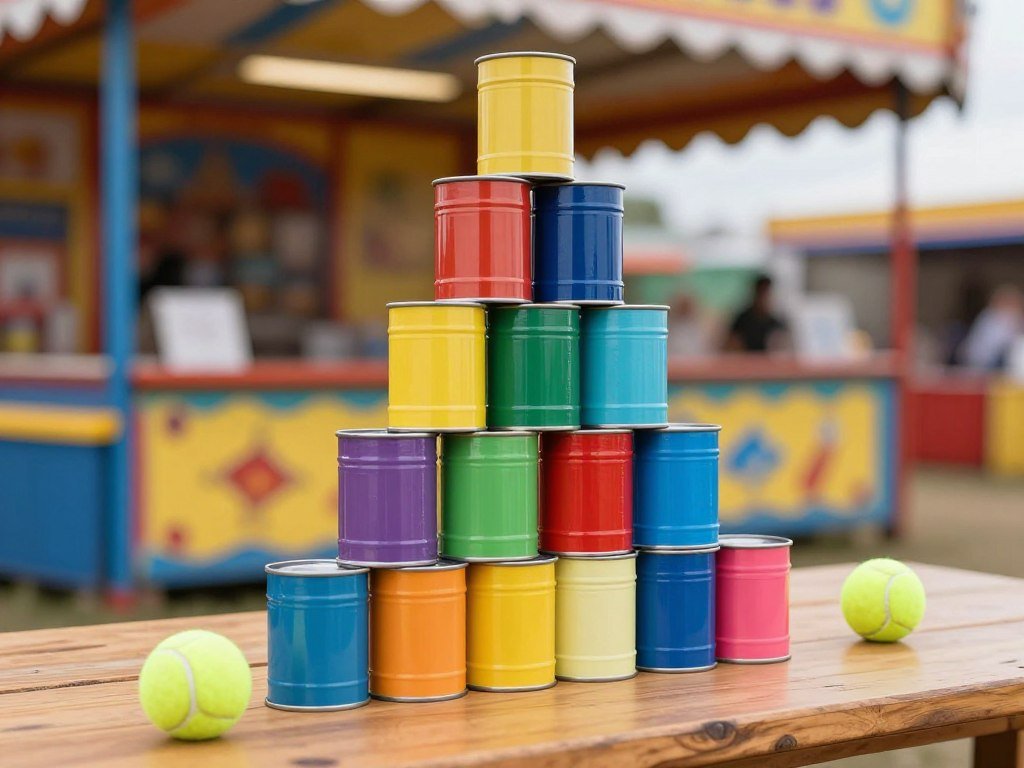
Stack cans in pyramid formation with largest cans forming the base. A six-can pyramid (three bottom, two middle, one top) works well for most ages. Larger pyramids increase difficulty for competitive play.
Throwing Options
Tennis balls make ideal projectiles for this game. They’re heavy enough to knock cans down but soft enough to avoid injury or property damage. Bean bags work as a gentler alternative for very young children.
Players stand about eight to ten feet away from the can stack. They get three throws to knock down all cans. Award full points for clearing the entire pyramid or partial points for each can knocked down.
Create themed variations by decorating cans as characters or targets. Monster faces or carnival mascots add personality to your game station. Kids especially enjoy knocking down silly character stacks.
This game resets quickly between players making it ideal for events with many participants. Have multiple sets of cans ready to speed up gameplay during busy times.
Ping Pong Ball Toss Challenges
Ping pong balls create versatile carnival games with minimal investment. These lightweight balls bounce unpredictably adding excitement and challenge to simple toss games. Their small size makes even wide containers feel like difficult targets.
Fishbowl Toss
Arrange glass fishbowls or large plastic cups in rows on a table. Space them with small gaps between containers. Players toss ping pong balls trying to land them inside bowls. The ball bounce creates suspense as balls teeter on bowl rims.
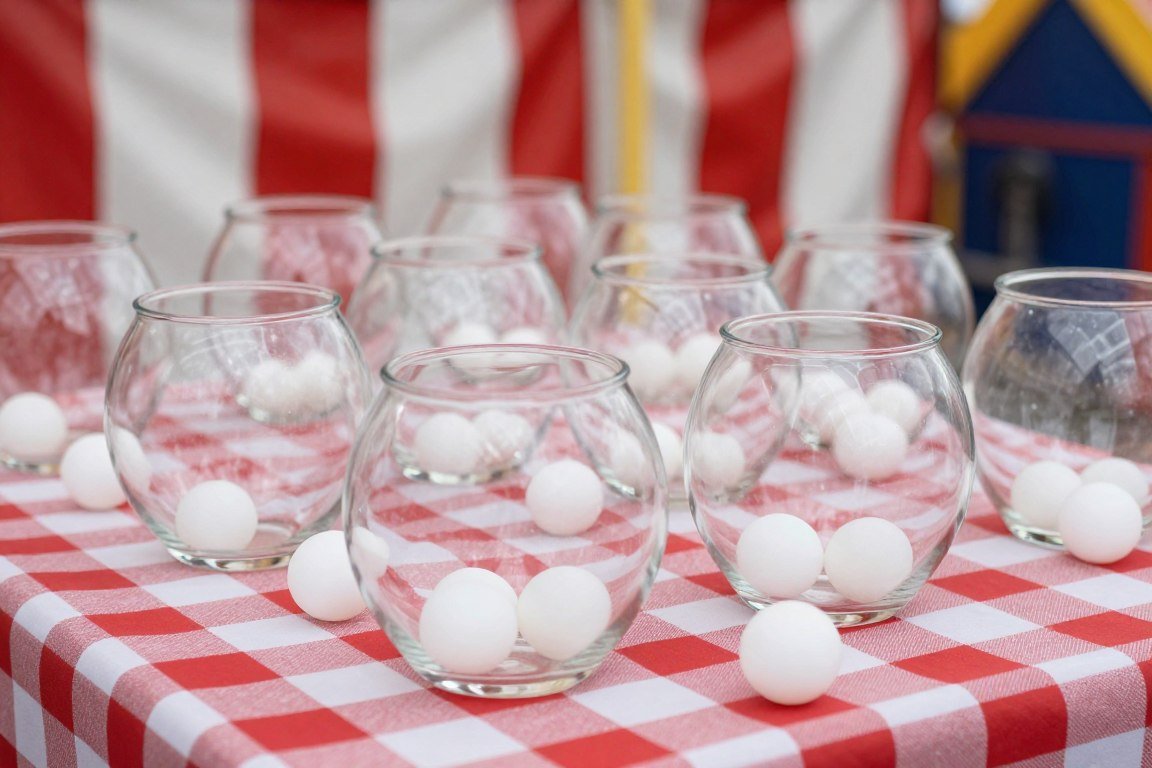
Award different point values based on bowl size or position. Smaller bowls or those farther from the throw line score higher points. Some bowls could be “instant win” targets marked with special stickers.
Floating Plate Game
Float paper plates or plastic lids in a kiddie pool filled with water. Number each plate with different point values. Players toss ping pong balls attempting to land them on floating targets.
The moving targets add difficulty as plates drift and spin on the water surface. This variation works beautifully for summer carnival events. The water element keeps things cool during hot weather.
Egg Carton Toss
Place egg cartons with open cups facing up. Write different point values in each cup section. Players toss balls trying to land them in specific high-value cups.
This compact game needs minimal space making it perfect for indoor events. Multiple egg cartons can be arranged to create longer playing areas. The small cup openings provide appropriate challenge without being impossible.
Buy ping pong balls in bulk as they’re inexpensive and you’ll need plenty. Balls inevitably bounce away and having extras prevents game delays. White balls work fine but colored ones add visual appeal.
Balloon Pop Relay Race
Combine balloon popping with relay race excitement for active carnival fun. This high-energy game gets kids moving while delivering that satisfying balloon pop. Teams compete adding a social element to individual challenges.
Game Setup
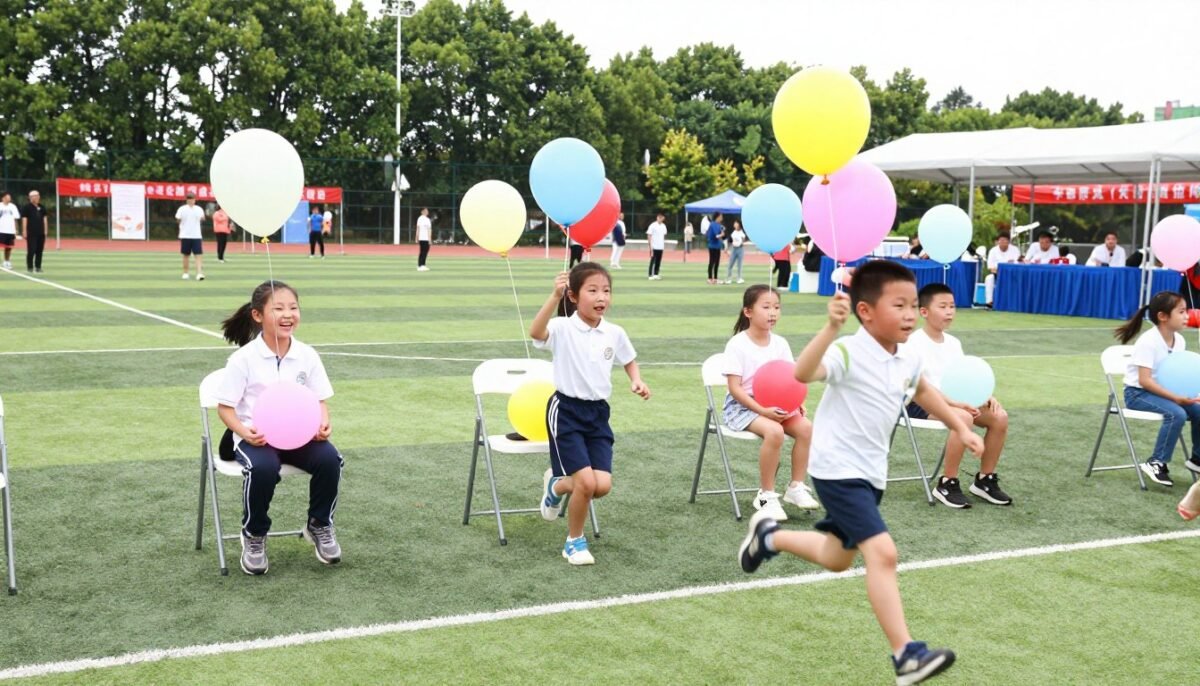
Inflate dozens of balloons and scatter them in a designated area or place them in specific locations along a race course. Create clearly marked start and finish lines. Position chairs at the end where players will pop their balloons.
Divide participants into teams of equal size. Each team lines up at the starting line. The first player from each team races to grab a balloon, brings it back, and must pop it by sitting on it on their chair.
Popping Methods
Sitting on balloons works well and stays safe for most ages. Alternative popping methods include stomping on balloons or using hands to squeeze them until they burst. Choose methods based on participant ages and abilities.
Once a player successfully pops their balloon, the next teammate races to get their balloon. The first team to have all members pop balloons wins. This format keeps everyone engaged rather than waiting for individual turns.
For variation, place small prizes or candy inside some balloons before inflation. Players get to keep whatever was inside their popped balloon. This adds individual rewards within team competition.
Make sure you have plenty of inflated balloons ready. Games move quickly and you don’t want delays while inflating more balloons. A balloon pump speeds up preparation significantly.
DIY Strength Testing Challenge
Create your own high striker game that tests strength without dangerous hammers. This carnival staple impresses kids and adults alike. Everyone wants to see how high they can make the marker climb.
Construction Method
Use a tall cardboard tube or PVC pipe as your vertical track. Mark measurement lines along the tube with colorful tape or paint. Create labels like “Strong,” “Super Strong,” and “Mighty” at different heights.
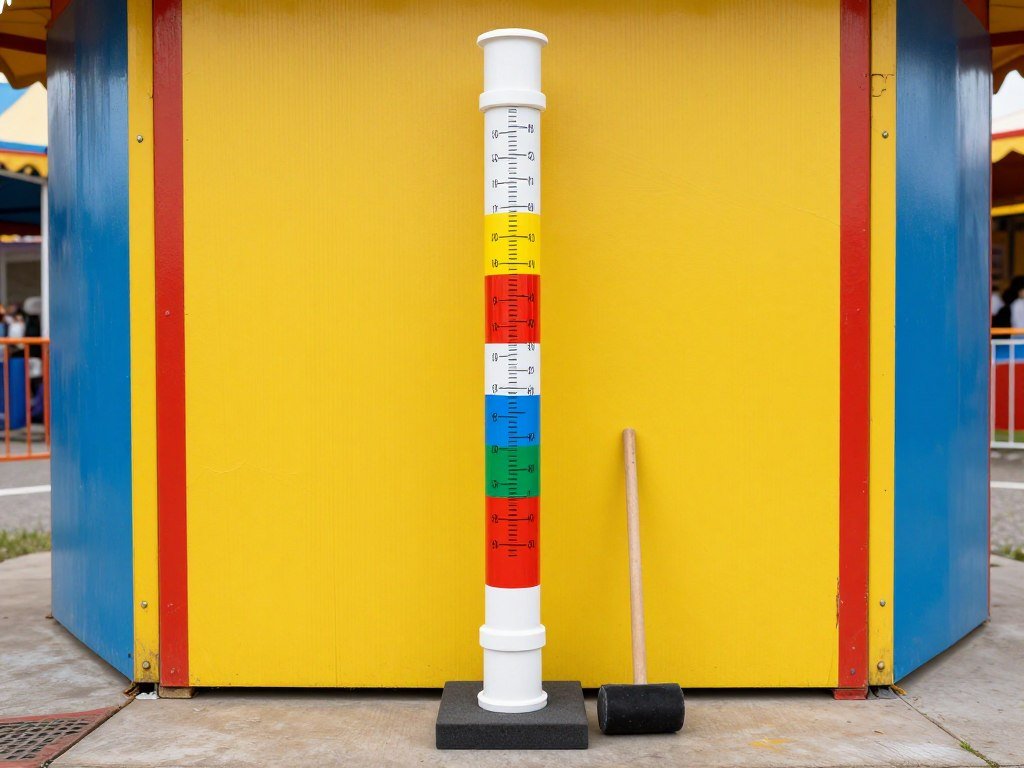
At the base, place a sturdy foam pad or cushion that players will strike. Attach a lightweight ball or marker that will travel up the tube when the base gets hit. The marker needs to move freely but fit snugly enough not to fall on its own.
Playing Method
Players use a soft mallet or foam hammer to strike the foam pad. The force propels the marker up the tube. Where the marker reaches determines their strength level and points earned.
This version stays safe while maintaining the excitement of traditional carnival strength testers. The foam components prevent injuries while still allowing competitive play. Kids love trying to beat their previous records or challenge friends.
Create categories based on height achieved. Everyone gets recognition whether they reach low, medium, or high marks. This inclusive approach ensures all participants feel successful regardless of actual strength.
Sponge Water Toss Game
Water games bring refreshing fun to summer carnival events. This sponge toss keeps kids cool while challenging their throwing accuracy. The soft sponges make this game safe even with lots of wild throws.
Game Materials
Purchase large sponges or cut bigger ones into throwable pieces. Soak sponges in buckets of water before play. Set up target buckets or bins at varying distances from the throw line.
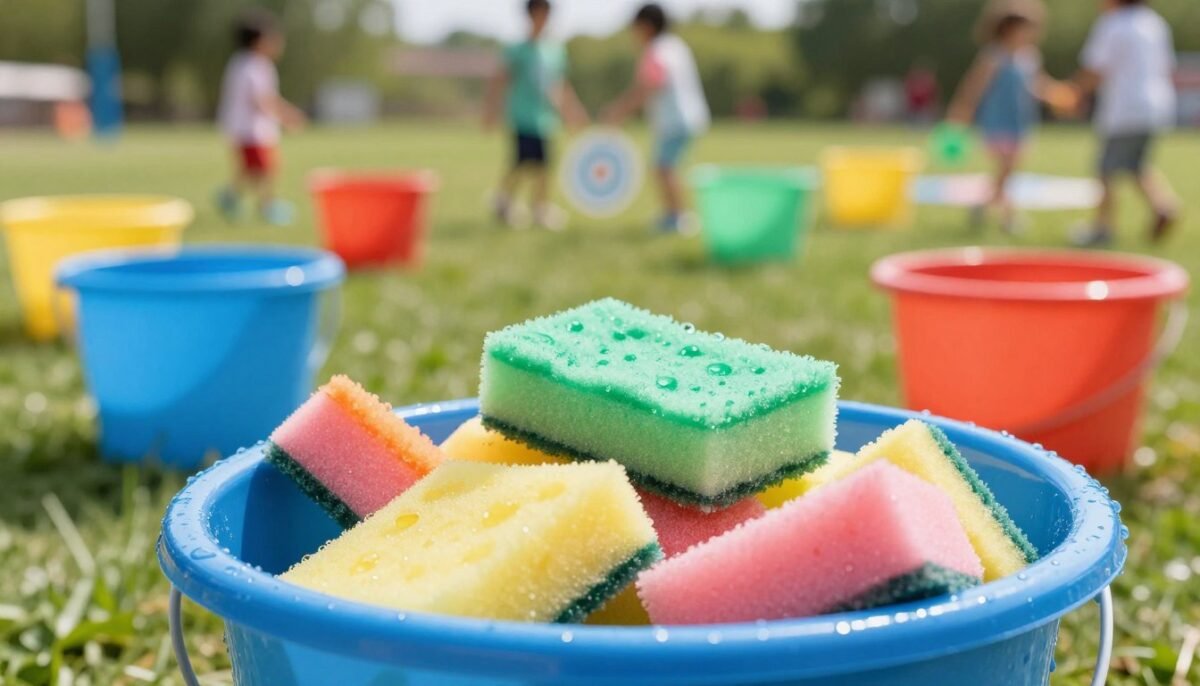
Players grab wet sponges and toss them at targets. Points are awarded when sponges land inside buckets. Closer buckets might be worth fewer points while distant targets score higher.
Team Variations
Create a two-person relay where partners toss sponges back and forth while moving toward a goal line. If they drop the sponge, they return to start. First team to cross the finish line wins.
Another option involves target boards with balloon-filled sections. Players throw sponges to pop balloons and reveal prizes underneath. The wet sponges add enough force to break balloons on impact.
This game naturally manages crowd cooling during hot weather. The water spray when sponges hit targets or miss completely keeps players refreshed. Parents appreciate games that help kids beat summer heat.
Have towels available for players who get soaked. While getting wet is part of the fun, some kids prefer staying mostly dry. Position this game away from other carnival stations to prevent water damage to paper-based games.
Mystery Box Guessing Game
This sensory challenge tests courage and guessing skills. Mystery boxes add suspense and giggles to any carnival atmosphere. Kids love the combination of slight fear and excitement.
Box Preparation
Decorate boxes or containers with mysterious designs. Cut holes in one side large enough for hands to fit through but not big enough to see inside easily. Attach fabric around the hole opening to hide contents completely.
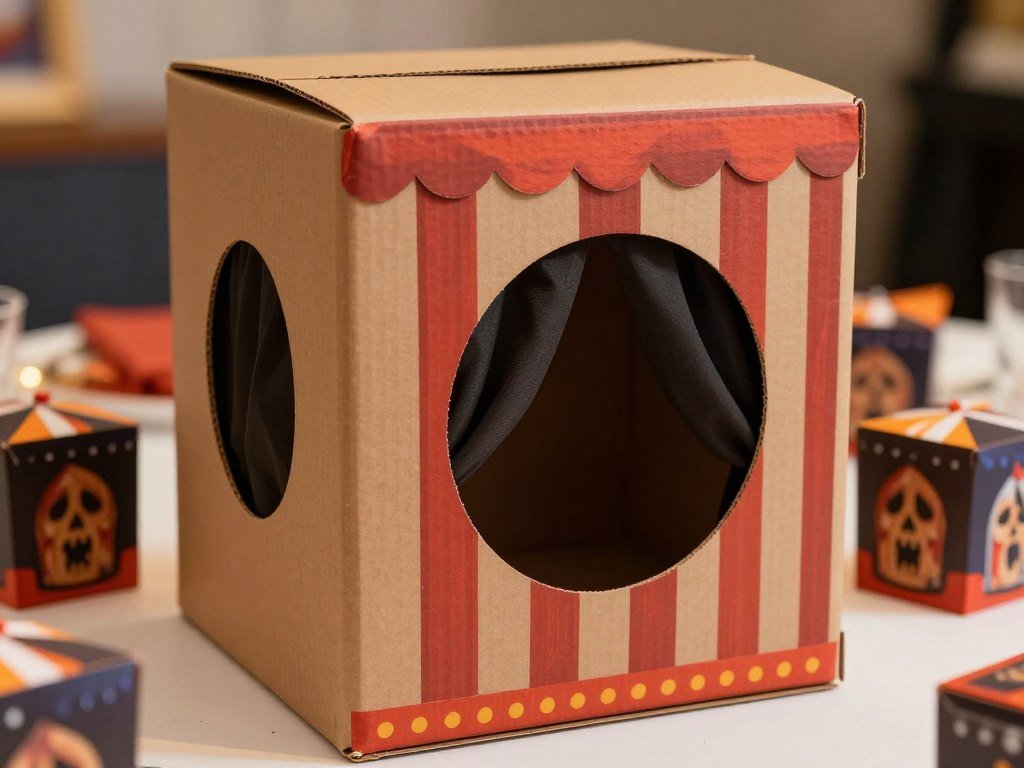
Fill boxes with safe items that feel interesting or unusual. Peeled grapes feel like eyeballs, cooked spaghetti resembles worms, and cold hot dogs can pass for fingers. Use your imagination to create appropriately creepy sensations.
Gameplay Process
Players reach into boxes one at a time without looking. They feel the contents and guess what objects are inside. Correct guesses earn points or small prizes.
Create different difficulty levels using obvious items for younger kids and challenging ones for older participants. A stuffed animal is easy to identify while unusual textures prove more difficult.
For non-spooky versions, use regular objects like toys, balls, or household items. This adaptation works for events where scary themes aren’t appropriate. The guessing challenge remains entertaining regardless of theme.
Always supervise this game closely to ensure players don’t peek or remove items from boxes. Have hand sanitizer available for use before and after playing. Clean and refresh box contents regularly during longer events.
Playing Card Toss Into Containers
Standard playing cards become carnival game projectiles in this skill-based challenge. The thin cards flutter and spin unpredictably making accurate tosses surprisingly difficult. This game looks deceptively easy but provides real challenge.
Setup Requirements
Place containers of various sizes and heights throughout your game area. Wide baskets, narrow cups, and medium bowls create different difficulty levels. Position containers at different distances from the throw line.
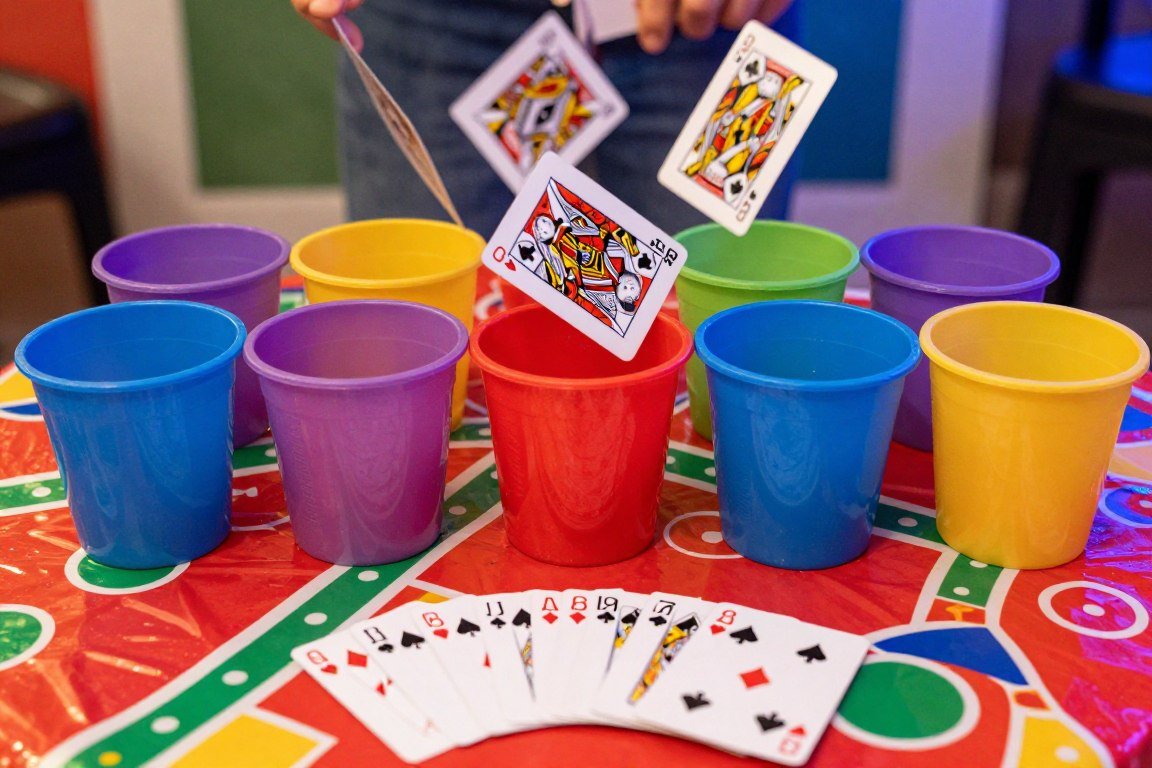
Use old decks of cards or purchase inexpensive ones specifically for this game. Cards will get bent and damaged during play. Having multiple decks prevents delays when cards run out or become too damaged.
Scoring System
Assign point values based on container difficulty. Small cups score twenty points, medium bowls score ten points, and large baskets score five points. Distance from the throw line can modify these values further.
Players get ten cards per turn. They toss cards attempting to land them inside containers. Cards must stay inside containers to count. Those that bounce out don’t score points.
This game works wonderfully in limited spaces. Unlike ball-based games that need lots of room, card toss fits in smaller areas. Indoor events especially benefit from this compact game option.
Create themed variations using special cards or containers. Holiday versions might use gift boxes as targets. Sports themes could involve team-colored containers. These customizations help games match overall party themes.
Penny Pitch Challenge
The penny pitch brings old-school carnival charm to modern events. This simple game tests precision throwing with coins that everyone recognizes. The familiar penny format makes rules instantly understandable.
Game Board Creation
Create a game board using a large piece of cardboard or wood. Draw or paint squares covering the entire surface. Each square should measure slightly larger than a penny.
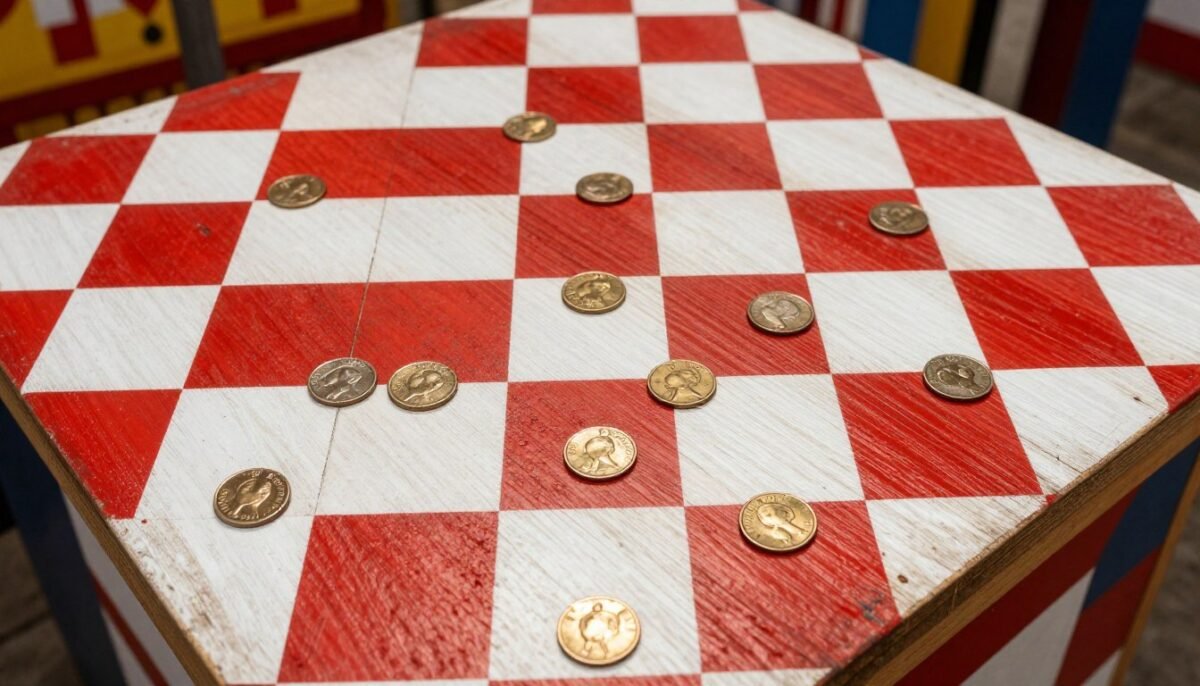
Number squares with different point values. Some squares might be worth bonus points or special prizes. Alternatively, color-code squares where different colors equal different values. This visual system helps younger players track scoring.
Playing Instructions
Players stand behind a line about six feet from the board. They toss pennies attempting to land them completely within square boundaries. Pennies touching lines don’t count toward scores.
Give each player five to ten pennies per turn. After all pennies are thrown, calculate scores based on which squares contain cleanly landed pennies. The small penny size makes this seemingly simple game quite challenging.
For safety with younger kids, use plastic coins or buttons instead of metal pennies. These substitutes work just as well while eliminating concerns about children putting coins in mouths.
This game requires minimal materials and setup time. The flat board stores easily and transports without hassle. These practical benefits make penny pitch ideal for carnival organizers with limited resources or transportation.
Plastic Bottle Flip Ring Challenge
Combine two viral challenges into one exciting carnival game. This hybrid tests both bottle flipping skills and ring tossing accuracy. The familiar bottle flip gets carnival-style point scoring.
Equipment Needed
Set up several plastic bottles partially filled with water. The water amount affects flip difficulty so experiment to find the right level. Position bottles on a stable table or platform.
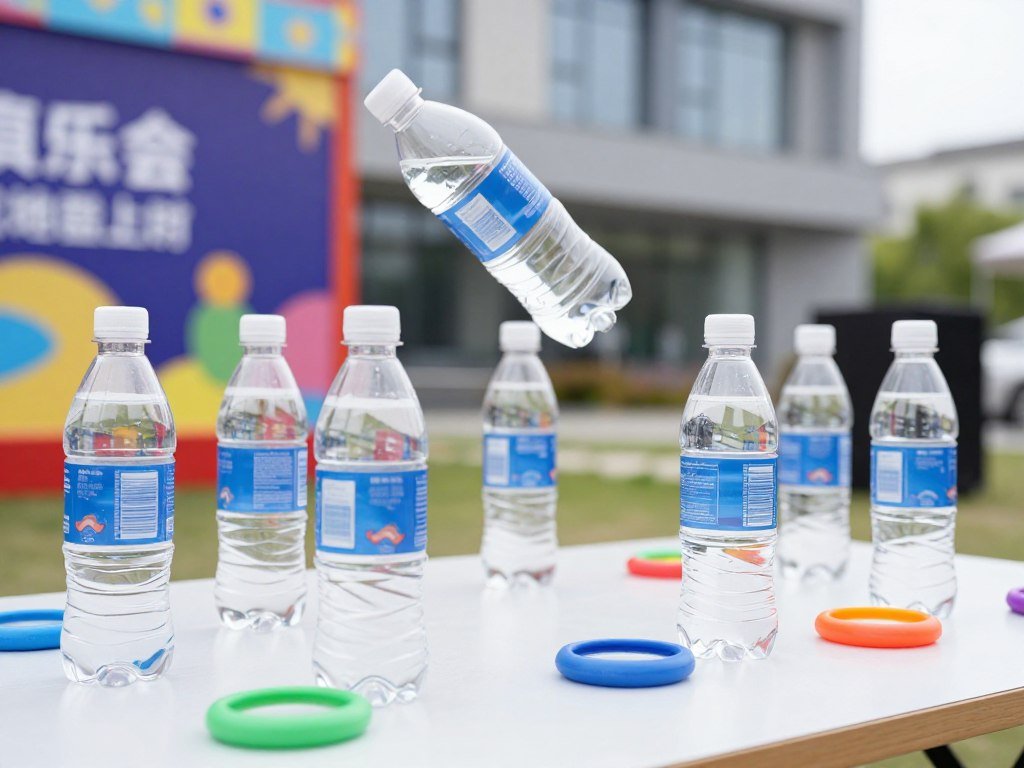
Create or purchase rings that fit over bottle tops when bottles are standing upright. Pool noodle rings or rope circles work perfectly. Have multiple rings available so players can make several attempts.
Game Mechanics
Players must first successfully flip bottles to land upright. Once a bottle lands correctly, they immediately attempt to toss a ring onto that bottle. Both actions must succeed in sequence to score points.
The double challenge increases difficulty significantly. Successfully flipping bottles requires practice and technique. Adding the ring toss component creates a truly demanding carnival challenge.
Award higher points for this combined challenge compared to simpler games. Players should feel rewarded for mastering both skills. Consider bonus points for consecutive successful attempts.
This modern twist appeals especially to older kids and teens who are familiar with bottle flipping trends. The nostalgia of ring toss combined with contemporary challenges bridges generation gaps at family events.
Paper Plate Ring Toss Variation
Paper plates offer an inexpensive alternative for creating ring toss games with unique twists. The lightweight plates fly differently than traditional rings creating fresh challenges. Their low cost means you can make dozens without budget concerns.
Plate Preparation
Cut the center circle from paper plates leaving just the outer rim. These plate rings work similarly to traditional toss rings but with distinct flight characteristics. Decorate rims with markers, stickers, or paint for visual appeal.
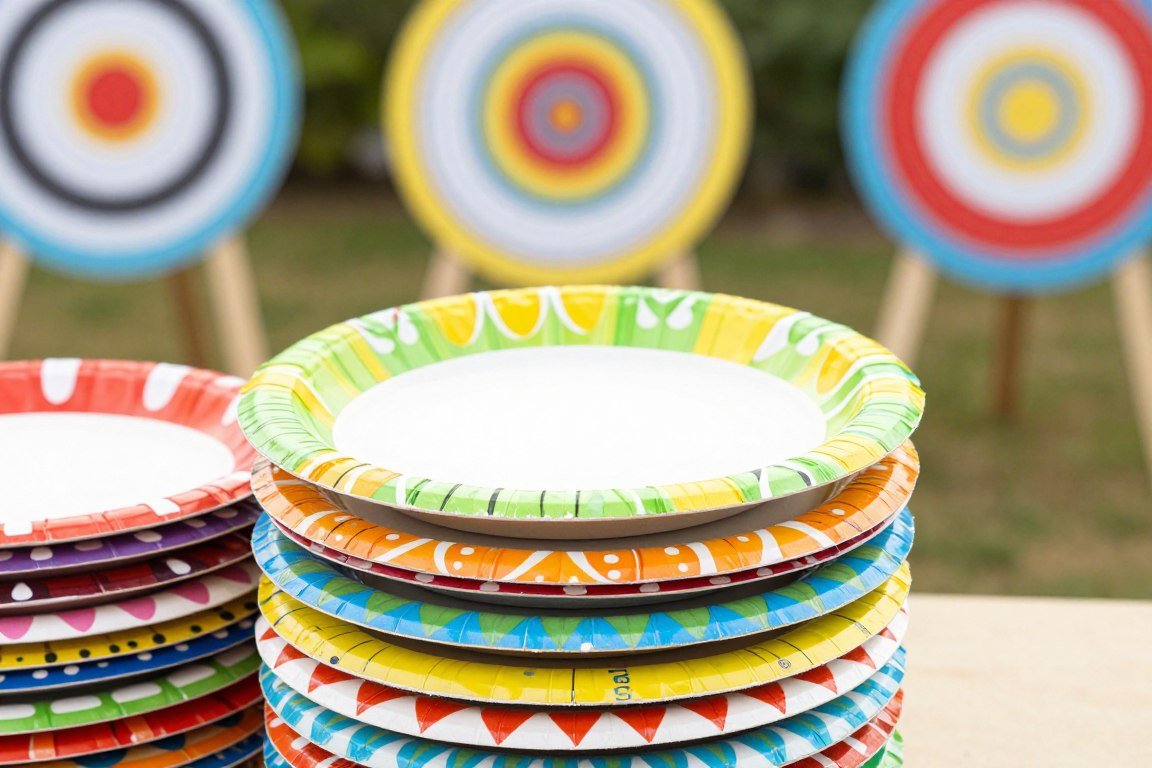
The larger plate diameter makes successful tosses more achievable for younger children. However, the light weight means they catch wind easily adding unexpected difficulty. This balance makes the game accessible yet challenging for all ages.
Target Options
Use wooden stakes driven into the ground as targets. Paint stake tops in different colors corresponding to point values. Players toss plate rings attempting to land them on stakes.
Alternatively, place traffic cones or large plastic cups as targets. The wide openings of these containers make catching flying plate rings possible. Mix target types for varied gameplay within one station.
Scoring Variations
Award points based on which target is hit or how many rings successfully land. Create bonus opportunities by designating specific color combinations or patterns that earn extra points.
For themed parties, cut plates into special shapes before removing centers. Star shapes work for patriotic themes while flower shapes suit garden parties. These customizations maintain functionality while matching event aesthetics.
Paper plates handle weather better than expected but prepare backup supplies for windy conditions. Store extra plates and have tape available for quick repairs during extended play.
Ball Bounce Into Bucket Challenge
Bouncing balls into containers creates surprisingly difficult carnival fun. The unpredictable bounce paths make this simple concept challenging even for skilled players. Success requires both aim and bounce angle calculation.
Station Setup
Arrange buckets in rows at different distances from the throwing line. Use various sized containers from small cups to large bins. Each container size and distance represents different difficulty levels and point values.
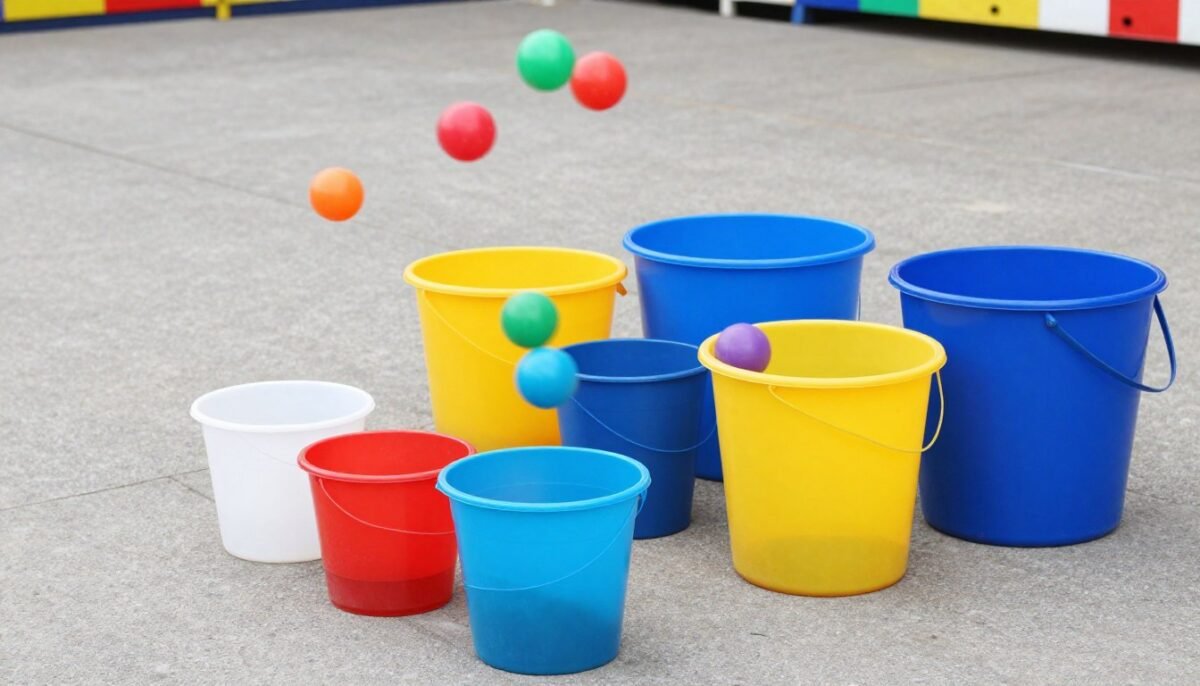
Place tape or chalk lines showing exactly where players must stand. Clear boundaries prevent disputes and ensure fair play. Mark different lines for different age groups adjusting difficulty appropriately.
Ball Selection
Use rubber balls that bounce consistently but not excessively. Tennis balls work well for most surfaces. Avoid super bouncy balls that ricochet wildly as they make the game frustratingly difficult.
Players bounce balls off the ground attempting to control the bounce into target buckets. Direct throws without bouncing don’t count. This rule forces players to master bounce techniques.
Competitive Elements
Run timed challenges where players see how many buckets they can successfully hit within sixty seconds. Alternatively, use turn-based play where each player gets five balls to achieve the highest score.
Create team competitions by dividing participants into groups. Teams work together to accumulate points. This social element encourages cheering and engagement from all participants.
For advanced players, add obstacles between the throw line and buckets. Players must bounce balls around or over obstacles adding complexity. This variation keeps experienced players challenged after they master basic bouncing.
Tips for Carnival Game Success
Making games is only half the battle. Strategic planning ensures your homemade carnival games deliver maximum fun throughout your entire event. These practical tips help you avoid common pitfalls and create smooth gameplay experiences.
Space Planning Considerations
Map out your carnival space before event day. Assign specific areas to each game station considering both playing space and waiting areas. High-activity games need more room than stationary challenges.
Position loud games like can knockdown away from quieter activities. Group similar games together when possible. Water games should cluster in one area to contain splashing and manage messes effectively.
Create clear pathways between game stations. Crowded, confusing layouts frustrate guests and slow participation. Wide walkways accommodate families with strollers and children running between activities.
Volunteer Coordination
Assign at least one volunteer to each game station. Volunteers explain rules, track scores, distribute prizes, and reset games between players. Their presence keeps lines moving efficiently.
Provide written instructions at each station for volunteers to reference. Simple rule cards prevent confusion and ensure consistent gameplay throughout the event. Include troubleshooting tips for common issues.
Schedule volunteer rotations so people get breaks from busy stations. Rotate positions allowing volunteers to experience different games. This prevents burnout during longer events.
Prize Strategy
Stock multiple prize tiers from participation rewards to grand prizes. Everyone should win something even if just a small candy or sticker. This inclusive approach maintains positive attitudes.
Budget-friendly prize ideas include homemade ribbons, printed certificates, or bulk purchased small toys. Dollar stores offer inexpensive options for quantity prizes. Donations from local businesses can supplement your prize supply.
Display prizes prominently to build excitement. Clear prize tiers motivate players to improve scores. Knowing exactly what they’re playing for increases engagement and competitive spirit.
Weather Preparation
Outdoor carnival events need backup plans for weather changes. Have tarps or canopies available for shade and rain protection. Secure lightweight games so wind doesn’t blow them over.
Choose games appropriate for your venue. Some games work indoors or outdoors while others require specific conditions. Water games obviously need outdoor space while quieter games adapt to any location.
Time your event strategically. Morning hours avoid the hottest part of summer days. Evening events need adequate lighting for safety. Check weather forecasts and adjust schedules when necessary.
Safety Measures
Inspect all games before the event starts. Check for sharp edges, unstable structures, or choking hazards. Make necessary repairs or remove problematic elements entirely.
Maintain safe distances between game stations. Flying projectiles from one game shouldn’t endanger players at neighboring stations. Mark boundaries clearly with rope or tape.
Keep first aid supplies readily available. Minor scrapes and bumps happen at active events. Quick access to bandages and ice packs resolves small issues before they become bigger problems.
Supervise all games continuously. Adult oversight prevents rule violations, settles disputes, and ensures safe play. Never leave games completely unattended while children are present.
Bringing Your Carnival Vision Together
These fifteen homemade carnival games prove that memorable events don’t require expensive equipment or elaborate setups. Simple materials transform into exciting challenges that entertain guests of all ages. Your creativity and effort create experiences that rival professional carnival attractions.
The beauty of DIY carnival games lies in their flexibility. Adapt difficulty levels for different age groups. Customize themes to match any party style. Scale games up or down based on your available space and anticipated crowd size.
Start planning early to avoid last-minute stress. Make games over several days rather than rushing everything the night before. Involve kids in the creation process turning game building into fun pre-party activities. Their participation builds excitement for the main event.
Test each game before your carnival day. This trial run reveals potential problems and lets you adjust difficulty levels. Practice ensures volunteers understand rules and can explain games clearly to participants.
Remember that carnival success comes from atmosphere as much as individual games. Add decorations, music, and treats to complete the experience. The combination of multiple elements creates that special carnival magic that guests remember.
These homemade carnival games work for birthday parties, school fundraisers, neighborhood block parties, or family reunions. The affordable nature means anyone can host carnival fun regardless of budget constraints. Your effort creates joy and lasting memories for everyone involved.