
Creating a beautiful front yard doesn’t require draining your bank account. With smart planning and creative thinking, you can design stunning flower beds that boost your home’s curb appeal without breaking the bank.
The right flower bed design transforms your outdoor space into a welcoming entrance. Whether you prefer cottage garden charm or modern minimalist style, budget-friendly options exist for every taste and climate.
This comprehensive guide presents 15 practical and affordable flower bed ideas. Each suggestion includes cost-saving tips, plant recommendations, and installation advice to help you create the front yard of your dreams.
Table of Contents
1. Classic Border Flower Beds Along Your Walkway
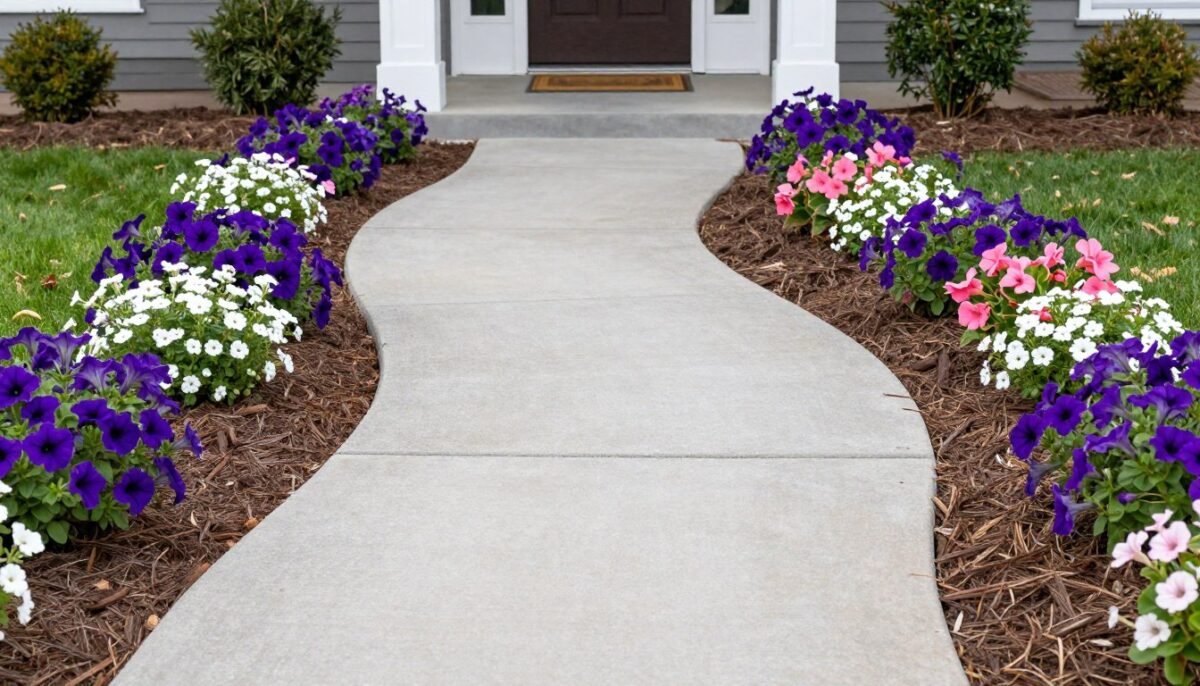
Border flower beds create a welcoming pathway to your front door. This timeless design frames your walkway with color and texture while remaining budget-friendly.
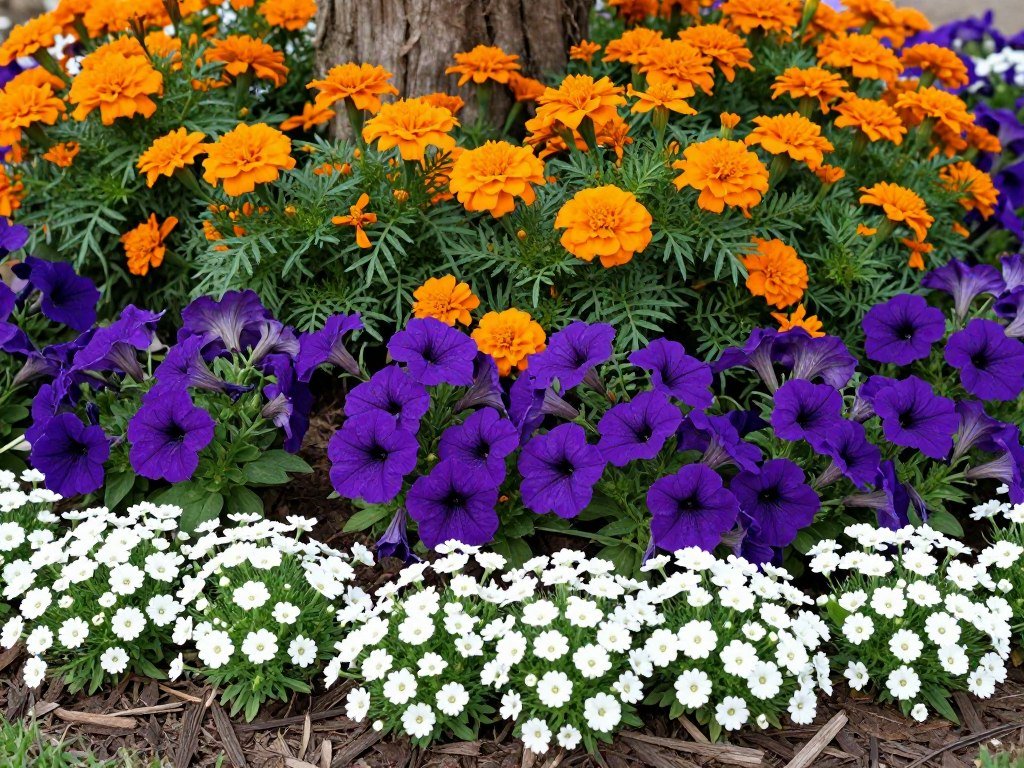
Plant low-growing annuals like petunias, marigolds, or impatiens along both sides. These flowers provide continuous blooms throughout the growing season and cost just a few dollars per flat.
Edge your beds with recycled bricks or landscape stones to define the space. Mulch fills the remaining area, suppressing weeds and retaining moisture for your plants.
Cost-Saving Installation Tips
- Purchase annuals in bulk flats rather than individual pots
- Source free stones from construction sites or online marketplaces
- Use newspaper layers under mulch to reduce the amount needed
- Start plants from seeds indoors six weeks before planting
- Collect rainwater for irrigation to reduce water bills
Best Plants for Border Beds
Sunny Locations
Full sun areas require heat-tolerant flowers that thrive in six or more hours of direct sunlight daily.
- Marigolds (orange and yellow blooms)
- Zinnias (rainbow of color options)
- Petunias (spreading ground cover habit)
- Salvia (vertical interest and hummingbird magnet)
Shaded Areas
Shade-loving plants bring life to darker spaces beneath trees or beside structures.
- Impatiens (reliable shade bloomers)
- Begonias (colorful foliage and flowers)
- Hostas (low maintenance perennials)
- Coleus (vibrant leaf patterns)
Partial Shade Mix
Areas receiving three to six hours of sunlight benefit from versatile plant selections.
- Pansies (cool season color)
- Lobelia (cascading blue flowers)
- Torenia (wishbone flower variety)
- Vinca (drought-tolerant option)
Perennial Additions
Mix in affordable perennials that return year after year for long-term savings.
- Daylilies (tough and colorful)
- Black-eyed Susans (native wildflower)
- Coneflowers (pollinator favorite)
- Sedum (succulent ground cover)
Estimated Cost Breakdown
| Item | Quantity | Unit Cost | Total Cost |
| Annual flower flats | 4 flats | $12 | $48 |
| Mulch bags | 6 bags | $4 | $24 |
| Edging material | 20 feet | $1.50/ft | $30 |
| Garden soil | 2 bags | $8 | $16 |
| Total Project Cost | $118 | ||
2. Foundation Flower Beds Beneath Windows
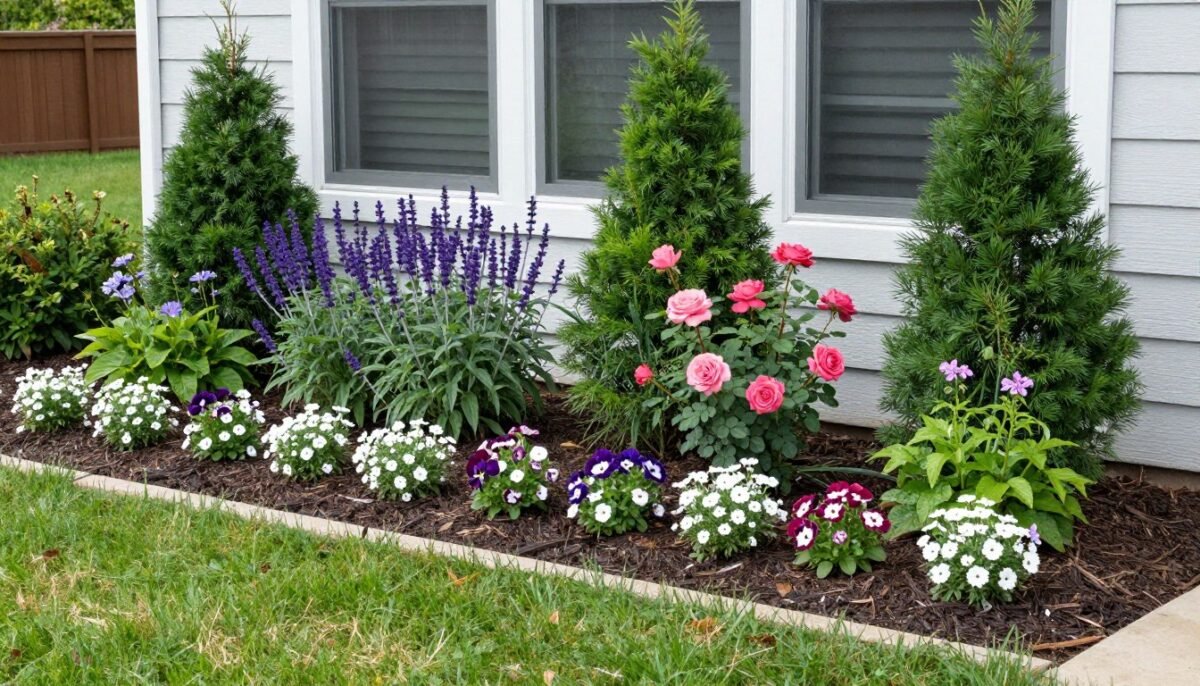
Foundation beds soften the transition between your home and yard. These plantings add depth and color while hiding less attractive foundation walls.
Layer plants by height with taller shrubs in back, medium perennials in the middle, and low flowers in front. This creates visual interest and makes your house appear larger.
Choose evergreens for year-round structure and mix in flowering plants for seasonal color. This combination keeps your front yard looking attractive through all seasons.
Layering Strategy for Foundation Beds
- Install backdrop shrubs 2-3 feet from the foundation wall
- Add middle-layer perennials 18 inches in front of shrubs
- Plant low-growing annuals along the outer edge
- Fill gaps with spring-blooming bulbs for early season interest
- Mulch thoroughly to suppress weeds and retain moisture
- Water deeply but less frequently to encourage strong root growth
Budget-Friendly Shrub Options
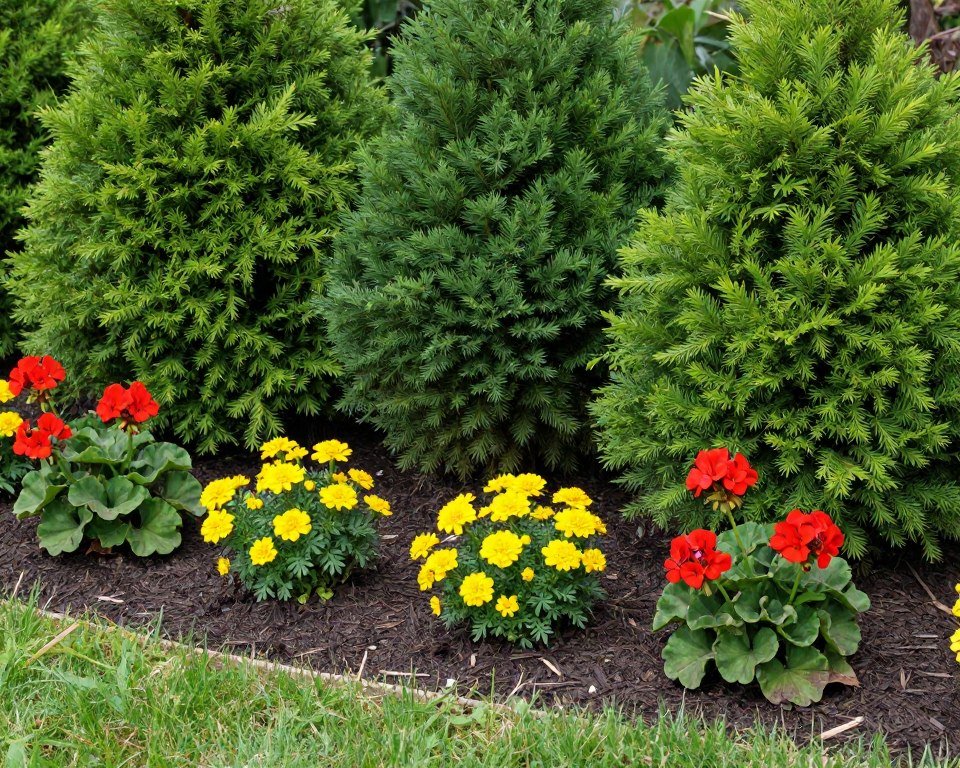
Affordable shrubs provide structure without the premium price of specimen plants. Look for small container sizes that grow quickly.
Evergreen Choices
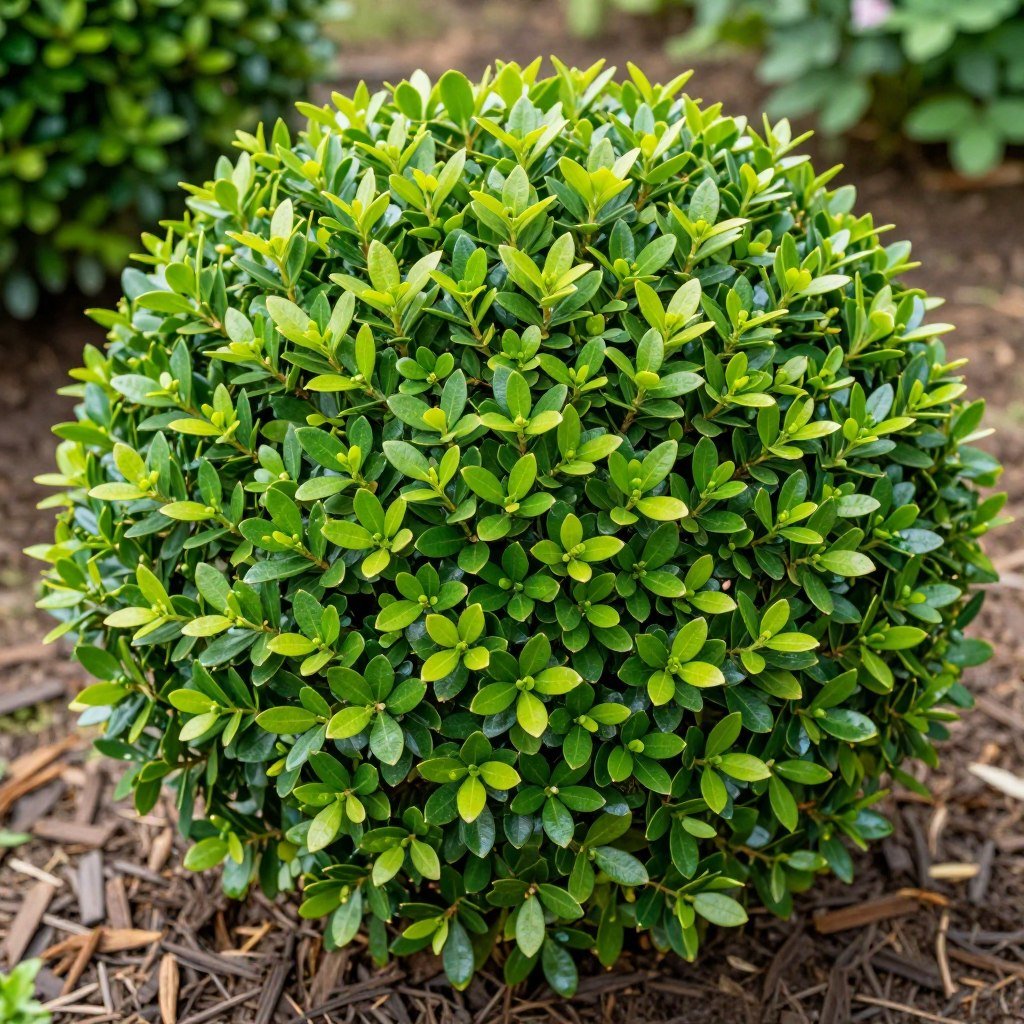
Maintain year-round green color and structure in your foundation beds with these reliable evergreen shrubs.
- Boxwood (compact and formal)
- Juniper (drought-tolerant varieties)
- Yew (shade-tolerant option)
Flowering Shrubs
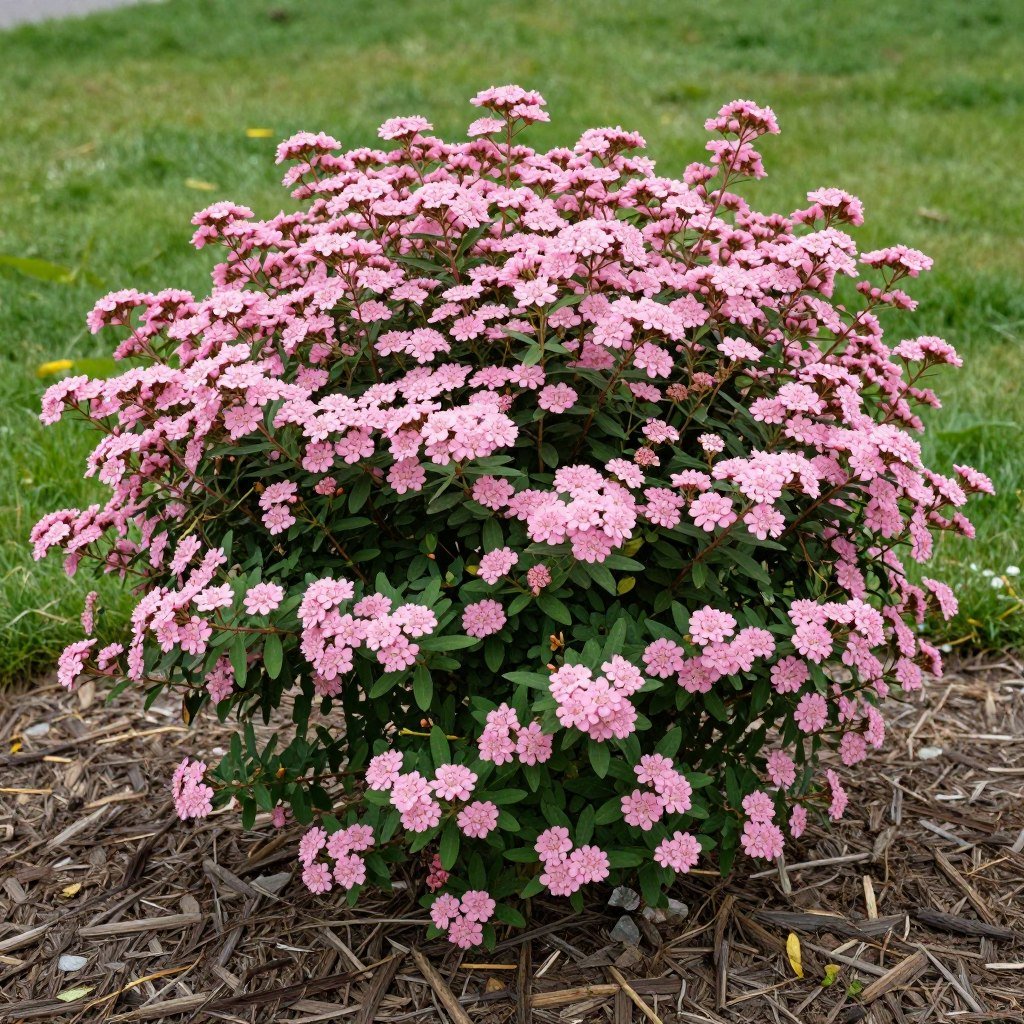
Add seasonal blooms and changing colors throughout the year with budget-friendly flowering shrub varieties.
- Spirea (pink or white spring blooms)
- Potentilla (yellow summer flowers)
- Weigela (trumpet-shaped flowers)
Native Selections
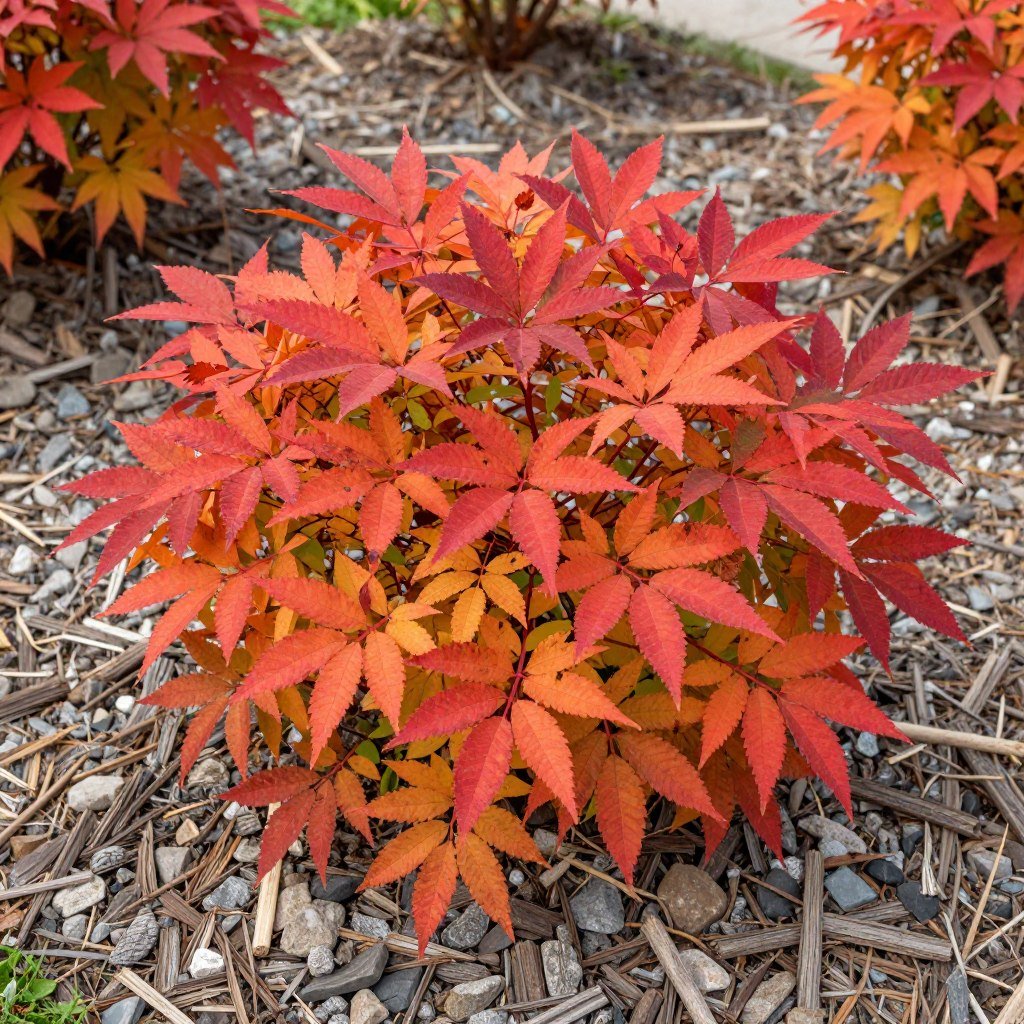
Native shrubs cost less, require minimal maintenance, and support local wildlife and pollinators effectively.
- Sumac (brilliant fall color)
- Viburnum (berries attract birds)
- Serviceberry (edible fruit)
3. Eye-Catching Corner Flower Beds
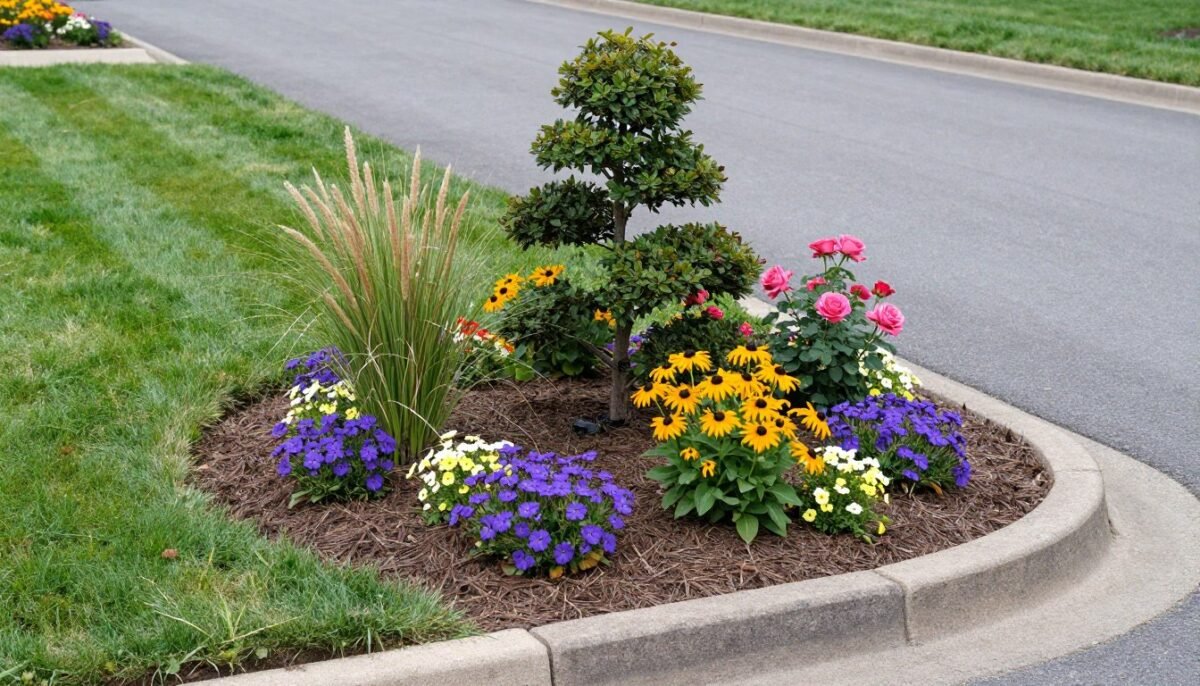
Corner beds fill awkward spaces where your yard meets driveways or property lines. These plantings create focal points that draw the eye and add dimension to your front yard.
Use taller plants toward the back corner and gradually decrease height toward the front. This creates depth and prevents blocking sight lines for vehicles.
Incorporate a small ornamental tree as an anchor point. Surround it with layers of perennials and annuals for continuous color from spring through fall.
Creating Dynamic Corner Compositions
Successful corner beds balance height, color, and texture. Start with a vertical element and build outward in decreasing tiers.
- Place tallest element (small tree or large shrub) at the apex
- Add medium-height perennials in a semi-circle around the anchor
- Fill outer edges with low-growing flowers and ground cover
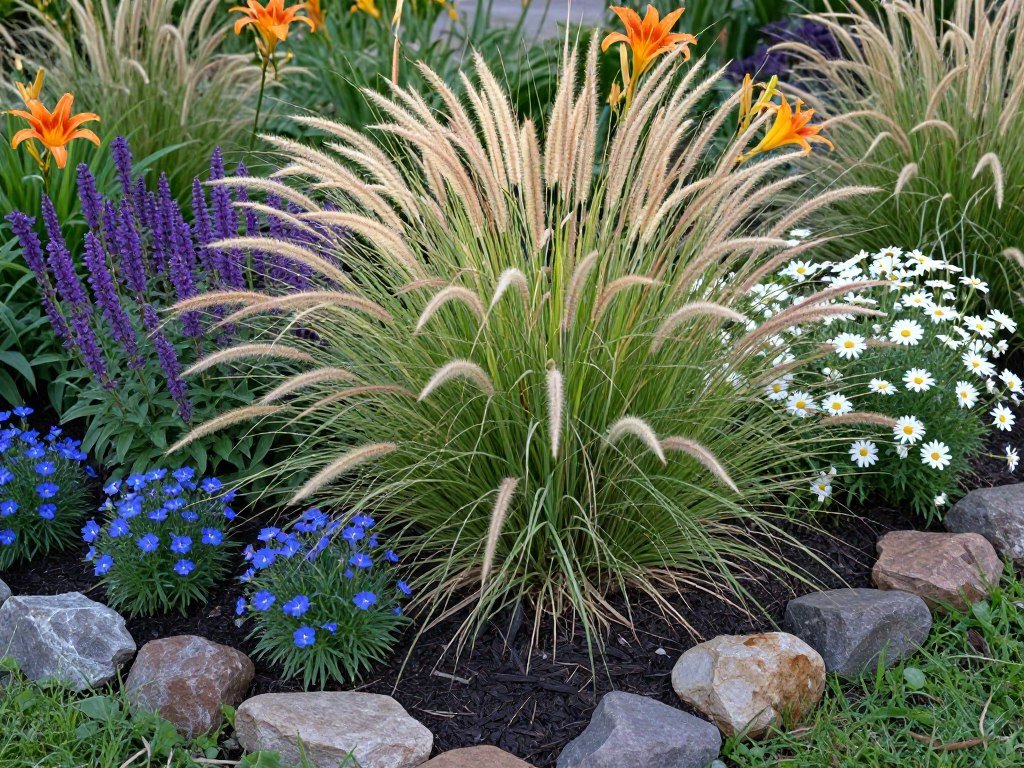
- Include ornamental grasses for movement and fall interest
- Plant spring bulbs between perennials for early season color
Affordable Ornamental Trees for Corners
Small ornamental trees provide vertical interest without overwhelming your yard or budget. Choose varieties that stay under 15 feet tall at maturity.
Look for bare-root saplings in early spring for the lowest prices. These establish quickly when planted properly and cost significantly less than container-grown specimens.
Consider flowering trees that provide multiple seasons of interest. Spring blooms, summer shade, fall color, and winter structure maximize your investment.
- Serviceberry (white spring flowers, edible berries, fall color)
- Redbud (pink spring blooms, heart-shaped leaves)
- Dogwood (showy spring flowers, attractive bark)
- Crabapple (fragrant blooms, colorful small fruit)
- Japanese Maple (ornamental foliage, compact size)
- Crape Myrtle (summer blooms, peeling bark interest)
Perennial Combinations for Corner Beds
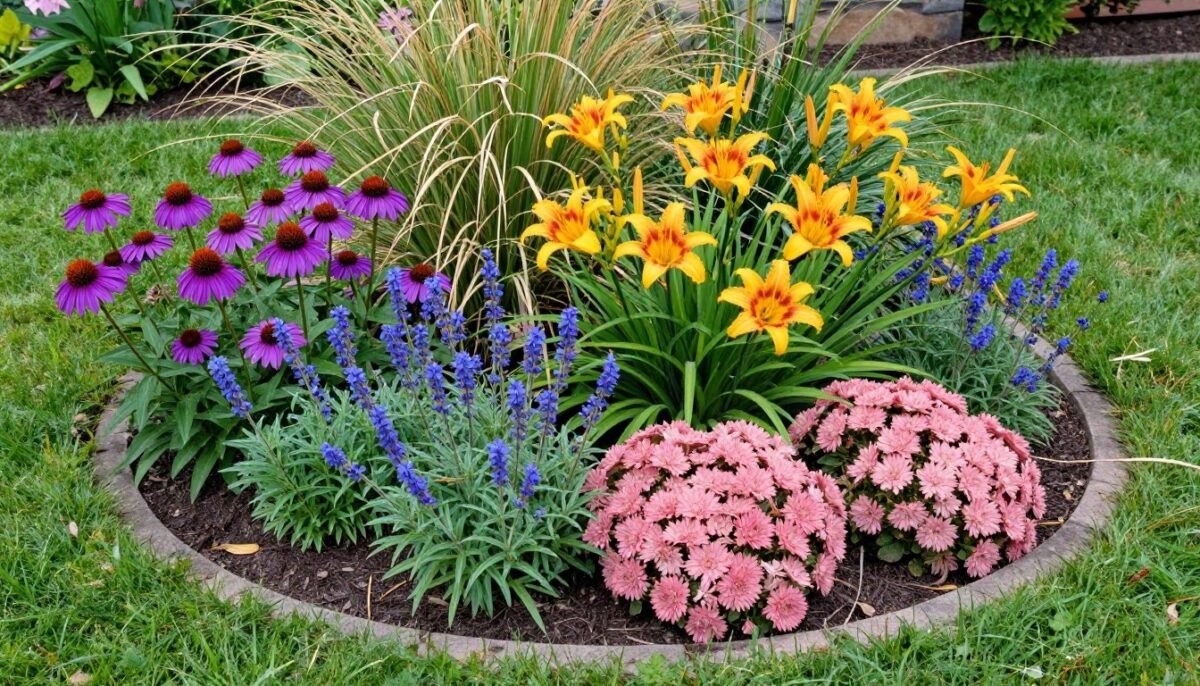
Mix perennials with different bloom times to maintain color throughout the growing season. Choose varieties that complement each other in height, color, and texture.
| Plant Name | Height | Bloom Time | Color Options | Sun Needs |
| Coneflower | 24-36 inches | Summer-Fall | Purple, pink, white, yellow | Full sun |
| Black-eyed Susan | 18-30 inches | Summer-Fall | Yellow with dark centers | Full sun |
| Daylily | 12-36 inches | Summer | Orange, yellow, red, pink | Full sun to part shade |
| Salvia | 18-24 inches | Summer-Fall | Blue, purple, red, white | Full sun |
| Sedum | 12-24 inches | Late Summer-Fall | Pink, red, white | Full sun |
| Hosta | 8-36 inches | Summer | White, lavender (foliage plant) | Shade to part shade |
4. Budget-Friendly Raised Flower Beds
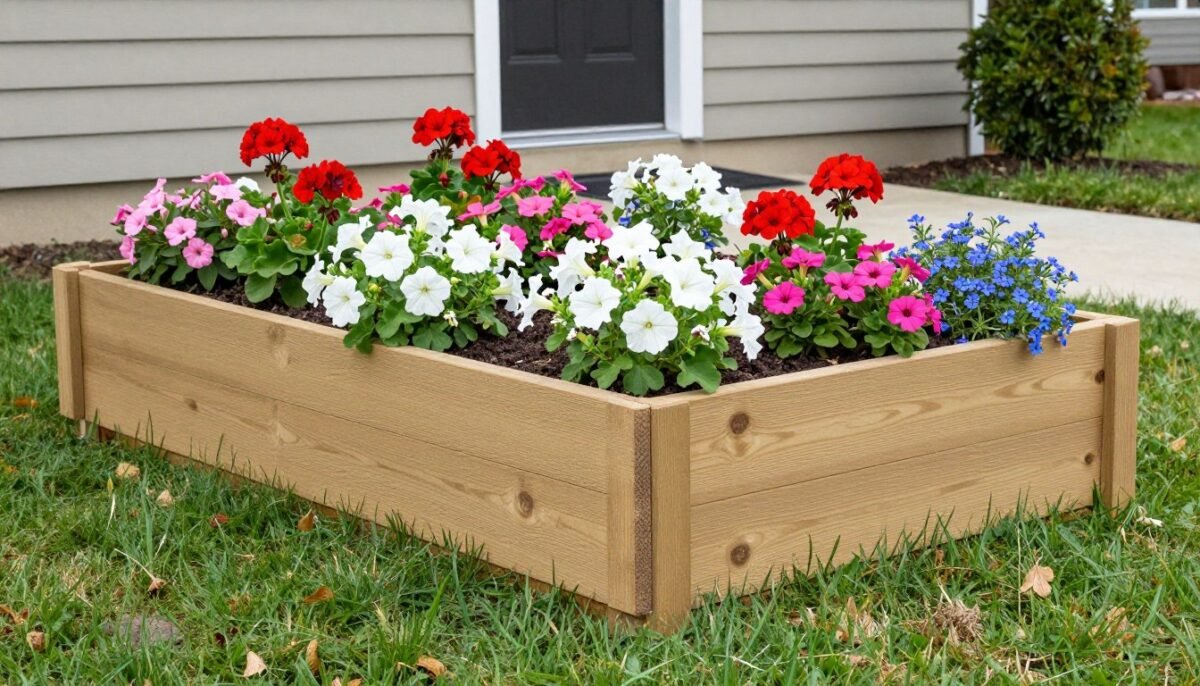
Raised beds add architectural interest to flat yards. These structures improve drainage, warm soil faster in spring, and make gardening easier on your back.
Build simple frames from untreated cedar or composite lumber. Avoid pressure-treated wood near edible plants, but it works fine for ornamental beds.
Fill beds with a mixture of topsoil, compost, and peat moss or coconut coir. This creates ideal growing conditions that produce healthier plants and more abundant blooms.
DIY Raised Bed Construction
Building your own raised beds costs a fraction of purchasing pre-made kits. Basic carpentry skills and simple tools are all you need.
- Cut boards to desired length (4-8 feet typical)
- Assemble corners using deck screws or corner brackets
- Level the ground and place the frame in position
- Line bottom with cardboard or newspaper to suppress weeds
- Fill with soil mixture, leaving 2 inches from the top
- Water thoroughly before planting to settle the soil
Alternative Raised Bed Materials
Creative material choices reduce costs significantly. Many effective raised beds use repurposed or natural materials found for free or at minimal cost.
Stacked Stone
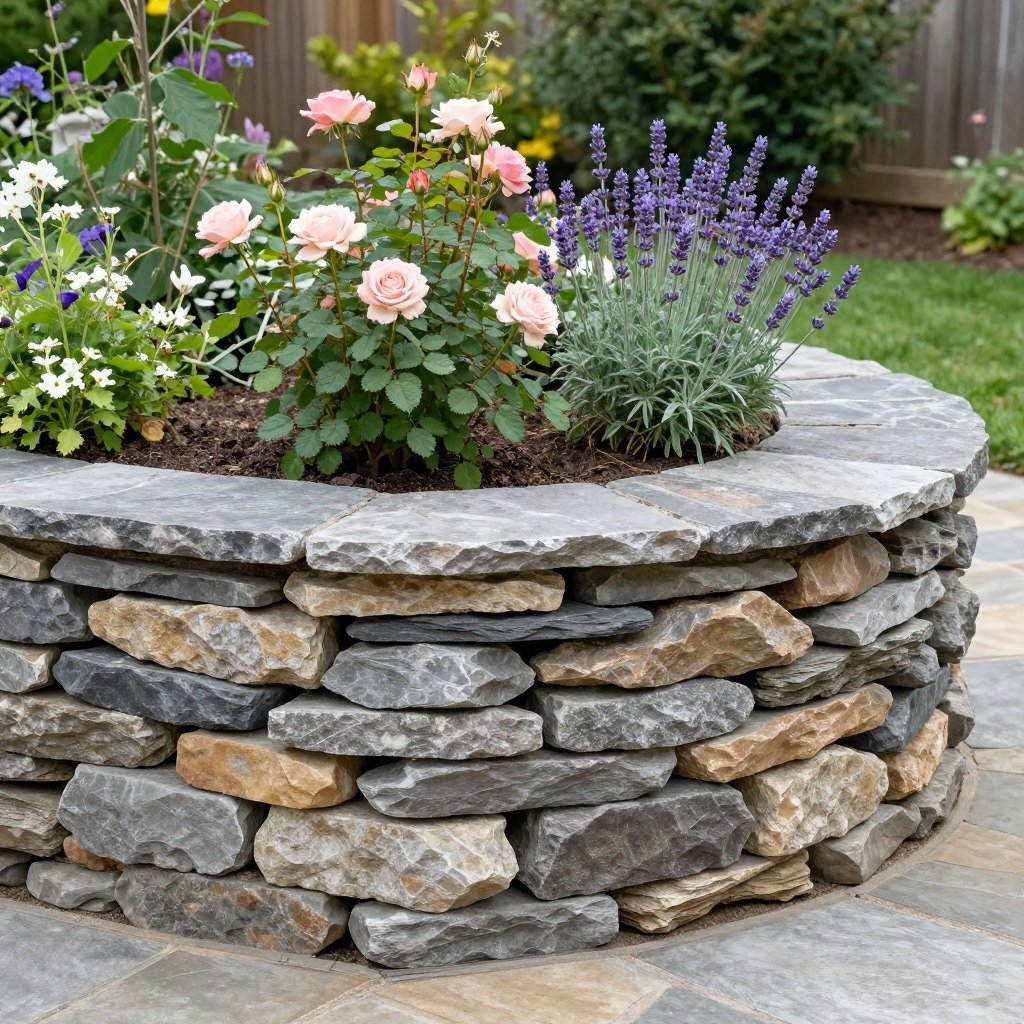
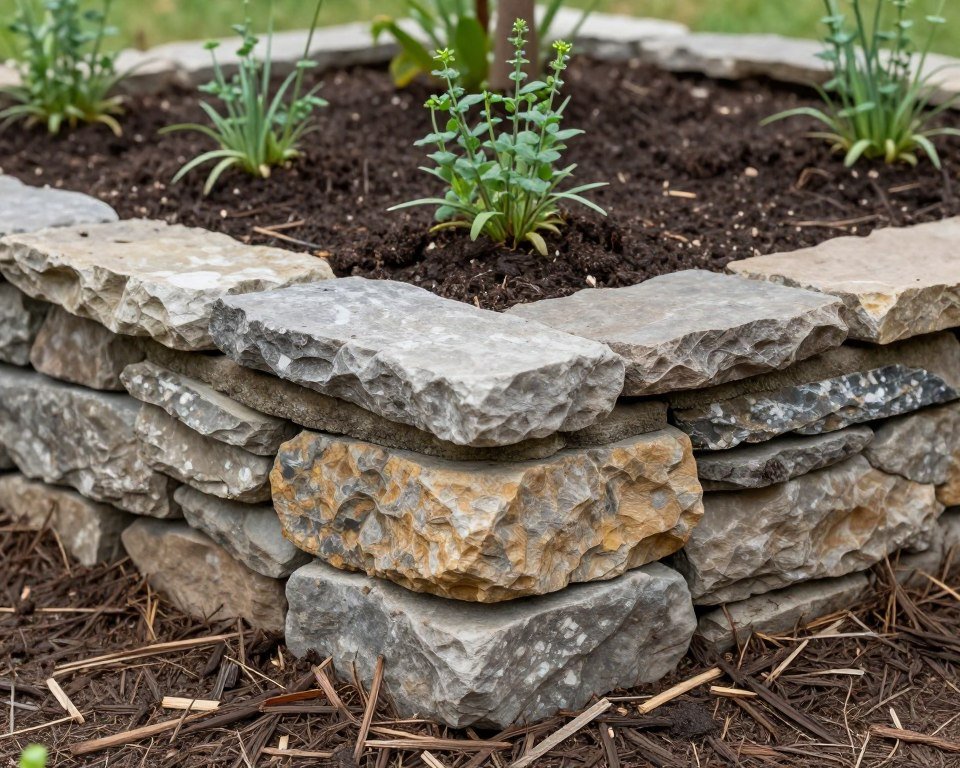
Collect fieldstone from your property or ask farmers for unwanted rocks. Stack dry without mortar for a rustic look.
- No special skills required
- Excellent drainage properties
- Adjustable height and shape
Concrete Blocks
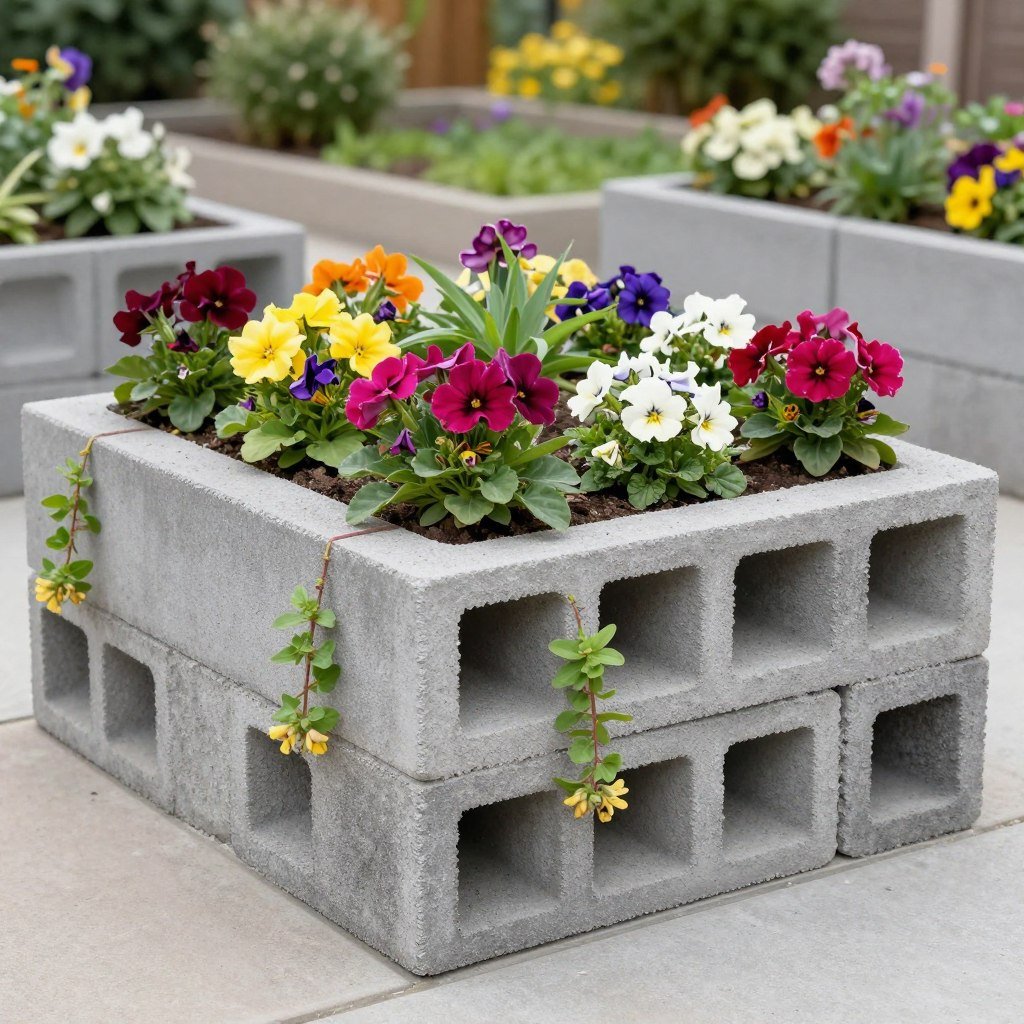
Standard cinder blocks cost under $2 each and stack easily. Fill hollow cores with soil and plant them too.
- Extremely affordable option
- Very stable and durable
- Additional planting pockets
Recycled Lumber
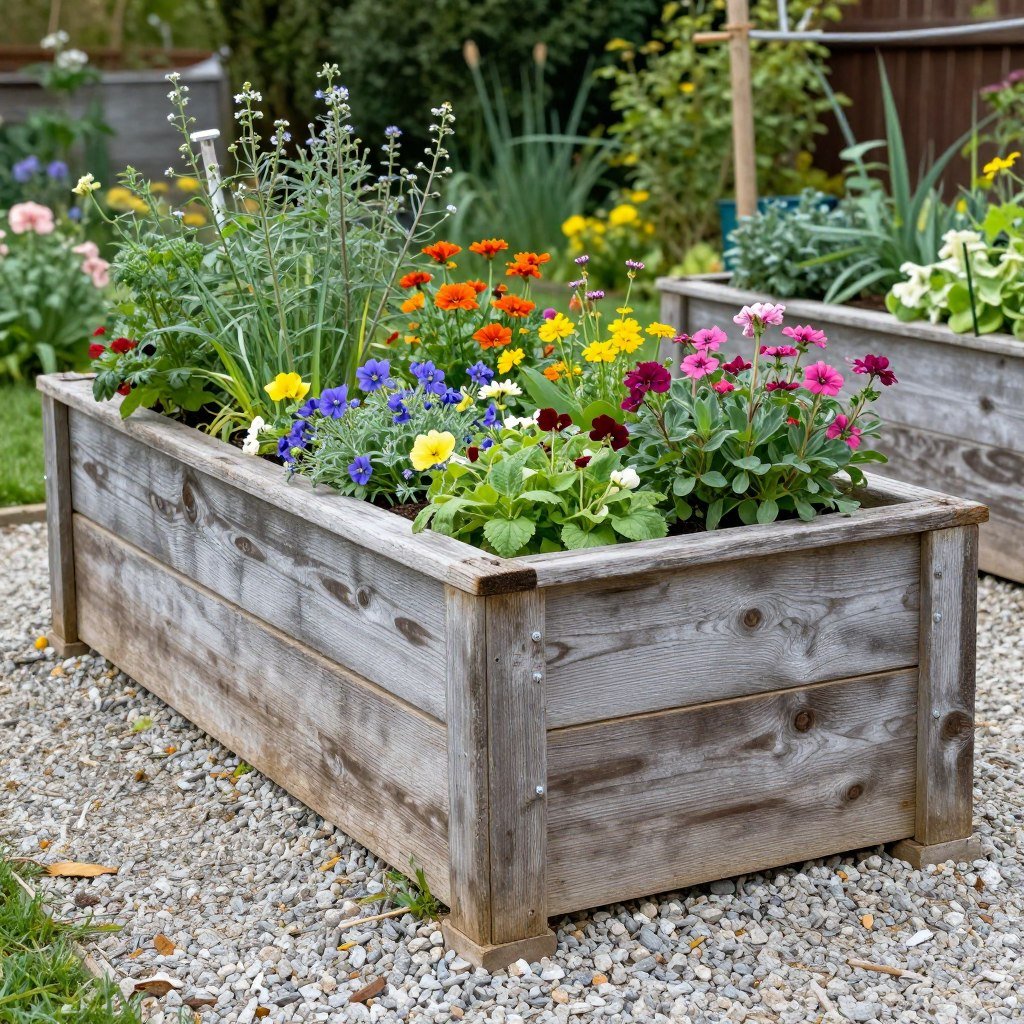
Source free lumber from construction sites, pallets, or demolition projects. Sand rough edges for safety.
- Zero material cost
- Eco-friendly recycling
- Unique character and charm
Optimal Raised Bed Soil Mix
Quality soil produces superior results. Mix your own raised bed soil blend to save money compared to pre-bagged options.
Budget Soil Recipe (per cubic yard): Mix equal parts topsoil, compost, and peat moss or coconut coir. Add one bag of perlite for improved drainage. This blend costs approximately $60 per cubic yard versus $120+ for pre-mixed raised bed soil.
Essential Budget-Friendly Garden Supplies
The right tools and materials make your flower bed project easier and more successful. These affordable essentials deliver professional results without premium prices.
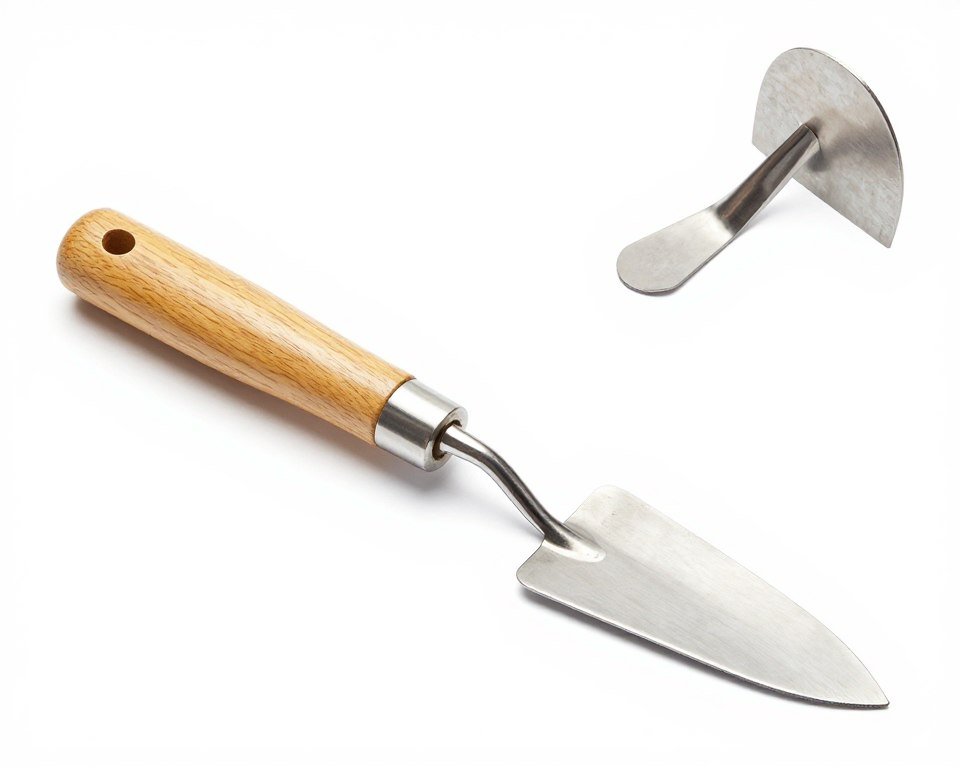
Garden Edging Tool
Create clean, professional bed edges with a quality half-moon edger. This essential tool cuts precise lines and lasts for years.
- Sharp steel blade cuts through sod easily
- Comfortable wooden handle reduces hand fatigue
- Creates defined borders for a polished look
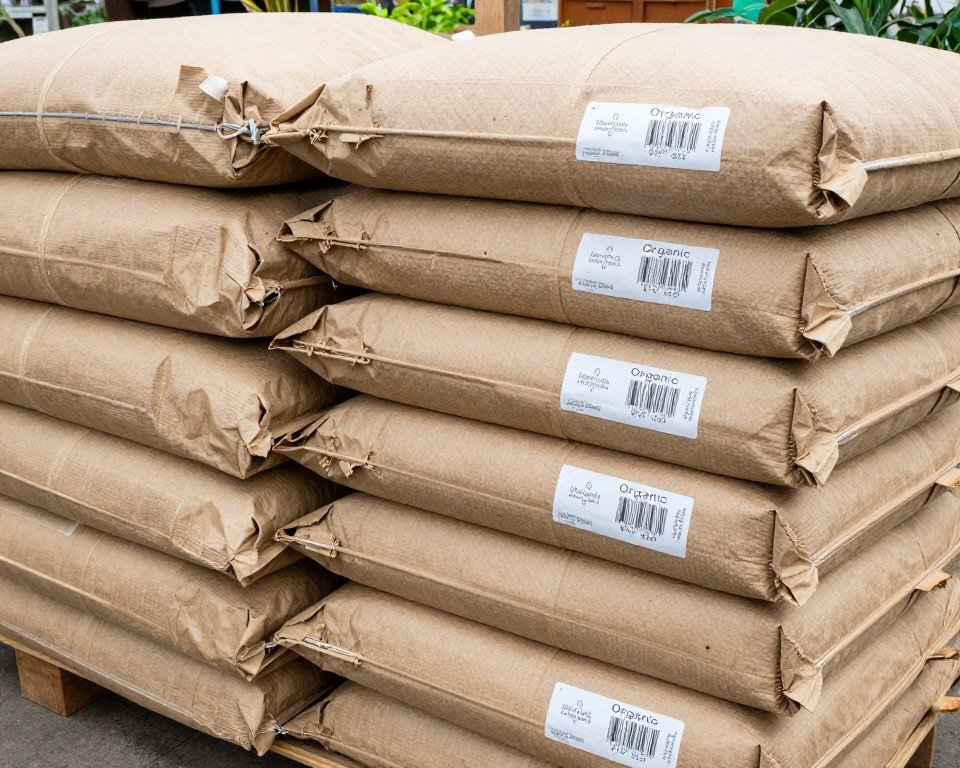
Organic Hardwood Mulch
Premium mulch suppresses weeds, retains moisture, and improves soil as it decomposes. Buy in bulk for best value.
- Natural dark brown color complements all flowers
- Breaks down slowly, lasting 2-3 seasons
- Bulk delivery saves money on large projects
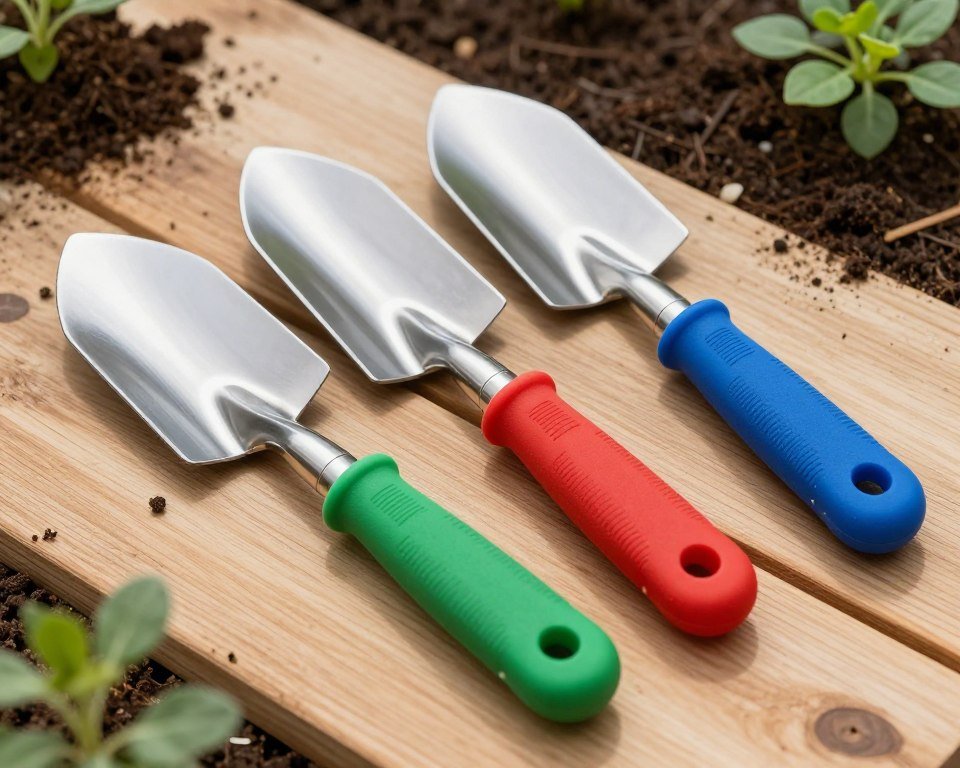
Stainless Steel Trowel Set
Invest in quality hand tools that resist rust and make planting easier. Ergonomic designs reduce strain during long projects.
- Rust-resistant stainless steel construction
- Comfortable grips for extended use
- Multiple sizes for different planting tasks
5. Charming Cottage Garden Style Beds
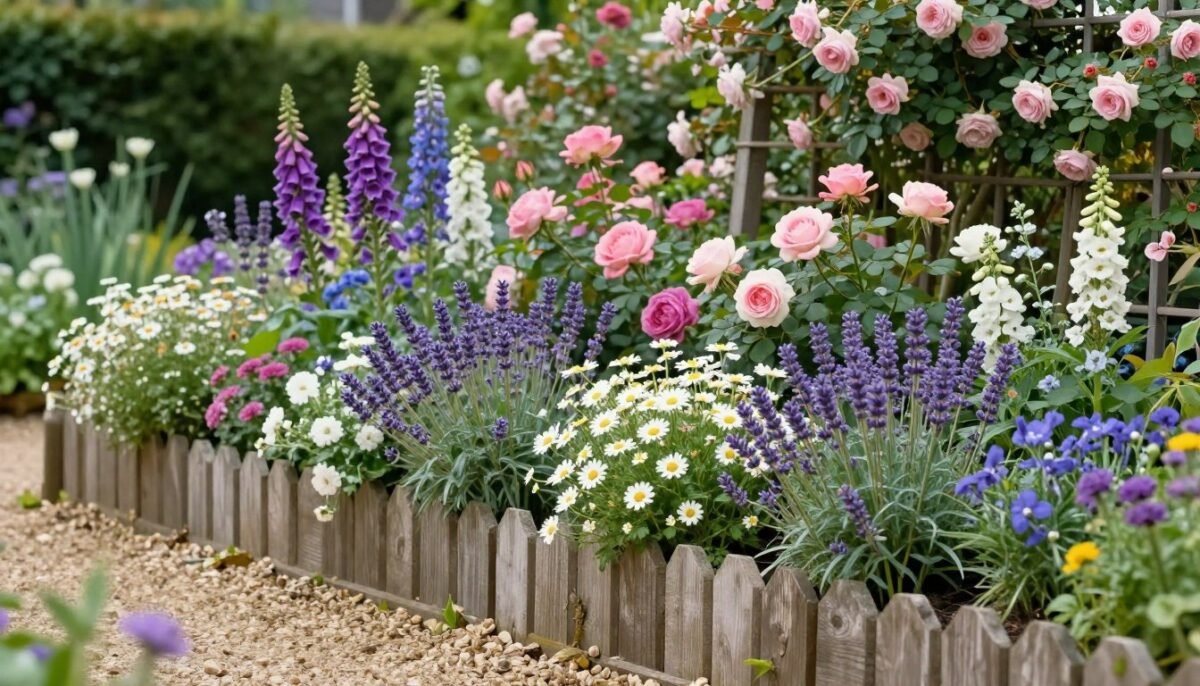
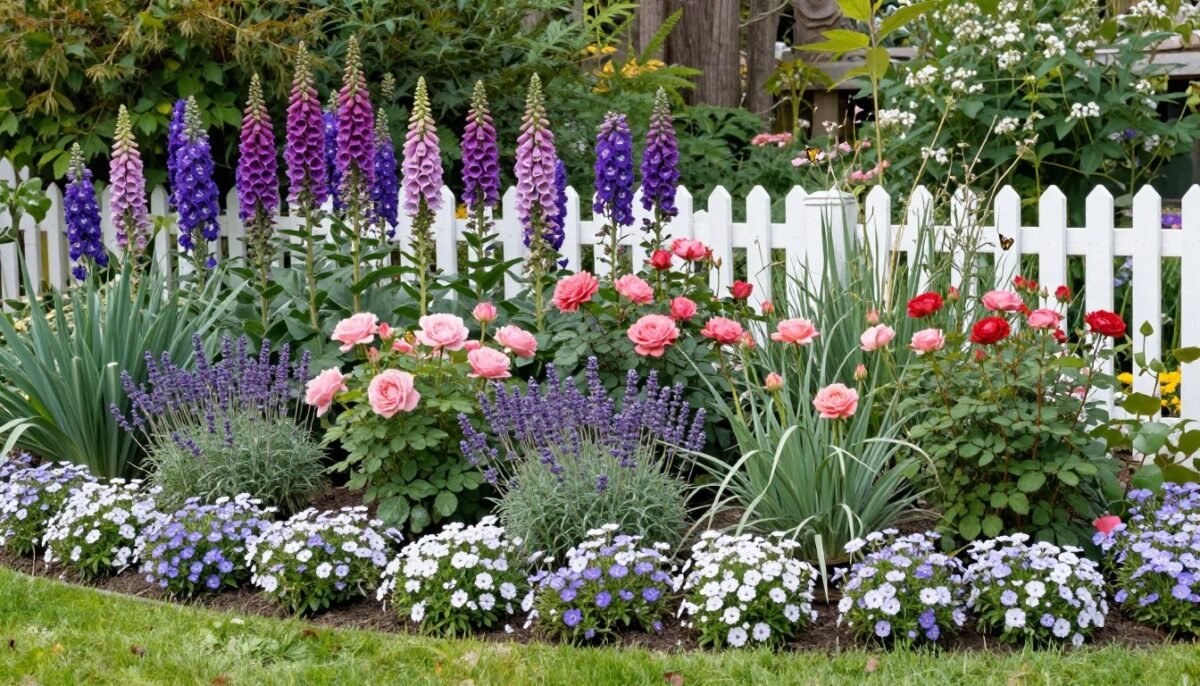
Cottage garden beds embrace informal abundance and romantic charm. This style mixes flowers freely, creating a lush, overflowing look that appears effortless.
Fill beds densely with a variety of plants in complementary colors. Layer heights naturally, allowing taller flowers to peek through shorter ones for depth.
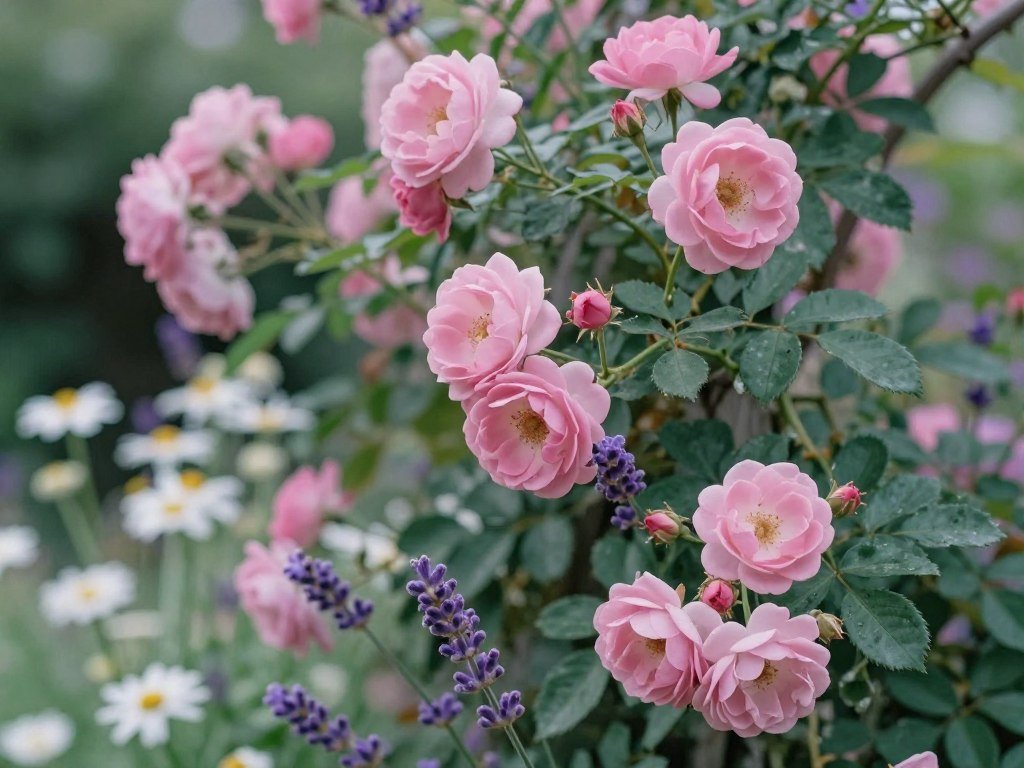
Include fragrant favorites like roses, lavender, and sweet peas. Cottage gardens engage all senses while requiring minimal formal structure or expensive hardscaping.
Essential Cottage Garden Flowers
Select traditional cottage garden plants that reseed themselves. This reduces yearly planting costs as volunteers fill in gaps naturally.
- Roses (climbers and shrub varieties add vertical interest)
- Lavender (fragrant foliage and purple blooms attract bees)
- Foxgloves (tall spikes of tubular flowers, self-seeding biennial)
- Hollyhocks (cottage garden classic with massive height)
- Sweet Peas (climbing annuals with incredible fragrance)
- Delphiniums (dramatic blue spires for the back of beds)
- Shasta Daisies (cheerful white flowers, vigorous spreaders)
- Peonies (long-lived perennials with spectacular blooms)
Creating Cottage Garden Color Schemes
Traditional cottage gardens use harmonious color palettes. Choose one of these classic combinations for a cohesive look.
Romantic Pastels
Soft pinks, lavenders, whites, and pale yellows create a gentle, soothing atmosphere perfect for shaded or semi-shaded areas.
- Pink roses and peonies
- Purple lavender and catmint
- White daisies and baby’s breath
- Pale yellow foxgloves
Vibrant Jewel Tones
Deep purples, rich blues, hot pinks, and bright yellows bring energy and excitement to sunny cottage garden beds.
- Deep purple delphiniums
- True blue cornflowers
- Hot pink hollyhocks
- Golden yellow sunflowers
Budget Cottage Garden Layout Tips
Achieve the cottage garden look affordably by starting small and expanding as plants spread. Many cottage favorites grow vigorously once established.
- Purchase perennials in small pots and let them fill in naturally
- Collect seeds from mature plants at season’s end for next year
- Divide overgrown perennials every 2-3 years to create new plants
- Allow self-seeding annuals to naturalize throughout the bed
- Trade plants with neighbors to increase variety without cost
- Start expensive roses from cuttings propagated in water
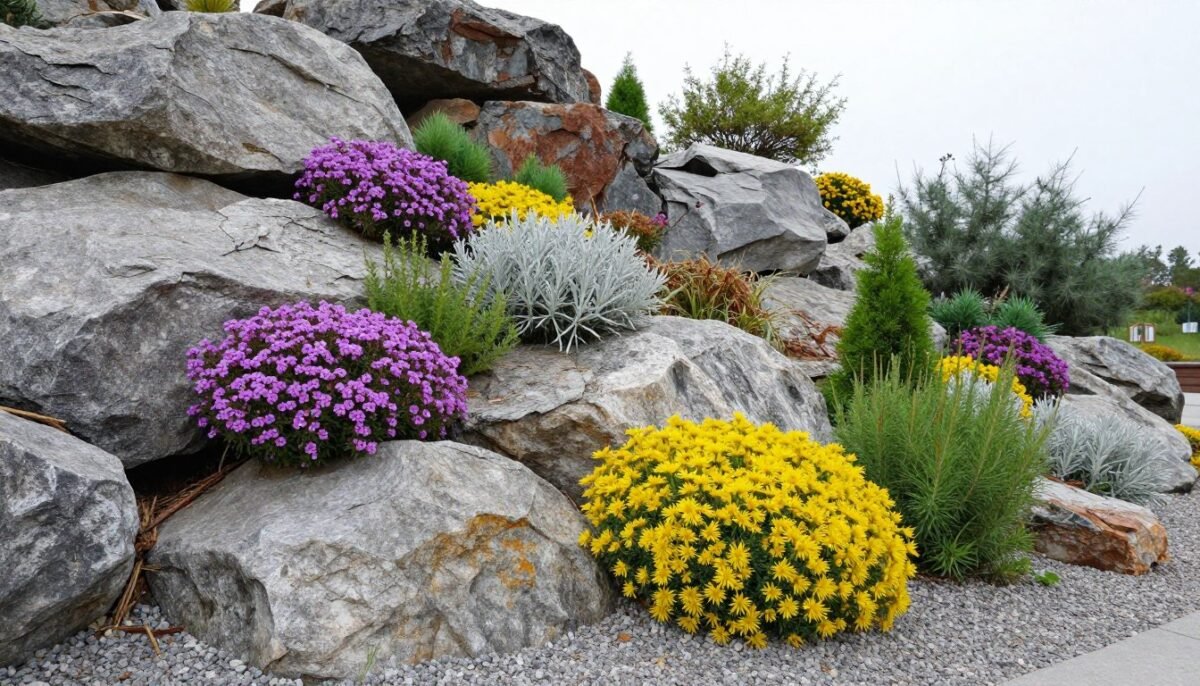
6. Low-Maintenance Rock Garden Beds
Rock gardens thrive in challenging conditions where traditional flower beds struggle. These low maintenance designs combine stones with drought-tolerant plants for year-round interest.
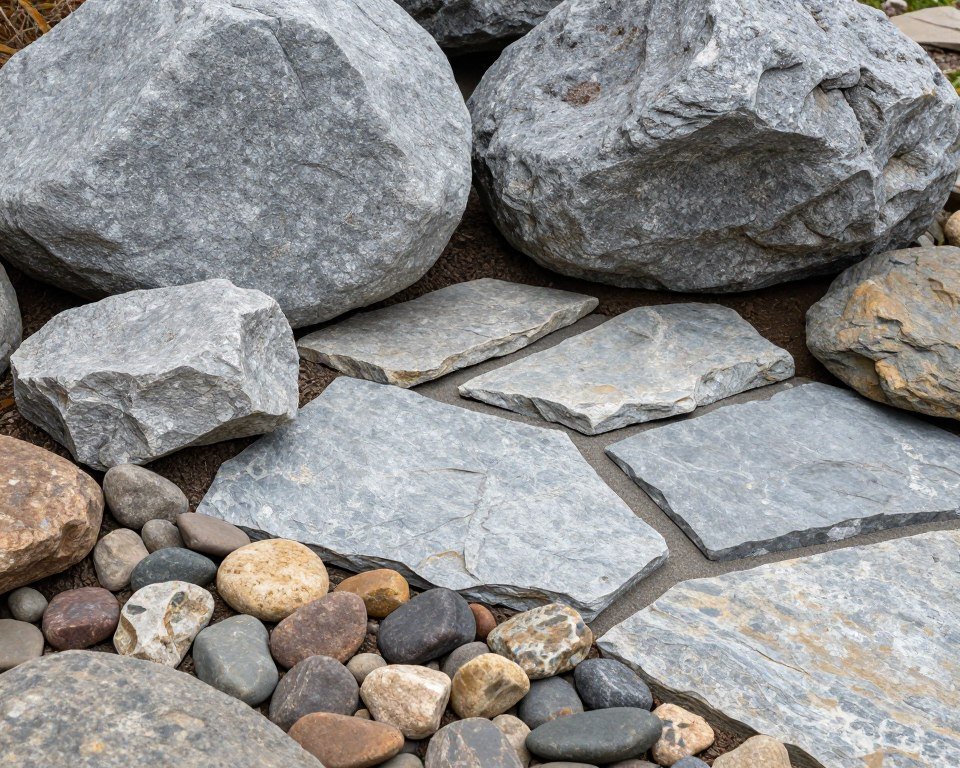
Use rocks and gravel as the primary design element. Plants become accents rather than the main focus, reducing water needs and upkeep significantly.
Select alpine plants, succulents, and native ground covers adapted to lean soils. These tough plants require little care once established and handle neglect better than typical garden flowers.
Sourcing Free or Low-Cost Rocks
Rocks represent the biggest potential expense in rock gardens. Smart sourcing strategies eliminate most costs while providing beautiful natural materials.
- Collect stones from your own property during land clearing
- Ask farmers to remove unwanted field stone from their land
- Check Craigslist and Facebook Marketplace for free rock offers
- Visit construction sites and ask about leftover stone materials
- Contact landscaping companies about broken or unused stone pieces
- Explore creek beds on your property for smooth river rock
Best Plants for Rock Gardens
Rock garden plants tolerate poor soil, intense sun, and minimal water. Many spread slowly to fill gaps between stones naturally.
Sedum Varieties
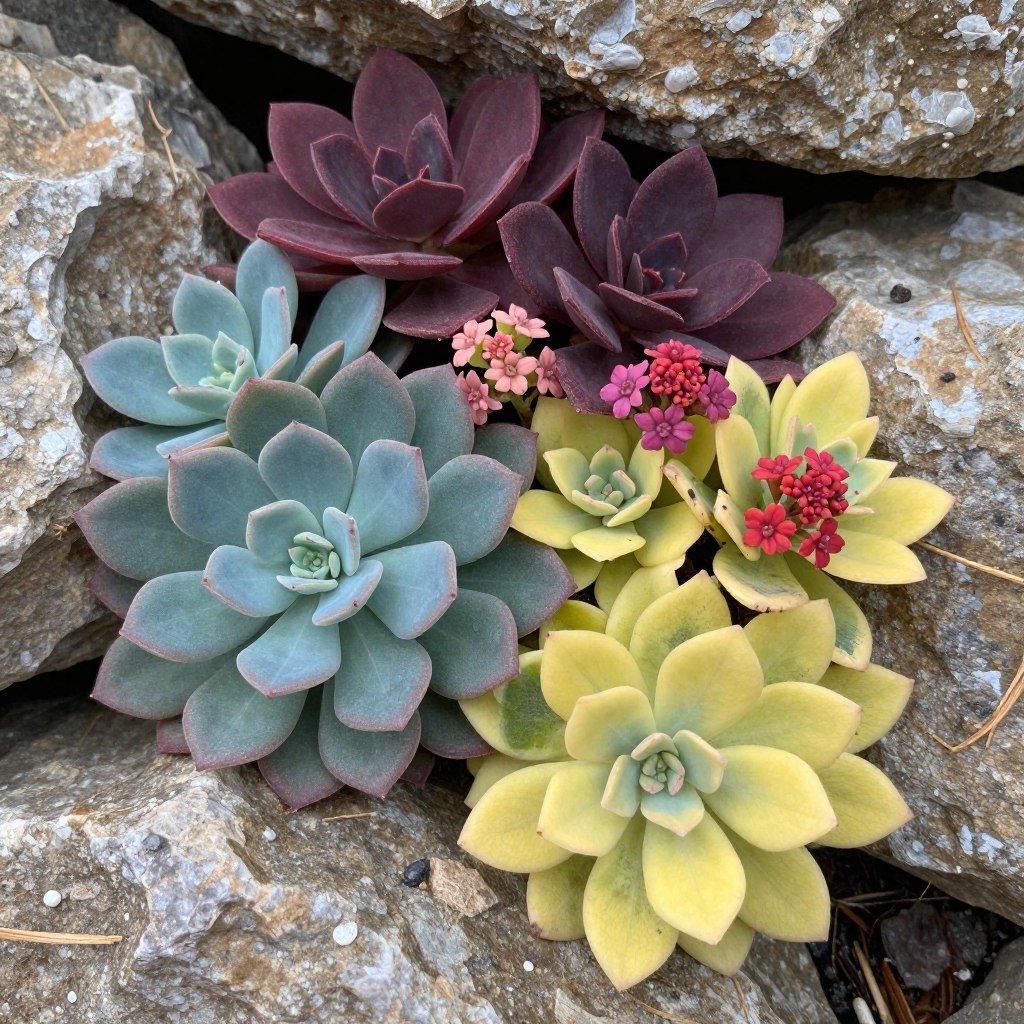
Succulents perfect for hot, dry conditions. Sedum spreads slowly and requires almost no care.
- Dragon’s Blood (red foliage)
- Angelina (golden yellow leaves)
- Autumn Joy (pink fall flowers)
Hens and Chicks
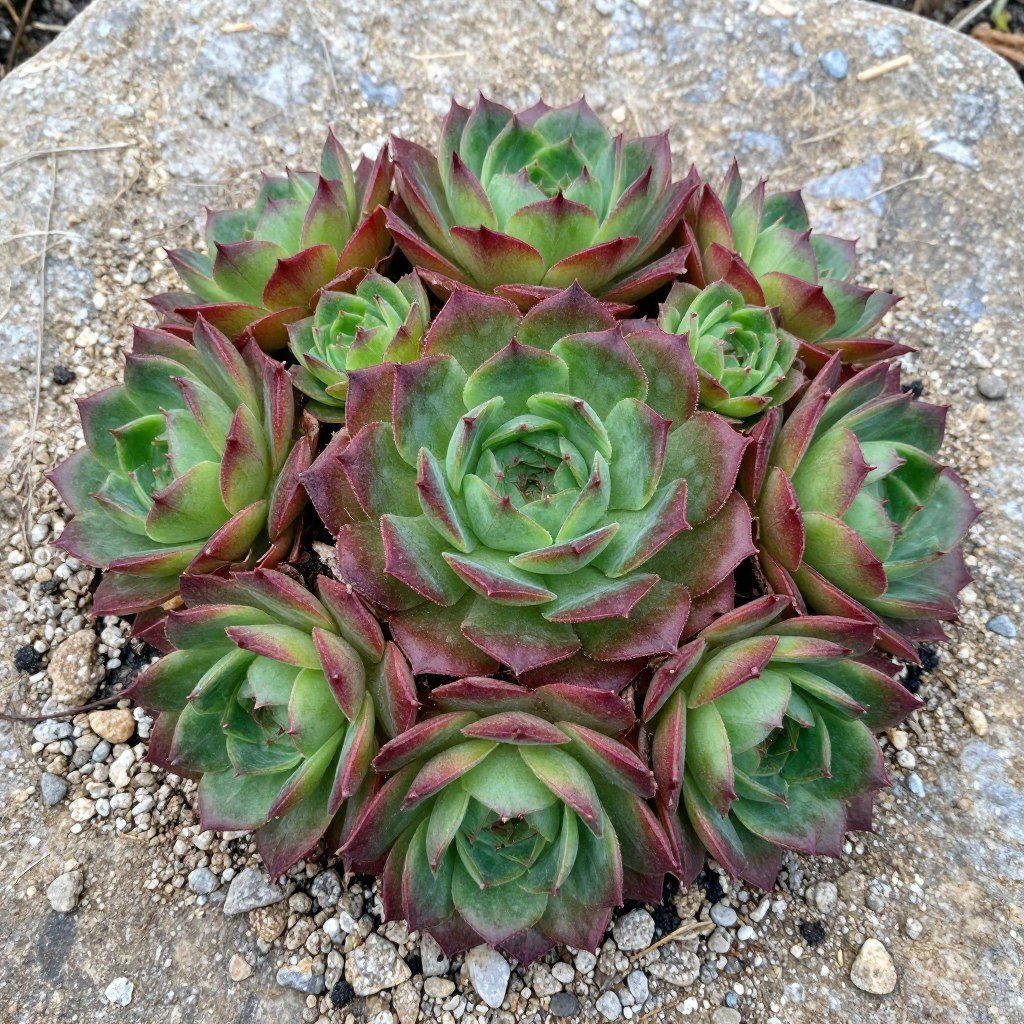
Hardy rosette-forming succulents that multiply freely. Tolerates extreme cold and heat.
- Wide color variety available
- Produces many offsets
- Virtually indestructible
Creeping Phlox
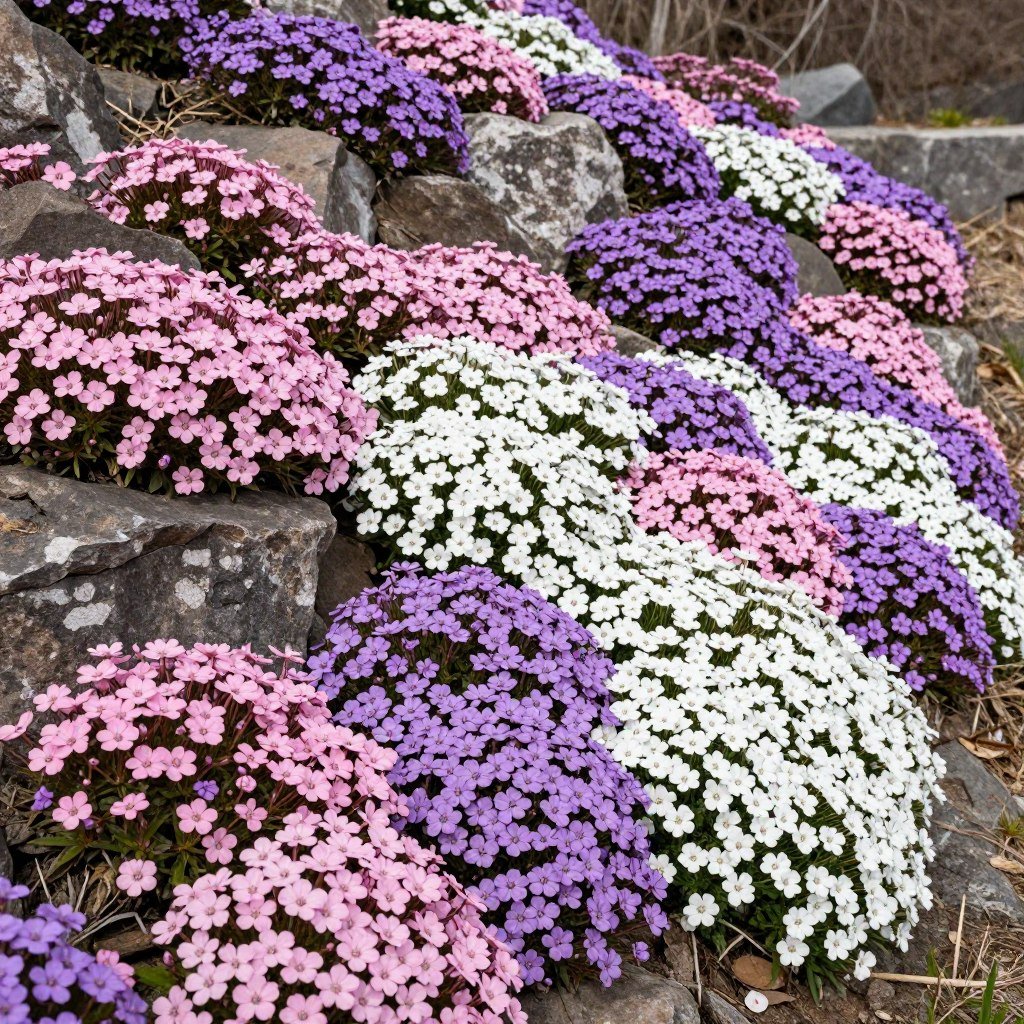
Spring-blooming ground cover that cascades over rocks. Creates carpets of vibrant color.
- Pink, purple, or white flowers
- Evergreen foliage year-round
- Spreads to fill large areas
Rock Garden Design Principles
Arrange rocks naturally to mimic mountainous or alpine terrain. Bury at least one-third of each large boulder for stability and a natural appearance.
- Place largest rocks first as anchor points and focal features
- Group rocks in odd numbers for more natural compositions
- Angle rocks to create planting pockets that capture rainwater
- Layer different sized stones from large to small
- Fill spaces between rocks with gravel for drainage and weed control
- Plant in rock crevices and pockets using lean soil mixtures
7. Circular Island Flower Beds in Lawn Areas
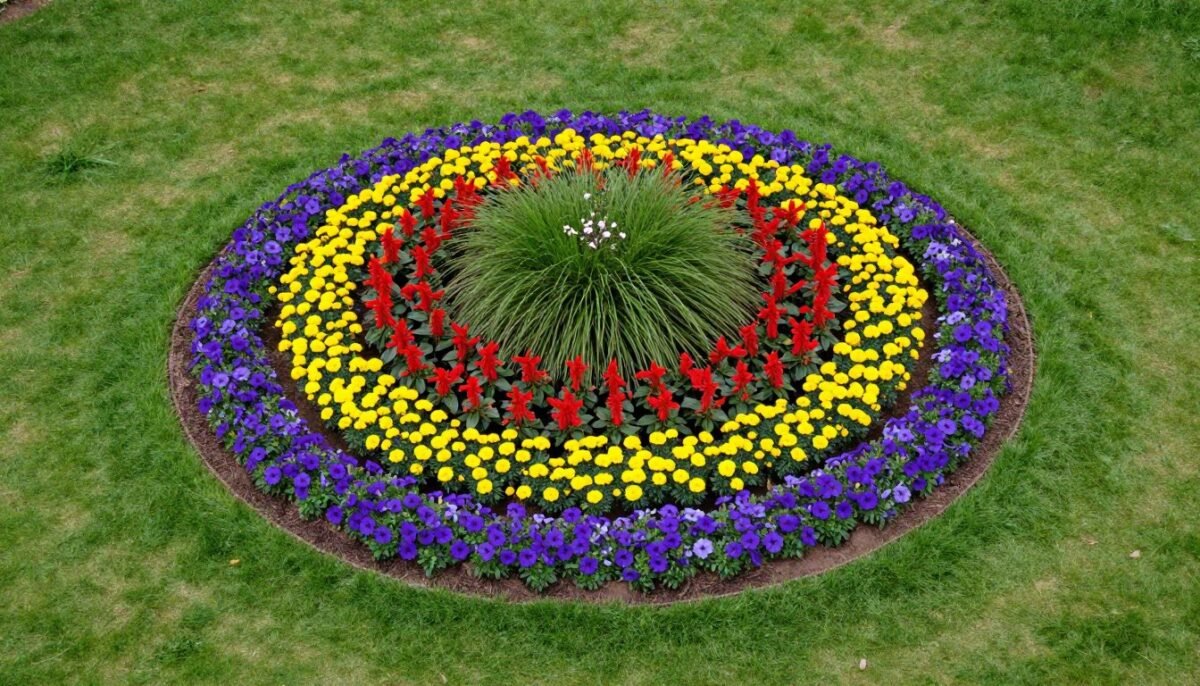
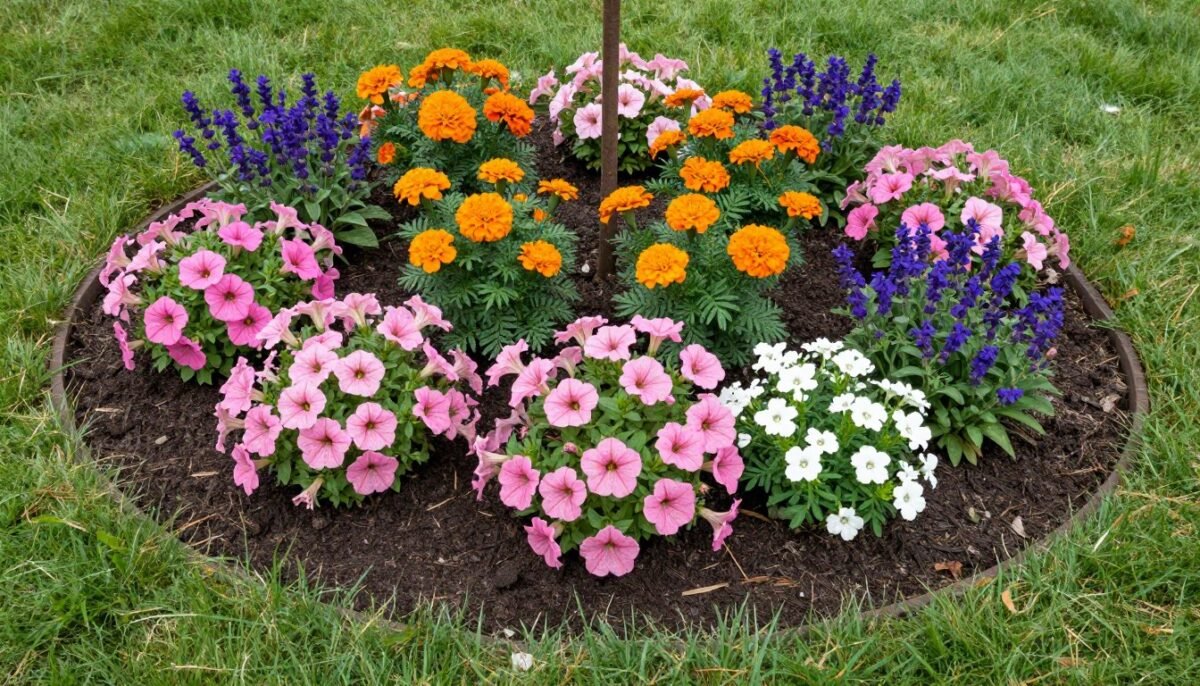
Island beds create focal points in open lawn areas. These circular or oval designs add dimension to flat yards and break up monotonous grass expanses.
Position island beds where they’re visible from multiple viewpoints. The front yard center or lawn corners near the street provide maximum impact.
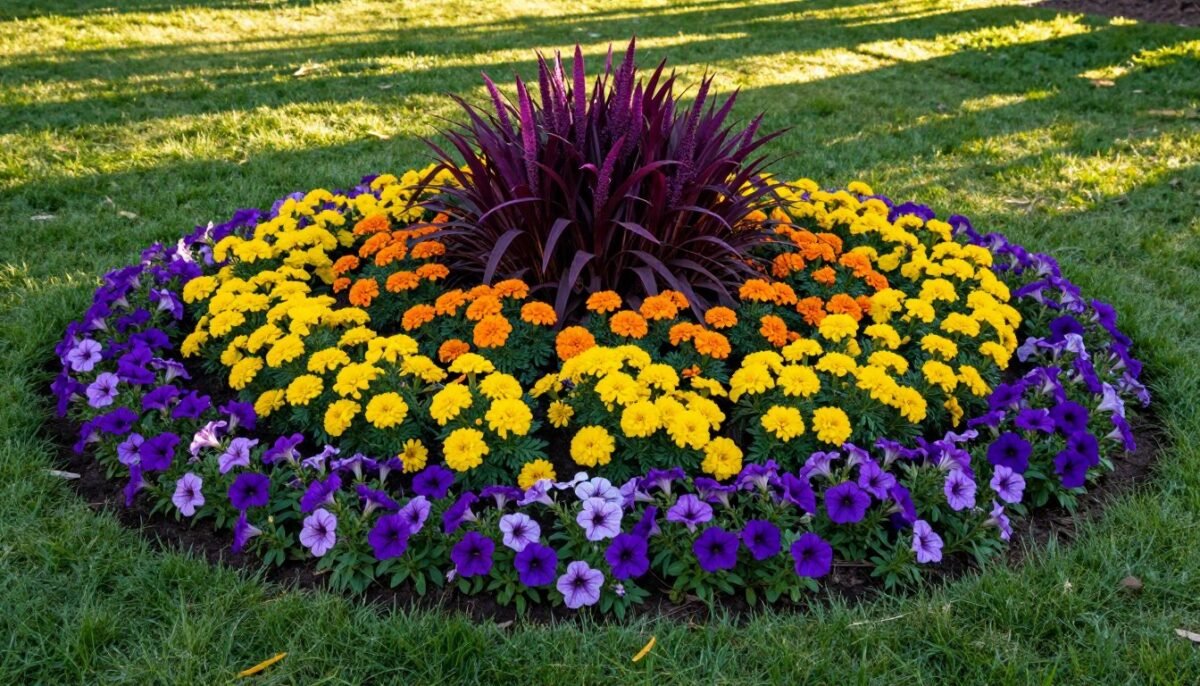
Plant in concentric circles with the tallest specimen in the center. Gradually decrease height toward the edges so the bed looks attractive from all angles.
Creating Symmetrical Island Beds
Perfect circles or ovals create formal elegance. Simple measuring techniques ensure professional-looking symmetry.
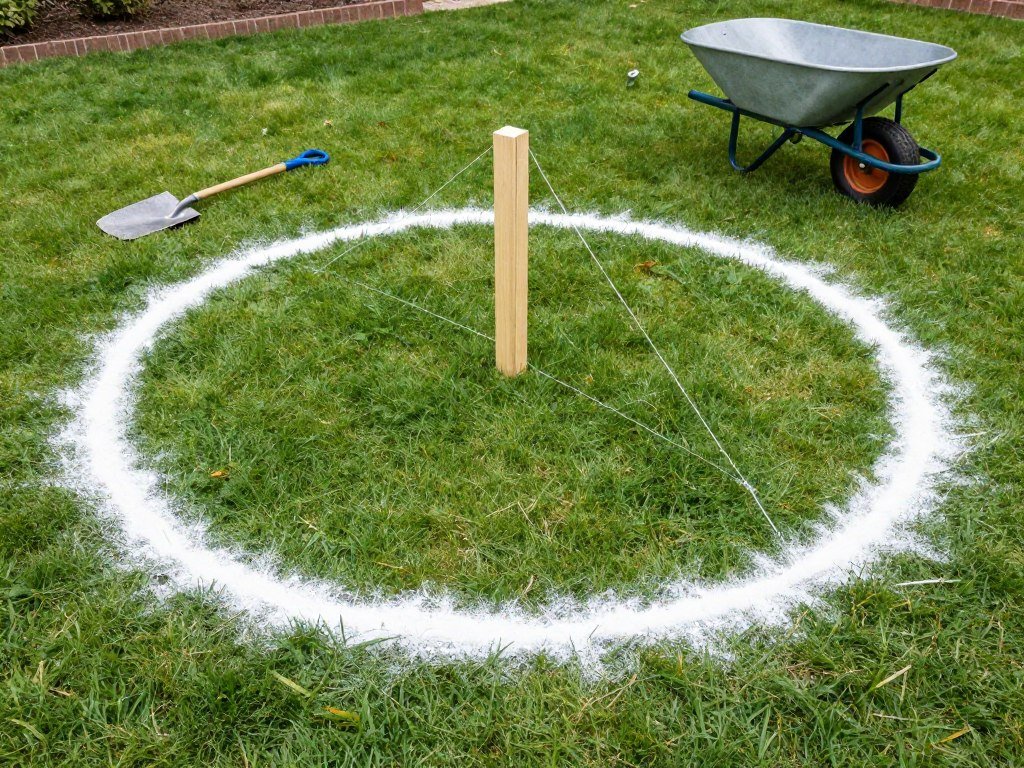
- Drive a stake in the desired center point of your bed
- Tie a string to the stake measuring your desired radius
- Walk in a circle holding the string taut, marking the edge with spray paint
- Remove sod within the marked circle using a flat spade
- Amend soil with compost and create a slight mound in the center
- Install edging material to maintain the clean circular shape
Plant Arrangement for Island Beds
Successful island beds maintain visual balance from every angle. Follow this layered approach for professional results.
| Layer | Position | Height Range | Plant Examples | Quantity |
| Center Focal Point | Exact center | 3-5 feet | Ornamental grass, dwarf tree, large shrub | 1 specimen |
| Inner Ring | 2 feet from center | 18-30 inches | Salvia, coneflowers, daylilies | 5-7 plants |
| Middle Ring | 3 feet from center | 12-18 inches | Marigolds, geraniums, zinnias | 9-12 plants |
| Outer Edge | Bed perimeter | 6-12 inches | Alyssum, lobelia, petunias | 15-20 plants |
Color Scheme Options for Island Beds
Choose monochromatic, analogous, or complementary color schemes. Each approach creates different visual impacts.
Monochromatic Elegance
Use varying shades of a single color for sophisticated impact. This approach feels cohesive and calming.
- Purple scheme: Dark purple fountain grass center, medium purple salvia, light purple petunias edge
- Yellow scheme: Gold grass center, orange marigolds, pale yellow pansies edge
- Pink scheme: Pink knockout rose center, coral geraniums, light pink petunias edge
Complementary Contrast
Combine opposite colors on the color wheel for maximum visual pop and energy.
- Purple and yellow: Purple grass, yellow coreopsis, alternating purple and yellow edge
- Orange and blue: Orange grass, blue salvia, mixed orange marigolds and blue lobelia
- Red and green: Red grass foliage, red geraniums, chartreuse coleus edge
8. Space-Saving Vertical Garden Beds
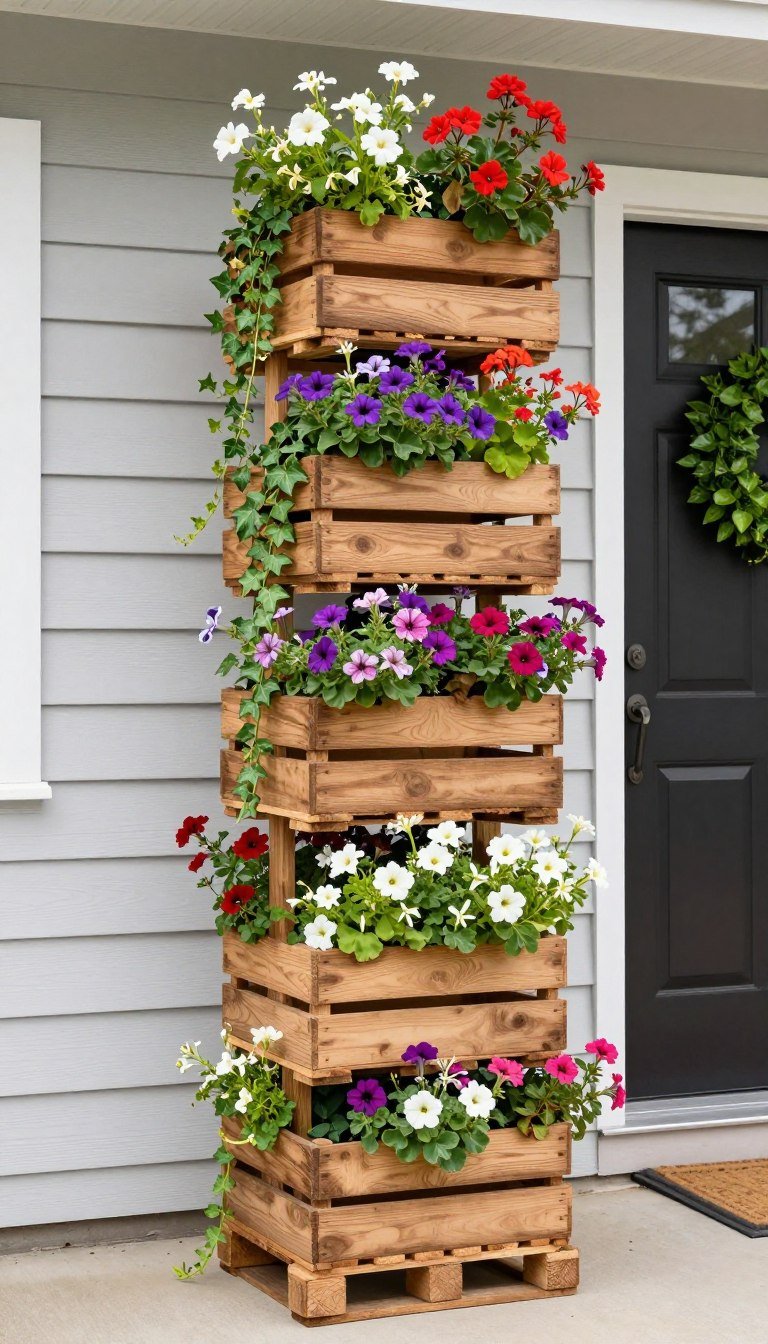
Vertical gardens maximize planting space in small front yards. These structures create impressive displays without consuming valuable square footage.
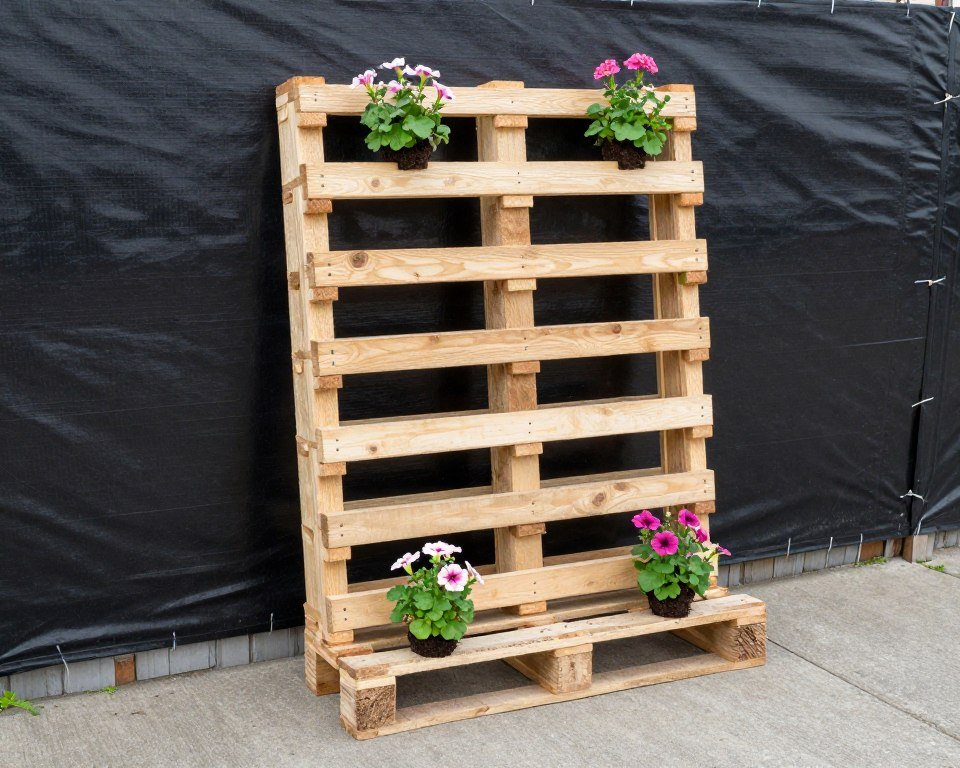
Build vertical planters from repurposed pallets, stacked crates, or simple ladder shelves. Position against fences, walls, or as freestanding focal points.
Choose trailing and cascading plants that spill downward dramatically. This enhances the vertical effect and creates lush, abundant growth from minimal soil volume.
DIY Vertical Garden Projects
Create impressive vertical gardens using free or inexpensive materials. These projects require minimal construction skills.
- Pallet planters: Stand pallets upright, line with landscape fabric, add soil and plants
- Stacked crate towers: Secure wooden crates in alternating orientations, fill with flowers
- Ladder shelves: Place old wooden ladder against wall, set potted plants on rungs
- Gutter gardens: Mount rain gutters horizontally on fence, plant with trailing flowers
- Hanging shoe organizer: Fill fabric pockets with soil and small flowering plants
- PVC pipe towers: Drill holes in large diameter PVC, fill with soil, plant in holes
Best Plants for Vertical Gardens
Select compact root systems and trailing growth habits. These plants thrive in the confined spaces of vertical structures.
Trailing Annuals
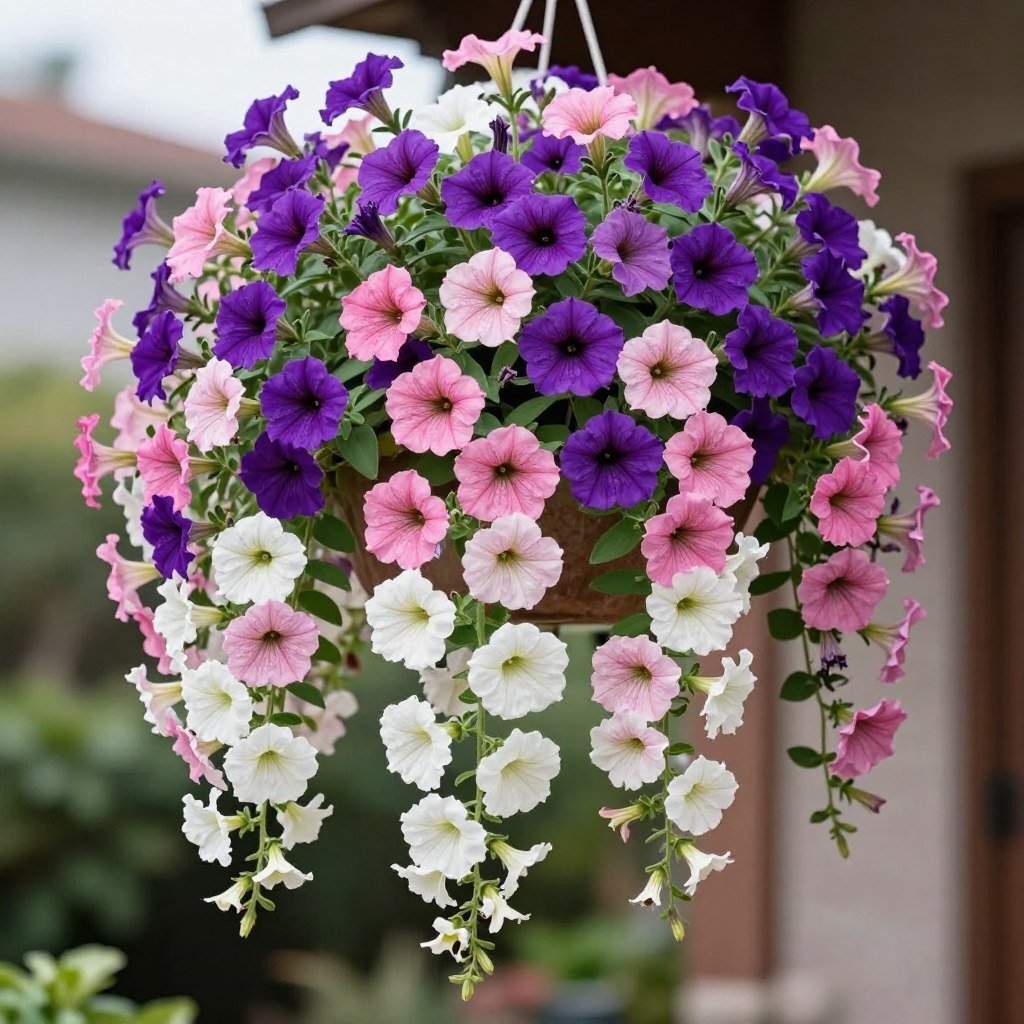
Fast-growing annuals create immediate impact with flowers blooming throughout the season.
- Wave petunias (vigorous trailers)
- Bacopa (tiny white or blue flowers)
- Million bells (mini petunia relatives)
Compact Herbs
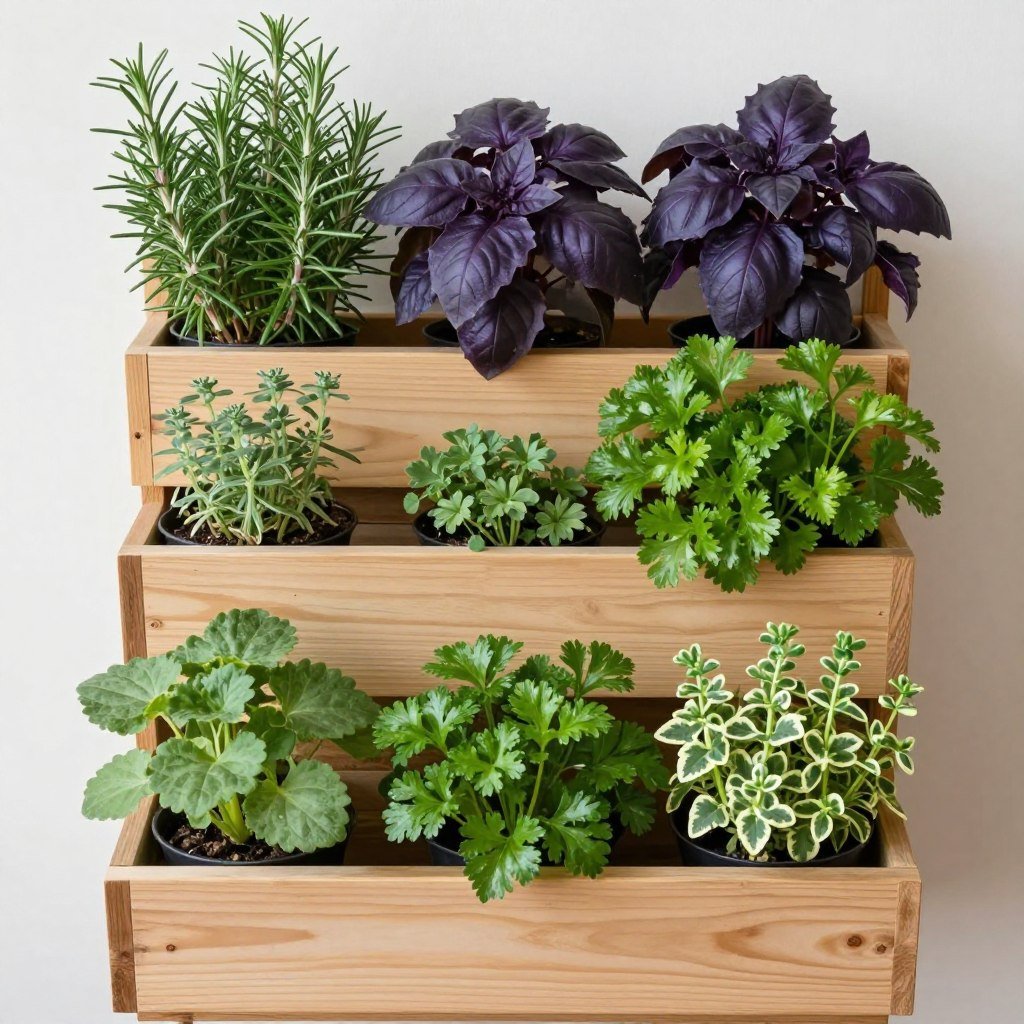
Combine beauty with function by growing culinary herbs in vertical planters near your front door.
- Trailing rosemary (fragrant foliage)
- Oregano (spreads and trails nicely)
- Thyme varieties (low-growing habit)
Compact Succulents
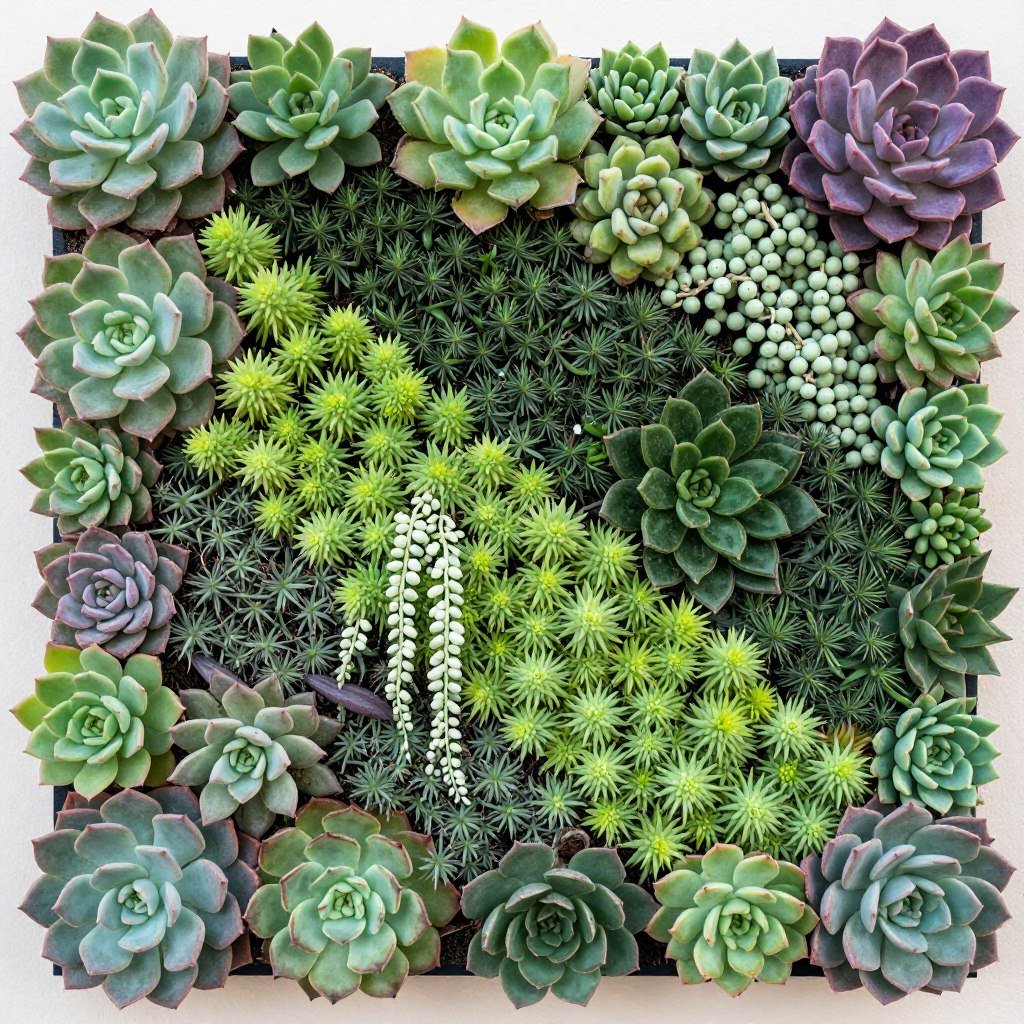
Drought-tolerant succulents need minimal watering and thrive in vertical arrangements.
- Burro’s tail (cascading succulent)
- String of pearls (unique texture)
- Various sedums (easy care)
Maintenance Tips for Vertical Gardens
Vertical structures dry out faster than ground-level beds. Implement these strategies to reduce watering frequency and maintenance.
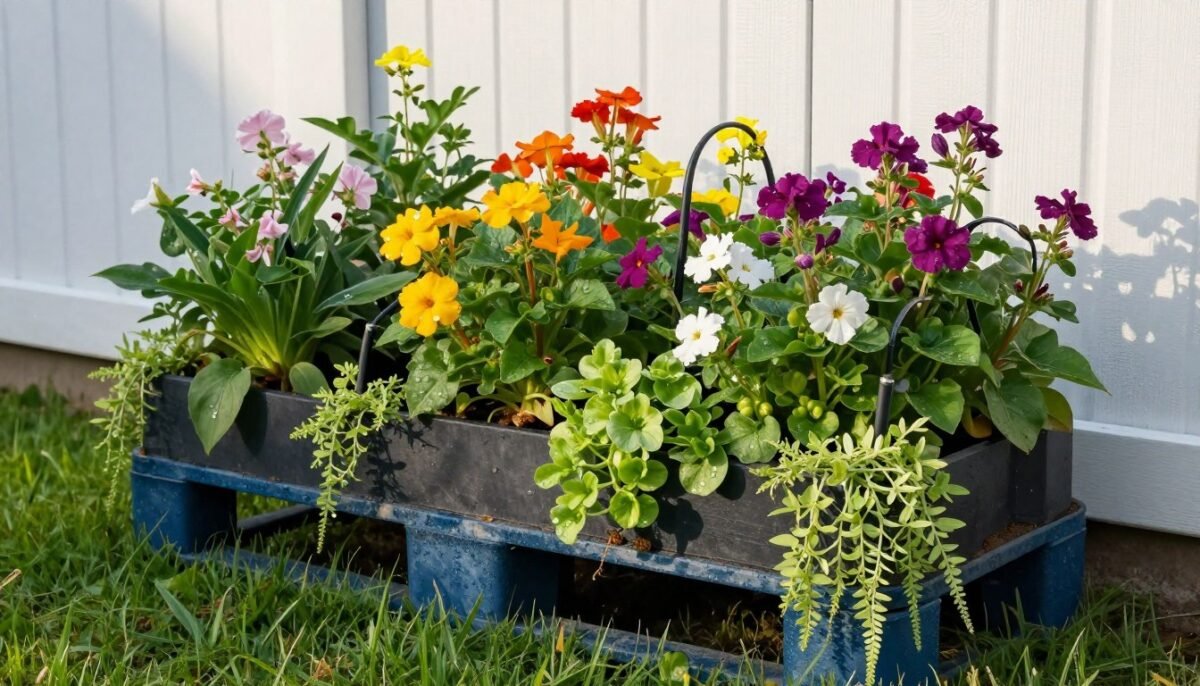
Water-Saving Strategy: Install a simple drip irrigation system using soaker hoses or drip tape. Connect to a battery-powered timer for automatic watering. This costs under $50 and reduces daily watering chores dramatically.
9. Mixed Container Garden Beds
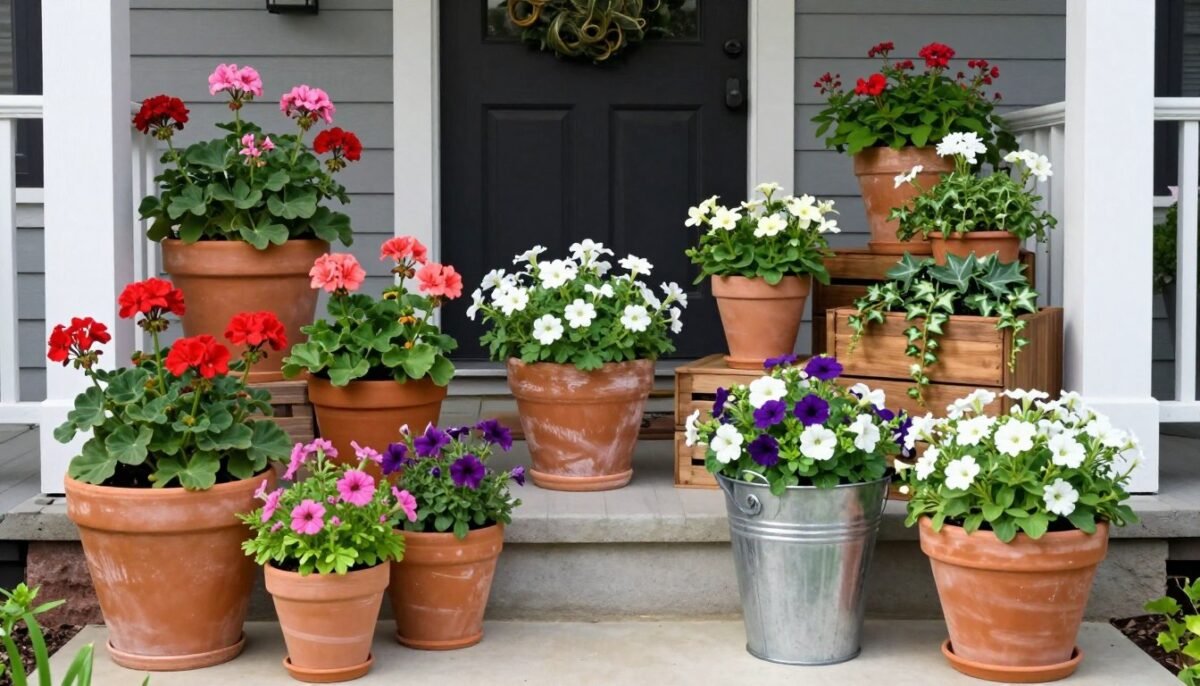
Container gardens offer ultimate flexibility for renters or those wanting changeable designs. Group pots of varying heights and materials for dimensional interest.
Collect containers from thrift stores, garage sales, and clearance sections. Mismatched pots create charming eclectic groupings when planted cohesively.
Arrange containers in odd-numbered groups on porches, steps, or directly in front yard beds. Move them seasonally to refresh your landscape’s look.
Finding Free and Cheap Containers
Beautiful planters don’t require retail prices. Creative sourcing reveals abundant container options at minimal or zero cost.
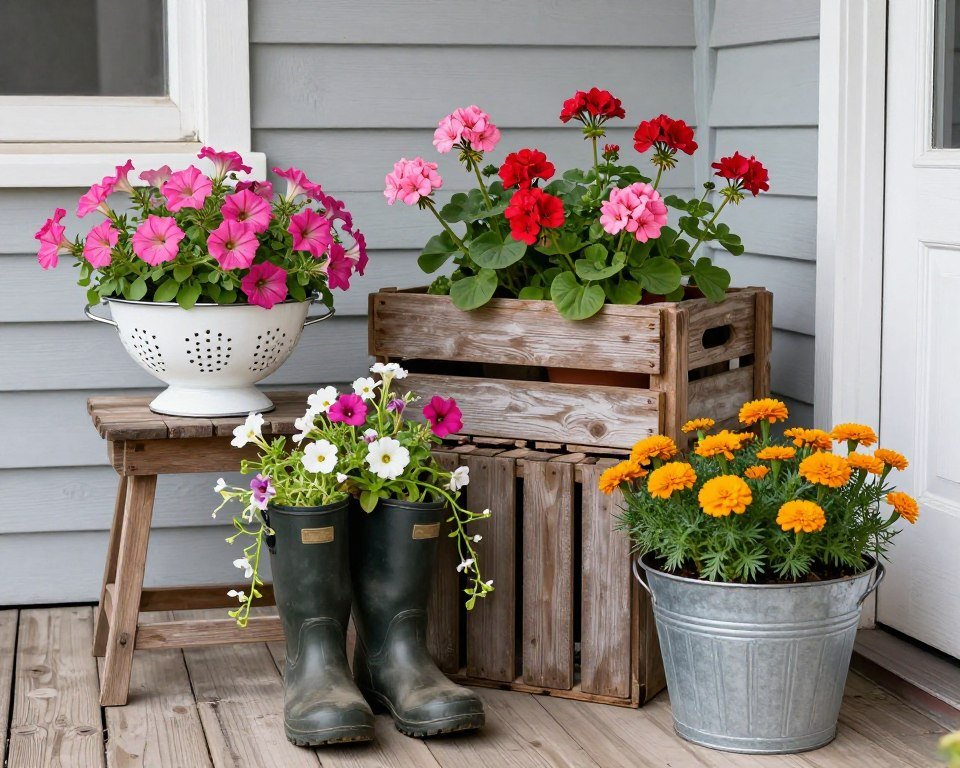
- Five-gallon buckets from restaurants or bakeries (free, drill drainage holes)
- Wooden crates from produce markets (rustic charm, line with plastic)
- Thrift store ceramic bowls and baskets (unique character pieces)
- Damaged wheelbarrows or wagons (statement container gardens)
- Old boots, colanders, and teapots (whimsical accent containers)
- Concrete mixing tubs (affordable large-scale planters)
Container Planting Design Formulas
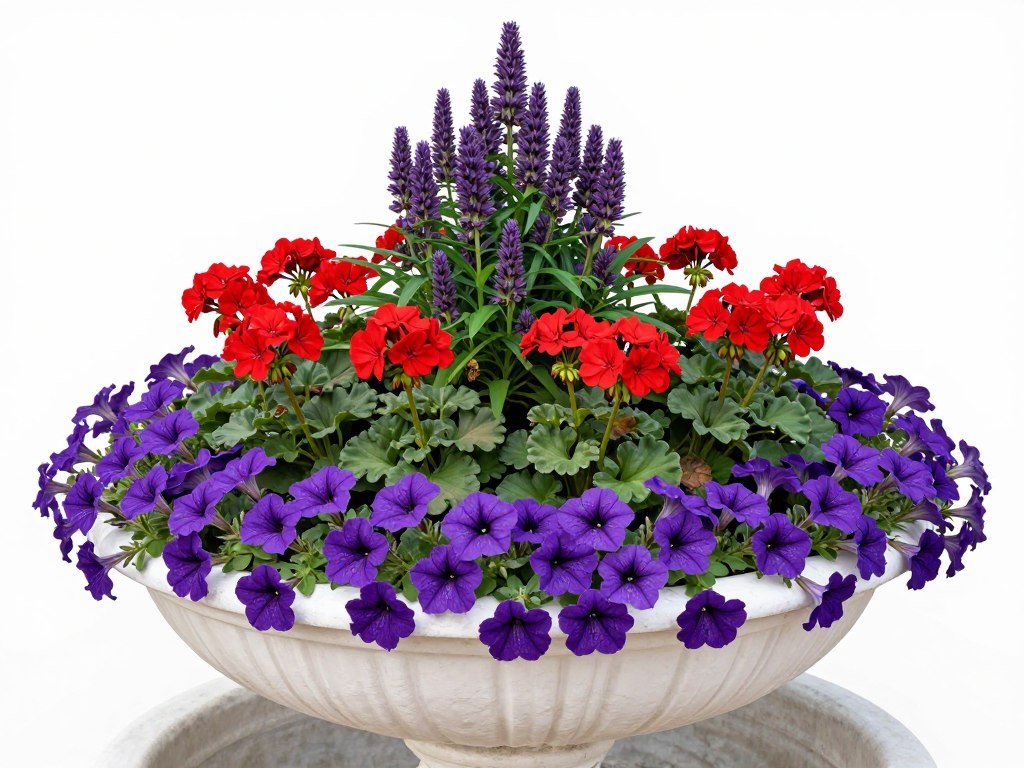
Follow the thriller-filler-spiller formula for professional-looking container combinations. This simple approach works for any pot size or shape.
The Three-Part Formula
Thriller: One tall, upright plant for vertical height and drama (30-40% of planting).
Filler: Medium-height plants that fill the middle space and add mass (40-50% of planting).
Spiller: Trailing plants that cascade over the container edge (20-30% of planting).
Example Combinations
- Sun: Spike (thriller), geraniums (filler), wave petunias (spiller)
- Shade: Coleus (thriller), impatiens (filler), sweet potato vine (spiller)
- Herbs: Rosemary (thriller), basil (filler), trailing thyme (spiller)
Budget Container Soil Mix
Quality potting mix costs add up quickly for multiple containers. Create your own blend for significant savings.
DIY Potting Mix Recipe: Mix 1 part peat moss or coconut coir, 1 part compost, 1 part perlite or vermiculite, and add slow-release fertilizer according to package directions. This blend costs approximately 60% less than commercial potting mixes and performs equally well.
Arranging Container Groups
Strategic placement and grouping techniques create cohesive displays that appear intentionally designed rather than randomly placed.
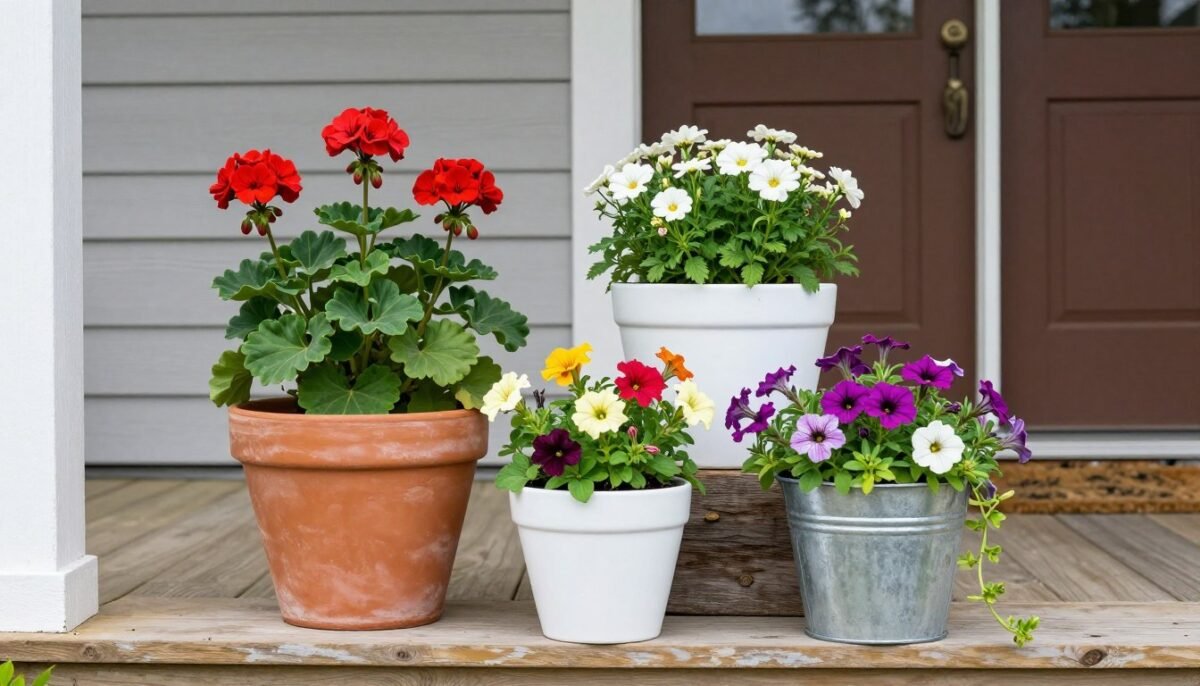
- Group in odd numbers (3, 5, or 7 pots) for visual balance
- Vary container heights using plant stands or overturned pots as risers
- Place tallest container in the back or center of the grouping
- Mix container materials but coordinate colors or styles
- Include one large focal point container in each grouping
- Repeat similar plants or colors throughout different containers
10. Evergreen Perennial Borders for Year-Round Interest
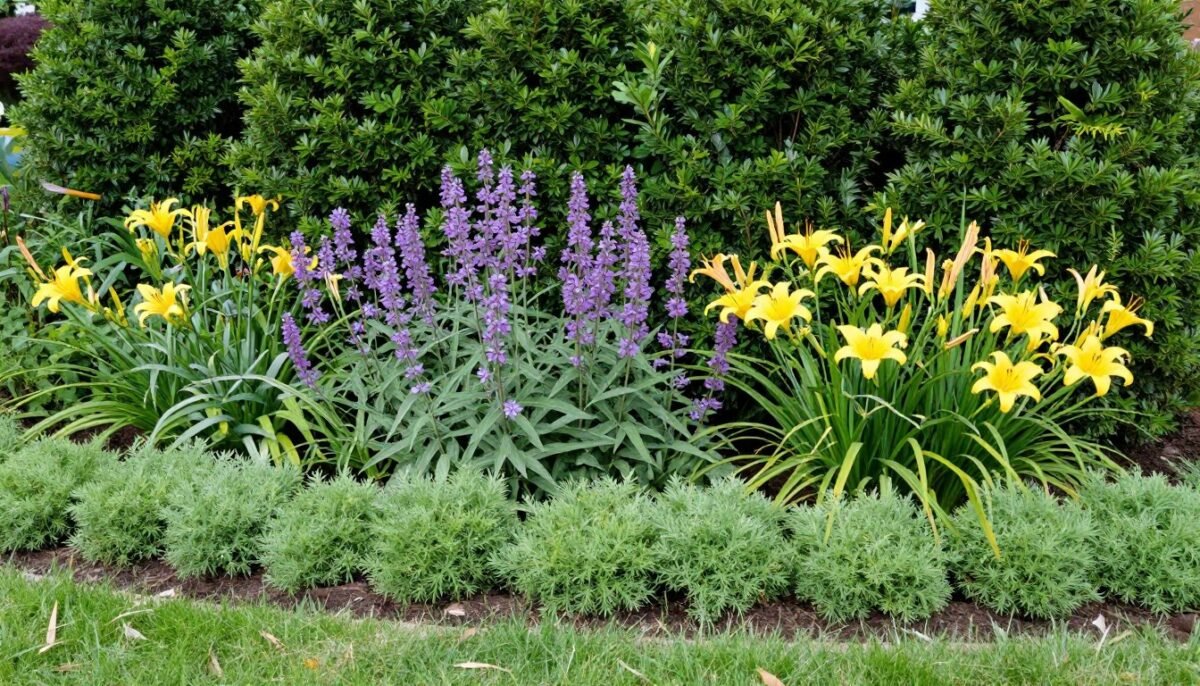
Perennial borders provide lasting value by returning year after year. Mix evergreens with flowering perennials for structure that looks good in all seasons.
Invest initially in quality perennials knowing they’ll multiply and spread. Divide overgrown clumps every few years to create more plants free.
Layer evergreen shrubs as a backdrop with deciduous perennials in front. This ensures visual interest even in winter when flowers have died back.
Budget-Friendly Perennial Shopping Strategies
Smart purchasing timing and plant selection significantly reduces costs while building impressive perennial collections.
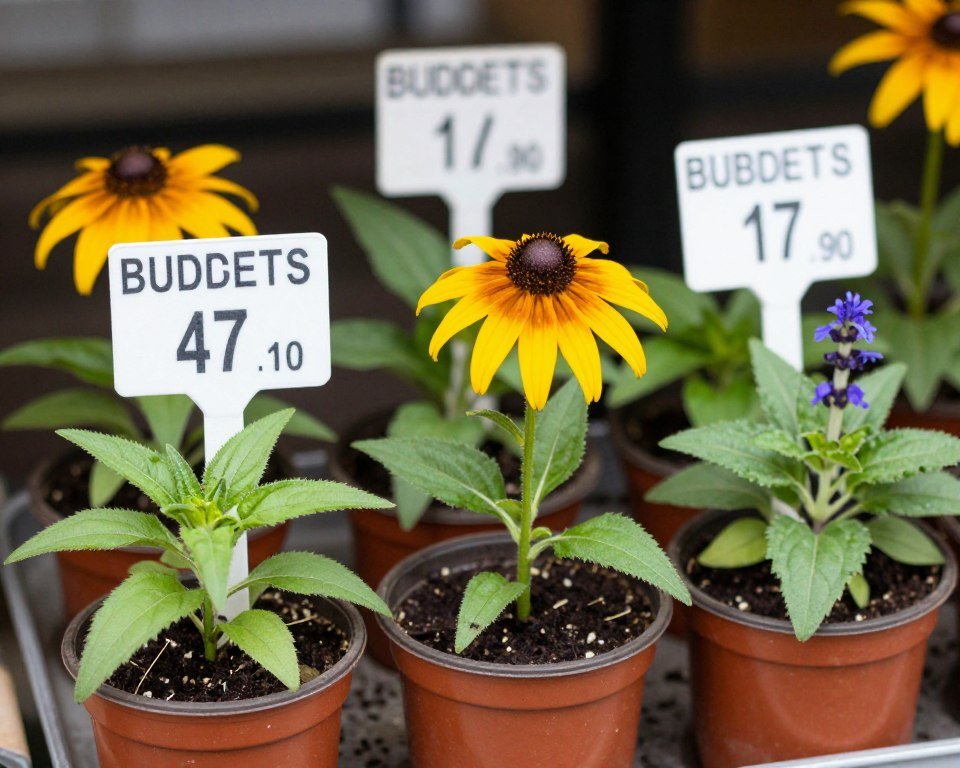
- Buy perennials in late summer and fall when garden centers discount inventory
- Purchase small 4-inch pots instead of gallon containers (they catch up quickly)
- Start perennials from seed indoors for pennies per plant
- Join plant swaps and garden clubs to trade divisions with other gardeners
- Look for “passalong plants” – vigorous spreaders shared freely among gardeners
- Choose fast-growing varieties that fill space quickly and divide readily
Long-Blooming Perennials for Maximum Color
Select perennials with extended bloom periods. These workhorses provide color for months rather than just weeks.
| Plant Name | Bloom Period | Colors Available | Special Features |
| Coneflower | June – September | Purple, pink, white, yellow, orange | Drought tolerant, attracts butterflies |
| Black-eyed Susan | June – October | Yellow, orange, red | Native plant, self-seeds freely |
| Salvia | May – October | Blue, purple, pink, red, white | Hummingbird magnet, deer resistant |
| Coreopsis | June – September | Yellow, pink, red | Extremely drought tolerant |
| Catmint | May – September | Lavender, blue, white | Aromatic foliage, reblooms if cut back |
| Gaillardia | June – September | Red and yellow bicolors | Heat and drought tolerant |
Creating Four-Season Interest
Plan your perennial border to provide visual appeal throughout the entire year by incorporating plants with different seasonal strengths.
Spring Interest
Early bloomers and fresh foliage emergence kick off the growing season with renewed life.
- Spring bulbs (daffodils, tulips, crocus)
- Hellebores (early evergreen bloomer)
- Bleeding heart (delicate pink or white flowers)
- Creeping phlox (carpet of color)
Summer Color
Peak blooming season features the majority of perennial flowers in their full glory.
- Daylilies (reliable summer blooms)
- Coneflowers (long-lasting flowers)
- Salvia (continuous bloomer)
- Shasta daisies (classic white flowers)
Fall Display
Late-season bloomers and colorful foliage extend interest into autumn months.
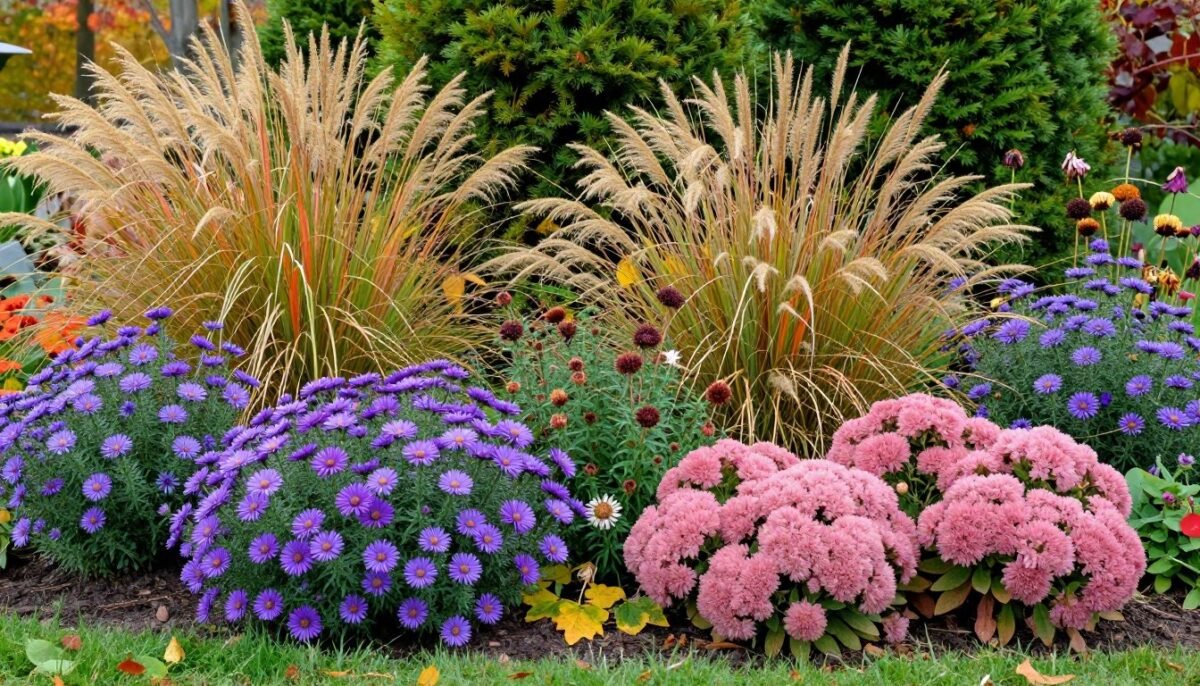
- Sedum (pink fall flowers, succulent foliage)
- Asters (purple, pink, white fall blooms)
- Ornamental grasses (golden plumes and foliage)
- Mums (traditional fall color)
Winter Structure
Evergreen plants and persistent seed heads provide visual interest during dormant months.
- Evergreen shrubs (boxwood, holly, yew)
- Ornamental grass plumes (left standing)
- Coneflower seed heads (winter birds)
- Evergreen ground covers (vinca, ajuga)
11. Low-Cost Native Wildflower Meadow Beds
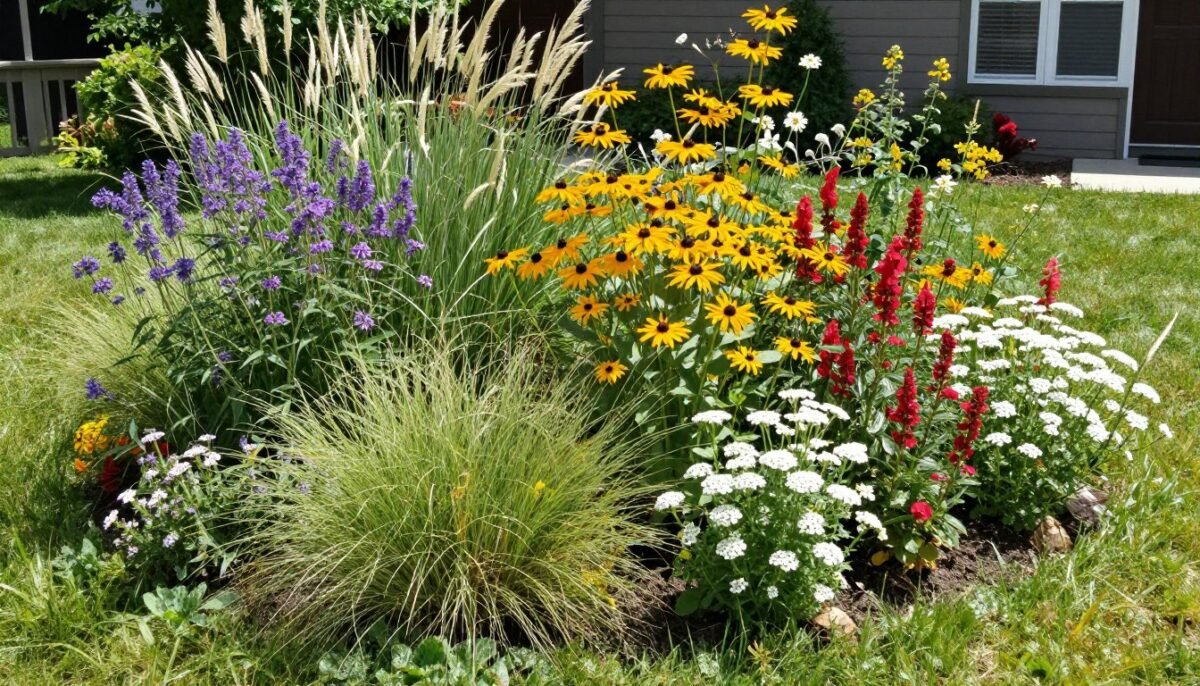
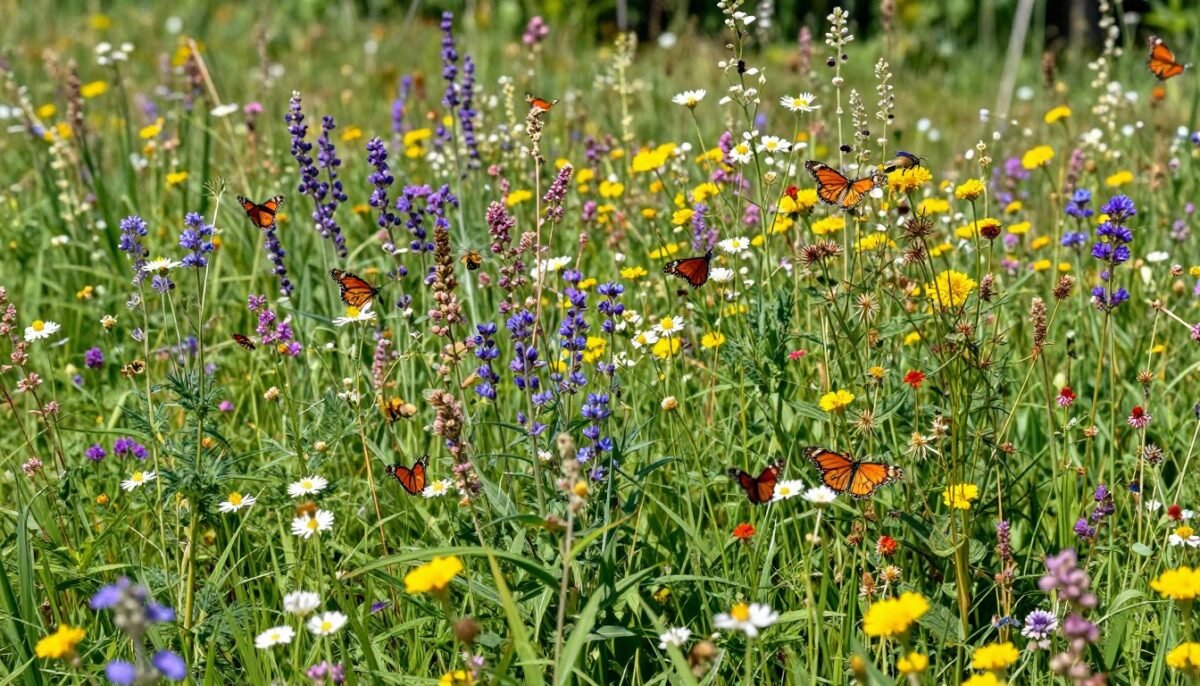
Native wildflower beds cost less to establish and maintain than traditional gardens. These plants evolved locally, requiring no fertilizer, minimal water, and no pest control.
Purchase native seed mixes specific to your region. Broadcast seeds in prepared soil and nature does the rest with minimal intervention.
Wildflower meadows support pollinators and beneficial insects. This ecological approach creates beautiful landscapes while helping local wildlife populations.
Establishing a Wildflower Meadow
Success starts with proper site preparation. Native seeds need good soil contact and minimal competition to germinate.
- Remove existing grass and weeds completely by smothering with cardboard
- Rake the area smooth, breaking up any soil clumps
- Scatter native wildflower seeds evenly across prepared soil in fall or early spring
- Press seeds firmly into soil with a lawn roller or by walking over area
- Water lightly to settle seeds but avoid creating puddles
- Keep area moist until germination occurs (typically 2-3 weeks)
- Allow meadow to grow naturally without mowing the first season
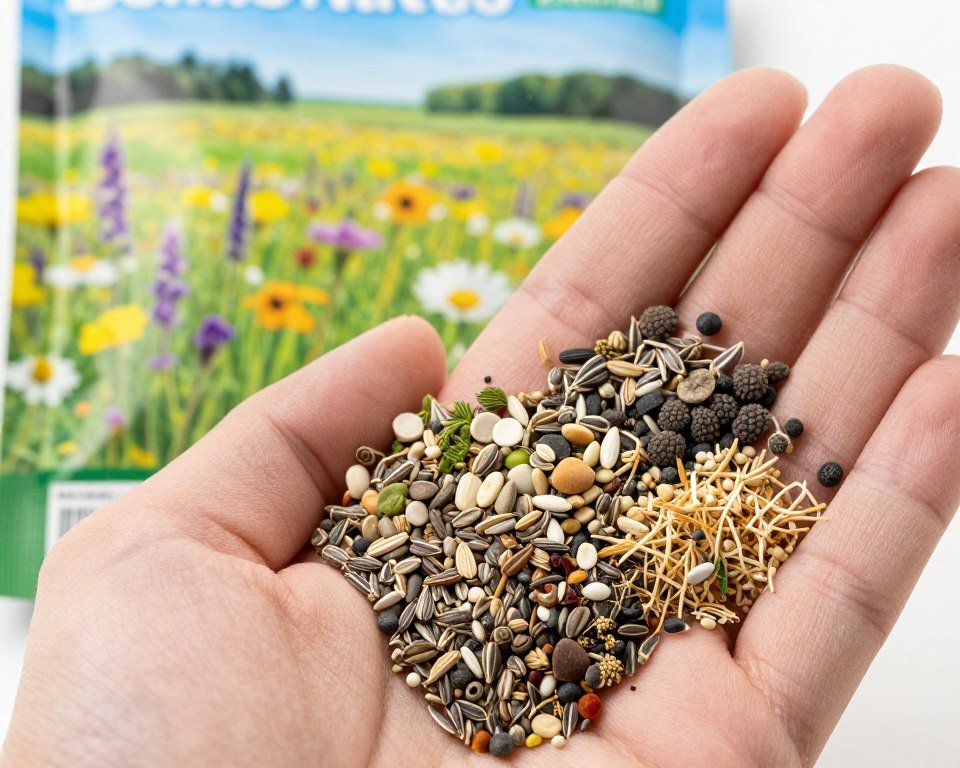
Best Native Wildflowers by Region
Choose regionally appropriate native species for best results. These plants thrive without special care in their native ranges.
Eastern United States
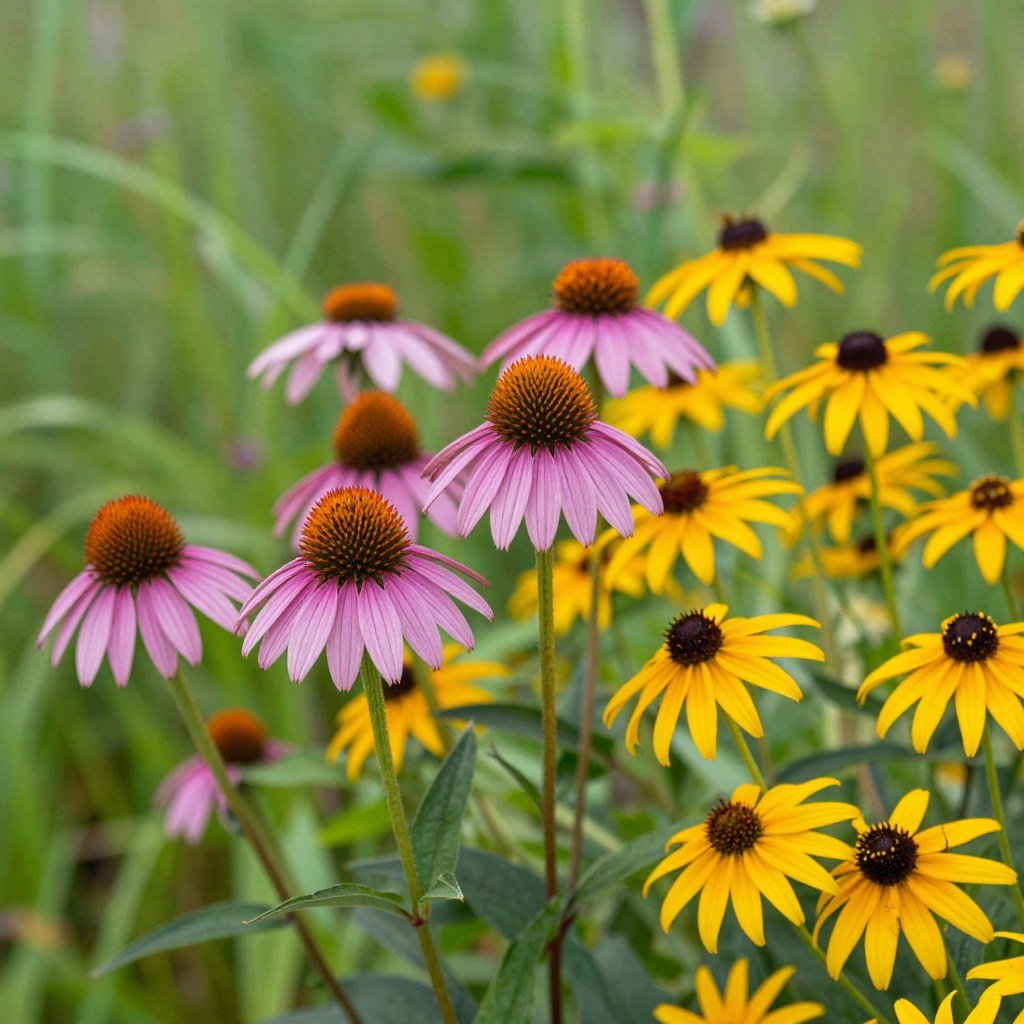
Moisture-loving natives suited to temperate eastern climates with moderate rainfall.
- Purple coneflower
- Black-eyed Susan
- Butterfly weed
- Joe Pye weed
Western United States
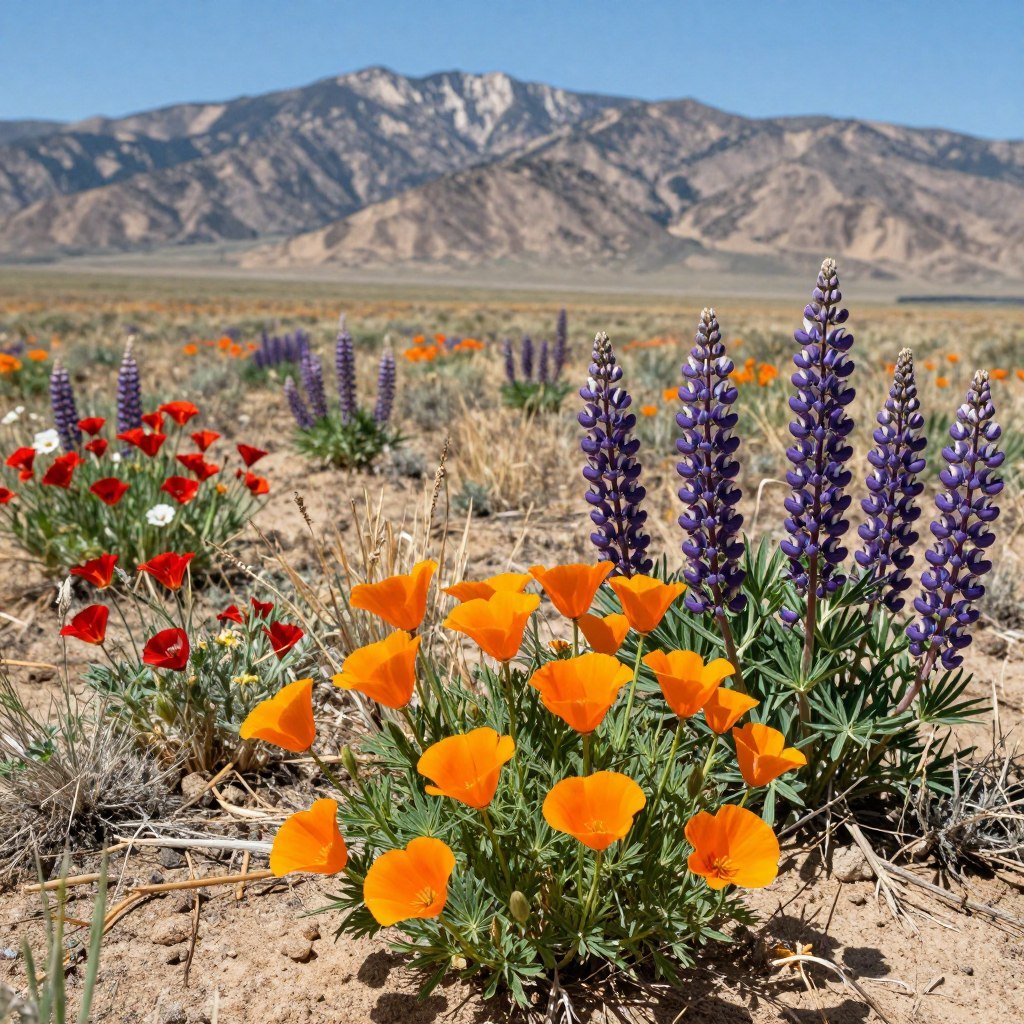
Drought-adapted species perfect for arid western regions with limited rainfall.
- California poppy
- Lupine
- Penstemon
- Desert marigold
Southern United States
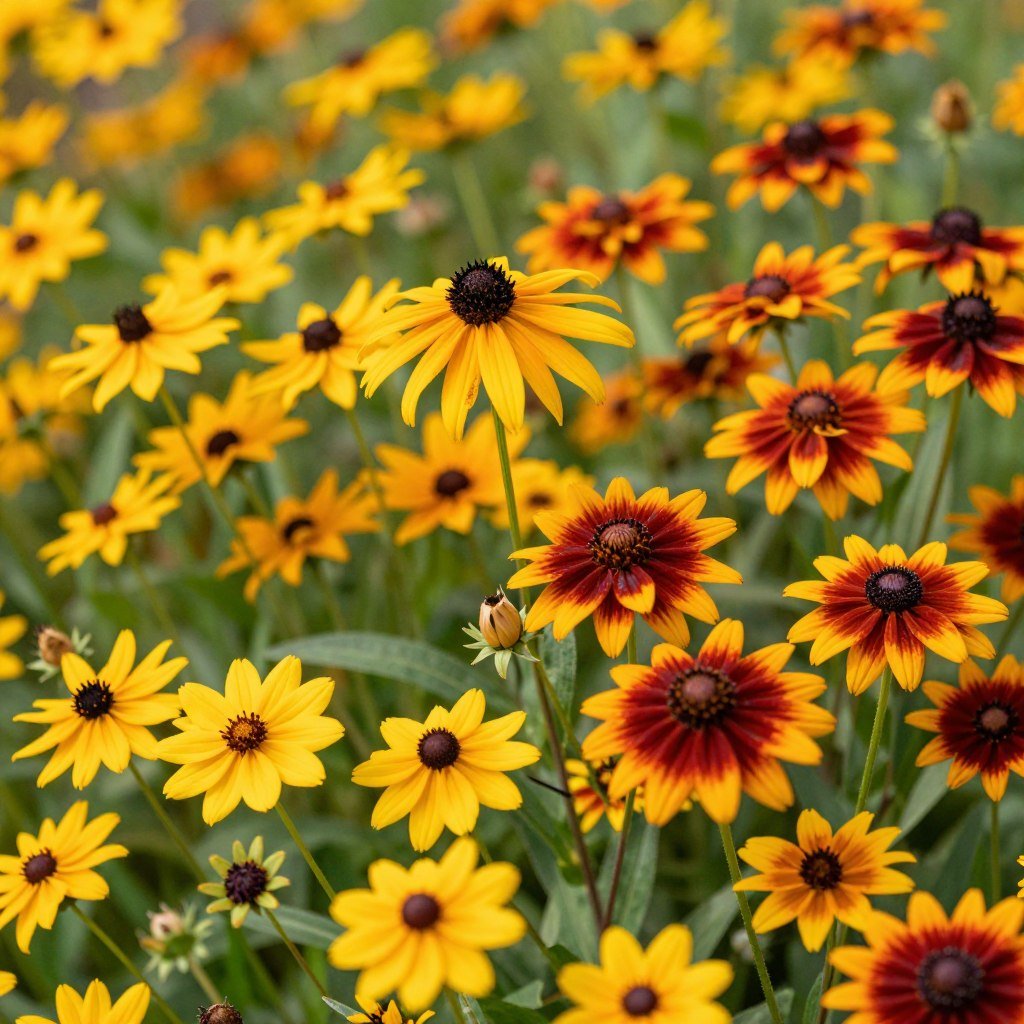
Heat-tolerant natives thriving in hot, humid southern growing conditions.
- Blanket flower
- Coreopsis
- Liatris
- Goldenrod
Cost Comparison: Wildflower Meadow vs Traditional Bed
Native wildflower meadows offer dramatic cost savings over traditional annual flower beds when comparing multi-year expenses.
| Expense Category | Traditional Annual Bed (per year) | Native Wildflower Meadow (one-time) |
| Initial plants/seeds | $120 | $35 |
| Soil amendments | $40 | $0 |
| Fertilizer | $25 | $0 |
| Pest control | $30 | $0 |
| Water costs | $60 | $10 |
| First Year Total | $275 | $45 |
| Five Year Total | $1,375 | $45 |
Recommended Garden Products for Success
These carefully selected products help you create and maintain beautiful flower beds affordably while achieving professional results.
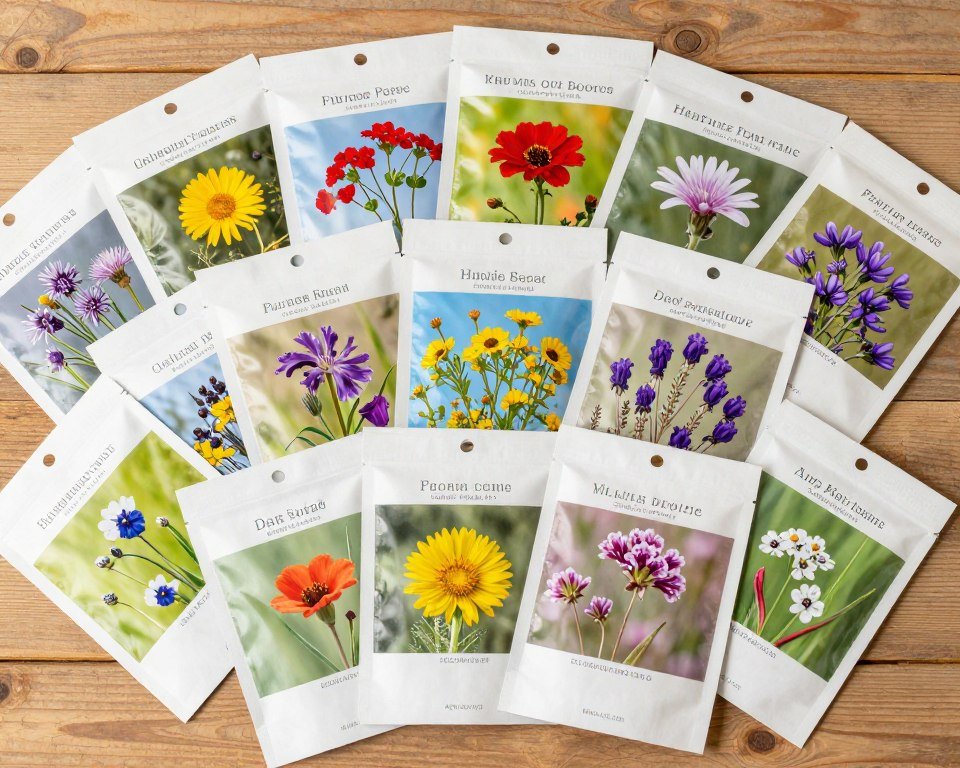
Regional Native Seed Mix
Specially curated seed blends for your specific region. Contains 15-20 native species selected for long blooming periods and pollinator support.
- Covers 200-400 square feet per package
- No special soil preparation required
- Blooms first year from seed
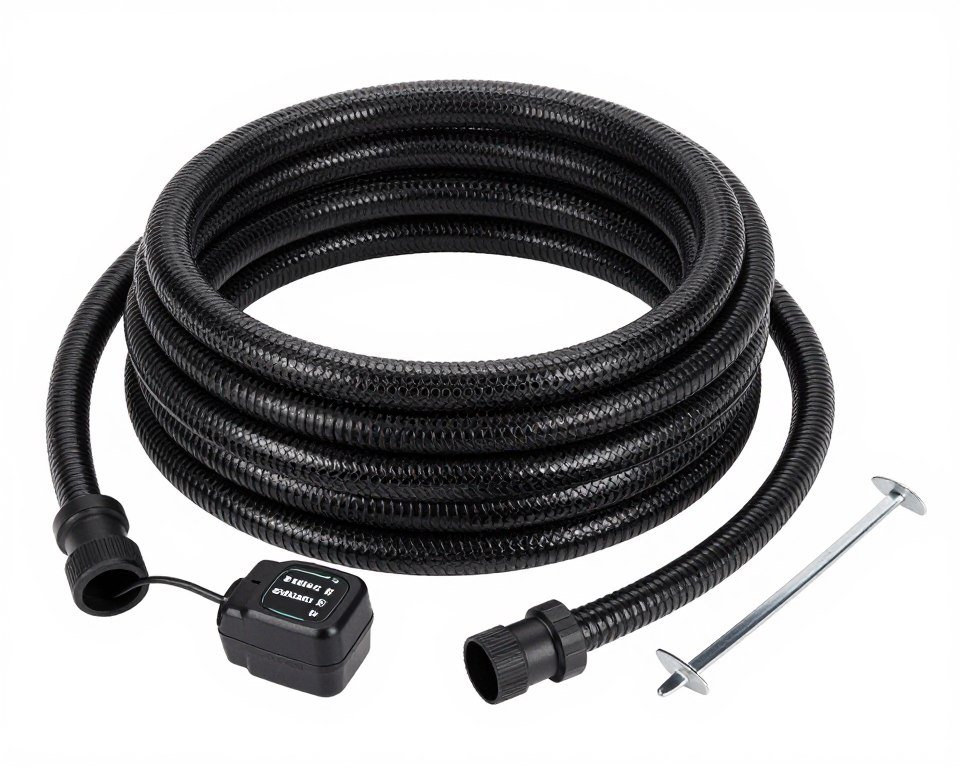
Drip Irrigation Starter Kit
Complete watering system with timer for hassle-free automated irrigation. Reduces water usage by 50% compared to sprinklers.
- Battery-powered programmable timer included
- 50 feet of soaker hose or drip line
- All necessary connectors and stakes
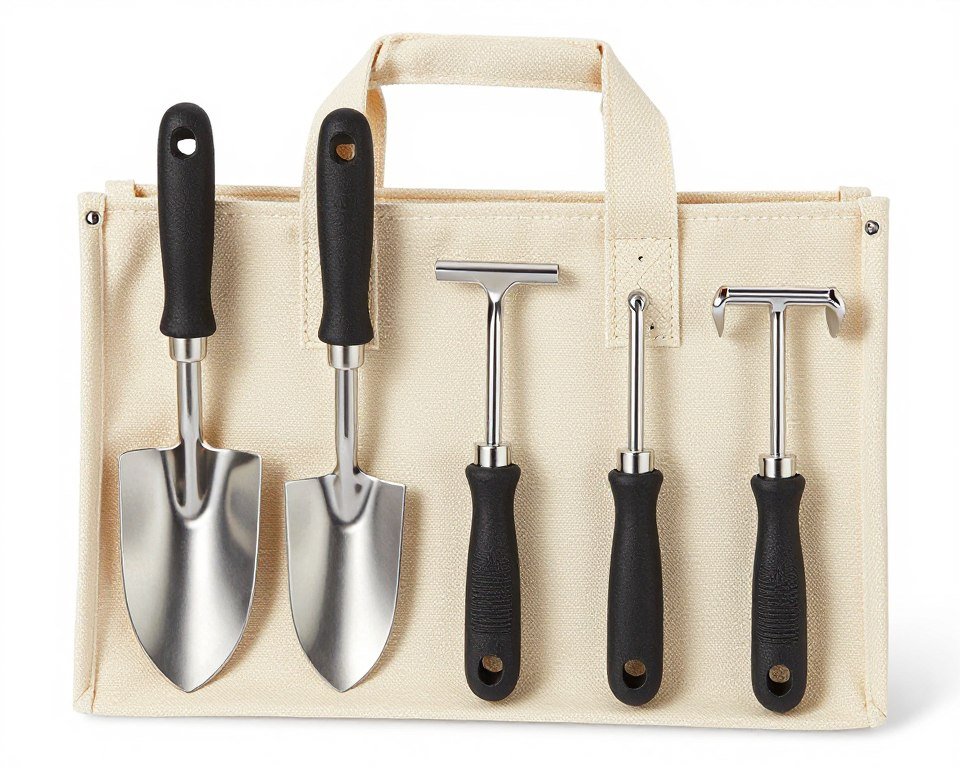
Essential Hand Tool Set
Professional-quality stainless steel tools with ergonomic grips. Everything needed for planting, weeding, and maintaining flower beds.
- Rust-proof stainless steel heads
- Comfortable cushioned grips reduce fatigue
- Includes trowel, cultivator, transplanter, weeder
12. Charming Window Box Flower Beds
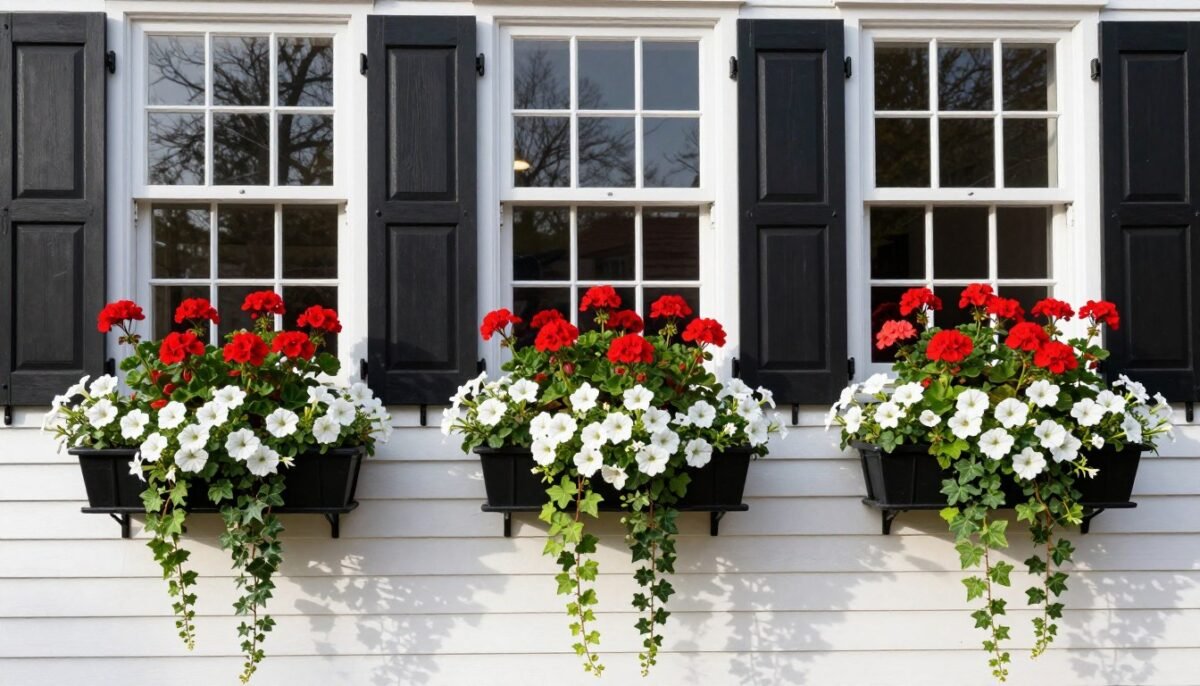
Window boxes add cottage charm without consuming yard space. These elevated planters frame windows beautifully and bring flowers to eye level.
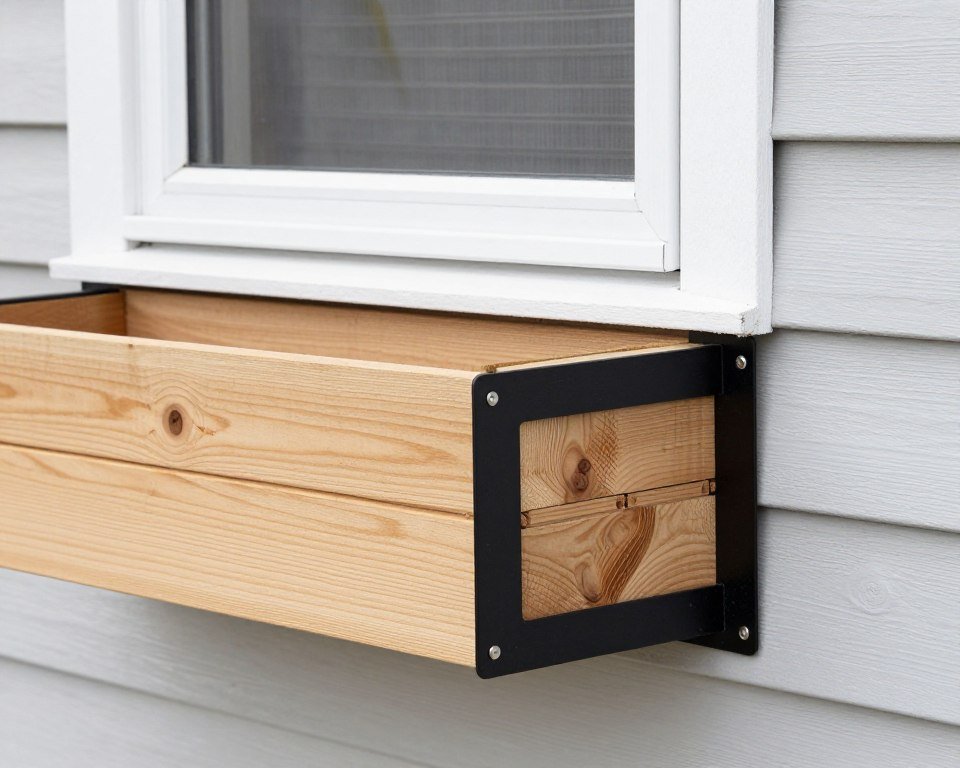
Build simple boxes from fence boards or cedar planks. Mount securely below windows using heavy-duty brackets rated for the weight when filled with wet soil.
Plant window boxes with trailing flowers that cascade downward. This softens architectural lines and creates the appearance of abundance from minimal planting space.
DIY Window Box Construction
Build custom window boxes for a fraction of retail prices. Basic woodworking creates professional-looking planters.
- Measure window width and cut boards 2-4 inches longer for visual balance
- Construct rectangular box with base, front, back, and two end pieces
- Drill drainage holes every 6 inches along the bottom board
- Apply exterior wood stain or paint to protect from weather
- Install heavy-duty L-brackets rated for 50+ pounds beneath windows
- Secure box to brackets with screws through back panel
Window Box Planting Combinations
Successful window boxes balance upright focal flowers with trailing accents. Follow these proven combinations for instant curb appeal.
Classic Red and White
Timeless color combination works with any home exterior color and architectural style.
- Red geraniums (upright focal flowers)
- White petunias (filler and trailer)
- Variegated ivy (trailing green and white foliage)
- White bacopa (delicate trailing flowers)
Sunny Yellow Mix
Cheerful yellow palette brightens shaded areas and complements blue, gray, or white houses.
- Yellow marigolds (upright focal point)
- Bidens (golden trailing flowers)
- Lemon yellow petunias (filler flowers)
- Sweet potato vine (chartreuse trailing foliage)
Seasonal Window Box Ideas
Change window box plantings seasonally for fresh looks throughout the year. This approach keeps your home looking current and cared for.
| Season | Primary Plants | Accent Plants | Color Scheme |
| Spring | Pansies, violas, primrose | Trailing ivy, small ferns | Pastels: pink, purple, yellow, white |
| Summer | Geraniums, petunias, verbena | Bacopa, ivy, sweet potato vine | Bold: red, hot pink, orange, purple |
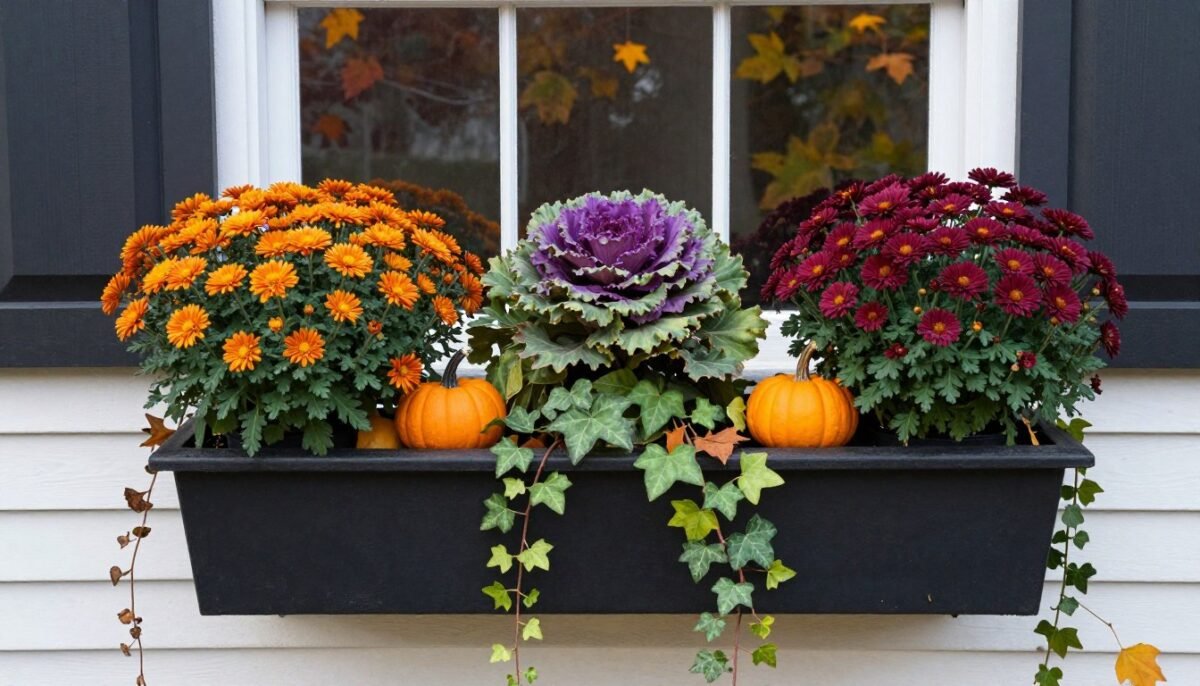
| Fall | Mums, ornamental cabbage, pansies | Ornamental peppers, trailing ivy | Autumn: burgundy, orange, gold, bronze |
| Winter | Evergreen branches, holly, pine | Winterberry branches, pinecones | Natural: green, red berries, brown |
Window Box Maintenance Tips
Window boxes dry out quickly in sun and wind. Implement these strategies to reduce watering frequency.
Water Retention Strategy: Line window box bottoms with newspaper before adding soil. Mix water-retaining crystals into potting soil at planting time. These simple steps reduce watering needs by 30-40% during hot summer months.
13. Drought-Tolerant Xeriscape Flower Beds
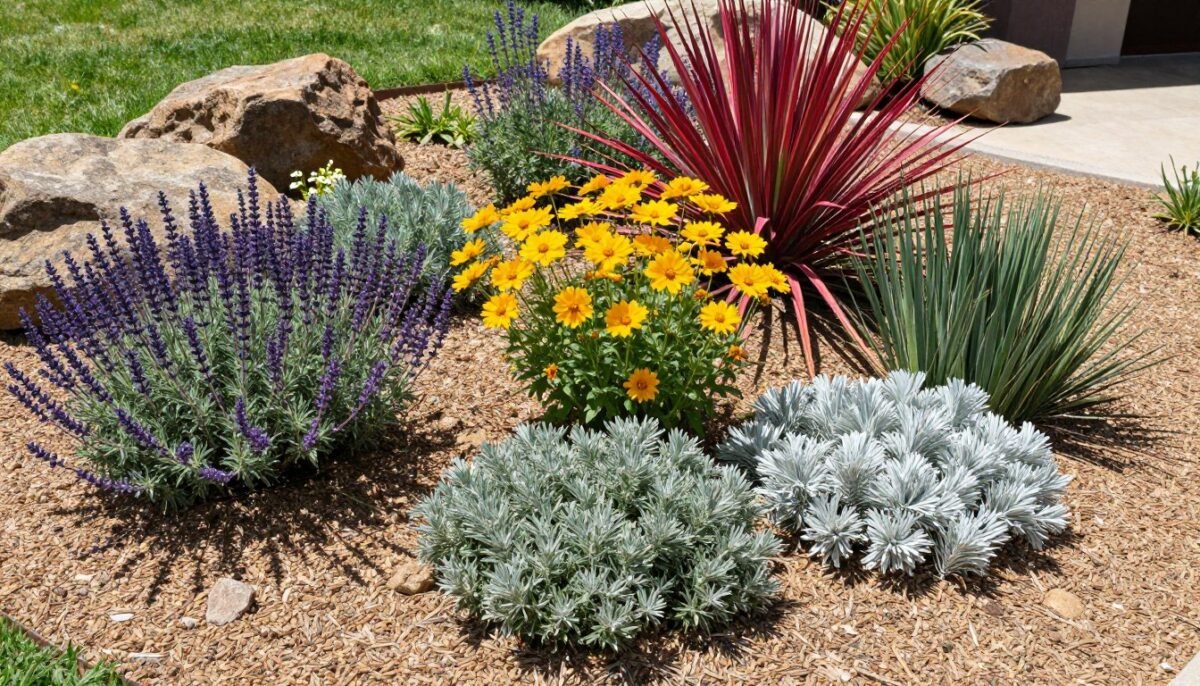
Xeriscape designs reduce water consumption while maintaining beautiful landscapes. These beds feature drought-adapted plants that thrive with minimal irrigation.
Replace thirsty lawn grass with gravel mulch and tough perennials. This approach cuts water bills dramatically while creating distinctive, low-maintenance landscapes.
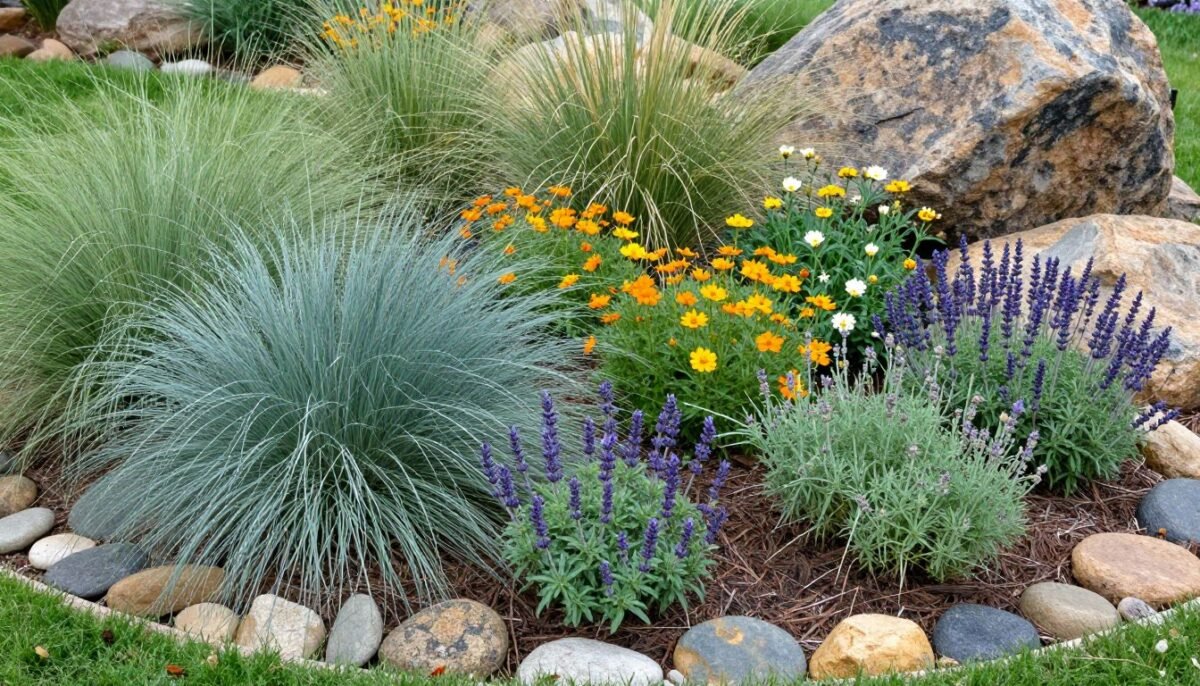
Choose plants with silver or gray foliage, thick leaves, or needle-like texture. These characteristics indicate natural drought tolerance and water storage capacity.
Xeriscape Design Principles
Successful water-wise landscapes follow specific design strategies that maximize plant survival during drought conditions.
- Group plants by water needs (hydrozoning) to avoid overwatering drought-lovers
- Use 3-4 inches of gravel or rock mulch to reduce soil moisture evaporation
- Amend soil with compost to improve water retention in root zones
- Create shallow basins around plants to capture and direct rainfall
- Choose native and adapted plants suited to natural rainfall patterns
- Minimize lawn grass which requires more water than any other landscape plant
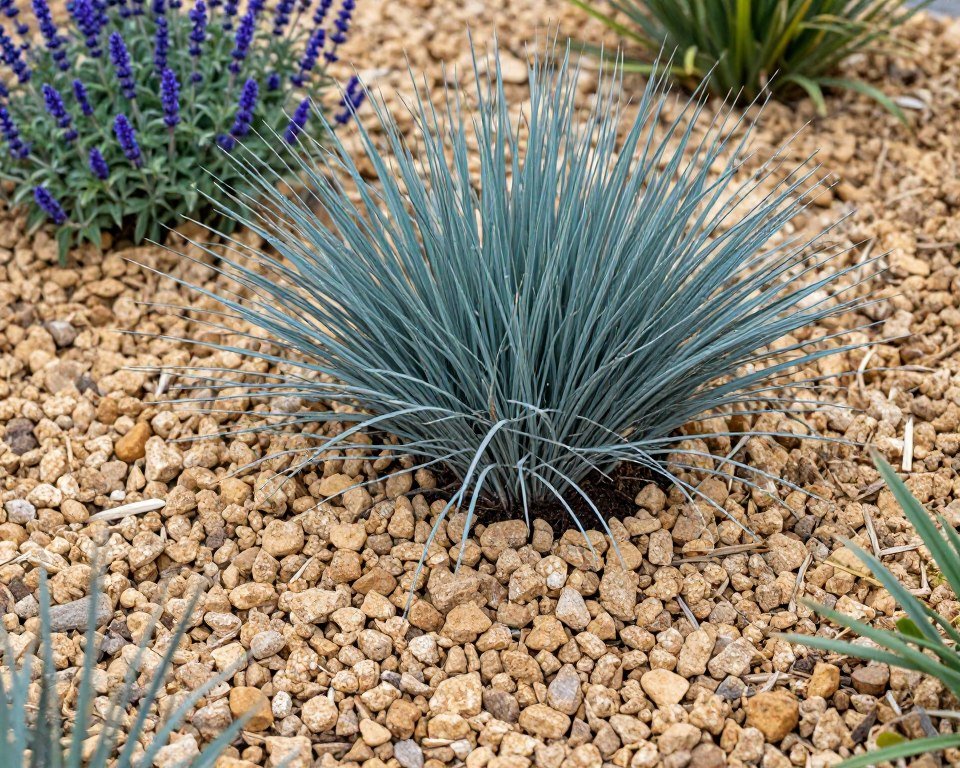
Top Drought-Tolerant Flowers
These water-wise beauties provide color and interest while surviving on minimal supplemental watering once established.
Russian Sage
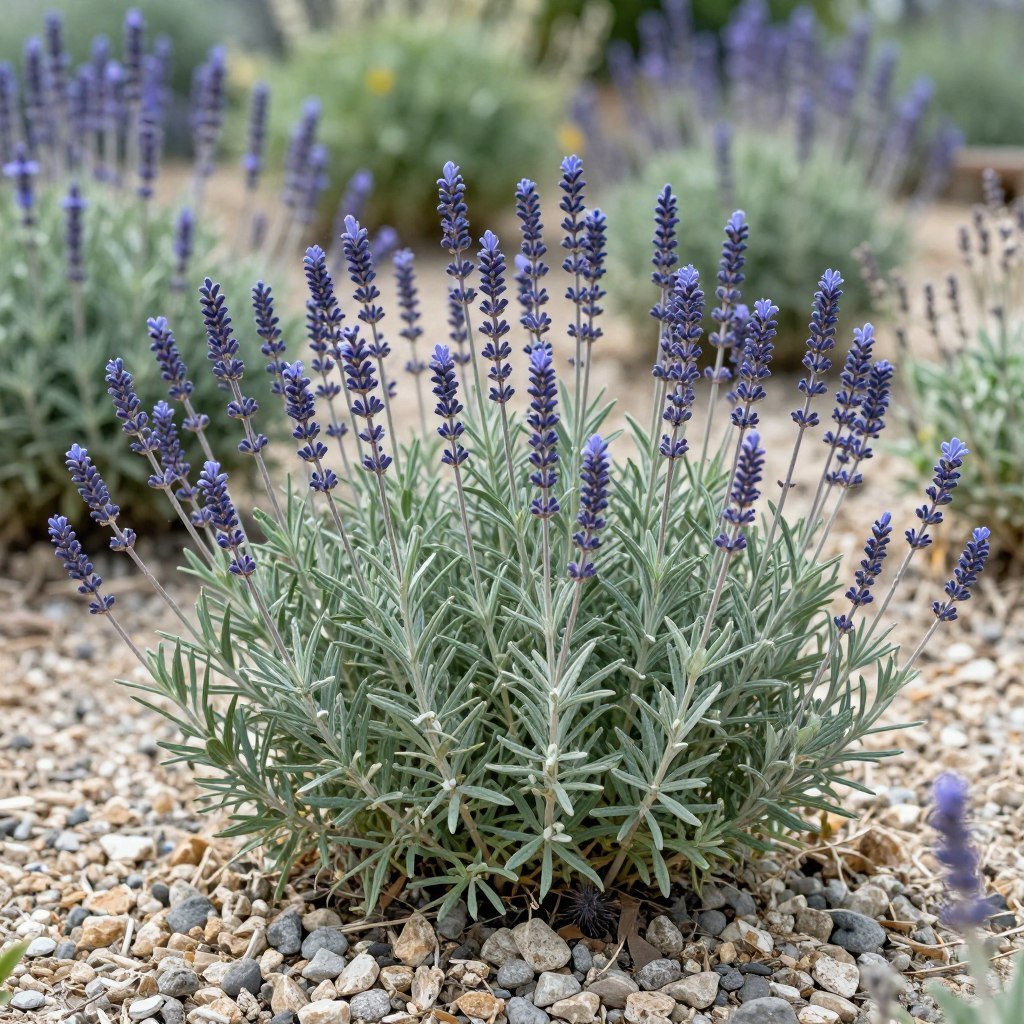
Tall spires of lavender blooms above silver foliage. Extremely drought-tolerant once established.
- Blooms summer through fall
- Aromatic foliage deters deer
- Requires zero supplemental water
Blanket Flower
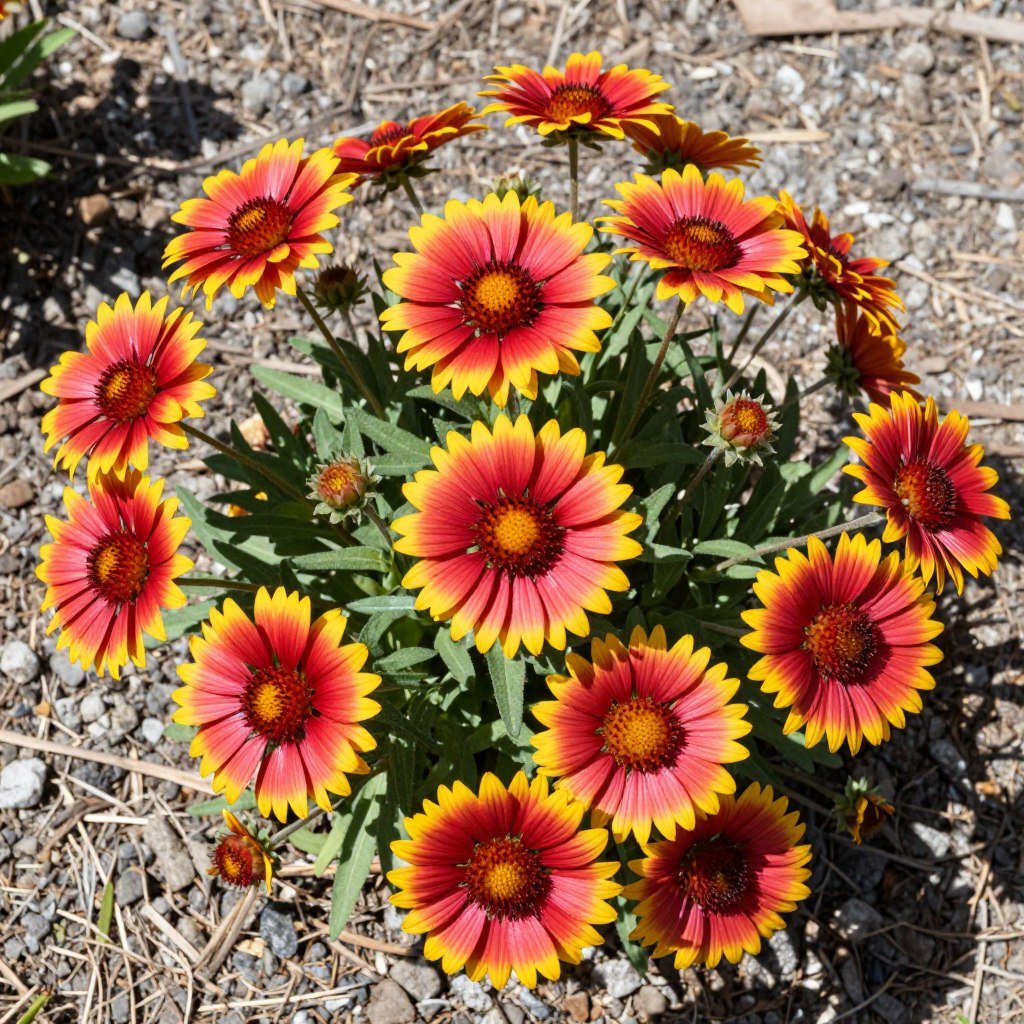
Cheerful red and yellow daisies bloom continuously. Native wildflower handles heat and drought.
- Blooms June through frost
- Self-seeds for free plants
- Thrives in poor, dry soils
Lavender
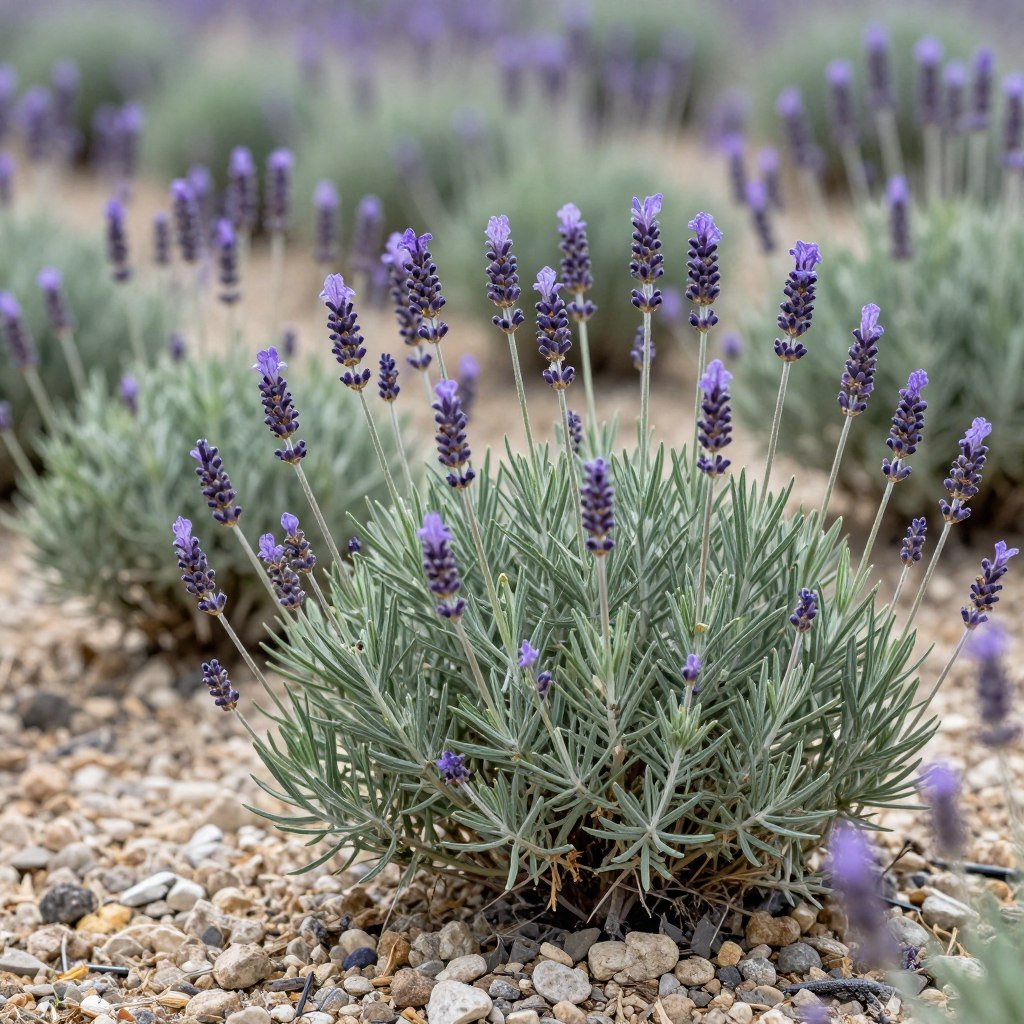
Fragrant purple flowers and silvery foliage. Mediterranean native thrives in dry conditions.
- Highly aromatic blooms and leaves
- Attracts beneficial pollinators
- Excellent for dried arrangements
Ornamental Grasses for Xeriscape Beds
Drought-tolerant grasses provide movement, texture, and vertical interest while requiring virtually no water or maintenance.
- Blue fescue (compact mounds of steely blue foliage)
- Fountain grass (arching form with feathery plumes)
- Mexican feather grass (fine-textured flowing appearance)
- Switchgrass (upright native prairie grass with fall color)
- Little bluestem (native grass with blue-green summer color, bronze fall)
- Karl Foerster grass (vertical accent with golden plumes)
Cost Savings with Xeriscape Design
Water-wise landscapes deliver substantial long-term savings through reduced water consumption and minimal maintenance requirements.
Annual Savings Potential: Replacing 500 square feet of lawn with xeriscape beds reduces outdoor water use by approximately 6,000 gallons per year in moderate climates. This translates to $50-100 annual water bill savings plus elimination of fertilizer, mowing fuel, and lawn care equipment costs.
14. Beautiful Shade Garden Flower Beds
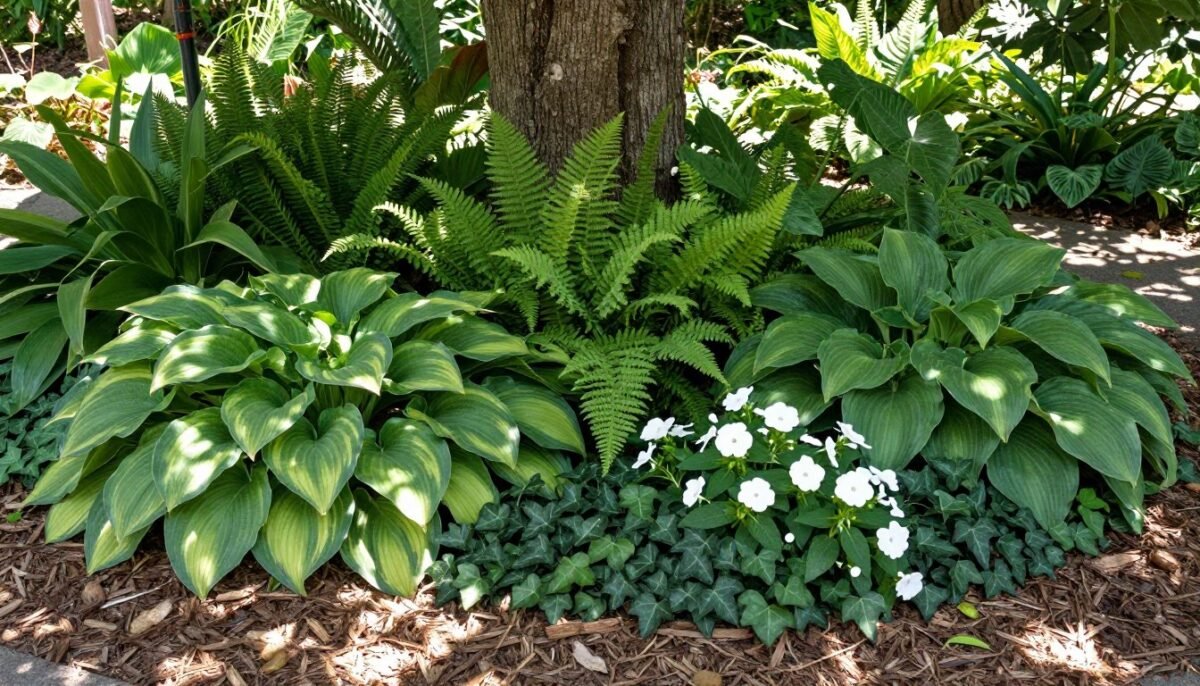
Shaded areas present opportunities rather than limitations. Shade-loving plants create lush, peaceful gardens in spaces where sun-lovers fail.
Embrace foliage interest in shade gardens. Variegated leaves, interesting textures, and contrasting plant forms create visual appeal without relying solely on flowers.
Layer shade plants by height just like sun gardens. Tall ferns and hostas in back, medium height coleus and begonias in middle, and low ground covers in front.
Understanding Shade Levels
Different shade intensities support different plant types. Identify your shade level to select appropriate plants.
Partial Shade
Receives 3-6 hours of sunlight daily, usually morning sun with afternoon shade. Offers the widest plant selection options.
- Astilbe (feathery pink, red, white plumes)
- Coral bells (colorful foliage year-round)
- Lungwort (spotted foliage, spring flowers)
- Japanese forest grass (golden mounding grass)
Full Shade
Receives less than 3 hours of direct sun or only dappled light. Requires true shade specialists.
- Hostas (unmatched foliage variety)
- Ferns (delicate texture and form)
- Impatiens (reliable shade bloomer)
- Lamium (silver-leafed ground cover)
Budget-Friendly Shade Plants
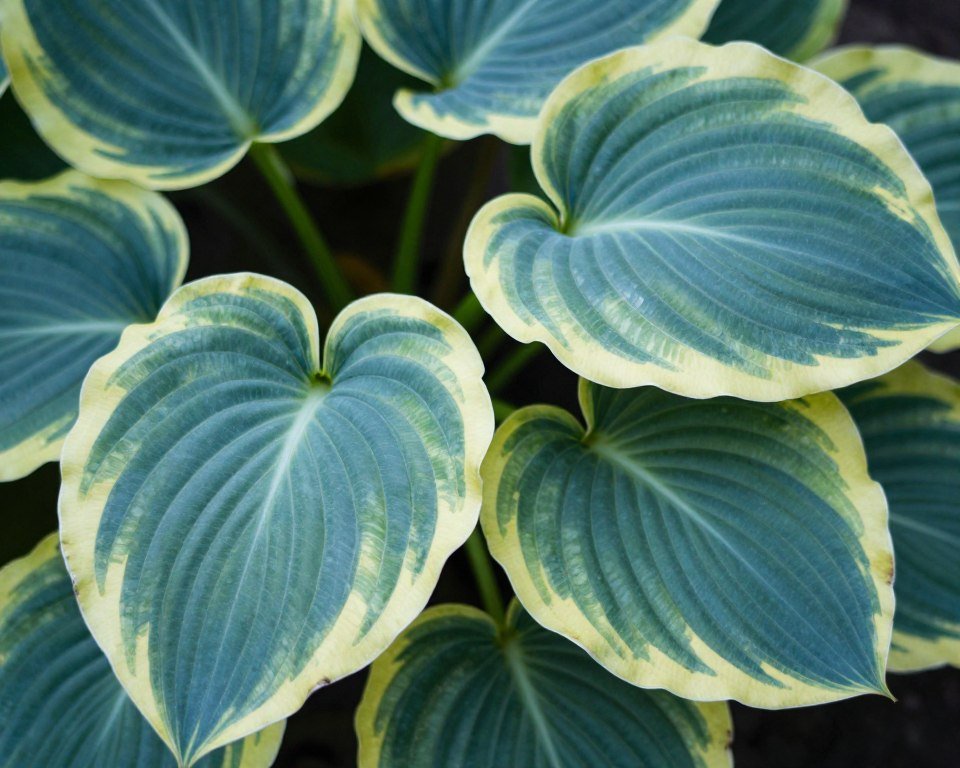
Many shade perennials divide easily and spread readily. Start small and let them fill in naturally for cost savings.
Hostas
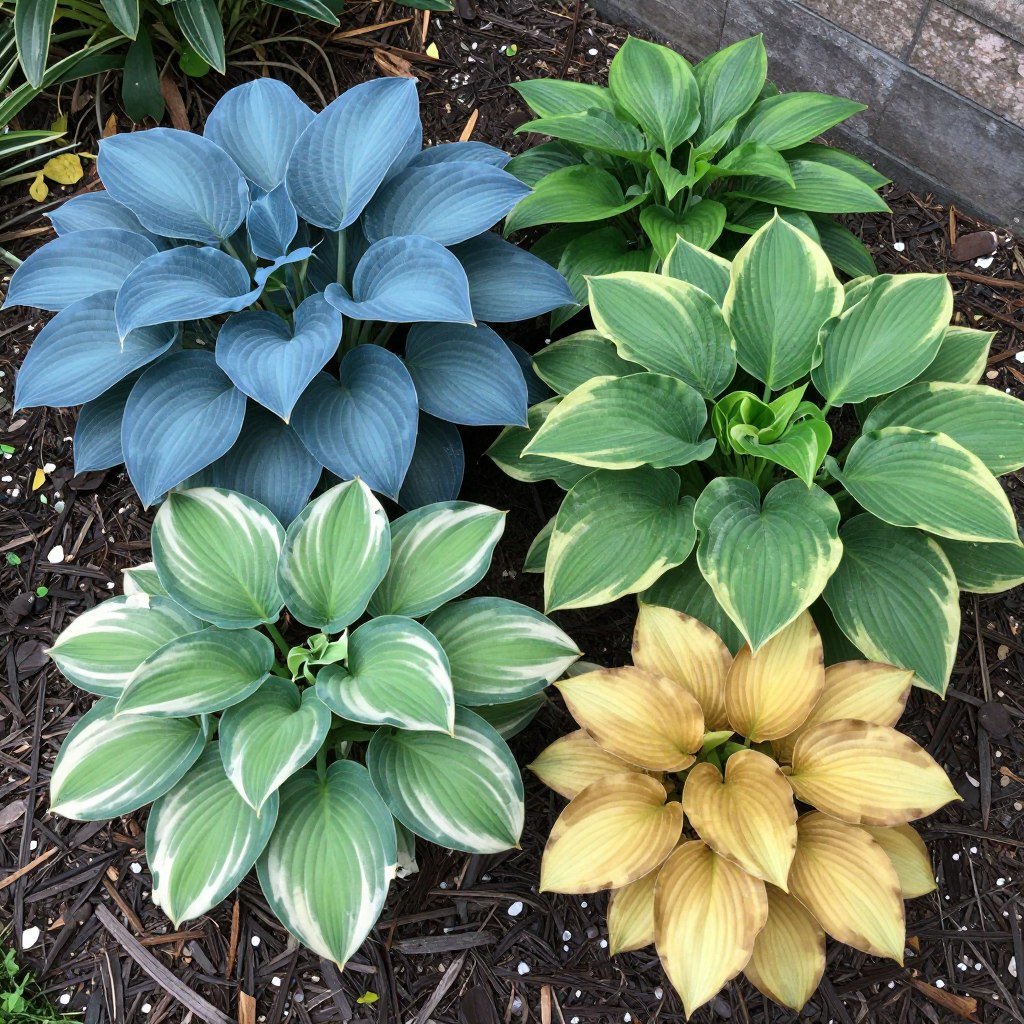
Available in hundreds of varieties from miniature to giant. Divide every 3-4 years for free plants.
- Extremely low maintenance
- Dramatic foliage interest
- Increases in value over time
Ferns
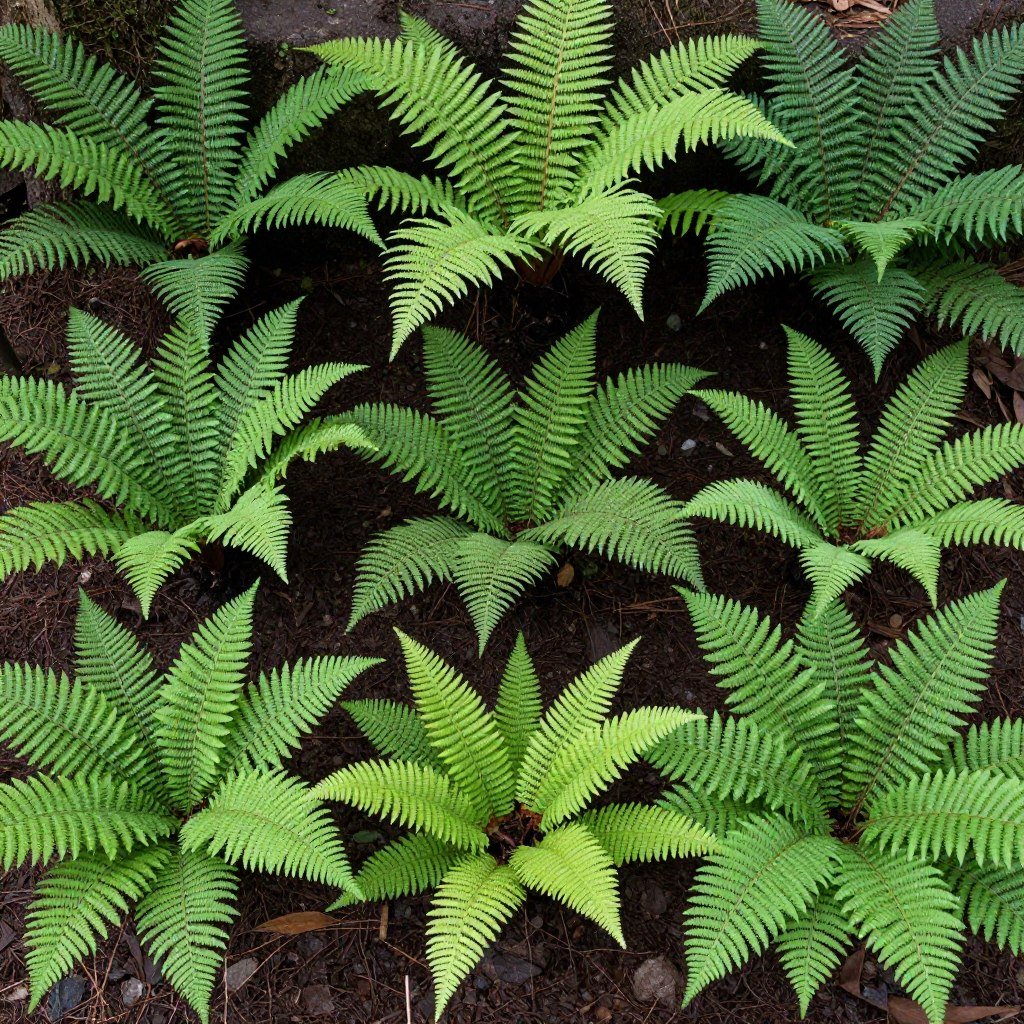
Native ferns cost little and naturalize freely. Create woodland atmosphere instantly.
- Never need dividing
- Require zero fertilizer
- Authentic woodland aesthetic
Ground Covers
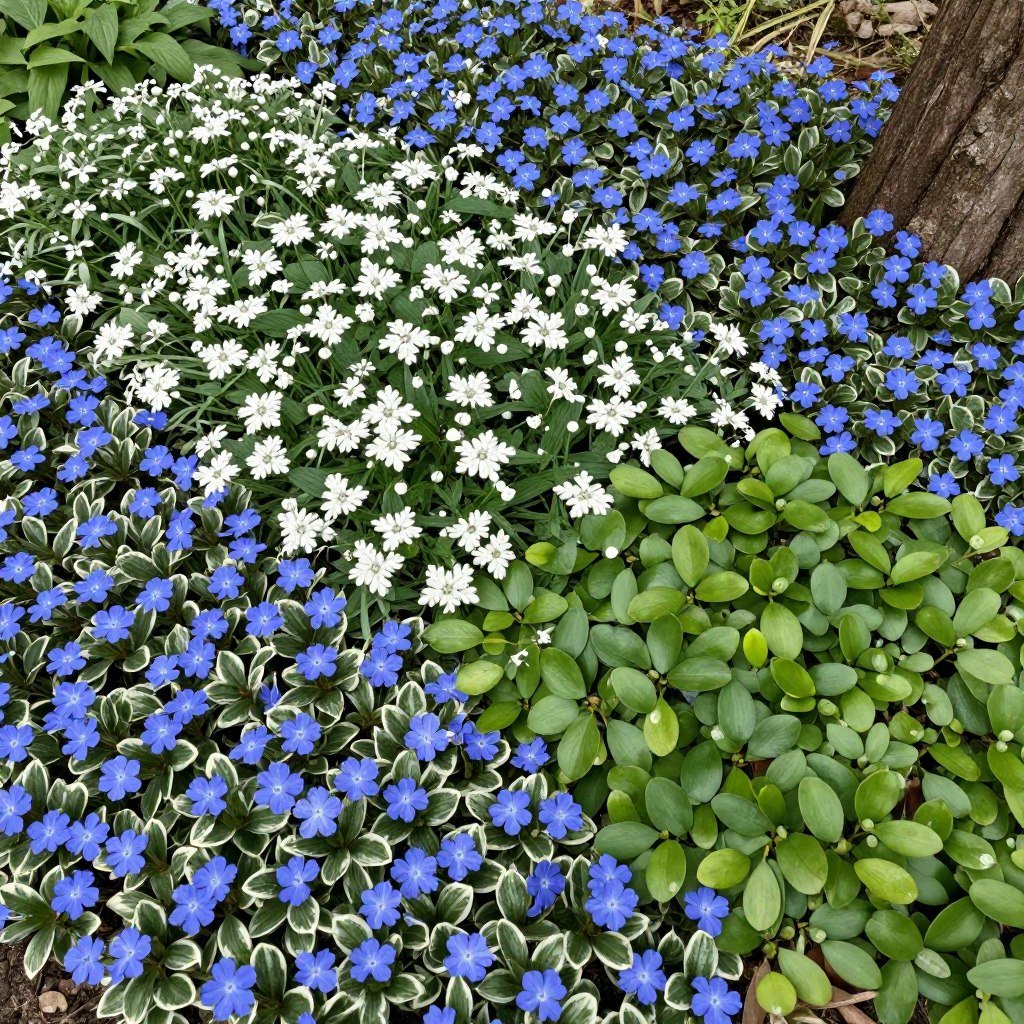
Spread rapidly to fill large areas from small starts. Eliminate mulching needs.
- Vinca (evergreen with blue flowers)
- Pachysandra (glossy green carpet)
- Sweet woodruff (fragrant white blooms)
Creating Texture in Shade Gardens
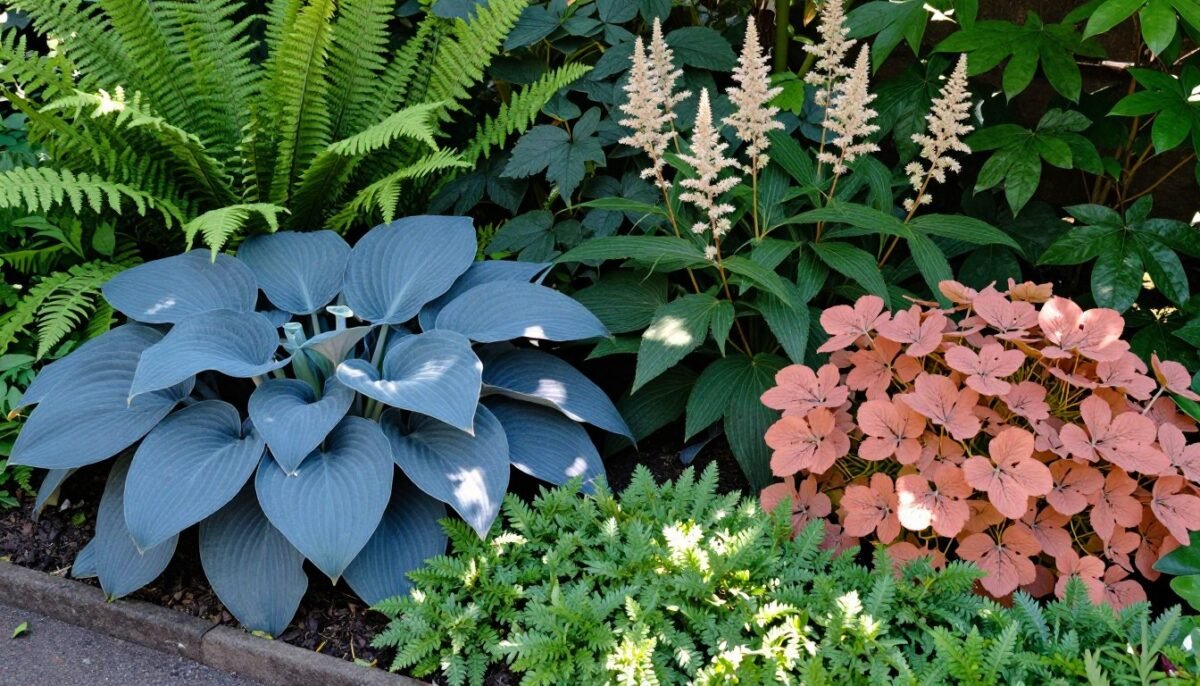
Without abundant flowers, shade gardens rely on leaf shape, size, and texture for visual interest. Combine contrasting forms.
- Pair large bold leaves (hostas) with fine delicate foliage (ferns)
- Mix upright forms (astilbe) with mounding shapes (coral bells)
- Contrast smooth leaves (hosta) with textured foliage (lungwort)
- Add vertical interest with tall ferns among low ground covers
- Include variegated plants to brighten dark corners
- Layer multiple shades of green for depth
Brightening Deep Shade
Very dark areas benefit from light-colored plants and strategic placement techniques that maximize limited light.
Light-Reflecting Strategy: Choose white-flowering and variegated plants with yellow or white leaf markings to reflect available light. Add light-colored stones or pale mulch to brighten dark soil. Position lighter plants toward the front where they catch more ambient light.
15. Professional Edging Techniques for Polished Beds
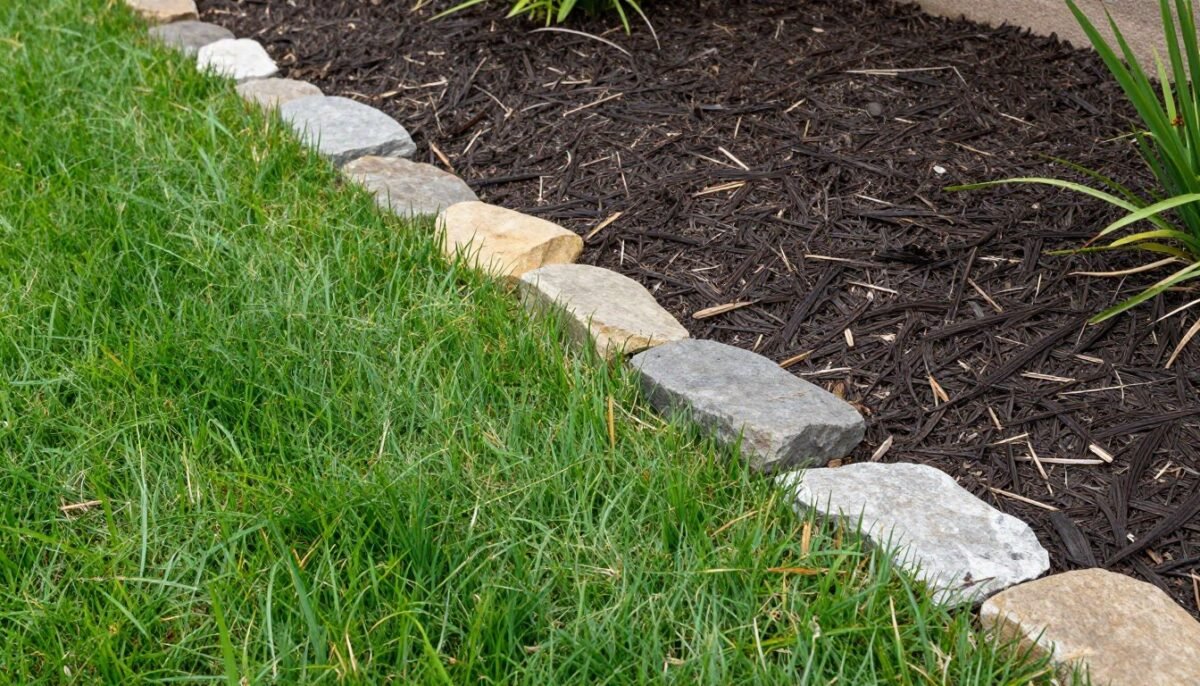
Clean edges make the difference between amateur and professional-looking flower beds. Proper edging defines spaces, contains mulch, and prevents grass invasion.
Choose edging materials based on budget and style. Simple cut edges cost nothing, while stone or metal edging adds permanence and visual interest.
Maintain edges regularly to preserve crisp lines. Sharp definition requires occasional refreshing but dramatically improves overall landscape appearance.
Budget-Friendly Edging Options
Effective bed edges don’t require expensive materials. Many attractive options cost little or nothing to install.
Cut Edge
The most economical option uses only a sharp edging tool to create a vertical trench between lawn and bed.
- Zero material cost
- Natural, flowing appearance
- Requires monthly maintenance
- Works with any landscape style
Mulch Mound
Pile mulch 2-3 inches higher than lawn level to create a natural-looking border without additional materials.
- Uses existing mulch supply
- Soft, informal appearance
- Easy to adjust and modify
- No installation required
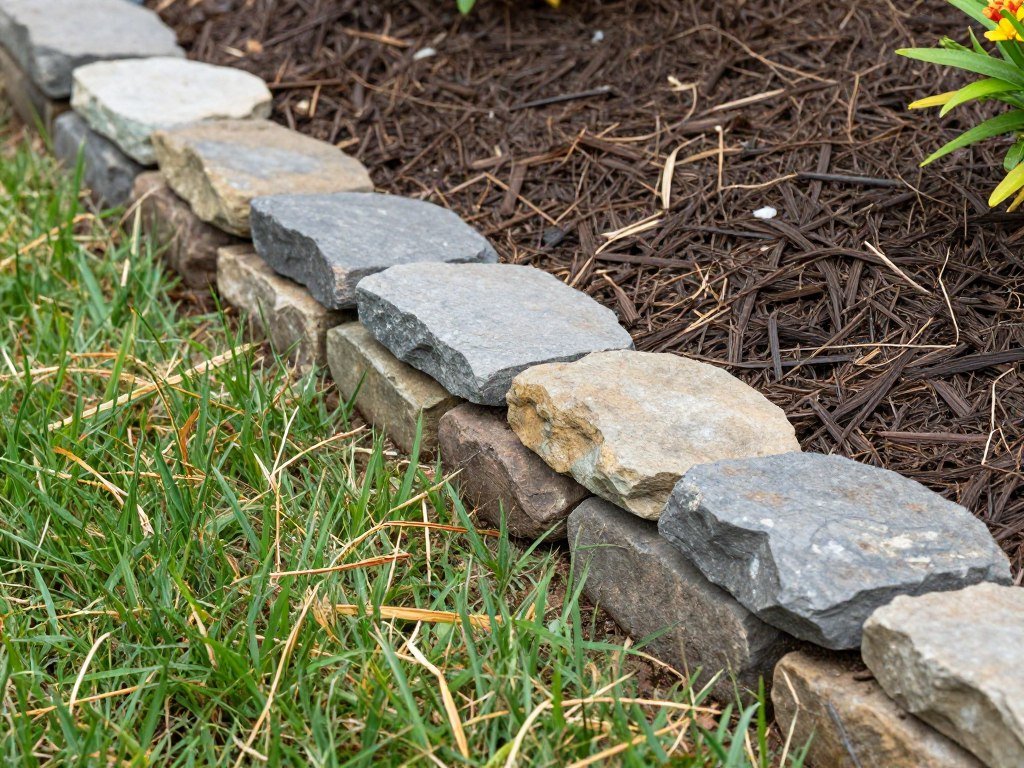
Stone Border
Collect free fieldstone or river rock to create a rustic, permanent edge with natural appeal.
- Free materials from nature
- Permanent installation
- Adjustable configuration
- Attractive natural texture
Brick Edge
Repurpose old bricks or pavers set on edge or laid flat to create classic formal edging.
- Often available free from demolition
- Traditional formal appearance
- Long-lasting durability
- Easy to install
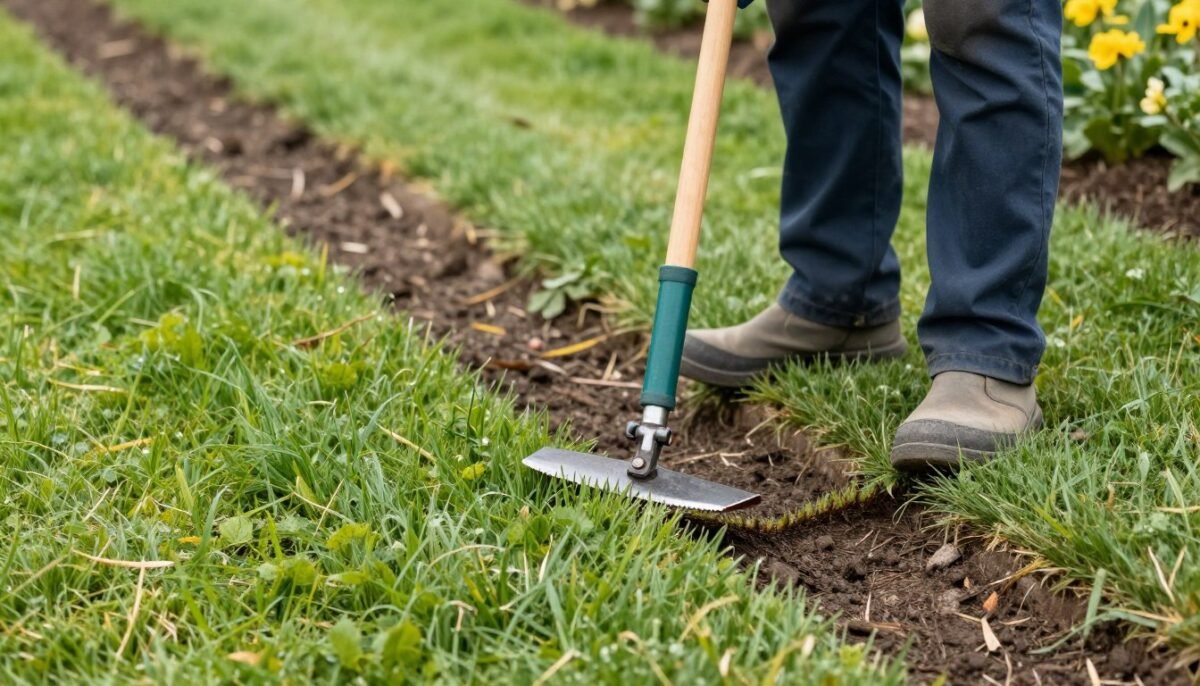
How to Cut Perfect Bed Edges
Master the technique of cutting clean edges with basic tools. This fundamental skill elevates any flower bed’s appearance.
- Mark desired edge line with garden hose or spray paint for curved beds
- Use half-moon edger or flat spade held vertically along marked line
- Push tool straight down 4-6 inches deep using foot pressure
- Work along entire line creating continuous vertical cut
- Remove soil from trench to create distinct separation
- Angle grass side slightly to prevent grass from growing into bed
- Refresh edges every 4-6 weeks during growing season
Installing Permanent Edging Materials
Permanent edges reduce long-term maintenance while providing clean bed definition year-round.
| Material Type | Installation Method | Lifespan | Cost Per Foot |
| Steel edging | Pound stakes, connect sections | 20+ years | $3-5 |
| Plastic edging | Trench and stake method | 10-15 years | $1-2 |
| Stone/brick | Set in shallow trench on sand | 50+ years | $2-8 |
| Landscape timbers | Level, stake, and connect | 10-20 years | $2-4 |
| Concrete curbing | Professional pour in place | 30+ years | $6-12 |
Maintaining Edge Definition
Regular edge maintenance preserves professional appearance with minimal effort. Consistent upkeep prevents major repair work.
- Re-cut edges monthly during active growing season
- Remove grass runners trying to invade beds immediately
- Refresh mulch along edges to maintain height definition
- Reset displaced stones or bricks as needed
- Apply grass barrier herbicide along problem edges (optional)
- Keep edges visible with contrasting mulch colors
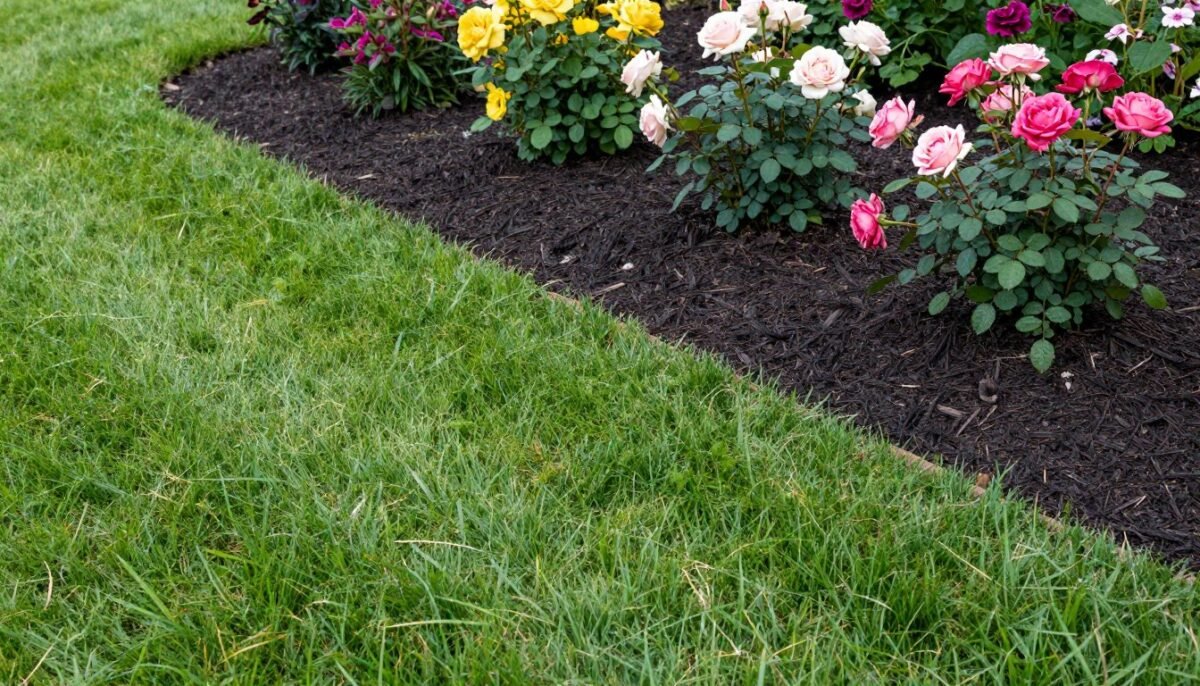
Start Your Front Yard Transformation Today
You now have 15 proven strategies to create beautiful, inexpensive front yard flower beds. These ideas work for any budget, skill level, and yard size.
The key to success lies in starting with one project and expanding over time. Choose the idea that excites you most and matches your current budget.
Remember that established flower beds increase in value and beauty each year. Perennials spread, plants mature, and your initial investment multiplies naturally through growth and division.