
Your hallway might be small, but it doesn’t have to feel cramped. With the right design choices, even the tiniest hallway can become a welcoming and functional part of your home. These 15 tiny hallway ideas will help you transform your narrow space into something special.
Many homeowners struggle with making their small hallway work harder. Limited floor space and narrow walls can make decorating feel impossible. But smart solutions exist for every challenge.
Pro Tip: Before starting your hallway makeover, measure your space carefully. Knowing exact dimensions helps you choose furniture and storage that fits perfectly without making the hallway feel cramped.
Table of Contents
Maximize Vertical Wall Space with Smart Storage
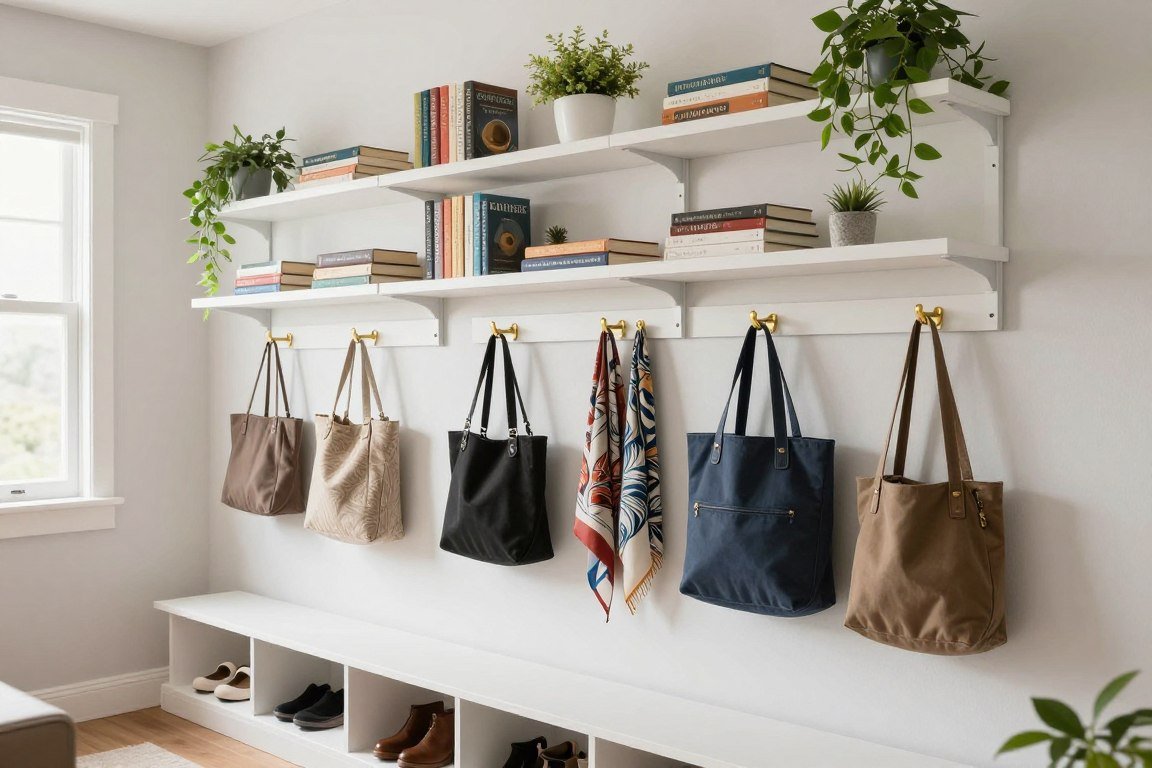
Your walls offer the best opportunity for storage in a small hallway. When floor space is limited, think upward. Wall-mounted shelves and hooks keep essential items accessible without cluttering the narrow hallway.
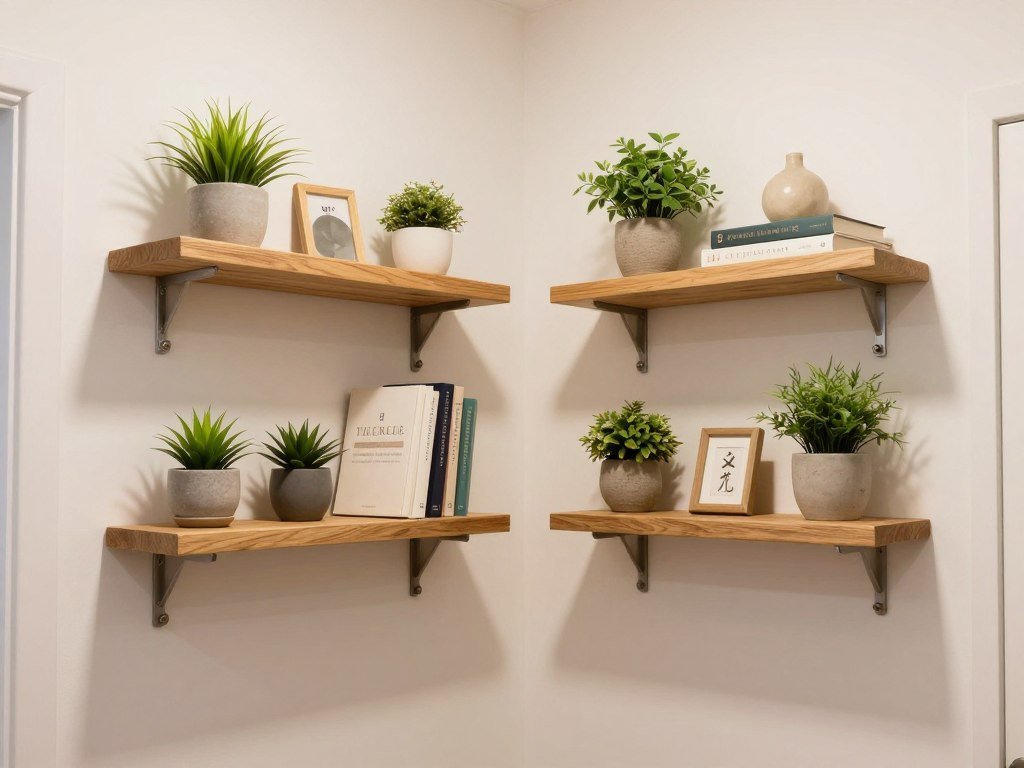
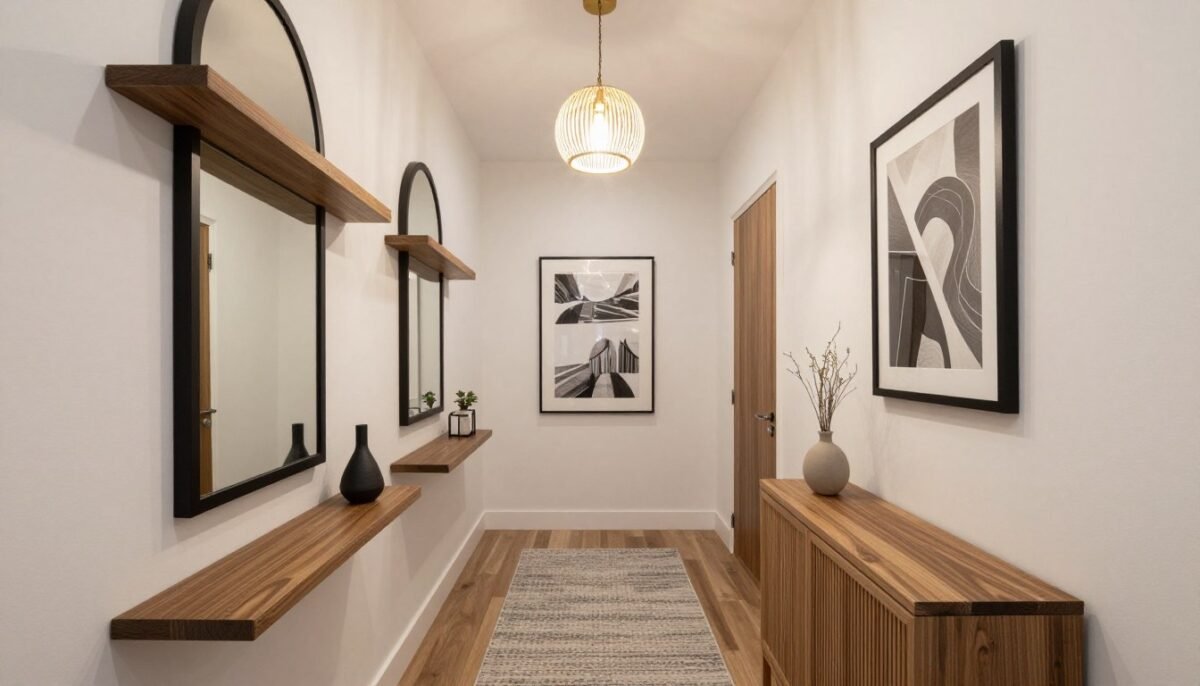
Install floating shelves at different heights to create visual interest. Use the upper wall space for decorative items and lower shelves for everyday necessities. This approach keeps the floor clear while maximizing storage potential.
Wall hooks serve multiple purposes in tiny hallways. They hold coats, bags, and umbrellas while keeping everything off the floor. Choose decorative hooks that complement your style while serving a practical function.
Upper Wall Zone
Use the space above eye level for items you need less frequently. This area works perfectly for seasonal decorations and storage boxes.
- Floating shelves for display items
- Picture ledges for rotating artwork
- High hooks for rarely-used items
- Decorative storage baskets
Mid-Wall Zone
The middle section of your walls should hold items you access daily. This height range offers the most convenient storage.
- Key holders near the door
- Mail organizers and catchalls
- Mirror placement for function
- Medium-height coat hooks
Lower Wall Zone
The bottom third of your walls can hold shoe storage and pet accessories. Keep heavy items low for stability.
- Shoe racks or cubbies
- Boot trays for wet weather
- Pet leash storage hooks
- Umbrella stand attachment
Corner Solutions
Corners in narrow hallways often go unused. These spots offer surprising storage potential when designed thoughtfully.
- Corner floating shelves
- Triangular storage units
- Rotating corner organizers
- Vertical corner plant stands
Light Colors Create the Illusion of Larger Space
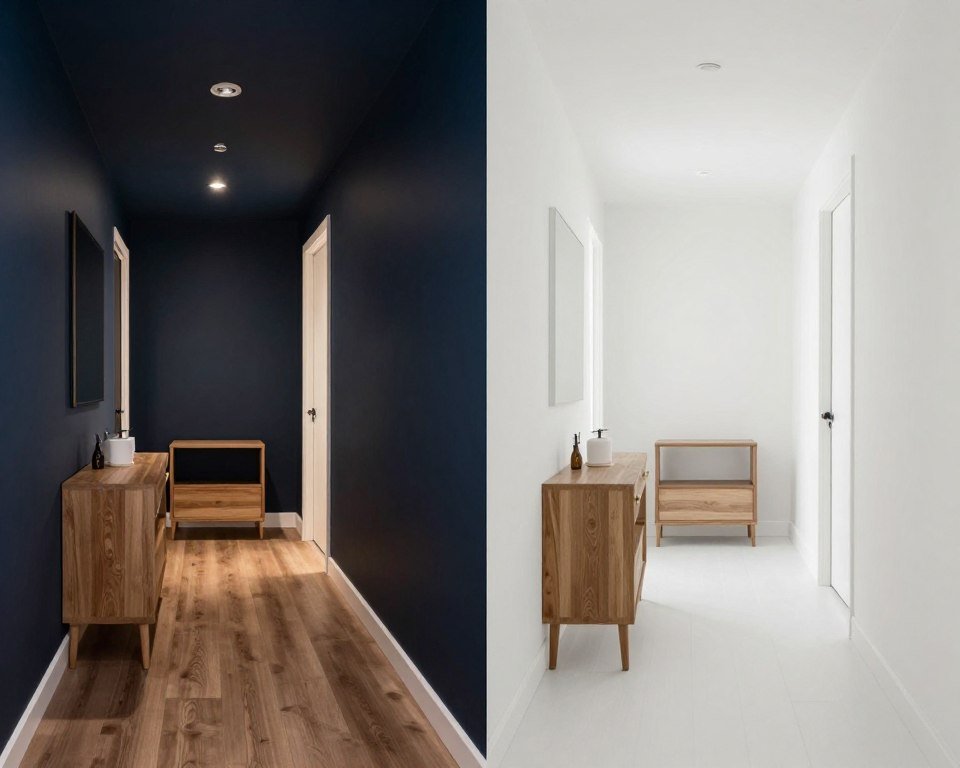
Paint colour transforms how your hallway feels. Light colours reflect natural light and make walls appear to recede. This simple change creates an illusion of more space without any structural modifications.
White remains the most popular choice for small hallways. But soft grays, pale blues, and warm creams work equally well. These colours make the hallway feel airy and open.
Avoid dark colours on all four walls in a narrow hallway. They absorb light and make space feel smaller. If you love bold colours, use them as accent features on one wall or through accessories.
Design Secret: Paint your hallway ceiling the same colour as the walls to eliminate visual boundaries. This trick makes the ceiling appear higher and the space feel less confined.
Consider the colour temperature when choosing paint. Cool tones like soft blues create a calming effect. Warm tones like cream and beige feel cozy and welcoming. Choose based on the mood you want to create in your home.
Mirrors Multiply Natural Light and Visual Space
Mirrors work magic in tiny hallways. They reflect light and create the illusion of depth. A well-placed mirror can make your narrow hallway feel twice as wide.
Position mirrors opposite windows or light sources. This placement maximizes natural light reflection throughout the day. The hallway will feel brighter and more welcoming.
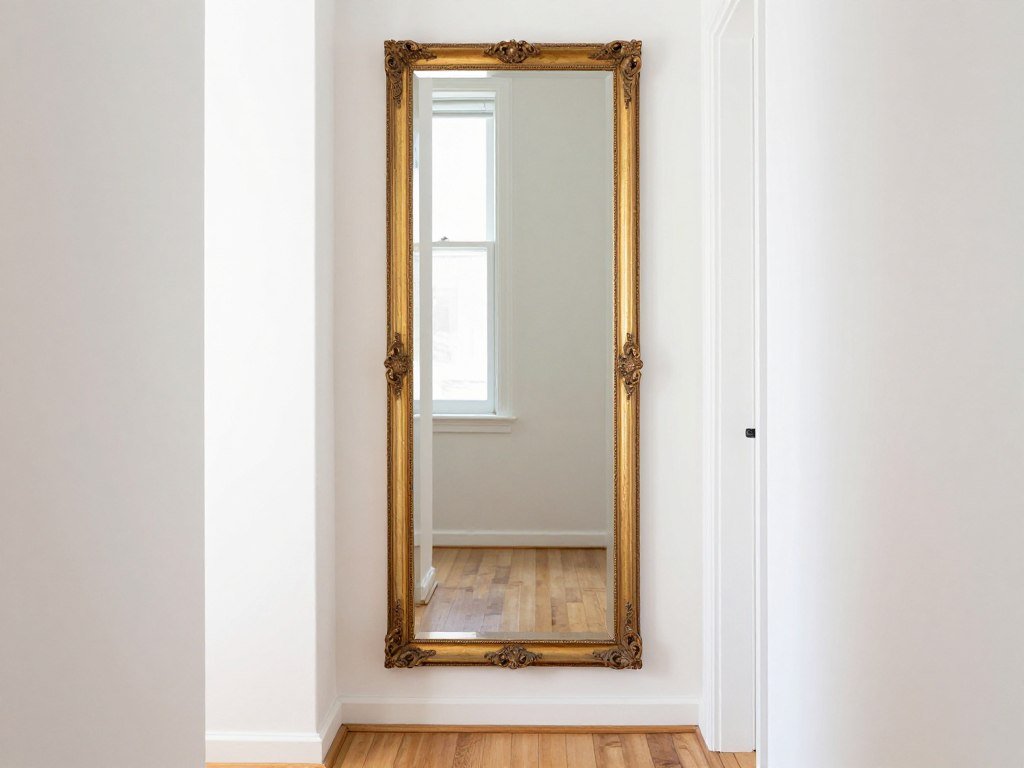
Large mirrors make a bigger impact than small ones. Consider a floor-to-ceiling mirror on one wall. Or create a gallery wall of smaller mirrors in different shapes for visual interest.
Mirror Placement Strategies
Where you place your mirror matters as much as the mirror itself. Strategic positioning maximizes the benefits.
- Opposite windows for maximum light reflection
- At the end of the hallway to extend visual length
- Above a console table to create a focal point
- On the narrowest wall to add width perception
- Near the entrance for last-minute appearance checks
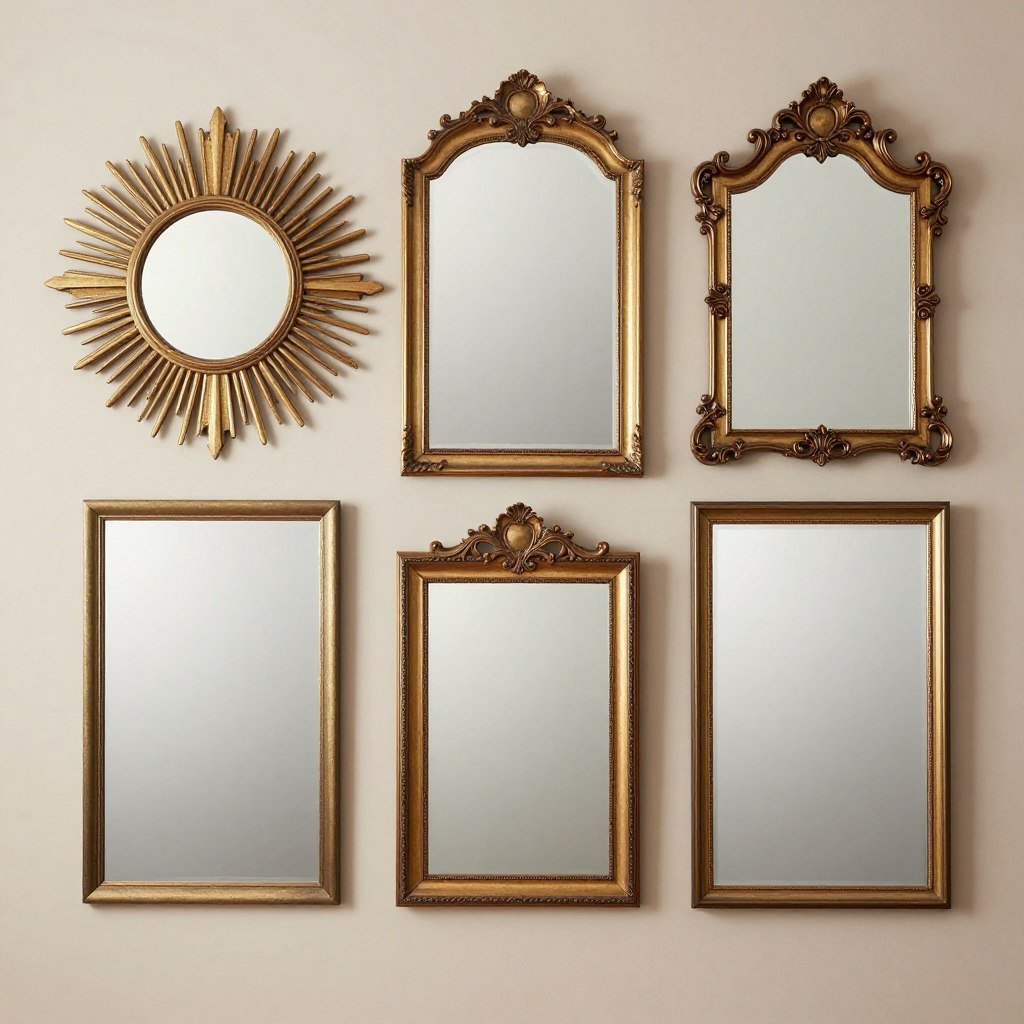
Mirrored furniture serves double duty in small hallways. A console table with a mirrored surface reflects light while providing storage. Mirrored cabinet doors hide storage while maintaining an open feel.
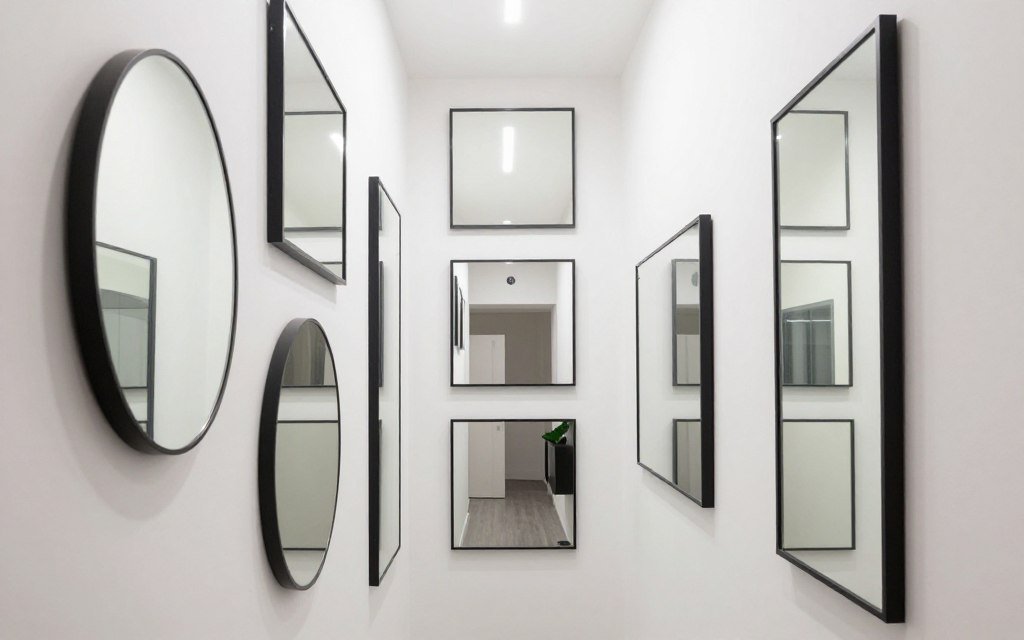
Streamlined Furniture Fits Narrow Hallways Perfectly
Furniture choice matters greatly in small hallways. Slim profiles keep pathways clear while providing necessary function. Look for pieces specifically designed for narrow spaces.
A narrow console table creates a landing spot without blocking traffic flow. Choose one no deeper than twelve inches. This size provides surface area for keys and mail while leaving ample walking space.
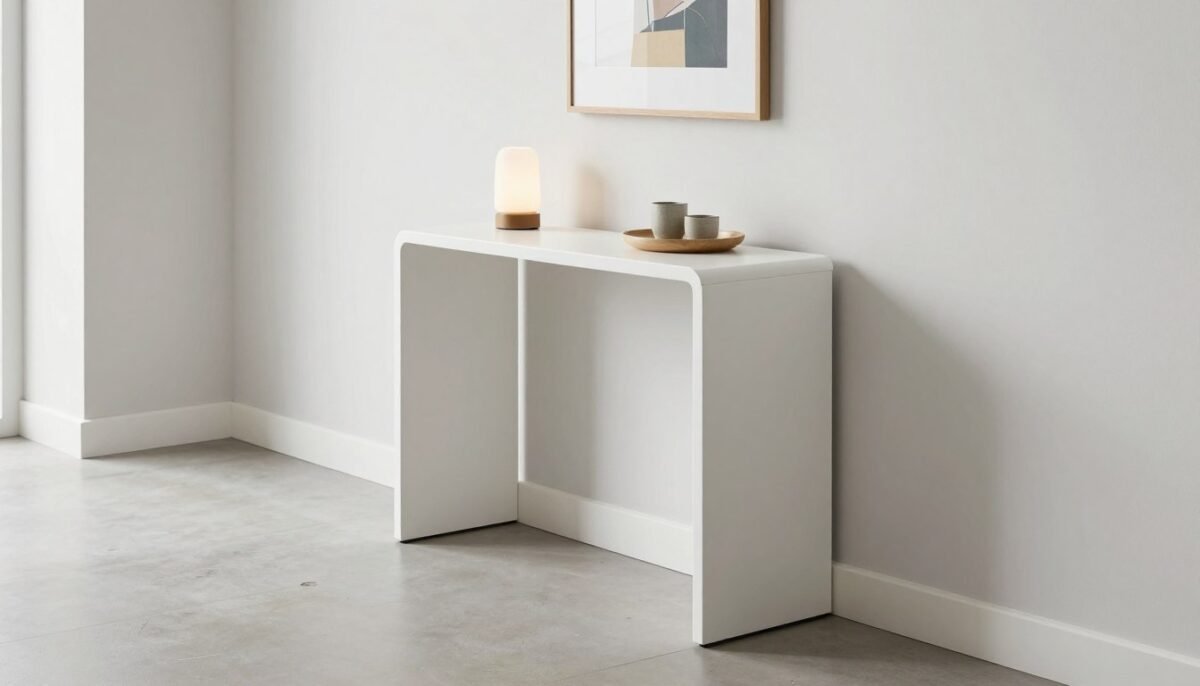
Wall-mounted furniture eliminates floor bulk entirely. Floating shelves, fold-down desks, and wall-hung cabinets provide storage without occupying precious floor space. This approach keeps the hallway feeling open.
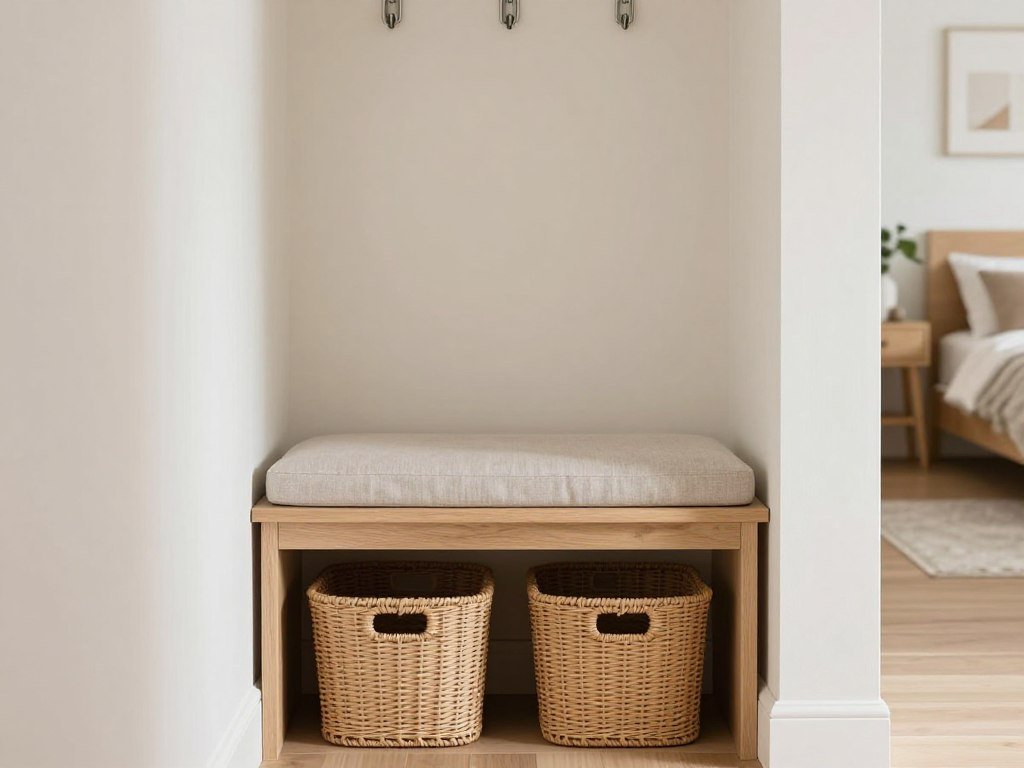
Slim Storage Benches
A narrow bench provides seating while hiding shoes and accessories. Look for designs under fourteen inches deep with lift-up seats or pull-out baskets.
- Dual-purpose seating and storage
- Ideal near entryways
- Keeps shoes organized and hidden
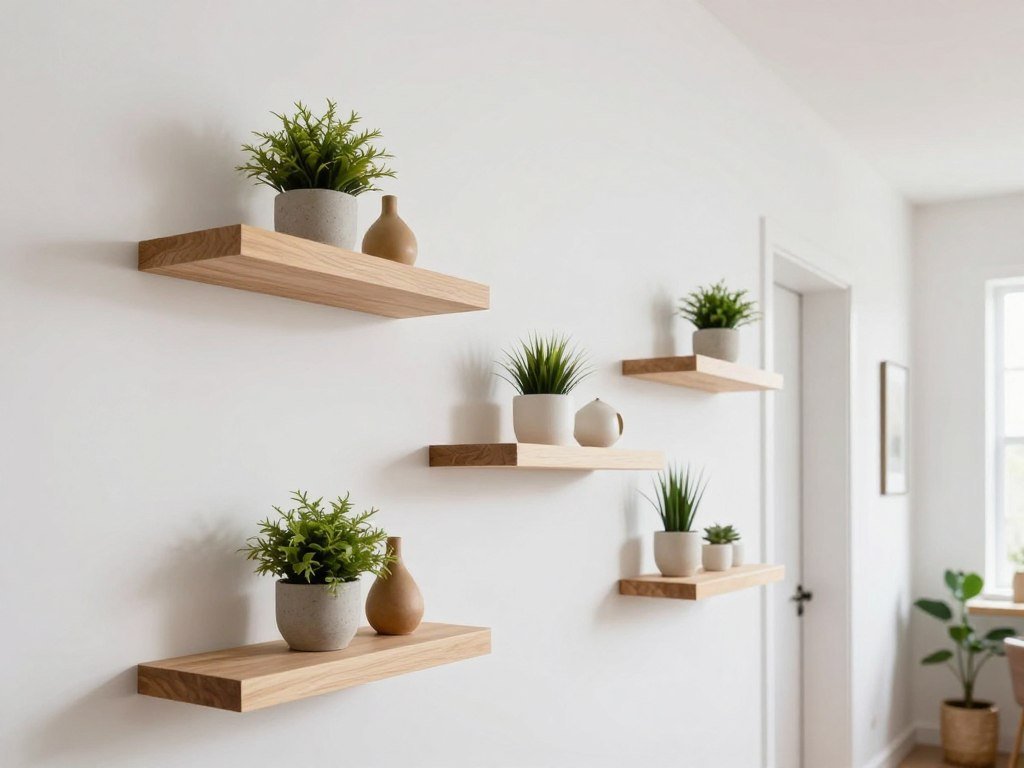
Floating Shelf Systems
Wall-mounted shelves offer display and storage without floor footprint. Arrange at varying heights to create interest while maximizing vertical wall space.
- No floor space required
- Customizable arrangement
- Easy to install and adjust
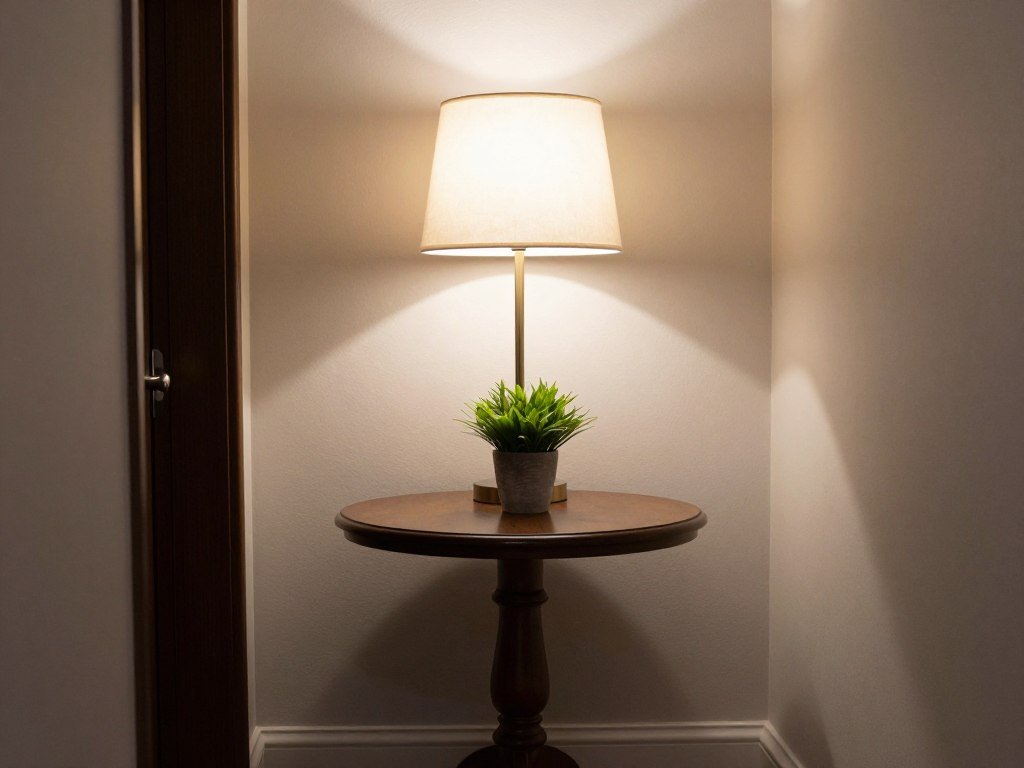
Compact Pedestal Tables
A small pedestal table fits in corners or against walls. The single central support leaves floor space visible, making the hallway feel less cluttered.
- Perfect for table lamp placement
- Single support leg saves space
- Works in tight corners
Measure your hallway width before buying furniture. Maintain at least thirty-six inches of clear pathway for comfortable passage. This ensures the space remains functional while looking styled.
Strategic Lighting Brightens Every Corner
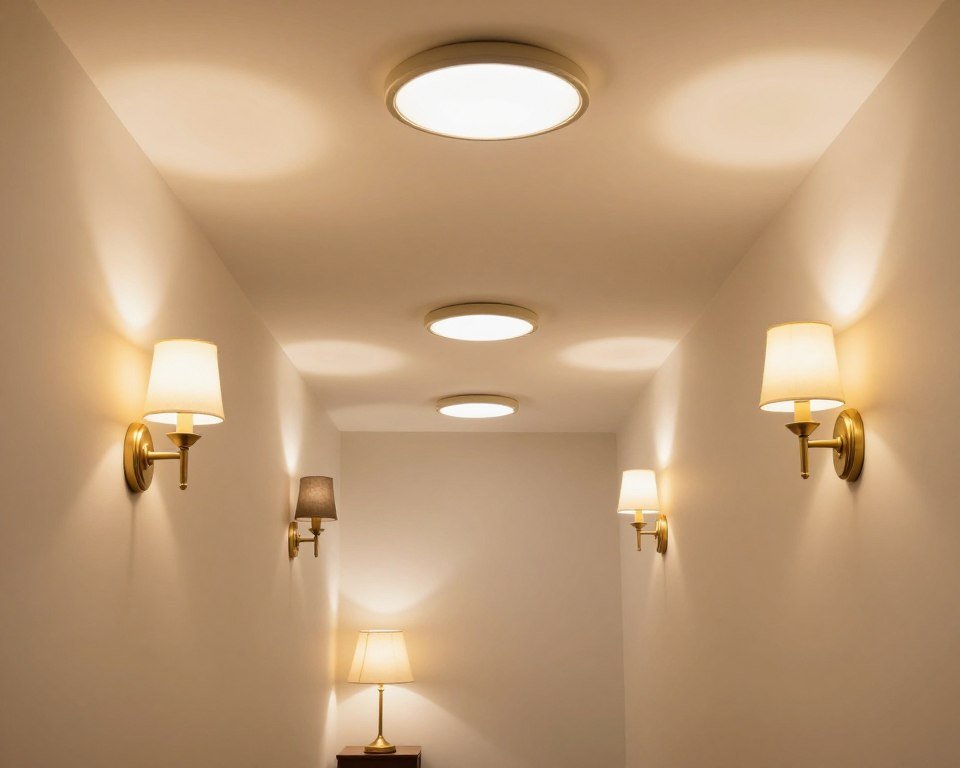
Good lighting transforms a tiny hallway from a dark corridor to a welcoming passage. Layer different light sources to eliminate shadows and create warmth throughout the space.
Natural light provides the best illumination when available. Keep windows uncovered or use sheer curtains. Clean windows regularly to maximize light penetration into the hallway.
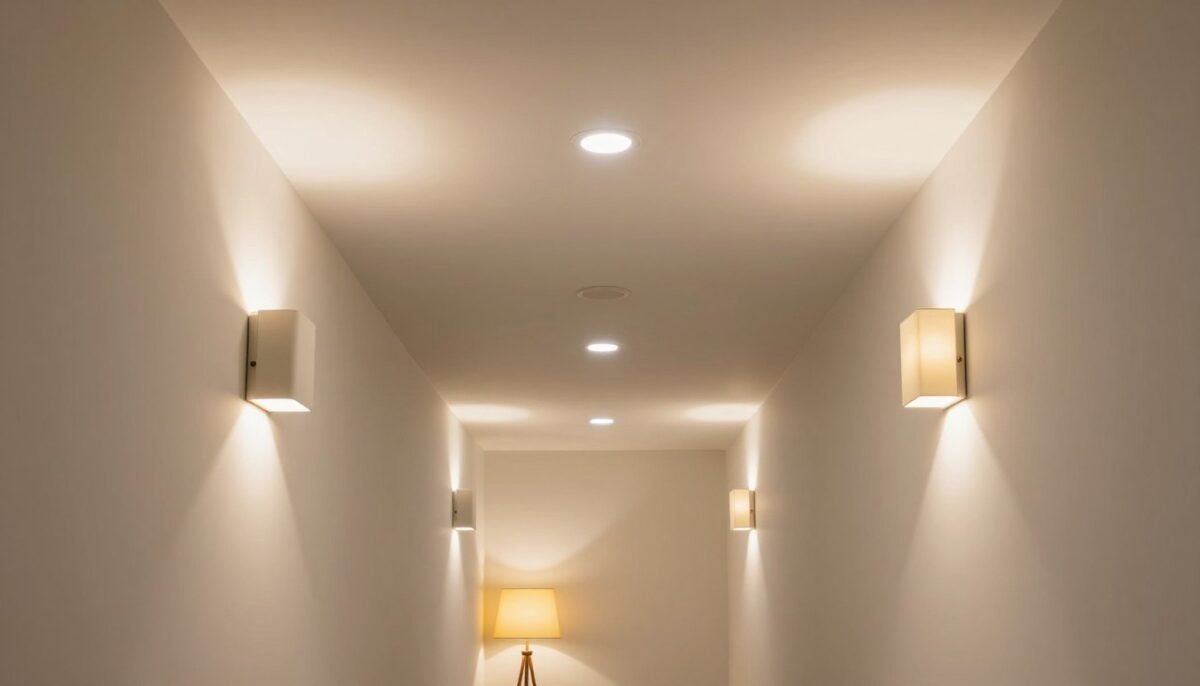
Ceiling lights should be bright enough to illuminate the entire hallway. Flush-mount fixtures work well in hallways with low ceilings. Semi-flush mounts add style in spaces with higher ceilings.
Overhead Lighting
Ceiling lights provide general illumination. Choose fixtures that complement your hallway height and style while delivering adequate brightness.
- Recessed LED lights for modern look
- Flush-mount fixtures for low ceilings
- Track lighting for adjustable direction
- Pendant lights for higher ceilings
Wall Sconces
Wall-mounted lights add ambient glow without taking floor space. Position them at intervals along the hallway for even illumination.
- Install at eye level or slightly above
- Space six to eight feet apart
- Choose upward-facing for ceiling bounce
- Use dimmers for mood control
Accent Lighting
A table lamp on a console table creates warmth and welcome. Task lighting highlights artwork or architectural features you want to showcase.
- Table lamps for cozy atmosphere
- Picture lights for artwork
- LED strips under floating shelves
- Nightlights for safety
LED bulbs offer the best value for hallway lighting. They use less energy, last longer, and come in various color temperatures. Choose warm white for a cozy feel or daylight for crisp brightness.
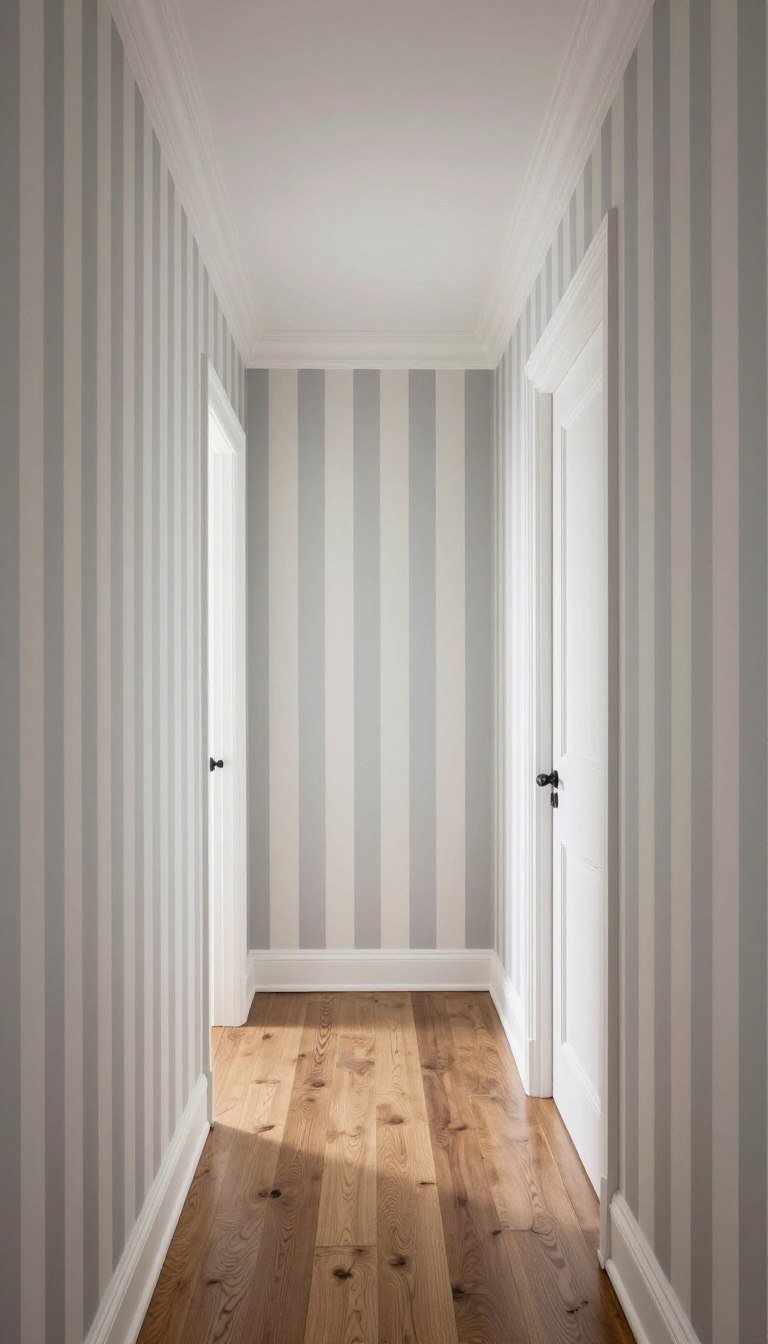
Vertical Stripes Add Height to Low Ceilings
Vertical patterns draw the eye upward and create an illusion of height. Striped wallpaper or painted stripes make low ceilings appear taller in narrow hallways.
Choose subtle stripes in similar tones for sophisticated effect. Bold contrasting stripes make a dramatic statement but can overwhelm very small spaces. Test samples before committing to a pattern.
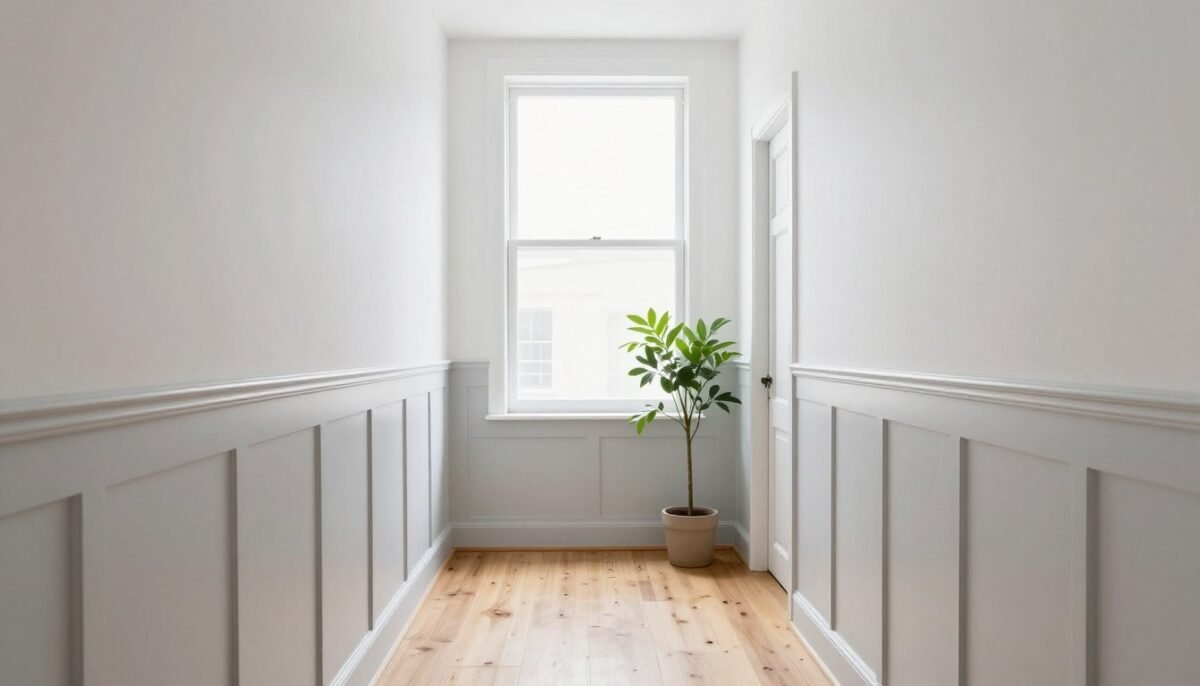
Vertical paneling achieves the same height-enhancing effect. Beadboard or board-and-batten wainscoting adds texture and visual interest. Paint it in light colours to maintain the open feel.
Benefits of Vertical Elements
- Creates illusion of higher ceilings
- Draws eye upward naturally
- Adds architectural interest
- Makes hallway feel less cramped
- Works with various design styles
- Can be painted or wallpapered
Considerations to Remember
- Very bold stripes can overwhelm tiny spaces
- Installation requires careful measurement
- Wallpaper can be costly in small quantities
- Patterns must align perfectly at corners
- May date faster than solid colours
- Difficult to change once installed
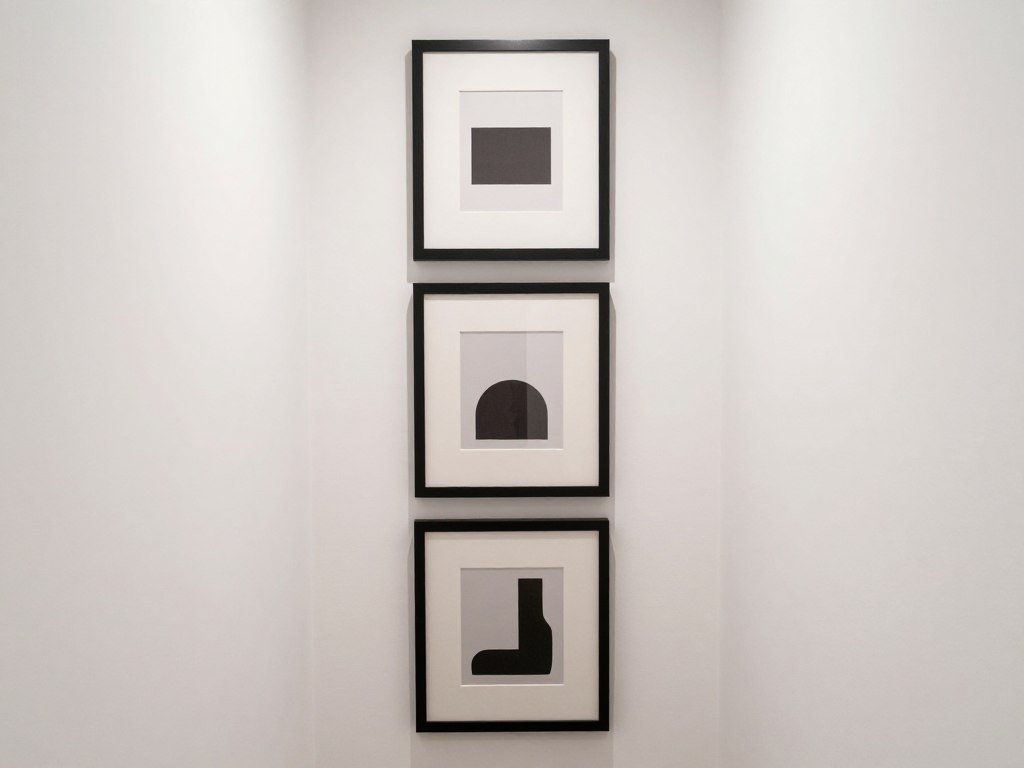
Vertical artwork arrangement creates a similar effect without permanent changes. Hang pictures in a vertical column rather than horizontal rows. This simple arrangement trick elongates the wall visually.
Runner Rugs Guide the Eye Through Space
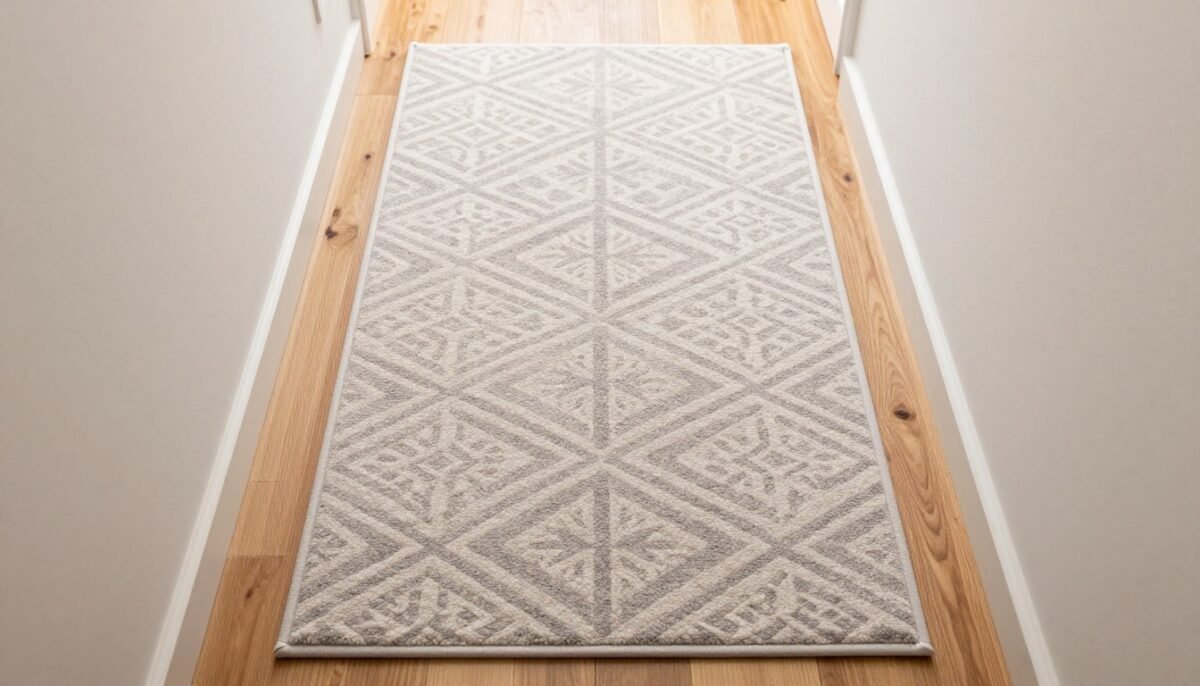
A hallway runner adds warmth underfoot while creating visual flow. The long narrow shape naturally guides movement through the space. Choose patterns and colours that complement your overall home style.
Striped runners in hallway-length direction emphasize the passage. This makes the hallway feel longer and more intentional. Avoid patterns that run width-wise as they can make the space feel choppy.
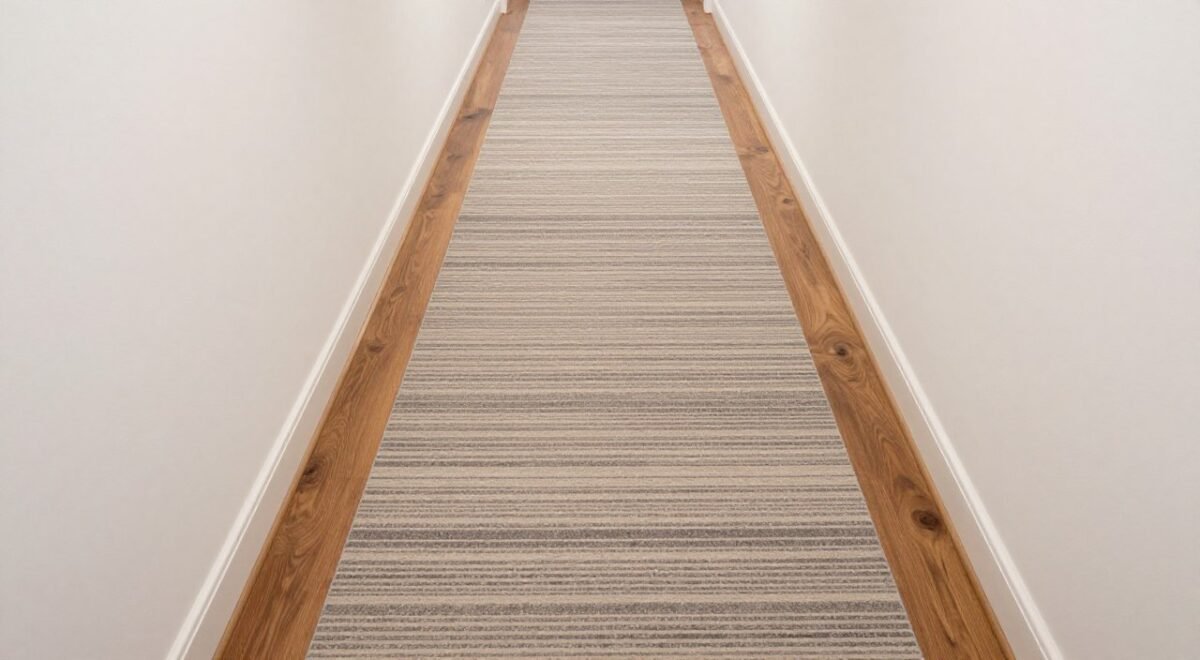
Leave several inches of floor visible on each side of the runner. This border prevents the hallway from feeling too narrow. It also protects walls from scuff marks and damage.
| Runner Length | Hallway Size | Visual Effect | Best Pattern |
| 6 to 8 feet | Small entryway hall | Defines entry zone | Solid or subtle texture |
| 9 to 12 feet | Medium hallway | Creates flow and warmth | Geometric or stripes |
| 13 to 20 feet | Long corridor | Unifies entire passage | Repeating pattern or stripes |
| Custom length | Any size | Perfect fit for space | Any preferred style |
Secure runner rugs properly to prevent slipping. Use rug pads designed for hard floors. This protects both the floor and ensures safety when walking through the hallway.
Floating Shelves Display Personality Without Bulk
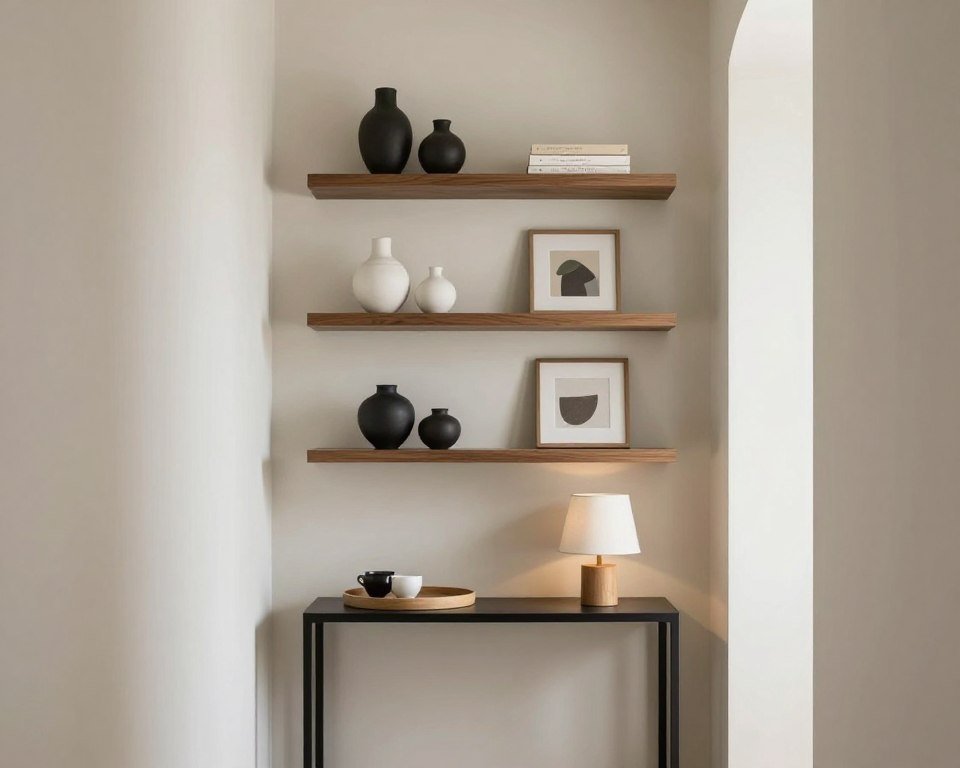
Floating shelves add storage and display space without visual weight. They appear to hover on the wall, keeping the floor area open and uncluttered. This makes them ideal for tiny hallways.
Arrange floating shelves at staggered heights for dynamic interest. Mix shelf lengths and depths to create a custom look. Display small plants, books, and decorative objects that reflect your style.
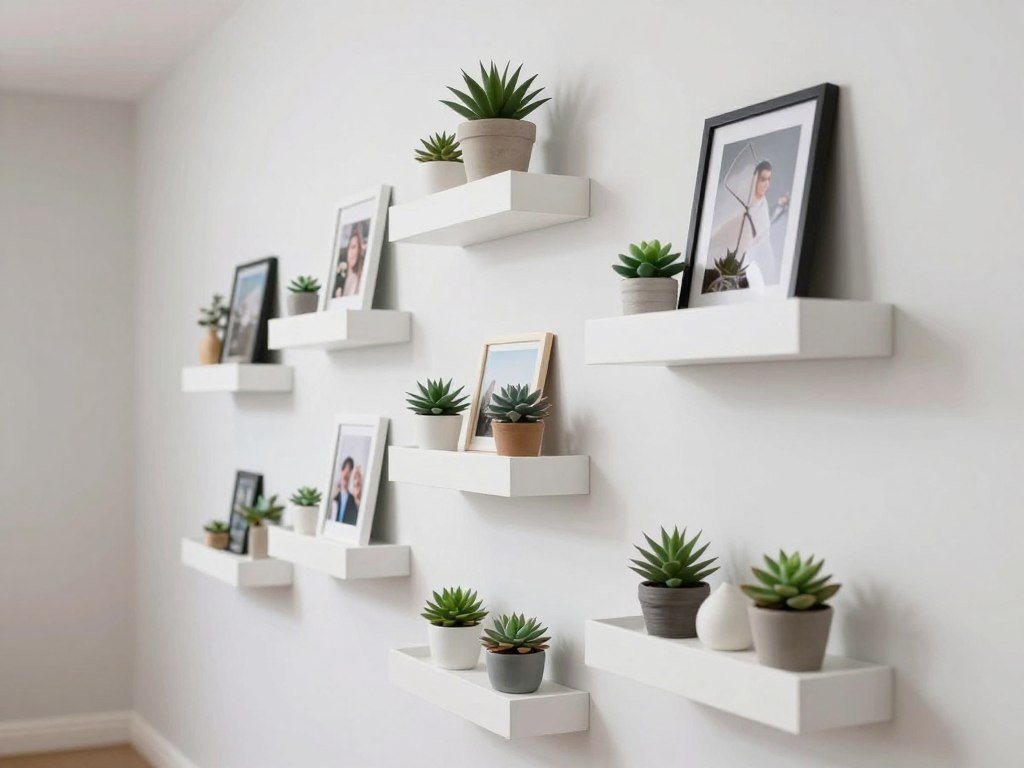
Keep displays simple and uncluttered. Too many items create visual chaos in small spaces. Rotate objects seasonally to keep the hallway feeling fresh and intentional.
Perfect Items for Hallway Shelves
- Small potted plants or succulents
- Framed family photos in matching frames
- Decorative boxes for small item storage
- Coffee table books displayed vertically
- Small sculptural objects or vases
- Scented candles in attractive holders
Items to Avoid in Narrow Hallways
- Large heavy sculptures that overwhelm
- Extensive collections creating clutter
- Wide decorative bowls extending too far
- Tall vases that make ceiling feel lower
- Bulky storage boxes visible on shelves
- Too many competing colours or patterns
Install floating shelves above furniture like console tables. This maximizes vertical wall space usage. The layered look adds depth without consuming additional floor space.
Built-in Storage Maximizes Every Inch
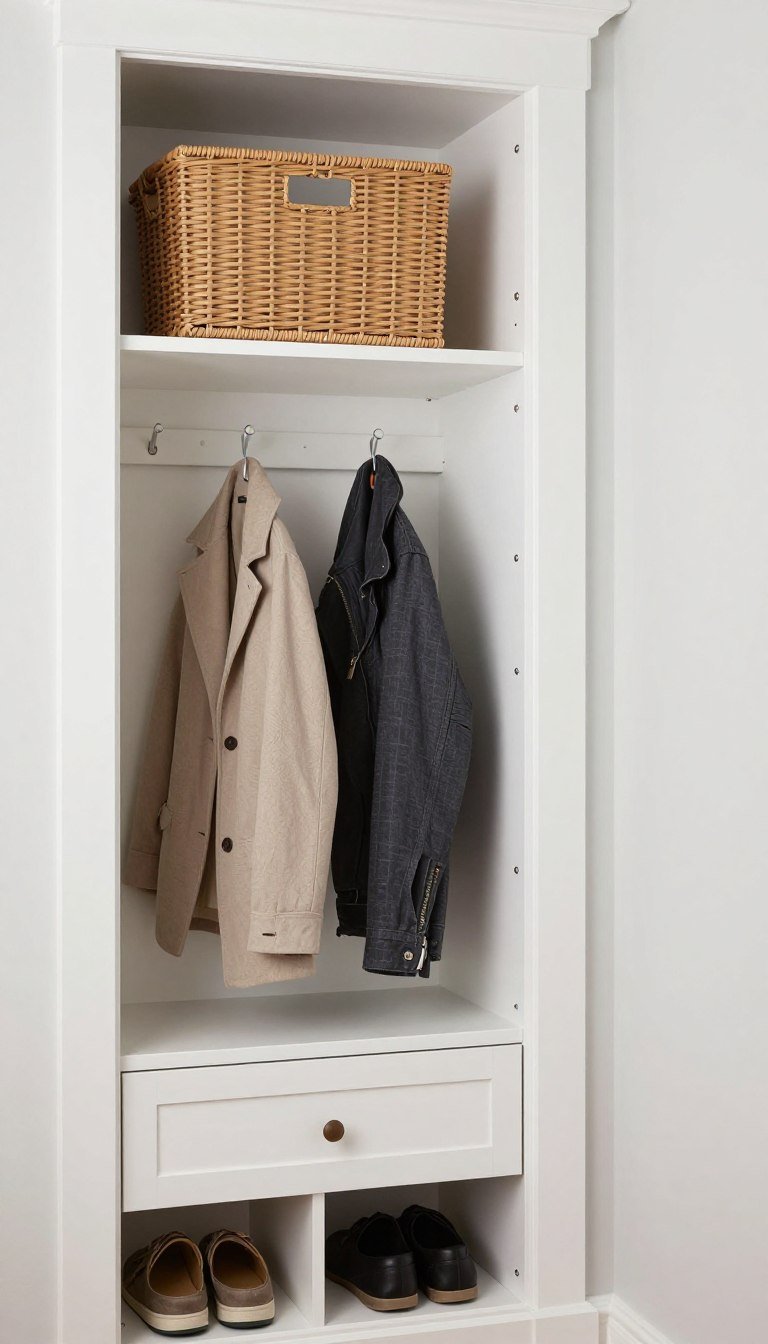
Custom built-in storage makes the most of awkward hallway spaces. Floor-to-ceiling cabinets utilize vertical space completely. Recessed shelving takes advantage of wall depth without protruding into the hallway.
Built-ins can incorporate seating, coat storage, and shoe organization in one cohesive unit. This integrated approach keeps everything tidy while maintaining a streamlined appearance.
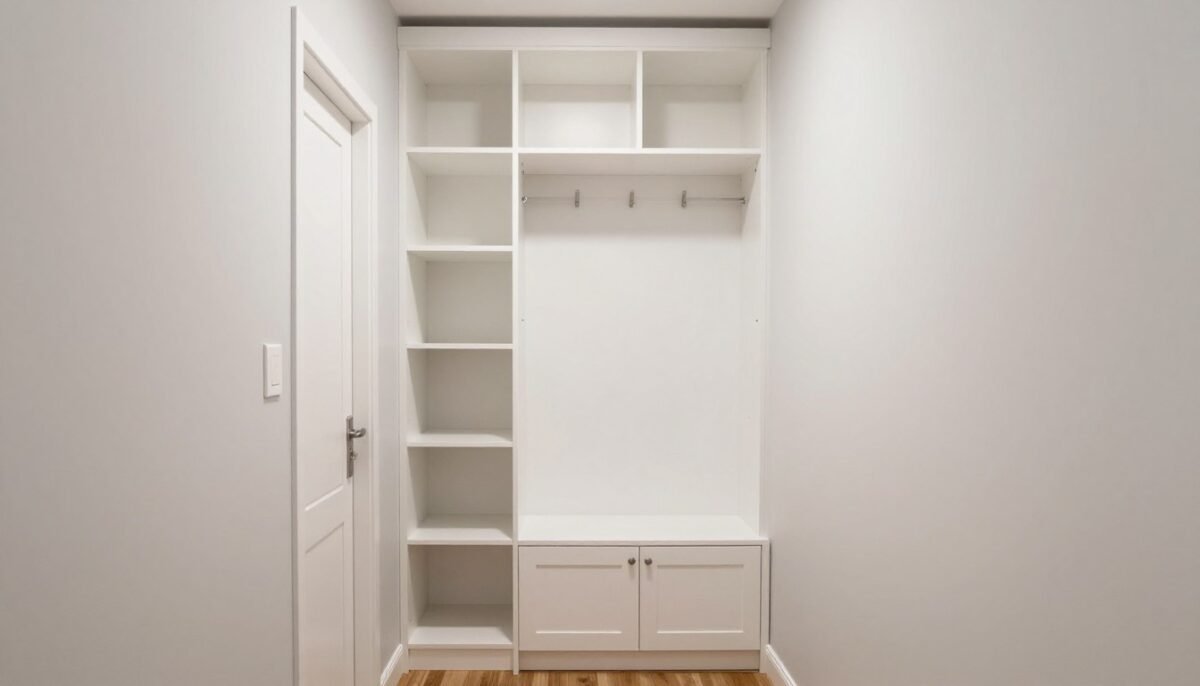
Paint built-ins the same colour as walls to help them blend seamlessly. This creates a cohesive look that doesn’t visually fragment the small space. The storage disappears into the architecture.
Components of Ideal Hallway Built-ins
Well-designed built-in storage combines multiple functions in a single unit. Plan for items you actually need to store in your hallway.
- Upper cabinets for seasonal items and storage boxes
- Mid-level open shelving for daily-use items and display
- Coat hooks or hanging rods at convenient height
- Built-in bench seating with lift-up storage underneath
- Lower cubbies for shoe storage and organization
- Drawers for small accessories like gloves and scarves
- Umbrella stand integration near the door
- Charging station with hidden outlets and cord management
Consider your family’s specific needs when planning built-ins. A household with children needs lower hooks and cubbies. Empty nesters might prioritize display space over kid-focused storage.
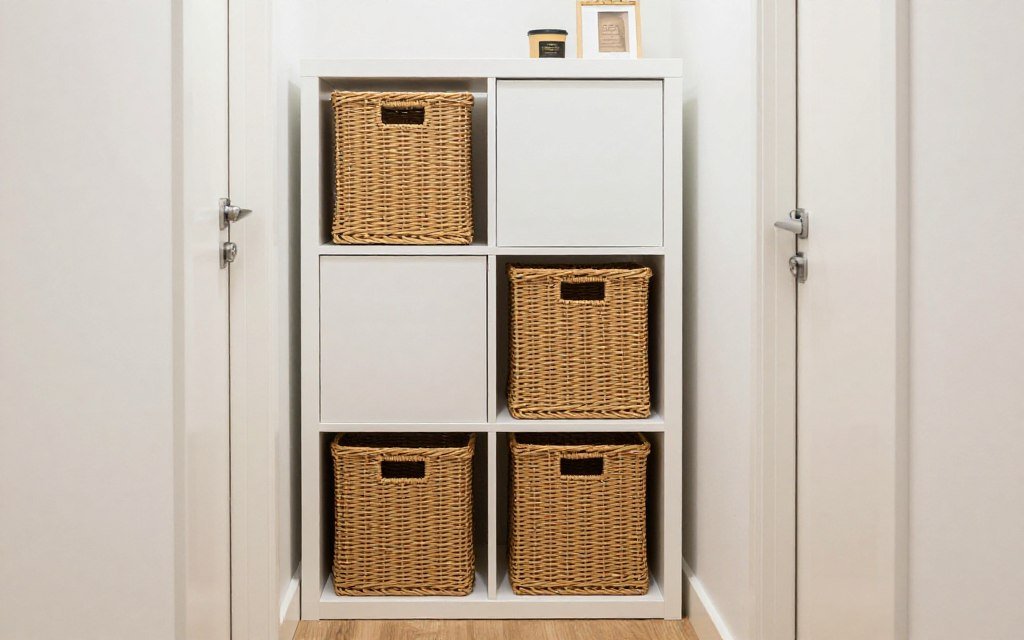
Budget-friendly alternatives to custom built-ins exist. Modular storage systems from furniture retailers can create a similar effect. Choose pieces that fit your hallway dimensions and arrange them for maximum impact.
Gallery Wall Adds Character and Visual Interest
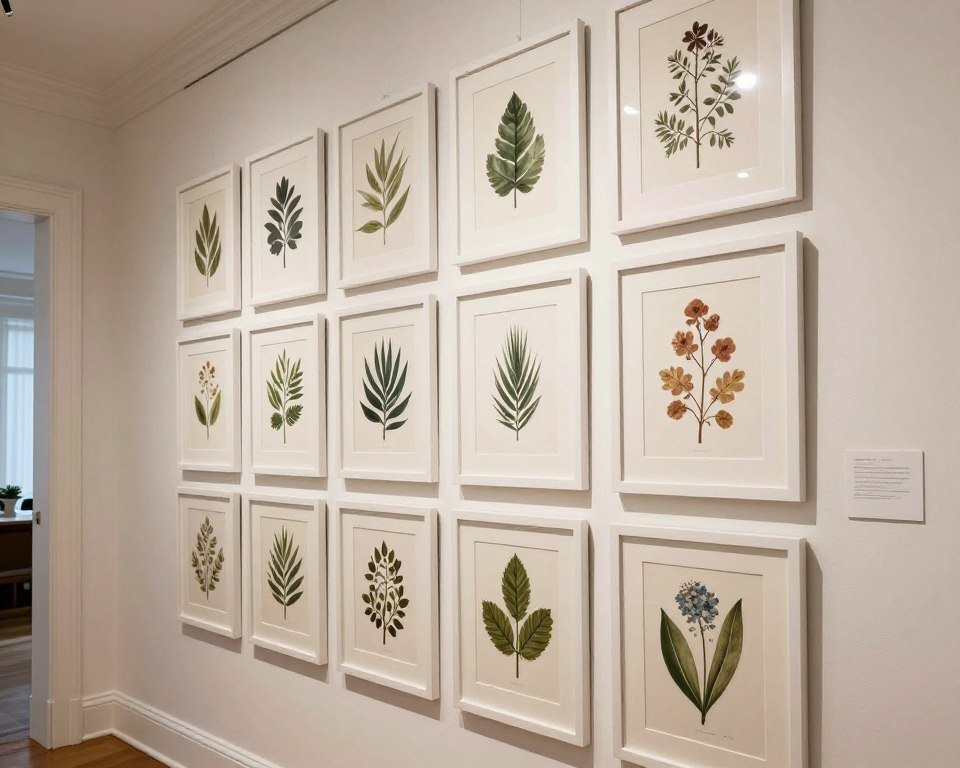
A gallery wall transforms a bland hallway into a personal art display. Mix frame sizes and artwork styles to create visual rhythm. This draws the eye along the wall and makes the journey through the hallway more engaging.
Plan your gallery wall layout before hanging anything. Arrange frames on the floor first to find the perfect composition. This prevents unnecessary nail holes and ensures balanced spacing.
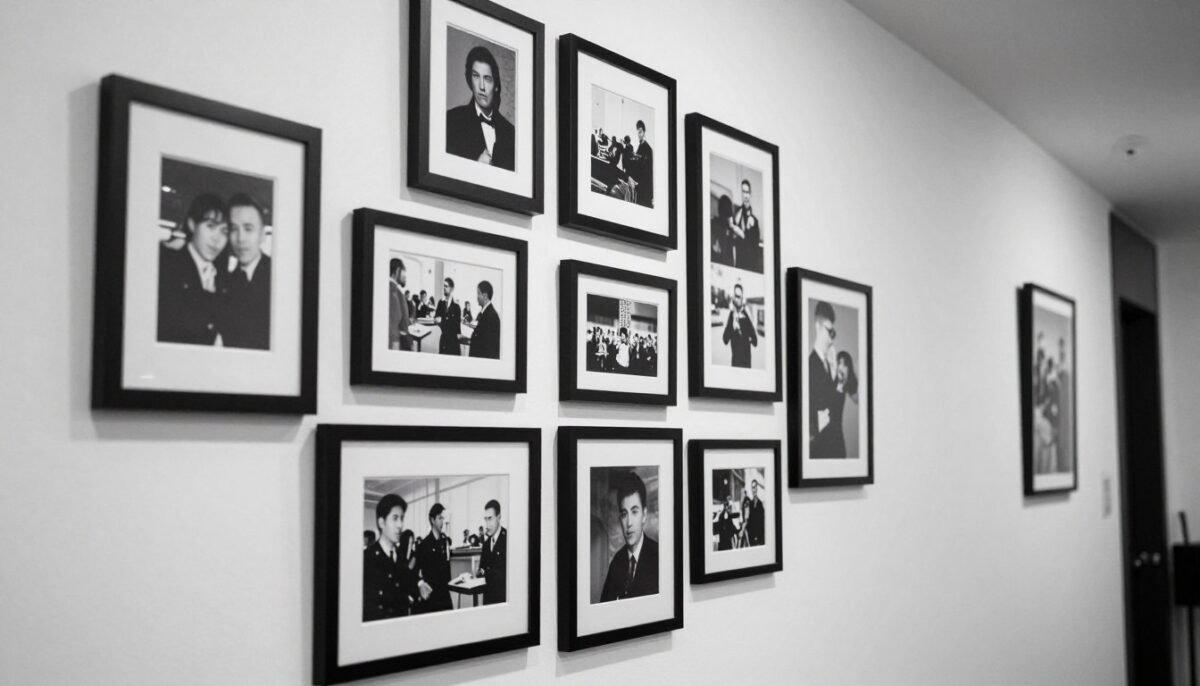
Maintain consistent spacing between frames for a polished look. Most designers recommend two to three inches between frames. Use a level to ensure straight hanging regardless of frame arrangement style.
How many frames should I include in a hallway gallery wall?
The number depends on your hallway length and wall height. A small hallway looks best with five to seven frames. Longer hallways can accommodate fifteen to twenty frames comfortably. Always leave breathing room between groupings.
Should all frames match in a gallery wall?
Matching frames create a cohesive, formal look. Mixed frames feel more eclectic and personal. Both approaches work well in hallways. Choose based on your overall home style and the mood you want to create.
What is the ideal height for hanging gallery wall art?
The center of your gallery wall should sit at eye level, approximately fifty-seven to sixty inches from the floor. This standard height ensures comfortable viewing as you walk through the hallway. Adjust slightly based on ceiling height.
Can I create a gallery wall in a very narrow hallway?
Yes, but use a single vertical row of frames rather than a full gallery cluster. This arrangement works better in tight spaces. Choose smaller frame sizes to prevent the wall from overwhelming the narrow hallway dimensions.
Choose artwork that tells a story or follows a theme. Family photos create a memory lane effect. Travel prints inspire wanderlust. Botanical prints bring nature indoors. A cohesive theme makes the gallery wall feel intentional rather than random.
Glass Doors Borrow Light from Adjacent Rooms
Replacing solid doors with glass-paneled versions brings natural light into dark hallways. Light from adjacent rooms flows through, eliminating the cave-like feeling many small hallways suffer from.
French doors with multiple glass panes work beautifully between hallways and living areas. The divided lights add architectural character while maintaining privacy through frosted or textured glass options.
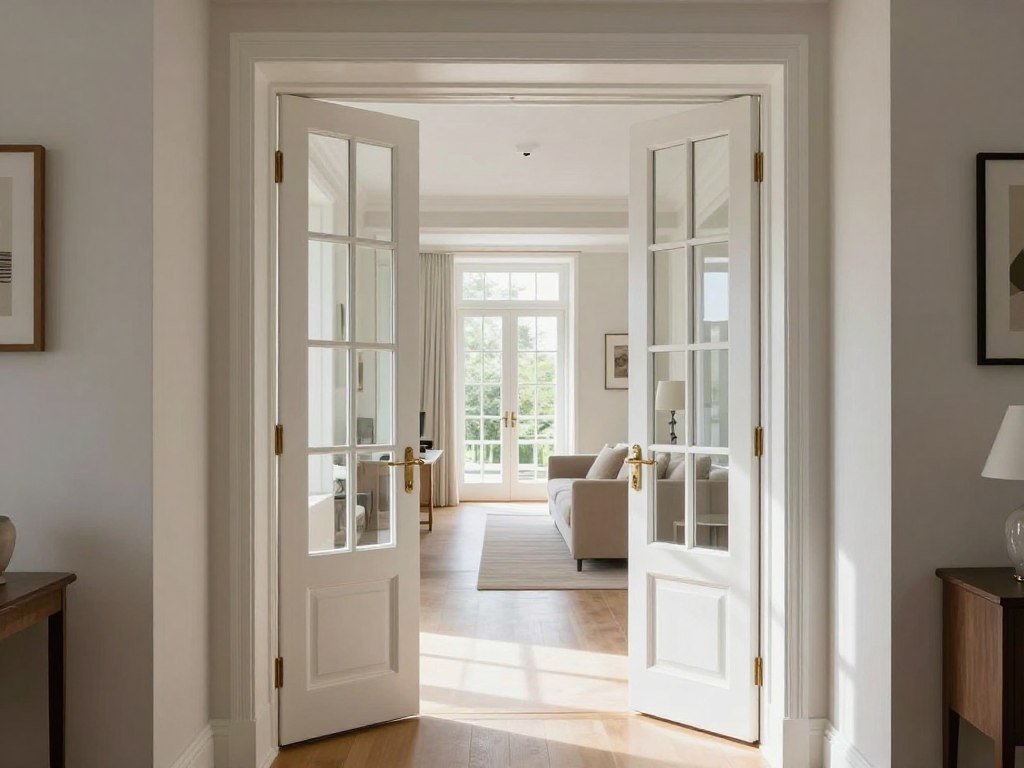
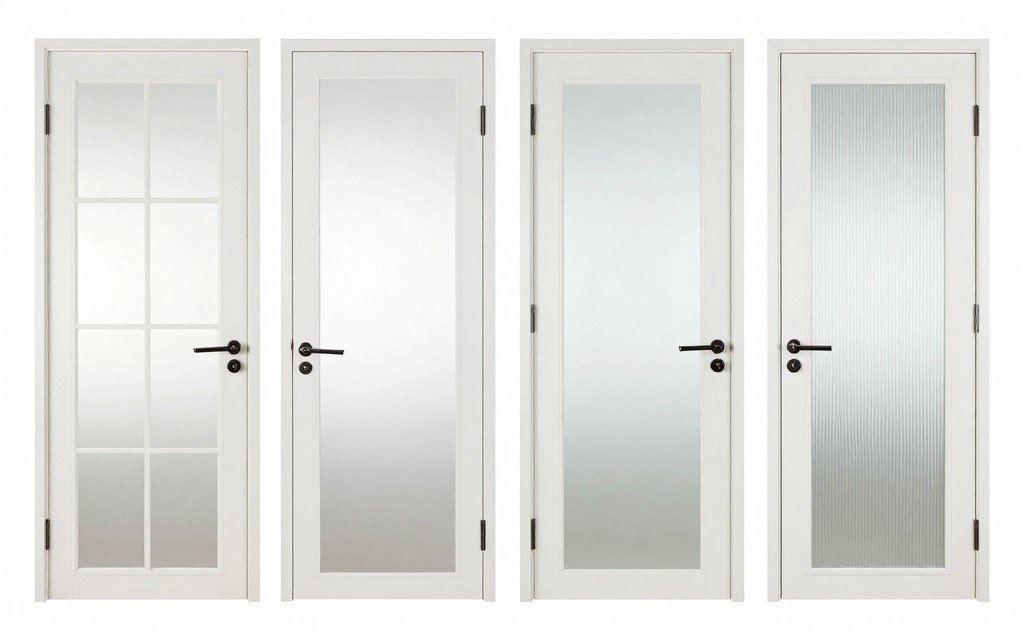
Interior glass doors come in many styles. Full-lite doors maximize light transmission. Partial-lite doors offer more privacy while still allowing light flow. Choose based on your privacy needs and design preferences.
“Glass doors completely transformed our dark hallway. The borrowed light from our living room now makes the entire passage feel welcoming instead of like a tunnel. It’s amazing how much difference natural light makes in a small space.”
Frosted or etched glass provides privacy while maintaining light transmission. This works well for hallways leading to bedrooms or bathrooms. The textured glass diffuses light beautifully without creating harsh glare.
Transom windows above solid doors achieve similar light-borrowing effects. These horizontal windows sit above doorways, allowing light to pass overhead. They work well when full glass doors aren’t practical or desired.
Narrow Console Creates a Perfect Landing Spot
A slim console table provides essential function without blocking the hallway. This piece creates a designated spot for keys, mail, and everyday essentials. Choose a depth of ten to twelve inches maximum.
Style your console table with purpose. A table lamp provides welcoming light. A small tray corrals keys and change. A mirror above completes the functional vignette.
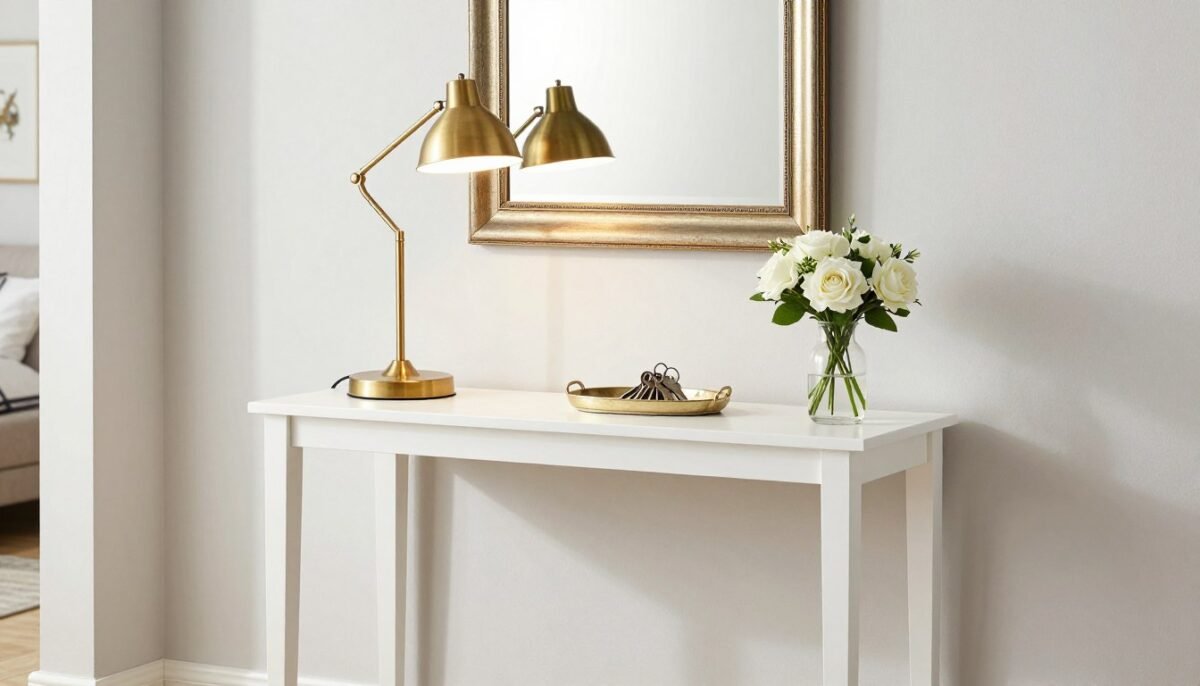
Console tables with drawers add hidden storage for small items. This keeps the surface clear while providing organization for hallway clutter. Look for designs with slim drawer profiles that don’t add bulk.
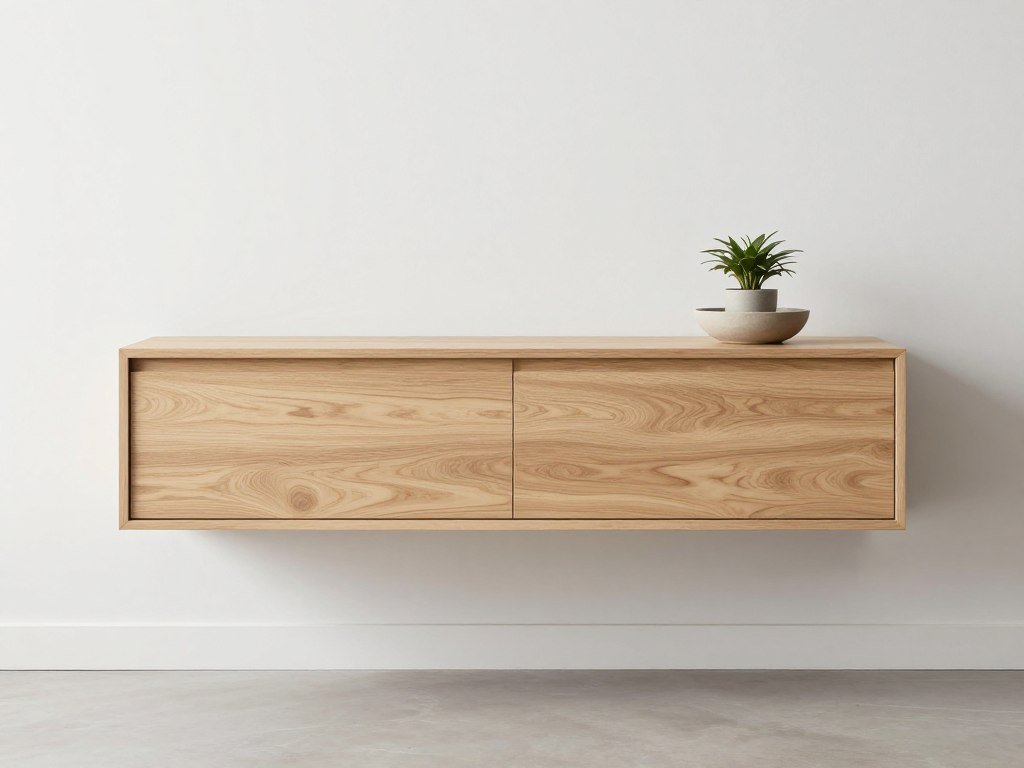
Wall-mounted console alternatives save even more space. These floating designs attach directly to the wall without legs. They provide a surface while maintaining complete floor visibility underneath.
Ceiling Treatment Draws the Eye Upward
Most people forget about the ceiling in hallway design. But this fifth wall offers opportunities to add interest and perceived height. Simple treatments create surprising impact in small hallways.
Paint the ceiling a lighter colour than the walls to make it recede visually. White or pale blue ceilings appear higher. This simple trick costs nothing but paint yet transforms how the hallway feels.
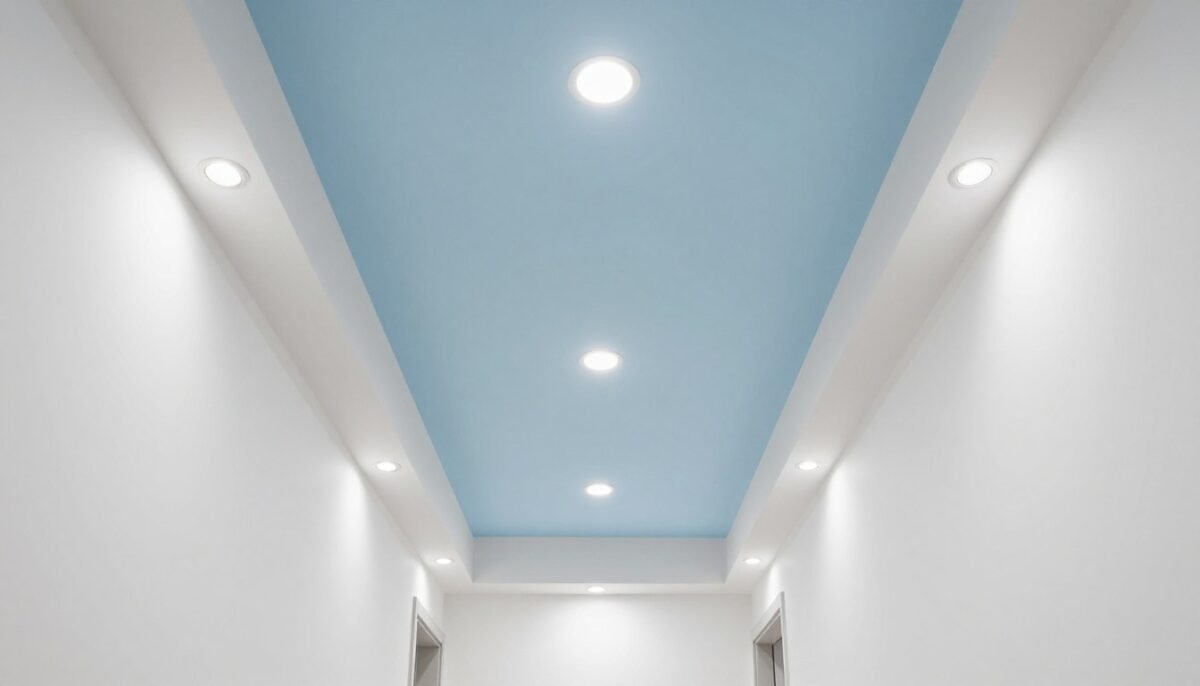
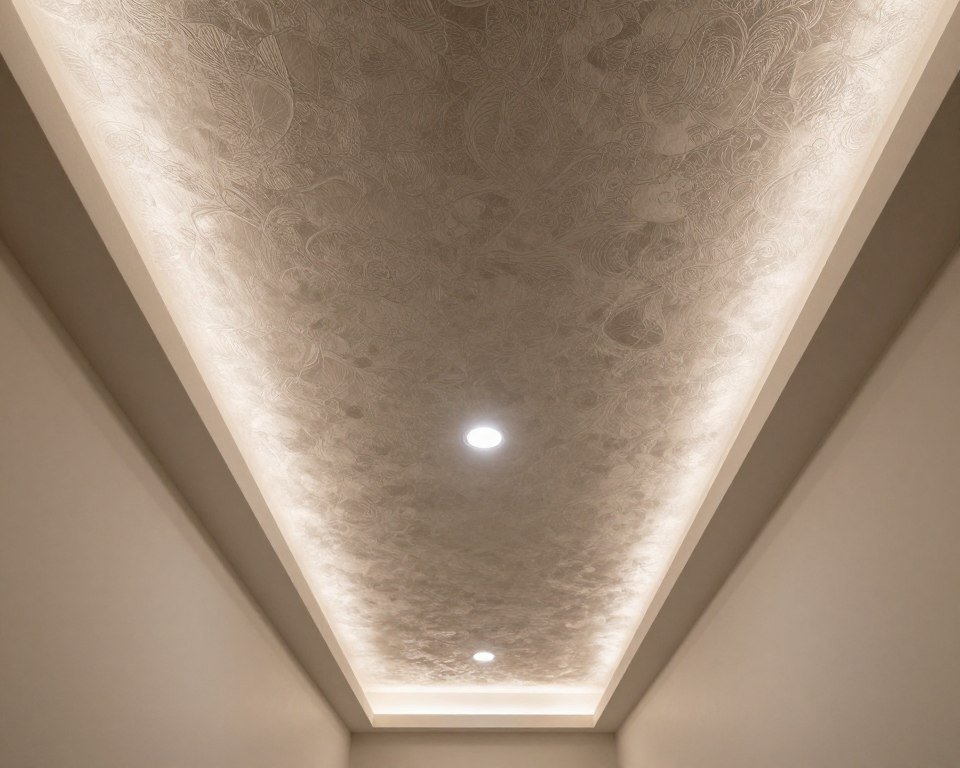
Wallpaper or stenciling on the ceiling adds unexpected drama. Geometric patterns or subtle damask designs create interest overhead. This draws the eye upward and away from the narrow floor space.
Paint Techniques
Simple paint treatments transform ceiling perception without major expense or construction work.
- High-gloss paint reflects more light
- Pale colours make ceilings recede
- Ombre effects add subtle interest
- Stripe patterns elongate the space
Architectural Details
Adding simple molding creates dimension and visual interest on plain ceiling surfaces.
- Crown molding adds elegance
- Coffered details create depth
- Simple trim defines edges
- Ceiling medallions become focal points
Decorative Treatments
Wallpaper and other decorative finishes make ceilings worth looking at and create memorable spaces.
- Metallic wallpaper reflects light
- Wood planks add warmth
- Tin tiles create vintage charm
- Stenciled patterns add character
Recessed lighting integrated into the ceiling provides illumination without hanging fixtures. This keeps the ceiling plane clean and uncluttered. The lights create pools of brightness that guide movement through the hallway.
Multi-Functional Pieces Work Harder in Small Spaces
Furniture that serves multiple purposes maximizes value in tiny hallways. A bench with storage underneath provides seating and organization. A mirror that opens to reveal jewelry storage adds function to decoration.
Look for pieces specifically designed for small spaces. Furniture makers now create collections focused on compact living. These pieces pack maximum function into minimal footprints.
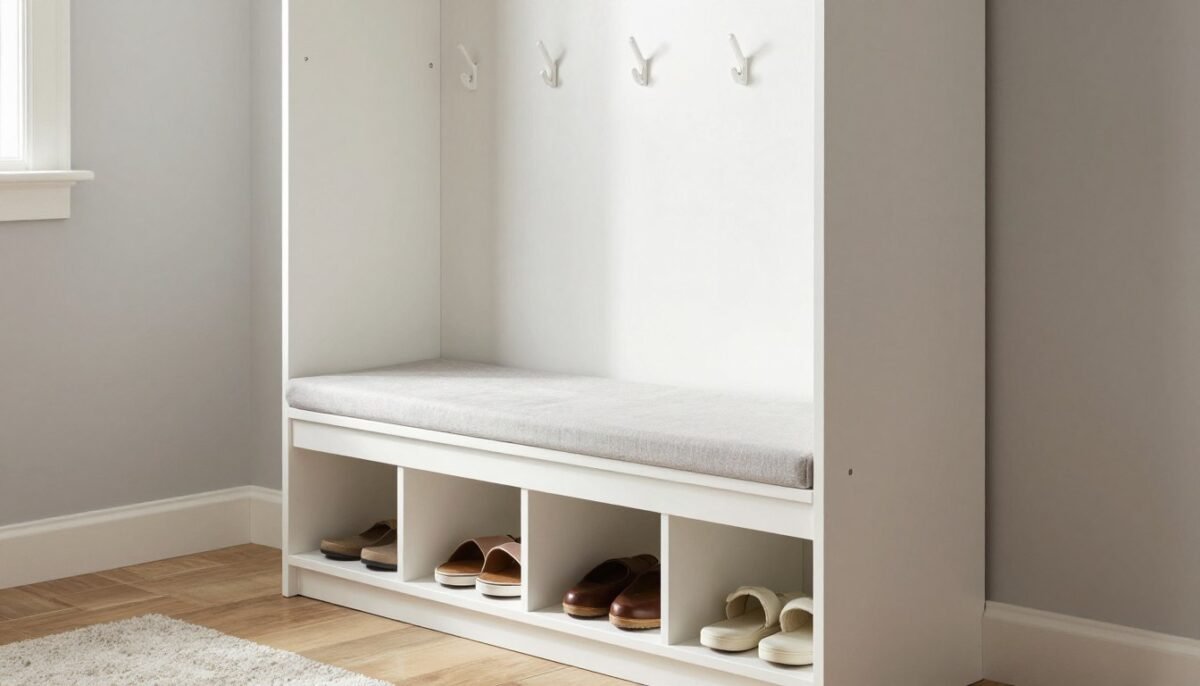
Coat racks that include umbrella stands and shelf storage combine three functions. Wall-mounted units with hooks, shelves, and a mirror offer complete hallway organization in one piece. These integrated solutions simplify shopping and installation.
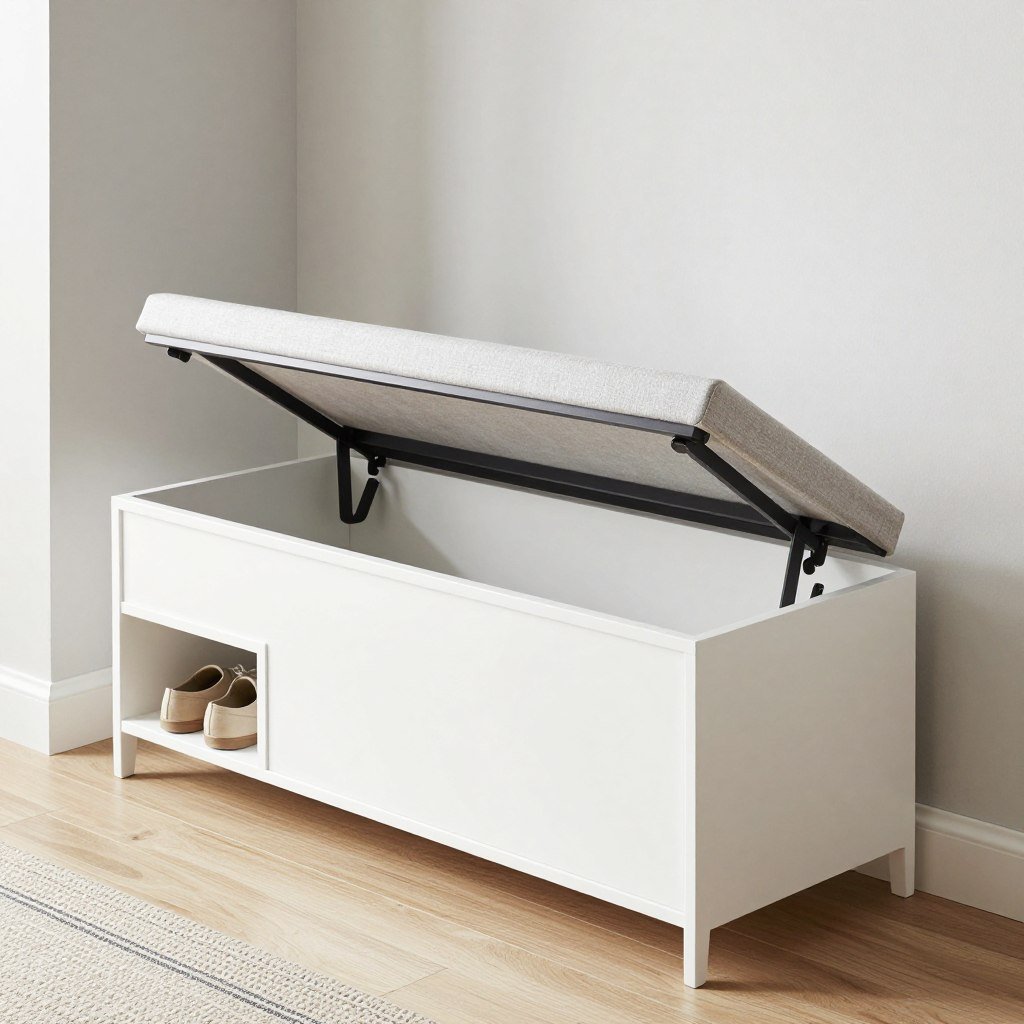
Storage Bench Systems
Benches with built-in storage compartments provide seating while hiding shoes, bags, and accessories. Choose designs with lift-up seats or pull-out drawers based on your storage needs.
- Comfortable seating for putting on shoes
- Hidden storage keeps clutter contained
- Compact footprint fits narrow spaces
- Available in various styles and finishes
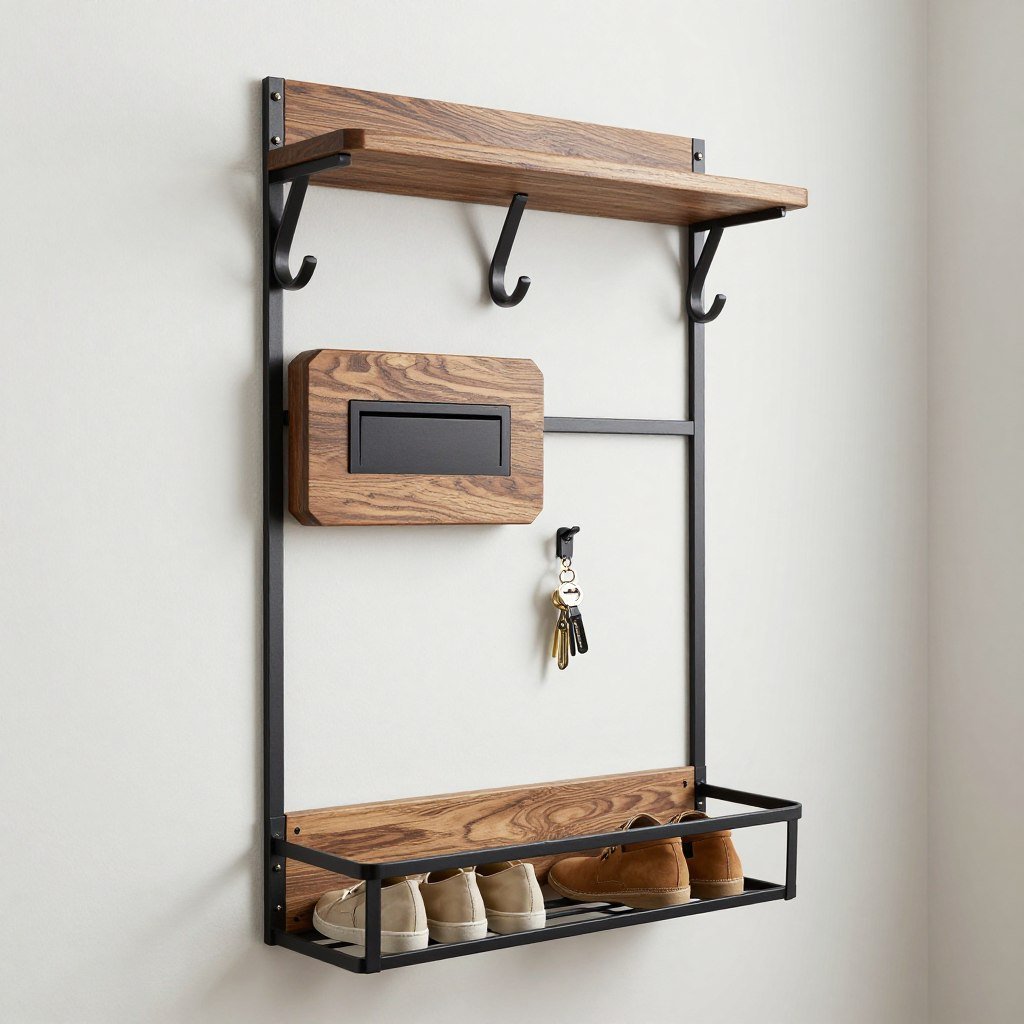
Wall Organizer Systems
Complete wall-mounted systems combine hooks, shelves, and storage in one cohesive unit. These pieces keep everything organized without occupying valuable floor space.
- Hooks for coats and bags
- Shelves for display and storage
- Mail sorters and key holders
- No floor space required
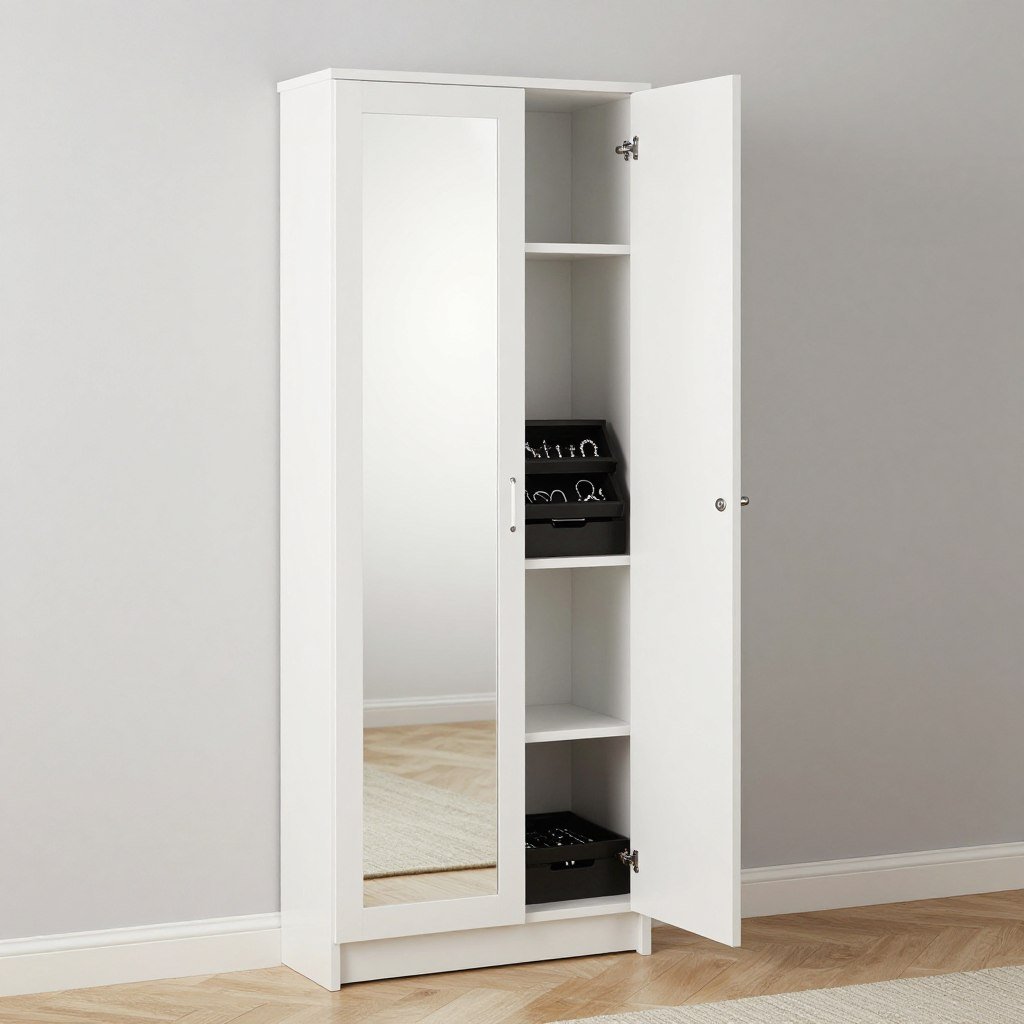
Mirror Storage Cabinets
Mirrors with hidden storage behind provide last-minute appearance checks while concealing jewelry, accessories, or small items. These pieces serve dual purposes beautifully.
- Full-length mirror for outfit checks
- Hidden compartments for valuables
- Jewelry organization built in
- Space-saving design
Measure carefully before purchasing multi-functional furniture. These pieces often have specific dimension requirements to function properly. Ensure adequate clearance for opening storage compartments and using all features.
Open Shelving Prevents Closed-In Feeling
Open shelving keeps storage visible and accessible without the visual weight of closed cabinets. This approach prevents the boxed-in sensation that solid storage units create in narrow hallways.
Style open shelves carefully to avoid clutter. Use matching baskets or boxes to contain small items. Display objects in odd-numbered groupings for visual appeal. Leave some shelf space empty to prevent overwhelming the small hallway.
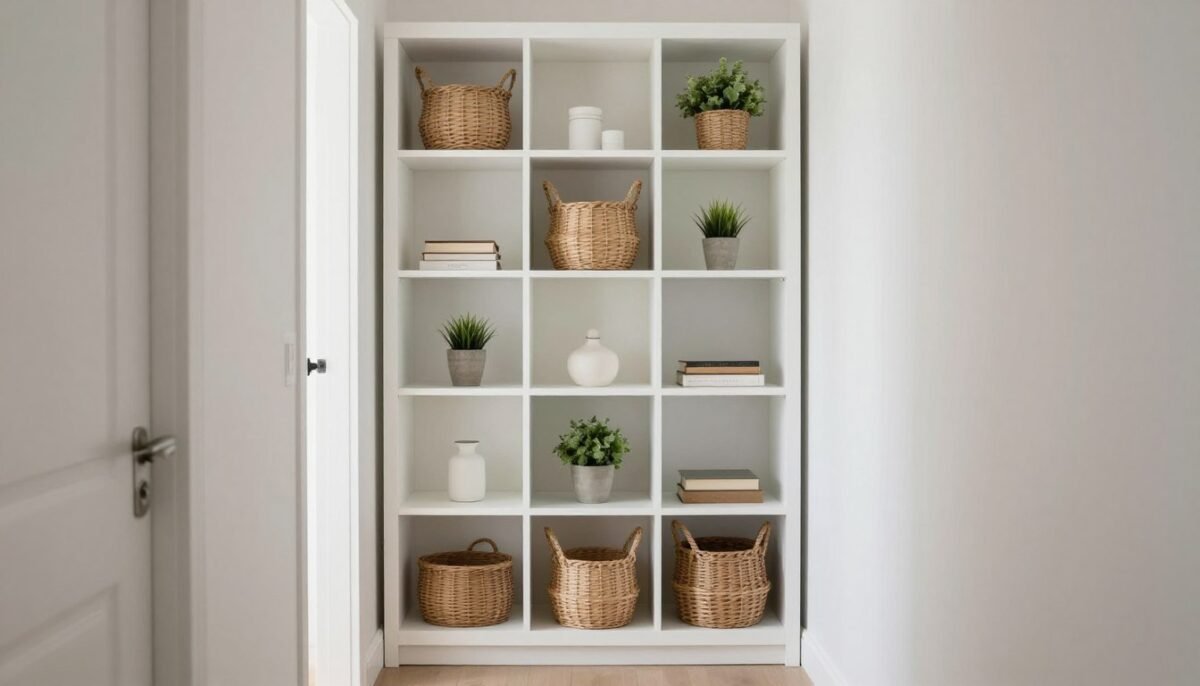
Mix open and closed storage for the best balance. Lower shelves with doors hide less attractive items. Upper open shelves display beautiful objects. This combination maintains airiness while providing necessary concealment.
Important Note: Open shelving requires regular maintenance and organization. Dust accumulates quickly on exposed surfaces. Plan to tidy and dust weekly to keep the hallway looking its best. Consider whether you have time for this upkeep before choosing open storage.
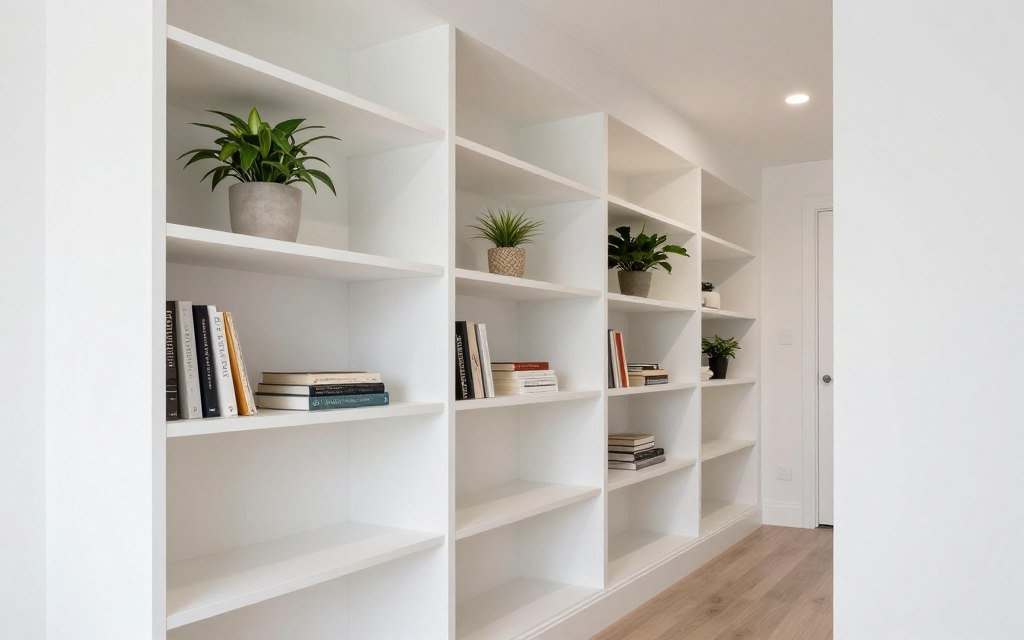
Paint shelving units the same colour as walls to minimize visual impact. This helps them blend into the background. The displayed items become the focus rather than the shelving structure itself.
Cohesive Colour Scheme Unifies the Space
A consistent colour palette throughout your hallway creates visual harmony. This makes the small space feel intentional and well-designed rather than disconnected and chaotic.
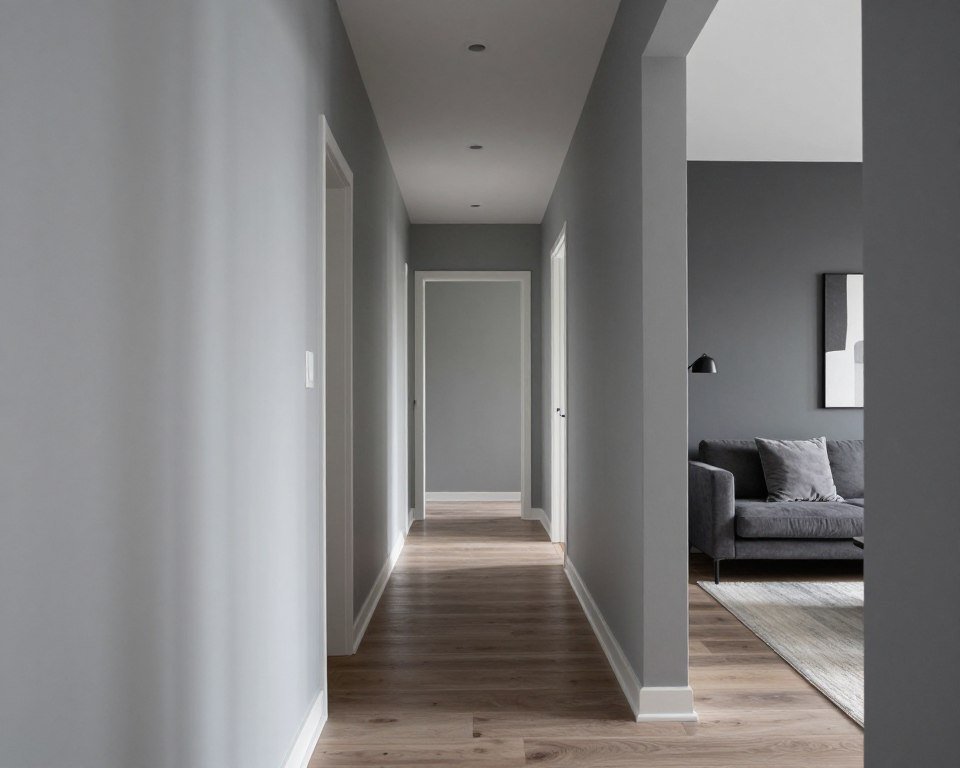
Choose two to three main colours and use them repeatedly. White walls with navy accents and natural wood tones create a classic look. Gray walls with blush pink and brass create modern elegance. Limit your palette for maximum impact.
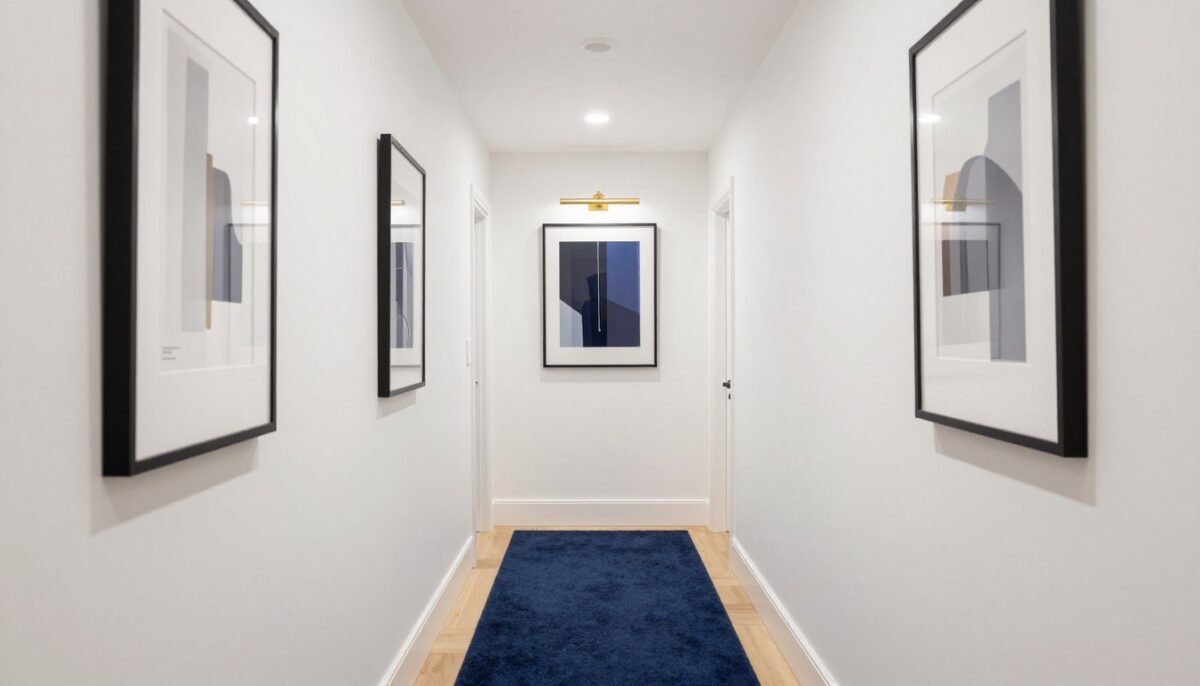
Repeat accent colours in multiple elements for cohesion. If you choose blue as an accent, use it in the rug, artwork, and accessories. This repetition ties the hallway together visually and creates a designer look.
Neutral Base Palettes
Neutral colour schemes create calm, versatile hallways that work with any home style and allow easy updates.
- All-white with natural wood accents
- Warm grays with cream undertones
- Beige and tan layered tones
- Greige (gray-beige) monochromatic scheme
Accent Color Ideas
Add personality to neutral hallways with carefully chosen accent colours that reflect your style and preferences.
- Navy blue for classic sophistication
- Sage green for natural calm
- Blush pink for soft femininity
- Charcoal gray for modern edge
Bold Color Schemes
Confident colour choices make hallways memorable and reflect strong personal style when executed thoughtfully.
- Black and white high contrast
- Deep teal with gold accents
- Burgundy with cream balance
- Forest green with natural wood
Transitional Palettes
Bridge different room styles by using hallway colours that complement adjacent living spaces for flow.
- Pull colours from connected rooms
- Use lighter versions of bold room colours
- Match wood tones throughout
- Coordinate metal finishes consistently
Consider how the hallway connects to other rooms. The colour scheme should transition smoothly from space to space. Use lighter or darker versions of colours found in adjacent rooms for natural flow throughout your home.
Statement Lighting Creates an Unexpected Focal Point
A beautiful light fixture draws attention upward and creates a focal point in your tiny hallway. This design trick shifts focus from the narrow dimensions to an eye-catching decorative element.
Choose a fixture that fits the scale of your hallway. A small pendant light works in low-ceiling hallways. A dramatic lantern-style fixture makes impact in taller spaces. The light becomes jewelry for the ceiling.
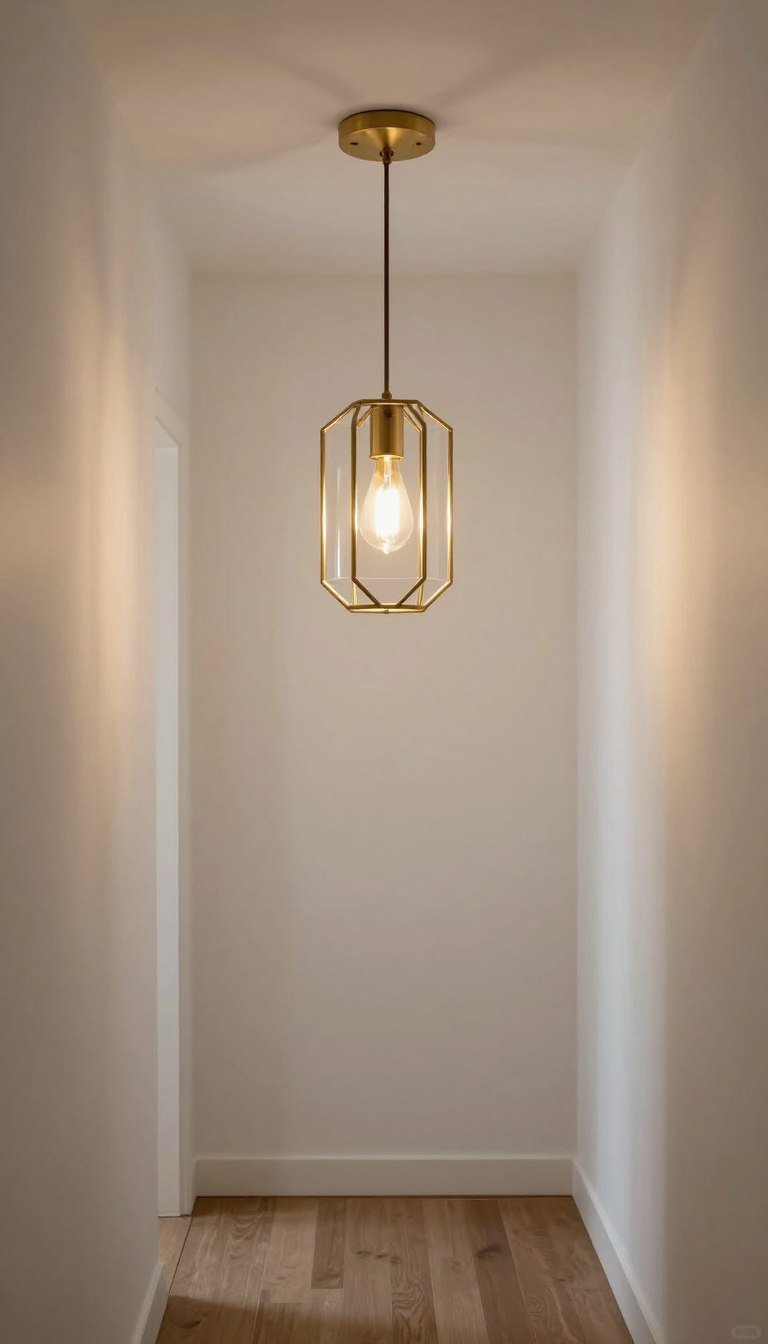
Multiple smaller fixtures create rhythm along a long hallway. Space identical pendants evenly for a cohesive look. This approach works especially well in hallways over twelve feet long.
Best Fixture Styles for Low Ceilings
- Flush-mount ceiling lights with decorative details
- Semi-flush fixtures extending 6-12 inches
- Wide drum shades in proportion to hallway width
- Recessed lights with decorative trim rings
- Low-profile modern geometric designs
- Ceiling medallions adding visual interest
Best Fixture Styles for High Ceilings
- Dramatic pendant lights with long drops
- Lantern-style fixtures creating vertical interest
- Multi-light linear chandeliers for length
- Statement pieces with visual weight
- Cascading cluster pendants for drama
- Ornate traditional chandeliers as focal points
Considerations for All Ceiling Heights
- Maintain minimum 7 feet clearance from floor
- Ensure fixture width is proportional to hallway
- Choose LED bulbs for energy efficiency
- Install dimmer switches for flexibility
- Consider shade direction for light distribution
- Match finish to other hardware in home
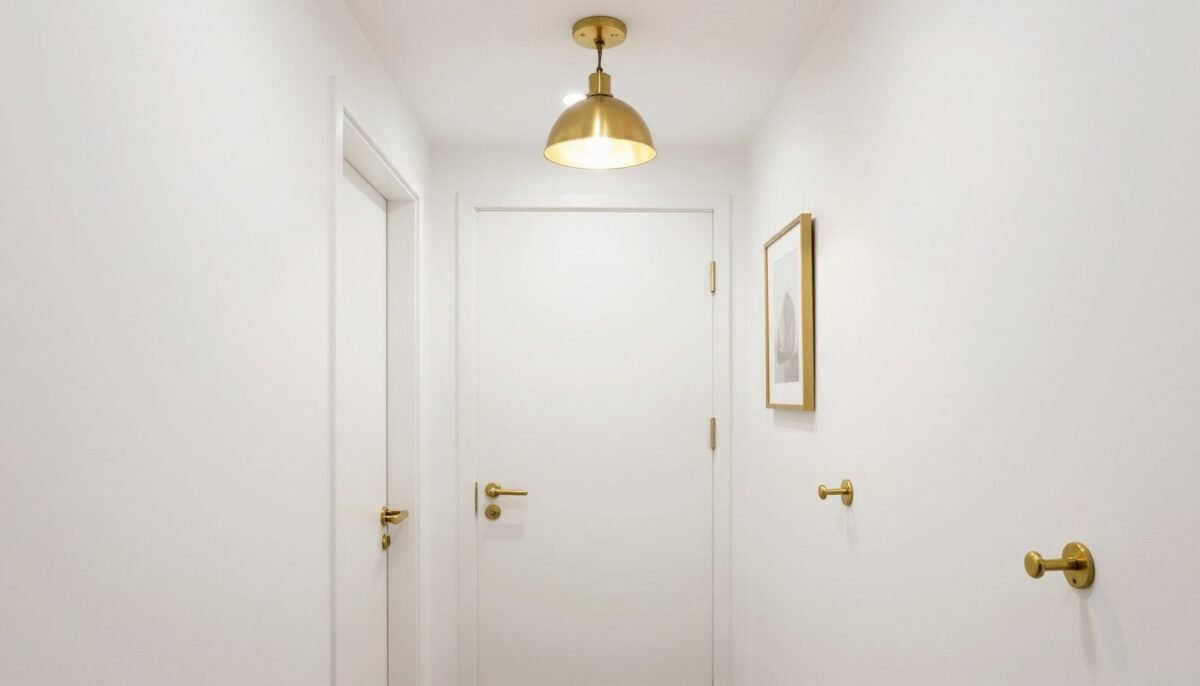
Coordinate light fixture finishes with other hallway hardware. Match door handles, curtain rods, and cabinet pulls for a polished look. This attention to detail elevates the entire space design.
Creating Your Perfect Tiny Hallway
Transforming your tiny hallway into a functional and beautiful space requires thoughtful planning. These fifteen ideas provide solutions for common small hallway challenges. Choose the strategies that best fit your specific needs and style preferences.
Start with the basics like lighting and colour. These foundational elements create the biggest impact for the least investment. Then add storage solutions and decorative touches that reflect your personality and serve your daily needs.
Remember that small hallways work best when kept relatively simple. Avoid overcrowding with too many ideas at once. Select a few strategies that solve your biggest problems and implement them well. Your hallway will feel larger and more welcoming with every thoughtful change you make.