
Cat wall shelves transform your living space into a functional playground for your feline friends. Modern cat furniture no longer means sacrificing style for functionality. Today’s wall-mounted cat shelves blend seamlessly with contemporary interior design while providing essential climbing and perching opportunities for cats.
Wall furniture designed for cats addresses two critical needs. First, it satisfies your cat’s natural instinct to climb and survey their territory from elevated positions. Second, it saves valuable floor space in modern homes where every square foot matters.
This comprehensive guide showcases twenty creative cat wall shelf ideas. Each design prioritizes both aesthetic appeal and feline functionality. Whether you prefer minimalist Scandinavian styles or bold geometric patterns, you’ll discover options that enhance your living room while keeping your cats entertained and happy.
Table of Contents
Floating Minimalist Cat Wall Platforms
Floating minimalist platforms represent the epitome of modern cat wall design. These sleek shelves feature clean lines and neutral colors that complement contemporary living spaces. The beauty lies in their simplicity and understated elegance.
Solid wood construction ensures durability while maintaining a lightweight appearance. Most designs use materials like oak, walnut, or maple. The natural wood grain adds warmth to modern interiors without overwhelming the space.
These cat shelves typically measure between twelve and eighteen inches in depth. This size provides adequate perching space for cats of all sizes. The mounting system remains hidden, creating the illusion that shelves float effortlessly on your wall.
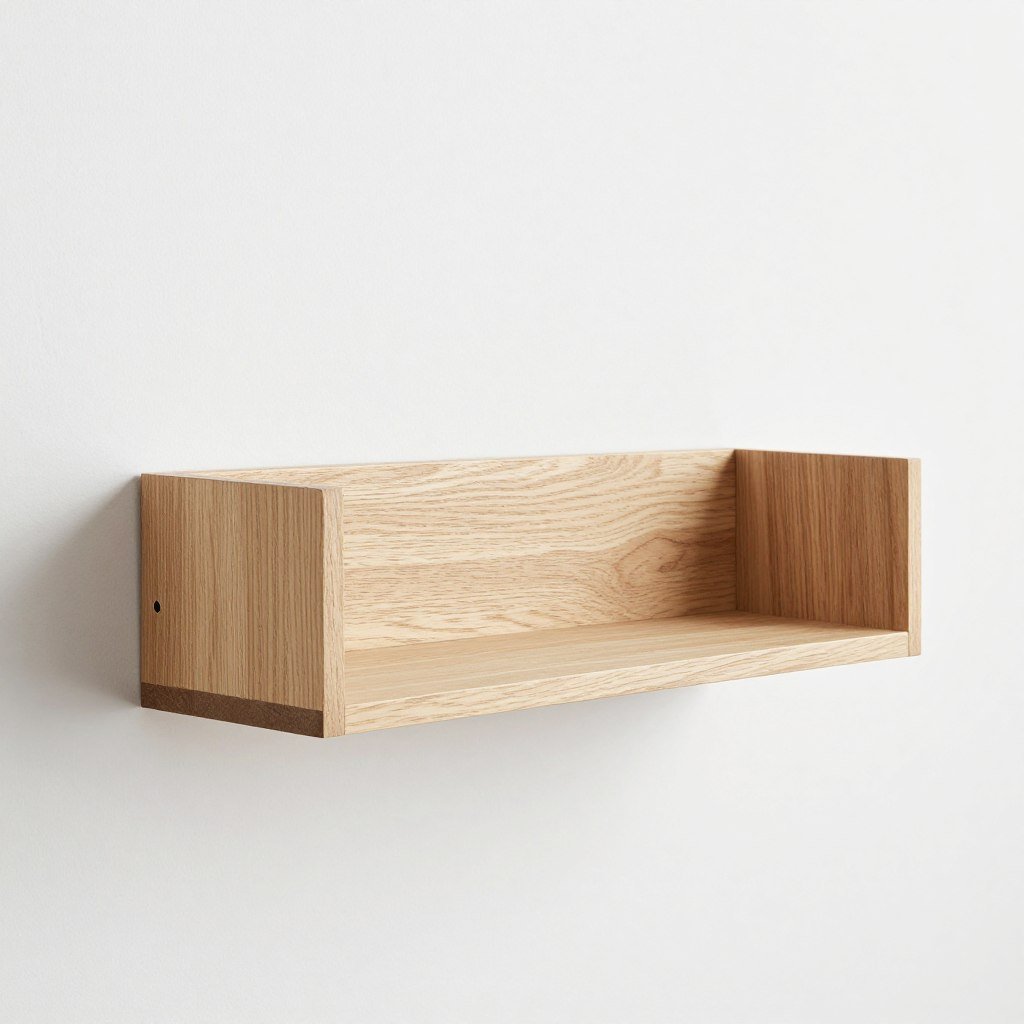
Simple Floating Shelf Design
Perfect for small spaces and modern aesthetics. These single-tier platforms offer a clean look while providing cats with elevated resting spots. Installation takes less than thirty minutes with basic tools.
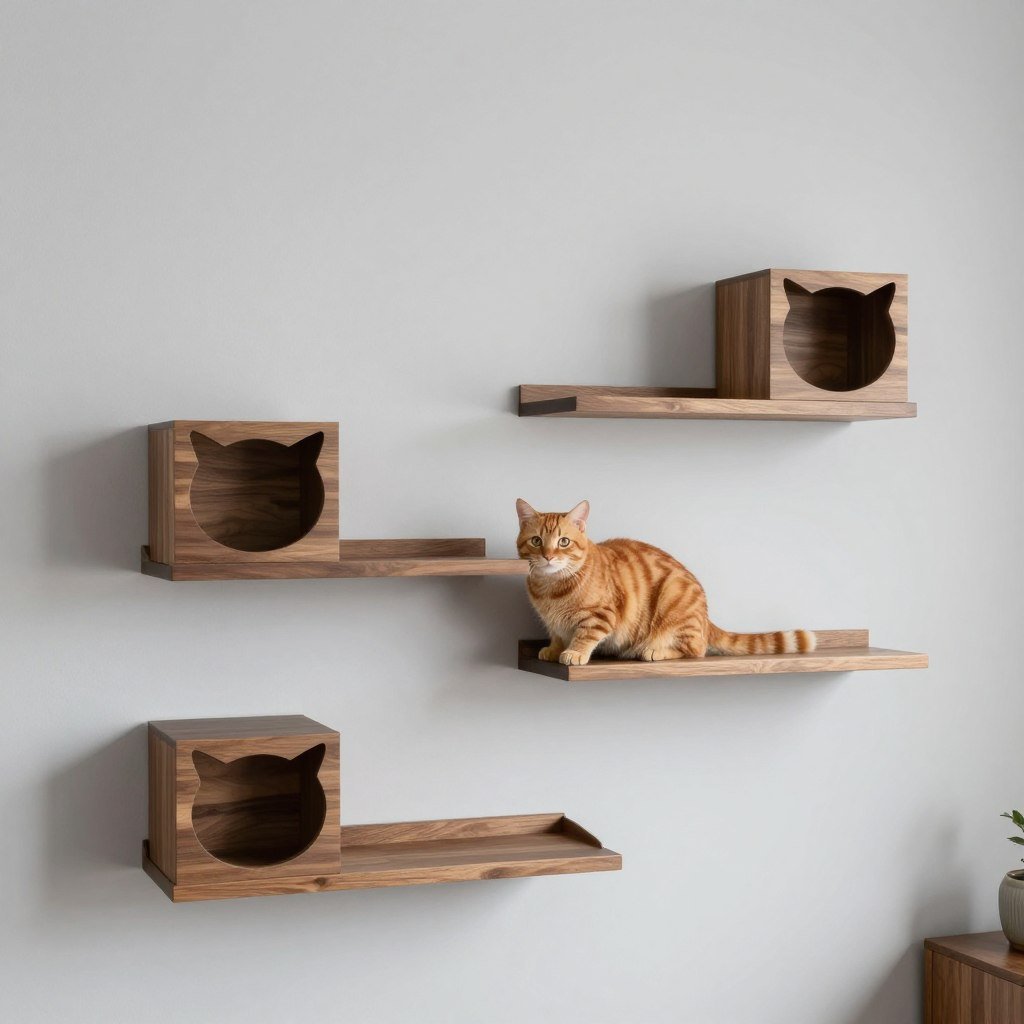
Staggered Shelf System
Multiple platforms arranged at varying heights create visual interest. This configuration encourages cats to jump between levels, providing exercise and entertainment. Works beautifully in both small and large living rooms.
Geometric Hexagonal Cat Shelves
Geometric hexagonal cat shelves bring architectural interest to your walls. These distinctive shapes create stunning visual patterns while serving as functional cat furniture. The hexagon design has become increasingly popular in modern interior design.
Each hexagonal unit can function independently or connect with others to form a honeycomb pattern. This modular approach allows you to customize the configuration based on your wall space and cat climbing preferences. The geometric shapes add a contemporary art installation feel to your living room.
Most hexagonal cat shelves measure approximately sixteen inches across. The interior space provides comfortable lounging areas for cats. Many designs incorporate carpeted or cushioned inserts for added comfort, though solid wood versions maintain cleaner aesthetics for modern spaces.
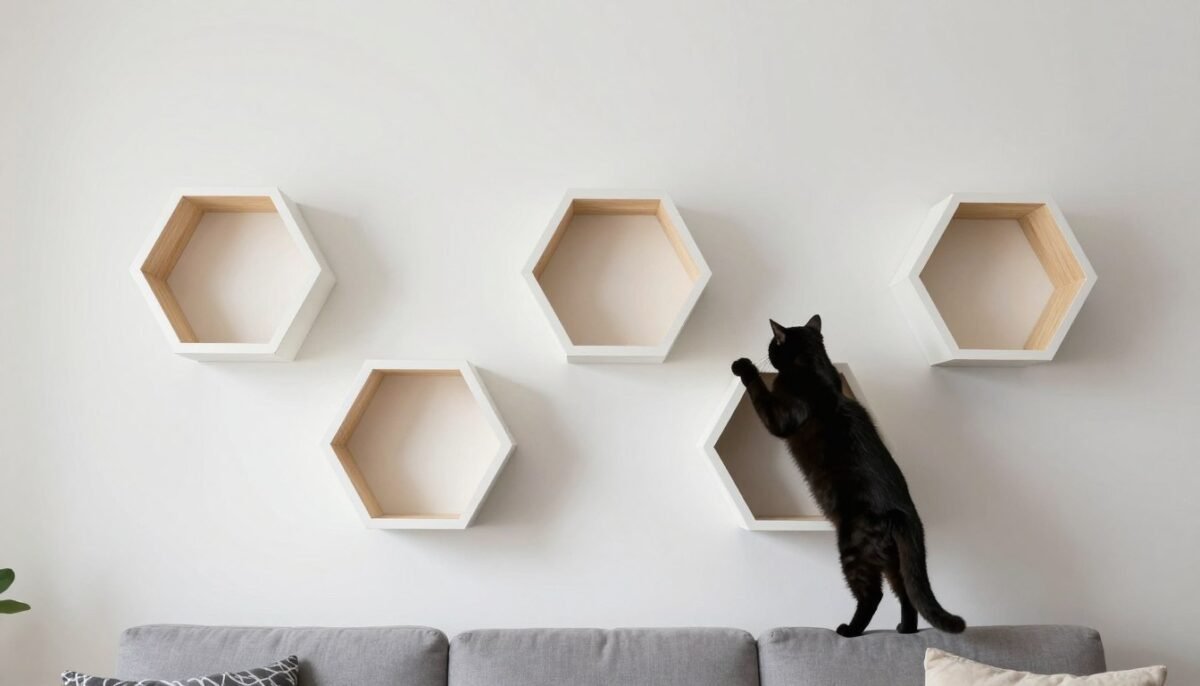
Modular Hexagon Climbing System
Build your custom cat wall system with interlocking hexagonal modules. Start with three units and expand over time as your budget allows or as your cat family grows. The geometric pattern creates an eye-catching focal point that doubles as functional art.
Key Features
- Expandable modular design for future growth
- Available in multiple wood finishes and colors
- Supports cats up to twenty pounds per shelf
- Optional cushioned inserts for added comfort
- Wall-mounted with heavy-duty brackets included
Corner-Mounted Cat Climbing Shelves
Corner spaces often go unused in living rooms. Corner-mounted cat climbing shelves maximize these neglected areas while creating vertical pathways for cats. This strategic placement keeps cat furniture away from primary wall space reserved for artwork or entertainment centers.
These specialized cat wall systems typically feature triangular or curved platforms designed to fit snugly into corners. The vertical arrangement encourages cats to climb higher than traditional floor-based cat trees. Many systems extend from floor to ceiling, providing maximum climbing opportunities.
Corner cat shelves work particularly well in smaller living rooms where floor space is premium. The vertical design philosophy follows the principle that cats naturally seek elevated positions for safety and territory observation. Installation requires secure mounting to both walls for stability and weight distribution.
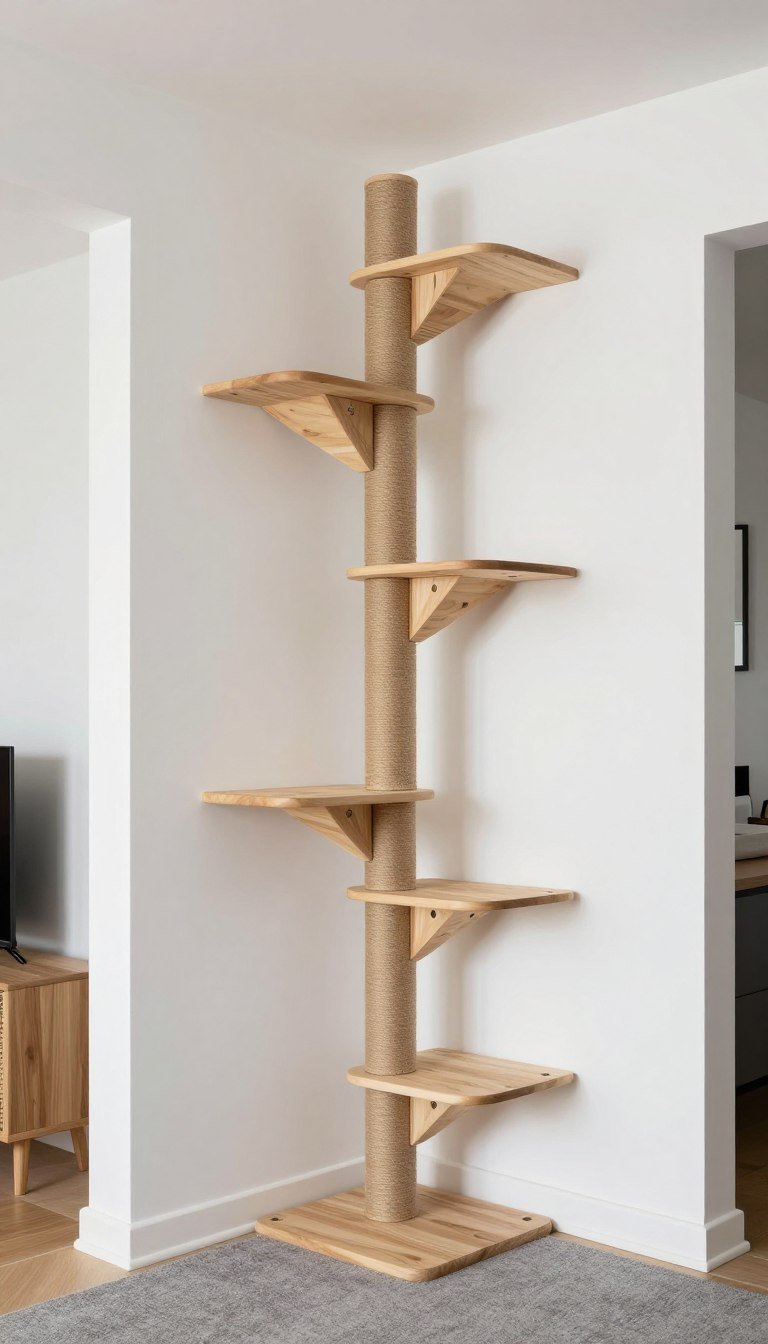
Installation Considerations for Corner Systems
Corner-mounted cat wall furniture requires careful planning before installation. You must locate wall studs on both adjoining walls to ensure proper support. Most systems can support multiple cats simultaneously when installed correctly into studs.
The typical corner system includes five to seven shelves arranged in a spiral or zigzag pattern. Spacing between shelves should range from twelve to eighteen inches to accommodate comfortable jumping distances for cats. Older or less agile cats benefit from closer shelf spacing.
Corner System Benefits
- Maximizes unused corner space efficiently
- Creates impressive floor-to-ceiling climbing routes
- Keeps main walls available for traditional décor
- Accommodates multiple cats at different levels
- Provides exercise through vertical climbing activity
- Easy to customize height and shelf quantity
Cat Bridge and Walkway Wall Systems
Cat bridge systems connect individual wall shelves to create continuous pathways around your living room. These walkways enable cats to navigate the room at elevation without touching the floor. The bridge design adds dynamic movement and visual interest to otherwise static wall décor.
Bridges typically span between two or more cat wall perches, creating highways in the sky for your feline friends. Materials range from solid wood planks to rope-suspended platforms. The suspended bridge design introduces an element of gentle movement that many cats find engaging and stimulating.
Most cat bridges measure between twenty-four and forty-eight inches in length. Width ranges from six to ten inches, providing adequate walking space for cats of all sizes. Some designs incorporate carpeted surfaces for better traction, while others maintain bare wood for aesthetic consistency with modern interiors.
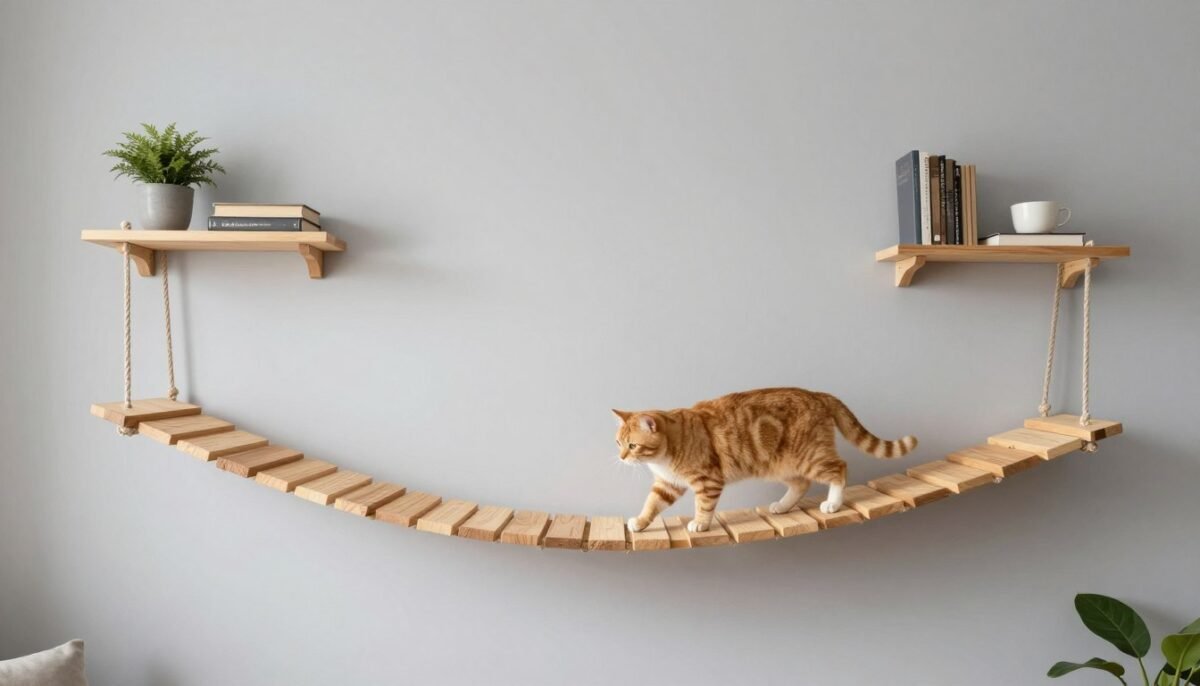
Suspended Rope Bridge System
This adventurous design combines the functionality of traditional cat shelves with the excitement of a suspension bridge. The gentle sway challenges cats mentally and physically while adding a unique architectural element to your living room walls.
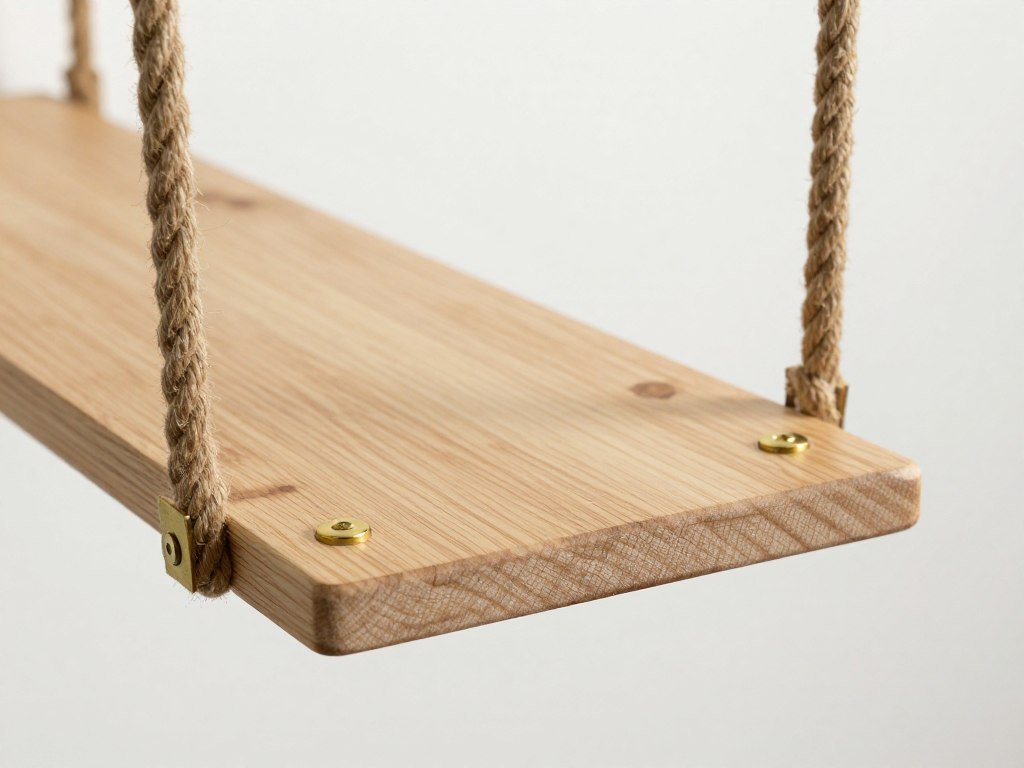
Design Specifications
- Available in lengths from two to four feet
- Solid hardwood plank construction for durability
- Marine-grade rope suspensions for safety
- Weight capacity up to thirty-five pounds
- Adjustable rope length for custom heights
- Complements nautical or industrial décor themes
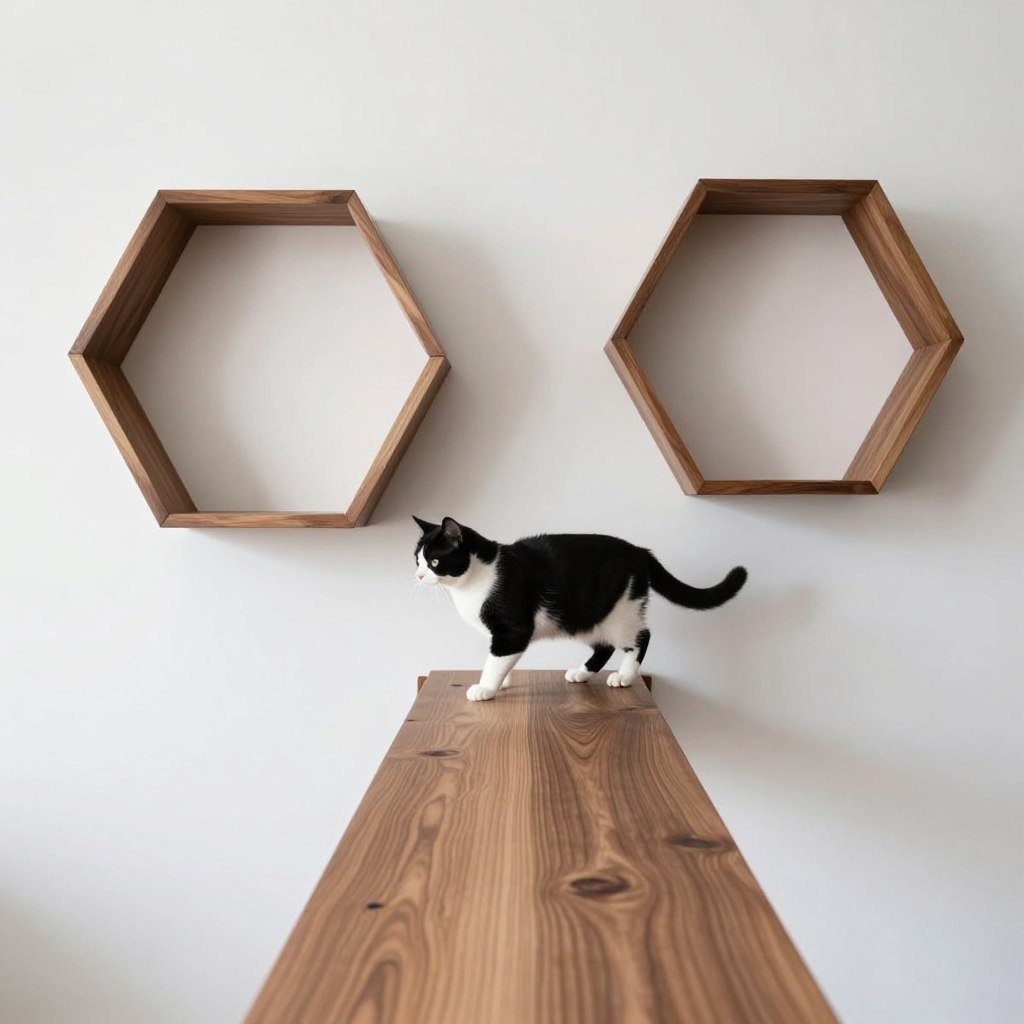
Solid Plank Bridge
For a more stable and minimalist approach, solid plank bridges offer firm footing and clean aesthetics. These bridges mount directly to wall brackets, creating permanent pathways with no movement or sway.
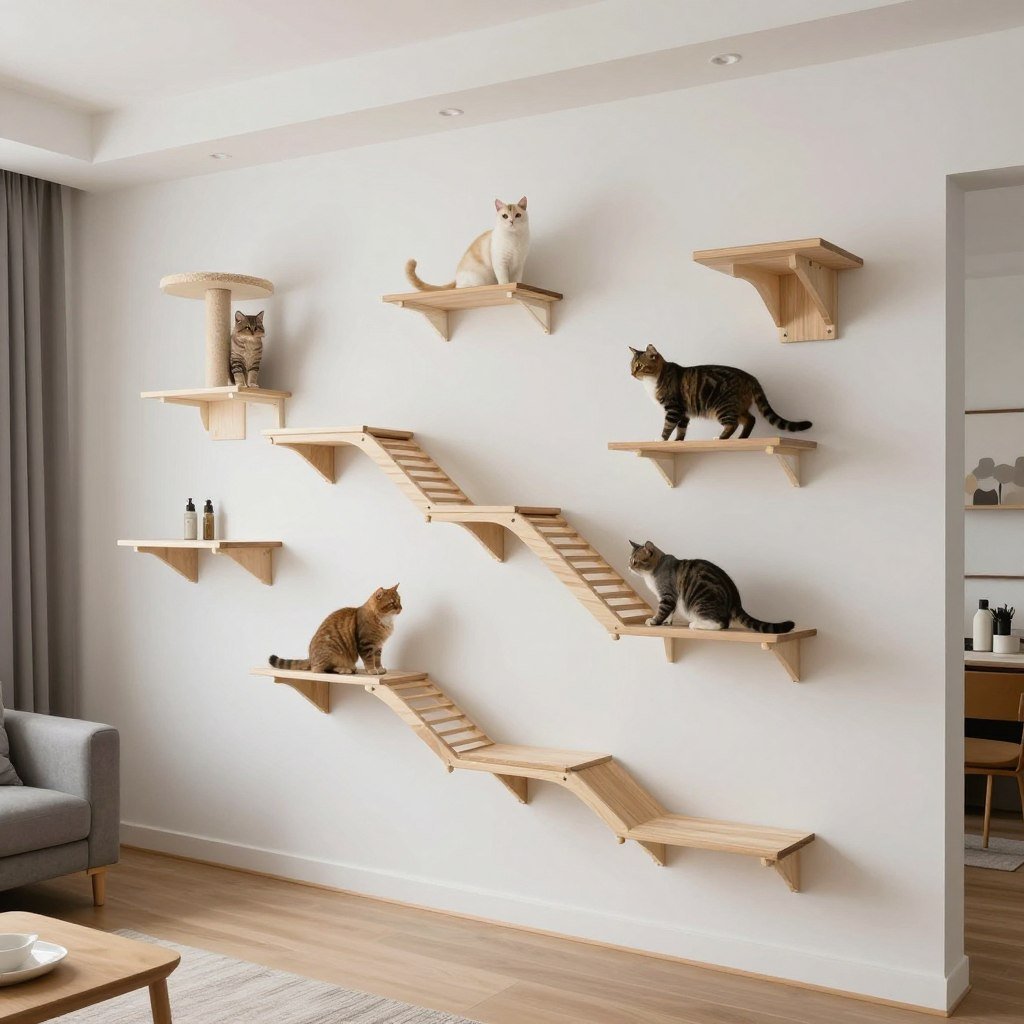
Connected Walkway Network
Create a comprehensive cat highway by combining multiple bridges and platforms. This elaborate system provides endless exploration opportunities and serves as a conversation-starting focal point in your living room.
Wall-Mounted Cat Steps and Stairs
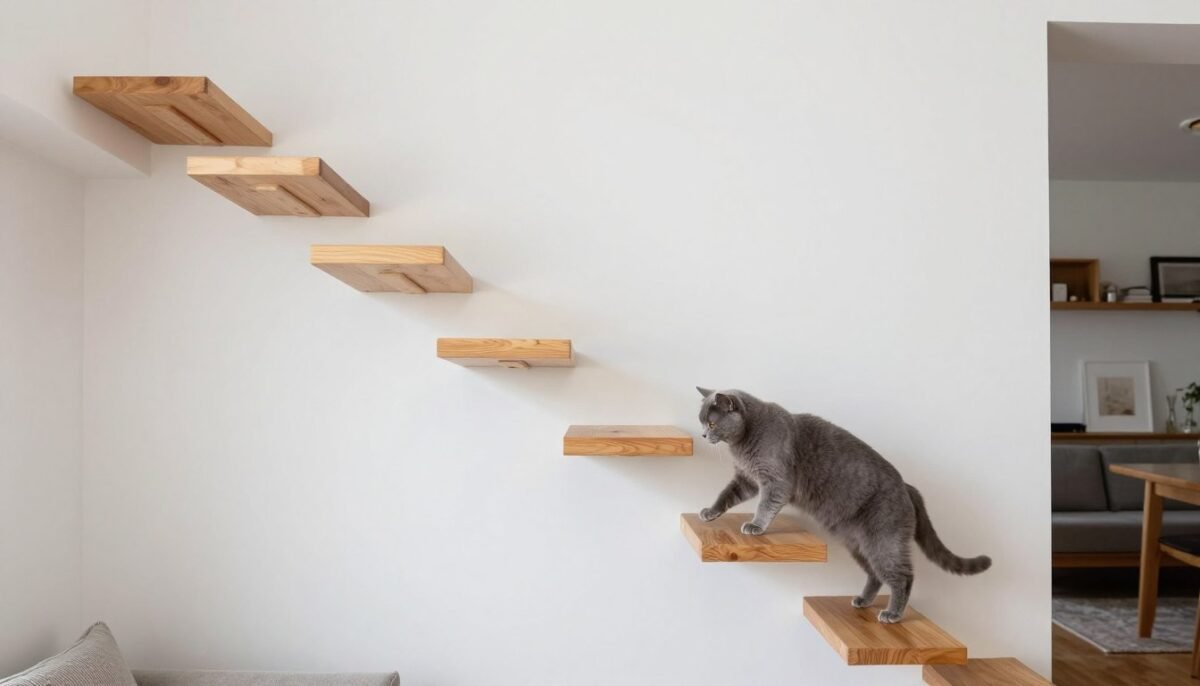
Cat steps provide a staircase-like progression up your wall, perfect for cats who prefer gradual climbs over dramatic jumps. These compact platforms create an attractive ascending pattern while accommodating cats with mobility limitations or senior cats who need easier access to higher perches.
Each step typically measures six to eight inches deep, just enough for a paw placement during climbing. The close spacing between steps, usually eight to ten inches vertically, makes climbing effortless for cats of all ages and athletic abilities. This design particularly benefits households with both young and older cats.
Wall-mounted cat steps integrate seamlessly into modern living room design when arranged thoughtfully. Stagger the steps in a diagonal line across your wall, creating visual movement that guides the eye upward. Many homeowners combine steps with larger landing platforms at the top for resting spots.
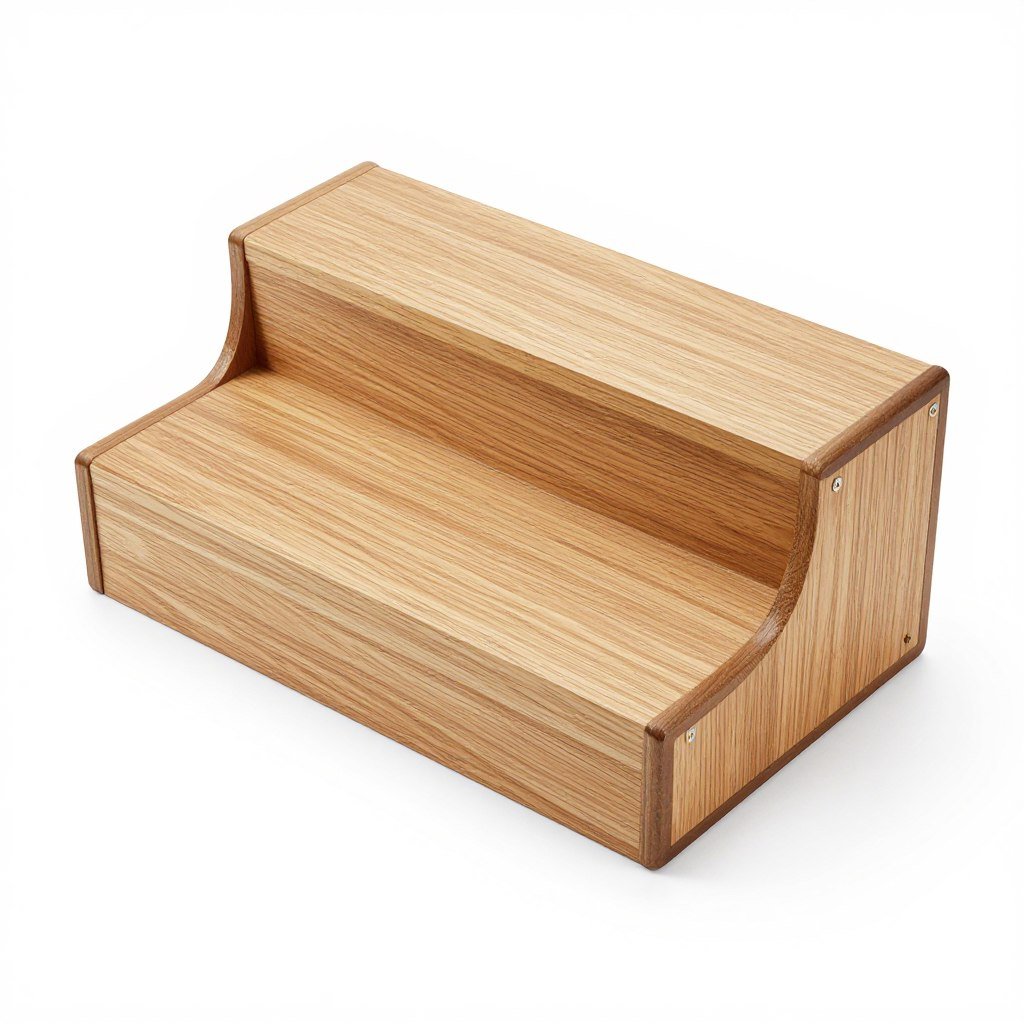
Individual Step Units
Build your custom staircase by purchasing individual step units. This flexible approach allows you to adjust spacing and quantity based on your cat’s needs and wall dimensions.
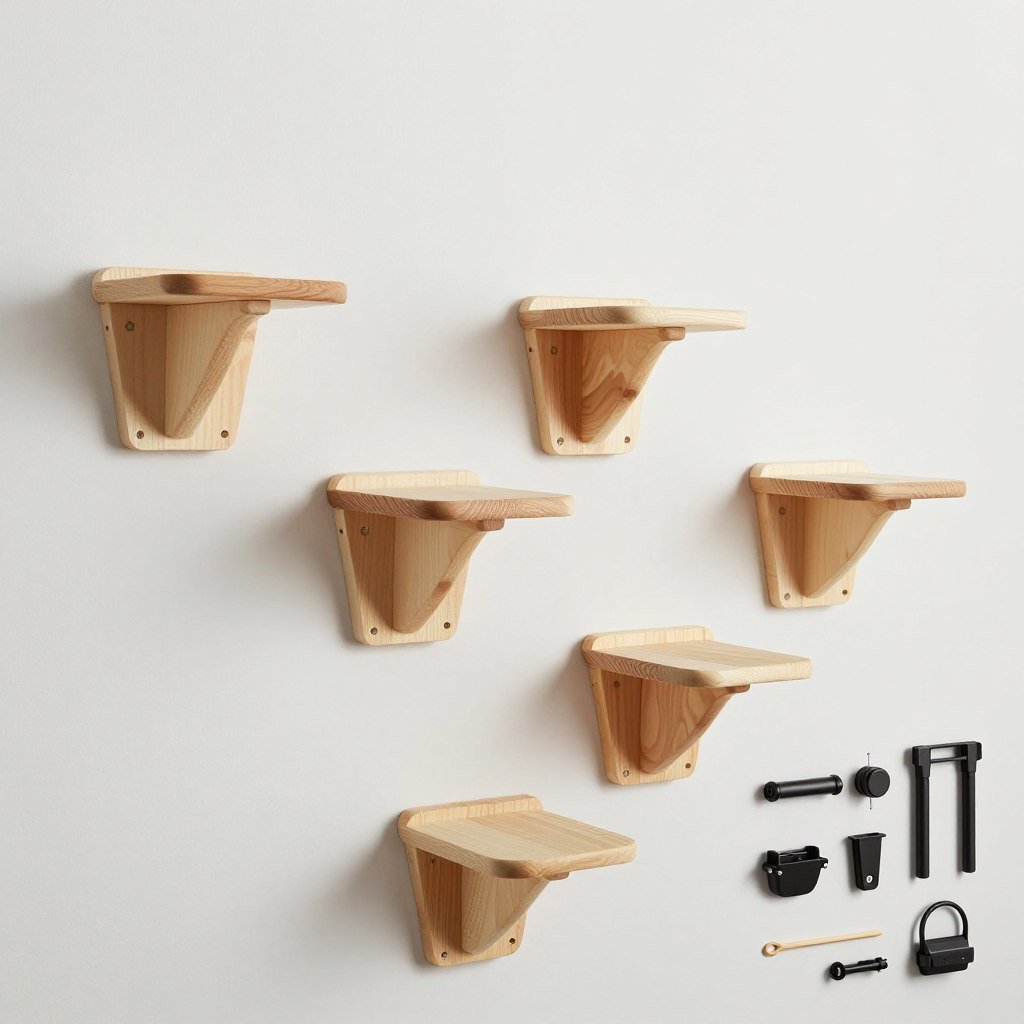
Step Kit Sets
Pre-configured kits include six to eight matching steps with all mounting hardware. These complete sets ensure design consistency and simplify the purchasing process for busy cat owners.
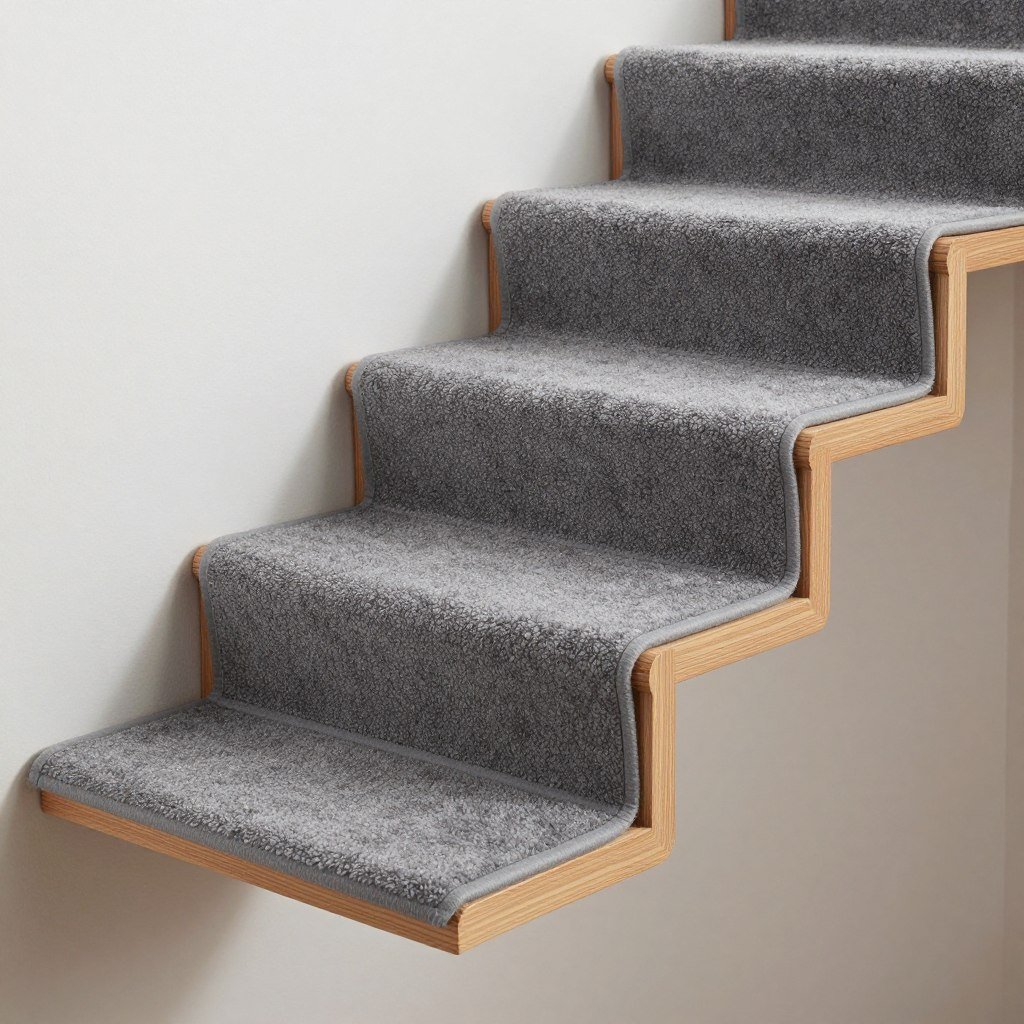
Carpeted Traction Steps
Steps featuring carpet inserts provide extra grip for senior cats or breeds with mobility challenges. The soft surface also creates comfortable rest spots during climbing sessions.
Cat Wall Hammock and Perch Combinations
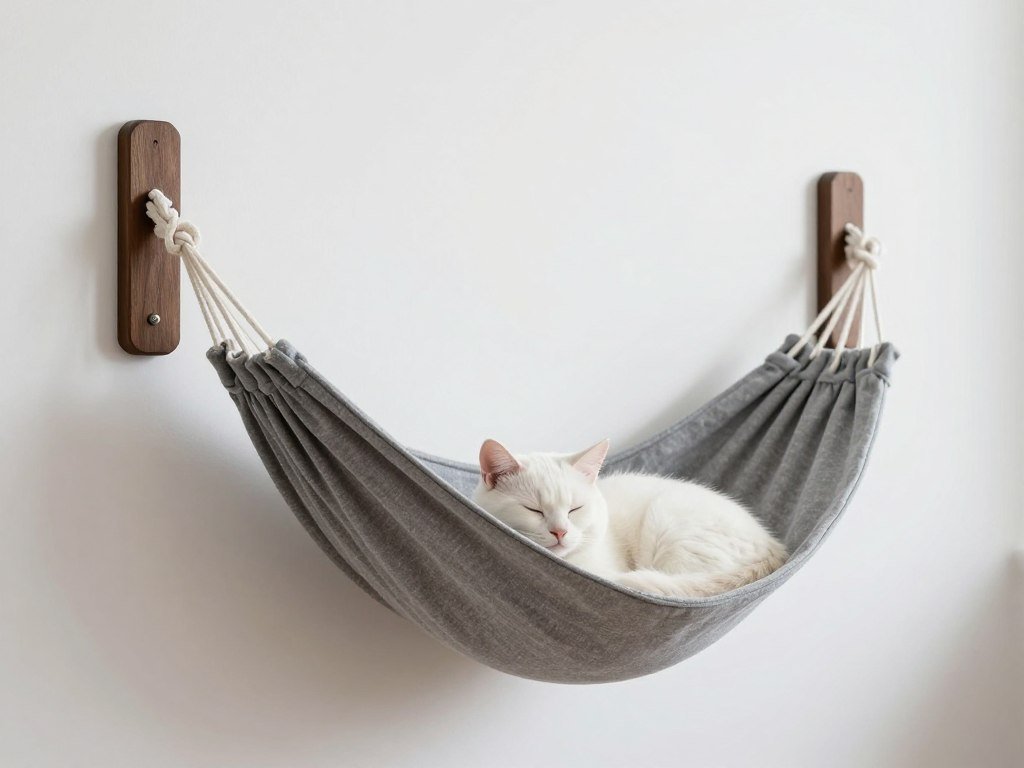
Cat wall hammocks introduce softness and comfort to hard surface climbing systems. These fabric or canvas slings mount to wall brackets, creating cozy lounging spots that cats naturally gravitate toward for napping. The hammock design provides gentle support that conforms to your cat’s body.
Modern cat wall hammocks come in various materials and styles. Canvas options offer durability and easy cleaning, while plush fabrics provide maximum comfort. Some designs feature removable, washable covers that maintain hygiene without requiring complete hammock removal.
Combining solid perches with hammock elements creates variety in your cat wall system. Cats appreciate having both firm and soft resting options at different heights. This combination also adds visual texture to your wall display, breaking up the uniformity of solid wood platforms.
Hammock Design Benefits
Wall-mounted cat hammocks provide orthopedic benefits by supporting your cat’s full body weight evenly. The gentle curve naturally cradles cats in a comfortable position that reduces pressure points. Many senior cats with joint issues prefer hammocks over flat surfaces.
Installation requires sturdy wall brackets capable of supporting up to twenty-five pounds. The fabric component attaches to these brackets via hooks, snaps, or Velcro systems. This modular approach allows easy removal for washing without disturbing the permanent wall mounts.
- Machine washable fabric components
- Available in multiple colors to match décor
- Ergonomic design supports joint health
- Easy fabric replacement extends product life
Deluxe Plush Cat Wall Hammock System
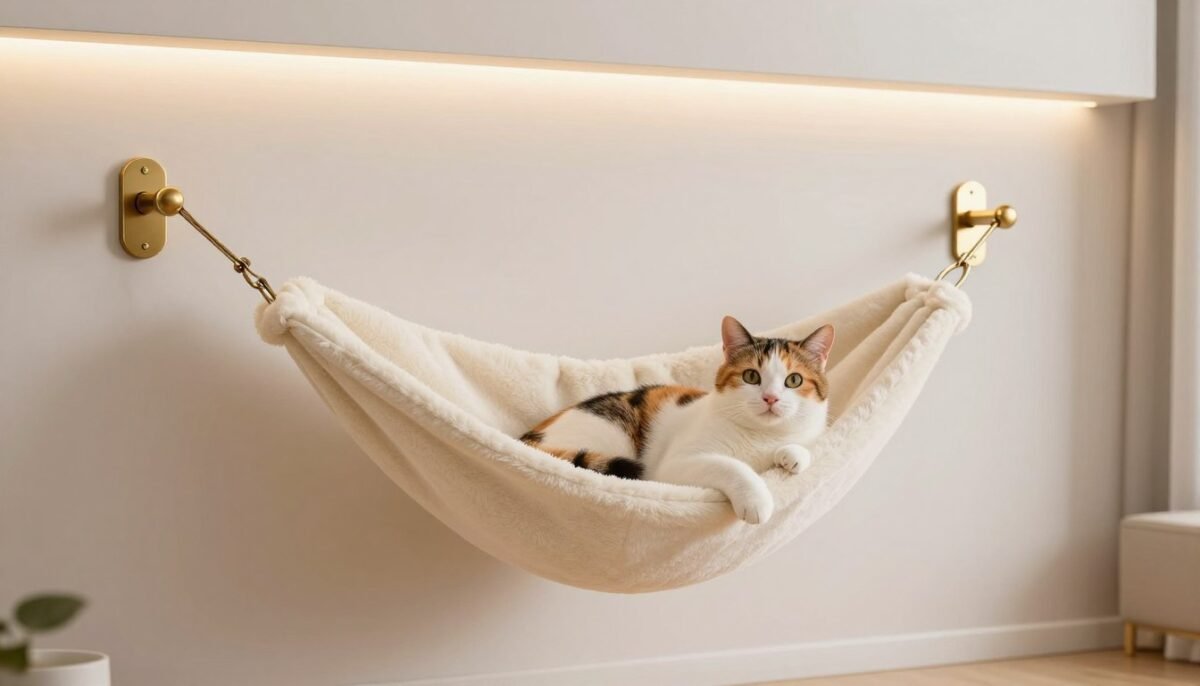
This premium hammock system combines aesthetic appeal with superior comfort. The plush fabric interior features memory foam inserts that provide cloud-like comfort for extended napping sessions. Decorative brackets double as wall art when the hammock is unoccupied.
Advantages
- Luxuriously soft plush material
- Memory foam insert for orthopedic support
- Decorative brackets enhance wall aesthetics
- Removable cover for easy washing
- Weight capacity up to twenty-five pounds
- Available in six designer colors
Considerations
- Higher price point than basic hammocks
- Requires periodic fabric replacement
- Not suitable for cats who scratch excessively
- May show wear faster in multi-cat households
Floating Cube Cat Shelters
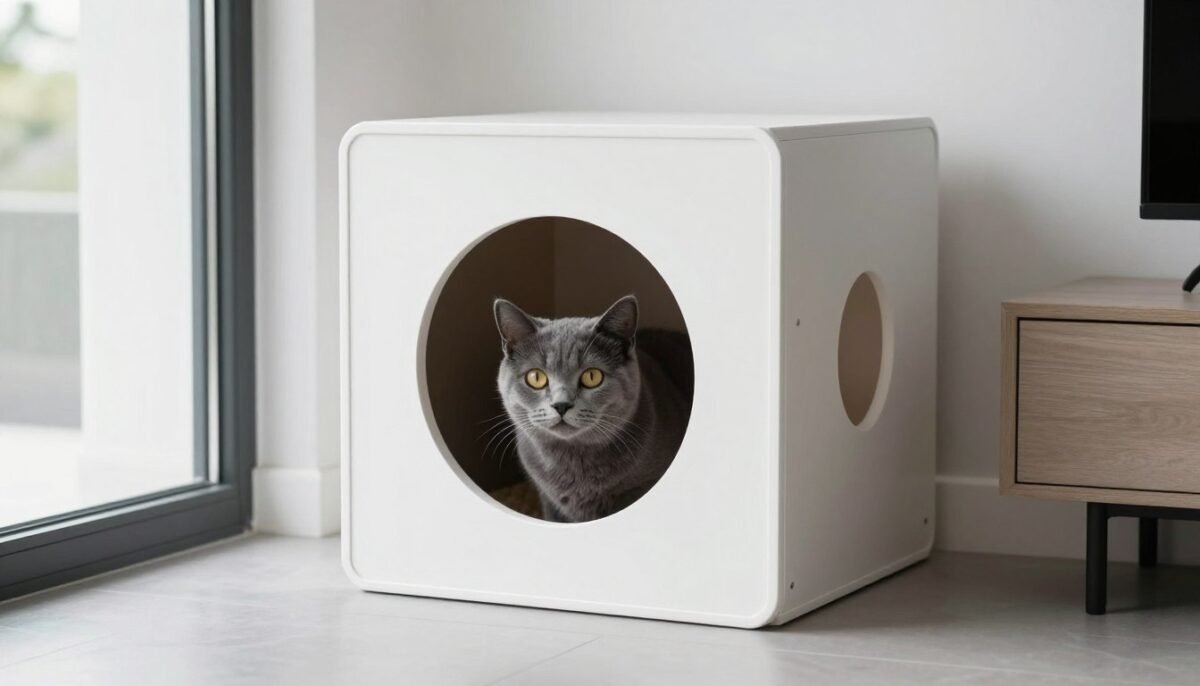
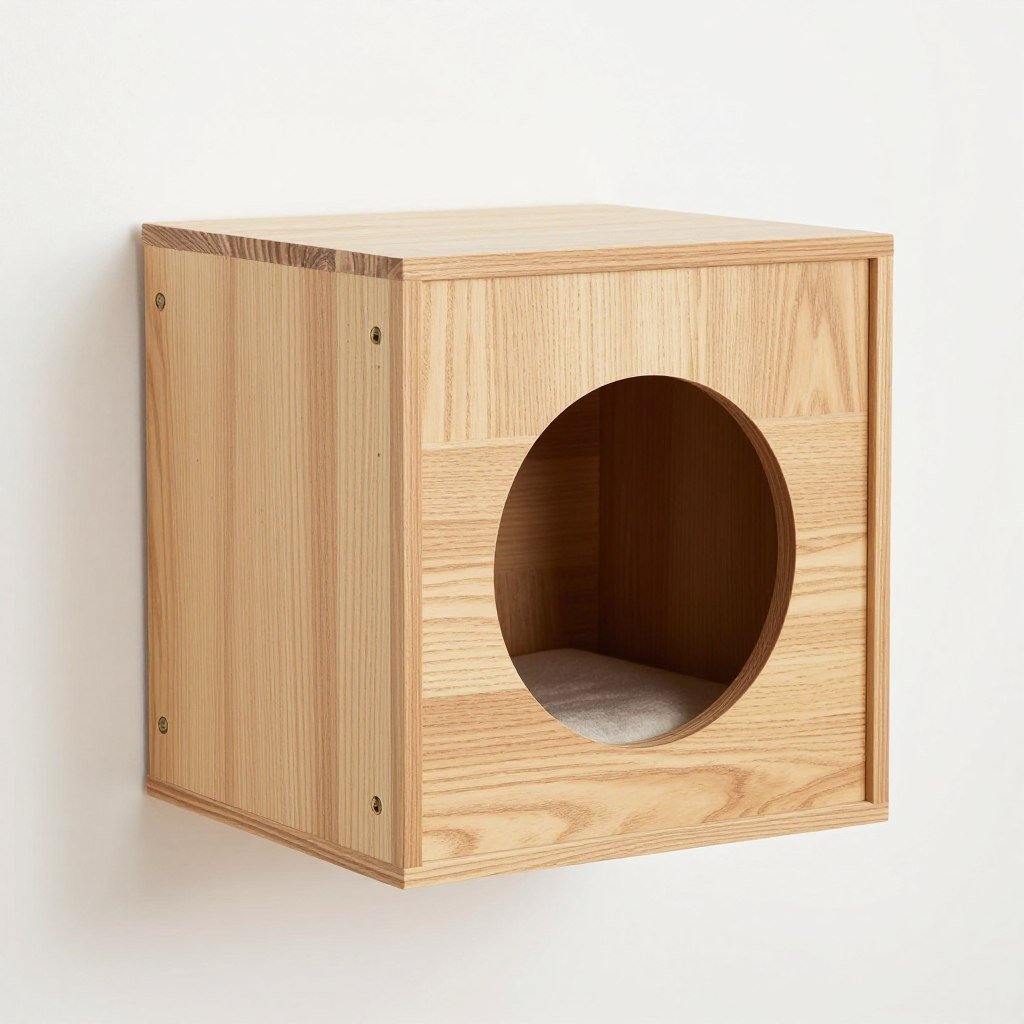
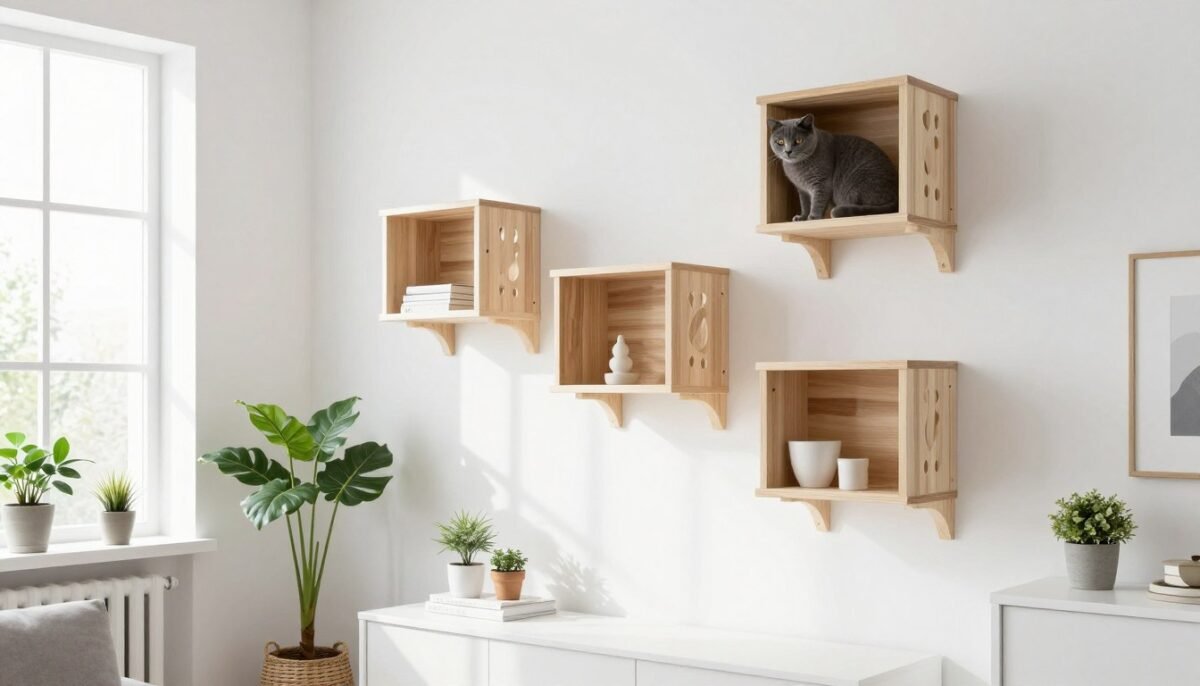
Floating cube shelters provide enclosed spaces that satisfy cats’ instinctual need for secure hiding spots. These box-like structures mount to walls, offering both a perch on top and a cozy cave inside. The dual functionality makes cube shelters particularly valuable in multi-cat households.
Modern cube designs range from simple open-front boxes to more elaborate structures with multiple entrances. Interior dimensions typically measure sixteen to twenty inches on each side, accommodating cats comfortably without overwhelming your wall space. Many cubes feature removable cushions for added comfort and easy cleaning.
The aesthetic appeal of cube shelters lies in their architectural simplicity. Clean geometric lines complement modern furniture and minimalist décor schemes. Available in various wood finishes and painted colors, these cubes integrate seamlessly into existing color palettes while providing essential cat furniture functionality.
Classic Single-Entry Cube
The traditional cube design features one entrance and offers maximum privacy. Perfect for shy cats or those who need a quiet retreat from household activity.
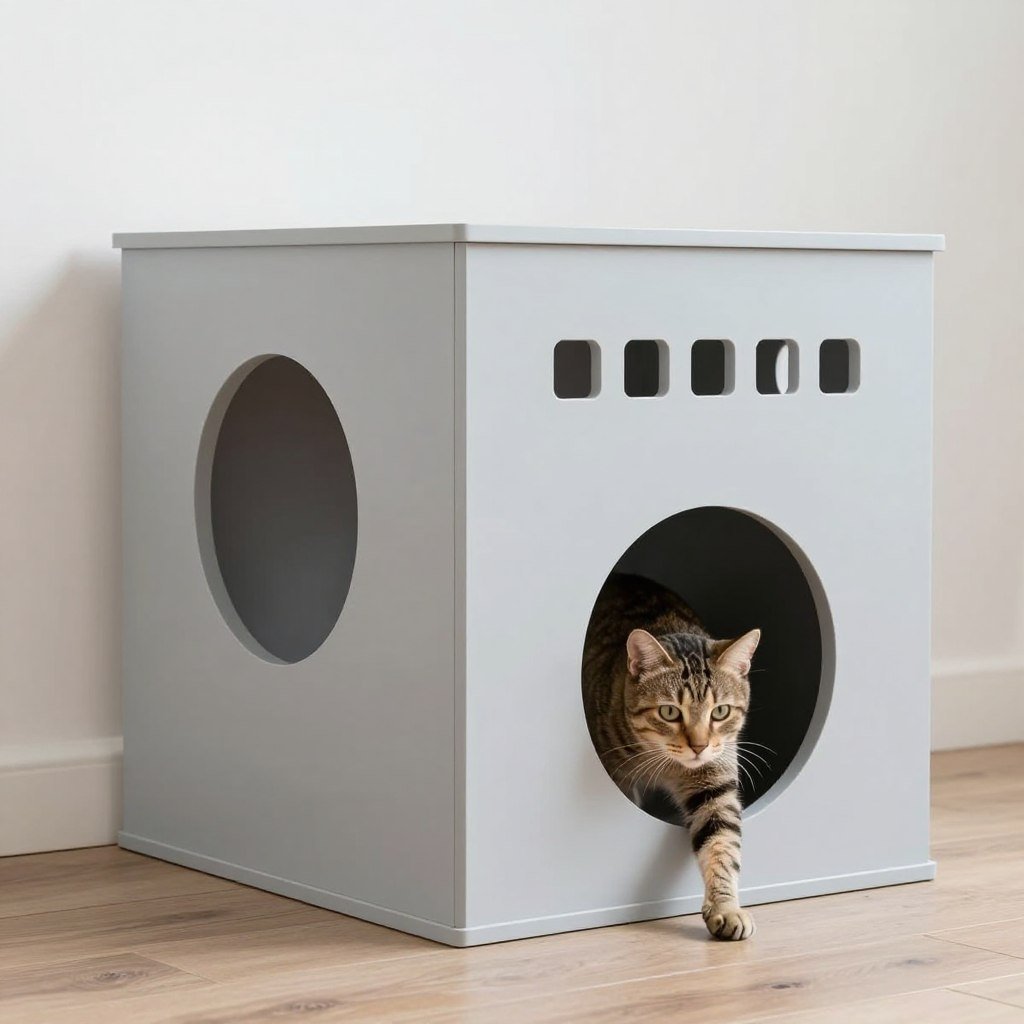
Multi-Entry Adventure Cube
Multiple openings create escape routes and viewing windows. This design reduces territorial stress in multi-cat homes by preventing one cat from blocking another inside.
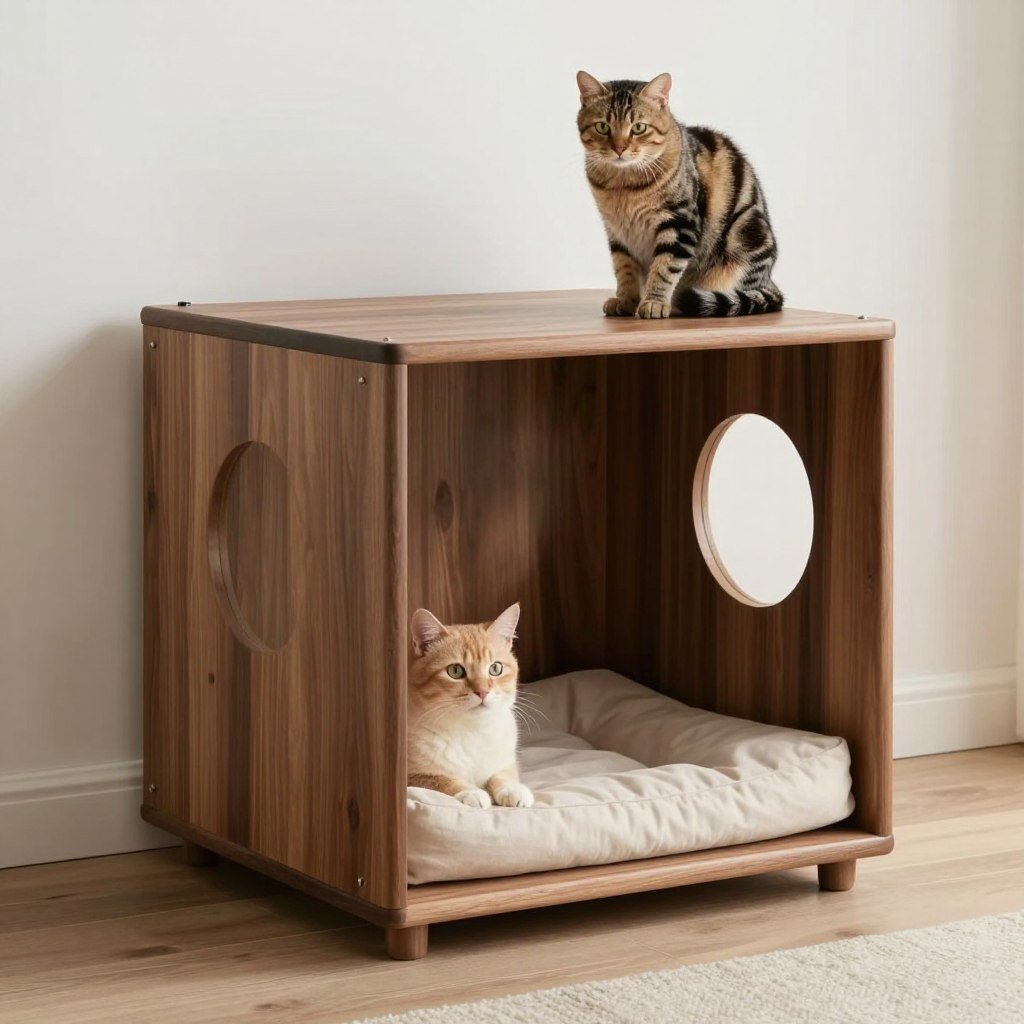
Deluxe Perch-Top Cube
The reinforced flat top serves as an additional lounging platform, effectively providing two cat rest areas in one unit. Maximum space efficiency for smaller living rooms.
Cube Shelter Styling Tips
Position cube shelters at varying heights to create visual interest. Install one cube at eye level for easy access, particularly for older cats or kittens. Place additional cubes higher up for adventurous climbers who enjoy surveying the room from elevated positions.
Combine cubes with open shelves and steps to build a comprehensive cat wall system. The enclosed cubes provide rest and security, while open platforms offer sunbathing spots and observation decks. This variety keeps cats engaged and provides options for different moods and activities throughout the day.
Industrial Pipe and Wood Cat Shelves
Industrial-style cat wall shelves combine metal pipes with reclaimed or distressed wood planks. This aesthetic perfectly complements loft apartments, urban interiors, and industrial-modern design schemes. The rugged materials provide exceptional durability while making a bold design statement.
Black iron pipes serve as both structural support and visual elements in these designs. The pipes create a cage-like framework around wooden platforms, adding safety rails that prevent cats from rolling off during sleep. This practical feature integrates seamlessly into the industrial aesthetic.
Wood choices for industrial cat shelves typically include reclaimed barn wood, distressed pine, or rough-sawn hardwoods. The weathered appearance and natural imperfections in these materials enhance the industrial vibe. Each shelf becomes a unique piece due to natural wood variations.
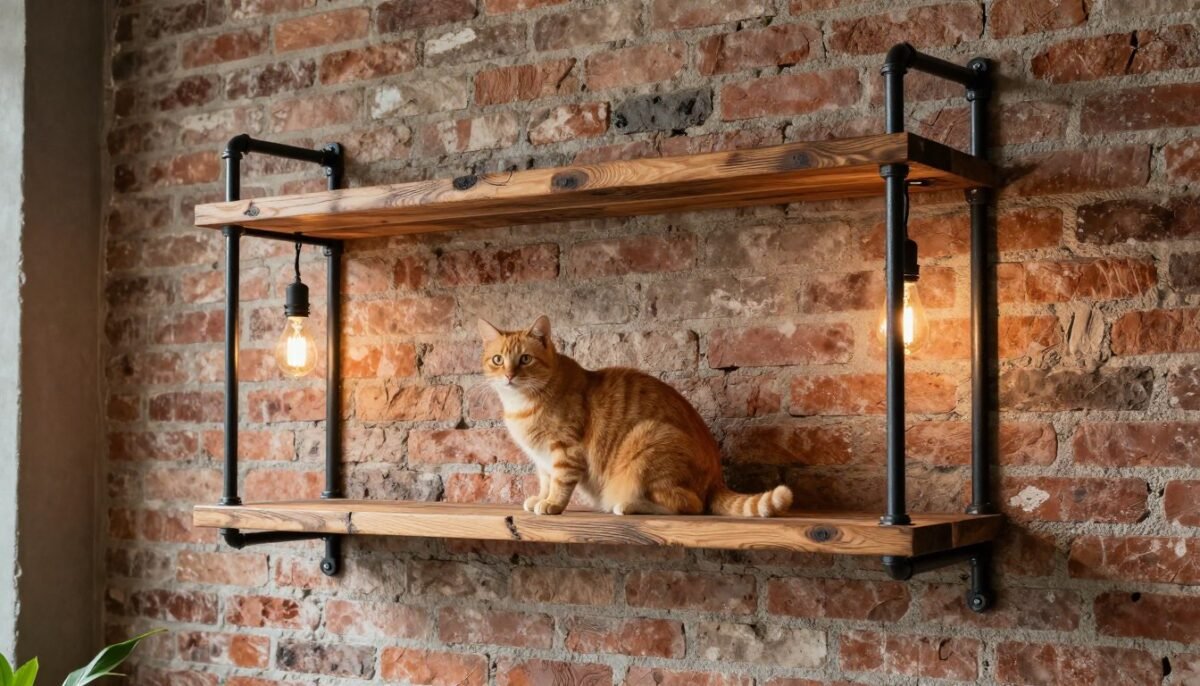
Urban Loft Cat Climbing System
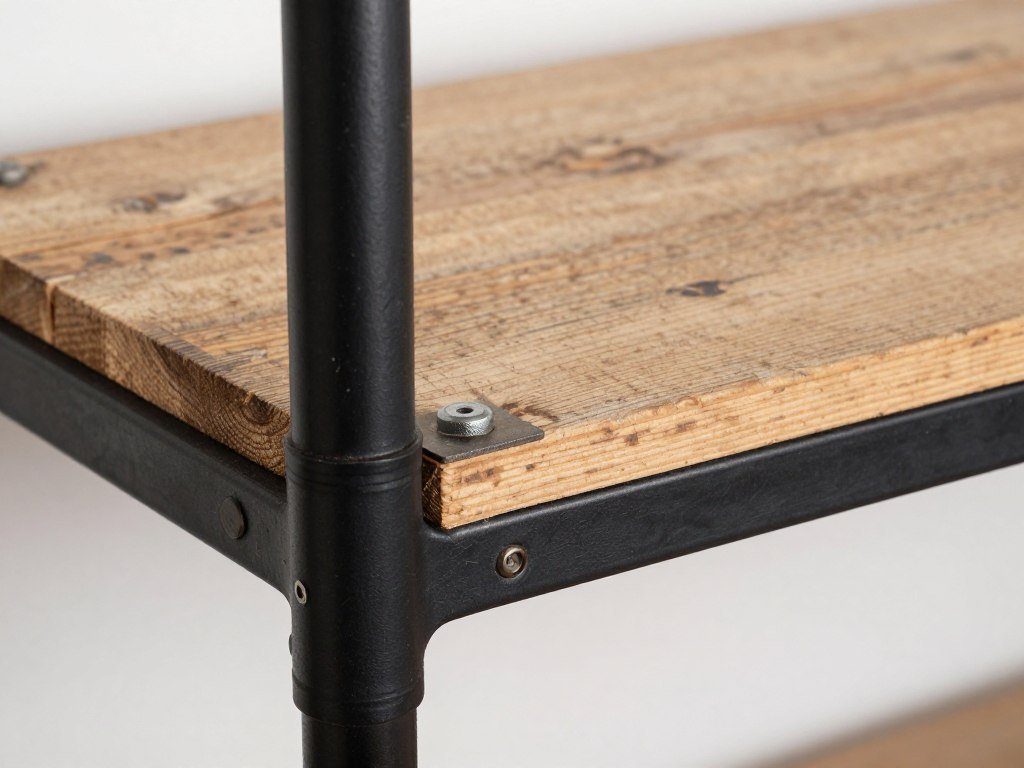
This complete climbing system features three tiers of reclaimed wood platforms supported by powder-coated steel pipe framework. The open design allows cats to climb freely while the pipe rails provide safety without obstructing the industrial aesthetic. Perfect for loft-style living spaces or rooms with exposed brick and concrete.
System Specifications
| Component | Material | Dimensions | Weight Capacity |
| Wood Platforms | Reclaimed Pine | 24″ x 12″ x 1.5″ | 40 lbs |
| Pipe Framework | Black Iron Pipe | 1″ diameter | Support structure |
| Wall Mounts | Cast Iron Flanges | 3.5″ diameter | 50 lbs each |
| Complete System | Mixed Materials | 48″ H x 36″ W | 120 lbs total |
- Handcrafted from authentic reclaimed materials
- Powder-coated pipes resist rust and scratches
- Modular design allows custom configurations
- Professional installation recommended for safety
- Complements exposed brick and concrete walls
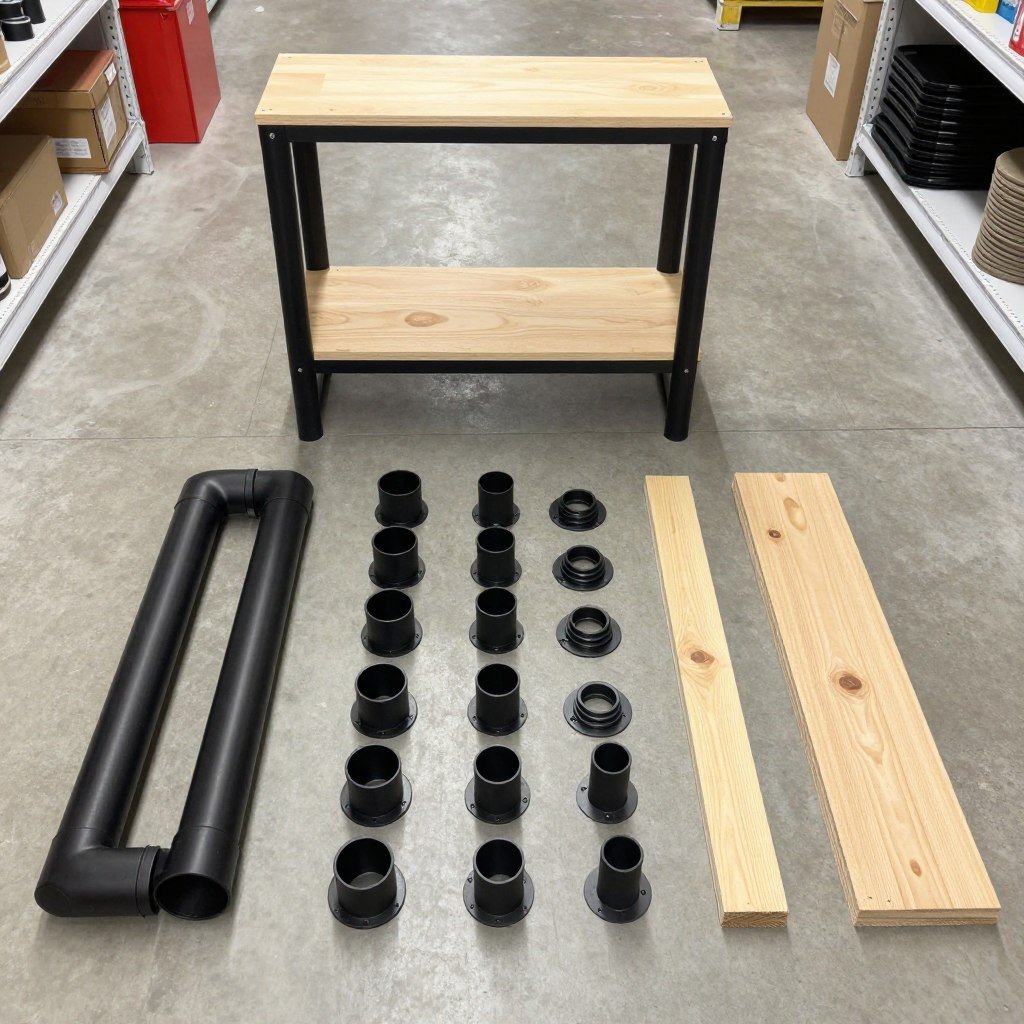
DIY Pipe Shelf Kit
Build your own industrial cat shelves with this complete hardware kit. Includes pre-cut pipes, fittings, mounting flanges, and detailed instructions. Add your own wood planks for a personalized touch.
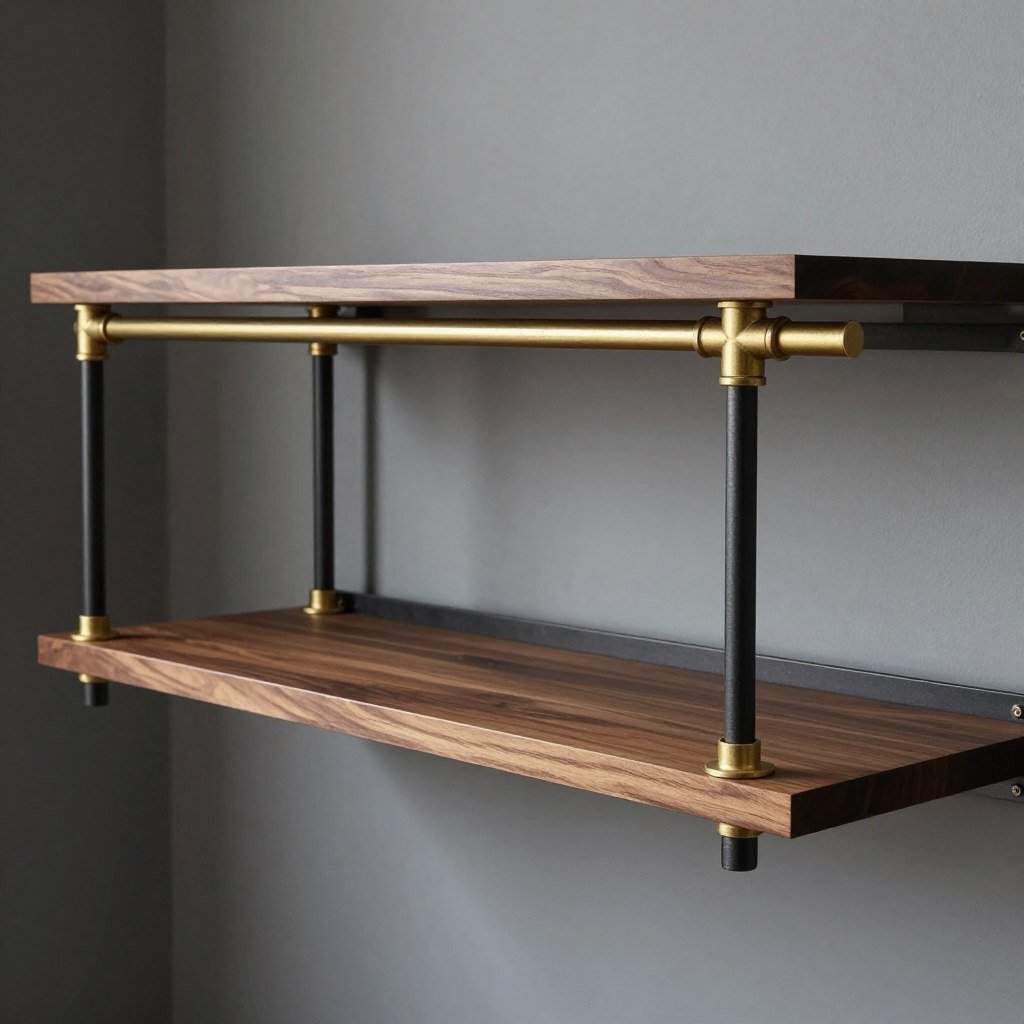
Premium Brass Accent System
Elevate the industrial look with brass pipe components and premium hardwood platforms. This luxe interpretation maintains industrial character while adding warmth and sophistication suitable for upscale interiors.
Scandinavian-Style Cat Wall Shelves
Scandinavian design principles bring simplicity, functionality, and natural materials to cat wall furniture. These shelves feature light wood tones, clean lines, and minimal ornamentation. The aesthetic perfectly suits modern living rooms seeking calm, uncluttered spaces.
Birch and pine dominate Scandinavian cat shelf construction. These light-colored woods brighten rooms and create an airy feel. Many designs incorporate white-painted elements that enhance the characteristic Nordic brightness. The natural wood grain remains visible even under light stains or clear finishes.
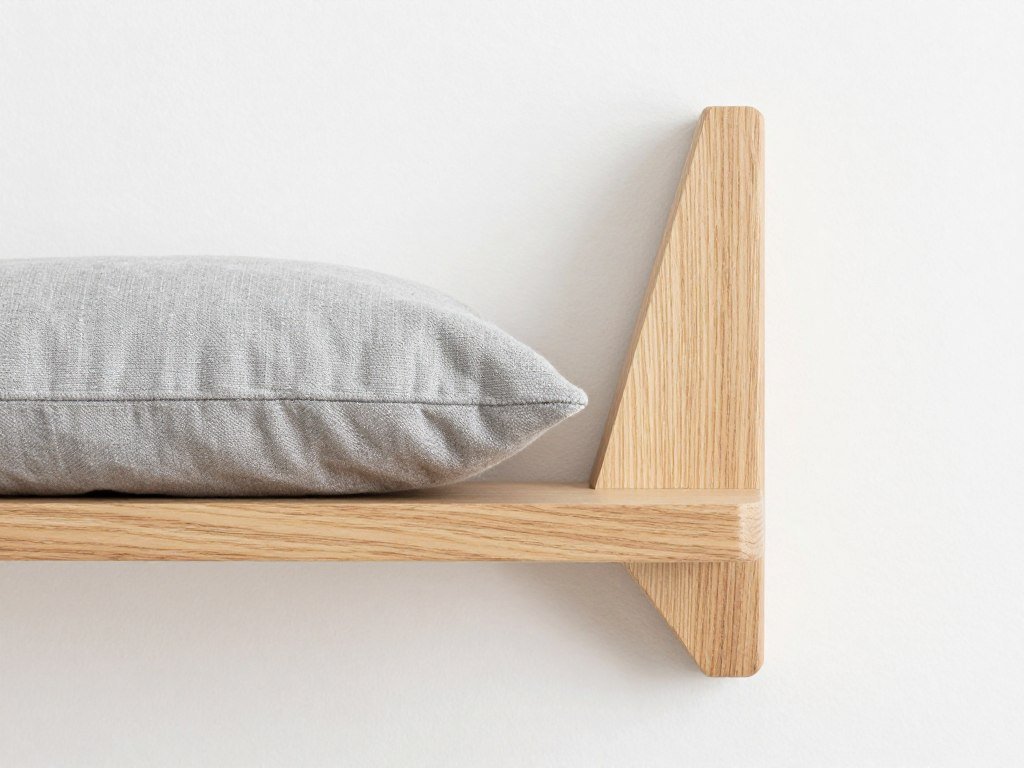
Scandinavian cat wall systems often combine open shelving with subtle geometric elements. Triangular support brackets, circular mounting plates, and curved shelf edges add visual interest without overwhelming the minimalist foundation. Every element serves a purpose while maintaining aesthetic harmony.
Nordic Design Elements
Scandinavian cat furniture embraces the hygge concept of cozy comfort. Soft cushions in neutral colors transform wooden platforms into inviting rest spots. Natural wool or linen fabrics maintain the organic material palette while adding textural warmth.
The color scheme remains deliberately restrained. White, gray, and natural wood tones form the foundation. Occasional accent colors appear in soft pastels like dusty blue or sage green. This subdued palette promotes visual calm while allowing the cat wall system to blend seamlessly with existing décor.
- Light wood species for brightness
- Minimal hardware with concealed mounting
- Natural fiber cushions and textiles
- Geometric shapes for subtle visual interest
- White or natural finishes predominate
Material Quality
Scandinavian furniture makers prioritize sustainable forestry and eco-friendly finishes. Look for FSC-certified wood and water-based stains or oils. These environmentally conscious choices align with Nordic values while ensuring safe materials for your cats.
Complete Nordic Cat Wall Collection
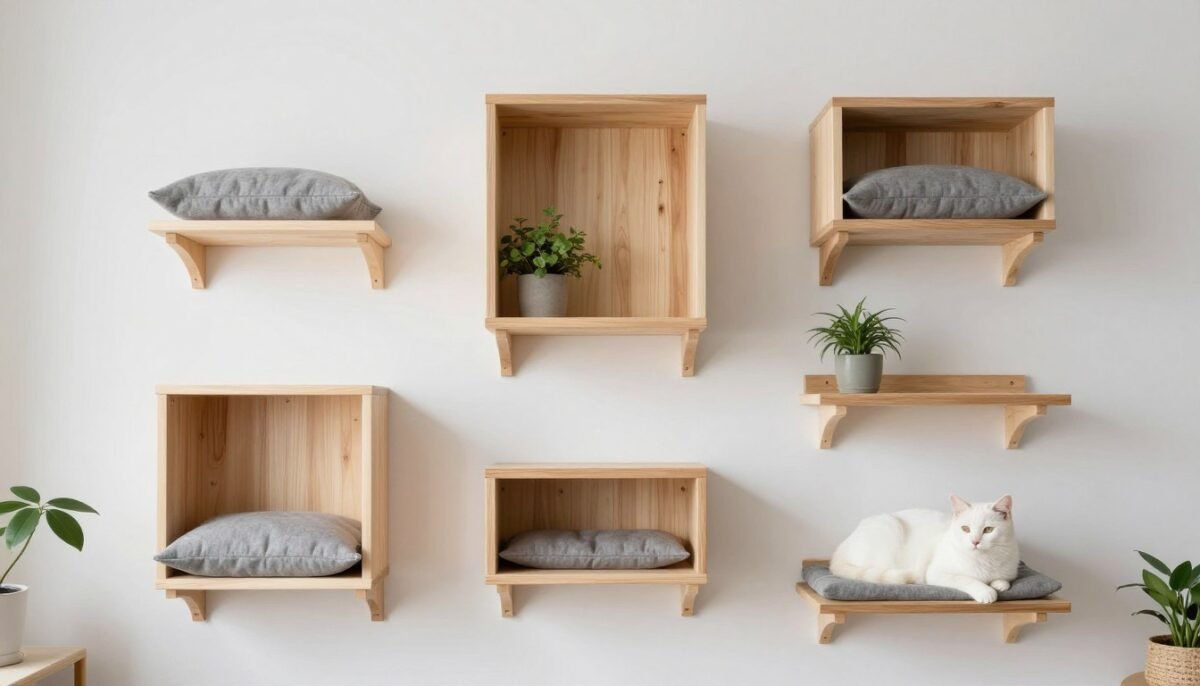
This curated collection includes everything needed for a complete Scandinavian cat wall installation. Six precision-crafted birch shelves in three sizes create visual rhythm when arranged according to the included design guide. Removable wool-blend cushions add comfort while maintaining the Nordic color palette.
Ultra-Modern Acrylic Cat Wall Shelves
Acrylic cat wall shelves represent the pinnacle of contemporary design. These transparent or translucent platforms create a floating effect that appears to defy gravity. The modern material choice suits minimalist interiors and ultra-contemporary living spaces seeking innovative furniture solutions.
Clear acrylic allows you to see through shelves, maintaining visual openness in smaller rooms. This transparency prevents the heavy look that traditional solid shelves can create. Cats appear to float in mid-air when perched on these invisible platforms, creating amusing photo opportunities and conversation pieces.
Strength concerns often arise with acrylic furniture, but quality cat shelves use thick, reinforced material. Most acrylic cat platforms are constructed from half-inch to three-quarter-inch thick acrylic sheets. This substantial thickness supports cat weight safely while maintaining the sleek, modern appearance.
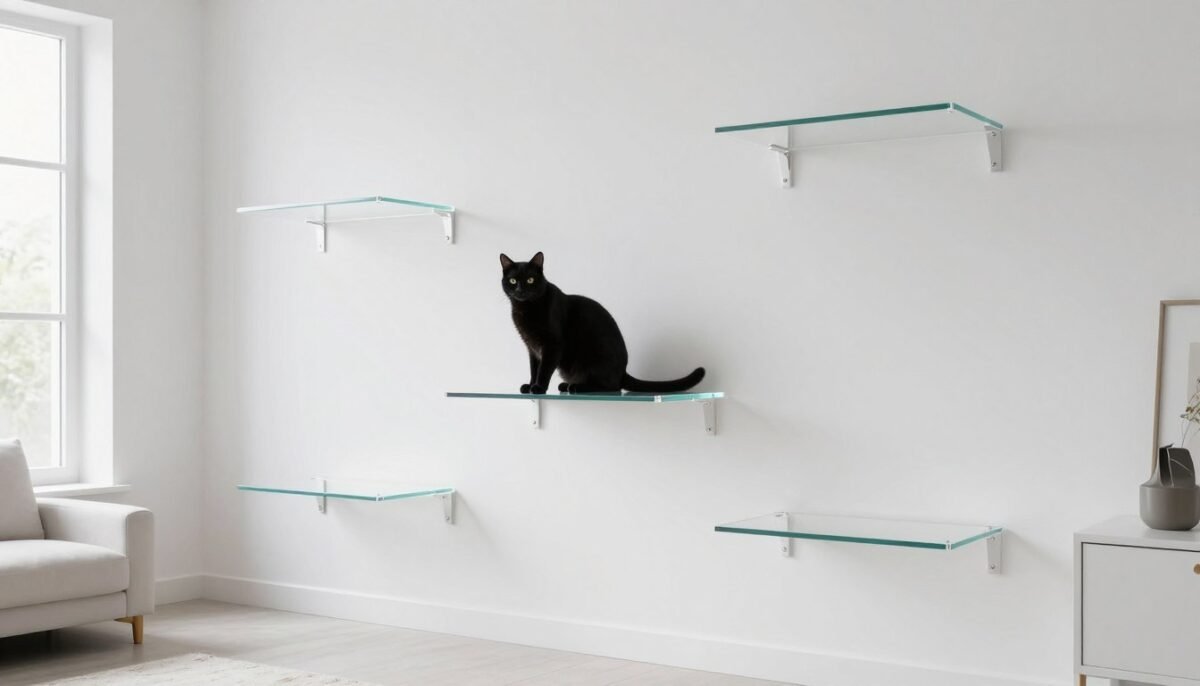
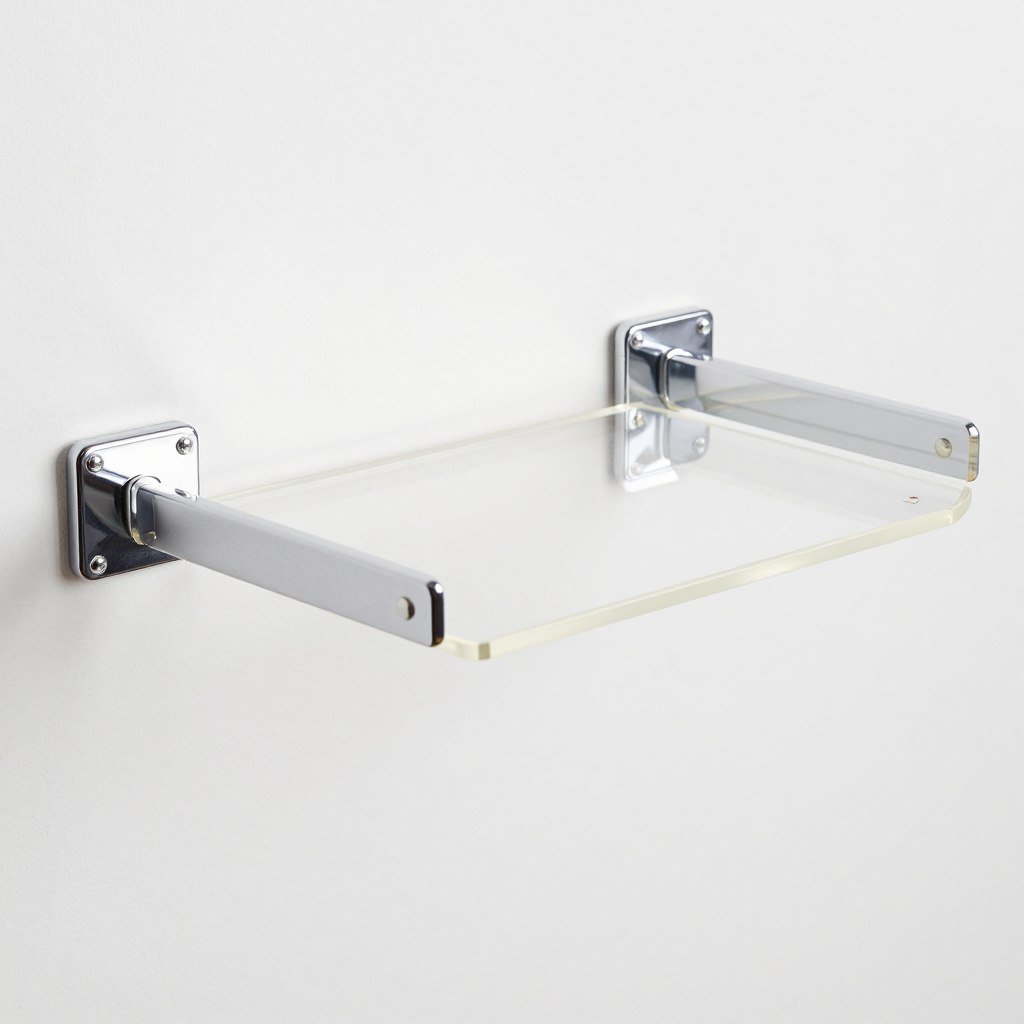
Classic Clear Platform
The simplest acrylic design offers maximum transparency. These platforms measure eighteen inches square and support up to twenty-five pounds. Perfect for creating the floating cat effect.
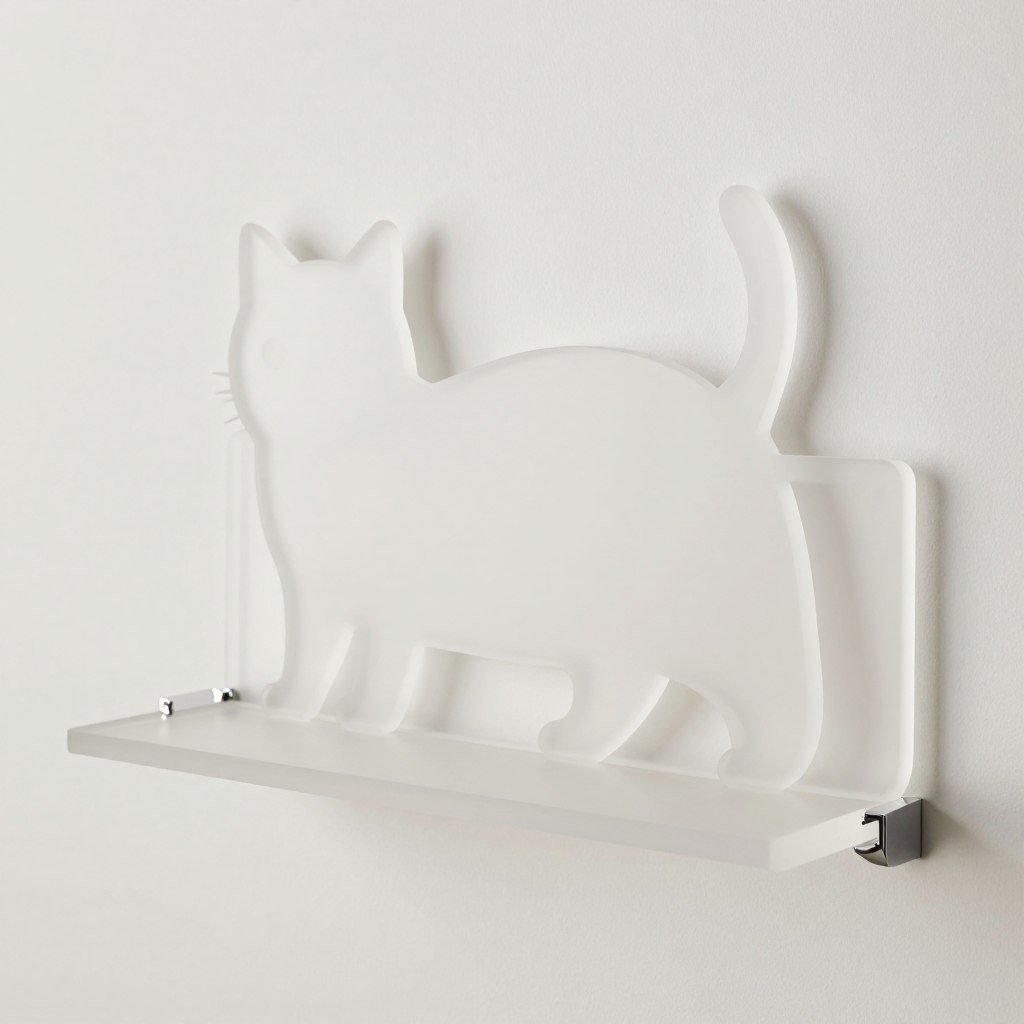
Frosted Acrylic Variant
Frosted acrylic provides privacy while maintaining lightness. The translucent finish diffuses light beautifully and hides scratches better than clear versions. Ideal for bathrooms or bedrooms.
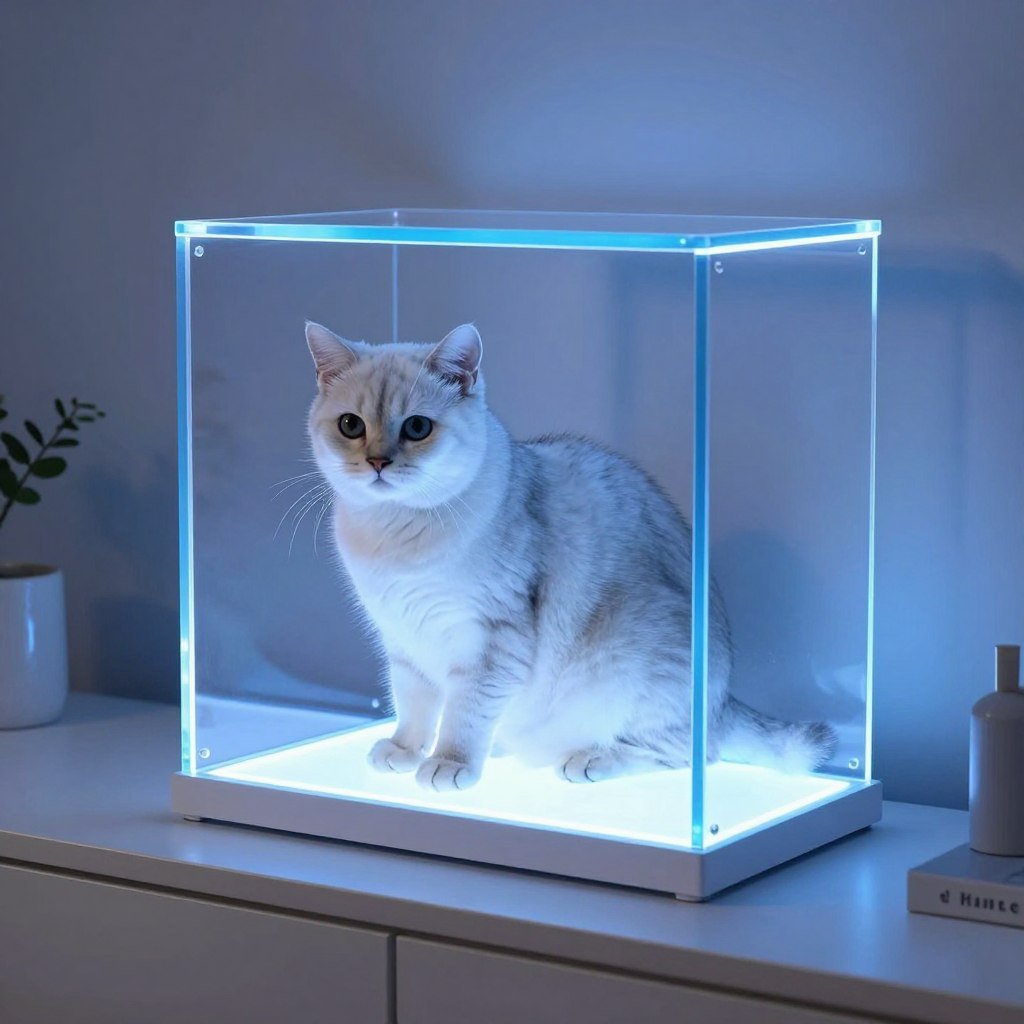
LED-Illuminated Platform
Built-in LED strips edge-light the acrylic, creating a stunning glow effect. This high-tech option doubles as ambient lighting while showcasing your cat in dramatic fashion.
Acrylic Care and Maintenance
Clean acrylic shelves with microfiber cloths and gentle plastic cleaners. Avoid abrasive materials that scratch surfaces. Remove cats temporarily during cleaning to prevent slipping on wet acrylic. Apply anti-static spray to reduce dust accumulation on clear surfaces.
Acrylic cat wall shelves work exceptionally well when combined with other materials. Pair clear acrylic platforms with wooden steps to create visual variety. The mix of transparent and solid elements adds depth while maintaining modern sensibilities. This material mixing prevents the sterile look that all-acrylic systems can sometimes project.
Live Edge Natural Wood Cat Shelves
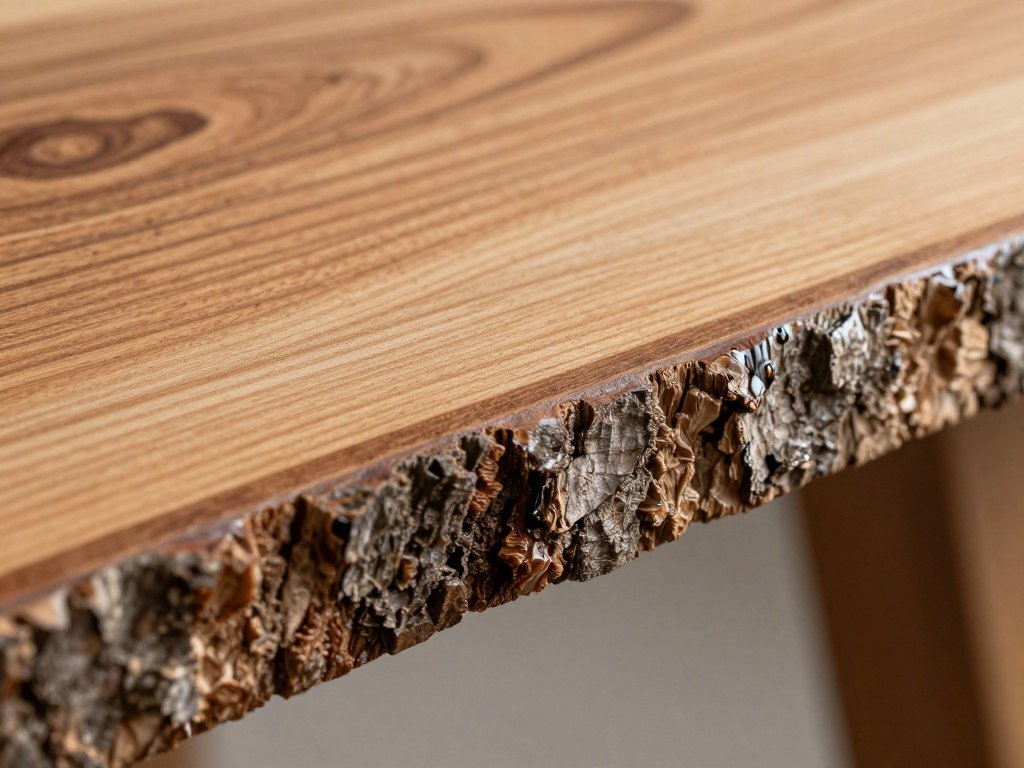
Live edge cat shelves bring organic, natural beauty to modern living rooms. These platforms preserve the tree’s natural edge, complete with bark and irregular contours. Each piece becomes a unique work of functional art that celebrates natural imperfection.
The live edge aesthetic pairs surprisingly well with modern interiors. The contrast between rough natural edges and smooth walls creates visual interest and textural depth. This juxtaposition of refined and rustic elements defines contemporary organic design trends.
Wood species selection dramatically affects the final appearance. Walnut provides rich dark tones with dramatic grain patterns. Maple offers lighter coloring with subtle figure. Cherry develops a warm patina over time. Oak presents strong grain contrast and exceptional durability for active cats.
Artisan Live Edge Climbing System
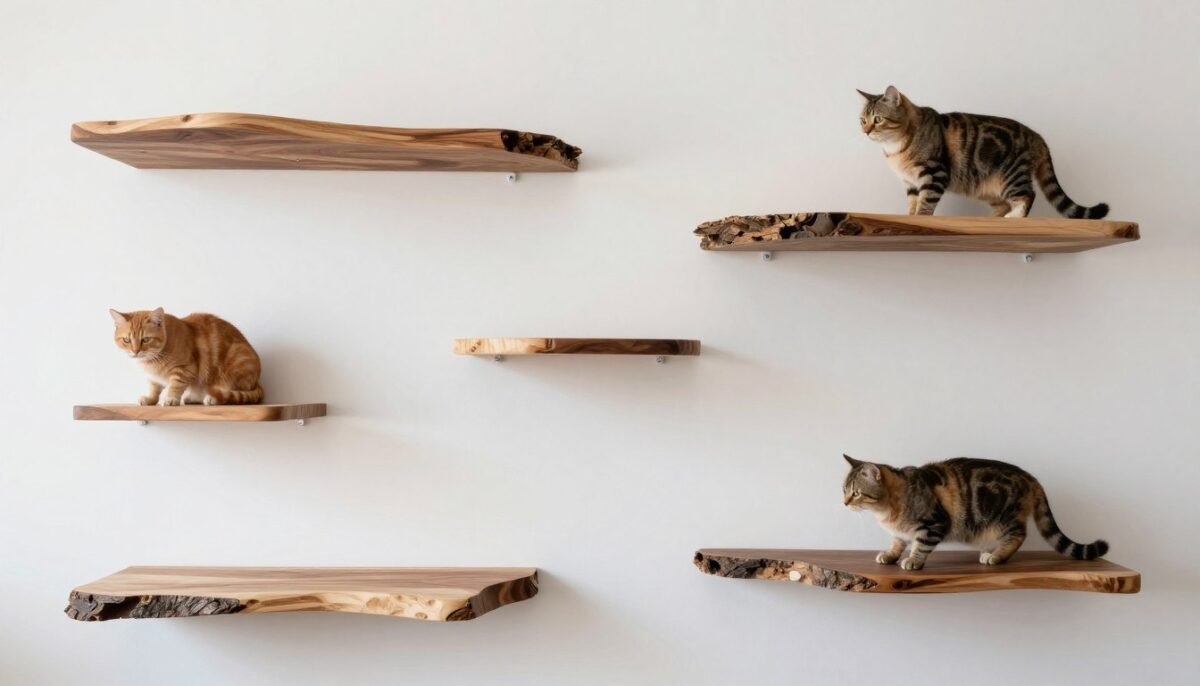
This custom system features hand-selected live edge slabs arranged to create a natural climbing progression. Each platform measures between twenty and thirty inches in length, with widths varying based on the tree’s natural shape. The organic arrangement mimics tree branches, satisfying cats’ instinctual climbing behaviors.
Craftsmanship Details
- Each piece individually selected for grain and edge quality
- Food-safe natural oil finish protects wood without harmful chemicals
- Bark edges sealed and reinforced to prevent shedding
- Custom steel brackets powder-coated to match wood tones
- Supports up to thirty-five pounds per shelf safely
- Includes installation template for precise positioning
Sustainability Note: All live edge wood comes from sustainably managed forests or reclaimed urban trees. Many artisans source wood from trees removed during development or storm damage, giving fallen timber new purpose as beautiful cat furniture.
Maintaining Live Edge Beauty
Live edge wood requires periodic maintenance to preserve its natural beauty. Reapply natural oil finishes every six to twelve months depending on use. This conditioning prevents drying and cracking while enhancing the wood’s natural color depth.
Monitor bark edges for any loosening over time. Some shedding is natural as the wood acclimates to indoor humidity levels. Gently remove any loose bark pieces and apply additional sealant to exposed areas. This preventive care ensures long-term durability.
Cat Wall Shelf Styles Compared
Choosing between different cat wall shelf styles requires understanding how each option performs across key criteria. The following comparison helps identify which designs best match your specific needs, budget, and aesthetic preferences.
| Shelf Style | Price Range | Installation Difficulty | Best For | Durability |
| Floating Minimalist | $ – $$ | Easy | Modern minimalist spaces | High |
| Geometric Hexagonal | $$ – $$$ | Moderate | Contemporary design lovers | High |
| Corner Systems | $$$ – $$$$ | Difficult | Maximizing vertical space | Very High |
| Bridge Walkways | $$ – $$$ | Moderate | Active, playful cats | Moderate |
| Wall Steps | $ – $$ | Easy | Senior cats, gradual climbs | High |
| Cube Shelters | $$ – $$$ | Moderate | Privacy-seeking cats | Very High |
| Industrial Pipe | $$$ – $$$$ | Difficult | Industrial/urban lofts | Exceptional |
| Scandinavian | $$ – $$$ | Easy-Moderate | Light, airy Nordic spaces | High |
| Acrylic Modern | $$$ – $$$$ | Moderate | Ultra-modern aesthetics | Moderate-High |
| Live Edge Wood | $$$$ – $$$$$ | Moderate-Difficult | Organic modern designs | Very High |
Price ranges reflect typical costs for quality products. Budget-friendly options ($) start around fifty dollars per shelf. Mid-range choices ($$-$$$) range from one hundred to three hundred dollars. Premium systems ($$$$-$$$$$) can exceed five hundred dollars for complete installations.
Wall-Mounted Cat Tree Alternative Systems
Wall-mounted cat tree alternatives offer all the climbing benefits of traditional floor models without consuming floor space. These systems attach directly to walls, creating vertical territories that cats naturally prefer. The wall tree concept revolutionizes how we think about cat furniture in modern homes.
Unlike bulky floor-standing cat trees, wall-mounted versions maintain clean sight lines across your living room. The vertical orientation draws the eye upward, making ceilings appear higher and rooms feel more spacious. This optical effect particularly benefits smaller living areas where every design choice impacts perceived space.
Complete wall tree systems typically include multiple components: platforms at various heights, scratching posts mounted horizontally or vertically, hiding boxes, and ramps or steps. When thoughtfully arranged, these elements create a comprehensive cat activity center that rivals traditional cat trees in functionality while surpassing them in aesthetic appeal.
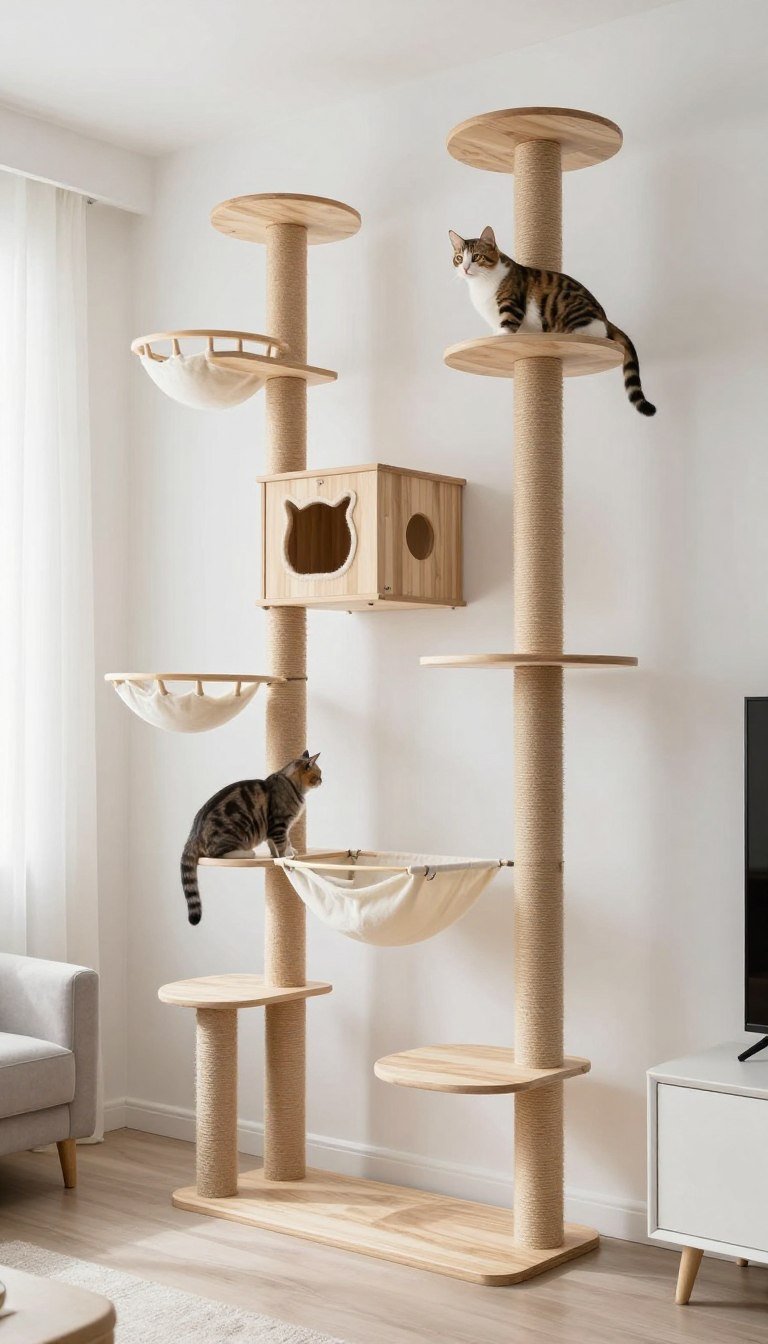
Complete Wall Cat Tree System
This all-inclusive system transforms an entire wall into a cat paradise. The modular design includes twelve components that install independently, allowing customization based on your wall dimensions and cat preferences. Each piece connects visually to create a cohesive climbing structure.
Lower Level Components
Foundation elements installed within three feet of the floor provide entry points and beginner climbing zones.
- Two carpeted base platforms for easy access
- One sisal-wrapped scratching post
- One enclosed cube shelter for hiding
- Comfortable ramp connecting to mid-level
Mid-Level Features
Central zones positioned four to six feet high serve as activity hubs and rest areas.
- Three floating platforms at staggered heights
- One fabric hammock for lounging
- Horizontal scratching board
- Small perch with carpeted surface
Upper Level Perches
Summit positions above six feet satisfy cats’ desire for high observation points.
- Two large corner platforms for surveying
- One deluxe padded perch near ceiling
- Small bridge connecting platforms
- Optional ceiling-mounted top perch
Installation Package
Everything needed for secure mounting comes included with professional-grade hardware.
- Heavy-duty wall anchors and brackets
- Detailed installation guide with templates
- Stud finder and level included
- Customer support for installation questions
Installation Warning: Complete wall tree systems require installation into wall studs for safety. Do not rely solely on drywall anchors for systems supporting multiple cats. Professional installation recommended for systems extending above six feet or supporting more than two cats simultaneously.
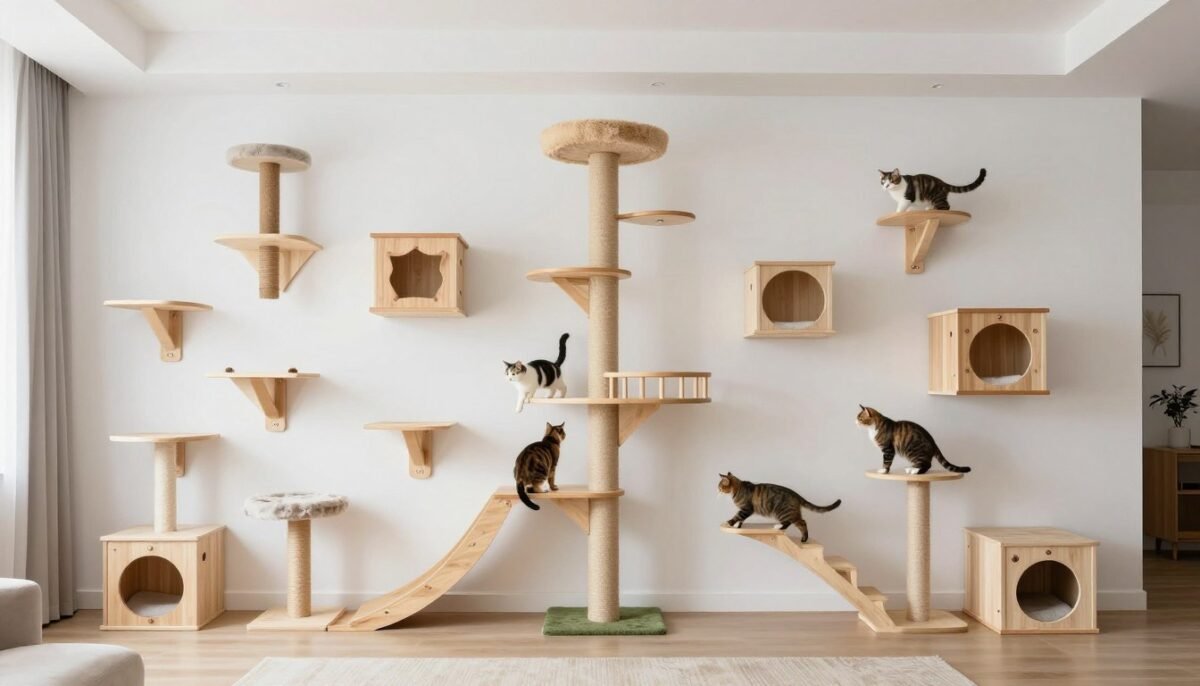
Cat Jungle Gym Wall Configurations
Cat jungle gym wall systems turn an entire wall into an elaborate climbing playground. These comprehensive installations feature dozens of components arranged to create complex pathways, challenging jumps, and multiple route options. The jungle gym approach prioritizes activity and exercise over simple perching.
Planning a jungle gym configuration requires understanding cat climbing behaviors. Cats prefer circular pathways that allow them to return to starting points without retracing steps. Design your layout with loops and alternative routes. This complexity keeps cats mentally engaged and physically active throughout the day.
Spacing between elements determines difficulty levels. Advanced climbers enjoy gaps requiring twelve to eighteen inch jumps. Senior or cautious cats prefer closer spacing with six to ten inch gaps. A well-designed jungle gym accommodates both preferences through varied section densities.
Beginner Jungle Gym Elements
- Wide platforms with minimal jumping required
- Gradual ramps connecting different levels
- Low-height starting points under three feet
- Closely-spaced stepping stones
- Enclosed rest areas for confidence building
- Carpeted surfaces providing secure traction
Intermediate Challenge Features
- Moderate platform spacing requiring small jumps
- Suspension bridges adding movement challenge
- Mid-height platforms at four to five feet
- Mixed surface textures for variety
- Some narrow platforms testing balance
- Multiple pathway options to same destination
Advanced Climber Sections
- Large gaps requiring confident jumping ability
- Narrow perches demanding precise landings
- High platforms above six feet elevation
- Moving elements like swinging platforms
- Vertical climbing poles or mesh panels
- Ceiling-height observation points for champions
Multi-Cat Jungle Gym Considerations
Households with multiple cats require careful jungle gym planning to prevent territorial conflicts. Create multiple pathways to any destination so cats can avoid each other when needed. Include enough resting platforms that each cat can claim personal territory without competition.
Observation points should number at least one per cat plus one extra. This abundance prevents dominant cats from blocking access to preferred high spots. Position multiple high perches at similar elevations so no single spot holds strategic advantage over others.
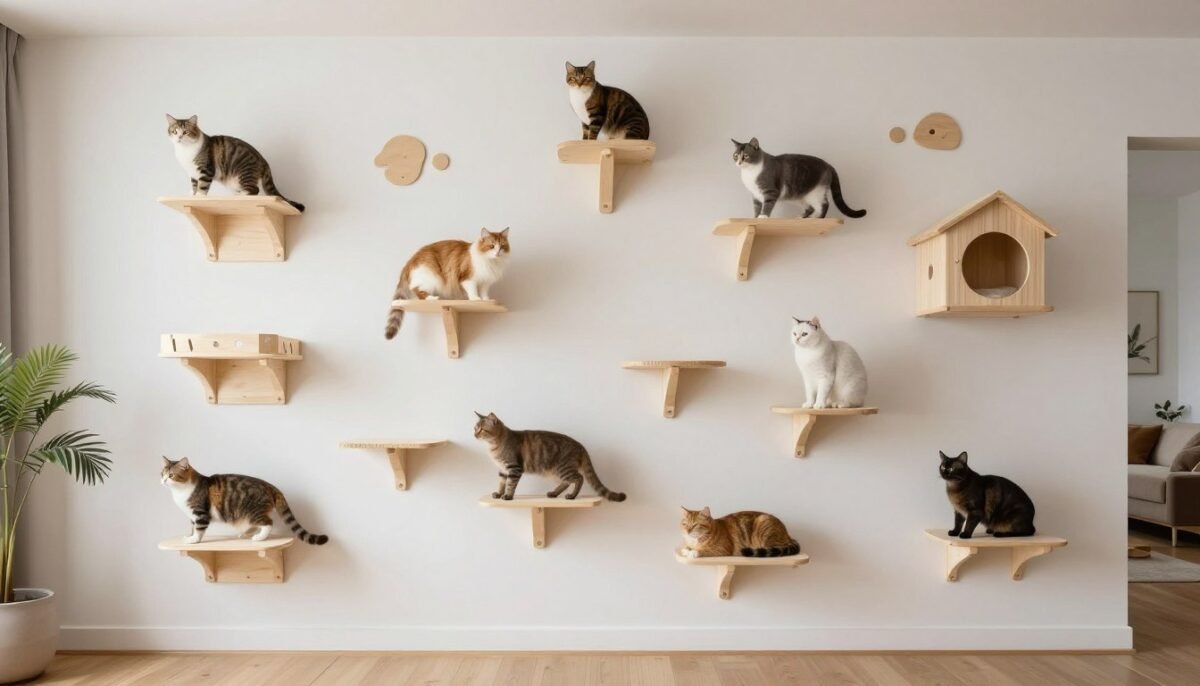
Complete Cat Climbing Wall Installations
Complete cat climbing walls represent the ultimate commitment to feline enrichment. These installations cover substantial wall sections or entire walls, transforming living rooms into cat adventure parks. The comprehensive approach creates an environment where cats can express natural climbing behaviors without leaving home.
Professional climbing wall installations typically cost between one thousand and five thousand dollars depending on size and complexity. This investment includes custom design, professional installation, and premium materials. Many companies offer design consultations where experts assess your space and cat behaviors before creating custom plans.
DIY climbing wall projects can significantly reduce costs but require substantial time investment and carpentry skills. Successful DIY installations demand careful planning, quality materials, and attention to weight-bearing requirements. Many enthusiasts start with smaller sections, expanding over months as budget and confidence grow.
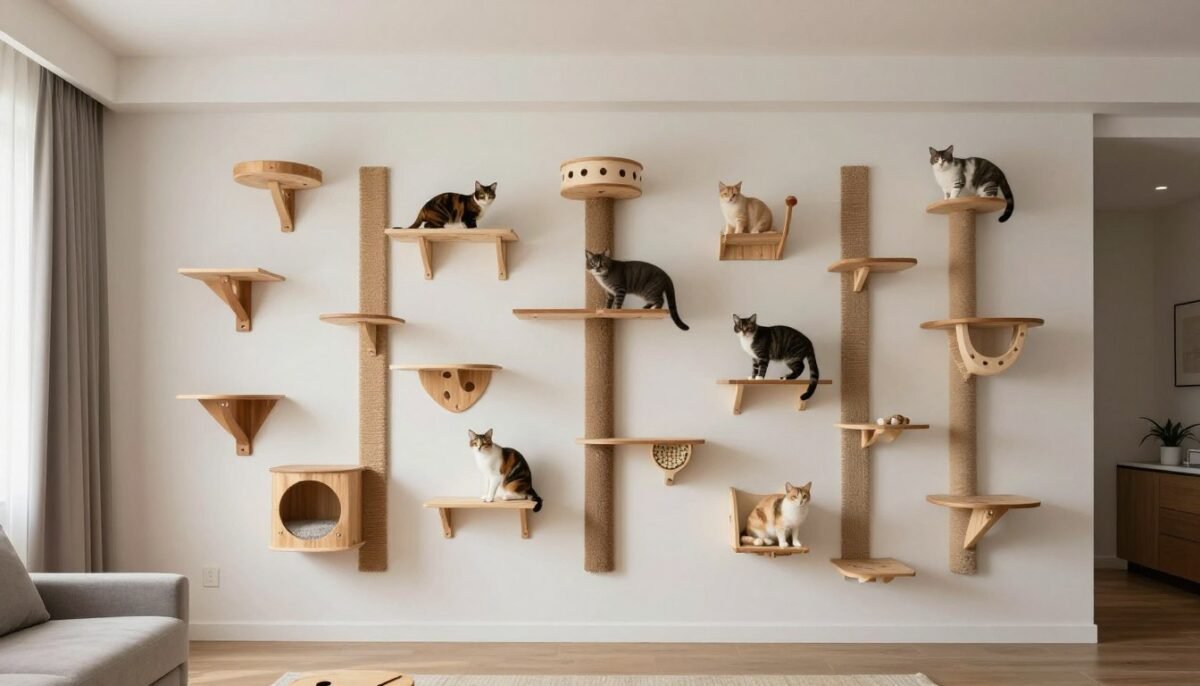
Professional Design and Installation Services
Work with experienced cat furniture designers to create a custom climbing wall tailored to your space and cats. Professional services include in-home consultation, 3D design renderings, component fabrication, and expert installation with warranty coverage.
Service Package Includes
- Initial consultation assessing space and cat needs
- Custom 3D design with multiple configuration options
- Professional measurement and wall structure evaluation
- Premium material selection matching your décor
- Expert installation by certified technicians
- Two-year structural warranty on all components
- Post-installation adjustment visit included
- Lifetime consultation support for modifications
Investment Value: Professional cat climbing walls increase home value for cat-loving buyers. Real estate agents report that quality cat furniture installations can be selling points in competitive markets, particularly in urban areas where outdoor cat access is limited.
DIY Climbing Wall Planning
Building your own cat climbing wall requires careful preparation. Start by creating a detailed scale drawing of your wall, marking stud locations accurately. Plan component placement ensuring each piece mounts to at least one stud for maximum stability.
Purchase materials in phases to spread costs over time. Begin with essential lower-level components and add higher elements as budget allows. This phased approach also lets you observe which areas your cats prefer before committing to upper sections.
Invest in quality mounting hardware even when building budget systems. Wall anchors, brackets, and screws should exceed weight requirements by at least fifty percent. Remember that cats can generate significant force when jumping, landing, or fighting on elevated surfaces.
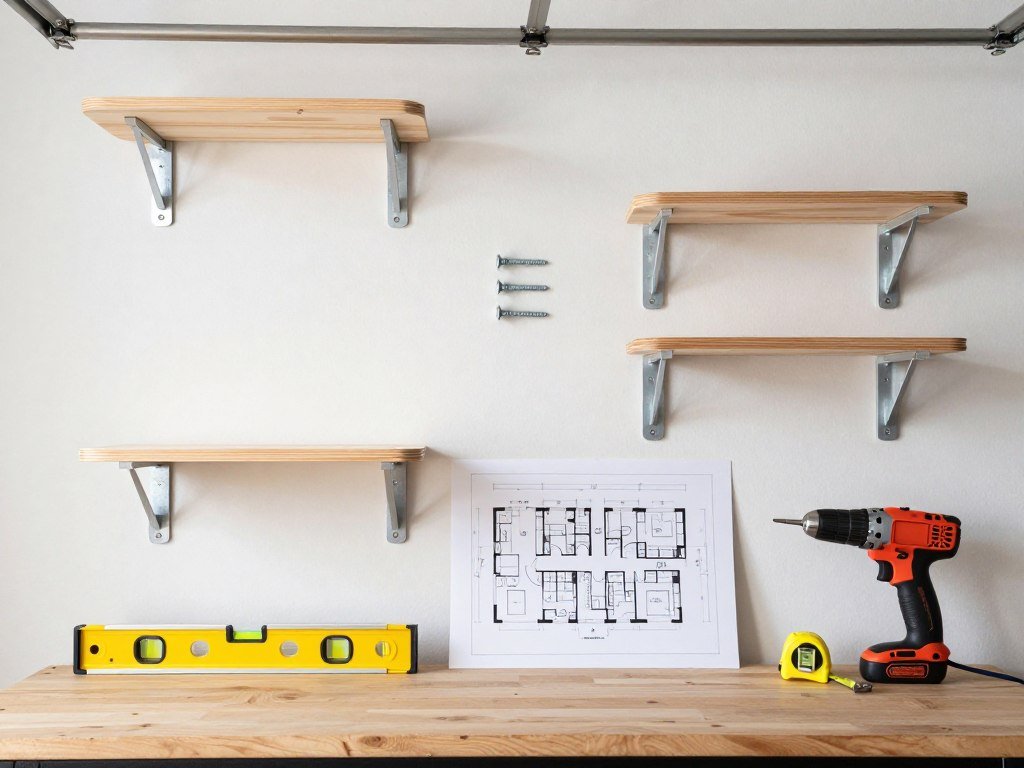
Essential DIY Tools
- Stud finder for locating wall supports
- Level ensuring proper platform alignment
- Power drill with appropriate bits
- Measuring tape and marking pencil
- Safety glasses and work gloves
Wall-Mounted Cat Condo Designs
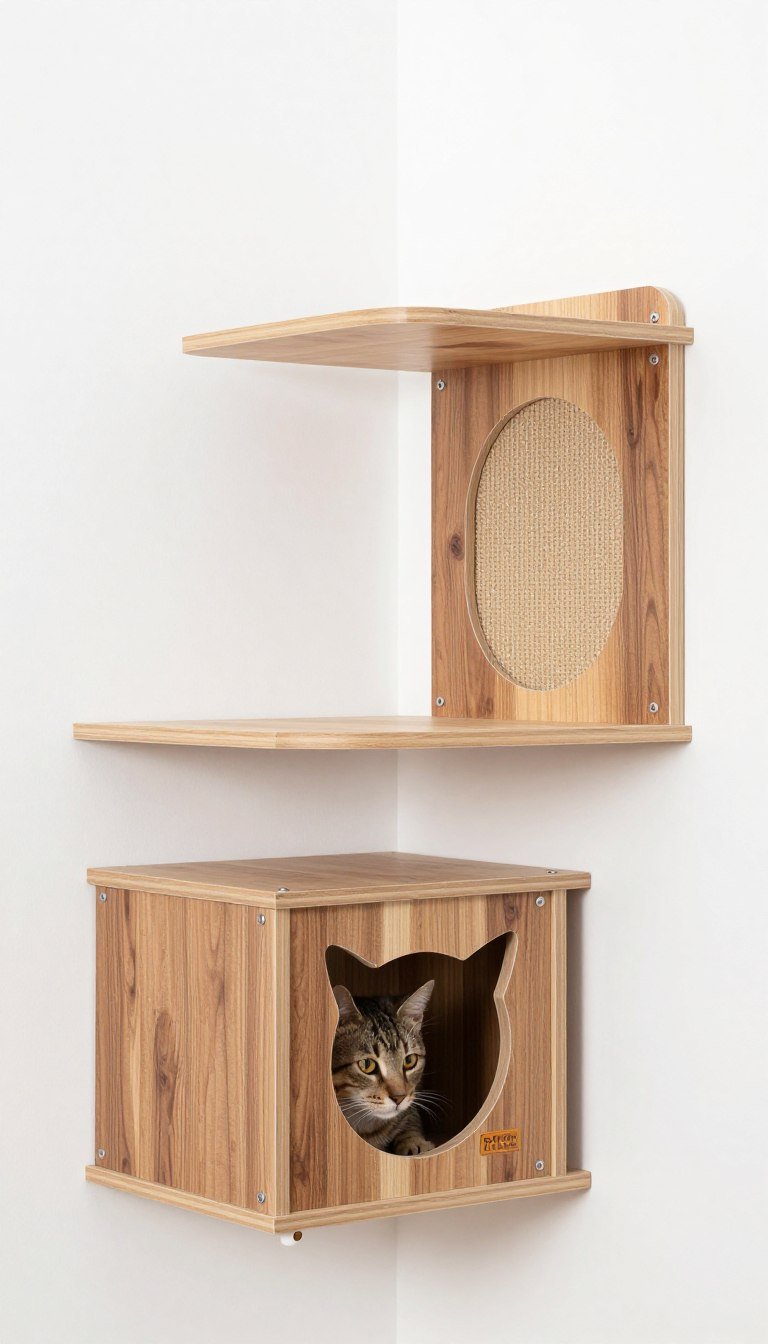
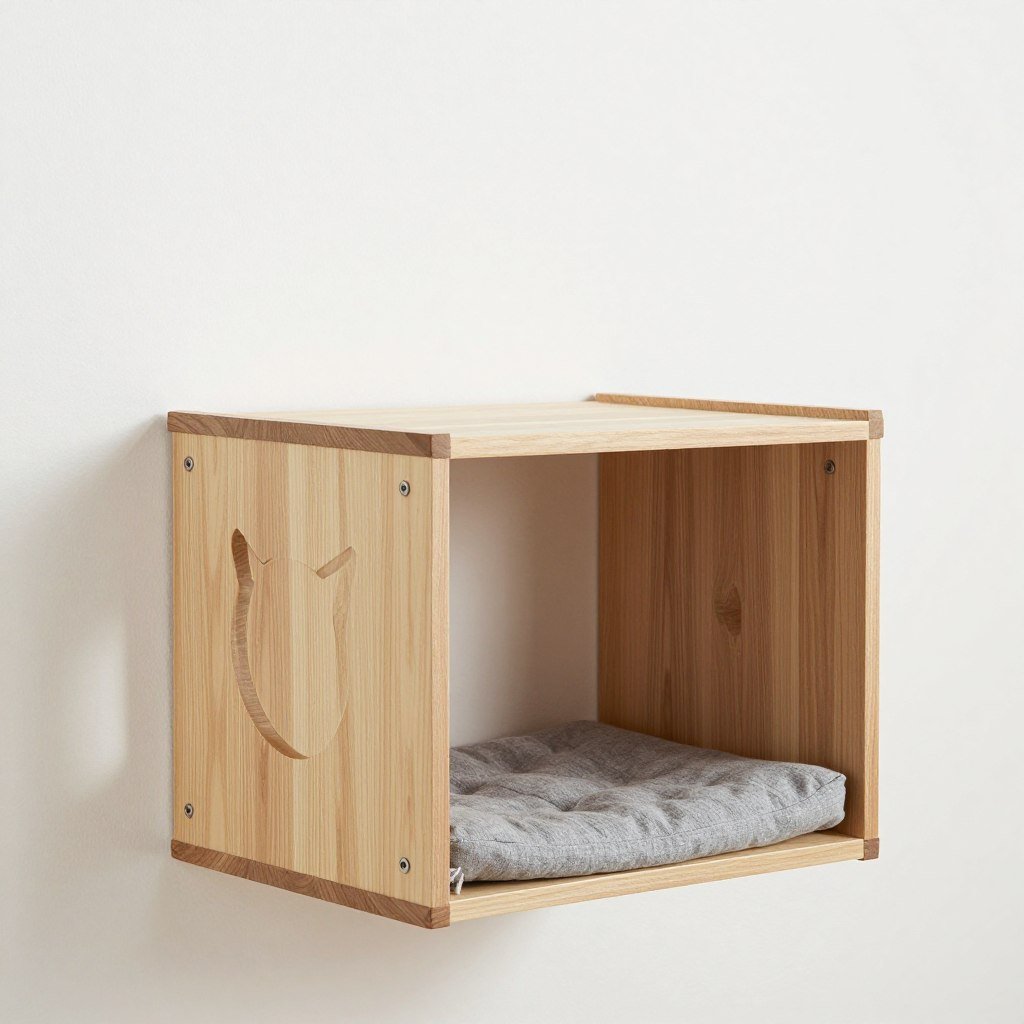
Wall-mounted cat condos combine multiple functions into single sophisticated units. These compact systems typically include sleeping quarters, scratching surfaces, and perching platforms integrated into one attractive package. The condo concept maximizes functionality while minimizing the number of separate pieces requiring installation.
Modern cat condos abandon the carpet-covered towers of previous generations. Contemporary designs use solid wood construction, clean lines, and neutral finishes that complement adult living spaces. The aesthetic evolution reflects changing consumer expectations that cat furniture should enhance rather than detract from interior design.
Size variations accommodate different needs and wall spaces. Compact condos measure approximately twenty-four inches wide and serve single cats well. Larger units extend to forty-eight inches or more, providing multi-cat households with adequate shared resources. Vertical dimension typically ranges from thirty to sixty inches.
Compact Single Cat Condo
Perfect for apartments and smaller spaces. This efficient design provides sleeping quarters, a lookout perch, and integrated scratching surface in just two square feet of wall space.
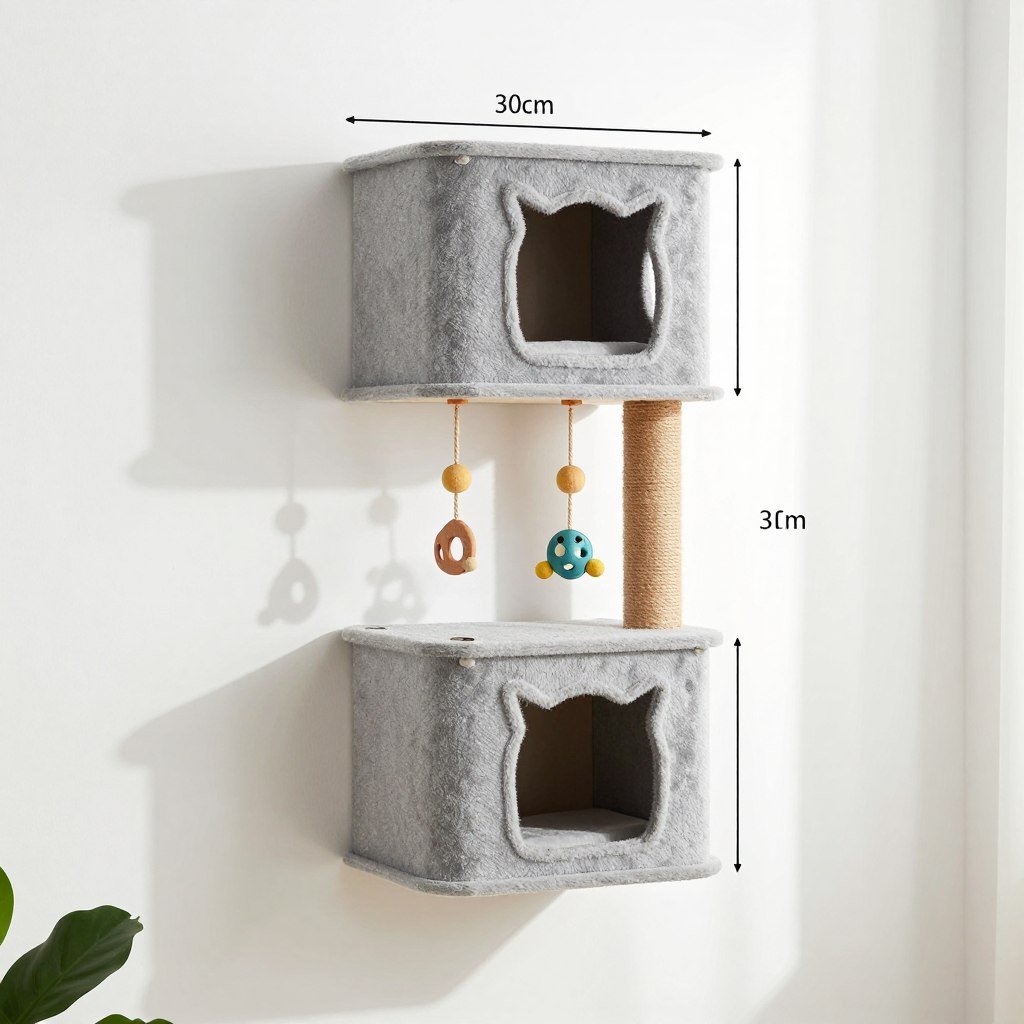
Activity-Focused Mid-Size Condo
This medium condo includes interactive elements like dangling toys and multiple entry points. The playful design keeps cats engaged while maintaining sophisticated aesthetics for your living room.
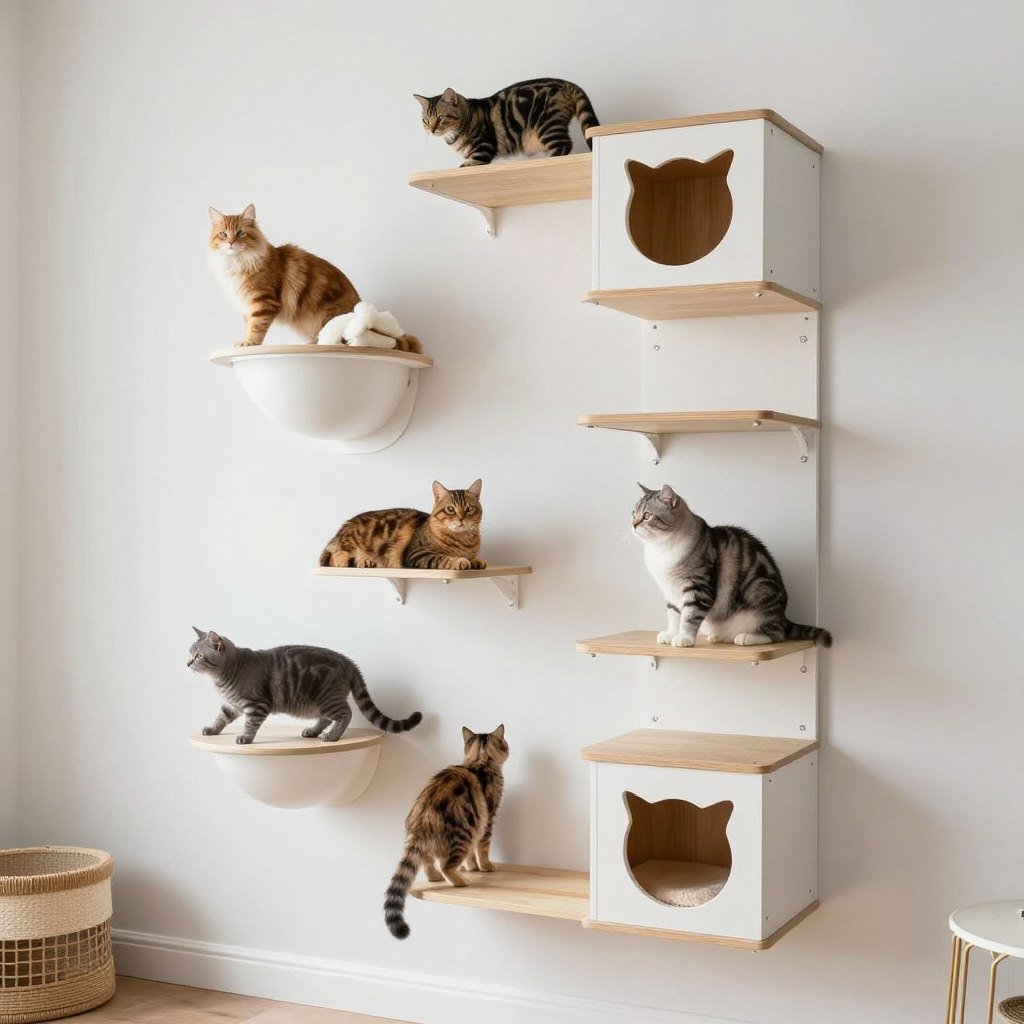
Deluxe Multi-Cat Mansion
Spacious enough for three to four cats, this premium condo features separate compartments preventing territorial disputes. The luxurious design makes a statement while providing comprehensive cat amenities.
Modular Expandable Condo System
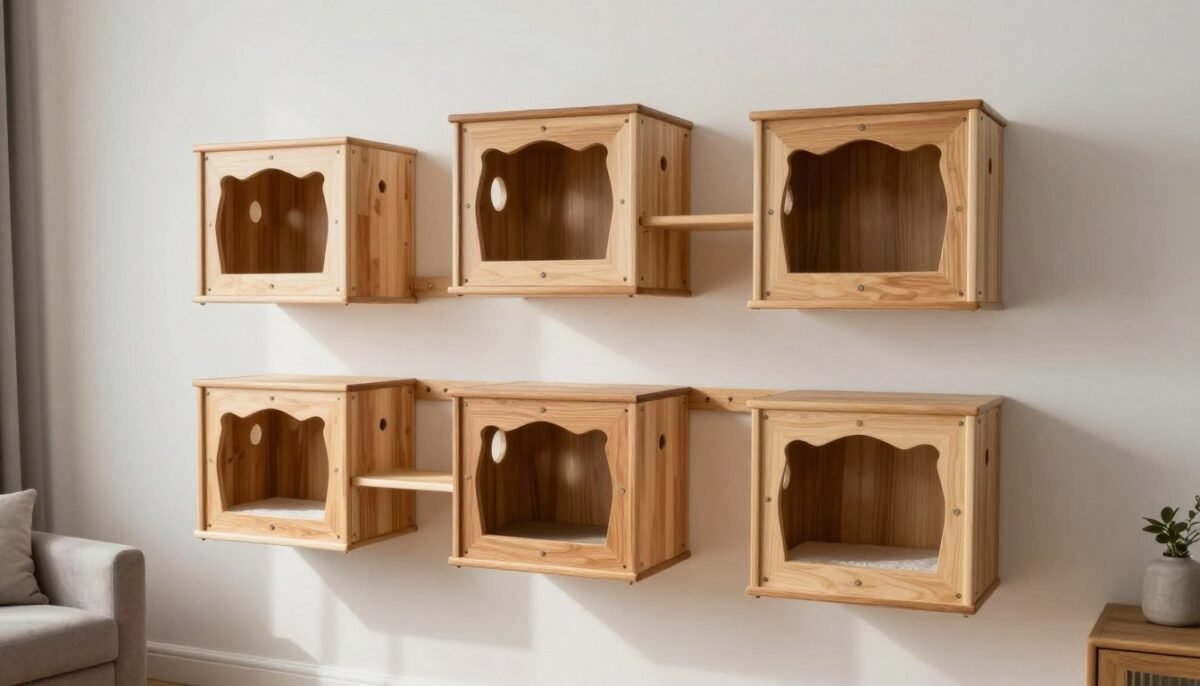
Start with one unit and expand over time by adding connecting modules. This innovative system allows you to grow your cat furniture investment gradually while maintaining design cohesion. Perfect for households planning to add more cats in the future.
System Benefits
- Start small and expand as needed or budget allows
- All modules designed to connect seamlessly
- Maintains consistent aesthetic across additions
- Each unit functions independently or as system
- Available in four matching wood finishes
- Connection hardware included with each module
Carpeted Versus Wood Cat Wall Shelves
The carpet versus wood debate divides cat furniture enthusiasts. Each material offers distinct advantages and challenges. Understanding these differences helps you make informed decisions that balance cat comfort, maintenance requirements, and aesthetic preferences.
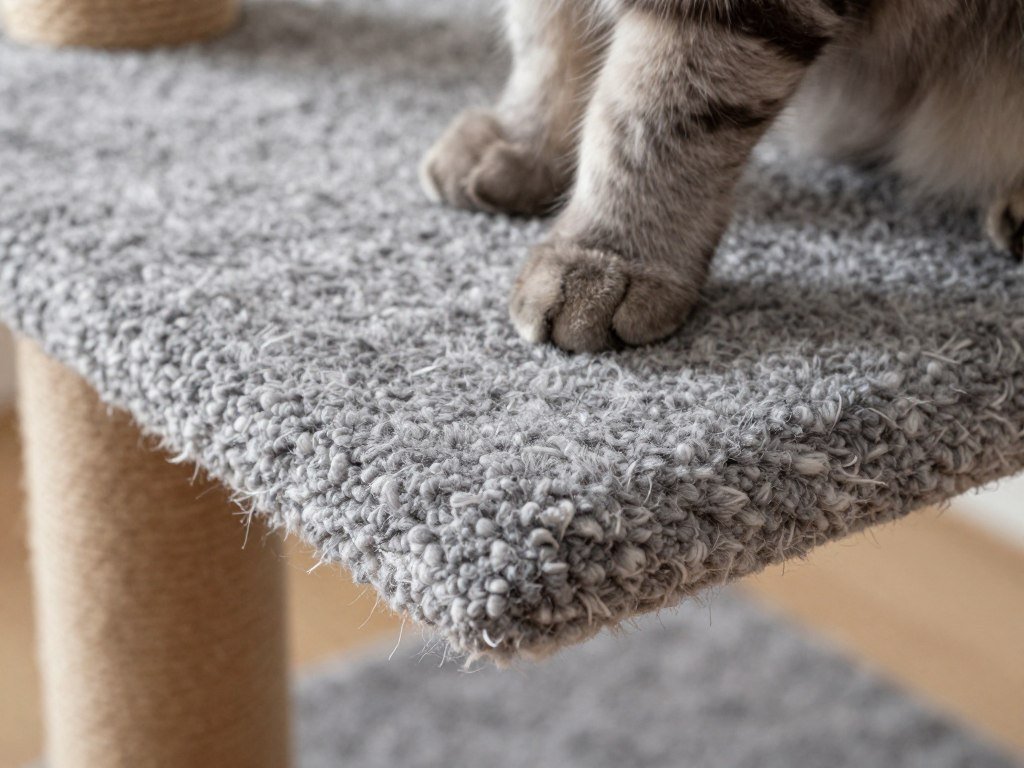
Carpeted cat shelves provide superior traction and comfort. Cats feel more secure on textured surfaces, especially when landing from jumps. The soft material also creates cozy napping spots that many cats prefer over hard wood. Carpet helps muffle sounds from active cats, reducing noise disturbances in your living space.
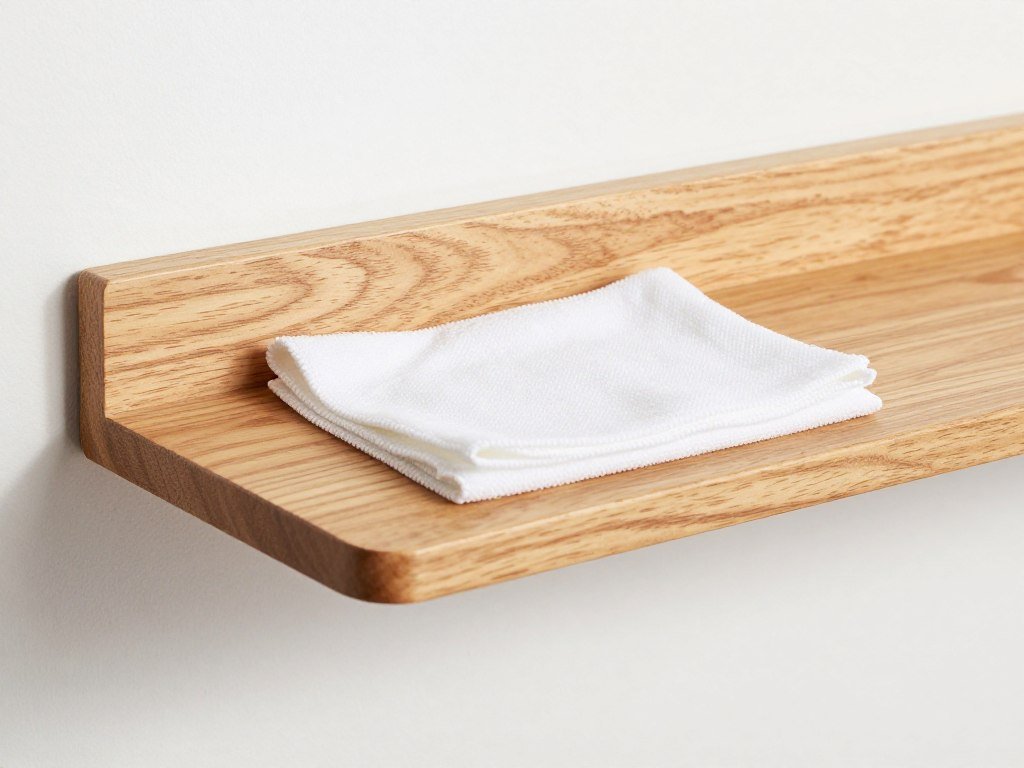
Wood platforms offer cleaner aesthetics and easier maintenance. Hair and debris brush off smooth wood surfaces more readily than carpeted ones. Wood withstands scratching better than carpet, maintaining appearance longer despite daily cat use. The natural material also avoids the synthetic look and feel that some homeowners find objectionable.
Carpet Benefits for Cats
Cats with declawed paws particularly benefit from carpeted surfaces. The texture provides grip that smooth surfaces cannot offer. Senior cats with arthritis also appreciate the cushioning effect that reduces impact stress on joints during landings.
Carpet color choices affect maintenance visibility. Light colors show dirt but hide light-colored cat hair. Dark carpets conceal dirt but highlight shedding from light-colored cats. Medium gray tones often provide the best compromise for mixed-breed households.
Wood Shelf Advantages
- Modern aesthetic suits contemporary interiors
- Easy to wipe clean with damp cloth
- Resists scratching damage better than carpet
- Natural material without synthetic chemicals
- Ages gracefully developing character patina
- Matches existing wood furniture easily
Hybrid Approach Benefits
- Combines best features of both materials
- Wood bases maintain clean appearance
- Carpet inserts provide comfort where needed
- Removable carpet pads enable washing
- Satisfies both aesthetic and functional needs
- Allows material selection per location
Hybrid Challenges
- Higher initial cost than single-material systems
- Requires periodic carpet pad replacement
- Visual inconsistency if not carefully planned
- More complex cleaning routine needed
Many cat owners ultimately choose hybrid systems incorporating both materials strategically. Use wood for high-visibility areas and architectural elements. Add carpet to actual perching surfaces where cats spend time resting. This combination maximizes both aesthetic appeal and cat comfort.
Cat Wall Shelf Installation and Safety Guidelines
Proper installation determines whether cat wall shelves remain safe throughout years of use. Cutting corners during installation creates hazards that can injure cats or damage walls. Following professional installation practices ensures your cat furniture system stays secure and functional.
Wall stud location represents the most critical installation factor. Studs provide the structural support necessary for weight-bearing furniture. Drywall alone cannot reliably support active cats jumping onto shelves. Invest in a quality stud finder and verify stud locations before marking mounting points.
Weight calculations must account for dynamic forces, not just static cat weight. A fifteen-pound cat generates significantly more force when landing from a jump than when sitting still. Engineers recommend mounting systems capable of supporting at least three times the expected static weight for adequate safety margins.
Complete Installation Safety Checklist
Pre-Installation Planning
- Locate all wall studs in installation area using electronic stud finder
- Mark stud centerlines with pencil at several heights
- Verify stud locations by driving small test nail in inconspicuous spot
- Plan shelf placement ensuring each mounts to at least one stud
- Consider electrical wiring and plumbing locations behind walls
- Measure and mark all mounting points before drilling
Hardware Selection Standards
- Use wood screws minimum three inches long for stud mounting
- Choose screws with coarse threads for maximum holding power
- Select brackets rated for at least fifty pounds per shelf
- Use appropriate wall anchors only as supplementary support
- Avoid relying solely on drywall anchors for weight-bearing shelves
- Replace any damaged or bent hardware before installation
Installation Best Practices
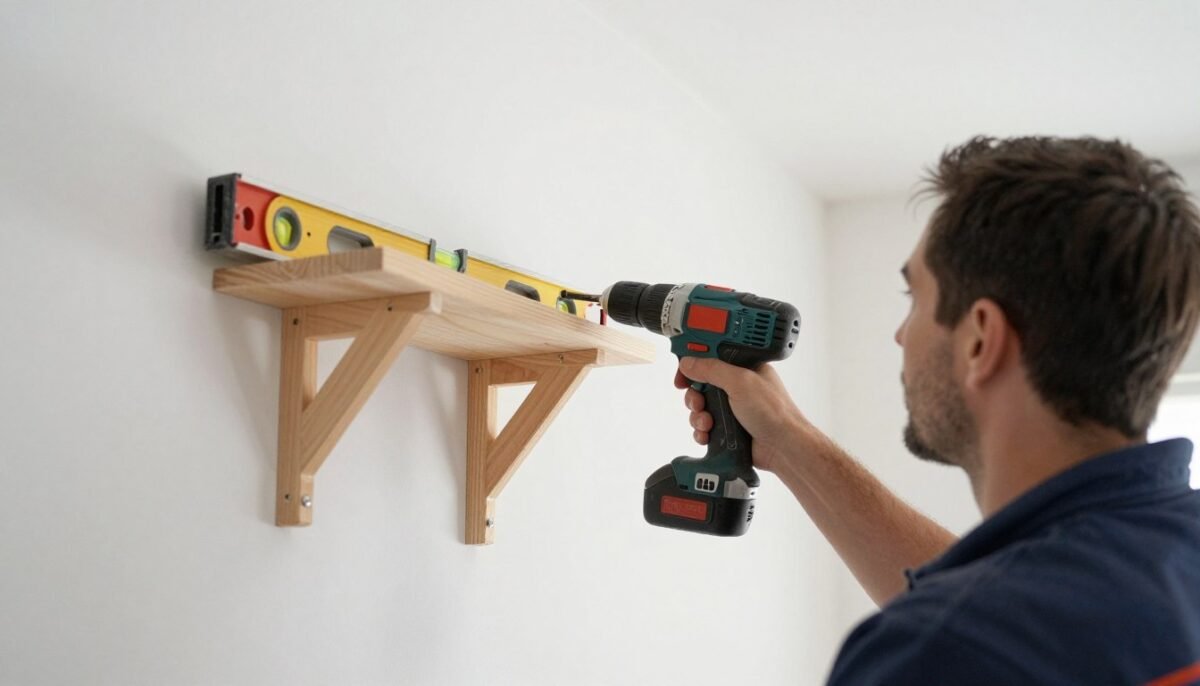
- Pre-drill pilot holes slightly smaller than screw diameter
- Install top mounting points first, working downward
- Use level to verify shelf horizontal alignment before securing
- Tighten all screws firmly but avoid over-tightening and stripping
- Test each shelf with manual pressure before allowing cat access
- Inspect all connections after twenty-four hours of settling
Post-Installation Safety Checks
- Apply weight gradually testing each shelf individually
- Monitor for any creaking sounds indicating loose connections
- Check shelf levelness after initial use and adjust if needed
- Perform monthly visual inspections of all mounting points
- Retighten screws annually as wood settles and adjusts
- Watch cat behavior for signs of instability concerns
Critical Safety Warning: Never install cat wall furniture above sleeping areas, desks, or other spaces where people spend time below. Should a shelf fail, falling debris could cause serious injury. Maintain clear zones beneath all cat furniture installations.
Special Considerations for Different Wall Types
Plaster walls require different techniques than standard drywall. The brittle nature of plaster means pre-drilling becomes absolutely essential to prevent cracking. Use masonry bits for plaster drilling and work slowly to avoid generating excessive heat that can damage surrounding areas.
Concrete and brick walls offer exceptional strength but demand specialized mounting hardware. Masonry anchors or concrete screws provide necessary holding power in these dense materials. Rent or purchase a hammer drill capable of penetrating masonry efficiently.
Metal studs in commercial buildings or modern construction present unique challenges. Standard wood screws may not provide adequate holding power. Self-tapping metal screws designed specifically for steel studs ensure proper fastening and long-term stability in these applications.
Top Cat Wall Shelf Recommendations by Style
After examining twenty different cat wall shelf ideas, certain standout options emerge as exceptional choices for specific situations. These recommendations balance aesthetic appeal, functionality, value, and cat satisfaction based on widespread user feedback and professional design assessments.
Best Overall: Modern Minimalist System
The floating minimalist platform system with optional cube additions offers the best balance of style, functionality, and value. Its clean aesthetic suits virtually any modern living room while providing ample cat activity space.
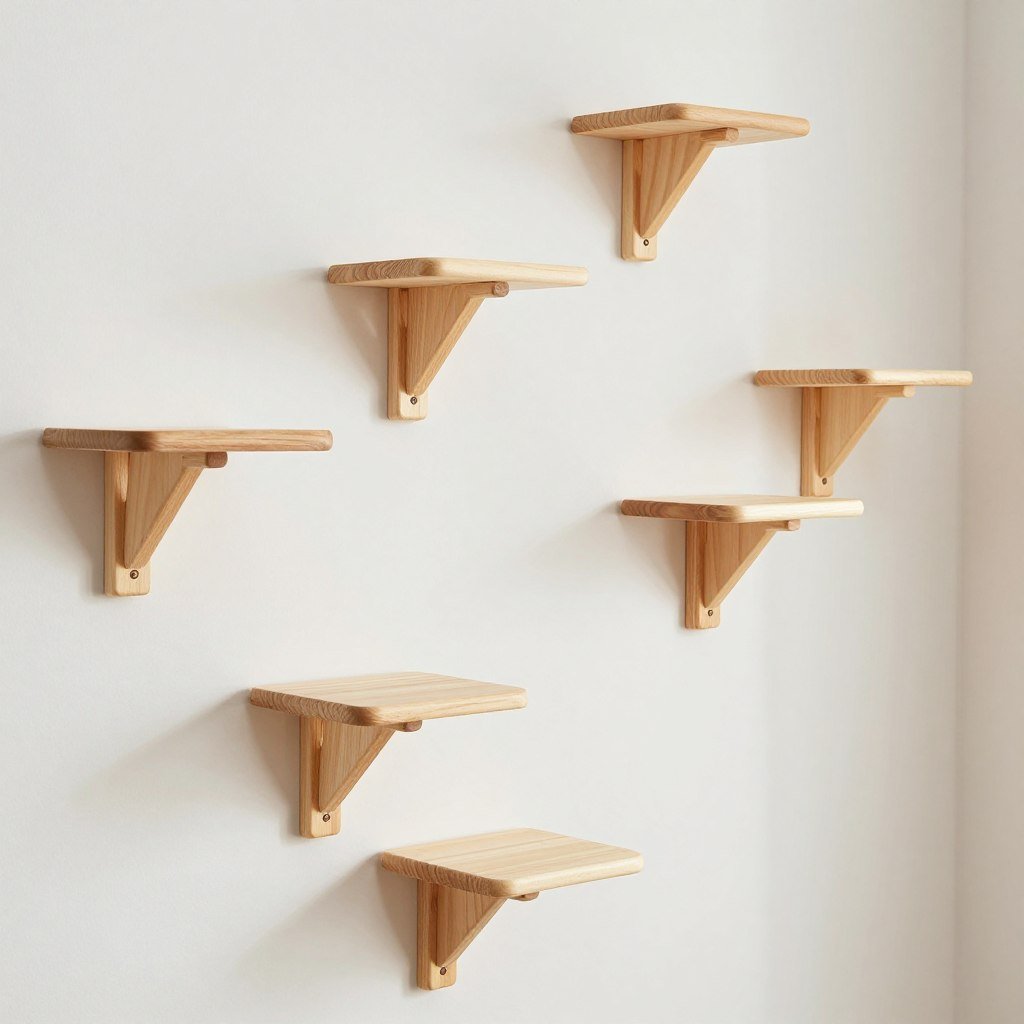
Best Value: Wall Step Kit
Pre-configured step kits deliver maximum functionality at minimum cost. These sets provide everything needed for a complete climbing route without requiring individual piece purchases or complex planning.
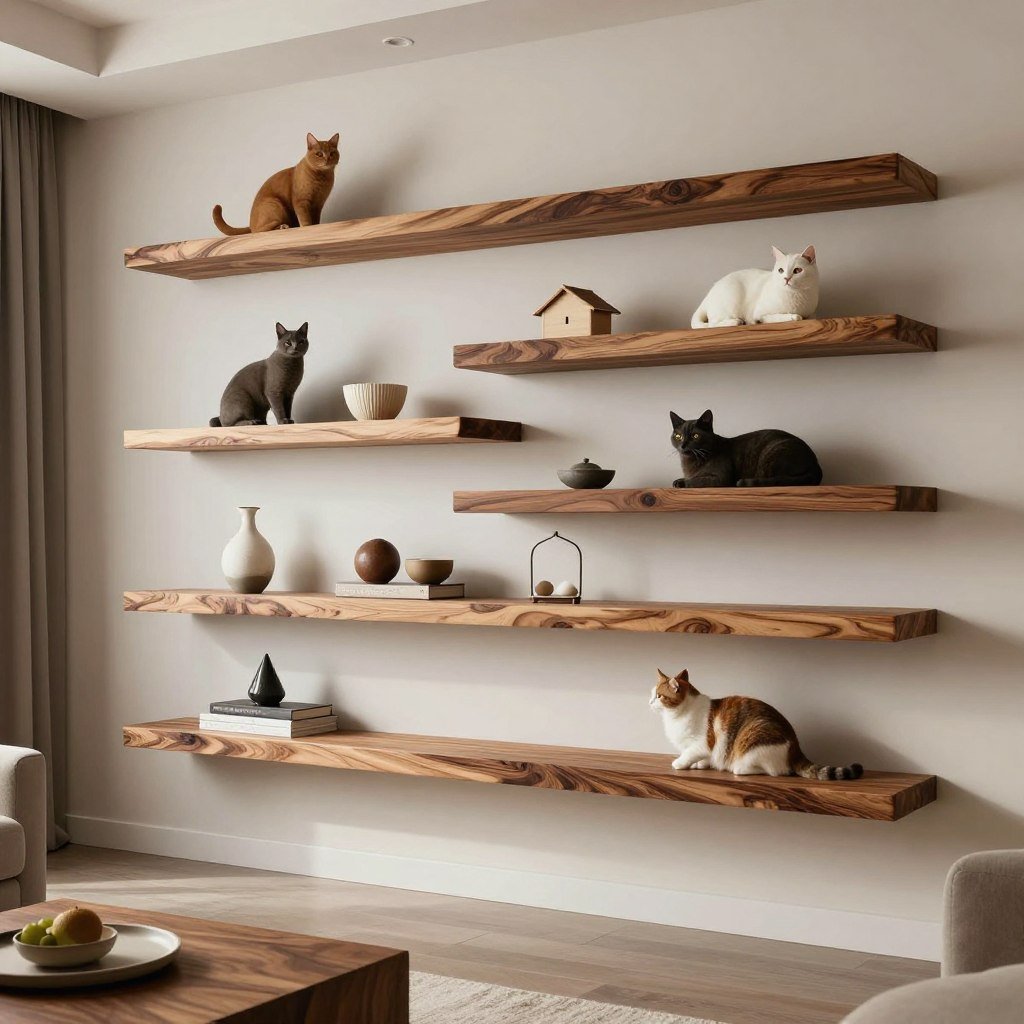
Best Premium: Live Edge Collection
For those seeking investment-grade cat furniture, live edge natural wood systems offer unmatched beauty and craftsmanship. Each piece serves as functional art that appreciates in character over time.
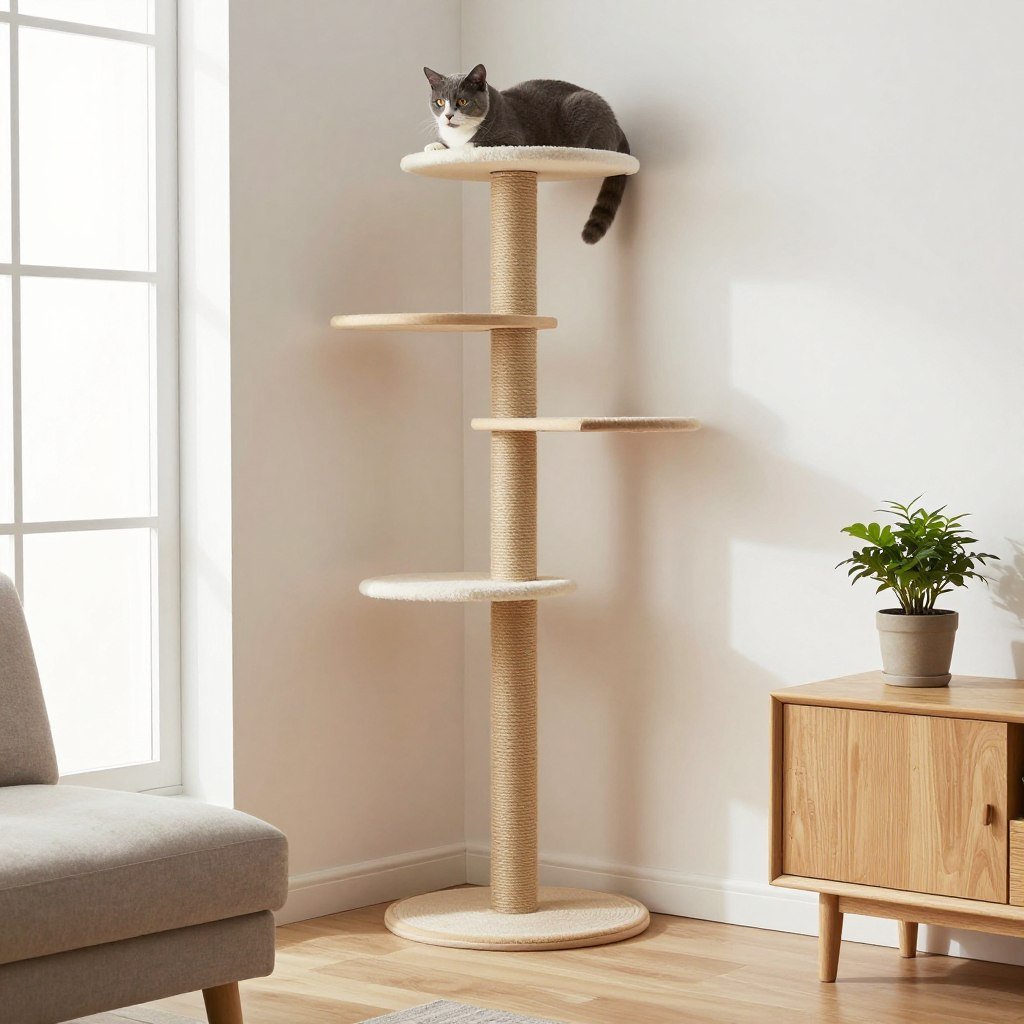
Best for Small Spaces: Corner System
Corner-mounted vertical systems maximize unused space in compact living rooms. The vertical orientation provides extensive climbing territory without consuming premium floor or wall space.
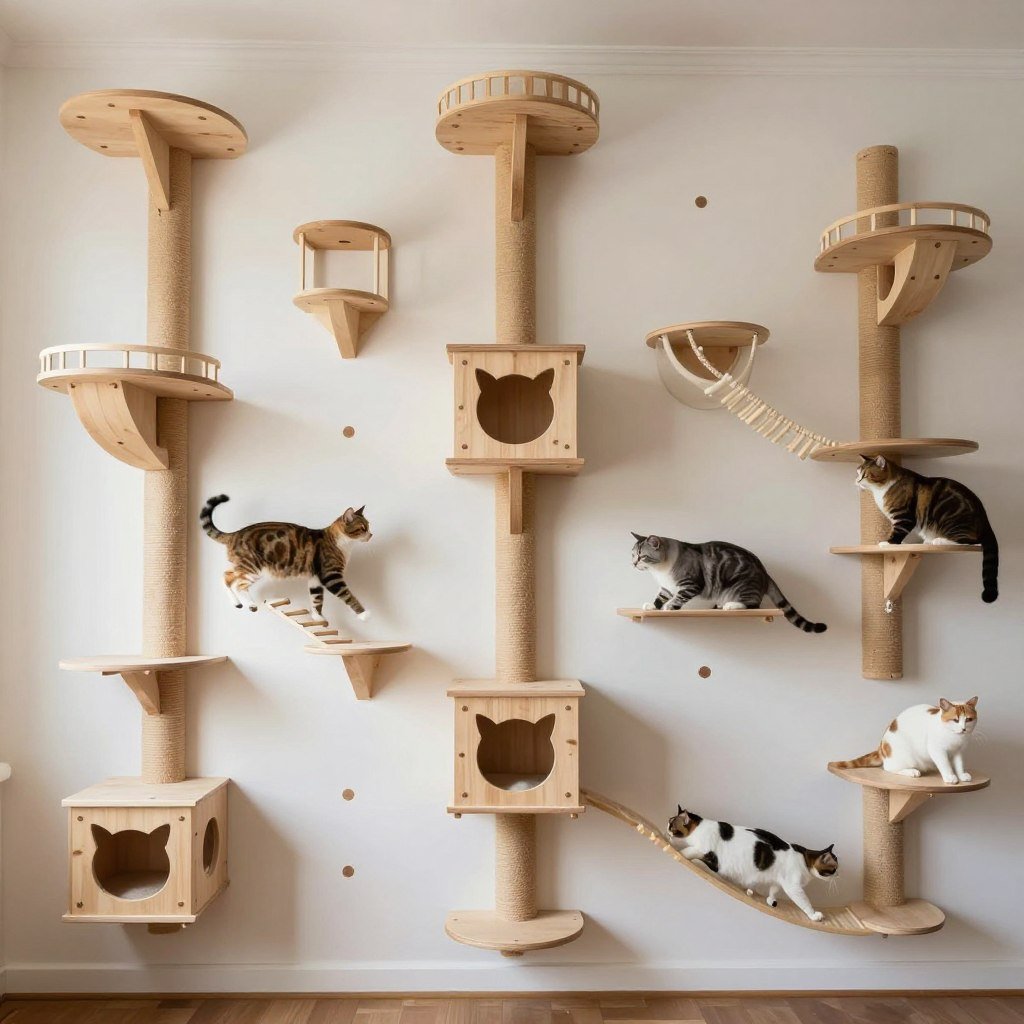
Best for Active Cats: Jungle Gym Wall
High-energy cats thrive with comprehensive jungle gym installations. Multiple pathways and challenging jumps provide the physical activity and mental stimulation that athletic breeds require.
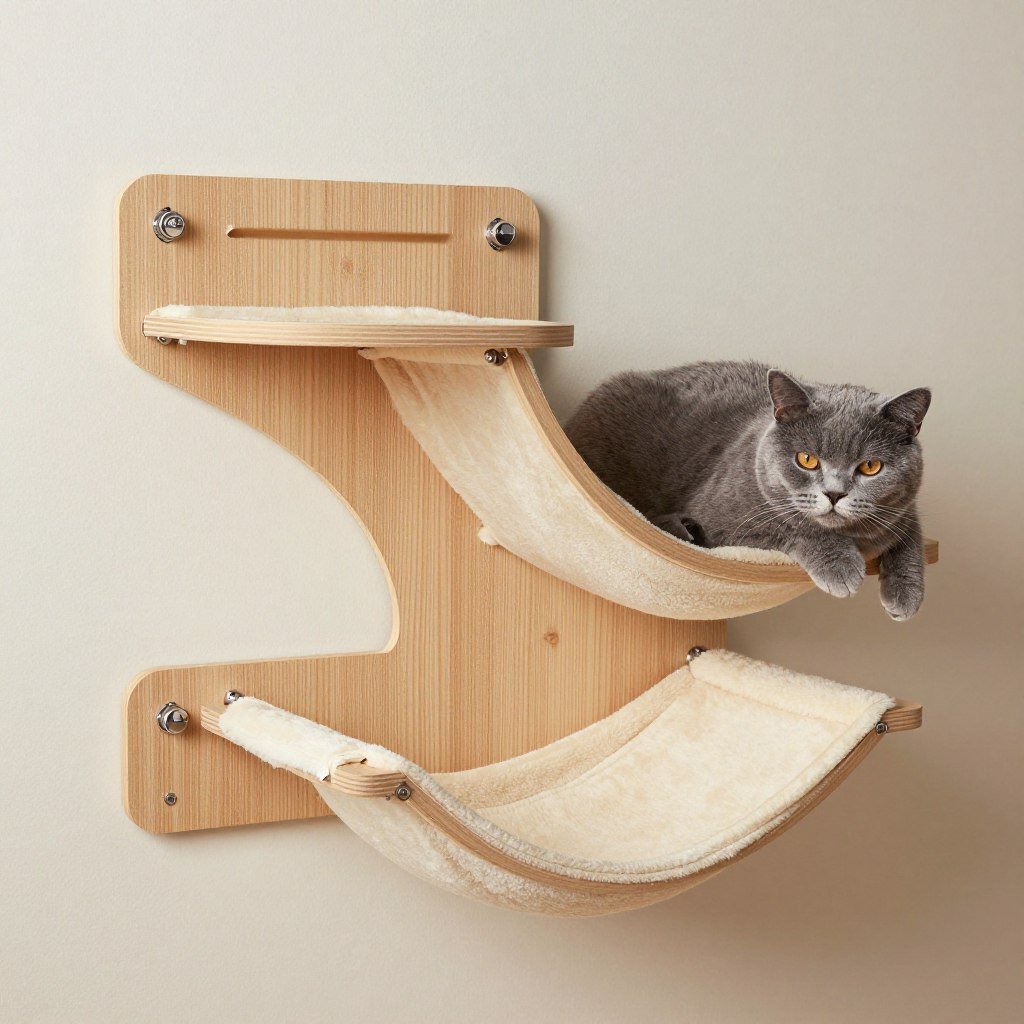
Best for Senior Cats: Low-Impact Steps
Closely-spaced steps with plush hammock additions accommodate older cats with arthritis or reduced mobility. The gentle progression allows seniors to enjoy elevated spots safely.
Frequently Asked Questions About Cat Wall Shelves
How much weight can cat wall shelves safely support?
Quality cat wall shelves properly installed into wall studs typically support twenty-five to forty pounds per shelf. This capacity accommodates even large cat breeds like Maine Coons safely. However, always verify specific weight ratings provided by manufacturers before installation.
Dynamic weight from jumping creates forces exceeding static cat weight. Engineers recommend choosing shelves rated for at least three times your cat’s weight to ensure adequate safety margins during active use.
Can cat wall shelves damage walls or paint?
Professional installation into wall studs creates minimal damage limited to small screw holes. These holes fill easily with spackling compound when you eventually remove shelves. The minor touch-up required is far less than damage from floor-based cat trees scratching walls or floors.
Avoid drywall-only installations that might pull free under cat weight, creating much larger holes requiring professional drywall repair. Always mount into studs for both safety and minimal wall impact.
What’s the ideal height for cat wall shelves?
Start with entry-level shelves between eighteen and thirty-six inches high for easy access. Middle platforms work well at four to six feet elevation. Top observation perches can extend to seven feet or higher for confident climbers.
Senior cats or those with mobility issues benefit from lower maximum heights around four to five feet. Adjust spacing between shelves based on your cat’s jumping ability, keeping gaps between eight and eighteen inches for most cats.
How do I introduce cats to new wall shelves?
Place treats or catnip on lower shelves initially to encourage exploration. Allow cats to discover shelves at their own pace without forcing interaction. Some cats immediately embrace new furniture while others need several days to build confidence.
For hesitant cats, create a gradual path using temporary steps or furniture to help them reach the first platform. Once they successfully navigate to the first shelf, most cats quickly discover the entire system.
Are cat wall shelves suitable for rental properties?
Many landlords permit cat wall shelves since they cause less damage than floor furniture scratching walls or carpets. Always obtain written permission before installation. Document pre-existing wall conditions with photos to avoid disputes when moving.
Choose simpler systems with fewer mounting points for easier removal and repair. Keep spackling compound and matching paint for hole repair when your lease ends. Some renters successfully negotiate security deposit return by offering to leave shelves for the next tenant.
How often should cat wall shelves be cleaned?
Wood shelves require weekly dusting or wiping with slightly damp microfiber cloths. Carpeted surfaces benefit from weekly vacuuming to remove shed hair and debris. Deep clean carpeted areas monthly using pet-safe upholstery cleaner.
Inspect mounting hardware monthly for any loosening. Retighten screws annually as wood naturally settles. Replace worn carpet inserts every one to two years depending on use intensity to maintain appearance and hygiene.
Can I install cat wall shelves myself or should I hire professionals?
Homeowners with basic carpentry skills and proper tools can successfully install simple shelf systems. The project requires ability to locate studs, drill pilot holes, and use levels accurately. Start with smaller systems to build confidence before attempting elaborate installations.
Hire professionals for complex systems, installations above six feet, or if you’re uncertain about wall structure. Professional installation ensures safety and often includes warranties covering workmanship. The investment prevents costly repairs from improper mounting attempts.
What’s the best cat wall shelf material for households with multiple cats?
Solid hardwood platforms offer superior durability for multi-cat households. The material withstands increased wear from multiple users and cleans easily between cats. Choose sealed or finished wood that resists moisture and odor absorption.
If you prefer carpeted surfaces for traction, select commercial-grade indoor-outdoor carpet designed for high traffic areas. This durable material maintains appearance longer despite heavy use from multiple cats.
How much do cat wall shelf systems typically cost?
Simple starter systems with three to five basic shelves cost between one hundred fifty and three hundred dollars. Mid-range complete systems with varied components range from four hundred to eight hundred dollars. Premium custom installations can exceed two thousand dollars including professional design and installation.
Budget-conscious cat owners can build systems gradually, adding pieces over months as finances allow. This phased approach spreads costs while letting you observe which areas your cats prefer before committing to extensive installations.
Do cat wall shelves work for large breed cats?
Large breeds like Maine Coons, Ragdolls, and Norwegian Forest Cats use wall shelves successfully when systems account for their size. Choose extra-wide platforms measuring at least sixteen inches deep to accommodate large cat bodies comfortably. Verify weight ratings exceed twenty-five pounds per shelf.
Reduce spacing between shelves for large cats to minimize jumping distances. Their increased weight generates more impact force during landings, so prioritize sturdy construction and professional installation into multiple studs per shelf.
Creating Your Perfect Cat Wall Shelf System
Modern cat wall shelves successfully merge feline needs with contemporary design aesthetics. The twenty ideas presented throughout this guide demonstrate that cat furniture no longer requires sacrificing style for function. Today’s wall-mounted systems enhance living rooms while providing essential climbing and perching opportunities that cats instinctively crave.
Your ideal system depends on multiple factors. Consider your available wall space, budget constraints, cat personalities, and interior design preferences. Start with a clear vision of what you want to achieve, whether that’s a simple three-shelf system or an elaborate wall-spanning jungle gym.
Take time to plan thoroughly before purchasing components. Measure your walls accurately, locate studs, and sketch proposed layouts. This preparation prevents expensive mistakes and ensures cohesive results that satisfy both aesthetic and functional requirements. Many cat owners find the planning process enjoyable as they imagine their cats exploring the future installation.
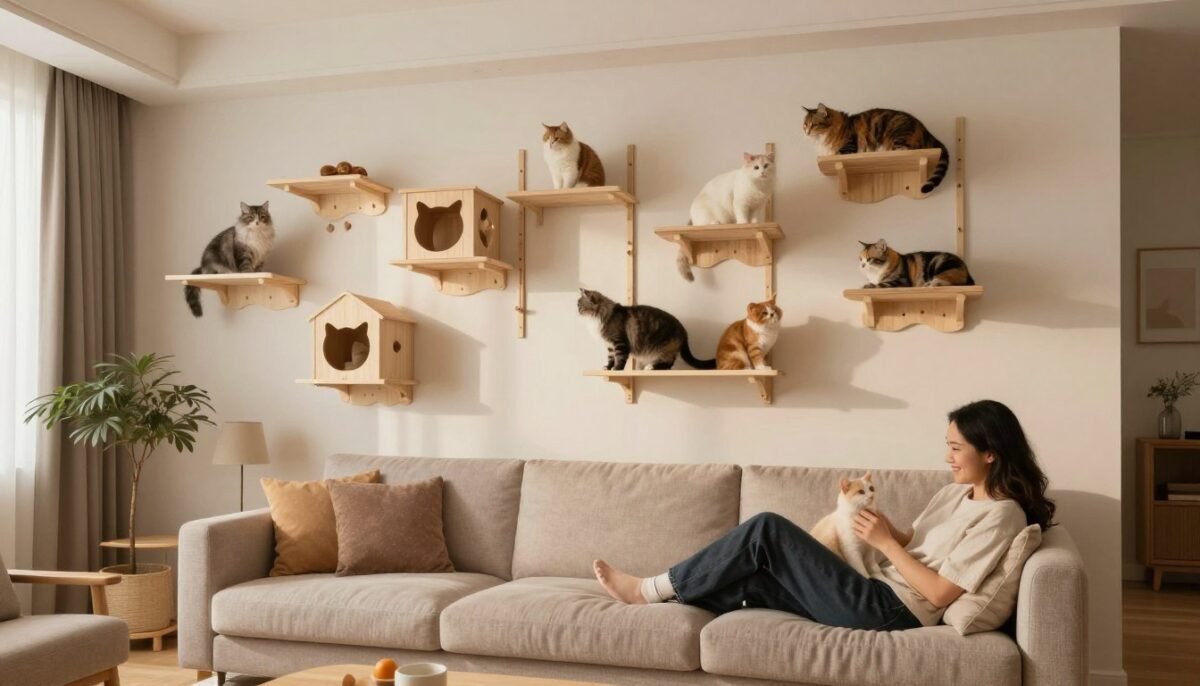
Remember that cat wall furniture represents an investment in your cats’ physical and mental health. Vertical territory reduces stress in multi-cat households by expanding usable space. Climbing exercise helps maintain healthy weight and muscle tone. Mental stimulation from navigating complex shelf systems prevents boredom-related behavior problems.
Quality cat wall shelves also benefit you as a homeowner. These systems free up floor space previously occupied by bulky cat trees. The improved aesthetics of modern wall furniture means you can proudly display rather than hide your cat furniture. Some installations even increase home value by demonstrating thoughtful pet accommodations.
Whether you choose minimalist floating platforms, elaborate jungle gyms, or anything in between, your cats will appreciate the effort. The vertical territory you create becomes their favorite place to play, rest, and observe their domain. Start planning your cat wall shelf system today and transform your living room into a space that both you and your feline companions will love for years to come.