
Your hair faces significant challenges while you sleep. Fine hair types experience particular vulnerability during nighttime hours. The friction between your head and pillowcase creates breakage. Your sleeping position puts pressure on delicate strands. Environmental factors in your bedroom affect moisture levels.
Understanding these challenges helps protect your hair. Fine hair has a smaller diameter than other hair types. This structural difference makes each strand more susceptible to damage. Nighttime protection becomes essential for maintaining hair health.
The good news is simple changes make dramatic differences. These 20 practical tips transform your nighttime routine. You’ll wake up with healthier hair. Your morning styling becomes easier. Protection during sleep preserves the results of your daytime hair care efforts.
Table of Contents
Understanding Why Fine Hair Needs Special Night Protection
Fine hair differs structurally from other hair types. Each individual strand measures smaller in diameter. This characteristic creates unique challenges for nighttime care. Your hair experiences constant friction against pillowcases. The delicate structure cannot withstand this pressure as well as thicker hair.
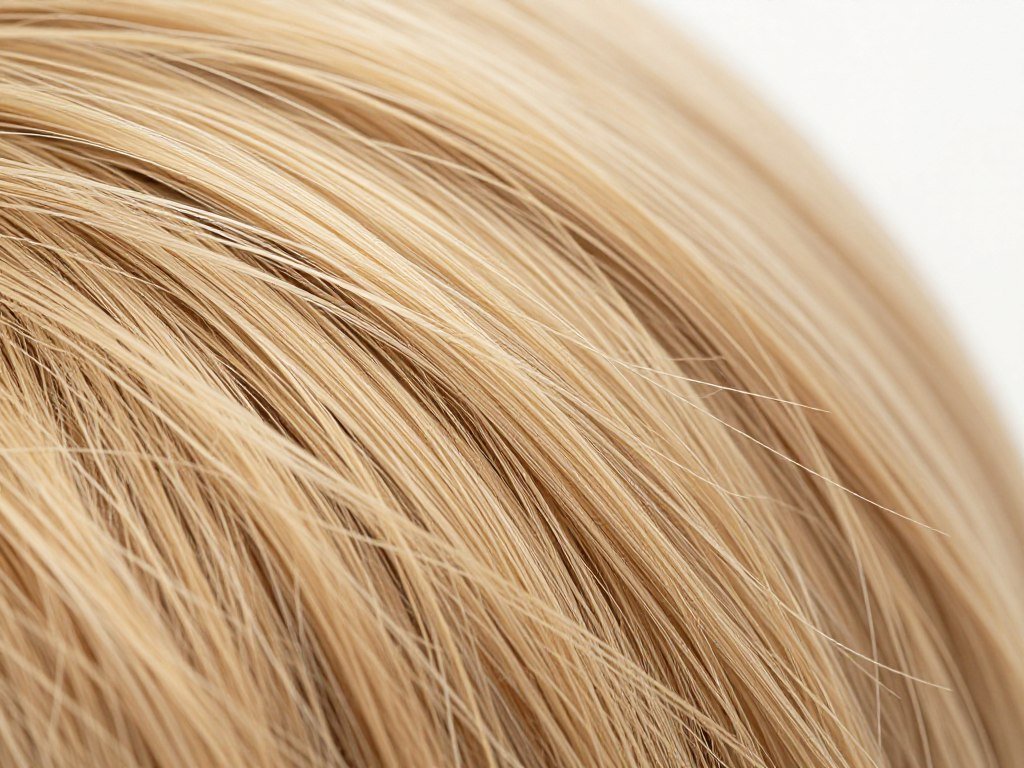
Moisture balance becomes critical during sleep. Fine hair loses hydration more quickly than thicker types. Your scalp produces natural oils that protect strands. These oils distribute less effectively through fine hair overnight. The result is increased breakage and split ends by morning.
Heat and friction combine to create problems. Your head generates warmth throughout the night. Cotton pillowcases absorb moisture from your hair. This combination leaves strands dry and vulnerable. Understanding these factors helps you implement protective strategies.
Tip 1: Invest in a Silk or Satin Pillowcase
Silk pillowcases revolutionize nighttime hair protection. The smooth surface reduces friction dramatically. Your hair glides across silk instead of catching on cotton fibers. This single change prevents countless broken strands over time.
Satin provides a budget-friendly alternative to silk. Both materials create similar protective benefits. The key difference lies in fabric composition and price point. Satin works well for those starting their hair care journey. Silk offers premium benefits for long-term investment.
Benefits of Silk
- Natural protein fibers match hair structure
- Temperature regulating properties
- Hypoallergenic and antimicrobial
- Extremely durable with proper care
Benefits of Satin
- More affordable than silk options
- Easy to wash and maintain
- Available in many colors
- Still reduces friction effectively
The investment pays dividends in hair health. You spend approximately eight hours each night on your pillow. That’s one-third of your life affecting your hair. Quality pillowcases protect this significant time period. Your morning routine becomes simpler with less damage to repair.
Tip 2: Brush Your Hair Before Bed
Brushing before sleep serves multiple purposes. You remove tangles that would worsen overnight. Your hair won’t mat together as you move during sleep. This simple step takes two minutes but saves morning frustration.
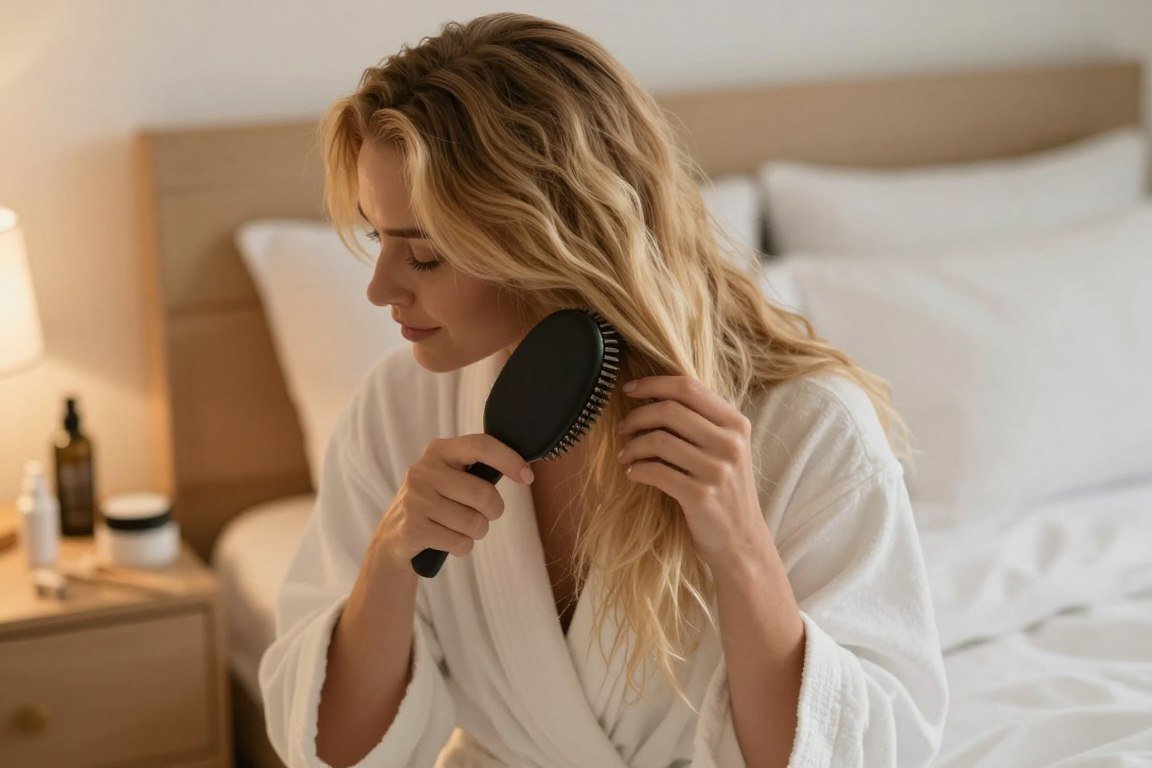
The technique matters as much as the action. Start brushing from the ends of your hair. Work your way up gradually toward the scalp. This method prevents unnecessary breakage. Forcing a brush through tangled roots causes damage.
Use the right brush for fine hair types. Boar bristle brushes distribute natural oils effectively. Wide-tooth combs work well for detangling. Avoid metal brushes that can snag delicate strands. The proper tool makes brushing beneficial rather than harmful.
Tip 3: Choose Loose Protective Hairstyles
Tight hairstyles damage fine hair during sleep. Ponytails create tension on the scalp. Hair elastics leave creases and cause breakage. Your hair needs freedom to move naturally throughout the night.
Loose braids offer excellent protection. They keep hair contained without excessive tension. A single braid down your back prevents tangling. Two loose braids work well for longer hair. The key is maintaining gentle, comfortable tension.
Important: Your braid should never feel tight or pull on your scalp. If you feel tension, loosen the style immediately to prevent damage and hair loss.
A loose bun provides another option. Position it high on your head to avoid sleeping directly on it. Use soft scrunchies instead of regular elastics. The fabric covering prevents creases and reduces friction. Your hair stays protected while you maintain comfort.
Tip 4: Never Sleep with Wet Hair
Wet hair becomes extremely vulnerable. The hair shaft swells when saturated with water. This swelling weakens the protein structure temporarily. Friction against your pillow causes maximum damage in this state.
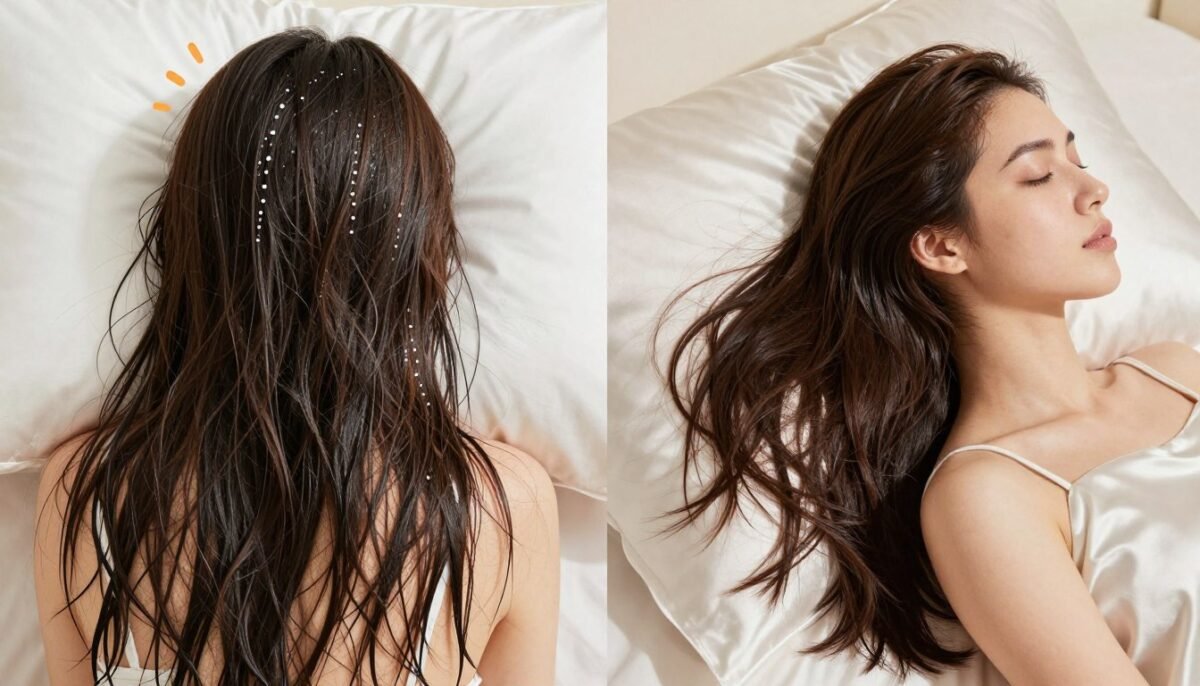
Damp hair presents similar problems. Even slightly moist strands remain fragile. Your pillow absorbs the moisture, creating friction. The result is breakage and split ends that accumulate over time. Patience with drying prevents these issues.
Allow sufficient drying time before bed. Air drying is gentler than heat styling. If you must use a dryer, choose low heat settings. Focus on the roots first, where moisture collects. The ends dry more quickly and need less attention. Complete dryness ensures maximum protection during sleep.
Tip 5: Use a Microfiber Towel for Drying
Regular towels create excessive friction on fine hair. The rough cotton texture roughs up the hair cuticle. Rubbing with traditional towels causes immediate damage. Microfiber towels solve this problem effectively.
Microfiber absorbs water more efficiently than cotton. The ultra-fine fibers wick moisture away gently. You can wrap your hair without aggressive rubbing. This method protects the cuticle while removing water. Your hair dries faster with less damage.
The technique makes a difference too. Never rub your hair vigorously with any towel. Instead, gently squeeze sections to remove water. Pat and press rather than scrub. This gentler approach preserves your hair structure. The time investment is minimal but the protection is significant.
Essential Products for Nighttime Hair Protection
Transform your sleep routine with these carefully selected products designed specifically for fine hair protection. These items address the friction, moisture, and breakage challenges we’ve discussed.
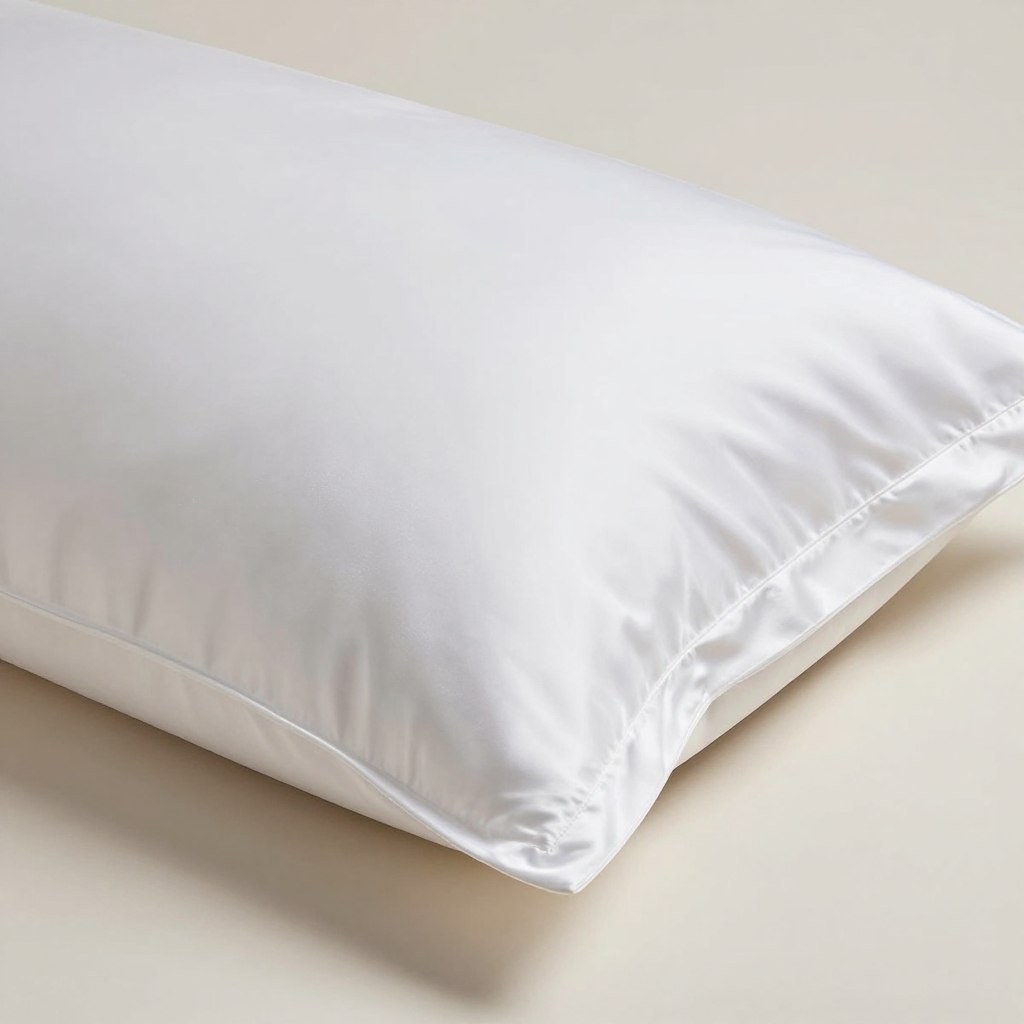
Mulberry Silk Pillowcase
100% pure mulberry silk reduces friction by up to 43% compared to cotton. Protects fine hair while maintaining moisture balance throughout the night.
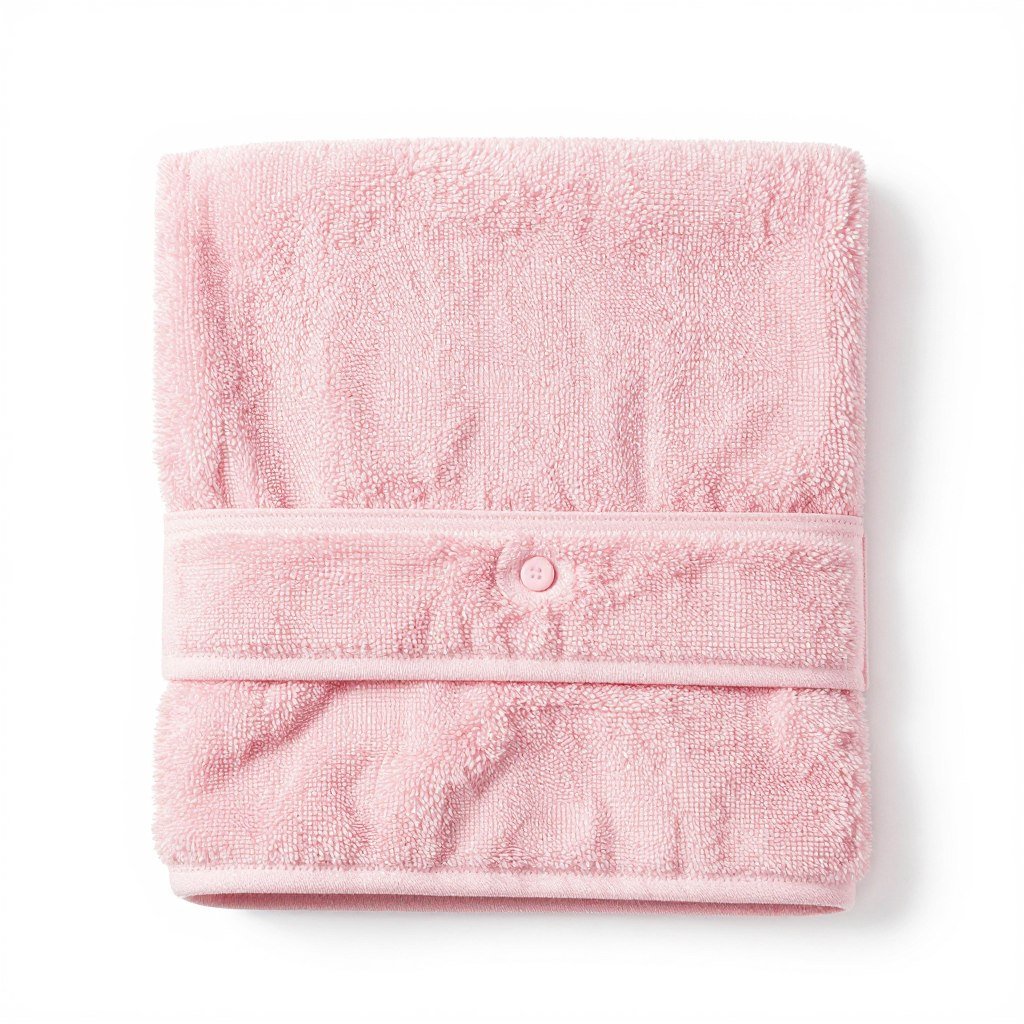
Microfiber Hair Towel
Ultra-absorbent microfiber technology dries hair faster while preventing damage. Designed specifically for fine and delicate hair types.
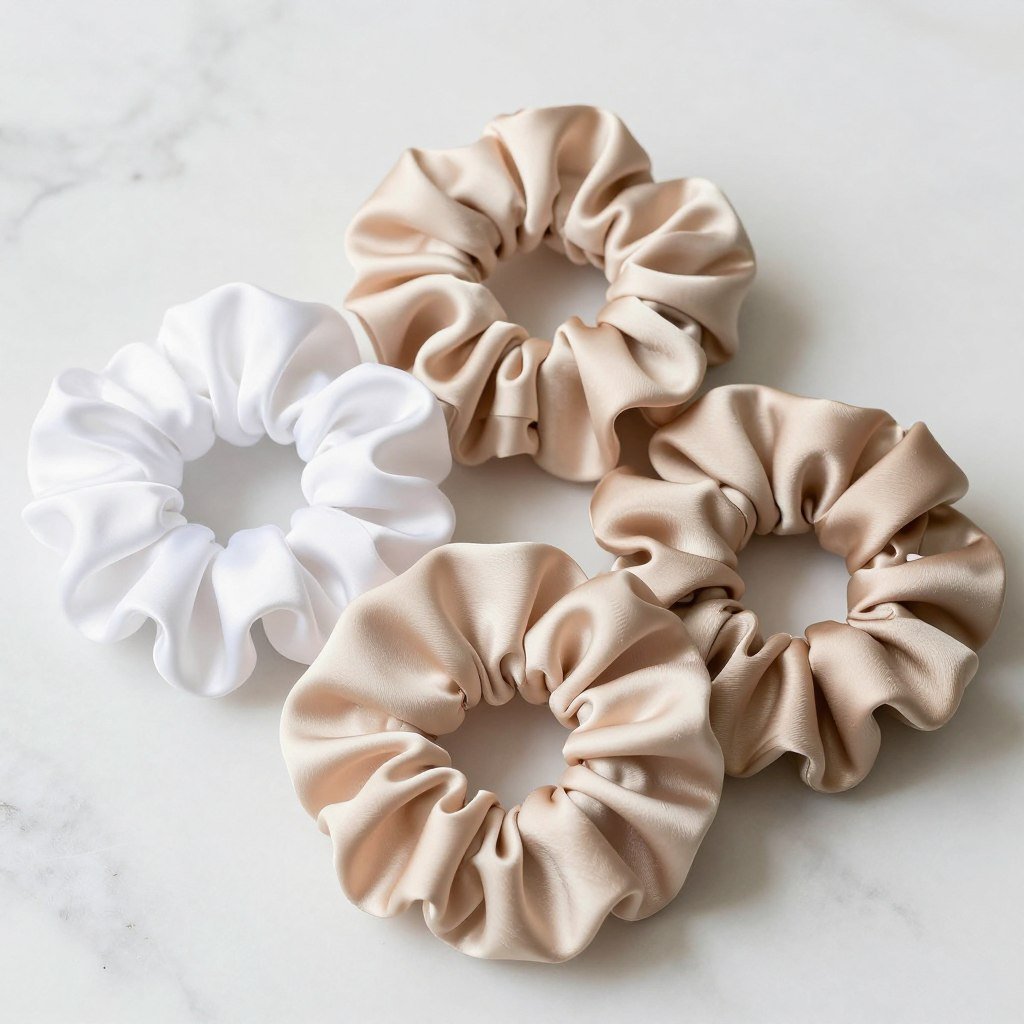
Silk Scrunchie Set
Gentle fabric-covered elastics create loose protective styles without creasing or breaking fine hair strands during sleep.
Tip 6: Apply Leave-In Conditioner Before Bed
Leave-in conditioner provides overnight protection and moisture. Fine hair benefits from lightweight formulas that don’t weigh down strands. The product creates a protective barrier against friction. Your hair receives continuous treatment while you sleep.
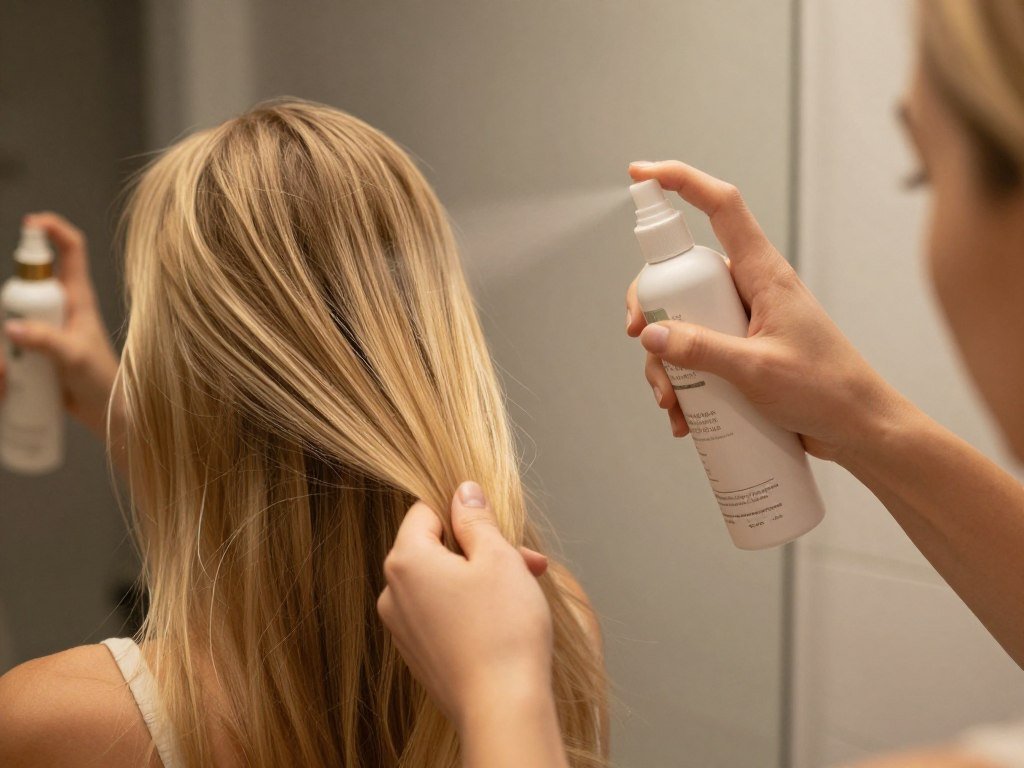
Application technique affects results significantly. Focus the product on mid-lengths to ends. Fine hair at the roots becomes greasy easily. Avoid the scalp area entirely. Distribute the conditioner evenly using your fingers or a wide-tooth comb.
Choose formulas designed for fine hair specifically. Heavy products create buildup overnight. Look for lightweight, non-greasy options. Ingredients like argan oil and keratin strengthen without weighing down. The right product enhances protection without causing morning flatness.
Tip 7: Perform a Gentle Scalp Massage
Scalp massages improve circulation before sleep. Your fingertips stimulate blood flow to hair follicles. This increased circulation delivers nutrients while you rest. The practice takes only five minutes but offers significant benefits.
The technique is simple and relaxing. Use your fingertips, not your nails. Apply gentle pressure in circular motions. Start at your hairline and work back toward the crown. Cover your entire scalp systematically. The massage should feel pleasant, never painful.
This practice distributes natural oils effectively. Your scalp produces sebum that protects hair. Massage helps move these oils down the hair shaft. Fine hair benefits particularly from this oil distribution. The process conditions your hair naturally overnight.
Tip 8: Control Bedroom Humidity Levels
Humidity affects fine hair significantly during sleep. Too much moisture causes frizz and limpness. Extremely dry air leads to static and breakage. The ideal humidity range falls between 40-60 percent.
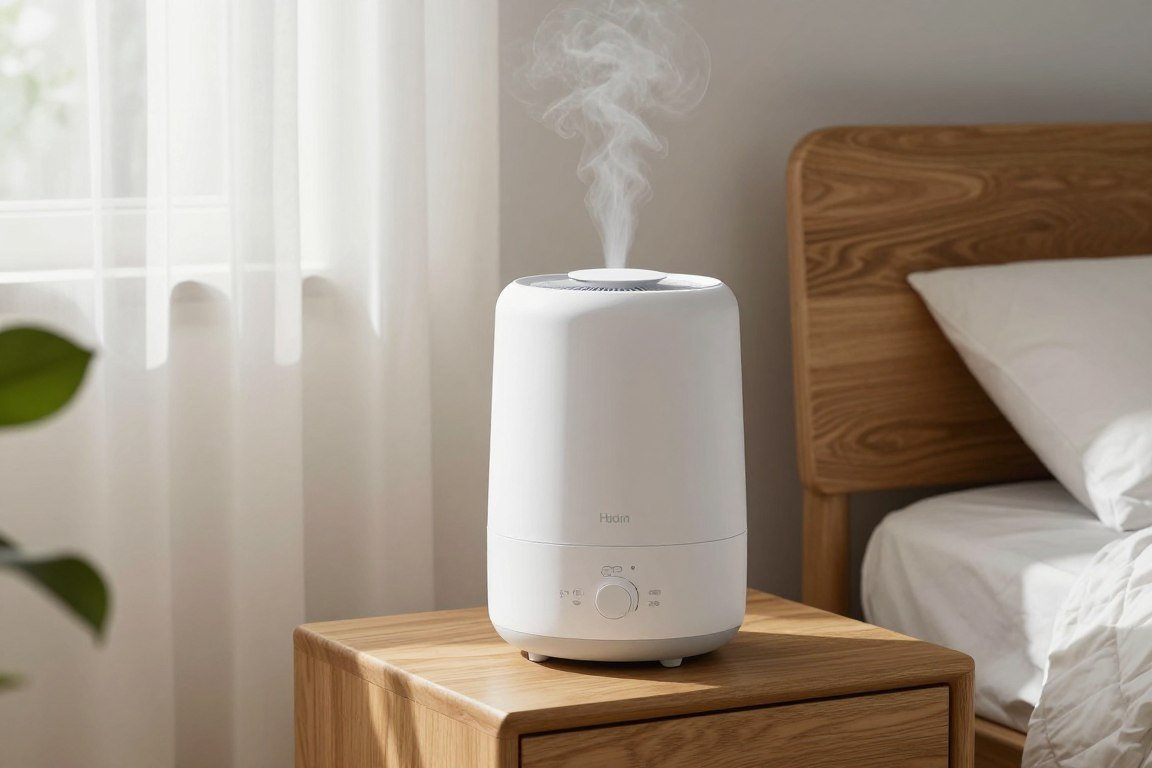
Managing Bedroom Moisture
A humidifier adds moisture to dry environments. Winter heating systems often create overly dry air. The device maintains consistent humidity overnight. Your hair retains proper moisture balance.
Conversely, dehumidifiers help in humid climates. Excess moisture makes fine hair limp and greasy. Removing extra humidity preserves volume and texture. Monitor your environment to determine your needs.
Simple tools help you monitor conditions. Inexpensive hygrometers measure humidity accurately. Place one in your bedroom to track levels. Adjust your environment based on these readings. Consistent conditions lead to predictable, healthy hair results.
Tip 9: Keep Your Bedroom Temperature Cool
Heat affects your hair and scalp health overnight. High temperatures increase oil production. Excessive scalp oil makes fine hair look greasy. A cooler bedroom prevents this overproduction.
The optimal sleeping temperature ranges from 60-67 degrees Fahrenheit. This range promotes quality sleep and hair health. Your body doesn’t overheat and sweat excessively. Less perspiration means less moisture disrupting your hair.
Temperature control also affects pillow friction. Heat makes you move more during sleep. Excessive movement increases friction against your pillow. Cooler conditions promote restful, still sleep. Your hair experiences less mechanical stress throughout the night.
Tip 10: Consider a Silk or Satin Bonnet
Hair bonnets provide complete overnight protection. The fabric encases your entire head of hair. This barrier eliminates pillow friction entirely. Bonnets work especially well for protective styles and treatments.

Silk and satin bonnets offer different benefits. Silk provides premium breathability and comfort. Satin costs less while still reducing friction. Both options protect significantly better than sleeping without coverage. Choose based on your budget and preference.
Proper fit ensures effectiveness and comfort. The bonnet should cover all your hair without feeling tight. Elastic bands should be gentle, not constricting. Some designs include adjustable ties for custom fit. Try different styles to find your perfect match.
Overnight Treatment Products for Fine Hair
Enhance your nighttime routine with these specialized treatments that work while you sleep. These products are formulated specifically to nourish fine hair without weighing it down.
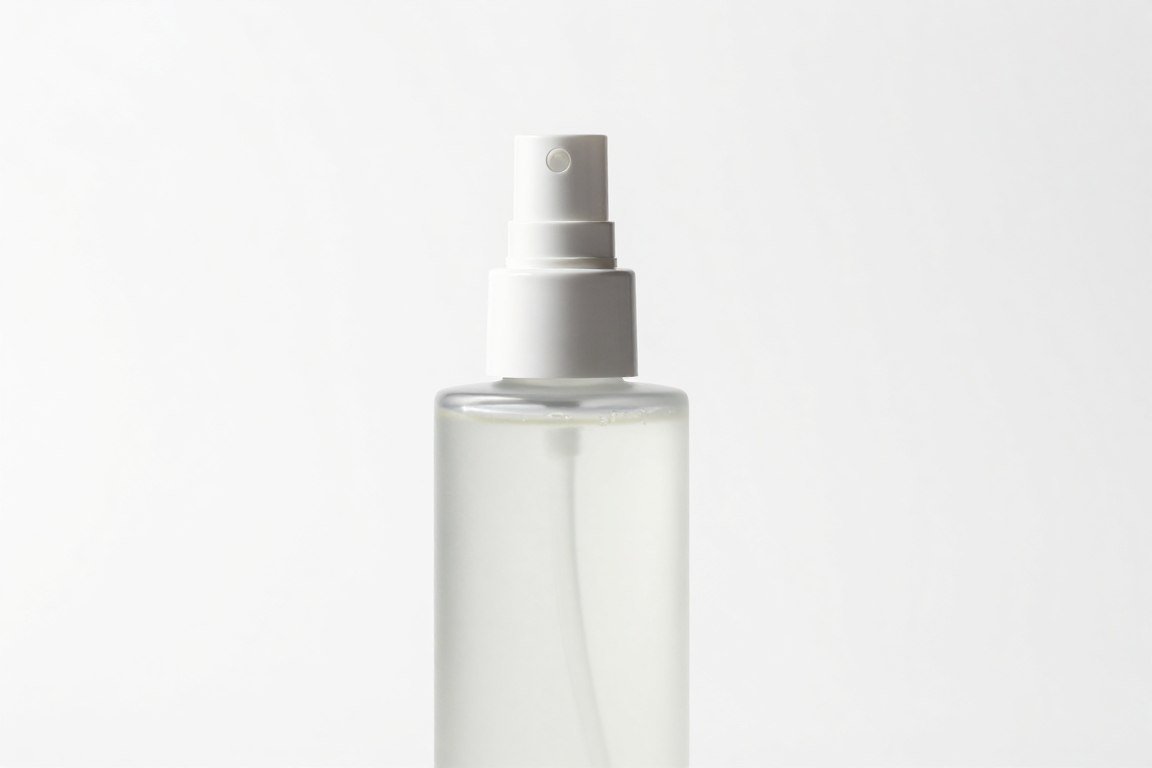
Lightweight Leave-In Conditioner
Specially formulated for fine hair types. Provides moisture and protection without heaviness. Contains keratin and argan oil for strength.
- No residue or buildup
- Detangles while you sleep
- Heat protection included
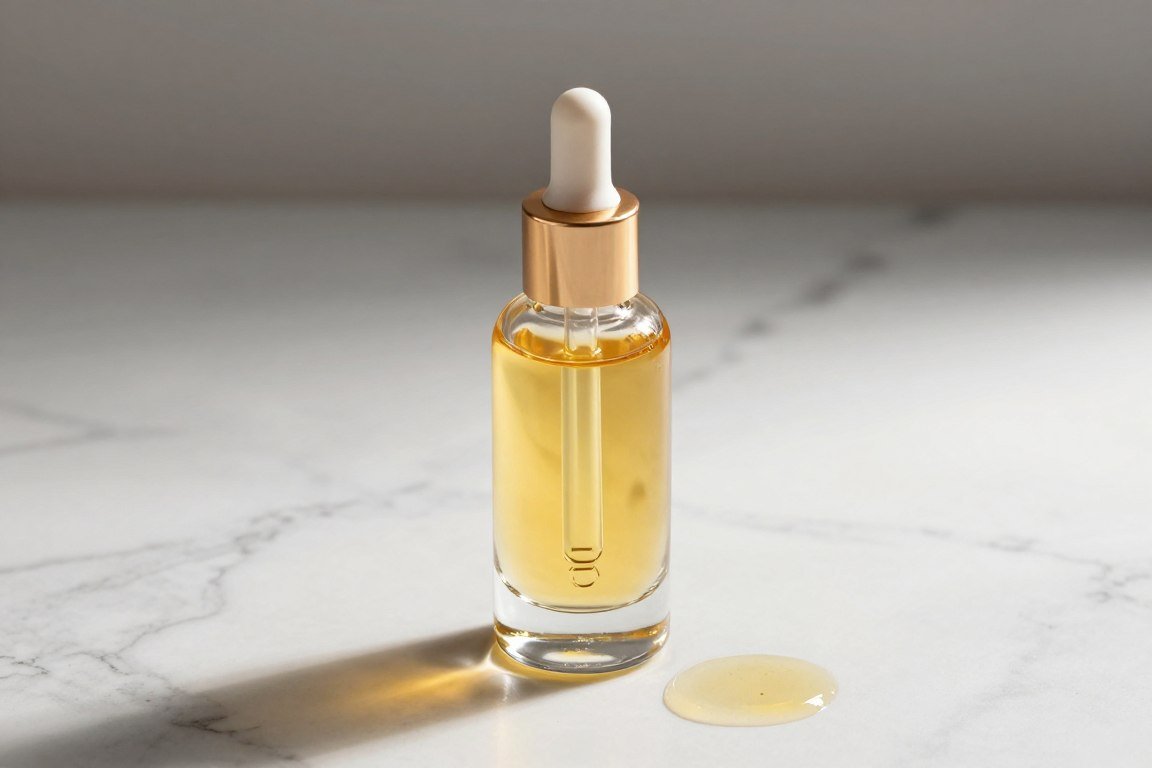
Overnight Hair Oil Serum
Concentrated treatment targets split ends and breakage. Absorbs overnight without leaving greasy residue. Perfect for fine hair needing repair.
- Just a few drops needed
- Repairs split ends
- Non-greasy formula
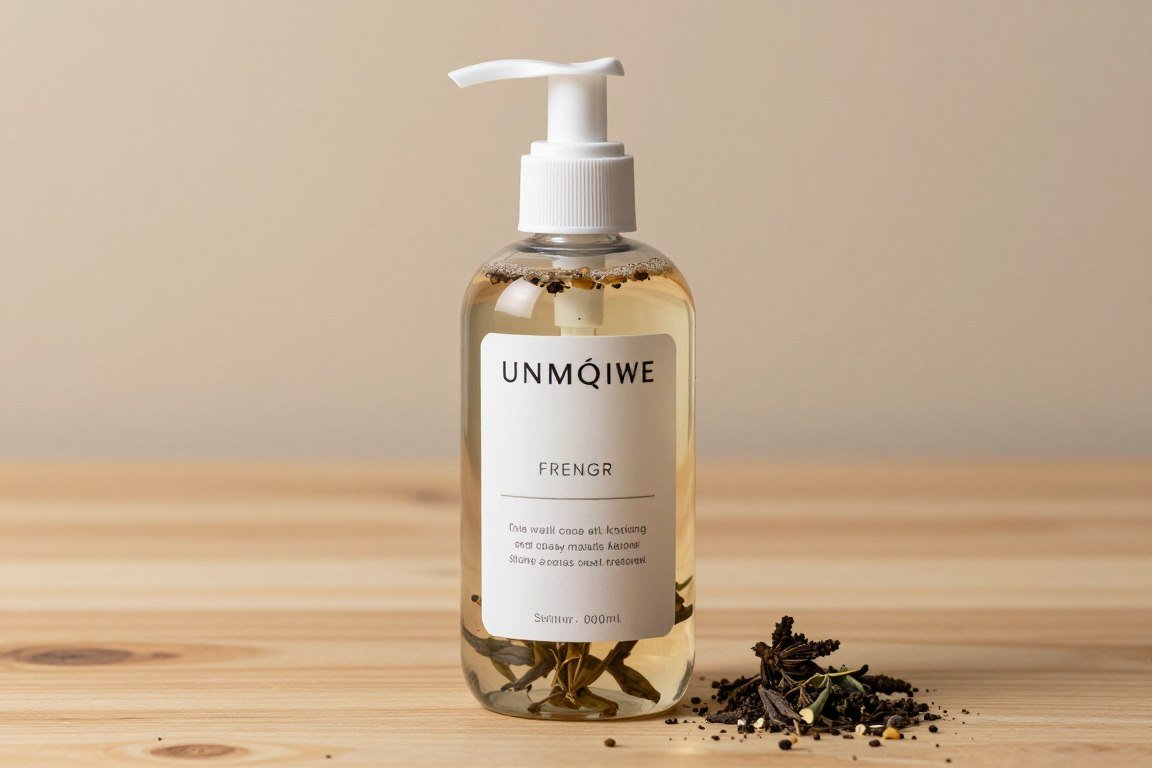
Scalp Treatment Serum
Nourishes follicles during sleep to strengthen fine hair from the roots. Supports healthy growth and reduces hair loss.
- Promotes hair growth
- Strengthens follicles
- Reduces shedding
Tip 11: Avoid Rubber Bands and Tight Elastics
Traditional hair elastics damage fine hair severely. Rubber bands create extreme tension points. The tight grip breaks strands at the point of contact. This damage accumulates over repeated use.
Hair creases from tight elastics weaken the shaft structure. The bent area becomes prone to breaking. Fine hair cannot withstand this mechanical stress. Each night with tight elastics multiplies the damage.
Recommended Alternatives
- Silk or satin scrunchies
- Spiral hair ties
- Soft fabric hair bands
- Velvet scrunchies
- Claw clips (loosely secured)
Items to Avoid
- Rubber bands
- Metal elastics
- Tight hair ties
- Elastics with metal crimps
- Any constricting accessories
Scrunchies distribute pressure more evenly. The fabric covering protects your hair from elastic contact. They hold hair securely without excessive tension. This simple swap prevents significant breakage over time.
Tip 12: Maintain Regular Trims
Regular trims prevent nighttime damage from worsening. Split ends travel up the hair shaft if left unchecked. Trimming removes damaged ends before they split further. This maintenance protects the overall health of fine hair.
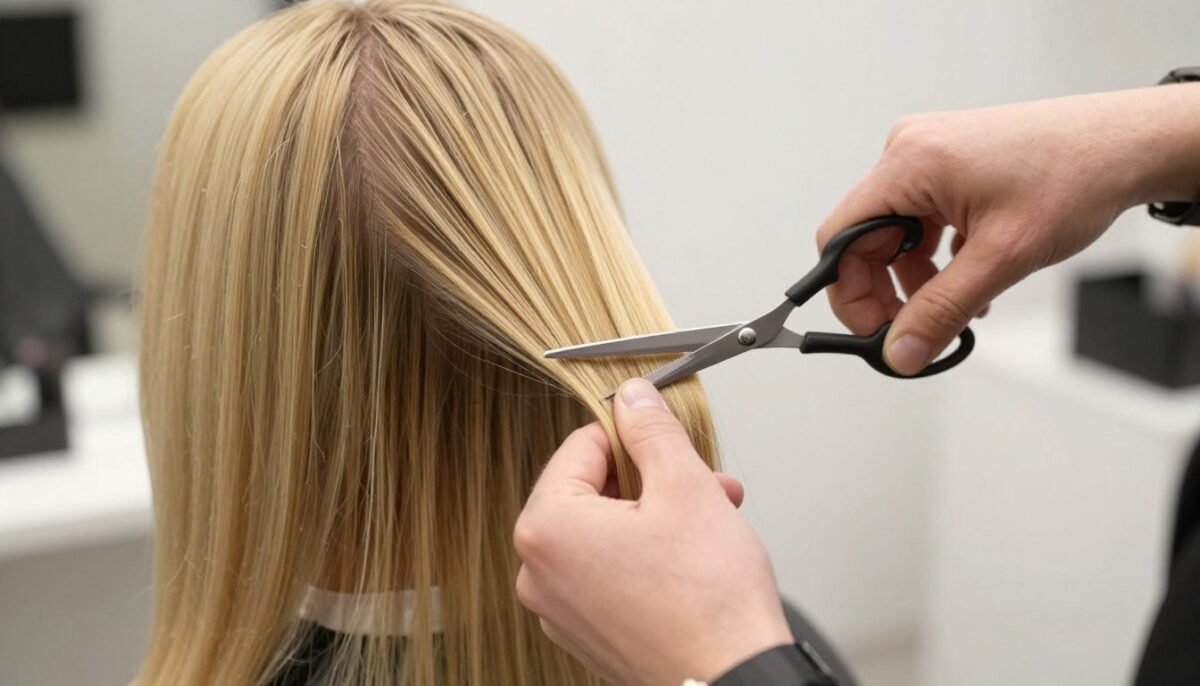
The recommended schedule is every six to eight weeks. Fine hair shows damage more quickly than thicker types. Frequent small trims maintain health better than occasional large cuts. Your hair stays consistently healthy rather than cycling through damage and repair.
Communicate with your stylist about your goals. Explain that you want to maintain length while removing damage. A skilled stylist removes just enough to eliminate split ends. This approach balances health and growth effectively.
Tip 13: Use Weekly Protein Treatments
Protein treatments strengthen fine hair structure. Hair consists primarily of keratin protein. Treatments replenish this protein when it depletes. Stronger strands resist breakage during sleep better.
Application timing matters for effectiveness. Apply protein treatments before your nighttime routine begins. Allow the product to absorb while you prepare for bed. Rinse thoroughly before sleeping to avoid buildup. Your hair benefits from the treatment without residue issues.
Treatment Schedule: Use protein treatments once weekly for normal fine hair. Increase to twice weekly if you notice excessive breakage or damage. Always follow with a moisturizing conditioner to maintain balance.
Balance protein and moisture carefully. Too much protein makes hair brittle. Alternate protein treatments with deep conditioning. This balance keeps fine hair strong yet flexible. Monitor your hair’s response and adjust accordingly.
Tip 14: Optimize Your Sleep Position
Your sleeping position affects hair health significantly. Sleeping on your back reduces friction. Your hair spreads naturally across the pillow. This position minimizes tangles and breakage overnight.
Side sleeping creates more friction challenges. One side of your head presses against the pillow constantly. This concentrated pressure increases damage potential. If you prefer side sleeping, alternate sides regularly. Rotate to prevent disproportionate damage to one area.
Stomach sleeping causes maximum hair stress. Your head turns to one side, creating twisted pressure points. Hair gets trapped under your neck and shoulders. This position also increases facial wrinkles. Consider retraining yourself to sleep on your back for multiple health benefits.
Tip 15: Try Overnight Hair Wraps
Hair wraps provide structured protection during sleep. These products secure your hair in protective styles. The wrap holds everything in place without tension. Your hairstyle stays intact while reducing friction completely.
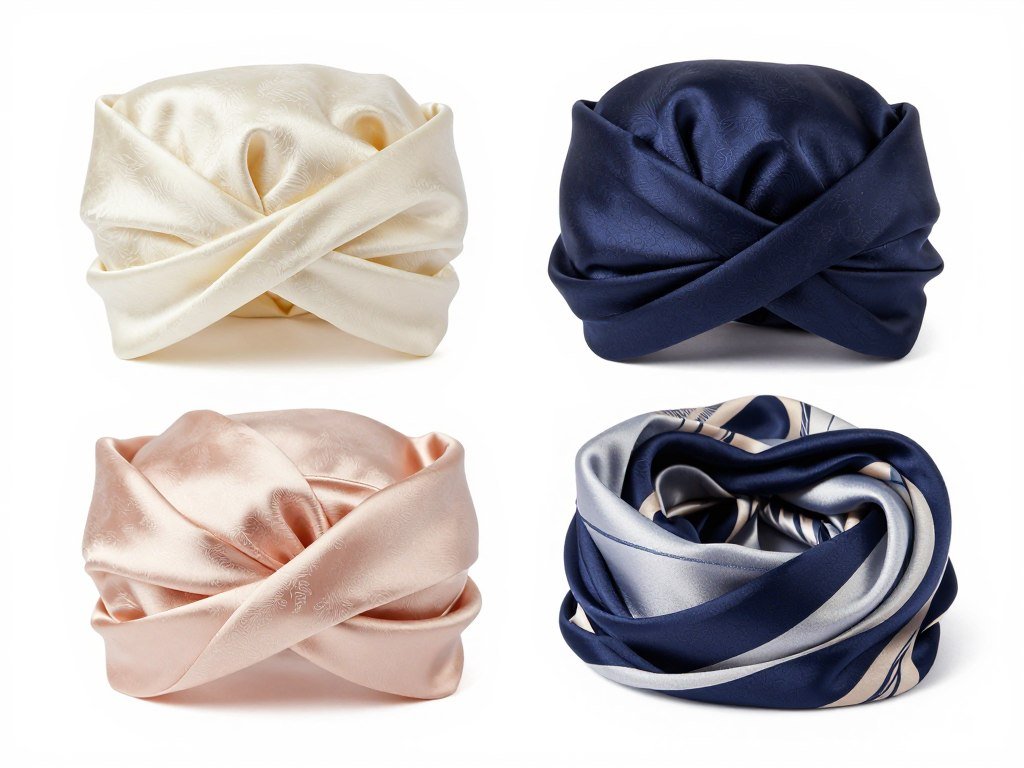
Various wrap styles suit different preferences. Turban-style wraps cover all hair completely. They’re particularly effective for longer fine hair. Scarf wraps offer adjustable coverage and style. Choose based on your hair length and comfort preferences.
Material selection affects comfort and protection. Silk wraps offer premium breathability and smoothness. Satin alternatives provide similar protection at lower cost. Both materials significantly outperform cotton or synthetic options. Invest in quality materials for best results.
Complete Your Protective Hair Arsenal
These specialized accessories and tools complete your nighttime hair protection routine. Each item addresses specific challenges faced by fine hair during sleep.
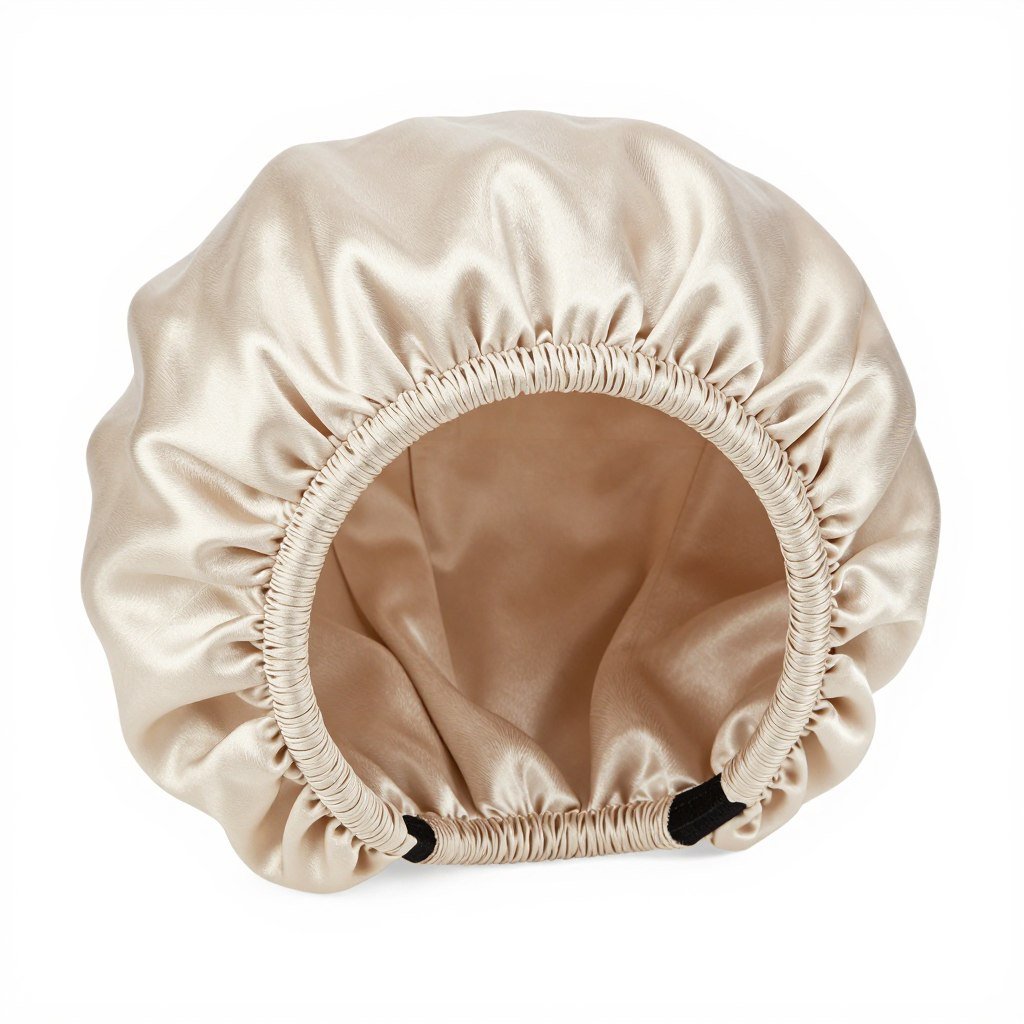
Premium Silk Bonnet
100% mulberry silk construction protects your entire head of hair. Adjustable elastic ensures comfortable, secure fit all night without slipping.
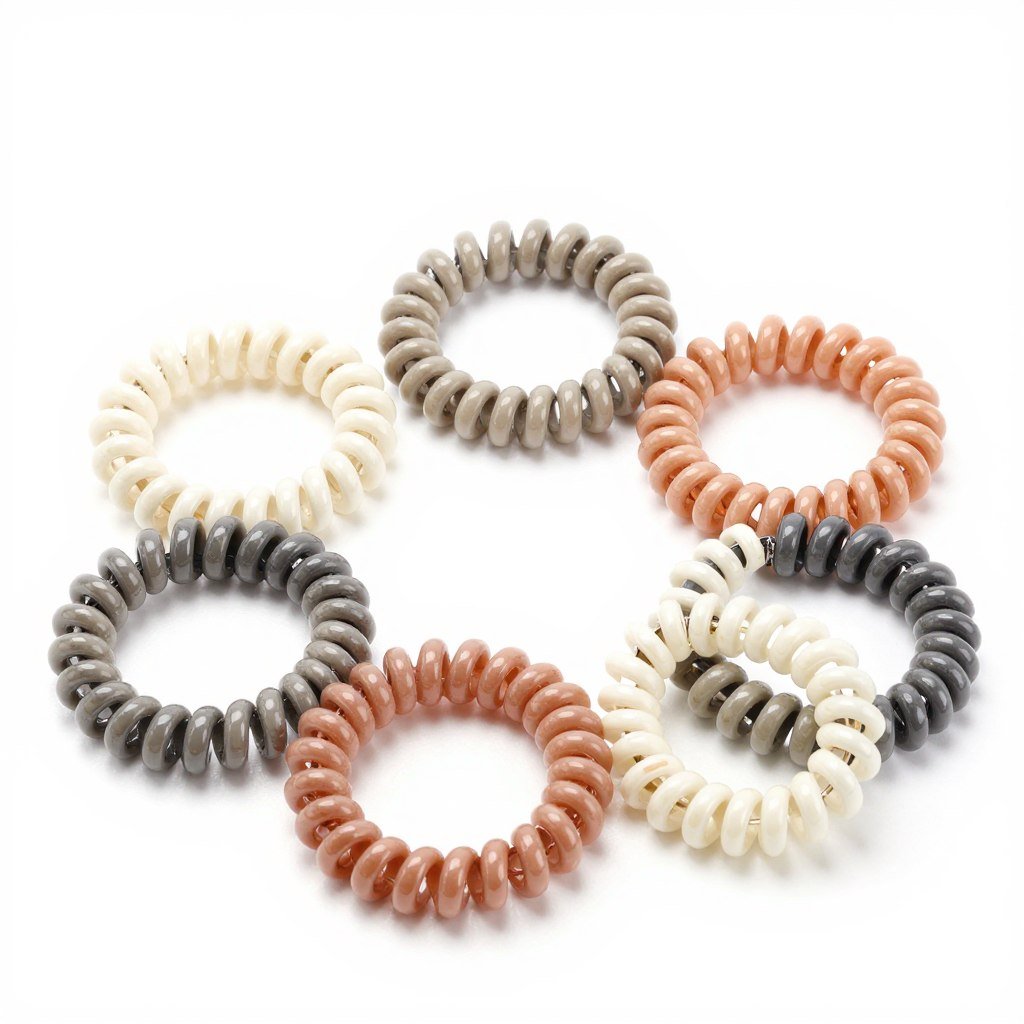
Spiral Hair Ties Set
Revolutionary coil design eliminates creasing and breakage. Perfect for loose protective styles that won’t damage fine hair overnight.
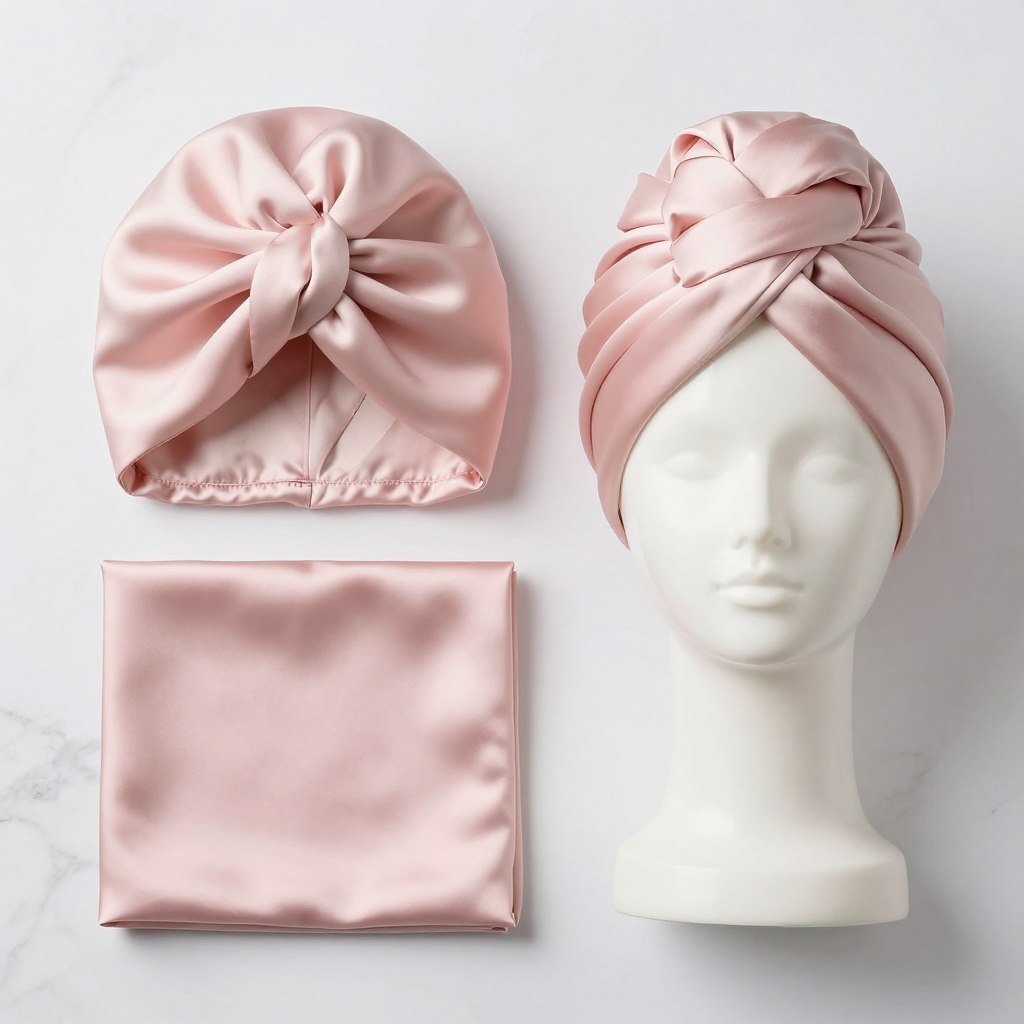
Adjustable Hair Wrap
Versatile turban-style wrap accommodates all hair lengths. Soft silk construction prevents friction while maintaining secure, comfortable fit.
Tip 16: Deep Condition Weekly
Deep conditioning treatments restore moisture to fine hair. These intensive products penetrate the hair shaft more thoroughly than regular conditioners. Weekly treatments maintain optimal moisture balance. Your hair resists damage better when properly hydrated.
Application method maximizes treatment benefits. Wash your hair several hours before bedtime. Apply the deep conditioner to damp hair. Focus on the mid-lengths and ends where damage concentrates. Leave the treatment on for the recommended time, then rinse thoroughly.

Choose lightweight formulas for fine hair specifically. Heavy treatments weigh down delicate strands. Look for products labeled for fine or thin hair types. Ingredients like panthenol and amino acids provide moisture without heaviness. The right product enhances rather than flattens your hair.
Tip 17: Be Cautious with Heavy Oils
Heavy oils overwhelm fine hair easily. Coconut oil and other thick options create buildup. Your hair becomes greasy and flat by morning. The weight pulls on delicate strands, potentially causing breakage at the root.
Lighter oil alternatives work better for fine hair. Argan oil absorbs quickly without residue. Jojoba oil closely matches your scalp’s natural sebum. Grapeseed oil provides moisture without weight. These options protect without overwhelming delicate strands.
Best Oils for Fine Hair
- Argan oil – lightweight, fast-absorbing
- Jojoba oil – mimics natural sebum
- Grapeseed oil – very light texture
- Rosehip oil – nourishing without heaviness
- Sweet almond oil – gentle and light
Oils to Use Sparingly
- Coconut oil – can be too heavy
- Castor oil – extremely thick
- Olive oil – may cause buildup
- Avocado oil – rich but heavy
- Shea butter – too thick for most fine hair
Application quantity matters as much as oil type. Use only two or three drops for fine hair. Warm the oil between your palms before applying. Focus exclusively on the ends where dryness occurs. Avoid the roots and scalp area entirely to prevent greasiness.
Tip 18: Wash Pillowcases Regularly
Clean pillowcases contribute significantly to hair health. Oil, dirt, and product buildup accumulate on fabric. These residues transfer back to your hair nightly. Regular washing eliminates this cycle of contamination.
The recommended washing frequency is twice weekly. This schedule prevents significant buildup. Use gentle, fragrance-free detergent. Harsh chemicals can irritate your scalp and damage hair. Avoid fabric softeners that leave residue on silk or satin.
Proper care extends the life of quality pillowcases. Silk requires delicate washing on cold settings. Air drying preserves the fabric structure better than machine drying. Satin typically tolerates regular washing well. Follow manufacturer instructions for best results and longest lifespan.
Tip 19: Clarify Monthly to Remove Buildup
Product buildup weighs down fine hair over time. Styling products, treatments, and even water minerals accumulate. This buildup makes hair look dull and feel heavy. Monthly clarifying treatments remove these deposits effectively.
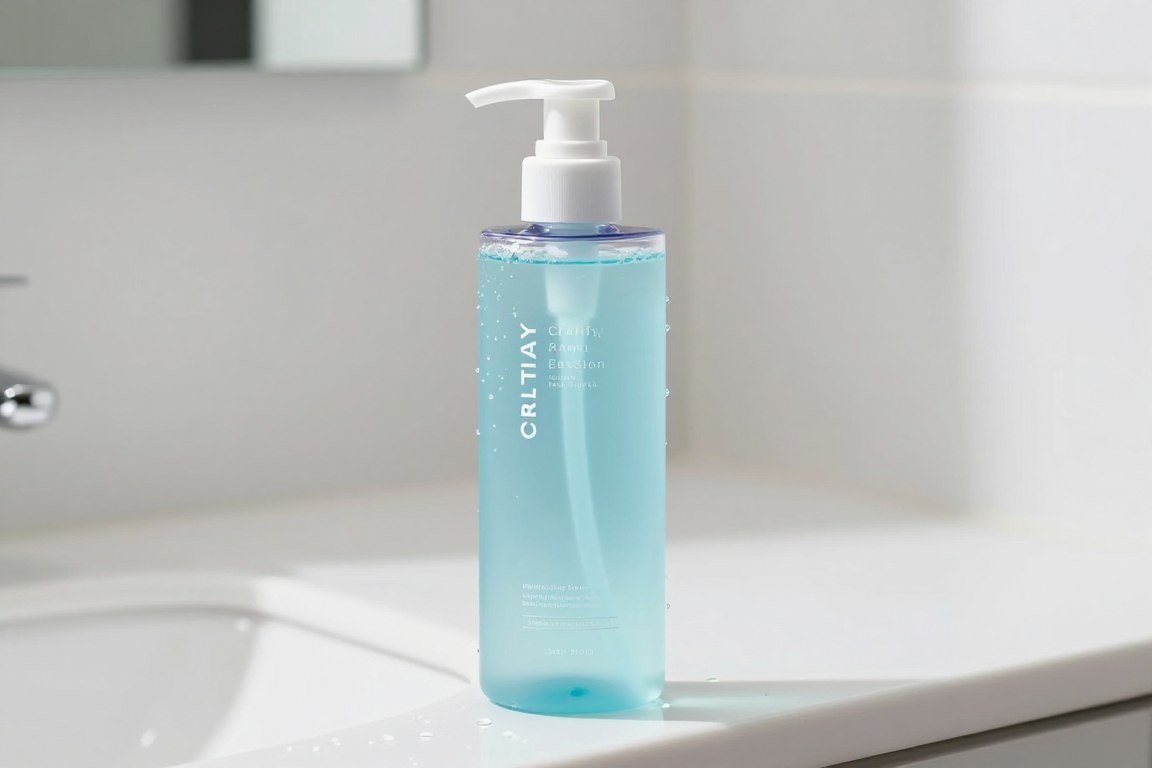
Clarifying shampoos strip away buildup thoroughly. These stronger formulas clean more deeply than regular shampoos. Use them once monthly unless you use heavy styling products daily. After clarifying, always follow with a moisturizing conditioner. This step prevents over-drying from the deep cleansing.
Signs you need clarifying include persistent limpness and dullness. If products stop working effectively, buildup may be blocking absorption. Hair that feels coated or sticky needs clarifying treatment. Address these symptoms promptly to restore hair health and responsiveness to your nighttime care routine.
Tip 20: Maintain a Consistent Nighttime Routine
Consistency delivers the best hair care results. Your hair responds to regular, repeated care. Sporadic efforts produce minimal improvements. A predictable routine allows you to identify what works best for your specific hair type.
Start with the basics and build gradually. Begin with a silk pillowcase and gentle brushing. Add one new element weekly until you find your ideal routine. This methodical approach prevents overwhelming yourself. You can also identify which steps provide the most benefit.
Your Essential Nighttime Checklist: Brush hair gently from ends to roots, apply lightweight leave-in conditioner to ends, style in loose protective braid or bun with silk scrunchie, ensure hair is completely dry, sleep on silk or satin pillowcase.
Track your progress with photos and notes. Document your hair condition weekly. Notice improvements in texture, strength, and manageability. This evidence motivates continued commitment. Your hair transforms gradually with consistent protective care during sleep.
Build Your Complete Nighttime Hair Care System
Ready to transform your hair health? These curated bundles include everything you need to implement all 20 tips effectively. Start protecting your fine hair tonight.
Starter Protection Kit
Perfect for beginning your hair protection journey.
- 1 Silk pillowcase
- 3 Silk scrunchies
- Microfiber hair towel
- Lightweight leave-in spray
Best for: Those new to nighttime hair care routines
Complete Protection System
Everything you need for comprehensive overnight care.
- 2 Silk pillowcases
- Silk bonnet
- Hair wrap turban
- Spiral hair ties set
- Treatment oil serum
- Deep conditioning mask
Best for: Maximum protection and results
Treatment Enhancement Set
Specialized products for intensive overnight repair.
- Overnight hair oil
- Leave-in conditioner
- Protein treatment
- Scalp serum
- Deep conditioning mask
Best for: Damaged hair needing intensive repair
Creating Your Personalized Nighttime Hair Care Routine
Every person’s hair responds differently to care. Your ideal routine combines multiple tips tailored to your specific needs. Start by identifying your primary hair concerns. Do you struggle with breakage, dryness, or tangles most?
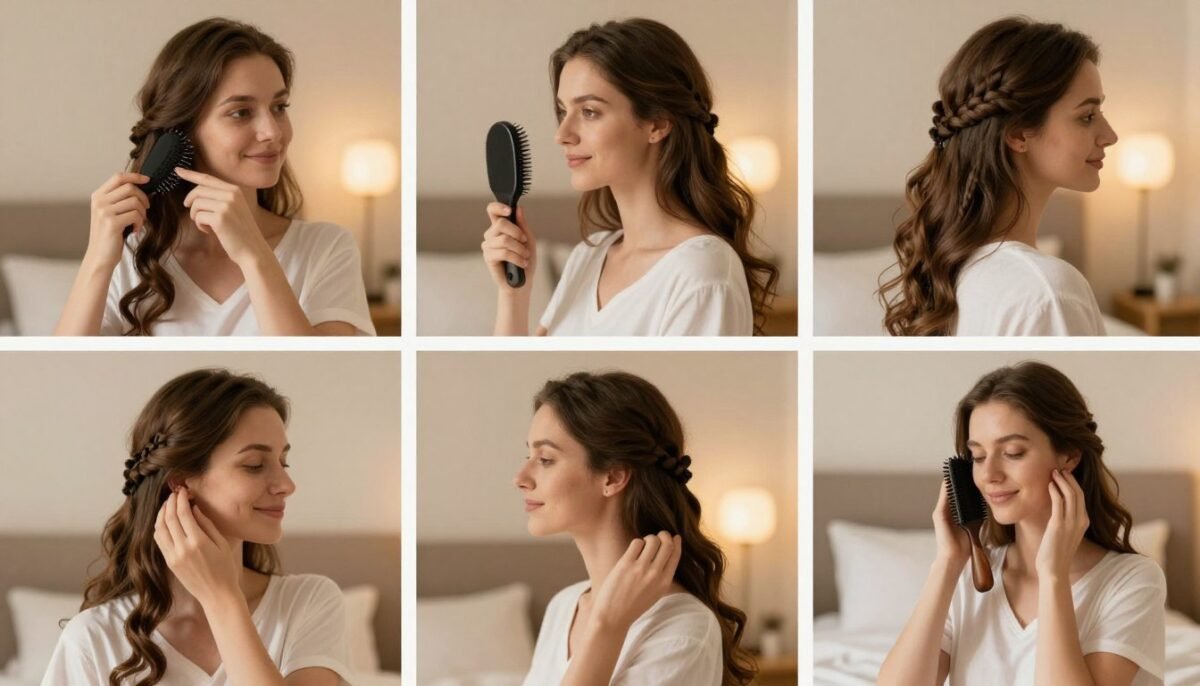
Build your routine around your biggest challenges. If breakage concerns you most, prioritize silk bedding and protective styles. For dryness issues, focus on leave-in conditioner and oil treatments. Tangles require pre-bed brushing and smooth pillowcase materials.
Time management makes consistency achievable. A complete routine takes 10-15 minutes nightly. This small investment prevents hours of damage repair. Schedule your routine at the same time each evening. Habits form more easily with consistent timing.
Monitoring and Adjusting Your Hair Care Results
Tracking progress keeps you motivated and informed. Take photos of your hair weekly from multiple angles. Note the condition of your ends and overall texture. Document any changes in manageability or styling time required.
Expect gradual improvements over weeks and months. Hair grows slowly, approximately half an inch monthly. New growth benefits immediately from your protective routine. Existing hair improves as you prevent further damage and treat current issues.
Signs of Improvement
- Less hair in your brush and shower drain
- Smoother texture and increased shine
- Easier morning styling with fewer tangles
- Reduced split ends between trims
- Improved hair volume and body
- Less frizz and flyaways
When to Adjust Your Routine
- Hair feels greasy – reduce product amounts
- Continued dryness – add more moisture treatments
- Persistent breakage – examine styling tension
- Buildup develops – increase clarifying frequency
- No improvements after 6 weeks – try different products
- Scalp irritation – switch to gentler formulas
Adjust your routine based on seasonal changes. Winter air requires more moisture. Summer humidity may need less conditioning. Your hair’s needs fluctuate throughout the year. Stay responsive to these changing requirements for optimal results.
Common Mistakes to Avoid
Understanding what not to do proves as important as knowing best practices. Many people unknowingly sabotage their hair protection efforts. Avoiding these common errors accelerates your progress toward healthier hair.
Critical Warning: Never go to sleep with hair that’s even slightly damp. This single mistake causes more damage than almost any other nighttime habit. Always ensure complete dryness before bed.
Over-product application weighs down fine hair significantly. More product doesn’t equal better results. Use the minimum effective amount for your hair length. You can always add more if needed, but removing excess proves difficult.
Mistakes That Damage Fine Hair
- Sleeping with wet or damp hair
- Using tight elastics or rubber bands
- Skipping regular trims
- Applying products to the scalp
- Using heavy oils overnight
- Neglecting to wash pillowcases
- Creating too-tight protective styles
Better Practices to Adopt
- Always dry hair completely first
- Use silk scrunchies or spiral ties
- Trim every 6-8 weeks consistently
- Focus products on mid-lengths and ends
- Choose lightweight oil formulas
- Wash bedding twice weekly
- Keep styles loose and comfortable
Inconsistency undermines even the best products and techniques. Your hair responds to regular, repeated care. Sporadic efforts produce minimal lasting results. Commit to your routine for at least six weeks before evaluating effectiveness. Patience and persistence deliver transformative results.
Frequently Asked Questions About Protecting Fine Hair at Night
How long until I see results from nighttime hair protection?
Most people notice initial improvements within two to three weeks. You’ll experience less breakage and easier morning styling first. Visible improvements in hair texture and shine typically appear after four to six weeks of consistent nighttime care. Significant length retention and overall health improvements become apparent after three months of dedicated routine following.
Can I sleep with wet hair if I use a silk pillowcase?
No, silk pillowcases don’t make sleeping with wet hair safe. Wet hair remains extremely fragile regardless of pillow material. The moisture weakens the protein bonds in your hair shaft. Any friction causes breakage when hair is wet. Always ensure your hair is completely dry before sleeping, even with premium bedding materials.
Which is better for fine hair – silk or satin?
Silk offers superior benefits but comes at a higher price. Natural silk proteins are similar to hair structure, providing exceptional protection. Silk also regulates temperature better and lasts longer with proper care. Satin provides excellent friction reduction at a more affordable price point. Both materials dramatically outperform cotton for hair protection. Choose based on your budget and priorities.
How tight should protective braids be for sleeping?
Protective braids should feel comfortable with zero tension on your scalp. You shouldn’t feel any pulling when you move your head. The braid should hold hair together loosely without creating stress points. If you can’t comfortably sleep in your braid, it’s too tight. Loose braids still prevent tangling while avoiding the damage caused by tension.
Do I need different products for summer versus winter?
Seasonal adjustments optimize your hair care routine. Winter typically requires more intensive moisture treatments due to dry indoor heating. Summer humidity may need lighter products and less conditioning. Monitor your hair’s response to environmental changes. Adjust product weights and application frequency based on how your hair feels and behaves each season.
Can I use regular conditioner as leave-in treatment?
Regular conditioners aren’t formulated for leave-in use. They contain ingredients designed to be rinsed out completely. Leaving regular conditioner in your hair causes buildup, greasiness, and attracts dirt. Invest in proper leave-in conditioner formulated for overnight use. These products are specifically designed to remain in hair without causing problems. The results and hair health benefits justify the additional product purchase.
Taking Action for Healthier Hair
Protecting fine hair while you sleep transforms overall hair health dramatically. These 20 tips provide comprehensive guidance for nighttime care. Implementation requires minimal time investment but delivers substantial benefits. Your hair experiences protection for eight hours nightly.
Start with foundational changes tonight. Switch to a silk or satin pillowcase immediately. Begin brushing your hair gently before bed. These simple steps cost little but provide immediate protection. Build additional habits gradually over coming weeks.
Consistency matters more than perfection. You won’t implement all 20 tips simultaneously. Focus on establishing your core routine first. Add enhancement elements as habits solidify. Your personalized routine evolves based on your hair’s specific responses and needs.
The investment in proper nighttime hair care pays continuous dividends. You’ll spend less time on damage control and styling. Your hair maintains health and length more effectively. Morning routines become simpler as your hair improves. Quality sleep accessories and products serve you for years, making them worthwhile investments in your overall hair health journey.