
Your professional headshot serves as your first impression in the business world. The outfit you choose plays a crucial role in how people perceive your personal brand. Many people struggle with selecting the right clothing for their headshot session.
This guide presents 25 carefully curated outfit ideas. Each suggestion comes with practical styling advice. You will learn what works well on camera and why certain choices photograph better than others.
Professional photographers agree on specific principles. The right clothing can enhance your face and support your brand. Poor choices can distract from your professional image and create unwanted visual effects in photos.
What You’ll Find in This Guide: 25 complete outfit ideas with styling tips, color recommendations based on skin tone, advice on patterns and textures, guidance on accessories, and practical preparation strategies for your headshot session.
Table of Contents
Understanding What Makes Professional Headshot Outfits Work
Professional headshot photography requires different considerations than everyday clothing choices. The camera captures details that people might not notice in person. Understanding these technical aspects helps you make better wardrobe decisions for your session.
How Camera Technology Affects Clothing Choices
The front camera in professional photography equipment processes colors and patterns differently than the human eye. Digital sensors capture light in specific ways. This technical reality influences how your outfit appears in the final image.
Solid colors generally photograph better than busy patterns. The camera can struggle with fine details in complex designs. Small checks or intricate prints may create visual distortion called moiré. This appears as wavy lines or strange patterns in your photo.
Professional photographers work with specific lighting setups. Studio lights can change how colors and fabrics look. Shiny materials might reflect light in unflattering ways. Matte fabrics typically work well because they absorb light evenly.
Personal Branding Through Professional Headshot Choices
Your headshot outfit communicates messages about your professional identity. The clothing you wear tells people about your industry and personality. A lawyer needs different visual messaging than a creative director.
Personal branding extends beyond your resume. Your image creates expectations about your work style and approach. The right outfit supports the brand you want to build in your professional community.
Consider where your headshot will appear. LinkedIn profiles require different approaches than creative portfolios. Business websites need consistency with company culture. Your outfit choice should align with these contexts.
Traditional Professional Industries
- Solid colors in navy, charcoal, or black
- Classic blazer or structured jacket
- Minimal accessories and conservative styling
- Focus on authority and trustworthiness
Creative Professional Industries
- Jewel tones and distinctive colors welcome
- Interesting textures and modern cuts
- Statement accessories that reflect personality
- Balance between professional and creative expression
Color Selection Based on Skin Tone
Colors interact with your skin tone to create either harmony or discord. Understanding your skin tone helps you select shades that make you look healthy and vibrant. Wrong colors can make you appear tired or washed out.
Skin tone generally falls into three categories. Cool tones have pink or blue undertones. Warm tones show yellow or golden undertones. Neutral tones contain a mix of both. Each category has colors that work particularly well on camera.
Cool skin tone individuals look great in jewel tones. Navy blue, emerald green, and sapphire create beautiful contrast. Pure white and bright pink also complement cool undertones. These colors make the face appear fresh and energized in photos.
Warm skin tone individuals shine in earth tones. Olive green, rust orange, and warm browns enhance golden undertones. Cream and coral also work well. These shades create a harmonious look that feels natural on camera.
Test your chosen color before your session. Hold the garment near your face in natural light. Good colors make your eyes bright and your skin glow. Poor choices create shadows or make your complexion look uneven.
Classic Blazer Outfit Ideas That Always Work
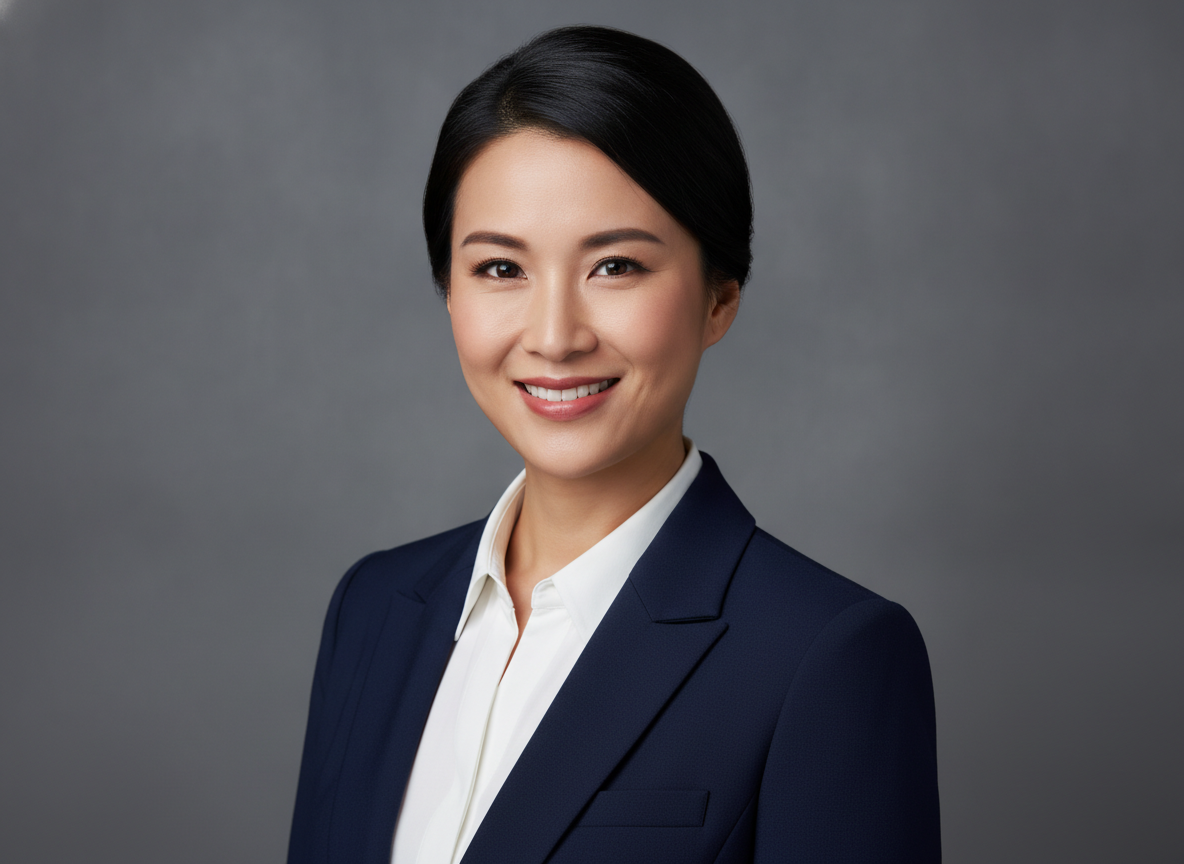
Outfit Idea 1: Navy Blazer with White Blouse
The navy blazer represents timeless professional style. This combination works across industries and creates instant credibility. Navy blue photographs beautifully because it provides strong contrast without harshness.
Choose a blazer that fits well in the shoulders. The jacket should button comfortably without pulling. A structured blazer creates clean lines that look polished on camera. Avoid oversized or boxy cuts that hide your body shape.
Pair your navy jacket with a crisp white blouse. White reflects light onto your face, creating a flattering glow. The contrast between navy and white draws attention upward toward your face. This classic combination never goes out of style.
Consider the blouse neckline carefully. A simple collar or jewel neckline works well. Avoid busy ruffles that might distract from your face. The goal is to create a clean frame that lets people focus on you.
Outfit Idea 2: Charcoal Gray Blazer with Soft Pink Top
Charcoal gray offers versatility for professional headshots. This neutral tone works with virtually every skin tone. Gray creates a sophisticated look without the severity that black can sometimes convey in photos.
A soft pink top adds warmth to the charcoal jacket. Pink tones bring color to your face and create a friendly appearance. This combination works particularly well for people in client-facing roles who want to appear approachable.
The texture of your gray blazer matters. Choose a matte finish that doesn’t reflect light. Wool or cotton blends photograph better than shiny polyester. The fabric should have enough weight to maintain structure during your session.
Outfit Idea 3: Black Blazer with Jewel-Tone Blouse
A black blazer creates maximum impact in professional photography. Black provides the strongest contrast and commands attention. This choice works well for executives and business owners who want to project authority.
Pair your black jacket with a jewel-tone blouse. Emerald green, sapphire blue, or ruby red add personality without overwhelming the image. Jewel tones photograph with rich depth that catches the eye. These colors work well for building a memorable personal brand.
Balance is important with this combination. The black blazer provides structure while the colored blouse adds interest. Together, they create a look that is both professional and distinctive. This outfit works particularly well on camera because of the strong color contrast.
Outfit Idea 4: Cream Blazer with Camel-Toned Shell
Lighter blazers create a softer professional image. Cream or off-white jackets photograph beautifully in natural and studio lighting. This choice works especially well for professionals in creative or consulting fields.
A camel-toned shell underneath adds depth to the light jacket. This monochromatic approach creates sophistication without darkness. The warm earth tones work particularly well for people with warm skin tones. The overall effect is polished but approachable.
Ensure your cream blazer is spotlessly clean before your session. Light colors show every mark and shadow. The fabric should be pressed and wrinkle-free. Pay attention to these details because the camera will capture them all.
Sophisticated Dress Options for Professional Headshots
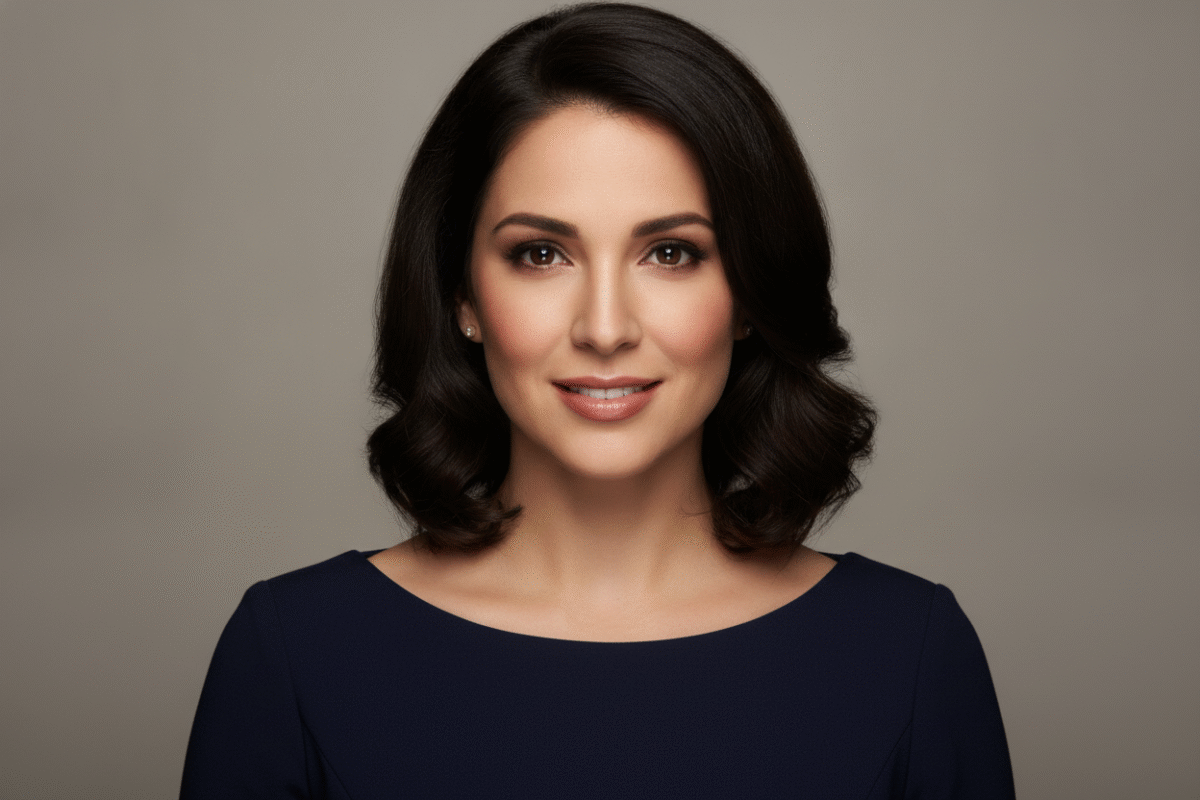
Outfit Idea 5: Classic Sheath Dress in Navy
A sheath dress offers elegant simplicity for headshot photography. The streamlined silhouette creates clean lines that look polished on camera. Navy blue remains the top choice for professional dresses because it conveys trust and competence.
Choose a dress with a classic neckline. Crew neck or modest V-neck styles work best. Avoid plunging necklines that might distract from your face. The focus should remain on your expression and professional presence.
The dress should fit well through the shoulders and arms. Too-tight clothing creates unflattering lines. Too-loose clothing looks sloppy. Your photographer will typically capture from mid-chest up, but proper fit throughout affects your posture and confidence.
Outfit Idea 6: Wrap Dress in Jewel Tones
Wrap dresses create flattering lines for many body types. The diagonal lines draw the eye upward toward your face. This style works well for professionals who want a feminine but authoritative look in their headshots.
Choose jewel tones for maximum impact. Emerald, sapphire, or amethyst create rich color depth. These shades photograph with vibrancy that catches attention. The colors work well under studio lighting and add personality to your professional image.
Pay attention to the wrap closure. Ensure it stays securely fastened throughout your session. The neckline should be modest and professional. You want people to focus on your face, not your clothing.
Outfit Idea 7: Structured Shift Dress in Charcoal
A shift dress offers comfort without sacrificing style. The structured design maintains professional appearance while allowing freedom of movement. Charcoal gray provides neutrality that works across different lighting conditions.
Look for quality fabric with some weight. The dress should hold its shape throughout your session. Thin materials might wrinkle or cling in unflattering ways. Your photographer will appreciate clothing that maintains its appearance under studio lights.
Outfit Idea 8: Modern A-Line Dress in Deep Burgundy
An A-line dress creates a sophisticated silhouette. The style works particularly well for professionals who want a polished but approachable image. Deep burgundy offers a distinctive alternative to standard navy or black.
Burgundy photographs beautifully under studio lighting. The rich color adds warmth without being too bold. This shade works well for personal branding because it stands out while remaining professional. People remember photos with distinctive but appropriate color choices.
Stylish Blouse and Top Combinations
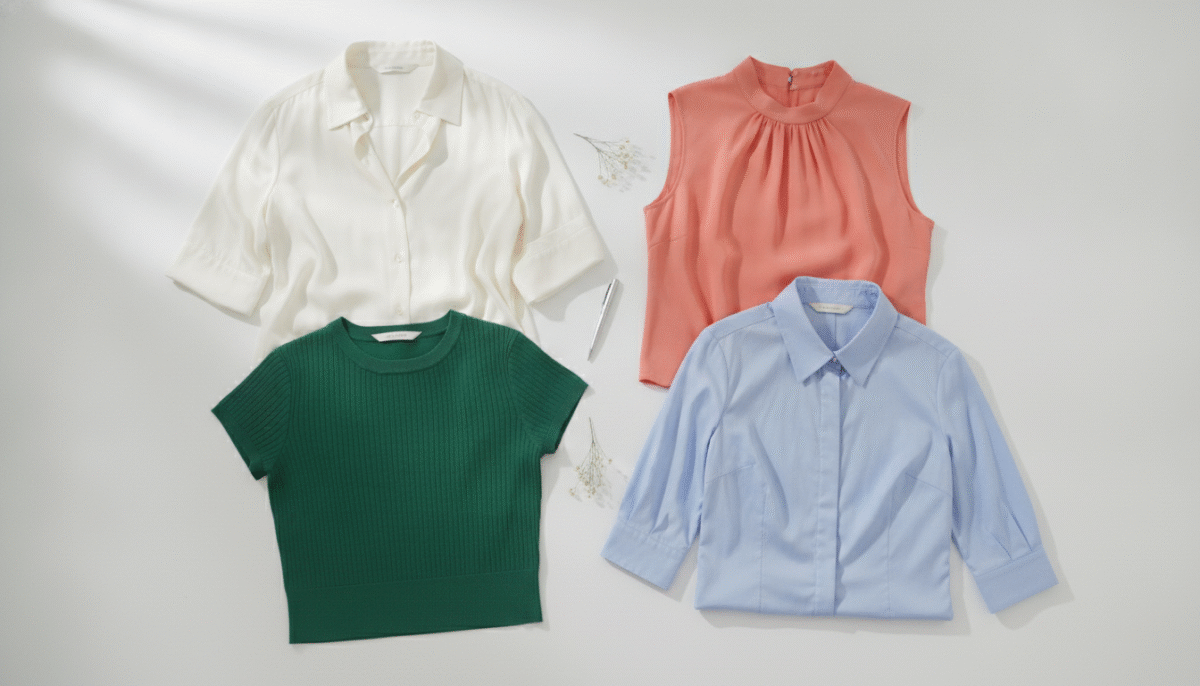
Outfit Idea 9: Silk Button-Down Blouse in Ivory
A silk blouse creates elegant polish for professional headshots. Ivory offers warmth without the starkness of pure white. The fabric drapes beautifully and catches light in flattering ways. Silk conveys quality and attention to detail in your professional image.
Button your blouse to an appropriate height. The top button can remain open for a relaxed professional look. Ensure the collar lays flat and looks crisp. Your photographer may adjust clothing details, but starting with proper styling saves time during your session.
Silk can wrinkle easily during travel. Bring your blouse on a hanger if possible. Some people change into their headshot outfit at the studio to keep it fresh. These small details make a difference in your final photos.
Outfit Idea 10: Structured Knit Top in Forest Green
Knit tops offer comfort for long photography sessions. Choose structured knits that maintain their shape. Forest green creates striking visual impact while remaining professional. This color works particularly well for warm skin tones.
The neckline should complement your face shape. Boat necks work well for narrow faces. V-necks create length for round faces. Consider these style elements when selecting your outfit. Small choices create big differences in how you look on camera.
Outfit Idea 11: Sleeveless Shell in Coral
A sleeveless shell works well for warm photography studios. Coral brings energy to your headshot without overwhelming the image. This shade works beautifully for spring and summer business photos. The color adds personality while maintaining professionalism.
Ensure the armholes fit properly. Too-large openings can create unflattering shadows. The shell should fit smoothly across your chest and shoulders. Quality construction matters because the camera captures every seam and line in your clothing.
Outfit Idea 12: Classic Cotton Blouse in Light Blue
Light blue creates trust and approachability in professional photos. This color has been a business standard for decades. Cotton blouses offer breathability during photo sessions. The natural fiber photographs well and doesn’t create shine under studio lights.
Choose a style with a structured collar. The blouse should look crisp and pressed. Light colors show wrinkles easily, so ensure your outfit is perfectly prepared. Your attention to detail reflects your professional standards.
Elegant Sweater and Cardigan Styles
Outfit Idea 13: Cashmere V-Neck Sweater in Camel
Cashmere creates luxury in professional photography. The soft texture photographs beautifully under studio lighting. Camel offers warmth that works particularly well for autumn and winter headshots. This neutral tone complements many skin tones.
A V-neck draws attention upward toward your face. The neckline creates a flattering frame for your features. Ensure the sweater fits well without being too tight. You want to look polished, not uncomfortable.
Cashmere requires careful handling before your session. Remove any lint or pet hair. The camera will capture these details clearly. Prepare your outfit the day before to avoid last-minute stress.
Outfit Idea 14: Merino Wool Crew Neck in Burgundy
Merino wool offers year-round comfort. The fabric breathes well under hot studio lights. Burgundy creates richness in photos without being too bold. This color works well for professionals who want distinctive but appropriate headshots.
A crew neck creates a classic look. The simple neckline doesn’t compete with your face. Choose sweaters in solid colors rather than patterns. Busy designs can distract from your expression and professional presence.
Outfit Idea 15: Cardigan over Shell in Coordinating Colors
A cardigan adds versatility to your headshot session. You can photograph with the cardigan on or off. This gives your photographer options for different looks. Choose coordinating colors that work well together on camera.
Navy cardigan over light blue shell creates classic style. Gray cardigan over white shell offers timeless appeal. The layered look adds visual interest while maintaining professionalism. Ensure both pieces fit well and complement each other.
Outfit Idea 16: Turtleneck Sweater in Black
A black turtleneck creates sophisticated minimalism. This style works particularly well for creative professionals. The simple design lets your face take center stage. Black provides maximum contrast against typical studio backgrounds.
Turtlenecks can feel warm under studio lights. Ensure the studio has proper temperature control. The tight neck might feel uncomfortable at first, but it creates elegant lines in photos. Adjust to the feeling before your session begins.
Modern Professional Alternatives
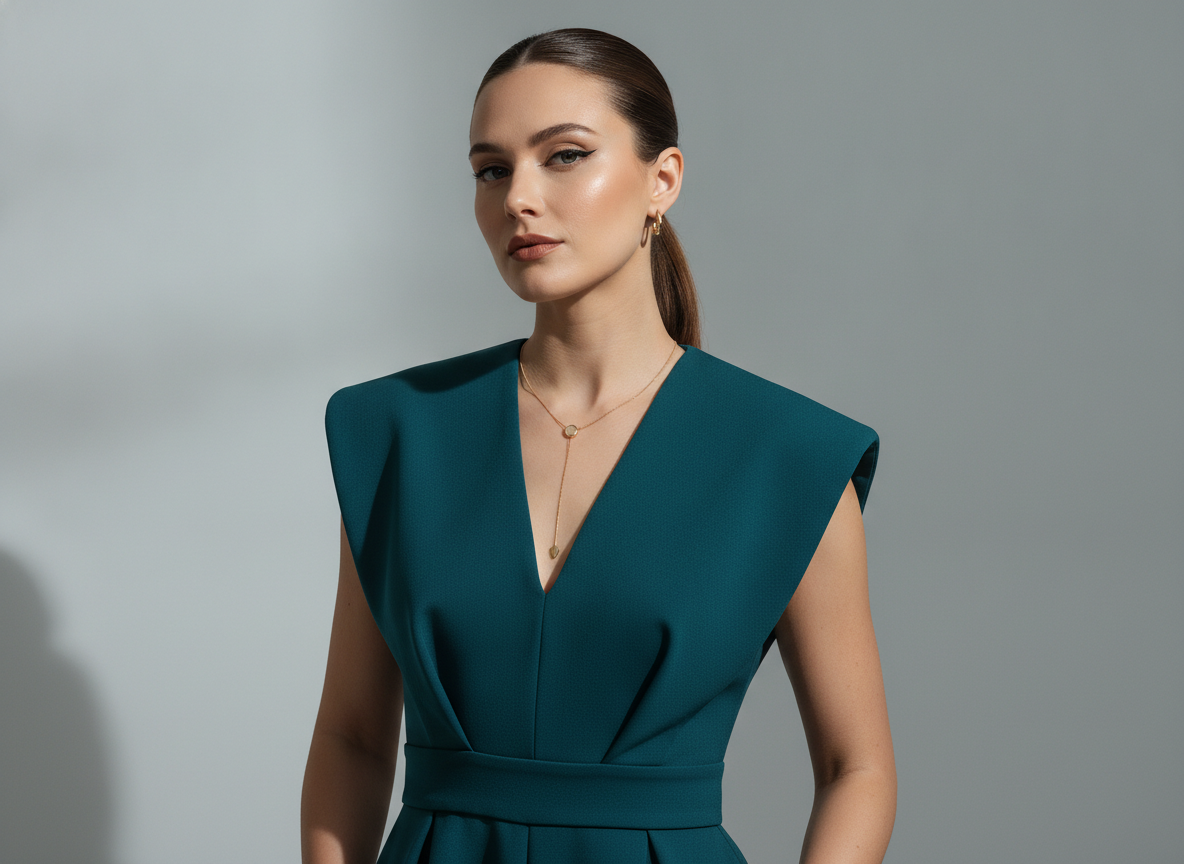
Outfit Idea 17: Structured Jumpsuit Top in Deep Teal
Modern professionals embrace alternatives to traditional suiting. A structured jumpsuit top creates contemporary style. Deep teal offers distinctive color that photographs with richness. This choice works well for professionals in creative industries.
The camera typically frames from chest up. This means the jumpsuit bottom won’t show in your headshot. The top portion should have interesting details or clean lines. Ensure the neckline flatters your face shape.
Jumpsuits can be tricky for studio restroom breaks. Consider this practical detail when planning your outfit. You might want to arrive early to change and prepare without rushing.
Outfit Idea 18: Professional Tunic with Tailored Collar
A tunic offers comfort without sacrificing professionalism. Choose styles with tailored details like structured collars. The longer length won’t show in headshots, but the proper fit affects your posture. Comfortable clothing helps you relax during photography.
Look for tunics in quality fabrics. Cotton blends work well under studio lights. Avoid synthetic materials that might create shine. The fabric should drape smoothly without pulling or bunching.
Outfit Idea 19: Peplum Top in Classic Navy
A peplum top creates visual interest at the waist. Even though the peplum won’t show in close headshots, the overall silhouette affects your confidence. Navy blue remains the most versatile choice for professional photography.
The peplum detail adds dimension to your outfit. Ensure it sits smoothly and doesn’t create bulk. Your photographer will position you to show your best angles. Well-fitting clothing makes their job easier.
Outfit Idea 20: Cowl Neck Top in Soft Gray
A cowl neck creates elegant draping around your face. This neckline adds softness to professional headshots. Soft gray works as a neutral that complements many skin tones. The color photographs well under various lighting conditions.
Adjust the cowl to lay smoothly before shooting begins. The draping should look intentional and polished. Avoid too much fabric that might overwhelm your face. The goal is subtle elegance, not dramatic fashion.
Statement Pieces and Thoughtful Accessories
Outfit Idea 21: Bold Colored Blazer in Cobalt Blue
A bold blazer makes your headshot memorable. Cobalt blue creates striking visual impact. This color works particularly well for professionals building distinctive personal brands. The shade photographs with vibrancy that stands out in digital directories.
Balance a bold jacket with simple accessories. Let the color be your statement piece. Too many competing elements distract from your face. The jacket should fit impeccably because bold colors highlight any fit issues.
Cobalt blue works well for cool skin tones. The color creates beautiful contrast and makes eyes pop. Test the shade near your face before your session. Good colors enhance your features rather than overwhelming them.
Outfit Idea 22: Statement Necklace with Simple Black Top
A statement necklace adds personality to basic outfits. Choose a piece that reflects your professional style. The necklace should be distinctive without being distracting. Jewelry photographs differently than it appears in person.
Pair your statement necklace with a simple black top. The solid background lets your jewelry shine. Avoid busy patterns that compete with your accessories. The combination should feel balanced and intentional.
Consider the necklace weight before your session. Heavy pieces might feel uncomfortable during photography. The jewelry should lay smoothly against your skin. Adjust it between shots to maintain proper positioning.
Outfit Idea 23: Silk Scarf Styled as Accessory
A silk scarf adds color and texture to simple outfits. Choose prints that complement your clothing. The scarf can be tied in various ways for different looks. This gives your photographer multiple styling options.
Solid-colored outfits work best with printed scarves. Navy jacket with colorful scarf creates classic style. Black top with jewel-tone scarf adds personality. The scarf should enhance your outfit without overwhelming it.
Practice styling your scarf before your session. Know how to tie it securely and attractively. Bring safety pins if needed to keep it positioned properly. These small preparations prevent delays during photography.
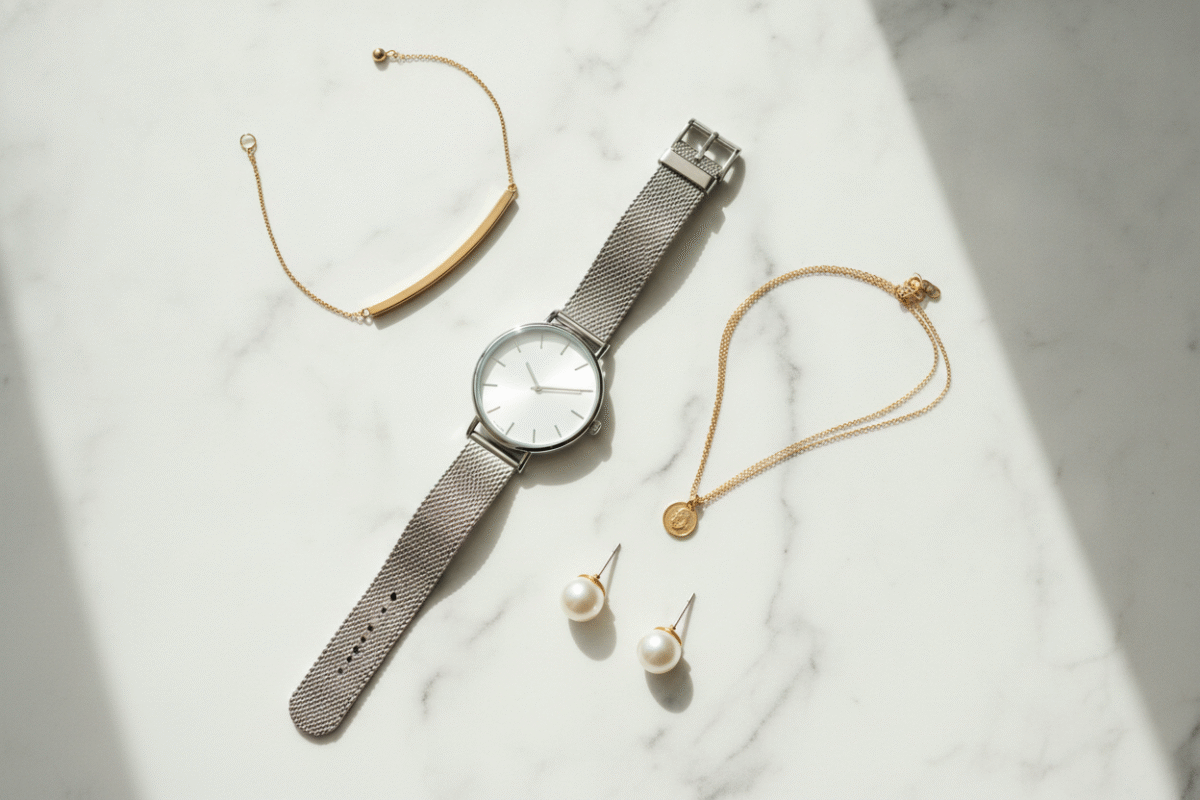
Outfit Idea 24: Professional Watch as Subtle Detail
A quality watch adds polish to professional headshots. While watches typically don’t feature prominently, they contribute to overall impression. Choose classic styles in metal or leather. Avoid sports watches or overly casual styles.
The watch should fit your wrist properly. Too-loose bands can slide around during posing. Too-tight watches create uncomfortable marks on your skin. Ensure comfortable fit for the duration of your session.
Special Considerations and Final Outfit Idea
Understanding What to Avoid in Professional Headshots
Certain clothing choices create problems in professional photography. Busy patterns can vibrate on camera, creating visual distortion. Small checks and thin stripes often produce moiré effects. These technical issues distract from your professional image.
Logos and text rarely work well in headshots. Brand names pull attention away from your face. Text can appear backward or distorted depending on camera angle. Keep your clothing free from visible branding or words.
Extreme necklines pose challenges for professional photos. Very low-cut tops can appear inappropriate for business contexts. Very high necklines might look dated or uncomfortable. Aim for classic necklines that remain professional across years.
Shiny fabrics create hotspots under studio lights. Satin, polyester, and some silks reflect light in unflattering ways. These bright spots distract viewers and create technical challenges for photographers. Choose matte fabrics for best results.
Preparing Multiple Outfit Options
Bring several outfit choices to your headshot session. This gives you and your photographer options. Different looks work better than expected once you see them on camera. Extra outfits provide backup if something doesn’t photograph well.
Plan your outfits with different color stories. One outfit in cool tones and another in warm tones gives variety. Different neckline styles create distinct looks. Your photographer can help you choose which options work best.
Keep outfit changes simple for efficiency. Choose pieces that don’t require complicated styling. Avoid clothing that wrinkles easily when packed. Your goal is maximum variety with minimum hassle during your session.
Working With Your Photographer
Professional photographers have expertise in what works on camera. Discuss your clothing choices before your session. Share photos of your planned outfits if possible. Your photographer can provide valuable feedback based on their studio and lighting.
Arrive early to discuss goals and expectations. Explain where you’ll use these headshots. Different platforms require different approaches. Your photographer can adjust their shooting style based on your needs.
Trust your photographer’s guidance during the session. They see what the camera sees. If they suggest adjusting your clothing or trying different pieces, follow their advice. Their goal is making you look your absolute best in photos.
Outfit Idea 25: Personalized Business Casual Reflecting Your Industry
Your final outfit should reflect your specific professional context. A tech startup executive needs different style than a corporate attorney. Creative directors have more flexibility than financial advisors. Consider your industry standards when making final choices.
Business casual varies significantly across fields. Some industries embrace colored denim and casual blazers. Others require traditional suiting. Research headshots from respected people in your field. Notice patterns in their styling choices.
Add personal touches that feel authentic. If you always wear a specific piece of jewelry, include it. If certain colors feel particularly comfortable, prioritize those. Your headshot should represent the real professional you, not a costume.
The goal is confidence on camera. Wear clothing that makes you feel powerful and comfortable. When you feel good, you photograph well. Your body language and expression matter more than any single clothing choice.
Final Preparation Tip: Try on your complete outfit with all accessories at least one day before your session. Check everything in good lighting and make sure you feel confident and comfortable. Press or steam any wrinkles and address any fit issues ahead of time.
Technical Photography Considerations for Best Results
How Studio Lighting Affects Your Outfit Choices
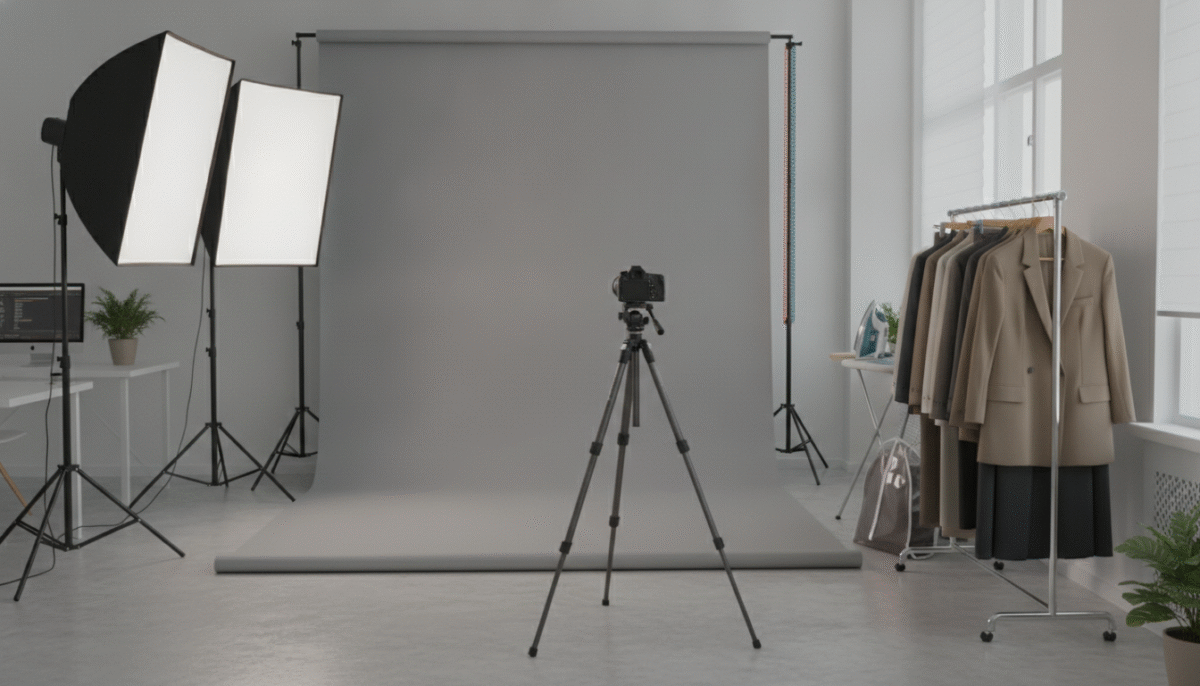
Studio lighting transforms how colors and fabrics appear. Professional photographers use various lighting setups. Soft boxes create even, flattering light. Ring lights provide consistent illumination. Each setup interacts differently with clothing.
Bright studio lights can make light-colored clothing appear brighter. Cream might photograph as white under powerful lights. Discuss lighting plans with your photographer. Understanding their setup helps you make informed clothing choices.
Some fabrics absorb light while others reflect it. Cotton and wool generally absorb light evenly. Synthetic fabrics often reflect light unpredictably. The same color in different fabrics will photograph differently.
Background Selection and Outfit Coordination
Your clothing should work with your chosen background. Neutral backgrounds work with almost any outfit color. Colored backgrounds require more careful coordination. Avoid wearing colors that match your background too closely.
Gray backgrounds are most versatile for professional headshots. They provide neutral context that lets you stand out. Navy outfits look excellent against gray. Most colors photograph well with this background choice.
White backgrounds create high-key professional images. Darker clothing creates strong contrast with white. Very light clothing might blend too much. Consider this balance when planning outfits for white background photography.
The Role of Hair and Makeup in Overall Presentation
Your outfit works with your overall grooming. Hair styling should complement your clothing choice. Sleek hair works with structured outfits. Softer hair pairs well with more relaxed professional clothing.
Professional makeup enhances features on camera. Studio lighting can wash out natural coloring. Makeup helps you look like your best self in photos. Consider hiring a professional makeup artist for important headshots.
Coordinate all elements of your appearance. Hair, makeup, and clothing should work together. The goal is polished professionalism from every angle. Each element supports the others in creating your final image.
Posing and Body Language With Your Outfit
Different outfits suggest different posing approaches. Structured blazers work well with confident, squared postures. Softer clothing pairs with more relaxed positioning. Your photographer will guide you, but outfit choice influences these decisions.
Comfortable clothing allows better body language. If you constantly adjust your outfit, it shows in photos. Choose pieces that stay in place during movement. This lets you focus on facial expression rather than clothing management.
Practice posing in your outfit before your session. Sit and stand in front of a mirror. Notice how the clothing moves and falls. This preparation helps you feel more confident during actual photography.
Industry-Specific Professional Headshot Approaches
Corporate and Finance Professional Headshots
Traditional business sectors require conservative styling. Banking, law, and corporate management favor classic approaches. Navy, charcoal, and black remain standard choices. These industries value timeless professionalism over trendy styles.
Women in these fields benefit from structured clothing. Tailored blazers communicate authority and competence. Paired with solid-colored blouses, they create appropriate business imagery. Minimal accessories maintain focus on professional credibility.
Your headshot represents your reliability in traditional business. Clients and colleagues expect certain visual cues. Meeting these expectations through clothing choice builds trust. Conservative doesn’t mean boring – quality and fit create distinction.
Creative Industry Professional Headshots
Creative professionals have more flexibility in headshot styling. Design, marketing, and media fields welcome personality. Color choices can be bolder. Interesting textures and modern cuts work well in these contexts.
Your outfit should reflect creative sensibility while maintaining professionalism. Jewel tones show personality. Unique necklines add interest. The goal is standing out while still looking hireable and competent.
Balance creativity with professionalism in your choices. Too casual reads as unprofessional. Too conservative might seem out of touch with creative culture. Find the middle ground that reflects both your skills and your industry.
Healthcare and Education Professional Headshots
Healthcare and education professionals need approachable headshots. Trust and warmth matter in these fields. Colors like soft blue, sage green, and warm neutrals communicate caring. The overall impression should be competent yet friendly.
Avoid stark black in these industries. Softer colors create better impression for roles involving care and teaching. Your headshot should make people feel comfortable seeking your services or expertise.
Professional credibility remains important in these fields. Clothing should be polished and appropriate. The difference lies in choosing warmer tones and more approachable styling rather than severe corporate looks.
Entrepreneurial and Consulting Headshots
Entrepreneurs build personal brands through headshots. Your image should reflect your unique value proposition. Consider what distinguishes you in your market. Your clothing choices can support this differentiation.
Consultants balance authority with approachability. Clients need to see expertise but also relatability. Your outfit should communicate both qualities. This often means professional styling with personality-driven color choices.
Your headshot works across multiple platforms as an entrepreneur. LinkedIn, website, speaking engagements all use this image. Choose outfits that work in various contexts. Versatility serves business owners well.
Seasonal Considerations for Professional Headshots
Spring and Summer Professional Headshot Outfits
Warmer months allow lighter fabrics and colors. Cotton and linen work well in warm studios. Lighter colors like cream, soft blue, and coral create fresh seasonal looks. These choices feel appropriate for spring and summer business contexts.
Sleeveless options work well in warm weather. Ensure proper fit in armholes and shoulders. Layer with a blazer if you want multiple looks. The flexibility helps with temperature management during your session.
Bright studio lights generate heat. Consider this when selecting heavier fabrics. You want to look fresh and comfortable in your photos. Breathable natural fibers help you maintain composure during photography.
Fall and Winter Professional Headshot Outfits
Cooler seasons embrace richer colors and textures. Burgundy, forest green, and deep navy work beautifully. Wool and cashmere add luxury to fall and winter headshots. These fabrics photograph with attractive depth and texture.
Layering works well for seasonal professional photos. Blazers over sweaters create dimension. Cardigans over shells offer versatility. These combinations provide options during your photography session.
Darker colors dominate fall and winter wardrobes. Ensure your chosen shade contrasts well with your skin tone. Very dark clothing against pale skin can create harsh contrast. Balance remains important in seasonal outfit selection.
Timeless Choices That Work Year-Round
Some outfit choices transcend seasonal trends. Navy blazer with white blouse works any time of year. Charcoal gray provides year-round sophistication. Black remains a timeless choice for professional photography.
Classic styles don’t date your headshot quickly. Trendy pieces might look outdated within a year or two. Professional headshots typically serve for several years. Choosing timeless styles extends the useful life of your photos.
Quality fabrics photograph well regardless of season. Invest in well-made pieces for headshot photography. Good construction and proper fit create professional results. These factors matter more than following temporary fashion trends.
Planning Ahead: Schedule your headshot session considering when you’ll need updated photos. Many professionals refresh headshots annually or biannually. Planning ahead allows you to invest in quality outfit pieces that serve multiple purposes in your wardrobe.
Common Mistakes to Avoid in Professional Headshot Outfits
Pattern and Texture Pitfalls
Busy patterns create numerous problems in headshot photography. Small prints vibrate on camera. Stripes can create moiré effects. Checks and plaids often distort in digital images. These technical issues reduce photo quality significantly.
Large patterns pose different challenges. Oversized florals or geometric designs compete with your face. The eye doesn’t know where to focus. Your features become just another element in a busy composition.
Texture adds interest without pattern problems. Subtle weaves, knits, and fabric textures photograph well. They create visual depth without distraction. Choose textured solids over patterned fabrics for professional headshots.
Fit and Style Errors
Ill-fitting clothing ruins otherwise good headshots. Too-tight clothes create pulling and unflattering lines. Too-loose clothing looks sloppy and unprofessional. Proper fit is non-negotiable for quality professional photography.
Dated styles can make you look older or out of touch. Very trendy pieces might seem unprofessional or age quickly. Aim for current but classic styling. Your headshot should look fresh for several years.
Uncomfortable clothing shows in your expression and posture. If you constantly adjust your outfit, you can’t relax on camera. Choose pieces that feel as good as they look. Confidence requires physical comfort.
Accessory Overload
Too many accessories distract from your face. Every piece competes for attention. The viewer’s eye should go directly to your expression. Excessive jewelry, scarves, and other elements fragment the visual focus.
Choose one statement piece if you want accessories. Perhaps a necklace or earrings, not both in bold styles. The accessory should enhance your outfit, not dominate it. Less is consistently more in professional headshot photography.
Noisy jewelry creates problems during photography. Bracelets that jangle with movement distract you and your photographer. Choose pieces that look good but don’t create sound. Practical considerations matter during photo sessions.
Color Selection Mistakes
Wearing colors that clash with your skin tone makes you look tired. Poor color choices create shadows and unflattering effects. Test colors against your face in natural light before your session. Good colors make your skin glow and eyes bright.
Matching your background too closely makes you disappear. If shooting against gray, don’t wear the same shade. Create contrast that lets you stand out. Discuss background plans with your photographer when choosing outfits.
Neon and extremely bright colors rarely work well. They can reflect light onto your face in strange ways. These shades overwhelm the image and distract from your features. Choose colors with depth rather than extreme brightness.
Final Preparation Steps Before Your Headshot Session
One Week Before Your Session
Try on all potential outfits with full accessories. Take photos with your phone to see how everything looks on camera. This preview helps you make final decisions. Address any fit or styling issues with time to spare.
Get any necessary alterations completed. Tailoring can transform a good outfit into a great one. Even small adjustments like hemming or taking in shoulders make noticeable differences. Professional alterations are worth the investment.
Plan your grooming schedule. Book hair appointments and other services. Ensure everything will be fresh for your photo session. Last-minute scrambling creates stress that shows in your photos.
The Day Before Your Session
Press or steam all clothing choices. Wrinkles show clearly in professional photography. Take time to make everything perfectly smooth. Pay attention to details like collars and cuffs that appear prominently in headshots.
Lay out everything you’ll wear. Include all accessories and undergarments. This prevents morning-of rushing. You want to arrive at your session calm and prepared.
Get adequate sleep before your photo day. Rest shows in your face and eyes. Tired people look tired in photos. Taking care of yourself is part of headshot preparation.
Morning of Your Session
Avoid foods and drinks that might stain teeth. Skip red wine, coffee, and berries before photography. Bring a toothbrush and floss for quick touch-ups. Small details like teeth brightness matter in close-up photos.
Wear comfortable shoes to your session. You might change for the photo if needed. Comfortable feet help you maintain good posture. Physical comfort throughout your body affects your expression and presence.
Bring multiple outfit options in garment bags. Pack accessories in a separate bag. Organize everything so you can quickly access what you need. Preparation prevents stress during your session.
At the Photography Studio
Arrive early to settle in and prepare. Give yourself time to change and adjust to the space. Rushing into photography creates tension that shows in your photos. Those extra minutes help you relax and perform better.
Communicate with your photographer about your goals. Explain where you’ll use these headshots. Share any concerns or preferences. Good communication ensures results that meet your needs.
Trust the process and your photographer’s expertise. They understand lighting, angles, and what works on camera. Relax and enjoy the experience. Your best photos come when you’re comfortable and confident.
Creating Your Best Professional Headshot Look
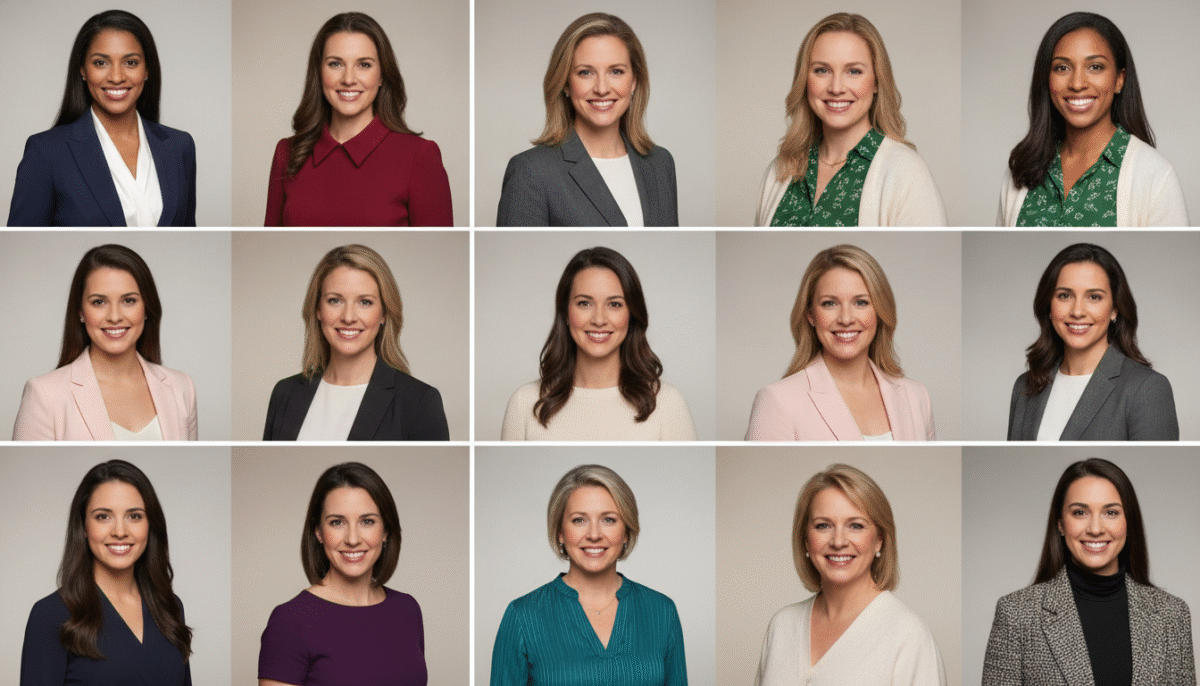
Your professional headshot outfit choice significantly impacts your business image. The right clothing enhances your features and supports your personal brand. Poor choices create distractions that undermine your professional credibility.
These 25 outfit ideas provide frameworks for your decision-making. Adapt them to your industry, personal style, and brand goals. The best outfit makes you feel confident and authentic. When you feel good, you photograph well.
Remember that headshot photography is an investment in your career. Quality photos serve you for years across multiple platforms. Taking time to plan appropriate outfits maximizes the value of this investment.
Your photographer partners with you in creating excellent results. Trust their expertise while bringing your own preparation and vision. The collaboration between subject and photographer produces the most successful headshots.
Professional appearance matters in today’s business world. Your headshot often creates first impressions with clients, employers, and colleagues. Making thoughtful outfit choices demonstrates your attention to detail and professional standards.
Take action on this guidance as you prepare for your session. Review these outfit ideas and identify what works for your situation. Prepare thoroughly and arrive ready to create photos you’ll be proud to share. Your professional image deserves this level of care and consideration.
Key Takeaways
- Choose solid colors over busy patterns for cleaner headshots
- Select colors that complement your skin tone
- Ensure excellent fit in shoulders and neckline areas
- Bring multiple outfit options to your session
- Consider your industry standards and personal brand
- Prepare all details in advance to reduce session stress
Quick Action Steps
- Review your current professional wardrobe
- Identify gaps in your headshot outfit options
- Schedule alterations if needed for better fit
- Research photographers in your area
- Book your session with adequate preparation time
- Follow the preparation checklist before your appointment