
Embracing a pixie cut after 60 is one of the most liberating style decisions you can make. Short hair can transform your entire look, shaving years off your appearance while giving you a fresh, confident vibe.
The right pixie haircut works with your face shape, hair texture, and personal style. It highlights your best features while minimizing styling time.
This comprehensive guide showcases 40 stunning pixie haircuts designed specifically for women over 60. Each style offers unique benefits, from adding volume to thinning hair to creating soft, flattering frames for different face shapes.
Table of Contents
Classic Textured Pixie Cuts
1. Feathered Layers Pixie
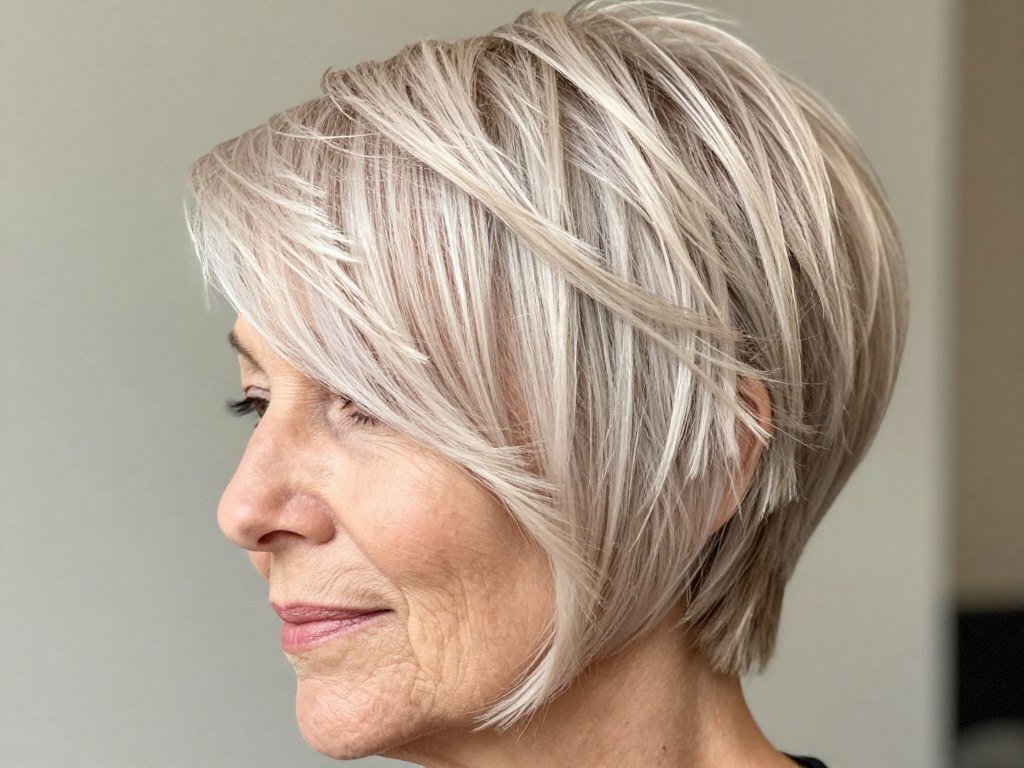
The feathered layers pixie creates incredible texture and movement. Soft, wispy ends frame your face beautifully while adding dimension to your hair.
This cut works exceptionally well for women with fine or thin hair. The layers create an illusion of fullness and volume throughout.
Ask your stylist to cut shorter layers at the crown for maximum height. Longer pieces around the ears and nape provide a feminine softness that flatters mature faces.
2. Choppy Pixie with Side-Swept Bangs
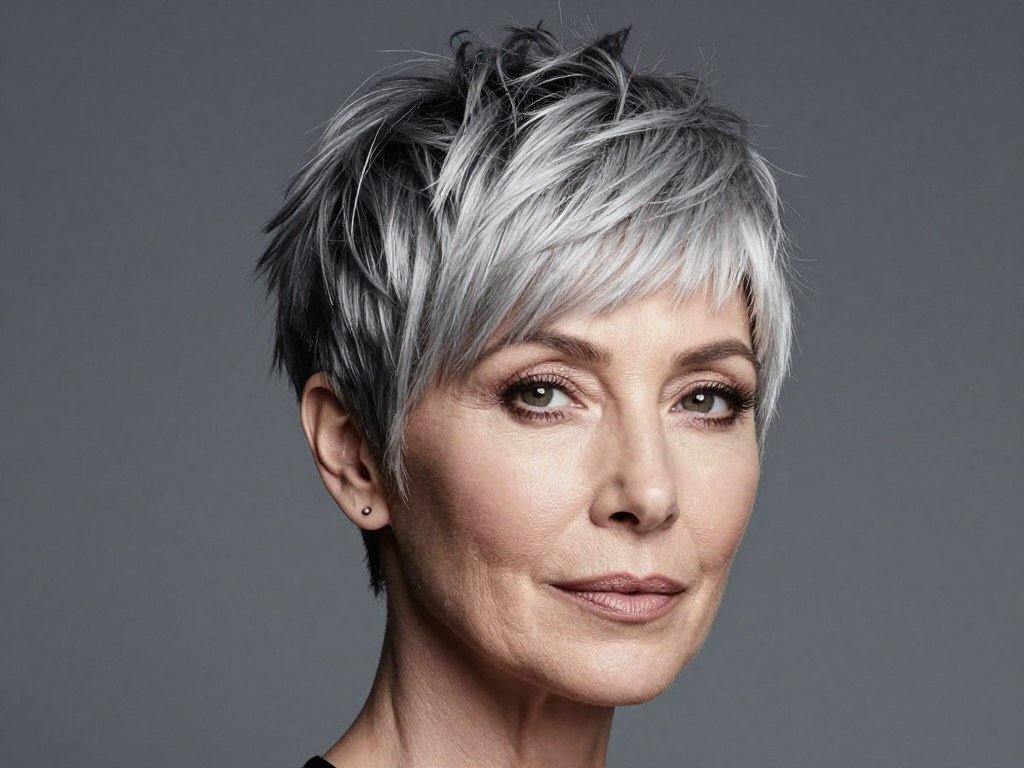
A choppy pixie brings an edgy, youthful energy to your look. The irregular, piece-y texture prevents the cut from appearing too severe or structured.
Side-swept bangs are particularly flattering for older women. They soften the forehead area and draw attention to your eyes.
This style requires minimal styling time. A small amount of texturizing product enhances the natural piece-y texture without effort.
3. Razored Pixie with Textured Top
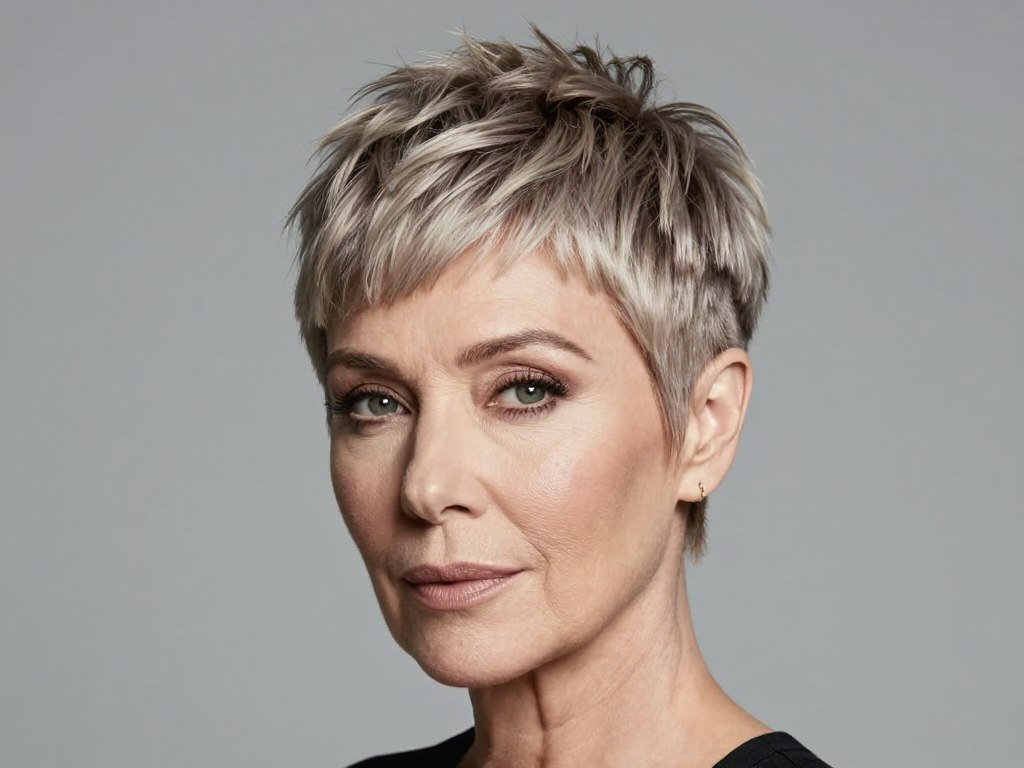
The razored technique creates soft, blended edges that look effortlessly chic. This cutting method works beautifully on both thick and thin hair types.
Extra texture on top adds volume and visual interest. The contrast between the textured crown and sleeker sides creates a balanced, modern shape.
This cut grows out gracefully, maintaining its shape between salon visits. You can easily extend time between haircuts without losing the overall style.
4. Tousled Pixie with Natural Movement

A tousled pixie embraces your hair’s natural texture. This low-maintenance style looks intentionally undone and modern.
The deliberately messy appearance actually requires careful cutting. Your stylist creates strategic layers that fall into place with minimal styling.
This works particularly well if you have natural wave or curl. The cut enhances your hair’s inherent texture rather than fighting against it.
5. Pixie with Textured Fringe
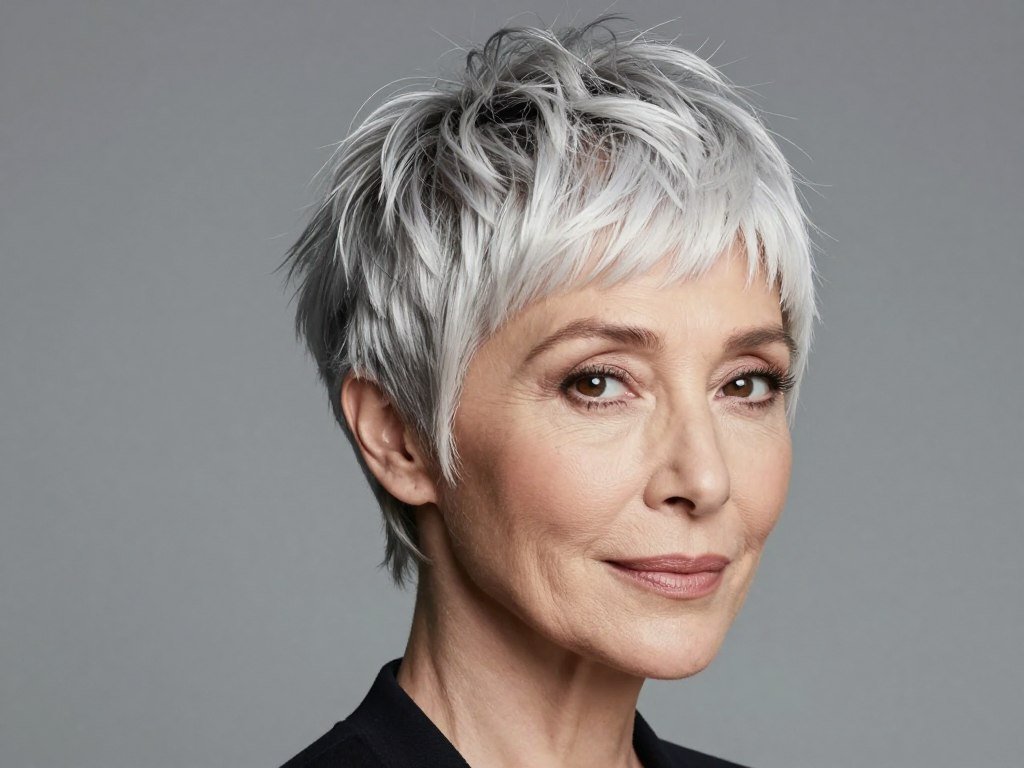
A textured fringe adds a contemporary edge to traditional pixie cuts. The piece-y, separated bangs create visual interest across your forehead.
This fringe style works for multiple face shapes. It can be cut blunt for square faces or angled for round or oval face shapes.
The texture prevents the fringe from looking heavy or dated. Point-cutting techniques create separation and movement within the bangs.
6. Asymmetrical Textured Pixie
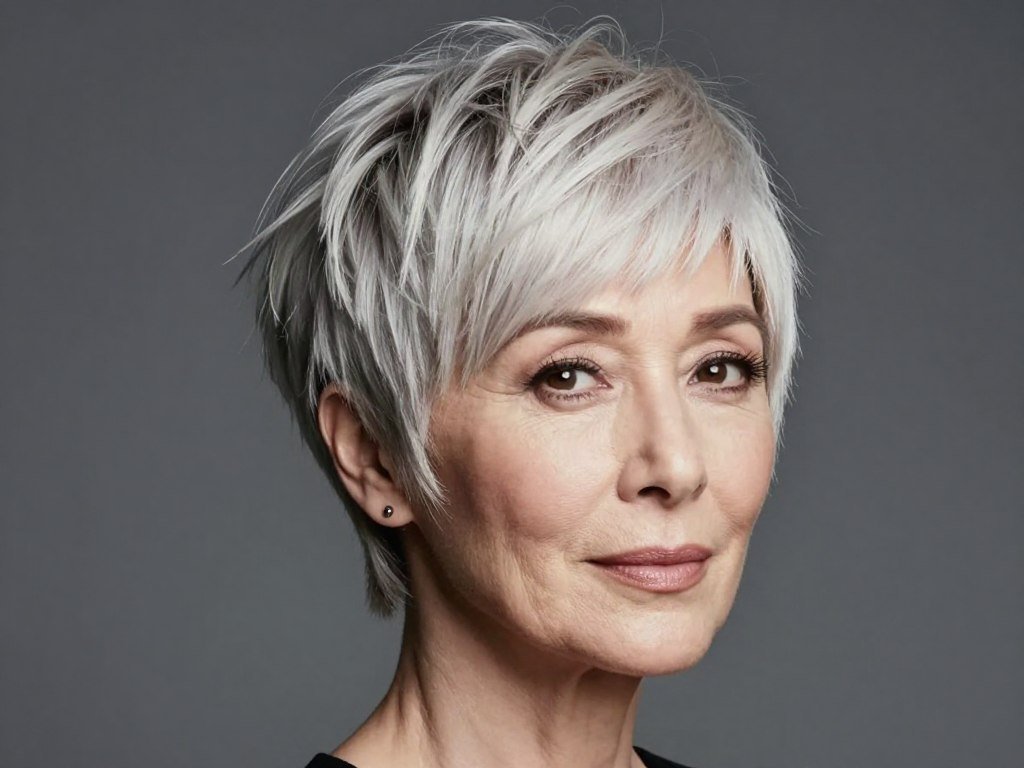
Asymmetry creates instant visual interest and modern appeal. One side slightly longer than the other adds an unexpected, fashion-forward element.
This variation works beautifully to balance facial features. The longer side can minimize a wider forehead or soften angular jawlines.
The asymmetrical shape draws the eye across your face. This horizontal movement creates a slimming, flattering effect.
7. Shaggy Pixie with Lots of Layers

A shaggy pixie delivers maximum volume and texture. Multiple layers throughout create movement and prevent flatness.
This cut is particularly effective for adding volume to thinning hair. The layers create the illusion of density and fullness.
Despite its textured appearance, this style remains professional and sophisticated. The controlled chaos looks intentional and fashion-forward.
8. Pixie with Disconnected Layers
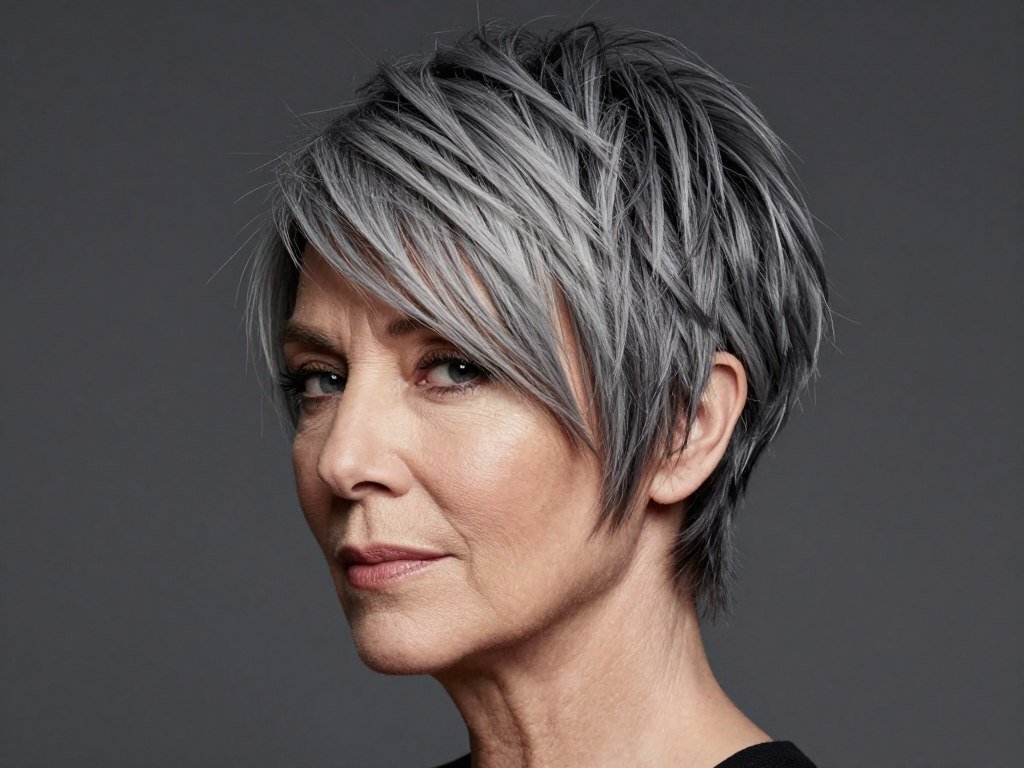
Disconnected layers create distinct sections within your pixie cut. This technique adds depth and dimension to your hairstyle.
The visible separation between layers provides a modern, editorial look. This approach works well for women wanting a more fashion-forward appearance.
Ask your stylist to keep some length on top while cutting the sides shorter. This contrast creates the disconnected effect.
9. Textured Pixie with Volume at Crown
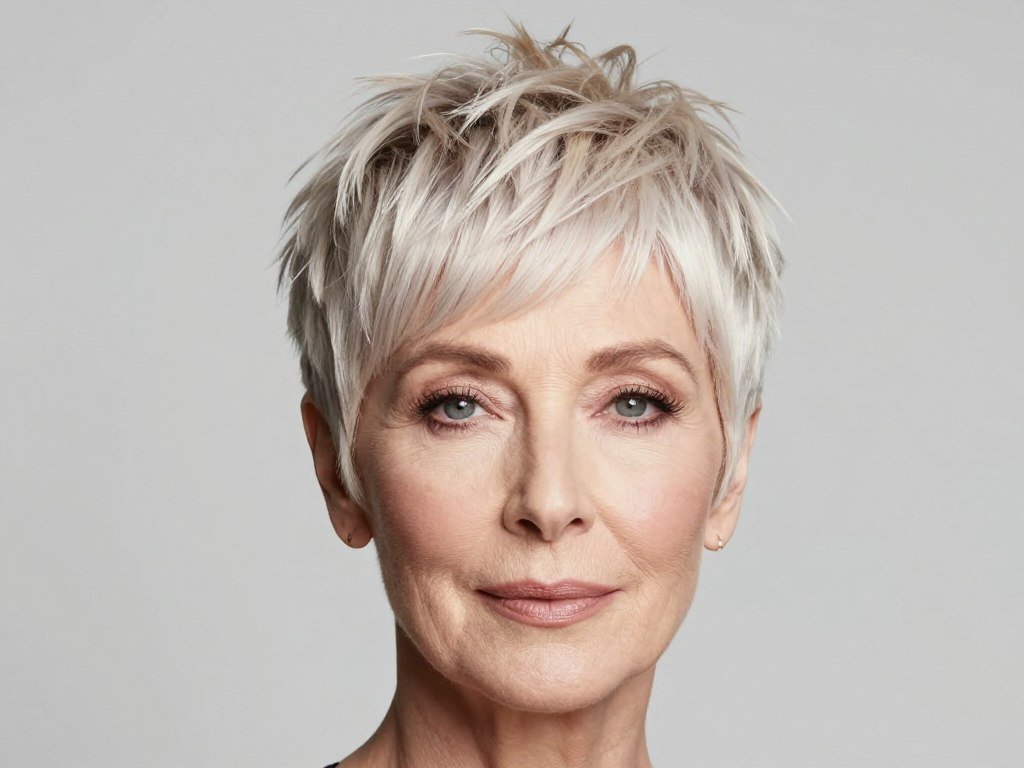
Concentrating volume at the crown elongates your face shape. This technique is especially flattering for round or square face shapes.
Height at the top draws attention upward, creating a lifting effect. The vertical emphasis can make you appear taller and more statuesque.
Your stylist achieves this by cutting shorter layers at the crown. These shorter pieces naturally stand up, creating built-in volume.
10. Piece-y Pixie with Defined Ends
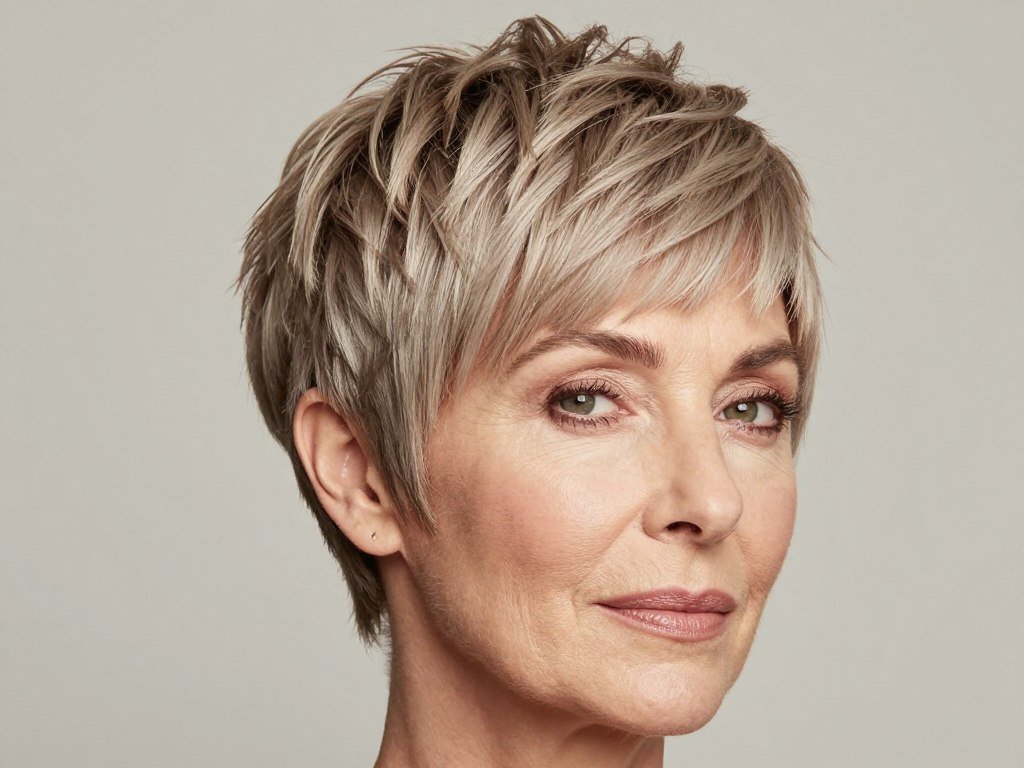
Defined, separated ends give your pixie a polished yet modern finish. This technique creates intentional texture rather than a blunt, heavy appearance.
Point-cutting creates these separated ends naturally. Your stylist cuts into the hair at an angle rather than straight across.
A small amount of pomade or wax defines the ends further. This styling step takes seconds but enhances the overall look dramatically.
Soft and Feminine Pixie Styles
11. Soft Pixie with Wispy Layers
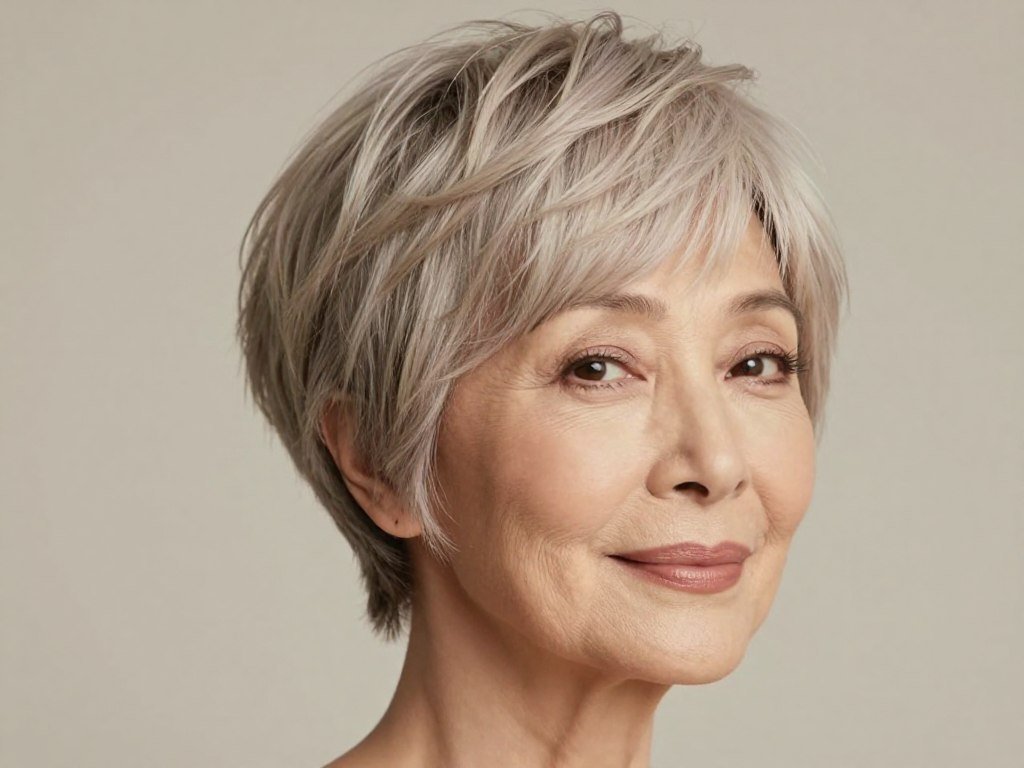
Wispy layers create the softest, most feminine pixie variation. Delicate, feathered ends frame your face with gentle movement.
This cut is ideal if you prefer a romantic rather than edgy aesthetic. The soft layers create a gentle, approachable look.
Request your stylist use a razor rather than scissors. This cutting technique produces the finest, most delicate ends.
12. Rounded Pixie with Curved Silhouette
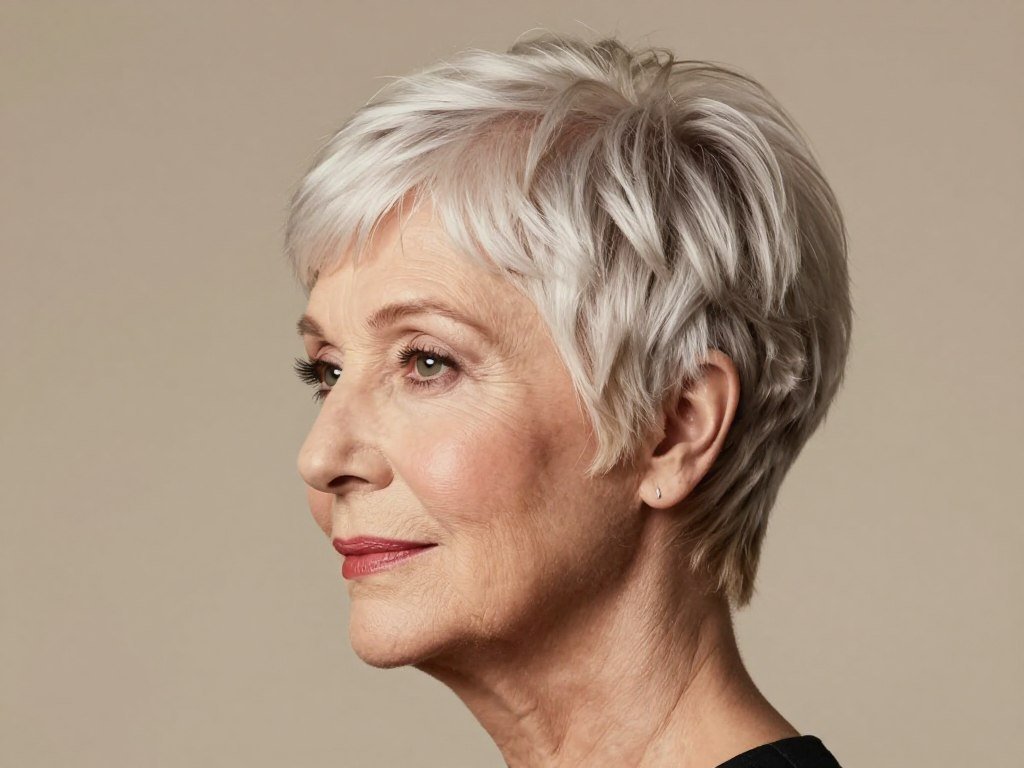
A rounded shape creates a classic, timeless pixie. The curved silhouette hugs your head shape, creating a polished appearance.
This variation suits oval and heart-shaped faces particularly well. The rounded shape balances facial proportions beautifully.
The uniform length throughout makes this one of the easiest pixie cuts to maintain. Regular trims every four to six weeks keep the shape perfect.
13. Pixie with Soft Side Bangs
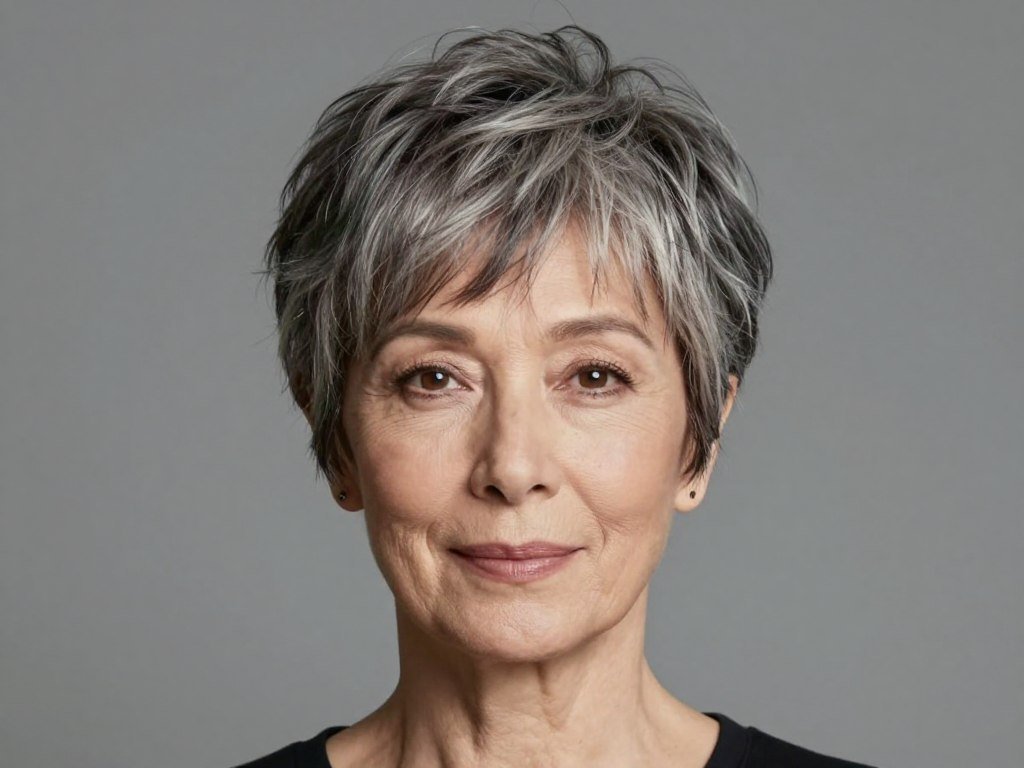
Side bangs add a youthful, flirtatious element to pixie cuts. They draw attention to your eyes while softening your overall appearance.
The angle of the bangs can be customized to your face shape. Longer side bangs suit square faces, while shorter versions flatter round faces.
This style offers versatility in daily styling. Sweep the bangs to either side or create a middle part for variety.
14. Tapered Pixie with Feminine Neckline

The neckline shape dramatically affects your pixie’s overall appearance. A softly tapered nape creates an elegant, feminine finish.
Ask your stylist to create a gentle V-shape or rounded neckline. Avoid harsh, straight-across cuts that can appear severe.
The tapered sides blend seamlessly into the neckline. This creates a cohesive, flowing shape from all angles.
15. Pixie with Long Layers on Top
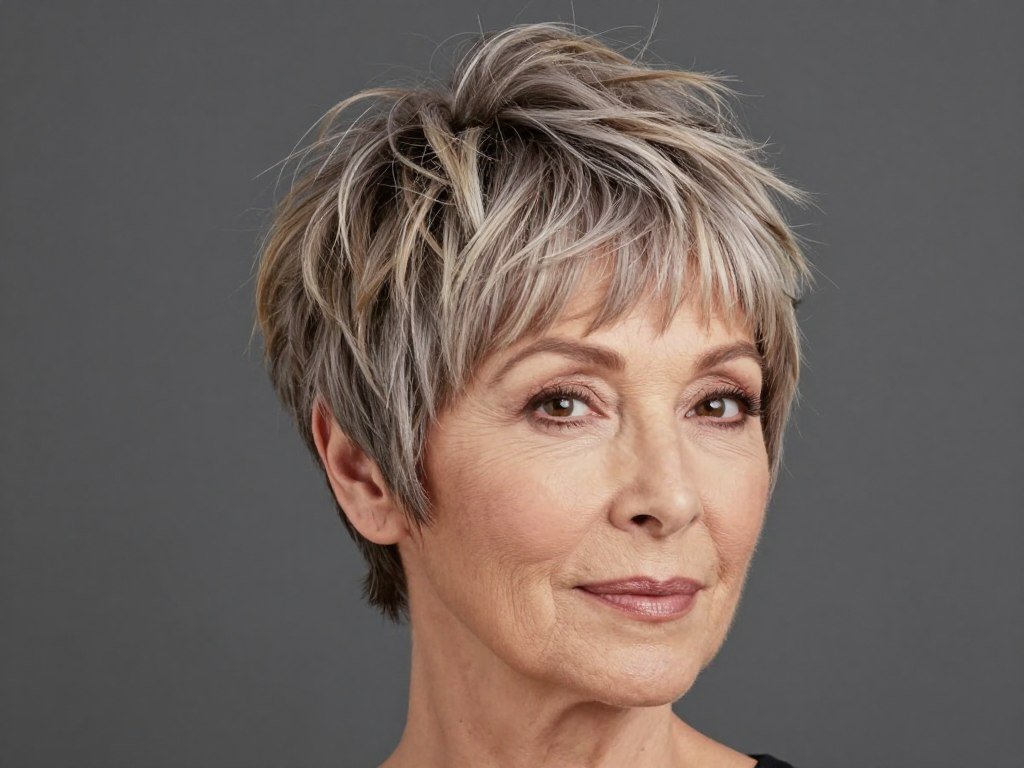
Keeping length on top while cutting the sides short creates a feminine balance. The longer top section can be styled in various ways.
This variation provides more styling versatility than ultra-short pixies. You can create volume, add waves, or slick it back depending on the occasion.
The length contrast creates dimension and visual interest. Your hair appears fuller and more dynamic.
16. Soft Pixie with Face-Framing Pieces
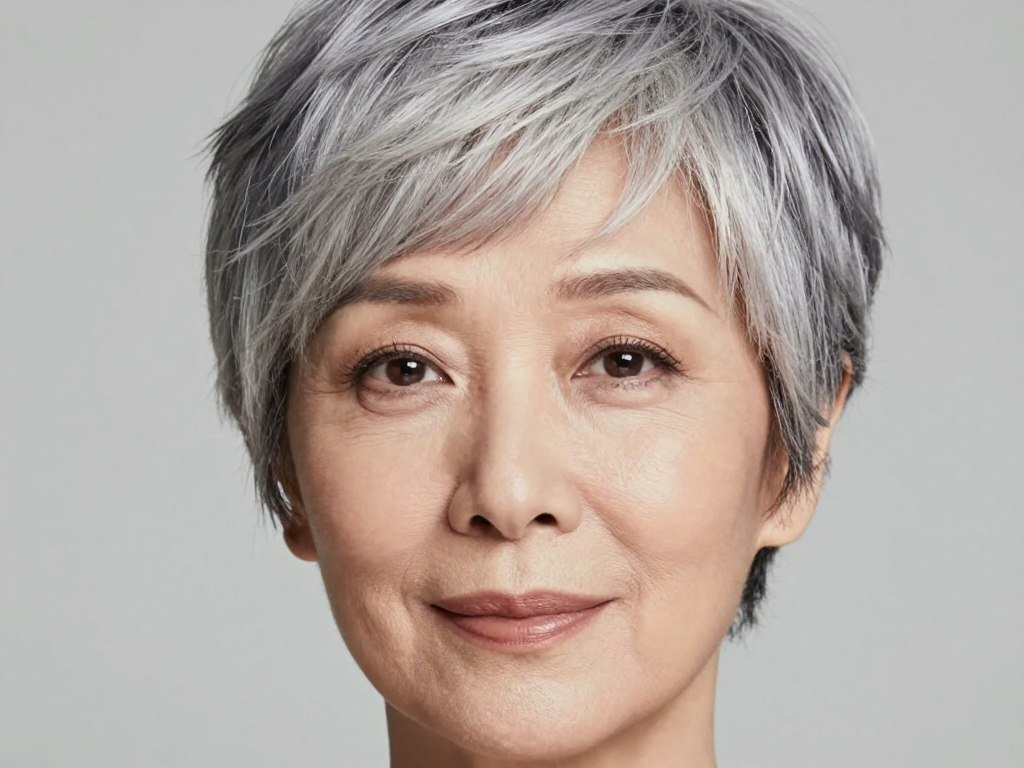
Strategic face-framing pieces soften your features beautifully. These slightly longer sections around your face create a gentle, flattering frame.
Face-framing layers can minimize a wider forehead or soften a strong jawline. They’re one of the most versatile elements in pixie cutting.
These pieces also provide coverage if you’re self-conscious about your ears. They create a balanced look between short and more coverage.
17. Pixie with Subtle Graduation
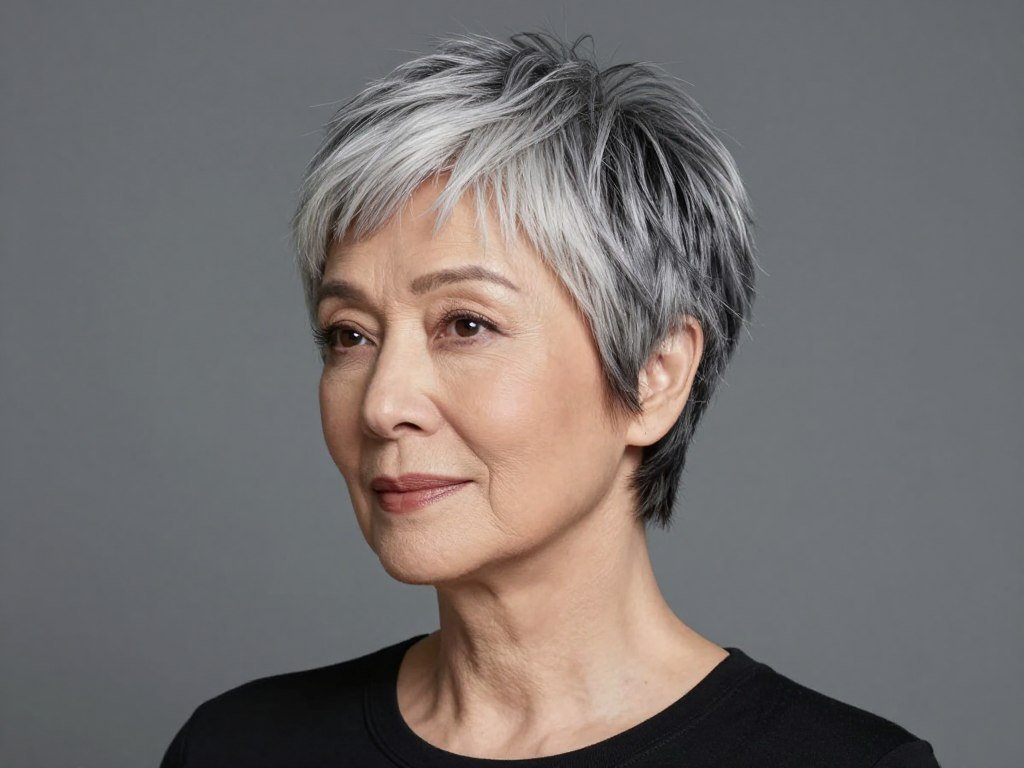
Subtle graduation means the hair gradually gets longer from back to front. This creates a sophisticated, intentional shape.
The graduation adds movement and prevents the cut from appearing boxy. Hair naturally falls forward, creating a flattering frame.
This technique works particularly well for thick hair. The graduation removes bulk while maintaining fullness where you want it.
18. Feathered Pixie with Soft Edges
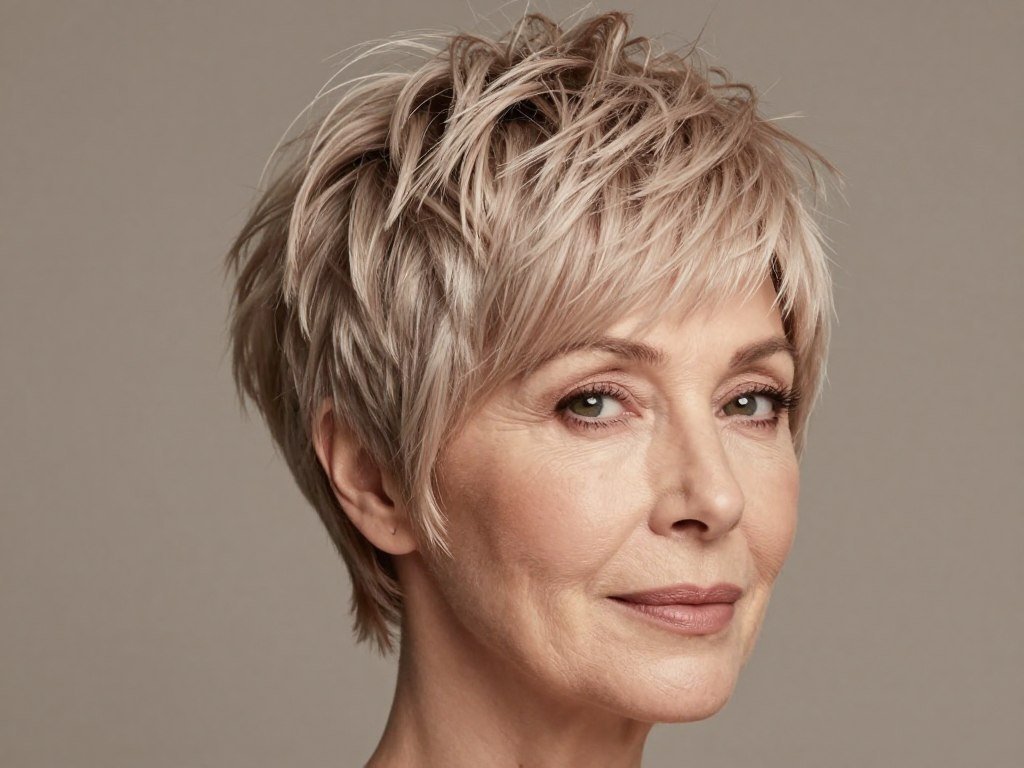
Feathering creates the softest possible edges on a pixie cut. The technique blends the hair seamlessly without harsh lines.
This approach is especially flattering for mature skin. Soft edges create a gentle, youthful appearance rather than severe contrast.
The feathered technique also helps hair grow out more gracefully. There’s no distinct line between styled and grown-out hair.
19. Pixie with Curved Side Profile
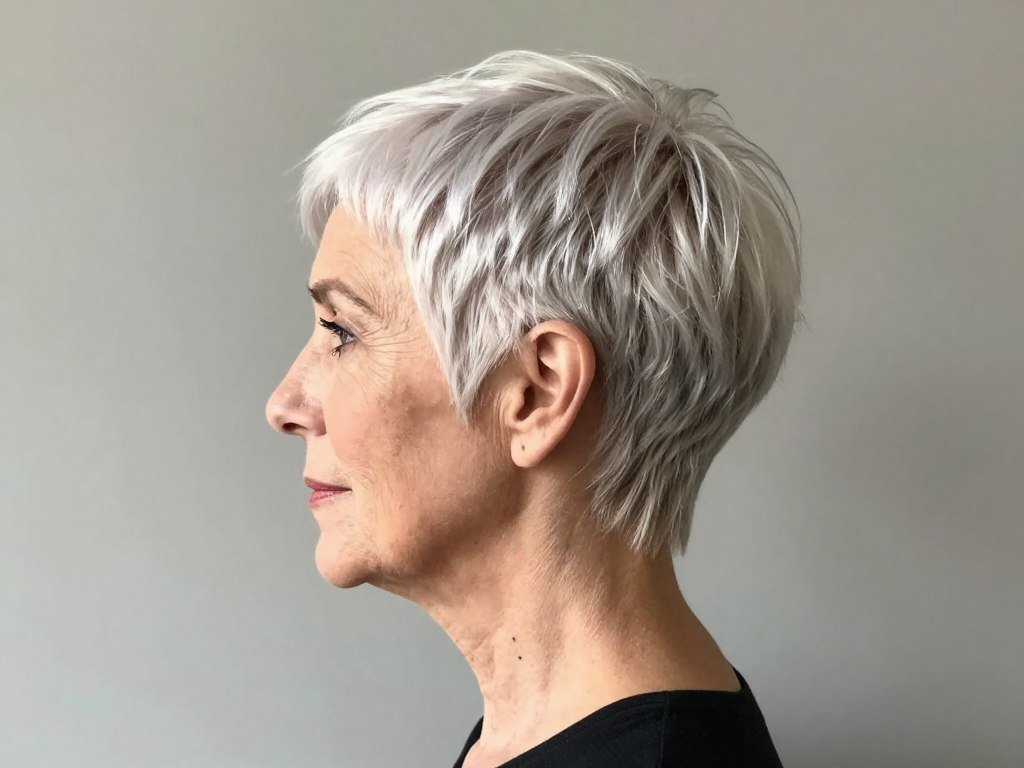
The side profile of your pixie cut is just as important as the front view. A curved profile creates an elegant, polished appearance.
This shape follows your natural head contour. It creates a harmonious line that’s pleasing from every angle.
Ask your stylist to check the profile during your cut. Small adjustments to the side shape can dramatically improve the overall look.
20. Pixie with Delicate Temple Details
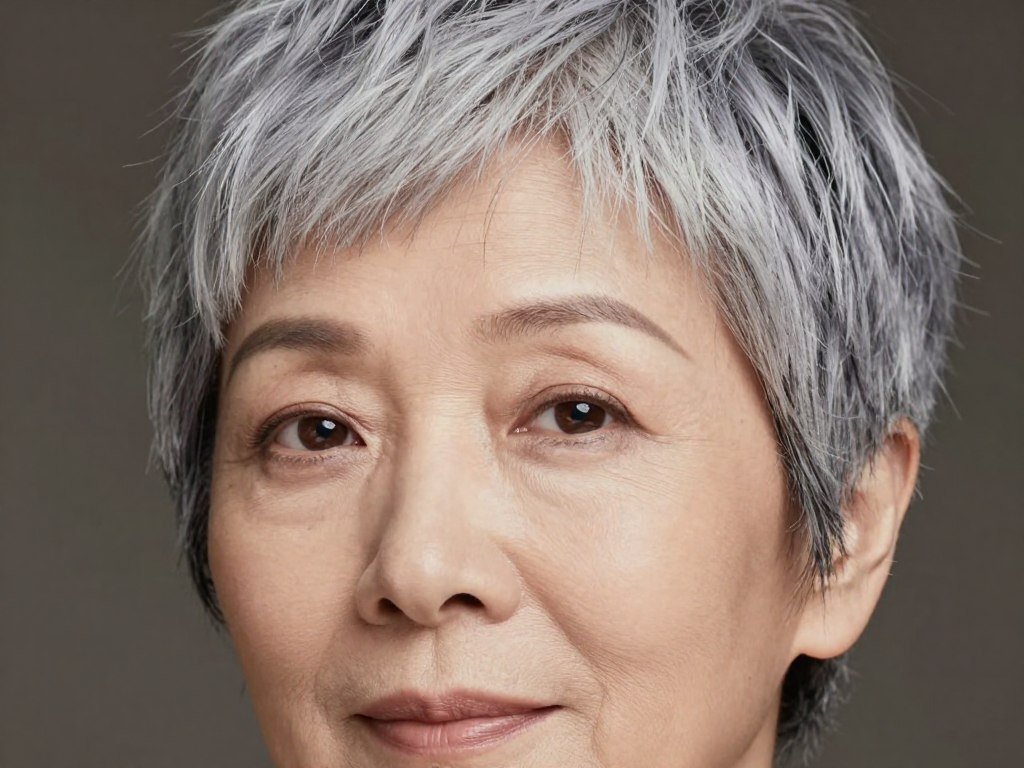
The temple area is often overlooked but crucial for a flattering pixie. Delicate, wispy pieces here soften your entire face.
These fine details draw attention to your eyes and cheekbones. They create a feminine, polished finish to your cut.
Your stylist should taper the temple area carefully. The hair should blend seamlessly from the sideburns into the overall cut.
Volume-Boosting Pixie Cuts for Thin Hair
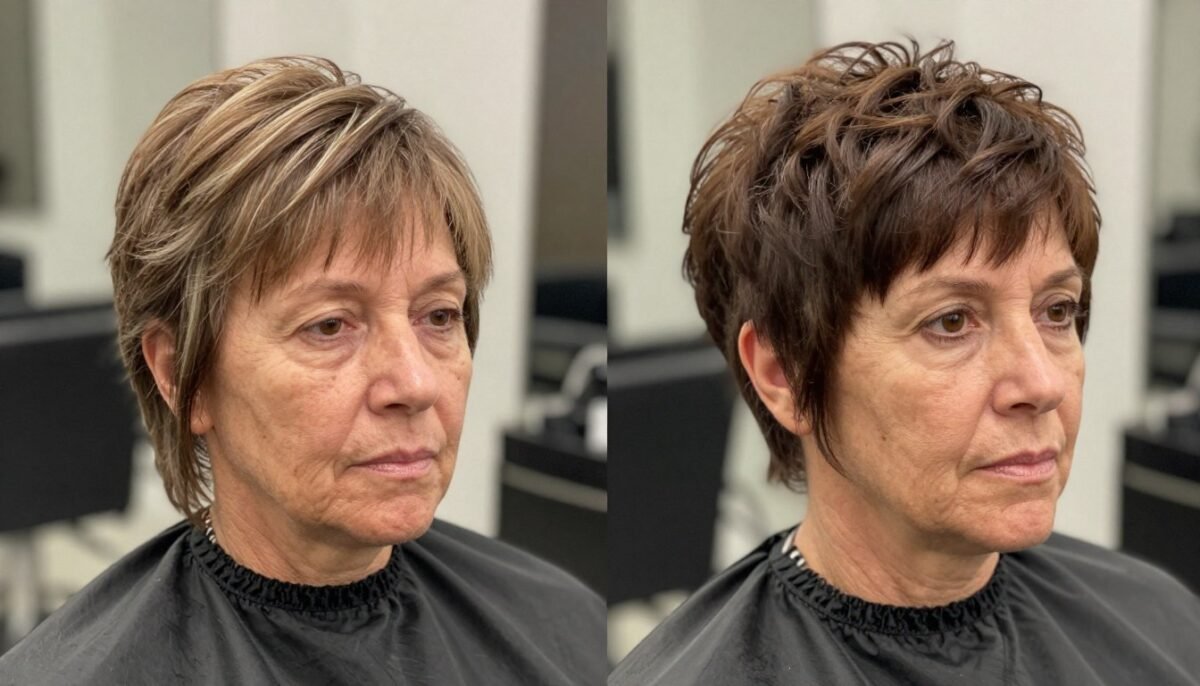
21. Layered Crown Pixie
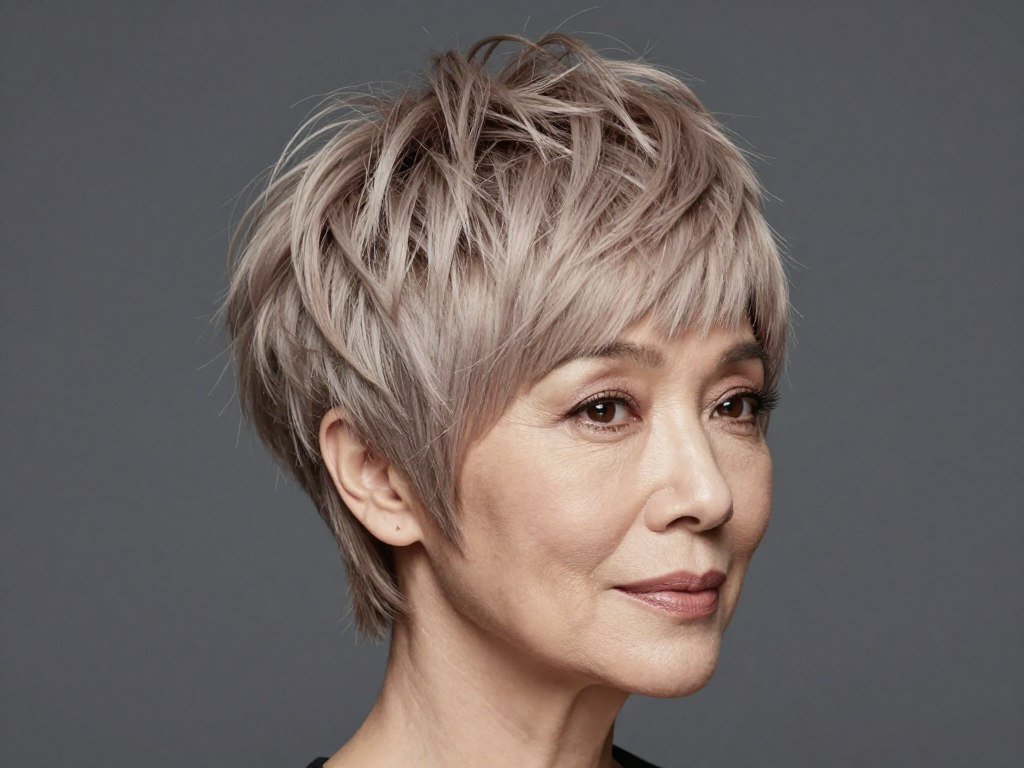
Strategic layering at the crown creates instant volume for thin hair. Shorter layers on top naturally lift away from the scalp.
This technique makes fine hair appear significantly thicker. The lifted roots create space and fullness throughout the crown area.
Ask for graduated layers that get progressively shorter toward the crown. This creates maximum lift without sacrificing overall shape.
22. Stacked Pixie with Back Volume

Stacking layers at the back adds height and dimension. This technique prevents flatness in the back area where hair often lies limply.
The stacked shape creates a rounded, youthful silhouette. It adds fullness where thinning hair typically shows most.
This cut requires regular maintenance to keep the stacked shape. Plan on salon visits every four to five weeks.
23. Pixie with Undercut and Top Volume
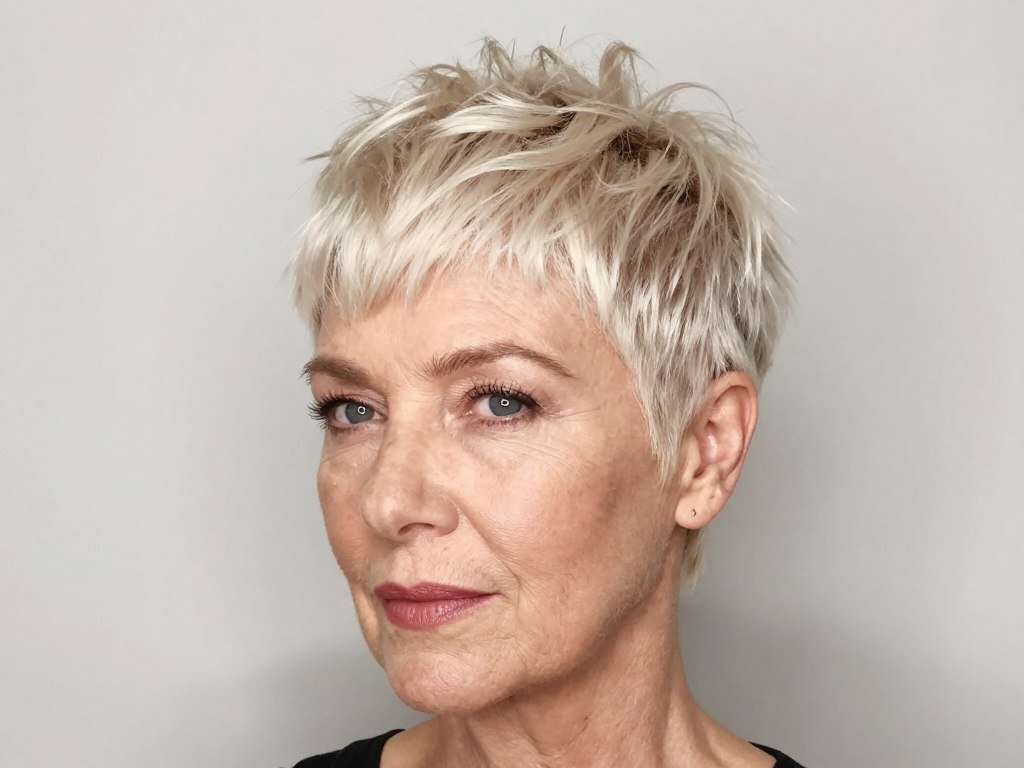
An undercut removes weight from the sides while keeping length on top. This contrast creates dramatic volume where it matters most.
The technique is particularly effective for women with very thin hair. Removing the sides concentrates all visible hair on top.
This modern approach requires confidence to pull off. The bold style makes a statement while solving thinning hair concerns.
24. Textured Pixie with Root Lift
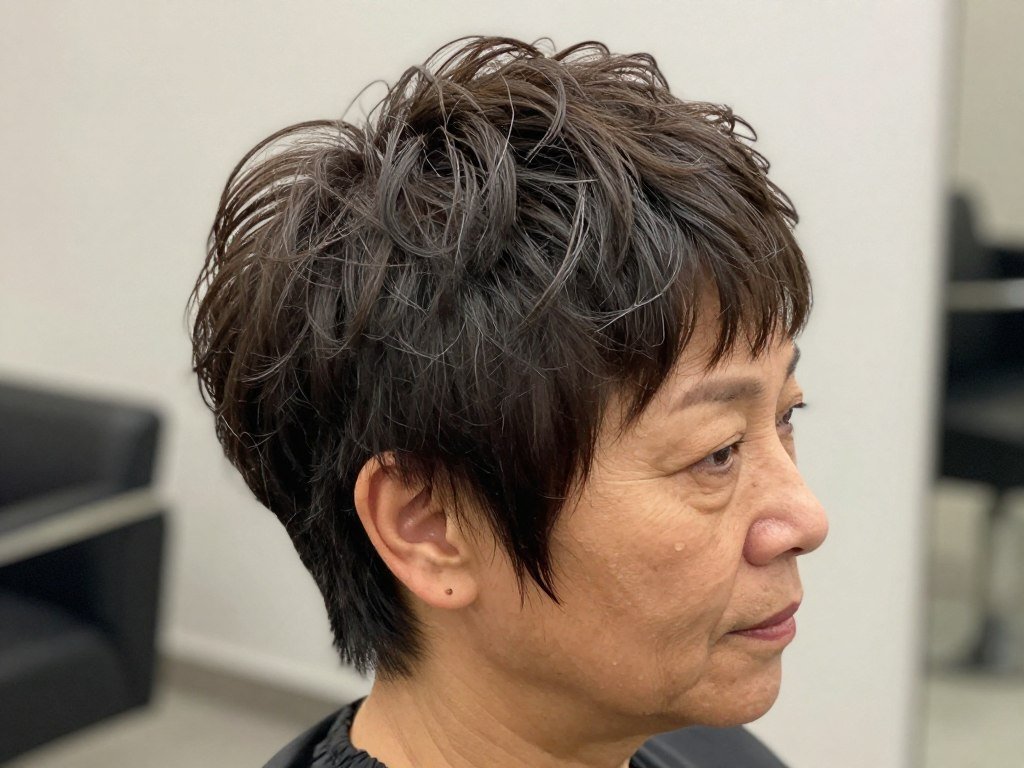
Cutting specifically for root lift transforms thin hair. The cut is designed so hair naturally lifts away from your head.
Your stylist achieves this by cutting each section at a slight elevation. When hair falls, it maintains that lifted angle.
Point-cutting the ends also reduces weight. Lighter ends are easier for your roots to support, creating more lift.
25. Pixie with Strategic Highlighting for Dimension
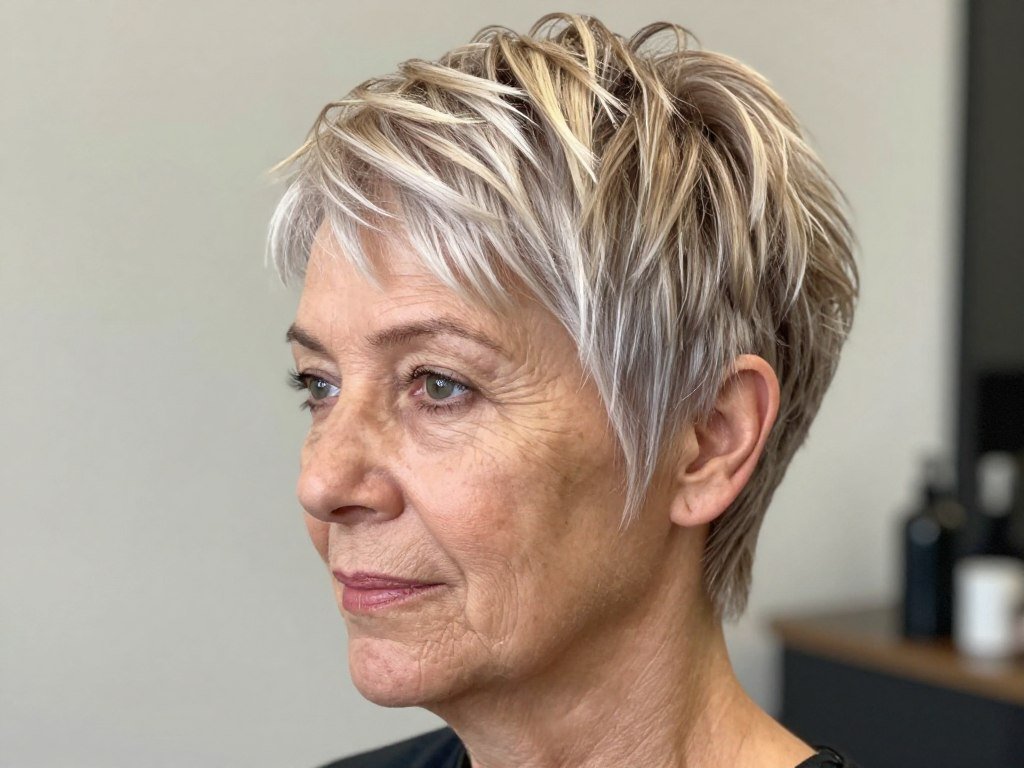
Strategic highlighting creates the illusion of fuller hair. Light and dark tones add visual depth and dimension.
Place lighter highlights on top where you want to draw the eye. Darker lowlights underneath create shadow and apparent density.
This color technique works synergistically with your cut. The combination makes thin hair appear significantly thicker.
Best Products for Volume
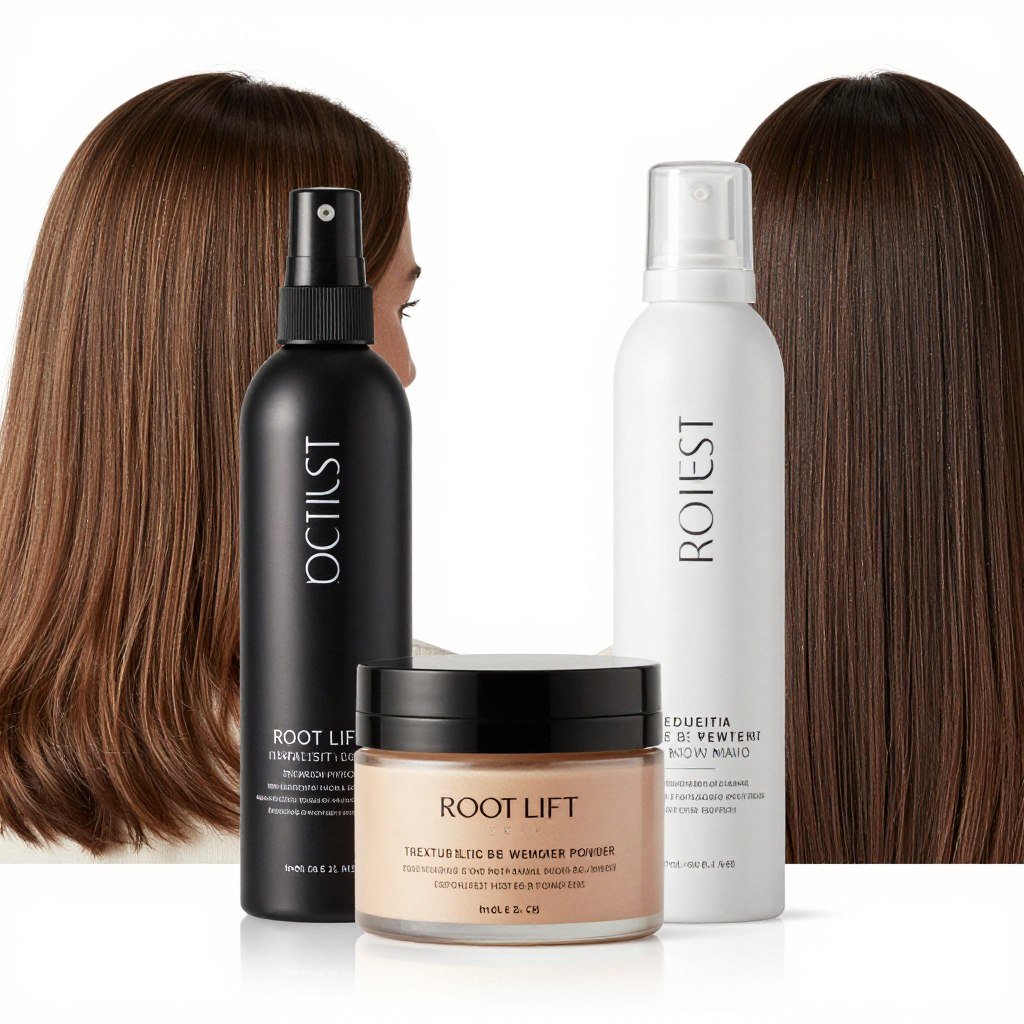
- Root-lifting sprays applied to damp hair
- Volumizing mousse for all-over fullness
- Texturizing powders for instant lift
- Lightweight styling creams that won’t weigh hair down
Styling Tips for Maximum Volume
- Blow-dry hair in the opposite direction from how it naturally falls
- Use a small round brush to lift roots while drying
- Apply products to roots only, not ends
- Finish with cool air to set volume
- Sleep on a silk pillowcase to prevent flattening
26. Pixie with Angled Front for Forward Volume
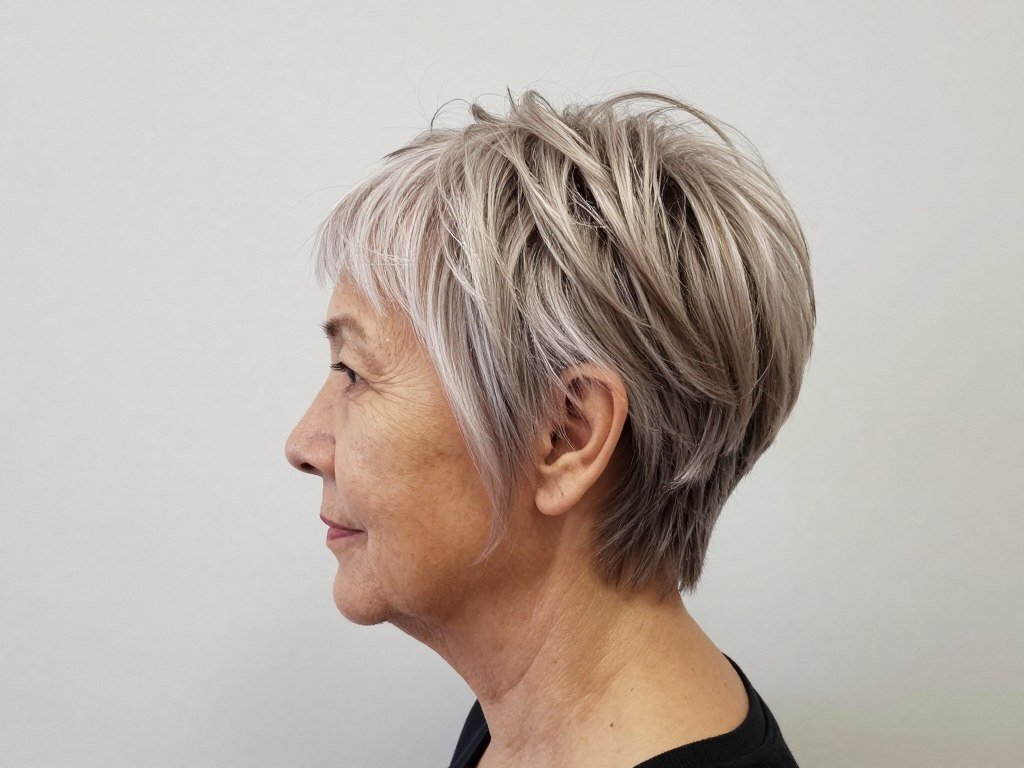
An angled front creates movement and volume toward your face. Longer pieces in front naturally fall forward with built-in body.
This style directs attention to your facial features. The forward movement creates a flattering frame while adding apparent fullness.
The angle can be subtle or dramatic based on preference. Even a slight angle creates significantly more interest than a uniform length.
27. Choppy Layers Throughout for Fullness
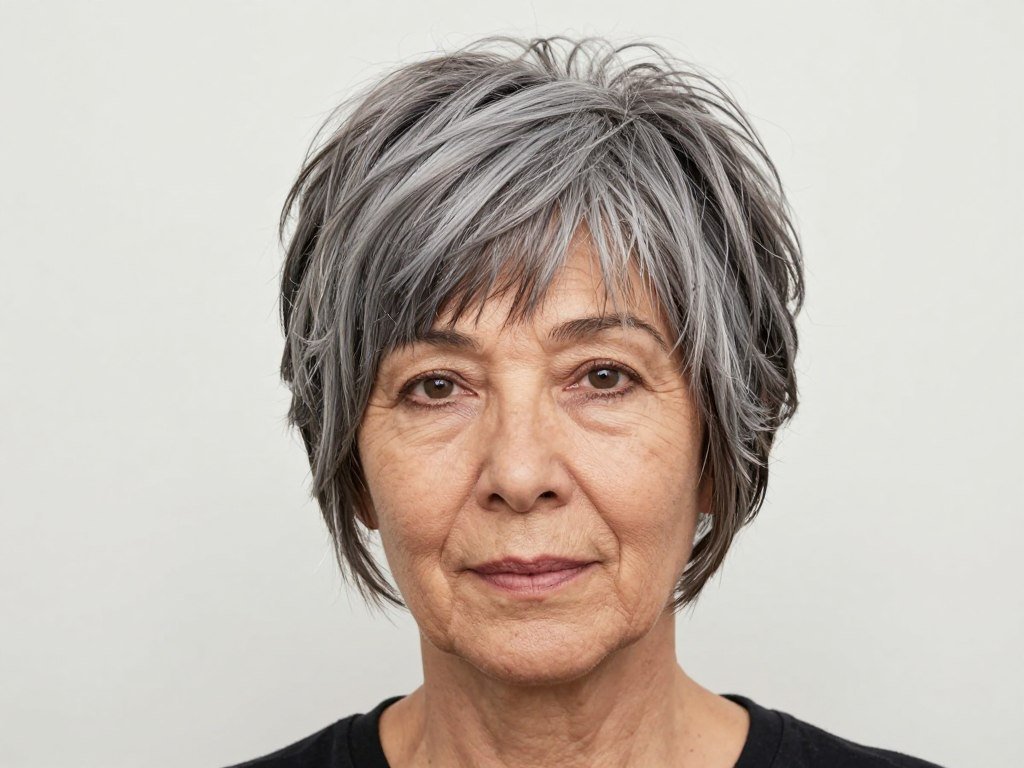
Choppy, irregular layers create visual chaos that disguises thinness. The varying lengths make it impossible to see scalp through hair.
This technique works by creating multiple hair directions. Hair going different ways reflects light differently, creating depth.
The choppy effect also adds an edgy, youthful vibe. This modern approach keeps your look current and fresh.
28. Pixie with Textured Pieciness
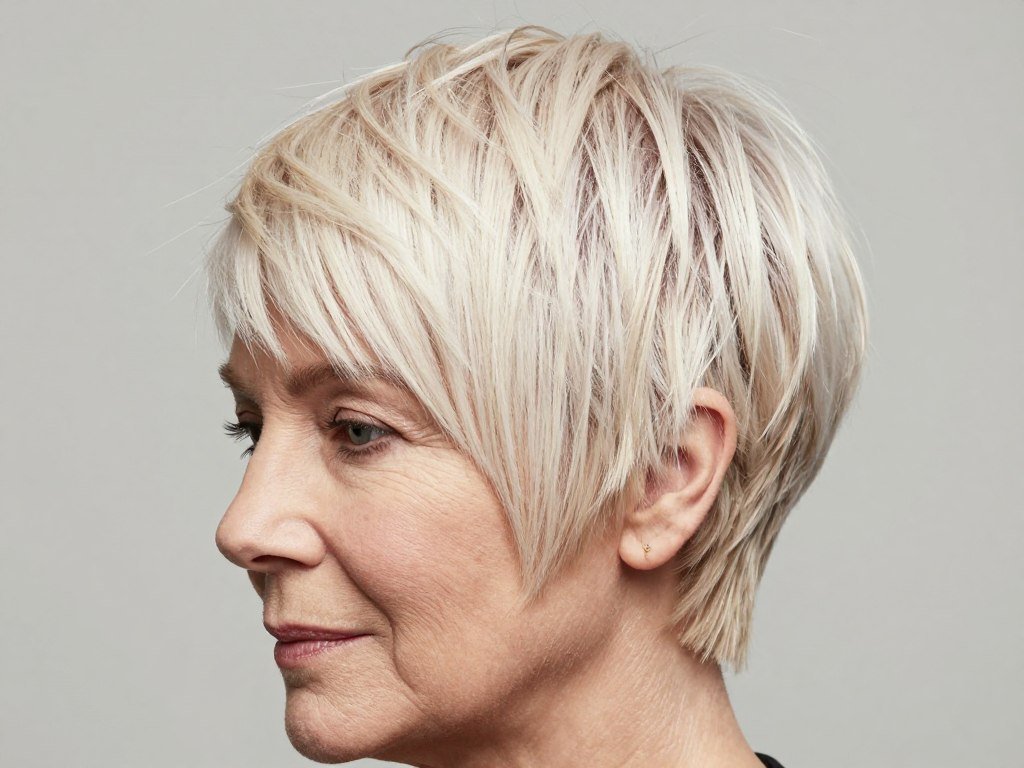
Creating separated, piece-y sections makes thin hair appear intentionally styled rather than sparse. Each defined piece adds to the overall fullness.
Use a texturizing paste or wax to define individual pieces. This styling technique takes minutes but transforms the appearance.
The piece-y look also adds modern edge. It prevents thin hair from looking flat or lifeless.
29. Pixie with Graduated Sides for Top Focus
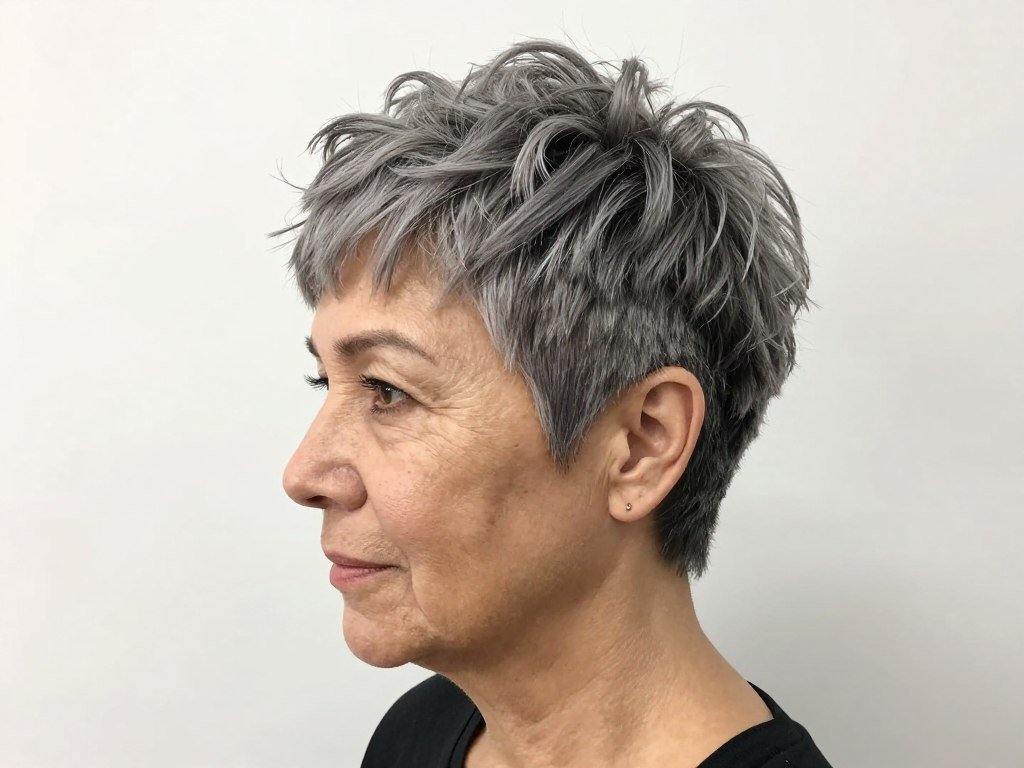
Graduating the sides very short keeps all visual focus on top. This concentrates your hair where you want to create fullness.
The contrast between short sides and fuller top creates dramatic dimension. Your hair appears thicker by comparison.
This approach also reduces overall styling time. The short sides require no attention while you focus on styling the top.
30. Pixie Cut with Forward-Swept Crown
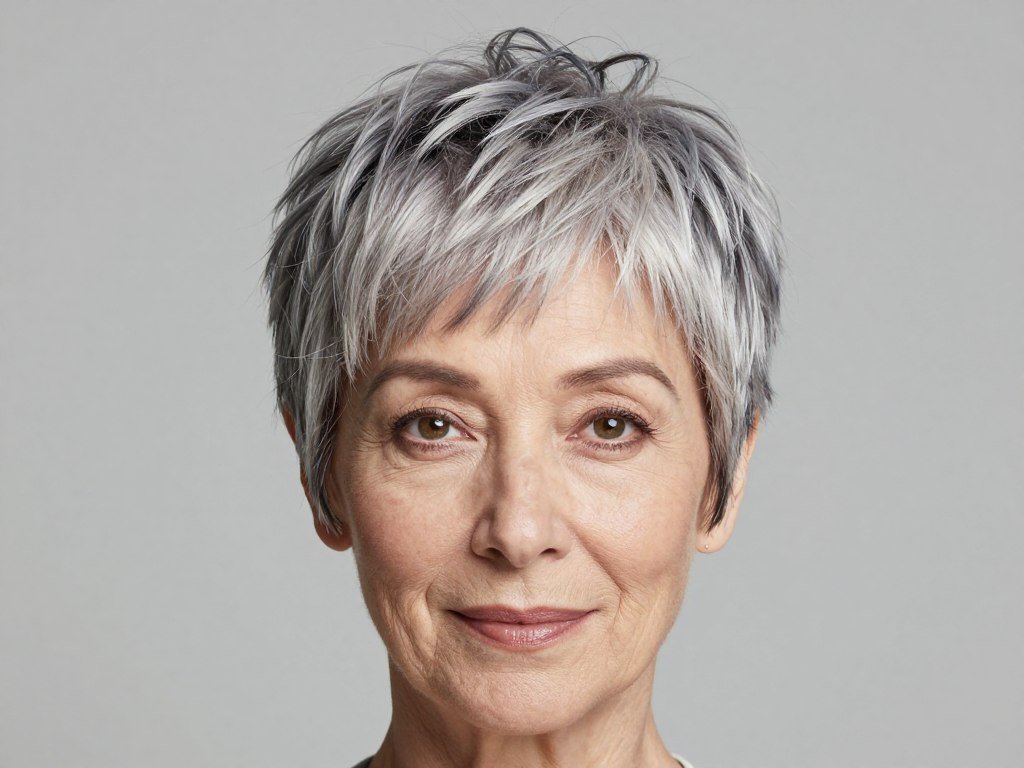
Sweeping the crown forward creates instant height and volume. This styling direction lifts hair away from the scalp naturally.
The forward movement also covers any thinning at the crown. It strategically places hair where coverage is most needed.
A small amount of backcombing at the roots enhances this effect. Gentle teasing creates lasting volume without damage.
Pixie Haircuts for Different Face Shapes
Pixie Cuts for Round Face Shapes
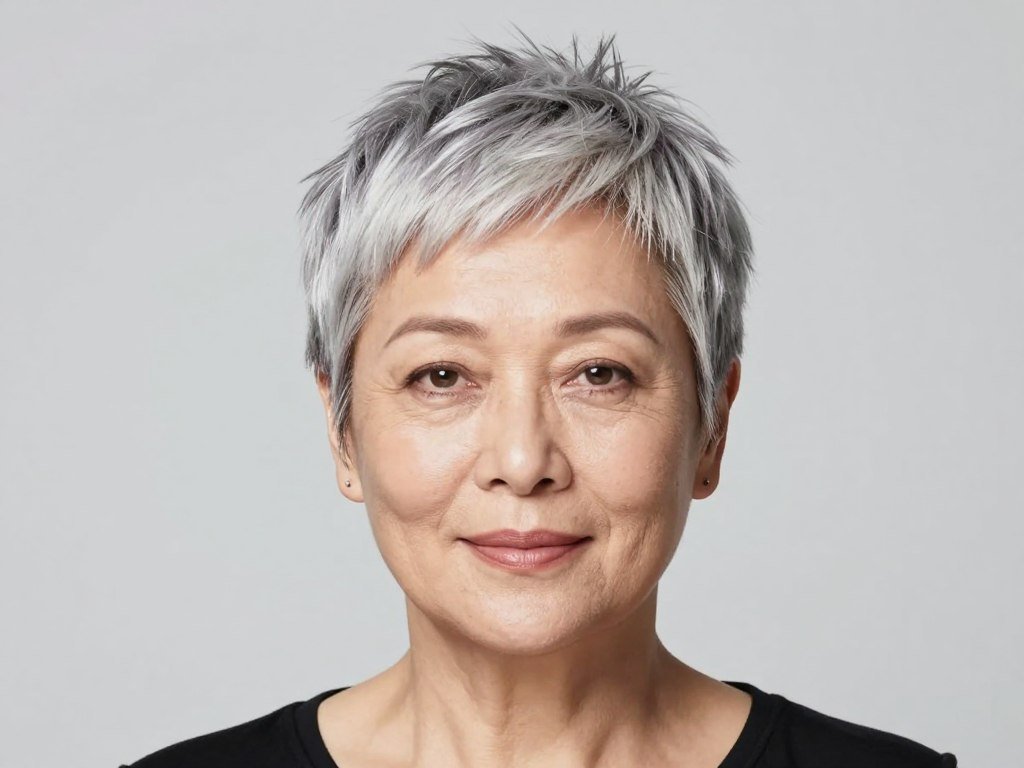
Round face shapes benefit from pixie cuts that add height and create vertical lines. Volume at the crown elongates your face shape.
Avoid cuts that add width at the sides. Keep the sides tapered close while maintaining length and volume on top.
Angular elements like asymmetrical bangs also flatter round faces. They create diagonal lines that slim the face visually.
Pixie Cuts for Square Face Shapes

Square face shapes need softening around the jawline. Wispy, textured layers create gentle movement that minimizes angles.
Side-swept bangs work beautifully for square faces. They create diagonal lines that soften the strong horizontal line of your jaw.
Avoid blunt, geometric cuts that emphasize your natural angles. Choose rounded, curved shapes instead of straight lines.
Pixie Cuts for Oval Face Shapes
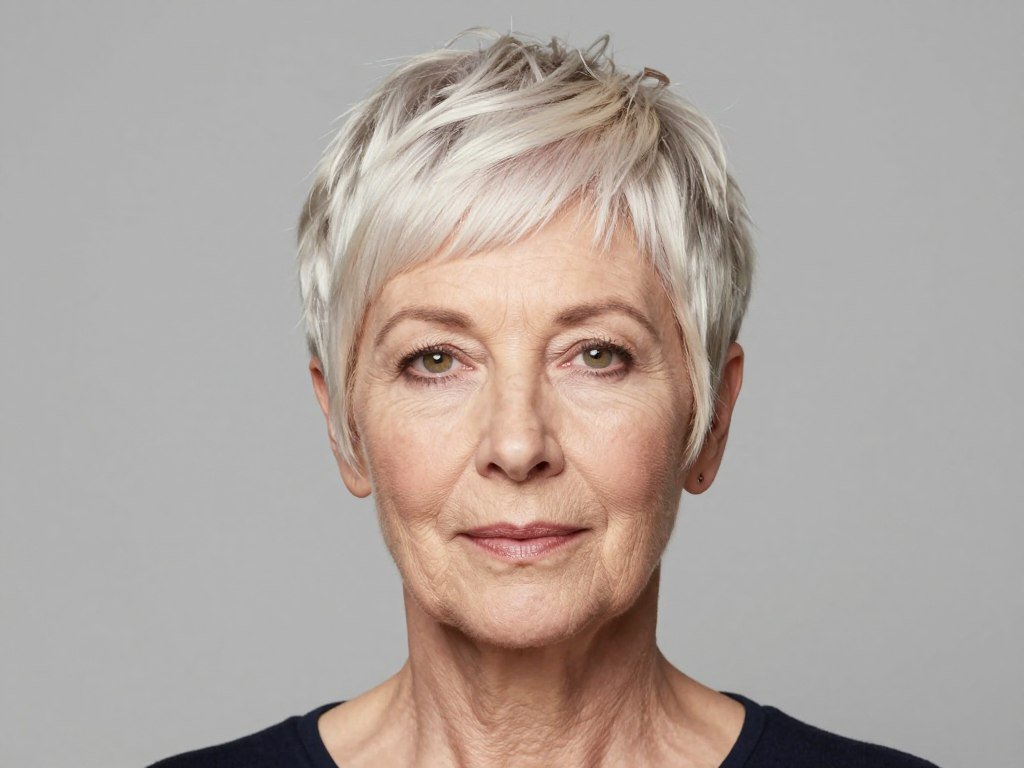
Oval face shapes are the most versatile for pixie cuts. Nearly any pixie variation will flatter your balanced proportions.
You can experiment with bold, dramatic cuts. Your face shape provides a perfect canvas for creative pixie styles.
Consider your personal style preferences over face shape limitations. Oval faces successfully carry both edgy and soft pixie variations.
Pixie Cuts for Heart-Shaped Faces
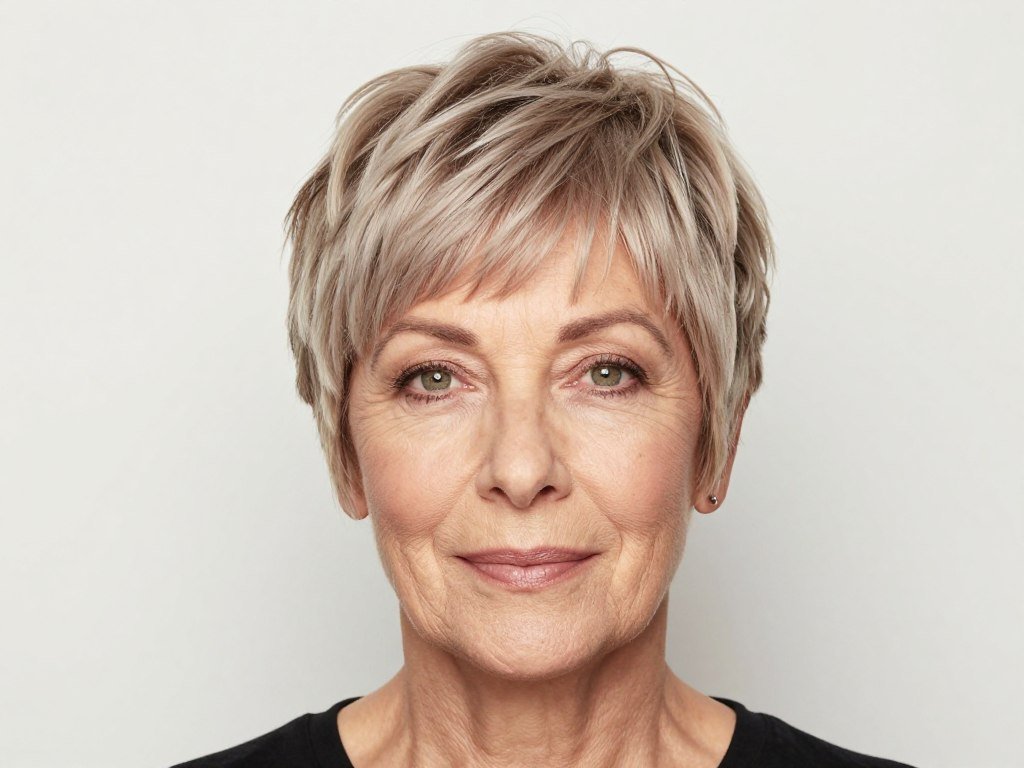
Heart-shaped faces feature a wider forehead and narrower chin. Balance these proportions with width at the jawline.
Textured, piece-y bangs minimize forehead width. They create horizontal emphasis that balances your face shape.
Keep some length and volume around your ears and jawline. This adds width where your face naturally narrows.
Pixie Cuts for Long/Oblong Face Shapes
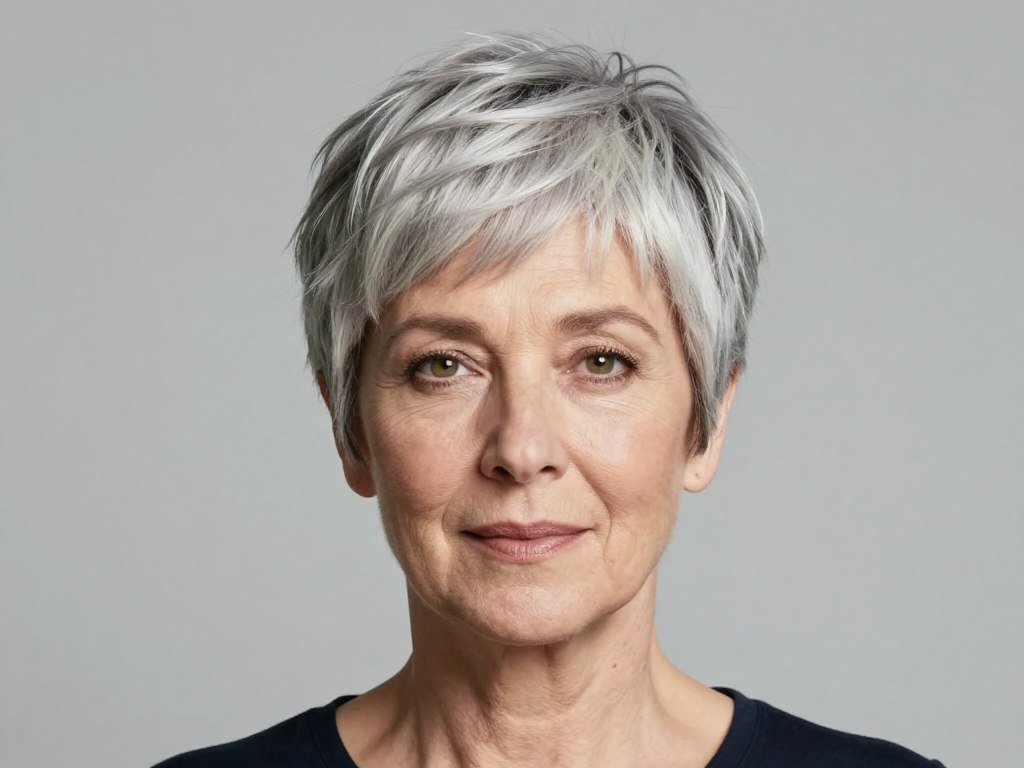
Long face shapes benefit from width rather than height. Avoid excessive volume on top that elongates further.
Side-swept or full bangs shorten the appearance of a long face. They break up the vertical line visually.
Add volume and texture at the sides. This creates horizontal emphasis that balances your face’s length.
Pixie Cuts for Diamond Face Shapes
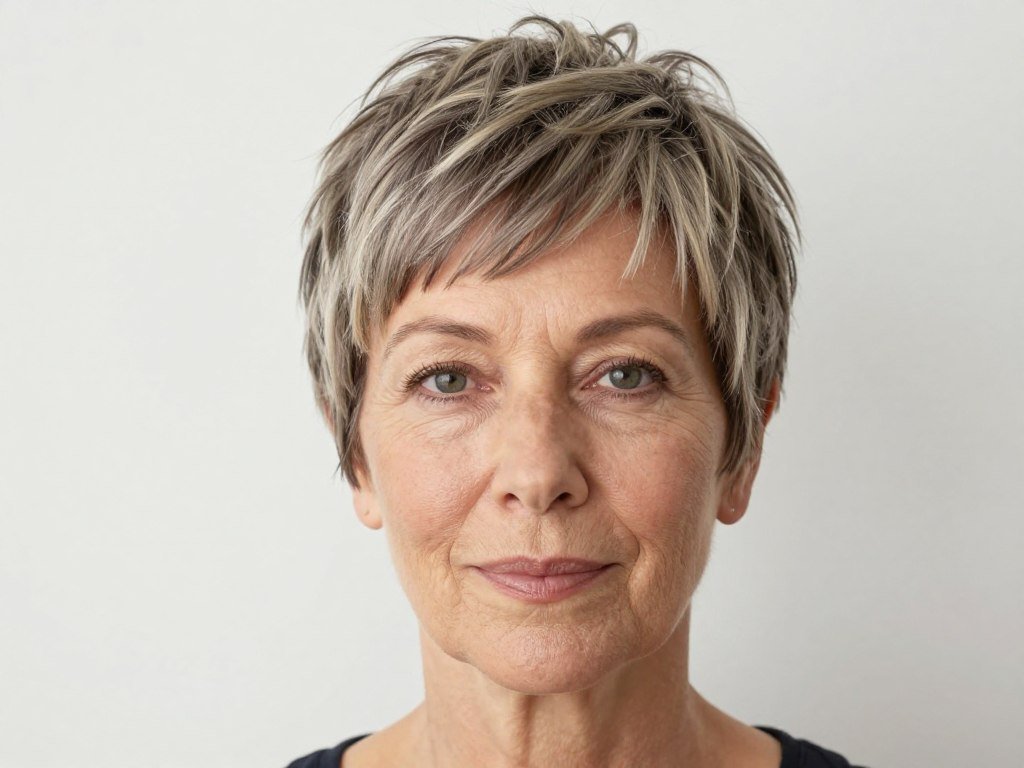
Diamond face shapes have wider cheekbones with a narrower forehead and chin. Create balance with strategic volume placement.
Add fullness at the temples and forehead area. This balances the width of your cheekbones.
Keep the cheek area sleeker with tapered sides. This prevents adding more width where you already have it.
Key Face Shape Considerations
- Face shape is just one factor – your hair texture, lifestyle, and personal style matter equally
- Most women have combination face shapes with elements of two types
- A skilled stylist can adapt any pixie cut to flatter your unique features
- Your facial features (eyes, cheekbones, jawline) are more important than overall shape
- Confidence in your chosen style matters more than following strict rules
How to Determine Your Face Shape
- Pull your hair completely back from your face
- Look directly at yourself in a mirror
- Trace your face outline on the mirror with lipstick or soap
- Step back and look at the shape you’ve traced
- Compare to common face shape examples online
- Remember that most faces are combination shapes
Styling and Maintaining Your Pixie Haircut
Daily Styling Techniques
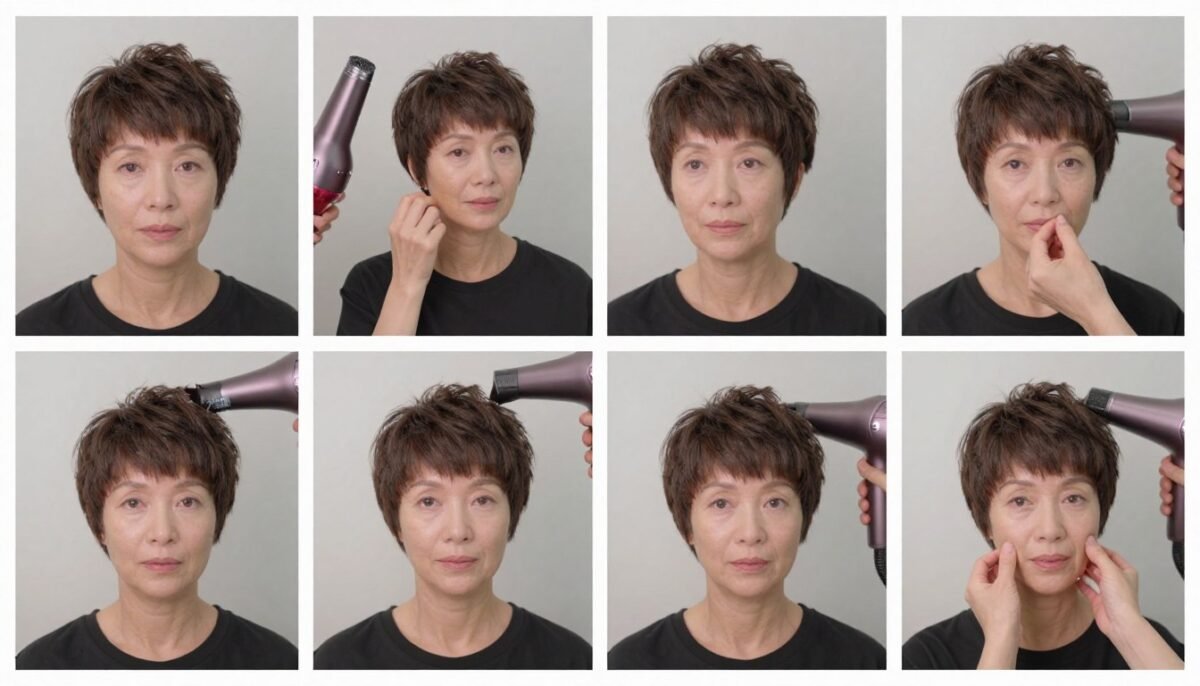
Pixie cuts require minimal daily styling time. Most styles take five minutes or less to perfect each morning.
Start with slightly damp hair for best results. Spray a volumizing product at the roots before blow-drying.
Use your fingers to direct hair as it dries. This creates natural-looking texture without formal styling tools.
Essential Styling Products
Texturizing Spray
Adds grip and separation to fine hair. Spray on damp or dry hair for instant texture and hold without stiffness.
Volumizing Mousse
Apply to roots on damp hair before blow-drying. Creates lasting lift and fullness without weighing hair down or making it crunchy.
Finishing Pomade
Work a pea-sized amount through dry hair to define piece-y texture. Adds shine and separation without greasiness or heavy buildup.
Maintenance Schedule
Regular trims are essential for keeping pixie cuts looking sharp. Most pixie styles require professional maintenance every four to six weeks.
The back and sides grow fastest and lose shape first. Schedule appointments before your cut starts looking grown out.
Between salon visits, you can trim your own bangs if needed. Use small hair scissors and trim conservatively.
Managing Different Hair Textures
Pixie Cuts for Thick Hair
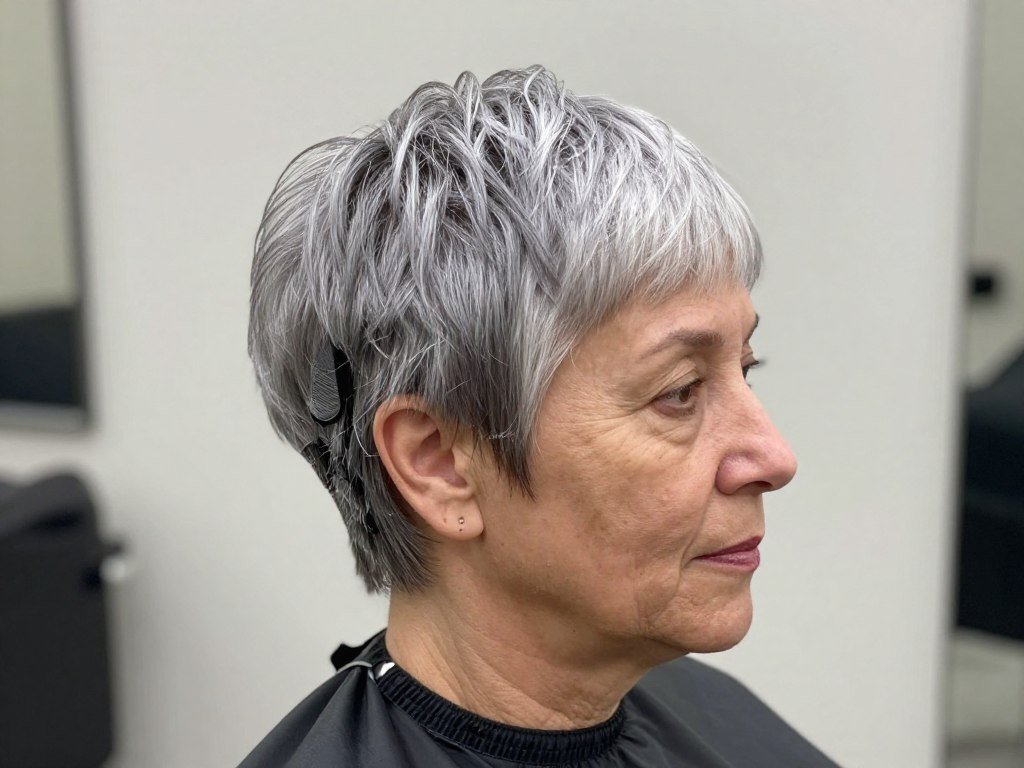
Thick hair benefits from internal layering and thinning. Your stylist removes bulk while maintaining the overall shape.
Request point-cutting and razoring techniques. These methods reduce weight without creating blunt, heavy lines.
Thick hair holds volume naturally, requiring less styling product. You may need anti-frizz serums instead of volumizers.
Pixie Cuts for Curly or Wavy Hair
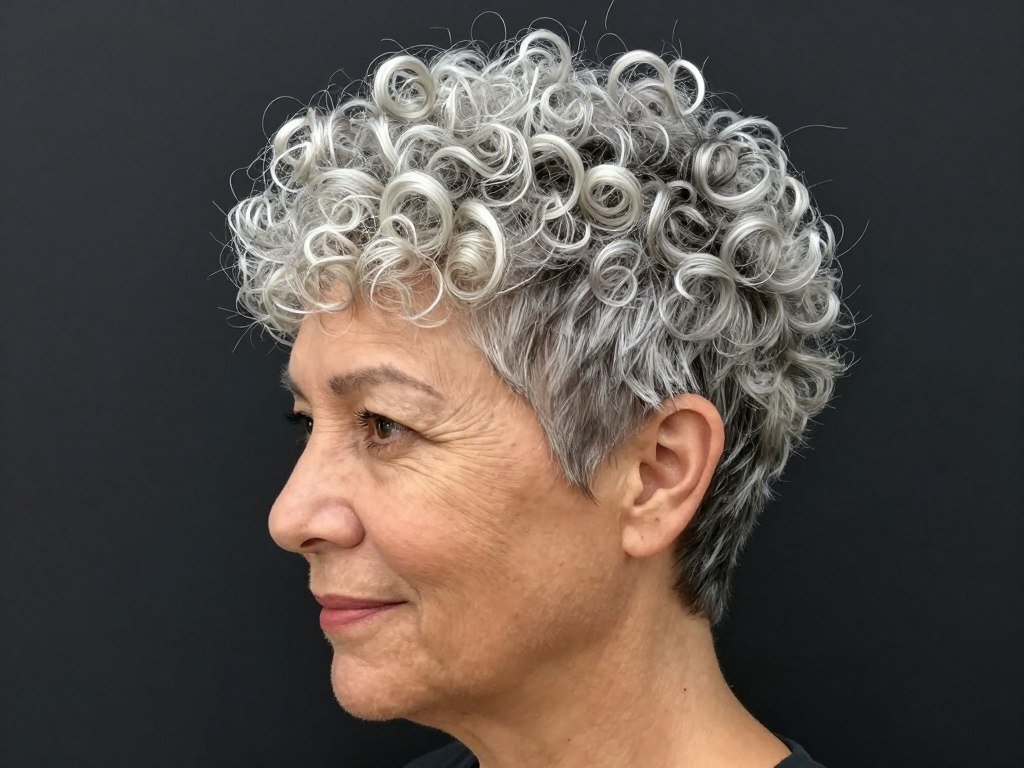
Natural curls create beautiful texture in pixie cuts. The short length often enhances your curl pattern naturally.
Ask your stylist to cut your hair dry if you have curls. This allows them to see how each curl will fall.
Embrace your natural texture rather than fighting it. Curly pixies have gorgeous movement and personality.
Pixie Cuts for Fine, Straight Hair
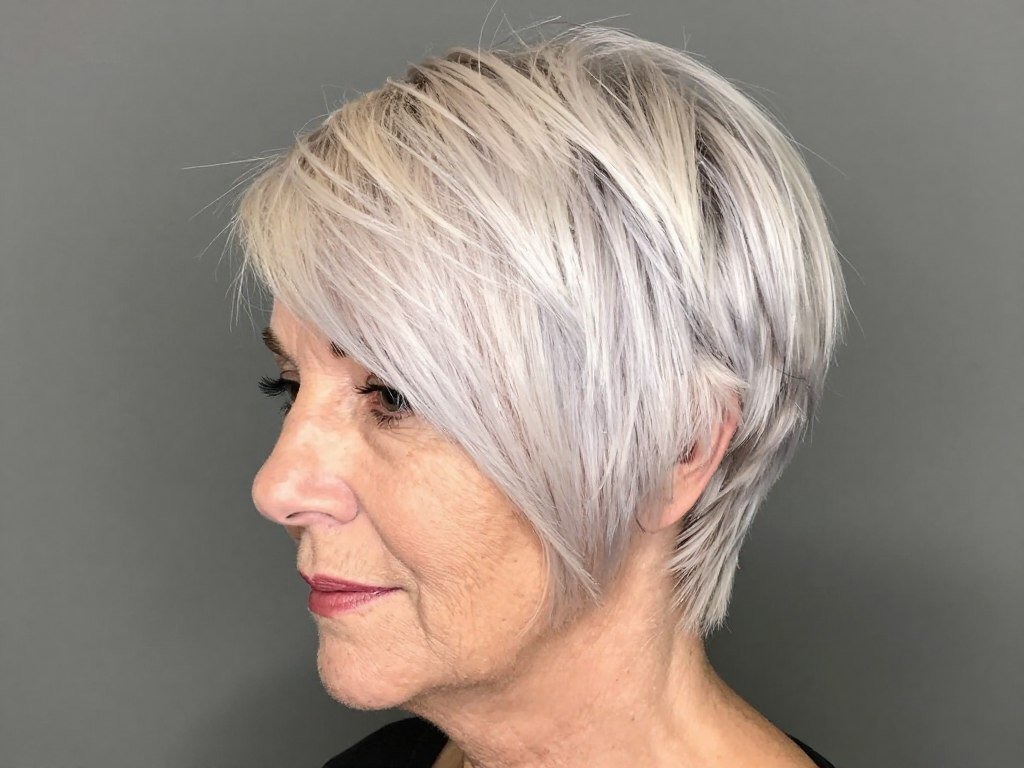
Fine, straight hair needs strategic cutting for volume. Layers and texture are your best friends.
This hair type shows cutting precision most clearly. Choose an experienced stylist who specializes in short cuts.
Use lightweight products designed for fine hair. Heavy products will flatten your hair immediately.
Color Considerations for Pixie Cuts
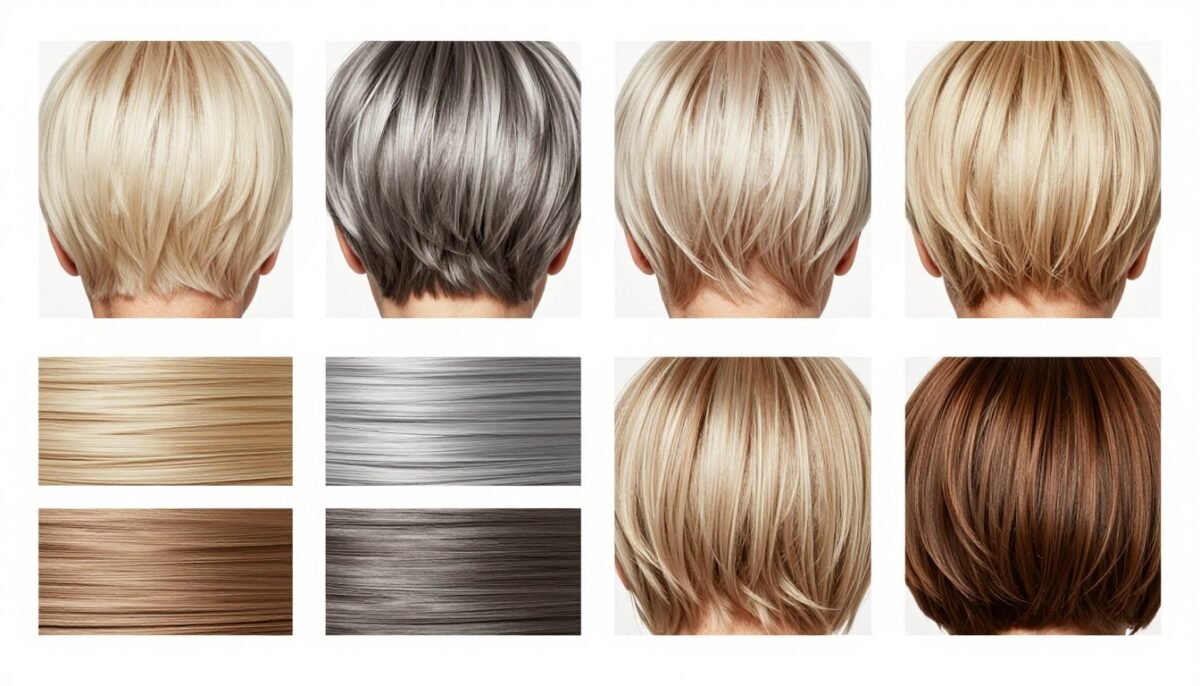
Color choice dramatically affects how your pixie cut looks. Lighter colors create dimension and can minimize fine lines.
Platinum, ash blonde, and silver tones are particularly popular for mature women. These colors look intentional rather than simply gray.
Strategic highlights add depth without full color commitment. Babylights or balayage create natural-looking dimension.
Best Color Techniques for Short Hair
- Balayage creates natural-looking dimension with low maintenance
- Root shadowing adds depth and extends time between color appointments
- Glossing treatments enhance shine and blend gray beautifully
- Subtle highlights frame the face and add youthful brightness
- All-over silver or platinum creates a bold, modern statement
Pro Tip: Transitioning to Gray
A pixie cut is the perfect time to transition to natural gray. The short length means you can grow out your natural color quickly without dealing with long, two-toned hair. Ask your colorist about transition techniques like reverse balayage that blend your natural gray with remaining color.
More Stunning Pixie Variations
31. Classic Cropped Pixie
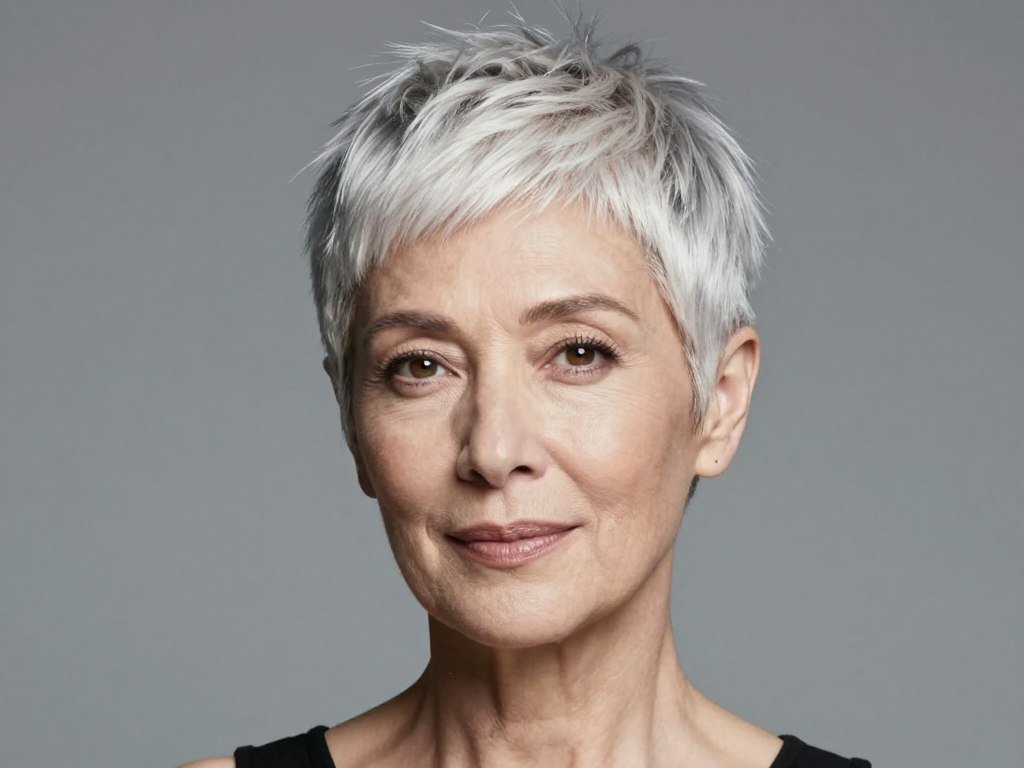
The cropped pixie is the shortest variation, cut close to the head. This bold style exudes confidence and requires minimal maintenance.
This cut works beautifully for women with well-shaped heads and strong facial features. It draws all attention to your face.
Styling takes mere seconds each day. A tiny amount of pomade or wax is all you need for definition.
32. Pixie with Longer Fringe
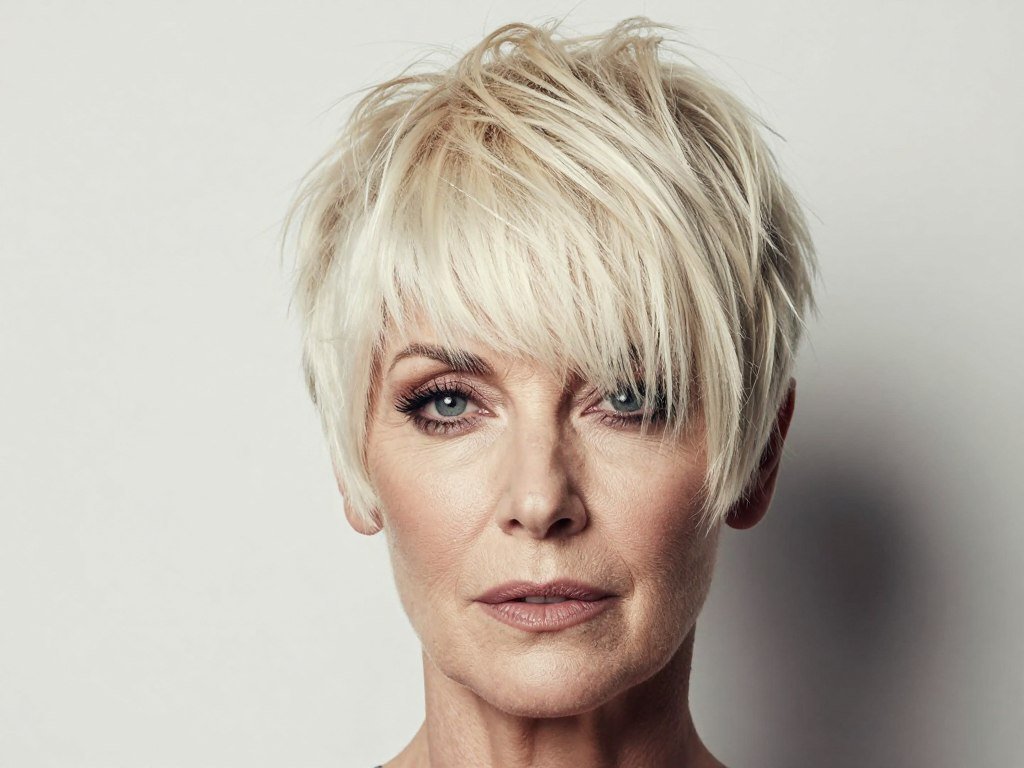
A longer fringe adds drama and versatility to your pixie. The extended bangs create multiple styling options.
Sweep the fringe to the side for everyday wear. Style it forward for a more dramatic, editorial look.
This variation works particularly well if you’re transitioning from longer hair. The longer fringe provides a compromise between short and long.
33. Pixie Bob Hybrid
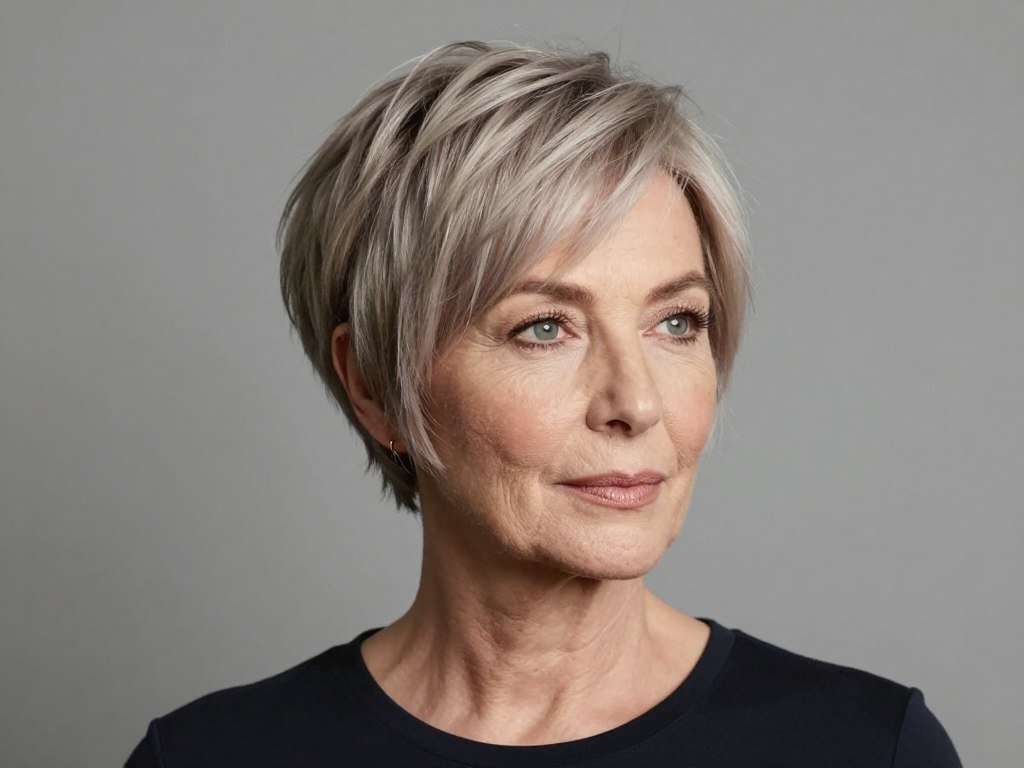
The pixie bob blends elements of both cuts. It’s longer than a traditional pixie but shorter and more textured than a bob.
This style offers the best of both worlds. You get the ease of short hair with slightly more styling versatility.
The hybrid length works well for first-timers nervous about going very short. You can always cut shorter later if desired.
34. Spiky Textured Pixie
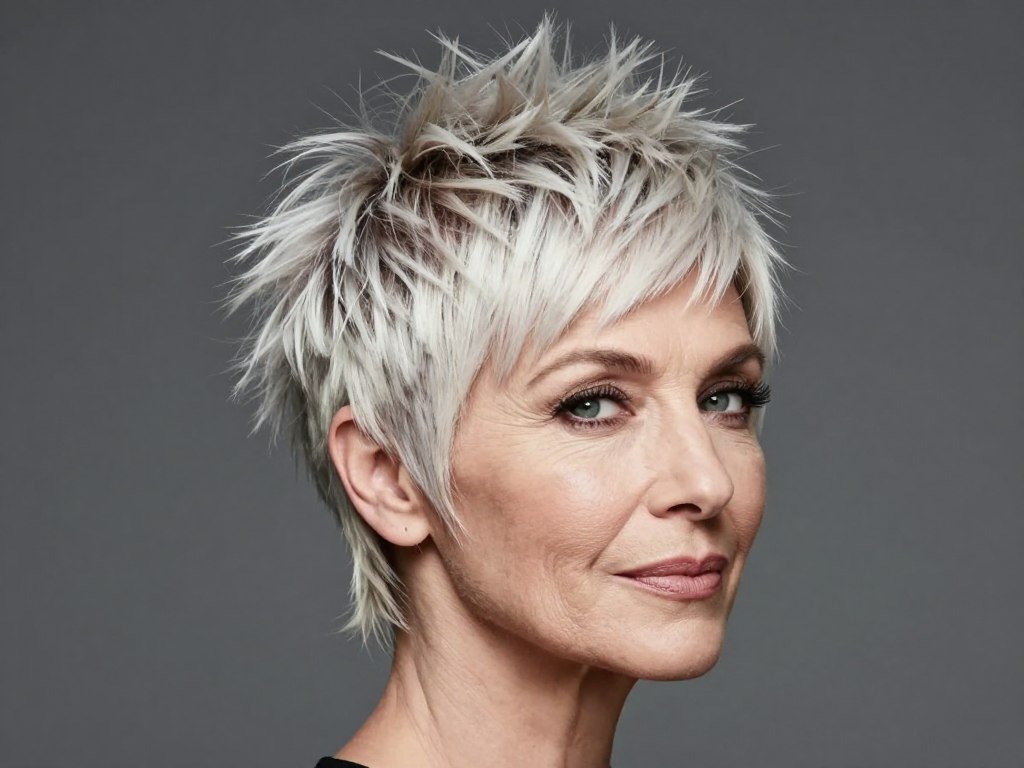
Spiky texture adds edge and personality to your pixie. This style requires styling product but creates a bold, modern look.
Use a strong-hold wax or pomade to create defined spikes. Work the product through damp hair and shape individual pieces.
This variation is surprisingly versatile. You can style it spiky for special occasions and smooth for professional settings.
35. Sleek and Smooth Pixie
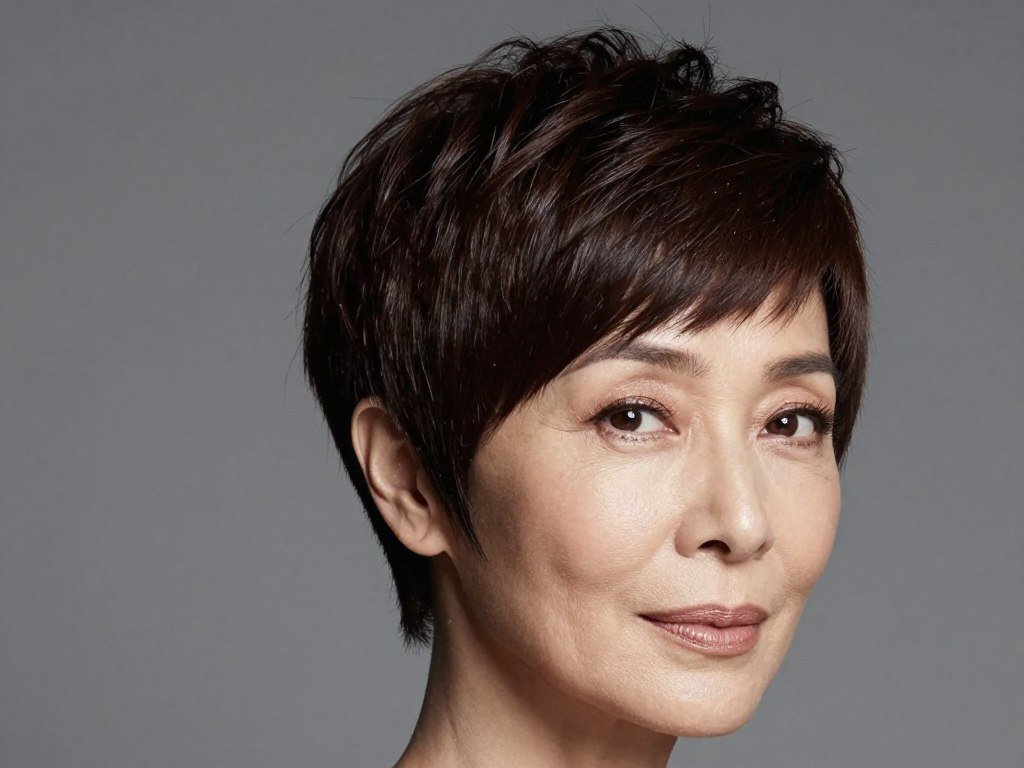
A sleek pixie creates sophisticated elegance. The smooth finish looks polished and professional.
This style works best on naturally straight hair. A flat iron can smooth any texture for this look.
Apply a smoothing serum before styling. Finish with a light shine spray for maximum gloss.
36. Pixie with Micro Bangs
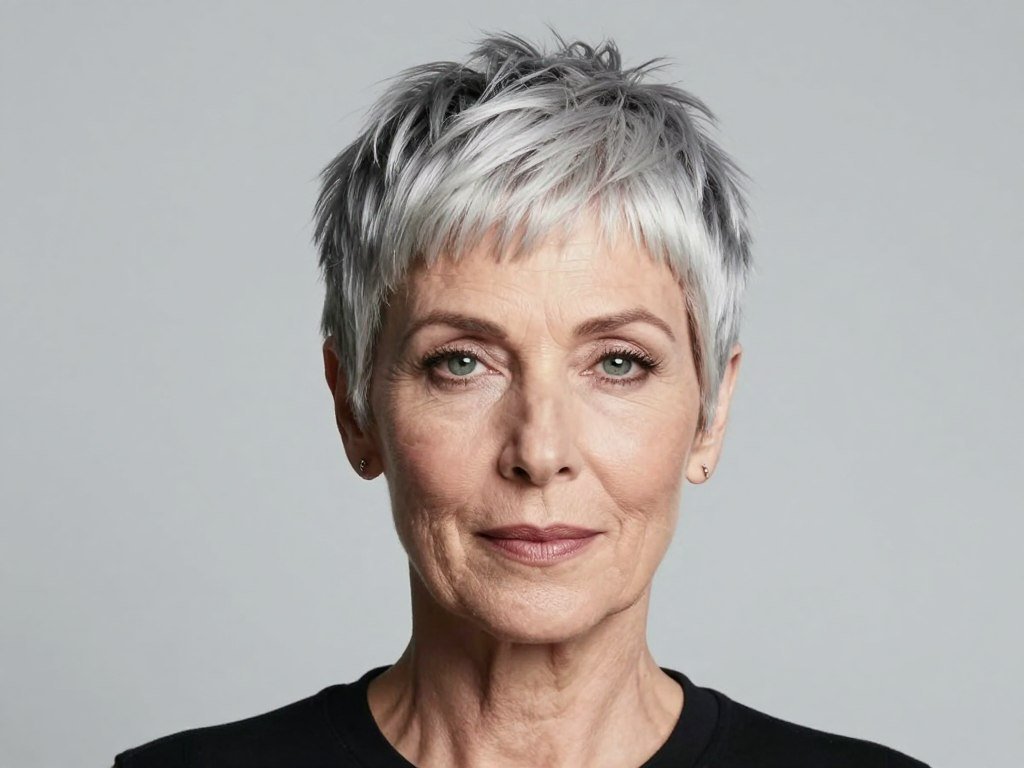
Micro bangs create a fashion-forward, unexpected element. These very short bangs make a bold statement.
This style requires confidence and the right face shape. Oval and heart-shaped faces carry micro bangs most successfully.
The dramatic bangs draw attention to your eyes. They create a youthful, playful vibe.
37. Pixie with Shaved Sides
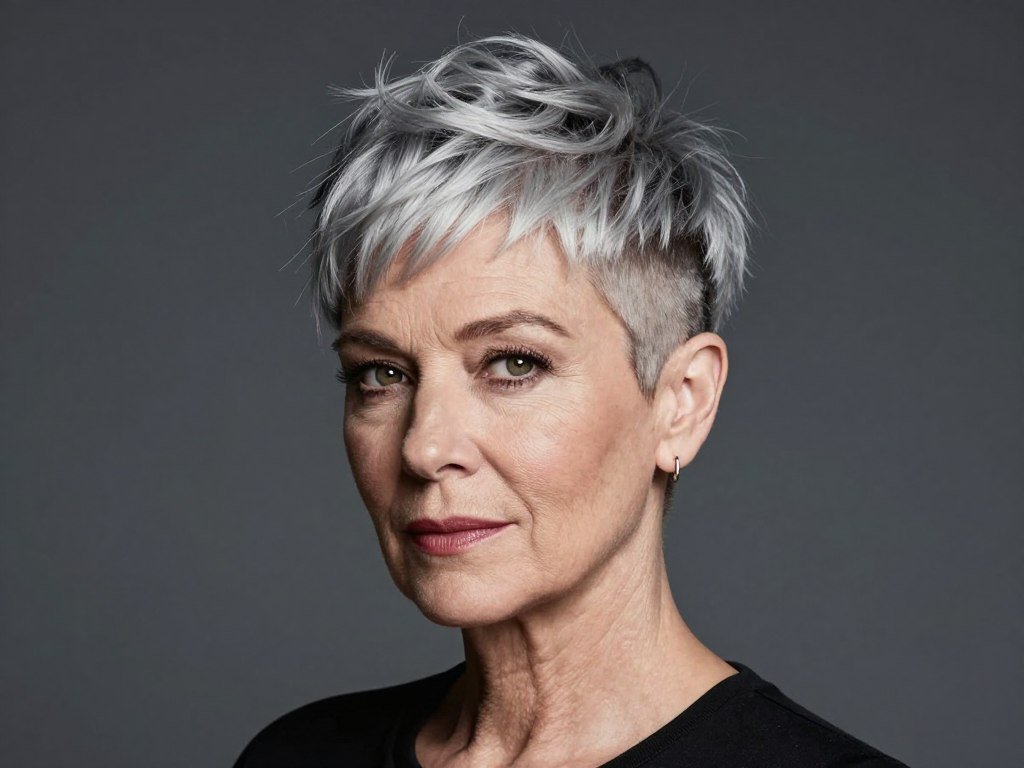
Shaved sides create maximum contrast and edge. This bold variation is perfect for women wanting a dramatic change.
The shaved sections can be subtle or obvious based on preference. Even a small shaved section adds modern appeal.
This style requires frequent touch-ups for the shaved sections. Plan on salon visits every three to four weeks.
38. Soft Pixie with Wispy Nape
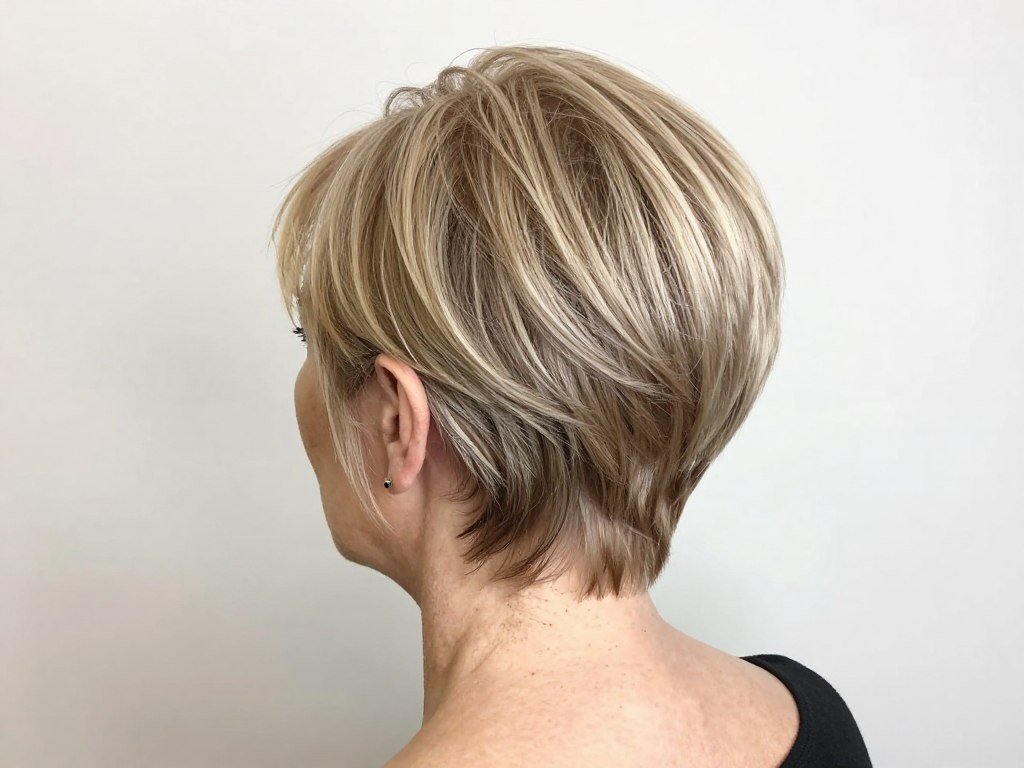
A wispy nape creates the most feminine pixie finish. Delicate, tapered ends at the neck look soft and romantic.
This detail makes the back of your pixie as beautiful as the front. The wispy texture prevents a harsh line.
Ask your stylist to point-cut the nape area. This creates the finest, most delicate ends.
39. Pixie with Deep Side Part
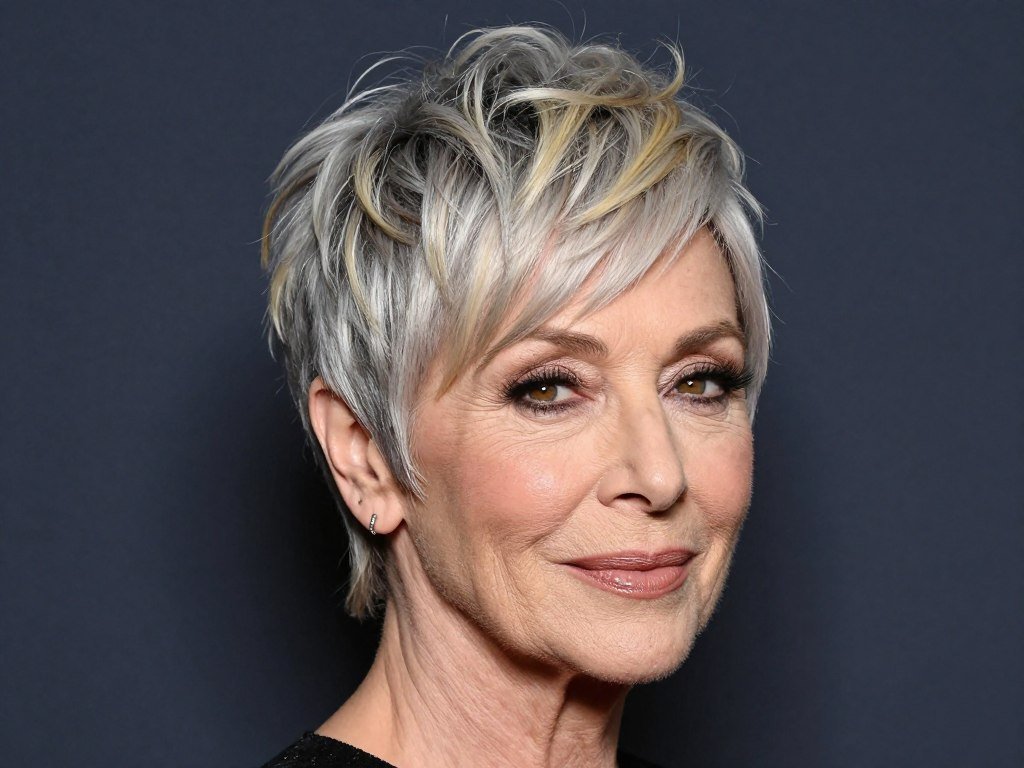
A deep side part transforms your pixie’s entire appearance. The dramatic part creates volume on one side while sleek on the other.
This styling technique works with nearly any pixie cut. It’s an easy way to change your look without cutting.
The swept-over side adds glamour and sophistication. This style works beautifully for special occasions.
40. Natural Gray Pixie
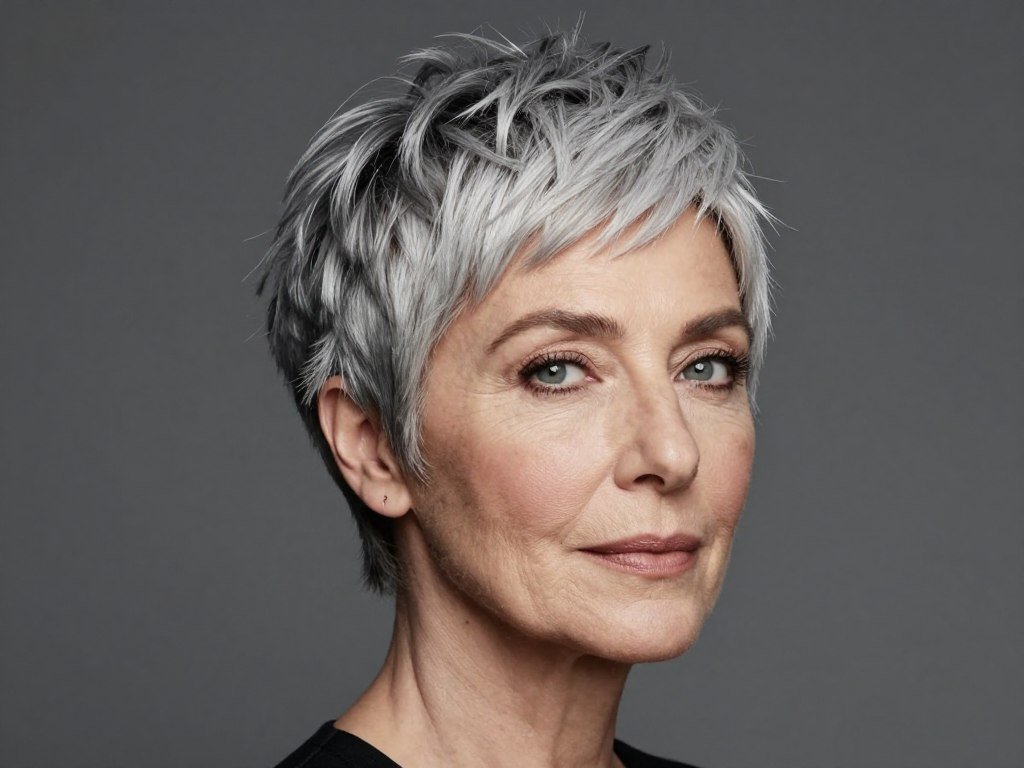
Embracing natural gray in a pixie cut looks absolutely stunning. The short length shows off the beautiful variations in natural gray tones.
Natural gray hair often has gorgeous dimension with multiple shades. A pixie cut highlights this natural color variation.
Gray hair tends to be coarser, which actually works well in pixie cuts. The texture creates natural volume and body.
How to Choose Your Perfect Pixie Cut
Assess Your Hair Texture and Density
Your natural hair texture significantly influences which pixie style will work best. Fine hair needs different cutting techniques than thick hair.
Density refers to how much hair you have overall. High-density hair can handle more weight removal, while low-density hair needs careful cutting.
Be honest with your stylist about any hair changes you’ve noticed. Thinning or texture changes affect which pixie variation will be most flattering.
Consider Your Lifestyle and Styling Commitment
Think realistically about your daily styling routine. Some pixie cuts require five minutes of styling, others need fifteen.
If you prefer wash-and-go simplicity, choose textured cuts that look good with minimal effort. Sleek styles require more daily attention.
Consider how often you’re willing to visit the salon. Very short pixies need more frequent trims than longer variations.
Evaluate Your Personal Style
Your pixie cut should align with your overall aesthetic. A classic, conservative dresser might prefer soft, feminine pixies.
If you have a bold, adventurous style, edgier pixie variations will feel more authentic. Your haircut should feel like you.
Look at your wardrobe for clues. Structured, tailored clothing pairs well with sleek pixies. Flowing, romantic clothes suit softer, wispy cuts.
Consult with an Experienced Stylist
Find a stylist with specific experience cutting short hair on mature women. This specialization makes a significant difference in results.
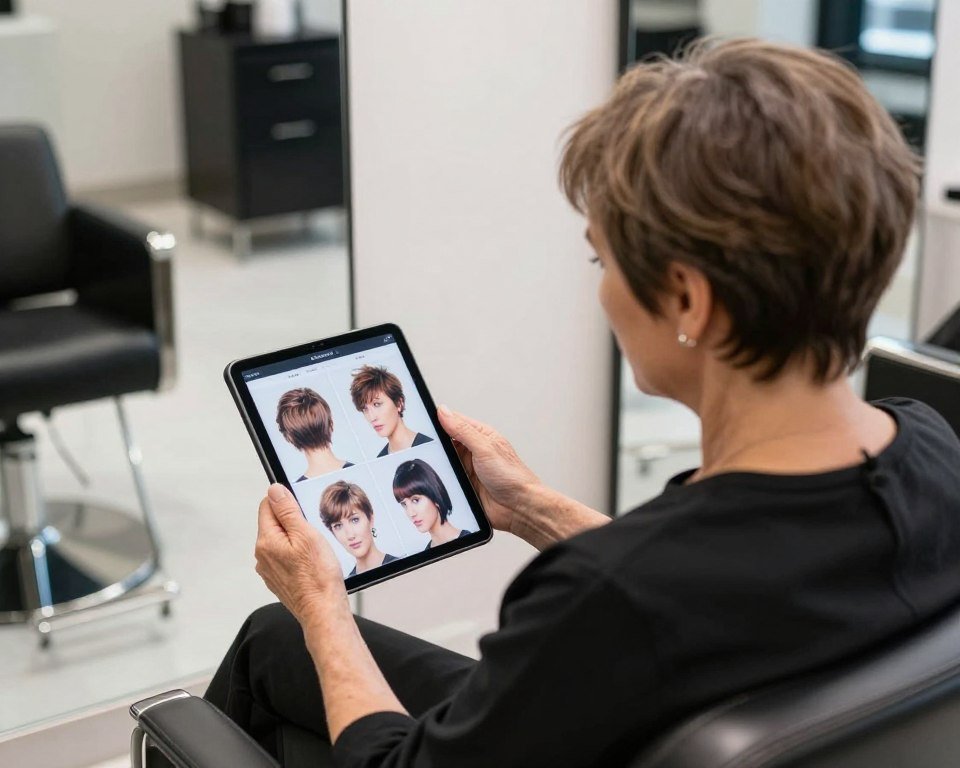
Bring multiple reference photos showing different angles. Show your stylist what you like about each image.
Be open to your stylist’s professional recommendations. They can see your hair and face from angles you can’t.
Questions to Ask Your Stylist
- How often will this cut need professional maintenance?
- What styling products do you recommend for my hair type?
- Can you show me how to style it before I leave the salon?
- How will this cut work with my natural hair texture?
- What modifications would you suggest for my face shape?
- How will this cut change as it grows out?
- Are there any concerns about my hair that might affect the result?
Start Gradually If You’re Nervous
If you’re transitioning from long hair, consider going shorter in stages. Move from long to shoulder-length to bob to pixie.
This gradual approach gives you time to adjust psychologically. Each stage builds confidence for the next cut.
Alternatively, choose a longer pixie variation first. You can always cut shorter, but you can’t add length back immediately.
Prepare for the Transformation
A pixie cut is a significant change that affects how others perceive you. Be prepared for reactions and comments.
Most women report feeling liberated and more confident after getting a pixie. The lightness and ease often exceeds expectations.
Give yourself time to adjust to your new look. It typically takes a few days to fully embrace such a dramatic change.
Why Women Over 60 Love Pixie Haircuts
Time-Saving Benefits
Pixie cuts dramatically reduce daily styling time. Most women report spending five to ten minutes on hair instead of thirty or more.
Washing takes seconds with minimal shampoo needed. Drying happens in minutes, even without a blow dryer.
The time savings compound over weeks and months. You reclaim hours previously spent on hair maintenance.
Low Maintenance Requirements
Short hair requires fewer products overall. You use less shampoo, conditioner, and styling products, saving money.
Heat styling damage becomes minimal or nonexistent. Many pixie cuts look great air-dried without any heat tools.
Deep conditioning treatments take less time and product. Your entire hair care routine simplifies.
Age-Defying Effect
A well-cut pixie genuinely makes most women look younger. The fresh, modern cut updates your entire appearance.
Short hair draws attention upward to your face and eyes. This creates a lifting effect visually.
The confidence boost from a flattering pixie shows in your demeanor. Confidence itself is incredibly youthful.
Versatility and Style Options
Despite being short, pixie cuts offer surprising versatility. Different styling products create completely different looks.
Sleek and smooth for professional settings, piece-y and textured for casual days. The same cut transforms with styling techniques.
Accessories like headbands, clips, and earrings stand out beautifully with pixie cuts. Short hair showcases accessories perfectly.
Comfort and Practicality
Pixie cuts keep you cooler in warm weather. There’s no hair on your neck to cause discomfort.
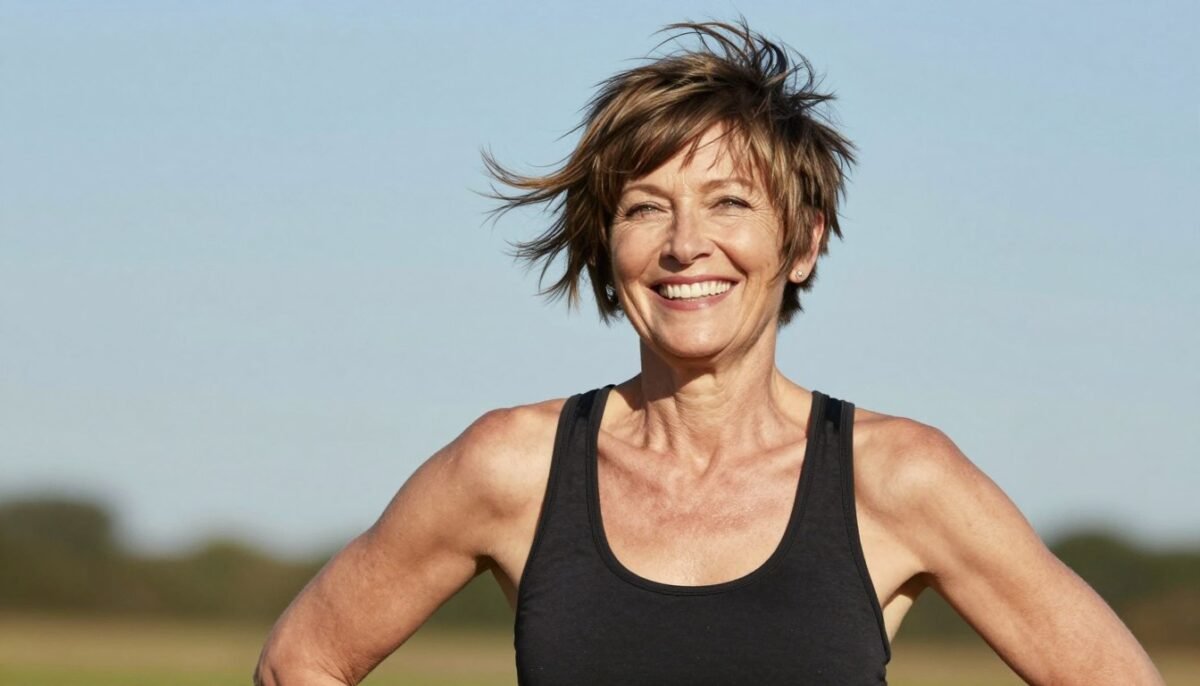
Exercise becomes more comfortable without hair flying around. Working out with a pixie is liberating.
Travel simplifies dramatically with short hair. You need fewer products and tools, and styling takes minutes anywhere.
Advantages of Pixie Cuts
- Significantly reduces daily styling time
- Creates a youthful, modern appearance
- Highlights facial features and bone structure
- Requires minimal product and maintenance
- Stays neat and polished throughout the day
- Extremely comfortable in all weather
- Grows out gracefully with regular trims
- Builds confidence and feels liberating
Considerations Before Cutting
- Requires regular salon visits every 4-6 weeks
- Takes time to grow out if you change your mind
- May require a learning curve for styling
- Not all stylists have short-hair expertise
- Limited options for updos or ponytails
- May draw attention you’re not used to receiving
- Requires confidence to carry the look
Essential Tools for Pixie Cut Styling
Quality Hair Dryer
A lightweight dryer with concentrator nozzle directs airflow precisely. Look for models with cool shot buttons to set your style and multiple heat settings for control.
Small Round Brush
A 1-2 inch round brush creates volume at the roots and smooths the top. The small size works perfectly with short pixie length for precise control during blow-drying.
Mini Flat Iron
Narrow plates (½ to 1 inch) work better on short hair than full-size irons. Use for smoothing, adding bends, or creating texture in your pixie cut with precision.
Optional But Useful Tools
- Texture comb or teasing brush for added volume at roots
- Fine-tooth comb for precise parting and smoothing
- Diffuser attachment for curly or wavy pixie cuts
- Small hair clips for sectioning during styling
- Spray bottle for dampening hair before styling
Common Pixie Cut Mistakes to Avoid
Choosing the Wrong Stylist
Not all stylists excel at cutting short hair. Long hair and short hair require completely different skills and training.
Research stylists specifically experienced with pixie cuts. Look at their portfolio and client reviews focusing on short hair.
Don’t be afraid to travel farther for the right stylist. A great pixie cut is worth the extra drive time.
Neglecting Regular Trims
Pixie cuts lose their shape quickly as hair grows. Waiting too long between trims means you never look your best.
Schedule your next appointment before leaving the salon. This ensures you maintain the shape consistently.
Some stylists offer trim-only appointments at reduced prices. These quick shape-ups keep your pixie looking fresh.
Using Too Much Product
Short hair requires surprisingly little product. Using too much creates buildup and weighs hair down.
Start with a tiny amount and add more only if needed. You can always add product but removing excess is difficult.
Focus products on roots for volume and ends for texture. Avoid applying throughout your entire pixie.
Fighting Your Natural Texture
Work with your hair’s natural texture rather than against it. Fighting natural curl or wave creates frustration and damage.
Choose a pixie variation designed for your texture type. Curly hair looks gorgeous in textured pixies; straight hair suits sleek styles.
Accept that your pixie may look different from reference photos. Everyone’s hair behaves uniquely.
Expecting Overnight Adjustment
Give yourself time to adjust to your new pixie. The first few days often feel strange as you adapt.
Practice styling techniques at home. It takes a few attempts to master your new routine.
Most women report loving their pixie more after the first week. Initial uncertainty is completely normal.
Expert Advice: The Two-Week Rule
Professional stylists recommend waiting at least two weeks before judging your new pixie cut. This allows time to adjust psychologically, practice styling, and see the cut in various situations. Most initial concerns resolve themselves within this timeframe as you become comfortable with your new look.
Finding Inspiration and Building Confidence

Celebrity Inspiration
Many stylish celebrities over 60 rock pixie cuts beautifully. Jamie Lee Curtis, Judi Dench, and Sharon Stone have all embraced short hair with stunning results.
These public figures demonstrate how pixie cuts can be glamorous at any age. Their confidence inspires women worldwide to try the cut.
Study celebrity pixies for styling ideas, but remember to adapt looks to your unique features. What works for them may need modification for you.
Social Media Communities
Instagram and Pinterest offer endless pixie cut inspiration. Search hashtags like #pixiecut, #shorthairdontcare, or #grayhair for ideas.
Follow accounts specifically featuring mature women with short hair. These provide more realistic and relatable inspiration than celebrity photos.
Join Facebook groups dedicated to short hair for women over 50 or 60. These communities offer support, advice, and encouragement.
Building Your Confidence
Confidence makes any haircut look better. Own your pixie cut with pride and positive energy.
Remember that initial reactions from others often reflect their surprise, not negative judgment. People need time to adjust to your new look too.
Focus on how you feel rather than others’ opinions. If your pixie makes you feel liberated and beautiful, that’s what matters most.
Embracing the Change
A pixie cut often represents more than just a haircut. It can symbolize a new chapter, increased confidence, or personal reinvention.
Allow yourself to enjoy the transformation fully. This is your moment to try something bold and exciting.
Many women report that getting a pixie cut was one of the best decisions they’ve made. The freedom and confidence it brings can be truly life-changing.
Your Perfect Pixie Awaits

Pixie haircuts offer women over 60 an incredible opportunity for transformation. The right cut can take years off your appearance while simplifying your daily routine.
With 40 stunning variations to choose from, there’s a perfect pixie for every face shape, hair texture, and personal style. The key is finding the variation that makes you feel most confident and beautiful.
Consider your lifestyle, maintenance commitment, and styling preferences when choosing your pixie cut. Work with an experienced stylist who specializes in short hair for mature women to achieve the best results.
Whether you choose a soft and feminine style or bold and edgy variation, a well-executed pixie cut will boost your confidence and refresh your entire look. The freedom, ease, and youthful energy that come with short hair often exceed expectations.
Take the leap and discover how liberating and beautiful a pixie haircut can be. Your perfect style is waiting to be discovered.