
Finding the perfect hairstyle can feel overwhelming. Thin fine hair presents unique challenges. A round face shape adds another layer of complexity.
Short bob hairstyles offer incredible versatility. They create the illusion of fuller hair. The right cut flatters round face shapes beautifully.
This guide presents 20 carefully selected bob haircuts. Each style specifically addresses thin fine hair concerns. Every recommendation considers round face proportions.
Understanding your hair texture matters immensely. Fine hair lacks the density of other hair types. The right styling approach transforms thin strands completely.
Professional guidance ensures optimal results. Expert stylists understand face shape dynamics. They create customized cuts that enhance natural features.
Expert Tip: Consult with a professional stylist before making dramatic changes. They can assess your specific hair type, face shape, and lifestyle to recommend the most flattering bob variation.
Table of Contents
Understanding Thin Fine Hair and Face Shape Considerations
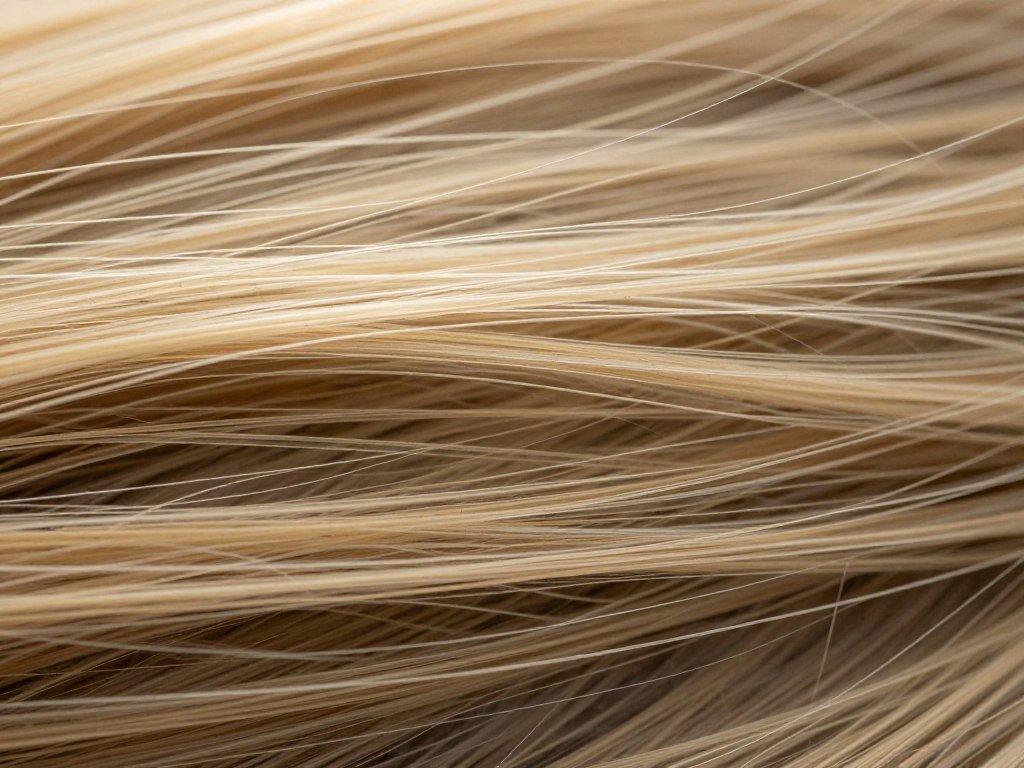
Hair texture differs from hair density. Fine hair refers to strand thickness. Thin hair describes the number of strands on your scalp.
Many people have both fine and thin hair. This combination requires specific styling strategies. The right cut maximizes volume and body.
Characteristics of Fine Thin Hair
Fine hair typically lies flat against the scalp. It lacks natural volume at the roots. The strands often appear limp without styling products.
This hair type tends to show scalp more easily. It can look greasy faster than thicker hair. Weight from length pulls strands down further.
- Individual strands have smaller diameter
- Less natural body and bounce
- More prone to breakage and damage
- Requires lightweight styling products
- Benefits from layered cutting techniques
Round Face Shape Features
A round face has similar width and length measurements. The cheeks appear full and curved. The jawline lacks sharp angles or definition.
The goal with hairstyles involves creating length illusions. Vertical lines elongate the face visually. Strategic volume placement enhances facial proportions.
- Width and length are approximately equal
- Soft, curved jawline without angles
- Fullness in the cheek area
- Rounded chin and forehead
- Benefits from height and asymmetry in hairstyles
Why Bob Haircuts Work for This Combination
Bob haircuts provide structure to fine hair. The shorter length reduces weight significantly. This allows hair to hold volume better throughout the day.
Strategic layering creates texture and movement. The right length draws attention to favorable features. Proper styling techniques enhance the overall effect dramatically.
Hair Texture Benefits
Short bobs remove weight that pulls down fine strands. The reduced length allows for easier styling and maintenance. Products work more effectively on shorter hair.
Face Shape Benefits
Bobs create vertical lines that elongate round faces. Strategic layers add angles that balance curved features. The right length draws eyes to the best features.
Essential Styling Tips for Thin Fine Hair
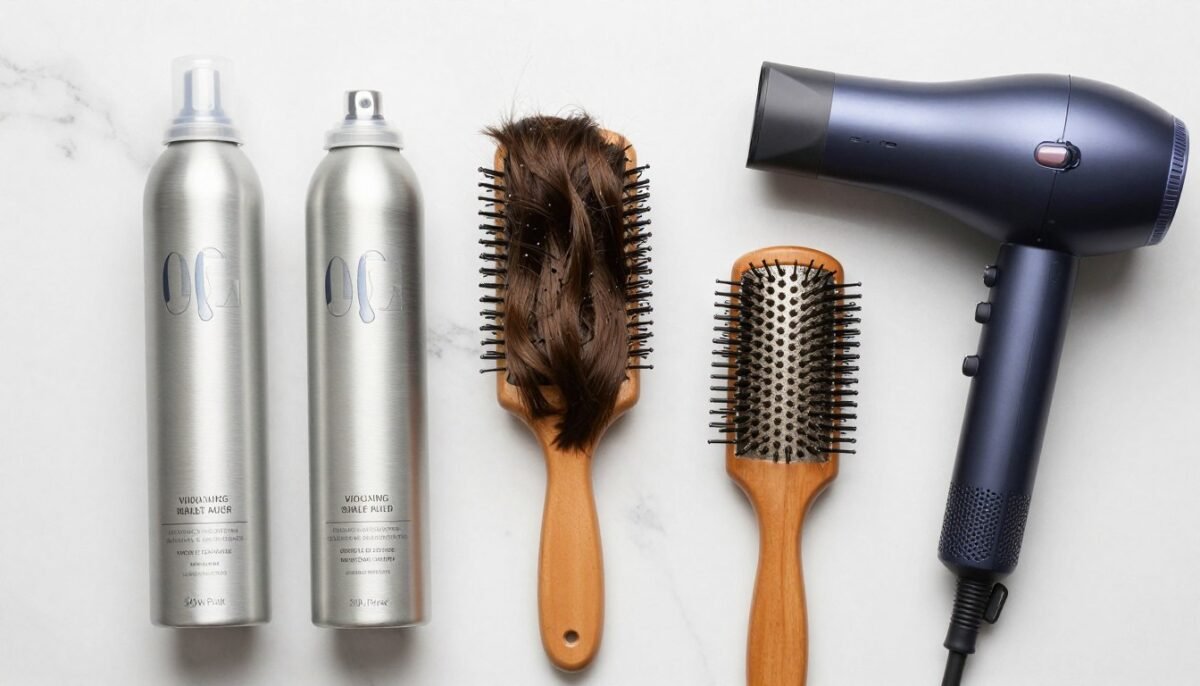
Proper styling techniques make significant differences. The right products enhance volume without weighing hair down. Professional methods create lasting results.
Product Selection for Fine Hair
Heavy products flatten fine hair quickly. Lightweight formulas provide hold without weight. The right product combination transforms thin strands dramatically.
Volumizing mousse works excellently at roots. Texture sprays add grip and body. Dry shampoo creates lift between washes effectively.
- Choose volumizing mousse over heavy gels
- Apply products to damp hair for best distribution
- Use root-lifting sprays for targeted volume
- Finish with lightweight texture spray
- Avoid heavy oils and serums on roots
Blow-Drying Techniques
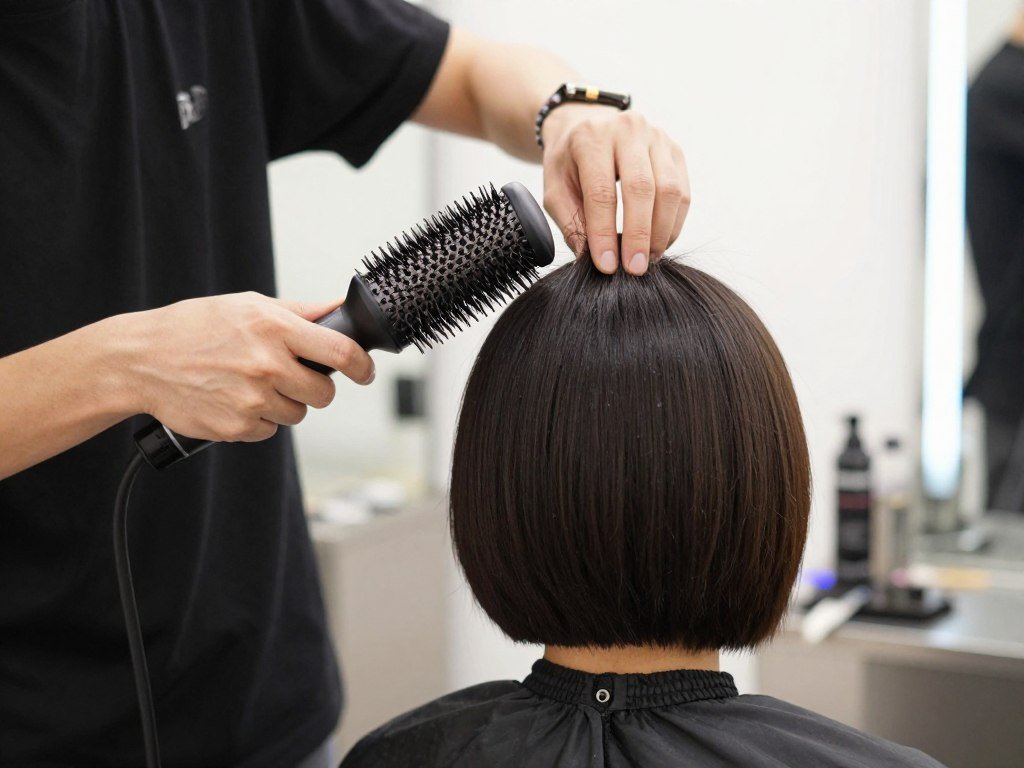
The blow-dry method dramatically impacts volume. Proper brush selection enhances body significantly. Technique matters more than expensive tools.
Start by applying mousse to damp roots. Use a round brush to lift sections while drying. Direct airflow against hair growth for maximum lift.
Pro Technique: Flip your head upside down while blow-drying to create natural volume at the roots. Finish by directing cool air to set the style and add shine.
Creating Texture and Movement
Texture makes thin hair appear fuller immediately. Strategic styling creates the illusion of density. Simple techniques achieve professional-looking results.
Waves add dimension to straight fine hair. Slight bends create visual interest throughout. The texture reflects light differently for enhanced fullness.
- Use a flat iron to create loose waves
- Apply texture spray before styling
- Scrunch hair gently while drying
- Tease roots lightly for added volume
- Finish with light-hold hairspray
1. Textured Choppy Bob
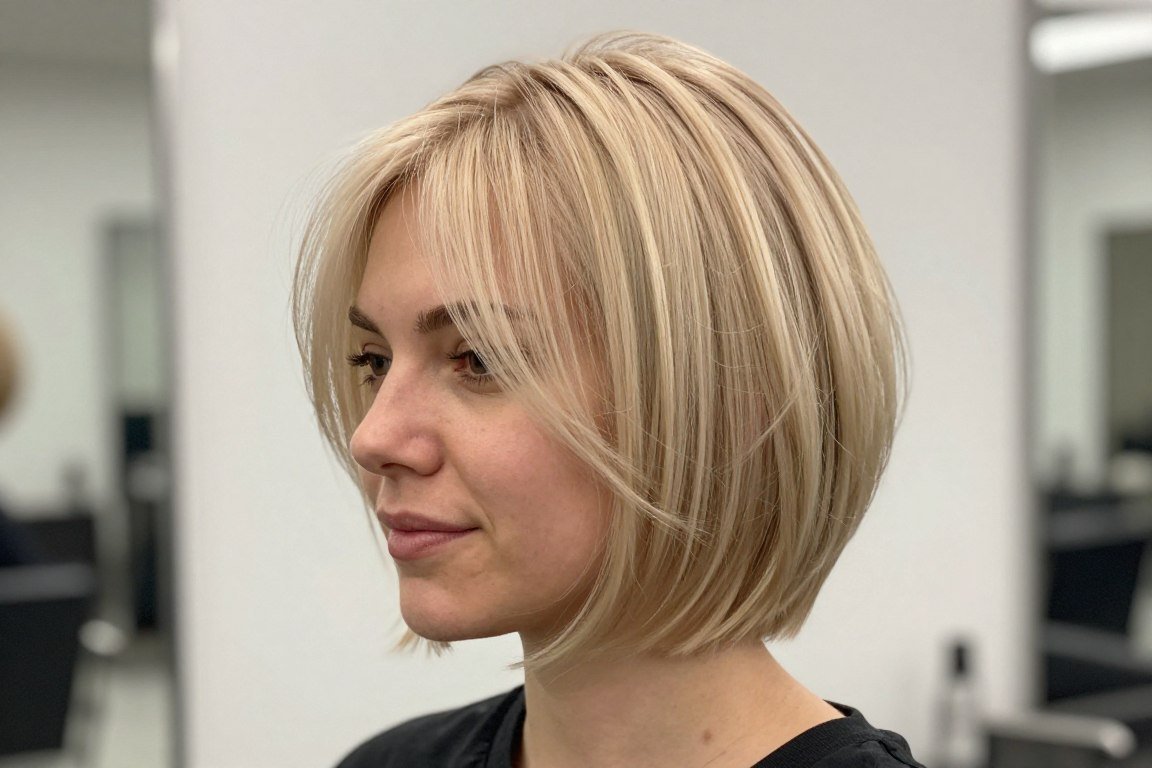
This style features multiple short layers throughout. The choppy texture creates immediate volume. Uneven ends add visual thickness to thin strands.
The cut typically falls between ear and chin length. Layers start at the crown for maximum lift. The irregular finish makes hair look fuller instantly.
Why It Works
Choppy layers remove weight from fine hair effectively. The texture creates separation between strands. This separation gives the illusion of more hair density.
The style adds angles to soften round face curves. Strategic layering draws attention upward. The overall effect elongates facial proportions beautifully.
Styling Approach
Apply volumizing mousse to damp hair thoroughly. Blow-dry using fingers to enhance texture. Scrunch sections while drying for added body.
Use a small amount of texture paste on dry hair. Focus product on the ends for definition. Avoid applying too much product to maintain movement.
Advantages
- Creates maximum volume for thin hair
- Low maintenance styling routine
- Works with natural texture
- Adds angles to round faces
- Looks modern and edgy
Considerations
- Requires regular trims every 6-8 weeks
- May need daily styling for best look
- Not ideal for very formal occasions
2. Angled Bob with Side Part
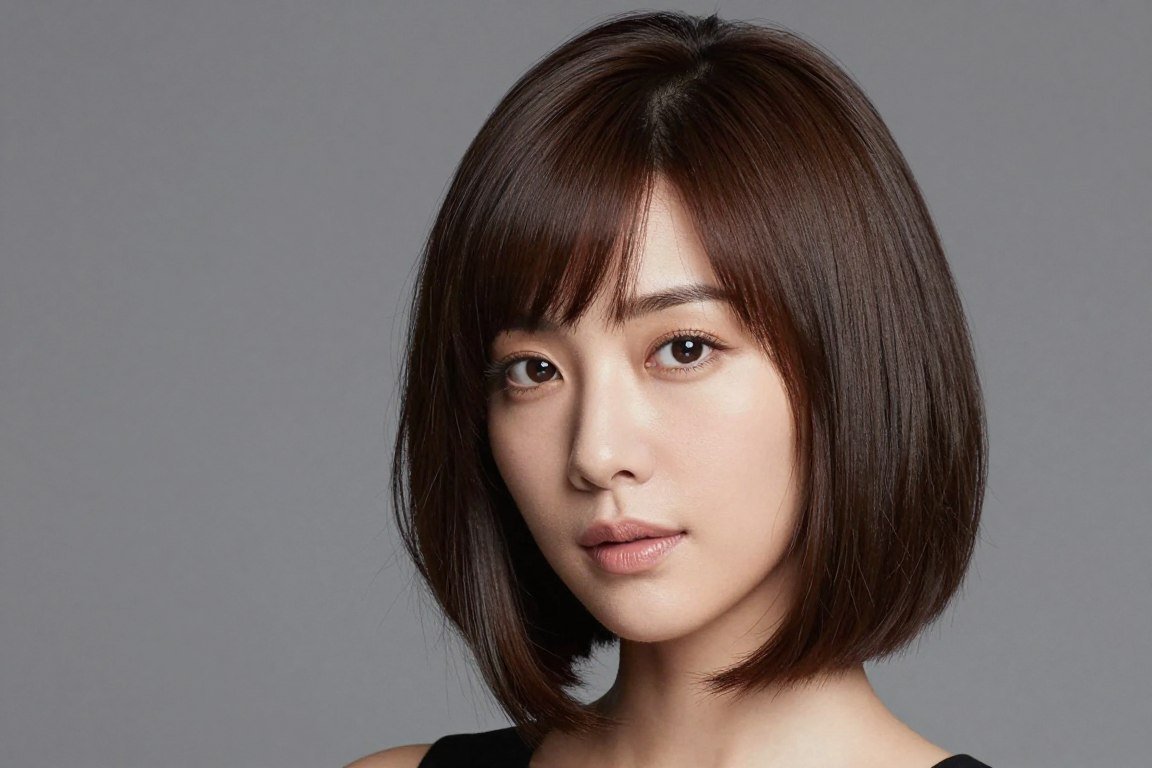
This classic style features longer front sections. The back sits shorter than the front pieces. A deep side part creates asymmetry that flatters round faces.
The angle typically extends from just below the ear. The front reaches chin length or slightly longer. This creates a slimming diagonal line across the face.
Why It Works
The angled cut adds vertical lines to round faces. The asymmetrical part breaks up facial roundness. Longer front pieces frame the face strategically.
The graduated length prevents flat appearance in fine hair. The style maintains body without excessive layering. The weight distribution creates natural movement throughout.
Styling Approach
Create a deep side part while hair is damp. Apply root-lifting spray to the shorter side. Blow-dry smooth using a paddle brush for sleek finish.
Use a flat iron to perfect the angle. Tuck the shorter side behind your ear. Apply light serum to ends for polished look.
- Works beautifully for professional settings
- Creates sophisticated, polished appearance
- Easy to maintain between salon visits
- Versatile for various occasions
- Flatters most face shapes effectively
3. Layered Bob with Wispy Bangs
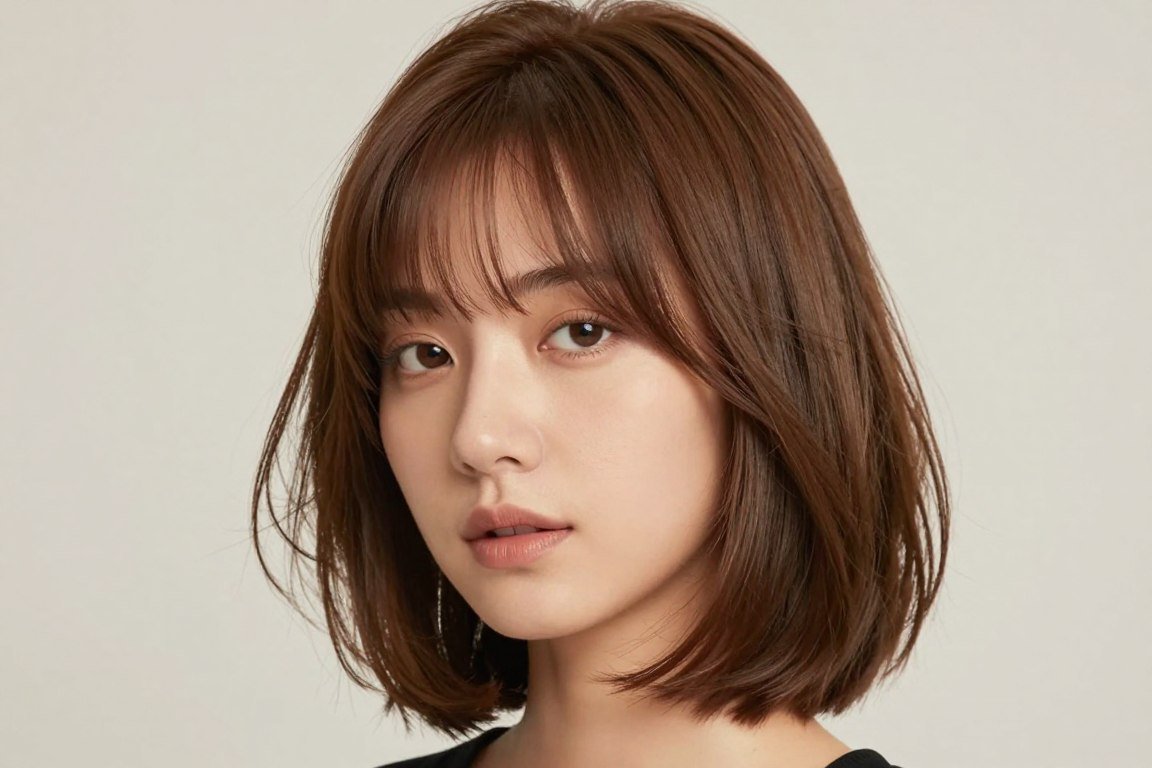
This style combines subtle layers with soft fringe. The wispy bangs create face-framing texture. Layers throughout add body without removing too much length.
The bangs typically fall just below eyebrows. They feature textured, separated pieces rather than blunt lines. The overall length reaches just above or at shoulder level.
Why It Works
Wispy bangs draw attention to eyes away from face width. The soft fringe adds vertical interest immediately. Layers throughout create movement in fine hair naturally.
The combination balances round face proportions effectively. The style adds dimension where thin hair needs it most. The overall effect appears effortlessly chic and current.
Styling Approach
Blow-dry bangs first using a round brush. Style them forward then sweep to the side. Apply light mousse to the rest of the hair.
Dry remaining sections with a large round brush. Curl ends under slightly for polished finish. Use texture spray for separation and body throughout.
Maintenance Note: Wispy bangs require trimming every 3-4 weeks to maintain the right length and texture. Consider this commitment before choosing this style.
4. Stacked Bob with Volume at Crown
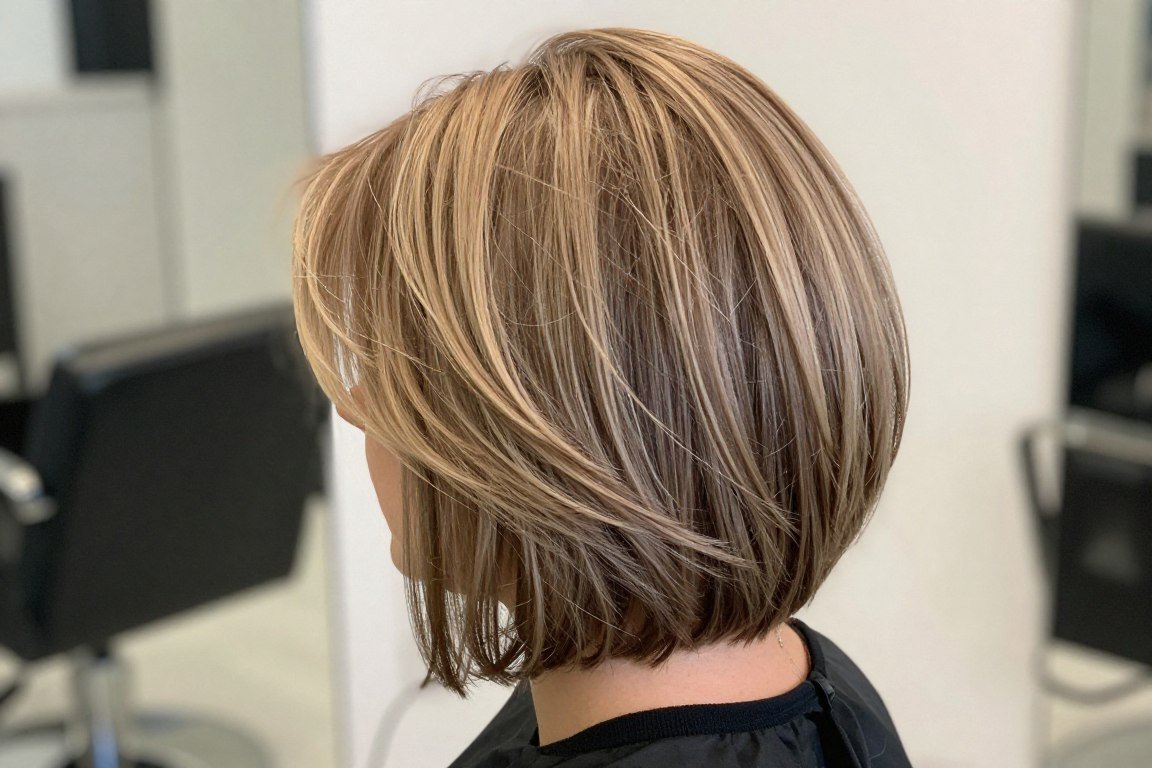
The stacked bob features graduated layers at the back. Shorter pieces at the nape create height. The crown area maintains maximum volume and fullness.
This cut typically appears shorter in back than front. The stacked layers build upon each other. The technique creates architectural shape that fine hair often lacks.
Why It Works
Stacking technique adds immediate volume to thin hair. The graduated layers prevent flat appearance at the back. Height at the crown elongates round face shape effectively.
The style requires minimal daily effort to maintain. The cut itself creates the shape naturally. Fine hair holds this structure particularly well throughout the day.
Styling Approach
Apply volumizing mousse focusing on the crown area. Blow-dry hair forward then back for maximum lift. Use a round brush to enhance the stacked shape.
Direct the blow dryer downward on front sections. This creates smoothness while maintaining body. Finish with light-hold spray to preserve volume all day.
- Perfect for those wanting maximum volume
- Creates youthful, energetic appearance
- Requires professional cutting expertise
- Easy daily maintenance routine
- Works exceptionally well with fine hair texture
5. Tousled Wavy Bob
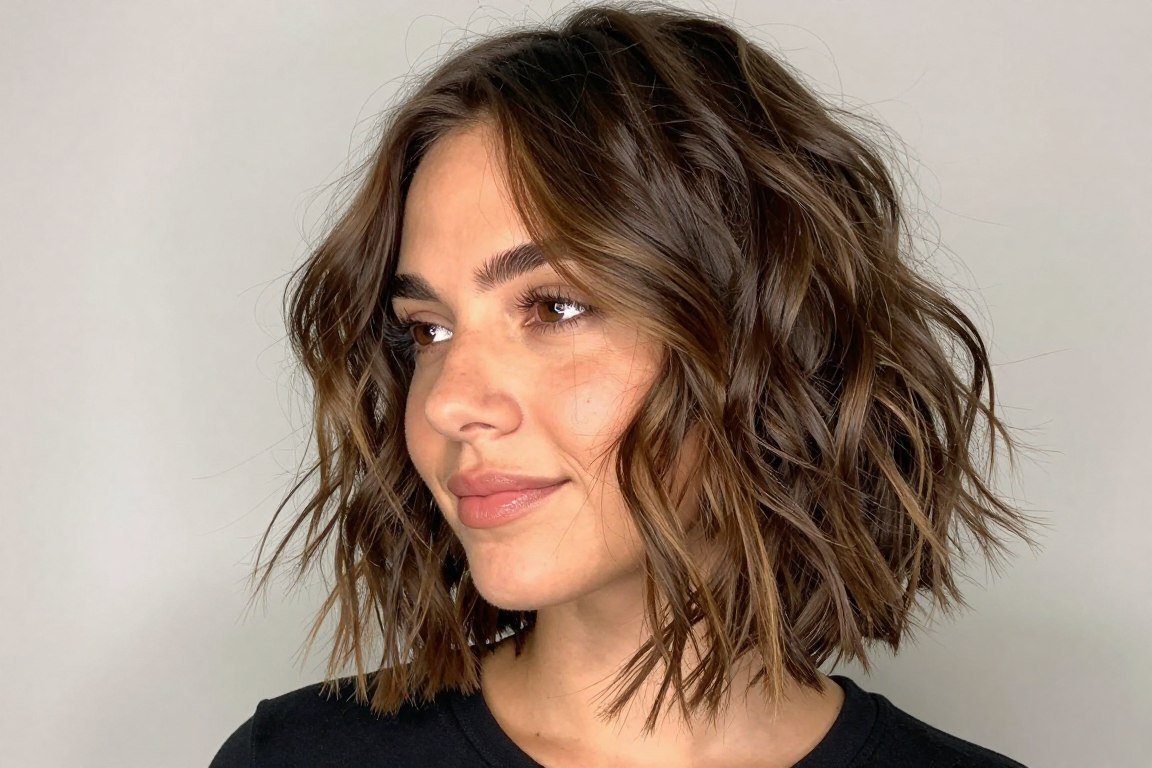
This relaxed style features loose waves throughout. The tousled texture adds dimension to thin strands. Effortless appearance belies the strategic styling involved.
Waves typically start at ear level downward. The crown maintains subtle volume without excessive height. Length usually hits between chin and shoulders comfortably.
Why It Works
Waves create the illusion of thicker hair immediately. The texture reflects light in multiple directions. This visual trick makes hair appear fuller and more voluminous.
The soft waves balance angular and curved features. The style adds width where beneficial for round faces. The overall look appears natural and approachable.
Styling Approach
Start with texture spray on damp hair. Braid hair loosely before bed for natural waves. Alternatively, use a curling wand on dry hair the next morning.
Wrap random sections around the wand inconsistently. Vary the direction for natural-looking waves. Scrunch sections with fingers to break up the curl pattern.
Time-Saving Tip: Sleep with damp hair in loose braids to wake up with natural-looking waves. This method is gentler on fine hair than heat styling daily.
6. Blunt Cut Bob at Jawline
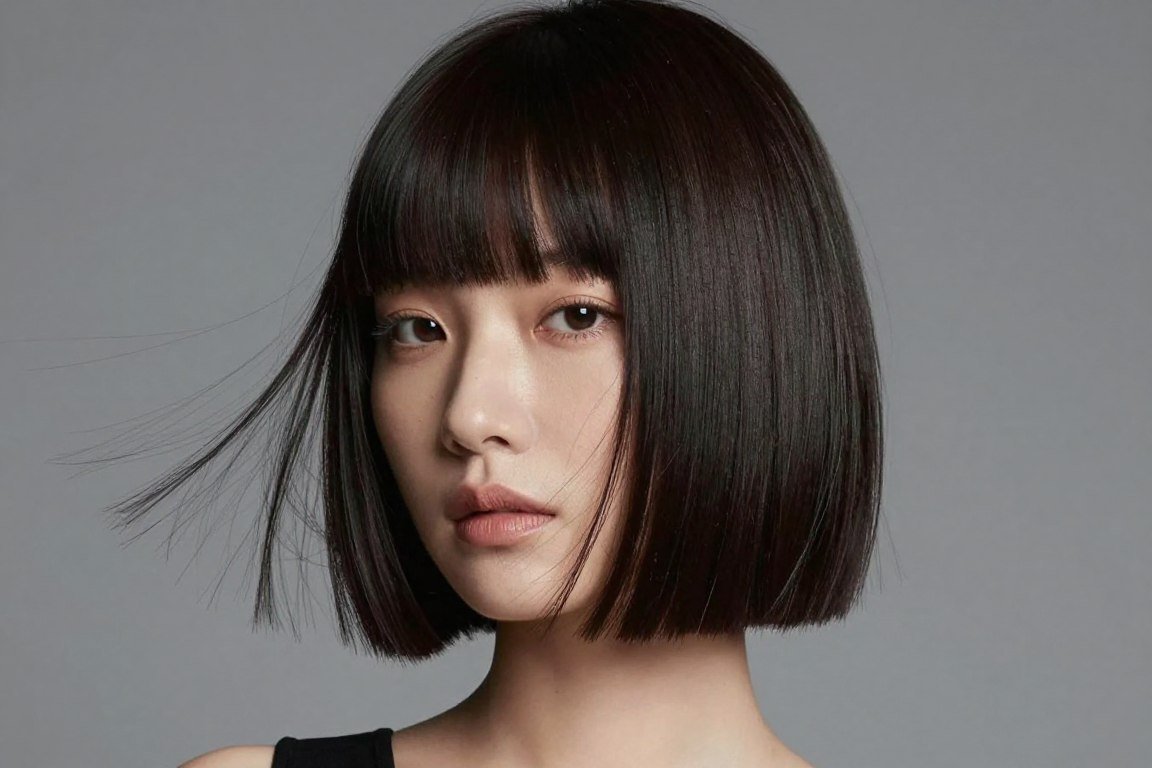
This bold style features one length throughout. The blunt cut creates a strong horizontal line. No layers mean maximum weight and density appearance.
The length typically falls precisely at the jawline. The ends appear thick and full due to the blunt cut. This technique makes thin hair look substantially thicker.
Why It Works
Blunt cuts create the strongest illusion of thickness. All hair ends at the same point for maximum density. Fine hair benefits tremendously from this visual trick.
The jawline length draws attention to that area. This placement can balance round face proportions. The style exudes confidence and modern sophistication.
Styling Approach
This cut requires smooth, sleek styling for maximum impact. Blow-dry hair straight using a paddle brush. Apply smoothing cream to damp hair before drying.
Use a flat iron for perfectly straight finish. Concentrate on making ends uniform and crisp. Apply shine serum for polished, healthy appearance.
- Creates strongest thickness illusion for fine hair
- Makes a bold style statement
- Requires precise cutting technique
- Works best with straight hair texture
- Needs regular trims to maintain blunt line
7. Asymmetrical Bob with Longer Side
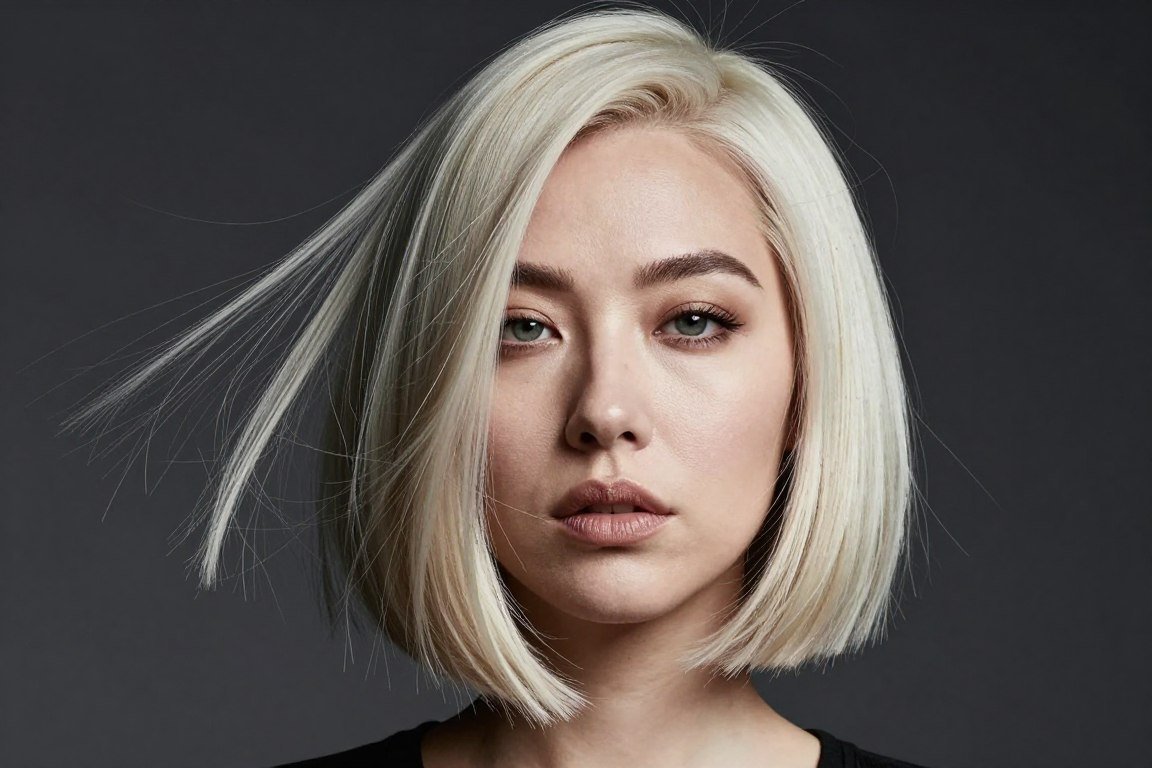
This daring cut features dramatically different lengths. One side extends to chin or below while the other sits near the ear. The asymmetry creates visual interest and edge.
The longer side typically measures several inches more than the short side. The transition between lengths can be gradual or dramatic. This creates a unique silhouette from every angle.
Why It Works
Asymmetry breaks up round face shape effectively. The diagonal lines created draw eyes across the face. This movement adds dimension to both hair and facial features.
The contrasting lengths prevent boring, flat appearance in fine hair. The style looks intentionally voluminous and textured. The modern edge appeals to fashion-forward individuals.
Styling Approach
Style the longer side smooth or with soft waves. Keep the shorter side sleek behind the ear. Apply volumizing product to roots for lift throughout.
Blow-dry using a round brush on the longer sections. Use fingers to style the shorter side. Finish with light texture spray for separation and hold.
Bold Choice: This style makes a strong statement and isn’t for everyone. Consider your workplace dress code and personal comfort with standing out before committing to this dramatic look.
8. Bob with Side-Swept Bangs
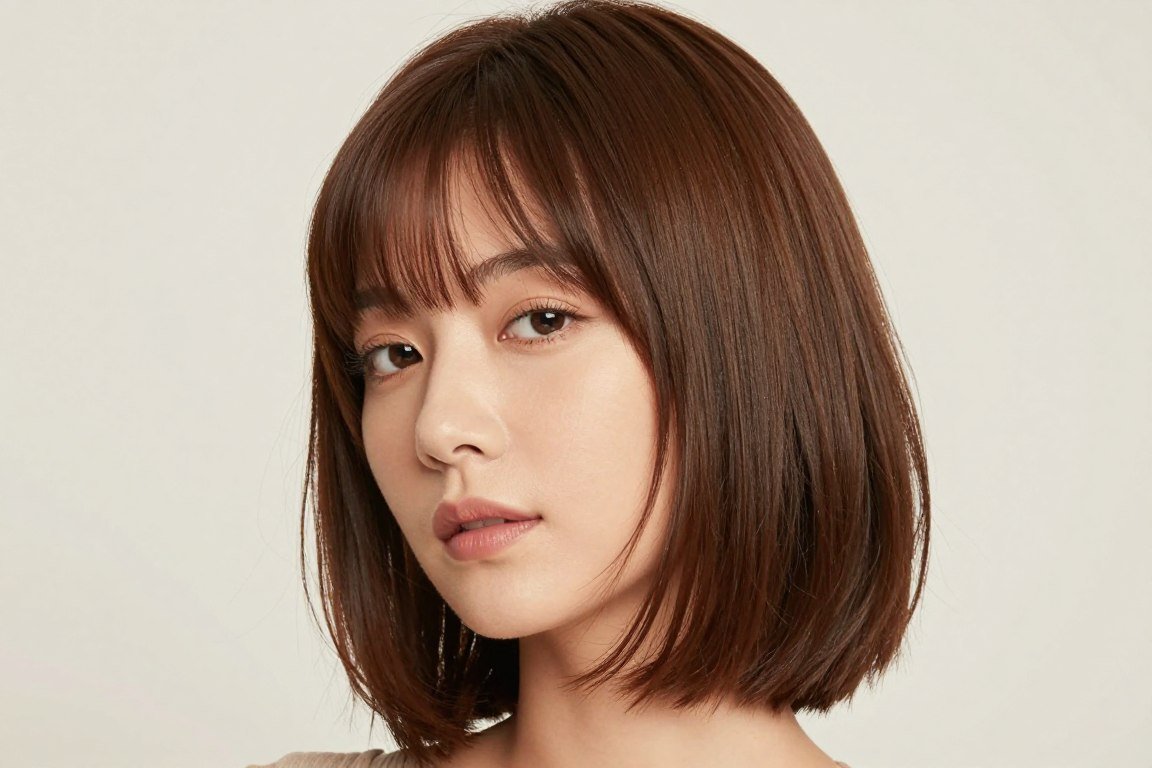
This feminine style pairs a classic bob with angled fringe. The side-swept bangs frame one side of the face. The combination softens features while adding interest.
Bangs typically start at the part and sweep across the forehead. They blend into the hair at cheekbone level. The bob portion usually sits at chin length or slightly below.
Why It Works
Side-swept bangs create diagonal lines across round faces. This angle visually lengthens and slims facial proportions. The asymmetry adds dimension that benefits both hair and face.
The style adds face-framing layers without removing too much weight. Fine hair maintains fullness while gaining movement. The overall effect appears soft and approachable.
Styling Approach
Blow-dry bangs first using a round brush. Direct them across the forehead to set the sweep. Apply light mousse before drying for hold.
Style the bob portion smooth or with gentle waves. Use a paddle brush for sleek finish or a round brush for body. Finish with flexible hold spray that allows movement.
- Versatile for various face shapes
- Softens angular features beautifully
- Bangs can be pinned back when desired
- Requires styling to maintain sweep
- Flattering for most age groups
9. Shaggy Layered Bob
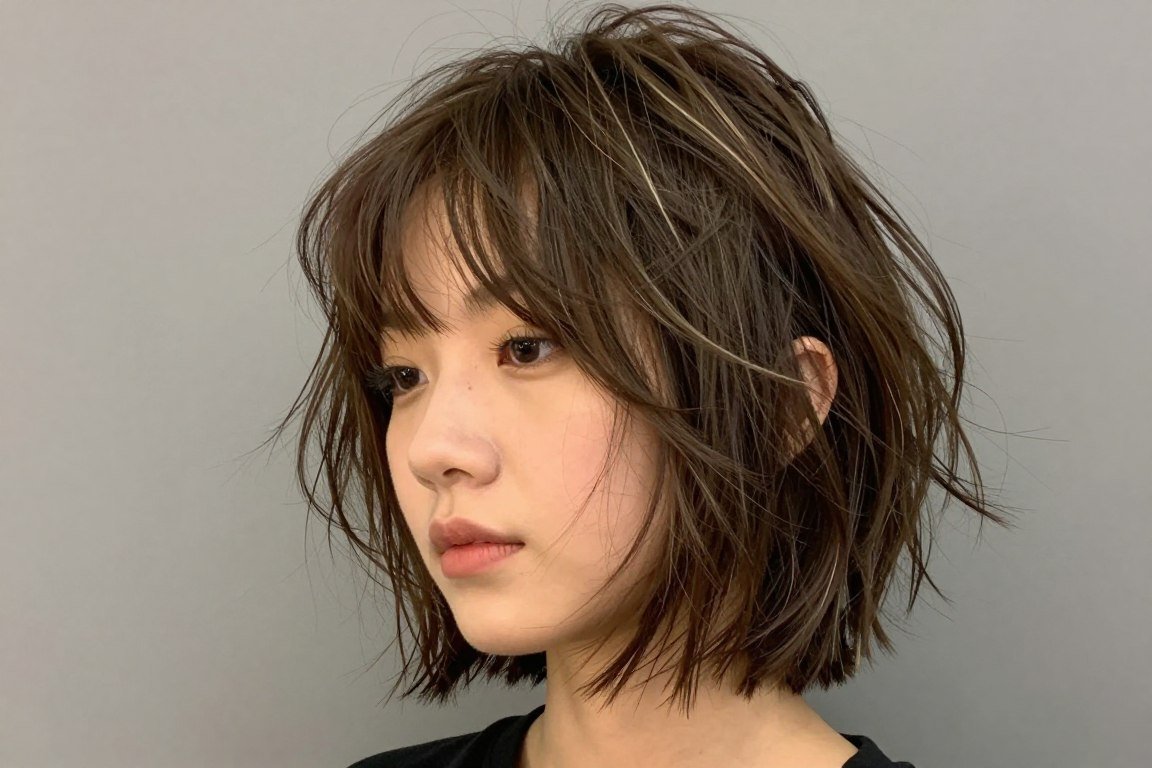
This style features abundant layers at various lengths. The shaggy texture creates a deliberately undone appearance. Multiple short layers add volume throughout the cut.
Layers typically start high at the crown area. They continue throughout creating lots of movement. The ends appear pieced and textured rather than uniform.
Why It Works
Multiple layers remove weight that flattens fine hair. The shaggy texture creates separation between strands. This separation makes hair appear thicker and more voluminous instantly.
The layered pieces frame the face at flattering angles. The volume at the crown elongates round face proportions. The carefree style suits various lifestyles and personalities.
Styling Approach
Apply volumizing mousse to damp hair liberally. Scrunch sections while blow-drying for enhanced texture. Use your fingers instead of a brush for natural finish.
Add texture paste to dry hair focusing on ends. Piece out sections for definition and separation. The goal is controlled messiness rather than perfect smoothness.
Advantages
- Creates maximum volume for fine hair types
- Hides bad hair days easily
- Looks great with natural texture
- Low maintenance daily styling
- Modern and youthful appearance
Considerations
- May look too casual for some professional settings
- Requires texturizing products for best results
- Needs frequent trims to maintain shape
10. French Bob with Blunt Bangs
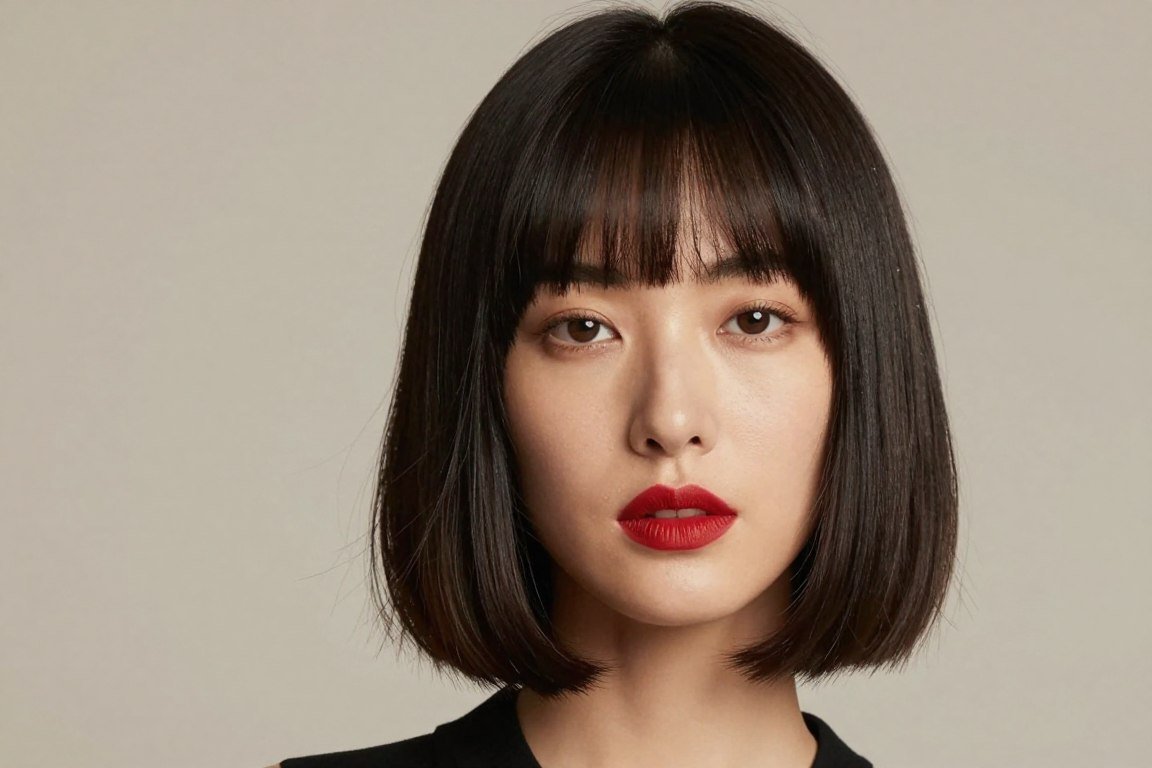
This chic style sits above the chin at a precise length. Blunt bangs fall straight across the forehead at eyebrow level. The French bob exudes timeless Parisian elegance.
The cut typically ends between the ear and chin. The blunt bangs create a strong horizontal line. Both elements combine for a bold, fashion-forward statement.
Why It Works
The short length removes weight for natural volume. Blunt cuts create maximum thickness illusion in fine hair. The strong lines add structure to soft, round features.
This style makes a confident fashion statement immediately. The precision cut requires commitment but delivers impact. Fine hair maintains this shape exceptionally well throughout the day.
Styling Approach
Blow-dry hair smooth for a sleek finish. Use a paddle brush to create straight lines. Apply smoothing cream before drying for frizz control.
Style bangs straight down using a round brush. Ensure they sit at the proper length and weight. Use a small amount of pomade to keep ends precise and defined.
- Makes a bold fashion statement
- Creates sophisticated, European aesthetic
- Requires regular maintenance every 4-6 weeks
- Works best with straight hair texture
- Suits confident, style-conscious individuals
11. Graduated Bob with Nape Undercut
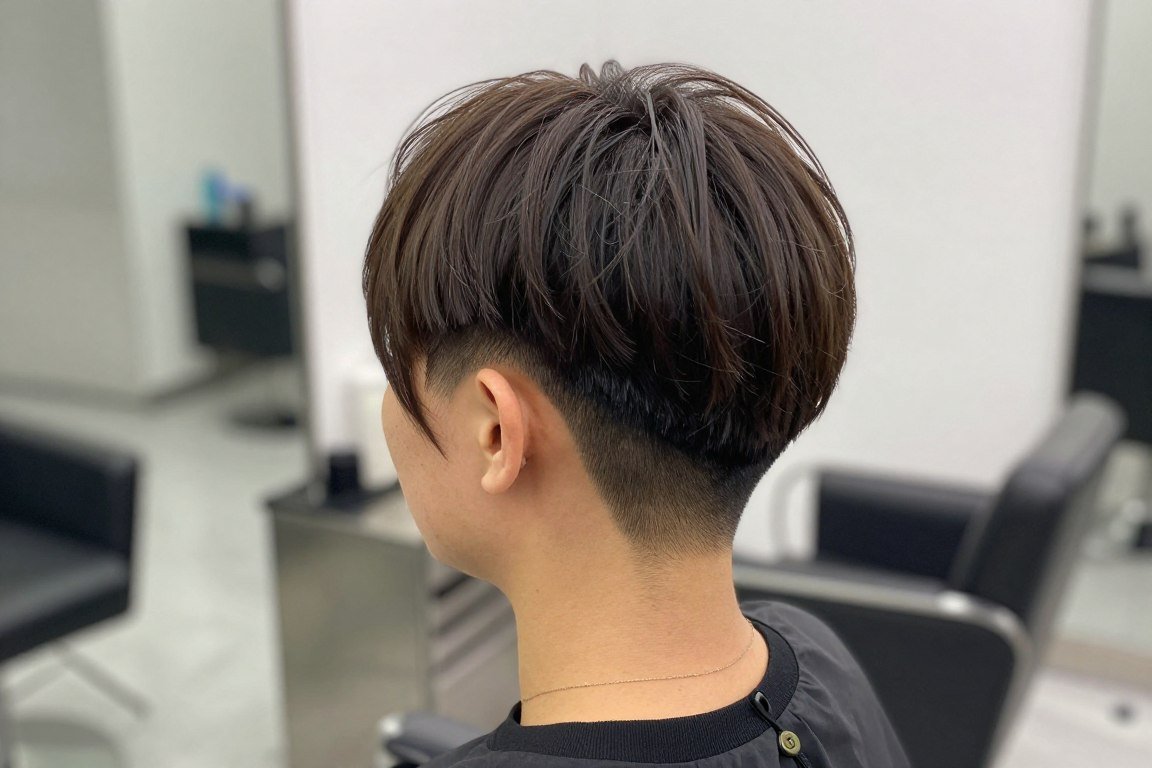
This modern style combines classic bob with edgy undercut. The nape area features shaved or very short sections. The top layers graduate longer creating dramatic volume.
The undercut typically extends one to two inches up from the hairline. Top layers fall to chin length or slightly longer. This creates contrast between short and long sections.
Why It Works
Removing weight at the nape allows top layers to lift dramatically. This creates volume that fine hair often struggles to achieve. The contrast makes hair appear substantially thicker.
The undercut adds edge and personality to classic bobs. The style feels fresh and contemporary. It works particularly well in warm climates due to reduced hair at the neck.
Styling Approach
Focus styling efforts on the visible top layers. Apply volumizing products to roots before drying. Use a round brush to create lift and body throughout.
The undercut section requires minimal styling. Keep it trimmed regularly for neat appearance. Style top layers smooth or textured based on preference.
Commitment Alert: Undercuts require frequent maintenance every 2-3 weeks. Growing out an undercut takes several months. Consider this commitment before choosing this style.
12. Chin-Length Bob with Flipped Ends
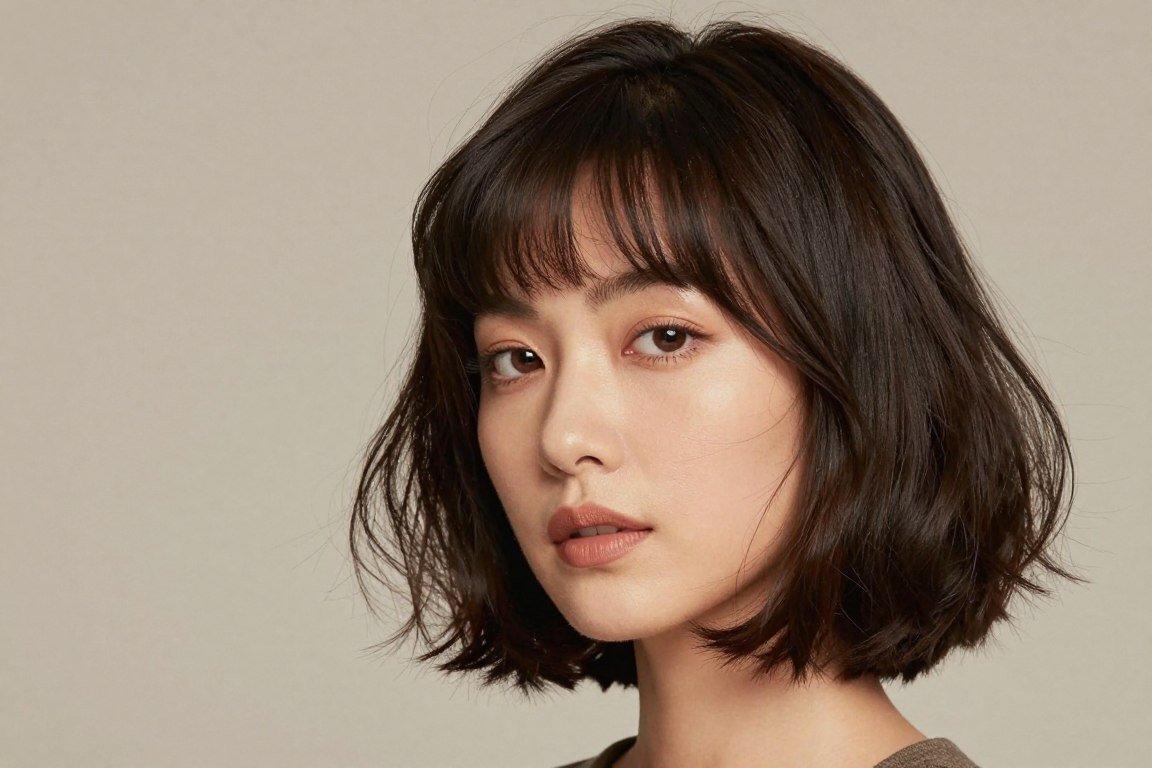
This playful style features ends that flip outward. The length typically hits right at the chin. The outward movement adds width and body to thin hair.
The flip usually starts just below ear level. The ends curve away from the face and neck. This creates a fun, retro-inspired silhouette with modern appeal.
Why It Works
Flipped ends add volume and body to fine hair instantly. The outward movement creates the illusion of thickness. The style appears intentionally full and bouncy.
The width at the ends balances round face proportions. The flip draws attention to the jawline and neck. The playful style suits various age groups and personalities.
Styling Approach
Blow-dry hair using a large round brush. Roll ends outward while applying heat and tension. This sets the flip direction from the start.
Use a curling iron or hot rollers to enhance the flip. Curl ends away from face for maximum effect. Finish with flexible hold spray to maintain movement while preserving the flip.
- Creates instant volume and body
- Fun, playful aesthetic
- Requires daily heat styling
- Works well for special occasions
- Adds retro charm to modern looks
13. Inverted Bob with Dramatic Angle
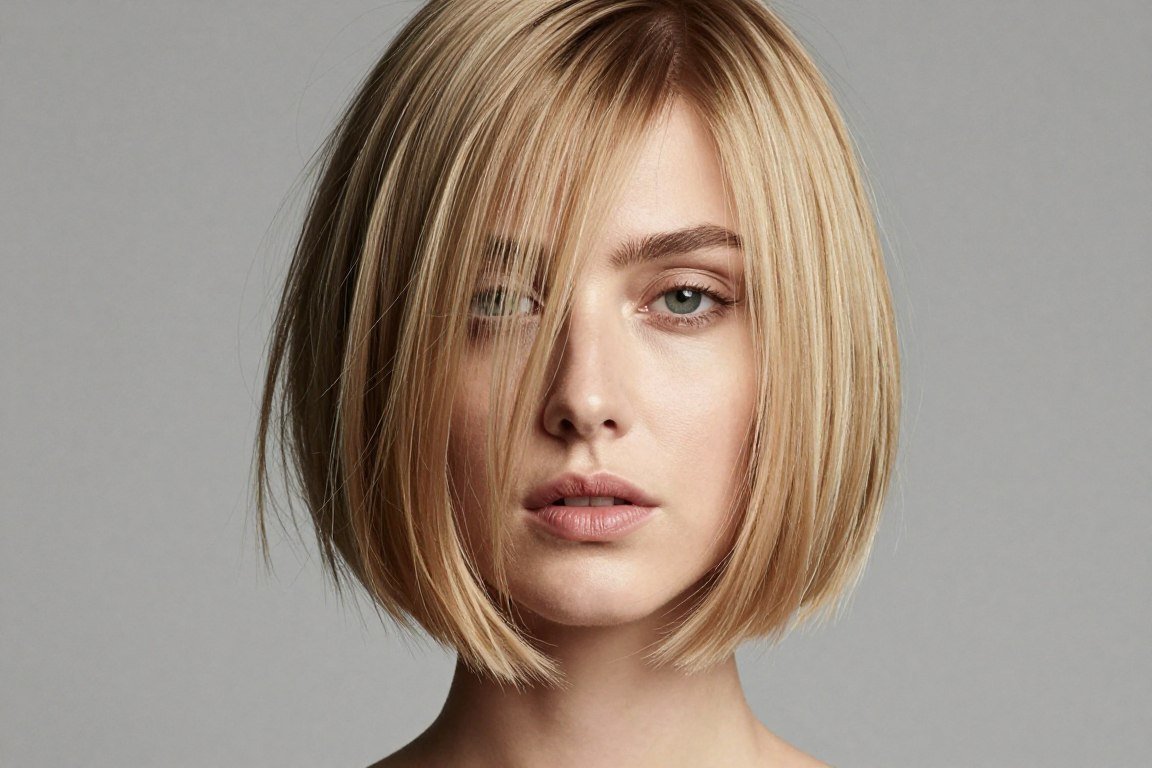
This striking cut features extreme length difference. The back sits very short while the front extends significantly longer. The dramatic angle creates a bold, fashion-forward statement.
Back sections typically end at or above the nape. Front pieces extend to chin length or beyond. The steep angle between creates visual interest from all directions.
Why It Works
The inverted shape adds tremendous volume to fine hair. The stacked back creates height and body naturally. Longer front pieces provide face-framing without adding weight.
The dramatic angle adds vertical lines to round faces. The style draws attention to the neck and jawline. The modern cut suits confident, trend-conscious individuals.
Styling Approach
Apply volumizing mousse focusing on the crown and back sections. Blow-dry the back area first lifting at the roots. Use a round brush to enhance the stacked volume.
Style front pieces smooth or with subtle waves. The contrast between structured back and flowing front creates interest. Maintain the angle with regular trims every 6-8 weeks.
Professional Cutting Required: This style demands expert cutting skills to achieve the proper angle and balance. Choose an experienced stylist who specializes in precision cutting techniques.
14. Bob with Curtain Bangs
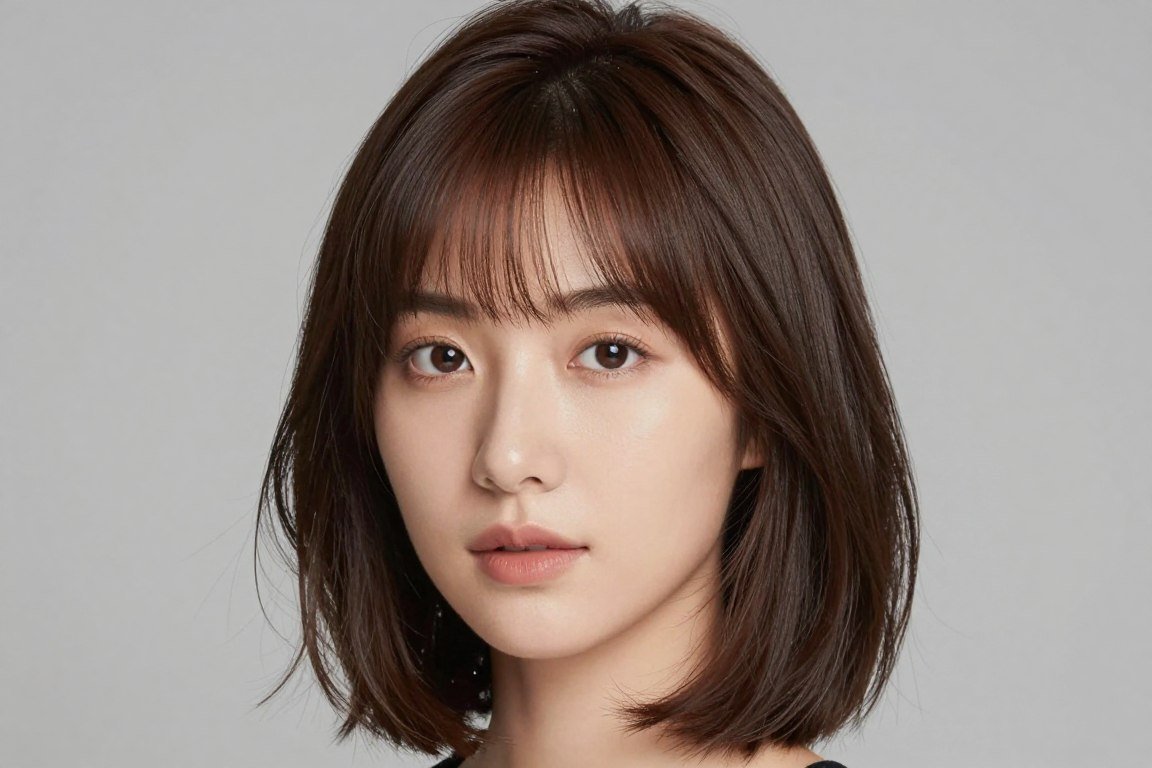
This trendy style pairs a classic bob with center-parted fringe. The curtain bangs frame both sides of the face. They create a soft, romantic look that flatters various face shapes.
Bangs typically start at the crown and part in the middle. They gradually lengthen toward the sides blending into the bob. The bob portion usually falls between chin and shoulder length.
Why It Works
Curtain bangs add face-framing without heavy commitment. The center part creates vertical lines that elongate round faces. The soft framing balances facial proportions beautifully.
The style adds movement and dimension to fine hair. The bangs provide texture without removing too much weight. The overall effect appears current yet timeless.
Styling Approach
Blow-dry bangs away from the face using a round brush. Create the center part while hair is still damp. Apply light mousse for hold without stiffness.
Style the bob smooth or add soft waves for texture. The curtain bangs should curve gently away from the face. Use a small amount of styling cream to define and separate the fringe.
- Versatile and low-maintenance fringe option
- Flatters most face shapes effectively
- Can be styled multiple ways
- Grows out gracefully without awkward stages
- Adds softness to facial features
15. Rounded Bob with Internal Layers
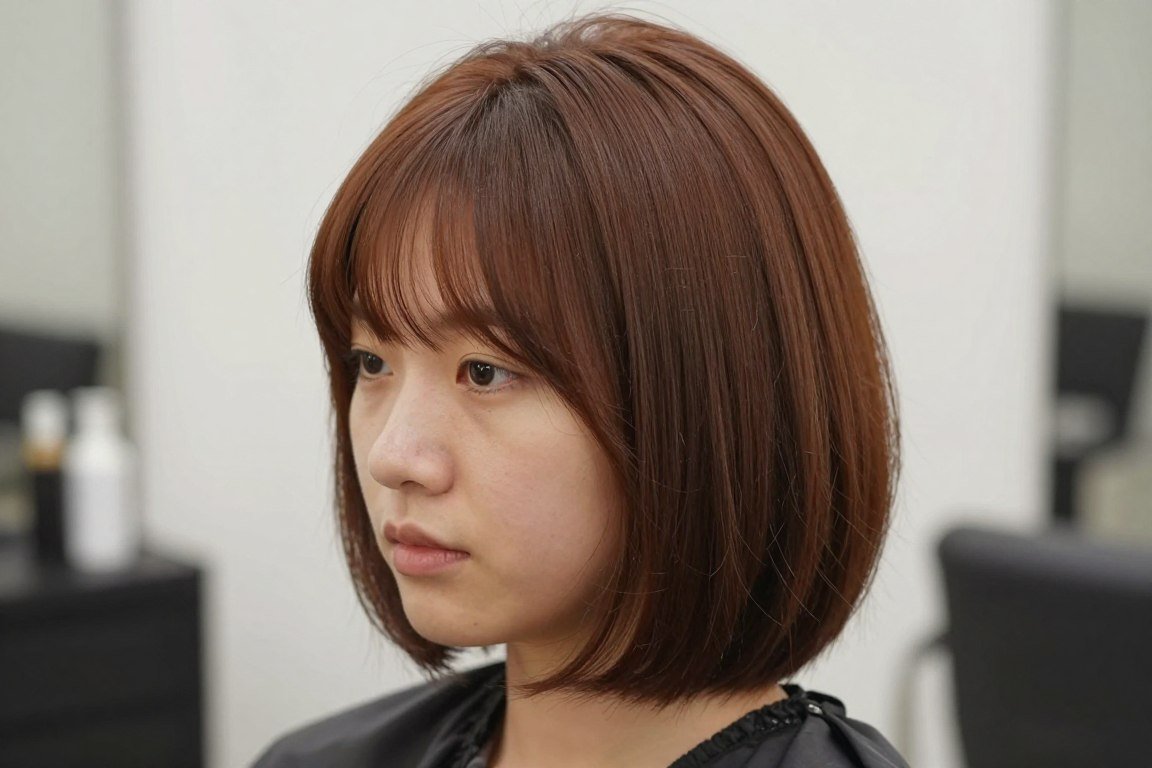
This sophisticated cut appears one-length on the surface. Internal layers hidden underneath create volume and movement. The rounded shape follows the head contour beautifully.
The external perimeter maintains uniform length. Interior layers graduate shorter creating fullness. The bob typically falls between ear and shoulder length.
Why It Works
Internal layers remove weight without visible choppy texture. This creates volume while maintaining a polished appearance. Fine hair gains body without sacrificing the illusion of thickness.
The rounded shape softens angular features naturally. The style appears classic and professional. The hidden layering technique provides the best of both worlds for thin hair.
Styling Approach
Blow-dry hair smooth using a round brush throughout. Focus on creating roundness that follows the head shape. Apply volumizing mousse to roots before drying.
Use the brush to roll ends under slightly. This enhances the rounded silhouette naturally. Finish with shine spray for polished, healthy appearance.
Technique Highlight: Internal layering requires skilled cutting to achieve proper weight distribution. The result provides volume where needed while maintaining a clean external line.
16. Piece-y Bob with Razor Cut Ends
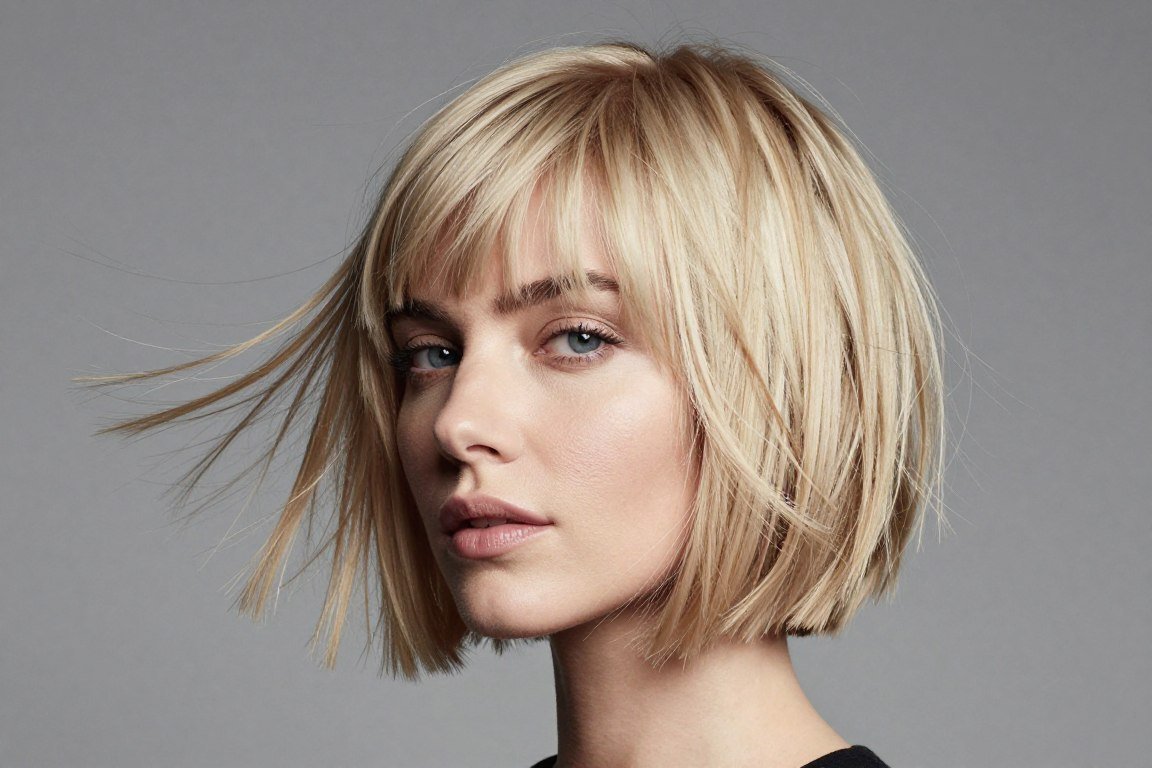
This textured style features razor-cut techniques throughout. The ends appear separated and piece-y rather than blunt. The cut creates natural-looking texture that enhances thin hair.
Razor cutting creates softer, feathered ends naturally. The technique removes weight while adding movement. The bob typically falls between chin and shoulder length.
Why It Works
Razor cutting creates texture that makes fine hair appear thicker. The piece-y ends add dimension and visual interest. The technique prevents harsh lines that can emphasize thinness.
The separated ends move independently creating fuller appearance. The style looks effortlessly undone and modern. The texture adds edge without requiring dramatic cutting.
Styling Approach
Apply texture spray to damp hair before styling. Blow-dry using fingers to enhance piece-y texture. Scrunch sections while drying for added separation.
Add small amounts of styling paste to dry hair. Focus on ends to enhance the piece-y effect. Avoid over-smoothing which defeats the textured purpose.
- Creates natural-looking texture in fine hair
- Adds movement and dimension effortlessly
- Requires experienced razor-cutting skills
- Low daily maintenance needs
- Modern, fashion-forward appearance
17. Sleek Bob with Middle Part
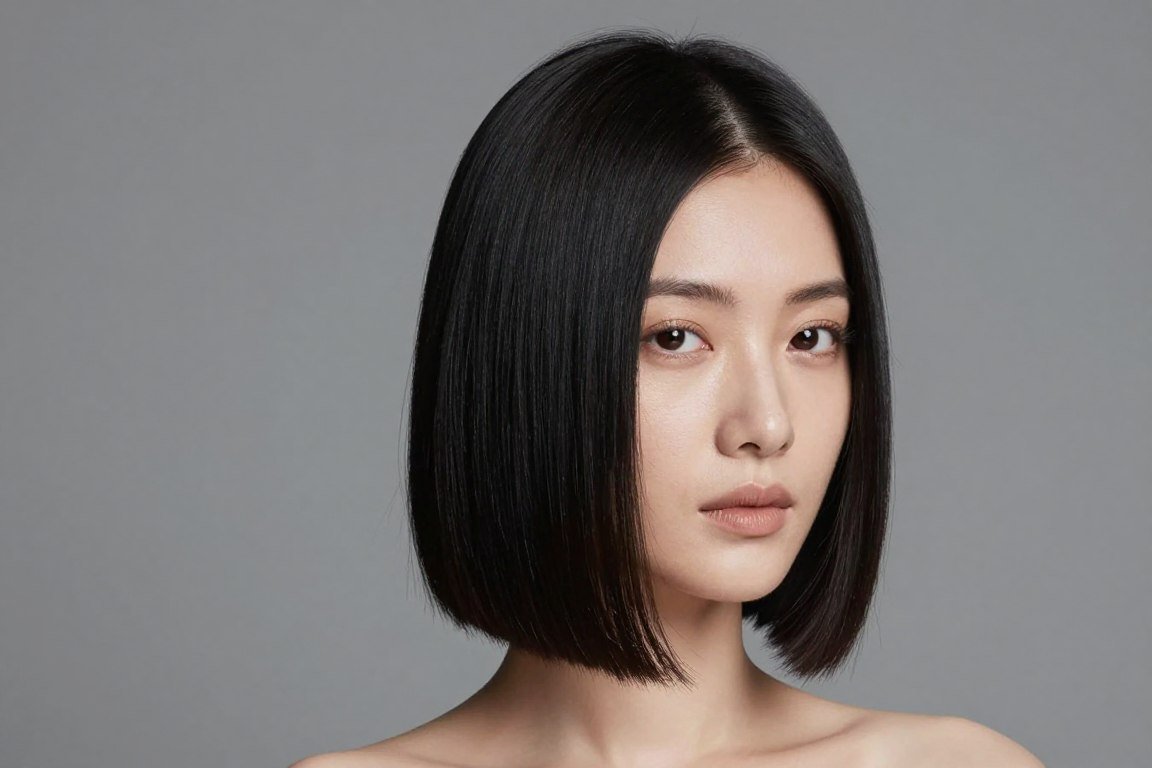
This polished style features perfectly straight hair with center part. The sleek finish creates sophisticated, modern aesthetic. The middle part adds symmetry and balance to round faces.
The cut typically maintains one length throughout. The part runs precisely down the center creating equal sections. Length usually falls between chin and shoulders.
Why It Works
The center part creates vertical lines that elongate round faces. Sleek styling makes hair appear healthier and shinier. The polished look works beautifully for professional settings.
Straight styling shows off the cut’s precision and shape. The simplicity allows hair health to take center stage. Fine hair can achieve this look with proper products and technique.
Styling Approach
Apply smoothing cream to damp hair thoroughly. Blow-dry straight using a paddle brush pulling downward. Create the center part while hair is still damp.
Use a flat iron to perfect the sleek finish. Work in small sections for best results. Finish with shine serum to enhance glossy appearance and control flyaways.
Advantages
- Sophisticated, professional appearance
- Shows off hair’s health and shine
- Works for most occasions
- Creates clean, modern aesthetic
- Easy to maintain once styled
Considerations
- Requires daily heat styling for best results
- Shows imperfections and damage clearly
- May lack volume for some fine hair types
18. Bob with Feathered Layers
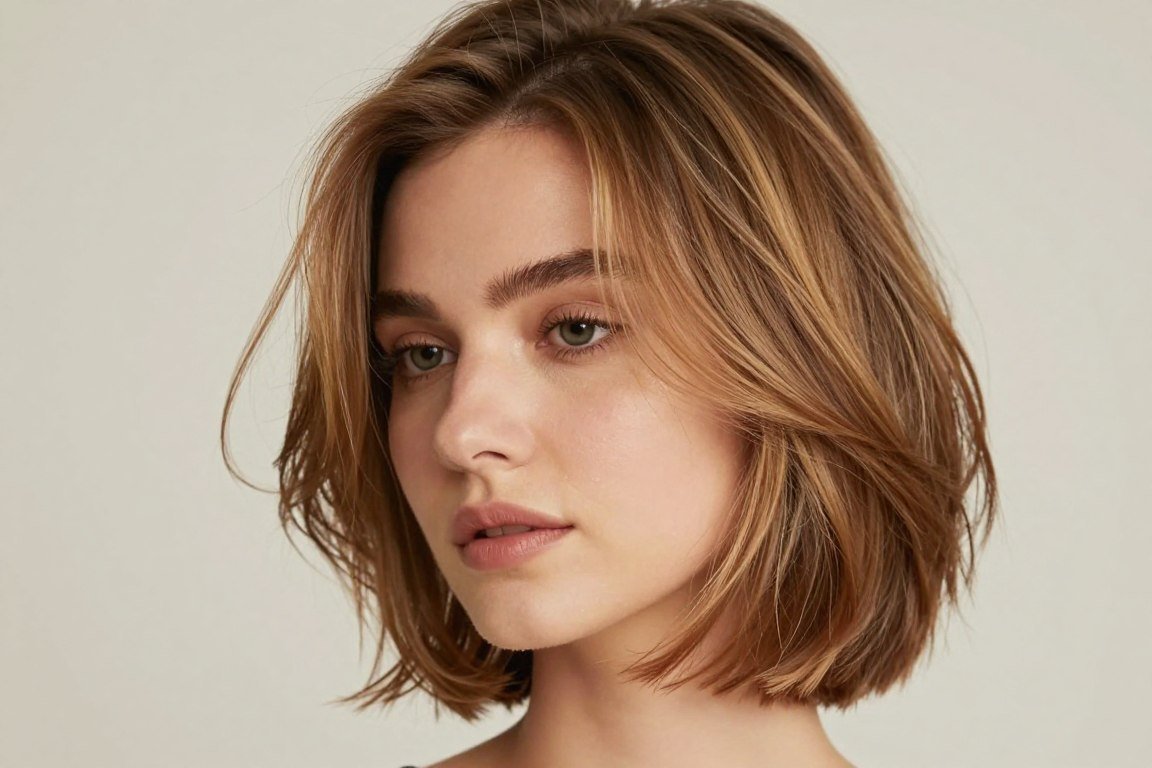
This soft style features feathered layering throughout. The layers blend seamlessly creating gentle movement. The feathering technique adds volume without harsh lines.
Layers typically start at cheekbone level and continue down. The feathering creates soft, face-framing pieces. The overall effect appears feminine and approachable.
Why It Works
Feathered layers remove weight while adding volume to fine hair. The soft blending prevents choppy appearance. The technique creates movement that makes hair appear fuller naturally.
The face-framing layers soften round facial features. The style adds dimension without overwhelming thin hair. The classic technique works across various age groups effectively.
Styling Approach
Apply volumizing mousse to damp hair focusing on roots. Blow-dry using a round brush rolling sections under. This enhances the feathered effect naturally.
Use a large barrel curling iron for soft bends. Curl random sections in different directions for natural look. Brush through gently to blend the layers seamlessly.
- Creates soft, feminine appearance
- Adds volume without harsh lines
- Versatile for various styling options
- Flatters most face shapes beautifully
- Classic technique with timeless appeal
19. Disconnected Bob with Textured Crown
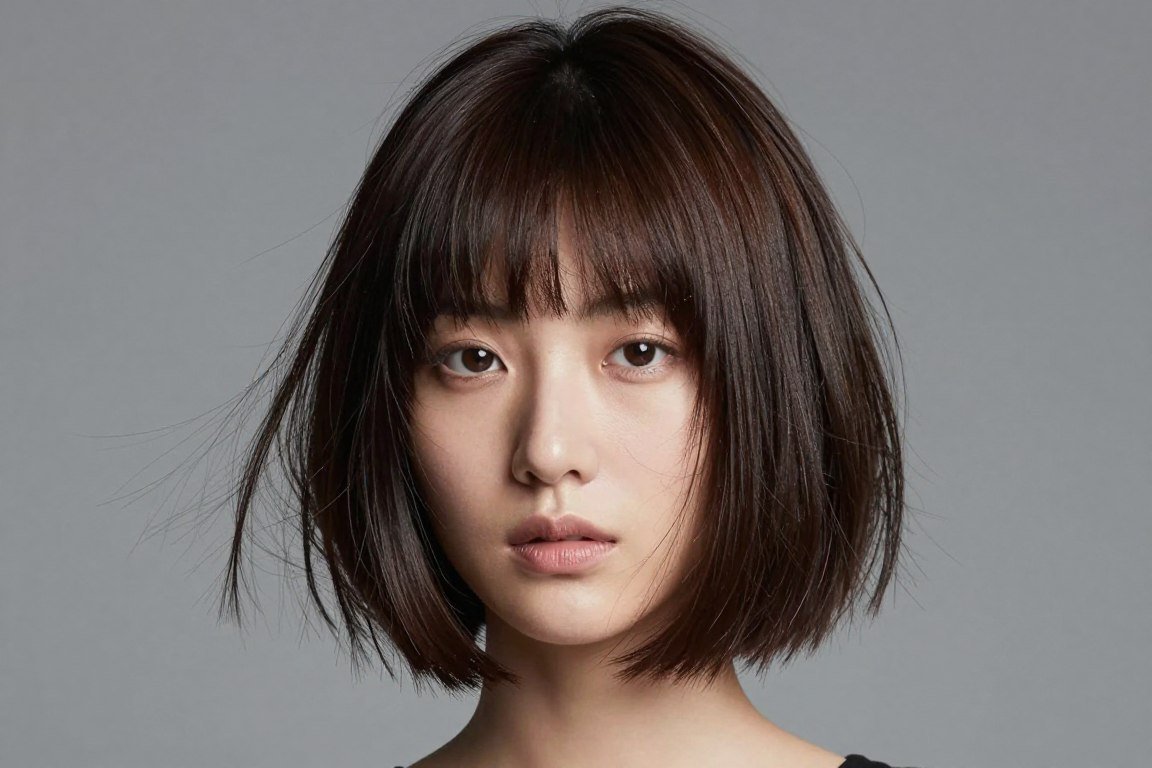
This edgy style features distinct length sections. The crown area has short, textured layers while the perimeter stays longer. The disconnection creates dramatic volume and interest.
Crown layers typically measure two to three inches. The bottom sections extend to chin length or below. The contrast between lengths creates architectural shape.
Why It Works
Short crown layers provide immediate lift for fine hair. The disconnection prevents flat appearance at roots. The longer perimeter maintains coverage and face-framing benefits.
The volume at the crown elongates round face proportions dramatically. The style makes a bold statement while remaining wearable. The technique works exceptionally well for thin hair types.
Styling Approach
Focus styling products on the crown area primarily. Apply volumizing mousse to short layers before drying. Blow-dry the crown lifting upward for maximum height.
Style longer sections smooth or with gentle waves. The contrast between textured crown and flowing lengths creates the desired effect. Use texture spray on crown layers for enhanced separation.
Bold Statement: This avant-garde style isn’t for everyone. The disconnection is visible and intentional. Ensure you’re comfortable with this level of style statement before committing.
20. Classic Bob with Gentle Waves
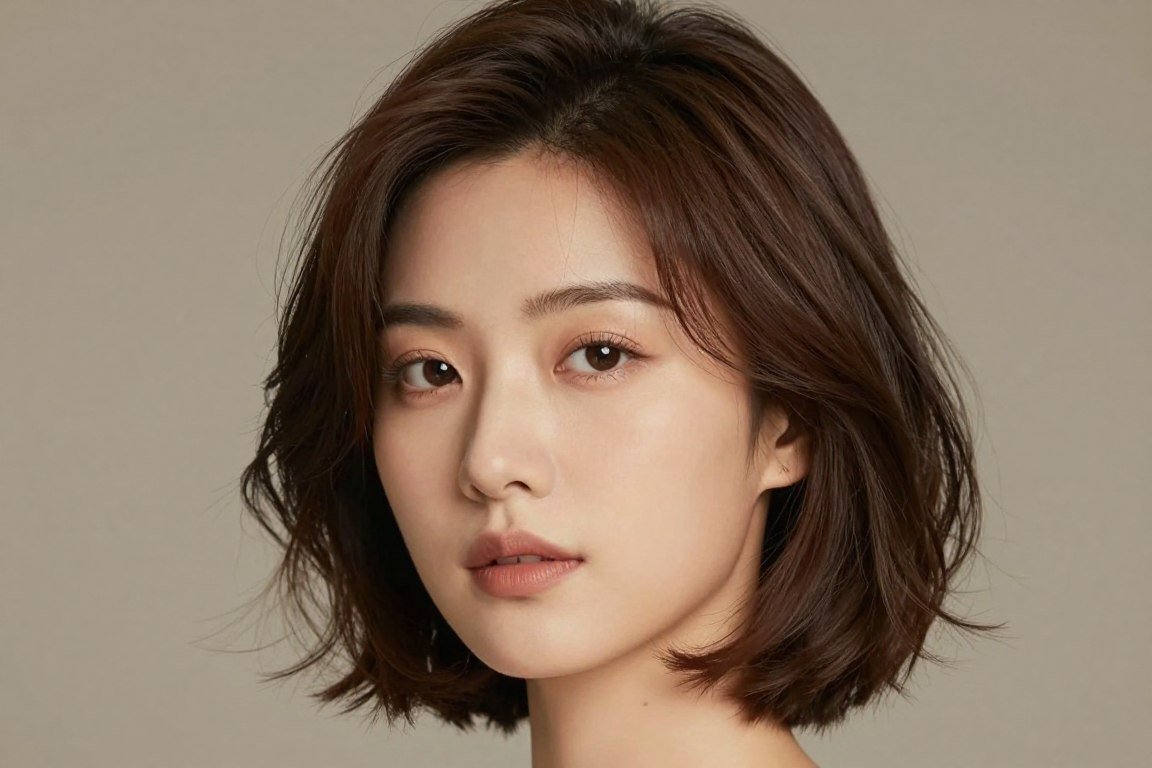
This timeless style combines classic bob cut with soft waves. The waves add texture and volume to fine hair naturally. The overall effect appears elegant and universally flattering.
The cut typically falls between chin and shoulder length. Subtle layers add movement without removing weight. The waves create gentle curves throughout rather than tight curls.
Why It Works
Gentle waves add dimension that makes fine hair appear thicker. The movement creates visual interest and fullness. The classic combination works for virtually any occasion or setting.
The soft waves balance round facial features beautifully. The style appears polished yet natural and approachable. The versatility makes this choice practical for various lifestyles.
Styling Approach
Apply texture spray to damp hair before styling. Blow-dry smooth using a round brush initially. Once dry, use a large barrel curling iron to create waves.
Alternate curl directions for natural-looking waves. Let curls cool completely before touching. Gently separate waves with fingers and finish with flexible hold spray.
- Universally flattering classic style
- Adds volume and dimension naturally
- Appropriate for any occasion
- Timeless appeal that never dates
- Easy to achieve with practice
Versatility Winner: This style transitions seamlessly from professional settings to social occasions. The classic waves provide polish without appearing overly formal or stiff.
Maintaining Your Bob Haircut
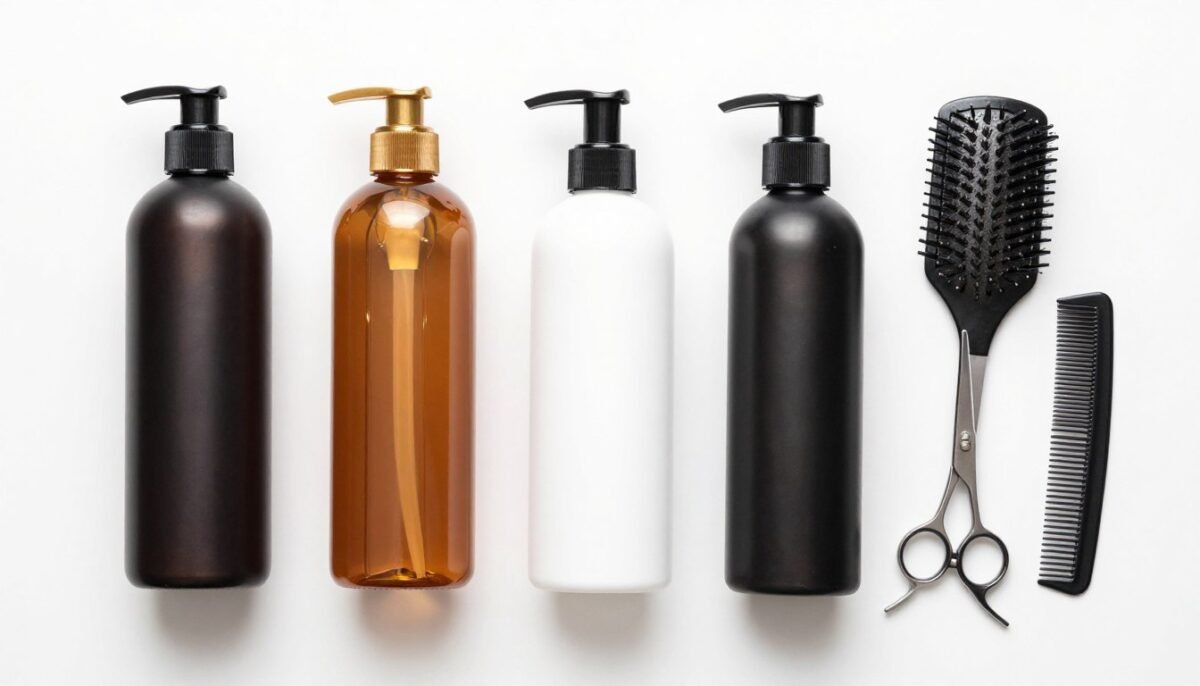
Proper maintenance keeps your bob looking fresh and healthy. Regular care prevents damage to fine hair. The right routine extends time between salon visits.
Trimming Schedule
Bob haircuts require more frequent trims than longer styles. The shape depends on precise lines and angles. Regular maintenance preserves the intended silhouette.
Most bobs need trimming every six to eight weeks. Styles with blunt lines require more frequent attention. Layered cuts can extend slightly longer between appointments.
- Schedule appointments before shape deteriorates
- Maintain bangs every three to four weeks
- Trim ends to prevent split damage
- Refresh layers to maintain volume
- Adjust length as hair grows naturally
Product Recommendations
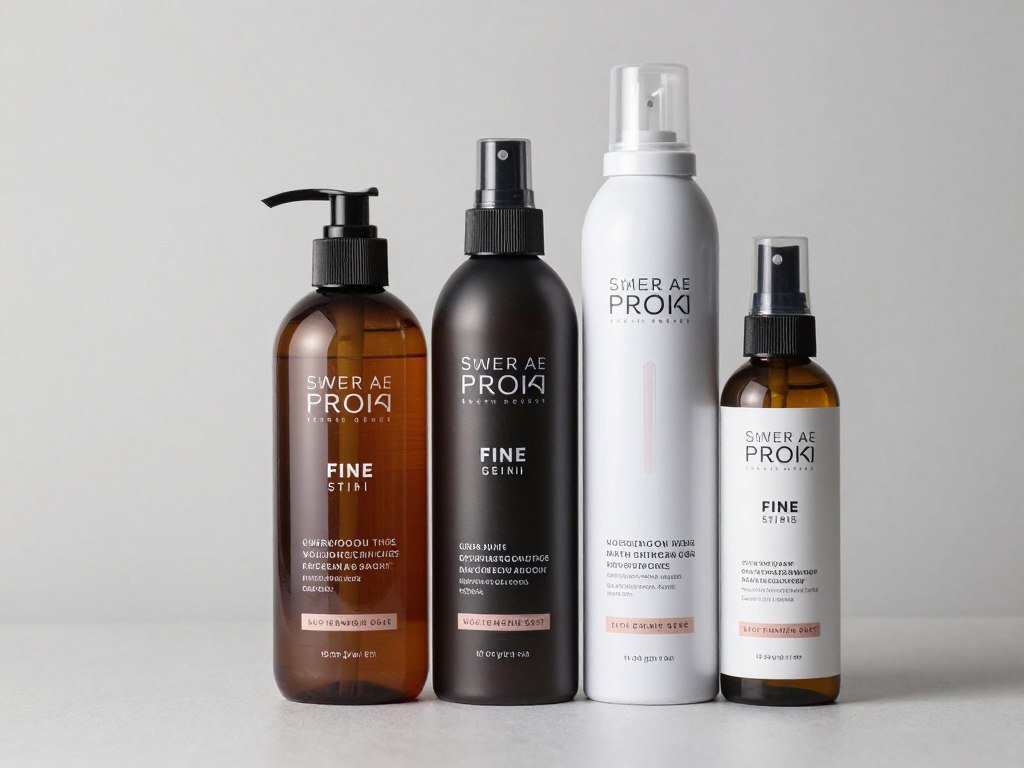
Fine hair requires specifically formulated products. Heavy formulas weigh down thin strands quickly. Lightweight options provide hold without flatness.
Volumizing shampoos and conditioners form the foundation. They cleanse without removing too much natural moisture. The right formulas add body from the washing stage.
Essential Products
- Volumizing shampoo and conditioner
- Lightweight mousse for styling
- Texture spray for added body
- Dry shampoo for root volume
- Heat protectant spray before styling
- Flexible hold hairspray for finishing
Products to Avoid
- Heavy oils and serums on roots
- Thick, cream-based styling products
- Strong-hold gels that flatten
- Rich conditioning masks too frequently
- Products with excessive silicones
- Waxy pomades throughout hair
Heat Styling Protection
Fine hair is more susceptible to heat damage. Proper protection prevents breakage and dryness. The right techniques minimize damage while achieving desired styles.
Always apply heat protectant before using hot tools. Use the lowest effective temperature setting. Limit heat styling frequency when possible for hair health.
Heat Safety: Fine hair requires lower heat settings than thick hair. Start at 300°F and increase only if necessary. Higher temperatures aren’t always more effective and can cause unnecessary damage.
Color Considerations for Fine Hair
Color choices significantly impact how thick hair appears. Strategic coloring creates dimension and depth. The right technique makes fine hair look substantially fuller.
Dimensional Color Techniques
Multiple tones create the illusion of thickness naturally. Highlights and lowlights add depth to fine hair. The variation makes each strand more visible.
Balayage works exceptionally well for thin hair. The hand-painted technique creates natural-looking dimension. The subtle variation adds fullness without harsh lines.
- Highlights create dimension and depth
- Lowlights add richness and fullness
- Balayage provides natural-looking variation
- Multiple tones reflect light differently
- Avoid solid, flat color on fine hair
Best Color Choices
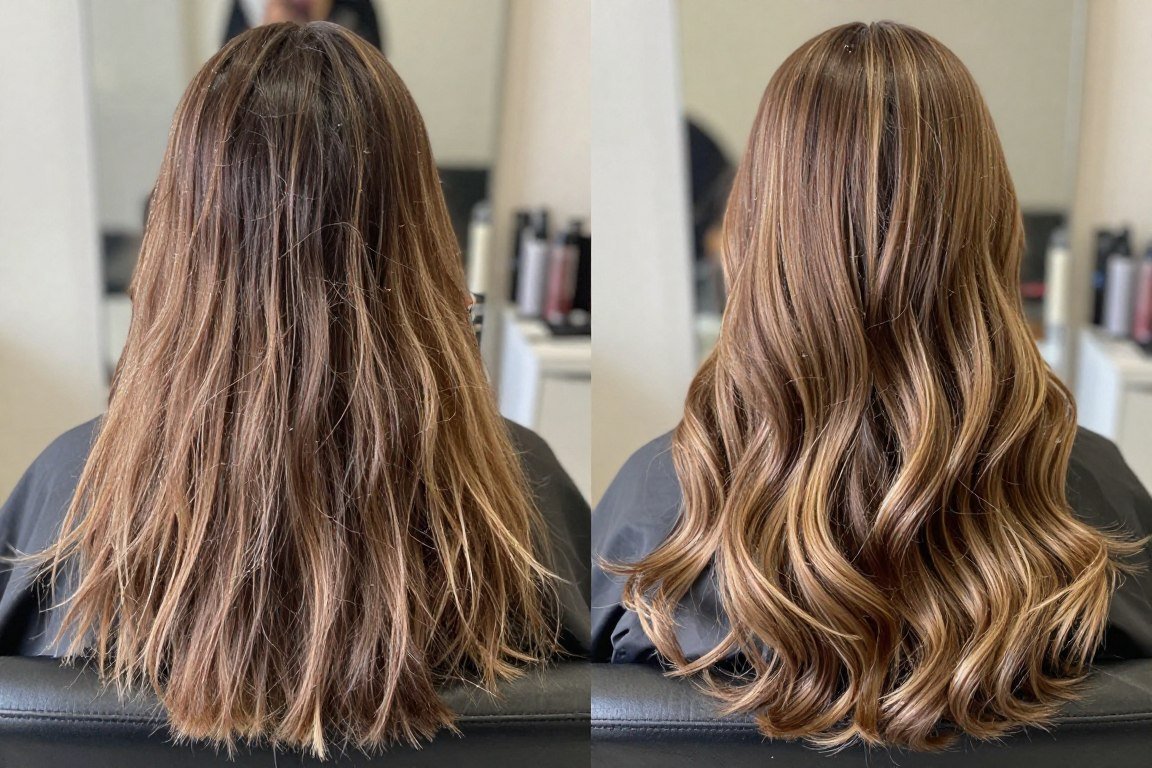
Lighter colors often make hair appear fuller. The reflection of light creates illusion of more hair. However, proper maintenance prevents damage from lightening processes.
Warm tones typically flatter round face shapes. Golden and honey shades add warmth and dimension. Cool tones can work but require careful consideration of skin undertones.
Volume-Creating Colors
- Multidimensional blonde
- Honey and caramel highlights
- Warm brunette with ribbons
- Light balayage throughout
- Face-framing highlights
Colors to Approach Carefully
- Very dark solid colors
- Extremely light platinum all over
- Bold unnatural tones without dimension
- Harsh contrasting highlights
- Flat single-process color
Protecting Colored Fine Hair
Color-treated fine hair needs extra care and attention. Chemical processes can weaken thin strands further. Proper maintenance preserves both color and hair health.
Use color-safe products specifically formulated for fine hair. Limit washing frequency to preserve color longer. Apply deep conditioning treatments regularly but avoid heavy formulas.
Essential Styling Tools for Bob Haircuts
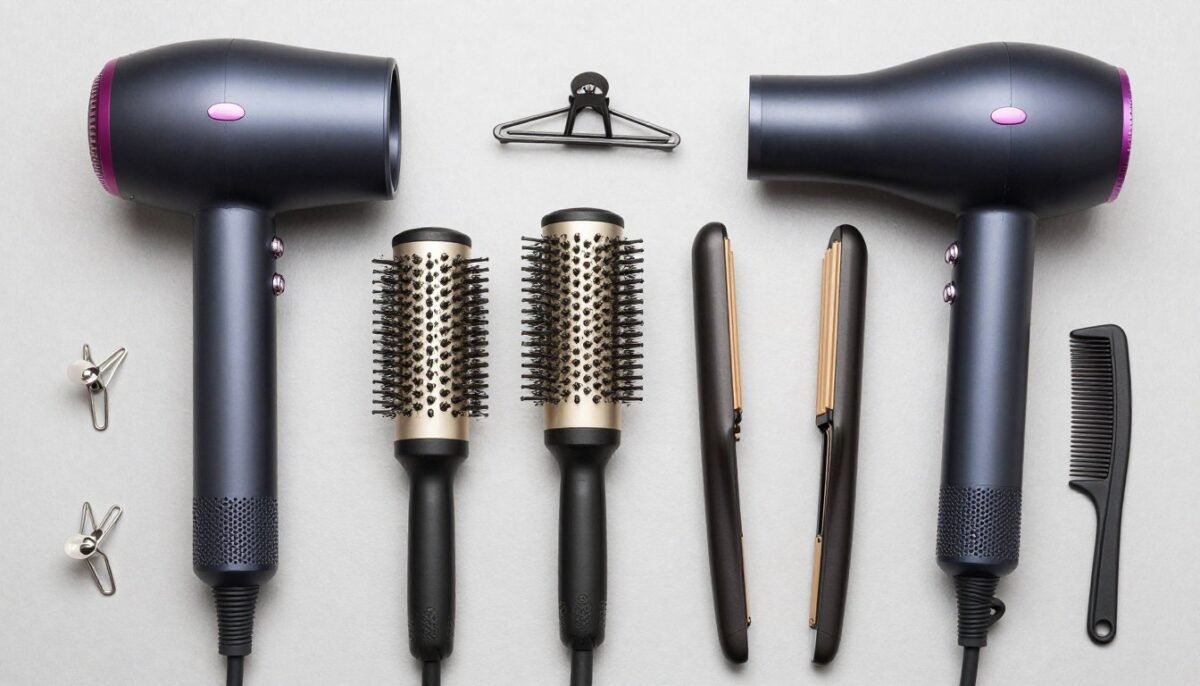
The right tools make styling significantly easier. Professional-quality equipment delivers better results. Investment in proper tools pays off in daily styling success.
Must-Have Tools
A quality blow dryer with multiple heat settings is essential. Round brushes in various sizes provide styling versatility. The proper tools reduce styling time while improving results.
Heat Tools
- Professional blow dryer
- Ceramic flat iron
- Curling wand or iron
- Hot rollers optional
Brushes and Combs
- Large round brush
- Medium round brush
- Paddle brush
- Wide-tooth comb
Accessories
- Sectioning clips
- Bobby pins
- Hair elastics
- Headbands optional
Choosing the Right Brush
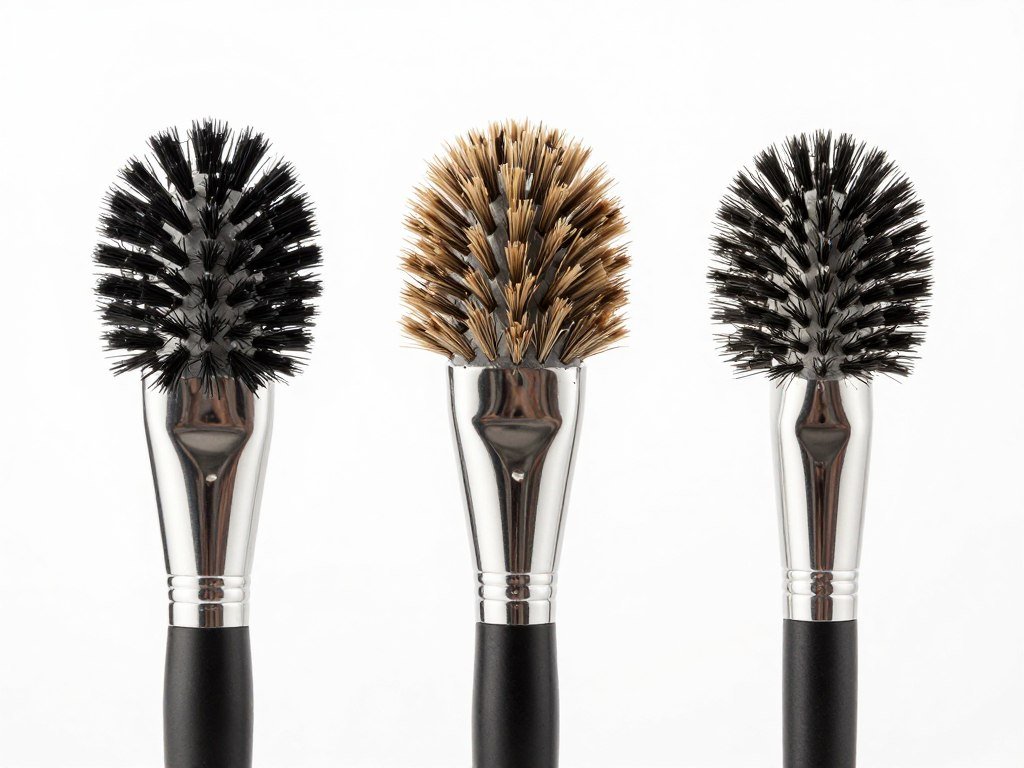
Brush size matters significantly for bob styling. Larger barrels create looser curls and waves. Smaller brushes provide more defined curls and volume at roots.
Natural boar bristles work well for smoothing fine hair. They distribute oils and create shine naturally. Ceramic or thermal brushes heat up during blow-drying for faster styling.
- Large round brush for loose waves and smoothing
- Medium round brush for general bob styling
- Small round brush for bangs and detailed work
- Paddle brush for straightening and smoothing
- Vented brush for quick drying without styling
Additional Tips for Round Face Shapes
Understanding face shape principles helps optimize your bob choice. Certain styling tricks enhance facial proportions. Small adjustments make significant visual differences.
Creating Length Illusion
Vertical elements elongate round faces visually. Height at the crown adds length to facial proportions. Strategic styling draws eyes up and down rather than across.
Avoid styles that add width at the sides. This emphasizes the roundness you want to minimize. Focus volume at the crown and slightly underneath rather than at ear level.
- Create volume at the crown area
- Avoid excessive width at sides
- Use diagonal lines and asymmetry
- Add height rather than width
- Consider side parts over center parts
Strategic Parting
Part placement significantly impacts face shape perception. Side parts create asymmetry that flatters round faces. The diagonal line breaks up facial roundness effectively.
Deep side parts work particularly well for this face shape. The uneven sections create interesting angles. This draws attention away from face width naturally.
Parting Tip: Experiment with your part placement to find the most flattering angle for your specific features. The ideal position varies slightly for each individual.
Avoiding Common Mistakes
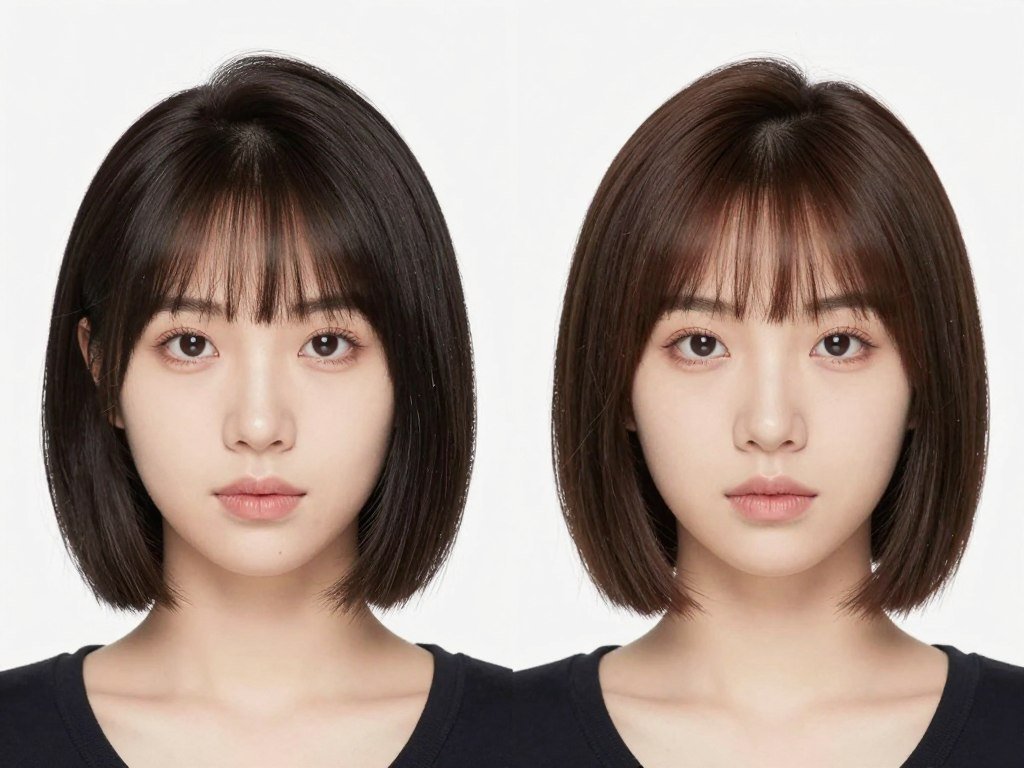
Certain styling choices emphasize roundness unintentionally. Awareness of these pitfalls helps avoid unflattering looks. Simple adjustments create more balanced proportions.
Styles That Flatter
- Asymmetrical cuts and styles
- Volume at the crown
- Angled and graduated bobs
- Side-swept bangs
- Layers around the face
- Longer lengths that graze jawline
Styles to Avoid
- Blunt bobs at cheek level
- Excessive width at ear level
- Heavy blunt bangs
- Very short crops without height
- Styles that hug the face tightly
- Center parts without volume
Seasonal Styling Variations
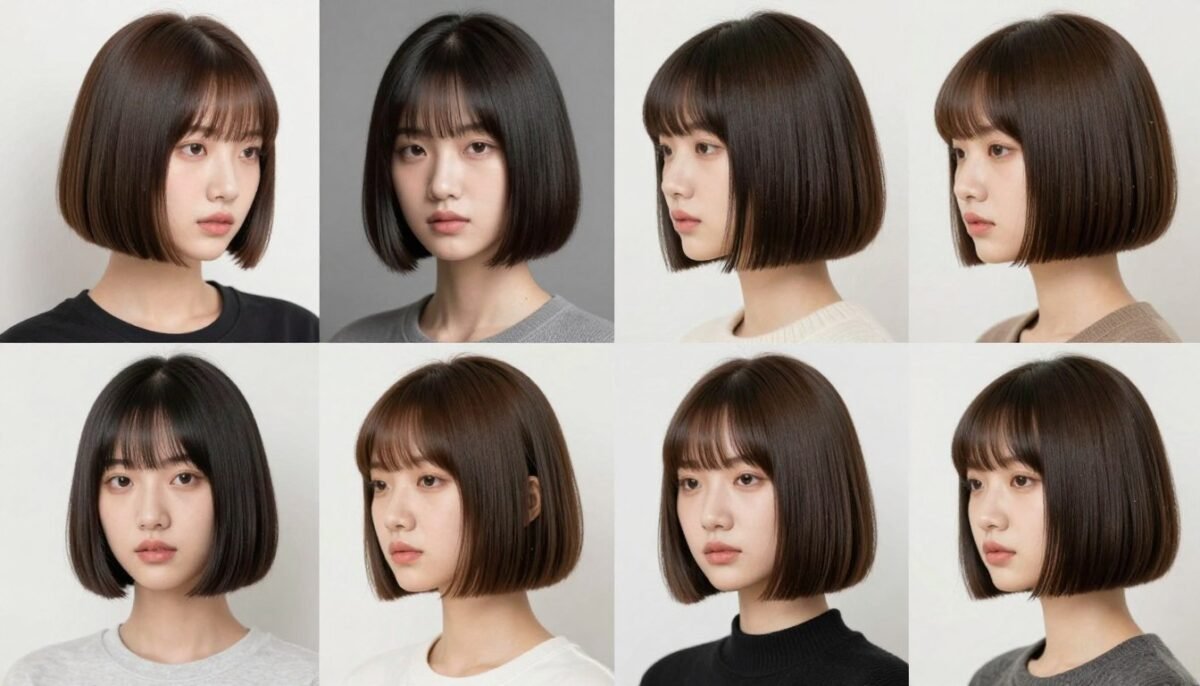
Bob haircuts adapt beautifully across seasons. Different weather conditions inspire varied styling approaches. Seasonal changes provide opportunities for fresh looks.
Summer Styling
Warm weather calls for lighter, more textured styles. Beachy waves work perfectly with bob lengths. The casual aesthetic suits summer activities naturally.
Heat and humidity challenge fine hair particularly. Humidity-resistant products become essential during summer months. Embrace texture rather than fighting natural wave patterns.
Winter Styling
Cold weather allows for sleeker, more polished styles. Indoor heating doesn’t cause the same humidity issues. Smooth, straight styling becomes more achievable.
Winter dryness requires extra moisturizing care. Use hydrating products to combat static electricity. Protect hair from harsh winter elements with proper accessories.
Transitional Seasons
Spring and fall offer moderate conditions perfect for experimentation. Temperature fluctuations mean versatile styling options. Mix different techniques based on daily weather.
- Adapt styling products to weather conditions
- Embrace seasonal color changes
- Adjust heat tool usage based on humidity
- Try new techniques during moderate weather
- Protect hair from environmental stressors
Working With Your Stylist
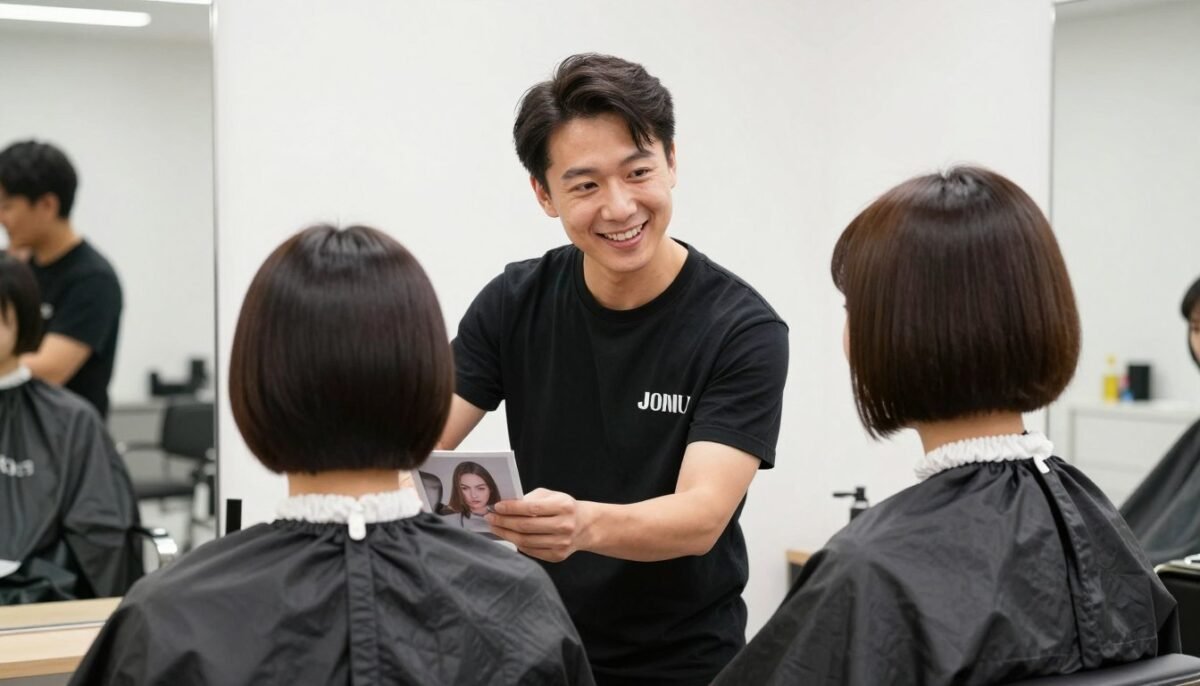
Effective communication with your stylist ensures optimal results. Bringing reference photos helps convey your vision clearly. Understanding professional terminology improves consultation quality.
Preparing for Your Appointment
Collect multiple photos of styles you admire. Save images from various angles showing the cut. Note specific elements you like about each reference.
Arrive with clean, dry hair in its natural state. This allows your stylist to assess texture accurately. Discuss your daily styling routine and time commitment honestly.
- Bring multiple reference photos
- Show your stylist your natural hair texture
- Discuss your styling abilities honestly
- Mention any previous problem cuts
- Share your lifestyle and maintenance preferences
Important Questions to Ask
Understanding maintenance requirements prevents disappointment. Ask specific questions about styling time and products needed. Clarify how often trims will be necessary.
How much daily styling time will this cut require?
Understanding time commitment helps you choose a manageable style. Be honest about your willingness to style hair daily versus seeking wash-and-go options.
What products do I need to recreate this look at home?
Get specific product recommendations from your stylist. Ask them to write down names and demonstrate application techniques before you leave.
How often will I need trims to maintain this shape?
Different bob styles require varying maintenance schedules. Factor this into your decision-making process and budget considerations.
Can you show me how to style this before I leave?
Many stylists will demonstrate basic techniques. Watch carefully and ask questions. Consider recording the demonstration on your phone for reference.
Building a Long-Term Relationship
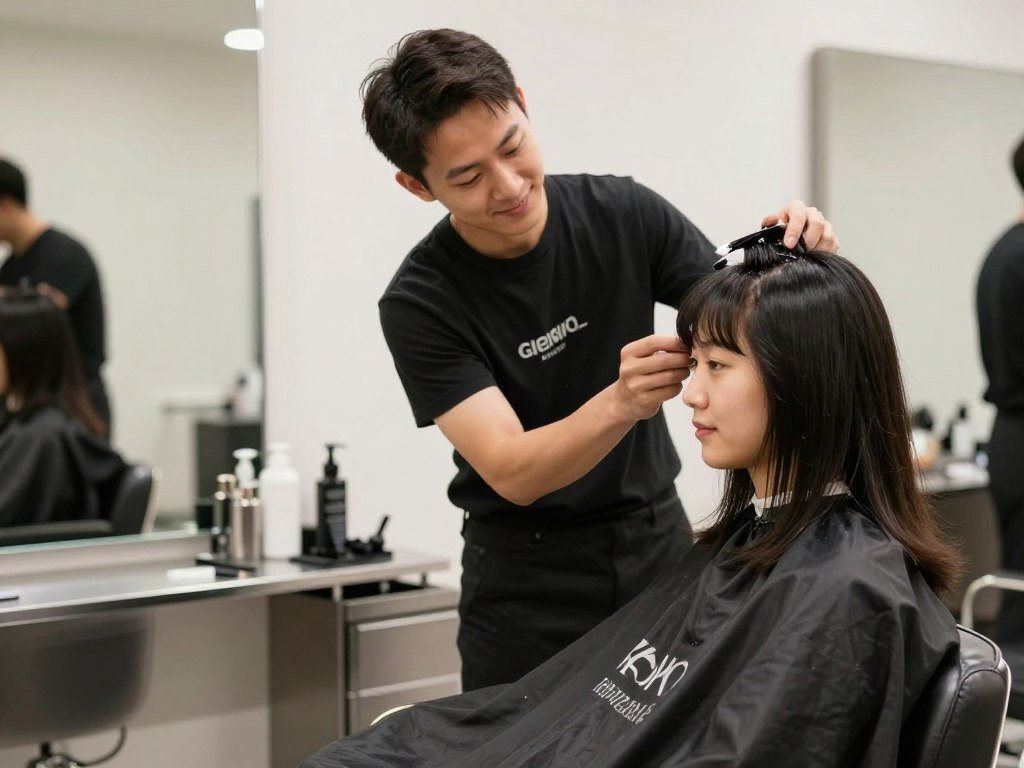
Finding the right stylist creates valuable partnership. They learn your hair and preferences over time. Consistent stylist relationships lead to better results.
Provide feedback after each appointment honestly but kindly. Share what worked well and what didn’t. This helps your stylist refine approaches for future visits.
Embracing Your Perfect Bob
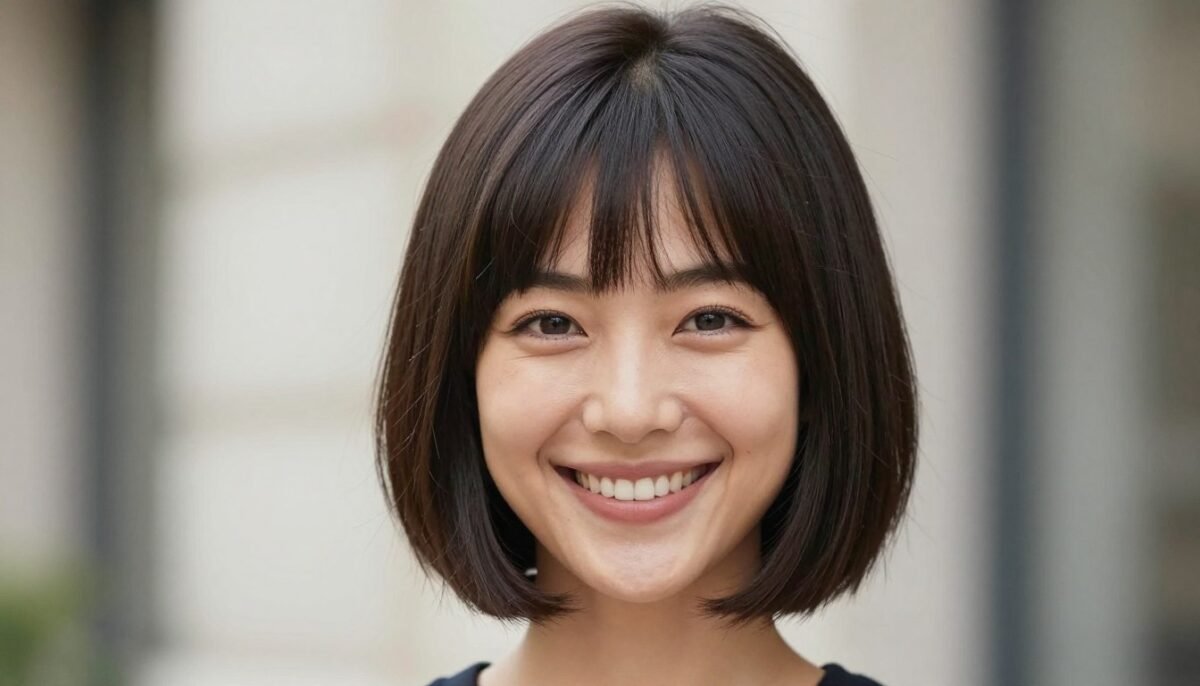
Choosing the right bob transforms more than just your appearance. The perfect cut boosts confidence significantly. Understanding your hair type and face shape empowers better decisions.
These twenty bob variations offer extensive options for thin fine hair. Each style addresses the specific challenges of this hair type. Round face considerations ensure flattering proportions throughout.
Remember that professional guidance makes crucial differences. Experienced stylists understand the nuances of cutting fine hair. They create shapes that maximize volume while flattering your face.
Your bob journey begins with education and inspiration. Take time to consider which styles resonate with your personality. Think about your lifestyle and styling commitment realistically.
The right bob haircut celebrates your unique features beautifully. It works with your hair texture rather than against it. Embrace the versatility and confidence that comes with the perfect short bob hairstyle.
Final Encouragement: Don’t let thin fine hair hold you back from trying a bob. With the right cut, products, and styling techniques, you can achieve stunning volume and style that makes you feel confident and beautiful every day.