
Wall molding designs transform plain walls into architectural features that add charm and sophistication to any room. These decorative elements create visual interest and depth.
Whether you prefer classic styles or modern interpretations, molding ideas can elevate your interior. The right trim enhances your home’s character while reflecting your personal taste.
From traditional chair rail molding to contemporary geometric patterns, wall panels offer endless possibilities. Each style brings unique texture and dimension to your space.
Table of Contents
Classic Picture Frame Molding
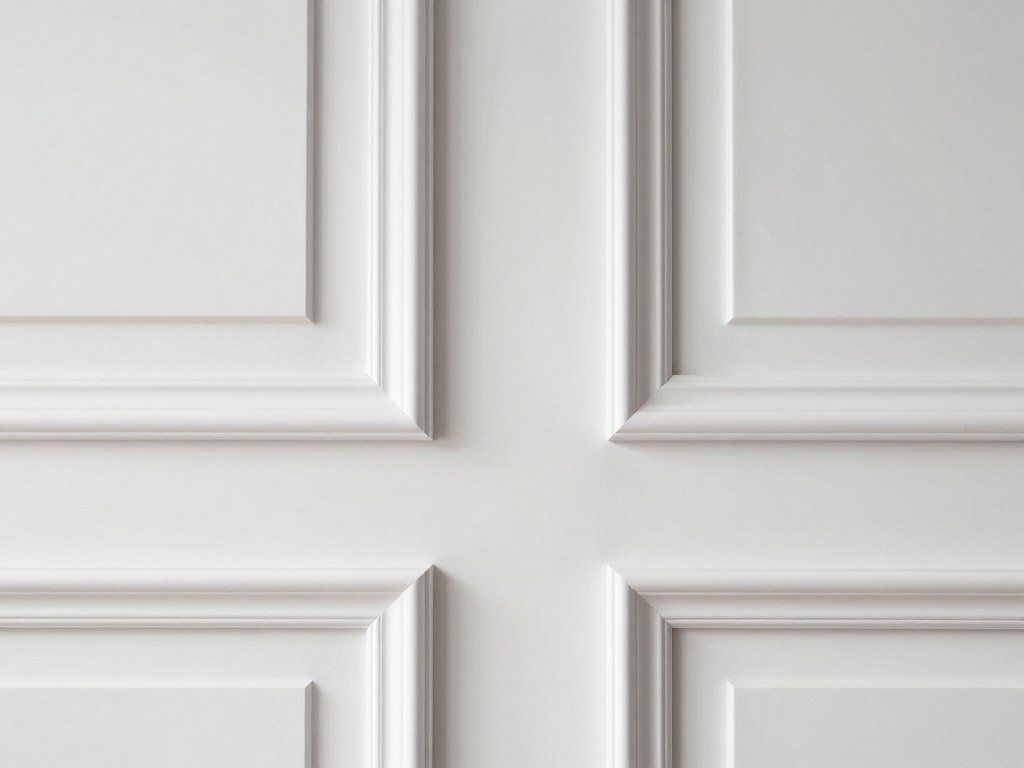
Picture frame molding creates elegant rectangular or square panels on your walls. This timeless design adds a refined look to dining rooms and bedrooms.
The frames act as a focal point that draws the eye upward. You can paint the interior panels in contrasting colors for added drama.
This wall molding style works beautifully with both traditional and transitional interiors. Install frames at varying heights to create dynamic visual interest throughout the room.
Sophisticated Chair Rail Molding
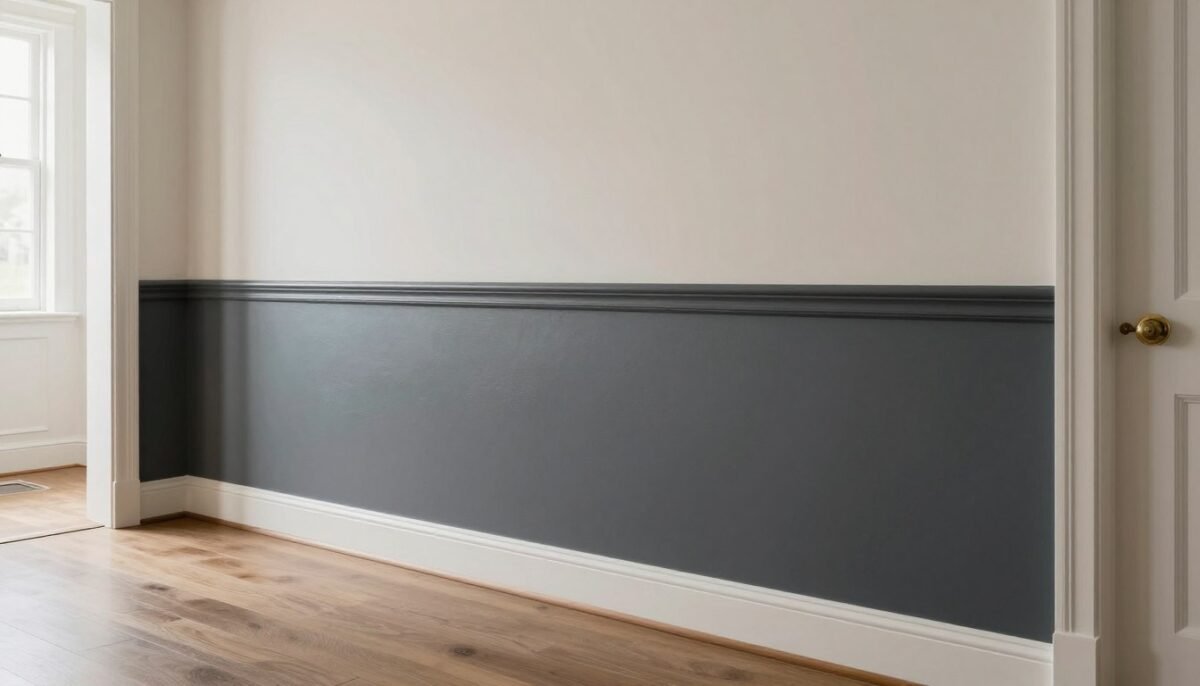
Chair rail molding runs horizontally along the wall at chair-back height. This practical design originally protected walls from furniture damage.
Today, chair rail serves as a decorative element that divides wall space. The trim creates an opportunity for two-tone paint treatments that add depth.
Install chair rail approximately 32 to 36 inches from the floor. This placement looks balanced in most rooms and complements various ceiling heights.
Elegant Crown Molding
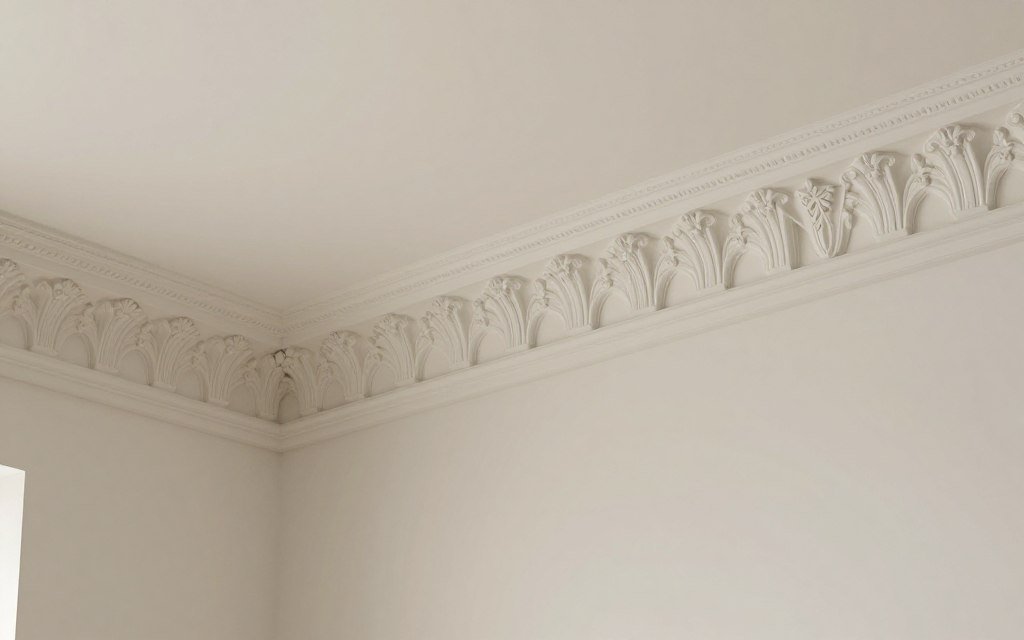
Crown molding adorns the junction where walls meet ceilings. This classic trim adds sophistication and draws the eye upward to make rooms feel taller.
The style ranges from simple profiles to elaborate designs with multiple layers. Larger crown molding makes a bold statement in rooms with high ceilings.
Paint crown molding white for a traditional look. Or match it to your ceiling color for a seamless, modern appearance that still provides subtle definition.
Modern Board and Batten
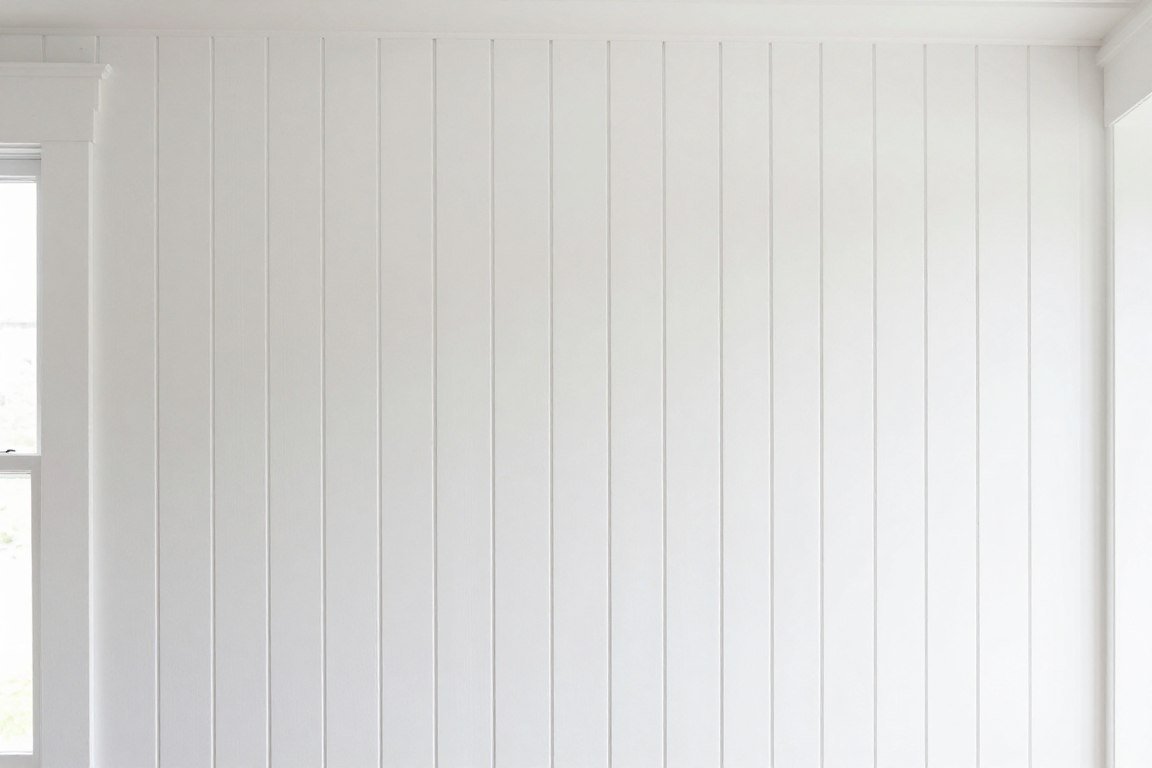
Board and batten features vertical strips creating a rhythmic pattern. This design originated in barns but now brings farmhouse charm to modern homes.
The vertical lines make walls appear taller while adding texture. Space battens evenly across the wall for a balanced, pleasing rhythm.
This wall molding works exceptionally well as an accent wall in bedrooms. Paint the entire treatment one color for cohesion or use contrasting hues for drama.
Installation Benefits
- Hides wall imperfections effectively
- Easy to install for DIY enthusiasts
- Creates instant architectural interest
- Works in any room of your home
Design Flexibility
- Adapts to various interior styles
- Customizable spacing between battens
- Pairs well with other trim types
- Accepts paint or stain finishes
Geometric Panel Designs
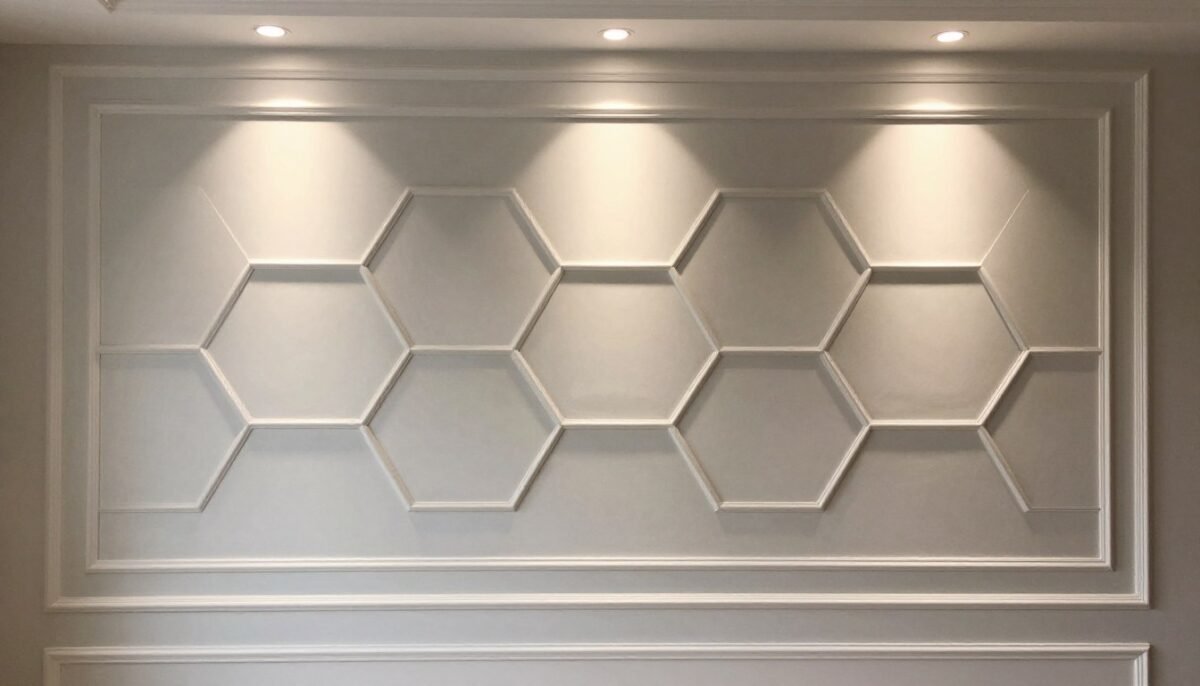
Geometric wall molding creates contemporary patterns using angles and shapes. These designs range from simple hexagons to complex interlocking forms.
The three-dimensional effect adds modern sophistication to living spaces. This style works particularly well in home offices and contemporary dining areas.
Mix different geometric shapes for a custom look. Keep the color palette simple to let the shapes create the visual interest your room needs.
Wainscoting Wall Panels
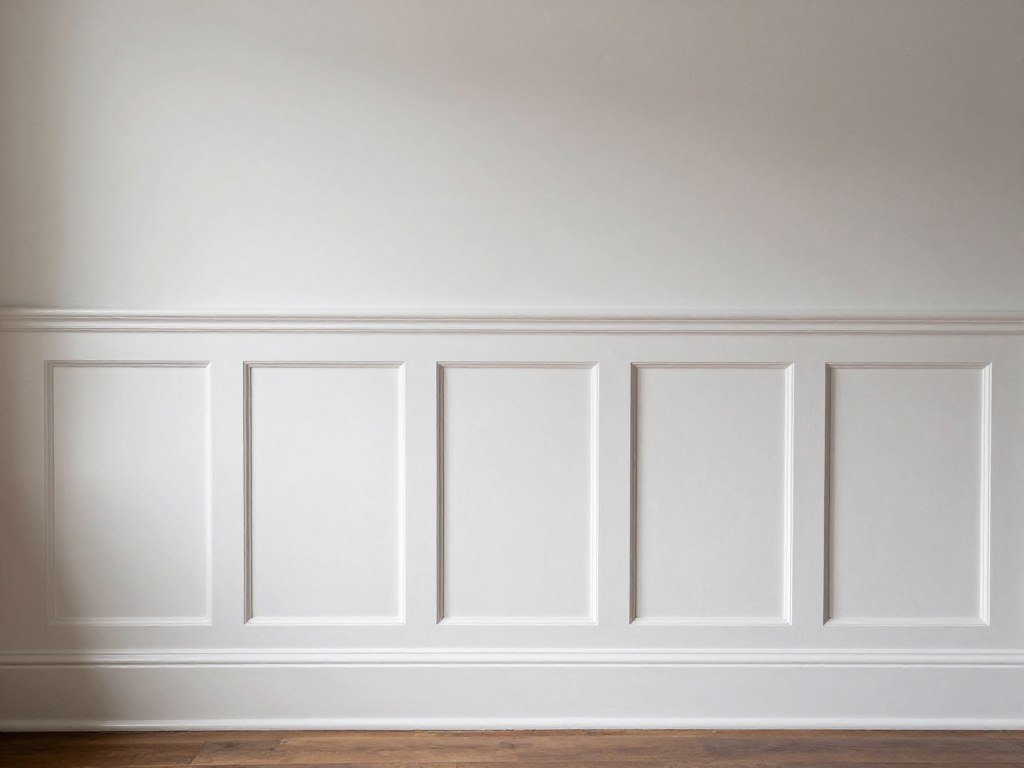
Wainscoting covers the lower portion of walls with decorative paneling. This traditional treatment protects high-traffic areas while adding elegance.
Raised panel wainscoting creates depth and shadow lines. Beadboard wainscoting offers a more casual, cottage-style alternative that suits bathrooms perfectly.
Typically installed to chair rail height, wainscoting creates a natural division. The upper wall space provides an opportunity for wallpaper or contrasting paint colors.
Coffered Ceiling Style
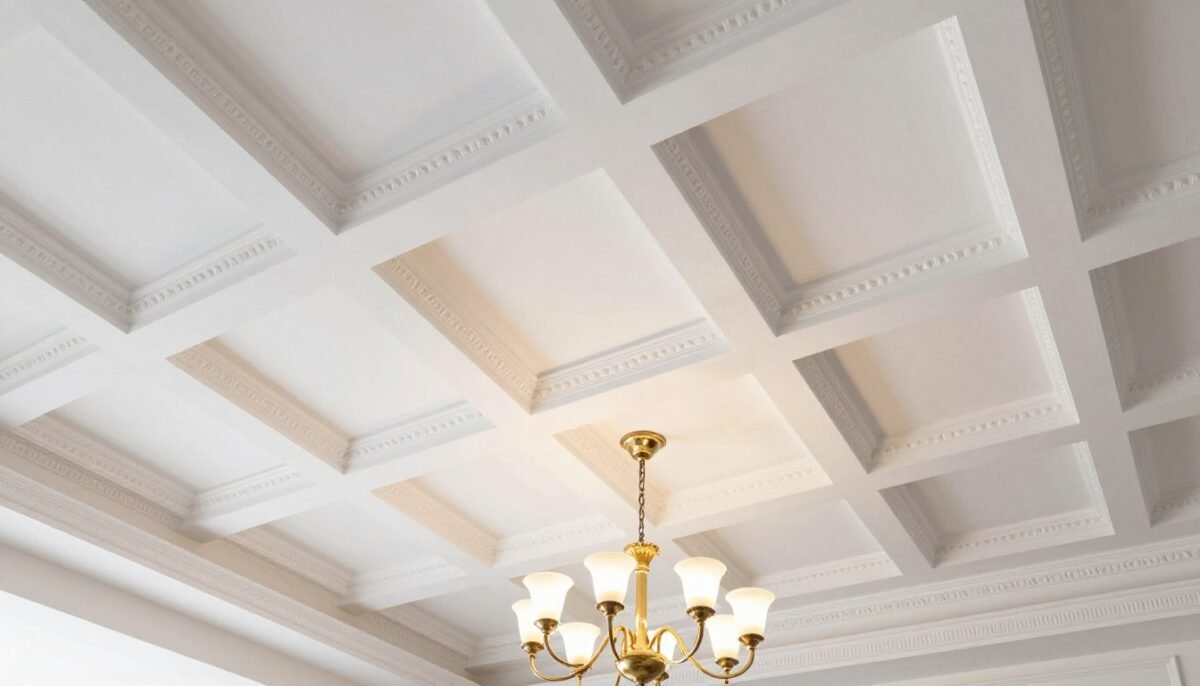
Coffered ceilings feature recessed panels created with intersecting beams. This dramatic design element brings luxury and architectural interest overhead.
The grid pattern draws attention upward while making ceilings appear higher. Each recessed panel can be painted a different shade for subtle depth.
This style requires adequate ceiling height to avoid overwhelming the space. Coffered designs work best in formal dining rooms and primary bedrooms where impact matters most.
Shiplap Wall Treatment
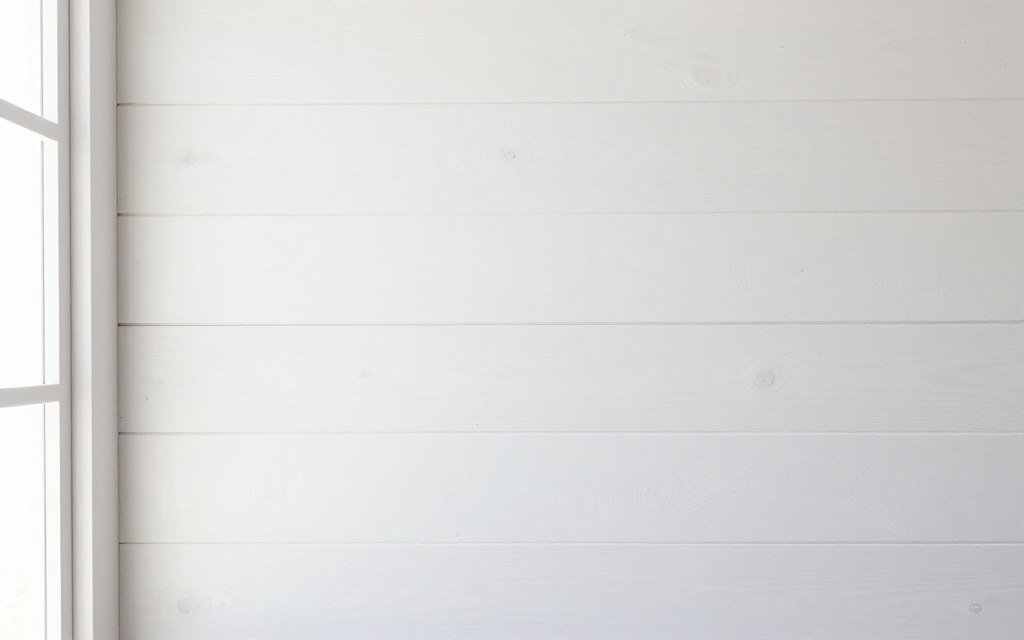
Shiplap consists of horizontal wooden boards with small gaps between each plank. This wall treatment brings rustic charm and coastal vibes to interior spaces.
The horizontal lines create width and make rooms feel more spacious. Install shiplap across entire walls or use it as an accent feature behind beds.
Paint shiplap white for a fresh, modern look. Natural wood stains work beautifully in dens and family rooms where warmth is desired.
Raised Panel Molding
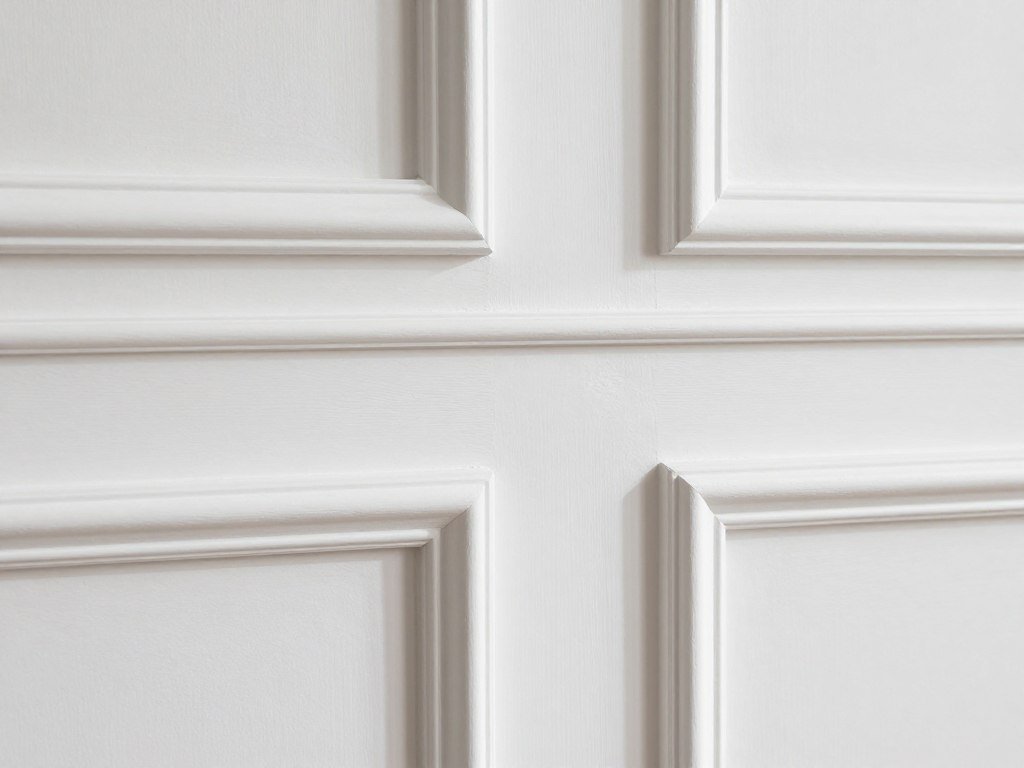
Raised panels create three-dimensional depth through layered trim pieces. The center panel sits higher than the surrounding frame for dramatic effect.
This traditional design adds formality and grandeur to spaces. The shadows cast by raised edges enhance the architectural impact throughout the day.
Use raised panels sparingly to maintain their special character. They work exceptionally well in entryways where first impressions count most.
Beadboard Paneling
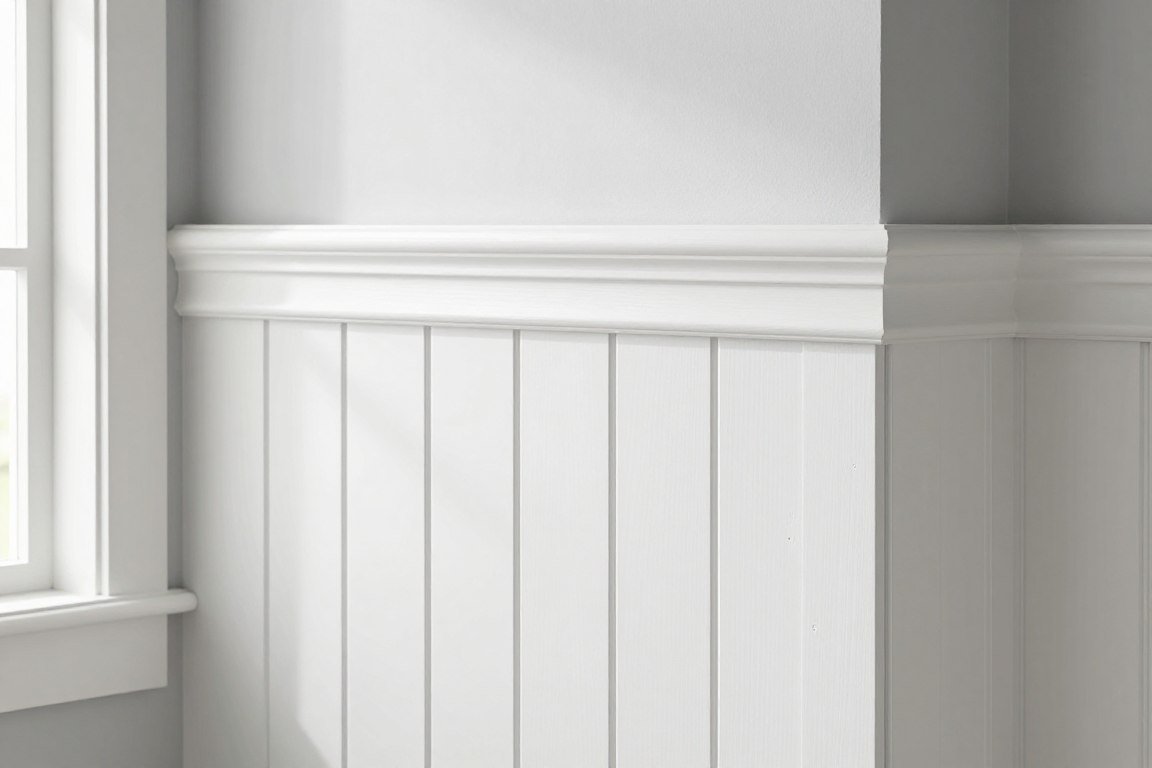
Beadboard features narrow vertical planks with distinctive grooves between each board. This casual style brings cottage charm to bathrooms and kitchens.
The vertical orientation adds height perception to spaces with lower ceilings. Beadboard is relatively easy to install and maintain over time.
Paint beadboard in soft pastels for a cottage feel. White beadboard creates a clean backdrop that pairs well with colorful accessories and decor.
DIY Molding Kits
Pre-cut molding kits make installation easier for homeowners. These packages include all necessary pieces with detailed instructions for successful projects.
Custom Molding Design
Work with designers to create unique molding patterns. Custom designs ensure your walls reflect your personal style and complement your home’s architecture.
Professional Installation
Expert installers ensure precise measurements and flawless execution. Professional work guarantees longevity and eliminates common DIY mistakes.
Box Trim Accent Wall
Box trim creates square or rectangular frames across an accent wall. This simple yet effective design brings modern elegance without overwhelming the space.
The uniform pattern provides structure and organization to large wall expanses. Paint the wall and trim the same color for subtle sophistication.
This wall molding design works beautifully behind headboards in bedrooms. The framed sections create a built-in focal point that anchors the furniture arrangement.
Fluted Wall Panels
Fluted panels feature vertical grooves that create rhythm and texture. This architectural detail adds a contemporary edge to traditional molding concepts.
The parallel grooves catch light differently throughout the day. This changing appearance keeps walls visually interesting from morning to evening.
Install fluted panels as an accent behind entertainment centers. The vertical lines complement modern media equipment while adding warmth to the room.
Picture Rail Molding
Picture rail molding sits near the ceiling allowing artwork to hang without wall damage. This practical feature protects walls while providing flexible display options.
The horizontal trim creates a visual line that draws attention to your art. You can easily rearrange hanging pieces by moving hooks along the rail.
This design works particularly well in galleries and hallways. Picture rails let you change displays frequently without creating new holes in your walls.
Dentil Molding Detail
Dentil molding features small rectangular blocks evenly spaced along the trim. This classical architectural detail originated in ancient Greek and Roman buildings.
The repeating pattern adds visual interest without overwhelming the space. Dentil molding works best as crown molding or chair rail enhancement.
This style suits formal spaces where traditional elegance is desired. The detailed blocks catch light and create subtle shadows that enhance the architectural character.
Vertical Panel Strips
Vertical panel strips use narrow trim pieces to divide walls into sections. This minimalist approach creates clean lines that suit contemporary interiors.
The vertical emphasis makes rooms feel taller and more spacious. Space strips evenly or create varying widths for a custom rhythm.
Paint strips and walls in monochromatic schemes for maximum impact. This design looks particularly striking in modern dining areas and home offices.
Shadowbox Molding
Shadowbox molding creates deep frames with pronounced depth and dimension. The layered trim produces dramatic shadows that change with natural light.
This bold design makes a strong architectural statement. Each frame becomes a three-dimensional feature that adds luxury to your walls.
Use shadowbox molding sparingly to maintain impact. It works best in entryways and formal dining rooms where dramatic effect is appropriate.
Baseboard Trim Styles
Baseboards run along the bottom of walls protecting them from damage. These essential trim pieces range from simple profiles to elaborate multi-layer designs.
Taller baseboards create a more substantial, formal appearance. The added height makes rooms feel grounded and finished from floor to ceiling.
Match baseboard style to your other trim for cohesive design. Painted white baseboards work with virtually any wall color or interior style you choose.
Arched Molding Designs
Arched molding frames doorways and windows with curved elegance. This graceful design softens angular spaces while adding architectural sophistication.
The curves create visual flow and movement throughout your home. Arched moldings work particularly well in Mediterranean and traditional style interiors.
This design requires skilled installation for proper curve execution. The dramatic effect makes arched molding worth the additional effort and investment.
Multi-Layer Crown Molding
Multi-layer crown molding combines several trim profiles for maximum impact. This elaborate approach creates deep shadows and ornate detail where walls meet ceilings.
The layered design adds grandeur to formal spaces throughout your home. Each profile contributes to the overall architectural statement and visual weight.
This style requires rooms with adequate ceiling height to avoid overwhelming the space. The dramatic crown molding works best in living rooms and primary suites.
Horizontal Plank Walls
Horizontal plank walls use wide boards installed side by side. This design creates a modern twist on traditional paneling with clean, contemporary lines.
The horizontal orientation emphasizes room width and creates calm. Varying plank widths adds visual interest while maintaining the streamlined aesthetic.
Install horizontal planks in living spaces and bedrooms for impact. The natural wood texture brings warmth while the clean lines maintain modern sophistication.
Making Your Wall Molding Choice
Selecting the right wall molding designs depends on your interior style and goals. Consider your room’s proportions and existing architectural features before deciding.
Start with one room to test your chosen style. This approach allows you to refine the look before committing to larger spaces throughout your home.
Professional consultation helps avoid costly mistakes and ensures proper installation. Expert guidance brings your vision to life while respecting your budget and timeline.
Pro Tip: Mix different molding types thoughtfully to create layered interest. Combine crown molding with picture frame panels or chair rail with wainscoting for maximum architectural impact that feels like original construction.