
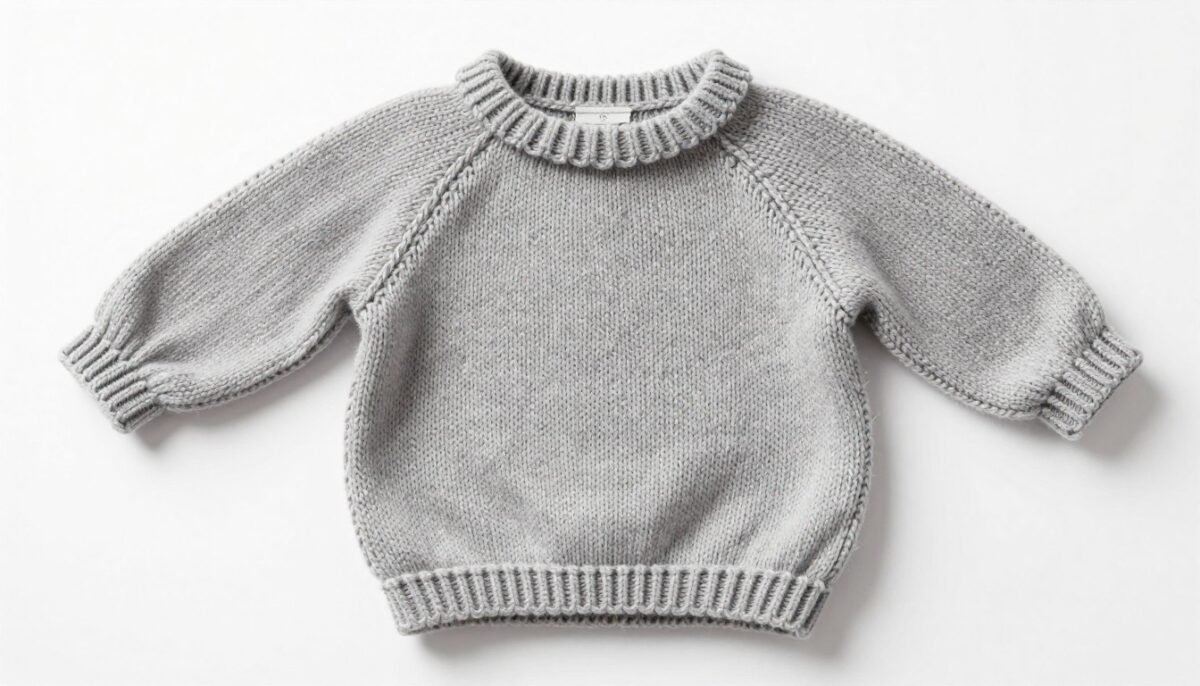
Creating a handmade baby sweater is one of the most rewarding knitting projects you can undertake. This classic crewneck baby sweater knitting pattern combines timeless design with practical comfort. Whether you’re preparing a gift for a baby shower or welcoming your own little one, this pattern delivers professional results that any knitter can achieve.
The beauty of this baby sweater lies in its versatility and simplicity. You’ll work with basic knit and purl stitches to create a garment that’s both adorable and functional. The crewneck design offers easy dressing for wiggly babies while the raglan construction ensures a comfortable fit.
Table of Contents
Why This Baby Sweater Pattern Stands Out
This free baby sweater pattern has been tested by hundreds of knitters worldwide. The design features a traditional crewneck style that never goes out of fashion. Parents appreciate the pullover construction because it keeps babies cozy without fussy buttons or zippers.
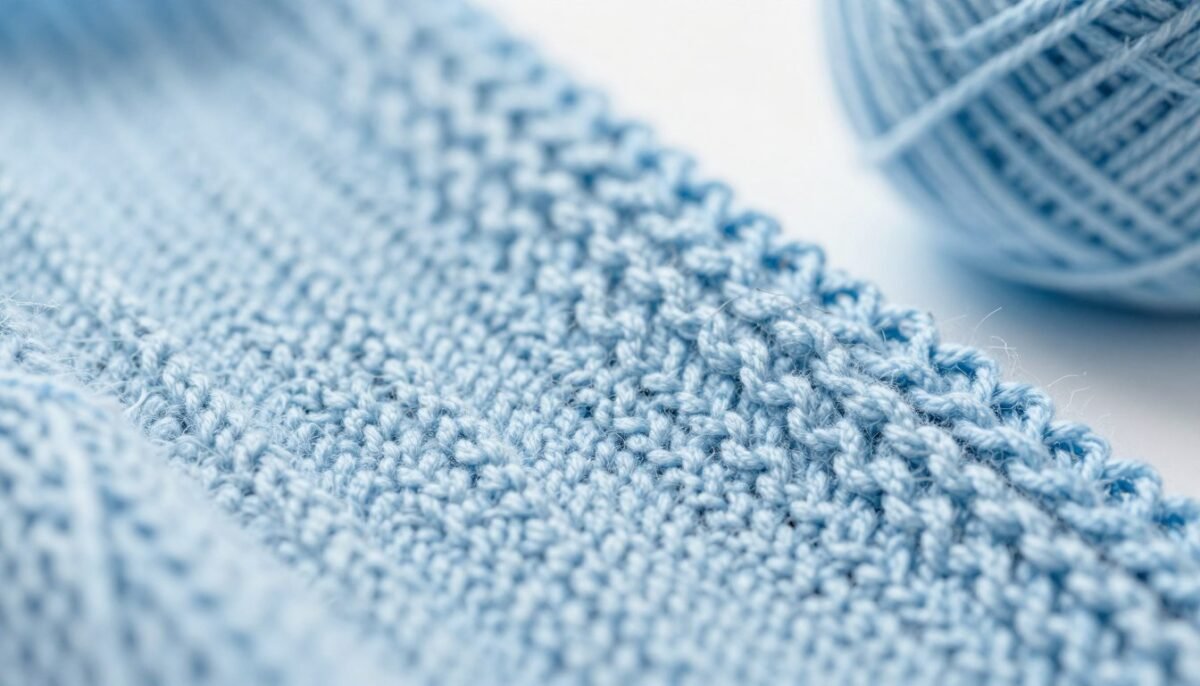
The raglan sleeve construction creates a classic look while making the knitting process more straightforward. You’ll start at the neckline and work downward, which means you can try the sweater on your baby as you go. This feature makes sizing adjustments incredibly simple.
Pattern Advantages
- Works up quickly in worsted weight yarn
- Seamless raglan construction minimizes finishing
- Adjustable sizing for growing babies
- Perfect for showcasing special yarn
- Machine washable yarn options available
- Suitable for intermediate knitters
Pattern Considerations
- Requires circular needles for body
- Color work adds complexity (optional)
- Gauge swatch is essential for proper fit
- Takes 15-20 hours to complete
Materials and Supplies You’ll Need
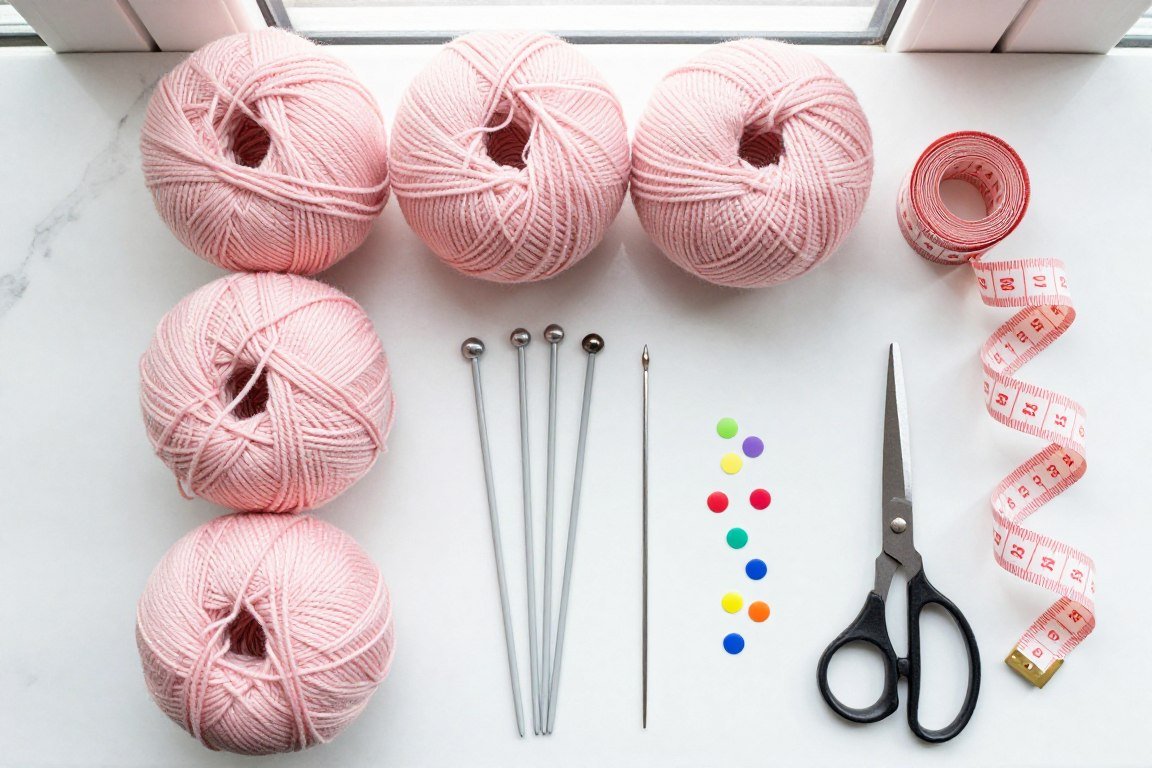
Gathering the right materials before you start ensures your baby sweater knitting project goes smoothly. The yarn you choose dramatically impacts the final garment’s comfort and durability. For baby items, always select soft, washable fibers that can withstand frequent laundering.
Yarn Requirements
This pattern calls for approximately 400-600 yards of worsted weight yarn depending on the size you’re making. The yarn weight classification makes shopping easier whether you visit local yarn stores or shop online. Choose machine washable options like superwash merino wool or acrylic blends for practical baby wear.
Recommended Yarn Brands
- Lion Brand Vanna’s Choice – budget friendly acrylic
- Red Heart Soft Baby Steps – ultra soft acrylic
- Cascade 220 Superwash – premium wool option
- Bernat Softee Baby – affordable and gentle
- Plymouth Yarn Encore Worsted – wool blend
Shop Premium Baby Yarn
Find the perfect yarn for your baby sweater project. These trusted brands offer superior softness and easy care.
Essential Tools and Notions
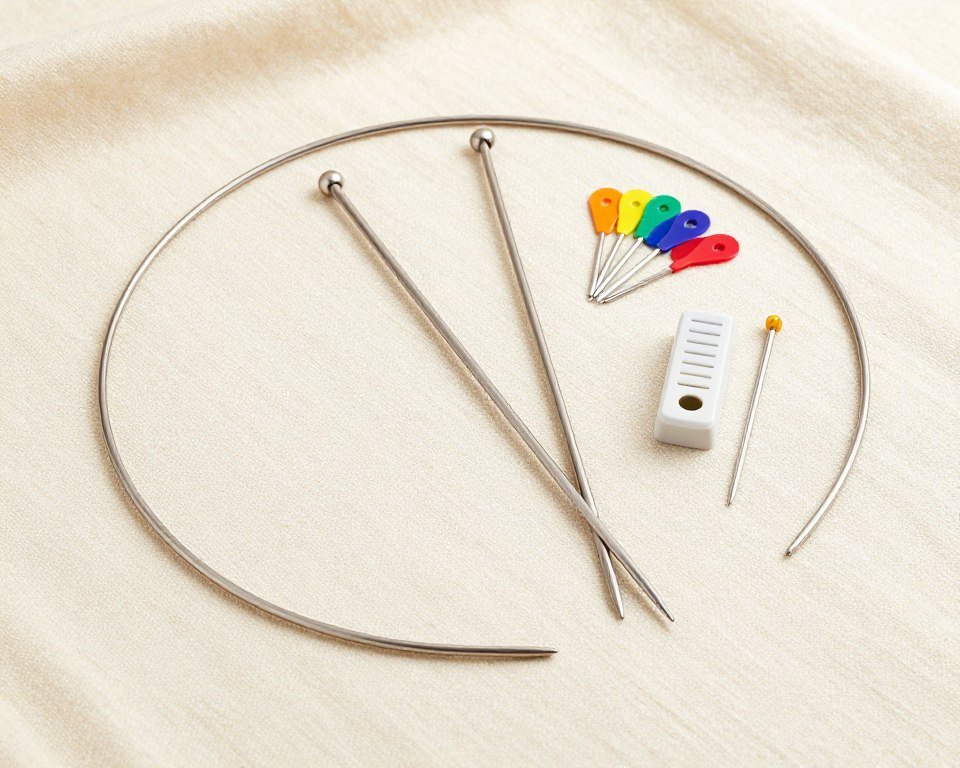
Beyond yarn, you’ll need specific tools to complete this knit baby sweater successfully. Circular needles make working the body comfortable even if you knit flat. The flexible cable prevents hand fatigue during longer knitting sessions.
| Tool | Size/Type | Purpose | Quantity |
| Circular Needles | US 7 (4.5mm), 24-inch cable | Main body knitting | 1 set |
| Double-Pointed Needles | US 7 (4.5mm) | Sleeves in the round | 1 set of 5 |
| Stitch Markers | Ring style, various colors | Mark raglan increases | 8-10 |
| Tapestry Needle | Blunt tip, large eye | Weaving in ends | 1-2 |
| Measuring Tape | Flexible, 60-inch | Checking gauge and measurements | 1 |
| Scissors | Sharp fabric scissors | Cutting yarn | 1 |
Complete Sizing Information
Proper sizing ensures your baby sweater fits comfortably and lasts through multiple wearings. Babies grow quickly, so many knitters choose to make a larger size. This approach gives the little one room to grow into the garment.
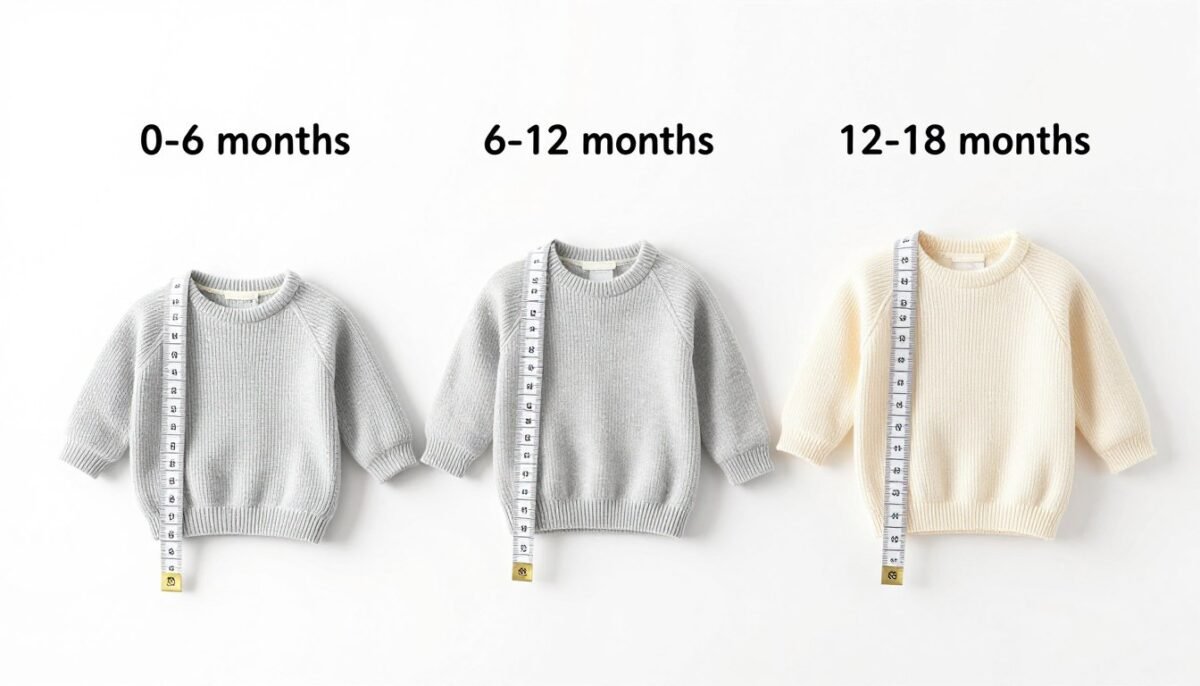
The pattern includes five sizes ranging from newborn through 24 months. Each size features specific measurements for chest circumference, length, and sleeve dimensions. Taking accurate measurements of your baby or using standard size charts helps you select the perfect fit.
Standard Size Chart
| Size | Age Range | Chest (inches) | Length (inches) | Sleeve (inches) | Yarn (yards) |
| Newborn | 0-3 months | 16 | 9 | 6 | 400 |
| Small | 3-6 months | 18 | 10 | 7 | 450 |
| Medium | 6-12 months | 20 | 11 | 8 | 500 |
| Large | 12-18 months | 22 | 12 | 9 | 550 |
| Extra Large | 18-24 months | 24 | 13 | 10 | 600 |
Pro Tip: When knitting a gift for a baby shower, choose the 6-12 month size. Newborns grow out of tiny sizes within weeks, but babies wear medium sizes for several months. This thoughtful approach ensures your handmade gift gets maximum use.
Getting Your Gauge Right
Gauge determines whether your finished baby sweater matches the pattern dimensions. Skipping the gauge swatch might seem tempting, but this step prevents disappointment. A sweater that doesn’t fit wastes precious time and beautiful yarn.
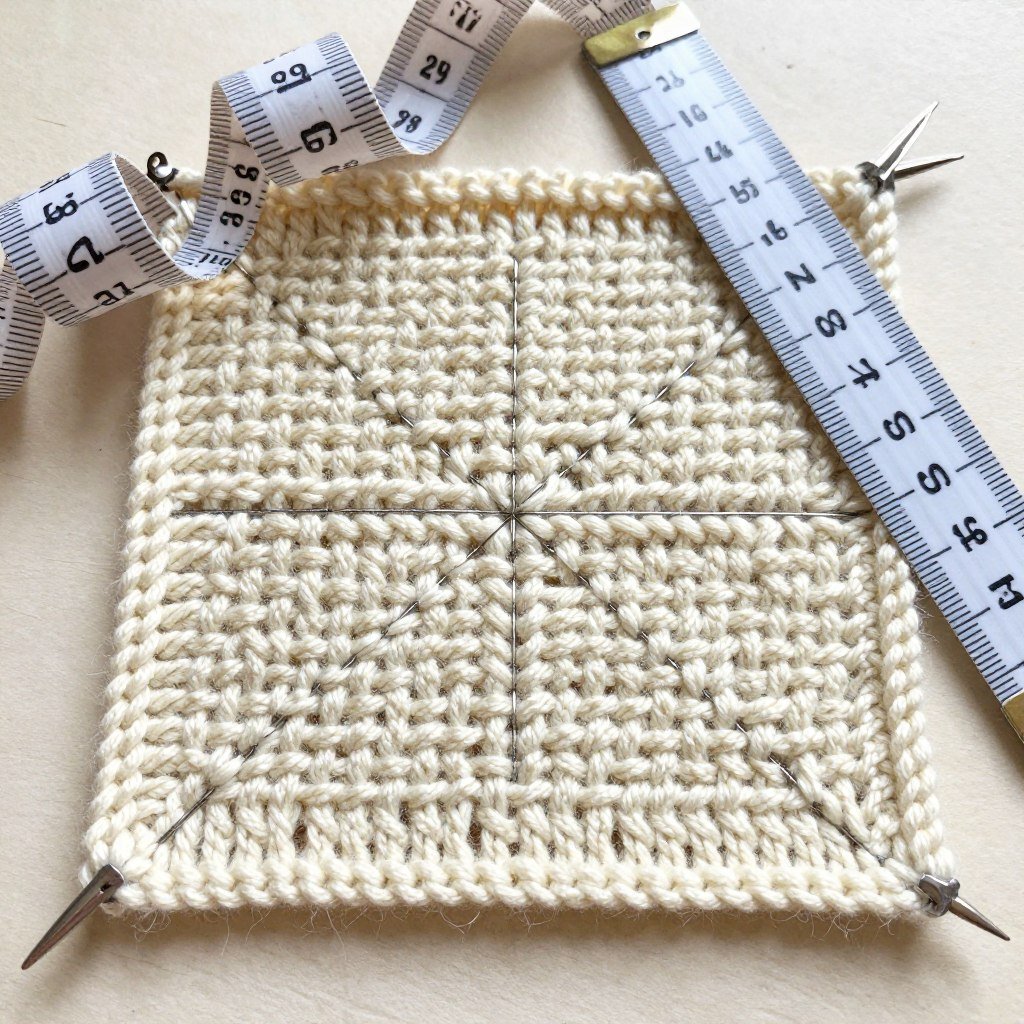
The pattern requires a gauge of 18 stitches and 24 rows per 4 inches in stockinette stitch. This standard worsted weight gauge works with most medium-weight yarns. Always measure your swatch after blocking it the same way you’ll block the finished sweater.
Creating an Accurate Gauge Swatch
Cast on 24 stitches using your chosen yarn and needles. Work in stockinette stitch for 30 rows to create a swatch larger than 4 inches square. The extra fabric allows accurate measurement away from the edges where stitches may be distorted.
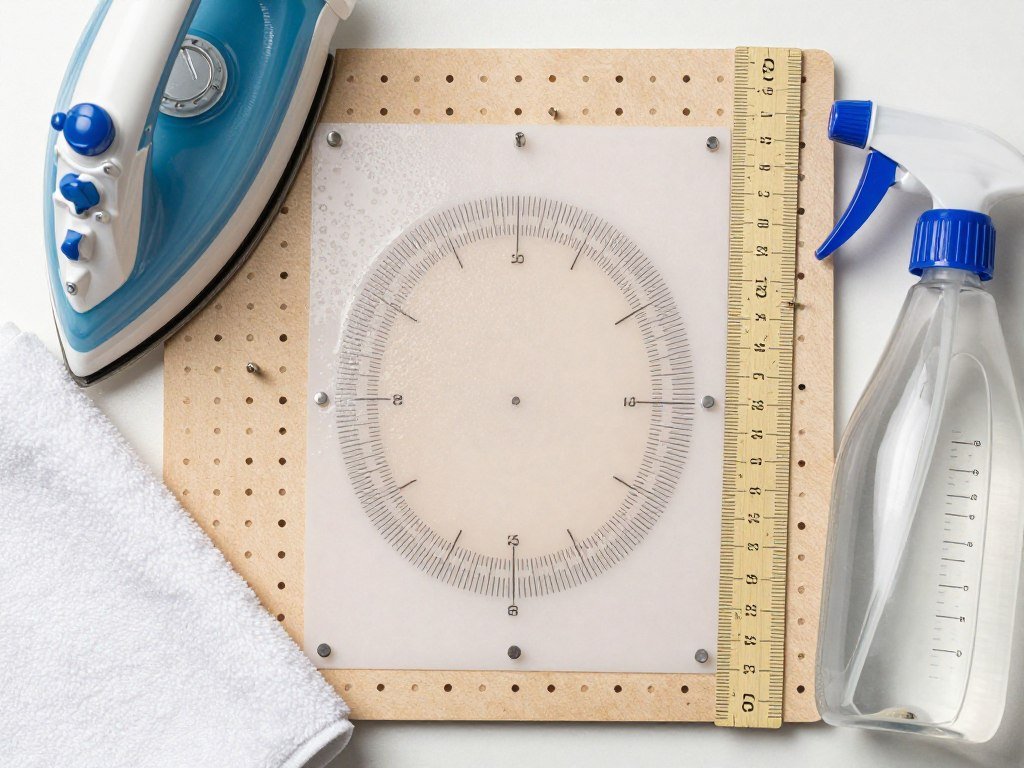
Block your swatch by washing it gently in lukewarm water with wool wash. Pin it to a blocking board and let it dry completely. Measure the center 4 inches horizontally and vertically, counting stitches and rows carefully. If your gauge doesn’t match, adjust needle size accordingly.
Gauge Adjustment Guide: Too many stitches per inch means your knitting is too tight – go up one needle size. Too few stitches per inch means your knitting is too loose – go down one needle size. Re-swatch with the new needle size until you achieve the correct gauge.
Crewneck Baby Sweater Pattern Instructions
Now we begin the actual knitting of your baby sweater. These detailed instructions guide you through each step of the construction process. The raglan method starts at the neckline and works downward, allowing you to check fit as you progress.
Neckline and Yoke Construction
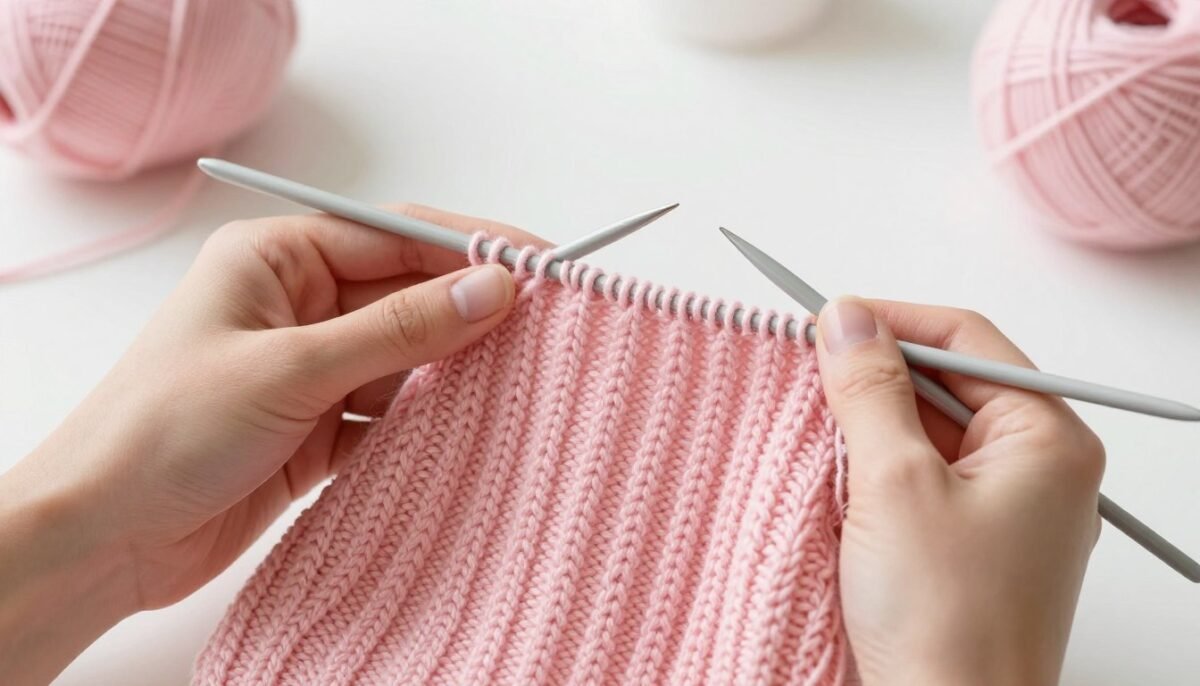
Using circular needles, cast on 56 stitches for newborn size. Adjust cast-on numbers for larger sizes according to the size chart. Join for working in the round, being careful not to twist stitches. Place a marker to indicate the beginning of the round.
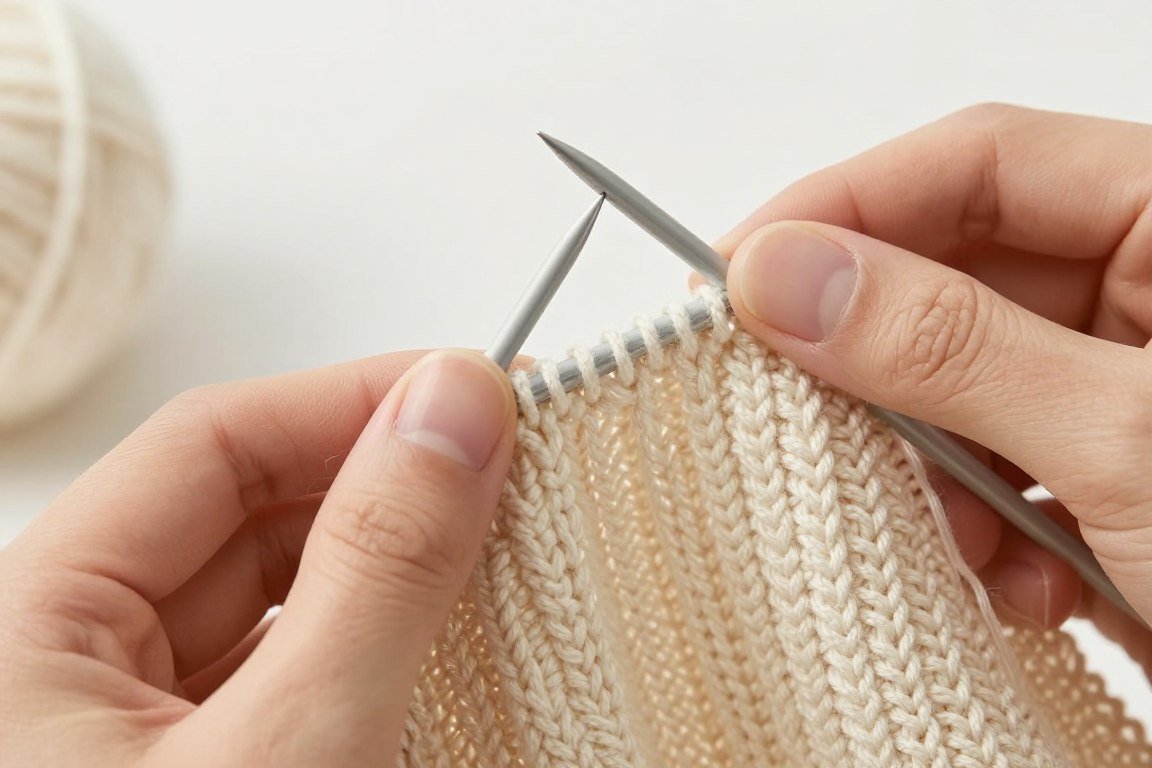
Work in K2, P2 ribbing for 1 inch to create the crewneck collar. This ribbing provides stretch and helps the neckline maintain its shape through wear and washing. The textured pattern also adds visual interest to the simple design.
Setting Up Raglan Increases
After completing the ribbing, switch to stockinette stitch. Place markers to divide the work into sections for raglan shaping. You’ll have four sections: front, back, and two sleeves. The markers help you track where to make increases.
The raglan increases create the distinctive diagonal lines from neckline to underarm. These increases happen every other round, adding stitches gradually to shape the yoke. Work the increases one stitch before and after each marker using M1L and M1R methods.
- Knit to 1 stitch before marker, M1R
- Knit 1, slip marker, knit 1
- M1L, continue to next marker
- Repeat around all four markers
- Knit one plain round between increase rounds
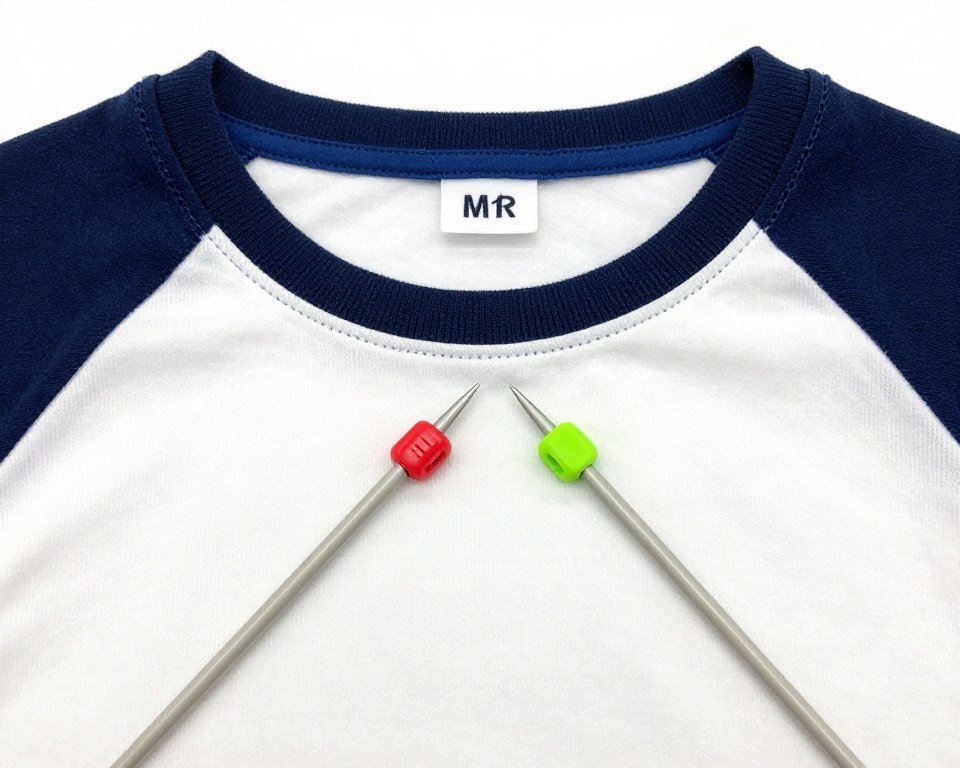
Continue increase rounds until the yoke measures the correct depth for your chosen size. For the medium size, work increases until you have 160 stitches total. The yoke should measure approximately 5 inches from the cast-on edge to the underarm division point.
Dividing for Body and Sleeves
Once the yoke reaches the proper depth, you’ll separate the body from the sleeves. This division point creates the armholes and allows you to work each section independently. Place the sleeve stitches on waste yarn holders while you complete the body.
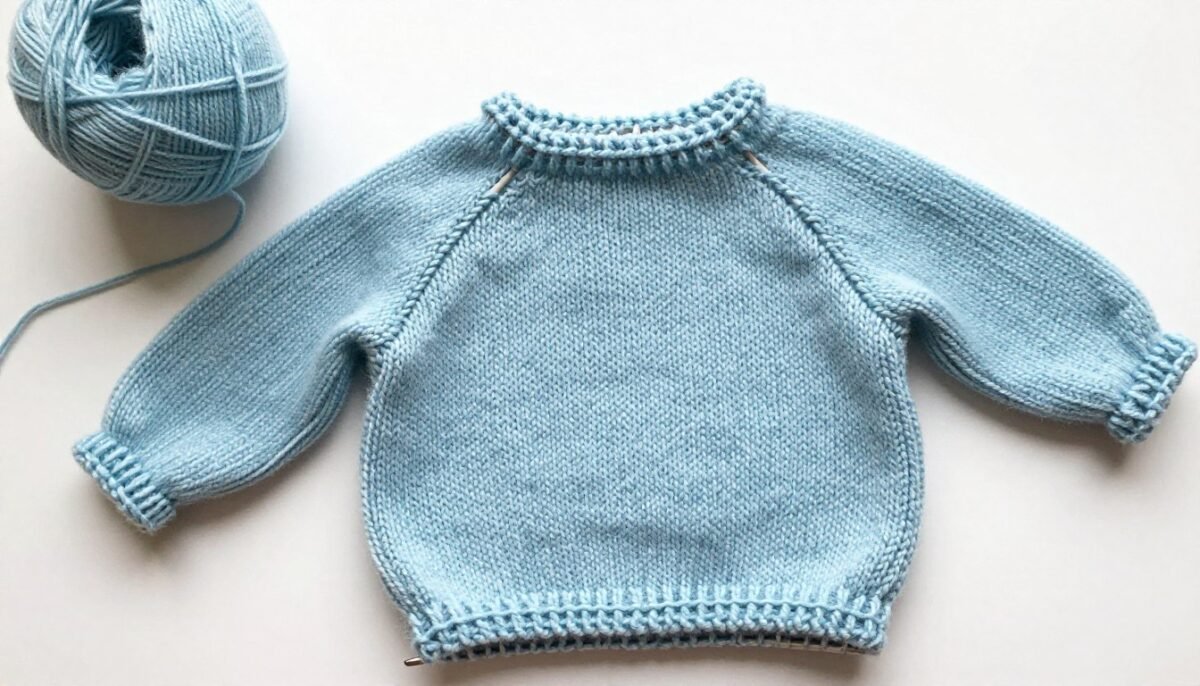
Work the body in stockinette stitch, continuing in the round. For the medium size, you should have 80 body stitches. Knit every round until the body measures 6 inches from the underarm, or your desired length. Remember that babies need shorter sweaters than older children.
Bottom Ribbing and Bind Off
Switch to K2, P2 ribbing for the bottom hem. Work this ribbing for 1 inch to match the neckline treatment. The ribbed hem prevents rolling and helps the sweater hang nicely. Bind off loosely in pattern to maintain the ribbing’s elasticity.
Knitting the Sleeves
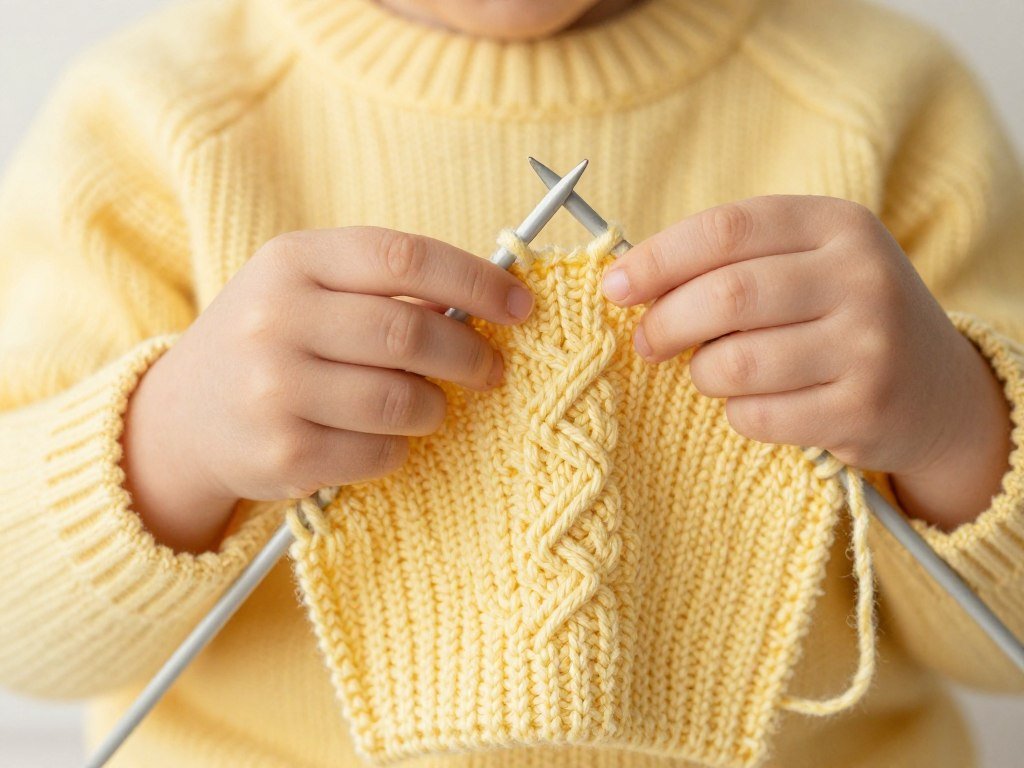
Return to the held sleeve stitches to complete the sweater. Transfer stitches from the waste yarn to double-pointed needles. Pick up 4 stitches at the underarm gap to close any holes, then join for working in the round.
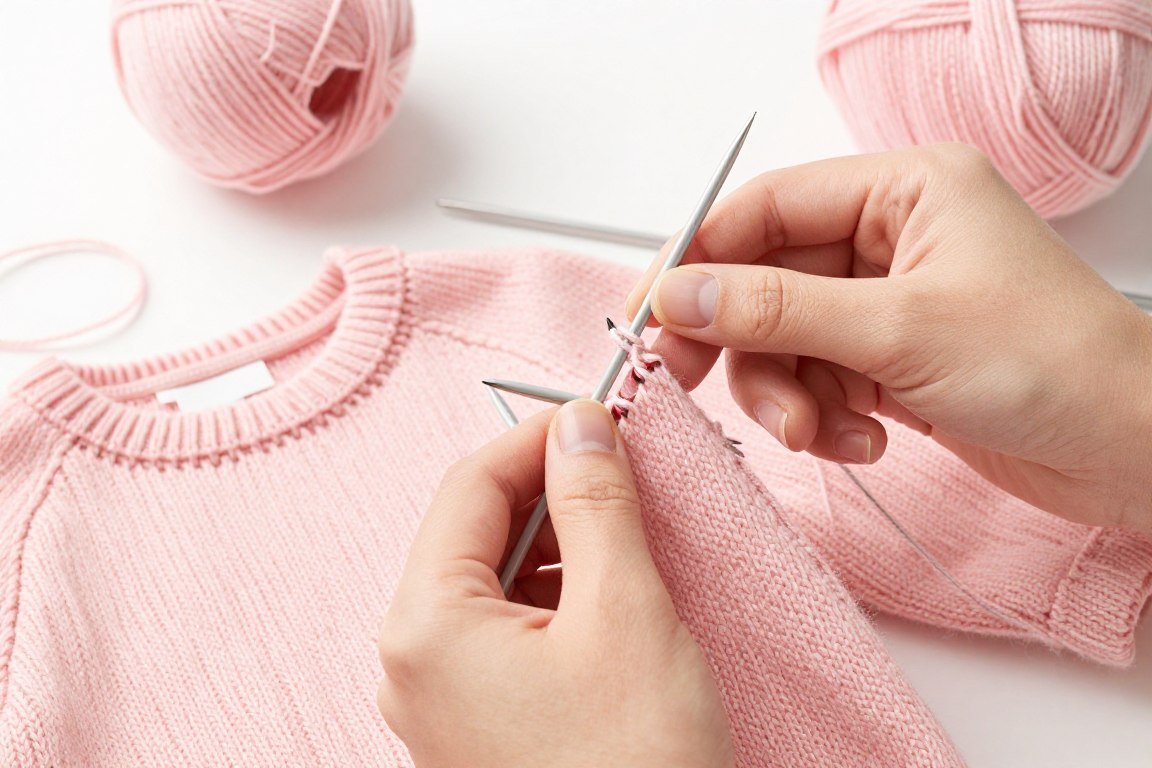
Work sleeves in stockinette stitch, decreasing gradually to create a tapered shape. For baby sweaters, minimal shaping works best since little arms are quite round. Decrease 1 stitch at each side of the underarm every 6th round until the sleeve measures the desired length.
Complete each sleeve with matching K2, P2 ribbing at the cuff. Work ribbing for 1 inch, then bind off loosely. The cuffs should be snug enough to stay in place but loose enough for easy dressing. Repeat the process for the second sleeve, ensuring both match in length.
Finishing Your Baby Sweater
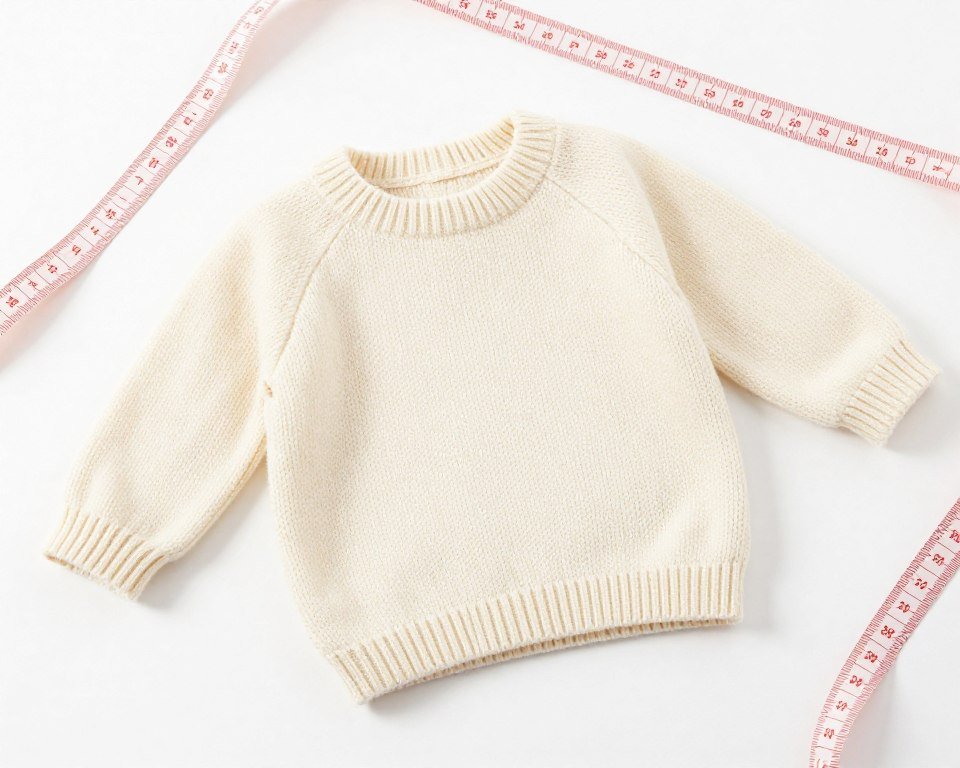
Proper finishing transforms your knit baby sweater from homemade to handcrafted. These final steps ensure your garment looks professional and withstands regular wear. Take time with finishing work – it makes all the difference in the final presentation.
Weaving in Ends
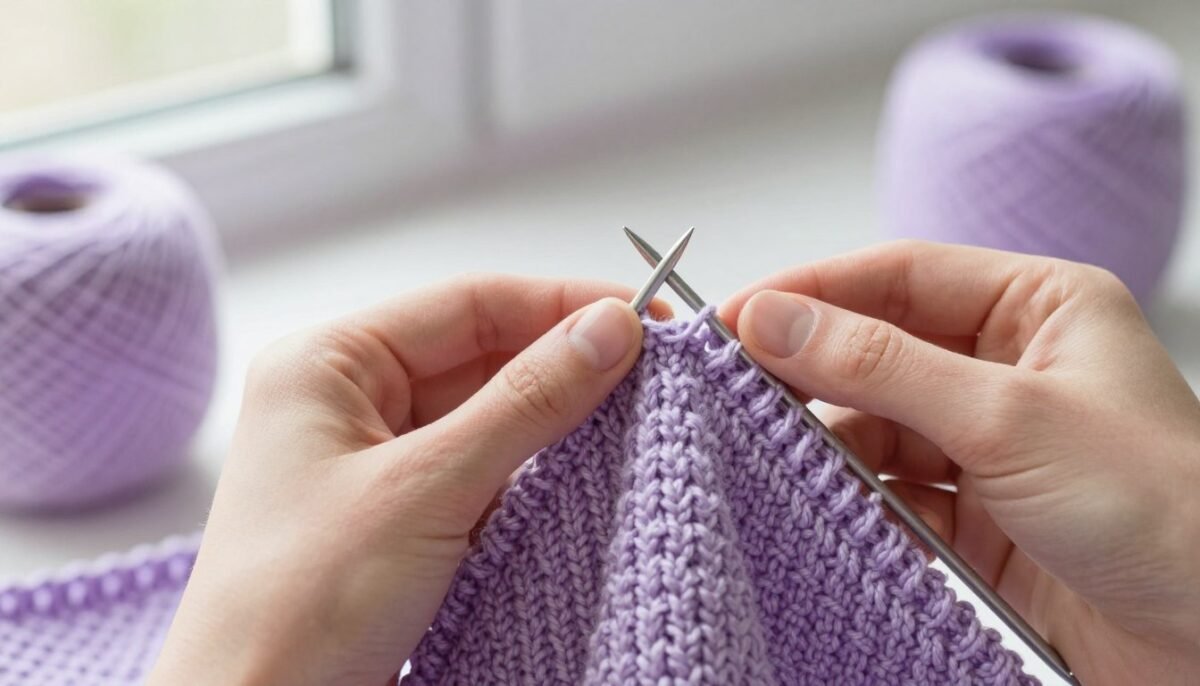
Every yarn tail needs secure weaving to prevent unraveling. Thread each end onto a tapestry needle and weave through the purl bumps on the wrong side of the fabric. Weave in one direction for 2 inches, then reverse direction for another inch. This technique locks the yarn without creating bulk.
Trim ends close to the fabric after weaving, leaving about 1/4 inch. The ends will felt slightly during washing and become even more secure. Check that no ends show on the right side of the fabric where they would be visible when worn.
Blocking for Professional Results
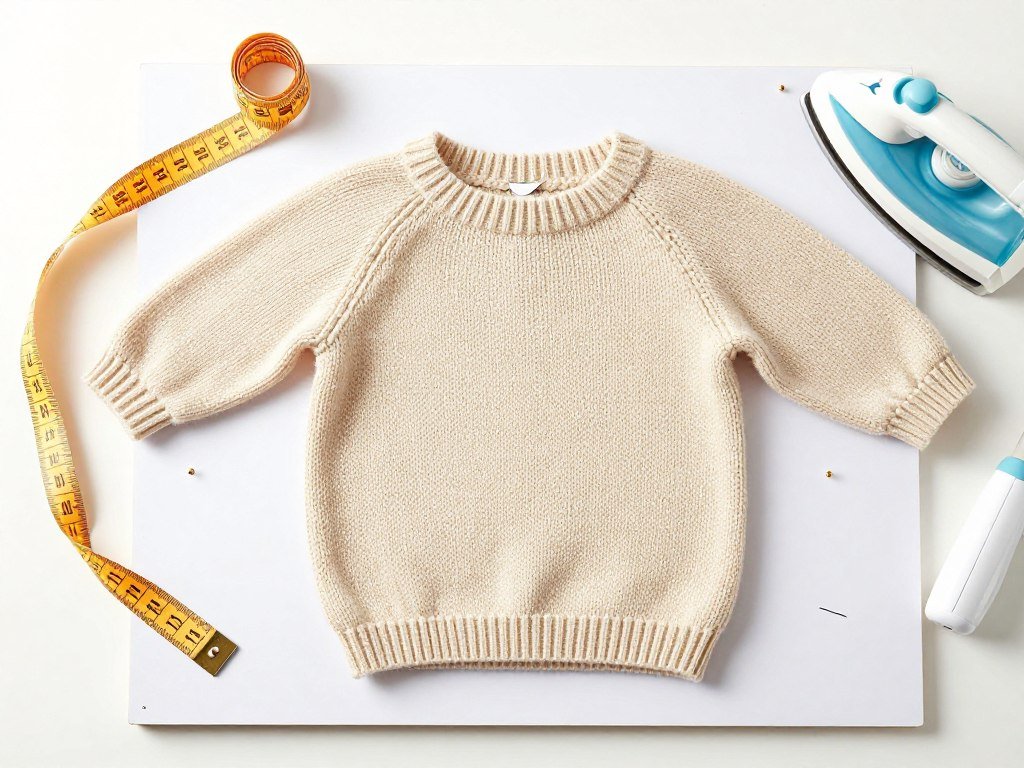
Blocking evens out stitches and sets the final shape of your baby sweater. Fill a clean basin with lukewarm water and add wool wash suitable for baby items. Submerge the sweater gently and let it soak for 15 minutes without agitation.
Lift the sweater carefully, supporting its weight to prevent stretching. Roll it in a clean towel to remove excess water. Lay the sweater flat on a blocking board or clean towel, shaping it to the measurements in the pattern. Pin key points and let dry completely away from direct heat.
Blocking Caution: Never hang a wet sweater to dry. The weight of the water will stretch the fabric permanently, distorting the shape. Always block baby sweaters flat on a horizontal surface with good air circulation.
Pattern Variations and Customization Ideas
This basic baby sweater pattern serves as a blank canvas for creative customization. Simple modifications let you create unique versions for different occasions and preferences. Each variation maintains the classic crewneck silhouette while adding personal touches.
Color and Stripe Options
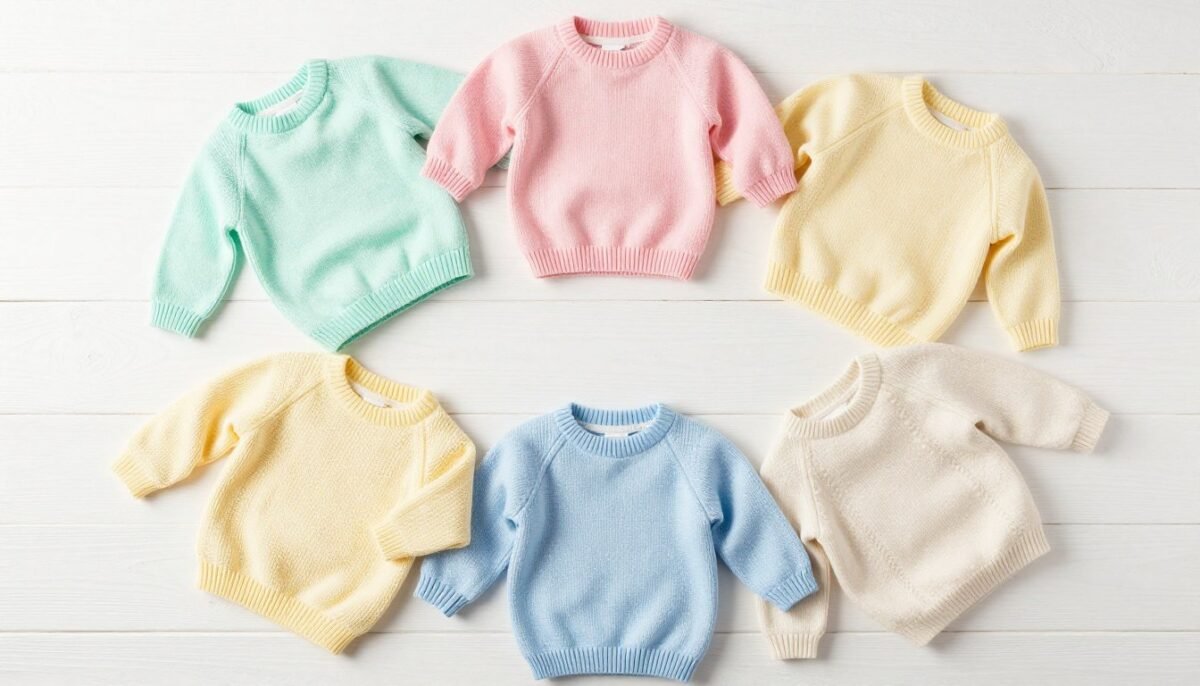
Adding stripes transforms the simple pullover into a statement piece. Work stripes of varying widths using complementary colors. Thin stripes work well at the yoke, while wider stripes suit the body. Carry the non-working yarn up the inside to avoid excessive ends.
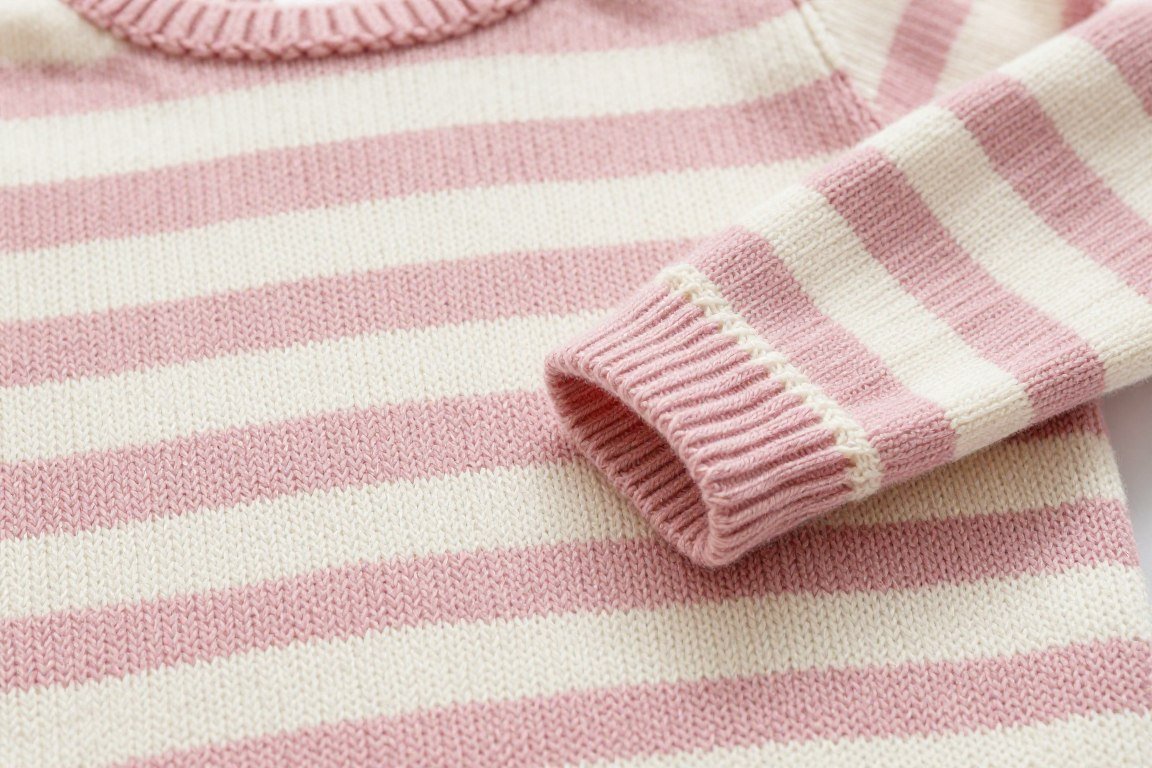
Consider using self-striping yarn for effortless color changes. These specialty yarns create automatic patterns as you knit. They’re perfect for knitters who want colorful results without managing multiple yarn balls. Brands like Red Heart and Lion Brand offer excellent self-striping baby yarns.
Embellishment Ideas
Small details make baby sweaters extra special without adding complexity. Consider these simple additions that complement the basic pattern beautifully.
Simple Embroidery
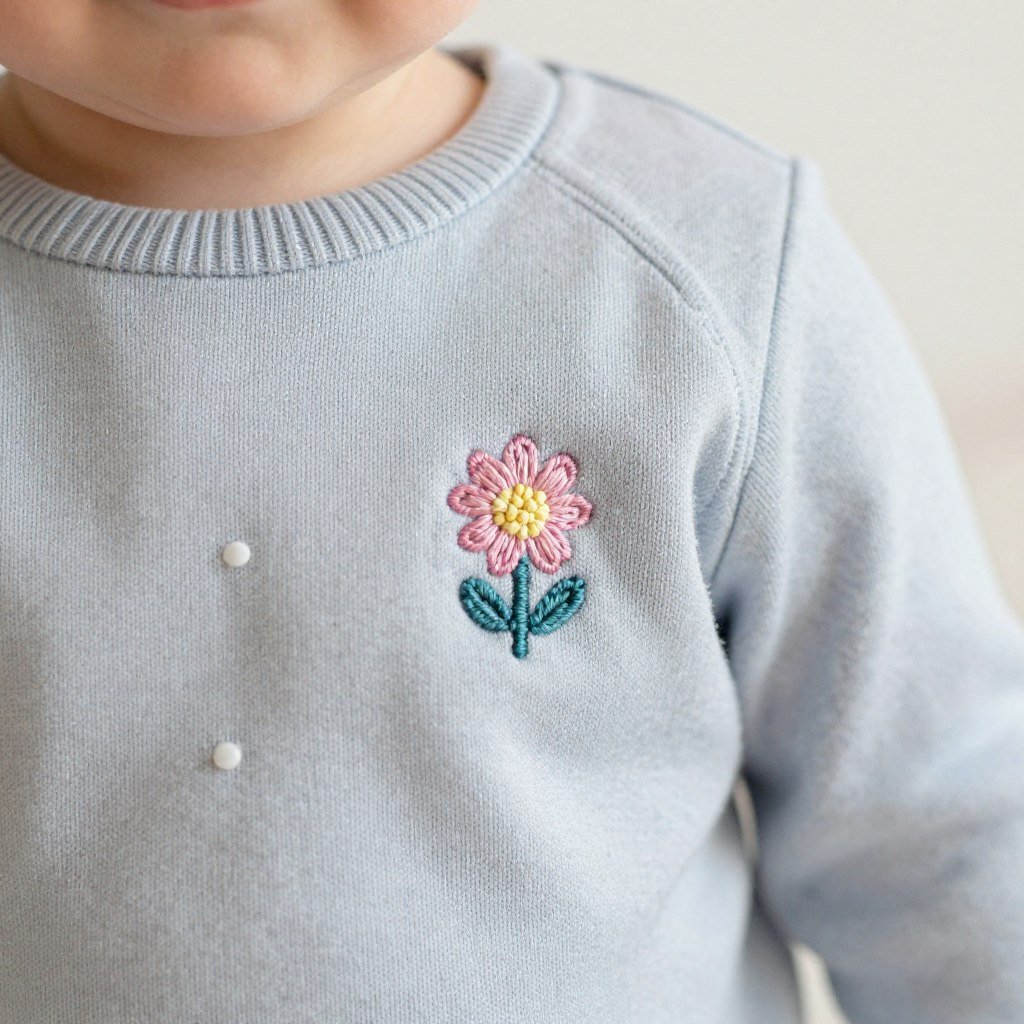
Add a small embroidered motif to the chest area using duplicate stitch. This technique mimics knit stitches, creating seamless designs. Simple shapes like hearts, stars, or initials work beautifully on baby items.
Button Details
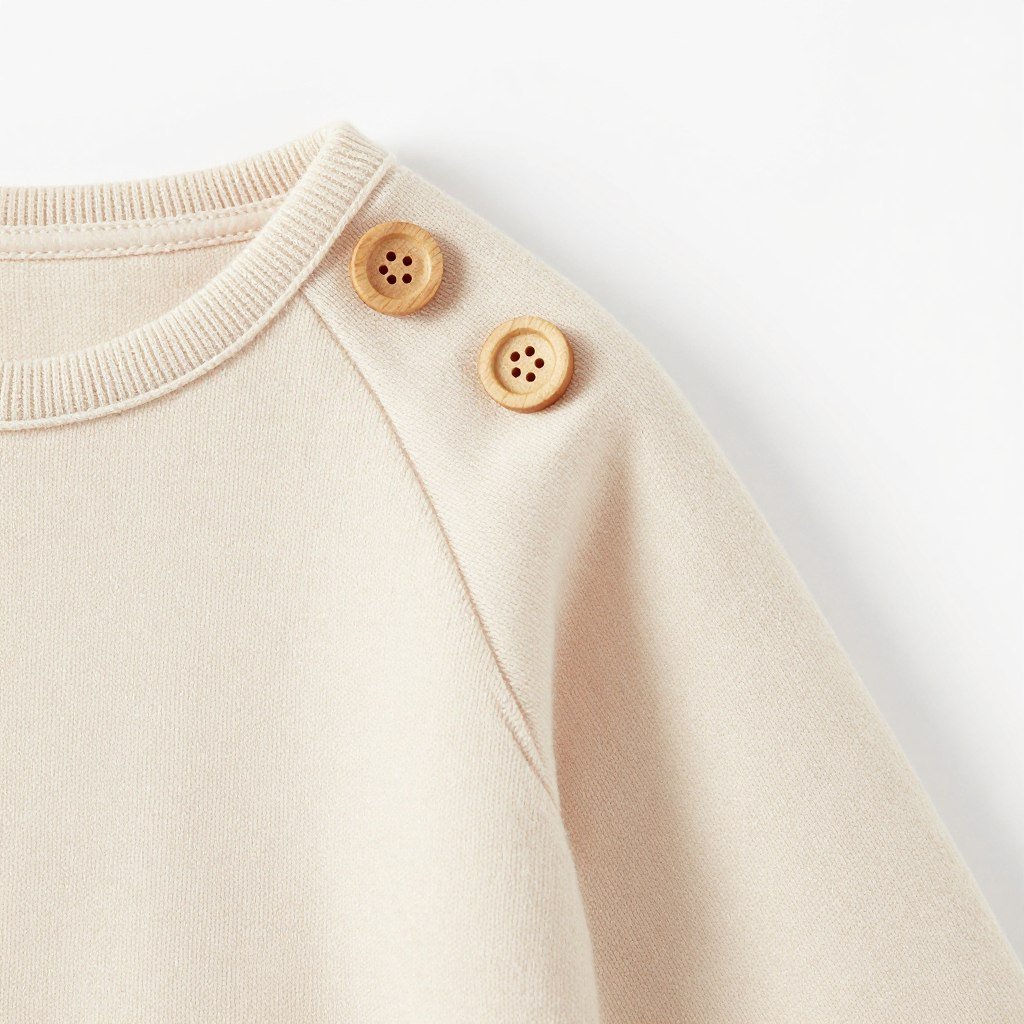
Sew small decorative buttons along one shoulder raglan line for visual interest. Choose flat buttons without sharp backs to ensure baby’s comfort. This detail adds charm while keeping the pullover easy to wear.
Seasonal Adaptations
Modify yarn weight and fiber content to create sweaters for different seasons. Spring and summer baby sweaters work well in cotton or cotton blend yarns. These breathable fibers keep babies comfortable in warmer weather while protecting delicate skin from sun exposure.
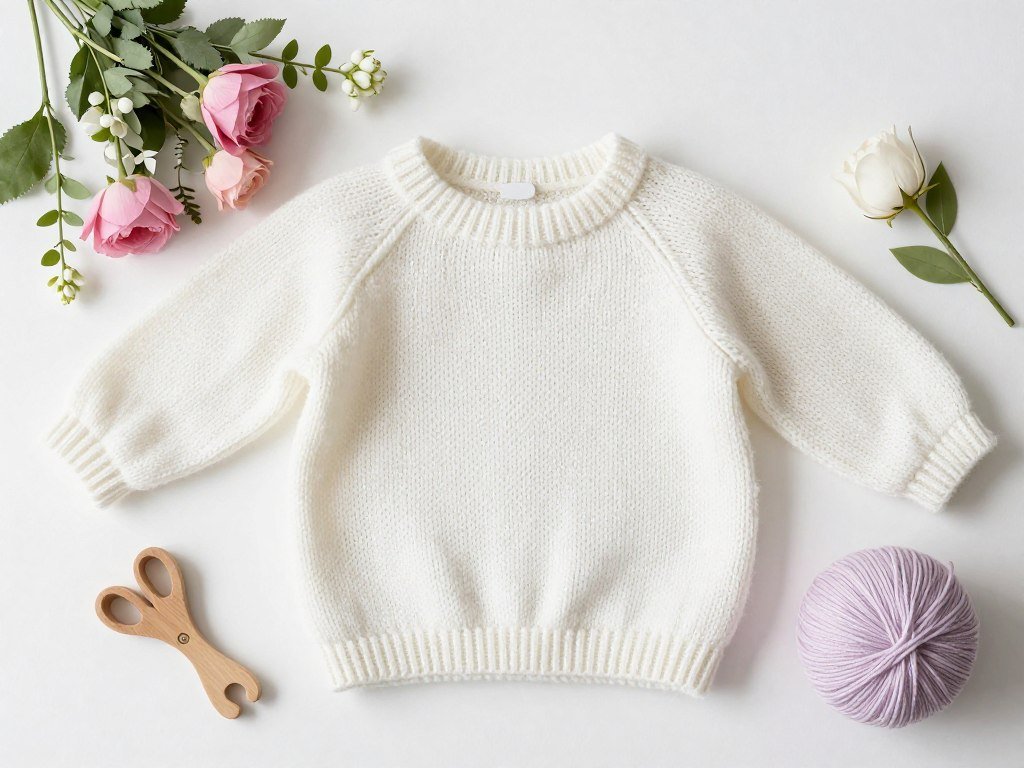
For winter warmth, choose superwash merino wool or alpaca blends. These natural fibers provide superior insulation while remaining soft against sensitive skin. The sweater becomes a practical layering piece under baby cardigans or over long-sleeved onesies.
Caring for Your Handknit Baby Sweater
Proper care extends the life of your lovingly crafted baby sweater. Hand washing remains the gentlest cleaning method for most knit items. However, modern superwash yarns make machine washing possible when you follow specific guidelines.
Washing and Drying Guidelines
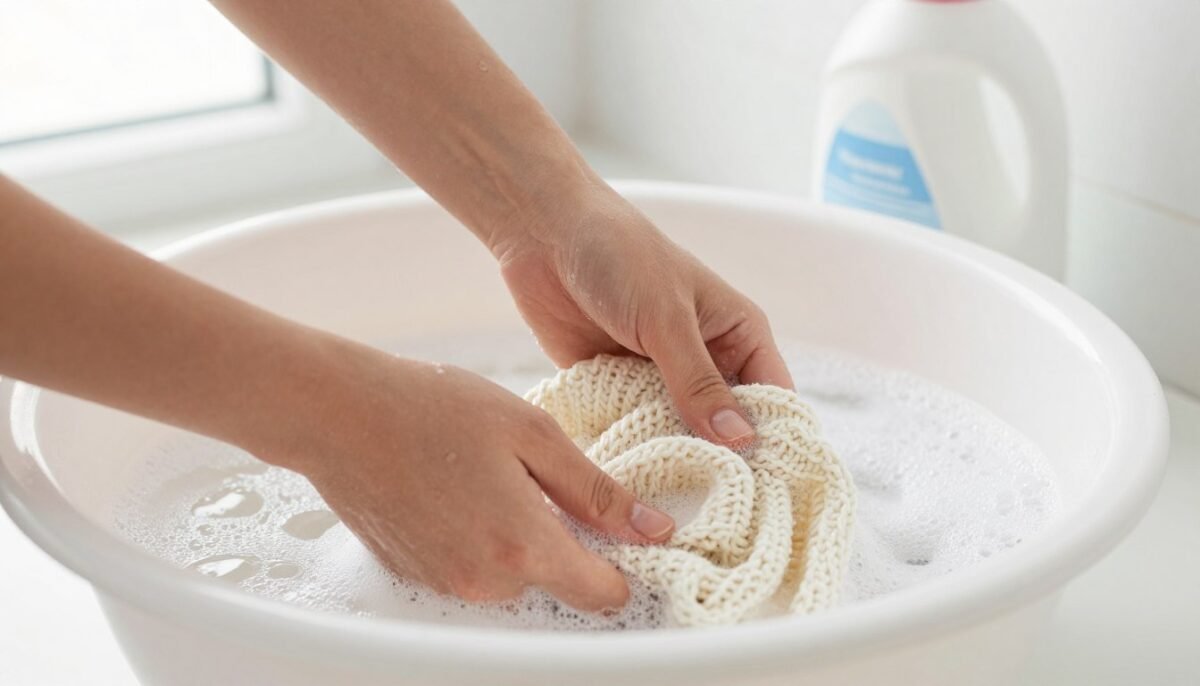
Fill a clean basin with cool to lukewarm water. Add a small amount of wool wash or baby-safe detergent. Submerge the sweater and gently press it to saturate the fibers. Let it soak for 10-15 minutes without agitation or rubbing.
Drain the basin and refill with clean water for rinsing. Press the sweater gently to remove soap without wringing or twisting. Repeat rinsing until water runs clear. Support the sweater’s full weight when lifting it from the water to prevent stretching.
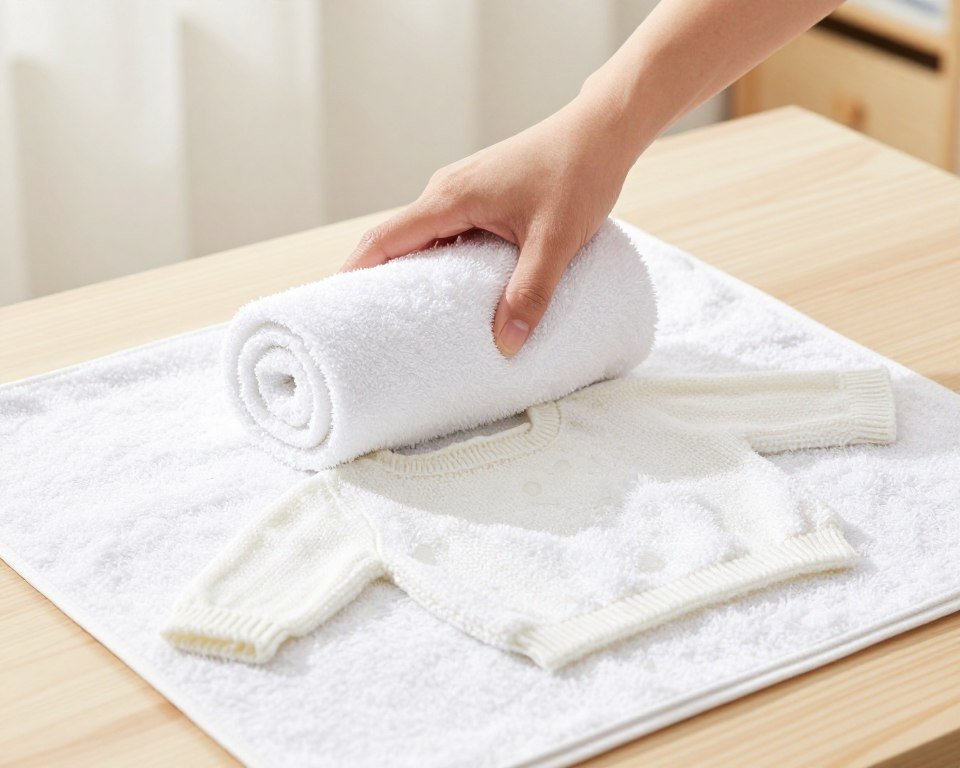
Roll the sweater in a clean towel and press firmly to remove excess water. Reshape the sweater on a dry towel or mesh drying rack. Smooth out wrinkles and adjust to the original blocked measurements. Allow it to air dry completely away from direct sunlight or heat sources.
Storage Tips
Store baby sweaters folded rather than hung to maintain their shape. Hanging causes shoulders to stretch and develop unattractive bumps. Fold sweaters loosely and place them in drawers or on shelves where air can circulate.
Storage Tip: Place a sachet of dried lavender with stored baby sweaters. The natural scent deters moths while keeping garments fresh. Cedar blocks work similarly but avoid direct contact with knitted fabric as oils can stain delicate fibers.
Common Issues and Solutions
Even experienced knitters encounter challenges when working baby sweater patterns. Understanding how to fix common problems saves time and prevents frustration. Most issues have simple solutions that don’t require ripping out large sections of work.
Gauge Problems
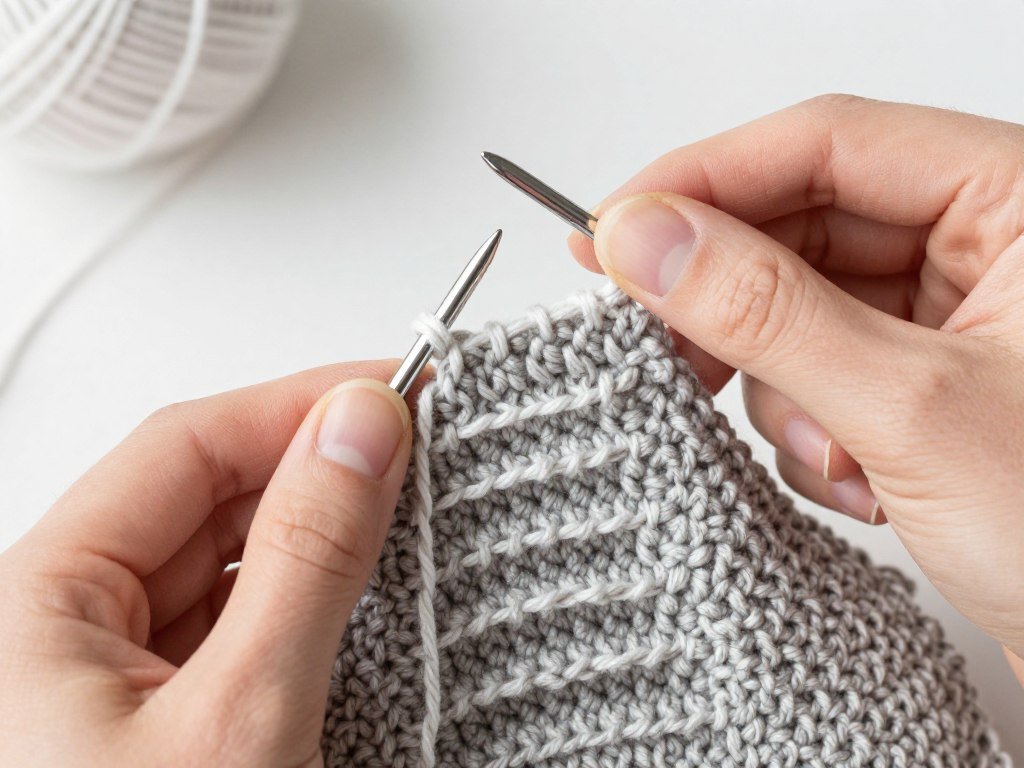
If you discover gauge issues after starting the sweater, don’t panic. Small discrepancies of 1-2 stitches per 4 inches may still work, but larger differences require action. Calculate whether your finished measurements will be acceptable before deciding to continue or restart.
Switching needle sizes mid-project creates a visible line where fabric density changes. This approach works better for accessories than garments. For baby sweaters, starting over with correct needles produces better results than trying to adjust partway through.
Sizing Concerns
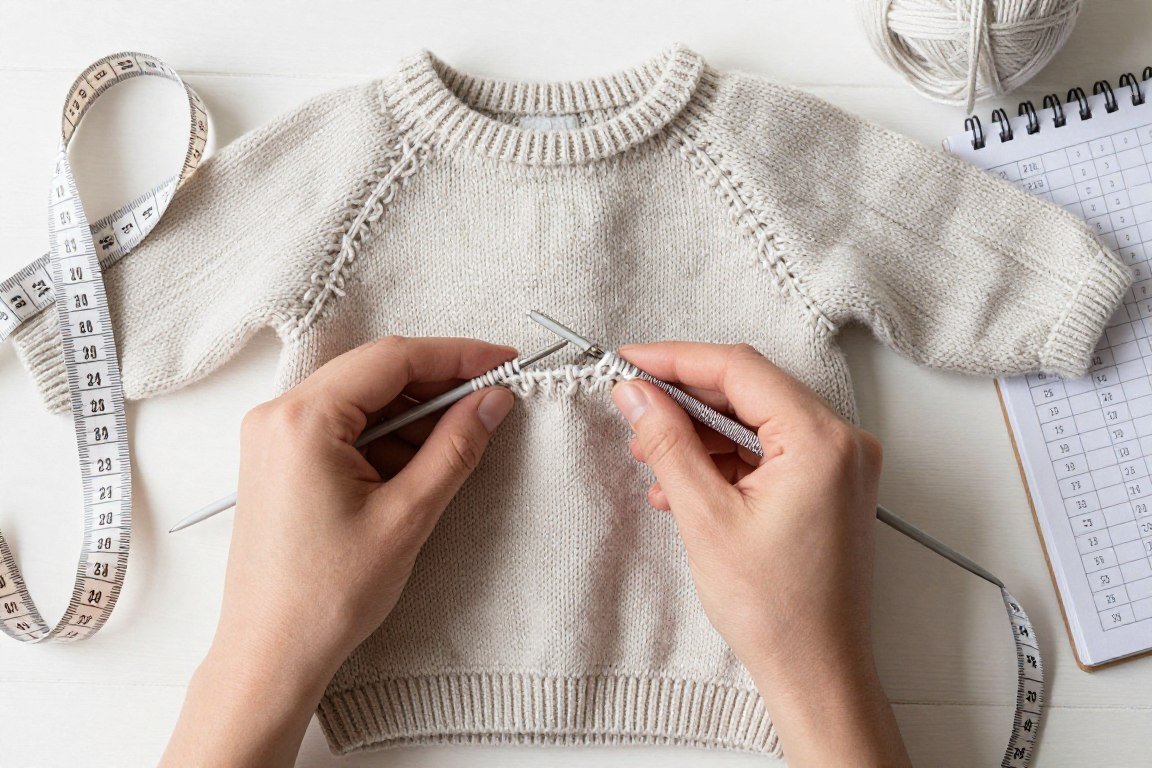
Babies vary significantly in size even within the same age range. If you’re making a gift without access to specific measurements, choose the larger size option. The extra room allows for layering and extends how long the baby can wear the garment.
For sweaters that turn out too small, consider gifting them to a younger baby or keeping them as a cherished keepsake. Too-large sweaters work well for future wear – simply set them aside until the baby grows into them.
Fixing Mistakes
Dropped stitches happen to everyone. Use a crochet hook to pick up the dropped stitch, working up through each row one at a time. The ladder of loose yarn shows you exactly where to work. Maintain consistent tension to match surrounding stitches.
What if I notice a mistake several rows back?
Use a lifeline to secure your stitches before tinking back to the error. Thread waste yarn through all stitches on the needle using a tapestry needle. Then carefully unknit back to the mistake. The lifeline prevents dropped stitches from running down further than the secured row.
How do I fix a twisted stitch?
A twisted stitch appears tighter and sits at a different angle than surrounding stitches. Drop the twisted stitch carefully, let it ladder down one row, then pick it up correctly with a crochet hook. The difference of one row usually blends in after blocking.
Can I fix holes at the underarm?
Small gaps at the underarm division often appear when separating body and sleeves. Close these holes during finishing by using the yarn tail to stitch the gap closed. Weave the tail through the edge stitches on both sides, pull snug, then weave in the end securely.
Styling and Gift Presentation Ideas
A handknit baby sweater makes a thoughtful gift for baby showers and new arrivals. The time and care invested in creating a handmade item shows genuine affection. Presentation matters when gifting your knitting, making the recipient feel truly special.
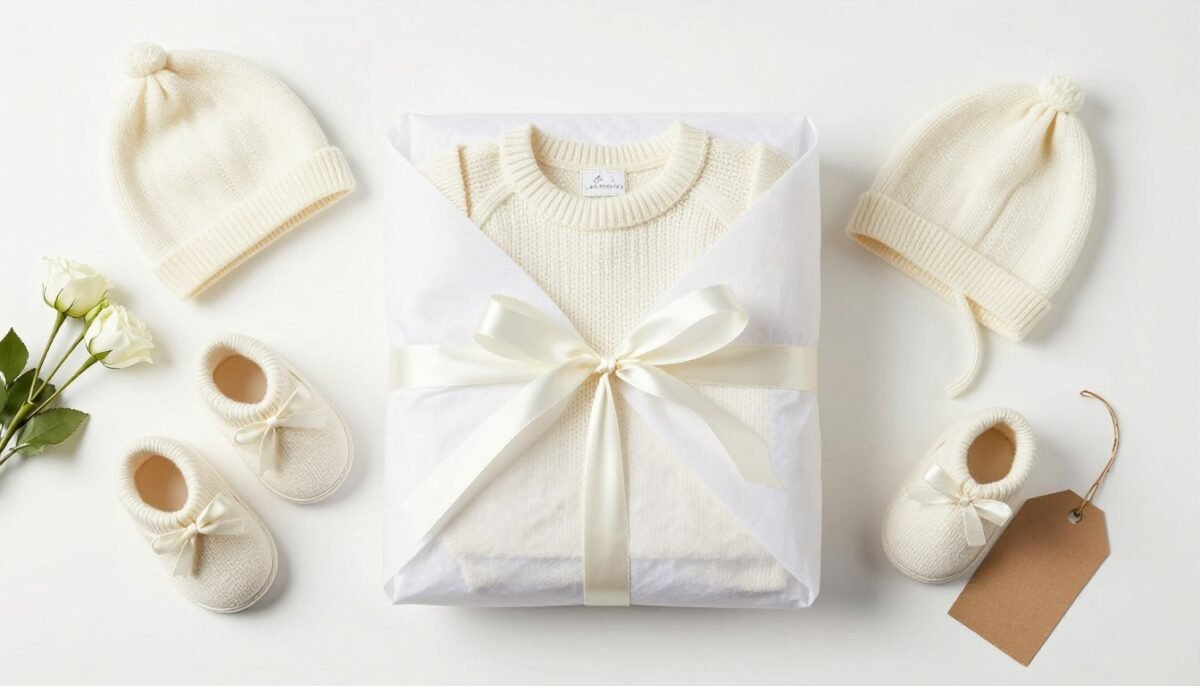
Complete Outfit Sets
Consider knitting coordinating accessories to create a complete gift set. A matching baby blanket, booties, and hat transform your sweater into a memorable ensemble. Using the same yarn throughout the set creates visual harmony while showcasing your knitting skills.
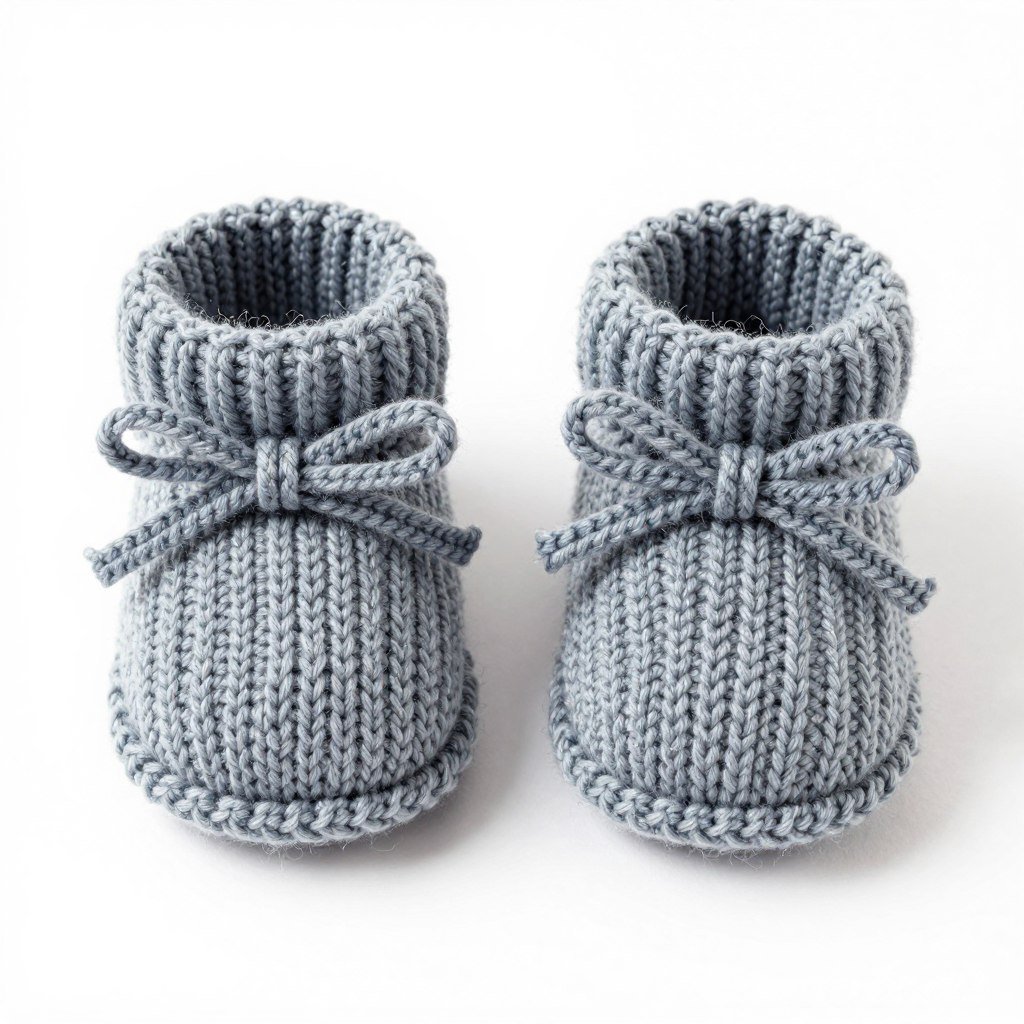
Baby Booties
Knit simple booties using leftover yarn from the sweater. Basic patterns work up quickly and use minimal yarn, making them perfect companions to your main project.
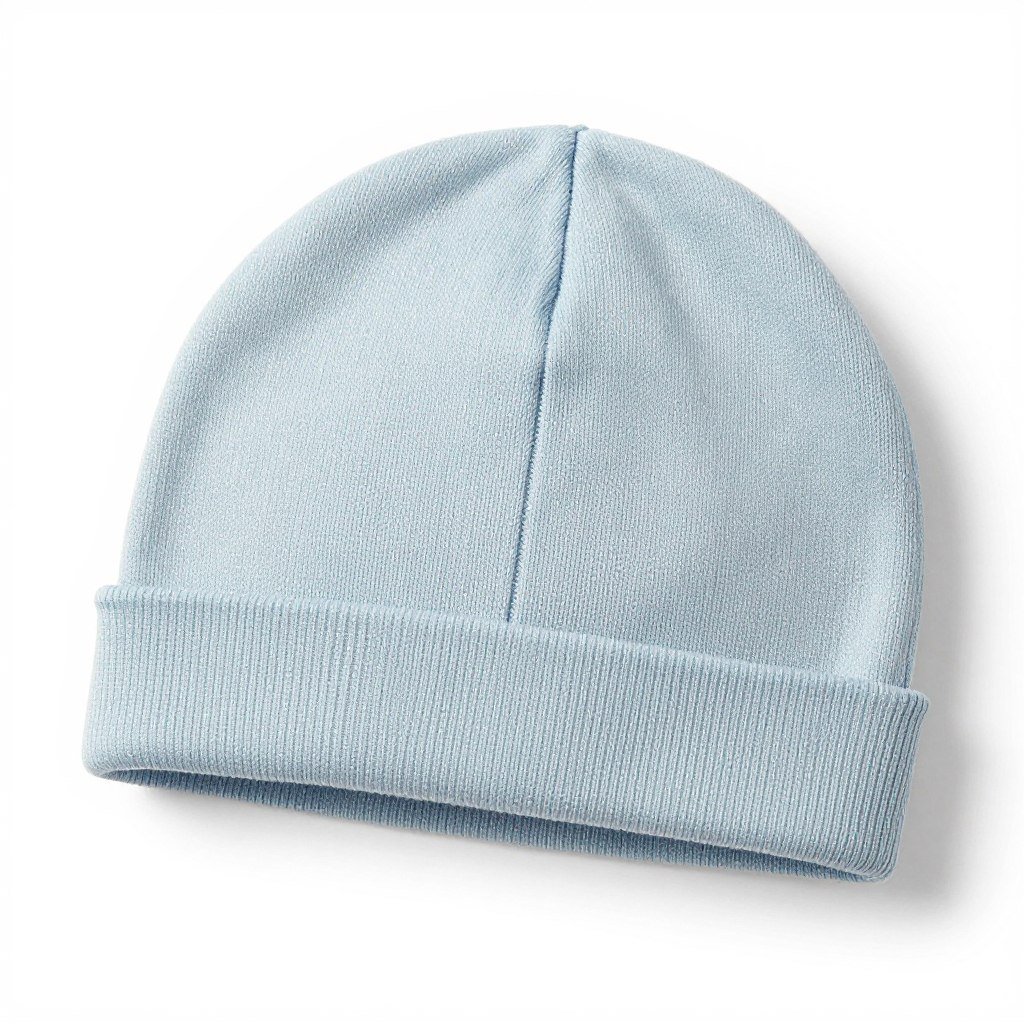
Matching Hat
A coordinating hat completes the look while keeping baby’s head warm. Choose a simple pattern that echoes the sweater’s ribbing or stitch pattern for cohesive styling.
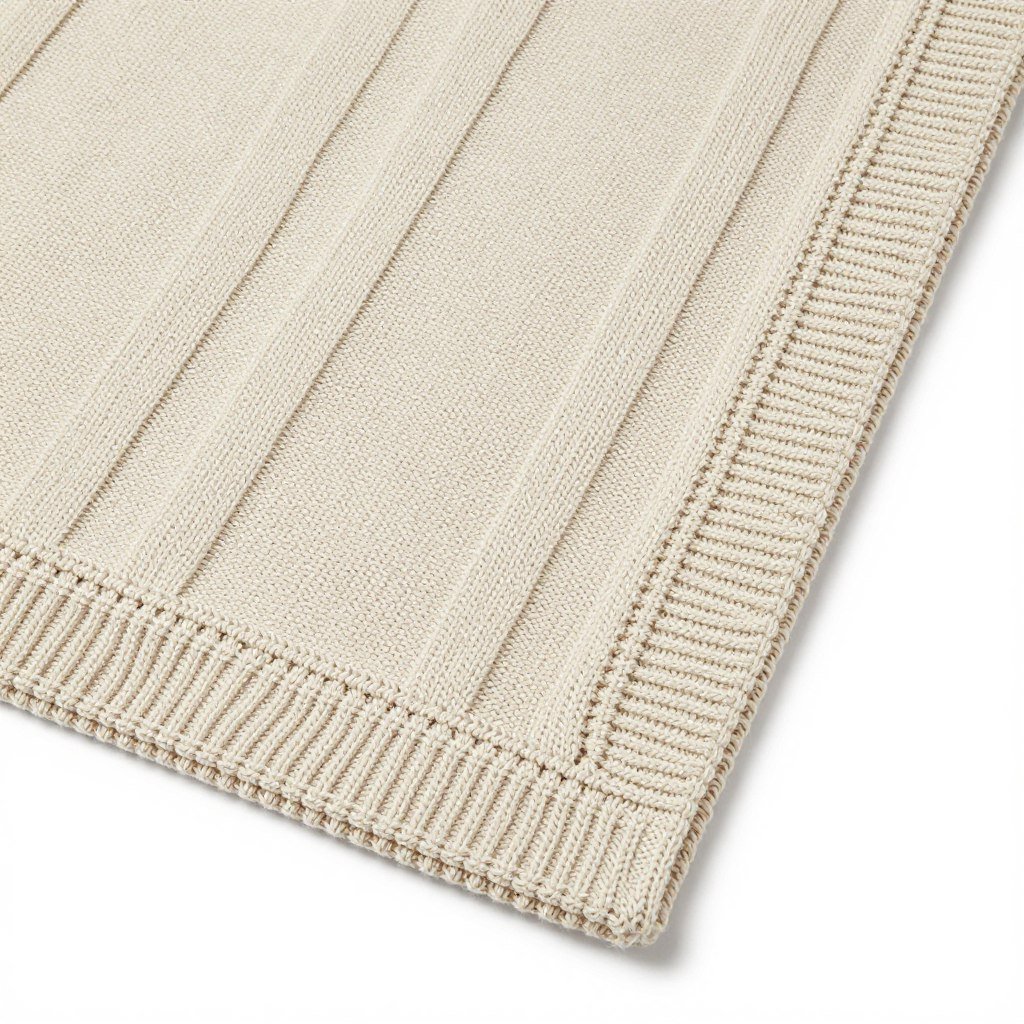
Baby Blanket
A small receiving blanket in matching colors creates a luxurious gift package. The blanket provides practical warmth while showcasing your dedication to the project.
Gift Packaging Ideas
Wrap your baby sweater in white tissue paper and place it in a sturdy gift box. Natural fiber ribbons in complementary colors add elegant finishing touches. Include a handwritten card explaining the yarn content and care instructions for the recipient’s reference.
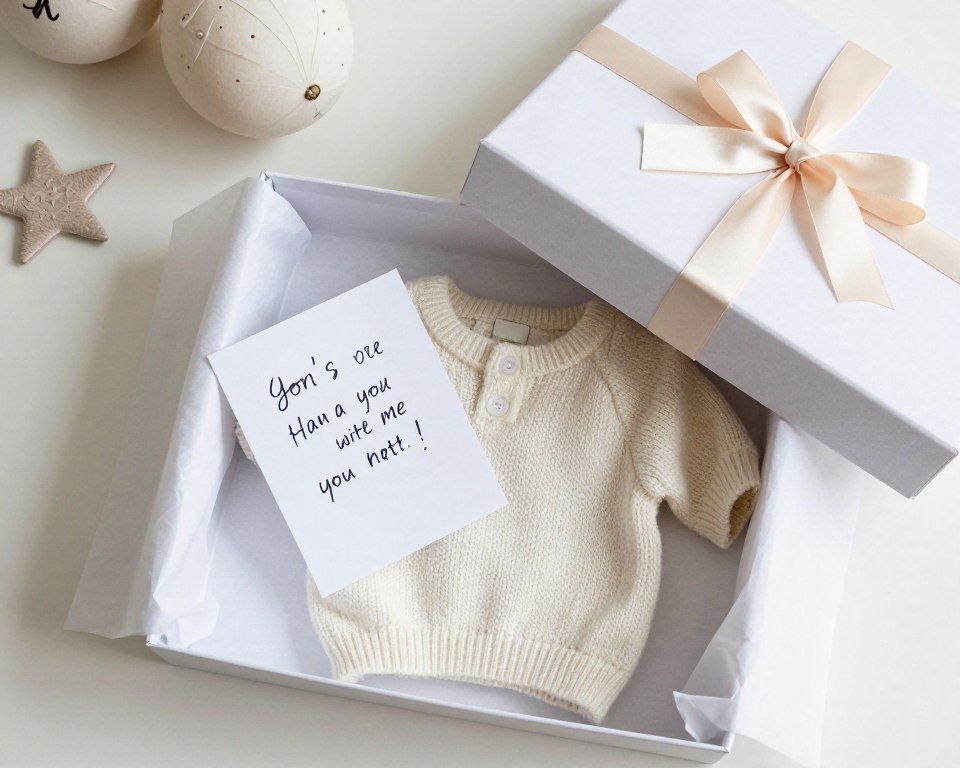
For baby shower gifts, attach small tags indicating the size and recommended age range. New parents appreciate knowing when their baby will fit into the garment. Consider including a photo of yourself wearing the sweater if you made it for your own baby – this creates a treasured keepsake.
Why Handknit Baby Items Matter
In our mass-produced world, handknit baby sweaters carry special significance. Each stitch represents time, thought, and love invested in creating something unique. The sweater becomes more than clothing – it transforms into a family heirloom and tangible expression of care.
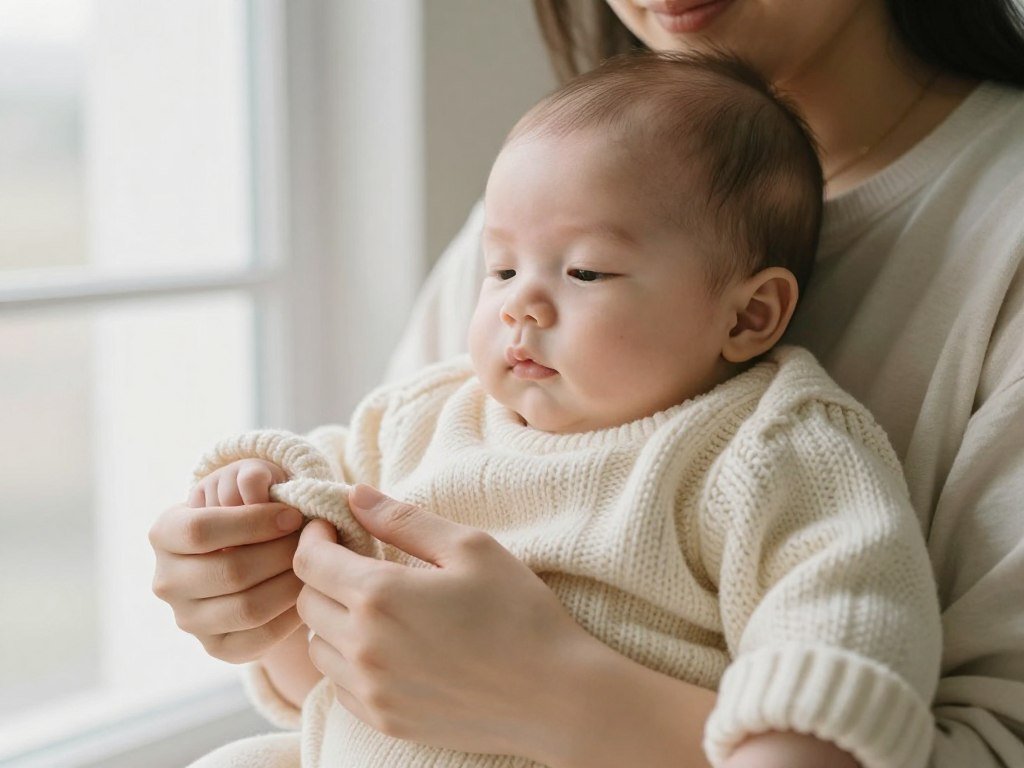
Parents treasure handknit items because they understand the effort required to create them. Unlike store-bought clothing, your sweater cannot be replicated exactly. The slight irregularities and personal touches make it genuinely one-of-a-kind, connecting maker and wearer across time.
Creating Lasting Memories
Many families preserve special handknit items long after babies outgrow them. These sweaters become part of family stories, photographed for milestone moments and stored carefully for future generations. Your knitting creates tangible links between family members across decades.
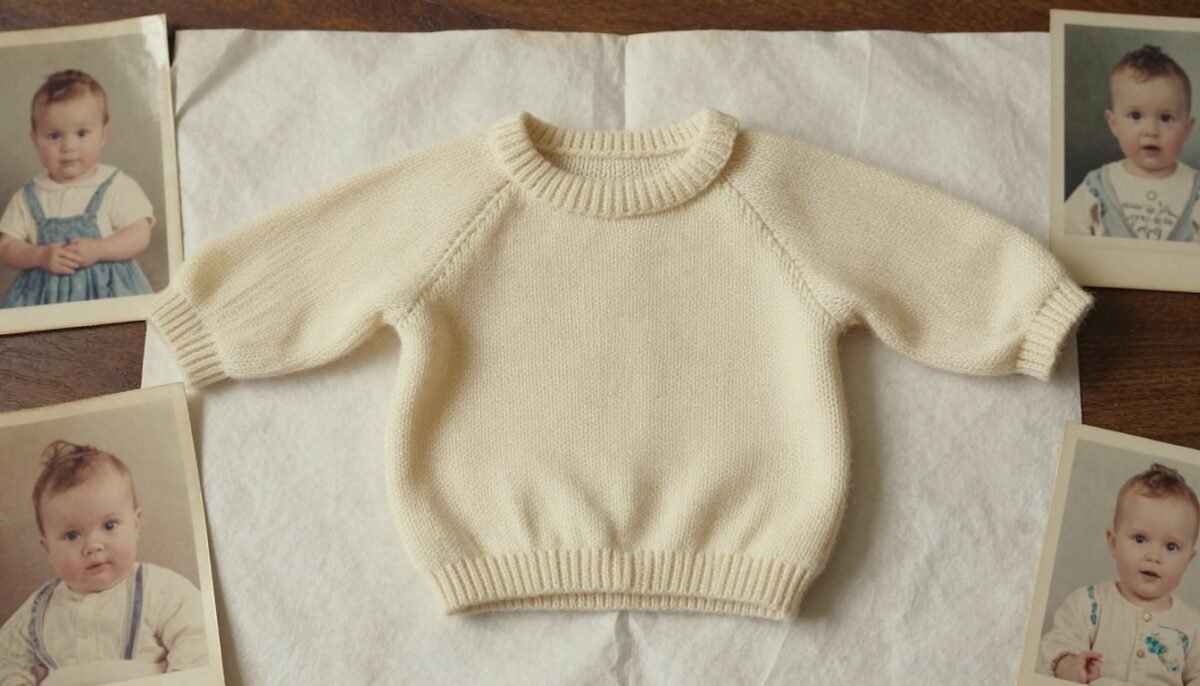
Consider knitting baby sweaters for significant occasions – births, baptisms, or first holidays. Embroider the date or baby’s initials inside the neckline to document when and for whom you created the piece. These details help future generations appreciate the sweater’s history and significance.
More Free Baby Knitting Patterns
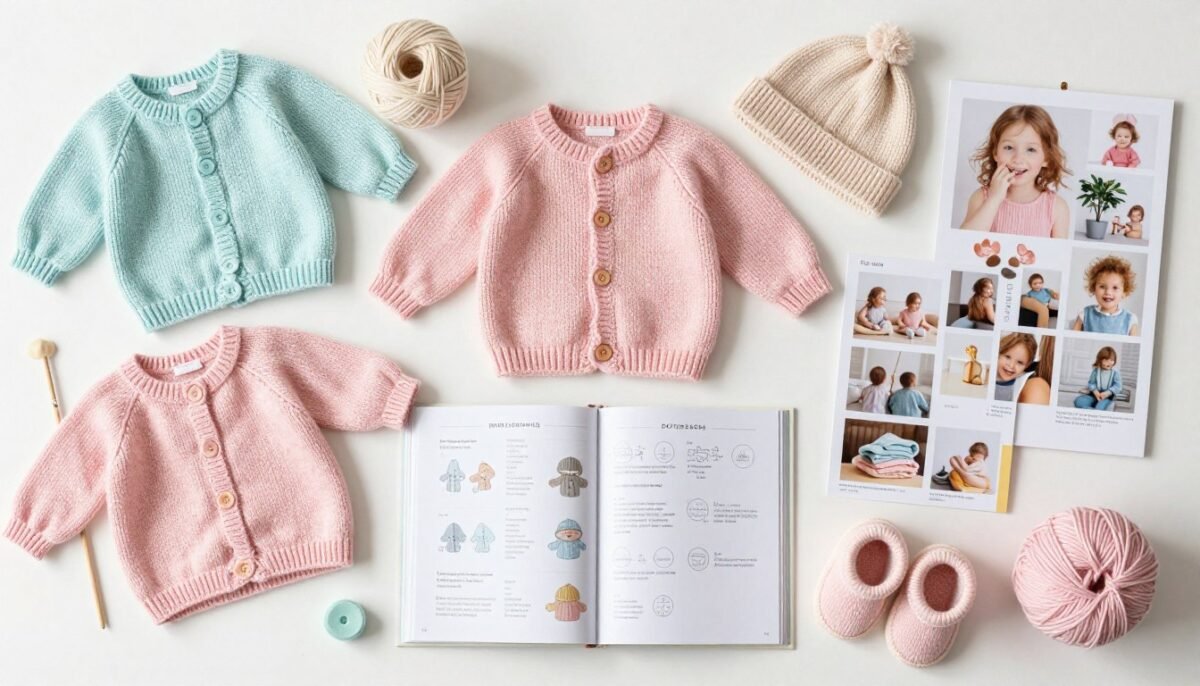
Once you complete this crewneck baby sweater, you’ll likely want to explore other baby knitting patterns. Building a collection of handmade baby items lets you create coordinating wardrobes or thoughtful gift sets for multiple occasions.
Complementary Pattern Recommendations
These additional patterns pair beautifully with your crewneck pullover, offering variety while maintaining similar skill levels and yarn requirements.
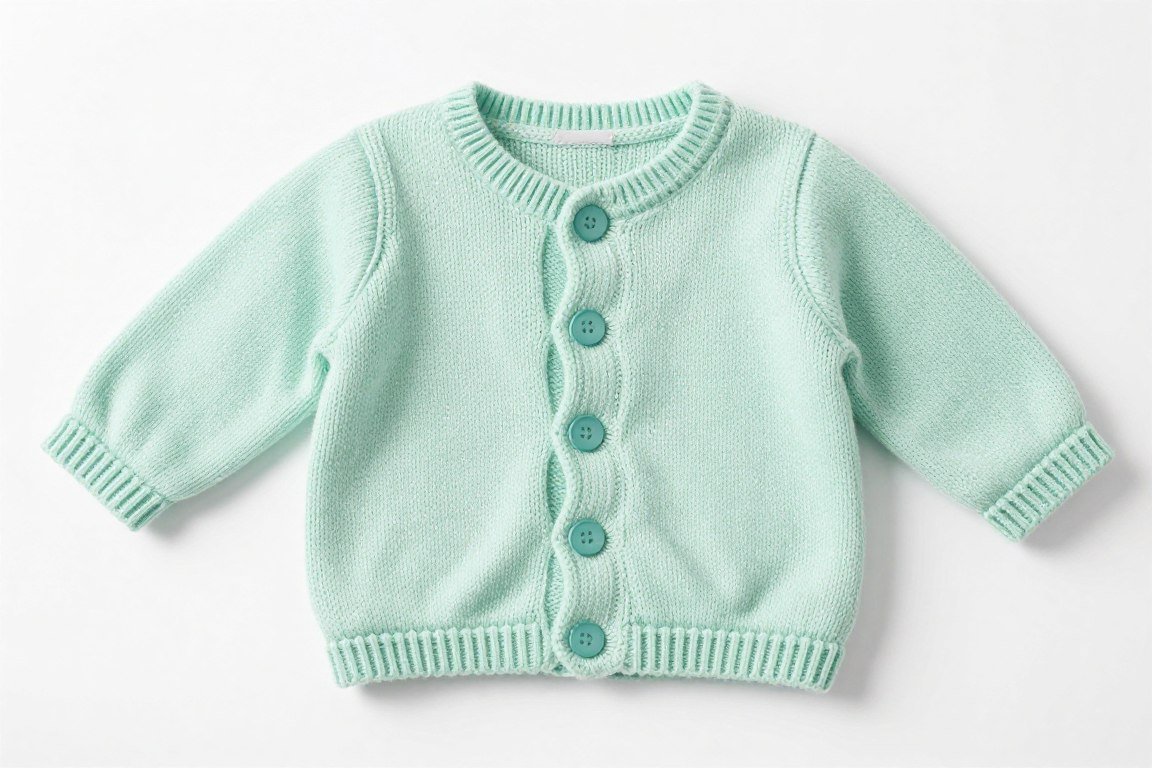
Classic Baby Cardigan
A button-front baby cardigan offers easy dressing for newborns. This pattern uses the same construction method as the pullover but includes buttonhole instructions. The garter stitch button bands provide stability and visual interest.
Perfect for layering over onesies, this cardigan becomes a versatile wardrobe staple. Choose coordinating yarn colors to create matching sets with your crewneck sweater for gift-giving impact.
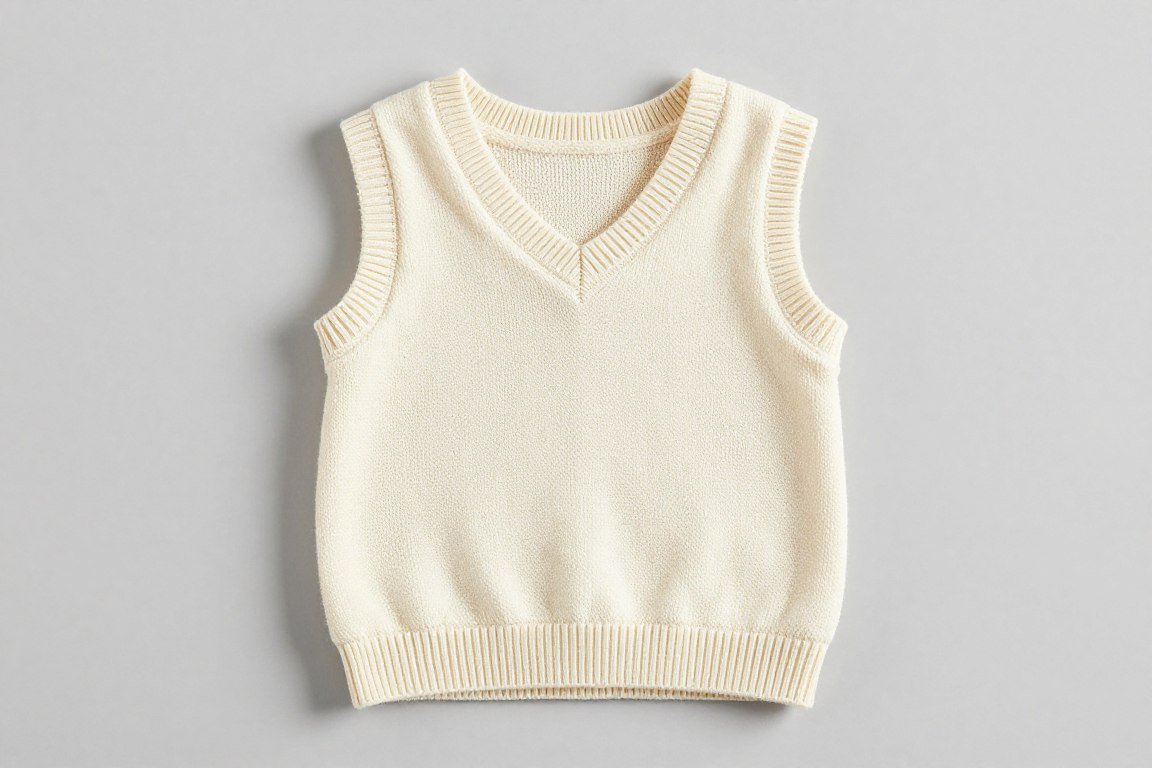
Simple Baby Vest
A sleeveless vest works wonderfully for transitional weather and layering. This quick-knit project uses less yarn than sleeved sweaters, making it budget-friendly for practicing techniques or using special luxury yarns.
The vest pattern adapts easily for different neckline styles. Try a V-neck version for variety or stick with the classic crewneck for consistency with your sweater collection.
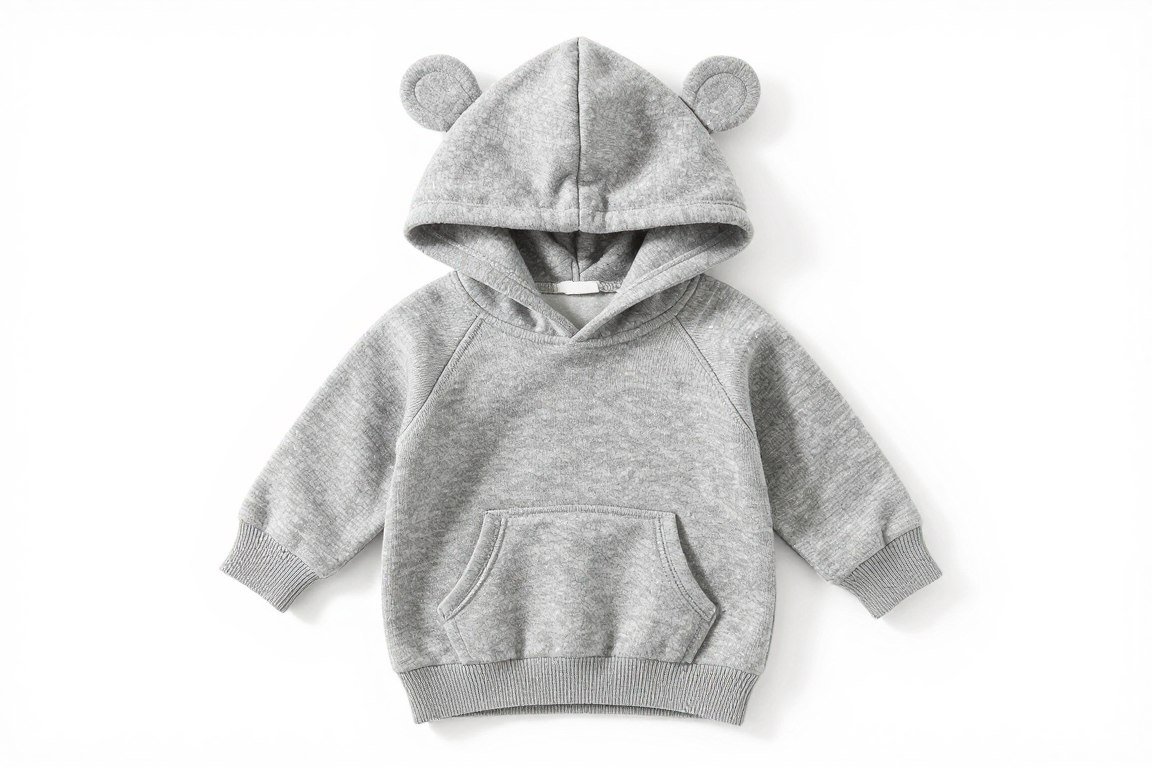
Hooded Baby Pullover
Add a hood to the basic crewneck pattern for extra warmth and cuteness. The hood knits as an extension of the neckline ribbing, requiring no additional seaming. Small decorative ears make the hood especially charming.
This variation teaches hood construction while building on techniques you’ve already mastered. The hooded version makes an excellent spring or fall outer layer for active babies.
Building Your Knitting Skills
Completing this baby sweater represents significant progress in your knitting journey. The techniques learned transfer directly to more complex garment patterns. Consider this project a foundation for expanding your repertoire of knitting patterns and capabilities.
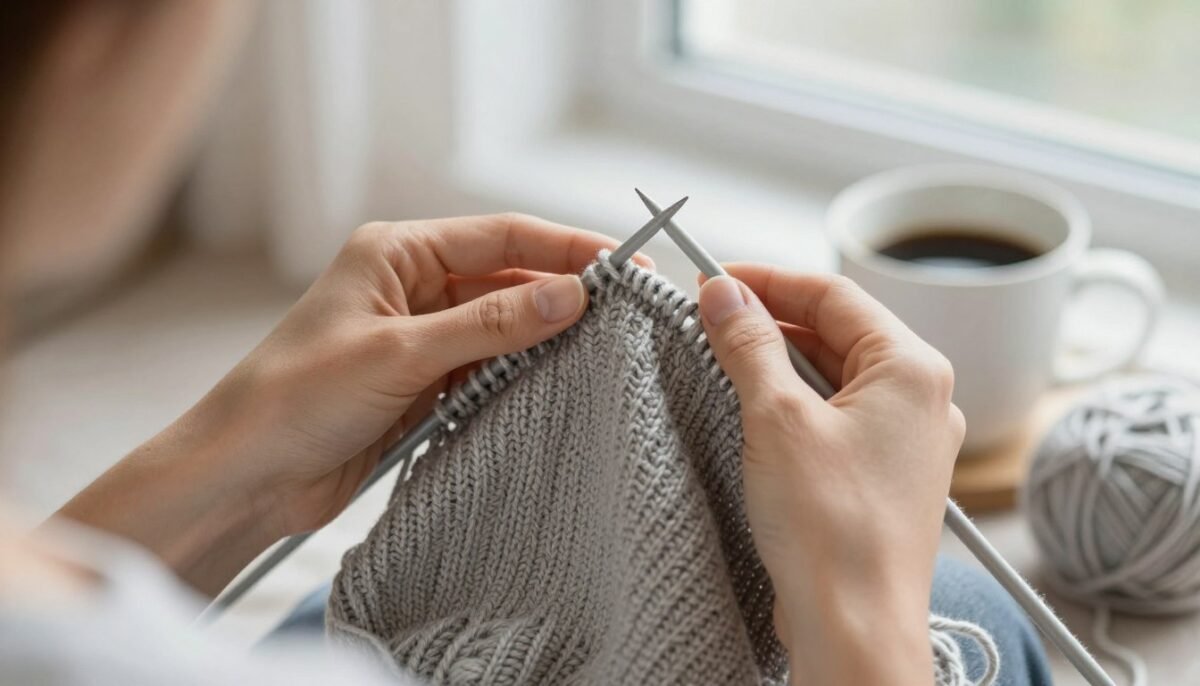
Techniques Mastered
Through knitting this baby sweater, you’ve practiced essential garment construction skills. Raglan shaping forms the basis for countless sweater patterns across all size ranges. Understanding how increases create shaping prepares you for more complex designs.
Construction Skills
Working seamless garments from the top down offers tremendous advantages over traditional methods. You’ve learned to:
- Work circular knitting in the round
- Place and read stitch markers effectively
- Execute raglan increases symmetrically
- Divide work for body and sleeves
- Pick up stitches at underarms
- Shape sleeves with decreases
Finishing Techniques
Professional finishing elevates handknits from homemade to handcrafted. You’ve developed:
- Proper end-weaving methods for security
- Blocking techniques for even stitches
- Bind-off strategies for elastic edges
- Problem-solving skills for common issues
- Care knowledge for handknit longevity
- Quality assessment abilities
Next Steps in Garment Knitting
With this foundation, you’re ready to tackle more ambitious projects. Adult-sized sweaters use identical construction methods but require more stitches and rows. The principles remain constant regardless of garment size.
Consider challenging yourself with colorwork techniques next. Fair Isle patterns and intarsia designs add visual interest while teaching color management skills. Start with simple two-color patterns before progressing to complex charts with multiple color changes.
Your Baby Sweater Journey
Knitting a crewneck baby sweater connects you to generations of makers who’ve created warm, beautiful garments for little ones. This free baby sweater knitting pattern provides everything needed to craft a classic piece that will be treasured for years to come.
Whether you’re knitting for your own baby, preparing a gift for a baby shower, or building skills for future projects, this pattern serves you well. The straightforward instructions and classic design ensure success while teaching valuable techniques applicable to countless future knitting patterns.
Remember that every knitter works at their own pace. Some complete baby sweaters in a weekend, while others savor the process over several weeks. Both approaches create equally beautiful results. The joy lies in the making as much as the finished garment.
As you work the final stitches and weave in the last end, take pride in your accomplishment. You’ve created something unique and meaningful that will keep a baby warm and comfortable. That little sweater represents hours of focused attention, creative problem-solving, and genuine love stitched into every row.
Save this pattern for future reference. Many knitters return to favorite baby patterns repeatedly, making them for new arrivals in their extended families and communities. Each sweater you knit improves your technique and deepens your understanding of garment construction.