
Finding the right outfit when you have a small bust and big tummy can feel like solving a puzzle. Many women with this body shape struggle to find clothes that balance their proportions and make them feel confident. The good news is that with the right styling knowledge, you can create stunning looks that celebrate your unique shape.
This comprehensive guide will walk you through proven strategies to dress your body beautifully. You’ll discover specific outfit combinations, fabric choices, and styling techniques that work specifically for your proportions. Whether you’re dressing for work, weekends, or special occasions, these tips will help you look and feel amazing.
Table of Contents
Essential Wardrobe Pieces to Start With
Before diving into complete outfit ideas, let’s look at the foundational pieces every woman with a small bust and big tummy should have. These versatile items form the building blocks of a flattering wardrobe. They work together to create balance and draw attention to your best features.
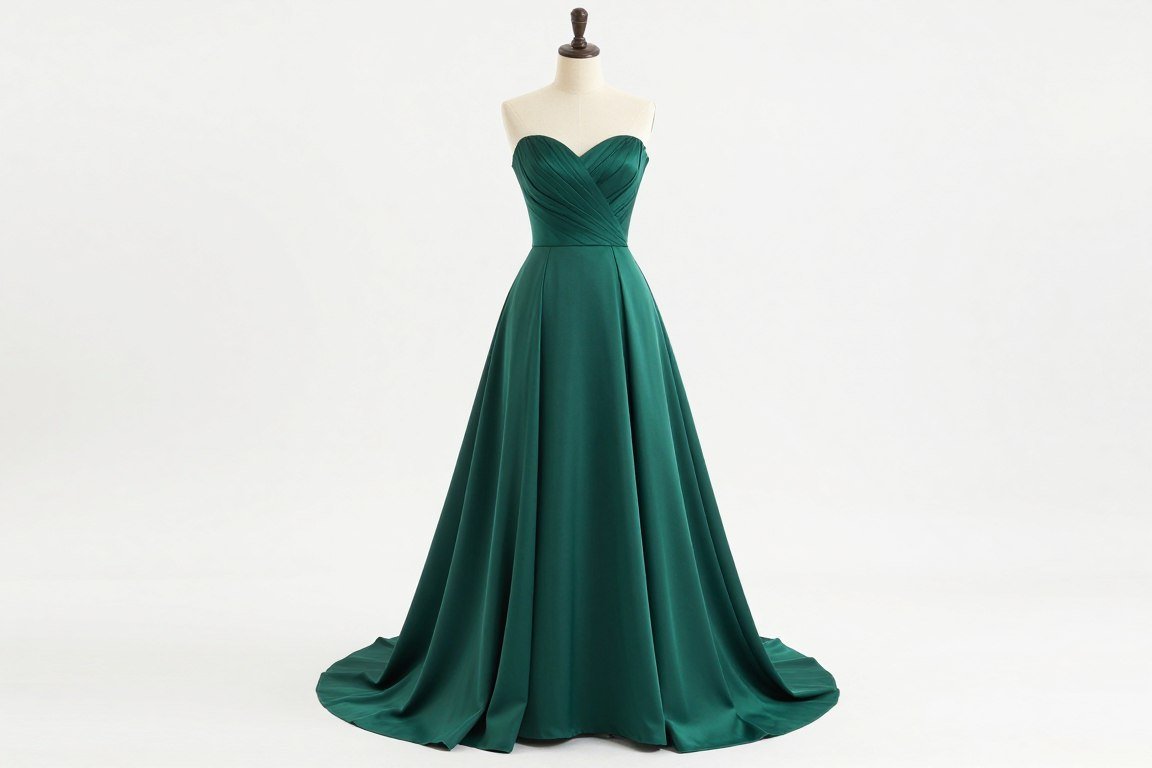
Empire Waist Dresses
These dresses cinch just below the bust and flow over the tummy area without clinging. The higher waist creates the illusion of longer legs while the loose fabric skims over your midsection. Perfect for both casual and dressy occasions.
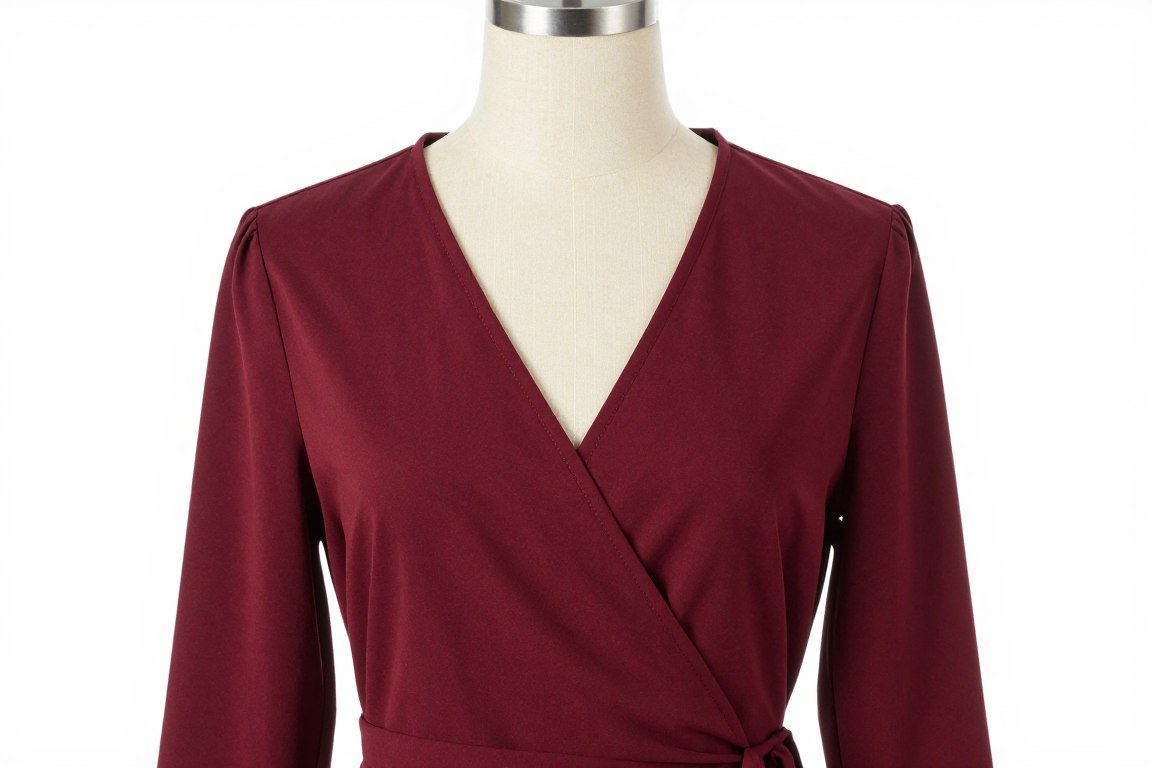
Wrap Tops
The adjustable tie on wrap tops lets you create a defined waist while the crossover design draws attention upward to your neckline. The V-shape created by the wrap style is universally flattering and helps elongate your torso.
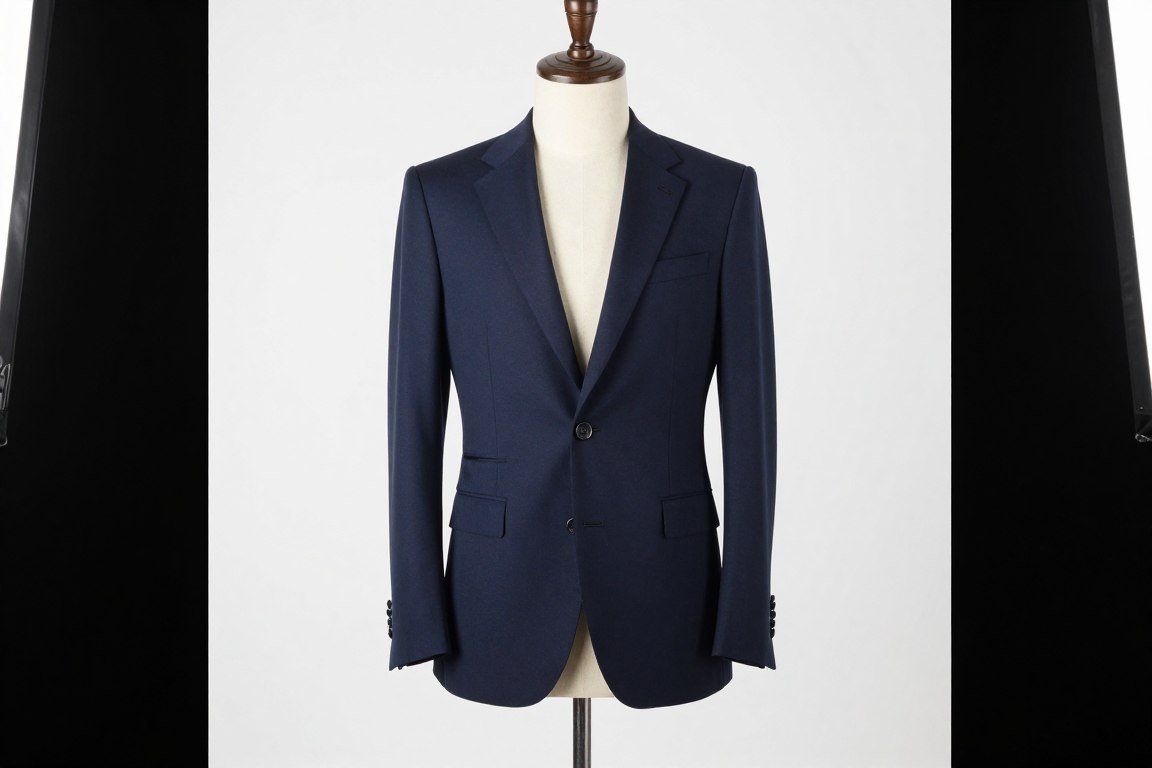
Structured Blazers
A well-fitted blazer with defined shoulders creates balance by adding visual weight to your upper body. Choose longer lengths that end below your tummy area. The structured fabric holds its shape without clinging to your midsection.
Understanding Your Small Bust Big Tummy Body Shape
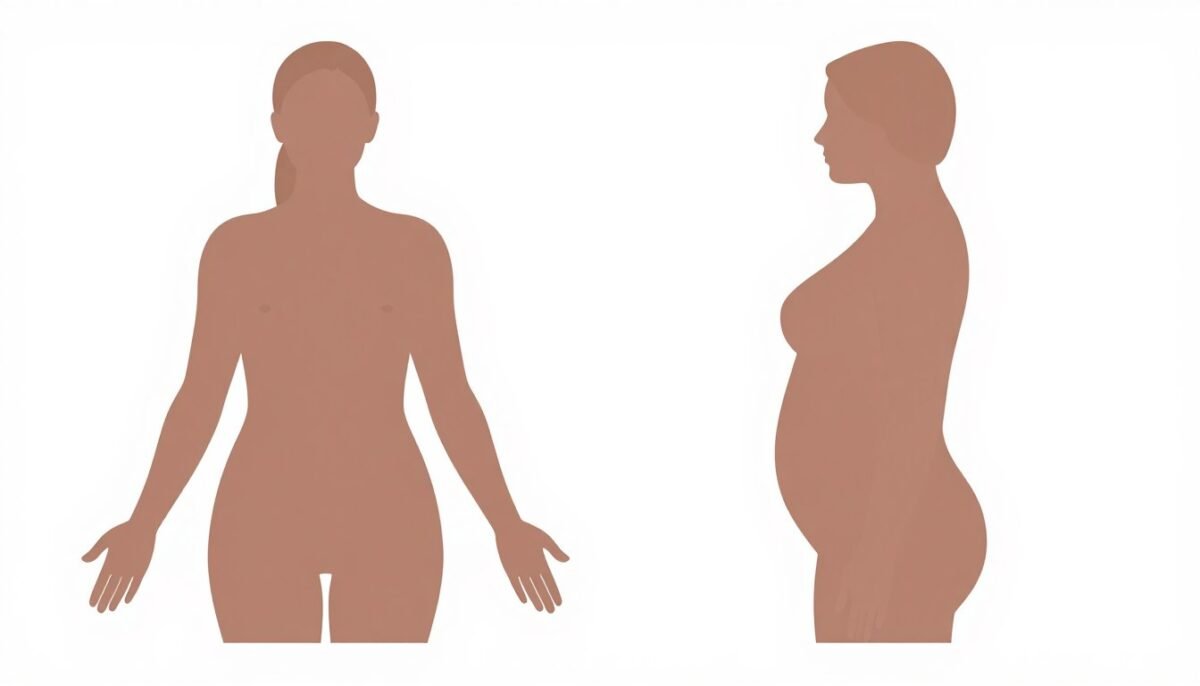
Your body shape is unique and beautiful. When you have a smaller bust combined with a fuller tummy, your main styling goal is creating visual balance. This doesn’t mean hiding your body. Instead, it means using fashion techniques to draw attention strategically and create harmonious proportions.
The key principle involves adding visual interest to your upper body while choosing pieces that skim rather than cling to your midsection. This approach creates a streamlined silhouette that makes you feel good without compromising your personal style. Many women with this shape find that once they understand these basics, getting dressed becomes much easier.
What Makes This Shape Special
Your body type offers unique styling opportunities. The smaller bust area allows you to wear bold necklines and statement jewelry without overwhelming your frame. Your shape often includes lovely shoulders and collarbones that deserve to be showcased.
- Natural elegance in the shoulder and neck area
- Ability to wear dramatic necklines without excess volume
- Freedom to experiment with upper body details and embellishments
- Versatility with different dress and top styles
- Strong foundation for layering techniques
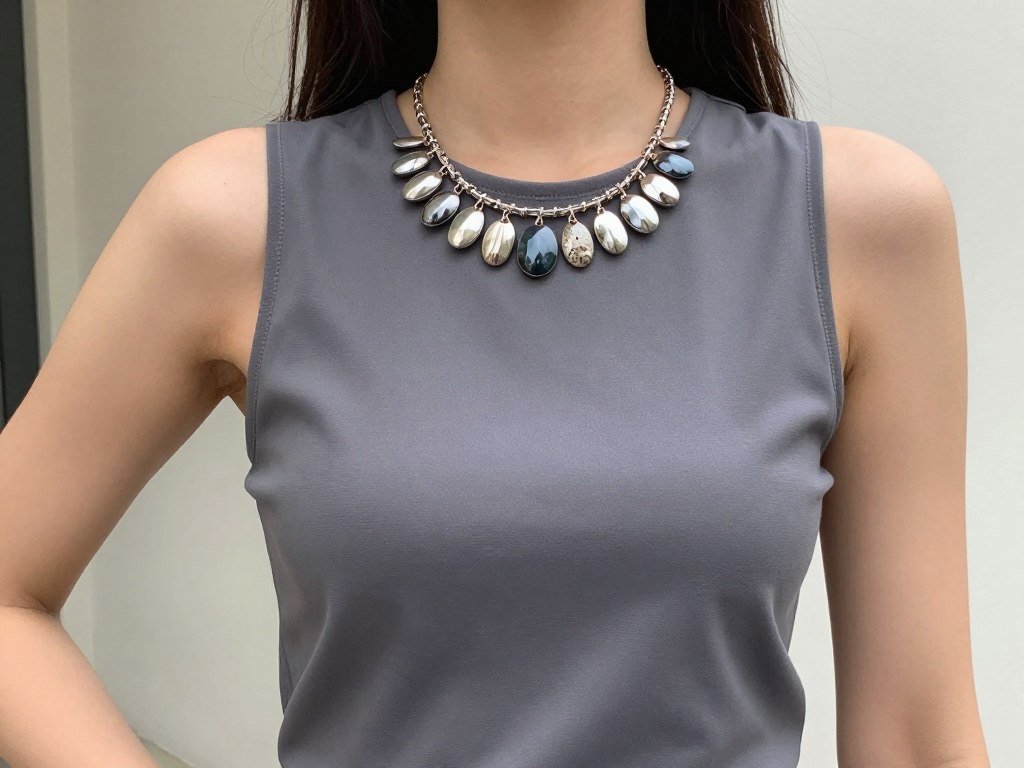
Important to Remember: Every body is different, even within the same general shape category. Use these guidelines as a starting point, but always trust what makes you feel good when you’re wearing it. Fashion should enhance your confidence, not create rigid rules.
Silhouettes That Flatter Small Bust Big Tummy
The right silhouette makes all the difference. Certain dress and clothing shapes naturally complement your proportions by creating streamlined lines and balanced visual weight. Understanding these silhouettes gives you a framework for shopping and styling.
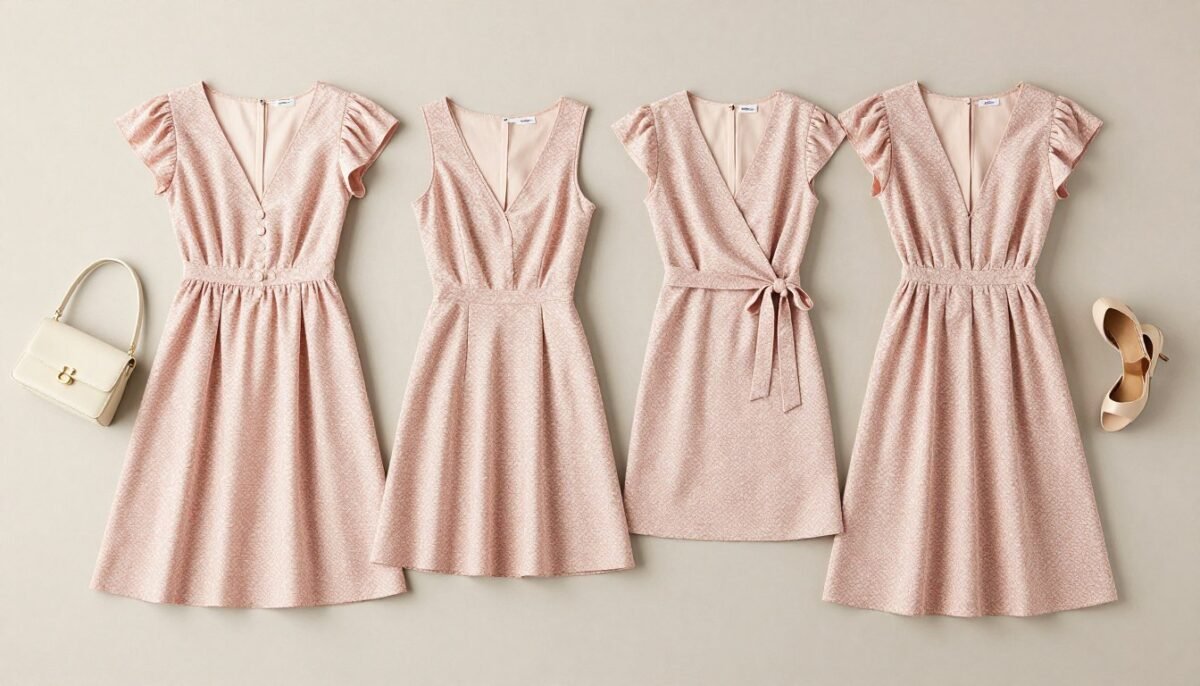
Empire Waist: Your Best Friend
The empire waist sits just below the bust, creating definition at your smallest point. From there, the fabric flows freely over the tummy area. This silhouette is incredibly versatile and works for both big bust tummy situations and fuller bust body types.
Empire waist dresses and tops cinch at the narrowest part of your torso. This draws attention upward while providing comfortable coverage below. The gathered fabric creates movement and visual interest without adding bulk around the bust.
Look for empire styles in flowing fabrics like jersey, chiffon, or soft silk blends. These materials drape beautifully without clinging. Avoid stiff fabrics that might create a tent-like effect.
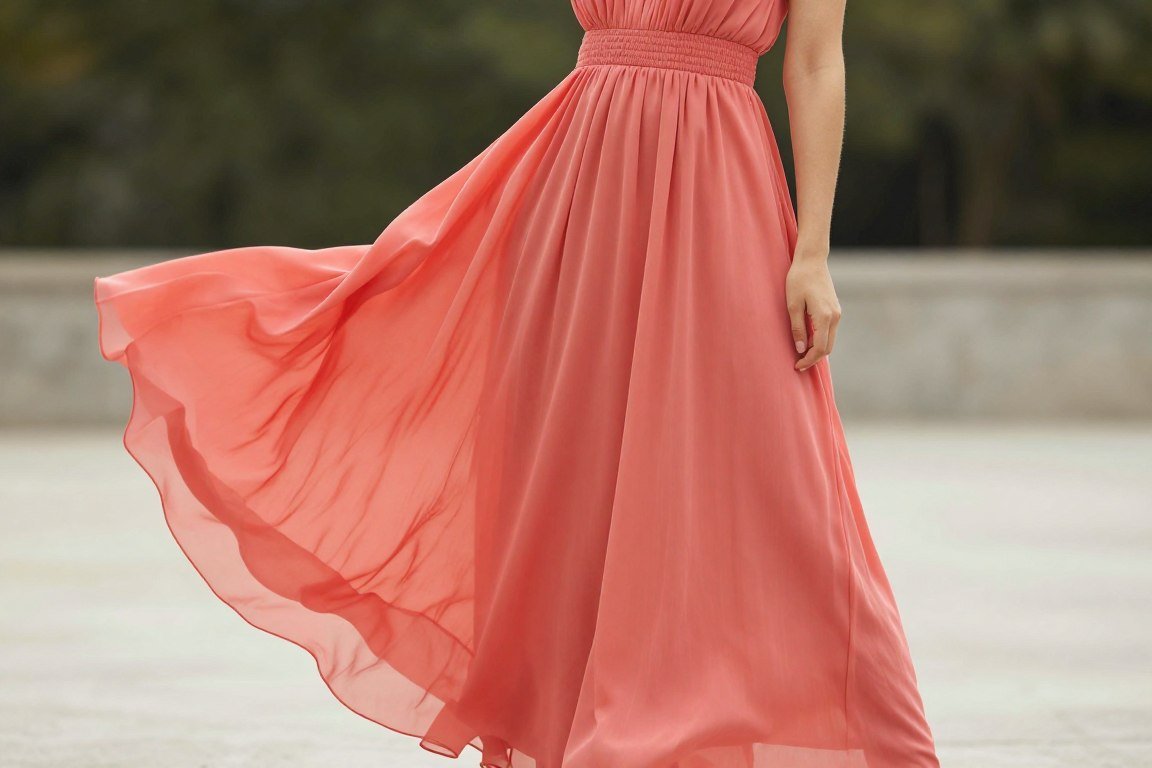
Perfect Pick: Empire waist maxi dress in breathable fabric. The long length elongates while the empire cut flatters your shape beautifully.
A-Line and Fit-and-Flare Styles
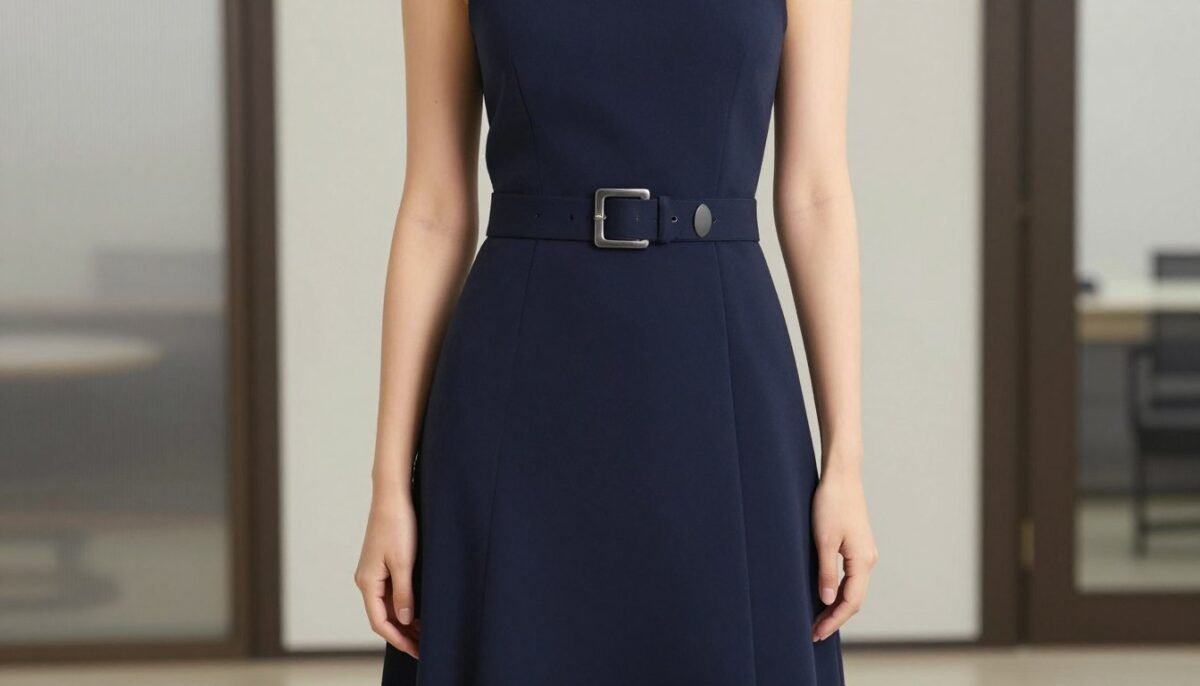
A-line silhouettes gradually widen from the shoulders or bust down to the hem. This creates a flattering triangular shape that skims over the tummy without adding volume. Fit-and-flare styles take this concept further by cinching at the waist before flaring out.
These dress styles work particularly well because they don’t cling to the tummy area. The fabric gently flows away from your body, creating streamlined lines. You can add a belt at your natural waist or just above to further define your shape.
Why A-Line Works
- Creates balanced proportions from top to bottom
- Doesn’t require a defined waist to look great
- Offers room for comfort around the tummy
- Works for casual and formal occasions
- Easy to accessorize and personalize
Styles to Approach Carefully
- Very stiff fabrics that stand away awkwardly
- Extremely full skirts that add unnecessary volume
- A-lines that start too low on the torso
- Styles without any waist definition at all
- Heavy, bulky materials that add visual weight
Wrap Dresses and Tops
The wrap dress is a classic for good reason. The diagonal line created by the wrap draws the eye from shoulder to opposite hip, creating a slimming effect. The adjustable tie lets you control exactly where you want definition.
For women with a small bust and fuller tummy, wrap styles offer exceptional versatility. You can tie them to create a subtle waist definition without making the tie too tight. The V-neckline draws attention upward toward your face and away from the tummy area.
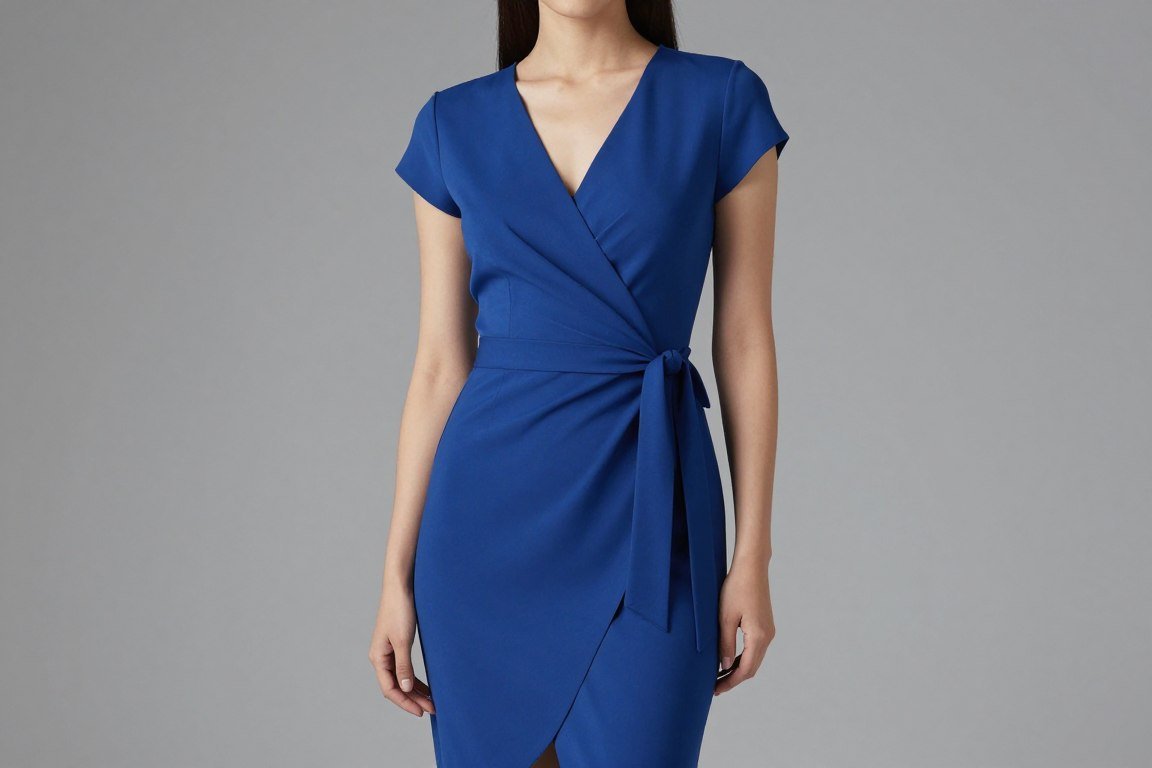
Classic Wrap Dress
A timeless piece that works for any occasion. The wrap style flatters your bust while the flowing skirt portion glides over your tummy. Choose a length that hits just below the knee for the most versatile option.
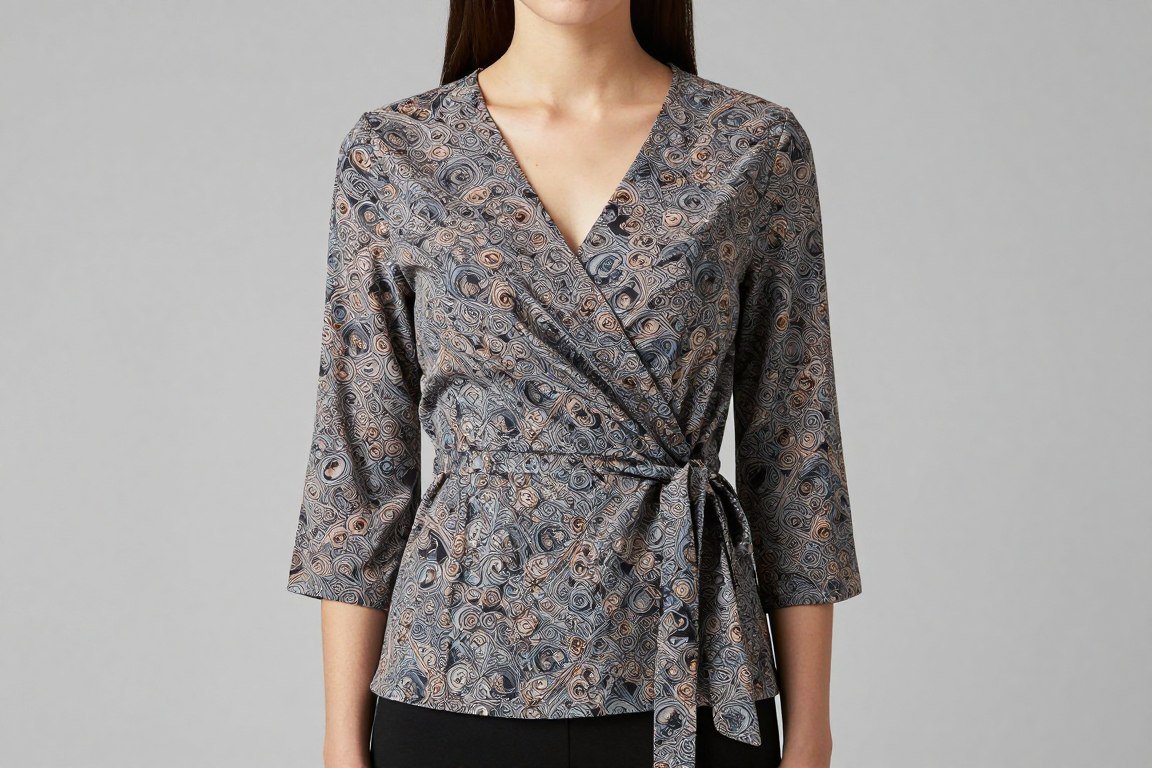
Faux Wrap Tops
Get the wrap look without the tie. These tops have the wrap appearance built into the construction. They offer the same flattering diagonal lines with easier fit and no adjusting needed throughout the day.
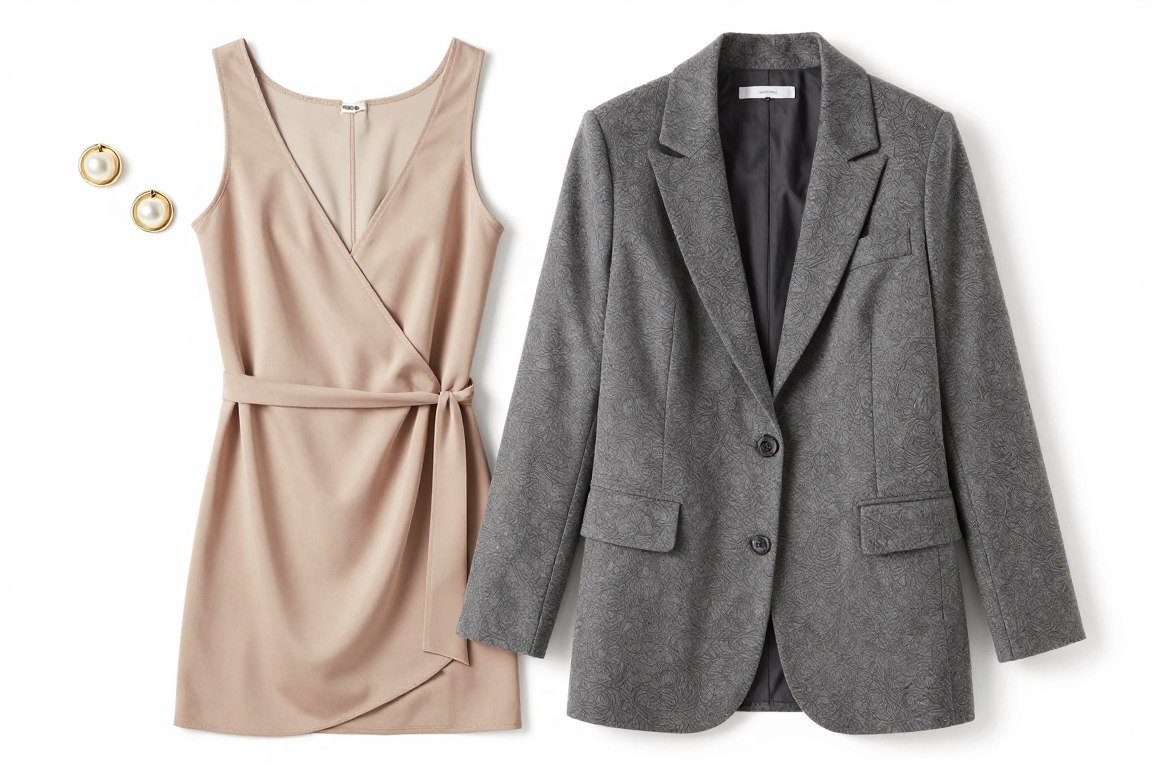
Layered Wrap Look
Combine a wrap top with a structured jacket or cardigan for added dimension. This layering technique adds visual interest to the upper body while maintaining the flattering wrap silhouette beneath.
Shift Dresses with Strategic Details
Shift dresses offer a relaxed fit that doesn’t cling to the tummy area. While basic shift styles can work, versions with strategic details work even better for your shape. Look for shifts with interesting necklines, shoulder details, or upper body embellishments.
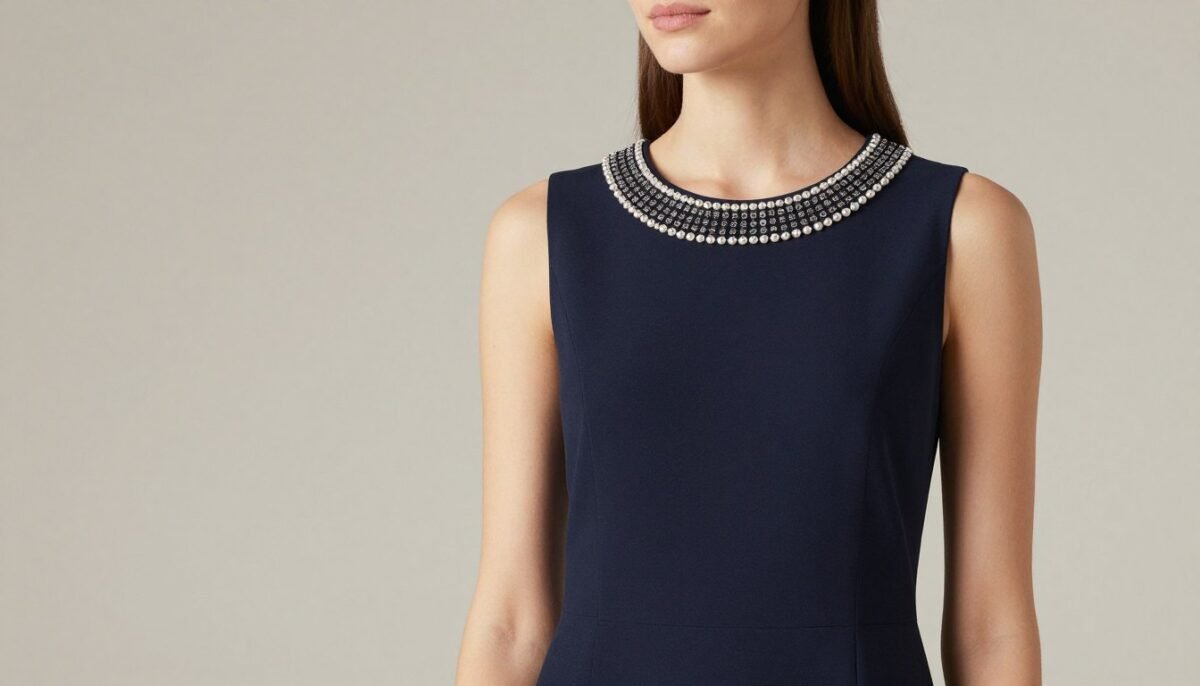
The key with shift dresses is ensuring they skim your body rather than hanging like a sack. Choose a size that allows the dress to gently follow your body’s lines without pulling tight across the tummy. The dress should touch your body at the bust and hips without strain.
Complete Small Bust Big Tummy Outfit Ideas
Now let’s put theory into practice with specific outfit combinations. Each of these complete looks addresses the unique needs of your body shape. These outfits work for different occasions while maintaining the flattering principles we’ve discussed.
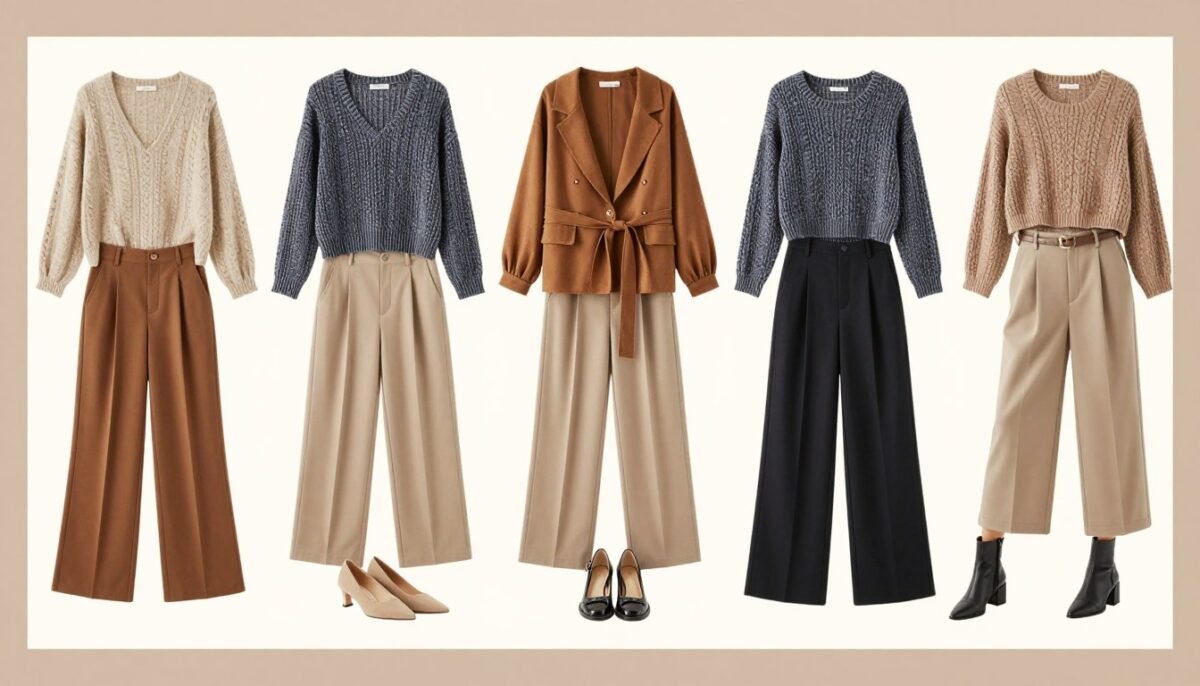
Outfit 1: Casual Weekend Comfort
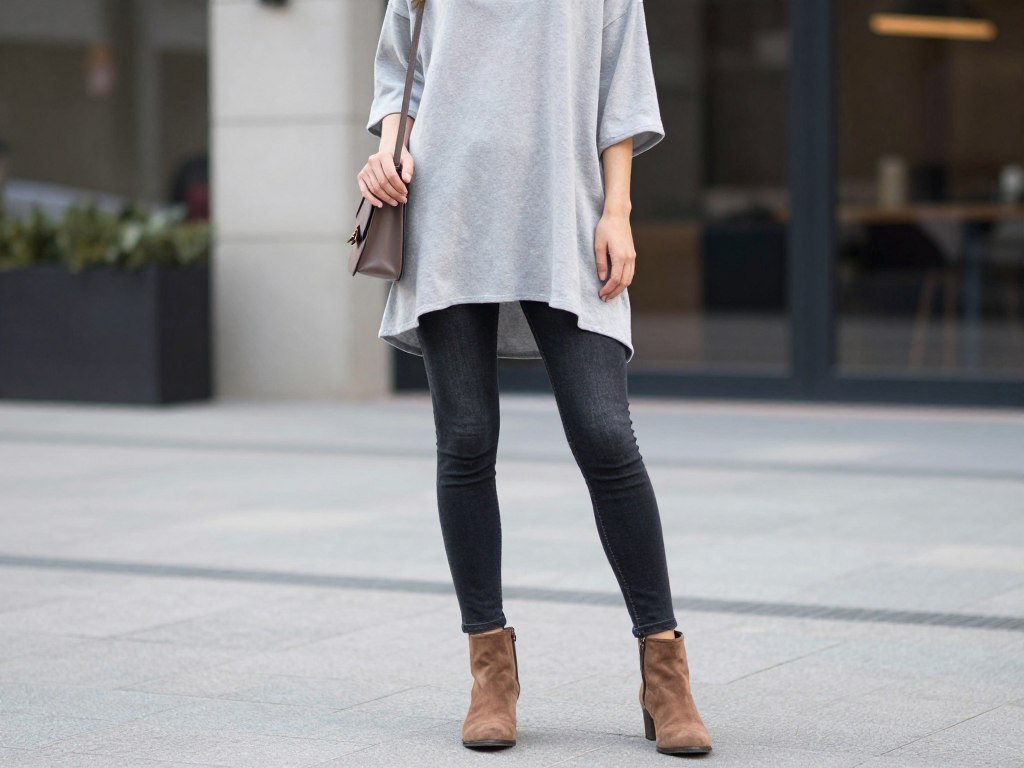
Start with a flowing tunic top that hits mid-thigh. This length provides coverage while creating a streamlined silhouette. Choose a tunic with some structure around the bust to avoid a shapeless look.
Pair the tunic with dark wash leggings or slim pants. The contrast between the looser top and fitted bottom creates balance. Add ankle boots to ground the look and complete the outfit with a statement necklace that draws attention upward.
Key Pieces for This Look
- Tunic top in soft jersey or cotton blend
- High-waisted leggings with tummy control panel
- Ankle boots with slight heel for elongation
- Statement necklace in gold or silver tone
- Structured crossbody bag for proportion
Outfit 2: Office Professional Style
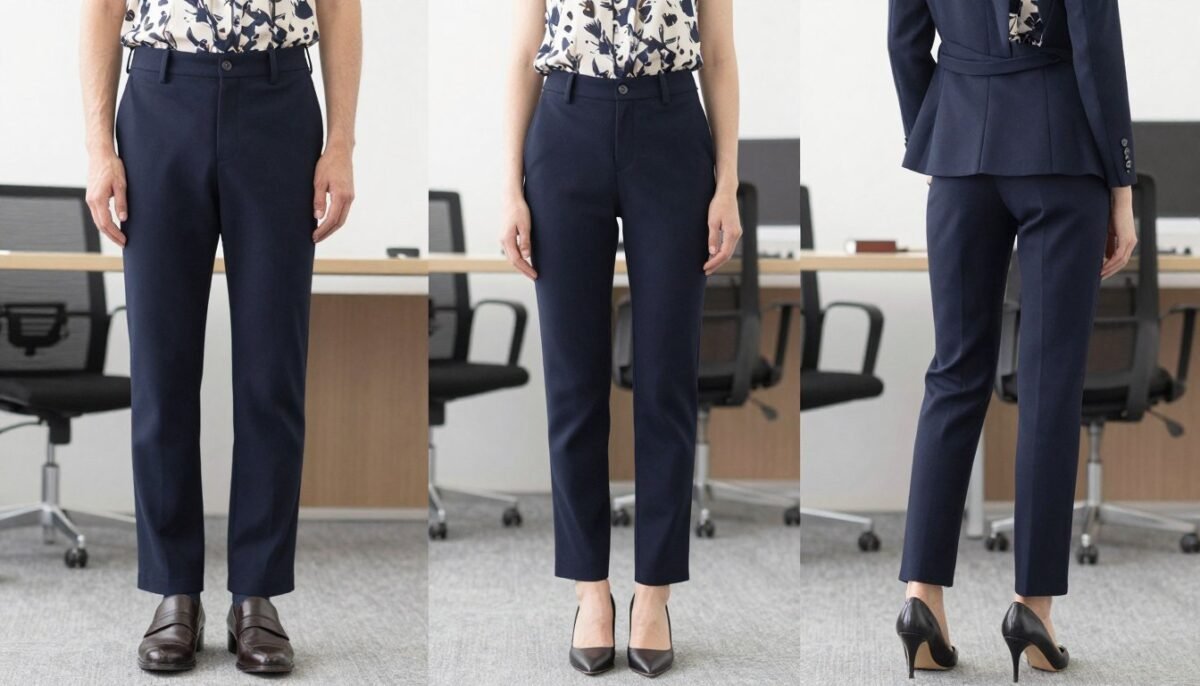
Create a polished professional look with tailored pieces that fit well without clinging. Start with mid-rise or high-rise trousers in a structured fabric. The rise helps contain the tummy area while creating smooth lines under your top.
Add a blouse with interesting details around the bust and neckline. Ruffles, pleats, or a bow detail all work beautifully to draw attention upward. Layer a structured blazer over the blouse. The blazer should have defined shoulders to balance your proportions.
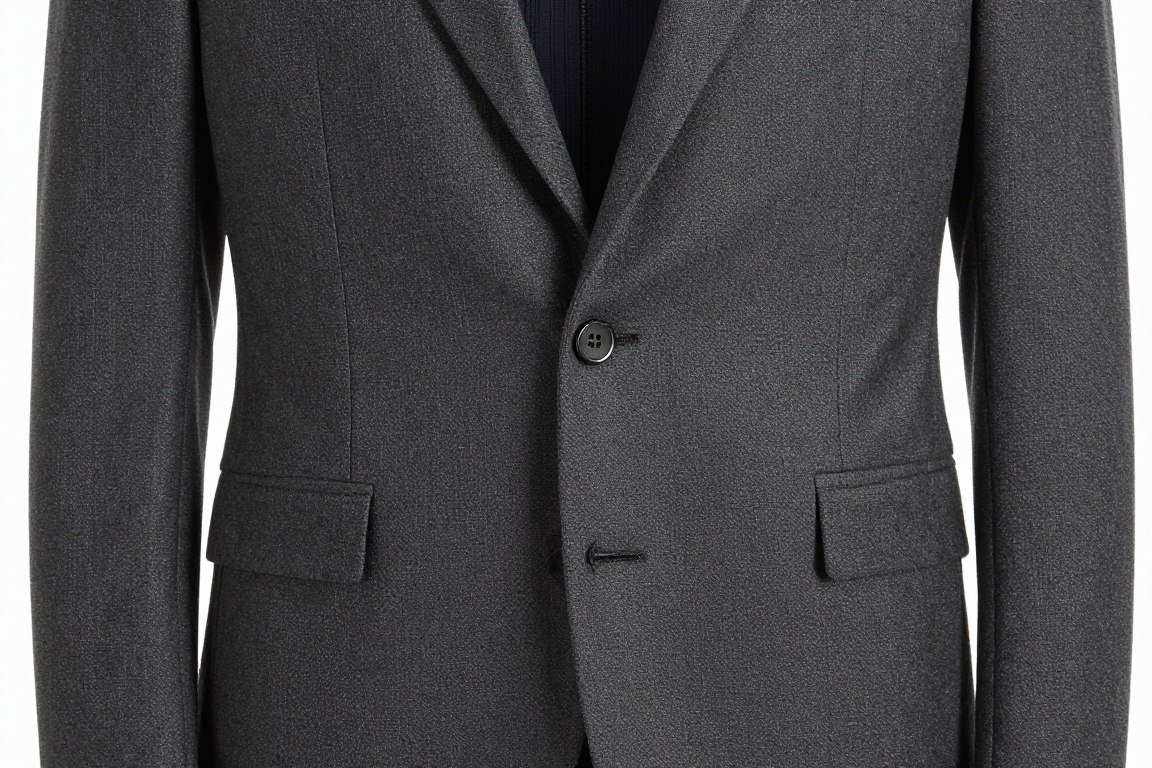
The Perfect Blazer
Look for blazers with princess seams that create shape. The length should extend past your tummy to create a long, lean line. Single button closures work well as they don’t pull across the midsection.
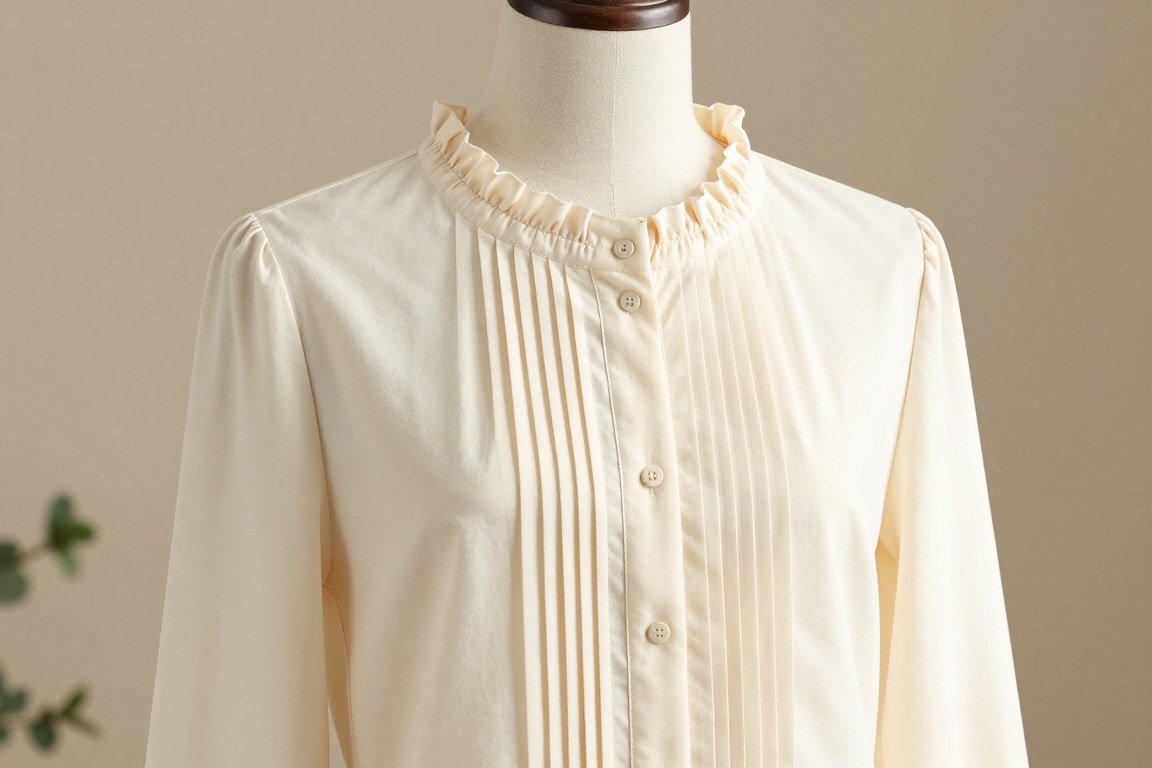
Statement Blouses
Choose blouses that add visual interest without bulk. Pintucks, small ruffles, or textured fabrics work well. Avoid oversized bows or extremely voluminous sleeves that overwhelm your frame.
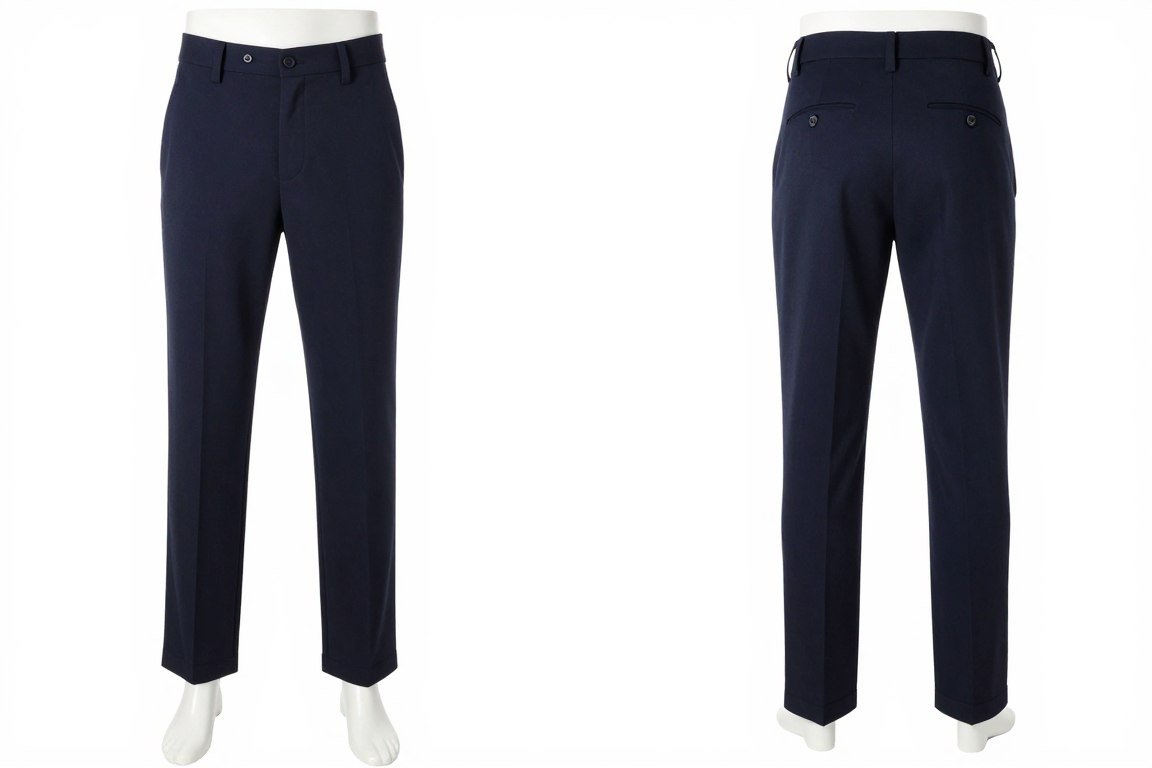
Flattering Trousers
Mid-rise pants in stretch fabrics offer comfort and polish. Look for styles with a flat front or subtle pleat. Avoid cargo pockets or excessive detailing around the hip and tummy area.
Outfit 3: Date Night Elegance
For evening occasions, a wrap dress becomes your go-to piece. Choose one in a rich jewel tone or sophisticated neutral. The wrap style creates beautiful lines while the flowing skirt portion moves gracefully.
Accessorize with heels to elongate your silhouette. Add statement earrings or a bold necklace to draw attention to your face and neckline. Keep your bag small and structured to maintain the streamlined look.
This outfit makes you feel confident and beautiful without trying too hard. The wrap dress does most of the work, and the accessories add your personal flair. You can easily transition this look from dinner to dancing.
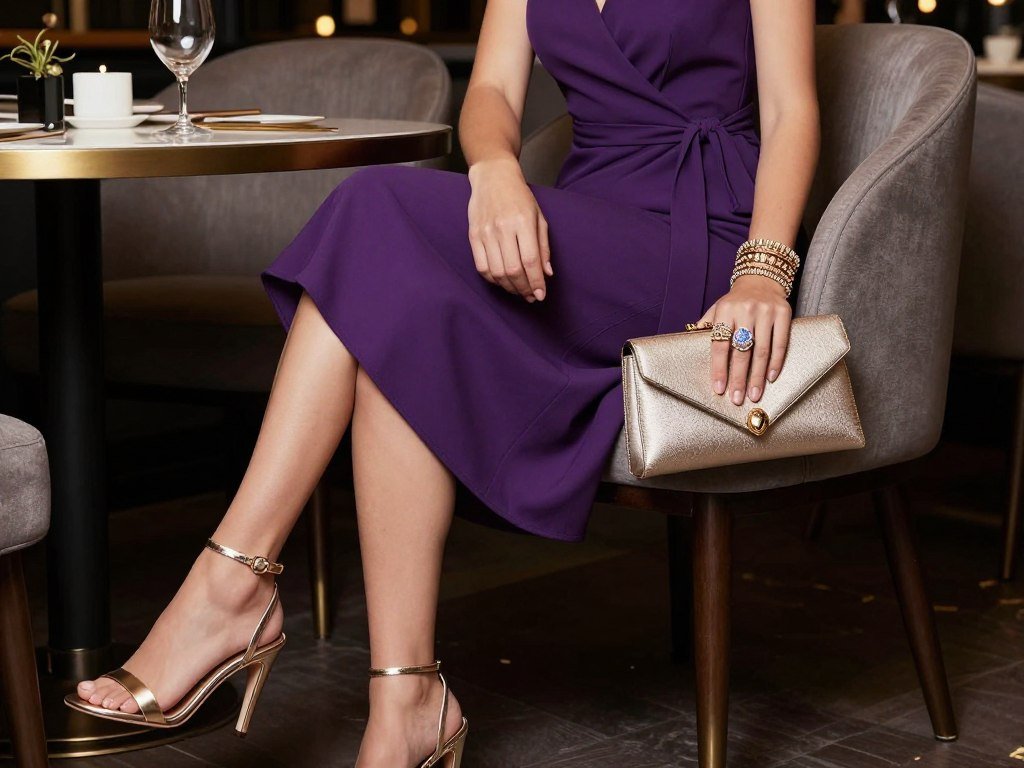
Outfit 4: Brunch with Friends
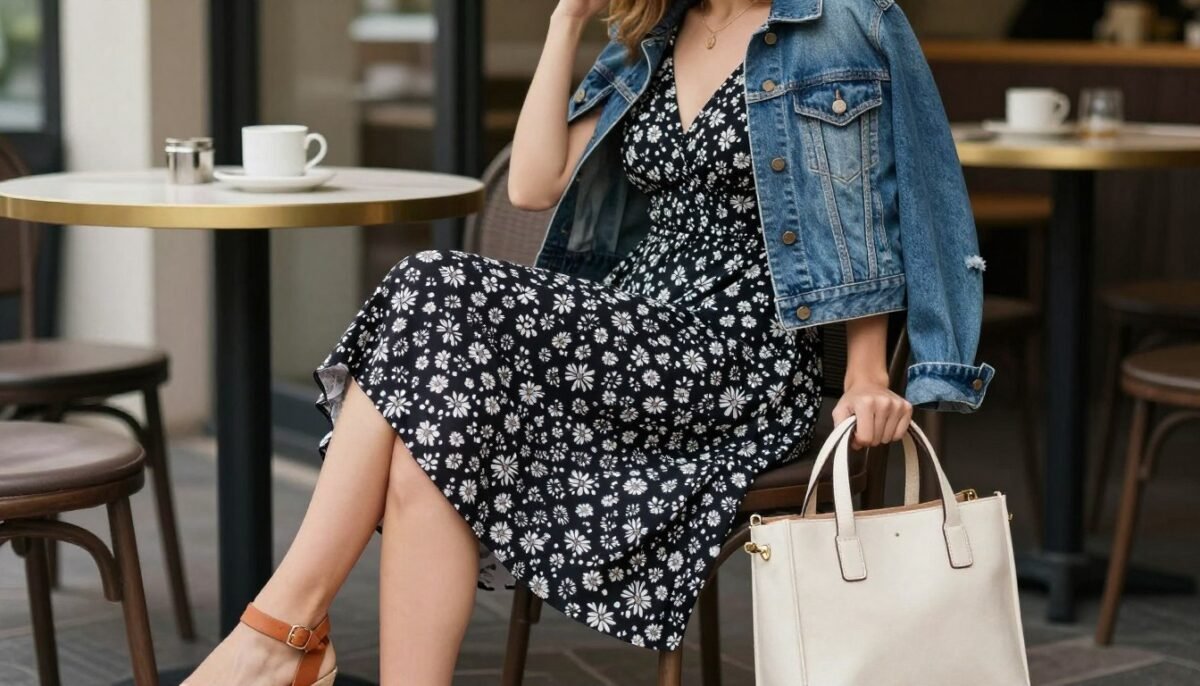
A fit-and-flare midi dress works perfectly for daytime social events. The fitted bodice showcases your upper body while the flared skirt flows away from your tummy. Choose a fun print or solid color that makes you feel good.
Layer a cropped denim jacket or lightweight cardigan over the dress. The jacket adds dimension to your upper body and provides coverage if you want it. The cropped length doesn’t cut your torso awkwardly because it sits above the dress waist.
- Fit-and-flare dress in cotton or jersey blend
- Cropped denim jacket or cardigan for layering
- Wedge sandals or comfortable flats
- Crossbody bag in complementary color
- Sunglasses and simple jewelry
Outfit 5: Active Lifestyle Look
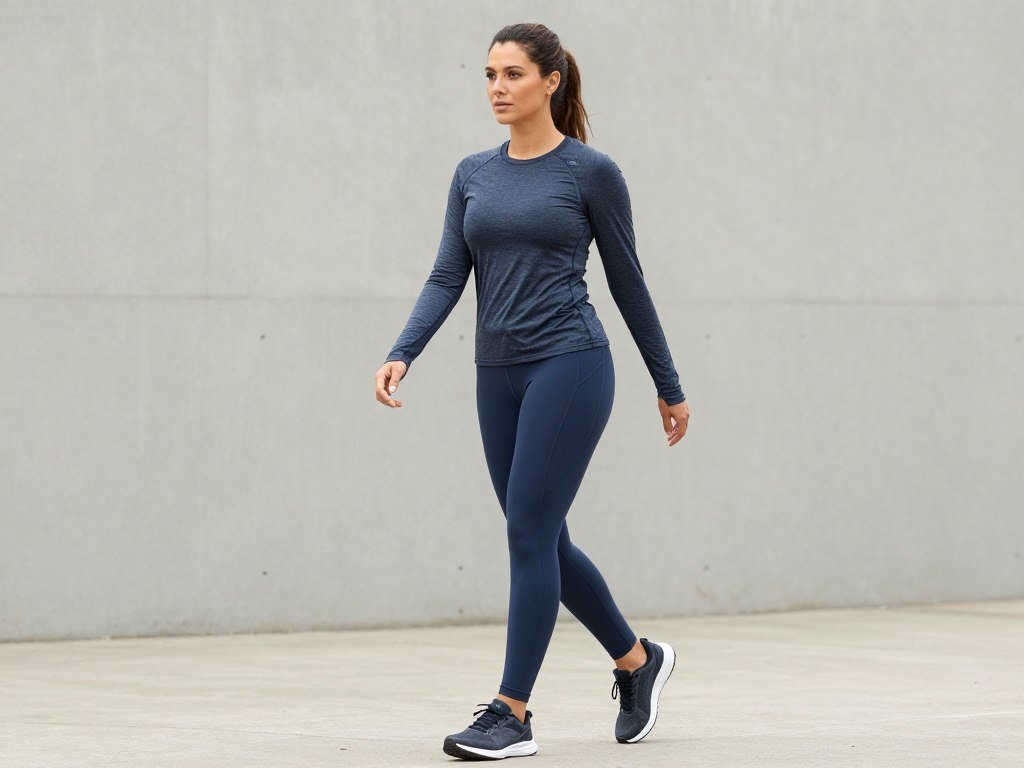
Even activewear can be flattering and fashionable. Choose a longer-length athletic top that provides coverage over your tummy. Look for styles with moisture-wicking fabric that doesn’t cling when you move.
High-waisted athletic leggings with a wide waistband offer support and create smooth lines. The combination of the longer top and high-waisted bottoms ensures you feel comfortable during any activity.
Add a lightweight zip-up jacket for extra layering. This creates additional structure around your upper body while keeping you comfortable during warmup and cooldown periods.
Outfit 6: Summer Casual Ease
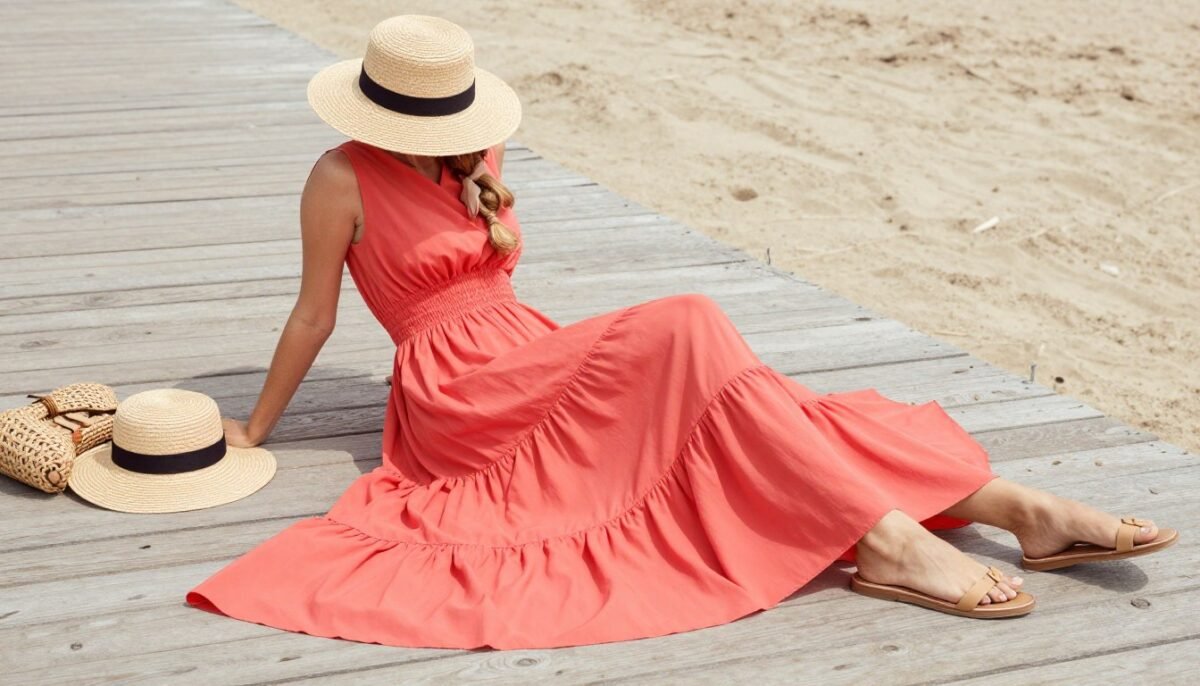
An empire waist maxi dress is perfect for warm weather. The lightweight fabric keeps you cool while the empire cut flatters your shape. Choose a dress in a breathable fabric like cotton or linen blend.
Keep accessories simple and functional. A straw hat protects you from the sun while adding style. Flat sandals maintain the casual vibe. A woven tote completes the relaxed summer aesthetic.
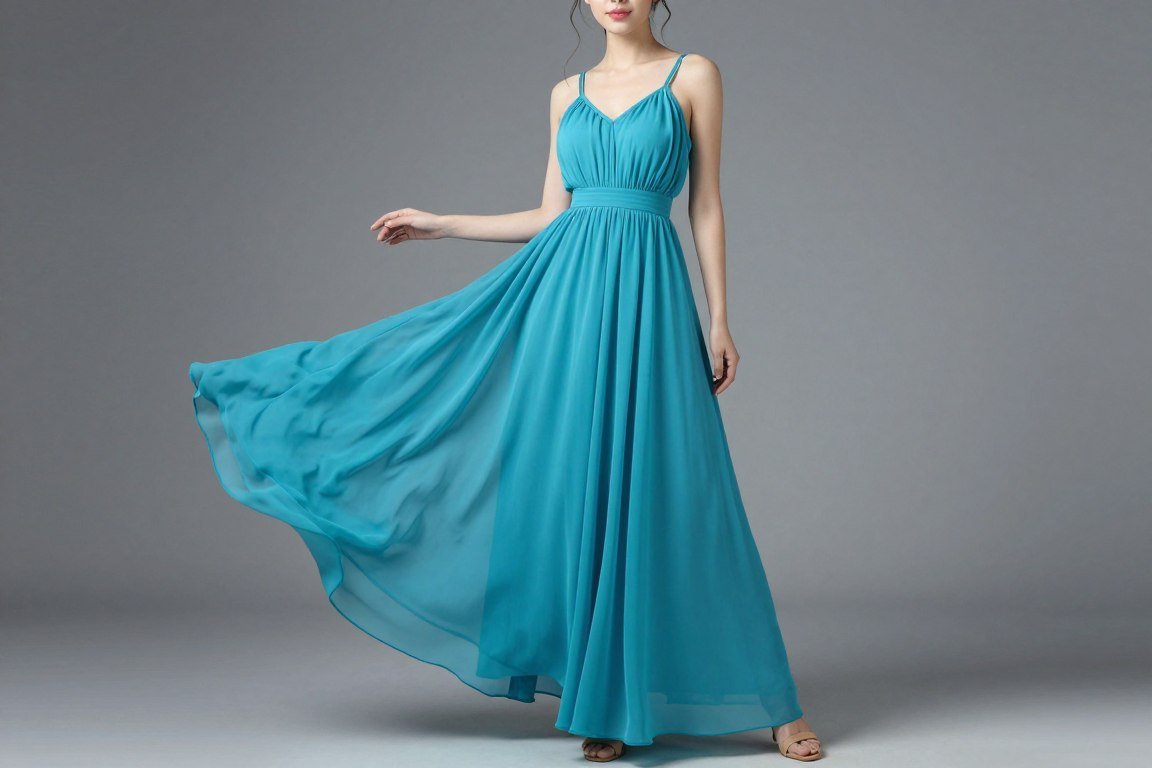
Summer Maxi Dress
The empire waist hits at the right spot while the maxi length elongates your figure. Look for adjustable straps so you can customize the fit perfectly for your bust.
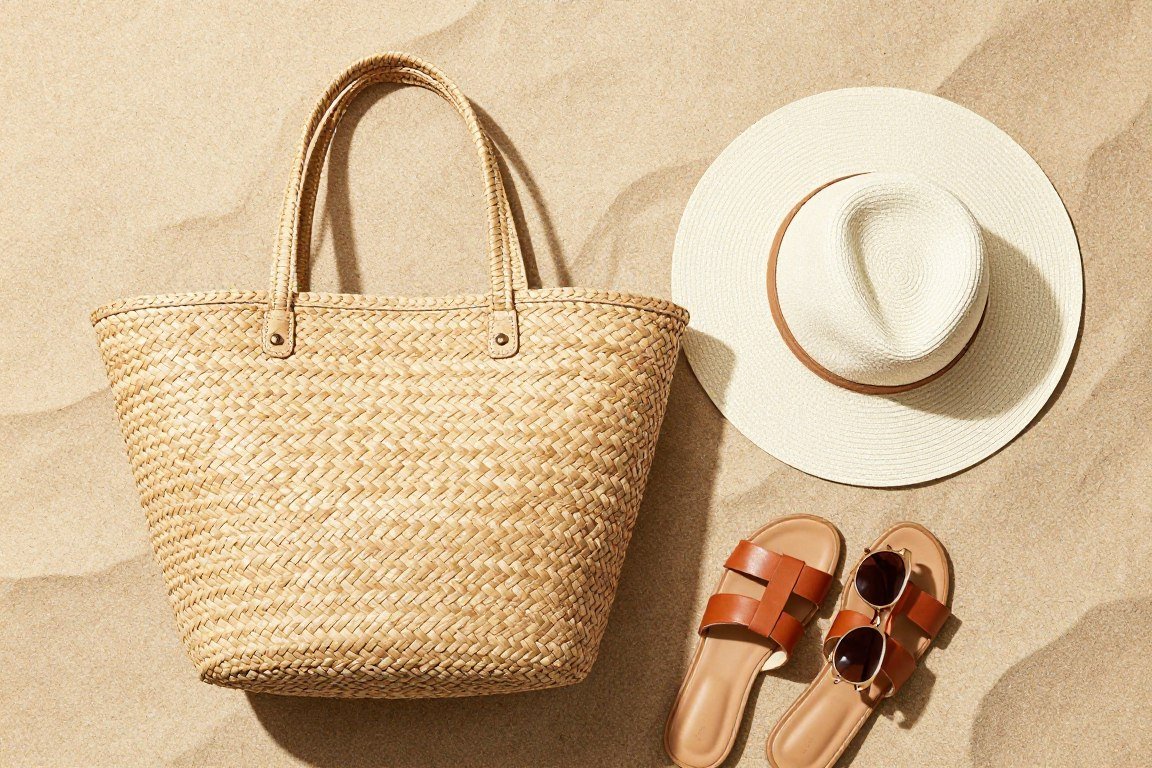
Summer Accessories
Complete your summer outfit with lightweight accessories. Choose natural materials like straw and leather that complement the relaxed dress style without adding visual weight.
Outfit 7: Holiday Party Glamour
For special occasions, choose a dress that combines coverage with sophisticated style. An A-line cocktail dress in a luxe fabric like velvet or jacquard works beautifully. The structured fabric holds its shape without clinging.
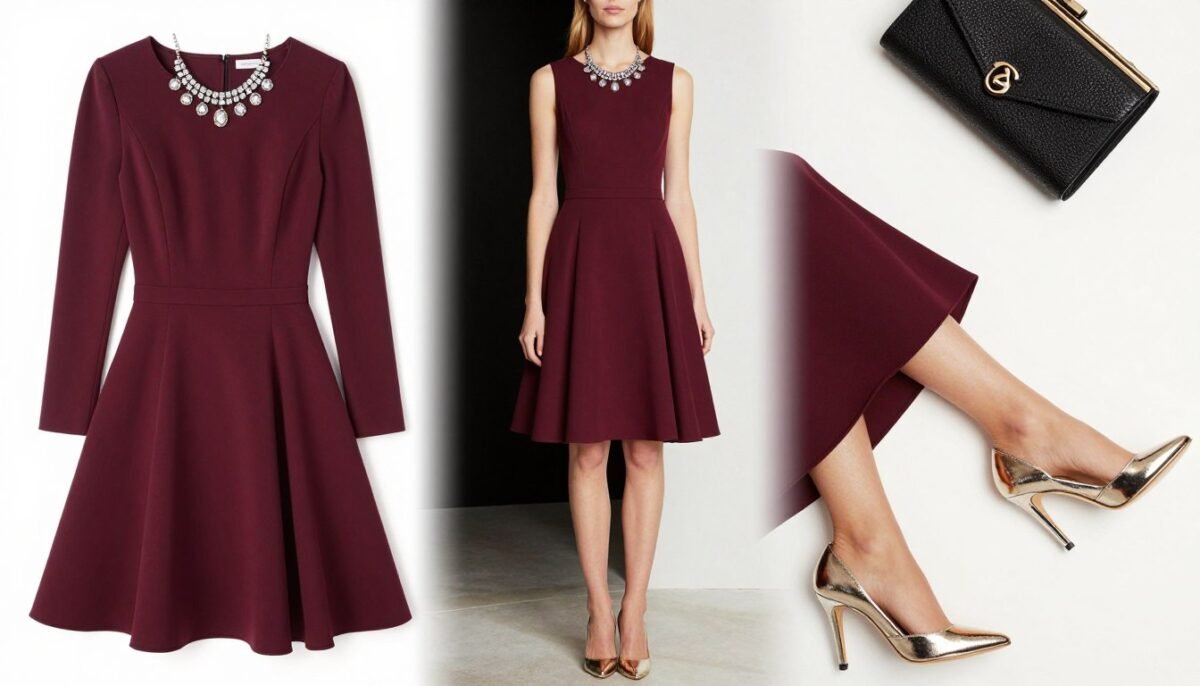
Choose a dress with an interesting neckline like a sweetheart or V-neck. These shapes draw attention to your décolletage and face. Add a statement necklace that fills in the neckline area and creates a focal point.
Metallic heels add glamour while elongating your legs. Keep your bag small and elegant. This outfit lets you enjoy the celebration while feeling confident and comfortable throughout the evening.
Holiday Dressing Tips
- Choose rich colors like burgundy, emerald, or navy
- Look for dresses with built-in structure or shapewear
- Add sparkle through jewelry rather than overly embellished fabric
- Select heels you can actually walk in comfortably
- Consider a wrap or shawl for additional coverage if desired
Choosing the Right Fabrics, Patterns, and Colors
The fabric you choose matters just as much as the style. Different materials drape differently on your body. Understanding which fabrics work best helps you make confident shopping decisions. The right fabric creates beautiful lines without adding bulk or clinging uncomfortably.
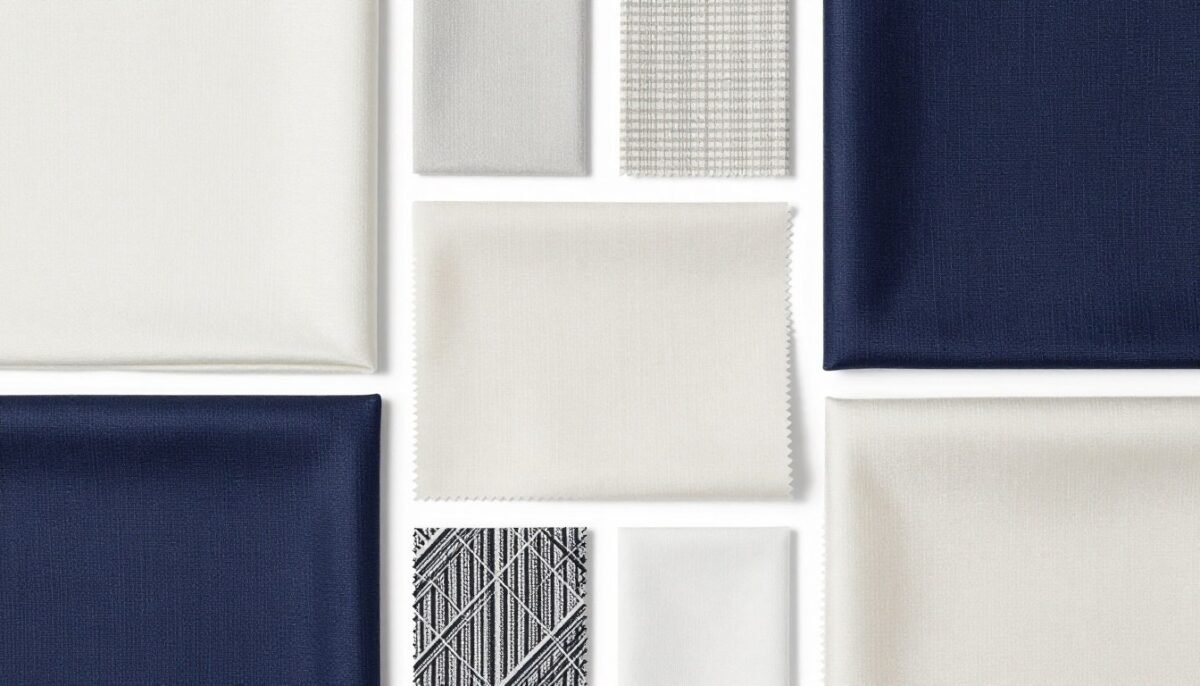
Best Fabric Choices
Flowing Fabrics for Comfort
Fabrics like jersey, modal, and soft silk blends drape beautifully over the tummy area. These materials have enough weight to hang nicely without clinging. They move with your body while maintaining a flattering shape.
Jersey knit is particularly versatile. It offers stretch for comfort but has enough structure to skim rather than cling. Look for medium-weight jersey rather than very thin versions that might show every line.
Silk and silk-blend fabrics create elegant drape. The smooth texture glides over your body without clinging to the tummy. These fabrics work especially well for dresses and tops where you want a polished appearance.
Structured Fabrics for Shape
Some occasions call for more structured fabrics. Cotton twill, ponte knit, and quality polyester blends hold their shape well. These materials create clean lines and provide a more tailored appearance.
Structured fabrics work particularly well for blazers, trousers, and A-line skirts. They stand away from your body slightly, creating space over the tummy area. This prevents the fabric from emphasizing areas you prefer to minimize.
Look for fabrics with a bit of stretch. A small percentage of elastane or spandex adds comfort without sacrificing structure. This gives you the best of both worlds—shape and ease of movement.
Fabrics to Approach Carefully
Very thin, clingy fabrics like lightweight spandex or thin cotton can emphasize the tummy area. Extremely stiff fabrics like heavy denim or canvas might add bulk. Find the middle ground with fabrics that skim your body without clinging or standing out awkwardly.
Pattern Strategies That Work
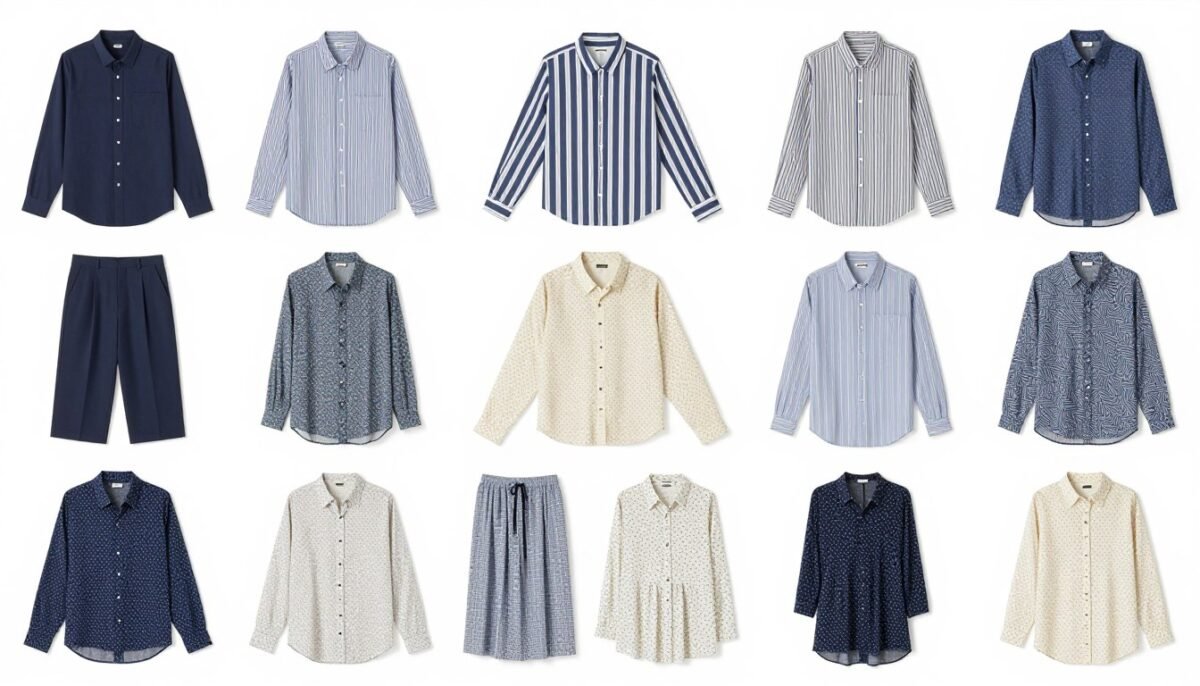
Patterns can be your friend when chosen strategically. The right patterns add visual interest and can actually create a slimming effect. Understanding how patterns interact with your shape helps you make confident choices.
Vertical Elements
Vertical stripes, vertical color blocking, and vertical seams create the illusion of length. This elongates your torso and draws the eye up and down rather than side to side. Even subtle vertical elements make a difference.
You don’t need bold stripes to achieve this effect. Gentle pin stripes, vertical pleating, or princess seams on a dress all create vertical lines. These elements guide the eye in a flattering direction.
Strategic Print Placement
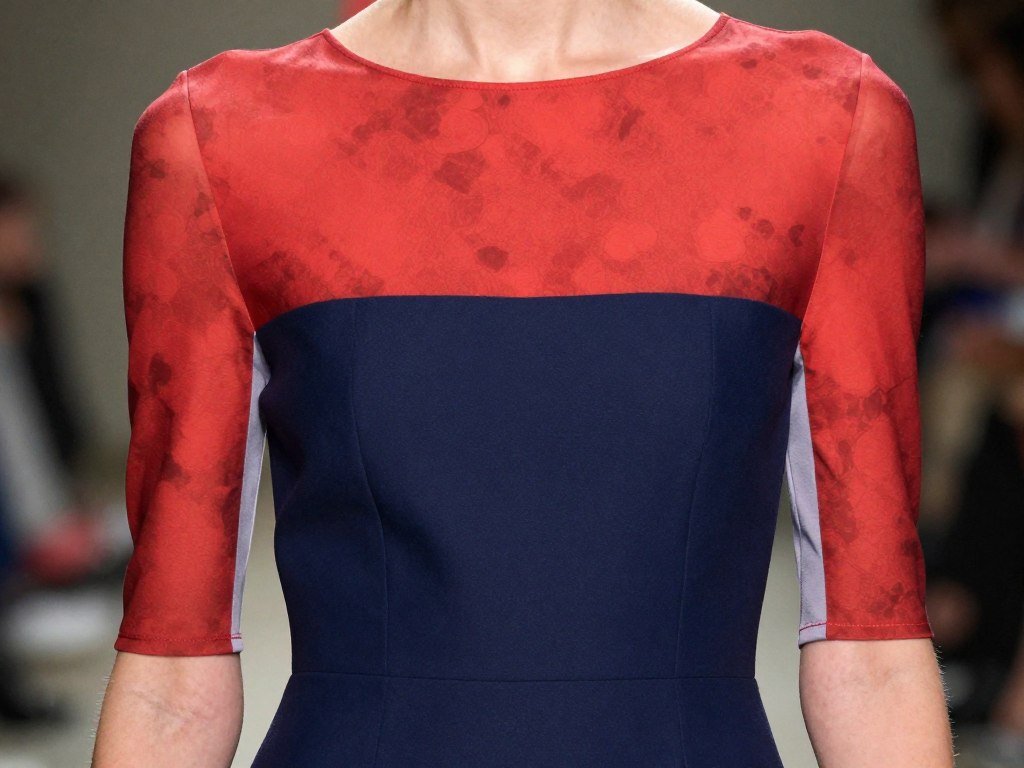
Dresses and tops with prints concentrated around the bust and shoulders draw attention upward. Look for styles where the pattern is bolder on top and fades or disappears as it moves down toward the tummy.
This technique works with florals, geometric prints, or abstract designs. The concentrated detail at the top creates a focal point while the solid or minimal pattern over the tummy creates a streamlined effect.
Small to Medium Scale Prints
Very large, bold prints can overwhelm your frame and draw attention to the areas you want to minimize. Small to medium-scale prints create interest without dominating your silhouette. These prints work especially well in flowing fabrics.
- Small florals that create texture without bulk
- Geometric prints in moderate scale
- Abstract patterns with vertical movement
- Subtle animal prints in neutral tones
- Watercolor or ombre effects that flow downward
Color Selection for Balance
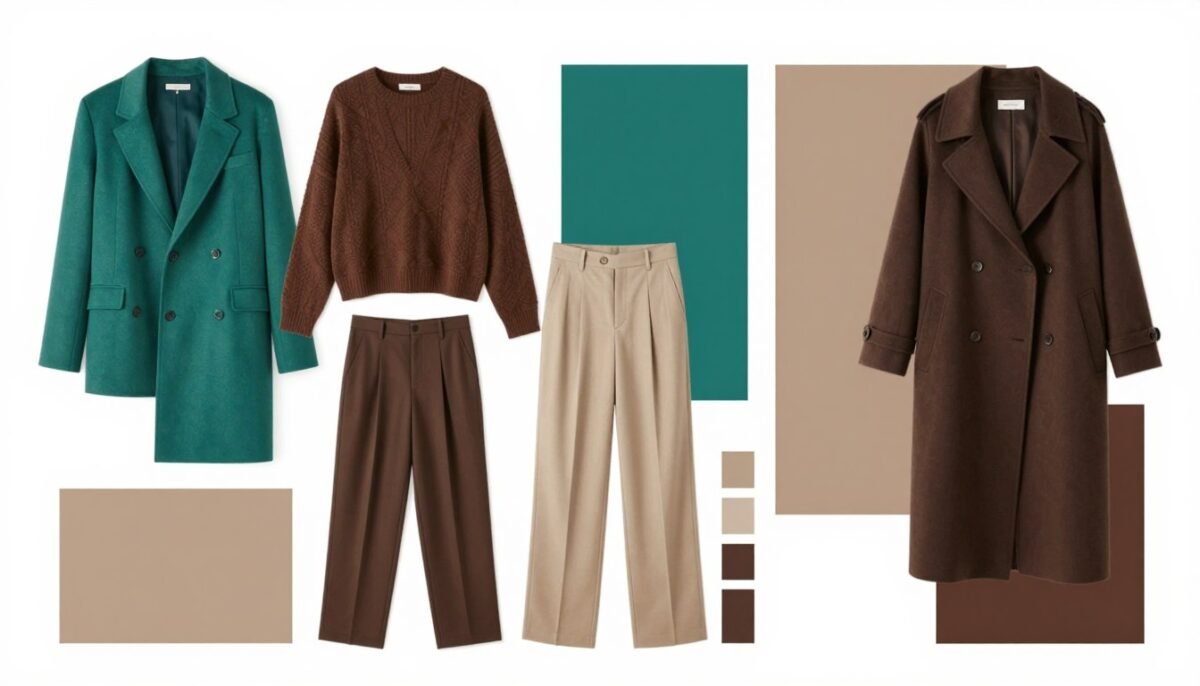
Color choices significantly impact how your outfit looks. Different colors create different effects. Understanding basic color principles helps you build a versatile wardrobe that flatters your shape.
Dark Colors for Streamlining
Dark colors like navy, charcoal, black, and deep burgundy create a slimming effect. These colors absorb light rather than reflecting it, which minimizes visual bulk. Use dark colors strategically on areas you want to de-emphasize.
You don’t have to wear all black to benefit from dark colors. A dark colored bottom paired with a lighter or brighter top creates the balance you want. The darker lower half streamlines while the pop of color on top draws attention upward.
Bright Colors and Statement Pieces
Don’t shy away from color completely. Bright colors work beautifully when placed strategically. Wear bright colors and bold hues on your upper body to draw attention to your face, neckline, and shoulders.
Jewel Tones
Rich colors like emerald, sapphire, and ruby flatter most skin tones. These sophisticated shades add vibrancy without being overwhelming. They work for both casual and dressy occasions.
Neutrals with Pop
Build your base wardrobe with neutrals like navy, gray, and beige. Add pops of color through tops, scarves, and accessories. This creates a balanced look that’s easy to style.
Color Blocking
Strategic color blocking creates visual interest and balance. Place lighter colors on top and darker on bottom. This guides the eye in flattering ways across your silhouette.
Build Your Color-Coordinated Wardrobe
Creating a cohesive wardrobe becomes easier when you understand which colors work together and flatter your shape. Start with a core palette of neutrals, then add accent colors that make you feel good. This approach ensures everything in your closet works together.
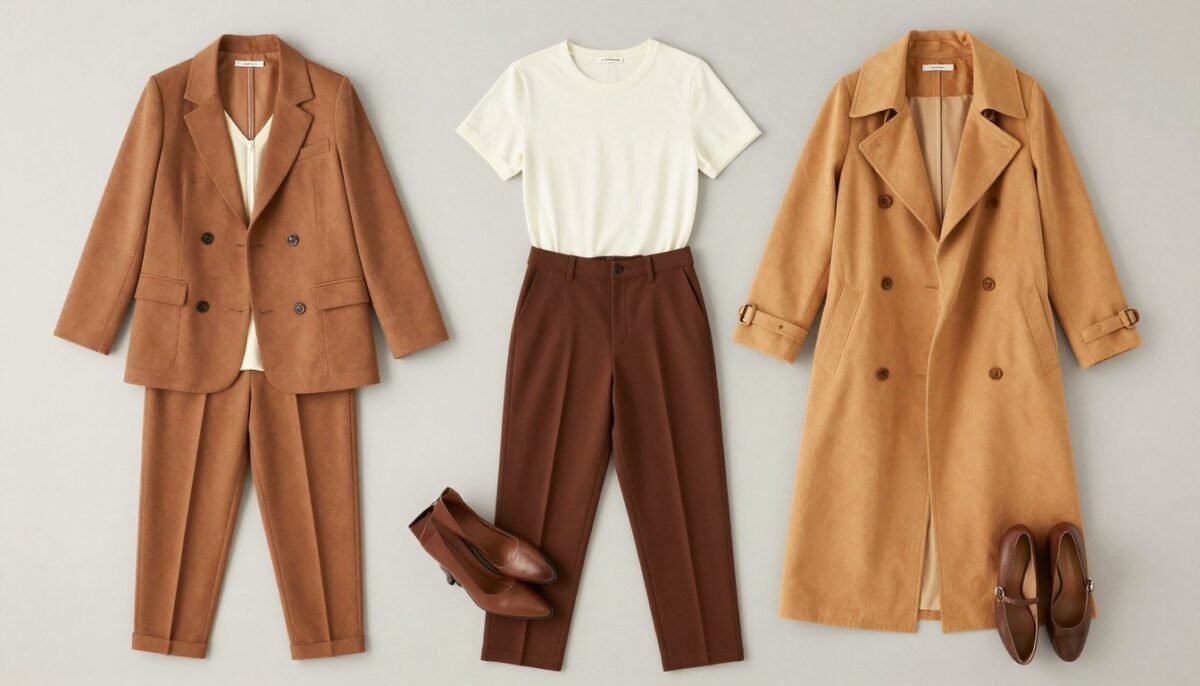
Mastering Necklines, Waistlines, and Hemlines
These three elements—necklines, waistlines, and hemlines—work together to create your overall silhouette. Getting these details right makes the difference between an outfit that’s just okay and one that makes you look amazing. Let’s break down what works best for your shape.
Necklines That Draw Attention Upward
Your neckline creates a frame for your face and draws attention to your upper body. With a smaller bust, you have flexibility to wear dramatic necklines without overwhelming your frame. This is one of your shape’s advantages.
V-Neck Styles
The V-neck is universally flattering. The downward point creates the illusion of length in your torso. It draws the eye vertically rather than horizontally. This neckline works for casual tees, dressy blouses, and everything in between.
Look for V-necks that aren’t too deep. A moderate V creates elegance without being revealing. You can adjust how much skin you show with a delicate necklace that fills in the space.
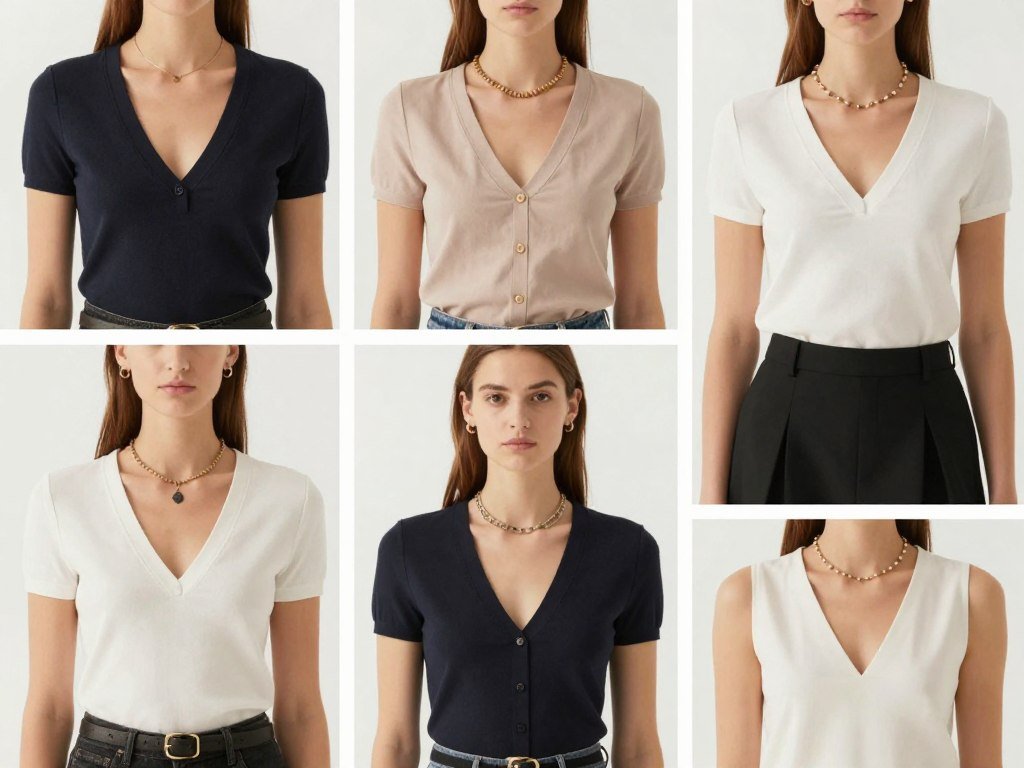
Scoop and Sweetheart Necklines
Scoop necklines create a gentle curve that’s both feminine and flattering. They show just enough to be interesting without being too revealing. Sweetheart necklines, often seen on dresses, create beautiful curves that complement your bust.
These necklines work especially well when you want to add a necklace. The curved shape provides a perfect backdrop for pendant necklaces or statement pieces. The necklace adds visual interest and draws attention exactly where you want it.
Boat Neck and Off-Shoulder
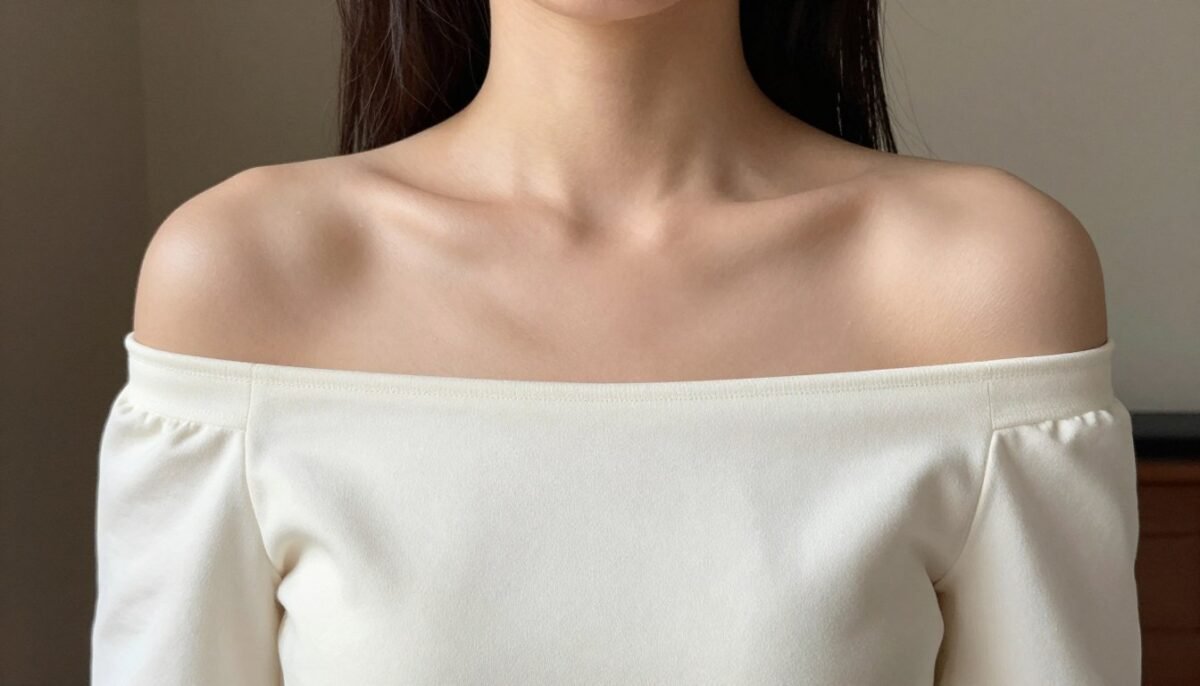
Boat necklines create horizontal lines across your shoulders, making them appear broader. This balances your proportions beautifully. Off-shoulder styles showcase your shoulders and collarbones, creating an elegant focal point.
These necklines work particularly well for women with a small bust because they don’t create excess fabric or gaping. You can wear these styles confidently, knowing they’ll fit properly and look sophisticated.
Best Necklines for Your Shape
- V-neck (moderate depth)
- Scoop neck
- Sweetheart
- Boat neck
- Off-shoulder
- Square neck
- Asymmetric necklines
Necklines to Approach Carefully
- Very high crew necks
- Turtlenecks (can shorten torso)
- Extremely deep plunging necklines
- Halter tops (can emphasize tummy)
- Oversized cowl necks
Waistline Placement for Flattery
Where your clothing cinches or defines your waist dramatically affects your overall look. The right waist placement creates balance and proportion. This element requires careful attention for your body shape.
Empire Waist Perfection
We’ve mentioned empire waists before, but they deserve emphasis. This waistline sits just below your bust at your natural ribcage. It’s the most universally flattering placement for women with a fuller tummy.
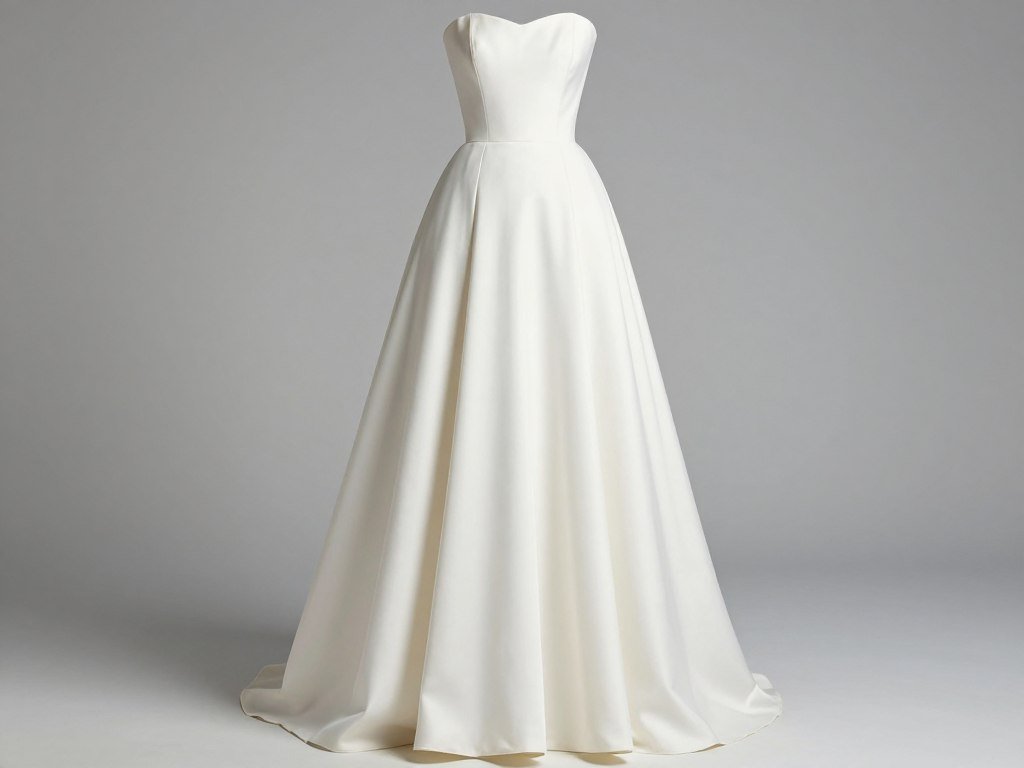
The empire waist creates definition at your smallest point while allowing fabric to flow freely below. This avoids any constriction around the tummy. The higher waist also creates the illusion of longer legs.
Look for empire waists with interesting details at the seam. A band of contrasting color, decorative stitching, or a small bow all draw attention to this flattering line. These details make the waist feel intentional rather than shapeless.
Natural Waist Definition
Your natural waist sits at the smallest part of your torso, typically at or just above your belly button. For some women with a fuller tummy, this area may not feel like the smallest point. That’s where strategic styling comes in.
Create the appearance of a natural waist with belts, tie details, or seaming. You don’t need to cinch tightly. A loose belt or tie that suggests a waist without constricting creates a flattering effect. This works especially well with dresses and tunics.
Waist-Defining Accessories
The right belt transforms an outfit. Choose belts in medium widths that create definition without cutting your torso awkwardly. Elastic stretch belts offer comfort while maintaining their shape. Place belts at your natural waist or just above for the most flattering effect.
Dropped Waist Styles
Dropped waist styles sit on the hips rather than the natural waist. These can work for very casual looks, but approach them carefully. On women with a fuller tummy, dropped waists can sometimes create an unflattering silhouette.
If you choose a dropped waist style, ensure the top portion provides enough structure. The bodice should fit well without being tight. The dropped waist should sit right at your hip bones for the most flattering effect.
Hemline Lengths That Elongate
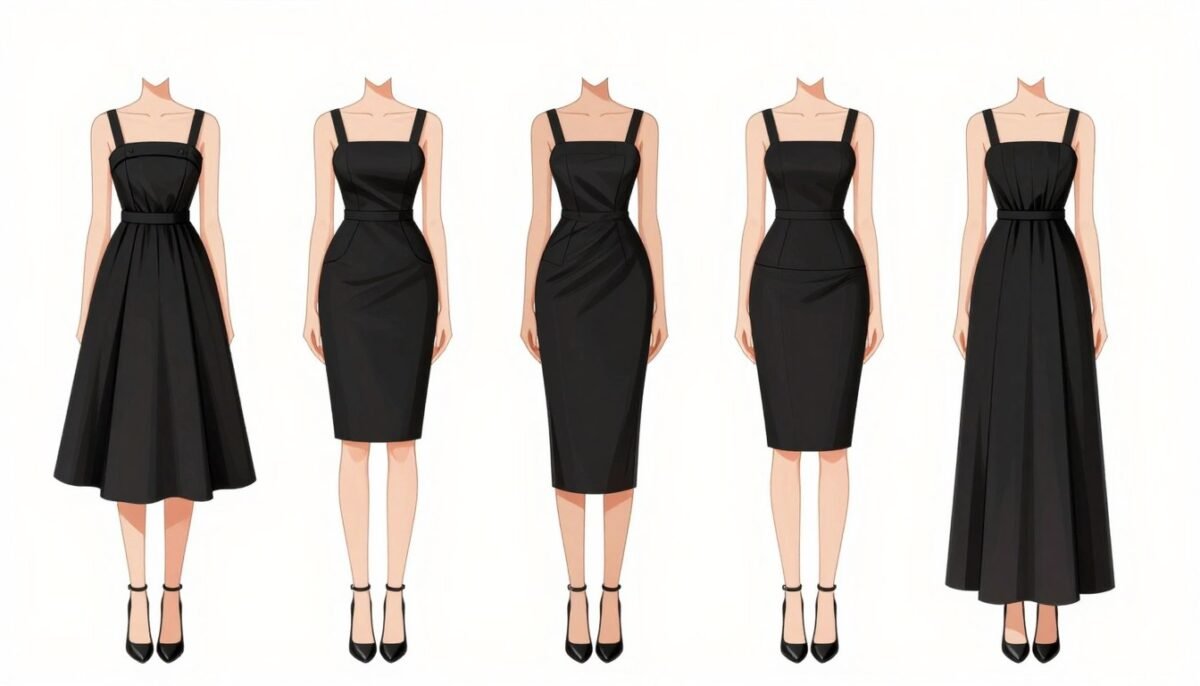
Hemlines affect your proportions just as much as necklines and waistlines. The right length makes your legs look longer and creates better overall balance. Understanding which lengths work best helps you shop more effectively.
Just Below the Knee
This length flatters almost everyone. It shows enough leg to create elegance while providing comfortable coverage. Skirts and dresses that hit just below the knee work for both casual and professional settings.
This length pairs beautifully with heels or flats. It’s long enough to feel modest but short enough to show off your legs. If you’re building a versatile wardrobe, prioritize pieces in this length range.
Midi Length Magic
Midi lengths fall between the knee and ankle, typically hitting at mid-calf. This length creates elegance and works particularly well for flowing skirts and dresses. The longer length balances out your proportions beautifully.
Midi lengths work best in lighter fabrics that move as you walk. Heavy fabrics at this length can overwhelm your frame. Choose materials with drape that create graceful movement.
Pair midi lengths with heels to avoid shortening your legs visually. Even a small heel helps maintain good proportions. If you prefer flats, choose pointed toe styles that create a line of elongation.
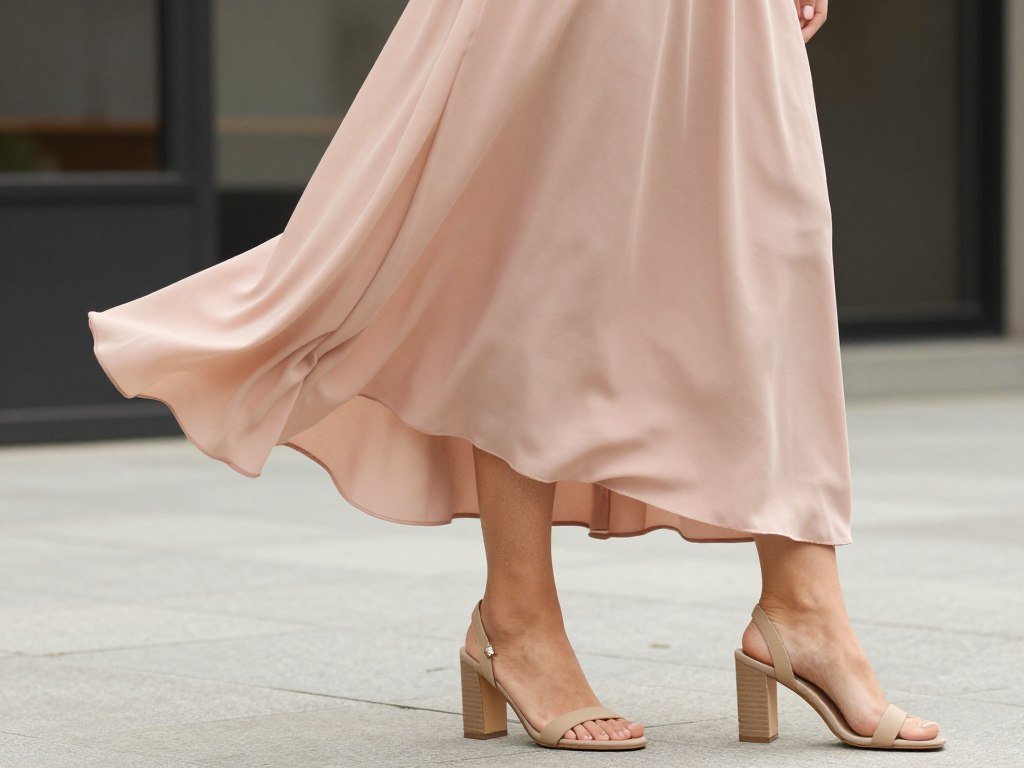
Maxi Length Elegance
Maxi dresses and skirts that reach your ankles create stunning vertical lines. These lengths work especially well in empire waist or A-line styles. The continuous line from top to bottom elongates your entire silhouette.
Choose maxi lengths in fabrics that skim your body without clinging. Jersey, soft cotton, and rayon blends work beautifully. Avoid very heavy fabrics that might drag down your frame or create too much volume.
Lengths to Approach Carefully
Certain lengths can create awkward proportions. Very short skirts and dresses (above mid-thigh) often emphasize the tummy area. Lengths that hit at the widest part of your calf can make legs look shorter. Stick with the flattering lengths mentioned above for the best results.
Layering Strategies for Dimension and Style
Layering adds visual interest and creates dimension in your outfits. It’s also practical for temperature changes throughout the day. When done right, layering creates balance and draws attention to your best features. The key is adding layers without adding bulk around the tummy area.
The Foundation Layer
Start with a well-fitting base layer. This might be a fitted tank top, a smooth-fitting tee, or a simple shell. The foundation should skim your body without clinging to the tummy area. This layer stays mostly hidden but provides a smooth canvas for layering.
Choose foundation pieces in colors that work with multiple outer layers. Neutrals like black, white, navy, and gray give you the most versatility. The fabric should be smooth to avoid adding texture or bulk under your outer layers.
Cardigans and Cover-Ups
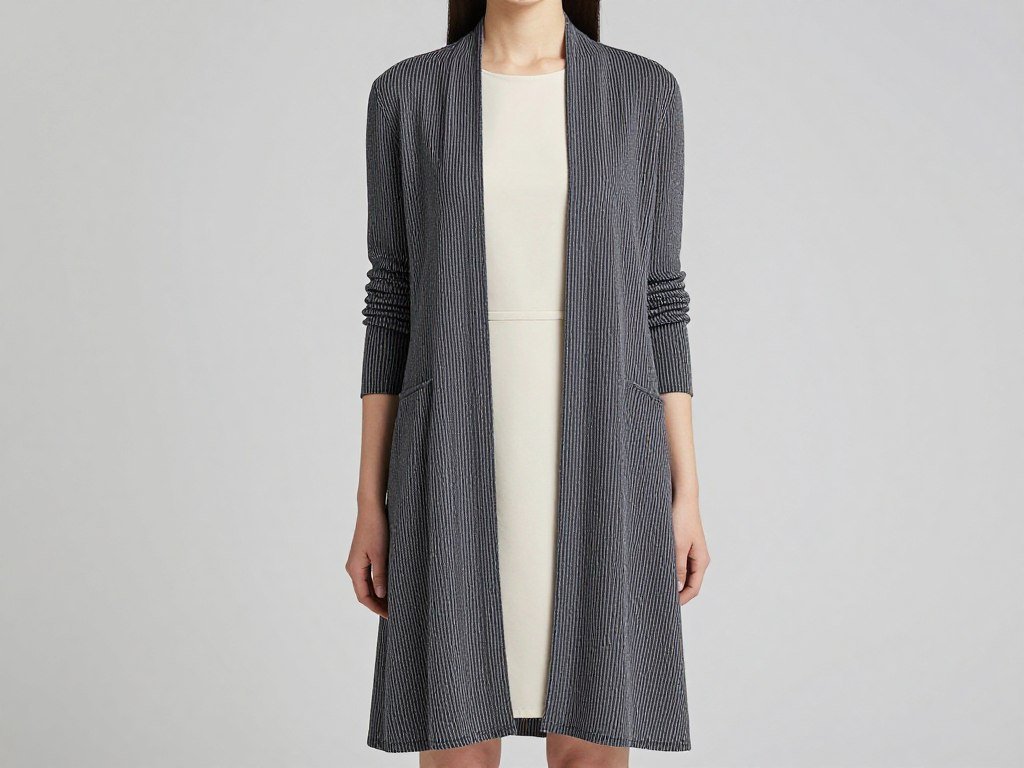
Long cardigans that extend past your tummy create beautiful vertical lines. They add sophistication while providing comfortable coverage. Look for cardigans in lightweight knits that drape nicely without adding bulk.
Avoid cardigans that end right at your widest point. This draws attention to the area you want to minimize. Instead, choose lengths that extend to mid-thigh or longer. This creates an elongating effect.
Waterfall cardigans work particularly well. The open front creates vertical lines while the flowing fabric adds movement and style. You can wear these over dresses, with jeans, or over professional outfits.
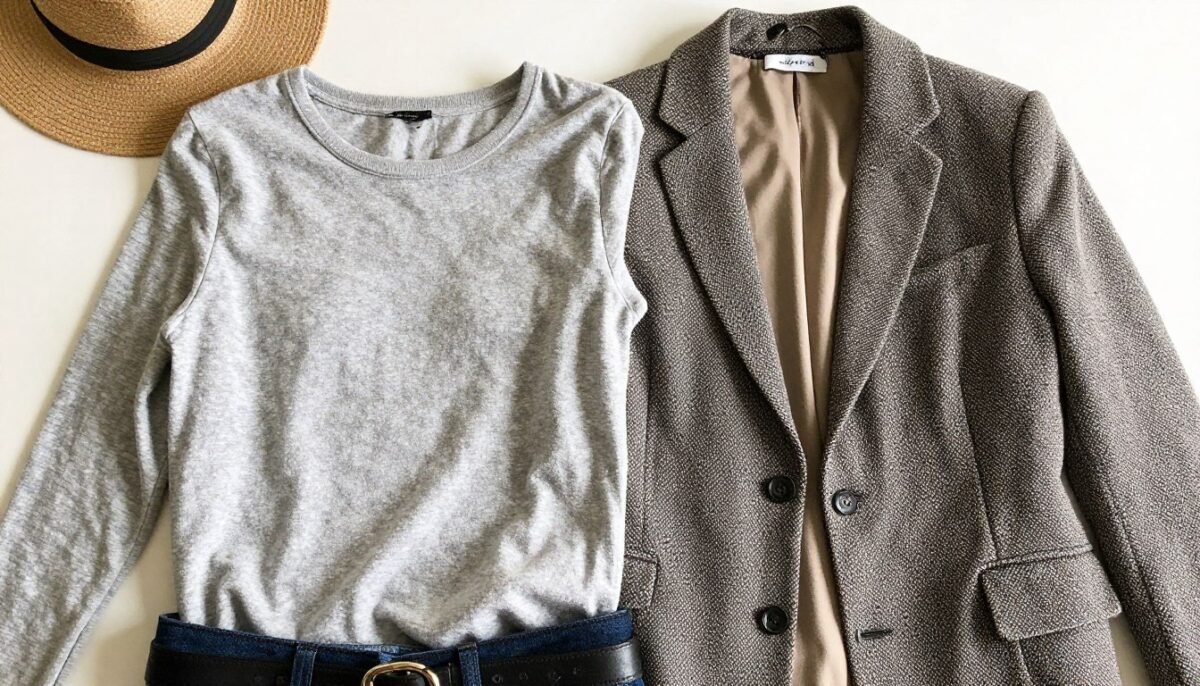
Structured Jackets and Blazers
A well-fitted blazer instantly elevates any outfit. For your body shape, look for blazers with these key features. The shoulders should fit properly, creating clean lines across your upper body. This adds visual weight on top to balance your proportions.
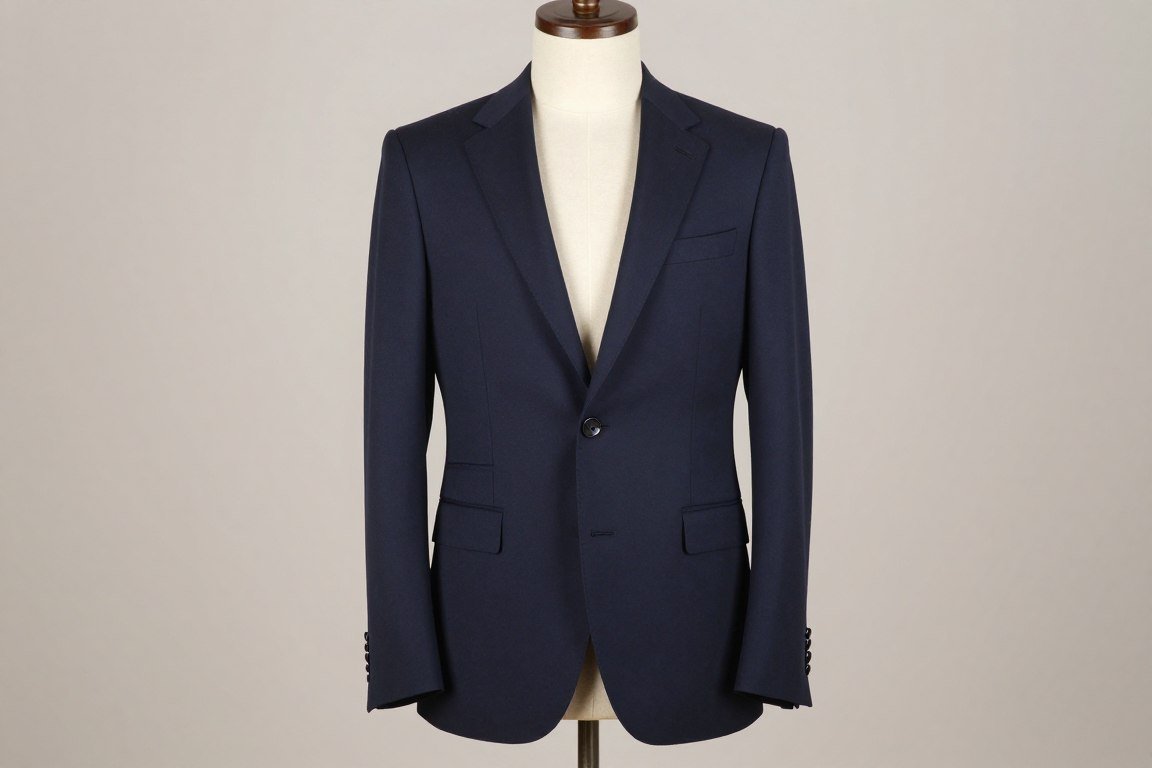
Single Button Blazers
One button creates a sleek, elongating line. The button should sit at or slightly above your natural waist. This creates shape without pulling across the tummy.
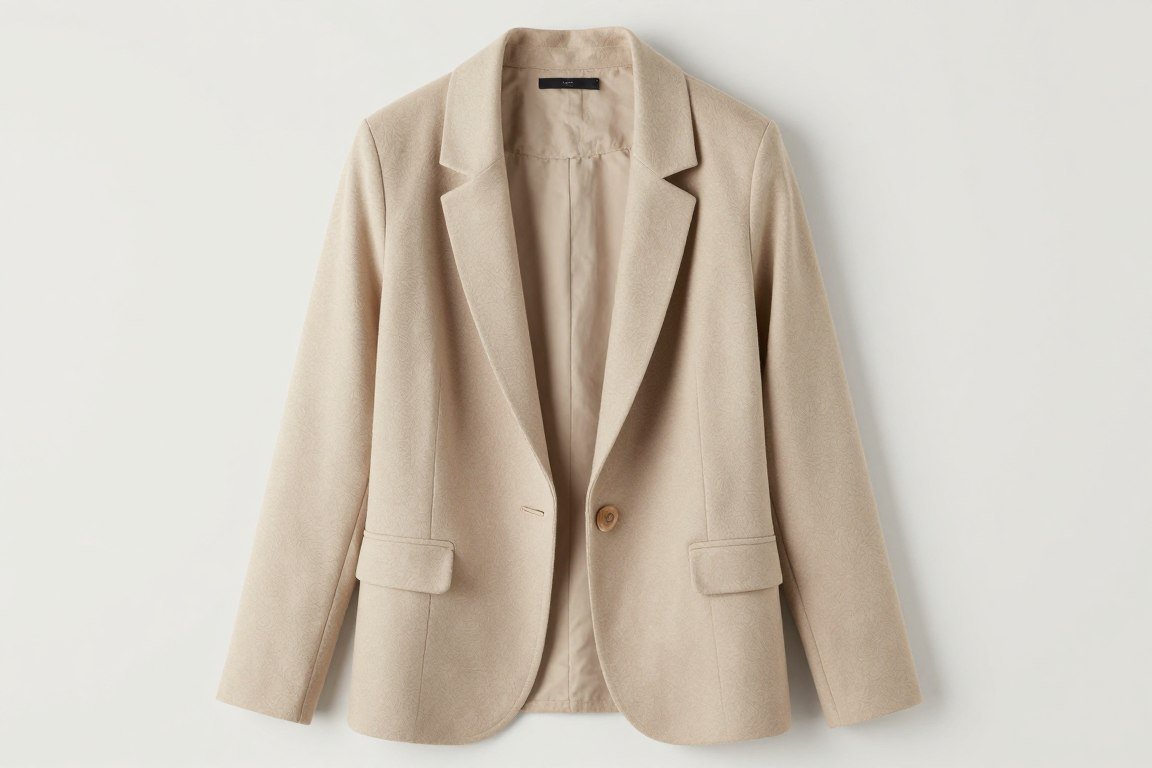
Open Front Styles
Blazers designed to wear open eliminate concerns about pulling across the tummy. These create vertical lines and work beautifully over dresses and tops.
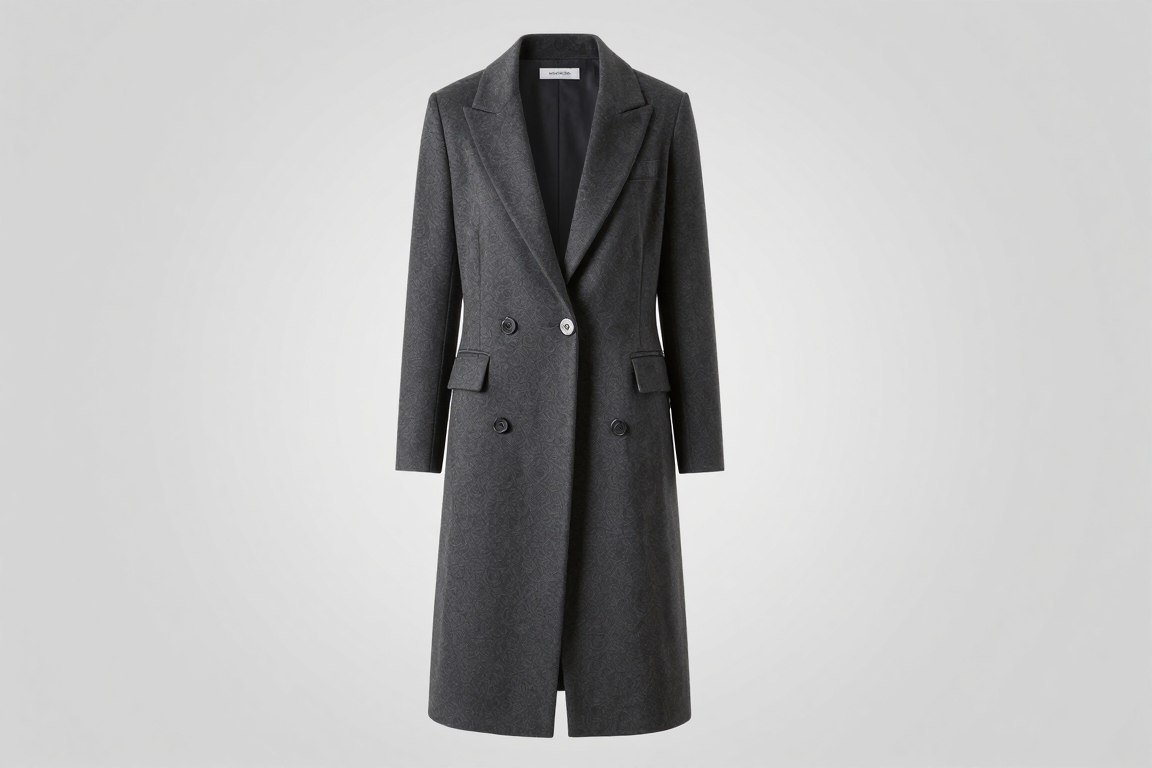
Longer Lengths
Blazers that extend past your tummy create coverage while maintaining a polished look. The extra length adds sophistication and works for both professional and casual settings.
Scarves and Statement Necklaces
Accessories that draw attention upward become powerful styling tools. Scarves and statement necklaces create focal points around your face and neckline. They add personality to your outfits while serving a strategic purpose.
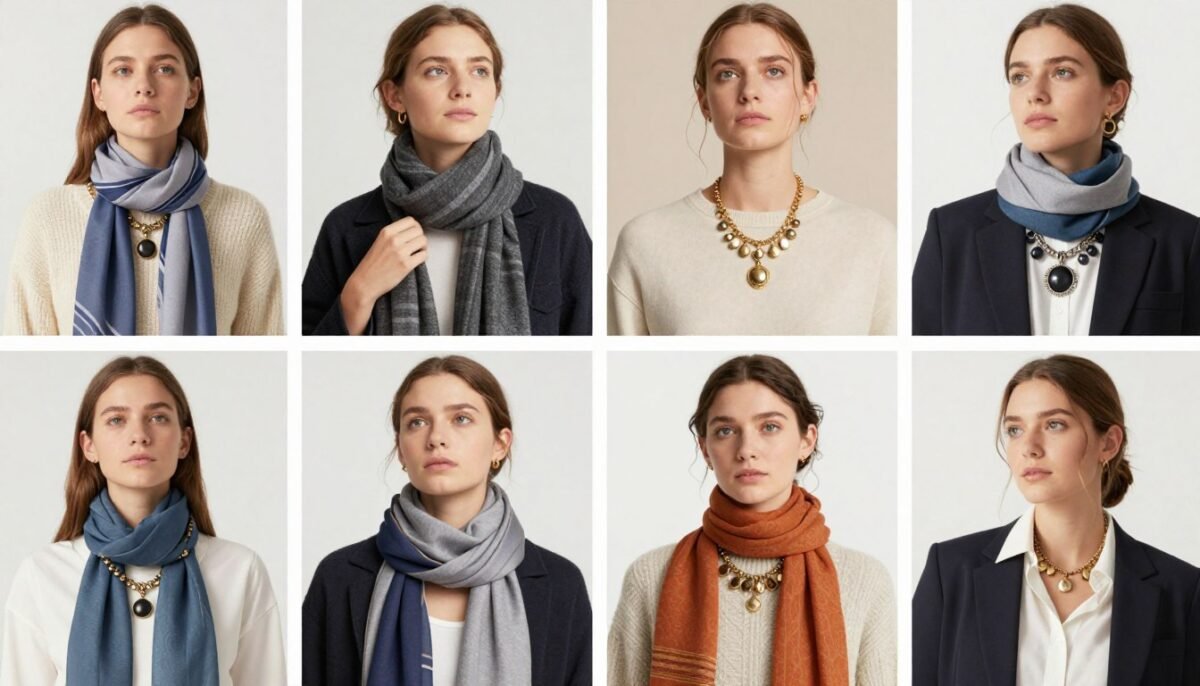
Scarf Styling Techniques
Long, lightweight scarves create vertical lines when draped down your front. This draws the eye up and down rather than across. Choose scarves in colors that complement your outfit or provide a pop of color against neutral bases.
You can wear scarves loosely looped, draped casually, or tied in simple knots. Avoid bulky, thick scarves that add volume around your neck and shoulders. Stick with flowing fabrics like silk, modal, or thin cotton.
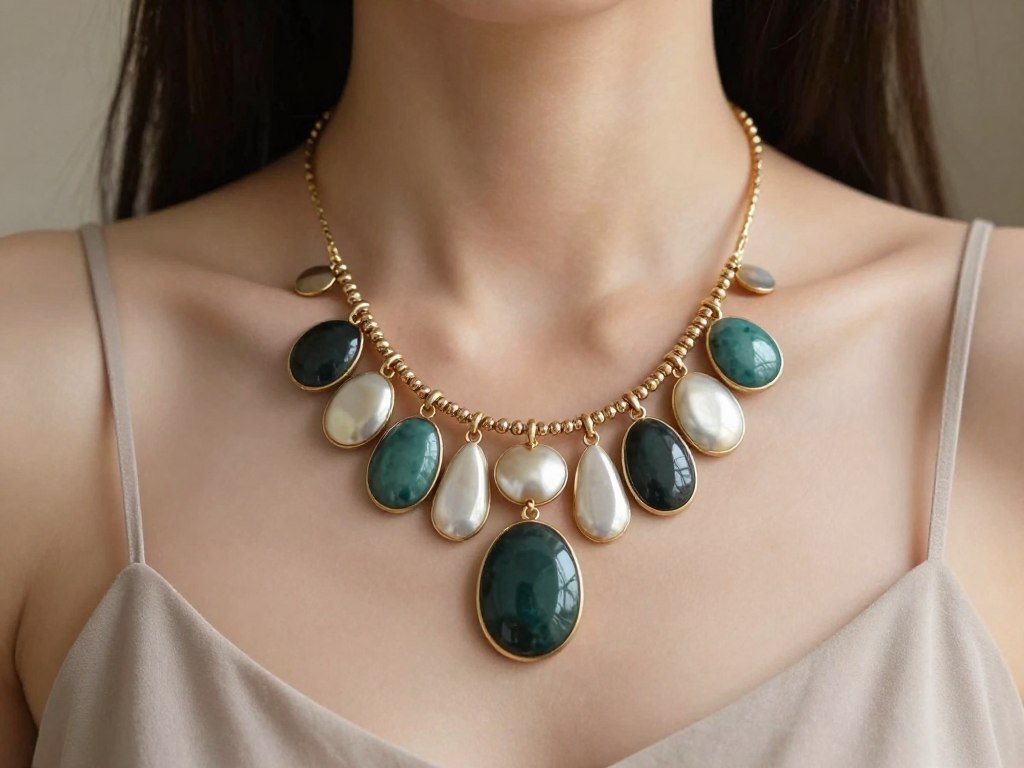
Statement Necklace Impact
A bold necklace draws attention exactly where you want it. The necklace becomes the focal point of your outfit, directing eyes to your face and away from your midsection. Choose pieces that feel special without being uncomfortable.
Long pendant necklaces create vertical lines similar to scarves. Chunky collar-style necklaces fill in simple necklines and add interest. Layer multiple delicate necklaces for a trendy, personalized look.
Vests and Structured Layers
Vests add dimension without the bulk of sleeves. Long vests that extend past the tummy work particularly well. They create vertical lines while adding visual interest to simple outfits.
Choose vests in structured fabrics that hold their shape. Avoid very bulky or puffy vests that add width. Sleek, tailored vests in neutral colors become versatile pieces you’ll reach for often.
Complete Your Layered Look
Mastering layering takes practice, but the results are worth it. A well-layered outfit gives you style versatility and practical temperature control. Start with one or two layering pieces and build your collection over time.
Common Styling Mistakes to Avoid
Understanding what doesn’t work is just as important as knowing what does. These common mistakes can undermine even the best intentions. Avoiding these pitfalls helps you make smarter wardrobe choices and feel more confident in your style decisions.
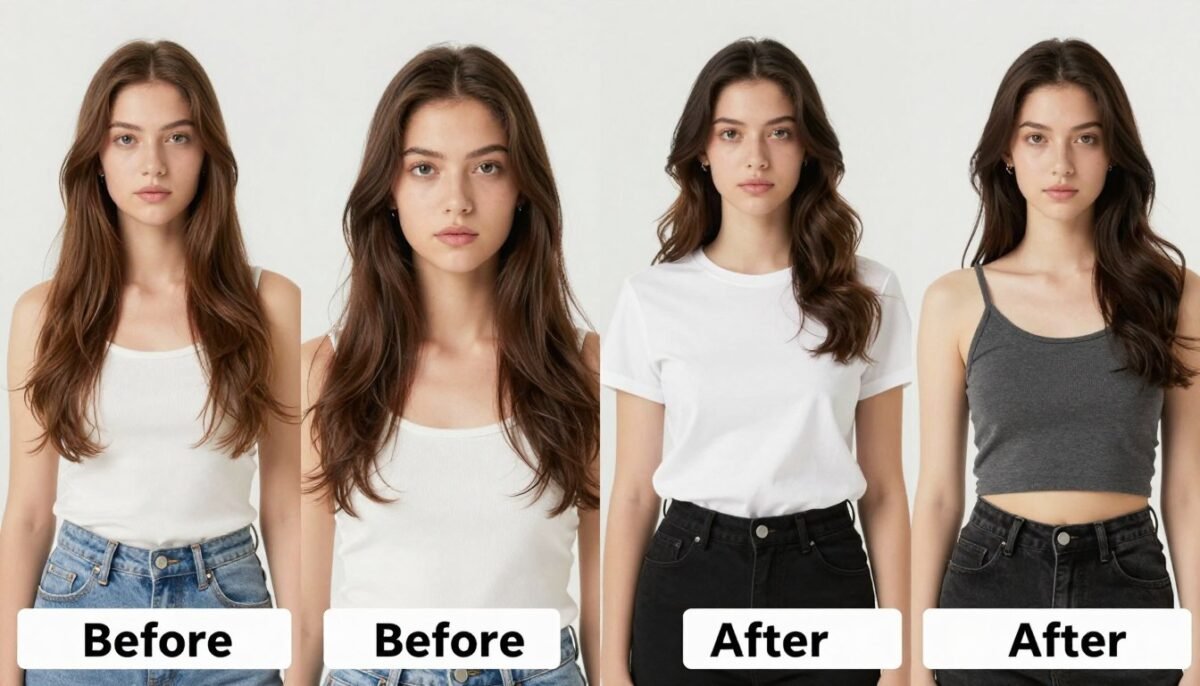
Mistake 1: Wearing Oversized, Shapeless Clothing
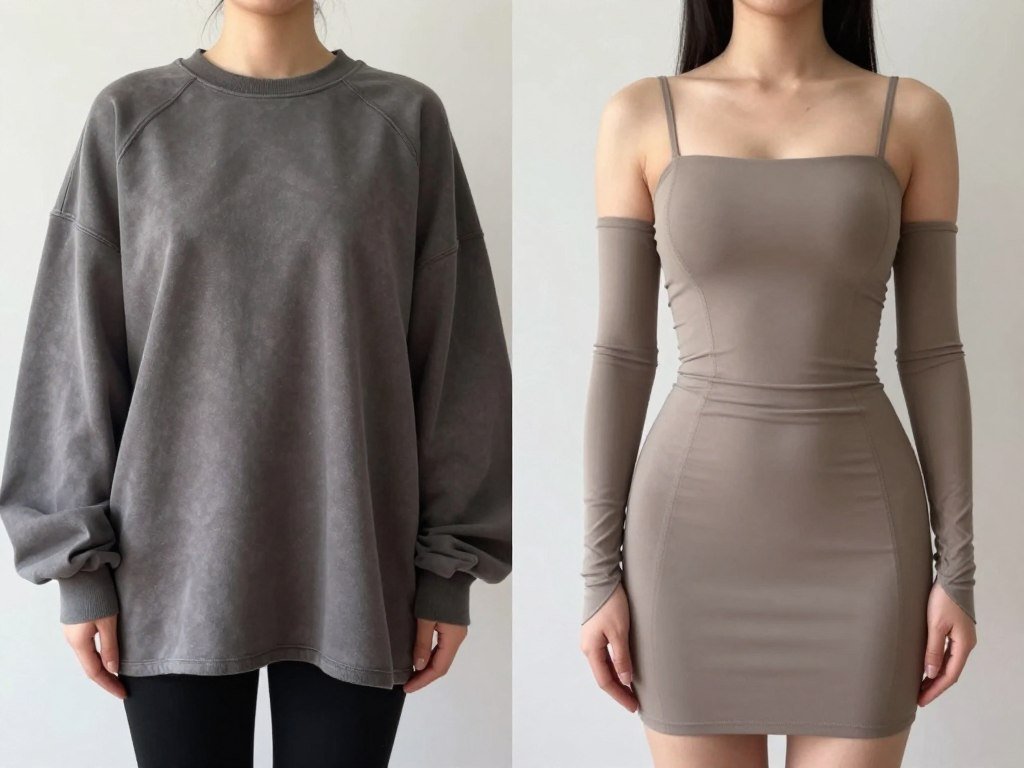
It’s tempting to hide behind baggy clothes, but this actually makes you look larger. Oversized clothing adds visual bulk and hides your shape entirely. Instead of camouflaging your body, you end up looking shapeless.
The solution is finding the right fit. Clothes should skim your body without clinging. They should touch you at the shoulders and bust without pulling tight anywhere. This creates clean lines without adding unnecessary volume.
Mistake 2: Choosing Clingy, Thin Fabrics
On the opposite end, very thin fabrics that cling to every curve create the problems you’re trying to avoid. These materials emphasize the tummy area rather than skimming over it. They show every line and can make you feel self-conscious.
Select fabrics with enough weight and structure to drape nicely. Medium-weight knits, woven fabrics with a bit of body, and materials with a smooth finish all work better than thin, clingy options. The fabric should gently skim your body without hugging it tightly.
Mistake 3: Wearing Low-Rise Bottoms
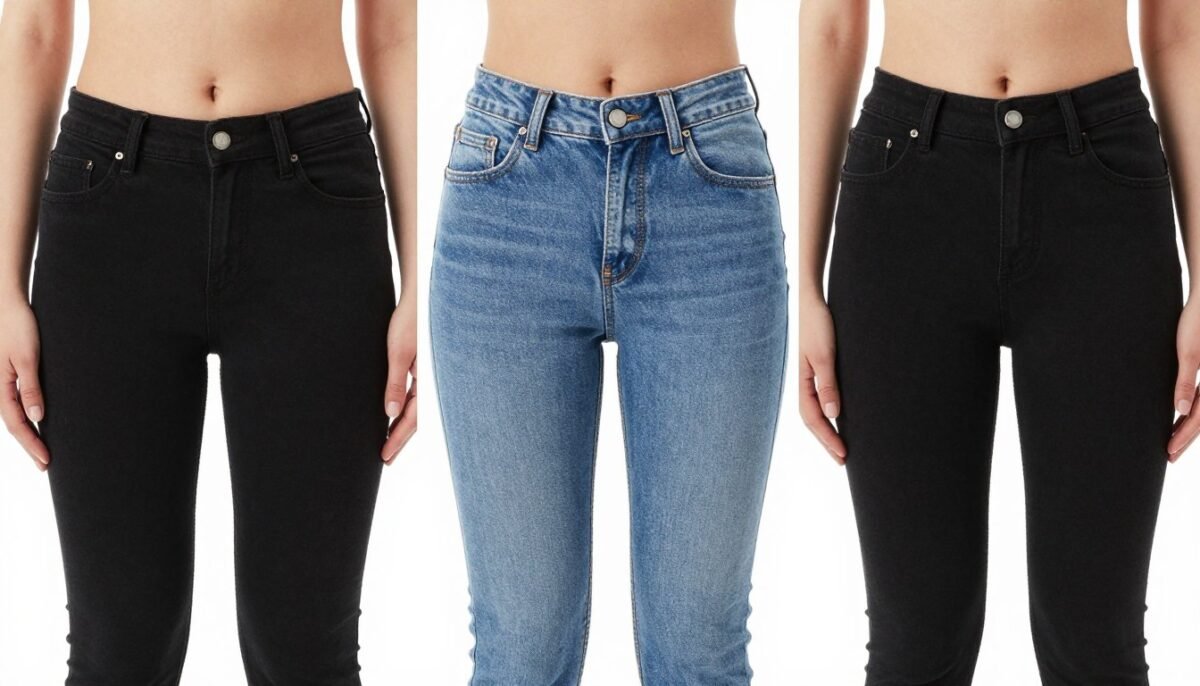
Low-rise pants and skirts cut across the fullest part of your tummy. This creates a muffin-top effect that’s unflattering on everyone. The waistband digs in and creates bulges above and below the waist.
Mid-rise and high-rise bottoms solve this problem completely. They contain and smooth the tummy area while creating better proportions. The higher rise also makes your legs look longer. This simple change makes a dramatic difference in how you look and feel.
Mistake 4: Ignoring Proper Foundation Garments
The right undergarments create a smooth canvas for your clothes. Shapewear designed for your needs provides comfortable support and smoothing. This isn’t about changing your body. It’s about creating clean lines under your clothing.
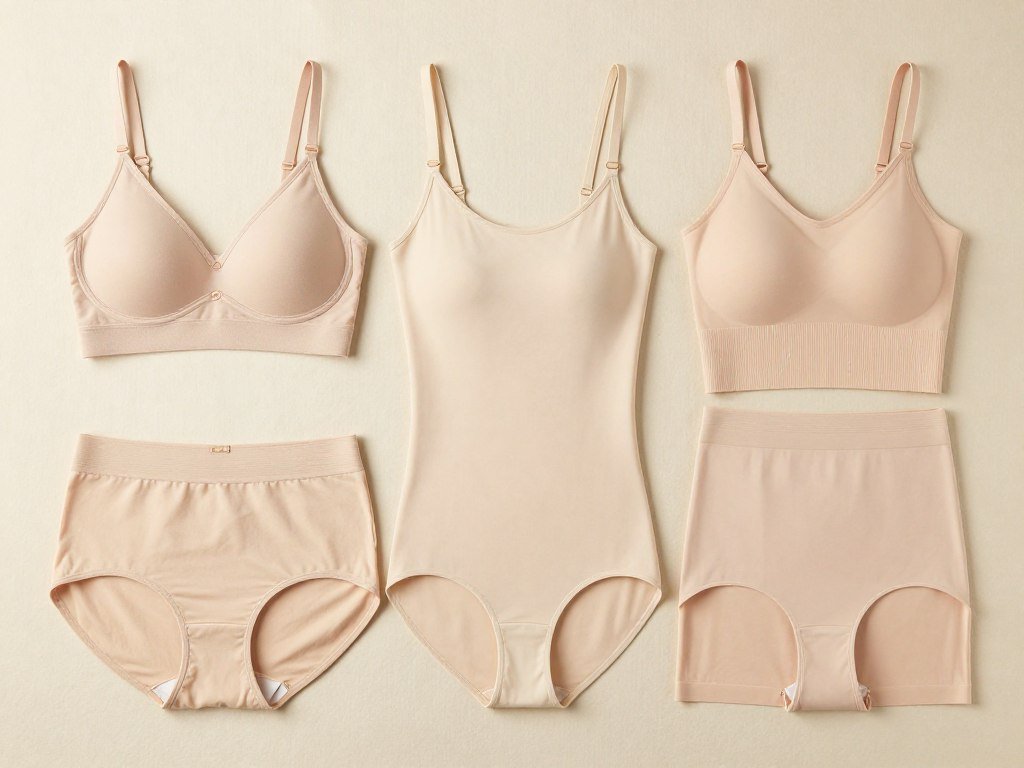
Look for shapewear that smooths without being uncomfortably tight. High-waisted shapers work particularly well under dresses and fitted tops. They should feel supportive, not restrictive.
The right bra makes an enormous difference too. A properly fitted bra creates better proportions and makes your clothes fit better. Get professionally fitted if possible, or carefully measure yourself following online guides.
Mistake 5: Wearing Horizontal Stripes Across the Midsection
Horizontal stripes draw the eye across your body rather than up and down. When placed across your tummy, they emphasize width rather than creating length. This works against your styling goals.
If you love stripes, choose vertical orientations or diagonal patterns. You can also wear horizontal stripes on tops that don’t extend over your tummy. A striped top paired with a solid cardigan or blazer gives you the pattern you want without the unflattering emphasis.
Mistake 6: Avoiding Color and Pattern Entirely
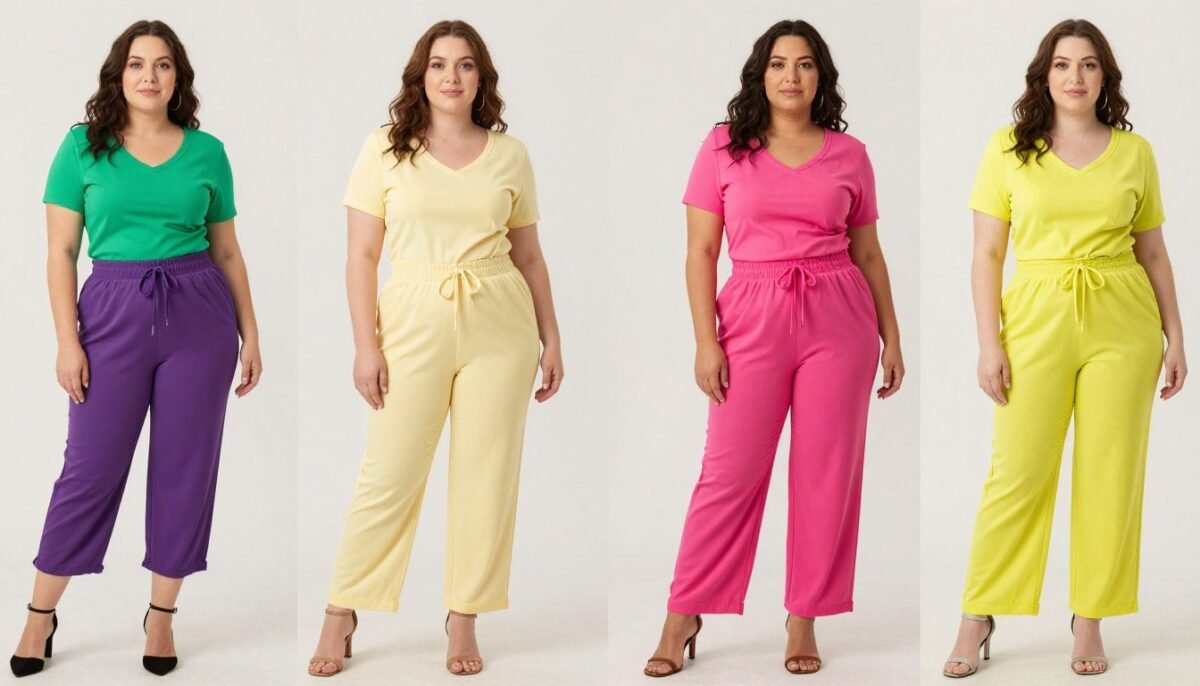
Some women think they must stick to all black or dark colors to look slimmer. While dark colors are slimming, you don’t need to limit yourself. Color and pattern add personality and joy to your wardrobe.
The key is strategic placement. Wear your favorite colors on top where you want to draw attention. Use darker or more neutral colors on bottom. Mix patterns and solids in ways that create visual interest without overwhelming your frame.
Mistake 7: Ignoring Proportion and Balance
Outfit proportions matter more than individual piece perfection. An outfit that balances top and bottom creates better overall harmony than perfectly fitted pieces that don’t work together.
Think about the relationship between your top and bottom. A flowing top pairs well with fitted bottoms. A more fitted top works with wider-leg pants or A-line skirts. This balance creates pleasing proportions.
Avoid pairing very voluminous tops with very voluminous bottoms. This creates too much fabric and can overwhelm your frame. Similarly, avoid very tight tops with very tight bottoms, which can emphasize areas you’d prefer to minimize.
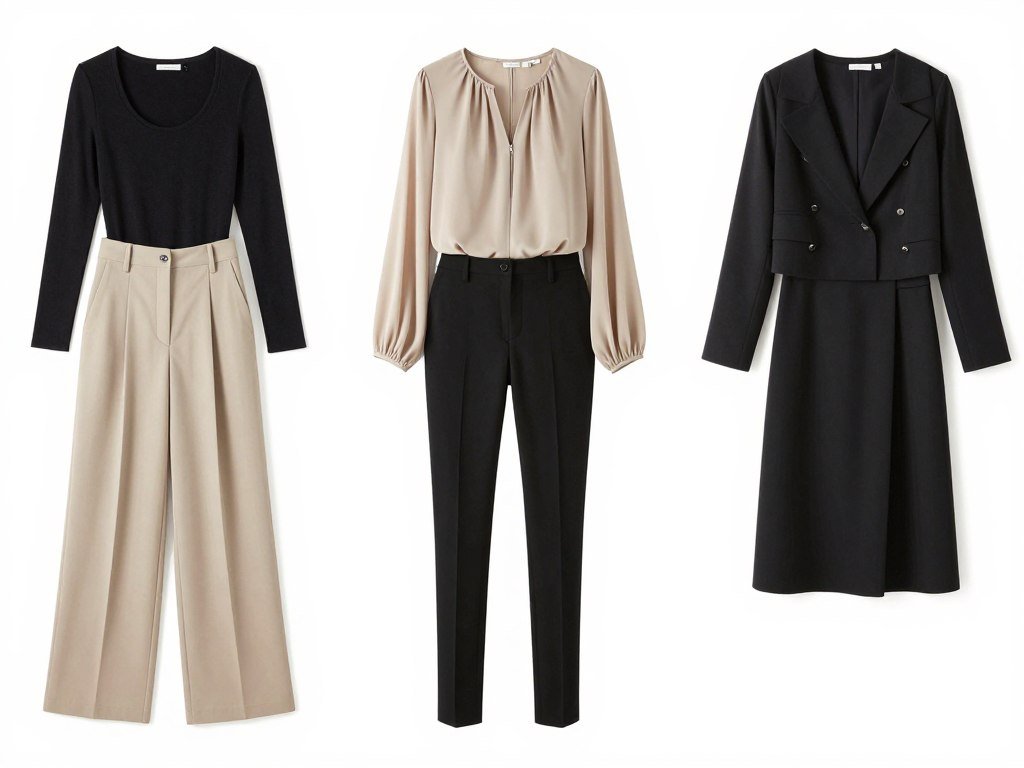
Styling for Different Occasions
Your wardrobe needs to work for various situations. Understanding how to adapt flattering principles to different settings ensures you always look appropriate and feel confident. These occasion-specific tips help you navigate any event with style.
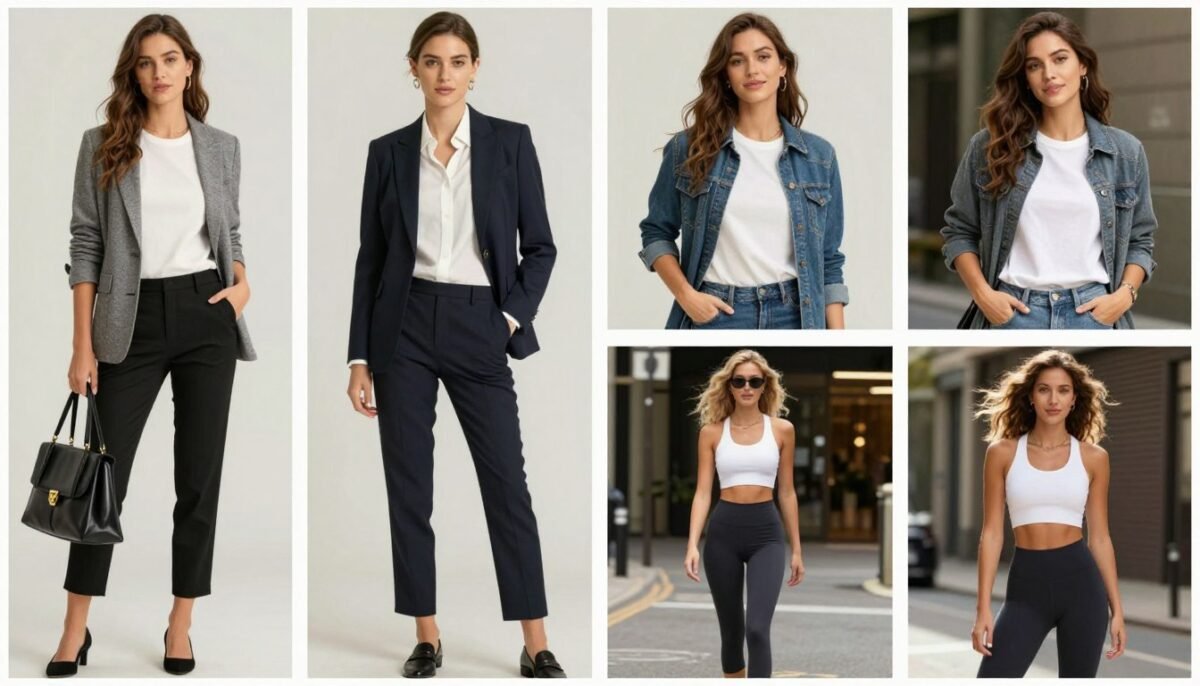
Professional Workplace Style
Creating a professional wardrobe that flatters your shape requires focusing on quality pieces that work together. Build a capsule of mix-and-match items that take the guesswork out of getting dressed for work.
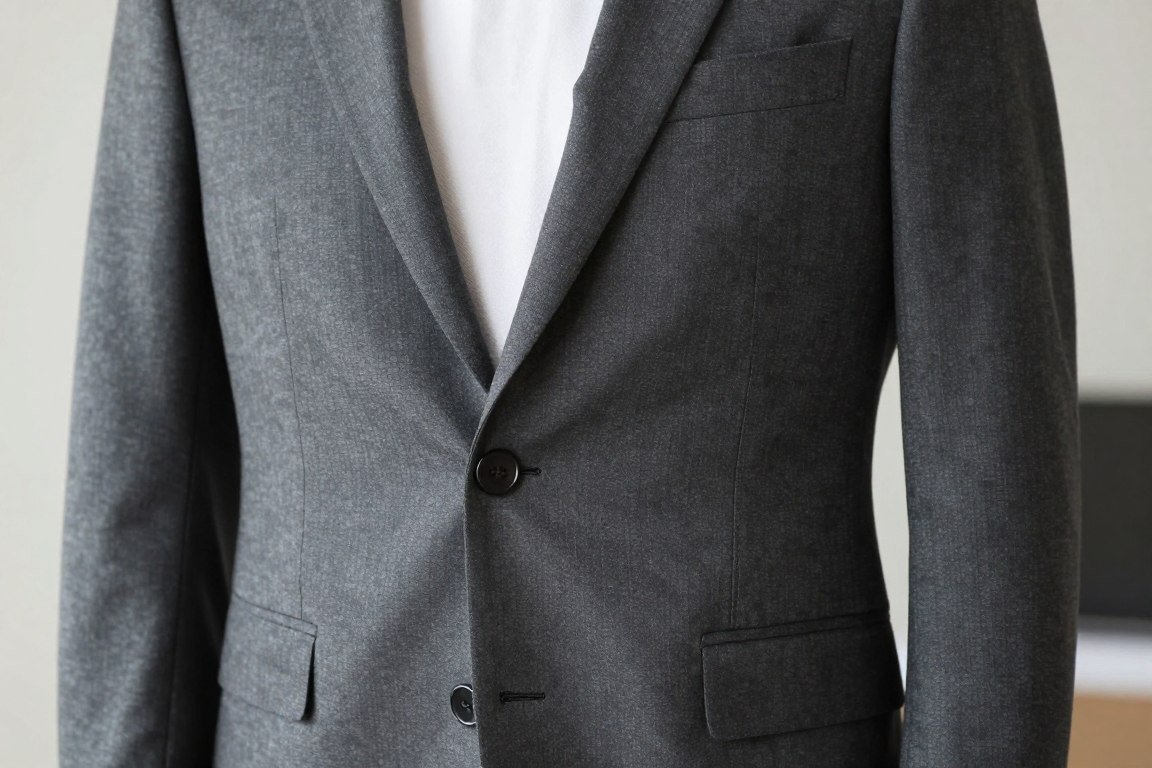
Structured Blazers
Invest in two to three quality blazers in neutral colors. These create polish and professionalism while providing flattering structure. Choose longer lengths that extend past your tummy.
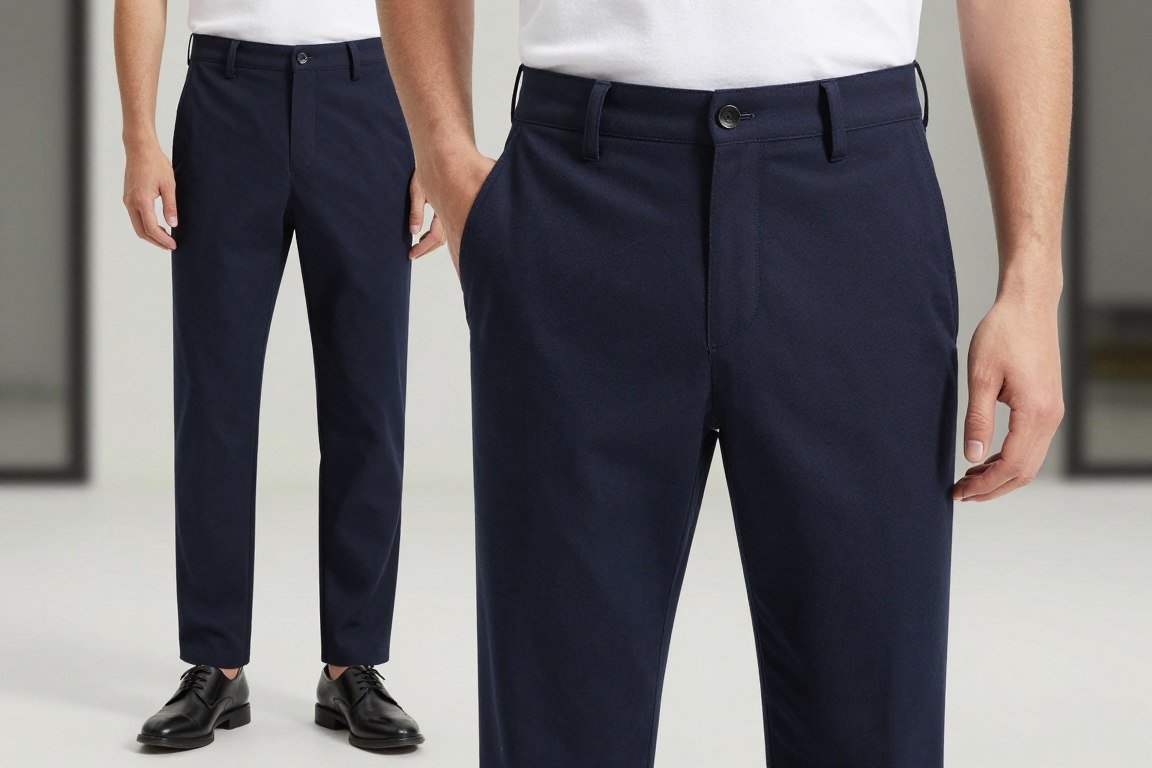
Tailored Pants
Well-fitted trousers in classic cuts form your work wardrobe foundation. Mid-rise to high-rise styles with a bit of stretch offer comfort and polish. Stick with darker colors for versatility.
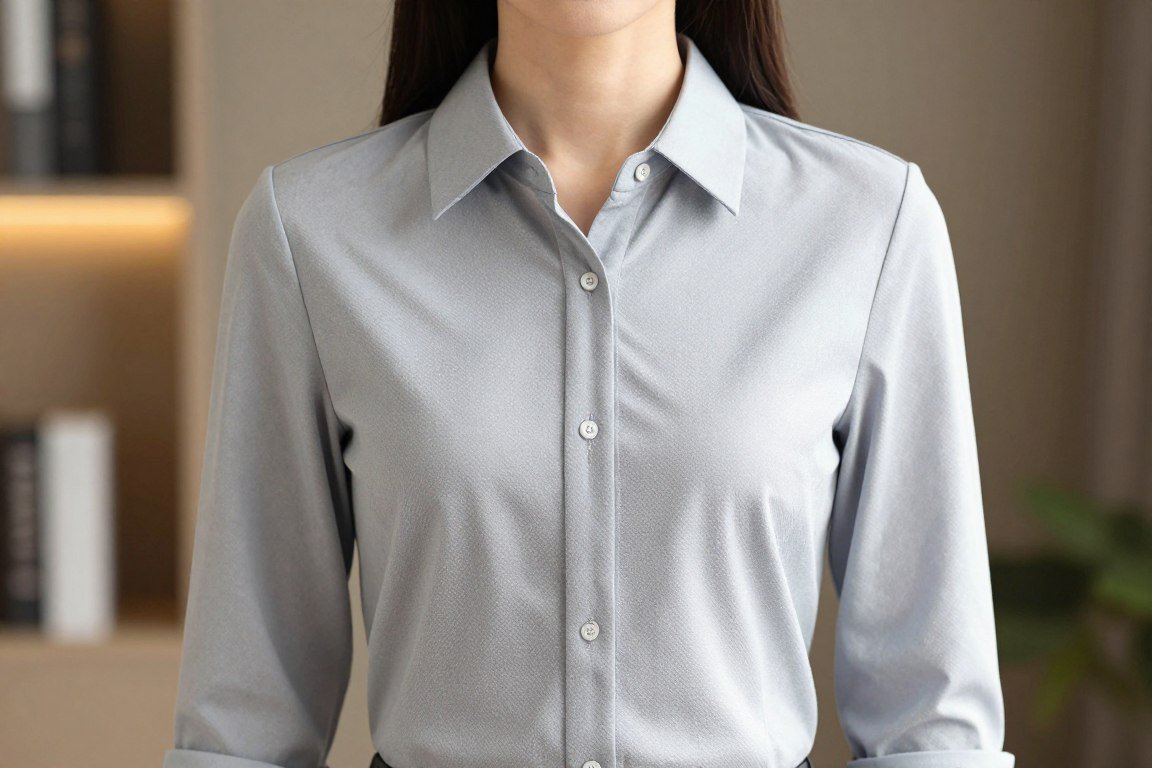
Blouses with Interest
Choose tops that add personality without being too casual. Subtle patterns, interesting necklines, or textured fabrics keep your look professional while preventing boredom.
Casual Weekend Comfort
Weekend dressing allows more creativity and comfort. You can experiment with trends and personal style while maintaining the flattering principles that work for your shape. The goal is looking put-together without being overly dressed up.
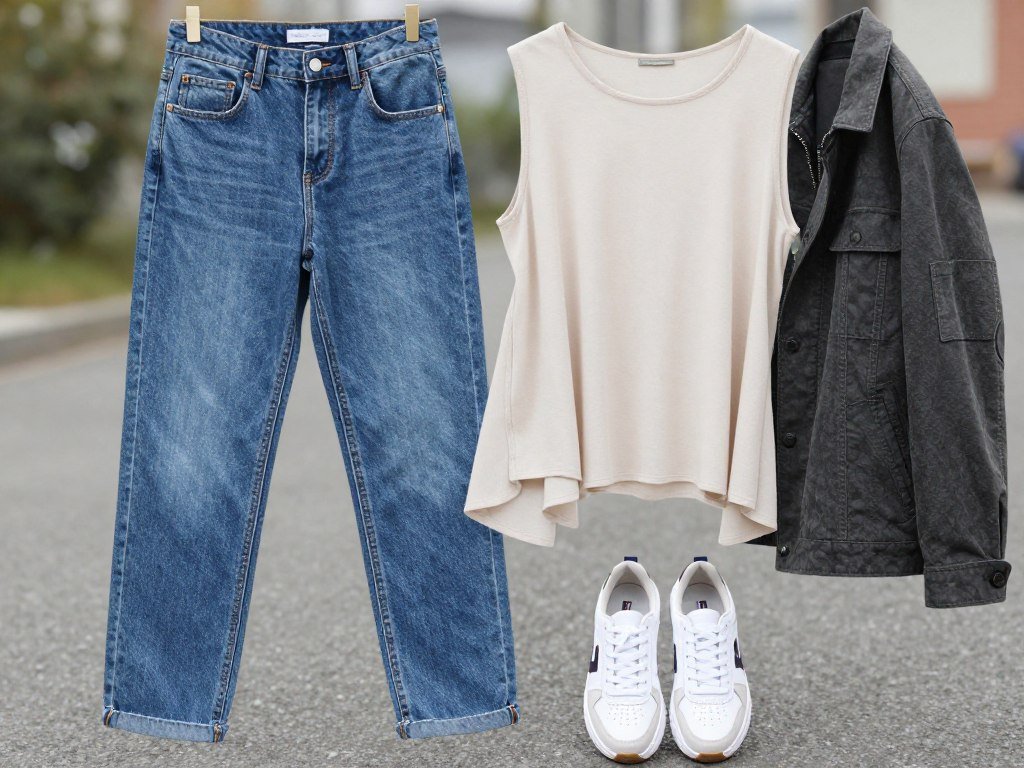
Start with quality denim in a flattering cut. Mid-rise or high-rise jeans with a slight stretch work best. Darker washes are most versatile, but don’t be afraid of lighter colors if they make you feel good.
Pair jeans with longer-length tops that provide coverage. Tunics, longer tees, and casual button-down shirts all work well. Layer with cardigans, denim jackets, or utility jackets for added style and warmth.
Comfortable shoes complete the casual look. Sneakers, flat boots, or supportive sandals let you move freely while maintaining style. Choose shoe styles that complement rather than compete with your outfit.
Evening and Special Events
Special occasions call for elevated style while maintaining comfort and confidence. The right dress or outfit combination lets you enjoy the event without worrying about your appearance.
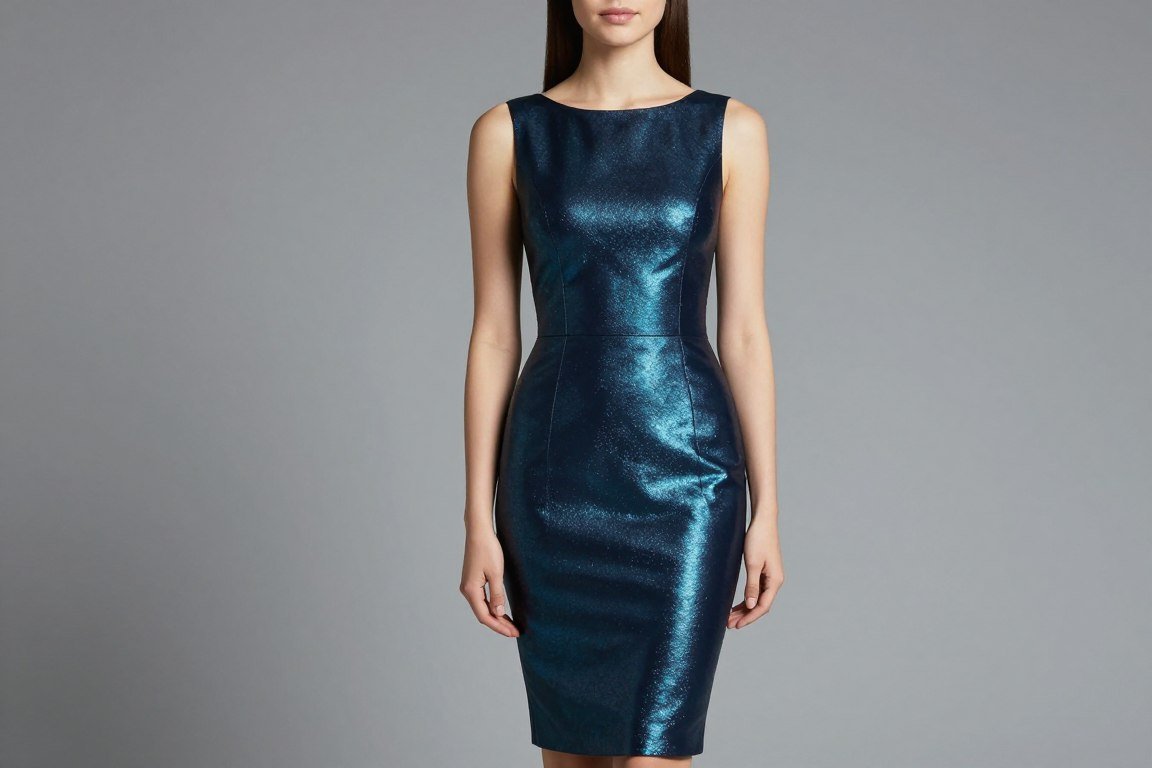
Cocktail Events
A-line or wrap dresses in luxe fabrics work perfectly for cocktail parties. Choose lengths that hit just below the knee for timeless elegance. Add statement jewelry and heels to complete the look.
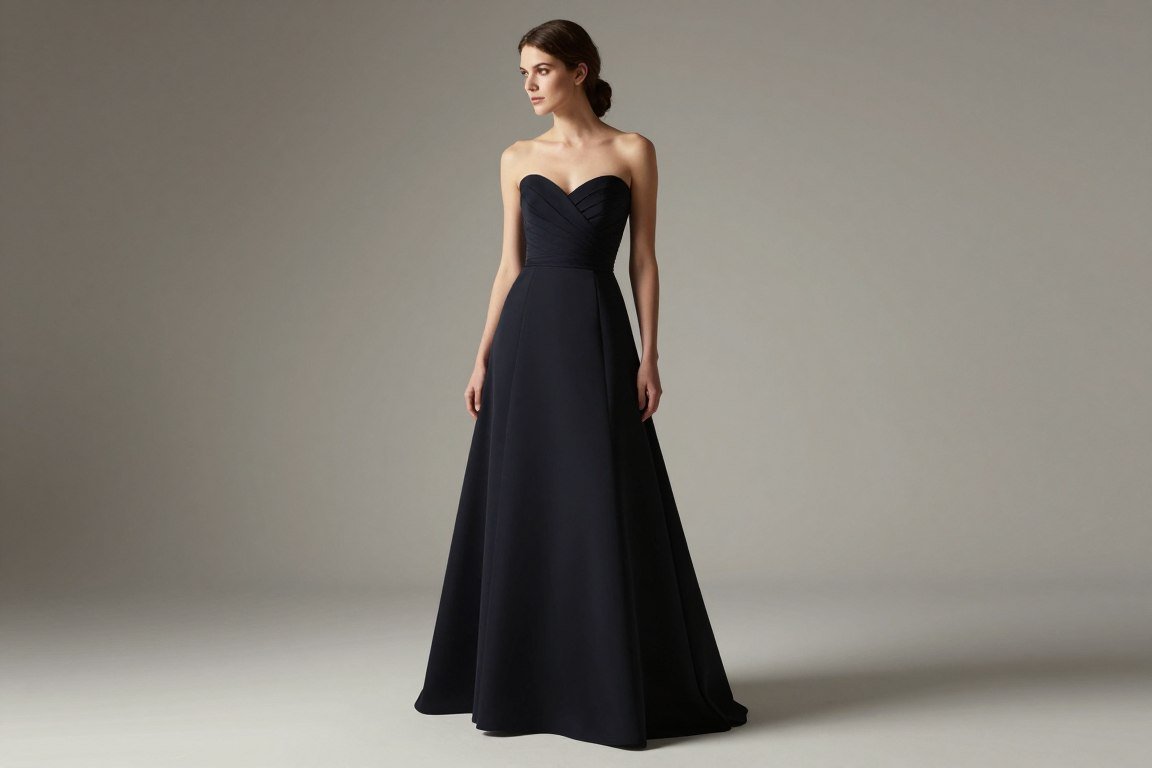
Formal Occasions
Floor-length gowns with empire waists or A-line silhouettes create stunning elegance. Look for dresses with interesting necklines or embellishments that draw attention upward. Quality fabric makes all the difference.
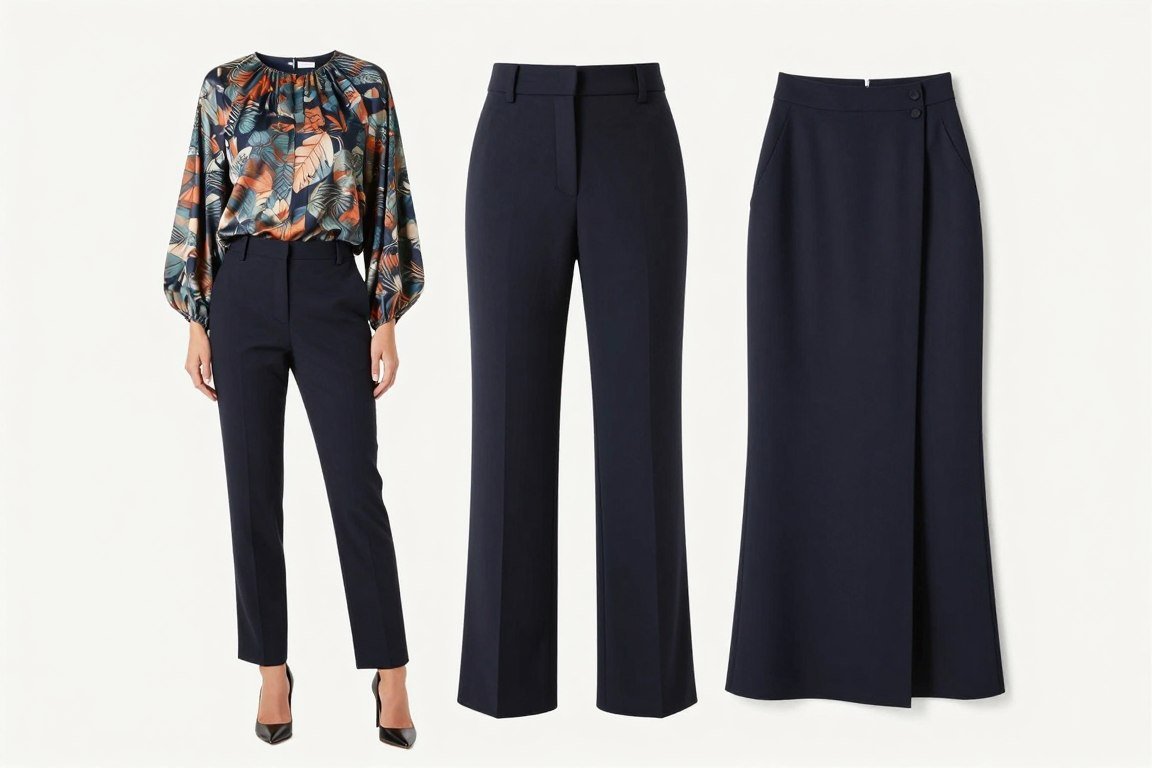
Dressy Separates
Not a dress person? Create elegant looks with separates. Pair a formal blouse with tailored pants or a flowing skirt. This approach offers versatility and can feel more comfortable for some women.
Active and Athletic Wear
Staying active is important, and you deserve workout clothes that make you feel confident. Athletic wear has evolved to offer both function and flattery.
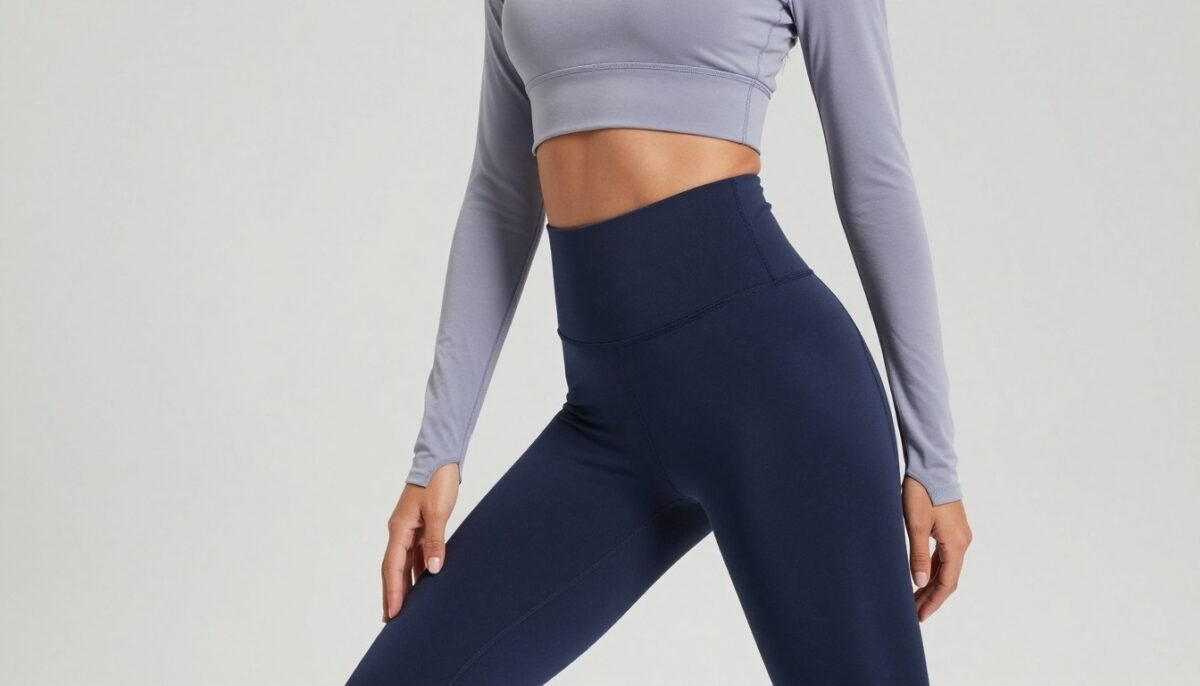
High-waisted athletic leggings with tummy control provide support and smoothing. Look for wide waistbands that don’t dig in or roll down. Quality athletic fabric wicks moisture while maintaining its shape.
Pair leggings with longer-length workout tops. These provide coverage without restricting movement. Choose tops in technical fabrics that breathe and move with you. Layer with zip-up jackets or hoodies for warmth and additional style.
Smart Shopping Strategies for Your Body Type
Shopping becomes easier when you know exactly what to look for. These strategies help you make confident purchases and build a wardrobe you love. Smart shopping saves time, money, and frustration.
Know Your Measurements
Accurate measurements are your foundation for successful shopping, especially when buying online. Take these key measurements and keep them handy on your phone.
Essential Measurements
- Bust measurement at the fullest part
- Under-bust measurement for determining your band size
- Natural waist (smallest part of your torso)
- Lower waist (where pants typically sit)
- Hip measurement at the fullest part
- Rise measurement for proper pants fit
- Shoulder width across the back
How to Measure Correctly
Use a soft measuring tape and measure over thin clothing or directly on skin. Keep the tape level around your body without pulling tight. Take measurements in the morning when you’re not bloated.
For pants rise, measure from the top of the waistband, through your legs, to the waistband in back. This helps you choose the right rise for your comfort and proportions.
Read Reviews Carefully
When shopping online, reviews provide valuable information beyond what product descriptions offer. Look for reviewers with similar body types who mention fit details.
Pay attention to comments about fabric quality, whether items run large or small, and how the piece looks in real life. Photos from actual customers often show more realistic representations than professional product shots.
Understand Return Policies
Make Returns Work for You
Before purchasing, understand the return policy. Some stores offer free returns, while others charge fees. Know the return window so you can try items promptly. Order multiple sizes when unsure, planning to return what doesn’t fit. This approach works well for online shopping where you can’t try before buying.
Build Your Wardrobe Gradually
You don’t need to replace your entire wardrobe at once. Start with a few key pieces that address your biggest wardrobe gaps. As you add items, focus on versatility and quality over quantity.
Start with Basics
Begin with neutral basics that work together. A few quality pieces in your best styles create more outfits than a closet full of random items.
Add Statement Pieces
Once you have your basics, add items with personality. These pieces express your style while working with your foundational wardrobe.
Invest in Quality
Better-quality pieces last longer and fit better. Save up for items you’ll wear frequently rather than buying cheap pieces that don’t last.
Try Different Brands
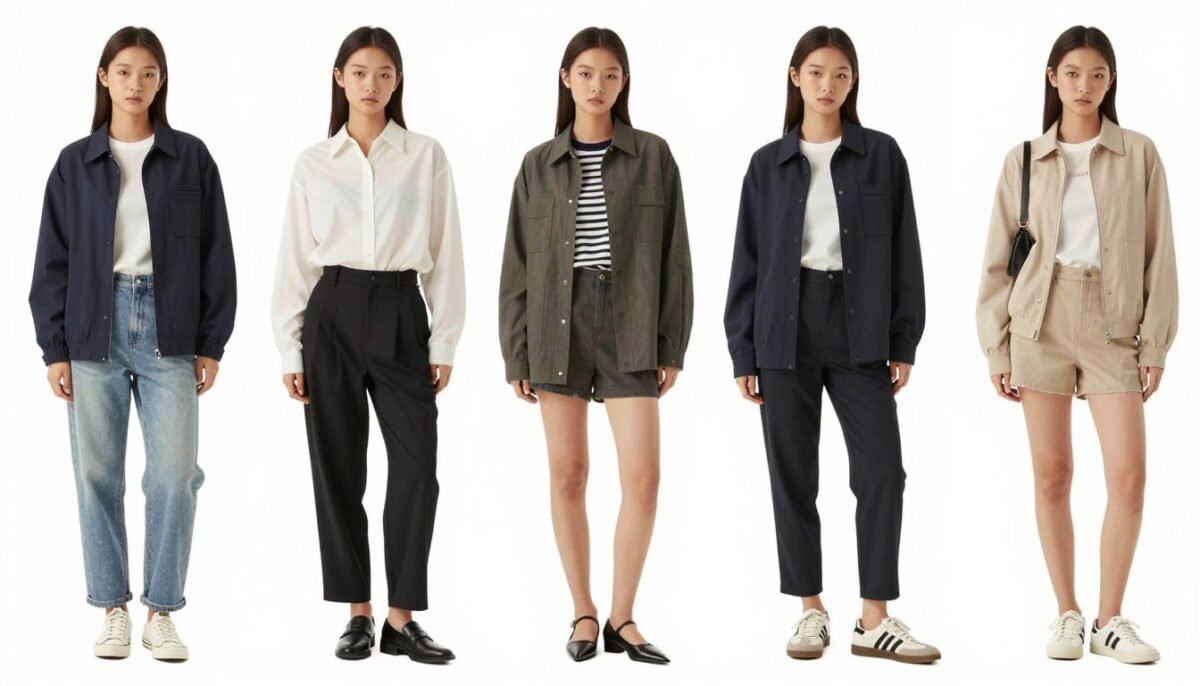
Sizing varies dramatically between brands. A size 12 in one brand might fit like a 14 in another. Don’t get discouraged by the number on the tag. Focus on how the garment fits your body.
Some brands cater better to certain body types. Through trial and error, you’ll discover which brands consistently fit you well. Make note of these brands for future shopping trips.
Personal Styling Services
Consider trying a personal styling service, either online or in-store. Many retailers now offer free styling consultations. These experts understand body types and can recommend pieces you might not have considered.
Online styling services send curated boxes based on your preferences and measurements. You try everything at home and return what doesn’t work. This takes the guesswork out of shopping and exposes you to new styles.
Building Confidence Through Style
Fashion is more than just clothes. It’s about feeling good in what you wear and carrying yourself with confidence. Your relationship with fashion and your body shapes how you feel every day. Let’s talk about the mindset that supports your style journey.
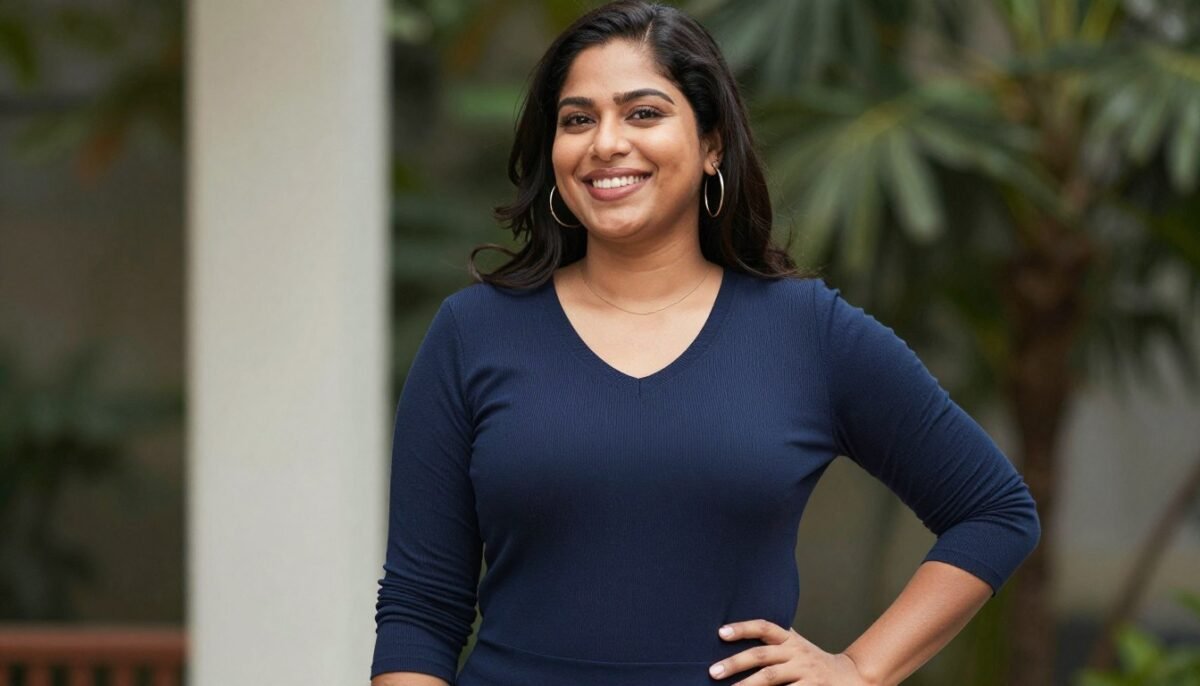
Fashion Should Feel Good
The most important rule of fashion is that you should feel good in what you’re wearing. No outfit is worth wearing if it makes you uncomfortable or self-conscious. Trust your instincts about what feels right.
Sometimes this means breaking fashion “rules” if they don’t work for you personally. These guidelines provide a framework, but you know your body and preferences best. Adapt advice to fit your lifestyle and comfort level.
Celebrate Your Shape
Your body is unique and deserves to be celebrated, not hidden. The goal of flattering fashion isn’t to disguise your body but to highlight your best features while creating balance.
Shift your focus from what you want to hide to what you want to showcase. Your shoulders, your legs, your smile—these are assets. Let your clothing choices draw attention to the parts of yourself you love.
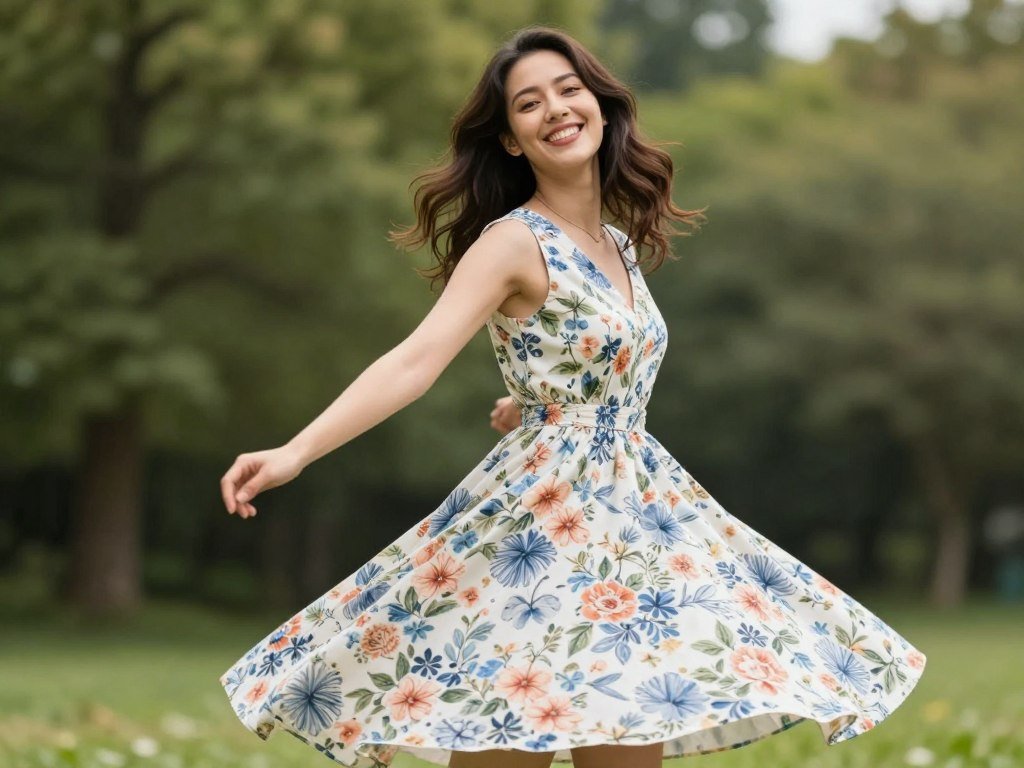
Style Evolves Over Time
Your style isn’t static. It evolves as you grow, as fashion changes, and as your life circumstances shift. What worked five years ago might not feel right now. That’s completely normal.
Give yourself permission to experiment and try new things. Not everything will work, and that’s part of the process. Each outfit you try teaches you something about what makes you feel confident and comfortable.
Remember This
You are not your clothing size. You are not defined by your body shape. Fashion is simply a tool to help you express yourself and feel confident as you move through your day. Use these tips as guidelines, but always prioritize how you feel over rigid rules.
Find Your Style Inspiration
Look for style inspiration from women with similar body types. Social media, fashion blogs, and style magazines all feature diverse body types now more than ever. Seeing how others style similar shapes gives you ideas to adapt for yourself.
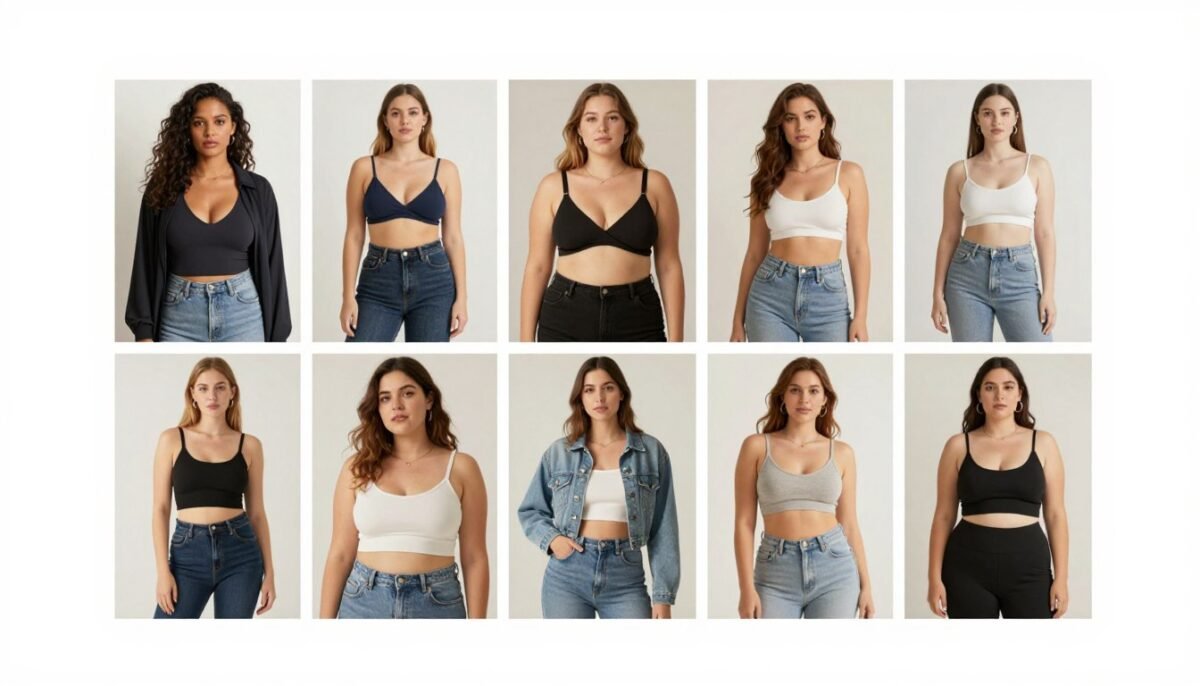
Create a style inspiration folder on your phone or a board on Pinterest. When you see outfits you love, save them. Over time, patterns emerge that reveal your true style preferences. Use this collection when you need outfit ideas or shopping guidance.
Seasonal Styling Adaptations
Your flattering principles stay consistent throughout the year, but you’ll adapt them for different seasons and weather conditions. Understanding how to maintain your style while staying comfortable year-round is essential.
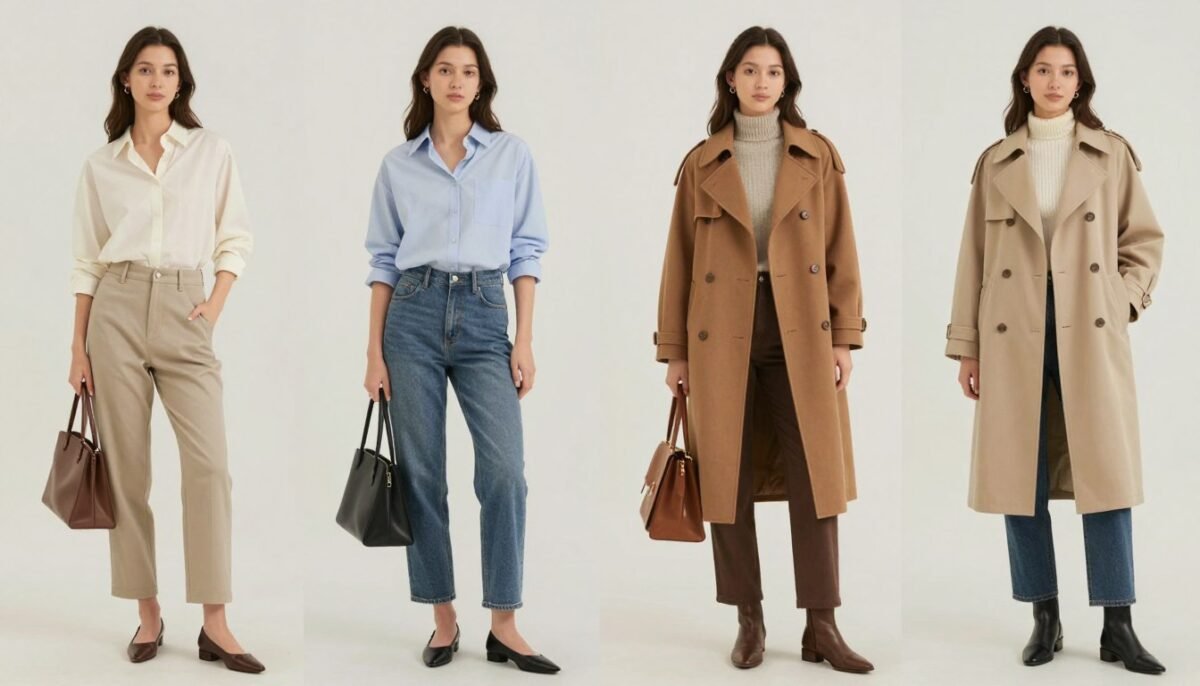
Spring and Summer Styling
Warmer weather calls for lighter fabrics and brighter colors. This is the perfect time to embrace flowing dresses, comfortable separates, and your favorite patterns. The key is keeping things light without becoming shapeless.
Summer Fabric Choices
Choose breathable fabrics like cotton, linen blends, and lightweight jersey. These materials keep you cool while maintaining enough structure to flatter your shape. Look for fabrics with a slight weight that won’t blow around or cling.
Avoid very thin materials that become transparent or cling when you perspire. Medium-weight summer fabrics work better than ultra-thin options. The fabric should feel substantial enough to drape nicely.
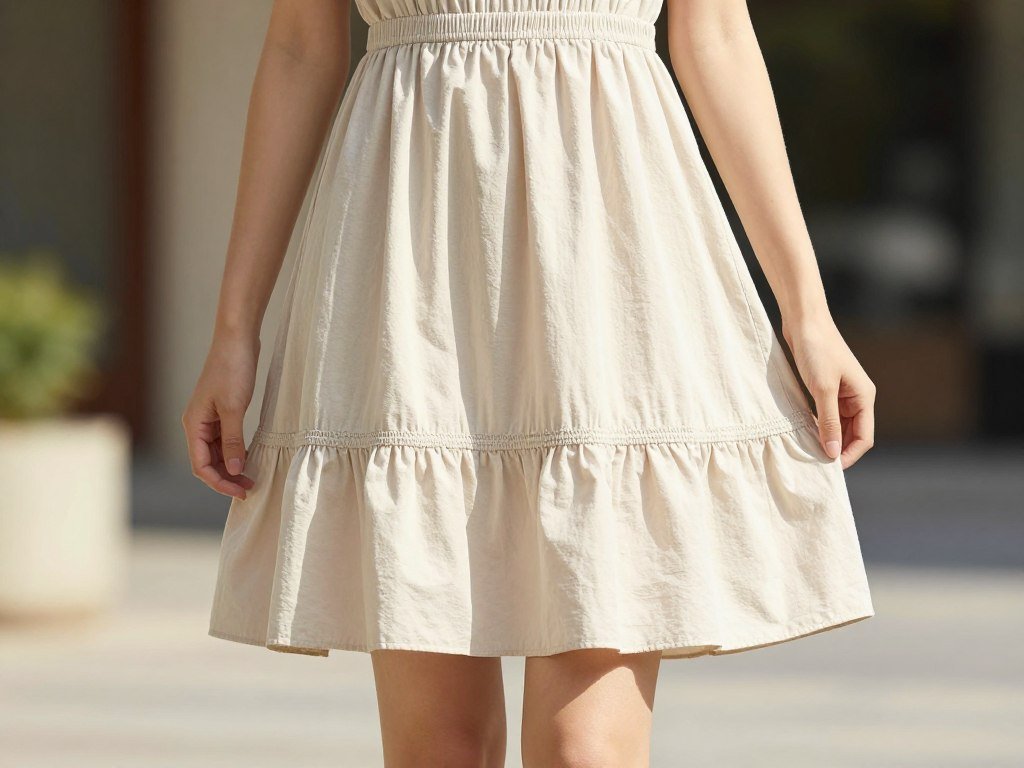
Warm Weather Wardrobe Essentials
- Empire waist maxi dresses in cotton or rayon
- Lightweight tunics to pair with shorts or capris
- Flowy midi skirts in breathable fabrics
- Sleeveless tops with interesting necklines
- Light cardigans for air-conditioned spaces
- Comfortable sandals with slight heel or wedge
- Sun hats and sunglasses for added style
Fall and Winter Styling
Cooler weather brings opportunities for layering and texture. This is when your structured pieces and layering techniques really shine. You can create dimension while staying warm and comfortable.
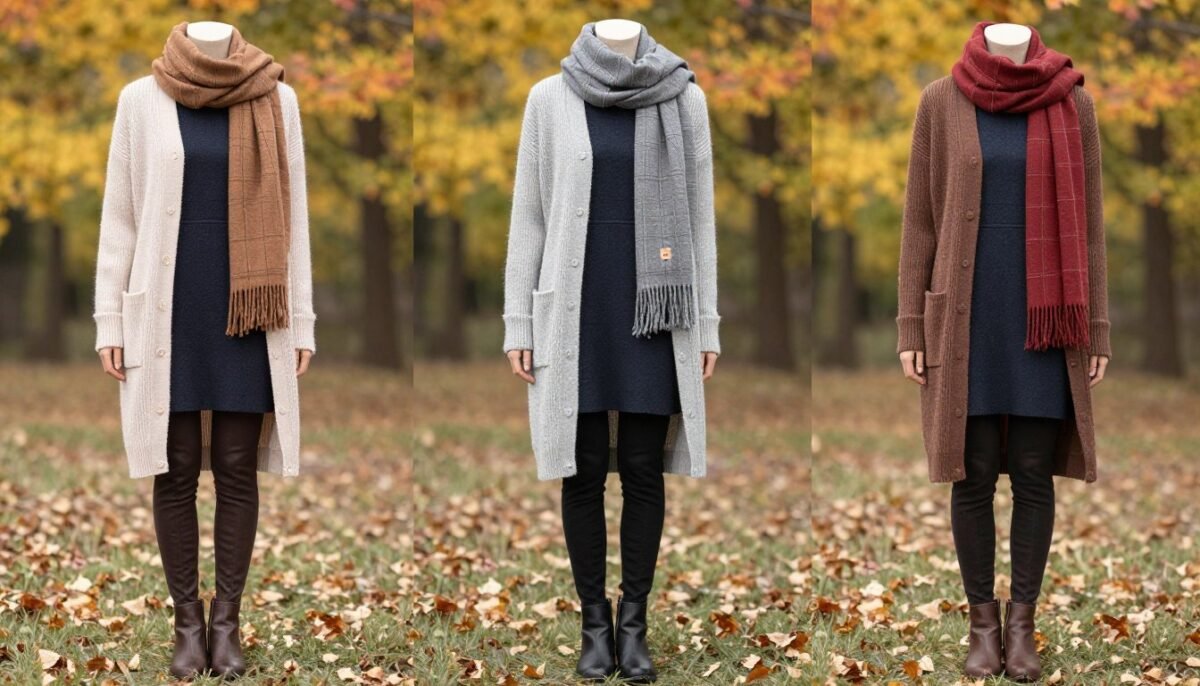
Cold Weather Layering
Start with smooth base layers that skim your body. Add structured mid-layers like blazers, cardigans, or vests. Top with outerwear that’s long enough to cover your tummy area. This creates warmth without bulk.
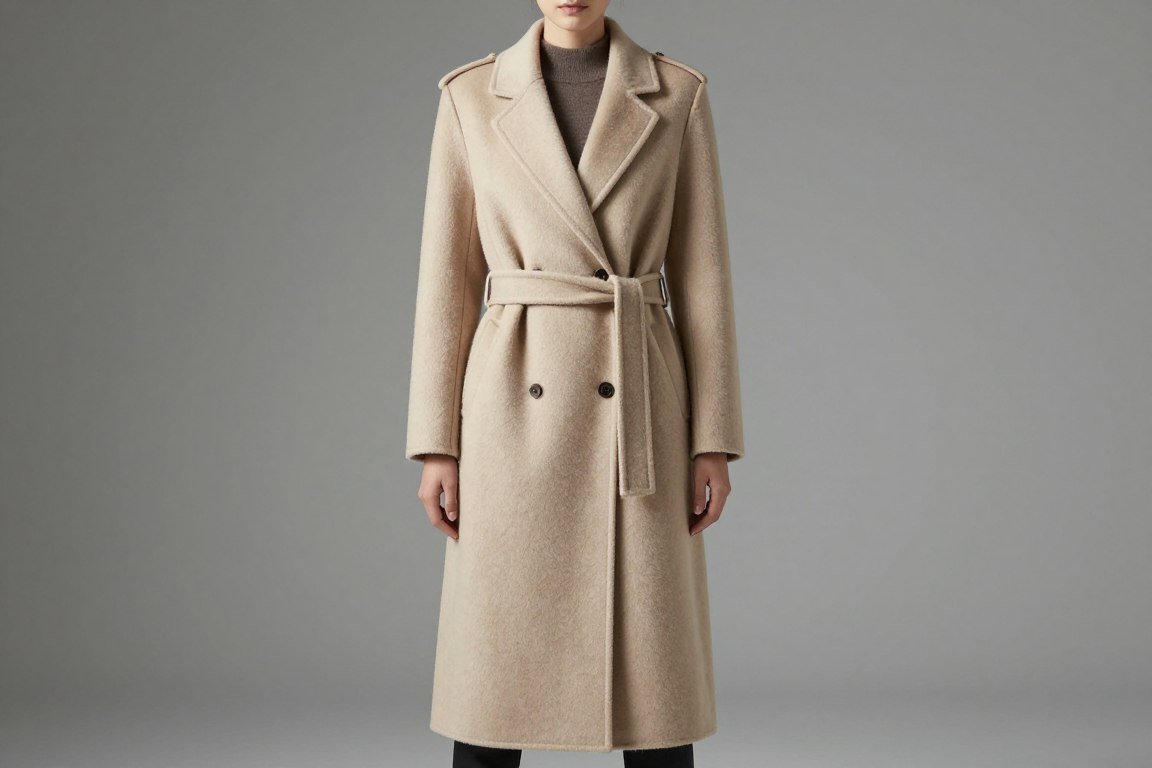
Outerwear Selection
Choose coats that extend past your tummy for the most flattering line. Belted coats let you create waist definition. Structured shoulders balance your proportions beautifully.
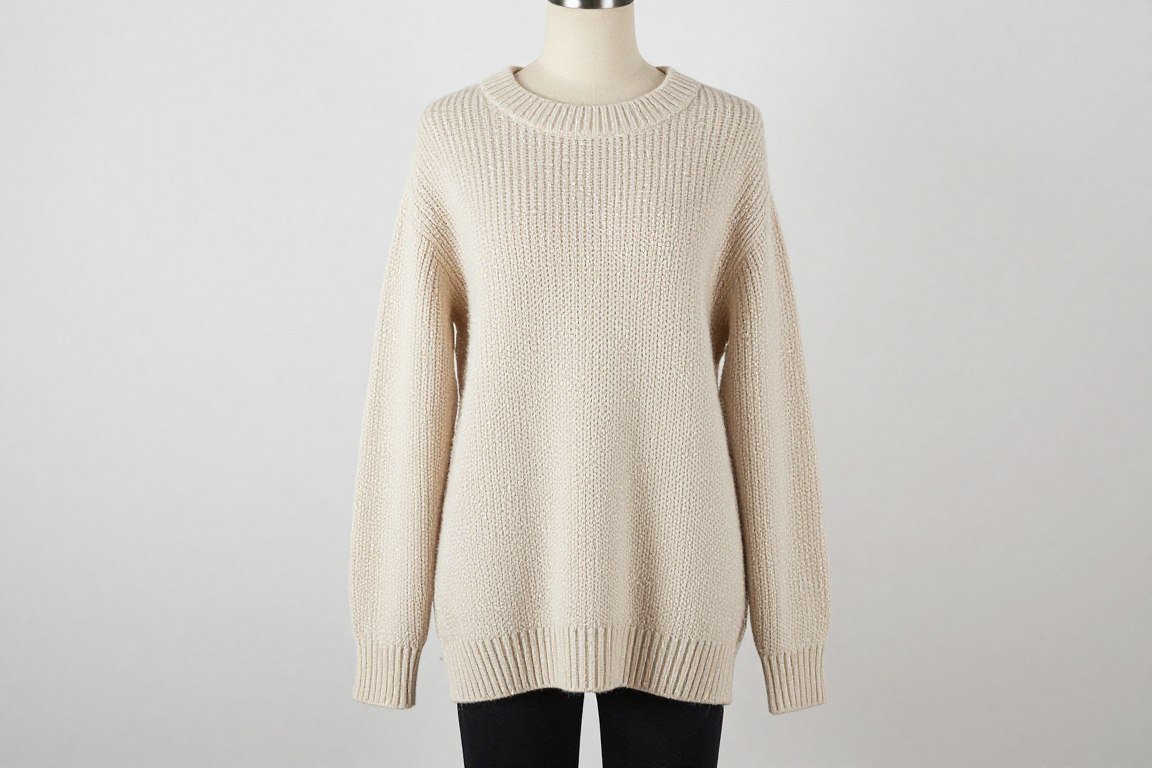
Sweater Styles
Longer sweaters that hit at mid-hip work best. Avoid cropped styles that end at your widest point. Look for sweaters with vertical cable details or ribbing that elongates.
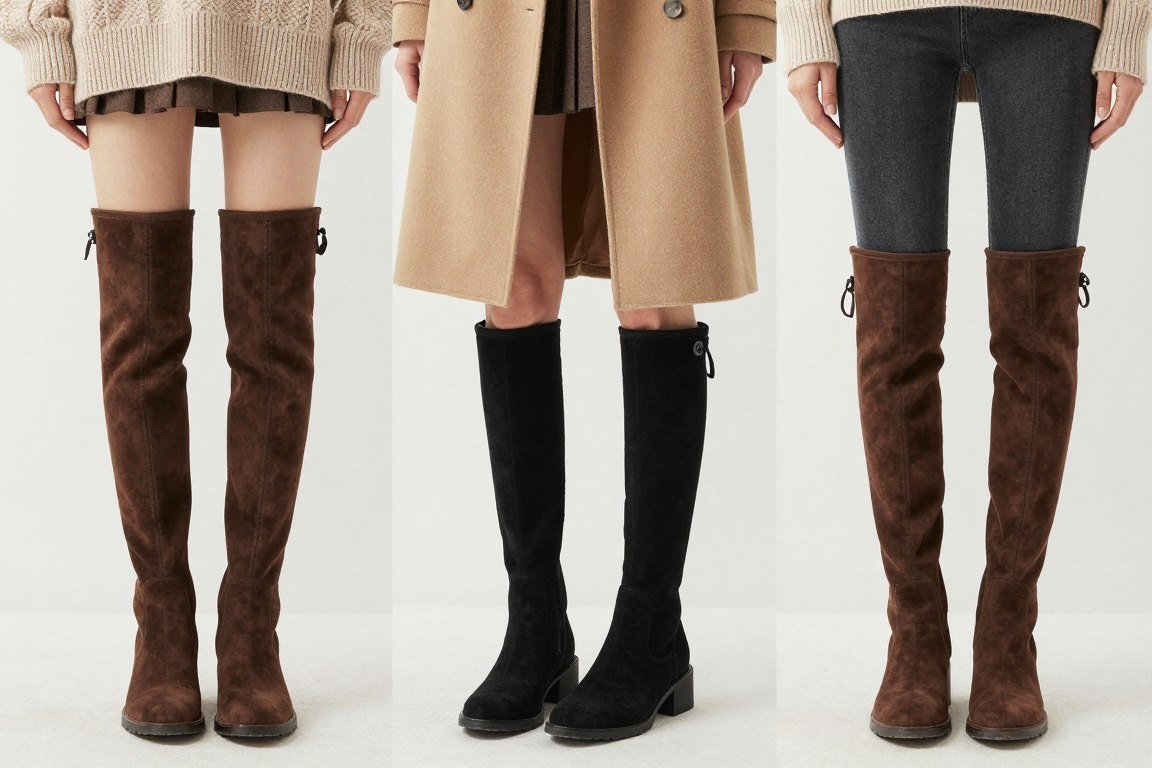
Winter Footwear
Boots add polish to cold-weather outfits. Ankle boots work with pants and tights. Knee-high boots pair beautifully with dresses and skirts while keeping you warm.
Managing Bulk in Winter
Multiple layers can add unwanted bulk if not chosen carefully. Stick with thin base layers and let your outerwear provide warmth. Avoid puffy or quilted jackets that add width to your midsection.
If you need a very warm coat, choose styles with princess seams or vertical quilting rather than horizontal puffiness. Long down coats work well because the length creates vertical lines despite the volume.
Accessorizing to Enhance Your Look
Accessories complete your outfits and add personality. The right accessories draw attention strategically while expressing your individual style. Understanding how to use accessories effectively amplifies your flattering wardrobe choices.
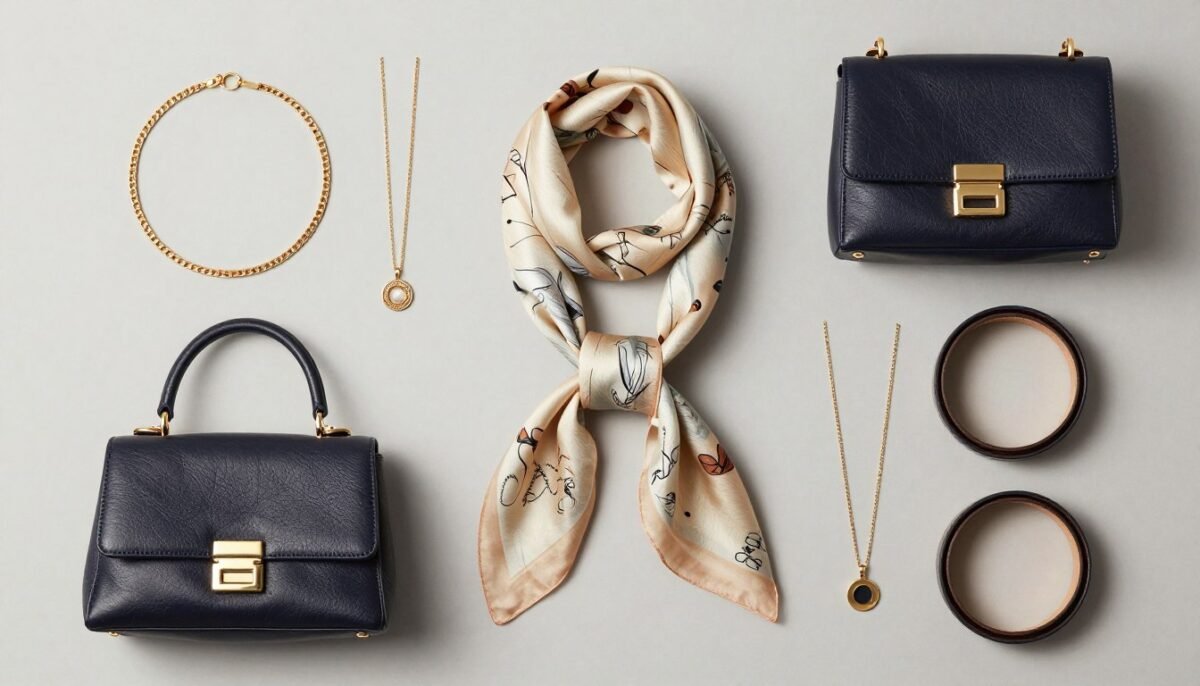
Statement Jewelry
Jewelry draws the eye and creates focal points. For your body type, focus jewelry around your neckline and face. This naturally directs attention upward and away from your midsection.
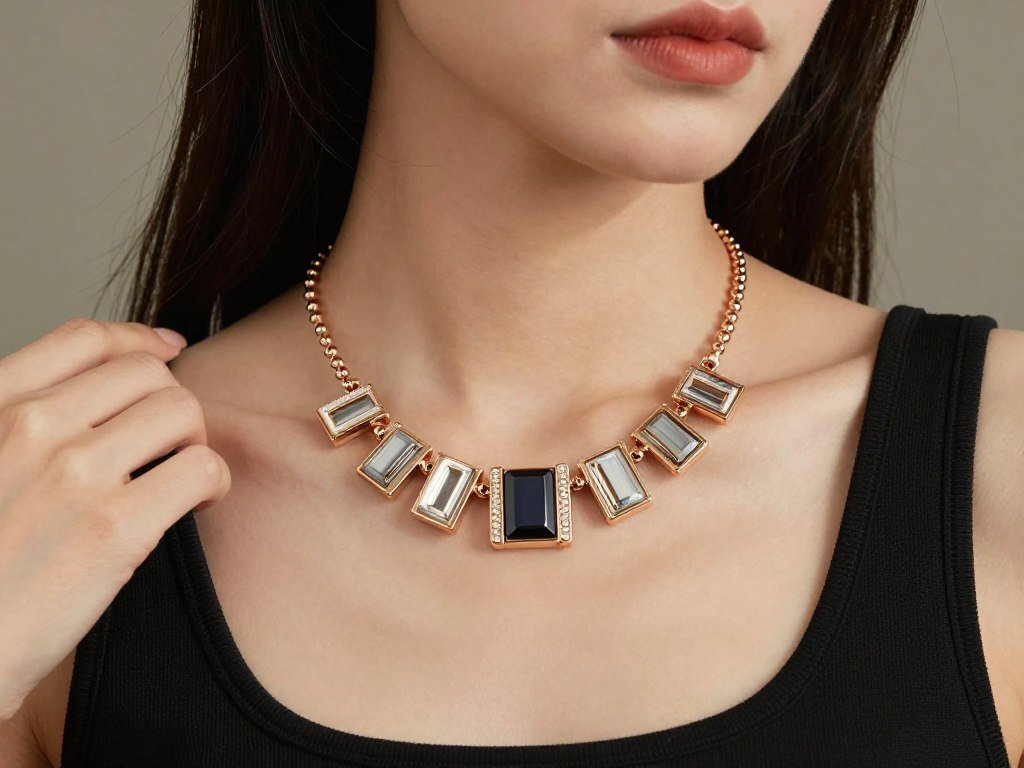
Necklaces That Make a Statement
Bold necklaces work beautifully with simple necklines. A chunky necklace fills in a V-neck or scoop neck beautifully. Long pendant necklaces create vertical lines that elongate your torso.
Layer multiple delicate necklaces for a trendy, personalized look. This creates visual interest without overwhelming your frame. Mix metals and textures for dimension.
Earrings and Face-Framing Pieces
Statement earrings draw attention to your face immediately. Choose sizes that feel comfortable but make an impact. Drop earrings create vertical lines, while hoops add flair without adding length.
The key with earrings is choosing sizes appropriate for your overall frame. Very large earrings can overwhelm, while tiny studs might get lost. Find the middle ground that feels right for you.
Bags and Purses
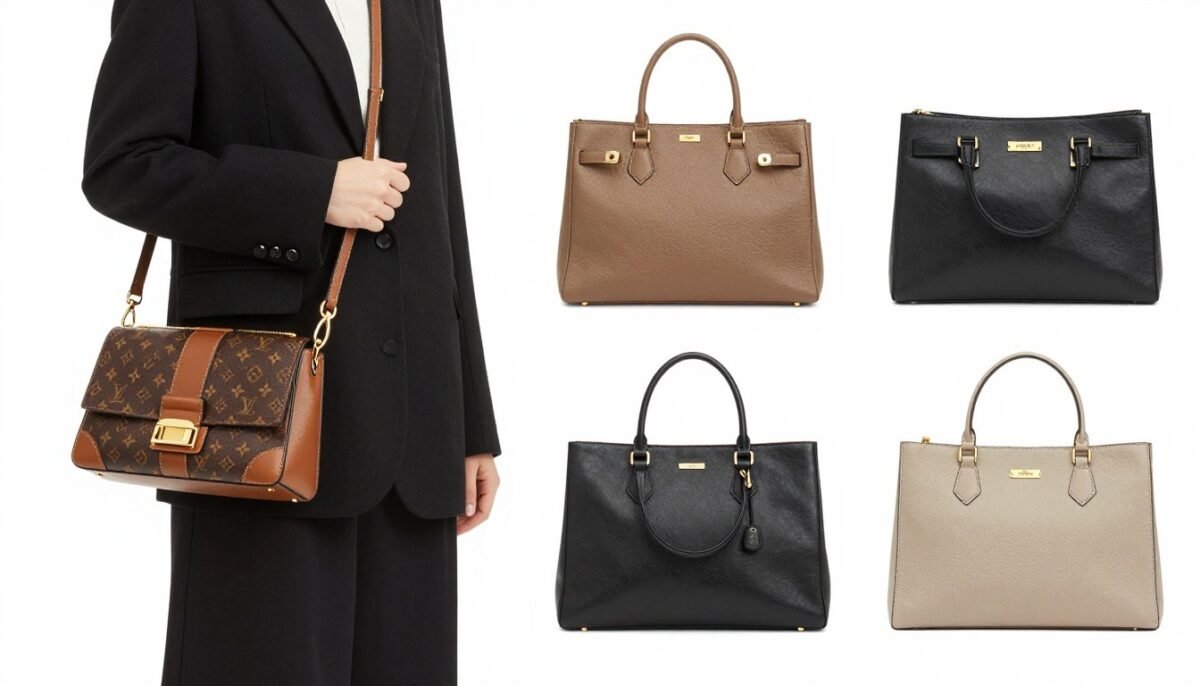
Your bag choice affects your overall proportions. The size and style of your bag should balance your outfit and body. Very large bags can overwhelm your frame, while tiny bags might look out of proportion.
Finding the Right Bag Size
Medium-sized structured bags work best for everyday use. They provide functionality without adding visual bulk. The bag should hit at your hip or slightly above, never at your widest point.
Crossbody Bags
These distribute weight evenly and keep your hands free. Adjust the strap so the bag hits at your hip. The diagonal strap creates a flattering line across your body.
Structured Totes
A structured tote adds polish to professional and casual outfits. Choose one with a defined shape rather than a slouchy style. This maintains clean lines in your overall look.
Scarves and Wraps
Scarves add color, pattern, and texture to simple outfits. They’re versatile accessories that transform the same basic pieces into different looks. For your body shape, focus on how scarves draw attention and create lines.
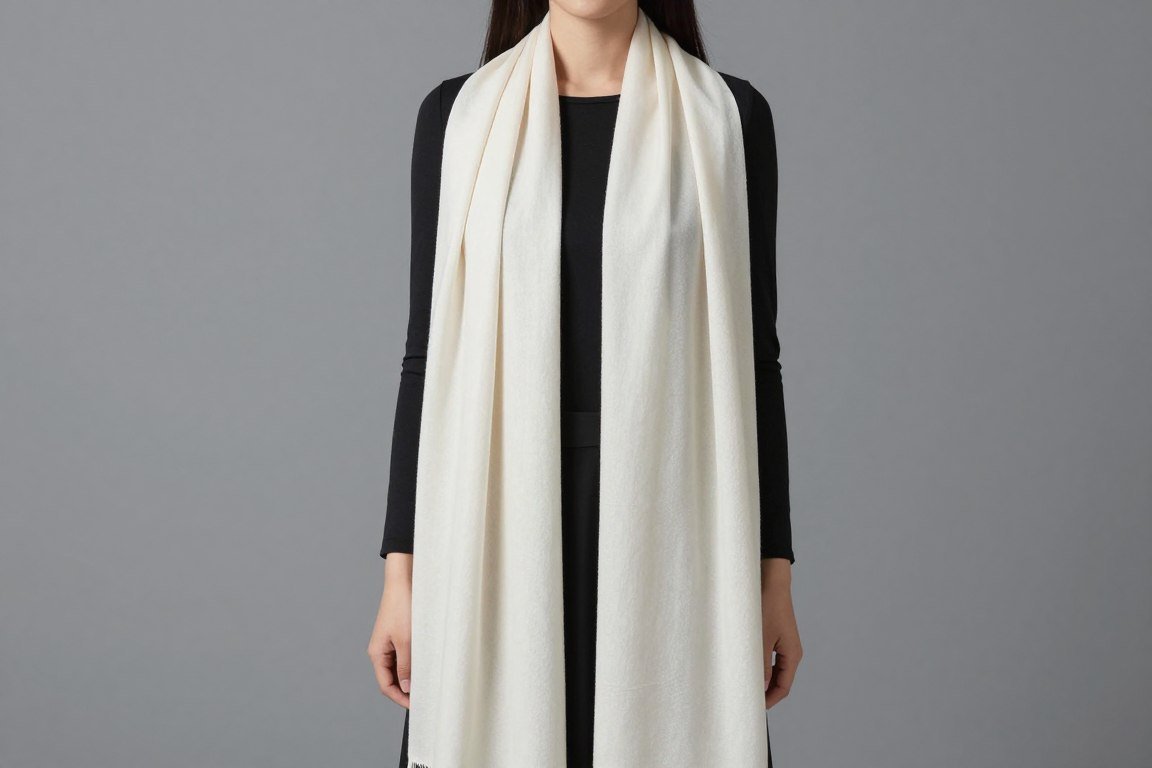
Vertical Draping
Drape long scarves vertically down your front to create elongating lines. This draws the eye up and down rather than across. Choose lightweight fabrics that flow nicely.
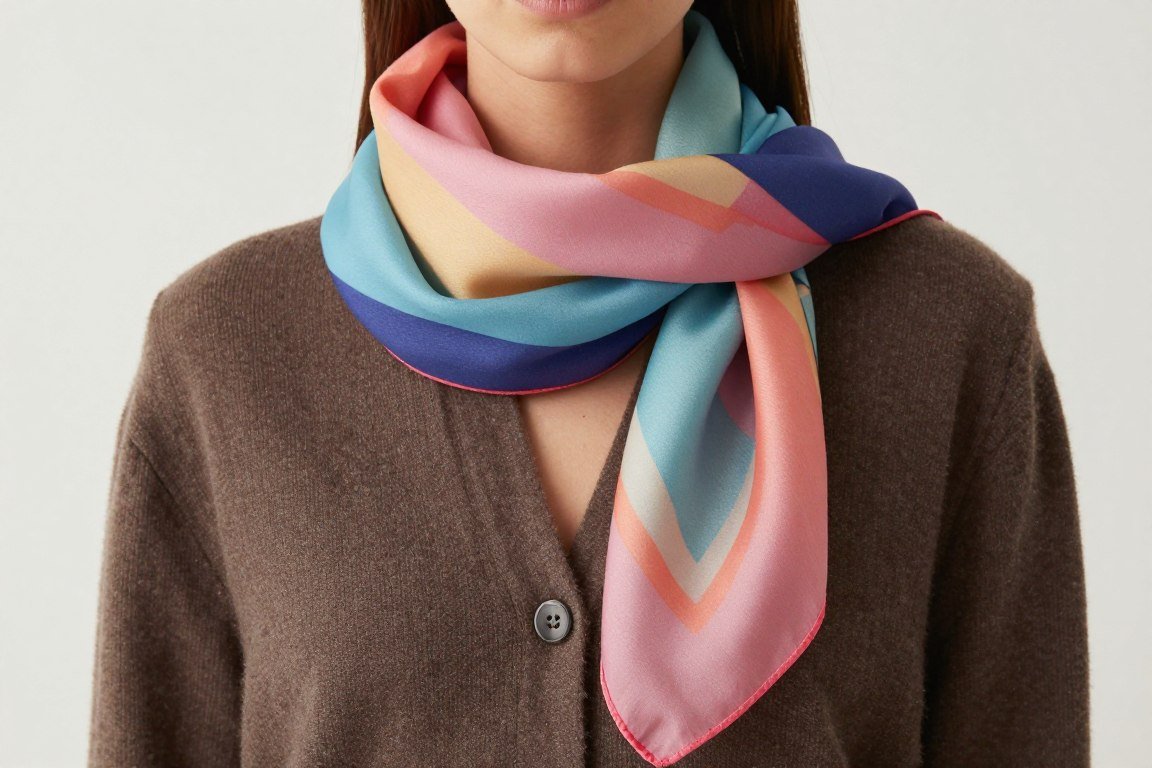
Neck Accents
Tie scarves loosely around your neck for a pop of color. This draws attention to your face and neckline. Keep the styling loose and effortless rather than tight and bulky.
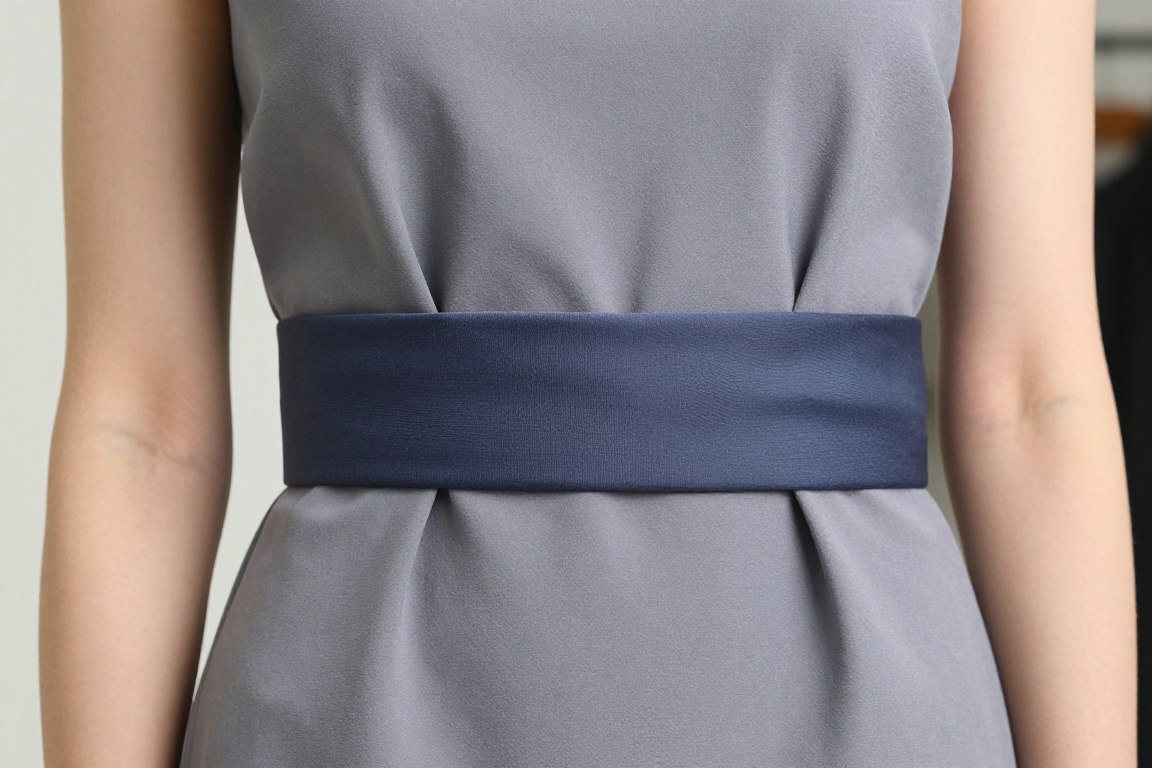
Waist Accents
Use a scarf as a soft belt alternative. Tie it loosely at your natural waist or just above for subtle definition. This works especially well with dresses and long tunics.
Belts for Definition
Belts create waist definition and add visual interest. The key is choosing the right width and wearing them at the right placement for your body.
Belt Selection Guide
| Belt Type | Best For | Placement | Styling Tip |
| Wide Elastic | Dresses and tunics | Natural waist or just above | Provides comfort with definition |
| Leather Wrap | Cardigans and jackets | Natural waist | Creates polished, pulled-together look |
| Chain Belt | Casual outfits | Hips or natural waist | Adds trendy accent without bulk |
| Fabric Tie | Built into dresses | Varies by style | Adjustable for perfect fit |
Shoes That Complete the Look
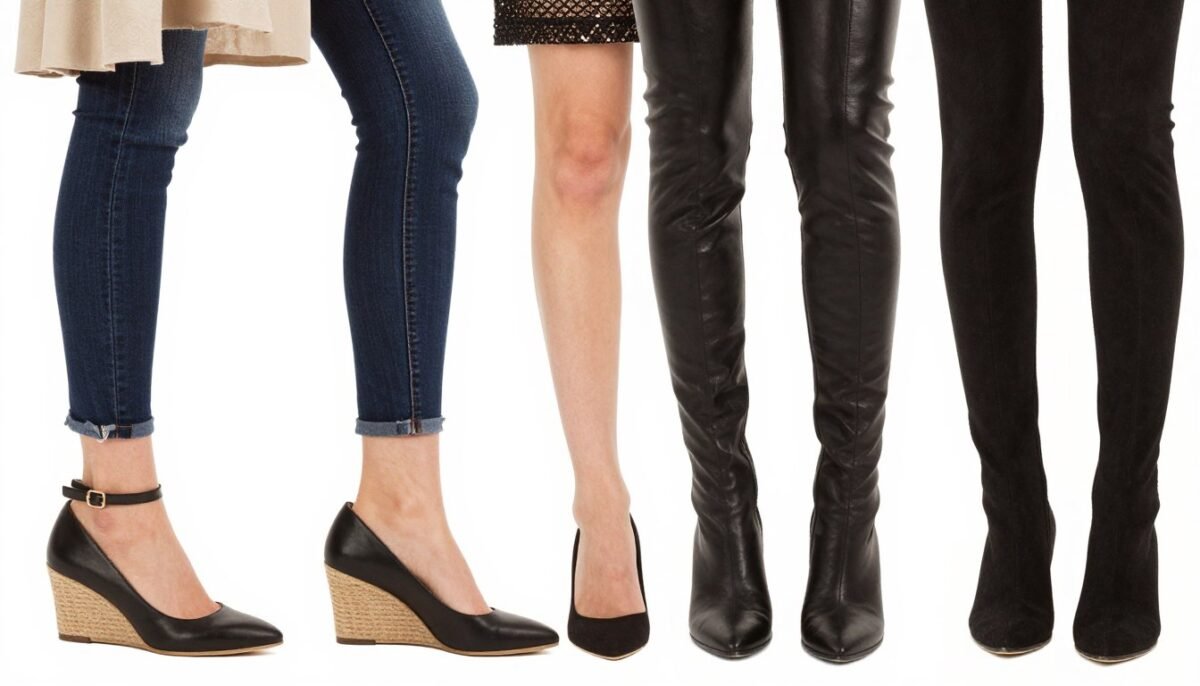
Shoes affect your overall proportions more than you might think. The right shoes elongate your legs and complete your outfit beautifully. The wrong shoes can disrupt your carefully planned proportions.
Heels and Wedges
Even a small heel elongates your legs and improves posture. You don’t need sky-high stilettos to get this benefit. A two-inch heel makes a significant difference in your overall silhouette.
Wedges provide the height of heels with more stability. They’re perfect for outdoor events or days when you’ll be on your feet. Choose wedges with clean lines rather than bulky, chunky styles.
Flats Done Right
Flat shoes can absolutely work with your body type. The key is choosing styles that don’t cut your leg line awkwardly. Pointed-toe flats elongate more than round toes. Shoes in colors that match your skin tone or pants create longer leg lines.
Avoid ankle straps on flat shoes as these can shorten your legs visually. Instead, choose slip-on styles or shoes with minimal strapping that don’t interrupt the line of your leg.
Frequently Asked Questions
Here are answers to the most common questions about dressing for a small bust and fuller tummy. These insights address specific concerns and provide additional guidance for your fashion journey.
What dress style is most flattering for small bust big tummy?
Empire waist dresses are typically the most universally flattering option. The waist sits just below your bust, creating definition at your smallest point while the fabric flows freely over your tummy. A-line and wrap dresses also work beautifully. Look for styles in fabrics that drape nicely without clinging.
Can I wear fitted tops with this body shape?
Yes, but choose fitted tops strategically. Pair fitted tops with bottoms that have some room through the hip and thigh. Layer a structured blazer or cardigan over fitted tops for additional coverage and balance. The key is ensuring the fitted top isn’t tight across your tummy area—it should skim rather than cling.
Should I avoid patterns completely?
Absolutely not. Patterns add personality and interest to your wardrobe. Focus on pattern placement rather than avoiding them. Look for tops and dresses with patterns concentrated on the upper body. Small to medium-scale prints work better than very large, bold patterns. Vertical patterns create more flattering lines than horizontal ones.
What type of jeans work best for my shape?
Mid-rise or high-rise jeans with a bit of stretch provide the best fit. Look for styles with a flat front or subtle contoured waistband. Avoid very low-rise jeans that cut across your tummy. Straight-leg or slight bootcut styles balance your proportions better than very skinny or very wide legs. Dark washes are most versatile and flattering.
How can I create a waist when I don’t have a defined one?
Use belts, tie details, and empire waist styles to suggest a waist without tight constriction. Place definition at your natural waist (just above your belly button) or at the empire waist position (just below your bust). You don’t need to cinch tightly—a loose belt or tie that creates the suggestion of a waist is often more flattering than something pulled tight.
Are there specific fabrics I should avoid?
Avoid very thin, clingy fabrics like lightweight spandex or thin jersey that shows every line. Also approach very stiff, heavy fabrics carefully as they can add bulk. The best fabrics have enough weight to drape nicely but enough structure to skim rather than cling. Look for medium-weight jersey, soft cotton blends, quality polyester blends with stretch, and fabrics like silk or rayon that flow beautifully.
Can I wear crop tops or shorter shirts?
This depends on your comfort level and how you style them. If you love crop tops, pair them with very high-waisted bottoms so minimal skin shows. Layer a longer cardigan or shirt jacket over the crop top for coverage while maintaining the layered look. Most women with this body type feel more confident in longer tops that provide tummy coverage, but fashion has no absolute rules.
What swimsuit styles work for small bust big tummy?
One-piece swimsuits with empire waist styling or ruching around the tummy area work beautifully. Tankini sets give you the coverage of a one-piece with the convenience of a two-piece. Look for tops with built-in support and bottoms with higher waists. Wrap-style swimsuits create flattering diagonal lines. Choose swimsuits in darker colors or with strategic pattern placement for the most flattering effect.
How do I dress professionally without looking frumpy?
Focus on proper fit and quality fabrics. A well-fitted blazer with tailored pants looks polished and professional. Add interest through blouses with unique necklines or subtle patterns. Dresses in structured fabrics with appropriate lengths work well for professional settings. The key is choosing pieces that fit properly—not too tight, not too loose. Quality fabrics and good tailoring prevent the frumpy look even in conservative professional attire.
Do I need shapewear to look good in my clothes?
Shapewear is optional and personal preference. Some women find that smoothing shapewear helps their clothes fit better and makes them feel more confident. Others prefer not to wear it. If you choose shapewear, look for comfortable, breathable options that smooth without being uncomfortably tight. Focus first on choosing the right clothing styles—properly fitted clothes that skim rather than cling often eliminate the need for shapewear entirely.
Your Journey to Confident Style
You’ve learned comprehensive strategies for dressing your small bust big tummy body shape beautifully. From understanding which silhouettes work best to choosing flattering fabrics, necklines, and colors, you now have a complete toolkit for building a wardrobe you love.
Remember that fashion is personal and meant to make you feel good. These guidelines provide a framework, but your personal style and comfort always come first. Not every tip will work for every person, and that’s perfectly okay.
Key Takeaways
- Empire waist styles create flattering definition
- Draw attention upward with interesting necklines
- Choose fabrics that skim without clinging
- Create balance through strategic color placement
- Use layering to add dimension without bulk
- Accessories draw attention to your best features
- Proper fit matters more than size numbers
- Confidence comes from feeling good in what you wear
Next Steps
Start by evaluating your current wardrobe. Identify pieces that make you feel great and analyze why they work. Look for common elements in your favorite items.
Make a list of wardrobe gaps based on what you’ve learned. Prioritize versatile pieces that work for your lifestyle. Shop gradually, focusing on quality over quantity.
Most importantly, be patient with yourself. Building a wardrobe and developing your personal style takes time. Each outfit you wear teaches you something about what makes you feel confident and comfortable.
Fashion should be enjoyable, not stressful. Use these tips to simplify your shopping and styling decisions. When you understand what works for your body and why, getting dressed becomes easier and more fun.
Your body shape is just one aspect of who you are. Let fashion enhance your confidence and help you express your personality. Wear what makes you feel like the best version of yourself, and carry that confidence into everything you do.