
Women with thin fine hair often worry that short pixie haircuts will make their strands look even thinner. The truth is quite different. The right pixie cut can transform fine hair by creating the illusion of thickness and volume.
Short pixie haircuts work beautifully for thin fine hair because they remove weight from the ends. This allows the hair to lift naturally at the roots. The key is choosing styles with strategic layers and texture.
This guide showcases thirty pixie cuts specifically designed for fine hair. Each style offers unique benefits for creating fuller-looking hair. You will discover cuts that suit different face shapes and personal preferences.
Table of Contents
Why Pixie Cuts Work for Thin Fine Hair
Thin hair struggles with weight distribution. Long hair pulls downward, making fine strands appear flat against the head. Short pixie haircuts eliminate this problem by removing excess length and weight.
Pixie cuts allow stylists to add strategic layers throughout the head. These layers create movement and dimension that fine hair desperately needs. The shorter length also makes styling easier and faster.
Volume becomes more achievable with a pixie cut. Products like texturizing sprays and volumizing mousses work better on shorter strands. The hair lifts more easily from the roots when there is less weight pulling it down.
Weight Removal Benefits
Short pixie haircuts remove the heavy ends that drag fine hair down. This creates natural lift at the crown.
- Eliminates root tension
- Increases natural volume
- Reduces styling time
- Creates bounce and movement
Layering Advantages
Strategic layers throughout pixie cuts add dimension and the appearance of thicker hair.
- Creates visual fullness
- Adds texture variation
- Enhances face framing
- Provides styling versatility
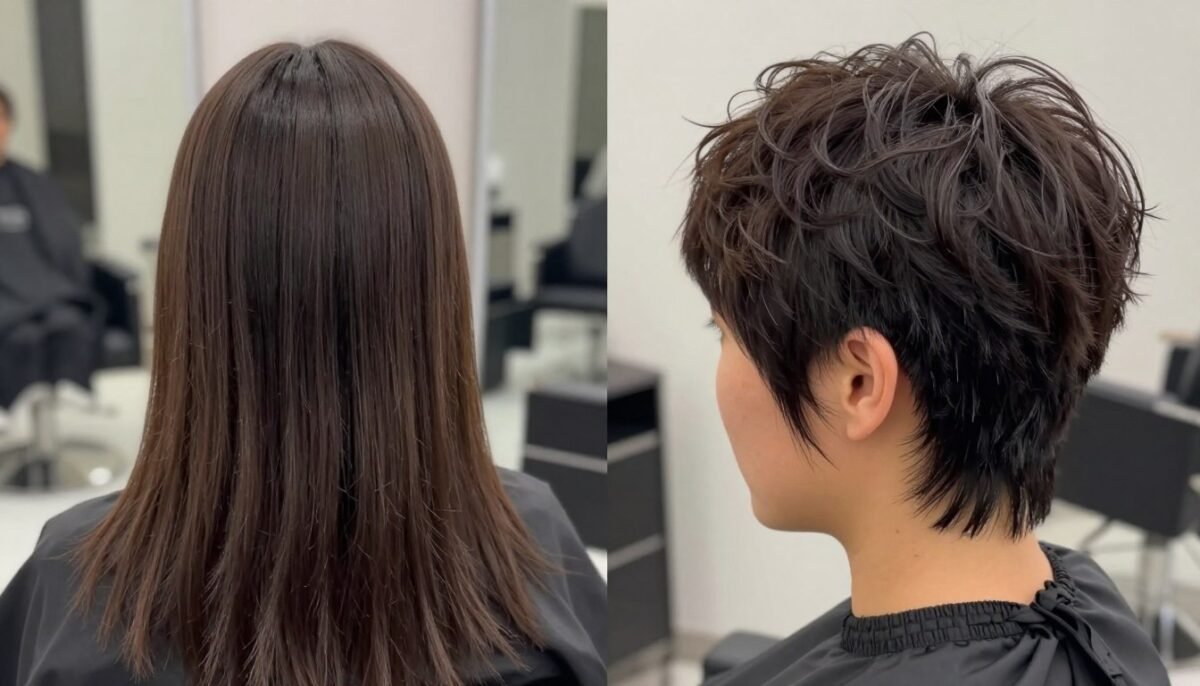
Understanding Pixie Cut Basics for Fine Hair
A pixie cut is a short hairstyle where hair measures between one to three inches in most areas. The style typically features shorter sides and back with slightly longer length on top. This creates shape and dimension.
For thin fine hair, the pixie should include textured layers rather than blunt cuts. Blunt edges can make fine hair look choppy and sparse. Textured layers create the illusion of fuller, thicker strands.
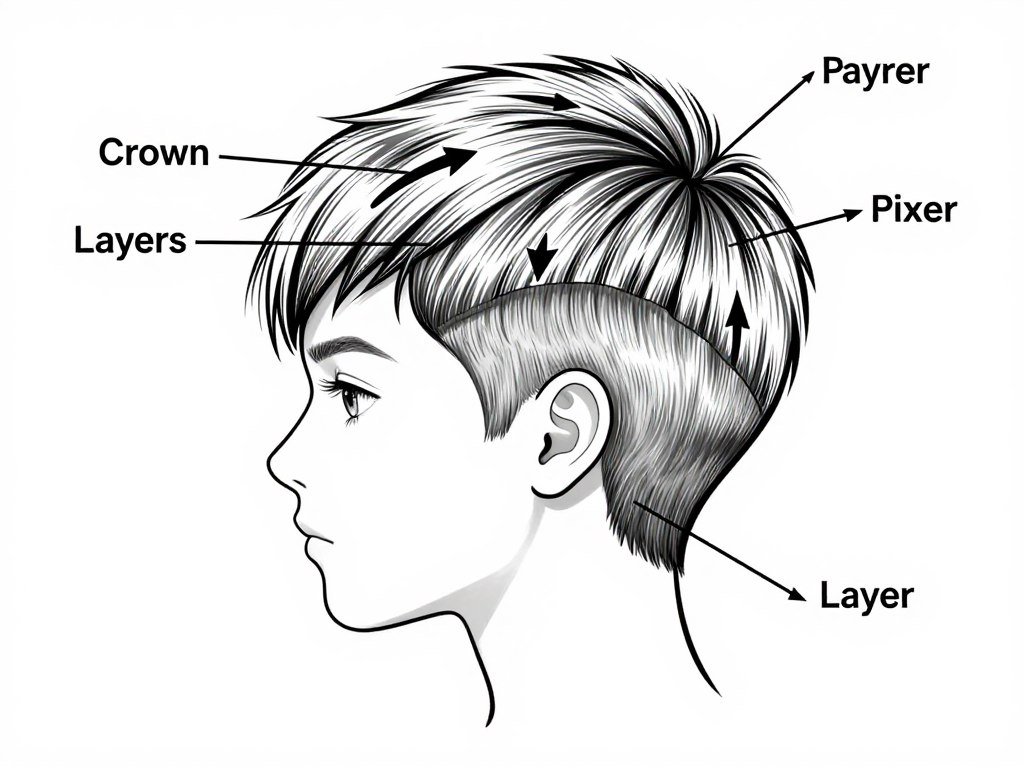
The crown area usually maintains the longest length in a pixie cut. This area provides the foundation for volume and height. Stylists can adjust the crown length based on your face shape and features.
Essential Pixie Cut Components
Crown Section: The top portion of the head where length is typically maintained between two to four inches. This area provides volume opportunities and styling flexibility for women with thin hair.
Side Sections: Hair along the temples and ears, usually cut shorter to create contrast with the crown. This graduated length adds dimension and makes the top appear fuller by comparison.
Nape Area: The back of the neck where hair is typically tapered or cut very short. This clean finish emphasizes the shape of the head and creates a polished look.
Texture Techniques for Volume
Point cutting creates soft, feathered ends that add movement to fine hair. This technique involves cutting into the hair at an angle rather than straight across. The result is texture that makes thin hair appear thicker.
Razor cutting can also work well for thin fine hair when done correctly. A skilled stylist uses a razor to create subtle texture and remove bulk without making hair look too thin. This technique requires expertise to avoid damage.
Classic Textured Pixie Cuts
1. Feathered Crown Pixie
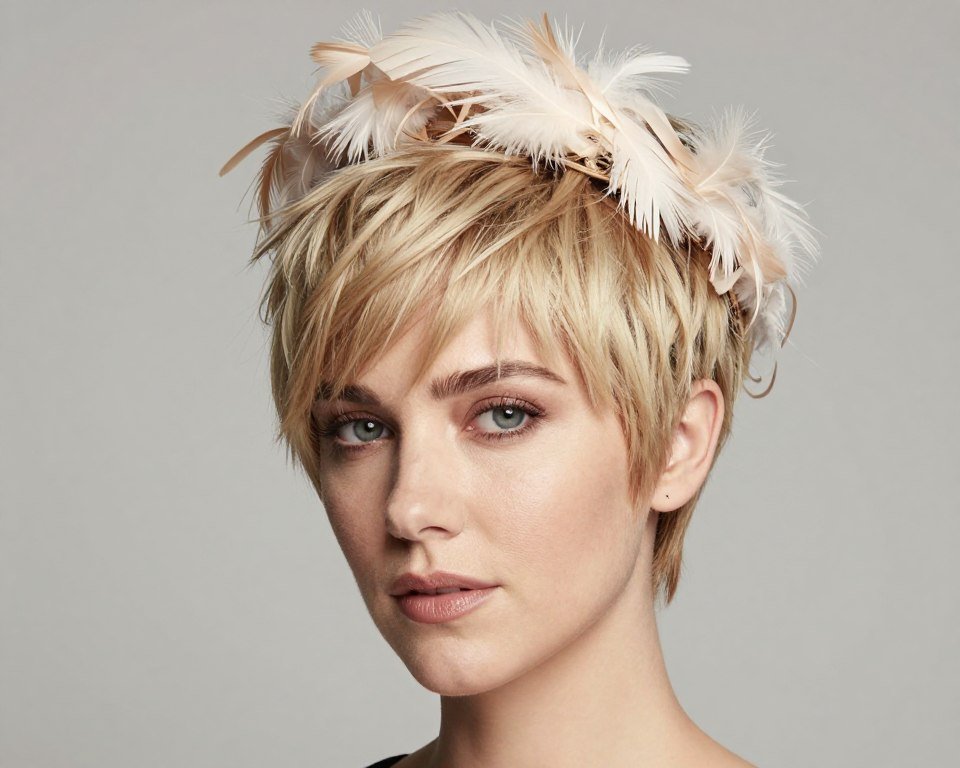
The feathered crown pixie features soft, wispy layers concentrated at the top of the head. This cut works exceptionally well for thin fine hair because the feathering creates an airy, voluminous effect.
Stylists achieve this look by point-cutting the crown area to create feathered ends. The sides are kept shorter to emphasize the fullness on top. A texturizing spray helps maintain the feathered texture throughout the day.
2. Asymmetrical Pixie with Side Sweep
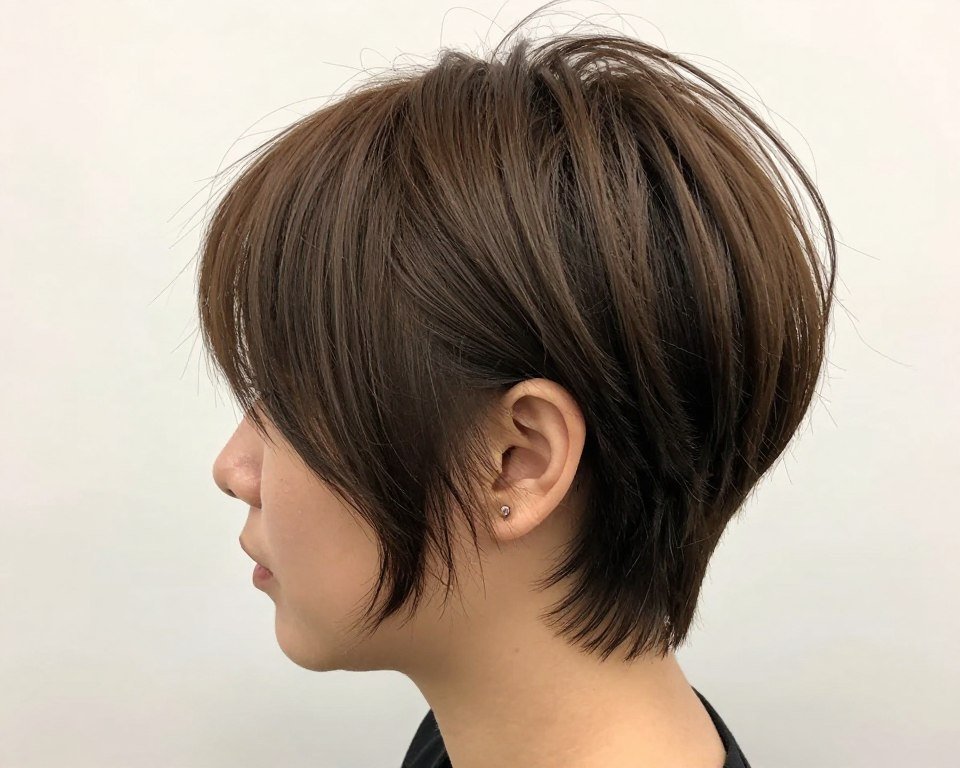
This asymmetrical style features longer hair swept to one side, creating visual interest and dimension. The uneven length distribution makes thin hair appear fuller by drawing attention to the longer side.
One side is cut shorter near the ear while the opposite side maintains extra length that sweeps across the forehead. This contrast adds drama and makes fine hair look more substantial. A side part enhances the asymmetrical effect.
3. Choppy Layered Pixie
Choppy layers throughout this pixie cut create a purposely tousled appearance. The irregular lengths add dimension that thin fine hair naturally lacks. This style works particularly well for women who want an edgy, modern look.
The choppy texture comes from varied layer lengths throughout the cut. Short pieces mix with slightly longer sections to create depth. A small amount of texturizing paste helps define the choppy pieces without weighing hair down.
4. Tapered Pixie with Volume Crown
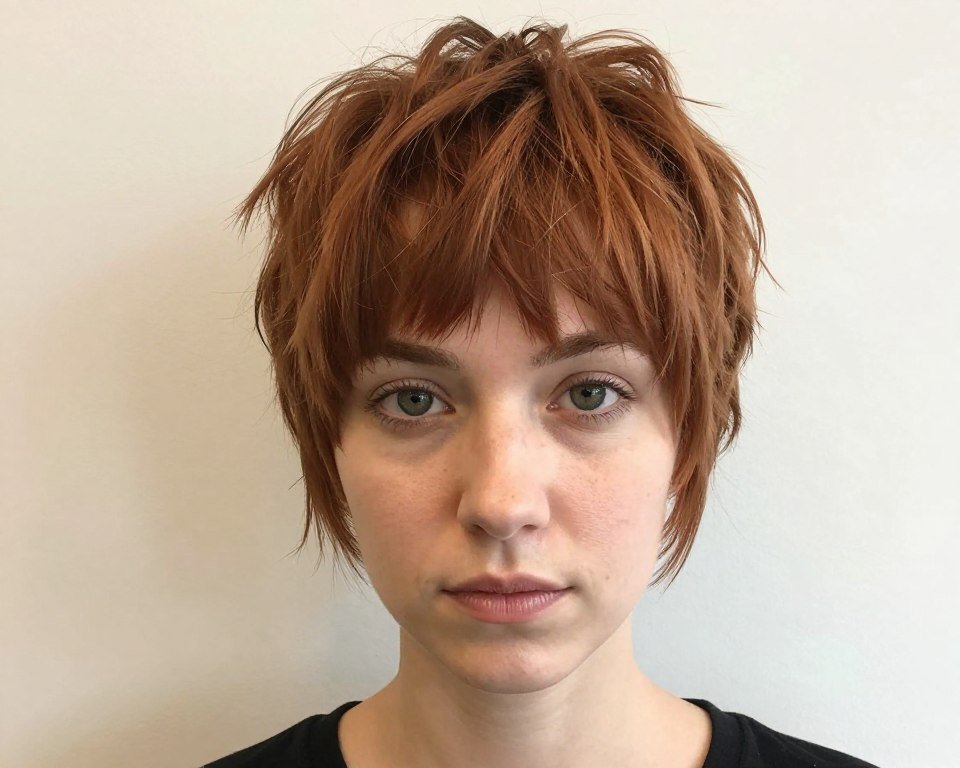
A tapered pixie features gradually shorter hair from the crown down to the nape. The crown maintains maximum length to create height, while the taper provides a clean, polished finish.
This cut is ideal for thin hair because the concentrated volume at the top draws attention upward. The tapered sides and back remove weight where it is not needed. A round brush and blow dryer can amplify the crown volume during styling.
5. Pixie with Textured Fringe
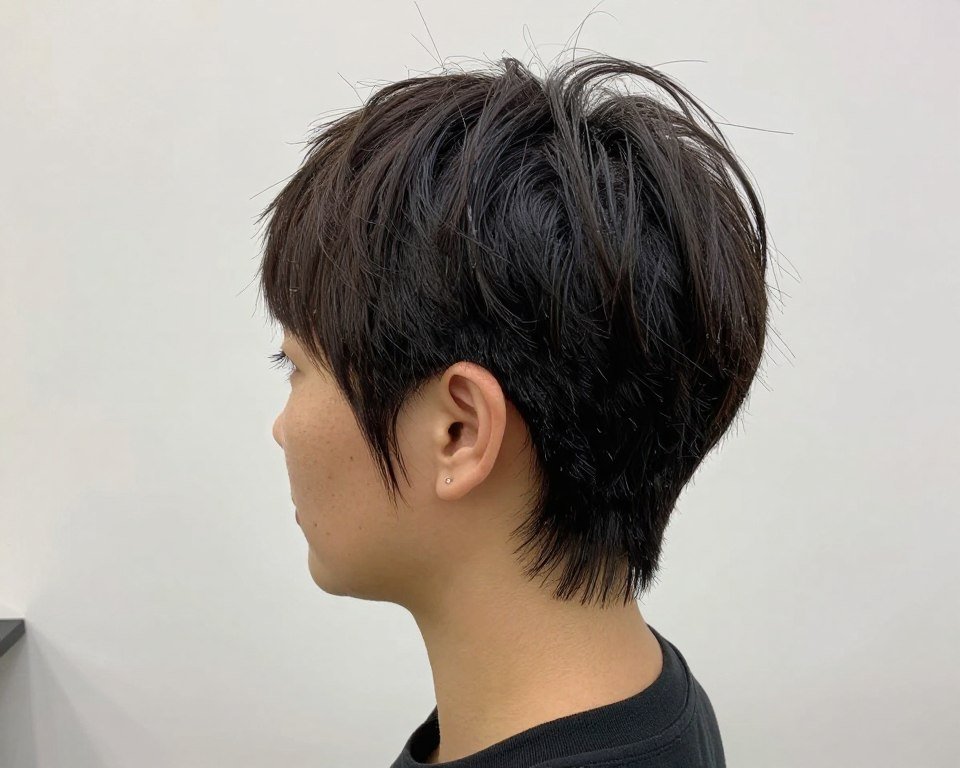
A textured fringe adds character and draws attention to the eyes and cheekbones. For thin fine hair, a wispy fringe works better than heavy bangs. The lighter texture prevents the fringe from looking flat or sparse.
The fringe is cut with a point-cutting technique to create soft, separated pieces. This style frames the face while the rest of the pixie maintains a short, voluminous shape. Styling the fringe slightly to the side adds movement.
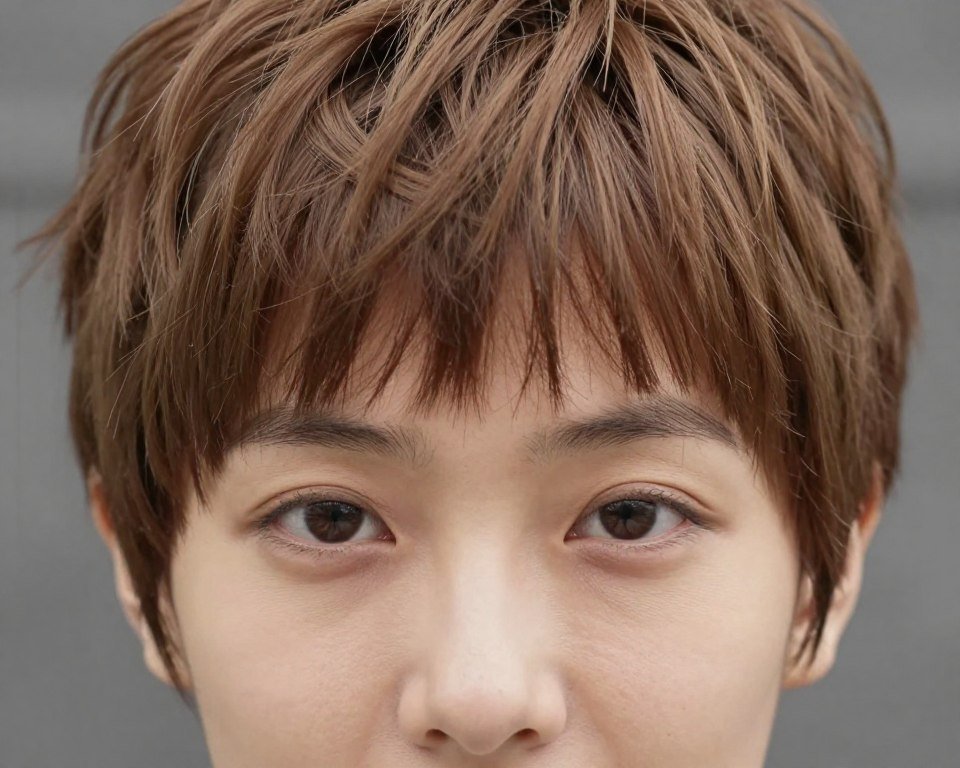
Volume-Boosting Pixie Variations
6. Undercut Pixie with Top Volume
An undercut pixie features very short or shaved sides with longer hair on top. This dramatic contrast makes the crown area appear significantly fuller. The style is bold and requires minimal maintenance.
The undercut removes all weight from the sides, allowing the top section to stand up more easily. Women with thin fine hair benefit from this concentrated volume at the crown. A volumizing mousse applied to damp hair enhances the lifted effect.
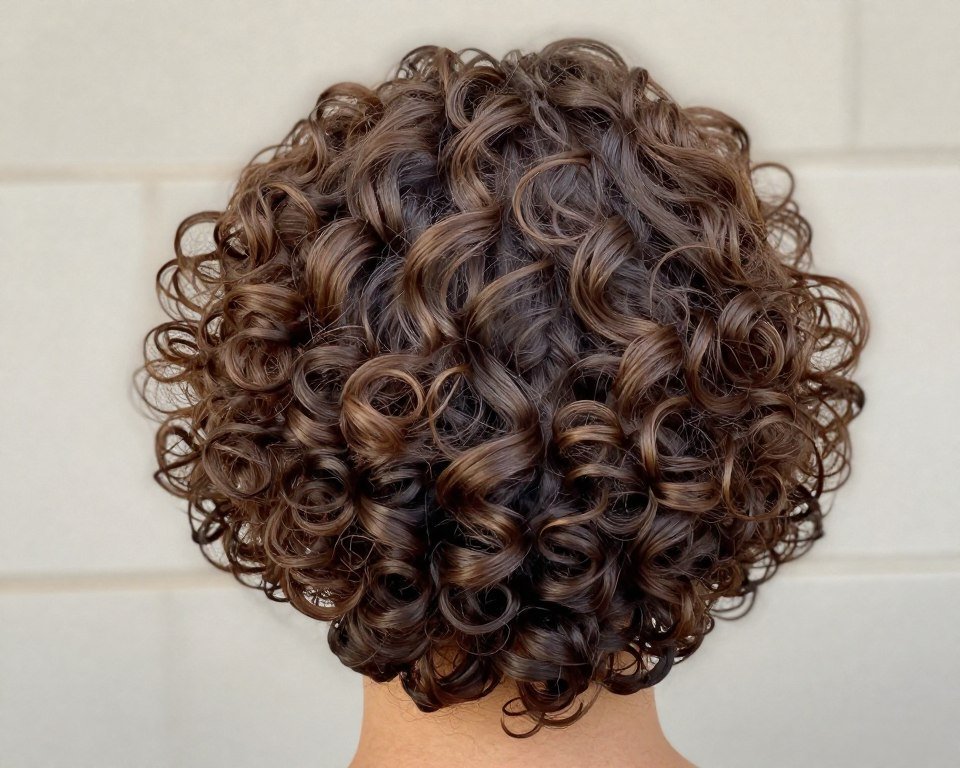
7. Curly Pixie for Fine Hair
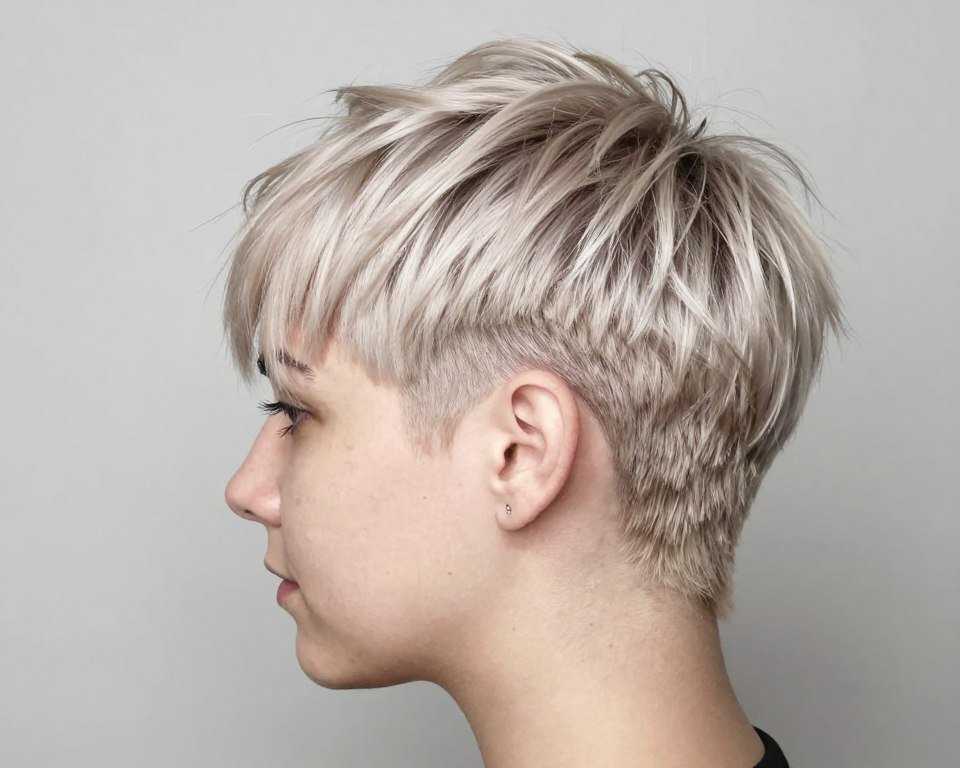
Women with naturally wavy or curly fine hair can embrace a curly pixie cut. The curls add natural volume and texture that straight thin hair has to work harder to achieve. This style celebrates natural texture while keeping hair manageable.
The cut maintains enough length to allow curls to form properly, typically two to three inches on top. Layers are essential to prevent the curls from weighing each other down. A curl-defining cream helps enhance the natural curl pattern without creating crunch.
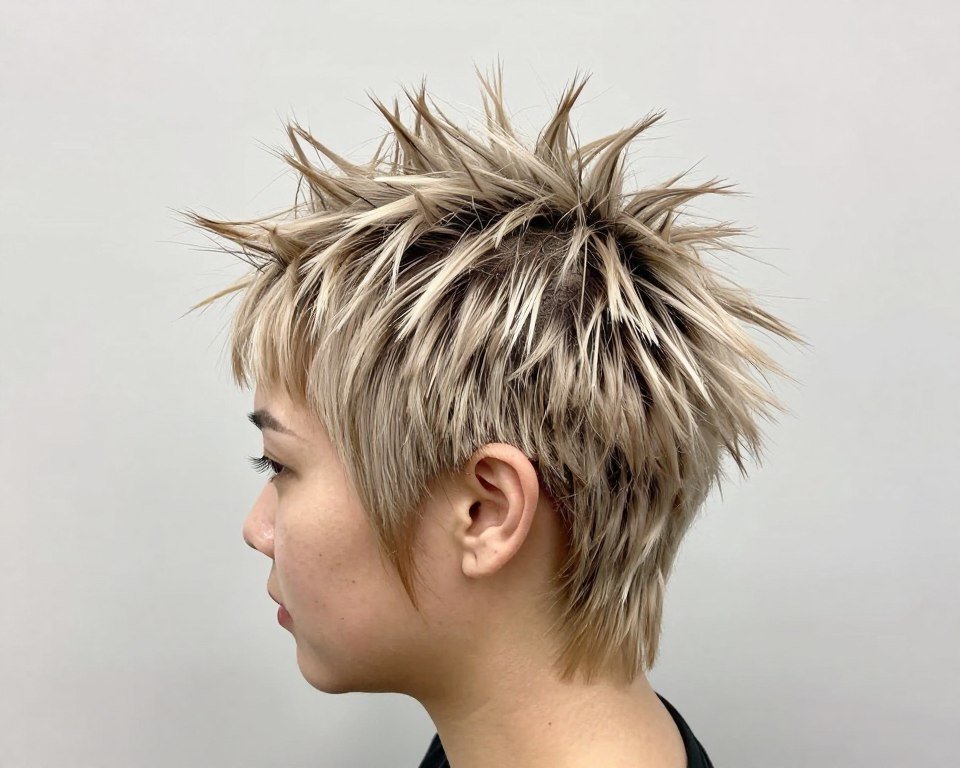
8. Spiky Pixie with Texture
A spiky pixie creates maximum volume through upward-styled pieces. This cut works wonderfully for thin fine hair because the spikes create the appearance of density and fullness. The style has an energetic, youthful vibe.
Hair is cut in short, even layers that can be styled upward with product. A strong-hold gel or pomade applied to damp hair allows you to create defined spikes. The spiky texture makes thin hair look thicker and more substantial.
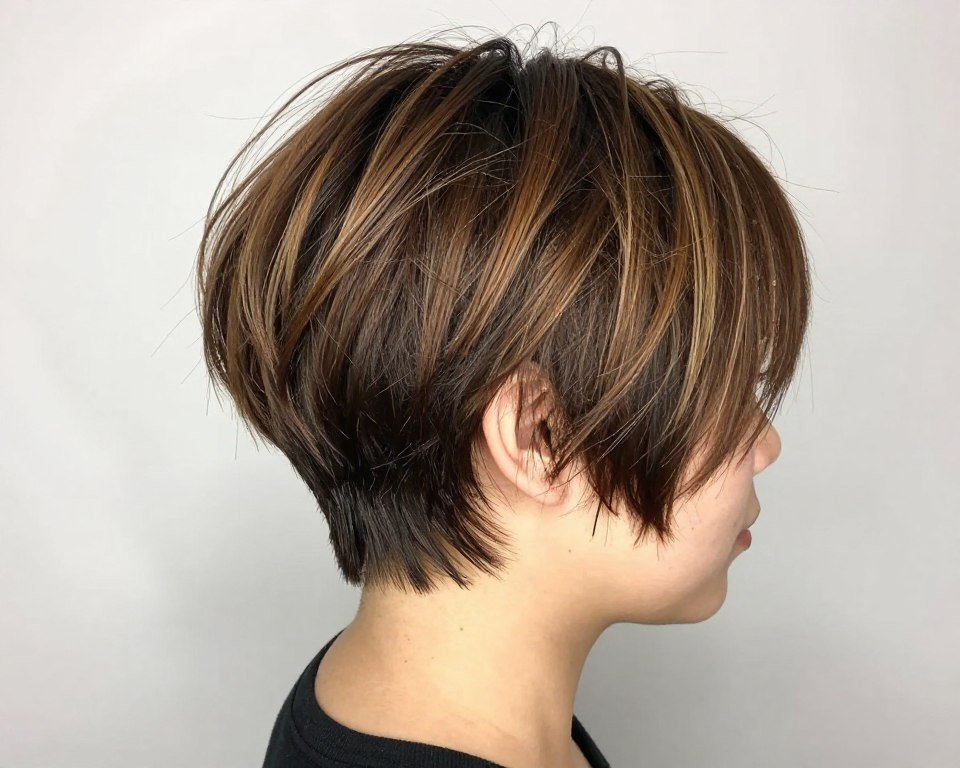
9. Long Pixie Bob Hybrid
This hybrid style combines elements of a pixie and a bob. The length reaches just below the ears while maintaining pixie-style texture and layers. For thin fine hair, this offers the volume benefits of a pixie with slightly more length for styling versatility.
The back is cut shorter in typical pixie fashion while the front and sides maintain extra length. This creates a graduated shape that adds dimension. Women can style this cut sleek or tousled depending on the occasion.
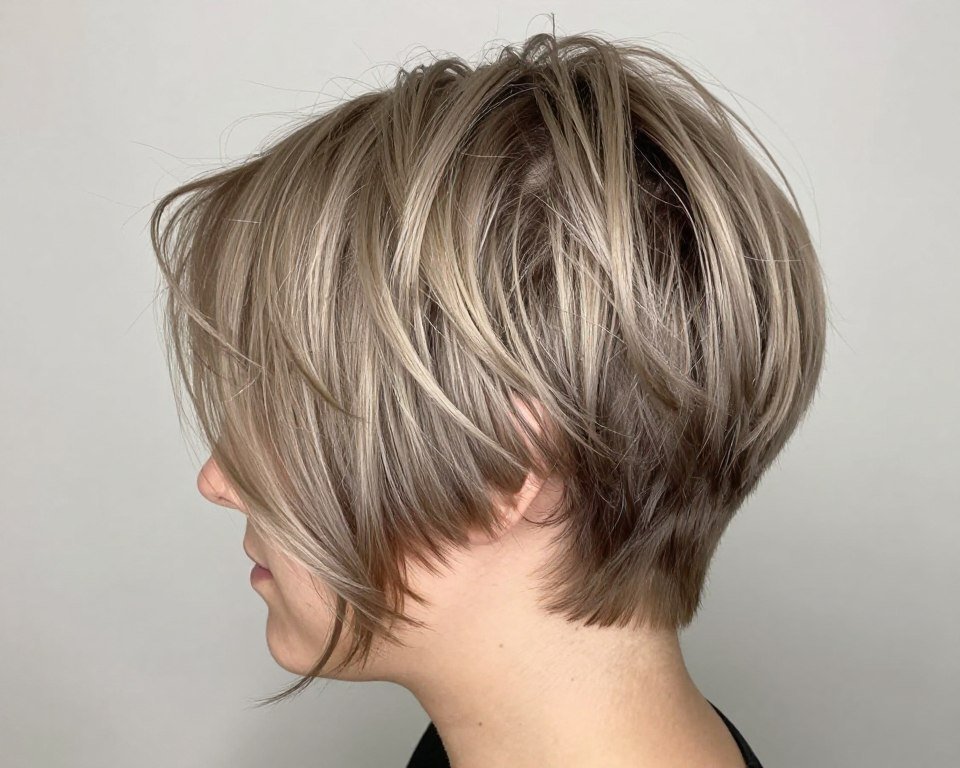
10. Razored Pixie with Movement
A razor-cut pixie creates incredible movement and texture in fine hair. The razor technique produces softer, more natural-looking layers than scissors alone. This results in a cut that moves beautifully with every head turn.
The razor removes small amounts of hair at varied angles, creating texture throughout the cut. For thin fine hair, this technique must be used carefully to avoid over-thinning. In skilled hands, it produces a fuller-looking pixie with exceptional movement.
A lightweight texturizing spray enhances the razored texture. The spray adds grip to the fine strands, making them easier to style and helping them hold volume throughout the day.
Choosing Pixie Cuts for Different Face Shapes
Face shape plays a crucial role in determining which pixie cut will be most flattering. The right cut enhances your natural features while creating balance. Women with thin fine hair need to consider both hair texture and face shape when selecting a pixie style.
Oval Face Shape Considerations
Oval faces are considered the most versatile face shape for pixie cuts. Nearly any pixie variation works well with oval features. Women with oval faces can experiment with different lengths, textures, and styles without worry.
For thin fine hair on an oval face, consider pixies with volume on top to maintain proportion. Side-swept bangs or a textured fringe add interest. The balanced proportions of an oval face allow for creative pixie variations.
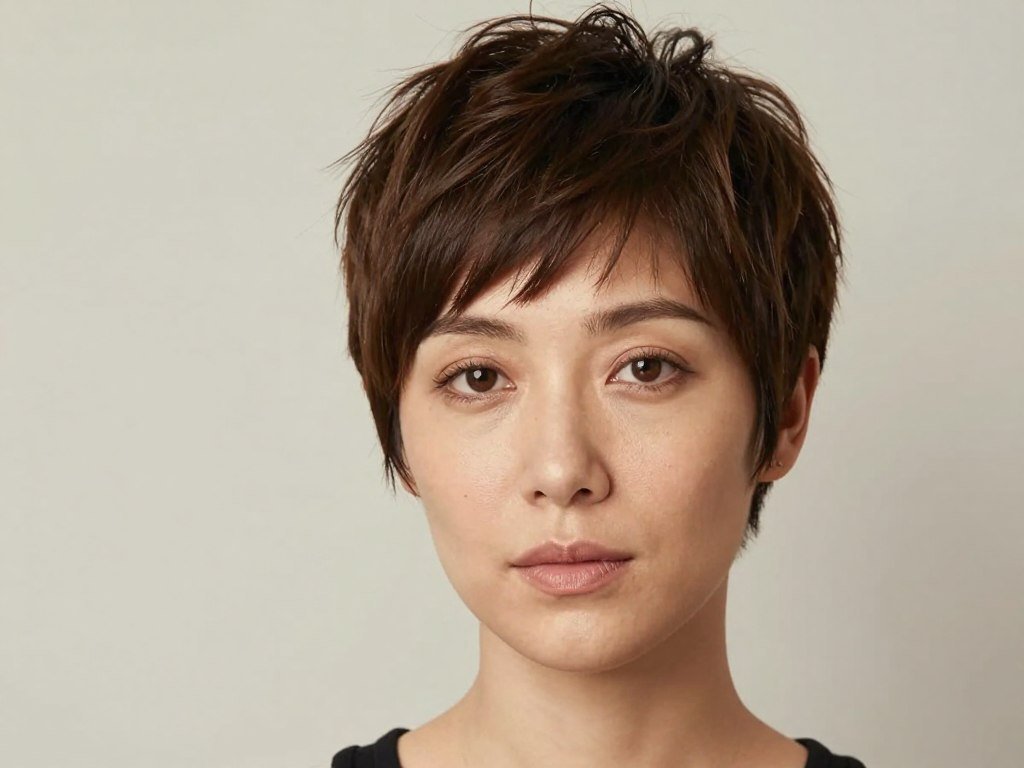
Round Face Shape Solutions
Round faces benefit from pixie cuts that add height and create the illusion of length. Avoid pixies that are too short on the sides, as this can emphasize roundness. Instead, maintain some length at the temples and crown.
An asymmetrical pixie works beautifully for round faces with thin fine hair. The diagonal lines created by asymmetry visually elongate the face. A side part also helps create length and draws the eye vertically rather than horizontally.
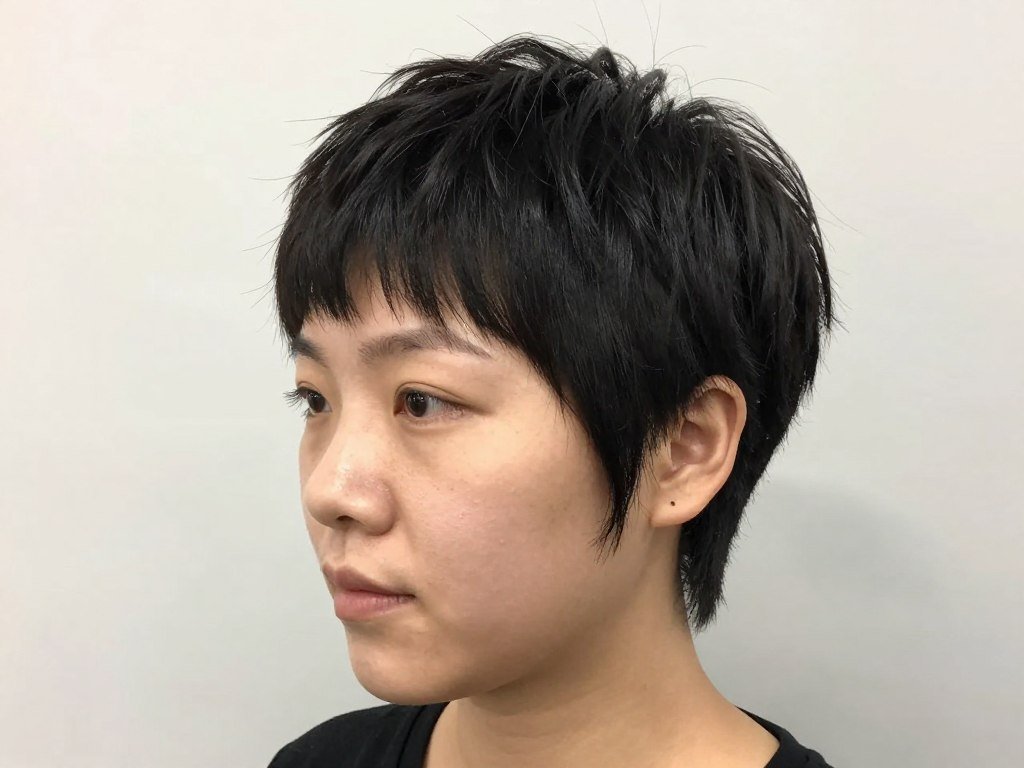
Square Face Shape Strategies
Square faces have strong jawlines that can be softened with the right pixie cut. Choose styles with soft, wispy layers rather than harsh lines. A pixie with texture and movement helps balance angular features.
For square faces with thin fine hair, consider a pixie with a longer, side-swept fringe. This softens the forehead and draws attention to the eyes. Keep some length around the ears to soften the jaw area. Avoid blunt cuts that emphasize squareness.
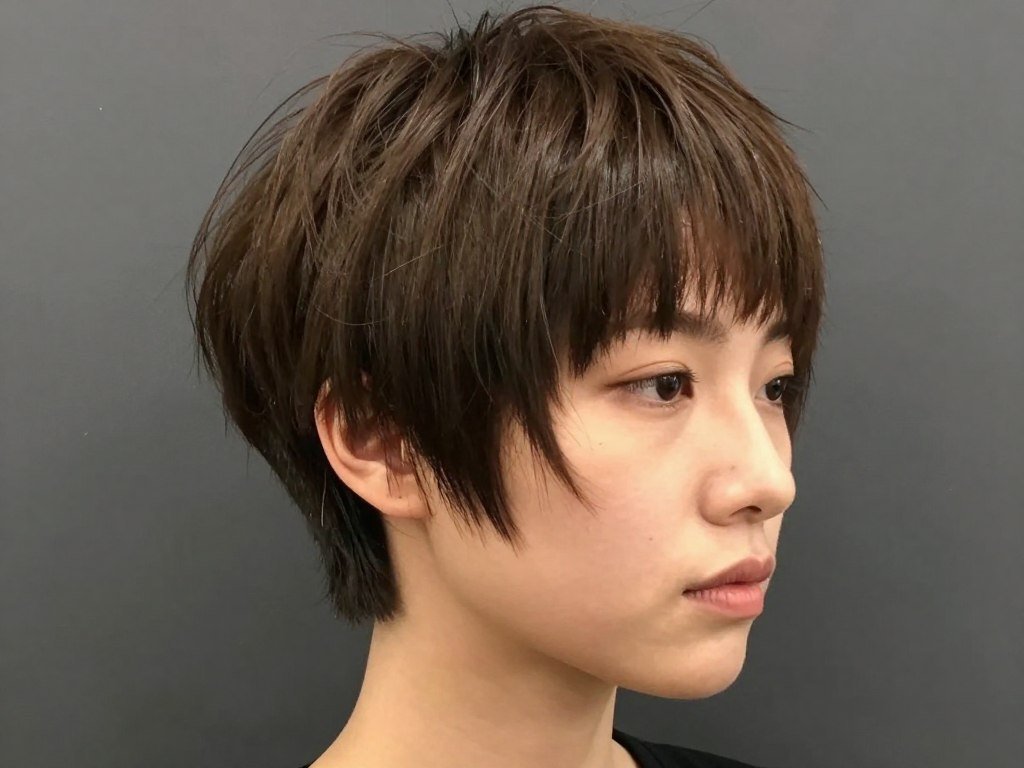
Heart-Shaped Face Recommendations
Heart-shaped faces are wider at the forehead and narrow at the chin. Pixie cuts that add width at the chin level create balance. Consider styles with texture or volume around the jawline.
A pixie with slightly longer sides works well for heart-shaped faces with thin fine hair. This adds width where needed while showcasing the cheekbones. A wispy fringe can also help balance a wider forehead. Avoid excessive height at the crown, which can make the forehead appear larger.
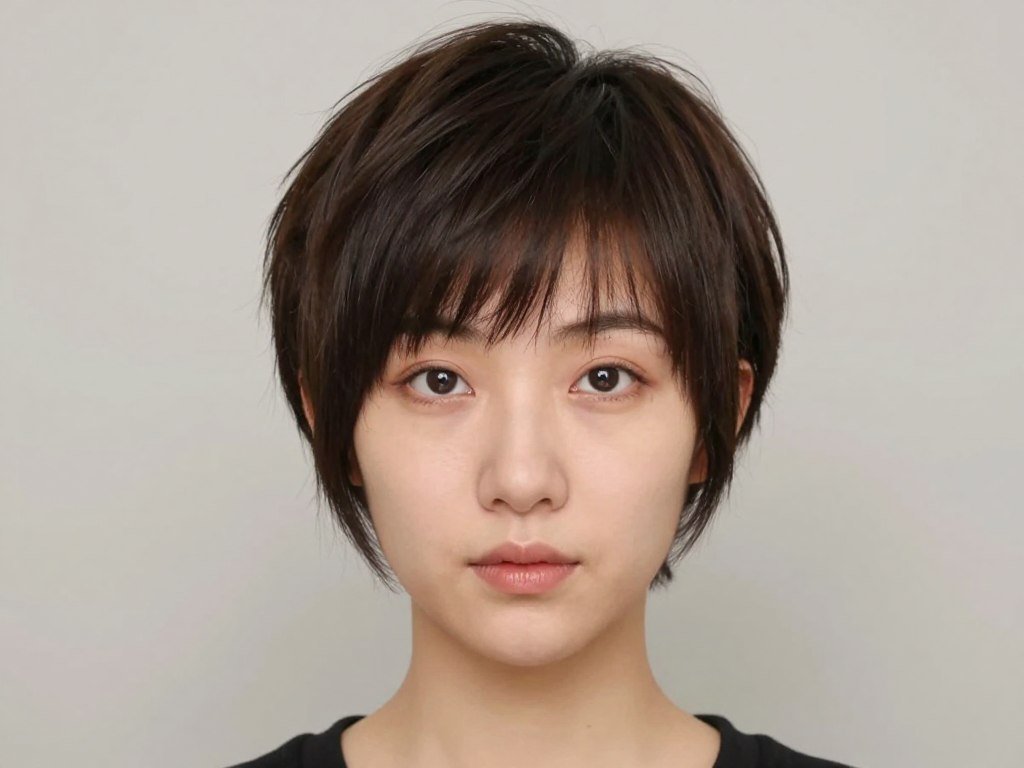
Elegant Pixie Styles for Professional Settings
11. Sleek Side-Parted Pixie
A sleek, side-parted pixie offers a polished, professional appearance. This style works exceptionally well for thin fine hair in corporate environments. The smooth texture and defined part create a refined look.
The hair is cut with subtle layers and styled flat against the head with a deep side part. A smoothing serum adds shine without greasiness. This cut proves that pixie haircuts can be both sophisticated and appropriate for any professional setting.
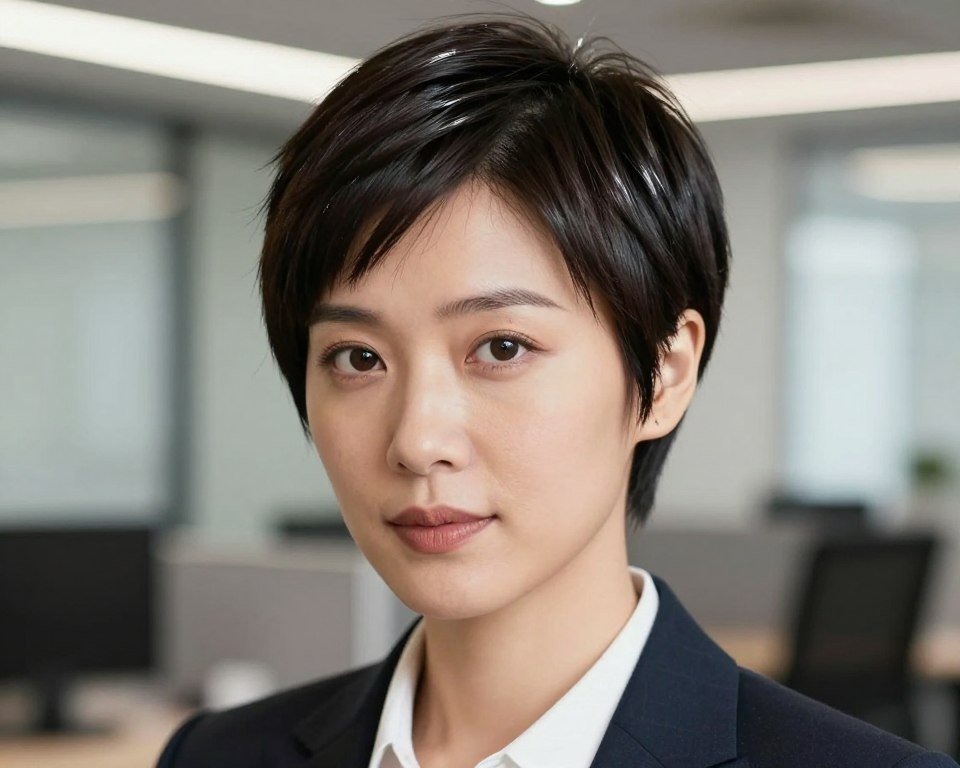
12. Classic Pixie with Subtle Layers
This timeless pixie features subtle layers that add dimension without appearing overly textured. The classic style suits any age and works beautifully in professional environments. For thin fine hair, the subtle layers create the illusion of thickness.
The cut maintains a uniform shape with layers blended seamlessly throughout. There are no dramatic angles or stark contrasts. A volumizing powder at the roots provides lift while maintaining the classic, polished appearance.
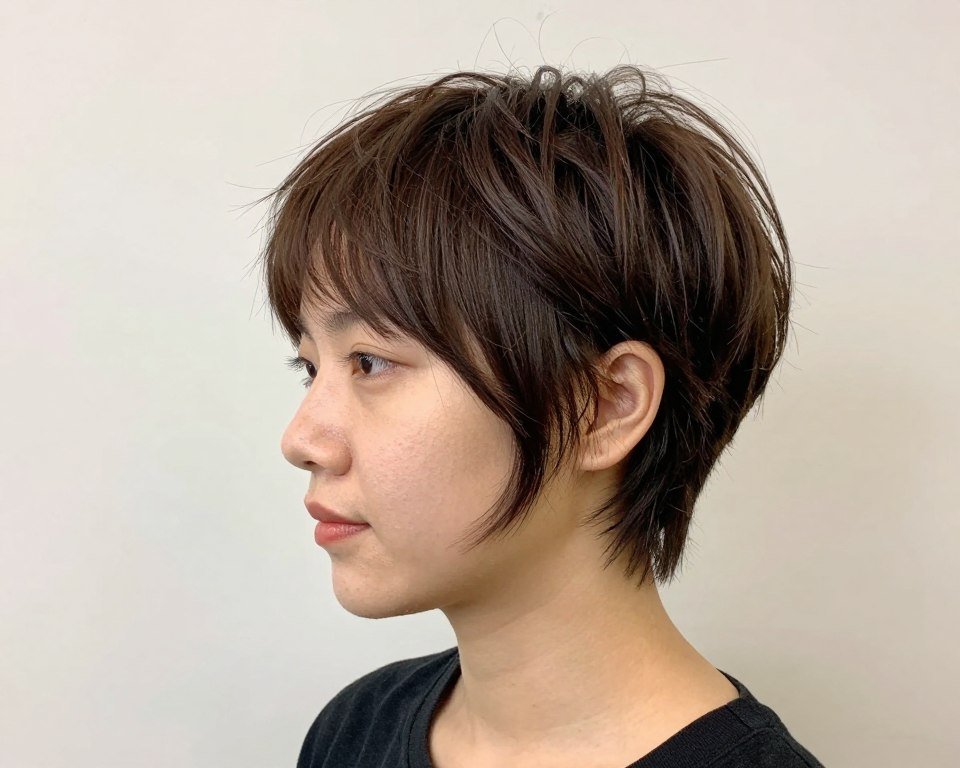
13. Graduated Pixie with Refined Edges
A graduated pixie features hair that gradually decreases in length from front to back. This creates a sophisticated, architectural shape. The refined edges give the style a polished finish perfect for professional women.
The graduation adds automatic dimension to thin fine hair. The varied lengths create the appearance of fullness throughout the cut. Styling takes minimal effort as the cut’s structure does most of the work. A light finishing spray maintains the shape without adding stiffness.
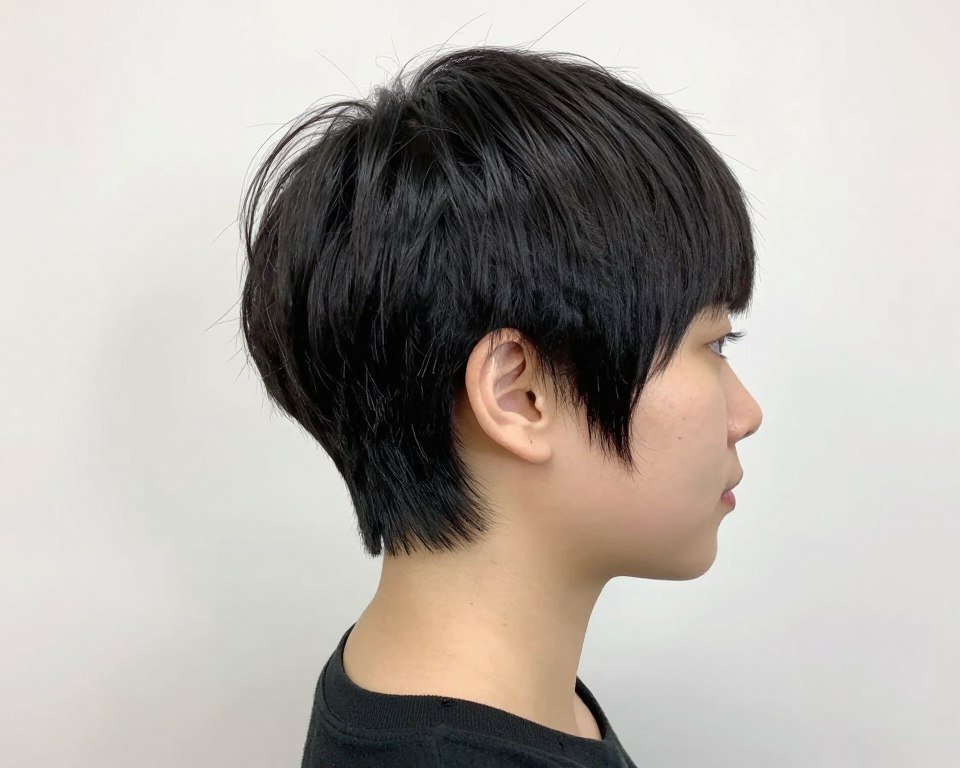
14. Sophisticated Pixie with Slight Wave
Adding a slight wave to a pixie cut creates softness and sophistication. For women with naturally straight fine hair, a large-barrel curling iron can create gentle bends. This style is perfect for important meetings or presentations.
The waves add texture and volume that straight thin hair often lacks. The styling process takes only minutes but creates significant visual impact. A flexible-hold hairspray maintains the waves without making them look stiff or artificial.
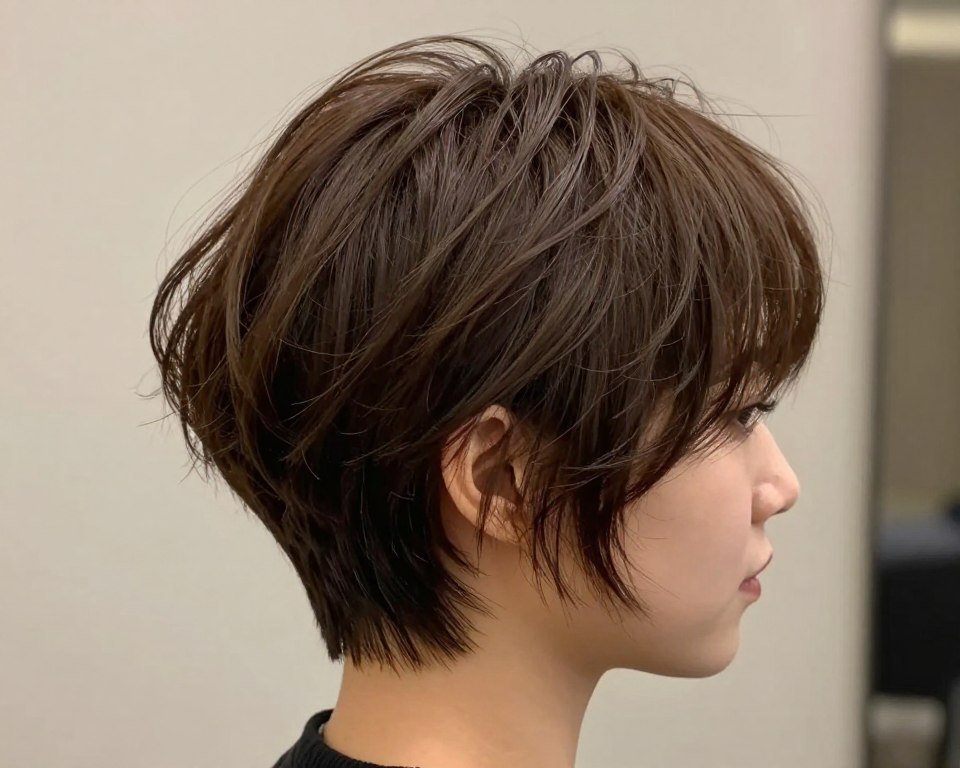
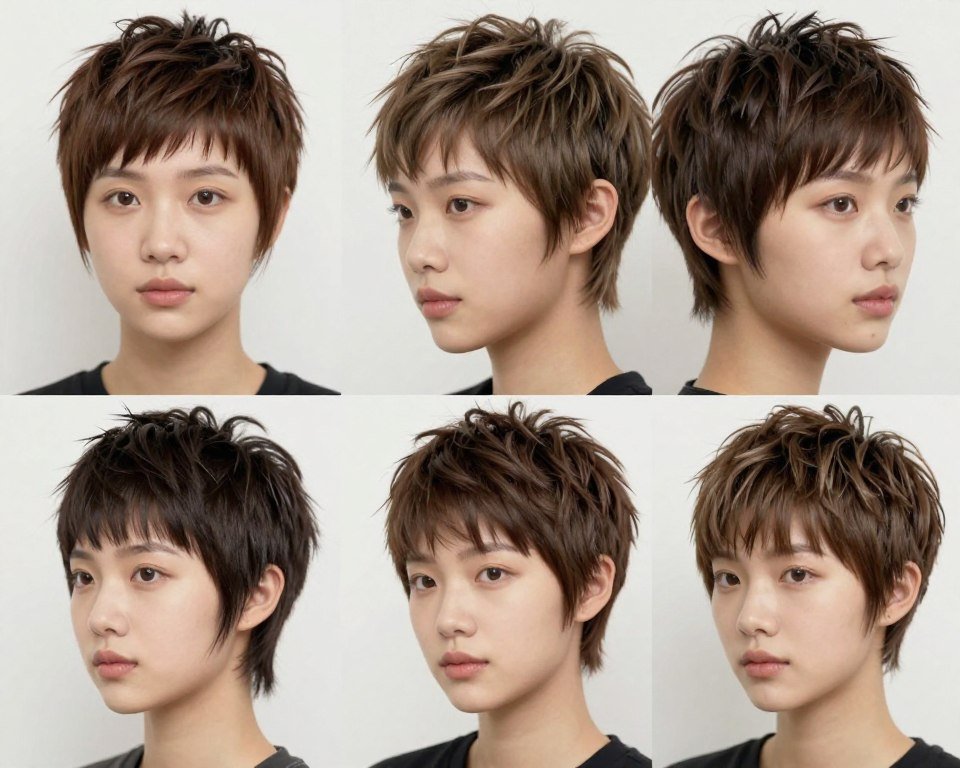
15. Pixie with Gentle Face-Framing Layers
Face-framing layers draw attention to your best features while maintaining a professional appearance. For thin fine hair, these layers should be soft and subtle rather than dramatic. The layers create dimension that makes hair appear fuller around the face.
The stylist cuts slightly longer pieces around the face that angle toward the chin. This frames the face beautifully while the back remains shorter. The contrast between the face-framing layers and the shorter back adds dimension and the illusion of thicker hair.
Volume-Boosting Product Recommendation
Transform your pixie cut with professional-grade volumizing powder. This lightweight formula adds grip and lift to thin fine hair without leaving residue. Simply sprinkle at the roots and massage in for instant fullness.
Benefits
- Creates lasting volume for up to 24 hours
- Works perfectly with short pixie cuts
- No stiffness or crunchiness
- Absorbs excess oil between washes
Considerations
- Requires practice to apply evenly
- Must be used sparingly on fine hair
- Premium price point
Edgy and Modern Pixie Designs
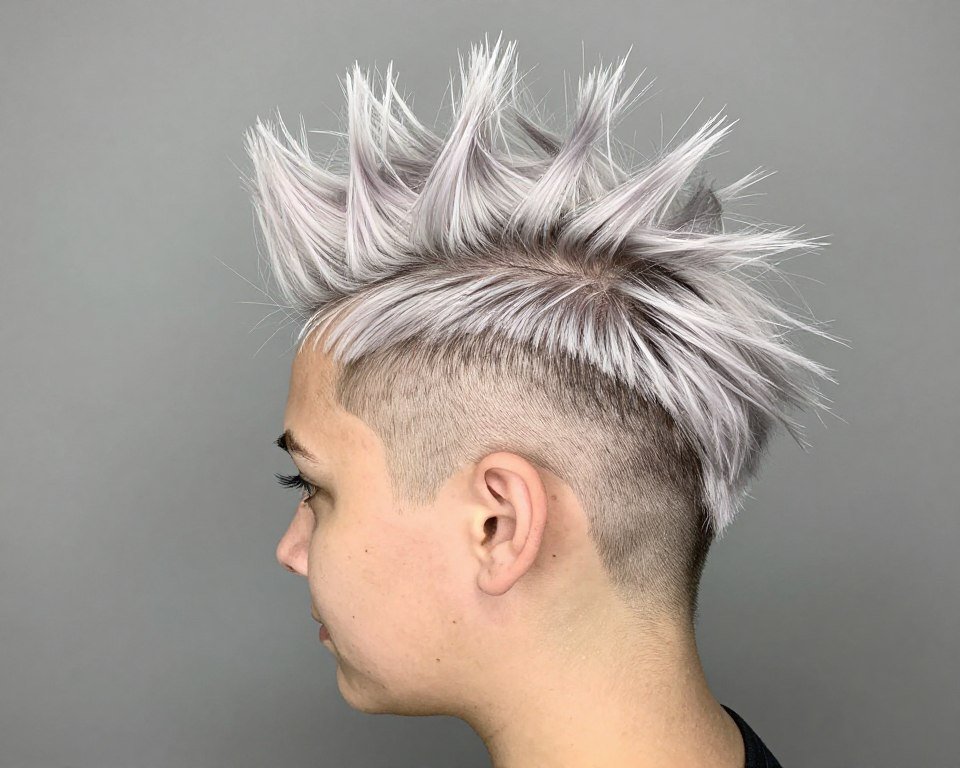
16. Mohawk-Inspired Pixie
A mohawk-inspired pixie features very short sides with a strip of longer hair down the center of the head. This edgy style creates dramatic height and volume, making it ideal for thin fine hair. The bold look makes a strong style statement.
The sides are cut very short or even shaved while the center section maintains two to three inches of length. This concentrated volume at the center creates the illusion of much thicker hair. A strong-hold styling gel allows you to style the center section upward for maximum impact.
17. Disconnected Pixie with Contrast
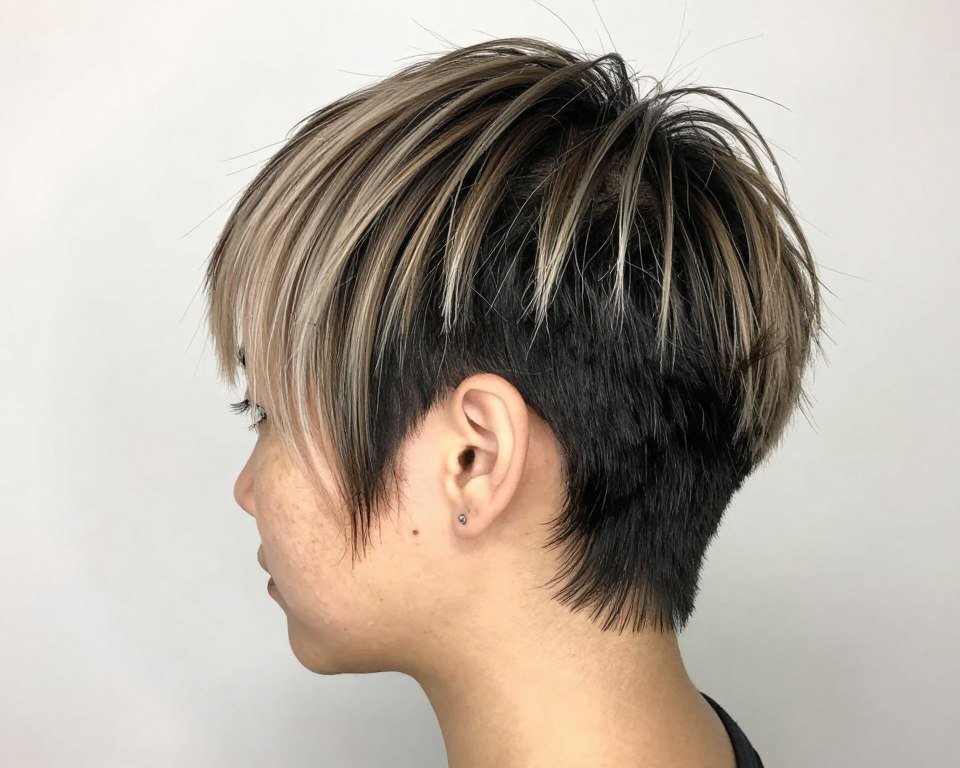
A disconnected pixie features distinct sections with no gradual blending between lengths. This creates dramatic contrast that adds visual interest. For thin fine hair, the contrast makes the longer sections appear fuller by comparison.
The stylist creates separation between the short and long sections rather than blending them together. This might mean very short sides with a dramatically longer top, or short back with longer front sections. The stark contrast creates a modern, artistic look.
18. Pixie with Bold Color Placement
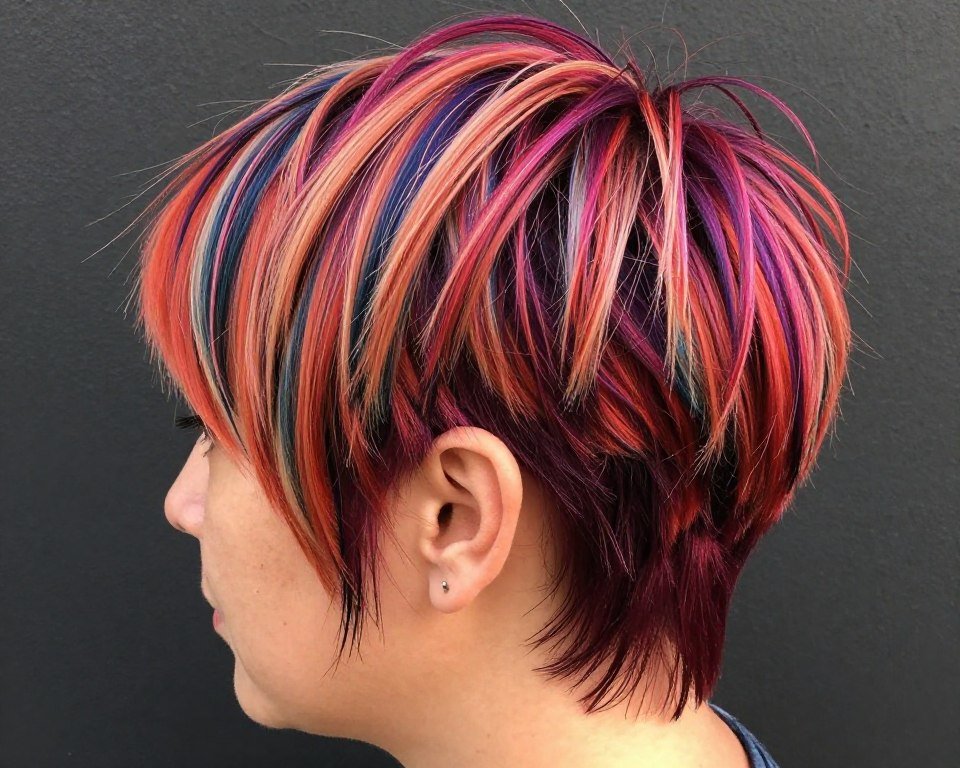
Strategic color placement can enhance the appearance of fullness in a pixie cut. Highlights, lowlights, or bold color panels add dimension that makes thin fine hair look thicker. The color creates visual interest and depth.
Consider platinum highlights on darker hair or vibrant fashion colors for a bold statement. The color variation creates shadows and light that give the illusion of more hair. Balayage coloring technique works particularly well with pixie cuts, as it adds natural-looking dimension.
19. Geometric Pixie with Angular Lines
Geometric pixie cuts feature sharp, defined angles and precise lines. This architectural approach creates a striking silhouette. For thin fine hair, the strong lines add structure and make the hair appear more substantial.
The stylist uses precise cutting techniques to create distinct angles rather than soft, blended layers. The geometric shape holds well between salon visits. This style requires minimal styling as the cut’s structure provides the shape. A shine serum emphasizes the clean lines.
20. Textured Crop Pixie
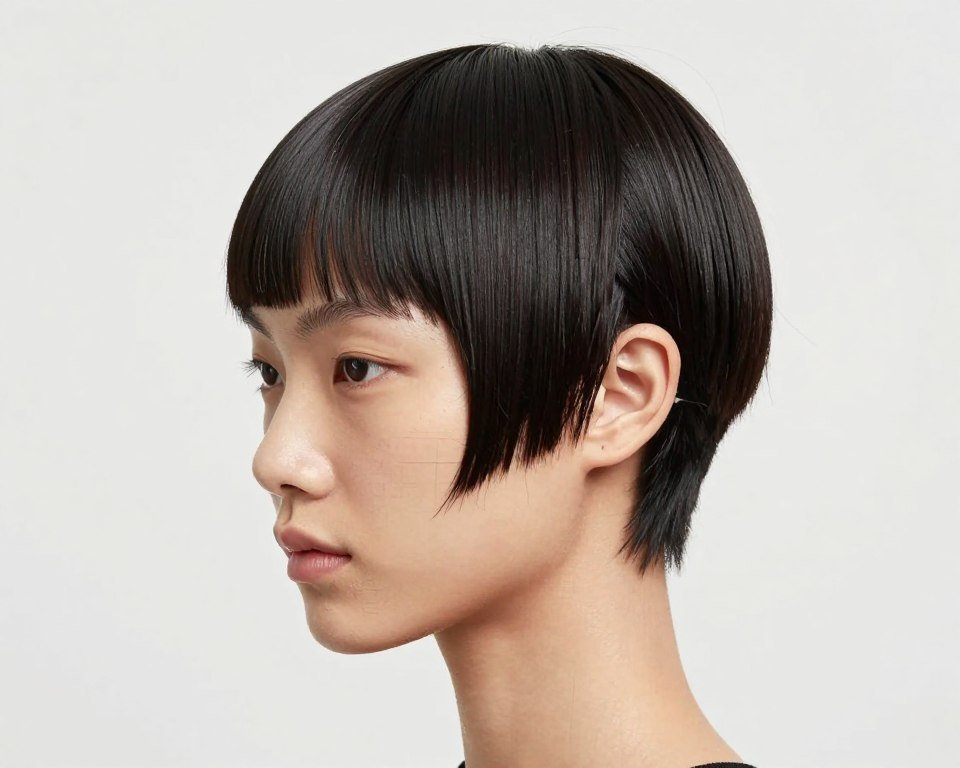
A textured crop pixie is an ultra-short style with choppy, piecey texture throughout. This cut maximizes volume by eliminating all excess weight. For thin fine hair, the crop creates the appearance of density through texture rather than length.
The crop is cut very short all over with texture created through point-cutting or razoring. The choppy pieces stand up easily, creating automatic volume. A small amount of pomade or wax helps define the textured pieces. This low-maintenance cut suits active lifestyles.
Essential Styling Techniques for Thin Hair Pixie Cuts
Styling a pixie cut correctly is just as important as the cut itself. The right techniques can maximize volume and make thin fine hair look its fullest. These methods work for all pixie variations featured in this guide.
Volume-Building Blow-Dry Method
The way you blow-dry your pixie dramatically affects the final volume. Start with damp, not soaking wet, hair. Apply a volumizing mousse from roots to ends while the hair is still damp.
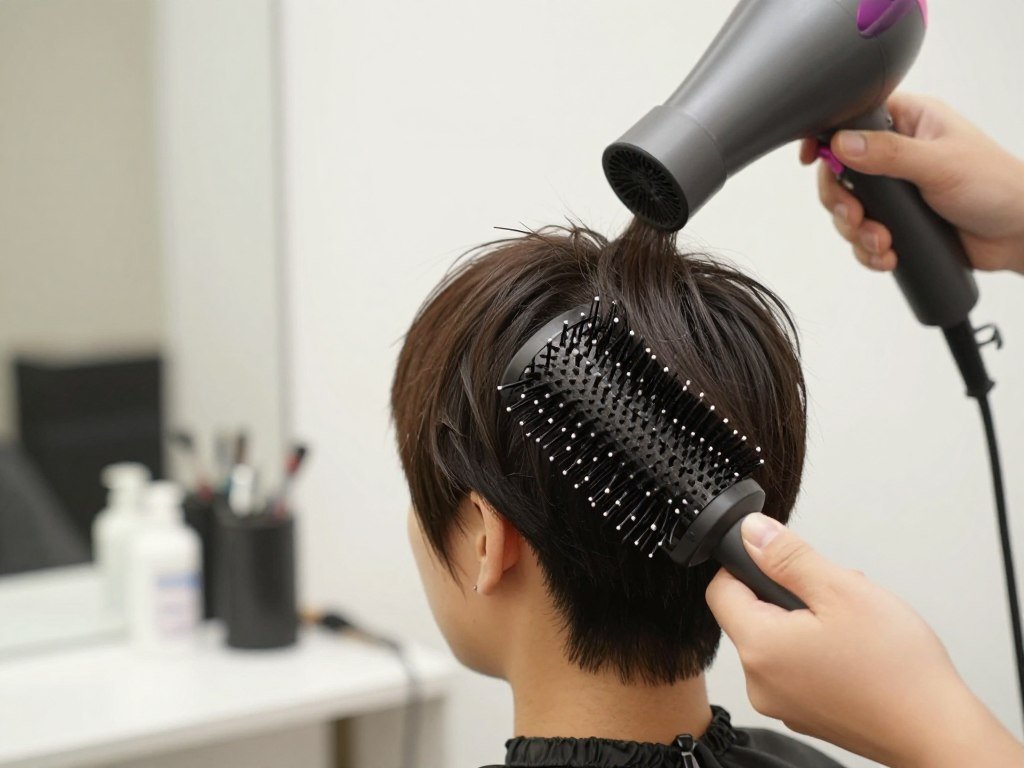
Use a round brush to lift the hair at the roots while blow-drying. Direct the airflow upward rather than downward. This creates lift at the crown where thin hair needs it most.
Finish with a blast of cool air to set the style. The cool air closes the hair cuticle and helps the volume last longer. A root-lifting spray applied before drying provides extra staying power.
Blow-Dry Steps
- Apply volumizing mousse to damp hair
- Section hair into manageable portions
- Use round brush to lift at roots
- Direct airflow upward, not downward
- Finish with cool air to set style
This method works for all short pixie haircuts featured in this article. The technique creates lasting volume that survives throughout the day.
Texturizing Product Application
Texturizing products add grip and separation to thin fine hair. These products come in various forms including sprays, powders, pastes, and creams. Each type serves a specific purpose.
Texturizing spray works well for overall volume and hold. Apply it to dry hair and scrunch or tousle with your fingers. The spray adds texture without weight.
Texturizing powder provides targeted volume at the roots. Sprinkle a small amount at the crown and massage it in. The powder creates immediate lift and absorbs oil.
Paste or wax helps define individual pieces and create separation. Use a tiny amount and work it through the ends. This prevents thin hair from clumping together and looking sparse.
Strategic Styling for Maximum Fullness
The way you style your pixie affects how full it appears. Avoid brushing your pixie too much, as this can flatten thin fine hair. Instead, use your fingers to arrange and tousle the hair into place.
Create height at the crown by backcombing gently or using a teasing technique. This should be done carefully with thin hair to avoid damage. A small amount of teasing at the roots creates significant volume.
Style pixie cuts away from the face for a more voluminous look. Hair styled forward can make the head look smaller. Pushing the hair back or to the side creates the illusion of more hair.
Pro Tip: Dry shampoo is your best friend between washes. It absorbs oil and adds volume to thin fine hair. Apply it at night so the powder has time to absorb oil while you sleep. In the morning, your pixie will have natural texture and lift.
Age-Defying Pixie Cuts
21. Soft Layered Pixie for Mature Women
A soft layered pixie is particularly flattering for mature women with thin fine hair. The gentle layers create movement without harsh lines. This style softens facial features and takes years off your appearance.
The layers are blended seamlessly throughout the cut, creating a rounded shape. This fullness is especially important as hair naturally thins with age. The soft texture draws attention to the face rather than any thinning areas.
22. Pixie with Wispy Bangs
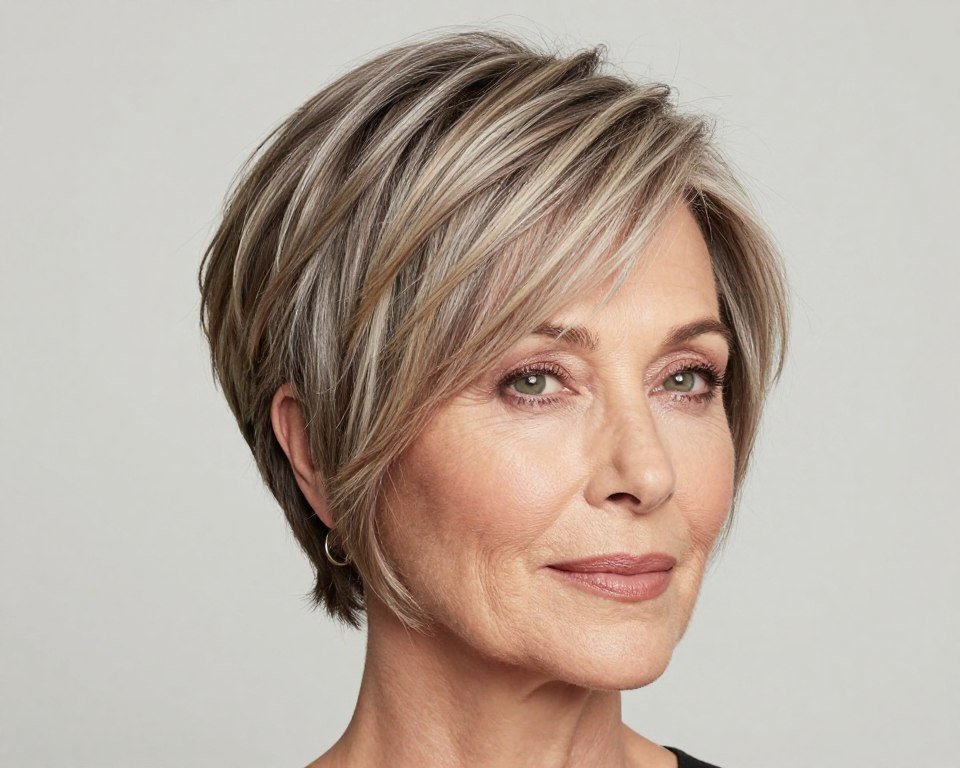
Wispy bangs add a youthful touch to any pixie cut. For women with thin fine hair, wispy bangs work better than heavy, blunt fringe. The light, airy bangs frame the face without overwhelming delicate features.
The bangs are cut with point-cutting to create soft, separated pieces. They can sweep to the side or fall gently across the forehead. This style draws attention to the eyes and creates a flattering frame for the face.
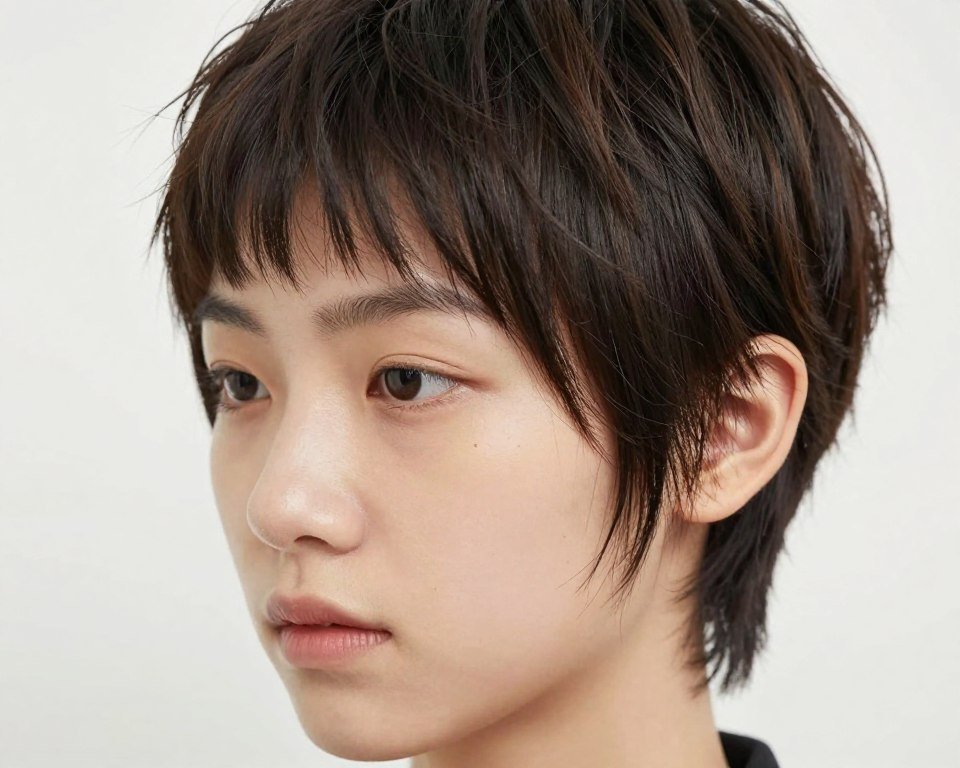
23. Volume-Top Pixie with Shorter Sides
This pixie focuses volume on the crown while keeping sides neat and short. The contrast creates a youthful, lifted appearance. For aging thin fine hair, this style provides maximum volume where it is most visible.
The top section is cut longer and styled upward to create height. The shorter sides keep the style neat and draw attention to the voluminous crown. This cut is easy to maintain and style, making it perfect for women of any age.
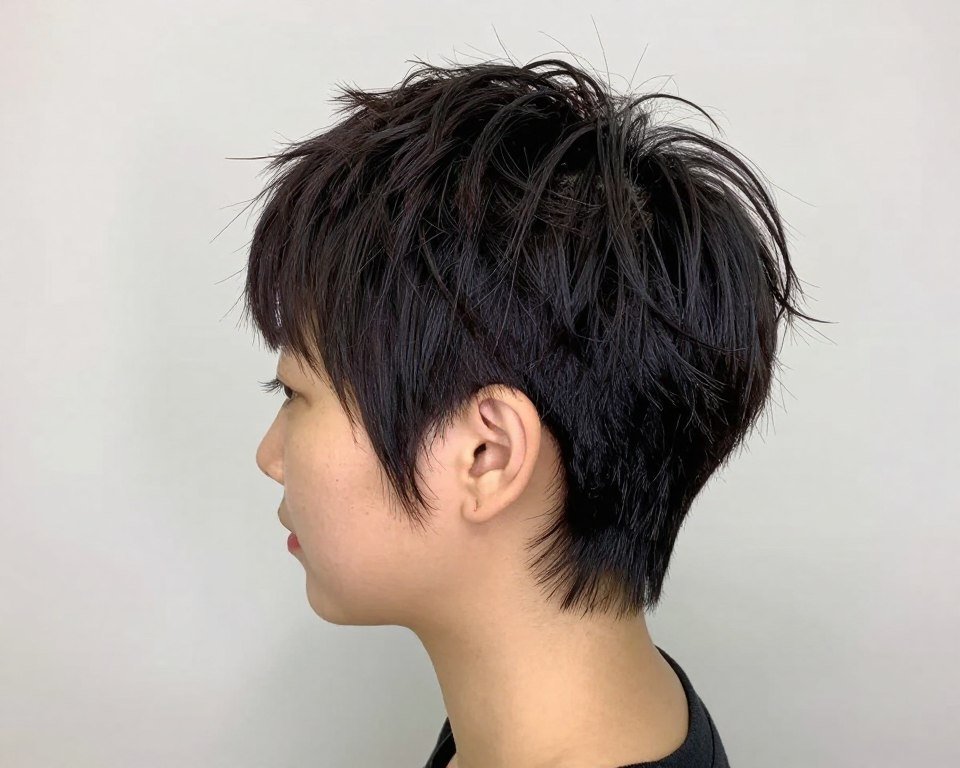
24. Classic Pixie with Modern Touches
This style combines timeless pixie elements with contemporary updates. The result is a cut that feels current without being too trendy. For women with thin fine hair seeking a sophisticated look, this balance is ideal.
The classic shape provides familiarity while modern texturizing techniques add current appeal. Strategic highlights or lowlights can update the look further. This versatile cut works for both professional settings and casual occasions.
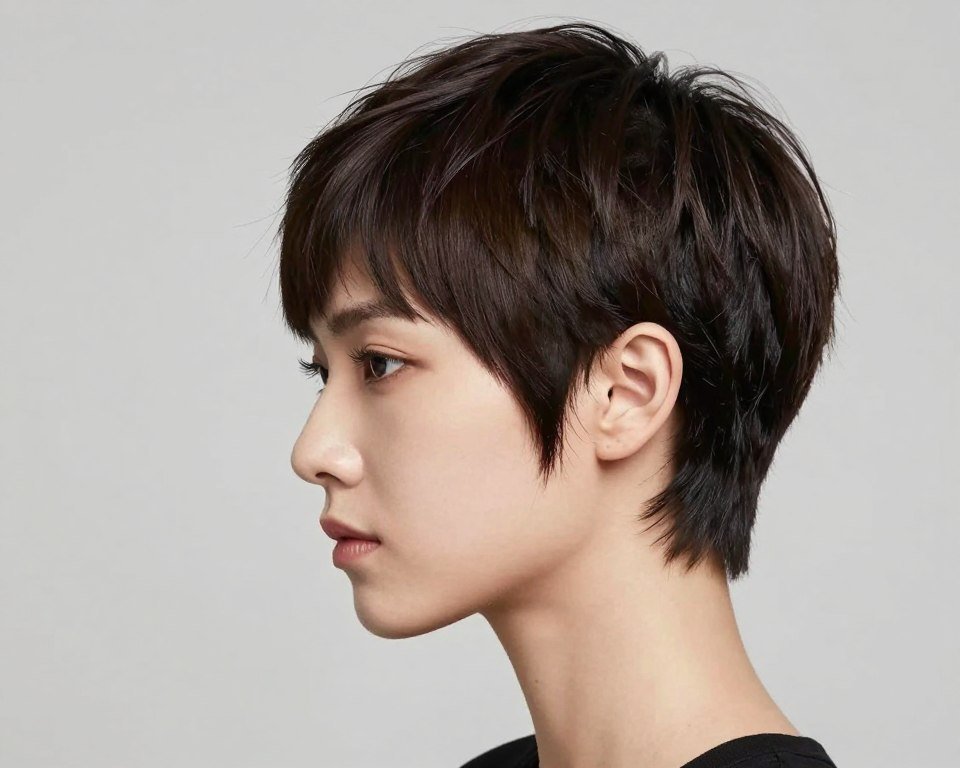
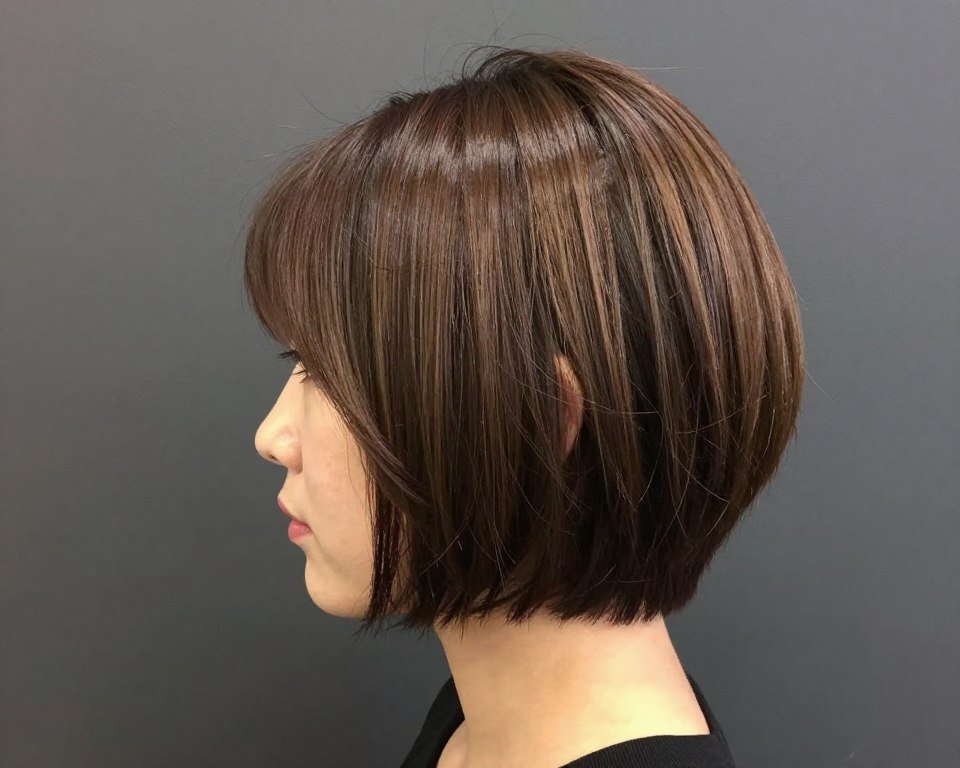
25. Graduated Bob-Pixie Hybrid
This longer pixie variation transitions into bob territory. The graduated shape is shorter in back and longer in front. For mature women with thin fine hair, this offers the benefits of a pixie with slightly more length for comfort and versatility.
The graduation creates natural volume and movement. The angled shape is universally flattering and appropriate for any age. This cut can be styled sleek for professional settings or tousled for a more relaxed look.
Color Techniques That Add Dimension
Color plays a significant role in making thin fine hair appear fuller. Strategic coloring creates shadows and highlights that add depth. These techniques work beautifully with short pixie haircuts.
Highlights for Added Dimension
Highlights add brightness and dimension to pixie cuts. For thin fine hair, highlights create the illusion of texture and fullness. The lighter pieces catch light and make the hair appear more voluminous.
Babylights are ultra-fine highlights that blend naturally into the base color. These delicate highlights are perfect for thin fine hair because they add dimension without harsh lines. The subtle color variation makes hair look thicker and more dynamic.
Face-framing highlights draw attention to your features while adding brightness around the face. These lighter pieces create contrast that makes the overall cut appear more textured and full.
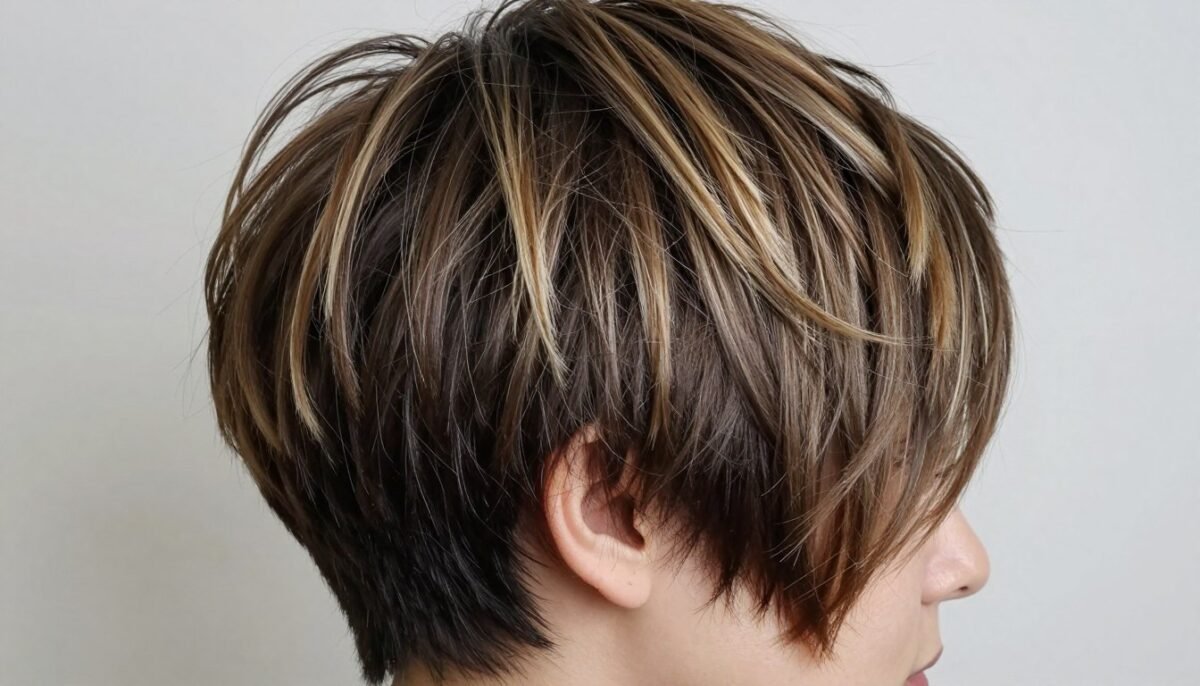
Lowlights for Depth
Lowlights are darker pieces woven throughout the hair. They create depth and dimension that makes thin hair appear thicker. The darker tones create shadows that add visual weight to fine strands.
For pixie cuts, lowlights should be subtle and well-blended. Harsh contrast can make thin hair look choppy. Natural-looking lowlights create the illusion of depth and multiple layers of hair.
Balayage Coloring Technique
Balayage is a hand-painted highlighting technique that creates natural-looking dimension. For pixie cuts with thin fine hair, balayage adds color variation that makes hair appear fuller. The technique creates soft, graduated color rather than distinct stripes.
A colorist paints lighter color onto the hair in sweeping motions. This creates a sun-kissed effect with darker roots and lighter ends. The color variation adds automatic dimension to short pixie haircuts.
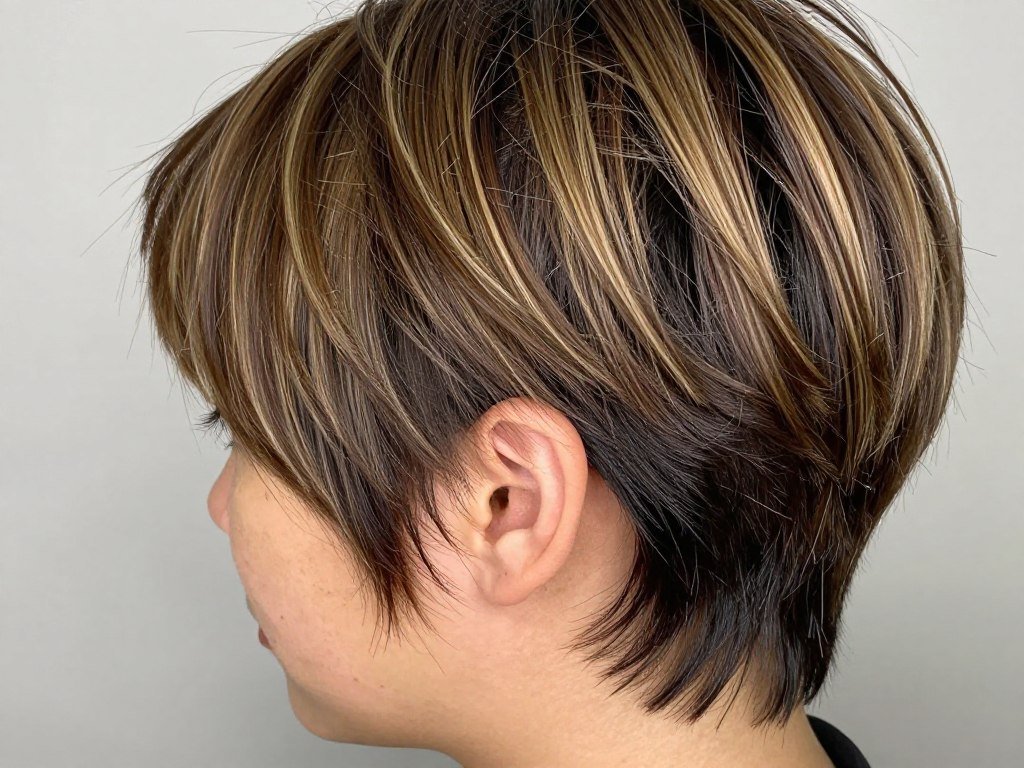
Root Shadow for Volume Illusion
Root shadow involves applying darker color at the roots while keeping the rest lighter. This technique creates the illusion of depth and makes hair appear fuller at the scalp. For thin fine hair, this shadow effect is particularly effective.
The darker roots create a shadow that makes the hair look denser. The contrast between dark roots and lighter lengths adds dimension. This technique also allows for longer periods between color touch-ups.
Trendy Pixie Cuts for Fashion-Forward Women
26. Micro Pixie with Maximum Texture
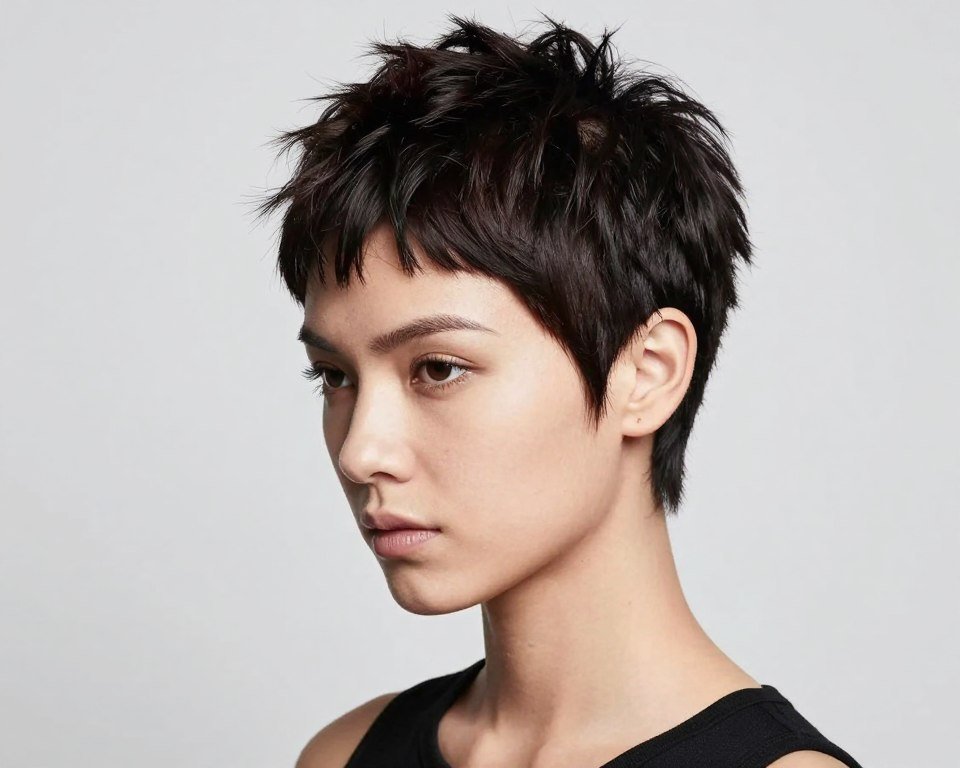
A micro pixie is an ultra-short style cut close to the head all over. This bold cut requires confidence but creates incredible volume for thin fine hair. The short length removes all weight, allowing hair to stand up naturally.
The micro pixie is cut to about one inch or less throughout. Texture is added through point-cutting or razoring techniques. Despite the short length, proper texturizing makes thin hair appear thicker and more substantial.
27. Pixie with Shaved Design
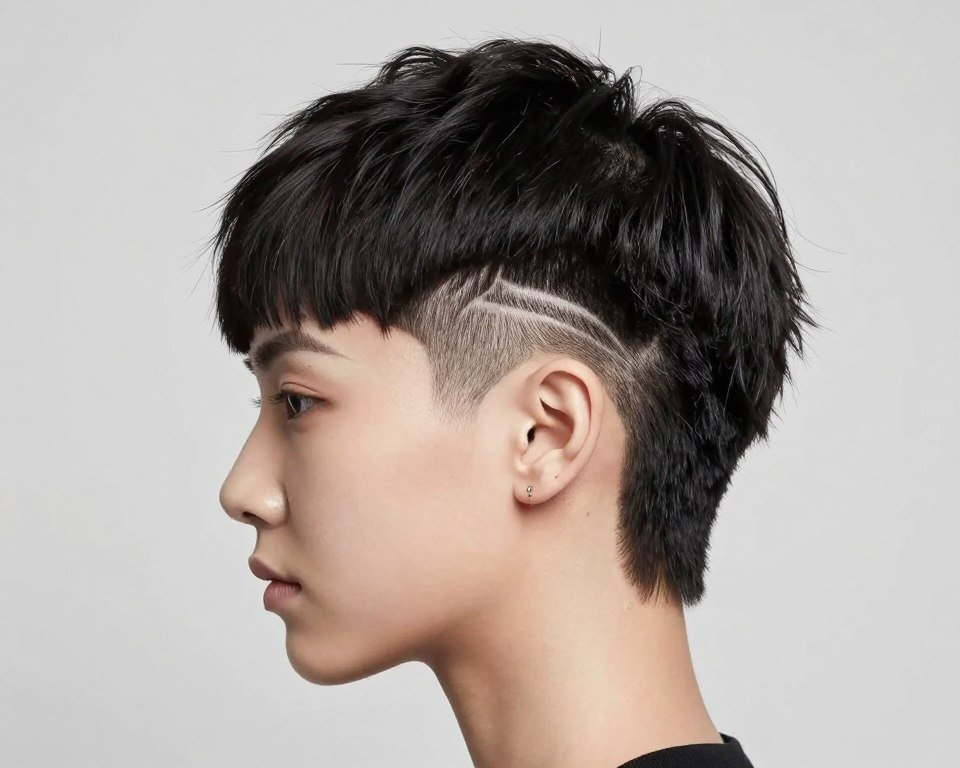
Adding a shaved design to one side of a pixie creates artistic interest. This fashion-forward choice makes a statement. For thin fine hair, the shaved section draws attention away from hair density and toward the creative design.
A stylist shaves a small area on one side, often near the temple or behind the ear. The shaved section can feature geometric patterns, lines, or other designs. The rest of the pixie maintains length and volume. This style requires regular maintenance to keep the design sharp.
28. Messy Bedhead Pixie
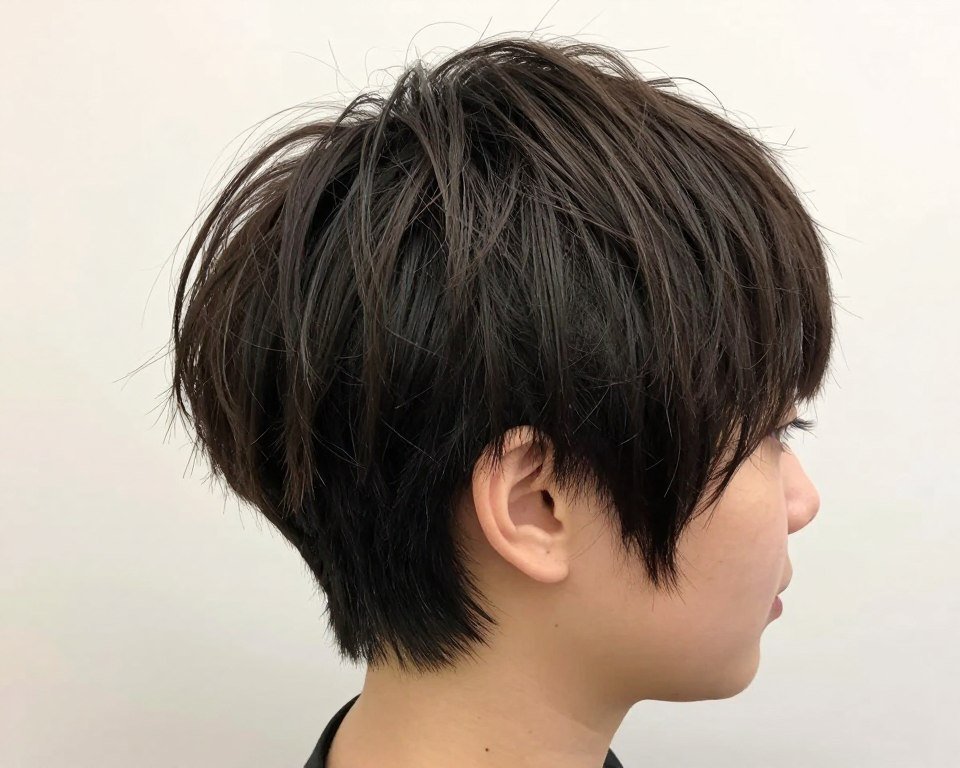
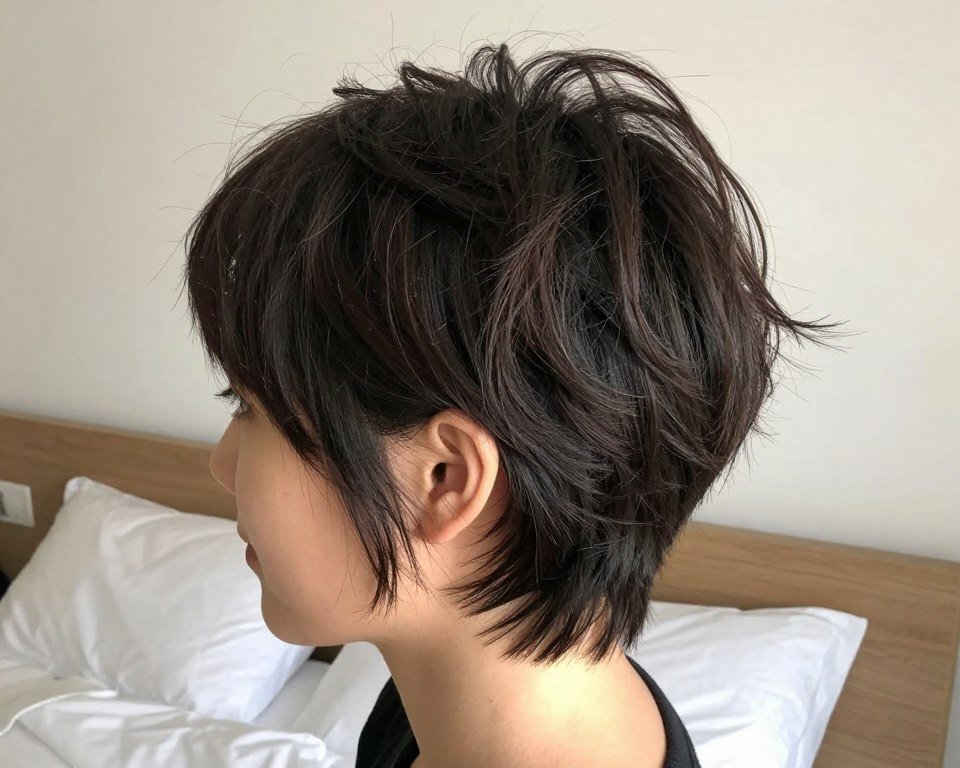
The messy bedhead pixie embraces an intentionally tousled look. This effortless style actually works wonderfully for thin fine hair. The deliberately messy texture creates the appearance of fullness and volume.
The cut features choppy, uneven layers throughout. Styling involves applying texturizing product and tousling hair with fingers. The messy finish makes thin hair look thicker because the irregular texture creates visual interest. This low-maintenance style suits busy lifestyles.
29. Pixie with Buzzed Nape
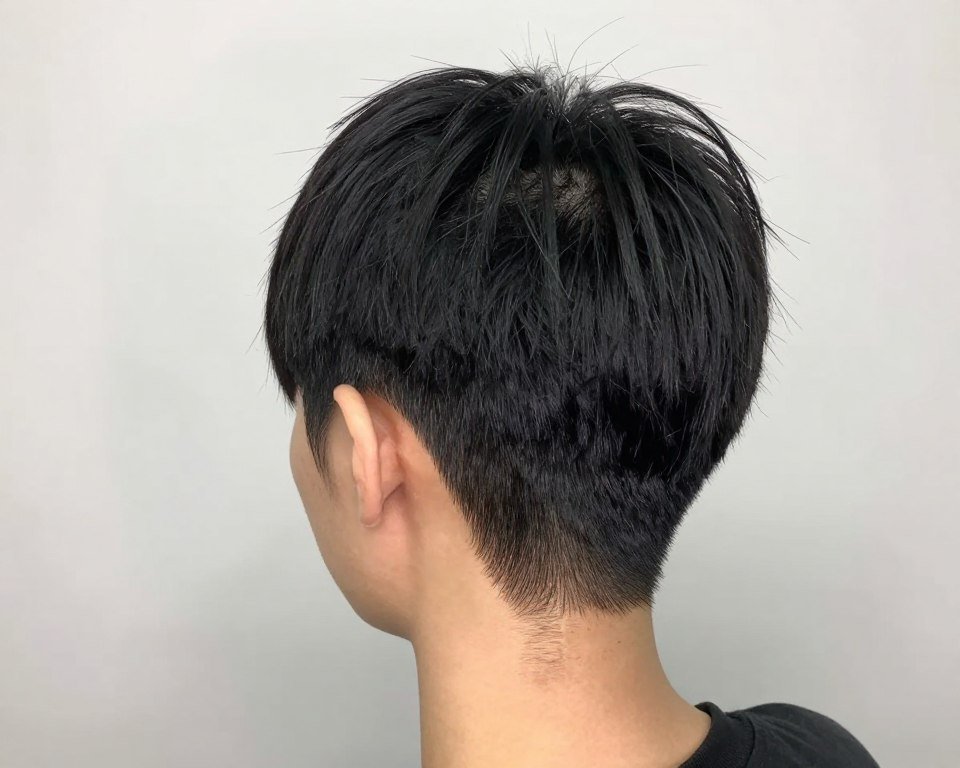
A buzzed nape features closely shaved hair at the back of the neck. This creates a clean, modern finish while maintaining length on top. For thin fine hair, this contrast makes the top section appear significantly fuller.
The nape is buzzed with clippers while the crown maintains two to three inches of length. The dramatic difference between the buzzed nape and voluminous top creates visual impact. This style stays neat longer between haircuts because the buzzed section grows out slowly.
30. Flowing Asymmetric Pixie
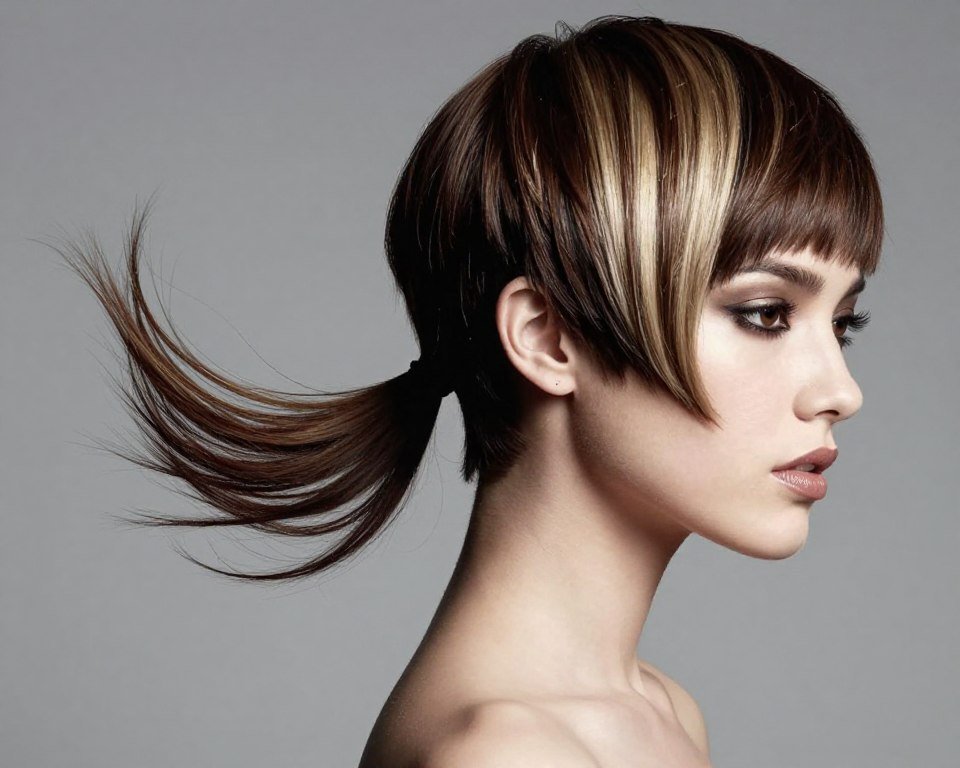
This final style features dramatic asymmetry with one side significantly longer than the other. The flowing longer side creates elegance while the short side adds edge. For thin fine hair, this style creates maximum impact and visual interest.
One side is cut very short while the opposite side sweeps dramatically across the face. The longer side can reach chin length, creating a striking contrast. This flowing movement makes thin hair look luxurious and full. The cut requires precise sectioning and skilled execution.
Style the longer side with a flat iron for sleek sophistication or add waves for soft romance. A lightweight oil adds shine and helps the longer section flow smoothly. This versatile cut transitions easily from day to evening looks.
Maintaining Your Pixie Cut Between Salon Visits
Pixie cuts require regular maintenance to maintain their shape. For thin fine hair, proper care keeps the style looking its best. These tips help you extend the time between cuts while keeping your pixie fresh.
Trim Schedule
Pixie cuts need trimming every four to six weeks. This maintains the shape and prevents the style from growing out awkwardly. For thin fine hair, regular trims also keep ends looking healthy and prevent the cut from looking sparse as it grows.
If your pixie has buzzed or very short sections, these areas may need touching up every three to four weeks. The contrast between short and long sections is essential for the style’s impact on thin hair.
Home Styling Routine
Develop a quick daily styling routine that works for your lifestyle. Most pixie cuts take five minutes or less to style when you have the right products and tools. Keep your routine simple for consistency.
Start with damp hair and apply a volumizing product. Blow-dry using your fingers or a small round brush to create lift at the roots. Finish with a texturizing product to add separation and hold. This basic routine works for most of the pixie styles featured in this article.
Daily Styling Essentials
- Volumizing mousse or spray
- Blow dryer with concentrator nozzle
- Small round brush or fingers
- Texturizing product (spray, powder, or paste)
- Lightweight hairspray for hold
Weekly Care Routine
- Deep conditioning treatment for hair health
- Scalp massage to promote circulation
- Clarifying shampoo to remove product buildup
- Hair mask focused on roots for volume
- Natural oil treatment on ends only
Product Buildup Prevention
Thin fine hair shows product buildup quickly. Buildup makes hair look flat and greasy. Use a clarifying shampoo once a week to remove residue from styling products. This keeps hair feeling clean and volumized.
Apply styling products sparingly. Thin fine hair requires much less product than thick hair. Start with a small amount and add more only if needed. Too much product weighs down fine strands and makes them look thinner.
Protecting Hair Health
Healthy hair always looks fuller than damaged hair. Protect your thin fine hair from heat damage by using a heat protectant spray before blow-drying or styling with hot tools. Keep heat settings on medium rather than high.
Use a gentle shampoo formulated for fine hair. Harsh shampoos strip natural oils that thin hair needs for shine and health. Condition only the ends of pixie cuts to avoid weighing down roots. A leave-in conditioner spray works well for fine hair.
Important: Avoid over-washing thin fine hair. Daily washing strips natural oils that provide volume and shine. Wash pixie cuts every other day or every third day using dry shampoo between washes. This maintains freshness while preserving natural texture.
Top Products for Styling Pixie Cuts on Thin Hair
The right products make a significant difference in how full your thin fine hair looks. These recommendations work specifically well with short pixie haircuts. Each product type serves a specific purpose.
Volumizing Mousses and Sprays
Volumizing mousses add body without weight. Apply mousse to damp hair before blow-drying. The product expands as you dry, creating lift and fullness. Look for lightweight formulas designed specifically for fine hair.
Volumizing sprays work on damp or dry hair. These sprays add instant lift at the roots. Many contain ingredients that thicken individual hair strands, making thin hair appear denser. Spray at the roots and massage in for best results.
Professional Volumizing Mousse
This salon-quality mousse is specifically formulated for thin fine hair. The lightweight formula adds lasting volume without crunch or stiffness. It works perfectly with pixie cuts, providing lift that lasts all day.
- Creates up to 24-hour volume
- No sticky or stiff feeling
- Heat-activated formula for blow-drying
- Adds shine and smoothness
- Pleasant light fragrance
Texturizing Products
Texturizing sprays, powders, and pastes add grip and separation to thin hair. These products create the piecey, tousled texture that makes pixie cuts look fuller. Each format works slightly differently.
Texturizing spray adds overall texture and light hold. Spray it on dry hair and scrunch or tousle. Texturizing powder provides concentrated volume at the roots. A tiny amount goes a long way with fine hair. Texturizing paste helps define individual pieces and create separation at the ends.
Finishing Products
A lightweight finishing spray sets your style without adding weight. Look for flexible-hold hairsprays that allow movement while providing staying power. Avoid heavy, stiff hairsprays that flatten thin hair.
Shine serums add gloss to pixie cuts without greasiness. Use only one or two drops on fine hair. The serum smooths flyaways and adds a polished finish. Apply to ends only to avoid making roots look oily.
Texturizing Powder
Creates instant volume at roots with a light dusting. Perfect for thin fine hair that needs targeted lift.
Lightweight Paste
Defines pieces and adds separation without weight. Ideal for creating textured, tousled pixie styles.
Flexible Hairspray
Sets styles with touchable hold. Keeps pixie cuts in place while maintaining natural movement.
Addressing Common Concerns About Pixie Cuts
Women with thin fine hair often have specific concerns about getting a pixie cut. These worries are understandable but often unfounded. Let’s address the most common questions and concerns.
Will a pixie cut make my thin hair look even thinner?
Actually, the opposite is true. Short pixie haircuts remove weight that pulls thin hair flat. The shorter length allows hair to lift naturally at the roots. Strategic layers and texturing techniques create the illusion of fuller, thicker hair. Many women find their hair looks significantly fuller after getting a well-executed pixie cut.
How much styling time does a pixie cut require daily?
Most pixie cuts take five minutes or less to style. The short length means less hair to manage. A quick blow-dry with volumizing product and a texturizing finish is usually all you need. Many women find pixie cuts save significant time compared to styling longer hair. The low-maintenance aspect is a major benefit for thin fine hair.
What if I don’t like my pixie cut and want to grow it out?
Growing out a pixie cut takes patience but is entirely manageable. The key is regular trims to maintain shape as it grows. Your stylist can help you transition through various lengths, from pixie to bob to longer styles. Most women need about twelve to eighteen months to grow a pixie to chin-length. Using hair accessories and trying different styling methods helps during the grow-out phase.
Will a pixie cut work with my face shape?
Yes, there is a pixie cut variation for every face shape. The key is choosing the right style for your specific features. Oval faces suit almost any pixie. Round faces benefit from height on top. Square faces look best with soft, wispy textures. Heart-shaped faces need volume at jawline level. A skilled stylist can customize a pixie cut to flatter your unique face shape and features.
How often will I need haircuts to maintain a pixie?
Pixie cuts typically need trimming every four to six weeks. This maintains the shape and keeps the style looking fresh. If your cut has very short or buzzed sections, those areas may need touching up every three to four weeks. Regular maintenance is essential for pixie cuts, but the short appointment time and minimal daily styling usually balance out the frequent visits.
Can I still look feminine with a pixie cut?
Absolutely. Many pixie cuts are incredibly feminine and elegant. Soft layers, wispy bangs, and gentle textures create feminine looks. Color placement, styling choices, and the specific cut variation all affect the overall appearance. Pixie cuts can range from ultra-feminine and romantic to edgy and bold. The style you choose should reflect your personal aesthetic and comfort level.
Preparing for Your Pixie Cut Consultation
A successful pixie cut starts with a thorough consultation. Coming prepared to your appointment ensures you and your stylist are aligned on the final result. These tips help you communicate your vision effectively.
Bring Visual References
Collect photos of pixie cuts you love. Save multiple images showing different angles of each style. This gives your stylist a clear understanding of your preferences. Include pictures of styles you don’t like to clarify what to avoid.
Look for photos featuring people with similar hair texture to yours. A pixie that looks amazing on thick hair may not translate well to thin fine hair. Finding inspiration photos with thin hair shows realistic expectations.
Discuss Your Lifestyle
Tell your stylist about your daily routine and styling habits. If you have five minutes in the morning, you need a low-maintenance pixie. If you enjoy styling and have more time, you can choose a cut that requires more effort.
Consider your activities and hobbies. Active women who exercise daily may prefer shorter, wash-and-go pixie styles. Women who attend formal events regularly might want a pixie with more styling versatility.
Be Honest About Hair Concerns
Discuss your thin fine hair openly with your stylist. Mention any problem areas like thinning at the crown or temples. A skilled stylist can adjust the cut to minimize these concerns and maximize volume where needed.
Talk about any previous hair experiences, both good and bad. This information helps the stylist understand what works for your hair and what to avoid.
Questions to Ask Your Stylist
- Which pixie style will work best for my hair texture and face shape?
- How often will this cut need maintenance trims?
- What products do you recommend for daily styling?
- Can you show me how to style this at home?
- How long will it take to grow out if I change my mind?
- What color techniques would add dimension to my thin hair?
- Are there any modifications you suggest based on my features?
- What is the estimated maintenance cost per year?
Consultation Tip: Don’t be afraid to ask for a virtual consultation before committing. Many stylists offer video calls where you can discuss your pixie plans and see if you are comfortable with their approach before booking the actual appointment.
Making the Decision: Is a Pixie Cut Right for You?
Deciding to cut your hair into a pixie is significant. For women with thin fine hair, the decision involves weighing benefits against concerns. This section helps you determine if a pixie cut aligns with your lifestyle and goals.
Advantages of Pixie Cuts for Thin Hair
Short pixie haircuts offer numerous benefits specifically for thin fine hair. The most obvious advantage is increased volume. Removing length and weight allows thin strands to lift naturally from the scalp.
Styling becomes faster and easier. Most pixie cuts require five minutes or less for daily styling. This time savings is significant compared to longer hairstyles that demand more attention.
Pixie cuts are versatile despite their short length. You can style them sleek, tousled, spiky, or smooth. The variety of looks available from one cut provides creative flexibility.
Pixie Cut Benefits
- Creates instant volume for thin hair
- Reduces daily styling time significantly
- Uses less shampoo and styling products
- Cooler and more comfortable in hot weather
- Modern and fashionable appearance
- Emphasizes facial features beautifully
- Low-maintenance for active lifestyles
- Makes hair appear thicker and fuller
Considerations
- Requires frequent salon visits for maintenance
- Takes time to grow out if you change your mind
- Initial adjustment period to new look
- Limited styling options compared to long hair
- Cannot create updos or ponytails
- May require learning new styling techniques
- Exposes more of face and head shape
Lifestyle Compatibility
Consider your daily life when deciding on a pixie cut. Active women who exercise regularly often love pixies because they require minimal post-workout styling. The short hair dries quickly and doesn’t require extensive styling after gym sessions.
Professional environments generally accept pixie cuts as polished and sophisticated. Many of the styles featured in this article work beautifully in corporate settings. The key is choosing a refined variation and maintaining it properly.
Social situations become easier with a pixie. Your hair always looks intentional and styled. Beach trips, windy days, and humid weather affect pixie cuts minimally compared to longer styles on thin hair.
Financial Considerations
Pixie cuts require more frequent salon visits than longer styles. Budget for appointments every four to six weeks. The cost per visit may be lower than longer cuts, but the frequency increases annual hair expenses.
However, product costs decrease significantly. Short pixie haircuts use far less shampoo, conditioner, and styling products. The savings on products may offset some of the additional salon costs.
Personal Style Alignment
Your pixie cut should reflect your personal style and comfort level. Conservative women can choose classic, polished pixies. Edgy fashionistas can experiment with undercuts, bold colors, and dramatic asymmetry.
Think about how a pixie fits your overall aesthetic. Do you prefer classic elegance or modern trends? Your wardrobe, makeup style, and personal brand should all feel cohesive with your new pixie cut.
Embracing Your Transformation
Short pixie haircuts offer incredible opportunities for women with thin fine hair. The thirty styles featured in this guide demonstrate the variety available within the pixie category. Each cut is specifically designed to create the illusion of fuller, thicker hair.
The key to a successful pixie lies in choosing the right variation for your face shape, hair texture, and lifestyle. Strategic layers, proper texturing, and expert cutting techniques transform thin hair into voluminous, stunning styles.
Remember that a pixie cut requires commitment to regular maintenance. The frequent salon visits keep your cut looking fresh and well-shaped. Between appointments, proper styling techniques and the right products maintain volume and texture.
Many women find that pixie cuts give them newfound confidence. The bold style makes a statement and showcases facial features beautifully. For thin fine hair, the volume and fullness achieved with a pixie can be transformative.
If you are considering a pixie cut, take time to research and prepare. Find a skilled stylist who has experience cutting thin fine hair. Bring reference photos to your consultation and communicate your goals clearly.
The journey to your perfect pixie starts with education and ends with confidence. These thirty cuts provide inspiration and proof that thin fine hair can absolutely rock short pixie haircuts. Your fuller, more voluminous hair awaits.