
Transform your kitchen into a warm farmhouse retreat with the perfect backsplash. The right choice brings character and charm to your space while protecting walls from splashes and stains. Whether you love rustic wood textures or clean subway tile lines, farmhouse kitchen backsplash ideas offer endless possibilities.
Your backsplash sets the tone for the entire room. It connects countertops to cabinetry and frames your cooking space with style. From traditional patterns to modern farmhouse twists, these 20 ideas will inspire your next renovation project.
Table of Contents
1. Classic White Subway Tile Backsplash
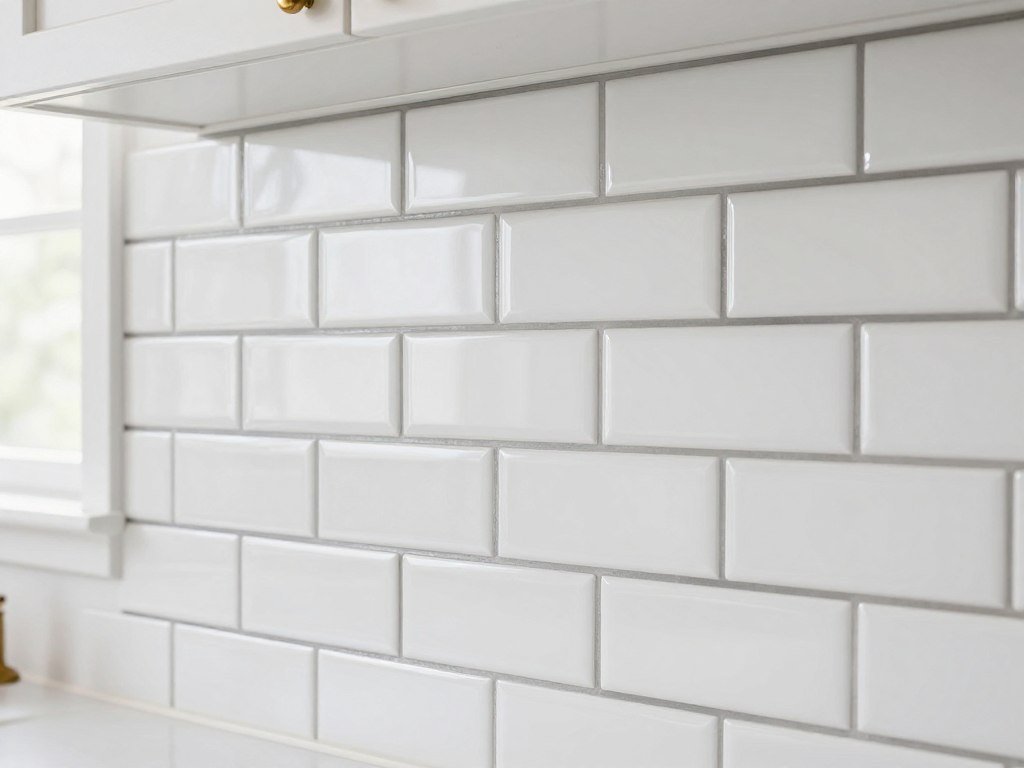
White subway tile remains the most popular choice for farmhouse kitchen designs. This timeless pattern brings clean lines and bright reflection to your cooking space. The rectangular tiles measure three inches by six inches and create a brick-like pattern on your wall.
Pair white subway tile with dark grout for visual contrast. Gray or charcoal grout lines add definition without overwhelming the space. This combination works beautifully with both white and colored cabinetry. The grout color choice impacts the overall feel of your room.
Install subway tile in a traditional running bond pattern for classic appeal. Stack tiles vertically for a modern farmhouse twist. Herringbone arrangements add visual interest and elevate the design. Each pattern creates a different mood in your kitchen.
Material Recommendations
- Ceramic subway tile for budget-friendly durability
- Porcelain options resist stains and moisture better
- Handmade tiles add texture and character variations
- Glossy finishes reflect light and brighten the space
- Matte surfaces hide water spots more effectively
Installation Tips
Start your tile installation from the countertop up to ensure level rows. Use tile spacers to maintain consistent grout lines throughout. Apply thin-set mortar with a notched trowel for proper adhesion. Let the mortar cure for 24 hours before grouting.
Seal grout lines after installation to protect against stains. Choose a penetrating sealer for long-lasting protection. Reapply sealer annually in high-use areas near the sink and stove.
2. Rustic Brick Backsplash
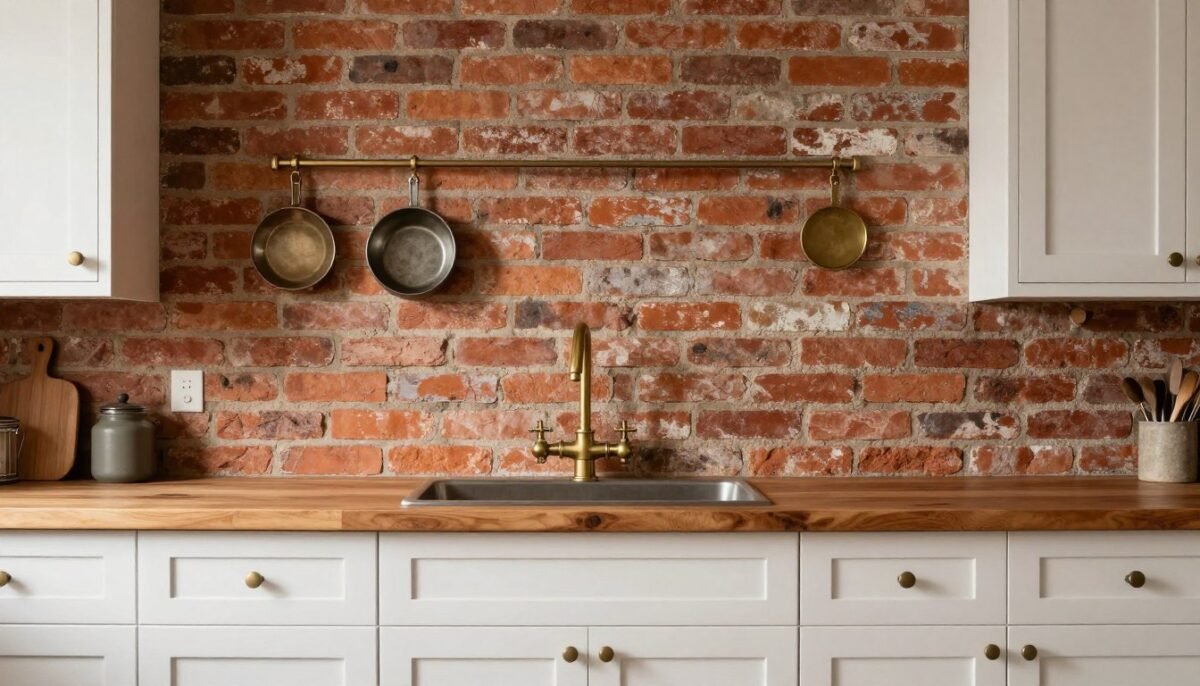
Exposed brick brings authentic farmhouse character to modern spaces. Real brick veneer adds texture and warmth that synthetic alternatives cannot match. The rough surface creates visual interest and pairs beautifully with smooth countertops. Your kitchen gains instant vintage appeal with this natural material.
Choose from red clay brick for traditional farmhouse style or white-painted brick for lighter spaces. Reclaimed brick from old buildings carries unique weathering and patina. Each brick tells a story through its color variations and worn edges. The imperfections become design features in your home.
Color Schemes
Red brick warms up white cabinetry and creates cozy atmosphere. Whitewashed brick softens the rustic look while maintaining texture. Leave brick natural to showcase authentic character and age. Mix brick colors for added depth and visual complexity.
Sealing and Maintenance
Apply masonry sealer to protect brick from grease and moisture. Unsealed brick absorbs stains and becomes difficult to clean. Test sealer on a small area first to check color changes. Reapply protective coating every two to three years.
3. Shiplap Wood Backsplash
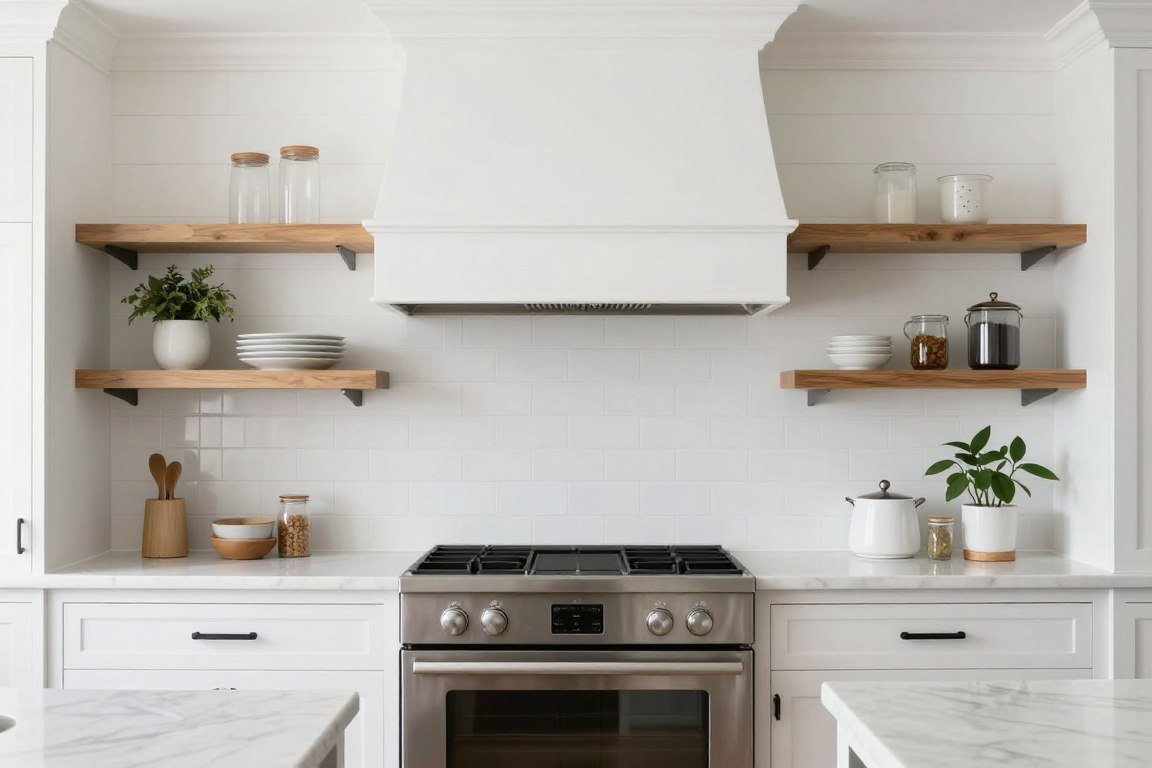
Horizontal wood planks create the signature shiplap look loved in farmhouse design. This wall treatment brings natural warmth and horizontal lines to your kitchen. Real wood boards add organic texture that complements stone countertops beautifully. The material choice affects both appearance and durability in your space.
Pine shiplap offers affordability and easy installation for DIY projects. Cedar resists moisture naturally and works well behind sinks. Reclaimed wood boards bring history and unique character to new construction. Each wood type brings different grain patterns and color tones.
Finish Options
- Paint shiplap white for clean modern farmhouse appeal
- Natural wood finish showcases grain and warmth
- Weathered gray stain adds aged character
- Clear polyurethane protects while maintaining wood color
- Distressed painting techniques create vintage look
Waterproofing Requirements
Seal wood backsplash with waterproof polyurethane before installation. Pay extra attention to areas near the sink and stove. Apply multiple thin coats rather than one thick layer. Allow proper drying time between applications for best protection.
Create a small gap between wood planks and countertop for expansion. Wood naturally swells with humidity changes throughout seasons. Proper spacing prevents warping and buckling over time.
4. Beadboard Paneling Backsplash
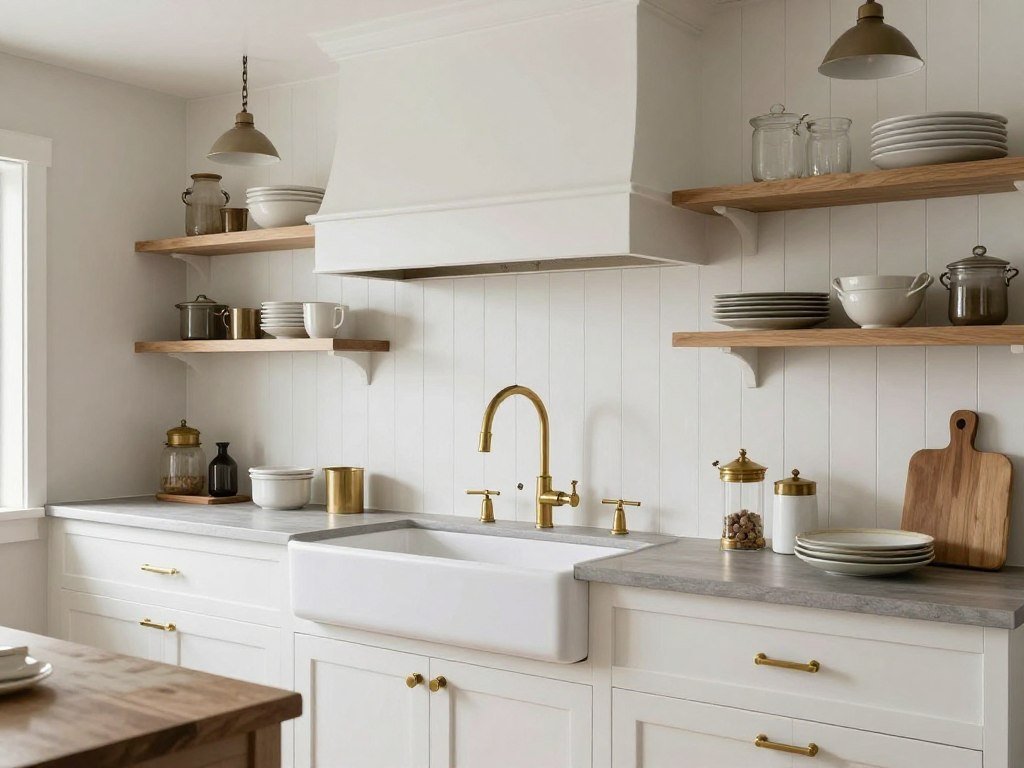
Vertical beadboard lines bring cottage charm to farmhouse kitchens. The narrow grooves create subtle texture without overwhelming small spaces. This paneling style works especially well in compact kitchens where busy patterns feel crowded. Paint beadboard to match cabinetry for seamless flow throughout the room.
Traditional beadboard features narrow planks with a ridge between each board. This creates the classic lined pattern associated with farmhouse style. Modern versions use sheets of beadboard for faster installation. Both options deliver the same charming vertical detail.
Installation Approach
Measure your wall space carefully before purchasing beadboard sheets. Cut panels to fit around electrical outlets and windows. Attach beadboard directly to drywall using construction adhesive and finishing nails. Fill nail holes with wood filler before painting for smooth finish.
Add a small trim piece along the top edge for polished look. Choose cap molding that complements your cabinet style. Paint everything the same color for cohesive appearance.
5. Marble Slab Backsplash
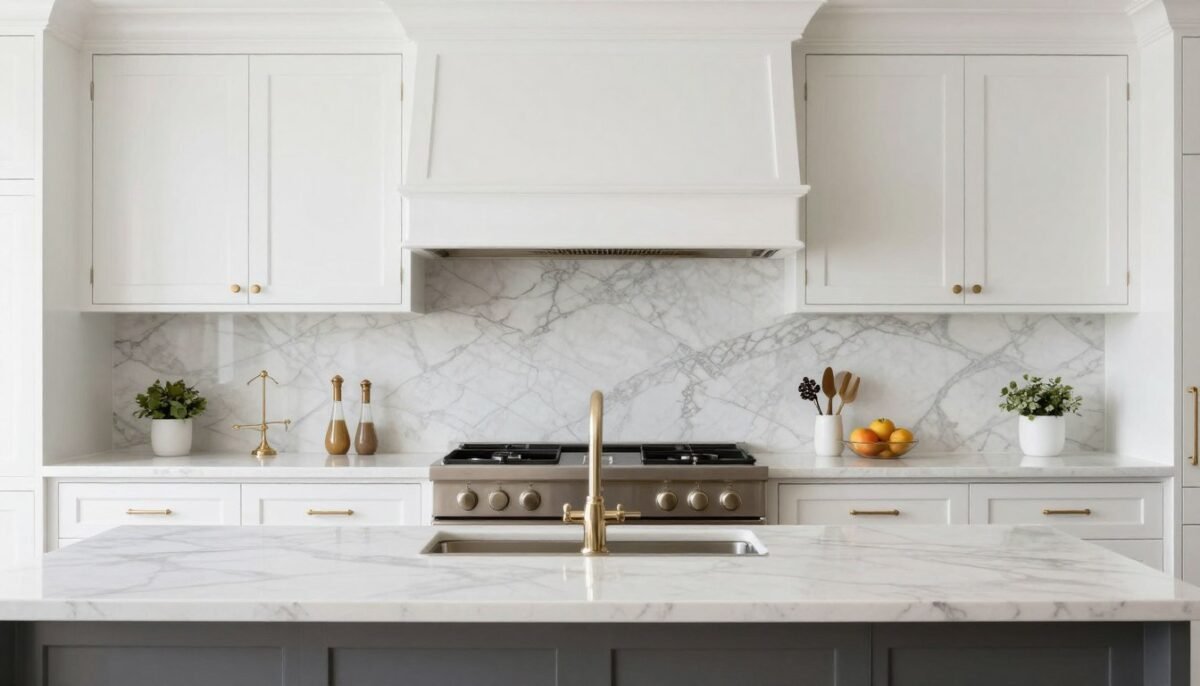
Full-height marble slabs create luxury in farmhouse kitchens. The natural stone veining adds elegant movement to your wall. Large format installation eliminates grout lines for seamless appearance. This choice works beautifully when you want sophisticated farmhouse style.
Carrara marble brings classic white and gray veining patterns. Calacatta marble features bolder veining on bright white background. Each slab is completely unique with natural stone variations. The organic patterns ensure no two kitchens look identical.
Maintenance Considerations
Seal marble regularly to prevent staining from cooking oils. Natural stone is porous and absorbs liquids quickly. Wipe spills immediately to avoid permanent marks. Use pH-neutral cleaners designed specifically for marble surfaces.
Avoid acidic cleaners like vinegar or lemon-based products. These substances etch marble and dull the polished finish. Choose gentle dish soap and water for daily cleaning instead.
6. Hexagon Tile Pattern
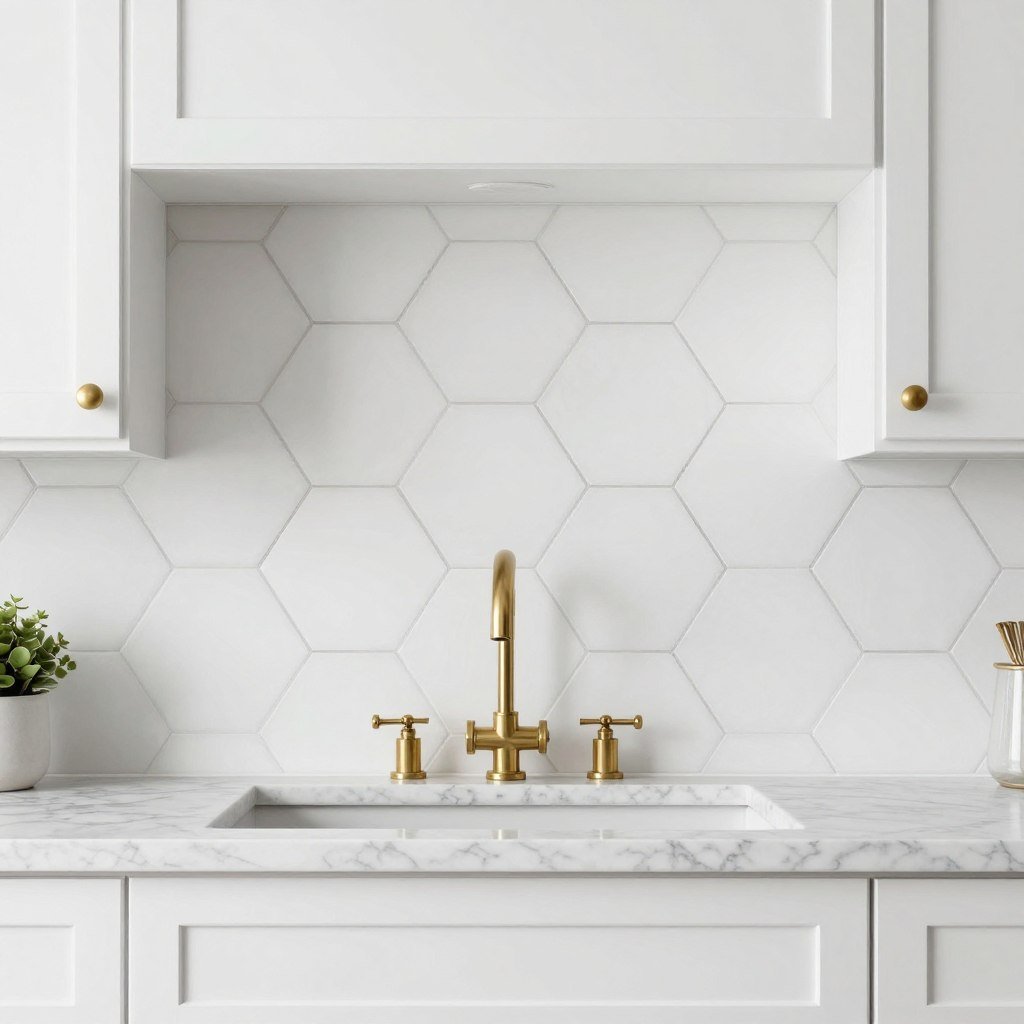
Six-sided tiles add geometric interest to farmhouse backsplashes. The honeycomb pattern creates visual texture through shape rather than color. White hexagon tiles maintain farmhouse simplicity while adding modern edge. This tile shape bridges traditional and contemporary design styles perfectly.
Small hexagon tiles create intricate patterns with more grout lines. Large hexagons make bold statements with fewer seams. The size you choose affects how busy the wall appears. Consider your cabinet style and room size when selecting tile dimensions.
Grout Color Selection
- White grout blends seamlessly for subtle pattern
- Gray grout defines each hexagon shape clearly
- Black grout creates dramatic contrast and bold look
- Match grout to countertop color for coordination
- Test grout samples on tiles before final choice
7. Natural Stone Ledger Backsplash
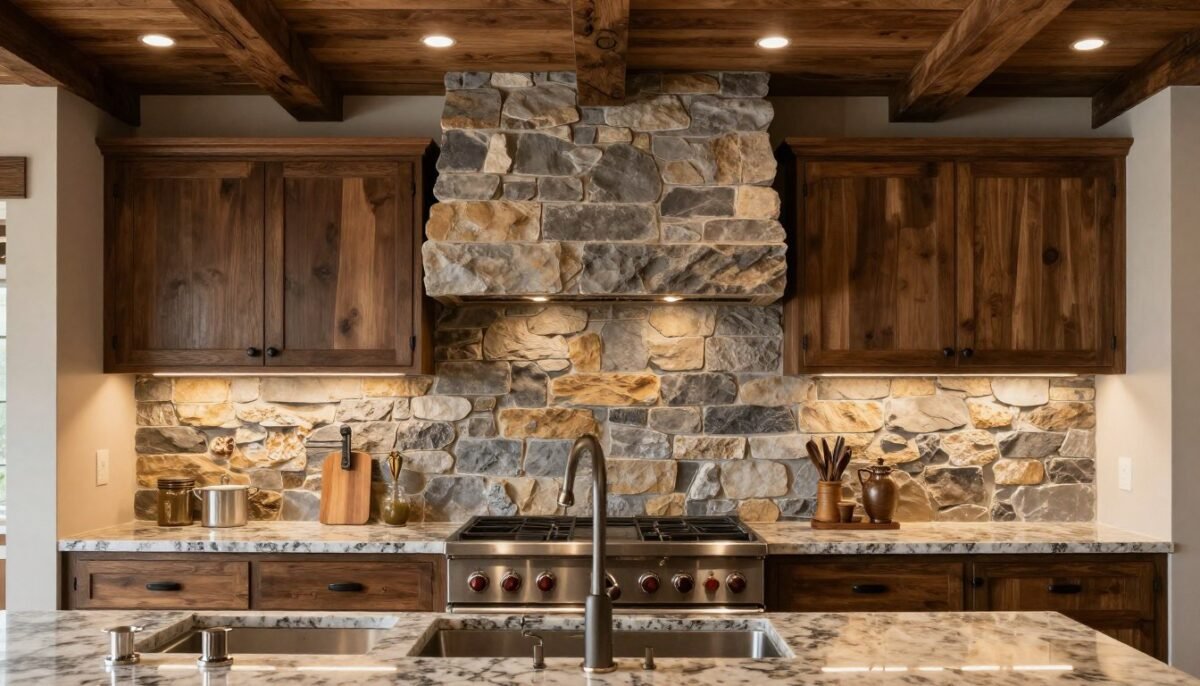
Stacked stone ledgers bring outdoor texture inside your farmhouse kitchen. The horizontal stone strips create linear patterns with natural depth. Real stone adds weight and substance that tile cannot replicate. This material choice works especially well with wood cabinetry and rustic design elements.
Choose from slate, quartzite, or travertine for different color palettes. Each stone type offers unique texture and natural variations. The irregular surface catches light and creates shadow play throughout the day. Your backsplash becomes a focal point that changes with natural lighting.
Design Elements
Mix stone colors within the same backsplash for natural variation. Combine cream, gray, and tan tones for authentic look. The random color distribution mimics how stone appears in nature. This creates organic feel that enhances farmhouse character.
Install stone ledgers in running bond pattern for traditional appearance. Stack pieces directly above each other for modern interpretation. The installation pattern affects the overall style significantly.
8. Patterned Cement Tile
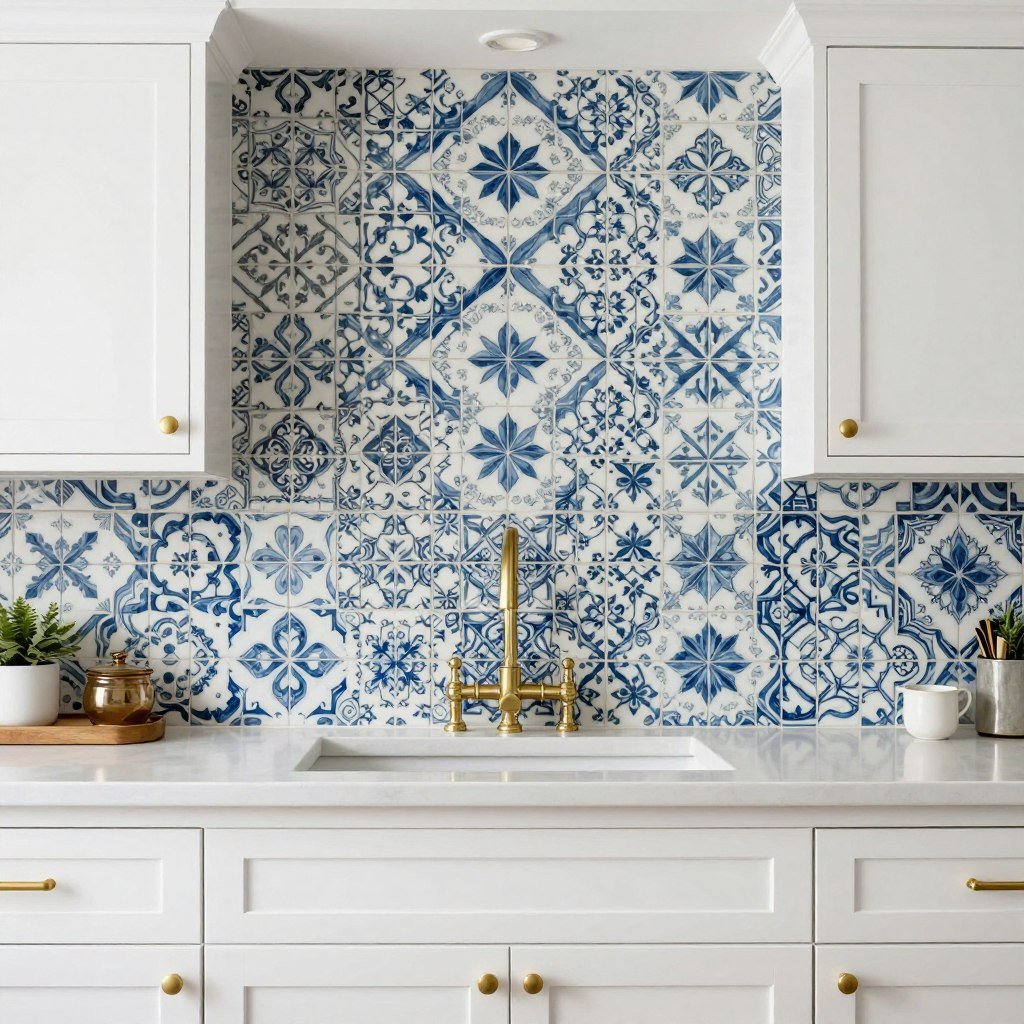
Handmade cement tiles bring bold patterns to neutral farmhouse kitchens. The geometric designs add visual interest as a focal point. Choose muted colors like gray, white, and blue for farmhouse appeal. These artistic tiles create statement walls that anchor your entire design.
Cement tiles offer durability and unique character from handcrafted production. Each tile has slight variations that add to the charm. The patterns range from simple geometric shapes to intricate Moroccan designs. Select patterns that complement rather than compete with your cabinetry style.
Pattern Selection Tips
Start with small cement tile samples to test in your space. View patterns in both natural and artificial light conditions. The colors shift depending on lighting throughout the day. Place samples against your cabinets and countertops before committing.
Limit patterned tile to the backsplash area only. Balance busy patterns with solid color countertops and simple cabinetry. Too many competing patterns create visual chaos in small kitchens.
9. Vertical Subway Tile Installation
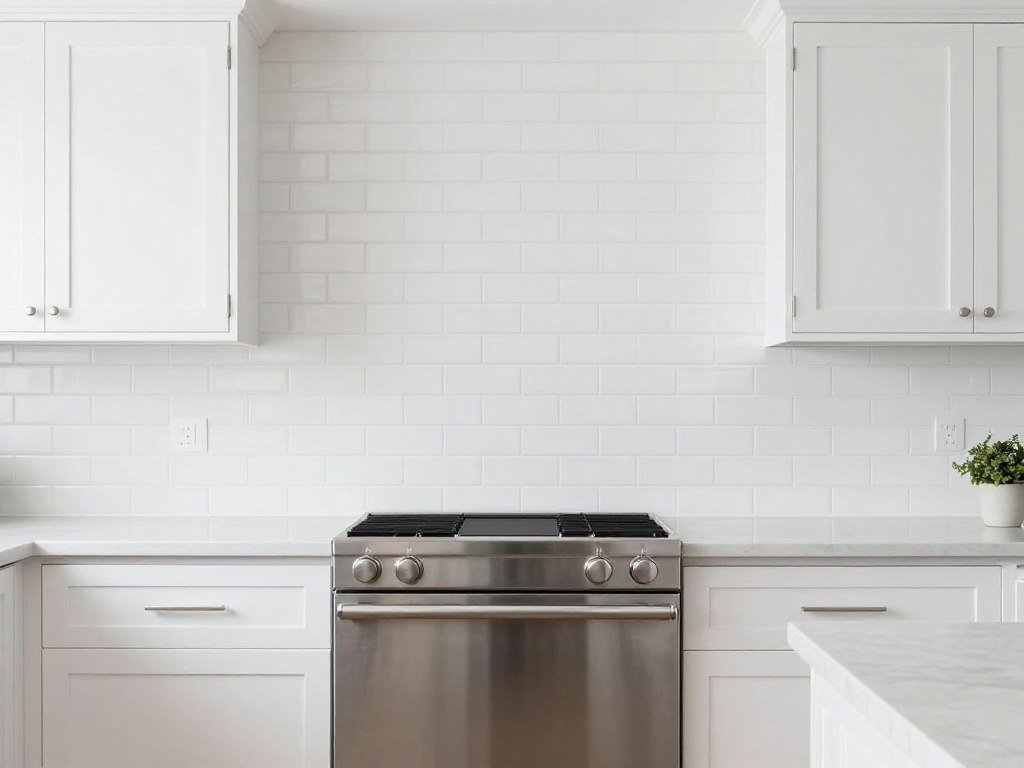
Turn traditional subway tile on its side for modern farmhouse twist. Vertical installation draws the eye upward and makes ceilings appear higher. This simple orientation change transforms familiar material into fresh design. The vertical lines create different visual movement than horizontal patterns.
Stack tiles directly above each other for clean vertical columns. Offset tiles slightly for a brick-like vertical pattern. Each approach creates distinct visual rhythm on your wall. Choose based on how much pattern movement you want in the space.
Visual Impact
Vertical tile installation makes low ceilings feel taller. The upward lines guide eyes toward the ceiling height. This trick works especially well in galley kitchens with limited space. Consider this orientation when you want to enhance room proportions.
10. Reclaimed Wood Plank Backsplash
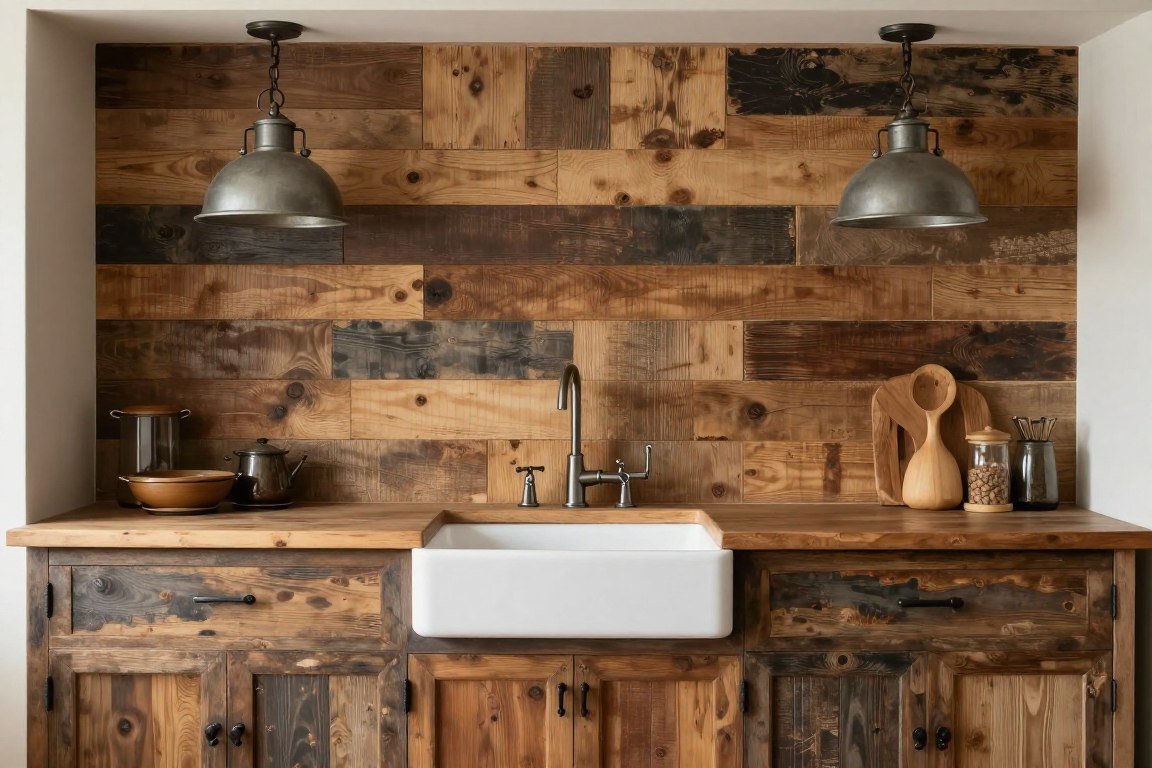
Salvaged wood brings authentic history to new farmhouse kitchens. The weathered texture and aged patina cannot be replicated with new materials. Each plank carries marks from its previous life in barns or old buildings. This sustainable choice reduces waste while creating unique character in your home.
Reclaimed wood varies in color from dark walnut to light pine. Mix different wood tones for layered visual interest. The natural color variations eliminate the need for staining. The material arrives ready to install with character already built in.
Preparation Steps
- Clean reclaimed wood thoroughly before installation
- Remove loose debris and old nails safely
- Sand rough edges that could cause splinters
- Apply clear sealer to protect against moisture
- Let wood acclimate to your home humidity first
Sustainable Benefits
Reclaimed wood reduces demand for new timber harvesting. You save old materials from landfills while creating beautiful spaces. The environmental impact is significantly lower than new wood production. Choose reclaimed materials to align home design with sustainability values.
11. Glass Tile Backsplash
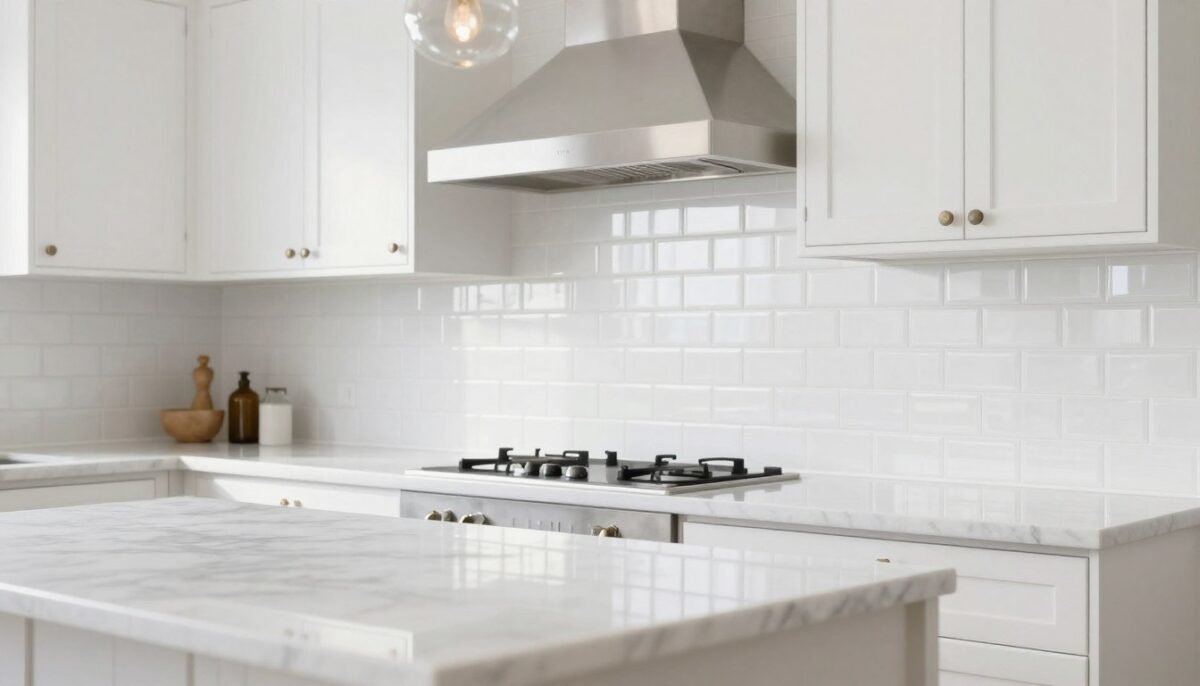
Translucent glass tiles reflect light and brighten farmhouse kitchens beautifully. The smooth surface resists stains and cleans easily with simple glass cleaner. Choose frosted glass for subtle shimmer or clear glass for maximum light reflection. This modern material works surprisingly well in farmhouse settings when colors stay neutral.
White glass subway tiles offer classic shape with contemporary material. The glossy finish amplifies natural light from windows throughout the day. Glass tiles make small kitchens feel more spacious and open. The reflective quality enhances both natural and artificial lighting.
Cleaning Advantages
Glass tiles resist grease buildup better than porous materials. Simple soap and water remove most cooking residue easily. The non-porous surface prevents bacteria growth and staining. Vinegar and water solution keeps glass sparkling without harsh chemicals.
12. Vintage Tin Ceiling Tiles
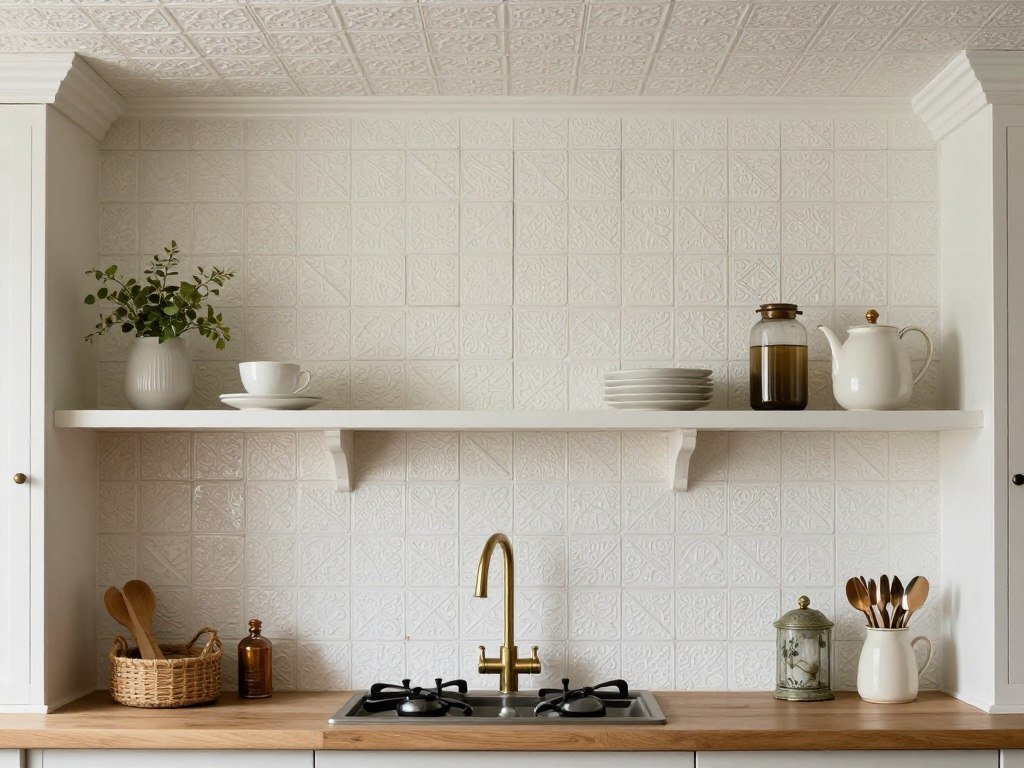
Repurposed tin ceiling tiles add unexpected texture to farmhouse backsplashes. The embossed patterns bring vintage charm and three-dimensional interest. Original antique tiles carry authentic patina and age marks. Reproduction tiles offer similar look with easier installation and consistent sizing.
Paint tin tiles white for cohesive farmhouse look. Leave natural silver finish for industrial farmhouse style. Brush on light rust patina for authentic aged appearance. The finish you choose dramatically changes the overall kitchen mood and character.
Installation Method
Attach tin tiles to plywood backing for easier installation. Use construction adhesive designed for metal surfaces. Overlap edges slightly to hide seams between tiles. Secure with small finishing nails in pattern indentations where holes hide.
Add trim molding around edges for finished appearance. The frame contains the patterned area and creates intentional border. Choose wood trim painted to match your cabinetry color.
13. Zellige Moroccan Tile
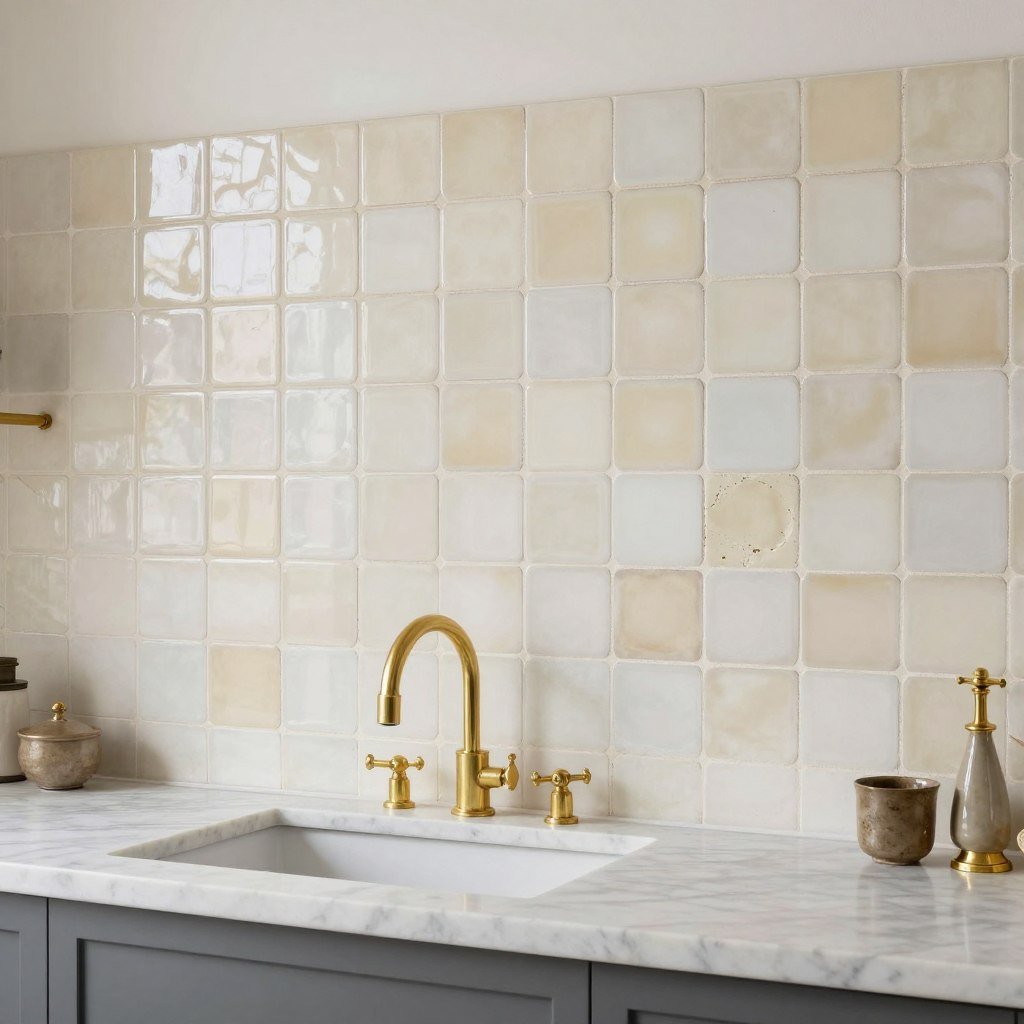
Handcrafted Zellige tiles bring artisan quality to farmhouse kitchens. The irregular glazed surface creates depth through imperfect beauty. Each tile varies slightly in color and shape from handmade production. This organic quality adds soul and character to modern spaces craving authenticity.
Choose neutral Zellige colors like cream, white, or soft gray. The subtle color variations create movement without bold patterns. Light reflects differently across each tile surface throughout the day. Your backsplash becomes a living element that changes with natural lighting.
Authentic Characteristics
Zellige tiles show slight warping and size variations as intended features. The uneven surface catches light at different angles creating shimmer. Glaze pools differently on each tile for unique coloring. These imperfections represent the handcrafted nature and artistic value.
14. Terrazzo Backsplash
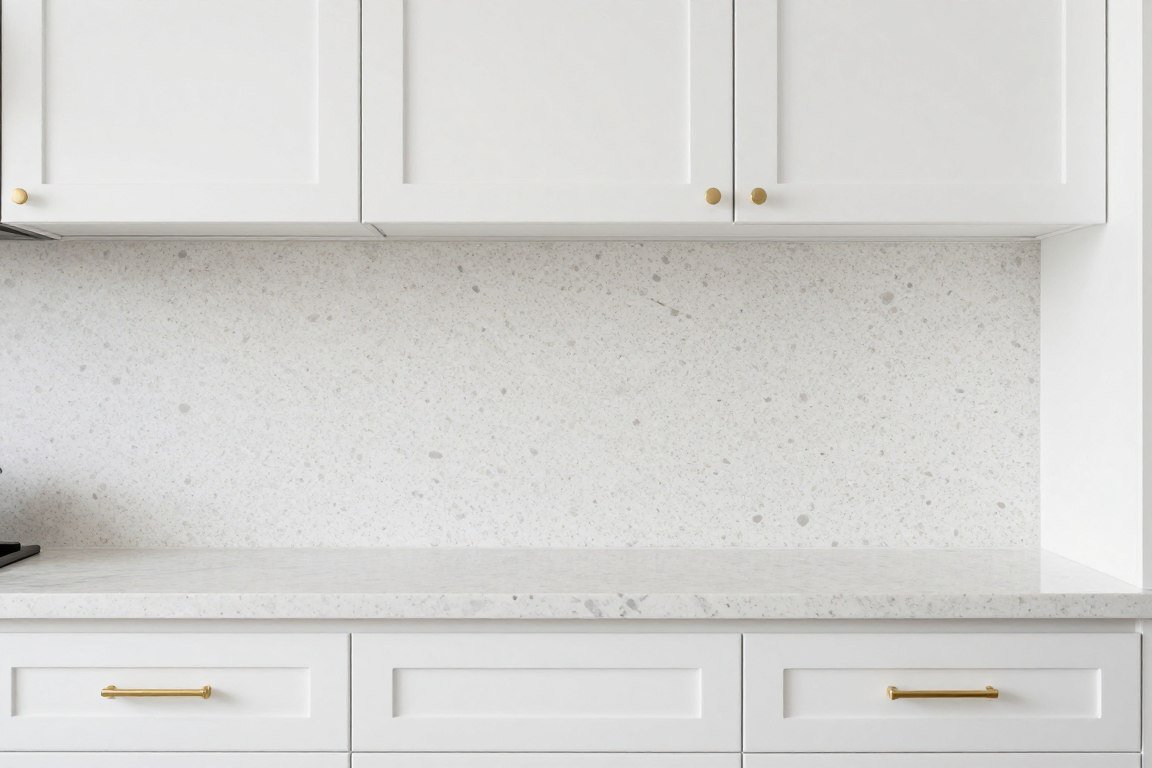
Terrazzo combines marble chips in neutral base for speckled appearance. This composite material brings subtle pattern without overwhelming farmhouse simplicity. The small stone pieces add visual texture and interest. Modern terrazzo comes in sheets or tiles for easier installation than traditional poured methods.
White terrazzo with gray marble chips suits classic farmhouse kitchens. Add small brass or copper chips for warm metallic sparkle. The neutral palette works with any cabinet color or wood tone. This versatile material bridges vintage and contemporary design periods.
Installation Options
- Terrazzo tiles install like standard ceramic tiles
- Sheet terrazzo offers seamless appearance with few joints
- Epoxy-based terrazzo resists stains effectively
- Cement-based versions provide authentic traditional look
- Both types require professional installation for best results
15. Soapstone Backsplash
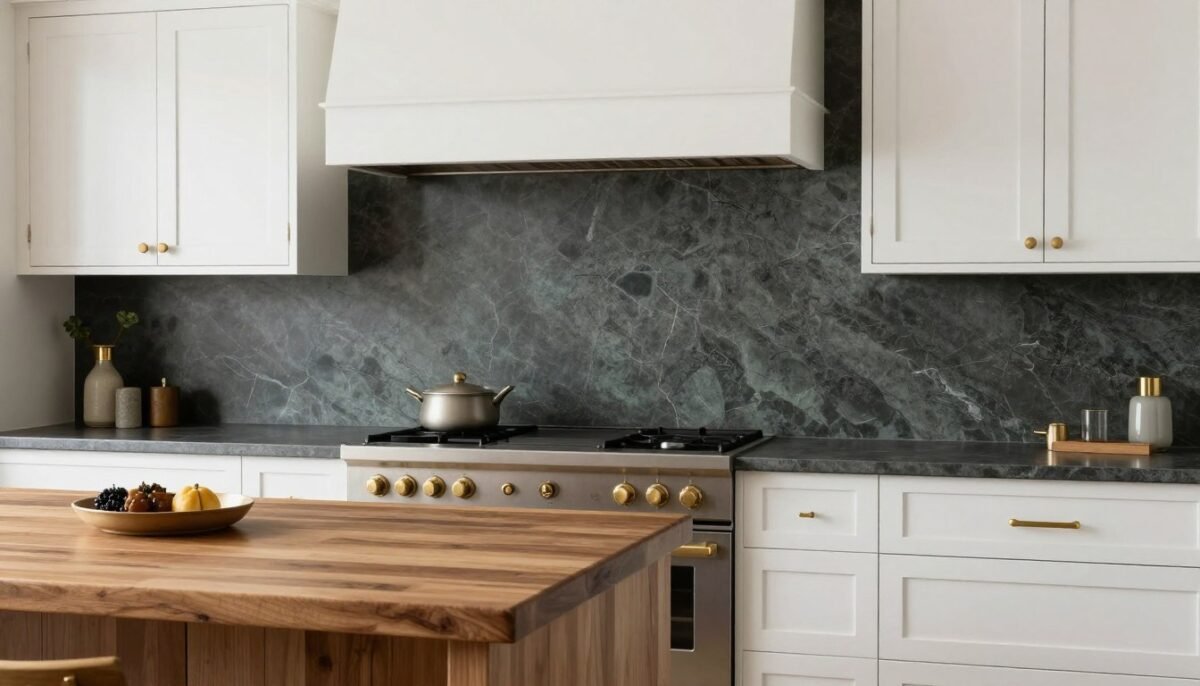
Natural soapstone brings smooth texture and dark elegance to farmhouse kitchens. The soft gray-green stone develops rich patina over time with use. This natural aging process enhances rather than damages the appearance. Soapstone works beautifully with both light and dark cabinetry schemes.
The dense stone resists heat and won’t burn from hot pans. Install soapstone behind your stove without worry about damage. The material naturally repels bacteria and resists staining. These practical benefits combine with beautiful appearance for ideal kitchen surface.
Care Instructions
Apply mineral oil to soapstone regularly to enhance dark color. The oil treatment brings out natural depth and richness. Let stone develop natural patina without oil for lighter gray appearance. Both approaches work well depending on your color preference.
Clean soapstone with mild soap and warm water only. Avoid harsh chemicals that can lighten the natural color. The soft stone scratches easily but sanding removes marks. These character marks add to the lived-in farmhouse aesthetic over time.
16. Arabesque Tile Pattern
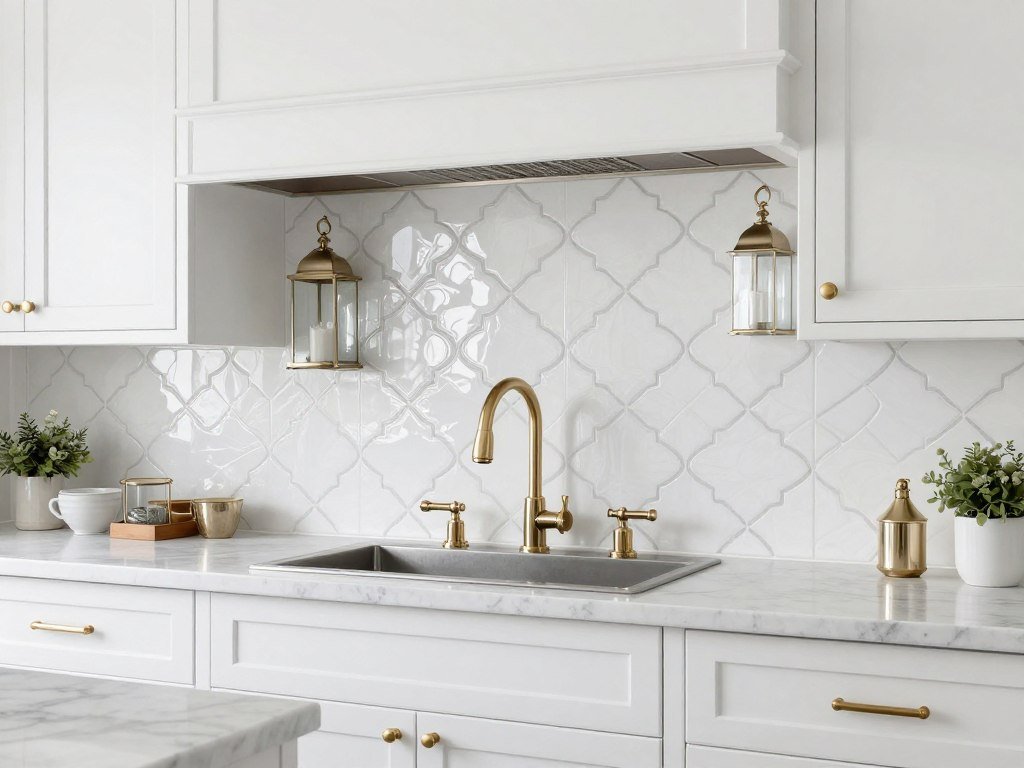
Curved arabesque tiles create elegant flowing patterns on farmhouse walls. The lantern-shaped tiles add feminine softness to kitchen design. White arabesque tiles maintain farmhouse simplicity while introducing graceful curves. This tile shape elevates basic backsplashes into architectural features worth showcasing.
The organic curves contrast beautifully with straight cabinet lines. This shape-based interest allows neutral white color to remain practical. Your eye follows the flowing pattern across the wall space. The movement creates visual interest without color or pattern complexity.
Layout Planning
Start arabesque tile layout from the center and work outward. This ensures symmetrical pattern placement on your wall. Cut tiles along edges rather than in the middle of the design. The centered approach creates balanced appearance that looks intentional.
Traditional Farmhouse Materials
Classic choices like subway tile, brick, and beadboard create authentic farmhouse character. These materials have proven durability and timeless appeal in country kitchens.
- White subway tile with dark grout
- Exposed brick or brick veneer
- Shiplap or beadboard wood panels
- Natural stone like marble or soapstone
Modern Farmhouse Materials
Contemporary interpretations blend farmhouse charm with updated materials and patterns. These choices create fresh takes on rustic style for today’s homes.
- Geometric hexagon or arabesque tiles
- Patterned cement tiles
- Glass tile for light reflection
- Mixed material combinations
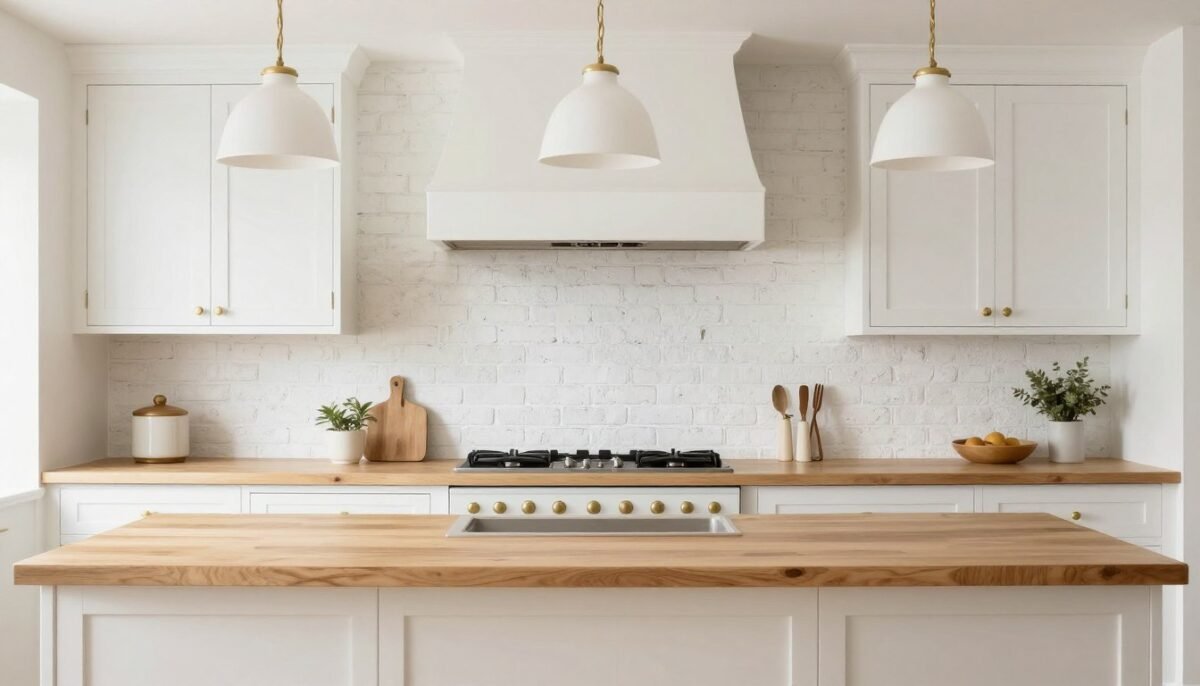
17. Painted Brick Backsplash
White-painted brick softens rustic texture while maintaining farmhouse character. The paint application smooths harsh red tones into gentle neutral backdrop. Brick texture remains visible through paint for dimensional interest. This technique modernizes traditional brick for lighter contemporary farmhouse spaces.
Apply white paint with a roller for full coverage appearance. Use dry brush technique for whitewashed see-through effect. The painting method you choose controls how much brick shows through. Consider your desired balance between rustic and refined aesthetics.
Painting Process
Clean brick thoroughly before painting to ensure adhesion. Remove any grease or cooking residue with degreaser. Prime brick with masonry primer designed for porous surfaces. The primer seals brick and prevents paint absorption for better coverage.
Apply two coats of paint for solid color coverage. Use eggshell or satin finish for subtle sheen and easier cleaning. Matte paint hides imperfections but shows marks more easily. Choose finish based on your maintenance preferences and style goals.
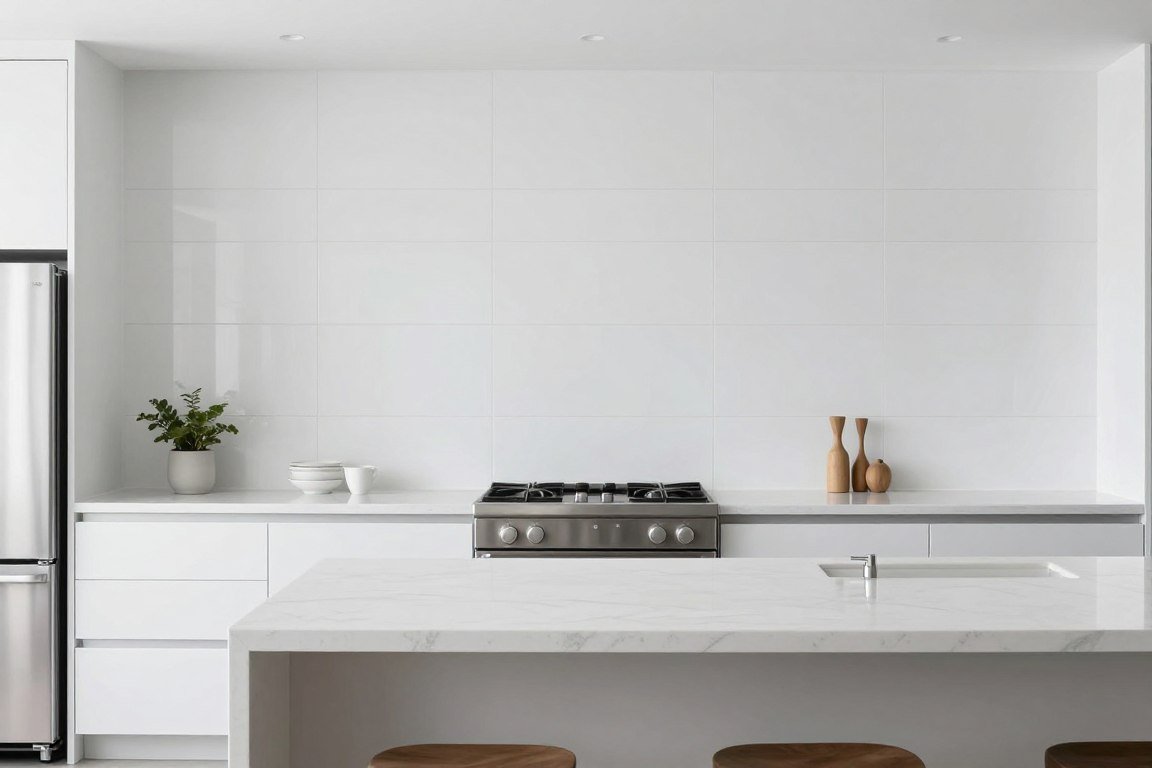
18. Large Format Tile Backsplash
Oversized tiles minimize grout lines for clean contemporary appearance. The large format creates seamless look that feels modern and sophisticated. Choose 12×24 inch tiles or larger for maximum impact. Fewer grout lines mean less maintenance and easier cleaning over time.
Large white tiles create blank canvas that highlights other design elements. The simple backdrop allows cabinetry and countertops to become focal points. This approach works well when you want understated elegance. Your backsplash provides function without demanding attention.
Installation Considerations
Large tiles require perfectly flat walls for proper installation. Any wall irregularities show through oversized tiles clearly. Professional installation ensures level placement and prevents lippage between tiles. The investment in proper installation prevents future problems and disappointment.
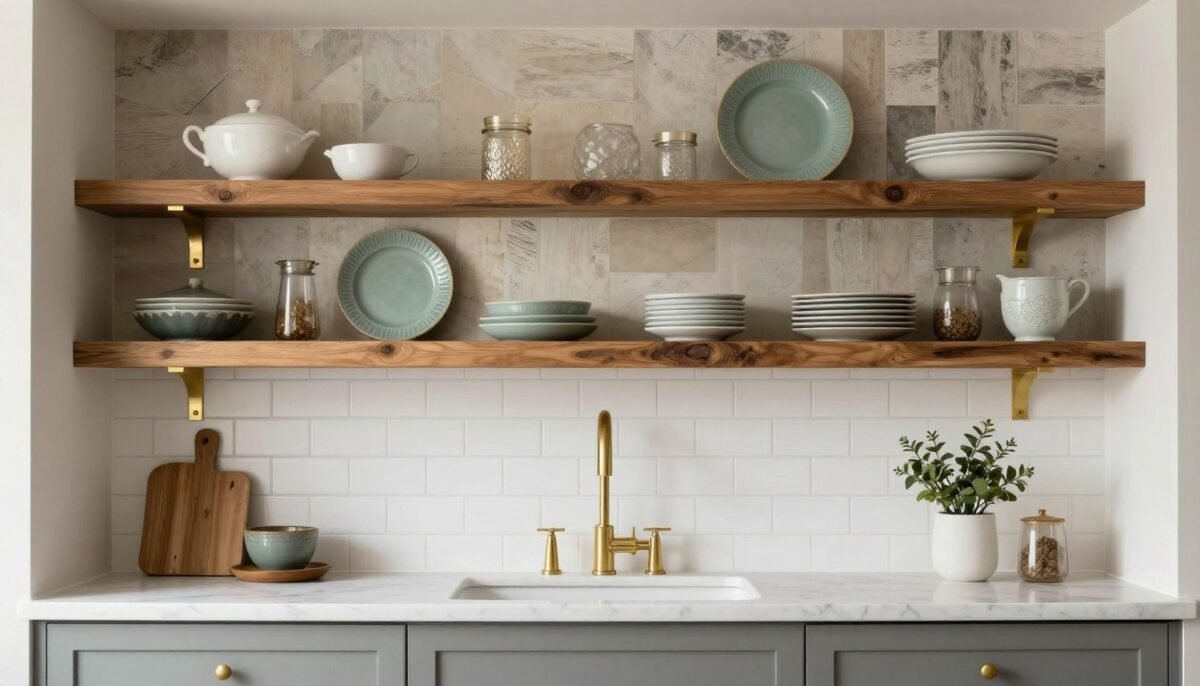
19. Mixed Material Backsplash
Combine different materials for custom look that reflects personal style. Pair subway tile with wood shelving brackets for layered texture. Mix stone and tile in the same backsplash for visual interest. The material combination creates depth that single materials cannot achieve alone.
Use subway tile as the base and add wood or metal accents. Install reclaimed wood shelves over tile backsplash for functional beauty. The mixed approach allows you to incorporate multiple farmhouse elements. Your backsplash becomes a curated design feature rather than simple wall covering.
Design Balance
- Choose one dominant material as the base
- Add accent material in smaller doses
- Maintain color cohesion across different materials
- Consider texture variety for visual interest
- Balance rustic and refined elements carefully
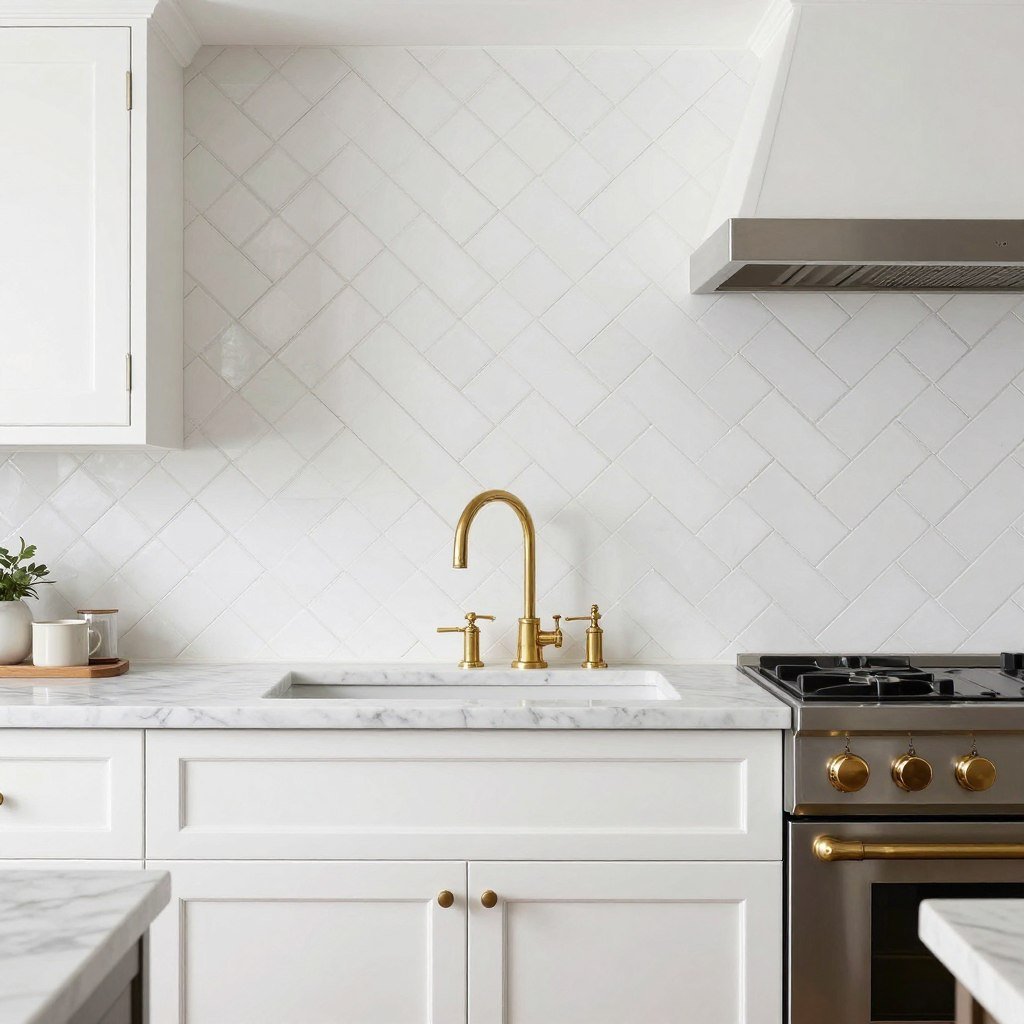
20. Herringbone Subway Tile
Arrange subway tile in herringbone pattern for elevated classic look. The zigzag installation adds visual movement and sophisticated detail. This pattern requires more time and skill than standard running bond. The extra effort creates statement backsplash that becomes conversation piece in your farmhouse kitchen.
White subway tile in herringbone pattern balances traditional material with dynamic arrangement. The familiar tile takes on new personality through creative installation. This approach updates classic farmhouse style without straying from neutral palette. Your backsplash gains interest through geometry rather than color.
Pattern Complexity
Herringbone requires precise cutting and careful alignment throughout installation. Each tile angle must be exact for pattern consistency. Hire experienced tile installer for professional results with this complex pattern. The skilled installation ensures clean lines and proper pattern flow across the entire wall.
Visual Effect
The diagonal lines draw eyes across the backsplash horizontally. This creates the illusion of wider space in narrow kitchens. The pattern adds energy and movement to static wall areas. Consider herringbone when you want maximum impact from simple white tile.
Choosing the Right Backsplash for Your Space
Your farmhouse kitchen backsplash should complement existing cabinetry and countertops. Consider the overall color scheme before selecting materials. White cabinets pair beautifully with nearly any backsplash choice. Dark cabinetry benefits from lighter backsplash materials to prevent heavy appearance.
Think about maintenance requirements that fit your lifestyle. Busy families need easy-clean surfaces that resist stains. Glass and glazed tile wipe clean more easily than porous stone. Match material durability to your cooking habits and cleaning preferences.
Budget Considerations
Subway tile offers the most affordable farmhouse backsplash option. The simple rectangular shape keeps material and installation costs low. Natural stone and handmade tiles increase project budgets significantly. Set realistic expectations based on available funds for your renovation project.
DIY installation saves money on labor for simple tile patterns. Complex patterns like herringbone require professional installation for best results. Factor installation costs into total project budget from the beginning. The cheapest material becomes expensive if installation goes wrong.
Room Size Impact
Small kitchens benefit from light-colored backsplashes that reflect natural light. White subway tile brightens compact spaces effectively. Large kitchens can handle darker materials and bolder patterns. The available wall space determines how much pattern your room can support.
Busy patterns overwhelm small kitchens and create visual clutter. Save patterned cement tile for spacious kitchens with ample wall area. Simple materials work better when space feels tight or cramped. Let room proportions guide your material and pattern selections.
General Installation Tips for Success
Proper wall preparation ensures long-lasting backsplash installation. Remove old backsplash completely before starting new project. Repair any wall damage and create smooth level surface. The foundation quality directly impacts final installation results and longevity.
Measure twice and cut once to avoid wasting expensive materials. Plan tile layout on paper before cutting or installing anything. Dry-fit tiles on the wall to check pattern flow and spacing. These preparatory steps prevent costly mistakes during actual installation work.

Tools and Materials Needed
- Tile spacers maintain consistent grout line width
- Notched trowel spreads thin-set mortar evenly
- Tile cutter or wet saw for precise cuts
- Level ensures straight horizontal and vertical lines
- Grout float applies grout between tiles smoothly
- Sponge removes excess grout during cleanup
Common Mistakes to Avoid
Starting tile installation without checking level leads to crooked rows. Use a level frequently throughout the installation process. Failing to seal grout allows stains to penetrate and discolor. Apply grout sealer after installation cures completely for protection.
Rushing installation causes alignment problems and poor adhesion. Allow proper drying time between installation steps. Read manufacturer instructions for specific drying times and conditions. Patient installation produces professional results that last for years.
Maintaining Your Farmhouse Backsplash
Regular cleaning preserves your backsplash beauty for years to come. Wipe down surfaces weekly with appropriate cleaners for your material. Different materials require specific cleaning products and techniques. Using wrong cleaners damages surfaces and voids manufacturer warranties.
Ceramic and porcelain tile handle most household cleaners safely. Natural stone needs pH-neutral products to prevent etching. Wood backsplashes require gentle cleaning to protect sealant layers. Match your cleaning routine to your specific backsplash material.
Sealing Requirements
Porous materials like natural stone need regular sealing protection. Apply penetrating sealer annually or as manufacturer recommends. Test water absorption by placing drops on surface. Water should bead up rather than soak into properly sealed material.
Grout lines require sealing regardless of tile material choice. Unsealed grout absorbs stains and discolors quickly in kitchen environments. Reapply grout sealer every one to two years. This simple maintenance step prevents expensive grout replacement later.
Addressing Minor Damage
Fix small chips in tile immediately to prevent moisture infiltration. Use touch-up paint or epoxy filler matched to tile color. Replace cracked tiles before damage spreads to surrounding areas. Early repairs prevent minor issues from becoming major problems.
Refresh grout lines by cleaning with grout brush and whitening products. Severely stained grout can be painted with grout paint. This quick fix refreshes appearance without complete grout replacement. Regular maintenance extends backsplash life significantly over time.
Transform Your Kitchen with Perfect Backsplash
Your farmhouse kitchen backsplash brings together style and function in one important design element. From classic white subway tile to rustic reclaimed wood, each option offers unique character. The right choice depends on your personal taste, budget, and lifestyle needs. Consider maintenance requirements alongside aesthetic appeal for long-term satisfaction.
Start by identifying which farmhouse style resonates most with your vision. Traditional approaches use time-tested materials like brick and beadboard. Modern farmhouse interpretations incorporate contemporary tiles in fresh patterns. Both directions create beautiful spaces that feel welcoming and authentic to farmhouse roots.
Remember that your backsplash should complement existing kitchen elements harmoniously. Coordinate with cabinetry, countertops, and flooring for cohesive design flow. The backsplash ties these separate components together into unified whole. Take time to plan carefully before committing to materials and installation.
Whether you choose DIY installation or hire professionals, quality execution matters tremendously. Proper installation techniques ensure your backsplash lasts for decades. Invest in good materials and skilled labor for results you will love. Your farmhouse kitchen deserves a backsplash that combines beauty with lasting durability.