
Your hair holds power. It frames your face, expresses your mood, and tells the world who you are. For those drawn to mystery and darkness, witchy haircut ideas offer the perfect canvas to channel that enchanting energy. These styles go beyond trends. They embrace shadow and light, texture and edge. Whether you crave dramatic asymmetry or subtle dark elegance, there’s a witchy look waiting to transform you.
The following collection features thirty distinct haircuts that capture the essence of witchy aesthetics. Each style brings its own magical presence to life.
Table of Contents
1. Choppy Midnight Bob
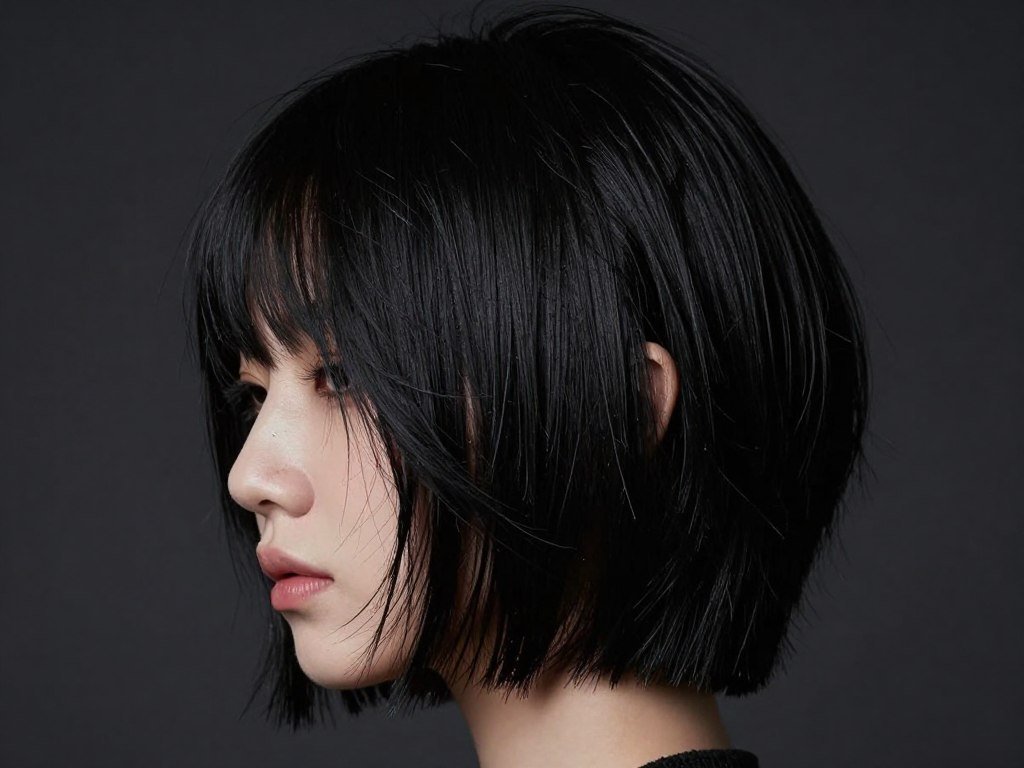
The choppy midnight bob creates instant edge. Sharp, uneven layers add texture throughout, while the jaw-length cut frames your face with intention.
This style works best on medium to thick hair. The choppy layers add volume at the crown while keeping the overall shape sleek. Dark colors like raven black or deep plum enhance the mysterious vibe.
Styling takes minimal time. Apply texturizing spray to damp strands, then rough-dry with your fingers. The imperfect finish is part of the charm. A bit of pomade on the ends creates piece-y definition.
This cut suits those who want low-maintenance mystery. Perfect for anyone ready to embrace boldness without hours of styling each morning.
2. Asymmetrical Raven Cut
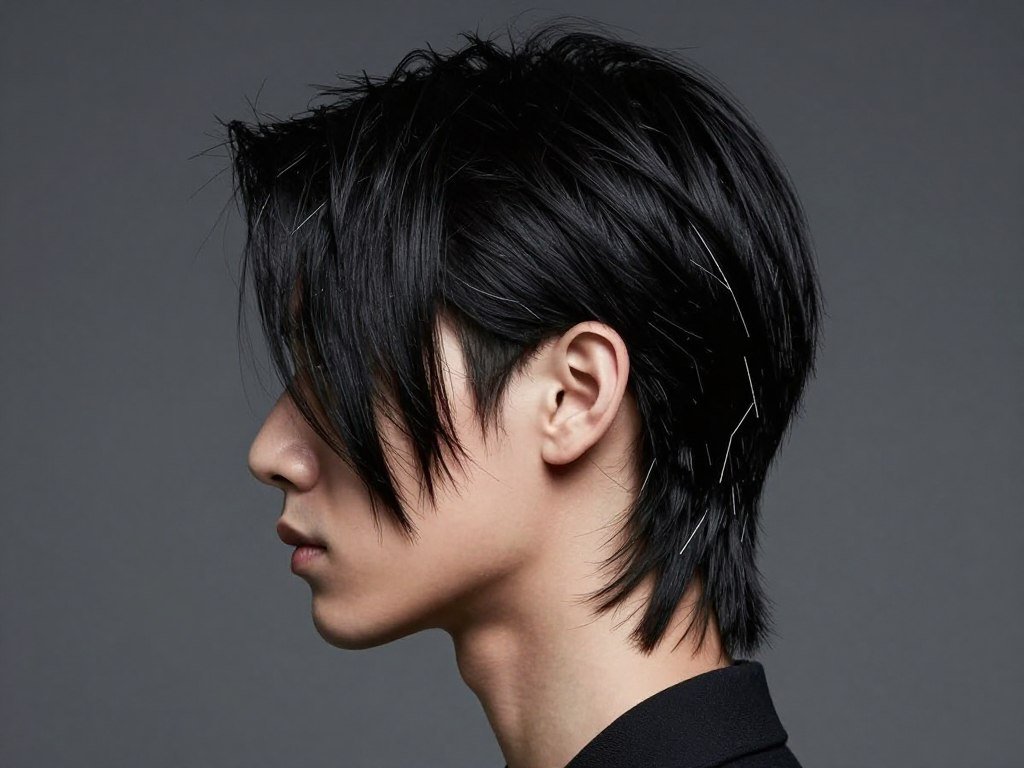
Asymmetry creates visual intrigue. One side grazes your shoulder while the other sits above your ear. This dramatic contrast captures attention instantly.
The asymmetrical raven cut works best for those with oval or heart-shaped faces. The longer side balances facial features beautifully. Straight to wavy hair holds the shape most effectively.
Daily styling requires straightening the longer side for maximum impact. The short side can be slicked back or left textured. Bobby pins help secure hair behind your ear when you want full face visibility.
This haircut embodies confidence. It’s perfect for creative souls who aren’t afraid to stand out in any crowd.
3. Layered Witch Shag
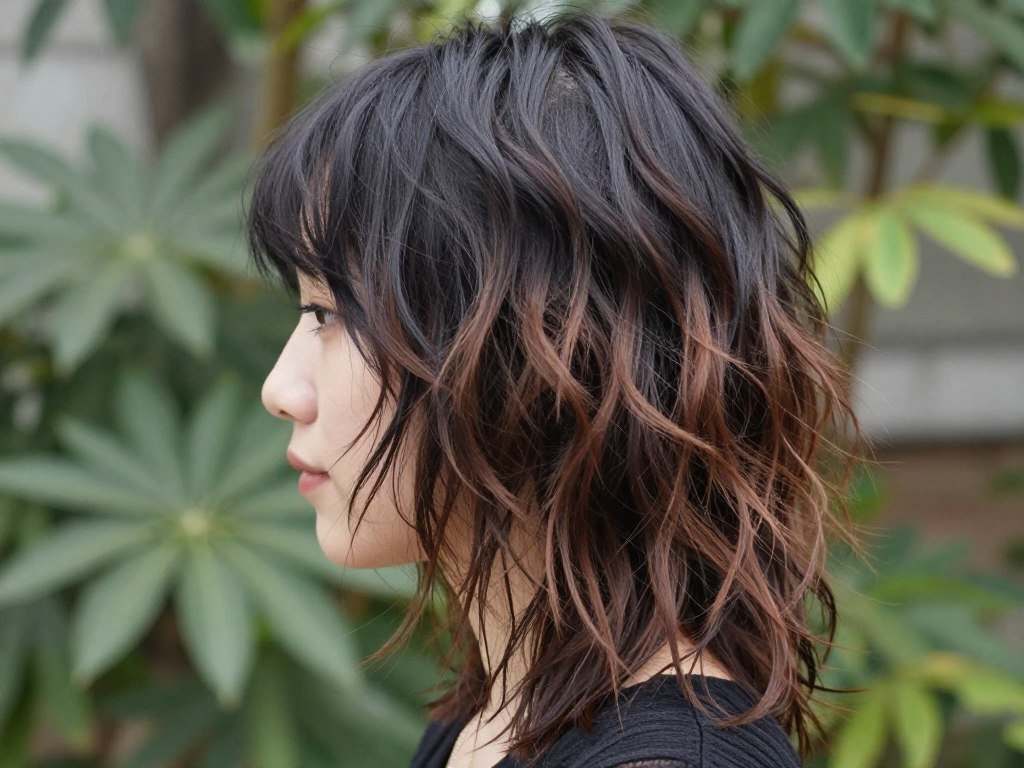
The witch shag brings seventies vibes into modern darkness. Heavy layers throughout create movement and body. Curtain bangs frame the face while longer strands brush the shoulders.
This style adds texture to fine hair and lightens thick locks. The layers create natural volume without teasing or spray. Works beautifully on hair with natural wave or can be enhanced with a curling iron.
To style, apply mousse to damp roots for lift. Scrunch waves into the length with your hands. Let air dry for effortless witch energy, or use a diffuser to add texture faster.
The layered shag suits free spirits who want dimension and movement. It’s ideal for those who love a lived-in look with mysterious appeal.
4. Blunt Cut with Micro Bangs
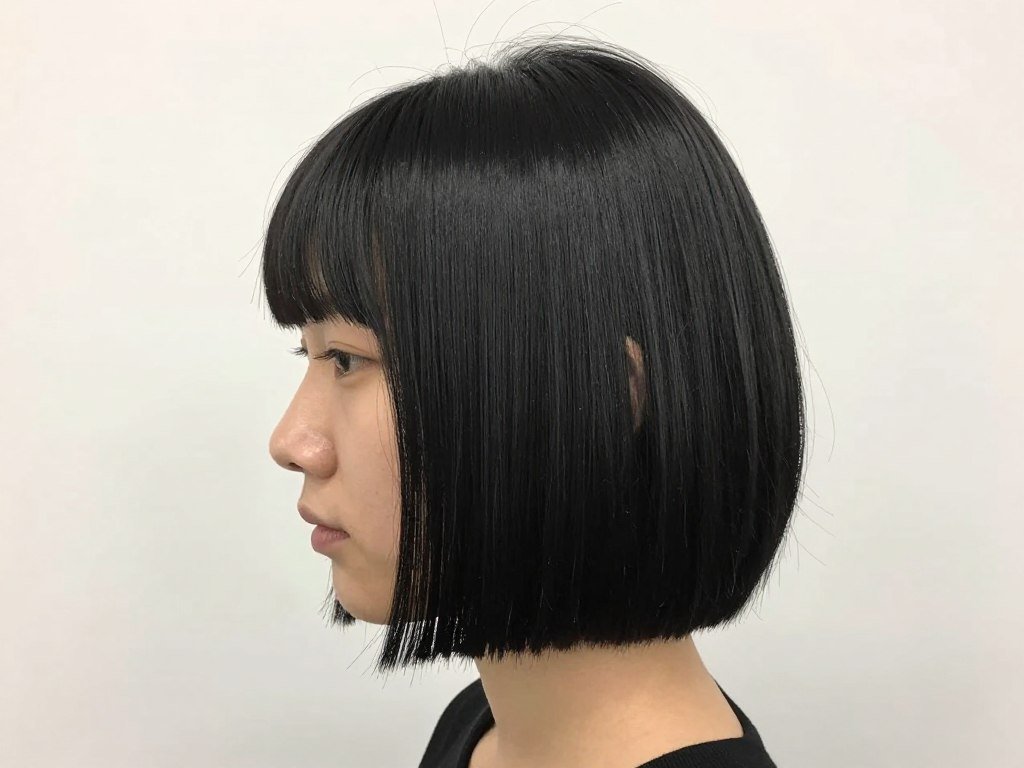
Precision meets rebellion. A blunt, chin-length bob paired with micro bangs creates geometric perfection with an edge. The severe lines make a bold statement.
Micro bangs sit high on the forehead, drawing attention to your eyes. The blunt ends of the bob create a strong horizontal line around your face. This combination works best on straight hair.
Styling focuses on sleekness. Blow dry smooth with a paddle brush. A flat iron ensures perfectly straight ends. Finish with shine serum to enhance the polished darkness.
This cut appeals to minimalists who appreciate clean lines and modern aesthetics. Perfect for those who want witchy vibes through structure rather than chaos.
5. Long Layers with Face-Framing Pieces
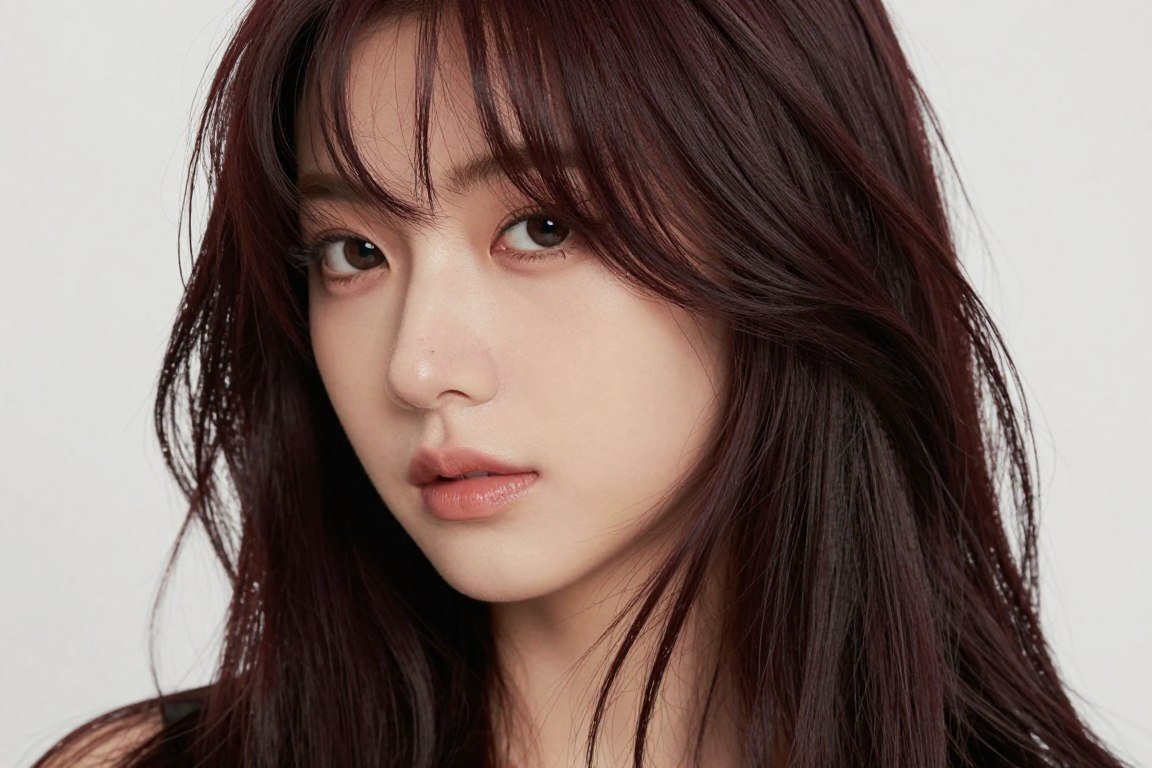
Keep your length while adding witchy dimension. Long layers create movement throughout, while shorter pieces around your face add softness and mystery.
The face-framing strands typically start at cheekbone level. They draw the eye inward and add light to your features. The layers throughout prevent the weight from dragging your hair flat.
Style with loose waves for maximum enchantment. Wrap sections around a large-barrel curling iron, alternating directions. Brush through gently to soften. The face-framing pieces can be curled away from your face for an opening effect.
This style works best for those who love length but crave dimension. It suits anyone wanting a romantic, ethereal witchy presence.
6. Pixie with Textured Crown
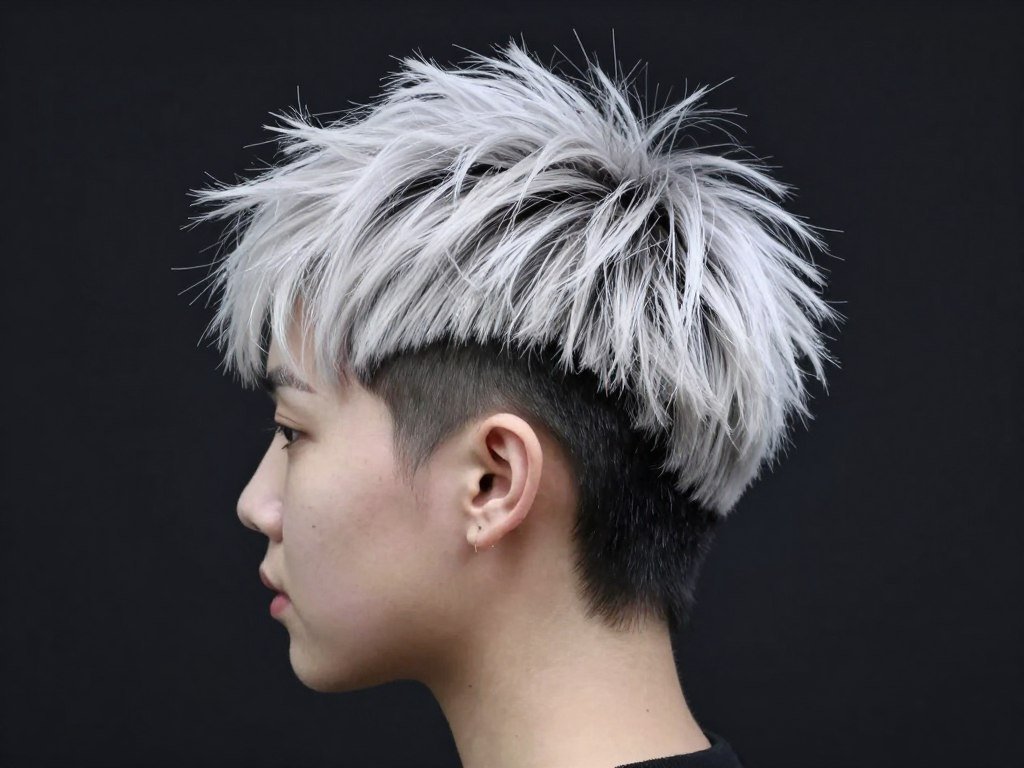
Short hair holds immense power. A pixie with a textured crown keeps volume at the top while maintaining sleek sides. This creates height and drama despite the minimal length.
The textured crown adds edge to the classic pixie. Choppy layers on top allow for versatile styling. You can spike it up for a night out or smooth it down for subtlety.
Use a small amount of styling paste on damp hair. Work it through the crown with your fingers, creating separation and texture. The sides can be slicked back with gel or left natural.
This cut suits bold individuals ready to shed length completely. Perfect for those who want maximum impact with minimum styling time each morning.
7. Wolf Cut with Dark Tones
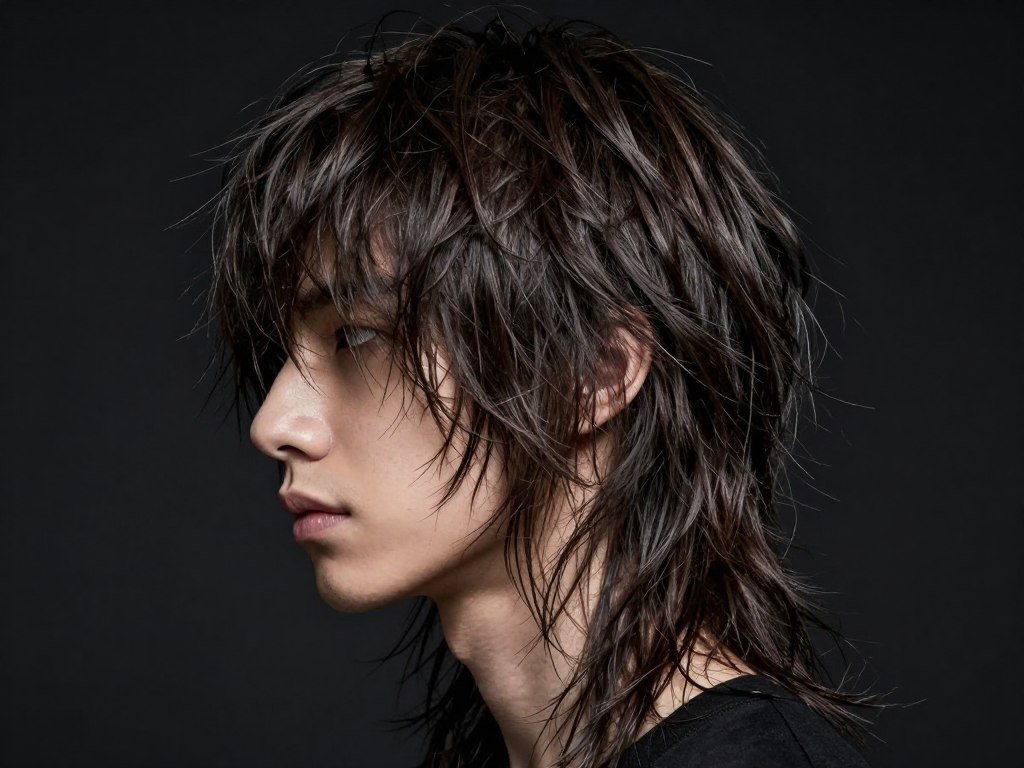
The wolf cut merges shag and mullet influences. Short layers on top create volume, while length remains at the back. This duality embodies the witchy balance of opposing forces.
Heavy layers around the face add texture and movement. The back maintains length for dramatic effect. This style works particularly well on naturally wavy or curly hair, though straight hair can achieve the look with styling.
To enhance the wolf cut, apply sea salt spray to damp hair. Scrunch throughout and let air dry. The natural texture that emerges creates the perfect untamed look. Add a bit more spray to dry hair for extra hold.
This haircut appeals to those who reject traditional beauty standards. It’s ideal for anyone channeling wild, untamed witchy energy.
8. Sleek Lob with Deep Side Part
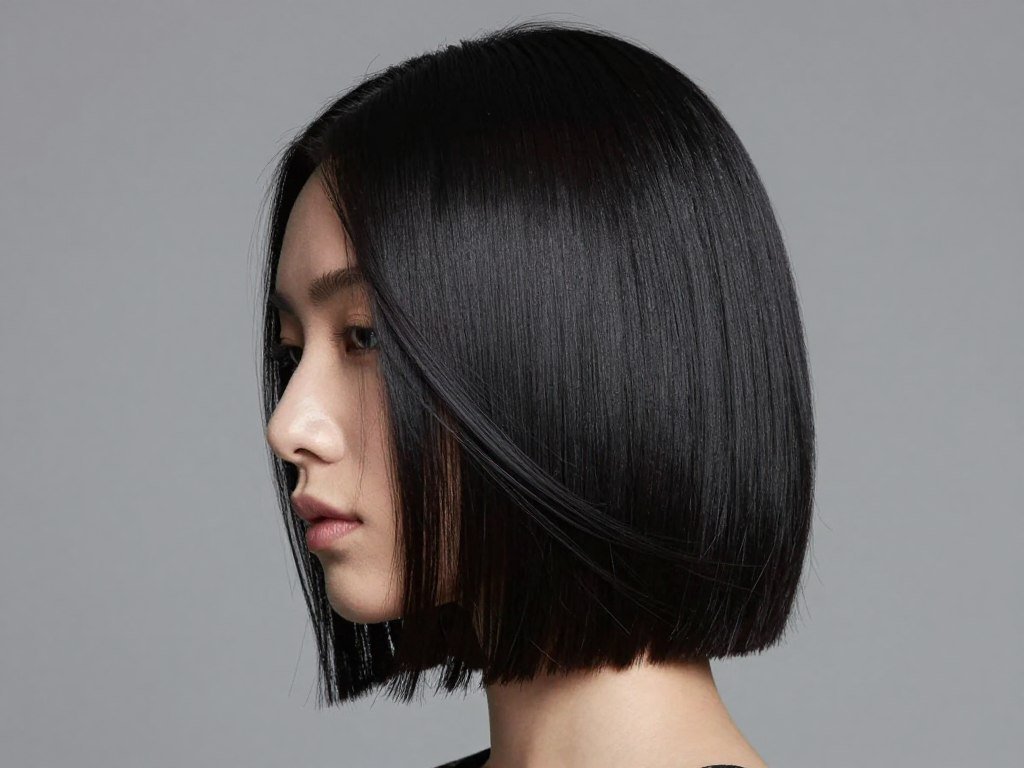
Elegance meets darkness. A long bob (lob) with a deep side part creates sophisticated mystery. The sleek finish adds polish to the witchy aesthetic.
The deep part typically sits far to one side, creating asymmetry without cutting. One side sweeps dramatically across the forehead, adding intrigue. The length grazes just below the collarbone.
Achieving this look requires blow-drying smooth with a round brush. Follow with a flat iron for glass-like shine. The deep part should be precise, created with a tail comb. Finish with shine spray for that glossy finish.
This style suits professionals who want to maintain mystery while keeping polish. Perfect for those who appreciate refined darkness.
9. Razored Shag with Bangs
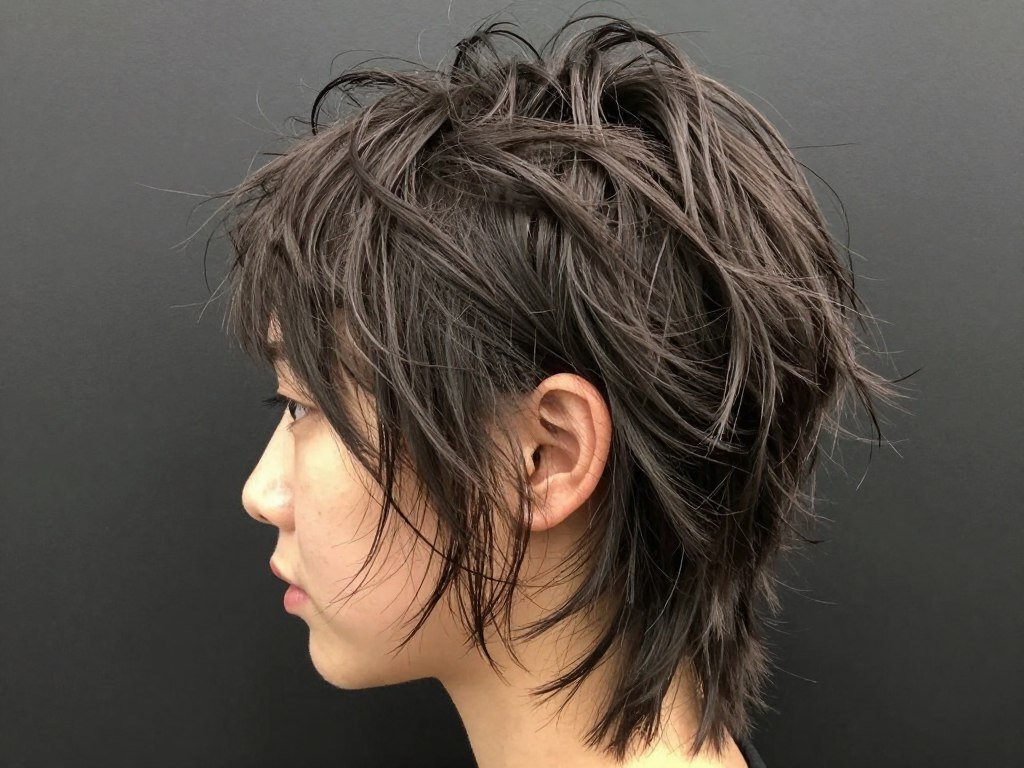
Razor cutting creates softer, feathered edges. This technique applied to a shag with bangs produces an effortlessly cool, witchy vibe. The texture feels lived-in and authentic.
The razored layers blend seamlessly rather than creating harsh lines. Bangs sit at eyebrow length with wispy, piece-y texture. The overall effect is softer than scissor-cut styles while maintaining edge.
Styling works best when you embrace the natural texture. Apply texturizing cream to damp hair, scrunch, and air dry. The razored ends will separate naturally. Run your fingers through occasionally while drying to prevent clumping.
This cut appeals to those who want effortless cool. It suits anyone seeking low-maintenance witchy style that looks intentionally undone.
10. Undercut with Long Top
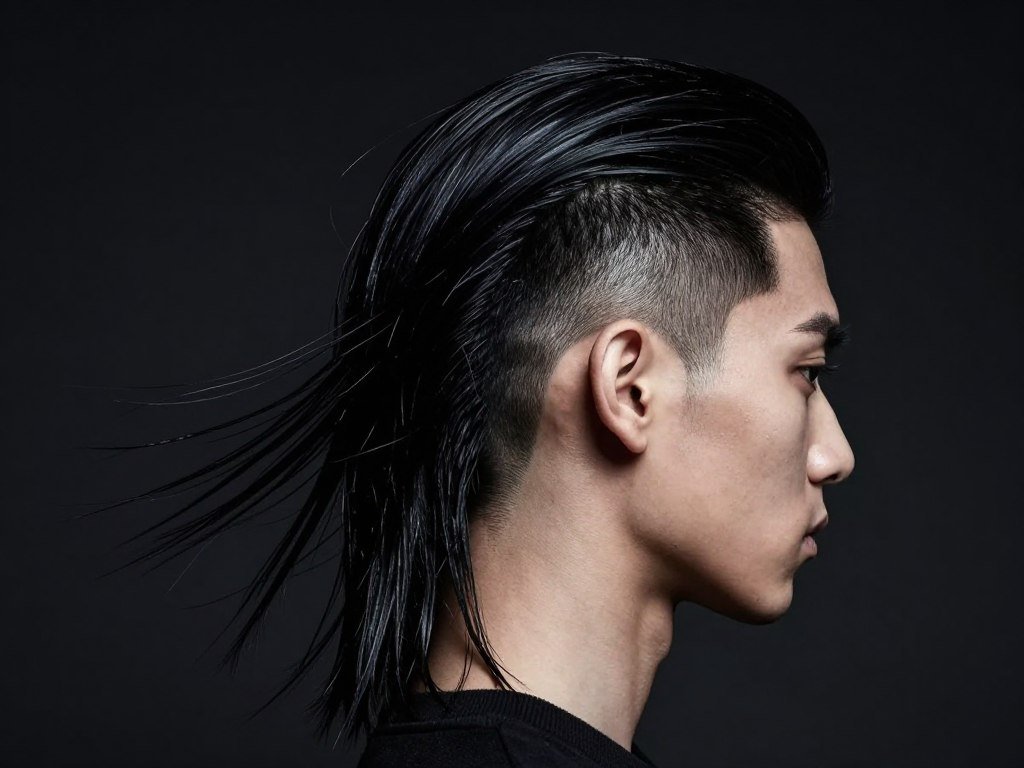
Extreme contrast defines this look. Shaved or closely cropped sides and back meet a long top section. This creates dramatic visual impact and endless styling options.
The long top can be worn slicked back, in a top knot, or flowing freely. The undercut reduces bulk while adding an unexpected edge when hair is worn up. Hidden when down, revealed when styled up.
Maintenance requires regular trimming of the undercut to keep it sharp. The top section needs minimal cutting to maintain length. Style the top with pomade for slicked-back looks or leave natural for contrast.
This haircut suits fearless individuals ready for high impact. Perfect for those who love the versatility of length with the edge of an undercut.
11. Curtain Bangs with Layers
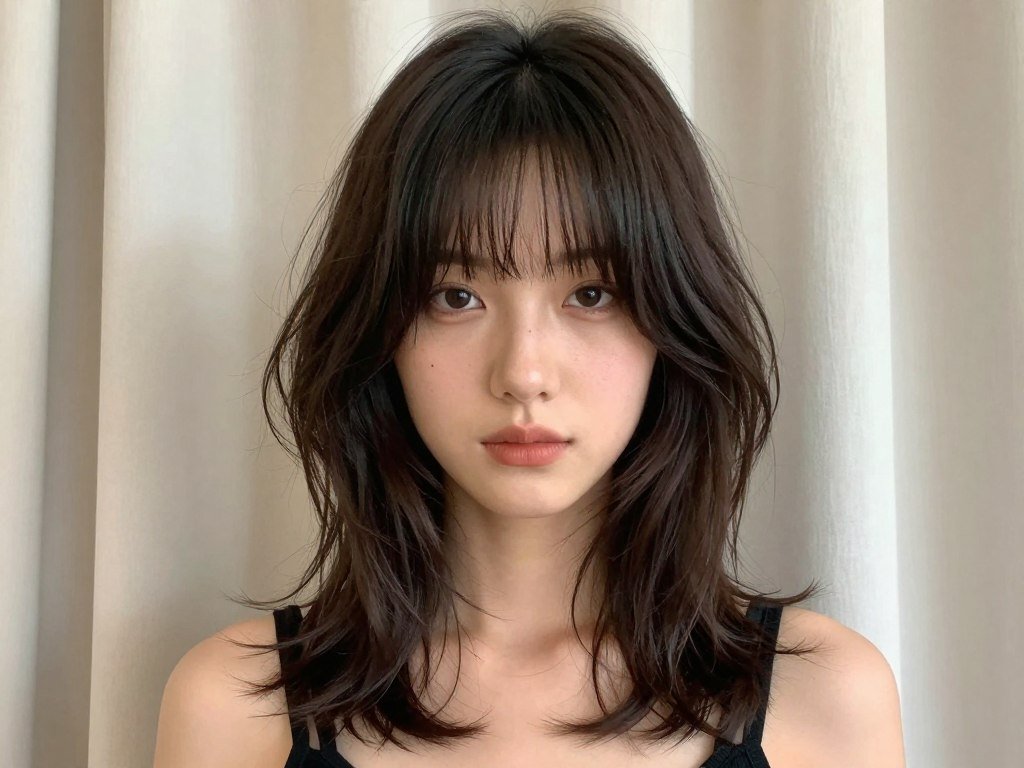
Curtain bangs part down the middle, framing both sides of your face. Paired with layers throughout, this creates a balanced, ethereal look with witchy undertones.
The bangs start shorter at the center part and gradually lengthen toward the temples. They blend into face-framing layers that add softness. The rest of the hair features long layers for movement.
Style by blow-drying the bangs with a round brush, rolling them away from your face on each side. The layers can be air-dried for natural texture or curled for more defined waves. This versatile cut adapts to various styling preferences.
This style works best for those wanting a softer approach to witchy aesthetics. It suits anyone seeking romance and mystery without harsh edges.
12. Graduated Bob with Nape Undercut
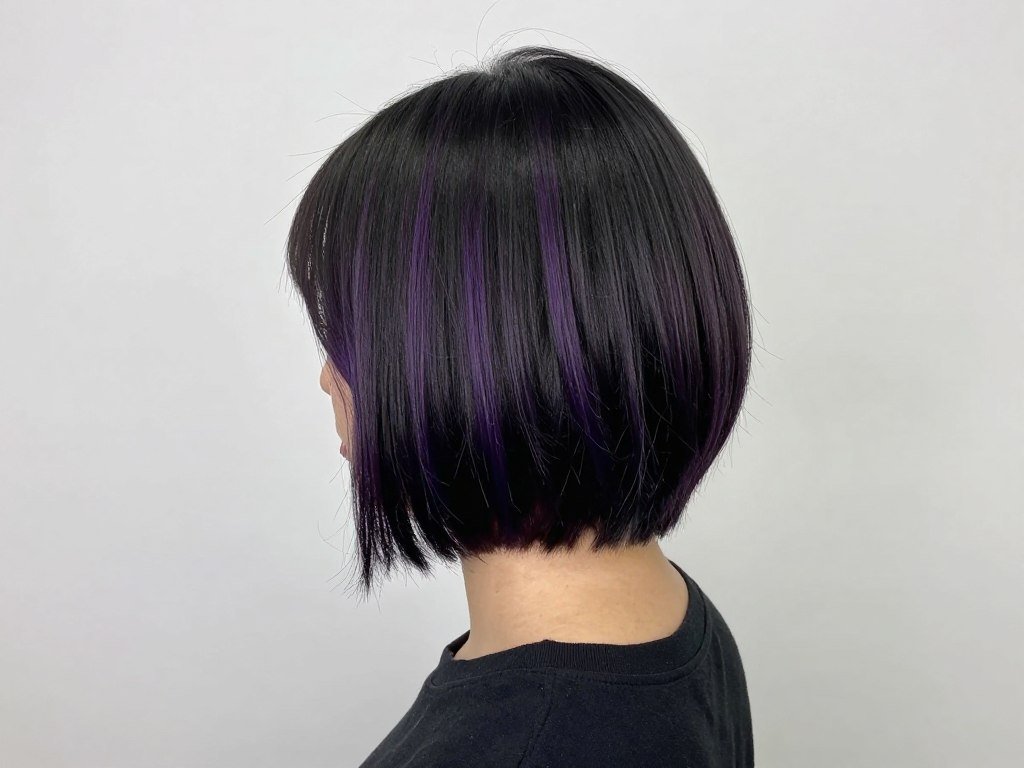
A graduated bob slopes from short at the nape to longer in front. Add a hidden undercut at the nape for a secret edge. The contrast between the polished bob and hidden rebellion captures witchy duality.
The graduation creates an elegant angle when viewed from the side. The nape undercut remains concealed when hair is down but reveals itself when you wear a top knot or pull hair forward. This hidden surprise adds personal edge.
Blow dry smooth using a paddle brush to emphasize the graduated angle. The undercut requires minimal maintenance when hidden. Regular trims every 4-6 weeks keep both elements sharp.
This haircut appeals to those who want professional polish with a hidden rebellious streak. Perfect for maintaining mystery in multiple ways.
13. Butterfly Layers
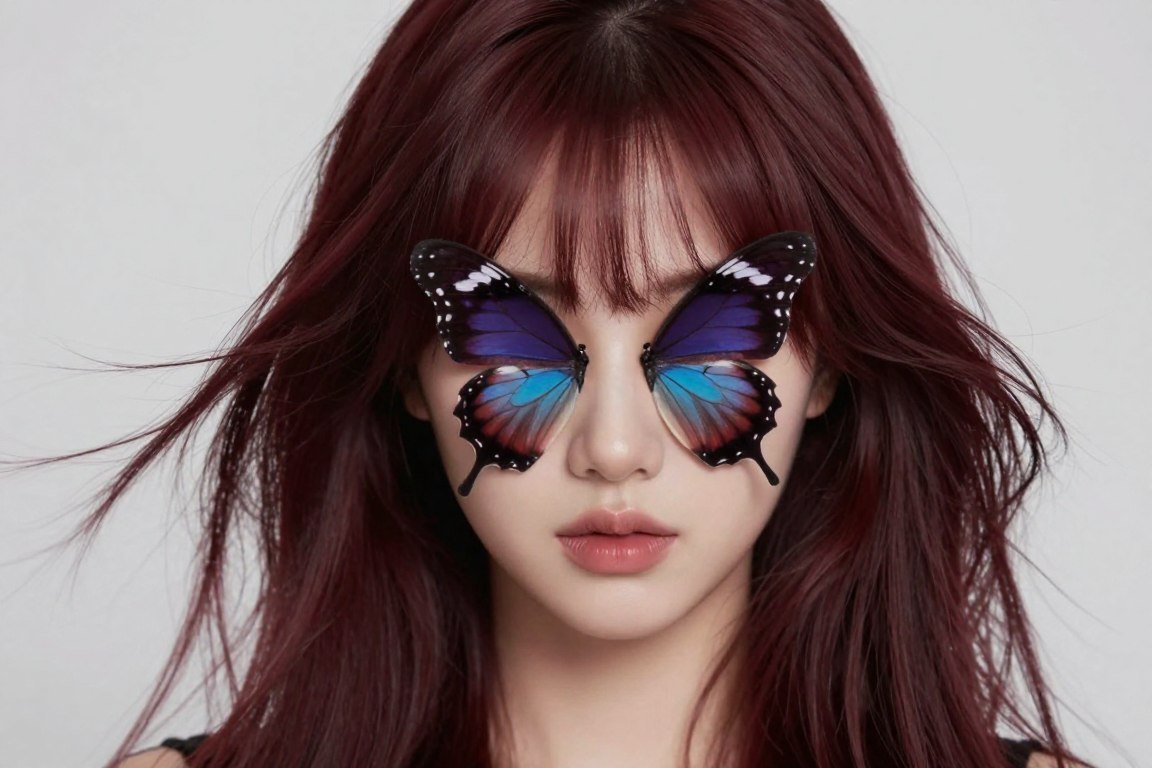
Butterfly layers create a distinctive wing-like shape around the face. Short layers near the crown gradually lengthen, mimicking butterfly wings. This adds dramatic volume while maintaining length.
The shortest layers sit around the crown, adding height and lift. As layers progress downward, they gradually extend. The result is incredible movement and a flattering face-framing effect that works on various face shapes.
Style with a large-barrel curling iron to enhance the wing effect. Curl away from your face on both sides. Brush through for soft, voluminous waves. The layers naturally create the butterfly shape when styled with volume in mind.
This cut suits those who want drama and femininity in their witchy style. It works best for anyone seeking romantic darkness with substantial volume.
14. Mullet with Shaggy Layers
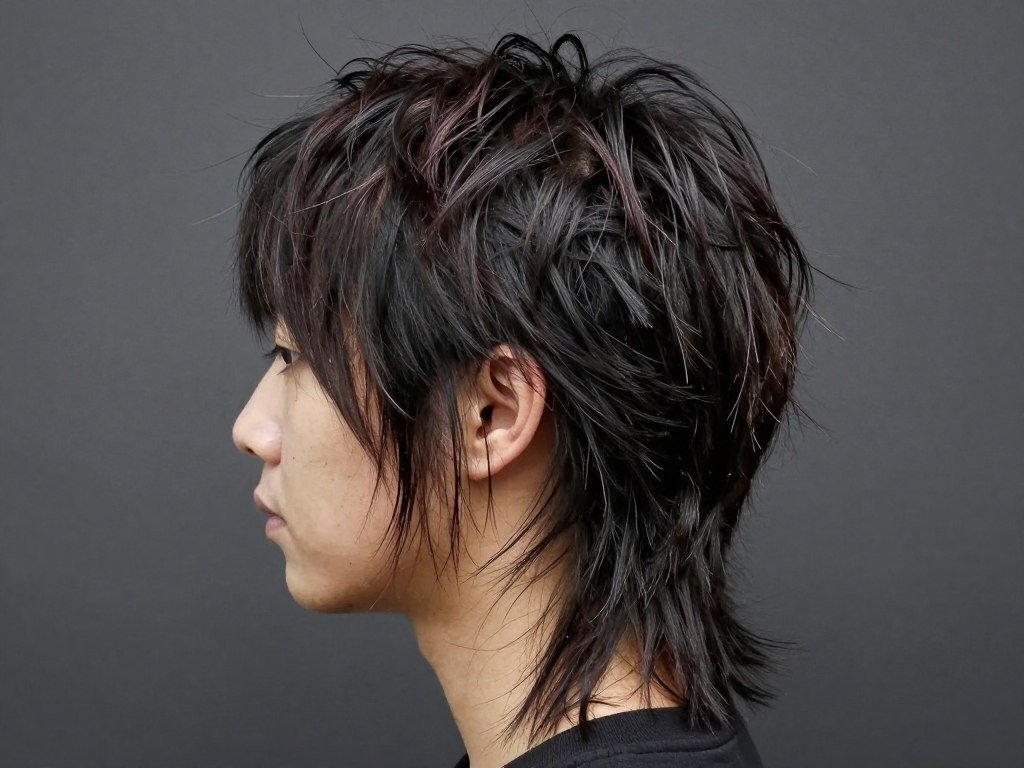
The mullet makes a witchy comeback. Modern interpretations feature shaggy layers throughout rather than the stark contrast of traditional versions. This creates a more blended, textured result.
Shorter layers around the face and crown add volume and frame features. Length at the back provides the signature mullet effect. Heavy texturizing throughout creates a shaggy, undone finish that feels current.
Style with texturizing spray and your hands. The beauty lies in imperfection. Scrunch product through damp hair and let air dry. The natural separation of the shaggy layers creates the desired messy texture.
This haircut appeals to those who embrace unconventional beauty. Perfect for anyone channeling rebellious witchy energy with zero concern for traditional aesthetics.
15. Blunt Cut with Interior Layers
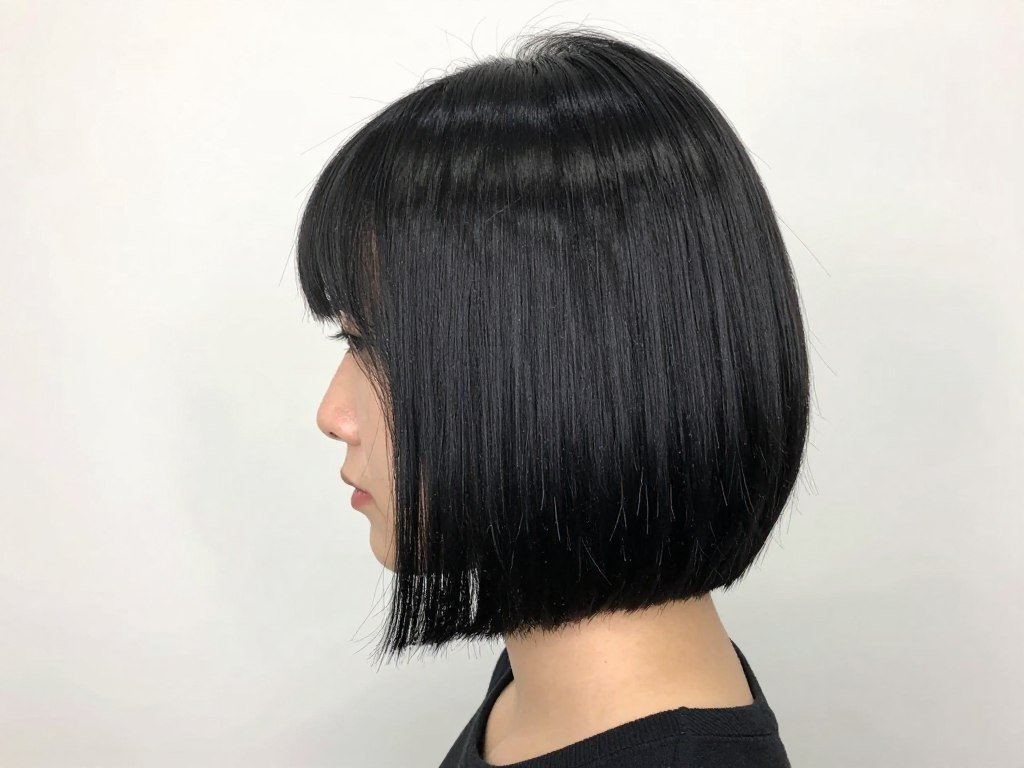
A blunt perimeter creates clean lines, while interior layers hidden beneath add volume and movement. This combination offers the best of both worlds – structure and fullness.
The exterior appears completely blunt when hair hangs naturally. Interior layers, cut shorter underneath, create lift and prevent the hair from lying flat. This technique works particularly well on thick hair that needs weight removal without sacrificing the blunt edge.
Blow dry with a round brush, focusing on lifting at the roots where interior layers live. The blunt ends can be finished with a flat iron for extra precision. The hidden layers create natural volume without visible layering.
This style suits those who appreciate clean aesthetics but need dimension. It’s perfect for anyone wanting structured witchy elegance with hidden complexity.
16. Inverted Bob with Stacked Back
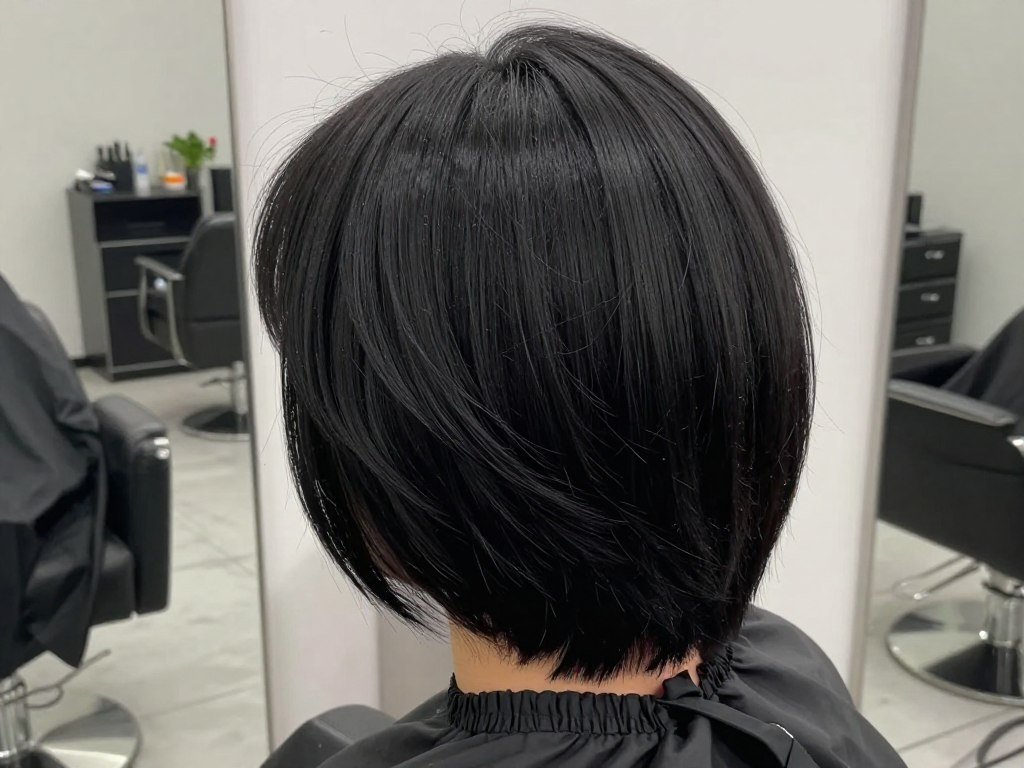
The inverted bob stacks shorter in the back and angles dramatically longer toward the front. This creates a striking silhouette when viewed from the side. The stacked back adds volume and height at the crown.
Stacking involves layering the back in graduated lengths, each layer slightly longer than the one beneath. This technique builds volume and creates a rounded shape at the back of the head. The front pieces can extend to collarbone length or longer.
Styling requires blow-drying with a round brush, lifting at the roots in the stacked area. The angled front pieces should be smoothed straight to emphasize the dramatic difference in length. Regular trims every 4-6 weeks maintain the shape.
This cut works best for those with fine to medium hair seeking volume. Perfect for anyone who wants a polished witchy look with built-in dimension.
17. Long Pixie with Side-Swept Bangs
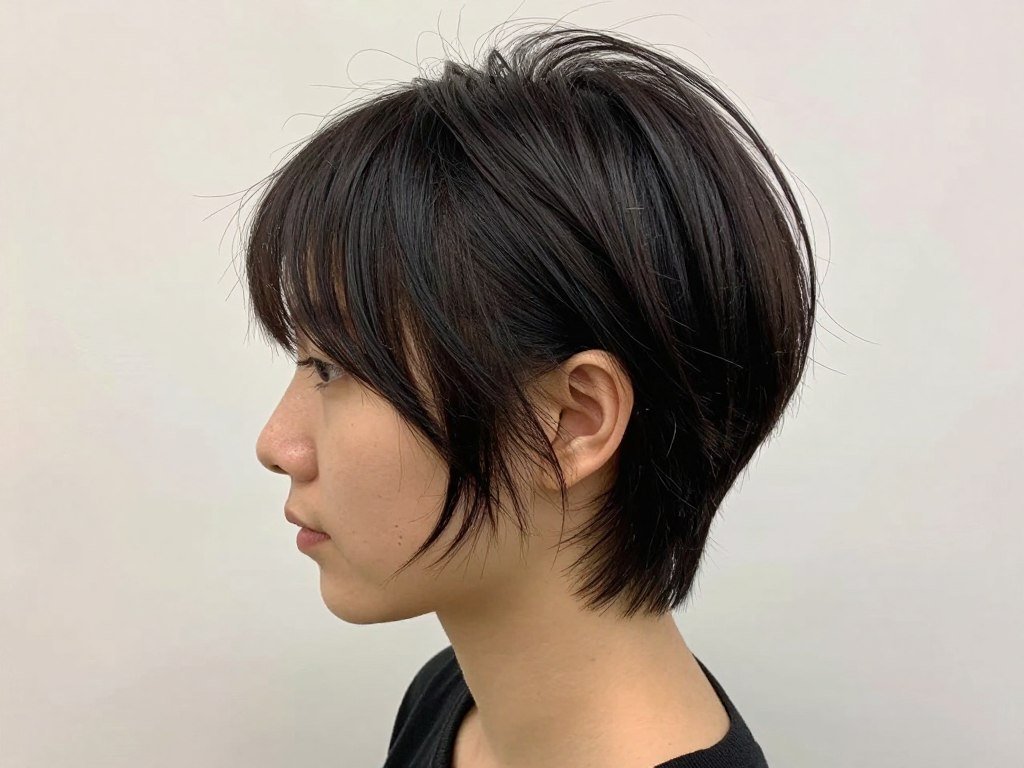
A long pixie maintains more length on top while keeping sides and back short. Side-swept bangs add softness and versatility. This style bridges the gap between pixie and bob territory.
The top section typically reaches 3-4 inches, allowing for various styling options. Bangs sweep across the forehead, adding a feminine touch to the cropped style. The back and sides taper short, creating clean lines around the face and neck.
Style by applying mousse to damp hair and blow-drying with your fingers for texture. The bangs can be swept to either side or styled forward for different looks. A small amount of pomade adds definition to individual pieces.
This haircut suits those wanting the ease of short hair with styling flexibility. It’s ideal for anyone transitioning to shorter lengths or seeking a versatile witchy crop.
18. Wavy Lob with Root Shadow
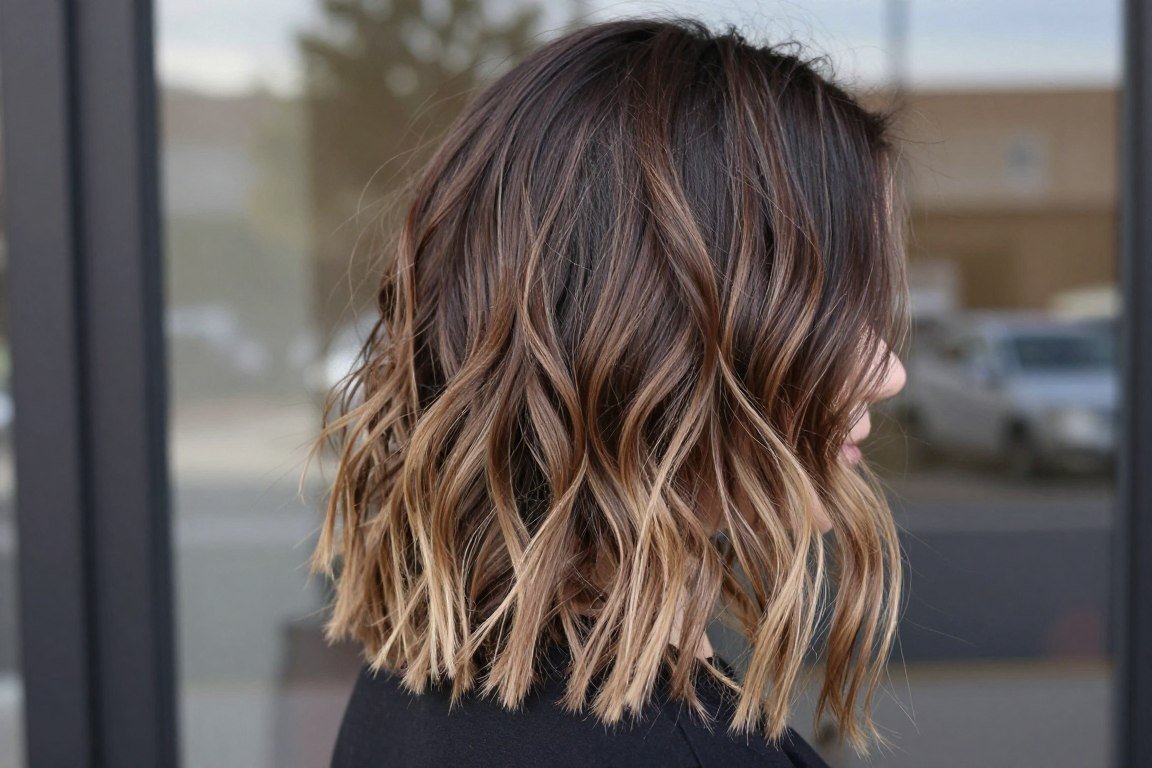
A wavy lob provides movement and texture. Adding a root shadow creates depth and dimension while reducing maintenance. The darker roots blend into slightly lighter ends for a naturally mysterious gradient.
The lob length sits between chin and collarbone, versatile and flattering on most face shapes. Natural or styled waves add texture throughout. The root shadow typically extends 2-3 inches from the scalp, creating a soft transition to the rest of the hair color.
Enhance waves by braiding damp hair before bed or using a curling wand on random sections. The imperfect waves suit the witchy aesthetic perfectly. The root shadow means less frequent color touch-ups, making this a lower-maintenance option.
This style works best for those seeking dimensional darkness with texture. Perfect for anyone wanting witchy vibes without constant salon visits.
19. Shattered Ends at Midi Length
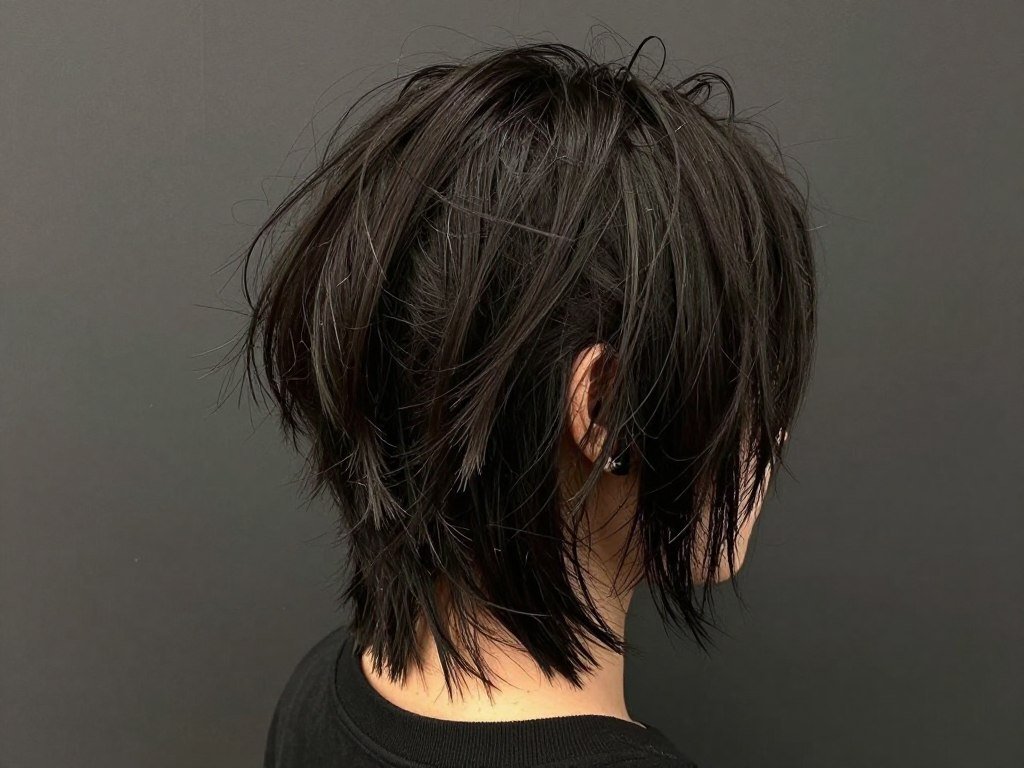
Midi length falls between shoulder blades and mid-back. Shattered ends, created through point-cutting, add an edgy, unfinished quality. This technique creates texture and removes weight without traditional layering.
Point-cutting involves cutting into the hair vertically rather than straight across. This creates irregular, piece-y ends that separate naturally. The technique works throughout the length, adding movement without sacrificing much length.
Styling is minimal. The shattered ends create natural texture and separation. Air-drying with a bit of sea salt spray enhances the piece-y effect. For more polish, blow-dry smooth but leave ends undone to showcase the shattered texture.
This cut appeals to those who want length with edge. It suits anyone seeking a lived-in, slightly wild witchy appearance.
20. Textured Crop with Fringe
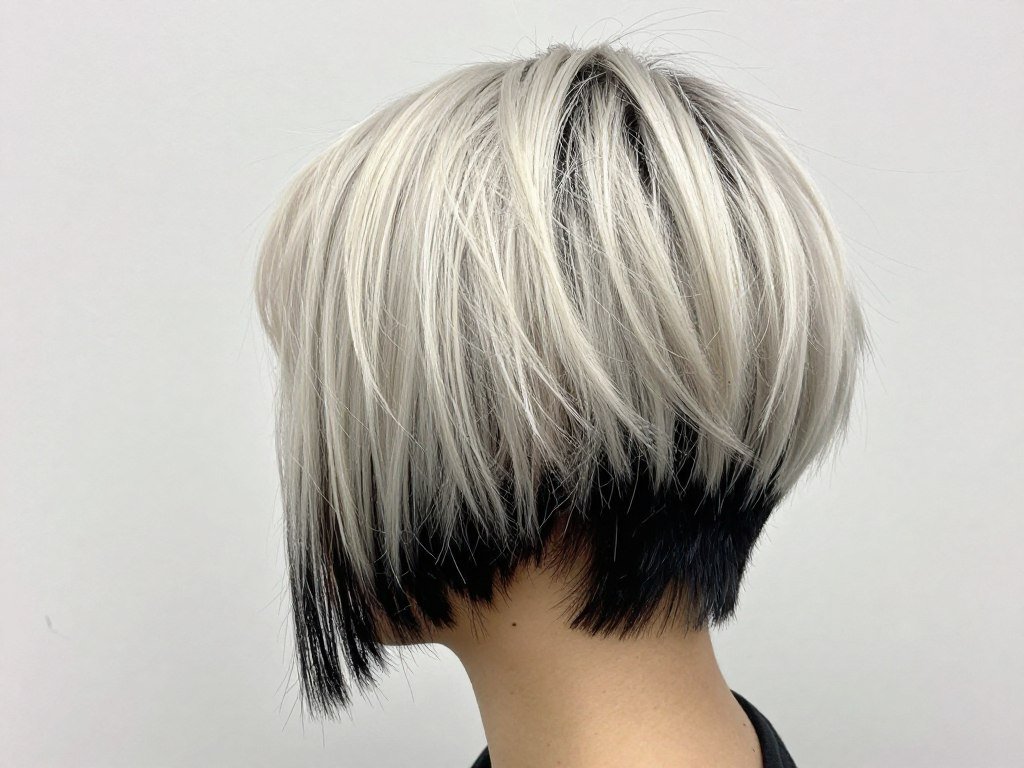
A textured crop keeps hair very short with choppy, piece-y texture throughout. Adding a fringe softens the look while maintaining the edgy vibe. This ultra-short style makes a powerful statement.
The crop typically sits close to the head all around, with slightly more length on top for styling versatility. The fringe can be styled forward, to the side, or spiked up. Heavy texturizing creates separation and prevents the cut from looking too neat.
Use styling paste or clay on damp hair, working through with fingers to create texture and separation. The fringe can be styled in various directions depending on your mood. This cut requires minimal time but maximum attitude.
This haircut suits bold individuals ready to embrace extremely short hair. Perfect for those who want to channel witchy energy through fearless minimalism.
21. Collarbone Cut with Swoopy Layers
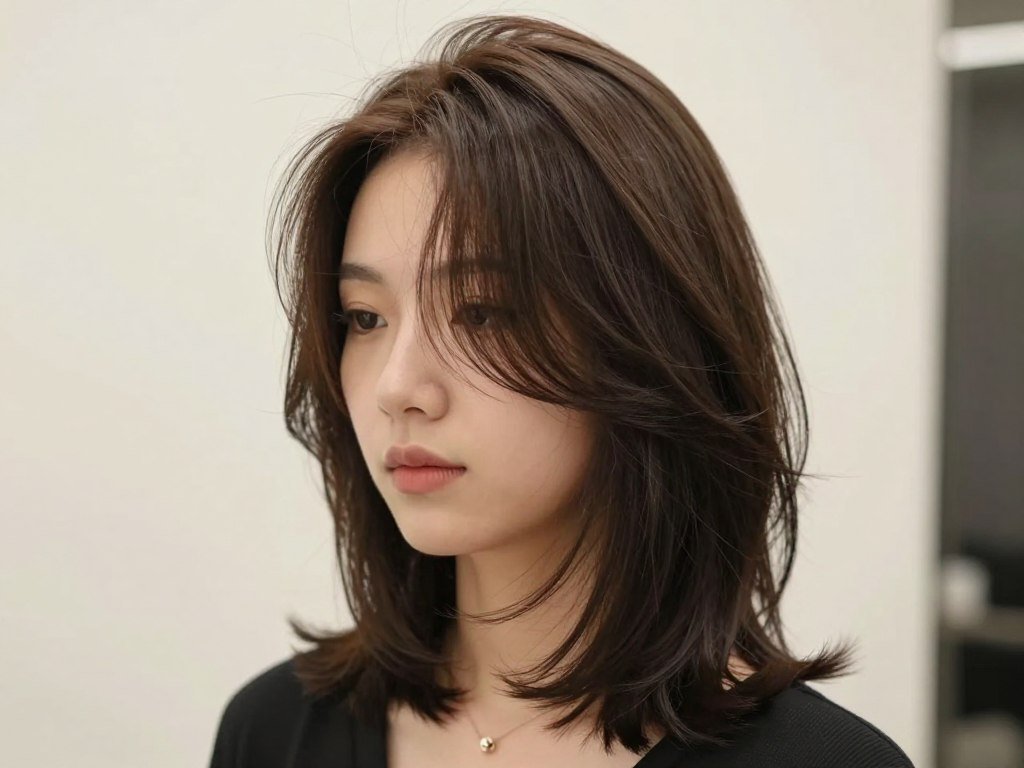
Collarbone length offers versatility and frames the face beautifully. Swoopy layers add soft movement and create a flattering shape around the face. This length works for various hair textures and styling preferences.
The layers start around the cheekbones and blend into the length, creating a swooping effect when styled. This adds dimension without heavy layering. The overall shape remains relatively uniform in length with strategic face-framing.
Blow-dry with a round brush, rolling the layers away from your face to enhance the swoop. The collarbone length can be left straight, waved, or curled. The layers add natural movement regardless of styling choice.
This style suits those seeking a universally flattering, medium-length witchy cut. It works best for anyone wanting dimension without dramatic contrast.
22. Disconnected Undercut Pixie
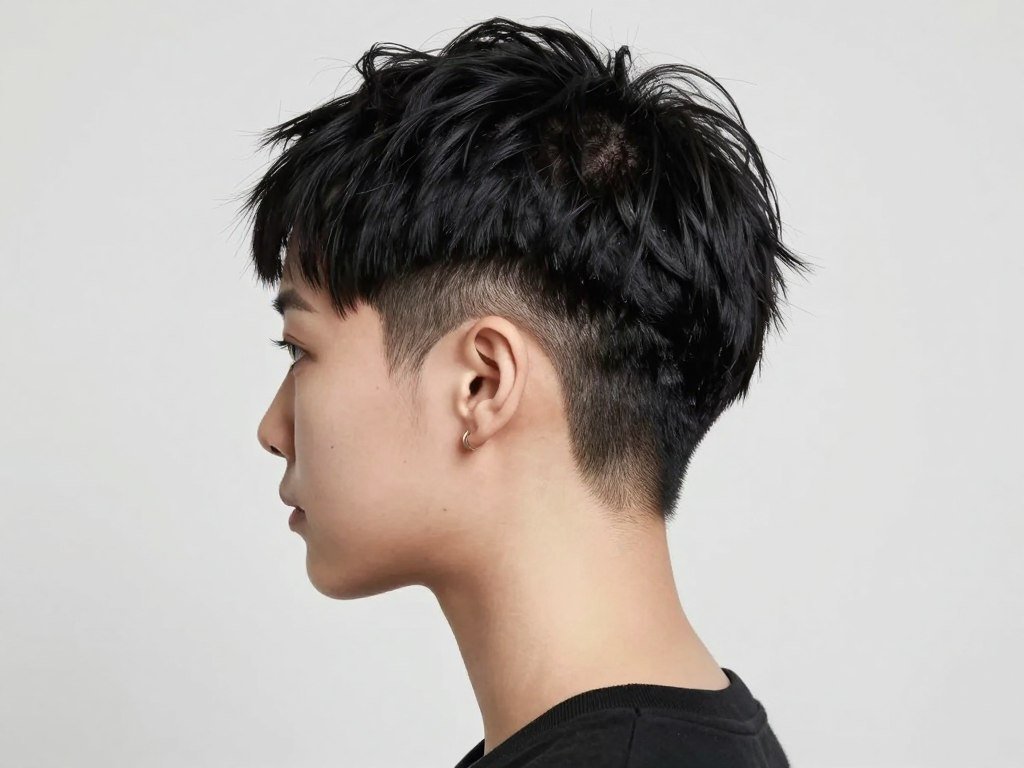
A disconnected undercut pixie features a clear separation between the longer top and shaved sides. Unlike blended cuts, the transition is intentionally abrupt. This creates maximum contrast and visual interest.
The top section maintains 2-3 inches of length for styling, while sides and back are shaved or cut very short. The deliberate disconnect between sections creates an architectural, geometric quality. This style makes a statement through its unconventional construction.
Style the top section with pomade or gel, slicking it back or creating texture. The disconnected sides require regular maintenance every 2-3 weeks to keep the undercut sharp. The contrast is the focal point, so keep it clean.
This haircut appeals to those who embrace unconventional beauty standards. Perfect for anyone seeking maximum edge and artistic expression through hair.
23. V-Cut with Long Layers
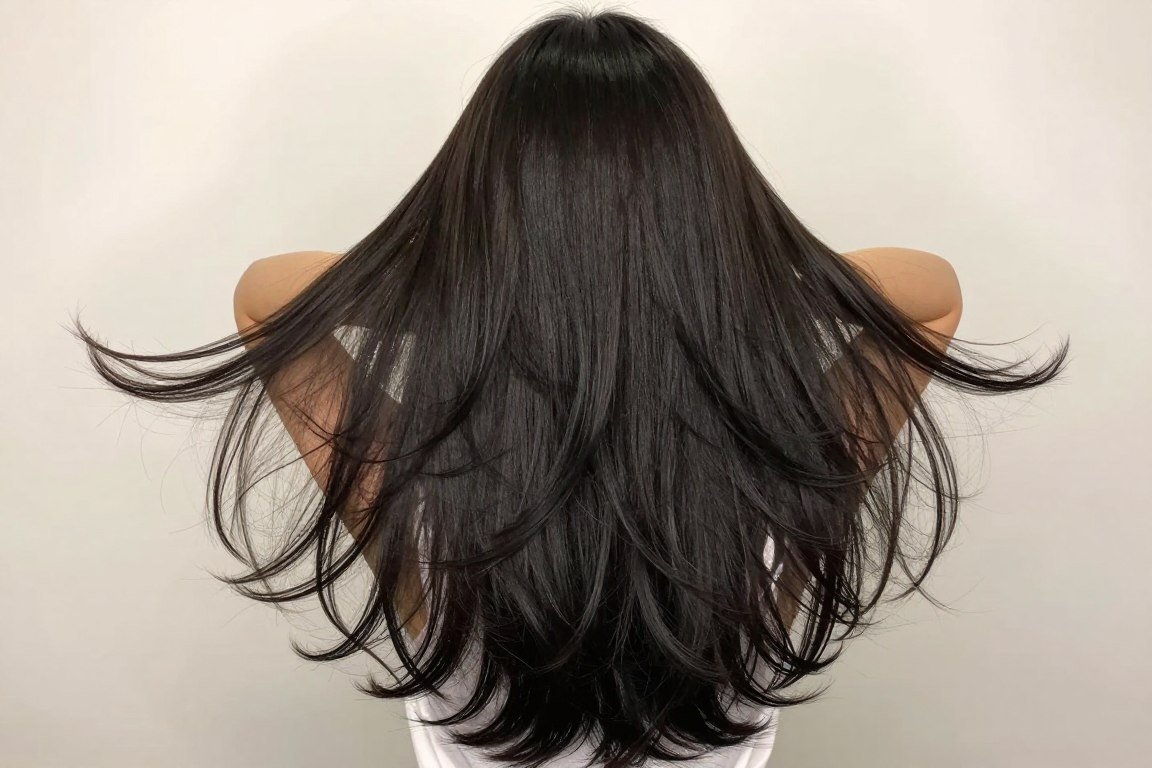
A V-cut creates a pointed shape at the back when hair is viewed from behind. Combined with long layers, this adds movement and dimension while maintaining substantial length. The V-shape creates a distinctive silhouette.
The sides and front remain relatively the same length, while the back comes to a point at the center. Long layers throughout prevent heaviness and add movement. This cut flatters those who love length but want a unique edge.
Style with loose waves or curls to showcase the V-shape and layers. The pointed back becomes more pronounced with texture. Straight styling also works beautifully, emphasizing the clean lines of the V.
This style suits those committed to maintaining length while adding witchy distinction. It works best for anyone with thick hair and patience for longer styling sessions.
24. French Bob with Baby Bangs
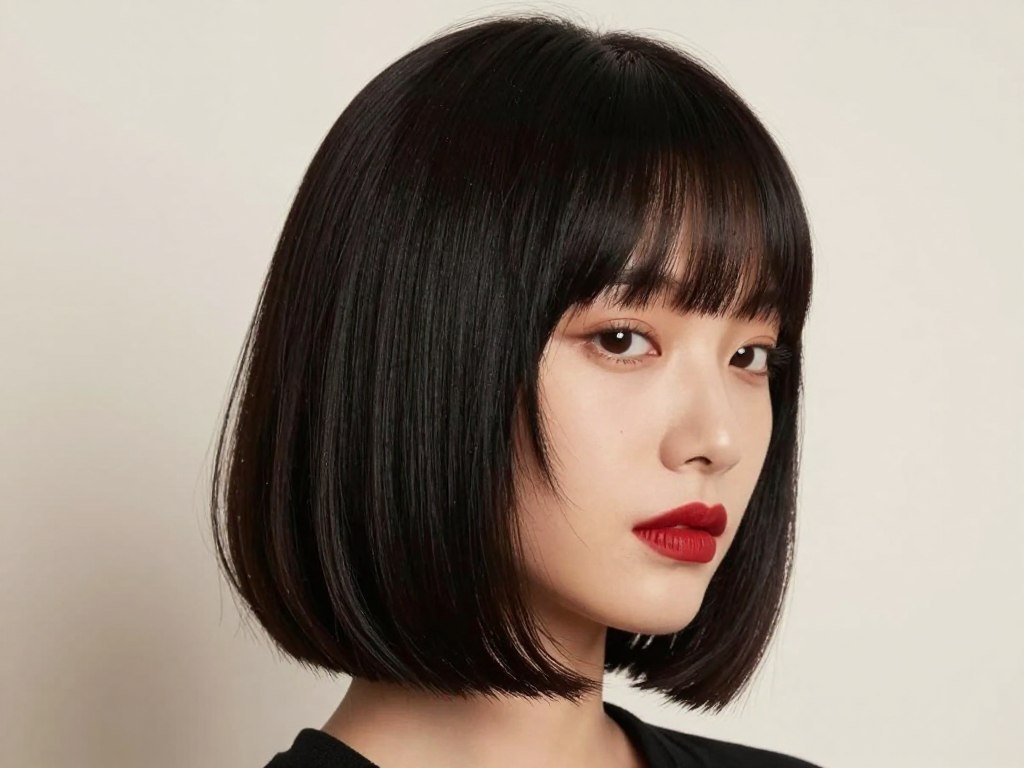
The French bob sits at jaw length with a subtle curve under at the ends. Baby bangs cut short across the forehead add playful contrast. This Parisian-inspired cut gains witchy edge through dark colors and bold styling.
The bob curves gently under at the ends rather than flipping out or sitting blunt. Baby bangs sit well above the eyebrows, creating an unexpected focal point. This combination balances sophistication with quirky charm.
Blow-dry with a round brush, curving ends slightly under. The baby bangs require precise styling to sit flat and straight. Regular trims every 3-4 weeks keep both elements looking sharp and intentional.
This haircut suits those who appreciate vintage aesthetics with modern edge. Perfect for anyone wanting a conversation-starting witchy style.
25. Shoulder-Length with Money Piece
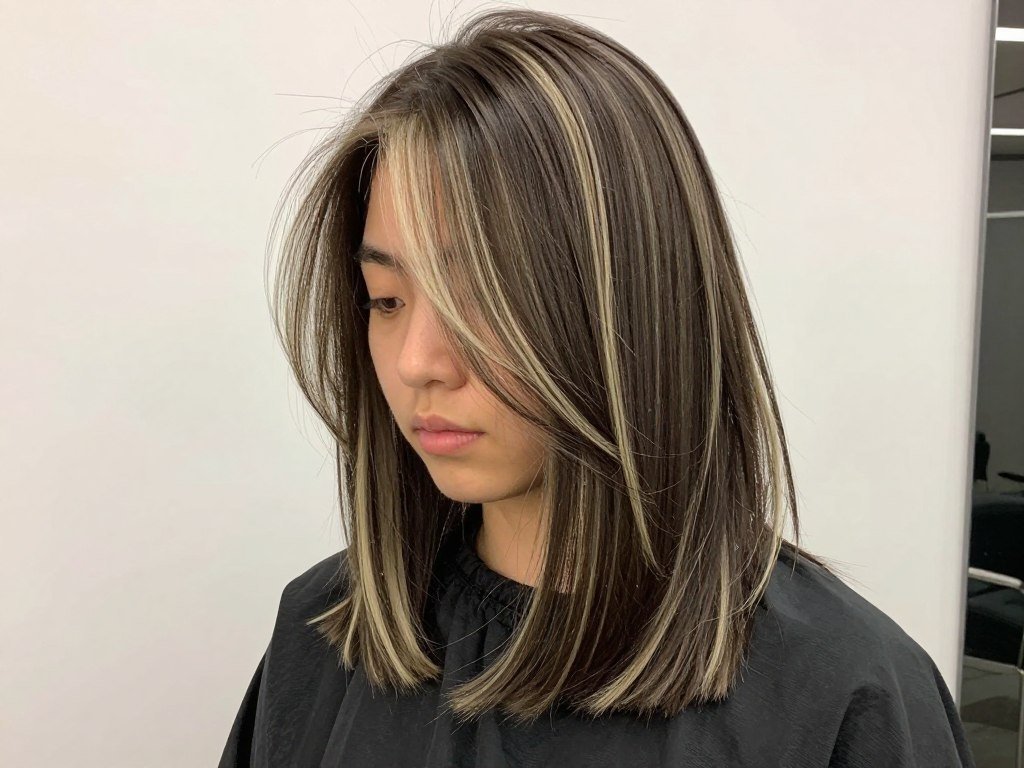
Shoulder length offers versatility and ease. Adding a “money piece” – face-framing highlights in a contrasting color – creates dimension and draws light to your face. This technique adds visual interest while keeping the overall look dark and mysterious.
The money piece typically starts at the part and frames both sides of the face. It can be a few shades lighter than the base or dramatically contrasting. The placement brightens the face while the rest remains darker, maintaining witchy depth.
Style by curling or straightening to showcase the color contrast. The face-framing pieces naturally draw the eye when styled away from the face. This cut requires color maintenance every 6-8 weeks to keep the contrast fresh.
This style works best for those wanting dimension without full highlights. It suits anyone seeking to add light around their face while preserving dark, witchy tones throughout.
26. Tapered Cut with Texture on Top
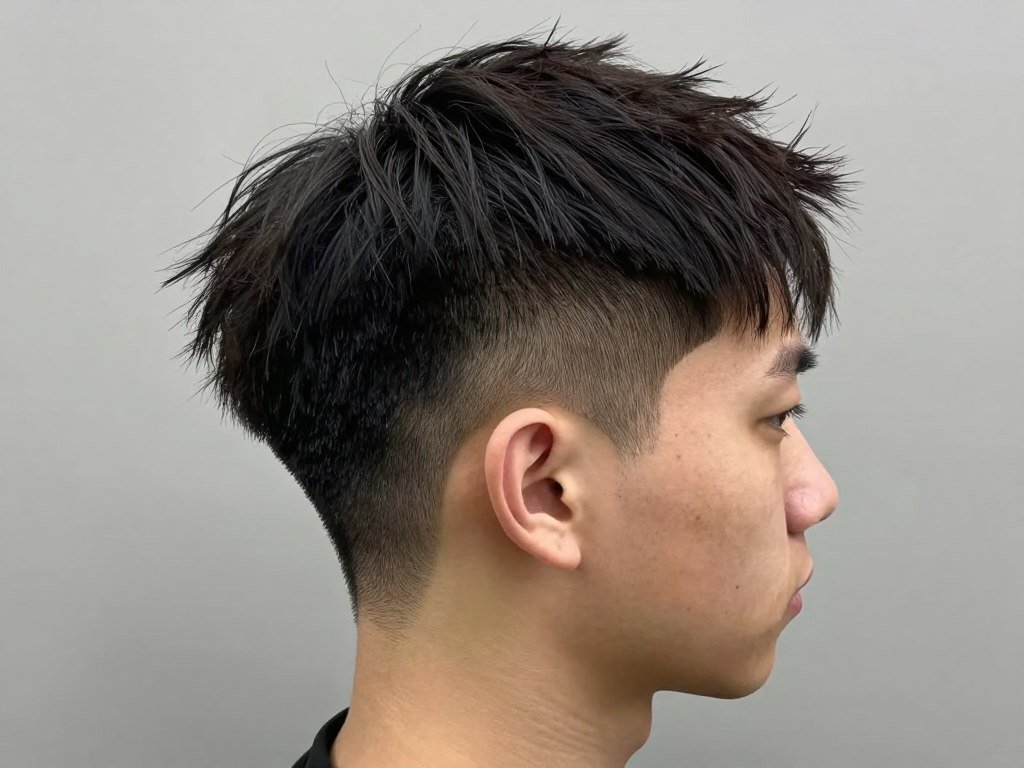
A tapered cut gradually fades from longer on top to shorter on the sides and back. Keeping texture on top adds styling versatility. This androgynous style works for various gender expressions and face shapes.
The taper creates a clean, gradual transition rather than a harsh disconnect. The top maintains enough length for styling – typically 2-4 inches. Texturizing the top adds movement and prevents it from lying flat.
Style with pomade or clay, creating texture and separation on top. The tapered sides require minimal styling. This cut needs regular maintenance every 3-4 weeks to keep the taper looking sharp and gradual.
This haircut appeals to those seeking a clean, versatile look with edge. Perfect for anyone wanting low daily maintenance with regular upkeep.
27. Layered Cut with Wispy Ends
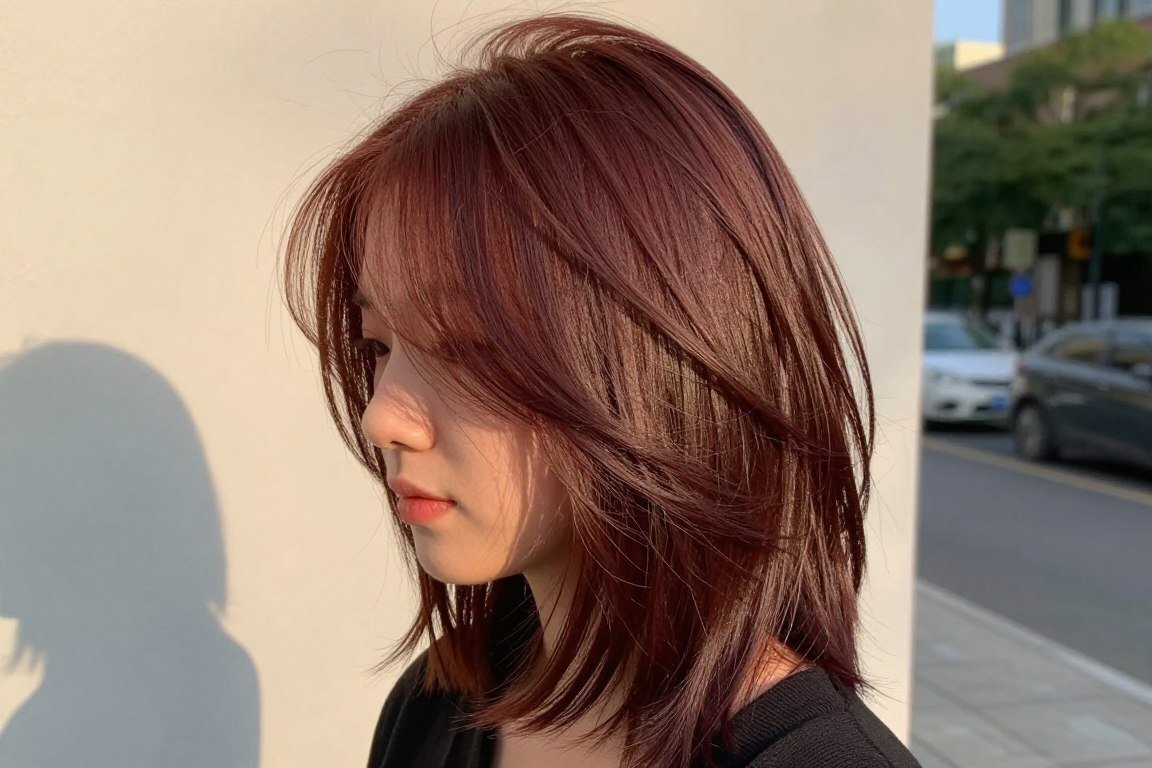
Layers throughout create movement, while wispy ends add softness and texture. This combination prevents heaviness while maintaining a romantic, mysterious quality. The wispy ends create a delicate finish.
Layers are cut throughout the length, not just at the face. The ends are point-cut or razored to create a wispy, feathered effect rather than blunt lines. This technique works beautifully on medium to long hair.
Style with minimal product to preserve the wispy quality. Air-drying with a light mousse enhances natural texture. For more polish, blow-dry with a round brush but avoid over-smoothing the ends – their wispy nature is the appeal.
This style suits those wanting soft, romantic witchy aesthetics. It works best for anyone with naturally fine to medium hair texture.
28. Buzz Cut with Shaved Design
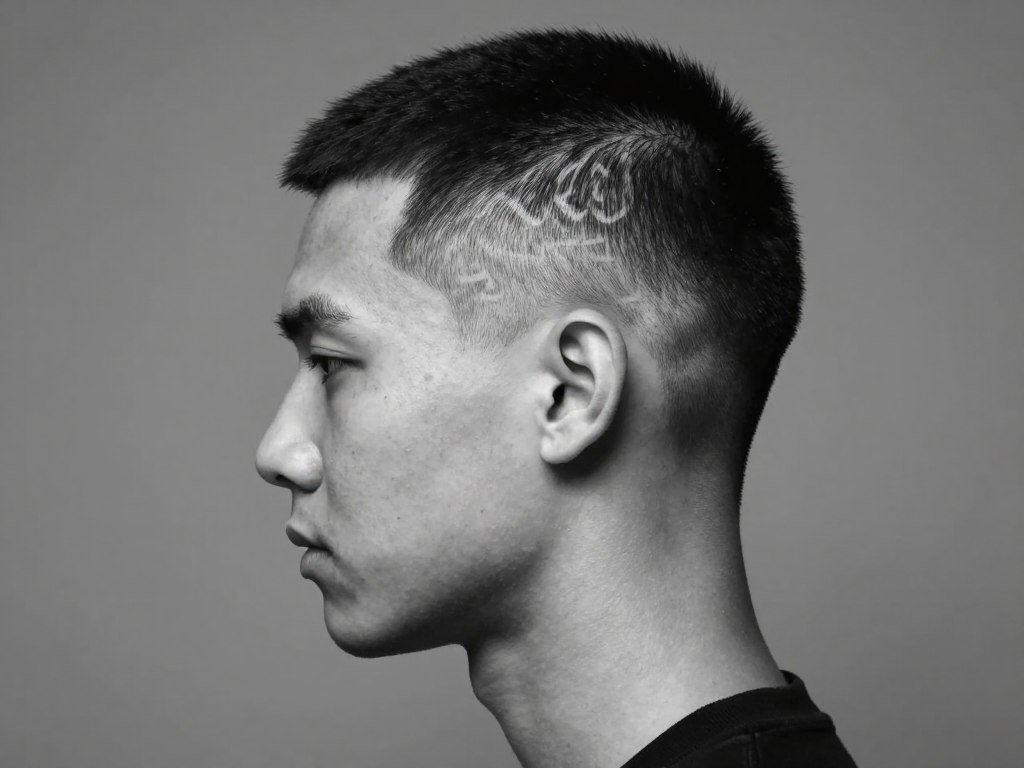
The ultimate minimalist statement. A buzz cut keeps hair uniformly short all around. Adding a shaved design – geometric patterns, mystical symbols, or abstract shapes – personalizes the look and adds witchy symbolism.
The buzz is typically clipper-cut to one guard length all over. The design is shaved even shorter, creating contrast through length rather than color. Designs can range from simple lines to complex patterns.
Maintenance involves buzzing the entire head every 2-3 weeks to maintain the length. The shaved design grows out quickly and needs refreshing every 1-2 weeks. This is a high-maintenance cut despite its minimal appearance.
This haircut suits fearless individuals ready to embrace extreme minimalism. Perfect for those who want to channel witchy energy through bold simplicity and symbolic design.
29. Shaggy Bob with Full Bangs
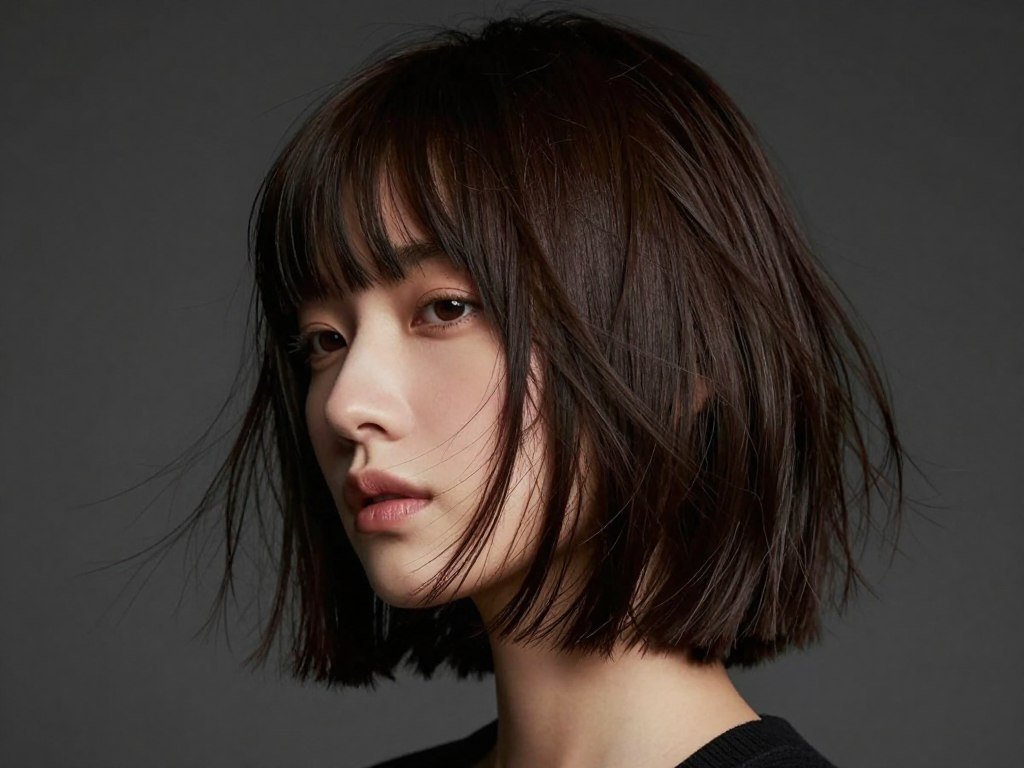
A shaggy bob combines choppy layers with a bob silhouette. Full bangs across the forehead add balance and frame the eyes. This creates a cohesive, textured look with a retro-witchy vibe.
The layers throughout add movement and reduce bulk. Full bangs sit at eyebrow length, cut straight across with some texturizing for a softer edge. The combination creates a rounded, dimensional shape.
Style with texturizing spray, scrunching throughout for enhanced piece-y texture. The bangs can be blow-dried smooth or left slightly piece-y to match the shaggy layers. This cut embraces imperfection beautifully.
This style suits those who love textured, low-maintenance cuts. It works best for anyone seeking a retro-inspired witchy aesthetic with modern edge.
30. Long Layered with Dark Balayage
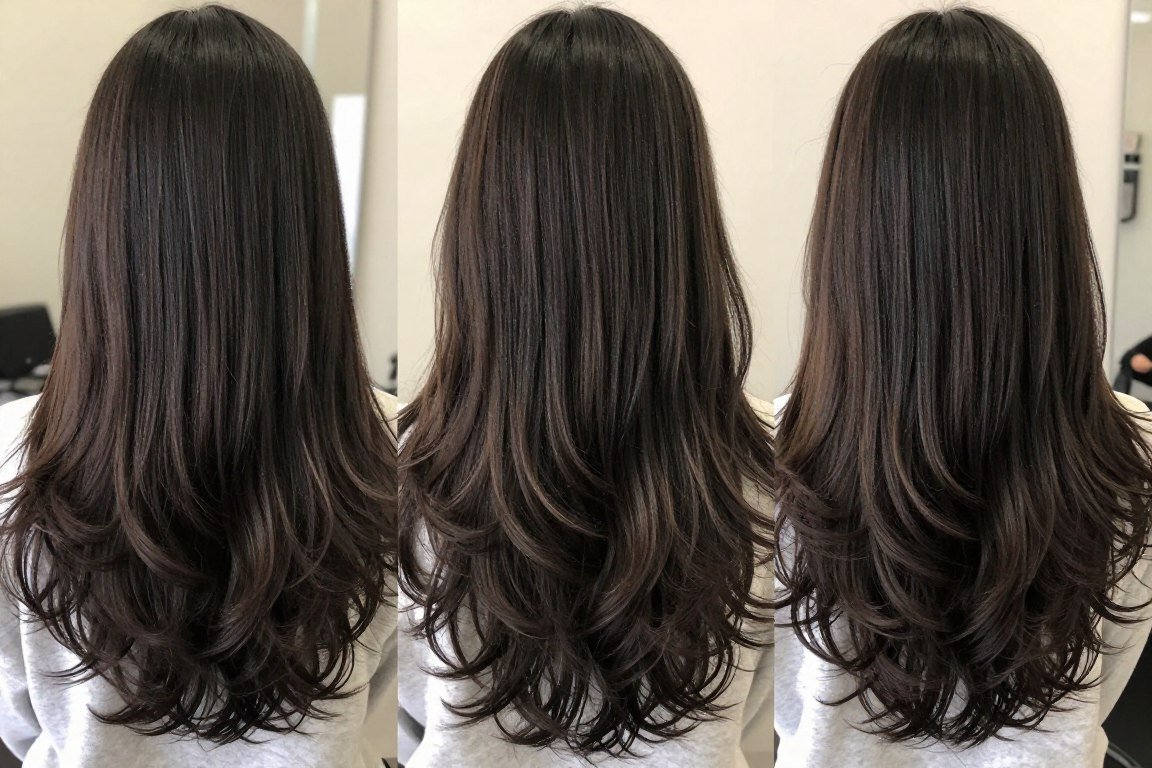
Long layers create movement throughout substantial length. Dark balayage adds dimension while maintaining an overall dark, witchy palette. This technique hand-paints color for a natural, graduated effect.
Layers prevent long hair from appearing heavy or flat. The balayage typically transitions from darker roots to slightly lighter (but still dark) ends, creating depth without looking overly highlighted. Colors might range from deep brown to black, or black to deep burgundy.
Style with waves or curls to showcase both the layers and the dimensional color. The balayage becomes more visible with texture and movement. Straight styling also works, creating a sleeker interpretation of the dimensional darkness.
This style suits those committed to length who want subtle dimension. Perfect for anyone seeking sophisticated witchy elegance with dimensional depth.
Embrace Your Witchy Transformation
These thirty witchy haircut ideas offer diverse paths to embracing your dark side. From dramatic pixies to flowing layers, each style channels mystery and power in unique ways.
The perfect witchy haircut aligns with your personality and lifestyle. Consider your daily routine, styling commitment, and the energy you want to project. Short styles offer bold statements with minimal daily effort but require frequent salon visits. Long cuts provide versatility but demand more styling time.
Hair texture plays a vital role in your choice. Naturally straight hair holds sleek, geometric cuts beautifully. Waves add effortless texture to shags and layered styles. Curly hair brings organic volume to many witchy cuts.
Face shape guides flattering selections. Round faces benefit from asymmetry and vertical lines. Square faces soften with layers and curves. Oval faces suit most styles, while heart-shaped faces shine with chin-length cuts and side-swept bangs.
Color enhances the witchy aesthetic. Deep blacks, rich burgundies, dark plums, and chocolate browns all capture mysterious energy. Subtle dimension through balayage or highlights adds depth without brightness.
Consult with a skilled stylist before committing to dramatic changes. Bring reference photos showing angles you love. Discuss maintenance requirements and styling expectations. A professional can adapt any of these cuts to suit your unique features and hair characteristics.
Your hair transformation represents more than aesthetics. It’s an external expression of internal energy. These witchy cuts celebrate darkness, mystery, and the power of embracing your authentic self without apology.