
Thin hair doesn’t mean you have to settle for flat, lifeless strands. The right short haircut can transform your look completely. Volume, texture, and movement become achievable with strategic cuts and styling.
Short haircuts for thin hair work because they remove excess weight. This allows your hair to lift naturally at the roots. The result is instant fullness that longer styles simply cannot provide.
We’ve curated 25 styles that specifically address the challenges of thin hair. Each haircut includes expert styling tips and maintenance guidance. You’ll understand exactly why each cut works and how to maintain it at home.
Table of Contents
Pixie Cuts That Add Volume
Pixie cuts remain the ultimate solution for thin hair. These short haircuts remove weight while creating the illusion of thickness. The cropped length naturally lifts away from your scalp.
1. Classic Textured Pixie
The textured pixie creates movement through choppy layers. Your stylist cuts the hair at varying lengths throughout. This technique prevents the flat appearance that single-length cuts create.
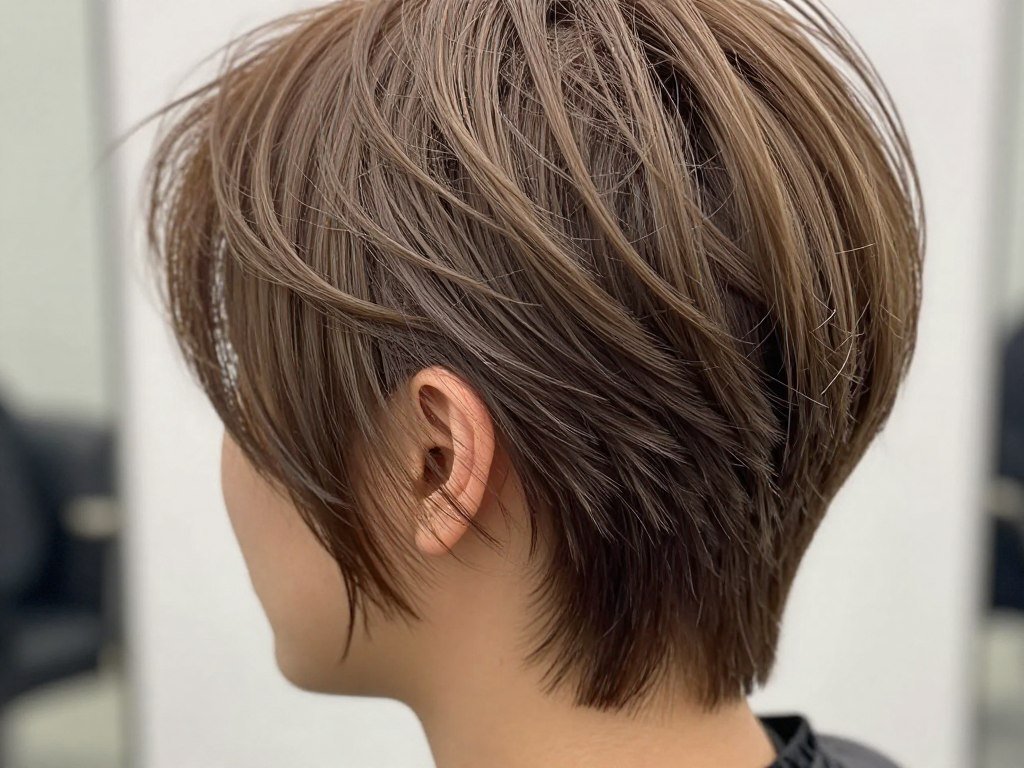
Style this cut with a small amount of texturizing paste. Work the product through damp strands, then blow-dry while lifting at the roots. The layers will separate naturally, creating dimension and depth.
2. Undercut Pixie with Long Top
This bold style keeps length on top while shaving the sides short. The contrast creates dramatic volume where you need it most. Your crown appears fuller because the sides are minimized.
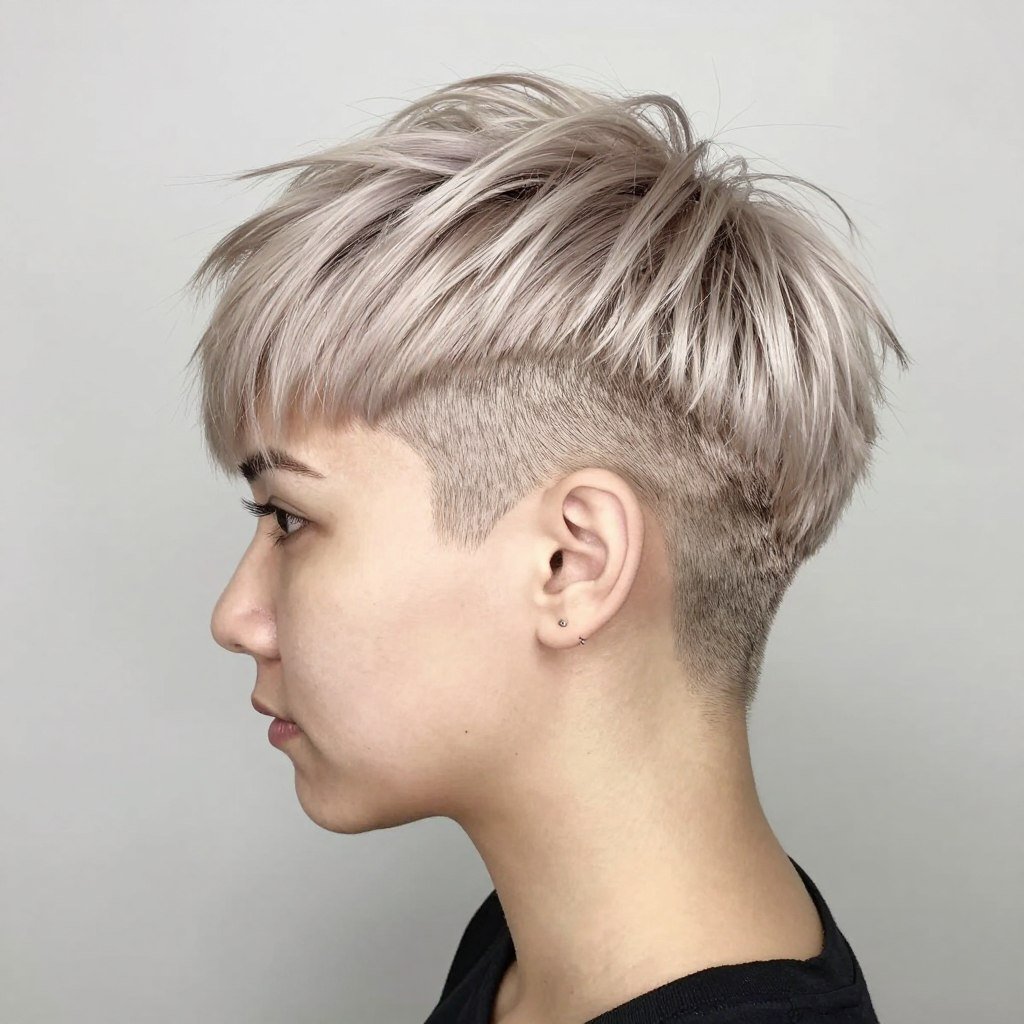
The top section should be at least three inches long. This length allows you to style upward and create lift. Use a strong-hold mousse at the roots before blow-drying for maximum height.
3. Choppy Pixie with Side-Swept Bangs
Side-swept bangs add softness while maintaining volume. The choppy cutting technique throughout prevents the hair from lying flat. Each strand catches light differently, creating the illusion of more hair.
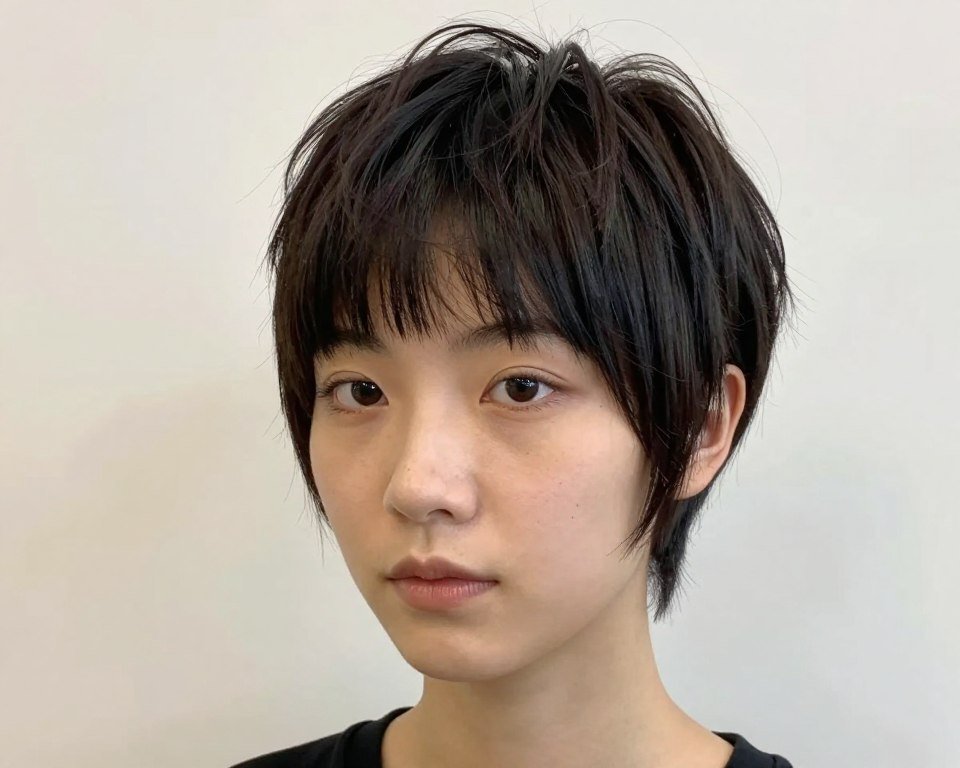
Ask your stylist to point-cut the bangs. This creates a feathered edge rather than a blunt line. The result looks more natural and adds movement to your overall style.
4. Pixie with Tapered Nape
A tapered nape creates a graduated length from top to bottom. This shape naturally emphasizes the crown area. Your thin hair appears fuller at the top where it matters most.
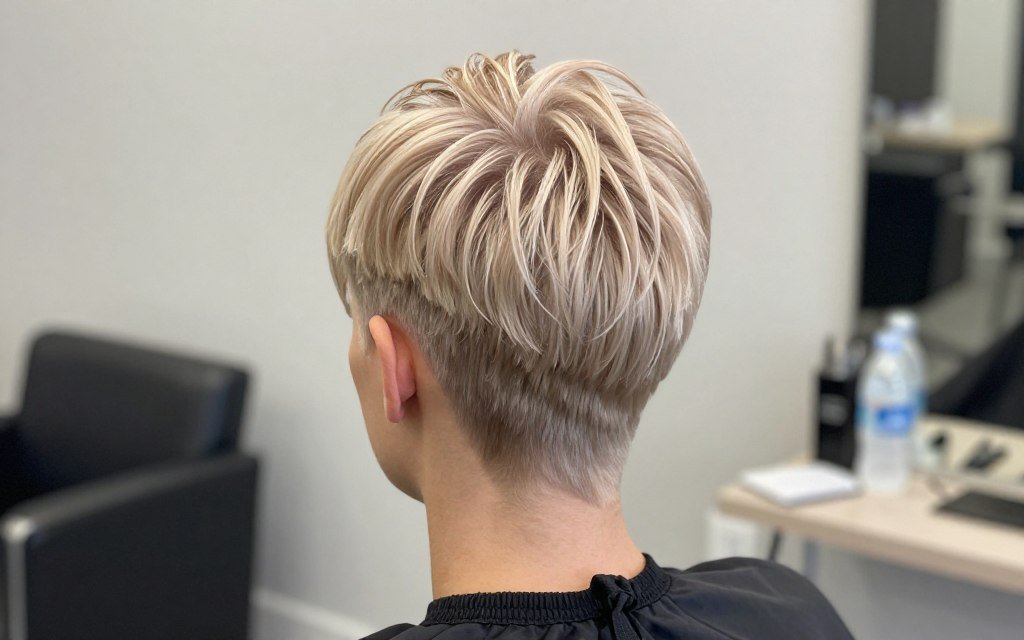
The taper should start just below the occipital bone. Your stylist will gradually shorten the hair toward your neck. This technique removes bulk while maintaining shape and volume texture on top.
5. Asymmetrical Pixie
An asymmetrical cut creates visual interest through uneven lengths. One side stays longer, drawing the eye and creating dimension. This style works exceptionally well for thin hair because it avoids symmetrical flatness.
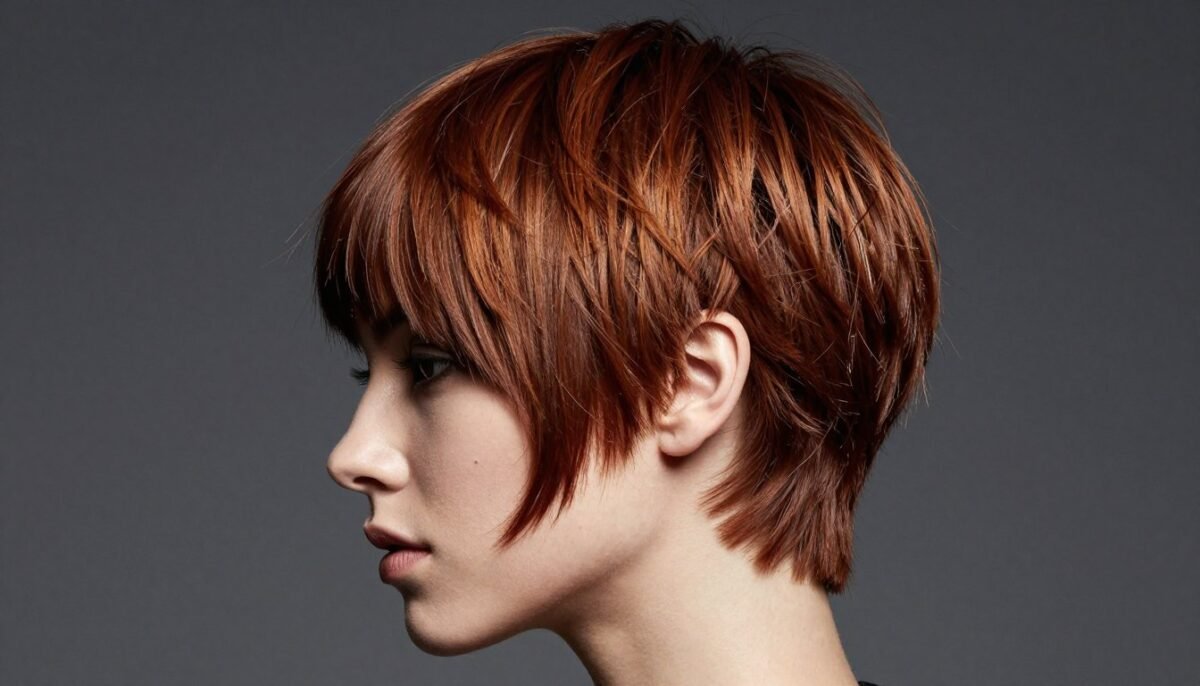
Style the longer side forward and down. The shorter side can be styled back or up. This contrast creates movement and makes your hair look fuller overall.
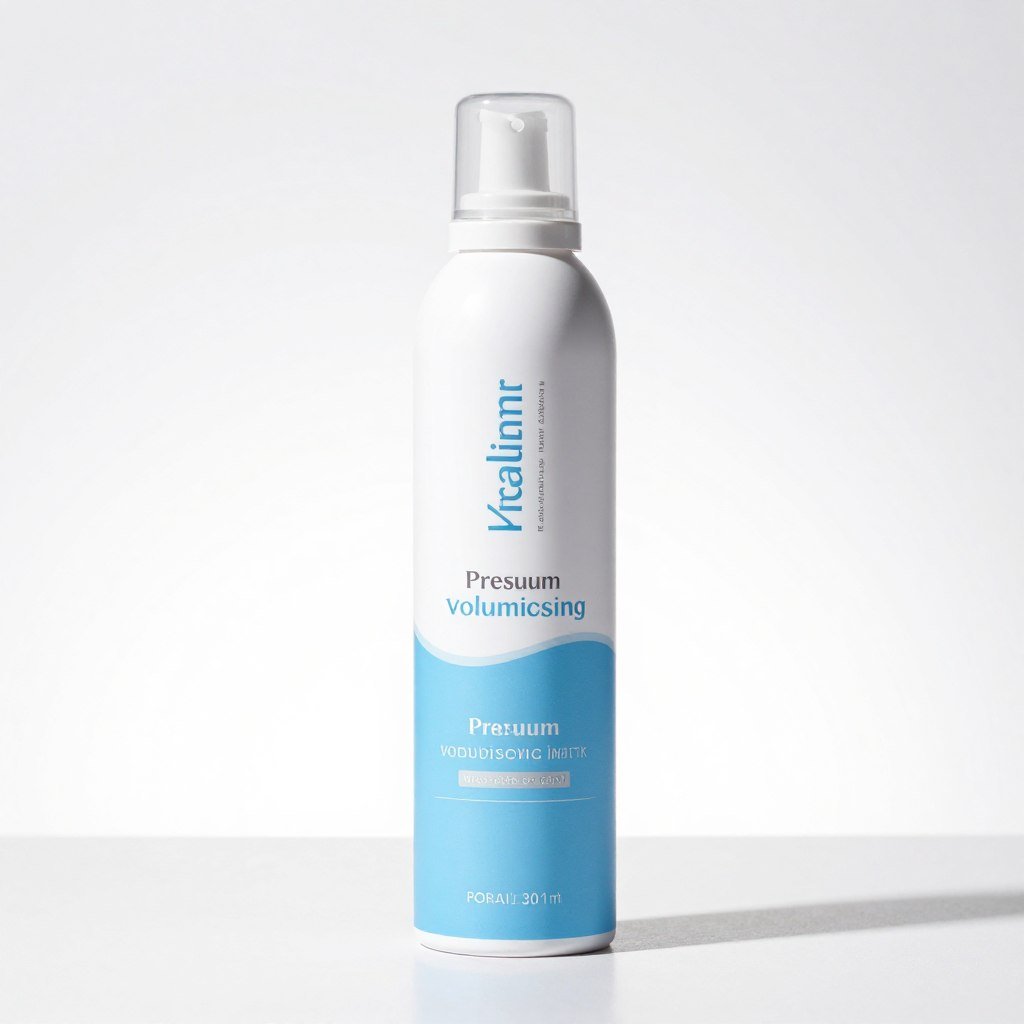
Volumizing Mousse
Essential for pixie cuts on thin hair. Apply to damp roots before styling to create lasting lift and fullness throughout the day.
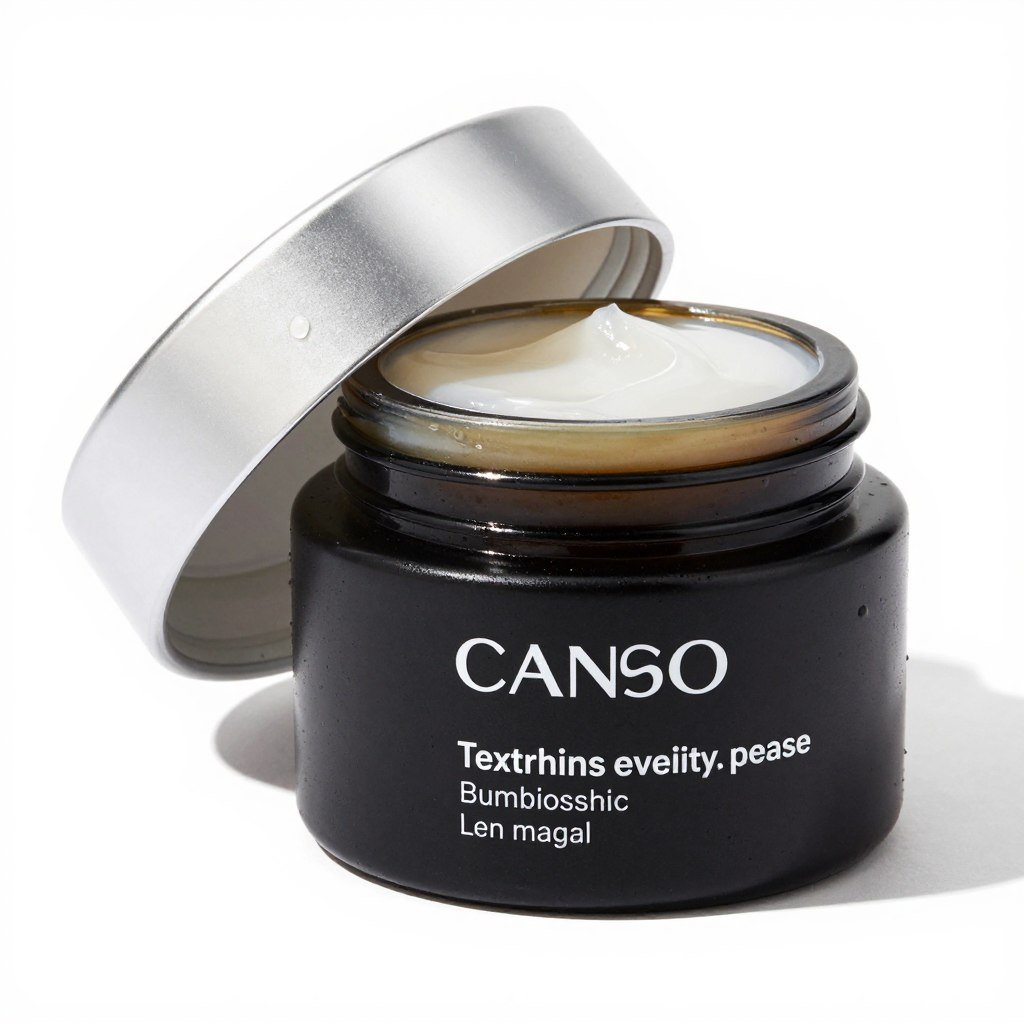
Texturizing Paste
Creates piece-y separation and definition in pixie cuts. A pea-sized amount adds texture without weighing down thin strands.
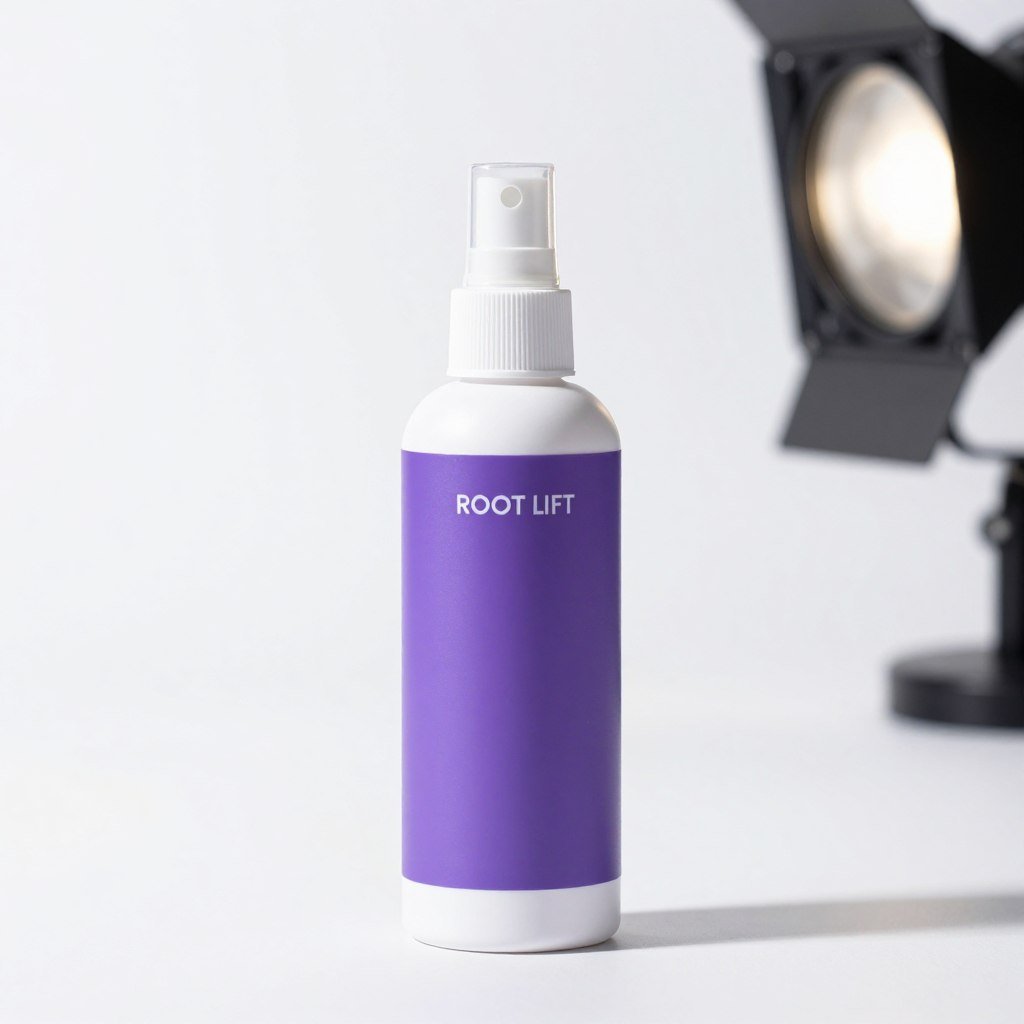
Root Lift Spray
Targets volume precisely at the roots where thin hair needs it most. Heat-activated formula works with your blow-dryer for maximum lift.
Bob Haircuts for Maximum Volume
Bob haircuts offer versatility while solving thin hair challenges. The blunt bob creates the illusion of thickness through clean lines. Layered versions add movement that thin hair desperately needs.
6. Blunt Bob at Chin Length
The blunt bob remains a classic choice for thin hair. Cutting all hair to one length creates a solid, thick-looking perimeter. This style makes your hair appear denser than it actually is.
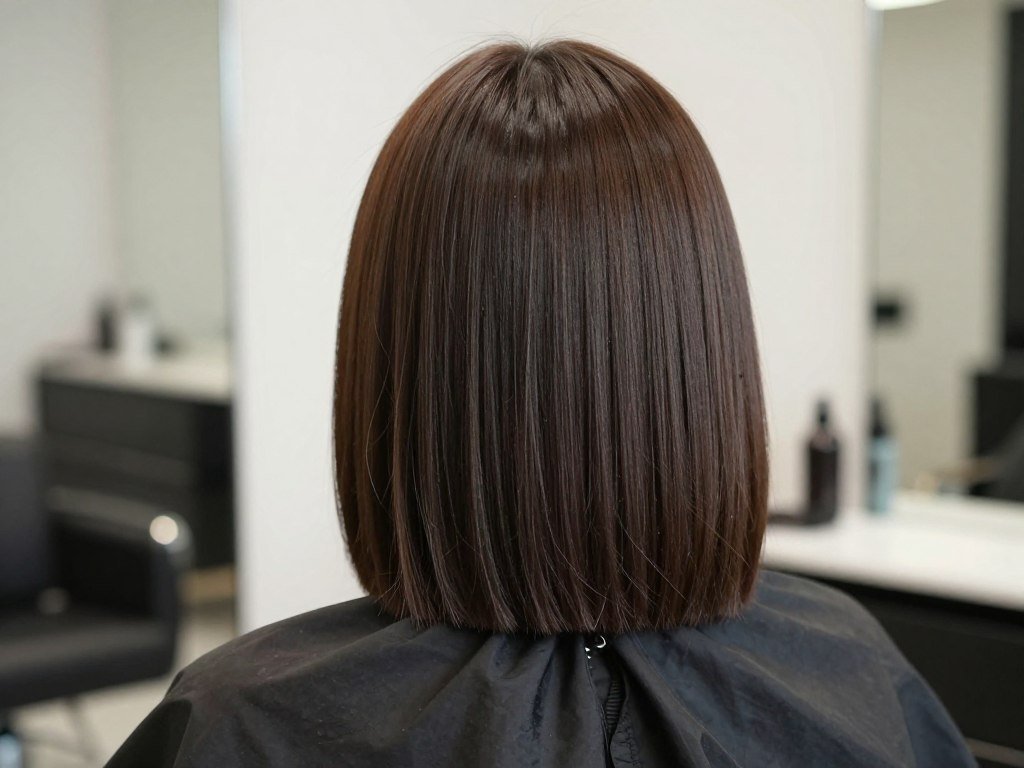
Keep the length between your chin and shoulders. Longer bobs can pull down and flatten thin strands. The weight of the cut should end just at your jawline for optimal lift at the crown.
Advantages
- Creates illusion of thickness through solid perimeter
- Easy to style with simple blow-drying
- Works for all face shapes
- Minimal maintenance required
Considerations
- Requires regular trims every six weeks
- Can look heavy if cut too long
- May need daily styling for polish
7. Angled Bob with Shorter Back
An angled bob slopes from back to front. The shorter back removes weight and creates natural lift. The longer front pieces frame your face while maintaining fullness.
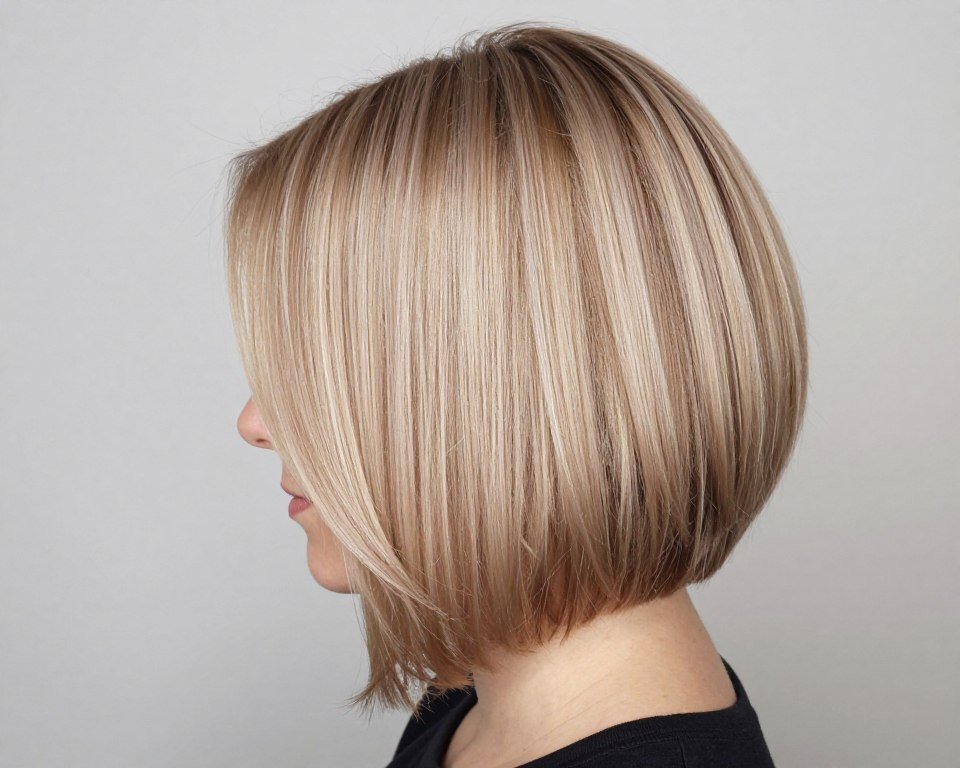
The angle should be subtle, not dramatic. A one to two inch difference between back and front works best. This gradual slope prevents the mushroom shape that dramatic angles can create on thin hair.
8. Layered Bob with Internal Texture
Internal layers add volume without sacrificing the blunt perimeter. Your stylist cuts shorter layers underneath while keeping the outer layer longer. This creates fullness from within your hairstyle.
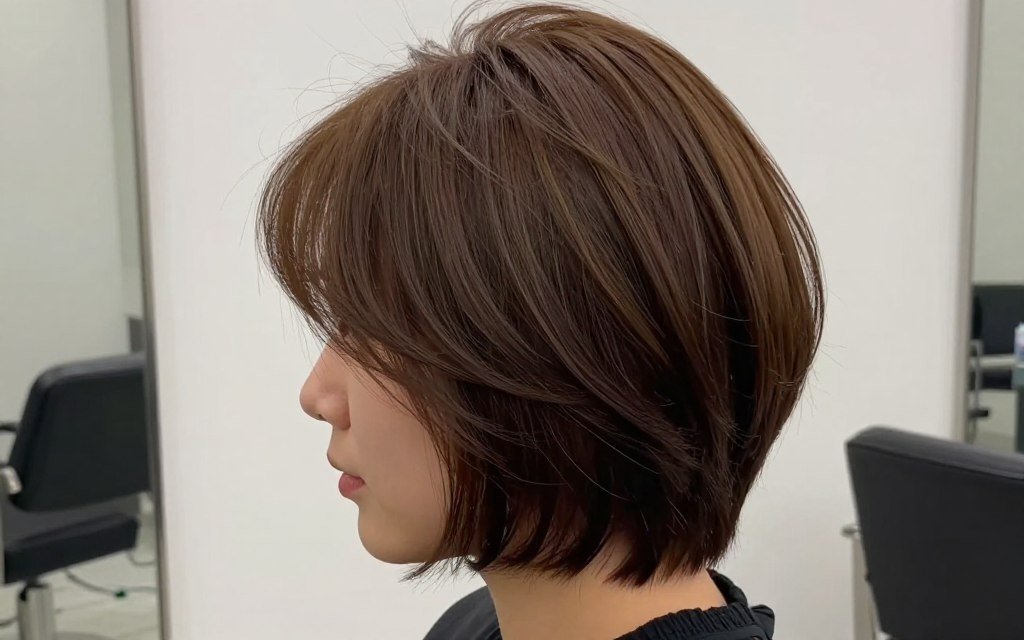
The outer layer should remain relatively solid. Internal layers should start about two inches from your scalp. This technique gives you the best of both worlds: movement and density.
9. Wavy Bob with Sea Salt Texture
Waves add instant volume to any bob cut. The bends and curves create space between strands. Your thin hair takes up more visual space when styled with waves.
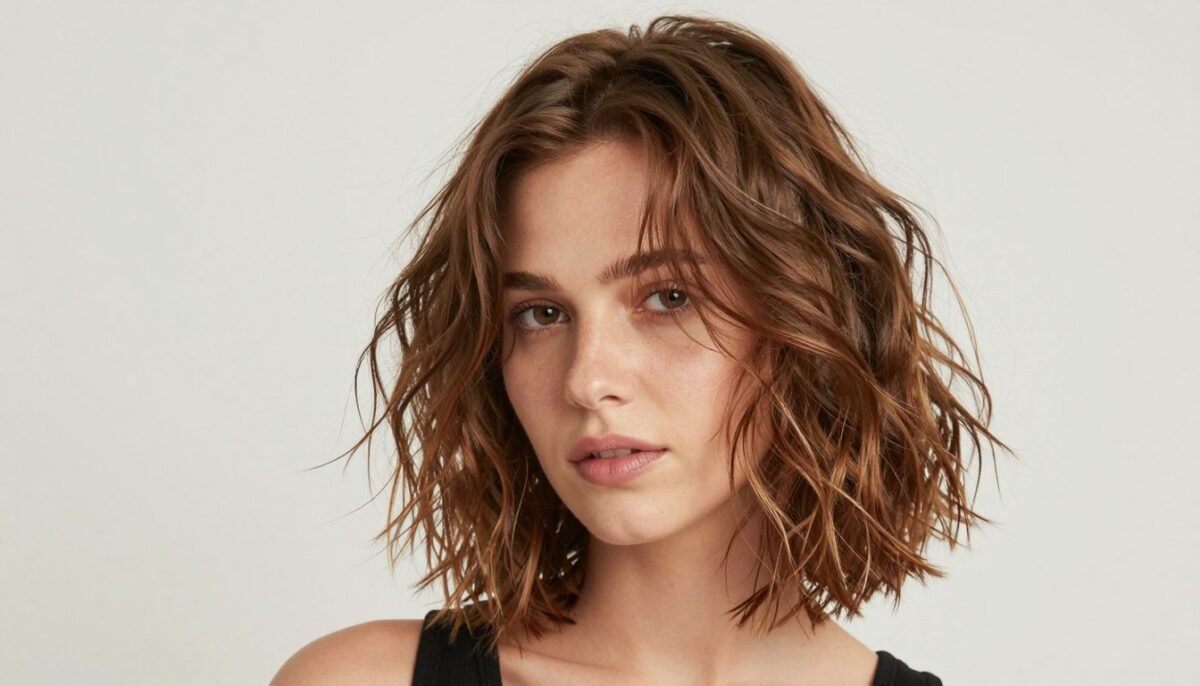
Use a sea salt spray on damp hair. Scrunch sections as you diffuse or air-dry. The salt creates grip and texture that thin hair naturally lacks. The result is effortless-looking fullness.
10. Stacked Bob with Volume at Crown
A stacked bob features graduated layers at the back. These layers stack on top of each other, creating height. The crown area appears lifted and full of volume.
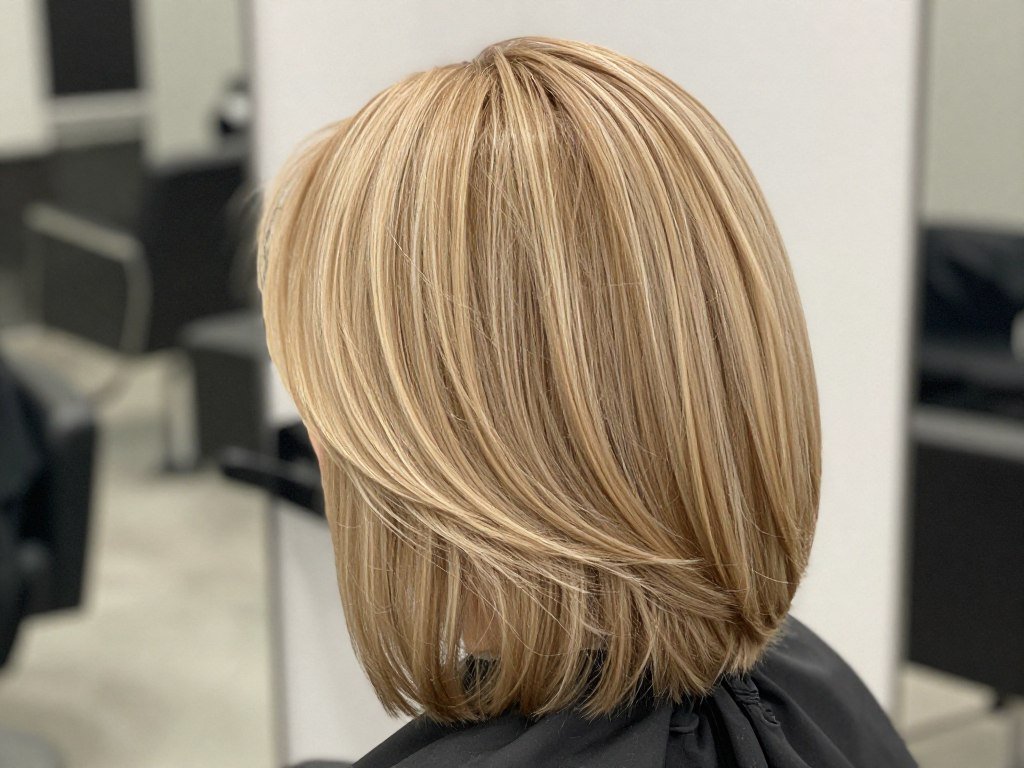
The stacking should concentrate in the occipital area. This is the natural curve at the back of your head. Emphasizing this area with layers creates an automatic lift that works with your head shape.
Shag Haircuts for Thin Hair Volume
The shag haircut has made a major comeback. This style works beautifully for thin hair because layers create movement throughout. A modern shag avoids the heavy, dated look of previous decades.
11. Modern Shag with Curtain Bangs
Curtain bangs part down the middle and frame your face. When combined with a shag cut, they create incredible dimension. The layers throughout add volume texture that thin hair craves.
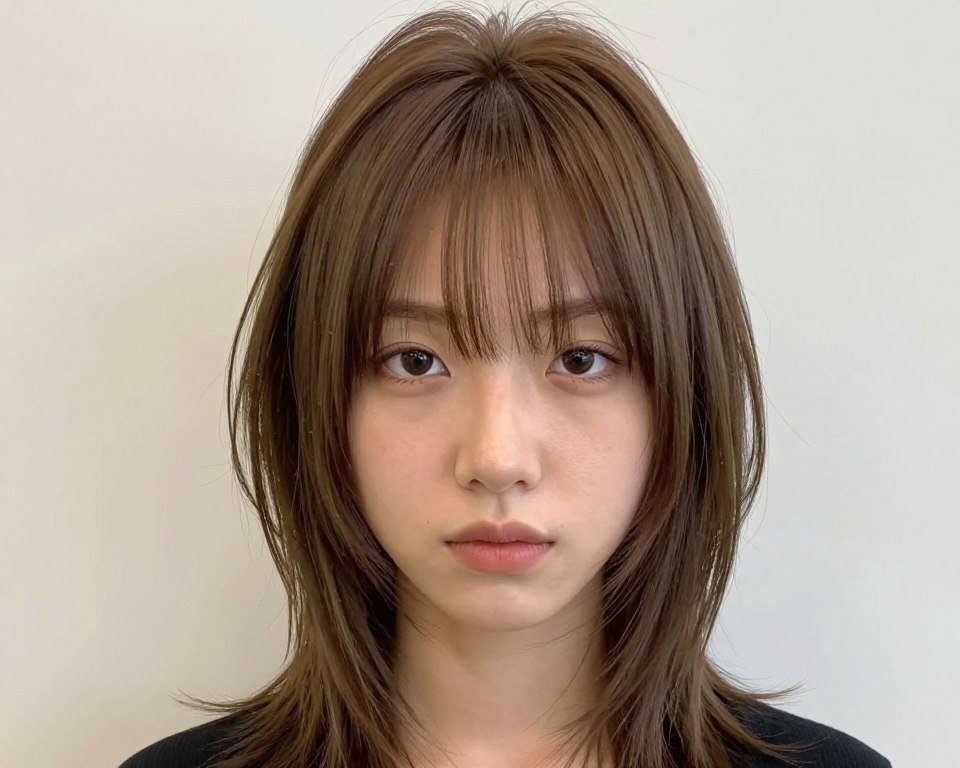
The curtain bangs should start at your eyebrows. They gradually get longer as they move toward your cheekbones. This creates a soft frame that doesn’t overwhelm thin strands.
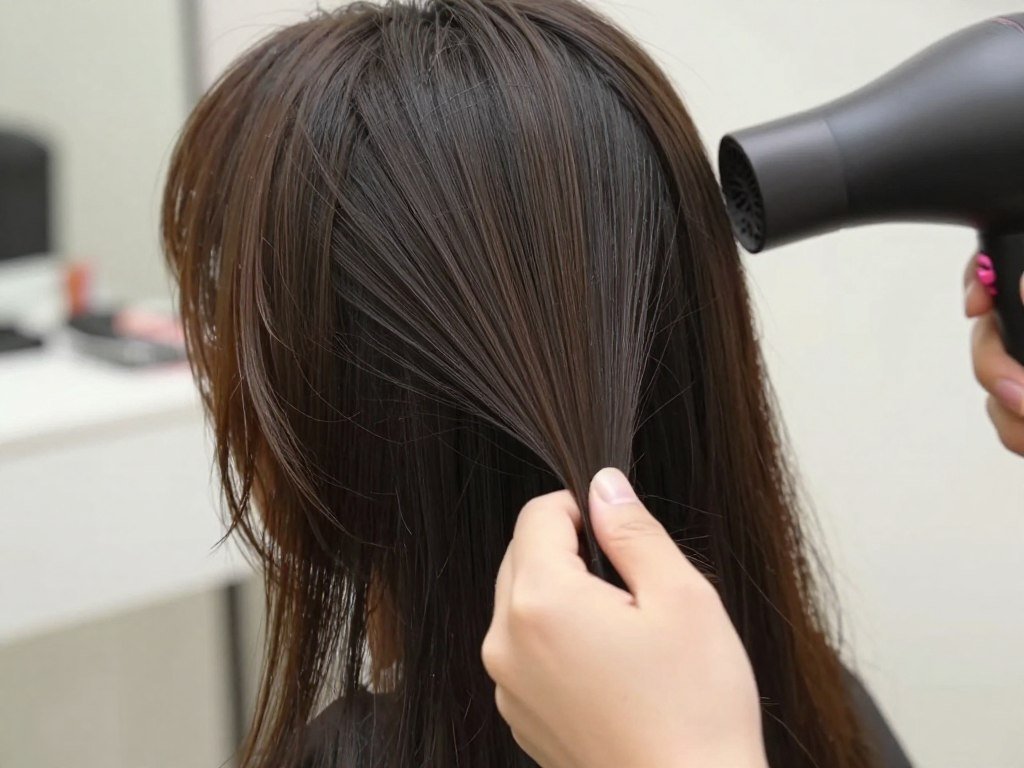
Styling Curtain Bangs
Round-brush your curtain bangs away from your face. This creates the signature curve that makes them work. A small amount of volumizing spray at the roots helps them hold their shape all day.
Maintenance Requirements
- Trim bangs every three weeks
- Full haircut every six to eight weeks
- Daily styling with round brush
- Weekly deep conditioning for ends
12. Short Shag with Choppy Layers
A short shag keeps length above your shoulders. Choppy layers throughout create maximum movement. This style prevents thin hair from looking stringy or separated.
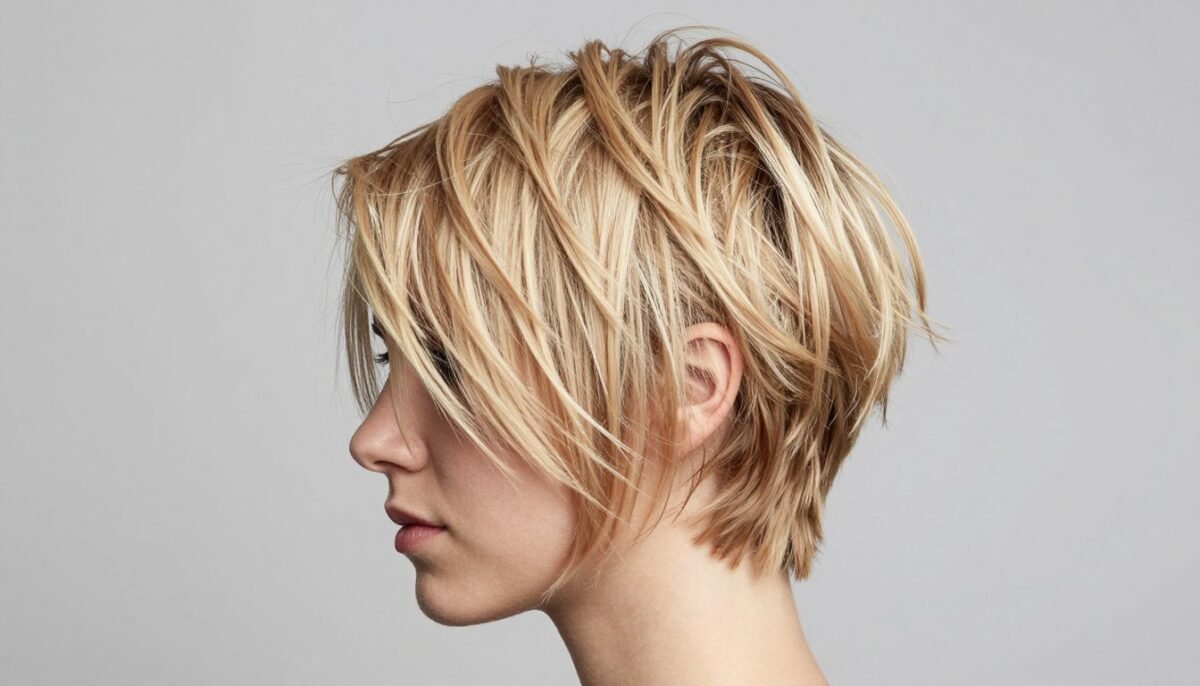
The layers should start near your crown. They continue throughout, getting slightly longer toward the ends. Make sure your stylist uses a razor or point-cutting technique for the softest edges.
13. Shaggy Lob with Face-Framing Pieces
The long bob gets an upgrade with shaggy layers. Face-framing pieces are cut shorter around your face. They create dimension and draw attention away from thin density.
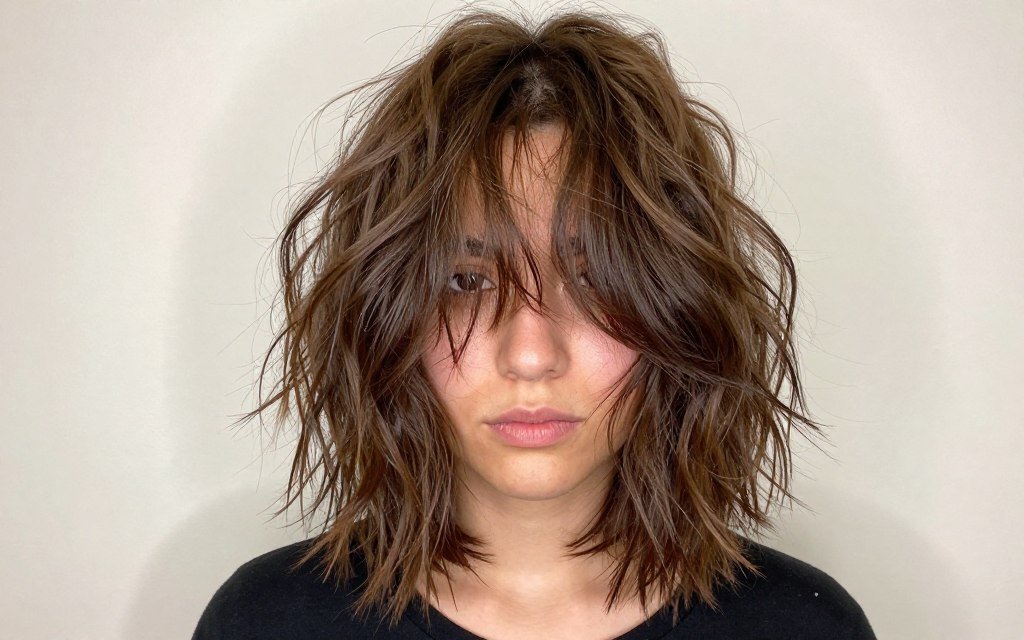
Keep the main length at your collarbone. Face-framing pieces should start at your chin. This combination creates movement while maintaining enough length for styling versatility.
14. Razored Shag for Maximum Texture
A razor creates the softest, most textured layers possible. For thin hair, this technique is transformative. The razor slices through strands, creating piece-y separation and incredible movement.
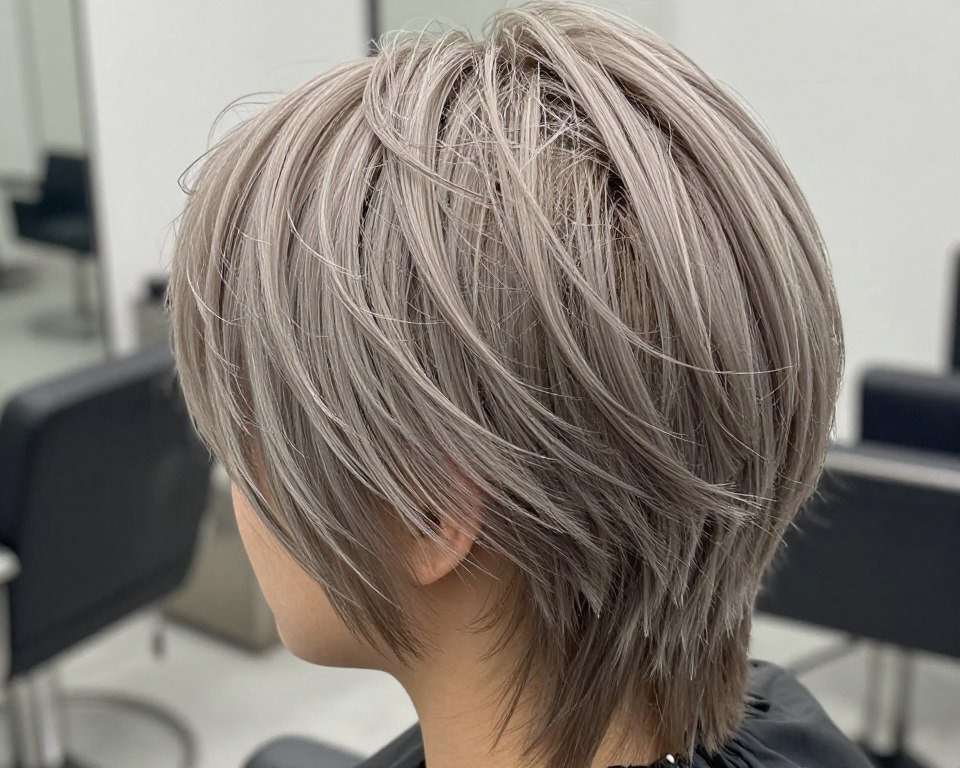
Ask specifically for a razor cut, not scissors. The razor creates a feathered effect that scissors cannot replicate. This texture makes thin hair look deliberately styled rather than simply thin.
15. Shag with Micro Bangs
Micro bangs are cut quite short, often mid-forehead. When paired with a shag, they create an edgy, fashion-forward look. The contrast between short bangs and longer layers adds visual interest.
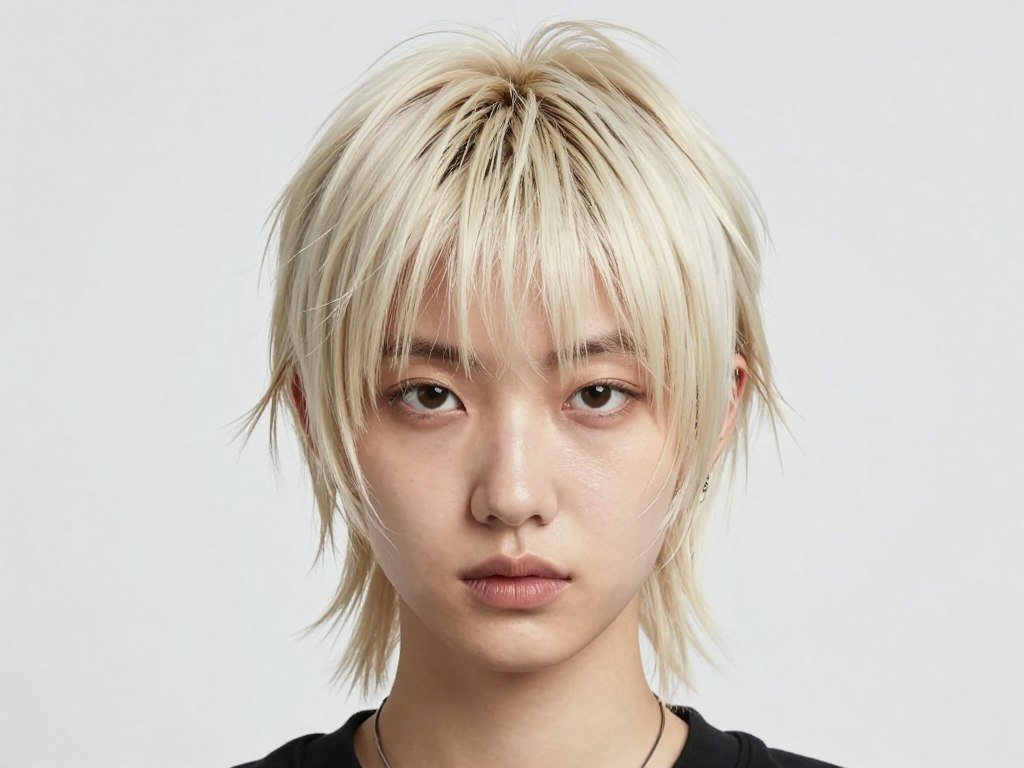
Micro bangs work best if you have a smaller forehead. They draw the eye upward and create a focal point. The shaggy layers throughout balance the boldness of the short fringe.
Layered Short Haircuts for Thinning Hair
Layers remain the most effective technique for adding volume to thin hair. They remove weight while creating movement. Strategic layer placement can transform flat hair into a style full of life.
16. Short Layered Cut with Side Part
A deep side part instantly creates volume on one side. When combined with layers, the effect multiplies. Your hair naturally lifts where it’s parted, creating height at the roots.

Part your hair on the opposite side from your natural part. This forces your hair to go against its growth pattern. The result is automatic lift and fullness that lasts all day.
17. Feathered Layers Throughout
Feathered layers are cut at an angle, creating softness. Each layer blends seamlessly into the next. This technique prevents the choppy, disconnected look that can make thin hair appear sparse.
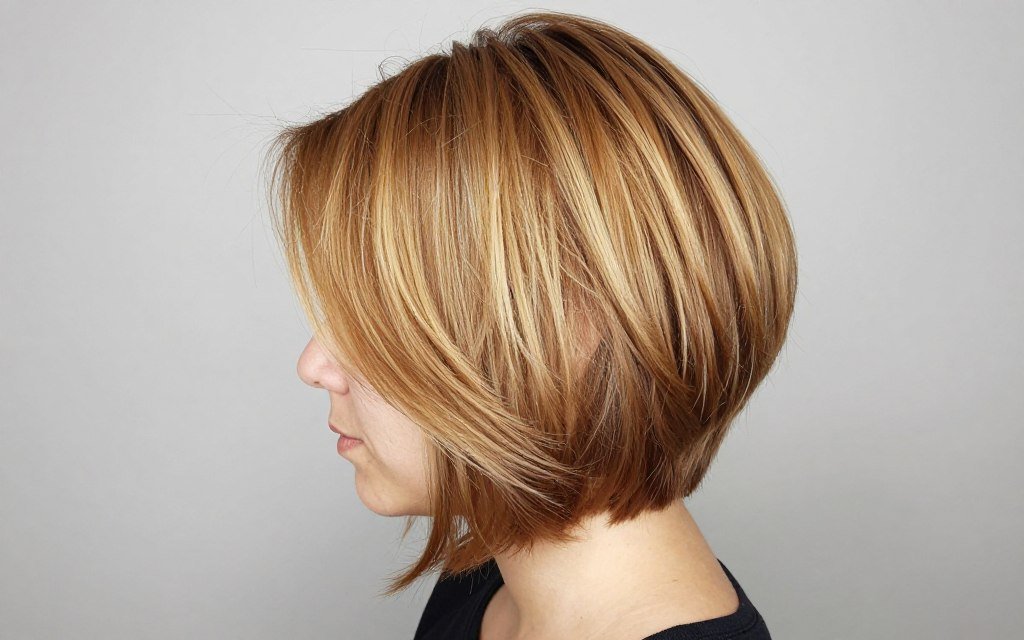
The feathering should be subtle, not dramatic. Your stylist will hold the hair at an angle while cutting. This creates layers that move together rather than sitting separately on your head.
18. Crown-Focused Layers
Some haircuts concentrate layers specifically at the crown. This targets the area where thin hair appears flattest. The result is natural lift exactly where you need it most.
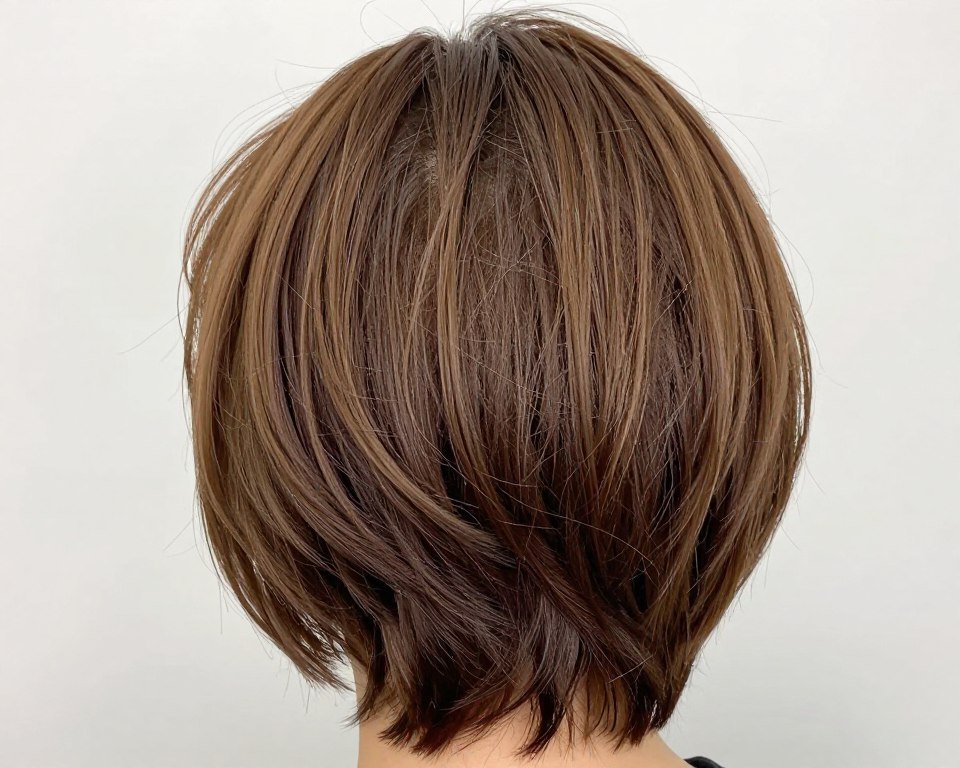
Layers at the crown should be about two inches shorter than the rest. This creates a natural plateau effect. Your hair stacks on itself, building height and dimension at the top of your head.
19. Long Layers with Blunt Ends
Long layers maintain length while removing bulk. Blunt ends create the illusion of thickness. This combination works exceptionally well for thin hair that needs both movement and density.
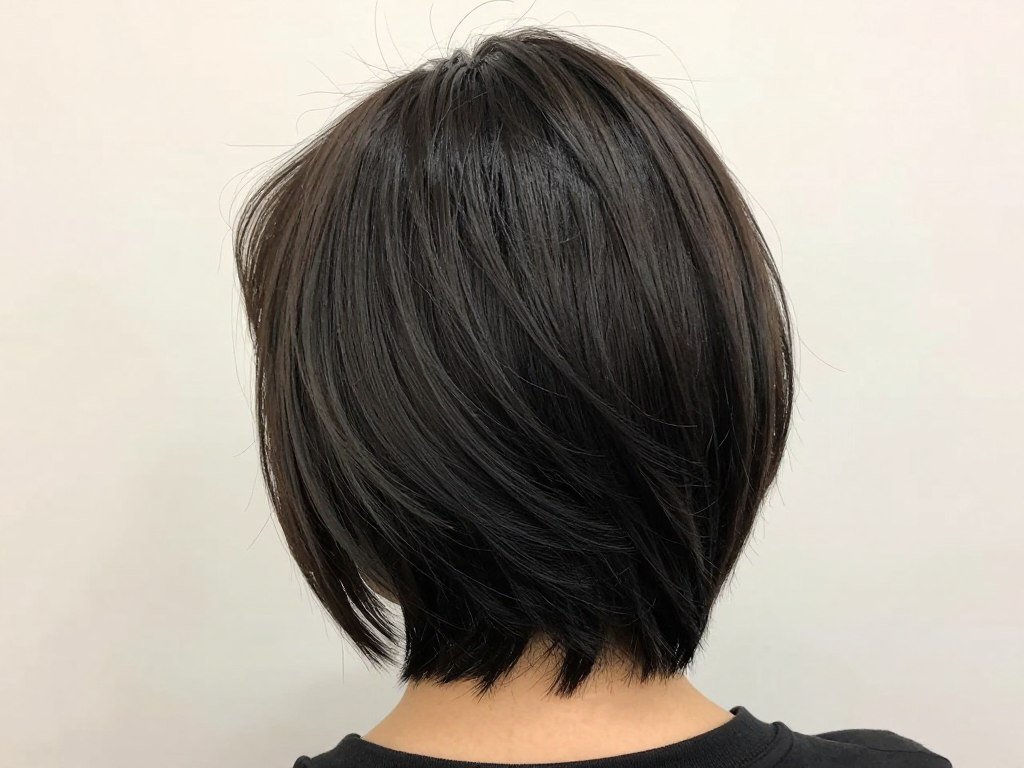
The layers should be subtle, perhaps only one to two inches of graduation. The ends must remain blunt and even. This creates a solid base while the layers provide internal movement.
20. Disconnected Layers for Edge
Disconnected layers don’t blend smoothly into each other. There’s intentional separation between sections. This creates a modern, editorial look while adding serious volume to thin hair.
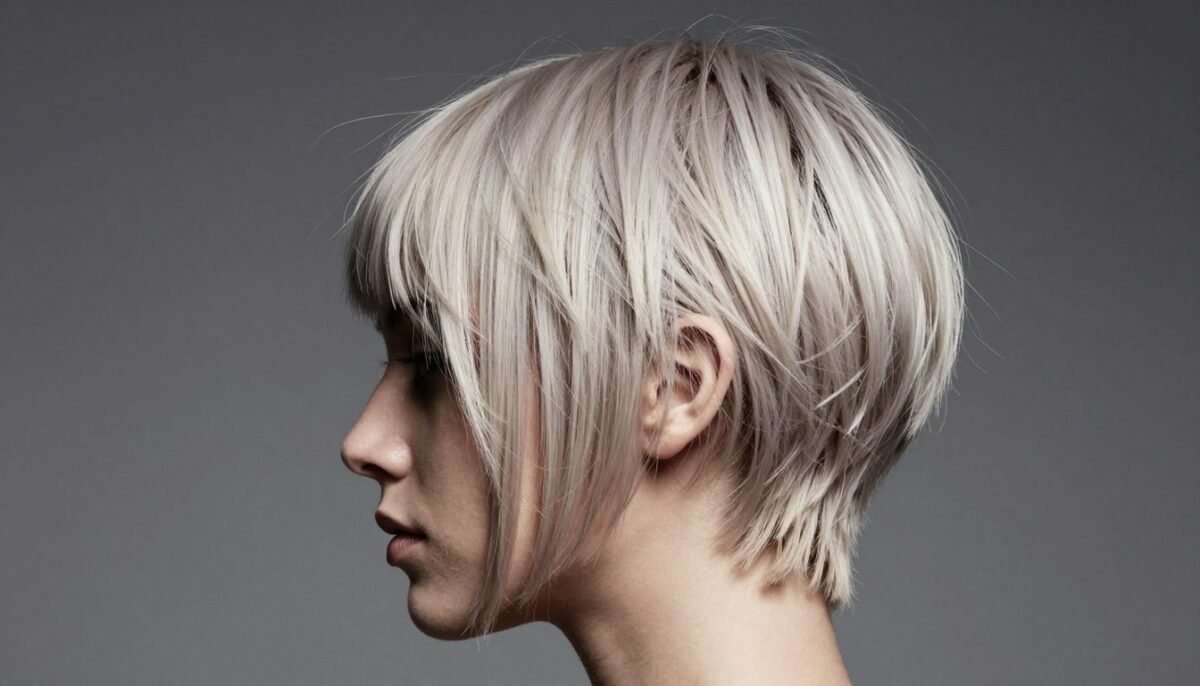
This style requires an experienced stylist. The disconnection must be intentional, not accidental. When done correctly, it creates incredible texture and makes thin hair look deliberately styled.
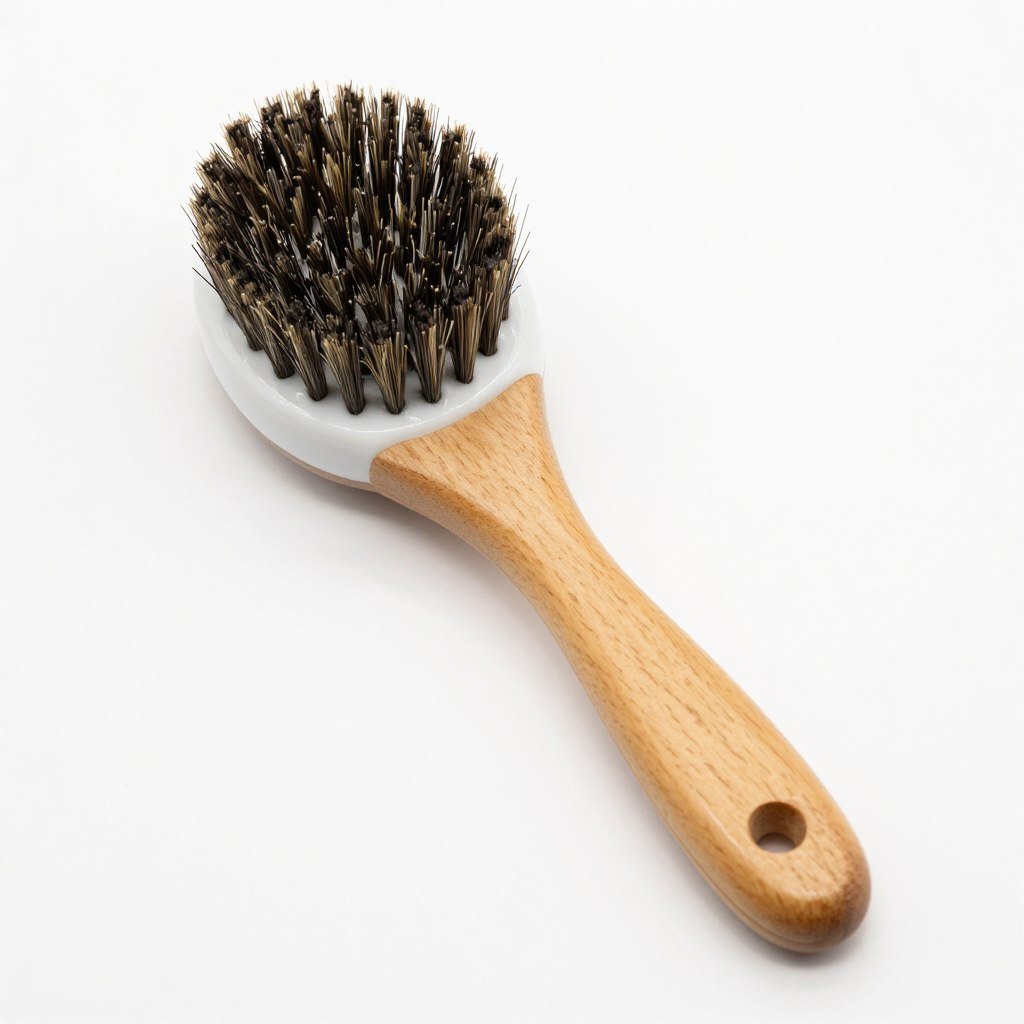
Ceramic Round Brush
Essential for creating volume while blow-drying short cuts. The ceramic barrel distributes heat evenly while boar bristles grip thin strands for maximum lift.
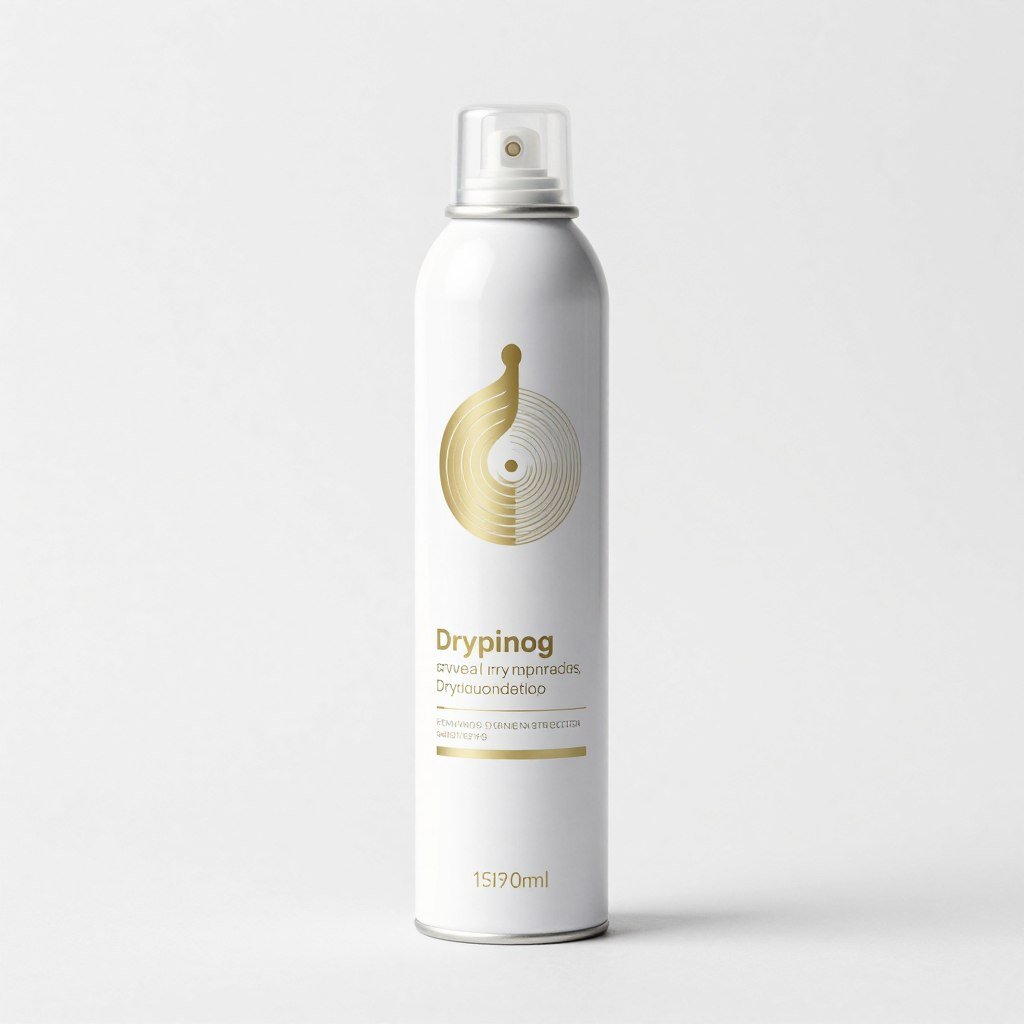
Volumizing Dry Shampoo
Refreshes roots while adding grit and texture. Perfect for second-day styling on short haircuts. Absorbs oil without weighing down thin strands.
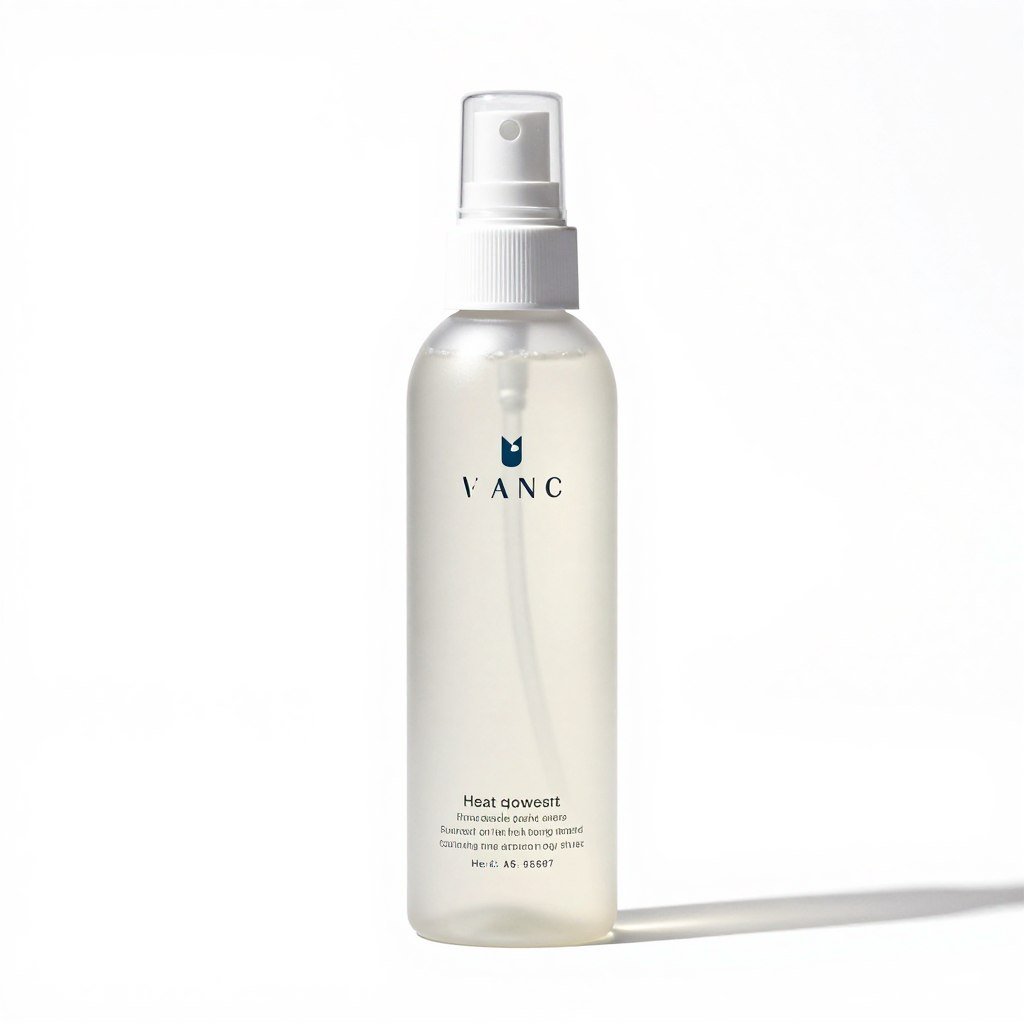
Heat Protectant Spray
Shields thin hair from heat damage during daily styling. Lightweight formula doesn’t add weight while protecting strands up to 450 degrees.
Specialty Short Haircuts for Thin Hair
Beyond traditional styles, specialty cuts offer unique solutions for thin hair challenges. These haircuts use advanced techniques to maximize volume and create visual thickness.
21. Asymmetric Cut with Undercut Detail
An asymmetric cut features dramatically different lengths on each side. Adding an undercut on the shorter side removes even more weight. The longer side appears incredibly full by comparison.
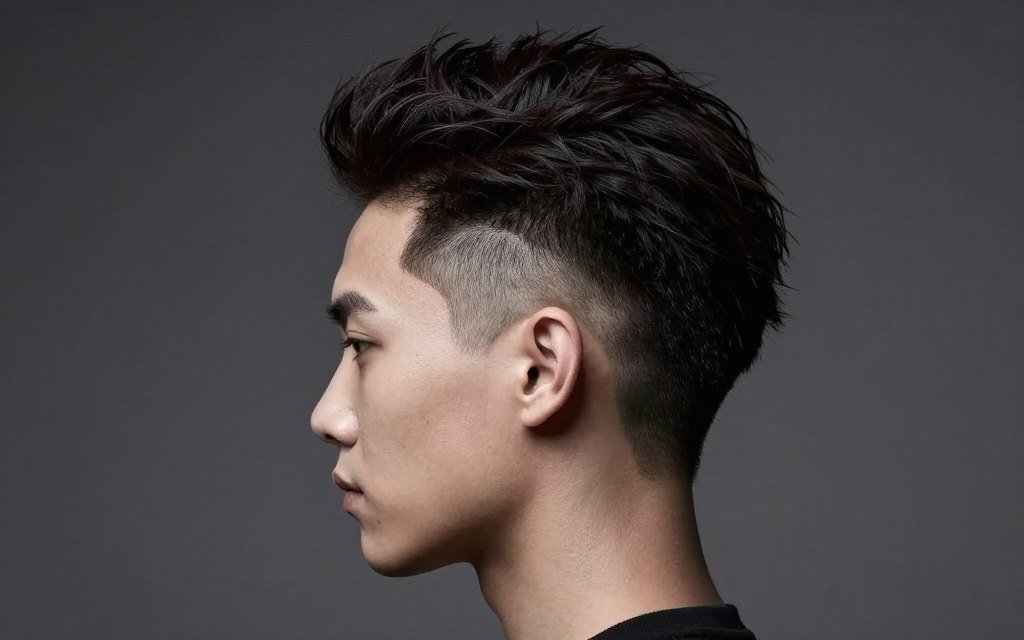
This bold style works best if you’re confident and adventurous. The contrast creates serious impact. Your thin hair becomes a design element rather than a problem to hide.
22. Sliced Bob with Razor Detailing
A sliced bob uses a razor to create ultra-fine texture. The razor slices vertically through sections, creating hair-thin wisps. This technique adds dimension that scissors cannot achieve.
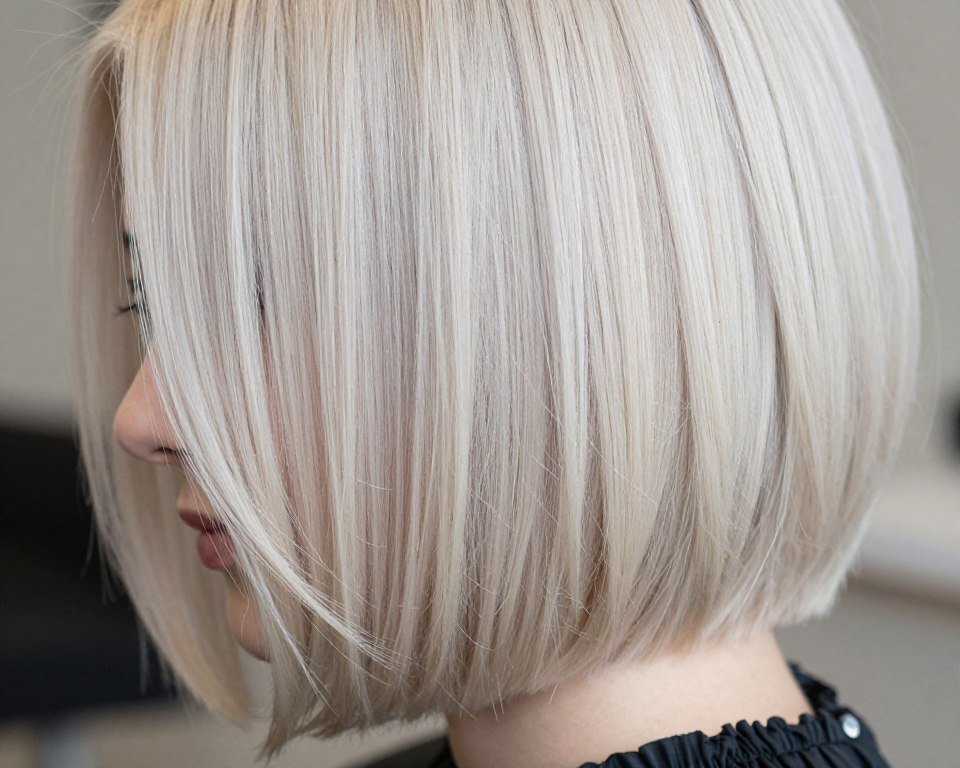
The slicing should be concentrated at the ends and around the face. Too much throughout can make thin hair look stringy. Strategic placement creates movement without sacrificing fullness.
23. Rounded Bob with Internal Graduation
This bob features a rounded shape that hugs your head. Internal graduation creates layers you can’t see from the outside. The result is a smooth silhouette with hidden volume.
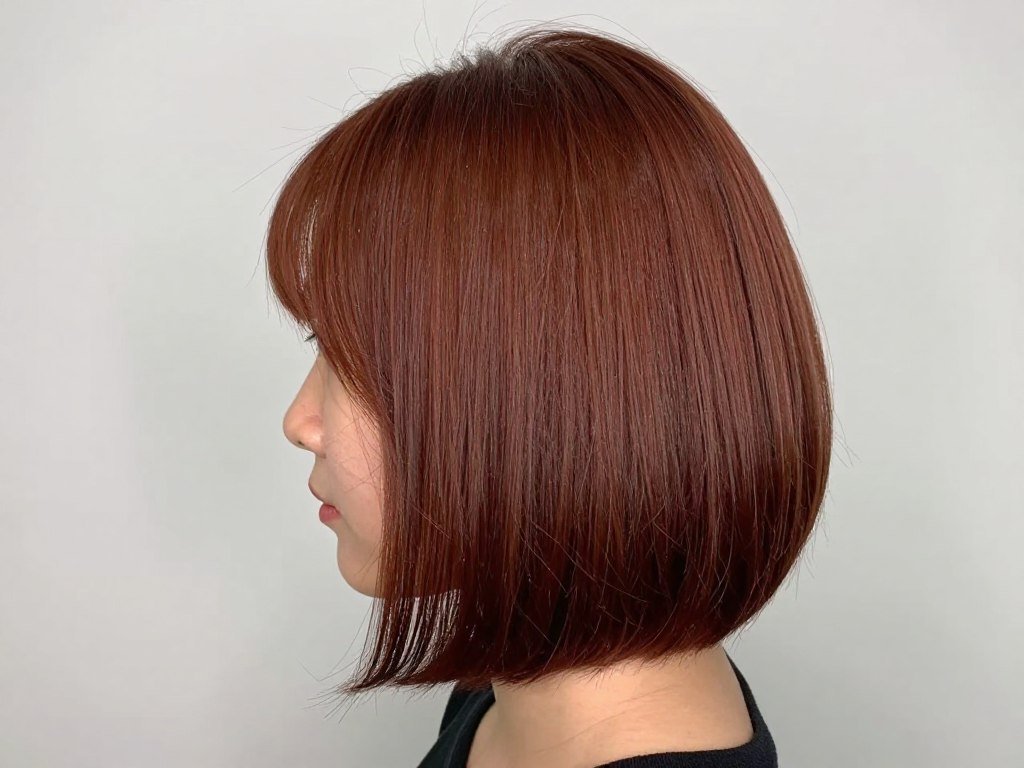
Ask your stylist to graduate the internal layers while keeping the perimeter solid. This technique creates the illusion of a one-length bob. The hidden layers provide lift and fullness from within.
24. Textured Crop with Fringe
A textured crop keeps hair very short all over. Adding a textured fringe creates a focal point. The overall shortness removes all weight, allowing maximum volume throughout.
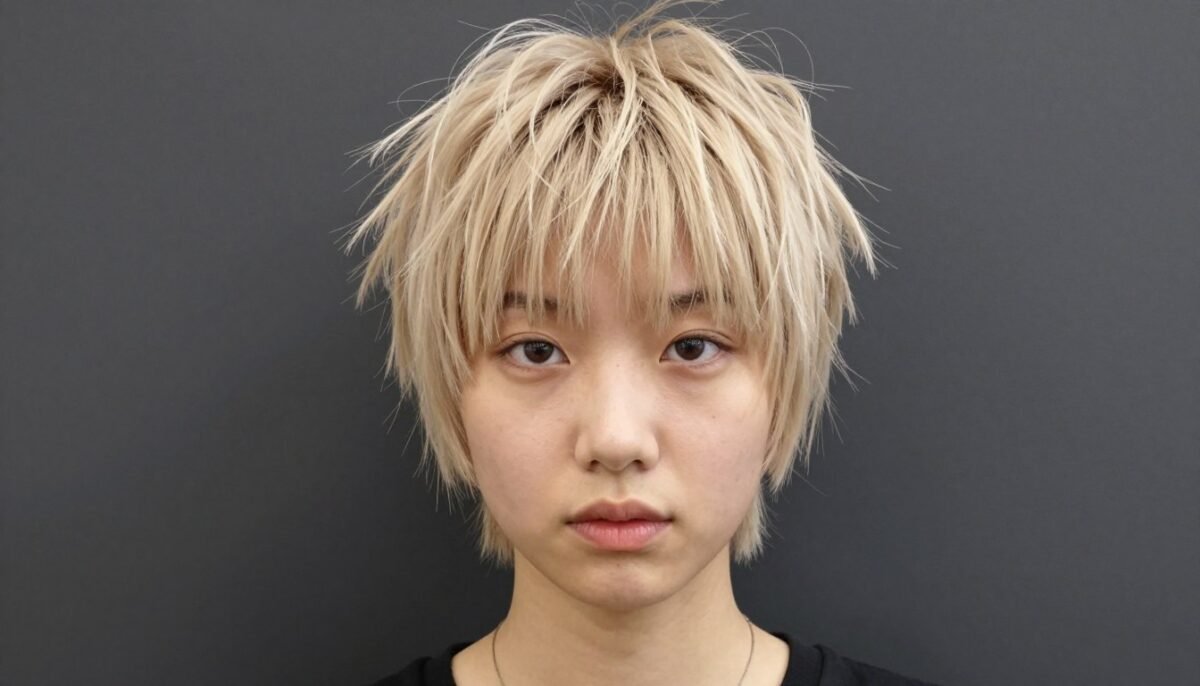
The crop should be no longer than two inches anywhere on your head. The fringe can be slightly longer, perhaps three inches. This creates contrast while maintaining an ultra-modern look.
25. Graduated Bob with Stacked Back
This style combines angled and stacked techniques. The back is stacked for height. The sides angle forward for length. The combination creates incredible dimension on thin hair.
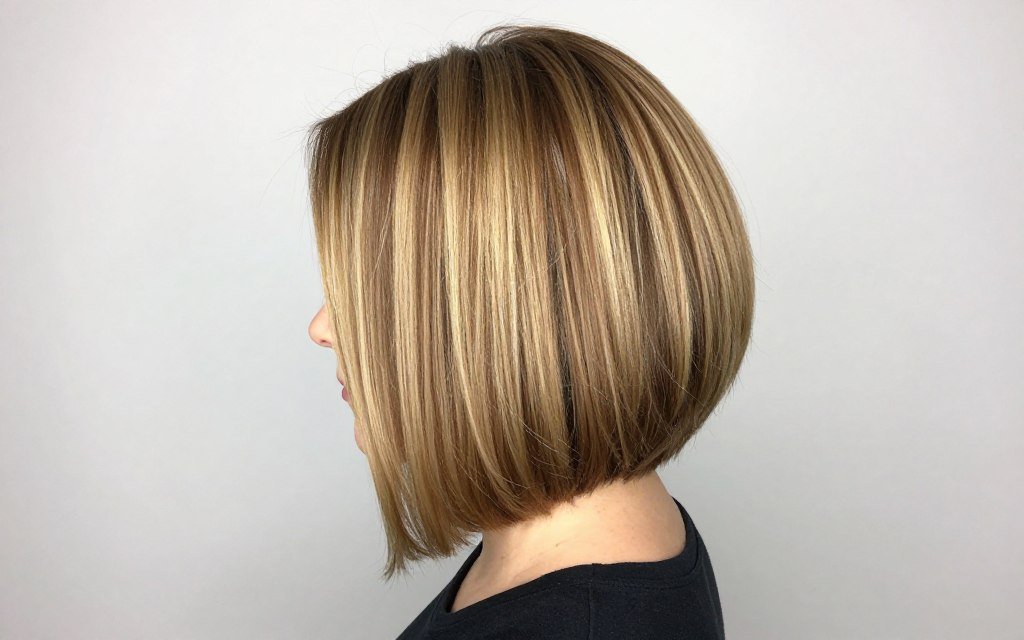
The graduation should be smooth, not choppy. Your stylist will create a continuous line from the short back to the longer front. The stacked layers at the back create height that balances the forward angle.
Styling and Maintenance Tips for Thin Hair
The right haircut is only half the solution. Proper styling and maintenance keep your thin hair looking voluminous between salon visits. These techniques maximize what your haircut provides.
Daily Styling Techniques
Start with volumizing products on damp hair. Apply mousse or root lift spray directly to your scalp. Work it through with your fingers, focusing on the roots and crown area.
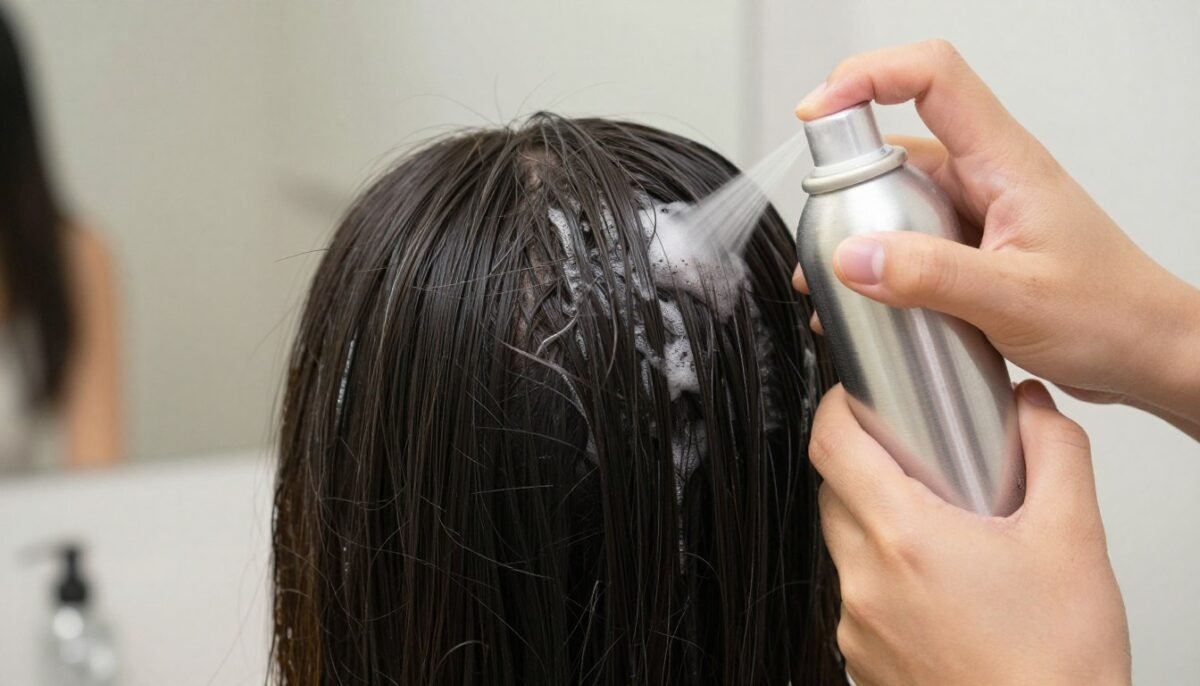
Blow-dry your hair upside down first. This allows gravity to work in your favor. Once your roots are mostly dry, flip upright and finish styling with a round brush for polish and shape.
Morning Routine
Your morning styling routine sets the tone for all-day volume. These steps create lasting lift.
- Apply volumizing mousse to damp roots
- Blow-dry upside down for two minutes
- Use round brush to shape and polish
- Finish with light-hold hairspray
Evening Refresh
Maintain volume throughout the day with these quick refresh techniques.
- Spritz dry shampoo at roots only
- Massage scalp to distribute product
- Use fingers to lift and separate strands
- Shake head to restore movement
Product Application
How you apply products matters as much as which products you choose.
- Focus products at roots, not ends
- Use small amounts to avoid weighing down
- Apply to damp hair for better distribution
- Layer products from lightest to heaviest
Heat Styling
Proper heat styling creates volume without causing damage to thin strands.
- Always use heat protectant first
- Keep blow-dryer moving constantly
- Use medium heat, not maximum
- Style in sections for better results
Washing and Care Guidelines
How often you wash thin hair matters significantly. Daily washing can strip natural oils that provide grip and texture. Aim for every other day or every third day if possible.
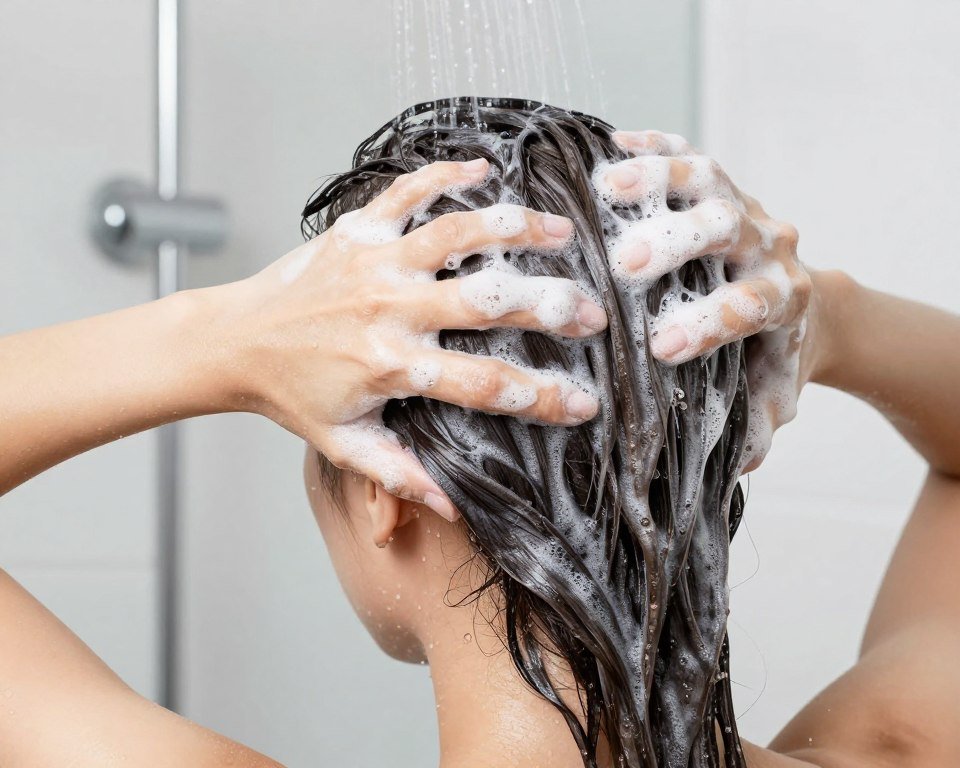
Use volumizing shampoo and conditioner designed for fine hair. Apply shampoo to your scalp only. Condition only the mid-lengths and ends. This prevents roots from getting weighed down with product.
Do These Things
- Massage scalp when shampooing
- Use cool water for final rinse
- Apply conditioner to ends only
- Towel-dry gently without rubbing
- Use microfiber towel or t-shirt
- Let hair air-dry partially first
Avoid These Mistakes
- Washing hair daily with hot water
- Applying conditioner to roots
- Rubbing hair vigorously with towel
- Using heavy, moisturizing products
- Skipping heat protectant spray
- Brushing wet hair aggressively
Color and Highlights for Dimension
Strategic color placement creates the illusion of depth and fullness. Highlights catch light and create dimension that flat, single-tone color cannot achieve on thin hair.
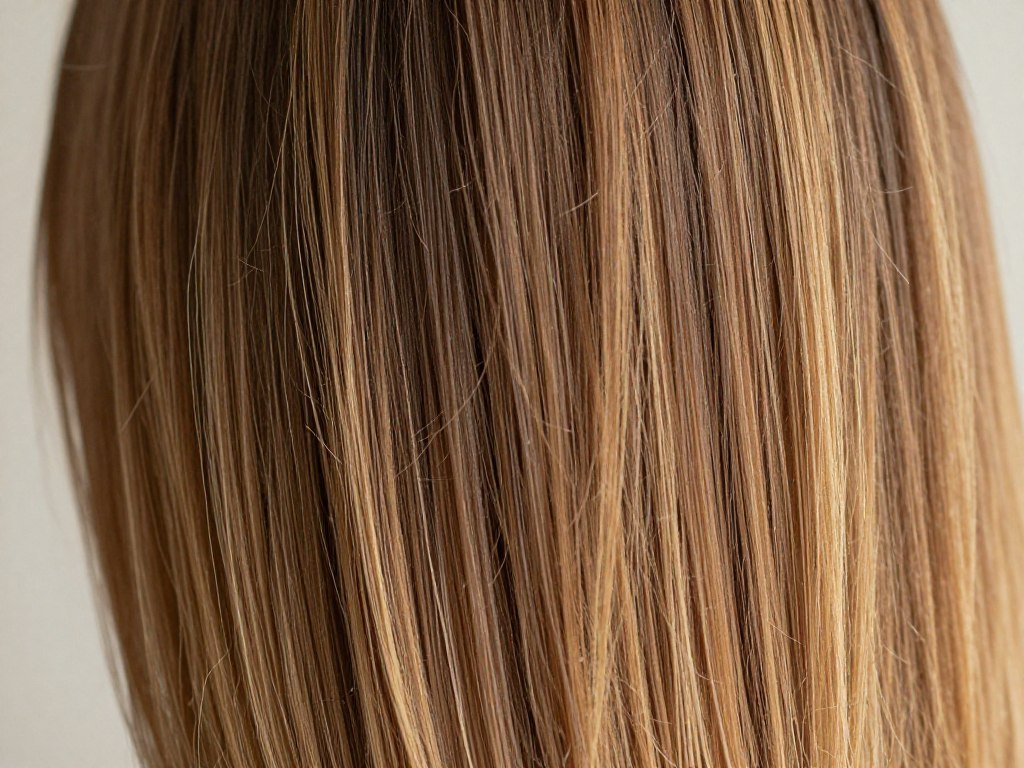
Ask for face-framing highlights and lowlights throughout. The contrast between tones creates visual texture. Your hair appears to have more strands than it actually does because of the color variation.
Between-Cut Maintenance
Short haircuts for thin hair need regular maintenance. Book appointments every four to six weeks. This keeps your shape fresh and prevents the dreaded growing-out stage.
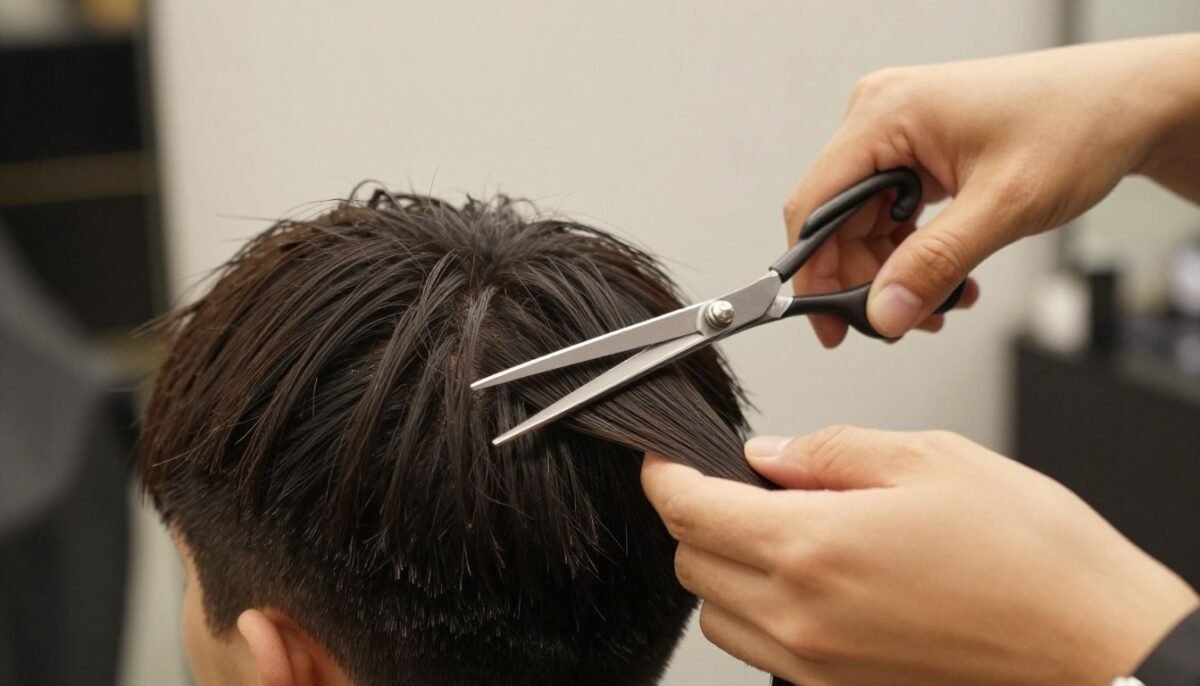
Between cuts, trim your own bangs if you have them. Invest in proper hair-cutting scissors. Small maintenance trims keep your style looking intentional rather than overgrown.
Choosing the Right Cut for Your Face Shape
Face shape influences which short haircuts work best. Understanding your face shape helps you choose styles that flatter your features while maximizing volume for thin hair.
Oval Face Shapes
Oval faces work with virtually any short haircut. Your balanced proportions allow you to experiment freely. Consider your personal style and lifestyle needs when choosing from the options above.
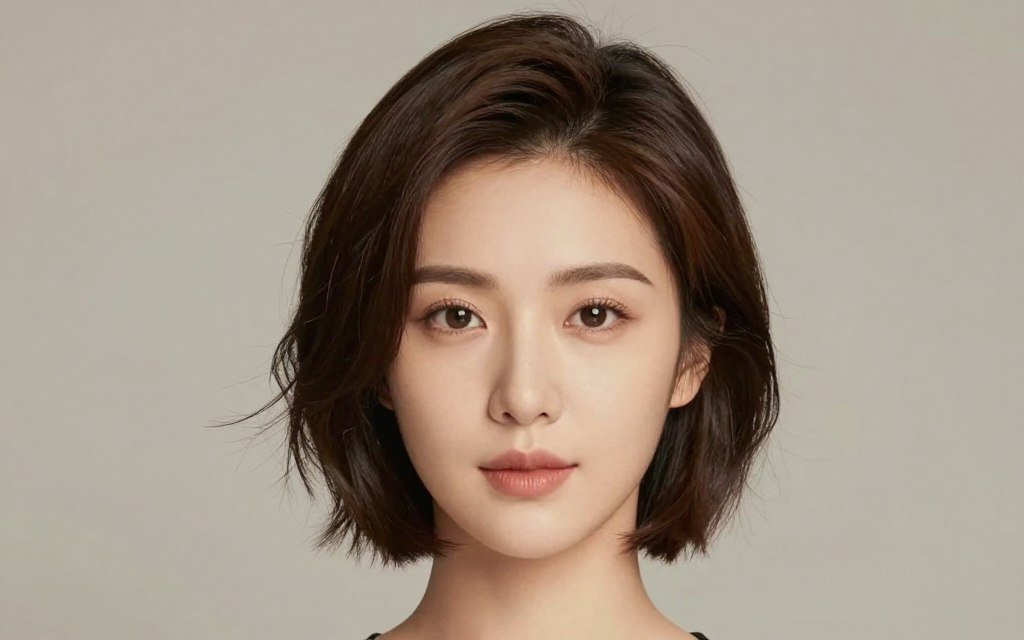
Pixie cuts, bobs, and shags all complement oval faces. You can wear blunt cuts or heavy layers. Focus on which style suits your hair texture and maintenance preferences.
Round Face Shapes
Round faces benefit from height and angles. Choose cuts with volume at the crown. Avoid blunt bobs that end at the widest part of your face.
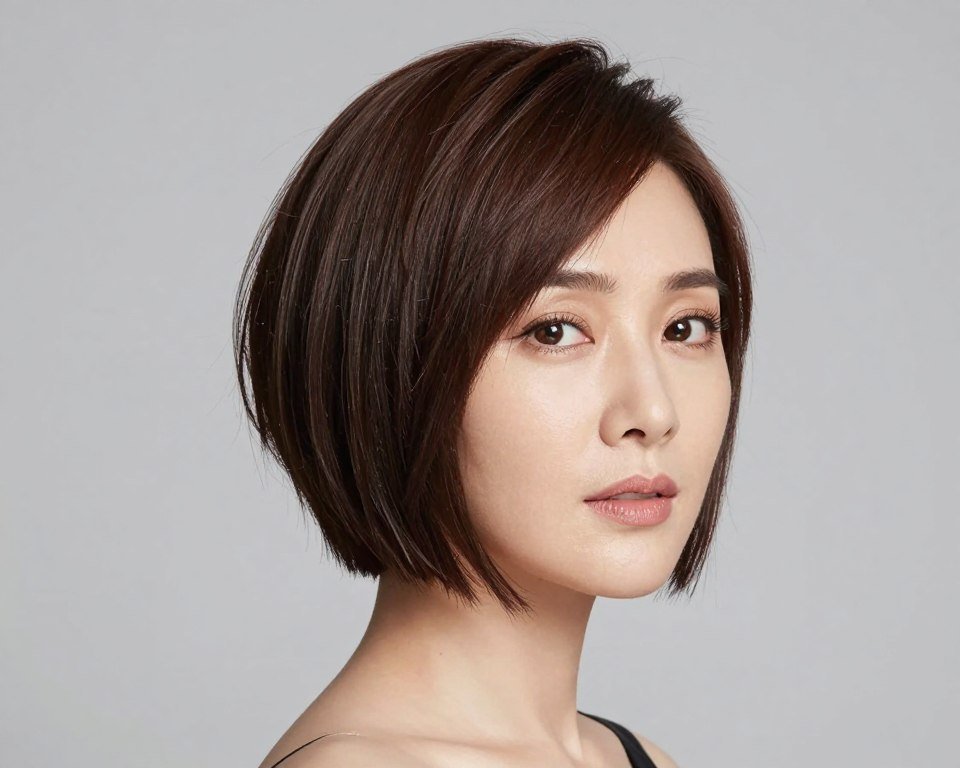
Asymmetric cuts work beautifully on round faces. Deep side parts create the illusion of length. Keep length at or below your chin to elongate your face shape visually.
Square Face Shapes
Square faces have strong jawlines. Soften angles with textured, piece-y cuts. Avoid severe blunt cuts that emphasize your jaw width.

Shags and layered cuts soften square jawlines beautifully. Add curtain bangs or side-swept fringe. The movement and texture create curves that balance your angular features.
Heart Face Shapes
Heart-shaped faces are wider at the forehead and narrow at the chin. Add width at your jawline with bobs that end there. Avoid too much volume at the crown.

Chin-length bobs work perfectly for heart faces. Add subtle waves at the ends for extra width. Keep the crown relatively smooth to avoid top-heaviness.
Long Face Shapes
Long faces need width, not height. Choose cuts with horizontal fullness. Bangs work beautifully to shorten the appearance of your face.

Blunt bobs with bangs are ideal for long faces. The horizontal lines create width. Avoid pixie cuts that add height at the crown area.
Frequently Asked Questions About Short Haircuts for Thin Hair
Will cutting my thin hair short make it look thinner?
Actually, short haircuts often make thin hair look fuller. Removing length eliminates weight that pulls hair down flat. Short cuts allow your hair to lift naturally at the roots. The key is choosing the right short style with layers or texture.
How often should I get my short haircut trimmed?
Short haircuts need maintenance every four to six weeks. This keeps your shape looking intentional and fresh. Thin hair shows irregularities more than thick hair. Regular trims prevent the overgrown look that makes thin hair appear stringy.
What products work best for creating volume in short thin hair?
Volumizing mousse and root lift sprays are essential. Apply them to damp hair before styling. Dry shampoo adds texture and grip for second-day volume. Texturizing sprays create piece-y separation. Avoid heavy serums or oils that weigh down thin strands.
Can I still have bangs with thin hair?
Absolutely! Bangs actually work well with thin hair. Curtain bangs, side-swept bangs, and even micro bangs can add dimension. The key is not making the bangs too thick. Keep them wispy and textured rather than blunt and heavy.
Should I avoid layers if my hair is very thin?
No, layers are actually beneficial for thin hair when done correctly. Strategic layers remove weight and create movement. The key is working with an experienced stylist who understands thin hair. Avoid too many choppy layers that can make hair look sparse.
Do highlights help thin hair look fuller?
Yes, highlights create dimension that makes thin hair appear fuller. The varying tones catch light differently, creating visual depth. Ask for face-framing highlights and babylights throughout. Avoid single-process color that can make thin hair look flat.
Finding Your Perfect Short Haircut for Thin Hair
Short haircuts transform thin hair by removing weight and creating natural lift. Each of these 25 styles offers unique benefits for adding volume. Your perfect cut depends on your face shape, lifestyle, and maintenance preferences.
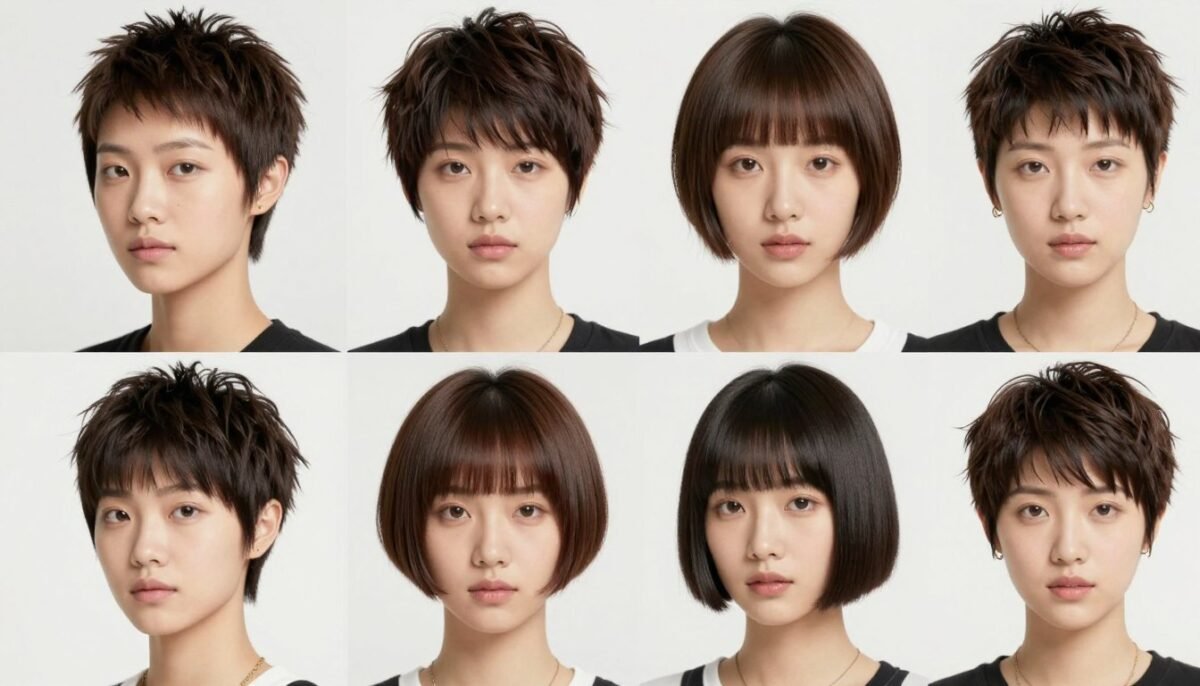
Remember that the cut itself is just the beginning. Proper styling products and techniques maintain volume between salon visits. Work with an experienced stylist who understands the specific needs of thin hair.
Don’t be afraid to try something new. Short hair grows back relatively quickly. You might discover that a bold pixie or textured shag gives you the confidence you’ve been seeking. The right short haircut can completely transform not just your hair, but how you feel every day.
Book a consultation with a stylist who specializes in cuts for fine and thin hair. Bring photos of styles you love from this article. Discuss your lifestyle and how much time you can dedicate to daily styling. Together, you’ll find the perfect short haircut that gives your thin hair the volume it deserves.