
Living in a compact home doesn’t mean sacrificing style or comfort. Small sitting rooms present unique design challenges that require creative thinking and smart planning. Whether you’re working with a tiny apartment or simply want to make better use of your limited floor space, the right approach can transform even the smallest living room into a functional and beautiful gathering place.
These 25 small sitting room ideas will help you maximize every square inch. From furniture arrangements to color choices, each tip provides practical solutions that work in real homes. You’ll discover how to create the illusion of more space while adding storage and improving functionality.
Table of Contents
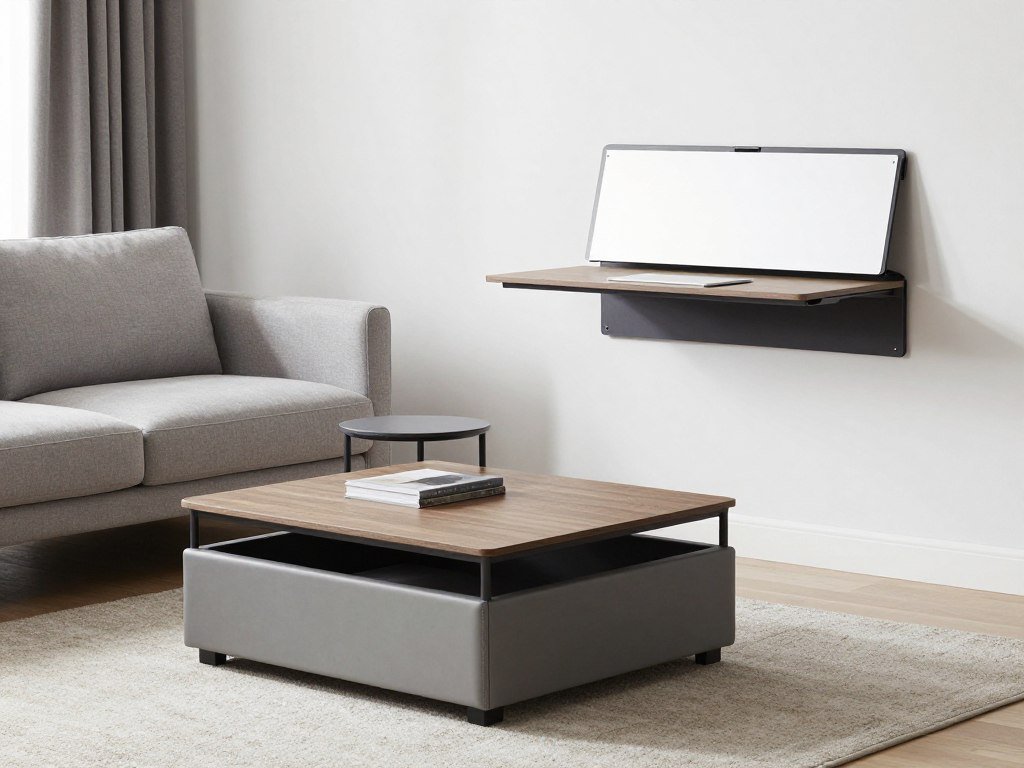
1. Embrace Multifunctional Furniture
Multifunctional furniture pieces serve dual purposes in small living spaces. A storage ottoman doubles as both a coffee table and extra seating. Wall beds fold away when not in use, freeing up valuable floor space during the day.
Look for sofas with built-in storage compartments underneath the cushions. Nesting tables can be separated when you need extra surface area, then tucked away to save room. These smart furniture choices help you maintain a clutter-free living room while meeting all your functional needs.
2. Choose Light Colors for Walls and Furniture
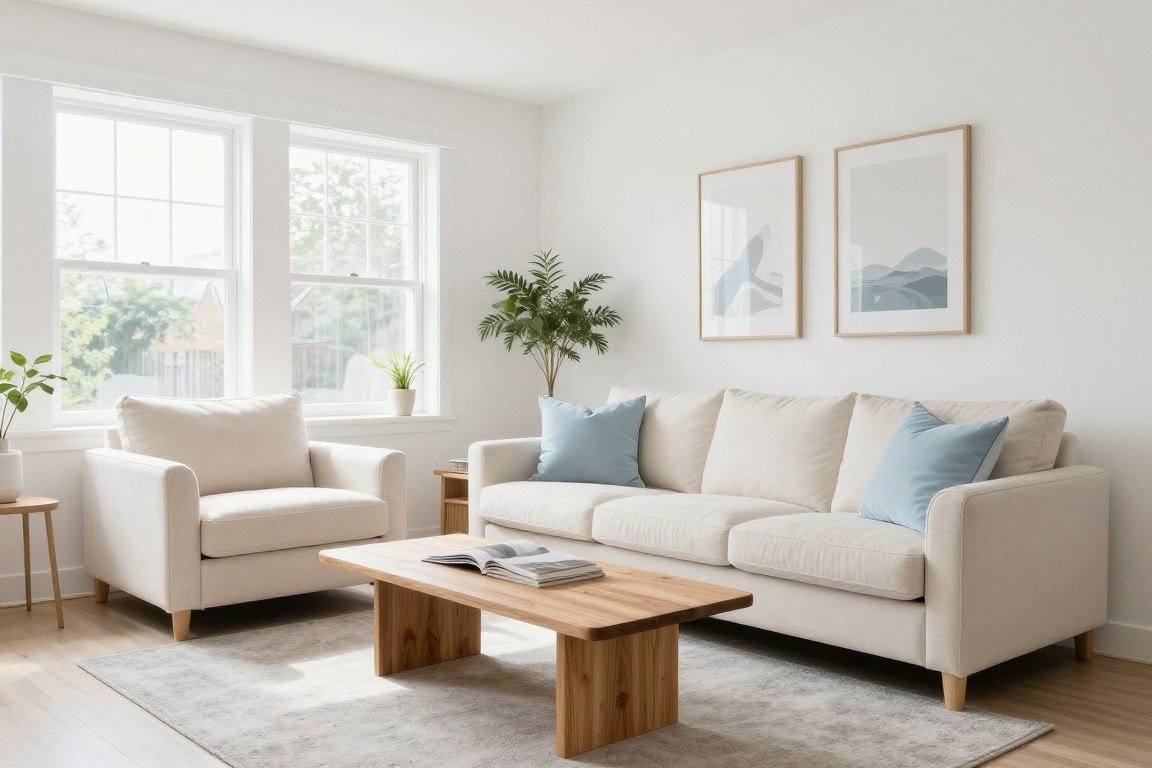
Light colors make small living rooms feel more spacious and airy. White, cream, soft gray, and pale blue walls reflect natural light throughout the space. This simple design trick creates an optical illusion that pushes walls outward visually.
Pair light wall colors with furniture in similar tones. A white or beige sofa against pale walls minimizes visual boundaries. Add depth through textures rather than dark colors. This approach keeps your room feel open while still creating visual interest.
3. Maximize Vertical Space with Wall-Mounted Storage
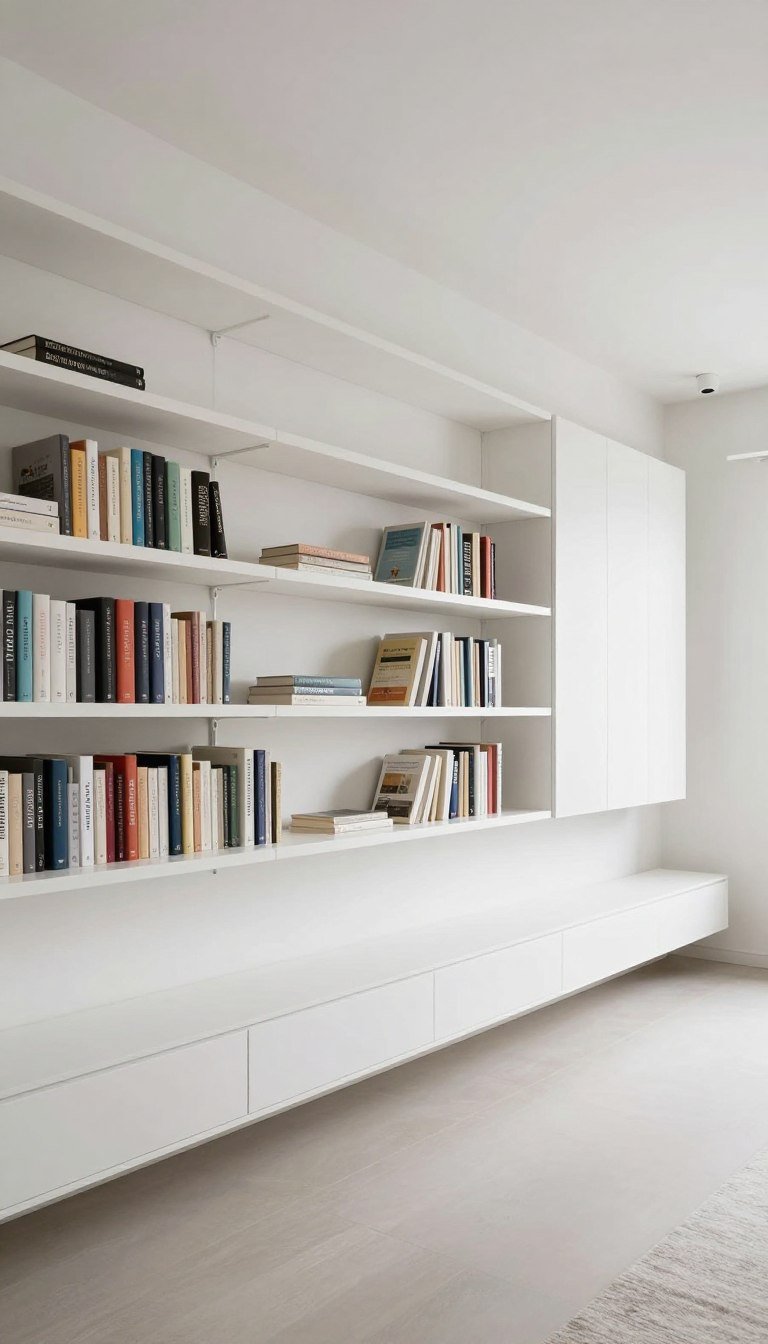
Vertical storage solutions draw the eye upward and make ceilings appear higher. Floor-to-ceiling shelving units provide ample storage without consuming precious floor space. Wall-mounted cabinets keep items organized while maintaining an open feeling below.
Install floating shelves at different heights to create visual interest. Use the upper walls for decorative items and books. This vertical approach frees up floor area for furniture and movement, making your small living room feel less cramped.
4. Select Furniture Scaled to Your Room Size
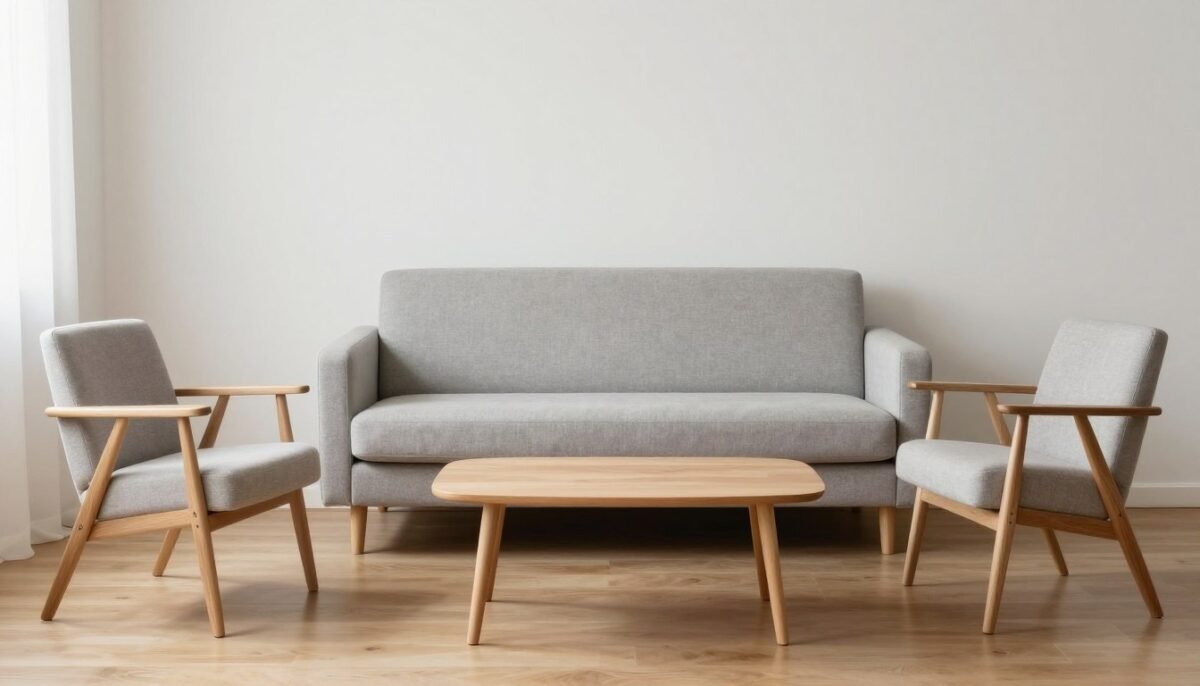
Oversized furniture overwhelms small spaces and blocks traffic flow. Choose pieces proportioned to your room dimensions. A loveseat or apartment-sized sofa works better than a full sectional in compact living rooms.
Measure your space carefully before purchasing furniture. Leave at least 18 inches of walking space around major pieces. Slim-profile furniture with exposed legs creates a lighter visual footprint than bulky designs with skirts that reach the floor.
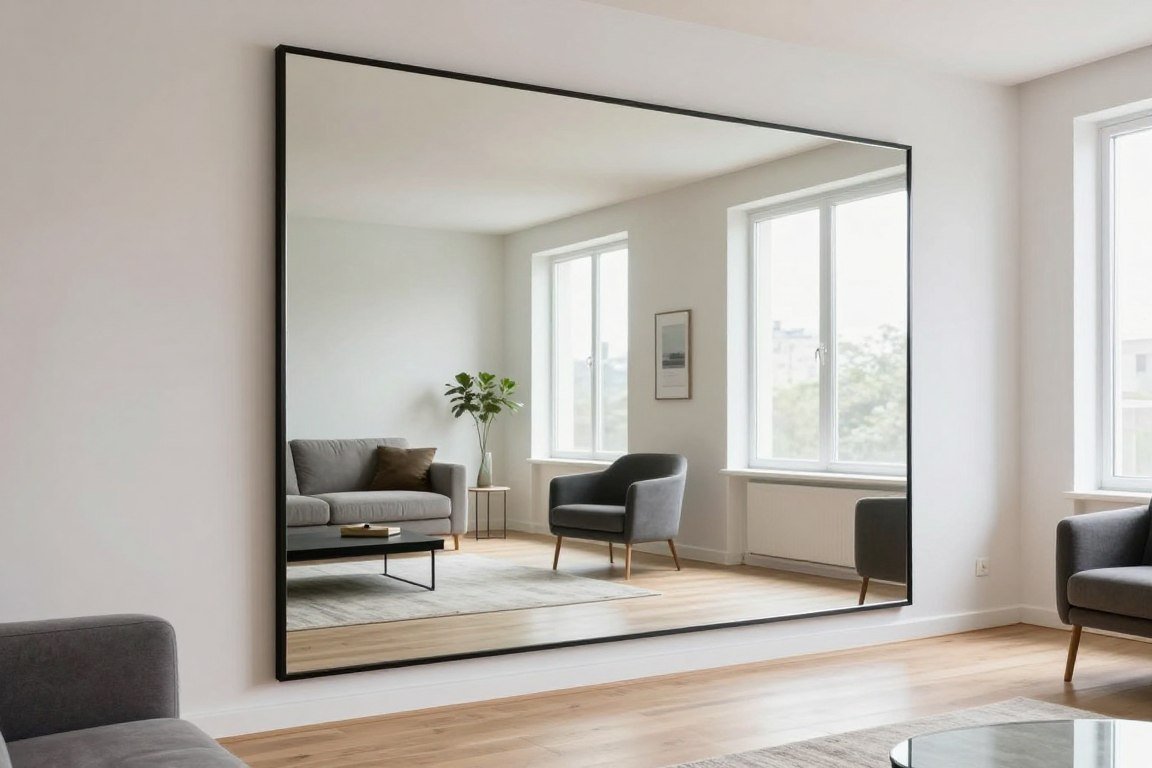
5. Use Mirrors Strategically to Expand Visual Space
Mirrors reflect light and create the illusion of depth in small living rooms. Position a large mirror opposite a window to bounce natural light throughout the space. This simple trick instantly makes your room feel twice as large.
Consider a floor-to-ceiling mirror on one wall as a dramatic statement piece. Multiple smaller mirrors arranged in a gallery wall also work well. The reflective surfaces add dimension while serving as attractive decorative elements.
6. Opt for Transparent or Glass Furniture
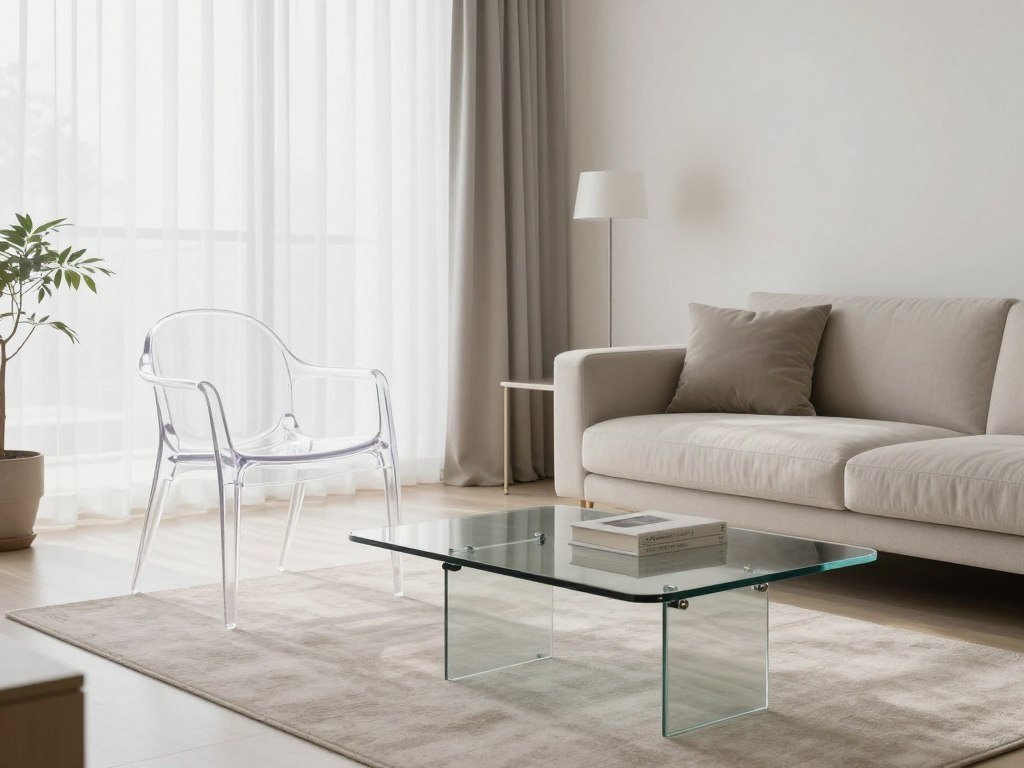
Glass coffee tables and acrylic chairs take up physical space without blocking sightlines. These transparent pieces allow light to flow through, making your small living room feel more open. The see-through quality prevents visual clutter.
A glass-top coffee table paired with metal or lucite legs creates an airy centerpiece. Clear acrylic side tables provide functional surfaces that seem to disappear. This furniture style works especially well in modern and contemporary room designs.
7. Create Distinct Zones in Open Layouts
Define separate areas within your small living room using rugs and furniture placement. A rug under your seating area establishes the conversation zone. Position your sofa and chairs to face each other, creating intimacy within the larger space.
Use a console table or bookshelf as a room divider if your sitting room flows into another area. This subtle separation maintains an open feeling while clearly defining different functional spaces. Smart zoning helps small rooms serve multiple purposes efficiently.
8. Choose Low-Profile Seating
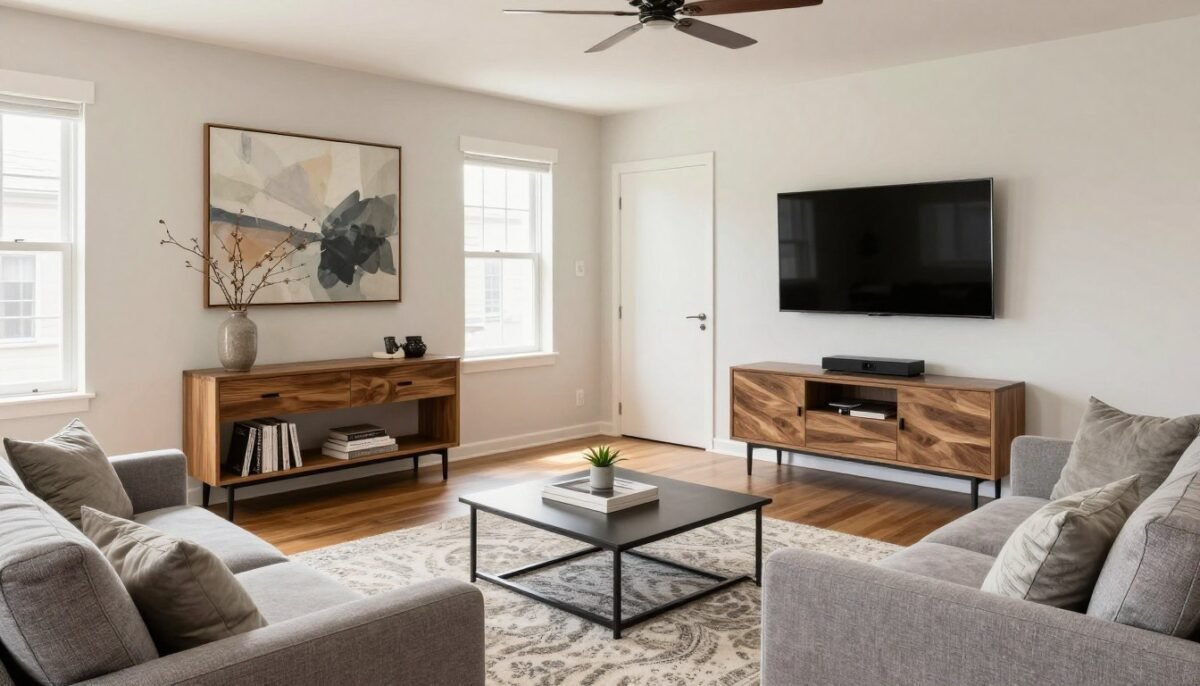
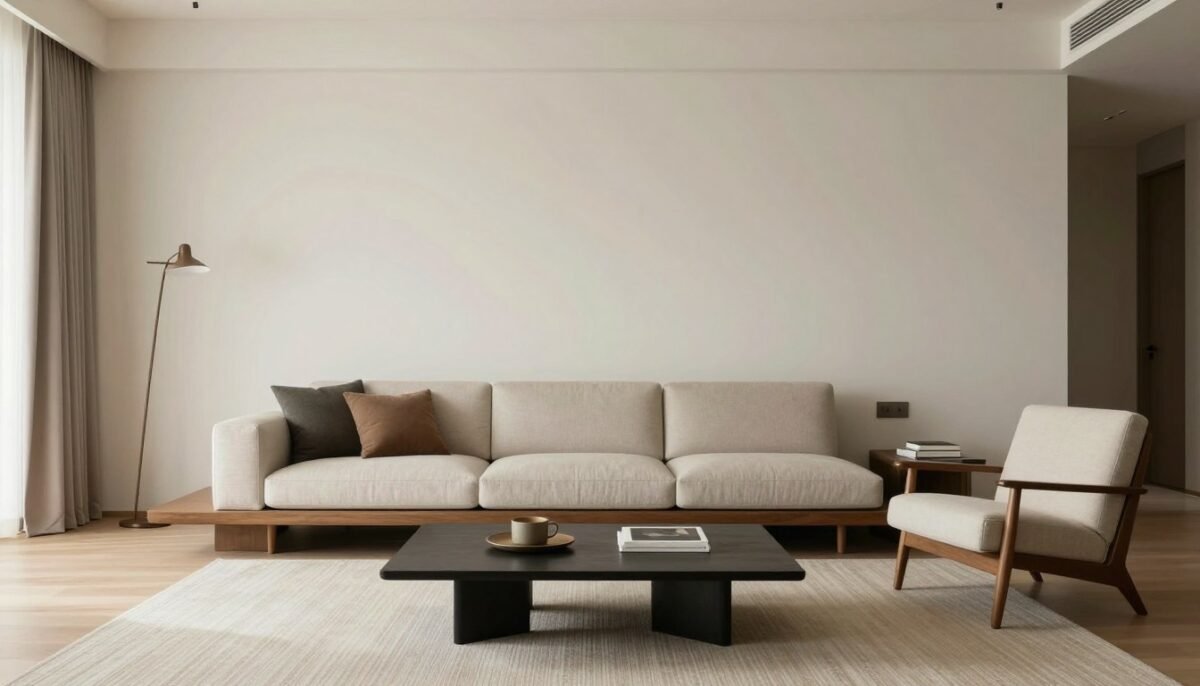
Low-slung sofas and chairs create the illusion of higher ceilings in small sitting rooms. Furniture with lower backs and seats allows more wall space to show, making the room feel larger. This design approach draws the eye horizontally rather than creating visual barriers.
Platform sofas and mid-century modern pieces typically feature lower profiles. Pair these with floor cushions for additional flexible seating that can be stored away. The lower furniture height makes your ceiling appear taller and your space more expansive.
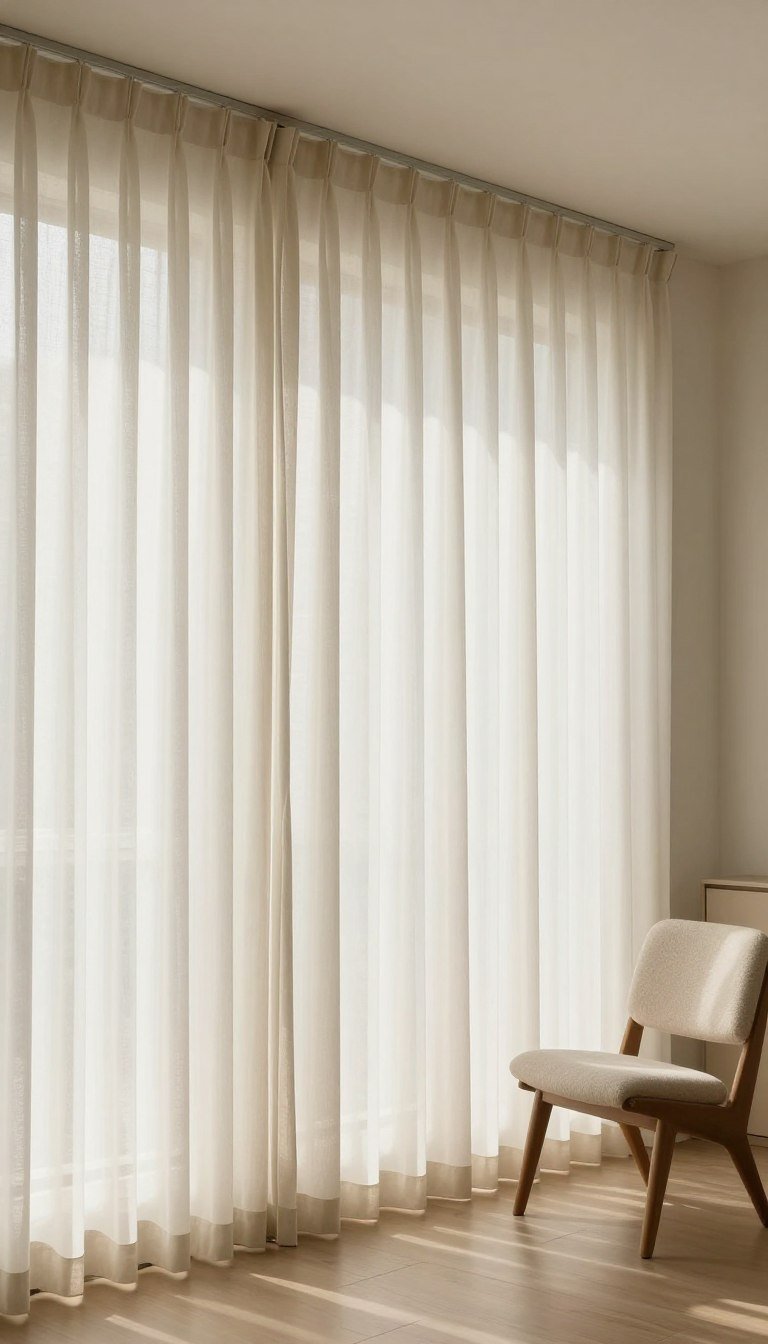
9. Hang Curtains High and Wide
Mount curtain rods close to the ceiling rather than just above the window frame. This simple trick makes windows appear taller and draws the eye upward. The vertical lines created by floor-length curtains add perceived height to your room.
Extend curtain rods several inches beyond the window on each side. This makes windows look wider and allows more natural light to enter when curtains are open. Choose light-colored fabrics that complement your wall color for a seamless, spacious look.
10. Incorporate Built-In Storage Solutions
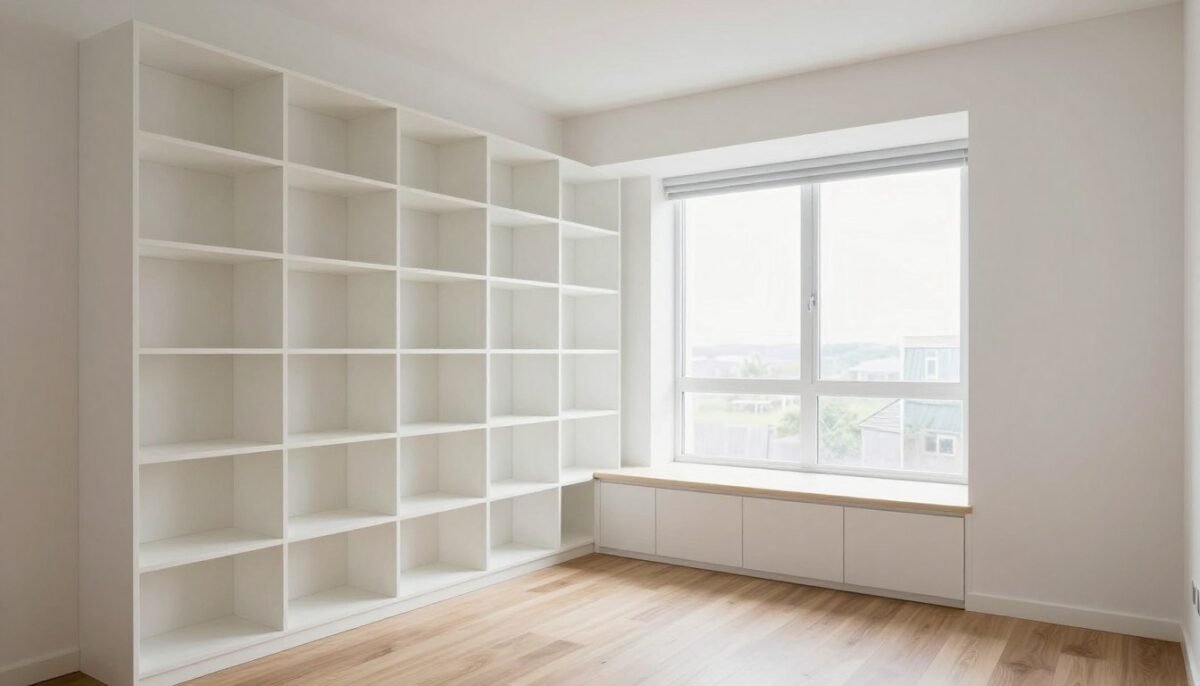
Custom built-in shelving and cabinets maximize storage while appearing seamless. Units that fit perfectly into alcoves or span entire walls use space more efficiently than freestanding furniture. Built-ins can incorporate seating, storage, and display areas in one cohesive design.
Window seats with storage underneath make excellent use of often-wasted space. Built-in media centers eliminate the need for separate entertainment furniture. These permanent fixtures add value to your home while solving small living room storage challenges.
11. Use One Bold Accent Wall
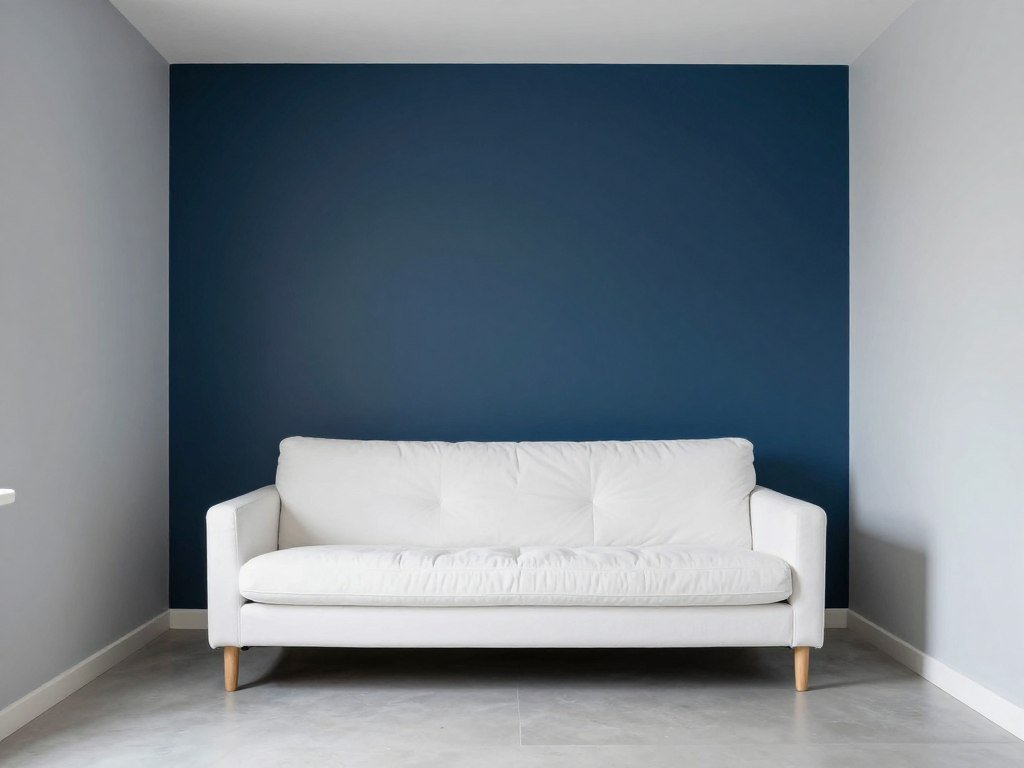
A single accent wall in a bold color or pattern adds personality without overwhelming a small space. Paint one wall in a deep hue while keeping the other three walls light. This creates depth and visual interest while maintaining an open feeling.
Wallpaper with vertical stripes on one wall can make your ceiling look higher. Geometric patterns add energy to neutral spaces. Choose the wall behind your sofa or opposite the entrance as your focal point for maximum impact.
12. Eliminate Visual Clutter with Smart Organization
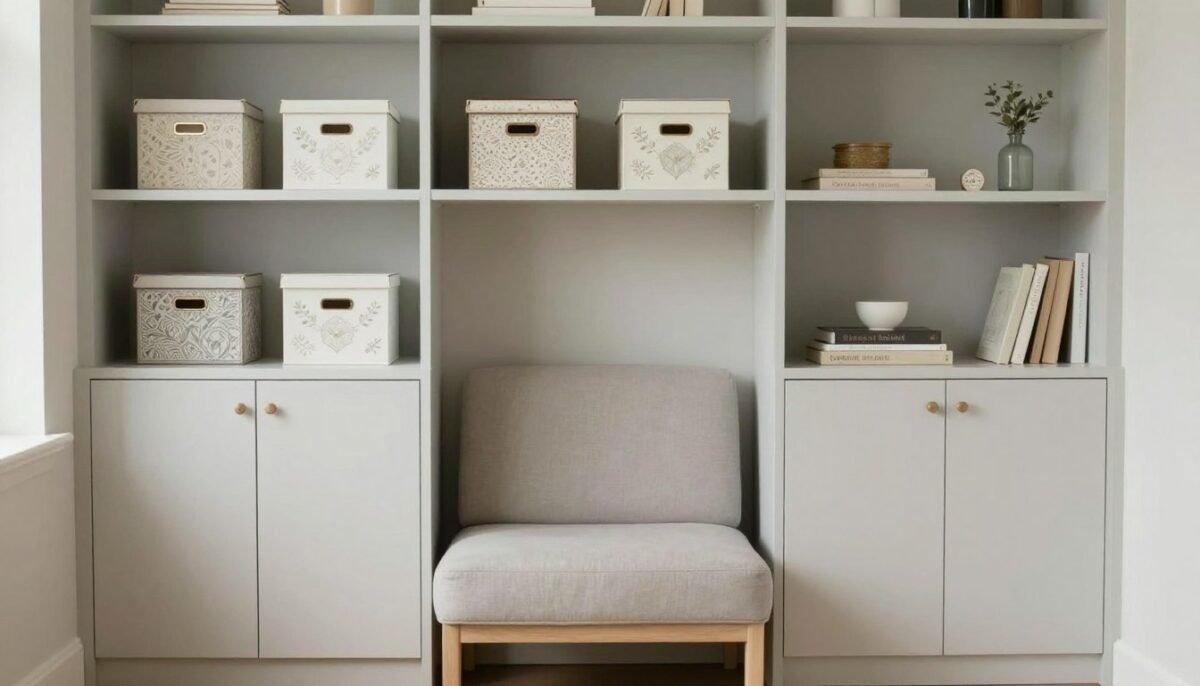
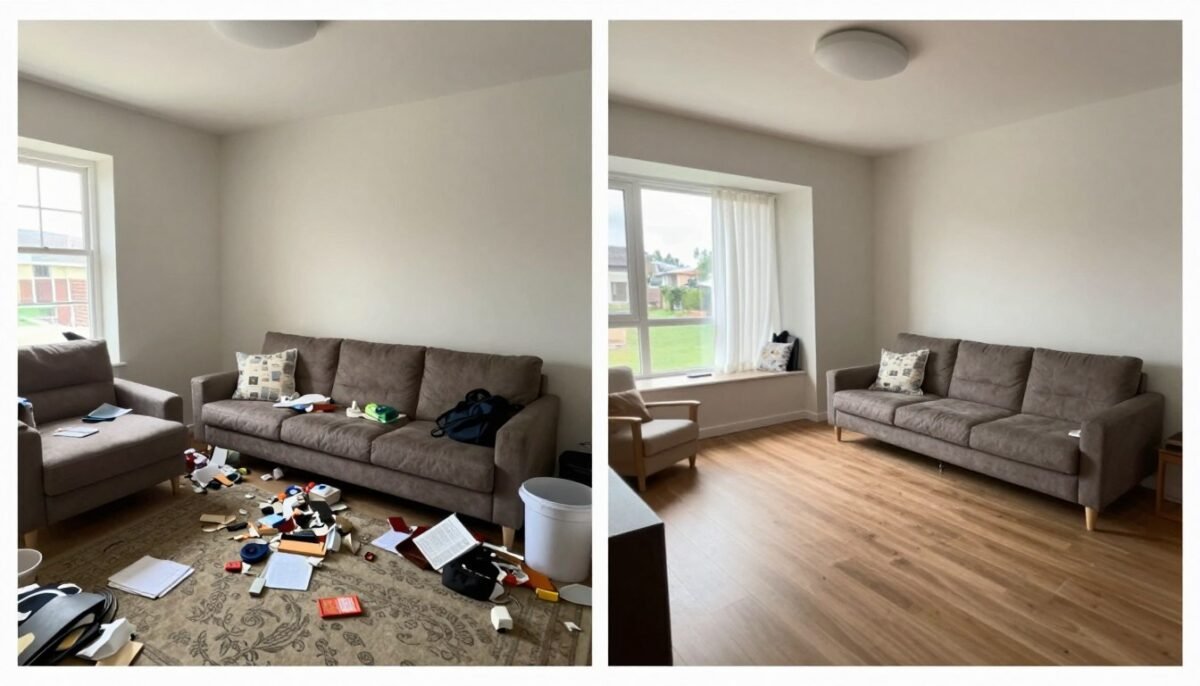
Clutter makes small living rooms feel even smaller and more chaotic. Implement a “one in, one out” rule for decorative items. Store remote controls, magazines, and everyday items in attractive baskets or boxes rather than leaving them scattered.
Use closed storage for items you don’t want on display. Open shelving should showcase only your most attractive pieces. Regular decluttering sessions help maintain a calm, spacious atmosphere in your small sitting room.
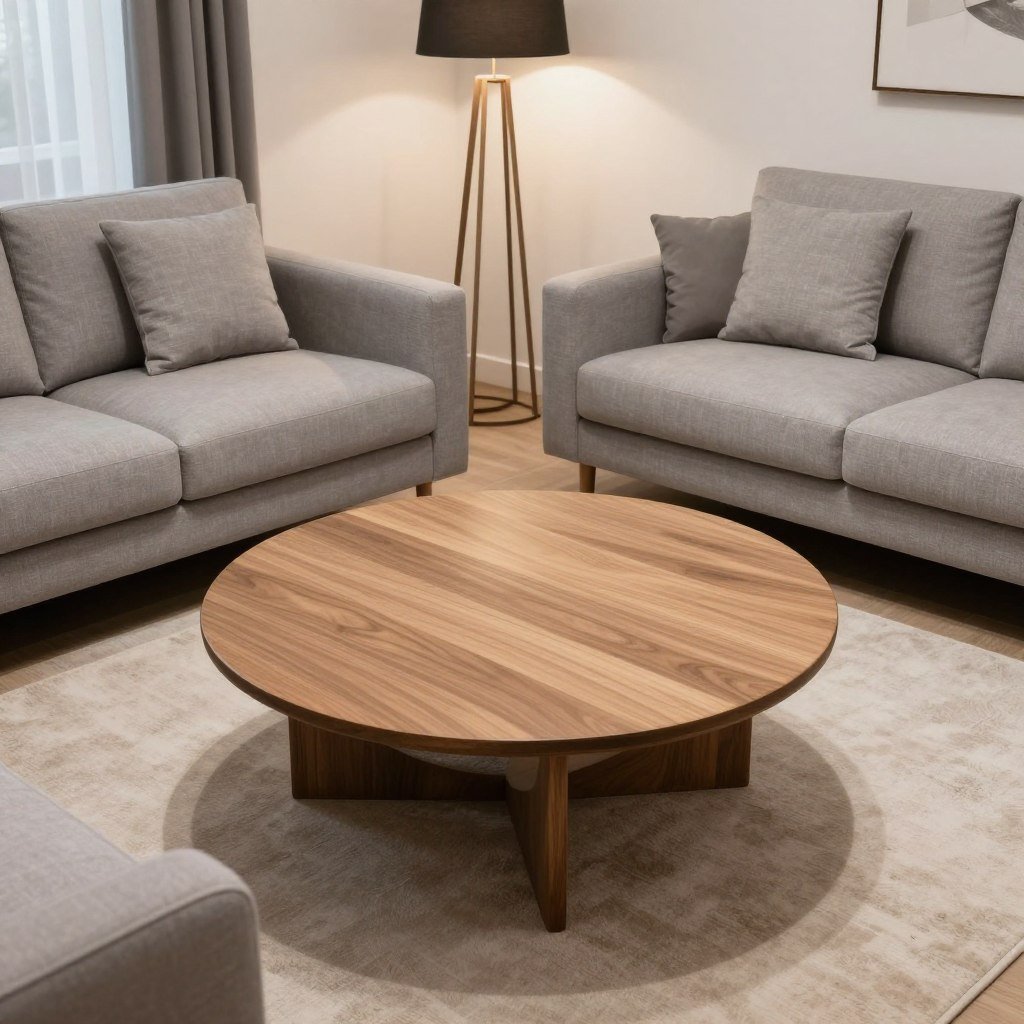
13. Choose Round or Oval Tables
Round and oval coffee tables improve traffic flow in small sitting rooms. Without sharp corners, these shapes allow easier movement around furniture. They also feel less imposing than rectangular tables of similar size.
A round coffee table works especially well with curved sofas or sectionals. The circular shape creates a natural gathering point for conversation. Side tables with round tops take up less visual space while providing the same surface area.
Space-Saving Furniture Must-Haves
- Nesting tables that stack when not needed
- Storage ottomans serving multiple functions
- Wall-mounted drop-leaf tables
- Sofa beds for guest accommodation
- Modular sectionals that reconfigure easily
Color Choices That Expand Space
- Soft whites and warm creams for walls
- Cool grays and pale blues for depth
- Monochromatic schemes that reduce visual breaks
- Light wood tones instead of dark finishes
- Metallic accents that reflect light
14. Maximize Natural Light
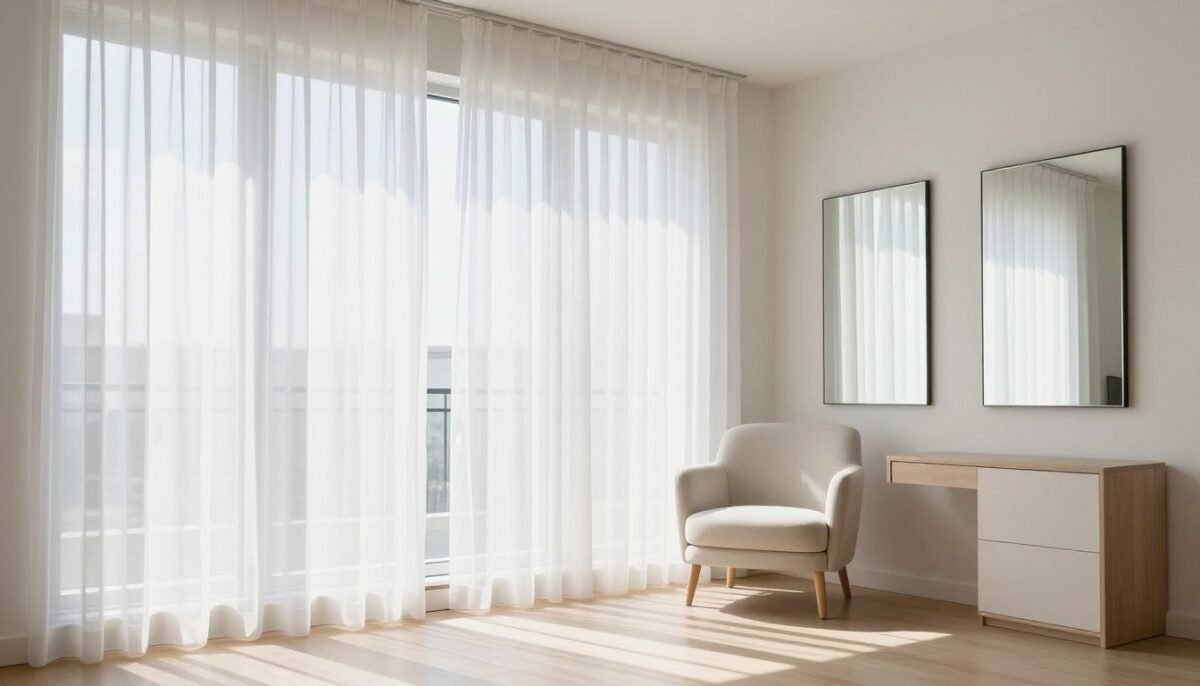
Natural light makes small sitting rooms feel more welcoming and spacious. Keep window treatments minimal during the day. Sheer curtains filter light while maintaining privacy without blocking brightness.
Remove heavy drapes that absorb light and make rooms feel smaller. Clean windows regularly to maximize light transmission. Position mirrors and reflective surfaces to bounce natural light into darker corners of your living room.
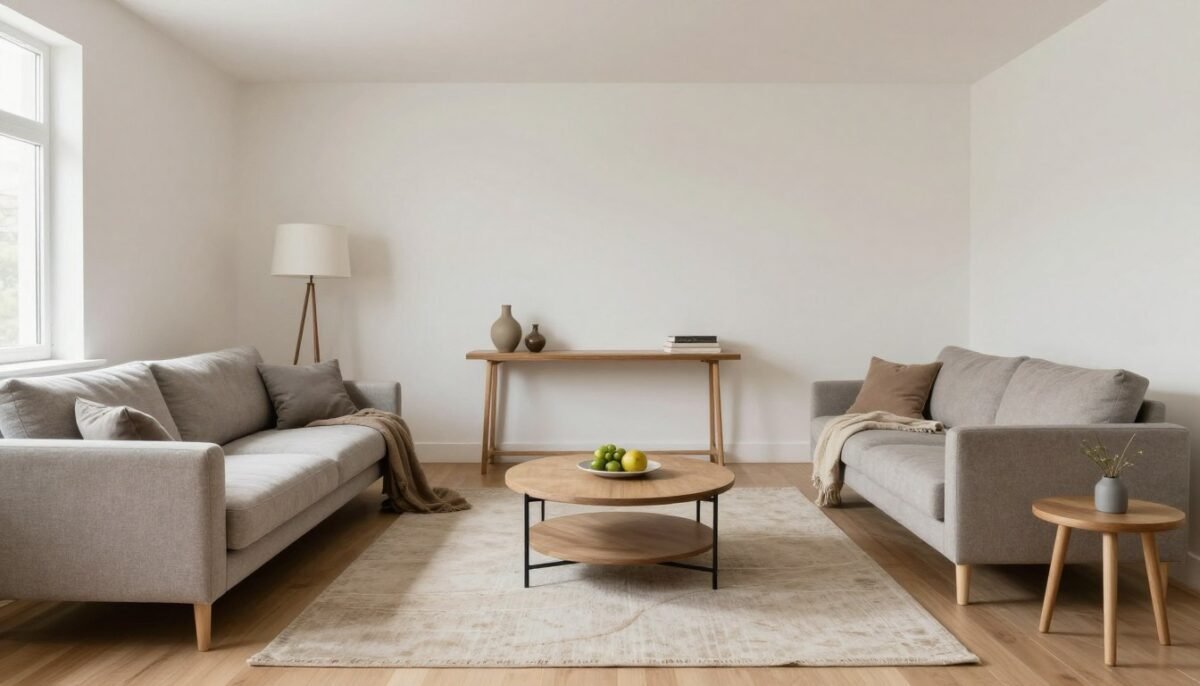
15. Use Floating Furniture Arrangements
Pull furniture away from walls to create a more intimate seating arrangement. This counterintuitive approach actually makes small living rooms feel larger by emphasizing the room’s footprint. Floating arrangements also improve traffic flow.
Position your sofa a few inches from the wall with a narrow console table behind it. This creates functional space for lamps and decorative items. Arrange chairs and side tables to form a conversation area that doesn’t hug the perimeter.
16. Add Vertical Design Elements
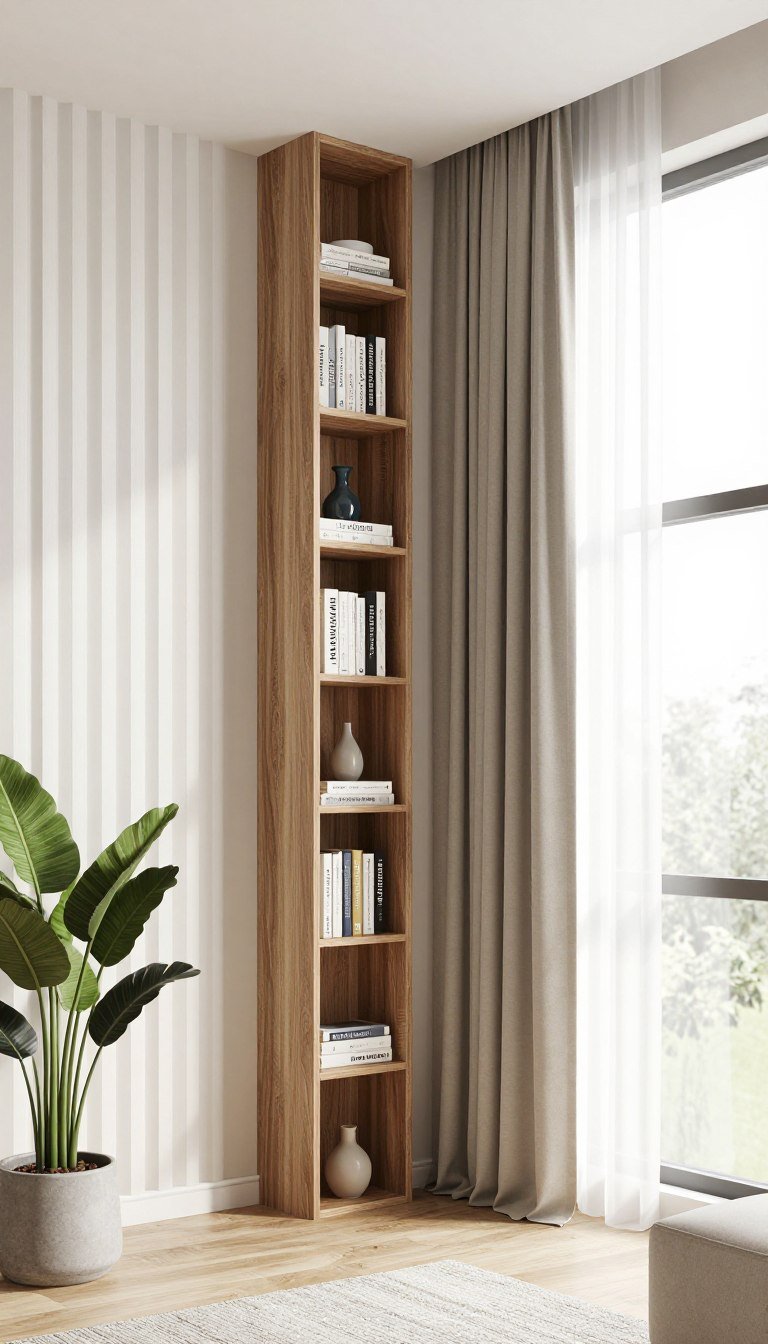
Vertical stripes, tall bookcases, and floor-to-ceiling curtains draw the eye upward. This vertical emphasis makes ceilings appear higher and rooms feel more spacious. Even subtle vertical elements in artwork or wallpaper patterns create this effect.
Tall narrow shelving units provide storage without consuming much floor space. Vertical planters and tall lamps reinforce the upward direction. The key is creating continuous vertical lines that lead the eye from floor to ceiling.
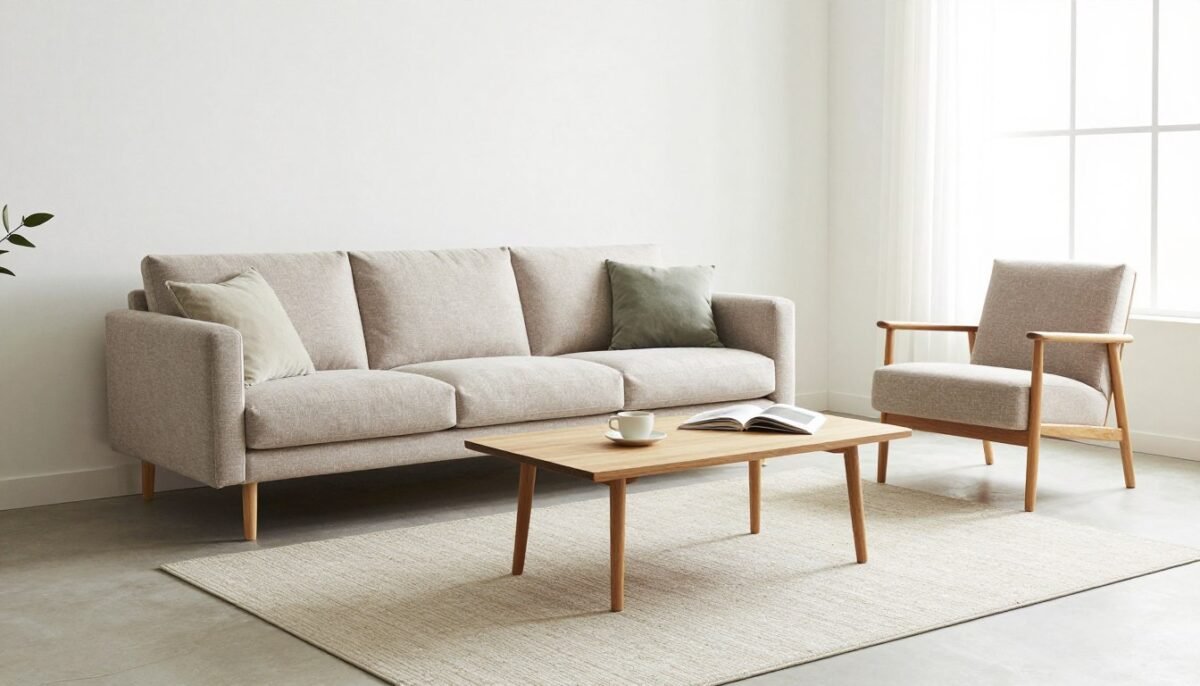
17. Choose Furniture with Exposed Legs
Sofas, chairs, and tables with visible legs create a lighter appearance than pieces that sit directly on the floor. The space visible underneath furniture makes rooms feel less crowded. This design choice allows light and sight lines to flow through the space.
Mid-century modern furniture typically features exposed tapered legs that exemplify this principle. Avoid skirted sofas and upholstered pieces that reach the floor. The visual breathing room underneath furniture opens up your small living room significantly.
18. Incorporate Hidden Storage Everywhere
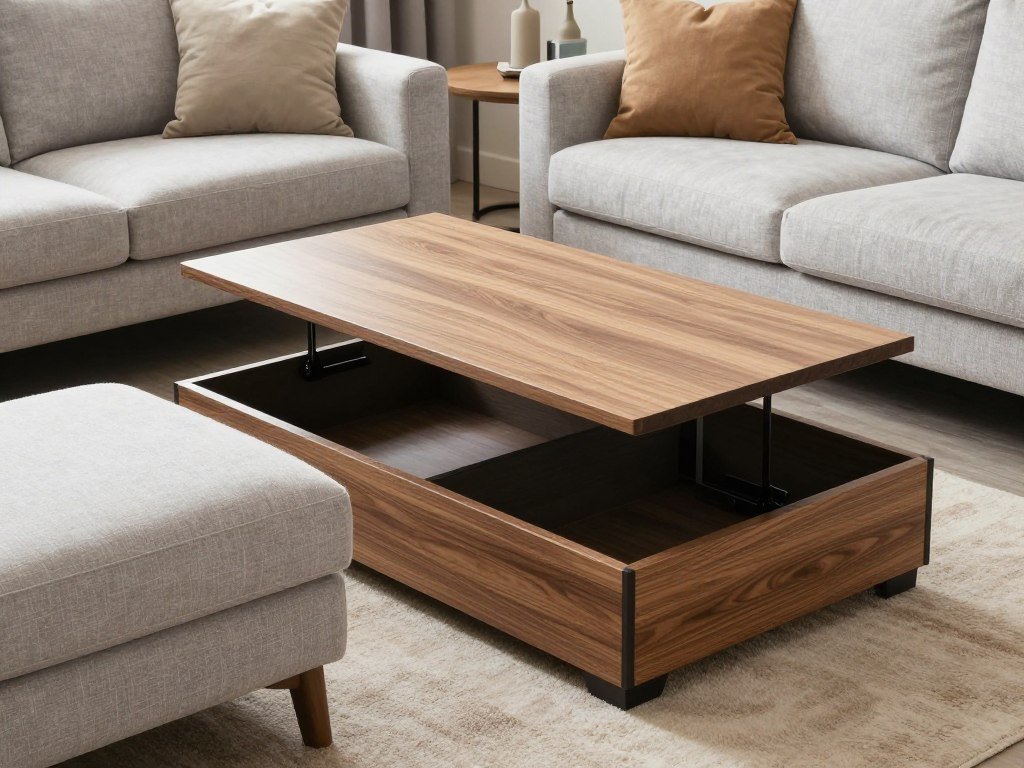
Hidden storage keeps necessities close while maintaining clean lines. Coffee tables with lift-top mechanisms hide remotes and magazines. Sofas with storage compartments under cushions stash blankets and pillows when not in use.
Wall-mounted cabinets with push-to-open doors eliminate visible hardware. Storage ottomans provide seating and hiding spots for items you need but don’t want to see. Every piece of furniture in a small sitting room should earn its place through multiple functions.
Need Help Planning Your Perfect Small Living Room?
Our design team specializes in small space solutions. Let us create a custom plan that maximizes your room’s potential while reflecting your personal style.
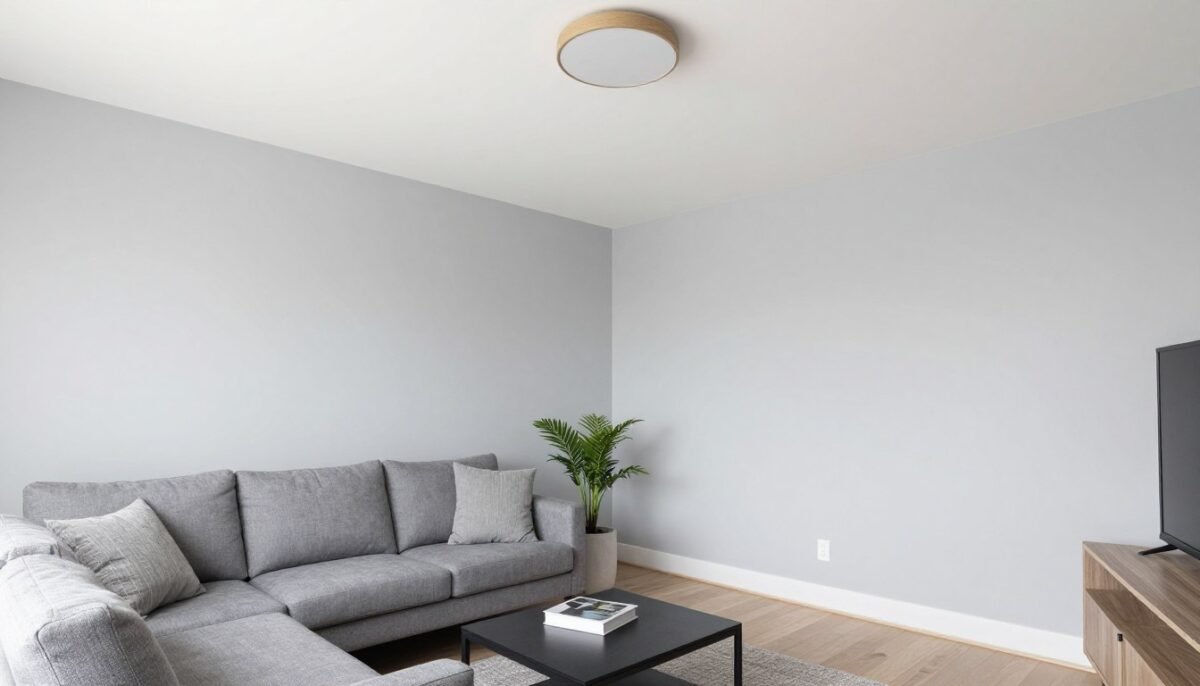
19. Paint Your Ceiling a Lighter Shade
A ceiling painted lighter than your walls appears higher and makes the room feel more open. Pure white ceilings reflect the most light. For a subtle effect, choose a ceiling color two shades lighter than your wall paint.
This technique works especially well in rooms with low ceilings. The contrast between walls and ceiling defines the vertical boundaries, making the space feel taller. Avoid dark ceiling colors in small living rooms as they visually compress the space.
20. Use Dual-Purpose Room Dividers
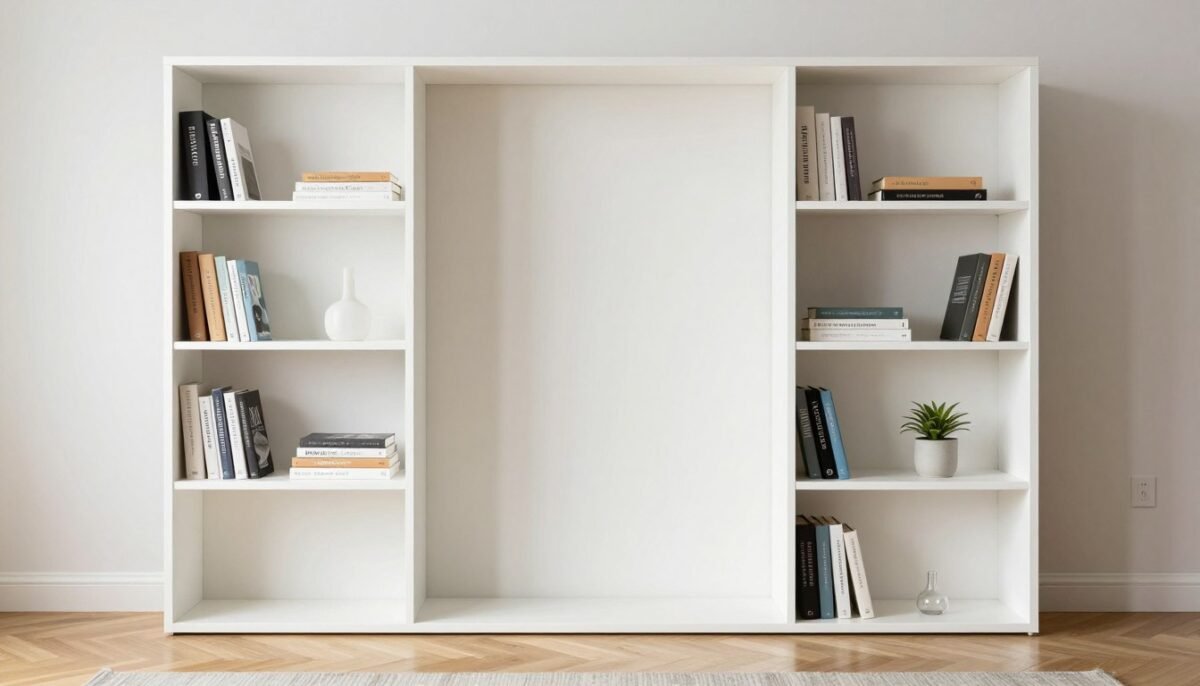
Open shelving units serve as both storage and subtle room dividers. These pieces define spaces without blocking light or creating closed-off feelings. A bookshelf positioned perpendicular to a wall separates areas while remaining visually accessible from both sides.
Folding screens add flexibility to small sitting rooms. They create privacy when needed and fold away when you want an open floor plan. Choose screens with light colors or open patterns that don’t feel heavy or restrictive.
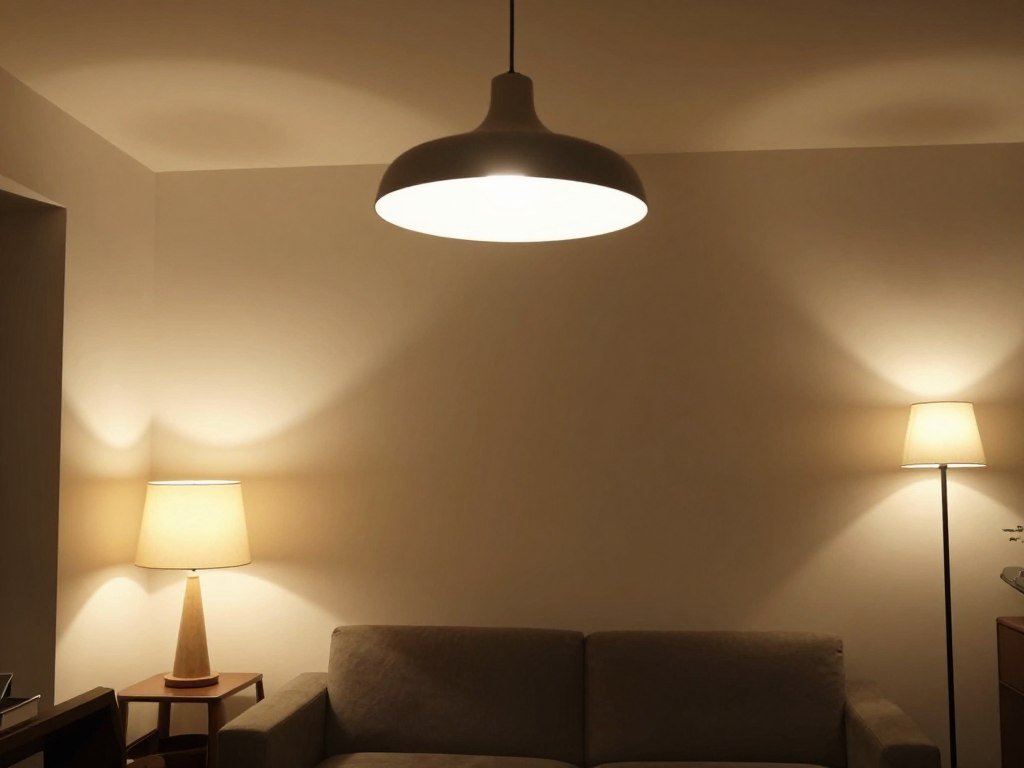
21. Layer Different Types of Lighting
Multiple light sources at different heights create depth and ambiance in small living rooms. Combine overhead lighting with table lamps and floor lamps. This layered approach eliminates dark corners that make spaces feel smaller.
Wall sconces save floor and table space while providing functional light. Under-shelf LED strips add subtle illumination without taking up any room. Dimmer switches allow you to adjust lighting levels throughout the day and for different activities.
22. Choose Armless or Low-Arm Seating
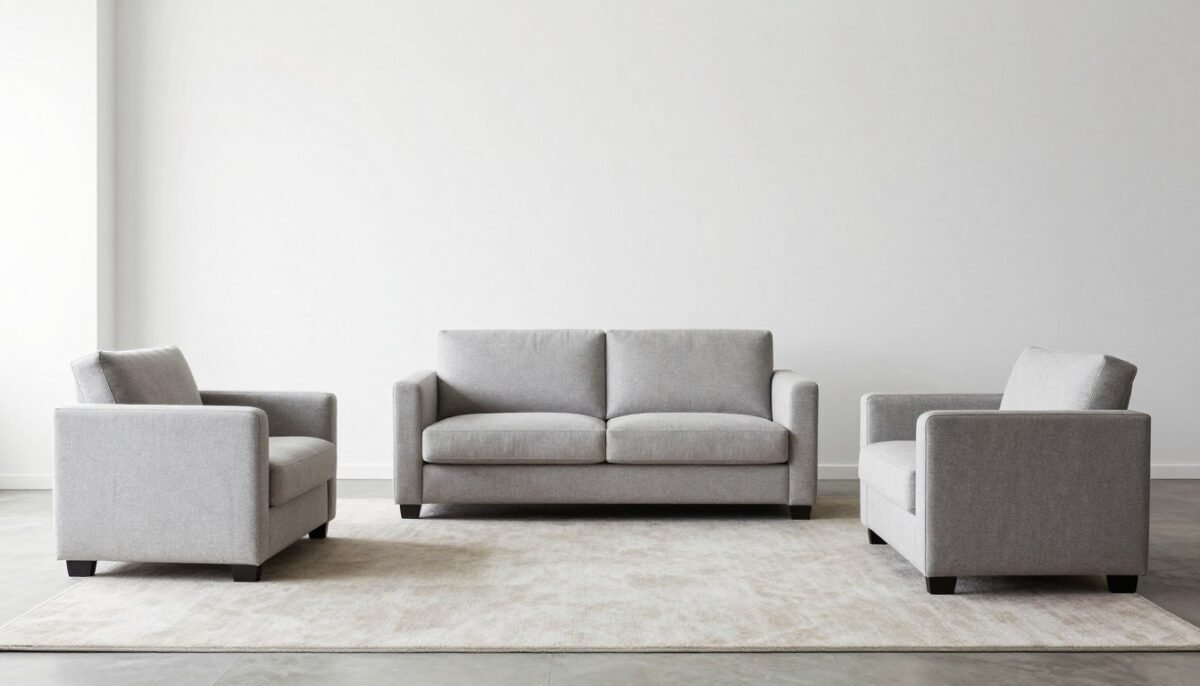
Sofas and chairs without arms or with low, slim arms take up less visual space. These streamlined pieces allow more flexibility in tight spaces. Armless seating can tuck closer to walls or other furniture when needed.
Slipper chairs and armless accent chairs provide comfortable seating with minimal footprint. A sofa with narrow track arms occupies less width than one with rolled arms. This design choice gives you more usable seating area within your small living room dimensions.
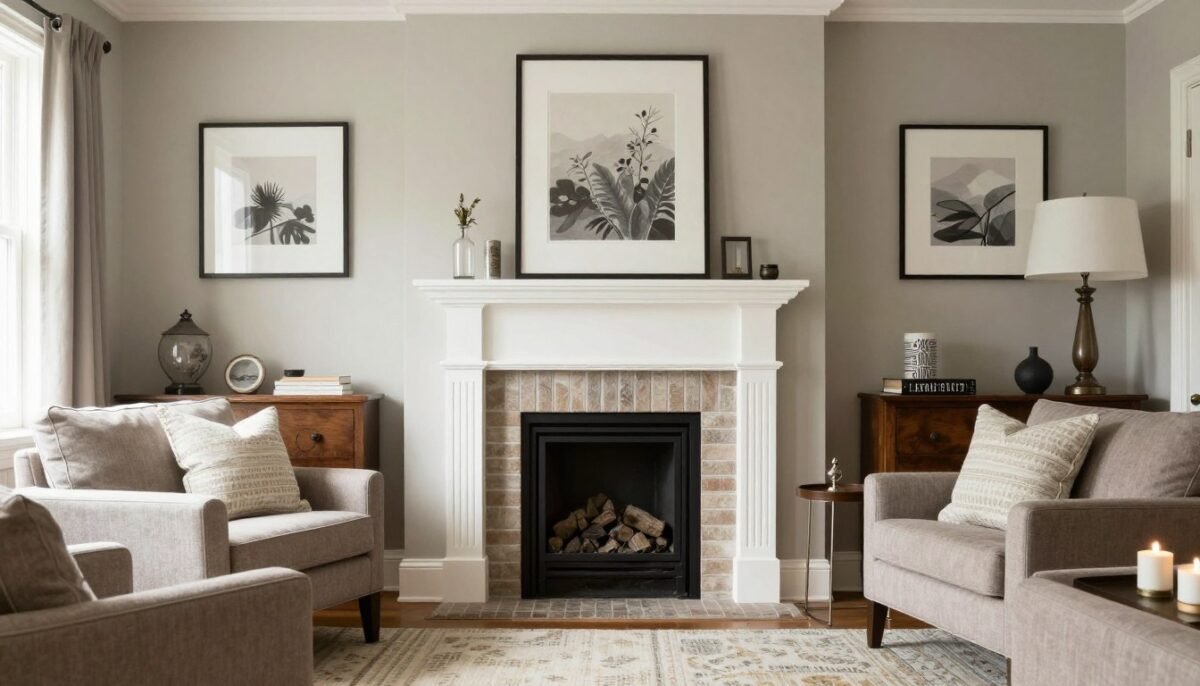
23. Create a Clear Focal Point
A single strong focal point organizes your small sitting room visually. This could be a fireplace, television, large piece of artwork, or statement furniture piece. Arrange other furniture to complement and face this focal point.
Avoid competing focal points that divide attention and make the space feel chaotic. One clear center of interest simplifies the design and makes the room feel more cohesive. This organizational principle helps small living rooms feel intentional rather than cramped.
24. Use a Monochromatic Color Scheme
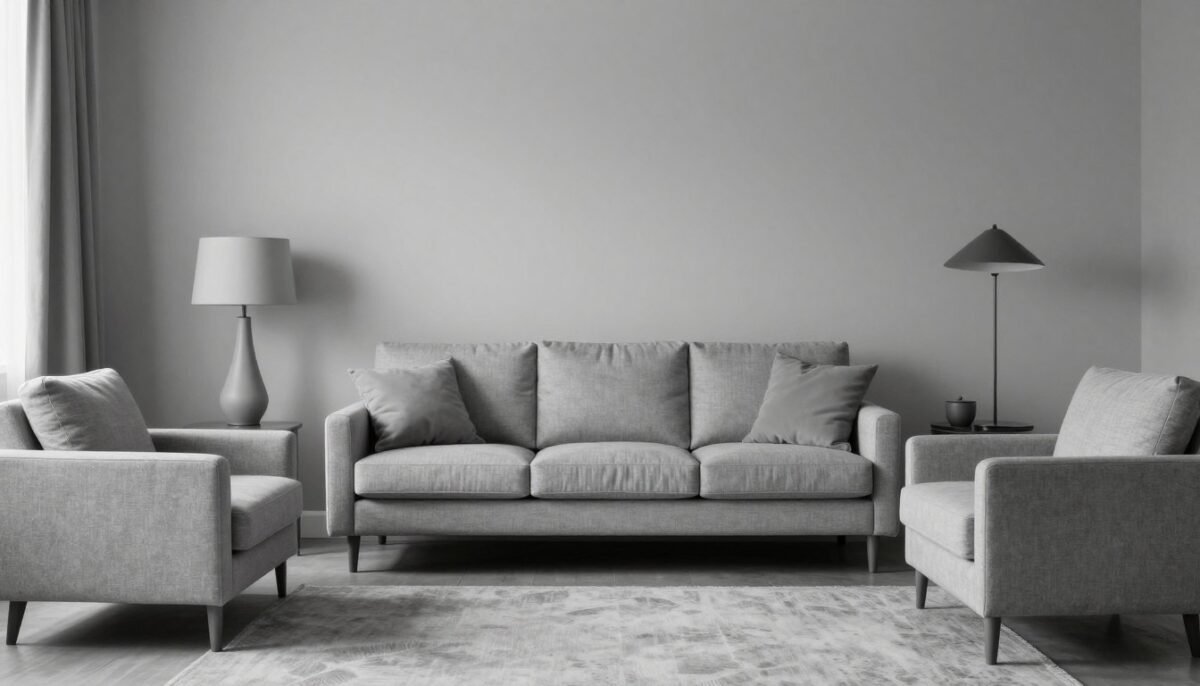
Varying shades of a single color create a harmonious look that expands visual space. A monochromatic palette eliminates jarring color contrasts that break up a room. The continuous color flow makes boundaries less defined and spaces feel larger.
Layer different textures within your chosen color family to add interest. Cream walls paired with beige furniture and tan accents create depth without visual fragmentation. This approach works with any base color from cool grays to warm taupes.
25. Minimize Accessories and Decorative Items
Less is more in small sitting room decorating. A few well-chosen decorative pieces make more impact than numerous small items. Cluster accessories in groups of three rather than scattering them around the room.
Choose larger statement pieces over collections of small objects. One substantial piece of artwork creates a focal point, while multiple small frames create visual clutter. This curated approach keeps your small living room feeling calm and spacious.
Quick Space-Maximizing Tips
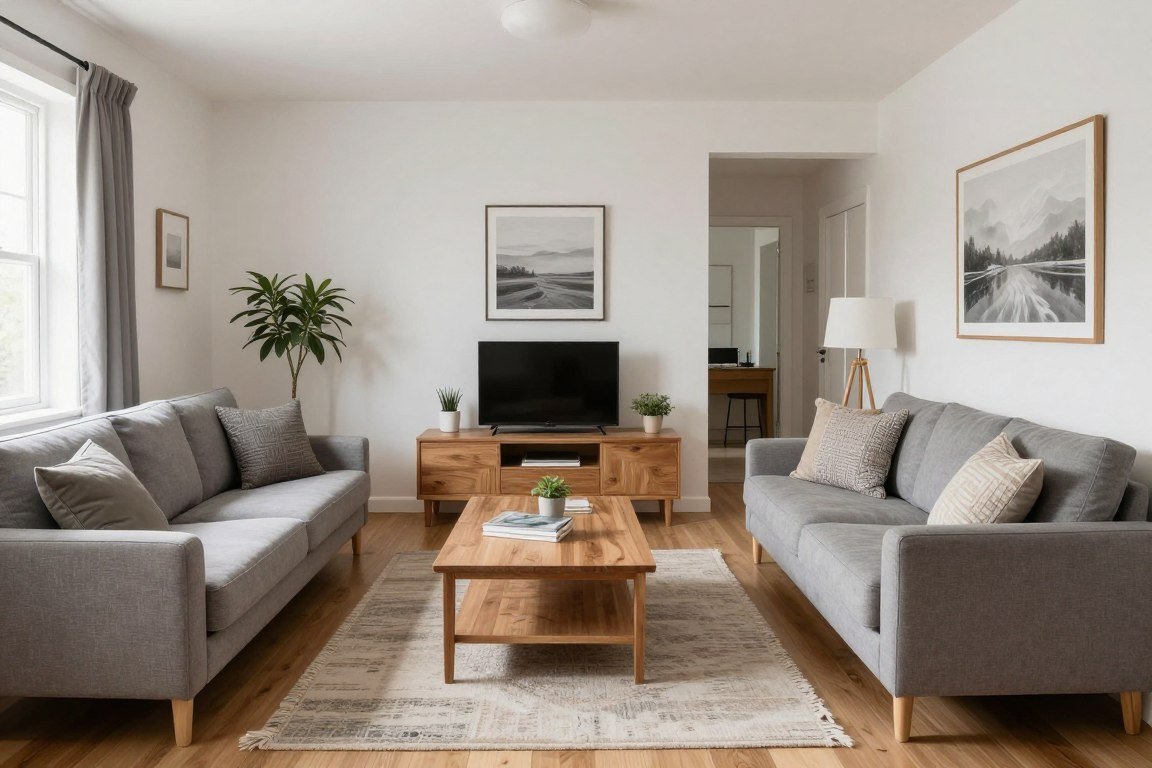
Implement these immediate changes to make your small sitting room feel larger. These simple adjustments require no major purchases or renovations.
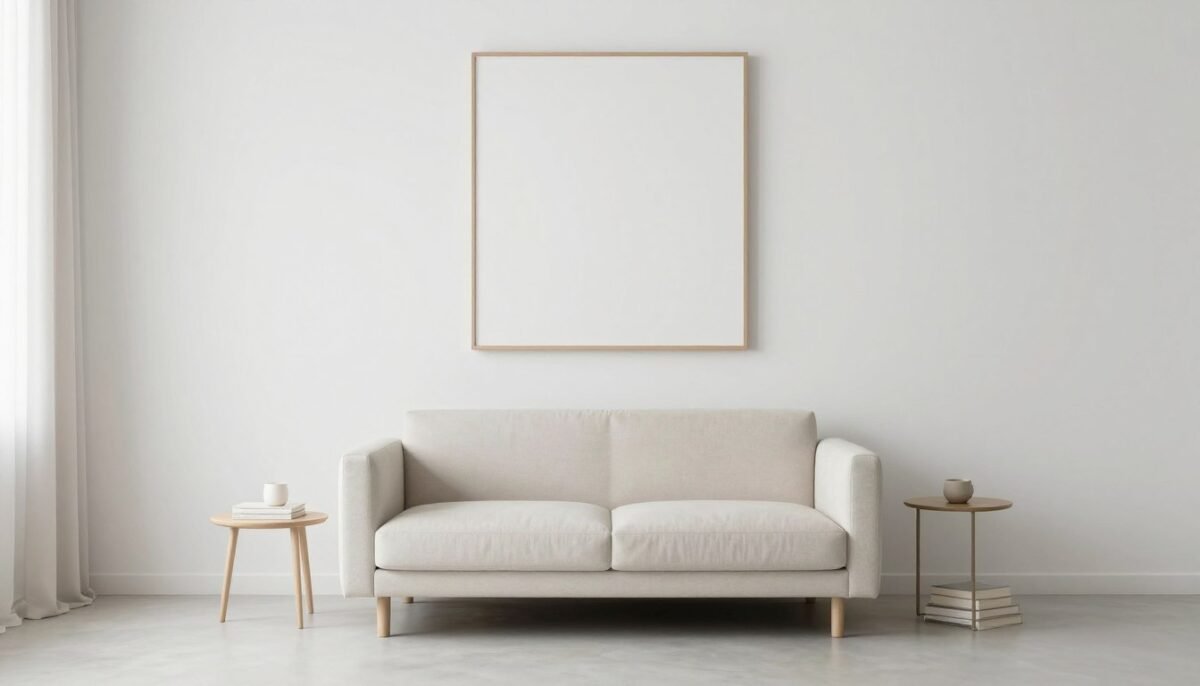
- Remove one piece of furniture to open floor space
- Replace dark lampshades with white or cream ones
- Hang artwork at eye level to create proper scale
- Use trays to corral small items on tables
- Add a large mirror opposite your main light source
Color Mistakes to Avoid
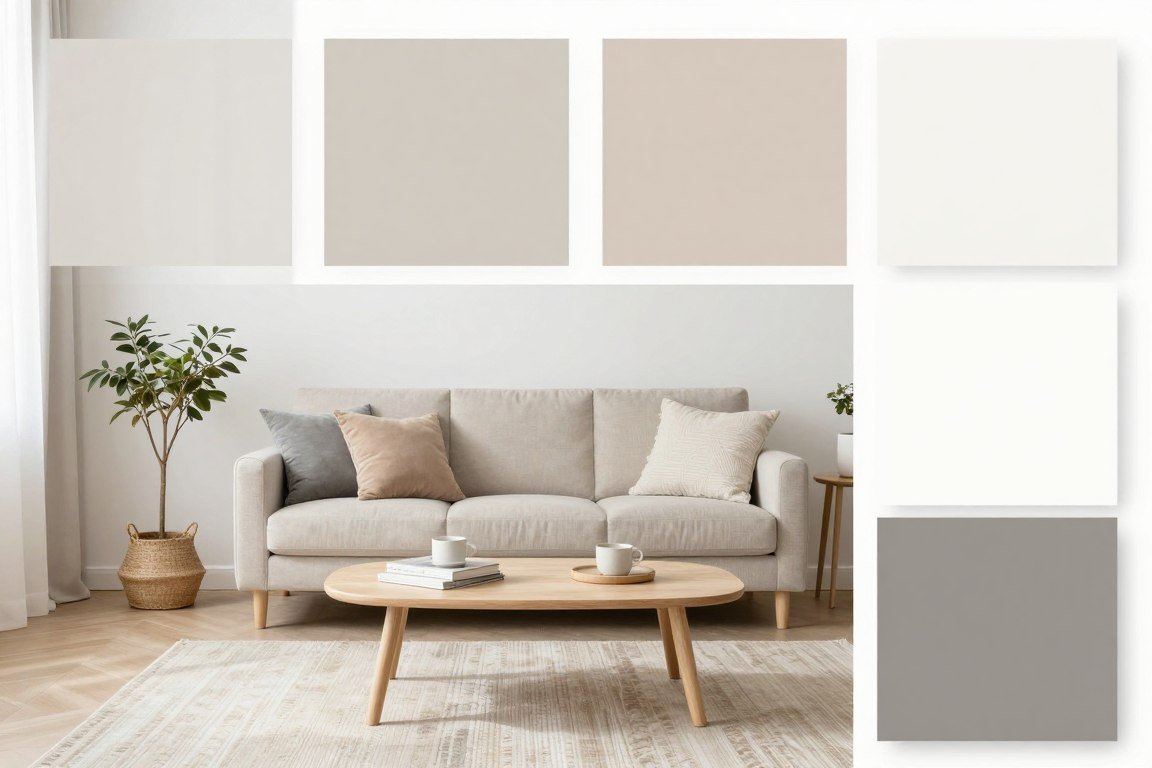
Certain color choices can make your small living room feel even more cramped. Steer clear of these common pitfalls.
- All-dark color schemes that absorb light
- Too many contrasting colors breaking up space
- Heavy patterns on walls and furniture together
- Dark floors without adequate lighting compensation
- Bold colors on all four walls creating a closed feeling
Putting Your Small Sitting Room Ideas into Action
Transforming your small living room doesn’t require a complete overhaul. Start by implementing the ideas that require the least time and money. Paint walls in lighter colors, declutter surfaces, and rearrange furniture to improve flow.
Create a plan before making major purchases. Measure your space carefully and consider traffic patterns. Invest in quality multifunctional pieces rather than buying many items that serve single purposes.
Take a phased approach to decorating your small sitting room. Focus first on essential furniture that fits your space properly. Add storage solutions next to eliminate clutter. Finally, layer in lighting, color, and decorative elements that reflect your personal style.
Common Small Living Room Mistakes to Avoid
Pushing all furniture against walls actually makes small sitting rooms feel smaller. This creates a bowling alley effect with dead space in the center. Float furniture pieces to create intimate seating arrangements instead.
Oversized area rugs that cover too much floor space can overwhelm a room. Choose a rug size that fits under the front legs of your seating furniture only. This defines the conversation area while showing enough floor to maintain a spacious look.
Using furniture pieces that are too large for the space is the most common decorating mistake. That sectional you love might work better in a larger room. Scale matters tremendously in small living rooms where every inch counts.
Budget-Friendly Solutions for Small Spaces
You don’t need expensive furniture to maximize a small sitting room. Repurpose items you already own by painting them in lighter colors. Stack vintage suitcases as a unique side table with storage inside.
DIY floating shelves cost less than bookcases and use vertical space efficiently. Swap heavy curtains for affordable sheer panels to increase natural light. These small changes make big impacts without straining your budget.
Shop secondhand stores and online marketplaces for quality pieces at lower prices. Look for furniture with good bones that can be updated with new upholstery or paint. Strategic thrift shopping helps you furnish your small living room beautifully while saving money for items worth buying new.
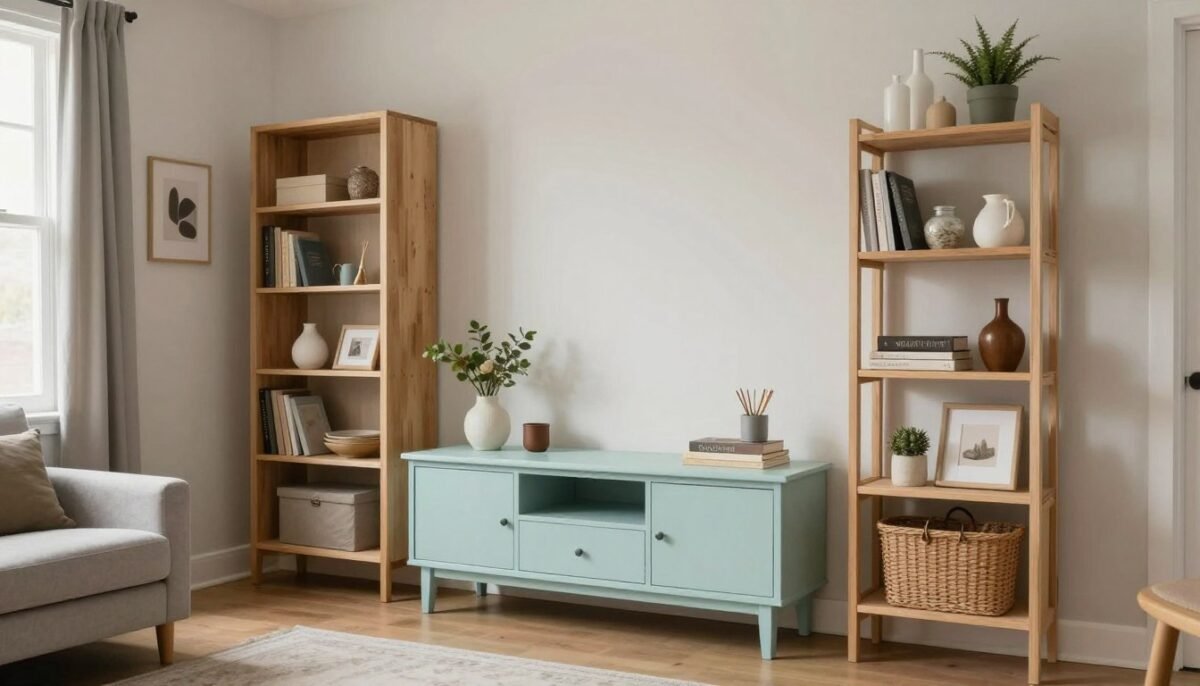
Making the Most of Your Small Sitting Room
Small living rooms offer opportunities for creative design solutions that larger spaces don’t require. Each of these 25 ideas addresses specific challenges while improving both function and beauty. The key is selecting strategies that work for your particular space and lifestyle.
Remember that maximizing space isn’t just about fitting more into a room. It’s about creating a comfortable, functional area that serves your needs without feeling cramped. Focus on furniture scale, smart storage, light colors, and strategic decor placement.
Your small sitting room can become your favorite space in your home. With thoughtful planning and these practical ideas, you’ll create a room that feels spacious, organized, and uniquely yours. Start with one or two changes and build from there as you discover what works best in your space.