
Text messaging has evolved beyond simple conversations. Today, texting games bring people closer together regardless of distance. Whether you’re looking to strengthen your relationship with a friend, keep the spark alive with your partner, or simply pass time during a boring day, these games offer endless entertainment right from your phone.
Playing games over text requires no special apps or downloads. You just need your messaging app and a willing participant. These games work perfectly during lunch breaks, late-night conversations, or whenever you have a few minutes to spare. From quick one-line exchanges to elaborate storytelling adventures, there’s something here for every mood and occasion.
Quick Tip: Bookmark this page so you always have fresh game ideas ready for your next conversation. The best texting games happen when you catch someone by surprise with something fun!
Table of Contents
Why Text Games Are Perfect for 2026
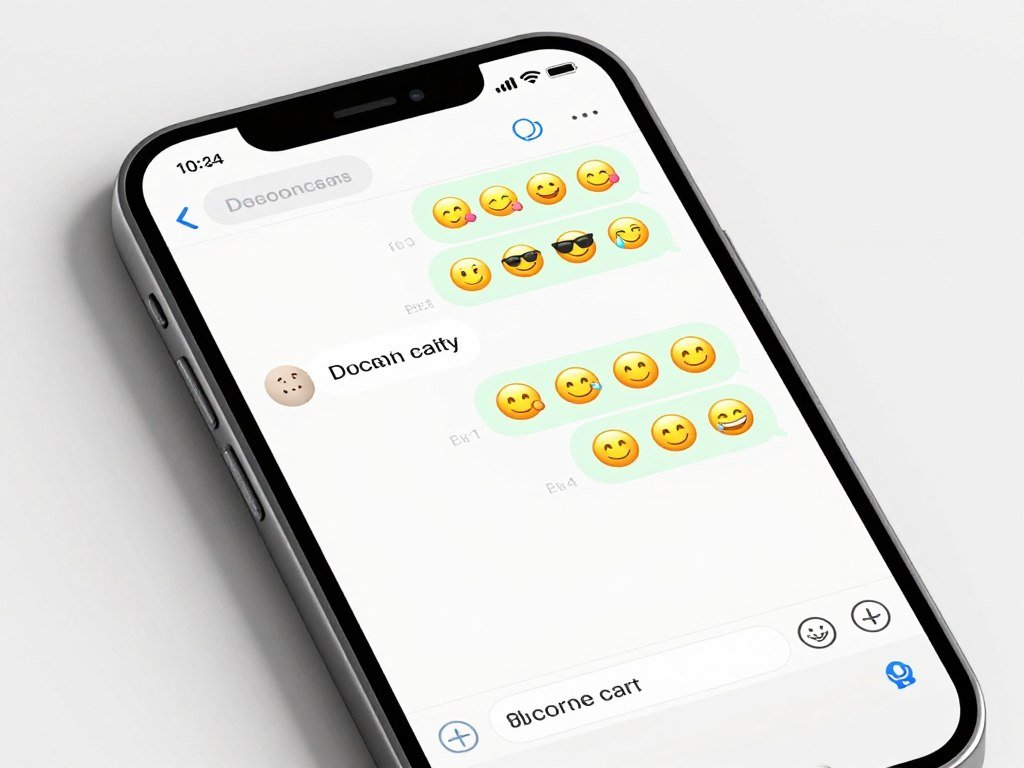
The way we communicate has shifted dramatically. Phone calls feel intrusive, and video chats require too much preparation. Text messaging hits the sweet spot. It’s convenient, casual, and allows people to respond at their own pace. Adding games to your texting makes these interactions even more memorable.
Text-based games strengthen relationships in unique ways. They create shared experiences and inside jokes. They reveal personality traits and creative thinking. Unlike face-to-face games, texting games give you time to craft clever responses, making everyone feel like a comedy genius or master strategist.
These games also solve a common problem. How many times have your text conversations devolved into “what are you doing” and “nothing much” exchanges? Games inject life into stale chats. They give you and your friend something to look forward to, transforming mundane messaging into genuine entertainment.
Benefits of Texting Games
- Strengthen long-distance friendships and relationships
- Break the ice with new acquaintances
- Create fun memories without scheduling conflicts
- Improve creative thinking and wordplay skills
- Provide entertainment during waiting times
- Keep conversations engaging and fresh
Perfect Situations for Text Games
- Late-night conversations when you can’t sleep
- Long commutes on public transportation
- Lunch breaks at work when you need a mental break
- Lazy weekend afternoons with nothing planned
- Keeping in touch with friends across time zones
- Date night alternatives for couples apart
Word and Guessing Games to Play Over Text
Word games challenge your vocabulary and creative thinking. These classics translate perfectly to text format and can last for days or be completed in minutes. They work especially well because you can play them without any special setup or materials.
1. 20 Questions

One person thinks of something, and the other has twenty yes-or-no questions to figure out what it is. This classic game never gets old. The key is choosing interesting subjects that aren’t too obvious but aren’t impossible either. Try categories like famous people, movies, animals, or objects around your house.
Start with broad questions like “Is it alive?” or “Is it bigger than a car?” Then narrow down based on the answers. The game teaches logical deduction and reveals how differently people think. Some players use methodical approaches while others make wild guesses. Either way, it’s always entertaining.
Pro Tip: Make the game more challenging by limiting questions to fifteen or adding penalties for wrong final guesses. You can also theme your rounds around specific categories like “only Disney characters” or “things in this room.”
2. I Spy (Text Edition)
Adapt the classic road trip game for texting. One person describes something in their current environment using “I spy with my little eye something…” The other person asks yes-or-no questions to identify the object. This game works best when you’re in different locations, making it genuinely challenging.
The fun comes from creative descriptions. Instead of “something blue,” try “something that reminds me of the ocean” or “something a bird might like.” These vague clues make the game last longer and force both players to think creatively about everyday objects.
3. Word Association
One player texts a word, and the other immediately responds with the first related word that comes to mind. Keep the chain going as long as possible. The game reveals fascinating connections in how people think. One person might go from “apple” to “tree” while another jumps to “iPhone.”
Set challenges to make it more interesting. Try “no repeating words” or “must stay within a theme.” Some players introduce a scoring system where unusual associations earn bonus points. The rapid-fire nature makes this perfect for quick text exchanges during busy days.
4. Rhyme Time
Players take turns sending words that must rhyme with the previous word. When someone can’t think of a rhyme within a reasonable time limit, they lose the round. This simple game is surprisingly addictive. Words like “orange” become hilarious challenges, while common words like “cat” can go on forever.
Make it harder by requiring multi-syllable rhymes or rhymes that form actual sentences. For example, if someone texts “walking,” you could respond “talking all night long,” creating a story as you go. This variation combines rhyming with creative storytelling.
5. Acronym Challenge
One person sends random letters, and the other must create a funny or meaningful phrase using those letters in order. For example, “BFF” could become “Bringing Fried Food” or “Totally Awesome Cats Only” for “TACO.” The more creative and unexpected the phrase, the better.
Take turns being the acronym creator and solver. This game is perfect for showing off your wit and humor. Some rounds produce hilarious results, while others showcase impressive creativity. It’s especially fun when the letters accidentally spell something already meaningful.
6. The Sentence Game
Build a story together by taking turns adding one sentence at a time. The rule is simple: each new sentence must logically follow the previous one, but you should try to steer the story in unexpected directions. The results range from absurd comedy to surprisingly compelling narratives.
Set a goal for the story length, like “let’s write a 20-sentence story.” Or play without limits and see where your creativity takes you. This game works brilliantly for friends who enjoy creative writing or just want to make each other laugh with increasingly ridiculous plot twists.
7. Category Speed Round
Pick a category like “pizza toppings” or “things you’d find at the beach.” Players rapidly text items that fit the category. The first person who can’t think of a new item within thirty seconds loses. This fast-paced game gets competitive quickly, especially with common categories where you think you’ve exhausted all options.
The time pressure makes this exciting. You’ll find yourself blurting out increasingly obscure answers as the list grows. Categories like “things that are red” or “words starting with Q” offer different challenge levels. Adjust the difficulty based on who you’re playing with and how much time you have.
8. Definition Deception
One player texts an obscure word. The other must guess the definition or make up a convincing fake one. The first player then reveals the real definition. If the fake definition sounds plausible, the guesser wins points. This game is educational and hilarious at the same time.
Use a dictionary app to find weird words neither of you knows. Terms like “callipygian” or “petrichor” are perfect. The made-up definitions often sound more believable than the real ones, leading to great moments of surprise. This game subtly expands your vocabulary while entertaining you.
Story and Creative Games Play Text

Creative games unleash imagination and often produce the most memorable moments. These games require more thought than quick word exchanges, making them perfect for longer conversations or when you want to invest more energy into the interaction.
9. Emoji Story Translation
One person tells a story or describes a movie plot using only emoji. The other player must decode it. This game is harder than it sounds. Trying to convey complex narratives with tiny pictures forces you to think abstractly and use emoji in creative ways you never considered.
Start with famous movie plots or fairy tales. As you get better, try describing your actual day or making up original stories. The interpretations often differ wildly from the intended message, creating moments of genuine laughter. Some emoji combinations end up telling better stories than the original.
10. Fortunately/Unfortunately
Build a story alternating between fortunate and unfortunate events. One player starts: “Fortunately, I found a hundred dollars.” The other continues: “Unfortunately, it was on a train track.” Back and forth you go, creating increasingly absurd scenarios. The story twists and turns in ways neither player expects.
This game exercises quick thinking and creativity. You must simultaneously advance the story and set up your partner for an interesting response. The best rounds produce laugh-out-loud moments when someone delivers a perfectly unexpected fortunate or unfortunate twist.
11. Character Creation
Collaboratively create a fictional character by taking turns adding details. One player starts with a name. The next adds an occupation. Continue with personality traits, backstory elements, quirks, and secrets. By the end, you’ve created a fully realized character you both contributed to equally.
The character can be realistic or completely fantastical. Some players create superheroes, while others develop ordinary people with extraordinary secrets. This game appeals to anyone who enjoys creative writing, role-playing games, or just making up stories. The collaborative aspect often produces more interesting characters than either person would create alone.
12. Plot Twist Challenge
One player sets up a scenario. The other must respond with a plot twist that changes everything. Then roles reverse, with the second player continuing from that twist, and the first delivering another surprise. Each revelation should be unexpected but still make sense within the established story world.
For example: “Sarah opened the mysterious letter” could become “It was from her cat, who had learned to write.” The next twist might reveal “But the cat was actually her grandmother, cursed fifty years ago.” The increasingly wild turns create comedy gold while challenging your improvisational skills.
13. Desert Island
A classic conversation game adapted for texting. Players must choose three items they’d bring to a desert island and defend their choices. The other person challenges those choices or suggests alternatives. This seemingly simple game reveals personality, priorities, and problem-solving approaches.
Add constraints to make it interesting: “no electronics” or “must fit in a backpack.” Debate the merits of practical choices versus comfort items. Some people go full survival mode with knives and fire starters, while others prioritize entertainment or sentimental objects. The discussions can get surprisingly deep and philosophical.
14. Would You Rather
Present impossible choices: “Would you rather have the ability to fly or be invisible?” The other person must choose and explain their reasoning. Then they send a would rather question back. The best questions have no clearly right answer, forcing genuine deliberation.
Go beyond standard questions. Create scenarios specific to your shared experiences or inside jokes. Would you rather questions can be silly (“fight one horse-sized duck or a hundred duck-sized horses”), practical, or deeply philosophical. The explanations matter more than the choices, revealing how people think and prioritize.
15. Six-Word Stories
Challenge each other to tell complete stories in exactly six words. This creative constraint comes from Ernest Hemingway’s famous example: “For sale: baby shoes, never worn.” The limitation forces you to choose every word carefully, creating surprisingly powerful micro-narratives.
Take turns sharing six-word stories. Theme them around current events, emotions, or completely made-up scenarios. Some will be funny, others touching, many thought-provoking. This game shows how much meaning can be packed into minimal text, perfect for the texting medium itself.
16. Alternate Reality
Pretend you’re texting from an alternate reality where one major thing is different. Maybe gravity works backwards, or cats are the dominant species. The other person must play along, asking questions about how this reality functions. You must stay consistent with the rules you establish, building a coherent alternate world through conversation.
This game flexes your worldbuilding muscles. Every question forces you to think through implications. If cars never existed, how do people travel? If everyone could read minds, what would dating be like? The discussions blend creativity, logic, and often surprising humor as you explore these hypothetical worlds together.
Trivia and Knowledge Games Play
Test your knowledge while learning new things. Trivia games work exceptionally well over text because players can take time to think or even research answers, making the game more about discussion than speed. These games often spark interesting conversations beyond the game itself.
17. True or False Challenge
Players take turns texting interesting facts. The other person must guess if it’s true or false. The fact-giver reveals the answer and explains. This game is educational and eye-opening. You’ll learn bizarre true facts you never knew and laugh at convincing lies that fooled you completely.
The best statements ride the line between believable and absurd. “Octopuses have three hearts” (true) sounds just as plausible as “Giraffes can clean their own ears with their tongues” (also true). Mix in clever false statements for balance. The game becomes a battle of trivia knowledge and bluffing skills.
18. Category Countdown
Pick a category and a number. For example, “Name ten countries that start with S.” The first player to list all ten wins. This game tests knowledge recall under pressure. Common categories include state capitals, movie titles, song names, or historical figures. Adjust difficulty based on who you’re playing with.
The countdown format creates urgency even in text form. You’ll find yourself frantically trying to remember that tenth country or artist. When you finally complete the list, there’s genuine satisfaction. The game also reveals knowledge gaps in hilarious ways when you both struggle with seemingly simple categories.
19. Finish the Quote
Text the first part of a famous quote from movies, books, or songs. Your friend completes it. Start easy with well-known quotes, then move to obscure references. Wrong answers are often funnier than correct ones, especially when someone confidently finishes a quote completely wrong but in a way that makes sense.
This game works best when you share similar interests. Movie buffs can exchange film quotes all day. Music lovers can play with song lyrics. The game doubles as a way to discover what cultural touchstones you have in common and which references completely miss for the other person.
20. Geography Chain
The first player names a place. The next person must name a place that starts with the last letter of the previous place. “Paris” leads to “Spain,” which leads to “Nevada,” and so on. The game continues until someone repeats a location or can’t think of one within the time limit.
Decide in advance whether you’re including only countries, cities, or all geographic locations. The game gets challenging fast as common letters get exhausted. You’ll end up remembering obscure cities you visited once or countries you learned about in school years ago. It’s geography practice disguised as entertainment.
21. Math Mind Games
Send mathematical puzzles or riddles that require logical thinking. These aren’t standard math problems but brain teasers like “If you have six apples and take away four, how many do you have?” (Answer: four, because you took them). The wordplay and trick questions make math fun rather than tedious.
Alternate between number puzzles and logic riddles. Some require calculation, others just clever thinking. The text format works well because people can take time to work through problems without feeling rushed. When someone solves a particularly tricky puzzle, they feel genuinely accomplished.
Game Master Tip: Mix easier and harder challenges to keep the game engaging for all skill levels. If your friend struggles with trivia, add more categories you know they’re passionate about. The goal is fun, not stumping each other constantly.
Role-Playing and Scenario Games to Play Over Text

Role-playing games let you become someone else for a while. These games range from silly improv exercises to elaborate ongoing narratives. They work beautifully over text because the format already requires imagination to fill in what you can’t see or hear.
22. Time Traveler Interview
One person pretends to be a time traveler from a specific era. The other interviews them about their time period, asking about daily life, major events, or cultural differences. The time traveler must answer in character, staying accurate to historical facts while adding personality and opinions.
This game is secretly educational. The interviewer learns about history while the time traveler practices knowledge recall and creative thinking. It works with any period: ancient Rome, the Wild West, the 1960s, or even the future. The character’s perspective brings history to life in ways textbooks never could.
23. Alien Encounter
One player is an alien visiting Earth for the first time. They text questions about human culture, customs, and objects as if they’ve never encountered them. The other person must explain everyday things like “What is a birthday?” or “Why do humans wear shoes?” Describing the mundane as if it’s exotic creates hilarious revelations about how strange normal life actually is.
The alien can be completely confused or have wildly wrong assumptions. “I observed humans putting food into their face holes. Is this an act of worship?” The explainer must stay patient and thorough, which often highlights absurdities in human behavior we take for granted. This game works as light-hearted fun or surprisingly deep cultural commentary.
24. Job Interview Roleplay
One person interviews the other for an absurd job: professional pillow fluffer, dragon trainer, or time cop. The interviewer asks serious interview questions. The applicant must answer earnestly, explaining their qualifications for the ridiculous position. The humor comes from treating the absurd scenario with complete seriousness.
Switch roles and try different jobs. This game showcases creativity and improvisational skills. The best rounds occur when both players commit fully to the bit, discussing salary expectations and career goals for positions that don’t exist. It’s also surprisingly good practice for actual interview skills wrapped in comedy.
25. Choose Your Own Adventure
One person creates a scenario and presents choices. The other selects an option, and the story continues based on that choice. This text-based adventure game can go anywhere. The creator must think on their feet, building story branches in real-time based on decisions they can’t predict.
Start simple: “You wake up in a forest. Do you (A) follow the river or (B) climb a tree to look around?” Each choice leads to new options, building a unique narrative. The game combines storytelling with the interactive element of player agency. Some adventures last days with elaborate plots unfolding gradually.
26. Superpower Scenarios
Players choose superpowers and work through hypothetical scenarios together. “If you had super speed and I had invisibility, how would we rob a bank?” Then discuss the plan, finding flaws and refining strategies. This combines role-playing with problem-solving, forcing you to think through the logical implications of impossible abilities.
The scenarios don’t have to be criminal. Plan how you’d save the world, win a competition, or solve everyday problems with your powers. The game reveals different thinking styles. Some people focus on practical applications while others get creative with power combinations and unexpected uses.
Quick and Simple Texting Games

Sometimes you want a game that doesn’t require extensive thought or time. These quick games fit perfectly into brief moments throughout your day, providing instant entertainment without demanding sustained attention.
27. Emoji Translation Race
One player sends a movie title, song, or book as emoji. The other races to guess it. The faster the correct guess, the more points earned. This game moves quickly and can fill a five-minute break. The challenge is encoding titles clearly enough to be solvable but not so obvious that the answer is instant.
Create themed rounds: only Disney movies, only songs from the 90s, only science fiction books. The constraints make it easier to decode and add structure to the game. Keep score across multiple rounds or just play casually. Either way, it’s addictively fun trying to crack each other’s emoji codes.
28. Rapid Fire This or That
Send quick “this or that” choices: Coffee or tea? Summer or winter? Cats or dogs? Your friend responds immediately with their choice and sends their own question. The rapid pace keeps energy high. Unlike “would you rather,” these questions are simpler and faster, making them perfect for quick exchanges.
Learn surprising things about friends through their choices. The speed prevents overthinking, so answers are instinctive and honest. String together twenty questions in minutes, or spread them throughout the day between other activities. It’s conversation and game rolled into one efficient package.
29. Reverse Typing Challenge
Type sentences backwards. Your friend must decode them. “yadot uoy era woh” becomes “how are you today.” Start with short phrases, then move to longer sentences and complex ideas. The game is surprisingly difficult and often produces hilarious autocorrect failures as phones try to fix your intentional mistakes.
Add rules like “no fixing autocorrect” or “must decode in under one minute.” The challenge tests pattern recognition and mental flexibility. Some phones make this easier or harder depending on autocorrect aggressiveness, which becomes part of the game’s chaos and fun.
30. Last Word Standing
Pick a topic and take turns texting related words. You can’t repeat words already used. The first person who can’t think of a new word within thirty seconds loses. Topics like “types of food” or “adjectives” can go on surprisingly long, while “words starting with X” end quickly.
This final game on the list is simple but competitive. It requires no preparation, works with any topic, and scales to any time limit. Play one quick round or go for the best of five. It’s the perfect game to end our list because it captures what makes texting games great: simple concept, endless variation, and fun that emerges from the interaction itself.
Tips for Making Text Games More Fun

The games themselves matter, but how you play them makes the real difference between mediocre and memorable experiences. These strategies enhance any game on this list and help you get the most entertainment from your texting sessions.
Communication Tips
- Establish clear rules before starting to avoid confusion
- Set reasonable time limits for responses when needed
- Use reactions and emoji to keep energy high
- Don’t be afraid to pause games and resume later
- Send encouraging messages when someone makes a great play
- Screenshot funny moments to remember later
Strategy Tips
- Match game complexity to available time
- Choose games based on your friend’s interests
- Introduce new games gradually, don’t overwhelm
- Keep score across multiple sessions for ongoing competition
- Create inside jokes and callbacks from previous games
- Mix familiar favorites with new discoveries
Timing Matters
Not every game works in every situation. Quick games like “This or That” fit perfectly during work breaks or while waiting in line. Longer creative games need dedicated attention and work better during lazy evenings or weekends. Pay attention to response times and energy levels to gauge if it’s the right moment for gaming.
Some games naturally extend over days. Story-building games or ongoing trivia competitions can become background threads in your ongoing conversations. Others demand immediate back-and-forth. Choose games that match how both players typically text, whether that’s rapid-fire exchanges or thoughtful messages hours apart.
Know Your Audience
Consider who you’re playing with. Word games work great with friends who love language and puns. Creative storytelling appeals to imaginative types. Trivia suits competitive personalities who enjoy showing off knowledge. The best games align with your friend’s personality, interests, and sense of humor.
Pay attention to what makes each person laugh or get excited. Some people love absurd comedy, others prefer clever wordplay. Some enjoy winning, others just want to have fun. Adapt your game selection and play style accordingly. The goal is mutual enjoyment, not just your own entertainment.
Make It Personal
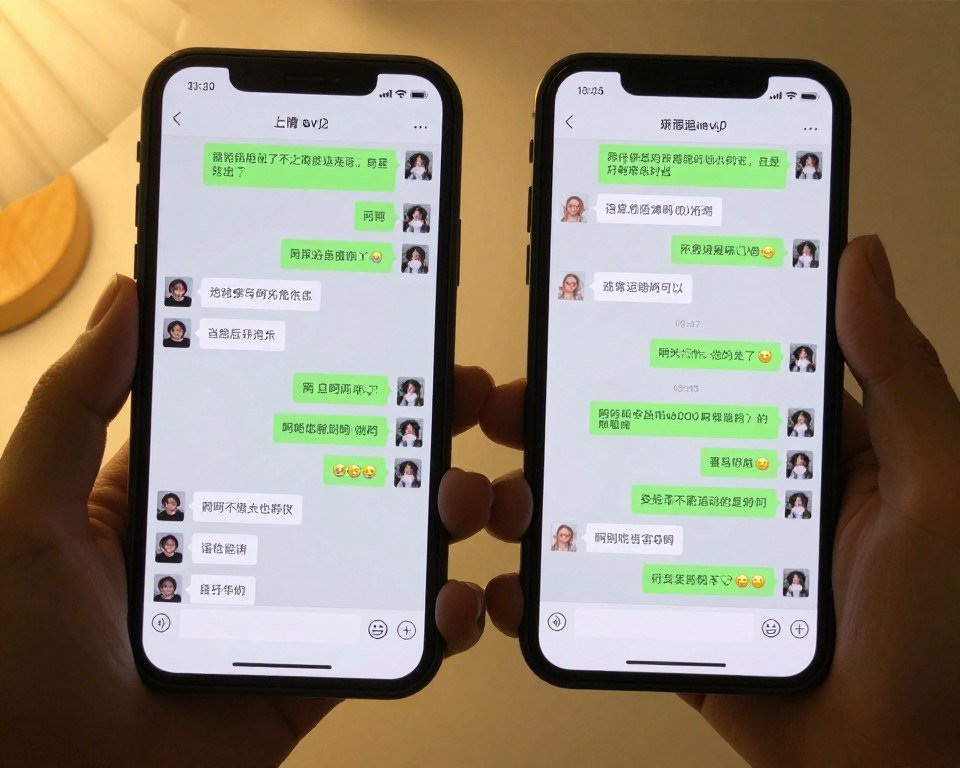
The best text games reference shared experiences and inside jokes. A “Would You Rather” question becomes funnier when it references that embarrassing thing that happened last summer. Story games improve when you incorporate mutual friends as characters or use locations you’ve both visited. Personalization transforms generic games into uniquely yours.
Create game variations specific to your relationship. Best friends might play “Guess What I’m Thinking” with an uncanny ability to read each other. Couples can add romantic or flirty elements to standard games. Family members might focus on nostalgia and memories. The foundation stays the same, but personal touches make games more meaningful.
Embrace the Chaos
Text games rarely go exactly as planned. Autocorrect creates hilarious errors. Someone misunderstands the rules in an entertaining way. A game takes an unexpected turn that’s better than the original plan. Don’t fight these moments. The chaos and imperfection are features, not bugs. Some of the best laughs come from mistakes and misunderstandings.
Stay flexible and build on whatever happens. If autocorrect changes your word into something ridiculous, incorporate it into the game. If your friend completely misinterprets the rules, see where their version leads. The goal isn’t perfect execution of predetermined game mechanics. It’s shared fun, however that emerges.
Remember: The person you’re playing with matters more than the game itself. These texting games are vehicles for connection, not ends in themselves. Choose games that bring you closer and create positive shared experiences.
Text Game Etiquette and Best Practices
Like any social activity, texting games benefit from basic etiquette. These unwritten rules keep games fun for everyone involved and prevent the frustrations that can derail a good time.
Do These Things
- Ask if someone wants to play before launching into a game
- Respect when someone needs to pause or stop
- Be a gracious winner and good-spirited loser
- Keep games appropriate for your relationship level
- Celebrate good plays from your opponent
- Maintain a positive, fun attitude throughout
- Follow through on games you start
Avoid These Mistakes
- Don’t force games on uninterested people
- Never make games feel like obligations
- Avoid overly competitive or aggressive behavior
- Don’t shame wrong answers or poor performance
- Resist the urge to cheat or look up answers
- Don’t abandon games without explanation
- Avoid games that might embarrass the other person
Reading the Room (Via Text)
Pay attention to enthusiasm levels in responses. Short, delayed replies might mean your friend isn’t feeling the game right now. Enthusiastic responses with exclamation points and emoji signal they’re having fun. Don’t take it personally if someone isn’t in the mood for games. Just like phone calls, text games work best when both people genuinely want to participate.
If you sense waning interest, offer an easy out: “Want to keep playing or save this for later?” This shows respect for their time and mental energy. Sometimes people want to chat but aren’t up for games. Other times they’re bored and desperately seeking entertainment. Learning to read these cues makes you a better gaming partner.
Balancing Games and Conversation
Don’t let games completely replace normal conversation. Use them as spice, not the entire meal. Mix game exchanges with genuine check-ins about life. Ask how someone’s day went. Share a funny story. Then maybe suggest a quick game. This balance keeps your texting relationship healthy and prevents games from feeling like a gimmick.
Some friendships thrive on constant playfulness and games. Others prefer games as occasional treats. Calibrate to your specific relationship. The strongest text-based friendships blend multiple types of interaction: support, humor, shared interests, and yes, fun games when the mood strikes.
Choosing Games for Different Types of Relationships
The same game can feel completely different depending on who you’re playing with. Context matters. A flirty “Would You Rather” works great with a romantic partner but might be awkward with a coworker. Here’s how to match games to relationships.
Games for Couples

Couples can add romantic or flirty elements to most games. “20 Questions” becomes more interesting when you’re guessing things about your partner’s fantasies or dreams. “Would You Rather” can explore relationship preferences and future plans. Story games can include romantic scenarios or inside jokes specific to your relationship.
Long-distance couples especially benefit from text games. They create shared experiences across physical distance. The games fill time when you can’t be together and give you things to discuss during your next video call. They maintain playfulness and connection that pure “how was your day” texts can’t achieve alone.
Games for Best Friends
Best friends can go weird and wild with games. No topic is off-limits. The crazier the “Would You Rather” scenario, the better. Story games can include ridiculous plots and embarrassing callbacks to shared history. Trivia can focus on obscure knowledge about each other’s lives and preferences.
Friends who’ve known each other forever have an advantage in guessing games. “20 Questions” becomes telepathic when you know someone well enough to predict their thinking. This familiarity makes some games easier but also allows for deeper, more personal versions of standard games.
Games for New Friendships
When getting to know someone, stick with lighter games that reveal personality without demanding too much vulnerability. “This or That” works perfectly for learning preferences. Simple word games show someone’s sense of humor and creativity without requiring deep personal sharing.
Avoid games that might create awkwardness or require knowledge you don’t have yet. As the friendship develops, you can graduate to more complex or personal games. Text games actually accelerate friendship formation by creating shared experiences and revealing compatible personalities.
Games for Family Members

Family text games often work best when they’re nostalgic or educational. Parents and kids can play trivia about family history. Siblings can reference childhood memories in creative story games. Grandparents might enjoy simpler games with clear rules and no time pressure.
Adjust complexity for different age groups. Young kids need very simple games with immediate feedback. Teenagers might enjoy competitive trivia or creative challenges. Adults appreciate games that work around busy schedules. Family games strengthen bonds across generations and geographical distances.
Games for Coworkers
Keep workplace texting games appropriate and light. Stick with trivia, word games, and creative challenges that don’t venture into personal territory. These games can build team camaraderie during lunch breaks or downtime but should never interfere with actual work or make anyone uncomfortable.
Group games work well in team chats. “Category Countdown” or “Word Association” can include multiple participants. Just be mindful of workplace norms and include everyone who wants to participate. Games should enhance workplace relationships, not create cliques or distractions.
Troubleshooting Common Text Game Problems
Even the best games hit occasional snags. Here are solutions to common issues that arise when playing games over text.
What if someone takes forever to respond?
This is normal with text games. People have lives, work, and responsibilities. Don’t take slow responses personally. Set expectations upfront: “Want to play something quick?” or “How about a game we can play over the next few days?” For time-sensitive games, agree on reasonable response windows. For ongoing games, embrace the slower pace as part of the fun.
How do I handle someone who always wants to play the same game?
Some people find comfort in repetition and favorites. Honor that while occasionally suggesting variations. “Want to play our usual game but with a twist?” Or alternate: their favorite game one day, your choice the next time. If you’re truly bored, have an honest conversation about trying new things together.
What if the game gets boring halfway through?
It’s okay to abandon games that aren’t working. Say something like “This is harder than I thought, want to try something else?” or “Let’s put a pin in this and come back to it later.” Not every game will be a hit every time. The willingness to switch gears prevents forced fun and keeps the energy positive.
How do I deal with someone who takes games too seriously?
Remind them it’s just for fun: “Hey, this is supposed to be relaxing, not stressful!” If someone’s competitiveness crosses into unpleasant territory, switch to purely collaborative games where you’re working together rather than competing. Story-building games or creative challenges remove the winner/loser dynamic entirely.
What if I run out of games to play?
You have thirty games on this list, but beyond that, create variations. Add new rules to old favorites. Combine elements from different games. Make up entirely new games based on shared interests. The best games often emerge from spontaneous ideas during conversations. The structure matters less than the playful attitude.
The Future of Texting Games in 2026 and Beyond
Text messaging continues evolving. Features like reactions, animations, and rich media change how we communicate. Yet the core appeal of text-based games remains constant: they require nothing but words and imagination. As technology advances, these simple games will likely persist because they tap into fundamental human desires for connection and play.
New messaging features might enable game enhancements. Imagine collaborative whiteboards for Pictionary-style games or integrated timers for speed challenges. But the best text games will likely remain those that work on any platform, from the newest smartphone to the most basic messaging service. Their universality is their strength.
The social landscape may shift, but people will always seek ways to bond remotely. Whether we’re texting friends across town or communicating with space colonists on Mars, word games will adapt and thrive. They’re humanity’s oldest form of entertainment, updated for each generation’s communication tools. In 2026 and beyond, playing games over text will remain a timeless way to build relationships and pass the time with the people who matter most.
Start Playing Today
You now have thirty games ready to transform your text conversations. From quick word challenges to elaborate storytelling adventures, there’s something here for every mood, relationship, and situation. The hardest part is choosing which game to try first.
Don’t overthink it. Open your messaging app right now and send a friend: “Want to play a game?” Start with something simple like “This or That” or “20 Questions.” See where it leads. The magic of text games isn’t in perfect execution but in shared laughter, unexpected moments, and the connection that emerges from playing together.
These games work because they transform ordinary texts into extraordinary interactions. They turn waiting time into entertainment. They deepen friendships and strengthen relationships. They prove that the best games don’t need fancy graphics or expensive equipment, just two people willing to be playful with each other.
So go ahead. Pick a game. Text a friend. Make someone smile. That’s what these thirty games are really about: using the technology in your pocket to create moments of joy and connection, one message at a time. The phone in your hand is a portal to endless entertainment. All you need is someone to play with and the willingness to have fun.