
Long hair for men has made a powerful comeback. More men are embracing their natural texture and growing their hair past shoulder length. This transformation requires knowledge, patience, and the right styling approach.
Finding the perfect long hairstyle can feel overwhelming. Different hair types need different care routines. Your face shape influences which styles look best. The good news is that options exist for every hair texture and personal style preference.
This comprehensive guide covers fifty distinct long hairstyles for men. You’ll discover options for straight, wavy, and curly hair. Each style includes practical tips for achieving the look. We’ve also matched complementary beard styles to complete your transformation.
Table of Contents
Understanding Your Hair Type and Texture
Hair type determines which long hairstyles work best for you. Straight hair falls naturally without curl or wave patterns. Wavy hair creates gentle S-shaped curves. Curly hair forms distinct spiral patterns that add volume and texture.
Your natural texture affects how you maintain long hair. Straight hair tends to show oil more quickly. Curly hair often needs extra moisture. Understanding these differences helps you choose appropriate products and styling methods.
Characteristics of Straight Long Hair
Straight hair reflects light beautifully when properly maintained. This texture lies flat against the head. It grows down rather than out. Men with straight hair can achieve sleek, polished looks easily.
The main challenge with straight long hair involves managing oil. Sebum travels down the hair shaft more quickly on straight strands. Regular washing becomes important. However, over-washing strips natural oils and causes dryness.
Product selection matters for straight hair. Light formulas work better than heavy creams. A quality sea salt spray adds texture without weighing strands down. Heat protectant becomes essential when using styling tools.
Working with Wavy Hair Texture
Wavy hair offers natural texture that enhances many long hairstyles for men. This hair type falls between straight and curly. Waves create movement and dimension. They add visual interest to simple styles.
Enhancing your natural wave pattern requires the right approach. Scrunching damp hair encourages curl formation. Using sea salt spray boosts texture. Air drying preserves the natural wave shape better than blow drying.
Keep hair hydrated to prevent frizz. Wavy hair can become dry at the ends. A lightweight conditioning cream maintains moisture. Apply products when hair is still damp for better absorption.
Embracing Natural Curly Hair
Curly hair creates dramatic long hairstyles with incredible volume. Natural curls form tight or loose spiral patterns. This texture stands out in any setting. Curly hair makes a bold style statement.
Moisture is crucial for curly long hair. Curls need hydration to maintain their shape. The curl pattern prevents natural oils from traveling down the shaft. Deep conditioning treatments become necessary weekly.
The right products transform curly hair. Look for curl-defining creams and gels. These products reduce frizz while enhancing curl pattern. Avoid products with drying alcohols. They make curly hair brittle and prone to breakage.
Long Hairstyles for Straight Hair
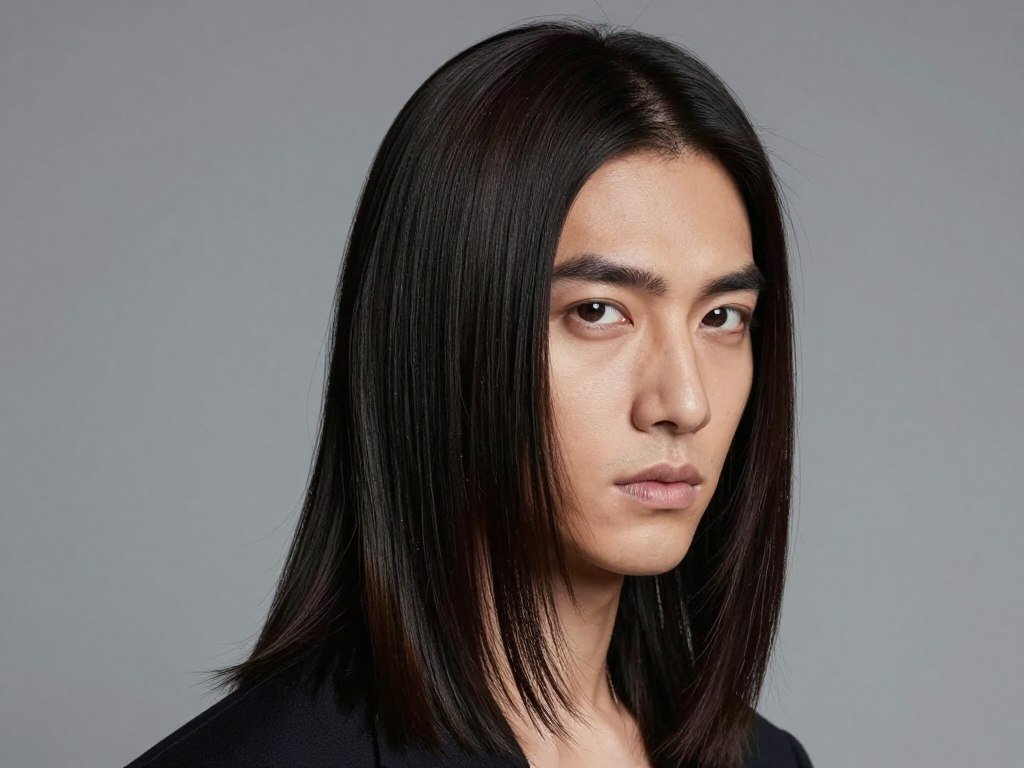
Classic Shoulder-Length Cut
The shoulder-length cut remains timeless for men with straight hair. Hair extends just past the shoulders with even length throughout. This style works well for professional settings. It looks polished with minimal effort.
Achieve this look by keeping ends trimmed regularly. Split ends make straight hair appear unhealthy. Visit your stylist every eight weeks. Ask for a blunt cut to maintain thickness at the ends.
Style by blow-drying straight back from your face. Use a round brush for slight volume at the roots. Finish with a light pomade on the ends. This keeps strands smooth and prevents flyaways throughout the day.
Long Layers with Center Part
Layers add dimension to straight long hair. A center part creates symmetry and frames the face evenly. This combination suits oval and heart-shaped faces particularly well.
Request long layers starting at chin level. Shorter layers around the face create movement. Longer layers underneath maintain length and fullness. The layered approach prevents hair from looking flat or lifeless.
Styling requires minimal product. Apply a small amount of styling cream to damp hair. Part down the center while wet. Let hair air dry or use low heat. The layers create natural movement without additional effort.
Sleek Side-Swept Style
The side sweep brings sophistication to straight long hair. Hair parts deeply on one side. The longer section falls across the forehead and tucks behind the opposite ear. This asymmetrical look adds interest to straight texture.
Create a defined side part when hair is damp. Use a fine-tooth comb for precision. Apply heat protectant before blow-drying. Direct air flow in the direction you want hair to fall.
A light finishing spray holds the style in place. The side sweep works well for formal occasions. It keeps hair off your face while maintaining length. This style transitions easily from day to night.
Long Hair with Subtle Layers
Subtle layers prevent straight hair from appearing too heavy. The layering starts several inches from the ends. This technique maintains length while adding slight texture.
Ask your stylist for long, invisible layers. The cut should look like one length when hair hangs naturally. Layers only become visible when hair moves. This creates a more dynamic appearance.
Maintain this style with regular trims every two months. Focus on keeping the shape intact. Apply nourishing hair oil to the ends after washing. This prevents dryness and keeps layers looking healthy.
Straight Hair with Textured Ends
Adding texture to the ends creates visual interest. Your stylist uses point-cutting or razor techniques. This removes weight from the bottom section. The result looks less severe than a blunt cut.
Textured ends work especially well for thick, straight hair. The technique reduces bulk. It makes hair easier to manage. The style appears more modern and less uniform.
Style with sea salt spray for enhanced texture. Scrunch the product into damp ends. Let hair air dry for a natural finish. The textured ends create a relaxed, effortless vibe.
Long Straight Hair with Fringe
A fringe adds personality to long straight hairstyles for men. The front section stays shorter while the rest grows long. This combination offers versatility in styling options.
Choose a fringe length that complements your face shape. Longer fringes suit square faces. Shorter fringes work well with round faces. Your stylist can recommend the best option.
Style the fringe separately from the rest of your hair. Use a small amount of pomade for control. The fringe can sweep to the side or fall forward. Change the fringe direction for different looks.
Slicked Back Long Hair
Slicking hair back creates a powerful, confident look. All hair pulls away from the face. This style emphasizes facial features. It works well for business settings and formal events.
Start with damp hair for best results. Apply a strong-hold pomade from roots to ends. Use a fine-tooth comb to pull hair straight back. Ensure even distribution of product for a smooth finish.
The slicked-back style stays in place all day. Touch up as needed with additional product. This look pairs well with a clean-shaven face or short beard. It creates a sharp, polished appearance.
Long Straight Hair with Undercut
Combining long hair with an undercut creates contrast. The sides and back stay short or shaved. The top section grows long. This modern style offers edge and personality.
Maintenance requires regular touch-ups on the undercut section. Visit your barber every three to four weeks. The long top section needs trimming every two months. This keeps the contrast sharp and intentional.
Style the long section in various ways. Pull it into a man bun for casual settings. Let it fall naturally for a relaxed look. Slick it back for formal occasions. The undercut adds versatility to long hair.
Curtain Bangs with Long Hair
Curtain bangs frame the face beautifully. The front section parts in the middle. Each side falls diagonally across the forehead. This nineties-inspired style has returned to popularity.
Request bangs that reach eyebrow length or slightly longer. They should blend seamlessly with the rest of your long hair. The stylist cuts the bangs at an angle for natural-looking movement.
Style curtain bangs with a round brush and blow dryer. Direct each side away from the center part. A small amount of styling cream adds texture. This relaxed style suits many face shapes.
Low-Maintenance Straight Long Hair
Some men prefer minimal styling routines. A simple, even-length cut works perfectly. This approach requires the least amount of daily effort while still looking intentional.
Keep hair healthy with regular washing and conditioning. Use a wide-tooth comb to prevent breakage. Trim ends every ten weeks to prevent split ends. These basic steps maintain appearance without complex styling.
Let hair air dry naturally for an effortless look. Apply leave-in conditioner for protection and shine. This low-maintenance approach suits active lifestyles. It proves that long hair doesn’t have to be complicated.
Long Hairstyles for Wavy Hair
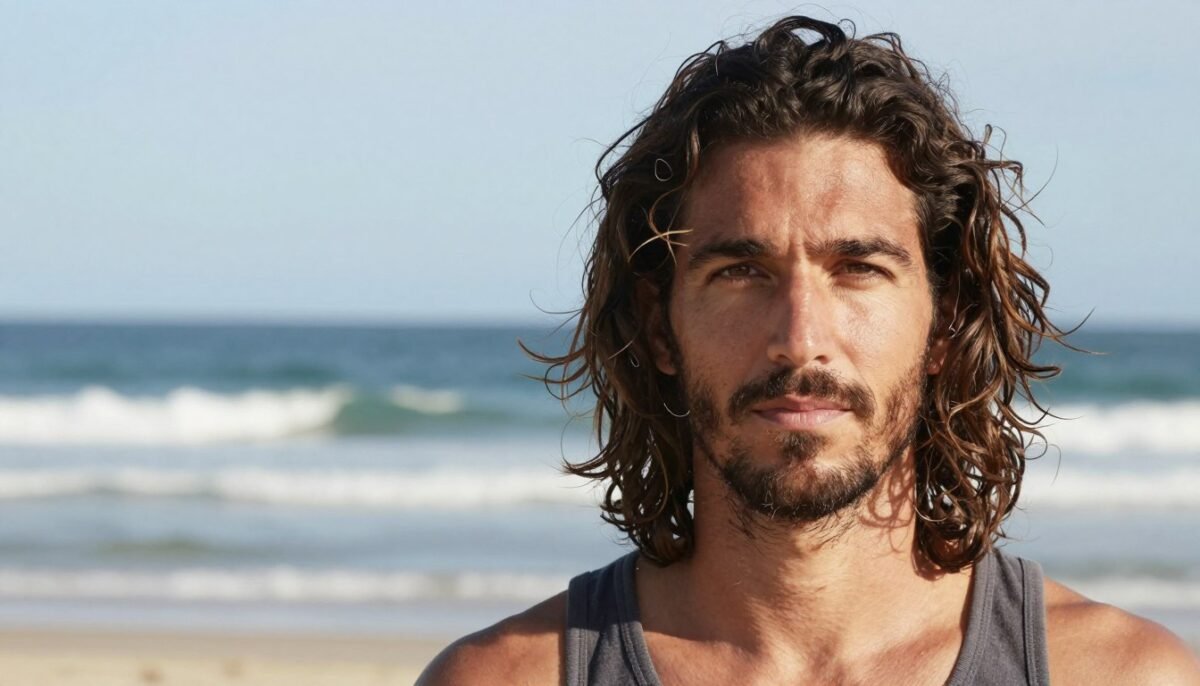
Natural Wavy Shoulder-Length
Wavy hair creates effortless texture at shoulder length. The natural movement adds character without styling products. This look embraces your hair’s authentic pattern. Many men find this their most manageable long hairstyle.
Enhance waves by applying product to damp hair. Sea salt spray works particularly well for wavy texture. Scrunch sections upward to encourage wave formation. Avoid touching hair while it dries to prevent frizz.
Maintain healthy waves with proper moisture balance. Use a hydrating shampoo and conditioner. Deep condition once weekly. This routine keeps waves defined and prevents them from looking dry or damaged.
Wavy Hair with Side Part
A side part adds structure to wavy long hair. The defined part creates a clean starting point. Waves cascade from this line in an organized way. This style balances polish with natural texture.
Create the part when hair is wet for better definition. Apply a small amount of styling cream. Comb the part precisely with a fine-tooth comb. Let hair dry naturally while maintaining the parted shape.
The side part works well for professional environments. It shows intentional styling without appearing overly formal. Waves add softness that straight hair lacks. This combination creates an approachable yet put-together look.
Tousled Wavy Long Hair
The tousled look embraces natural messiness. Waves create perfect texture for this relaxed style. Hair appears casually styled rather than carefully arranged. This approach suits creative environments and casual settings.
Achieve the tousled look with minimal effort. Scrunch sea salt spray into damp hair. Tilt your head forward and shake hair gently. Let it air dry without combing. The result appears effortlessly cool.
This style works best with layered cuts. Layers increase movement and prevent flatness. Ask your stylist for long, choppy layers. They enhance the tousled effect while maintaining length.
Wavy Long Hair Tucked Behind Ears
Tucking wavy hair behind your ears creates a practical yet stylish look. This keeps hair off your face during activities. The waves remain visible while staying controlled. This simple adjustment changes your entire appearance.
The tucked style works well for medium to long wavy hair. Hair should reach past your ears for this to work effectively. Waves create volume around your face before tucking back. This frames facial features nicely.
Use a light styling product to prevent hair from falling forward. Apply a small amount behind your ears after tucking. This holds hair in place without looking stiff or unnatural.
Layered Wavy Long Hair
Layers maximize the beauty of wavy hair. Different lengths create depth and dimension. The layered cut prevents wavy hair from forming a triangular shape. This technique distributes volume more evenly.
Request layers that start around chin length. Shorter face-framing layers add movement. Longer layers underneath maintain fullness. This combination creates the most flattering wavy long hairstyle for men.
Styling layered wavy hair requires minimal product. Apply curl-enhancing cream to damp hair. Scrunch sections gently. The layers create natural separation as hair dries. No additional styling necessary.
Wavy Hair with Textured Fringe
A textured fringe complements wavy long hair beautifully. The front section receives extra layering and texture. This creates a distinct fringe area. The waves make the fringe appear soft and natural.
Ask your stylist to point-cut the fringe section. This technique adds texture while maintaining length. The fringe should blend with the rest of your long hair. Avoid harsh lines or obvious separation.
Style the fringe by sweeping it to one side. Use your fingers rather than a comb. This preserves the natural wave pattern. A small amount of texturizing paste adds definition without making hair stiff.
Wavy Long Hair with Center Part
The center part creates symmetry with wavy long hair. Waves fall evenly on both sides of your face. This balanced look suits most face shapes. The natural texture adds visual interest to the simple part.
Create the center part on damp hair. Ensure it’s perfectly straight for the best effect. Apply a lightweight styling product. Let hair air dry to preserve wave pattern. The center part looks effortlessly stylish.
This style benefits from regular trims. Keep ends healthy to maintain the clean appearance. The center part draws attention to your hair’s condition. Proper care ensures your waves look their best.
Wavy Man Bun
The man bun showcases wavy texture while keeping hair contained. Pull all hair back into a bun at the crown or lower back of your head. Wavy hair creates a fuller, more textured bun than straight hair.
Gather hair when slightly damp for better hold. Use a fabric hair tie to prevent breakage. Don’t pull too tight. Some loose pieces around the face add a relaxed feel. Waves prevent the bun from looking too severe.
The wavy man bun works for various occasions. It’s practical for workouts and outdoor activities. Yet it looks stylish enough for social settings. This versatile style maximizes long hair functionality.
Half-Up Wavy Style
The half-up style pulls the top section back while leaving the rest down. This creates height at the crown. Waves flow freely from the secured section. The look balances casual and intentional styling.
Gather hair from your temples to the crown. Secure with a small elastic or clip. Leave the bottom section loose. Waves in the lower section create beautiful movement. This style keeps hair off your face while showcasing length.
Enhance the half-up style with slight volume at the crown. Tease the gathered section gently before securing. Spray lightly to hold. The waves add texture that straight hair couldn’t achieve with this style.
Wavy Long Hair with Beard
Pairing wavy long hair with a full beard creates a distinguished look. The soft texture of waves complements beard texture. Both elements work together to frame your face. This combination appears masculine and stylish.
Keep both hair and beard well-maintained. Trim the beard regularly to maintain its shape. Condition both hair and facial hair. The wavy hair should look intentional, not neglected. Proper grooming is essential.
This style suits men who want a bold, distinctive appearance. The long wavy hair and beard combination makes a statement. It works well in creative industries and casual environments. Maintain good hygiene to pull off this look successfully.
Long Hairstyles for Curly Hair
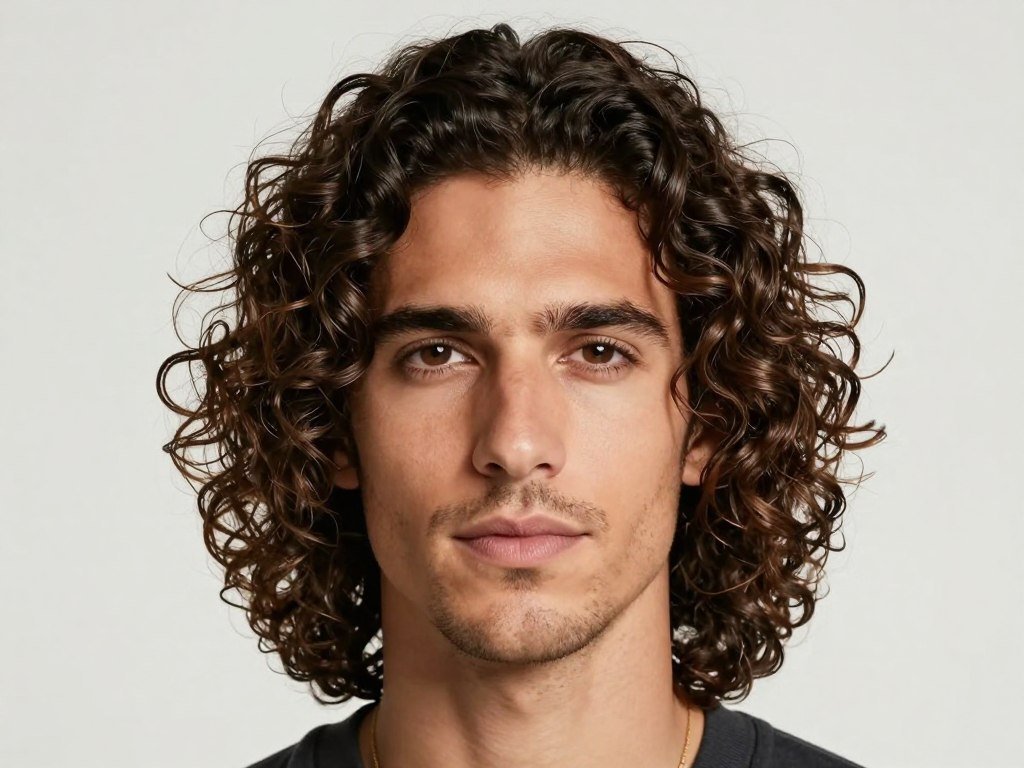
Natural Curly Afro Style
The natural afro celebrates curly hair in its full glory. Hair grows out in all directions, creating a rounded shape. This iconic style embraces natural texture completely. Curly hair creates incredible volume with this approach.
Maintain an afro by keeping hair hydrated. Use a leave-in conditioner daily. Apply curl cream to define individual curls. Pick out hair gently with an afro pick. This distributes volume evenly while preserving curl pattern.
Regular trims keep the afro shape balanced. Your stylist should maintain the rounded silhouette. Remove damaged ends without sacrificing overall length. Healthy curly hair creates the best afro style.
Long Curly Hair with Defined Curls
Defined curls create a polished long hairstyle. Each curl forms a distinct spiral. The curls separate from each other rather than clumping together. This look requires specific products and techniques.
Apply curl-defining gel to soaking wet hair. Section hair and work product through each section. Use the finger-coiling method on individual curls. This creates uniform, defined spirals throughout your hair.
Air dry or use a diffuser attachment on low heat. Don’t touch hair while drying. Once completely dry, scrunch out any crunchiness from the gel. This leaves soft, perfectly defined curls that last for days.
Curly Long Hair with Tapered Sides
Tapering the sides focuses attention on curly length at the top. The sides and back stay shorter. The top section grows long. This creates dramatic contrast and showcases your curls.
Ask your barber for a low, medium, or high taper. The taper should blend smoothly into the longer curly section. Maintain the taper every three to four weeks. The curly top can grow continuously.
Style the curly top section with curl cream. The shorter sides require minimal product. This style reduces overall maintenance while highlighting your curls. It’s perfect for thick, dense curly hair that can become overwhelming when grown out all over.
Curly Man Bun
Curly hair creates voluminous, textured man buns. The natural curl adds dimension that straight hair cannot achieve. This practical style keeps curls contained while remaining visible.
Gather curls at the crown or back of your head. Don’t brush or comb through curls before securing. This preserves the curl pattern. Use a fabric hair tie to prevent breakage. The bun should feel secure but not tight.
Some curls will naturally escape the bun. This creates a softer, more romantic look. Embrace these loose curls rather than trying to control them. The imperfect curly man bun often looks better than a too-neat version.
Wash and Go Curly Style
The wash and go method simplifies curly hair care. Apply products to clean, wet hair. Let curls dry naturally. This technique works beautifully for men with long curly hair who want minimal styling time.
Use the right product combination for your curl type. Start with leave-in conditioner on soaking wet hair. Add curl cream or gel while hair is still dripping. Don’t add more water after applying products.
Scrunch products upward into curls. Don’t rake or comb through hair. This disrupts curl formation. Air dry or use a diffuser. The wash and go gives you defined curls with minimal effort.
Curly Long Hair with High Top
The high top style creates height at the crown. Sides stay shorter while the top grows tall. Curly hair creates natural height that enhances this classic look. This bold style makes a definite statement.
Maintain the high top with regular barber visits. The sides need frequent trimming. The top section requires shaping to maintain the box or rounded silhouette. Your barber can help determine the best high top shape for your face.
Keep the curly top moisturized and defined. Use a pick to lift curls upward. Apply curl cream for definition. This style works best with tighter curl patterns that hold their shape well.
Curly Shoulder-Length Layers
Layers prevent curly shoulder-length hair from becoming triangular. Different curl lengths create better shape. Face-framing layers add dimension. This technique distributes curl volume more attractively.
Request layers specifically designed for curly hair. Your stylist should cut hair dry to see how curls fall naturally. Wet cutting doesn’t account for curl shrinkage. Dry cutting ensures proper layer placement.
Style with a curl-enhancing product. Layers create natural movement in curly hair. Each layer showcases the curl pattern differently. This creates visual interest and prevents flatness at the crown.
Curly Hair with Side Fade
A side fade adds modern edge to long curly hair. One side fades from long to short. The other side maintains more length. This asymmetrical approach creates visual interest.
The fade should transition smoothly from the longest point to the shortest. Discuss fade placement with your barber. Some men prefer a dramatic difference, while others want subtle gradation.
Maintenance requires regular fade touch-ups. Visit your barber every two to three weeks. The curly top section needs less frequent trimming. This style works well for men who want something unique.
Curly Hair Half-Up Style
Pulling the top section of curly hair up while leaving the bottom down creates a practical look. This keeps curls off your face. The style works well for work or workouts. Natural curl texture adds interest to this simple style.
Gather curls from your temples back to your crown. Secure with a fabric elastic. Don’t pull curls tight. They should gather loosely. The remaining curls cascade down your back and shoulders.
This style showcases curl length while providing functionality. It takes seconds to create. No heat styling required. The half-up style protects curls from damage while looking intentional and stylish.
Free-Form Curly Locs
Free-form locs develop naturally over time. Curly hair begins to loc without manipulation. This organic process creates unique, individual locs. Each loc forms its own size and shape.
Start free-form locs by simply not combing your curly hair. Continue washing and moisturizing regularly. Separate sections as needed to prevent complete matting. Over months, locs will begin forming naturally.
This style requires patience. Free-form locs take time to develop. The result is deeply personal and unique. No two free-form loc journeys look identical. This appeals to men seeking truly individual long hairstyles.
Medium-Length Long Hairstyles
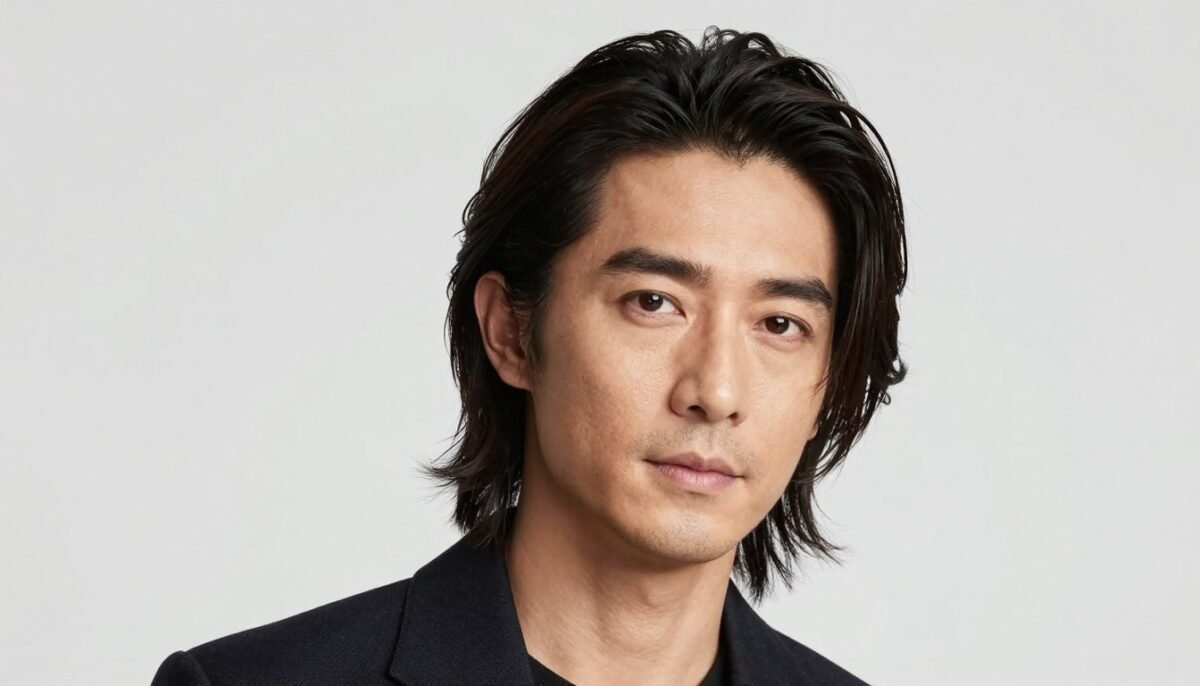
Classic Medium-Length Cut
Medium-length hair reaches the ears or slightly past. This length provides styling versatility without full commitment to very long hair. Many men find this the perfect transitional length. It’s long enough to style but manageable for daily life.
Keep medium-length hair healthy with regular trims every six to eight weeks. This prevents split ends from traveling up the hair shaft. Maintaining the shape helps hair grow evenly. The style looks intentional rather than neglected.
Style options include slicking back, parting to the side, or leaving natural. Apply a small amount of pomade for control. Medium length works in most professional environments. This makes it ideal for men with corporate jobs.
Textured Medium-Length Style
Adding texture to medium-length hair creates a modern, youthful appearance. Your stylist uses point-cutting or razor techniques throughout. This removes weight and encourages movement. The result looks effortlessly stylish.
Enhance texture with the right products. Use a texturizing paste or clay on dry hair. Work product through with your fingers. Piece out sections for definition. This creates a lived-in, casual vibe.
The textured medium-length style suits most hair types. Straight hair benefits from added dimension. Wavy hair gains enhanced movement. Even slightly curly hair looks great with texture-focused cutting. This versatile approach works for many men.
Medium-Length with Undercut
Combining medium length on top with an undercut creates contrast. Sides and back stay very short or shaved. The top section maintains medium length. This modern combination offers edge and versatility.
The undercut requires maintenance every three to four weeks. Keep the shaved section crisp and clean. The medium top section needs trimming every two months. This maintains the overall shape and proportion.
Style the top section in various ways. Push it back for a sleek look. Part it to the side for a classic appearance. Add texture for casual settings. The undercut makes medium length more interesting.
Medium-Length Slicked Back
Slicking back medium-length hair creates instant sophistication. All hair pulls away from your face. This emphasizes facial features and bone structure. The look works well for formal occasions and business meetings.
Start with damp hair for easiest styling. Apply a strong-hold pomade from roots to ends. Use a comb to direct hair straight back. Ensure even product distribution for a smooth appearance.
The slicked-back medium length stays in place throughout the day. Touch up as needed in the afternoon. This style pairs well with suits and formal attire. It conveys confidence and attention to detail.
Medium-Length with Fringe
A fringe adds character to medium-length hair. The front section falls across the forehead. The rest of the hair reaches ear-length or slightly longer. This combination creates visual interest and frames your face.
Request a fringe that suits your face shape. Longer fringes work for square faces. Shorter fringes complement round faces. The fringe should blend naturally with the rest of your medium-length hair.
Style the fringe separately from the rest of your hair. Use a small amount of styling product. Direct the fringe to the side or let it fall forward. Change the direction for different looks throughout the week.
Tousled Medium-Length Hair
The tousled look creates an effortlessly cool appearance. Hair appears naturally messy rather than perfectly styled. This relaxed approach suits creative professionals and casual environments. Medium length provides enough hair to create the tousled effect.
Achieve this look with sea salt spray on damp hair. Scrunch and tousle hair with your hands. Let it air dry without combing. The result appears naturally windswept. This style takes minimal time to create.
The tousled medium-length style works best with layered cuts. Layers increase movement and prevent flatness. Ask for choppy, irregular layers. These enhance the intentionally messy aesthetic.
Medium-Length Side Part
A defined side part adds structure to medium-length hair. The clean part line creates organization. Hair falls naturally from this starting point. This classic style never goes out of fashion.
Create the side part when hair is damp. Use a fine-tooth comb for precision. Apply styling cream before parting. Blow dry in the direction you want hair to fall. The side part should look sharp and intentional.
This style suits professional environments perfectly. It shows effort and attention to grooming. The medium length keeps it modern. The defined part keeps it polished. This combination works for many men.
Medium-Length with Layers
Layering medium-length hair prevents a flat, heavy appearance. Different lengths create dimension and movement. Face-framing layers add interest around your facial features. This technique works with all hair textures.
Request subtle layers that blend seamlessly. The layers should create movement without obvious separation. Your stylist can adjust layer intensity based on your hair thickness. Thick hair needs more layering than fine hair.
Style layered medium-length hair with minimal product. The layers create natural movement and texture. Apply a small amount of styling cream. Use your fingers to separate layers slightly. This casual approach looks modern and effortless.
Medium-Length Brushed Back
Brushing medium-length hair back creates volume and height. Hair lifts away from your forehead rather than lying flat. This style adds visual height, which can balance certain face shapes. The brushed-back look appears confident and put-together.
Apply volumizing mousse to damp hair at the roots. Blow dry while brushing hair back with a round brush. The heat sets hair in the back-swept position. Finish with a light spray to hold the style.
This style works well for men with fine or thin hair. The backward direction creates the illusion of more volume. It also suits men with receding hairlines. Brushing back frames the face attractively.
Medium-Length Natural Style
Embracing your hair’s natural tendencies creates an easy medium-length style. Let your natural texture dictate the look. Straight hair falls sleek and smooth. Wavy hair creates gentle movement. Curly hair adds volume and personality.
Maintain healthy hair with regular washing and conditioning. Use products suited to your hair type. Let hair air dry in its natural state. This approach requires minimal daily styling time.
The natural medium-length style suits men who prefer simplicity. It’s honest and authentic. Regular trims keep the natural style looking intentional. This proves that less styling can sometimes look better.
Pairing Long Hairstyles with Beard Styles
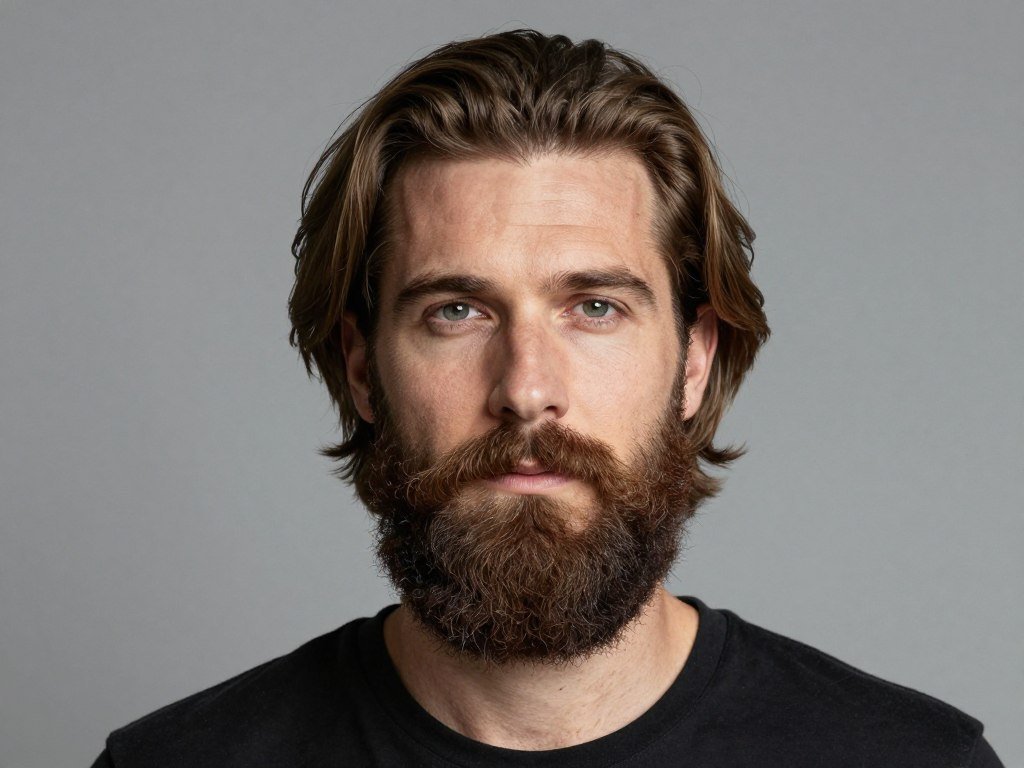
Long Hair with Full Beard
The combination of long hair and a full beard creates a bold, masculine appearance. Both elements require commitment and maintenance. Together, they make a powerful style statement. This pairing suits confident men who embrace a distinctive look.
Maintain both hair and beard with regular trimming. Keep the beard shaped and neat. Long hair should look healthy and intentional. The key is showing that both are deliberately styled, not neglected.
Use quality products on both hair and beard. Beard oil keeps facial hair soft and conditioned. Regular shampoo and conditioner maintain healthy long hair. This dual maintenance routine keeps the entire look polished.
Long Hair with Short Stubble
Short stubble provides subtle facial hair without full beard commitment. This pairs well with long hair for a balanced appearance. The stubble adds masculinity without competing with the hair for attention.
Maintain stubble length with regular trimming. Use a beard trimmer set to your preferred short length. Keep edges clean along the neck and cheeks. This creates a groomed appearance rather than looking unkempt.
The long hair and stubble combination works in many settings. It’s more professional than a full beard. Yet it adds more character than being clean-shaven. This balance appeals to many men.
Long Hair with Goatee
A goatee focuses facial hair around the mouth and chin. This style pairs interestingly with long hair. The goatee creates a focal point on your lower face. Long hair frames your entire head. Together, they create visual balance.
Shape the goatee carefully to complement your face structure. The goatee should extend slightly past the corners of your mouth. Keep the chin section well-defined. Regular trimming maintains the precise shape.
This combination suits men who want facial hair without a full beard. The goatee requires less maintenance than a full beard. It pairs well with all long hairstyle types, from straight to curly.
Long Hair with Van Dyke Beard
The Van Dyke combines a mustache and goatee without connecting them. This distinctive style adds sophistication to long hair. The separated facial hair elements create visual interest. This classic combination never goes out of style.
Maintain clean separation between the mustache and goatee. Shave the connecting areas regularly. Keep both sections trimmed to your preferred length. The Van Dyke requires precision and regular maintenance.
This pairing works well for men in creative fields. It shows attention to detail in grooming. The long hair adds an artistic element. The Van Dyke adds refinement. Together, they create a memorable appearance.
Long Hair with Mutton Chops
Mutton chops create a retro, bold look when paired with long hair. The sideburns extend down to your jawline. The chin and mustache area stay clean-shaven. This creates a unique, vintage-inspired appearance.
Shape mutton chops to suit your face width. Wider faces can handle fuller chops. Narrow faces need thinner versions. Keep the edges crisp and well-defined. This prevents the look from appearing sloppy.
The long hair and mutton chops combination makes a statement. It’s not for conservative environments. This pairing suits men who embrace individuality and don’t mind standing out. Confidence is essential for pulling off this bold look.
Long Hair with Soul Patch
A soul patch is a small patch of hair below the lower lip. This minimalist facial hair pairs well with long hair. The soul patch adds a subtle point of interest. Long hair provides the main style element.
Keep the soul patch small and well-maintained. It should be clearly intentional, not accidental. Trim regularly to maintain shape. Shave surrounding areas to keep the soul patch defined.
This combination works in more professional settings than full beards. The soul patch adds personality without being overwhelming. It’s a subtle way to add facial hair to complement your long hair.
Long Hair with Anchor Beard
The anchor beard combines a pointed beard and mustache. The shape resembles a ship’s anchor. This structured facial hair style pairs interestingly with flowing long hair. The contrast between structured beard and natural hair creates appeal.
Shape the anchor beard carefully. The chin point should be well-defined. The mustache should not connect to the beard. Regular trimming maintains the precise anchor shape. This style requires dedication to upkeep.
The long hair and anchor beard combination suits creative professionals. It shows grooming effort while maintaining personality. Both elements require regular maintenance. This demonstrates commitment to your personal style.
Long Hair with Balbo Beard
The Balbo beard features a floating mustache and chin beard without sideburns. This distinctive style pairs well with long hair. The Balbo creates definition around your mouth and chin. Long hair softens the overall appearance.
Maintain clear separation between beard sections. The mustache should not connect to the chin beard. Keep sideburns shaved completely. Regular maintenance keeps the Balbo shape sharp and intentional.
This pairing works for men who want a unique beard style. The Balbo isn’t as common as full beards or goatees. Combined with long hair, it creates a memorable appearance. This suits confident, style-conscious men.
Long Hair with Handlebar Mustache
A handlebar mustache features upturned ends styled with wax. This vintage style pairs dramatically with long hair. Both elements make bold statements. Together, they create a distinctive, memorable appearance.
Grow the mustache long enough to curl the ends. Use mustache wax to shape and hold the curls. The handlebar requires daily styling. Long hair can be styled in various ways to complement the mustache.
This combination works best for men in creative industries or self-employment. It’s too bold for conservative workplaces. The handlebar and long hair together show strong personal style and confidence. Both require significant maintenance commitment.
Long Hair Clean-Shaven
Going clean-shaven with long hair creates a youthful, clean appearance. All attention focuses on your hair. This combination works well in professional settings. It shows grooming commitment without facial hair.
Maintain smooth skin with regular shaving. Use quality shaving products to prevent irritation. Moisturize daily to keep skin healthy. The clean-shaven look requires daily attention, just like long hair.
This pairing suits men who prefer minimal facial hair. It works in corporate environments where beards may not be accepted. The long hair provides personality. The clean-shaven face keeps the look approachable and professional.
Essential Styling Tips for Long Hair
Choosing the Right Products
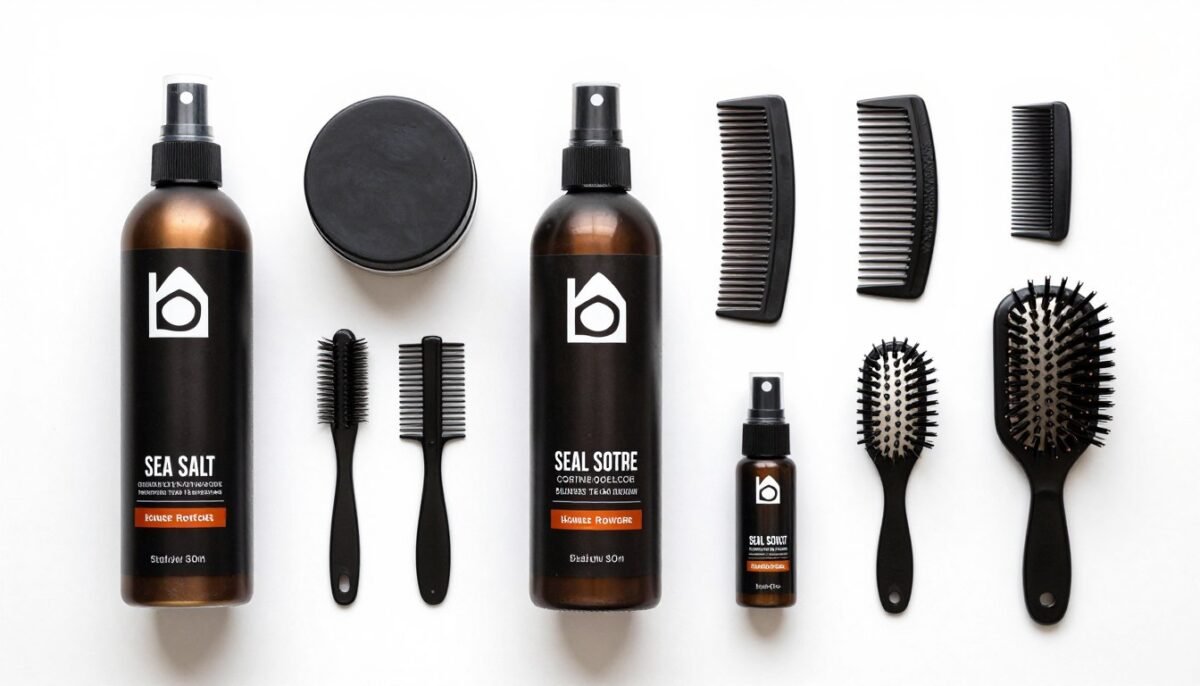
Product selection determines styling success. Different hair types need different formulas. Understanding your hair helps you choose appropriate products. The right products make styling easier and more effective.
For straight hair, choose lightweight formulas. Heavy products weigh straight hair down. Sea salt spray adds texture without heaviness. A light pomade provides control for sleek styles. Heat protectant spray becomes essential before using hot tools.
Wavy and curly hair need moisture-rich products. Look for curl creams and defining gels. These products enhance natural texture while controlling frizz. Deep conditioning treatments should be part of your routine. They keep hair healthy and defined.
Proper Washing Techniques
How you wash long hair matters as much as what you use. Proper technique prevents damage and maintains health. Many men wash their hair incorrectly, causing unnecessary problems.
Start by thoroughly wetting all hair. Apply shampoo to your scalp, not the length. Massage the scalp gently with your fingertips. Let the shampoo rinse through the length naturally. This cleans the ends without over-stripping them.
Apply conditioner from mid-length to ends only. Avoid the scalp unless you have very dry hair. Let conditioner sit for two to three minutes. Rinse thoroughly with cool water. This seals the hair cuticle and adds shine.
Drying Your Hair Properly
Heat damage is common with long hair. Proper drying techniques prevent this problem. You can air dry or use heat, but both methods require care.
Air drying is gentlest on hair. Gently squeeze excess water with a microfiber towel. Don’t rub vigorously. This causes breakage and frizz. Let hair dry naturally while applying your preferred styling product.
When blow-drying, use a heat protectant first. Keep the dryer on medium heat rather than high. Hold it six inches from your head. Move it constantly to prevent concentrated heat damage. Use a concentrator nozzle for smoother results.
Dealing with Tangles
Long hair tangles easily, especially when wet. Preventing and managing tangles protects hair from breakage. The right approach makes detangling painless.
Never brush wet hair with a regular brush. Use a wide-tooth comb instead. Start from the ends and work upward gradually. Apply detangling spray or leave-in conditioner to ease the process. Patience prevents snapping and breaking strands.
Prevent tangles by braiding hair before bed. This keeps hair organized overnight. Use a silk or satin pillowcase. These materials create less friction than cotton. Your hair will be smoother when you wake up.
Protecting Hair While Sleeping
Nighttime protection prevents damage and maintains your style. How you treat hair while sleeping affects its health and appearance. Simple changes make a significant difference.
Tie long hair loosely before bed. A low, loose ponytail or braid prevents tangling. Don’t use tight elastics. These create breakage and damage. Fabric-covered hair ties work best for overnight use.
Switch to a silk or satin pillowcase. These smooth materials reduce friction. Cotton pillowcases absorb moisture and create tangles. The investment in silk pillowcases pays off in healthier hair. You’ll notice less breakage and frizz.
Managing Split Ends
Split ends are inevitable with long hair. Once hair splits, it cannot repair itself. Regular trims prevent split ends from traveling up the shaft. This maintains overall hair health.
Get trims every eight to twelve weeks. Ask your stylist to remove only the damaged ends. You don’t need to sacrifice length if splits are minimal. Regular trims actually help hair grow longer by preventing breakage.
Prevent split ends with proper care. Use heat protectant before styling with hot tools. Deep condition regularly. Avoid harsh hair ties and over-manipulation. These preventive measures reduce split end formation.
Heat Styling Best Practices
Heat styling offers versatility but requires caution. Excessive heat damages hair permanently. Following best practices protects your hair while allowing styling freedom.
Always use heat protectant spray before applying heat. This creates a barrier between hair and hot tools. Choose styling tools with adjustable temperature settings. Lower heat works for fine hair. Thicker hair may need moderate heat.
Don’t use heat styling daily. Give your hair breaks between heat sessions. Embrace natural texture on some days. This prevents cumulative heat damage. When you do use heat, work quickly and efficiently.
Maintaining Hair Color
Colored long hair requires extra care. Chemical processing makes hair more fragile. Special maintenance keeps color vibrant and hair healthy.
Use color-safe shampoo and conditioner. Regular formulas strip color faster. Wash hair less frequently to preserve color. Cold water rinses seal the cuticle and lock in color. Hot water opens the cuticle and releases color.
Deep condition weekly to restore moisture. Color processing dries hair significantly. Use products specifically designed for color-treated hair. Protect hair from sun exposure. UV rays fade color and cause damage.
Seasonal Hair Care Adjustments
Different seasons require different hair care approaches. Weather affects hair condition significantly. Adjusting your routine maintains healthy long hair year-round.
Winter air is dry and harsh. Increase moisturizing treatments during cold months. Use heavier styling products if needed. Protect hair from cold wind with hats or hoods. Static electricity becomes more common in winter.
Summer brings sun damage and chlorine exposure. Use products with UV protection. Rinse hair immediately after swimming. Chlorine and salt water dry hair considerably. Apply leave-in conditioner before swimming for protection. Increase deep conditioning frequency in summer.
When to Seek Professional Help
Some hair situations require professional expertise. Recognizing when to consult a stylist prevents major problems. Professional guidance improves your hair care routine.
See a stylist if your hair won’t grow past a certain length. They can identify breakage patterns and suggest solutions. Persistent dryness or damage also warrants professional assessment. A stylist can recommend specific treatments.
Consult professionals before making major changes. Growing out short hair or changing texture requires guidance. Chemical treatments should always be done professionally. The investment in expert services protects your hair and ensures better results.
Long Hair Maintenance and Care
Daily Care Routine
A consistent daily routine keeps long hair healthy. Small actions compound over time. Your daily habits determine your hair’s condition more than occasional treatments.
Brush or comb hair gently once or twice daily. This distributes natural oils and removes loose hair. Use a boar bristle brush for straight hair. A wide-tooth comb works better for curly hair. Be gentle to avoid unnecessary breakage.
Apply leave-in conditioner or hair oil to ends daily. The ends are the oldest part of your hair. They need extra protection and moisture. This simple step prevents dryness and splitting.
Weekly Deep Conditioning
Deep conditioning treatments restore moisture and repair damage. These intensive treatments go beyond regular conditioner. Weekly sessions keep long hair strong and healthy.
Apply deep conditioner to clean, damp hair. Focus on mid-lengths and ends. Cover hair with a shower cap. The warmth helps product penetration. Leave on for fifteen to thirty minutes before rinsing.
Choose deep conditioners with natural oils and proteins. These ingredients strengthen hair structure. Rotate between moisture-focused and protein-focused treatments. This balanced approach maintains optimal hair health.
Scalp Care Importance
Healthy long hair starts with a healthy scalp. Many men focus only on their hair length. The scalp needs attention too. Proper scalp care promotes better hair growth.
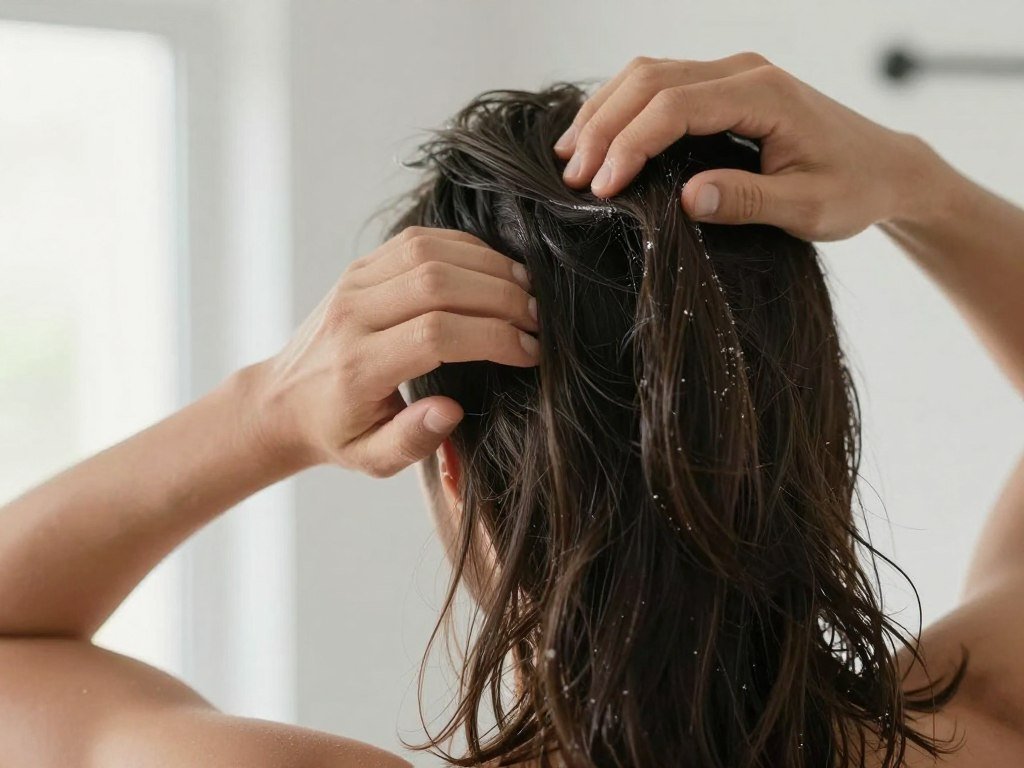
Massage your scalp regularly. This increases blood circulation to hair follicles. Better circulation promotes healthier hair growth. Use your fingertips in gentle circular motions. Do this while shampooing or as a separate practice.
Keep your scalp clean but not over-washed. Buildup from products can clog follicles. This affects hair growth and health. If you have dandruff or irritation, address it promptly. Scalp health directly impacts hair quality.
Nutrition for Healthy Hair
What you eat affects hair health significantly. Long hair requires proper nutrition to grow strong. Internal health shows externally in your hair condition.
Protein is essential for hair structure. Hair is made of keratin, a protein. Eat adequate lean meats, fish, eggs, or plant proteins. Insufficient protein leads to weak, brittle hair that breaks easily.
Omega-3 fatty acids support scalp health. Find these in fish, walnuts, and flaxseeds. B vitamins, particularly biotin, promote hair growth. Iron deficiency can cause hair loss. A balanced diet supports optimal hair health naturally.
Hydration and Hair Health
Proper hydration affects your entire body, including hair. Dehydration makes hair dry and brittle. Drinking enough water supports healthy hair from the inside out.
Aim for eight glasses of water daily. More if you’re active or in hot climates. Well-hydrated hair is more flexible and less prone to breakage. It also appears shinier and healthier.
External hydration matters too. Use moisturizing hair products appropriate for your hair type. Don’t let hair become excessively dry. Balance is key. Over-moisturizing can make hair limp and greasy.
Avoiding Common Mistakes
Many men make the same hair care errors. Avoiding these common mistakes prevents unnecessary damage. Awareness helps you maintain healthier long hair.
Don’t wash hair too frequently. Over-washing strips natural oils. This leads to dry, damaged hair. Most men with long hair should wash two to three times weekly. Adjust based on your hair type and lifestyle.
Avoid tight hairstyles that pull on roots. Constant tension causes traction alopecia. This leads to hair loss around the hairline. Keep ponytails and buns loose. Give your hair breaks from being tied up.
Product Buildup Prevention
Styling products can accumulate on hair and scalp. This buildup makes hair look dull and feel heavy. It can also irritate your scalp. Regular clarifying prevents these problems.
Use a clarifying shampoo once monthly. This removes all buildup from products and hard water. Don’t use clarifying shampoo more frequently. It can be drying. Follow with a deep conditioning treatment.
Between clarifying sessions, rinse hair thoroughly after shampooing and conditioning. Residue left on hair contributes to buildup. Ensure all product rinses out completely. This simple practice makes a difference.
Managing Hair in Different Activities
Active lifestyles require special hair considerations. Sports, workouts, and outdoor activities affect long hair. Proper management prevents damage during activities.
Tie hair back securely for workouts. A braid works better than a ponytail for vigorous activity. This prevents excessive movement and tangling. Use a fabric-covered elastic to minimize breakage.
Rinse hair after swimming, even if you don’t shampoo. Chlorine and salt water damage hair if left in. Apply leave-in conditioner before swimming for protection. Consider wearing a swim cap for extended water activities.
Transitioning Between Styles
Changing hairstyles requires patience and planning. Growing out one style into another takes time. The transition period can be awkward. Strategic styling helps.
Regular trims maintain shape during the transition. Even when growing hair longer, trims remove damaged ends. This keeps hair looking intentional rather than neglected. Discuss your goal with your stylist. They can cut in a way that supports your transition.
Use accessories during awkward growth phases. Headbands, hats, and bandanas help manage in-between lengths. Experiment with different styling techniques. Some methods work better at certain lengths. Patience is essential during transitions.
Professional Treatments Worth Considering
Professional treatments offer benefits beyond home care. While not necessary for everyone, some treatments provide significant improvements. Consider these options for enhanced hair health.
Keratin treatments smooth frizzy hair temporarily. These professional services last several months. They reduce styling time and make hair more manageable. Keratin treatments work especially well for wavy and curly hair.
Professional deep conditioning treatments penetrate deeper than home products. Salons use professional-grade formulas and techniques. Consider quarterly professional treatments for severely damaged hair. The investment shows in improved hair condition.
Choosing Styles Based on Face Shape
Understanding Your Face Shape
Face shape influences which long hairstyles look best on you. Certain styles complement specific shapes better than others. Understanding your face shape guides better styling choices.
Measure your face to determine its shape. Note the width of your forehead, cheekbones, and jawline. Compare these measurements. Consider your face length from hairline to chin. These factors reveal your face shape category.
Most men have oval, round, square, heart, diamond, or oblong face shapes. Each shape has distinct characteristics. Identifying your shape helps you choose the most flattering long hairstyles for men.
Best Styles for Oval Faces
Oval faces are considered the most versatile. This balanced shape works well with nearly all long hairstyles. The forehead is slightly wider than the jaw. The face length is about one and a half times the width.
Men with oval faces can experiment freely with long hairstyles. Center parts work beautifully. Side parts look great too. Slicked-back styles, loose flowing hair, and man buns all complement oval faces.
The main goal with oval faces is maintaining balance. Avoid styles that make your face appear longer. Too much height at the crown can elongate your face unnecessarily. Otherwise, most styles work well.
Flattering Styles for Round Faces
Round faces have similar width and length measurements. The cheeks are the widest part. The jawline is soft and rounded. The goal is creating the illusion of length.
Choose long hairstyles that add height at the crown. This elongates your face visually. Avoid styles with too much volume at the sides. Side volume makes round faces appear wider. Center parts often work better than side parts.
Longer hair generally helps round faces. The vertical lines of flowing hair create length. Layers around the face can also add angles. Avoid blunt cuts at chin length. These emphasize roundness.
Ideal Styles for Square Faces
Square faces have a strong, angular jawline. Forehead, cheekbones, and jaw are similar widths. The jaw appears particularly defined. The goal is softening these angular features.
Long hair with soft layers works perfectly for square faces. The layers create movement that softens hard angles. Side parts are more flattering than center parts. Avoid hairstyles that emphasize jaw width.
Wavy or curly hair benefits square faces naturally. The soft texture contrasts with angular features. Straight hair works too, but add some texture. Completely straight, blunt cuts can emphasize squareness.
Complementary Styles for Heart-Shaped Faces
Heart-shaped faces feature wide foreheads and narrow, pointed chins. Cheekbones are prominent. The face tapers significantly from forehead to chin. The goal is balancing the wider top with the narrower bottom.
Long hair helps balance heart-shaped faces. The length adds visual weight to the lower face. This counteracts the narrow chin. Side parts work better than center parts. They reduce forehead emphasis.
Add volume around the jawline if possible. Layers that end near the jaw create this effect. Avoid too much volume at the crown. This makes the forehead appear even wider. Keep styling focused on mid-lengths and ends.
Suitable Styles for Diamond Faces
Diamond faces have narrow foreheads and jawlines. Cheekbones are the widest part. This creates an angular, distinctive appearance. The goal is balancing the narrow areas with the wide cheekbones.
Long hairstyles with volume at the crown work well. This balances narrow foreheads. Avoid styles that add width at the cheekbones. Side-swept styles can soften prominent cheekbones effectively.
Texture and layers help diamond faces. These elements create movement that softens angles. Straight, flat hair emphasizes angularity. Add some texture through cutting or styling products.
Appropriate Styles for Oblong Faces
Oblong faces are noticeably longer than they are wide. The face appears narrow and elongated. The goal is creating width and avoiding additional length.
Avoid too much height at the crown with oblong faces. This makes faces appear even longer. Instead, add width at the sides. Wavy or curly hair naturally creates this width.
Consider fringe or bangs with long hair. These break up face length visually. Layers around cheekbone level add width. Man buns at the crown should be avoided. Low buns work better for oblong faces.
Adapting Styles to Your Features
Face shape provides guidelines, not strict rules. Individual features also matter. Consider your nose size, eye placement, and ear position. These details affect how hairstyles look on you.
Large noses benefit from volume and texture. This creates balance. Small features work well with sleeker styles. Prominent ears might need hair that covers them partially. Work with your unique features.
Consult with an experienced stylist. They can assess your individual features. Professional guidance ensures your long hairstyle complements your entire face. Photos can be helpful but in-person assessment works best.
Experimenting Within Your Shape
Guidelines help, but personal preference matters too. You might prefer a style that technically doesn’t suit your face shape. Confidence makes any style work better.
Try different long hairstyles within the recommended guidelines. Take photos to compare how different styles look. Sometimes styles that shouldn’t work actually do. Your personal style and confidence influence the final result.
Pay attention to how you feel in different styles. Comfort and confidence matter more than perfect theoretical matching. The best long hairstyle makes you feel good about your appearance.
Professional Consultation Benefits
Stylists trained in men’s long hair provide valuable insights. They see hundreds of faces and hairstyles. This experience helps them make better recommendations for your specific features.
Book a consultation before committing to a major change. Discuss your face shape and desired look. An experienced stylist can suggest modifications to styles you like. They ensure those styles work with your features.
Bring reference photos to consultations. Explain what you like about each image. Your stylist can identify which elements will work for you. They can adapt styles to better suit your face shape and hair type.
Embracing Your Long Hair Journey
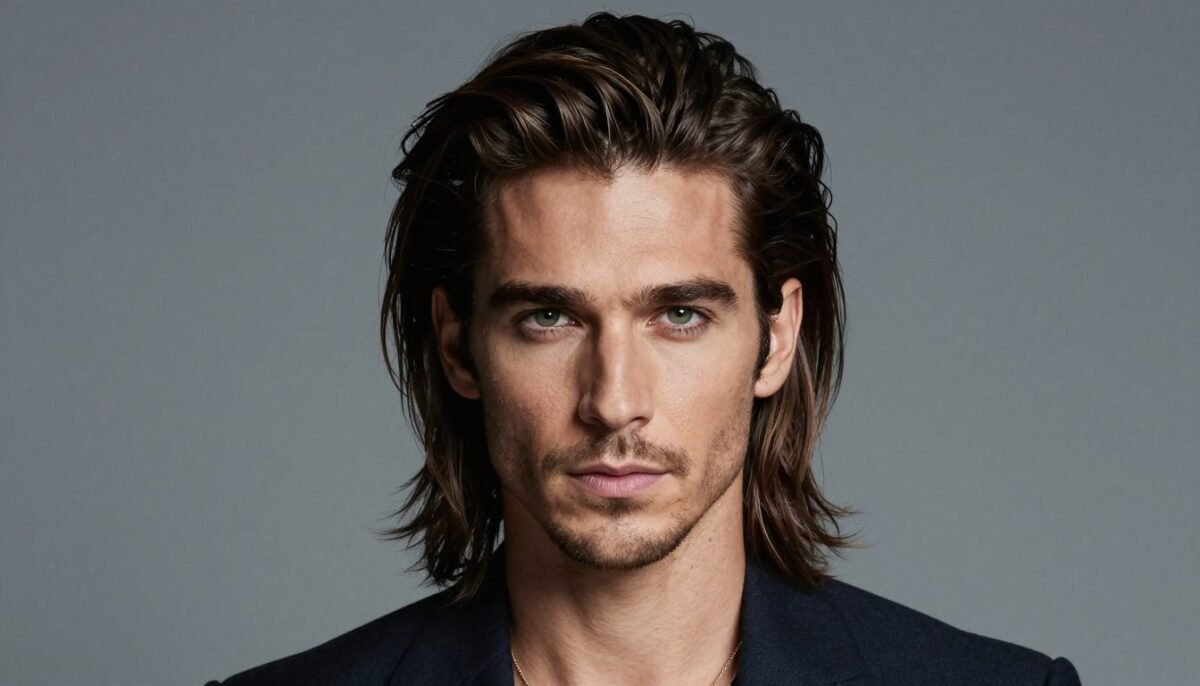
Long hair for men offers incredible versatility and style possibilities. The fifty hairstyles covered in this guide provide options for every hair type. Straight, wavy, and curly hair each have unique advantages. Understanding your hair texture helps you choose appropriate styles.
Pairing long hairstyles with complementary beard styles completes your look. The right combination creates a cohesive, intentional appearance. Whether you prefer clean-shaven or a full beard, options exist that work with long hair.
Maintenance determines long hair success more than the initial cut. Daily care, weekly treatments, and proper nutrition all contribute to healthy long hair. Consistency in your routine produces the best results. Invest time in understanding your hair’s needs.
Face shape provides helpful guidelines for choosing flattering styles. However, personal preference and confidence matter equally. The perfect long hairstyle makes you feel confident and authentic. Don’t be afraid to experiment within your hair type and face shape parameters.
Professional guidance accelerates your long hair journey. Experienced stylists understand the unique challenges of men’s long hair. They can suggest products, techniques, and styles specific to your needs. Regular consultations ensure your hair stays healthy as it grows.
Growing and maintaining long hair requires patience and commitment. The awkward in-between stages test your dedication. Remember that every man with impressive long hair pushed through these challenging phases. The final result makes the journey worthwhile.
Your long hairstyle reflects your personal identity. It makes a statement about who you are and how you present yourself. Choose styles that align with your lifestyle and professional requirements. The right long hairstyle enhances your overall appearance and confidence.