
That beautiful journey of giving birth changes your body in remarkable ways. Your core went through an incredible transformation. The mom pooch you see now tells a powerful story of strength and resilience.
High-waisted jeans can become your new best friend. They offer coverage exactly where you want it. The right pair creates a smooth silhouette while keeping you comfortable all day long.
You deserve to feel confident in your wardrobe. This guide shares practical styling techniques that actually work. We’ll explore jean styles that flatter your postpartum body and outfit combinations that make you feel amazing.
Table of Contents
Understanding Your Mom Pooch – What’s Really Happening
The mom pooch appears after pregnancy for very real physical reasons. Your abdominal wall stretched significantly to accommodate your growing baby. Those deep core muscles need time to recover their strength and tone.
Your body experienced dramatic changes during pregnancy and birth. The rectus abdominis muscles sometimes separate during pregnancy. This condition creates what experts call diastasis recti.
What Causes the Postpartum Belly
Several factors contribute to that lower belly bulge after giving birth. Understanding these causes helps you approach styling with realistic expectations.
- Stretched abdominal muscles from pregnancy expansion
- Diastasis recti where the rectus abdominis separates
- Excess skin that takes time to contract
- Stubborn fat storage in the belly area
- Weakened pelvic floor muscles affecting core stability
- Hormonal changes impacting how your body stores fat
The Role of Diastasis Recti
Diastasis recti affects a significant portion of postpartum women. The connective tissue between your abdominal muscles stretches during pregnancy. This creates a gap that can persist after birth.
The separation ranges from mild to severe. You might notice a visible bulge when you engage your core muscles. Some women feel a soft area running vertically down their midline.
A physical therapist can assess your specific situation. They measure the gap between your muscles and develop appropriate recovery strategies. Core exercises designed for diastasis recti strengthen those deep core muscles safely.
Important Note: Most women experience some degree of abdominal separation after pregnancy. This physical reality doesn’t define your worth or beauty. Your body accomplished something extraordinary.
Skin and Fat Distribution Changes
Your skin stretched considerably during those nine months. The dermis layer experienced significant expansion. Elastic fibers need time to recover their original structure.
Some excess skin may remain around your midsection. This perfectly normal occurrence varies based on genetics and pregnancy factors. Your body’s natural healing process continues for months after giving birth.
Fat distribution shifts during postpartum recovery. Hormones influence where your body stores excess fat. The lower belly often becomes a primary storage area during this time.
Choosing the Right High-Waisted Jeans for Mom Pooch
The perfect pair of high-waisted jeans starts with understanding rise measurements. Different rises suit different body types and personal preferences. Finding your ideal fit transforms how you feel in denim.
High-waisted jeans come in various styles and constructions. Some features work better than others for smoothing your midsection. The right combination creates a flattering silhouette while keeping you comfortable.
Understanding Jean Rise and Fit
The rise measurement determines where jeans sit on your torso. This distance runs from the crotch seam to the waistband. High-waisted styles typically measure ten inches or more.
Extra-high-rise jeans offer maximum coverage for your mom pooch. They extend past your natural waistline. This placement provides support and creates smooth lines under tops.
Perfect Rise Heights
Choose your rise based on where you want coverage and support.
- High rise: 10-11 inches (at natural waist)
- Extra high rise: 11.5-13 inches (above natural waist)
- Super high rise: 13+ inches (maximum coverage)
Fit Styles That Flatter
Different cuts work for different occasions and body types.
- Straight leg: Creates balanced proportions
- Bootcut: Adds visual balance at hemline
- Wide leg: Elongates overall silhouette
- Slim fit: Streamlines without compression
Best Denim Fabrics and Stretch
Fabric composition dramatically affects comfort and appearance. Modern denim blends offer varying levels of stretch and recovery. The right fabric moves with your body while maintaining its shape.
Look for jeans with moderate stretch content. A blend of 1-3% elastane provides comfort without excessive compression. Too much stretch creates unflattering bulges and loses shape quickly.
Structured denim with slight stretch offers the best support. The fabric holds your belly gently without feeling restrictive. This construction maintains a smooth appearance throughout the day.
- Optimal stretch: 1-3% elastane or spandex
- Cotton content: 92-98% for structure
- Recovery properties: Fabric returns to original shape
- Weight: Medium to heavyweight denim (10-13 oz)
- Construction: Tight weave for better hold
Waistband Features That Matter
The waistband design significantly impacts how jeans fit around your mom pooch. Certain construction features provide better support and comfort. These details make the difference between jeans you love and those that sit unworn.
Wide waistbands distribute pressure more evenly. They prevent the uncomfortable digging that narrow bands create. A contoured waistband follows your natural curves for improved fit.
Pro Tip: Look for jeans with a slightly curved waistband rather than perfectly straight. This contoured design accommodates your natural body shape and prevents gaping at the back while providing smooth coverage at the front.
Color and Wash Selection Strategy
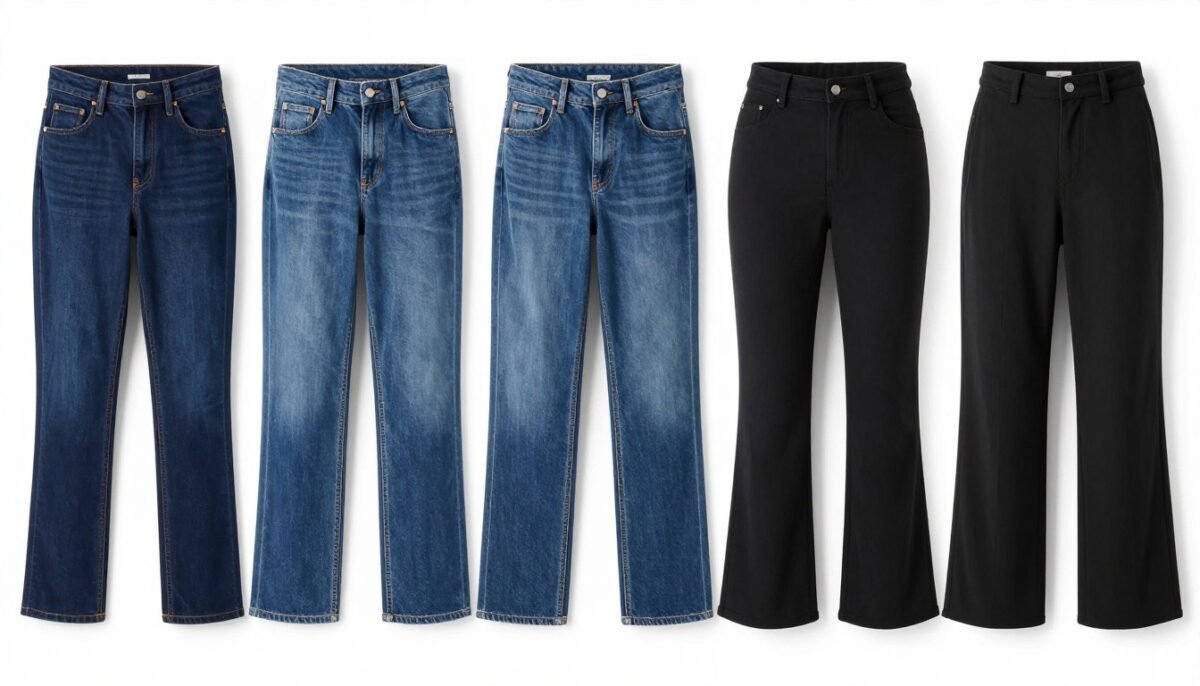
Denim color affects how your midsection appears. Darker washes create a slimming visual effect. The absence of excessive fading or distressing maintains clean lines.
Solid dark washes work best for minimizing the mom pooch area. Deep indigo and black denim provide the most flattering base. These colors create an uninterrupted vertical line down your body.
Avoid washes with heavy whiskering or fading across the belly area. These design elements draw attention to your midsection. Strategic fading along the thighs creates better proportions.
Flattering Wash Features
- Dark indigo without fading
- Black or deep navy solid colors
- Minimal distressing overall
- Clean front panels
- Subtle fading at knees only
- Rinse or raw denim finishes
Washes to Avoid
- Heavy whiskering at hips
- Light washes with high contrast
- Excessive fading at belly
- Horizontal fade patterns
- Loud distressing or rips
- Busy embellishments at waist
Styling Techniques to Minimize Mom Pooch Appearance
Strategic styling creates the silhouette you desire without discomfort. Simple techniques dramatically change how high-waisted jeans look on your body. These methods work with your natural shape rather than against it.
The right styling approach highlights your best features. Visual tricks draw the eye where you want attention. Thoughtful layering creates balanced proportions throughout your outfit.
The Art of Tucking and Layering
How you tuck your top changes everything about your overall appearance. A full tuck creates one effect while a partial tuck offers another. Understanding these differences helps you choose the right approach.
The French tuck remains popular for good reason. Tucking only the front center portion of your top creates a casual, flattering look. This technique defines your waist without exposing your entire midsection.
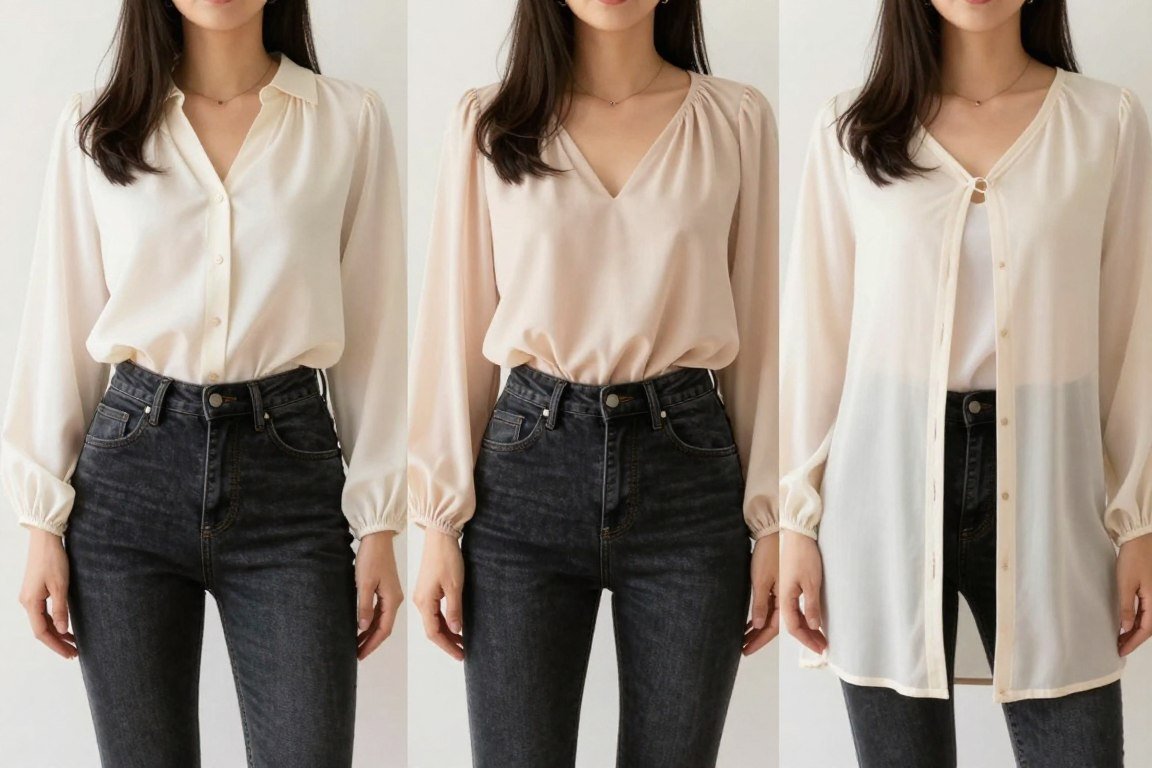
Full tucking works beautifully with the right top choices. Flowy fabrics that drape over your waistband provide coverage while staying tucked. The fabric billows slightly above your jeans creating a smooth transition.
Strategic Tucking Methods
Different tuck styles create various effects on your silhouette.
- French tuck: Front center only for casual elegance
- Side tuck: Asymmetrical interest and coverage
- Full tuck with blousing: Creates smooth draping
- Half tuck: Back stays out for coverage
- No tuck with longer tops: Streamlined coverage
Layering for Visual Balance
Layers add dimension while providing strategic coverage.
- Long cardigans: Vertical lines elongate
- Structured blazers: Define shoulders and waist
- Duster coats: Create long, lean lines
- Oversized shirts: Layer over fitted tops
- Kimono styles: Flowy coverage with movement
Choosing Tops That Complement High-Waisted Jeans
Your top selection matters as much as your jean choice. Certain styles naturally flatter your postpartum belly. The right fabric and fit work together to create your desired look.
Peplum tops add visual interest at your natural waist. The flared hemline skims over your mom pooch area. This style defines your waistline while providing gentle coverage below.
Wrap tops offer adjustable fit and flattering lines. The diagonal wrap creates a slimming effect across your midsection. You control exactly how much coverage feels comfortable.
- Flowy blouses that drape without clinging
- Peplum styles that define waist and cover belly
- Wrap designs with adjustable coverage
- Longer tunic lengths that skim the body
- Empire waist tops that flow from bust
- Structured button-downs in non-clingy fabrics
- Asymmetrical hemlines that create diagonal interest
Creating Visual Balance with Proportions
Balanced proportions make your entire outfit more flattering. Understanding visual weight helps you distribute attention effectively. Strategic choices guide the eye to your favorite features.
Vertical lines elongate your frame and slim your silhouette. Long necklaces create an unbroken line down your torso. Cardigans and dusters provide similar lengthening effects.
Draw attention upward with statement jewelry and interesting necklines. Bold earrings and layered necklaces bring focus to your face. Detailed collars and interesting sleeves create visual interest away from your midsection.
Proportion Secret: The rule of thirds works beautifully with high-waisted jeans. Your top should ideally end at your hip bone or mid-thigh, creating pleasing proportions. This length provides coverage while maintaining balanced visual segments.
Strategic Pattern and Color Placement
Patterns direct attention exactly where you place them. Solid colors on your lower half create a streamlined base. Interesting patterns on top draw eyes to your upper body.
Vertical stripes elongate your silhouette naturally. They create the illusion of length and height. Diagonal patterns provide similar benefits with added visual interest.
Dark colors on your lower half paired with lighter or brighter tops create classic flattering proportions. This traditional approach works because it simply reflects how light and shadow naturally occur on the body.
Complete Outfit Ideas for Every Occasion
Building complete outfits removes the guesswork from getting dressed. These combinations work together to flatter your mom pooch while keeping you stylish. Each ensemble considers the entire visual effect from head to toe.
Your lifestyle determines which outfits serve you best. Different occasions call for varying levels of formality. These ideas cover everything from casual weekend wear to polished professional looks.
Casual Weekend Outfits
Weekend style should feel effortless while looking put-together. Comfort remains essential for running errands and chasing kids. These combinations deliver both ease and style.
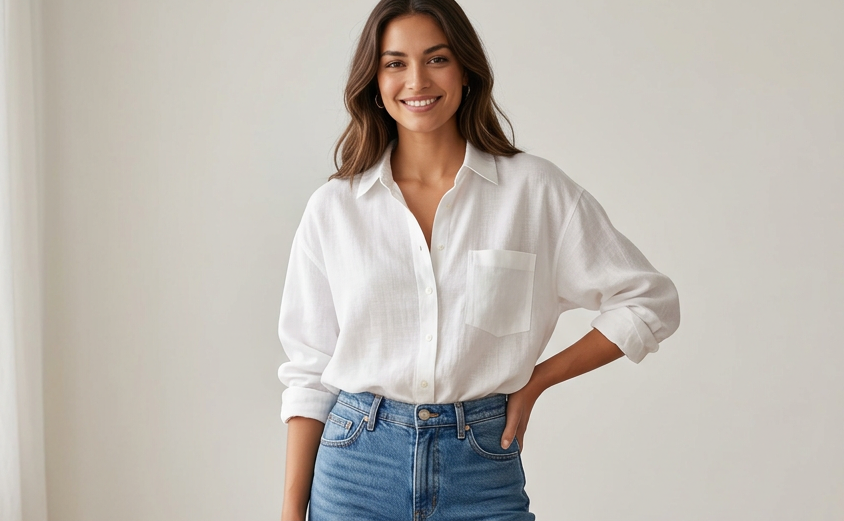
Relaxed Boho Look
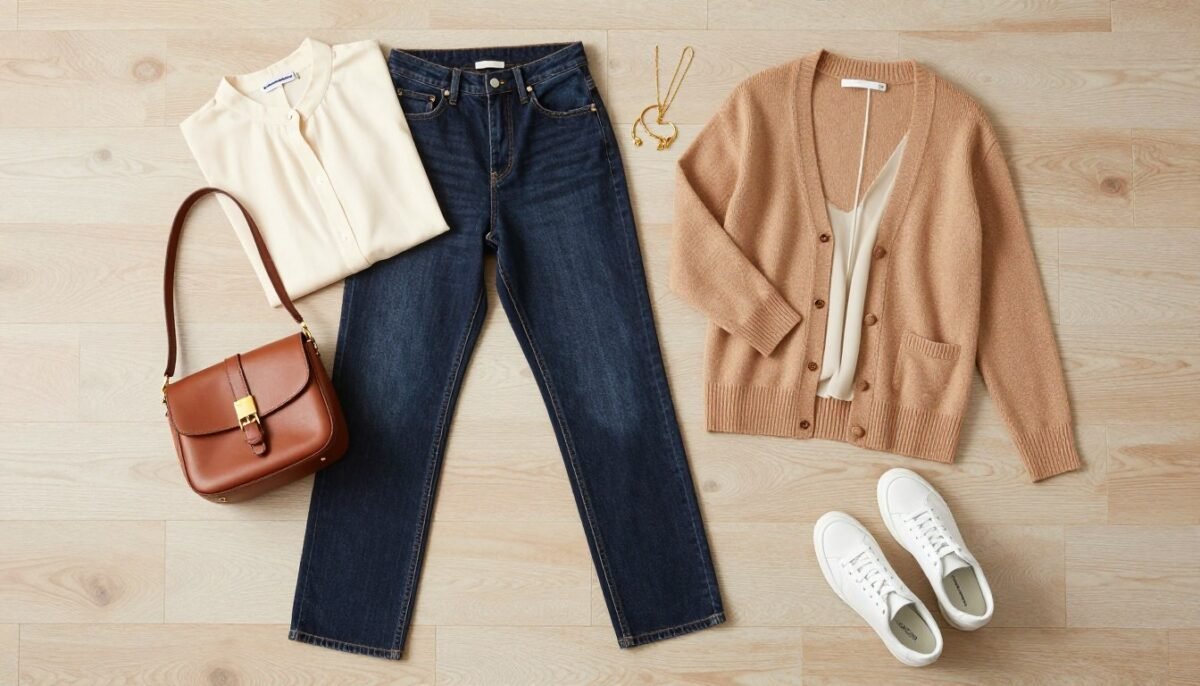
- Dark wash high-rise straight leg jeans
- Oversized white linen button-down
- Long fringe kimono or cardigan
- Comfortable leather sandals
- Crossbody bag in cognac
- Layered pendant necklaces
Classic Casual
- Black high-waisted bootcut jeans
- Striped boat-neck tee (half tucked)
- Tailored blazer in camel or navy
- White sneakers or loafers
- Structured tote bag
- Simple stud earrings
Sporty Chic
- Indigo high-rise straight jeans
- Fitted black turtleneck
- Longline puffer vest
- Chunky sneakers
- Belt bag or small backpack
- Baseball cap and sunglasses
Work-Appropriate Professional Looks
Professional settings require polish and confidence. High-waisted jeans work beautifully in business casual environments. These outfits project competence while keeping you comfortable through long workdays.
Dark denim in clean washes reads more professionally. Pairing jeans with structured pieces elevates the overall impression. Thoughtful accessorizing completes your polished appearance.
Modern Professional
- Black high-waisted wide-leg jeans
- Silk blouse in jewel tone (tucked)
- Tailored blazer with structure
- Pointed-toe ankle boots or pumps
- Leather portfolio or structured bag
- Delicate watch and simple jewelry
Creative Professional
- Dark indigo high-rise straight jeans
- Peplum top in solid color
- Long cardigan or duster coat
- Block-heel booties
- Statement earrings
- Laptop bag in coordinating color
Executive Casual
- Navy high-waisted trouser jeans
- Crisp white button-down
- Cashmere V-neck sweater
- Classic leather loafers
- Structured leather tote
- Pearl studs and watch
Date Night and Evening Style
Evening occasions call for elevated styling. High-waisted jeans transition beautifully from day to night. Strategic choices create sophisticated looks appropriate for restaurants and social events.
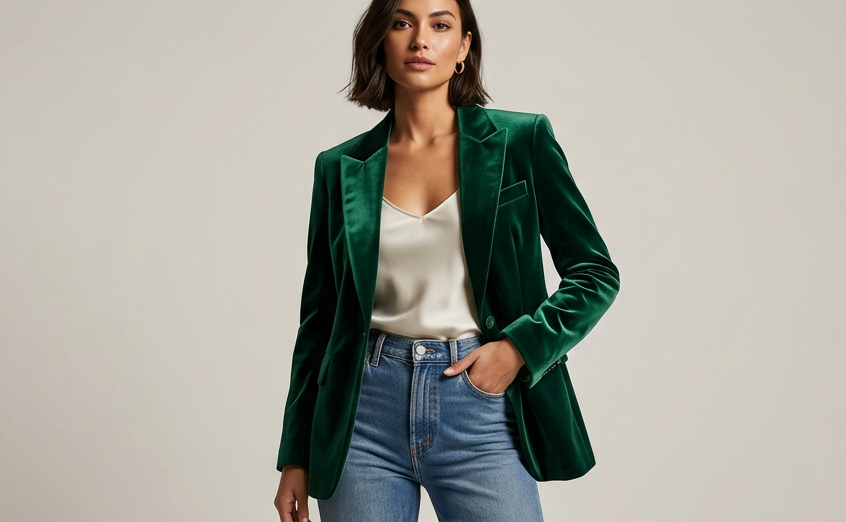
Rich fabrics add evening-appropriate polish. Silk, satin, and velvet tops paired with dark denim create elegant combinations. Metallic accessories enhance the dressy feel without overwhelming your outfit.
- Start with your darkest wash high-waisted jeans for maximum evening elegance
- Choose a luxe fabric top like silk charmeuse or soft cashmere in jewel tones
- Add a statement blazer in velvet or leather for sophisticated edge
- Select heeled boots or strappy heels to elongate your legs
- Incorporate metallic accessories through clutch, shoes, or jewelry
- Layer delicate necklaces for subtle sparkle near your face
- Complete with a bold lip color and polished hair
Seasonal Outfit Variations
Seasons change your styling approach with high-waisted jeans. Temperature and weather influence fabric choices and layering strategies. These seasonal adaptations keep you comfortable year-round.
Spring and Summer Styling
Warm weather calls for lighter fabrics and breathable layers.
- Lightweight linen and cotton tops
- Sleeveless shells and tank tops
- Light cardigans for air conditioning
- Sandals and espadrilles
- Bright colors and fresh patterns
- Minimal jewelry to stay cool
Fall and Winter Styling
Cooler months invite cozy layers and rich textures.
- Chunky knit sweaters and turtlenecks
- Long coats and wool blazers
- Boots in various heights
- Scarves for warmth and style
- Deep, rich color palettes
- Statement jewelry over layers
Accessorizing to Draw Attention Away from Midsection
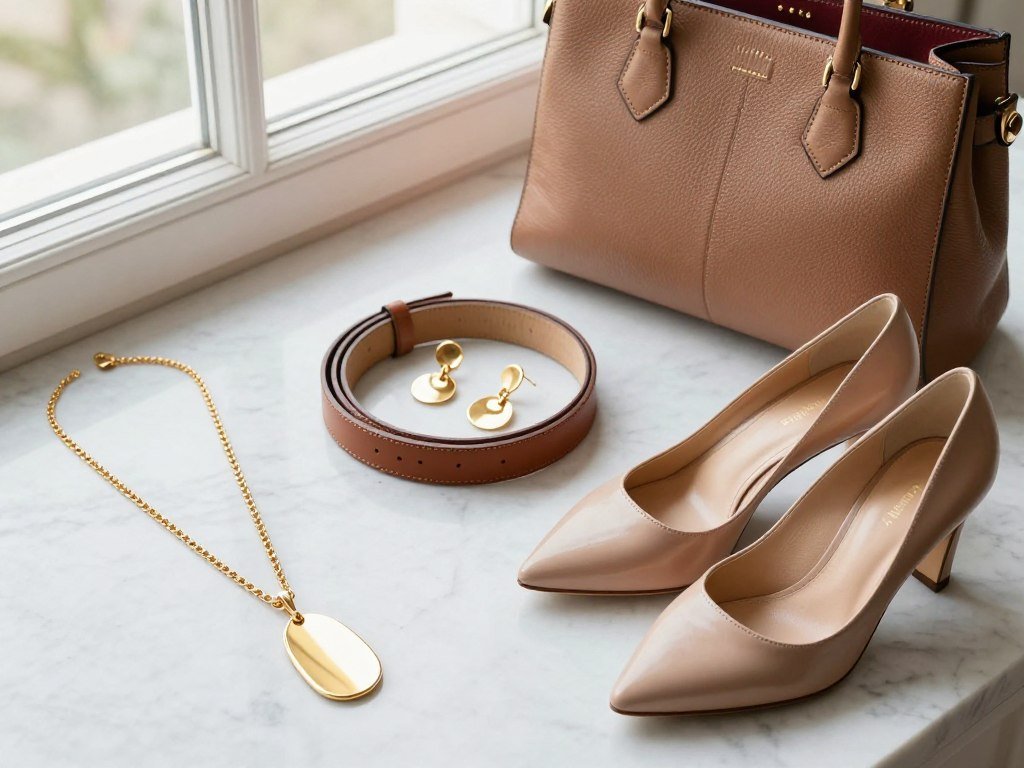
Accessories direct visual attention exactly where you want it. Strategic placement of eye-catching elements creates balanced focal points. These finishing touches complete your look while enhancing your natural features.
The right accessories elevate simple outfits into polished ensembles. They provide opportunities to express personality and style preferences. Thoughtful selection ensures your accessories work with rather than against your styling goals.
Statement Jewelry and Neckline Focus
Drawing eyes upward toward your face creates flattering visual balance. Statement jewelry accomplishes this effortlessly. Bold pieces near your face become natural focal points.
Long necklaces create vertical lines that elongate your torso. They draw the eye downward in a slimming line. Layering multiple delicate chains achieves similar effects with softer impact.
Statement earrings frame your face beautifully. Chandelier styles, hoops, and geometric designs all capture attention. These pieces work especially well when your hair is pulled back.
Necklace Strategies
- Long pendants (24-36 inches)
- Layered delicate chains
- Statement collar necklaces
- Y-shaped drop necklaces
- Lariat styles that hang vertically
Earring Selections
- Chandelier or drop styles
- Medium to large hoops
- Geometric statement pieces
- Tassel or fringe designs
- Colorful or metallic finishes
Bracelet and Ring Options
- Stacked thin bangles
- Statement cuff bracelets
- Layered delicate bracelets
- Cocktail rings
- Mixed metal combinations
Belt Selection and Placement
Belts define your waistline and create structure. The right belt enhances high-waisted jeans beautifully. Strategic selection depends on your body type and style preferences.
Medium-width belts work well for most body types. They define your waist without cutting you in half visually. Avoid very wide belts that can emphasize your midsection.
Wearing your belt slightly loose creates a more relaxed, comfortable look. The belt should sit naturally at your smallest point. It should never dig into your skin or create bulges.
Belts That Work
- Medium width (1-1.5 inches)
- Interesting buckles draw eyes
- Dark colors that blend with jeans
- Leather in coordinating tones
- Chain or link styles for evening
- Woven or braided for casual
Belts to Avoid
- Very wide statement belts
- Tight, restrictive fits
- Overly embellished designs
- Logos or large branding
- Colors that contrast sharply
- Stiff, uncomfortable materials
Bags and Purses That Flatter
Your bag choice affects your overall proportions. Bag size and carrying style impact how your body appears. Strategic selection creates visual balance throughout your silhouette.
Crossbody bags that hit at your hip create a diagonal line. This placement draws attention away from your midsection. The strap creates a slimming vertical element across your torso.
Structured totes and shoulder bags add polish to any outfit. They sit away from your body rather than emphasizing your middle. Choose sizes proportional to your frame for best effect.
- Crossbody styles at hip level
- Structured totes that stand away from body
- Hobo bags with vertical orientation
- Backpacks for casual outfits
- Clutches or wristlets for evenings
- Belt bags worn at side rather than front
- Proportional sizes that match your frame
Scarf and Shawl Techniques
Scarves add visual interest and strategic coverage. These versatile accessories work year-round in various fabrics. Draping techniques create flattering lines that enhance your overall look.
Long scarves worn vertically create elongating lines. Wrap them loosely around your neck and let the ends hang long. This simple technique provides both style and slimming effects.
Blanket scarves and wraps offer cozy coverage during cooler months. Drape them asymmetrically over one shoulder. The diagonal lines create flattering visual interest.
Scarf Styling Tip: Choose scarves in lengths of 70 inches or more for maximum versatility. This length allows for multiple wrapping options while creating those flattering vertical lines down your torso.
Shoe Choices That Elongate
Your shoe selection impacts your overall proportions significantly. The right footwear elongates your legs and balances your silhouette. Strategic choices enhance the flattering effects of high-waisted jeans.
Pointed-toe shoes create the illusion of longer legs. The visual line continues seamlessly from your leg through the pointed toe. This effect works with flats, heels, and boots.
Nude or skin-toned shoes in your color family extend your leg line naturally. They don’t create a visual break at your ankle. This unbroken line maximizes the appearance of height.
Elongating Shoe Styles
- Pointed-toe pumps or flats
- Nude heels in your skin tone
- Ankle boots with skinny jeans tucked
- V-cut booties showing skin
- Block heels for comfort and height
- Sleek sneakers in monochrome
Styles to Approach Carefully
- Ankle straps that cut leg line
- Chunky, heavy boots with wide legs
- Contrasting color shoes that break line
- Very round-toe styles
- Multiple straps across foot
- Platform styles with straight jeans
Embracing Your Postpartum Body with Confidence
Your body deserves celebration for what it accomplished. Giving birth represents one of the most remarkable transformations possible. That mom pooch tells a story of strength, sacrifice, and love.
Confidence comes from within rather than from achieving a certain size. Style should enhance how you feel, not mask who you are. These principles guide a healthier approach to postpartum fashion.
Reframing Your Relationship with Your Body
Society pushes unrealistic expectations about postpartum bodies. Magazine covers show celebrities looking perfect weeks after birth. These images create harmful pressure that doesn’t reflect reality.
Your body needs time to recover from pregnancy and giving birth. The physical changes you experienced didn’t happen overnight. Healing and adjustment take months or even years.
Appreciate what your body can do rather than fixating on appearance. You grew and nourished a human being. Your core strength supported an incredible transformation. These achievements matter more than fitting into certain jeans.
“Your postpartum body isn’t something to hide or fix. It’s evidence of the remarkable journey you completed. Every curve, every mark, every change tells part of your motherhood story.”
Style as Self-Expression, Not Camouflage
Fashion should celebrate who you are right now. Dressing well means honoring your current body. Waiting to feel good until you reach some future goal wastes precious present moments.
Choose clothes that fit your body today. Squeezing into too-small sizes creates discomfort and frustration. Properly fitting jeans that accommodate your mom pooch feel better and look more flattering.
Style reflects personality and preferences beyond body shape. Your favorite colors, patterns, and silhouettes express who you are. These elements matter more than hiding perceived flaws.
Remember: The goal isn’t to hide your mom pooch. These styling techniques simply help you feel comfortable and confident in clothes you love. There’s nothing wrong with your body exactly as it is right now.
Finding Your Personal Style Confidence
Confidence grows when you wear outfits that make you feel good. Discomfort undermines confidence faster than any perceived body flaw. Prioritize how clothes feel on your body.
Experiment with different styles to discover what resonates. Not every trend will work for your lifestyle or preferences. That’s perfectly fine and entirely normal.
Build a wardrobe around pieces you genuinely love wearing. Quality matters more than quantity when selecting clothes. Invest in well-fitting high-waisted jeans that serve you well.
- Wear clothes that fit your current body comfortably
- Choose colors and styles that make you feel good
- Prioritize comfort alongside appearance
- Ignore trends that don’t suit your lifestyle
- Invest in quality basics that work hard
- Dress for yourself, not others’ expectations
- Celebrate small victories in finding flattering pieces
The Role of Movement and Strength
Gentle exercise supports your physical and mental recovery. Movement helps strengthen those deep core muscles over time. The goal is health and strength, not achieving a certain appearance.
Your pelvic floor needs special attention after giving birth. A physical therapist specializing in postpartum recovery can guide appropriate exercises. They help address diastasis recti safely and effectively.
Core strength improves how you feel in your body. Stronger abdominal muscles provide better support and reduce back pain. These functional benefits matter more than cosmetic changes.
Important Health Note: Consult with a physical therapist or healthcare provider before starting core exercises postpartum. Some common exercises can worsen diastasis recti if performed incorrectly. Professional guidance ensures safe, effective recovery.
Creating a Supportive Environment
Surround yourself with positive influences during postpartum recovery. Social media accounts that promote unrealistic standards harm your mental health. Curate your feed to include body-positive voices.
Connect with other mothers navigating similar experiences. Online communities and local groups provide understanding and support. Sharing struggles and victories helps normalize postpartum realities.
Communicate your needs to partners, family, and friends. Let them know how they can support your journey. Sometimes just hearing “you look great” from someone you trust makes all the difference.
Practical Shopping Tips for High-Waisted Jeans
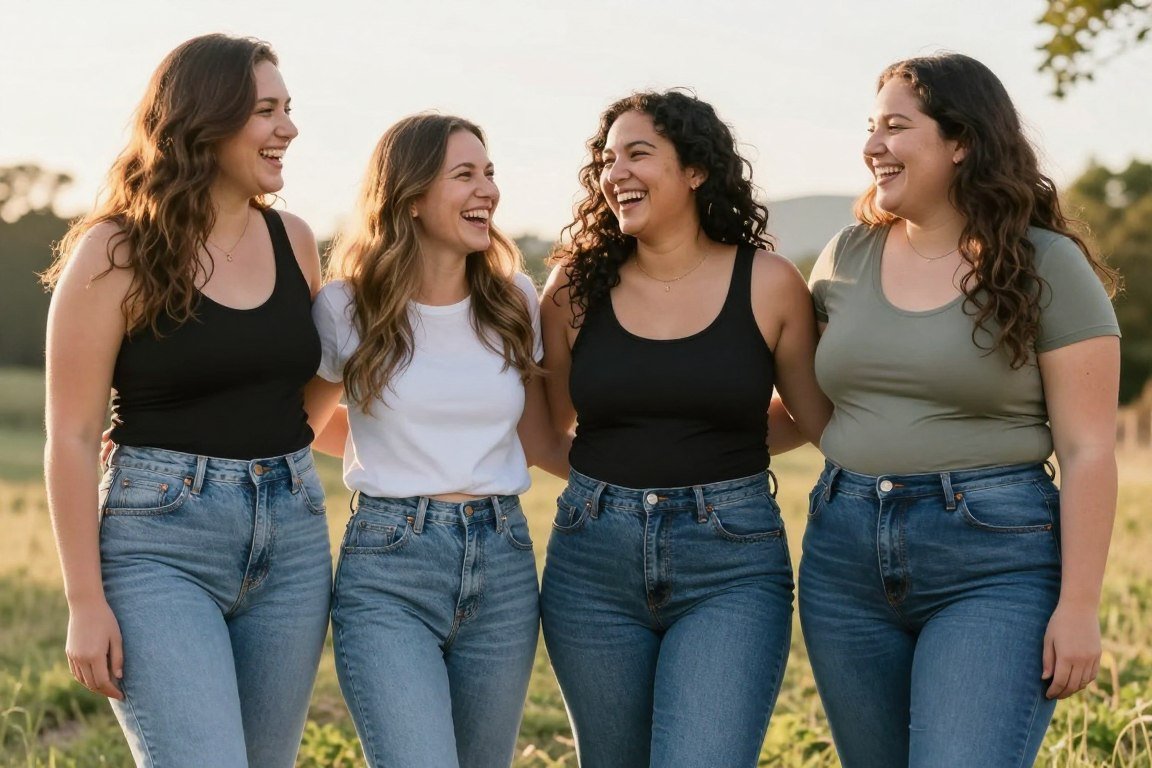
Finding the perfect high-waisted jeans requires patience and strategy. Understanding how to shop efficiently saves time and frustration. These practical tips help you make better purchasing decisions.
Online shopping offers convenience but presents unique challenges. Sizing inconsistencies between brands complicate the process. Smart shopping strategies minimize returns and maximize success.
Understanding Sizing Across Brands
Jean sizing lacks standardization across the industry. A size 10 in one brand fits completely differently in another. This frustrating reality requires trying multiple sizes when shopping new brands.
Most brands provide size charts with specific measurements. Compare these measurements to jeans you already own and love. Measure at the natural waist and widest part of your hips for accuracy.
Read customer reviews focusing on fit feedback. Real buyers share whether jeans run large, small, or true to size. They often mention rise measurements and stretch characteristics too.
| Brand | Sizing Tendency | Rise Measurement | Stretch Level | Best For Mom Pooch |
| Madewell | Runs slightly large | 10.5-11 inches | Moderate | Excellent structure |
| Everlane | True to size | 11-12 inches | Minimal | Firm hold, very flattering |
| Good American | True to size | 11.5-12.5 inches | High | Comfortable coverage |
| Levi’s Ribcage | Runs small | 12+ inches | Low | Maximum coverage |
| NYDJ | Generous fit | 10.5-11 inches | Moderate | Built-in tummy panel |
Online Shopping Strategies
Shopping online requires different tactics than in-store browsing. Without trying jeans on, you rely on other information sources. Strategic approaches increase your success rate significantly.
Order multiple sizes when trying a new brand. Most retailers offer free returns, making this approach risk-free. You can try everything at home and return what doesn’t work.
Look for detailed product photos showing the jeans from multiple angles. Front, side, and back views help you assess rise and fit. Photos on diverse body types provide additional useful information.
- Read size charts carefully and measure yourself accurately
- Check customer reviews for fit insights and sizing guidance
- Order two sizes to compare fit at home
- Look for free shipping and easy return policies
- Save measurements from jeans you love for comparison
- Follow brands on social media for styling inspiration
- Sign up for email lists to receive sale notifications
- Use virtual try-on tools when available
In-Store Shopping Advantages
Physical stores allow immediate try-on and assessment. You can evaluate fabric quality and construction details. Sales associates often provide helpful sizing guidance.
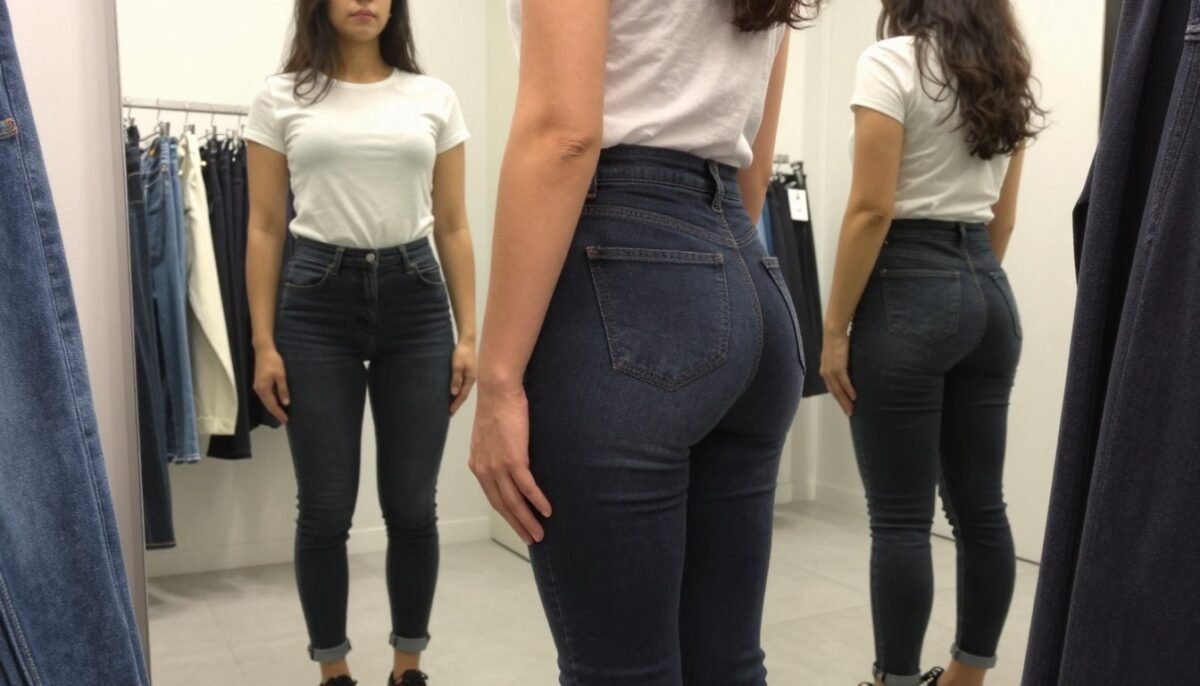
Bring a top you plan to wear with jeans when shopping. Trying the complete outfit helps you visualize how pieces work together. This approach prevents buying jeans that don’t pair well with your existing wardrobe.
Test jeans by sitting, bending, and moving around. Denim that looks great while standing might gap or bunch when sitting. Comfortable fit during movement matters more than static appearance.
Fitting Room Tip: Bring shapewear or undergarments you’ll actually wear with the jeans. The fit changes depending on what you wear underneath. Always test jeans with your typical undergarments for accurate assessment.
Budget-Friendly Shopping Options
Quality high-waisted jeans don’t require premium prices. Many affordable brands offer excellent construction and fit. Strategic shopping stretches your budget further.
Wait for seasonal sales to purchase premium brands. Many retailers offer significant discounts during specific times. Sign up for email alerts to catch these opportunities.
Consider secondhand and consignment options for designer denim. Gently used jeans from quality brands cost significantly less. Many pieces show minimal wear and offer excellent value.
Budget Options Under Seventy Dollars
- Target Universal Thread line
- Old Navy high-rise selections
- Gap premium denim
- H&M Conscious collection
- Amazon Essentials denim
- Walmart Sophia Vergara line
Investment Pieces Worth Saving For
These brands offer exceptional quality, durability, and fit that justifies higher price points. One perfect pair beats three mediocre options.
- Agolde premium denim
- Mother Denim styles
- Rag & Bone classics
- Citizens of Humanity
- Paige premium collection
When to Replace Your Jeans
Even quality jeans eventually need replacement. Recognizing wear signs helps you maintain a polished appearance. Knowing when to retire jeans prevents holding onto pieces past their prime.
Stretched-out denim that no longer holds its shape needs replacement. If your jeans sag significantly by midday, the fabric has lost recovery. No amount of washing restores this quality.
Visible thinning in high-friction areas indicates wear. The inner thighs and seat typically show damage first. Once fabric becomes translucent, replacement time has arrived.
Caring for Your High-Waisted Jeans Properly
Proper care extends the life of your high-waisted jeans significantly. How you wash and store denim affects both fit and appearance. These maintenance practices preserve your investment.
Many people wash jeans too frequently. Overwashing breaks down fabric and fades color prematurely. Strategic cleaning maintains freshness while protecting denim quality.
Washing Guidelines for Longevity
Wash jeans only when truly necessary. Spot-clean minor stains instead of full washing. Air them out between wears to maintain freshness longer.
Turn jeans inside out before washing. This protects the outer surface from abrasion and fading. Cold water preserves both color and stretch properties better than hot water.
Skip the dryer whenever possible. High heat damages elastic fibers and causes shrinkage. Hang or lay flat to dry for best results and longest wear.
Best Care Practices
- Wash every 5-7 wears minimum
- Turn inside out before washing
- Use cold water exclusively
- Choose gentle cycle settings
- Air dry flat or hanging
- Store folded or hanging properly
- Spot clean minor stains
- Steam instead of ironing
Practices to Avoid
- Washing after every wear
- Using hot water temperatures
- Regular machine drying
- Harsh detergents or bleach
- Fabric softener use
- Leaving crumpled in hamper
- Ironing at high heat
- Storing in direct sunlight
Maintaining Stretch and Shape
Jeans naturally stretch throughout the day. This normal occurrence becomes problematic only when fabric doesn’t recover. Proper care helps maintain original shape longer.
Avoid sitting in wet or damp jeans. Moisture makes fabric more susceptible to stretching. Change out of damp jeans as soon as possible after rain or spills.
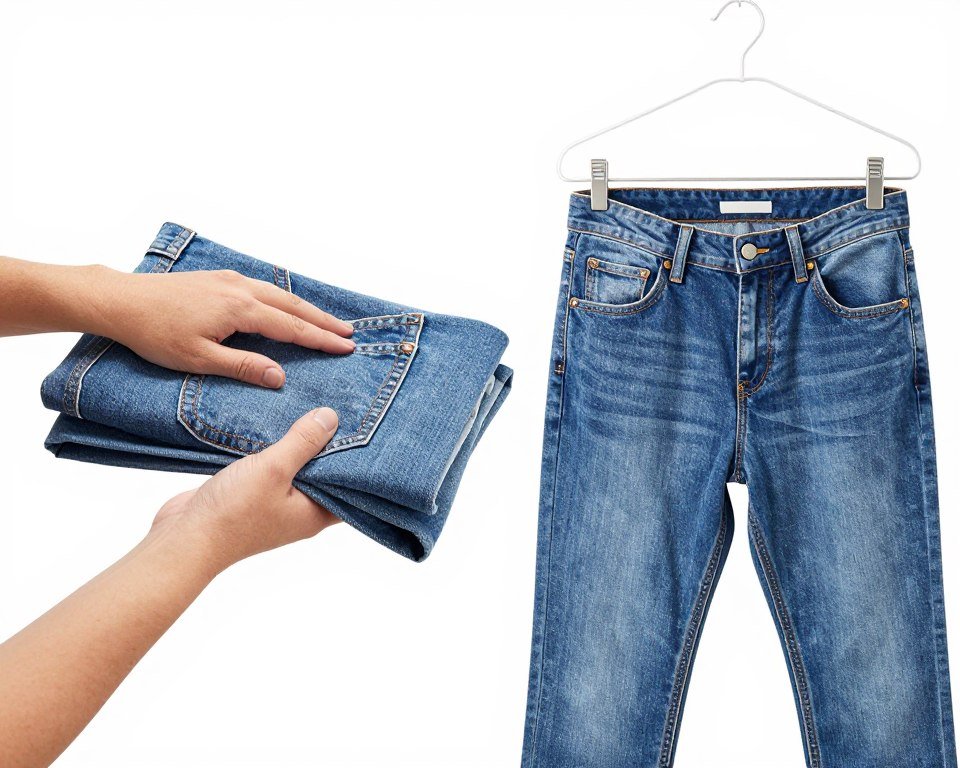
Store jeans properly to prevent unwanted stretching. Hanging from belt loops maintains shape better than folding. If folding, do so along natural creases to minimize distortion.
Removing Stains Without Damage
Address stains promptly for easiest removal. Fresh stains release more readily than set-in marks. Keep stain removal supplies accessible for quick treatment.
Different stain types require different approaches. Grease stains need different treatment than protein-based stains. Understanding basic stain chemistry improves removal success.
- Blot liquid stains immediately with clean cloth
- Treat oil-based stains with dish soap before washing
- Use cold water for blood or protein stains
- Apply white vinegar solution for deodorant marks
- Rub stains with ice for gum removal
- Test any cleaner on hidden area first
- Avoid rubbing stains vigorously
Preventing Common Damage
Many types of jean damage are entirely preventable. Understanding how damage occurs helps you avoid these issues. Simple precautions protect your investment.
Zippers can snag and damage denim fabric. Always zip and button jeans before washing. This simple step prevents metal hardware from causing tears or pulls.
Belt buckles sometimes leave marks on jean fabric. Position your belt carefully when sitting. Consider removing belts before long periods of sitting to prevent indentations.
Storage Tip: Avoid storing jeans in plastic bags or airtight containers. Denim needs air circulation to prevent musty odors and mildew. Use breathable garment bags or simply hang in your closet with adequate space.
Gentle Core Exercises for Postpartum Recovery
Strengthening your core supports overall health and comfort. Appropriate exercises help address diastasis recti safely. Always consult a physical therapist before beginning core work postpartum.
Your pelvic floor and deep core muscles work together as a system. Effective exercises engage this entire system rather than isolating individual muscles. Proper form matters more than exercise quantity.
Understanding Safe Postpartum Exercise
Not all core exercises are appropriate after giving birth. Traditional crunches and sit-ups can worsen diastasis recti. Learning safe alternatives protects your recovery process.
Your transverse abdominis serves as your body’s natural corset. This deep core muscle provides the foundation for postpartum recovery. Exercises targeting this layer offer the most benefit.
The pelvic floor muscles support your abdominal organs and core. Weakness in this area contributes to that protruding belly appearance. Pelvic floor exercises strengthen this crucial support system.
Medical Disclaimer: These exercises provide general information only. Consult with a physical therapist or healthcare provider before starting any postpartum exercise program. Individual recovery varies based on delivery type, complications, and personal health factors.
Foundation Exercises for Core Recovery
Start with basic exercises that gently engage your deep core muscles. Progress slowly as strength builds. Listen to your body and stop if you experience pain or discomfort.
Breathing exercises form the foundation of core recovery. Proper breathing patterns engage your transverse abdominis naturally. These exercises feel gentle but provide significant benefit.
Diaphragmatic Breathing
Lie back on a comfortable surface with knees bent. Place one hand on your chest and one on your belly. Breathe deeply so your belly hand rises while your chest stays relatively still. Hold for three seconds, then exhale slowly. Repeat ten times.
Pelvic Floor Engagement
Lie on your back with knees bent. Imagine stopping the flow of urine midstream. Hold this gentle contraction for five seconds without holding your breath. Release slowly. Perform three sets of ten repetitions daily.
Modified Dead Bug
Lie back with knees bent at ninety degrees. Engage your core by pressing your lower back into the floor. Slowly lower one heel toward the floor while maintaining core engagement. Return to start position. Alternate sides for ten repetitions.
Progressive Strengthening Exercises
Once foundational exercises feel comfortable, progress to slightly more challenging movements. Maintain perfect form as difficulty increases. Quality trumps quantity in core recovery work.
These intermediate exercises continue building strength in your deep core muscles. They prepare your body for returning to more intense physical activity. Progress at your own pace without rushing.
- Begin in a comfortable position lying on your back with knees bent and feet flat
- Engage your pelvic floor muscles by gently drawing them upward and inward
- Press your lower back into the floor by contracting your transverse abdominis
- Hold this engagement while slowly sliding one heel away from your body
- Return that leg to starting position while maintaining core engagement throughout
- Repeat on the opposite side, alternating legs for eight to ten repetitions
- Rest completely between sets and perform two to three sets total
Exercises to Avoid Postpartum
Certain popular exercises can worsen diastasis recti and delay recovery. Avoiding these movements protects your healing abdominal wall. Save intense core work for after proper healing occurs.
Traditional crunches and sit-ups create excessive pressure on the abdominal wall. This pressure pushes organs against weakened connective tissue. The result can be increased separation rather than strengthening.
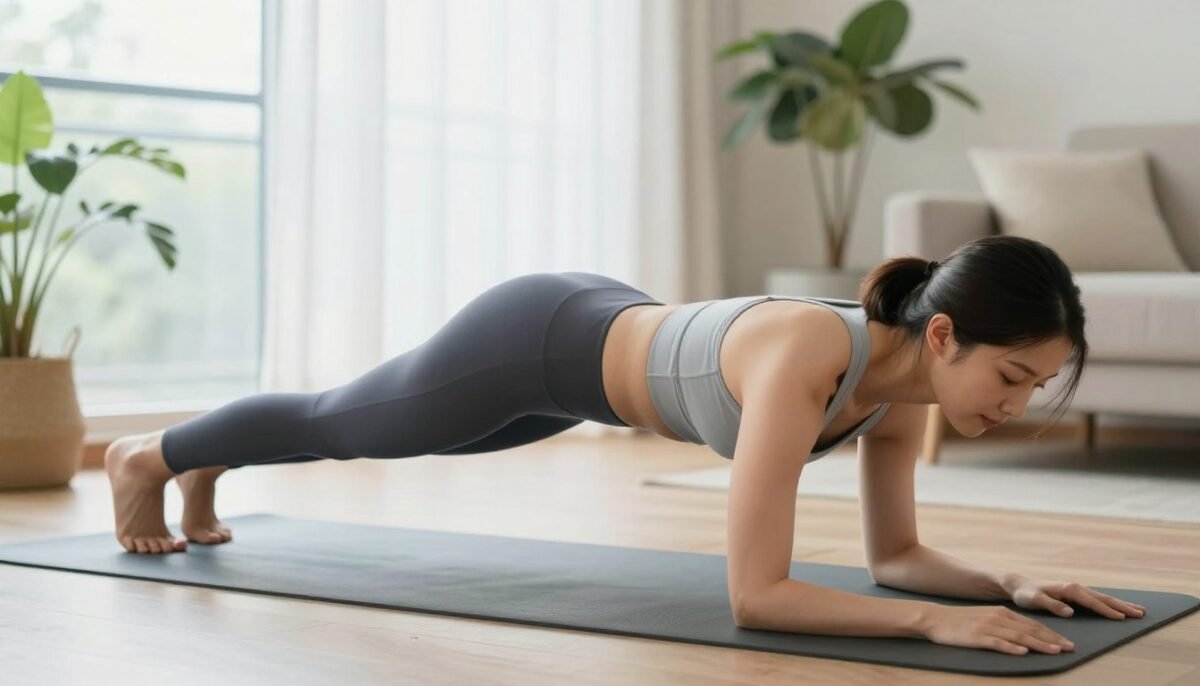
Planks require advanced core stability to perform safely postpartum. Premature planking often causes the belly to bulge downward. This indicates your deep core muscles cannot yet maintain proper engagement.
Avoid These Exercises Initially
- Traditional crunches and sit-ups
- Full planks until cleared by therapist
- Heavy lifting without proper breathing
- Twisting movements under load
- Double leg lifts from lying position
- V-sits or boat pose variations
- Any exercise causing belly doming
Safe Alternative Exercises
- Standing exercises with core engagement
- Wall planks or incline planks
- Breathing-focused core work
- Single leg movements with support
- Modified side planks from knees
- Pelvic tilts and bridges
- Walking with proper posture
When to Seek Professional Guidance
A physical therapist specializing in postpartum recovery provides invaluable guidance. They assess your specific situation and create personalized programs. This professional support accelerates safe recovery.
Seek professional help if you notice certain warning signs. These symptoms indicate you need expert assessment before continuing exercises. Don’t ignore your body’s signals.
- Visible bulging or doming during exercise
- Back pain that worsens with core work
- Pelvic pain or pressure during movement
- Urinary leakage during exercise or daily activities
- Separation greater than two finger widths
- No progress after several weeks of consistent exercise
- Uncertainty about proper form or progression
Nutrition and Hormonal Factors Affecting Mom Pooch
What you eat influences how your body recovers postpartum. Nutrition supports healing and provides energy for motherhood demands. Understanding these connections helps you make informed choices.
Hormonal changes after giving birth affect how your body stores fat. These shifts are natural and serve biological purposes. They gradually normalize as your body adjusts to postpartum life.
Postpartum Nutritional Needs
Your body requires adequate nutrition for healing and recovery. Undereating can actually slow your metabolism and hinder fat loss. Proper nutrition supports both your health and any breastfeeding goals.
Protein plays a crucial role in muscle repair and recovery. Your abdominal muscles need building blocks to regain strength. Adequate protein intake supports this reconstruction process.
Hydration affects everything from skin elasticity to metabolism. Water helps your body eliminate waste products and maintain proper function. Aim for at least eight glasses daily, more if breastfeeding.
Nutrients That Support Recovery
- Protein for muscle repair and rebuilding
- Healthy fats for hormone production
- Complex carbs for sustained energy
- Fiber for digestive health
- Iron to rebuild blood supply
- Calcium for bone health
- Vitamin C for tissue repair
- Omega-3 fatty acids for inflammation
Eating Patterns That Help
- Regular meals to maintain metabolism
- Balanced plates with all macronutrients
- Frequent small snacks if breastfeeding
- Mindful eating without distraction
- Adequate portions without restriction
- Home-cooked meals when possible
- Meal prep for busy days
- Gentle progress rather than drastic changes
Understanding Hormonal Changes
Pregnancy and birth trigger massive hormonal shifts. These changes affect everything from mood to metabolism. Understanding them helps you navigate postpartum realities with patience.
Cortisol levels often remain elevated during early motherhood. Sleep deprivation and stress contribute to this elevation. High cortisol encourages fat storage, particularly around your midsection.
Estrogen and progesterone drop dramatically after giving birth. These hormones influenced how your body distributed fat during pregnancy. The shift takes time to stabilize in the postpartum period.
Hormonal Reality: Your body prioritizes survival and reproduction over appearance. Holding some extra fat serves biological purposes during the postpartum period. This is your body being smart, not stubborn.
Foods That Support Belly Fat Reduction
No single food magically melts belly fat. However, certain foods support metabolic health and reduce inflammation. These choices create conditions favorable for gradual, healthy fat loss.
Anti-inflammatory foods help your body recover from pregnancy stress. Chronic inflammation interferes with healthy metabolism. Reducing inflammation supports overall wellness and weight management.
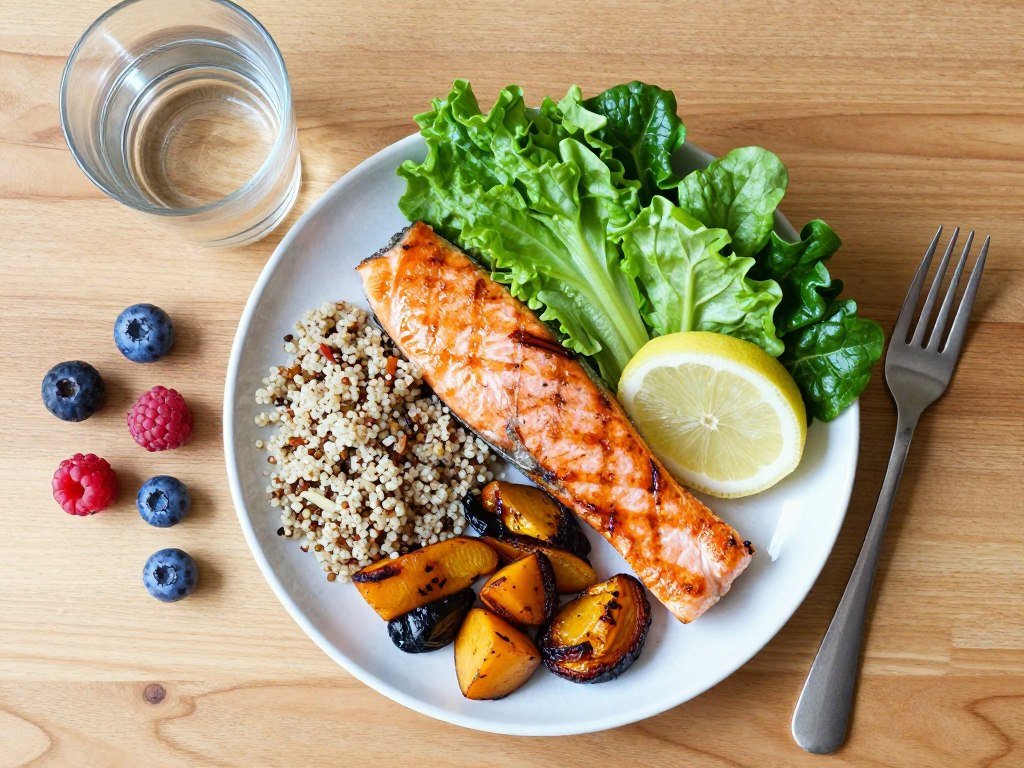
- Fatty fish rich in omega-3 fatty acids
- Leafy greens packed with nutrients
- Berries high in antioxidants
- Nuts and seeds for healthy fats
- Whole grains for sustained energy
- Lean proteins for muscle support
- Probiotic foods for gut health
- Green tea for gentle metabolism boost
Managing Stress for Better Results
Stress management directly impacts your mom pooch. Chronic stress maintains elevated cortisol levels. This hormonal state encourages your body to store fat around your middle.
Finding time for stress relief feels challenging with a baby. Even brief moments of relaxation provide benefits. Small consistent efforts accumulate into significant impact over time.
Sleep deprivation amplifies stress and affects hormones that regulate hunger. You cannot always control your baby’s sleep patterns. Resting when possible and asking for help both support your recovery.
Self-Care Reminder: Taking care of yourself isn’t selfish—it’s necessary. Your body needs rest, good nutrition, and stress management to heal properly. These aren’t luxuries but essential components of postpartum recovery.
Setting Realistic Timeline Expectations
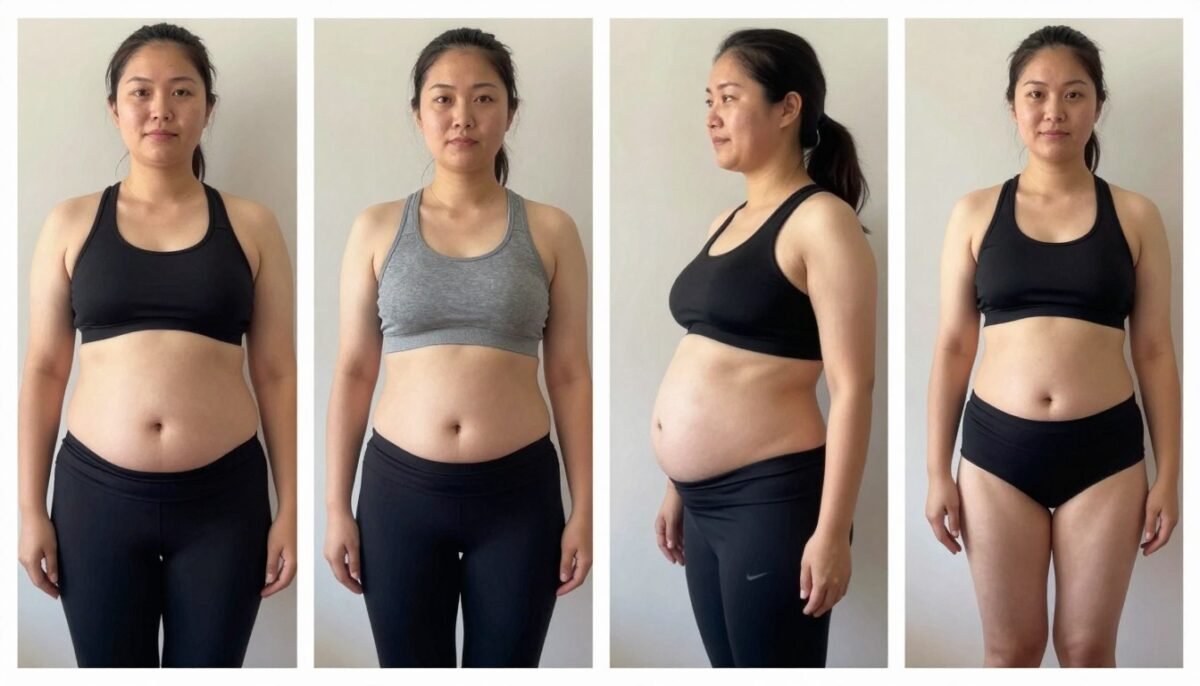
Postpartum recovery follows no universal timeline. Every body heals at its own pace. Comparison to others’ journeys only creates unnecessary frustration and stress.
The “bounce back” narrative pushed by media creates harmful expectations. Most women take months or years to feel comfortable in their postpartum bodies. This extended timeline is completely normal and healthy.
Physical Recovery Timeline
Your uterus takes about six weeks to return to pre-pregnancy size. This process, called involution, continues regardless of exercise or diet. Patience during this time serves your body well.
Abdominal muscle recovery typically requires six months to a year. Diastasis recti may take even longer to resolve fully. Some separation may remain permanent but still function normally.
Skin elasticity gradually improves over twelve to eighteen months postpartum. Collagen production continues during this time. Younger skin generally recovers more fully, but age is just one factor.
| Recovery Aspect | Typical Timeline | What to Expect |
| Uterus Involution | 6 weeks | Returns to pre-pregnancy size |
| Abdominal Muscles | 6-12 months | Regain strength and tone |
| Diastasis Recti | 6-18 months | Gap narrows with proper exercise |
| Skin Elasticity | 12-24 months | Gradual improvement in firmness |
| Hormonal Balance | 6-12 months | Stabilization after weaning |
| Overall Recovery | 12-24 months | Finding your new normal |
Factors That Influence Recovery Speed
Multiple variables affect how quickly your body recovers postpartum. Some factors remain outside your control. Understanding these elements helps set realistic personal expectations.
Age influences skin elasticity and muscle recovery speed. Younger bodies generally recover somewhat faster. However, plenty of women in their thirties and forties experience excellent recovery too.
The number of pregnancies you’ve had affects abdominal wall strength. Multiple pregnancies stretch tissues repeatedly. This doesn’t mean recovery is impossible, just potentially slower.
- Age and baseline fitness level
- Number of previous pregnancies
- Type of delivery (vaginal or cesarean)
- Complications during pregnancy or birth
- Genetics and skin elasticity
- Breastfeeding status and duration
- Sleep quality and stress levels
- Nutrition and hydration habits
- Consistency with recovery exercises
Celebrating Non-Scale Victories
Progress comes in many forms beyond numbers on a scale. Functional improvements matter more than aesthetic changes. Celebrating these victories supports positive mindset and continued effort.
Notice how exercises that once felt impossible become manageable. This strength gain represents real progress. Your core muscles are rebuilding even when visible changes feel slow.
Pay attention to how clothes fit rather than what size they are. Fit matters more than labels. A well-fitting larger size looks better than squeezing into too-small clothes.
Progress Markers to Celebrate: Lifting your baby without back pain. Playing on the floor with your toddler. Feeling confident in an outfit you love. Having energy for daily activities. These victories matter more than jean size.
When Professional Intervention Makes Sense
Some women benefit from professional interventions beyond exercise and nutrition. These options serve specific situations where conservative approaches prove insufficient. Understanding when to consider them helps you make informed decisions.
Surgical options exist for significant diastasis recti or excess skin. These procedures make sense for some women after exhausting other options. They’re personal choices requiring careful consideration and research.
Non-surgical treatments like physical therapy provide excellent results for many women. Working with specialists accelerates recovery safely. These professionals offer expertise general advice cannot match.
Finding Confidence in Your Postpartum Style
Your journey through pregnancy and birth transformed your body in remarkable ways. The mom pooch you see represents strength, resilience, and the incredible feat of creating life. These styling techniques help you feel comfortable and confident while honoring that journey.
High-waisted jeans offer versatile solutions for dressing your postpartum body. The right pair provides coverage where you want it while maintaining comfort throughout your day. Strategic styling techniques enhance how you feel in your clothes without requiring body changes.
Remember that fashion should serve you, not the other way around. Choose pieces that make you feel good right now. Your worth doesn’t depend on fitting into certain jeans or achieving a specific appearance.
Building confidence takes time and patience. Some days you’ll feel amazing in your outfit. Other days might feel more challenging. Both experiences are completely normal and valid.
Surround yourself with supportive communities and positive influences. Connect with other mothers navigating similar experiences. Share victories and struggles with people who understand your reality.
Your body deserves appreciation for what it accomplished. Every curve and change tells part of your motherhood story. Style choices can enhance your confidence while you celebrate this incredible chapter.
Take what works from these suggestions and leave what doesn’t. Your personal style should reflect who you are beyond your role as a mother. Fashion remains a tool for self-expression and confidence building.
Move forward with kindness toward yourself. Progress happens gradually through consistent small efforts. Celebrate each step forward while maintaining patience with your postpartum recovery journey.