
Book character costumes transform ordinary school days into magical literary celebrations. Teachers who dress as beloved characters create unforgettable moments that spark reading enthusiasm in students.
Finding the perfect costume can feel overwhelming with limited time and budget. This comprehensive guide presents twenty-five creative book character costume ideas specifically designed for teachers.
Each costume includes detailed descriptions, practical assembly tips, and ideas for classroom integration. Whether you need something quick for tomorrow or want to plan an elaborate character day, these ideas will inspire your next literary transformation.
Table of Contents
Why Book Character Costumes Matter in Education
Book character costumes create powerful educational moments that extend beyond simple dress-up fun. When teachers embody characters from beloved stories, they demonstrate genuine passion for reading.
Students develop stronger connections to literature when they see characters come to life. This visual representation helps young readers understand character traits and story elements more deeply.
Character costume days also build classroom community through shared experiences. The entire school participates in celebrating books together, creating lasting memories tied to reading.
Research shows that enthusiastic teacher modeling significantly impacts student reading motivation. A costume becomes a conversation starter about books, authors, and story themes.
These events provide perfect opportunities for cross-curricular activities. Teachers can integrate writing assignments, art projects, and dramatic play based on the featured characters.

Planning Your Book Character Costume Day
Successful costume days require thoughtful planning several weeks in advance. Start by checking your school calendar for potential conflicts with testing or other major events.
Coordinate with your grade level team or entire school for maximum impact. Schoolwide character days create buzz and excitement that single classroom events cannot match.
Set a clear timeline with specific deadlines for costume selection and assembly. This prevents last-minute stress and ensures you have time to gather necessary materials.
Consider your budget realistically when choosing a character costume. Many effective costumes use items you already own combined with a few key purchased pieces.
Communicate plans to students and families early so they can participate. Send home book lists and character suggestions to build anticipation for the special day.
Classic Book Character Costumes That Never Fail
Some book characters remain eternally popular with students across generations. These classic choices guarantee recognition and excitement from your class.
Classic characters often require simpler costume elements, making them ideal for teachers with limited time. The familiarity factor also allows for richer classroom discussions about the stories.
The Cat in the Hat
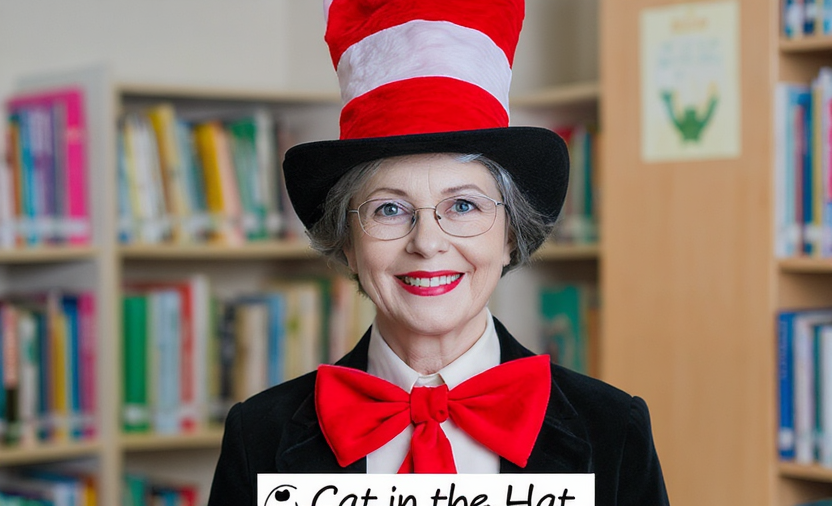
This Dr. Seuss character costume tops the list for good reason. The Cat in the Hat instantly captures attention with its distinctive tall striped hat and playful personality.
The costume requires minimal components: a red and white striped tall hat, white shirt, red bow tie, and white gloves. Face paint or makeup can add whiskers and a pink nose.
Create the iconic hat using poster board covered in red and white construction paper. Roll the poster board into a cylinder and attach a cardboard brim at the bottom.
Pair this costume with interactive read-aloud activities from the book. Students love participating in the Cat’s mischievous adventures throughout the story.
This character works beautifully for Read Across America Day celebrations. The Cat represents fun, reading enthusiasm, and imagination perfectly.
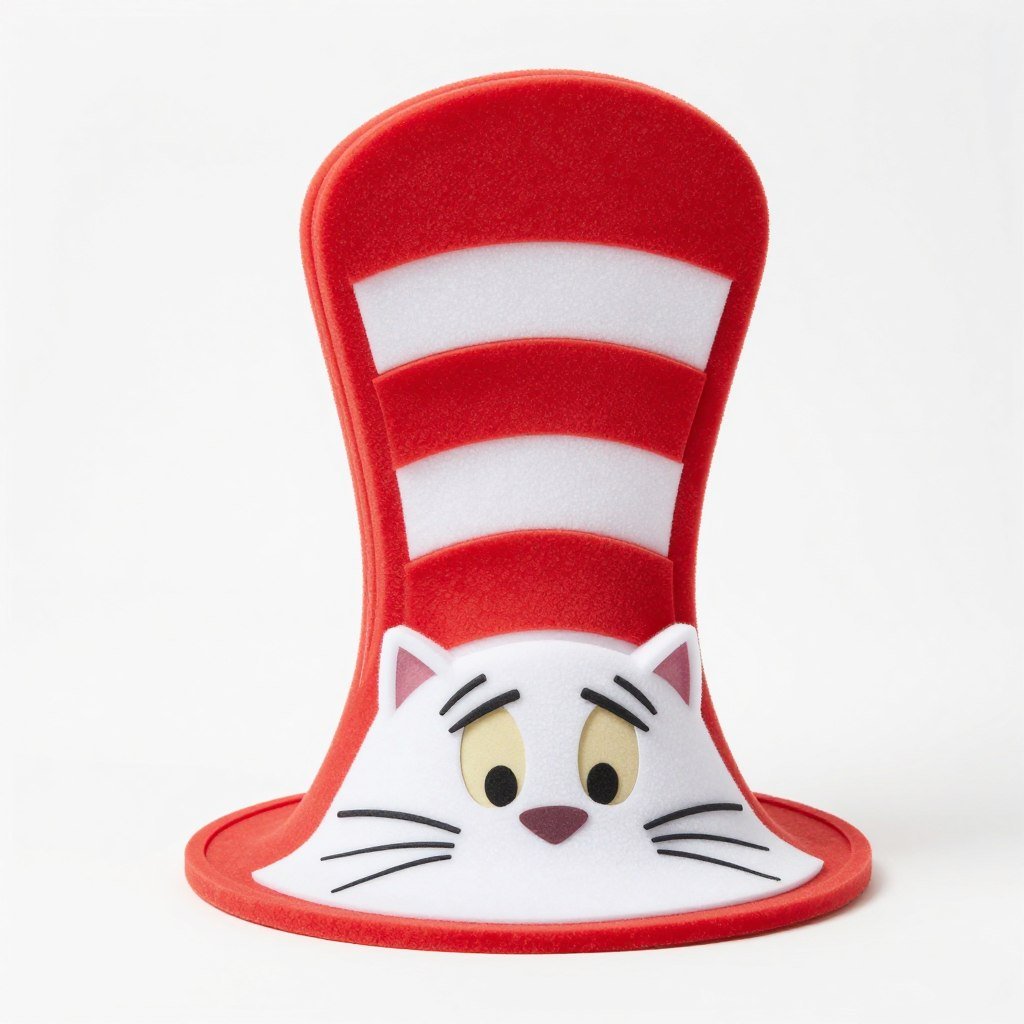
Essential Cat Hat
Tall red and white striped hat made from durable foam material that holds its shape all day. Adjustable sizing fits most adults comfortably.
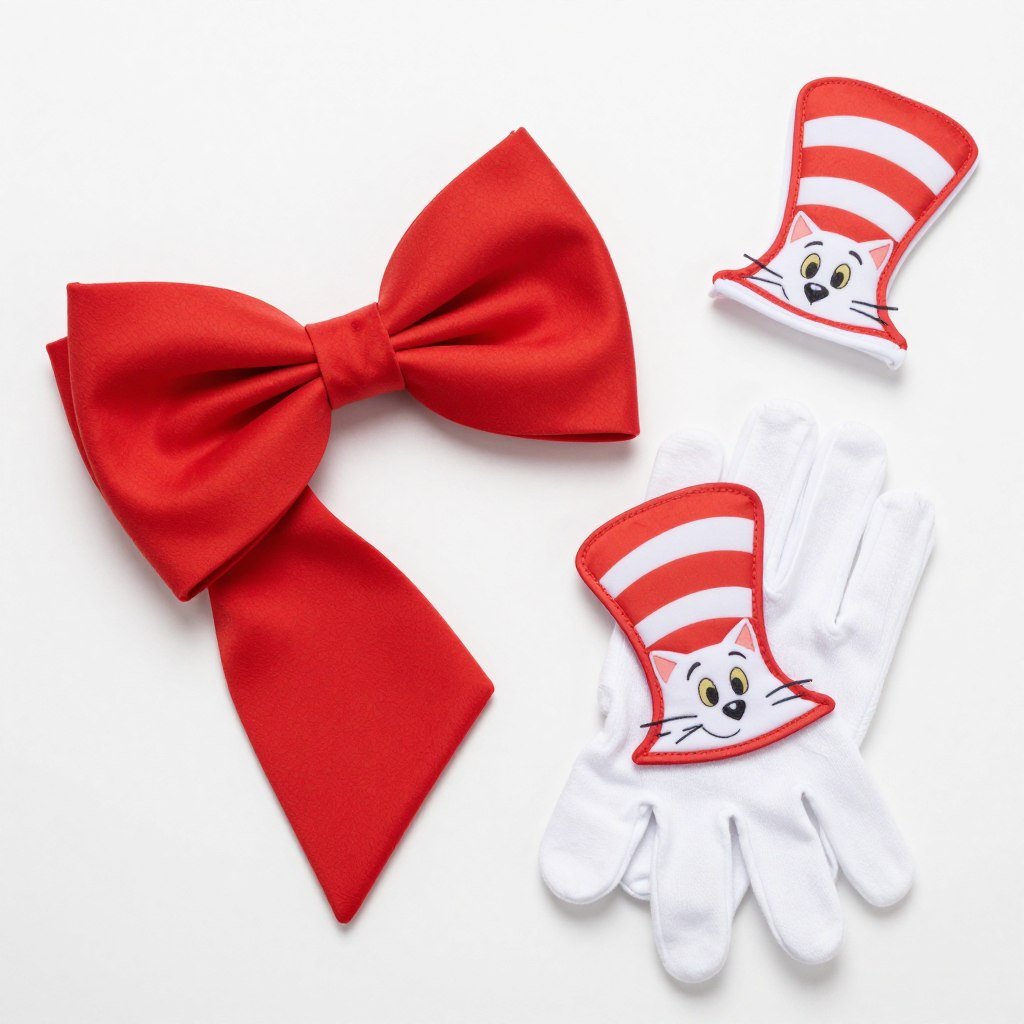
Bow Tie & Gloves Set
Oversized red bow tie with elastic band and classic white cotton gloves. Complete your Cat in the Hat look with these essential accessories.
Max from Where the Wild Things Are
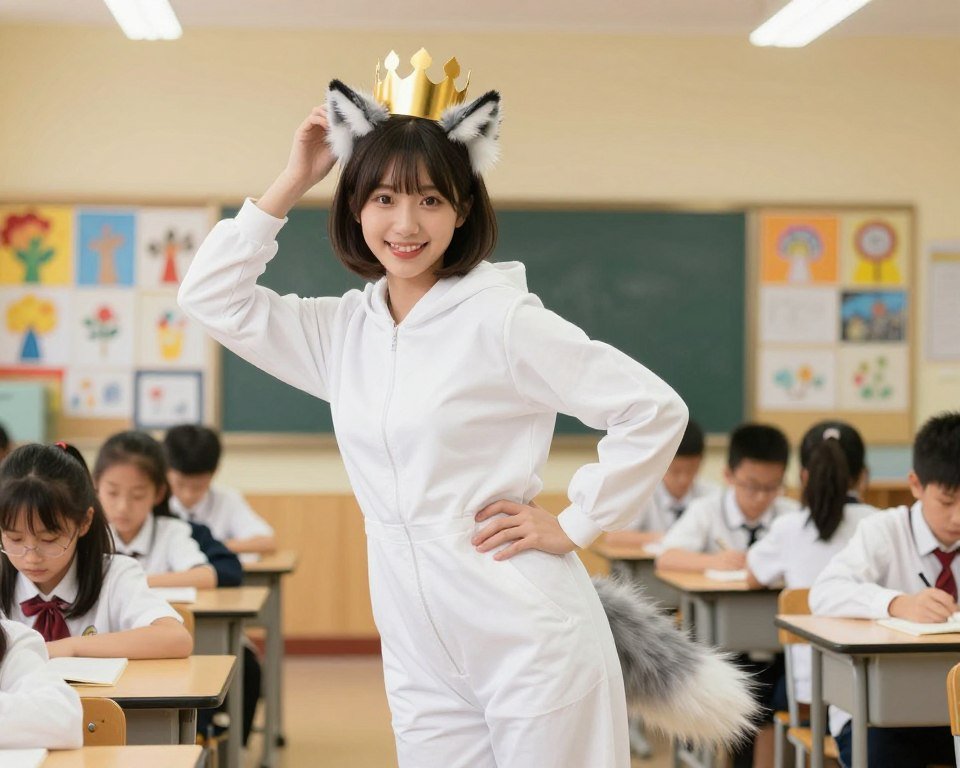
Max’s wolf suit costume brings Maurice Sendak’s beloved story to life. This costume combines comfort with instant character recognition.
The costume centers on a white onesie or hoodie with added ears and a tail. Create ears from felt or craft foam attached to a headband.
The golden crown completes Max’s look and can be made from yellow poster board or cardboard. Add jewel stickers or glitter for extra sparkle.
This character encourages discussions about emotions and imagination with students. Max’s journey resonates with children learning to manage big feelings.
Use this costume during lessons about creative writing and storytelling. Students can create their own “wild thing” characters and write adventure stories.
Chicka Chicka Boom Boom Tree
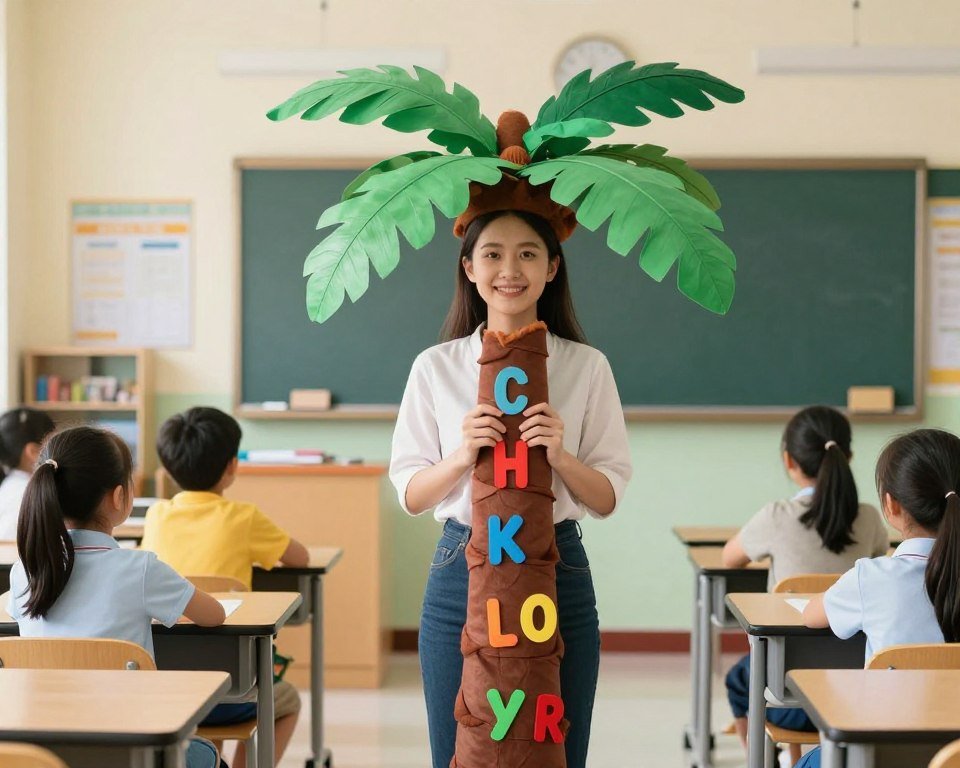
This alphabet book transforms into an eye-catching wearable costume. The coconut tree costume teaches letter recognition while celebrating this rhythmic story.
Create the tree trunk using brown felt or fabric wrapped around your body. Attach green construction paper or fabric palm fronds to a headband or hat.
The essential element involves colorful alphabet letters covering the costume. Cut letters from foam sheets or print and laminate paper letters.
This costume sparks literacy activities throughout the day. Students can identify letters, spell their names, or practice alphabetical order using the costume letters.
Younger students especially love this interactive costume they can touch. The tactile element makes learning letters more engaging and memorable.
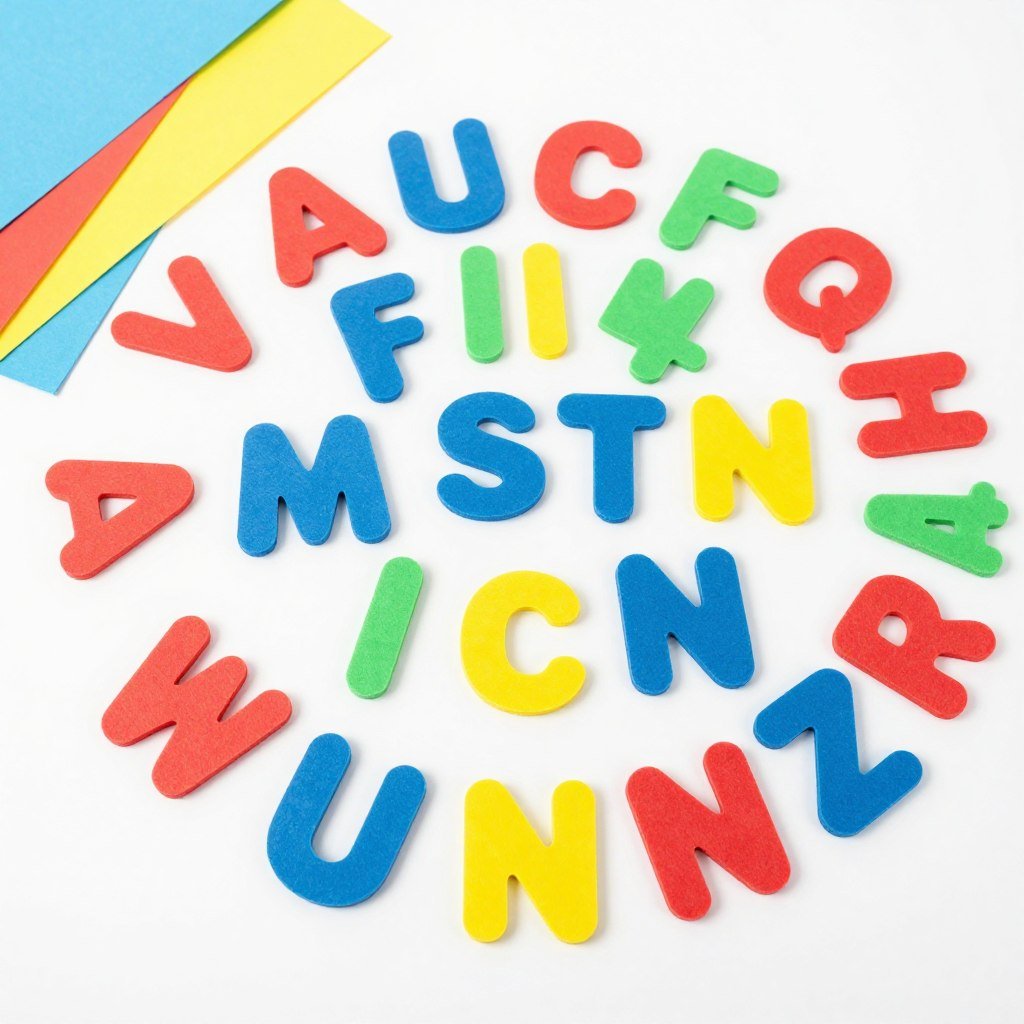
Foam Letter Set
Complete alphabet in bright foam letters perfect for costume attachment. Self-adhesive backing makes application easy and removal damage-free.
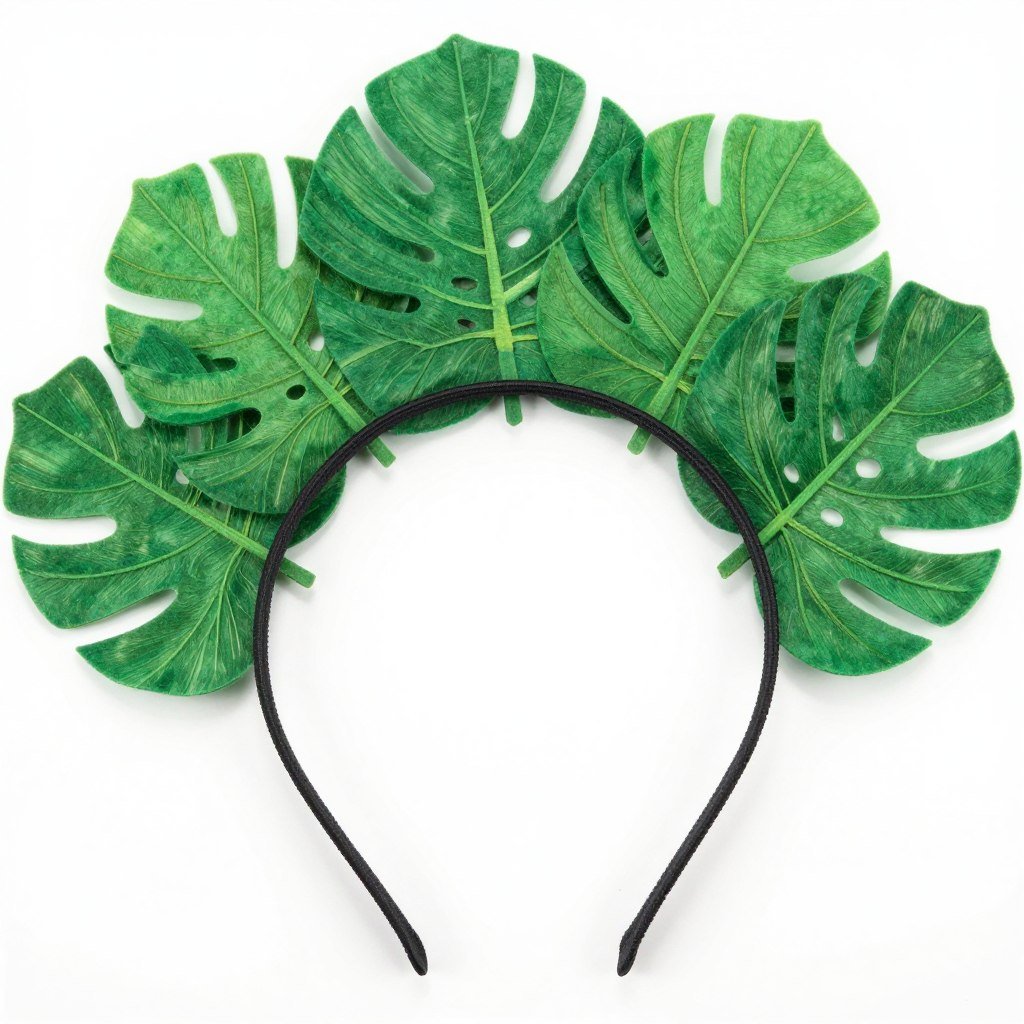
Palm Tree Headband
Ready-to-wear palm frond headband with adjustable elastic band. Lightweight felt construction stays comfortable throughout the school day.
The Very Hungry Caterpillar
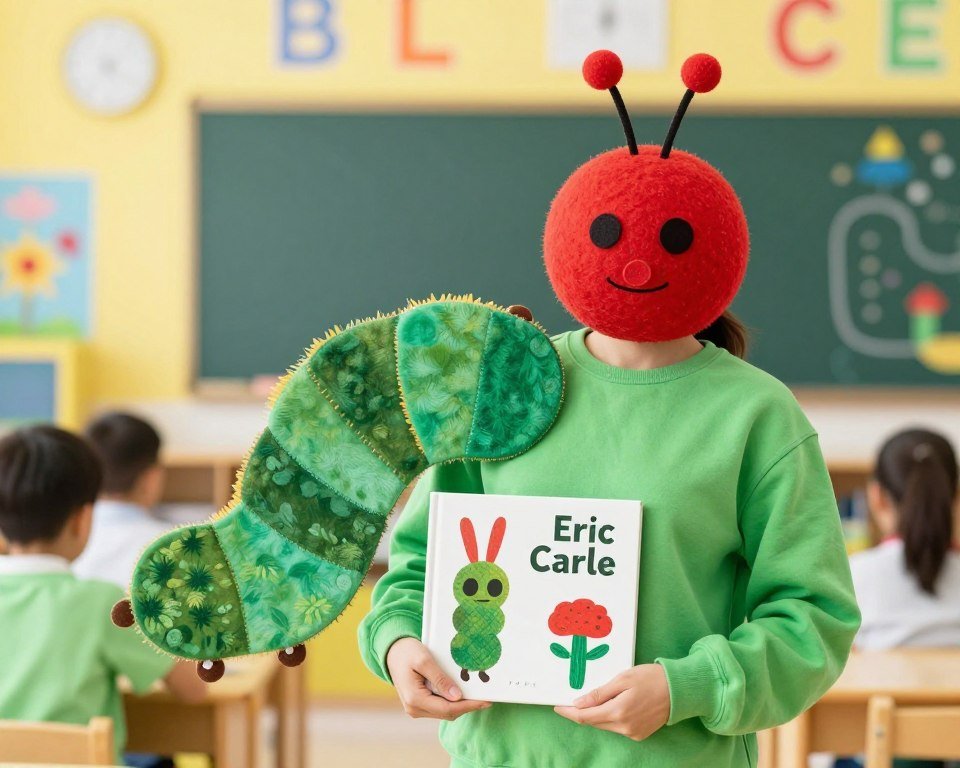
Eric Carle’s iconic caterpillar makes a delightful and colorful costume choice. The bold colors and simple design appeal to early elementary students.
Build the caterpillar body using green clothing as your base. Add circular felt pieces in various colors sewn or pinned onto the shirt.
The red head requires either a red hat or a headband with a red pom-pom. Add pipe cleaner antennae for the finishing touch.
This costume pairs perfectly with nutrition and life cycle lessons. Students can discuss the caterpillar’s food choices and transformation into a butterfly.
Create an interactive bulletin board where students add foods the caterpillar ate. This extends the story beyond the book into classroom decoration.
Pete the Cat
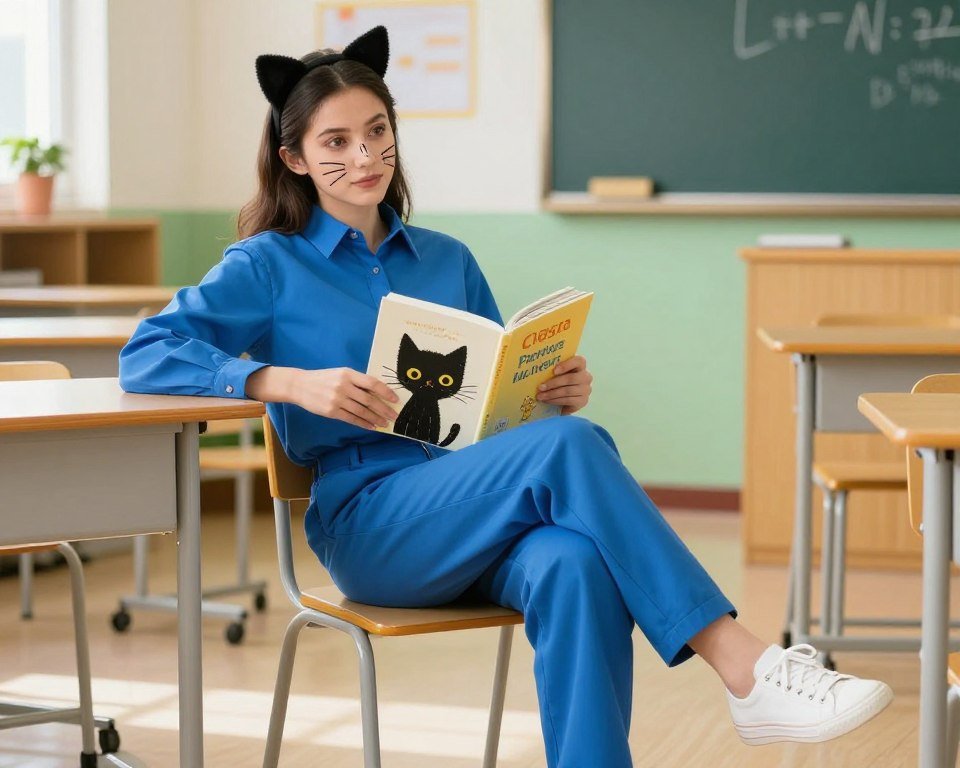
Pete the Cat’s cool, laid-back personality translates into an easy costume. The blue cat teaches resilience and positive thinking through his adventures.
The basic costume requires blue clothing from head to toe. Add black cat ears on a headband and paint simple whiskers on your face.
White sneakers complete Pete’s signature look from the books. Consider decorating plain white shoes with fabric markers if needed.
This character naturally leads into social-emotional learning activities. Pete’s “it’s all good” attitude helps students learn coping strategies.
Sing Pete the Cat songs throughout the day to reinforce the character. Students love participating in the musical elements of these stories.
Clifford the Big Red Dog
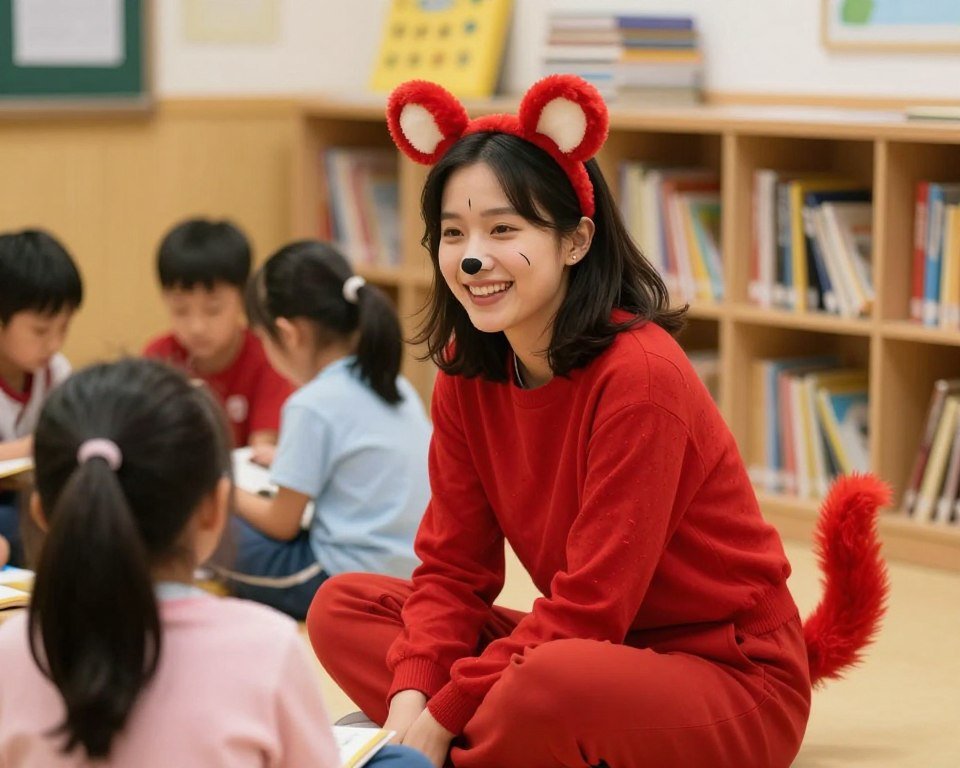
Clifford’s enormous heart and loyalty make him a beloved book character. The simple red costume works for teachers who prefer comfortable, easy outfits.
Wear red clothing from your existing wardrobe as the foundation. Add dog ears made from red felt or purchase a red dog ear headband.
Create a tail using red fabric stuffed with cotton or batting. Attach it securely to your waistband with safety pins.
Face paint can add a black nose and whiskers if desired. This optional addition enhances the costume without adding complexity.
Clifford stories emphasize friendship and kindness themes. Use this costume day to discuss character traits and positive relationships with students.
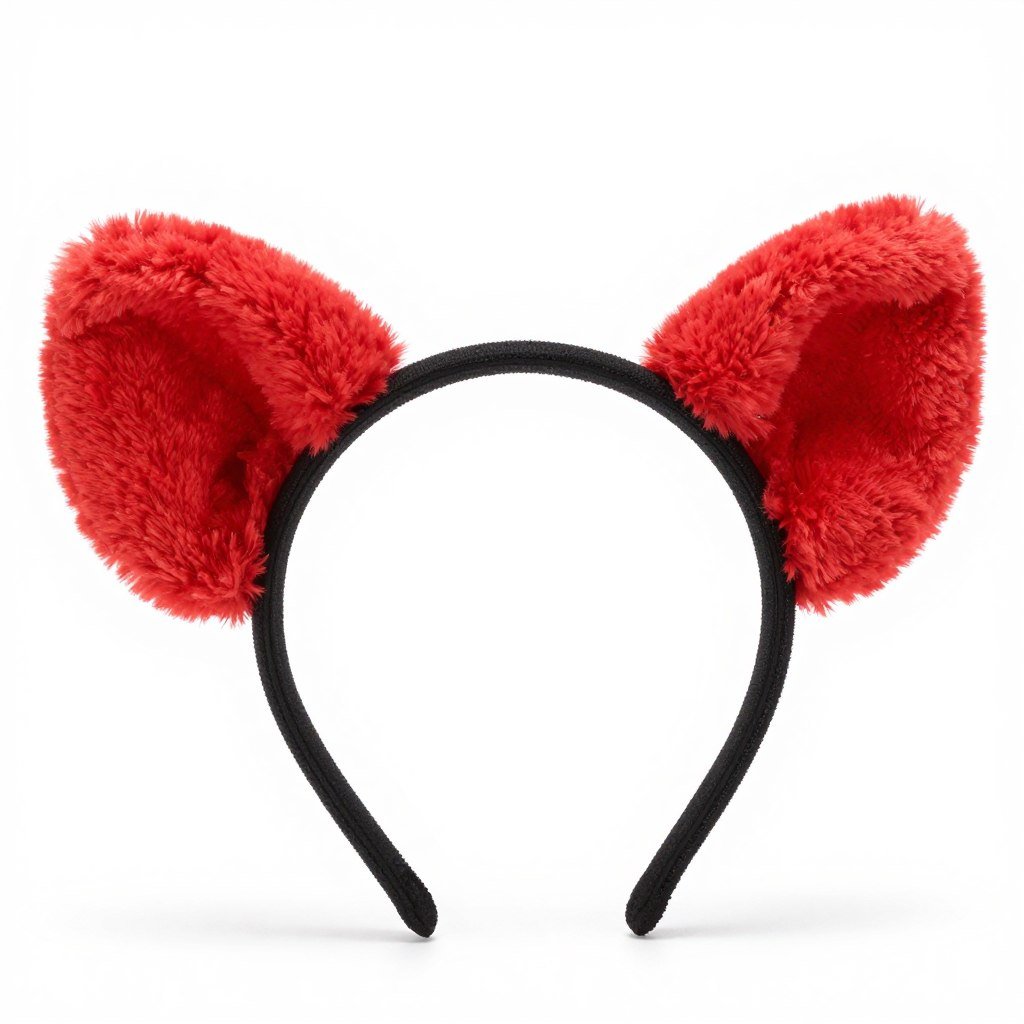
Red Dog Ears
Plush red dog ears on comfortable elastic headband. Stays secure during active classroom movement while maintaining cute appearance.
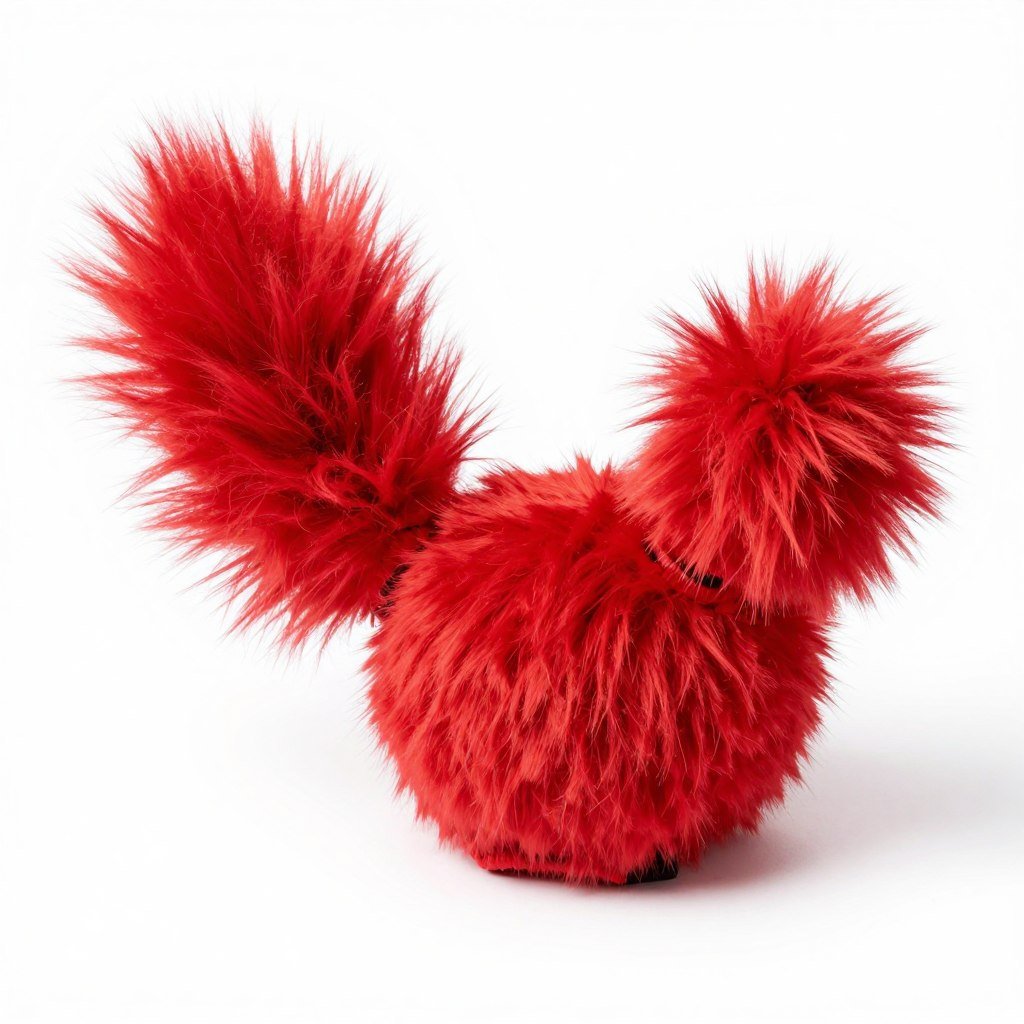
Costume Tail
Fluffy red tail with easy elastic attachment. Adjustable sizing fits over any outfit securely without damage to clothing.
Magical and Fantasy Book Character Costumes
Fantasy characters transport students to imaginary worlds filled with magic and adventure. These costumes often require creative use of everyday items to achieve magical effects.
Older elementary students particularly connect with these characters from chapter books. The costumes spark conversations about favorite fantasy series and encourage reading longer books.
Harry Potter

Harry Potter remains one of the most recognizable book characters worldwide. The costume appeals to upper elementary students familiar with the series.
Start with a black robe or graduation gown as the wizarding robe base. Add a Gryffindor scarf in red and gold for house identification.
Round glasses and a lightning bolt scar complete Harry’s signature look. Draw the scar with eyeliner or temporary tattoo markers.
A wand serves as the final essential accessory. Purchase an inexpensive toy wand or craft one from a dowel rod painted brown.
This costume opens discussions about bravery, friendship, and choosing right over easy. Harry Potter themes resonate deeply with students facing their own challenges.
Hermione Granger

Hermione Granger represents intelligence, loyalty, and courage for young readers. Female teachers particularly enjoy embodying this strong character.
The Hogwarts uniform includes a white button-down shirt, gray vest or sweater, and black skirt or pants. Add a Gryffindor house tie.
Hermione’s bushy brown hair can be achieved with a wig or by teasing your natural hair. Carry several books as props to emphasize her love of learning.
A wand tucked behind your ear adds an authentic touch. This small detail delights students familiar with Hermione’s character habits.
Use this costume to celebrate academic achievement and hard work. Hermione shows students that being smart and studious is admirable and cool.
Matilda Wormwood

Roald Dahl’s brilliant young character inspires readers who feel different or misunderstood. Matilda celebrates intelligence and the transformative power of reading.
The costume requires a simple blue dress and a headband or ribbon in your hair. Matilda’s look is intentionally plain to emphasize her extraordinary mind.
Carry an armload of books as your most important prop. This visual reinforces Matilda’s passion for reading and learning.
Add reading glasses if you wear them naturally. Matilda’s intellectual appearance is part of her character charm.
This costume encourages discussions about overcoming obstacles and finding strength in knowledge. Students connect with Matilda’s journey of self-discovery through books.
Dorothy from The Wizard of Oz
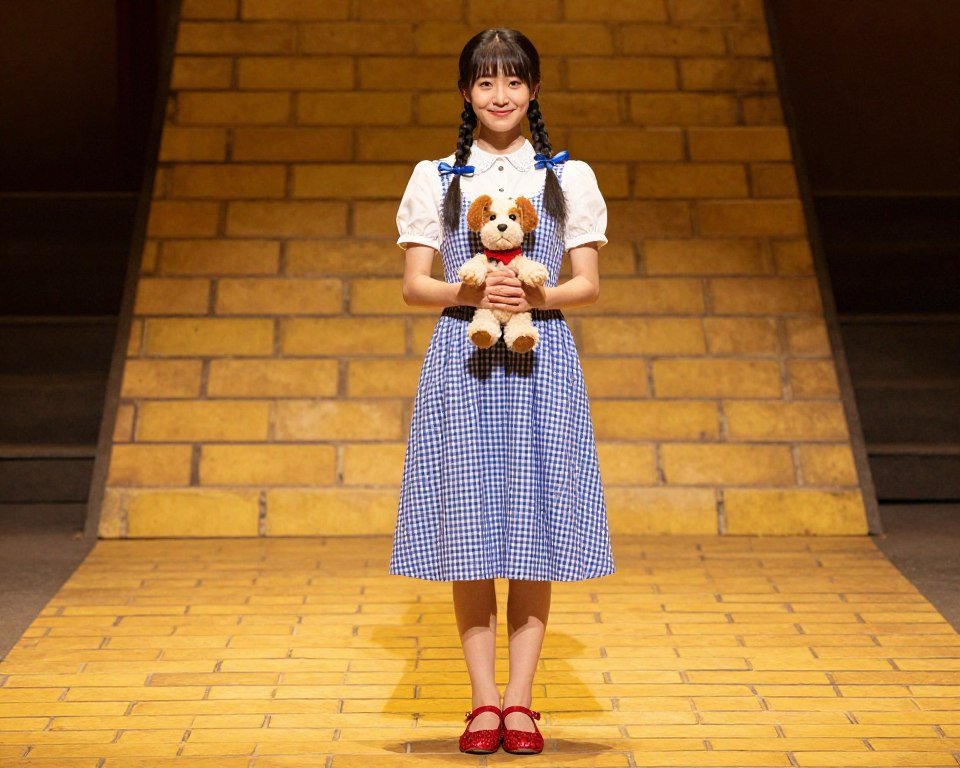
Dorothy’s timeless journey resonates with students learning about home, friendship, and courage. The iconic costume is instantly recognizable across generations.
Find or create a blue gingham dress as the costume centerpiece. Thrift stores often carry suitable dresses at affordable prices.
Ruby slippers are essential to Dorothy’s look. Red glitter shoes or red flats decorated with glitter spray accomplish this effect.
Style your hair in braids with blue ribbons if possible. Carry a small stuffed dog to represent Toto.
This costume works beautifully for character analysis activities. Students can explore Dorothy’s character development throughout her journey.
Alice in Wonderland
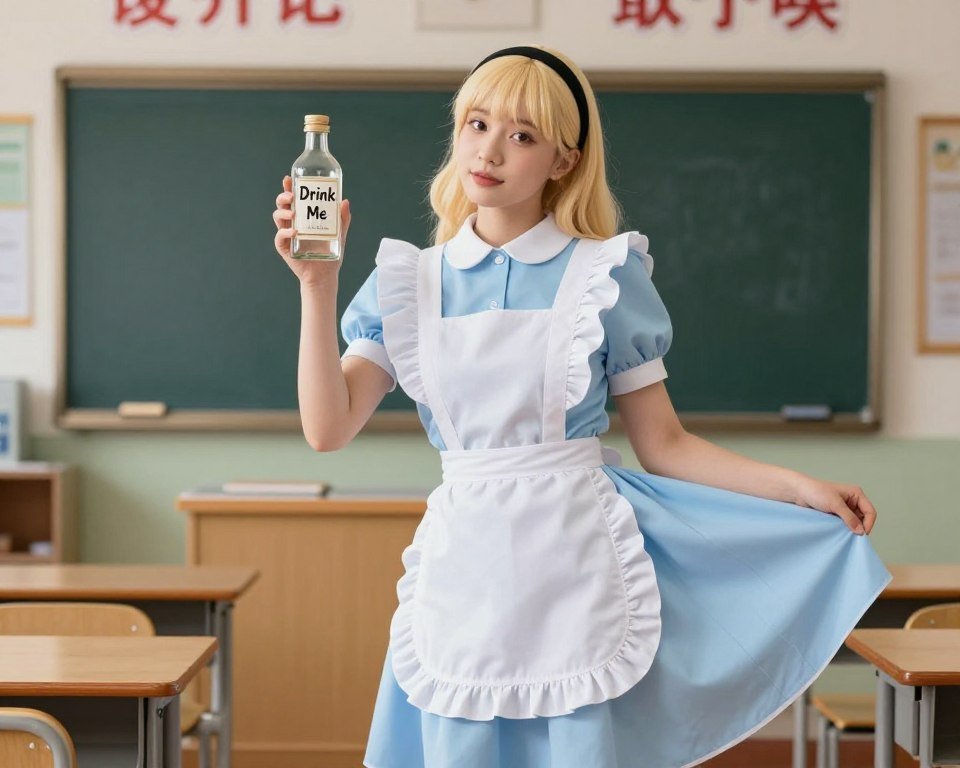
Alice’s curious nature and fantastic adventures captivate imaginative students. The Victorian-inspired costume has elegant simplicity.
Wear a light blue dress with a white apron or pinafore over it. The apron creates Alice’s distinctive silhouette from the classic illustrations.
Add a black headband and style your hair long and loose if possible. White tights or stockings complete the Victorian look.
Create props like a “Drink Me” bottle or playing cards for added effect. These accessories make the costume more interactive for students.
Use this costume to explore themes of curiosity and imagination. Alice’s adventures demonstrate the power of questioning and exploring.
Humorous and Quirky Book Character Costumes
Funny characters bring joy and laughter to costume days. These costumes often become the most memorable for students.
Humorous costumes also help nervous teachers feel more comfortable dressing up. The comedy aspect takes pressure off looking perfect.
The Day the Crayons Quit
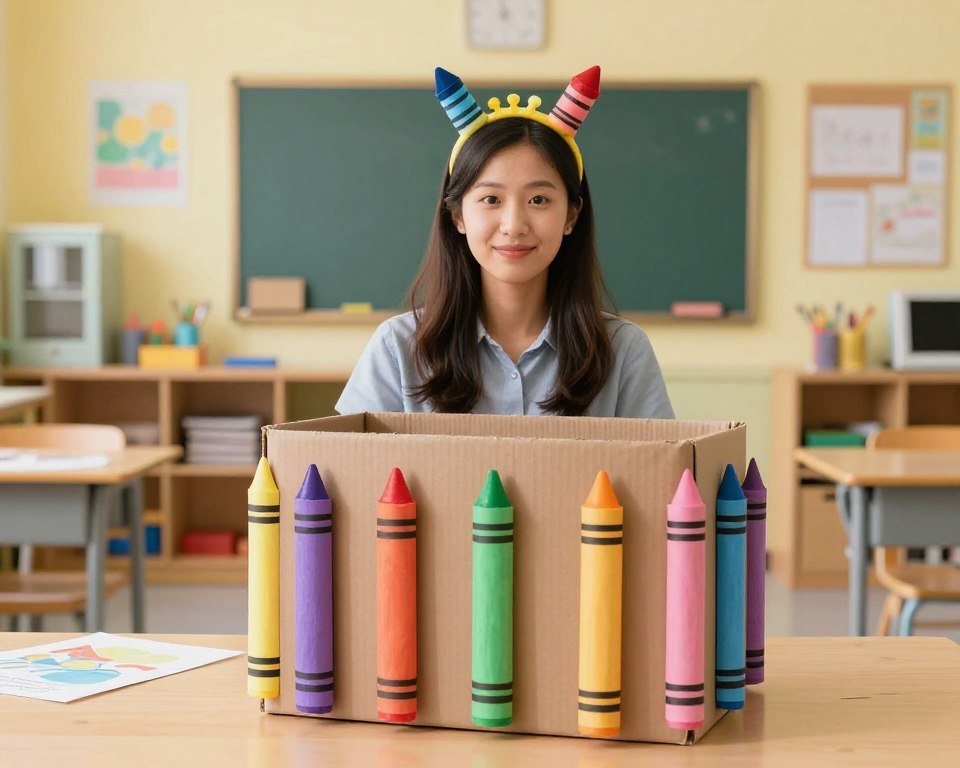
This clever costume brings the hilarious picture book to life. The Day the Crayons Quit costume allows creative interpretation and student interaction.
Create a large crayon box costume from a cardboard box painted with the crayon brand design. Cut arm holes and ensure you can move comfortably.
Attach construction paper crayons in various colors around the box. Each crayon can have a small complaint written on it from the book.
Alternatively, dress entirely in one crayon color and carry that crayon’s complaint letter. This simpler version still captures the book’s humor.
This costume naturally leads into writing activities. Students can write their own complaint letters from classroom objects’ perspectives.

Costume Box Base
Sturdy cardboard box in adult sizing perfect for creating crayon box costume. Pre-scored edges make arm hole cutting easier.

Construction Paper Pack
Vibrant construction paper in all crayon colors. Heavy weight paper perfect for creating durable costume crayons that last all day.
The Pigeon (Mo Willems)
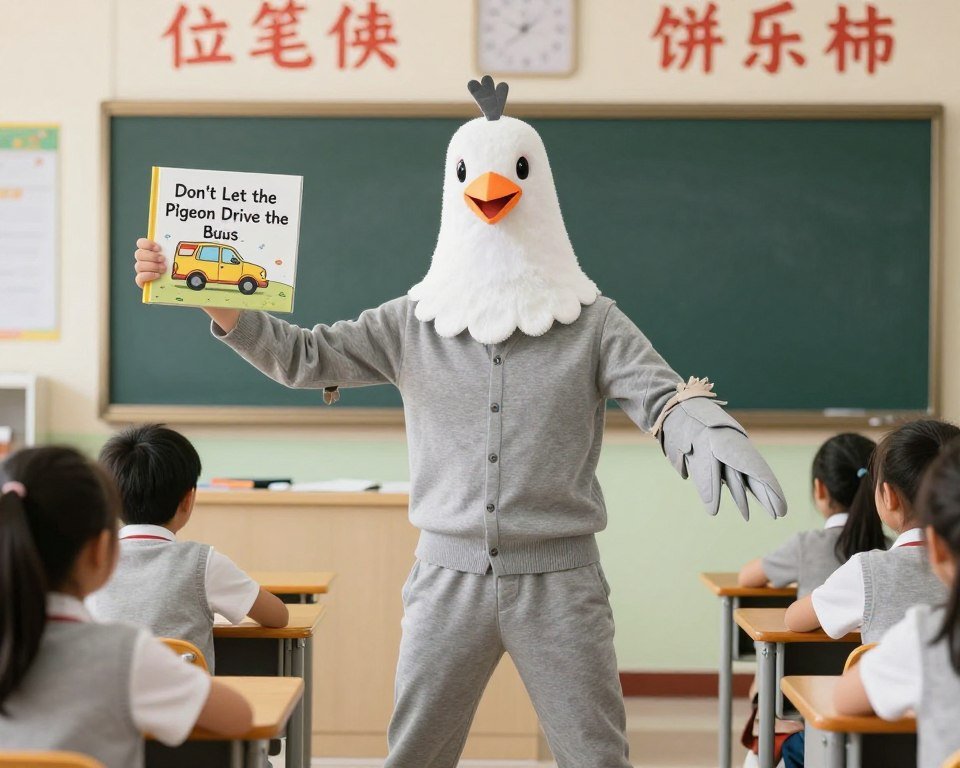
Mo Willems’ demanding pigeon creates endless entertainment for primary students. The character’s dramatic personality makes the costume performance fun.
Dress in all gray clothing as your costume base. The monochromatic look immediately suggests a pigeon to students familiar with the books.
Create a simple beak from orange cardboard or craft foam. Attach it to your face with elastic or wear it as a mask.
Add paper wings attached to your arms for full effect. These can be simple gray construction paper cut into wing shapes.
Act out the Pigeon’s pleading personality throughout the day. Students love when teachers embody the character’s funny, persistent nature.
Elephant and Piggie
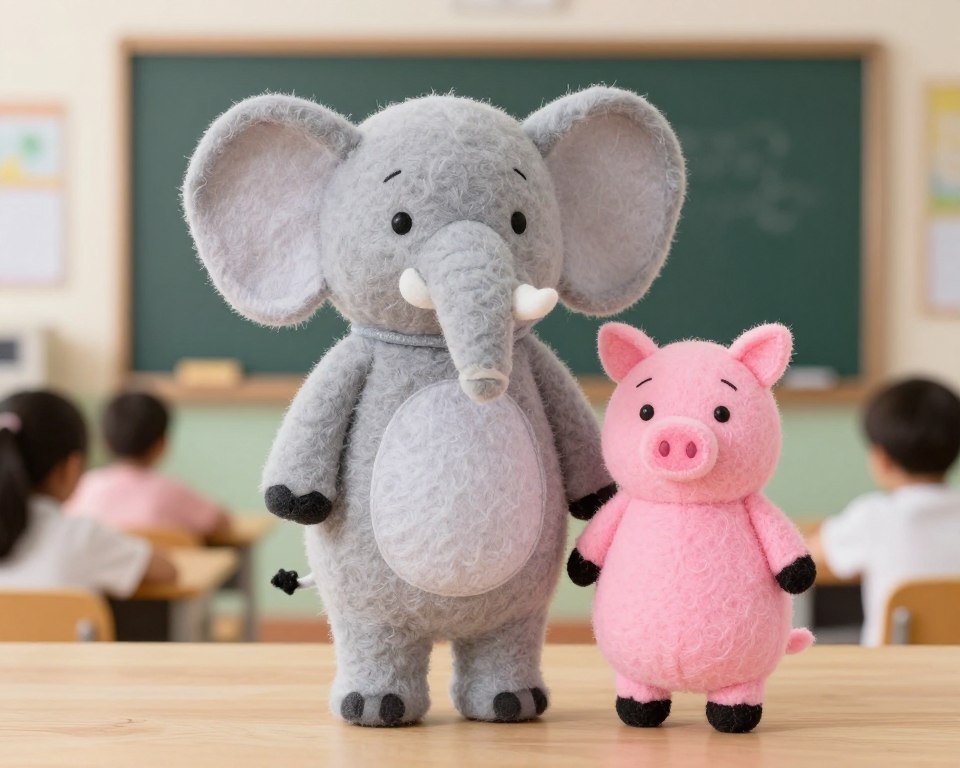
These best friends from Mo Willems’ series work perfectly for teacher pairs or team teaching. The simple designs make costume creation manageable.
For Elephant, wear gray clothing and create a trunk from gray felt or fabric. Attach large gray ears to a headband.
For Piggie, wear all pink and create a snout from pink craft foam. Add triangular pink ears to a headband.
These characters teach friendship and emotional intelligence naturally. Use the costume to act out scenarios from the books with a teaching partner.
The speech bubble format of these books translates well into classroom activities. Students can create their own Elephant and Piggie conversations.
Greg Heffley from Diary of a Wimpy Kid
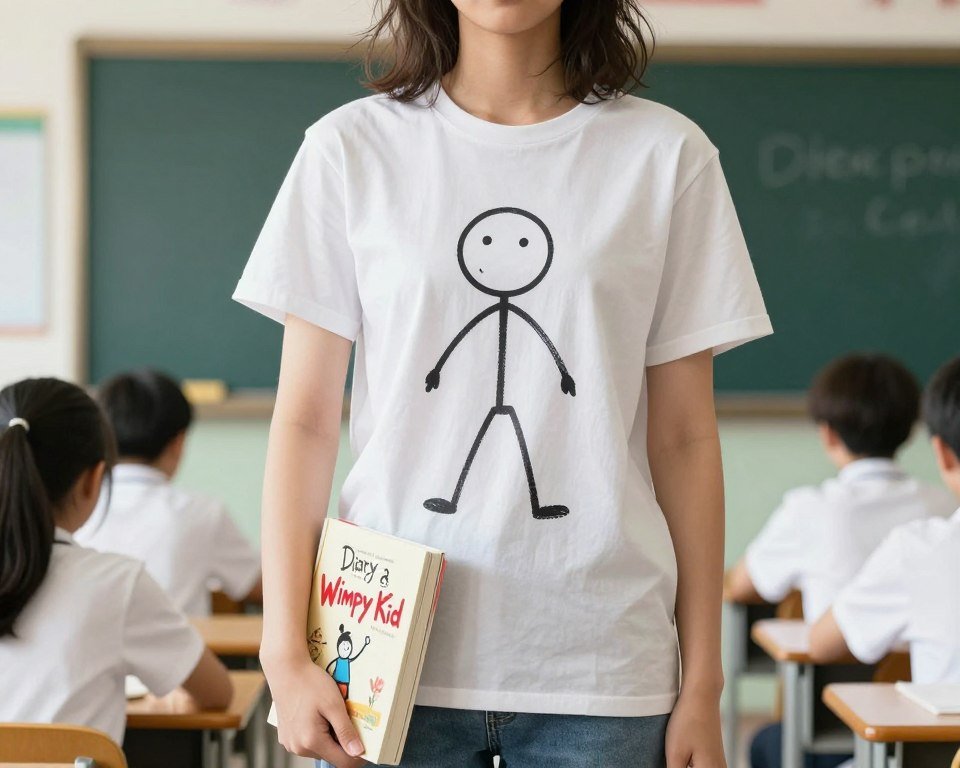
Middle school students especially appreciate this relatable character costume. Greg’s everyday problems and humorous observations resonate with preteens.
The costume requires simple clothing: jeans and a white t-shirt. Draw or print Greg’s stick figure design on the shirt.
Keep your hair slightly messy to match Greg’s appearance. Carry a journal or diary as an essential prop.
This minimal costume focuses attention on the character’s personality rather than elaborate accessories. It proves effective costumes don’t need complexity.
Use this costume to encourage reluctant readers. Many students who struggle with reading love these illustrated novels.
Junie B. Jones
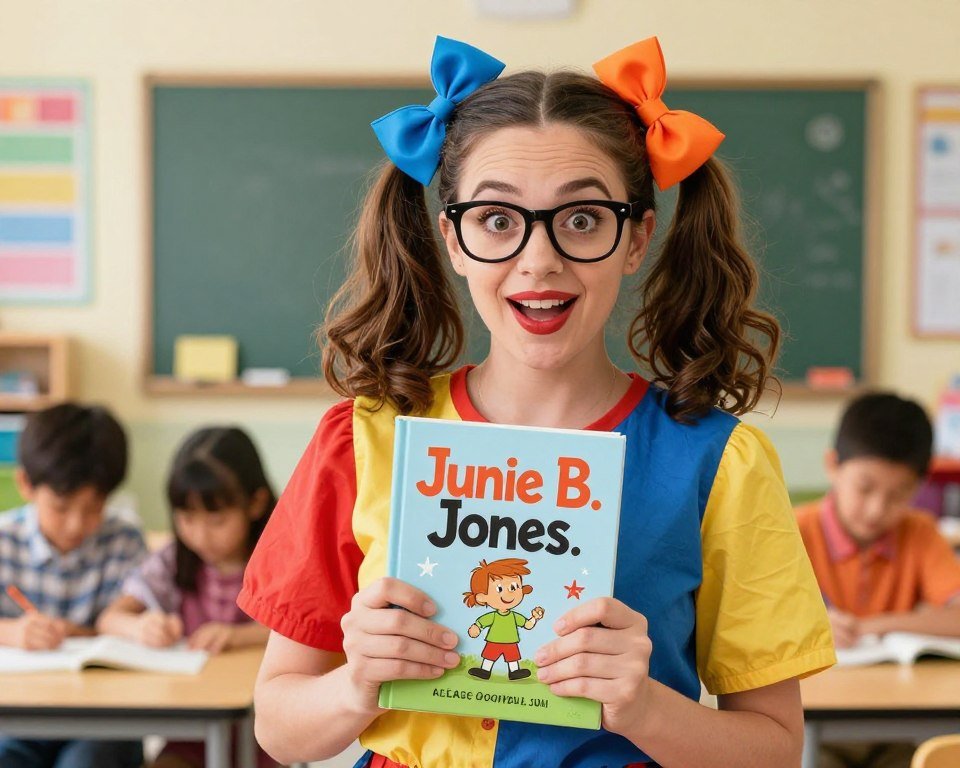
Junie B. Jones’s spunky personality and funny observations delight early elementary readers. The character’s imperfect grammar and honest thoughts make her endearing.
Create a costume with intentionally mismatched colorful clothing. Junie B.’s fashion sense reflects her unique personality and creativity.
Style your hair in pigtails or wear large, colorful hair bows. Add glasses if you wear them or use non-prescription frames.
Carry a lunchbox as a prop referencing the books’ school setting. Small details like this enhance character authenticity.
This costume celebrates being yourself and embracing individuality. Junie B. shows students it’s okay to be different and speak your mind.
Inspiring and Strong Book Character Costumes
Powerful characters teach valuable life lessons through their stories. These costumes represent courage, perseverance, and standing up for what’s right.
Strong character costumes work especially well during character education units. They provide concrete examples of positive traits and values.
Rosa Parks (from Picture Book Biographies)
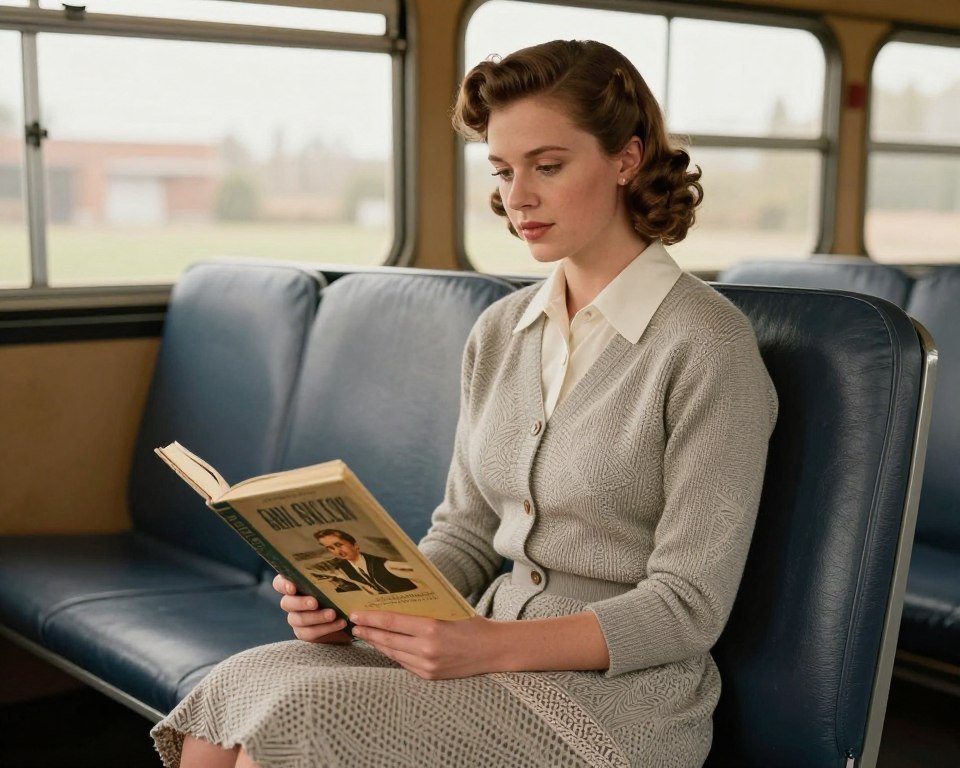
Rosa Parks’ story inspires discussions about courage and civil rights. Her costume works perfectly for Black History Month or character education lessons.
Create a historically appropriate 1950s outfit with a simple dress and cardigan. Keep the styling modest and period-accurate.
Style your hair in a period-appropriate manner with soft waves or a modest updo. Small details enhance the historical context.
Use a chair as a prop representing the bus seat. This visual reference helps students understand the historical context.
This costume opens important conversations about standing up for justice. Rosa Parks teaches that one person’s courage can change history.
Malala Yousafzai (from “Malala’s Magic Pencil”)

Malala’s story about the power of education resonates with students worldwide. This costume celebrates learning, bravery, and the right to education.
Wear a colorful headscarf and traditional dress to honor Malala’s heritage respectfully. Research appropriate styles to ensure cultural sensitivity.
Carry books and a large pencil as props referencing her book. These symbols represent her fight for education rights.
This costume creates opportunities to discuss global education issues. Students learn that not all children have easy access to schools.
Emphasize Malala’s message that education can change the world. Her story inspires students to value their learning opportunities.
Auggie from Wonder

Auggie’s story teaches empathy, kindness, and accepting differences. This powerful character works well for older elementary and middle school students.
The iconic astronaut helmet represents Auggie’s favorite thing and his desire for privacy. Find a toy helmet or create one from papier-mâché.
Wear casual clothing underneath as Auggie is portrayed as a regular kid. The simplicity emphasizes that differences are only skin deep.
This costume naturally leads into anti-bullying and kindness discussions. Wonder’s “choose kind” message transforms school culture.
Create classroom activities around the precepts from the book. Students can develop their own rules for treating others with respect.
Anne Shirley from Anne of Green Gables
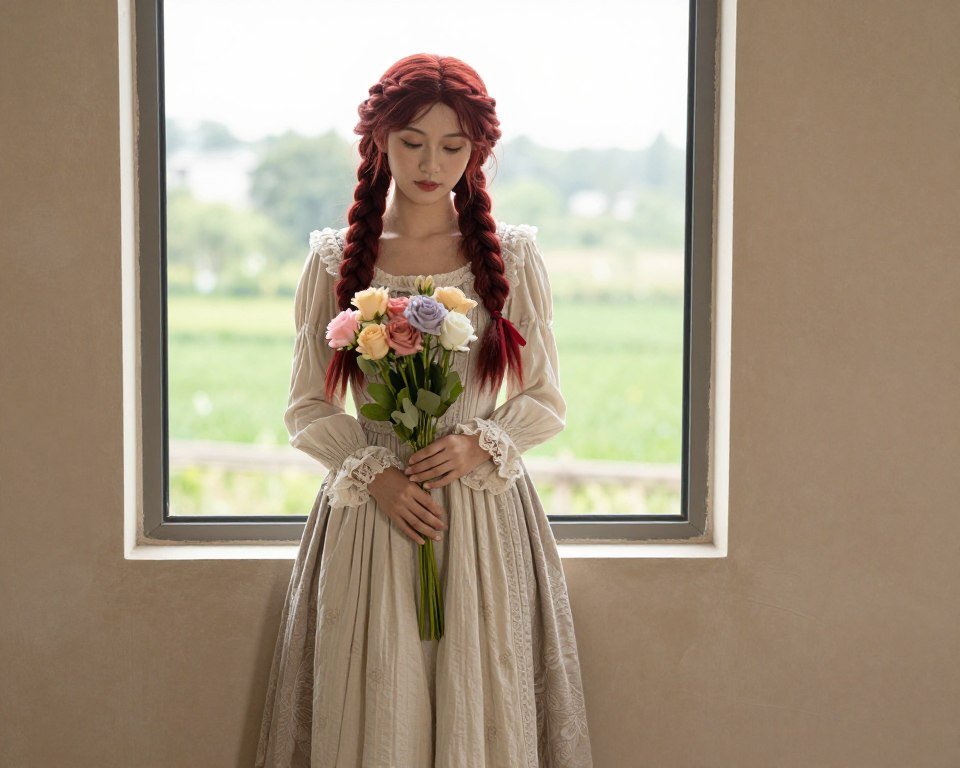
Anne’s imaginative spirit and love of learning inspire readers to embrace their uniqueness. This classic character appeals to students who love historical fiction.
Wear a simple vintage-style dress in muted colors reflecting the early 1900s setting. Thrift stores often have suitable long dresses.
The most important element is Anne’s distinctive red braids. Use a wig or braid your own hair with ribbons.
Carry a small bouquet of flowers referencing Anne’s love of nature. She finds beauty and poetry in everyday surroundings.
This costume celebrates imagination, friendship, and overcoming hardship. Anne shows that a positive attitude transforms difficult circumstances.
Pippi Longstocking

Pippi’s superhuman strength and independent spirit create an unforgettable character. Her unconventional approach to life encourages creative thinking.
Create the signature look with red braided pigtails that stick out horizontally. Use wire or coat hangers inside the braids to maintain the shape.
Wear mismatched stockings in different colors and patterns. This visual represents Pippi’s refusal to follow conventional rules.
Add freckles with makeup or face paint. Wear a colorful, slightly too-big dress to capture Pippi’s eccentric style.
This costume celebrates being different and thinking independently. Pippi shows students that breaking rules can be positive when done with good intentions.
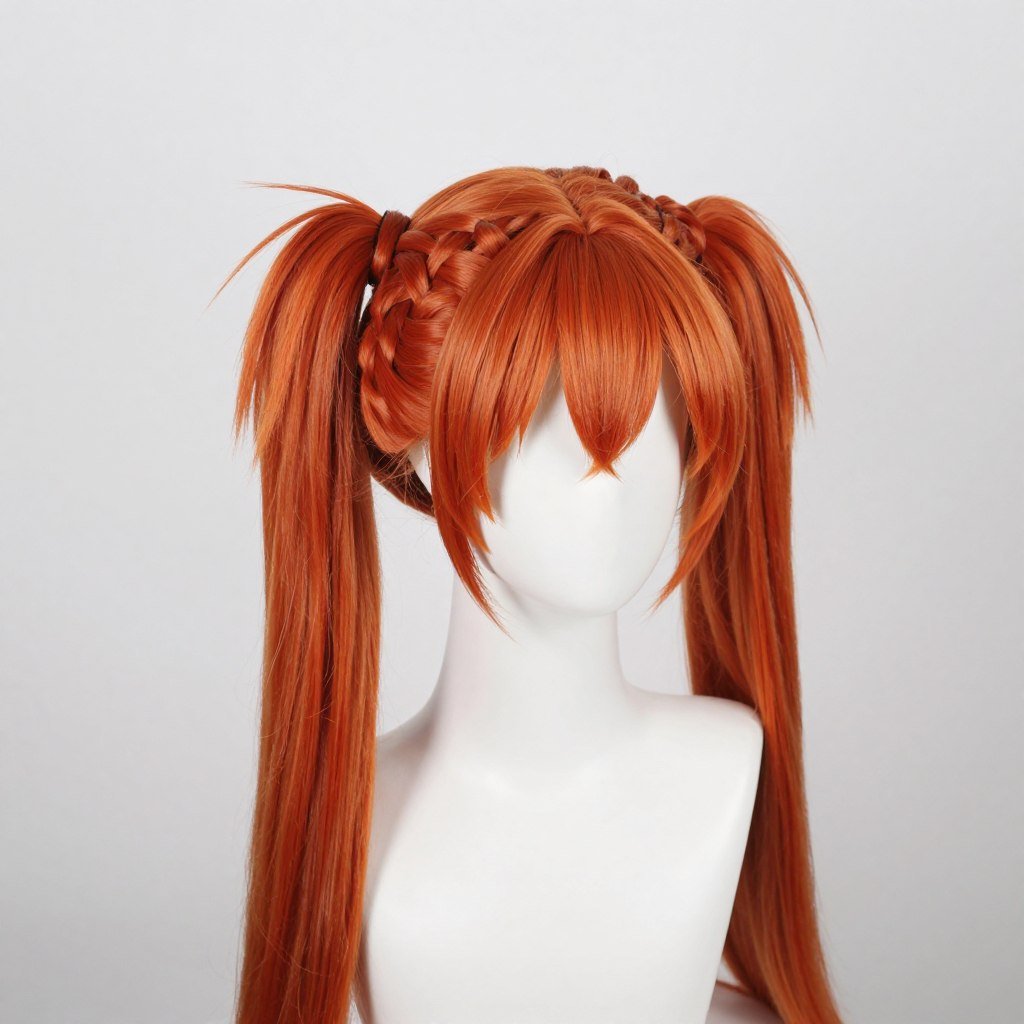
Pippi Wig
Authentic red braided wig with wire supports to maintain horizontal pigtail position. Adjustable cap fits comfortably for all-day wear.
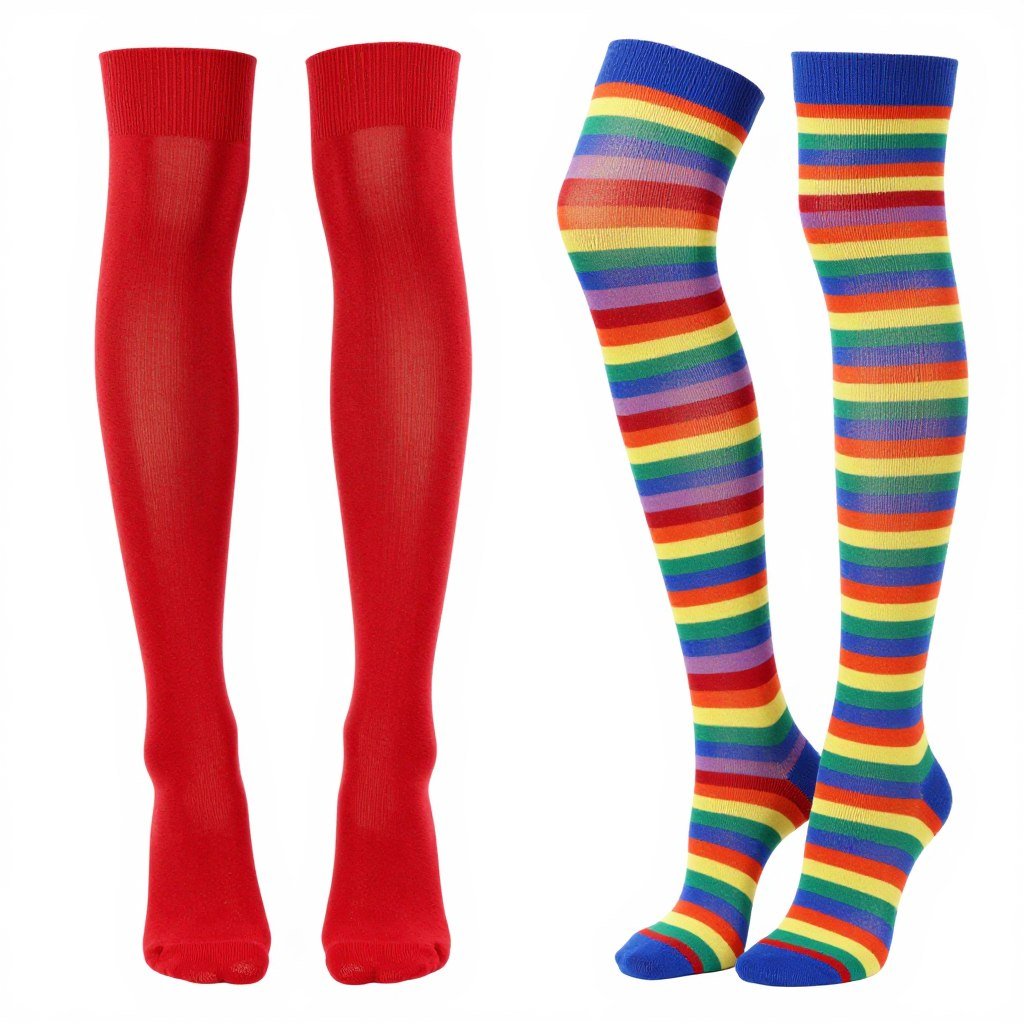
Mismatched Stockings
Perfectly imperfect mismatched stocking pair in bright Pippi-appropriate colors. One solid, one striped for authentic character look.
Animal and Creature Book Character Costumes
Animal characters connect with students’ natural love of creatures. These costumes often involve creative problem-solving to represent non-human characters.
Animal costumes work especially well for younger grades. Primary students particularly enjoy seeing their favorite animal friends come to life.
The Gruffalo
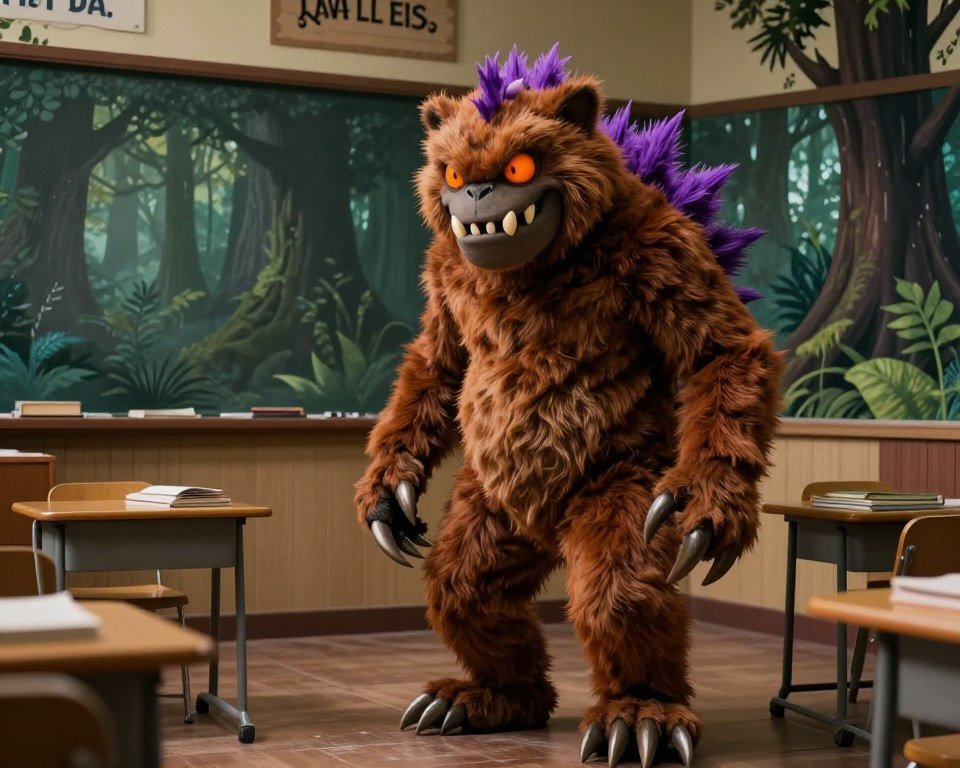
This beloved creature from Julia Donaldson’s story makes an impressive costume. The Gruffalo teaches cleverness and courage through the mouse’s journey.
Build the costume with brown clothing as your base. Add purple paper or felt prickles along your back and arms.
Create tusks from white poster board or craft foam. Attach them securely so they won’t fall during active movement.
The Gruffalo’s orange eyes can be created with face paint or a simple mask. Add knobbly knees with brown knee pads.
This costume works wonderfully for storytelling activities. Act out the Gruffalo’s scenes while reading the book aloud to students.
Peter Rabbit

Beatrix Potter’s mischievous rabbit remains timeless. Peter Rabbit introduces young students to classic literature and British storytelling.
The essential costume piece is a blue jacket over regular clothing. Add a white cottontail attached to the back.
Rabbit ears on a headband complete the transformation. Choose white or gray ears for accuracy to the illustrations.
Carry a small basket of toy vegetables as props. Peter’s garden adventures revolve around his love of vegetables.
This costume connects to gardening and nature lessons naturally. Students can plant seeds and learn about vegetable gardens.
Mouse from If You Give a Mouse a Cookie
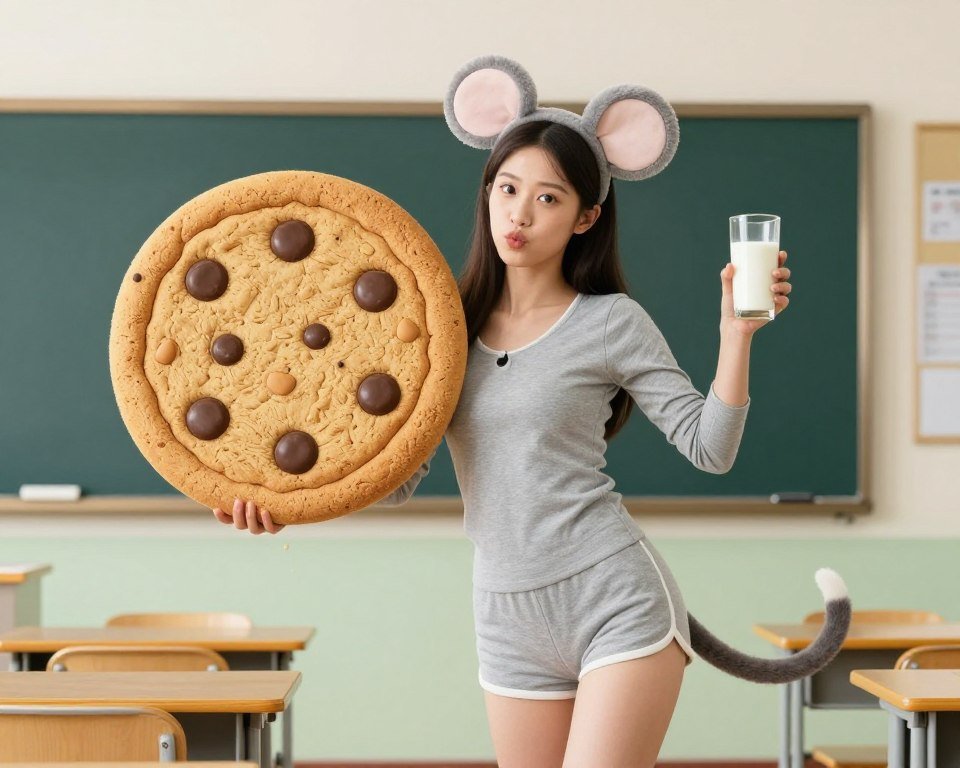
Laura Numeroff’s demanding mouse creates endless cause-and-effect learning opportunities. The costume’s simplicity makes it accessible for any teacher.
Dress in gray clothing from head to toe. Add mouse ears on a headband and a gray tail.
The most important prop is a large cookie made from cardboard or felt. This visual reference immediately identifies your character.
Carry a small glass of milk as an additional prop. These items represent the story’s circular narrative structure.
This costume naturally supports sequencing and prediction activities. Students can create their own “If You Give…” stories following the pattern.
Paddington Bear
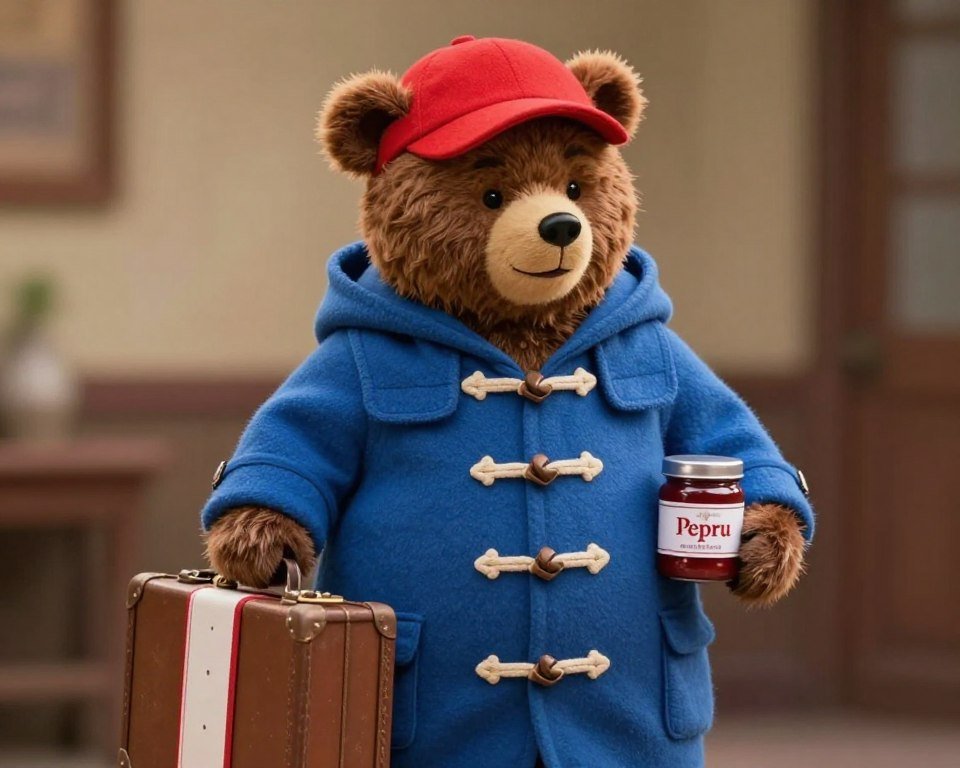
Paddington’s polite manners and adventurous spirit charm readers worldwide. This costume celebrates kindness, family, and helping strangers.
The signature blue duffle coat with toggle buttons is essential. Find one at thrift stores or borrow from someone’s closet.
Add a red bush hat and brown bear ears on a headband. Carry a small suitcase with a tag reading “Please look after this bear.”
Include a jar of marmalade as Paddington’s favorite food. This small detail delights students familiar with the stories.
This costume emphasizes themes of acceptance and belonging. Paddington’s immigrant story resonates with many students’ family experiences.
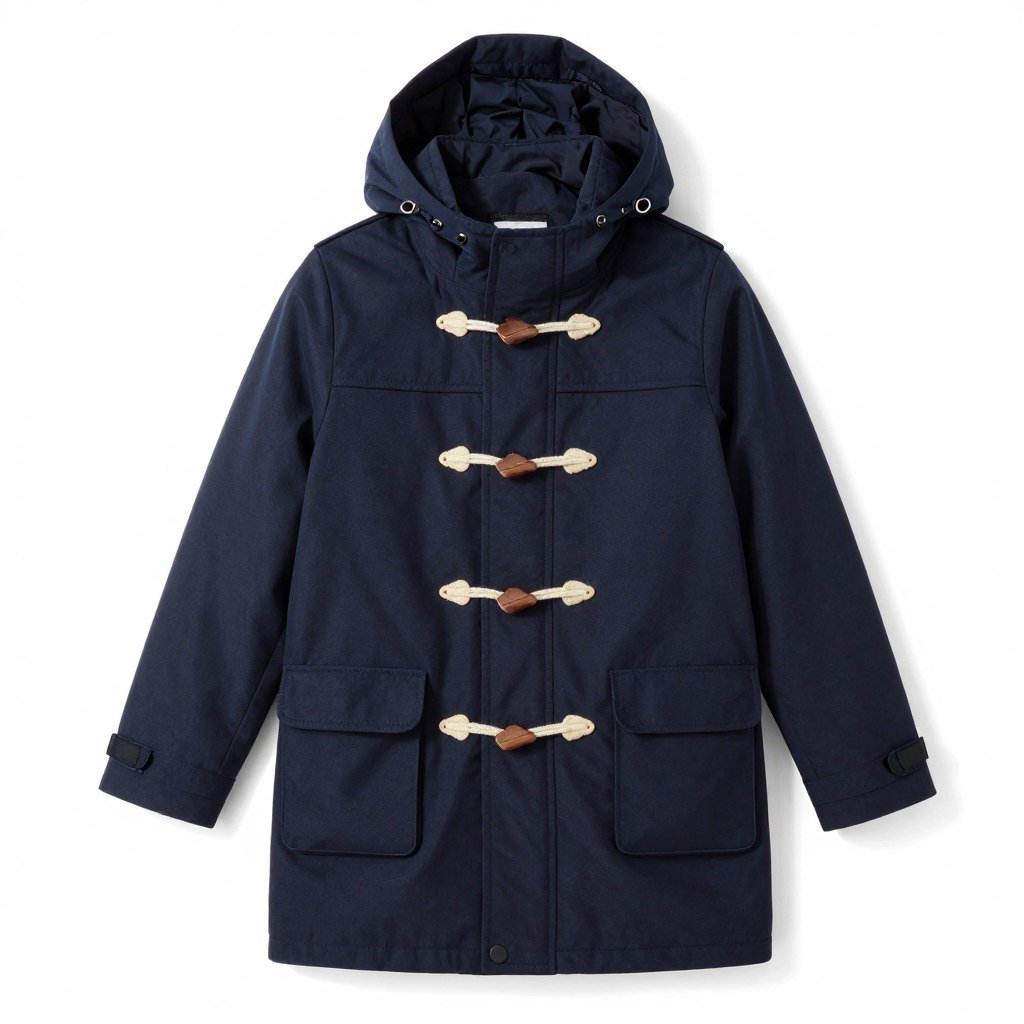
Duffle Coat
Traditional blue duffle coat with authentic wooden toggle closures. Warm comfortable fit perfect for Paddington costume and everyday wear.
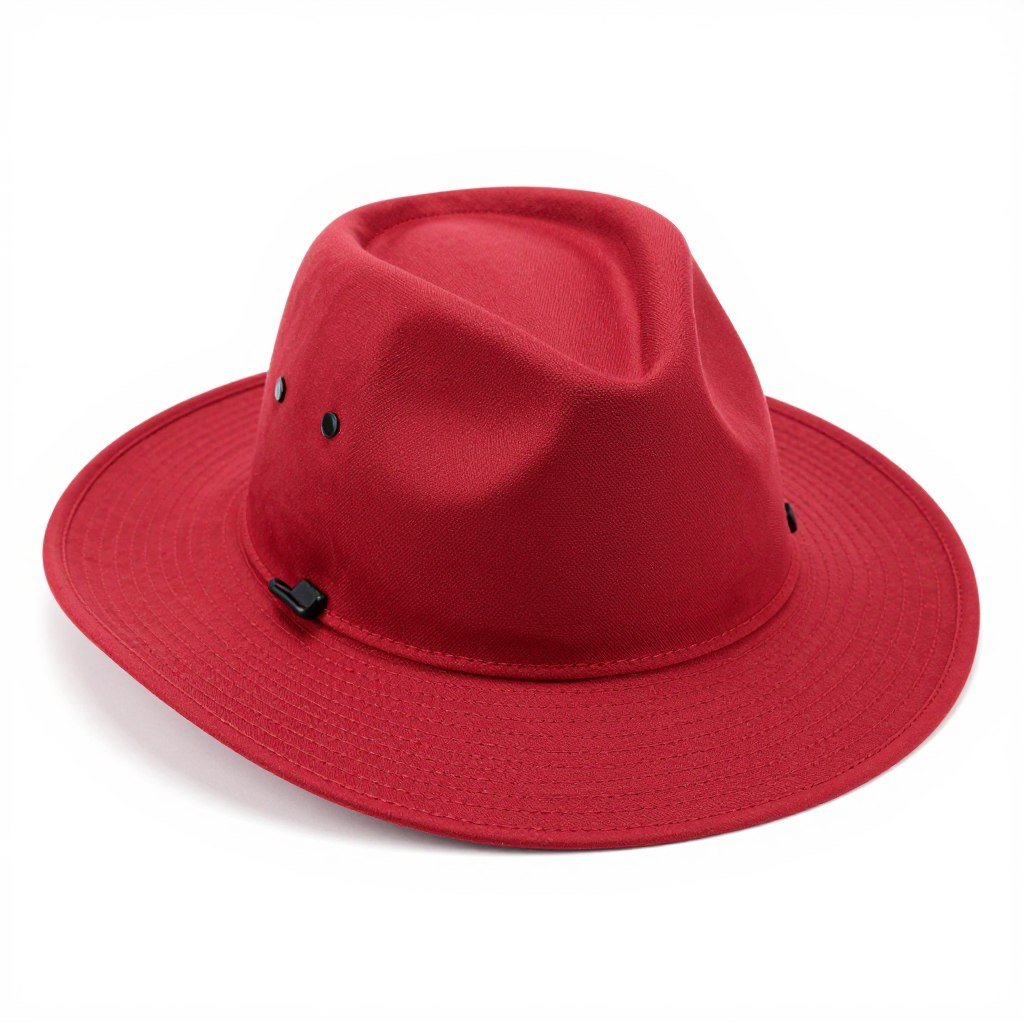
Red Hat
Classic red bush hat with adjustable band fits most adult sizes. Lightweight construction stays comfortable throughout school day.
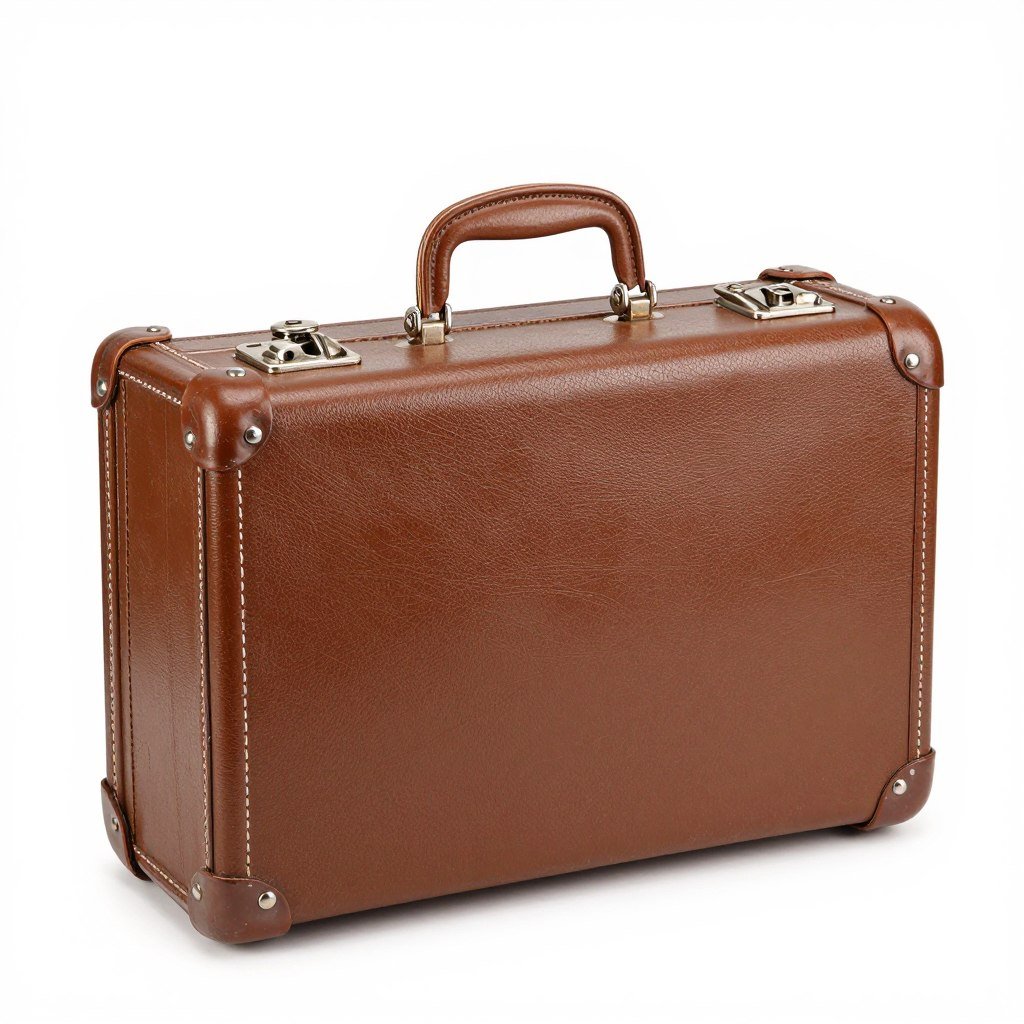
Bear’s Suitcase
Vintage-style small suitcase perfect for Paddington costume prop. Durable construction holds classroom supplies if needed.
Making Book Character Costumes Work on a Budget

Creating impressive costumes doesn’t require expensive purchases. Smart shopping and creative thinking stretch your costume budget significantly.
Thrift stores offer treasure troves of costume components at fraction of retail prices. Visit regularly in the weeks before your costume event.
Borrow items from friends, family, or other teachers whenever possible. Most people enjoy helping with creative projects and appreciate being asked.
Cardboard and construction paper create surprisingly effective costume elements. These inexpensive materials transform into hats, accessories, and character features.
Focus spending on one or two key pieces that define your character. Supplement with items you already own to complete the look.
Form a costume swap with other teachers at your school. Share accessories, wigs, and specialty items year after year.
Dollar stores carry many useful costume supplies like face paint, accessories, and craft materials. These bargain stores save money without sacrificing quality.
DIY Costume Construction Tips for Busy Teachers
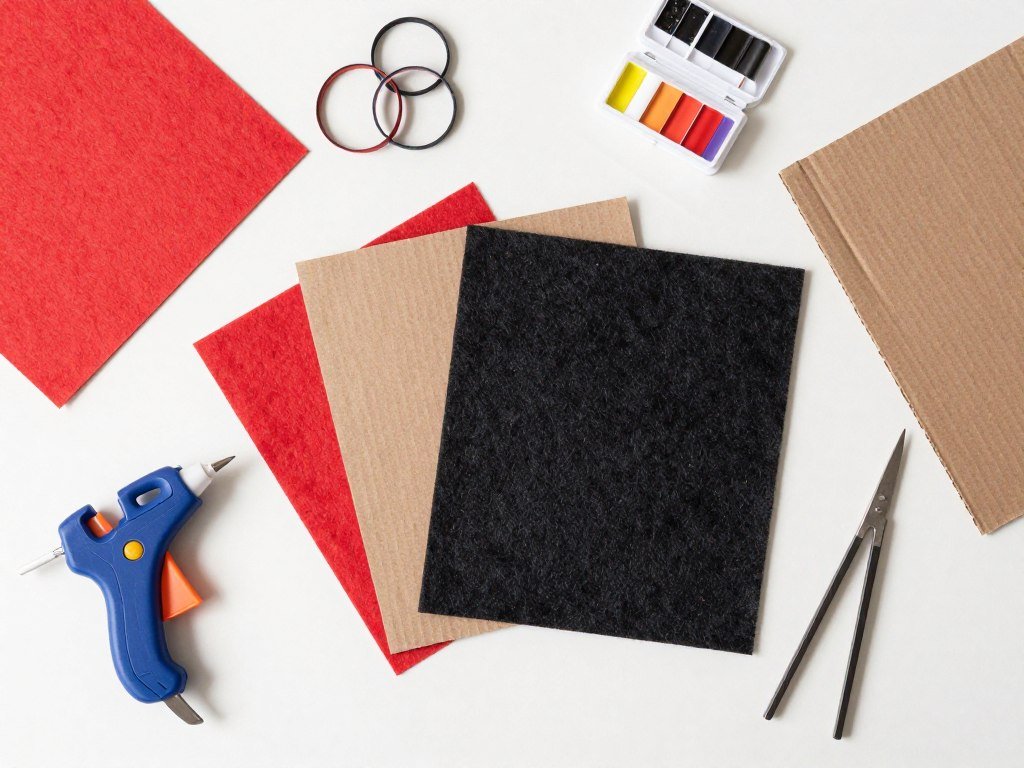
Efficient costume construction saves time while producing impressive results. These practical tips help busy teachers create costumes without stress.
Start with your existing wardrobe as the foundation. Most character costumes need just a few added elements to basic clothing.
Hot glue guns become your best friend for quick costume assembly. They bond materials instantly without waiting for drying time.
Velcro and safety pins allow easy attachment of costume pieces. These removable options preserve your regular clothing underneath.
Felt fabric is forgiving for beginners and doesn’t require hemming. Cut shapes directly and attach them with glue or stitching.
Cardboard boxes transform into surprisingly versatile costume bases. They’re free, easy to cut, and accept paint well.
Face paint adds character features without complex costume construction. A few simple lines or colors create dramatic transformations.
Elastic bands and headbands serve as universal attachment methods for ears, hats, and accessories. They adjust to any head size comfortably.
Engaging Students with Your Book Character Costume
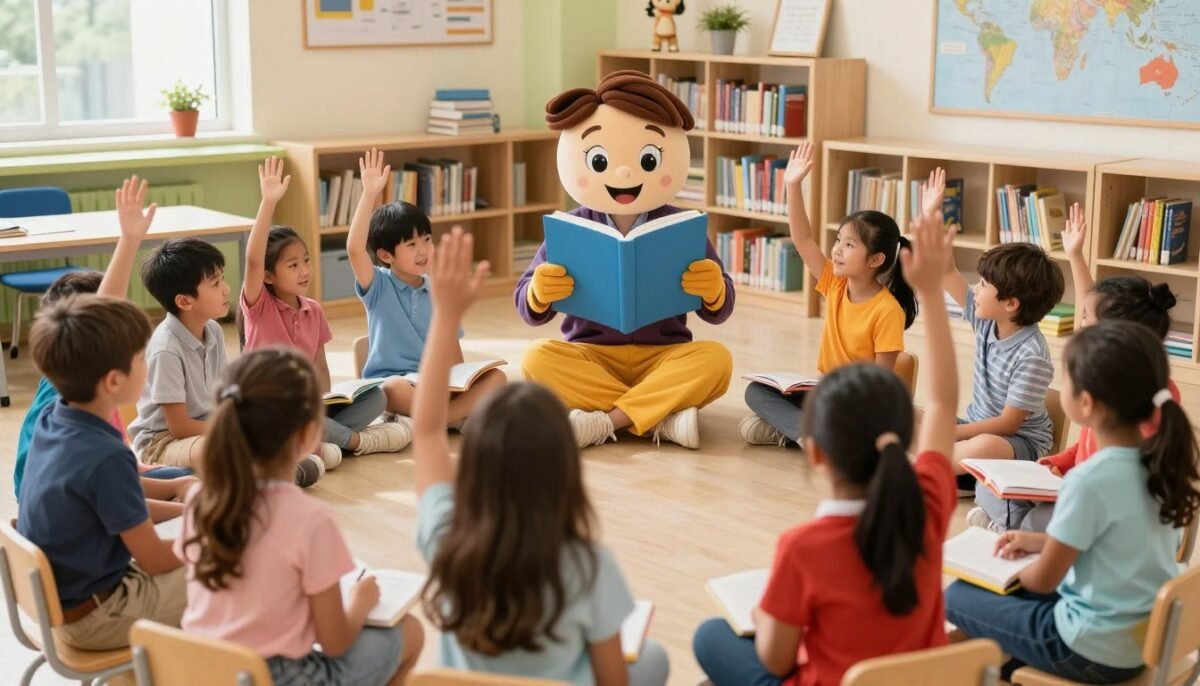
A costume alone doesn’t guarantee student engagement. Strategic planning maximizes the educational impact of your character transformation.
Stay in character throughout the day when possible. Speaking and acting like your character deepens the immersive experience for students.
Read the featured book aloud while in costume. This creates a memorable connection between literature and real-life presentation.
Invite students to guess your character before revealing the answer. This builds anticipation and activates prior knowledge about books.
Create interactive activities related to your character’s story. Students might write letters to characters or create alternate story endings.
Take photos with students in your costume for lasting memories. These pictures become treasured reminders of the special day.
Encourage students to ask your character questions. This promotes critical thinking about character motivation and story events.
Connect costume day to larger reading initiatives or book fairs. The costume promotes broader literacy engagement beyond a single day.
Costume Day Logistics and Planning
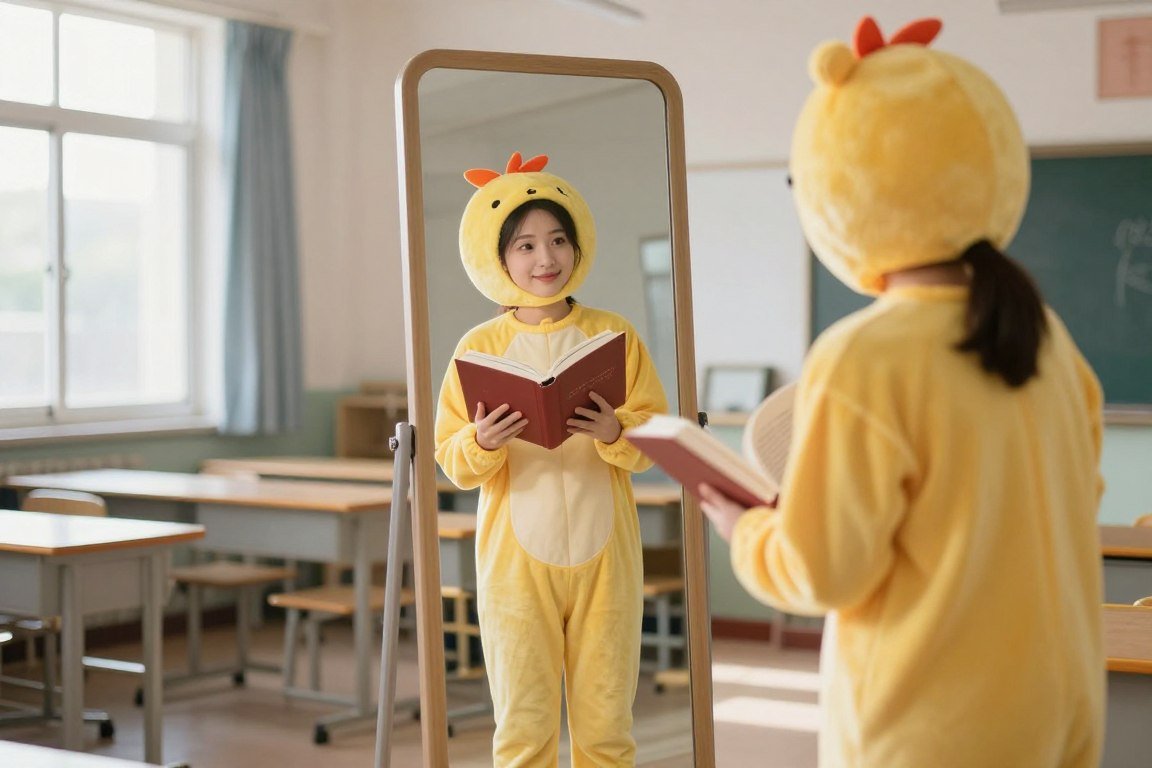
Successful costume days require attention to practical details. Planning logistics prevents disruptions to your teaching day.
Test your complete costume at home before the actual day. Ensure you can move, sit, and teach comfortably in all components.
Arrive early to dress and set up any props or decorations. Rushing creates unnecessary stress on an already special day.
Plan bathroom breaks considering your costume complexity. Some elaborate costumes require more time than usual for restroom visits.
Keep regular clothes nearby for emergencies or comfort breaks. You might need to remove parts of your costume during prep time.
Communicate costume plans with school administrators beforehand. Some schools have policies about costume appropriateness or safety.
Coordinate with specialists and support staff who work with your students. They should know about the special day and your character.
Prepare alternative lesson plans if needed for high-excitement periods. Students may be too excited for complex academic work.
Safety Considerations for Teacher Costumes
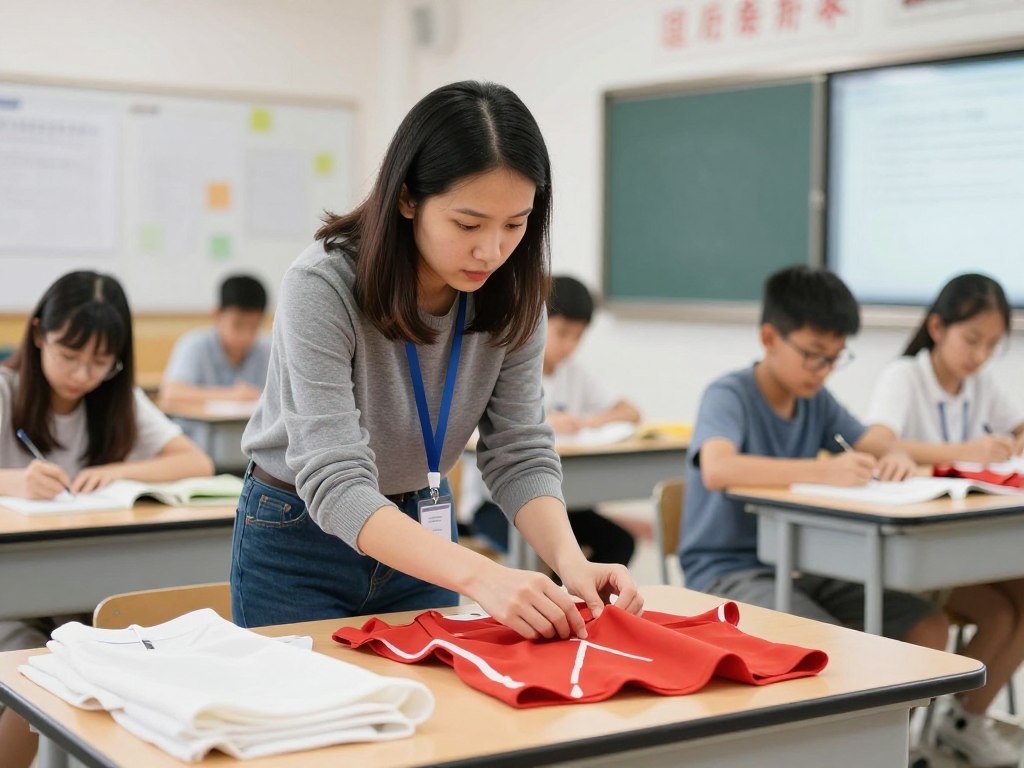
Safety must remain the top priority when selecting and wearing costumes. Practical considerations prevent accidents during active teaching.
Avoid costumes with long trailing elements that create tripping hazards. Keep all costume pieces secured above ankle level.
Ensure masks or headpieces don’t obstruct your vision or hearing. You need full awareness of classroom activities and student safety.
Choose flame-resistant materials when possible, especially near science equipment or candles. Check fabric labels before purchasing.
Secure all costume pieces properly to prevent them falling on students. Loose accessories can become dangerous projectiles.
Avoid costumes that restrict your movement during emergencies. You must be able to respond quickly if needed.
Test costume durability before the event day. Weak attachment points might break during normal teaching activities.
Consider allergies when using face paint or makeup. Always use hypoallergenic products designed for sensitive skin.
Adapting Book Character Costumes for Virtual Teaching
Virtual teaching requires costume adaptations for effective screen presentation. These modifications ensure your character appears clearly on camera.
Focus on upper body costume elements visible in your video frame. Elaborate lower body components won’t be seen by students.
Choose bold colors and clear details that translate well through webcams. Subtle elements may disappear in video compression.
Ensure your costume contrasts with your background for clear visibility. Test your appearance on camera before the virtual event.
Consider lighting carefully when wearing costumes on video. Some materials reflect light strangely or create unwanted shadows.
Props should be sized appropriately for camera view. Oversized props work better than small details students can’t see.
Plan interactive virtual activities related to your character. Screen sharing and digital tools enhance the costume experience.
Record your costumed read-aloud for students who miss the live session. This extends the impact beyond a single class period.
Bringing Book Characters to Life in Your Classroom
Book character costumes create powerful teaching moments that students remember for years. These twenty-five costume ideas offer inspiration for teachers at every grade level and with every budget.
The best costume choice reflects your personal enthusiasm and your students’ interests. Choose characters from books your class loves or that support your curriculum.
Remember that costume day success isn’t about perfection or expense. Simple costumes worn with enthusiasm impact students just as much as elaborate productions.
These costume experiences strengthen the vital connection between teachers and students. They demonstrate that learning should be joyful, creative, and memorable.
Whether you choose the Cat in the Hat’s whimsy or Harry Potter’s magic, your costume transforms an ordinary school day into an extraordinary celebration of reading. Your willingness to dress up shows students that books matter and reading is worth celebrating.