
The Yngrid Cardigan represents the perfect blend of timeless elegance and modern knitting techniques. This free knitting pattern offers crafters an opportunity to create a sophisticated garment that transitions seamlessly from casual weekends to professional settings.
Whether you’re an experienced knitter or someone ready to tackle an intermediate project, this pattern provides detailed guidance for success. The cardigan’s distinctive texture pattern and flattering silhouette make it a wardrobe staple you’ll reach for season after season.
Table of Contents
Pattern Overview and Design Features
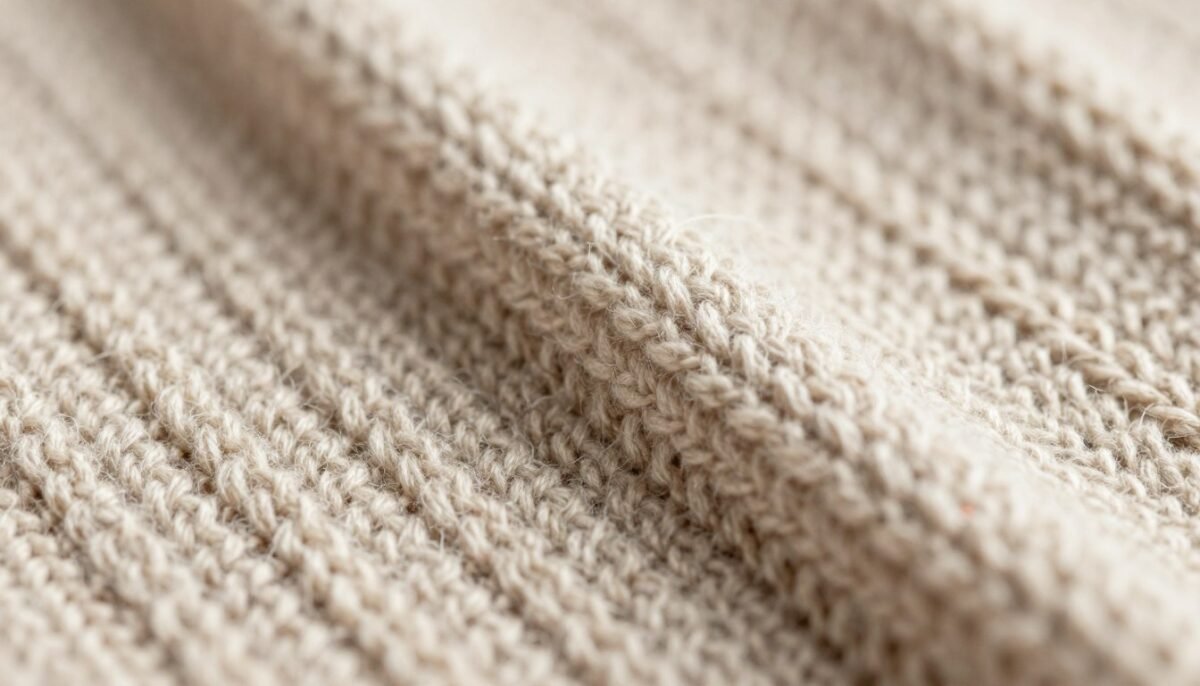
The Yngrid Cardigan showcases a beautiful texture pattern that creates visual interest without overwhelming complexity. The design incorporates strategic shaping techniques that ensure a flattering fit across multiple body types.
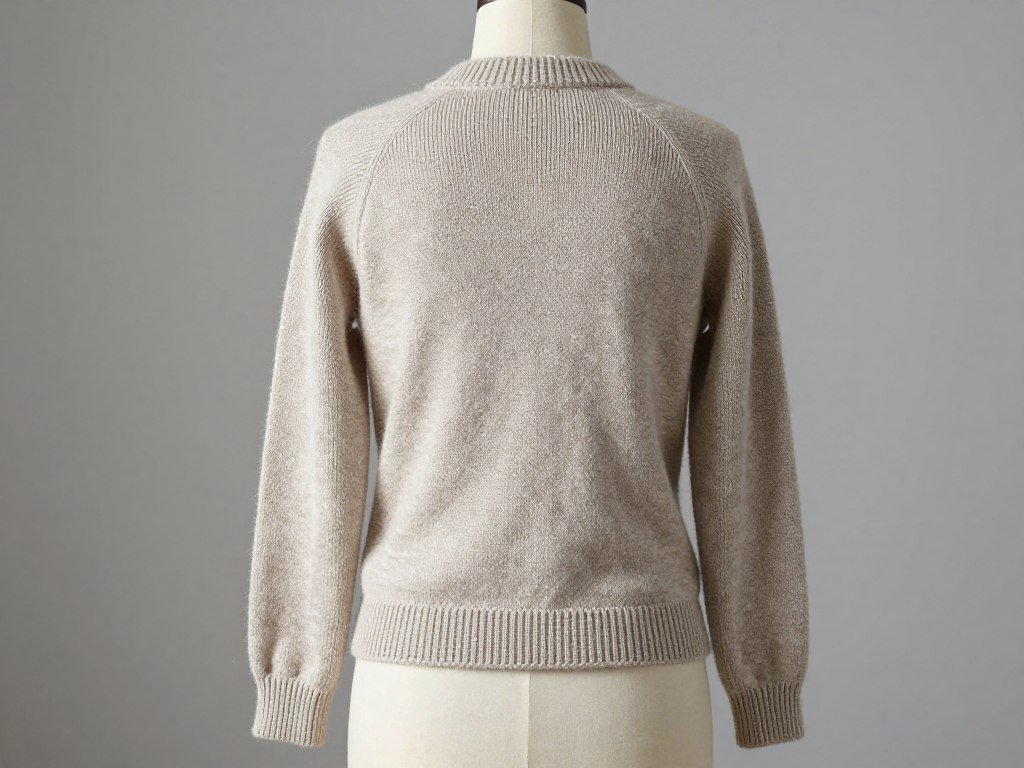
This cardigan features a relaxed silhouette with thoughtful details. The back yoke utilizes short rows to create perfect shoulder shaping. The pattern includes instructions for achieving professional-looking results.
Key Design Elements
Construction Method
The Yngrid Cardigan is worked from the top down in one piece. This construction eliminates seaming and allows for easy length adjustments during the knitting process.
- Seamless raglan construction
- Back yoke shaped using short rows
- Shoulder sections crafted for optimal fit
- Sleeves knitted in the round after body completion
Distinctive Style Features
The cardigan’s chic appearance comes from carefully chosen design elements that elevate the simple silhouette into something special and wearable.
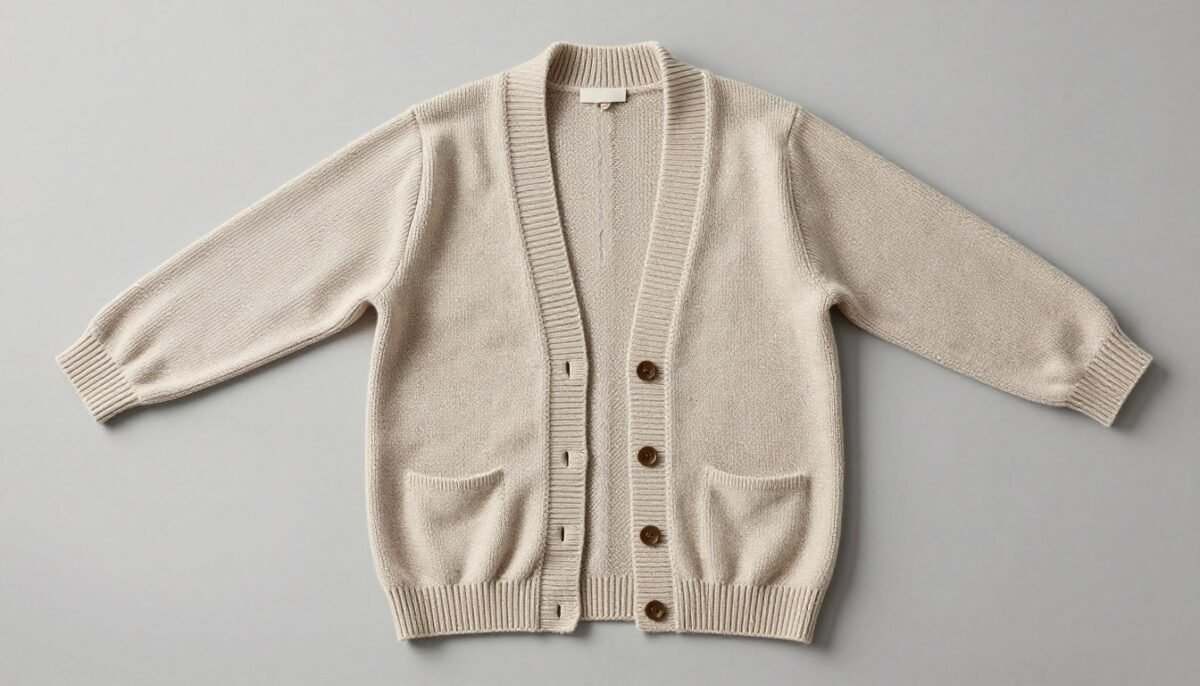
- Elegant texture pattern throughout body
- Ribbed cuffs and hem for polished finish
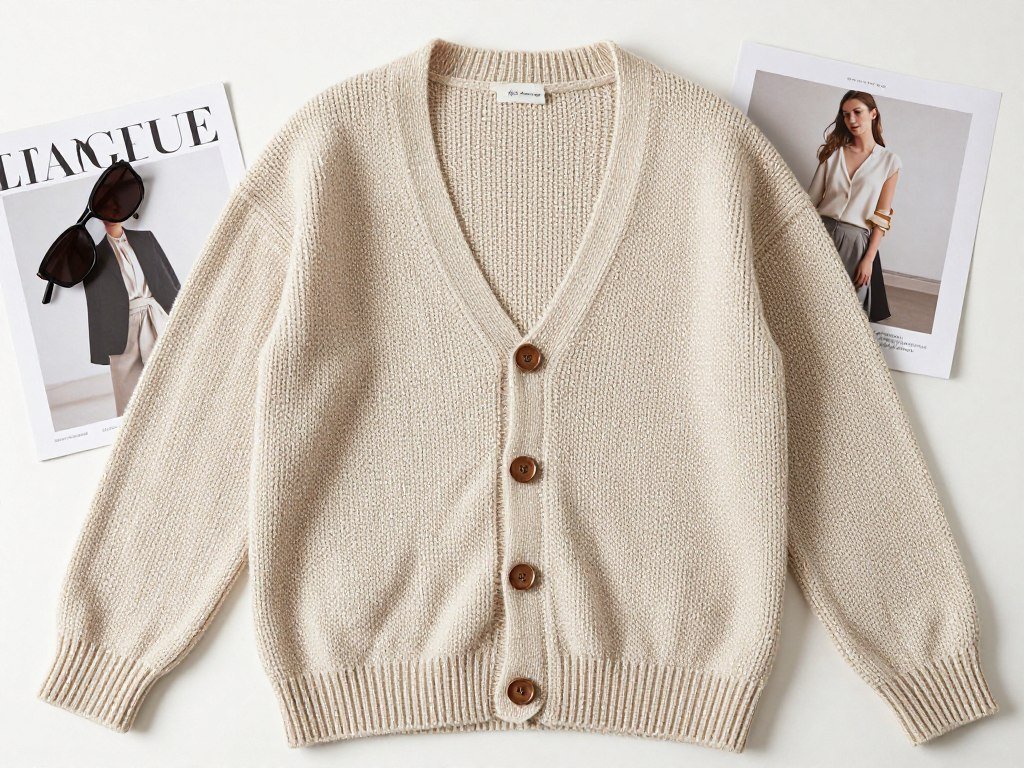
- Open front styling with optional button band
- Relaxed fit with defined waist shaping
Pattern Difficulty: This project suits confident beginners and intermediate knitters. You should be comfortable with basic knitting techniques including increases, decreases, and working in the round. The pattern provides detailed instructions for more advanced techniques like short rows and picking stitches.
Sizing Information and Measurements
The Yngrid Cardigan pattern includes comprehensive sizing from XS to 3XL. Each size features detailed measurements to help you select the perfect fit for your body type and wearing preferences.
This pattern allows for significant customization. The top-down construction lets you adjust length as you knit. You can modify sleeve length and body proportions to match your exact specifications.
Complete Size Chart
| Size | Bust (inches) | Length (inches) | Sleeve Length (inches) | Yarn Required (yds) |
| XS | 32-34 | 22 | 17 | 900 |
| S | 36-38 | 23 | 17.5 | 1000 |
| M | 40-42 | 24 | 18 | 1100 |
| L | 44-46 | 25 | 18.5 | 1250 |
| XL | 48-50 | 26 | 19 | 1400 |
| 2XL | 52-54 | 27 | 19.5 | 1550 |
| 3XL | 56-58 | 28 | 20 | 1700 |
Choosing Your Size
Select your size based on finished bust measurement with desired ease. This cardigan is designed with 2-4 inches of positive ease for a relaxed, comfortable fit.
For a closer fit, choose the size closest to your actual bust measurement. For a more oversized look perfect for layering, select one size up from your measurements.
Measurement Tip: Always knit a gauge swatch before starting your project. The measurements provided assume you match the pattern gauge exactly. Blocking your swatch helps ensure accuracy.
Yarn Requirements and Selection Guide
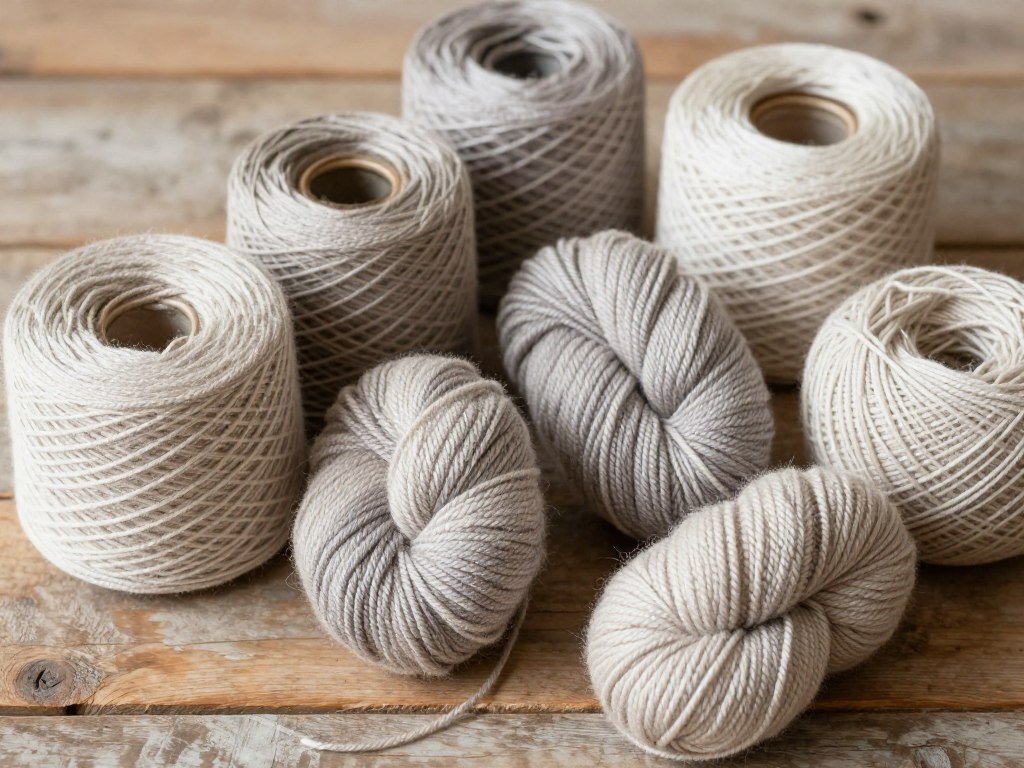
Choosing the right yarn transforms your Yngrid Cardigan from a simple project into a treasured wardrobe piece. The original pattern recommends worsted weight yarn with excellent stitch definition.
The texture pattern in this cardigan shines when worked in yarn that showcases individual stitches. Smooth, plied yarns work beautifully, while highly textured yarns may obscure the pattern details.
Recommended Yarn Options
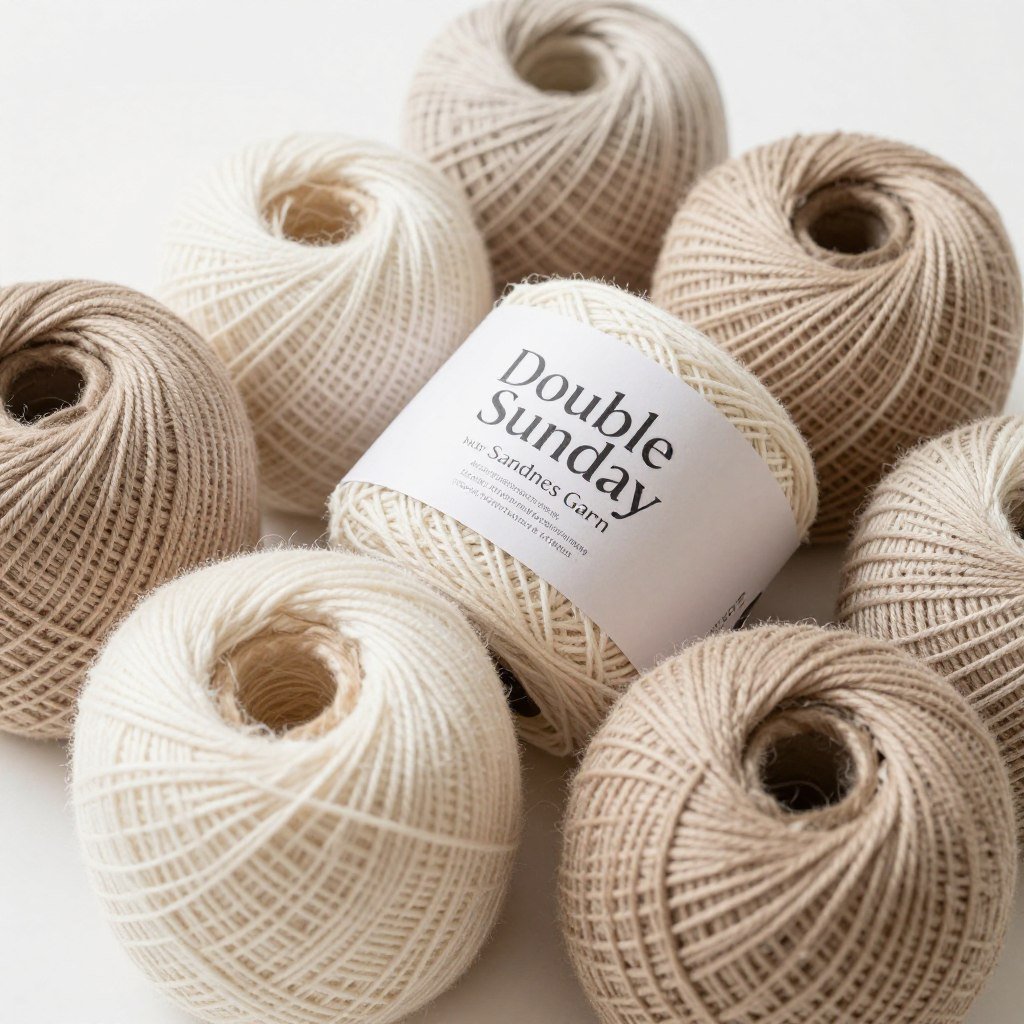
Double Sunday – Sandnes Garn
The pattern designer’s original choice. This worsted weight blend offers exceptional stitch definition and comes in a gorgeous color palette. The fiber content provides warmth without excessive weight.
- Fiber: Merino wool blend
- Weight: Worsted
- Yardage: 191 yds per skein
- Perfect texture pattern clarity
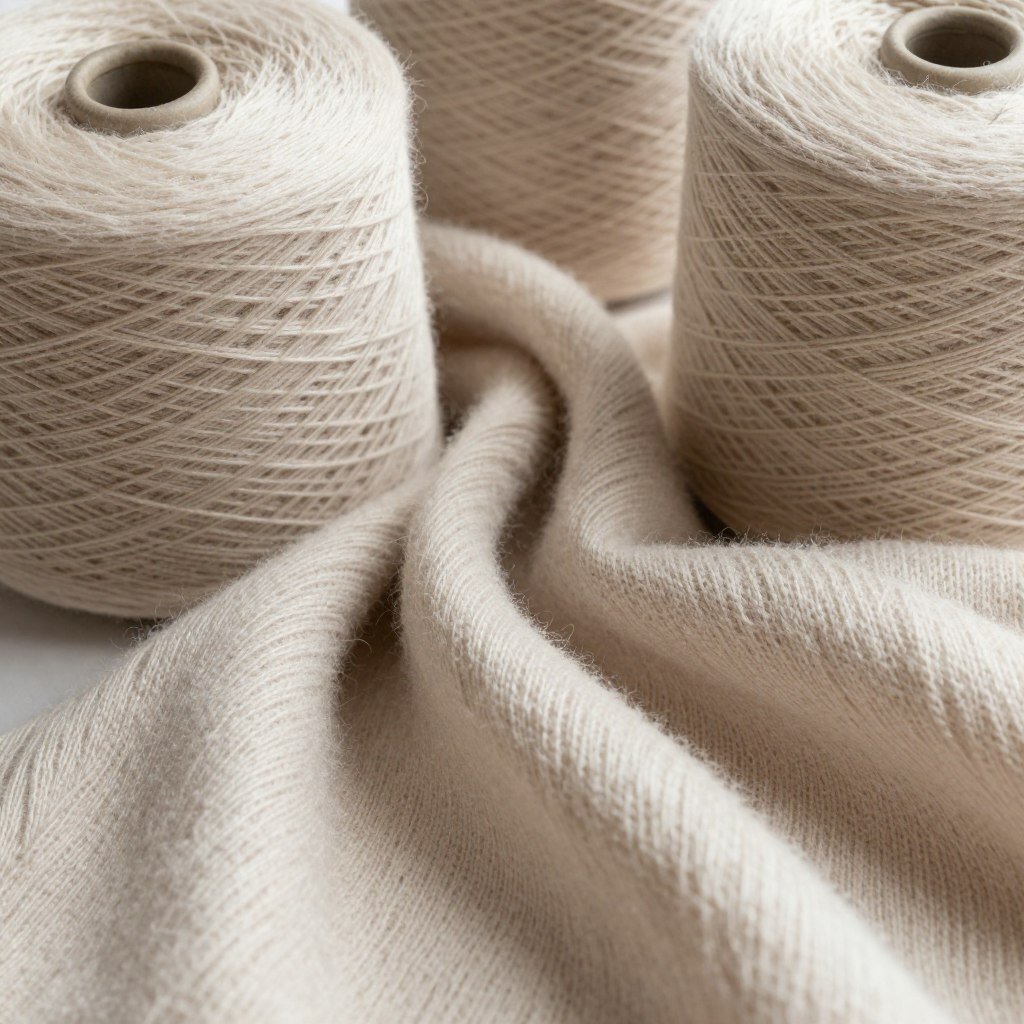
Premium Merino Worsted
A luxurious alternative that provides incredible softness and drape. This 100% merino option creates a cardigan with exceptional next-to-skin comfort and beautiful movement.
- Fiber: 100% Superwash Merino
- Weight: Worsted
- Yardage: 220 yds per skein
- Machine washable convenience
Budget-Friendly Worsted
Quality doesn’t require breaking the bank. This acrylic-wool blend provides excellent results at an accessible price point, perfect for your first Yngrid Cardigan.
- Fiber: Acrylic-wool blend
- Weight: Worsted
- Yardage: 200 yds per skein
- Easy care and durability
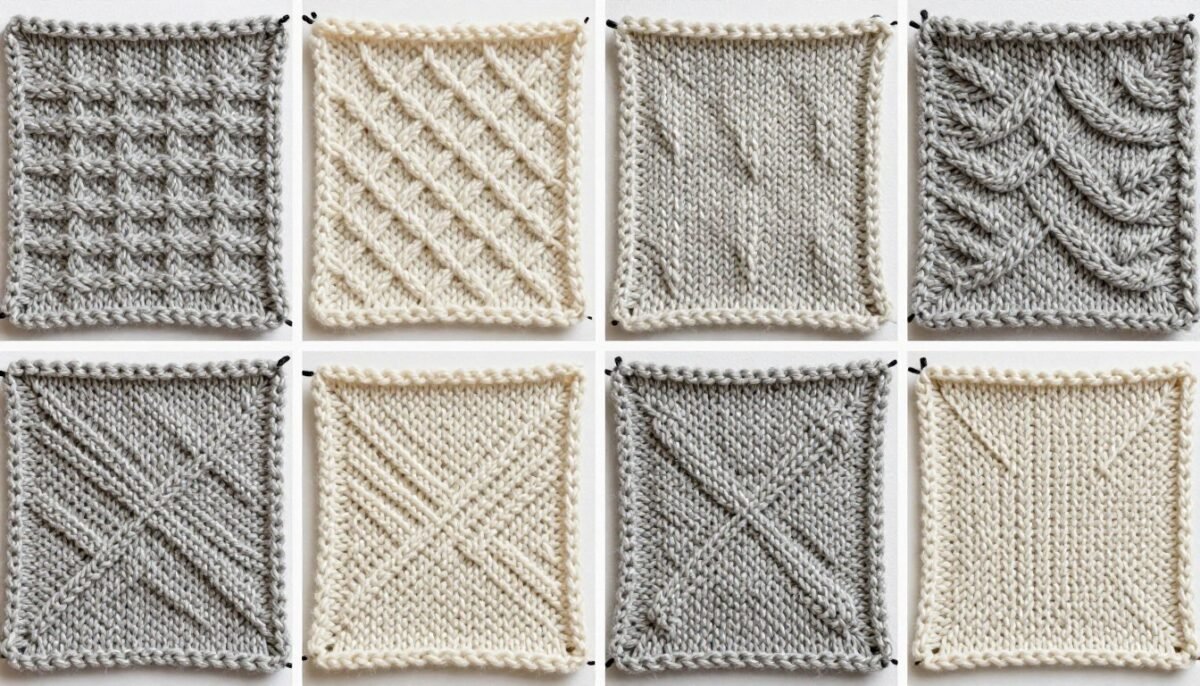
Yarn Substitution Guidelines
When substituting yarn, focus on matching gauge and fiber characteristics. The pattern works best with smooth yarns that have good stitch definition.
Calculate yardage requirements based on your selected size from the chart above. Always purchase an extra skein to account for gauge variations and personal knitting tension.
Important: Highly textured, fuzzy, or variegated yarns may obscure the texture pattern. Choose semi-solid or subtly variegated colorways for best results.
Essential Tools and Supplies
Gathering the right tools before starting ensures a smooth knitting experience. The Yngrid Cardigan requires standard knitting equipment that most crafters already own.
Quality tools make the knitting process more enjoyable. Investing in good needles and accessories pays dividends in your finished garment quality.
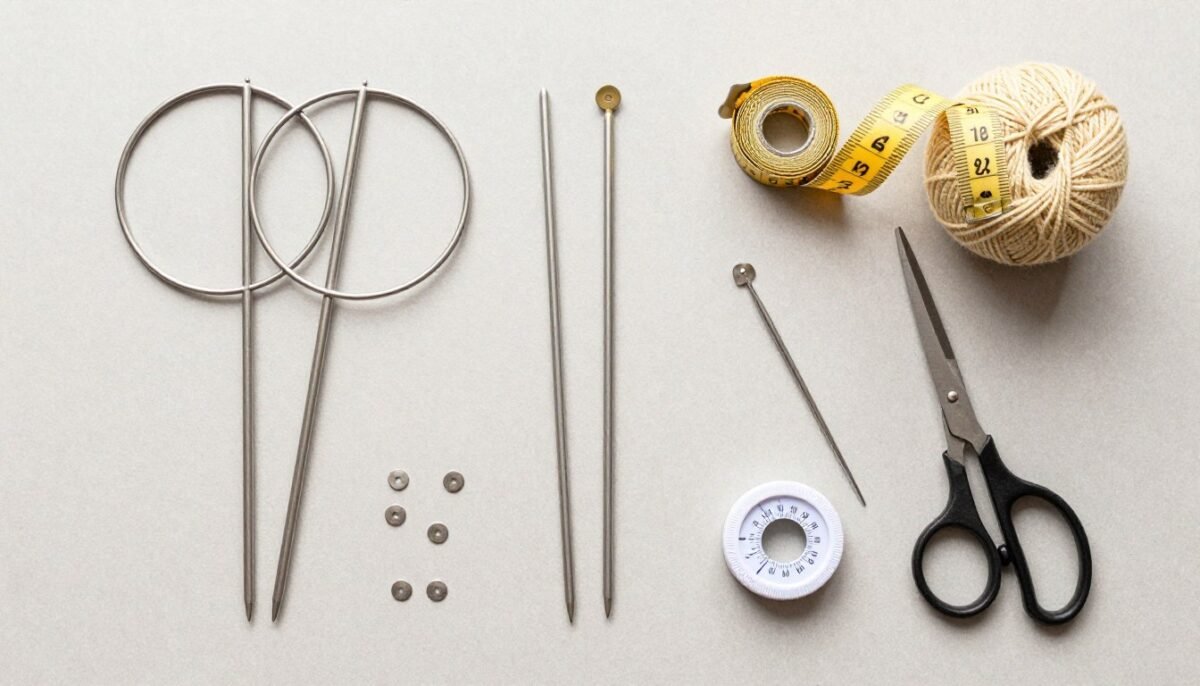
Required Materials
Needles
The pattern requires both circular and double-pointed needles in multiple sizes for different sections of the cardigan.
- 32-inch circular needles in main size
- 16-inch circular needles for sleeves
- Double-pointed needles for finishing
- One size smaller for ribbing
Notions
Small accessories make pattern execution easier and help maintain your place throughout the project.
- Stitch markers in two colors
- Tapestry needle for weaving ends
- Measuring tape for checking gauge
- Row counter for tracking sections
Optional Accessories
These items enhance your knitting experience and help achieve professional results in your finished cardigan.
- Blocking mats and pins
- Cable needle for texture work
- Project bag for portability
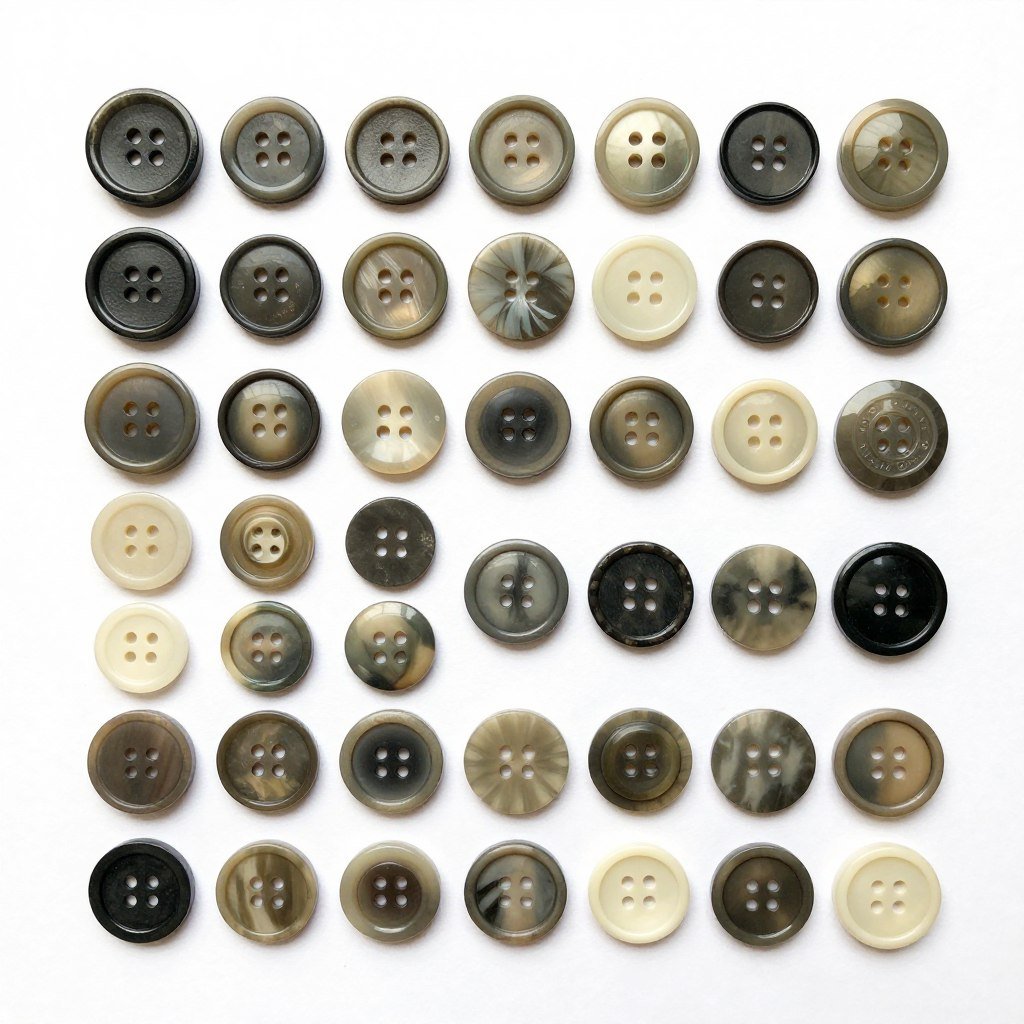
- Buttons if adding closure
Gauge Tools
Accurate gauge measurement ensures your cardigan fits properly and matches pattern specifications.
- Gauge ruler or swatch measuring tool
- Blocking pins for swatch preparation
- Notebook for recording adjustments
- Calculator for modifications
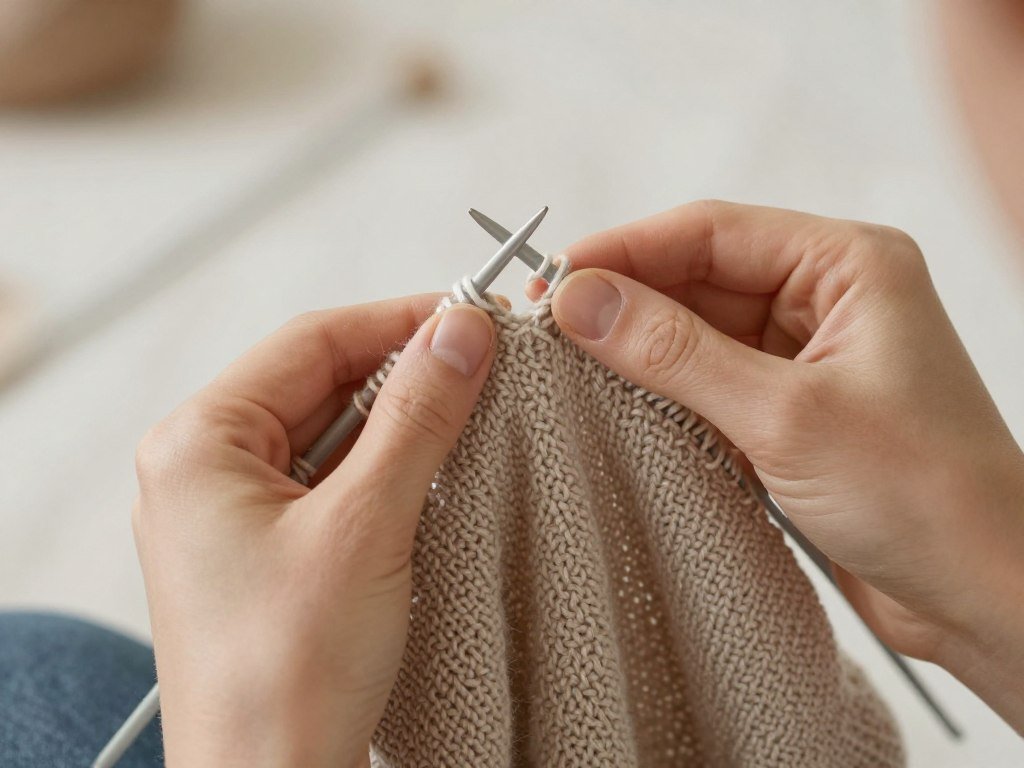
Achieving Perfect Gauge
Gauge determines whether your finished cardigan matches the pattern dimensions. This critical step prevents disappointment after investing hours in your project.
The Yngrid Cardigan pattern specifies a gauge of 18 stitches and 24 rows per 4 inches in the texture pattern after blocking. Matching this exactly ensures proper fit.
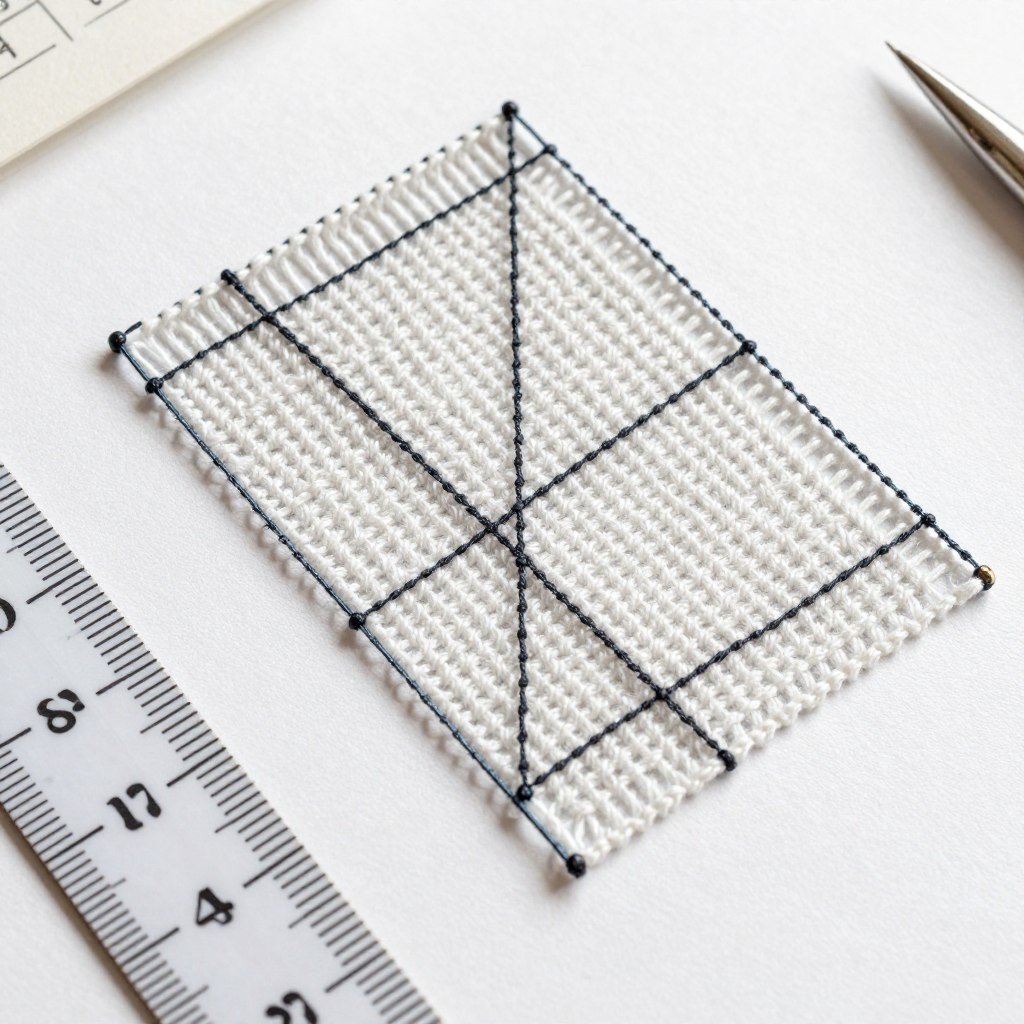
Creating an Accurate Gauge Swatch
Cast on at least 24 stitches and work 30 rows in the texture pattern. A larger swatch provides more accurate measurements than the minimum required size.
Block your swatch using the same method you’ll use on the finished garment. Wet blocking reveals the true gauge and final fabric characteristics.
- Cast on 24-28 stitches using your chosen yarn and needles
- Work in texture pattern for at least 30 rows
- Bind off loosely and weave in ends
- Wet block the swatch and let dry completely
- Measure stitches and rows in the center area
- Adjust needle size if gauge doesn’t match exactly
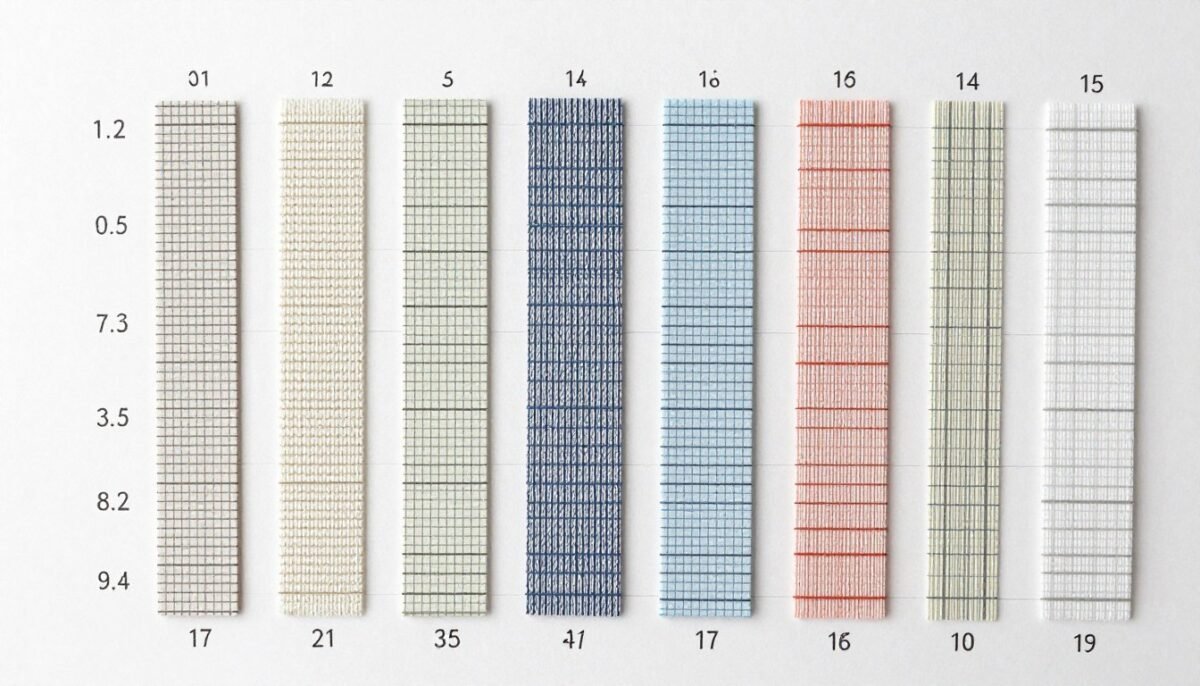
Troubleshooting Gauge Issues
Too Many Stitches Per Inch
If you have more than 18 stitches in 4 inches, your gauge is too tight. This creates a smaller, stiffer fabric than intended.
Solution: Switch to larger needles. Try going up one full size and knit another swatch. Continue adjusting until you match the specified gauge.
Too Few Stitches Per Inch
Fewer than 18 stitches in 4 inches means your gauge is too loose. The finished garment will be larger and may lack structure.
Solution: Move to smaller needles. Decrease needle size incrementally until reaching the correct gauge. Some knitters need to adjust two sizes.
Pro Tip: Gauge in texture patterns often differs from stockinette gauge with the same needles. Always swatch in the actual pattern stitch, not a substitute.
Step-by-Step Knitting Instructions
The Yngrid Cardigan construction begins at the neck and works downward. This approach allows you to try on the garment as you progress and make adjustments.
Each section builds logically on the previous one. Following the sequence ensures proper construction and minimizes mistakes.
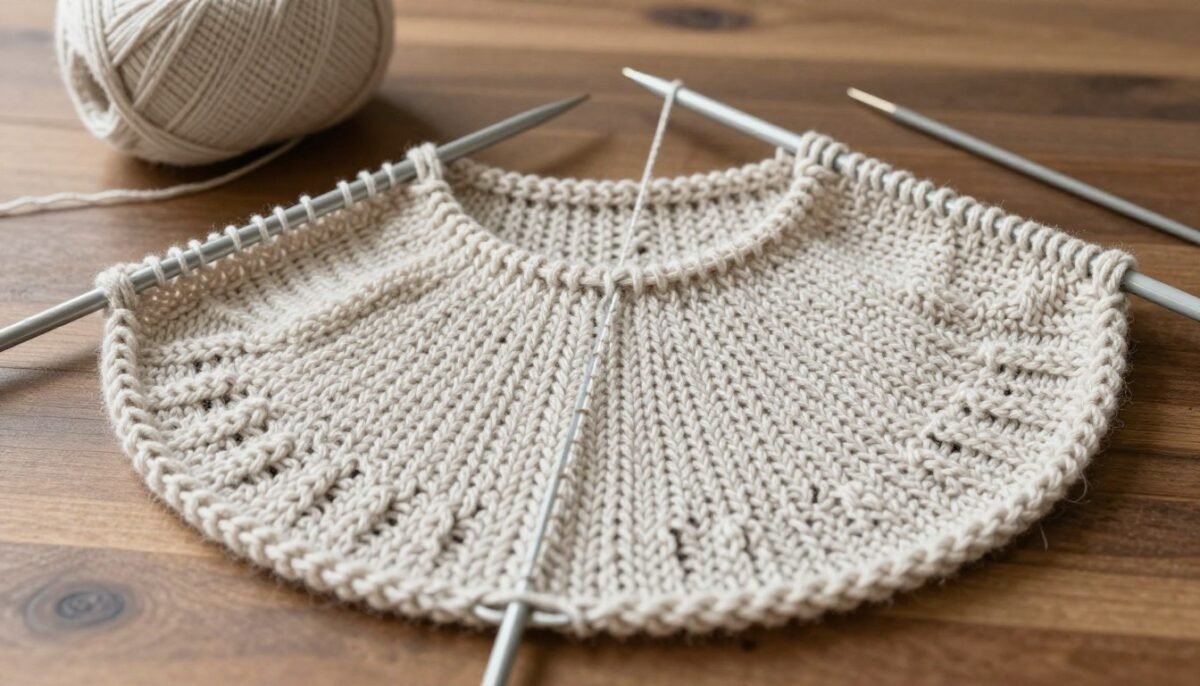
Construction Overview
The pattern divides into distinct phases. Understanding the overall structure helps you navigate the instructions and anticipate upcoming sections.
- Cast on stitches for neck opening and work initial ribbing
- Establish texture pattern and begin raglan increases
- Shape back yoke using short rows for shoulder fit
- Continue body increases until reaching armhole separation
- Work body and sleeves separately to desired lengths
- Complete with ribbed edging and finishing details
Yoke and Shoulder Shaping
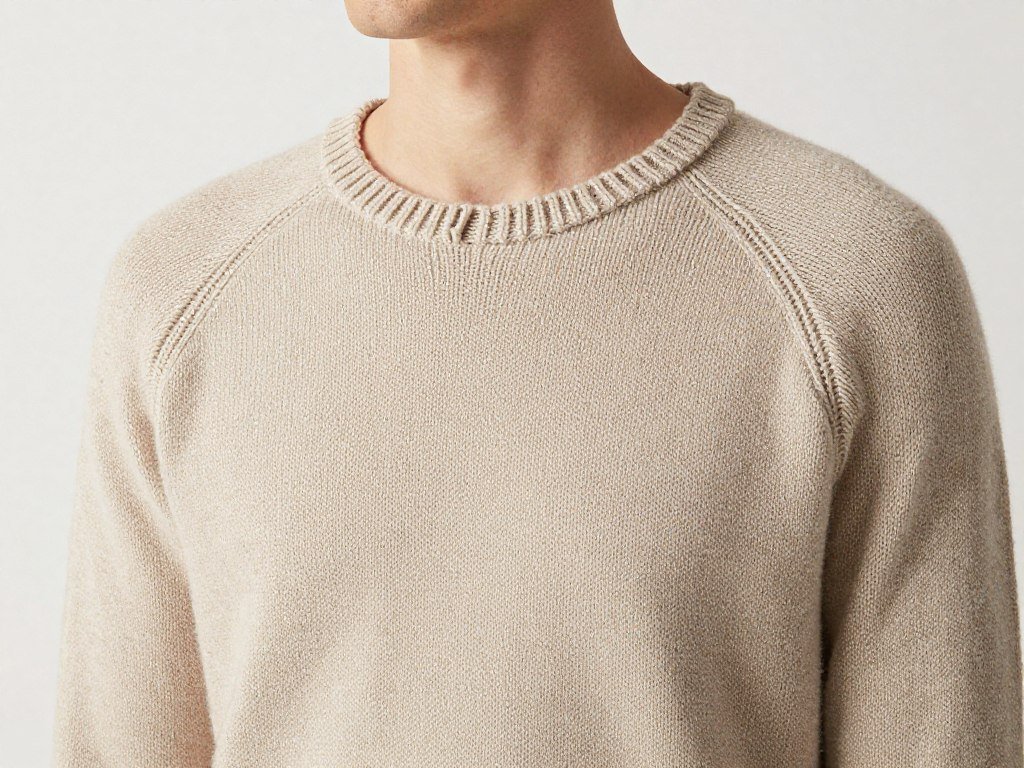
The back yoke distinguishes this pattern from basic cardigans. Short rows create curvature that follows natural shoulder slopes.
Work short rows carefully, wrapping stitches at turn points to prevent holes. The pattern provides clear instructions for this technique.
Short Row Guidance: If you’re new to short rows, practice on a small swatch first. The technique becomes intuitive after a few repetitions.
Texture Pattern Section
The texture pattern creates the cardigan’s distinctive appearance. The pattern repeat spans 4 stitches and 8 rows, making it easy to memorize.
Once established, the texture pattern becomes rhythmic. Many knitters find they can work without constant reference to written instructions.
Body and Sleeve Construction
After separating sleeves from body at the underarm, each section continues independently. This allows customization of proportions.
The body works straight down with optional waist shaping. Sleeves decrease gradually from shoulder to cuff for a tailored appearance.
Customization and Modification Ideas
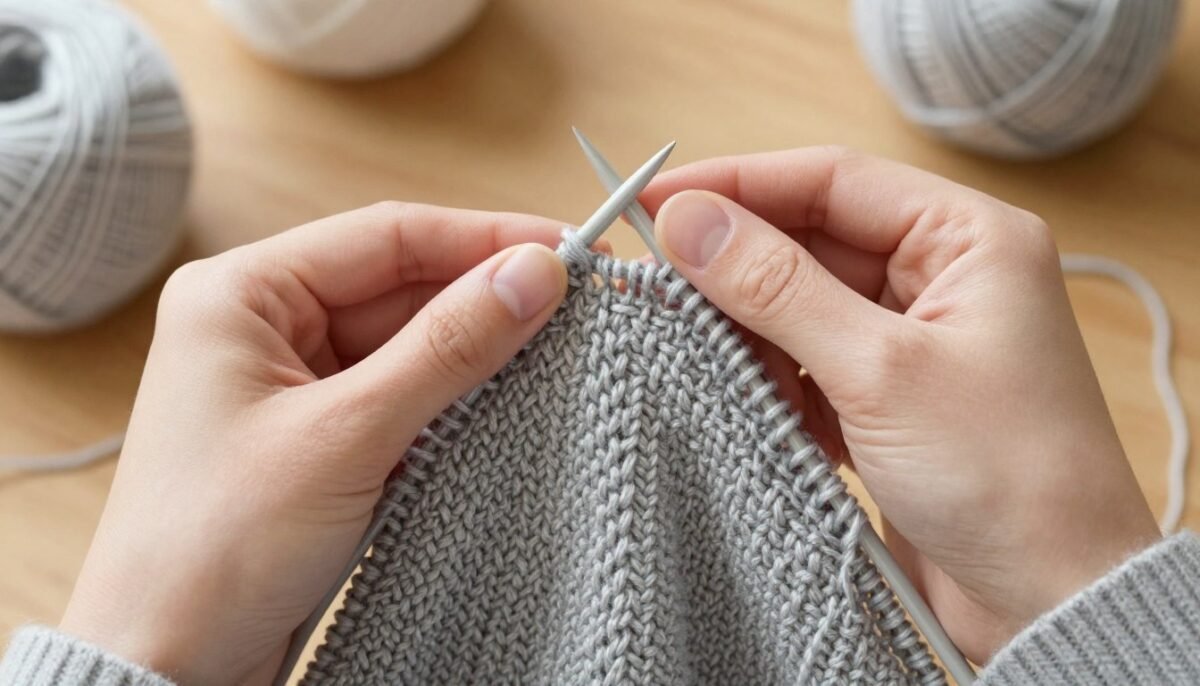
The Yngrid Cardigan serves as an excellent foundation for personal creativity. Small modifications transform the basic pattern into a uniquely yours creation.
Understanding where and how to customize ensures your changes enhance rather than compromise the design. Strategic modifications maintain proper fit and proportion.
Length Adjustments
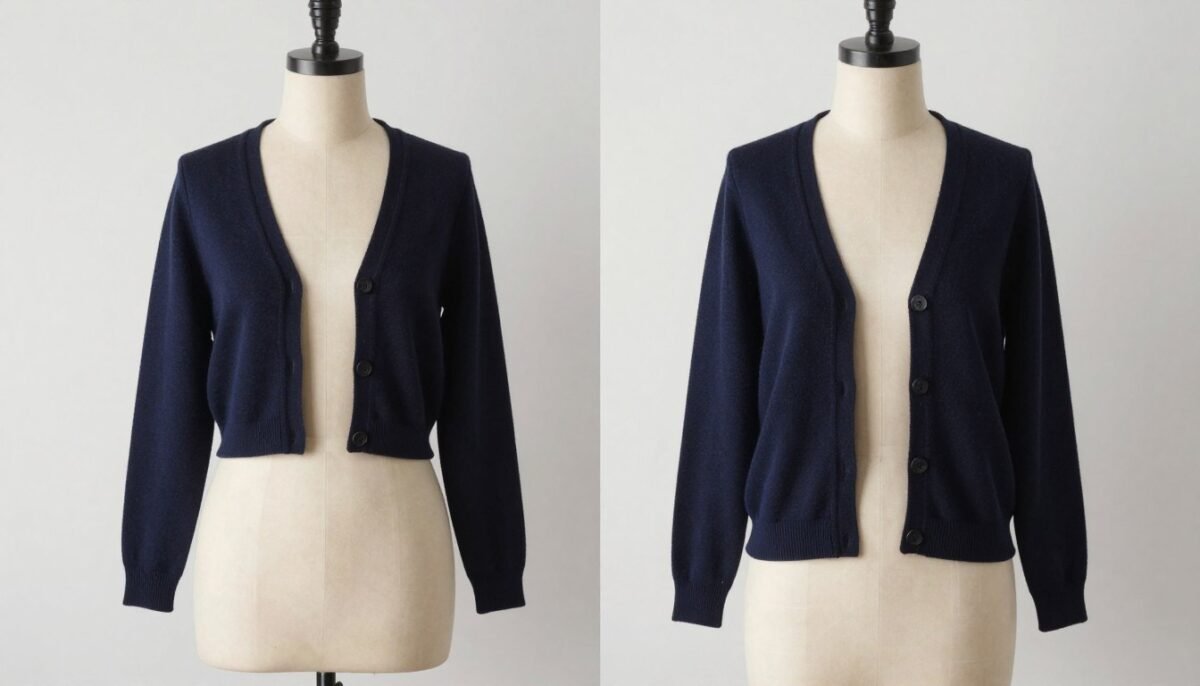
Modifying cardigan length is the simplest customization. The top-down construction makes this straightforward since you can try on as you knit.
For a cropped version, work fewer inches before starting ribbing. For a longer duster style, continue the body section to your desired length.
Cropped Style
Stop body section 2-4 inches shorter than pattern specifies. This creates a modern cropped look perfect for high-waisted bottoms.
Remember to maintain texture pattern continuity. End at a logical point in the pattern repeat before beginning ribbing.
Extended Length
Continue working body section for additional inches before ribbing. Calculate extra yarn needed based on your size.
A general guideline adds approximately 50 yards per additional 2 inches of length in medium sizes.
Sleeve Modifications
Sleeve length and width offer additional customization opportunities. Adjust sleeve length during knitting by working more or fewer decrease rows.
For a bell sleeve effect, eliminate some decreases in the lower sleeve section. For fitted sleeves, add extra decreases.
Color and Yarn Variations
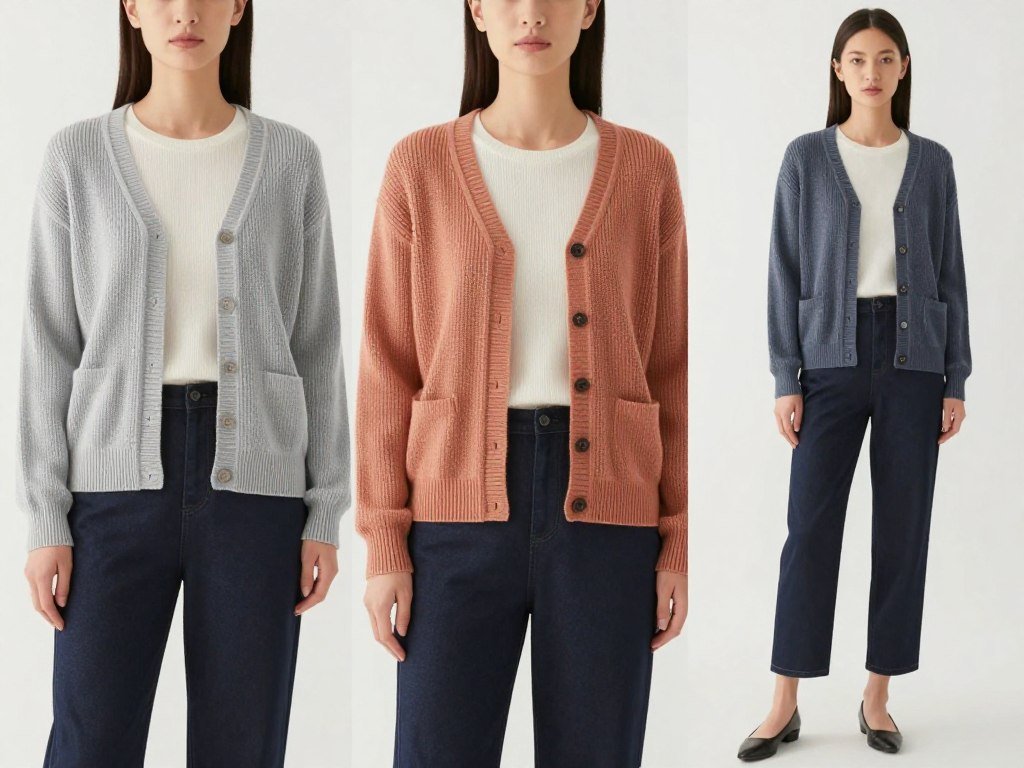
Color choice dramatically impacts the cardigan’s final aesthetic. Neutral tones create versatile wardrobe staples while bold colors make statement pieces.
Consider stripes, color blocking, or gradient effects. These modifications work beautifully with the texture pattern.
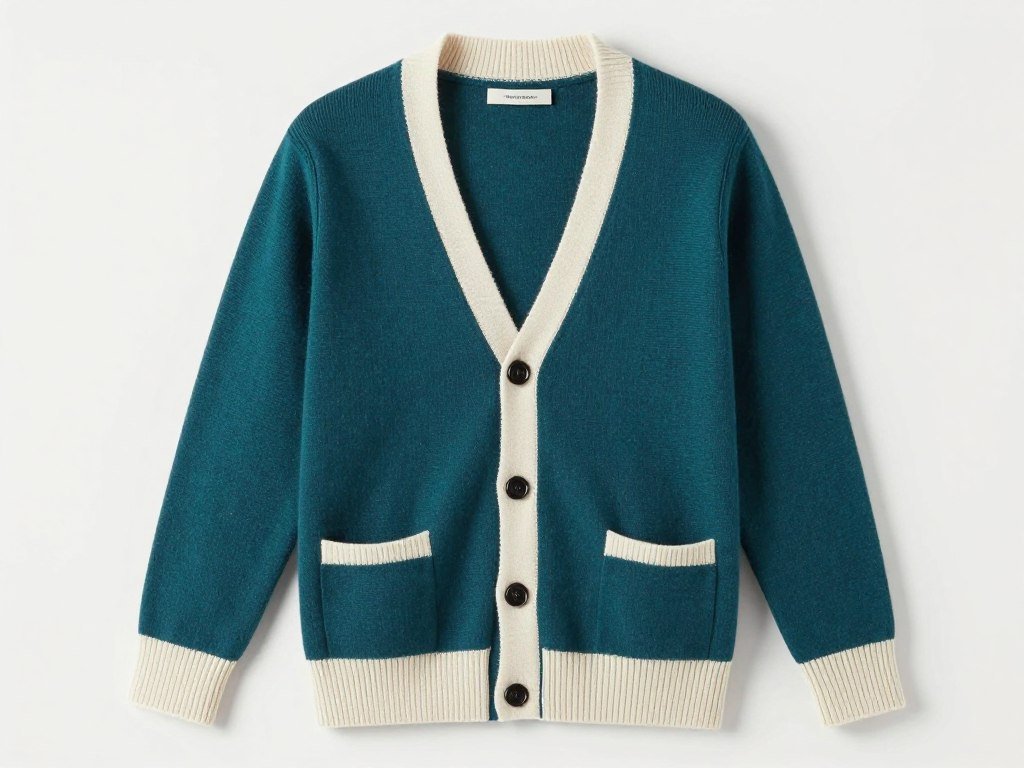
Adding Closures
The basic pattern features an open front design. Adding buttons or other closures personalizes the style and functionality.
Pick up stitches along front edges and work button bands. Alternatively, add a shawl collar or toggle closures for different aesthetics.
Professional Finishing Techniques
Finishing transforms your knitted pieces into a polished garment. These final steps significantly impact your cardigan’s professional appearance and longevity.
Proper finishing includes weaving ends, blocking, and adding any final details like buttons or edging. Each step deserves careful attention.
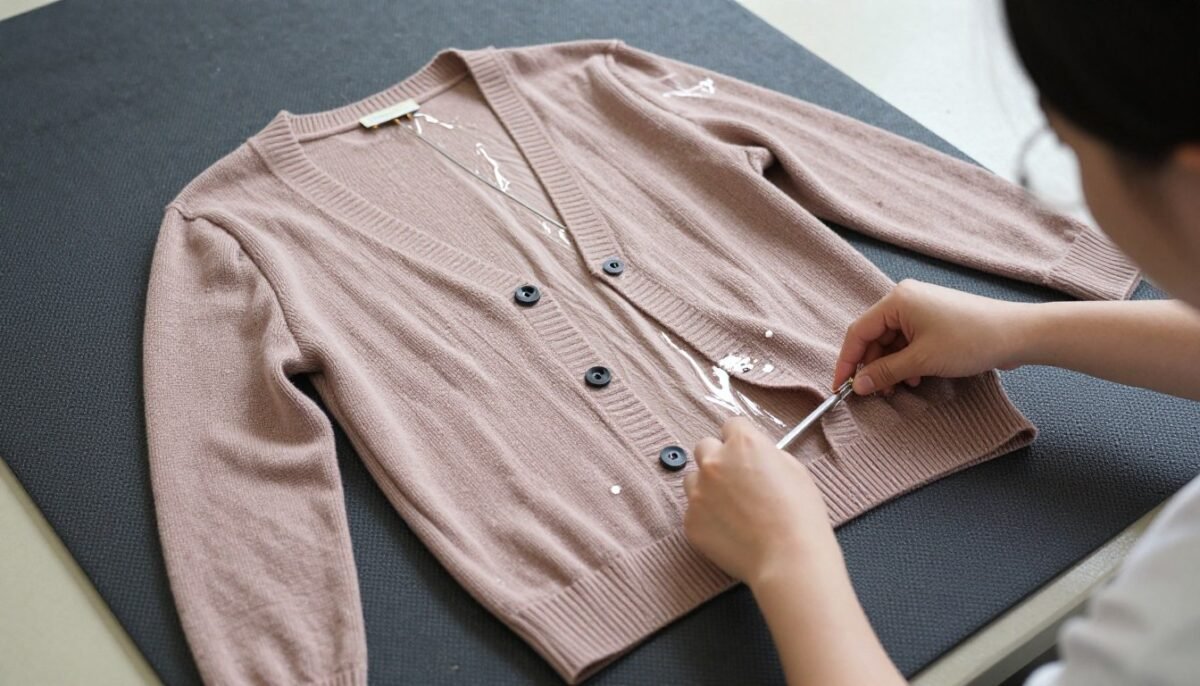
Weaving in Ends
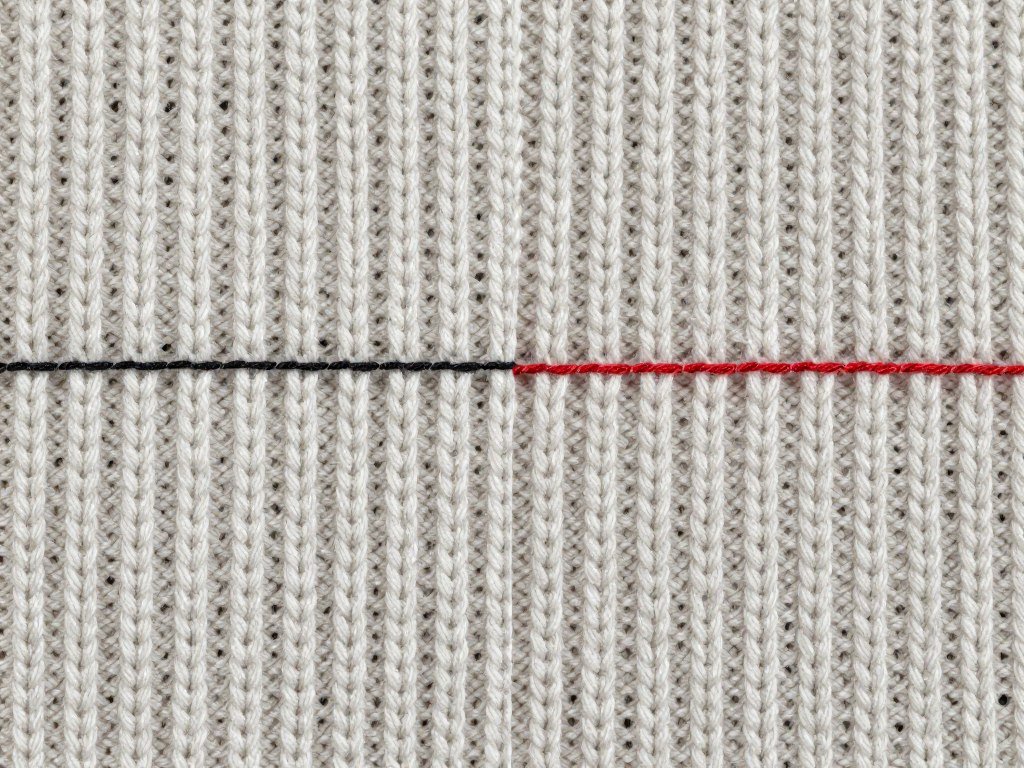
Secure all yarn ends before blocking. Weave ends along the back of same-color sections for at least 2 inches to prevent unraveling.
For yarn joins in the middle of sections, duplicate stitch along the row creates invisible, secure ends. Trim tails to about half an inch after securing.
Blocking Your Cardigan
Blocking opens up the texture pattern and evens out stitches. This crucial step makes the difference between homemade and handmade appearance.
Wet block by soaking the cardigan in cool water with wool wash for 20 minutes. Gently squeeze out excess water without wringing.
- Soak finished cardigan in cool water with wool wash
- Gently press out excess water using towels
- Lay flat on blocking mats in final dimensions
- Pin edges and key points to maintain shape
- Allow to dry completely before removing pins
- Steam block ribbed sections if needed
Final Details
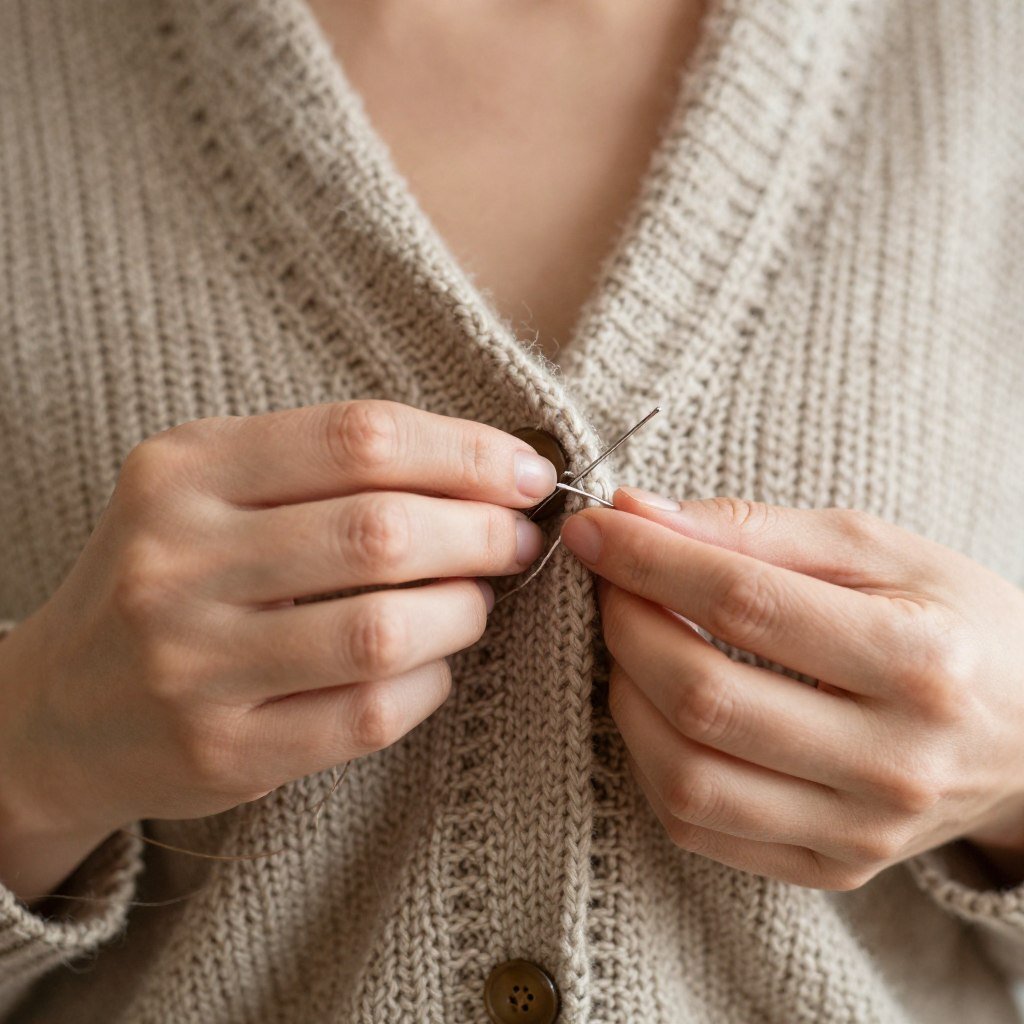
After blocking, add any planned closures or embellishments. Sew buttons securely using coordinating thread and reinforcement on the wrong side.
Try on your finished cardigan and make note of any adjustments needed for future projects. Photograph your completed project for your records.
Caring for Your Finished Cardigan
Proper care extends your handknit cardigan’s life and maintains its beautiful appearance. Understanding fiber characteristics guides appropriate care methods.
Different yarn fibers require specific care approaches. Follow these guidelines based on your chosen yarn composition.
Washing Guidelines
Hand Washing Method
Hand washing remains the gentlest option for most handknits. This method preserves texture pattern definition and prevents felting.
- Use cool water with wool-specific detergent
- Gently agitate without rubbing or wringing
- Rinse thoroughly in same temperature water
- Press out excess water using towels
Machine Washing
Only machine wash if using superwash yarn. Regular wool will felt and shrink dramatically in standard washing machines.
- Use delicate cycle with cold water only
- Place cardigan in mesh laundry bag
- Select minimal agitation setting
- Remove promptly when cycle completes
Drying and Storage
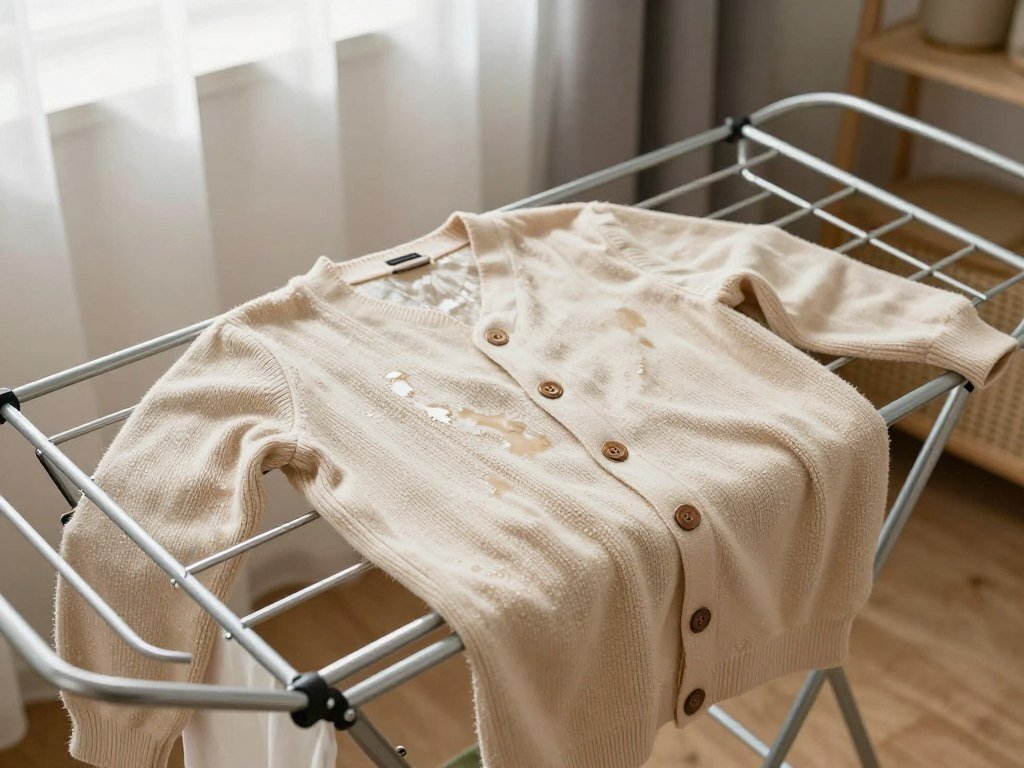
Never hang wet handknits. The weight of water stretches and distorts the fabric. Always dry flat to maintain proper shape.
Lay the cardigan on a clean towel or sweater drying rack. Reshape to match blocked dimensions. Allow to dry completely in a well-ventilated area away from direct heat or sunlight.
Storage Best Practices
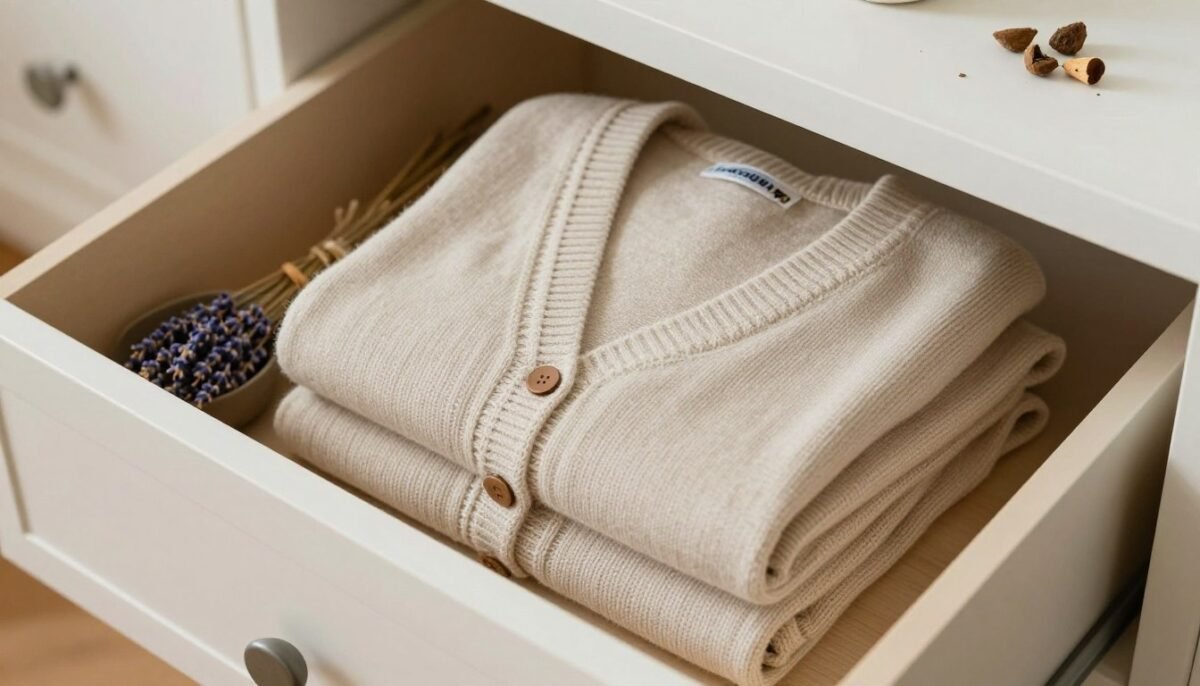
Store folded rather than hung to prevent shoulder stretching. Cedar blocks or lavender sachets deter moths naturally without chemical odors.
For long-term storage, clean the cardigan first. Wrap in acid-free tissue paper and store in a breathable cotton bag.
Moth Prevention: Moths are attracted to food stains and body oils. Always clean garments before storage, even if they appear unworn.
Achieving the Chic Aesthetic
The Yngrid Cardigan’s sophisticated appearance comes from both construction and styling choices. Small details elevate the finished garment from basic to beautiful.
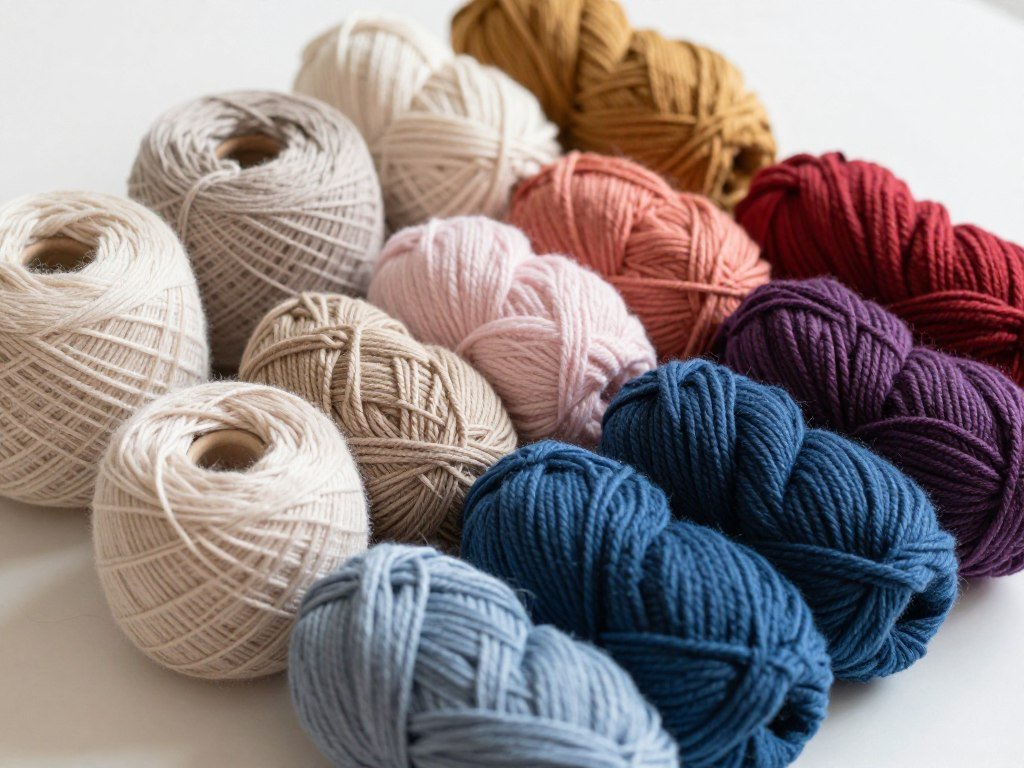
Color selection plays a crucial role in the final aesthetic. Neutral tones create timeless pieces while saturated colors make bold statements.
Yarn Color Selection
Classic neutrals like cream, camel, gray, and navy create versatile wardrobe staples. These shades coordinate with existing clothing and remain stylish across seasons.
For maximum impact, choose colors that complement your skin tone. Warm undertones suit camel, rust, and warm grays. Cool undertones look stunning in true grays, navy, and cool beiges.
Timeless Neutrals
Classic shades never go out of style and coordinate effortlessly with your wardrobe.
- Cream and ivory tones
- Warm camel and tan
- Sophisticated gray shades
- Deep navy blue
Modern Earth Tones
Contemporary earthy colors feel current while maintaining versatility and sophistication.
- Terracotta and rust
- Sage and olive green
- Rich chocolate brown
- Dusty rose and mauve
Statement Colors
Bold choices create focal pieces that energize your entire outfit and express personality.
- Deep emerald green
- Rich burgundy wine
- Vibrant mustard yellow
- Classic red tones
Styling Your Cardigan
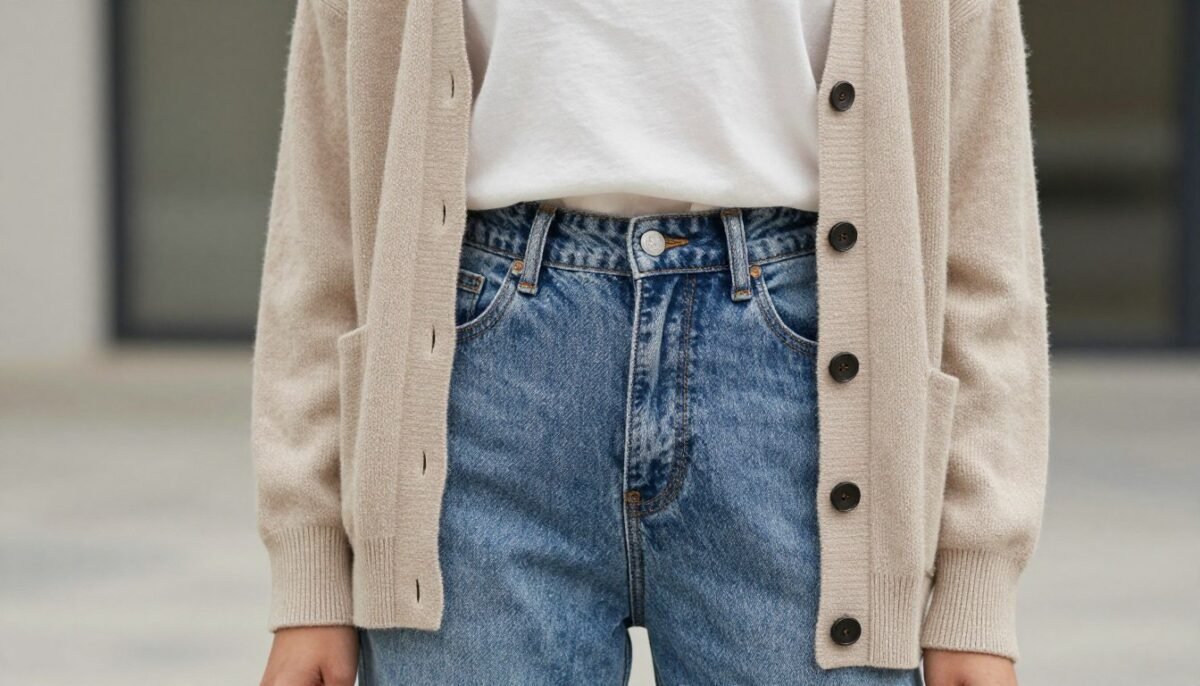
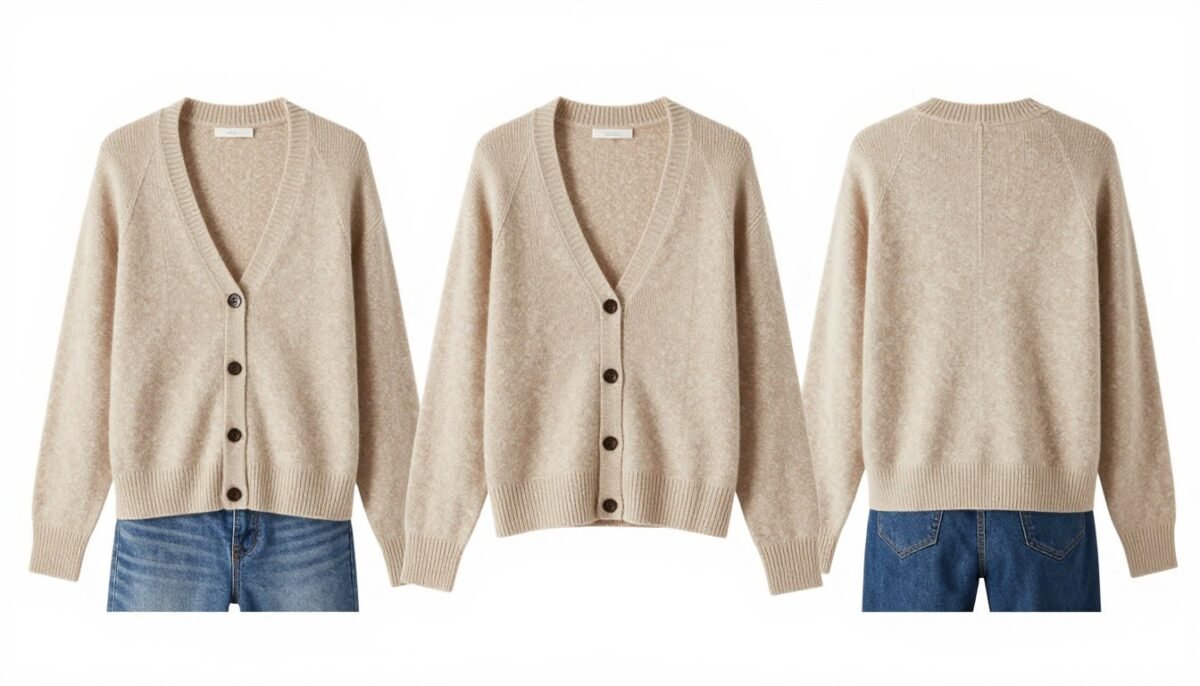
The Yngrid Cardigan transitions seamlessly across occasions. Layer over dresses for polished office looks or pair with jeans for weekend casual.
For professional settings, choose structured bottoms and simple tops. The cardigan adds polish without overwhelming. In casual contexts, relaxed jeans and basic tees let the handknit shine.
Fit and Proportion
Proper fit contributes significantly to the chic appearance. The cardigan should skim rather than cling, creating a relaxed yet intentional silhouette.
Sleeve length matters for polish. Sleeves should end at or just below the wrist bone. Too-long sleeves appear sloppy while too-short looks unfinished.
Troubleshooting Common Issues
Even experienced knitters encounter challenges during projects. Understanding common issues and solutions prevents frustration and ensures success.
Most problems have straightforward fixes when caught early. Regular checking as you work helps identify issues before they require extensive corrections.
Common Pattern Challenges
My texture pattern looks uneven or distorted
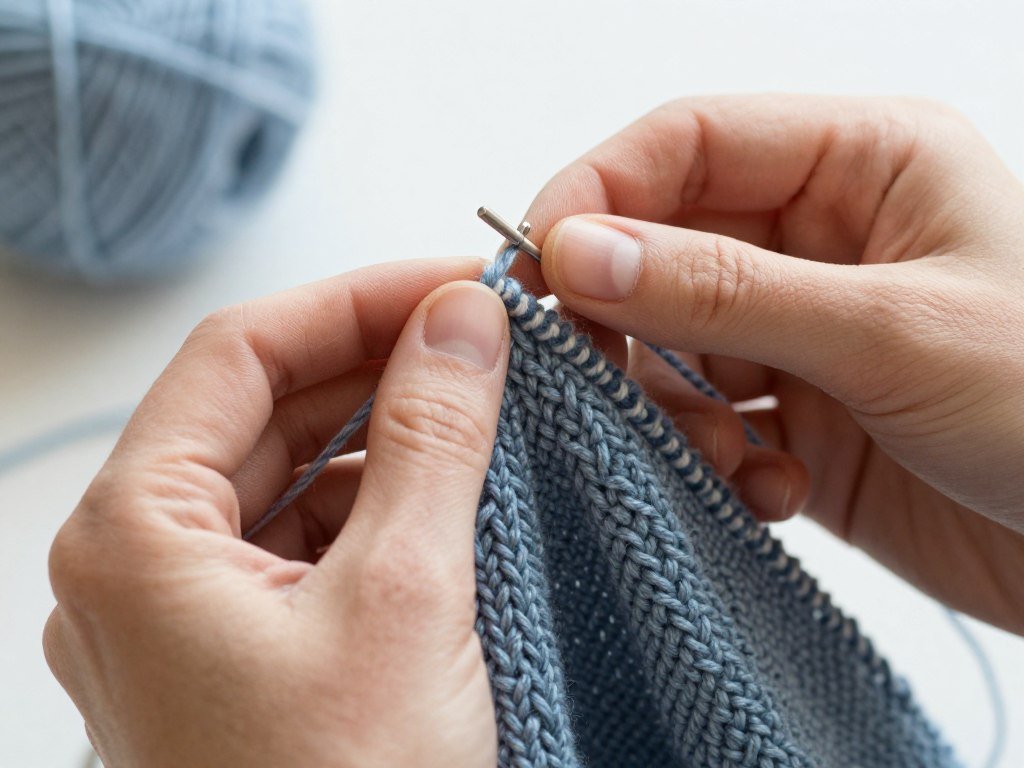
Uneven texture pattern usually indicates inconsistent tension. Focus on maintaining steady tension throughout rows. Blocking significantly evens out minor irregularities.
If the problem persists, verify you’re working the pattern correctly. Double-check each row against written instructions until the repeat becomes automatic.
I have holes at the short row turn points
Gaps at short row turns occur when the wrap isn’t executed properly. Ensure you’re wrapping the stitch tightly and picking up the wrap when working back across.
The pattern should specify wrap and turn technique. Practice on a swatch if needed. Proper blocking also helps minimize any remaining small gaps.
My sleeves are too tight or too loose
Sleeve fit issues often relate to the number of stitches picked around the armhole. Count carefully when picking stitches to match pattern specifications.
If sleeves are consistently too tight across sizes, consider picking up additional stitches. For loose sleeves, pick up fewer stitches or work extra decrease rounds.
The shoulder area doesn’t fit properly
Shoulder fit depends heavily on accurate short row execution. Review the back yoke instructions carefully and ensure you’re turning at the specified stitch markers.
Individual body proportions vary. You may need to add or subtract short row sections to achieve perfect shoulder fit for your frame.
I’m running out of yarn before completing my size
Yarn shortage typically indicates looser than specified gauge. Check your gauge again and adjust needle size if necessary for future projects.
For the current project, consider shortening the body or sleeves slightly, or strategically place a new skein to add contrasting details at cuffs and hem.
My cardigan is growing wider as I knit
Widening during knitting suggests tension is loosening as you work. This commonly happens as knitters relax into a project. Take breaks to maintain consistent tension.
If significant widening occurs, consider ripping back to the point where gauge changed and reworking with tighter tension or smaller needles for that section.
Project Inspiration and Community
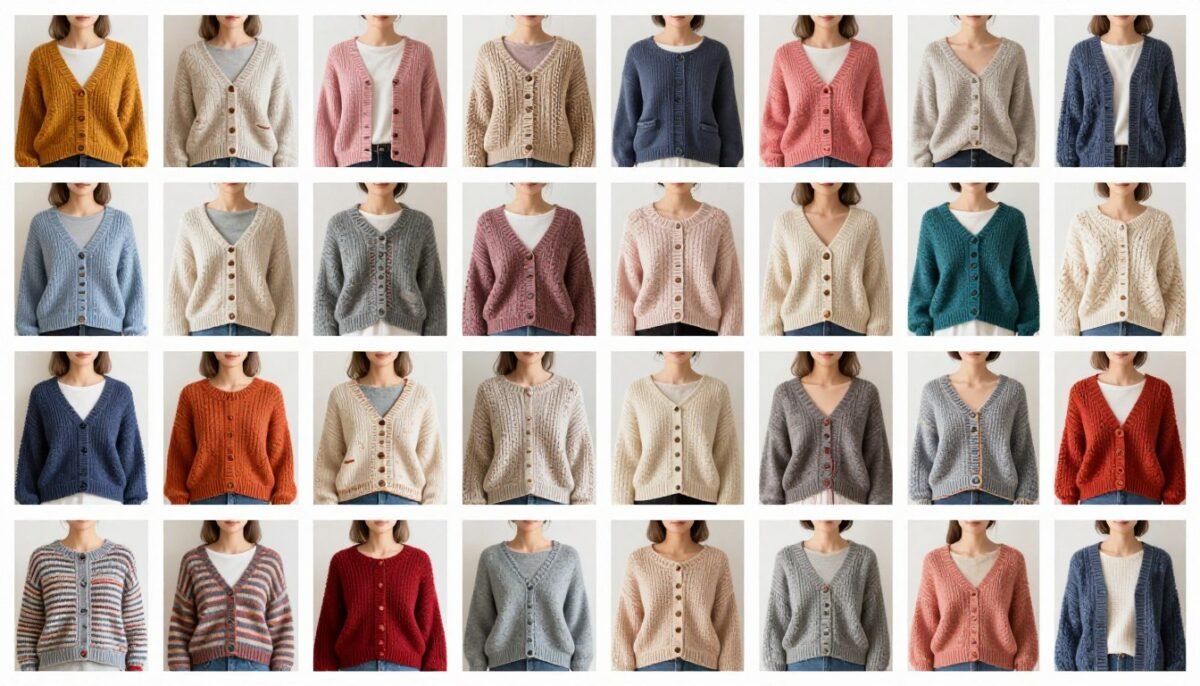
Seeing others’ interpretations of the Yngrid Cardigan pattern inspires creativity and demonstrates the design’s versatility. Every knitter brings unique perspective to the pattern.
Joining knitting communities provides support, motivation, and troubleshooting help throughout your project journey. Sharing your progress connects you with fellow crafters worldwide.
Sharing Your Project
Document your knitting journey through photos at different stages. Progress photos help track your work and provide valuable reference for future projects.
Share finished project photos on social media using relevant hashtags. Tag yarn companies and pattern designers to increase visibility and connect with the broader knitting community.
Online Knitting Communities
Platforms like Ravelry host thousands of knitters sharing projects, modifications, and advice. Project pages allow you to document yarn choices, modifications, and notes.
Facebook groups and Instagram communities centered on knitting provide daily inspiration and real-time support when challenges arise during your project.
Benefits of Community Participation
- Access to experienced knitters for troubleshooting
- Inspiration from others’ color and modification choices
- Motivation through shared progress updates
- Pattern clarification and errata notifications
- Friendship with fellow fiber enthusiasts
- Discover new techniques and resources
Start Your Yngrid Cardigan Journey
The Yngrid Cardigan pattern offers an achievable yet rewarding knitting project that results in a genuinely wearable, sophisticated garment. The combination of elegant texture pattern and flattering construction creates a piece you’ll treasure for years.
Whether you’re knitting your first cardigan or adding to an established handknit wardrobe, this pattern provides the perfect balance of challenge and enjoyment. The detailed instructions support knitters at various skill levels while allowing room for personal creativity and customization.
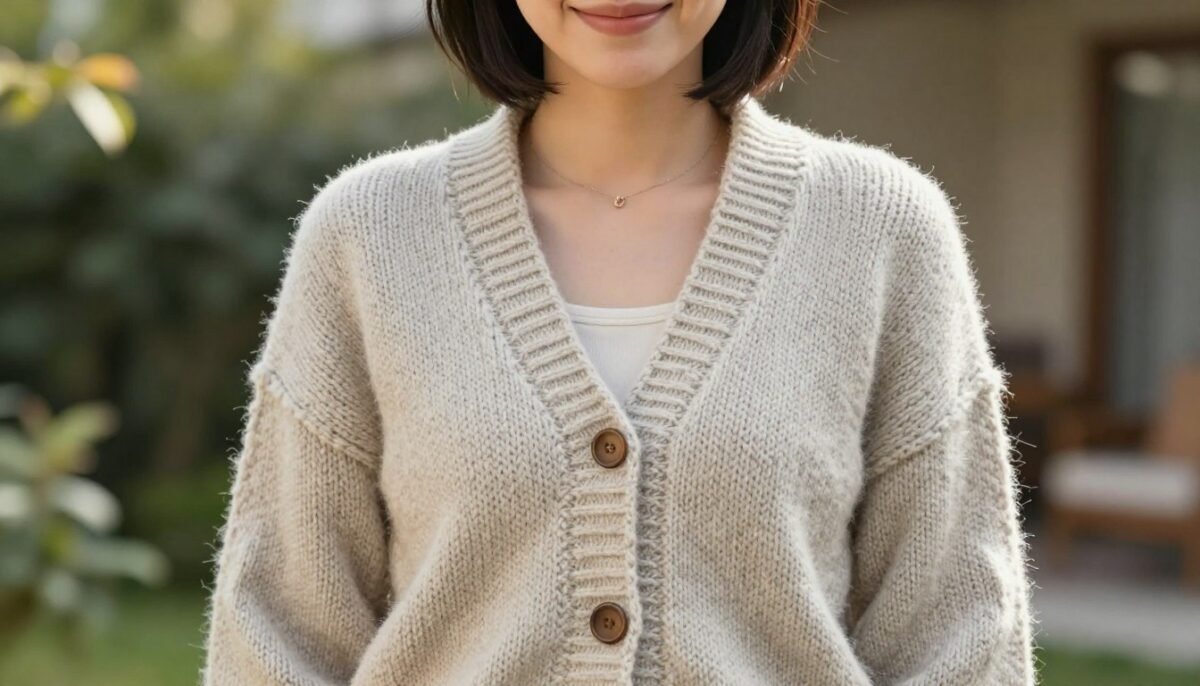
Gather your materials, download the complete pattern, and begin creating your own chic Yngrid Cardigan. Every stitch brings you closer to a beautiful handmade garment that reflects your personal style and knitting skill.
Remember to share your progress and finished project with the knitting community. Your interpretation adds to the collective inspiration and helps future knitters envision their own versions of this timeless design.