
A small kitchen doesn’t mean you have to sacrifice functionality or style. The right kitchen island can transform your compact cooking area into an efficient workspace.
Many homeowners struggle with limited counter space and storage. A well-designed small kitchen island solves both problems while adding visual appeal to your home.
This guide presents 30 innovative island ideas specifically created for smaller kitchens. Each solution offers practical benefits without overwhelming your space.
Table of Contents
Mobile Kitchen Cart Islands
A mobile kitchen cart offers ultimate flexibility for small spaces. These portable islands move wherever you need extra counter space.
Rolling carts come in various sizes and materials. You can tuck them away when not needed and roll them out for food prep or entertaining.
Many mobile carts include shelving underneath for storage. Some models feature built-in wine racks, towel bars, or knife blocks for added functionality.
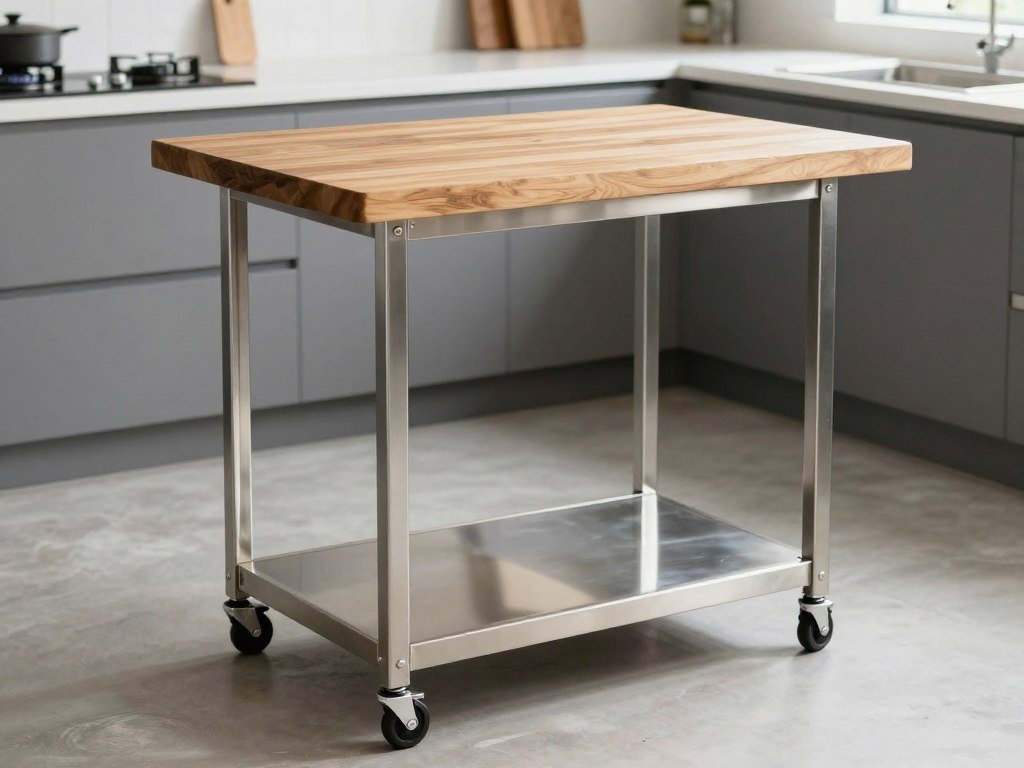
Butcher Block Rolling Island
A butcher block cart provides excellent workspace for cutting and chopping. The wood surface is gentle on knives and naturally antimicrobial.
These islands typically measure between 24 to 36 inches wide. The compact footprint fits easily in tight kitchen layouts without permanent commitment.
Look for locking wheels to keep the island stable during use. Quality butcher block develops a beautiful patina over time with proper maintenance.
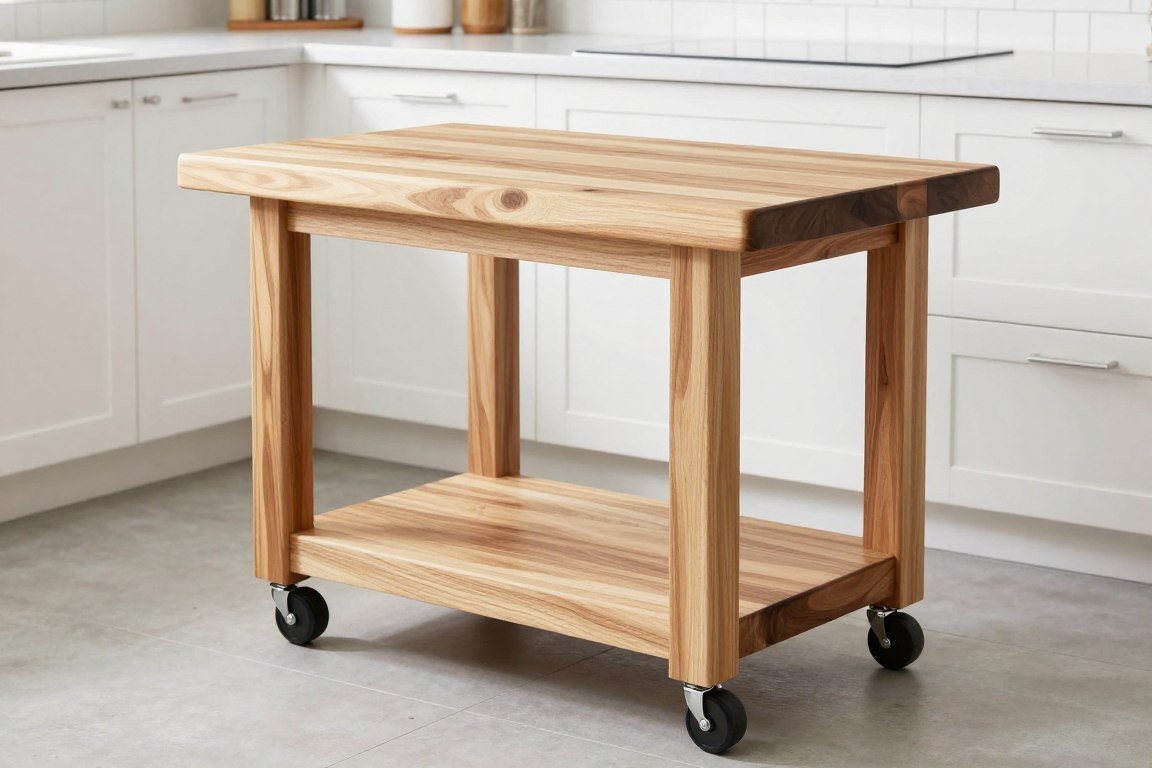
Stainless Steel Utility Cart
Stainless steel carts bring commercial kitchen durability to home spaces. The material resists stains, heat, and bacteria growth.
These carts complement modern and industrial design styles. The reflective surface helps small kitchens feel more spacious and brighter.
Most stainless steel models include adjustable shelving. This versatility lets you customize storage for pots, appliances, or pantry items.
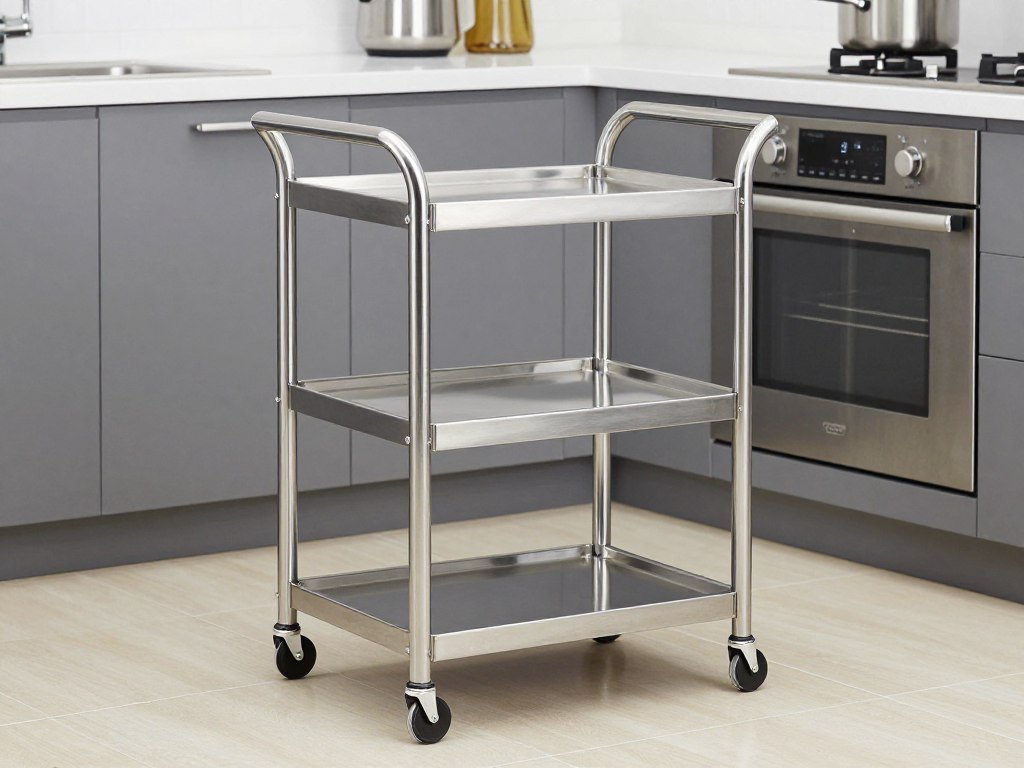
Narrow Island Designs
Narrow islands work perfectly in galley kitchens or tight spaces. These streamlined designs provide counter space without blocking traffic flow.
A slim island typically measures 18 to 24 inches deep. This compact dimension allows comfortable movement around the kitchen while adding valuable workspace.
Choose narrow islands with built-in storage to maximize their utility. Even shallow cabinets or drawers add significant organizational capacity.
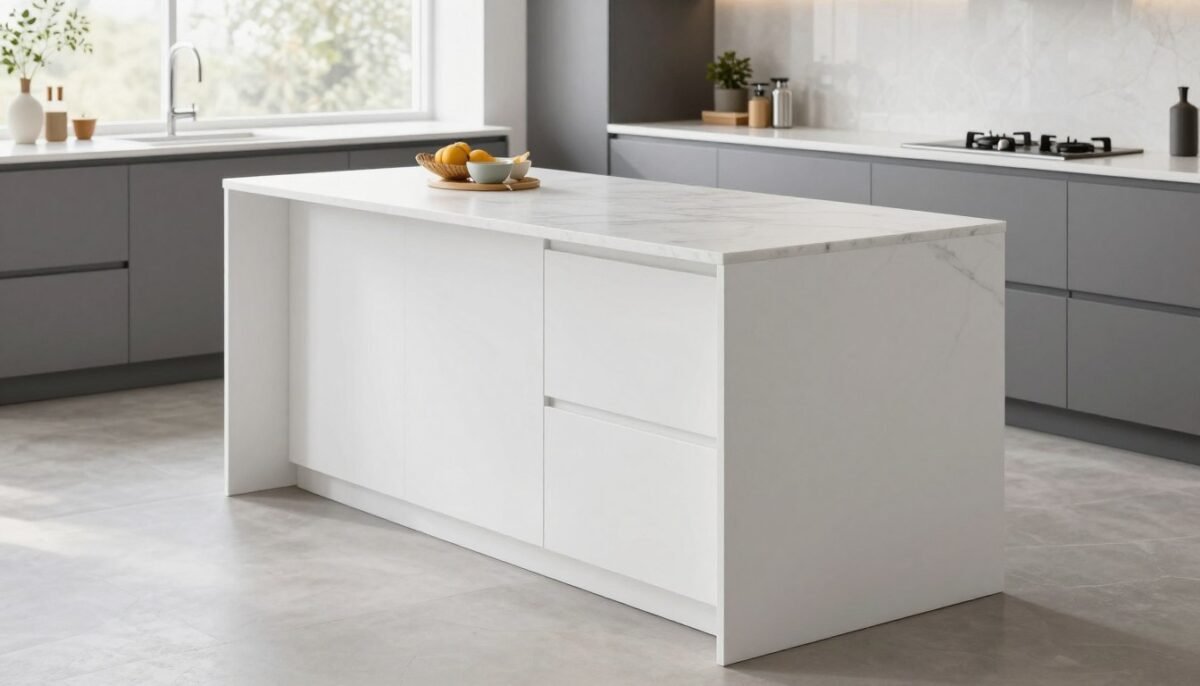
Slim Breakfast Bar Island
A narrow breakfast bar creates casual dining space in small kitchens. The slim profile accommodates bar stools on one side without crowding the room.
This island style typically extends slightly to create an overhang. Two people can comfortably sit and eat while the main surface handles food prep.
Consider a waterfall edge design on one end. This architectural detail adds elegance without requiring additional floor space.
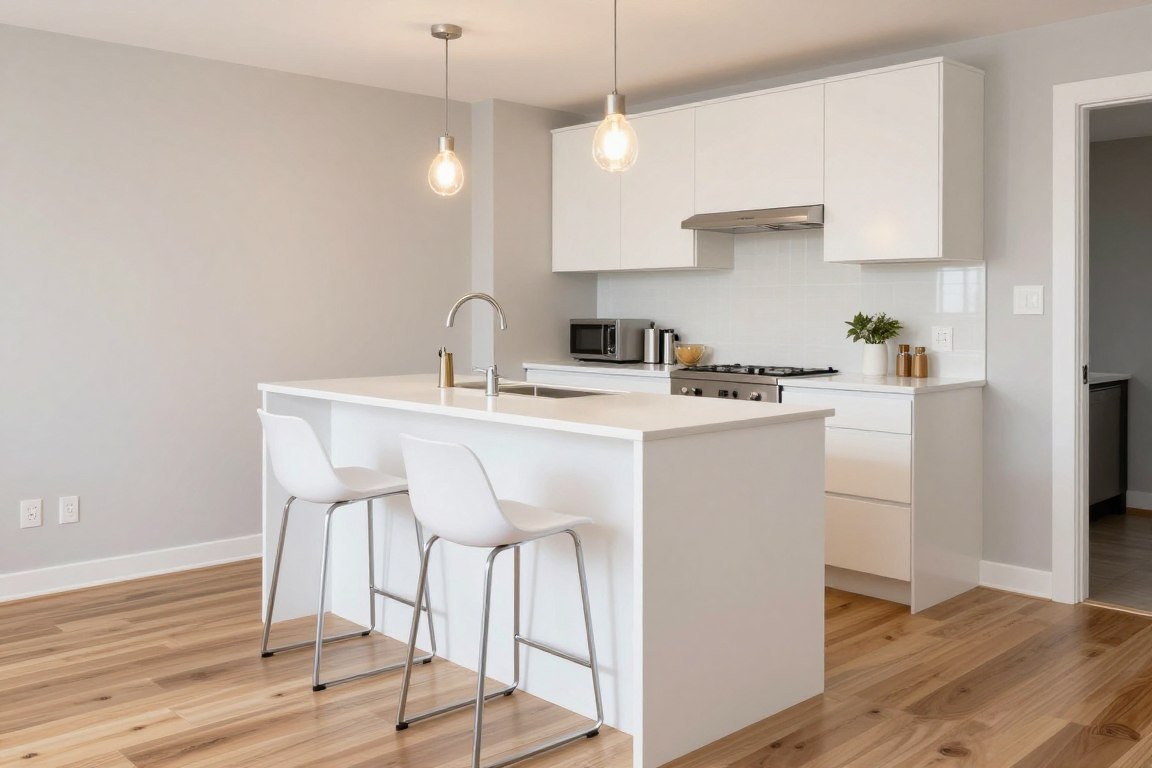
Skinny Storage Island
A skinny storage island maximizes vertical space in compact kitchens. Tall cabinets and pull-out organizers make every inch count.
These islands often measure only 15 to 18 inches wide. The narrow footprint fits in spaces where traditional islands won’t work.
Look for models with spice racks, wine storage, or pull-out trash bins. Specialized storage solutions increase kitchen functionality dramatically.
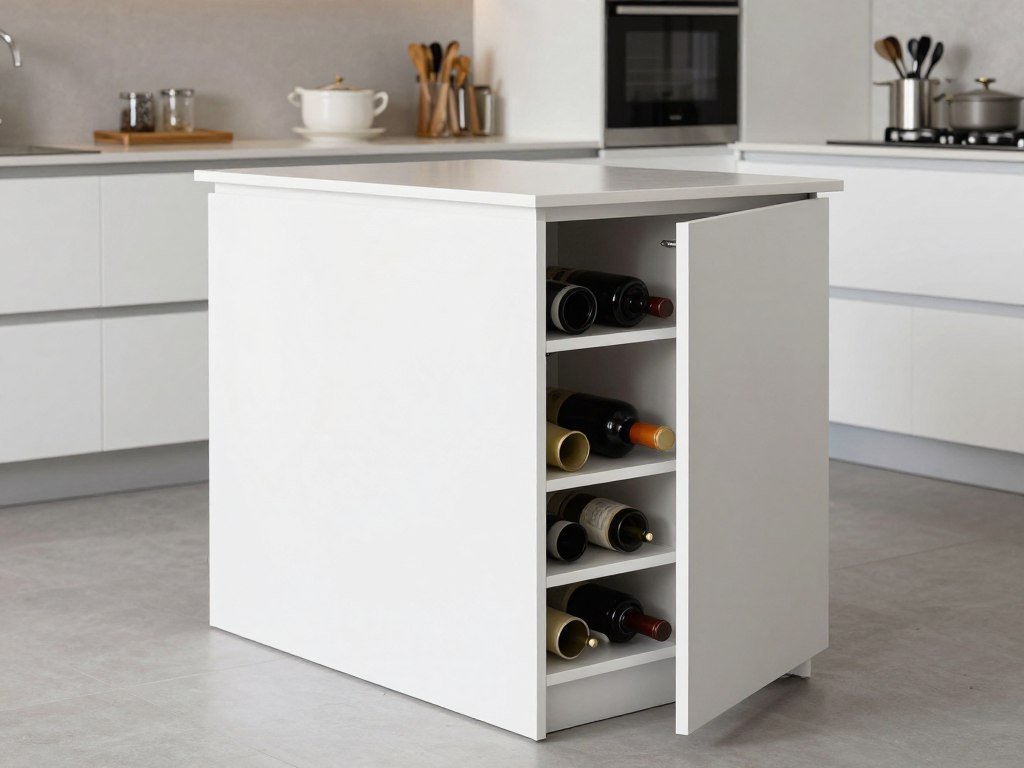
Peninsula Island Alternatives
A peninsula connects to existing cabinetry to create island-like functionality. This attached design saves floor space while providing extra counter area.
Peninsula layouts work well in L-shaped or U-shaped kitchens. The extension creates natural traffic flow and defines kitchen zones.
This configuration requires less clearance than freestanding islands. You only need walkway space on three sides instead of four.
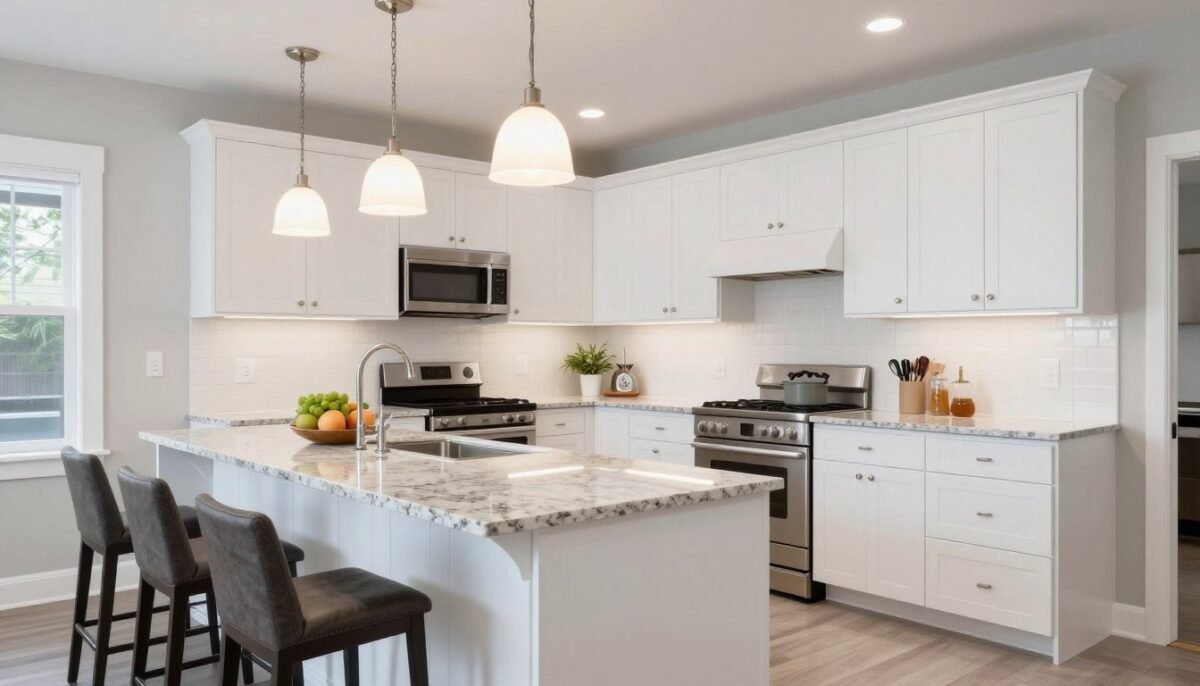
L-Shaped Peninsula Counter
An L-shaped peninsula turns corner space into productive workspace. The configuration provides counter space and storage while maintaining open sightlines.
This layout naturally separates cooking and dining areas. Family members can sit at the peninsula while you prepare meals.
The perpendicular design creates a natural endpoint for the kitchen. This defined boundary helps small spaces feel organized and purposeful.
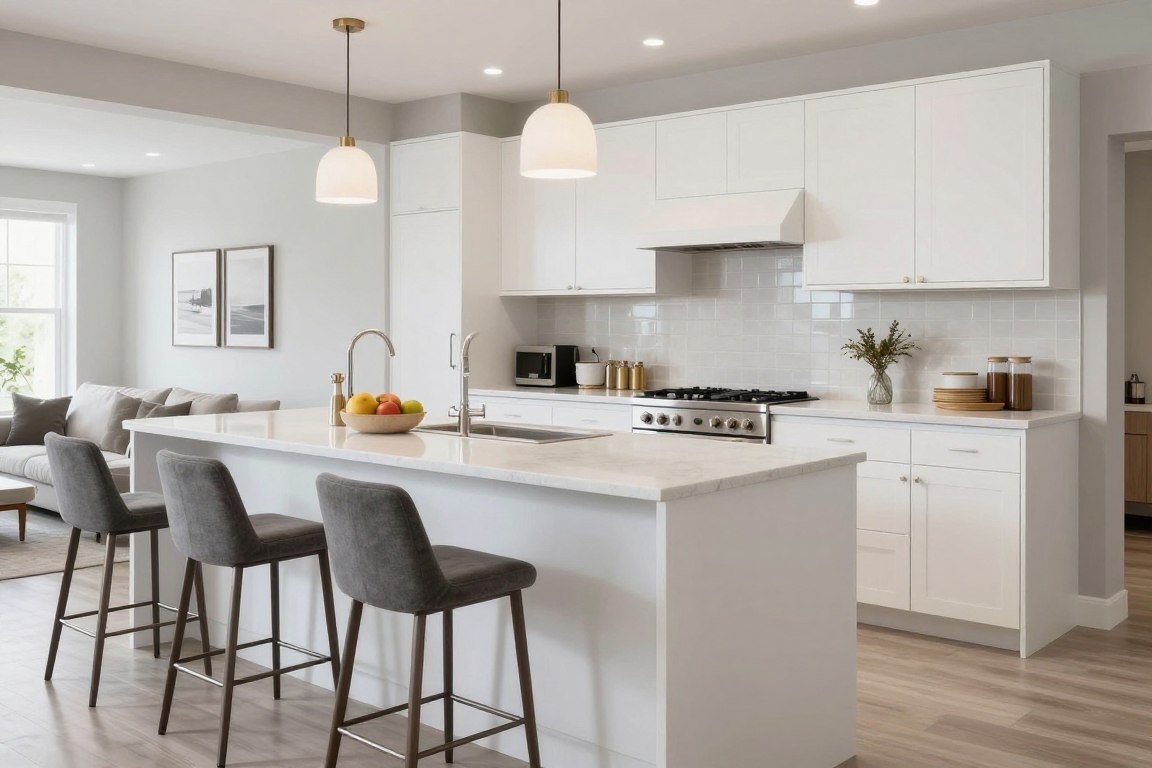
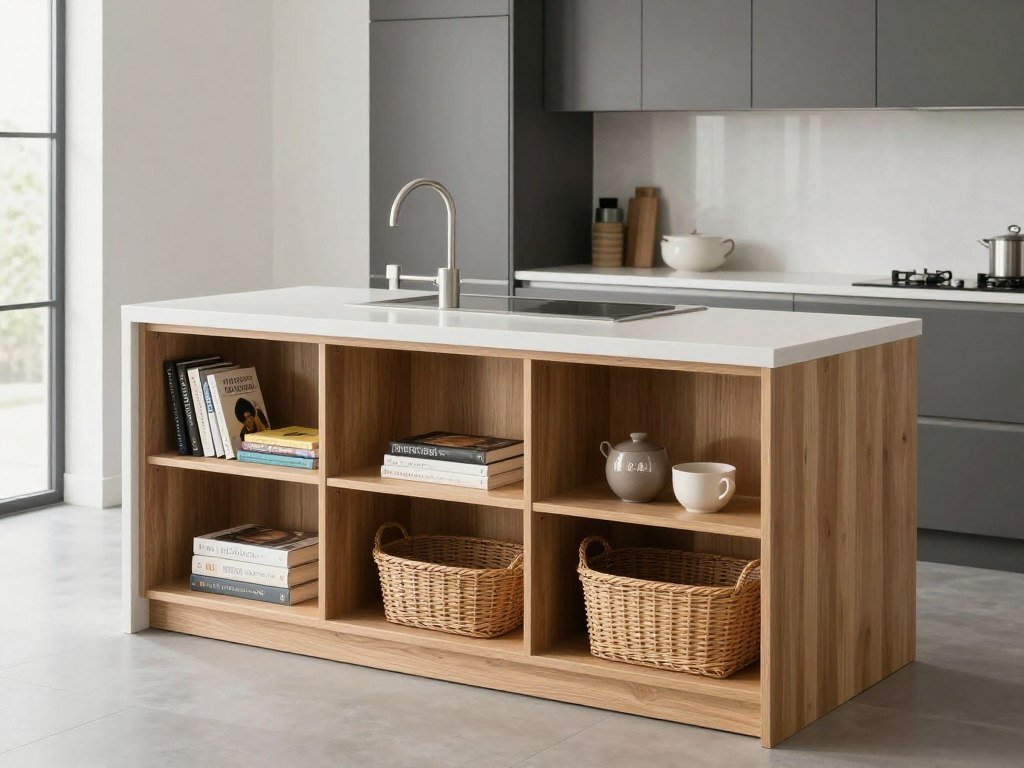
Open Shelf Peninsula
An open shelf peninsula keeps small kitchens feeling spacious. The see-through design maintains visual flow while adding functionality.
Lower shelves provide storage without the weight of closed cabinets. Display cookbooks, baskets, or decorative items to add personality.
This style works beautifully in open-concept homes. The peninsula defines the kitchen space without creating visual barriers.
Multi-Functional Kitchen Islands
Multi-functional islands combine several purposes in one compact unit. These clever designs maximize value in every square inch.
Smart island design includes storage, prep space, and seating. Some models incorporate appliances or specialized work zones.
Choose features that match your cooking habits and lifestyle. The right combination transforms your small kitchen island into a powerhouse of efficiency.
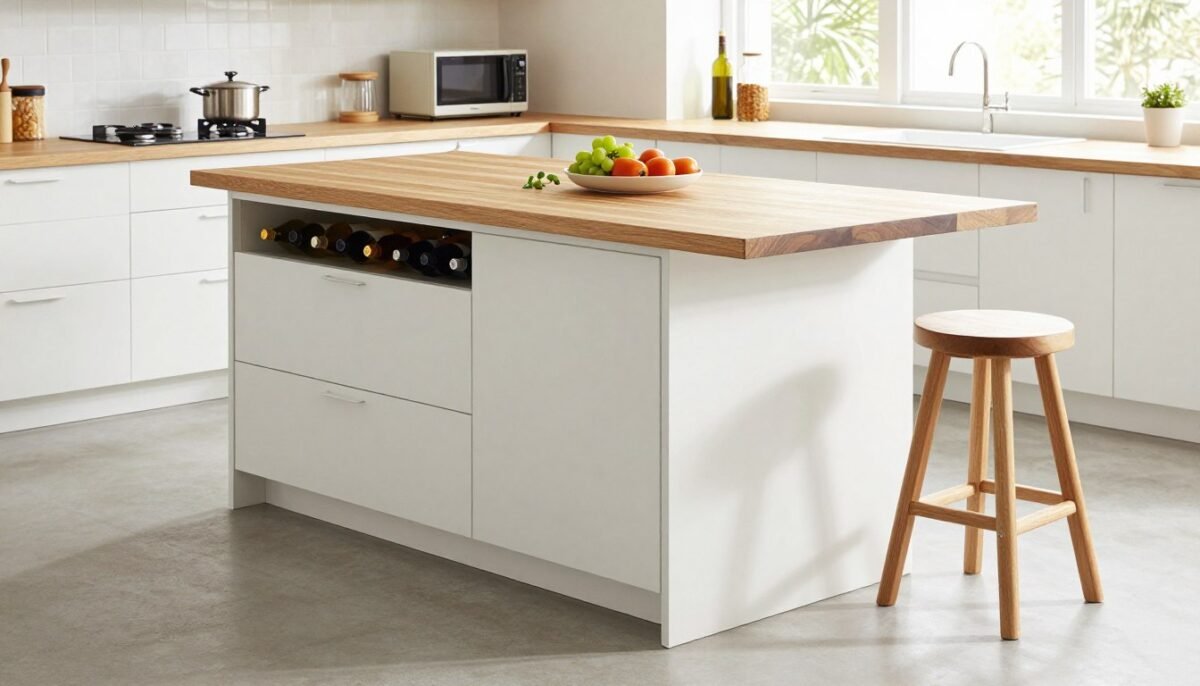
Island with Built-In Seating
Built-in seating eliminates the need for separate dining furniture. This integrated approach saves precious floor space in small kitchens.
A banquette-style bench tucks neatly under the island overhang. Pull it out when needed for meals or homework time.
Storage often hides beneath the seating area. Lift-top benches provide space for table linens, serving pieces, or small appliances.
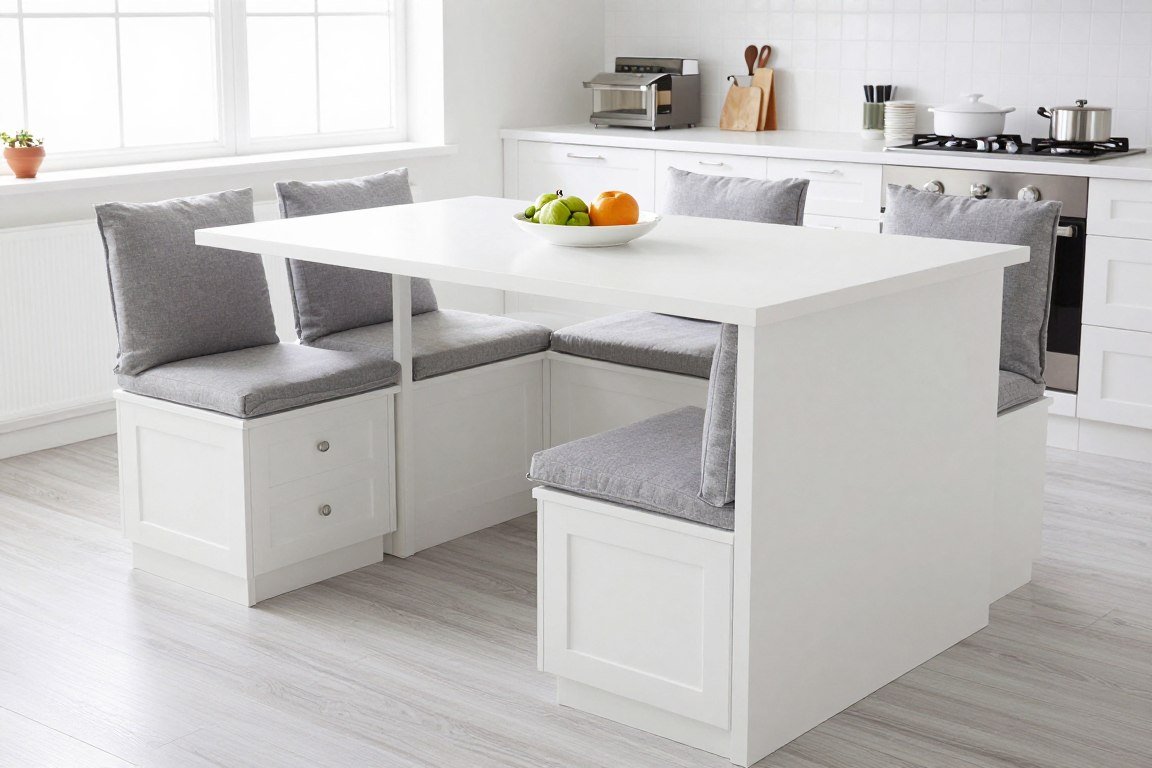
Prep Sink Island
Adding a small prep sink to your island enhances functionality dramatically. The extra water source streamlines cooking and cleanup tasks.
A bar-sized sink fits easily in compact islands. Choose a single-bowl undermount style to maximize counter space around the fixture.
Plan for adequate clearance around the sink area. You’ll need room for dish drying and food washing without crowding the workspace.
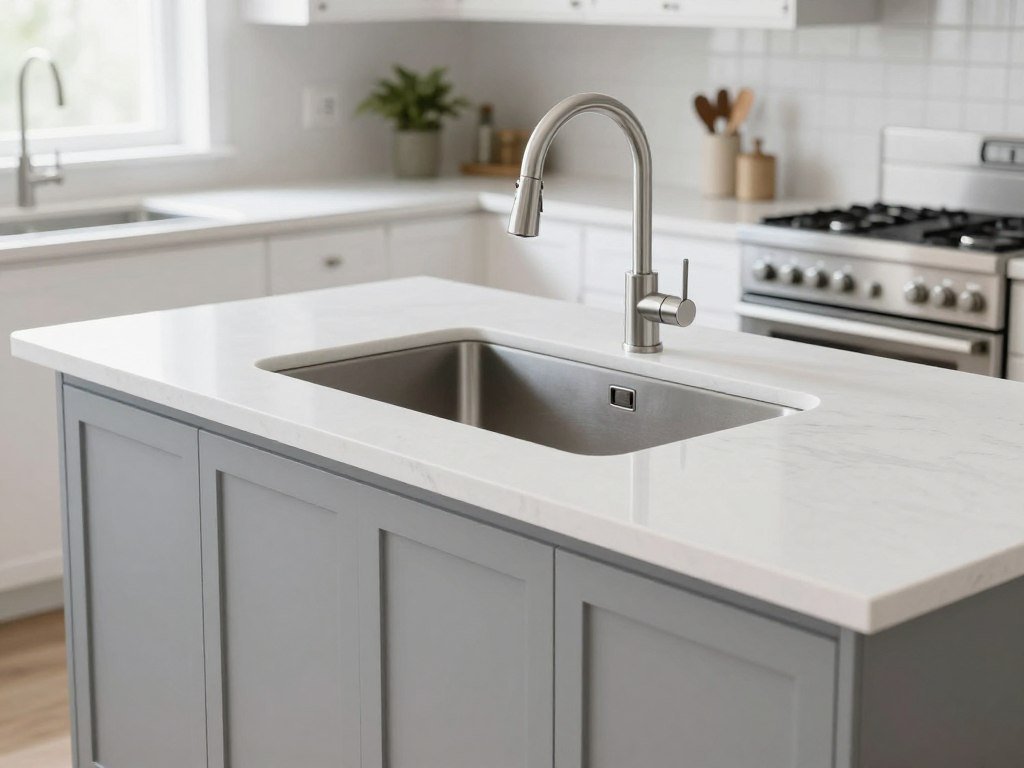
Space-Saving Fold-Out Islands
Fold-out islands disappear when not needed. These ingenious designs provide counter space on demand without permanent floor commitment.
Wall-mounted drop-leaf tables create instant islands. Simply fold down the surface when you need extra workspace for food prep.
Some models include storage for bar stools that tuck away completely. The entire island system vanishes to maximize your small kitchen space.
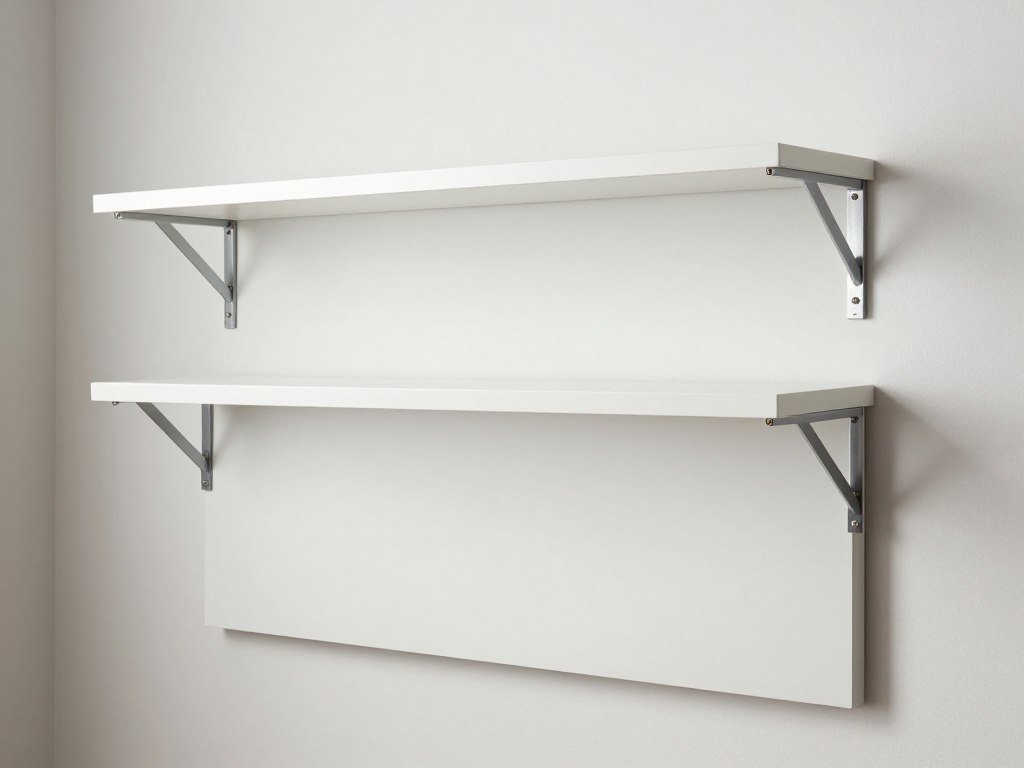
Murphy-Style Kitchen Island
Murphy-style islands fold flat against the wall like Murphy beds. The surface locks securely when lowered for safe food preparation.
These islands work exceptionally well in studio apartments or tiny homes. The design provides full-sized workspace without sacrificing living area.
Look for models with integrated storage on the wall-facing side. Shallow shelves or magnetic strips hold knives, spices, and cooking tools.
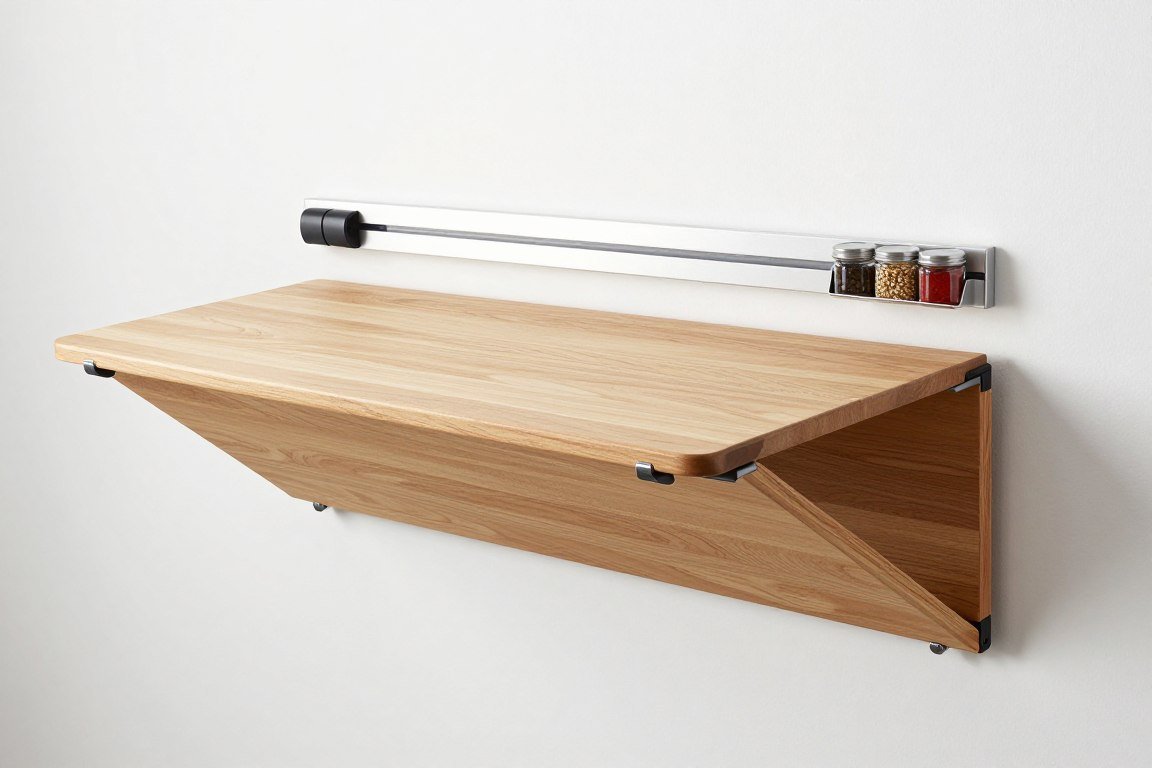
Flip-Top Breakfast Bar
A flip-top breakfast bar extends your counter when needed for dining. The hinged section flips up to create a bistro-style eating area.
This design attaches to existing counters or cabinets. The addition costs less than a full island while providing flexible functionality.
Choose a finish that matches your kitchen aesthetic. The flip-top should blend seamlessly when closed to maintain a cohesive look.
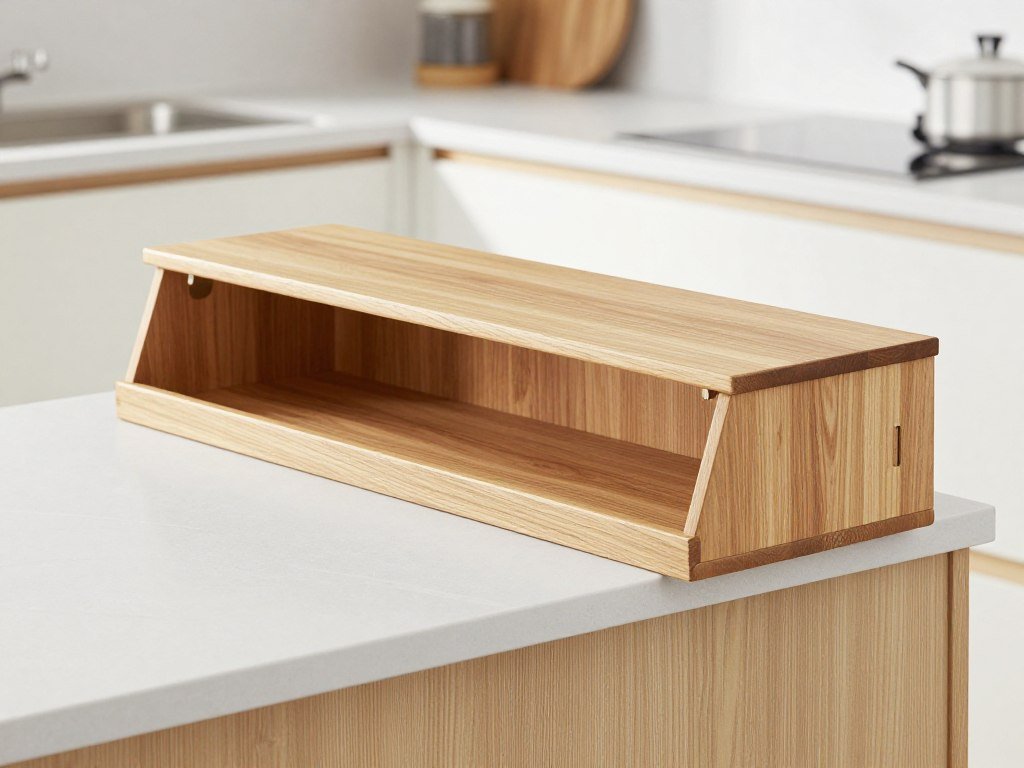
Vintage and Repurposed Islands
Vintage furniture pieces make charming kitchen islands with unique character. Repurposing adds personality while reducing environmental impact.
Old dressers, desks, or workbenches transform into functional islands. The existing storage and surfaces need minimal modification for kitchen use.
Hunt for pieces at flea markets, estate sales, or online marketplaces. The imperfect patina and one-of-a-kind details create visual interest in your space.
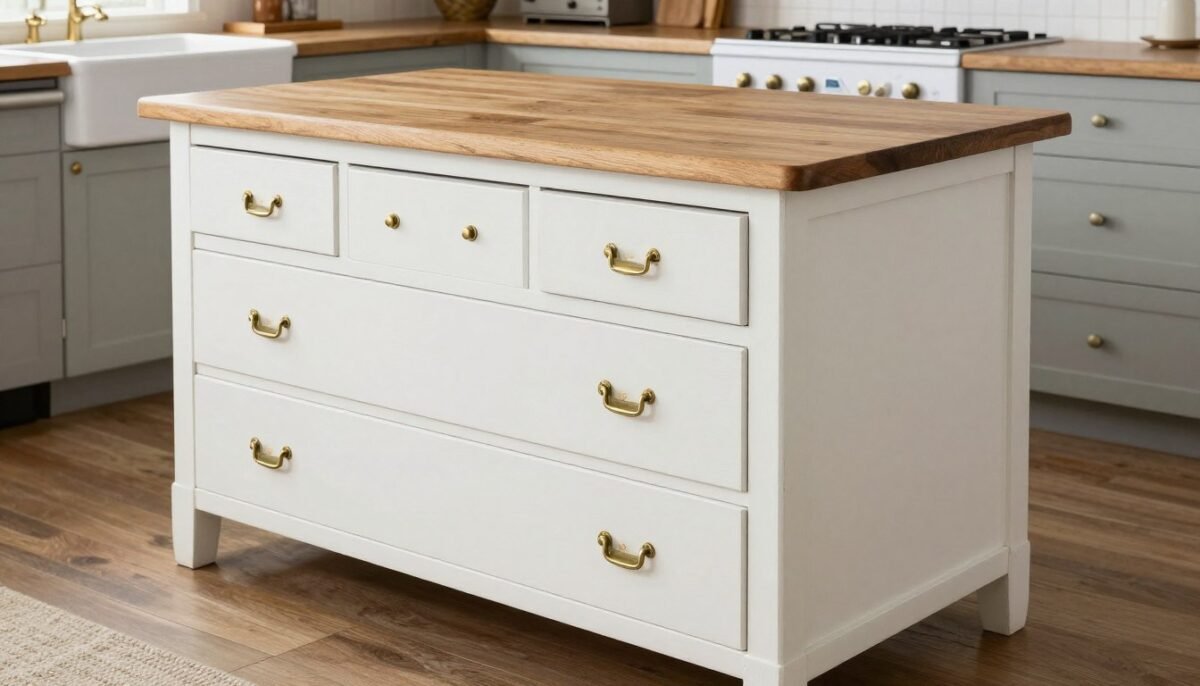
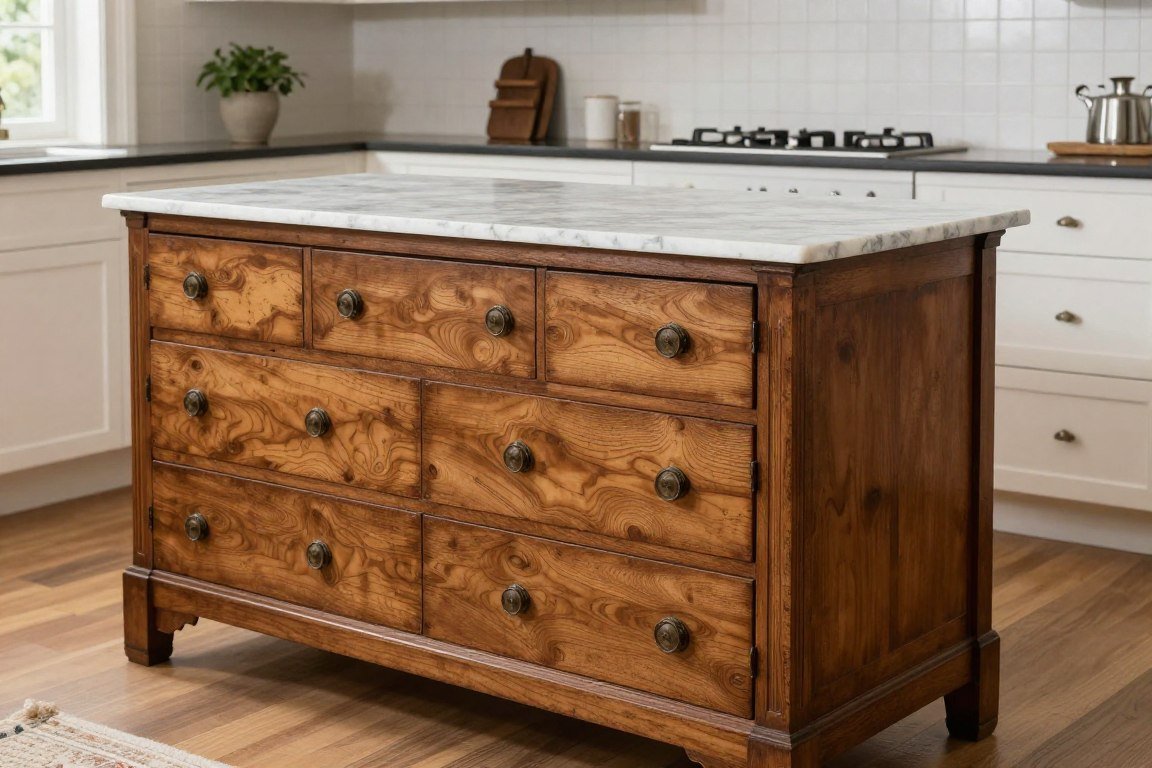
Antique Dresser Island
An antique dresser provides abundant storage with vintage appeal. The existing drawers organize utensils, linens, and cooking tools beautifully.
Add a butcher block or stone top for a durable work surface. The combination of old and new creates an eclectic, collected look.
Remove the top drawers to create open shelving if desired. This modification adds display space for frequently used items or decorative pieces.
Industrial Cart Island
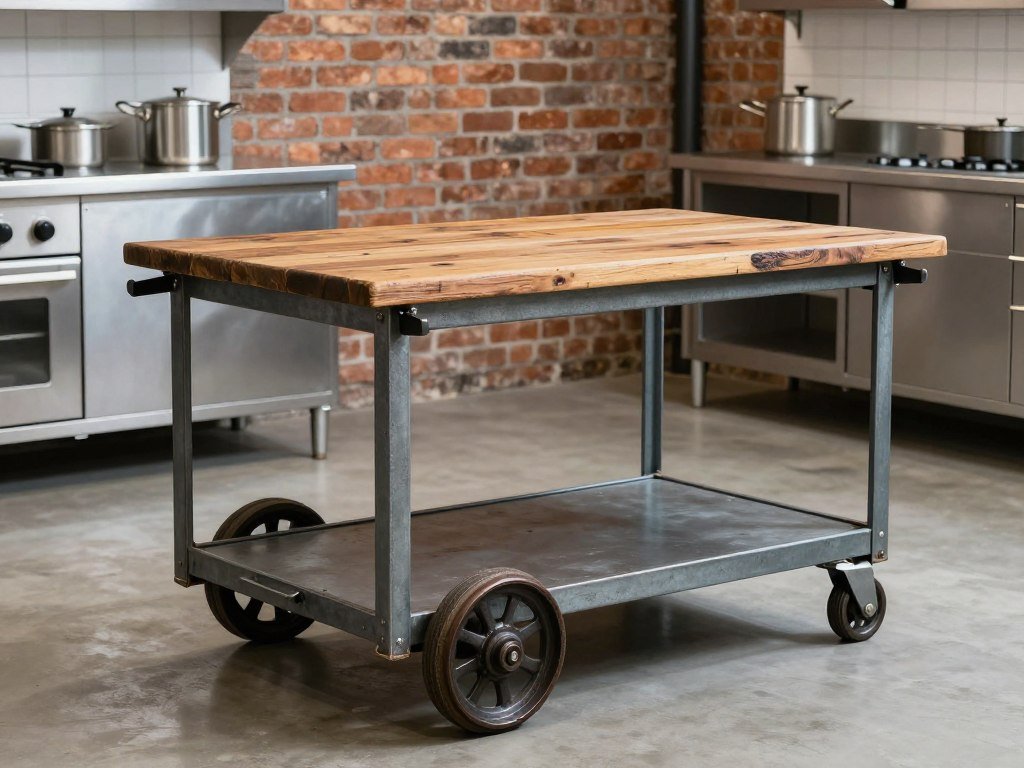
Vintage industrial carts bring factory-style charm to modern kitchens. The sturdy metal frames and wood surfaces withstand heavy kitchen use.
Original factory markings and worn finishes add authentic character. These pieces work especially well in loft apartments or industrial-style homes.
Many vintage carts include original wheels for mobility. Lock them in place for stability or leave them free for flexible positioning.
Custom Built Compact Islands
Custom islands fit your exact space and needs perfectly. A built-in solution maximizes every inch of available floor area.
Work with a carpenter to design an island for your specific kitchen layout. Custom builds accommodate odd angles, existing fixtures, and unique requirements.
The investment in custom work pays off with perfect proportions. You get exactly the storage, workspace, and features your kitchen needs.
Corner Fitted Island
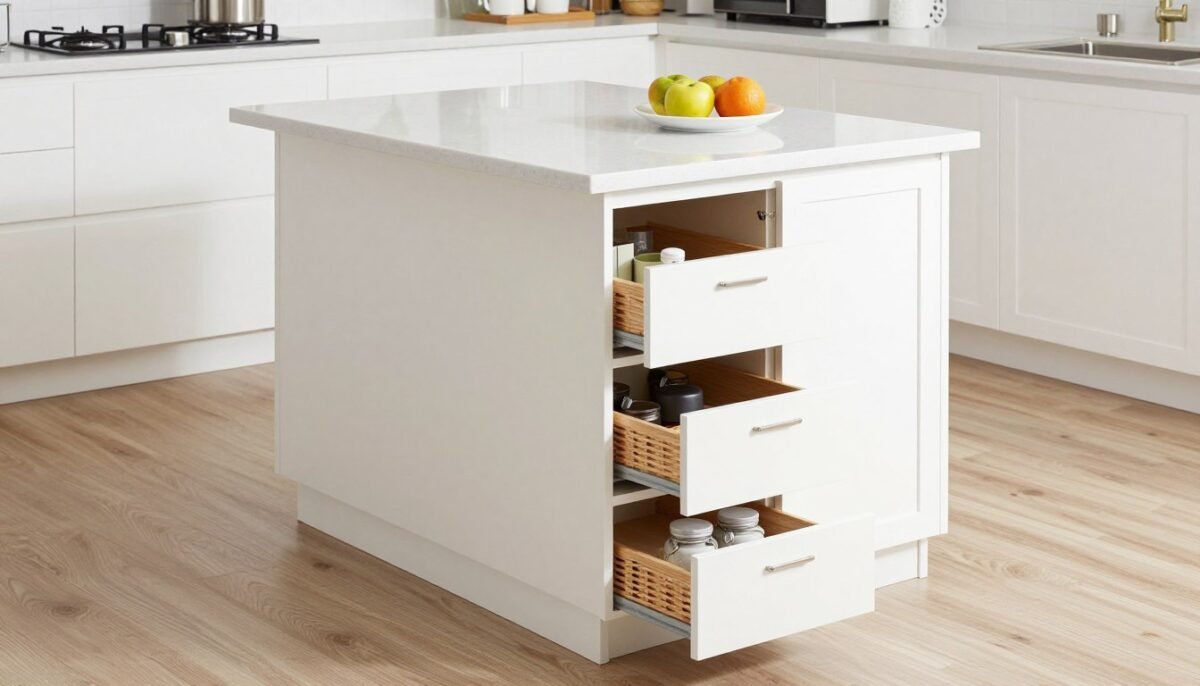
A corner fitted island makes use of awkward angles. Custom cutting ensures the piece fits snugly into available space without gaps.
This approach works well in irregularly shaped kitchens. The island follows the room’s contours for a built-in appearance.
Include angled cabinets or lazy susan storage in corner sections. These specialized solutions prevent dead space in hard-to-reach areas.
Galley-Optimized Island
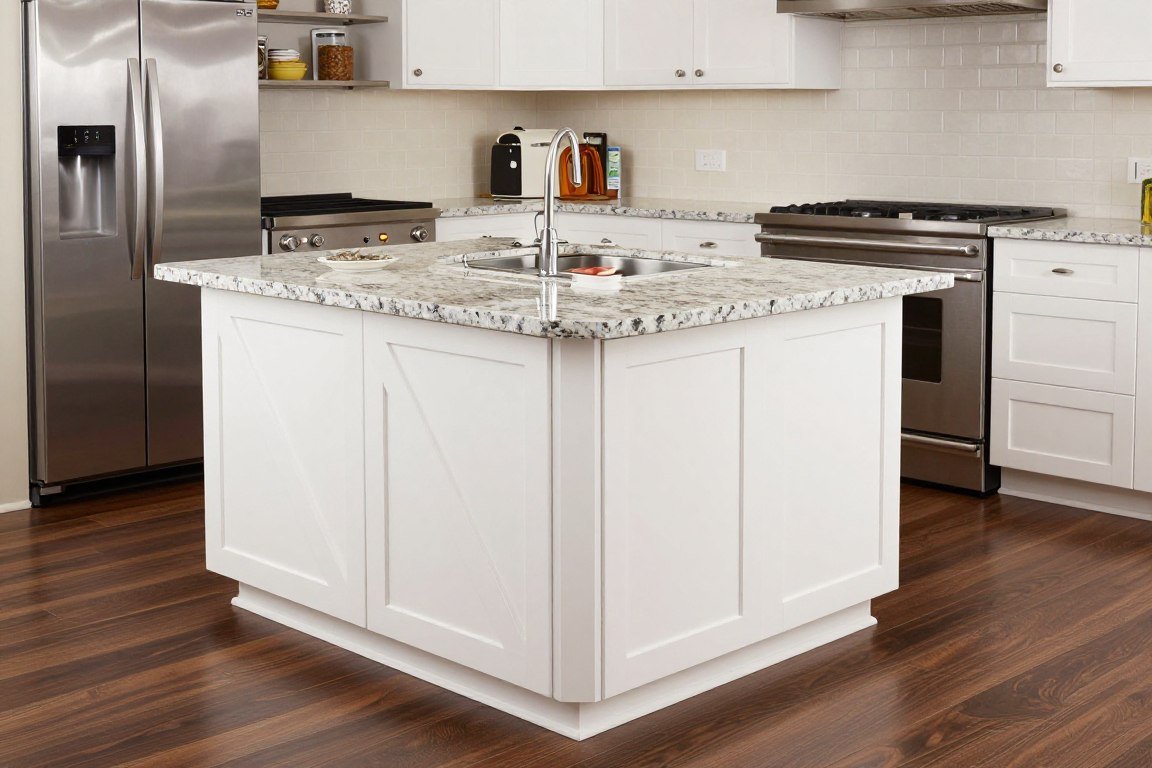
A galley-optimized island centers perfectly between parallel counters. The custom width ensures proper clearance on both sides.
This island type typically measures very narrow but runs longer. The extended length provides ample workspace despite minimal width.
Plan for 36 to 42 inches of clearance on each side. This spacing allows comfortable movement and cabinet door operation.
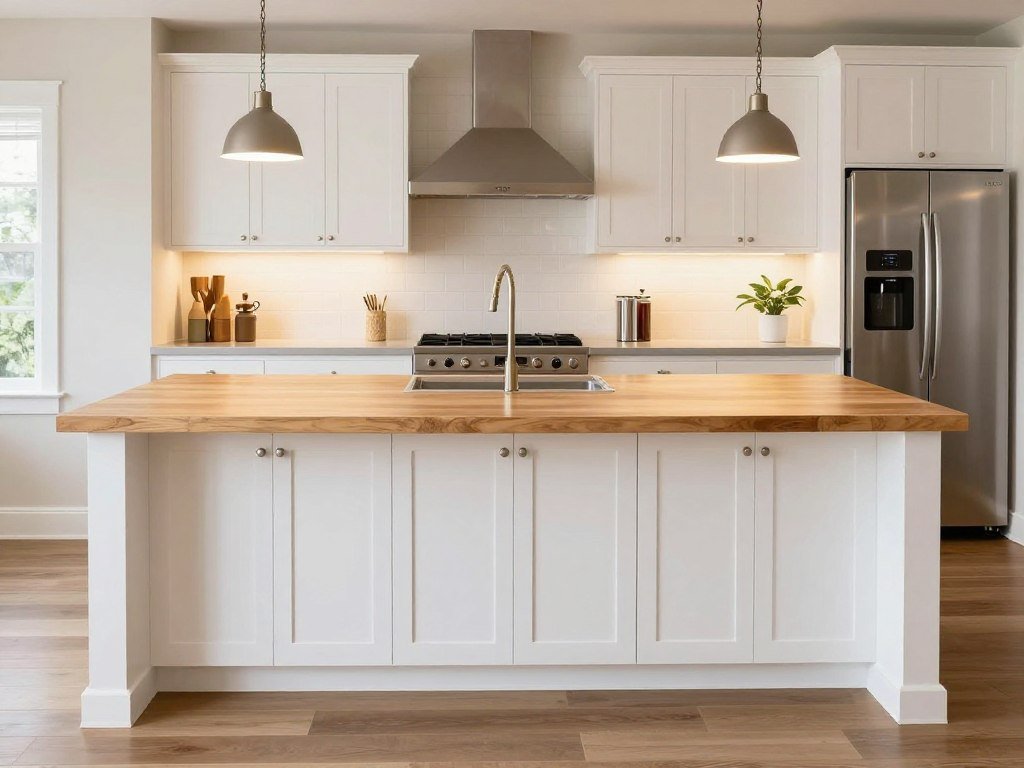
Open Base Kitchen Islands
Open base islands keep small kitchens feeling airy and spacious. The see-through design prevents the island from visually overwhelming the room.
Exposed legs or open shelving create visual lightness. Your eye travels through and around the island rather than stopping at a solid mass.
This style works beautifully in open-concept floor plans. The transparent quality maintains sightlines between kitchen and living areas.
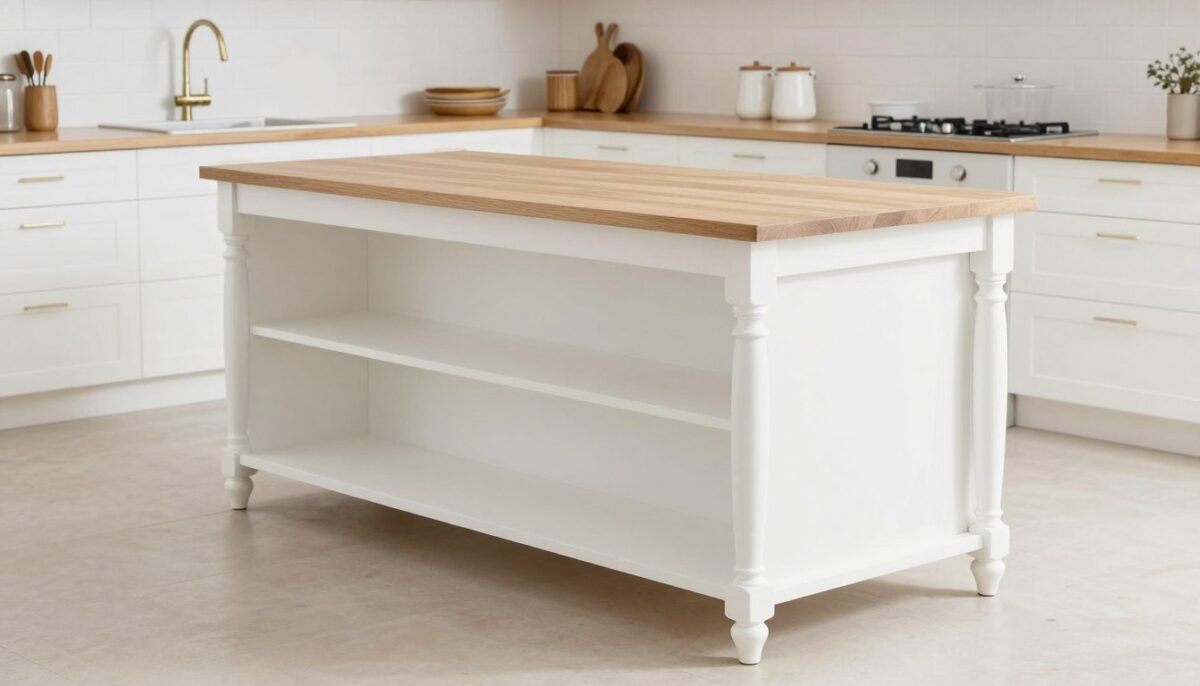
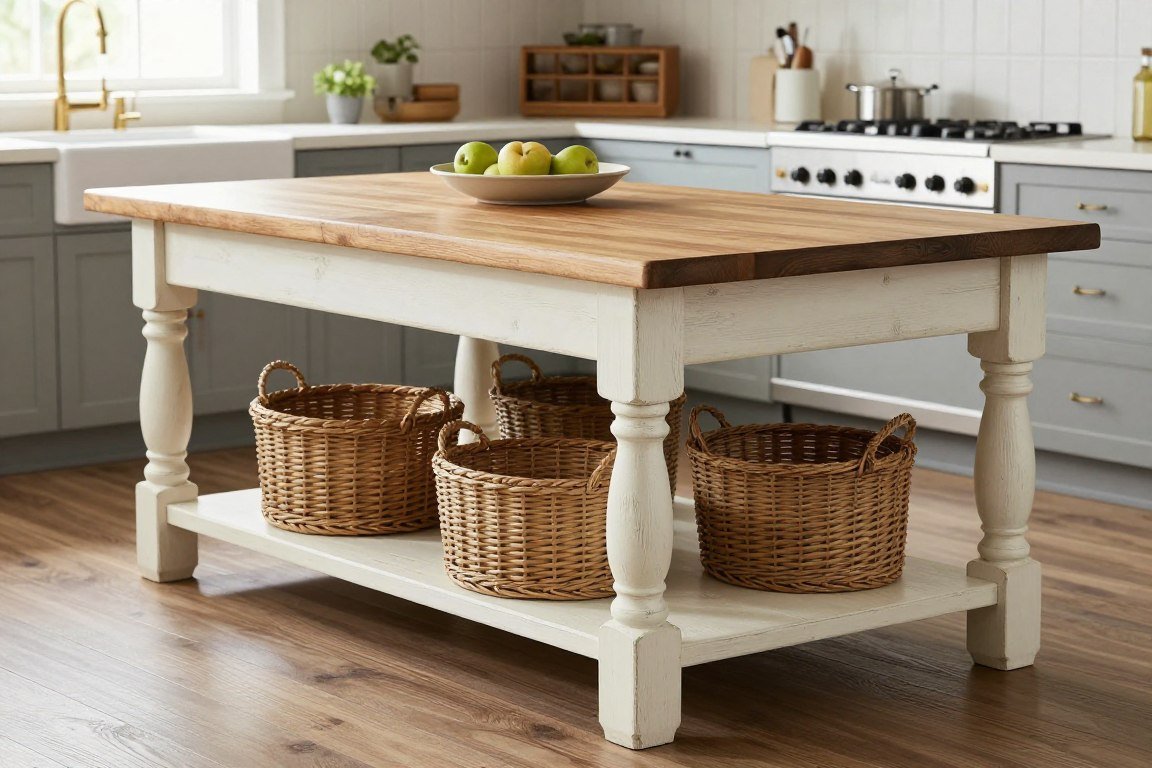
Table-Style Island
A table-style island resembles dining furniture more than cabinetry. Four legs support a simple top with optional lower shelf.
This casual approach suits farmhouse and cottage kitchen styles. The furniture-like quality makes the space feel less formal and more inviting.
Choose a table with the right height for comfortable food prep. Standard counter height measures 36 inches from floor to surface.
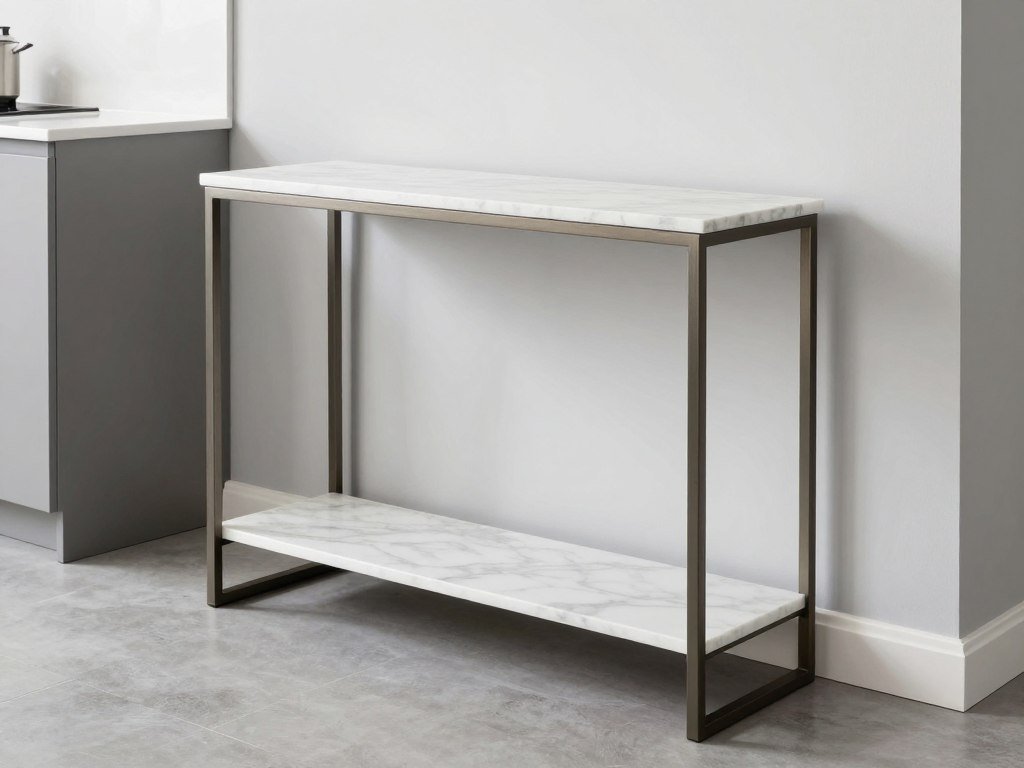
Console Table Island
A narrow console table creates a streamlined island for tight spaces. The slim profile provides workspace without blocking traffic patterns.
Console islands measure typically 12 to 18 inches deep. This shallow dimension fits in hallways or between kitchen zones.
Add a lower shelf for cookbook storage or decorative baskets. The minimal design stores essentials while maintaining an open feel.
Colorful Statement Islands
A bold color transforms your island into the kitchen’s focal point. This design strategy draws the eye while adding personality.
Small islands can handle dramatic color better than large ones. The limited surface area prevents overwhelming the space with intense hues.
Choose colors that complement your existing kitchen palette. The island should stand out while still coordinating with surrounding elements.
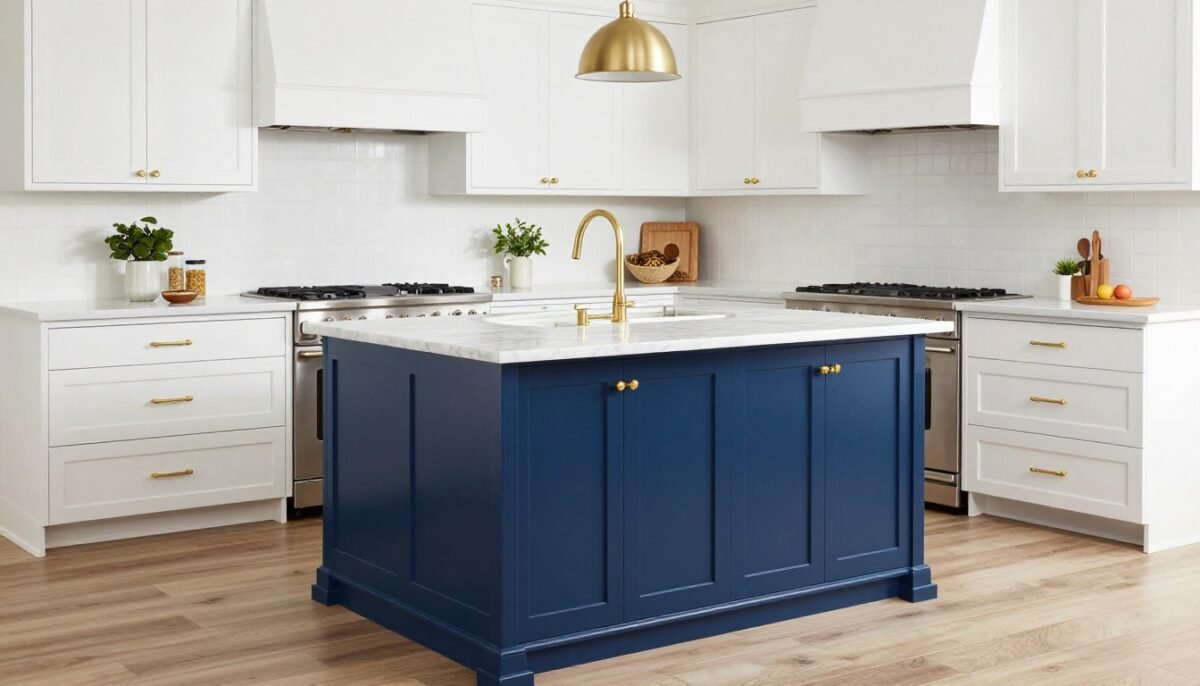
Navy Blue Island
Navy blue creates sophisticated contrast in white kitchens. This classic color feels timeless rather than trendy.
The deep shade grounds the room while maintaining elegance. Navy pairs beautifully with brass, gold, or chrome hardware.
Consider navy for base cabinets with a lighter countertop. The combination prevents the island from feeling too dark or heavy.
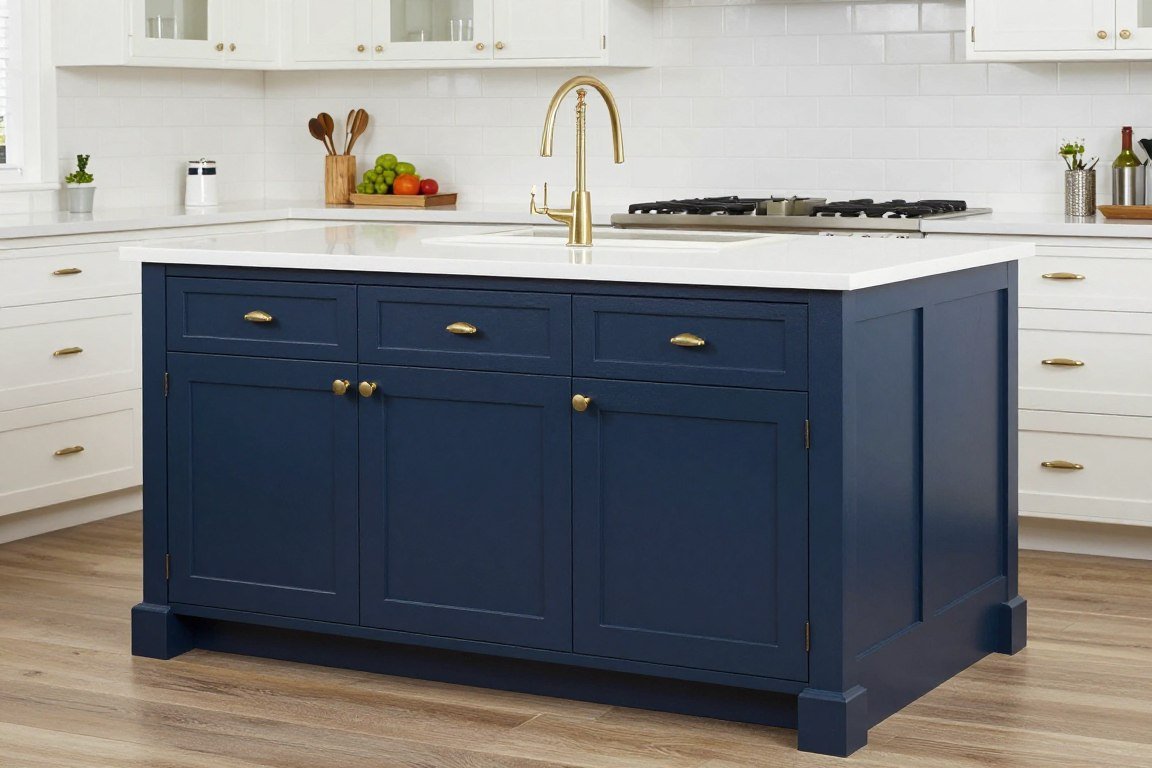
Sage Green Island
Sage green brings natural tranquility to kitchen spaces. This muted tone creates visual interest without overwhelming small rooms.
The earthy color pairs well with wood accents and natural materials. Butcher block countertops complement sage beautifully.
Green creates a calming atmosphere that makes cooking more enjoyable. The color psychology benefits your daily kitchen experience.
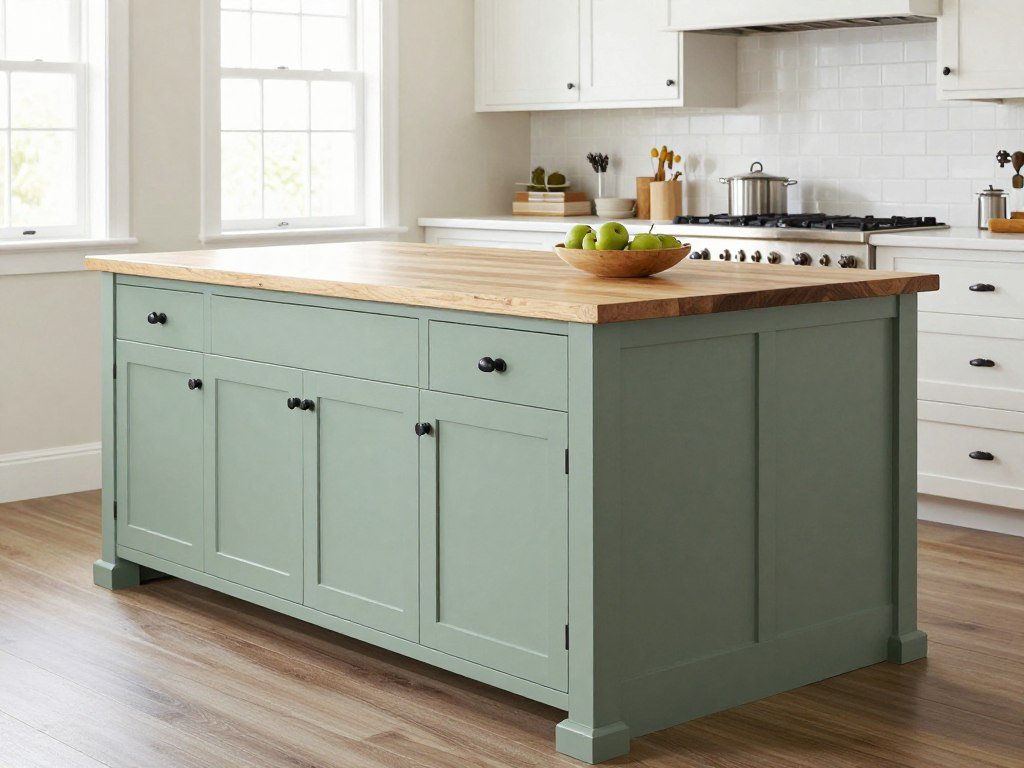
Islands with Specialty Features
Specialty features make your island work harder for your lifestyle. Built-in appliances, charging stations, or pet feeding areas add customized functionality.
Consider which tasks happen most often in your kitchen. Design your island to support those specific activities.
Small islands can include surprising features without feeling cluttered. Strategic planning ensures every element serves a purpose.
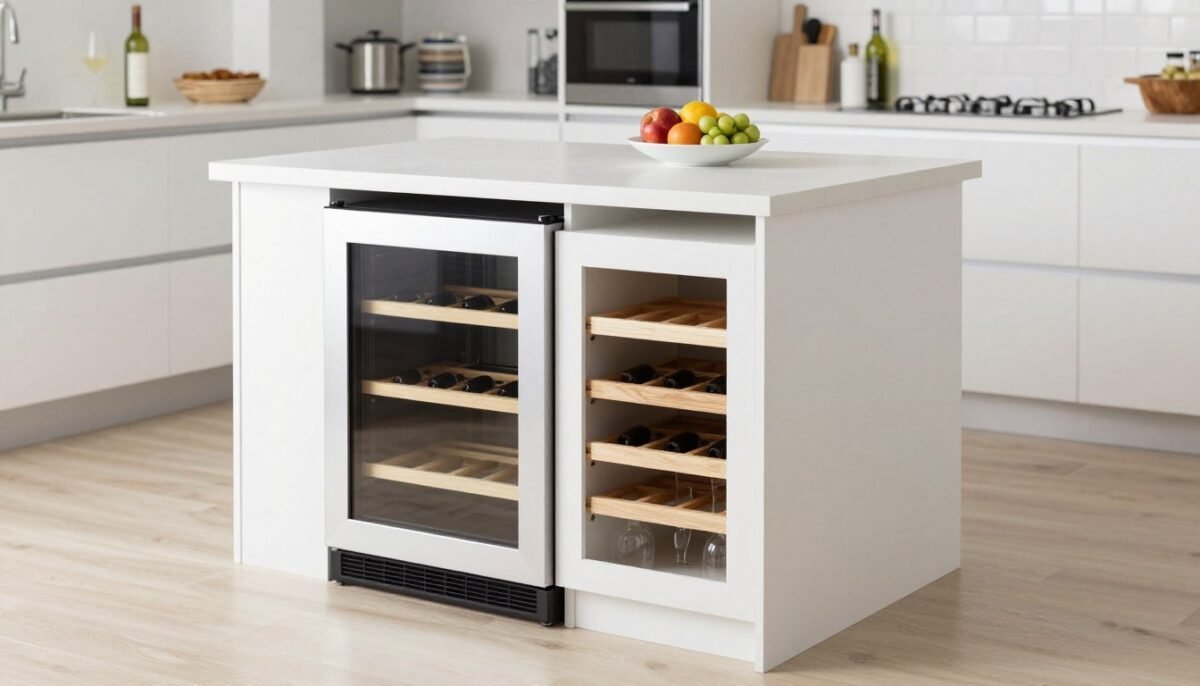
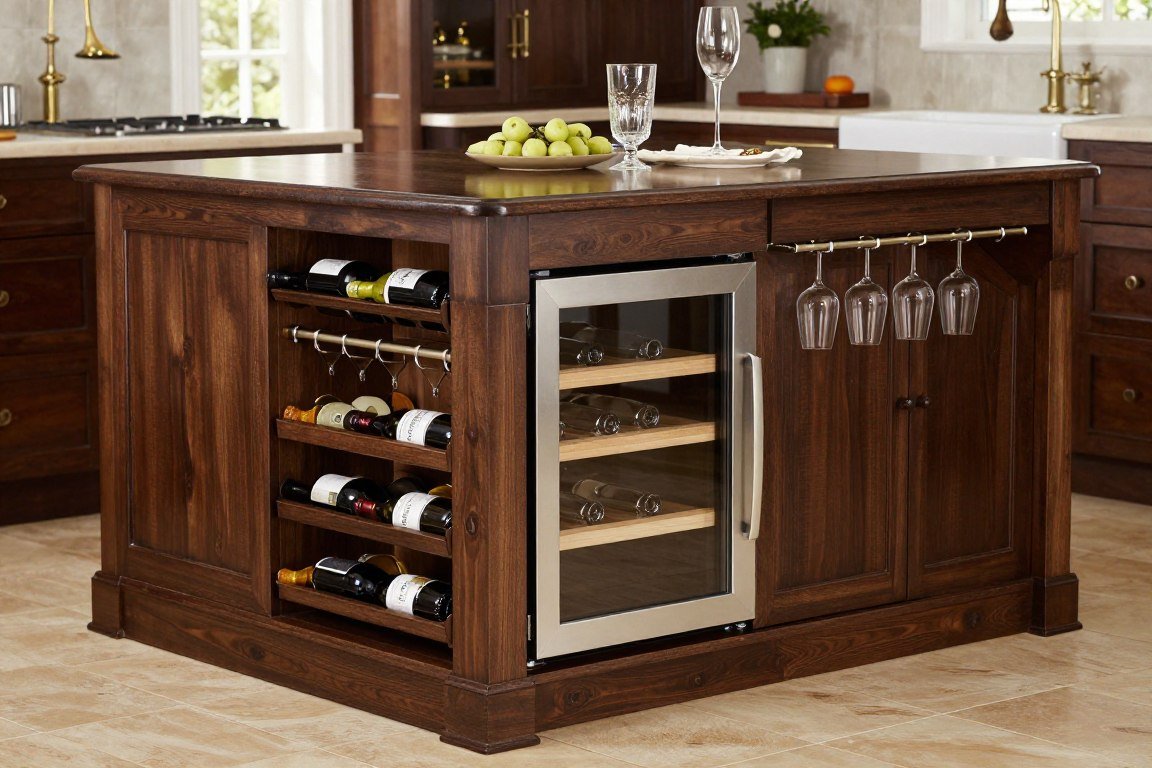
Wine Storage Island
A wine storage island caters to collectors and entertainers. Built-in racks keep bottles organized and easily accessible.
Include a small wine refrigerator for proper storage temperature. Glass-front units display your collection as decorative elements.
Add stemware storage beneath the counter for complete beverage service. Hanging racks keep wine glasses dust-free and ready to use.
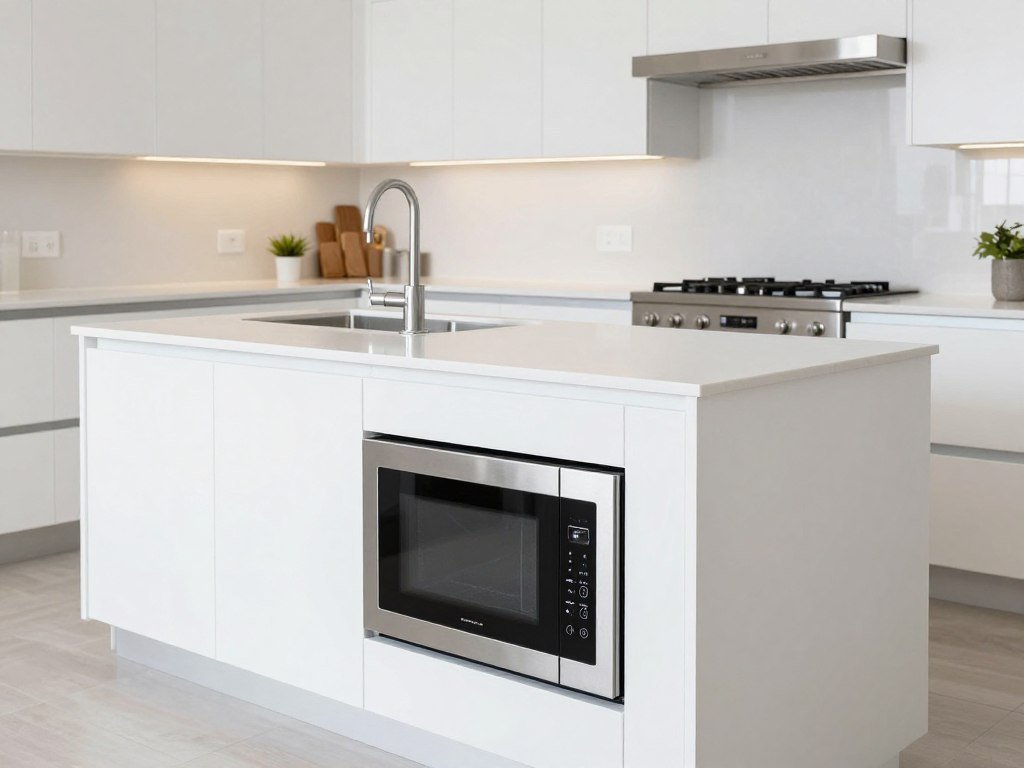
Microwave Island
Building a microwave into your island frees valuable counter space. The appliance tucks neatly below the work surface.
A microwave drawer opens smoothly and sits at a comfortable height. This design eliminates awkward reaching or bending.
Plan for proper ventilation and electrical requirements during installation. Professional installation ensures safe operation and code compliance.
Two-Tier Island Designs
Two-tier islands separate workspace from dining or display areas. The raised section provides visual interest and practical benefits.
The lower tier handles food preparation at standard counter height. The upper level creates a breakfast bar or serves as a visual barrier.
This design hides kitchen mess from dining guests naturally. Dirty dishes and cooking chaos stay out of sight during meals.
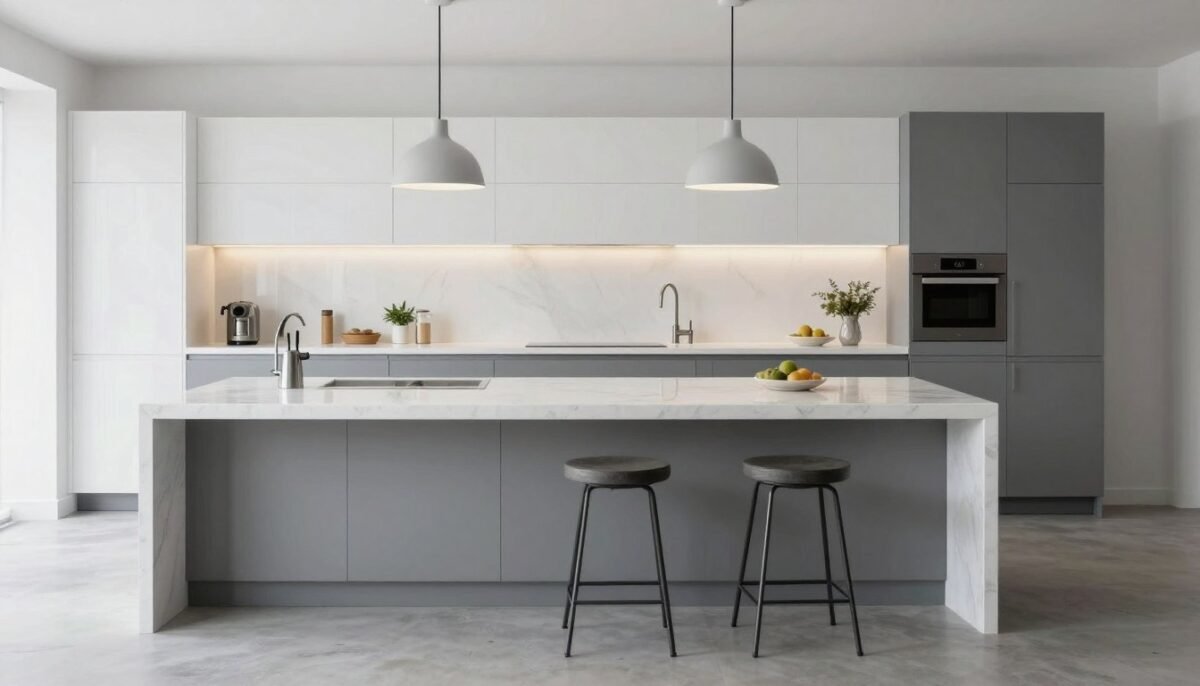
Raised Bar Section
A raised bar section creates comfortable dining height on one side. The elevation provides ergonomic seating for standard bar stools.
The height difference typically measures 6 to 12 inches. This variation clearly defines the prep zone from the eating area.
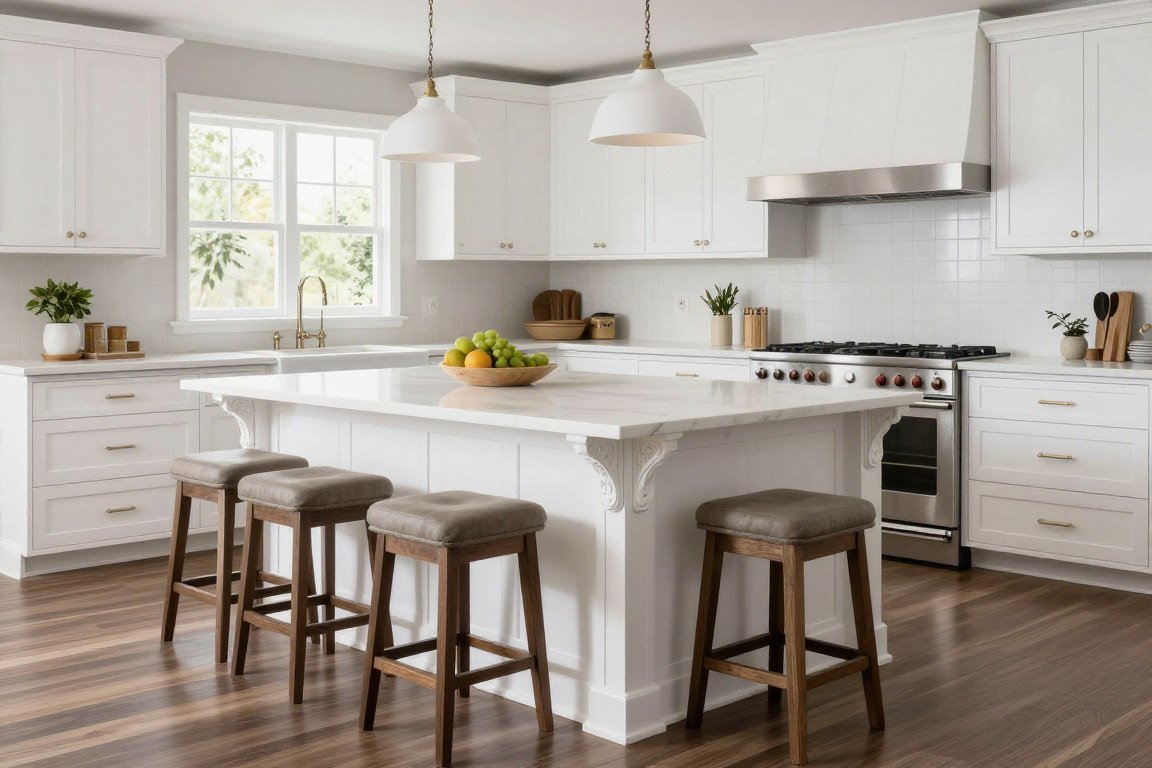
Consider adding decorative corbels or supports under the raised section. These details add architectural interest while providing structural support.
Split-Level Island
A split-level island creates distinct zones within a compact footprint. One end stays low for work while the other rises for dining.
This asymmetrical design adds dynamic visual appeal. The varying heights create natural separation without requiring additional floor space.
Use contrasting materials for each level to emphasize the distinction. Butcher block on the work side and marble on the dining side works beautifully.
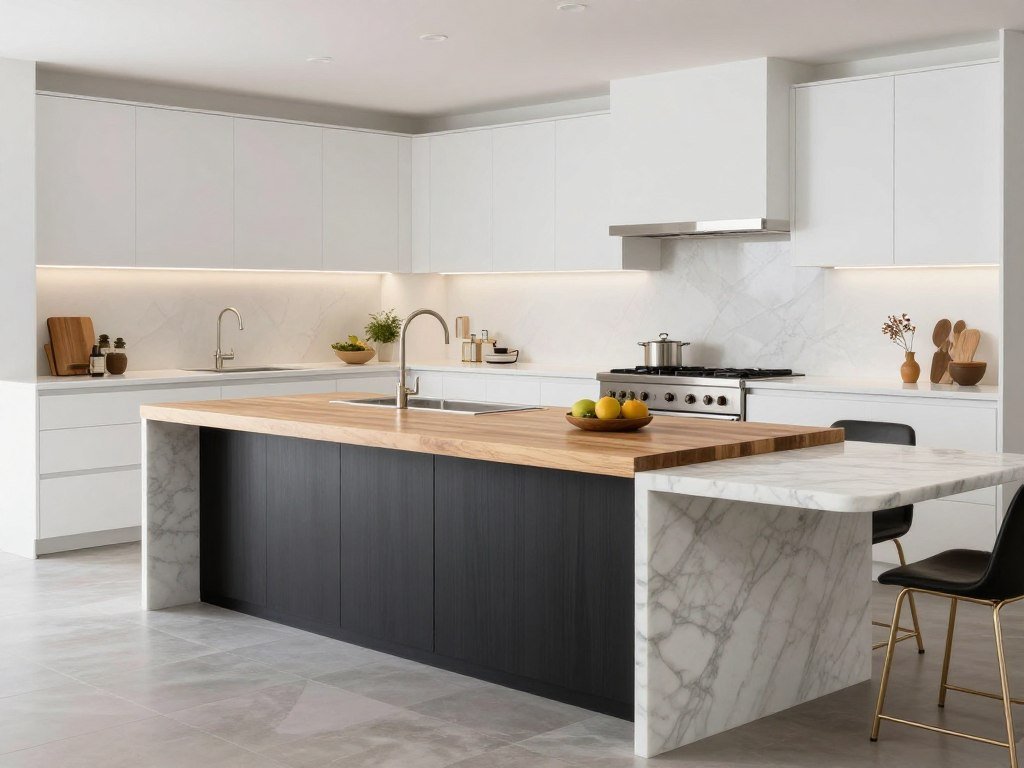
Minimalist Kitchen Islands
Minimalist islands embrace simplicity and clean lines. These designs eliminate visual clutter while providing essential functionality.
A minimalist approach works exceptionally well in small kitchens. The streamlined aesthetic makes limited space feel larger and more organized.
Choose islands with handleless cabinets or simple pulls. Every detail should serve function without unnecessary decoration.
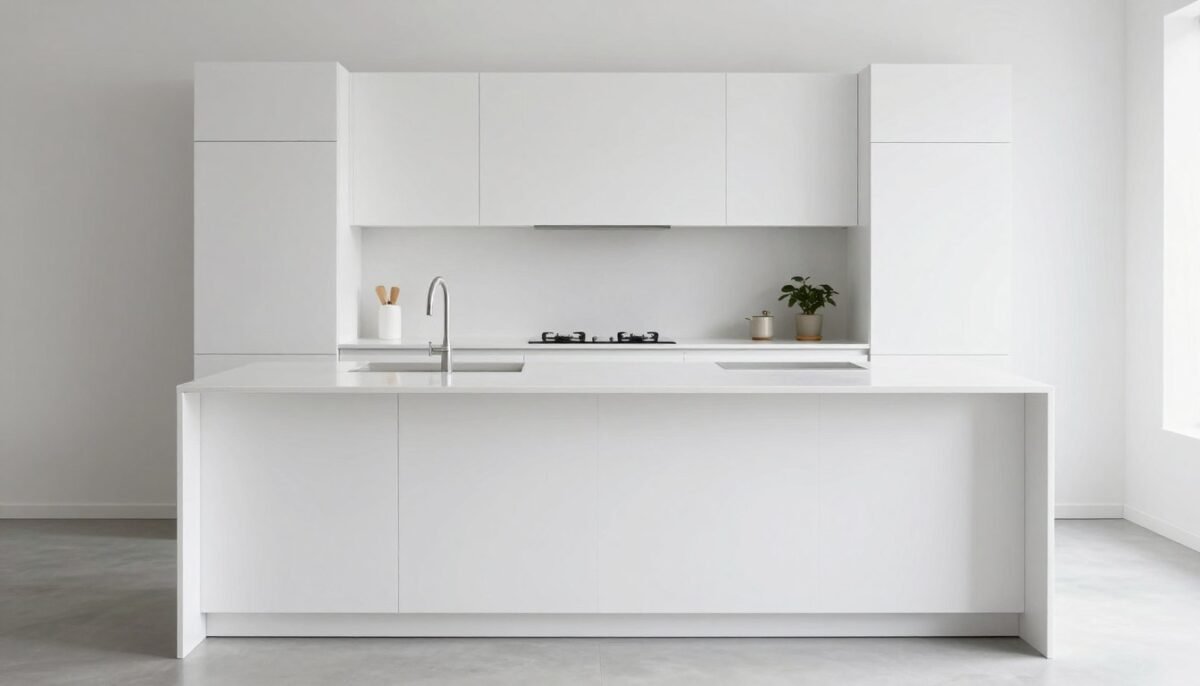
Floating Island Design
A floating island appears to hover above the floor. Recessed base cabinets create shadow lines that produce this levitating effect.
The design makes small kitchens feel more spacious. The visible floor beneath extends sightlines and reduces visual weight.
LED lighting under the island enhances the floating appearance. The subtle glow adds ambiance while highlighting the architectural detail.
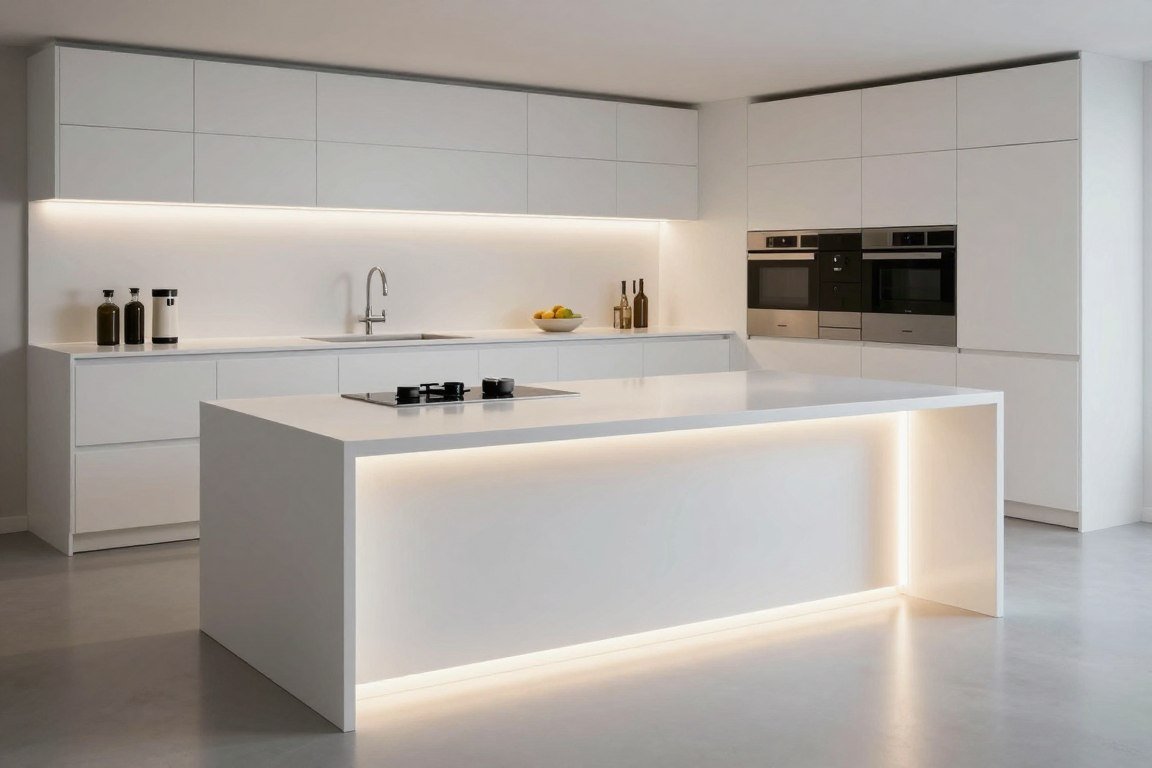
Monochromatic Slab Island
A monochromatic slab island features uniform color throughout. The seamless look creates calm visual continuity.
Choose materials like Corian or quartz that allow waterfall edges. The continuous surface wraps smoothly from top to sides.
White or light gray works best for small space applications. These neutral tones reflect light and expand perceived room size.
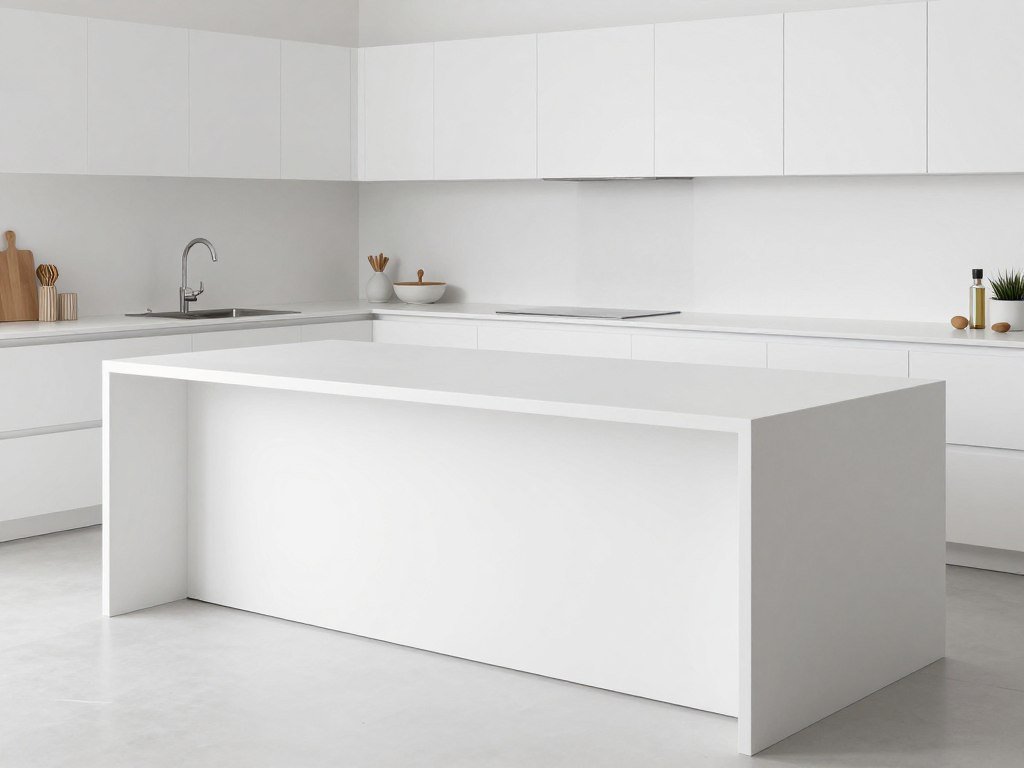
Farmhouse and Country Islands
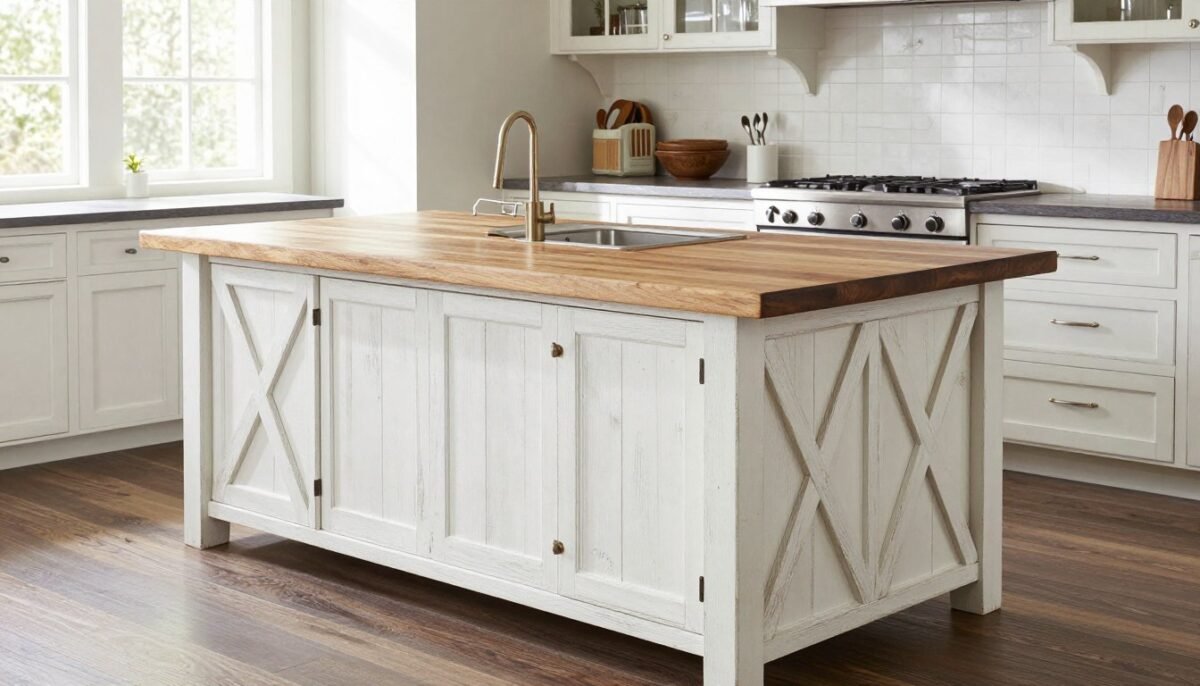
Farmhouse islands bring rustic warmth to kitchen spaces. These designs emphasize natural materials and handcrafted details.
Wood tones and distressed finishes create comfortable, lived-in appeal. The casual style makes kitchens feel welcoming and relaxed.
Country islands often include open shelving or X-detail bases. These traditional elements add character without requiring extensive space.
Reclaimed Wood Island
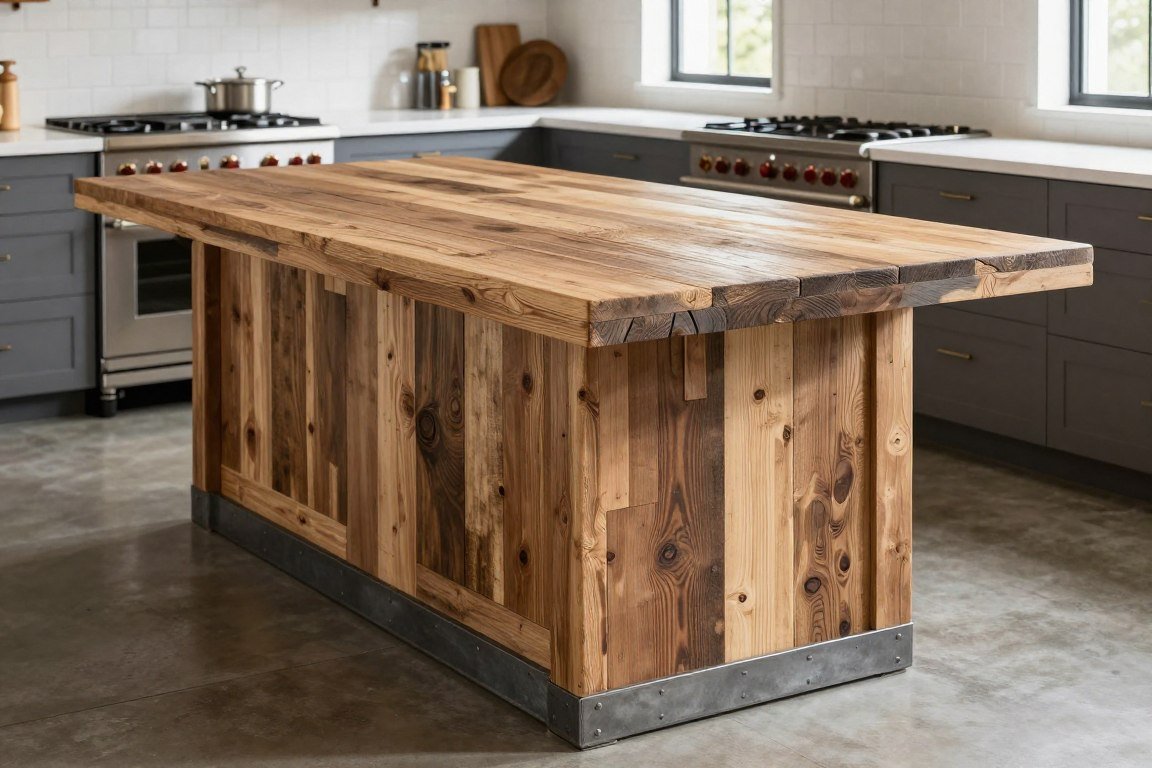
Reclaimed wood creates an island with rich history and texture. Each board brings unique grain patterns and color variations.
The salvaged material adds environmental benefits to your kitchen. Reusing old barn wood or factory flooring reduces waste and carbon footprint.
Seal reclaimed wood properly for kitchen use. Food-safe finishes protect the surface while maintaining the weathered appearance.
Beadboard Island
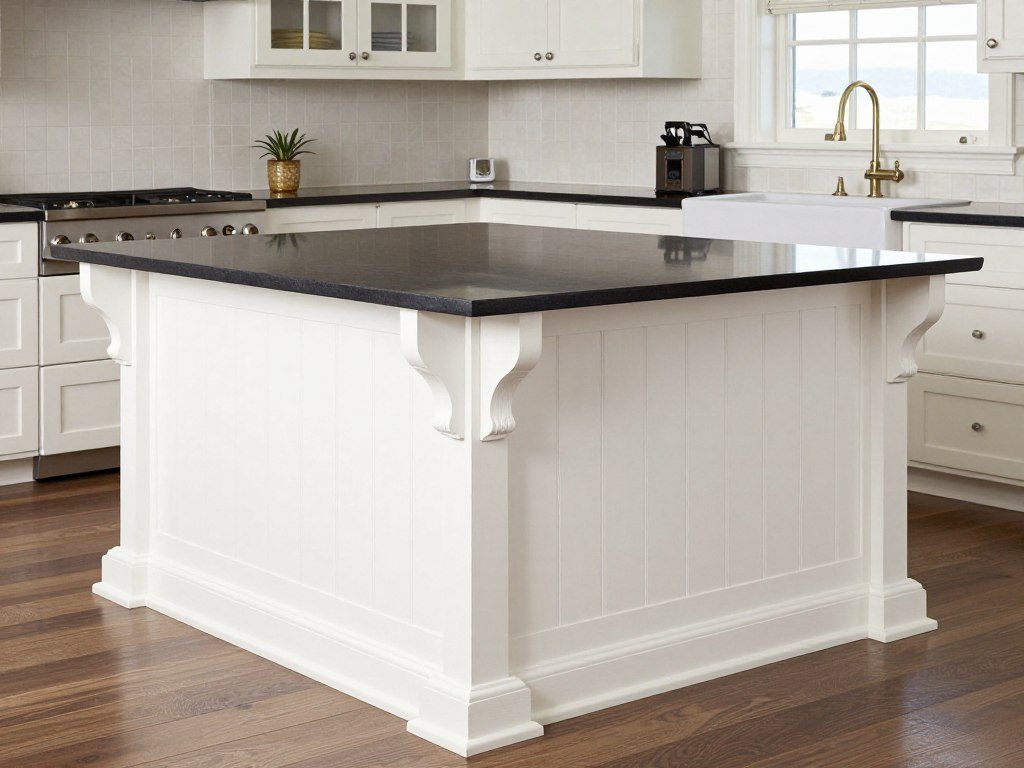
Beadboard adds cottage charm with vertical grooved panels. This classic detail brings texture without overwhelming small spaces.
White beadboard creates a crisp, clean foundation for farmhouse style. The vertical lines draw the eye upward, adding perceived height.
Combine beadboard sides with a butcher block or marble top. The mix of materials creates visual interest and practical durability.
Smart Storage Solutions
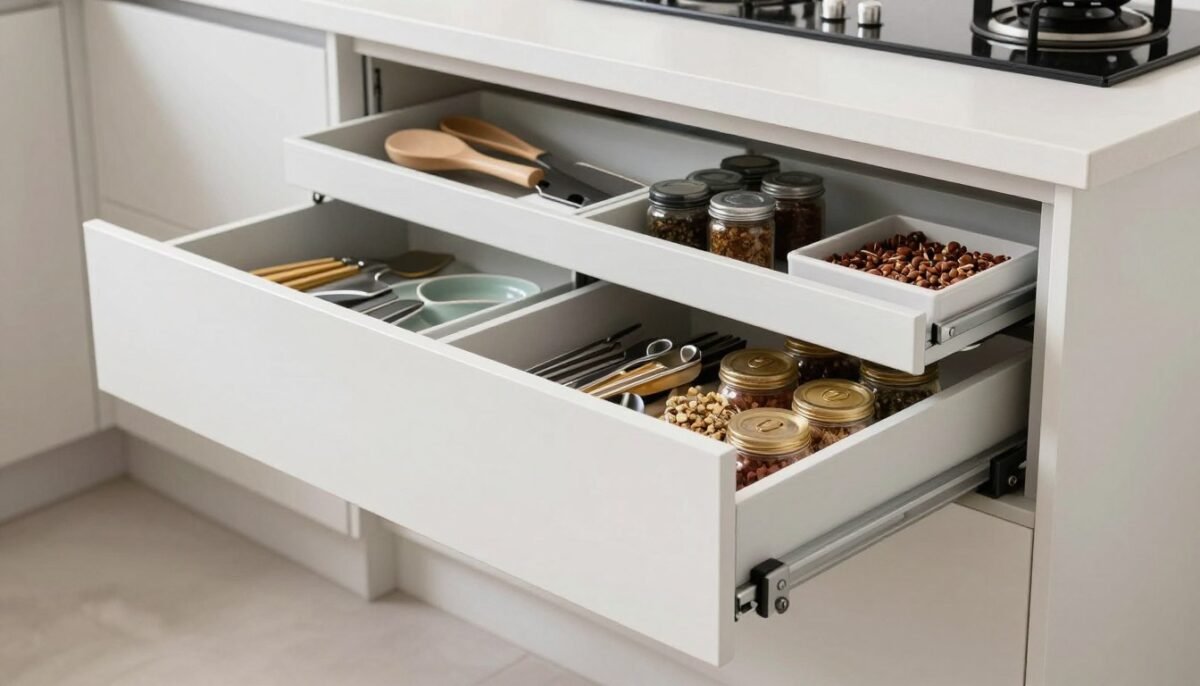
Smart storage islands maximize organization in minimal space. Specialized organizers and clever configurations keep everything accessible.
Pull-out drawers work better than cabinets in small islands. Full-extension glides let you see and reach items in the back easily.
Vertical dividers organize baking sheets, cutting boards, and serving platters. These simple additions prevent chaotic stacking and searching.
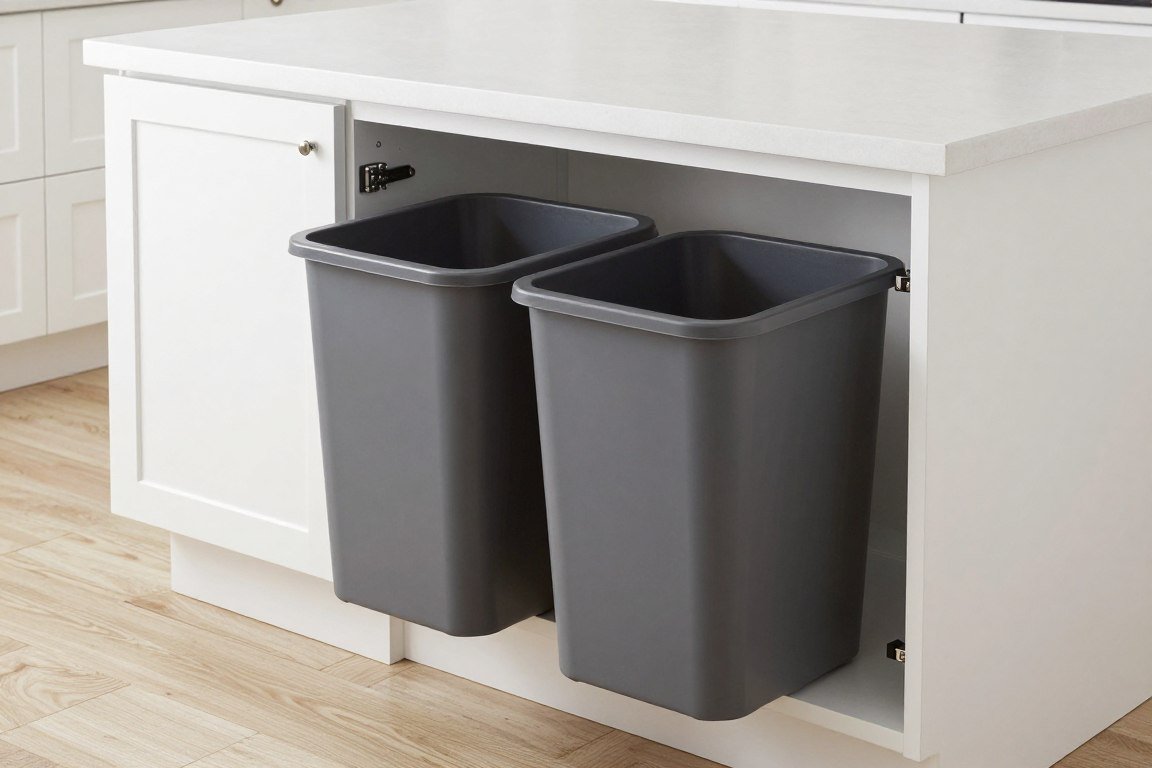
Pull-Out Trash Island
A pull-out trash system hides waste bins inside your island. The concealed storage keeps your kitchen looking tidy.
Most systems include separate bins for trash and recycling. The dual compartments promote eco-friendly sorting habits.
Choose soft-close mechanisms to prevent slamming. Quality hardware ensures quiet operation and long-lasting performance.
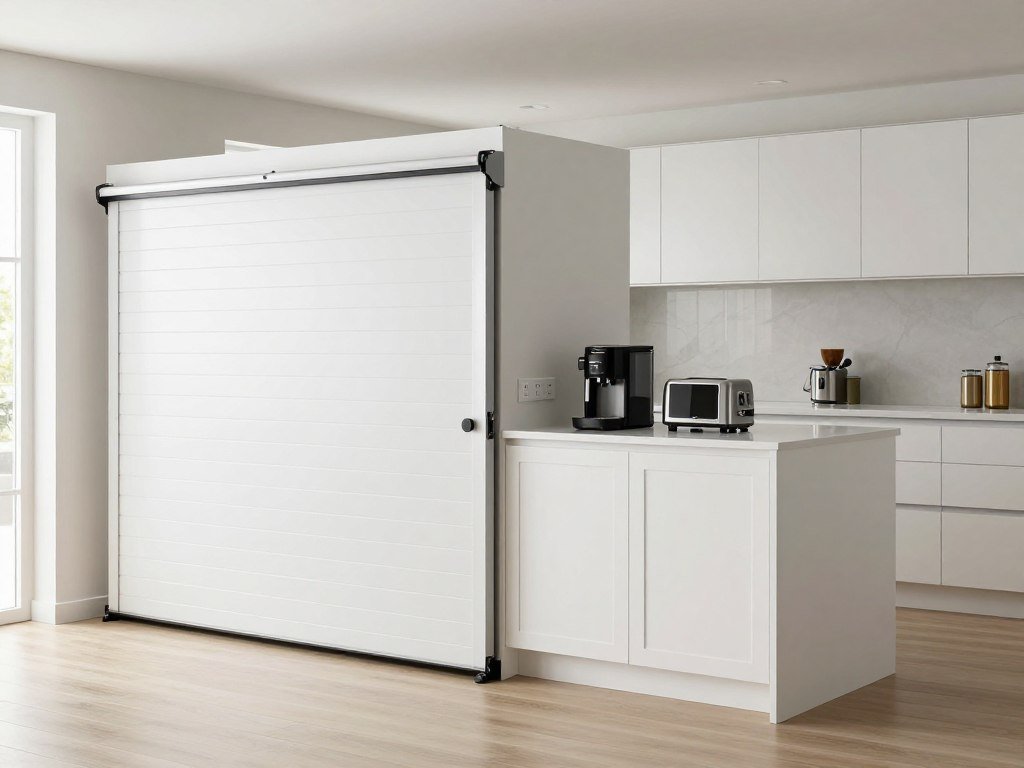
Appliance Garage Island
An appliance garage keeps small appliances accessible but hidden. The enclosed cabinet maintains clean countertops between uses.
A tambour door or flip-up panel provides easy access. The closure hides toasters, mixers, and coffee makers when not needed.
Include electrical outlets inside the garage for plugged-in convenience. Appliances stay ready without cluttering your workspace.
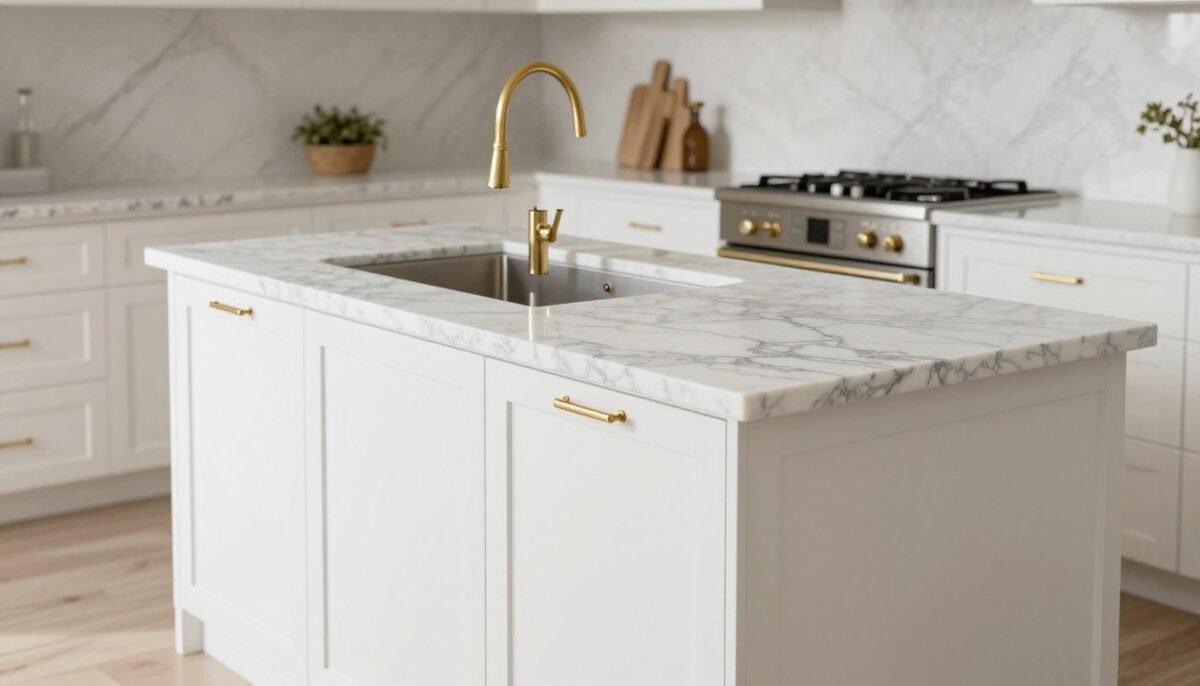
Luxury Material Islands
Premium materials elevate small islands into statement pieces. Marble, quartz, and exotic woods add sophistication to compact spaces.
Luxury finishes create a high-end look without requiring large square footage. A small marble island makes as much impact as a large basic one.
Invest in quality materials for surfaces you touch daily. The tactile experience of fine stone or wood enhances your kitchen enjoyment.
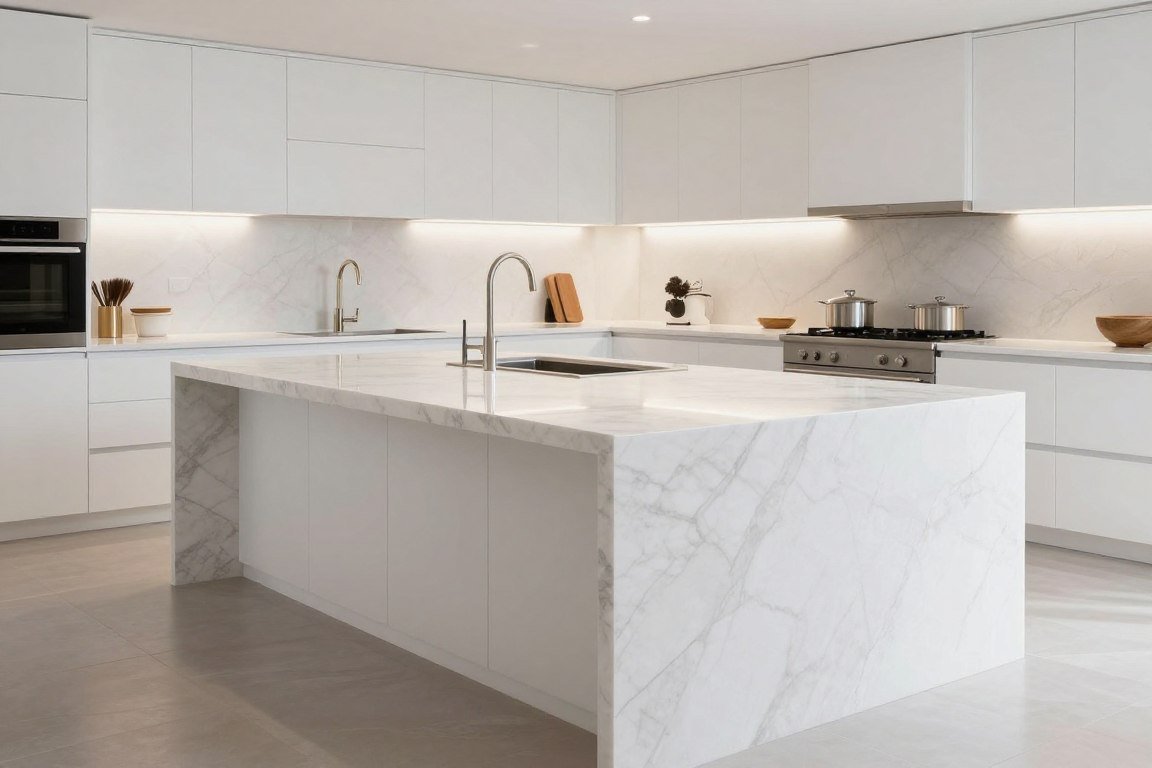
Marble Topped Island
Marble brings timeless elegance to any kitchen island. The natural stone features unique veining patterns that become art pieces.
Carrara and Calacatta varieties offer classic white backgrounds with gray veining. These traditional choices complement virtually any design style.
Seal marble regularly to protect against staining and etching. Proper maintenance preserves the stone’s beauty for generations.
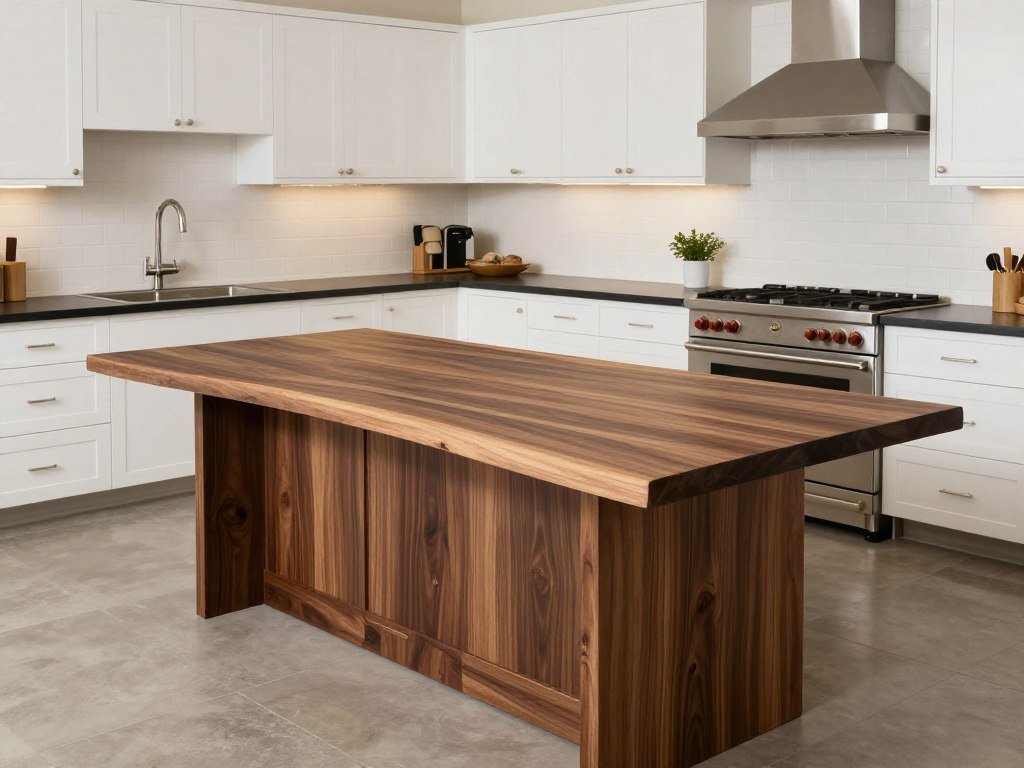
Walnut Wood Island
Walnut wood creates warmth with rich chocolate-brown tones. The hardwood develops a beautiful patina that deepens over time.
The dark color provides stunning contrast against white kitchen cabinets. This combination creates balanced visual interest.
Walnut resists warping and handles kitchen humidity well. The durable hardwood withstands daily use while maintaining its appearance.
Maximizing Your Small Kitchen with the Perfect Island
The right kitchen island transforms limited space into efficient, beautiful workspace. These 30 ideas demonstrate that small kitchens can include functional islands without feeling cramped.
Your ideal island depends on your specific needs and kitchen layout. Consider how you cook, entertain, and use your space daily when making selections.
Start by measuring your available floor area carefully. Ensure adequate clearance for traffic flow and cabinet operation around the island.
Prioritize features that match your lifestyle and cooking habits. A wine enthusiast needs different storage than someone who bakes frequently.
Mix and match ideas from different categories to create your perfect solution. Combine mobile flexibility with smart storage or luxury materials with multi-functional design.
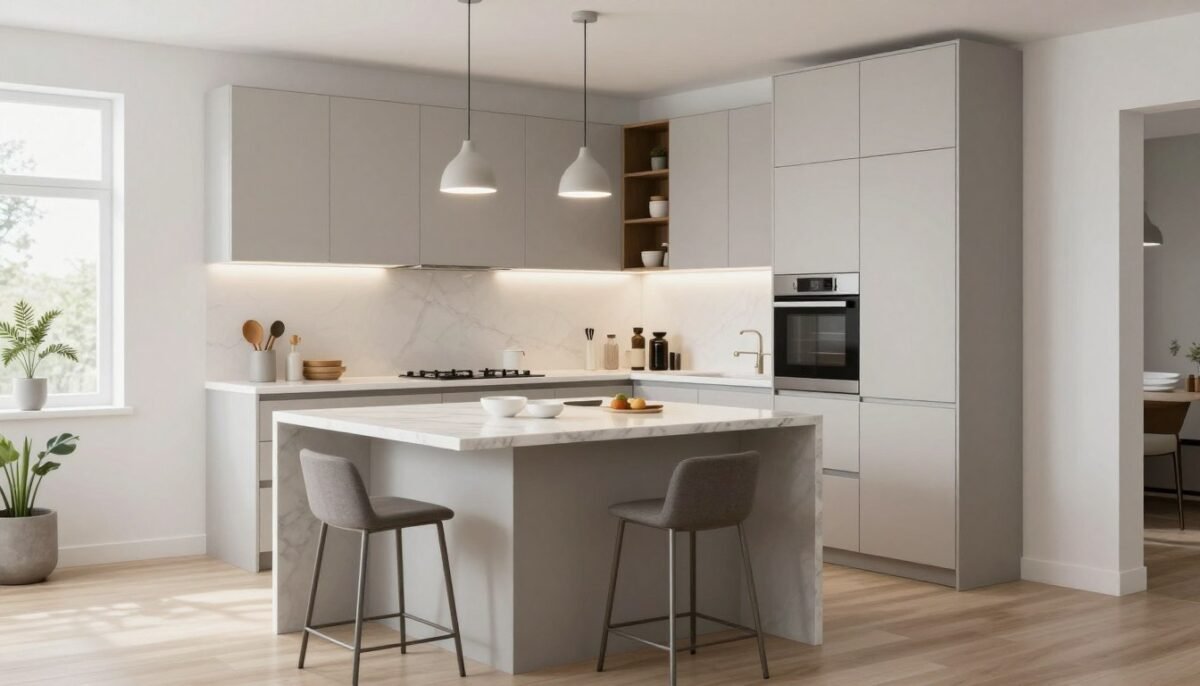
Quality materials and thoughtful design create islands that last for years. Invest in construction that withstands daily kitchen demands.
Professional installation ensures proper function and safety. Electrical, plumbing, and structural work requires qualified contractors for code compliance.
Your small kitchen island should enhance both functionality and aesthetics. The addition creates extra counter space, storage, and visual appeal simultaneously.
Take time to plan your island project carefully. Thoughtful decisions now prevent costly changes later.
Key Considerations
- Measure available space precisely before selecting island size
- Maintain 36-42 inches clearance on all working sides
- Choose storage solutions that match your organizational needs
- Select materials that complement existing kitchen finishes
- Plan for electrical and plumbing requirements early
- Consider traffic patterns and door swing clearances
Popular Island Features
- Pull-out trash and recycling bins
- Deep drawer storage for pots and pans
- Built-in wine storage or small refrigerator
- Prep sink with disposal
- Breakfast bar seating overhang
- Electrical outlets for appliances
- Pendant lighting above workspace
- Butcher block or marble work surface
Frequently Asked Questions About Small Kitchen Islands
What is the minimum space needed for a kitchen island?
You need at least 36 inches of clearance on all working sides of the island. This spacing allows comfortable movement and cabinet door operation. For a small kitchen island, the minimum footprint is typically 24 inches wide by 36 inches long, though narrower options exist for extremely tight spaces.
Can I add an island to a galley kitchen?
Yes, narrow islands work well in galley kitchens if you maintain proper clearance. A slim island measuring 18-24 inches deep fits between parallel counters while preserving traffic flow. Mobile carts offer even more flexibility for galley layouts, allowing you to move or remove the island as needed.
What’s better for small kitchens – a mobile cart or built-in island?
Mobile carts offer flexibility for extremely small kitchens. You can move them out of the way when not needed and reposition for different tasks. Built-in islands provide more stability and can include plumbing or electrical features. Consider your kitchen size, budget, and whether you need movability or permanent functionality.
How much does a small kitchen island cost?
Small kitchen island costs vary widely based on materials and features. Mobile carts start around 0-500, while basic built-in islands range from
Frequently Asked Questions About Small Kitchen Islands
What is the minimum space needed for a kitchen island?
You need at least 36 inches of clearance on all working sides of the island. This spacing allows comfortable movement and cabinet door operation. For a small kitchen island, the minimum footprint is typically 24 inches wide by 36 inches long, though narrower options exist for extremely tight spaces.
Can I add an island to a galley kitchen?
Yes, narrow islands work well in galley kitchens if you maintain proper clearance. A slim island measuring 18-24 inches deep fits between parallel counters while preserving traffic flow. Mobile carts offer even more flexibility for galley layouts, allowing you to move or remove the island as needed.
What’s better for small kitchens – a mobile cart or built-in island?
Mobile carts offer flexibility for extremely small kitchens. You can move them out of the way when not needed and reposition for different tasks. Built-in islands provide more stability and can include plumbing or electrical features. Consider your kitchen size, budget, and whether you need movability or permanent functionality.
How much does a small kitchen island cost?
Small kitchen island costs vary widely based on materials and features. Mobile carts start around $200-500, while basic built-in islands range from $1,000-3,000. Custom islands with premium materials, plumbing, or electrical work can cost $3,000-8,000 or more. Repurposed furniture offers budget-friendly alternatives for $300-800.
Should I match my island to my kitchen cabinets?
Matching creates a cohesive look, but contrasting islands add visual interest. In small kitchens, a different color island becomes a focal point without overwhelming the space. Navy, sage green, or natural wood islands complement white kitchens beautifully. Consider your personal style and overall design goals when deciding.
Can a small island include seating?
Small islands can include seating with proper planning. You need a 12-15 inch overhang for knee clearance and 24 inches of width per person. Two-tier designs work well, with the raised section providing dining height while the lower area handles food prep. Even narrow islands can accommodate one or two stools.
What countertop material works best for small islands?
Butcher block offers warmth and knife-friendly surface for food prep. Quartz provides durability and low maintenance in various colors. Marble adds luxury but requires sealing and careful maintenance. Stainless steel suits modern kitchens and resists heat and bacteria. Choose based on your cooking habits, budget, and design preferences.
Do I need permits to install a kitchen island?
Freestanding islands without plumbing or electrical typically don’t require permits. Built-in islands with water lines, gas connections, or new electrical circuits usually need permits and inspections. Check your local building codes before starting any island project that involves utilities or permanent installation.
,000-3,000. Custom islands with premium materials, plumbing, or electrical work can cost ,000-8,000 or more. Repurposed furniture offers budget-friendly alternatives for 0-800.
Should I match my island to my kitchen cabinets?
Matching creates a cohesive look, but contrasting islands add visual interest. In small kitchens, a different color island becomes a focal point without overwhelming the space. Navy, sage green, or natural wood islands complement white kitchens beautifully. Consider your personal style and overall design goals when deciding.
Can a small island include seating?
Small islands can include seating with proper planning. You need a 12-15 inch overhang for knee clearance and 24 inches of width per person. Two-tier designs work well, with the raised section providing dining height while the lower area handles food prep. Even narrow islands can accommodate one or two stools.
What countertop material works best for small islands?
Butcher block offers warmth and knife-friendly surface for food prep. Quartz provides durability and low maintenance in various colors. Marble adds luxury but requires sealing and careful maintenance. Stainless steel suits modern kitchens and resists heat and bacteria. Choose based on your cooking habits, budget, and design preferences.
Do I need permits to install a kitchen island?
Freestanding islands without plumbing or electrical typically don’t require permits. Built-in islands with water lines, gas connections, or new electrical circuits usually need permits and inspections. Check your local building codes before starting any island project that involves utilities or permanent installation.