
Your cubicle doesn’t have to feel like a fishbowl. Privacy at work matters for productivity and peace of mind.
Open office layouts have become standard in many companies. But this design choice often sacrifices employee privacy for collaboration. The good news? You can create visual privacy and sound absorption without turning your workspace into a gray box. Pretty solutions exist that enhance both privacy and aesthetics.
This guide explores creative concepts for cubicle privacy. You’ll discover practical ideas that balance function with beautiful design.
Table of Contents
Why Cubicle Privacy Matters in Modern Office Environments
Privacy impacts more than comfort. It directly affects how well your team performs daily tasks.
Studies show that noise and visual distractions reduce productivity by up to 40%. When employees can’t focus, work quality suffers.
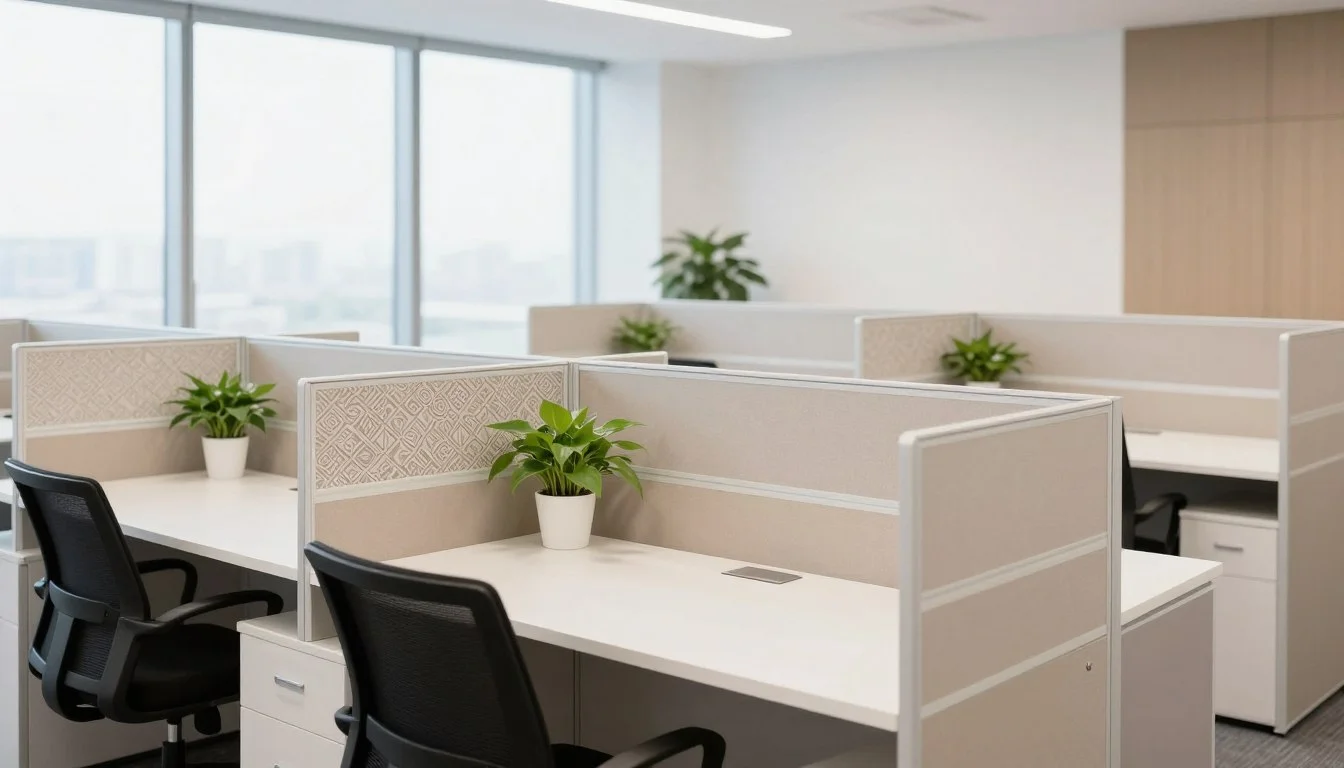
The Productivity Connection
Constant interruptions fragment concentration. Your brain needs time to enter deep work states.
Visual privacy helps create psychological boundaries. When you can’t see everyone moving around, your attention stays on your tasks.
Sound masking and absorption materials reduce noise distractions. This creates an environment where focus comes naturally.
Employee Well-Being Benefits
Privacy reduces workplace stress significantly. Employees report feeling more comfortable when they have personal space.
Mental health improves when workers control their immediate environment. This sense of control boosts overall job satisfaction.
Companies that prioritize privacy see lower turnover rates. Happy employees stay longer and perform better.
Key Insight: Cubicle privacy isn’t about isolation. It’s about giving people the space they need to do their best work while maintaining connection to their team.
Understanding Different Types of Office Privacy Needs
Privacy comes in different forms. Each type addresses specific workplace challenges.
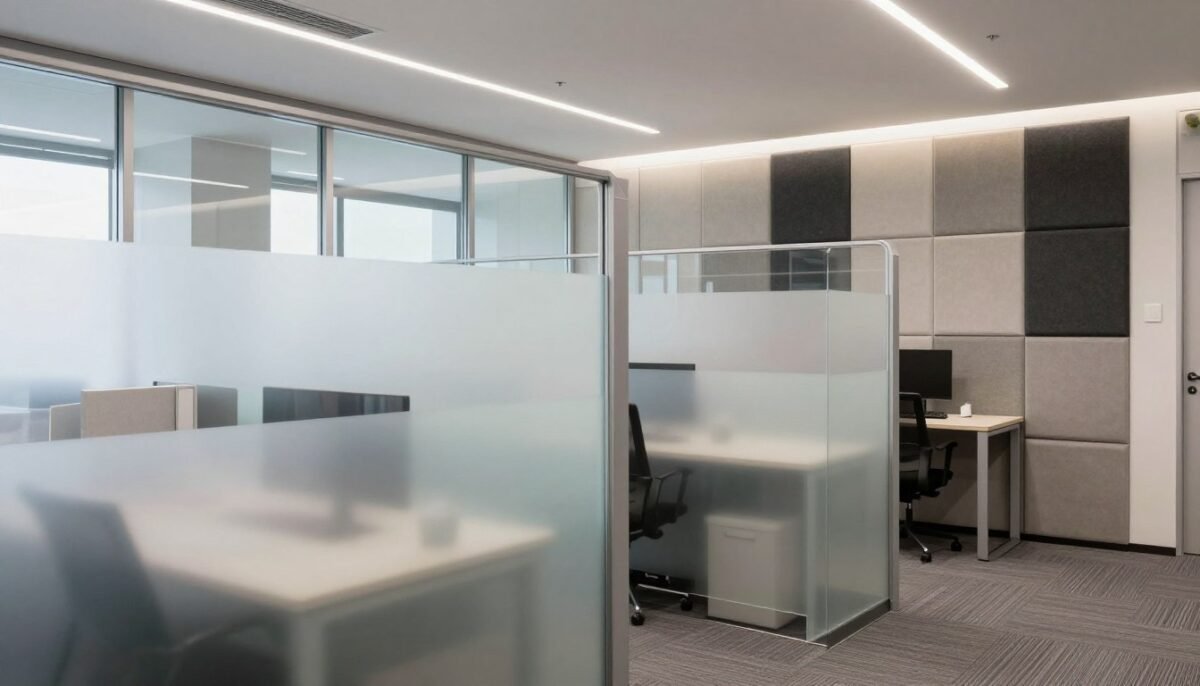
Visual Privacy Solutions
Visual privacy shields you from constant eye contact. It reduces the feeling of being watched while working.
Desk-level barriers create immediate personal space. These solutions work without major renovations or furniture changes.
Height matters when considering visual privacy. Existing cubicle walls at 42 inches block seated sightlines effectively.
- Privacy panels that attach to existing office furniture structures
- Desktop screens that create instant boundaries between workstations
- Tall dividers that extend above standard desk height for maximum coverage
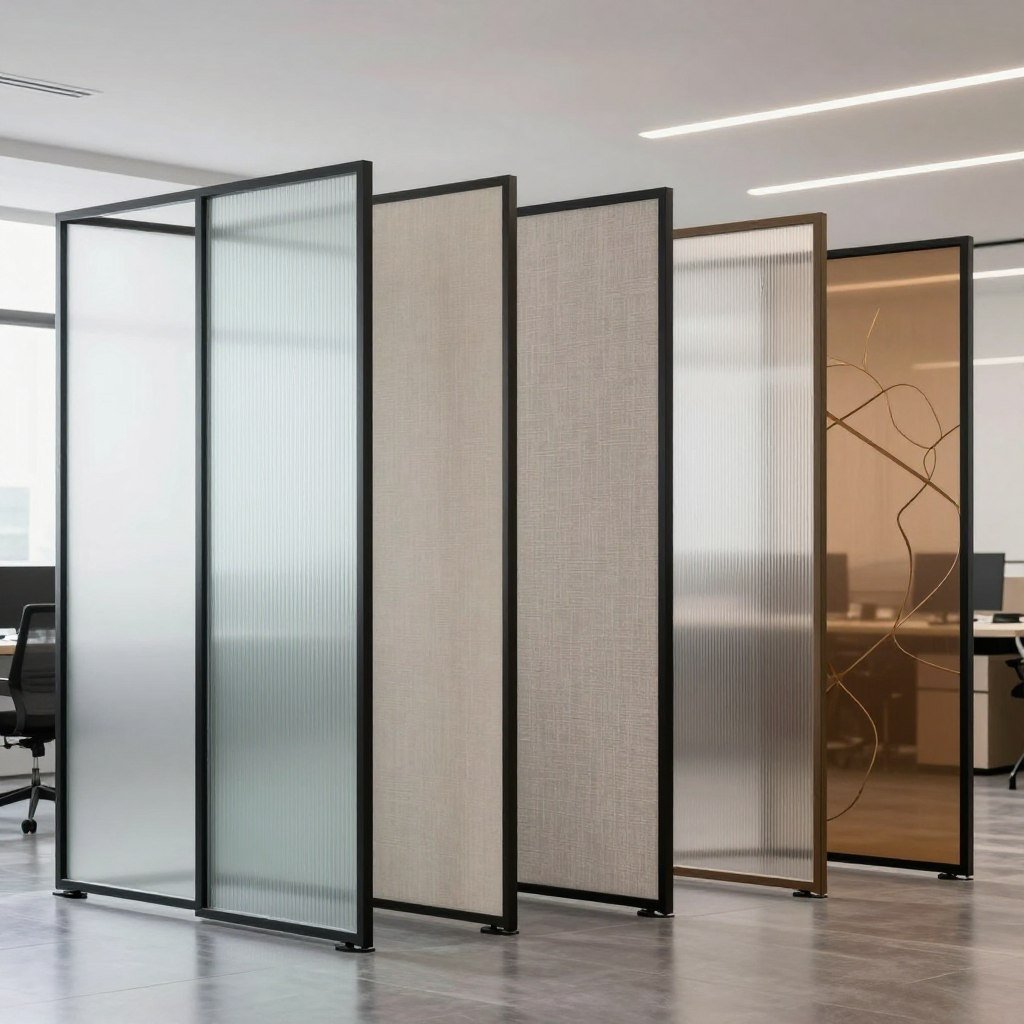
- Glass partitions with frosted or decorative films for light transmission
- Strategic cubicle wall placement to minimize visual distractions
Acoustic Privacy and Sound Control
Sound masking systems produce gentle background noise. This white noise covers distracting conversations without being noticeable.
Sound absorption materials reduce echo and noise bounce. These materials make spaces quieter naturally.
Combining sound masking with absorption creates the best results. This dual approach tackles noise from multiple angles.
- Sound masking system installations that provide consistent background sound
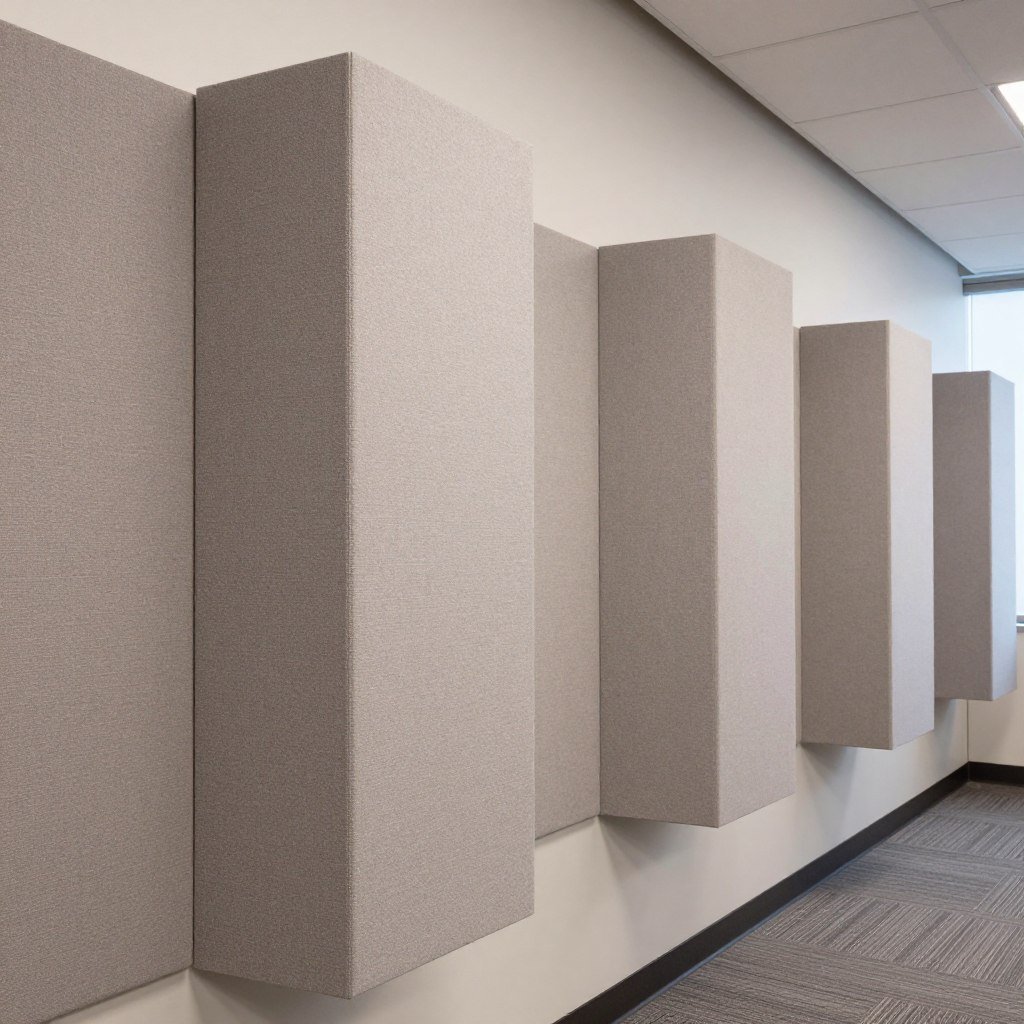
- Acoustic panels mounted on cubicle walls to absorb sound waves
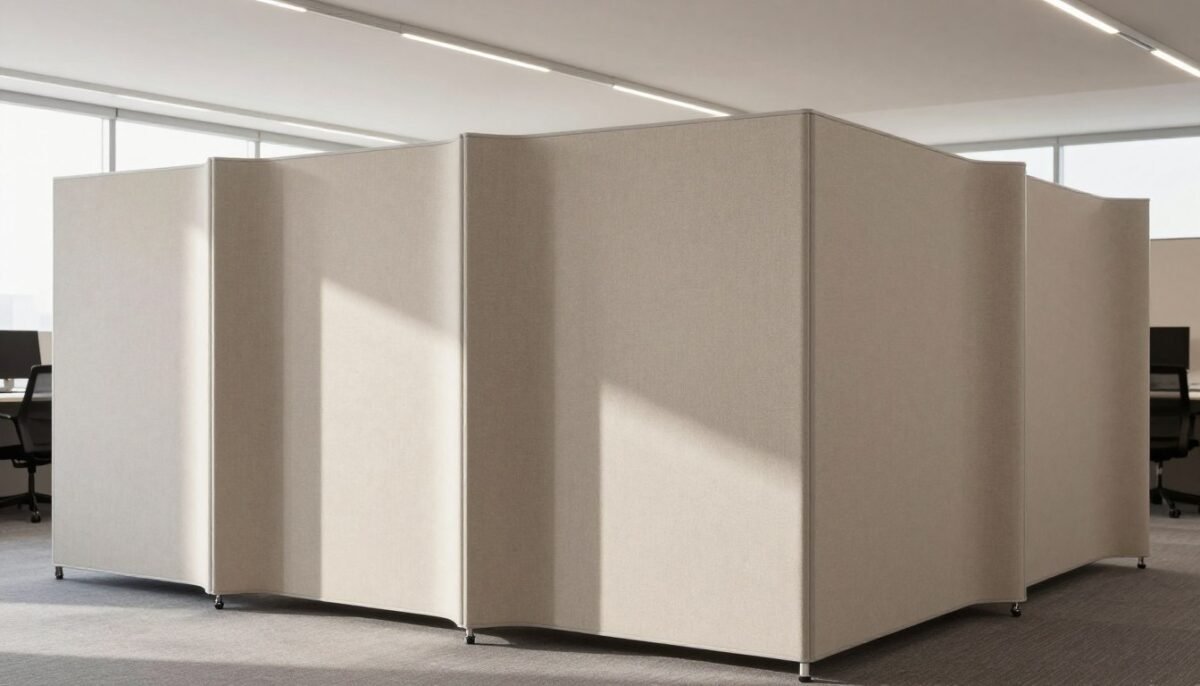
- Fabric-wrapped dividers that reduce sound reflection significantly
- White noise machines positioned strategically throughout office areas
- Ceiling-mounted sound absorption tiles that prevent noise from spreading
Professional Tip: The most effective privacy solutions combine visual and acoustic elements. This creates complete privacy that addresses multiple senses simultaneously.
Psychological Privacy Considerations
Psychological privacy means feeling in control of your space. Even small changes can create this sensation.
Personal items and decorations mark territory subtly. They signal to others that this space belongs to someone.
The ability to adjust your environment matters tremendously. Movable solutions give employees more autonomy over their workspace.
Decorative Privacy Screens That Beautify Your Cubicle
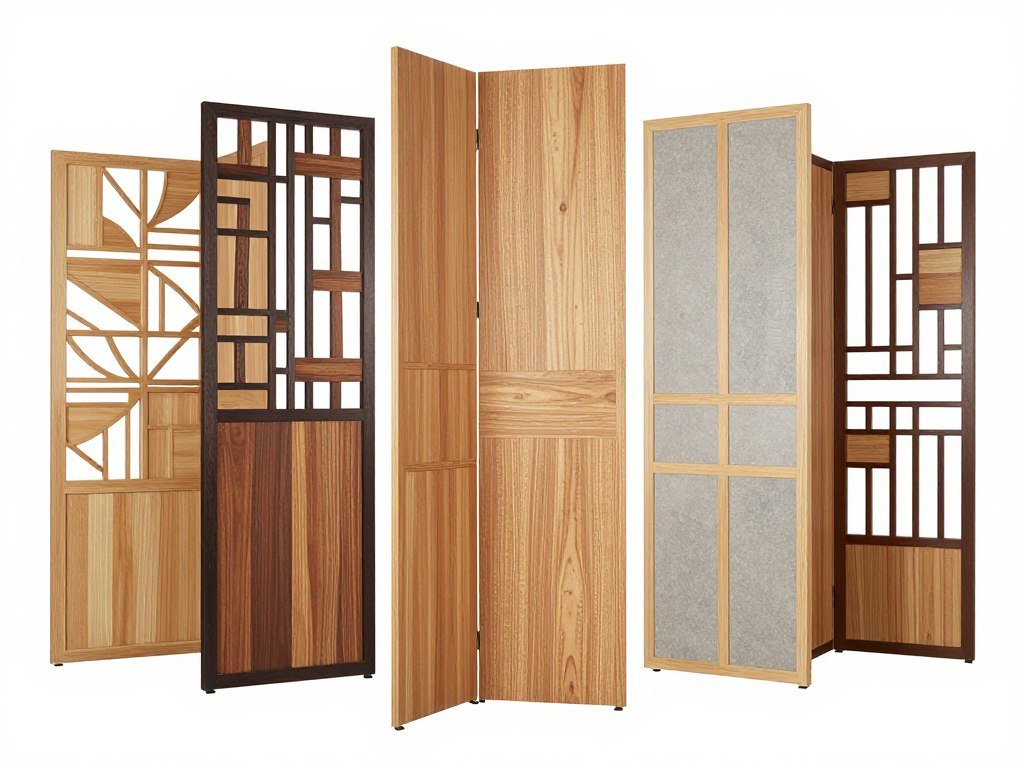
Privacy screens transform boring cubicles into attractive workspaces. These pieces function as both barriers and art.
Modern designs range from minimalist to ornate. You can find screens that match any office aesthetic.
Freestanding Screen Dividers
Freestanding screens offer maximum flexibility in office layouts. They move easily when you need to reconfigure your space.
Three-panel folding screens create instant privacy zones. These dividers work especially well in open areas without existing cubicle walls.
Materials like wood, fabric, and metal provide different aesthetics. Each material offers unique visual and functional benefits.
- Bamboo screens that add natural warmth to modern office environments
- Fabric-covered panels in colors that complement your office design
- Metal screens with geometric cutouts that allow light flow
- Frosted acrylic dividers for contemporary minimalist spaces
Desk-Mounted Privacy Panels
Desk-mounted panels attach directly to existing furniture. This approach requires no floor space.
Clamp-on designs install in minutes without tools. They provide immediate privacy enhancement for any desk.
Adjustable height options let you customize coverage. This flexibility accommodates different work styles and preferences.
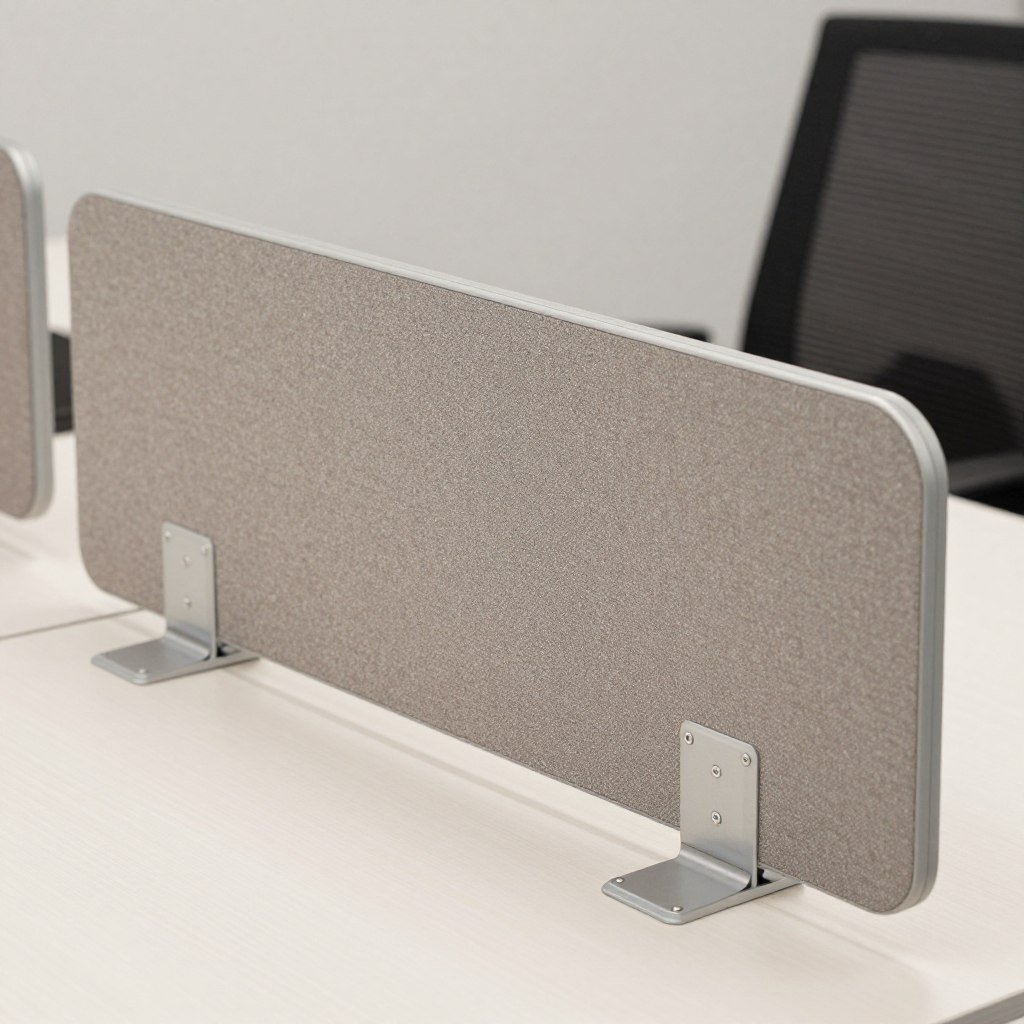
Installation Benefits
No permanent modifications needed for rental spaces. Panels remove cleanly when you move or reorganize.
Compatible with most standard desk configurations. Universal mounting systems work across different furniture brands.
Cost-effective compared to full cubicle wall replacements. You get privacy without major capital investment.
Artistic Partition Walls
Custom artwork transforms functional partitions into focal points. These pieces make statements while providing necessary privacy.
Laser-cut patterns create shadows and light play throughout the day. This adds visual interest beyond simple barriers.
Collaboration with local artists produces unique office installations. Your workspace becomes a gallery that supports creative communities.
Using Plants to Create Natural Privacy Barriers
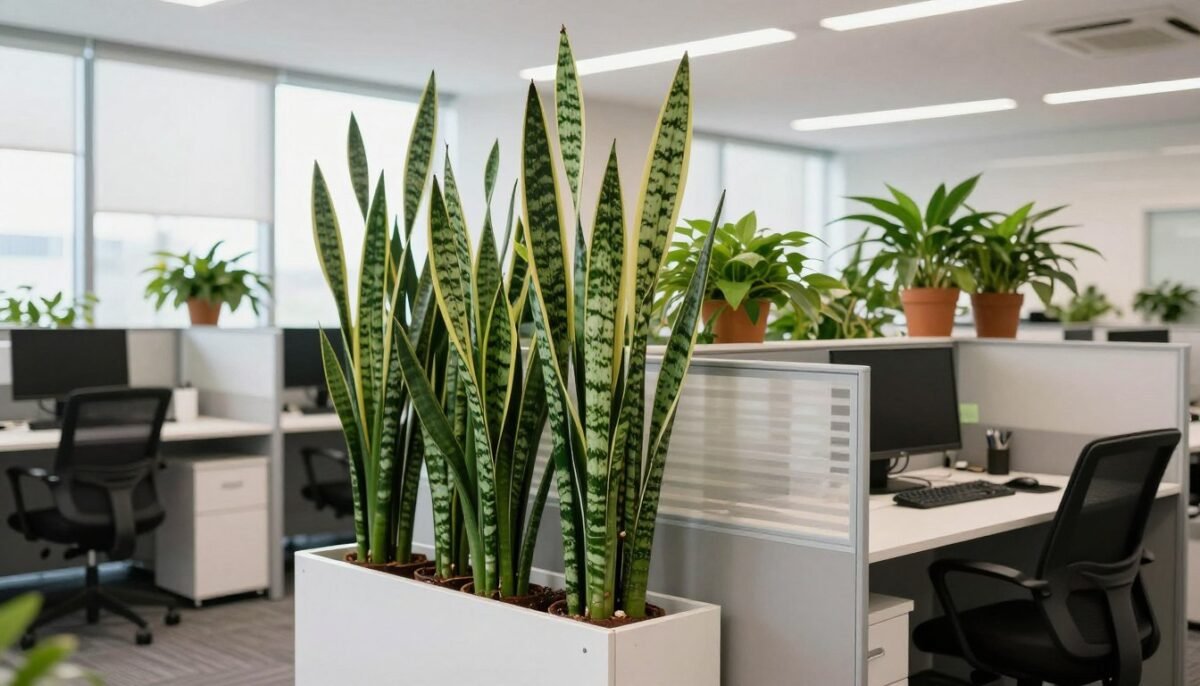
Plants bring life to sterile office environments. They create privacy while improving air quality simultaneously.
Living walls require minimal maintenance with proper planning. Many companies now use plants as primary privacy solutions.
Tall Potted Plants for Cubicle Corners
Floor plants fill vertical space naturally in office areas. They soften hard edges while blocking sightlines effectively.
Snake plants and bamboo varieties thrive in office lighting. These hardy options tolerate occasional neglect without dying.
- Snake plants that grow tall and require minimal watering schedules
- Bamboo varieties that add height and tropical aesthetics quickly
- Dracaena plants offering varied leaf patterns and air purification
- Fiddle leaf figs creating dramatic height in bright corners
- Monstera deliciosa adding sculptural elements to modern spaces
Desk-Level Greenery Arrangements
Small plants on desk surfaces create subtle boundaries. They mark personal territory without aggressive barriers.
Succulent gardens require almost no maintenance time. Perfect for busy professionals who forget regular watering.
Hanging planters maximize vertical space above desks. This approach keeps desk surfaces clear for work materials.
Plant Privacy Advantages
- Natural air purification improves office environment quality
- Biophilic design reduces stress and improves mood
- Flexible positioning allows easy reconfiguration
- Adds color and life to sterile workspaces
- Low-cost solution compared to permanent structures
Considerations and Challenges
- Regular watering required for plant health
- Some species need specific light conditions
- Pest management occasionally necessary
- Takes time for plants to reach full height
- Allergies may affect some team members
Living Wall Systems
Vertical gardens create dramatic green partitions. These installations make powerful design statements in office spaces.
Modular systems simplify installation and maintenance significantly. Pre-planted panels snap together like building blocks.
Automatic watering systems reduce daily care requirements. Technology handles hydration while you focus on work.
Sound Masking Solutions
Discover professional sound masking systems and white noise machines that create acoustic privacy. These solutions help your team focus by reducing distracting conversations.
- Professional sound masking system installations
- Portable white noise machines for flexibility
- Acoustic panel combinations for maximum effect
Visual Privacy Products
Browse beautiful privacy panels and dividers that block sightlines while enhancing office design. From glass partitions to fabric screens, find solutions that match your aesthetic needs.
- Desk-mounted privacy panels in multiple materials
- Freestanding decorative room dividers
- Custom-height cubicle wall extensions
Complete Privacy Packages
Get comprehensive solutions that combine visual and acoustic privacy. Our design packages include everything needed to transform your workspace into a productive sanctuary.
- Coordinated privacy system designs
- Professional installation services available
- Customized solutions for unique spaces
Curtain and Fabric Solutions for Flexible Privacy
Fabric solutions offer unmatched flexibility in office environments. These options adapt quickly to changing privacy needs throughout the day.
Curtains create soft boundaries that don’t feel institutional. They add warmth and texture to cold office spaces.
Ceiling-Mounted Track Systems
Track-mounted curtains slide open when collaboration happens. Close them when focused work requires privacy.
Installation overhead maximizes floor space below. No furniture rearrangement needed for privacy changes.
Multiple fabric choices let you control light and sound. Heavier materials provide more sound absorption and visual blocking.
- Lightweight sheers for subtle visual separation without darkness
- Heavy drapes for maximum privacy and sound dampening
- Blackout fabrics when complete visual isolation becomes necessary
- Acoustic fabrics specifically designed to absorb sound waves
Tension Rod Privacy Curtains
Tension rods require no drilling or permanent mounting. They install between existing cubicle walls in seconds.
Adjustable length accommodates various cubicle dimensions. One size doesn’t fit all in office furniture configurations.
Easy removal means you can experiment with placement. Find the perfect privacy balance through trial and adjustment.
Fabric Selection Guide
Natural fibers breathe better than synthetics in enclosed spaces. Cotton and linen provide comfort without stuffiness.
Darker colors absorb more light and create cozier environments. Lighter shades keep spaces feeling open and airy.
Pattern selection impacts perceived cubicle size significantly. Vertical stripes make low ceilings feel higher.
Maintenance Considerations
Machine-washable fabrics simplify regular cleaning routines. Office dust accumulates quickly on all surfaces.
Wrinkle-resistant materials maintain professional appearance longer. Nobody wants saggy, rumpled privacy curtains.
Fire-resistant treatments meet building safety codes. Always verify fabric meets local commercial requirements.
Decorative Hanging Panels
Suspended fabric panels create visual interest from above. These installations double as art and function.
Layered panels at different heights add dimensional depth. This approach creates privacy without feeling claustrophobic.
Color coordination ties the entire office design together. Fabrics become part of your comprehensive aesthetic strategy.
Creative Partition and Divider Ideas for Cubicles
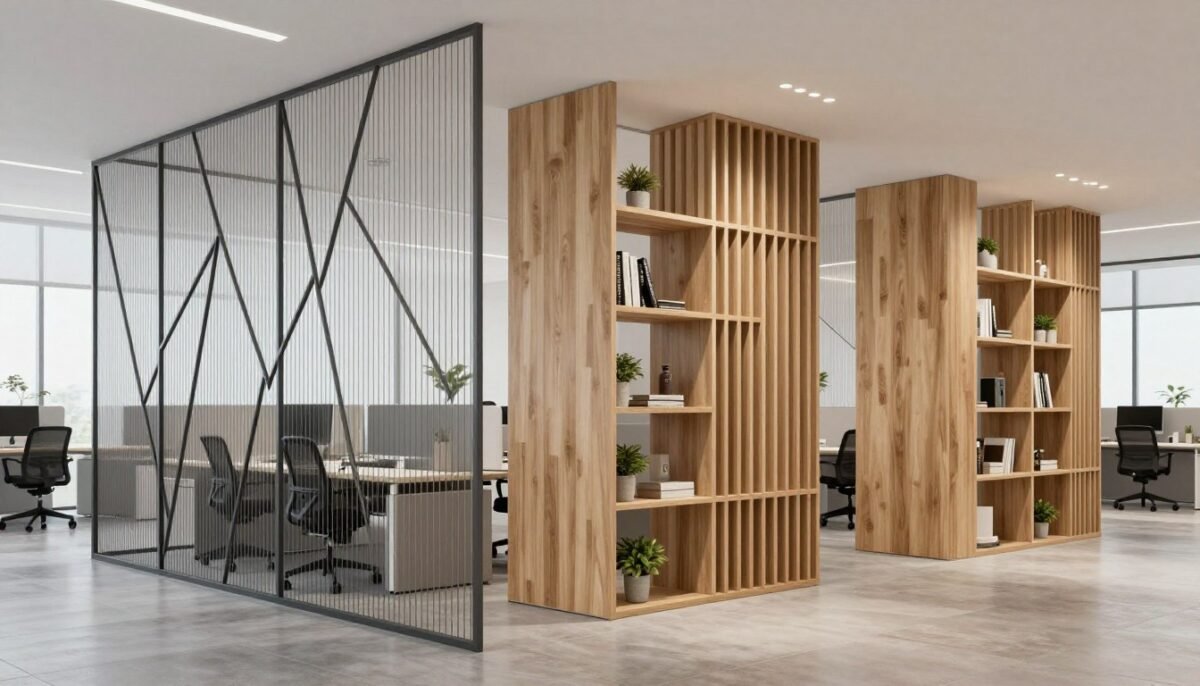
Partitions serve multiple purposes beyond simple privacy. The best dividers add storage, display, and organizational capacity.
Creative solutions make small spaces feel larger paradoxically. Strategic partition placement guides traffic flow naturally.
Modular Shelving as Dividers
Open shelving creates boundaries while maintaining airflow. Books and decorative items fill space without solid walls.
Back-to-back cubicle sharing works well with shelving. Both employees access storage from their respective sides.
Height variation creates visual interest across office areas. Staggered shelves feel less rigid than uniform walls.
- Cube storage systems offering flexibility and personalization
- Industrial pipe shelving for modern office aesthetics
- Floating shelf arrangements creating lightweight boundaries
- Bookshelf room dividers providing dual functionality
Glass Partition Walls
Glass maintains visual connection while providing sound isolation. Teams stay connected without acoustic distractions.
Frosted or etched glass offers privacy without darkness. Natural light flows throughout office spaces freely.
Frameless glass creates contemporary minimalist aesthetics. This solution fits modern office design trends perfectly.
Design Insight: Glass partitions work especially well in offices with limited natural light. They preserve brightness while creating necessary boundaries between work areas and collaborative spaces.
Wooden Slat Partitions
Vertical wooden slats provide partial privacy with style. Gaps between slats allow air circulation and light passage.
Natural wood brings warmth to technology-heavy environments. This organic material balances digital workspace coldness.
Custom spacing controls privacy levels precisely. Closer slats mean more visual blocking and sound absorption.
Chalkboard and Whiteboard Dividers
Functional writing surfaces double as privacy barriers. Teams use these dividers for brainstorming and note-taking.
Mobile whiteboard partitions move where needed most. Roll them into place for impromptu meetings or focused work.
Magnetic surfaces hold documents and inspiration materials. Your privacy solution becomes an organizational tool simultaneously.
Sound Masking and Acoustic Treatment Options
Sound masking creates privacy you can hear clearly. These systems prevent conversations from traveling across office areas.
Acoustic treatments address noise differently than masking. Understanding both approaches optimizes your privacy strategy.
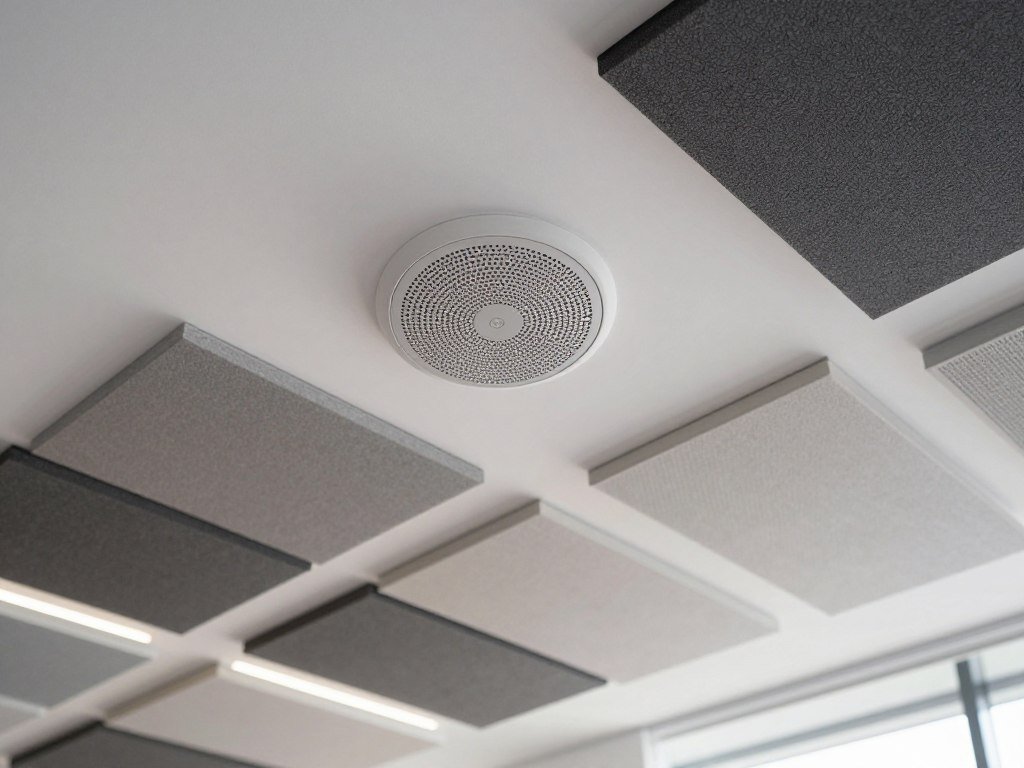
White Noise Machines and Sound Masking Systems
White noise machines produce consistent background sound. This gentle noise masks distracting conversations without being noticeable.
Professional sound masking system installations distribute sound evenly. Ceiling-mounted speakers create uniform coverage across large areas.
Volume adjustment lets you fine-tune masking levels. Different office zones may require different background noise intensities.
- Portable white noise machines for individual cubicle control
- Whole-floor sound masking system installations for consistency
- App-controlled systems allowing remote volume adjustment
- Pink noise alternatives offering more natural sound profiles
Acoustic Panel Installation
Wall-mounted panels absorb sound waves before they bounce. This reduces overall noise levels throughout office spaces naturally.
Fabric-wrapped acoustic panels come in countless colors. They function as sound absorption and decorative wall art simultaneously.
Strategic placement maximizes absorption efficiency significantly. Corners and parallel walls benefit most from panel installation.
Panel Types and Materials
- Foam panels offering maximum absorption per dollar
- Fabric-wrapped fiberglass for professional aesthetics
- Wood wool panels providing natural sustainable options
- Perforated metal backing for industrial design themes
Installation Best Practices
- Cover 25-30% of wall surface for noticeable effect
- Focus on first reflection points for voices
- Mix panel thicknesses for broader frequency absorption
- Leave small gaps between panels for optimal performance
Ceiling-Mounted Acoustic Solutions
Suspended acoustic clouds float above workstations elegantly. These elements absorb sound from above where noise travels easily.
Baffles hang vertically to increase surface area dramatically. More absorption surface means quieter office environments overall.
Combination ceiling and wall treatments work synergistically. Attacking noise from multiple angles produces best results.
Sound Science: Combining sound masking with absorption creates the most effective acoustic privacy. Masking covers remaining noise while absorption prevents echo and reverberation throughout the space.
Color and Design Aesthetics for Privacy Solutions
Color choices impact mood and productivity powerfully. Privacy solutions should enhance rather than detract from workspace aesthetics.
Design cohesion ties privacy elements into overall office style. Thoughtful color selection makes additions feel intentional rather than afterthought.
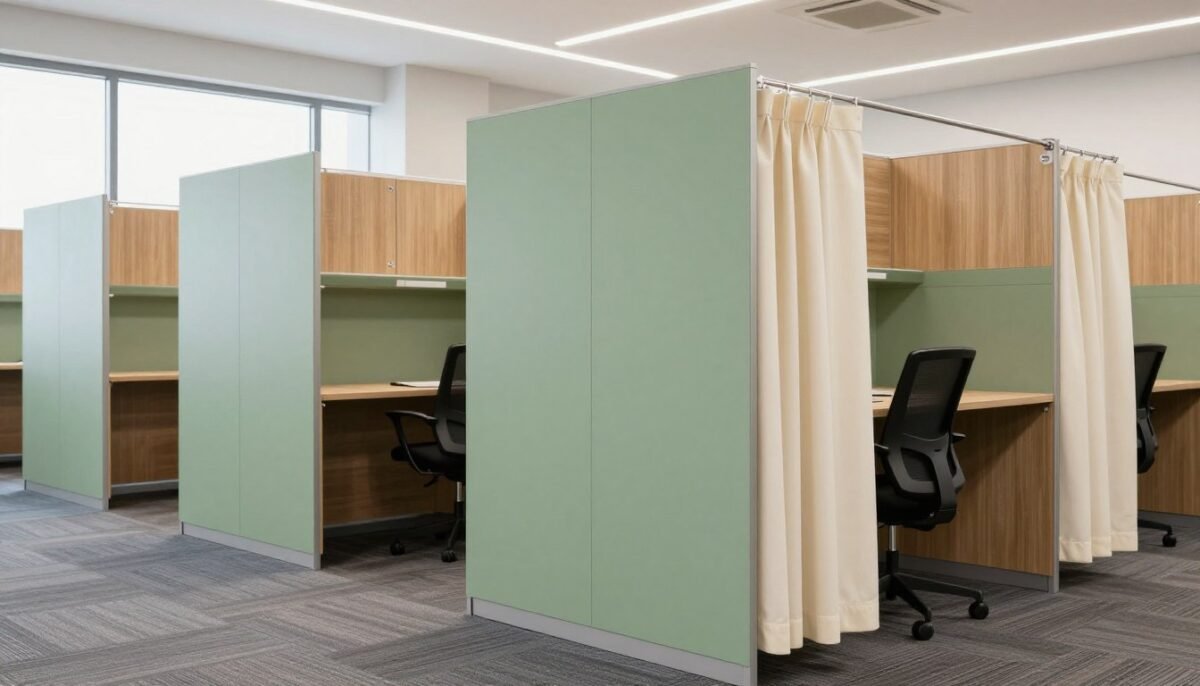
Neutral Tones for Timeless Appeal
Gray, beige, and white create calm professional environments. These colors work with any existing office furniture easily.
Neutral backgrounds let personal items stand out clearly. Employees can add color through desk accessories and plants.
Texture becomes important in monochromatic schemes particularly. Mix smooth and rough surfaces for visual interest.
Bold Accent Colors for Energy
Strategic pops of color energize monotonous spaces. One bright panel creates focal points without overwhelming.
Brand colors reinforce company identity throughout office areas. Privacy solutions become part of cohesive branding strategy.
Color psychology influences employee mood and productivity. Blues calm while yellows energize different work areas appropriately.
- Blue tones reducing stress and promoting focus
- Green shades connecting workers to nature psychologically
- Yellow accents stimulating creativity and collaboration
- Orange elements providing warmth without aggression
Natural Materials and Finishes
Wood grain brings organic warmth to technology environments. Natural materials create biophilic connections indoors.
Stone textures add sophistication and permanence feelings. These finishes signal quality and investment in employee comfort.
Mixed material approaches create layered visual interest. Combine wood, metal, and fabric for dimensional designs.
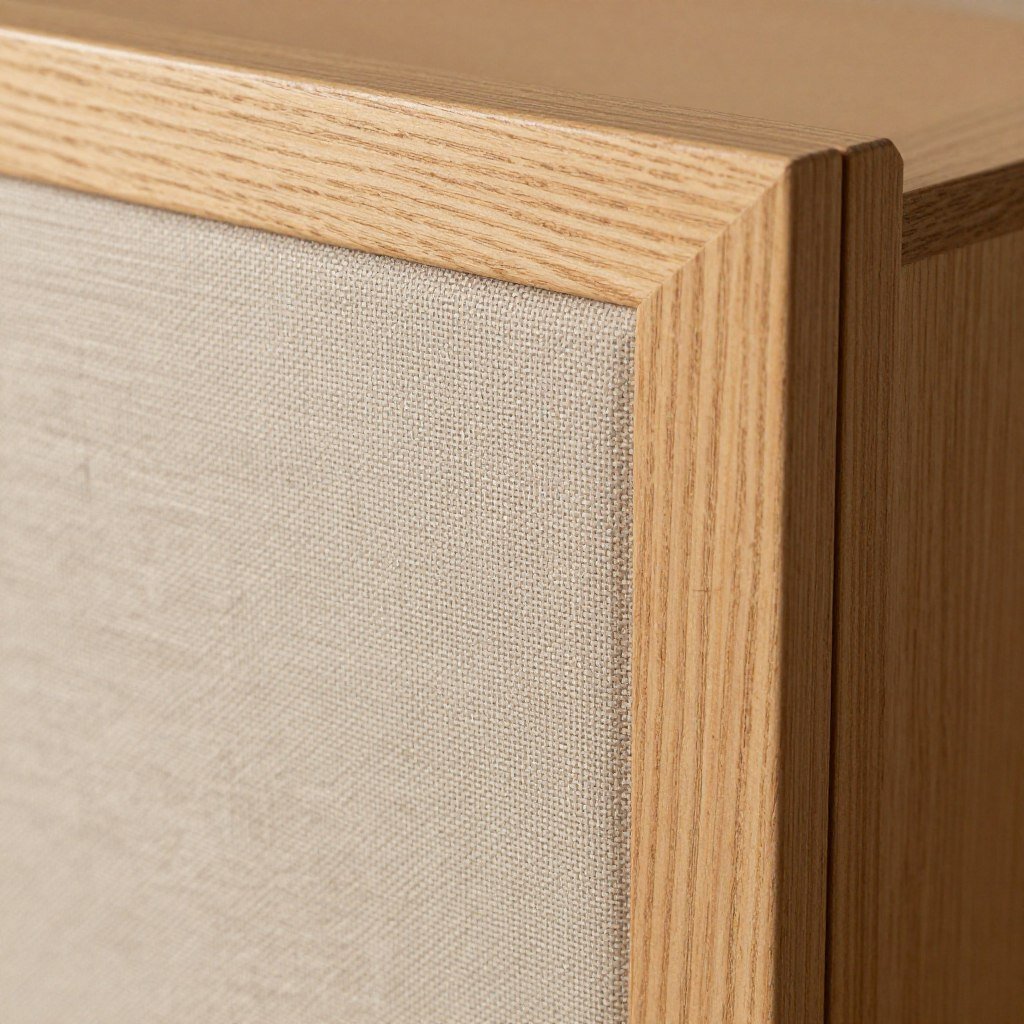
Material Selection Guide
Durability matters in high-traffic office environments. Choose materials that maintain appearance despite daily use.
Sustainability considerations influence modern office design. Reclaimed wood and recycled materials appeal to eco-conscious companies.
Maintenance requirements vary significantly between materials. Consider cleaning frequency when selecting surfaces and finishes.
Budget-Friendly DIY Privacy Ideas
Professional solutions aren’t always necessary for effective privacy. Creative DIY approaches deliver results at fraction of commercial costs.
Simple modifications to existing office furniture work remarkably well. Small investments create significant privacy improvements quickly.
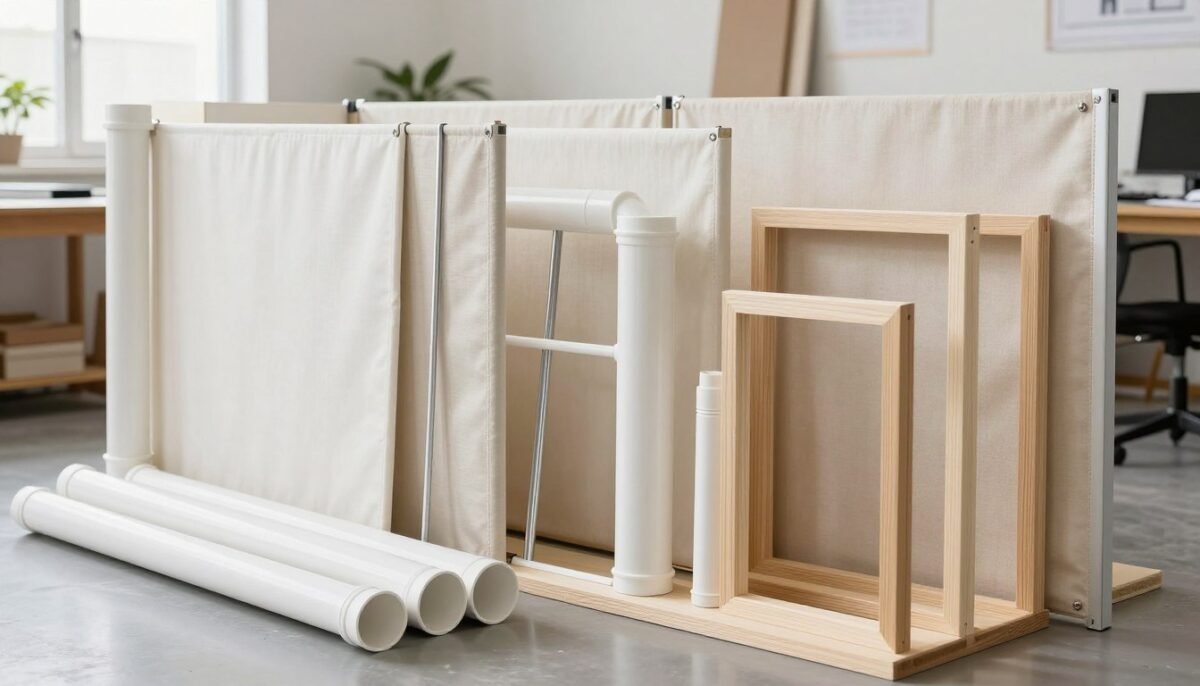
Tension Rod and Fabric Curtains
Tension rods cost under twenty dollars at hardware stores. Add affordable fabric and create instant privacy in minutes.
No drilling required means rental-friendly installation always. Remove everything without trace when you move offices.
Seasonal fabric changes refresh workspace aesthetics regularly. Swap curtains as easily as changing home decor.
- Shower curtains repurposed as office dividers economically
- Bedsheets hemmed to proper dimensions for custom fit
- Drop cloths providing industrial aesthetic at low cost
- Tablecloths offering pattern variety and easy cleaning
Cardboard and Foam Board Panels
Foam core boards from craft stores become decorative panels. Cover them with fabric or contact paper for polish.
Corrugated cardboard painted provides temporary privacy solutions. Perfect for testing layouts before permanent installations.
Magnetic strips attach lightweight panels to metal surfaces. Move and rearrange privacy elements without damage or tools.
Repurposed Materials as Dividers
Old doors become charming vertical partitions with character. Sand and paint them to match office aesthetics perfectly.
Window shutters create adjustable privacy with vintage appeal. Hinged connections allow folding when not needed.
Pallet wood offers industrial chic at minimal expense. Companies often give away pallets free to anyone willing to haul them away.
Safety Note: Always verify DIY materials meet building fire codes. Some materials require flame-retardant treatment before use in commercial office environments.
Plant Privacy on a Budget
Propagate cuttings from existing office plants freely. One healthy mother plant produces dozens of privacy-creating offspring.
Discount nurseries sell perfectly healthy plants inexpensively. Slightly smaller plants grow to full size within months.
Trade cuttings with colleagues to diversify plant collections. Build office greenery through community sharing rather than purchasing.
Implementing Privacy Solutions Strategically
Random privacy additions create cluttered appearances quickly. Strategic implementation ensures cohesive professional results throughout office areas.
Assessment before action prevents costly mistakes and waste. Understanding your specific needs guides appropriate solution selection.
Assessing Your Current Space
Measure existing cubicle walls to determine enhancement options. Height extensions require knowing current dimensions precisely.
Identify primary noise sources affecting your workspace. Traffic patterns and nearby meeting areas impact solution placement significantly.
Survey team members about their specific privacy concerns. Different employees have varying needs and preferences regarding personal space.
Visual Privacy Assessment
Sit at each workstation to test current sightlines. What can you see from seated and standing positions?
- Note which areas feel exposed to foot traffic
- Identify spots with excessive visual distractions
- Measure sightline angles from common paths
- Document natural light sources and patterns
Acoustic Privacy Evaluation
Test noise levels at different times throughout the workday. Peak hours reveal maximum distraction potential.
- Record conversation audibility from neighboring cubicles
- Note mechanical noise from HVAC systems
- Identify echo and reverberation problem areas
- Map traffic noise from hallways and doors
Space and Layout Analysis
Consider how privacy solutions affect movement and collaboration. Balance privacy with accessibility needs carefully.
- Measure available floor space for partitions
- Check ceiling height for hanging solutions
- Verify fire code egress requirements
- Plan around electrical outlets and data ports
Budget and Resource Planning
Realistic budgets prevent scope creep and disappointment. Prioritize solutions by impact and cost effectiveness.
- Price commercial solutions versus DIY options
- Calculate installation costs and timelines
- Plan phased implementation if needed
- Research maintenance and replacement schedules
Phased Implementation Approach
Start with high-impact low-cost solutions first. Quick wins build momentum and demonstrate value to stakeholders.
Test solutions before full-scale rollout company-wide. Pilot programs in one area prevent expensive mistakes across entire offices.
Gather feedback continuously throughout implementation process. Employee input ensures solutions meet actual needs rather than assumptions.
- Phase 1: Desktop privacy panels and personal sound masking devices
- Phase 2: Acoustic treatments and plant installations throughout spaces
- Phase 3: Permanent partitions and comprehensive sound masking systems
- Phase 4: Aesthetic enhancements and customization based on feedback
Maintenance and Adjustment
Privacy solutions require ongoing care for continued effectiveness. Establish cleaning schedules appropriate to each material type.
Seasonal adjustments account for changing light and temperature. Winter may require different configurations than summer months.
Regular assessment ensures solutions still meet evolving needs. Teams change and grow requiring periodic privacy reconsideration.
Measuring Privacy Impact on Productivity and Satisfaction

Quantifying privacy improvements justifies continued investment. Measurement proves ROI to leadership and stakeholders clearly.
Multiple metrics reveal comprehensive picture of privacy impact. Combine quantitative data with qualitative employee feedback consistently.
Productivity Metrics to Track
Task completion rates often improve with enhanced privacy. Measure before and after implementation for concrete comparisons.
Error rates typically decrease in quieter environments. Fewer distractions mean more accurate work across all teams.
Deep work hours increase when employees control space. Track focused work time through time-tracking software or surveys.
Employee Satisfaction Indicators
Regular pulse surveys capture sentiment about workspace changes. Short frequent surveys work better than lengthy annual reviews.
Retention rates improve when employees feel comfortable working. Track turnover before and after privacy enhancements specifically.
Sick days often decrease in less stressful environments. Reduced workplace stress translates to better overall health outcomes.
Collaboration Balance
Privacy shouldn’t eliminate necessary collaboration completely. Monitor team interaction frequency to ensure healthy balance.
Meeting room usage patterns reveal collaboration health. Increased private workspace should drive intentional meeting attendance.
Informal interaction quality matters more than quantity. Privacy enables better focused collaboration when it occurs deliberately.
Common Privacy Solution Mistakes to Avoid
Learning from others’ mistakes saves time and money. These common pitfalls derail many office privacy projects unnecessarily.
Awareness prevents problems before they develop fully. Simple precautions ensure successful privacy solution implementation always.
Over-Isolation and Excessive Barriers
Creating individual fortresses defeats collaborative office purpose. Balance privacy with necessary team connection points carefully.
Complete visual isolation makes employees feel disconnected. Some visual connection maintains team cohesion despite privacy needs.
Sound isolation shouldn’t prevent important notifications hearing. Emergency announcements must reach all employees regardless of privacy levels.
Privacy Mistakes
- Installing floor-to-ceiling solid walls everywhere
- Blocking all natural light with dense partitions
- Creating maze-like layouts that confuse visitors
- Ignoring fire codes and emergency egress requirements
- Choosing cheapest options without quality consideration
- Implementing solutions without employee input
Best Practices
- Using partial-height dividers maintaining open feeling
- Selecting translucent materials preserving light flow
- Planning clear pathways with logical traffic patterns
- Consulting building codes before any installation
- Balancing budget with durability and effectiveness
- Surveying team needs before selecting solutions
Aesthetic Inconsistency
Mismatched privacy solutions create chaotic visual environments. Cohesive design requires planning across all elements carefully.
Too many competing styles overwhelm rather than enhance. Stick to two or three complementary design themes maximum.
Ignoring existing office aesthetics creates jarring additions. New privacy elements should integrate seamlessly with current design.
Ignoring Acoustic Science
Visual barriers alone don’t stop sound transmission effectively. Comprehensive acoustic treatment requires specialized materials and placement.
Sound masking without absorption creates muddy environments. Combine both approaches for optimal acoustic privacy results always.
Underestimating low-frequency noise leads to ineffective solutions. Bass sounds require thicker materials than high-frequency conversations.
Future Trends in Office Privacy Design
Office design continues evolving with changing work patterns. Understanding trends helps future-proof privacy investments effectively.
Technology integration creates smarter privacy solutions continuously. These innovations offer unprecedented control and customization options.
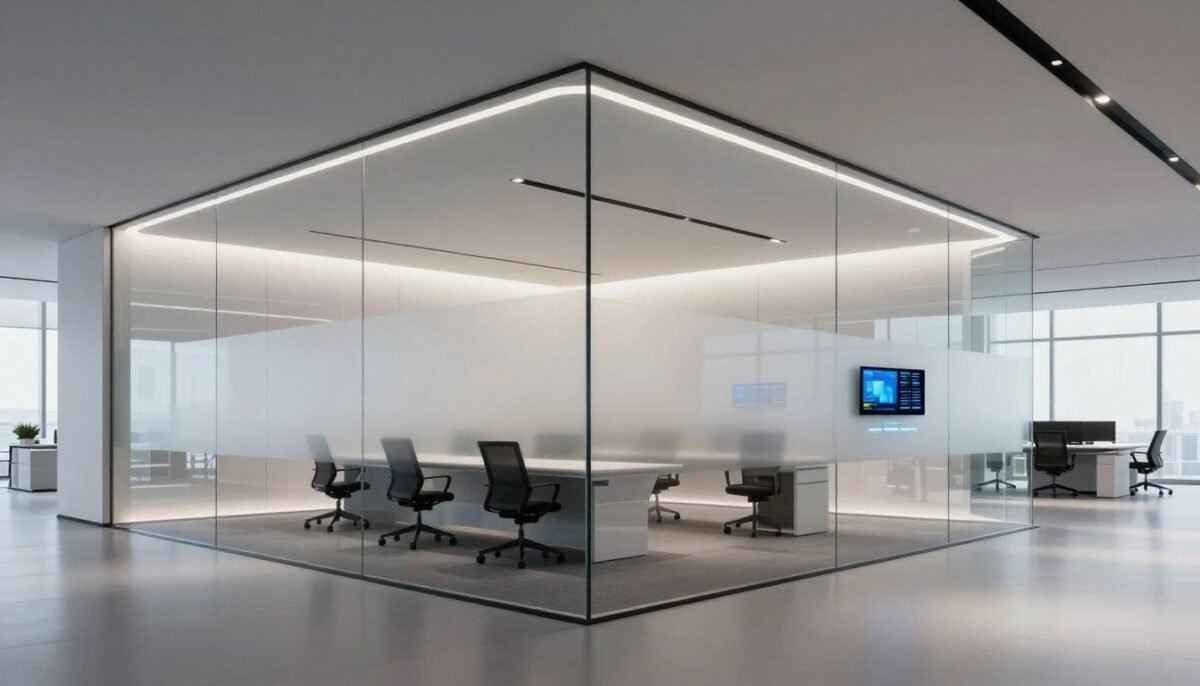
Smart Glass Technology
Electrochromic glass switches from clear to opaque instantly. Control privacy levels with smartphone apps or wall switches.
Scheduled transparency changes match work rhythms automatically. Morning collaboration hours transition to afternoon focused work naturally.
Energy savings offset installation costs through reduced HVAC needs. Smart glass blocks heat while maintaining natural light beautifully.
Biophilic Design Integration
Living walls become standard privacy solutions increasingly. Companies recognize mental health benefits justify ongoing maintenance costs.
Natural materials replace synthetic alternatives in modern office furniture. Sustainability drives material selection across all design categories.
Indoor-outdoor connections blur through glass and plants. Bringing nature inside improves employee well-being measurably and consistently.
Modular Adaptable Systems
Reconfigurable privacy solutions accommodate changing team sizes. Flexibility becomes essential in uncertain business environments increasingly.
Tool-free assembly and disassembly enable frequent reconfigurations. Adapt workspace layouts as projects and teams evolve naturally.
Rental and subscription models reduce capital expenditure requirements. Companies access premium solutions without large upfront investments.
- Magnetic panel systems snapping together without hardware
- Tension-based structures requiring no floor mounting
- Wheeled partitions moving effortlessly across office spaces
- Expandable accordion dividers adjusting to various widths
Frequently Asked Questions About Cubicle Privacy
How much does it cost to add privacy to existing cubicles?
Basic privacy additions start around fifty dollars per cubicle. Desktop panels and tension rod curtains fall into this budget range.
Mid-range solutions including quality acoustic panels cost two hundred to five hundred dollars per workstation. These provide noticeable visual and sound privacy improvements.
Comprehensive privacy systems with sound masking and custom partitions range from one thousand to three thousand dollars per cubicle. Professional installation and premium materials drive higher costs but deliver maximum effectiveness.
Can I add privacy panels without damaging existing office furniture?
Most modern privacy solutions install without permanent modifications. Clamp-on desk panels attach securely without drilling holes.
Tension rods fit between existing cubicle walls using pressure alone. Freestanding screens require no attachment to furniture whatsoever.
Temporary adhesives and magnetic mounts work on appropriate surfaces. Always test adhesives in inconspicuous areas before full application to prevent damage.
What height should cubicle walls be for maximum privacy?
Sixty to sixty-six inches provides excellent seated and standing privacy. This height blocks most visual distractions while maintaining some openness.
Forty-two to fifty-four inches offers good seated privacy only. Standing employees can see over these shorter walls easily.
Full-height partitions reaching seventy-two inches or more create complete visual isolation. Consider whether this level of separation supports your workplace culture and collaboration needs.
Do plants really help with office privacy and noise?
Plants provide moderate visual screening when placed strategically. Dense foliage creates natural barriers without feeling institutional or cold.
Sound absorption from plants is minimal compared to acoustic panels. However, plants offer psychological benefits that improve perceived privacy significantly.
Combining plants with other privacy solutions creates layered effects. The aesthetic improvement alone justifies plant inclusion in most office designs.
How effective are white noise machines for cubicle privacy?
White noise machines effectively mask conversational speech patterns. They work best when positioned between noise sources and listeners strategically.
Individual desktop units provide personal control over sound masking. Each employee adjusts volume to their comfort level and preference.
Whole-office sound masking systems deliver more consistent coverage. Professional installations distribute sound evenly preventing hot and cold spots throughout spaces.
What are the best materials for sound-absorbing privacy panels?
Fabric-wrapped fiberglass panels offer excellent absorption across frequencies. These panels handle both speech and background noise effectively at reasonable costs.
Acoustic foam provides maximum absorption per dollar invested. However, exposed foam looks less professional than fabric-wrapped alternatives in office settings.
Natural materials like wood wool and recycled cotton offer sustainable options. These eco-friendly choices perform well while supporting environmental responsibility goals.
Can I install privacy solutions in a rented office space?
Freestanding and clamp-on solutions work perfectly in rental spaces. These options require no permanent modifications to building structures or furniture.
Tension rods and adhesive mounts remove cleanly without damage. Test all adhesives first and follow manufacturer removal instructions carefully.
Always review your lease agreement before installation projects. Some landlords restrict certain modifications even when technically removable later.
How do I maintain aesthetic appeal while adding privacy?
Choose privacy solutions that complement existing office design. Match colors and materials to current furniture and decor schemes thoughtfully.
Mix functional elements with decorative touches throughout spaces. Artistic panels and attractive fabrics serve dual purposes beautifully and effectively.
Maintain consistent style across all privacy additions company-wide. Cohesive design creates professional appearance rather than haphazard patchwork aesthetics.
Creating Your Perfect Private Workspace
Cubicle privacy enhances productivity without sacrificing collaboration opportunities. The right solutions balance individual needs with team dynamics effectively.
Beautiful privacy options exist for every budget and style. From simple DIY curtains to sophisticated sound masking systems, choices abound.
Start small and build comprehensive privacy strategies gradually. Quick wins demonstrate value and build support for larger investments.
Remember that privacy needs vary across different teams. Survey employees regularly and adjust solutions as your organization evolves.
The most successful privacy implementations combine multiple approaches. Visual barriers work with acoustic treatments and natural elements for comprehensive results.
Your workspace should support your best work daily. Investing in privacy creates environments where focus and creativity flourish naturally.