
Modern clinic interior design has evolved dramatically in recent years. Gone are the days of sterile white walls and uncomfortable waiting rooms. Today’s medical facilities blend functionality with aesthetic appeal to create healing environments that reduce patient anxiety while improving operational flow.
The following collection presents twenty-five innovative design concepts. Each idea addresses specific aspects of creating contemporary clinic spaces. From reception areas to treatment rooms, these strategies help transform traditional medical facilities into welcoming, efficient healthcare environments.
Table of Contents
1. Biophilic Design Integration
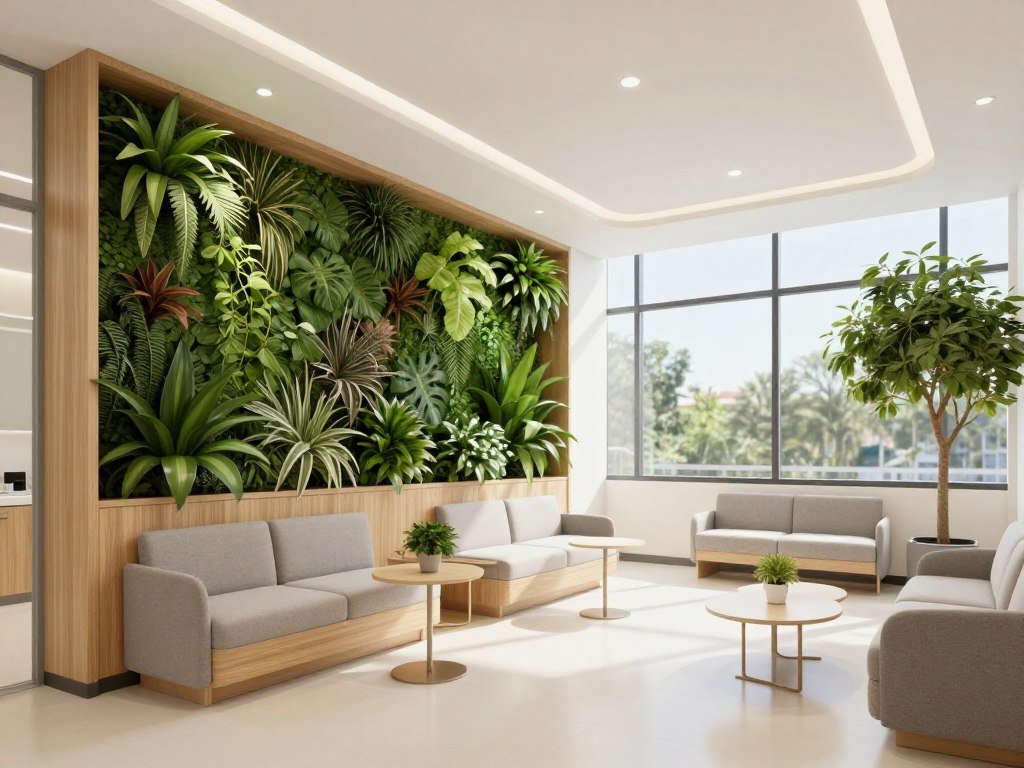
Biophilic design brings nature indoors through strategic placement of living elements. This approach reduces stress and creates calming environments for patients. Natural elements also improve air quality and provide visual interest throughout the space.
Living plant walls serve as stunning focal points in waiting areas. These vertical gardens require minimal floor space while maximizing visual impact. Potted plants placed near seating areas and along corridors soften hard architectural lines.
Natural materials like wood panels and stone accents reinforce the connection to nature. These materials add warmth and texture to otherwise clinical spaces. The combination of living plants and natural materials creates a cohesive biophilic environment.
2. Open Floor Plan Concepts
Open floor plans maximize space efficiency in medical clinics. This design concept removes unnecessary walls and barriers. The result is better flow between different functional areas of the clinic.
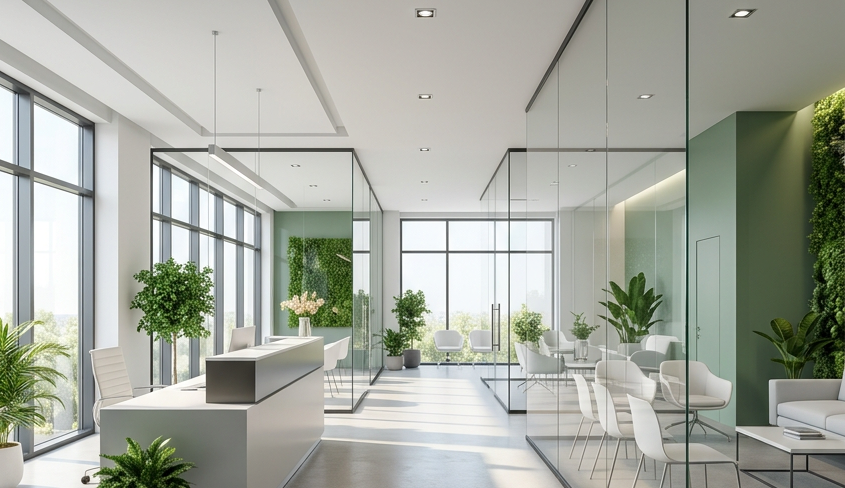
Reception zones blend seamlessly into waiting spaces without harsh divisions. Strategic furniture placement and subtle elevation changes define different areas. This approach creates visual continuity while maintaining functional separation.
Glass partitions provide privacy for consultation areas without blocking light. These transparent barriers maintain the open feel while meeting medical privacy requirements. The balance between openness and privacy enhances both patient comfort and clinic functionality.
3. Maximized Natural Light Sources
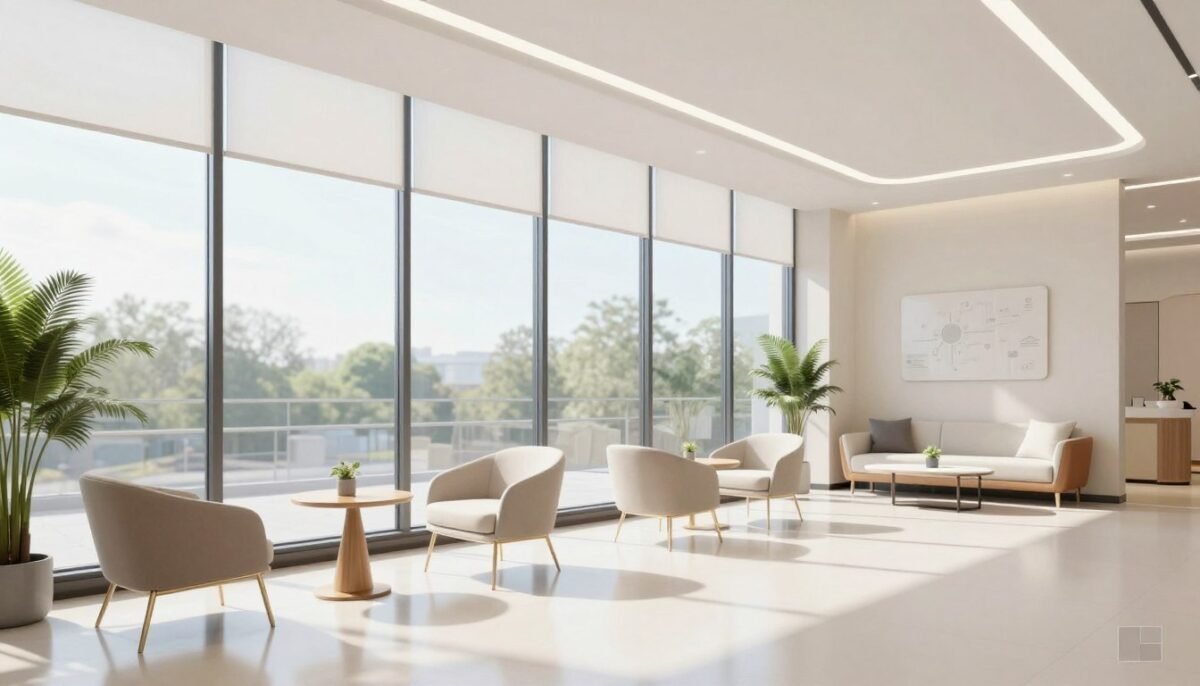
Natural light transforms medical spaces from institutional to inviting. Large windows and skylights flood interiors with daylight. This design element reduces reliance on artificial lighting while creating healthier environments.
Strategic window placement ensures even light distribution throughout the day. Floor-to-ceiling windows in waiting areas provide views of outdoor spaces. Skylights illuminate interior corridors that lack exterior walls.
Light control systems manage brightness levels for different clinic functions. Adjustable blinds and smart glass technology prevent glare during examinations. The combination of abundant natural light and flexible control systems creates comfortable spaces for both patients and medical staff.
4. Modular Furniture Systems
Modular furniture provides flexibility for evolving clinic needs. These adaptable pieces reconfigure easily as functional requirements change. This approach maximizes long-term value while maintaining design consistency.
Waiting room seating modules arrange in multiple configurations. Individual chairs connect to form benches or separate for social distancing. Mobile storage units move between treatment areas as needed.
Modular reception desks expand or contract based on staffing needs. These versatile workstations accommodate different workflows without requiring complete redesigns. The investment in quality modular systems pays dividends through years of adaptable service.
5. Strategic Color Psychology Application
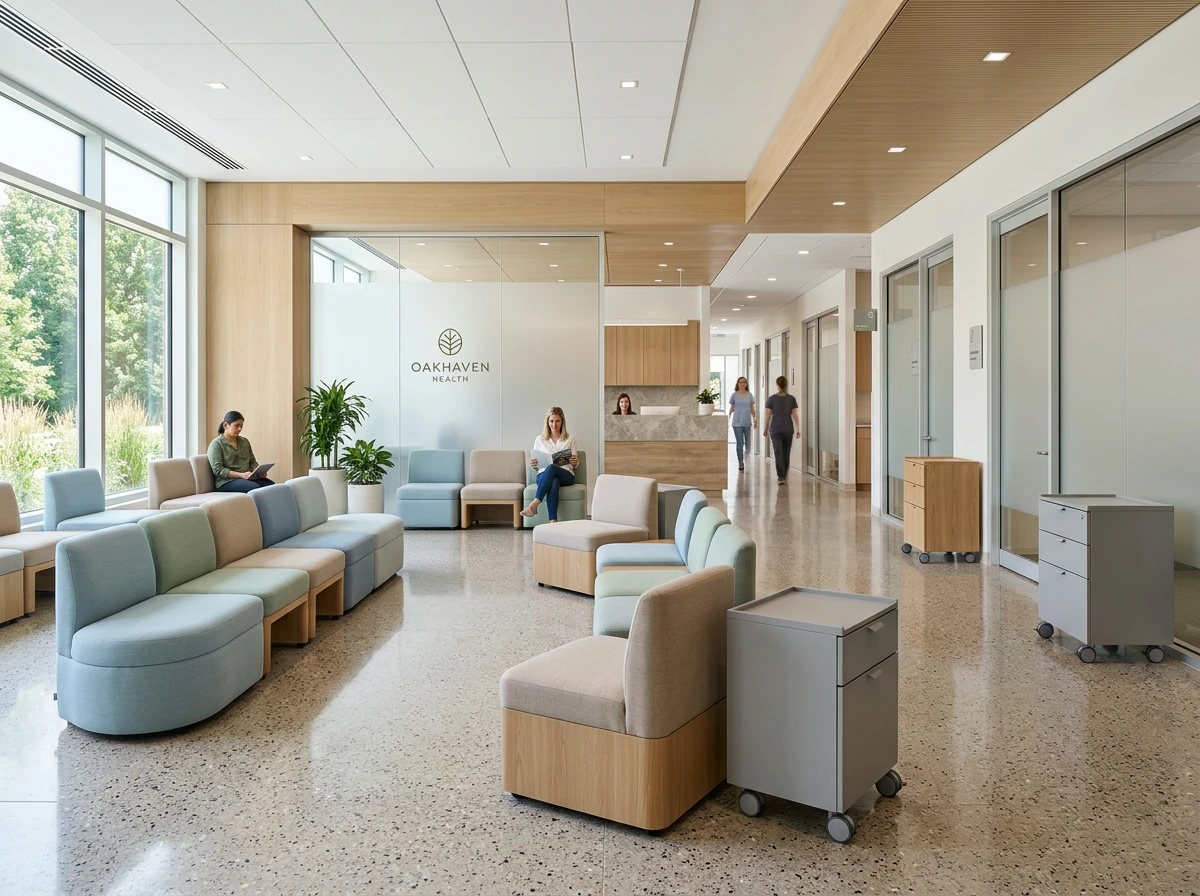
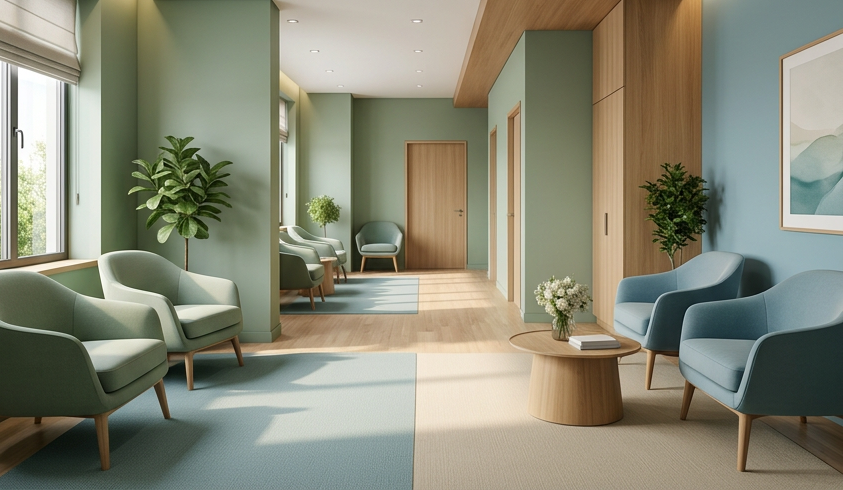
Color selection profoundly impacts patient experience in healthcare settings. Cool colours like soft blues and greens promote calmness and reduce anxiety. Warm neutral tones create welcoming environments without overwhelming senses.
Accent walls in soothing colours define different functional zones. Pediatric areas might incorporate cheerful yet calming colours. Adult spaces benefit from sophisticated colour palettes that inspire confidence.
Colour consistency throughout the facility creates cohesive design. Complementary colours in different areas provide variety while maintaining visual harmony. Thoughtful colour application enhances wayfinding and creates memorable patient experiences.
6. Seamless Technology Integration
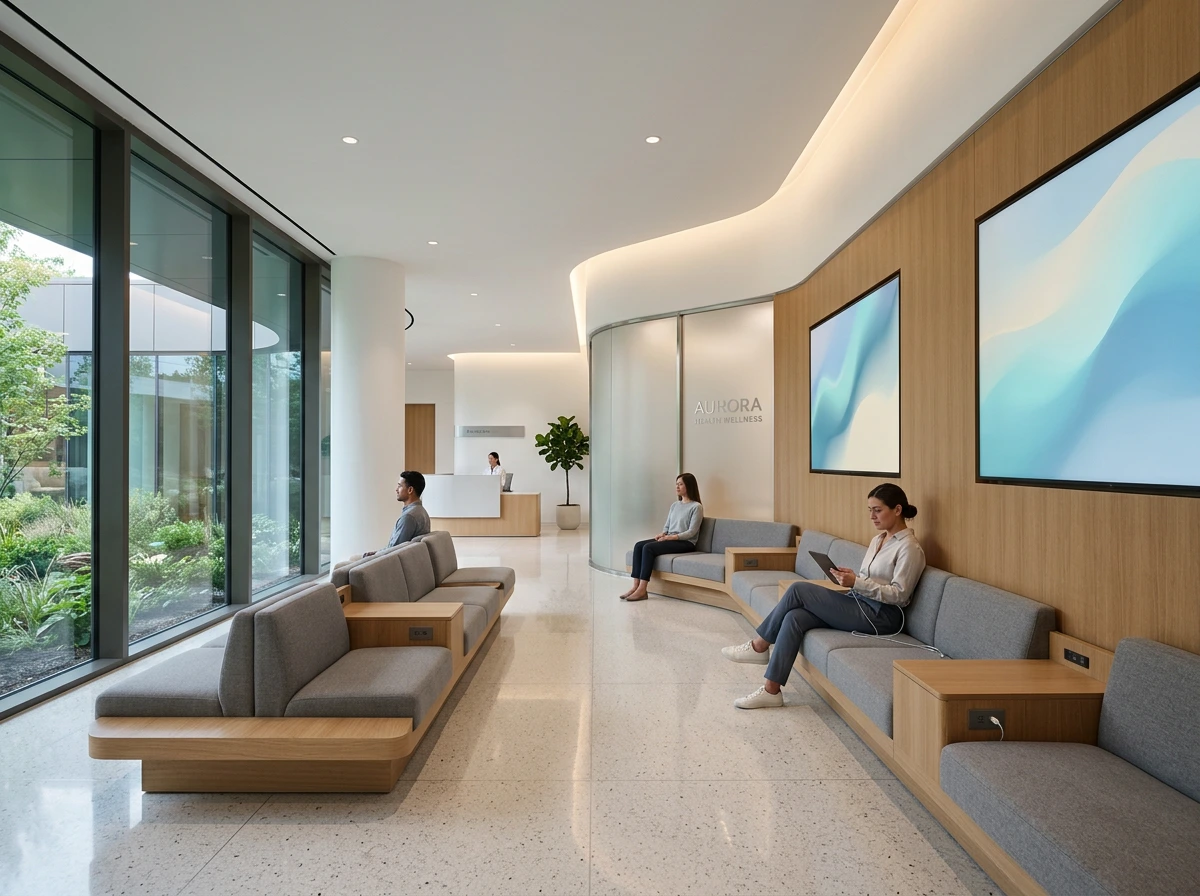
Modern medical clinics require sophisticated technology infrastructure. Smart design conceals cables and equipment while ensuring easy access. This balance between functionality and aesthetics defines contemporary clinic interior design.
Built-in charging stations throughout waiting areas serve patient needs. Digital displays provide information without cluttering walls with printed materials. Automated lighting and climate control systems operate invisibly.
Treatment rooms incorporate medical technology into architectural elements. Monitor arms retract into ceiling fixtures when not in use. Technology integration creates clean, uncluttered spaces that feel advanced yet approachable.
7. Advanced Acoustic Design Solutions
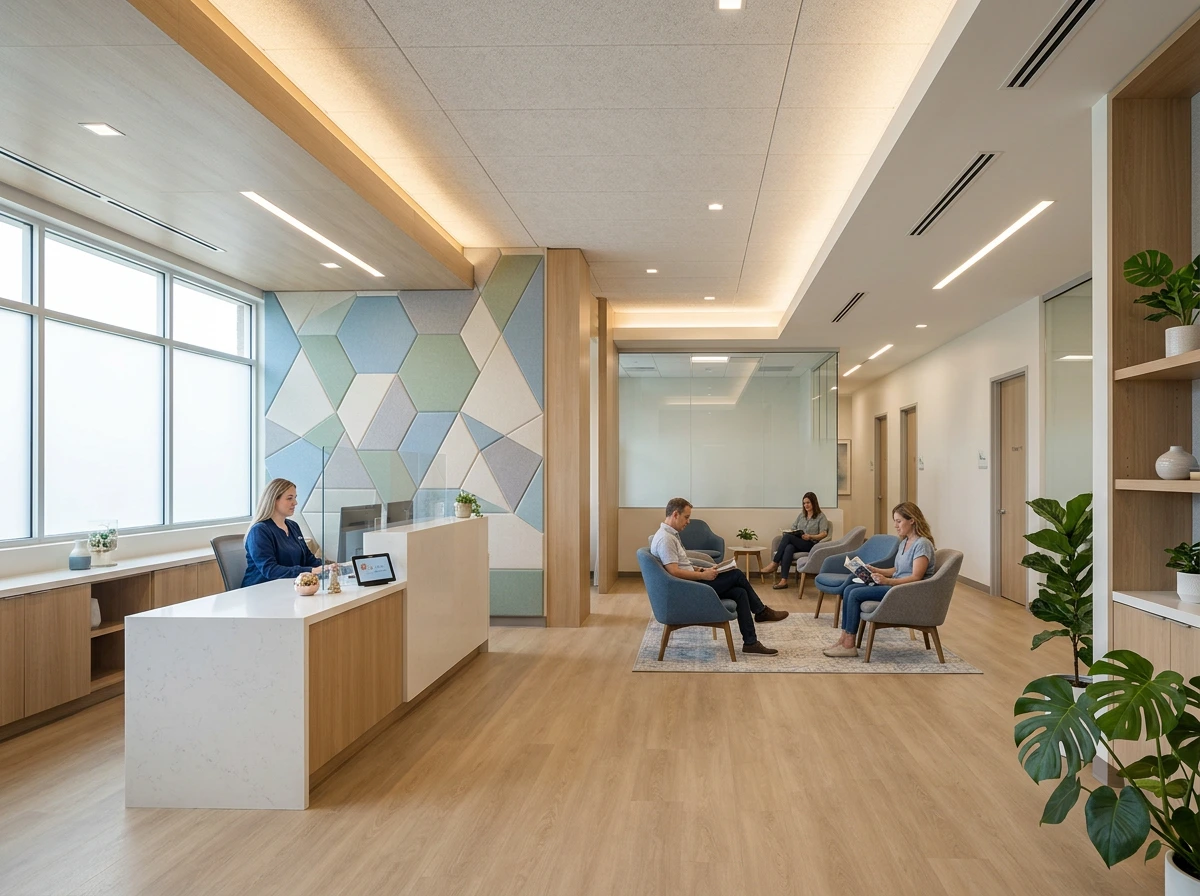
Sound management significantly affects patient comfort in medical facilities. Acoustic panels absorb noise without sacrificing aesthetic appeal. These solutions create quieter environments that enhance privacy and reduce stress.
Fabric-wrapped acoustic panels double as decorative wall features. Acoustic ceiling tiles maintain clean lines while dampening sound. Strategic material selection throughout the space contributes to overall noise reduction.
Sound-masking systems in consultation areas protect patient privacy. White noise generation prevents conversations from traveling between rooms. Comprehensive acoustic design demonstrates attention to patient comfort beyond visual elements.
8. Intuitive Wayfinding Systems
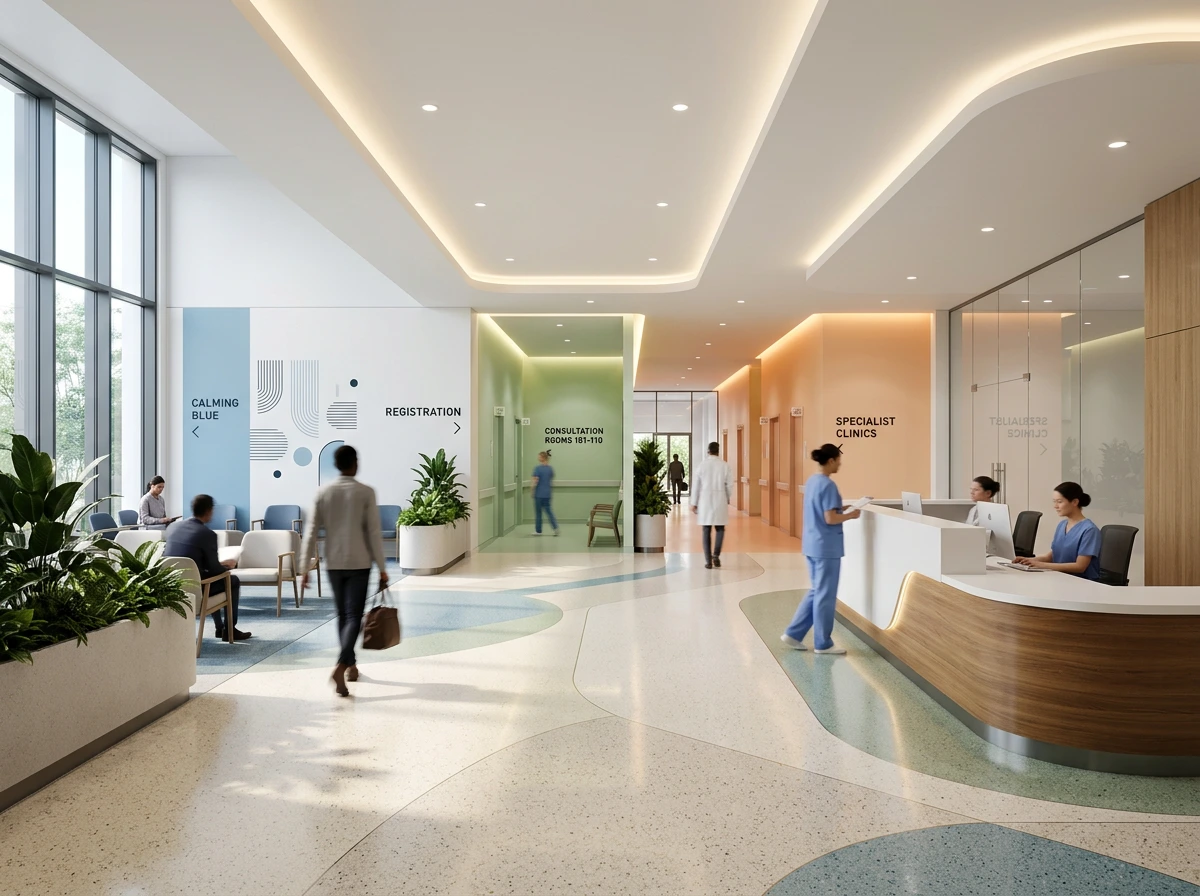
Clear navigation reduces patient anxiety in unfamiliar medical settings. Intuitive wayfinding systems combine visual cues, signage, and spatial design. This approach helps patients move confidently through clinic spaces.
Colour-coded zones help patients identify different departments. Floor patterns guide traffic flow without obvious directional arrows. Wall graphics serve dual purposes as art and navigation aids.
Digital wayfinding kiosks provide detailed directions when needed. These interactive systems update automatically when clinic layouts change. Effective wayfinding design improves patient experience while reducing staff time spent providing directions.
9. Flexible Lighting Design Schemes
Layered lighting systems adapt to different medical activities throughout the day. Ambient, task, and accent lighting work together to create versatile environments. This flexibility supports various clinic functions while maintaining comfort.
Dimmable LED systems adjust brightness for different procedures. Warm colour temperatures in waiting areas create inviting atmospheres. Cooler task lighting in treatment areas ensures precision during examinations.
Circadian lighting systems support natural body rhythms. These advanced solutions adjust colour temperature throughout the day. Thoughtful lighting design improves patient well-being and staff productivity.
10. Sustainable Material Selection
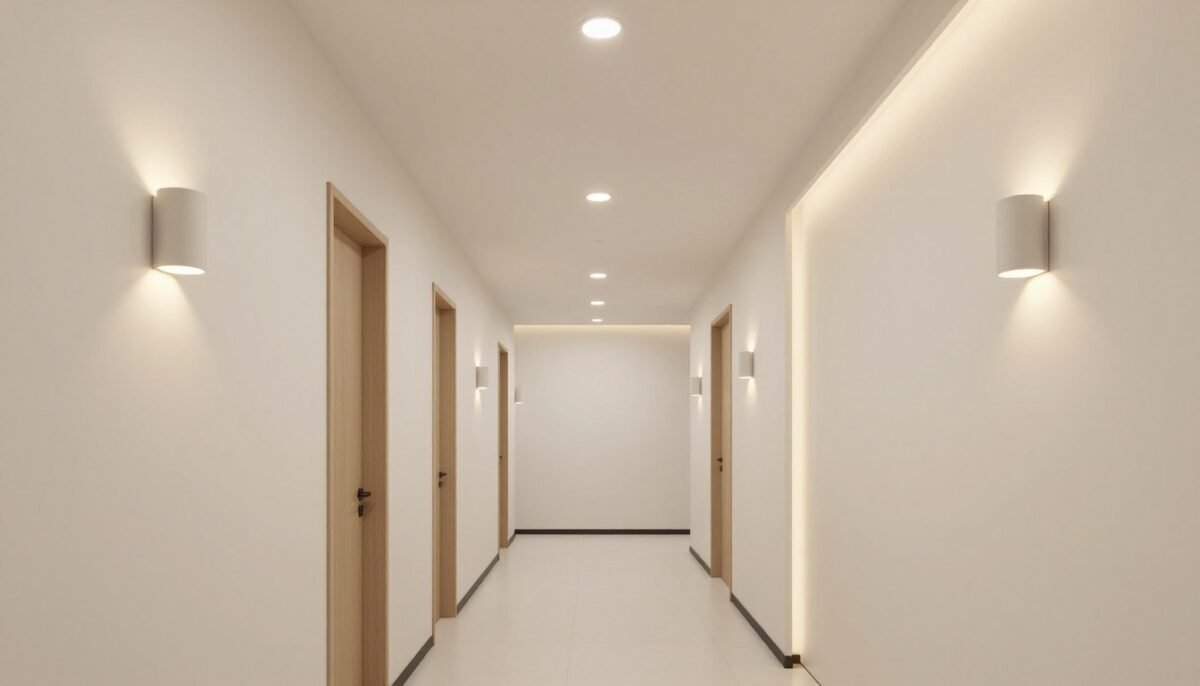
Eco-friendly materials benefit both environmental health and patient well-being. Sustainable choices include recycled content flooring and low-VOC paints. These materials create healthier indoor environments while demonstrating environmental responsibility.
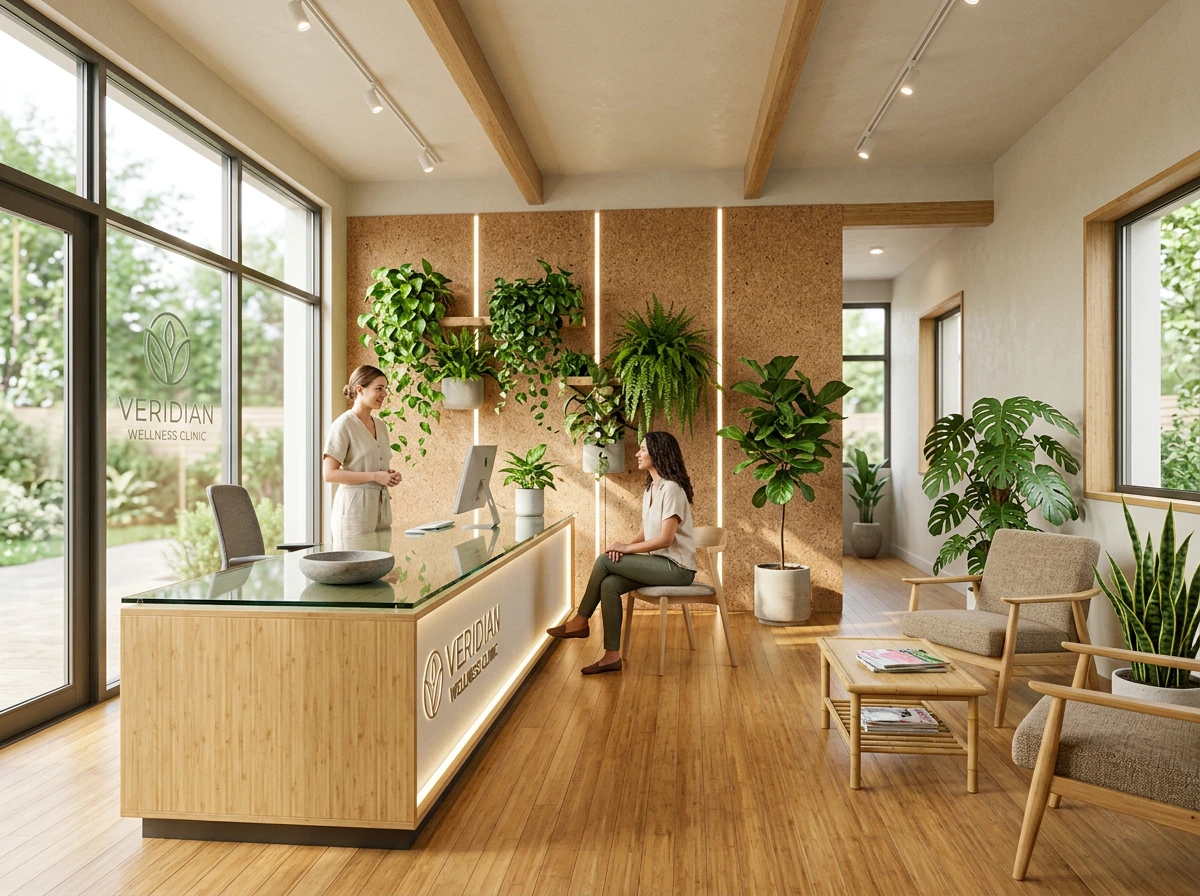
Bamboo flooring provides durability with rapid renewability. Recycled glass countertops offer unique aesthetics with environmental benefits. Cork wall panels provide acoustic properties alongside sustainability credentials.
Material certifications ensure genuine environmental performance. LEED and WELL building standards guide sustainable material selection. Commitment to sustainability enhances clinic reputation while creating healthier spaces.
11. Creative Privacy Solutions
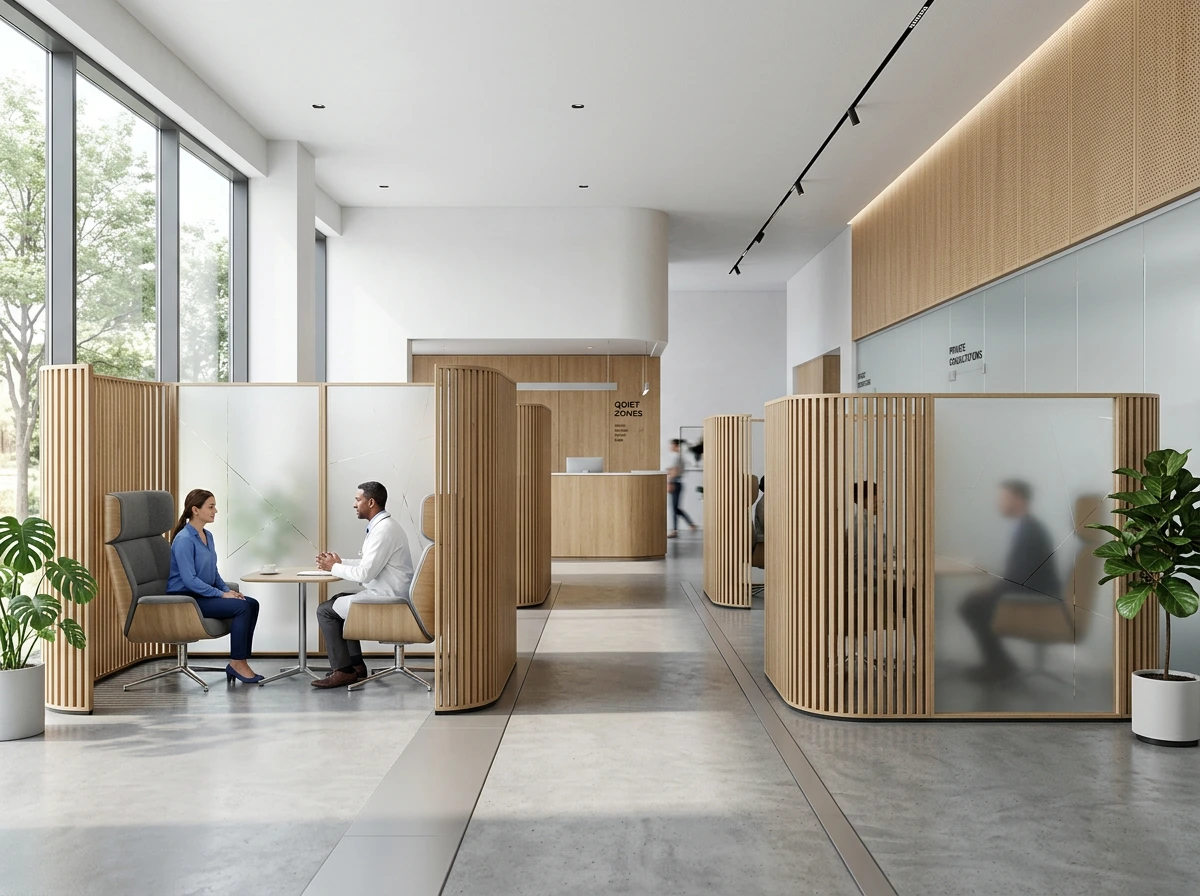
Privacy remains paramount in medical settings despite open design trends. Innovative solutions provide discretion without creating institutional atmospheres. These approaches balance openness with necessary confidentiality.
Frosted glass partitions separate spaces while maintaining light flow. Movable screens reconfigure as privacy needs change. Acoustic privacy complements visual privacy through thoughtful material selection.
Strategic furniture placement creates natural privacy buffers. High-backed seating in waiting areas provides psychological privacy. Consultation rooms locate away from high-traffic areas for additional discretion.
12. Therapeutic Art Integration
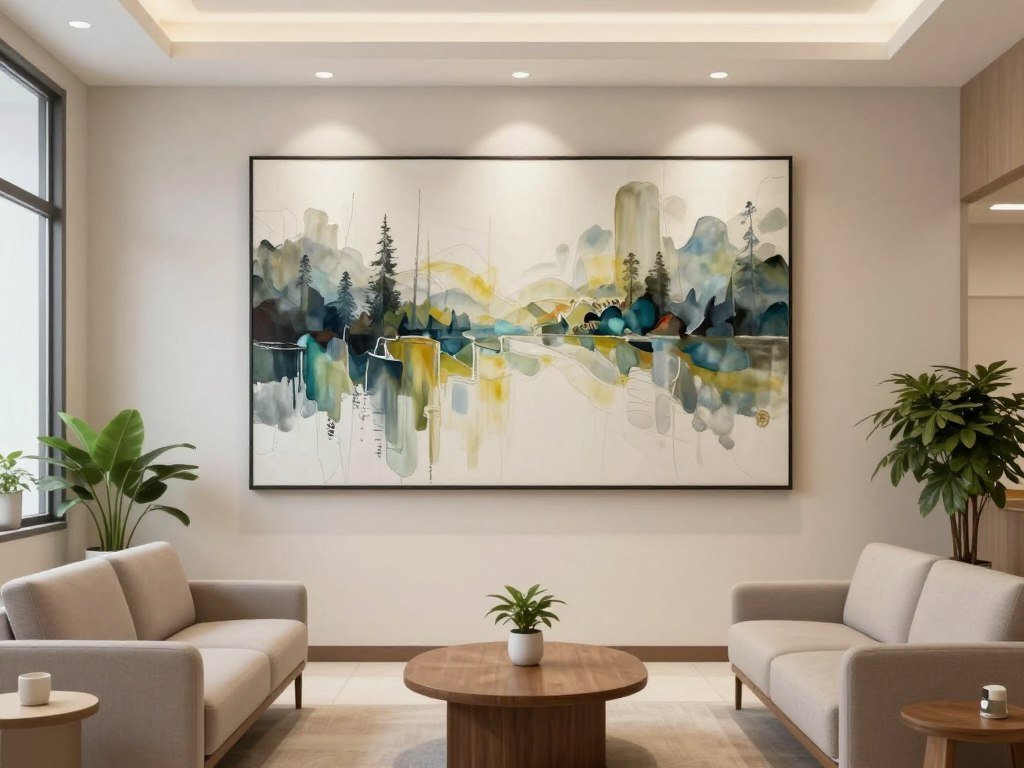
Carefully selected art reduces anxiety and creates positive distractions. Nature photography, abstract paintings, and local artwork humanize medical spaces. Art becomes an integral part of the healing environment rather than afterthought decoration.
Large-scale installations serve as focal points in waiting areas. Rotating art collections provide changing visual interest for repeat patients. Art placement considers patient sight lines from both seated and standing positions.
Interactive art installations engage pediatric patients while waiting. Digital art displays showcase changing imagery throughout the day. Thoughtful art integration demonstrates attention to patient emotional needs.
13. Ergonomic Furniture and Fixtures
Ergonomic design benefits both patients and medical staff. Comfortable waiting room seating accommodates various body types and mobility levels. Staff workstations support healthy postures during long shifts.
Adjustable-height reception desks serve wheelchair users and standing visitors. Treatment room furniture adjusts to patient and provider needs. Ergonomic considerations extend to door hardware and light switches for universal accessibility.
Investment in ergonomic solutions reduces staff fatigue and injury. Comfortable environments encourage longer patient visits when needed. Ergonomic design demonstrates care for everyone who uses the space.
14. Functional Zoning Strategies
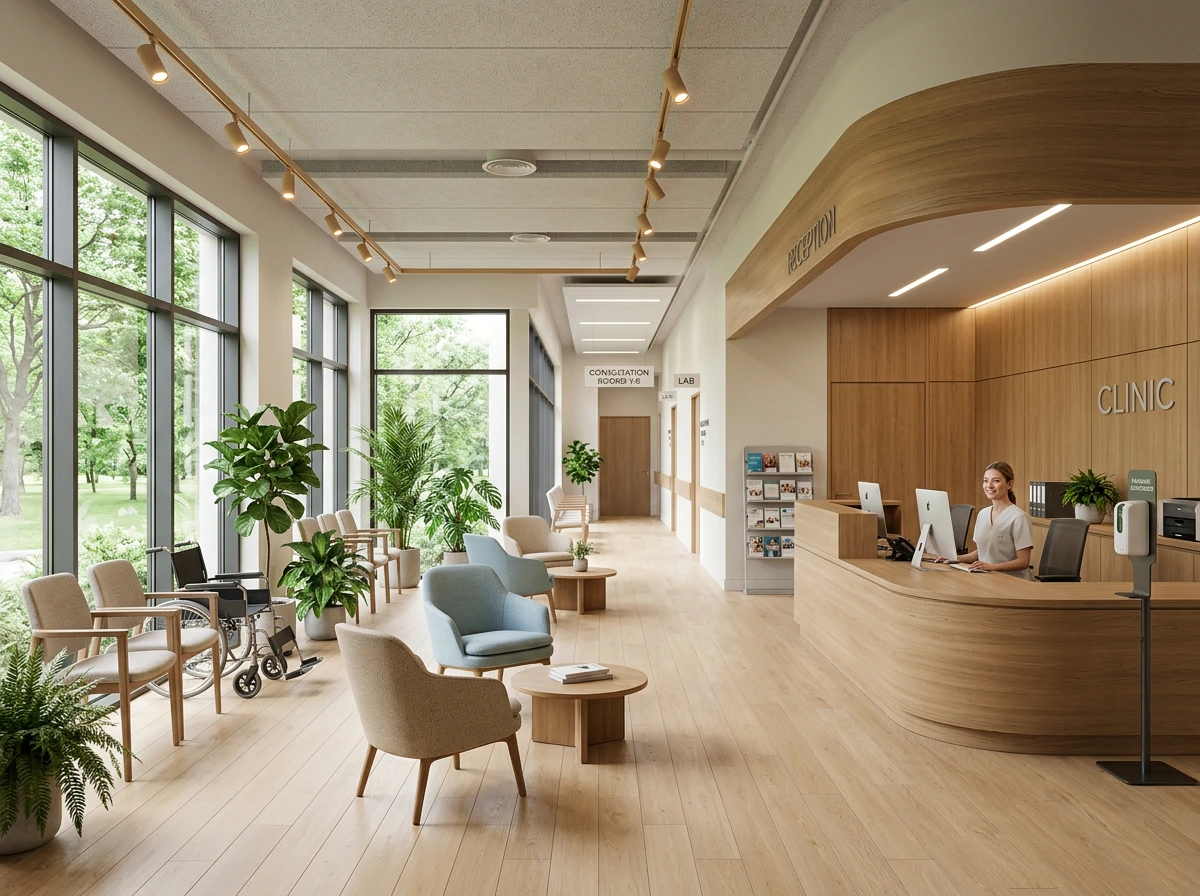
Clear functional zones improve clinic workflow and patient flow. Public areas separate from clinical spaces through thoughtful design. This organization enhances efficiency while maintaining appropriate boundaries.
Reception and waiting areas form the public zone near entrances. Consultation and examination rooms create semi-private zones with controlled access. Staff areas and medical storage occupy back-of-house zones away from patient view.
Transition spaces between zones provide psychological preparation. Corridors separate different functional areas while connecting the overall facility. Effective zoning reduces confusion and supports smooth operations.
15. Concealed Storage Solutions
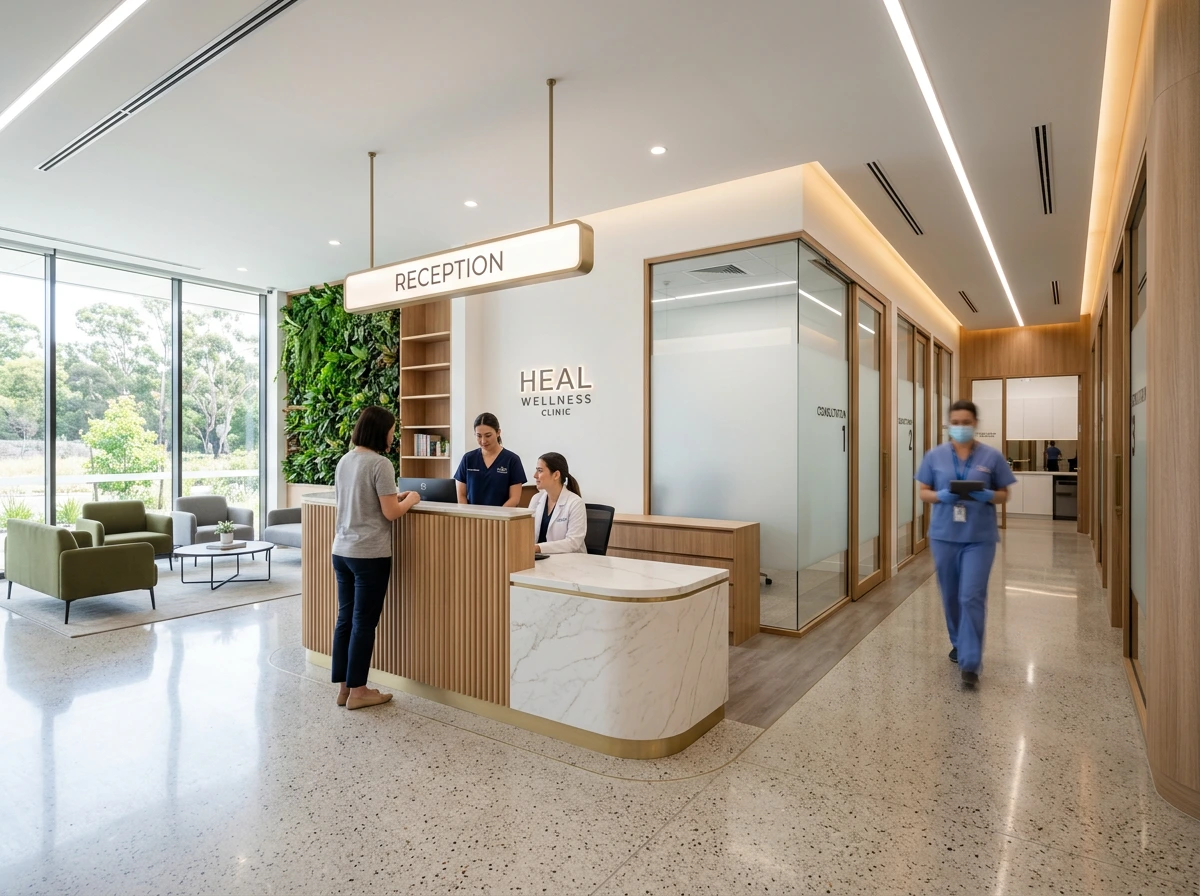
Adequate storage maintains clean, uncluttered aesthetics in clinic spaces. Built-in cabinetry provides ample capacity without visual bulk. Hidden storage solutions keep necessary items accessible while maintaining sleek appearances.
Reception areas incorporate storage within architectural elements. Bench seating includes hidden compartments for magazines and supplies. Treatment rooms feature floor-to-ceiling storage behind seamless cabinet doors.
Mobile storage units provide flexibility for changing needs. These solutions move between rooms as requirements shift. Thoughtful storage planning prevents clutter while supporting functional efficiency.
16. Welcoming Reception Area Design
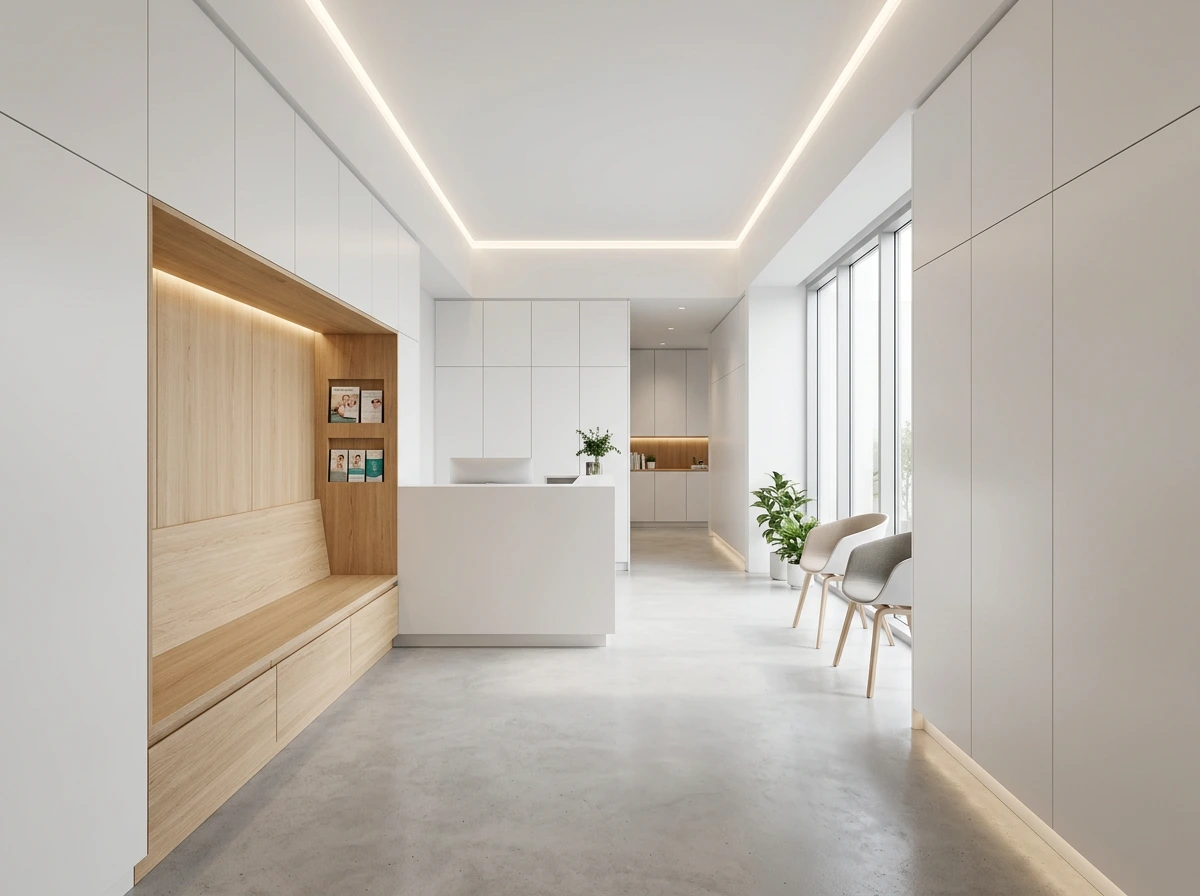
Reception areas create critical first impressions for clinic visitors. Modern designs balance professionalism with approachability. These spaces set the tone for entire patient experiences.
Low-profile reception desks feel less institutional than traditional high counters. Natural materials and warm lighting create inviting atmospheres. Comfortable seating nearby encourages patient interaction with staff.
Digital check-in kiosks complement traditional reception desks. These options provide flexibility for patient preferences. Welcoming reception design demonstrates respect for patient time and comfort.
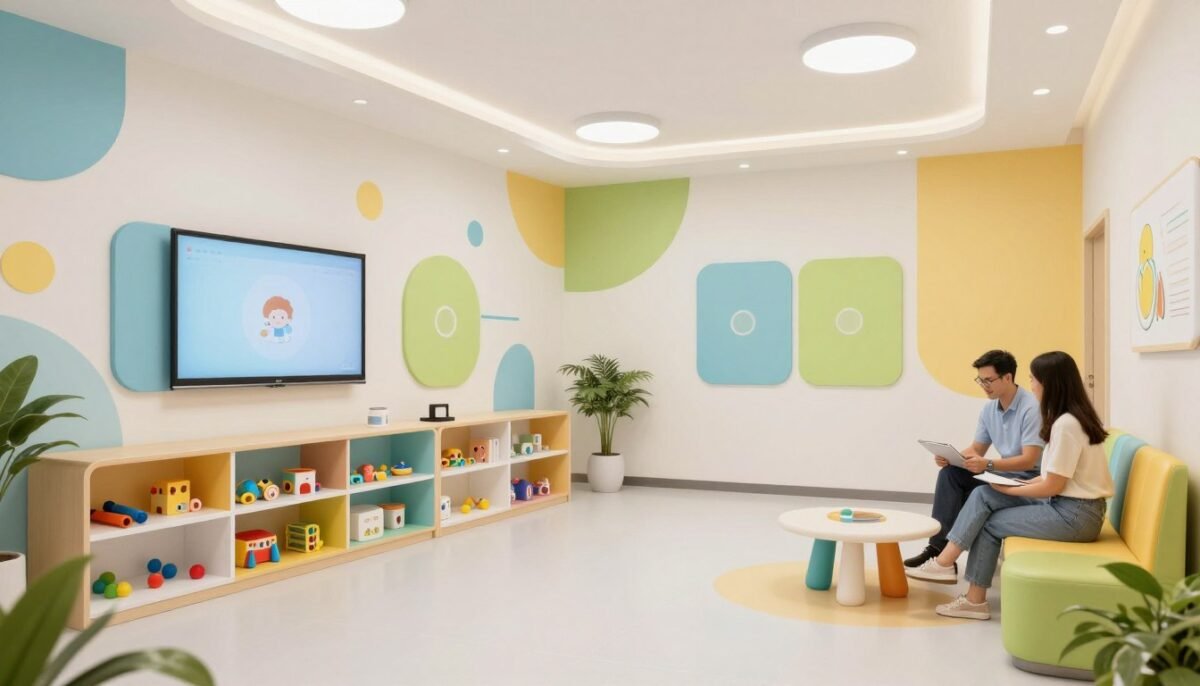
17. Pediatric-Friendly Design Elements
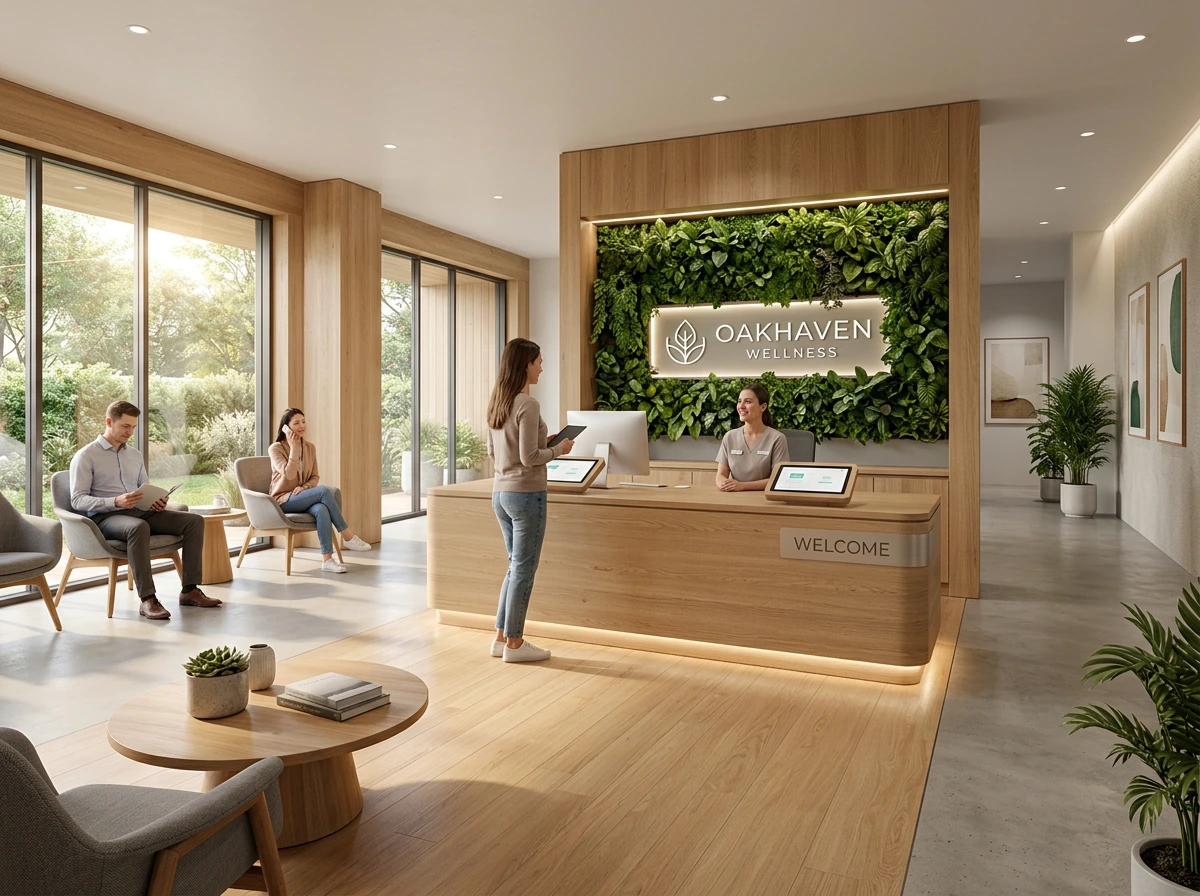
Pediatric areas require specialized design considerations beyond adult spaces. Child-friendly elements reduce anxiety while maintaining professional medical environments. These features serve young patients without alienating adult visitors.
Lower furniture scales appropriately for children’s heights. Interactive wall features provide engaging distractions in waiting areas. Bright colours appear as accents rather than overwhelming entire spaces.
Separate pediatric zones allow targeted design approaches. These areas incorporate playful elements inappropriate for general clinic spaces. Thoughtful pediatric design improves experiences for entire families.
18. Strategic Flooring Material Choices
Flooring materials impact both aesthetics and functionality in medical clinics. Durable surfaces withstand heavy traffic while maintaining appearances. Material choices also affect acoustics, comfort, and maintenance requirements.
Luxury vinyl tile provides wood-look aesthetics with superior durability. These materials resist moisture and clean easily for medical environments. Seamless installations prevent bacterial growth in joints and grout lines.
Area rugs define zones within open floor plans. These elements add warmth and acoustic absorption. Strategic flooring selection balances practical medical requirements with design aspirations.
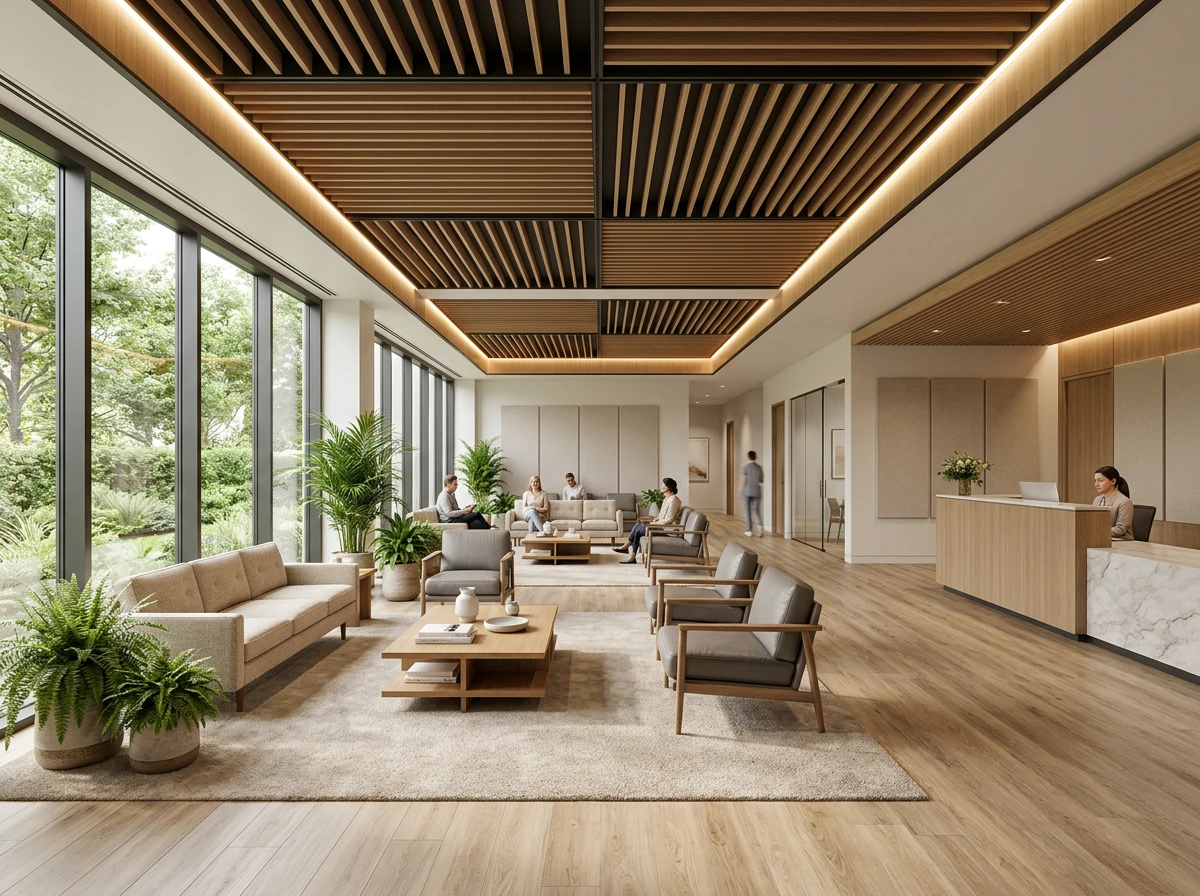
19. Optimized Circulation and Flow Patterns
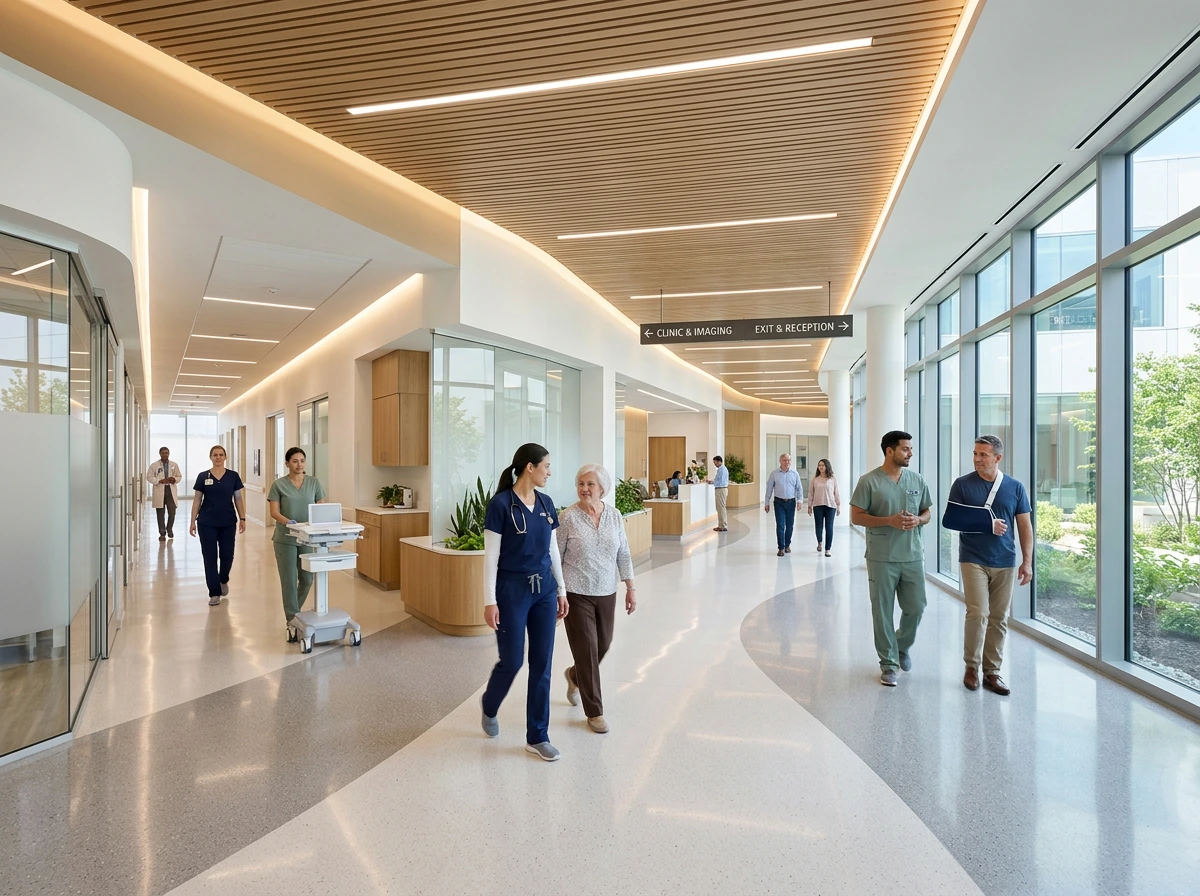
Efficient circulation patterns reduce congestion and improve operations. Clear pathways guide patients through clinic spaces logically. Flow optimization benefits both patient experience and staff efficiency.
Separate entry and exit routes prevent bottlenecks during busy periods. Corridor widths accommodate medical equipment and multiple users. Strategic placement of destinations minimizes unnecessary backtracking.
Visual cues reinforce circulation patterns without obvious signage. Flooring materials or ceiling elements indicate primary pathways. Optimized flow design demonstrates professional space planning expertise.
20. Diverse Waiting Room Seating Options
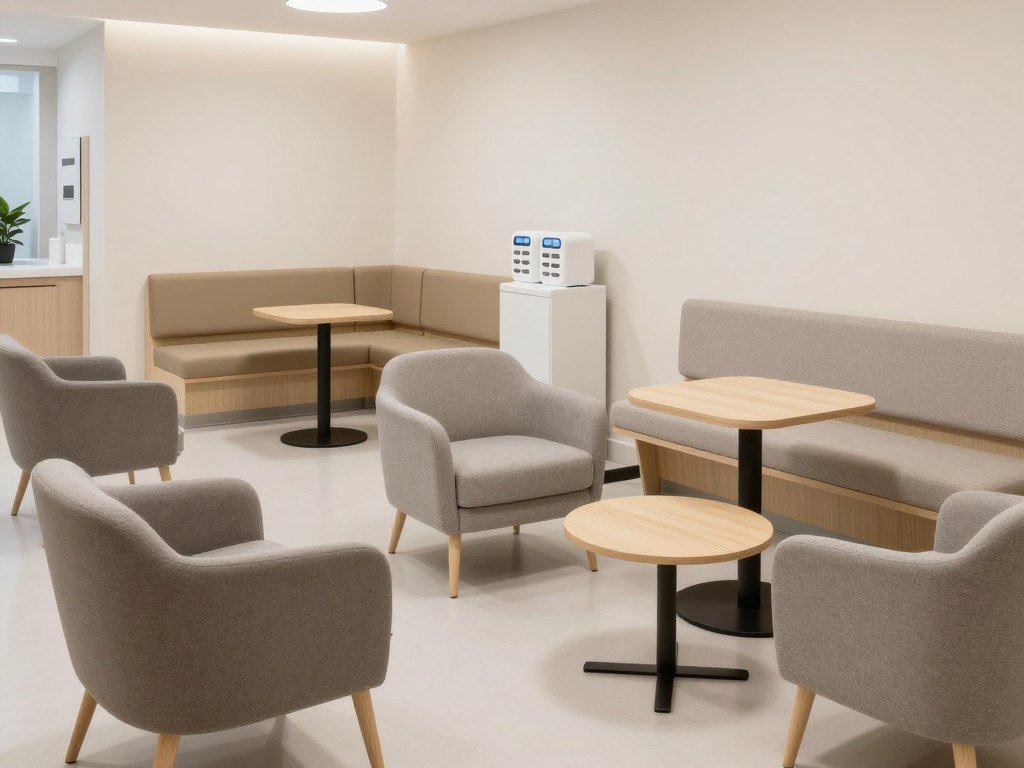
Varied seating arrangements accommodate different patient preferences. Some visitors prefer social seating clusters while others seek privacy. Diverse options demonstrate understanding of individual patient needs.
Individual chairs provide flexibility and personal space. Bench seating creates community areas for families. Standing-height tables accommodate patients who cannot sit comfortably.
Charging stations integrate into seating areas for device users. Magazine tables and personal storage cubbies enhance comfort. Thoughtful seating variety improves satisfaction across diverse patient populations.
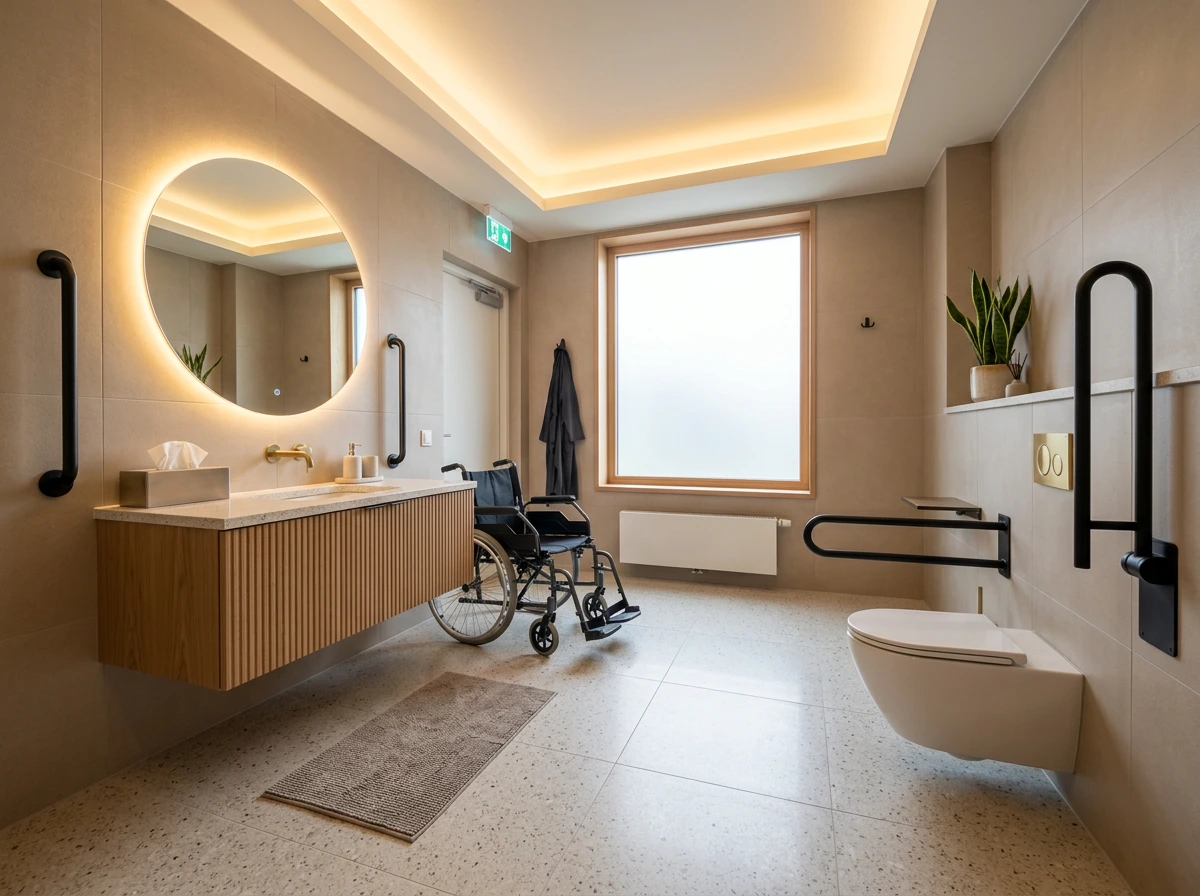
21. Accessible and Stylish Bathroom Design
Clinic bathrooms require full accessibility without sacrificing design quality. Universal design principles benefit all users regardless of ability. These spaces demonstrate clinic-wide commitment to patient comfort.
Generous layouts accommodate wheelchairs and mobility devices. Grab bars install as attractive design elements rather than afterthoughts. Touchless fixtures enhance hygiene while providing contemporary appeal.
High-quality finishes elevate bathroom spaces beyond purely functional. Continuation of clinic design themes creates cohesive experiences. Attention to bathroom design details reflects overall facility quality.
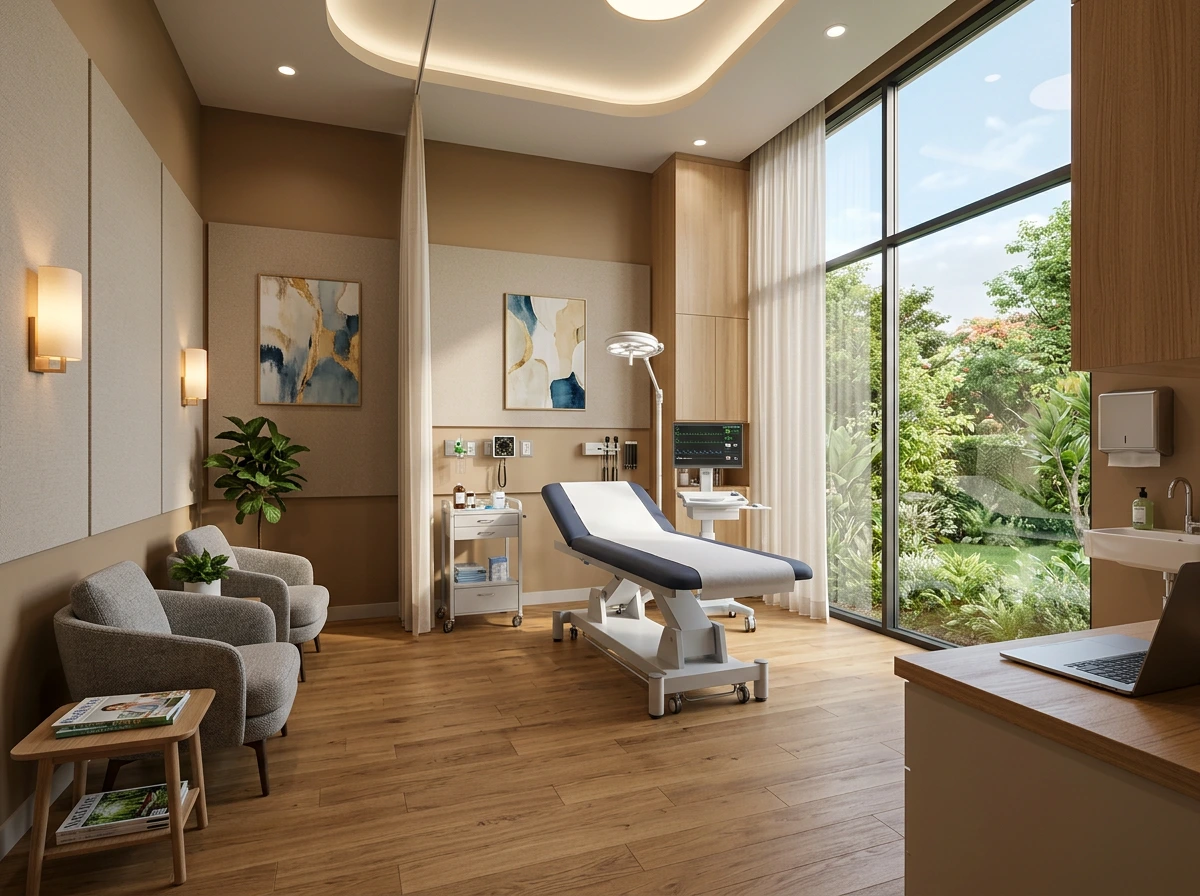
22. Comfortable Examination Room Environments
Examination rooms balance medical functionality with patient comfort. These critical spaces influence patient perceptions of care quality. Thoughtful design reduces anxiety during vulnerable moments.
Artwork and nature views provide focal points beyond medical equipment. Adjustable lighting accommodates examination needs and patient comfort. Comfortable seating for family members demonstrates inclusive care approaches.
Privacy measures include soundproofing and visual barriers. Warm materials and colours counter sterile medical aesthetics. Examination room design significantly impacts overall patient satisfaction.
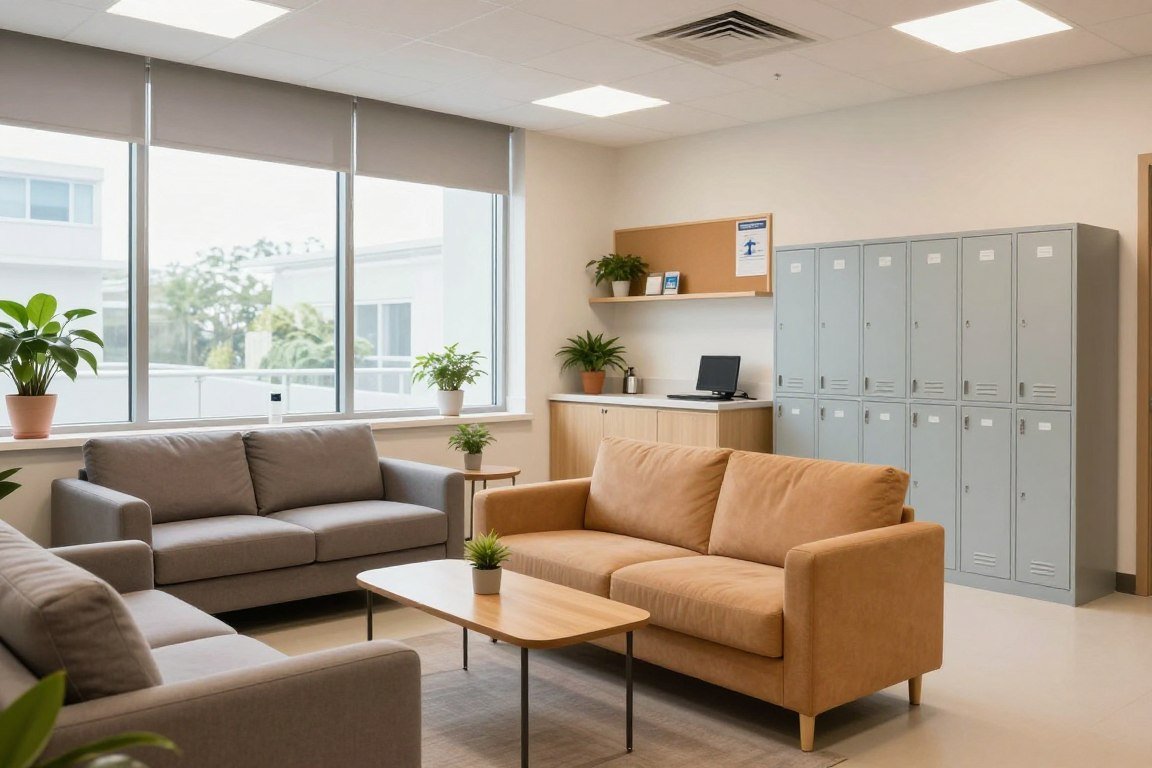
23. Functional Staff Break and Work Areas
Staff spaces deserve equal design attention to patient areas. Comfortable break rooms support employee well-being and retention. Efficient workspaces improve productivity and job satisfaction.
Break rooms include natural light and comfortable furnishings. These spaces provide true respite from clinical demands. Workstations offer privacy for focused tasks and confidential conversations.
Investment in staff spaces demonstrates organizational values. Happy employees provide better patient care. Staff area design represents smart long-term facility planning.
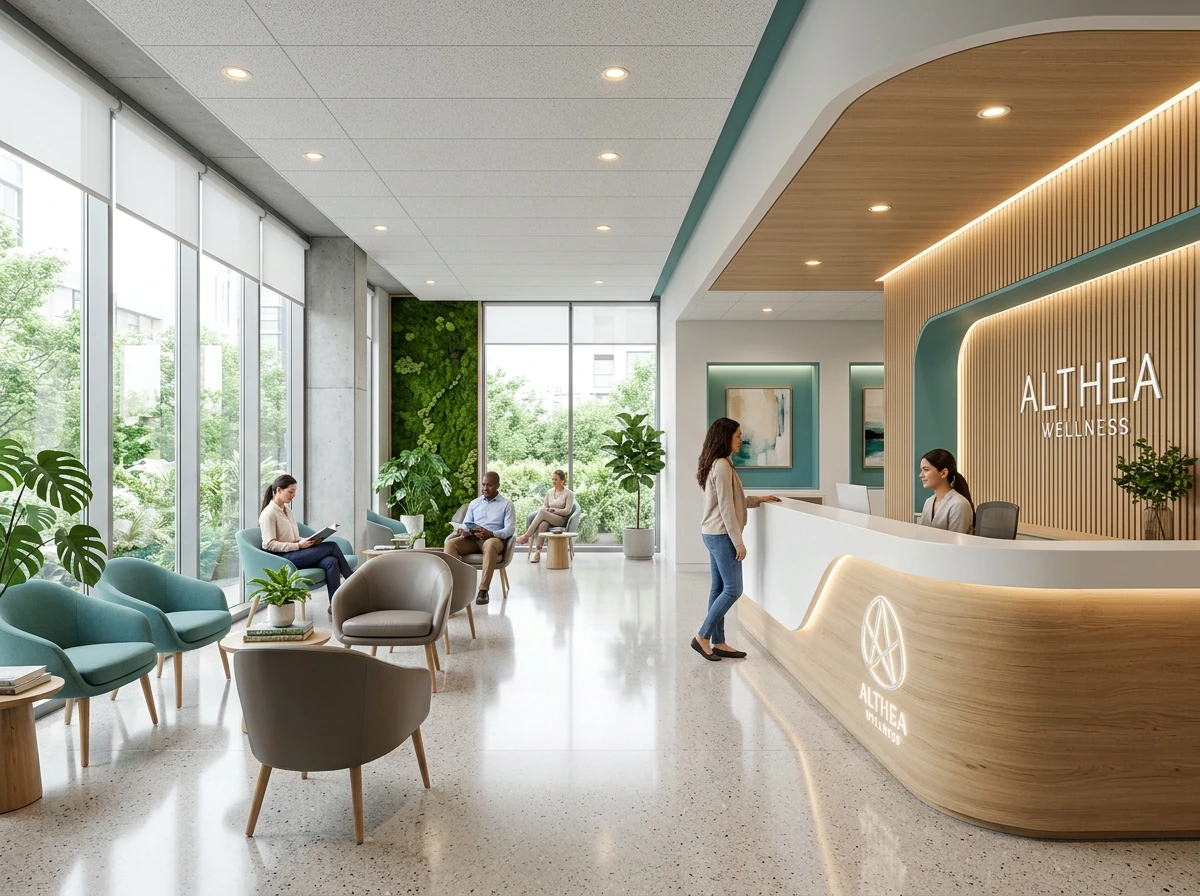
24. Cohesive Branding and Identity Integration
Interior design should reinforce clinic brand identity consistently. Visual elements communicate professionalism and values to patients. Cohesive branding creates memorable experiences that differentiate the facility.
Brand colours appear strategically throughout the space. Logo integration feels organic rather than forced. Design choices reflect clinic mission and target patient demographics.
Consistent branding extends to all patient touchpoints. Signage, forms, and digital displays share design language. Unified branding demonstrates organizational maturity and attention to detail.
25. Future-Ready Flexible Design Planning
Future-proof design accommodates evolving medical practices and technologies. Flexible infrastructure supports changes without complete renovations. This forward-thinking approach protects design investments.
Modular walls reconfigure as space needs change. Excess electrical capacity supports unknown future equipment. Raised flooring systems conceal and organize technology infrastructure.
Adaptive design extends clinic lifespan before major updates. Planning for flexibility demonstrates sophisticated facility management. Future-ready spaces serve organizations through decades of evolution.
Creating Modern Healthcare Environments
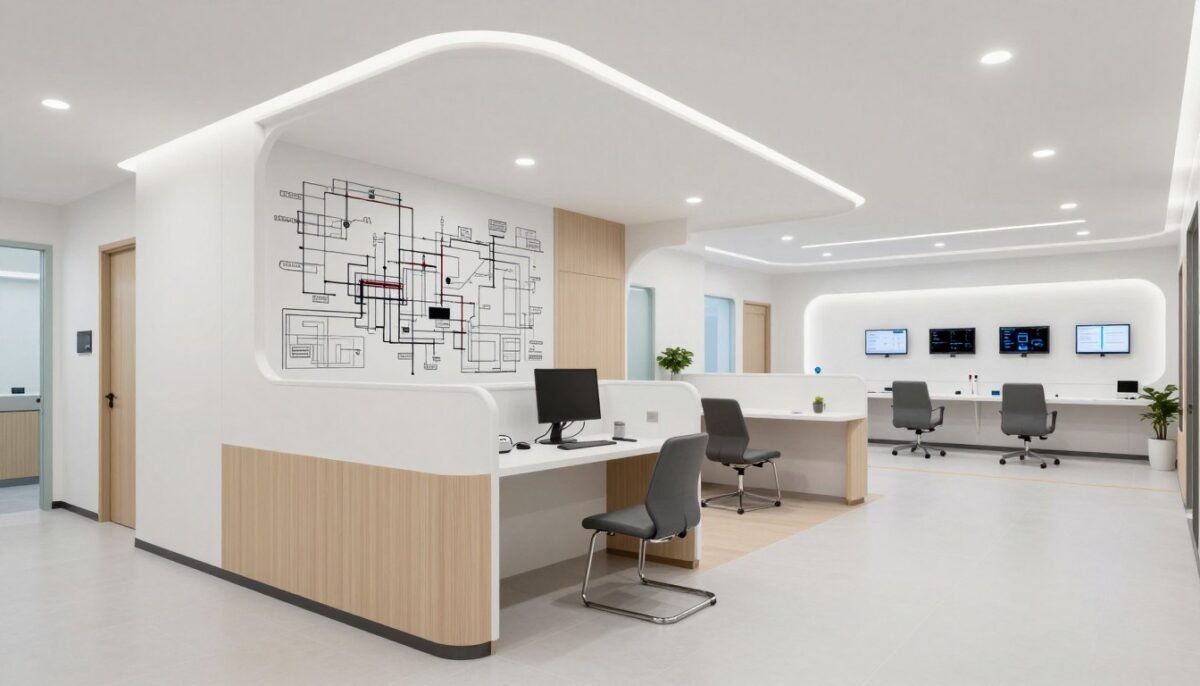
Modern clinic interior design balances multiple competing demands successfully. These twenty-five concepts demonstrate how contemporary spaces serve medical functions while enhancing patient experience. Each design idea contributes to creating healing environments that reduce anxiety and improve outcomes.
Implementation requires careful planning and professional expertise. Design choices should reflect specific clinic needs and patient populations. The investment in quality interior design pays dividends through improved satisfaction, efficiency, and competitive positioning.
Healthcare design continues evolving as patient expectations and medical technologies advance. Facilities that embrace contemporary design concepts position themselves for long-term success. The transformation from traditional medical spaces to modern healing environments represents the evolution of healthcare delivery itself.