
Thin hair presents unique challenges that many people face daily. Strands that lack density often appear flat against the scalp. The struggle to create volume becomes a constant battle. Fine hair can feel limp and lifeless without proper styling techniques.
The right hairstyle changes everything. Strategic cuts add movement and dimension. Clever styling tricks create the illusion of thickness. Texture transforms fine strands into fuller-looking hair instantly.
This guide presents 35 beautiful hairstyles specifically designed for thin hair. Each style includes practical tips you can use at home. Learn how layers, texture, and smart cutting techniques make thin hair look dramatically fuller. Discover which products enhance volume without weighing down delicate strands.
Table of Contents
Short Pixie Hairstyles That Add Volume
Short hairstyles work exceptionally well for thin hair. The reduced weight allows strands to lift naturally from the scalp. Pixie cuts create instant body and movement around the face.
Textured Pixie Cut
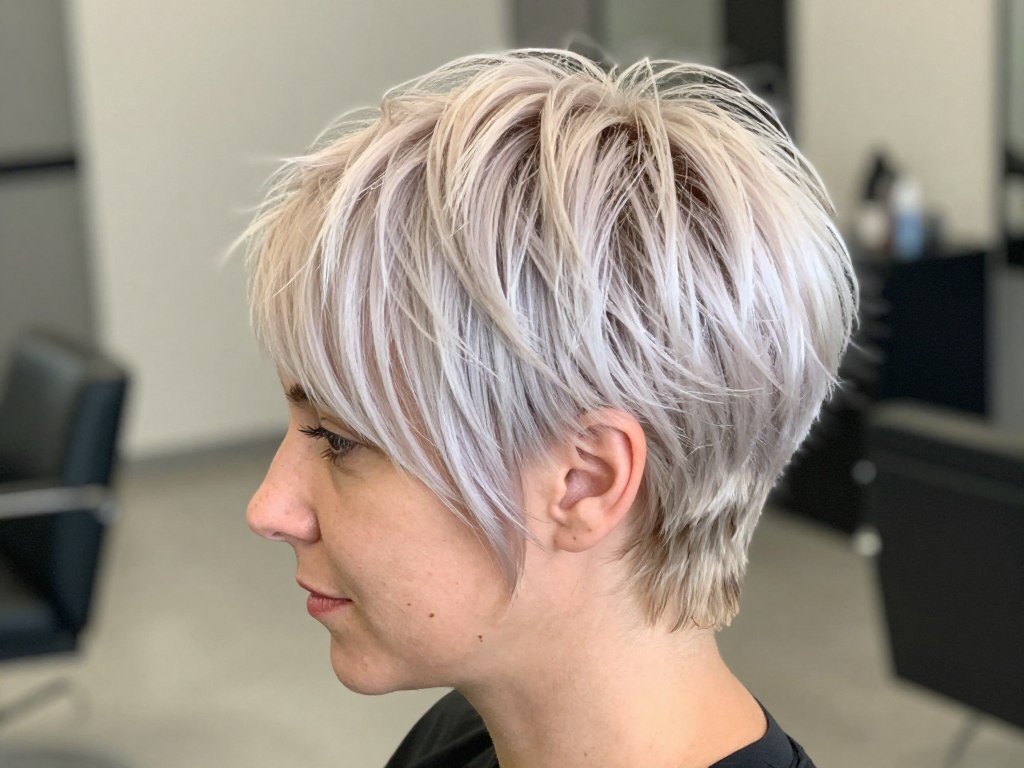
The textured pixie transforms thin hair through strategic layering. Short layers throughout the crown create natural lift. Piece-y ends add definition and movement. This cut works beautifully for oval and heart-shaped faces.
Style this look with a small amount of texturizing paste. Work product through damp hair with fingertips. Create separation by pulling small sections in different directions. The result gives thin hair incredible body and modern edge.
Tapered Pixie with Side-Swept Bangs
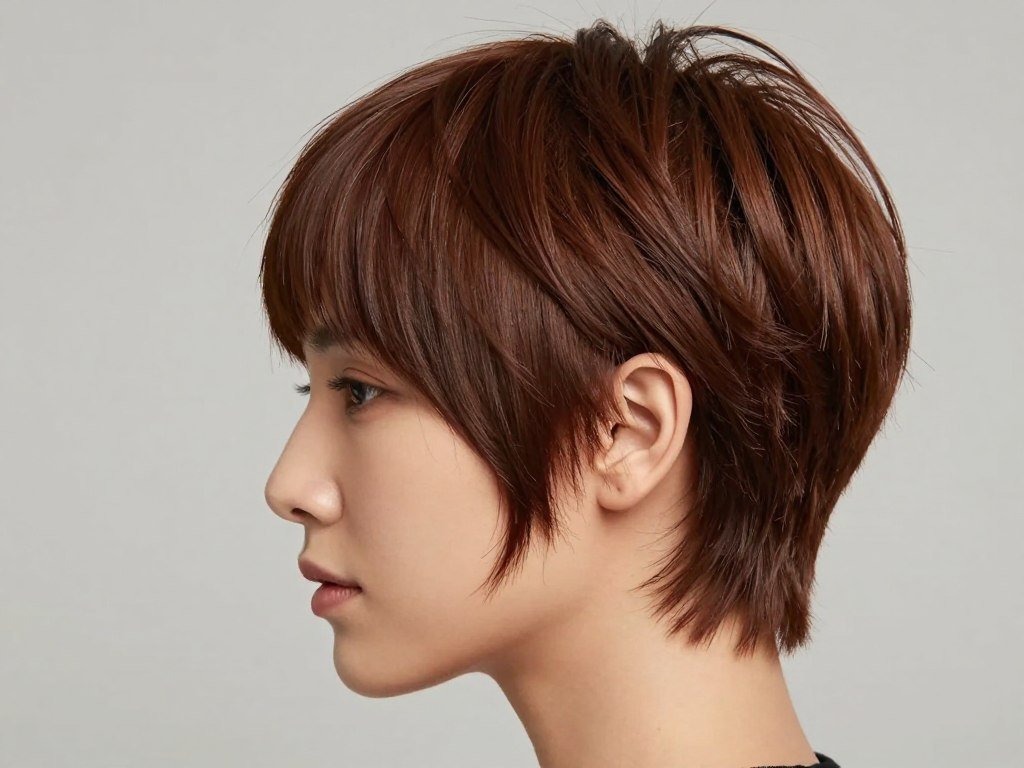
Side-swept bangs draw attention away from hair density. The tapered sides keep weight off the bottom half. Longer pieces on top provide styling versatility. This shape flatters round and square face shapes beautifully.
Blow-dry the top section forward first. Then sweep bangs to one side for maximum volume. A lightweight styling cream helps hold the shape. The contrast between short sides and textured top creates fullness.
Asymmetrical Pixie
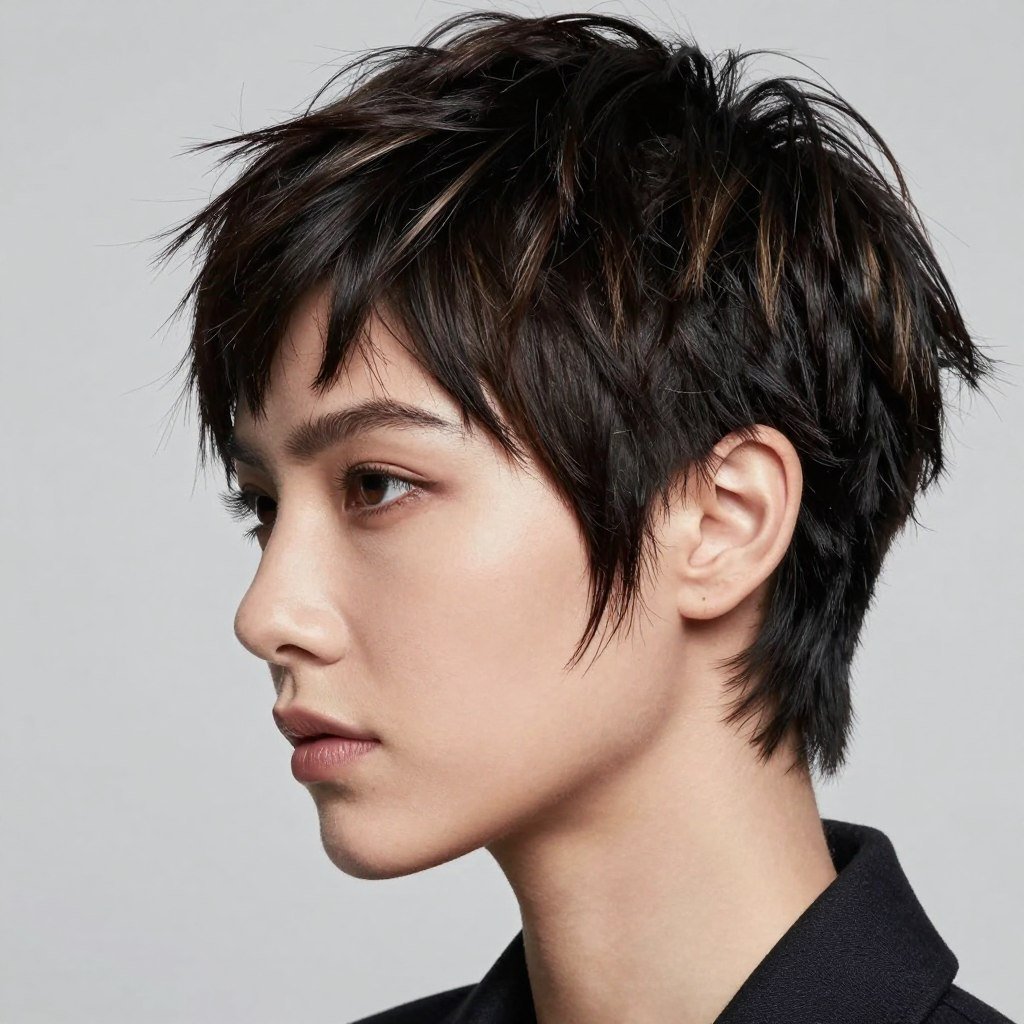
Asymmetry adds visual interest to thin hair instantly. One side cut shorter creates dynamic angles. The longer side provides coverage while maintaining movement. This bold style makes a strong fashion statement.
The key to styling involves emphasizing the contrast. Keep the short side sleek and close to the head. Add volume and texture to the longer side. This imbalance tricks the eye into seeing more density overall.
Classic Bob Cuts for Thin Hair
The bob remains one of the most flattering cuts for thin hair. Blunt lines create the appearance of thickness at the ends. Strategic length hits at the jawline or collarbone for optimal volume.
Blunt Bob at Chin Length
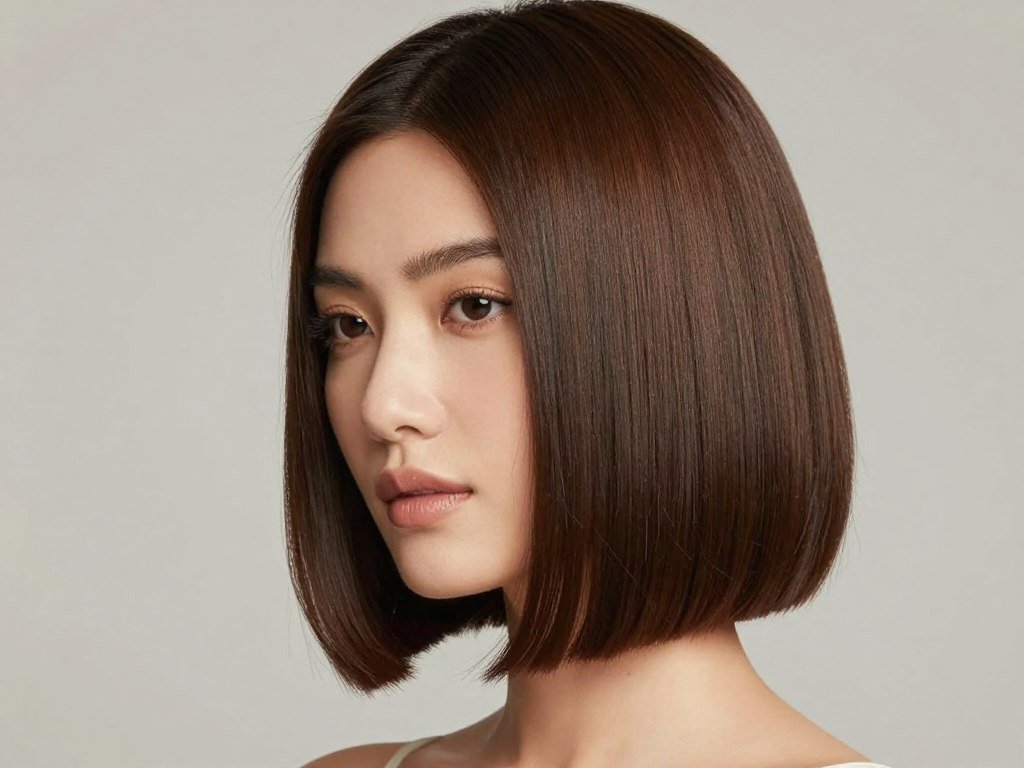
The blunt bob creates maximum thickness at the bottom. One-length cutting makes thin hair appear denser. The weight line draws eyes to the fullest part. This timeless style suits most face shapes.
Maintain this look with regular trims every six weeks. Blow-dry with a round brush for smooth finish. A shine serum on the ends enhances the blunt effect. The clean line makes thin hair look intentionally sleek.
Textured Bob with Razored Ends
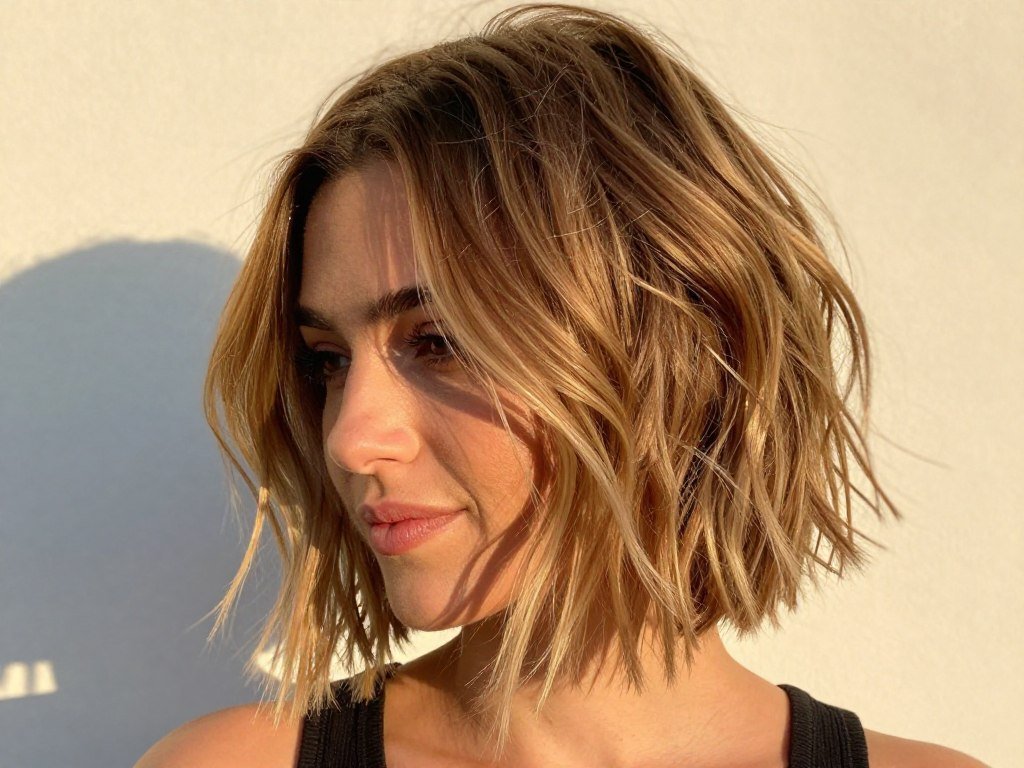
Razored ends remove bulk while adding movement. The technique creates piece-y texture throughout. Layers prevent the bottom from looking too thin. This modern bob style offers effortless volume and body.
Styling requires minimal effort for maximum impact. Apply volumizing mousse to damp hair before drying. Scrunch sections while blow-drying to enhance texture. The razored ends naturally separate for a fuller appearance.
Angled Bob with Stacked Back
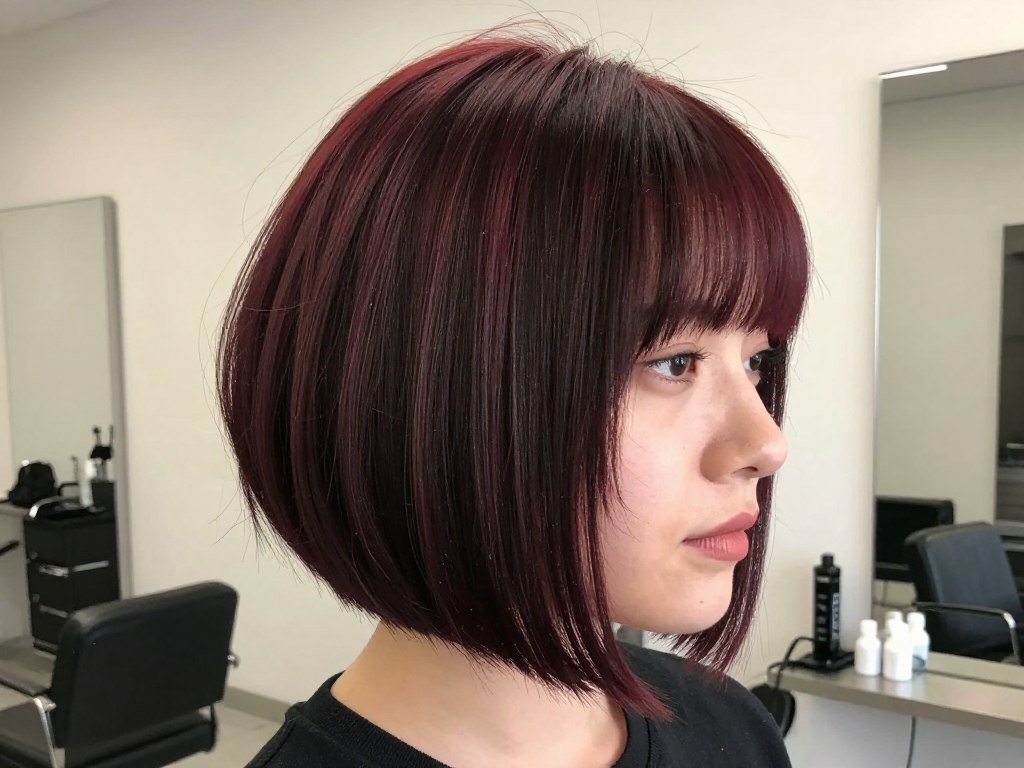
The stacked back creates instant lift and dimension. Graduated layers build volume where thin hair needs it most. Longer front pieces elongate the face while maintaining fullness. This cut combines classic and contemporary elements.
The stacked layers require proper blow-drying technique. Direct airflow upward at the crown to maximize lift. Use a round brush on front sections. The result delivers salon-quality volume that lasts all day.
Inverted Bob
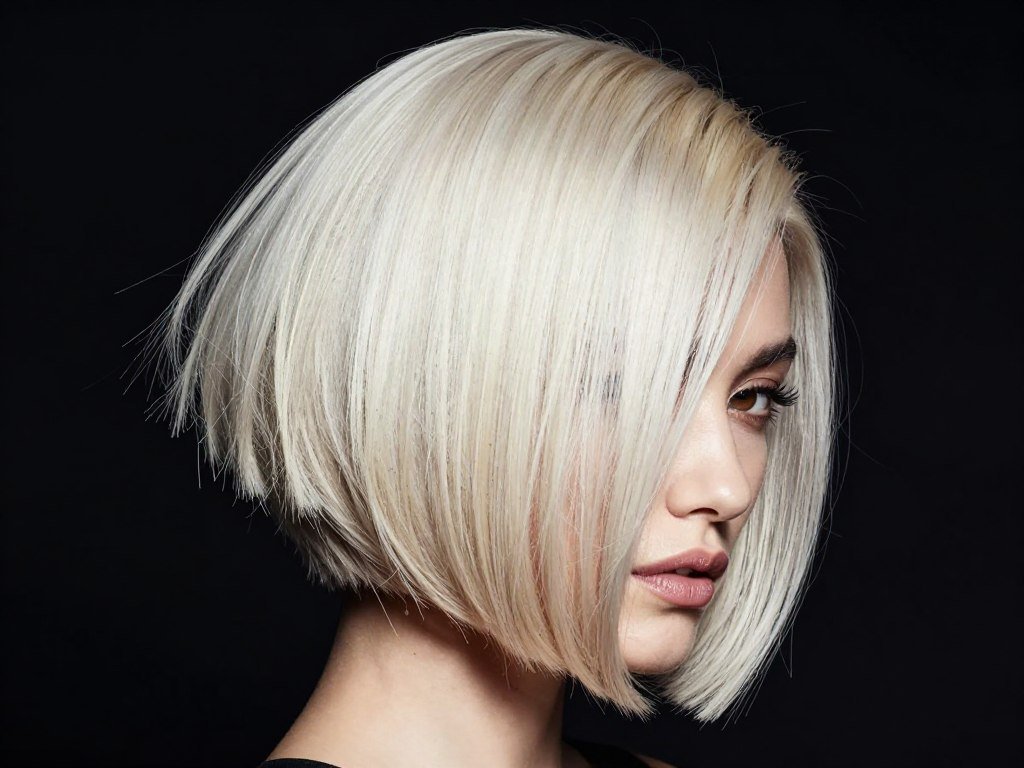
The inverted shape provides dramatic volume at the crown. Short layers in back stack to create height. The gradual lengthening toward the front frames the face beautifully. This bold cut makes thin hair look deliberately styled.
Maintaining the inverted bob shape requires commitment. Schedule cuts every four to six weeks. The precision cutting creates the signature volume. Daily styling takes minutes with the right technique and tools.
Layered Cuts That Create Movement
Layers remain the secret weapon against flat thin hair. Strategic cutting removes weight in key areas. Multiple lengths create dimension and the illusion of thickness throughout.
Long Layers with Face-Framing Pieces
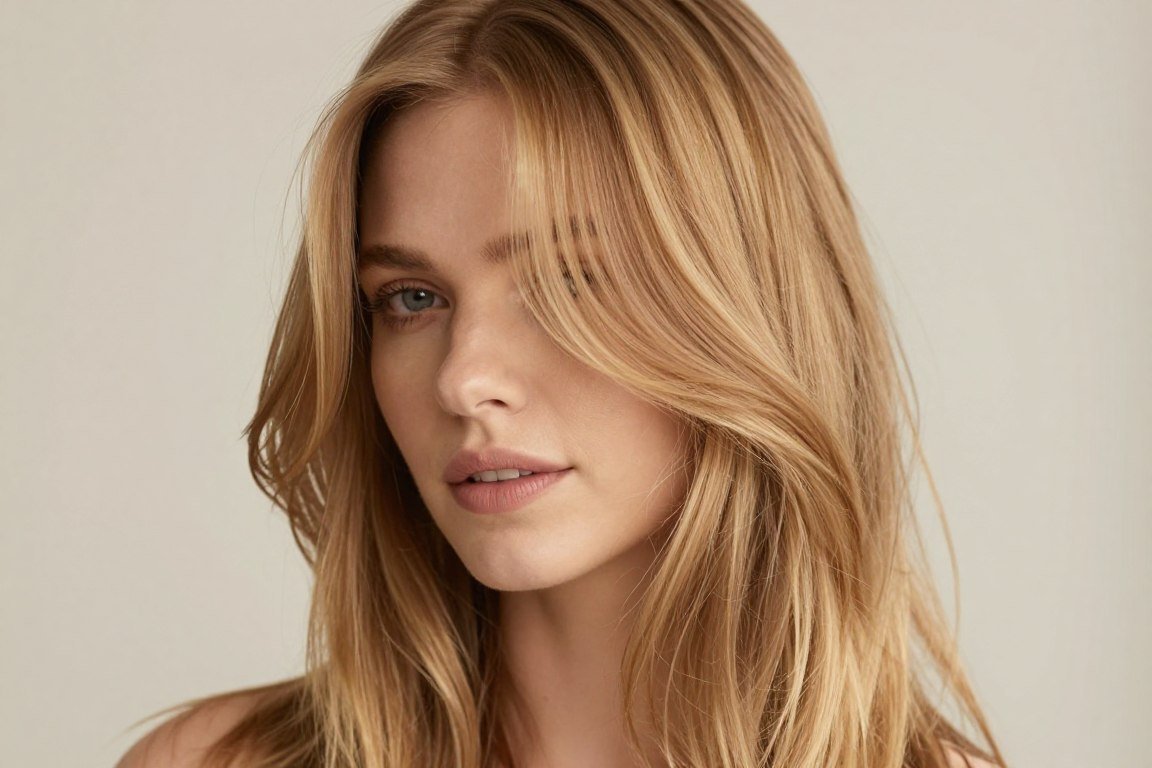
Face-framing layers draw attention to features rather than hair density. Long layers maintain length while adding movement. The graduated cutting prevents thin ends from looking straggly. This versatile style works for various occasions.
Styling involves enhancing natural texture. Apply volumizing spray at the roots before drying. Use a large barrel curling iron on the face-framing pieces. The layers create beautiful movement around the face naturally.
Shaggy Layers Throughout
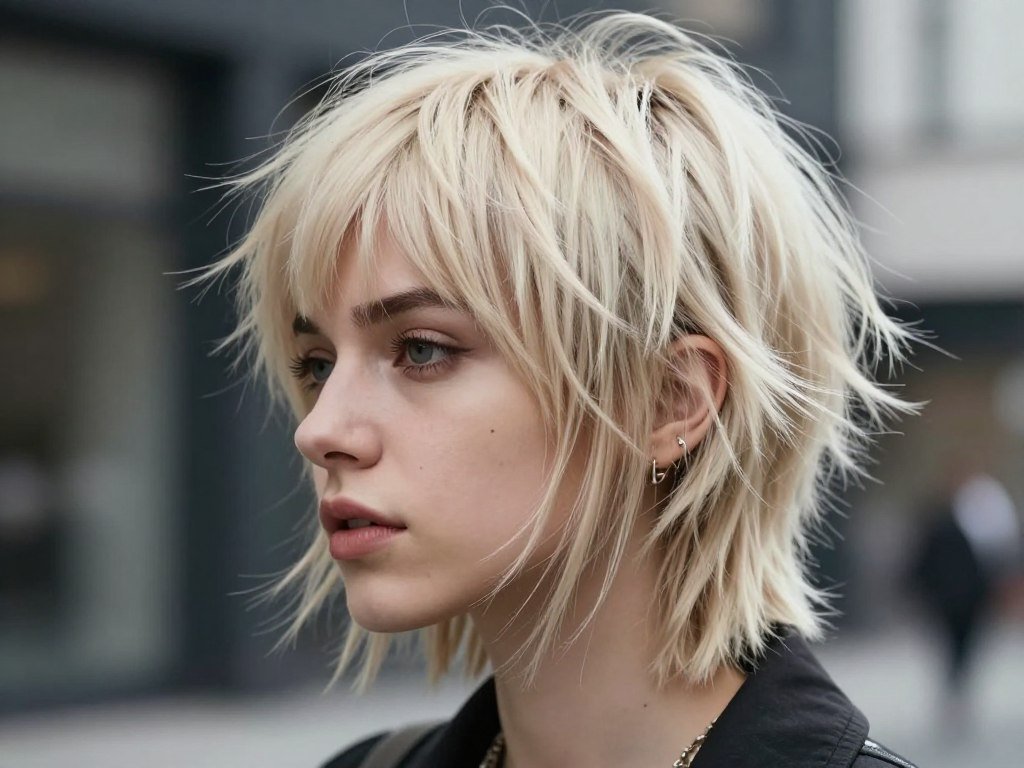
The shag cut brings back retro volume techniques. Choppy layers create multiple lengths simultaneously. This cutting method gives thin hair maximum texture and body. The deliberately messy finish hides any lack of density.
The beauty of a shag lies in its low-maintenance styling. Rough-dry hair with fingers instead of a brush. Add texturizing spray for piece-y definition. The intentional dishevelment creates fullness effortlessly.
Feathered Layers
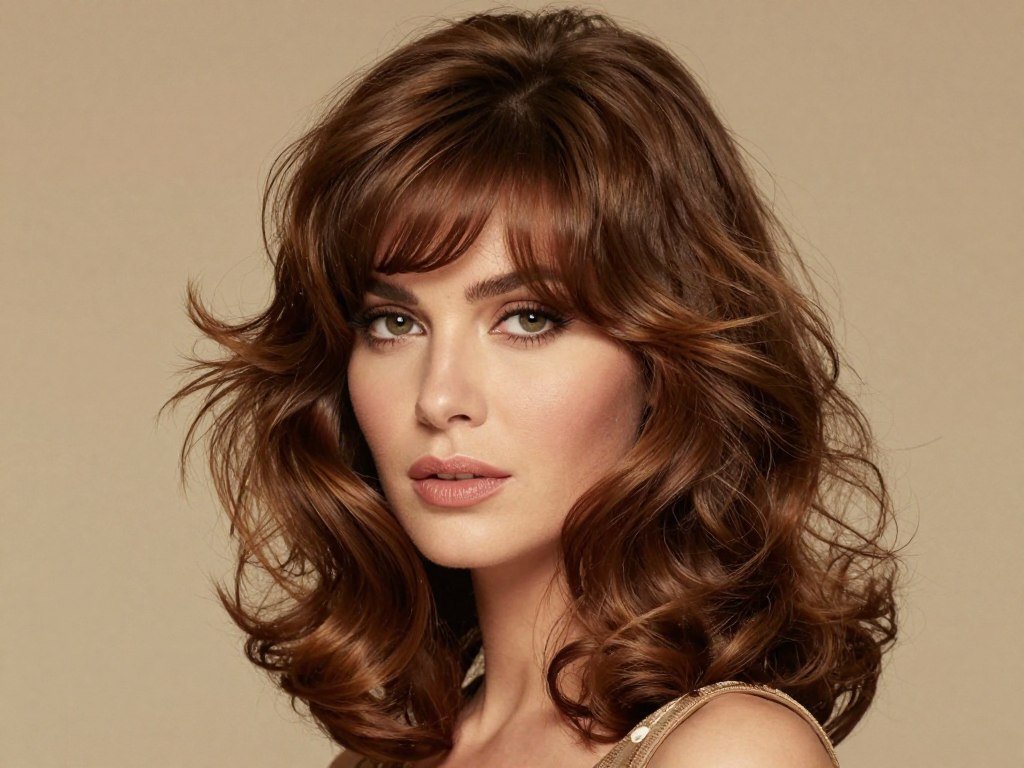
Feathered layers add softness while creating volume. The technique involves point-cutting for wispy ends. Layers that flip outward make thin hair appear thicker. This classic approach never goes out of style completely.
Achieve the feathered look with a round brush. Roll ends under or outward depending on preference. The feathering technique naturally adds body at the ends. Light hairspray maintains the lifted shape throughout the day.
Essential Products for Maximum Volume
Transform your thin hair routine with professional volumizing products. These expert-recommended formulas add lift without weighing down delicate strands. The right products make styling easier and results last longer.
Medium Length Styles Perfect for Fine Hair
Medium length offers the ideal balance for thin hair. The length provides styling options without excess weight. Cuts between chin and shoulder create natural body and bounce.
Shoulder-Length Lob
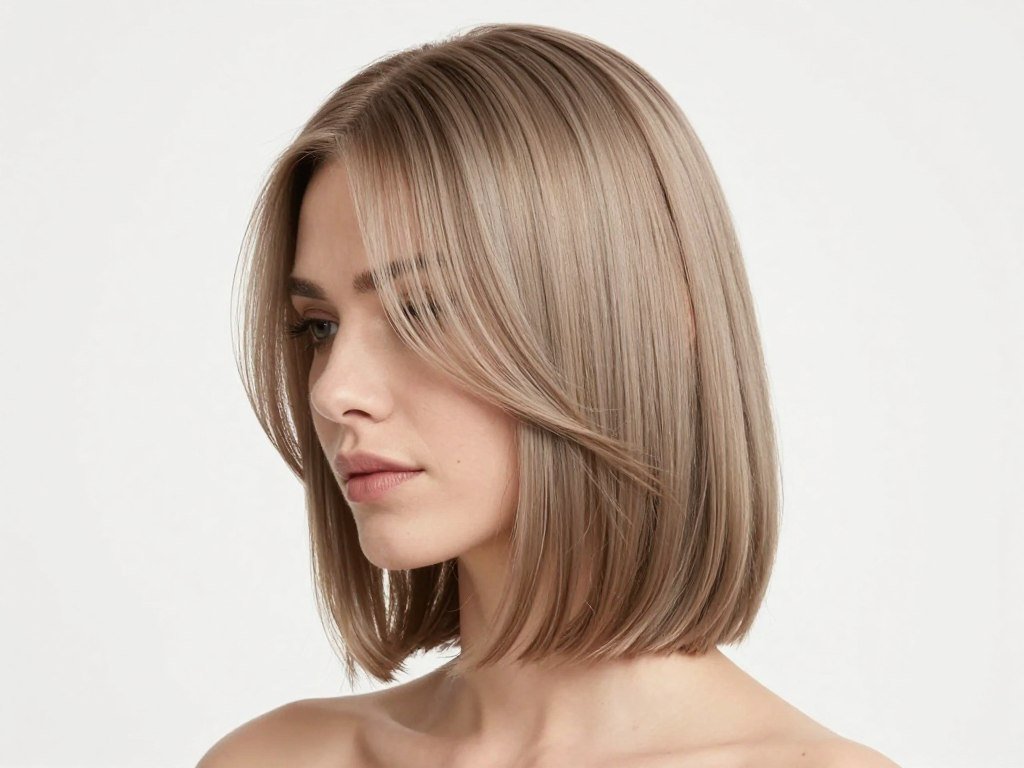
The lob delivers versatility and volume simultaneously. Shoulder-skimming length hits at the perfect spot. Subtle internal layers prevent flatness without creating visible steps. This modern classic flatters all face shapes.
Style the lob multiple ways depending on mood. Wear it straight and sleek for polished looks. Add loose waves for casual texture and volume. The length allows for updos when needed while maintaining daily wearability.
Collarbone Cut with Soft Waves
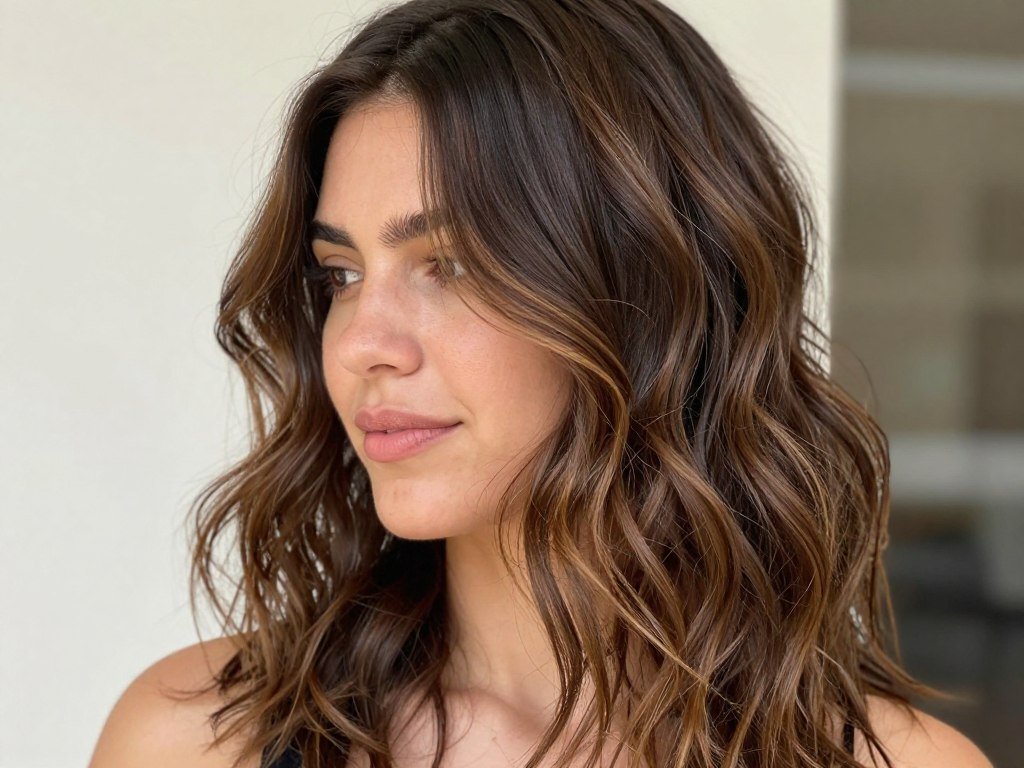
Collarbone length creates natural movement as you move. Soft waves add dimension and the illusion of density. The length prevents thin ends from looking wispy. Strategic cutting makes styling waves easier to achieve.
Create waves without heat for healthier hair. Braid damp hair before bed for natural texture. A texturizing spray enhances the wave pattern. The result looks effortlessly voluminous and beachy fresh.
Graduated Layers at Mid-Length
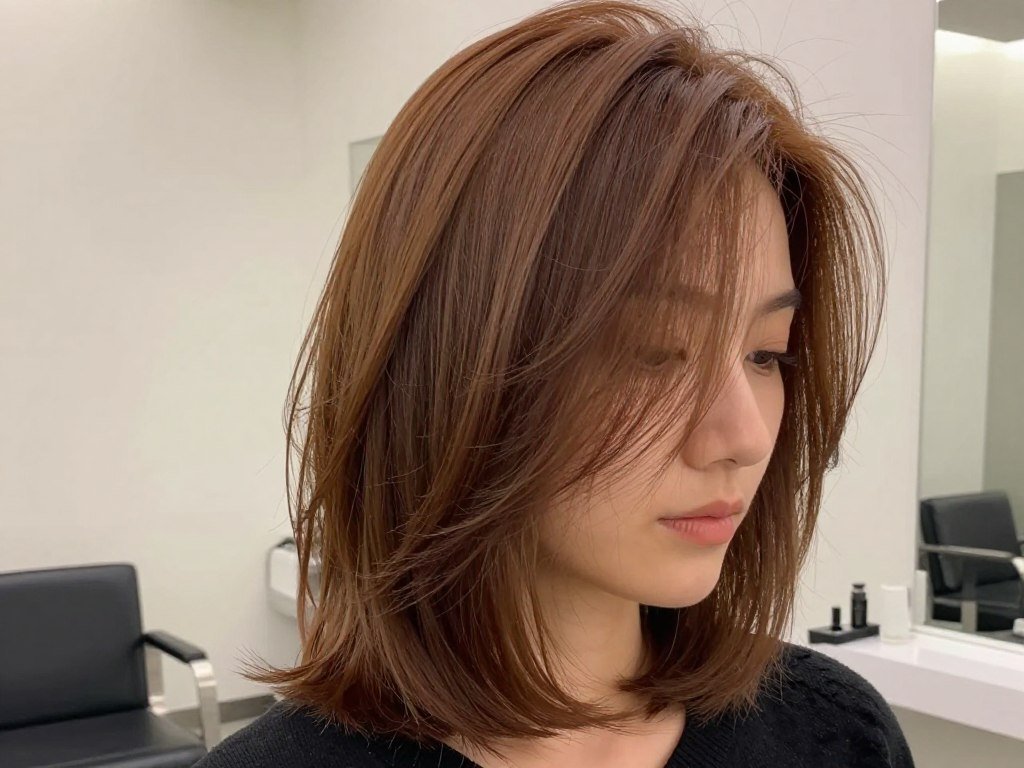
Graduated layers build volume progressively from top to bottom. Shorter layers at the crown create lift naturally. Longer underneath layers maintain fullness at the ends. This technical cutting approach maximizes thickness appearance.
The graduated cut requires strategic blow-drying. Start with the shortest layers first using a round brush. Work down to longer sections gradually. This method stacks volume where thin hair needs it most.
Shaggy Midi Cut
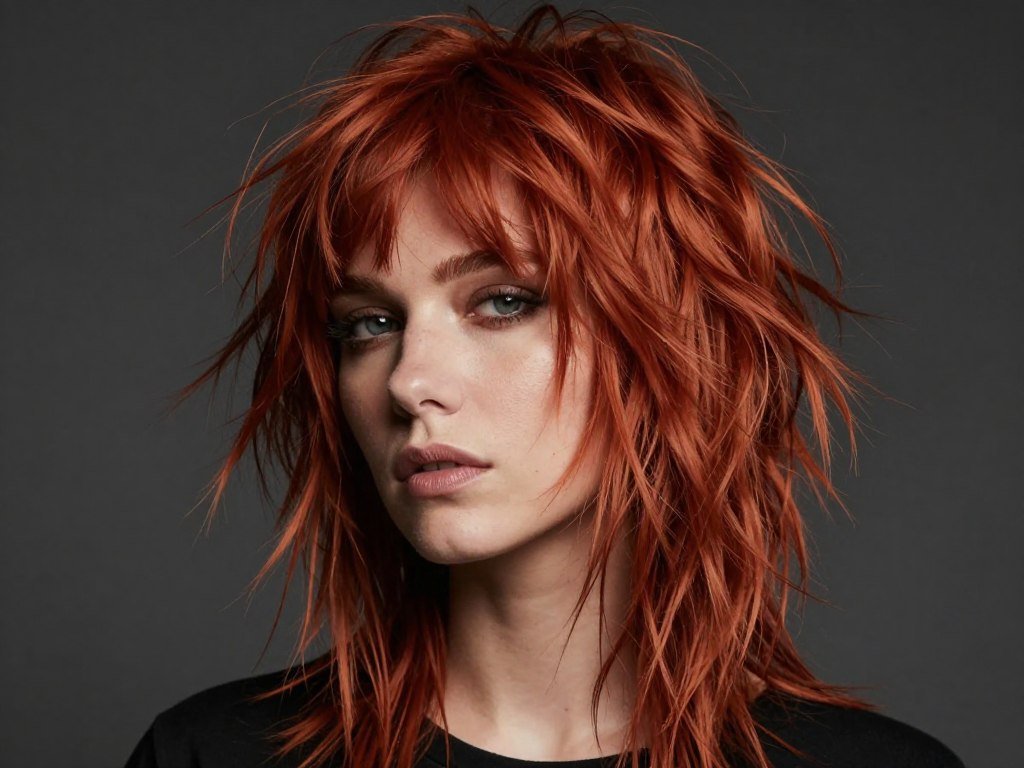
The midi shag combines vintage inspiration with modern edge. Choppy layers throughout create maximum movement. The length falls between shoulder and mid-back for versatility. This style works particularly well for naturally wavy or curly thin hair.
Embrace the natural texture when styling a shag. Scrunch in curl-enhancing cream while damp. Air-dry or diffuse for best results. The intentional messiness disguises any areas where hair appears thin.
Curly and Wavy Styles for Thin Hair
Curls and waves naturally create volume and dimension. Even fine hair benefits from enhanced texture. Strategic cutting and styling make thin hair look abundantly full.
Natural Curly Crop
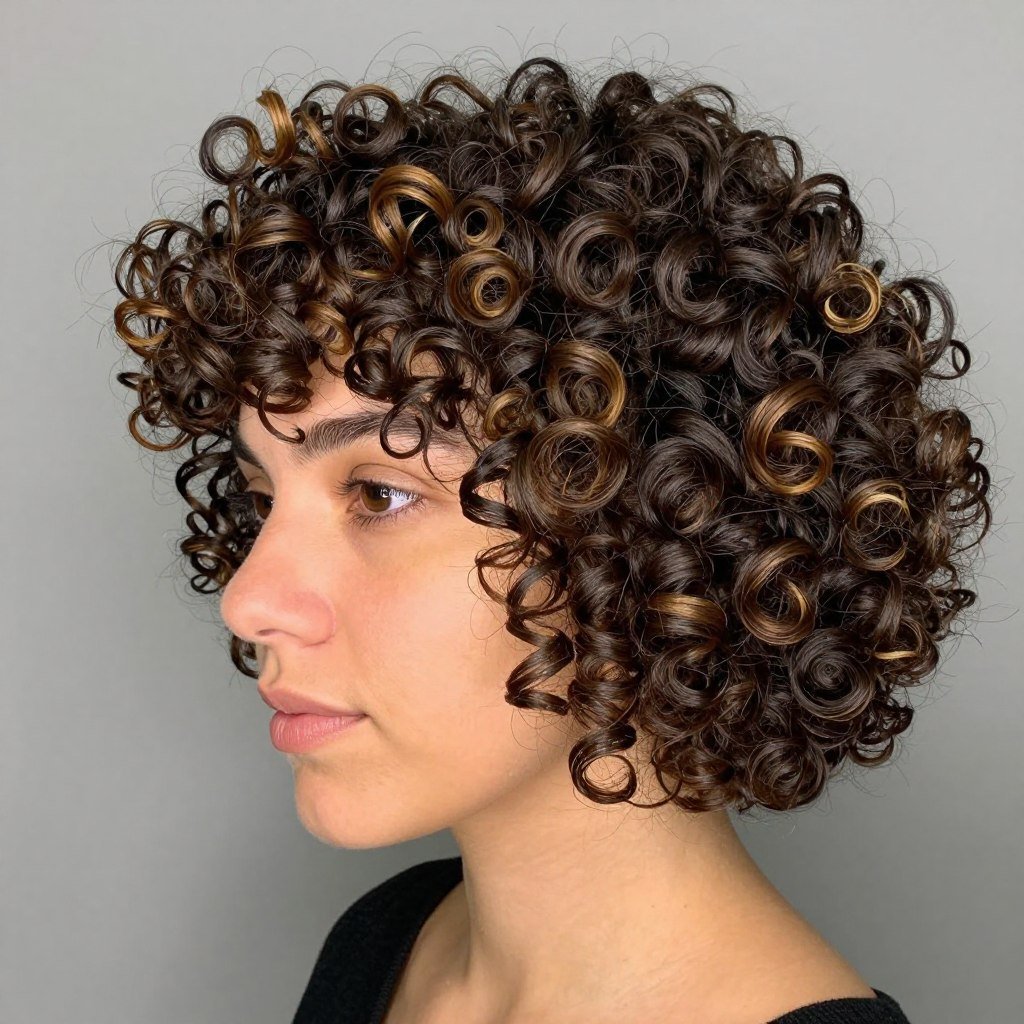
A short curly crop maximizes natural texture. The reduced length prevents curl weight from pulling down. Layers within curls create springy volume. This wash-and-go style celebrates natural hair patterns.
Maintain curls with proper moisture and definition products. Apply curl cream to soaking wet hair. Scrunch gently and allow to air dry. The curls naturally create the illusion of thickness and density.
Beachy Waves with Layers
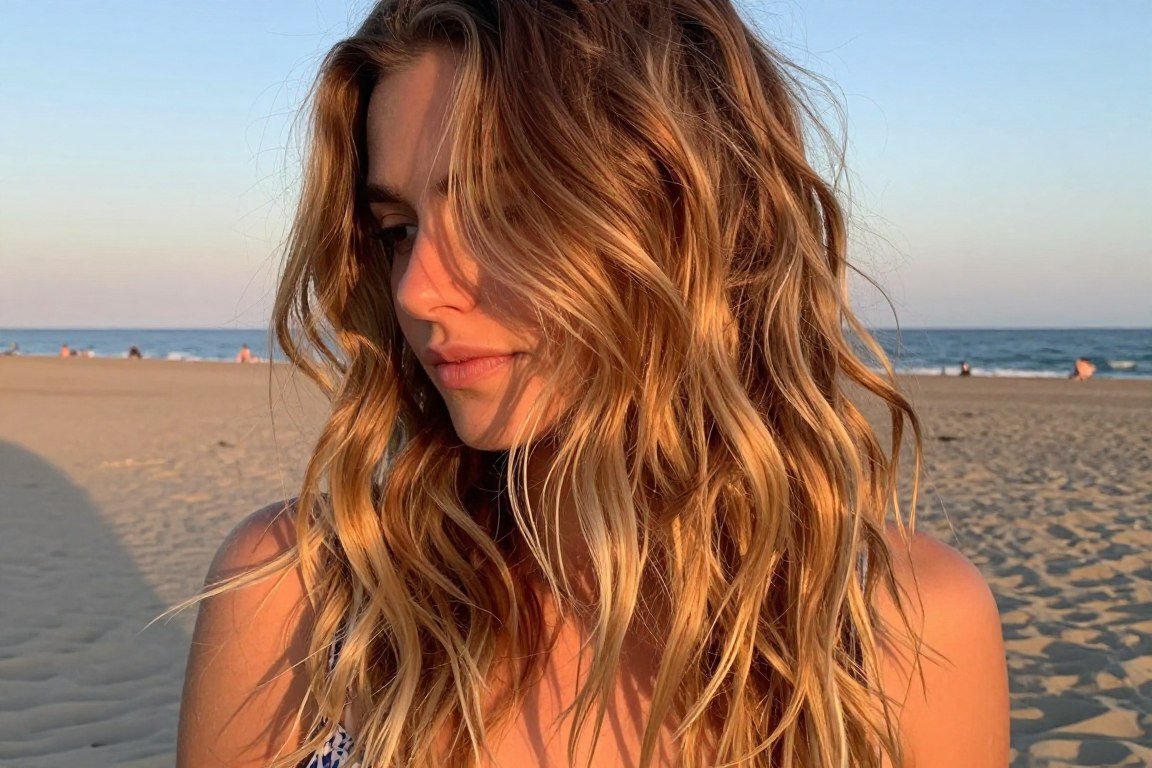
Beachy waves add instant body to thin straight hair. The relaxed wave pattern creates movement and texture. Layers enhance the wave formation naturally. This style delivers volume without appearing overly styled.
Achieve beachy waves with a salt spray and diffuser. Spray damp hair and scrunch sections. Diffuse on low heat while continuing to scrunch. The result mimics a day at the beach naturally.
Spiral Curls with Volume
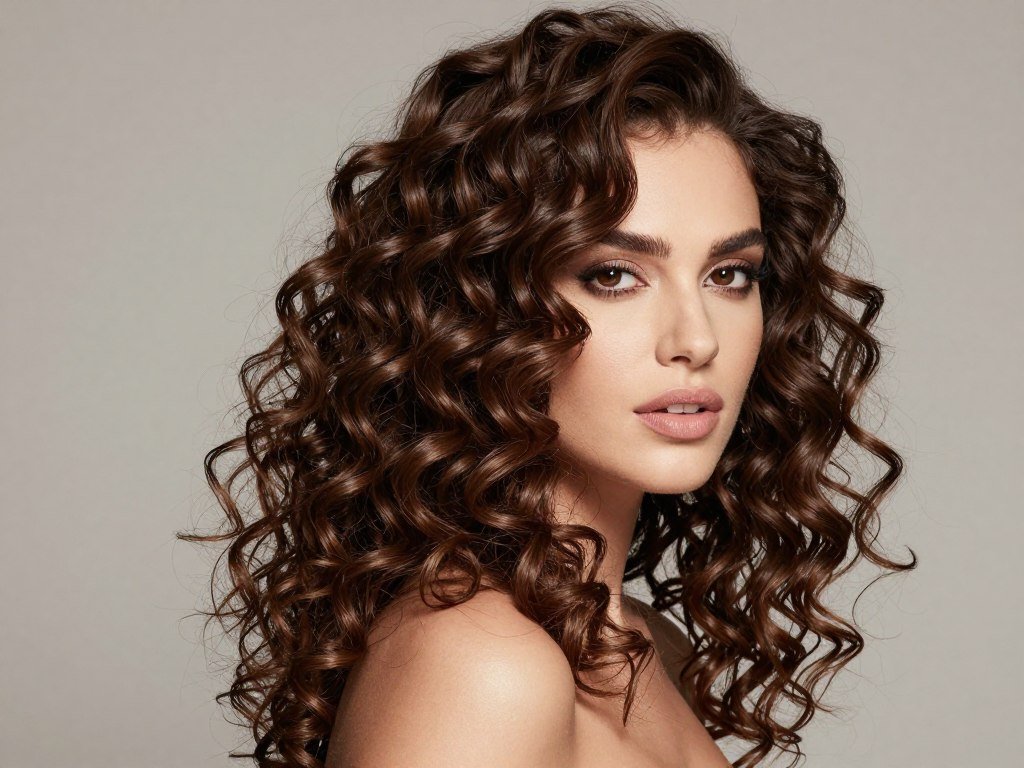
Defined spiral curls create maximum volume potential. Small curling iron barrels form tight spirals. The curl pattern makes thin hair appear incredibly full. This glamorous style works for special occasions beautifully.
Create lasting spirals with proper technique and products. Apply heat protectant before curling small sections. Allow curls to cool completely before touching. Light hairspray maintains definition without flattening volume.
Loose Waves Throughout
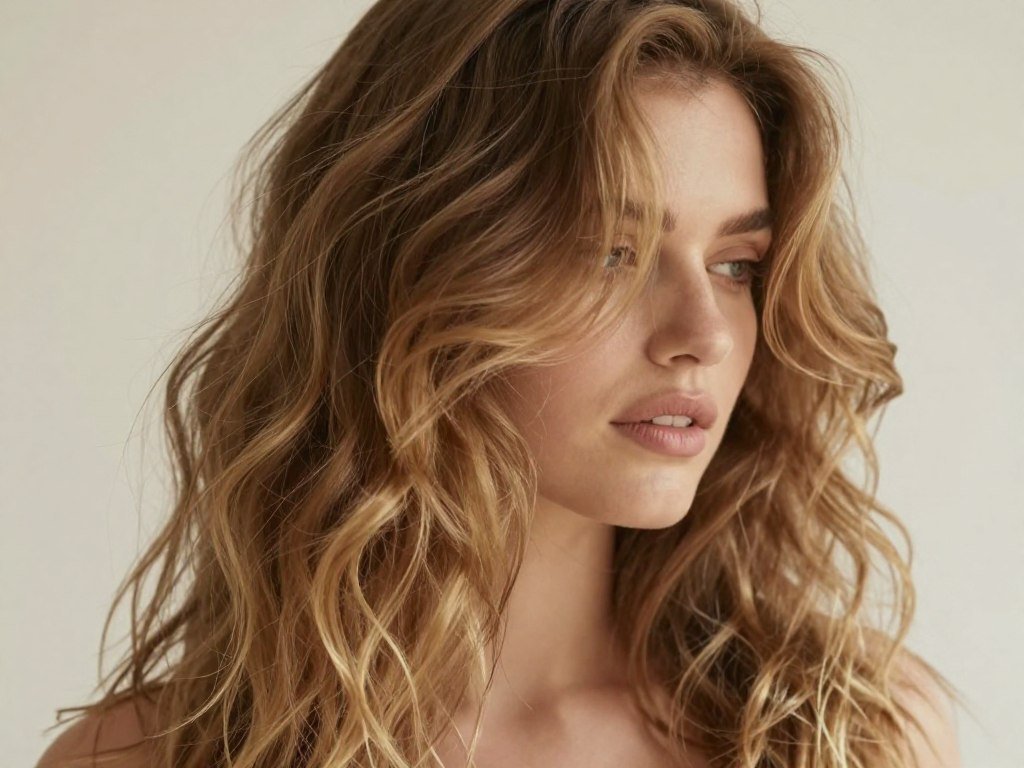
Loose waves provide subtle volume without excessive curl. The gentle wave pattern adds body throughout. This style looks polished yet effortless simultaneously. Large barrel curling creates the soft wave formation.
The key involves curling away from the face. Alternate curl directions for a natural look. Run fingers through cooled curls gently. The broken-up waves appear fuller than uniform curls.
Updo Styles That Hide Thin Hair
Updos offer clever solutions for thin hair struggles. Strategic pinning and teasing create illusions of fullness. The right updo style disguises lack of density completely.
Messy Bun with Texture
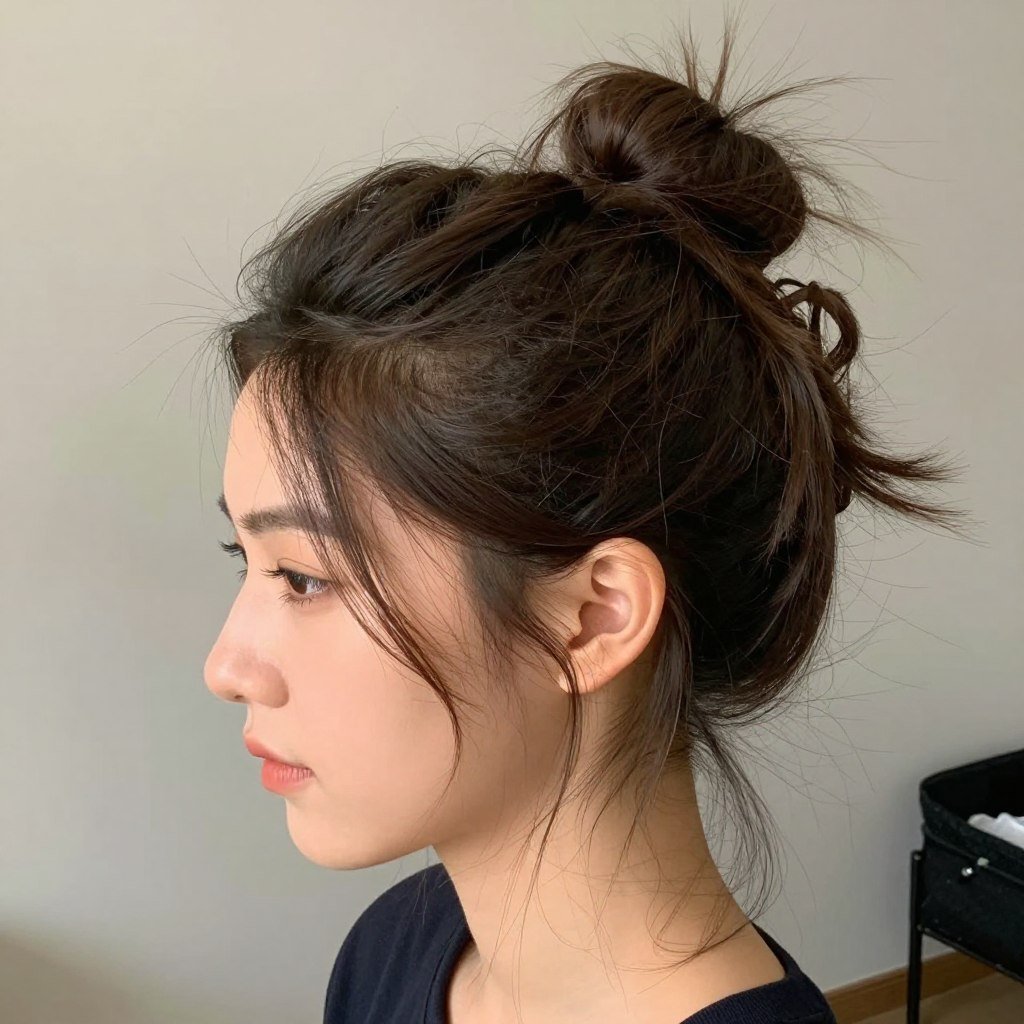
The messy bun works perfectly for thin hair. Deliberate looseness hides sparse areas naturally. Pull small pieces around the face for softness. This casual updo appears intentionally undone rather than thin.
Create volume by teasing at the crown first. Gather hair loosely without pulling tight. Secure with pins rather than tight elastics. Pull sections of the bun gently to create fuller appearance.
Textured Low Ponytail
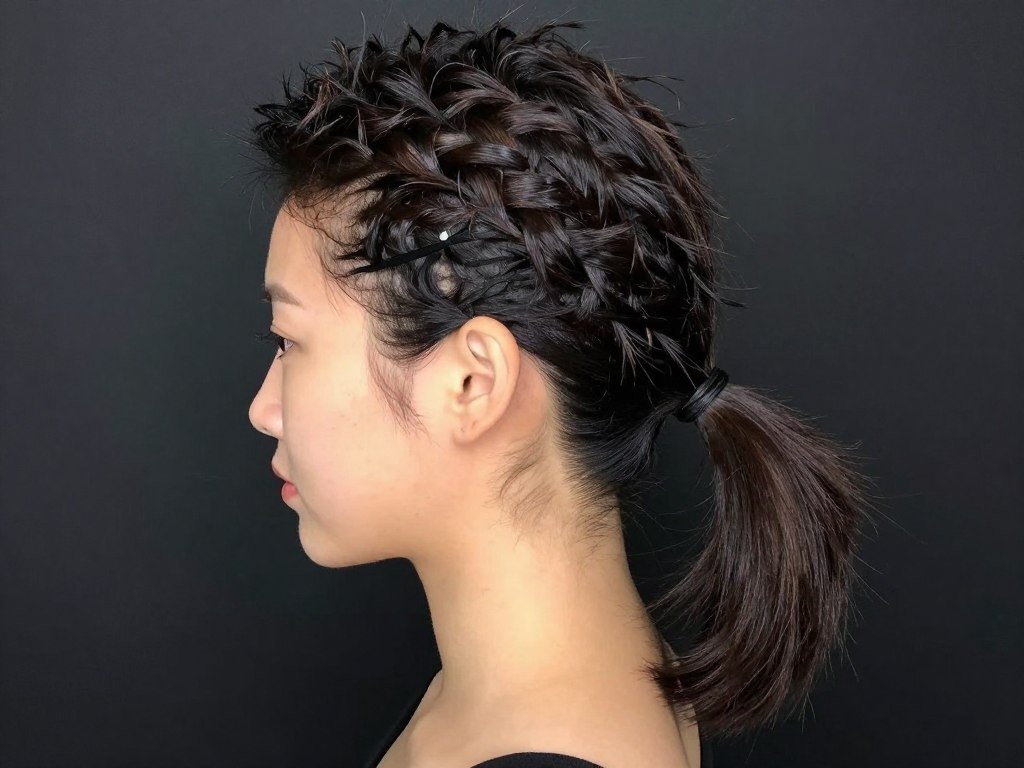
A low ponytail gains interest through added texture. Tease the crown section before gathering. Wrap a small section around the elastic to hide it. The texture throughout creates fullness that camouflages thin hair.
Enhance the ponytail with strategic backcombing. Spray texturizing product at the roots. Gently backcomb in sections before smoothing the top layer. The hidden volume underneath creates a fuller ponytail body.
Braided Crown
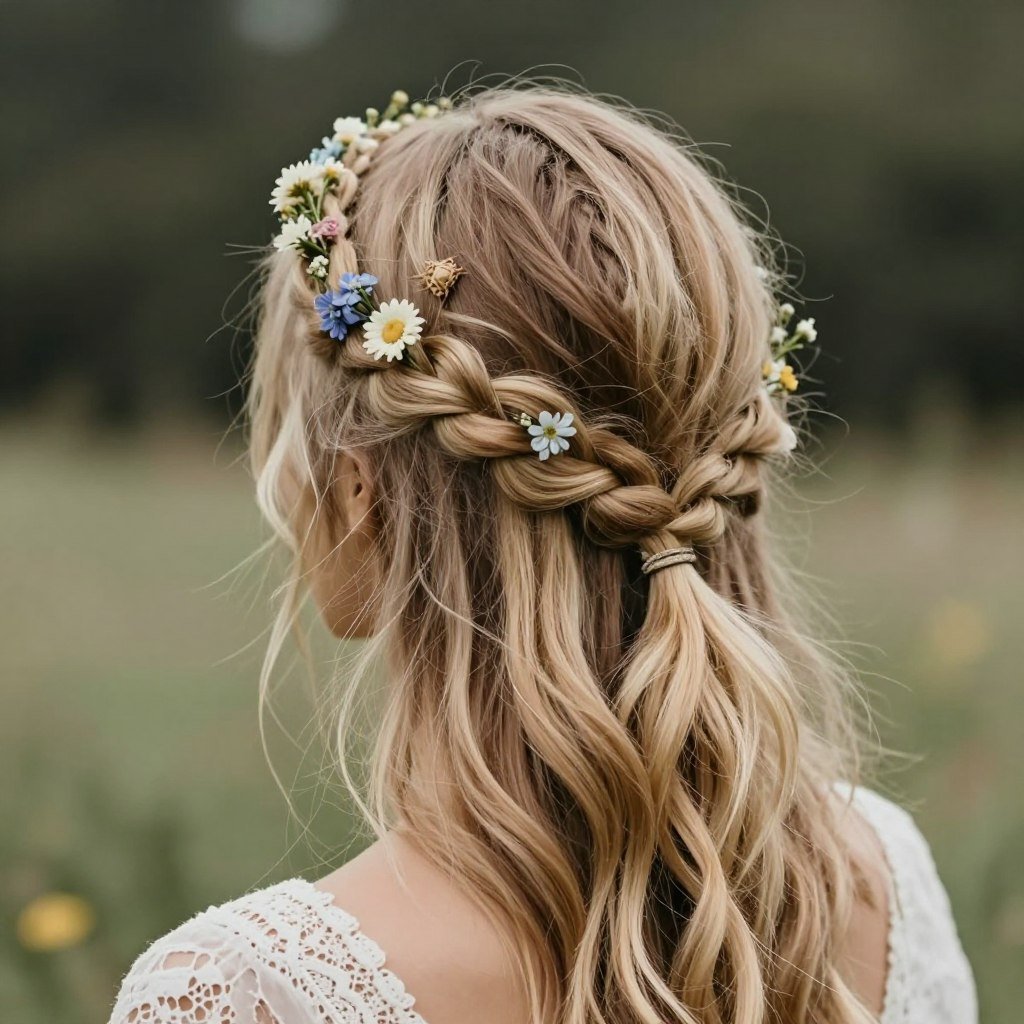
Braided crowns work beautifully for fine hair. The braiding technique naturally creates texture and thickness. Pull the braid gently to make it appear fuller. This romantic style perfect for special occasions disguises thin hair.
Start with slightly dirty hair for better grip. Braid loosely rather than tightly throughout. Pancake the braid by pulling sections gently. Secure around the head with bobby pins strategically placed.
Twisted Updo
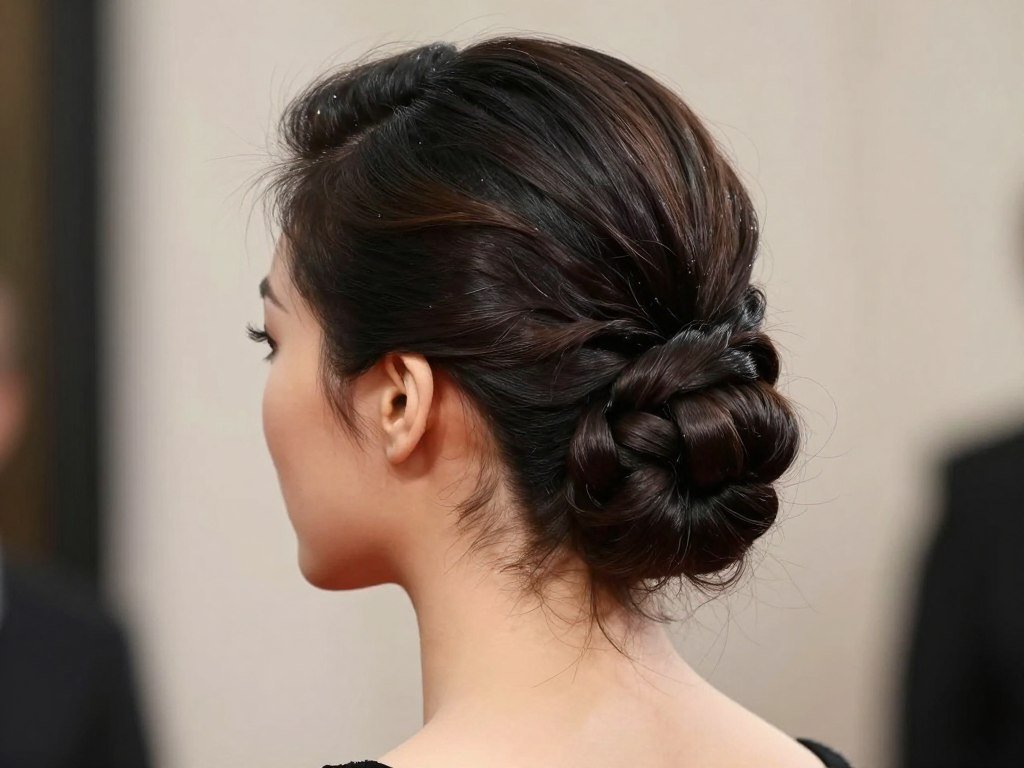
Twisted sections create the illusion of thicker hair. Multiple small twists appear fuller than one large one. Pin twists strategically to build height and volume. This elegant updo works for formal events beautifully.
The technique involves backcombing before twisting. Spray each section with texture spray first. Twist loosely and pin while maintaining volume. The combined twists create impressive fullness despite thin hair.
Tools That Transform Thin Hair
Professional styling tools make achieving volume at home easier than ever. Invest in quality tools designed specifically for fine hair. The right equipment creates salon-worthy results daily.
Bangs and Fringe Options for Thin Hair
Bangs draw attention away from overall hair density. Strategic fringe styles create focal points around the face. The right bangs add dimension and frame features beautifully.
Wispy Side-Swept Bangs
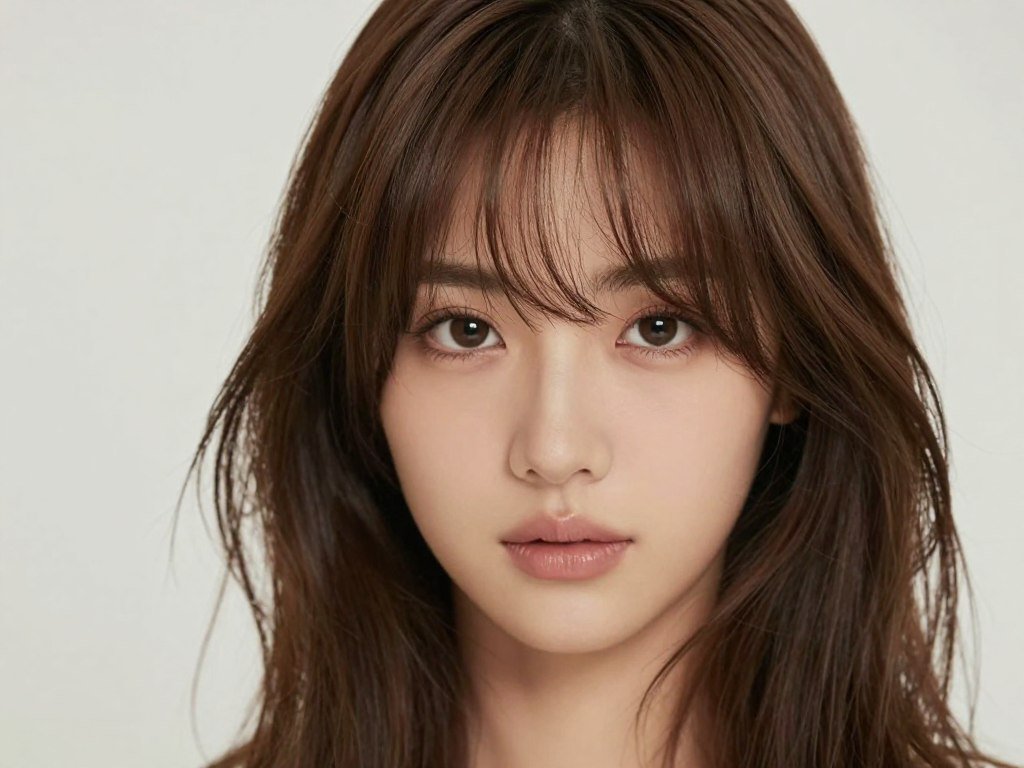
Wispy bangs work perfectly with thin hair texture. The light, airy quality matches fine strands naturally. Side-sweeping creates movement and softness. These bangs require minimal styling maintenance daily.
Cut bangs slightly longer than desired length initially. Point-cut the ends for piece-y texture. Style by blow-drying to the side with fingers. The wispy nature disguises any gaps in density.
Curtain Bangs
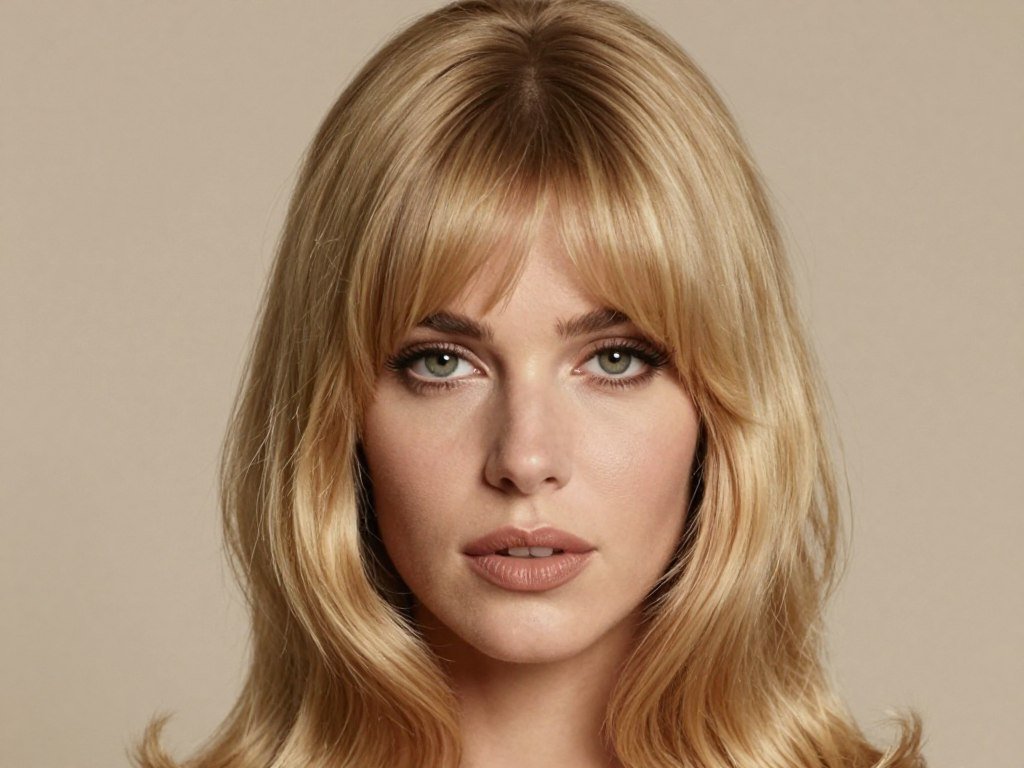
Curtain bangs frame the face while adding movement. The center part creates symmetry and balance. Longer sides blend seamlessly with overall length. This versatile fringe style suits various face shapes perfectly.
Style curtain bangs with a small round brush. Blow-dry each side away from the face. The natural part creates automatic volume at the crown. Minimal product keeps the airy, face-framing effect.
Baby Bangs
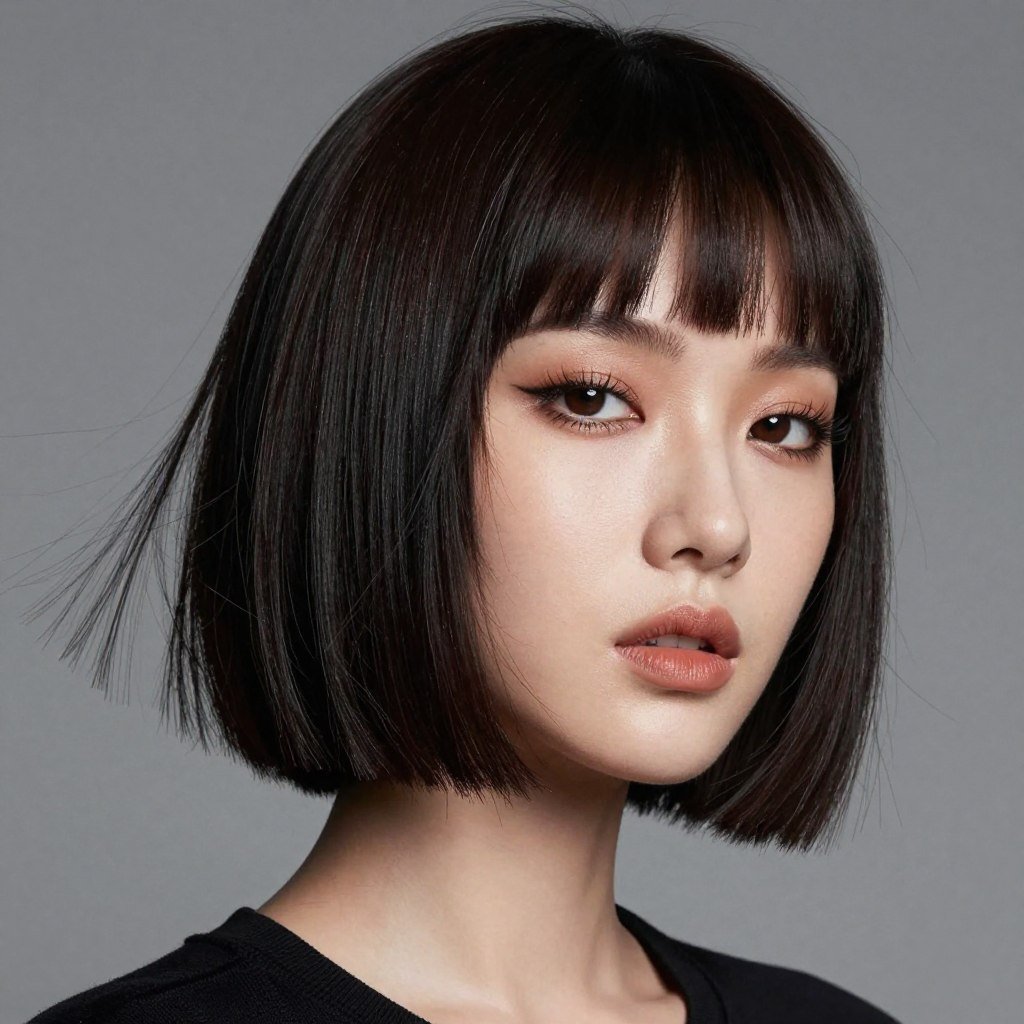
Baby bangs make a bold statement with thin hair. The short length requires less hair density. This edgy fringe draws all attention to the eyes. Perfect for confident individuals wanting dramatic style.
Baby bangs require regular maintenance every few weeks. The short length means any growth shows quickly. Style by blow-drying straight down with a flat brush. This modern fringe works best with strong features.
Textured Choppy Bangs
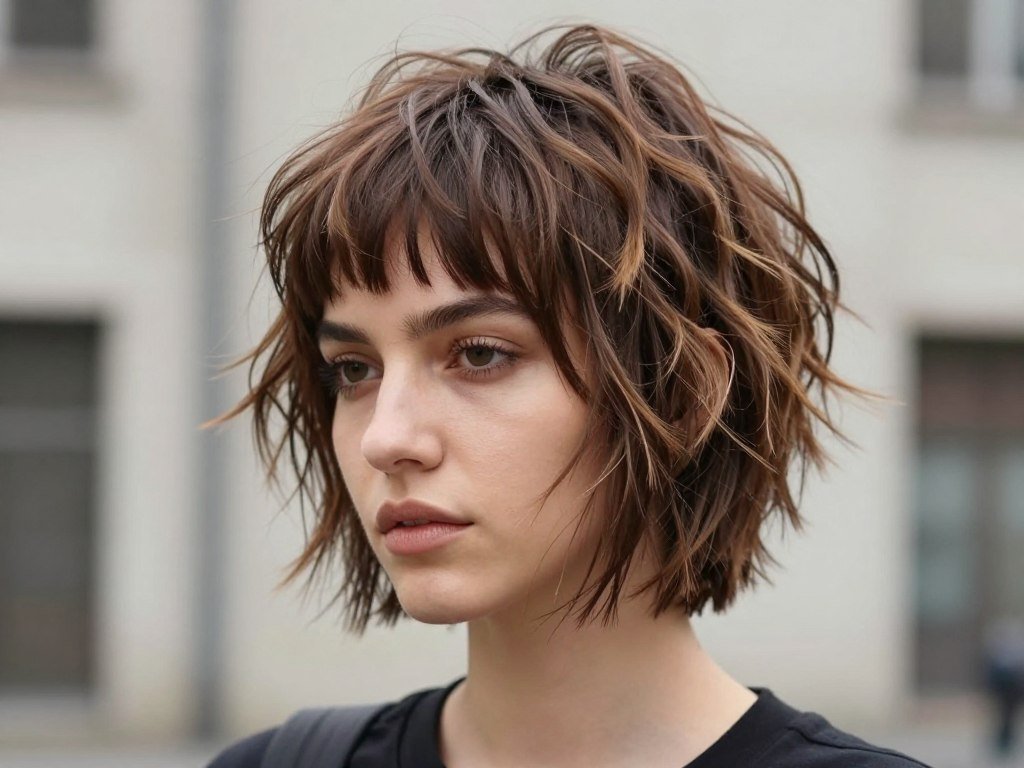
Choppy bangs add instant edge and texture. The uneven cutting creates deliberate piece-y sections. This fringe style disguises thin hair through strategic cutting. Modern and low-maintenance simultaneously.
Point-cut bangs at varying lengths for texture. Style with a small amount of pomade. Separate pieces with fingertips for definition. The choppy nature naturally creates the illusion of thickness.
Color Techniques That Add Dimension
Hair color creates powerful optical illusions. Strategic highlighting adds depth and dimension. The right color placement makes thin hair appear significantly fuller.
Balayage for Depth
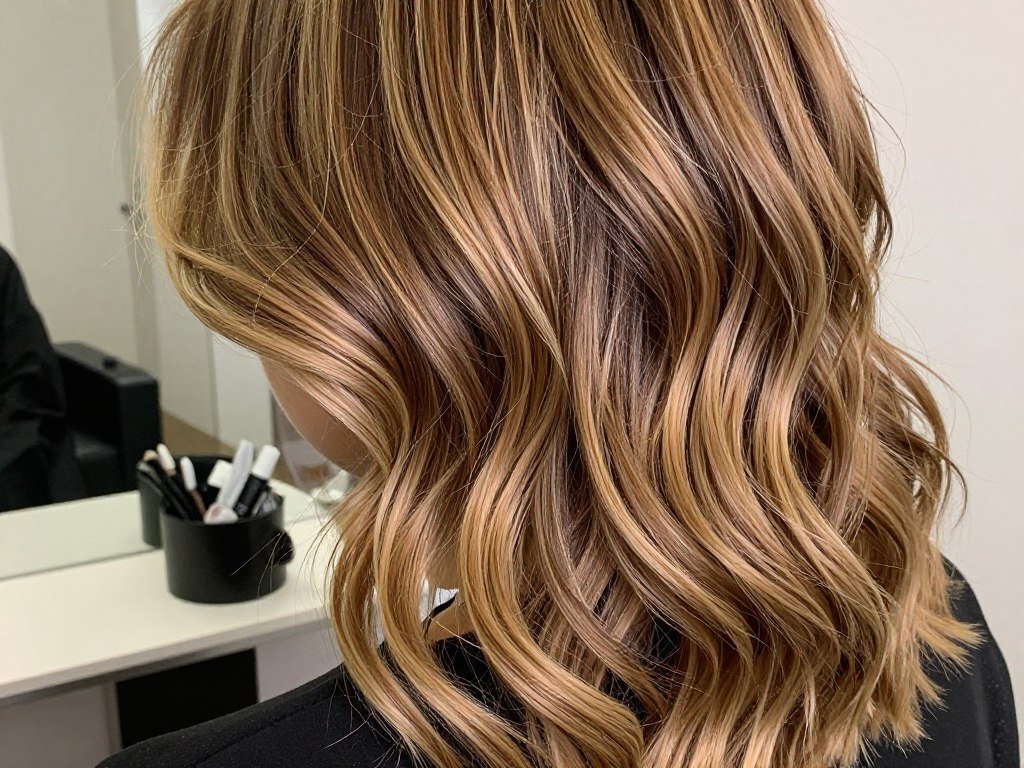
Balayage creates natural-looking dimension throughout. Hand-painted highlights add depth where needed most. The varied tones trick the eye into seeing more hair. This low-maintenance color technique grows out beautifully.
Lighter pieces around the face brighten and frame features. Darker roots create the illusion of shadow and depth. The contrast between tones makes individual strands more visible. Strategic placement enhances any haircut style.
Highlights and Lowlights
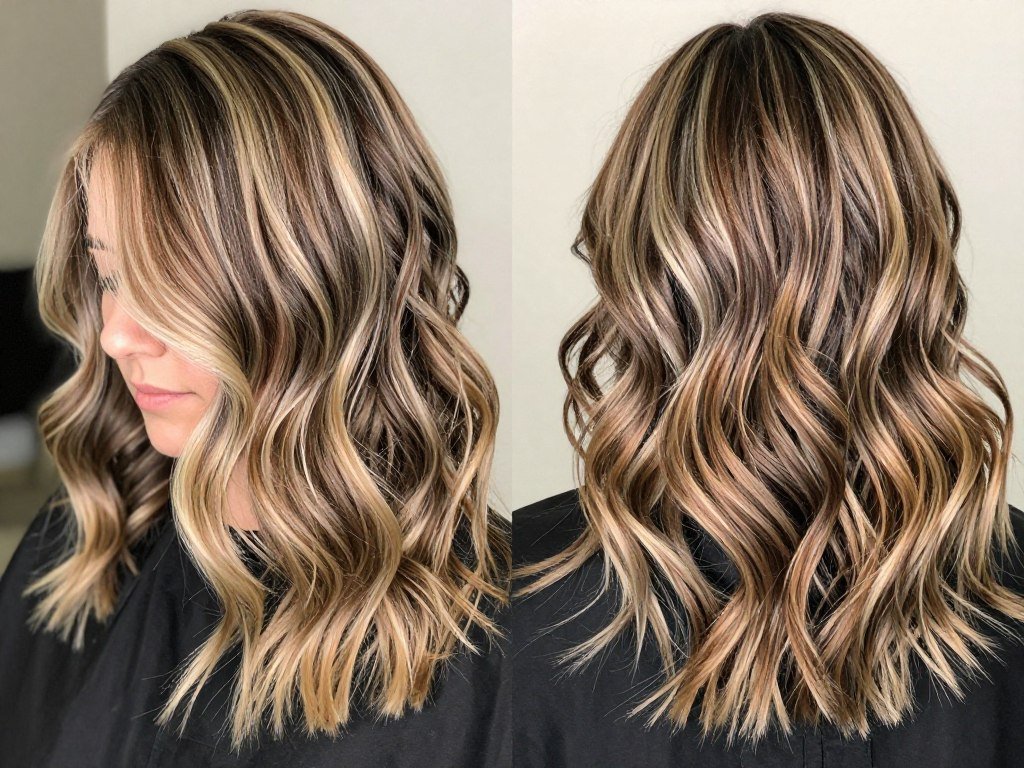
Combining highlights and lowlights maximizes dimension. Light and dark pieces create visual texture. The multi-tonal effect makes hair appear thicker instantly. This classic technique never goes out of style.
The key involves varying the placement randomly. Avoid uniform stripes that look artificial. Place lighter pieces where sun would naturally lighten. Darker lowlights create shadows that add perceived depth and density.
Root Shadow Technique
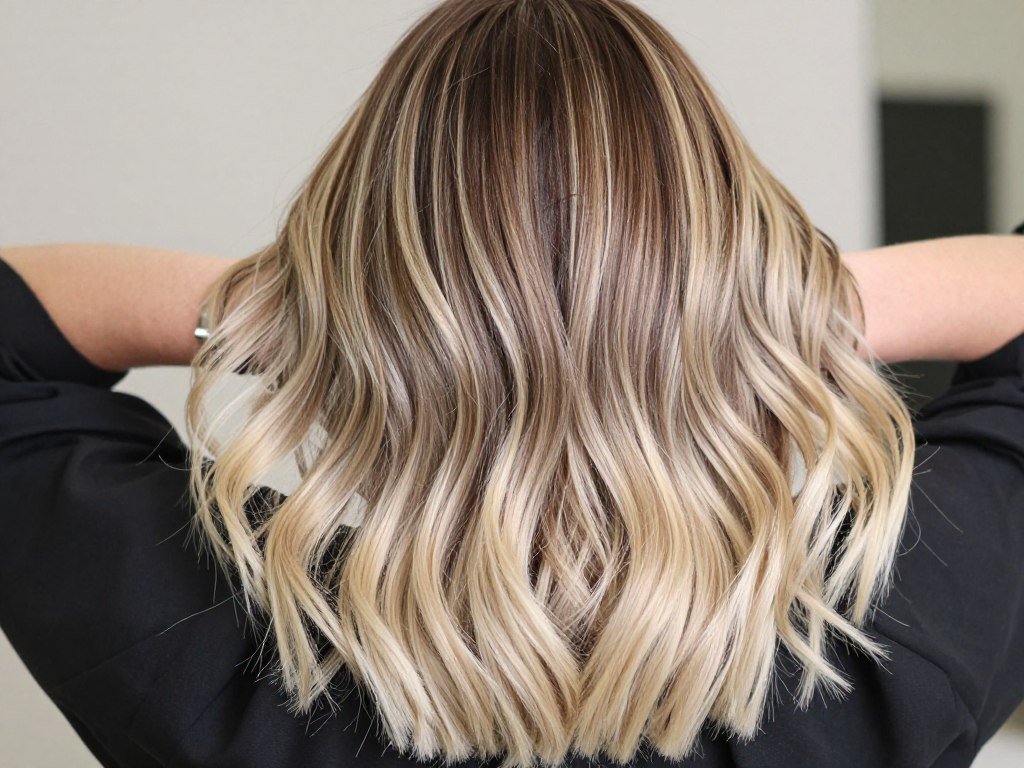
Root shadowing creates instant depth at the scalp. Darker roots make the hair appear denser. The gradual lightening toward ends adds dimension. This technique also reduces maintenance between color appointments.
The shadow typically extends two to three inches from roots. Blend seamlessly into lighter mid-lengths and ends. The darker base creates the illusion of more hair. Plus regrowth blends naturally requiring fewer salon visits.
Professional Styling Techniques
Mastering key styling techniques transforms thin hair daily. Professional methods create lasting volume and body. Learn tricks hairstylists use for maximum fullness.
Blow-Drying for Volume
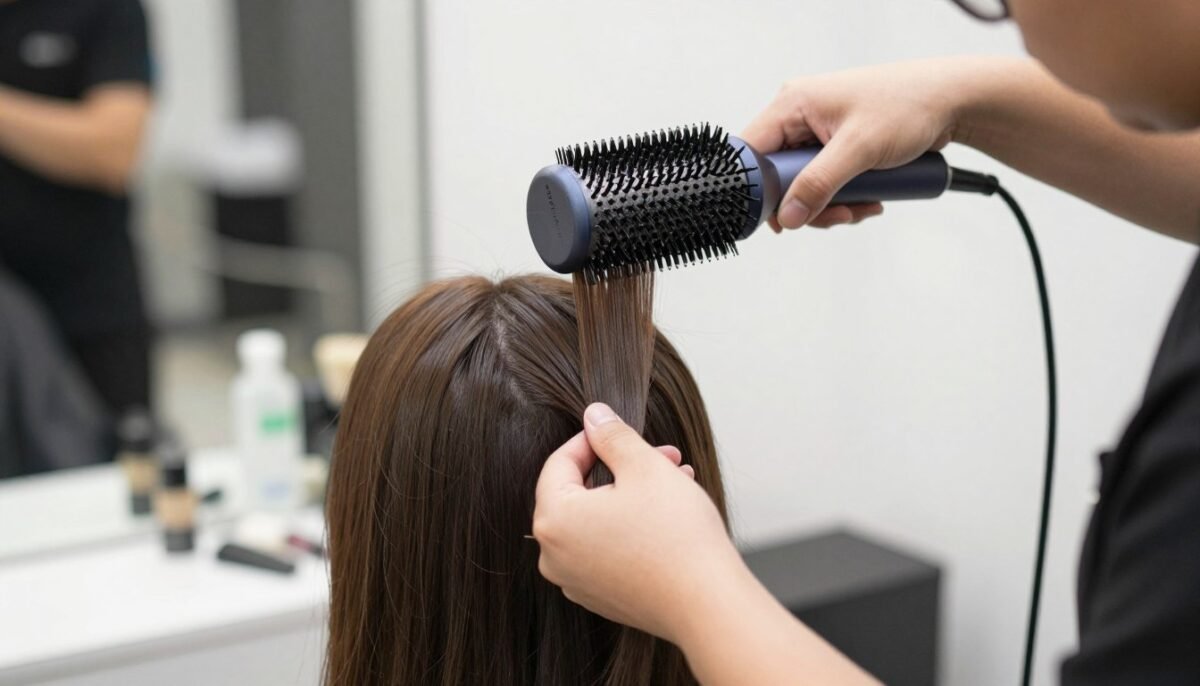
Proper blow-drying makes the biggest difference for thin hair. Start by applying volumizing mousse to damp strands. Flip your head upside down and dry the roots first. This creates lift that lasts throughout the day.
Use a round brush on the top sections. Roll hair up and away from the scalp. Direct heat at the roots rather than the ends. Cool the section before releasing for better hold.
Pro Tip: Always finish blow-drying with a blast of cool air. The cold temperature sets the style and seals the hair cuticle. This creates longer-lasting volume and adds natural shine to fine strands.
Strategic Teasing
Backcombing creates instant volume where thin hair needs it most. Focus on the crown area for maximum lift. Use a fine-tooth comb and gentle strokes. Tease only the underlayers while keeping the top smooth.
Spray each section lightly before backcombing. Work in small sections for controlled volume. Smooth the top layer over teased sections gently. This technique creates fullness without obvious backcombing.
Hot Tool Techniques
Curling irons and flat irons create texture and body. Use larger barrels for loose waves and volume. Smaller barrels create tighter curls with more lift. Always use heat protectant to prevent damage to delicate strands.
Curl sections away from the face for flattering movement. Alternate curl directions for natural-looking texture. Allow curls to cool completely before touching. Set with light hairspray for lasting hold without stiffness.
Maintaining Volume and Fullness
Keeping thin hair looking full requires consistent care. Daily habits impact hair health and appearance. Follow these maintenance tips for best results.
Washing and Conditioning
Thin hair requires careful washing to maintain volume. Use volumizing shampoo formulated for fine strands. Focus shampoo on the scalp where oil accumulates. Rinse thoroughly to prevent product buildup that weighs hair down.
Apply conditioner only to the ends of hair. Avoid conditioning near the roots which causes flatness. Leave conditioner on for just one to two minutes. Thorough rinsing prevents residue that makes hair limp.
- Wash hair every other day to prevent over-drying
- Use lukewarm water instead of hot to preserve moisture
- Apply dry shampoo between washes for added volume
- Choose lightweight formulas specifically for fine hair
Product Application
Less is always more with thin hair products. Heavy products weigh down delicate strands instantly. Use dime-sized amounts of styling products initially. You can always add more if needed.
Apply products to damp hair for even distribution. Focus on mid-lengths and ends rather than roots. Emulsify products in your palms before applying. This prevents clumping and ensures light, even coverage.
Sleeping Habits
Nighttime habits affect morning hair volume significantly. Sleep on a silk or satin pillowcase to reduce friction. Consider a loose topknot to preserve volume overnight. Never go to bed with wet hair which causes flatness.
Refresh morning hair with dry shampoo at the roots. Flip hair upside down and shake for instant lift. A few spritzes of texturizing spray revive yesterday’s style. These quick tricks save time while maintaining fullness.
More Volume-Creating Hairstyles
Explore additional cutting and styling options for thin hair. Each style offers unique approaches to creating fullness. Find the perfect look that matches your lifestyle and preferences.
Voluminous Pixie with Undercut
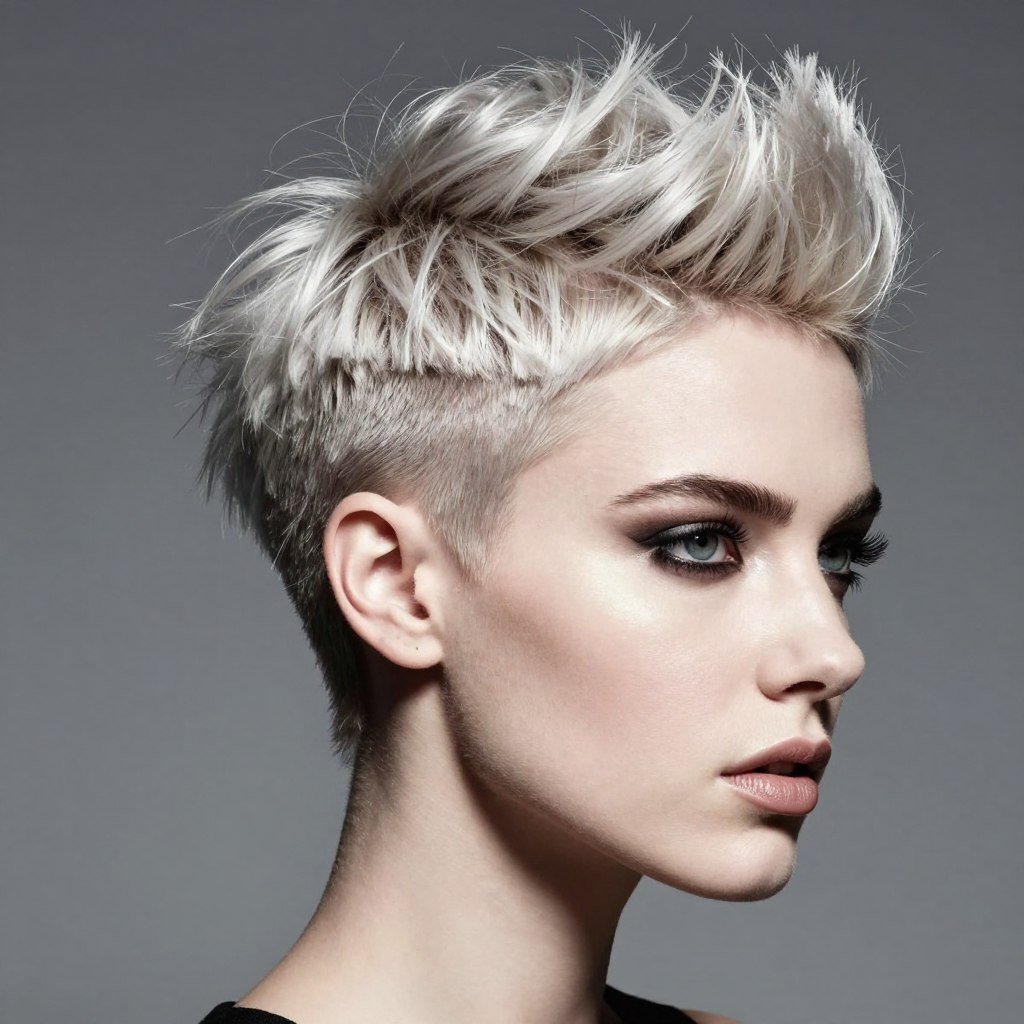
An undercut removes weight from the sides dramatically. The contrast makes the top appear significantly fuller. Long textured layers on top create maximum height. This edgy style makes a bold fashion statement.
Style the top section with strong-hold pomade. Push hair forward and upward for dramatic height. The shaved sides emphasize the volume on top. This look requires regular maintenance to keep the undercut fresh.
Tousled Shoulder-Length Cut
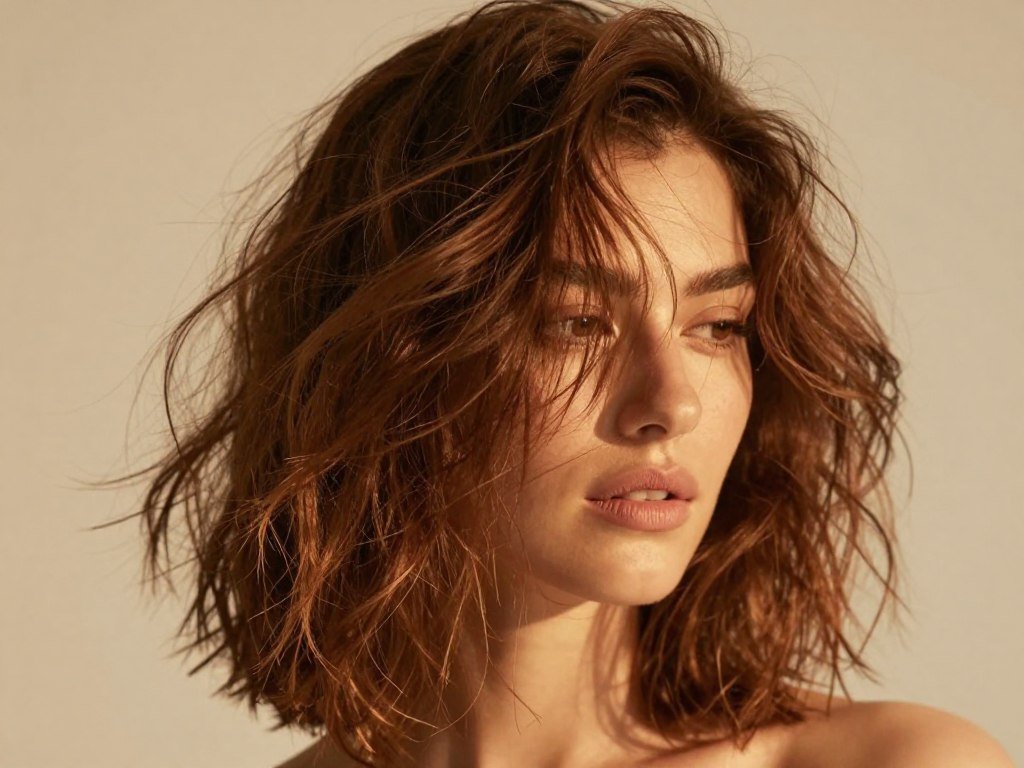
Tousled styling embraces natural texture beautifully. The deliberately messy look disguises thin areas. Shoulder length provides enough hair to create body. Random texture makes hair appear thicker than sleek styles.
Achieve this look with sea salt spray. Scrunch product through damp hair randomly. Air dry or diffuse for natural texture. The imperfect finish creates the illusion of density and fullness.
Voluminous Ponytail with Extensions
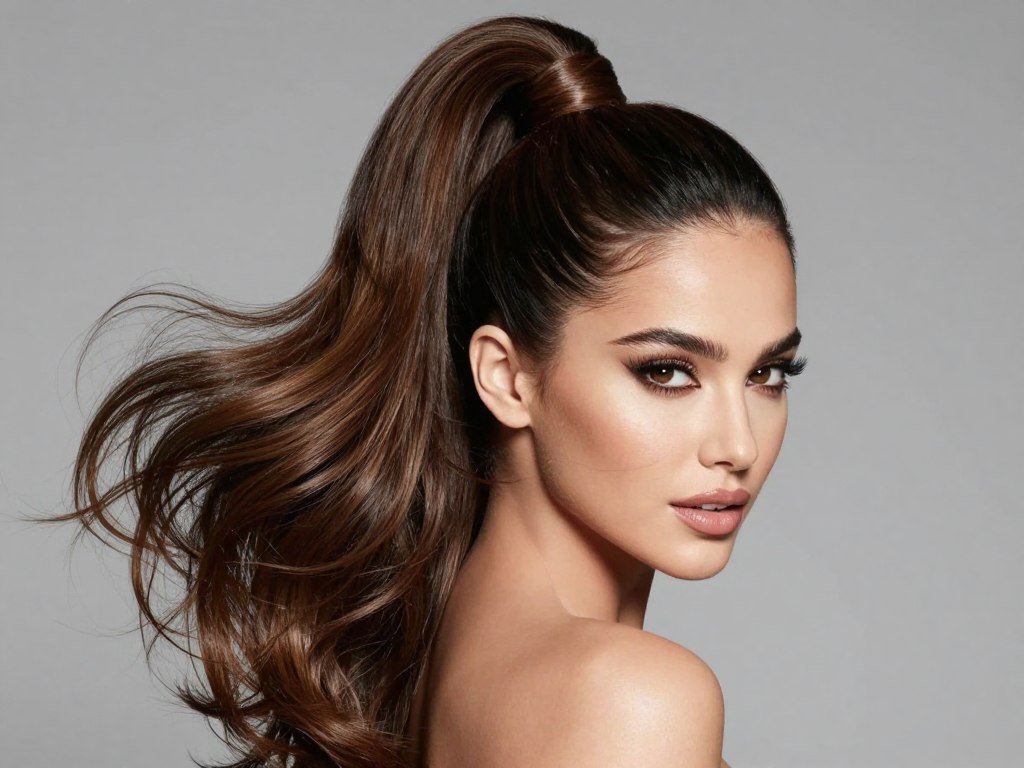
Clip-in extensions transform thin ponytails instantly. Add extensions before gathering hair into the ponytail. The extra hair creates impressive volume and length. This temporary solution works perfectly for special occasions.
Match extension color to your natural hair perfectly. Tease the ponytail gently after securing. Wrap a small section around the elastic. The enhanced ponytail appears naturally full and voluminous.
Crimped Texture Throughout
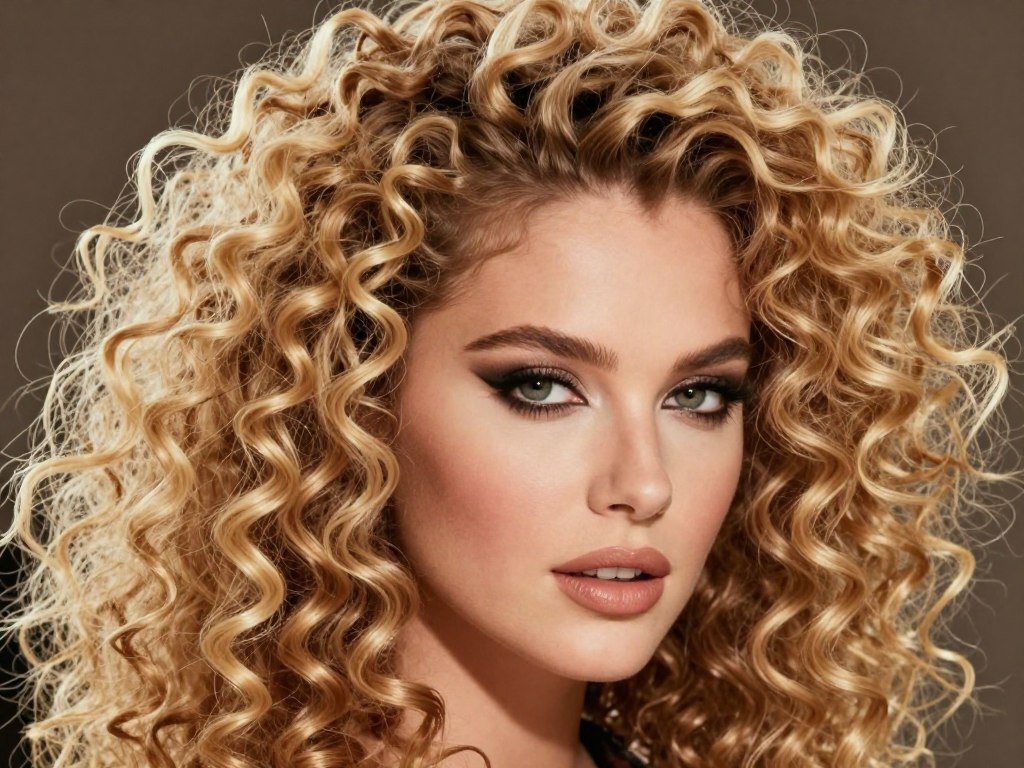
Crimping creates incredible volume for thin hair. The zigzag texture makes hair appear three times thicker. Modern crimping irons create subtle texture options. This technique works beautifully for all hair lengths.
Crimp small sections starting near the roots. Work through the entire head systematically. The resulting texture lasts for days. Run fingers through gently to soften if desired while maintaining volume.
Half-Up Top Knot
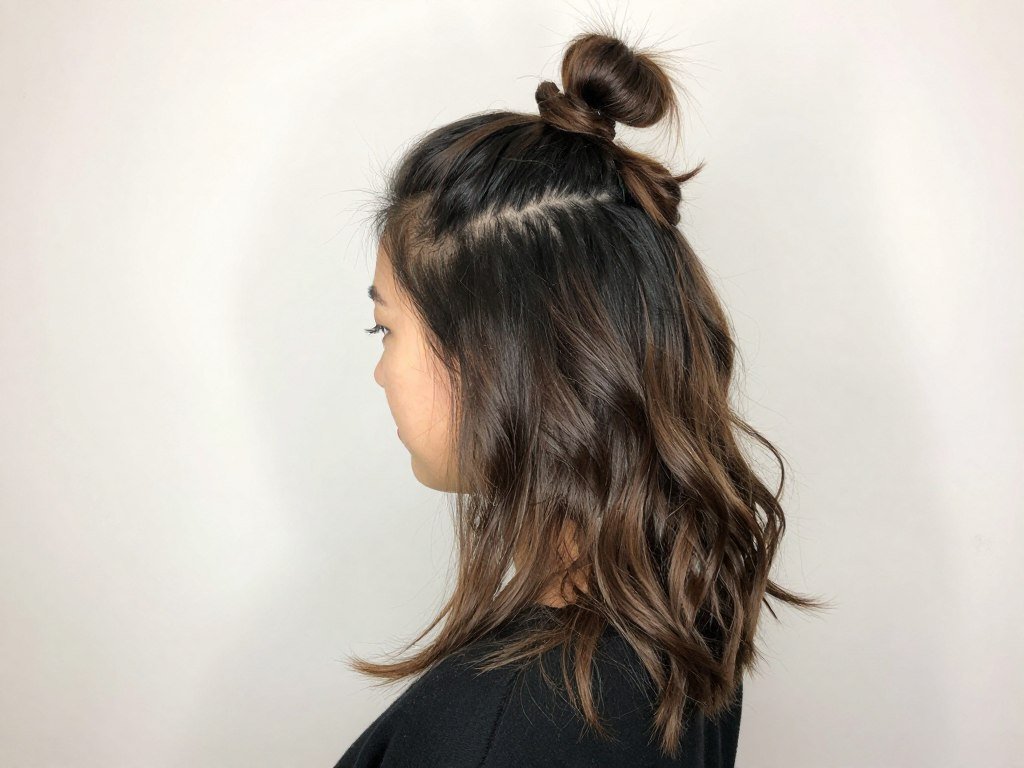
The half-up top knot adds height at the crown. Gather only the top section into a small bun. Leave remaining hair down for length and coverage. This casual style creates the illusion of fullness effortlessly.
Tease the section before creating the knot. Secure loosely without pulling tight. Pull small pieces around the face free. The combination of height and loose strands creates balanced volume.
Slicked Back with Volume
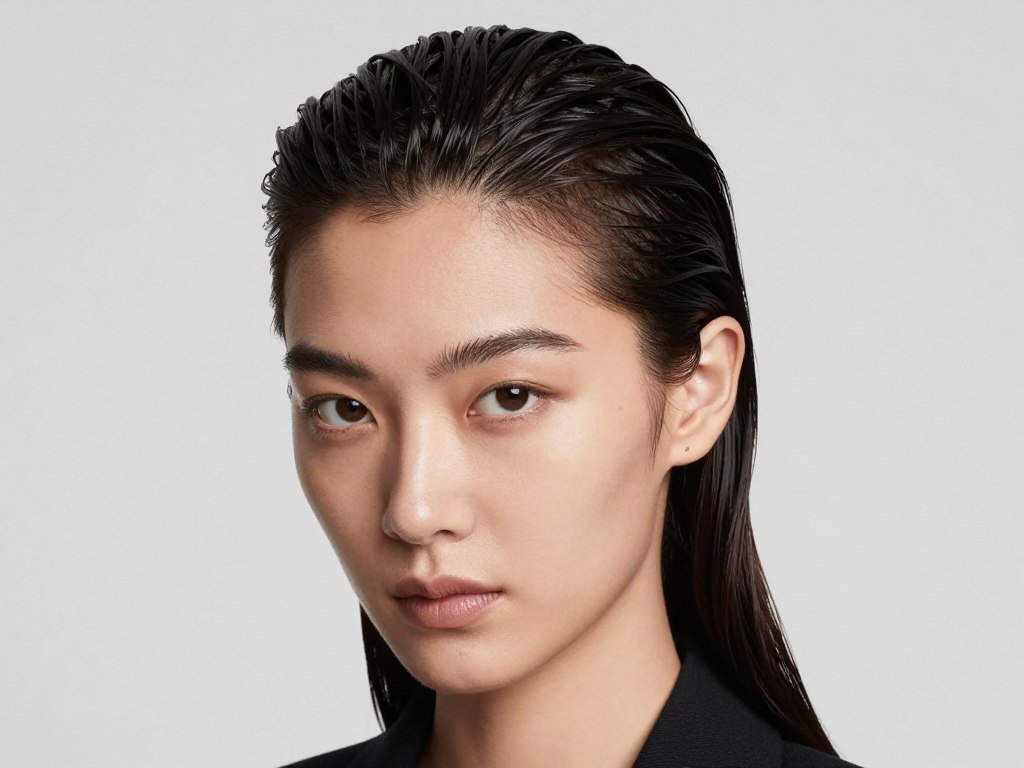
Slicked-back styles work when executed properly. Create volume at the crown before slicking back. Use strong-hold gel for the sleek finish. The contrast between lifted crown and sleek sides creates interest.
Apply gel to damp hair using a fine-tooth comb. Comb straight back while maintaining crown height. Set with strong-hold hairspray. This polished look works beautifully for formal events and professional settings.
Choosing Styles for Your Face Shape
Face shape influences which hairstyles flatter you most. Understanding your face shape guides style selection. The right cut enhances features while creating volume.
Oval Face Shapes
Oval faces suit nearly any hairstyle beautifully. The balanced proportions work with short or long cuts. Focus on adding volume at the crown area. Avoid styles that add width at the temples.
Try chin-length bobs or longer layered cuts. Side-swept bangs complement oval faces perfectly. The versatility allows experimentation with various styles. Emphasize your best features through strategic cutting and styling.
Round Face Shapes
Round faces benefit from height and length. Avoid blunt cuts at chin level that emphasize roundness. Choose styles with volume at the crown. Longer layers and side parts create flattering angles.
Asymmetrical cuts add visual length to round faces. Long side-swept bangs slim the appearance. Avoid heavy straight-across bangs that widen. The goal involves creating the illusion of length and angles.
Square Face Shapes
Square faces need softening around strong jawlines. Layered cuts with texture work beautifully. Avoid blunt one-length cuts that emphasize angles. Soft waves and curves balance angular features.
Side parts and face-framing layers flatter square faces. Textured ends soften the jaw area. Wispy bangs add softness around the forehead. Choose styles with movement rather than severe lines.
Heart Face Shapes
Heart-shaped faces feature wider foreheads and narrow chins. Balance proportions with chin-length cuts or longer. Add volume at the jawline to balance width. Avoid volume at the crown which emphasizes the wide forehead.
Side-swept bangs minimize forehead width effectively. Textured ends at chin level create balance. Avoid severe center parts that emphasize the point. The right style creates beautiful facial harmony.
Matching Hairstyles to Your Lifestyle
Your daily routine should guide hairstyle choices. Low-maintenance cuts save time and frustration. Consider styling abilities and commitment level honestly.
Low-Maintenance Options
Busy lifestyles require wash-and-go styles. Short pixie cuts need minimal daily styling. Textured bobs look great with simple air-drying. Choose cuts that work with your natural hair texture.
Avoid styles requiring extensive blow-drying daily. Complex updos take time most mornings lack. Select cuts that look good slightly imperfect. Embrace natural texture rather than fighting it constantly.
- Short crops dry quickly and style in minutes
- Natural waves require minimal heat styling
- Layered cuts air-dry with built-in volume
- Messy styles hide rushed morning routines
Professional Environments
Corporate settings often require polished appearances. Choose classic cuts that look professional. Maintain regular trims for neat edges. Sleek styles project confidence and competence.
Shoulder-length bobs work perfectly for offices. Neat ponytails keep hair controlled during meetings. Avoid extremely trendy cuts in conservative workplaces. Professional doesn’t mean boring or flat however.
Active Lifestyles
Athletes and fitness enthusiasts need functional styles. Short cuts eliminate ponytail struggles. Pixie cuts handle sweat beautifully. Choose styles that look good post-workout.
Avoid styles requiring products that don’t handle moisture. Heavy products cause buildup with frequent washing. Select cuts that embrace natural texture. Functional can still look fashionable and full.
Adapting Styles for Different Seasons
Weather affects how thin hair behaves significantly. Humidity and temperature create styling challenges. Adjust techniques seasonally for best results year-round.
Summer Styling
Hot weather and humidity flatten thin hair quickly. Embrace texture instead of fighting natural wave. Use anti-humidity products to maintain volume. Updos keep hair off your neck comfortably.
Beach waves work perfectly in summer humidity. Let hair air-dry with texturizing spray. The casual texture disguises any flatness. Messy buns look intentional in hot weather.
Winter Protection
Cold dry air and indoor heating damage thin hair. Static electricity makes fine strands unmanageable. Use moisturizing products to combat dryness. Protect hair from harsh winter elements.
Layer with leave-in conditioner for winter moisture. Combat static with anti-static spray or dryer sheets. Wear protective styles under hats. The extra care prevents breakage during harsh months.
Spring and Fall Transitions
Transitional seasons offer ideal styling conditions. Moderate temperatures and humidity work well. Try new styles during these forgiving months. The mild weather makes experimentation easier.
Spring allows lighter products and airy styles. Fall accommodates richer colors and textures. Use these seasons to change your look. The comfortable conditions make styling more successful.
Creating Your Perfect Full-Hair Look
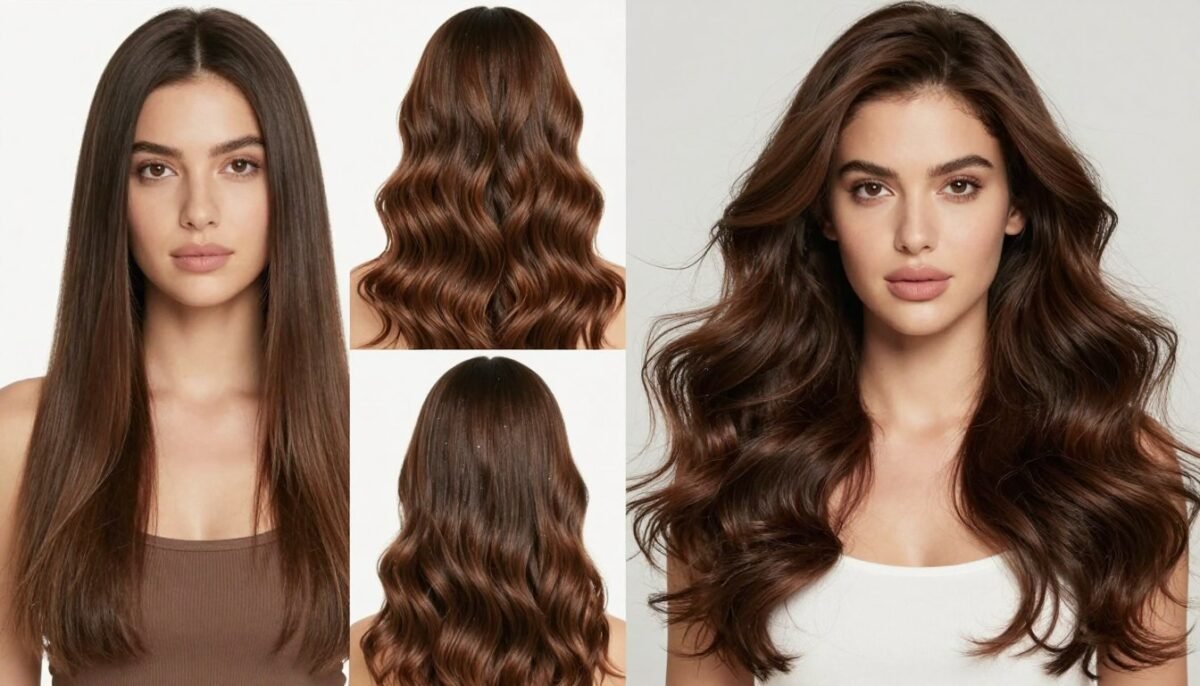
Thin hair presents challenges but never limits your style options. These 35 hairstyles prove that fine strands can look incredibly full. Strategic cutting creates volume where nature didn’t provide it. Smart styling techniques transform limp hair into bouncy, beautiful styles.
The key involves working with your hair rather than against it. Choose cuts that enhance natural texture and movement. Embrace layers that add dimension and body. Use products designed specifically for fine hair needs.
Remember that hair appears thinner when damaged or unhealthy. Maintain regular trims to keep ends looking full. Protect strands from heat damage with quality products. Healthy hair always looks fuller regardless of actual density.
Experiment with different styles from this collection. What works beautifully for one person might not suit another. Consider your face shape, lifestyle, and personal preferences. The perfect hairstyle makes you feel confident and beautiful daily.
Volume comes from technique as much as quantity. Master blow-drying methods that create lift at roots. Learn strategic teasing that adds height without damage. Discover which products work best for your specific hair type.
Your hair journey is unique and personal. Don’t compare your thin hair to others with different textures. Focus on making your strands look their absolute best. The right hairstyle transforms not just your appearance but your confidence too.