
Finding the perfect haircut when you have thin hair can feel overwhelming. You want something stylish and current, but you also need a cut that creates the illusion of fullness. The lob has become a go-to style for good reason.
This versatile length sits between your chin and shoulders. It offers incredible styling flexibility while adding much-needed body to fine strands. The right lob can transform thin hair from flat to fabulous.
We’ve gathered twenty exceptional lob styles specifically designed for thin hair. Each style addresses volume concerns while remaining easy to maintain. You’ll discover cuts that work with your natural texture and lifestyle.
Table of Contents
Why Lobs Work Perfectly for Thin Hair
The lob length offers distinct advantages for fine hair. Understanding these benefits helps you make an informed decision about your next cut.
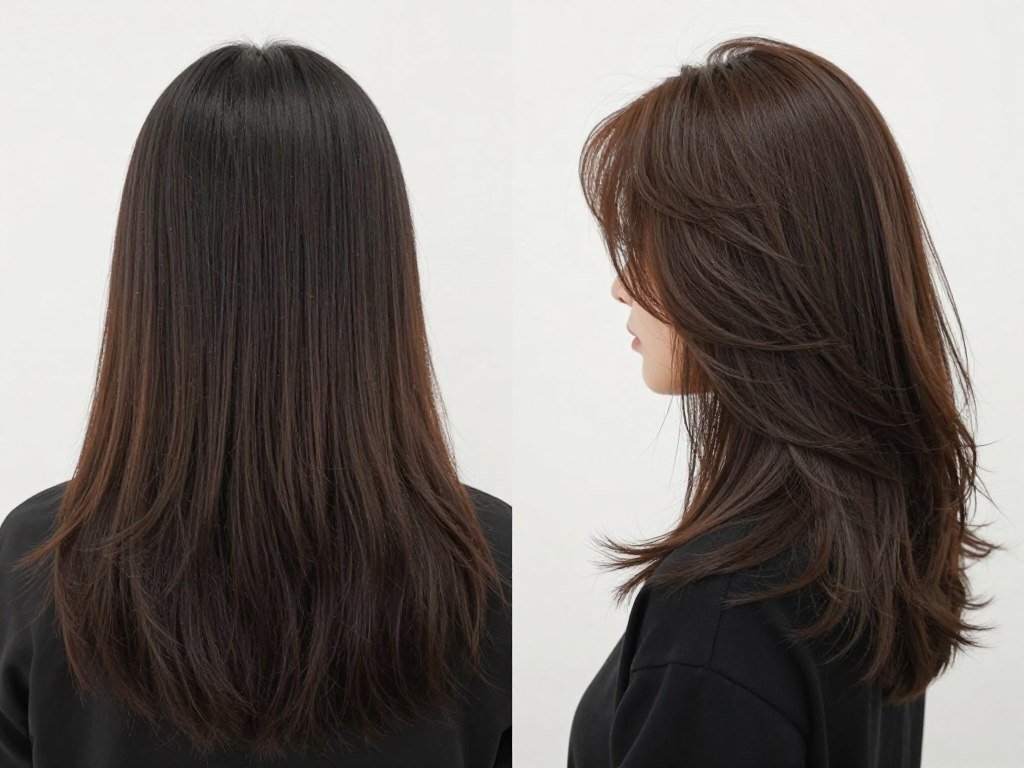
The Science Behind Volume Creation
Weight pulls thin hair down naturally. Longer lengths make this problem worse. The lob removes excess weight while maintaining feminine length.
This shorter length allows strands to lift at the root. Your hair gains natural body without requiring extensive styling. The cut itself does much of the work for you.
Strategic layering within the lob creates movement throughout. Each layer adds dimension and prevents hair from lying completely flat against your head.
Maintenance and Styling Simplicity
Thin hair often struggles with styling products. Too much product weighs down fine strands. The lob requires minimal product to look polished.
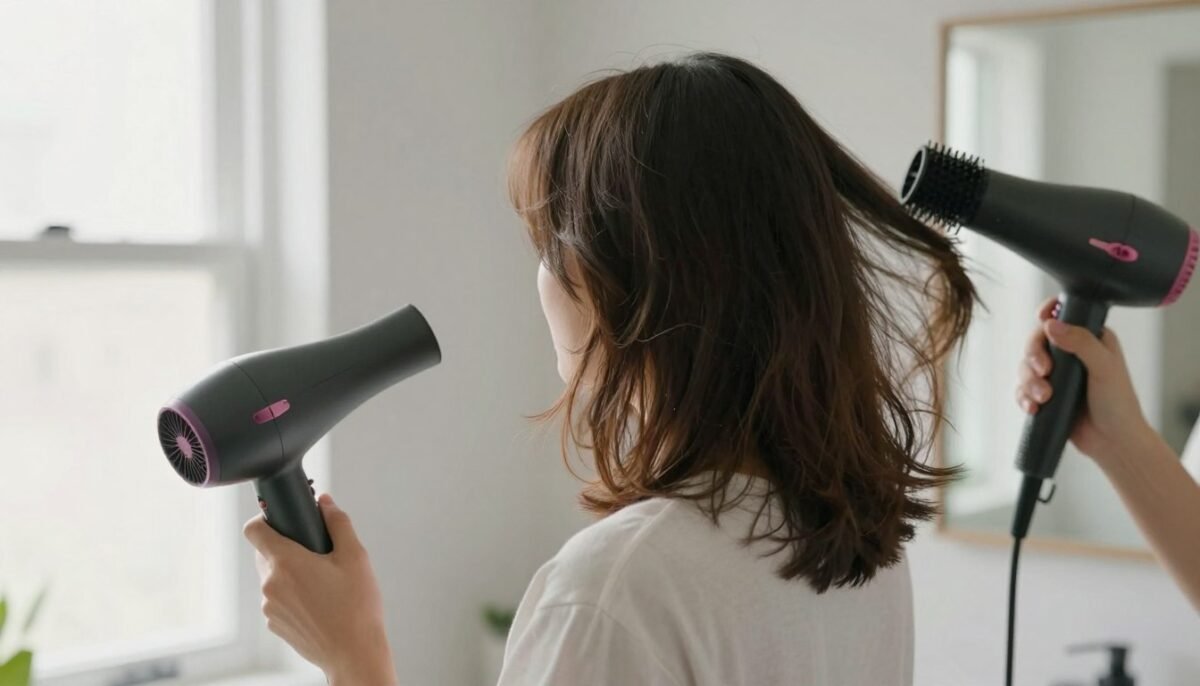
Morning routines become faster with a well-cut lob. Most styles need only quick blow-drying or air-drying. Your hair maintains shape throughout the day.
Versatility Across Face Shapes
The lob adapts to virtually any face shape. Your stylist can customize the cut to flatter your features. Adjustments to the part, layers, or length create personalized results.
Round faces benefit from longer lobs with deep side parts. Angular faces soften with textured ends and subtle layering. Oval faces can wear almost any lob variation successfully.
1. Classic Blunt Lob for Maximum Fullness
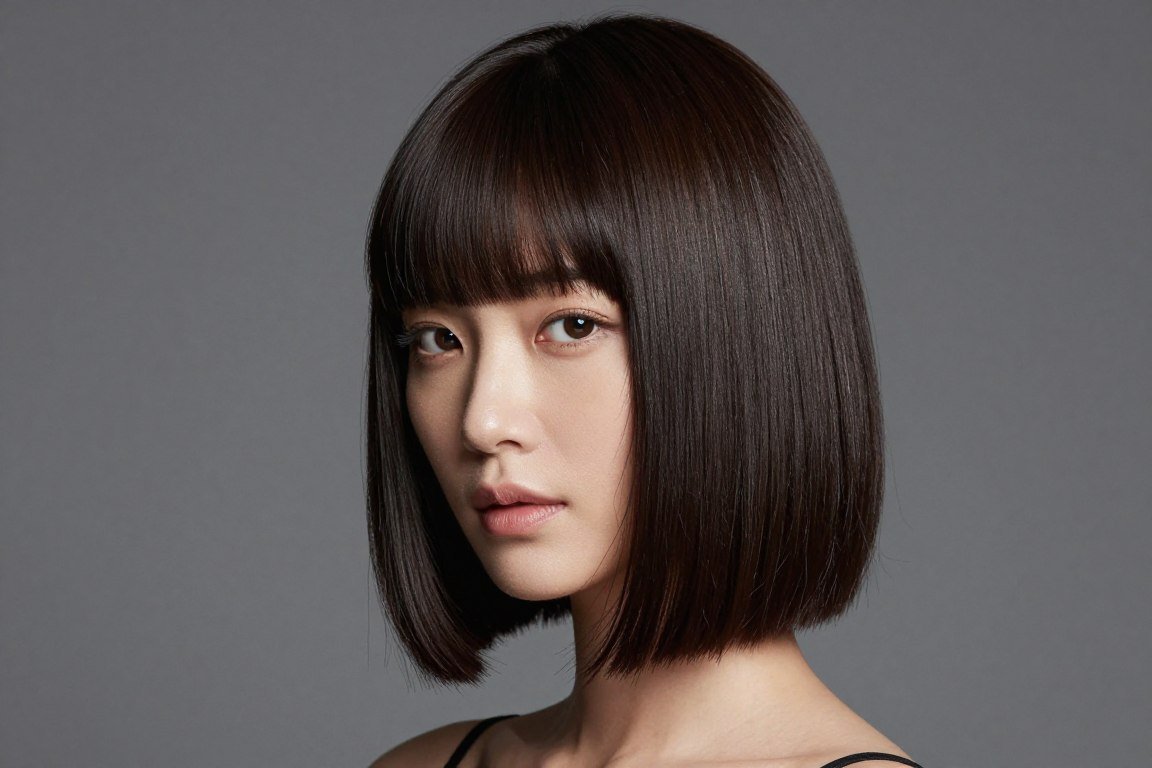
The blunt lob remains a timeless choice for thin hair. This style features ends cut in a straight line across. The uniform length creates an illusion of thickness that fine hair desperately needs.
Every strand ends at the same point. This visual trick makes hair appear denser than it actually is. The eye perceives a solid line of hair rather than wispy, scattered ends.
Why It Works for Thin Hair
Blunt cuts eliminate the thinning that occurs with heavy layering. Your hair maintains maximum weight at the ends. This structure prevents the see-through appearance that plagues many thin-haired individuals.
The cut sits perfectly between chin and shoulder. This sweet spot provides enough length to feel feminine while removing the weight that causes flatness. Your hair gains natural lift and bounce.
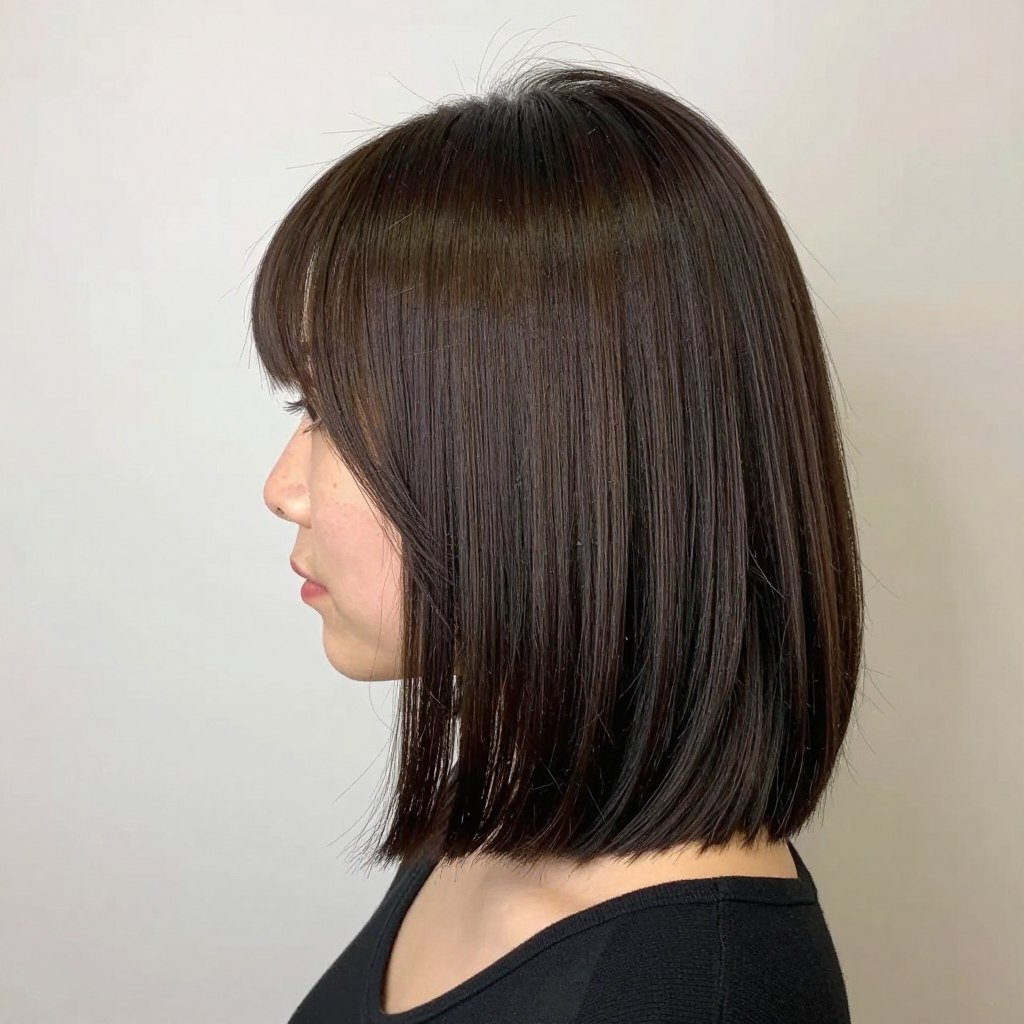
Styling Tips
Start with a volumizing mousse on damp strands. Focus application at the root area. This product provides lift without adding heavy residue.
Blow-dry using a round brush for extra volume. Pull sections away from your head as you dry. The tension creates body that lasts all day.
Finish with a light texturizing spray. This adds grip and prevents hair from looking too flat. Your blunt lob maintains structure and movement.
Maintenance Requirements
Schedule trims every six to eight weeks. Regular cuts keep the blunt line sharp and fresh. Grown-out blunt lobs lose their fullness-creating effect.
The style works beautifully with air-drying. Simply scrunch in a small amount of styling cream. Your natural texture provides interest while the blunt line maintains structure.
2. Textured Choppy Lob with Movement
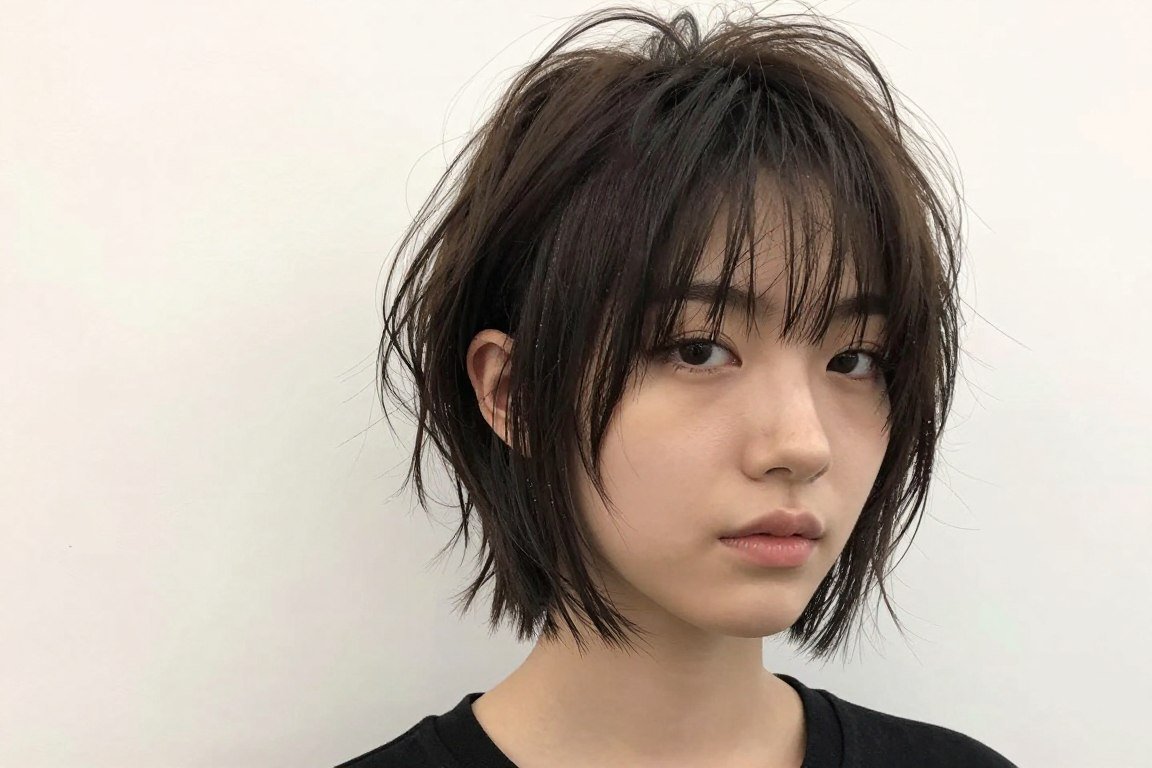
The choppy lob brings edge and dimension to thin hair. This style features varied lengths throughout. The intentional unevenness creates visual interest and extra volume.
Razor cutting techniques produce the signature choppy texture. Your stylist removes weight strategically while maintaining density. The result looks effortlessly cool and deliberately undone.
Creating Dimension Through Texture
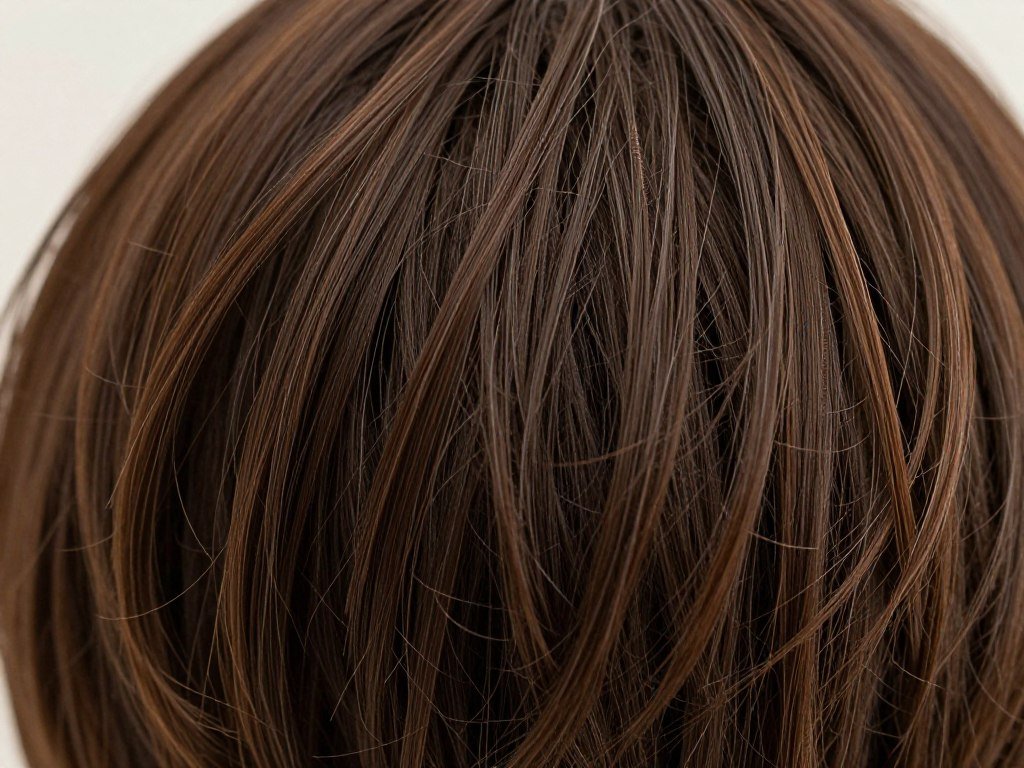
Choppy layers prevent thin hair from looking uniform and flat. Each piece sits at a slightly different length. This variation catches light differently and creates depth.
The technique adds movement that fine hair often lacks. Your hair swings and shifts as you move. The style appears lived-in and natural rather than overly styled.
Styling Approach
Apply sea salt spray to damp hair for beachy texture. Scrunch the product through your strands. This enhances the choppy, piece-y finish.
Let your hair air-dry or use a diffuser attachment. The natural drying process emphasizes the textured layers. Your lob looks intentionally messy in the best way.
Run a small amount of pomade through dry ends. This separates pieces and defines the choppy texture. The finish appears modern and effortless.
Best Face Shapes
The choppy lob flatters angular face shapes particularly well. The soft, irregular texture balances sharp jawlines and cheekbones. The style adds feminine softness to strong features.
Oval faces can wear this style with confidence. The versatile cut maintains proportions while adding personality. Your features remain the focus while the hair provides textural interest.
3. Layered Lob for Extra Volume
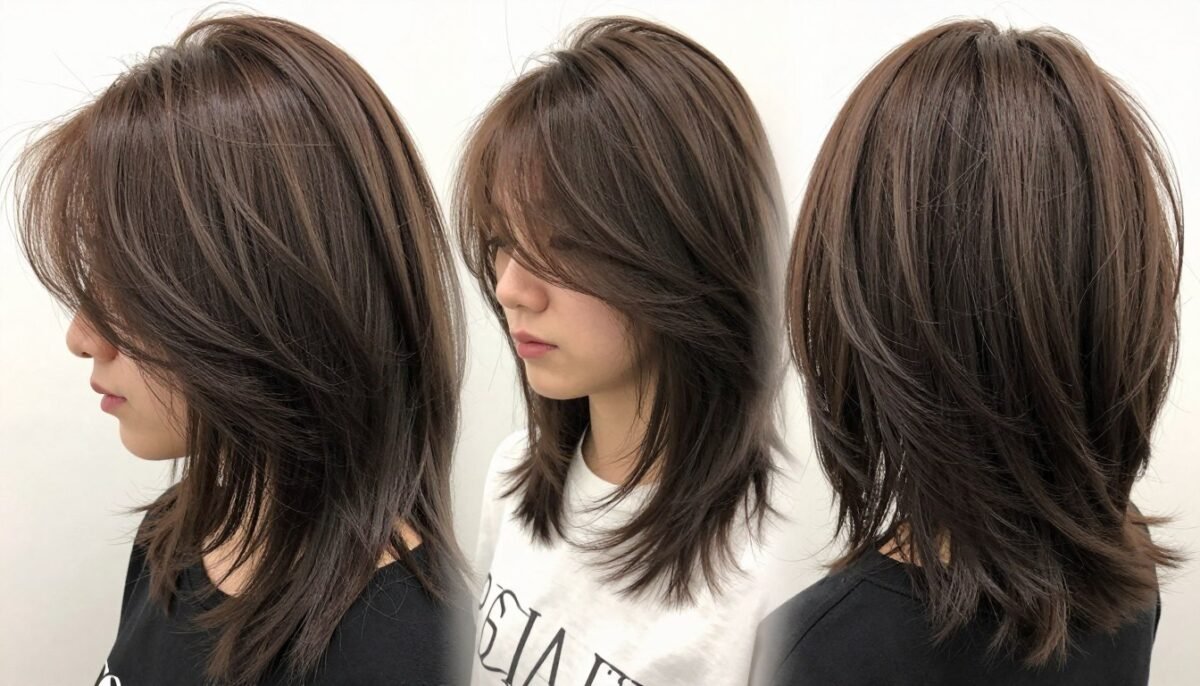
Strategic layering transforms thin hair dramatically. The layered lob incorporates multiple length variations. These layers stack to create impressive volume and fullness.
Your stylist cuts shorter pieces throughout the interior. These layers sit beneath longer exterior sections. The hidden layers provide lift while maintaining the appearance of length.
Layer Placement for Maximum Impact
Crown layers create lift at the root area. This elevation makes thin hair appear thicker immediately. Your hair gains height that changes your entire silhouette.
Mid-length layering adds body through the sides. These layers prevent hair from hanging straight and flat. Your lob gains swing and movement with every turn.
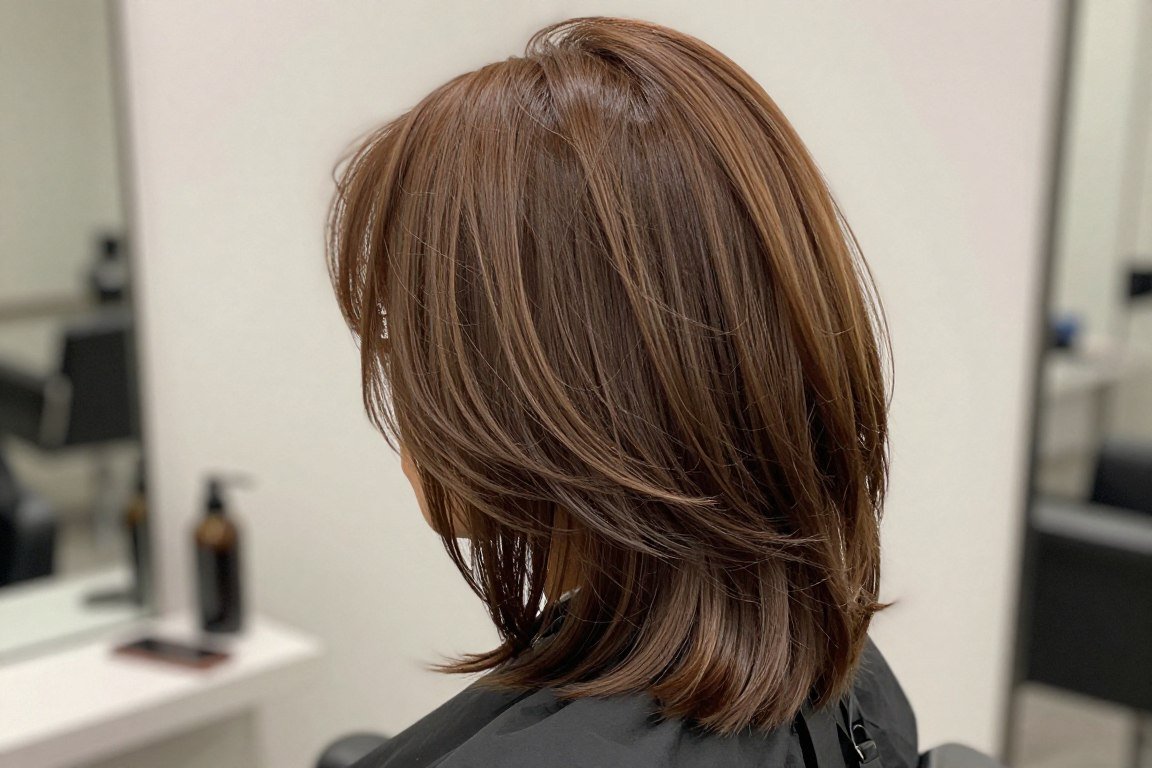
The perimeter remains relatively long and full. This outer layer disguises the shorter interior sections. Your hair looks thick and healthy from every angle.
Styling Recommendations
Begin with a root-lifting spray on damp hair. Spray directly at the scalp in sections. This product amplifies the volume your layers already create.
Blow-dry hair upside down for maximum lift. This technique works with your layers to create impressive body. Flip your head upright and smooth the surface gently.
Use a medium-barrel curling iron on random sections. Curl away from your face for a natural look. The waves enhance the dimensional effect of your layers.
Color Considerations
Dimensional color enhances layered lobs beautifully. Highlights and lowlights emphasize each layer. The color variation makes thin hair appear fuller and more substantial.
Ask your colorist for babylights throughout. These delicate highlights catch light on each layer. The effect creates depth and the illusion of density.
4. Angled Lob with Graduated Length
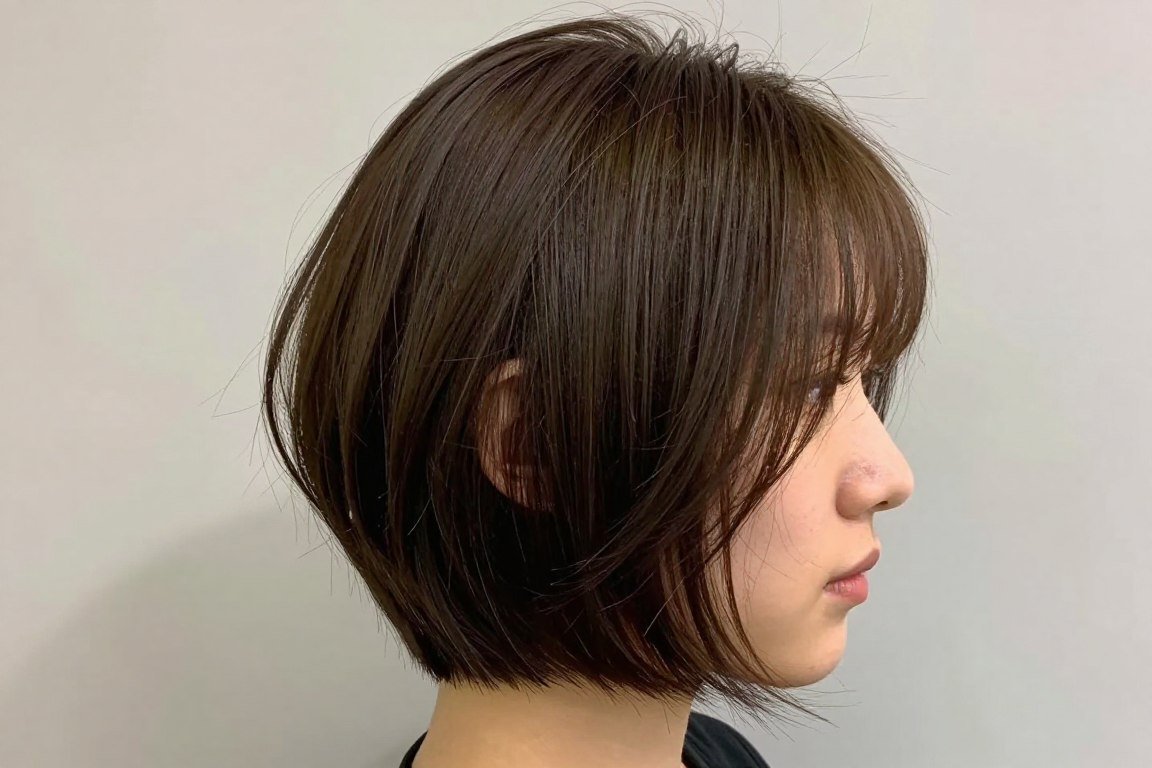
The angled lob features shorter back sections and longer front pieces. This graduation creates a striking silhouette. The style adds drama while maintaining wearability for everyday life.
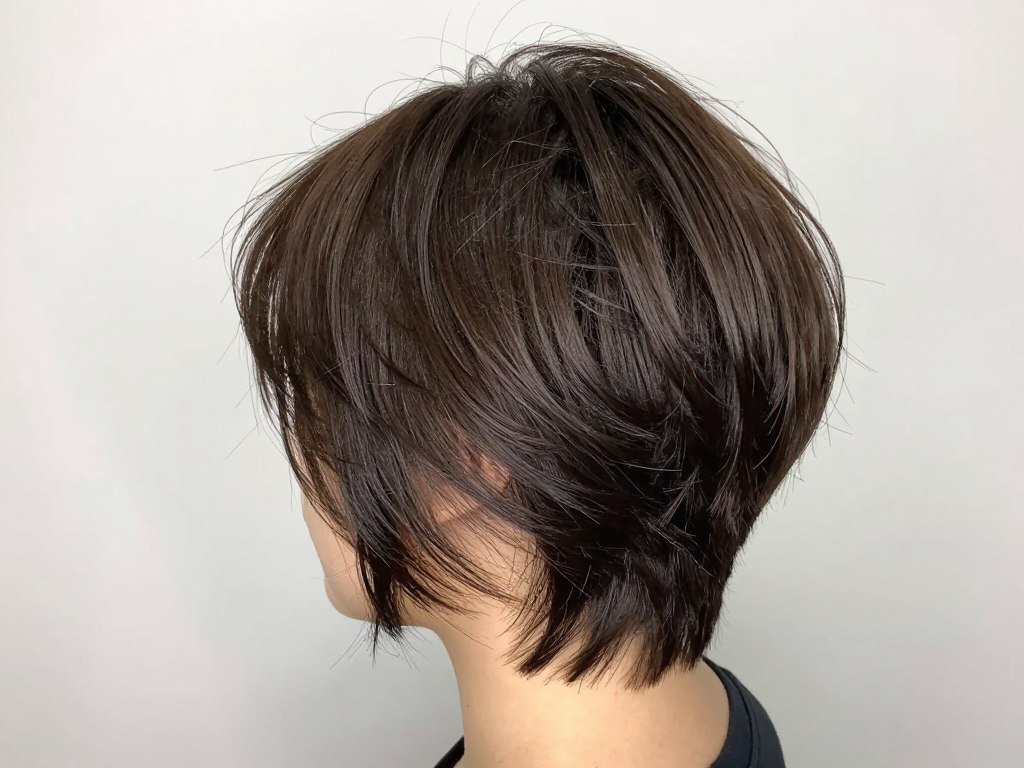
The shorter back removes weight effectively. Your hair gains lift at the crown naturally. The longer front frames your face beautifully and elongates your neck.
Understanding the Graduation
The graduation typically starts at the nape. Hair at the back sits around ear length or slightly longer. The cut gradually extends toward the front.
Front sections can reach your collarbone or beyond. This dramatic difference creates visual interest. The angle draws the eye and creates a slimming effect.
Volume Benefits
The shorter back prevents flatness at the crown. This area typically lacks volume in thin hair. The graduated cut provides natural lift exactly where you need it.
The longer front maintains fullness around your face. This weight distribution flatters while creating balance. Your hair appears thicker from front to back.
Styling Methods
Apply volumizing foam to damp hair throughout. Pay special attention to the shorter back sections. These pieces benefit most from product-enhanced body.
Blow-dry the back first using a round brush. Create lift by pulling hair up and away from your head. This sets the foundation for your entire style.
Smooth the longer front sections with a paddle brush. Keep these pieces sleek to emphasize the angle. The contrast between smooth front and voluminous back looks intentional and polished.
5. Deep Side Part Lob for Instant Volume
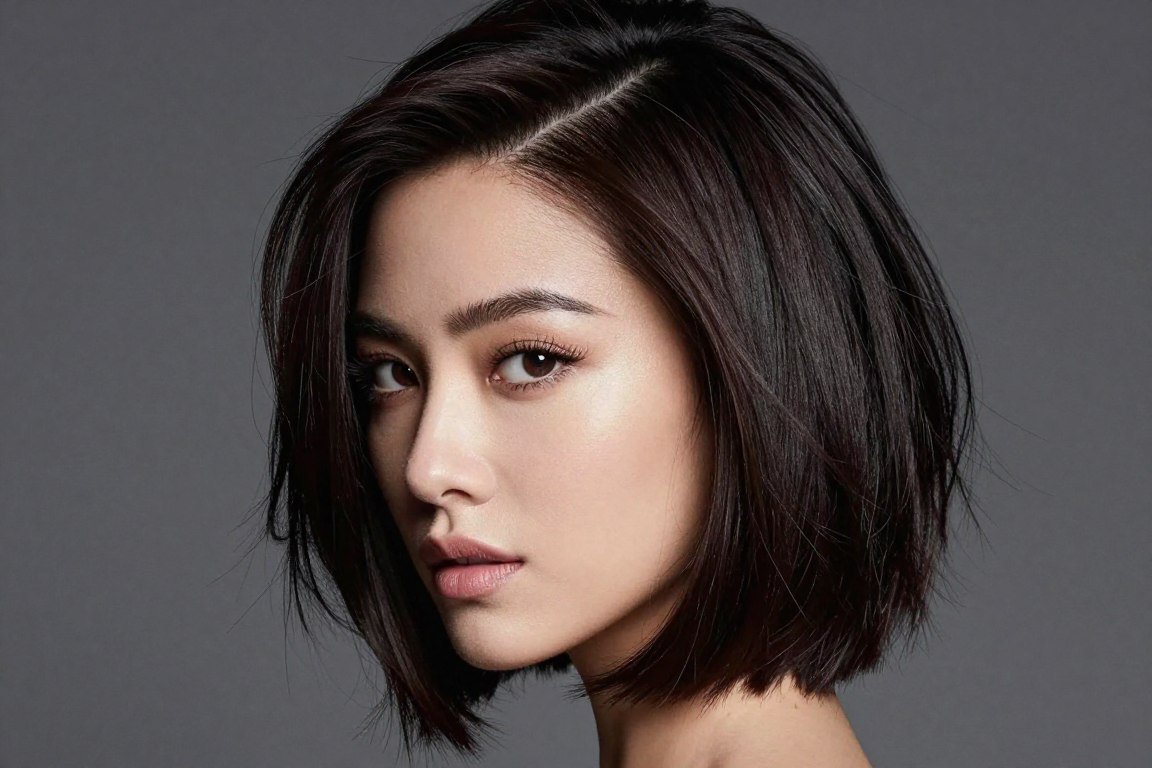
Changing your part creates instant transformation. The deep side part lob maximizes volume with minimal effort. This simple adjustment makes thin hair appear significantly fuller.
The dramatic part shifts your hair’s weight distribution. One side features more hair than the other. This asymmetry creates height and interest immediately.
The Psychology of the Deep Side Part
Your eye perceives more volume on the heavier side. The concentration of hair in one area creates density. This optical illusion works beautifully for thin hair.
The lift at the root increases dramatically with this part. Hair naturally wants to fall toward the heavier side. This movement creates volume at the crown area.
Creating and Maintaining Your Part
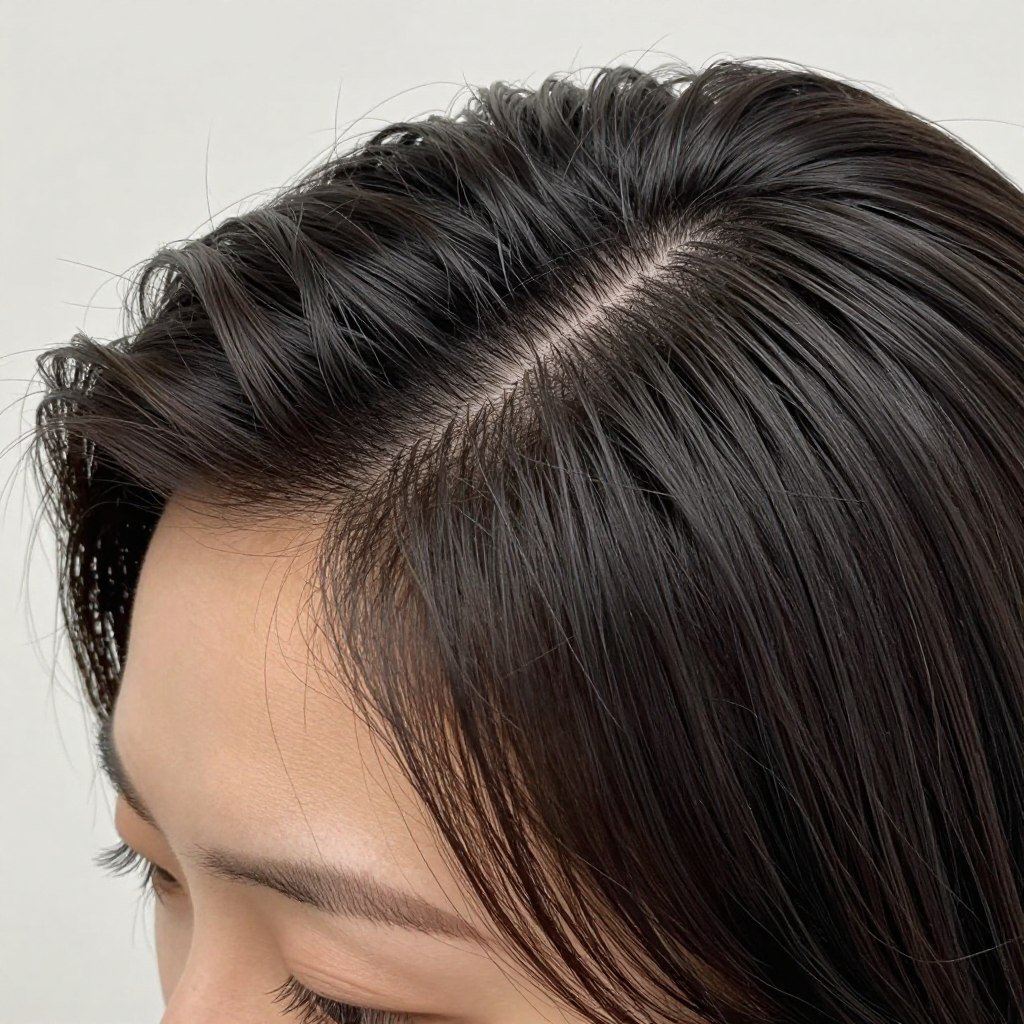
Section your hair while wet for best results. Use the tail of a comb to create a precise line. Position the part above the arch of your eyebrow or further to the side.
Apply root-lifting powder directly at the part line. This product provides grip and extra volume. Your part maintains its dramatic position throughout the day.
Blow-dry the heavier side in the direction of the part. Direct airflow from roots to ends. This technique sets the volume and trains your hair to fall correctly.
Styling Variations
Tuck the lighter side behind your ear for extra drama. This showcases your face and emphasizes the asymmetry. The look appears effortlessly chic and modern.
Add loose waves to the heavier side for dimension. Curl away from your face in large sections. The waves amplify the volume your part creates.
Switch your part occasionally to prevent hair from becoming too accustomed to one position. This maintains lift and prevents your hair from lying completely flat over time.
Essential Volume-Boosting Products for Your Lob
Maximize fullness and body with these stylist-recommended products specifically formulated for thin hair. These tools create lasting volume without weighing down fine strands.
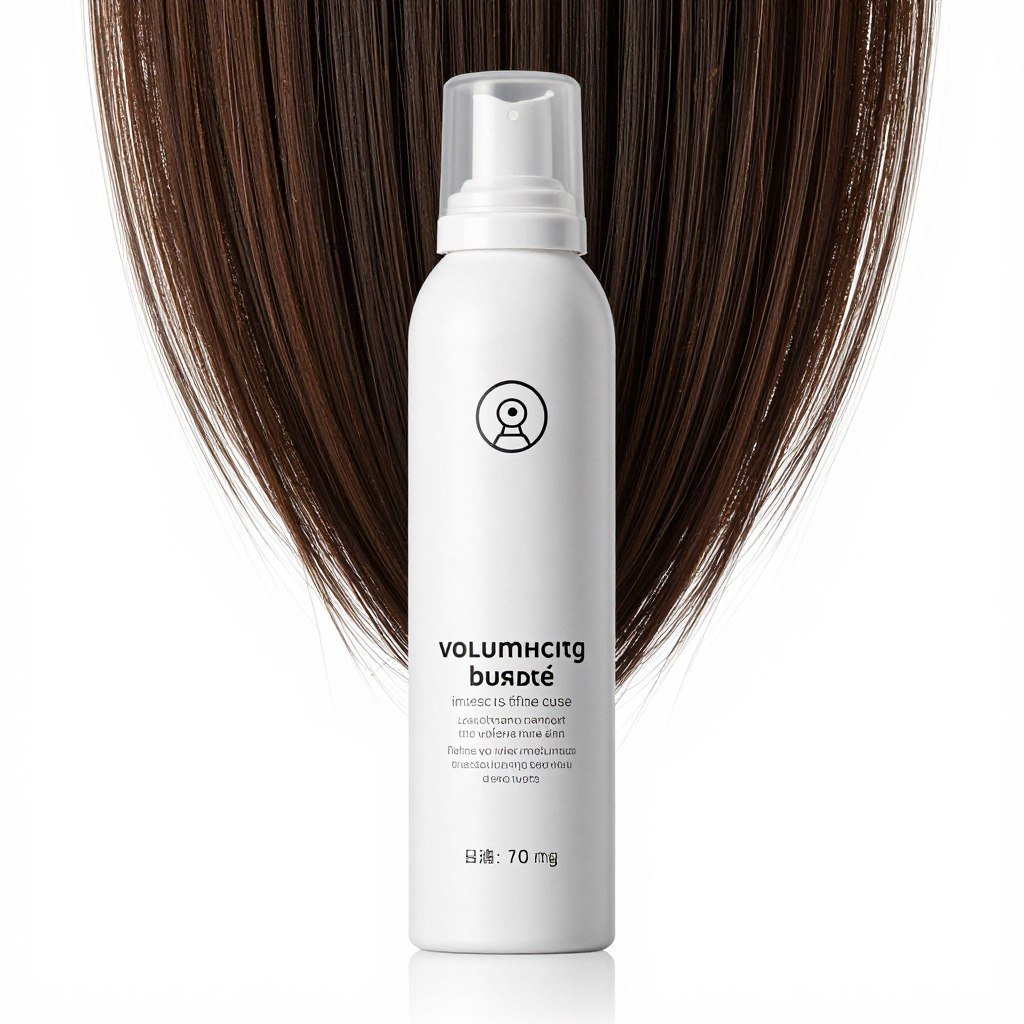
Lightweight Volumizing Mousse
This airy formula provides lift at the root without stiffness or crunch. Apply to damp hair before styling for all-day body and natural movement.
- Creates lasting root volume
- Heat protection included
- Won’t weigh down fine strands
- Adds natural texture and grip
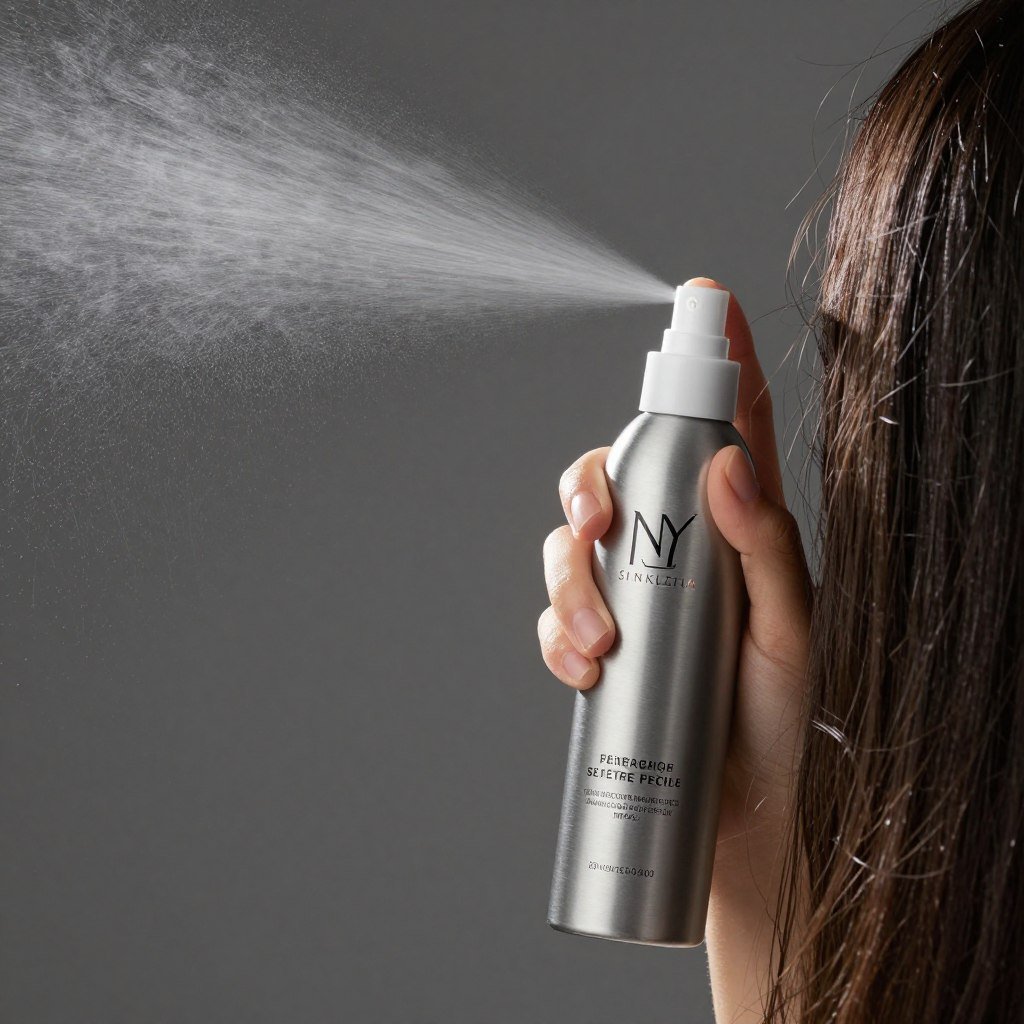
Texturizing Sea Salt Spray
Enhance your lob’s natural texture with this mineral-rich formula. Creates piece-y definition and effortless waves that make thin hair appear thicker and fuller.
- Adds grip and texture instantly
- Creates beachy, tousled waves
- Builds visible fullness
- Works on damp or dry hair
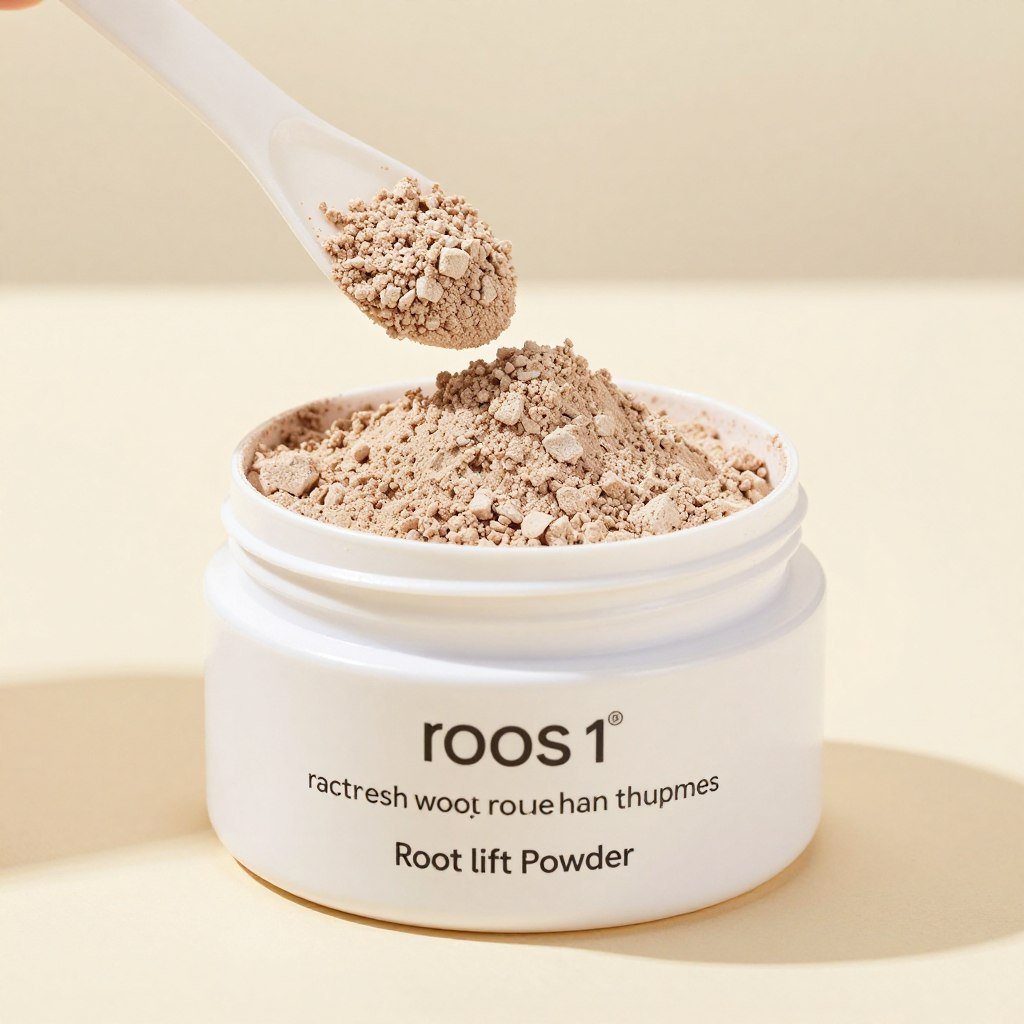
Root Lift Powder
Target flatness exactly where it occurs with this concentrated powder formula. Apply directly at roots for immediate lift that transforms your entire lob silhouette.
- Instant visible lift at crown
- Absorbs oil and refreshes style
- Perfect for touch-ups throughout the day
- Matte finish prevents greasiness
6. Wavy Lob with Natural Texture
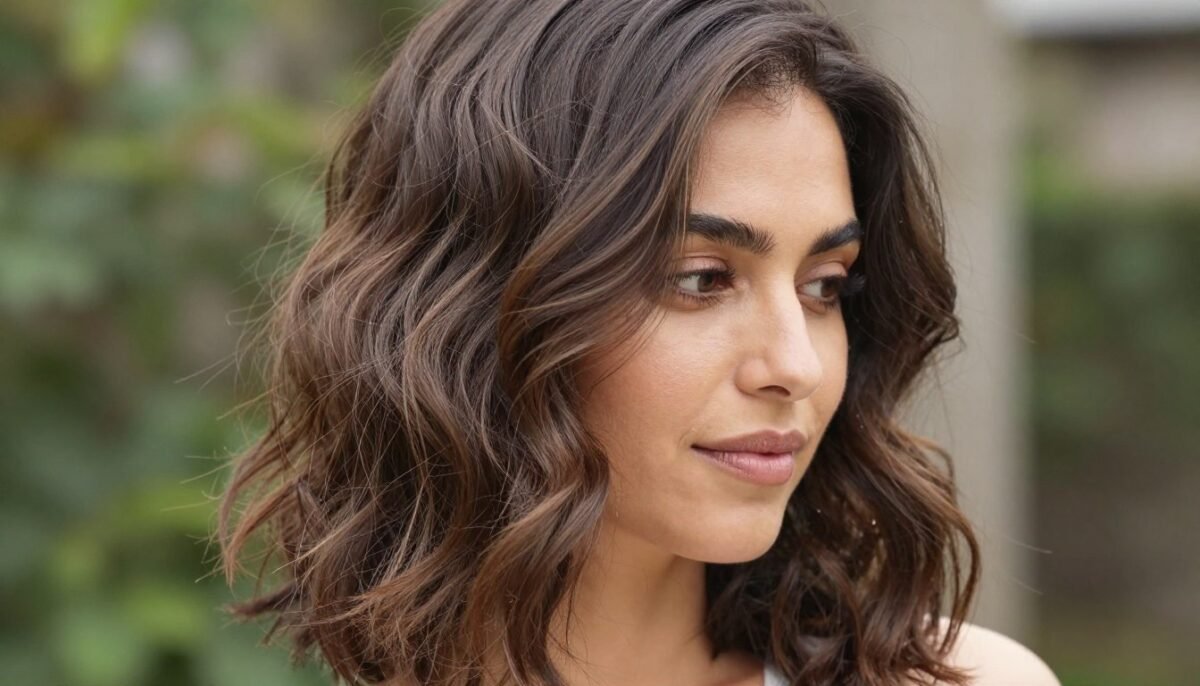
Embracing your natural texture simplifies styling dramatically. The wavy lob works with your hair’s inherent movement. This approach creates effortless volume and dimension.
Natural waves add body that thin hair desperately needs. Each wave creates space between strands. This separation makes hair appear less flat and more voluminous.
Enhancing Your Natural Wave Pattern
Most fine hair possesses some natural wave or bend. The right cut releases this hidden texture. Your lob length allows waves to form without the weight of longer hair pulling them straight.
Strategic layering throughout encourages wave formation. Shorter pieces spring into curls more easily. These textured sections mix with longer pieces for dimensional beauty.
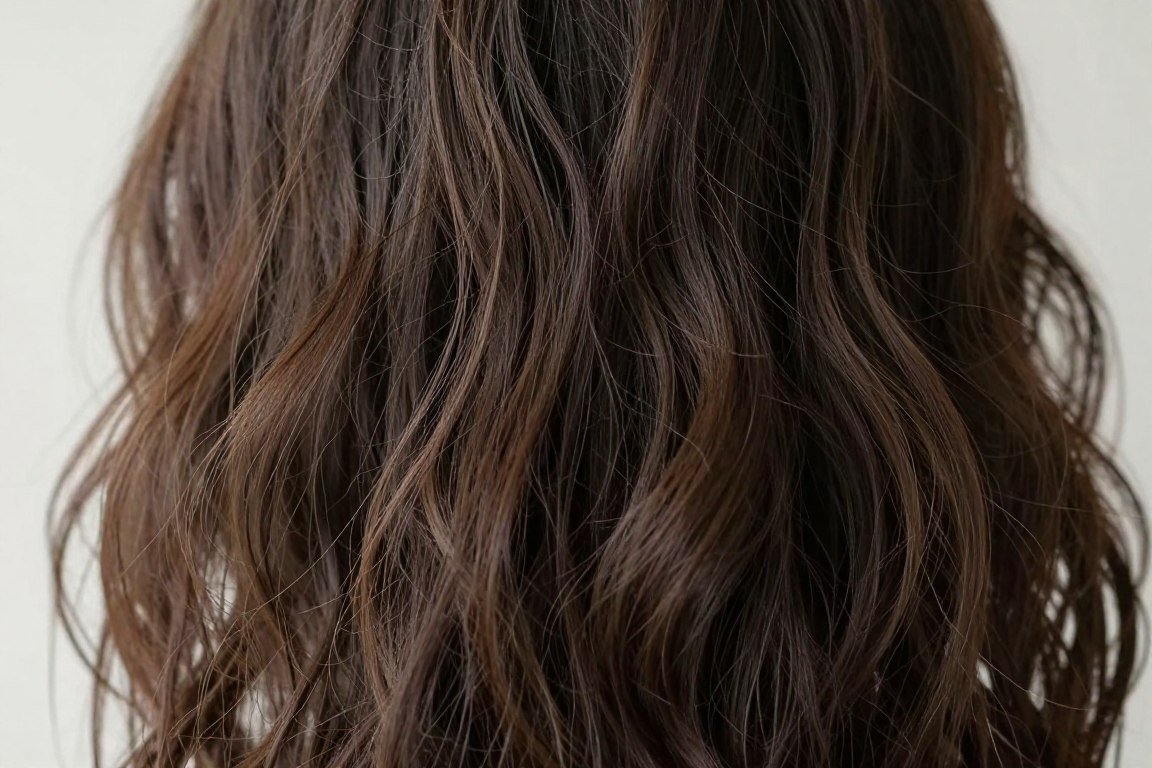
Styling for Natural Waves
Apply curl-enhancing cream to soaking wet hair. Distribute product evenly through all sections. This defines your natural wave pattern from the start.
Scrunch hair gently while applying product. This motion encourages wave formation and prevents stretching. Your natural texture emerges as hair dries.
Air-dry whenever possible for the most natural look. If using heat, choose a diffuser attachment on low settings. This preserves wave definition while adding extra volume.
Second-Day Styling
Refresh waves with a light misting of water. Add a small amount of curl cream to your palms. Scrunch sections that need reviving.
Sleep with hair in a loose bun to maintain waves. This prevents crushing and preserves your texture. Morning styling becomes incredibly quick and easy.
7. Straight Sleek Lob with Shine
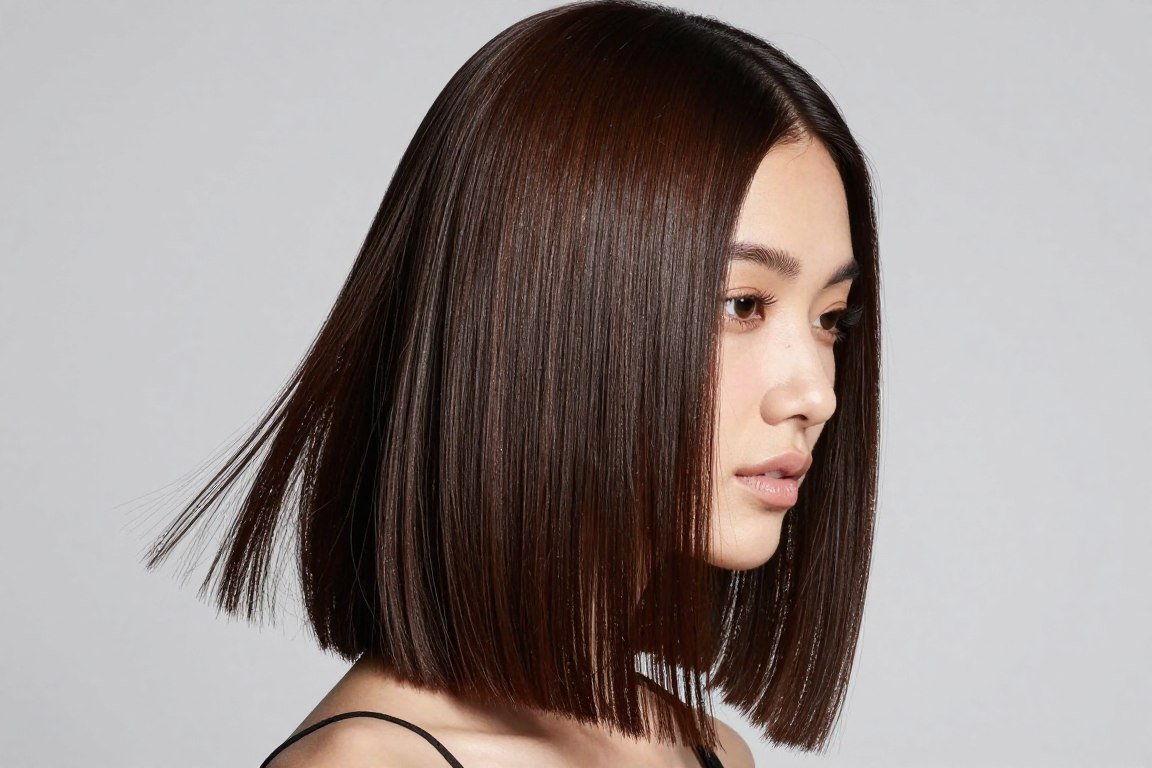
The sleek straight lob offers timeless sophistication. This polished style showcases your cut’s precision. Perfectly straight hair reflects light beautifully and appears remarkably healthy.
Straightness creates the illusion of density in thin hair. When all strands lie together perfectly, hair looks fuller. The uniform surface catches light consistently for added dimension.
Achieving Sleek Perfection
Start with a smoothing shampoo and conditioner. These products prepare hair for straightening by sealing the cuticle. Your finished style lasts longer with proper foundation.
Apply heat protectant generously before blow-drying. This prevents damage while creating a smooth base. Your hair stays healthy despite regular heat styling.
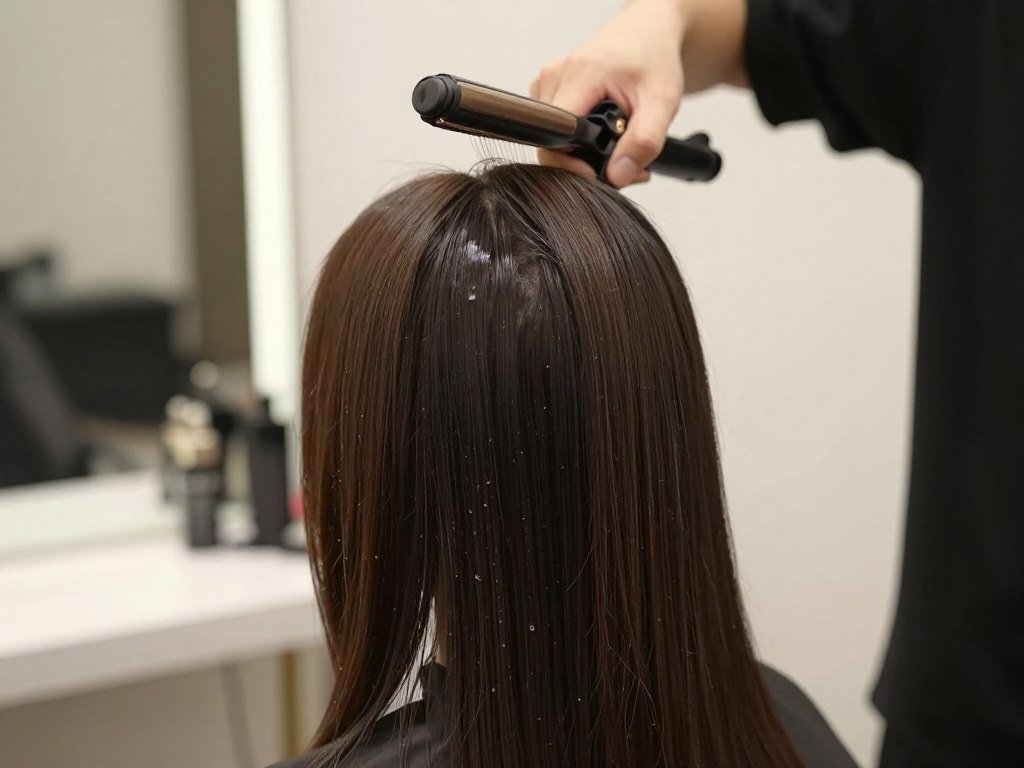
The Perfect Blow-Dry
Section hair into manageable pieces during blow-drying. Work from bottom to top systematically. This ensures every section receives proper attention and tension.
Use a paddle brush for smoothest results. Pull hair taut as you direct heat down the shaft. This technique seals the cuticle and creates maximum shine.
Finish with cool air to set the style. This locks in smoothness and adds extra shine. Your straight lob maintains its sleekness for hours.
Flat Iron Techniques
Choose a ceramic flat iron with adjustable temperature. Fine hair requires lower heat than thick hair. Settings between 300-350 degrees work best for thin strands.
Take small sections for thorough straightening. Glide the iron smoothly from root to tip in one motion. Avoid stopping mid-shaft to prevent creases or dents.
Apply a lightweight shine serum to finished hair. Focus on mid-lengths and ends only. This adds gloss without creating greasiness at your roots.
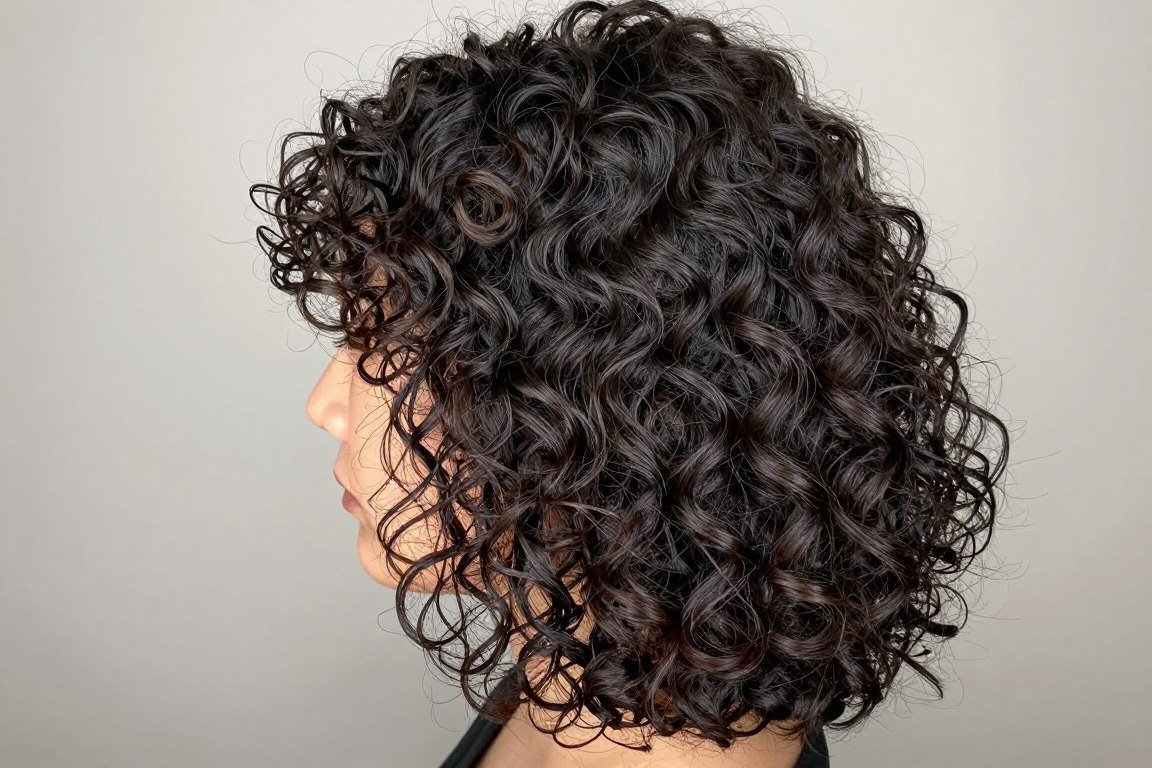
8. Curly Lob with Volume and Bounce
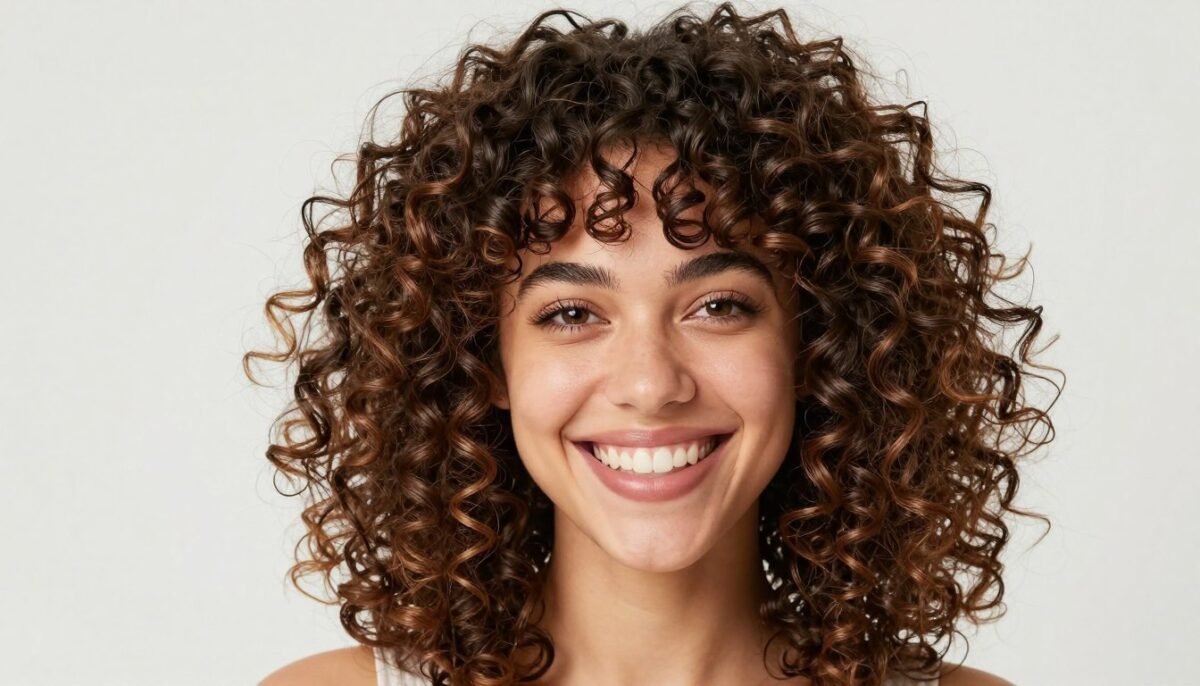
Curls transform thin hair dramatically. The curly lob maximizes volume through textured spirals. This playful style creates the fullest appearance possible for fine strands.
Each curl adds three-dimensional body. Your hair gains volume in all directions rather than lying flat. The result looks abundant and incredibly thick.
Curl Size Matters
Medium-sized curls work best for thin hair. These create volume without appearing too tight or overly structured. Your lob looks naturally bouncy and full of life.
Vary curl directions throughout your head. Some pieces curl away from your face while others curl toward it. This randomness creates natural-looking fullness and prevents uniformity.
Creating Long-Lasting Curls
Apply mousse to damp hair before curling. This provides hold and helps curls last longer. Fine hair loses curl easily without proper product foundation.
Use a medium-barrel curling iron or wand. Wrap sections around the barrel loosely. Tight wrapping creates stiff-looking curls that don’t suit this effortless style.
Allow curls to cool completely before touching them. This sets the curl pattern firmly. Once cool, gently shake out curls with your fingers.
Finishing Touches
Spray flexible-hold hairspray throughout finished curls. Scrunch as you spray to maintain softness. Your curls stay defined without becoming crunchy or stiff.
Use your fingers to separate larger curl clumps. This creates more volume and prevents curls from looking too uniform. Your lob appears effortlessly tousled and full.
9. Asymmetrical Lob for Edgy Drama
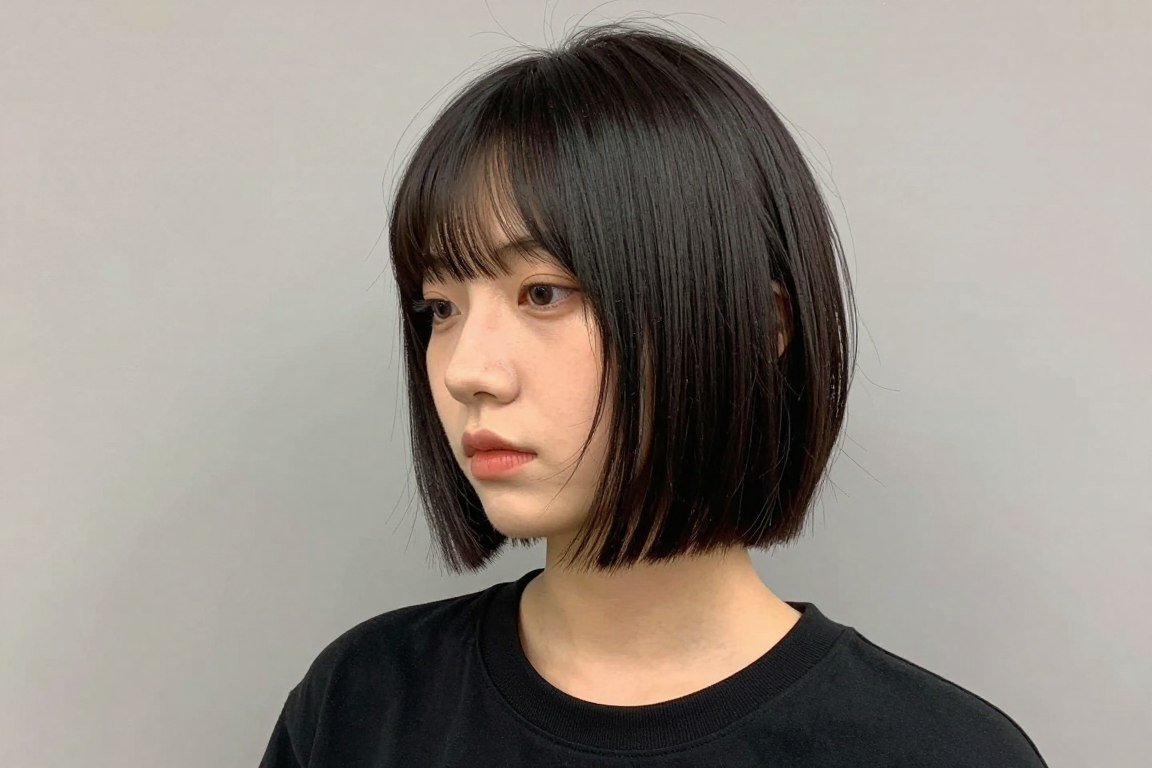
The asymmetrical lob breaks traditional rules beautifully. One side sits significantly shorter than the other. This intentional imbalance creates striking visual interest and contemporary edge.
The dramatic difference in lengths draws attention effectively. Your thin hair becomes a statement rather than a concern. The bold cut distracts from any perceived lack of thickness.
Understanding the Asymmetry
The difference between sides can range from subtle to extreme. Some asymmetrical lobs feature just an inch of variation. Others show three or more inches of difference for maximum impact.
The shorter side typically sits around chin length. This provides enough weight to maintain some fullness. The longer side extends to your shoulder or beyond for dramatic contrast.
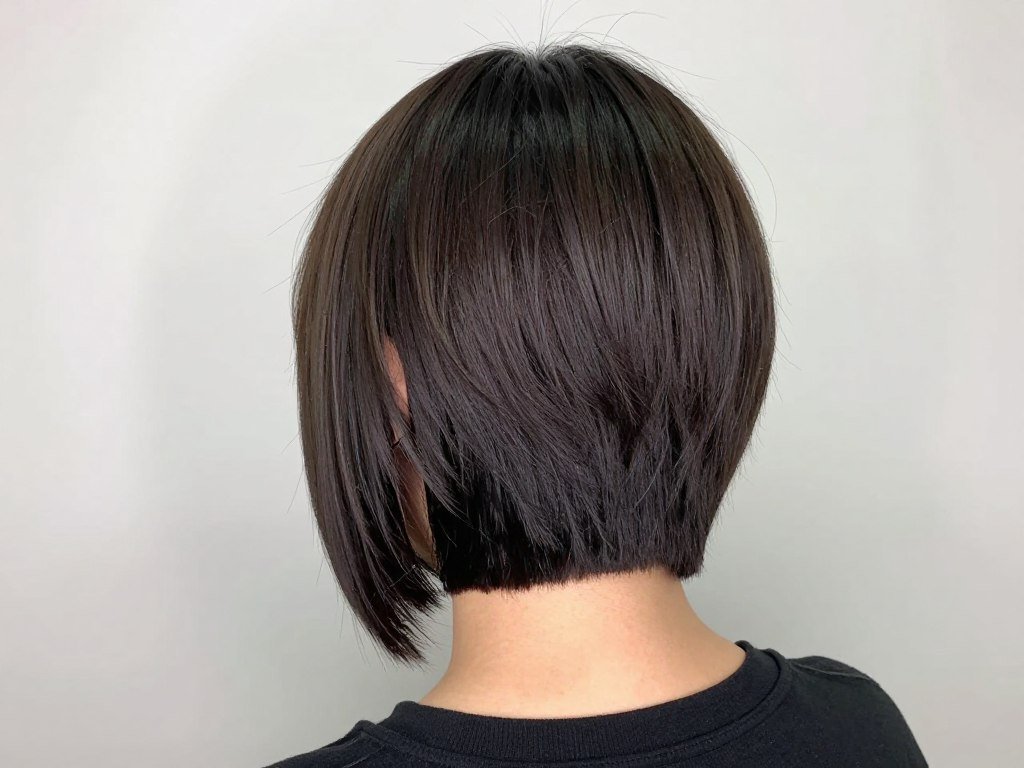
Volume Through Structure
The shorter side gains natural lift from reduced weight. This elevation creates visible volume exactly where thin hair needs it most. Your crown appears fuller automatically.
The longer side provides balance and femininity. This length maintains softness while the shorter side adds edge. The combination works beautifully for various personal styles.
Styling Considerations
Emphasize the asymmetry through your part. Position your part on the longer side. This showcases both lengths effectively and prevents confusion about whether the cut is intentional.
Keep styling relatively simple on asymmetrical cuts. The cut itself provides plenty of interest. Sleek, straight styling or gentle waves work best to showcase the structure.
Tuck the shorter side behind your ear occasionally. This reveals your face beautifully and emphasizes the length difference. The gesture looks casual yet intentional.
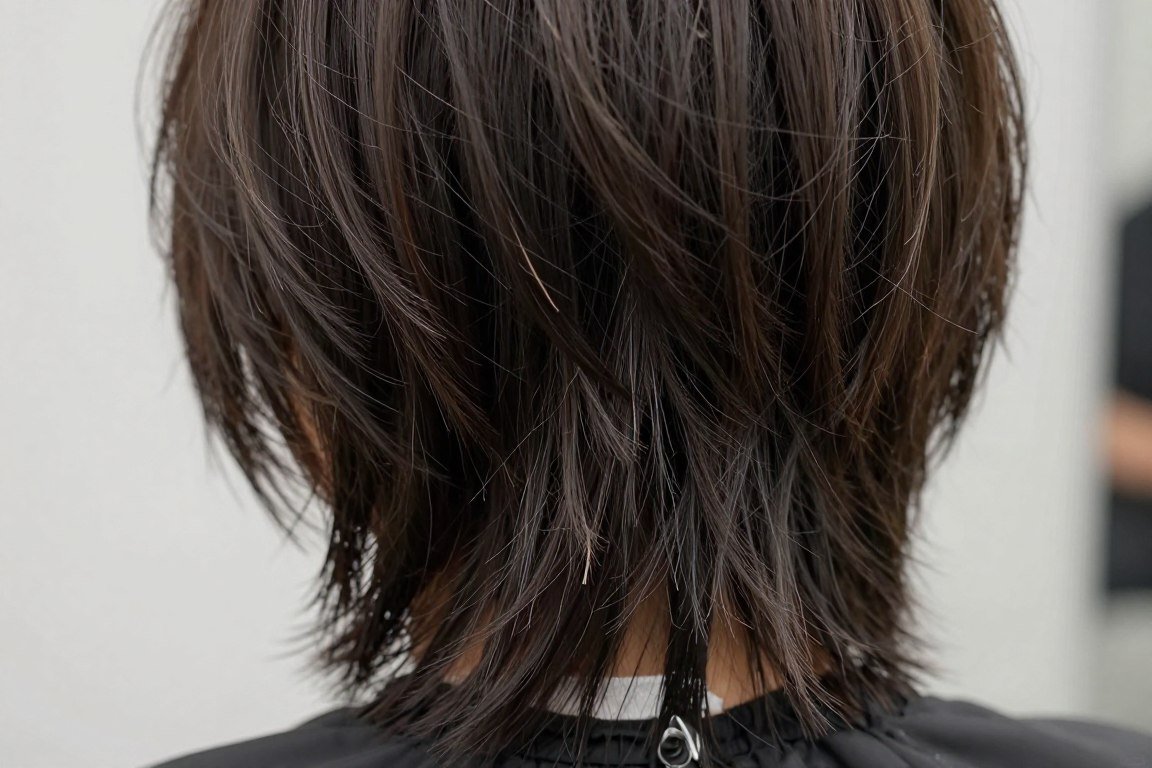
10. Shaggy Lob with Choppy Layers
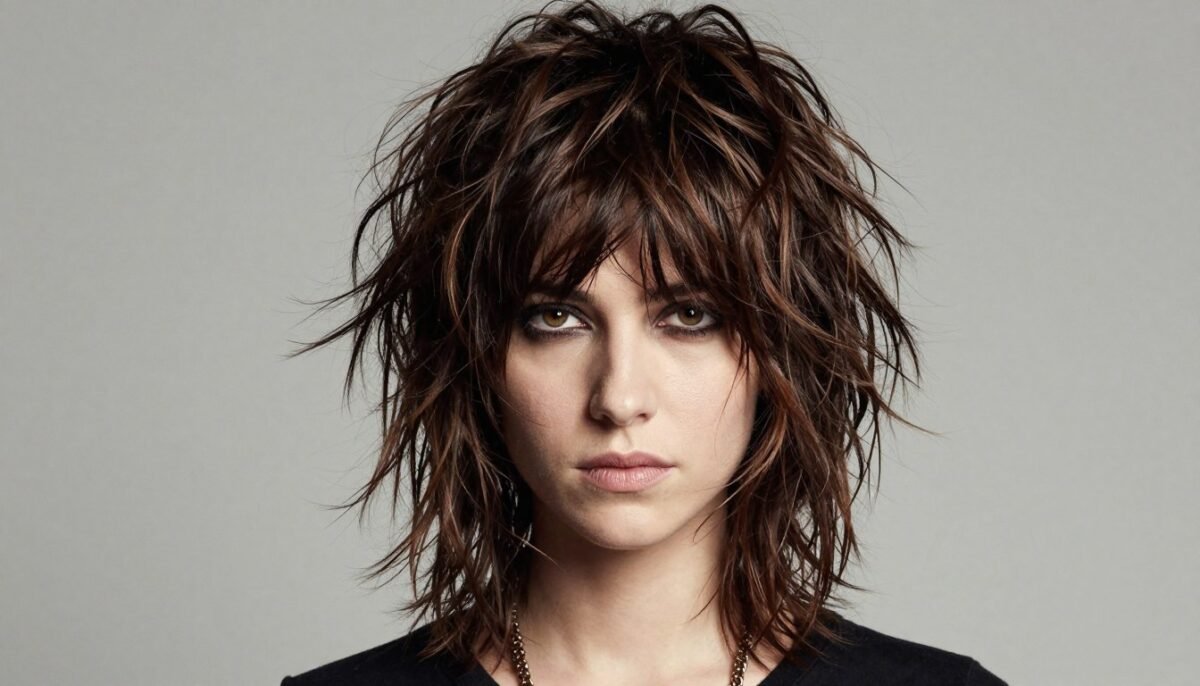
The shaggy lob channels effortless cool energy. This heavily layered style features choppy, irregular pieces throughout. The intentionally messy finish creates impressive volume and attitude.
Heavy layering removes significant weight from thin hair. Each layer adds lift and separation. Your hair gains the tousled, lived-in texture that looks perpetually stylish.
The Art of the Shag
Shag cuts incorporate layers of varying lengths throughout. Shorter pieces frame your face while longer sections maintain overall length. This combination creates incredible dimension and body.
Point-cutting and razor techniques create the signature choppy ends. These methods produce soft, feathered edges rather than blunt lines. The result looks naturally imperfect and wonderfully full.
Face-Framing Elements
Shaggy lobs typically include curtain bangs or face-framing layers. These shorter pieces add softness around your features. The wispy fringe creates a retro-inspired yet modern finish.
The face-framing layers graduate from short to long. This creates a flattering frame that suits most face shapes. Your features receive gentle emphasis without harsh lines.
Low-Maintenance Styling
The shaggy lob thrives on minimal styling. This cut actually looks better slightly undone. Your hair appears intentionally tousled rather than messy.
Apply texturizing spray to damp hair and scrunch. Allow hair to air-dry naturally. The layers fall into place with minimal intervention required.
Use a small amount of styling paste on dry hair. Work through ends with your fingers for piece-y definition. This enhances the choppy texture without requiring heat tools.
11. Razored Lob with Soft Edges
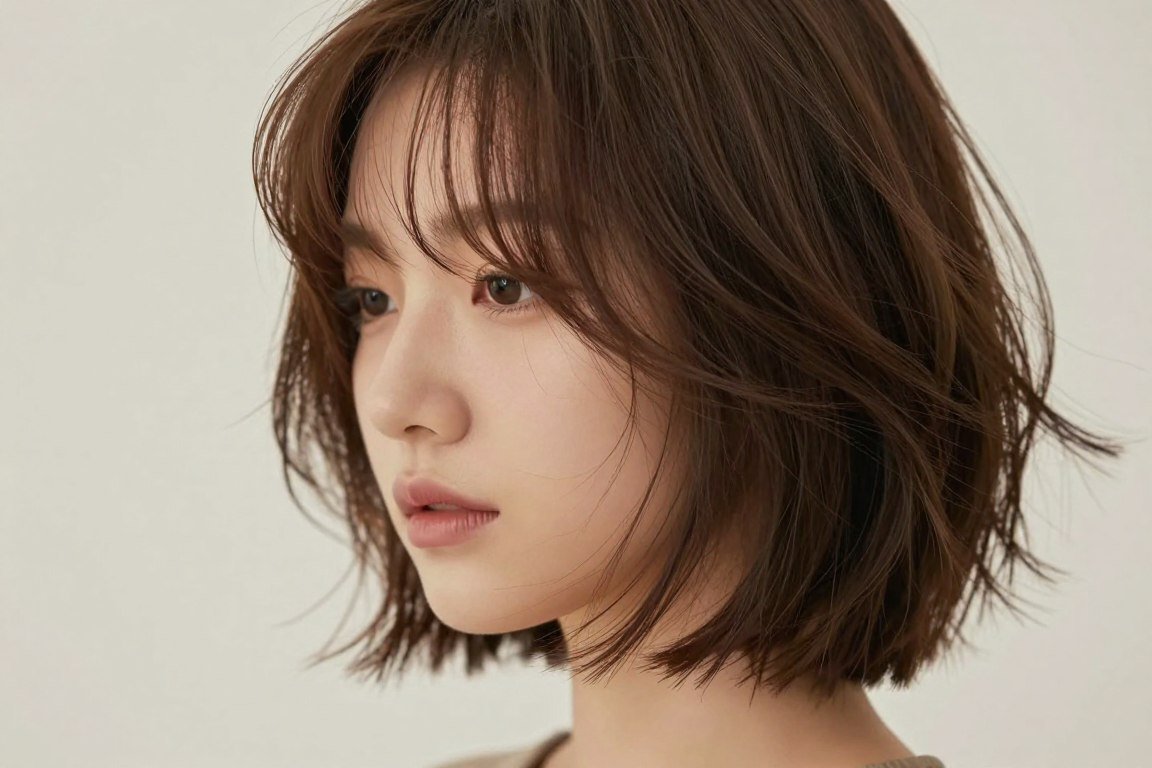
Razor cutting creates uniquely soft edges. The razored lob features feathered ends that move beautifully. This technique adds lightness while maintaining structure and shape.
The razor removes weight differently than scissors. It creates tapered ends that appear wispy and delicate. Your thin hair looks intentionally fine rather than sparse.
Razor Cutting Benefits
Razored edges catch and reflect light differently. The varied angles create dimension and depth. Your hair appears to have more texture and body naturally.
The technique works particularly well on straight hair. The soft edges prevent bluntness while maintaining density. Your lob looks both full and light simultaneously.
Styling the Razored Lob
The razored lob requires minimal product for best results. Heavy products weigh down the delicate ends. Light formulas preserve the airy quality this cut creates.
Apply a volumizing spray at roots only. Leave ends product-free or use just a drop of lightweight oil. This maintains the feathered finish while adding body where needed.
Blow-dry with a round brush for subtle movement. The razored ends flip and curve naturally with gentle guidance. Your lob gains soft, romantic waves effortlessly.
Maintenance Schedule
Razored cuts require more frequent trims than blunt cuts. The soft ends can become wispy quickly. Schedule appointments every five to six weeks to maintain the perfect edge.
Ask your stylist to refresh just the perimeter. This maintains the razored texture without removing length. Your cut stays fresh between major reshaping appointments.
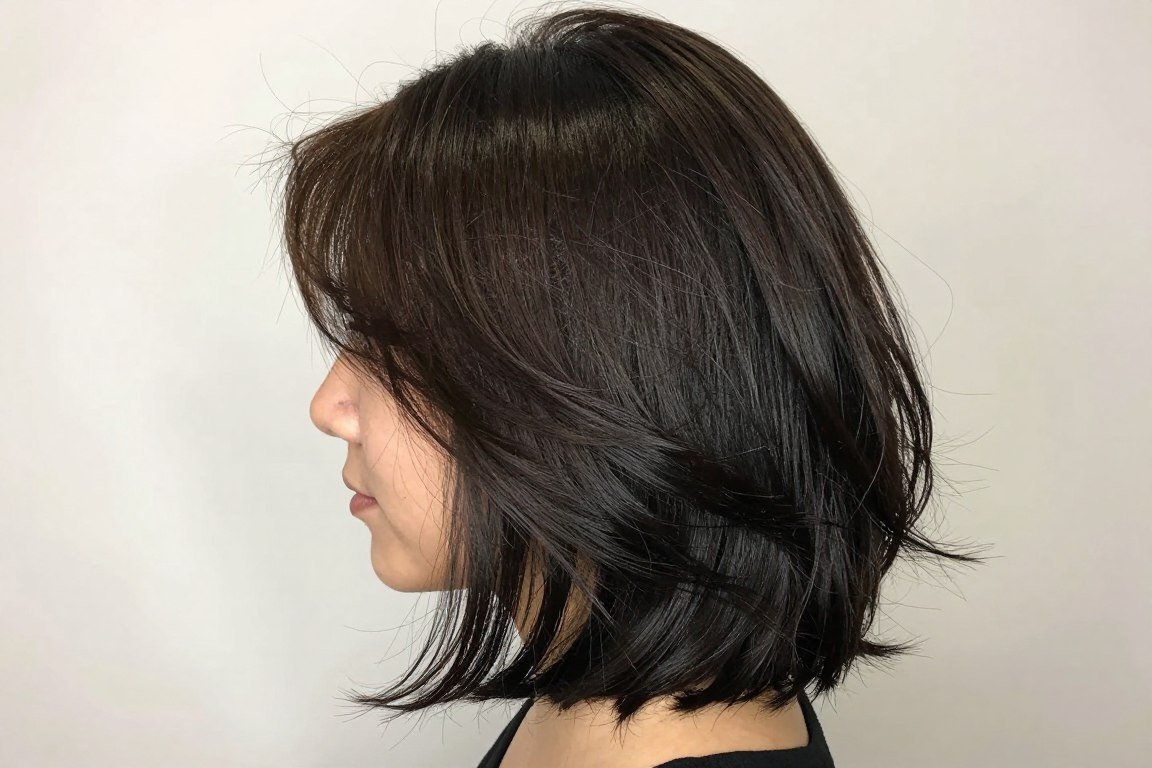
12. Side-Swept Lob with Volume
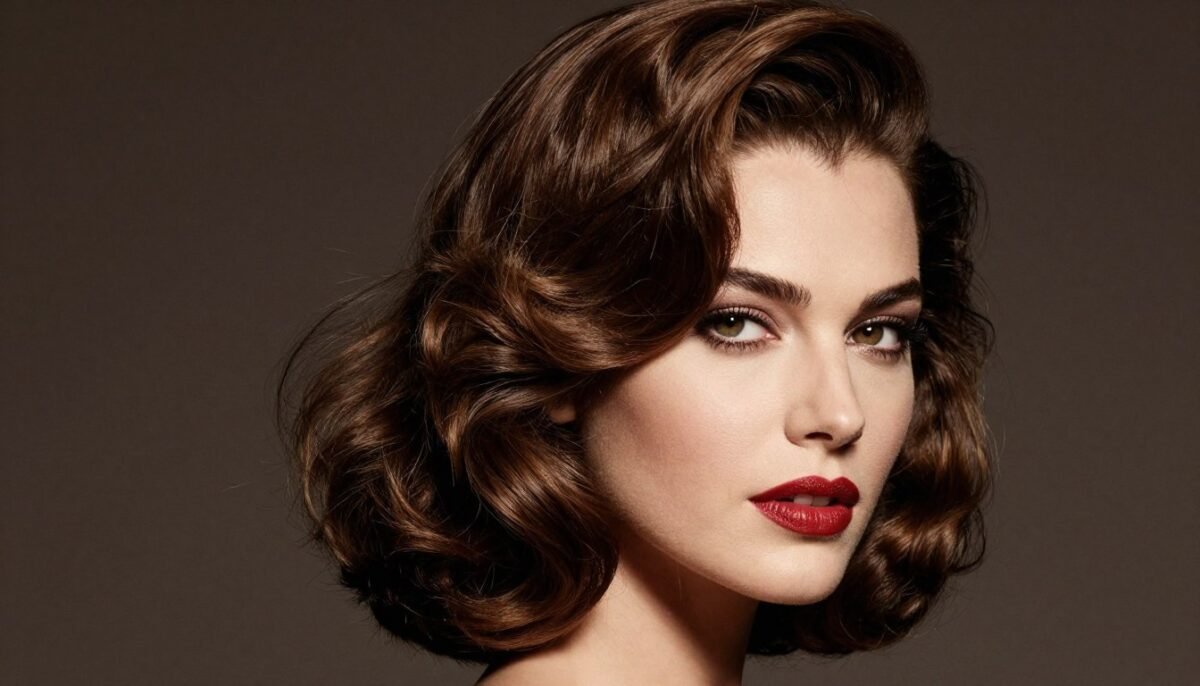
The side-swept lob channels old Hollywood glamour. All hair sweeps dramatically to one side. This styling creates instant sophistication and impressive volume concentration.
Sweeping hair to one side reveals your face beautifully. Your features become the focal point while your hair provides dramatic framing. The style works for both casual and formal occasions.
Creating the Sweep
Start with a deep side part as your foundation. Section hair on the heavier side. This provides enough volume to sweep dramatically across.
Apply volumizing mousse throughout before styling. Focus extra product on the side receiving all the hair. This section needs maximum body and hold.
Securing the Style
Use bobby pins strategically behind your ear on the lighter side. This keeps hair swept over securely. Choose pins matching your hair color for invisible hold.
Tuck pins in an X pattern for maximum security. This prevents sliding throughout the day or evening. Your swept style maintains its position beautifully.
Finish with strong-hold hairspray on the swept section. Spray from underneath for lift at the root. Your volume lasts through any event or activity.
Adding Glamorous Waves
Curl hair in large sections before sweeping. Use a large-barrel curling iron for smooth, elegant waves. These add extra dimension to your swept style.
Brush through curls gently after cooling. This softens them into glamorous waves. The brushing also increases volume significantly.
Sweep hair over after creating waves. The texture prevents slipping and adds visual interest. Your side-swept lob looks red-carpet ready instantly.
13. Tousled Bedhead Lob
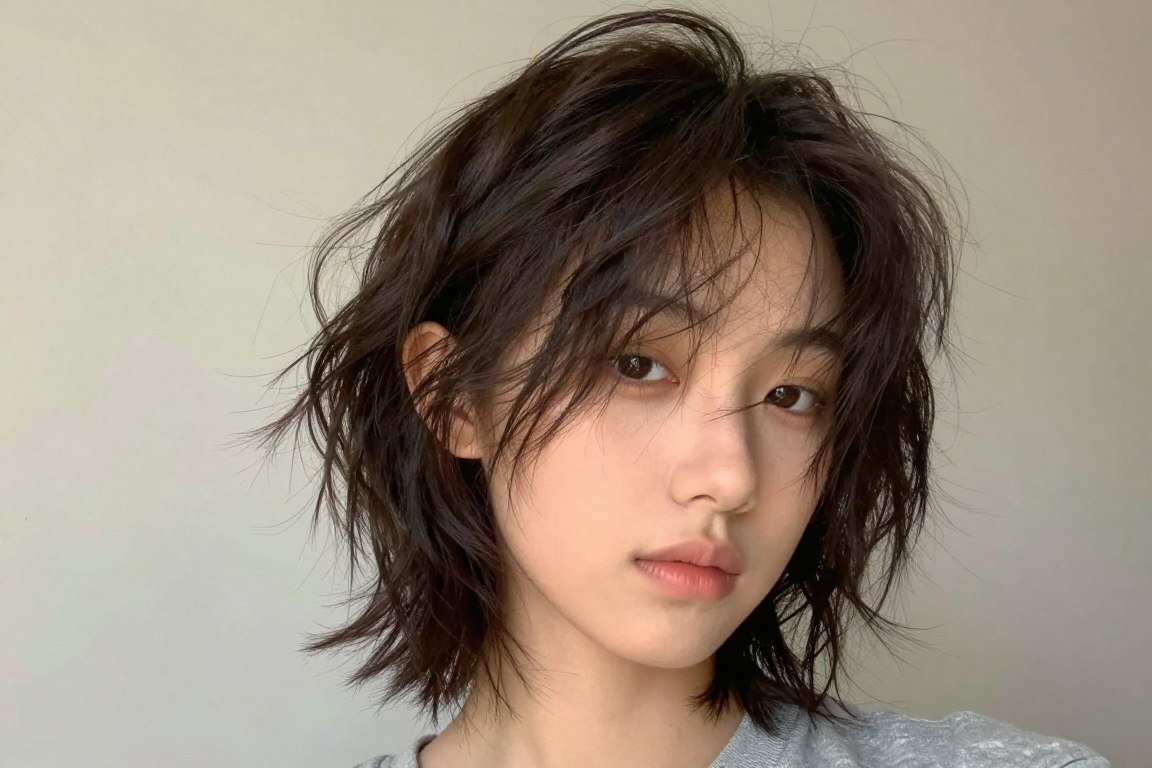
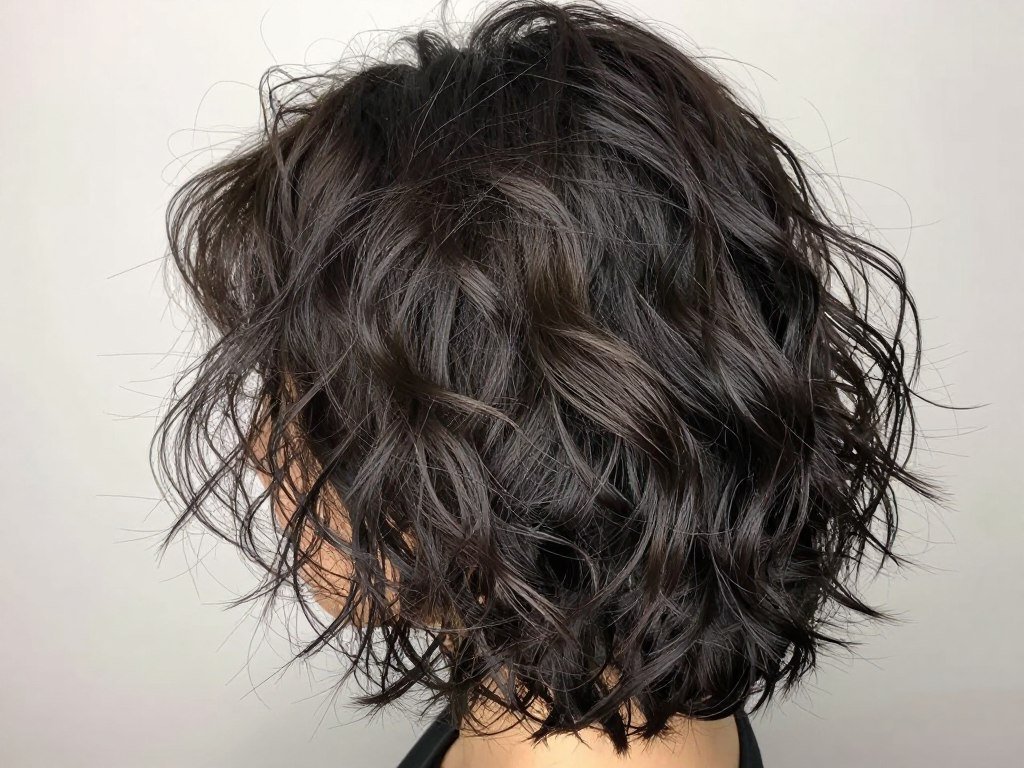
The bedhead lob embraces intentional imperfection. This style celebrates natural texture and messy waves. The deliberately undone finish creates the ultimate effortless aesthetic.
Tousled styling makes thin hair appear thicker paradoxically. The random texture creates separation between strands. Your hair gains visible body through strategic messiness.
Achieving Artful Messiness
The bedhead lob requires technique despite its casual appearance. Random waves and texture need careful creation. The goal is looking like you didn’t try while actually planning every piece.
Start with texturizing spray on damp hair. Scrunch product through randomly. This creates the foundation for your tousled finish.
Styling Techniques
Curl random sections with a medium-barrel wand. Vary the direction constantly. Some pieces curl toward your face while others curl away for natural randomness.
Leave some sections completely uncurled. This variation prevents uniformity and enhances the bedhead effect. Your hair looks naturally imperfect and lived-in.
Run your fingers through hair while it cools. This breaks up curls into messy waves. The separation creates the signature tousled texture.
Product Selection
Sea salt spray works perfectly for bedhead texture. The gritty finish adds grip and separation. Your thin hair gains the matte texture that makes this style work.
Apply dry shampoo at roots even on clean hair. This creates lift and removes shine. The slightly dirty appearance enhances the bedhead aesthetic authentically.
Finish with texturizing paste on individual pieces. Separate and define sections randomly. This emphasizes the piece-y, undone quality that defines the style.
14. Rounded Lob with Internal Layers
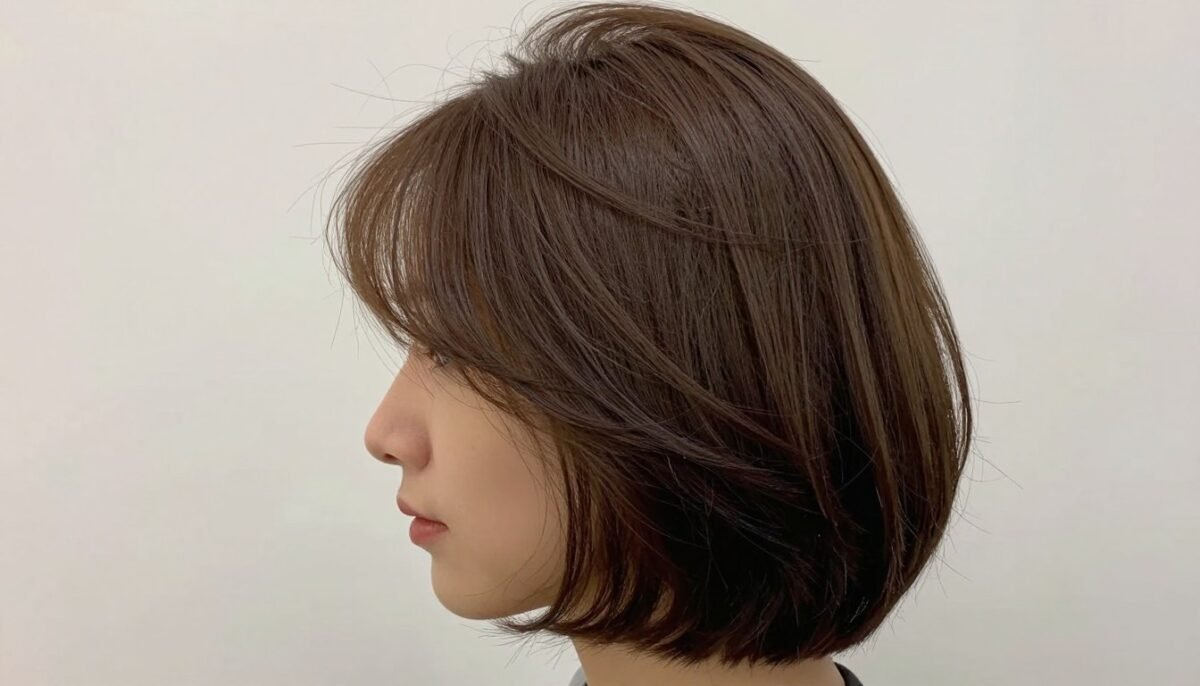
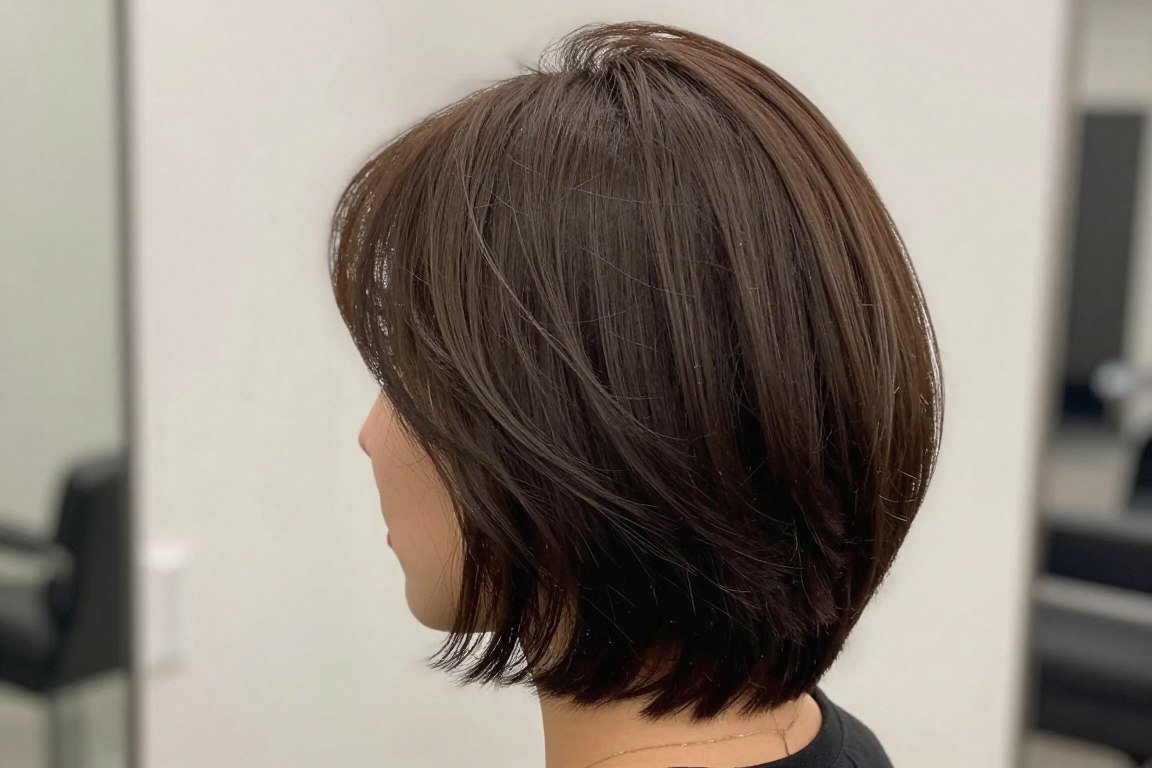
The rounded lob features a softly curved silhouette. Internal layers create shape without visible lines. This technique builds volume while maintaining a smooth, polished exterior.
The curved shape flatters round and oval faces particularly well. The gentle arc creates elegant proportions. Your hair appears intentionally styled rather than simply cut.
Internal Layering Explained
Internal layers sit hidden beneath the surface. Your stylist cuts shorter pieces throughout the interior. These layers remain invisible when hair lies smooth.
The hidden layers provide lift and structure. They prevent hair from collapsing flat against your head. Your lob maintains its rounded shape naturally without excessive styling.
Creating the Curve
Blow-drying technique emphasizes the rounded shape. Use a large round brush during styling. Direct hair in a curved motion as you dry each section.
Start at the back and work forward systematically. Pull hair slightly under at the ends. This creates the signature curve that defines this style.
The crown requires special attention for maximum roundness. Dry this section lifting straight up first. Then smooth over the curved sides for a polished finish.
Maintenance and Upkeep
The rounded lob maintains its shape well between trims. The internal structure supports the silhouette naturally. You can extend time between cuts without losing the curve.
Refresh the shape at home with simple blow-drying. The cut remembers its rounded form. Your styling simply enhances what’s already built into the structure.
15. Balayage Lob for Dimensional Depth
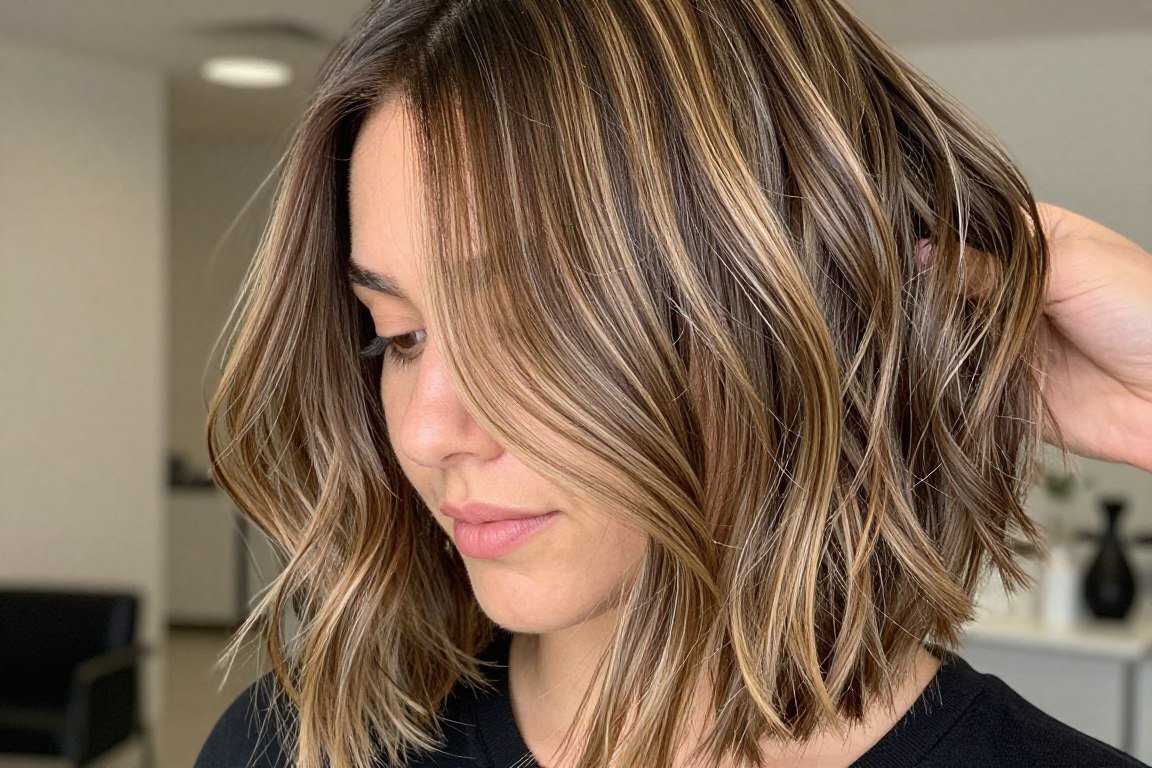
Color transforms thin hair dramatically. The balayage lob combines the perfect cut with dimensional color. Hand-painted highlights create depth that makes hair appear significantly thicker.
Balayage adds multiple tones throughout your lob. These varied shades catch light differently. The color variation creates the illusion of texture and fullness.
How Color Creates Volume
Lighter pieces appear to come forward visually. Darker sections recede into the background. This dimensional effect makes hair look fuller and more substantial.
Strategic highlight placement enhances your cut. Lighter pieces frame your face and emphasize layers. The color works with your lob structure to maximize impact.
Balayage Placement for Thin Hair
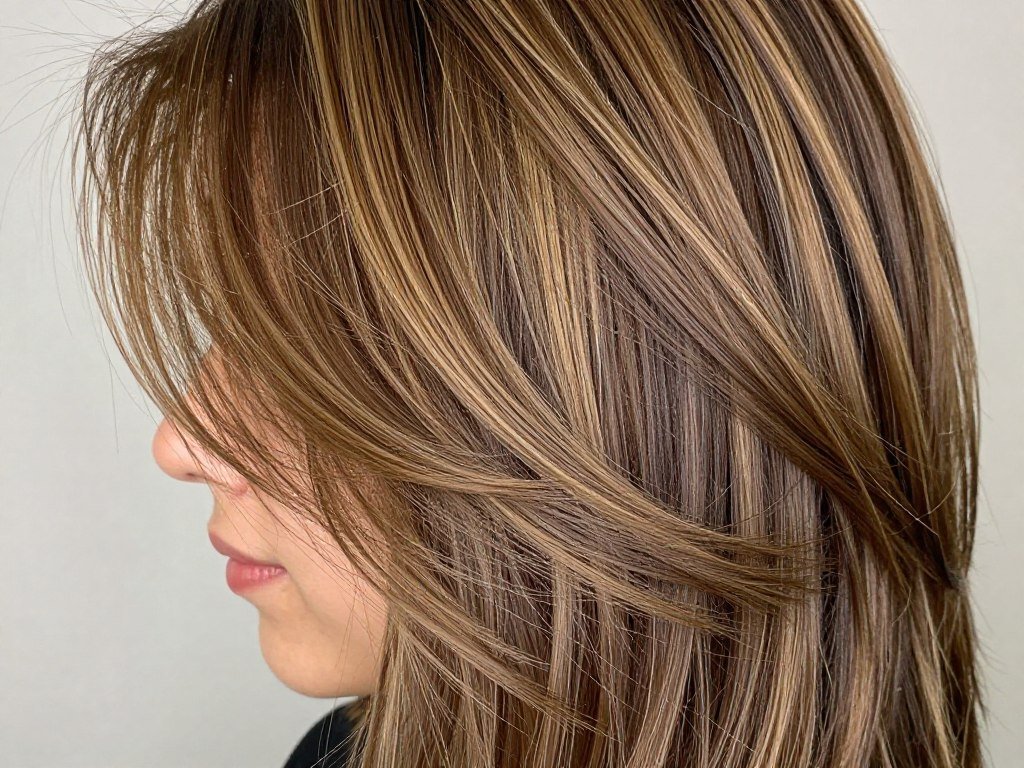
Ask your colorist to focus highlights around your face. These lighter pieces brighten your complexion while creating dimension. The framing effect draws attention away from hair thickness concerns.
Request finer, more frequent highlights throughout. This creates more dimension than chunky pieces. Your hair appears to have more individual strands and overall density.
Keep the root area slightly darker than ends. This shadow root technique adds depth and makes hair appear thicker at the scalp. The graduation from dark to light creates beautiful dimension.
Complementary Tones
Choose highlights within two shades of your base color. Subtle variation looks most natural and sophisticated. Extreme contrast can emphasize thinness rather than disguising it.
Warm tones like caramel and honey add richness to brown hair. Cool tones like ash and champagne brighten blonde bases. The right tones enhance your natural coloring beautifully.
Consider adding lowlights alongside highlights. These darker pieces increase overall dimension. The combination of light and dark creates maximum depth and fullness.
Professional Styling Tools for Perfect Lobs
Achieve salon-quality results at home with these essential styling tools. Each tool is specifically chosen to work beautifully with fine thin hair and lob-length cuts.
Medium Round Brush
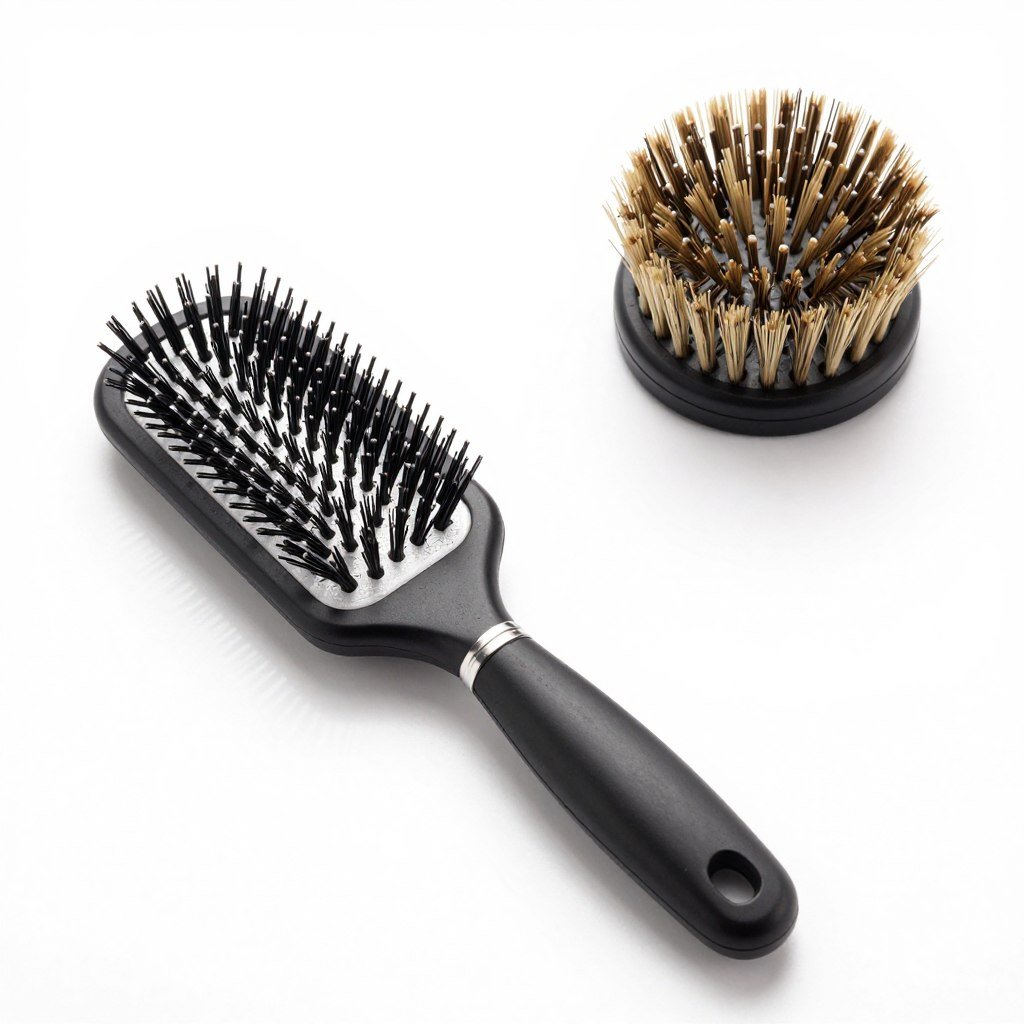
The ideal size for lob-length hair. This ceramic barrel brush creates smooth volume while maintaining control. Perfect for achieving professional blow-dry results at home.
- 2.5-inch barrel perfect for lobs
- Ceramic technology distributes heat evenly
- Mixed bristles grip fine hair gently
- Creates lift and curved ends effortlessly
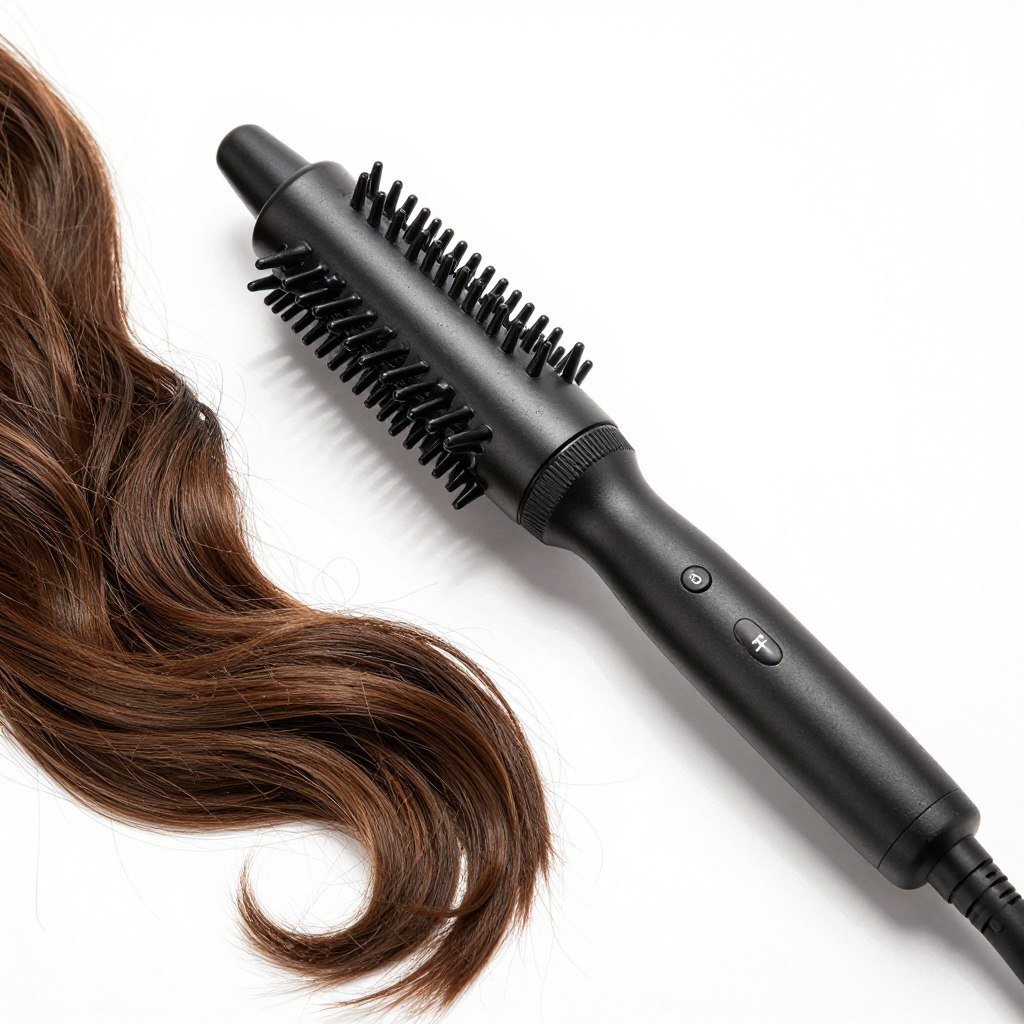
Tapered Curling Wand
Create natural-looking waves and curls with this versatile wand. The tapered barrel produces varied curl sizes that look effortlessly undone and beautifully textured.
- Tapered barrel creates natural variation
- Adjustable heat for fine hair protection
- Clipless design prevents creases
- Perfect wave size for lob length
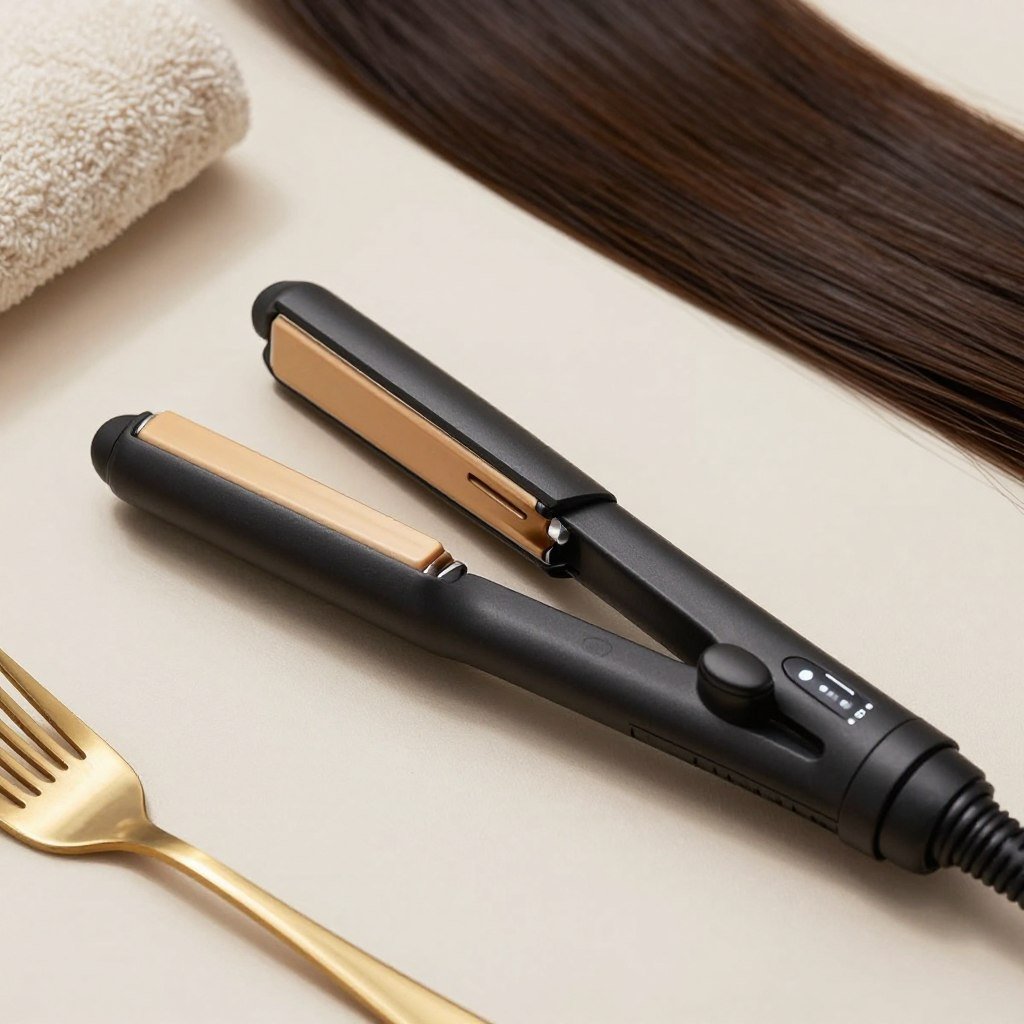
Ceramic Flat Iron
Achieve sleek perfection with this fine-hair-friendly straightener. Lower temperature settings protect delicate strands while ceramic plates create glossy, smooth results.
- Temperature control protects fine hair
- One-inch plates ideal for lobs
- Ceramic technology prevents damage
- Creates sleek shine in one pass
16. Flipped-Out Lob with Retro Flair
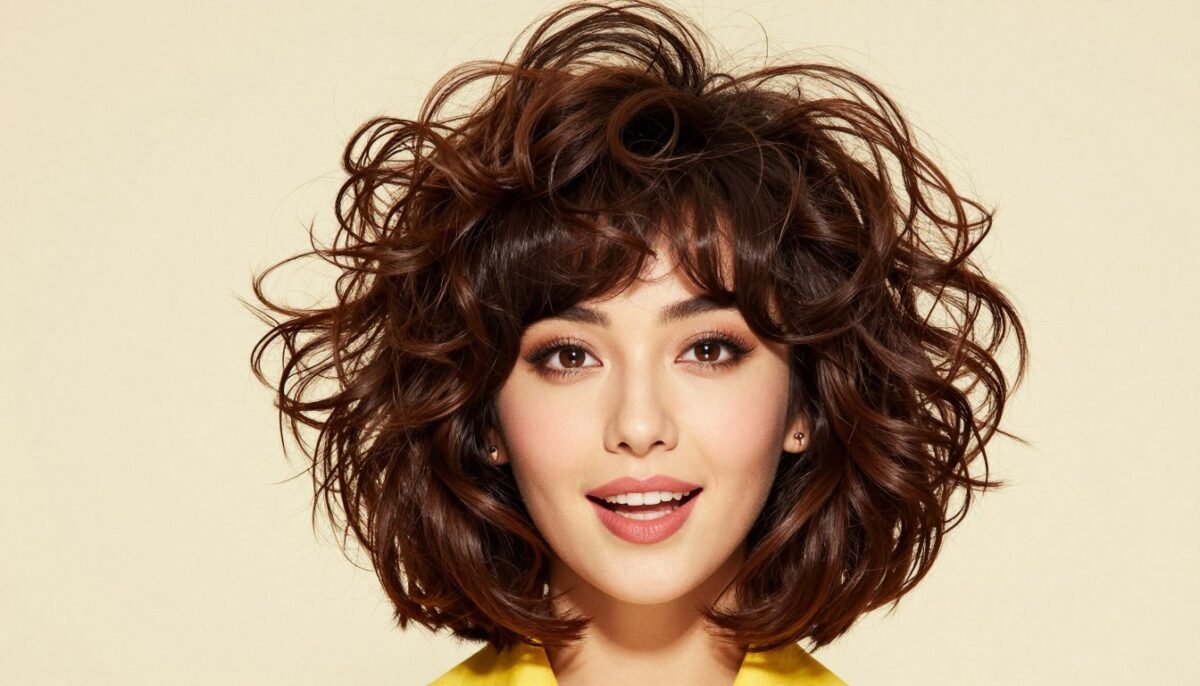
The flipped-out lob channels retro charm. Ends curve away from your face and neck. This playful style adds personality while creating visible volume at the perimeter.
Flipping ends outward makes hair appear thicker instantly. The curved ends take up more visual space than straight ends. Your lob gains fullness through simple directional styling.
Creating the Flip
The flip requires blow-drying with intention. Use a round brush to turn ends outward deliberately. This motion feels unnatural initially but becomes second nature quickly.
Section hair into horizontal layers during drying. Start at the bottom and work upward. Each section gets flipped outward systematically for consistent results.
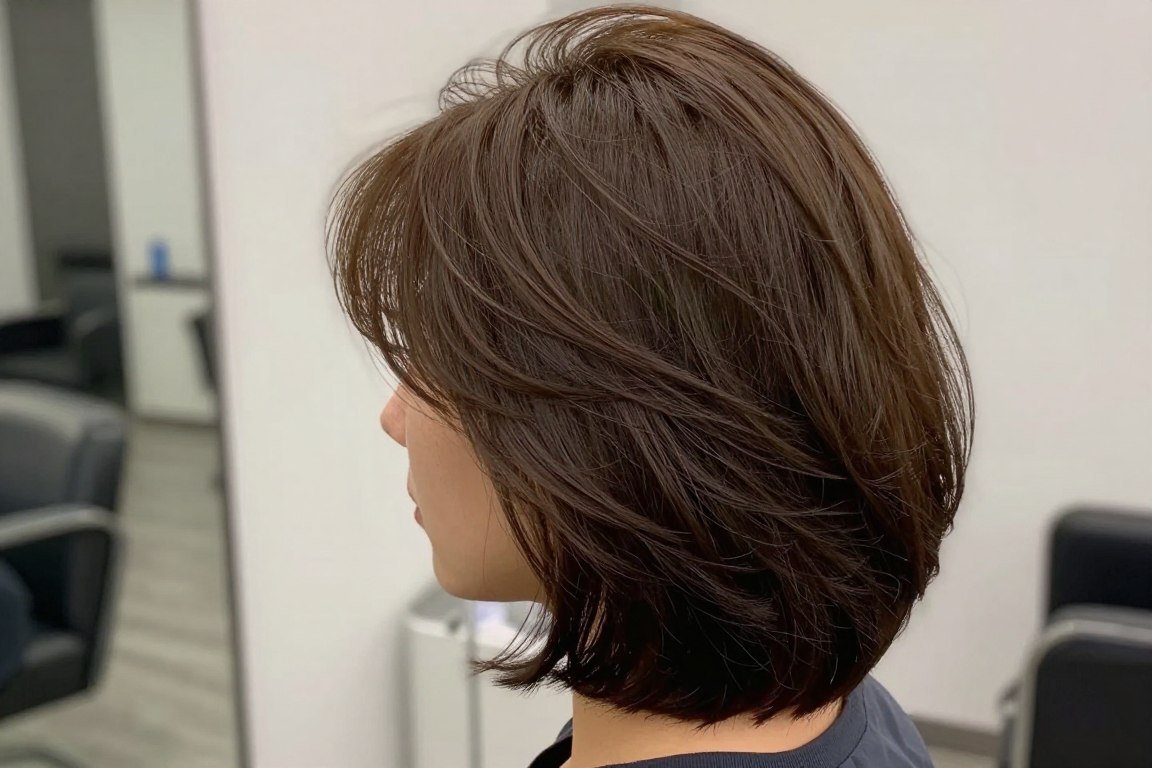
Product Requirements
Strong-hold mousse provides the foundation for lasting flips. Apply generously to damp hair before drying. The product helps ends hold their curved position.
Finish with firm-hold hairspray on the flipped sections. Spray from underneath to set the curve. Your retro style maintains its shape throughout the day.
Modern Interpretations
Update the classic flip with subtle variations. Flip only the front sections for a softer take. This provides retro flair without full commitment to the vintage aesthetic.
Combine the flip with textured waves throughout. The contrast between wavy body and flipped ends creates interesting dimension. Your lob feels current rather than costume-like.
Try flipping ends inward occasionally for variety. This creates a different silhouette entirely. Your lob transforms completely with simple directional changes.
17. Piece-y Lob with Separated Strands
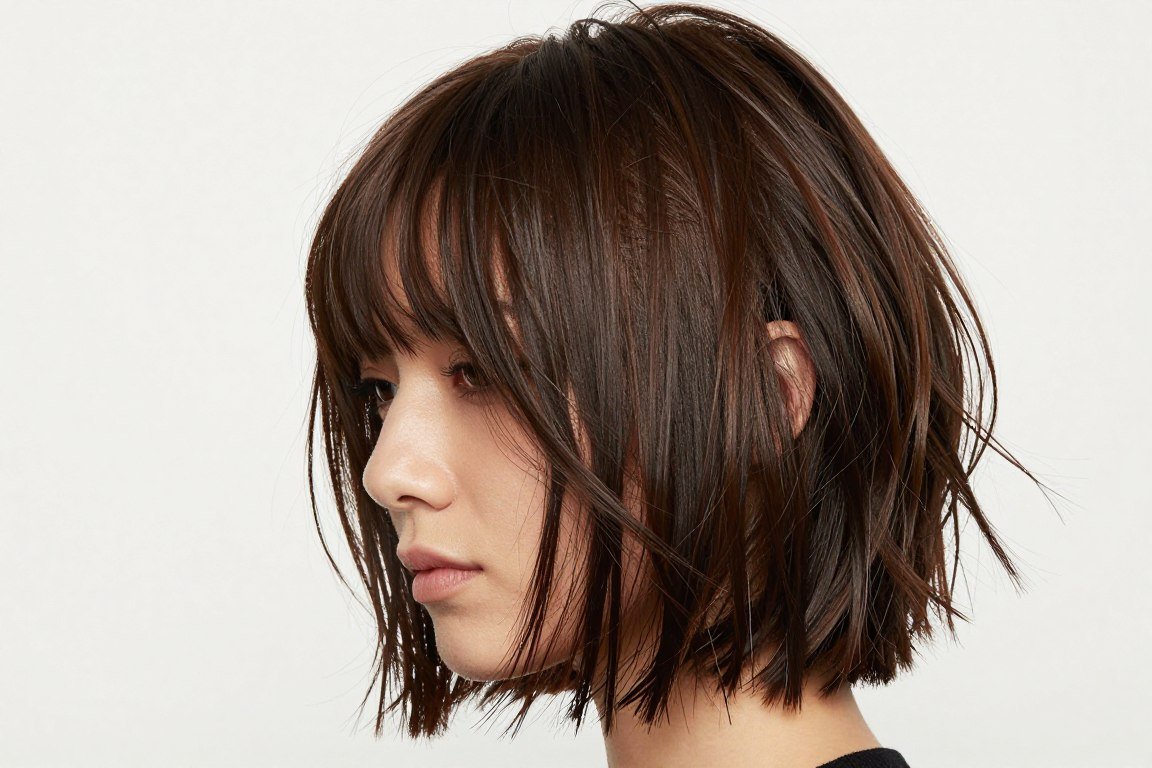
The piece-y lob emphasizes individual strand separation. Styling products define distinct sections throughout. This textured approach makes thin hair appear deliberately fine rather than lacking volume.
Separated pieces create space between strands. This visual separation suggests more hair overall. Your lob gains the appearance of density through strategic texture.
Achieving Piece-y Texture
Styling paste or pomade creates the signature piece-y finish. These products separate and define without causing stiffness. Your hair maintains natural movement while gaining textured definition.
Apply product to dry hair for maximum control. Warm a small amount between your palms. Work through hair focusing on mid-lengths and ends primarily.
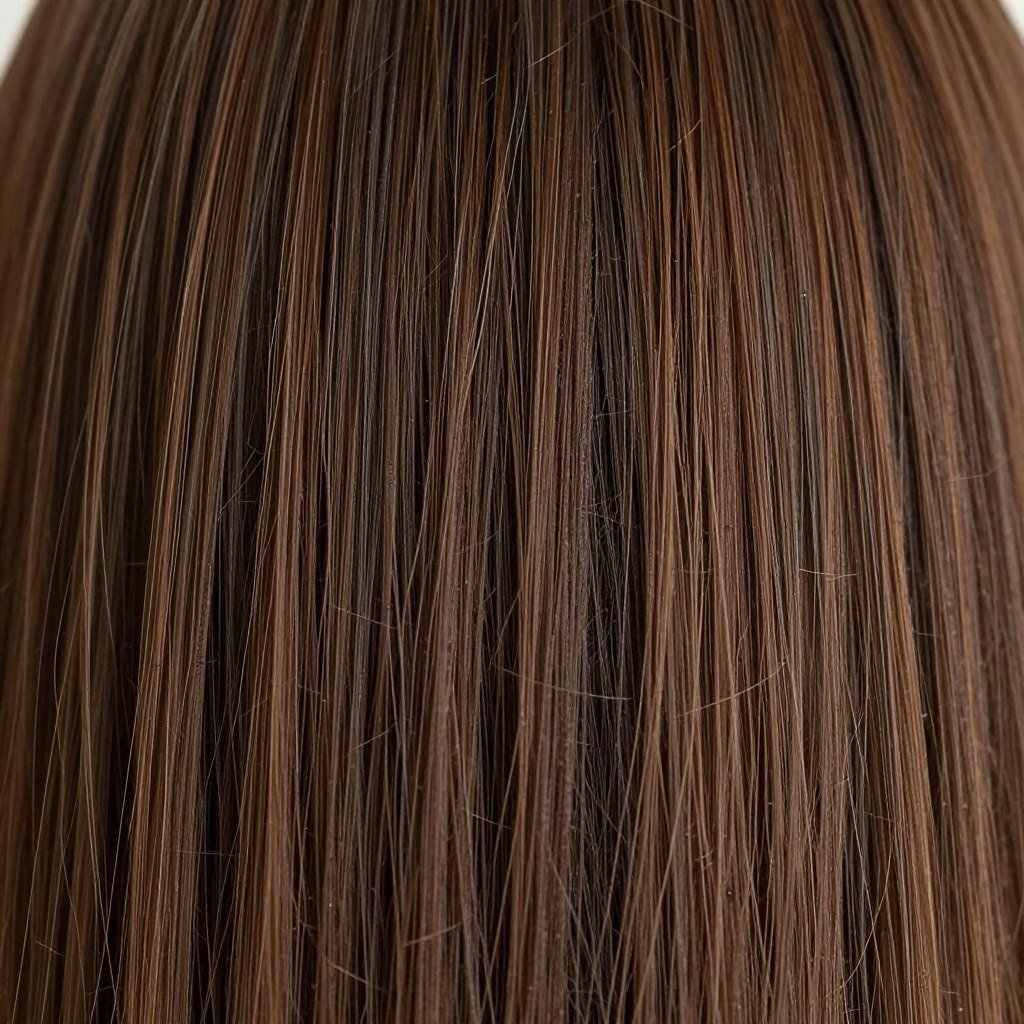
Application Technique
Use fingers to twist small sections as you apply product. This creates definition and separation simultaneously. Each twisted piece maintains its shape after you release it.
Vary the size of pieces throughout your head. Some sections stay larger while others separate into fine strands. This randomness looks natural and intentional.
Focus extra product on the ends for maximum definition. This area benefits most from separation and texture. Your lob gains the piece-y finish that defines this style.
Product Selection
Matte-finish products work best for piece-y texture. Shine can make separated strands look greasy or overdone. The matte finish appears natural and modern.
Choose lightweight formulas designed for fine hair. Heavy products clump strands together rather than separating them. The right texture creates piece-y definition without weight.
18. Voluminous Crown Lob
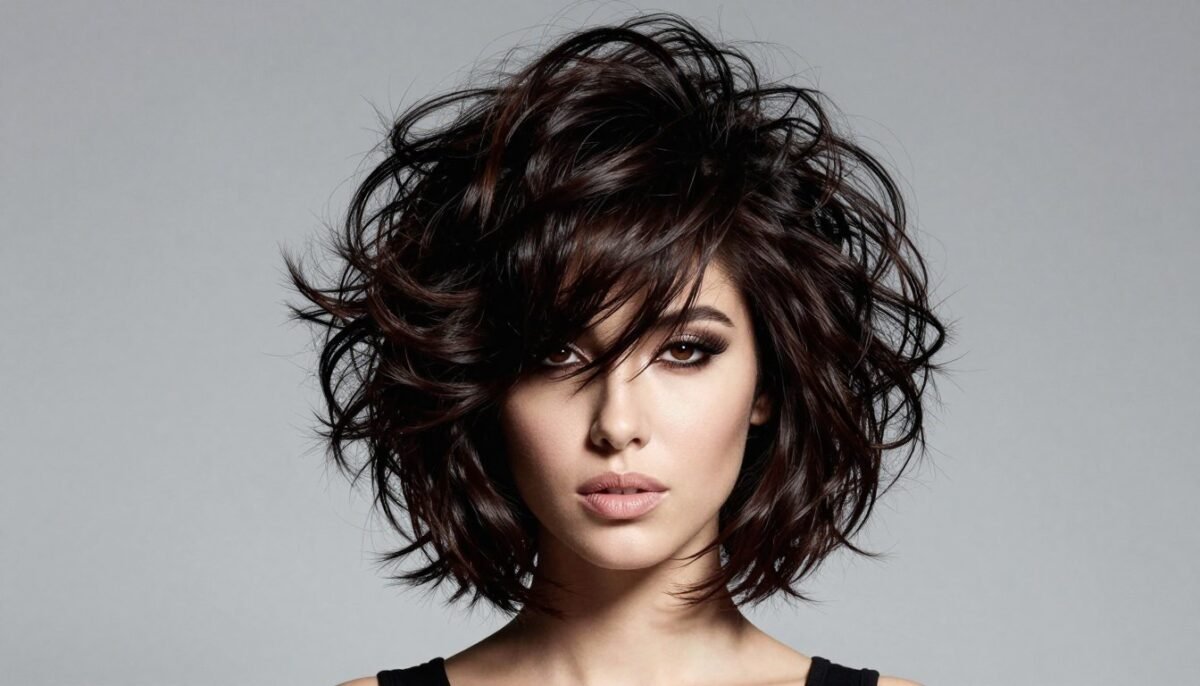
The voluminous crown lob maximizes height dramatically. Strategic teasing and styling create impressive lift at the top of your head. This approach transforms your overall silhouette instantly.
Crown volume changes your proportions beautifully. The added height elongates your face and draws the eye upward. Your thin hair becomes a striking feature rather than a concern.
Building Height at the Crown
Teasing remains the most effective technique for crown volume. Section hair at the crown into horizontal layers. Backcomb each section at the root area gently.
Use a fine-tooth comb for maximum grip. Hold sections straight up as you tease downward toward the scalp. This creates a cushion of volume that supports the surface layer.
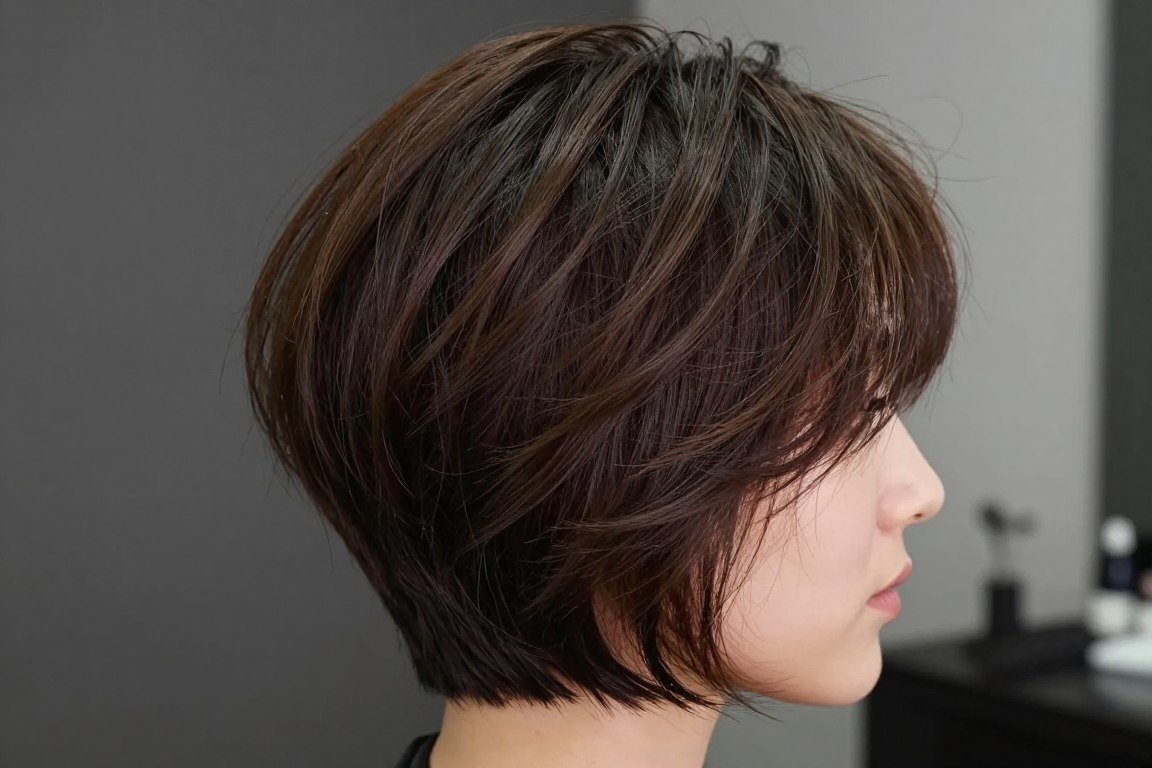
Smoothing the Surface
After teasing, smooth only the top surface layer. Use a brush gently over the teased sections. This creates polish while maintaining the volume underneath.
The contrast between smooth exterior and teased interior looks intentional and sophisticated. Your hair appears naturally voluminous rather than obviously backcombed.
Setting the Volume
Spray hairspray at the roots of teased sections. This locks the volume in place securely. Your crown maintains its height throughout the day without collapsing.
Use bobby pins strategically if needed for extra security. Insert pins into the teased section horizontally. This invisible support prevents slipping without visible hardware.
Occasion Styling
The voluminous crown lob works beautifully for special occasions. The dramatic height feels formal and elegant. Your everyday lob transforms into evening glamour easily.
Combine crown volume with sleek, straight ends for contrast. The juxtaposition creates visual interest. Your style appears thoughtfully composed and intentionally dramatic.
19. Beachy Waves Lob
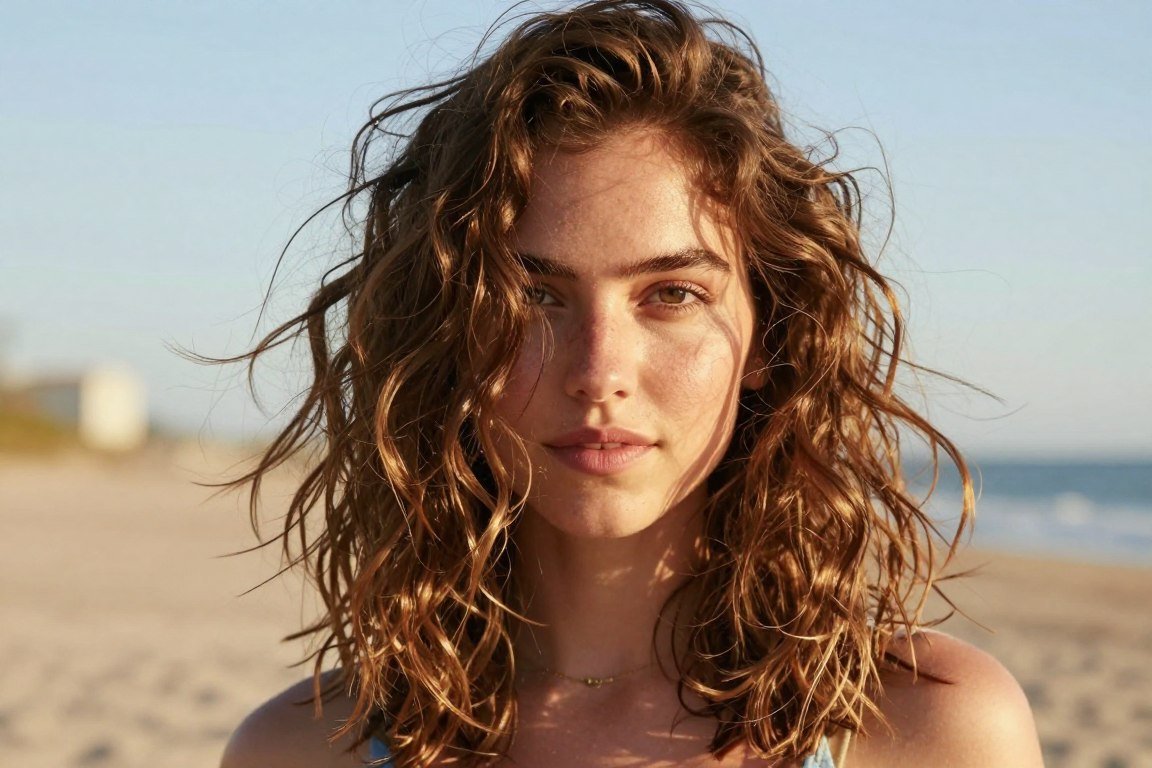
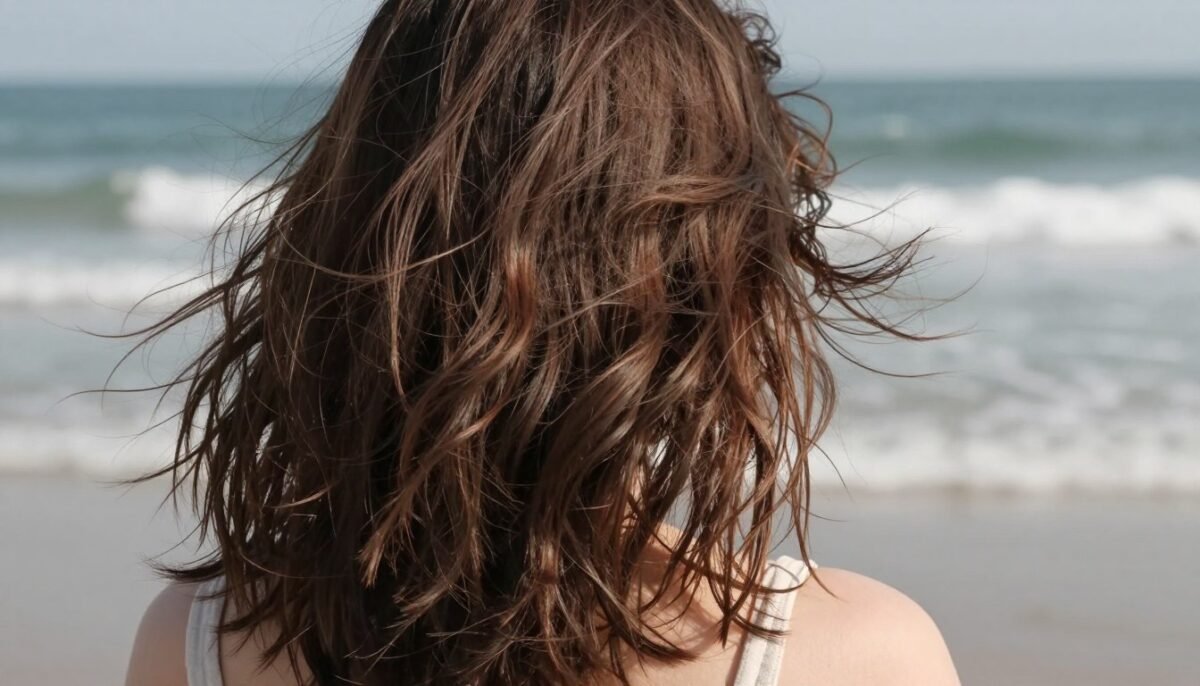
The beachy waves lob captures summer effortlessness year-round. Relaxed, tousled waves create a carefree aesthetic. This style makes thin hair appear naturally thick and textured.
Beachy texture adds grit and separation to fine strands. The waves create dimension and movement throughout. Your lob gains the lived-in quality that looks perpetually vacation-ready.
Creating Authentic Beach Texture
Sea salt spray remains essential for beachy waves. This product mimics the texture ocean water creates naturally. Your hair gains grip and body instantly upon application.
Apply spray to damp hair and scrunch thoroughly. This activates the salt and encourages wave formation. Your natural texture emerges enhanced and amplified.
Heat Styling for Waves
Use a curling wand for imperfect, beachy waves. Curl random sections in varying directions. The inconsistency creates natural-looking texture rather than uniform curls.
Leave the very ends of each section uncurled. This prevents the style from looking too polished or intentional. Your waves appear naturally formed by wind and water.
Alternate between wrapping hair toward and away from your face. This random direction mimics how natural waves form. Your beachy lob looks authentically windswept and casual.
Air-Dry Alternative
Skip heat tools entirely for the most natural beachy finish. Apply sea salt spray and braid damp hair loosely. Sleep in the braids or wear them for several hours.
Release braids when hair is completely dry. Shake out gently with your fingers. The resulting waves look naturally formed and effortlessly textured.
Scrunch in additional sea salt spray if needed. This refreshes the texture and adds extra body. Your beachy waves maintain their casual, undone appearance.
20. Sleek Side Part Lob
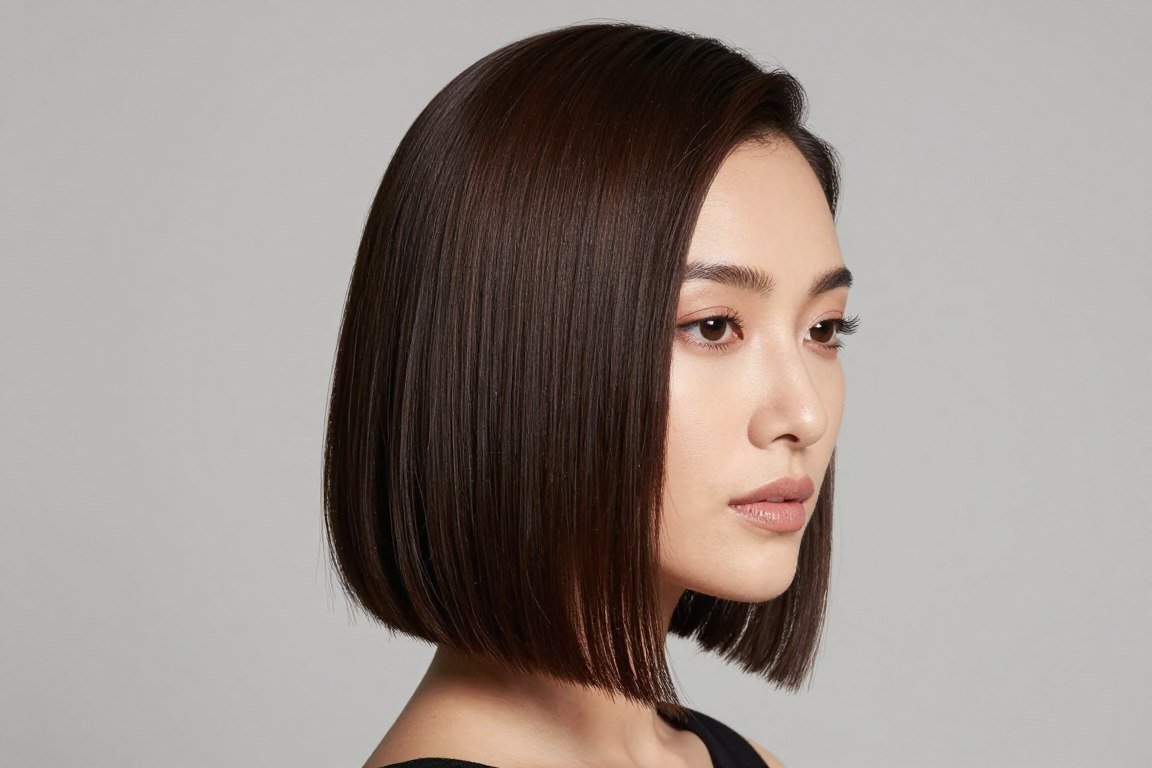
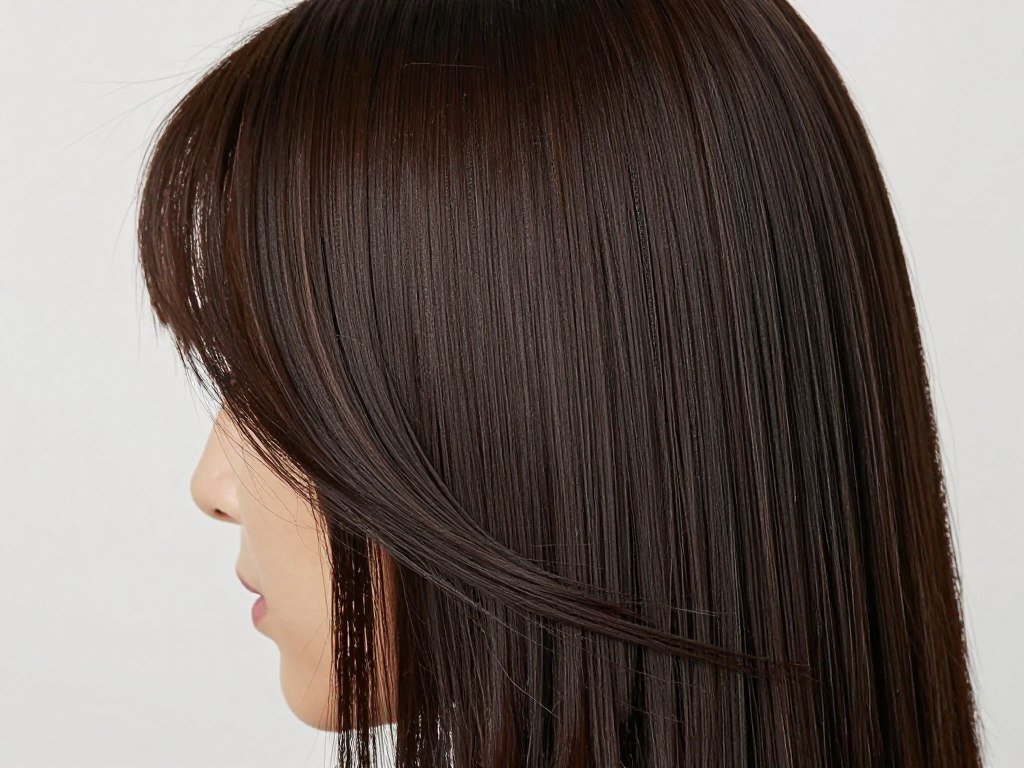
The sleek side part lob combines simplicity with sophistication. A precise part and smooth styling create timeless elegance. This polished approach works beautifully for professional settings and formal occasions.
The clean part adds structure to otherwise simple styling. This single detail elevates the entire look. Your thin hair appears intentionally sleek rather than simply flat.
Creating the Perfect Part
Use a tail comb for precision when creating your part. Section hair while damp for the cleanest line. Position the part slightly off-center for the most flattering effect.
Apply root lifter along the part line before drying. This prevents the part area from lying completely flat. Your sleek style maintains subtle volume where it matters most.
Achieving Sleekness
Blow-dry hair in the direction of your part consistently. This trains hair to fall correctly and naturally. Your part maintains its position without constant adjustment.
Use a paddle brush for the smoothest finish. Apply tension as you dry each section. This seals the cuticle and creates maximum shine and sleekness.
Follow with a flat iron if needed for extra polish. Take small sections and glide from root to tip smoothly. Your lob achieves glass-like shine and perfection.
Finishing Touches
Apply a tiny amount of shine serum to finished hair. Focus on mid-lengths and ends only. This enhances the glossy, polished finish without creating greasiness.
Set your part with light hairspray. Spray along the part line to keep it sharp. Your sleek side part lob maintains its precision throughout the day.
Tuck one side behind your ear occasionally for variation. This showcases your face while maintaining the sleek aesthetic. The simple gesture adds interest to the minimalist style.
Essential Styling Tips for Lobs on Thin Hair
Maximizing volume requires understanding specific techniques. These styling tips work across all lob variations. Your thin hair performs better when you apply expert knowledge.
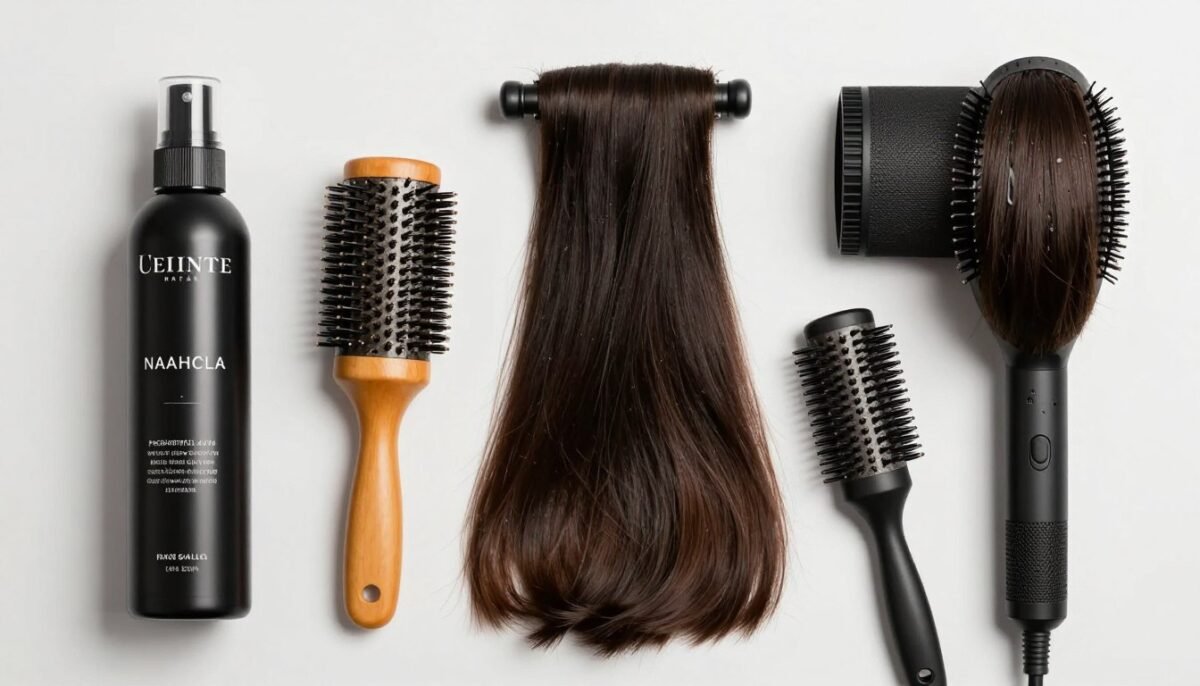
Product Application Strategies
Less product works better for fine hair always. Heavy application weighs down strands instantly. Start with minimal amounts and add more only if necessary.
Focus products where they provide maximum benefit. Apply volumizing products at roots only. Reserve smoothing products for mid-lengths and ends exclusively.
Layer products strategically for best results. Start with heat protectant on damp hair. Add volumizing mousse at roots. Finish with texturizing spray on dry hair for hold.
Blow-Drying Techniques
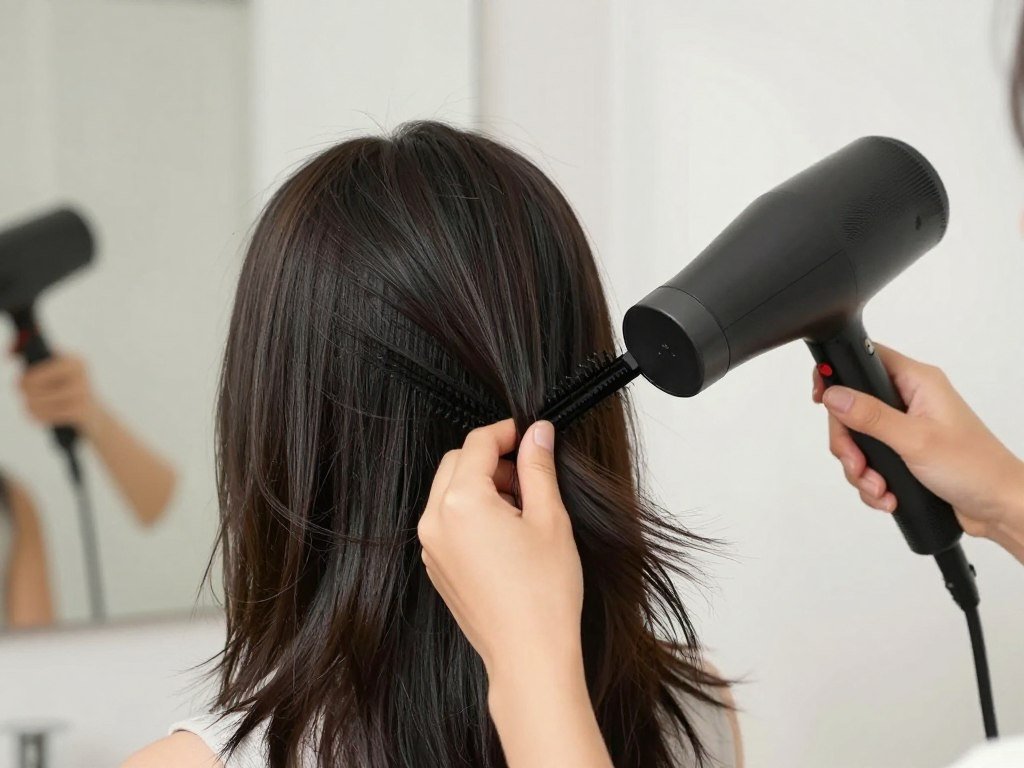
Direction matters immensely when blow-drying thin hair. Always dry in the direction you want hair to fall. This sets the style and creates lasting body.
Dry roots first before addressing lengths. This prioritizes volume where you need it most. Your foundation of lift supports the entire style effectively.
Use cool air for the final pass. This seals the cuticle and sets your style firmly. Heat opens the cuticle while cool air closes it for lasting results.
Heat Tool Temperature
Fine hair requires lower temperatures than thick hair. Excessive heat damages delicate strands quickly. Settings between 300-350 degrees work best for most thin hair.
Invest in tools with precise temperature control. This prevents accidental damage from excessive heat. Your hair stays healthy while achieving styled perfection.
Always use heat protectant without exception. This creates a barrier between hot tools and your hair. Protection preserves hair health over time despite regular styling.
Extending Style Longevity
Thin hair often holds styles longer than thick hair. This provides a significant advantage when properly leveraged. Your morning routine becomes faster with styles that last.
Sleep on a silk or satin pillowcase to preserve styling. These smooth fabrics prevent friction and frizz. Your lob maintains its shape overnight with minimal disturbance.
Use dry shampoo strategically on second and third days. This refreshes volume without requiring complete restyling. Your lob stays fresh between washes effortlessly.
Common Mistakes to Avoid
Over-washing removes natural oils that provide body. Thin hair needs these oils for optimal texture and volume. Limit washing to every two or three days when possible.
Avoid heavy conditioners that weigh hair down. Use lightweight formulas or apply only to ends. Your roots maintain natural volume without product buildup.
Never skip heat protectant regardless of time constraints. This single step prevents cumulative damage. Your hair remains healthy enough to hold styles effectively long-term.
Maintaining Your Lob: Trim Schedule and Care
Regular maintenance keeps your lob looking fresh and full. Understanding proper care extends the life of your cut. Your investment in a great haircut pays off with consistent upkeep.
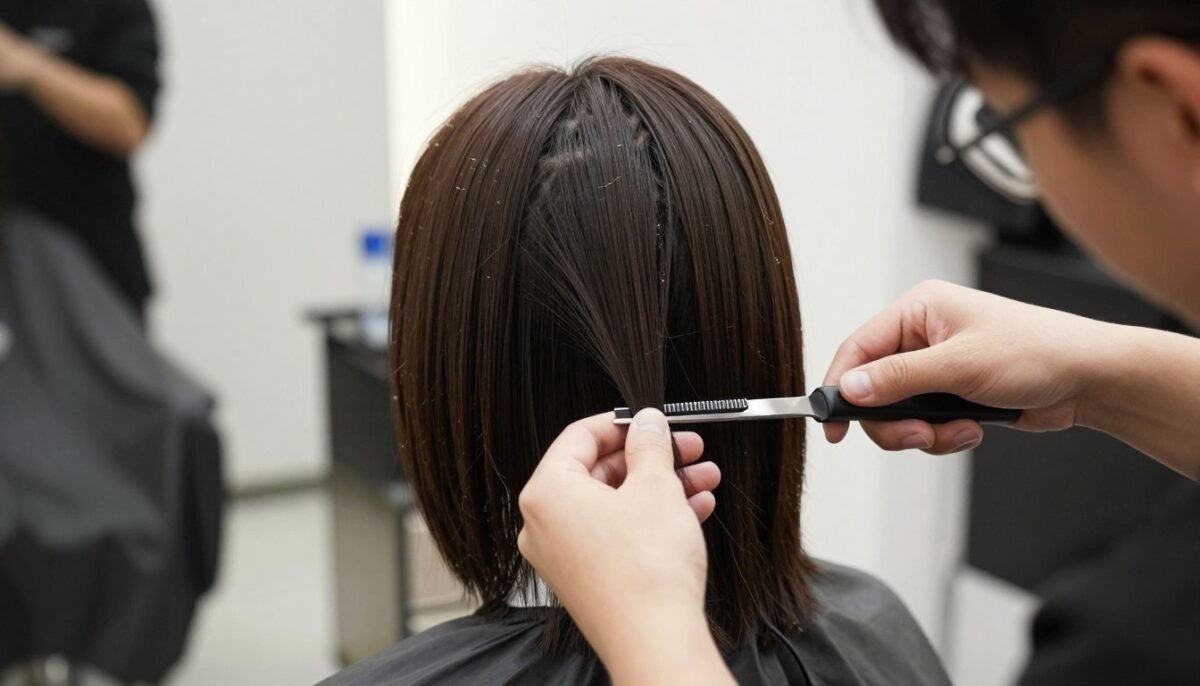
Optimal Trim Frequency
Schedule trims every six to eight weeks for blunt lobs. This maintains the sharp line that creates fullness. Grown-out blunt cuts lose their volume-creating effect quickly.
Layered and textured lobs can extend to eight to ten weeks between cuts. The softer edges forgive growth better than blunt lines. Your style remains fresh slightly longer with these variations.
Pay attention to your hair’s signals for timing. Split ends and loss of shape indicate trim time. Don’t wait for a specific date if your hair needs attention sooner.
Benefits of Regular Trims
- Maintains precise shape and structure
- Prevents split ends from traveling up shaft
- Keeps hair looking thick and full
- Preserves styling ease and manageability
- Enhances overall hair health and appearance
Risks of Skipping Trims
- Shape becomes unrecognizable and unflattering
- Split ends make hair appear thinner
- Styling becomes difficult and time-consuming
- Volume disappears as weight accumulates
- Damage spreads requiring more drastic cutting later
At-Home Care Between Salon Visits
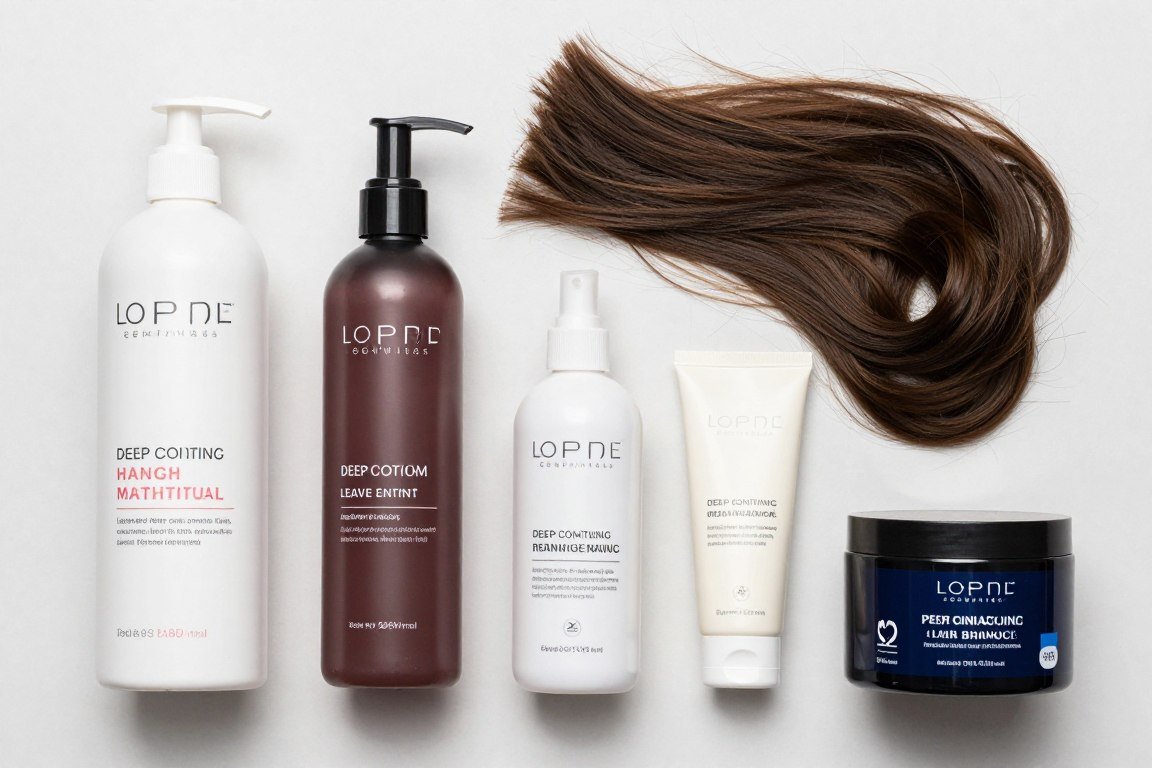
Deep condition weekly to maintain hair health. Focus treatment on ends primarily. This prevents damage without weighing down roots unnecessarily.
Trim your own bangs or face-framing layers if comfortable. Small maintenance trims between appointments keep these features fresh. Ask your stylist for guidance on safe at-home trimming.
Recognizing When You Need a Trim
Your lob loses its shape gradually over time. Noticing these changes helps you schedule appropriately. Watch for these telltale signs that trim time approaches.
- Hair no longer falls into place after washing
- Styling takes significantly longer than usual
- Ends appear wispy or see-through rather than full
- Split ends are visible without close inspection
- The cut no longer frames your face correctly
- Volume disappears despite usual styling efforts
Communicating with Your Stylist
Bring photos of your lob when it looked best. This provides clear reference for your stylist. Visual communication prevents misunderstandings about desired results.
Describe what you dislike about your current grown-out shape. This helps your stylist understand priorities. Specific feedback leads to better results than vague requests.
Ask for styling tips during each appointment. Your stylist can demonstrate techniques specific to your hair. This education makes at-home styling more successful and easier.
Choosing the Right Lob for Your Features
Not all lobs work equally well for every face shape. Understanding your features guides selection. The right lob enhances your natural beauty perfectly.
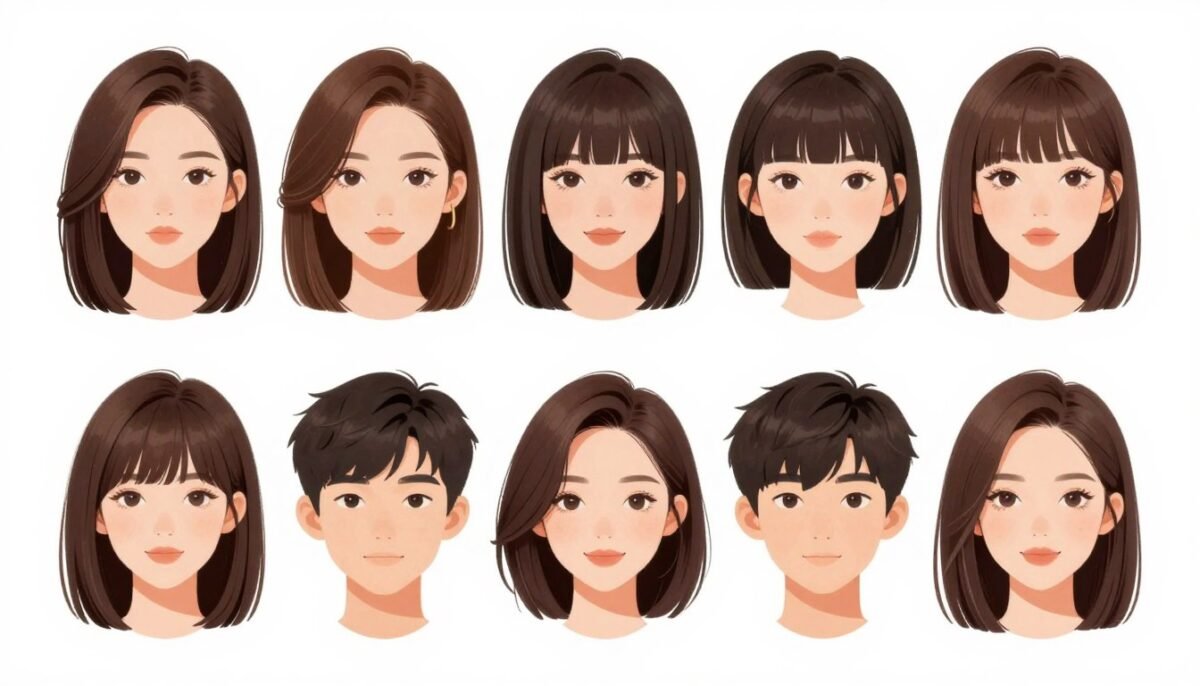
Face Shape Considerations
Oval Faces
Oval faces enjoy incredible versatility with lobs. Nearly any variation flatters this balanced shape. You can choose based on personal style rather than face-shape restrictions.
Experiment with different parts and styling. Your proportions support both sleek and textured looks. This freedom allows you to change your lob frequently without concern.
Round Faces
Longer lobs work best for round faces. The extended length creates vertical lines that elongate. Your face appears slimmer and more oval with proper length selection.
Deep side parts add asymmetry that flatters roundness. This breaks up the circular shape visually. Avoid blunt, chin-length cuts that emphasize width instead of length.
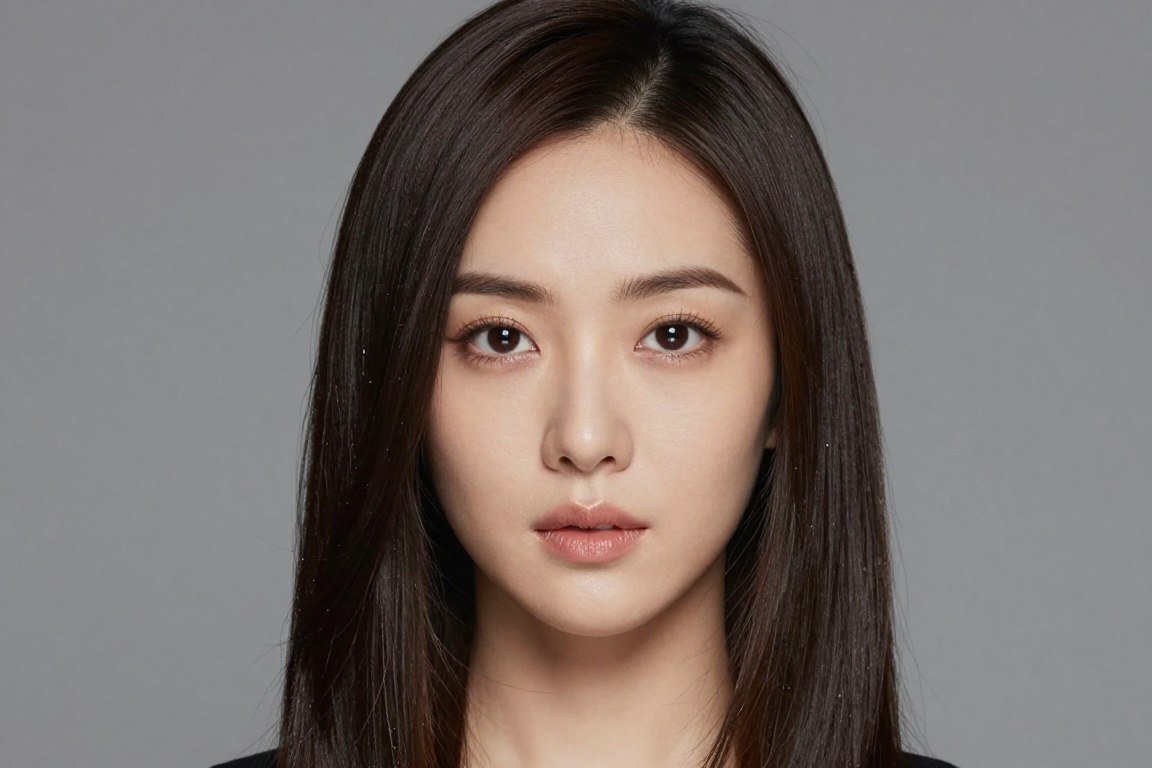
Square Faces
Soft, textured lobs balance angular jawlines beautifully. Waves and layers add femininity to strong features. Avoid blunt cuts that emphasize rather than soften squareness.
Side parts work better than center parts for square faces. The asymmetry creates visual interest and softness. Your strong features become balanced rather than harsh.
Heart-Shaped Faces
Chin-length or slightly longer lobs flatter heart shapes perfectly. This length adds width at your narrow chin area. Your proportions balance beautifully with proper length.
Textured ends add fullness where heart-shaped faces need it most. The volume at the bottom balances your wider forehead. Avoid excessive volume at the crown which emphasizes top-heaviness.
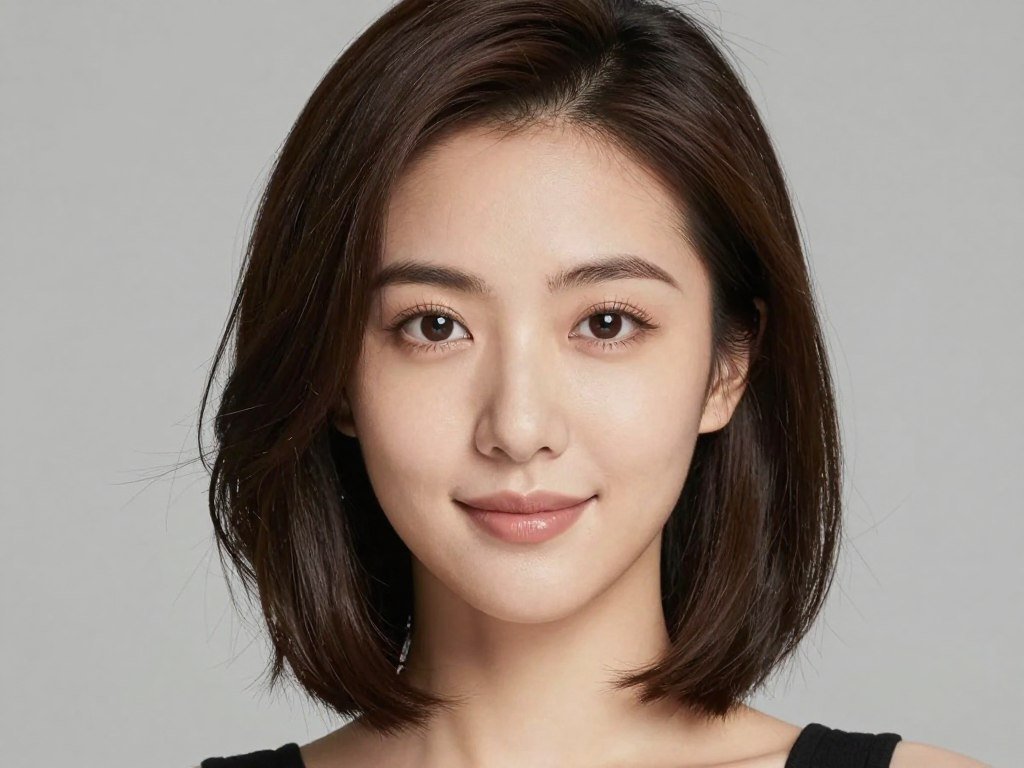
Hair Texture Matching
Straight Fine Hair
Blunt and slightly angled lobs maximize fullness for straight fine hair. The clean lines create density illusion perfectly. Your naturally straight texture showcases precise cutting beautifully.
Minimal layering preserves maximum thickness at the perimeter. Too many layers thin out already fine hair. Strategic restraint creates the fullest possible appearance.
Wavy Fine Hair
Embrace your natural texture with layered lobs. The layers enhance wave formation while adding volume. Your waves provide the body that fine hair often lacks naturally.
Ask for point-cutting rather than blunt cutting. This technique works with your waves beautifully. The soft edges prevent the triangular shape that plagues layered wavy hair.
Straight with Natural Bend
Your versatile texture supports multiple lob styles. Straight styling showcases clean lines while natural drying reveals soft texture. This flexibility provides daily variety effortlessly.
Medium layering works best for this hair type. The layers enhance your natural bend without creating excessive volume. Your lob maintains polish with minimal styling required.
Color Techniques That Enhance Thin Hair
Strategic color application creates impressive dimension. The right coloring technique makes thin hair appear significantly thicker. Color works with your cut to maximize fullness.
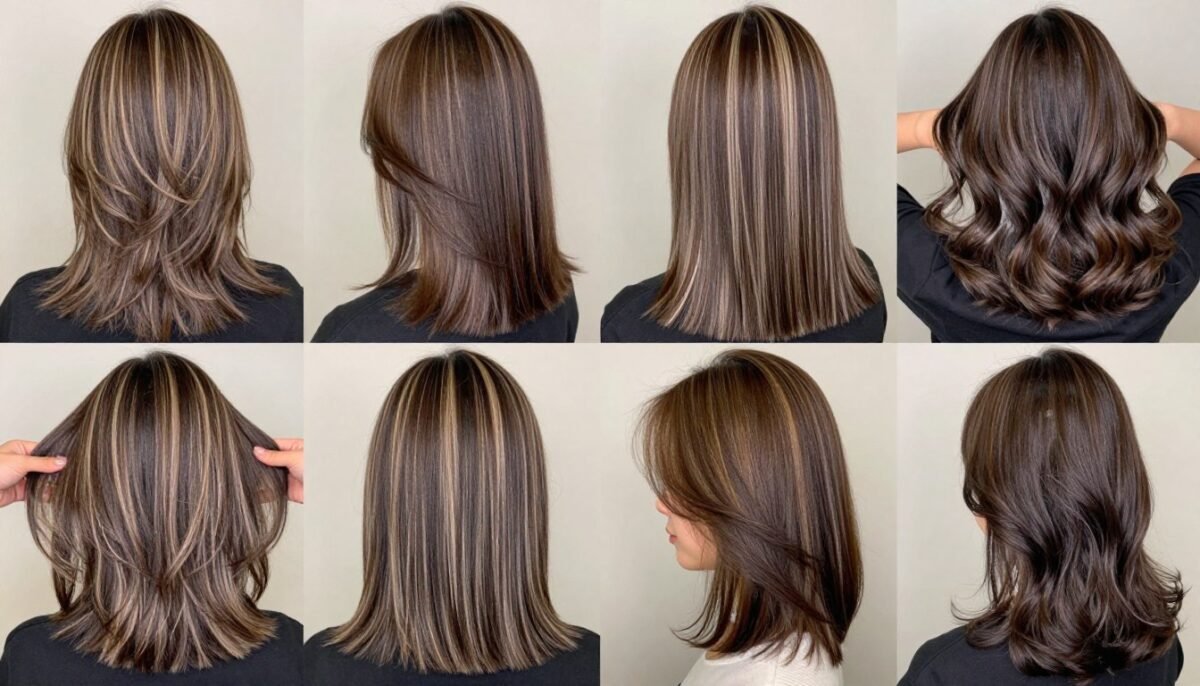
Highlighting Techniques
Babylights
These ultra-fine highlights create subtle dimension throughout. The delicate application mimics natural sun-kissed lightening. Your hair gains depth without obvious color placement.
Babylights work particularly well on thin hair. The fine application doesn’t emphasize sparse areas. Instead, the subtle variation creates the illusion of more hair overall.
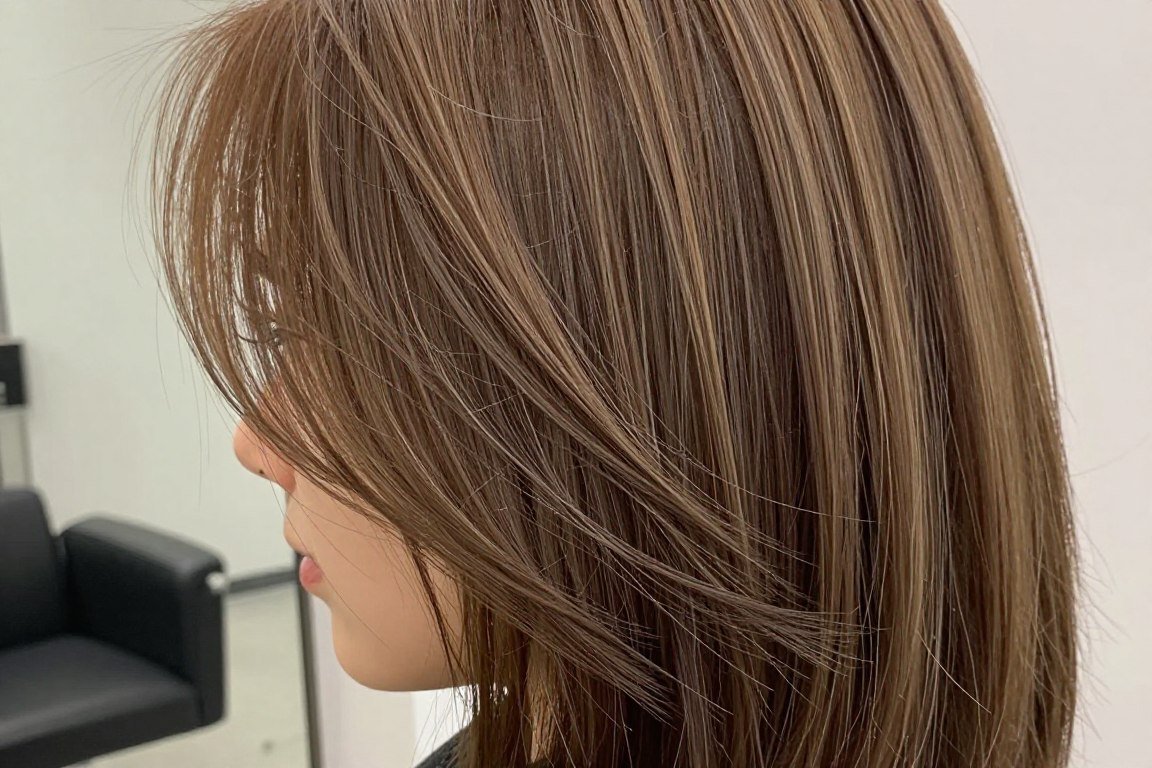
Traditional Highlights
Slightly larger than babylights, traditional highlights add bolder dimension. These create more contrast while still looking natural. Your hair gains visual texture through varied tones.
Request highlights placed strategically around your face. This framing lightens and brightens your complexion. The face-framing pieces draw attention away from hair density concerns.
Balayage
Hand-painted balayage creates the most natural-looking dimension. The freehand application places color exactly where it flatters most. Your stylist customizes placement for your specific features and cut.
Balayage grows out beautifully without harsh lines. This low-maintenance technique requires fewer touch-ups. Your color investment lasts longer with this application method.
Lowlights for Depth
Darker pieces add richness and dimension alongside highlights. The contrast makes both tones appear more vibrant. Your hair gains the depth that creates fullness perception.
Lowlights prevent blonde hair from looking washed out. The darker tones add back dimension that bleaching removes. Your color appears richer and more multidimensional overall.
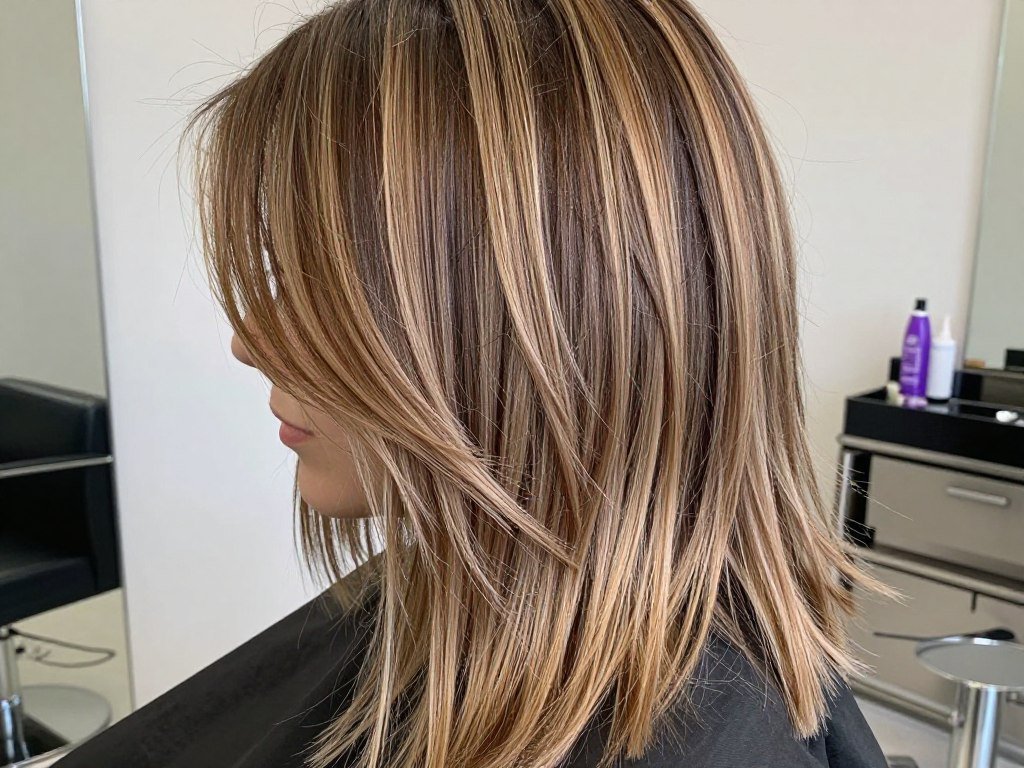
Root Shadow Technique
Darker roots create depth at the scalp. This shadow effect makes hair appear thicker where it emerges from your head. The graduation from dark to light adds beautiful dimension.
Root shadow reduces maintenance frequency significantly. Grow-out appears intentional rather than neglected. Your color looks fresh longer between appointments.
All-Over Color Considerations
Single-process color can make thin hair appear thinner. The uniform tone lacks dimension that creates fullness. Always combine all-over color with highlights or lowlights for best results.
Choose colors within two shades of your natural tone. Extreme color changes can emphasize thinness. Subtle shifts look more natural and create better dimension.
Complete Your Lob Toolkit
These finishing products perfect your lob styling routine. Each item addresses specific thin hair concerns while enhancing your cut’s natural beauty and fullness.
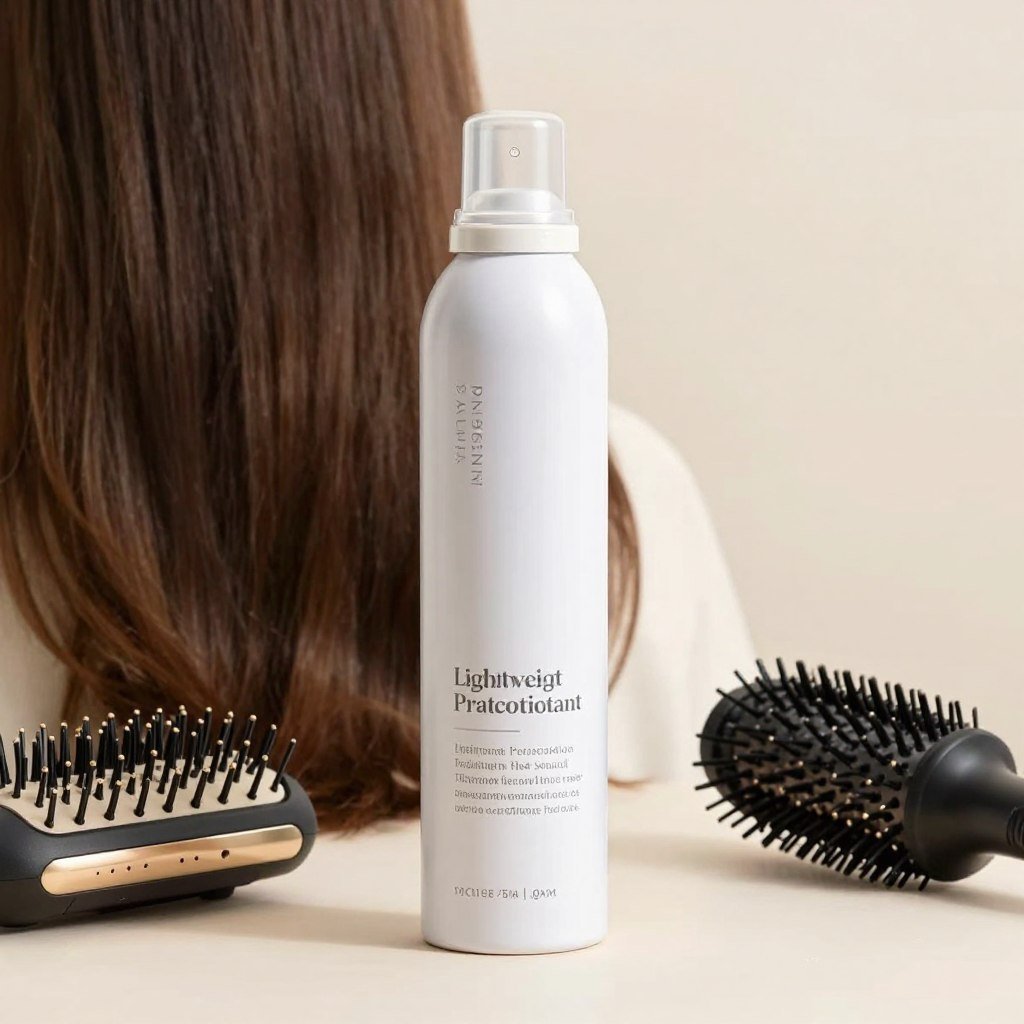
Lightweight Heat Protectant
Shield fine strands from thermal damage without adding weight. This invisible formula protects hair up to 450 degrees while maintaining natural movement and body.
- Protects against all heat styling tools
- Weightless formula won’t flatten hair
- Adds shine without greasiness
- Prevents breakage and split ends
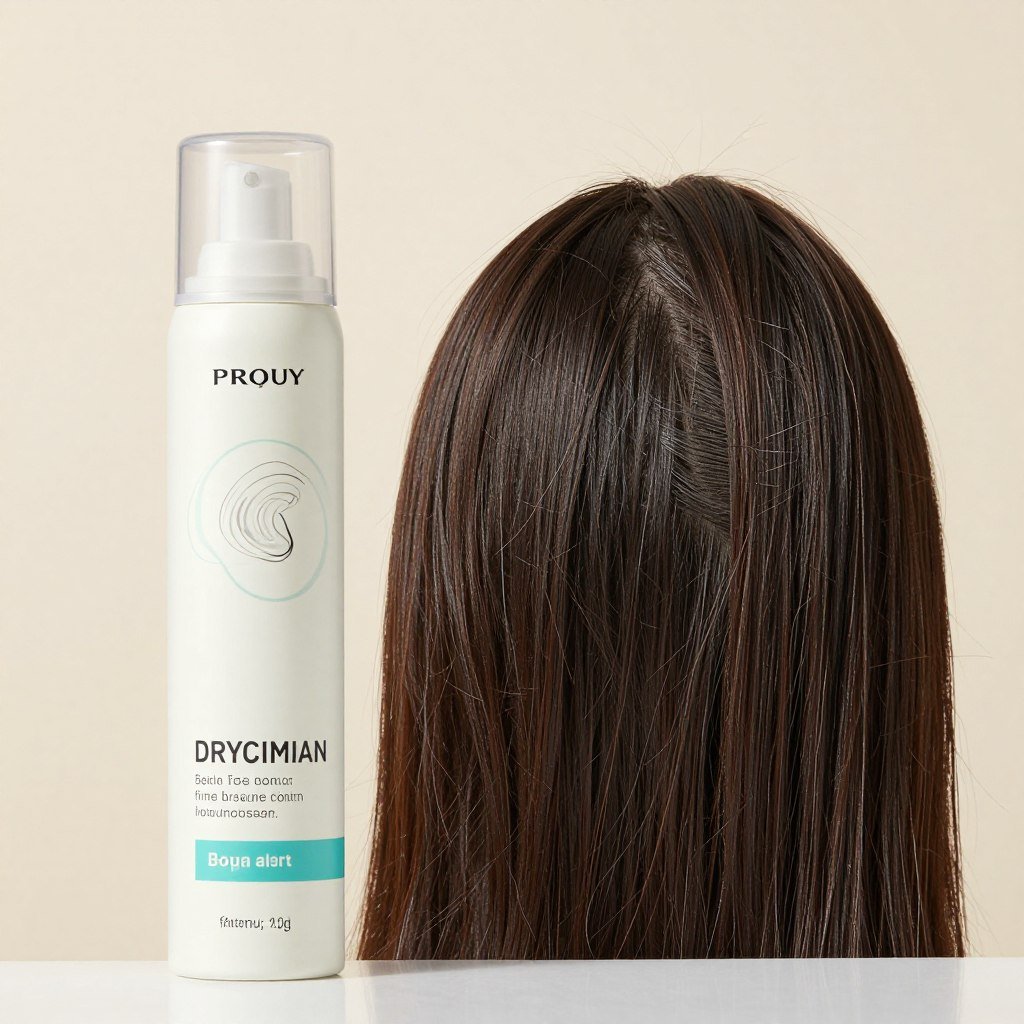
Volumizing Dry Shampoo
Refresh your lob between washes while adding impressive volume. This formula absorbs oil and creates lift at roots for instant fullness and extended style life.
- Absorbs oil without visible residue
- Creates instant root volume
- Extends time between washes
- Fresh scent revitalizes hair
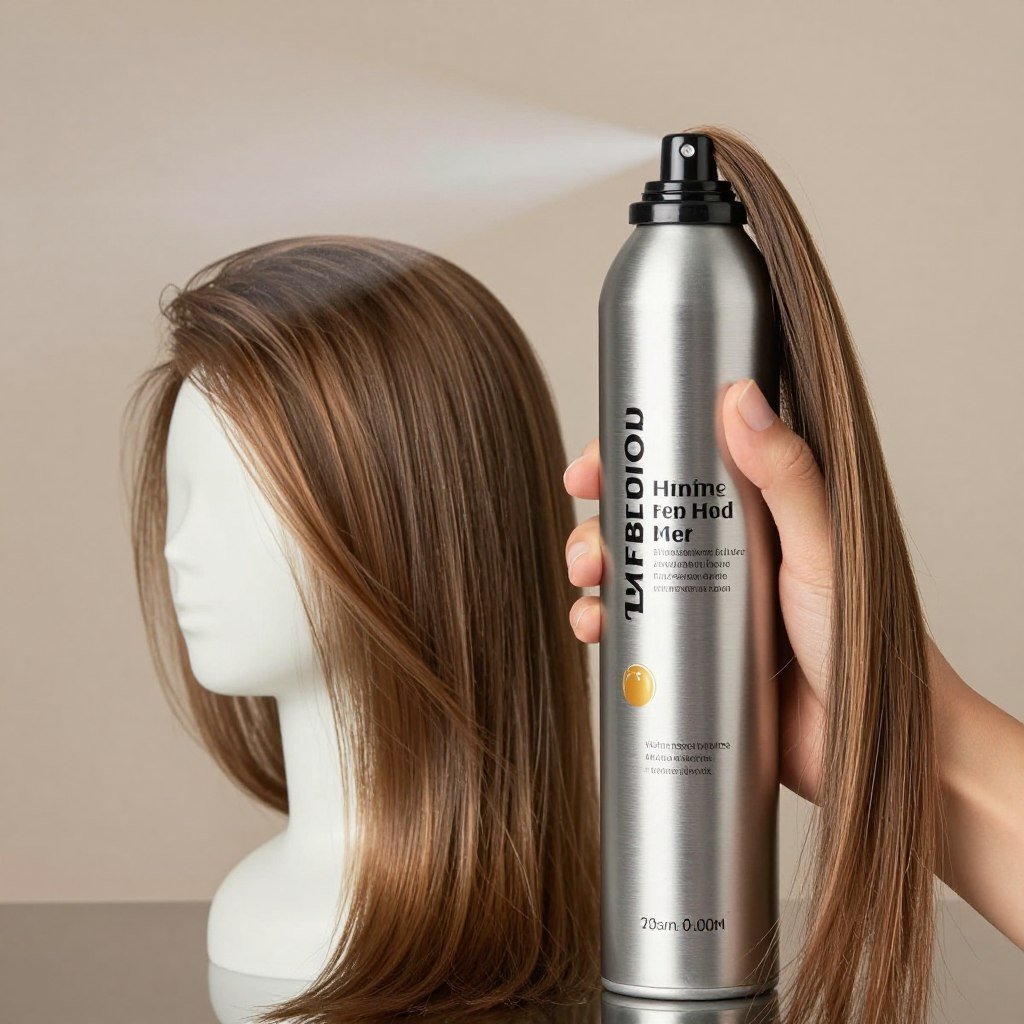
Flexible-Hold Finishing Spray
Lock in your styled lob with touchable hold that moves naturally. This lightweight spray provides all-day control while maintaining soft texture and natural bounce.
- Flexible hold maintains movement
- Never stiff or crunchy
- Humidity-resistant formula
- Brushes out easily for restyling
Addressing Common Thin Hair Concerns with Lobs
Thin hair comes with specific challenges and questions. Understanding solutions builds confidence in your lob choice. These answers address the most frequent concerns about lobs on fine hair.
Will a lob make my thin hair look thinner?
A properly cut lob actually makes thin hair appear fuller. The shorter length removes weight that pulls hair flat. Strategic layering and cutting techniques create volume and dimension that long hair on fine strands cannot achieve.
The key lies in choosing the right lob variation for your specific hair. Blunt lobs maximize the appearance of thickness at the perimeter. Layered lobs create internal volume and movement. Your stylist can customize the cut to address your particular thinness concerns effectively.
How often should I wash my lob if I have thin hair?
Limit washing to every two or three days for optimal volume. Natural oils provide grip and texture that fine hair needs. Over-washing strips these beneficial oils and leaves hair limp and flat.
Use dry shampoo between washes to refresh roots and add volume. This extends your style while actually increasing body. Your lob maintains better shape and fullness with less frequent washing than daily shampooing provides.
Can I still put my lob in a ponytail?
Most lob lengths allow for small ponytails or half-up styles. Shoulder-length and longer lobs gather into low ponytails easily. Shorter variations may only accommodate half-up styling or small top knots.
Use small elastics and avoid pulling hair too tightly. This prevents breakage and maintains volume around your face. Messy, textured ponytails look particularly chic on lobs and disguise any thinness beautifully.
Do I need layers if I have thin hair?
Layers benefit thin hair when placed strategically. Internal layers create volume without removing perimeter density. Face-framing layers add movement and dimension around your features.
Avoid excessive layering that thins out the ends. Too many layers create a wispy, see-through appearance. Work with an experienced stylist who understands how to layer fine hair for volume without sacrificing fullness.
What’s the best way to add volume to my lob daily?
Start with volumizing products on damp hair focusing at roots. Blow-dry upside down or using a round brush to create lift. This foundation provides lasting body throughout the day.
Use dry shampoo or root powder on styled hair for extra boost. Apply directly at the crown and part line. These products create instant lift that transforms your entire silhouette quickly and easily.
Will highlights damage my already thin hair?
Professional highlighting with proper technique and care won’t damage thin hair significantly. Modern lightening products and methods minimize damage while creating dimension.
Choose techniques like balayage or babylights that require less frequent touch-ups. Use bond-building treatments during coloring to protect hair structure. Maintain hair health with deep conditioning and minimal heat styling between color appointments.
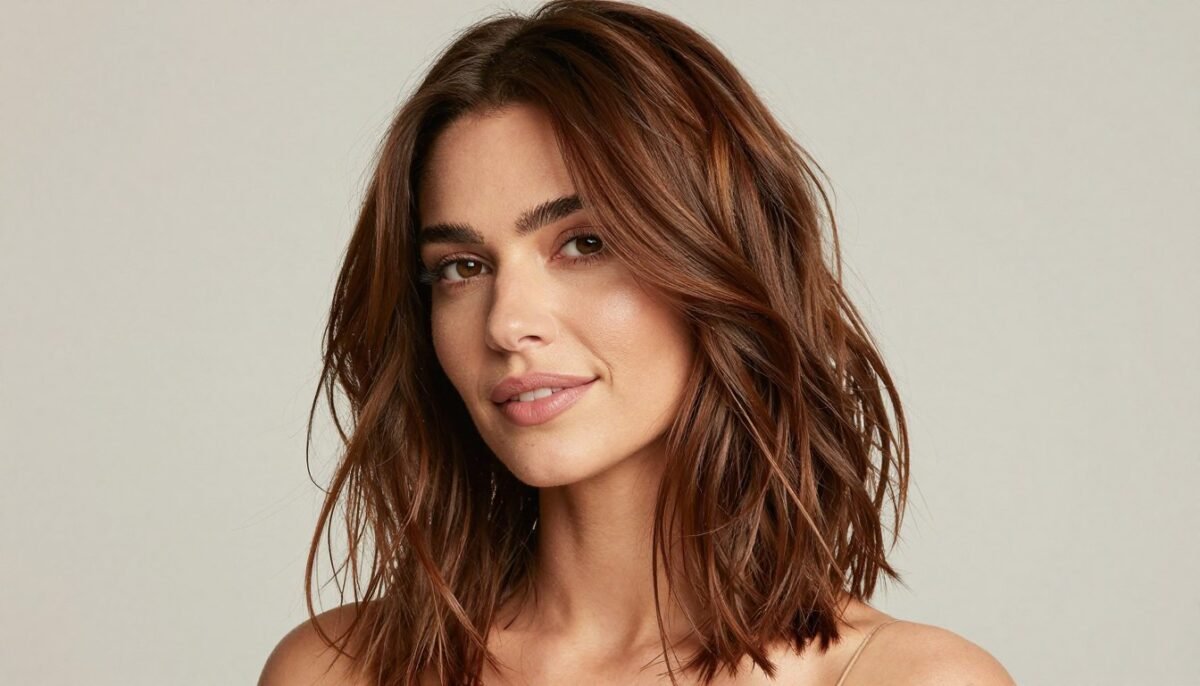
Embracing Your Perfect Lob
The right lob transforms thin hair from a concern into a stunning feature. These twenty styles prove that fine hair can look incredibly full and beautiful. Your perfect lob exists within these variations.
Remember that proper cutting technique matters as much as style selection. Find a stylist experienced with fine hair specifically. Their expertise makes the difference between a good lob and an exceptional one.
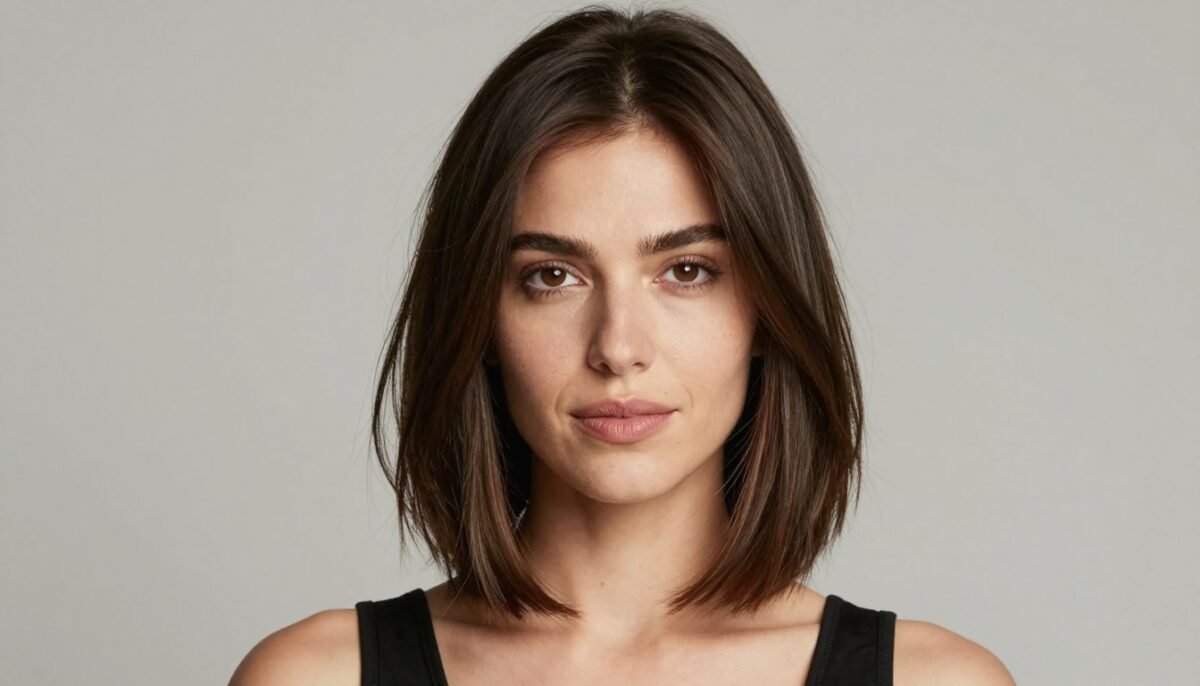
Maintenance and styling determine your lob’s daily success. Invest in quality products designed for fine hair. Learn techniques that work with your hair’s natural characteristics rather than against them.
Your thin hair deserves a style that celebrates its unique qualities. The lob provides versatility, ease, and fullness that longer styles cannot offer. This length works with fine strands to create the volume you desire.
Take photos of your favorite styles from this article to your next salon appointment. Clear visual communication helps your stylist understand your vision. Together, you’ll create the perfect lob for your individual features and lifestyle.
Embrace the confidence that comes with a haircut designed for your hair type. Your lob should make you feel beautiful and put-together effortlessly. The right style requires minimal effort while delivering maximum impact daily.