
Fine hair with bangs can be absolutely stunning when styled correctly. Many women with thin hair hesitate to try bangs, fearing they’ll make their hair look even thinner. The truth is quite different. The right bangs thin hair combination can actually create the illusion of fuller, thicker hair while framing your face beautifully.
This comprehensive guide presents twenty-five hairstyles specifically designed for fine hair. Each style addresses common challenges like lack of volume, difficulty holding shape, and the tendency for thin hair to fall flat. You’ll discover techniques that add fullness, create dimension, and make styling easier.
Whether you prefer curtain bangs, blunt bangs, or wispy bangs, there’s a perfect option waiting for you. These hairstyles work with your hair’s natural texture rather than fighting against it. Let’s explore the best bangs thin hair combinations that will transform your look.
Table of Contents
1. Wispy Side-Swept Bangs with Long Layers
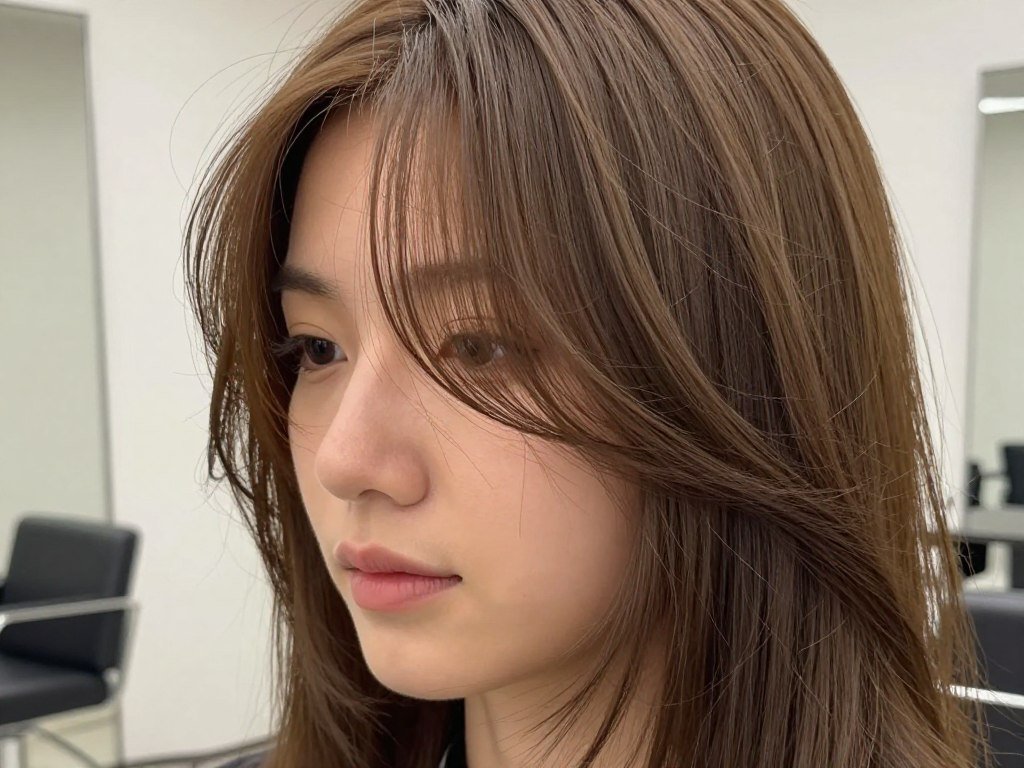
Wispy bangs create an incredibly flattering look for thin hair. This style uses soft, feathered fringe that sweeps gently to one side. The lightweight nature of wispy bangs prevents your forehead from looking too heavy while adding delicate dimension.
Long layers throughout the rest of your hair create movement and prevent that flat, lifeless appearance. The layers should start below your chin to maintain length while adding texture. This combination works beautifully because it doesn’t require removing too much hair, which is essential when working with fine hair.
Styling Instructions
Start with damp hair and apply a volumizing mousse from roots to ends. Use a round brush while blow-drying, lifting at the roots to create lift. For the bangs, direct the airflow from your dryer across your forehead in the direction you want them to fall.
Once dry, use a large-barrel curling iron to add gentle waves to your mid-lengths and ends. This creates body without appearing too styled. Finish with a light-hold hairspray to maintain the style without weighing down your thin hair.
Why This Style Works
The wispy texture prevents bangs from appearing too heavy on fine hair. Side-swept bangs also draw attention to your eyes while creating asymmetry that makes hair look fuller. The long layers add volume without sacrificing length, addressing the common concern that bangs thin out your overall hairstyle.
Maintenance Tips
Trim your wispy bangs every three to four weeks to maintain the soft, feathered effect. Between cuts, you can slightly dampen bangs and re-style with a round brush. Dry shampoo works wonders for refreshing this style on day two, focusing application at the roots.
2. Blunt Micro Bangs with Chin-Length Bob
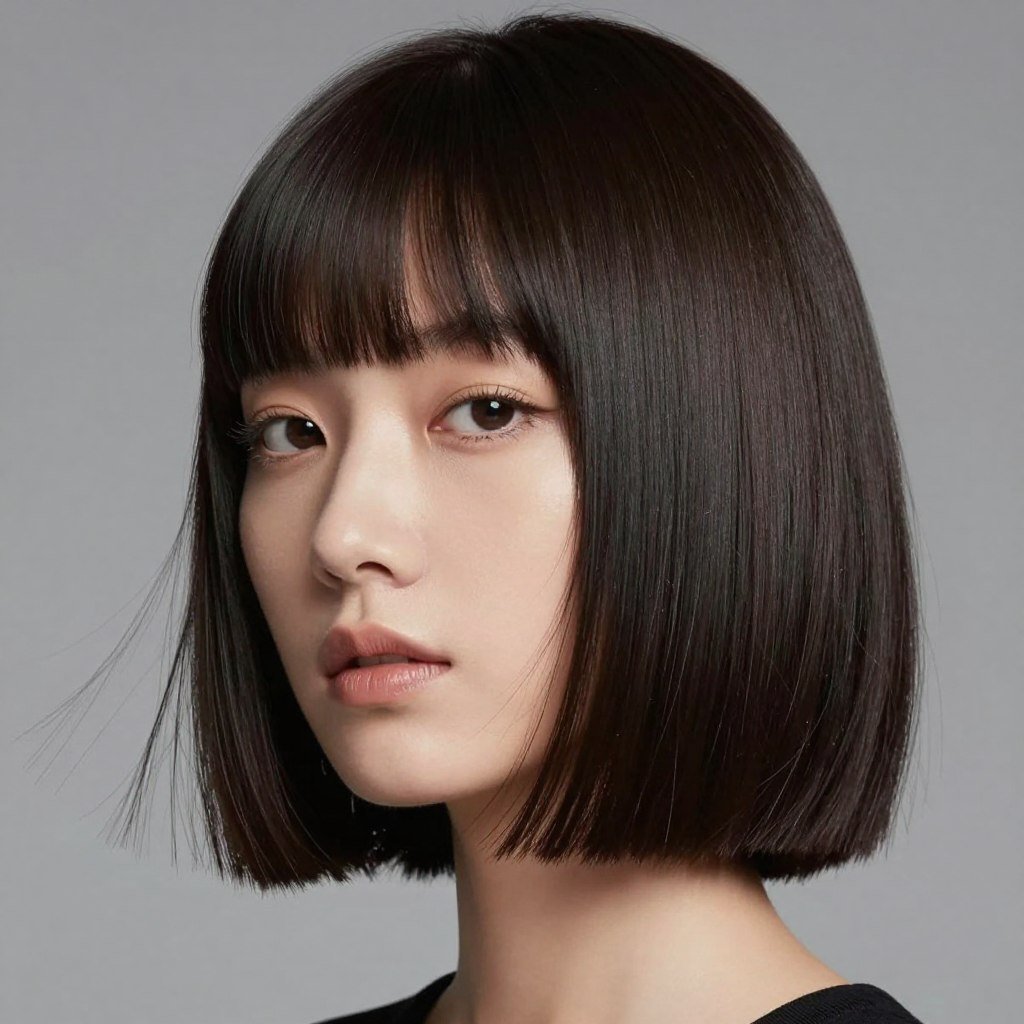
Blunt bangs make a bold statement while creating the appearance of thicker hair. When paired with a chin-length bob, this style delivers maximum impact. The blunt cut creates a solid line of hair across your forehead, making thin hair appear denser and more substantial.
A chin-length bob provides the perfect canvas for this look. The uniform length creates weight at the bottom of the hairstyle, preventing fine hair from appearing stringy. This combination works particularly well for those with a round face or oval face shape.
Styling Instructions
This style requires precision blow-drying for the best results. After washing, apply a heat protectant spray throughout your hair. Use a paddle brush to blow-dry your hair straight, pulling the brush through from roots to ends in smooth strokes.
For the blunt bangs, use a round brush to create a slight curve under at the ends. This prevents them from sticking straight out. Apply a small amount of smoothing serum to eliminate any frizz while maintaining the sleek appearance.
Why This Style Works
The blunt cut creates visual density, making fine hair look fuller and healthier. The chin-length bob adds structure to your overall appearance while the bangs draw attention to your eyes. This geometric style requires less volume-building than layered cuts, making it easier to maintain with thin hair.
Maintenance Tips
Blunt bangs require frequent trims every two to three weeks to maintain the sharp line. Between salon visits, you can trim tiny amounts yourself using sharp haircutting scissors. Sleep on a silk pillowcase to reduce friction and prevent your blunt bangs from developing odd bends overnight.
3. Curtain Bangs with Beachy Waves

Curtain bangs remain incredibly popular for thin hair with good reason. This style parts down the middle, framing both sides of your face while creating the illusion of fuller hair. The longer length of curtain bangs makes them more versatile and easier to style than traditional short fringe.
Pairing curtain bangs with beachy waves throughout your hair creates texture and dimension. The waves make fine hair appear thicker by creating visual interest and movement. This relaxed, effortless look works beautifully for both casual and formal occasions.
Styling Instructions
Begin with clean, towel-dried hair and spray a sea salt texturizing spray throughout. Scrunch the product into your hair to encourage natural wave formation. Blow-dry using a diffuser attachment on low heat to enhance texture without creating frizz.
Once hair is about eighty percent dry, use a one-inch curling wand to create loose waves. Wrap random sections around the barrel, alternating directions for a natural effect. For curtain bangs, use a round brush to blow them away from your face in both directions, creating that signature center part.
Why This Style Works
Curtain bangs elongate your face shape while adding softness around your forehead. The center part creates symmetry that many face shapes find flattering. Beachy waves add volume throughout thin hair without requiring perfect styling technique, making this an achievable everyday look.
Maintenance Tips
Curtain bangs grow out more gracefully than blunt bangs, requiring trims every five to six weeks. To refresh this style on day two, mist hair with water and scrunch in more texturizing spray. You can also braid damp hair before bed to wake up with natural-looking waves.
4. See-Through Bangs with Sleek Straight Hair
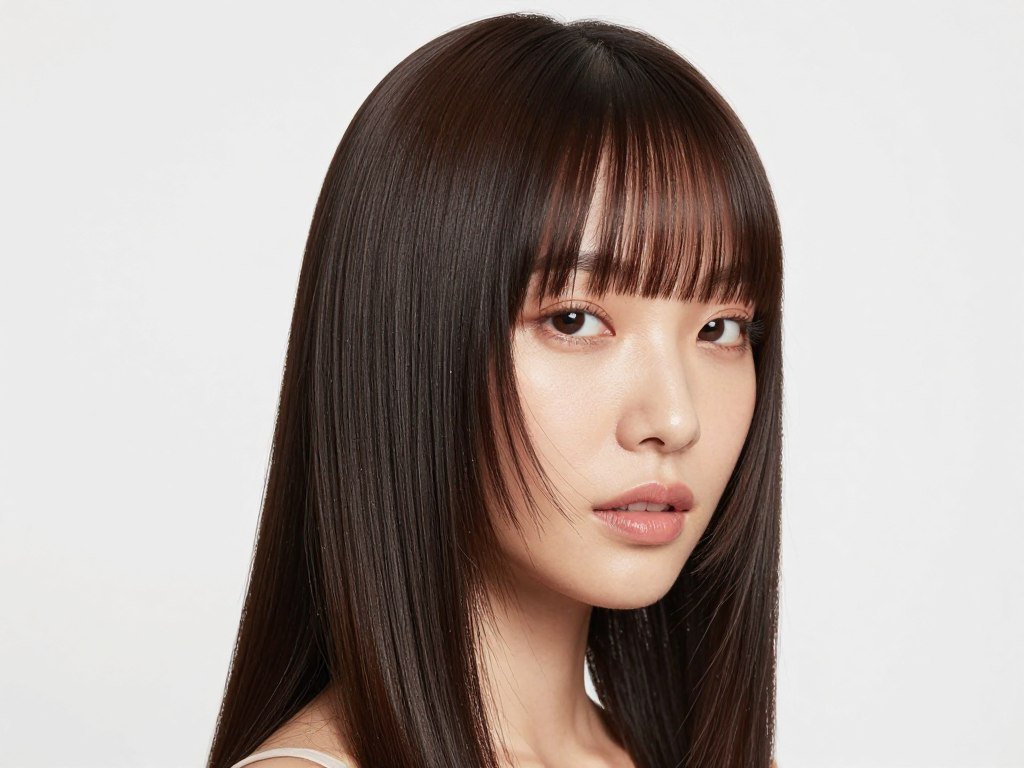
See-through bangs originated in Korean beauty trends and work exceptionally well for thin hair. This style features ultra-light, wispy bangs that are intentionally sparse, allowing your forehead to show through slightly. The result is a youthful, fresh appearance that doesn’t overwhelm fine hair.
Combining see-through bangs with sleek, straight hair creates a polished, modern look. The straight hair shows off the healthy shine that fine hair naturally possesses. This minimalist approach to bangs thin hair styling prevents your fringe from appearing too heavy or dated.
Styling Instructions
Start with freshly washed hair and apply a heat protectant spray. Blow-dry your hair straight using a paddle brush, focusing on creating smoothness rather than volume. Once completely dry, run a flat iron through small sections to create that glossy, sleek finish.
For the see-through bangs, take only a small triangular section at the front of your hairline. Use a round brush to blow them forward and slightly to the sides, creating that wispy, separated effect. Apply a tiny amount of hair oil to your palms and lightly run through bangs to add shine without weight.
Why This Style Works
See-through bangs require very little hair, making them perfect for thin hair types. The sparse nature prevents your forehead from being completely covered, which can make fine hair look even thinner. This style also grows out beautifully, blending seamlessly as bangs lengthen.
Maintenance Tips
These bangs need trimming every four to five weeks to maintain the proper length and texture. The key is keeping them thin rather than allowing them to become too dense. Use a clarifying shampoo weekly to prevent product buildup that can make see-through bangs look greasy or heavy.
5. Choppy Bangs with Layered Shag

A choppy, textured approach to bangs creates incredible dimension for thin hair. Unlike blunt bangs, choppy fringe features varying lengths that create movement and prevent a flat appearance. When combined with a layered shag cut, this style delivers maximum volume and personality.
The shag cut incorporates layers throughout your entire head, with shorter pieces around your crown and face. This strategic layering creates the illusion of fullness while making fine hair easier to style. The choppy bangs blend seamlessly into the layered sections framing your face.
Styling Instructions
Apply a volumizing mousse to damp hair, concentrating on the roots. Flip your head upside down and rough-dry with your fingers to encourage natural lift. Once mostly dry, use a round brush on the sections around your face to add shape and direction.
For the choppy bangs, blow-dry them forward while using your fingers to separate pieces. Once dry, apply a small amount of texturizing paste to your fingertips and work through the bangs, creating piece-y separation. Finish the rest of your hair by scrunching with your hands to enhance the tousled texture.
Why This Style Works
Multiple layers create the appearance of density throughout thin hair. The choppy texture of the bangs adds visual interest while requiring less precision than blunt styles. This lived-in look actually improves as hair gets a bit messy, making it perfect for those who prefer low-maintenance styling.
Maintenance Tips
The beauty of choppy bangs is that they look good slightly grown out. Schedule trims every six to eight weeks to maintain the layered shape. Refresh this style by misting with water and applying more texturizing product. The messier appearance means you don’t need perfect styling every day.
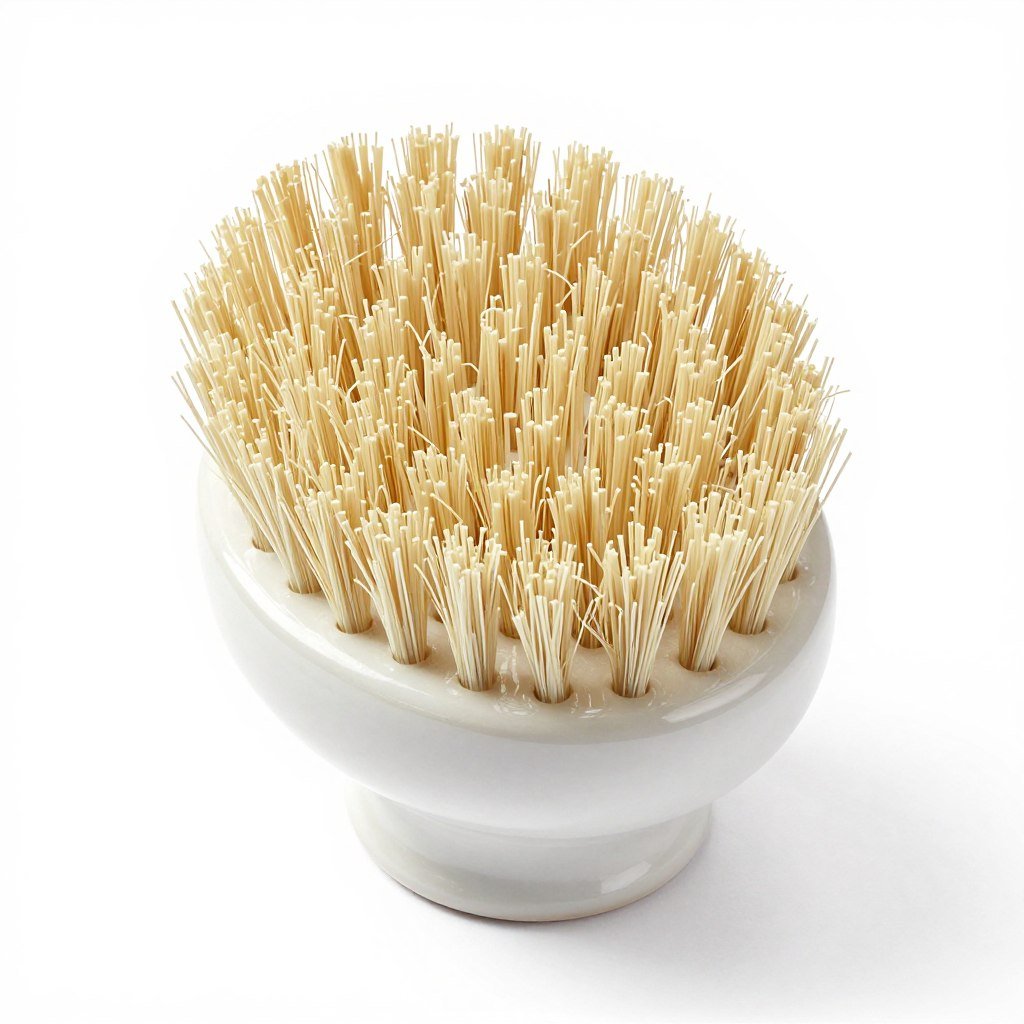
Ceramic Round Brush
Essential for creating volume at the roots while styling bangs. The ceramic barrel distributes heat evenly, reducing damage to thin hair. Medium barrel size works best for most bang lengths.
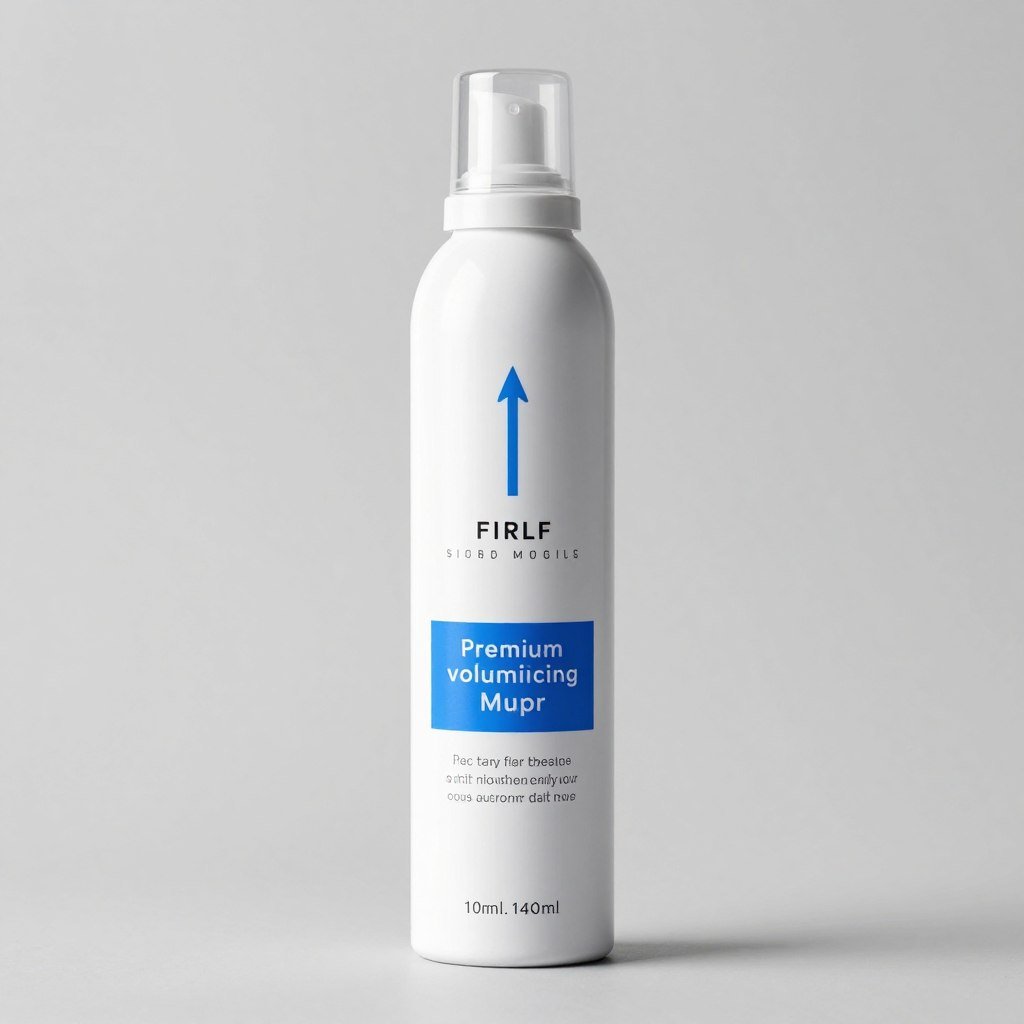
Volumizing Mousse
Lightweight formula that adds fullness without weighing down fine hair. Apply to damp roots before blow-drying to create lasting lift and body throughout your style.

Texturizing Spray
Sea salt spray creates grip and texture in fine hair, making it easier to style bangs with hold. Perfect for achieving that effortless, beachy look while adding visible thickness.
6. Feathered Bangs with Shoulder-Length Layers

Feathered bangs bring a soft, romantic quality to thin hair. This technique involves cutting bangs with a razor or point-cutting scissors to create ultra-fine ends that appear almost like feathers. The delicate texture prevents bangs from looking too heavy on fine hair.
Shoulder-length hair with layers provides the ideal foundation for feathered bangs. The mid-length prevents hair from appearing stringy while layers add movement. This combination creates a cohesive, polished look that flatters many face shapes.
Styling Instructions
Begin with damp hair and work a lightweight styling cream through mid-lengths and ends. For the feathered bangs, apply a small amount of volumizing spray directly at the roots. Use a round brush to blow-dry bangs, rolling the brush under slightly to create a gentle curve.
Dry the rest of your hair using a medium round brush, focusing on creating bend and movement in the layers. Once completely dry, use a large-barrel curling iron to add soft waves to the ends. This creates body that makes thin hair look full and healthy.
Why This Style Works
The feathered texture of the bangs creates airiness that complements fine hair beautifully. Shoulder-length cuts hit at a flattering point that adds structure without overwhelming your frame. The layers throughout prevent hair from lying flat against your head, addressing a common challenge with thin hair.
Maintenance Tips
Feathered bangs require regular trims every three to four weeks to maintain their delicate texture. Between cuts, use a razor comb to gently thin out any pieces that become too heavy. Apply dry shampoo at roots when bangs start to look oily, which helps maintain the feathered effect.
7. Asymmetrical Bangs with Textured Pixie
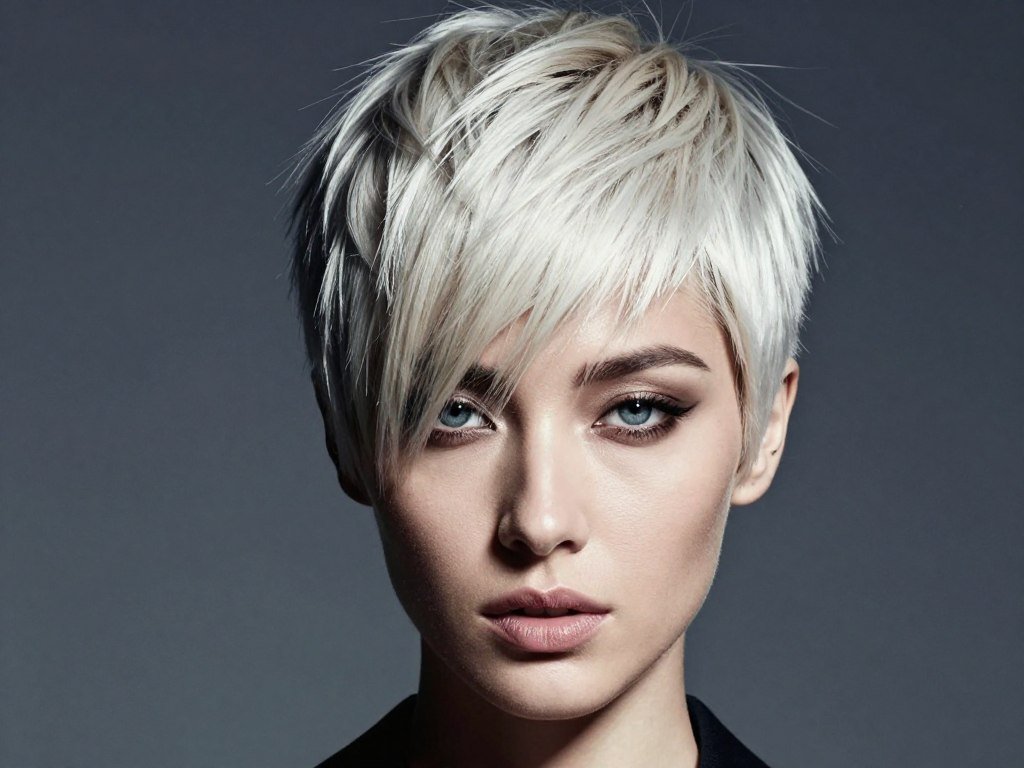
Short hair can be incredibly flattering for thin hair, and an asymmetrical bang adds visual interest to a textured pixie cut. The diagonal line of the bangs creates movement and draws the eye, making your hairstyle the focal point. This bold choice works wonderfully for those ready to embrace shorter lengths.
A textured pixie incorporates varying lengths throughout, with shorter sides and back and longer pieces on top. This creates the appearance of fullness while requiring minimal styling. The asymmetrical bangs sweep across your forehead at an angle, adding dimension.
Styling Instructions
Start with damp hair and apply a small amount of volumizing mousse to your roots. Use your fingers to work the product through, lifting hair away from your scalp. Blow-dry using a concentrator nozzle, directing air upward and away from your head to create lift.
For the asymmetrical bangs, use a round brush to direct them across your forehead in your desired direction. Once dry, apply a small amount of pomade or styling wax to your fingertips and work through the top sections, creating piece-y texture and separation.
Why This Style Works
Short hair removes weight from fine strands, allowing them to stand up more easily and appear fuller. The asymmetrical bangs create visual interest that distracts from hair’s thinness. This low-maintenance cut looks polished with minimal effort, perfect for busy lifestyles.
Maintenance Tips
Pixie cuts require frequent trims every four to five weeks to maintain shape. The asymmetrical bangs will need slight adjustments each time to keep the diagonal line sharp. Between cuts, use a small flat iron to smooth the bangs if they become unruly or develop odd bends.
8. Piece-y Bangs with Angled Lob
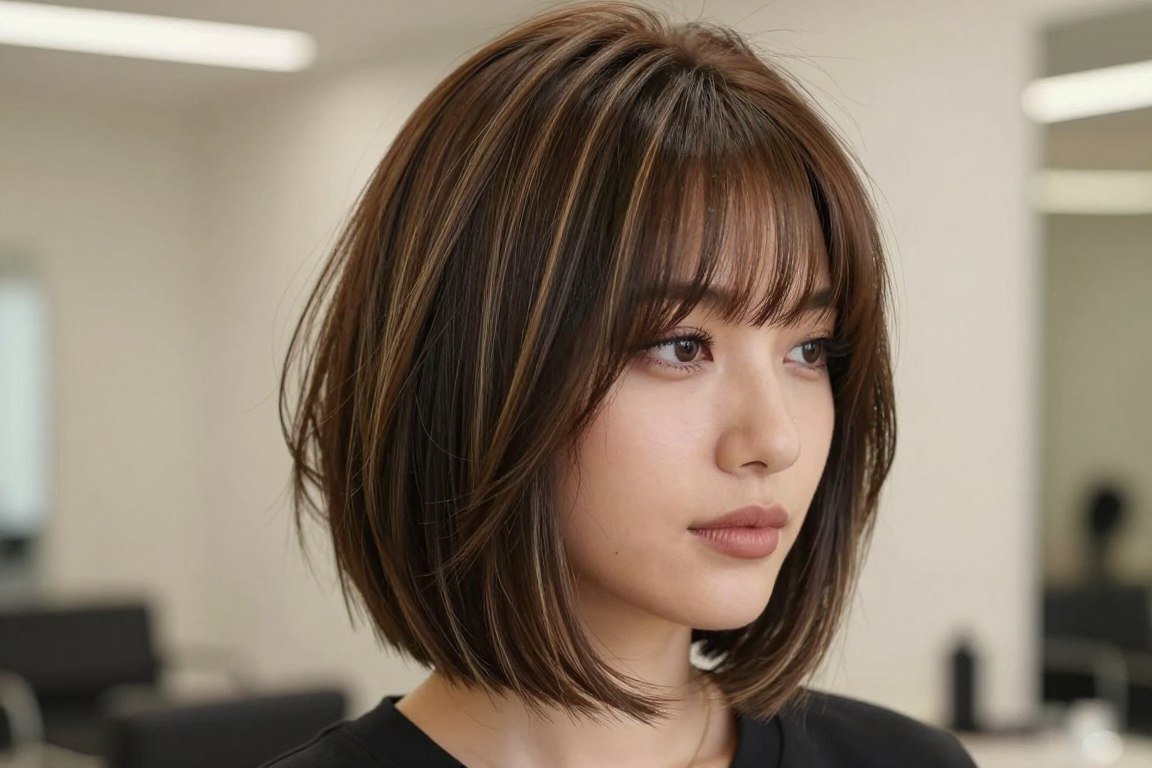
Piece-y bangs offer a contemporary take on fringe for thin hair. This style features intentional separation between sections, creating texture and movement. Unlike heavy, solid bangs, the piece-y approach prevents your forehead from being completely covered, which helps fine hair appear less weighed down.
An angled lob provides the perfect complement to piece-y bangs. The longer-in-front cut creates sophistication while the angle adds visual interest. This combination delivers a polished look that works equally well in professional and casual settings.
Styling Instructions
Apply a heat protectant to clean, damp hair. Blow-dry using a round brush, creating a slight bend at the ends of your lob. For the piece-y bangs, use a small round brush to dry them in sections, pulling some pieces to the left and others to the right for separation.
Once dry, apply a small amount of texturizing paste to your palms and work through the bangs, separating them into distinct pieces. Use your fingers to create random partings, enhancing the piece-y effect. Finish with a light mist of flexible-hold hairspray.
Why This Style Works
The piece-y texture creates dimension without requiring actual thickness. An angled lob adds structure and sophistication while the longer front pieces frame your face beautifully. This style makes thin hair look intentionally styled rather than lacking volume.
Maintenance Tips
Trim piece-y bangs every four weeks to maintain the proper length and texture. Between salon visits, you can refresh the style by misting bangs with water and applying more texturizing product. The separated nature of these bangs means they look good even when slightly grown out.
9. Soft Arched Bangs with Long Layers

Arched bangs follow the natural curve of your eyebrows, creating a soft, feminine frame around your face. This classic style works beautifully for thin hair because the curved shape adds visual fullness across your forehead. The arch creates dimension that straight-across bangs cannot achieve.
Long layers throughout the rest of your hair create movement without sacrificing length. The layers should be subtle, starting around cheekbone level and gradually increasing in length. This creates a cohesive flow from your arched bangs through the rest of your hairstyle.
Styling Instructions
Begin with freshly washed hair and apply a volumizing spray at the roots. Use a large round brush to blow-dry your hair, lifting at the roots to create body. For the arched bangs, use a medium round brush and roll it under at the center, creating that signature curve.
Blow-dry the sides of the bangs slightly longer, maintaining the arch shape across your forehead. Once hair is dry, use a large-barrel curling iron to add gentle waves to your long layers. This creates fullness that makes thin hair appear thicker and more luxurious.
Why This Style Works
The arched shape creates the illusion of wider-set eyes and a more open face. This technique adds dimension across your forehead without requiring heavy, thick bangs that can overwhelm fine hair. The long layers provide movement while maintaining length that many prefer.
Maintenance Tips
Arched bangs require precision trimming every three to four weeks to maintain the curved shape. Between cuts, use a round brush to refresh the arch by blow-drying in sections. Apply a light serum to bangs when they become frizzy, smoothing with your fingers to maintain the soft curve.
10. Baby Bangs with Sleek Low Bun
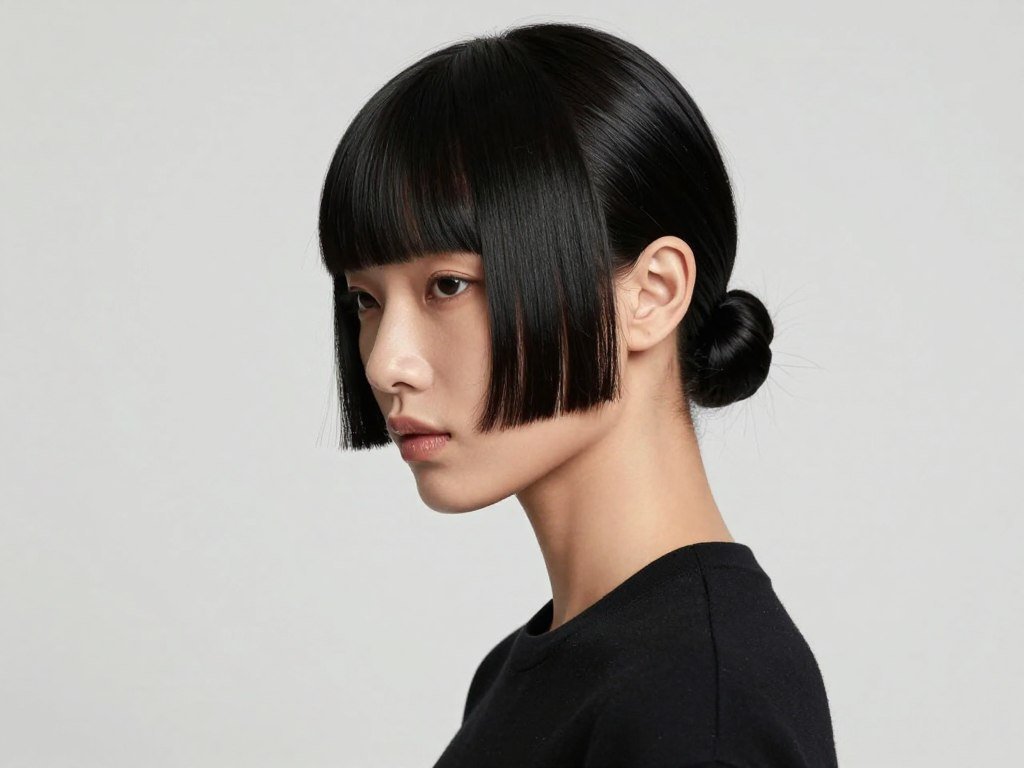
Baby bangs represent an ultra-short fringe that sits well above your eyebrows. While bold, this style can work beautifully for thin hair when paired with a sleek updo. The contrast between the short bangs and pulled-back hair creates a striking, modern appearance.
A sleek low bun showcases the baby bangs while keeping the rest of your hair controlled and polished. This combination works particularly well for formal occasions or when you want to make a fashion-forward statement. The updo also allows thin hair to appear fuller by gathering it into a concentrated shape.
Styling Instructions
Start with dry, straightened hair. Apply a smoothing serum throughout, concentrating on areas prone to flyaways. For the baby bangs, use a flat iron to create a perfectly straight line across your forehead. The precision of the cut is essential for this style.
Brush the rest of your hair back smoothly using a bristle brush and strong-hold gel. Gather hair at the nape of your neck and twist into a tight bun, securing with bobby pins. Spray with firm-hold hairspray to keep everything sleek and in place throughout the day.
Why This Style Works
Baby bangs draw all attention to your eyes and facial features, creating a focal point that distracts from hair’s overall thinness. The sleek bun gathers thin hair into a more substantial appearance. This bold style makes a statement that shows confidence rather than attempting to hide fine hair.
Maintenance Tips
Baby bangs require very frequent trims, approximately every two weeks, to maintain the ultra-short length. Between cuts, you can carefully trim small amounts yourself using sharp scissors and following the established line. Use edge control products to keep the hairline around your bun smooth and polished.
11. Layered Curtain Bangs with Face-Framing Pieces
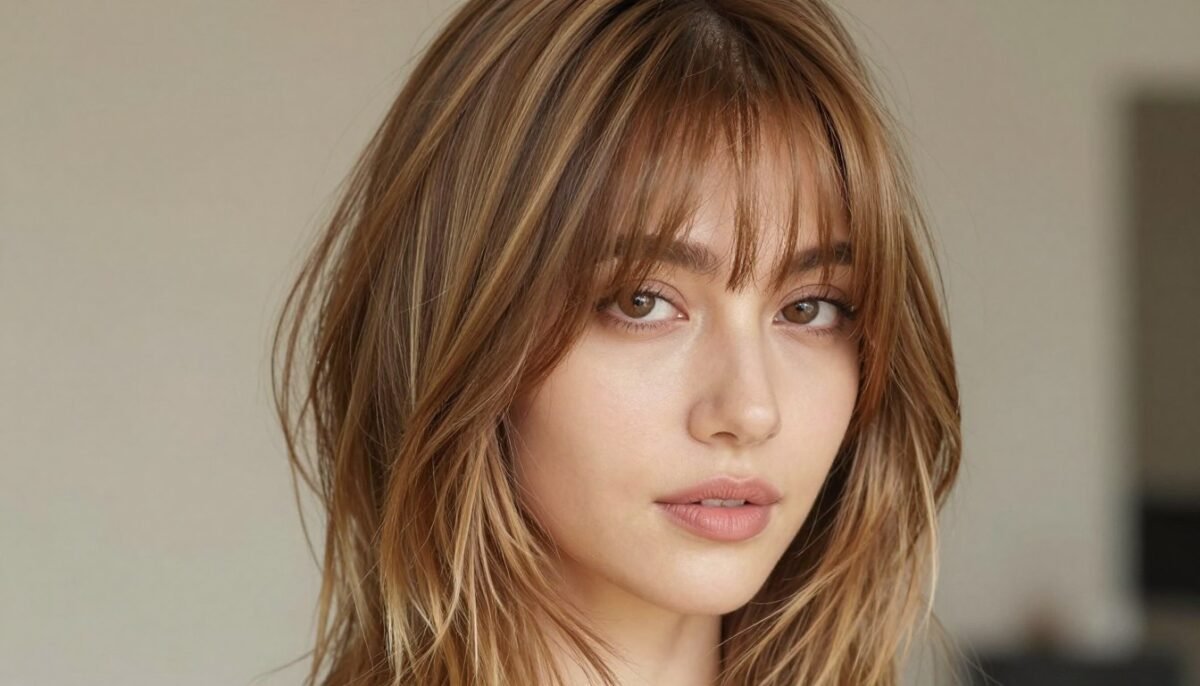
Layered curtain bangs take the popular curtain bang style and add dimension through subtle layering. The bangs feature varying lengths that create texture and prevent a flat appearance. This approach works exceptionally well for thin hair because it adds visual interest without requiring actual thickness.
Face-framing pieces extend the curtain bang concept down the sides of your face. These longer layers create a cohesive flow that elongates your face shape while adding movement. The combination flatters most face types and creates the illusion of fuller hair throughout.
Styling Instructions
Apply a volumizing mousse to damp hair, focusing on the roots. Blow-dry using a round brush, creating a center part for the curtain bangs. Direct the bangs away from your face on both sides, rolling the brush under slightly to create a gentle curve.
For the face-framing pieces, use the same round brush technique, pulling them forward and under. Once hair is dry, use a one-inch curling iron to add waves to the rest of your hair, creating texture and body. The waves should start below your jaw to maintain the face-framing effect.
Why This Style Works
The layered approach to curtain bangs creates dimension that makes thin hair appear fuller. Face-framing pieces draw attention to your best features while creating movement. This style also grows out gracefully, making it low-maintenance despite its polished appearance.
Maintenance Tips
Trim layered curtain bangs every five to six weeks to maintain the varying lengths. Between cuts, refresh the style by blow-drying with a round brush, recreating the outward curve. Use a texture spray on second-day hair to revive volume and separation in the layers.
12. Diagonal Swoop Bangs with Graduated Bob
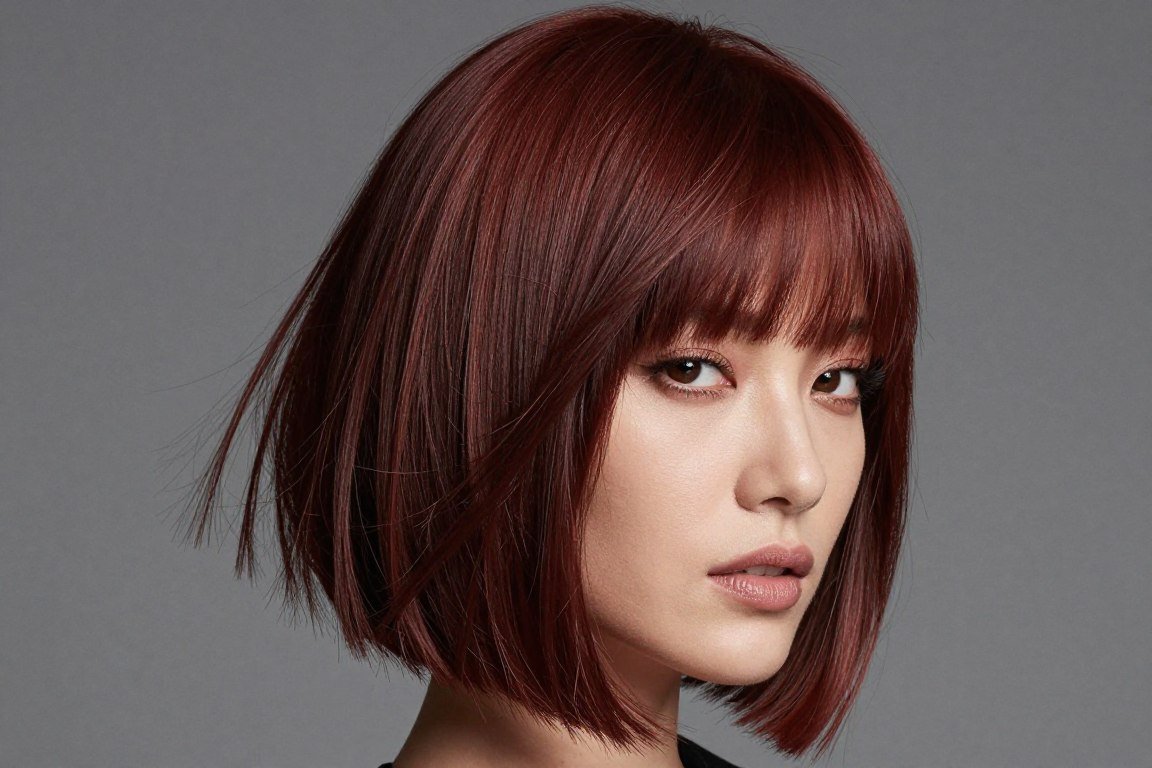
Diagonal swoop bangs create dramatic movement across your forehead, drawing the eye and adding visual interest. The bangs start shorter on one side and gradually lengthen as they sweep across, creating a dynamic diagonal line. This asymmetry adds dimension to thin hair.
A graduated bob features stacked layers in the back with longer pieces in front. This creates volume at the crown while maintaining length around your face. The combination of diagonal bangs with a graduated bob delivers a sophisticated, modern look perfect for thin hair.
Styling Instructions
Begin with damp hair and apply a heat protectant spray. Blow-dry the graduated bob using a round brush, lifting at the roots in the back to enhance the stacked volume. For the diagonal swoop bangs, use a round brush to direct them across your forehead, following the natural angle.
Once dry, use a flat iron on the bangs to create a smooth swoop from the shorter to longer side. The rest of the bob can be slightly curled under at the ends using the flat iron, creating polish and shape. Finish with a medium-hold hairspray.
Why This Style Works
The diagonal line creates visual movement that makes thin hair appear more dynamic and full. A graduated bob adds height at the crown, addressing the common issue of fine hair lying flat. This style works particularly well for those who want structure and sophistication in their hairstyle.
Maintenance Tips
Both the diagonal bangs and graduated bob require regular trims every four to five weeks to maintain shape. Between cuts, use a round brush when blow-drying to recreate the swoop and volume. Sleep with your hair in a loose top knot to prevent the back from flattening overnight.
13. Rounded Bangs with High Ponytail

Rounded bangs feature a gentle curve that follows the shape of your head, creating softness around your forehead. Unlike straight-across blunt bangs, the rounded shape adds dimension and prevents a harsh line. This style works beautifully for thin hair because it creates the appearance of fullness without requiring heavy fringe.
A high ponytail pairs perfectly with rounded bangs, creating a youthful, energetic appearance. The updo showcases the bangs while keeping the rest of your hair controlled. This combination works well for active lifestyles and creates the illusion of thicker hair by gathering fine strands into a concentrated shape.
Styling Instructions
Start with dry hair and apply a smoothing cream throughout. For the rounded bangs, use a round brush to blow-dry them, creating a gentle curve that follows your forehead’s natural shape. The center should be slightly shorter, with bangs gradually lengthening toward the sides.
Brush the rest of your hair up into a high ponytail, securing with an elastic at the crown of your head. Tease the ponytail slightly to create volume, making thin hair appear fuller. Wrap a small section of hair around the elastic to conceal it, securing with a bobby pin.
Why This Style Works
The rounded shape of the bangs creates softness that flatters most face shapes. A high ponytail lifts thin hair away from the scalp, preventing it from lying flat. This combination is practical for daily activities while still looking polished and put-together.
Maintenance Tips
Trim rounded bangs every three to four weeks to maintain the curved shape. Between cuts, refresh them by misting with water and blow-drying with a round brush. Use dry shampoo at the roots of your ponytail to add texture and volume, making fine hair appear thicker.
14. Textured Fringe with Messy Bun
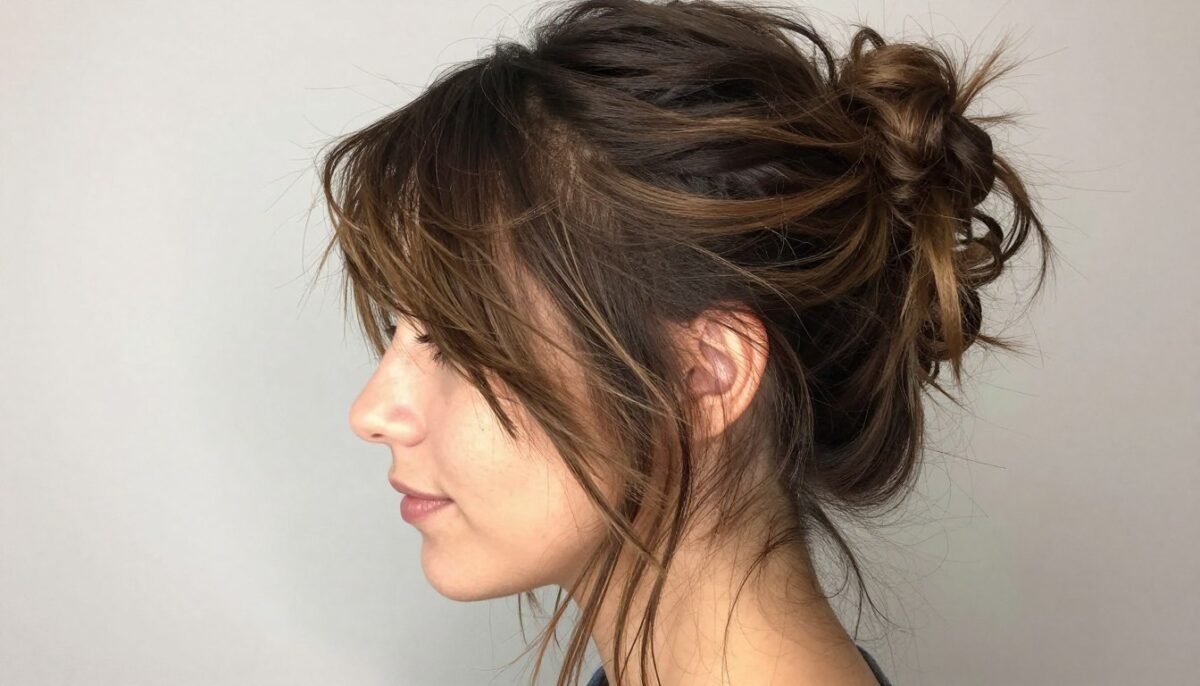
Textured fringe brings an effortless, casual vibe to thin hair. This style features intentional piece-y separation and varying lengths within the fringe, creating dimension and movement. The textured approach prevents bangs from appearing too heavy or solid on fine hair.
A messy bun provides the perfect complement to textured fringe. The undone nature of both elements creates a cohesive, relaxed look that works beautifully for everyday wear. This combination also addresses the challenge of styling thin hair by embracing its natural texture rather than fighting against it.
Styling Instructions
Begin with second-day hair or apply dry shampoo to clean hair for added texture. For the fringe, spray with texturizing spray and scrunch with your fingers to create separation. Use your hands to direct pieces in different directions, creating that intentionally messy effect.
Gather the rest of your hair into a loose, high bun, leaving some pieces falling out naturally. Don’t worry about smoothness; the messy nature is part of the style’s appeal. Pull a few face-framing pieces out around your ears to soften the look and add dimension.
Why This Style Works
The textured approach to both fringe and bun celebrates the natural movement of thin hair rather than trying to create unattainable thickness. This style looks intentional rather than accidentally messy, making fine hair appear stylish. The low-maintenance nature makes it perfect for busy days.
Maintenance Tips
Textured fringe grows out gracefully and requires trims only every five to six weeks. Between cuts, refresh the texture by applying dry shampoo or texturizing spray and scrunching with your fingers. This style actually looks better with a bit of natural oil, so you can skip washing for an extra day.
15. Wispy Micro Bangs with Long Straight Hair
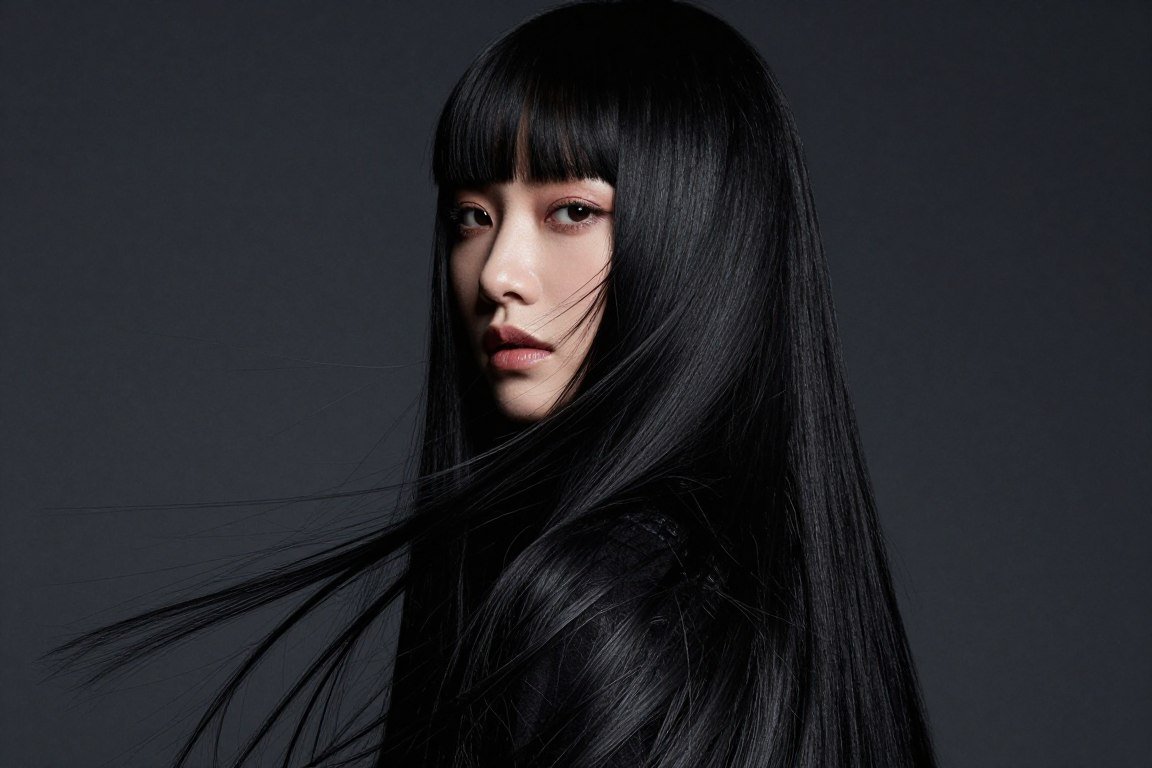
Wispy micro bangs combine the boldness of ultra-short fringe with the softness of wispy texture. This creates a unique look that makes a statement while remaining wearable for thin hair. The wispy nature prevents the micro bangs from appearing too heavy or harsh across your forehead.
Long straight hair provides a dramatic contrast to the short bangs, creating visual interest through the juxtaposition of lengths. The sleekness of straight hair showcases the natural shine that fine hair possesses. This combination delivers an editorial, fashion-forward appearance.
Styling Instructions
Start with clean, dry hair. Apply a heat protectant spray and use a flat iron to create perfectly straight hair throughout. For the wispy micro bangs, use a small round brush to blow-dry them forward, creating slight separation between pieces.
Once the bangs are dry, use your fingers to separate them further, creating that wispy, feathered effect. Apply a tiny amount of pomade to your fingertips and lightly run through the bangs to define individual pieces. The rest of your hair should remain sleek and straight, creating maximum contrast.
Why This Style Works
The wispy texture prevents micro bangs from overwhelming fine hair. Long straight hair creates length that balances the short fringe, preventing your entire look from appearing too heavy on top. This bold style makes a fashion statement that showcases confidence rather than trying to hide thin hair.
Maintenance Tips
Wispy micro bangs require trimming every two to three weeks to maintain the ultra-short length. Between cuts, you can carefully trim small amounts yourself if you’re confident with scissors. Use a clarifying shampoo regularly to prevent product buildup that can make wispy bangs appear greasy or clumped together.
16. Graduated Side Bangs with Asymmetrical Cut
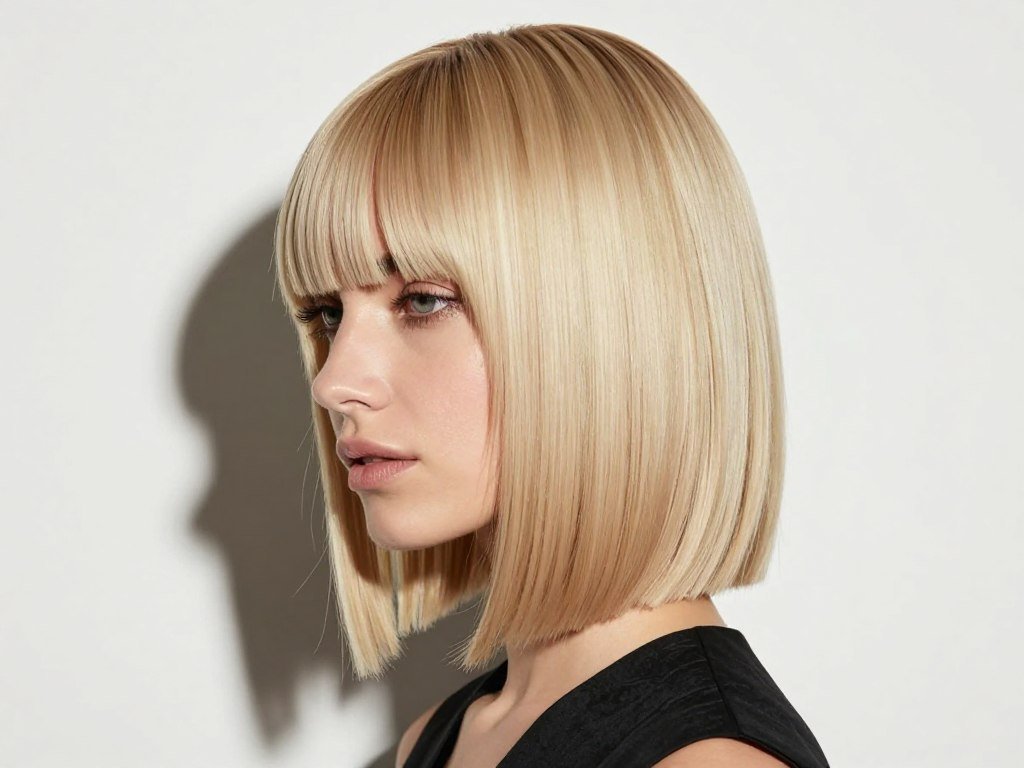
Graduated side bangs feature varying lengths that create a sweeping motion across your forehead. The bangs start shorter on one side and gradually lengthen as they blend into your hair, creating smooth transition and movement. This technique adds dimension to thin hair through the varying lengths.
An asymmetrical cut amplifies the dynamic nature of graduated side bangs. One side of your hair is cut shorter while the other remains longer, creating visual interest and modern edge. This combination works exceptionally well for thin hair because the angles and varying lengths create the illusion of fullness.
Styling Instructions
Apply a volumizing spray to damp hair at the roots. Blow-dry using a round brush, creating volume at the crown and directing the graduated bangs across your forehead. The bangs should sweep from the shorter to longer side in a smooth motion.
For the asymmetrical cut, blow-dry the shorter side smooth and close to your head, while adding slight waves to the longer side using a curling iron. This emphasizes the asymmetry and creates dimension. Finish with a flexible-hold hairspray to maintain the style without stiffness.
Why This Style Works
The graduated nature of the bangs creates movement and prevents a flat appearance across your forehead. The asymmetrical cut adds visual interest that distracts from hair’s overall thinness. This modern style shows that thin hair can be fashion-forward and intentionally styled.
Maintenance Tips
Both graduated bangs and asymmetrical cuts require precise trimming every four to five weeks. Between salon visits, use a round brush to maintain the sweeping motion of the bangs when blow-drying. The asymmetrical nature means this style looks good slightly grown out, as the varying lengths remain intentional.
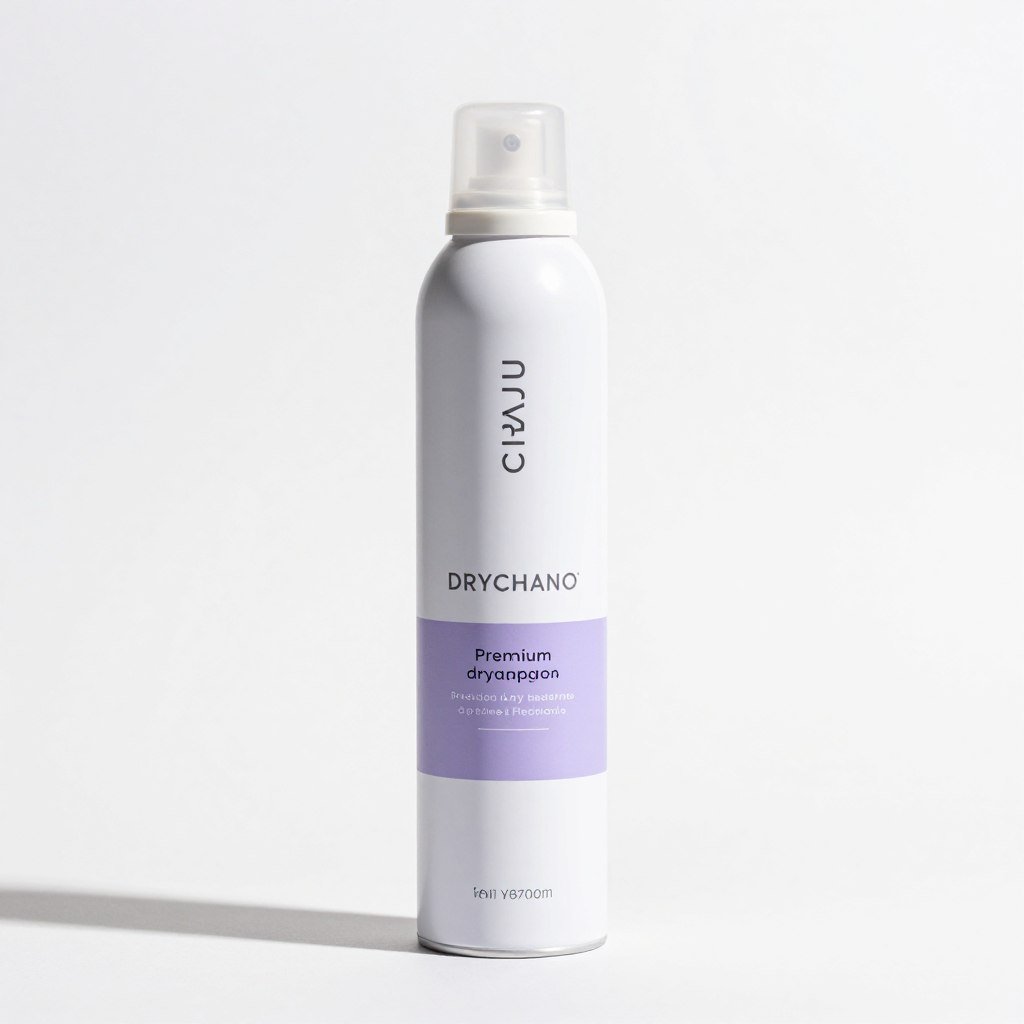
Dry Shampoo
Essential for refreshing bangs between washes. Absorbs oil at the roots while adding volume and texture. Choose a formula specifically designed for fine hair to avoid white residue.
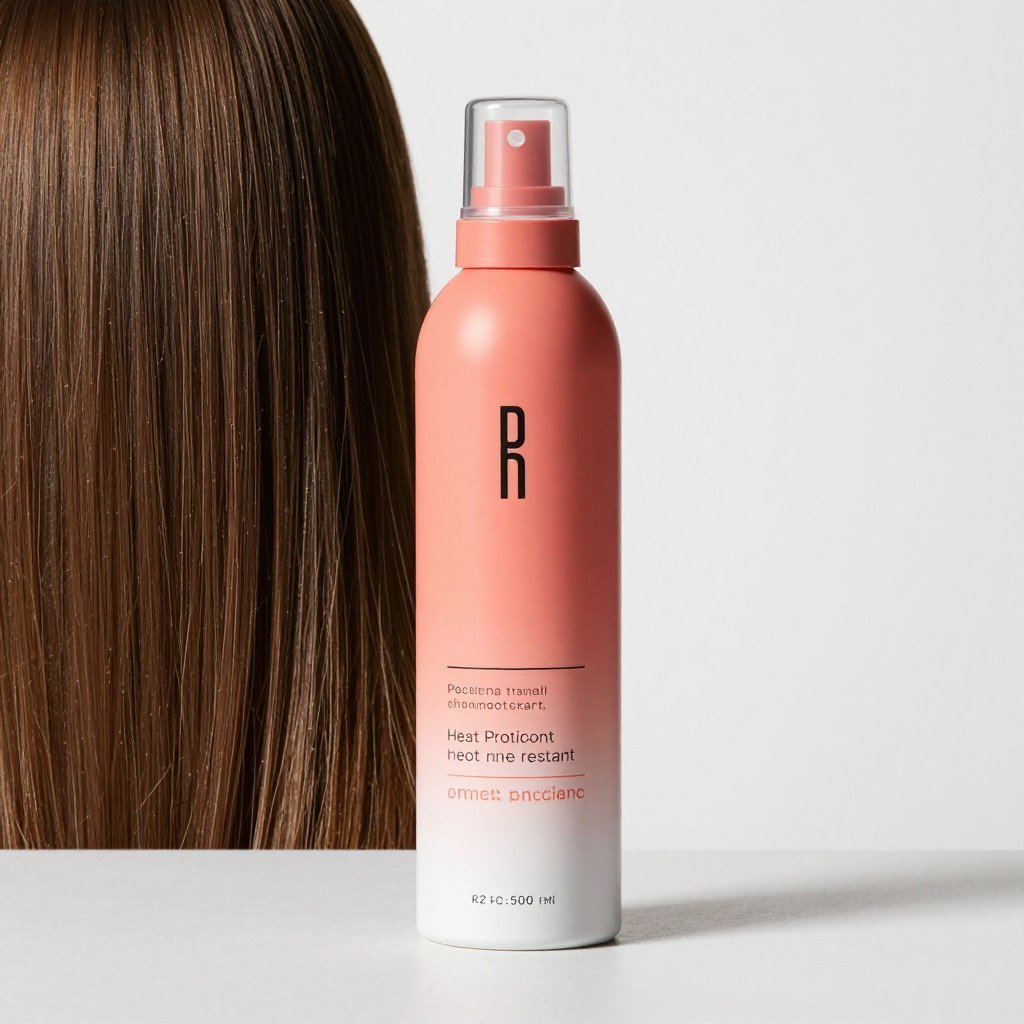
Heat Protectant Spray
Protects delicate fine hair from heat damage during styling. Lightweight formula won’t weigh down thin hair while creating a smooth, polished finish when blow-drying or flat ironing.
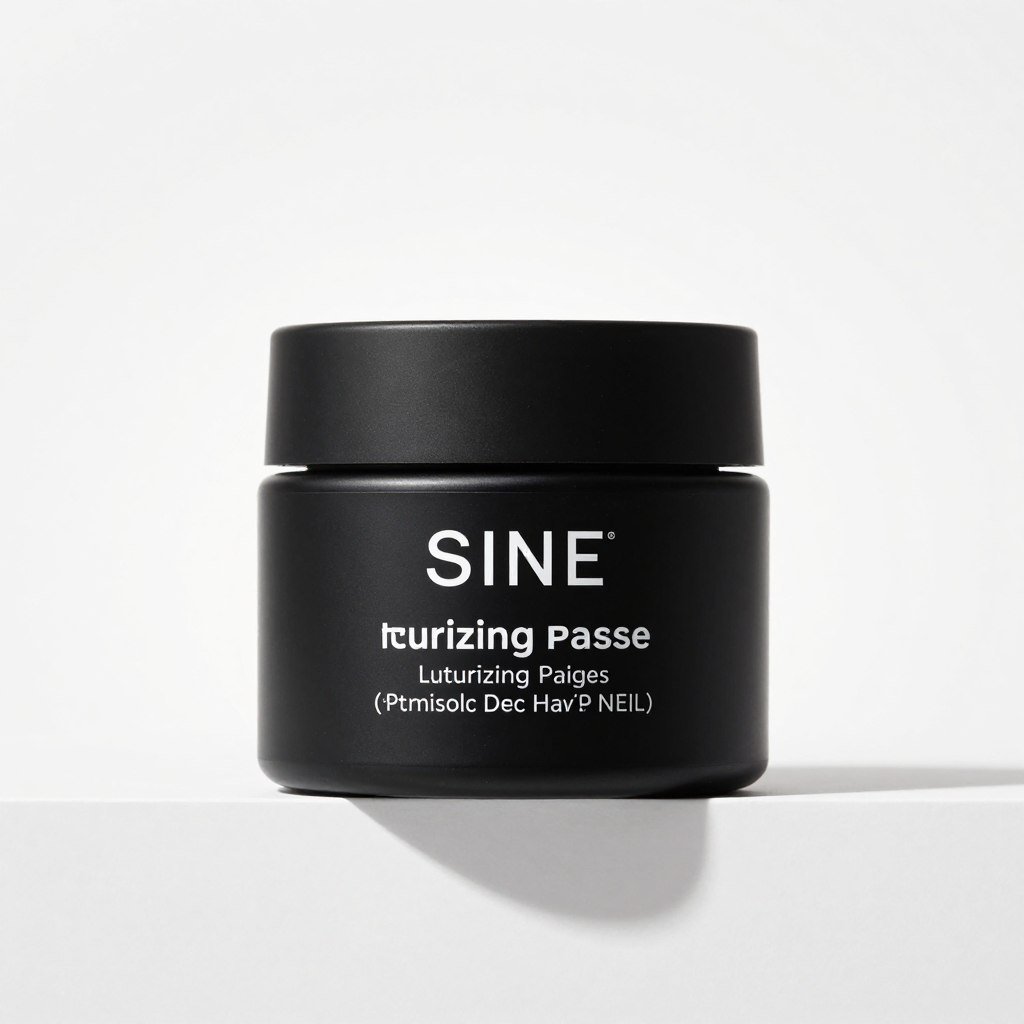
Texturizing Paste
Creates piece-y separation and definition in bangs without heaviness. Small amount provides flexible hold and texture, perfect for achieving choppy, modern bang styles on fine hair.
17. Soft Blunt Bangs with Loose Waves

Soft blunt bangs take the classic blunt cut and add subtle texture at the ends. This prevents the harsh line that traditional blunt bangs create while maintaining the fullness and density that makes them flattering for thin hair. The slight softening makes them more versatile and wearable.
Loose waves throughout the rest of your hair create romantic movement and dimension. The waves add volume to thin hair without appearing overly styled or stiff. This combination of structured bangs with flowing waves creates beautiful contrast and visual interest.
Styling Instructions
Start with clean, damp hair and apply a volumizing mousse throughout. Blow-dry using a round brush, creating the blunt line across your bangs while adding slight softness by point-drying the very ends. The bangs should still appear relatively blunt but without harsh edges.
Once hair is dry, use a one-and-a-half-inch curling iron to create loose waves throughout. Wrap sections around the barrel in alternating directions for natural-looking movement. After curling, run your fingers through waves to loosen them and create that soft, romantic effect.
Why This Style Works
The blunt nature of the bangs creates visual density that makes thin hair appear fuller. Loose waves add body and movement throughout the rest of your hair, preventing it from lying flat. The combination creates a balanced look that’s both polished and romantic.
Maintenance Tips
Trim soft blunt bangs every three to four weeks to maintain the line while preserving the soft edges. Between cuts, refresh waves by misting with water and re-curling select sections. Use a silk pillowcase to prevent the waves from becoming frizzy overnight.
18. Wispy Curved Bangs with Midi Length

Wispy curved bangs follow the natural arch of your eyebrows while maintaining a light, airy texture. This style combines the face-framing benefit of curved bangs with the delicate nature of wispy fringe, creating a feminine look that flatters thin hair beautifully.
Midi length hair falls between your shoulders and collarbone, providing versatility and easy styling. This length works wonderfully for fine hair because it’s long enough to create movement without the weight that can make very long thin hair appear stringy. The combination creates a polished, modern appearance.
Styling Instructions
Apply a lightweight styling cream to damp hair. For the wispy curved bangs, blow-dry using a small round brush, creating a gentle curve that follows your eyebrow shape. Use your fingers to separate pieces, creating that wispy, feathered texture.
Blow-dry the rest of your midi-length hair using a paddle brush, creating smoothness and subtle bend at the ends. Once dry, you can add soft waves using a curling iron or leave it straight for a sleeker look. Finish by applying a small amount of hair oil to the ends for healthy shine.
Why This Style Works
The curved shape creates dimension across your forehead while the wispy texture prevents heaviness. Midi length provides the perfect balance between length and manageability for thin hair. This versatile style works for both professional and casual settings.
Maintenance Tips
Trim wispy curved bangs every four weeks to maintain both the curve and the delicate texture. Between cuts, refresh them by misting with water and blow-drying with a round brush. The midi length requires trims every six to eight weeks to prevent split ends that can make fine hair look damaged.
19. Choppy Curtain Bangs with Shaggy Layers
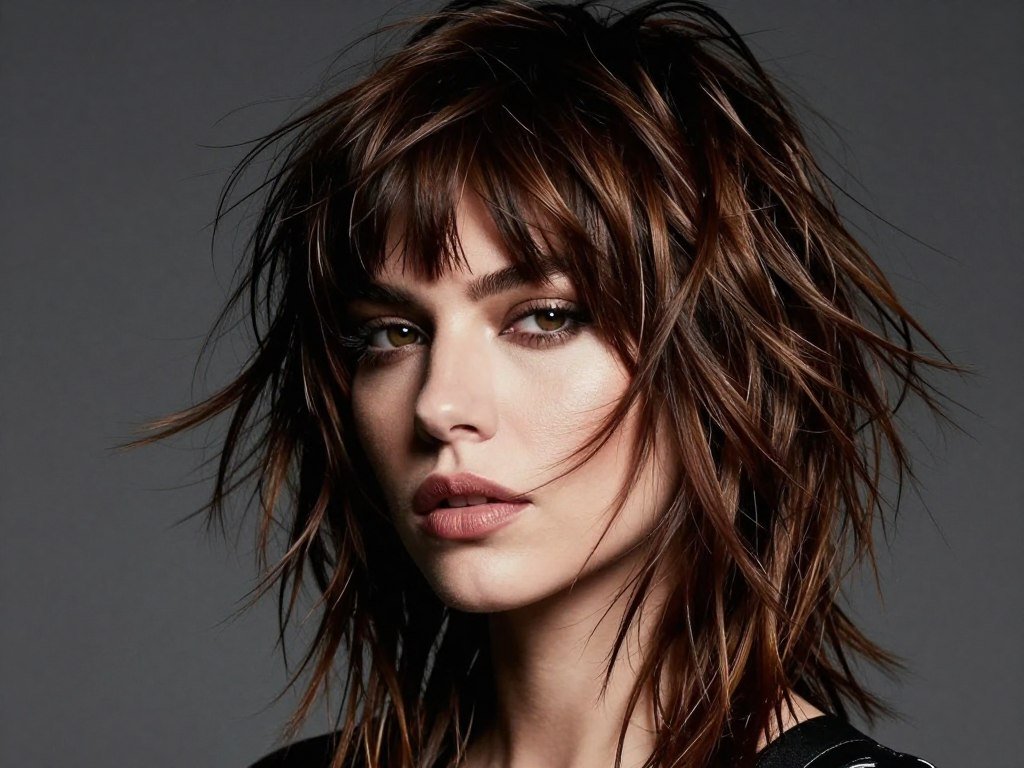
Choppy curtain bangs bring edge and texture to the popular curtain bang style. The choppy cutting technique creates varying lengths and piece-y texture that adds dimension to thin hair. This modern take on curtain bangs prevents the soft, romantic look from appearing too delicate on fine strands.
Shaggy layers throughout your hair amplify the textured, lived-in vibe. Multiple layers at different lengths create the illusion of thickness while adding movement. This combination delivers a cool, effortless aesthetic that makes thin hair look intentionally styled rather than lacking volume.
Styling Instructions
Start with damp hair and apply a texturizing spray throughout. Scrunch the product in with your hands to encourage natural texture. Blow-dry using a diffuser attachment on low heat, continuing to scrunch as you dry to enhance the piece-y effect.
For the choppy curtain bangs, use your fingers to direct them away from your face on both sides while blow-drying. Once hair is mostly dry, apply a small amount of texturizing paste to your palms and work through the bangs and shaggy layers, separating pieces and creating definition.
Why This Style Works
The choppy texture creates visual interest that makes thin hair appear fuller and more dynamic. Shaggy layers remove weight while adding movement, preventing fine hair from lying flat. This style embraces a messy, undone aesthetic that actually looks better with the natural texture of thin hair.
Maintenance Tips
Choppy curtain bangs and shaggy layers both benefit from infrequent trims, as the style looks good slightly grown out. Schedule cuts every six to eight weeks. Between salon visits, refresh the texture by applying dry shampoo at roots and texturizing spray throughout, scrunching to reactivate the piece-y effect.
20. Side-Parted Bangs with Sleek Ponytail
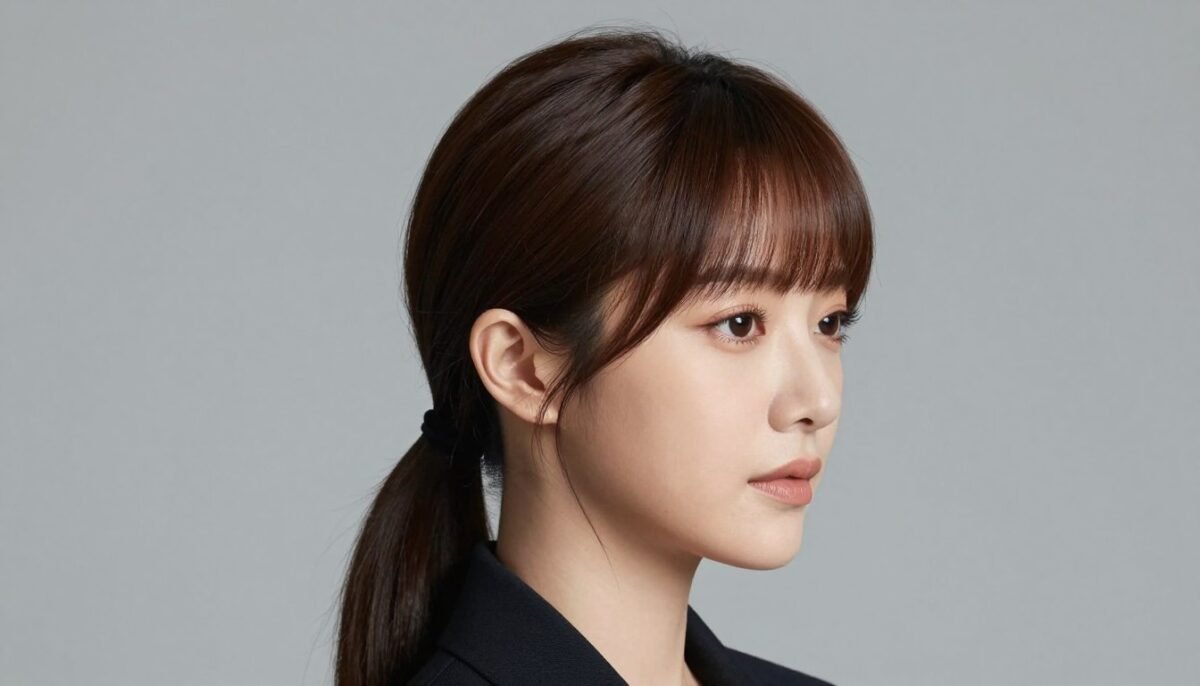
Side-parted bangs create asymmetry that adds visual interest to your face. The deep side part allows bangs to sweep dramatically across your forehead, creating movement and dimension. This style works beautifully for thin hair because the sweeping motion makes hair appear fuller and more substantial.
A sleek ponytail provides the perfect canvas to showcase side-parted bangs. The pulled-back style emphasizes the bangs while creating a polished, professional appearance. This combination works equally well for office environments and formal occasions.
Styling Instructions
Begin with dry hair and create a deep side part. Apply a smoothing serum to the side with less hair, brushing it back smoothly. For the bangs on the fuller side, blow-dry using a round brush to create volume and direct them across your forehead.
Gather the rest of your hair into a low or mid-height ponytail, using a bristle brush to smooth any bumps. Secure with an elastic and wrap a small section of hair around it to conceal the band. Spray with firm-hold hairspray to keep everything sleek and polished throughout the day.
Why This Style Works
The side part creates asymmetry that makes thin hair appear more voluminous. Sweeping bangs across your forehead draws attention to your eyes while the sleek ponytail showcases the bangs. This style is practical for active days while maintaining a polished, put-together appearance.
Maintenance Tips
Trim side-parted bangs every four weeks to maintain the sweeping length. Between cuts, refresh them by blow-drying with a round brush, recreating the volume and direction. Use bobby pins to secure shorter pieces that fall out of your ponytail, maintaining the sleek appearance.
21. Piece-y Layered Fringe with Balayage
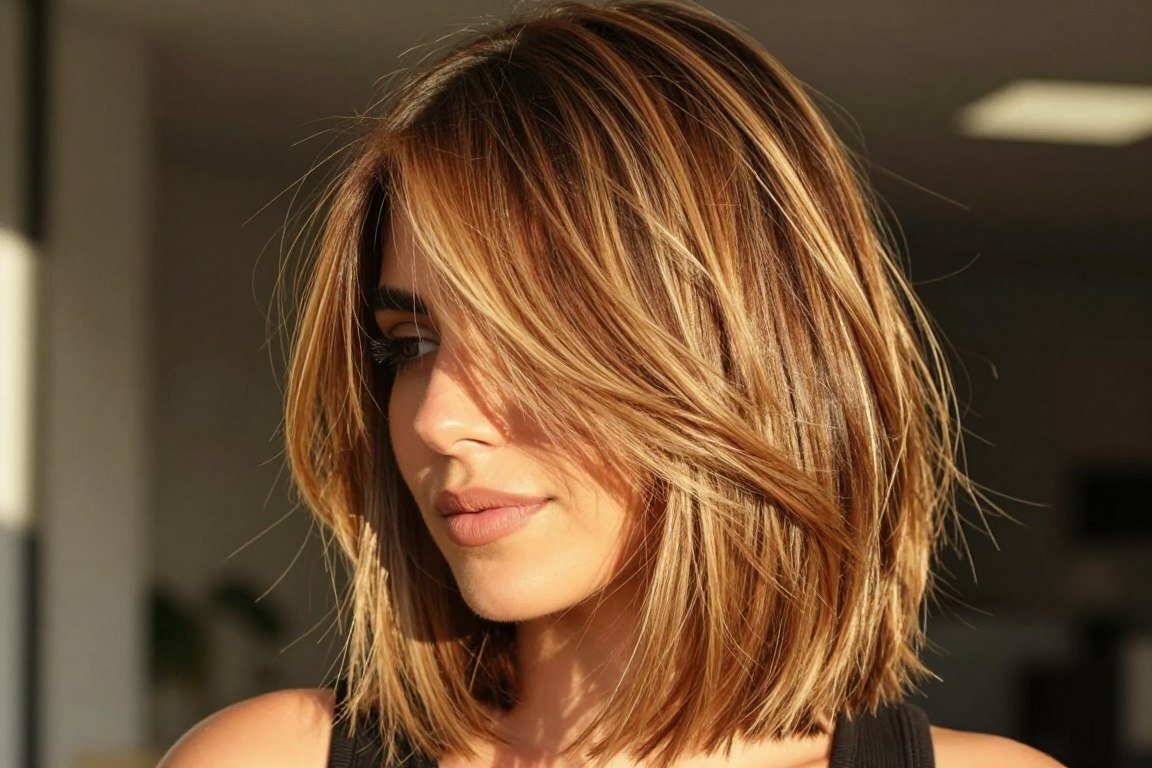
Piece-y layered fringe incorporates multiple lengths within the bangs, creating texture and dimension. The varying lengths prevent a solid wall of hair across your forehead, which can overwhelm thin hair. This textured approach makes fine hair appear fuller through visual interest rather than actual thickness.
Balayage highlighting adds dimension through color, making thin hair appear thicker. The hand-painted highlights create depth and movement, especially when paired with piece-y fringe. The combination of textured cutting and dimensional color delivers maximum visual fullness for fine hair.
Styling Instructions
Apply a heat protectant to damp hair and blow-dry using a round brush. For the piece-y fringe, dry in sections, pulling some pieces to the left and others to the right to create separation. The varying lengths will naturally create texture as you style.
Once dry, apply a small amount of texturizing paste to your fingertips and work through the fringe, separating and defining individual pieces. The balayage highlights will catch the light differently on each piece, enhancing the dimensional effect. Finish with a light mist of flexible-hold hairspray.
Why This Style Works
The piece-y texture creates visual thickness without requiring actual density. Balayage adds dimension through color placement that makes thin hair appear fuller. The combination of textured cutting and strategic highlighting addresses the challenge of fine hair from multiple angles.
Maintenance Tips
Trim piece-y fringe every four to five weeks to maintain the varied lengths. Balayage requires touch-ups every twelve to sixteen weeks, as the hand-painted technique grows out naturally. Between color appointments, use purple shampoo if you have blonde tones to prevent brassiness that can make fine hair look dull.
22. Straight-Across Bangs with Textured Bob
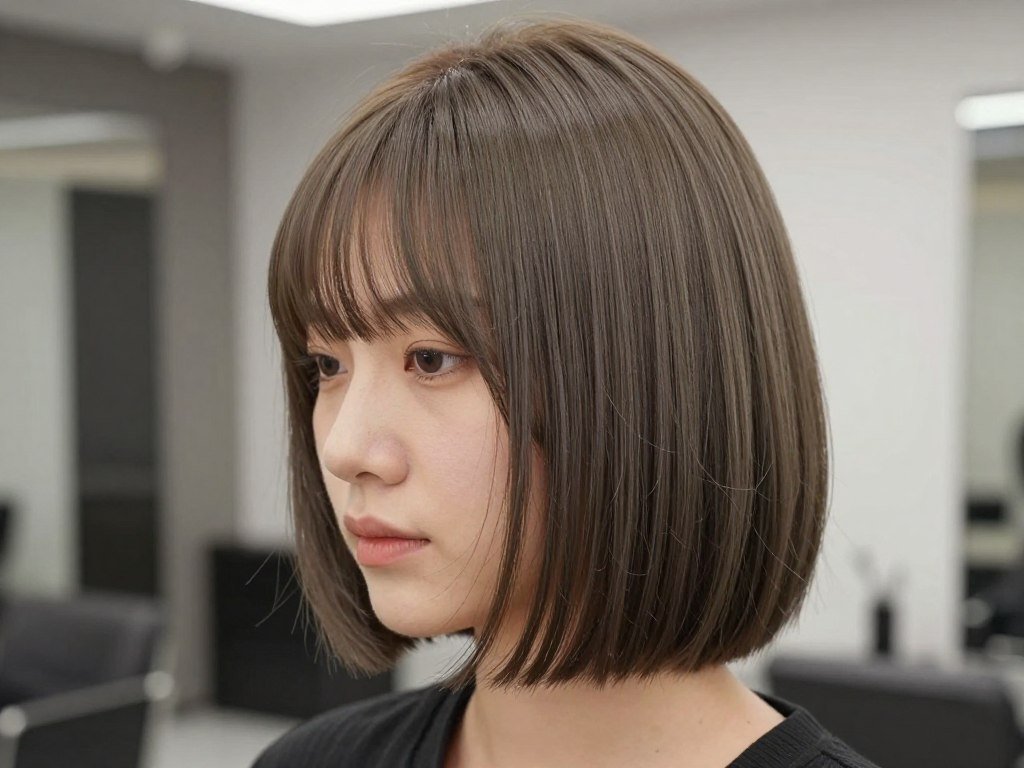
Straight-across bangs create a clean, geometric line that makes a strong style statement. When cut with slight texture at the ends rather than completely blunt, they work beautifully for thin hair. The horizontal line adds visual weight across your forehead, making fine hair appear more substantial.
A textured bob incorporates choppy layers and piece-y ends that create movement and dimension. The bob length provides structure while the textured cutting technique adds visual interest. This combination balances the straight line of the bangs with movement throughout the rest of your hairstyle.
Styling Instructions
Start with damp hair and apply a volumizing mousse at the roots. Blow-dry the textured bob using your fingers to enhance the piece-y texture, or use a round brush for more polish. For the straight-across bangs, use a paddle brush to dry them forward in a smooth line.
Once dry, use a flat iron on the bangs to create perfect straightness across your forehead. For the bob, you can add slight texture by twisting random sections and running the flat iron down them. This creates subtle piece-y definition that makes thin hair look fuller and more intentional.
Why This Style Works
The straight line creates visual density while the textured bob adds movement that prevents fine hair from appearing limp. The combination of structure and texture creates a balanced, modern look. This style shows that thin hair can carry bold, geometric shapes when styled correctly.
Maintenance Tips
Straight-across bangs require trimming every three weeks to maintain the clean line. The textured bob needs shaping every six to eight weeks to preserve the choppy layers. Between cuts, refresh the bangs by blow-drying them straight with a paddle brush and finishing with a flat iron for crispness.
23. Voluminous Side-Swept Bangs with Curled Ends
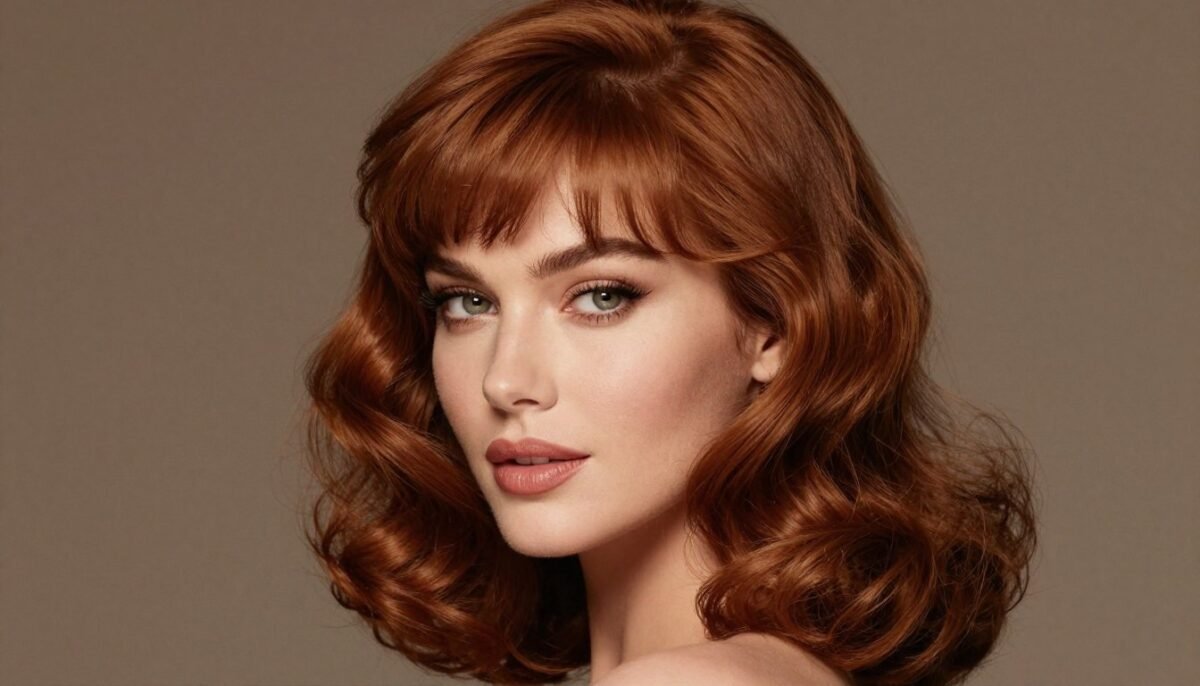
Voluminous side-swept bangs create drama and elegance for thin hair. This style uses blow-drying and styling techniques to add maximum volume to bangs, making fine hair appear thick and luxurious. The side-swept direction adds movement while showcasing the created fullness.
Curled ends throughout the rest of your hair complement the voluminous bangs beautifully. The curls add body and bounce that makes thin hair appear fuller overall. This classic, glamorous style works wonderfully for special occasions when you want your fine hair to look its absolute best.
Styling Instructions
Begin with clean, damp hair and apply a volumizing mousse generously at the roots. For the side-swept bangs, use a large round brush to blow-dry them, rolling the brush under and to the side while lifting at the roots to create maximum volume.
Once the bangs are voluminous and dry, use hot rollers or a large-barrel curling iron on the rest of your hair. Curl the ends under in uniform sections, creating classic curled ends. After curls cool, gently brush through to soften while maintaining volume. Finish with firm-hold hairspray to preserve the voluminous effect.
Why This Style Works
The volumizing techniques create actual fullness in thin hair rather than just the illusion of thickness. Side-swept bangs showcase the created volume while curled ends add body throughout. This style proves that fine hair can achieve glamorous, full looks with proper technique.
Maintenance Tips
Trim voluminous side-swept bangs every four weeks to maintain the proper length for styling. Between salon visits, recreate the volume by using a large round brush and plenty of lifting at the roots. Set the style with hairspray immediately after blow-drying to help fine hair hold the volume longer.
24. Wispy Asymmetrical Bangs with Long Layers
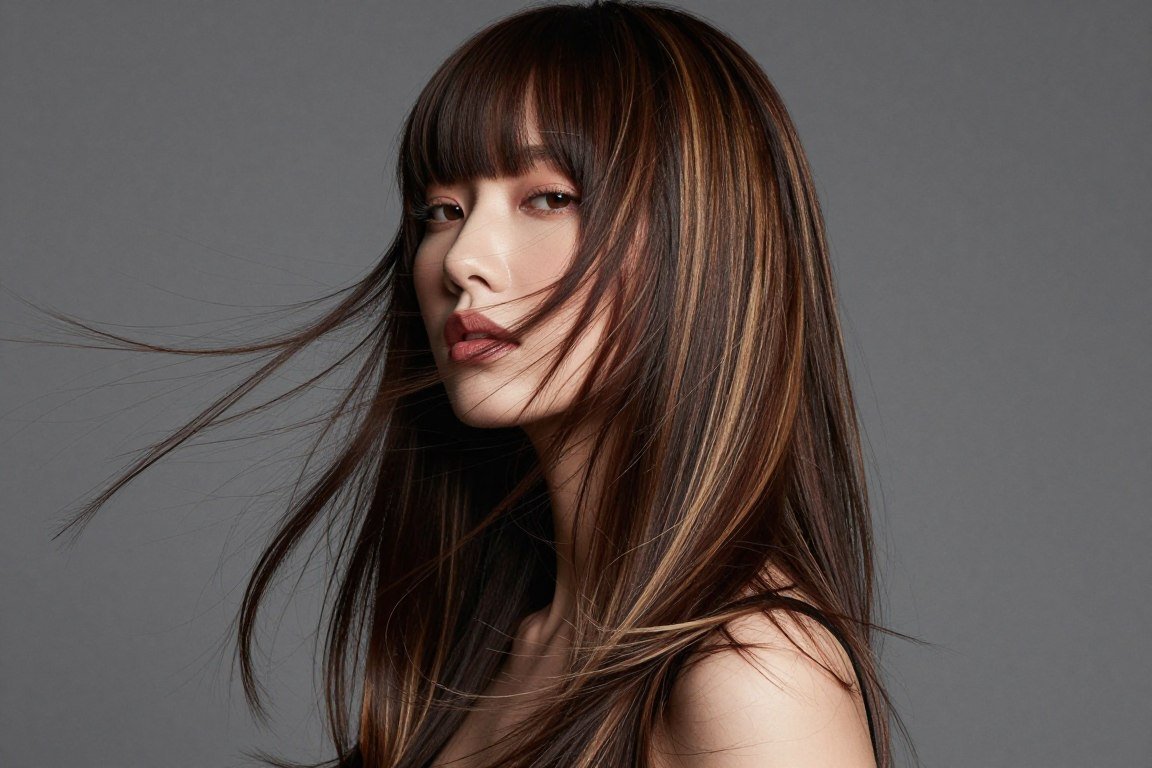
Wispy asymmetrical bangs combine the delicate nature of wispy fringe with the visual interest of asymmetry. One side is cut shorter while the other gradually lengthens, creating a diagonal sweep across your forehead. The wispy texture prevents the asymmetry from appearing too heavy on thin hair.
Long layers throughout your hair create movement without sacrificing length. The layers should be subtle and start relatively low, maintaining length while adding dimension. This combination creates a cohesive flow from the asymmetrical bangs through the layered lengths.
Styling Instructions
Apply a volumizing spray to damp hair at the roots. For the wispy asymmetrical bangs, blow-dry using a round brush, directing them across your forehead from the shorter to longer side. Use your fingers to separate pieces as you dry, creating that wispy, feathered texture.
Blow-dry the long layers using a large round brush, creating subtle bend and movement. Once dry, you can enhance the layers by adding loose waves with a curling iron. The waves should start below your chin to maintain the face-framing effect of the asymmetrical bangs.
Why This Style Works
The asymmetry creates visual interest that makes thin hair appear more dynamic. The wispy texture adds delicate dimension without heaviness. Long layers provide movement while maintaining the length that many prefer, addressing the concern that bangs might make thin hair look too short overall.
Maintenance Tips
Trim wispy asymmetrical bangs every four to five weeks to maintain both the angle and the delicate texture. Between cuts, refresh the style by blow-drying with a round brush, recreating the diagonal sweep. The asymmetrical nature means this style looks good slightly grown out, as the varying lengths remain intentional.
25. Full Thick-Looking Bangs with Strategic Layering
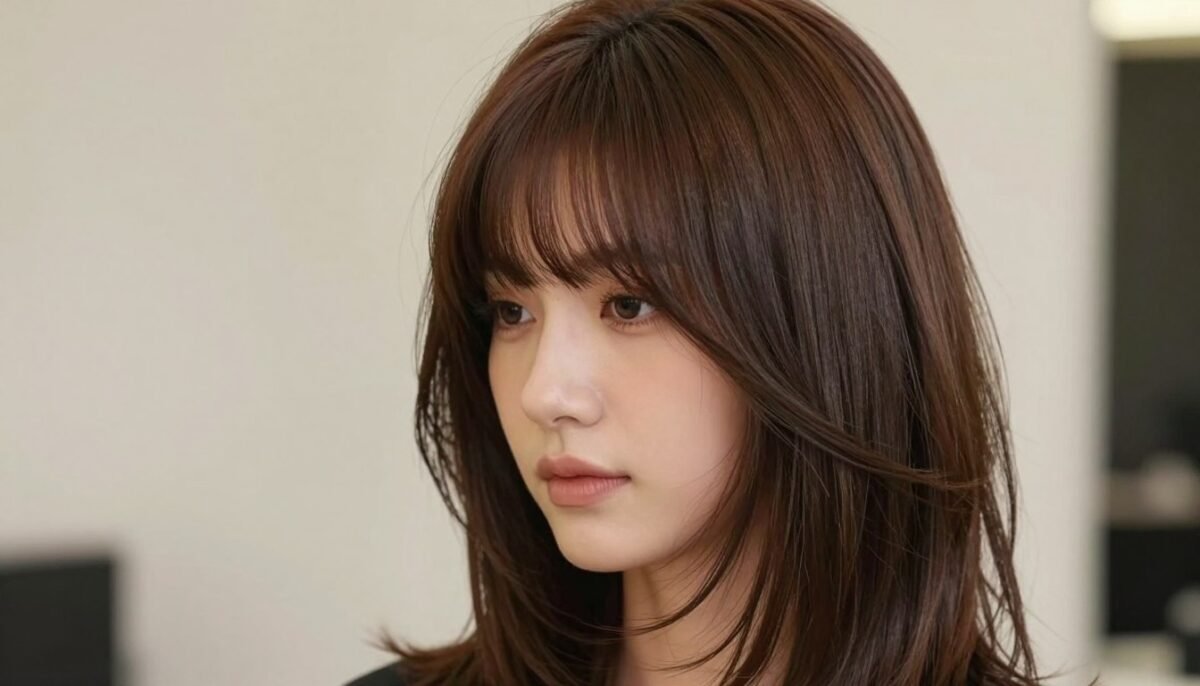
Full thick-looking bangs use strategic cutting techniques to make thin hair appear as dense as possible across your forehead. The stylist takes a larger section for the bangs and uses internal layering to create the appearance of thickness. This creates maximum visual fullness for fine hair.
The key to making this work is taking bangs from further back on your head than traditional fringe. This provides more hair to work with while internal layering creates the appearance of density. The rest of your hair is cut to blend seamlessly, maintaining overall balance.
Styling Instructions
Start with damp hair and apply a volumizing mousse specifically to the bang area. Use a large round brush to blow-dry the bangs, rolling the brush under to create fullness and a slight curve. Lift at the roots while drying to create maximum volume.
The internal layers within the bangs will naturally create the appearance of thickness as you style. Blow-dry the rest of your hair smooth using a paddle brush, or add gentle waves for movement. The contrast between the full-looking bangs and your hair’s natural fine texture creates dimension.
Why This Style Works
Taking bangs from a larger section provides more hair to create fullness. The internal layering technique makes thin hair appear thicker through strategic cutting rather than requiring actual density. This style maximizes the appearance of fullness for those who want substantial-looking bangs despite having fine hair.
Maintenance Tips
These bangs require expert trimming every three to four weeks to maintain the internal layering that creates thickness. Schedule appointments with a stylist experienced in cutting fine hair. Between cuts, maintain the full look by using volumizing products at the roots and blow-drying with a large round brush to create lift.
Complete Your Fine Hair Styling Kit
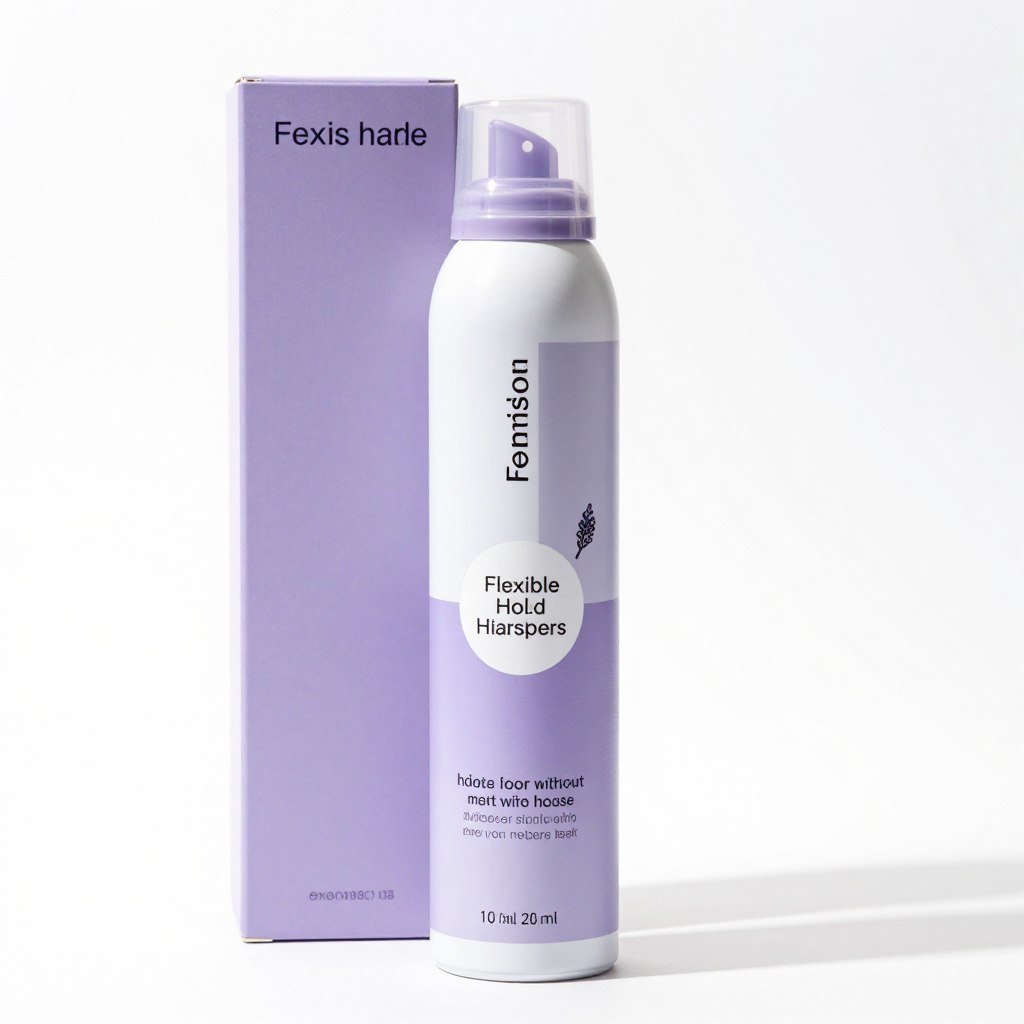
Flexible-Hold Hairspray
Maintains your bang style without stiffness or heaviness. The lightweight formula allows movement while providing all-day hold, essential for keeping fine hair in place without weighing it down.
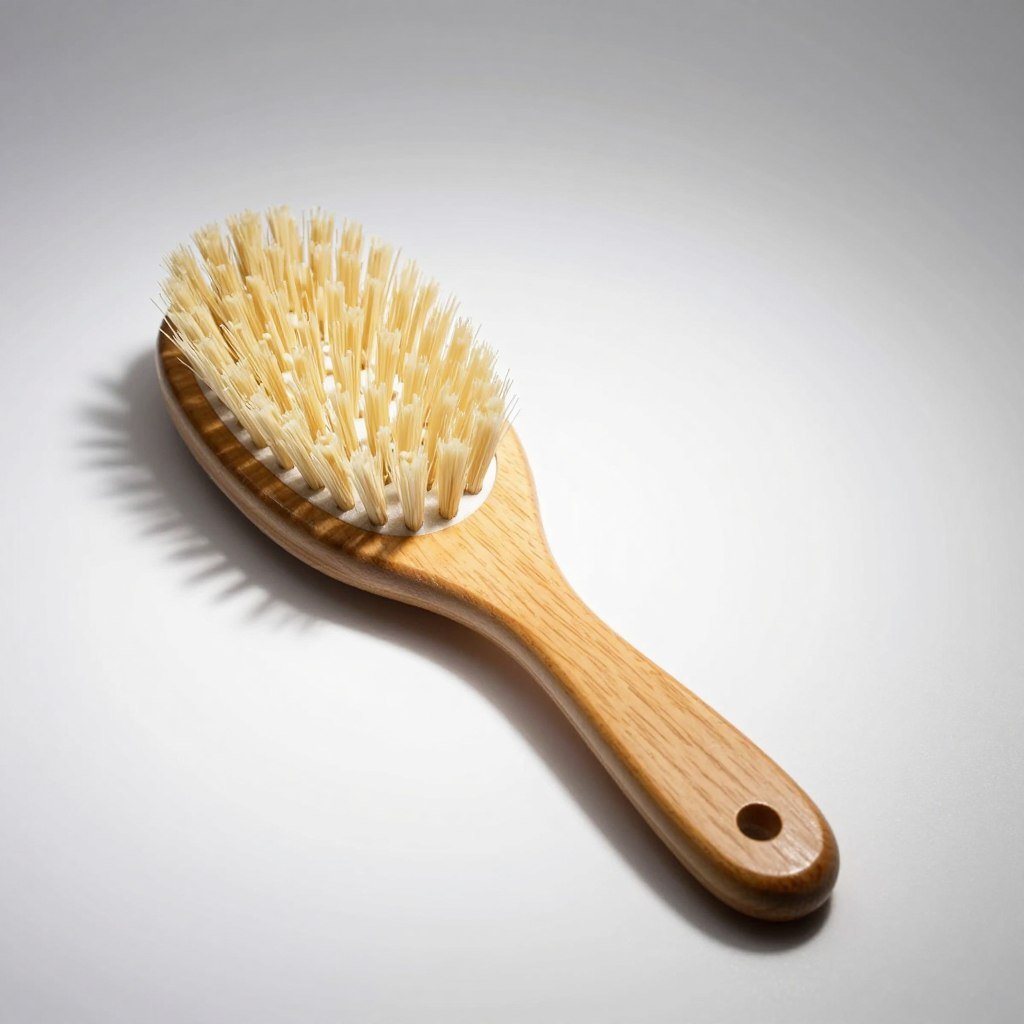
Boar Bristle Brush
Smooths and adds shine to fine hair while distributing natural oils. Perfect for creating sleek styles and maintaining bangs. The natural bristles are gentle on delicate thin hair.
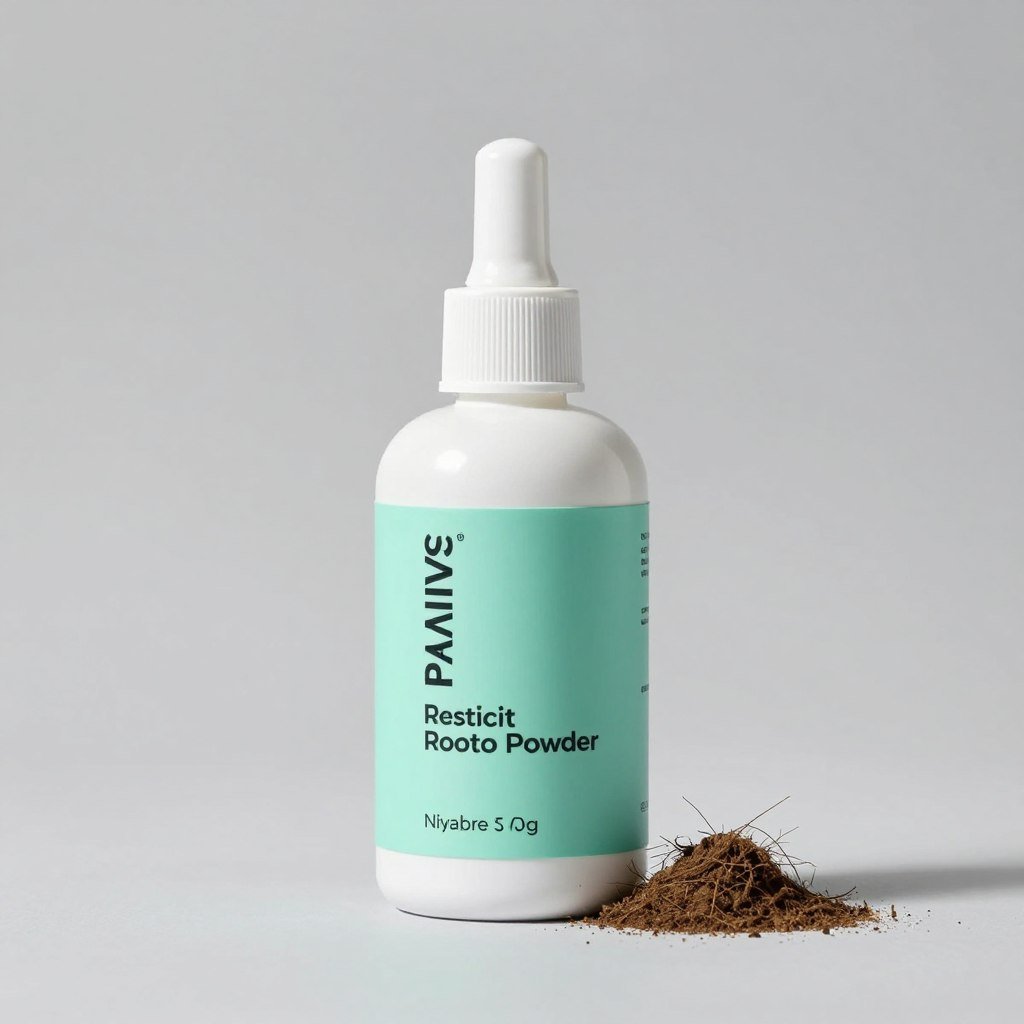
Root Lifting Powder
Instantly adds volume at the roots where fine hair needs it most. Sprinkle on dry hair and massage into roots for immediate lift. Game-changer for creating fullness in bangs and throughout thin hair.
Essential Styling Tips for Fine Hair With Bangs
Choose the Right Products
Product selection makes a significant difference when styling fine hair with bangs. Heavy products weigh down thin hair, making it look flat and lifeless. Choose lightweight formulas specifically designed for fine hair that add volume without residue.
Volumizing mousses work wonders when applied to damp roots before blow-drying. They create lift and body that lasts throughout the day. Texturizing sprays add grip and dimension, making thin hair easier to style and hold shape. Dry shampoos refresh bangs between washes while adding volume at the roots.
Master Blow-Drying Techniques
Proper blow-drying is crucial for achieving volume in fine hair. Always dry hair in the opposite direction from how you want it to fall. This creates lift at the roots that makes thin hair look full. For bangs, this might mean blow-drying them upward and back before directing them forward into position.
Use a round brush to create volume and shape while blow-drying. The barrel size matters; smaller brushes create more curve while larger barrels add volume with less bend. Always finish with a blast of cool air to set the style and add shine to fine hair.
Embrace Strategic Cutting
The right haircut makes styling fine hair significantly easier. Blunt cuts create the appearance of density, while strategic layering adds movement without removing too much hair. Discuss your hair’s thickness with your stylist so they can customize the cut to add volume where you need it most.
Bangs should be cut with your hair’s natural texture in mind. Point-cutting creates softer edges that prevent heaviness. Internal layering within bangs creates the appearance of thickness without requiring actual density. Regular trims keep bangs fresh and prevent them from looking stringy as they grow.
Add Volume at the Right Places
Focus volumizing efforts at the crown and roots rather than throughout all your hair. This creates lift where thin hair tends to fall flat while preventing product buildup that weighs down fine strands. Use volumizing powder or dry shampoo at the roots for instant lift.
When styling bangs, create volume at the base rather than throughout the length. This prevents them from standing too far away from your forehead while still achieving fullness. A round brush during blow-drying creates this targeted lift effectively.
Protect Your Hair Health
Fine hair is more susceptible to damage from heat styling. Always use a heat protectant spray before blow-drying, curling, or flat ironing. This creates a barrier that prevents thermal damage while helping your style last longer.
Limit washing to every other day or less if possible. Frequent washing strips natural oils that make fine hair look healthy and shiny. Between washes, use dry shampoo on bangs to absorb oil while maintaining volume. This approach keeps thin hair looking fresh without the damage of daily washing and styling.
Consider Your Face Shape
Different bang styles flatter different face shapes. Those with a round face benefit from side-swept or curtain bangs that create length. A square face shape looks beautiful with soft, wispy bangs that add curves. Oval face shapes can wear almost any bang style successfully.
If you have a long face, consider straight-across or blunt bangs that create horizontal lines. Heart-shaped faces look lovely with side-swept or piece-y bangs that balance a wider forehead. Consult with your stylist about which bang type will best complement your unique features.
Maintain Regular Trims
Bangs require more frequent trims than the rest of your hair. Most bang styles need shaping every three to five weeks to maintain their intended look. Regular trims prevent that awkward grown-out phase and keep bangs looking intentional.
Between salon visits, you can maintain bangs by trimming tiny amounts yourself if you’re comfortable. Use sharp haircutting scissors and trim when hair is dry so you can see the actual length. Take off very small amounts at a time to avoid accidentally cutting too short.
Common Mistakes to Avoid With Fine Hair and Bangs
Using Too Much Product
Fine hair becomes weighed down easily by excess product. Start with very small amounts and add more only if needed. A little goes a long way when styling thin hair. Heavy products make bangs look greasy and flat against your forehead.
Cutting Bangs Too Thick
Taking too much hair for bangs overwhelms thin hair and leaves the rest looking even sparser. Your stylist should take a triangular section that’s proportionate to your overall hair thickness. This creates balance between bangs and the rest of your hairstyle.
Skipping Heat Protectant
Fine hair is delicate and prone to damage. Always apply heat protectant before using hot tools. This prevents the breakage and split ends that make thin hair look even thinner and unhealthy.
Washing Bangs Too Often
While bangs may need refreshing more frequently than the rest of your hair, washing them daily strips natural oils. Use dry shampoo or simply rinse with water and re-style. This maintains freshness without the damage of frequent shampooing.
Choosing the Wrong Length
Bangs that are too short can make your forehead look larger while very long bangs may overwhelm fine features. Work with your stylist to find the sweet spot that flatters your face shape while working with your hair’s natural texture and thickness.
Ignoring Natural Texture
Fighting against your hair’s natural texture makes styling harder and results less lasting. If your fine hair has natural wave, choose bang styles that work with that movement rather than requiring perfectly straight fringe. This makes maintenance easier.
Over-Layering the Rest of Your Hair
While layers add movement, too many can make thin hair look even sparser. Keep layers strategic and subtle, especially if you have bangs. The bangs already remove hair from your overall length, so be cautious about removing more through excessive layering.
Neglecting Regular Trims
Grown-out bangs don’t just look messy; they can make your entire hairstyle appear unkempt. Regular trims every three to five weeks keep bangs looking intentional and polished. This small investment makes a significant difference in your overall appearance.
Seasonal Styling Considerations
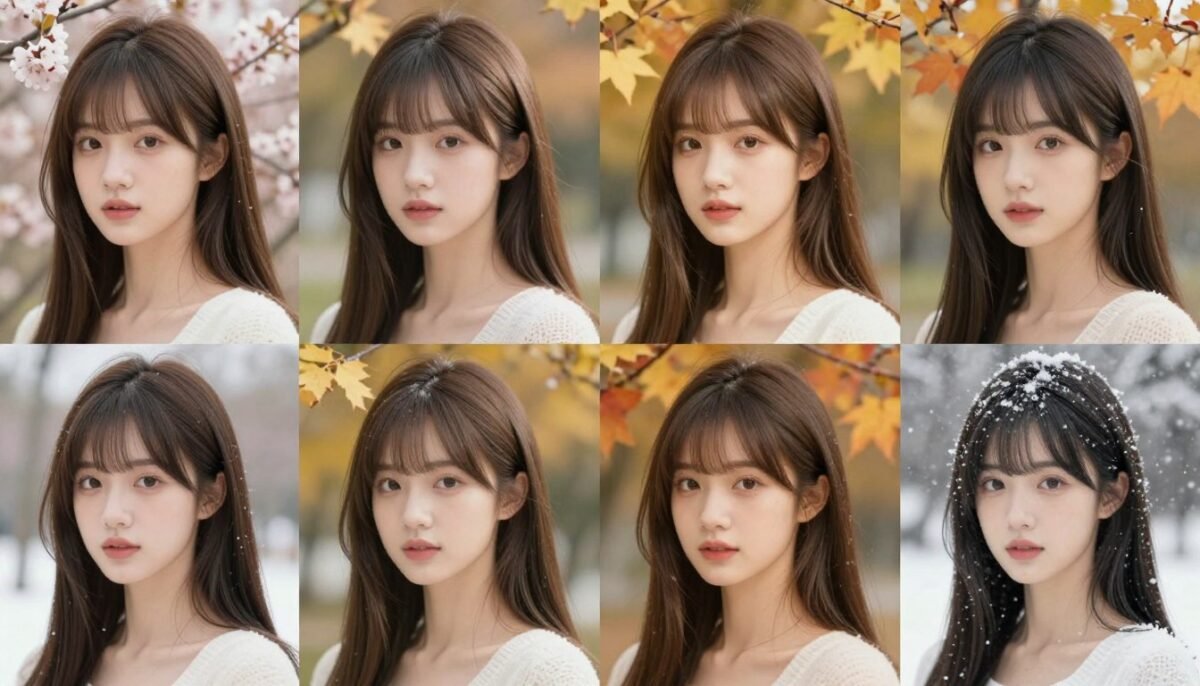
Summer Styling
Hot weather and humidity pose challenges for fine hair with bangs. Bangs tend to become oily faster in heat, requiring more frequent refreshing. Keep dry shampoo in your bag for touch-ups throughout the day. Lightweight styling products prevent heaviness that heat intensifies.
Consider pinning bangs back on extremely hot days to keep your forehead cool. Side-swept styles work well in summer, as they keep some hair off your face while maintaining the bang effect. Anti-humidity products help fine hair hold its style despite moisture in the air.
Winter Protection
Cold, dry air makes fine hair more prone to static and breakage. Use a moisturizing shampoo and conditioner to combat dryness without weighing down thin hair. Apply a light leave-in conditioner to bangs to prevent static that makes them stick straight out.
Hats can flatten bangs and create odd bends. Choose looser-fitting hats or those with satin linings that reduce friction. After removing a hat, refresh bangs by misting with water and using a round brush with a blow dryer to restore shape and volume.
Humidity Management
High humidity makes fine hair fall flat and lose its style quickly. Use anti-frizz products that don’t weigh down thin hair. Apply them primarily to the lengths and ends rather than roots, which need to maintain volume.
Set your style with a firm-hold hairspray to create a barrier against humidity. For bangs specifically, this helps them maintain their shape and prevents them from separating into stringy pieces. Carry a small travel-size hairspray for touch-ups on humid days.
Transitional Weather
Spring and fall bring unpredictable weather that requires flexible styling. Keep your routine simple during these seasons, as you might need to adjust throughout the day. Styles that look good slightly undone work well when weather changes unexpectedly.
Layered products work well in transitional seasons. Start with a light volumizing spray, add texture as needed, and finish with flexible-hold hairspray. This approach allows you to refresh and adjust your style without starting over completely.
Transform Your Look With the Perfect Bangs
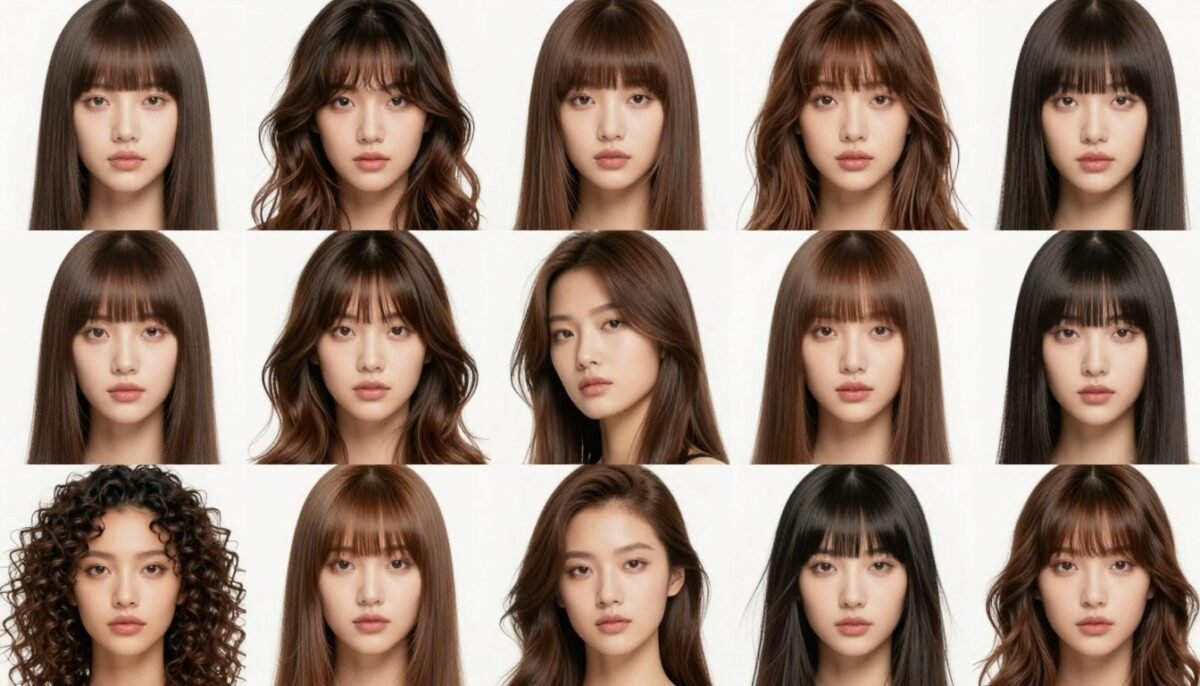
Fine hair with bangs hairstyles offer endless possibilities for creating flattering, stylish looks. Each of these twenty-five styles addresses the unique challenges of thin hair while celebrating its natural beauty. From wispy curtain bangs to bold blunt fringe, there’s a perfect option for every face shape, lifestyle, and personal style preference.
The key to success lies in choosing styles that work with your hair’s natural texture rather than against it. Strategic cutting techniques, proper product selection, and correct styling methods make all the difference. Your bangs thin hair combination can look absolutely stunning with the right approach.
Remember that fine hair possesses unique advantages. It’s lightweight and easy to style, holds shape well when cut properly, and showcases shine beautifully. The right bang style enhances these natural strengths while creating the appearance of fullness and dimension.
Don’t be afraid to experiment with different options from this list. What works for one person may not suit another, even with similar hair types. Your face shape, lifestyle, and personal preferences all play important roles in determining your ideal style. Try different approaches until you find the combination that makes you feel confident and beautiful.
Regular communication with your stylist ensures your hairstyle continues to flatter you as trends evolve and your preferences change. Bring photos of styles you love and discuss what makes them work for fine hair. A skilled stylist can adapt techniques to suit your specific needs.
With the right cut, products, and styling techniques, your fine hair with bangs can become your signature look. These hairstyles prove that thin hair is not a limitation but rather an opportunity to create beautiful, distinctive styles that turn heads and boost confidence.