
Creating your own kitchen textiles brings both satisfaction and practicality to your home. A double thick crochet potholder offers superior heat protection compared to standard single-layer designs. This free pattern guides you through making durable, machine washable potholders perfect for everyday use.
The double thickness technique creates two layers of fabric simultaneously. You’ll love how this method produces a sturdy hot pad without sewing two pieces together. The texture and structure provide excellent insulation for handling hot cookware safely.
Table of Contents
Materials and Tools You’ll Need
Choosing the right cotton yarn makes all the difference in your finished project. Cotton fiber withstands high temperatures without melting, unlike acrylic yarn. The material breathes well and becomes softer with each wash, making it ideal for kitchen use.
Worsted weight cotton yarn works best for this double thick crochet potholder pattern. You’ll need approximately 85-100 yards per potholder. The gauge isn’t critical, but using 100 cotton ensures safety and longevity.
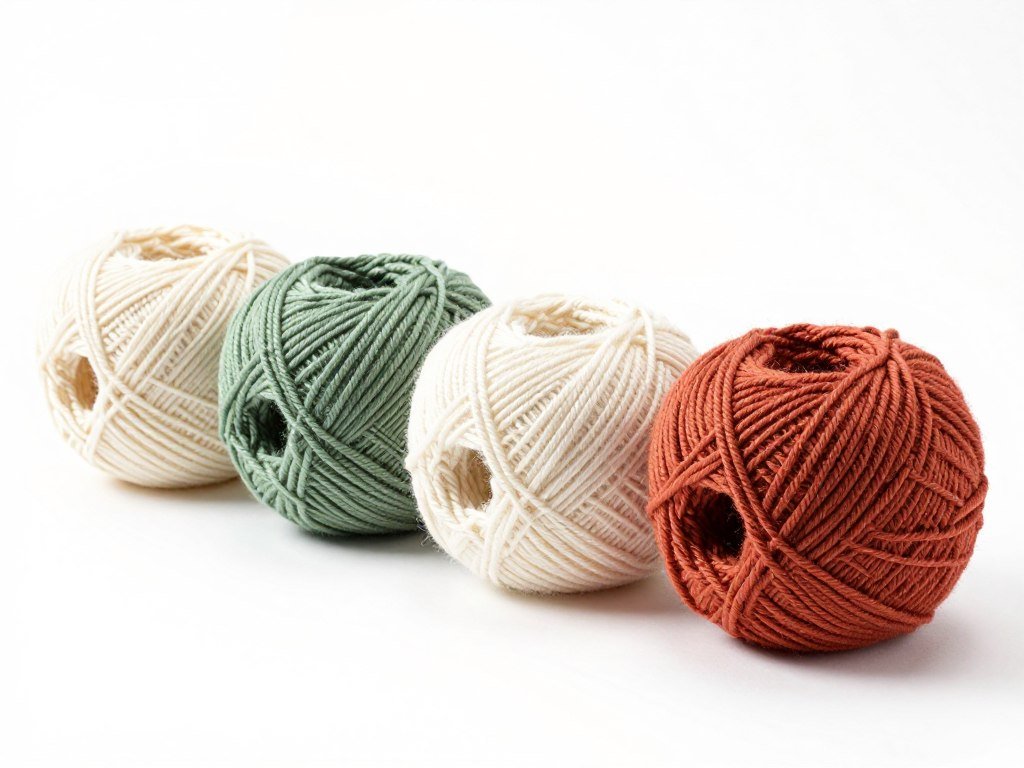
Recommended Cotton Yarn
Lily Sugar’n Cream or Peaches & Creme brands offer excellent quality. These 100 cotton options come in numerous colors and provide consistent texture throughout your project.
- Machine washable and durable
- Worsted weight consistency
- Affordable pricing per ball
- Wide color selection available
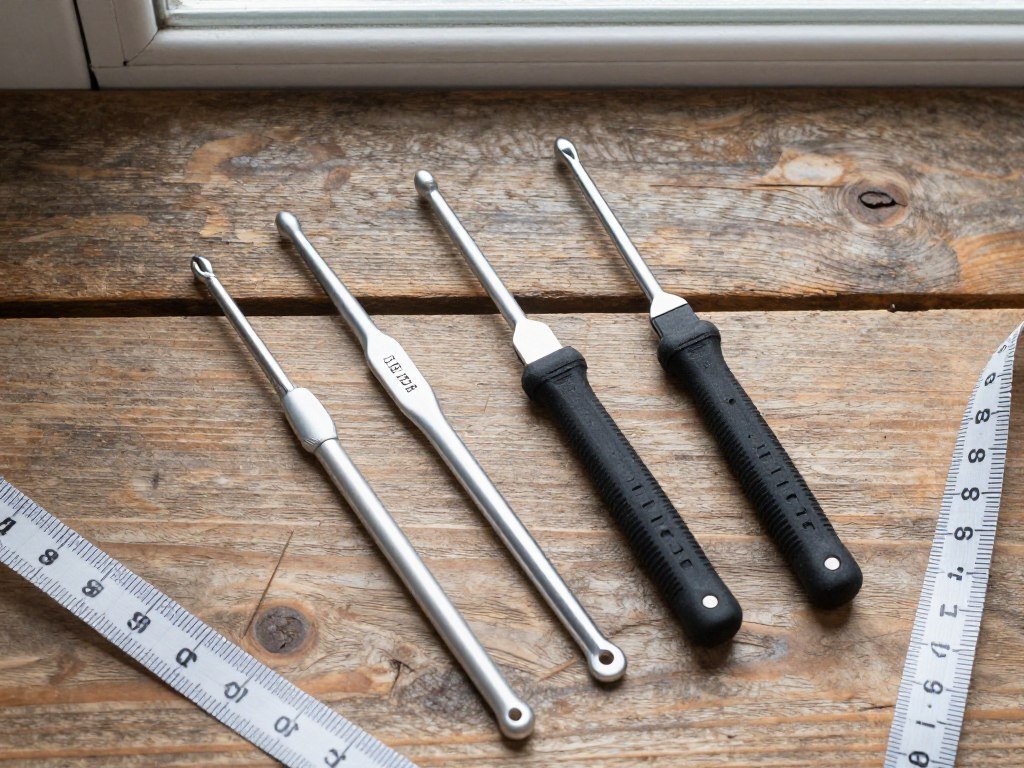
Essential Crochet Hooks
A size H-8 (5mm) or I-9 (5.5mm) hook creates the proper gauge. The hook size affects the final texture and density of your double thick potholder.
- Ergonomic grip reduces hand fatigue
- Smooth hook catches yarn easily
- Size H or I recommended
- Aluminum or bamboo options
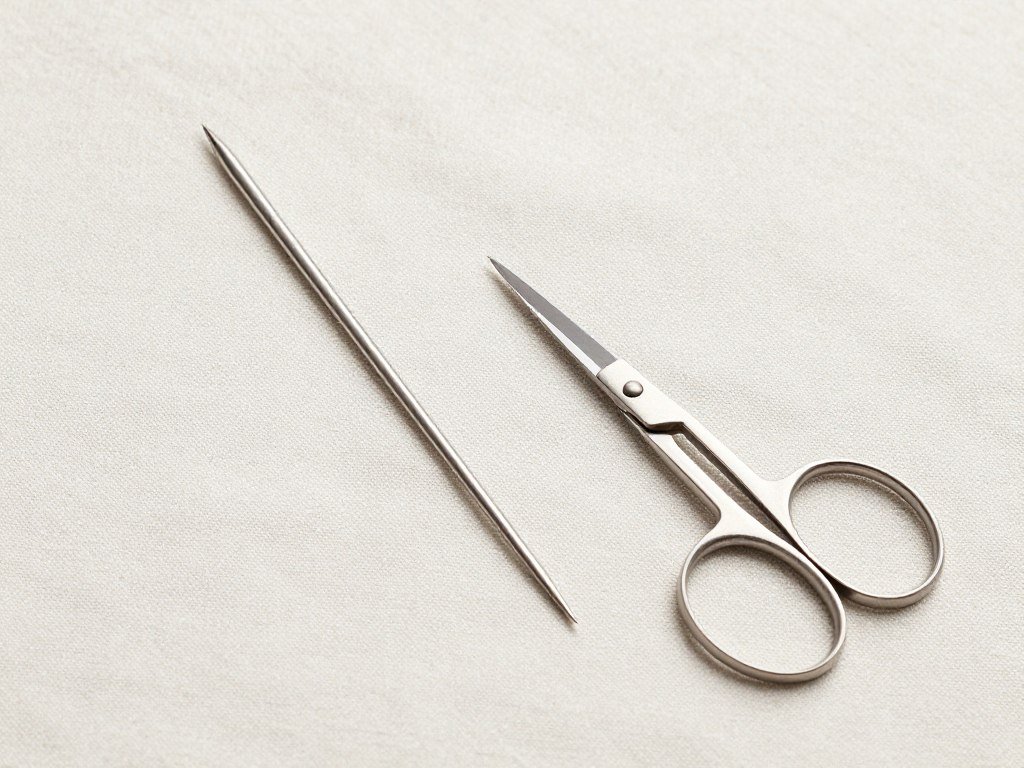
Finishing Supplies
A yarn needle weaves in ends cleanly. Sharp scissors trim excess yarn without fraying. These basic tools complete your crochet toolkit.
- Large-eye blunt tapestry needle
- Small sharp scissors for cutting
- Stitch markers (optional helper)
- Measuring tape for gauge
Complete Materials Checklist
- 85-100 yards worsted weight 100 cotton yarn per potholder
- Crochet hook size H-8 (5mm) or I-9 (5.5mm)
- Yarn needle for weaving ends
- Scissors for cutting yarn
- Optional: stitch markers to track rows
Gauge and Finished Size Information
The gauge for this pattern measures approximately 14 stitches and 12 rows in a 4-inch square. Your tension affects the final potholder size and density. A tighter gauge creates a smaller, thicker hot pad with more heat resistance.
The finished double thick crochet potholder measures about 7.5 inches square. This size fits comfortably in one hand while protecting from heat. The double thickness provides superior insulation compared to single-layer patterns.
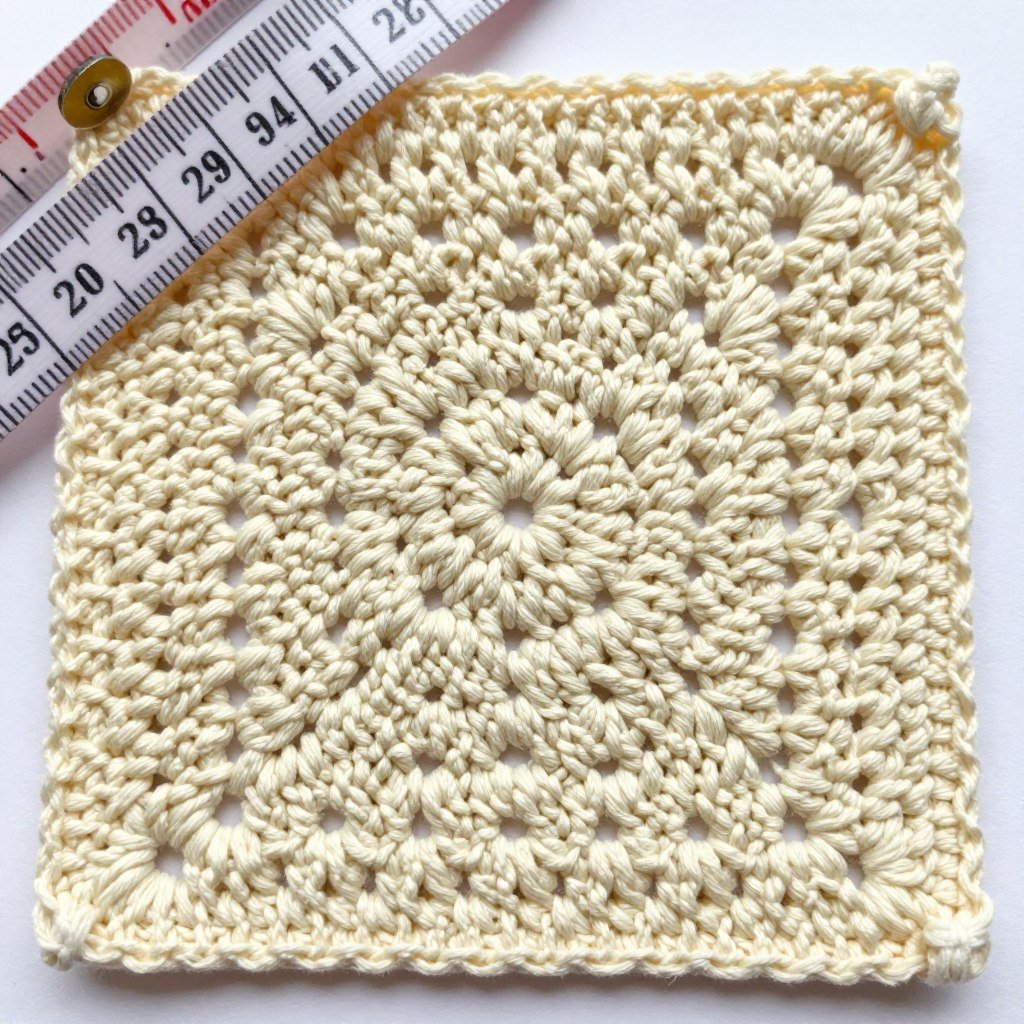
Gauge Tip: Don’t worry if your gauge differs slightly. The potholder remains functional across a range of sizes. Adjust your hook size up or down one size to match the suggested gauge if desired.
Size Variations
You can easily adjust the pattern to make one side larger or smaller. Add or subtract chain stitches in multiples of two to maintain the stitch pattern. Each additional stitch pair adds approximately half an inch to the width.
- Small size: 6 inches square (reduce starting chain by 4 stitches)
- Standard size: 7.5 inches square (pattern as written)
- Large size: 9 inches square (add 4 stitches to starting chain)
Crochet Stitches and Abbreviations
This pattern uses basic crochet stitches suitable for intermediate skill level. Familiarity with single crochet and half double crochet stitches makes the project easier. The double thick technique involves working through both loops on the hook back loop simultaneously.
Pattern Abbreviations
- ch = chain stitch
- sc = single crochet
- hdc = half double crochet
- sl st = slip stitch
- sp = space between stitches
- BLO = back loop only
- rep = repeat instruction
- st(s) = stitch(es)
Special Technique: Double Thick Method
The double thickness forms by working in the back loop of each stitch. Insert hook back loop only, which creates a ridge on the front. This technique automatically produces two distinct layers of fabric.
Each row creates both the top and bottom surfaces simultaneously. The loops hook together as you work, eliminating the need to join two separate pieces. This method saves time while creating superior texture and insulation.
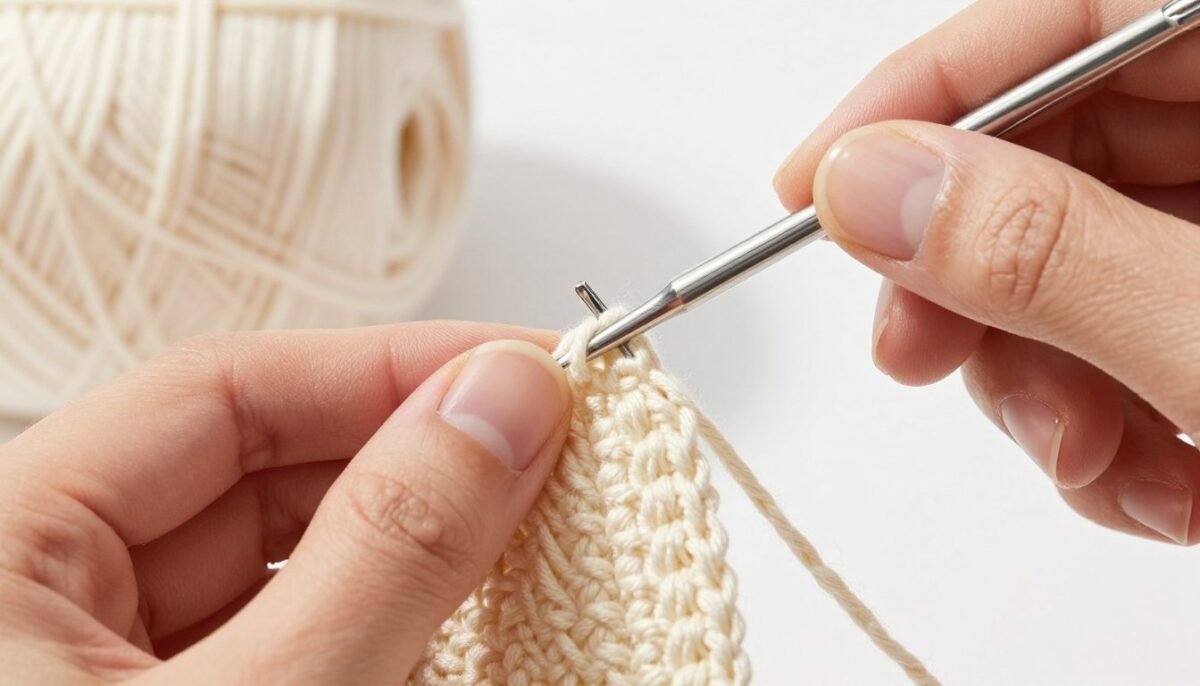
Step-by-Step Free Crochet Potholder Pattern
Follow these instructions carefully for best results. The pattern creates a square potholder with a hanging loop. Take your time with the first few rows to establish the correct tension and stitch pattern.
Foundation and First Rows
- Chain 28 stitches with your cotton yarn and size H or I hook. This creates the foundation for your potholder width.
- Half double crochet in the third chain from hook. Continue half double crochet across the foundation chain to the end. You’ll have 26 stitches total.
- Chain 2 and turn your work. The chain 2 counts as the first stitch of the new row.
- Insert hook back loop only of the second stitch. Work half double crochet in back loop only across the entire row.
- Repeat the back loop half double crochet pattern for each subsequent row. The double thickness texture develops after the first few rows.
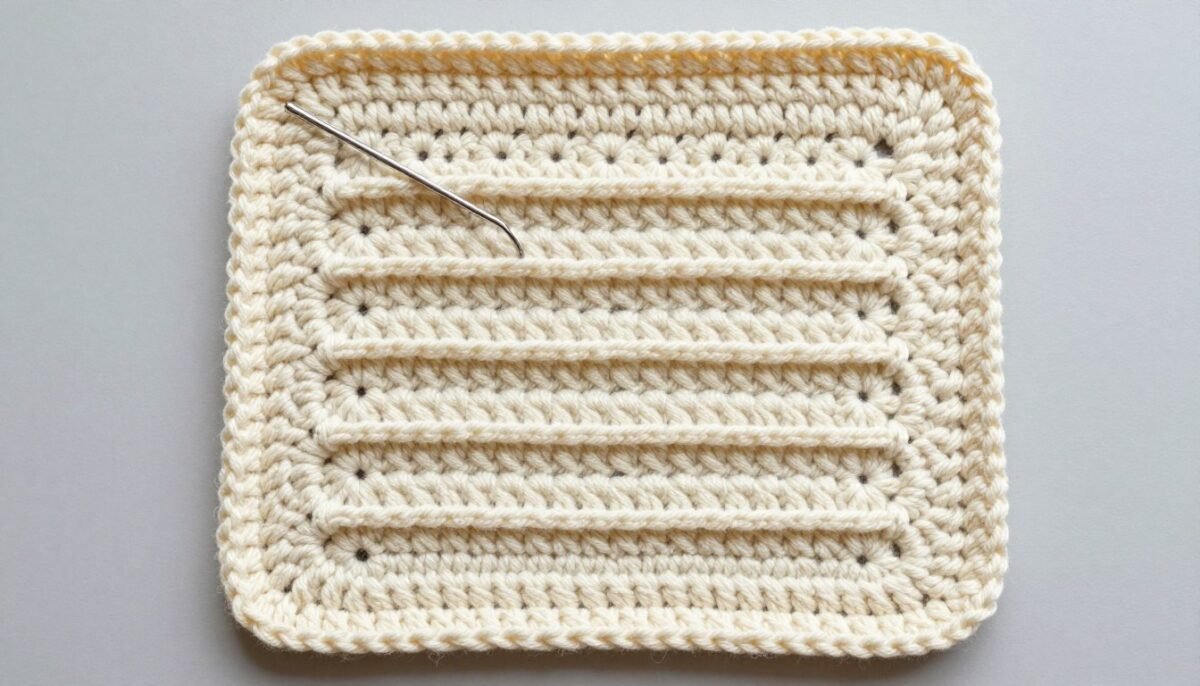
Main Body Construction
Continue working rows in the half double crochet back loop only pattern. The project grows quickly once you establish a rhythm. Each row takes approximately 2-3 minutes to complete at a relaxed pace.
Work until your piece measures approximately 7.5 inches from the foundation chain. Count your rows to maintain a square shape. You’ll need about 20-22 rows total depending on your gauge and tension.
Pro Tip: Lay your work flat every few rows to check the shape. The piece should remain square with even edges. Adjust your tension if one side appears tighter than the other.
- Continue the back loop pattern until the piece measures 7.5 inches tall when laid flat.
- On the final row, work across in the established pattern. Do not cut yarn at the end of the last row.
- Chain 1 and prepare to work the border edging around all four sides of your square.
Adding the Border Edge
The border stabilizes the edges and creates a finished look. Work single crochet stitches evenly around the entire perimeter. This step ensures your potholder maintains its shape through repeated use and washing.
- Single crochet across the top edge, placing one stitch in each half double crochet stitch from the previous row.
- At the corner, work 3 single crochet stitches in the same space to turn the corner smoothly.
- Work down the side edge, placing approximately one single crochet for every row end. Space stitches evenly to prevent ruffling.
- Repeat the corner treatment with 3 stitches, then work across the bottom edge and up the remaining side.
- Join with a slip stitch to the first single crochet of the round.
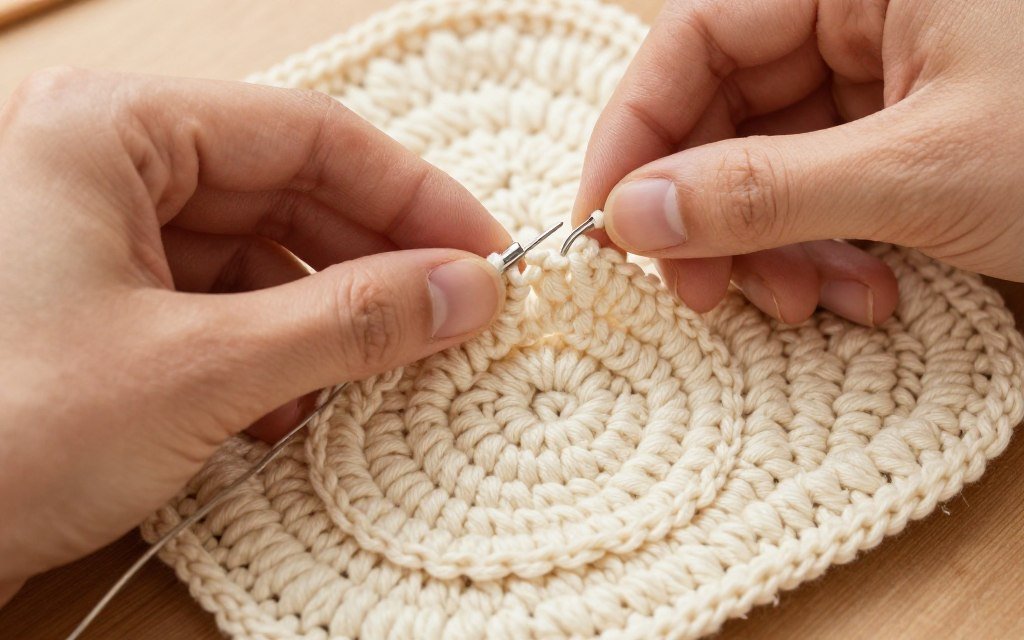
Creating the Hanging Loop
The hanging loop adds functionality for storage. Make one at any corner of your finished potholder. This practical feature allows you to hang your hot pad near the stove for easy access during cooking.
Position the loop at a corner for visual balance. The loop should be sturdy enough to support the potholder weight when hung. Use the same cotton yarn for consistent appearance and durability.
- After completing the border, chain 12 stitches from any corner stitch.
- Slip stitch back into the same corner stitch where you started the chain.
- Single crochet around the chain loop, working approximately 14-16 single crochet stitches around the chain circle.
- Join with a slip stitch to the base of the loop.
- Cut yarn leaving a 6-inch tail for weaving in later.
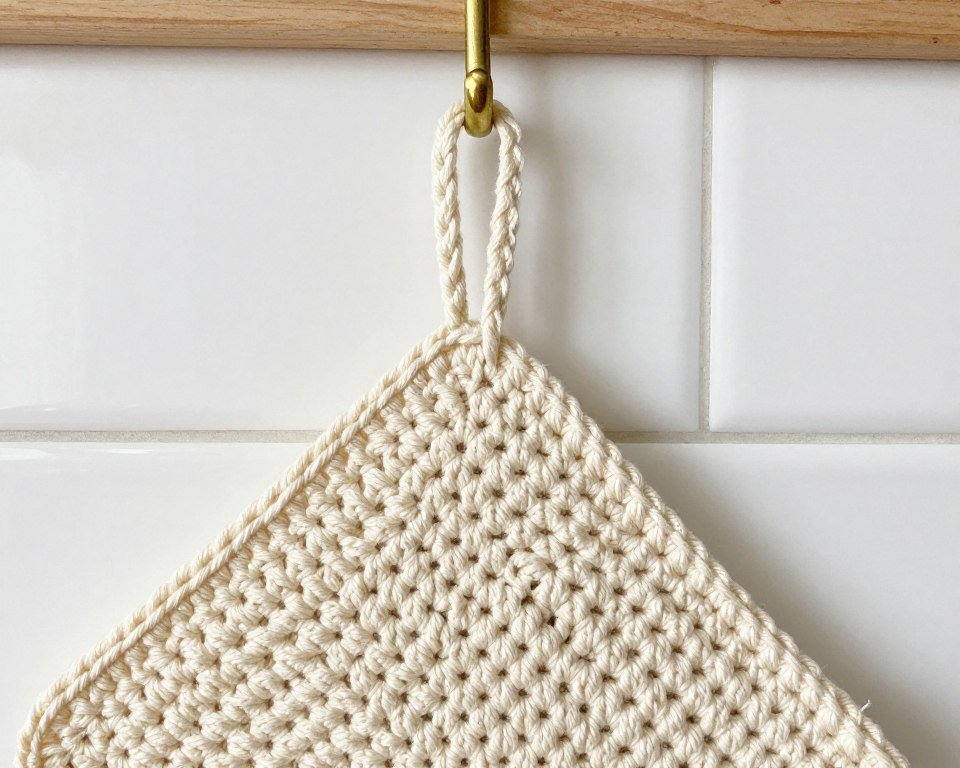
Loop Variation: For a smaller loop, chain 8-10 stitches instead of 12. For a larger loop that fits over wider hooks, chain 15-18 stitches before joining back to the corner.
Finishing Your Double Thick Potholder
Proper finishing makes your project look professional and last longer. Take time to weave in ends securely. The finishing steps prevent unraveling and enhance the overall appearance of your handmade potholder.
Weaving in Yarn Ends
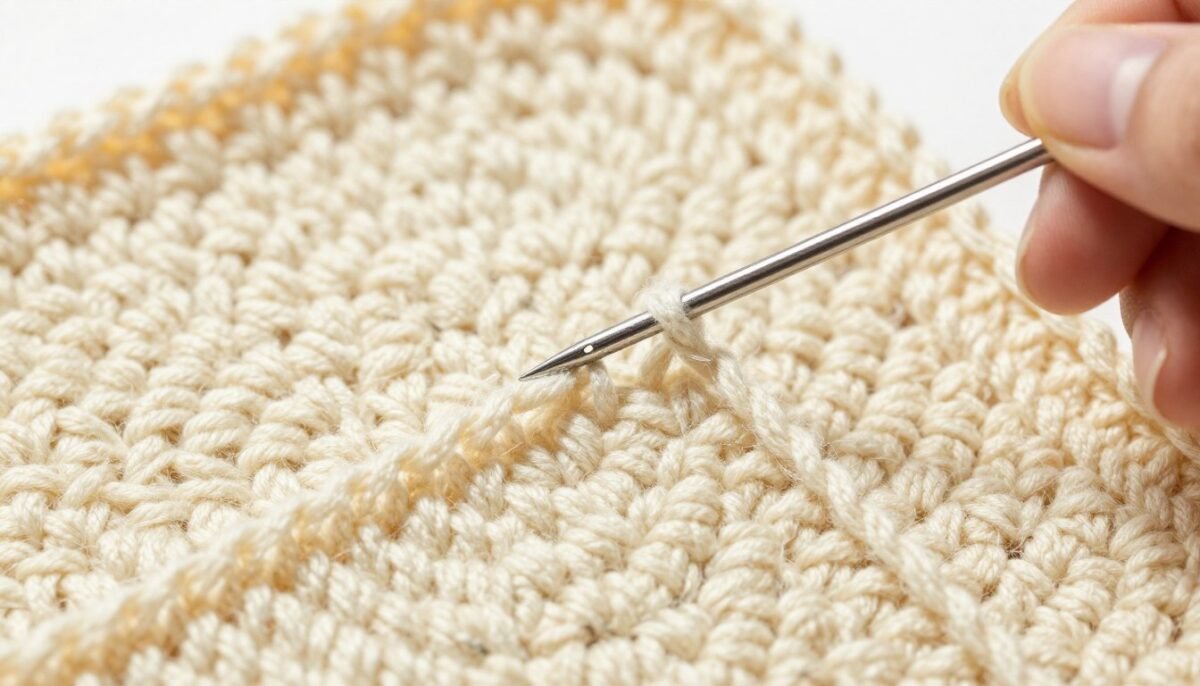
Thread each yarn end through your yarn needle. Weave the end through several stitches on the wrong side of the fabric. Change direction and weave back through a few more stitches for security.
- Thread the yarn needle with one yarn tail from your starting end.
- Weave the needle through 5-6 stitches along the back of the work, following the stitch pattern.
- Reverse direction and weave back through 3-4 stitches to lock the end in place.
- Trim excess yarn close to the fabric surface with sharp scissors.
- Repeat for all remaining ends, including the hanging loop tail.
Blocking for Shape
Blocking helps your potholder lay flat and maintain a crisp square shape. The cotton yarn responds well to steam blocking. This optional step creates a more polished finished project.
Wet Blocking Method
- Submerge the finished potholder in cool water for 5 minutes.
- Gently squeeze out excess water without wringing.
- Lay flat on a towel and shape into a perfect square.
- Pin corners if needed to maintain shape while drying.
- Allow to air dry completely, which takes 12-24 hours.
Steam Blocking Method
- Place the potholder on a heat-safe blocking surface.
- Hold a steam iron 1-2 inches above the fabric surface.
- Apply steam evenly across the entire potholder without touching it.
- Gently pat into shape while still warm and slightly damp.
- Allow to cool and dry completely before using.
Washing and Care Instructions
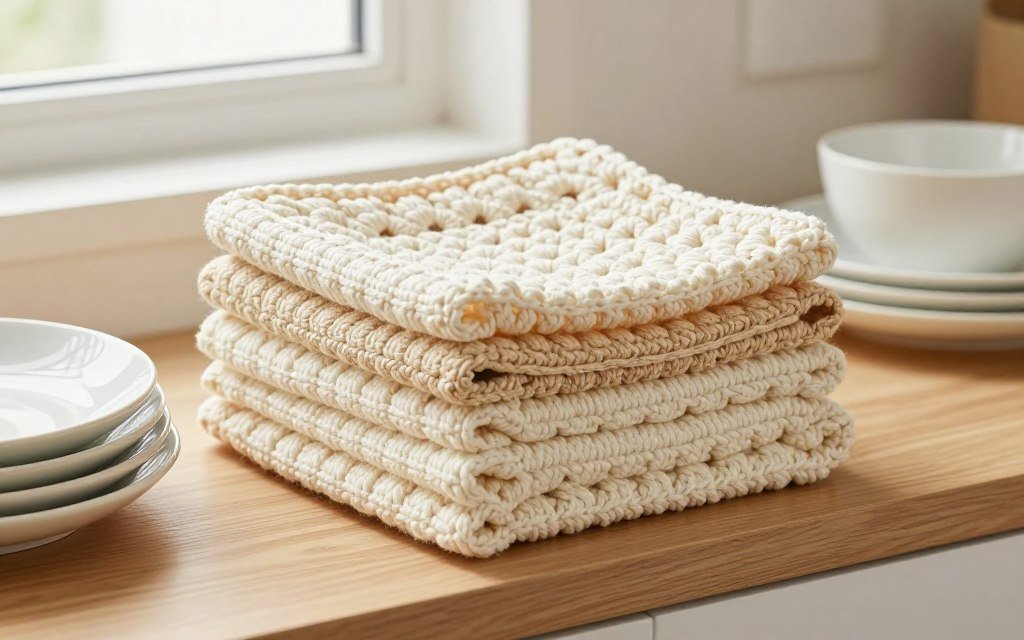
Cotton crochet potholders are machine washable, making them practical for kitchen use. Wash regularly to remove grease and food residue. The 100 cotton fiber withstands repeated washing without degrading.
Your double thick crochet potholder becomes softer and more absorbent with each wash. The texture improves over time as the cotton fibers relax. Proper care ensures years of reliable heat protection.
| Care Aspect | Recommendation | Frequency |
| Machine Washing | Warm water, gentle cycle with mild detergent | After 3-5 uses or as needed |
| Drying | Tumble dry low or air dry flat | After each wash |
| Stain Treatment | Pre-treat with dish soap before washing | As needed for grease stains |
| Replacement | Replace if thinning or showing burn marks | Every 1-2 years with heavy use |
Important Safety Notes
Heat Safety: While double thick crochet potholders offer excellent heat protection, always use caution with extremely hot cookware. No potholder provides unlimited heat resistance. Use two potholders for very heavy or extremely hot items.
- Inspect potholders regularly for wear, thinning, or burn marks
- Replace immediately if you notice any holes or weak spots
- Never use damp or wet potholders, as moisture conducts heat
- Keep multiple potholders in rotation to extend their lifespan
- Avoid contact with open flames or heating elements
Color and Design Customization Options
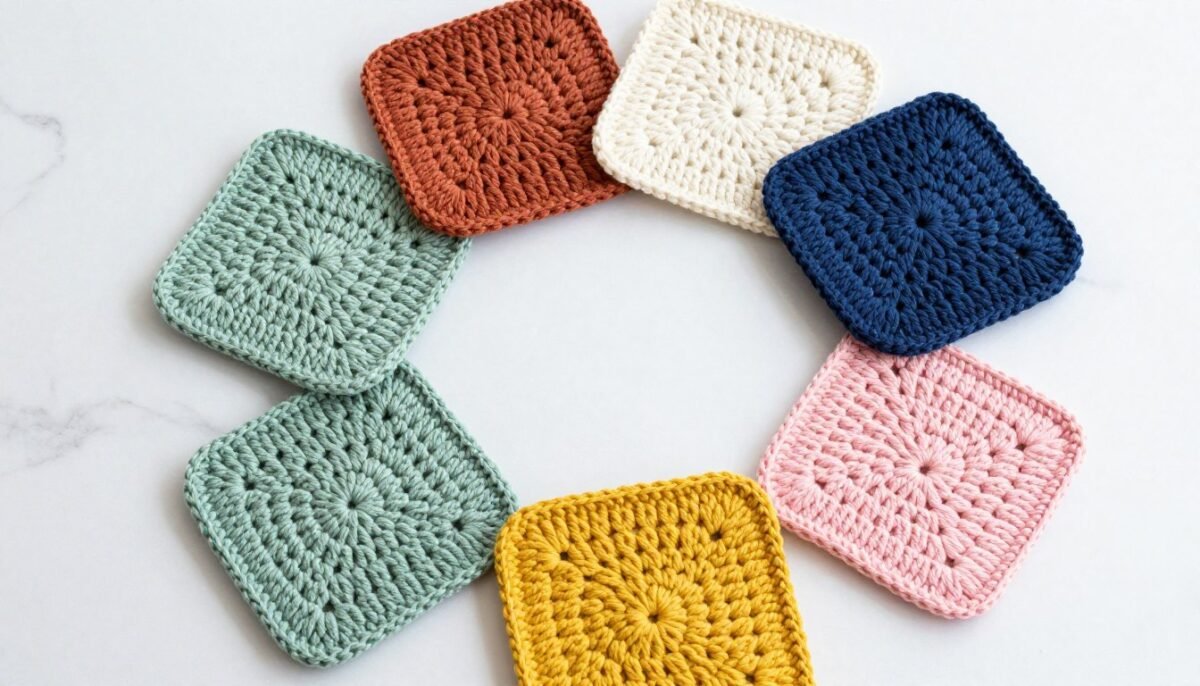
Customize your crochet potholders to match your kitchen decor. Cotton yarn comes in hundreds of colors and shade variations. Create coordinating sets or mix patterns for visual interest throughout your kitchen space.
Experiment with stripe patterns by changing yarn colors every few rows. The back loop technique creates subtle texture that complements color variations beautifully. Make one in seasonal colors or classic neutrals that coordinate with any kitchen palette.
Popular Color Combinations
Classic Kitchen
- Cream and navy stripes
- Red and white checks
- Black and gray neutrals
- Natural beige tones
Modern Farmhouse
- Sage green solid
- Terracotta and cream
- Charcoal and white
- Natural linen shades
Bright and Cheerful
- Sunny yellow solid
- Turquoise and coral
- Rainbow striped pattern
- Multicolor gradient
Adding Stripe Patterns
Create horizontal stripes by changing yarn color at the end of any row. Cut the first color leaving a 6-inch tail. Join the new color with a slip stitch and continue the pattern. The color change creates a clean line across the width.
For subtle variation, alternate between two similar shades of the same color family. This creates depth and visual texture without overwhelming the eye. Wide stripes of 3-4 rows each create bold impact, while single-row stripes produce a delicate effect.
Common Issues and Troubleshooting Solutions
Even experienced crocheters encounter challenges when learning new techniques. The double thick method requires consistent tension to maintain even fabric texture. These solutions address the most common issues beginners face with this pattern.
Edges Curling Inward
Curling edges indicate tension that’s too tight on the foundation chain or border. The back loop technique can naturally pull slightly, but excessive curling means adjustment is needed. Blocking usually resolves minor curling issues.
Prevention Methods
- Use a larger hook for the foundation chain only
- Work the chain more loosely than usual
- Add one extra chain at the start, then skip it
- Check tension after every few rows
Correction Techniques
- Block the finished piece with steam
- Add a second round of border stitches
- Work border with a larger hook size
- Pin flat while drying after washing
Uneven Square Shape
If your potholder measures longer on one side than the other, stitch count likely varied between rows. Count stitches periodically to catch errors early. Place a stitch marker in the first stitch of each row as a counting reference.
- Count total stitches every 3-4 rows to verify accuracy
- Mark the first stitch of each row with a removable marker
- Ensure the turning chain counts as the first stitch consistently
- Maintain even tension throughout each row
- Measure both width and height every 5 rows during construction
Gaps in the Double Layer
Visible gaps between the two layers mean the hook isn’t consistently catching both loops. Insert hook back loop only on each stitch, ensuring the hook goes through completely. The yarn pull should bring both layers together smoothly.
Quick Fix: If you notice gaps while working, they often close up naturally during blocking. Minor inconsistencies in the first few rows typically even out as you develop rhythm with the stitch pattern.
Pattern Variations and Related Projects
Once you master the basic double thick crochet potholder pattern, expand your skills with variations. The same technique works for numerous kitchen textile projects. Create matching sets or explore different shapes and sizes using this versatile method.
Hot Pad Size Variations
Adjust the foundation chain to create different sizes for various kitchen needs. Larger hot pads protect countertops from serving dishes and casseroles. Smaller versions work perfectly as coasters or trivets for individual cups and bowls.
| Project Type | Starting Chain | Finished Size | Best Use |
| Coaster | 16 chains | 4 inches square | Drinking glasses, mugs |
| Standard Potholder | 28 chains | 7.5 inches square | Pot handles, pan grips |
| Large Hot Pad | 36 chains | 10 inches square | Casserole dishes, serving bowls |
| Rectangular Trivet | 40 chains | 12 x 8 inches | Baking sheets, large platters |
Shape Variations
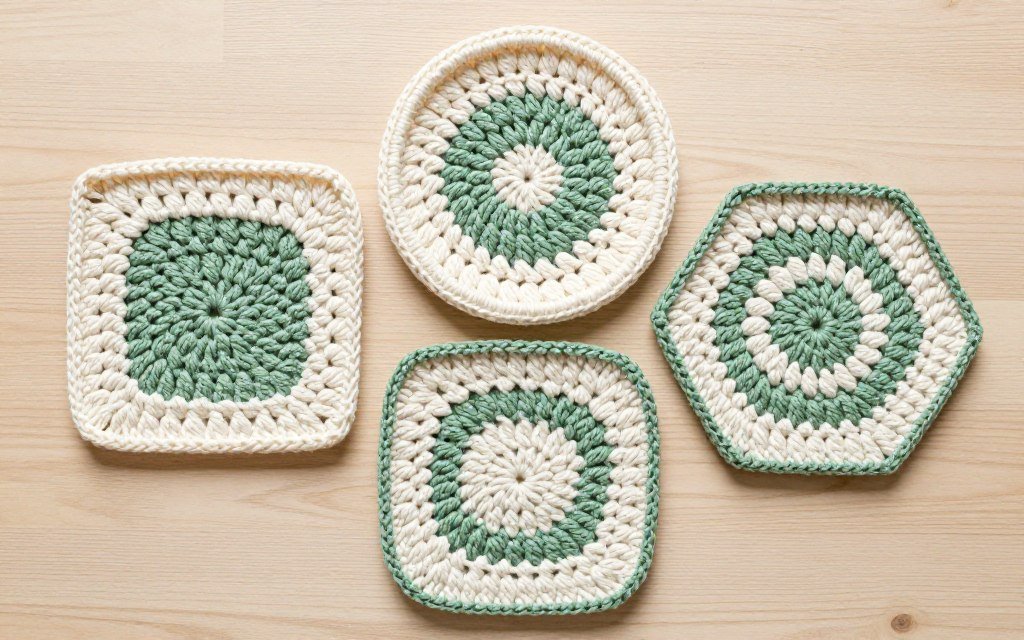
The double thick technique adapts to circular and hexagonal shapes too. Working in rounds instead of rows creates round potholders perfect for protecting table surfaces. The same back loop method produces the double layer regardless of shape.
Matching Kitchen Set Ideas
- Create a set of 4-6 potholders in coordinating colors for gifting
- Make matching dish towel hangers using the same stitch pattern
- Design a table runner using the double thick technique for heat protection
- Craft oven mitt covers using an extended rectangular variation
- Produce a complete kitchen textile collection in your signature colors
Handmade Gift Ideas and Presentation
Handmade crochet potholders make thoughtful, practical gifts for any occasion. The project works up quickly, allowing you to create multiple sets efficiently. Package your finished potholders attractively to showcase the handcrafted quality and care you invested.
Consider the recipient’s kitchen color scheme when selecting yarn colors. Make one set in neutral tones that complement any decor, or choose bold colors that make a statement. The personal touch of a handmade item shows thoughtfulness beyond store-bought alternatives.
Housewarming Gift Set
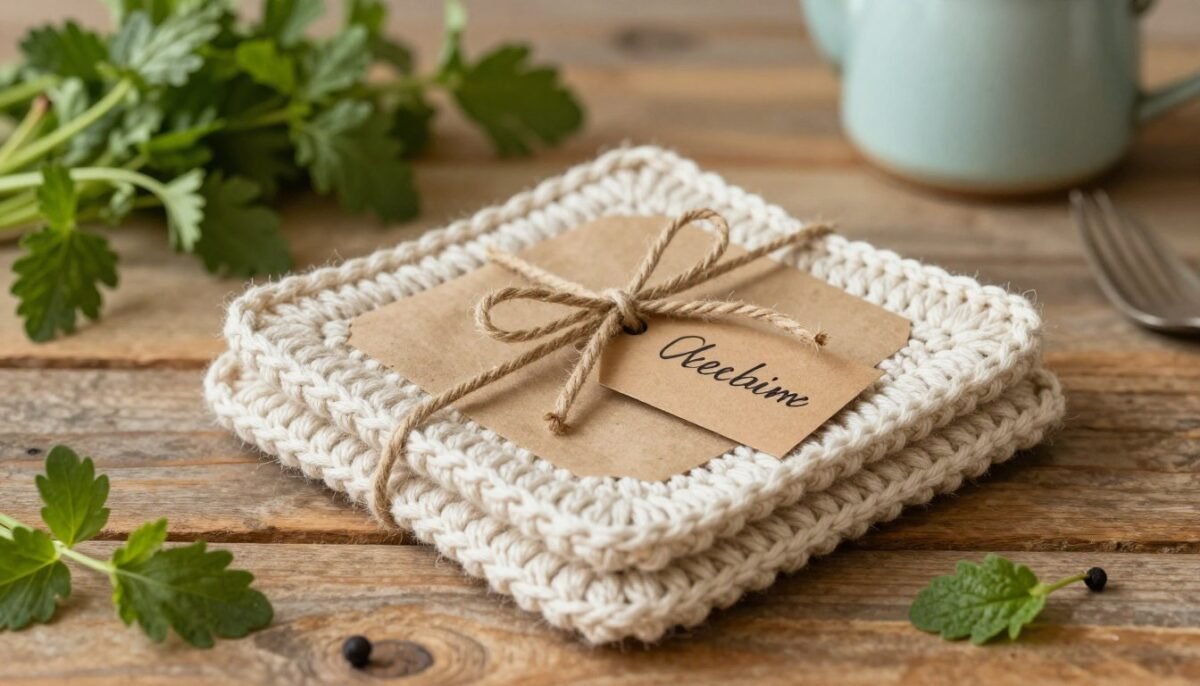
Package 4 potholders with a wooden spoon and favorite recipe card. The complete set provides new homeowners with essential kitchen tools wrapped in handmade charm.
- Choose neutral or classic colors
- Include care instructions card
- Add personalized recipe
- Tie with natural twine
Wedding Shower Present
Create matching his-and-hers potholders in the couple’s wedding colors. Pair with a cookbook or kitchen gadget for a complete culinary gift package.
- Match wedding color palette
- Make 6-8 for full set
- Include printable pattern
- Present in gift basket
Holiday Hostess Gift
Seasonal colors transform potholders into festive gifts. Red and green for Christmas, pastels for spring gatherings, or autumn tones for Thanksgiving hosts.
- Use seasonal color schemes
- Pair with baked goods
- Add decorative packaging
- Include matching coasters
Frequently Asked Questions
Can I use acrylic yarn instead of cotton for this double thick crochet potholder?
No, you should always use 100 cotton yarn for potholders. Acrylic yarn melts when exposed to high heat, creating a safety hazard. Cotton fiber withstands heat without melting or degrading. The natural material provides proper heat protection while remaining safe for kitchen use. Stick with cotton yarn brands specifically marketed for dishcloths and potholders.
How many potholders can I make from one ball of cotton yarn?
A standard 120-yard ball of worsted weight cotton yarn typically makes one standard potholder with yarn left over. You’ll need 85-100 yards per 7.5-inch square potholder. Most cotton yarn balls contain enough for one complete project plus the hanging loop. Purchase two balls if you want to create a matching pair or add striped color variations.
What makes the double thick technique different from making two separate layers?
The double thick technique creates both layers simultaneously as you work. Insert hook back loop only automatically forms two distinct fabric layers that connect at each stitch. This eliminates the need to crochet two separate pieces and sew them together later. The method saves time while producing superior texture and even thickness throughout the entire potholder.
How do I prevent my edges from ruffling or waving?
Ruffled edges indicate too many stitches in your border round. Count carefully to place exactly one single crochet in each stitch across flat edges. At corners, work only 3 stitches total in the corner space – no more. Maintain consistent tension throughout the border. If edges still wave after completion, block the finished potholder with steam to flatten and set the shape.
Can beginners successfully complete this double thick crochet potholder pattern?
This pattern suits intermediate skill level best, though ambitious beginners can succeed with patience. You should know how to chain, half double crochet, and single crochet before starting. The back loop only technique requires practice to master. Start with a small gauge swatch first to practice the stitch pattern. Once you understand the basic technique, the project progresses quickly and repetitively.
How long does it take to complete one potholder?
An experienced crocheter completes one standard potholder in 2-3 hours of active work time. Beginners learning the double thick technique may need 4-5 hours for their first project. The time decreases significantly as you develop muscle memory for the stitch pattern. The simple repetitive pattern allows you to work while watching television or listening to music once you establish the rhythm.
Start Your Double Thick Potholder Project Today
Creating your own double thick crochet potholder combines practical skill development with functional home decor. The pattern produces durable, heat-resistant kitchen textiles you’ll use daily. The satisfaction of completing a handmade project adds value beyond the material cost.
This free pattern provides everything you need to start crocheting today. Gather your cotton yarn and hook, then follow the step-by-step instructions. You’ll love how quickly the project works up and how professional the finished potholder looks.
The double thickness technique offers superior heat protection compared to single-layer alternatives. Your handmade potholders withstand years of regular kitchen use while maintaining their structure and appearance. Machine washable cotton ensures easy care and long-lasting functionality.
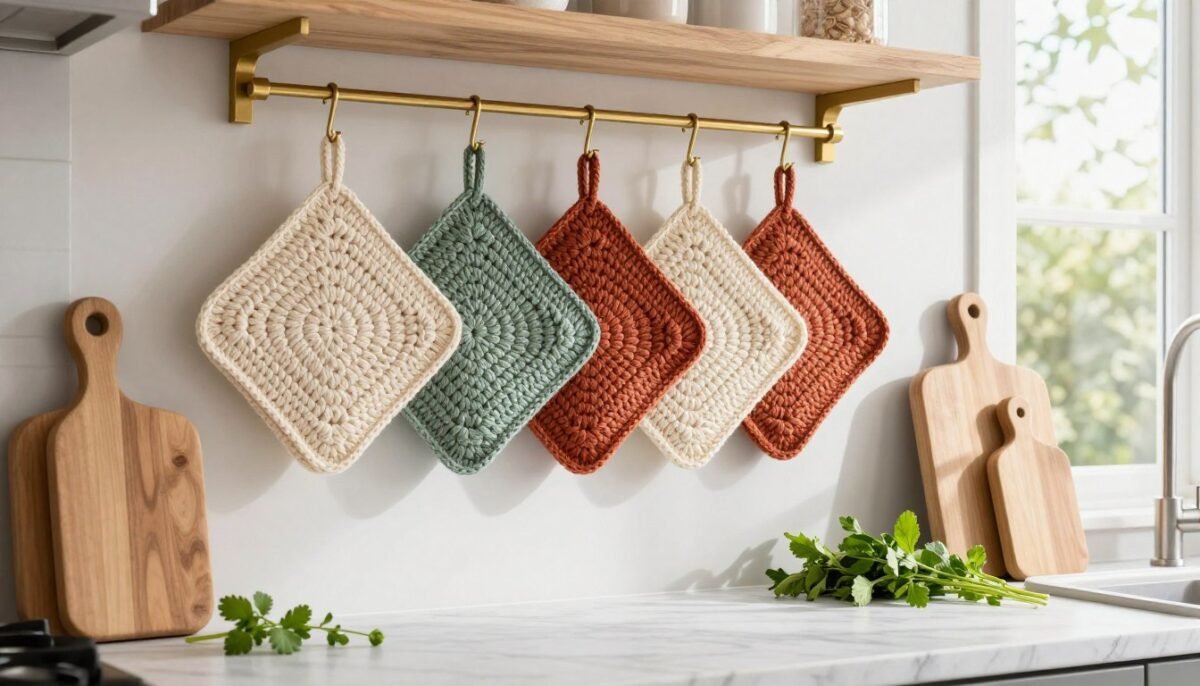
Share your finished crochet potholder projects and inspire other crafters in our online community. The simple pattern adapts to countless color combinations and size variations. Create matching kitchen sets or experiment with seasonal themes throughout the year.
Start your first double thick crochet potholder today and discover the joy of functional handmade items. The basic technique opens doors to numerous related projects and endless creative possibilities in kitchen textile design.